<?xml version="1.0" encoding="UTF-8" ?>
<channel>
  <item>
    <title><![CDATA[Simplify Your Transition to Renewable Energy with Our Blended PPA Webinar]]></title>
    <link>/news/simplify-your-transition-renewable-energy-our-blended-ppa-webinar</link>
    <pubDate>Tue, 07 Jan 2025 07:56:54 +0000</pubDate>
    <dc:creator><![CDATA[Steven Jackson]]></dc:creator>
    <guid>https://www.nfuenergy.co.uk/?p=3124948</guid>
    <description><![CDATA[]]></description>
    <content:encoded><![CDATA[<p>Are you ready to embrace renewable energy on your farm but concerned about the financial challenges of upfront costs? Join NFU Energy for an exclusive <a href="https://events.teams.microsoft.com/event/d379e076-8256-42fa-97cd-dd25a4eb63d1@b1ee301e-2f6a-4d7d-9bcd-06cf71b482b0">webinar</a> on Wednesday 29 January, from 10:00am to 11:00am, to discover how our Blended Power Purchase Agreements (PPAs) can help you transition to sustainable energy with ease.</p>
<p>This one-hour session is designed to introduce businesses to our innovative Blended PPA—a flexible, technology-agnostic funding solution tailored to meet your unique energy needs. Whether you’re looking to reduce energy bills, enhance sustainability, or make essential site upgrades, this webinar will provide the guidance you need.</p>
<h3>What You’ll Learn:</h3>
<ul>
<li><strong>Save Money:</strong> Discover how to lower your energy costs and shield your business from volatile price fluctuations.</li>
<li><strong>Access Renewable Energy:</strong> Learn about the diverse technologies, such as solar, wind, battery storage and hydrogen-ready CHP technology, that can be included under one tailored agreement.</li>
<li><strong>Fund Site Improvements: </strong>Can help facilitate upgrades to infrastructure such as new roofs, buildings or equipment, with the costs included in your PPA.</li>
<li><strong>Simplify the Process:</strong> See how NFU Energy can handle the technical aspects while you focus on running your business.</li>
</ul>
<h3>Meet the Experts:</h3>
<p>Our experienced speakers will guide you through the benefits and workings of the Blended PPA:</p>
<p><strong>Steven Jackson</strong>&nbsp;- <strong>Head of Sales, NFU Energy</strong> Steven brings extensive expertise in energy strategies, helping businesses transition to renewable energy while optimising cost-efficiency. His hands-on experience ensures that your energy solutions are tailored to your farm’s specific needs.</p>
<p><strong>Gerry Nicell&nbsp;- Commercial Director, Saber Renewable Energy</strong> Gerry has over a decade of experience in renewable energy, specialising in solar, battery storage, and CHP systems. He has facilitated the successful deployment of hundreds of commercial projects and is an expert in PPA funding, helping clients achieve their sustainability goals.</p>
<h3>Why Attend?</h3>
<p>Unlike traditional funding models, our Blended PPA provides unmatched flexibility by allowing a combination of renewable technologies and site upgrades under one agreement. This makes it easier than ever to:</p>
<ul>
<li>Improve your farm’s energy efficiency.</li>
<li>Access clean energy sources without upfront investments.</li>
<li>Secure long-term energy stability for your business.</li>
</ul>
<h3>Webinar Details:</h3>
<ul>
<li><strong>Date:</strong> Wednesday, 29 January</li>
<li><strong>Time: </strong>10:00 – 11:00</li>
<li><strong>Platform:</strong> Microsoft Teams</li>
<li>Registration Link: <a href="https://events.teams.microsoft.com/event/d379e076-8256-42fa-97cd-dd25a4eb63d1@b1ee301e-2f6a-4d7d-9bcd-06cf71b482b0">Click here to register now</a></li>
</ul>
<p>Don’t miss this opportunity to explore how NFU Energy’s Blended PPA can transform your energy strategy and support your journey to sustainability.</p>
<p>For more information, call us on 024 7669 6512 or email <a href="mailto:sales@nfuenergy.co.uk">sales@nfuenergy.co.uk</a>.</p>
]]></content:encoded>
    <excerpt:encoded><![CDATA[Join NFU Energy for an exclusive webinar on Wednesday 29 January, from 10:00am to 11:00am, to discover how our Blended Power Purchase Agreements (PPAs) can help you transition to sustainable energy with ease.
]]></excerpt:encoded>
    <wp:post_id>3124948</wp:post_id>
    <wp:post_date><![CDATA[2025-01-07 07:56:54]]></wp:post_date>
    <wp:post_date_gmt><![CDATA[2025-01-07 07:56:54]]></wp:post_date_gmt>
    <wp:post_type><![CDATA[post]]></wp:post_type>
    <category>News and Views
]]></category>
    <Service></Service>
    <wp:post_name>/news/simplify-your-transition-renewable-energy-our-blended-ppa-webinar</wp:post_name>
    <ping_status>closed</ping_status>
    <wp:is_sticky>0</wp:is_sticky>
    <wp:post_password><![CDATA[]]></wp:post_password>
    <wp:comment_status><![CDATA[closed]]></wp:comment_status>
    <wp:status><![CDATA[publish]]></wp:status>
    <wp:post_parent>0</wp:post_parent>
    <wp:menu_order>0</wp:menu_order>
    <wp:postmeta><wp:meta_key>_thumbnail_id</wp:meta_key>
<wp:meta_value><![CDATA[21568]]></wp:meta_value></wp:postmeta>
    <wp:attachment_url><![CDATA[https://www.nfuenergy.co.uk/sites/default/files/ppa_webinar_1500_x_1000_px.png]]></wp:attachment_url>
    <wp:meta_value><![CDATA[]]></wp:meta_value>
    <wp:postmeta>	<wp:meta_key><![CDATA[_yoast_wpseo_title]]></wp:meta_key>
	<wp:meta_value><![CDATA[Simplify Your Transition to Renewable Energy with Our Blended PPA Webinar | NFU Energy]]></wp:meta_value></wp:postmeta>
    <wp:postmeta>	<wp:meta_key><![CDATA[_yoast_wpseo_metadesc]]></wp:meta_key>
	<wp:meta_value><![CDATA[Join NFU Energy for an exclusive webinar on Wednesday 29 January, from 10:00am to 11:00am, to discover how our Blended Power Purchase Agreements (PPAs) can help you transition to sustainable energy with ease.
]]></wp:meta_value>
</wp:postmeta>
    <wp:postmeta>	<wp:meta_key><![CDATA[_yoast_wpseo_linkdex]]></wp:meta_key>
	<wp:meta_value><![CDATA[]]></wp:meta_value></wp:postmeta>
  </item>
  <item>
    <title><![CDATA[Stay Alert: Energy Scams]]></title>
    <link>/news/stay-alert-energy-scams</link>
    <pubDate>Thu, 19 Dec 2024 07:56:54 +0000</pubDate>
    <dc:creator><![CDATA[Candace Robb]]></dc:creator>
    <guid>https://www.nfuenergy.co.uk/?p=3124947</guid>
    <description><![CDATA[]]></description>
    <content:encoded><![CDATA[<p>We have recently seen an increase in scams targeting energy customers, with fraudsters posing as legitimate suppliers to gain personal information such as bank details.</p>
<p>How the scam works<strong>:</strong> Scammers may contact you claiming your energy meter needs replacing because it is not working. They often provide what appear to be correct details about your meter and even arrange a fake date for the meter change. After gaining your trust, they will ask for your <strong>bank details</strong>.</p>
<p>Do not share this information<strong>.</strong> Your genuine energy supplier already has your bank details and will never ask for them over the phone.</p>
<p>Scammers are also using email to target customers. A recent case involved an email appearing to come from a supplier, but on closer inspection, the email address used a domain like <strong>@outlook.com</strong> instead of the correct supplier domain (e.g., <strong>@scottishpower.com</strong>). Poor grammar and incorrect capitalisation are also common red flags.</p>
<p>Important notice: Our contracts team will be closed over Christmas from <strong>23 December at 5pm until 02 January 2025</strong>. During this time, we urge customers to be extra cautious of scams. If you receive any suspicious communications, do not share your details.</p>
<p>Protect yourself:</p>
<ul>
<li>Never share bank details over the phone or email.</li>
<li>Always verify the sender’s email address carefully.</li>
<li>If you are unsure, contact your supplier directly using official contact details.</li>
</ul>
<p>If you have any questions or concerns, please contact us by calling 024 7669 8885 or email <a href="mailto:contractsales@nfuenergy.co.uk">contractsales@nfuenergy.co.uk</a>. Stay vigilant and don’t let scammers catch you out.</p>
]]></content:encoded>
    <excerpt:encoded><![CDATA[We have recently seen an increase in scams targeting energy customers, with fraudsters posing as legitimate suppliers to gain personal information such as bank details.
]]></excerpt:encoded>
    <wp:post_id>3124947</wp:post_id>
    <wp:post_date><![CDATA[2024-12-19 07:56:54]]></wp:post_date>
    <wp:post_date_gmt><![CDATA[2024-12-19 07:56:54]]></wp:post_date_gmt>
    <wp:post_type><![CDATA[post]]></wp:post_type>
    <category>News and Views
]]></category>
    <Service></Service>
    <wp:post_name>/news/stay-alert-energy-scams</wp:post_name>
    <ping_status>closed</ping_status>
    <wp:is_sticky>0</wp:is_sticky>
    <wp:post_password><![CDATA[]]></wp:post_password>
    <wp:comment_status><![CDATA[closed]]></wp:comment_status>
    <wp:status><![CDATA[publish]]></wp:status>
    <wp:post_parent>0</wp:post_parent>
    <wp:menu_order>0</wp:menu_order>
    <wp:postmeta><wp:meta_key>_thumbnail_id</wp:meta_key>
<wp:meta_value><![CDATA[21561]]></wp:meta_value></wp:postmeta>
    <wp:attachment_url><![CDATA[https://www.nfuenergy.co.uk/sites/default/files/blog_header_1500_x_1000_px_7.png]]></wp:attachment_url>
    <wp:meta_value><![CDATA[]]></wp:meta_value>
    <wp:postmeta>	<wp:meta_key><![CDATA[_yoast_wpseo_title]]></wp:meta_key>
	<wp:meta_value><![CDATA[Stay Alert: Energy Scams | NFU Energy]]></wp:meta_value></wp:postmeta>
    <wp:postmeta>	<wp:meta_key><![CDATA[_yoast_wpseo_metadesc]]></wp:meta_key>
	<wp:meta_value><![CDATA[We have recently seen an increase in scams targeting energy customers, with fraudsters posing as legitimate suppliers to gain personal information such as bank details.
]]></wp:meta_value>
</wp:postmeta>
    <wp:postmeta>	<wp:meta_key><![CDATA[_yoast_wpseo_linkdex]]></wp:meta_key>
	<wp:meta_value><![CDATA[]]></wp:meta_value></wp:postmeta>
  </item>
  <item>
    <title><![CDATA[EA Compliance Ratings: What They Mean, Why They Matter, and NFU Energy&#039;s Success in Supporting Businesses]]></title>
    <link>/news/ea-compliance-ratings-what-they-mean-why-they-matter-and-nfu-energys-success-supporting</link>
    <pubDate>Mon, 16 Dec 2024 07:56:54 +0000</pubDate>
    <dc:creator><![CDATA[Sophie Archer]]></dc:creator>
    <guid>https://www.nfuenergy.co.uk/?p=3124946</guid>
    <description><![CDATA[]]></description>
    <content:encoded><![CDATA[<p>At NFU Energy, we understand that compliance isn't just about meeting regulations; it can have a significant impact on your bottom line. The Environment Agency (EA) uses compliance ratings to determine annual permit fees for businesses, and these ratings can result in either considerable savings or unexpected costs.</p>
<p>We’re here to explain why maintaining a strong compliance rating is so crucial, the types of businesses affected, and how NFU Energy’s Permit Health Check and Operator Monitoring Assessment (OMA) audit services can help you keep your business in top shape.</p>
<h3>What Are Compliance Ratings and Why Do They Matter?</h3>
<p>Compliance ratings are determined by the EA based on the quality of compliance management at your site. They fall within bands from A to F, with each band linked to a percentage adjustment to your annual permit fee:</p>
<ul>
<li>Band A: A 5% discount on the annual fee.</li>
<li>Band B: No change (100% of the standard fee).</li>
<li>Band C: A 10% increase.</li>
<li>Band D: A 25% increase.</li>
<li>Band E: A 50% increase.</li>
<li>Band F: Up to a 300% increase if compliance is significantly below standard.</li>
</ul>
<p>A higher compliance rating can translate into significant savings, potentially reducing your costs by thousands of pounds annually. Conversely, a lower rating can lead to steep fee increases, putting unnecessary pressure on your financial resources.</p>
<h3>Who Does This Concern?</h3>
<p>Compliance ratings and permit fees are relevant to any business requiring an installations environmental permit from the EA (standalone MCPD is excluded). This includes, but isn’t limited to:</p>
<ul>
<li>Farms and Agricultural Operations: Whether managing arable farms, livestock facilities, or mixed-use operations, maintaining compliance helps minimise costs and ensures environmental sustainability.</li>
<li>Food Production and Processing: Companies involved in food processing or packaging must comply with strict waste, emissions, and water use regulations to avoid higher permit fees.</li>
<li>Greenhouses and Nurseries: Horticultural businesses must adhere to environmental standards for water use, waste disposal, and emissions.</li>
<li>Waste Management and Recycling: Businesses managing waste collection, treatment, or recycling face stringent compliance standards.</li>
<li>Renewable Energy Projects: Biomass (waste or &gt;20 MWth), biogas, and other renewable energy facilities need high compliance standards to benefit from reduced permit fees and avoid penalties.</li>
</ul>
<h3>The Power of High Compliance Ratings: A Success Story</h3>
<p>One of NFU Energy’s clients recently achieved a Band A rating, securing a 5% discount on their annual permit fee. This success was the result of a detailed Permit Health Check and tailored OMA support provided by our expert team.</p>
<p>This win not only highlights the client's commitment to compliance but also underscores the practical value of NFU Energy's services. By proactively addressing compliance requirements and improving standards, the client not only avoided potential penalties but also ensured ongoing savings.</p>
<h3>Why Choose NFU Energy's Compliance Support Services?</h3>
<p>Maintaining a strong compliance rating requires consistent attention to detail and a deep understanding of the regulations. At NFU Energy, we offer services tailored to your needs, including:</p>
<ul>
<li>Permit Health Checks: Identify areas for improvement and ensure you meet EA compliance standards.</li>
<li>OMA Audit Support: Gain actionable insights and recommendations to improve your compliance rating.</li>
</ul>
<p>These services help protect your business from unnecessary fee increases, improve compliance standards, and deliver long-term savings.</p>
<h3>How Can NFU Energy Help You?</h3>
<p>With decades of experience supporting farmers, growers, and businesses in the agriculture and renewable energy sectors, NFU Energy is your trusted partner in navigating environmental compliance challenges.</p>
<p>Our expertise has helped countless clients maintain strong compliance ratings and secure significant cost savings. Let us help you maximise your compliance potential and enjoy peace of mind, knowing your business is fully prepared.</p>
<p>Contact NFU Energy today at 024 7669 6512 or <a href="mailto:sales@nfuenergy.co.uk">sales@nfuenergy.co.uk</a> to find out how we can help your business achieve top compliance ratings and reap the financial benefits.</p>
]]></content:encoded>
    <excerpt:encoded><![CDATA[We’re here to explain why maintaining a strong compliance rating is so crucial, the types of businesses affected, and how NFU Energy’s Permit Health Check and Operator Monitoring Assessment (OMA) audit services can help you keep your business in top shape.
]]></excerpt:encoded>
    <wp:post_id>3124946</wp:post_id>
    <wp:post_date><![CDATA[2024-12-16 07:56:54]]></wp:post_date>
    <wp:post_date_gmt><![CDATA[2024-12-16 07:56:54]]></wp:post_date_gmt>
    <wp:post_type><![CDATA[post]]></wp:post_type>
    <category>News and Views
]]></category>
    <Service></Service>
    <wp:post_name>/news/ea-compliance-ratings-what-they-mean-why-they-matter-and-nfu-energys-success-supporting</wp:post_name>
    <ping_status>closed</ping_status>
    <wp:is_sticky>0</wp:is_sticky>
    <wp:post_password><![CDATA[]]></wp:post_password>
    <wp:comment_status><![CDATA[closed]]></wp:comment_status>
    <wp:status><![CDATA[publish]]></wp:status>
    <wp:post_parent>0</wp:post_parent>
    <wp:menu_order>0</wp:menu_order>
    <wp:postmeta><wp:meta_key>_thumbnail_id</wp:meta_key>
<wp:meta_value><![CDATA[21559]]></wp:meta_value></wp:postmeta>
    <wp:attachment_url><![CDATA[https://www.nfuenergy.co.uk/sites/default/files/blog_header_1500_x_1000_px_6.png]]></wp:attachment_url>
    <wp:meta_value><![CDATA[]]></wp:meta_value>
    <wp:postmeta>	<wp:meta_key><![CDATA[_yoast_wpseo_title]]></wp:meta_key>
	<wp:meta_value><![CDATA[EA Compliance Ratings: What They Mean, Why They Matter, and NFU Energy&#039;s Success in Supporting Businesses | NFU Energy]]></wp:meta_value></wp:postmeta>
    <wp:postmeta>	<wp:meta_key><![CDATA[_yoast_wpseo_metadesc]]></wp:meta_key>
	<wp:meta_value><![CDATA[We’re here to explain why maintaining a strong compliance rating is so crucial, the types of businesses affected, and how NFU Energy’s Permit Health Check and Operator Monitoring Assessment (OMA) audit services can help you keep your business in top shape.
]]></wp:meta_value>
</wp:postmeta>
    <wp:postmeta>	<wp:meta_key><![CDATA[_yoast_wpseo_linkdex]]></wp:meta_key>
	<wp:meta_value><![CDATA[]]></wp:meta_value></wp:postmeta>
  </item>
  <item>
    <title><![CDATA[Already Have Solar Panels? Here&#039;s Why Adding Battery Storage is a Bright Idea for Your Farm]]></title>
    <link>/news/already-have-solar-panels-heres-why-adding-battery-storage-bright-idea-your-farm</link>
    <pubDate>Thu, 12 Dec 2024 07:56:54 +0000</pubDate>
    <dc:creator><![CDATA[Jenny Beynon]]></dc:creator>
    <guid>https://www.nfuenergy.co.uk/?p=3124945</guid>
    <description><![CDATA[]]></description>
    <content:encoded><![CDATA[<p>At NFU Energy, we know many businesses have already installed solar PV systems to power their homes or businesses, or to sell surplus energy back to the grid. But have you considered adding a battery to your setup? Retrofitting battery storage can offer a wide range of benefits, from reducing your reliance on the grid to providing backup power during outages. Our Renewable Energy Solutions team works with approved installers to find the best battery system for your farm. Here’s why adding a battery could be a game-changer:</p>
<ol>
<li><strong>Maximise Your Solar Power Usage</strong></li>
</ol>
<p>By storing excess solar energy generated during the day, you can use it when your farm’s demand peaks outside daylight hours. This is particularly beneficial for energy-intensive operations like dairy farms and cold storage. A battery allows you to reduce your dependence on grid electricity and make the most of your solar PV system.</p>
<ol>
<li value="2"><strong>Increase Your Energy Self-Sufficiency</strong></li>
</ol>
<p>With battery storage, you can maximise the amount of solar energy you use on-site, reducing the need to rely on external suppliers. Rather than exporting unused electricity back to the grid, you can store it for your own use, giving you greater control over your energy consumption.</p>
<ol>
<li value="3"><strong>Reduce Energy Costs with Time-of-Use Tariffs</strong></li>
</ol>
<p>Battery storage systems enable you to optimise time-of-use tariffs by storing energy during cheaper periods and using it during peak hours. This can significantly lower your energy bills, as you avoid using grid electricity when prices are highest.</p>
<ol>
<li value="4"><strong>Backup Power During Outages</strong></li>
</ol>
<p>Many battery systems provide emergency power supply capabilities, so you can access stored energy during power cuts. This is crucial for rural or isolated farms, where grid outages can cause costly downtime, particularly for refrigeration, irrigation, or essential machinery.</p>
<ol>
<li value="5"><strong>Modular, Scalable Systems</strong></li>
</ol>
<p>Battery storage systems are modular and upgradeable, allowing you to increase capacity as your energy needs grow. If you’re unsure about the right size, you can monitor your energy usage over a six-month period to help determine the best solution for your farm.</p>
<ol>
<li value="6"><strong>Long-Term Financial Benefits</strong></li>
</ol>
<p>Batteries typically last 10-15 years, with a payback period of seven years or less. At current electricity prices, storing and consuming around 28,000 kWh makes a 12kWh battery—installed at approximately £7,000—a sound financial investment. With the right system, the long-term savings on energy bills will more than cover the upfront cost.</p>
<ol>
<li value="7"><strong>Outdoor Installation Flexibility</strong></li>
</ol>
<p>Many battery models are IP65-rated, meaning they can be safely installed outdoors. This saves valuable indoor space while also reducing health and safety risks in storage or operational areas.</p>
<ol>
<li value="8"><strong>Seamless Compatibility with Existing Systems</strong></li>
</ol>
<p>AC-connected batteries integrate easily with all grid-tied solar PV and wind systems, meaning your Feed-In Tariff (FiT) payments remain unaffected. You’ll continue to benefit from both generating income through FiT and using stored energy when you need it most.</p>
<p>&nbsp;</p>
<p>Whether your goal is to reduce energy costs, enhance your farm's energy security, or contribute to a more sustainable future, installing a battery storage system is a smart investment. By optimising the use of your solar PV, you'll gain greater control over your energy consumption, lower your reliance on the grid, and future-proof your farm against rising energy prices. Our Renewable Energy Solutions team is here to guide you through the process, ensuring you get the right solution tailored to your needs. Contact us today on 024 7669 6512 or email <a href="mailto:sales@nfuenergy.co.uk">sales@nfuenergy.co.uk</a> to explore how battery storage can benefit your farm for years to come.</p>
]]></content:encoded>
    <excerpt:encoded><![CDATA[At NFU Energy, we know many businesses have already installed solar PV systems to power their homes or businesses, or to sell surplus energy back to the grid. But have you considered adding a battery to your setup?
]]></excerpt:encoded>
    <wp:post_id>3124945</wp:post_id>
    <wp:post_date><![CDATA[2024-12-12 07:56:54]]></wp:post_date>
    <wp:post_date_gmt><![CDATA[2024-12-12 07:56:54]]></wp:post_date_gmt>
    <wp:post_type><![CDATA[post]]></wp:post_type>
    <category>News and Views
]]></category>
    <Service></Service>
    <wp:post_name>/news/already-have-solar-panels-heres-why-adding-battery-storage-bright-idea-your-farm</wp:post_name>
    <ping_status>closed</ping_status>
    <wp:is_sticky>0</wp:is_sticky>
    <wp:post_password><![CDATA[]]></wp:post_password>
    <wp:comment_status><![CDATA[closed]]></wp:comment_status>
    <wp:status><![CDATA[publish]]></wp:status>
    <wp:post_parent>0</wp:post_parent>
    <wp:menu_order>0</wp:menu_order>
    <wp:postmeta><wp:meta_key>_thumbnail_id</wp:meta_key>
<wp:meta_value><![CDATA[21556]]></wp:meta_value></wp:postmeta>
    <wp:attachment_url><![CDATA[https://www.nfuenergy.co.uk/sites/default/files/blog_header_1500_x_1000_px_5.png]]></wp:attachment_url>
    <wp:meta_value><![CDATA[]]></wp:meta_value>
    <wp:postmeta>	<wp:meta_key><![CDATA[_yoast_wpseo_title]]></wp:meta_key>
	<wp:meta_value><![CDATA[Already Have Solar Panels? Here&#039;s Why Adding Battery Storage is a Bright Idea for Your Farm | NFU Energy]]></wp:meta_value></wp:postmeta>
    <wp:postmeta>	<wp:meta_key><![CDATA[_yoast_wpseo_metadesc]]></wp:meta_key>
	<wp:meta_value><![CDATA[At NFU Energy, we know many businesses have already installed solar PV systems to power their homes or businesses, or to sell surplus energy back to the grid. But have you considered adding a battery to your setup?
]]></wp:meta_value>
</wp:postmeta>
    <wp:postmeta>	<wp:meta_key><![CDATA[_yoast_wpseo_linkdex]]></wp:meta_key>
	<wp:meta_value><![CDATA[]]></wp:meta_value></wp:postmeta>
  </item>
  <item>
    <title><![CDATA[Switch to Renewable Energy Without Upfront Costs: Introducing NFU Energy’s Blended PPA]]></title>
    <link>/news/switch-renewable-energy-without-upfront-costs-introducing-nfu-energys-blended-ppa</link>
    <pubDate>Tue, 10 Dec 2024 07:56:54 +0000</pubDate>
    <dc:creator><![CDATA[Steven Jackson]]></dc:creator>
    <guid>https://www.nfuenergy.co.uk/?p=3124944</guid>
    <description><![CDATA[]]></description>
    <content:encoded><![CDATA[<p>Are you ready to harness renewable energy on your farm without the financial strain of upfront investment? NFU Energy is proud to introduce our Blended Power Purchase Agreement (PPA) offering—a flexible, tailored solution designed to help farmers and growers transition to greener energy sources with ease.</p>
<h3>What Is a Blended PPA?</h3>
<p>Our blended PPA redefines how renewable energy projects are funded and implemented. Unlike traditional PPAs, which often restrict funding to specific technology combinations like solar PV and battery storage, our approach is technology-agnostic. This means we can provide solutions that align with your farm’s unique energy needs, whether that’s solar panels, wind turbines, or other renewable systems.</p>
<h3>Why Choose NFU Energy's Blended PPA?</h3>
<p>With our Blended PPA, you can:</p>
<ul>
<li>Save Money: Enjoy lower energy costs and protect your business against future energy price fluctuations.</li>
<li>Generate Clean Energy: Access renewable energy without the financial burden of purchasing equipment or covering installation costs.</li>
<li>Fund Site Improvements: Invest in site-specific upgrades to enhance energy efficiency and support your sustainability goals—all covered within the PPA.</li>
<li>Focus on Farming: Let us handle the technical setup, so you can concentrate on running your farm.</li>
</ul>
<h3>Your Path to Sustainable Farming</h3>
<p>Switching to renewable energy has never been easier. NFU Energy’s blended PPA provides a seamless way to improve energy efficiency and sustainability without upfront investment.</p>
<p>Curious to learn more? Contact NFU Energy today on 024 7669 6512 or email <a href="mailto:sales@nfuenergy.co.uk">sales@nfuenergy.co.uk</a> to&nbsp;discover how our blended PPA can work for your farm. Take the next step toward greener, more sustainable farming—on your terms.</p>
]]></content:encoded>
    <excerpt:encoded><![CDATA[NFU Energy is proud to introduce our Blended Power Purchase Agreement (PPA) offering—a flexible, tailored solution designed to help farmers and growers transition to greener energy sources with ease.
]]></excerpt:encoded>
    <wp:post_id>3124944</wp:post_id>
    <wp:post_date><![CDATA[2024-12-10 07:56:54]]></wp:post_date>
    <wp:post_date_gmt><![CDATA[2024-12-10 07:56:54]]></wp:post_date_gmt>
    <wp:post_type><![CDATA[post]]></wp:post_type>
    <category>News and Views
]]></category>
    <Service></Service>
    <wp:post_name>/news/switch-renewable-energy-without-upfront-costs-introducing-nfu-energys-blended-ppa</wp:post_name>
    <ping_status>closed</ping_status>
    <wp:is_sticky>0</wp:is_sticky>
    <wp:post_password><![CDATA[]]></wp:post_password>
    <wp:comment_status><![CDATA[closed]]></wp:comment_status>
    <wp:status><![CDATA[publish]]></wp:status>
    <wp:post_parent>0</wp:post_parent>
    <wp:menu_order>0</wp:menu_order>
    <wp:postmeta><wp:meta_key>_thumbnail_id</wp:meta_key>
<wp:meta_value><![CDATA[21554]]></wp:meta_value></wp:postmeta>
    <wp:attachment_url><![CDATA[https://www.nfuenergy.co.uk/sites/default/files/blog_header_1500_x_1000_px_4.png]]></wp:attachment_url>
    <wp:meta_value><![CDATA[]]></wp:meta_value>
    <wp:postmeta>	<wp:meta_key><![CDATA[_yoast_wpseo_title]]></wp:meta_key>
	<wp:meta_value><![CDATA[Switch to Renewable Energy Without Upfront Costs: Introducing NFU Energy’s Blended PPA | NFU Energy]]></wp:meta_value></wp:postmeta>
    <wp:postmeta>	<wp:meta_key><![CDATA[_yoast_wpseo_metadesc]]></wp:meta_key>
	<wp:meta_value><![CDATA[NFU Energy is proud to introduce our Blended Power Purchase Agreement (PPA) offering—a flexible, tailored solution designed to help farmers and growers transition to greener energy sources with ease.
]]></wp:meta_value>
</wp:postmeta>
    <wp:postmeta>	<wp:meta_key><![CDATA[_yoast_wpseo_linkdex]]></wp:meta_key>
	<wp:meta_value><![CDATA[]]></wp:meta_value></wp:postmeta>
  </item>
  <item>
    <title><![CDATA[NFU Energy Wins Best Customer Solution at TELCA 2024]]></title>
    <link>/news/nfu-energy-wins-best-customer-solution-telca-2024</link>
    <pubDate>Thu, 05 Dec 2024 09:56:54 +0000</pubDate>
    <dc:creator><![CDATA[Joshua Robinson]]></dc:creator>
    <guid>https://www.nfuenergy.co.uk/?p=3124943</guid>
    <description><![CDATA[]]></description>
    <content:encoded><![CDATA[<p>We are proud to announce that NFU Energy has been named the winner of the Best Customer Solution award at this year’s TELCA 2024!&nbsp;</p>
<p>The TELCA awards are one of the most prestigious events in the UK energy industry, recognising excellence among energy brokers, consultants, and suppliers. The awards celebrate achievements such as outstanding customer service, innovative solutions, and contributions to sustainability. Winning a TELCA award is a mark of industry recognition, highlighting commitment and expertise in delivering value to customers.</p>
<p>This year, our Utilities Contract Management team has been recognised for their exceptional work in securing bespoke and competitive energy contracts, navigating industry complexities, and providing ongoing support to businesses across the UK. Their efforts ensure that our clients not only save on energy costs but also receive expert guidance tailored to their unique needs.</p>
<p>In a year of fluctuating energy markets and growing challenges, this award recognises not only the expertise of our team but also our unwavering commitment to providing solutions that make a real difference to businesses across the UK.</p>
<p>We are incredibly grateful to our customers for trusting us with your energy needs and to our dedicated staff, whose hard work has made this achievement possible.</p>
<p>This win motivates us to continue innovating and improving our services, ensuring that we remain your trusted partner in the energy sector.</p>
<p>Thank you for your support, and here’s to more success ahead!</p>
]]></content:encoded>
    <excerpt:encoded><![CDATA[We are proud to announce that NFU Energy has been named the winner of the Best Customer Solution award at this year’s TELCA 2024!
]]></excerpt:encoded>
    <wp:post_id>3124943</wp:post_id>
    <wp:post_date><![CDATA[2024-12-05 09:56:54]]></wp:post_date>
    <wp:post_date_gmt><![CDATA[2024-12-05 09:56:54]]></wp:post_date_gmt>
    <wp:post_type><![CDATA[post]]></wp:post_type>
    <category>News and Views
]]></category>
    <Service></Service>
    <wp:post_name>/news/nfu-energy-wins-best-customer-solution-telca-2024</wp:post_name>
    <ping_status>closed</ping_status>
    <wp:is_sticky>0</wp:is_sticky>
    <wp:post_password><![CDATA[]]></wp:post_password>
    <wp:comment_status><![CDATA[closed]]></wp:comment_status>
    <wp:status><![CDATA[publish]]></wp:status>
    <wp:post_parent>0</wp:post_parent>
    <wp:menu_order>0</wp:menu_order>
    <wp:postmeta><wp:meta_key>_thumbnail_id</wp:meta_key>
<wp:meta_value><![CDATA[21553]]></wp:meta_value></wp:postmeta>
    <wp:attachment_url><![CDATA[https://www.nfuenergy.co.uk/sites/default/files/blog_header_1500_x_1000_px_3.png]]></wp:attachment_url>
    <wp:meta_value><![CDATA[]]></wp:meta_value>
    <wp:postmeta>	<wp:meta_key><![CDATA[_yoast_wpseo_title]]></wp:meta_key>
	<wp:meta_value><![CDATA[NFU Energy Wins Best Customer Solution at TELCA 2024 | NFU Energy]]></wp:meta_value></wp:postmeta>
    <wp:postmeta>	<wp:meta_key><![CDATA[_yoast_wpseo_metadesc]]></wp:meta_key>
	<wp:meta_value><![CDATA[We are proud to announce that NFU Energy has been named the winner of the Best Customer Solution award at this year’s TELCA 2024!
]]></wp:meta_value>
</wp:postmeta>
    <wp:postmeta>	<wp:meta_key><![CDATA[_yoast_wpseo_linkdex]]></wp:meta_key>
	<wp:meta_value><![CDATA[]]></wp:meta_value></wp:postmeta>
  </item>
  <item>
    <title><![CDATA[Meet the NFU Energy’s Projects Team]]></title>
    <link>/news/meet-nfu-energys-projects-team</link>
    <pubDate>Thu, 05 Dec 2024 07:56:54 +0000</pubDate>
    <dc:creator><![CDATA[Molly Bourne]]></dc:creator>
    <guid>https://www.nfuenergy.co.uk/?p=3124942</guid>
    <description><![CDATA[]]></description>
    <content:encoded><![CDATA[<p>NFU Energy’s Projects team is dedicated to helping businesses in agriculture and horticulture become more energy efficient and sustainable. With a diverse range of expertise, each member contributes unique skills and insights, empowering businesses to reduce energy costs and environmental impacts while remaining financially viable.</p>
<p><strong>Roger Stones</strong><br />
As the Technical Lead at NFU Energy, Roger brings a wealth of experience in sustainable energy practices for agriculture and horticulture. Known for his comprehensive energy efficiency audits and renewable feasibility assessments, Roger helps clients develop systems that enhance both sustainability and profitability.</p>
<p>His commitment to supporting the farming industry’s transition to a low-carbon future includes providing guidance on system enhancements and energy-saving strategies. As an Energy Savings Opportunity Scheme (ESOS) Lead Assessor, Roger ensures compliance with energy regulations, optimising energy use while helping businesses balance environmental targets with economic goals.</p>
<p><strong>Jonathan Sandercock</strong><br />
Jonathan, a Senior Project Engineer and ESOS Lead Assessor, provides in-depth energy consultancy to businesses across sectors. His focus is on improving energy efficiency and assessing project feasibility, guiding clients through practical solutions that reduce energy use and costs. With his expertise, Jonathan assists businesses in implementing energy-saving measures that drive both operational and financial improvements.</p>
<p><strong>Eirinn Rusbridge</strong><br />
Specialising in controlled environment horticulture, Eirinn is a Senior Project Engineer and ESOS Lead Assessor passionate about sustainability. He conducts energy audits and provides feasibility analyses on both renewable and non-renewable technologies, helping businesses to save money whilst realising their sustainability and diversification goals. As the Technical Lead for the GrowSave programme, Eirinn enables knowledge sharing on energy efficiency and innovation in controlled environment horticulture across the UK. As well, through his status as a certified GHG Lead Verifier (ISO14064), Eirinn can deliver robust and meaningful carbon assessments across a range of businesses and sectors.</p>
<p><strong>Klaudia Piorunowicz</strong><br />
An experienced energy consultant, Klaudia excels in data analysis and identifying energy-saving opportunities. Her work focuses on renewable generation, carbon accounting, and providing actionable insights that support clients in achieving greater energy efficiency. Klaudia’s analytical approach helps uncover savings and fosters sustainable practices in energy management.</p>
<p>Together, this expert team combines technical knowledge with a shared commitment to advancing sustainable energy solutions, supporting clients in balancing profitability with environmental stewardship.</p>
<p>&nbsp;</p>
<h3>NFU Energy Consultancy Services</h3>
<p><a href="https://www.nfuenergy.co.uk/services/on-site-audits"><strong>Energy Audits</strong></a></p>
<p>An in-depth assessment of where, when, and how you use energy – and potentially waste it – within your business. From the efficiency of equipment and processes, to how well buildings and specialist structures are built, maintained and used, our experts delve deep into your business, identifying opportunities for enhanced efficiency and substantial cost savings.</p>
<p><a href="https://www.nfuenergy.co.uk/services/feasibility-services"><strong>Renewables Feasibility Studies</strong></a></p>
<p>Discover what the best renewable energy solution is for you. Our team of experts can advise on how various technologies and solutions might fit with your particular farming, growing&nbsp;or operational processes whilst outlining typical costs and payback, giving you clarity and confidence to make informed decisions.</p>
<p>For more information, give the team a call on 024 7669 6512 or email <a href="mailto:sales@nfuenergy.co.uk">sales@nfuenergy.co.uk</a></p>
]]></content:encoded>
    <excerpt:encoded><![CDATA[With a diverse range of expertise, each member contributes unique skills and insights, empowering businesses to reduce energy costs and environmental impacts while remaining financially viable.
]]></excerpt:encoded>
    <wp:post_id>3124942</wp:post_id>
    <wp:post_date><![CDATA[2024-12-05 07:56:54]]></wp:post_date>
    <wp:post_date_gmt><![CDATA[2024-12-05 07:56:54]]></wp:post_date_gmt>
    <wp:post_type><![CDATA[post]]></wp:post_type>
    <category>News and Views
]]></category>
    <Service></Service>
    <wp:post_name>/news/meet-nfu-energys-projects-team</wp:post_name>
    <ping_status>closed</ping_status>
    <wp:is_sticky>0</wp:is_sticky>
    <wp:post_password><![CDATA[]]></wp:post_password>
    <wp:comment_status><![CDATA[closed]]></wp:comment_status>
    <wp:status><![CDATA[publish]]></wp:status>
    <wp:post_parent>0</wp:post_parent>
    <wp:menu_order>0</wp:menu_order>
    <wp:postmeta><wp:meta_key>_thumbnail_id</wp:meta_key>
<wp:meta_value><![CDATA[21552]]></wp:meta_value></wp:postmeta>
    <wp:attachment_url><![CDATA[https://www.nfuenergy.co.uk/sites/default/files/blog_header_1500_x_1000_px_2.png]]></wp:attachment_url>
    <wp:meta_value><![CDATA[]]></wp:meta_value>
    <wp:postmeta>	<wp:meta_key><![CDATA[_yoast_wpseo_title]]></wp:meta_key>
	<wp:meta_value><![CDATA[Meet the NFU Energy’s Projects Team | NFU Energy]]></wp:meta_value></wp:postmeta>
    <wp:postmeta>	<wp:meta_key><![CDATA[_yoast_wpseo_metadesc]]></wp:meta_key>
	<wp:meta_value><![CDATA[With a diverse range of expertise, each member contributes unique skills and insights, empowering businesses to reduce energy costs and environmental impacts while remaining financially viable.
]]></wp:meta_value>
</wp:postmeta>
    <wp:postmeta>	<wp:meta_key><![CDATA[_yoast_wpseo_linkdex]]></wp:meta_key>
	<wp:meta_value><![CDATA[]]></wp:meta_value></wp:postmeta>
  </item>
  <item>
    <title><![CDATA[NFU Energy Partners with Eco UK Group to Enhance Solar and Lighting Solutions for Cleaner Energy]]></title>
    <link>/news/nfu-energy-partners-eco-uk-group-enhance-solar-and-lighting-solutions-cleaner-energy</link>
    <pubDate>Thu, 28 Nov 2024 07:56:54 +0000</pubDate>
    <dc:creator><![CDATA[Jenny Beynon]]></dc:creator>
    <guid>https://www.nfuenergy.co.uk/?p=3124941</guid>
    <description><![CDATA[]]></description>
    <content:encoded><![CDATA[<p>NFU Energy is pleased to announce a new partnership with Eco UK Group, a leading provider of energy-efficient solutions in solar power and advanced lighting. With expertise across solar energy systems, LED lighting, and mechanical and electrical (M&amp;E) services, Eco UK Group shares our commitment to supporting customers in their journey to reach Net Zero.</p>
<p>Eco UK Group’s approach offers complete energy solutions, including design, installation, and ongoing support to ensure optimal performance. Their advanced solar systems and energy-saving lighting solutions empower businesses to achieve substantial energy savings, improve efficiency, and reduce carbon emissions.</p>
<h3>Empowering Clients with Sustainable Solutions</h3>
<p>Eco UK Group is dedicated to renewable energy, specialising in solar photovoltaic (PV) systems that provide clients with clean, renewable power, reducing reliance on the grid and supporting long-term energy independence. They are also leaders in LED lighting for industrial spaces, offering solutions that deliver up to 70% energy savings while maintaining high-quality illumination.</p>
<h3>Innovating for a Greener Future</h3>
<p>Beyond solar and lighting, Eco UK Group brings expertise in M&amp;E services, ensuring efficient HVAC, plumbing, and other essential electrical systems for client facilities. This comprehensive approach equips businesses with sustainable solutions that meet modern energy demands.</p>
<p>Together, NFU Energy and Eco UK Group are committed to creating a more sustainable future for our customers. Through our partnership, we look forward to helping businesses take control of their energy needs and reduce their environmental impact.</p>
<p>Ready to Explore Solar for Your Farm or Business?</p>
<p>Contact NFU Energy for expert guidance on renewable energy solutions at 024 7669 6512 or email us at <a href="mailto:sales@nfuenergy.co.uk">sales@nfuenergy.co.uk</a>.</p>
]]></content:encoded>
    <excerpt:encoded><![CDATA[NFU Energy is pleased to announce a new partnership with Eco UK Group, a leading provider of energy-efficient solutions in solar power and advanced lighting.&nbsp;
]]></excerpt:encoded>
    <wp:post_id>3124941</wp:post_id>
    <wp:post_date><![CDATA[2024-11-28 07:56:54]]></wp:post_date>
    <wp:post_date_gmt><![CDATA[2024-11-28 07:56:54]]></wp:post_date_gmt>
    <wp:post_type><![CDATA[post]]></wp:post_type>
    <category>News and Views
]]></category>
    <Service></Service>
    <wp:post_name>/news/nfu-energy-partners-eco-uk-group-enhance-solar-and-lighting-solutions-cleaner-energy</wp:post_name>
    <ping_status>closed</ping_status>
    <wp:is_sticky>0</wp:is_sticky>
    <wp:post_password><![CDATA[]]></wp:post_password>
    <wp:comment_status><![CDATA[closed]]></wp:comment_status>
    <wp:status><![CDATA[publish]]></wp:status>
    <wp:post_parent>0</wp:post_parent>
    <wp:menu_order>0</wp:menu_order>
    <wp:postmeta><wp:meta_key>_thumbnail_id</wp:meta_key>
<wp:meta_value><![CDATA[21550]]></wp:meta_value></wp:postmeta>
    <wp:attachment_url><![CDATA[https://www.nfuenergy.co.uk/sites/default/files/eco_uk_blog_header.png]]></wp:attachment_url>
    <wp:meta_value><![CDATA[]]></wp:meta_value>
    <wp:postmeta>	<wp:meta_key><![CDATA[_yoast_wpseo_title]]></wp:meta_key>
	<wp:meta_value><![CDATA[NFU Energy Partners with Eco UK Group to Enhance Solar and Lighting Solutions for Cleaner Energy | NFU Energy]]></wp:meta_value></wp:postmeta>
    <wp:postmeta>	<wp:meta_key><![CDATA[_yoast_wpseo_metadesc]]></wp:meta_key>
	<wp:meta_value><![CDATA[NFU Energy is pleased to announce a new partnership with Eco UK Group, a leading provider of energy-efficient solutions in solar power and advanced lighting.&nbsp;
]]></wp:meta_value>
</wp:postmeta>
    <wp:postmeta>	<wp:meta_key><![CDATA[_yoast_wpseo_linkdex]]></wp:meta_key>
	<wp:meta_value><![CDATA[]]></wp:meta_value></wp:postmeta>
  </item>
  <item>
    <title><![CDATA[4 Simple Steps to Boost Your Farm’s Energy Efficiency]]></title>
    <link>/news/4-simple-steps-boost-your-farms-energy-efficiency</link>
    <pubDate>Tue, 26 Nov 2024 07:56:54 +0000</pubDate>
    <dc:creator><![CDATA[Jonathan Sandercock]]></dc:creator>
    <guid>https://www.nfuenergy.co.uk/?p=3124940</guid>
    <description><![CDATA[]]></description>
    <content:encoded><![CDATA[<p>At NFU Energy, we recognise that energy efficiency is crucial for building a sustainable and profitable farming business. While our Energy Audits deliver an in-depth analysis of how, when, and where energy is used to reduce costs and boost efficiency, there are a few simple steps you can implement right away to make a difference. If you're ready to take immediate action, here are four practical ways to start reducing energy consumption and increasing your farm’s efficiency.</p>
<h3>Track Your Kilowatt Hours</h3>
<p>Understanding your energy usage is the first step in cutting it down. Start by monitoring the amount of fuel, gas, and electricity used across your operations. Use energy monitoring tools to break down consumption by system, which will help you pinpoint areas that have the potential for efficiency improvements. This data will be the foundation for making informed energy management choices.</p>
<h3>Upgrade Your Equipment</h3>
<p>With a better grasp on energy use, think about upgrading to more energy-efficient equipment. Assess the costs of investing in modern technologies and compare them to potential savings. Popular choices include inverter-driven fans, pumps, motors, heat recovery systems, light sensors, and timers. These upgrades can lead to significant reductions in energy use and operating expenses.</p>
<h3>Fine-Tune Your System</h3>
<p>Even with updated equipment, further gains can be made by optimizing system performance. Run equipment during off-peak energy hours, such as using an Economy 7 tariff overnight or utilizing solar power during the day. Explore thermal energy storage options, like storing hot or cold water, to use surplus energy more effectively. Linking systems to repurpose waste energy, such as using heat from refrigeration to warm water, can further cut costs.</p>
<h3>Validate Your Savings</h3>
<p>To gauge the success of your energy-saving efforts, use measurement tools to create a before-and-after comparison of your energy use. This verification is essential not only for tracking improvement but also for meeting the requirements of programs that demand proof of energy savings and carbon reduction.</p>
<p>&nbsp;</p>
<p>These actions provide a strong foundation for improving energy efficiency, lowering costs, and enhancing sustainability. For more comprehensive insights, NFU Energy’s Energy Audits offer a detailed view of your energy profile and actionable strategies for long-term savings. Whether you’re aiming for minor improvements or major overhauls, our team is here to support you every step of the way.</p>
<p>For more information or to book an on-site energy efficiency audit <a href="https://www.nfuenergy.co.uk/services/on-site-audits">visit our dedicated page</a>.</p>
]]></content:encoded>
    <excerpt:encoded><![CDATA[While our Energy Audits deliver an in-depth analysis of how, when, and where energy is used to reduce costs and boost efficiency, there are a few simple steps you can implement right away to make a difference.&nbsp;
]]></excerpt:encoded>
    <wp:post_id>3124940</wp:post_id>
    <wp:post_date><![CDATA[2024-11-26 07:56:54]]></wp:post_date>
    <wp:post_date_gmt><![CDATA[2024-11-26 07:56:54]]></wp:post_date_gmt>
    <wp:post_type><![CDATA[post]]></wp:post_type>
    <category>News and Views
]]></category>
    <Service></Service>
    <wp:post_name>/news/4-simple-steps-boost-your-farms-energy-efficiency</wp:post_name>
    <ping_status>closed</ping_status>
    <wp:is_sticky>0</wp:is_sticky>
    <wp:post_password><![CDATA[]]></wp:post_password>
    <wp:comment_status><![CDATA[closed]]></wp:comment_status>
    <wp:status><![CDATA[publish]]></wp:status>
    <wp:post_parent>0</wp:post_parent>
    <wp:menu_order>0</wp:menu_order>
    <wp:postmeta><wp:meta_key>_thumbnail_id</wp:meta_key>
<wp:meta_value><![CDATA[21547]]></wp:meta_value></wp:postmeta>
    <wp:attachment_url><![CDATA[https://www.nfuenergy.co.uk/sites/default/files/energy_efficiency_blog_header_1500_x_600_px.png]]></wp:attachment_url>
    <wp:meta_value><![CDATA[]]></wp:meta_value>
    <wp:postmeta>	<wp:meta_key><![CDATA[_yoast_wpseo_title]]></wp:meta_key>
	<wp:meta_value><![CDATA[4 Simple Steps to Boost Your Farm’s Energy Efficiency | NFU Energy]]></wp:meta_value></wp:postmeta>
    <wp:postmeta>	<wp:meta_key><![CDATA[_yoast_wpseo_metadesc]]></wp:meta_key>
	<wp:meta_value><![CDATA[While our Energy Audits deliver an in-depth analysis of how, when, and where energy is used to reduce costs and boost efficiency, there are a few simple steps you can implement right away to make a difference.&nbsp;
]]></wp:meta_value>
</wp:postmeta>
    <wp:postmeta>	<wp:meta_key><![CDATA[_yoast_wpseo_linkdex]]></wp:meta_key>
	<wp:meta_value><![CDATA[]]></wp:meta_value></wp:postmeta>
  </item>
  <item>
    <title><![CDATA[Introducing Your Eco: Our New Partner in Renewable Energy Solutions]]></title>
    <link>/news/introducing-your-eco-our-new-partner-renewable-energy-solutions</link>
    <pubDate>Fri, 22 Nov 2024 07:56:54 +0000</pubDate>
    <dc:creator><![CDATA[Jenny Beynon]]></dc:creator>
    <guid>https://www.nfuenergy.co.uk/?p=3124939</guid>
    <description><![CDATA[]]></description>
    <content:encoded><![CDATA[<p>At NFU Energy, we're always on the lookout for innovative companies that share our vision of a sustainable future. That’s why we’re thrilled to introduce Your Eco as our newest renewable energy installer partner. As a multi-award-winning Certified B Corp™ business, Your Eco brings extensive expertise in solar photovoltaic (PV) systems, offering tailored solutions to agricultural and commercial clients across the UK.</p>
<h3>About Your Eco</h3>
<p>Your Eco is a company built on the foundations of sustainability, efficiency, and financial viability. With over 30 MW installed to date, they have helped numerous businesses transition to cleaner energy solutions. Specialising in solar PV and battery storage systems, Your Eco combines technical expertise with a deep understanding of the unique needs of the farming community. Whether you're interested in CAPEX-funded installations, asset finance, or fixed Power Purchase Agreements (PPAs) starting from just 20 pence per kWh, Your Eco can offer a solution that works for your farm or business.</p>
<h3>How Your Eco Can Help You</h3>
<ul>
<li>Specialised in Agriculture: Large roof areas on agricultural buildings are perfect for solar PV installations, and Your Eco has the expertise to maximise their potential.</li>
<li>Minimal Hassle: Most installations don’t require planning permission and are designed for ease of maintenance.</li>
<li>Tailored Financial Solutions: From inflation-linked PPAs to fixed-term agreements, Your Eco provides flexible options to suit every need.</li>
</ul>
<h3>Your Next Step</h3>
<p>If you’re ready to explore renewable energy for your farm or business, we’re here to help. At NFU Energy, we carefully select installers like Your Eco to ensure they offer the expertise, reliability, and tailored solutions that meet your needs. Contact us today at 024 7669 6512 or email <a href="mailto:sales@nfuenergy.co.uk">sales@nfuenergy.co.uk</a> to discuss how we can help you reduce energy costs, enhance sustainability, and meet compliance requirements through our trusted network of partners.</p>
]]></content:encoded>
    <excerpt:encoded><![CDATA[As a multi-award-winning Certified B Corp™ business, Your Eco brings extensive expertise in solar photovoltaic (PV) systems, offering tailored solutions to agricultural and commercial clients across the UK.
]]></excerpt:encoded>
    <wp:post_id>3124939</wp:post_id>
    <wp:post_date><![CDATA[2024-11-22 07:56:54]]></wp:post_date>
    <wp:post_date_gmt><![CDATA[2024-11-22 07:56:54]]></wp:post_date_gmt>
    <wp:post_type><![CDATA[post]]></wp:post_type>
    <category>News and Views
Generating energy
]]></category>
    <Service></Service>
    <wp:post_name>/news/introducing-your-eco-our-new-partner-renewable-energy-solutions</wp:post_name>
    <ping_status>closed</ping_status>
    <wp:is_sticky>0</wp:is_sticky>
    <wp:post_password><![CDATA[]]></wp:post_password>
    <wp:comment_status><![CDATA[closed]]></wp:comment_status>
    <wp:status><![CDATA[publish]]></wp:status>
    <wp:post_parent>0</wp:post_parent>
    <wp:menu_order>0</wp:menu_order>
    <wp:postmeta><wp:meta_key>_thumbnail_id</wp:meta_key>
<wp:meta_value><![CDATA[21546]]></wp:meta_value></wp:postmeta>
    <wp:attachment_url><![CDATA[https://www.nfuenergy.co.uk/sites/default/files/your_eco_blog_header_1500_x_600_px.png]]></wp:attachment_url>
    <wp:meta_value><![CDATA[]]></wp:meta_value>
    <wp:postmeta>	<wp:meta_key><![CDATA[_yoast_wpseo_title]]></wp:meta_key>
	<wp:meta_value><![CDATA[Introducing Your Eco: Our New Partner in Renewable Energy Solutions | NFU Energy]]></wp:meta_value></wp:postmeta>
    <wp:postmeta>	<wp:meta_key><![CDATA[_yoast_wpseo_metadesc]]></wp:meta_key>
	<wp:meta_value><![CDATA[As a multi-award-winning Certified B Corp™ business, Your Eco brings extensive expertise in solar photovoltaic (PV) systems, offering tailored solutions to agricultural and commercial clients across the UK.
]]></wp:meta_value>
</wp:postmeta>
    <wp:postmeta>	<wp:meta_key><![CDATA[_yoast_wpseo_linkdex]]></wp:meta_key>
	<wp:meta_value><![CDATA[]]></wp:meta_value></wp:postmeta>
  </item>
  <item>
    <title><![CDATA[York &amp; North Yorkshire Pilot Paves the Way for Carbon-Negative Farming by 2040]]></title>
    <link>/news/york-north-yorkshire-pilot-paves-way-carbon-negative-farming-2040</link>
    <pubDate>Thu, 21 Nov 2024 09:51:48 +0000</pubDate>
    <dc:creator><![CDATA[Roger Stones]]></dc:creator>
    <guid>https://www.nfuenergy.co.uk/?p=3124938</guid>
    <description><![CDATA[]]></description>
    <content:encoded><![CDATA[<p><a href="https://yorknorthyorks-ca.gov.uk/" target="_blank">York &amp; North Yorkshire Combined Authority</a>, in partnership with NFU Energy, is celebrating the successful progression of its fully funded decarbonisation pilot for farmers. With promising results from the first round of assessments, including energy audits and renewable energy feasibility studies, farms like Butter Park Farm, a 175-cow dairy operation, are already seeing actionable opportunities to enhance sustainability and efficiency.</p>
<p>Launched earlier this year, the initiative offers North Yorkshire farmers fully funded tailored assessments to reduce greenhouse gas (GHG) emissions, improve energy efficiency, and explore renewable energy options. Supported by <a href="https://www.northyorks.gov.uk/" target="_blank">North Yorkshire Council</a> through the UK Shared Prosperity Fund, the programme is a vital step toward the region’s goal of becoming carbon negative by 2040.</p>
<p>Butter Park Farm, located in Whitby, exemplifies the pilot’s impact. Initial assessments identified cost-saving measures and renewable energy opportunities, setting the stage for further progress. Now, the farm is participating in the programme’s second phase, focusing on soil carbon analysis and biodiversity net gain assessments. These studies will establish a vital baseline for improving soil health, enhancing habitats, and building long-term resilience.</p>
<p>In November, the Mayor of York and North Yorkshire, David Skaith, joined programme partners at Butter Park Farm to showcase the initiative’s progress. Speaking on-site, Mayor David Skaith said:</p>
<blockquote><p>“With over 70% of our area dedicated to agriculture, farming plays a pivotal role in our ambition to become carbon negative by 2040. This programme not only helps farmers reduce emissions but also equips them to manage rising energy costs – an area largely beyond their control – while laying the groundwork for sustainable, cost-effective practices that benefit both farmers and the environment.”</p>
</blockquote>
<p>He continued:</p>
<blockquote><p>“At the same time, we recognise the need for infrastructure improvements. Farms like Butter Park face significant limitations due to inadequate grid capacity, restricting access to three-phase power and renewable energy upgrades. That’s why we’re urging the government and grid operators to prioritise these upgrades, ensuring rural businesses can thrive and contribute to a carbon-negative future.”</p>
</blockquote>
<p>The Mayor also emphasised York and North Yorkshire’s leadership in agricultural decarbonisation:</p>
<blockquote><p>“Our region is uniquely positioned to trailblaze these efforts, offering valuable lessons for other areas across the country while learning from their experiences as well.”</p>
</blockquote>
<h3>Next Steps for Farmers</h3>
<p>With 40 applications received, the project is now entering its second phase, referred to as the Farm Sustainability Programme. This phase adopts a whole-farm approach to decarbonisation, enabling farmers to assess various aspects of carbon emissions and capture across their operations, including soils, biodiversity, and energy. By building on the insights from energy audits and renewable energy feasibility studies in phase one, the programme provides a comprehensive roadmap to drive meaningful and sustainable change.</p>
<p>Roger Stones, Senior Energy Consultant at NFU Energy, reflected on the programme’s success:</p>
<blockquote><p>“We’ve seen remarkable enthusiasm from farmers keen to embrace low-carbon technologies and improve efficiency. The additional assessments in this round will provide even deeper insights, ensuring a holistic approach to sustainable farming in North Yorkshire and beyond.”<br />
&nbsp;</p>
</blockquote>
]]></content:encoded>
    <excerpt:encoded><![CDATA[With promising results from the first round of assessments, including energy audits and renewable energy feasibility studies, farms like Butter Park Farm, a 175-cow dairy operation, are already seeing actionable opportunities to enhance sustainability and efficiency.
&nbsp;
]]></excerpt:encoded>
    <wp:post_id>3124938</wp:post_id>
    <wp:post_date><![CDATA[2024-11-21 09:51:48]]></wp:post_date>
    <wp:post_date_gmt><![CDATA[2024-11-21 09:51:48]]></wp:post_date_gmt>
    <wp:post_type><![CDATA[post]]></wp:post_type>
    <category>News and Views
Energy saving
]]>, News and Views
Generating energy
]]></category>
    <Service>Generate</Service>
    <wp:post_name>/news/york-north-yorkshire-pilot-paves-way-carbon-negative-farming-2040</wp:post_name>
    <ping_status>closed</ping_status>
    <wp:is_sticky>0</wp:is_sticky>
    <wp:post_password><![CDATA[]]></wp:post_password>
    <wp:comment_status><![CDATA[closed]]></wp:comment_status>
    <wp:status><![CDATA[publish]]></wp:status>
    <wp:post_parent>0</wp:post_parent>
    <wp:menu_order>0</wp:menu_order>
    <wp:postmeta><wp:meta_key>_thumbnail_id</wp:meta_key>
<wp:meta_value><![CDATA[21545]]></wp:meta_value></wp:postmeta>
    <wp:attachment_url><![CDATA[https://www.nfuenergy.co.uk/sites/default/files/copy_of_blog_header_1500_x_1000_px.png]]></wp:attachment_url>
    <wp:meta_value><![CDATA[]]></wp:meta_value>
    <wp:postmeta>	<wp:meta_key><![CDATA[_yoast_wpseo_title]]></wp:meta_key>
	<wp:meta_value><![CDATA[York &amp; North Yorkshire Pilot Paves the Way for Carbon-Negative Farming by 2040 | NFU Energy]]></wp:meta_value></wp:postmeta>
    <wp:postmeta>	<wp:meta_key><![CDATA[_yoast_wpseo_metadesc]]></wp:meta_key>
	<wp:meta_value><![CDATA[With promising results from the first round of assessments, including energy audits and renewable energy feasibility studies, farms like Butter Park Farm, a 175-cow dairy operation, are already seeing actionable opportunities to enhance sustainability and efficiency.
&nbsp;
]]></wp:meta_value>
</wp:postmeta>
    <wp:postmeta>	<wp:meta_key><![CDATA[_yoast_wpseo_linkdex]]></wp:meta_key>
	<wp:meta_value><![CDATA[Farm decarbonisation programme, David Skaith, York and North Yorkshire Combined Authority, North Yorkshire Council, carbon negative 2040]]></wp:meta_value></wp:postmeta>
  </item>
  <item>
    <title><![CDATA[NFU Energy Launches an End-of-Year Buying Group with SmartestEnergy Business]]></title>
    <link>/news/nfu-energy-launches-end-year-buying-group-smartestenergy-business</link>
    <pubDate>Wed, 20 Nov 2024 07:56:54 +0000</pubDate>
    <dc:creator><![CDATA[Joshua Robinson]]></dc:creator>
    <guid>https://www.nfuenergy.co.uk/?p=3124937</guid>
    <description><![CDATA[]]></description>
    <content:encoded><![CDATA[<p>We’re thrilled to announce that our new buying group with SmartestEnergy Business has officially launched today! This exciting opportunity is open for a limited time, offering exceptional energy benefits to customers whose contracts are due for renewal before 15 May 2025.</p>
<h3>Welcome SmartestEnergy Business: A New Partner in Sustainability</h3>
<p>SmartestEnergy Business is the latest supplier to join NFU Energy’s approved supplier list, bringing with them a strong commitment to renewable energy and environmental responsibility. Their dedication to green energy makes them an ideal partner for customers looking to reduce their carbon footprint.</p>
<p>By joining this buying group, you’ll not only secure electricity from renewable sources, but SmartestEnergy Business will plant 10 trees for every contract taken out, helping to make a real difference to the environment. <a href="https://ecologi.com/smartestenergygroup/smartestenergybusiness">Click here to find out more!</a></p>
<h3>Flexible Two-Year Contracts – Secure Your Future Today</h3>
<p>This buying group offers two-year contracts for all eligible customers, ensuring stability in an unpredictable energy market. Whether you're a large-scale operation or a smaller business, this is your chance to lock in competitive pricing and reliable renewable energy supply.</p>
<h3>Zero Standing Charges for Non-Half-Hourly Customers</h3>
<p>Non-half-hourly customers have even more to gain — SmartestEnergy Business is offering a zero-standing charge for the full two-year term of the contract. This means reduced fixed costs and better value, especially for businesses with lower or variable energy usage.</p>
<h3>Don’t Delay – This Opportunity Ends 23rd&nbsp;December</h3>
<p>The clock is ticking! Our End-of-Year Buying Group is available for a limited time only, ending 23&nbsp;December 2024. Act now to take advantage of this exclusive opportunity to secure a competitive deal and contribute to a sustainable future.</p>
<h3>Get Started Today!</h3>
<p>With the buying group now live, there’s no reason to wait. Contact NFU Energy today by calling 024 7669 8885 or emailing <a href="mailto:contractsales@nfuenergy.co.uk">contractsales@nfuenergy.co.uk</a> to secure your spot and let us help you find the best energy deal tailored to your business.</p>
]]></content:encoded>
    <excerpt:encoded><![CDATA[We’re thrilled to announce that our new buying group with SmartestEnergy Business has officially launched today!&nbsp;
]]></excerpt:encoded>
    <wp:post_id>3124937</wp:post_id>
    <wp:post_date><![CDATA[2024-11-20 07:56:54]]></wp:post_date>
    <wp:post_date_gmt><![CDATA[2024-11-20 07:56:54]]></wp:post_date_gmt>
    <wp:post_type><![CDATA[post]]></wp:post_type>
    <category>News and Views
Contracts
]]></category>
    <Service></Service>
    <wp:post_name>/news/nfu-energy-launches-end-year-buying-group-smartestenergy-business</wp:post_name>
    <ping_status>closed</ping_status>
    <wp:is_sticky>0</wp:is_sticky>
    <wp:post_password><![CDATA[]]></wp:post_password>
    <wp:comment_status><![CDATA[closed]]></wp:comment_status>
    <wp:status><![CDATA[publish]]></wp:status>
    <wp:post_parent>0</wp:post_parent>
    <wp:menu_order>0</wp:menu_order>
    <wp:postmeta><wp:meta_key>_thumbnail_id</wp:meta_key>
<wp:meta_value><![CDATA[21543]]></wp:meta_value></wp:postmeta>
    <wp:attachment_url><![CDATA[https://www.nfuenergy.co.uk/sites/default/files/end-of-year_buying_group_-_twitter_post_1500_x_600_px.png]]></wp:attachment_url>
    <wp:meta_value><![CDATA[]]></wp:meta_value>
    <wp:postmeta>	<wp:meta_key><![CDATA[_yoast_wpseo_title]]></wp:meta_key>
	<wp:meta_value><![CDATA[NFU Energy Launches an End-of-Year Buying Group with SmartestEnergy Business | NFU Energy]]></wp:meta_value></wp:postmeta>
    <wp:postmeta>	<wp:meta_key><![CDATA[_yoast_wpseo_metadesc]]></wp:meta_key>
	<wp:meta_value><![CDATA[We’re thrilled to announce that our new buying group with SmartestEnergy Business has officially launched today!&nbsp;
]]></wp:meta_value>
</wp:postmeta>
    <wp:postmeta>	<wp:meta_key><![CDATA[_yoast_wpseo_linkdex]]></wp:meta_key>
	<wp:meta_value><![CDATA[]]></wp:meta_value></wp:postmeta>
  </item>
  <item>
    <title><![CDATA[Willow Biomass at Sydney House Farm: A Sustainable Diversification Strategy]]></title>
    <link>/news/willow-biomass-sydney-house-farm-sustainable-diversification-strategy</link>
    <pubDate>Wed, 13 Nov 2024 07:56:54 +0000</pubDate>
    <dc:creator><![CDATA[Gemma Bower]]></dc:creator>
    <guid>https://www.nfuenergy.co.uk/?p=3124936</guid>
    <description><![CDATA[]]></description>
    <content:encoded><![CDATA[<p>Sydney House Farm in Shropshire has transformed part of its operation to focus on willow cultivation, an innovative move toward environmental sustainability. Led by the Moseley family, the decision to grow willow for biomass stems from practical land management and environmental goals, particularly for low-lying areas on the farm that face regular flooding. Instead of leaving this waterlogged land unproductive, the farm found an ideal solution in willow, which not only thrives in damp conditions but also serves as a renewable biomass source.</p>
<p>Currently, Sydney House Farm dedicates 60 acres to willow, with varieties like Olef, Kinto, Tordis, Toza, and Linear. Around 20 acres of this are harvested annually, producing approximately 1,000 tonnes of biomass. The farm has partnered with a local woodchip supplier that specialises in biomass boilers, creating a steady market for their crop while contributing to regional green energy initiatives.</p>
<blockquote><p>Isabel Moseley explains the shift: “Some of our land was non-viable for arable crops. Flooding or excessive moisture made it impossible to plant, let alone harvest. Willow, however, thrives in these conditions and has turned what was once unusable land into a valuable resource.”</p>
</blockquote>
<p>The recent increase in heavy rainfall has underscored the advantages of willow, with the plants serving as a natural buffer against flooding, absorbing excess water and preventing further damage to surrounding fields.</p>
<p>However, willow cultivation presents unique challenges, especially around the timing of harvesting and storage. Initially, the Moseleys tried harvesting in November and December, but the fields were often too wet, making access difficult. By shifting the harvest to March, they have found a more efficient process that minimizes field damage and maximises yield.</p>
<p>The farm’s exploration into biomass started with hopes of using the willow in their broiler chicken unit. However, older boiler technology proved incompatible. In the earlier years it was a challenge knowing who and where to sell it on to, but resources like Envirocrops.com not only help identify the best biomass crops for specific land types and climate conditions, but also helps find local marketplaces and buyers for willow and similar biomass products.</p>
<p>The move to biomass reflects the farm’s commitment to sustainable land use, demonstrating how innovation in crop choice can contribute to both environmental goals and financial resilience. Willow is well-suited to non-arable land, transforming otherwise unproductive areas into eco-friendly assets that contribute to the farm’s income and environmental sustainability goals.</p>
<p>Sydney House Farm’s success with willow showcases the potential of biomass crops in rural business diversification. For farms facing land-use challenges, especially in flood-prone areas, willow offers a dual benefit: it’s both an effective use of non-arable land and a contributor to the local bioenergy market, aligning with broader Net Zero objectives.</p>
<p>&nbsp;</p>
<h3>Explore the Possibilities of Biomass Production!</h3>
<p><a href="https://envirocrops.com/">Envirocrops.com</a> provides valuable guidance on market access and crop potential, helping landowners like the Moseleys identify regional buyers for biomass, making it easier to establish a reliable customer base for willow and other sustainable crops. This resource allows farmers to connect directly with local businesses that use biomass for eco-friendly energy solutions, creating opportunities to keep the sales and benefits within the community.</p>
]]></content:encoded>
    <excerpt:encoded><![CDATA[Sydney House Farm in Shropshire has transformed part of its operation to focus on willow cultivation, an innovative move toward environmental sustainability.&nbsp;
]]></excerpt:encoded>
    <wp:post_id>3124936</wp:post_id>
    <wp:post_date><![CDATA[2024-11-13 07:56:54]]></wp:post_date>
    <wp:post_date_gmt><![CDATA[2024-11-13 07:56:54]]></wp:post_date_gmt>
    <wp:post_type><![CDATA[post]]></wp:post_type>
    <category>News and Views
]]></category>
    <Service></Service>
    <wp:post_name>/news/willow-biomass-sydney-house-farm-sustainable-diversification-strategy</wp:post_name>
    <ping_status>closed</ping_status>
    <wp:is_sticky>0</wp:is_sticky>
    <wp:post_password><![CDATA[]]></wp:post_password>
    <wp:comment_status><![CDATA[closed]]></wp:comment_status>
    <wp:status><![CDATA[publish]]></wp:status>
    <wp:post_parent>0</wp:post_parent>
    <wp:menu_order>0</wp:menu_order>
    <wp:postmeta><wp:meta_key>_thumbnail_id</wp:meta_key>
<wp:meta_value><![CDATA[21540]]></wp:meta_value></wp:postmeta>
    <wp:attachment_url><![CDATA[https://www.nfuenergy.co.uk/sites/default/files/blog_header_1500_x_1000_px_1.png]]></wp:attachment_url>
    <wp:meta_value><![CDATA[]]></wp:meta_value>
    <wp:postmeta>	<wp:meta_key><![CDATA[_yoast_wpseo_title]]></wp:meta_key>
	<wp:meta_value><![CDATA[Willow Biomass at Sydney House Farm: A Sustainable Diversification Strategy | NFU Energy]]></wp:meta_value></wp:postmeta>
    <wp:postmeta>	<wp:meta_key><![CDATA[_yoast_wpseo_metadesc]]></wp:meta_key>
	<wp:meta_value><![CDATA[Sydney House Farm in Shropshire has transformed part of its operation to focus on willow cultivation, an innovative move toward environmental sustainability.&nbsp;
]]></wp:meta_value>
</wp:postmeta>
    <wp:postmeta>	<wp:meta_key><![CDATA[_yoast_wpseo_linkdex]]></wp:meta_key>
	<wp:meta_value><![CDATA[]]></wp:meta_value></wp:postmeta>
  </item>
  <item>
    <title><![CDATA[NFU Energy’s New Magazine for Farmers and Growers Now Available]]></title>
    <link>/news/nfu-energys-new-magazine-farmers-and-growers-now-available</link>
    <pubDate>Fri, 08 Nov 2024 07:56:54 +0000</pubDate>
    <dc:creator><![CDATA[Gemma Bower]]></dc:creator>
    <guid>https://www.nfuenergy.co.uk/?p=3124934</guid>
    <description><![CDATA[]]></description>
    <content:encoded><![CDATA[<p>We’re thrilled to announce the release of NFU Energy’s latest magazine, tailored specifically for British farmers and growers. This edition is available in the December issues of British Farmer and Grower and Farming Wales, bringing insights and expert advice to help farmers manage energy more effectively and sustainably.</p>
<h3><strong>What’s Inside</strong></h3>
<p>The magazine offers valuable content across various energy topics, each designed to support the unique needs of the agricultural community:</p>
<ul>
<li><strong>Utilities Contract Management:</strong> Discover how NFU Energy can help farmers secure the best rates for gas, electricity, and water through expertly negotiated contracts. We also offer the TCR Banding Reduction Service to ensure fair energy costs by aligning banding with actual usage.</li>
<li><strong>Renewable Energy Solutions:</strong> We cover the latest in renewable energy options for the agricultural sector, from solar PV systems and battery storage to feasibility assessments. Learn how these solutions can improve sustainability and efficiency on your farm.</li>
<li><strong>Compliance and Incentives:</strong> NFU Energy provides guidance on essential compliance areas such as RHI, SECR, CCL, and CHPQA, helping farmers navigate complex regulatory landscapes while maximizing savings.</li>
<li><strong>Energy Efficiency Tips and Success Stories:</strong> Get practical advice from our energy experts on optimizing energy usage and reducing costs, along with real success stories from clients who’ve seen the benefits of NFU Energy’s services.</li>
</ul>
<p>For those who prefer a digital format, the magazine is also accessible online <a href="https://issuu.com/nfuenergy/docs/nfu_energy_supplement_-_farmer_grower_-_oct_2024?cta=post-publish-view-live">here.</a></p>
<h3><strong>Stay Informed with NFU Energy</strong></h3>
<p>NFU Energy is dedicated to helping farmers make informed energy choices. Whether you're focused on cutting costs, exploring renewable options, or ensuring regulatory compliance, our latest magazine provides the insights and resources you need to stay ahead.</p>
]]></content:encoded>
    <excerpt:encoded><![CDATA[We’re thrilled to announce the release of NFU Energy’s latest magazine, tailored specifically for British farmers and growers.&nbsp;
]]></excerpt:encoded>
    <wp:post_id>3124934</wp:post_id>
    <wp:post_date><![CDATA[2024-11-08 07:56:54]]></wp:post_date>
    <wp:post_date_gmt><![CDATA[2024-11-08 07:56:54]]></wp:post_date_gmt>
    <wp:post_type><![CDATA[post]]></wp:post_type>
    <category>News and Views
]]></category>
    <Service></Service>
    <wp:post_name>/news/nfu-energys-new-magazine-farmers-and-growers-now-available</wp:post_name>
    <ping_status>closed</ping_status>
    <wp:is_sticky>0</wp:is_sticky>
    <wp:post_password><![CDATA[]]></wp:post_password>
    <wp:comment_status><![CDATA[closed]]></wp:comment_status>
    <wp:status><![CDATA[publish]]></wp:status>
    <wp:post_parent>0</wp:post_parent>
    <wp:menu_order>0</wp:menu_order>
    <wp:postmeta><wp:meta_key>_thumbnail_id</wp:meta_key>
<wp:meta_value><![CDATA[21536]]></wp:meta_value></wp:postmeta>
    <wp:attachment_url><![CDATA[https://www.nfuenergy.co.uk/sites/default/files/blog_header_1500_x_1000_px.png]]></wp:attachment_url>
    <wp:meta_value><![CDATA[]]></wp:meta_value>
    <wp:postmeta>	<wp:meta_key><![CDATA[_yoast_wpseo_title]]></wp:meta_key>
	<wp:meta_value><![CDATA[NFU Energy’s New Magazine for Farmers and Growers Now Available | NFU Energy]]></wp:meta_value></wp:postmeta>
    <wp:postmeta>	<wp:meta_key><![CDATA[_yoast_wpseo_metadesc]]></wp:meta_key>
	<wp:meta_value><![CDATA[We’re thrilled to announce the release of NFU Energy’s latest magazine, tailored specifically for British farmers and growers.&nbsp;
]]></wp:meta_value>
</wp:postmeta>
    <wp:postmeta>	<wp:meta_key><![CDATA[_yoast_wpseo_linkdex]]></wp:meta_key>
	<wp:meta_value><![CDATA[]]></wp:meta_value></wp:postmeta>
  </item>
  <item>
    <title><![CDATA[Transforming Waste into Energy and Biochar: EBRI’s Pyrolysis Technology]]></title>
    <link>/news/transforming-waste-energy-and-biochar-ebris-pyrolysis-technology</link>
    <pubDate>Mon, 28 Oct 2024 07:56:54 +0000</pubDate>
    <dc:creator><![CDATA[Eirinn Rusbridge]]></dc:creator>
    <guid>https://www.nfuenergy.co.uk/?p=3124933</guid>
    <description><![CDATA[]]></description>
    <content:encoded><![CDATA[<p>NFU Energy’s Senior Project Engineer, Eirinn Rusbridge, recently visited the <a href="https://bioenergy-for-business.org/">Energy &amp; Bioproducts Research Institute (EBRI)</a> at Aston University to explore their innovative pyrolysis technology. During the visit, Eirinn interviewed Tim Miller, EBRI’s Director of Engagement, to discuss how pyrolysis transforms organic waste into valuable energy and products. <a href="https://youtu.be/Qi_FYdQw-WE">Watch their full conversation here.</a></p>
<h4>How Pyrolysis Works</h4>
<p>EBRI's pyrolysis process heats organic waste, such as sawdust, straw, and even dried chicken manure, without oxygen, transforming it into biochar, gases, liquids, power and heat. Biochar, a sustainable form of charcoal, offers a wide range of commercial and environmental uses, from soil improvement, plant and tree health, water treatment, odour control, carbon capture and composites for building and ceramic materials.</p>
<h4>Benefits for Businesses</h4>
<p>EBRI helps businesses turn waste into high-value materials while reducing their carbon footprint. Through consultancy services and their cutting-edge technologies, EBRI supports industries like agriculture, timber, construction and manufacturing to:</p>
<ul>
<li>Create biochar and other valuable products from waste</li>
<li>Generate renewable energy from organic residues</li>
<li>Achieve environmental and sustainability goals</li>
<li>Improve resource and energy efficiency</li>
</ul>
<p>Whether you're looking to explore low-carbon products or improve waste management, EBRI’s bespoke support can help you reach new opportunities in the growing waste-to-energy and waste-to-products markets.</p>
<p>If your business produces organic waste, requires industrial heat or is seeking large-scale supplies of biochar, EBRI’s pyrolysis technology can help you. Learn more and explore potential collaborations with EBRI by watching the full interview here. For tailored advice and support, reach out to EBRI by emailing <a href="mailto:biochar@aston.ac.uk">biochar@aston.ac.uk</a> or calling 0121 204 3383 to discuss how they can help you decarbonise and innovate.</p>
]]></content:encoded>
    <excerpt:encoded><![CDATA[NFU Energy’s Senior Project Engineer, Eirinn Rusbridge, recently visited the Energy &amp; Bioproducts Research Institute (EBRI) at Aston University to explore their innovative pyrolysis technology.&nbsp;
]]></excerpt:encoded>
    <wp:post_id>3124933</wp:post_id>
    <wp:post_date><![CDATA[2024-10-28 07:56:54]]></wp:post_date>
    <wp:post_date_gmt><![CDATA[2024-10-28 07:56:54]]></wp:post_date_gmt>
    <wp:post_type><![CDATA[post]]></wp:post_type>
    <category>News and Views
]]></category>
    <Service></Service>
    <wp:post_name>/news/transforming-waste-energy-and-biochar-ebris-pyrolysis-technology</wp:post_name>
    <ping_status>closed</ping_status>
    <wp:is_sticky>0</wp:is_sticky>
    <wp:post_password><![CDATA[]]></wp:post_password>
    <wp:comment_status><![CDATA[closed]]></wp:comment_status>
    <wp:status><![CDATA[publish]]></wp:status>
    <wp:post_parent>0</wp:post_parent>
    <wp:menu_order>0</wp:menu_order>
    <wp:postmeta><wp:meta_key>_thumbnail_id</wp:meta_key>
<wp:meta_value><![CDATA[21533]]></wp:meta_value></wp:postmeta>
    <wp:attachment_url><![CDATA[https://www.nfuenergy.co.uk/sites/default/files/blog_header_ebri_pyrolysis.png]]></wp:attachment_url>
    <wp:meta_value><![CDATA[]]></wp:meta_value>
    <wp:postmeta>	<wp:meta_key><![CDATA[_yoast_wpseo_title]]></wp:meta_key>
	<wp:meta_value><![CDATA[Transforming Waste into Energy and Biochar: EBRI’s Pyrolysis Technology | NFU Energy]]></wp:meta_value></wp:postmeta>
    <wp:postmeta>	<wp:meta_key><![CDATA[_yoast_wpseo_metadesc]]></wp:meta_key>
	<wp:meta_value><![CDATA[NFU Energy’s Senior Project Engineer, Eirinn Rusbridge, recently visited the Energy &amp; Bioproducts Research Institute (EBRI) at Aston University to explore their innovative pyrolysis technology.&nbsp;
]]></wp:meta_value>
</wp:postmeta>
    <wp:postmeta>	<wp:meta_key><![CDATA[_yoast_wpseo_linkdex]]></wp:meta_key>
	<wp:meta_value><![CDATA[]]></wp:meta_value></wp:postmeta>
  </item>
  <item>
    <title><![CDATA[Join NFU Energy for a Countryside COP Webinar: How Sustainable is Your Farm?]]></title>
    <link>/news/join-nfu-energy-countryside-cop-webinar-how-sustainable-your-farm</link>
    <pubDate>Thu, 24 Oct 2024 08:56:54 +0100</pubDate>
    <dc:creator><![CDATA[Gemma Bower]]></dc:creator>
    <guid>https://www.nfuenergy.co.uk/?p=3124932</guid>
    <description><![CDATA[]]></description>
    <content:encoded><![CDATA[<p>As part of Countryside COP4, NFU Energy is excited to host a webinar, "How Sustainable is Your Farm? A Practical Guide to Energy and Carbon Efficiency," on 05 November 2024 from 2:00pm - 3:00pm. This webinar offers practical strategies for farmers looking to enhance sustainability and take meaningful steps towards energy and carbon efficiency.</p>
<p><a href="https://events.teams.microsoft.com/event/d6a2e218-e716-4d56-8273-37ef52c490db@b1ee301e-2f6a-4d7d-9bcd-06cf71b482b0">Sign up here!</a></p>
<h4><strong>What is Countryside COP?</strong></h4>
<p>Countryside COP4 is a week-long series of events running from 04 – 08 November 2024 that showcases how the rural community and UK agriculture are stepping up to tackle climate change. With a mix of virtual and live events, Countryside COP brings together organisations, businesses, and farmers to inspire action ahead of COP29 in Baku, Azerbaijan, later in November.</p>
<h4><strong>Why Attend Our Webinar?</strong></h4>
<p>Sustainability is more important than ever in agriculture. The need for farmers to reduce their carbon footprint while improving operational efficiency has become a central focus. Our webinar, held as part of Countryside COP, is designed to provide valuable insights for every type of farmer—whether you're just beginning your sustainability journey or looking for new ways to integrate renewable energy solutions on your farm.</p>
<h4><strong>What Will You Learn?</strong></h4>
<ul>
<li>Energy Efficiency: Practical tips on improving energy efficiency, from basic adjustments to more significant infrastructure changes.</li>
<li>Compliance Schemes: How to make the most of available compliance schemes that benefit your farm’s energy management and sustainability goals.</li>
<li>Renewable Energy Solutions: Learn how to implement renewable energy, even on a budget, and take advantage of government initiatives and subsidies.</li>
<li>Future-Proofing Your Business: Discover the latest innovations in energy and carbon efficiency to prepare your farm for a sustainable future.</li>
</ul>
<p>Our NFU Energy experts will guide you through the latest trends and practical solutions, with tailored advice for farms of all sizes and types. Whether your focus is on reducing energy bills, complying with regulations, or integrating renewable technologies, we’ve got you covered.</p>
<p><a href="https://events.teams.microsoft.com/event/d6a2e218-e716-4d56-8273-37ef52c490db@b1ee301e-2f6a-4d7d-9bcd-06cf71b482b0">Sign Up Today!</a></p>
<p>The webinar is free to attend, and all farmers, landowners, and those interested in rural sustainability are encouraged to register. <a href="https://events.teams.microsoft.com/event/d6a2e218-e716-4d56-8273-37ef52c490db@b1ee301e-2f6a-4d7d-9bcd-06cf71b482b0">Sign up here!</a></p>
<p>Together, we can drive change and ensure that UK farming leads the way in sustainability as we move towards Net Zero.</p>
]]></content:encoded>
    <excerpt:encoded><![CDATA[As part of Countryside COP4, NFU Energy is excited to host a webinar, "How Sustainable is Your Farm? A Practical Guide to Energy and Carbon Efficiency," on 05 November 2024 from 2:00pm - 3:00pm.&nbsp;
]]></excerpt:encoded>
    <wp:post_id>3124932</wp:post_id>
    <wp:post_date><![CDATA[2024-10-24 08:56:54]]></wp:post_date>
    <wp:post_date_gmt><![CDATA[2024-10-24 08:56:54]]></wp:post_date_gmt>
    <wp:post_type><![CDATA[post]]></wp:post_type>
    <category>News and Views
]]></category>
    <Service></Service>
    <wp:post_name>/news/join-nfu-energy-countryside-cop-webinar-how-sustainable-your-farm</wp:post_name>
    <ping_status>closed</ping_status>
    <wp:is_sticky>0</wp:is_sticky>
    <wp:post_password><![CDATA[]]></wp:post_password>
    <wp:comment_status><![CDATA[closed]]></wp:comment_status>
    <wp:status><![CDATA[publish]]></wp:status>
    <wp:post_parent>0</wp:post_parent>
    <wp:menu_order>0</wp:menu_order>
    <wp:postmeta><wp:meta_key>_thumbnail_id</wp:meta_key>
<wp:meta_value><![CDATA[21531]]></wp:meta_value></wp:postmeta>
    <wp:attachment_url><![CDATA[https://www.nfuenergy.co.uk/sites/default/files/countryside_cop_webinar_-_blog_header_1.png]]></wp:attachment_url>
    <wp:meta_value><![CDATA[]]></wp:meta_value>
    <wp:postmeta>	<wp:meta_key><![CDATA[_yoast_wpseo_title]]></wp:meta_key>
	<wp:meta_value><![CDATA[Join NFU Energy for a Countryside COP Webinar: How Sustainable is Your Farm? | NFU Energy]]></wp:meta_value></wp:postmeta>
    <wp:postmeta>	<wp:meta_key><![CDATA[_yoast_wpseo_metadesc]]></wp:meta_key>
	<wp:meta_value><![CDATA[As part of Countryside COP4, NFU Energy is excited to host a webinar, "How Sustainable is Your Farm? A Practical Guide to Energy and Carbon Efficiency," on 05 November 2024 from 2:00pm - 3:00pm.&nbsp;
]]></wp:meta_value>
</wp:postmeta>
    <wp:postmeta>	<wp:meta_key><![CDATA[_yoast_wpseo_linkdex]]></wp:meta_key>
	<wp:meta_value><![CDATA[]]></wp:meta_value></wp:postmeta>
  </item>
  <item>
    <title><![CDATA[Don’t Get Caught Out by SECR: A Q&amp;A with Dr. Sophie Archer]]></title>
    <link>/news/dont-get-caught-out-secr-qa-dr-sophie-archer</link>
    <pubDate>Wed, 23 Oct 2024 12:56:54 +0100</pubDate>
    <dc:creator><![CDATA[Sophie Archer]]></dc:creator>
    <guid>https://www.nfuenergy.co.uk/?p=3124931</guid>
    <description><![CDATA[]]></description>
    <content:encoded><![CDATA[<p>Since its introduction in 2018, Streamlined Energy and Carbon Reporting (SECR) has become a key compliance requirement for large UK companies. Designed to enhance transparency around energy consumption and Greenhouse Gas (GHG) emissions, SECR also encourages businesses to adopt energy efficiency measures. If your company meets the SECR compliance criteria, you must include detailed reporting on energy use, GHG emissions (such as CO2 equivalent), and energy efficiency improvement actions in your annual financial reports.</p>
<p>To help businesses navigate the complexities of SECR, we sat down with Dr. Sophie Archer, NFU Energy’s Environmental Compliance Consultant, who answers some frequently asked questions about the scheme and explains how we can help you stay compliant.</p>
<p>&nbsp;</p>
<h2>SECR Q&amp;A with Dr. Sophie Archer</h2>
<p><strong>Q: What is Streamlined Energy and Carbon Reporting (SECR)?</strong></p>
<p>A: SECR is a framework designed to simplify energy and carbon reporting for large businesses. It came into effect in 2018 with companies required to submit for their financial year starting 01 April 2019 and every year thereafter; replacing the Carbon Reduction Commitment (CRC) scheme. While it aims to streamline reporting, SECR has drawn more businesses into taking responsibility for the energy consumption and working towards the Low Carbon Agenda and Net Zero targets. The goal is to increase transparency in energy use and carbon emissions, pushing businesses to take more action toward improving their energy efficiency.</p>
<p><strong>Q: Who needs to comply with SECR?</strong></p>
<p>A: SECR applies to any company that meets at least two of the following criteria:</p>
<ul>
<li>More than 250 employees</li>
<li>An annual turnover exceeding £36 million</li>
<li>A balance sheet total of more than £18 million</li>
</ul>
<p>This applies to listed companies, private companies, and Limited Liability Partnerships (LLPs). If your business meets these thresholds, compliance with SECR is legally required. You must include the relevant information in your annual financial report, or you could face penalties.</p>
<p><strong>Q: What does SECR reporting involve?</strong></p>
<p>A: Under SECR, companies need to include details of their energy use, Scope 1 (direct emissions) and Scope 2 (indirect emissions from purchased electricity) which are reported as CO2 equivalent GHG emissions, alongside the previous year’s data. Scope 3 (value chain emissions) are currently voluntary for reporting, which takes into account your supplier’s energy and emissions. An Intensity Ratio (e.g. total annual turnover or a quantity of produce sold) is also used to compare the present and previous years’ data and monitor the company’s performance year on year. Reporting also requires a narrative on actions the company has implemented to reduce its energy consumption and emissions over the reporting year.</p>
<p><strong>Q: When is the first SECR report due?</strong></p>
<p>A: SECR reporting is required annually and must be included in your company’s annual financial report. The reporting should cover the company’s full financial year, with the first year SECR criteria is met being the base year that the next year is to be compared against. Where companies have mergers or acquisitions, this base year should be reset to ensure that a fair and accurate comparison is maintained but your reporting methodology will need to be updated to reflect this.</p>
<p><strong>Q: What are the key steps to prepare for SECR?</strong></p>
<p>A: To prepare, businesses should monitor and record their energy consumption across electricity, gas, bulk fuels and transport. They should also calculate their associated GHG emissions using an appropriate methodology, such as the <a href="https://www.gov.uk/government/publications/greenhouse-gas-reporting-conversion-factors-2024">Greenhouse gas reporting: conversion factors</a>, which are released every Summer by the Department for Energy Security and Net Zero. Any energy efficiency measures the company has implemented over the reporting year should also be included. It’s essential to have a robust process in place for collecting and reporting this data and to ensure evidence is kept for each reporting year’s dataset in the event of an audit.</p>
<p><strong>Q: How can NFU Energy help businesses comply with SECR?</strong></p>
<p>A: At NFU Energy, we assist companies by helping them collate their energy use and calculate the equivalent GHG emissions, as well as ensuring they meet all SECR reporting requirements. Our team can provide expert guidance on monitoring, collecting and reporting your data accurately, and we also advise on energy efficiency measures to reduce your environmental impact. If you’re unsure about your obligations under SECR or need help preparing your report, we’re here to help.</p>
<p>&nbsp;</p>
<p>To find out more about how we can support your business with SECR compliance, call us on 024 7669 6512 or email <a href="mailto:sales@nfuenergy.co.uk">sales@nfuenergy.co.uk</a>.</p>
]]></content:encoded>
    <excerpt:encoded><![CDATA[To help businesses navigate the complexities of SECR, we sat down with Dr. Sophie Archer, NFU Energy’s Environmental Compliance Consultant, who answers some frequently asked questions about the scheme and explains how we can help you stay compliant.
]]></excerpt:encoded>
    <wp:post_id>3124931</wp:post_id>
    <wp:post_date><![CDATA[2024-10-23 12:56:54]]></wp:post_date>
    <wp:post_date_gmt><![CDATA[2024-10-23 12:56:54]]></wp:post_date_gmt>
    <wp:post_type><![CDATA[post]]></wp:post_type>
    <category>News and Views
Compliance
]]></category>
    <Service></Service>
    <wp:post_name>/news/dont-get-caught-out-secr-qa-dr-sophie-archer</wp:post_name>
    <ping_status>closed</ping_status>
    <wp:is_sticky>0</wp:is_sticky>
    <wp:post_password><![CDATA[]]></wp:post_password>
    <wp:comment_status><![CDATA[closed]]></wp:comment_status>
    <wp:status><![CDATA[publish]]></wp:status>
    <wp:post_parent>0</wp:post_parent>
    <wp:menu_order>0</wp:menu_order>
    <wp:postmeta><wp:meta_key>_thumbnail_id</wp:meta_key>
<wp:meta_value><![CDATA[21527]]></wp:meta_value></wp:postmeta>
    <wp:attachment_url><![CDATA[https://www.nfuenergy.co.uk/sites/default/files/blog_header_secr_qa.png]]></wp:attachment_url>
    <wp:meta_value><![CDATA[]]></wp:meta_value>
    <wp:postmeta>	<wp:meta_key><![CDATA[_yoast_wpseo_title]]></wp:meta_key>
	<wp:meta_value><![CDATA[Don’t Get Caught Out by SECR: A Q&amp;A with Dr. Sophie Archer | NFU Energy]]></wp:meta_value></wp:postmeta>
    <wp:postmeta>	<wp:meta_key><![CDATA[_yoast_wpseo_metadesc]]></wp:meta_key>
	<wp:meta_value><![CDATA[To help businesses navigate the complexities of SECR, we sat down with Dr. Sophie Archer, NFU Energy’s Environmental Compliance Consultant, who answers some frequently asked questions about the scheme and explains how we can help you stay compliant.
]]></wp:meta_value>
</wp:postmeta>
    <wp:postmeta>	<wp:meta_key><![CDATA[_yoast_wpseo_linkdex]]></wp:meta_key>
	<wp:meta_value><![CDATA[]]></wp:meta_value></wp:postmeta>
  </item>
  <item>
    <title><![CDATA[Key Insights from the UK Government&#039;s Recent Climate Change Agreement (CCA) Consultation]]></title>
    <link>/news/key-insights-uk-governments-recent-climate-change-agreement-cca-consultation</link>
    <pubDate>Tue, 22 Oct 2024 14:40:47 +0100</pubDate>
    <dc:creator><![CDATA[Steven Leil]]></dc:creator>
    <guid>https://www.nfuenergy.co.uk/?p=3124930</guid>
    <description><![CDATA[]]></description>
    <content:encoded><![CDATA[<p>The UK Government has recently released its <a href="https://assets.publishing.service.gov.uk/media/670e33203b919067bb48315c/CCA-government-response-2024.pdf" target="_blank">response to the recent Climate Change Agreement (CCA) scheme consultation</a>. Held between November 2023 and February 2024, the consultation gathered feedback on proposed changes and the scheme's extension, which has now been<strong> confirmed for an additional six years</strong>. The CCA scheme plays a vital role in helping energy-intensive industries reduce their carbon emissions, and its extension promises continued support in the fight against climate change. Below are the key points from the consultation:</p>
<h3>1. Extension of the CCA Scheme</h3>
<p>The CCA scheme, which has been active since 2001, will now run until <strong>March 2033</strong>. This six-year extension enables businesses in energy-intensive industries to continue benefiting from Climate Change Levy (CCL) tax discounts. With over 2,600 participants currently enrolled, the CCA offers significant incentives for companies meeting energy reduction targets. These tax breaks could be worth up to £310 million annually, a substantial relief for businesses aiming to cut emissions while remaining competitive.</p>
<h3>2. New Target Periods and Baseline Year</h3>
<p>The current CCA scheme’s targets will end in December 2024, and reduced CCL rates will continue until March 2027. New energy reduction targets will be set, with CCL discounts lasting until March 2033. The first target period for the extended scheme will begin in January 2026. One of the most debated outcomes was the decision to use 2022 as the baseline year for energy reporting, a choice that some, including NFU Energy, opposed due to the abnormal disruptions experienced during 2020-2023. A revisit of the metrics used by participants may need to be reviewed to ensure it is the best method to follow the relationship between energy use and production.</p>
<h3>3. Administrative Challenges</h3>
<p>While the majority of respondents supported the extension and changes to the CCA scheme, several raised concerns about the potential for increased administrative complexity. Many businesses, particularly smaller ones, highlighted that the additional paperwork and compliance requirements might lead to increased costs, making it harder to maintain the scheme's overall benefit.</p>
<h3>4. Easier Access for New Participants</h3>
<p>A positive outcome from the consultation was the recommendation to simplify entry requirements for new participants. Lowering the barriers to entry could encourage a wider range of businesses to join the scheme, boosting overall energy efficiency across sectors. This move has been well-received, as it could help improve participation rates and incentivise more businesses to invest in sustainable practices.</p>
<h3>5. Target Setting Concerns</h3>
<p>Certain industries, particularly agriculture and horticulture, expressed concerns over the feasibility of meeting new energy reduction targets. The unpredictable nature of production and energy use in farming,&nbsp;driven by factors such as climate variability and fluctuating economic conditions, makes it difficult to plan for long-term reductions. This challenge underscores the need for flexible targets that take sector-specific constraints into account.</p>
<h3>6. Preparing for the Future</h3>
<p>With the consultation now concluded, attention shifts to Phase 3 of the CCA scheme, which will begin in 2026. In the meantime, businesses will be preparing for the final reporting period of the current scheme, while also looking ahead to the implementation of new energy reduction targets. <a href="https://www.nfuonline.com/" target="_blank">The NFU</a> and NFU Energy and other industry bodies will continue working closely with businesses to ensure they are equipped to meet these challenges and make the most of the scheme’s benefits.</p>
<p>The extension of the CCA scheme brings both opportunities and challenges for energy-intensive sectors. While it promises significant tax relief and support for those committed to reducing their carbon footprint, concerns about the administrative burden and ambitious energy targets remain. However, with collaborative efforts from businesses, industry groups, and the Government, the CCA scheme could continue to play a critical role in driving the UK towards its Net Zero ambitions.</p>
]]></content:encoded>
    <excerpt:encoded><![CDATA[The UK Government’s recent consultation confirmed a six-year extension of the Climate Change Agreement (CCA) scheme, benefiting energy-intensive industries.
]]></excerpt:encoded>
    <wp:post_id>3124930</wp:post_id>
    <wp:post_date><![CDATA[2024-10-22 14:40:47]]></wp:post_date>
    <wp:post_date_gmt><![CDATA[2024-10-22 14:40:47]]></wp:post_date_gmt>
    <wp:post_type><![CDATA[post]]></wp:post_type>
    <category>News and Views
Compliance
]]></category>
    <Service>Comply</Service>
    <wp:post_name>/news/key-insights-uk-governments-recent-climate-change-agreement-cca-consultation</wp:post_name>
    <ping_status>closed</ping_status>
    <wp:is_sticky>0</wp:is_sticky>
    <wp:post_password><![CDATA[]]></wp:post_password>
    <wp:comment_status><![CDATA[closed]]></wp:comment_status>
    <wp:status><![CDATA[publish]]></wp:status>
    <wp:post_parent>0</wp:post_parent>
    <wp:menu_order>0</wp:menu_order>
    <wp:postmeta><wp:meta_key>_thumbnail_id</wp:meta_key>
<wp:meta_value><![CDATA[21529]]></wp:meta_value></wp:postmeta>
    <wp:attachment_url><![CDATA[https://www.nfuenergy.co.uk/sites/default/files/blog_header_ccl_update_0.png]]></wp:attachment_url>
    <wp:meta_value><![CDATA[]]></wp:meta_value>
    <wp:postmeta>	<wp:meta_key><![CDATA[_yoast_wpseo_title]]></wp:meta_key>
	<wp:meta_value><![CDATA[Key Insights from the UK Government&#039;s Recent Climate Change Agreement (CCA) Consultation | NFU Energy]]></wp:meta_value></wp:postmeta>
    <wp:postmeta>	<wp:meta_key><![CDATA[_yoast_wpseo_metadesc]]></wp:meta_key>
	<wp:meta_value><![CDATA[The UK Government’s recent consultation confirmed a six-year extension of the Climate Change Agreement (CCA) scheme, benefiting energy-intensive industries.
]]></wp:meta_value>
</wp:postmeta>
    <wp:postmeta>	<wp:meta_key><![CDATA[_yoast_wpseo_linkdex]]></wp:meta_key>
	<wp:meta_value><![CDATA[Climate Change Agreement, CCA, Consultation, Government response]]></wp:meta_value></wp:postmeta>
  </item>
  <item>
    <title><![CDATA[Claiming Tax Relief: The Benefits of CHP Systems]]></title>
    <link>/news/claiming-tax-relief-benefits-chp-systems</link>
    <pubDate>Thu, 17 Oct 2024 08:56:54 +0100</pubDate>
    <dc:creator><![CDATA[Steven Leil]]></dc:creator>
    <guid>https://www.nfuenergy.co.uk/?p=3124929</guid>
    <description><![CDATA[]]></description>
    <content:encoded><![CDATA[<p>Understanding the Climate Change Levy (CCL) is crucial for businesses aiming to manage energy costs and enhance sustainability. This tax on energy consumption impacts sectors like horticulture, but relief schemes, such as the NFU CCL Scheme, can offer significant savings. In this blog, Steven Leil, our Compliance Scheme Manager will&nbsp;explore the CCL, its connection to Combined Heat and Power Quality Assurance (CHPQA), and how NFU Energy can assist businesses in maximising tax savings while ensuring compliance.</p>
<p><strong>Q: What is the CCL and how does it impact businesses?</strong></p>
<p>A: CCL is a tax imposed on businesses for the energy they consume, with the goal of encouraging energy efficiency and lowering carbon emissions. For businesses in energy-intensive sectors like horticulture, this levy can add substantial costs to their operations. However, businesses can reduce these costs significantly through CCL relief schemes. For example, under the NFU CCL Scheme, horticulture members can claim up to 92% relief on electricity and 88% on gas, providing huge savings.</p>
<p><strong>Q: How are the CCL and CHPQA connected, and why is CHPQA important for businesses with CHP units?</strong></p>
<p>A: CCL and the CHPQA scheme are closely linked. CHPQA certification is essential for businesses operating Combined Heat and Power (CHP) units to qualify for 100% relief on the gas they use in their CHP systems. Without this certification, businesses would be required to pay the full CCL on the gas, missing out on substantial tax savings. CHPQA ensures that CHP units meet specific efficiency and environmental standards, which is why it’s so important for businesses to participate. Given that CHP plants consume large amounts of gas, obtaining CCL relief through CHPQA can result in significant savings. At NFU Energy, we assist businesses with every step of the CHPQA process - from securing initial certification to managing ongoing submissions, ensuring they remain compliant and continue to benefit from these tax savings.</p>
<p><strong>Q: Are there any other tax considerations for CHP operators?</strong></p>
<p>A: Yes, for larger plants, particularly those over 2MWe, there is an additional tax known as the Carbon Price Support (CPS) tax. If your plant generates electricity from fossil fuels, you are liable for CPS tax in addition to the CCL. However, NFU Energy provides support here too. We calculate CPS tax obligations and handle all reporting requirements with HMRC, ensuring businesses remain compliant while minimizing their tax exposure.</p>
<p><strong>Q: How does NFU Energy help businesses with CCL and CHPQA compliance?</strong></p>
<p>A: We offer a comprehensive service to guide businesses through every stage of CCL and CHPQA compliance. From securing CCL relief through climate change agreements to navigating the complex CHPQA process and managing CPS tax reporting, NFU Energy takes care of the heavy lifting. This allows businesses to focus on their day-to-day operations while knowing that they’re optimizing their tax savings and remaining fully compliant.</p>
<p>Want to learn more?</p>
<p>If you operate a CHP plant or want to explore how CCL relief could benefit your business, NFU Energy is here to help. Contact us today on 024 7669 6512 or email <a href="mailto:sales@nfuenergy.co.uk">sales@nfuenergy.co.uk</a> to discover how we can assist in boosting your savings while ensuring you stay on the right side of energy regulations.</p>
]]></content:encoded>
    <excerpt:encoded><![CDATA[In this blog, we’ll explore the Climate Change Levy, its connection to Combined Heat and Power Quality Assurance, and how NFU Energy can assist businesses in maximising tax savings while ensuring compliance.
]]></excerpt:encoded>
    <wp:post_id>3124929</wp:post_id>
    <wp:post_date><![CDATA[2024-10-17 08:56:54]]></wp:post_date>
    <wp:post_date_gmt><![CDATA[2024-10-17 08:56:54]]></wp:post_date_gmt>
    <wp:post_type><![CDATA[post]]></wp:post_type>
    <category>News and Views
Compliance
]]></category>
    <Service></Service>
    <wp:post_name>/news/claiming-tax-relief-benefits-chp-systems</wp:post_name>
    <ping_status>closed</ping_status>
    <wp:is_sticky>0</wp:is_sticky>
    <wp:post_password><![CDATA[]]></wp:post_password>
    <wp:comment_status><![CDATA[closed]]></wp:comment_status>
    <wp:status><![CDATA[publish]]></wp:status>
    <wp:post_parent>0</wp:post_parent>
    <wp:menu_order>0</wp:menu_order>
    <wp:postmeta><wp:meta_key>_thumbnail_id</wp:meta_key>
<wp:meta_value><![CDATA[21524]]></wp:meta_value></wp:postmeta>
    <wp:attachment_url><![CDATA[https://www.nfuenergy.co.uk/sites/default/files/blog_header_ccl_and_chpqa_1.png]]></wp:attachment_url>
    <wp:meta_value><![CDATA[]]></wp:meta_value>
    <wp:postmeta>	<wp:meta_key><![CDATA[_yoast_wpseo_title]]></wp:meta_key>
	<wp:meta_value><![CDATA[Claiming Tax Relief: The Benefits of CHP Systems | NFU Energy]]></wp:meta_value></wp:postmeta>
    <wp:postmeta>	<wp:meta_key><![CDATA[_yoast_wpseo_metadesc]]></wp:meta_key>
	<wp:meta_value><![CDATA[In this blog, we’ll explore the Climate Change Levy, its connection to Combined Heat and Power Quality Assurance, and how NFU Energy can assist businesses in maximising tax savings while ensuring compliance.
]]></wp:meta_value>
</wp:postmeta>
    <wp:postmeta>	<wp:meta_key><![CDATA[_yoast_wpseo_linkdex]]></wp:meta_key>
	<wp:meta_value><![CDATA[]]></wp:meta_value></wp:postmeta>
  </item>
  <item>
    <title><![CDATA[Everything you need to know about MCPD]]></title>
    <link>/news/everything-you-need-know-about-mcpd</link>
    <pubDate>Tue, 08 Oct 2024 10:56:54 +0100</pubDate>
    <dc:creator><![CDATA[Sophie Archer]]></dc:creator>
    <guid>https://www.nfuenergy.co.uk/?p=3124928</guid>
    <description><![CDATA[]]></description>
    <content:encoded><![CDATA[<p>This week, we caught up with Dr Sophie Archer, Environmental Compliance&nbsp;Consultant here at NFU Energy to discuss insights from the Medium Combustion Plant Directive (MCPD), the importance of maintaining compliance ahead of the looming deadline, and how businesses can prepare for upcoming regulations.</p>
<p><strong>Q: What is the Medium Combustion Plant Directive (MCPD) and what does an MCPD permit involve?</strong></p>
<p><strong>A:</strong> MCPD is an air quality based&nbsp;regulation aimed at reducing emissions from medium sized combustion plants with a thermal input between 1 and 50 MW. It targets pollutants like nitrogen oxides (NOₓ), sulphur dioxide (SO₂), and dust to improve air quality and public health.</p>
<p>To operate under the MCPD, plants must obtain an MCPD permit, which ensures compliance with emission limits. The permit process involves submitting information about the plant’s specifications, fuel type, operational hours, and emissions. The Environment Agency reviews this information and sets conditions that the plant must meet. This may include monitoring emissions, installing control technologies, or modifying operations.</p>
<p>The MCPD permit is crucial for legal operation and helps maintain sustainable and environmentally friendly practices.</p>
<p><strong>Q: Who needs to comply with MCPD?</strong></p>
<p><strong>A:</strong> Eligibility for MCPD applies to operators of medium combustion plants with a thermal input between 1 and 50 MW. These plants are typically used for electricity generation, heating, or both for various horticultural and industrial processes.</p>
<p>Certain low risk legislation or exemptions may apply to certain types of operations, such as plants operating for research, or as part of anaerobic digestion installations. However, these are subject to strict conditions across a variety of different types of permits.</p>
<p><strong>Q: What are the key deadlines for compliance under MCPD?</strong></p>
<p><strong>A:</strong> MCPD establishes deadlines based on the plant's size and age. New plants must comply with emission limits from the start of operation, while existing plants have extended timelines. Larger plants, with a thermal input between 5 and 50 MW, must meet requirements (hold a permit and pass its emission limits) by 01 January 2025. Smaller plants, ranging from 1 to 5 MW, have until 01 January 2030 to do this. These deadlines allow operators to make necessary adjustments and upgrades to reduce emissions and meet environmental standards in the event they cannot on their first attempt.</p>
<ul>
<li>New Plants (combustion plants commissioned after 20 December 2018): Must comply with emission limits immediately.</li>
<li>Existing Plants (5-50 MW): Compliance required by 01 January 2025.</li>
<li>Existing Plants (1-5 MW): Compliance required by 01 January 2030.</li>
</ul>
<p>It is also important to note that sites with more than 20 MW of installed capacity may also be required to meet Schedule 24 (or CHP Ready) energy efficiency measures, or even be additionally permitted under the UK Emissions Trading Scheme (UK ETS).</p>
<p><strong>Q: How can NFU Energy Help?</strong></p>
<p><strong>A:</strong> Here at NFU Energy we provide a range of services to support businesses in meeting MCPD requirements:</p>
<ul>
<li>Expert Guidance: We offer advice on understanding the directive’s regulations and how it impacts your business.</li>
<li>Emissions Monitoring: Assist with managing regular emissions monitoring and reporting to ensure compliance with emission limits.</li>
<li>Technical Support: Recommend necessary upgrades or changes to plant operations to meet the required standards.</li>
<li>Permit Application Assistance: Our team can help prepare and submit MCPD permit applications, ensuring all regulatory requirements are met.</li>
<li>Ongoing Compliance Management: Provide ongoing support to help businesses stay compliant and adapt to any regulatory changes in the future.</li>
</ul>
<p>Our comprehensive services ensure that your business can meet MCPD requirements efficiently and effectively, minimising the risk of non-compliance.</p>
<p>At NFU Energy, we’re here to help. If you need support with MCPD compliance or guidance on your next steps, don’t hesitate to get in touch by calling 024 7669 6512 or email <a href="mailto:sales@nfuenergy.co.uk">sales@nfuenergy.co.uk</a>.</p>
]]></content:encoded>
    <excerpt:encoded><![CDATA[This week, we caught up with Dr Sophie Archer, Environmental Compliance Consultant here at NFU Energy to discuss insights from the Medium Combustion Plant Directive (MCPD), the importance of maintaining compliance ahead of the looming deadline, and how businesses can prepare for upcoming regulations.
]]></excerpt:encoded>
    <wp:post_id>3124928</wp:post_id>
    <wp:post_date><![CDATA[2024-10-08 10:56:54]]></wp:post_date>
    <wp:post_date_gmt><![CDATA[2024-10-08 10:56:54]]></wp:post_date_gmt>
    <wp:post_type><![CDATA[post]]></wp:post_type>
    <category>News and Views
Compliance
]]></category>
    <Service></Service>
    <wp:post_name>/news/everything-you-need-know-about-mcpd</wp:post_name>
    <ping_status>closed</ping_status>
    <wp:is_sticky>0</wp:is_sticky>
    <wp:post_password><![CDATA[]]></wp:post_password>
    <wp:comment_status><![CDATA[closed]]></wp:comment_status>
    <wp:status><![CDATA[publish]]></wp:status>
    <wp:post_parent>0</wp:post_parent>
    <wp:menu_order>0</wp:menu_order>
    <wp:postmeta><wp:meta_key>_thumbnail_id</wp:meta_key>
<wp:meta_value><![CDATA[21523]]></wp:meta_value></wp:postmeta>
    <wp:attachment_url><![CDATA[https://www.nfuenergy.co.uk/sites/default/files/untitled_design_46.png]]></wp:attachment_url>
    <wp:meta_value><![CDATA[]]></wp:meta_value>
    <wp:postmeta>	<wp:meta_key><![CDATA[_yoast_wpseo_title]]></wp:meta_key>
	<wp:meta_value><![CDATA[Everything you need to know about MCPD | NFU Energy]]></wp:meta_value></wp:postmeta>
    <wp:postmeta>	<wp:meta_key><![CDATA[_yoast_wpseo_metadesc]]></wp:meta_key>
	<wp:meta_value><![CDATA[This week, we caught up with Dr Sophie Archer, Environmental Compliance Consultant here at NFU Energy to discuss insights from the Medium Combustion Plant Directive (MCPD), the importance of maintaining compliance ahead of the looming deadline, and how businesses can prepare for upcoming regulations.
]]></wp:meta_value>
</wp:postmeta>
    <wp:postmeta>	<wp:meta_key><![CDATA[_yoast_wpseo_linkdex]]></wp:meta_key>
	<wp:meta_value><![CDATA[MCPD, Q&amp;A, Medium Combustion Plant Directive, Comply MCPD ]]></wp:meta_value></wp:postmeta>
  </item>
  <item>
    <title><![CDATA[Q&amp;A with Will Rowe - The Path to Biomass Crop Production]]></title>
    <link>/news/qa-will-rowe-path-biomass-crop-production</link>
    <pubDate>Tue, 01 Oct 2024 10:56:54 +0100</pubDate>
    <dc:creator><![CDATA[Gemma Bower]]></dc:creator>
    <guid>https://www.nfuenergy.co.uk/?p=3124927</guid>
    <description><![CDATA[The NFU recently sat down with Will Rowe, Student Advisory Member on the Envirocrops project, to discuss his role in enhancing the project&#039;s development and raising awareness of sustainable practices. Here&#039;s what Will had to say about his involvement and his vision for the future of the project.]]></description>
    <content:encoded><![CDATA[<p><a href="https://envirocrops.com/" target="_blank">Envirocrops</a>, a three-year government funded initiative spearheaded by the Agri Food and Biosciences Institute (AFBI), Crops for Energy, NFU Energy and software developer Calvium, aims to boost sustainable domestic biomass production by funding innovative solutions that tackle barriers to feedstock production.</p>
<p>The NFU recently sat down with Will Rowe, Student Advisory Member on the Envirocrops project, to discuss his role in enhancing the project's development and raising awareness of sustainable practices. Here's what Will had to say about his involvement, his vision for the future of the project, and the importance of integrating environmental innovation with real-world applications.</p>
<p><strong>Q: What is your background and how did you become involved with Envirocrops?</strong></p>
<p><strong>A:</strong> I have always shown an interest in farming. Not growing up on a farm means I’ve gained experience in other ways, through associates, magazines and online. I’ve been a member of Windsor and Maidenhead District Young Farmers Club for four years and serve as vice-chairman. I’m currently in my first year of a Level 3 Agricultural Diploma at the Berkshire College of Agriculture and applied for the role of student adviser to sit on the committee after first hearing about Envirocrops during a talk at the college. I have been in position for four months and thoroughly enjoy it.</p>
<p><strong>Q: What are your responsibilities?</strong></p>
<p><strong>A: </strong>I participate in the Envirocrops Advisory Group’s online meetings, test the web app and the ‘Cropper’ game and provide feedback on its content. I also share information on Envirocrops with fellow students, my Young Farmers Club, and the wider agricultural community within my area. Being a younger member helps to futureproof Envirocrops for the next generation of farmers and landowners.</p>
<p><strong>Q: What are some of the most promising applications or uses for biomass crops that you’ve explored during your involvement with Envirocrops?</strong></p>
<p><strong>A: </strong>I believe there are no bad applications or uses for biomass crops as all are with the intent of lowering carbon emissions, fighting the climate crisis and providing more sustainable ways to power and heat our homes and businesses. As well as this, it provides farmers and landowners with the opportunity to diversify their income, exploit marginal land and increase their biodiversity. Biomass crops are not just used to produce energy. Alternative uses include flood mitigation, increasing biodiversity, natural filters and building materials.</p>
<p><strong>Q: How do you promote awareness of sustainable farming practices, particularly those related to biomass crops?</strong></p>
<p><strong>A: </strong>Young Farmers allows me to network with a wide range of people from arable, livestock, poultry and mixed farms, as well as large estates, ground management specialists and contractors. As my college has a large coppice willow plantation on a four-year rotation that feeds its two biomass boilers, I have regular meetings with the college’s estate manager in which we discuss biomass crops and the Envirocrops web app. This also gives me a greater understanding of biomass crop production in my area.</p>
<p><strong>Q: What advice do you have for anyone interested in getting involved in similar sustainability projects?</strong></p>
<p><strong>A:</strong> Keep up to date on current changes in the industry, be open minded to new ideas and willing to learn wherever possible. Every day is a learning day! Also, network with farmers and landowners, discuss what they are doing to provide a more sustainable environment. We are the future of agriculture in Britain and responsible for creating a sustainable future not only for ourselves but everyone we provide food for. You never know when the next opportunity will arise so make sure you take them when you can, as well as enjoying what you do.</p>
<p>For more information, visit the <a href="https://envirocrops.com/">Envirocrops website</a>, and if you have any questions, feel free to email <strong><a href="mailto:hello@envirocrops.com">hello@envirocrops.com</a></strong>. We're here to help with any inquiries and to support your journey towards sustainable farming practices.</p>
]]></content:encoded>
    <excerpt:encoded><![CDATA[The NFU recently sat down with Will Rowe, Student Advisory Member on the Envirocrops project, to discuss his role in enhancing the project's development and raising awareness of sustainable practices. Here's what Will had to say about his involvement and his vision for the future of the project.
]]></excerpt:encoded>
    <wp:post_id>3124927</wp:post_id>
    <wp:post_date><![CDATA[2024-10-01 10:56:54]]></wp:post_date>
    <wp:post_date_gmt><![CDATA[2024-10-01 10:56:54]]></wp:post_date_gmt>
    <wp:post_type><![CDATA[post]]></wp:post_type>
    <category>News and Views
]]></category>
    <Service></Service>
    <wp:post_name>/news/qa-will-rowe-path-biomass-crop-production</wp:post_name>
    <ping_status>closed</ping_status>
    <wp:is_sticky>0</wp:is_sticky>
    <wp:post_password><![CDATA[]]></wp:post_password>
    <wp:comment_status><![CDATA[closed]]></wp:comment_status>
    <wp:status><![CDATA[publish]]></wp:status>
    <wp:post_parent>0</wp:post_parent>
    <wp:menu_order>0</wp:menu_order>
    <wp:postmeta><wp:meta_key>_thumbnail_id</wp:meta_key>
<wp:meta_value><![CDATA[21522]]></wp:meta_value></wp:postmeta>
    <wp:attachment_url><![CDATA[https://www.nfuenergy.co.uk/sites/default/files/blog_header_-_env_qa_0.png]]></wp:attachment_url>
    <wp:meta_value><![CDATA[]]></wp:meta_value>
    <wp:postmeta>	<wp:meta_key><![CDATA[_yoast_wpseo_title]]></wp:meta_key>
	<wp:meta_value><![CDATA[Q&amp;A with Will Rowe - The Path to Biomass Crop Production | NFU Energy]]></wp:meta_value></wp:postmeta>
    <wp:postmeta>	<wp:meta_key><![CDATA[_yoast_wpseo_metadesc]]></wp:meta_key>
	<wp:meta_value><![CDATA[The NFU recently sat down with Will Rowe, Student Advisory Member on the Envirocrops project, to discuss his role in enhancing the project's development and raising awareness of sustainable practices. Here's what Will had to say about his involvement and his vision for the future of the project.
]]></wp:meta_value>
</wp:postmeta>
    <wp:postmeta>	<wp:meta_key><![CDATA[_yoast_wpseo_linkdex]]></wp:meta_key>
	<wp:meta_value><![CDATA[biomass crop production, envirocrops, will rowe]]></wp:meta_value></wp:postmeta>
  </item>
  <item>
    <title><![CDATA[Fully Funded Decarbonisation Initiative for North Yorkshire Farmers – Express Your Interest Today!]]></title>
    <link>/news/fully-funded-decarbonisation-initiative-north-yorkshire-farmers-express-your-interest-today</link>
    <pubDate>Mon, 30 Sep 2024 09:00:00 +0100</pubDate>
    <dc:creator><![CDATA[Roger Stones]]></dc:creator>
    <guid>https://www.nfuenergy.co.uk/?p=3124926</guid>
    <description><![CDATA[North Yorkshire farmers can now access a fully funded opportunity to cut costs, boost efficiency, and reduce emissions. Sign up now for expert assessments through an exciting new farm decarbonisation initiative!]]></description>
    <content:encoded><![CDATA[<p>Are you a farmer in North Yorkshire looking to cut costs, improve sustainability, and future-proof your farm? The York and North Yorkshire Combined Authority, in partnership with NFU Energy, has launched a <strong>farm decarbonisation initiative</strong> offering 30 farms a unique opportunity to receive<strong> fully funded assessments</strong> aimed at reducing greenhouse gas (GHG) emissions and improving farm efficiency.</p>
<p>Funded by <a href="https://www.northyorks.gov.uk/" target="_blank">North Yorkshire Council</a> through the UK Shared Prosperity Fund, this programme provides farmers with free access to critical support as energy prices rise and sustainability becomes a top priority. The initiative offers practical steps to reduce emissions, increase productivity, and build long-term farm resilience, with four tailored assessments available to meet the specific needs of your business:</p>
<ul>
<li><strong>A comprehensive Energy Audit </strong>– providing a detailed report on where, when, and how your business uses energy, together with practical recommendations and a tailored action plan to reduce energy consumption, lower operational costs, and cut your farm's greenhouse gas (GHG) emissions.</li>
<li><strong>Renewables Feasibility Assessments</strong> to explore options for integrating renewable energy solutions, such as solar or wind, tailored to your farm’s specific needs.</li>
<li><strong>A Biodiversity Net Gain Assessment</strong>, identifying steps to enhance habitats on your farm while meeting regulatory requirements.</li>
<li><strong>Soil Carbon Testing</strong> to measure soil health and assessment of carbon and organic matter.</li>
</ul>
<h2>Why Get Involved?</h2>
<p>This is a unique chance to not only reduce your carbon footprint but also improve your <strong>farm’s long-term financial resilience.</strong> The assessments will offer practical recommendations on how to become more efficient – helping you produce the same (or more) with fewer inputs by embracing low carbon technology, embrace natural resources and create more resilient, sustainable food supply chains.</p>
<p>By participating in this initiative, you’ll be joining the drive toward a more sustainable agricultural future, in line with <a href="https://yorknorthyorks-ca.gov.uk/growing-our-economy/economic-framework/green-economy/routemap-to-carbon-negative/" target="_blank">North Yorkshire’s Routemap to Carbon Negative by 2040</a> and the <a href="https://www.northyorks.gov.uk/environment-and-neighbourhoods/climate-change/climate-change-strategy-2023-2030" target="_blank">North Yorkshire Council’s Climate Change Strategy</a>. Both plans are focused on reducing GHG emissions across the region, with agriculture playing a key role.</p>
<h2>Don’t Miss Out – Limited to 30 Farms!</h2>
<p>Join the initiative that’s helping North Yorkshire’s farmers reduce their carbon footprint while improving profitability. This is a limited opportunity, so we encourage farmers to<strong> register their interest by 25 October 2024! </strong>Assessments will take place between now and the end of January 2025.</p>
<p>To register your interest or find out more, email <a href="mailto:sales@nfuenergy.co.uk?subject=Farm%20Decarbonisation%20Pilot"><strong>sales@nfuenergy.co.uk</strong></a> or call <strong><a href="http://tel:02476696512">024 7669 6512</a></strong>.<br />
&nbsp;</p>
]]></content:encoded>
    <excerpt:encoded><![CDATA[North Yorkshire farmers can now access a fully funded opportunity to cut costs, boost efficiency, and reduce emissions. Sign up&nbsp;now for expert assessments through an exciting new farm decarbonisation initiative!
]]></excerpt:encoded>
    <wp:post_id>3124926</wp:post_id>
    <wp:post_date><![CDATA[2024-09-30 09:00:00]]></wp:post_date>
    <wp:post_date_gmt><![CDATA[2024-09-30 09:00:00]]></wp:post_date_gmt>
    <wp:post_type><![CDATA[post]]></wp:post_type>
    <category>News and Views
Energy saving
]]>, News and Views
Renewable energy
]]></category>
    <Service>Use and Manage</Service>
    <wp:post_name>/news/fully-funded-decarbonisation-initiative-north-yorkshire-farmers-express-your-interest-today</wp:post_name>
    <ping_status>closed</ping_status>
    <wp:is_sticky>0</wp:is_sticky>
    <wp:post_password><![CDATA[]]></wp:post_password>
    <wp:comment_status><![CDATA[closed]]></wp:comment_status>
    <wp:status><![CDATA[publish]]></wp:status>
    <wp:post_parent>0</wp:post_parent>
    <wp:menu_order>0</wp:menu_order>
    <wp:postmeta><wp:meta_key>_thumbnail_id</wp:meta_key>
<wp:meta_value><![CDATA[21519]]></wp:meta_value></wp:postmeta>
    <wp:attachment_url><![CDATA[https://www.nfuenergy.co.uk/sites/default/files/grow_yorkshire_blog_header.png]]></wp:attachment_url>
    <wp:meta_value><![CDATA[]]></wp:meta_value>
    <wp:postmeta>	<wp:meta_key><![CDATA[_yoast_wpseo_title]]></wp:meta_key>
	<wp:meta_value><![CDATA[Fully Funded Decarbonisation Initiative for North Yorkshire Farmers – Express Your Interest Today! | NFU Energy]]></wp:meta_value></wp:postmeta>
    <wp:postmeta>	<wp:meta_key><![CDATA[_yoast_wpseo_metadesc]]></wp:meta_key>
	<wp:meta_value><![CDATA[North Yorkshire farmers can now access a fully funded opportunity to cut costs, boost efficiency, and reduce emissions. Sign up&nbsp;now for expert assessments through an exciting new farm decarbonisation initiative!
]]></wp:meta_value>
</wp:postmeta>
    <wp:postmeta>	<wp:meta_key><![CDATA[_yoast_wpseo_linkdex]]></wp:meta_key>
	<wp:meta_value><![CDATA[Farm decarbonisation pilot, fully funded assessments, energy audit, North Yorkshire Council, NFU Energy, biodiversity net gain assessments, soil carbon testing]]></wp:meta_value></wp:postmeta>
  </item>
  <item>
    <title><![CDATA[Expert Guidance on Securing the Best Deal with Business Energy Contracts ]]></title>
    <link>/news/expert-guidance-securing-best-deal-business-energy-contracts</link>
    <pubDate>Fri, 27 Sep 2024 10:56:54 +0100</pubDate>
    <dc:creator><![CDATA[Joshua Robinson]]></dc:creator>
    <guid>https://www.nfuenergy.co.uk/?p=3124925</guid>
    <description><![CDATA[]]></description>
    <content:encoded><![CDATA[<p>Energy contracts are a crucial aspect of managing your energy costs and ensuring reliable supply. Whether you are negotiating new contracts or reviewing existing ones, understanding the terms and implications is essential for effective energy management. At NFU Energy, our contracts team is here to guide you through the complexities of energy contracts and help you make informed decisions. Here are some common questions about energy contracts and how our team can assist.</p>
<ol>
<li><strong>How do energy contracts work?</strong></li>
</ol>
<p>An energy contract is an agreement between your business and a supplier that outlines the price, terms, and length of your energy supply. Contracts can have either fixed or variable rates, meaning your price can stay the same or change based on the market. You also agree to a contract duration, usually between 1 and 5 years.</p>
<p><strong>How NFU Energy can help:</strong> NFU Energy helps you understand the complexities of energy contracts, negotiate the best rates, and ensure there are no hidden fees. We also manage contract renewals and supplier switches, aiming to ensure you never end up on expensive out of contract rates.</p>
<ol>
<li value="2"><strong>What happens when my energy contract ends?</strong></li>
</ol>
<p>When your energy contract ends, you may be placed on more expensive "out of contract" rates if you do not act. These rates are often much higher than those in a negotiated contract, so it is important to renew, renegotiate, or switch suppliers before your current contract expires.</p>
<p><strong>How NFU Energy can help:</strong> When you are ready to review your options, NFU Energy can help you find the best deal, negotiate with suppliers, or assist with switching. We aim to make sure you avoid costly rates and secure the most competitive terms for your business.</p>
<ol>
<li value="3"><strong>What should I look for in an energy contract?</strong></li>
</ol>
<p>Choosing the right energy contract involves considering the price structure, contract length, hidden fees, and flexibility.&nbsp; In addition, the energy market conditions play a key role. Missing key details could lead to higher costs or contract terms that do not fit your business needs.</p>
<p><strong>How NFU Energy can help:</strong> We constantly monitor the market to give you the best prices on contracts that also suits your business without any unexpected charges. We also help you evaluate all contract terms, understand the energy market and help you make informed decisions tailored to your specific needs, ensuring long-term value and stability.</p>
<p><strong>How do I know if I am getting the best rate?</strong></p>
<p>Energy rates can vary due to market conditions, and it is easy to overpay if you do not regularly compare offers or negotiate with suppliers.</p>
<p><strong>How NFU Energy can help:</strong><br />
We compare rates from multiple suppliers and negotiate on your behalf to secure the best deal. NFU Energy also offers exclusive monthly buying groups for NFU and NFU Scotland members, helping you benefit from lower rates through collective buying power. This ensures you are always getting a competitive price tailored to your needs. <a href="https://www.nfuenergy.co.uk/energy-buying-group-nfu-members">NFU Energy Buying Group | NFU Energy</a></p>
<ol>
<li value="4"><strong>How do I switch my energy contract?</strong></li>
</ol>
<p>Switching your energy contract usually involves moving to a new supplier at the end of your current contract. Review your existing contract early to understand any early termination fees or notice requirements. Once your contract is nearing its end, compare offers from different suppliers to find the best deal. Notify your current supplier of your decision when it is time to switch and finalise the new contract with your chosen supplier.</p>
<p><strong>How NFU Energy can help:</strong> NFU Energy assists by comparing rates from multiple suppliers and finding the best deal for when your contract ends. We guide you through the process, ensuring you are prepared for a smooth transition at the end of your current contract, and manage the switch to minimise disruptions in your energy supply.</p>
<p><strong>Contact us:</strong></p>
<p>To take advantage of our expertise and secure the best deal on your energy contract, simply reach out to our team at <strong><a href="mailto:contractsales@nfuenergy.co.uk">contractsales@nfuenergy.co.uk</a> or call 024 7669 8885</strong>. Share your current contract details or any specific questions you have, and we will handle the rest. Our team will provide you with tailored advice and competitive quotes that could lead to significant savings.</p>
]]></content:encoded>
    <excerpt:encoded><![CDATA[Energy contracts are a crucial aspect of managing your energy costs and ensuring reliable supply. Whether you are negotiating new contracts or reviewing existing ones, understanding the terms and implications is essential for effective energy management. At NFU Energy, our contracts team is here to guide you through the complexities of energy contracts and help you make informed decisions.
]]></excerpt:encoded>
    <wp:post_id>3124925</wp:post_id>
    <wp:post_date><![CDATA[2024-09-27 10:56:54]]></wp:post_date>
    <wp:post_date_gmt><![CDATA[2024-09-27 10:56:54]]></wp:post_date_gmt>
    <wp:post_type><![CDATA[post]]></wp:post_type>
    <category>News and Views
Contracts
]]></category>
    <Service></Service>
    <wp:post_name>/news/expert-guidance-securing-best-deal-business-energy-contracts</wp:post_name>
    <ping_status>closed</ping_status>
    <wp:is_sticky>0</wp:is_sticky>
    <wp:post_password><![CDATA[]]></wp:post_password>
    <wp:comment_status><![CDATA[closed]]></wp:comment_status>
    <wp:status><![CDATA[publish]]></wp:status>
    <wp:post_parent>0</wp:post_parent>
    <wp:menu_order>0</wp:menu_order>
    <wp:postmeta><wp:meta_key>_thumbnail_id</wp:meta_key>
<wp:meta_value><![CDATA[21517]]></wp:meta_value></wp:postmeta>
    <wp:attachment_url><![CDATA[https://www.nfuenergy.co.uk/sites/default/files/blog_header.png]]></wp:attachment_url>
    <wp:meta_value><![CDATA[]]></wp:meta_value>
    <wp:postmeta>	<wp:meta_key><![CDATA[_yoast_wpseo_title]]></wp:meta_key>
	<wp:meta_value><![CDATA[Expert Guidance on Securing the Best Deal with Business Energy Contracts  | NFU Energy]]></wp:meta_value></wp:postmeta>
    <wp:postmeta>	<wp:meta_key><![CDATA[_yoast_wpseo_metadesc]]></wp:meta_key>
	<wp:meta_value><![CDATA[Energy contracts are a crucial aspect of managing your energy costs and ensuring reliable supply. Whether you are negotiating new contracts or reviewing existing ones, understanding the terms and implications is essential for effective energy management. At NFU Energy, our contracts team is here to guide you through the complexities of energy contracts and help you make informed decisions.
]]></wp:meta_value>
</wp:postmeta>
    <wp:postmeta>	<wp:meta_key><![CDATA[_yoast_wpseo_linkdex]]></wp:meta_key>
	<wp:meta_value><![CDATA[Contracts, Energy, NFU, Energy Contracts, Energy contract ending, NFU Energy ]]></wp:meta_value></wp:postmeta>
  </item>
  <item>
    <title><![CDATA[ESOS Phase 3: Key Insights, Action Plans and Preparing for Phase 4]]></title>
    <link>/news/esos-phase-3-key-insights-action-plans-and-preparing-phase-4</link>
    <pubDate>Tue, 24 Sep 2024 10:56:54 +0100</pubDate>
    <dc:creator><![CDATA[Roger Stones]]></dc:creator>
    <guid>https://www.nfuenergy.co.uk/?p=3124924</guid>
    <description><![CDATA[]]></description>
    <content:encoded><![CDATA[<p>This month, we caught up with Roger Stones at NFU Energy to discuss learnings from the Energy Savings Opportunity Scheme (ESOS) Phase 3, developing your Action Plan and getting ahead for ESOS Phase 4</p>
<p>As the UK intensifies its commitment to energy efficiency and sustainability, ESOS continues to be a key program for large businesses. With Phase 3 behind us, it is vital for businesses to reflect on key lessons and proactively prepare for Phase 4.</p>
<p><strong>Q: What are the Key Learnings from ESOS Phase 3?</strong></p>
<p>A: Phase 3 of ESOS highlighted considerable progress in energy awareness across various sectors, including agriculture. Businesses embraced the recommendations from their energy audits, resulting in cost savings and lower carbon emissions. Common improvements included upgrading farm machinery, enhancing insulation in buildings, and optimising energy management practices.</p>
<p>However, not all businesses took advantage of audit findings or met compliance deadlines, resulting in missed opportunities and potential fines. The takeaway from Phase 3 is clear: there is still significant potential for energy savings, which businesses should take advantage of moving forward. We recommend that businesses complete their action plans by the deadline of 05 December in order to keep on track with compliance. The action plans also help to keep them ahead of the curve ready for ESOS Phase 4 reporting.</p>
<p><strong>Q: What can you tell us about the requirements for the Action Plans and when should they be submitted?</strong></p>
<p>A: A major update in the ESOS legislation mandates that businesses must establish an energy reduction target or develop an action plan by<strong> 05 December 2024</strong>. Additionally, you will be required to report the progress on these targets annually.</p>
<p>Here is what we recommend when completing your action plans:</p>
<ul>
<li>Divide your plan into a) buildings, b) industrial processes (agricultural processes) and c) transport. Focus on the processes that best suit your operation.</li>
<li>Choose realistic and achievable projects, do not major on minors.</li>
<li>Choose projects that result in meaningful energy savings.</li>
<li>Build a list of planned projects.</li>
<li>Set realistic implementation dates, ESOS requires the month and year.</li>
<li>Begin collecting energy usage data now to create a strong baseline. This will simplify the audit process and assist in setting realistic energy reduction targets.</li>
<li>Plan how to measure and verify each project’s energy savings.</li>
<li>Implement a system for tracking and reporting energy usage annually. This will help ensure compliance and provide insight into the effectiveness of your energy saving measures. Consider collaborating with energy consultants, such as NFU Energy, to develop and implement your action plan efficiently.</li>
</ul>
<p><strong>Q: How does the Environment Agency plan to support businesses facing delays?</strong></p>
<p>A: While the deadline for submitting ESOS Action Plans remains 05 December 2024, the Environment Agency and Devolved Administrations Regulators have acknowledged delays in the development of the MESOS digital service. To assist businesses, the deadline for submitting Action Plans has been extended to 05 March 2025.</p>
<p>Despite this extension, we recommend working towards meeting the 05 December deadline where possible. The Environment Agency has announced that additional guidance and an online system template will be available by 01 November 2024.</p>
<p><strong>Q: What can businesses do now to prepare for ESOS Phase 4, and what are the key benefits of early preparation?</strong></p>
<p>Early preparation for Phase 4 offers several benefits:</p>
<ul>
<li>Avoid Penalties: Noncompliance can lead to fines up to £50,000 plus daily charges. Starting early helps mitigate this risk.</li>
<li>Cost Savings: Implementing energy saving measures can significantly lower operational costs.</li>
<li>Competitive Advantage: Demonstrating sustainability commitments enhances your reputation and aligns with the UK’s Net Zero goals.</li>
</ul>
<p>To ensure success in ESOS Phase 4, we recommend:</p>
<ul>
<li>Begin Planning Immediately: Do not wait for deadlines. Start assessing your energy use and pinpointing improvement areas now.</li>
<li>Develop a Robust Action Plan: Meet the 05 December 2024 deadline with a clear plan or targets to reduce energy consumption.</li>
<li>Invest in Energy Management Systems: Use technology to gain real time insights into energy usage and inform decision-making.</li>
<li>Commit to Continuous Improvement: Regularly review your progress and adjust your action plan as necessary to stay on track with energy reduction goals.</li>
</ul>
<p>ESOS offers both challenges and opportunities. By understanding the new requirements and acting promptly, you can ensure compliance, enhance sustainability, and achieve substantial energy and cost savings.</p>
<p>At NFU Energy, we are committed to supporting you through every step of this process. Ready to take the next step? Contact us today to learn how we can help you maximise the benefits of ESOS Phase 4.</p>
]]></content:encoded>
    <excerpt:encoded><![CDATA[This month, we caught up with Roger Stones at NFU Energy to discuss learnings from the Energy Savings Opportunity Scheme (ESOS) Phase 3, developing your Action Plan and getting ahead for ESOS Phase 4
]]></excerpt:encoded>
    <wp:post_id>3124924</wp:post_id>
    <wp:post_date><![CDATA[2024-09-24 10:56:54]]></wp:post_date>
    <wp:post_date_gmt><![CDATA[2024-09-24 10:56:54]]></wp:post_date_gmt>
    <wp:post_type><![CDATA[post]]></wp:post_type>
    <category>News and Views
]]></category>
    <Service></Service>
    <wp:post_name>/news/esos-phase-3-key-insights-action-plans-and-preparing-phase-4</wp:post_name>
    <ping_status>closed</ping_status>
    <wp:is_sticky>0</wp:is_sticky>
    <wp:post_password><![CDATA[]]></wp:post_password>
    <wp:comment_status><![CDATA[closed]]></wp:comment_status>
    <wp:status><![CDATA[publish]]></wp:status>
    <wp:post_parent>0</wp:post_parent>
    <wp:menu_order>0</wp:menu_order>
    <wp:postmeta><wp:meta_key>_thumbnail_id</wp:meta_key>
<wp:meta_value><![CDATA[21513]]></wp:meta_value></wp:postmeta>
    <wp:attachment_url><![CDATA[https://www.nfuenergy.co.uk/sites/default/files/qa_1500_x_600_px.png]]></wp:attachment_url>
    <wp:meta_value><![CDATA[]]></wp:meta_value>
    <wp:postmeta>	<wp:meta_key><![CDATA[_yoast_wpseo_title]]></wp:meta_key>
	<wp:meta_value><![CDATA[ESOS Phase 3: Key Insights, Action Plans and Preparing for Phase 4 | NFU Energy]]></wp:meta_value></wp:postmeta>
    <wp:postmeta>	<wp:meta_key><![CDATA[_yoast_wpseo_metadesc]]></wp:meta_key>
	<wp:meta_value><![CDATA[This month, we caught up with Roger Stones at NFU Energy to discuss learnings from the Energy Savings Opportunity Scheme (ESOS) Phase 3, developing your Action Plan and getting ahead for ESOS Phase 4
]]></wp:meta_value>
</wp:postmeta>
    <wp:postmeta>	<wp:meta_key><![CDATA[_yoast_wpseo_linkdex]]></wp:meta_key>
	<wp:meta_value><![CDATA[ESOS, NFU Energy, Q&amp;A, Questions, ESOS Phase 4, Action plan ]]></wp:meta_value></wp:postmeta>
  </item>
  <item>
    <title><![CDATA[Join NFU Energy and Farming Connect&#039;s Webinar: How to Be Energy Smart on Farm – 22 October 2024]]></title>
    <link>/news/join-nfu-energy-and-farming-connects-webinar-how-be-energy-smart-farm-22-october-2024</link>
    <pubDate>Mon, 16 Sep 2024 08:56:54 +0100</pubDate>
    <dc:creator><![CDATA[Steven Jackson]]></dc:creator>
    <guid>https://www.nfuenergy.co.uk/?p=3124923</guid>
    <description><![CDATA[]]></description>
    <content:encoded><![CDATA[<p>NFU Energy is excited to invite you to a special <a href="https://wales.business-events.org.uk/en/events/webinar-how-to-be-energy-smart-on-farm/">online webinar</a>, in collaboration with Farming Connect, aimed at helping farmers across the UK maximise energy efficiency on their farms. This free event is perfect for anyone looking to cut down on energy costs, invest in renewable energy, and get expert advice on energy usage.</p>
<p><strong>Webinar Overview:</strong></p>
<ul>
<li>Date: Tuesday 22 October 2024</li>
<li>Time: 19:30 – 21:30</li>
<li>Cost: Free</li>
<li>Location: Online</li>
</ul>
<p>This hour-long session will focus on three core areas that are crucial to ensuring your farming business is as energy efficient as possible:</p>
<ul>
<li>Buying Energy – Understand your energy usage, navigate energy contracts, decipher standing charges, and interpret your energy bills.</li>
<li>Energy Efficiency – Identify where and how to improve your farm’s energy efficiency, from simple upgrades to more comprehensive solutions.</li>
<li>Renewables Generation – Explore renewable energy options, including what to consider before investing, the different types of technology available, and how to size and manage your renewable energy generation.</li>
</ul>
<p>Plus, there will be a Q&amp;A session where you can ask our speakers and Farming Connect Development Officer any questions.</p>
<p><strong>How to Join the Webinar</strong></p>
<p>To attend, you need to be a member of Farming Connect. Becoming a member is straightforward and comes with many additional benefits, including access to expert advice, support services, and webinars like this one. Visit <a href="https://businesswales.gov.wales/farmingconnect/">Farming Connect’s website</a> for full details on how to sign up.</p>
<p>Whether you’re just starting to think about energy efficiency or are ready to invest in renewables, this webinar will provide actionable advice tailored specifically for farming businesses.</p>
<p><a href="https://wales.business-events.org.uk/en/events/webinar-how-to-be-energy-smart-on-farm/">Click here to register today</a> and take the first step toward a smarter, more energy-efficient farm.</p>
]]></content:encoded>
    <excerpt:encoded><![CDATA[This event, in collaboration with Farming Connect, is&nbsp;perfect for anyone looking to cut down on energy costs, invest in renewable energy, and get expert advice on energy usage.
]]></excerpt:encoded>
    <wp:post_id>3124923</wp:post_id>
    <wp:post_date><![CDATA[2024-09-16 08:56:54]]></wp:post_date>
    <wp:post_date_gmt><![CDATA[2024-09-16 08:56:54]]></wp:post_date_gmt>
    <wp:post_type><![CDATA[post]]></wp:post_type>
    <category>News and Views
]]></category>
    <Service></Service>
    <wp:post_name>/news/join-nfu-energy-and-farming-connects-webinar-how-be-energy-smart-farm-22-october-2024</wp:post_name>
    <ping_status>closed</ping_status>
    <wp:is_sticky>0</wp:is_sticky>
    <wp:post_password><![CDATA[]]></wp:post_password>
    <wp:comment_status><![CDATA[closed]]></wp:comment_status>
    <wp:status><![CDATA[publish]]></wp:status>
    <wp:post_parent>0</wp:post_parent>
    <wp:menu_order>0</wp:menu_order>
    <wp:postmeta><wp:meta_key>_thumbnail_id</wp:meta_key>
<wp:meta_value><![CDATA[21510]]></wp:meta_value></wp:postmeta>
    <wp:attachment_url><![CDATA[https://www.nfuenergy.co.uk/sites/default/files/farming_connect_webinar_blog_header.png]]></wp:attachment_url>
    <wp:meta_value><![CDATA[]]></wp:meta_value>
    <wp:postmeta>	<wp:meta_key><![CDATA[_yoast_wpseo_title]]></wp:meta_key>
	<wp:meta_value><![CDATA[Join NFU Energy and Farming Connect&#039;s Webinar: How to Be Energy Smart on Farm – 22 October 2024 | NFU Energy]]></wp:meta_value></wp:postmeta>
    <wp:postmeta>	<wp:meta_key><![CDATA[_yoast_wpseo_metadesc]]></wp:meta_key>
	<wp:meta_value><![CDATA[This event, in collaboration with Farming Connect, is&nbsp;perfect for anyone looking to cut down on energy costs, invest in renewable energy, and get expert advice on energy usage.
]]></wp:meta_value>
</wp:postmeta>
    <wp:postmeta>	<wp:meta_key><![CDATA[_yoast_wpseo_linkdex]]></wp:meta_key>
	<wp:meta_value><![CDATA[nfu energy, energy contracts, energy price comparison, farm energy bills, energy bills, managing energy, renewable energy, minimising energy, energy reduction]]></wp:meta_value></wp:postmeta>
  </item>
  <item>
    <title><![CDATA[Thinking About Renewables? Here’s Five Reasons Why You Should Conduct a Feasibility Study with NFU Energy]]></title>
    <link>/news/thinking-about-renewables-heres-five-reasons-why-you-should-conduct-feasibility-study-nfu</link>
    <pubDate>Mon, 09 Sep 2024 08:56:54 +0100</pubDate>
    <dc:creator><![CDATA[Steven Jackson]]></dc:creator>
    <guid>https://www.nfuenergy.co.uk/?p=3124896</guid>
    <description><![CDATA[]]></description>
    <content:encoded><![CDATA[<p>As the busy farming season winds down for most, now is the perfect time to start planning for your renewable energy future. With energy demands high and schedules more flexible, this is an ideal moment to consider integrating renewables into your operations. Conducting a <a href="https://www.nfuenergy.co.uk/services/feasibility-services">feasibility study</a> with NFU Energy now will set you up for success in the coming year. Here are five compelling reasons to get started today:</p>
<p><strong>1. Tailored Assessment for Your Business Needs</strong></p>
<p>Before investing in renewable energy, it's crucial to understand how these solutions will benefit your specific operations. Our experienced engineers will review your proposals, assess potential system savings, and provide insights into how renewable technologies can integrate seamlessly with your business processes. This personalised evaluation ensures that your investment aligns perfectly with your goals and objectives.</p>
<p><strong>2. Accurate Energy Usage Modelling</strong></p>
<p>Gone are the days of estimations and guesswork. With NFU Energy's feasibility study, we delve deep into your energy consumption patterns, using historical data and weather analysis to project future energy requirements. This meticulous approach allows us to quantify potential energy savings and optimise the sizing of your renewable energy system.</p>
<p><strong>3. Risk Mitigation and Return on Investment (ROI) Analysis</strong></p>
<p>Investing in renewables involves financial considerations. Our feasibility study will outline potential risks and provide a clear picture of the expected return on your investment. Understanding these factors upfront empowers you to make informed decisions, minimising uncertainties and maximising the financial benefits of your renewable energy project.</p>
<p><strong>4. Government Scheme Guidance</strong></p>
<p>Navigating government incentives and subsidies can be complex. Our feasibility study includes guidance on applicable schemes and programs tailored to your circumstances. We'll help you capitalise on available incentives, ensuring you make the most of governmental support for renewable energy initiatives.</p>
<p><strong>5. Detailed, Site-Specific Report</strong></p>
<p>Upon completion of the feasibility audit, you'll receive a comprehensive report created for your site and energy profile. This detailed document outlines projected returns, costs, payback periods, and recommended technologies, which can be incredibly useful for prospective lenders. Armed with this information, you'll have confidence to move forward with your renewable energy plans.</p>
<p><strong>What’s Next After Conducting a Feasibility Study?</strong></p>
<p>Once you've completed a feasibility study with NFU Energy, you'll be well-equipped to explore our <a href="https://www.nfuenergy.co.uk/services/renewable-energy-solutions-generate-your-own">Renewable Energy Solutions</a> service. This streamlined service connects you with accredited installers, facilitates planning and financing, and provides ongoing support throughout your renewable energy journey.</p>
<p>Are you ready to take the first step in your renewable energy journey for your business? Contact our team today on 024 7669 6512 or via email at <a href="mailto:sales@nfuenergy.co.uk">sales@nfuenergy.co.uk</a> to schedule your feasibility study and ensure that your renewable project delivers both the expected value and tangible benefits.</p>
]]></content:encoded>
    <excerpt:encoded><![CDATA[If you're contemplating integrating renewables into your business, conducting a feasibility study with NFU Energy should be your first step. Here are five compelling reasons why...
]]></excerpt:encoded>
    <wp:post_id>3124896</wp:post_id>
    <wp:post_date><![CDATA[2024-09-09 08:56:54]]></wp:post_date>
    <wp:post_date_gmt><![CDATA[2024-09-09 08:56:54]]></wp:post_date_gmt>
    <wp:post_type><![CDATA[post]]></wp:post_type>
    <category>News and Views
Renewable energy
]]></category>
    <Service></Service>
    <wp:post_name>/news/thinking-about-renewables-heres-five-reasons-why-you-should-conduct-feasibility-study-nfu</wp:post_name>
    <ping_status>closed</ping_status>
    <wp:is_sticky>0</wp:is_sticky>
    <wp:post_password><![CDATA[]]></wp:post_password>
    <wp:comment_status><![CDATA[closed]]></wp:comment_status>
    <wp:status><![CDATA[publish]]></wp:status>
    <wp:post_parent>0</wp:post_parent>
    <wp:menu_order>0</wp:menu_order>
    <wp:postmeta><wp:meta_key>_thumbnail_id</wp:meta_key>
<wp:meta_value><![CDATA[21410]]></wp:meta_value></wp:postmeta>
    <wp:attachment_url><![CDATA[https://www.nfuenergy.co.uk/sites/default/files/feasibility_study_-_blog_header.png]]></wp:attachment_url>
    <wp:meta_value><![CDATA[]]></wp:meta_value>
    <wp:postmeta>	<wp:meta_key><![CDATA[_yoast_wpseo_title]]></wp:meta_key>
	<wp:meta_value><![CDATA[Thinking About Renewables? Here’s Five Reasons Why You Should Conduct a Feasibility Study with NFU Energy | NFU Energy]]></wp:meta_value></wp:postmeta>
    <wp:postmeta>	<wp:meta_key><![CDATA[_yoast_wpseo_metadesc]]></wp:meta_key>
	<wp:meta_value><![CDATA[If you're contemplating integrating renewables into your business, conducting a feasibility study with NFU Energy should be your first step. Here are five compelling reasons why...
]]></wp:meta_value>
</wp:postmeta>
    <wp:postmeta>	<wp:meta_key><![CDATA[_yoast_wpseo_linkdex]]></wp:meta_key>
	<wp:meta_value><![CDATA[nfu energy, feasibility study, renewables, solar pv, wind turbines, heat pumps, solar on a farm, renewable energy on farm, renewable energy]]></wp:meta_value></wp:postmeta>
  </item>
  <item>
    <title><![CDATA[Get Up to 13 Months of Free Standing Charge with NFU Energy’s September Buying Group]]></title>
    <link>/news/get-13-months-free-standing-charge-nfu-energys-september-buying-group</link>
    <pubDate>Mon, 02 Sep 2024 08:56:54 +0100</pubDate>
    <dc:creator><![CDATA[Joshua Robinson]]></dc:creator>
    <guid>https://www.nfuenergy.co.uk/?p=3124922</guid>
    <description><![CDATA[]]></description>
    <content:encoded><![CDATA[<p>We’re excited to announce a new opportunity for all NFU, NFU Cymru and NFU Scotland members to help you save even more on your energy bills. This September, we’ve partnered with EDF Energy to bring you an exclusive buying group with some incredible benefits.</p>
<p>This buying group is designed for NFU, NFU Cymru, and NFU Scotland members whose energy contracts are set to expire before 28 February 2025. By renewing your contract with EDF Energy via NFU Energy before 30 September 2024, you can access a range of savings, including:</p>
<ul>
<li>£100 in Vouchers: The first 100 members to sign up will receive £100 in Amazon vouchers. These vouchers can help offset your standing charge fee, potentially giving you between four and 13 months of free standing charge, depending on your energy consumption.</li>
</ul>
<p><strong>How Many Months of Free Standing Charge Could You Get?</strong></p>
<p>Here’s a breakdown of how much you could save based on your annual energy consumption:</p>
<table border="1" cellpadding="1" cellspacing="1" style="width:800px;">
<thead>
<tr>
<th scope="col">Product</th>
<th scope="col">Consumption Banding (MWh)</th>
<th scope="col">Equivalent Months of Free Standing Charge</th>
</tr>
</thead>
<tbody>
<tr>
<td class="rtecenter">Elec Low</td>
<td class="rtecenter">0-10</td>
<td class="rtecenter">5.6</td>
</tr>
<tr>
<td class="rtecenter">Elec Med</td>
<td class="rtecenter">10-30</td>
<td class="rtecenter">6.7</td>
</tr>
<tr>
<td class="rtecenter">Elec High</td>
<td class="rtecenter">&gt;30</td>
<td class="rtecenter">4.4</td>
</tr>
<tr>
<td class="rtecenter">Gas Low</td>
<td class="rtecenter">0-30</td>
<td class="rtecenter">7.4</td>
</tr>
<tr>
<td class="rtecenter">Gas Med</td>
<td class="rtecenter">30-73.2</td>
<td class="rtecenter">13.3</td>
</tr>
<tr>
<td class="rtecenter">Gas High</td>
<td class="rtecenter">&gt;73.2</td>
<td class="rtecenter">6.0</td>
</tr>
</tbody>
</table>
<p>&nbsp;</p>
<p>For more details, including full terms and conditions, <a href="https://www.nfuenergy.co.uk/sites/default/files/edf_buying_group_tcs_september_2024.pdf">please click here</a>.</p>
<p>To take advantage of this offer, simply contact our team:</p>
<ul>
<li>NFU members: Call <a href="http://tel:02476698885">024 7669 8885</a></li>
<li>NFU Scotland members: Call <a href="http://tel:02476698880">024 7669 8880</a></li>
</ul>
<p>Alternatively, email the team at <a href="mailto:contractsales@nfuenergy.co.uk">contractsales@nfuenergy.co.uk</a>. Remember, this is a limited-time offer and is available on a first-come, first-served basis, so be sure to act quickly!</p>
]]></content:encoded>
    <excerpt:encoded><![CDATA[This September, we’ve partnered with EDF Energy to bring you an exclusive buying group with some incredible benefits.
]]></excerpt:encoded>
    <wp:post_id>3124922</wp:post_id>
    <wp:post_date><![CDATA[2024-09-02 08:56:54]]></wp:post_date>
    <wp:post_date_gmt><![CDATA[2024-09-02 08:56:54]]></wp:post_date_gmt>
    <wp:post_type><![CDATA[post]]></wp:post_type>
    <category>News and Views
Contracts
]]></category>
    <Service></Service>
    <wp:post_name>/news/get-13-months-free-standing-charge-nfu-energys-september-buying-group</wp:post_name>
    <ping_status>closed</ping_status>
    <wp:is_sticky>0</wp:is_sticky>
    <wp:post_password><![CDATA[]]></wp:post_password>
    <wp:comment_status><![CDATA[closed]]></wp:comment_status>
    <wp:status><![CDATA[publish]]></wp:status>
    <wp:post_parent>0</wp:post_parent>
    <wp:menu_order>0</wp:menu_order>
    <wp:postmeta><wp:meta_key>_thumbnail_id</wp:meta_key>
<wp:meta_value><![CDATA[21508]]></wp:meta_value></wp:postmeta>
    <wp:attachment_url><![CDATA[https://www.nfuenergy.co.uk/sites/default/files/sept_buying_group_blog_header.png]]></wp:attachment_url>
    <wp:meta_value><![CDATA[]]></wp:meta_value>
    <wp:postmeta>	<wp:meta_key><![CDATA[_yoast_wpseo_title]]></wp:meta_key>
	<wp:meta_value><![CDATA[Get Up to 13 Months of Free Standing Charge with NFU Energy’s September Buying Group | NFU Energy]]></wp:meta_value></wp:postmeta>
    <wp:postmeta>	<wp:meta_key><![CDATA[_yoast_wpseo_metadesc]]></wp:meta_key>
	<wp:meta_value><![CDATA[This September, we’ve partnered with EDF Energy to bring you an exclusive buying group with some incredible benefits.
]]></wp:meta_value>
</wp:postmeta>
    <wp:postmeta>	<wp:meta_key><![CDATA[_yoast_wpseo_linkdex]]></wp:meta_key>
	<wp:meta_value><![CDATA[]]></wp:meta_value></wp:postmeta>
  </item>
  <item>
    <title><![CDATA[Unlocking Government Funding for EV Charging with NFU Energy]]></title>
    <link>/news/unlocking-government-funding-ev-charging-nfu-energy</link>
    <pubDate>Fri, 30 Aug 2024 10:56:54 +0100</pubDate>
    <dc:creator><![CDATA[Thomas Ovenden]]></dc:creator>
    <guid>https://www.nfuenergy.co.uk/?p=3124921</guid>
    <description><![CDATA[]]></description>
    <content:encoded><![CDATA[<p>As electric vehicles (EVs) become more prevalent, the demand for effective charging infrastructure is on the rise. However, the cost of installing EV charging points can be substantial. Thankfully, the UK Government offers several funding schemes to alleviate these expenses, and NFU Energy is well-positioned to help you navigate these opportunities.</p>
<p><strong>Key Government Funding Schemes</strong></p>
<ul>
<li><strong>Workplace Charging Scheme (WCS):</strong> Provides up to 75% of the cost (with a maximum of £350 per socket) for installing EV charging points at workplaces. This supports businesses in offering charging facilities to employees and visitors. Note: The WCS is available for staff and fleet vehicles only and is set to close on 31 March 2025.</li>
<li><strong>Electric Vehicle Infrastructure Grant for Staff and Fleets:</strong> Covers up to 75% of the costs for installing EV charging infrastructure specifically for staff and fleet vehicles. Unlike the WCS, this grant can support more extensive infrastructure projects, including charging bays and associated works.</li>
<li><strong>Electric Vehicle Chargepoint Grant for Renters or Flat Owners:</strong> Offers up to 75% funding for installing home charging points for renters and flat owners, facilitating EV charging in multi-unit dwellings.</li>
<li><strong>Electric Vehicle Chargepoint Infrastructure Grant for Landlords: </strong>Provides up to 75% funding for installing EV charging points in rental properties, helping landlords offer charging facilities to tenants.</li>
</ul>
<p><strong>How NFU Energy Can Help</strong></p>
<p>NFU Energy offers specialised support in accessing and utilising these funding opportunities:</p>
<ul>
<li><strong>Funding Advice:</strong> We provide guidance on the most relevant funding schemes and assist with the application process.</li>
<li><strong>Cost Analysis: </strong>We evaluate your specific needs and recommend the most cost-effective solutions.</li>
<li><strong>Installation and Maintenance:</strong> Our trusted partner installers manage the installation of charging points and offer ongoing maintenance services.</li>
<li><strong>Tailored Solutions: </strong>At NFU Energy we customise solutions to ensure efficient use of available funding and meet your unique requirements.</li>
</ul>
<p>By partnering with NFU Energy, you can effectively leverage government funding to install EV charging infrastructure, making the transition to electric vehicles more feasible and financially manageable.</p>
<p>Find out more about our <a href="https://www.nfuenergy.co.uk/electric-vehicle-services">Electric Vehicle Services </a>or contact us on 024 7669 6512.</p>
]]></content:encoded>
    <excerpt:encoded><![CDATA[As electric vehicles (EVs) become more prevalent, the demand for effective charging infrastructure is on the rise. However, the cost of installing EV charging points can be substantial. Thankfully, the UK Government offers several funding schemes to alleviate these expenses, and NFU Energy is well-positioned to help you navigate these opportunities.
]]></excerpt:encoded>
    <wp:post_id>3124921</wp:post_id>
    <wp:post_date><![CDATA[2024-08-30 10:56:54]]></wp:post_date>
    <wp:post_date_gmt><![CDATA[2024-08-30 10:56:54]]></wp:post_date_gmt>
    <wp:post_type><![CDATA[post]]></wp:post_type>
    <category>News and Views
]]></category>
    <Service></Service>
    <wp:post_name>/news/unlocking-government-funding-ev-charging-nfu-energy</wp:post_name>
    <ping_status>closed</ping_status>
    <wp:is_sticky>0</wp:is_sticky>
    <wp:post_password><![CDATA[]]></wp:post_password>
    <wp:comment_status><![CDATA[closed]]></wp:comment_status>
    <wp:status><![CDATA[publish]]></wp:status>
    <wp:post_parent>0</wp:post_parent>
    <wp:menu_order>0</wp:menu_order>
    <wp:postmeta><wp:meta_key>_thumbnail_id</wp:meta_key>
<wp:meta_value><![CDATA[21506]]></wp:meta_value></wp:postmeta>
    <wp:attachment_url><![CDATA[https://www.nfuenergy.co.uk/sites/default/files/blog_header_ev_2.png]]></wp:attachment_url>
    <wp:meta_value><![CDATA[]]></wp:meta_value>
    <wp:postmeta>	<wp:meta_key><![CDATA[_yoast_wpseo_title]]></wp:meta_key>
	<wp:meta_value><![CDATA[Unlocking Government Funding for EV Charging with NFU Energy | NFU Energy]]></wp:meta_value></wp:postmeta>
    <wp:postmeta>	<wp:meta_key><![CDATA[_yoast_wpseo_metadesc]]></wp:meta_key>
	<wp:meta_value><![CDATA[As electric vehicles (EVs) become more prevalent, the demand for effective charging infrastructure is on the rise. However, the cost of installing EV charging points can be substantial. Thankfully, the UK Government offers several funding schemes to alleviate these expenses, and NFU Energy is well-positioned to help you navigate these opportunities.
]]></wp:meta_value>
</wp:postmeta>
    <wp:postmeta>	<wp:meta_key><![CDATA[_yoast_wpseo_linkdex]]></wp:meta_key>
	<wp:meta_value><![CDATA[EV, EV Charging, NFU Energy, Charging points, Government funding scheme]]></wp:meta_value></wp:postmeta>
  </item>
  <item>
    <title><![CDATA[Fylde Fresh and Fabulous Wins World’s Best Biogas Plant Award!]]></title>
    <link>/news/fylde-fresh-and-fabulous-wins-worlds-best-biogas-plant-award</link>
    <pubDate>Thu, 29 Aug 2024 10:56:54 +0100</pubDate>
    <dc:creator><![CDATA[Wilna Stones]]></dc:creator>
    <guid>https://www.nfuenergy.co.uk/?p=3124920</guid>
    <description><![CDATA[]]></description>
    <content:encoded><![CDATA[<p>We are thrilled to share the remarkable achievement of one of our Energy Account Managed customers, Fylde Fresh and Fabulous. At the recent World Biogas Association awards in Birmingham, they won the prestigious award for World’s Best Biogas Plant. This recognition underscores their exceptional commitment to sustainability and innovation in renewable energy.</p>
<p><a href="https://www.fyldefreshandfabulous.com/">Fylde Fresh and Fabulous</a> operates over 1000 acres of potatoes and runs vegetable processing sites in Leeds and Preston. They have cleverly utilised potato peelings from their processing plants to power their biogas plant, generating 800 kWe of electricity and heat. This energy not only supplies their Preston site but also provides enough power for around 600 homes, highlighting their dedication to reducing waste and promoting green energy solutions.</p>
<p>Looking towards the future, Fylde Fresh and Fabulous plans to expand their sustainable energy initiatives with a new biogas plant at the Preston site, expected to be operational by 2026.</p>
<p><strong>How NFU Energy Can Support You</strong></p>
<p>At NFU Energy, we are committed to helping our customers achieve similar milestones. Whether you're looking to implement innovative biogas solutions, enhance your sustainability practices, or navigate complex energy challenges, we are here to provide tailored solutions and expert guidance through our Energy Account Management service. How we can support you:</p>
<ul>
<li>Contract negotiations</li>
<li>Reporting and rebilling</li>
<li>Incentives</li>
<li>Compliance</li>
<li>Support and advice</li>
</ul>
<p><strong>Get in Touch</strong></p>
<p>Contact us today on 024 7669 6512 or email <a href="mailto:sales@nfuenergy.co.uk">sales@nfuenergy.co.uk</a> to discover how we can support your journey towards sustainability and excellence.</p>
<p>&nbsp;</p>
]]></content:encoded>
    <excerpt:encoded><![CDATA[We are thrilled to share the remarkable achievement of one of our Energy Account Managed customers, Fylde Fresh and Fabulous. At the recent World Biogas Association awards in Birmingham, they won the prestigious award for World’s Best Biogas Plant. This recognition underscores their exceptional commitment to sustainability and innovation in renewable energy.
]]></excerpt:encoded>
    <wp:post_id>3124920</wp:post_id>
    <wp:post_date><![CDATA[2024-08-29 10:56:54]]></wp:post_date>
    <wp:post_date_gmt><![CDATA[2024-08-29 10:56:54]]></wp:post_date_gmt>
    <wp:post_type><![CDATA[post]]></wp:post_type>
    <category>News and Views
]]></category>
    <Service></Service>
    <wp:post_name>/news/fylde-fresh-and-fabulous-wins-worlds-best-biogas-plant-award</wp:post_name>
    <ping_status>closed</ping_status>
    <wp:is_sticky>0</wp:is_sticky>
    <wp:post_password><![CDATA[]]></wp:post_password>
    <wp:comment_status><![CDATA[closed]]></wp:comment_status>
    <wp:status><![CDATA[publish]]></wp:status>
    <wp:post_parent>0</wp:post_parent>
    <wp:menu_order>0</wp:menu_order>
    <wp:postmeta><wp:meta_key>_thumbnail_id</wp:meta_key>
<wp:meta_value><![CDATA[21504]]></wp:meta_value></wp:postmeta>
    <wp:attachment_url><![CDATA[https://www.nfuenergy.co.uk/sites/default/files/blog_header_fff.png]]></wp:attachment_url>
    <wp:meta_value><![CDATA[]]></wp:meta_value>
    <wp:postmeta>	<wp:meta_key><![CDATA[_yoast_wpseo_title]]></wp:meta_key>
	<wp:meta_value><![CDATA[Fylde Fresh and Fabulous Wins World’s Best Biogas Plant Award! | NFU Energy]]></wp:meta_value></wp:postmeta>
    <wp:postmeta>	<wp:meta_key><![CDATA[_yoast_wpseo_metadesc]]></wp:meta_key>
	<wp:meta_value><![CDATA[We are thrilled to share the remarkable achievement of one of our Energy Account Managed customers, Fylde Fresh and Fabulous. At the recent World Biogas Association awards in Birmingham, they won the prestigious award for World’s Best Biogas Plant. This recognition underscores their exceptional commitment to sustainability and innovation in renewable energy.
]]></wp:meta_value>
</wp:postmeta>
    <wp:postmeta>	<wp:meta_key><![CDATA[_yoast_wpseo_linkdex]]></wp:meta_key>
	<wp:meta_value><![CDATA[NFU Energy, Flyde Fresh and Fabulous, Award, Biogas, Renewable Energy ]]></wp:meta_value></wp:postmeta>
  </item>
  <item>
    <title><![CDATA[Join NFU Energy’s Webinar: Laying Hen Housing for Health and Welfare Grant – Essential Guidance for Poultry Farmers – 04 September, 10-11 AM]]></title>
    <link>/news/join-nfu-energys-webinar-laying-hen-housing-health-and-welfare-grant-essential-guidance-poultry</link>
    <pubDate>Fri, 23 Aug 2024 08:56:54 +0100</pubDate>
    <dc:creator><![CDATA[Molly Bourne]]></dc:creator>
    <guid>https://www.nfuenergy.co.uk/?p=3124919</guid>
    <description><![CDATA[]]></description>
    <content:encoded><![CDATA[<p>NFU Energy, in partnership with the <a href="https://www.nfuonline.com/?gad_source=1&amp;gclid=Cj0KCQjww5u2BhDeARIsALBuLnNmw0Gj5ZWgx6JQZbKb8A_0yEIbmFx7fCMiHhrUhL4YJmFRYPdXp6YaAuDdEALw_wcB">National Farmers’ Union (NFU)</a>, invites all poultry farmers in England to an <a href="https://events.teams.microsoft.com/event/260b2abd-1c56-4d9e-99b8-ee6de4366a51@b1ee301e-2f6a-4d7d-9bcd-06cf71b482b0">exclusive webinar </a>on the <a href="https://www.gov.uk/government/publications/laying-hen-housing-for-health-and-welfare-grant-round-1/about-the-laying-hen-housing-for-health-and-welfare-grant-round-1-who-can-apply-and-what-the-grant-can-pay-for">Laying Hen Housing for Health and Welfare Grant (Round 1)</a>. This event will provide essential guidance on how to enhance the health and welfare of your laying hens through this grant, which forms part of Defra’s Animal Health and Welfare Pathway.</p>
<p><strong>Key Highlights of the Webinar:</strong></p>
<ul>
<li>Grant Overview: Learn from NFU support scheme advisers, Fergus Starkey and Richard Wordsworth, as they explain the grant's goals, application process, and the&nbsp;funding available for both comprehensive housing projects and veranda-only projects.</li>
<li>Renewable Energy Solutions: NFU Energy's Tom Ovenden will share valuable insights into incorporating rooftop solar PV systems into your comprehensive projects, helping you align with the grant's environmental sustainability objectives.</li>
</ul>
<p>This webinar is designed to give an overview of the grant and help inform you if you wish to apply for funding. Whether you're upgrading existing housing or adding a veranda, this session will ensure you have the right tools and knowledge for grant success.</p>
<p>&nbsp;</p>
<p><strong>Date:</strong>&nbsp;04 September 2024</p>
<p><strong>Time:</strong>&nbsp;10:00 AM - 11:00 AM</p>
<p><strong>Platform:</strong>&nbsp;Microsoft Teams - <a href="https://events.teams.microsoft.com/event/260b2abd-1c56-4d9e-99b8-ee6de4366a51@b1ee301e-2f6a-4d7d-9bcd-06cf71b482b0">click here to register!</a></p>
<p><strong>Who Should Attend:</strong>&nbsp;All poultry farmers (both NFU and non-NFU members)&nbsp;in England interested in applying for the Laying Hen Housing for Health and Welfare Grant.</p>
<p>&nbsp;</p>
<p>Don’t miss this opportunity to secure funding for your poultry farm’s future. <a href="https://events.teams.microsoft.com/event/260b2abd-1c56-4d9e-99b8-ee6de4366a51@b1ee301e-2f6a-4d7d-9bcd-06cf71b482b0">Register now!</a></p>
<p>&nbsp;</p>
]]></content:encoded>
    <excerpt:encoded><![CDATA[NFU Energy, in partnership with the National Farmers’ Union (NFU), invites all poultry farmers in England to an exclusive webinar on the Laying Hen Housing for Health and Welfare Grant (Round 1).&nbsp;
]]></excerpt:encoded>
    <wp:post_id>3124919</wp:post_id>
    <wp:post_date><![CDATA[2024-08-23 08:56:54]]></wp:post_date>
    <wp:post_date_gmt><![CDATA[2024-08-23 08:56:54]]></wp:post_date_gmt>
    <wp:post_type><![CDATA[post]]></wp:post_type>
    <category>News and Views
]]></category>
    <Service></Service>
    <wp:post_name>/news/join-nfu-energys-webinar-laying-hen-housing-health-and-welfare-grant-essential-guidance-poultry</wp:post_name>
    <ping_status>closed</ping_status>
    <wp:is_sticky>0</wp:is_sticky>
    <wp:post_password><![CDATA[]]></wp:post_password>
    <wp:comment_status><![CDATA[closed]]></wp:comment_status>
    <wp:status><![CDATA[publish]]></wp:status>
    <wp:post_parent>0</wp:post_parent>
    <wp:menu_order>0</wp:menu_order>
    <wp:postmeta><wp:meta_key>_thumbnail_id</wp:meta_key>
<wp:meta_value><![CDATA[21503]]></wp:meta_value></wp:postmeta>
    <wp:attachment_url><![CDATA[https://www.nfuenergy.co.uk/sites/default/files/laying_hens_webinar_-_blog_header.png]]></wp:attachment_url>
    <wp:meta_value><![CDATA[]]></wp:meta_value>
    <wp:postmeta>	<wp:meta_key><![CDATA[_yoast_wpseo_title]]></wp:meta_key>
	<wp:meta_value><![CDATA[Join NFU Energy’s Webinar: Laying Hen Housing for Health and Welfare Grant – Essential Guidance for Poultry Farmers – 04 September, 10-11 AM | NFU Energy]]></wp:meta_value></wp:postmeta>
    <wp:postmeta>	<wp:meta_key><![CDATA[_yoast_wpseo_metadesc]]></wp:meta_key>
	<wp:meta_value><![CDATA[NFU Energy, in partnership with the National Farmers’ Union (NFU), invites all poultry farmers in England to an exclusive webinar on the Laying Hen Housing for Health and Welfare Grant (Round 1).&nbsp;
]]></wp:meta_value>
</wp:postmeta>
    <wp:postmeta>	<wp:meta_key><![CDATA[_yoast_wpseo_linkdex]]></wp:meta_key>
	<wp:meta_value><![CDATA[nfu energy, laying hen housing for health and welfare grant, poultry grant, solar grant, government grants for farmers]]></wp:meta_value></wp:postmeta>
  </item>
  <item>
    <title><![CDATA[Essential RHI Compliance: Heat Meter Recalibration or Replacement]]></title>
    <link>/news/essential-rhi-compliance-heat-meter-recalibration-or-replacement</link>
    <pubDate>Thu, 22 Aug 2024 10:56:54 +0100</pubDate>
    <dc:creator><![CDATA[Thomas Wilkins]]></dc:creator>
    <guid>https://www.nfuenergy.co.uk/?p=3124918</guid>
    <description><![CDATA[]]></description>
    <content:encoded><![CDATA[<p>As part of the Renewable Heat Incentive (RHI) programme, it is a requirement to ensure your system remains compliant to continue receiving your benefits. One critical requirement is the recalibration or replacement of heat meters every 10 years. This process is crucial for maintaining accurate readings and avoiding potential issues such as payment delays or penalties.</p>
<p><span style="font-size:16px;"><strong>Why Recalibration or Replacement is a Requirement</strong></span></p>
<p>Heat meters play a vital role in calculating your RHI payments by measuring the amount of heat your system produces. Over time, these meters can lose accuracy, which is why recalibration or replacement is mandated by the RHI scheme. Adhering to the 10-year guideline helps ensure your system provides precise data and keeps your payments running smoothly. NFU Energy offers comprehensive support to update your RHI application, ensuring all changes are properly recorded.</p>
<p><span style="font-size:16px;"><strong>Comprehensive Support Services</strong></span></p>
<p>NFU Energy provides a range of services to enhance your RHI experience:</p>
<ul>
<li>System Changes: Ensuring updates or modifications to your system are accurately reflected in your RHI records.</li>
<li>Boiler Replacement: Support to maintain your RHI benefits during upgrades to a more efficient boiler.</li>
<li>RHI HealthChecks: Compliance checks to help you stay audit-ready and avoid potential issues, ensuring efficient operation.</li>
<li>Ownership Transfer: Assistance with transferring RHI accreditation when selling or purchasing property.</li>
</ul>
<p><span style="font-size:16px;"><strong>Get in Touch</strong></span></p>
<p>NFU Energy is here to help with all aspects of heat meter recalibration or replacement.</p>
<p>For more information, contact us at 024 7669 6512 or email us at <a href="mailto:sales@nfuenergy.co.uk">sales@nfuenergy.co.uk</a>. Our team is ready to assist you in keeping your RHI system compliant.</p>
]]></content:encoded>
    <excerpt:encoded><![CDATA[As part of the Renewable Heat Incentive (RHI) programme, it is a requirement to ensure your system remains compliant to continue receiving your benefits. One critical requirement is the recalibration or replacement of heat meters every 10 years.&nbsp;
]]></excerpt:encoded>
    <wp:post_id>3124918</wp:post_id>
    <wp:post_date><![CDATA[2024-08-22 10:56:54]]></wp:post_date>
    <wp:post_date_gmt><![CDATA[2024-08-22 10:56:54]]></wp:post_date_gmt>
    <wp:post_type><![CDATA[post]]></wp:post_type>
    <category>News and Views
]]></category>
    <Service></Service>
    <wp:post_name>/news/essential-rhi-compliance-heat-meter-recalibration-or-replacement</wp:post_name>
    <ping_status>closed</ping_status>
    <wp:is_sticky>0</wp:is_sticky>
    <wp:post_password><![CDATA[]]></wp:post_password>
    <wp:comment_status><![CDATA[closed]]></wp:comment_status>
    <wp:status><![CDATA[publish]]></wp:status>
    <wp:post_parent>0</wp:post_parent>
    <wp:menu_order>0</wp:menu_order>
    <wp:postmeta><wp:meta_key>_thumbnail_id</wp:meta_key>
<wp:meta_value><![CDATA[21502]]></wp:meta_value></wp:postmeta>
    <wp:attachment_url><![CDATA[https://www.nfuenergy.co.uk/sites/default/files/blog_header_rhi_0.png]]></wp:attachment_url>
    <wp:meta_value><![CDATA[]]></wp:meta_value>
    <wp:postmeta>	<wp:meta_key><![CDATA[_yoast_wpseo_title]]></wp:meta_key>
	<wp:meta_value><![CDATA[Essential RHI Compliance: Heat Meter Recalibration or Replacement | NFU Energy]]></wp:meta_value></wp:postmeta>
    <wp:postmeta>	<wp:meta_key><![CDATA[_yoast_wpseo_metadesc]]></wp:meta_key>
	<wp:meta_value><![CDATA[As part of the Renewable Heat Incentive (RHI) programme, it is a requirement to ensure your system remains compliant to continue receiving your benefits. One critical requirement is the recalibration or replacement of heat meters every 10 years.&nbsp;
]]></wp:meta_value>
</wp:postmeta>
    <wp:postmeta>	<wp:meta_key><![CDATA[_yoast_wpseo_linkdex]]></wp:meta_key>
	<wp:meta_value><![CDATA[RHI, RHI Compliance, Recalibration, RHI Replacement, NFU, NFU Energy ]]></wp:meta_value></wp:postmeta>
  </item>
  <item>
    <title><![CDATA[Cultivating Power: Tomato Energy and NFU Energy Introduce a New Era of Agricultural Electricity Supply]]></title>
    <link>/news/cultivating-power-tomato-energy-and-nfu-energy-introduce-new-era-agricultural-electricity</link>
    <pubDate>Wed, 07 Aug 2024 10:56:54 +0100</pubDate>
    <dc:creator><![CDATA[Joshua Robinson]]></dc:creator>
    <guid>https://www.nfuenergy.co.uk/?p=3124917</guid>
    <description><![CDATA[]]></description>
    <content:encoded><![CDATA[<p>In a groundbreaking collaboration, NFU Energy has teamed up with Tomato Energy to drive change in electricity supply for agricultural businesses. As the first energy provider to offer tailored support and preferential rates specifically for the farming sector, Tomato Energy is disrupting the Big Energy suppliers with its innovative “zero standard charge" tariff.</p>
<p><strong>Driving Down Costs for British Farmers</strong></p>
<p>By eliminating the standing charge for agribusinesses, Tomato Energy is delivering substantial savings, with early adopters immediately feeling the financial benefit. This tariff is a potential game-changer and is available to all farms regardless of kilowatt-hour usage.</p>
<p><strong>Advanced Energy Management for Modern Farming</strong></p>
<p>At the heart of this initiative is Senapt, the sustainable software company that owns and operates Tomato Energy. Senapt's cutting-edge “time of use” software ensures that your farm's energy supply is managed efficiently and economically 24/7. By remotely controlling your half-hourly energy supply, the software guarantees that you purchase wholesale energy at the lowest available rates, minimizing retail cost without any disruption to your service.</p>
<p><strong>Personalised Tariffs Driving Even Bigger Bill Savings</strong></p>
<p>Adding to its suite of innovative solutions, Tomato Energy also offers a personalised “lifestyle” tariff. This unique energy plan assesses your farm's energy usage patterns and identifies the peak periods—such as milking or intensive drying sessions—when your energy demand is highest. During these critical times, Tomato Energy offers reduced rates for up to six hours within any 24-hour period. This dynamic pricing model, similar to the more familiar Economy 7 principle but with added flexibility, ensures that you benefit from lower rates exactly when you need them most.</p>
<p><strong>Getting Rural Britain on the Path to Net-Zero</strong></p>
<p>Tomato Energy's commitment to sustainability is exemplified by its ‘Root to Zero’ framework, a comprehensive strategy aimed at helping businesses achieve carbon neutrality. This framework encompasses a range of initiatives, from promoting renewable energy adoption to implementing energy-saving measures and carbon offsetting programs. By partnering with Tomato Energy, rural businesses gain access to the tools and resources needed to quantifiably reduce environmental impact and align with the UK's ambitious carbon neutrality goals for agriculture.</p>
<p><strong>Committed to Rural Britain</strong></p>
<p>Tomato Energy is not just another disruptive player in the energy market; as a trusted NFU Energy partner, Tomato Energy is a committed advocate for Britain's rural communities and businesses. By placing agriculture at the core of its strategy, Tomato Energy is not only challenging the status quo but also providing invaluable support to the lifeblood of the nation’s economy—its growers and farmers.</p>
<p>By embracing state-of-the-art technology and our deep understanding of agricultural needs, Tomato Energy and NFU Energy are sowing the seeds for a brighter, more efficient future in British farming.</p>
<p>&nbsp;</p>
]]></content:encoded>
    <excerpt:encoded><![CDATA[In a groundbreaking collaboration, NFU Energy has teamed up with Tomato Energy to drive change in electricity supply for agricultural businesses. As the first energy provider to offer tailored support and preferential rates specifically for the farming sector, Tomato Energy is disrupting the Big Energy suppliers with its innovative “zero standard charge" tariff.
]]></excerpt:encoded>
    <wp:post_id>3124917</wp:post_id>
    <wp:post_date><![CDATA[2024-08-07 10:56:54]]></wp:post_date>
    <wp:post_date_gmt><![CDATA[2024-08-07 10:56:54]]></wp:post_date_gmt>
    <wp:post_type><![CDATA[post]]></wp:post_type>
    <category>News and Views
]]></category>
    <Service></Service>
    <wp:post_name>/news/cultivating-power-tomato-energy-and-nfu-energy-introduce-new-era-agricultural-electricity</wp:post_name>
    <ping_status>closed</ping_status>
    <wp:is_sticky>0</wp:is_sticky>
    <wp:post_password><![CDATA[]]></wp:post_password>
    <wp:comment_status><![CDATA[closed]]></wp:comment_status>
    <wp:status><![CDATA[publish]]></wp:status>
    <wp:post_parent>0</wp:post_parent>
    <wp:menu_order>0</wp:menu_order>
    <wp:postmeta><wp:meta_key>_thumbnail_id</wp:meta_key>
<wp:meta_value><![CDATA[21500]]></wp:meta_value></wp:postmeta>
    <wp:attachment_url><![CDATA[https://www.nfuenergy.co.uk/sites/default/files/blog_header_tomato_energy_0.png]]></wp:attachment_url>
    <wp:meta_value><![CDATA[]]></wp:meta_value>
    <wp:postmeta>	<wp:meta_key><![CDATA[_yoast_wpseo_title]]></wp:meta_key>
	<wp:meta_value><![CDATA[Cultivating Power: Tomato Energy and NFU Energy Introduce a New Era of Agricultural Electricity Supply | NFU Energy]]></wp:meta_value></wp:postmeta>
    <wp:postmeta>	<wp:meta_key><![CDATA[_yoast_wpseo_metadesc]]></wp:meta_key>
	<wp:meta_value><![CDATA[In a groundbreaking collaboration, NFU Energy has teamed up with Tomato Energy to drive change in electricity supply for agricultural businesses. As the first energy provider to offer tailored support and preferential rates specifically for the farming sector, Tomato Energy is disrupting the Big Energy suppliers with its innovative “zero standard charge" tariff.
]]></wp:meta_value>
</wp:postmeta>
    <wp:postmeta>	<wp:meta_key><![CDATA[_yoast_wpseo_linkdex]]></wp:meta_key>
	<wp:meta_value><![CDATA[Tomato Energy, NFU Energy, Energy, Electricity supply, Agricultural ]]></wp:meta_value></wp:postmeta>
  </item>
  <item>
    <title><![CDATA[NFU Energy Takes the Plunge into Water Bill Management - Your One-Stop Shop for Electricity, Gas and Water!]]></title>
    <link>/news/nfu-energy-takes-plunge-water-bill-management-your-one-stop-shop-electricity-gas-and-water</link>
    <pubDate>Wed, 07 Aug 2024 08:56:54 +0100</pubDate>
    <dc:creator><![CDATA[Joshua Robinson]]></dc:creator>
    <guid>https://www.nfuenergy.co.uk/?p=3124916</guid>
    <description><![CDATA[]]></description>
    <content:encoded><![CDATA[<p>At NFU Energy, our mission is to ensure you get the best possible deals on all your utility services. Our Utilities Contract Management (UCM) team has been diligently working to secure the most competitive energy prices for our customers through daily communication with our trusted network of energy suppliers. Now, we’re thrilled to expand our services to include water bills, bringing you even greater savings opportunities.</p>
<p>We’ve partnered with Wave Utilities, the esteemed “Water Retailer of the Year 2023,” to offer exclusive access to competitive water rates. This collaboration is a significant step towards making NFU Energy your go-to resource for all utility needs - electricity, gas, and now water.</p>
<p><strong>How You Can Benefit</strong></p>
<p>By providing us with a copy of your latest water bill, you’ll enable us to:</p>
<p>1. <strong>Analyse Your Current Usage:</strong> Understanding your current water usage and charges helps us identify potential savings.</p>
<p>2. <strong>Tailor Competitive Quotes:</strong> We can gather the best prices for your business.</p>
<p>3. <strong>Sector-Specific Savings: </strong>We scope quotes by sector to ensure you’re getting the most relevant and beneficial rates for your specific needs.</p>
<p><strong>Get Started Today</strong></p>
<p>To take advantage of this opportunity, simply email a copy of your latest water bill to our contracts team at <a href="mailto:contractsales@nfuenergy.co.uk">contractsales@nfuenergy.co.uk</a>. Our team will handle the rest, providing you with tailored quotes that could lead to significant savings on your water bills.</p>
<p>At NFU Energy, we are committed to helping you find the best deals, maximise your savings, and streamline your utility management. Join us and experience the benefits of our comprehensive utility services.</p>
<p>Email your water bill today and let us help you save!</p>
]]></content:encoded>
    <excerpt:encoded><![CDATA[We’ve partnered with Wave Utilities, the esteemed “Water Retailer of the Year 2023,” to offer exclusive access to competitive water rates. This collaboration is a significant step towards making NFU Energy your go-to resource for all utility needs - electricity, gas, and now water.
]]></excerpt:encoded>
    <wp:post_id>3124916</wp:post_id>
    <wp:post_date><![CDATA[2024-08-07 08:56:54]]></wp:post_date>
    <wp:post_date_gmt><![CDATA[2024-08-07 08:56:54]]></wp:post_date_gmt>
    <wp:post_type><![CDATA[post]]></wp:post_type>
    <category>News and Views
]]></category>
    <Service></Service>
    <wp:post_name>/news/nfu-energy-takes-plunge-water-bill-management-your-one-stop-shop-electricity-gas-and-water</wp:post_name>
    <ping_status>closed</ping_status>
    <wp:is_sticky>0</wp:is_sticky>
    <wp:post_password><![CDATA[]]></wp:post_password>
    <wp:comment_status><![CDATA[closed]]></wp:comment_status>
    <wp:status><![CDATA[publish]]></wp:status>
    <wp:post_parent>0</wp:post_parent>
    <wp:menu_order>0</wp:menu_order>
    <wp:postmeta><wp:meta_key>_thumbnail_id</wp:meta_key>
<wp:meta_value><![CDATA[21495]]></wp:meta_value></wp:postmeta>
    <wp:attachment_url><![CDATA[https://www.nfuenergy.co.uk/sites/default/files/blog_header_water.png]]></wp:attachment_url>
    <wp:meta_value><![CDATA[]]></wp:meta_value>
    <wp:postmeta>	<wp:meta_key><![CDATA[_yoast_wpseo_title]]></wp:meta_key>
	<wp:meta_value><![CDATA[NFU Energy Takes the Plunge into Water Bill Management - Your One-Stop Shop for Electricity, Gas and Water! | NFU Energy]]></wp:meta_value></wp:postmeta>
    <wp:postmeta>	<wp:meta_key><![CDATA[_yoast_wpseo_metadesc]]></wp:meta_key>
	<wp:meta_value><![CDATA[We’ve partnered with Wave Utilities, the esteemed “Water Retailer of the Year 2023,” to offer exclusive access to competitive water rates. This collaboration is a significant step towards making NFU Energy your go-to resource for all utility needs - electricity, gas, and now water.
]]></wp:meta_value>
</wp:postmeta>
    <wp:postmeta>	<wp:meta_key><![CDATA[_yoast_wpseo_linkdex]]></wp:meta_key>
	<wp:meta_value><![CDATA[Water Bill, NFU Energy, Gas, Energy Consultants, Utility Bill, Electricity  ]]></wp:meta_value></wp:postmeta>
  </item>
  <item>
    <title><![CDATA[Save with NFU Energy’s August Buying Group with Yu Energy!]]></title>
    <link>/news/save-nfu-energys-august-buying-group-yu-energy</link>
    <pubDate>Mon, 05 Aug 2024 08:56:54 +0100</pubDate>
    <dc:creator><![CDATA[Joshua Robinson]]></dc:creator>
    <guid>https://www.nfuenergy.co.uk/?p=3124915</guid>
    <description><![CDATA[]]></description>
    <content:encoded><![CDATA[<p>At NFU Energy, our mission is to help you cut down on energy costs and promote sustainable practices. We’re thrilled to share that we’ve teamed up with Yu Energy to offer you exclusive savings through our new buying group initiative.</p>
<p><strong>NFU Energy Buying Groups: How They Work</strong></p>
<p>NFU Energy Buying Groups tap into the combined purchasing power of our members to secure better bulk rates from energy suppliers. By uniting NFU, NFU Cymru and NFU Scotland members, we've managed to save over £162,328 since November 2023.</p>
<p>Now, with our new collaboration with Yu Energy, we’re eager to enhance these savings even further. This latest buying group initiative is designed to help you cut down on your energy bills and maximise your savings.</p>
<p><strong>Introducing Our Buying Group with Yu Energy</strong></p>
<p>We are thrilled to announce our new Buying Group with Yu Energy. If your contract renews between 01 August 2024 and 31 January 2025, you are eligible to join the buying group. The group will be active from 01 August to 31 August 2024.</p>
<ul>
<li>Preferential Rates: Access to a preferential rate for NFU, NFU Cymru and NFU Scotland members.</li>
<li>£25.00 Welcome Credit: Be among the first 100 sign-ups and receive a £25.00 welcome credit, deducted from your first bill.</li>
</ul>
<p><strong>How to Join:</strong></p>
<p>To join this month’s buying group, contact our team on 024 7669 8885&nbsp;or email&nbsp;<a href="mailto:contractsales@nfuenergy.co.uk">contractsales@nfuenergy.co.uk</a>&nbsp;to get started!</p>
<p>&nbsp;</p>
]]></content:encoded>
    <excerpt:encoded><![CDATA[We’re thrilled to share that we’ve teamed up with Yu Energy to offer you exclusive savings through our new buying group initiative.
]]></excerpt:encoded>
    <wp:post_id>3124915</wp:post_id>
    <wp:post_date><![CDATA[2024-08-05 08:56:54]]></wp:post_date>
    <wp:post_date_gmt><![CDATA[2024-08-05 08:56:54]]></wp:post_date_gmt>
    <wp:post_type><![CDATA[post]]></wp:post_type>
    <category>News and Views
Contracts
]]></category>
    <Service></Service>
    <wp:post_name>/news/save-nfu-energys-august-buying-group-yu-energy</wp:post_name>
    <ping_status>closed</ping_status>
    <wp:is_sticky>0</wp:is_sticky>
    <wp:post_password><![CDATA[]]></wp:post_password>
    <wp:comment_status><![CDATA[closed]]></wp:comment_status>
    <wp:status><![CDATA[publish]]></wp:status>
    <wp:post_parent>0</wp:post_parent>
    <wp:menu_order>0</wp:menu_order>
    <wp:postmeta><wp:meta_key>_thumbnail_id</wp:meta_key>
<wp:meta_value><![CDATA[21494]]></wp:meta_value></wp:postmeta>
    <wp:attachment_url><![CDATA[https://www.nfuenergy.co.uk/sites/default/files/blog_header_yu__0.png]]></wp:attachment_url>
    <wp:meta_value><![CDATA[]]></wp:meta_value>
    <wp:postmeta>	<wp:meta_key><![CDATA[_yoast_wpseo_title]]></wp:meta_key>
	<wp:meta_value><![CDATA[Save with NFU Energy’s August Buying Group with Yu Energy! | NFU Energy]]></wp:meta_value></wp:postmeta>
    <wp:postmeta>	<wp:meta_key><![CDATA[_yoast_wpseo_metadesc]]></wp:meta_key>
	<wp:meta_value><![CDATA[We’re thrilled to share that we’ve teamed up with Yu Energy to offer you exclusive savings through our new buying group initiative.
]]></wp:meta_value>
</wp:postmeta>
    <wp:postmeta>	<wp:meta_key><![CDATA[_yoast_wpseo_linkdex]]></wp:meta_key>
	<wp:meta_value><![CDATA[nfu energy, energy contracts, energy price comparison, farm energy bills, energy bills, managing energy]]></wp:meta_value></wp:postmeta>
  </item>
  <item>
    <title><![CDATA[Exciting News: Laying Hen Housing for Health and Welfare Grant Round 1 Applications Open!]]></title>
    <link>/news/exciting-news-laying-hen-housing-health-and-welfare-grant-round-1-applications-open</link>
    <pubDate>Tue, 16 Jul 2024 08:56:54 +0100</pubDate>
    <dc:creator><![CDATA[Thomas Ovenden]]></dc:creator>
    <guid>https://www.nfuenergy.co.uk/?p=3124914</guid>
    <description><![CDATA[]]></description>
    <content:encoded><![CDATA[<p>We are excited to announce the opening of applications for the Laying Hen Housing for Health and Welfare Grant Round 1, a significant initiative by Defra to improve the quality of life of laying hens in England. This grant, managed by the Rural Payments Agency (RPA), supports projects aimed at upgrading existing housing or adding verandas.</p>
<p><strong>Online Checker Now Live!</strong></p>
<p>The first stage of the application process is live with an online checker to determine eligibility and project alignment with funding priorities. Start your application process by using the <a href="https://check-farming-transformation-fund.defra.gov.uk/laying-hens/project-type">online checker.</a></p>
<p><strong>Key Dates</strong></p>
<p>The online checker closes at 11:59pm on 18th September 2024.</p>
<p>Eligible applicants will be invited to submit full applications starting from October 2024.</p>
<p><strong>Grant Coverage</strong></p>
<p>The grant covers up to 40% of eligible costs, supporting both comprehensive projects (from £37,500 to £500,000) and veranda-only projects (from £12,500 to £100,000).</p>
<p>Existing farm businesses must have at least 1,000 birds to be eligible for the grant and any businesses with greater than 40,000 birds will require an environmental permit.</p>
<p>The minimum grant amount for comprehensive projects does not include costs associated with rooftop solar photovoltaic (PV) systems but the grant can fund up to 25% of eligible costs based on a power requirement of 5 kilowatts per 1,000 birds within the housing.</p>
<p>The grant application does not need to include a rooftop solar PV system, but it will contribute towards the grant funding priority of enhancing environmental sustainability.</p>
<p><strong>How NFU Energy Can Help</strong></p>
<p>NFU Energy offers comprehensive support, including:</p>
<ul>
<li>Environmental Permitting: Assistance with obtaining necessary permits and ongoing compliance.</li>
<li>Rooftop Solar PV Installation: Access to technical advice and accredited installers to assist in securing required quotes.</li>
<li>Application Guidance: Expert guidance to maximise your chances of securing the grant.</li>
</ul>
<p>For more details, visit our dedicated <a href="https://www.nfuenergy.co.uk/laying-hen-housing-health-and-welfare-grant-round-1">Laying Hen Housing for Health and Welfare Grant Round 1 grant page</a> to learn how NFU Energy can assist you with your project.</p>
<p>Start enhancing the welfare of your hens today by checking your eligibility and preparing your application!</p>
]]></content:encoded>
    <excerpt:encoded><![CDATA[We are excited to announce the opening of applications for the Laying Hen Housing for Health and Welfare Grant Round 1, a significant initiative by Defra to improve the quality of life of laying hens in England.&nbsp;
]]></excerpt:encoded>
    <wp:post_id>3124914</wp:post_id>
    <wp:post_date><![CDATA[2024-07-16 08:56:54]]></wp:post_date>
    <wp:post_date_gmt><![CDATA[2024-07-16 08:56:54]]></wp:post_date_gmt>
    <wp:post_type><![CDATA[post]]></wp:post_type>
    <category>News and Views
Renewable energy
]]></category>
    <Service></Service>
    <wp:post_name>/news/exciting-news-laying-hen-housing-health-and-welfare-grant-round-1-applications-open</wp:post_name>
    <ping_status>closed</ping_status>
    <wp:is_sticky>0</wp:is_sticky>
    <wp:post_password><![CDATA[]]></wp:post_password>
    <wp:comment_status><![CDATA[closed]]></wp:comment_status>
    <wp:status><![CDATA[publish]]></wp:status>
    <wp:post_parent>0</wp:post_parent>
    <wp:menu_order>0</wp:menu_order>
    <wp:postmeta><wp:meta_key>_thumbnail_id</wp:meta_key>
<wp:meta_value><![CDATA[21491]]></wp:meta_value></wp:postmeta>
    <wp:attachment_url><![CDATA[https://www.nfuenergy.co.uk/sites/default/files/laying_hens_blog_header_0.png]]></wp:attachment_url>
    <wp:meta_value><![CDATA[]]></wp:meta_value>
    <wp:postmeta>	<wp:meta_key><![CDATA[_yoast_wpseo_title]]></wp:meta_key>
	<wp:meta_value><![CDATA[Exciting News: Laying Hen Housing for Health and Welfare Grant Round 1 Applications Open! | NFU Energy]]></wp:meta_value></wp:postmeta>
    <wp:postmeta>	<wp:meta_key><![CDATA[_yoast_wpseo_metadesc]]></wp:meta_key>
	<wp:meta_value><![CDATA[We are excited to announce the opening of applications for the Laying Hen Housing for Health and Welfare Grant Round 1, a significant initiative by Defra to improve the quality of life of laying hens in England.&nbsp;
]]></wp:meta_value>
</wp:postmeta>
    <wp:postmeta>	<wp:meta_key><![CDATA[_yoast_wpseo_linkdex]]></wp:meta_key>
	<wp:meta_value><![CDATA[]]></wp:meta_value></wp:postmeta>
  </item>
  <item>
    <title><![CDATA[NFU Energy Leads the Way: First and Only Consultancy with Approved GGSS Application]]></title>
    <link>/news/nfu-energy-leads-way-first-and-only-consultancy-approved-ggss-application</link>
    <pubDate>Mon, 08 Jul 2024 08:56:54 +0100</pubDate>
    <dc:creator><![CDATA[Anonymous]]></dc:creator>
    <guid>https://www.nfuenergy.co.uk/?p=3124913</guid>
    <description><![CDATA[]]></description>
    <content:encoded><![CDATA[<p>At NFU Energy, we're proud to reaffirm our position as the leading consultancy with the first and only approved Green Gas Support Scheme (GGSS) application to date.</p>
<p><strong>What is the Green Gas Support Scheme (GGSS)?</strong></p>
<p>Introduced by the Government in November 2021, the scheme aims to incentivise the production of biomethane through anaerobic digestion. This initiative plays a crucial role in enhancing the sustainability of the UK's energy sector by decarbonising the national gas grid. The window for applications closes 31 March 2028.</p>
<p><strong>Our Milestone Achievement</strong></p>
<p>Having successfully guided our client through all stages of the GGSS application process, including securing a Tariff Guarantee (TG) and subsequently, full approval from Ofgem, NFU Energy remains the sole consultancy with an accredited application. This achievement is underscored by the latest statistics from Ofgem*:</p>
<ul>
<li>Applications made: 37</li>
<li>Tariff guarantees rejected: 15</li>
<li>Number of registered participants: 1 (that’s us!)</li>
</ul>
<p>As pioneers in the GGSS arena, and with longstanding experience working on biomethane projects supported by the Renewable Heat Incentive, NFU Energy offers unparalleled expertise and support to businesses interested in navigating this intricate subsidy landscape. Whether you're considering an anaerobic digestion project or require guidance on ongoing compliance and regulatory matters, our team is here to assist.</p>
<p><strong>Meet Us at the World Biogas Expo</strong></p>
<p>Heading to the show? Well, we’re thrilled to announce that we’ll be exhibiting at<a href="https://www.biogastradeshow.com/"> World Biogas Expo</a> on 10-11 July. Visit our stand (No. C31) to meet our team and discuss how the GGSS can benefit your business. James Wayman, our Senior Project Engineer and GGSS expert, will also be sharing insights during a dedicated session titled "A Case Study in Strategies for Success in Subsidy Support" at 15:45 on Wednesday in the Engine Room Theatre. Don't miss this opportunity to delve deeper into our GGSS success story and gain valuable strategies for navigating subsidy applications.</p>
<p><em>*Statistics as per GGSS Quarterly Report-Issue 10, published 30 April 2024</em></p>
]]></content:encoded>
    <excerpt:encoded><![CDATA[At NFU Energy, we're proud to reaffirm our position as the leading consultancy with the first and only approved Green Gas Support Scheme (GGSS) application to date.
]]></excerpt:encoded>
    <wp:post_id>3124913</wp:post_id>
    <wp:post_date><![CDATA[2024-07-08 08:56:54]]></wp:post_date>
    <wp:post_date_gmt><![CDATA[2024-07-08 08:56:54]]></wp:post_date_gmt>
    <wp:post_type><![CDATA[post]]></wp:post_type>
    <category>News and Views
Renewable energy
]]></category>
    <Service></Service>
    <wp:post_name>/news/nfu-energy-leads-way-first-and-only-consultancy-approved-ggss-application</wp:post_name>
    <ping_status>closed</ping_status>
    <wp:is_sticky>0</wp:is_sticky>
    <wp:post_password><![CDATA[]]></wp:post_password>
    <wp:comment_status><![CDATA[closed]]></wp:comment_status>
    <wp:status><![CDATA[publish]]></wp:status>
    <wp:post_parent>0</wp:post_parent>
    <wp:menu_order>0</wp:menu_order>
    <wp:postmeta><wp:meta_key>_thumbnail_id</wp:meta_key>
<wp:meta_value><![CDATA[21488]]></wp:meta_value></wp:postmeta>
    <wp:attachment_url><![CDATA[https://www.nfuenergy.co.uk/sites/default/files/ggss_blog_header.png]]></wp:attachment_url>
    <wp:meta_value><![CDATA[]]></wp:meta_value>
    <wp:postmeta>	<wp:meta_key><![CDATA[_yoast_wpseo_title]]></wp:meta_key>
	<wp:meta_value><![CDATA[NFU Energy Leads the Way: First and Only Consultancy with Approved GGSS Application | NFU Energy]]></wp:meta_value></wp:postmeta>
    <wp:postmeta>	<wp:meta_key><![CDATA[_yoast_wpseo_metadesc]]></wp:meta_key>
	<wp:meta_value><![CDATA[At NFU Energy, we're proud to reaffirm our position as the leading consultancy with the first and only approved Green Gas Support Scheme (GGSS) application to date.
]]></wp:meta_value>
</wp:postmeta>
    <wp:postmeta>	<wp:meta_key><![CDATA[_yoast_wpseo_linkdex]]></wp:meta_key>
	<wp:meta_value><![CDATA[nfu energy, energy consultancy, uk energy consultancy, energy bills, electricity bills, contracts, renewable energy, ggss, green gas support scheme, anaerobic digestion, gas to grid]]></wp:meta_value></wp:postmeta>
  </item>
  <item>
    <title><![CDATA[Is Your Energy Contract Coming Up for Renewal or Looking for a New Supplier? Get the Best Deal with Added Benefits through NFU Energy’s July Buying Group with Scottish Power!]]></title>
    <link>/news/your-energy-contract-coming-renewal-or-looking-new-supplier-get-best-deal-added-benefits</link>
    <pubDate>Thu, 27 Jun 2024 08:56:54 +0100</pubDate>
    <dc:creator><![CDATA[Joshua Robinson]]></dc:creator>
    <guid>https://www.nfuenergy.co.uk/?p=3124912</guid>
    <description><![CDATA[]]></description>
    <content:encoded><![CDATA[<p>At NFU Energy, our mission is to help you reduce your energy costs while promoting sustainable practices. Building on the success of our previous buying groups, we're thrilled to announce July’s NFU Energy Buying Group with Scottish Power. This initiative will bring you exclusive savings and incentives starting from 27 June 2024.</p>
<p><strong>NFU Energy Buying Groups: How They Work</strong></p>
<p><a href="https://www.nfuenergy.co.uk/energy-buying-group-nfu-members">NFU Energy Buying Groups</a> utilise the collective bargaining power of our members to negotiate bulk prices with energy suppliers. By pooling together as many NFU and NFU Scotland members as possible, we can secure substantial savings on energy costs. Our buying groups have already saved our members over £162,328 since November 2023. With our new buying group with Scottish Power, we aim to help you save even more on your energy bills.</p>
<p><strong>Introducing Our Buying Group with Scottish Power</strong></p>
<p>This buying group will run from 27 June to 17 July 2024. Here are the benefits:</p>
<p><strong>Renewal Customer Cashback Incentive:</strong></p>
<ul>
<li>£50.00 cashback for new and renewing customers consuming over 5,000 kWh and opting for 2- or 3-year contracts.</li>
</ul>
<p><strong>Low Prices:</strong></p>
<ul>
<li>Access to Scottish Power’s lowest prices ensuring our members get the best possible deal.</li>
</ul>
<p><strong>Green Energy Options:</strong></p>
<ul>
<li>There’s a chance to choose a green energy option to support environmentally friendly energy solutions.</li>
</ul>
<p>At NFU Energy, we pride ourselves on the strong relationships we've built with energy suppliers. Our ability to secure both cashback incentives and low prices from Scottish Power demonstrates our commitment to getting the best possible deals for our customers. By leveraging our negotiation skills and supplier partnerships, we provide unmatched value and savings.</p>
<p><strong>How to Join:</strong></p>
<p>To join this month’s buying group, contact our team on 024 7669 8885 or email <a href="mailto:contractsales@nfuenergy.co.uk">contractsales@nfuenergy.co.uk</a> to get started!</p>
<p>Don't miss out on this opportunity to save on your energy costs and take advantage of exclusive incentives through NFU Energy’s Buying Group with Scottish Power. Join us today and start saving!</p>
]]></content:encoded>
    <excerpt:encoded><![CDATA[Building on the success of our previous buying groups, we're thrilled to announce July’s NFU Energy Buying Group with Scottish Power. This initiative will bring you exclusive savings and incentives starting from 27 June 2024.
]]></excerpt:encoded>
    <wp:post_id>3124912</wp:post_id>
    <wp:post_date><![CDATA[2024-06-27 08:56:54]]></wp:post_date>
    <wp:post_date_gmt><![CDATA[2024-06-27 08:56:54]]></wp:post_date_gmt>
    <wp:post_type><![CDATA[post]]></wp:post_type>
    <category>News and Views
Buying energy
]]></category>
    <Service></Service>
    <wp:post_name>/news/your-energy-contract-coming-renewal-or-looking-new-supplier-get-best-deal-added-benefits</wp:post_name>
    <ping_status>closed</ping_status>
    <wp:is_sticky>0</wp:is_sticky>
    <wp:post_password><![CDATA[]]></wp:post_password>
    <wp:comment_status><![CDATA[closed]]></wp:comment_status>
    <wp:status><![CDATA[publish]]></wp:status>
    <wp:post_parent>0</wp:post_parent>
    <wp:menu_order>0</wp:menu_order>
    <wp:postmeta><wp:meta_key>_thumbnail_id</wp:meta_key>
<wp:meta_value><![CDATA[21486]]></wp:meta_value></wp:postmeta>
    <wp:attachment_url><![CDATA[https://www.nfuenergy.co.uk/sites/default/files/july_buying_group_blog_header.png]]></wp:attachment_url>
    <wp:meta_value><![CDATA[]]></wp:meta_value>
    <wp:postmeta>	<wp:meta_key><![CDATA[_yoast_wpseo_title]]></wp:meta_key>
	<wp:meta_value><![CDATA[Is Your Energy Contract Coming Up for Renewal or Looking for a New Supplier? Get the Best Deal with Added Benefits through NFU Energy’s July Buying Group with Scottish Power! | NFU Energy]]></wp:meta_value></wp:postmeta>
    <wp:postmeta>	<wp:meta_key><![CDATA[_yoast_wpseo_metadesc]]></wp:meta_key>
	<wp:meta_value><![CDATA[Building on the success of our previous buying groups, we're thrilled to announce July’s NFU Energy Buying Group with Scottish Power. This initiative will bring you exclusive savings and incentives starting from 27 June 2024.
]]></wp:meta_value>
</wp:postmeta>
    <wp:postmeta>	<wp:meta_key><![CDATA[_yoast_wpseo_linkdex]]></wp:meta_key>
	<wp:meta_value><![CDATA[nfu energy, energy contracts, energy price comparison, farm energy bills, energy bills, managing energy, scottish power, buying group, nfu buying group, nfu, nfu member, nfu member benefits]]></wp:meta_value></wp:postmeta>
  </item>
  <item>
    <title><![CDATA[NFU Energy Closes Environmental Incentive Payment Scheme for Beet Growers Due to Overwhelming Demand]]></title>
    <link>/news/nfu-energy-closes-environmental-incentive-payment-scheme-beet-growers-due-overwhelming-demand</link>
    <pubDate>Mon, 24 Jun 2024 12:00:50 +0100</pubDate>
    <dc:creator><![CDATA[Steven Leil]]></dc:creator>
    <guid>https://www.nfuenergy.co.uk/?p=3124907</guid>
    <description><![CDATA[]]></description>
    <content:encoded><![CDATA[<p>NFU Energy recently announced the formalisation of a new pilot program, offering growers enticing incentives for achieving carbon reductions on beet crops in 2024. Due to the overwhelming demand, we have now filled all allocations and fully allocated all possible incentive payments. This closes the current offering to sugar beet growers.</p>
<p>However, we encourage you to register your interest for future opportunities. Such incentives may be available in 2025, and your registration helps NFU Energy demonstrate the demand for these programs, encouraging organisations to consider the benefits of reinvesting back into the supply chain.</p>
<p>Future incentives may not be limited to nitrogen placement for sugar beet growers but could also include other measures that benefit the ecosystem, such as improving water quality, enhancing biodiversity, and reducing carbon emissions.</p>
<p>With a variety of measures to implement, NFU Energy and NFU Sugar can potentially propose alternative measures that align with the organisations' commitments, potentially opening up additional incentives for sugar beet growers.</p>

  <div id="block-webform-client-block-3124906" class="widget block block-webform" >
  
        
  <div class = "block-content clearfix">
    <form class="webform-client-form webform-client-form-3124906" action="/news-and-views/xml" method="post" id="webform-client-form-3124906" accept-charset="UTF-8"><div><div  class="form-item webform-component webform-component-textfield webform-component--contact-name">
  <label for="edit-submitted-contact-name">Contact name <span class="form-required" title="This field is required.">*</span></label>
  <div class="description">Person responsible for the agreement</div>
<input required="required" class="form-control form-text form-control required" type="text" id="edit-submitted-contact-name" name="submitted[contact_name]" value="" size="60" maxlength="128" />
</div>
<div  class="form-item webform-component webform-component-email webform-component--contact-email">
  <label for="edit-submitted-contact-email">Contact email <span class="form-required" title="This field is required.">*</span></label>
 <input required="required" class="email form-control form-control required form-text form-email required" type="email" id="edit-submitted-contact-email" name="submitted[contact_email]" size="60" />
</div>
<input type="hidden" name="details[sid]" />
<input type="hidden" name="details[page_num]" value="1" />
<input type="hidden" name="details[page_count]" value="1" />
<input type="hidden" name="details[finished]" value="0" />
<input type="hidden" name="form_build_id" value="form-UZsg8idRU9Er_6b3h0Md_xW-QjqTNqQGLdO_Q-LZrU8" />
<input type="hidden" name="form_id" value="webform_client_form_3124906" />
<input type="hidden" name="honeypot_time" value="1742467488|BnX4hWgxhnAiLPH_1hev-__k06QP9zshBg1TxUnbdo8" />
<div class="username-textfield"><div class="form-type-textfield form-item-username form-item form-group">
  <label for="edit-username">Leave this field blank </label>
 <input autocomplete="off" class="form-control form-text form-control" type="text" id="edit-username" name="username" value="" size="20" maxlength="128" />
</div>
</div><div class="form-actions"><input class="webform-submit button-primary btn form-submit" type="submit" name="op" value="Submit" /></div></div></form>  </div>

  </div> <!-- /.block -->

<p>Your registered interest will be picked up by the compliance team, who will contact you in due course.</p>

 ]]></content:encoded>
    <excerpt:encoded><![CDATA[NFU Energy recently announced the formalisation of a new pilot program, offering growers enticing incentives for achieving carbon reductions on beet crops in 2024. Due to the overwhelming demand, we have now filled all allocations and fully allocated all possible incentive payments. This closes the current offering to sugar beet growers.]]></excerpt:encoded>
    <wp:post_id>3124907</wp:post_id>
    <wp:post_date><![CDATA[2024-06-24 12:00:50]]></wp:post_date>
    <wp:post_date_gmt><![CDATA[2024-06-24 12:00:50]]></wp:post_date_gmt>
    <wp:post_type><![CDATA[post]]></wp:post_type>
    <category>News and Views
]]></category>
    <Service>Use and Manage</Service>
    <wp:post_name>/news/nfu-energy-closes-environmental-incentive-payment-scheme-beet-growers-due-overwhelming-demand</wp:post_name>
    <ping_status>closed</ping_status>
    <wp:is_sticky>0</wp:is_sticky>
    <wp:post_password><![CDATA[]]></wp:post_password>
    <wp:comment_status><![CDATA[closed]]></wp:comment_status>
    <wp:status><![CDATA[publish]]></wp:status>
    <wp:post_parent>0</wp:post_parent>
    <wp:menu_order>0</wp:menu_order>
    <wp:postmeta><wp:meta_key>_thumbnail_id</wp:meta_key>
<wp:meta_value><![CDATA[3249]]></wp:meta_value></wp:postmeta>
    <wp:attachment_url><![CDATA[https://www.nfuenergy.co.uk/sites/default/files/default_images/sun_shine_blog.jpg]]></wp:attachment_url>
    <wp:meta_value><![CDATA[]]></wp:meta_value>
    <wp:postmeta>	<wp:meta_key><![CDATA[_yoast_wpseo_title]]></wp:meta_key>
	<wp:meta_value><![CDATA[NFU Energy Closes Environmental Incentive Payment Scheme for Beet Growers Due to Overwhelming Demand | NFU Energy]]></wp:meta_value></wp:postmeta>
    <wp:postmeta>	<wp:meta_key><![CDATA[_yoast_wpseo_metadesc]]></wp:meta_key>
	<wp:meta_value><![CDATA[NFU Energy recently announced the formalisation of a new pilot program, offering growers enticing incentives for achieving carbon reductions on beet crops in 2024. Due to the overwhelming demand, we have now filled all allocations and fully allocated all possible incentive payments. This closes the current offering to sugar beet growers.]]></wp:meta_value>
</wp:postmeta>
    <wp:postmeta>	<wp:meta_key><![CDATA[_yoast_wpseo_linkdex]]></wp:meta_key>
	<wp:meta_value><![CDATA[]]></wp:meta_value></wp:postmeta>
  </item>
  <item>
    <title><![CDATA[Exciting News: NFU Energy Welcomes Valda Energy as a New Supplier!]]></title>
    <link>/news/exciting-news-nfu-energy-welcomes-valda-energy-new-supplier</link>
    <pubDate>Mon, 24 Jun 2024 08:56:54 +0100</pubDate>
    <dc:creator><![CDATA[Joshua Robinson]]></dc:creator>
    <guid>https://www.nfuenergy.co.uk/?p=3124910</guid>
    <description><![CDATA[]]></description>
    <content:encoded><![CDATA[<p>Navigating the energy market can sometimes feel like a daunting task, but here at NFU Energy, we're dedicated to making that journey as smooth as possible for our valued clients. We're thrilled to announce our partnership with Valda Energy, a leading energy specialist for small businesses.</p>
<p>Established in 2019, Valda Energy has swiftly emerged as a key player in the commercial energy sector. Their commitment to providing a seamless and competitive energy supply, complemented by innovative technology, accurate billing, and exceptional customer service, perfectly aligns with our ethos at NFU Energy.</p>
<p>What sets Valda Energy apart is not just their services, but their dedication to their customers. With over 35,000 SMEs already under their wing, operating in industries such as health and beauty, retail, automotive, and leisure, they have demonstrated their ability to cater to diverse needs with precision and care.</p>
<p>An important note for our customers: Valda Energy will only take on meters using 100% business usage via the meter point. This ensures that their focus remains on providing the best possible service to businesses, ensuring accurate and efficient energy supply tailored specifically for commercial needs.</p>
<p>As our relationship grows, we are confident that our clients will benefit immensely from the synergy between our energy contracts expertise and their innovative solutions. Welcome aboard, Valda Energy!</p>
]]></content:encoded>
    <excerpt:encoded><![CDATA[We're thrilled to announce our partnership with Valda Energy, a leading energy specialist for small businesses.
]]></excerpt:encoded>
    <wp:post_id>3124910</wp:post_id>
    <wp:post_date><![CDATA[2024-06-24 08:56:54]]></wp:post_date>
    <wp:post_date_gmt><![CDATA[2024-06-24 08:56:54]]></wp:post_date_gmt>
    <wp:post_type><![CDATA[post]]></wp:post_type>
    <category>News and Views
Contracts
]]></category>
    <Service>Buy And Sell</Service>
    <wp:post_name>/news/exciting-news-nfu-energy-welcomes-valda-energy-new-supplier</wp:post_name>
    <ping_status>closed</ping_status>
    <wp:is_sticky>0</wp:is_sticky>
    <wp:post_password><![CDATA[]]></wp:post_password>
    <wp:comment_status><![CDATA[closed]]></wp:comment_status>
    <wp:status><![CDATA[publish]]></wp:status>
    <wp:post_parent>0</wp:post_parent>
    <wp:menu_order>0</wp:menu_order>
    <wp:postmeta><wp:meta_key>_thumbnail_id</wp:meta_key>
<wp:meta_value><![CDATA[21444]]></wp:meta_value></wp:postmeta>
    <wp:attachment_url><![CDATA[https://www.nfuenergy.co.uk/sites/default/files/valda_energy_blog_header.png]]></wp:attachment_url>
    <wp:meta_value><![CDATA[]]></wp:meta_value>
    <wp:postmeta>	<wp:meta_key><![CDATA[_yoast_wpseo_title]]></wp:meta_key>
	<wp:meta_value><![CDATA[Exciting News: NFU Energy Welcomes Valda Energy as a New Supplier! | NFU Energy]]></wp:meta_value></wp:postmeta>
    <wp:postmeta>	<wp:meta_key><![CDATA[_yoast_wpseo_metadesc]]></wp:meta_key>
	<wp:meta_value><![CDATA[We're thrilled to announce our partnership with Valda Energy, a leading energy specialist for small businesses.
]]></wp:meta_value>
</wp:postmeta>
    <wp:postmeta>	<wp:meta_key><![CDATA[_yoast_wpseo_linkdex]]></wp:meta_key>
	<wp:meta_value><![CDATA[nfu energy, electricity bill, energy contract, energy bill, energy consultancy, valda energy]]></wp:meta_value></wp:postmeta>
  </item>
  <item>
    <title><![CDATA[Energy Now and NFU Energy confirm continuing partnership]]></title>
    <link>/news/energy-now-and-nfu-energy-confirm-continuing-partnership</link>
    <pubDate>Thu, 20 Jun 2024 08:56:54 +0100</pubDate>
    <dc:creator><![CDATA[Gemma Bower]]></dc:creator>
    <guid>https://www.nfuenergy.co.uk/?p=3124911</guid>
    <description><![CDATA[]]></description>
    <content:encoded><![CDATA[<p>Energy Now and NFU Energy confirm continuing partnership</p>
<p>Energy Now and NFU Energy will continue to work together to provide farmers and land managers with the information and guidance necessary to support their clean energy and sustainability objectives.</p>
<p>Energy Now has been providing farmers and landowners with independent insight and guidance on renewables, energy efficiency and other low carbon measures since 2007. The popular magazine was converted to an online platform in 2020, to allow its readers to access the information at any given stage, from whichever device they choose.</p>
<p><strong>Energy Now publisher David Jacobmeyer </strong>said:</p>
<p>“It has been a genuine pleasure to work with farmers and landowners throughout the UK these past few decades, helping them to realise the financial and environmental benefits and well-chosen system will provide. The agricultural and rural communities continue to play an essential role in the development of the clean energy sector and our country’s journey to Net Zero, and we are very proud and excited to continue our work with NFU Energy to help farmers achieve their goals.”</p>
<p><strong>NFU Energy Managing Director, Tim Crocker</strong> said:</p>
<p>"We are proud to collaborate with Energy Now to empower farmers, growers and land managers with the knowledge and tools they need to enhance their energy efficiency and sustainability practices. Our combined efforts aim to drive the agricultural sector towards a greener future, aligning with the UK's Net Zero aspirations."</p>
<p>Energy Now members can access all the informative content published, receive regular industry updates and invitations to sector focussed webinars. Memberships are free and can be arranged at <a href="https://energy-now.co.uk/">www.energy-now.co.uk</a>.</p>
<p>&nbsp;</p>
]]></content:encoded>
    <excerpt:encoded><![CDATA[Energy Now and NFU Energy will continue to work together to provide farmers and land managers with the information and guidance necessary to support their clean energy and sustainability objectives.
]]></excerpt:encoded>
    <wp:post_id>3124911</wp:post_id>
    <wp:post_date><![CDATA[2024-06-20 08:56:54]]></wp:post_date>
    <wp:post_date_gmt><![CDATA[2024-06-20 08:56:54]]></wp:post_date_gmt>
    <wp:post_type><![CDATA[post]]></wp:post_type>
    <category>News and Views
]]></category>
    <Service></Service>
    <wp:post_name>/news/energy-now-and-nfu-energy-confirm-continuing-partnership</wp:post_name>
    <ping_status>closed</ping_status>
    <wp:is_sticky>0</wp:is_sticky>
    <wp:post_password><![CDATA[]]></wp:post_password>
    <wp:comment_status><![CDATA[closed]]></wp:comment_status>
    <wp:status><![CDATA[publish]]></wp:status>
    <wp:post_parent>0</wp:post_parent>
    <wp:menu_order>0</wp:menu_order>
    <wp:postmeta><wp:meta_key>_thumbnail_id</wp:meta_key>
<wp:meta_value><![CDATA[21447]]></wp:meta_value></wp:postmeta>
    <wp:attachment_url><![CDATA[https://www.nfuenergy.co.uk/sites/default/files/energynow_blog_header_2.png]]></wp:attachment_url>
    <wp:meta_value><![CDATA[]]></wp:meta_value>
    <wp:postmeta>	<wp:meta_key><![CDATA[_yoast_wpseo_title]]></wp:meta_key>
	<wp:meta_value><![CDATA[Energy Now and NFU Energy confirm continuing partnership | NFU Energy]]></wp:meta_value></wp:postmeta>
    <wp:postmeta>	<wp:meta_key><![CDATA[_yoast_wpseo_metadesc]]></wp:meta_key>
	<wp:meta_value><![CDATA[Energy Now and NFU Energy will continue to work together to provide farmers and land managers with the information and guidance necessary to support their clean energy and sustainability objectives.
]]></wp:meta_value>
</wp:postmeta>
    <wp:postmeta>	<wp:meta_key><![CDATA[_yoast_wpseo_linkdex]]></wp:meta_key>
	<wp:meta_value><![CDATA[nfu energy, energy consultancy, uk energy consultancy, energy bills, electricity bills, contracts, renewable energy, energynow, energy now]]></wp:meta_value></wp:postmeta>
  </item>
  <item>
    <title><![CDATA[The Environmental Impact of Fossil Fuels vs. Renewable Energy: Making the Switch for a Healthier Planet]]></title>
    <link>/news/environmental-impact-fossil-fuels-vs-renewable-energy-making-switch-healthier-planet</link>
    <pubDate>Fri, 14 Jun 2024 08:56:54 +0100</pubDate>
    <dc:creator><![CDATA[Thomas Ovenden]]></dc:creator>
    <guid>https://www.nfuenergy.co.uk/?p=3124909</guid>
    <description><![CDATA[]]></description>
    <content:encoded><![CDATA[<p>As we conclude our Great Big Go Green Week, we take a closer look at one of the most important issues: the environmental impact of fossil fuels versus renewable energy. Understanding the significant differences between these energy sources is crucial for recognising the benefits of making the switch from fossil fuels to renewables.</p>
<p><strong>The Environmental Impact of Fossil Fuels</strong></p>
<p>Fossil fuels—coal, oil, and natural gas—have been the backbone of global energy production for hundreds of years. However, their environmental impact is huge. Here’s some of the ways it’s impacted our planet:</p>
<ol>
<li><strong>Greenhouse Gas Emissions:</strong> Burning fossil fuels releases a substantial amount of greenhouse gases (GHGs), particularly carbon dioxide (CO2), into the atmosphere. These emissions are the primary cause of global warming and climate change.</li>
<li><strong>Air Pollution:</strong> Fossil fuel combustion emits pollutants such as sulphur dioxide (SO2) and nitrogen oxides (NOx). These pollutants contribute to smog, respiratory illnesses, and damage to the environment.</li>
<li><strong>Water Pollution</strong>: Oil spills and coal mining runoff can contaminate water sources, harming water ecosystems and potentially causing health risks to humans and wildlife.</li>
<li><strong>Land Degradation</strong>: Extracting fossil fuels often involves destructive practices like mountaintop removal and drilling, which can devastate landscapes and ecosystems.</li>
<li><strong>Resource Depletion</strong>: Fossil fuels are limited resources, and their extraction becomes more challenging and environmentally damaging as reserves reduce.</li>
</ol>
<p><strong>The Benefits of Renewable Energy</strong></p>
<p>In contrast, renewable energy sources—such as solar, wind, hydro, and biomass—offer a cleaner, more sustainable alternative:</p>
<ol>
<li><strong>Reduced Greenhouse Gas Emissions</strong>: Renewable energy sources produce little to no GHG emissions during operation. For example, solar panels and wind turbines generate electricity without burning fuel, significantly cutting CO2 emissions.</li>
<li><strong>Improved Air Quality</strong>: By eliminating the need for combustion, renewable energy reduces air pollutants that harm human health and the environment. Cleaner air can lead to fewer respiratory problems, as well as lowering healthcare costs.</li>
<li><strong>Water Conservation</strong>: Renewable energy systems typically use less water compared to fossil fuel power plants, which require significant water for cooling and other processes. This helps preserve freshwater resources.</li>
<li><strong>Land and Ecosystem Preservation:</strong> Renewable energy installations, such as solar farms and wind turbines, have a smaller footprint and can be designed to minimise impact on local ecosystems. They can also operate with other land uses, such as agriculture and the grazing of sheep.</li>
<li><strong>Sustainable and Infinite Supply</strong>: Unlike fossil fuels, renewable energy sources are limitless. Sunlight, wind, and water flow are naturally replenished, ensuring a continuous supply of energy.</li>
<li><strong>Economic Benefits:</strong> Transitioning to renewables can create jobs in manufacturing, installation, and maintenance of renewable energy systems. It also reduces dependence on imported fuels, enhancing energy security.</li>
</ol>
<p>At NFU Energy, we are committed to helping you make this vital transition. Our services, from carbon accounting to renewable energy solutions, are designed to support you every step of the way. If you’re interested in any of our services, give us a call on 024 7669 6512 or email <a href="mailto:sales@nfuenergy.co.uk">sales@nfuenergy.co.uk</a> to see how we can help you.</p>
<p>Thank you for joining us in celebrating Great Big Go Green Week. We hope we’ve encouraged more of you to swap fossil fuels for renewables in an effort to become more sustainable.</p>
]]></content:encoded>
    <excerpt:encoded><![CDATA[As we conclude our Great Big Go Green Week, we take a closer look at one of the most important issues: the environmental impact of fossil fuels versus renewable energy.&nbsp;
]]></excerpt:encoded>
    <wp:post_id>3124909</wp:post_id>
    <wp:post_date><![CDATA[2024-06-14 08:56:54]]></wp:post_date>
    <wp:post_date_gmt><![CDATA[2024-06-14 08:56:54]]></wp:post_date_gmt>
    <wp:post_type><![CDATA[post]]></wp:post_type>
    <category>News and Views
Generating energy
]]></category>
    <Service>Generate</Service>
    <wp:post_name>/news/environmental-impact-fossil-fuels-vs-renewable-energy-making-switch-healthier-planet</wp:post_name>
    <ping_status>closed</ping_status>
    <wp:is_sticky>0</wp:is_sticky>
    <wp:post_password><![CDATA[]]></wp:post_password>
    <wp:comment_status><![CDATA[closed]]></wp:comment_status>
    <wp:status><![CDATA[publish]]></wp:status>
    <wp:post_parent>0</wp:post_parent>
    <wp:menu_order>0</wp:menu_order>
    <wp:postmeta><wp:meta_key>_thumbnail_id</wp:meta_key>
<wp:meta_value><![CDATA[21443]]></wp:meta_value></wp:postmeta>
    <wp:attachment_url><![CDATA[https://www.nfuenergy.co.uk/sites/default/files/environmental_impact_gbgw_blog_header.png]]></wp:attachment_url>
    <wp:meta_value><![CDATA[]]></wp:meta_value>
    <wp:postmeta>	<wp:meta_key><![CDATA[_yoast_wpseo_title]]></wp:meta_key>
	<wp:meta_value><![CDATA[The Environmental Impact of Fossil Fuels vs. Renewable Energy: Making the Switch for a Healthier Planet | NFU Energy]]></wp:meta_value></wp:postmeta>
    <wp:postmeta>	<wp:meta_key><![CDATA[_yoast_wpseo_metadesc]]></wp:meta_key>
	<wp:meta_value><![CDATA[As we conclude our Great Big Go Green Week, we take a closer look at one of the most important issues: the environmental impact of fossil fuels versus renewable energy.&nbsp;
]]></wp:meta_value>
</wp:postmeta>
    <wp:postmeta>	<wp:meta_key><![CDATA[_yoast_wpseo_linkdex]]></wp:meta_key>
	<wp:meta_value><![CDATA[nfu energy, great big green week, gbgw, fossil fuels, renewables, renewable energy, solar, wind, heat pumps, anaerobic digestion, energy bills, feasibility study, energy audit, energy consumption]]></wp:meta_value></wp:postmeta>
  </item>
  <item>
    <title><![CDATA[Your Guide to Switching to Renewables: A Step-by-Step Process]]></title>
    <link>/news/your-guide-switching-renewables-step-step-process</link>
    <pubDate>Thu, 13 Jun 2024 08:56:54 +0100</pubDate>
    <dc:creator><![CDATA[Thomas Ovenden]]></dc:creator>
    <guid>https://www.nfuenergy.co.uk/?p=3124908</guid>
    <description><![CDATA[]]></description>
    <content:encoded><![CDATA[<p>As part of our Great Big Go Green Week celebrations, we're excited to bring you a comprehensive guide to making the switch from fossil fuels to renewable energy. Transitioning to renewables can seem daunting, but with the right information and support, it can be a smooth and rewarding process. Here’s a step-by-step guide to help you on your journey to a greener future with the help of NFU Energy.</p>
<p><strong>Step 1: Understand Your Carbon Footprint</strong></p>
<p>Take the first step by understanding your carbon footprint with NFU Energy’s carbon accounting expertise. From assisting with choosing the most appropriate calculator to a bespoke full calculation project, we’ve got you covered.</p>
<p><strong>Step 2: Assess Your Energy Needs and Use Less Energy</strong></p>
<p>Before making any changes, it's crucial to understand your current energy consumption. NFU Energy offers on-site energy audits to help businesses assess where, when, and how they use energy. From the efficiency of equipment and processes to how well buildings, stores, and specialist structures are built, maintained, and used, we help uncover hidden energy-saving opportunities.</p>
<p><strong>Step 3: Explore Renewable Energy Options and Evaluate Costs and Savings</strong></p>
<p>There are several types of renewable energy systems to consider, each with its own benefits. NFU Energy helps determine what the best renewable energy solution is for businesses and whether their proposed renewable projects are worth it, via feasibility and electrification studies.</p>
<p><strong>Step 4: Planning Your Installation</strong></p>
<p>Once you’ve decided on which renewable energy system to install, our Renewable Energy Solutions team will evaluate which of our approved renewable energy installers is right for you and your business based on your requirements and location. We will also give advice on finance and insurance, ensuring you are supported throughout the entire journey.</p>
<p><strong>Step 5: Maximise Your On-going Benefits</strong></p>
<p>The benefits of installing renewable energy technologies are endless. For instance, you might choose to add batteries into your solar PV system to store excess energy for later use, and if feasible, sell surplus energy back to the grid. Additionally, there's the potential to create an additional revenue stream by trading Renewable Energy Guarantees of Origin (REGOs) certificates generated from your renewable energy. At NFU Energy, we provide comprehensive compliance guidance and assistance with claiming and transferring certificates.</p>
<p>By following these steps and using the services offered by NFU Energy, you can successfully transition to renewable energy and contribute to a more sustainable future. For more detailed information and personalised advice, don’t hesitate to reach out to our team on 024 7669 6512 or email <a href="mailto:sales@nfuenergy.co.uk">sales@nfuenergy.co.uk</a>.</p>
<p>Stay tuned for more tips and updates throughout the Great Big Go Green Week!</p>
]]></content:encoded>
    <excerpt:encoded><![CDATA[Transitioning to renewables can seem daunting, but with the right information and support, it can be a smooth and rewarding process. Here’s a step-by-step guide to help you on your journey to a greener future with the help of NFU Energy.
]]></excerpt:encoded>
    <wp:post_id>3124908</wp:post_id>
    <wp:post_date><![CDATA[2024-06-13 08:56:54]]></wp:post_date>
    <wp:post_date_gmt><![CDATA[2024-06-13 08:56:54]]></wp:post_date_gmt>
    <wp:post_type><![CDATA[post]]></wp:post_type>
    <category>News and Views
Generating energy
]]></category>
    <Service>Generate</Service>
    <wp:post_name>/news/your-guide-switching-renewables-step-step-process</wp:post_name>
    <ping_status>closed</ping_status>
    <wp:is_sticky>0</wp:is_sticky>
    <wp:post_password><![CDATA[]]></wp:post_password>
    <wp:comment_status><![CDATA[closed]]></wp:comment_status>
    <wp:status><![CDATA[publish]]></wp:status>
    <wp:post_parent>0</wp:post_parent>
    <wp:menu_order>0</wp:menu_order>
    <wp:postmeta><wp:meta_key>_thumbnail_id</wp:meta_key>
<wp:meta_value><![CDATA[21441]]></wp:meta_value></wp:postmeta>
    <wp:attachment_url><![CDATA[https://www.nfuenergy.co.uk/sites/default/files/guide_to_switching_gbgw_blog_header.png]]></wp:attachment_url>
    <wp:meta_value><![CDATA[]]></wp:meta_value>
    <wp:postmeta>	<wp:meta_key><![CDATA[_yoast_wpseo_title]]></wp:meta_key>
	<wp:meta_value><![CDATA[Your Guide to Switching to Renewables: A Step-by-Step Process | NFU Energy]]></wp:meta_value></wp:postmeta>
    <wp:postmeta>	<wp:meta_key><![CDATA[_yoast_wpseo_metadesc]]></wp:meta_key>
	<wp:meta_value><![CDATA[Transitioning to renewables can seem daunting, but with the right information and support, it can be a smooth and rewarding process. Here’s a step-by-step guide to help you on your journey to a greener future with the help of NFU Energy.
]]></wp:meta_value>
</wp:postmeta>
    <wp:postmeta>	<wp:meta_key><![CDATA[_yoast_wpseo_linkdex]]></wp:meta_key>
	<wp:meta_value><![CDATA[nfu energy, great big green week, gbgw, fossil fuels, renewables, renewable energy, solar, wind, heat pumps, anaerobic digestion, energy bills, feasibility study, energy audit, energy consumption]]></wp:meta_value></wp:postmeta>
  </item>
  <item>
    <title><![CDATA[NFU Energy Photo Competition: Showcasing Renewable Innovations on Farms]]></title>
    <link>/news/nfu-energy-photo-competition-showcasing-renewable-innovations-farms</link>
    <pubDate>Thu, 06 Jun 2024 12:47:35 +0100</pubDate>
    <dc:creator><![CDATA[Gemma Bower]]></dc:creator>
    <guid>https://www.nfuenergy.co.uk/?p=3124905</guid>
    <description><![CDATA[]]></description>
    <content:encoded><![CDATA[<p>Join the Movement During Great Big Green Week!</p>
<p>NFU Energy is excited to announce the launch of our photo competition in celebration of <a href="https://greatbiggreenweek.com/" target="_blank">Great Big Green Week</a> taking place 08-16 June! This year’s theme centres around making swaps to create a safer, greener future; therefore, we’re on a mission to highlight the innovative ways farmers are swapping fossil fuels for renewables on their farms to help tackle climate change.</p>
<p>&nbsp;</p>
<h2><strong>Competition Details:</strong></h2>
<p><strong>Theme:</strong></p>
<p>Showcase your farm's renewable energy technology and share one benefit of transitioning to renewables.</p>
<p><strong>How to Enter:</strong></p>
<ul>
<li>Follow NFU Energy on Instagram <a href="https://www.instagram.com/nfuenergyltd/">@nfuenergyltd</a> or Twitter <a href="https://x.com/NFU_Energy">@NFU_Energy</a></li>
<li>Post a photo on your social account showcasing your farm’s renewable energy technology.</li>
<li>Include a brief description of at least one benefit of transitioning to renewable energy.</li>
<li>Tag 'NFU Energy' in your post.</li>
<li>Use the hashtag #SwapTogether</li>
</ul>
<p><strong>Prize:</strong></p>
<p>The winner will receive £100 worth of vouchers.</p>
<p><strong>Submission Period:</strong></p>
<p>Entries are open during Great Big Green Week from 08 June to 11.59pm on 16 June.</p>
<p><strong>Why Participate?</strong></p>
<ul>
<li>Showcase Innovation: Share your pioneering efforts in renewable energy with the farming community.</li>
<li>Inspire Others: Highlight the benefits and encourage others to adopt sustainable practices.</li>
<li>Win a Prize: Stand a chance to win a voucher to spend on whatever you like!</li>
</ul>
<p><strong>Judging Criteria:</strong></p>
<ul>
<li>Creativity and originality of the photo.</li>
<li>Clarity and impact of the renewable energy benefit shared.</li>
<li>Overall engagement with the post (likes, comments, shares).</li>
</ul>
<p><strong>Winner Announcement:</strong></p>
<p>The winner will be announced on Friday 21 June on NFU Energy's social accounts and the winner will be&nbsp;contacted directly via Instagram or Twitter.</p>
<p><strong>Terms and Conditions:</strong></p>
<ul>
<li>Open to all farmers and growers in the UK who follow NFU Energy on Instagram or Twitter.</li>
<li>Participants must adhere to Instagram and Twitter’s community guidelines.</li>
<li>By entering, you grant NFU Energy permission to share your photo and caption on our social media channels and use within our marketing materials.</li>
<li><a href="https://www.nfuenergy.co.uk/sites/default/files/photo_competition_tcs_june_2024_v2.pdf">Full Terms and Conditions can be downloaded here</a></li>
</ul>
<p>Join us in celebrating Great Big 'Go Green' Week by showcasing your commitment to a sustainable future. We can’t wait to see how you’re making a difference!</p>
<p><strong>Contact Us:</strong></p>
<p>If you have any questions about the competition, please contact us at <a href="mailto:sales@nfuenergy.co.uk">sales@nfuenergy.co.uk</a>.</p>
<p>Follow us on Instagram: <a href="https://www.instagram.com/nfuenergyltd/">@nfuenergyltd</a> or Twitter: <a href="https://x.com/NFU_Energy">@NFU_Energy</a></p>
<p>Let’s make Great Big Green Week a showcase of agricultural innovation and sustainability!</p>
<p>&nbsp;</p>
]]></content:encoded>
    <excerpt:encoded><![CDATA[NFU Energy is excited to announce the launch of our photo competition in celebration of Great Big Green Week taking place 08-16 June!&nbsp;
]]></excerpt:encoded>
    <wp:post_id>3124905</wp:post_id>
    <wp:post_date><![CDATA[2024-06-06 12:47:35]]></wp:post_date>
    <wp:post_date_gmt><![CDATA[2024-06-06 12:47:35]]></wp:post_date_gmt>
    <wp:post_type><![CDATA[post]]></wp:post_type>
    <category>News and Views
]]></category>
    <Service></Service>
    <wp:post_name>/news/nfu-energy-photo-competition-showcasing-renewable-innovations-farms</wp:post_name>
    <ping_status>closed</ping_status>
    <wp:is_sticky>0</wp:is_sticky>
    <wp:post_password><![CDATA[]]></wp:post_password>
    <wp:comment_status><![CDATA[closed]]></wp:comment_status>
    <wp:status><![CDATA[publish]]></wp:status>
    <wp:post_parent>0</wp:post_parent>
    <wp:menu_order>0</wp:menu_order>
    <wp:postmeta><wp:meta_key>_thumbnail_id</wp:meta_key>
<wp:meta_value><![CDATA[21436]]></wp:meta_value></wp:postmeta>
    <wp:attachment_url><![CDATA[https://www.nfuenergy.co.uk/sites/default/files/gbgw_photo_competition_blog_header_1.png]]></wp:attachment_url>
    <wp:meta_value><![CDATA[]]></wp:meta_value>
    <wp:postmeta>	<wp:meta_key><![CDATA[_yoast_wpseo_title]]></wp:meta_key>
	<wp:meta_value><![CDATA[NFU Energy Photo Competition: Showcasing Renewable Innovations on Farms | NFU Energy]]></wp:meta_value></wp:postmeta>
    <wp:postmeta>	<wp:meta_key><![CDATA[_yoast_wpseo_metadesc]]></wp:meta_key>
	<wp:meta_value><![CDATA[NFU Energy is excited to announce the launch of our photo competition in celebration of Great Big Green Week taking place 08-16 June!&nbsp;
]]></wp:meta_value>
</wp:postmeta>
    <wp:postmeta>	<wp:meta_key><![CDATA[_yoast_wpseo_linkdex]]></wp:meta_key>
	<wp:meta_value><![CDATA[nfu energy, great big green week, swap together, photo competition, win £100, solar, renewable energy, renewable energy on farm, solar on farm ]]></wp:meta_value></wp:postmeta>
  </item>
  <item>
    <title><![CDATA[Join Our Webinar! Solar Solutions for Every Farm: Finding the Perfect Fit]]></title>
    <link>/news/join-our-webinar-solar-solutions-every-farm-finding-perfect-fit</link>
    <pubDate>Tue, 04 Jun 2024 08:56:54 +0100</pubDate>
    <dc:creator><![CDATA[Molly Bourne]]></dc:creator>
    <guid>https://www.nfuenergy.co.uk/?p=3124904</guid>
    <description><![CDATA[]]></description>
    <content:encoded><![CDATA[<p>As part of the nationwide Great Big Green Week, NFU Energy is excited to announce our upcoming webinar,<strong> "Solar Solutions for Every Farm: Finding the Perfect Fit,"</strong> on <strong>Wednesday 12 June at 10:00am</strong>. In collaboration with Mypower, one of our accredited renewable energy installers, we are inviting the agricultural and horticultural community to explore how solar energy can be a viable alternative to fossil fuels.</p>
<p><strong><a href="https://events.teams.microsoft.com/event/92a1199f-f0b3-4aa3-bbd7-88f85f61c04b@b1ee301e-2f6a-4d7d-9bcd-06cf71b482b0">Click here to register!</a></strong></p>
<p><strong>Why Attend?</strong></p>
<p>This webinar is an opportunity for anyone in the farming sector - whether you manage a poultry, pig, grain, dairy, potatoes, or horticulture farm. Transitioning to solar power can not only reduce your environmental impact but also significantly cut down on your energy costs. Our experts, Thomas Ovenden from NFU Energy and Neil Stott from Mypower, will provide in-depth insights into how solar power can be customised to meet the specific needs of different types of farms.</p>
<p><strong>What Will Be Covered?</strong></p>
<ul>
<li>Understanding Solar Power:
<ul>
<li>Learn the basics of solar energy and how it works.</li>
<li>Understand the potential of solar power in the agricultural sector.</li>
</ul>
</li>
<li>Tailored Solutions:
<ul>
<li>Discover how to size a solar PV system that best meets the electricity consumption profile of your farm.</li>
<li>Explore case studies and examples of successful implementations in various farming types.</li>
</ul>
</li>
<li>Benefits and Savings:
<ul>
<li>Gain insights into the potential cost savings and environmental benefits of switching to solar energy.</li>
<li>Learn about the financial incentives and support available for renewable energy projects.</li>
</ul>
</li>
<li>Installation Insights:
<ul>
<li>Get an overview of the installation process with NFU Energy.</li>
<li>Understand the timelines, costs, and logistics involved in setting up a solar PV system.</li>
</ul>
</li>
</ul>
<p><strong>Meet Our Speakers</strong></p>
<p><strong>Thomas Ovenden, Renewables Executive at NFU Energy</strong><br />
Thomas leads NFU Energy's Renewable Energy Solutions service. He manages relationships with our accredited installers and supports customers throughout their renewables journey, ensuring they get the best possible advice and service.</p>
<p><strong>Neil Stott, Director at Mypower</strong><br />
Neil has extensive experience in helping businesses reduce their impact on climate change and energy costs. Under his guidance, Mypower installs solar PV systems that can generate a significant portion of a business's energy needs at a fraction of the cost of grid-supplied electricity.</p>
<p><strong>Event Details</strong></p>
<ul>
<li><strong>Date:</strong> Wednesday&nbsp;12 June</li>
<li><strong>Time</strong>: 10:00 - 11:00 BST</li>
<li><strong>Location:</strong> Online</li>
</ul>
<p>This webinar is a must-attend for those looking to make their farming operations more sustainable and cost-effective. Whether you're new to solar energy or looking to optimise your existing systems, this session will provide you with the knowledge and confidence to take the next step.</p>
<p><a href="https://events.teams.microsoft.com/event/92a1199f-f0b3-4aa3-bbd7-88f85f61c04b@b1ee301e-2f6a-4d7d-9bcd-06cf71b482b0"><strong>Register now to secure your spot with the aim of swapping your fossil fuels for renewables.</strong></a></p>
]]></content:encoded>
    <excerpt:encoded><![CDATA[As part of the nationwide Great Big Green Week, NFU Energy is excited to announce our upcoming webinar, "Solar Solutions for Every Farm: Finding the Perfect Fit," on Wednesday&nbsp;12 June at 10:00am.&nbsp;
]]></excerpt:encoded>
    <wp:post_id>3124904</wp:post_id>
    <wp:post_date><![CDATA[2024-06-04 08:56:54]]></wp:post_date>
    <wp:post_date_gmt><![CDATA[2024-06-04 08:56:54]]></wp:post_date_gmt>
    <wp:post_type><![CDATA[post]]></wp:post_type>
    <category>News and Views
Generating energy
]]></category>
    <Service></Service>
    <wp:post_name>/news/join-our-webinar-solar-solutions-every-farm-finding-perfect-fit</wp:post_name>
    <ping_status>closed</ping_status>
    <wp:is_sticky>0</wp:is_sticky>
    <wp:post_password><![CDATA[]]></wp:post_password>
    <wp:comment_status><![CDATA[closed]]></wp:comment_status>
    <wp:status><![CDATA[publish]]></wp:status>
    <wp:post_parent>0</wp:post_parent>
    <wp:menu_order>0</wp:menu_order>
    <wp:postmeta><wp:meta_key>_thumbnail_id</wp:meta_key>
<wp:meta_value><![CDATA[21432]]></wp:meta_value></wp:postmeta>
    <wp:attachment_url><![CDATA[https://www.nfuenergy.co.uk/sites/default/files/solar_solutions_webinar_-_blog_header_1.png]]></wp:attachment_url>
    <wp:meta_value><![CDATA[]]></wp:meta_value>
    <wp:postmeta>	<wp:meta_key><![CDATA[_yoast_wpseo_title]]></wp:meta_key>
	<wp:meta_value><![CDATA[Join Our Webinar! Solar Solutions for Every Farm: Finding the Perfect Fit | NFU Energy]]></wp:meta_value></wp:postmeta>
    <wp:postmeta>	<wp:meta_key><![CDATA[_yoast_wpseo_metadesc]]></wp:meta_key>
	<wp:meta_value><![CDATA[As part of the nationwide Great Big Green Week, NFU Energy is excited to announce our upcoming webinar, "Solar Solutions for Every Farm: Finding the Perfect Fit," on Wednesday&nbsp;12 June at 10:00am.&nbsp;
]]></wp:meta_value>
</wp:postmeta>
    <wp:postmeta>	<wp:meta_key><![CDATA[_yoast_wpseo_linkdex]]></wp:meta_key>
	<wp:meta_value><![CDATA[nfu energy, the great big green week, swap together, fossil fuels, renewables, renewables on the farm, solar, solar pv, solar on farm, barn top solar, mypower, solar install, free webinar, webinar, renewables webinar, solar webinar ]]></wp:meta_value></wp:postmeta>
  </item>
  <item>
    <title><![CDATA[Celebrating Great Big Green Week with NFU Energy]]></title>
    <link>/news/celebrating-great-big-green-week-nfu-energy</link>
    <pubDate>Mon, 03 Jun 2024 08:56:54 +0100</pubDate>
    <dc:creator><![CDATA[Molly Bourne]]></dc:creator>
    <guid>https://www.nfuenergy.co.uk/?p=3124903</guid>
    <description><![CDATA[]]></description>
    <content:encoded><![CDATA[<p>At NFU Energy, we’re excited to celebrate Great Big Green Week from 8 to 16 June! This week-long campaign is all about encouraging our community to swap together and at NFU Energy, we’re encouraging you to consider swapping fossil fuels for renewable energy. Here’s a sneak peek at the events and activities we have lined up to inspire you to go green and get involved:</p>
<p><strong>Monday: Kick-off our Photo Competition (with a chance to WIN £!)</strong></p>
<p>We’re starting the week by sending out an ‘NFU Special Benefits’ newsletter to all NFU members, subscribed to the special benefits newsletter. This edition will highlight ways you can make your farm more sustainable and give you a preview of the exciting events planned for the rest of the week.</p>
<p>We’re also launching our photo competition on Instagram, so make sure you’re following us! (<a href="https://www.instagram.com/nfuenergyltd/" target="_blank">@nfuenergyltd</a>) Show off your renewable energy technology and share one benefit you’ve experienced by transitioning to renewable energy. The most impressive post will win £100 in vouchers! More details to follow!</p>
<p>Additionally, follow our social media channels for daily tips on how to swap fossil fuels for renewables.</p>
<p><strong>Tuesday: Explore Renewable Energy with EnergyByte</strong></p>
<p>On Tuesday, our ‘Swap Fossil Fuels for Renewables’ EnergyByte special e-newsletter will dive into the different types of renewable energy, offer key information for reducing your carbon footprint, and provide practical tips for becoming more sustainable. If you haven’t already, <a href="https://www.nfuenergy.co.uk/energy-byte" target="_blank">tap here to subscribe</a>!</p>
<p>Don’t forget to check our social media for your daily renewable energy tip!</p>
<p><strong>Wednesday: Webinar on Solar Solutions and a Comprehensive Guide</strong></p>
<p>Join us from 10am to 11am for our online webinar, ‘Solar Solutions for Every Farm: Finding the Perfect Fit,’ in collaboration with Mypower, one of our accredited renewable energy installers. This webinar will focus on how various types of farms—poultry, pig, grain, dairy, potatoes, horticulture - can benefit from tailored solar power systems. <a href="https://events.teams.microsoft.com/event/92a1199f-f0b3-4aa3-bbd7-88f85f61c04b@b1ee301e-2f6a-4d7d-9bcd-06cf71b482b0">Click here to find out more and how to register!</a></p>
<p>And, as always, check our social media for your daily tip on swapping fossil fuels for renewables.</p>
<p><strong>Thursday: Your Guide to Switching to Renewables</strong></p>
<p>Thursday will feature&nbsp;a detailed blog, ‘Your Guide to Switching to Renewables,’ providing a step-by-step process for making the switch to renewable energy with helpful tips and tricks to ensure a smooth transition..</p>
<p>Stay tuned to our social media for your penultimate daily renewable energy tip!</p>
<p><strong>Friday: Environmental Impact Myth Busters!</strong></p>
<p>We’ll wrap up the week with a blog that debunks common misconceptions about climate change, highlighting the environmental impact of fossil fuels versus renewable energy. This piece emphasises the long-term environmental benefits of making the switch and the positive effects it can have on our planet.</p>
<p>Finally, don’t miss our last daily tip on social media to help you continue your journey towards a renewable future.</p>
<p>Get Involved and Swap Together!</p>
<p>We hope you’ll join us in celebrating Great Big Green Week by joining in these activities and learning more about the benefits of renewable energy. Together, we can make a significant impact and move towards a more sustainable future.</p>
<p>For more details and updates, follow us on our social media channels and visit our website. Let’s make this week a turning point for more sustainable farming!</p>
]]></content:encoded>
    <excerpt:encoded><![CDATA[At NFU Energy, we’re excited to celebrate Great Big Green Week from 08 to 16 June! This week-long campaign is all about encouraging our community to swap together and at NFU Energy, we’re encouraging you to consider swapping fossil fuels for renewable energy.&nbsp;
]]></excerpt:encoded>
    <wp:post_id>3124903</wp:post_id>
    <wp:post_date><![CDATA[2024-06-03 08:56:54]]></wp:post_date>
    <wp:post_date_gmt><![CDATA[2024-06-03 08:56:54]]></wp:post_date_gmt>
    <wp:post_type><![CDATA[post]]></wp:post_type>
    <category>News and Views
Generating energy
]]></category>
    <Service></Service>
    <wp:post_name>/news/celebrating-great-big-green-week-nfu-energy</wp:post_name>
    <ping_status>closed</ping_status>
    <wp:is_sticky>0</wp:is_sticky>
    <wp:post_password><![CDATA[]]></wp:post_password>
    <wp:comment_status><![CDATA[closed]]></wp:comment_status>
    <wp:status><![CDATA[publish]]></wp:status>
    <wp:post_parent>0</wp:post_parent>
    <wp:menu_order>0</wp:menu_order>
    <wp:postmeta><wp:meta_key>_thumbnail_id</wp:meta_key>
<wp:meta_value><![CDATA[21430]]></wp:meta_value></wp:postmeta>
    <wp:attachment_url><![CDATA[https://www.nfuenergy.co.uk/sites/default/files/gbgw_blog_header_1_2.png]]></wp:attachment_url>
    <wp:meta_value><![CDATA[]]></wp:meta_value>
    <wp:postmeta>	<wp:meta_key><![CDATA[_yoast_wpseo_title]]></wp:meta_key>
	<wp:meta_value><![CDATA[Celebrating Great Big Green Week with NFU Energy | NFU Energy]]></wp:meta_value></wp:postmeta>
    <wp:postmeta>	<wp:meta_key><![CDATA[_yoast_wpseo_metadesc]]></wp:meta_key>
	<wp:meta_value><![CDATA[At NFU Energy, we’re excited to celebrate Great Big Green Week from 08 to 16 June! This week-long campaign is all about encouraging our community to swap together and at NFU Energy, we’re encouraging you to consider swapping fossil fuels for renewable energy.&nbsp;
]]></wp:meta_value>
</wp:postmeta>
    <wp:postmeta>	<wp:meta_key><![CDATA[_yoast_wpseo_linkdex]]></wp:meta_key>
	<wp:meta_value><![CDATA[nfu energy, energy consultancy, great big green week, swap together, renewables, renewable energy, renewable energy on the farm, solar, mypower, fosil fuels, sustainable farming]]></wp:meta_value></wp:postmeta>
  </item>
  <item>
    <title><![CDATA[Missed Our Renewable Heat Incentive (RHI) Webinar? Watch the Replay Now!]]></title>
    <link>/news/missed-our-renewable-heat-incentive-rhi-webinar-watch-replay-now</link>
    <pubDate>Fri, 24 May 2024 08:56:54 +0100</pubDate>
    <dc:creator><![CDATA[Molly Bourne]]></dc:creator>
    <guid>https://www.nfuenergy.co.uk/?p=3124901</guid>
    <description><![CDATA[]]></description>
    <content:encoded><![CDATA[<p>Thank you to everyone who joined NFU Energy's webinar, "Renewable Heat Incentive (RHI) Clinic Webinar: Optimise, Comply and Get Your Questions Answered!" held on Wednesday 22 May.</p>
<p>Whether you attended the webinar or not, we're happy to announce that the replay is now available on our newly launched YouTube channel. This is a fantastic opportunity for those who couldn't make it to the live event to catch up, and for attendees to revisit the key strategies discussed or watch any parts they may have missed.</p>
<p><strong>Watch the Webinar Replay Now! <a href="https://www.youtube.com/watch?v=rVXiQLzjSTc&amp;t=588s">Click here to watch!</a></strong></p>
<p>By watching the replay, you'll have the opportunity to:</p>
<ul>
<li><strong>Gather an Overview of the Scheme:</strong> Gain a comprehensive understanding of the Renewable Heat Incentive scheme and its benefits.</li>
<li><strong>Understand Why We’re Still Talking About the Scheme:</strong> Learn about the ongoing relevance of RHI, even though the scheme has officially ended.</li>
<li><strong>Discover Our RHI Services:</strong> See how we can help both new and existing participants optimise their engagement with the RHI scheme through our range of services.</li>
</ul>
<p>The webinar is packed with practical tips and expert advice that can help you make the most of your renewable heat projects.</p>
<p>Don't miss out - click the link above to watch the replay and stay informed about the latest developments in Renewable Heat Incentive!</p>
]]></content:encoded>
    <excerpt:encoded><![CDATA[Thank you to everyone who joined NFU Energy's webinar, "Renewable Heat Incentive (RHI) Clinic Webinar: Optimise, Comply and Get Your Questions Answered!" held on Wednesday 22 May.
]]></excerpt:encoded>
    <wp:post_id>3124901</wp:post_id>
    <wp:post_date><![CDATA[2024-05-24 08:56:54]]></wp:post_date>
    <wp:post_date_gmt><![CDATA[2024-05-24 08:56:54]]></wp:post_date_gmt>
    <wp:post_type><![CDATA[post]]></wp:post_type>
    <category>News and Views
]]></category>
    <Service>Generate</Service>
    <wp:post_name>/news/missed-our-renewable-heat-incentive-rhi-webinar-watch-replay-now</wp:post_name>
    <ping_status>closed</ping_status>
    <wp:is_sticky>0</wp:is_sticky>
    <wp:post_password><![CDATA[]]></wp:post_password>
    <wp:comment_status><![CDATA[closed]]></wp:comment_status>
    <wp:status><![CDATA[publish]]></wp:status>
    <wp:post_parent>0</wp:post_parent>
    <wp:menu_order>0</wp:menu_order>
    <wp:postmeta><wp:meta_key>_thumbnail_id</wp:meta_key>
<wp:meta_value><![CDATA[21422]]></wp:meta_value></wp:postmeta>
    <wp:attachment_url><![CDATA[https://www.nfuenergy.co.uk/sites/default/files/rhi_clinic_webinar_-_blog_header_3.png]]></wp:attachment_url>
    <wp:meta_value><![CDATA[]]></wp:meta_value>
    <wp:postmeta>	<wp:meta_key><![CDATA[_yoast_wpseo_title]]></wp:meta_key>
	<wp:meta_value><![CDATA[Missed Our Renewable Heat Incentive (RHI) Webinar? Watch the Replay Now! | NFU Energy]]></wp:meta_value></wp:postmeta>
    <wp:postmeta>	<wp:meta_key><![CDATA[_yoast_wpseo_metadesc]]></wp:meta_key>
	<wp:meta_value><![CDATA[Thank you to everyone who joined NFU Energy's webinar, "Renewable Heat Incentive (RHI) Clinic Webinar: Optimise, Comply and Get Your Questions Answered!" held on Wednesday 22 May.
]]></wp:meta_value>
</wp:postmeta>
    <wp:postmeta>	<wp:meta_key><![CDATA[_yoast_wpseo_linkdex]]></wp:meta_key>
	<wp:meta_value><![CDATA[nfu energy, renewable heat incentive, rhi, rhi compliance, rhi scheme, biomass boilers]]></wp:meta_value></wp:postmeta>
  </item>
  <item>
    <title><![CDATA[Yorkshire Farmers Lead the Way in Hydrogen Fuel Innovation for Agriculture]]></title>
    <link>/news/yorkshire-farmers-lead-way-hydrogen-fuel-innovation-agriculture</link>
    <pubDate>Tue, 21 May 2024 08:56:54 +0100</pubDate>
    <dc:creator><![CDATA[Molly Bourne]]></dc:creator>
    <guid>https://www.nfuenergy.co.uk/?p=3124900</guid>
    <description><![CDATA[]]></description>
    <content:encoded><![CDATA[<p>Farmers across Yorkshire have a unique opportunity to play a pivotal role in the future of sustainable agriculture. The <a href="https://www.rase.org.uk/">Royal Agricultural Society of England (RASE)</a> and <a href="https://www.cenex.co.uk/">Cenex</a> are leading a project to explore the potential of hydrogen (H2) as a replacement for fossil fuels on farms. This initiative, funded by Northern Gas Networks through Ofgem’s Network Innovation Allowance, focuses on engaging the farming community to ensure their voices are integral to this transition.</p>
<p><strong>Why Hydrogen?</strong></p>
<p>Hydrogen fuel presents a promising alternative to traditional fossil fuels, offering a pathway to significantly reduce carbon emissions. As the agriculture sector strives to achieve Net Zero emissions, exploring viable fuel alternatives is crucial.</p>
<p><strong>How to Get Involved</strong></p>
<p>Yorkshire farmers can take part in this project by joining one of several upcoming online workshops. These sessions aim to gather farmers’ insights on moving beyond red diesel and to discuss the feasibility and requirements for adopting hydrogen and other gas fuels on farms. The workshops are designed to be accessible, with no requirement of prior H2 fuels knowledge needed.</p>
<p><strong>Workshop Schedule:</strong></p>
<p>Arable &amp; Potatoes: 4-5.30pm, Tuesday 28 May</p>
<p>Protected Horticulture: 4-5.30pm, Thursday 6 June</p>
<p>Pig &amp; Poultry: 4-5.30pm, Wednesday 12 June</p>
<p>Dairy: 12.30-2pm, Thursday 13 June</p>
<p><strong>What to Expect</strong></p>
<p>Participants will engage in discussions about the potential for alternative fuels in their specific sectors and explore what is needed to make hydrogen and other gas fuels more available and affordable, especially in areas without a grid connection.</p>
<p><strong>Registration</strong></p>
<p>To register for an online workshop, visit <a href="https://www.rase.org.uk/events/">RASE Events.</a></p>
<p><strong>Save the Date: Great Yorkshire Show</strong></p>
<p>In addition to the online workshops, RASE and Cenex will be speaking at the Great Yorkshire Show on 11 July. They will join NFU Energy's Lisa Howkins in the session "Harvesting Tomorrow’s Energy: Transformative Tips for Farm Fuel Efficiency." This session will provide further insights into the future of farm fuel efficiency and sustainable energy solutions. Grab your ticket to the show <a href="https://greatyorkshireshow.co.uk/">here!</a></p>
]]></content:encoded>
    <excerpt:encoded><![CDATA[The Royal Agricultural Society of England (RASE) and Cenex are leading a project to explore the potential of hydrogen (H2) as a replacement for fossil fuels on farms.&nbsp;
]]></excerpt:encoded>
    <wp:post_id>3124900</wp:post_id>
    <wp:post_date><![CDATA[2024-05-21 08:56:54]]></wp:post_date>
    <wp:post_date_gmt><![CDATA[2024-05-21 08:56:54]]></wp:post_date_gmt>
    <wp:post_type><![CDATA[post]]></wp:post_type>
    <category>News and Views
]]></category>
    <Service></Service>
    <wp:post_name>/news/yorkshire-farmers-lead-way-hydrogen-fuel-innovation-agriculture</wp:post_name>
    <ping_status>closed</ping_status>
    <wp:is_sticky>0</wp:is_sticky>
    <wp:post_password><![CDATA[]]></wp:post_password>
    <wp:comment_status><![CDATA[closed]]></wp:comment_status>
    <wp:status><![CDATA[publish]]></wp:status>
    <wp:post_parent>0</wp:post_parent>
    <wp:menu_order>0</wp:menu_order>
    <wp:postmeta><wp:meta_key>_thumbnail_id</wp:meta_key>
<wp:meta_value><![CDATA[21420]]></wp:meta_value></wp:postmeta>
    <wp:attachment_url><![CDATA[https://www.nfuenergy.co.uk/sites/default/files/rase_workshops_-_blog.png]]></wp:attachment_url>
    <wp:meta_value><![CDATA[]]></wp:meta_value>
    <wp:postmeta>	<wp:meta_key><![CDATA[_yoast_wpseo_title]]></wp:meta_key>
	<wp:meta_value><![CDATA[Yorkshire Farmers Lead the Way in Hydrogen Fuel Innovation for Agriculture | NFU Energy]]></wp:meta_value></wp:postmeta>
    <wp:postmeta>	<wp:meta_key><![CDATA[_yoast_wpseo_metadesc]]></wp:meta_key>
	<wp:meta_value><![CDATA[The Royal Agricultural Society of England (RASE) and Cenex are leading a project to explore the potential of hydrogen (H2) as a replacement for fossil fuels on farms.&nbsp;
]]></wp:meta_value>
</wp:postmeta>
    <wp:postmeta>	<wp:meta_key><![CDATA[_yoast_wpseo_linkdex]]></wp:meta_key>
	<wp:meta_value><![CDATA[nfu energy, hydrogen tractors, hydrogen fuel, royal agricultural society of england, rase, cenex, sustainable farming]]></wp:meta_value></wp:postmeta>
  </item>
  <item>
    <title><![CDATA[Stay Cool, Stay Informed with NFU Energy’s Summer Magazine!]]></title>
    <link>/news/stay-cool-stay-informed-nfu-energys-summer-magazine</link>
    <pubDate>Fri, 17 May 2024 08:56:54 +0100</pubDate>
    <dc:creator><![CDATA[Gemma Bower]]></dc:creator>
    <guid>https://www.nfuenergy.co.uk/?p=3124899</guid>
    <description><![CDATA[]]></description>
    <content:encoded><![CDATA[<p>The Summer edition of NFU Energy’s special publication magazine has officially landed! Crafted exclusively for farmers and growers, this issue covers a range of topics to help businesses navigate the complexities of energy management and sustainability.</p>
<p>NFU members will receive their copy in the June edition of British Farmer &amp; Grower magazine and Farming Wales landing at doorsteps from 17 May!</p>
<p>&nbsp;</p>
<p><span style="font-size:16px;"><a href="https://issuu.com/signin?onLogin=%2Fhome%2Fdocs%2Forbukdmysvg">Read NFU Energy's latest publication here!</a></span></p>
<p>Pages 4-5: cost cutting, carbon curbing – a roadmap to sustainability and business success.</p>
<p>Page 7:&nbsp; NFU Energy’s stand against unfair standing charges</p>
<p>Page 8: Your checklist to RHI compliance</p>
<p>Page 10: Find out how REGOs are transforming the energy market</p>
<p>Page 11: Meet our team of energy account managers and how we can tailor a package to suit your energy needs</p>
<p>Page 13: Envirocrops launches essential marketplace for the biomass crops industry with its innovative online directory</p>
<p>Page 14: A guide to Anaerobic Digestion</p>
<p>Page 15: Where to start with calculating your carbon footprint</p>
<p>&nbsp;</p>
<p>NFU Energy is here for all of your energy needs, whether it’s finding you the best deal on the market for your energy contracts, offering our expertise on efficiency and renewable projects, or simply keeping you compliant with the many regulations – we’re here to help!</p>
]]></content:encoded>
    <excerpt:encoded><![CDATA[The Summer edition of NFU Energy’s special publication magazine has officially landed!&nbsp;
]]></excerpt:encoded>
    <wp:post_id>3124899</wp:post_id>
    <wp:post_date><![CDATA[2024-05-17 08:56:54]]></wp:post_date>
    <wp:post_date_gmt><![CDATA[2024-05-17 08:56:54]]></wp:post_date_gmt>
    <wp:post_type><![CDATA[post]]></wp:post_type>
    <category>News and Views
]]></category>
    <Service></Service>
    <wp:post_name>/news/stay-cool-stay-informed-nfu-energys-summer-magazine</wp:post_name>
    <ping_status>closed</ping_status>
    <wp:is_sticky>0</wp:is_sticky>
    <wp:post_password><![CDATA[]]></wp:post_password>
    <wp:comment_status><![CDATA[closed]]></wp:comment_status>
    <wp:status><![CDATA[publish]]></wp:status>
    <wp:post_parent>0</wp:post_parent>
    <wp:menu_order>0</wp:menu_order>
    <wp:postmeta><wp:meta_key>_thumbnail_id</wp:meta_key>
<wp:meta_value><![CDATA[21419]]></wp:meta_value></wp:postmeta>
    <wp:attachment_url><![CDATA[https://www.nfuenergy.co.uk/sites/default/files/supplement_june_24_twitter_post_1.png]]></wp:attachment_url>
    <wp:meta_value><![CDATA[]]></wp:meta_value>
    <wp:postmeta>	<wp:meta_key><![CDATA[_yoast_wpseo_title]]></wp:meta_key>
	<wp:meta_value><![CDATA[Stay Cool, Stay Informed with NFU Energy’s Summer Magazine! | NFU Energy]]></wp:meta_value></wp:postmeta>
    <wp:postmeta>	<wp:meta_key><![CDATA[_yoast_wpseo_metadesc]]></wp:meta_key>
	<wp:meta_value><![CDATA[The Summer edition of NFU Energy’s special publication magazine has officially landed!&nbsp;
]]></wp:meta_value>
</wp:postmeta>
    <wp:postmeta>	<wp:meta_key><![CDATA[_yoast_wpseo_linkdex]]></wp:meta_key>
	<wp:meta_value><![CDATA[renewable energy, renewable energy solutions, ev, solar energy, wind energy, net zero, green farming]]></wp:meta_value></wp:postmeta>
  </item>
  <item>
    <title><![CDATA[Save with NFU Energy’s Buying Group with Yu Energy!]]></title>
    <link>/news/save-nfu-energys-buying-group-yu-energy</link>
    <pubDate>Thu, 02 May 2024 08:56:54 +0100</pubDate>
    <dc:creator><![CDATA[Joshua Robinson]]></dc:creator>
    <guid>https://www.nfuenergy.co.uk/?p=3124894</guid>
    <description><![CDATA[]]></description>
    <content:encoded><![CDATA[<p>At NFU Energy, we're committed to helping you save on your energy costs while supporting sustainable practices. We're excited to announce our new partnership with Yu Energy to bring you exclusive savings through our buying group initiative.</p>
<h2><strong>NFU Energy Buying Groups: How They Work</strong></h2>
<p>NFU Energy Buying Groups leverage the collective bargaining power of our members to negotiate bulk prices with energy suppliers. By pooling together as many NFU and NFU Scotland members as possible, we can secure significant savings of up to 10% on normal one-off contract prices.</p>
<p>NFU Energy has already saved our members over £162,328&nbsp;since November 2023 through cheaper energy contracts. With our new buying group, we aim to help you save even more on your energy bills.</p>
<h2><strong>Introducing Our Buying Group with Yu Energy</strong></h2>
<p>This buying group will run from 01 April to 17&nbsp;May 2024 and the benefits include:</p>
<ul>
<li><strong>£25.00 Welcome Credit:</strong> Be among the first 100 sign-ups and receive a £25.00 welcome credit, deducted from your first bill.</li>
<li><strong>Preferential Price Book: </strong>Access to a preferential price book exclusively for NFU and NFU Scotland members.</li>
<li><strong>Green Option:</strong> There's a choice to choose a green energy option to support environmentally friendly energy solutions.</li>
<li><strong>Inclusion of Half Hourly Members:</strong> Half Hourly members are also included in this buying group.</li>
</ul>
<h2><strong>How to Join:</strong></h2>
<p>To join this month’s buying group, contact our team on 024 7669 8885&nbsp;or email <a href="mailto:contractsales@nfuenergy.co.uk">contractsales@nfuenergy.co.uk</a> to get started!</p>
<p>Learn more about Yu Energy by visiting their <a href="https://www.yuenergy.co.uk/about/">website.</a></p>
]]></content:encoded>
    <excerpt:encoded><![CDATA[At NFU Energy, we're committed to helping you save on your energy costs while supporting sustainable practices. We're excited to announce our new partnership with Yu Energy to bring you exclusive savings through our buying group initiative.
]]></excerpt:encoded>
    <wp:post_id>3124894</wp:post_id>
    <wp:post_date><![CDATA[2024-05-02 08:56:54]]></wp:post_date>
    <wp:post_date_gmt><![CDATA[2024-05-02 08:56:54]]></wp:post_date_gmt>
    <wp:post_type><![CDATA[post]]></wp:post_type>
    <category>News and Views
Buying energy
]]></category>
    <Service>Buy And Sell</Service>
    <wp:post_name>/news/save-nfu-energys-buying-group-yu-energy</wp:post_name>
    <ping_status>closed</ping_status>
    <wp:is_sticky>0</wp:is_sticky>
    <wp:post_password><![CDATA[]]></wp:post_password>
    <wp:comment_status><![CDATA[closed]]></wp:comment_status>
    <wp:status><![CDATA[publish]]></wp:status>
    <wp:post_parent>0</wp:post_parent>
    <wp:menu_order>0</wp:menu_order>
    <wp:postmeta><wp:meta_key>_thumbnail_id</wp:meta_key>
<wp:meta_value><![CDATA[21406]]></wp:meta_value></wp:postmeta>
    <wp:attachment_url><![CDATA[https://www.nfuenergy.co.uk/sites/default/files/yu_energy_bg_blog_header_1500_x_5600_px.png]]></wp:attachment_url>
    <wp:meta_value><![CDATA[]]></wp:meta_value>
    <wp:postmeta>	<wp:meta_key><![CDATA[_yoast_wpseo_title]]></wp:meta_key>
	<wp:meta_value><![CDATA[Save with NFU Energy’s Buying Group with Yu Energy! | NFU Energy]]></wp:meta_value></wp:postmeta>
    <wp:postmeta>	<wp:meta_key><![CDATA[_yoast_wpseo_metadesc]]></wp:meta_key>
	<wp:meta_value><![CDATA[At NFU Energy, we're committed to helping you save on your energy costs while supporting sustainable practices. We're excited to announce our new partnership with Yu Energy to bring you exclusive savings through our buying group initiative.
]]></wp:meta_value>
</wp:postmeta>
    <wp:postmeta>	<wp:meta_key><![CDATA[_yoast_wpseo_linkdex]]></wp:meta_key>
	<wp:meta_value><![CDATA[nfu energy, nfu buying group, nfu member, energy contract, farm energy contract, buying energy, yu energy, buying group]]></wp:meta_value></wp:postmeta>
  </item>
  <item>
    <title><![CDATA[Let Us Take Away the Stress of Managing Your Business&#039;s Energy]]></title>
    <link>/news/let-us-take-away-stress-managing-your-businesss-energy</link>
    <pubDate>Wed, 01 May 2024 08:56:54 +0100</pubDate>
    <dc:creator><![CDATA[Molly Bourne]]></dc:creator>
    <guid>https://www.nfuenergy.co.uk/?p=3124898</guid>
    <description><![CDATA[]]></description>
    <content:encoded><![CDATA[<p>Are you tired of juggling energy contracts, navigating regulations, and striving to optimise energy efficiency while minimising costs? At NFU Energy, we understand the challenges businesses face in managing their energy needs. That's why we're thrilled to showcase our <a href="https://www.nfuenergy.co.uk/services/utility-account-management">Energy Account Management</a> service, designed to seamlessly take care of all your energy requirements.</p>
<p>Our Energy Account Management service is designed to cater to your unique business needs, offering a comprehensive package of services tailored to your requirements. From import and export contracts, Combined Heat and Power Quality Assurance (CHPQA) registration to carbon accounting, we've got you covered. Here's what you can expect:</p>
<p><strong>Consultation and Tailored Solutions</strong></p>
<p>Start with a chat about your business, leading to a custom package that meets your needs precisely.</p>
<p><strong>Contract Negotiations and Billing</strong></p>
<p>We secure transparent and competitive energy contracts, managing negotiations to invoicing.</p>
<p><strong>Reporting and Rebilling</strong></p>
<p>Whether it's monthly summaries or full consumption forecasts, we provide accessible info. We can also handle billing for direct energy sales.</p>
<p><strong>Incentives and Compliance</strong></p>
<p>We're experts in schemes like the Feed-in Tariff, ensuring your accreditation stays on track. Plus, we manage compliance with regulations such as Medium Combustion Plant Directive (MCPD).</p>
<p><strong>Expert Support and Advice</strong></p>
<p>Our team of experts is always on hand, ready to overcome challenges and seize opportunities when needed.</p>
<p>&nbsp;</p>
<p>Find Out What Our Energy Account Managers Have Been Up To For Our Clients...</p>
<p><strong>Meet Ed Kimberley…</strong></p>
<p>"Within my role I lead on projects such as gas class adjustments to enhance billing accuracy and take charge of the daily oversight of energy trading operations for my clients. Our integrated approach combines intraday trading of gas and electricity with Combined Heat and Power (CHP) engine management to maximise profits. By adjusting operations based on market trends, we optimise power generation, reducing costs and capitalising on favourable pricing opportunities. This comprehensive strategy ensures our customers achieve maximum profitability while maintaining operational efficiency."</p>
<p><strong>Meet Wilna Stones…</strong></p>
<p>"Having worked in the agricultural and horticultural industry for over 25 years, it’s been a privilege to work with farmers and growers ensuring their energy needs are met. With the recent increase in standing charges, I had investigated several of my clients’ banding gradings.&nbsp; I have managed to reduce the standing charges from £73/day to £11/day for one of my clients, and successfully moved banding for another customer’s site from a LV Band 2 to LV Band 1. This not only reduced the standing charges going forward, but also resulted in back payments for this customer."</p>
<p><strong>Meet Gem Riley…</strong></p>
<p>"One of my key roles as an Energy Account Manager is to renew energy contracts – securing the best deals for my clients while understanding their unique business needs. I accomplish this by building strong relationships with suppliers to negotiate lower fees. With thorough analysis and strategic negotiation, I secure agreements that exceed my clients’ expectations, saving them money and ensuring satisfaction. My commitment to finding value and minimising risk underpins every aspect of my work for my clients' renewals."</p>
<p><strong>Meet Wasim Khan…</strong></p>
<p>"As an Energy Account Manager, I worked with one of my clients to generate income from Renewable Energy Guarantees of Origin (REGOs). Unbeknownst to them, REGO certificates diminish in value after 12 months, despite being valid for 18 months. Recognising this, our team strategically acted to salvage the oldest batch before expiration and successfully sold them at a highly favourable market rate, resulting in a profit of approximately £28,000 for the client. Subsequently, we implemented a structured approach to manage the generation and sale of REGOs on a monthly basis, unlocking a consistent and valuable revenue stream for the client."</p>
<p>Don't let inefficient energy management hold your business back. With NFU Energy's Energy Account Management service, you can unlock your full energy potential and achieve greater efficiency and savings.</p>
<p>Contact us today by calling 024 7669 6512 or email <a href="mailto:sales@nfuenergy.co.uk">sales@nfuenergy.co.uk</a> to learn more about how our Energy Account Management service can benefit your business.</p>
]]></content:encoded>
    <excerpt:encoded><![CDATA[Are you tired of juggling energy contracts, navigating regulations, and striving to optimise energy efficiency while minimising costs?&nbsp;
]]></excerpt:encoded>
    <wp:post_id>3124898</wp:post_id>
    <wp:post_date><![CDATA[2024-05-01 08:56:54]]></wp:post_date>
    <wp:post_date_gmt><![CDATA[2024-05-01 08:56:54]]></wp:post_date_gmt>
    <wp:post_type><![CDATA[post]]></wp:post_type>
    <category>News and Views
]]></category>
    <Service></Service>
    <wp:post_name>/news/let-us-take-away-stress-managing-your-businesss-energy</wp:post_name>
    <ping_status>closed</ping_status>
    <wp:is_sticky>0</wp:is_sticky>
    <wp:post_password><![CDATA[]]></wp:post_password>
    <wp:comment_status><![CDATA[closed]]></wp:comment_status>
    <wp:status><![CDATA[publish]]></wp:status>
    <wp:post_parent>0</wp:post_parent>
    <wp:menu_order>0</wp:menu_order>
    <wp:postmeta><wp:meta_key>_thumbnail_id</wp:meta_key>
<wp:meta_value><![CDATA[21414]]></wp:meta_value></wp:postmeta>
    <wp:attachment_url><![CDATA[https://www.nfuenergy.co.uk/sites/default/files/rhi_clinic_webinar_-_blog_header_1.png]]></wp:attachment_url>
    <wp:meta_value><![CDATA[]]></wp:meta_value>
    <wp:postmeta>	<wp:meta_key><![CDATA[_yoast_wpseo_title]]></wp:meta_key>
	<wp:meta_value><![CDATA[Let Us Take Away the Stress of Managing Your Business&#039;s Energy | NFU Energy]]></wp:meta_value></wp:postmeta>
    <wp:postmeta>	<wp:meta_key><![CDATA[_yoast_wpseo_metadesc]]></wp:meta_key>
	<wp:meta_value><![CDATA[Are you tired of juggling energy contracts, navigating regulations, and striving to optimise energy efficiency while minimising costs?&nbsp;
]]></wp:meta_value>
</wp:postmeta>
    <wp:postmeta>	<wp:meta_key><![CDATA[_yoast_wpseo_linkdex]]></wp:meta_key>
	<wp:meta_value><![CDATA[nfu energy, energy management, energy account management, business&#039;s energy, energy compliance, energy incentives, energy rebilling, energy advice]]></wp:meta_value></wp:postmeta>
  </item>
  <item>
    <title><![CDATA[Renewable Heat Incentive (RHI) Clinic Webinar: Join Us on 22 May!]]></title>
    <link>/news/renewable-heat-incentive-rhi-clinic-webinar-join-us-22-may</link>
    <pubDate>Tue, 30 Apr 2024 08:56:54 +0100</pubDate>
    <dc:creator><![CDATA[Molly Bourne]]></dc:creator>
    <guid>https://www.nfuenergy.co.uk/?p=3124897</guid>
    <description><![CDATA[]]></description>
    <content:encoded><![CDATA[<p>Are you looking to harness the full potential of the <a href="https://www.nfuenergy.co.uk/services/rhi-accreditation">Renewable Heat Incentive (RHI)</a> scheme? NFU Energy invites you to our exclusive webinar, the RHI Clinic, designed to empower you with insights, clarity, and actionable strategies.</p>
<p><strong>Renewable Heat Incentive (RHI) Clinic Webinar: Optimise, Comply, and Get Your Questions Answered!</strong></p>
<p><strong>Details:</strong></p>
<p>Date: Wednesday 22 May</p>
<p>Time: 2pm – 3pm</p>
<p>Location: <a href="https://events.teams.microsoft.com/event/dafebe47-06d0-4f2b-ad92-baf98f1e6ce1@b1ee301e-2f6a-4d7d-9bcd-06cf71b482b0">Online</a></p>
<p><strong>What to Expect:</strong> Led by our RHI expert, Thomas Wilkins, Head of Technical Delivery at NFU Energy, this webinar promises a deep dive into the intricacies of the RHI scheme. With over a decade of hands-on experience, Thomas is uniquely positioned to demystify the RHI process from start to finish. From accreditation to compliance, Thomas will equip you with the knowledge and tools to navigate the RHI landscape effortlessly.</p>
<p><strong>Why Attend?</strong> Whether you're already part of the RHI scheme or considering joining, this webinar is your opportunity to optimise your operations and ensure ongoing compliance. Our interactive session goes beyond mere information&nbsp;– it's a clinic where your burning questions will find answers.</p>
<p>Reserve Your Spot Today! Don't miss out on this invaluable opportunity to unlock the full potential of the RHI scheme. Register now to secure your place at our RHI Clinic webinar.</p>
<p><a href="https://events.teams.microsoft.com/event/dafebe47-06d0-4f2b-ad92-baf98f1e6ce1@b1ee301e-2f6a-4d7d-9bcd-06cf71b482b0"><font color="#2f4f4f"><span style="background-color: rgb(255, 255, 0);"><b>Click here to register!</b></span></font></a></p>
<p>We look forward to welcoming you to our RHI Clinic webinar!</p>
]]></content:encoded>
    <excerpt:encoded><![CDATA[NFU Energy invites you to our exclusive webinar, the RHI Clinic, designed to empower you with insights, clarity, and actionable strategies.
]]></excerpt:encoded>
    <wp:post_id>3124897</wp:post_id>
    <wp:post_date><![CDATA[2024-04-30 08:56:54]]></wp:post_date>
    <wp:post_date_gmt><![CDATA[2024-04-30 08:56:54]]></wp:post_date_gmt>
    <wp:post_type><![CDATA[post]]></wp:post_type>
    <category>News and Views
Renewable energy
]]></category>
    <Service></Service>
    <wp:post_name>/news/renewable-heat-incentive-rhi-clinic-webinar-join-us-22-may</wp:post_name>
    <ping_status>closed</ping_status>
    <wp:is_sticky>0</wp:is_sticky>
    <wp:post_password><![CDATA[]]></wp:post_password>
    <wp:comment_status><![CDATA[closed]]></wp:comment_status>
    <wp:status><![CDATA[publish]]></wp:status>
    <wp:post_parent>0</wp:post_parent>
    <wp:menu_order>0</wp:menu_order>
    <wp:postmeta><wp:meta_key>_thumbnail_id</wp:meta_key>
<wp:meta_value><![CDATA[21412]]></wp:meta_value></wp:postmeta>
    <wp:attachment_url><![CDATA[https://www.nfuenergy.co.uk/sites/default/files/rhi_clinic_webinar_-_blog_header.png]]></wp:attachment_url>
    <wp:meta_value><![CDATA[]]></wp:meta_value>
    <wp:postmeta>	<wp:meta_key><![CDATA[_yoast_wpseo_title]]></wp:meta_key>
	<wp:meta_value><![CDATA[Renewable Heat Incentive (RHI) Clinic Webinar: Join Us on 22 May! | NFU Energy]]></wp:meta_value></wp:postmeta>
    <wp:postmeta>	<wp:meta_key><![CDATA[_yoast_wpseo_metadesc]]></wp:meta_key>
	<wp:meta_value><![CDATA[NFU Energy invites you to our exclusive webinar, the RHI Clinic, designed to empower you with insights, clarity, and actionable strategies.
]]></wp:meta_value>
</wp:postmeta>
    <wp:postmeta>	<wp:meta_key><![CDATA[_yoast_wpseo_linkdex]]></wp:meta_key>
	<wp:meta_value><![CDATA[nfu energy, nfu, renewable heat incentive scheme, rhi, non-domestic rhi, renewable energy, webinar, energy webinar]]></wp:meta_value></wp:postmeta>
  </item>
  <item>
    <title><![CDATA[Understanding REGOs: A Q&amp;A Session with Verinder Singh]]></title>
    <link>/news/understanding-regos-qa-session-verinder-singh</link>
    <pubDate>Mon, 08 Apr 2024 08:56:54 +0100</pubDate>
    <dc:creator><![CDATA[Anonymous]]></dc:creator>
    <guid>https://www.nfuenergy.co.uk/?p=3124895</guid>
    <description><![CDATA[]]></description>
    <content:encoded><![CDATA[<p>In this Q&amp;A blog, we delve into the intricacies of Renewable Energy Guarantees of Origin (REGOs) with Verinder Singh, NFU Energy's Sales Development Manager. Verinder sheds light on the significance of REGOs for businesses, their financial benefits, claiming and transferring processes, optimising sales strategy, compliance support, and the importance of timelines in selling REGOs.</p>
<p><strong>Q: What are REGOs?</strong></p>
<p>A: Renewable Energy Guarantees of Origin (REGOs) are certificates issued to eligible generators of renewable electricity. For each megawatt-hour (MWh) of electricity produced from renewable sources like wind, solar, hydro, or biomass, businesses receive one REGO certificate.</p>
<p><strong>Q: What is the significance of REGO certificates for businesses?</strong></p>
<p>A: REGO certificates hold significant importance for businesses on various fronts. Firstly, they demonstrate a commitment to sustainability and help businesses meet regulatory requirements related to renewable energy usage.</p>
<p><strong>Q: How do REGOs contribute to financial benefits for businesses?</strong></p>
<p>A: REGOs contribute to financial benefits for businesses by providing a direct revenue stream through their sale in the REGO market.</p>
<p><strong>Q: What are the key steps involved in claiming and transferring REGOs?</strong></p>
<p>A: Claiming and transferring REGOs involves several key steps. Businesses need to submit applications, provide necessary documentation, and adhere to regulatory requirements. NFU Energy simplifies this process by managing REGO applications, claims, and transfers on behalf of businesses.</p>
<p><strong>Q: How can businesses optimise their REGO sales strategy with NFU Energy's assistance?</strong></p>
<p>A: NFU Energy offers tailored guidance to help businesses optimise their REGO sales strategy. By understanding their energy generation capabilities and the dynamics of the REGO market, we identify the most advantageous selling opportunities for our clients.</p>
<p><strong>Q: What role does compliance support play in the REGO process, and how does NFU Energy assist businesses in this regard?</strong></p>
<p>&nbsp;A: Compliance with regulatory obligations is crucial in the REGO process. NFU Energy provides comprehensive compliance support, guiding businesses through documentation, reporting, and verification processes.</p>
<p><strong>Q: What is the timeframe for selling REGOs, and why is it important?</strong></p>
<p>A: REGOs fall into compliance periods and must be sold within 16 months of generation. REGOs can drop in price once they fall into a previous compliance period. This timeframe ensures the integrity of the market and encourages timely transactions, providing renewable energy generators with a steady income stream and maintaining transparency in the energy market.</p>
<p>Understanding the intricacies of REGOs is vital for businesses looking to maximise their renewable energy investments. NFU Energy's expertise provide invaluable guidance in navigating this complex landscape, unlocking the full potential of REGOs for our customers. Whether it's optimising sales strategies, ensuring compliance, or managing timelines, NFU Energy is here to assist businesses in leveraging the value of REGOs for both sustainable and financial growth. If you'd like to find out more, give us a call on 024 7669 6512 or email <a href="mailto:sales@nfuenergy.co.uk">sales@nfuenergy.co.uk</a>.&nbsp;</p>
]]></content:encoded>
    <excerpt:encoded><![CDATA[In this blog, Verinder Singh, NFU Energy's Sales Development Manager, sheds light on the significance of Renewable Energy Guarantees of Origin (REGOs) for businesses.
]]></excerpt:encoded>
    <wp:post_id>3124895</wp:post_id>
    <wp:post_date><![CDATA[2024-04-08 08:56:54]]></wp:post_date>
    <wp:post_date_gmt><![CDATA[2024-04-08 08:56:54]]></wp:post_date_gmt>
    <wp:post_type><![CDATA[post]]></wp:post_type>
    <category>News and Views
Renewable energy
]]></category>
    <Service></Service>
    <wp:post_name>/news/understanding-regos-qa-session-verinder-singh</wp:post_name>
    <ping_status>closed</ping_status>
    <wp:is_sticky>0</wp:is_sticky>
    <wp:post_password><![CDATA[]]></wp:post_password>
    <wp:comment_status><![CDATA[closed]]></wp:comment_status>
    <wp:status><![CDATA[publish]]></wp:status>
    <wp:post_parent>0</wp:post_parent>
    <wp:menu_order>0</wp:menu_order>
    <wp:postmeta><wp:meta_key>_thumbnail_id</wp:meta_key>
<wp:meta_value><![CDATA[21409]]></wp:meta_value></wp:postmeta>
    <wp:attachment_url><![CDATA[https://www.nfuenergy.co.uk/sites/default/files/regos_qa_with_vee_-_blog_header.png]]></wp:attachment_url>
    <wp:meta_value><![CDATA[]]></wp:meta_value>
    <wp:postmeta>	<wp:meta_key><![CDATA[_yoast_wpseo_title]]></wp:meta_key>
	<wp:meta_value><![CDATA[Understanding REGOs: A Q&amp;A Session with Verinder Singh | NFU Energy]]></wp:meta_value></wp:postmeta>
    <wp:postmeta>	<wp:meta_key><![CDATA[_yoast_wpseo_metadesc]]></wp:meta_key>
	<wp:meta_value><![CDATA[In this blog, Verinder Singh, NFU Energy's Sales Development Manager, sheds light on the significance of Renewable Energy Guarantees of Origin (REGOs) for businesses.
]]></wp:meta_value>
</wp:postmeta>
    <wp:postmeta>	<wp:meta_key><![CDATA[_yoast_wpseo_linkdex]]></wp:meta_key>
	<wp:meta_value><![CDATA[nfu energy, renewable energy, renewable energy incentives, renewable energy guarantees of origin, regos, solar, wind, biomass ]]></wp:meta_value></wp:postmeta>
  </item>
  <item>
    <title><![CDATA[Your Checklist to RHI Compliance with NFU Energy]]></title>
    <link>/news/your-checklist-rhi-compliance-nfu-energy</link>
    <pubDate>Mon, 18 Mar 2024 07:56:54 +0000</pubDate>
    <dc:creator><![CDATA[Thomas Wilkins]]></dc:creator>
    <guid>https://www.nfuenergy.co.uk/?p=3124893</guid>
    <description><![CDATA[]]></description>
    <content:encoded><![CDATA[<p>At NFU Energy, we understand the importance of maximising the benefits of renewable energy solutions, not only for sustainability but also for financial viability. One scheme that has revolutionised the renewable energy landscape is the Non-Domestic Renewable Heat Incentive (NDRHI). Designed to encourage the uptake of renewable heat technologies among businesses, the RHI offers substantial financial incentives for generating heat from renewable sources.</p>
<p>Despite the closure of the RHI scheme to new entrants in March 2021, adherence to RHI regulations remains crucial for ongoing receipt of payments and to steer clear of penalties. To help our customers navigate through the complexities of RHI compliance, we've compiled a comprehensive checklist. This checklist covers various aspects, including maintenance, monitoring, and documentation requirements.</p>
<p><strong>1. Monitoring and Reporting:</strong></p>
<ul>
<li>Record heat meter readings regularly, ideally weekly, and minimum monthly.</li>
<li>Implement a robust monitoring system to track heat production and consumption accurately to track system efficiency.</li>
</ul>
<p><strong>2. Regular Maintenance Checks:</strong></p>
<ul>
<li>Ensure all renewable heat technologies are properly maintained according to manufacturer's guidelines.</li>
<li>Keep records of maintenance activities, including dates and details of any repairs or replacements.</li>
<li>Ensure your HETAS boiler maintenance is completed annually by&nbsp;an accredited engineer.</li>
</ul>
<p><strong>3. Heat Meter Calibration and Verification:</strong></p>
<ul>
<li>Regularly check your heat meters are recording accurately.</li>
<li>Recalibrate (or replace) heat meters every ten years as per RHI regulations to maintain compliance.</li>
</ul>
<p><strong>4. &nbsp;Fuel</strong></p>
<ul>
<li>Sustainability - Ensure that biomass fuel meets sustainability criteria and you can evidence this if required in a audit.</li>
<li>Quality – If using wood ensure your furl is covered by&nbsp;Woodsure. Keep records of fuel purchases and sustainability certifications for auditing purposes.</li>
</ul>
<p><strong>5. System Performance Optimisation:</strong></p>
<ul>
<li>Regularly assess the performance of renewable heat technologies installations to identify opportunities for optimisation.</li>
<li>Implement efficiency measures to enhance heat production and minimise energy wastage.</li>
</ul>
<p><strong>6. Compliance Documentation:</strong></p>
<ul>
<li>Maintain comprehensive records of all documentation related to RHI compliance, including application documentation and Ofgem correspondence.</li>
</ul>
<p><strong>7. Ongoing Eligibility Checks:</strong></p>
<ul>
<li>Stay updated with any changes in RHI regulations and eligibility criteria.</li>
<li>Conduct regular reviews to ensure continued eligibility for RHI payments.</li>
</ul>
<p><strong>8. Metering and Monitoring Service Package (MMSP):</strong></p>
<ul>
<li>Consider subscribing to an MMSP to streamline metering, monitoring, and reporting processes.</li>
<li>MMSP providers offer tailored solutions to help businesses meet RHI compliance requirements effectively.</li>
</ul>
<p><strong>9. Training and Awareness:</strong></p>
<ul>
<li>Provide training to relevant personnel involved in the operation and maintenance of RHI installations.</li>
<li>Maintain awareness among staff regarding the importance of RHI compliance and its implications for the business.</li>
</ul>
<p><strong>10. Professional Guidance from NFU Energy:</strong></p>
<ul>
<li>Seek advice from renewable energy specialists or consultants to navigate complex RHI compliance issues.</li>
<li>Engage with forums to stay informed about best practices and regulatory updates.</li>
</ul>
<p>By following this comprehensive checklist, businesses can ensure full compliance with RHI regulations, maximising the financial benefits of renewable heat technologies while contributing to a sustainable future. At NFU Energy, we are committed to supporting our customers every step of the way on their renewable energy journey. If you have any questions or need assistance with RHI compliance, don't hesitate to contact us on 024 7669 6512 or email <a href="mailto:sales@nfuenergy.co.uk">sales@nfuenergy.co.uk</a>.</p>
]]></content:encoded>
    <excerpt:encoded><![CDATA[Despite the closure of the RHI scheme to new entrants in March 2021, adherence to RHI regulations remains crucial for ongoing receipt of payments and to steer clear of penalties. To help our customers navigate through the complexities of RHI compliance, we've compiled a comprehensive checklist.
]]></excerpt:encoded>
    <wp:post_id>3124893</wp:post_id>
    <wp:post_date><![CDATA[2024-03-18 07:56:54]]></wp:post_date>
    <wp:post_date_gmt><![CDATA[2024-03-18 07:56:54]]></wp:post_date_gmt>
    <wp:post_type><![CDATA[post]]></wp:post_type>
    <category>News and Views
Renewable energy
]]></category>
    <Service></Service>
    <wp:post_name>/news/your-checklist-rhi-compliance-nfu-energy</wp:post_name>
    <ping_status>closed</ping_status>
    <wp:is_sticky>0</wp:is_sticky>
    <wp:post_password><![CDATA[]]></wp:post_password>
    <wp:comment_status><![CDATA[closed]]></wp:comment_status>
    <wp:status><![CDATA[publish]]></wp:status>
    <wp:post_parent>0</wp:post_parent>
    <wp:menu_order>0</wp:menu_order>
    <wp:postmeta><wp:meta_key>_thumbnail_id</wp:meta_key>
<wp:meta_value><![CDATA[21403]]></wp:meta_value></wp:postmeta>
    <wp:attachment_url><![CDATA[https://www.nfuenergy.co.uk/sites/default/files/rhi_checklist_-_blog_header.png]]></wp:attachment_url>
    <wp:meta_value><![CDATA[]]></wp:meta_value>
    <wp:postmeta>	<wp:meta_key><![CDATA[_yoast_wpseo_title]]></wp:meta_key>
	<wp:meta_value><![CDATA[Your Checklist to RHI Compliance with NFU Energy | NFU Energy]]></wp:meta_value></wp:postmeta>
    <wp:postmeta>	<wp:meta_key><![CDATA[_yoast_wpseo_metadesc]]></wp:meta_key>
	<wp:meta_value><![CDATA[Despite the closure of the RHI scheme to new entrants in March 2021, adherence to RHI regulations remains crucial for ongoing receipt of payments and to steer clear of penalties. To help our customers navigate through the complexities of RHI compliance, we've compiled a comprehensive checklist.
]]></wp:meta_value>
</wp:postmeta>
    <wp:postmeta>	<wp:meta_key><![CDATA[_yoast_wpseo_linkdex]]></wp:meta_key>
	<wp:meta_value><![CDATA[NFU Energy, RHI, Renewable heat incentive, non-domestic renewable heat incentive, non-domestic RHI, RHI audit, renewable heat, rhi checklist, rhi compliance, renewable energy, ndrhi compliance]]></wp:meta_value></wp:postmeta>
  </item>
  <item>
    <title><![CDATA[Low Carbon Agriculture 2024 Recap]]></title>
    <link>/news/low-carbon-agriculture-2024-recap</link>
    <pubDate>Tue, 12 Mar 2024 07:56:54 +0000</pubDate>
    <dc:creator><![CDATA[Molly Bourne]]></dc:creator>
    <guid>https://www.nfuenergy.co.uk/?p=3124892</guid>
    <description><![CDATA[]]></description>
    <content:encoded><![CDATA[<p>NFU Energy showcased its commitment to sustainable farming practices at the <a href="https://www.lowcarbonagricultureshow.co.uk/">Low Carbon Agriculture</a> exhibition on 6-7 March 2024, at NAEC Stoneleigh, Warwickshire. As the UK strides towards Net Zero emissions by 2050, this event served as a vital platform for discussions on low-carbon solutions in agriculture.</p>
<p>With four co-located expos covering energy, environmental business, farm technology, and low emissions vehicles, attendees had the opportunity to delve into a wide array of subjects ranging from renewable energy generation to carbon management strategies. The exhibition hall was full with exhibitors showcasing the latest opportunities, technologies, and services, creating an immersive experience for all attendees.</p>
<p>Our experts engaged with visitors on topics including energy efficiency, renewable technologies, and carbon accounting, while our Utilities Contract Management team provided insights into energy contracts and pricing competitiveness through our Contracts Clinic.</p>
<p>Eirinn Rusbridge, our Senior Project Engineer, also shared valuable insights at the 'Making the Most out of Your Energy' session, highlighting the benefits of on-site energy audits for farms considering renewables. Additionally, Stuart Cox, our Energy Services Director, chaired 'The Opportunities Surrounding a Fully Decarbonised Energy System,' emphasising NFU Energy's dedication to driving sustainable energy practices in agriculture.</p>
<p>At NFU Energy, we’re here to support farmers in embracing sustainable energy solutions, ensuring a greener future for farming. Stay tuned for future events and initiatives as we work towards a more sustainable farming industry.</p>
]]></content:encoded>
    <excerpt:encoded><![CDATA[NFU Energy showcased its commitment to sustainable farming practices at the Low Carbon Agriculture exhibition on 6-7 March 2024, at NAEC Stoneleigh, Warwickshire.&nbsp;
]]></excerpt:encoded>
    <wp:post_id>3124892</wp:post_id>
    <wp:post_date><![CDATA[2024-03-12 07:56:54]]></wp:post_date>
    <wp:post_date_gmt><![CDATA[2024-03-12 07:56:54]]></wp:post_date_gmt>
    <wp:post_type><![CDATA[post]]></wp:post_type>
    <category>News and Views
]]></category>
    <Service></Service>
    <wp:post_name>/news/low-carbon-agriculture-2024-recap</wp:post_name>
    <ping_status>closed</ping_status>
    <wp:is_sticky>0</wp:is_sticky>
    <wp:post_password><![CDATA[]]></wp:post_password>
    <wp:comment_status><![CDATA[closed]]></wp:comment_status>
    <wp:status><![CDATA[publish]]></wp:status>
    <wp:post_parent>0</wp:post_parent>
    <wp:menu_order>0</wp:menu_order>
    <wp:postmeta><wp:meta_key>_thumbnail_id</wp:meta_key>
<wp:meta_value><![CDATA[21401]]></wp:meta_value></wp:postmeta>
    <wp:attachment_url><![CDATA[https://www.nfuenergy.co.uk/sites/default/files/lca_recap_-_blog_header.png]]></wp:attachment_url>
    <wp:meta_value><![CDATA[]]></wp:meta_value>
    <wp:postmeta>	<wp:meta_key><![CDATA[_yoast_wpseo_title]]></wp:meta_key>
	<wp:meta_value><![CDATA[Low Carbon Agriculture 2024 Recap | NFU Energy]]></wp:meta_value></wp:postmeta>
    <wp:postmeta>	<wp:meta_key><![CDATA[_yoast_wpseo_metadesc]]></wp:meta_key>
	<wp:meta_value><![CDATA[NFU Energy showcased its commitment to sustainable farming practices at the Low Carbon Agriculture exhibition on 6-7 March 2024, at NAEC Stoneleigh, Warwickshire.&nbsp;
]]></wp:meta_value>
</wp:postmeta>
    <wp:postmeta>	<wp:meta_key><![CDATA[_yoast_wpseo_linkdex]]></wp:meta_key>
	<wp:meta_value><![CDATA[nfu energy, low carbon agriculture, net zero, agriculture, low carbon farming, agricultural events]]></wp:meta_value></wp:postmeta>
  </item>
  <item>
    <title><![CDATA[NFU Energy Announces the Upcoming E.ON Next Buying Group: Are You Ready to Join for Savings and Sustainability?]]></title>
    <link>/news/nfu-energy-announces-upcoming-eon-next-buying-group-are-you-ready-join-savings-and</link>
    <pubDate>Thu, 07 Mar 2024 07:56:54 +0000</pubDate>
    <dc:creator><![CDATA[Joshua Robinson]]></dc:creator>
    <guid>https://www.nfuenergy.co.uk/?p=3124891</guid>
    <description><![CDATA[]]></description>
    <content:encoded><![CDATA[<p>At NFU Energy, we're constantly striving to empower our members with opportunities that not only save money but also contribute to a Net Zero future. That's why we're excited to announce the launch of our latest buying group with E.ON Next!</p>
<p><strong>How does it work?</strong></p>
<p>Our buying groups bring together NFU and NFU Scotland members to leverage our collective purchasing power. By uniting as a group, we can negotiate bulk prices from suppliers, ensuring substantial savings of up to 10% compared to regular contract prices. This means you get the energy you need for less, allowing you to reinvest those savings back into your operations.</p>
<p><strong>Exclusive Benefits of the E.ON Next Buying Group:</strong></p>
<ul>
<li><strong>100% Renewable Energy:</strong> Sustainability is at the core of what we do. By joining this buying group, you'll have access to 100% renewable energy, allowing you to reduce your carbon footprint and contribute to a cleaner, healthier environment.</li>
<li><strong>£1,500 Prize Draw</strong>: As an added incentive, all members who join the E.ON Next Buying Group will automatically be entered into a prize draw, with a chance to win a share of £1,500 in vouchers, provided due to the power of the group!</li>
<li><strong>Low Standing Charge:</strong> With increasing Standing Charges a sore subject at the moment, we understand the importance of keeping your overheads low. That's why the E.ON Next Buying Group offers one of the industry’s lowest standing charges, ensuring the bulk of your bill is for the energy you use.</li>
</ul>
<p><strong>How to Get Involved:</strong></p>
<p>Getting involved with the E.ON Next Buying Group is a breeze. All you need to do is sign up before the deadline, which runs from 15 March to 14 April 2024 by calling the team on 024 7669 8885.</p>
<p>At NFU Energy, we're committed to helping our members thrive in an ever-changing landscape. The E.ON Next Buying Group is just one example of how we're working to provide practical solutions that benefit both you and the planet.</p>
]]></content:encoded>
    <excerpt:encoded><![CDATA[At NFU Energy, we're constantly striving to empower our members with opportunities that not only save money but also contribute to a Net Zero future. That's why we're excited to announce the launch of our latest buying group with E.ON Next!
]]></excerpt:encoded>
    <wp:post_id>3124891</wp:post_id>
    <wp:post_date><![CDATA[2024-03-07 07:56:54]]></wp:post_date>
    <wp:post_date_gmt><![CDATA[2024-03-07 07:56:54]]></wp:post_date_gmt>
    <wp:post_type><![CDATA[post]]></wp:post_type>
    <category>News and Views
Contracts
]]></category>
    <Service></Service>
    <wp:post_name>/news/nfu-energy-announces-upcoming-eon-next-buying-group-are-you-ready-join-savings-and</wp:post_name>
    <ping_status>closed</ping_status>
    <wp:is_sticky>0</wp:is_sticky>
    <wp:post_password><![CDATA[]]></wp:post_password>
    <wp:comment_status><![CDATA[closed]]></wp:comment_status>
    <wp:status><![CDATA[publish]]></wp:status>
    <wp:post_parent>0</wp:post_parent>
    <wp:menu_order>0</wp:menu_order>
    <wp:postmeta><wp:meta_key>_thumbnail_id</wp:meta_key>
<wp:meta_value><![CDATA[21399]]></wp:meta_value></wp:postmeta>
    <wp:attachment_url><![CDATA[https://www.nfuenergy.co.uk/sites/default/files/e.on_next_bg_twitter.png]]></wp:attachment_url>
    <wp:meta_value><![CDATA[]]></wp:meta_value>
    <wp:postmeta>	<wp:meta_key><![CDATA[_yoast_wpseo_title]]></wp:meta_key>
	<wp:meta_value><![CDATA[NFU Energy Announces the Upcoming E.ON Next Buying Group: Are You Ready to Join for Savings and Sustainability? | NFU Energy]]></wp:meta_value></wp:postmeta>
    <wp:postmeta>	<wp:meta_key><![CDATA[_yoast_wpseo_metadesc]]></wp:meta_key>
	<wp:meta_value><![CDATA[At NFU Energy, we're constantly striving to empower our members with opportunities that not only save money but also contribute to a Net Zero future. That's why we're excited to announce the launch of our latest buying group with E.ON Next!
]]></wp:meta_value>
</wp:postmeta>
    <wp:postmeta>	<wp:meta_key><![CDATA[_yoast_wpseo_linkdex]]></wp:meta_key>
	<wp:meta_value><![CDATA[nfu energy, nfu buying group, buying group, energy contract, energy on farm]]></wp:meta_value></wp:postmeta>
  </item>
  <item>
    <title><![CDATA[Join NFU Energy&#039;s Scottish Power Buying Group Today!]]></title>
    <link>/news/join-nfu-energys-scottish-power-buying-group-today</link>
    <pubDate>Wed, 06 Mar 2024 07:56:54 +0000</pubDate>
    <dc:creator><![CDATA[Joshua Robinson]]></dc:creator>
    <guid>https://www.nfuenergy.co.uk/?p=3124890</guid>
    <description><![CDATA[]]></description>
    <content:encoded><![CDATA[<p>Are you looking to cut down on your energy bills? Well, look no further! NFU Energy is excited to announce an <strong>exclusive</strong> opportunity for NFU and NFU Scotland members to join our Scottish Power Buying Group this month. With this limited-time offer, you can seize the chance to maximise savings on your energy costs.</p>
<p><strong>What is the Scottish Power Buying Group?</strong></p>
<p>NFU Energy's Scottish Power Buying Group is designed to leverage the collective purchasing power of NFU and NFU Scotland members to secure fantastic deals on energy contracts. By joining forces with fellow NFU members, you can unlock significant discounts on your energy bills.</p>
<p><strong>How Does It Work?</strong></p>
<p>For a limited time only, the NFU Energy team have managed to receive an exclusive offering with Scottish Power that cannot be bettered elsewhere.&nbsp; The preferential rates negotiated through this buying group are valid immediately and only until 27 March 2024. This means you have a window of opportunity to lock in an extremely competitive rate and enjoy long-term savings on your energy expenses.</p>
<p>Furthermore, NFU Energy and Scottish Power is offering £5,000 worth of vouchers to be distributed among the first 100 customers, new to Scottish Power, who sign up for a 2- or 3-year contract. That's an additional £50 per customer! But remember, it's first come, first served, so act fast to secure your spot and claim your share of the savings.</p>
<p><strong>Why Choose NFU Energy's Buying Group?</strong></p>
<p>By pooling together as many NFU and NFU Scotland&nbsp;members as possible and negotiating bulk prices with suppliers like Scottish Power, we can secure savings of up to 10% on normal one-off contract prices. This collective bargaining power ensures that you get the best possible deal for your energy needs.</p>
<p><strong>Act Now to Save!</strong></p>
<p>Don't miss out on this incredible opportunity to save money on your energy bills. Join NFU Energy's Scottish Power Buying Group today and take advantage of preferential rates, exclusive vouchers, and incredible savings. Remember, the voucher offer is limited to the first 100 customers, so act fast to secure your spot!</p>
<p>To sign up or learn more about NFU Energy's buying groups, call our team on 024 7669 8885.</p>
]]></content:encoded>
    <excerpt:encoded><![CDATA[Are you looking to cut down on your energy bills? Well, look no further! NFU Energy is excited to announce an exclusive opportunity for NFU members to join our Scottish Power Buying Group this month.
]]></excerpt:encoded>
    <wp:post_id>3124890</wp:post_id>
    <wp:post_date><![CDATA[2024-03-06 07:56:54]]></wp:post_date>
    <wp:post_date_gmt><![CDATA[2024-03-06 07:56:54]]></wp:post_date_gmt>
    <wp:post_type><![CDATA[post]]></wp:post_type>
    <category>News and Views
Contracts
]]></category>
    <Service></Service>
    <wp:post_name>/news/join-nfu-energys-scottish-power-buying-group-today</wp:post_name>
    <ping_status>closed</ping_status>
    <wp:is_sticky>0</wp:is_sticky>
    <wp:post_password><![CDATA[]]></wp:post_password>
    <wp:comment_status><![CDATA[closed]]></wp:comment_status>
    <wp:status><![CDATA[publish]]></wp:status>
    <wp:post_parent>0</wp:post_parent>
    <wp:menu_order>0</wp:menu_order>
    <wp:postmeta><wp:meta_key>_thumbnail_id</wp:meta_key>
<wp:meta_value><![CDATA[21398]]></wp:meta_value></wp:postmeta>
    <wp:attachment_url><![CDATA[https://www.nfuenergy.co.uk/sites/default/files/scottish_power_bg_blog_header.png]]></wp:attachment_url>
    <wp:meta_value><![CDATA[]]></wp:meta_value>
    <wp:postmeta>	<wp:meta_key><![CDATA[_yoast_wpseo_title]]></wp:meta_key>
	<wp:meta_value><![CDATA[Join NFU Energy&#039;s Scottish Power Buying Group Today! | NFU Energy]]></wp:meta_value></wp:postmeta>
    <wp:postmeta>	<wp:meta_key><![CDATA[_yoast_wpseo_metadesc]]></wp:meta_key>
	<wp:meta_value><![CDATA[Are you looking to cut down on your energy bills? Well, look no further! NFU Energy is excited to announce an exclusive opportunity for NFU members to join our Scottish Power Buying Group this month.
]]></wp:meta_value>
</wp:postmeta>
    <wp:postmeta>	<wp:meta_key><![CDATA[_yoast_wpseo_linkdex]]></wp:meta_key>
	<wp:meta_value><![CDATA[nfu energy, buying group, nfu buying group, scottish power, energy contracts, farm energy contracts, energy expenses, buy energy]]></wp:meta_value></wp:postmeta>
  </item>
  <item>
    <title><![CDATA[RHI: Don’t Fall Foul of Not Being Ofgem Audit-Ready!]]></title>
    <link>/news/rhi-dont-fall-foul-not-being-ofgem-audit-ready</link>
    <pubDate>Tue, 05 Mar 2024 07:56:54 +0000</pubDate>
    <dc:creator><![CDATA[Thomas Wilkins]]></dc:creator>
    <guid>https://www.nfuenergy.co.uk/?p=3124889</guid>
    <description><![CDATA[]]></description>
    <content:encoded><![CDATA[<p>Ensuring compliance with regulatory frameworks is crucial for businesses, especially in sectors like renewable energy where incentives like the Non-Domestic Renewable Heat Incentive (RHI) can significantly impact operations. At NFU Energy, we understand the importance of staying audit-ready and conducting pre-audit HealthChecks to mitigate risks and ensure compliance. In this blog, we’ve highlighted some of the consequences of failing an audit under the Non-Domestic RHI scheme and the value of getting a pre-audit RHI health check to be on the safe side!</p>
<p><strong>Consequences of failing an audit:</strong></p>
<ul>
<li><strong>Financial Penalties:</strong> Failing an audit can lead to substantial financial penalties imposed by Ofgem. NFU Energy's pre-audit HealthChecks help identify compliance gaps early, reducing the risk of costly fines.</li>
<li><strong>Loss of Incentives:</strong> Non-compliance jeopardizes access to valuable incentives provided by the RHI scheme. NFU Energy's proactive approach helps businesses maintain eligibility for incentives ensuring all your ongoing obligations are being met.</li>
<li><strong>Reputational Damage:</strong> Non-compliance reflects poorly on a business's reputation. NFU Energy's pre-audit HealthChecks enable businesses to uphold ethical and compliant practices, safeguarding their reputation and building trust with stakeholders.</li>
</ul>
<p><strong>Importance of a Pre-Audit HealthCheck:</strong></p>
<ul>
<li><strong>Risk Mitigation: </strong>A pre-audit HealthCheck identifies and rectifies compliance issues before they escalate, enabling proactive risk mitigation strategies and ensuring audit readiness.</li>
<li><strong>Cost Efficiency:</strong> Saves businesses significant costs by avoiding hefty fines, legal expenses, and the loss of incentives associated with non-compliance.</li>
<li><strong>Operational Efficiency:</strong> Helps to streamline internal processes and enhance operational efficiency, which encourages a culture of accountability and adherence to regulatory standards.</li>
<li><strong>Stakeholder Confidence:</strong> Demonstrating proactive compliance efforts instils confidence among stakeholders, showcasing a commitment to integrity, sustainability, and regulatory compliance.</li>
</ul>
<p>At NFU Energy we offer a <a href="https://www.nfuenergy.co.uk/services/rhi-accreditation">RHI HealthCheck Service</a> to give you peace of mind that your renewable heat system is audit ready. Our experts will meticulously review your system's setup and operations to ensure eligibility for RHI incentives ahead of an Ofgem audit. Get in touch with one of the team on 024 7669 6512 or email <a href="mailto:sales@nfuenergy.co.uk">sales@nfuenergy.co.uk</a>.</p>
]]></content:encoded>
    <excerpt:encoded><![CDATA[Ensuring compliance with regulatory frameworks is crucial for businesses, especially in sectors like renewable energy where incentives like the Non-Domestic Renewable Heat Incentive (RHI) can significantly impact operations.
]]></excerpt:encoded>
    <wp:post_id>3124889</wp:post_id>
    <wp:post_date><![CDATA[2024-03-05 07:56:54]]></wp:post_date>
    <wp:post_date_gmt><![CDATA[2024-03-05 07:56:54]]></wp:post_date_gmt>
    <wp:post_type><![CDATA[post]]></wp:post_type>
    <category>News and Views
Renewable energy
]]></category>
    <Service></Service>
    <wp:post_name>/news/rhi-dont-fall-foul-not-being-ofgem-audit-ready</wp:post_name>
    <ping_status>closed</ping_status>
    <wp:is_sticky>0</wp:is_sticky>
    <wp:post_password><![CDATA[]]></wp:post_password>
    <wp:comment_status><![CDATA[closed]]></wp:comment_status>
    <wp:status><![CDATA[publish]]></wp:status>
    <wp:post_parent>0</wp:post_parent>
    <wp:menu_order>0</wp:menu_order>
    <wp:postmeta><wp:meta_key>_thumbnail_id</wp:meta_key>
<wp:meta_value><![CDATA[21396]]></wp:meta_value></wp:postmeta>
    <wp:attachment_url><![CDATA[https://www.nfuenergy.co.uk/sites/default/files/rhi_dont_fall_foul_-_blog_header.png]]></wp:attachment_url>
    <wp:meta_value><![CDATA[]]></wp:meta_value>
    <wp:postmeta>	<wp:meta_key><![CDATA[_yoast_wpseo_title]]></wp:meta_key>
	<wp:meta_value><![CDATA[RHI: Don’t Fall Foul of Not Being Ofgem Audit-Ready! | NFU Energy]]></wp:meta_value></wp:postmeta>
    <wp:postmeta>	<wp:meta_key><![CDATA[_yoast_wpseo_metadesc]]></wp:meta_key>
	<wp:meta_value><![CDATA[Ensuring compliance with regulatory frameworks is crucial for businesses, especially in sectors like renewable energy where incentives like the Non-Domestic Renewable Heat Incentive (RHI) can significantly impact operations.
]]></wp:meta_value>
</wp:postmeta>
    <wp:postmeta>	<wp:meta_key><![CDATA[_yoast_wpseo_linkdex]]></wp:meta_key>
	<wp:meta_value><![CDATA[NFU Energy, RHI, Renewable heat incentive, non-domestic renewable heat incentive, non-domestic RHI, RHI audit, renewable heat]]></wp:meta_value></wp:postmeta>
  </item>
  <item>
    <title><![CDATA[NFU Energy&#039;s Bold Response to Ofgem’s Standing Charges Consultation]]></title>
    <link>/news/nfu-energys-bold-response-ofgems-standing-charges-consultation</link>
    <pubDate>Mon, 04 Mar 2024 17:28:17 +0000</pubDate>
    <dc:creator><![CDATA[Gemma Bower]]></dc:creator>
    <guid>https://www.nfuenergy.co.uk/?p=3124888</guid>
    <description><![CDATA[]]></description>
    <content:encoded><![CDATA[<p>In response to the recent <a href="https://www.ofgem.gov.uk/publications/standing-charges-call-input" target="_blank">Call for Input on Standing Charges</a> issued by Ofgem on 16 November 2023, NFU Energy has voiced critical concerns and proposed actionable solutions tailored to the challenges faced by its diverse customer base, primarily comprising agricultural and associated sectors.</p>
<p>The agricultural industry, renowned for its high overhead costs, has been significantly impacted by the recent energy crisis and subsequent changes to standing charges. NFU Energy acknowledges the necessity of network upgrades and recognises that costs may inevitably be passed on to end-users. However, the disproportionate distribution of these costs among non-domestic customers has raised significant alarm bells within the agricultural community.</p>
<p>Highlighting the crucial role of agriculture and horticulture in food production and its contribution to reducing environmental impact through local food production, NFU Energy emphasises the potential ramifications of increased electricity costs on food prices and national food security.</p>
<h2>Key Issues Identified:</h2>
<p>NFU Energy has identified several pressing issues within the current standing charge framework:</p>
<ul>
<li><strong>Prohibitive Maximum Import Capacity (MIC) banding rules:</strong> Many customers find themselves classified into higher bands than necessary, resulting in inflated costs.</li>
<li><strong>Disproportionate impact on seasonal users: </strong>The banding model based on peak demand disproportionately affects seasonal users of high-consumption equipment, such as grain dryers, leading to substantial increases in standing charges.</li>
</ul>
<h2>Proposed Solutions:</h2>
<p>To address these challenges, NFU Energy proposes a series of measures aimed at achieving a fairer and more equitable distribution of costs:</p>
<ul>
<li><strong>Standing charges based on annualised average:</strong> We advocate&nbsp;for basing standing charges on an annualised average rather than peak demand to prevent occasional high demand from disproportionately impacting bills.</li>
<li><strong>Reforming banding-moves:</strong>&nbsp;We suggest&nbsp;revising requirements around re-banding to reduce the threshold for moving bands and assessing actual peak demand more accurately.</li>
<li><strong>Increased banding segmentation: </strong>We recommend&nbsp;increasing segmentation of standing charge bandings to better reflect customer usage patterns.</li>
<li><strong>More frequent banding changes:</strong> Proposals include increasing the frequency of banding changes and potentially automating these changes on a quarterly basis to better align with seasonal usage patterns.</li>
<li><strong>Removal of standing charges from fixed contracts: </strong>We suggest&nbsp;separating standing charges from fixed rates in contracts to reflect the dynamic nature of third-party costs.</li>
<li><strong>Support for Renewable Generation: </strong>To encourage continued renewable energy generation, we propose&nbsp;measures such as subsidies or reduced standing charges for renewable energy producers.</li>
</ul>
<p>Our response to the government consultation underscores the urgent need for reforms in standing charges to alleviate the adverse effects on non-domestic customers, particularly those in the agricultural sector.&nbsp;</p>
<p>Joshua Robinson, Head of Contract Sales at NFU Energy said: "Our response to the government consultation highlights our commitment to safeguarding the interests of our customers. Our goal is to alleviate the burden of unreasonable energy bills, ensuring uninterrupted operations for our valued clients.”</p>
<h3><a href="https://www.nfuenergy.co.uk/documents/nfu-energy-response-ofgem-standing-charges-call-input" target="_blank">You can read our full response here.</a></h3>
<p>NFU Energy&nbsp;has recently launched its <a href="https://www.nfuenergy.co.uk/services/standing-charge-banding-reduction" target="_blank">Standing Charge Banding Reduction Service</a> aimed to assist customers in reducing their standing charge banding and, subsequently, their energy costs. The service guides customers through the process, which involves getting a new agreement with their District Network Operator (DNO) and ensuring that the Line Loss Factor (LLF) accurately reflects their meter's new banding.</p>
]]></content:encoded>
    <excerpt:encoded><![CDATA[In response to the recent Call for Input on Standing Charges issued by Ofgem on 16 November 2023, NFU Energy has voiced critical concerns and proposed actionable solutions tailored to the challenges faced by its customers.
]]></excerpt:encoded>
    <wp:post_id>3124888</wp:post_id>
    <wp:post_date><![CDATA[2024-03-04 17:28:17]]></wp:post_date>
    <wp:post_date_gmt><![CDATA[2024-03-04 17:28:17]]></wp:post_date_gmt>
    <wp:post_type><![CDATA[post]]></wp:post_type>
    <category>News and Views
Contracts
]]></category>
    <Service>Buy And Sell</Service>
    <wp:post_name>/news/nfu-energys-bold-response-ofgems-standing-charges-consultation</wp:post_name>
    <ping_status>closed</ping_status>
    <wp:is_sticky>0</wp:is_sticky>
    <wp:post_password><![CDATA[]]></wp:post_password>
    <wp:comment_status><![CDATA[closed]]></wp:comment_status>
    <wp:status><![CDATA[publish]]></wp:status>
    <wp:post_parent>0</wp:post_parent>
    <wp:menu_order>0</wp:menu_order>
    <wp:postmeta><wp:meta_key>_thumbnail_id</wp:meta_key>
<wp:meta_value><![CDATA[21335]]></wp:meta_value></wp:postmeta>
    <wp:attachment_url><![CDATA[https://www.nfuenergy.co.uk/sites/default/files/standing-charges-reduction-web-headers.jpg]]></wp:attachment_url>
    <wp:meta_value><![CDATA[]]></wp:meta_value>
    <wp:postmeta>	<wp:meta_key><![CDATA[_yoast_wpseo_title]]></wp:meta_key>
	<wp:meta_value><![CDATA[NFU Energy&#039;s Bold Response to Ofgem’s Standing Charges Consultation | NFU Energy]]></wp:meta_value></wp:postmeta>
    <wp:postmeta>	<wp:meta_key><![CDATA[_yoast_wpseo_metadesc]]></wp:meta_key>
	<wp:meta_value><![CDATA[In response to the recent Call for Input on Standing Charges issued by Ofgem on 16 November 2023, NFU Energy has voiced critical concerns and proposed actionable solutions tailored to the challenges faced by its customers.
]]></wp:meta_value>
</wp:postmeta>
    <wp:postmeta>	<wp:meta_key><![CDATA[_yoast_wpseo_linkdex]]></wp:meta_key>
	<wp:meta_value><![CDATA[Ofgem Standing Charges consultation response, energy contracts, TCR standing charges, standing charge banding reduction]]></wp:meta_value></wp:postmeta>
  </item>
  <item>
    <title><![CDATA[NFU Conference 2024 Recap]]></title>
    <link>/news/nfu-conference-2024-recap</link>
    <pubDate>Mon, 26 Feb 2024 07:56:54 +0000</pubDate>
    <dc:creator><![CDATA[Molly Bourne]]></dc:creator>
    <guid>https://www.nfuenergy.co.uk/?p=3124887</guid>
    <description><![CDATA[]]></description>
    <content:encoded><![CDATA[<p>Last week, the National Farmers’ Union (NFU) brought together British farmers, growers, industry experts, and policymakers at the ICC in Birmingham for its annual NFU Conference. Amid discussions on the challenges facing British agriculture and the trajectory for its future, NFU Energy proudly participated in and contributed to this vital event. Attending the recent NFU Conference was an absolute privilege, as expressed by NFU Energy's Sales and Marketing Director, Lisa Howkins. She remarked, "It was particularly rewarding to meet and engage with farmers from diverse sectors, and it was great to witness the interest in on-farm sustainability among so many members.</p>
<p>“The conference was a hive of activity, featuring a series of insightful and thought-provoking presentations that spanned across the two-day event. A special highlight was listening to the passionate and inspiring speeches by Minette Batters, whose exemplary leadership of the NFU has been nothing short of brilliant. As we bid her a fond farewell, we also extend our warmest congratulations and best wishes to Tom Bradshaw, David Exwood, and Rachel Hallos as they embark on their new journeys in their respective Officeholder positions."</p>
<p><a href="https://www.nfuonline.com/updates-and-information/nfu24-read-minette-batters-conference-speech-in-full/"><em>Read Minette Batter’s speech here in full.</em></a></p>
<p>Notably, the conference witnessed Prime Minister <a href="https://www.nfuonline.com/updates-and-information/nfu24-read-minette-batters-conference-speech-in-full/">Rishi Sunak addressing the industry</a>, promising unwavering support with a pledge to maintain England's farming budget at £2.4billion annually. Sunak's announcement of the largest-ever grant offer for farmers, totalling £427million, underscored the government's commitment to fostering innovation and productivity in farming. We hope this initiative, which includes funding for technology and productivity schemes, aims to increase the number of farmers and growers adopting renewable energy solutions on their farm.</p>
<p>In addition to speakers, the conference agenda included breakout sessions for attendees to join. NFU Energy was invited to present and panel the <a href="https://www.nfuonline.com/updates-and-information/nfu24-delivering-net-zero-in-the-sugar-beet-sector/">Sugar session</a>, providing an opportunity to discuss our collaboration with Landscape Enterprise Networks (LENs) and Nestle to help unlock private finance, supporting growers on their journey towards Net Zero. This partnership ensures fair rewards for environmental services and emissions savings on-farm, illustrating a commitment to sustainability and innovation within the agricultural sector.</p>
<p>In conclusion, the NFU Conference 2024 was not just a gathering but a testament to the resilience, innovation, and shared commitment of stakeholders across British agriculture.</p>
]]></content:encoded>
    <excerpt:encoded><![CDATA[Last week, the National Farmers’ Union (NFU) brought together British farmers, growers, industry experts, and policymakers at the ICC in Birmingham for its annual NFU Conference.&nbsp;
]]></excerpt:encoded>
    <wp:post_id>3124887</wp:post_id>
    <wp:post_date><![CDATA[2024-02-26 07:56:54]]></wp:post_date>
    <wp:post_date_gmt><![CDATA[2024-02-26 07:56:54]]></wp:post_date_gmt>
    <wp:post_type><![CDATA[post]]></wp:post_type>
    <category>News and Views
]]></category>
    <Service></Service>
    <wp:post_name>/news/nfu-conference-2024-recap</wp:post_name>
    <ping_status>closed</ping_status>
    <wp:is_sticky>0</wp:is_sticky>
    <wp:post_password><![CDATA[]]></wp:post_password>
    <wp:comment_status><![CDATA[closed]]></wp:comment_status>
    <wp:status><![CDATA[publish]]></wp:status>
    <wp:post_parent>0</wp:post_parent>
    <wp:menu_order>0</wp:menu_order>
    <wp:postmeta><wp:meta_key>_thumbnail_id</wp:meta_key>
<wp:meta_value><![CDATA[21395]]></wp:meta_value></wp:postmeta>
    <wp:attachment_url><![CDATA[https://www.nfuenergy.co.uk/sites/default/files/nfu_conference_recap_2024_-_blog_header.png]]></wp:attachment_url>
    <wp:meta_value><![CDATA[]]></wp:meta_value>
    <wp:postmeta>	<wp:meta_key><![CDATA[_yoast_wpseo_title]]></wp:meta_key>
	<wp:meta_value><![CDATA[NFU Conference 2024 Recap | NFU Energy]]></wp:meta_value></wp:postmeta>
    <wp:postmeta>	<wp:meta_key><![CDATA[_yoast_wpseo_metadesc]]></wp:meta_key>
	<wp:meta_value><![CDATA[Last week, the National Farmers’ Union (NFU) brought together British farmers, growers, industry experts, and policymakers at the ICC in Birmingham for its annual NFU Conference.&nbsp;
]]></wp:meta_value>
</wp:postmeta>
    <wp:postmeta>	<wp:meta_key><![CDATA[_yoast_wpseo_linkdex]]></wp:meta_key>
	<wp:meta_value><![CDATA[nfu energy, nfu conference 2024, nfu, farming government grants, sugar beet farming, rishi sunak nfu conference]]></wp:meta_value></wp:postmeta>
  </item>
  <item>
    <title><![CDATA[Reports of scam phone calls to energy contract customers]]></title>
    <link>/news/reports-scam-phone-calls-energy-contract-customers</link>
    <pubDate>Mon, 19 Feb 2024 16:42:35 +0000</pubDate>
    <dc:creator><![CDATA[Joshua Robinson]]></dc:creator>
    <guid>https://www.nfuenergy.co.uk/?p=3124745</guid>
    <description><![CDATA[]]></description>
    <content:encoded><![CDATA[<div>
<p>NFU Energy has received reports from members who have been the target of scam phone calls from brokers and energy companies purporting to be their supplier, pressuring them into signing new contracts.</p>
<p>These companies have no relation to the NFU or NFU Energy and should be ignored.</p>
<h3><strong>What steps can I take to protect myself?</strong></h3>
<p>Whatever you do, don’t give any personal information or sign anything if you’re suspicious, as they will likely try and move you into another contract without your say so with high commissions built-in.</p>
<h3><strong>What support is available?</strong></h3>
<p>The team here at NFU Energy is&nbsp;on hand to support you with your energy queries. We will be contacting any customers we are aware of that have contract renewal dates coming up, prioritising those that end first the soonest.</p>
<p>If you are unsure when&nbsp;your renewal date is, or you would simply like to discuss the options available to you, please contact the sales team directly on 024 7669 8885.</p>
<h3><strong>How can I check it's NFU Energy and not a fraudulent caller?</strong></h3>
<ul>
<li>If they know your supplier, supply number and address it may still not be us, this information is publicly available on the electricity database.&nbsp;If you suspect that it isn’t NFU Energy ask us to confirm your unique reference that we hold.</li>
<li>If you’re unsure of your reference or if they cannot confirm it, the safest thing to do would be to end the call and call us directly on&nbsp;024 7669 8885.&nbsp;We really won’t mind if it was us, as we understand that it’s better to be safe than sorry.</li>
<li>If they claim to be your supplier but cannot confirm your account number (printed on your bills) terminate the call&nbsp;and call back the number on your bill to speak to the supplier directly. Alternatively, call us and we will help as best as we can.</li>
<li>If you have caller display, look at the number or dial 1471 after the call. NFU Energy call from 024 7669 6512.&nbsp;Be very suspicious if it is from a mobile (starting 07) and even more so if it’s unavailable or withheld.</li>
</ul>
<h3><strong>How can I help NFU Energy tackle these callers?</strong></h3>
<p>Let us know the caller’s number.</p>
<p>Please send copies of anything they send you to&nbsp;<a href="mailto:info@nfuenergy.co.uk"><strong>info@nfuenergy.co.uk</strong></a>&nbsp;or&nbsp;post it to NFU Energy, 10th Street, Stoneleigh Park, Kenilworth, CV8 2LS&nbsp;so we can try to find out who they are.<br />
&nbsp;</p>
</div>
]]></content:encoded>
    <excerpt:encoded><![CDATA[
NFU Energy has received reports from members who have been the target of scam phone calls from brokers and energy companies purporting to be their supplier, pressuring them into signing new contracts.
These companies have no relation to the NFU or NFU Energy and should be ignored.
What steps can I take to protect myself?
Whatever you do, don’t give any personal information or sign anything if you’re suspicious, as they will likely try and move you into another contract without your say so with high commissions built-in.]]></excerpt:encoded>
    <wp:post_id>3124745</wp:post_id>
    <wp:post_date><![CDATA[2024-02-19 16:42:35]]></wp:post_date>
    <wp:post_date_gmt><![CDATA[2024-02-19 16:42:35]]></wp:post_date_gmt>
    <wp:post_type><![CDATA[post]]></wp:post_type>
    <category>News and Views
]]></category>
    <Service></Service>
    <wp:post_name>/news/reports-scam-phone-calls-energy-contract-customers</wp:post_name>
    <ping_status>closed</ping_status>
    <wp:is_sticky>0</wp:is_sticky>
    <wp:post_password><![CDATA[]]></wp:post_password>
    <wp:comment_status><![CDATA[closed]]></wp:comment_status>
    <wp:status><![CDATA[publish]]></wp:status>
    <wp:post_parent>0</wp:post_parent>
    <wp:menu_order>0</wp:menu_order>
    <wp:postmeta><wp:meta_key>_thumbnail_id</wp:meta_key>
<wp:meta_value><![CDATA[20962]]></wp:meta_value></wp:postmeta>
    <wp:attachment_url><![CDATA[https://www.nfuenergy.co.uk/sites/default/files/scam-warning.jpg]]></wp:attachment_url>
    <wp:meta_value><![CDATA[]]></wp:meta_value>
    <wp:postmeta>	<wp:meta_key><![CDATA[_yoast_wpseo_title]]></wp:meta_key>
	<wp:meta_value><![CDATA[Reports of scam phone calls to energy contract customers | NFU Energy]]></wp:meta_value></wp:postmeta>
    <wp:postmeta>	<wp:meta_key><![CDATA[_yoast_wpseo_metadesc]]></wp:meta_key>
	<wp:meta_value><![CDATA[
NFU Energy has received reports from members who have been the target of scam phone calls from brokers and energy companies purporting to be their supplier, pressuring them into signing new contracts.
These companies have no relation to the NFU or NFU Energy and should be ignored.
What steps can I take to protect myself?
Whatever you do, don’t give any personal information or sign anything if you’re suspicious, as they will likely try and move you into another contract without your say so with high commissions built-in.]]></wp:meta_value>
</wp:postmeta>
    <wp:postmeta>	<wp:meta_key><![CDATA[_yoast_wpseo_linkdex]]></wp:meta_key>
	<wp:meta_value><![CDATA[]]></wp:meta_value></wp:postmeta>
  </item>
  <item>
    <title><![CDATA[Solar Solutions: Unlocking Government Grants for Clean Energy Initiatives – Join Our Webinar]]></title>
    <link>/news/solar-solutions-unlocking-government-grants-clean-energy-initiatives-join-our-webinar</link>
    <pubDate>Wed, 31 Jan 2024 07:56:54 +0000</pubDate>
    <dc:creator><![CDATA[Molly Bourne]]></dc:creator>
    <guid>https://www.nfuenergy.co.uk/?p=3124880</guid>
    <description><![CDATA[]]></description>
    <content:encoded><![CDATA[<p>Are you a farmer or grower in England wondering if it's time to make the switch to solar energy? Curious about the government support available for clean energy initiatives? If so, join us for an insightful webinar hosted by NFU Energy. We're excited to bring together experts in the field to guide you through the benefits of solar solutions and the various government grants that can make your transition to clean energy more affordable.</p>
<p><strong>Webinar Details:</strong></p>
<p>Event Title: Solar Solutions: Unlocking Government Grants for Clean Energy Initiatives</p>
<p>Date: Tuesday, 13th February</p>
<p>Time: 2 pm - 3 pm</p>
<p>Platform: Microsoft Teams</p>
<p><strong>Agenda:</strong></p>
<ol>
<li>Introduction to Solar Energy: Learn about the basics of solar energy and its potential benefits for your farming or growing operations.</li>
<li>Government Grants Overview: Understand the various government grants and incentives available to support your clean energy initiatives.</li>
<li>Q&amp;A Session: Get your questions answered by our expert speakers, Thomas Ovenden, Renewable Energy and Channel Sales Manager, and Eirinn Rusbridge, Senior Project Engineer from NFU Energy.</li>
</ol>
<p><strong>Meet the Speakers:</strong></p>
<p><strong>Thomas Ovenden - Renewable Energy and Channel Sales, NFU Energy</strong>: Thomas not only brings a wealth of experience in renewable energy but will also delve into NFU Energy's <a href="https://www.nfuenergy.co.uk/services/renewable-energy-solutions-generate-your-own">Renewable Energy Solutions</a> service. This service serves as your one-stop-shop, providing access to leading installers, finance options, and insurance solutions. Thomas will discuss how this service can streamline your transition to solar energy, making the process smoother and more accessible. Additionally, he will spotlight the upcoming solar grant, the <a href="https://www.nfuenergy.co.uk/news/uk-government-announces-solar-grants-farmers">Improving Farm Productivity Grant Round 2</a>, designed for farmers and growers in England, offering valuable tips on completing your application successfully.</p>
<p><strong>Eirinn Rusbridge - Senior Project Engineer, NFU Energy</strong>: Eirinn, our Senior Project Engineer, will share technical expertise during the webinar and introduce our <a href="https://www.nfuenergy.co.uk/services/feasibility-services">Feasibility Studies</a> service. This on-site audit is a crucial step in assessing the practicality of your renewables project, helping you avoid costly mistakes and determining whether it's a worthwhile investment for your farm or growing business.</p>
<p><strong>Registration:</strong></p>
<p>Don't miss out on this opportunity to explore solar solutions, unlock government grants, and discover NFU Energy's Renewable Energy Solutions service. Register for the webinar now by <a href="https://events.teams.microsoft.com/event/c41a70cf-44ea-4ba1-8709-0b240bddc183@b1ee301e-2f6a-4d7d-9bcd-06cf71b482b0">clicking here</a>. Secure your spot and take the first step toward a more sustainable and cost-effective energy future for your agricultural operations.</p>
]]></content:encoded>
    <excerpt:encoded><![CDATA[Are you a farmer or grower in England wondering if it's time to make the switch to solar energy? Curious about the government support available for clean energy initiatives? If so, join us for an insightful webinar hosted by NFU Energy.&nbsp;
]]></excerpt:encoded>
    <wp:post_id>3124880</wp:post_id>
    <wp:post_date><![CDATA[2024-01-31 07:56:54]]></wp:post_date>
    <wp:post_date_gmt><![CDATA[2024-01-31 07:56:54]]></wp:post_date_gmt>
    <wp:post_type><![CDATA[post]]></wp:post_type>
    <category>News and Views
]]></category>
    <Service></Service>
    <wp:post_name>/news/solar-solutions-unlocking-government-grants-clean-energy-initiatives-join-our-webinar</wp:post_name>
    <ping_status>closed</ping_status>
    <wp:is_sticky>0</wp:is_sticky>
    <wp:post_password><![CDATA[]]></wp:post_password>
    <wp:comment_status><![CDATA[closed]]></wp:comment_status>
    <wp:status><![CDATA[publish]]></wp:status>
    <wp:post_parent>0</wp:post_parent>
    <wp:menu_order>0</wp:menu_order>
    <wp:postmeta><wp:meta_key>_thumbnail_id</wp:meta_key>
<wp:meta_value><![CDATA[21386]]></wp:meta_value></wp:postmeta>
    <wp:attachment_url><![CDATA[https://www.nfuenergy.co.uk/sites/default/files/solar_solutions_webinar_-_blog_header.png]]></wp:attachment_url>
    <wp:meta_value><![CDATA[]]></wp:meta_value>
    <wp:postmeta>	<wp:meta_key><![CDATA[_yoast_wpseo_title]]></wp:meta_key>
	<wp:meta_value><![CDATA[Solar Solutions: Unlocking Government Grants for Clean Energy Initiatives – Join Our Webinar | NFU Energy]]></wp:meta_value></wp:postmeta>
    <wp:postmeta>	<wp:meta_key><![CDATA[_yoast_wpseo_metadesc]]></wp:meta_key>
	<wp:meta_value><![CDATA[Are you a farmer or grower in England wondering if it's time to make the switch to solar energy? Curious about the government support available for clean energy initiatives? If so, join us for an insightful webinar hosted by NFU Energy.&nbsp;
]]></wp:meta_value>
</wp:postmeta>
    <wp:postmeta>	<wp:meta_key><![CDATA[_yoast_wpseo_linkdex]]></wp:meta_key>
	<wp:meta_value><![CDATA[nfu energy, nfu webinar, solar webinar, solar, solar grant. improving farm productivity grant, renewable energy, farm government grants]]></wp:meta_value></wp:postmeta>
  </item>
  <item>
    <title><![CDATA[Join NFU Energy at The Low Carbon Agriculture Show]]></title>
    <link>/news/join-nfu-energy-low-carbon-agriculture-show</link>
    <pubDate>Tue, 30 Jan 2024 07:56:54 +0000</pubDate>
    <dc:creator><![CDATA[Molly Bourne]]></dc:creator>
    <guid>https://www.nfuenergy.co.uk/?p=3124878</guid>
    <description><![CDATA[]]></description>
    <content:encoded><![CDATA[<p>The agricultural landscape is rapidly evolving, with a growing emphasis on sustainability and environmental consciousness. For those seeking to stay at the forefront of this transformation, the <a href="https://www.lowcarbonagricultureshow.co.uk/?utm_source=NFU+Energy+Website&amp;utm_medium=Article+Dec&amp;utm_id=NFU">Low Carbon Agriculture Show </a>is an unmissable event. Scheduled to take place at the NAEC, Stoneleigh, from 6-7 March 2024, this show promises a wealth of knowledge, insights, and networking opportunities for individuals and businesses committed to sustainable agriculture.</p>
<p>By attending the show, you can discover the latest innovations in renewable energy, precision farming, sustainable practices, and more with the 150+ technology and service providers. You will also be able to engage with industry thought leaders, experts, and influencers who will share invaluable insights into the latest trends and advancements in low-carbon agriculture. A few industry experts who will share their insights include Jonathan Scurlock, Chief Adviser, Renewable Energy and Climate Change from the NFU; Jeanette Whittaker, Principle Scientist, UK Centre for Ecology &amp; Hydrology; Susan Twining, Chief Land Use Policy Advisor, CLA; Chris Hewett, Chief Executive at Solar Energy UK and Harley Stoddart, Head of Climate Mitigation Science at Defra.</p>
<p>Whether you are a farmer, landowner or an industry operator committed to positively impacting the agriculture sector, attending this show is an investment in knowledge, networking, and actionable strategies.</p>
<p>You can make low-carbon farming a reality and get the insights, experience and tools you need to support the future of UK agriculture.</p>
<p><a href="https://www.lowcarbonagricultureshow.co.uk/?utm_source=NFU+Energy+Website&amp;utm_medium=Article+Dec&amp;utm_id=NFU">Register for FREE here.</a></p>
]]></content:encoded>
    <excerpt:encoded><![CDATA[The agricultural landscape is rapidly evolving, with a growing emphasis on sustainability and environmental consciousness. For those seeking to stay at the forefront of this transformation, the Low Carbon Agriculture Show is an unmissable event.&nbsp;
]]></excerpt:encoded>
    <wp:post_id>3124878</wp:post_id>
    <wp:post_date><![CDATA[2024-01-30 07:56:54]]></wp:post_date>
    <wp:post_date_gmt><![CDATA[2024-01-30 07:56:54]]></wp:post_date_gmt>
    <wp:post_type><![CDATA[post]]></wp:post_type>
    <category>News and Views
]]></category>
    <Service></Service>
    <wp:post_name>/news/join-nfu-energy-low-carbon-agriculture-show</wp:post_name>
    <ping_status>closed</ping_status>
    <wp:is_sticky>0</wp:is_sticky>
    <wp:post_password><![CDATA[]]></wp:post_password>
    <wp:comment_status><![CDATA[closed]]></wp:comment_status>
    <wp:status><![CDATA[publish]]></wp:status>
    <wp:post_parent>0</wp:post_parent>
    <wp:menu_order>0</wp:menu_order>
    <wp:postmeta><wp:meta_key>_thumbnail_id</wp:meta_key>
<wp:meta_value><![CDATA[21384]]></wp:meta_value></wp:postmeta>
    <wp:attachment_url><![CDATA[https://www.nfuenergy.co.uk/sites/default/files/lca_-_blog_header_1.png]]></wp:attachment_url>
    <wp:meta_value><![CDATA[]]></wp:meta_value>
    <wp:postmeta>	<wp:meta_key><![CDATA[_yoast_wpseo_title]]></wp:meta_key>
	<wp:meta_value><![CDATA[Join NFU Energy at The Low Carbon Agriculture Show | NFU Energy]]></wp:meta_value></wp:postmeta>
    <wp:postmeta>	<wp:meta_key><![CDATA[_yoast_wpseo_metadesc]]></wp:meta_key>
	<wp:meta_value><![CDATA[The agricultural landscape is rapidly evolving, with a growing emphasis on sustainability and environmental consciousness. For those seeking to stay at the forefront of this transformation, the Low Carbon Agriculture Show is an unmissable event.&nbsp;
]]></wp:meta_value>
</wp:postmeta>
    <wp:postmeta>	<wp:meta_key><![CDATA[_yoast_wpseo_linkdex]]></wp:meta_key>
	<wp:meta_value><![CDATA[nfu energy, nfu, low carbon agriculture, lca, lca 2024, sustainability event, naec]]></wp:meta_value></wp:postmeta>
  </item>
  <item>
    <title><![CDATA[UK Government Announces Solar Grants for Farmers]]></title>
    <link>/news/uk-government-announces-solar-grants-farmers</link>
    <pubDate>Fri, 26 Jan 2024 07:56:54 +0000</pubDate>
    <dc:creator><![CDATA[Thomas Ovenden]]></dc:creator>
    <guid>https://www.nfuenergy.co.uk/?p=3124860</guid>
    <description><![CDATA[]]></description>
    <content:encoded><![CDATA[<p>In a recent announcement by the UK Government, farmers and rural businesses have reason to celebrate as the Environment Secretary, Steve Barclay, unveiled a comprehensive plan to support innovation and productivity in the agricultural sector. NFU Energy is thrilled to share the latest developments, particularly the availability of capital grants for the acquisition of cutting-edge robotic and automatic equipment, as well as solar installations on rooftops and irrigation reservoirs.</p>
<p>Steve Barclay, in his keynote speech at the Country Land and Business Association conference on 30 November, declared a £45 million fund for farming innovation. This funding will play a crucial role in advancing agricultural practices, fostering innovation, and boosting productivity in the industry.</p>
<p>A significant portion of the announced funding will be accessible through the second phase of the Improving Farm Productivity Grant. This grant, administered by the Rural Payments Agency, offers financial support ranging from £25,000 to £500,000. It is designed to facilitate the acquisition of robotic and automatic equipment, providing farmers with the tools they need to enhance efficiency on their farms. Additionally, the grant includes funding opportunities between £15,000 and £100,000 specifically earmarked for solar equipment installation on rooftops and irrigation reservoirs. This strategic move aims to strengthen energy resilience and promote renewable energy generation in the agricultural sector.</p>
<p>Farmers, horticulturalists, and agents acting on behalf of businesses interested in applying for the Improving Farm Productivity Grant Round 2 should refer to the <a href="https://www.gov.uk/government/publications/improving-farm-productivity-grant-round-2-applicant-guidance">official guidance published by the Rural Payments Agency on 12 December 2023</a>. The 2-stage application process details, including the online checker, are set to open in January 2024. Interested parties are encouraged to review the eligibility criteria and prepare the necessary documentation for a successful application.</p>
<p>Applications are now open! Find out <a href="https://www.gov.uk/government/publications/improving-farm-productivity-grant-round-2-applicant-guidance/how-to-apply-for-the-improving-farm-productivity-grant-round-2and-claim-payment#stage-1--online-checker">how to apply</a> or simply <a href="https://check-farming-transformation-fund.defra.gov.uk/productivity/project-subject">start your your application</a>.</p>
<p><strong>NFU Energy’s Renewable Energy Solution</strong></p>
<p>NFU Energy stands alongside the farming community in celebrating this significant investment. We urge farmers to give us a call as we provide one-stop-shop access to our accredited list of renewable energy installers, finance and insurance, as well as support at every stage in their transition to renewable energy. Plus, NFU members get a 10% discount on our service fees.&nbsp;<a href="https://www.nfuenergy.co.uk/services/renewable-energy-solutions-generate-your-own">Find out more</a>&nbsp;or give us a call on&nbsp;024 7669 6512.</p>
]]></content:encoded>
    <excerpt:encoded><![CDATA[NFU Energy welcomes the latest developments in British agriculture, as the Environment Secretary declares capital grants available for the acquisition of robotic and automatic equipment, as well as solar installation on rooftops and irrigation reservoirs.
]]></excerpt:encoded>
    <wp:post_id>3124860</wp:post_id>
    <wp:post_date><![CDATA[2024-01-26 07:56:54]]></wp:post_date>
    <wp:post_date_gmt><![CDATA[2024-01-26 07:56:54]]></wp:post_date_gmt>
    <wp:post_type><![CDATA[post]]></wp:post_type>
    <category>News and Views
Generate
]]></category>
    <Service>Generate</Service>
    <wp:post_name>/news/uk-government-announces-solar-grants-farmers</wp:post_name>
    <ping_status>closed</ping_status>
    <wp:is_sticky>0</wp:is_sticky>
    <wp:post_password><![CDATA[]]></wp:post_password>
    <wp:comment_status><![CDATA[closed]]></wp:comment_status>
    <wp:status><![CDATA[publish]]></wp:status>
    <wp:post_parent>0</wp:post_parent>
    <wp:menu_order>0</wp:menu_order>
    <wp:postmeta><wp:meta_key>_thumbnail_id</wp:meta_key>
<wp:meta_value><![CDATA[21359]]></wp:meta_value></wp:postmeta>
    <wp:attachment_url><![CDATA[https://www.nfuenergy.co.uk/sites/default/files/barn_grant_-_blog_headers_1.png]]></wp:attachment_url>
    <wp:meta_value><![CDATA[]]></wp:meta_value>
    <wp:postmeta>	<wp:meta_key><![CDATA[_yoast_wpseo_title]]></wp:meta_key>
	<wp:meta_value><![CDATA[UK Government Announces Solar Grants for Farmers | NFU Energy]]></wp:meta_value></wp:postmeta>
    <wp:postmeta>	<wp:meta_key><![CDATA[_yoast_wpseo_metadesc]]></wp:meta_key>
	<wp:meta_value><![CDATA[NFU Energy welcomes the latest developments in British agriculture, as the Environment Secretary declares capital grants available for the acquisition of robotic and automatic equipment, as well as solar installation on rooftops and irrigation reservoirs.
]]></wp:meta_value>
</wp:postmeta>
    <wp:postmeta>	<wp:meta_key><![CDATA[_yoast_wpseo_linkdex]]></wp:meta_key>
	<wp:meta_value><![CDATA[nfu energy, solar grant, farming innovation funding, solar funding uk, solar on farm funding, improving farming productivity grant, renewable energy on farm, solar energy on farm, robotic and automatic equipment grant]]></wp:meta_value></wp:postmeta>
  </item>
  <item>
    <title><![CDATA[ESOS Phase 3: Latest Updates]]></title>
    <link>/news/esos-phase-3-latest-updates</link>
    <pubDate>Fri, 19 Jan 2024 07:56:54 +0000</pubDate>
    <dc:creator><![CDATA[Eirinn Rusbridge]]></dc:creator>
    <guid>https://www.nfuenergy.co.uk/?p=3124874</guid>
    <description><![CDATA[]]></description>
    <content:encoded><![CDATA[<p>The latest guidance on the Energy Savings Opportunity Scheme (ESOS) was published on 29 November 2023. In this blog we highlight the latest changes and updates to ensure your business is ESOS compliant ahead of the looming deadline.</p>
<p>The Energy Savings Opportunity Scheme (ESOS) is compulsory for large organisations based in the UK to assess their energy use and set out an energy savings strategy.</p>
<p>Organisations that qualify for ESOS must carry out audits every four years to evaluate energy usage across buildings, processes, and transportation, together with cost-effective recommendations for improving energy efficiency.</p>
<p>We are now in Phase 3 of the ESOS scheme with a compliance deadline of 05 June 2024; therefore, audits must be completed and reported to the Environment Agency (EA) by this date. <a href="https://www.gov.uk/government/publications/comply-with-the-energy-savings-opportunity-scheme-esos/complying-with-the-energy-savings-opportunity-scheme-esos">The latest guidance published by the EA on 29 November 2023</a> has brought about some changes, here's what you need to know:</p>
<p>&nbsp;</p>
<p><strong>Latest updates:</strong></p>
<ul>
<li>Reduced Significant Energy Consumption from 10% to 5%</li>
<li>Requirement for intensity metric reporting of all energy:
<ul>
<li>Energy must be apportioned into one of the following categories - Buildings, Industrial Processes, Transport, Other.</li>
<li>A relevant metric must be used for each category - floor space, produce output, tonne-miles, etc.</li>
<li>A record of methods used and assumptions must be written up and stored within the evidence pack.</li>
</ul>
</li>
<li>Requirement for reporting of energy improvement history:
<ul>
<li>A record of energy savings measures which have been implemented within the last four years must be reported.</li>
<li>An estimate for total energy savings from these measures should be calculated.</li>
<li>A record of methods used and assumption must be written up and stored within the evidence pack.</li>
</ul>
</li>
<li>Requirement for reporting an energy action plan:
<ul>
<li>Your business must report a list of energy efficiency improvements planned to integrate for the next four years.</li>
<li>The deadline for submission of this document is 05 December 2024</li>
</ul>
</li>
<li>Requirement for annual update on the energy action plan:
<ul>
<li>For the next two years up until the qualification date for Phase 4 of ESOS, you must report an update on your energy action plan. This must include energy saving projects implemented within the last 12 months.</li>
<li>Deadlines 05 December 2025 and 05 December 2026.</li>
</ul>
</li>
</ul>
<p><strong>How NFU Energy can help you comply with ESOS Phase 3</strong></p>
<p>Our team of qualified Lead Assessors can take care of the whole process for you. From on-site audits, data collection, evaluation and reporting, to registering your compliance with the EA, and providing you with an evidence pack that includes all the necessary data and reports. We also help define, implement, measure and refine your energy management strategy to ensure ongoing compliance with the scheme. <a href="https://www.nfuenergy.co.uk/services/esos-and-secr">Book your ESOS audit with us today.</a></p>
]]></content:encoded>
    <excerpt:encoded><![CDATA[The latest guidance on the Energy Savings Opportunity Scheme (ESOS) was published on 29 November 2023. In this blog we highlight the latest changes and updates to ensure your business is ESOS compliant ahead of the looming deadline.
]]></excerpt:encoded>
    <wp:post_id>3124874</wp:post_id>
    <wp:post_date><![CDATA[2024-01-19 07:56:54]]></wp:post_date>
    <wp:post_date_gmt><![CDATA[2024-01-19 07:56:54]]></wp:post_date_gmt>
    <wp:post_type><![CDATA[post]]></wp:post_type>
    <category>News and Views
Comply
]]></category>
    <Service></Service>
    <wp:post_name>/news/esos-phase-3-latest-updates</wp:post_name>
    <ping_status>closed</ping_status>
    <wp:is_sticky>0</wp:is_sticky>
    <wp:post_password><![CDATA[]]></wp:post_password>
    <wp:comment_status><![CDATA[closed]]></wp:comment_status>
    <wp:status><![CDATA[publish]]></wp:status>
    <wp:post_parent>0</wp:post_parent>
    <wp:menu_order>0</wp:menu_order>
    <wp:postmeta><wp:meta_key>_thumbnail_id</wp:meta_key>
<wp:meta_value><![CDATA[21378]]></wp:meta_value></wp:postmeta>
    <wp:attachment_url><![CDATA[https://www.nfuenergy.co.uk/sites/default/files/esos_blog_post.png]]></wp:attachment_url>
    <wp:meta_value><![CDATA[]]></wp:meta_value>
    <wp:postmeta>	<wp:meta_key><![CDATA[_yoast_wpseo_title]]></wp:meta_key>
	<wp:meta_value><![CDATA[ESOS Phase 3: Latest Updates | NFU Energy]]></wp:meta_value></wp:postmeta>
    <wp:postmeta>	<wp:meta_key><![CDATA[_yoast_wpseo_metadesc]]></wp:meta_key>
	<wp:meta_value><![CDATA[The latest guidance on the Energy Savings Opportunity Scheme (ESOS) was published on 29 November 2023. In this blog we highlight the latest changes and updates to ensure your business is ESOS compliant ahead of the looming deadline.
]]></wp:meta_value>
</wp:postmeta>
    <wp:postmeta>	<wp:meta_key><![CDATA[_yoast_wpseo_linkdex]]></wp:meta_key>
	<wp:meta_value><![CDATA[nfu energy, energy savings opportunity scheme, esos, secr, energy efficiency, energy audit, esos phase 3]]></wp:meta_value></wp:postmeta>
  </item>
  <item>
    <title><![CDATA[NFU Energy&#039;s Biggest Buying Group Yet with Scottish Power!]]></title>
    <link>/news/nfu-energys-biggest-buying-group-yet-scottish-power</link>
    <pubDate>Tue, 16 Jan 2024 07:56:54 +0000</pubDate>
    <dc:creator><![CDATA[Joshua Robinson]]></dc:creator>
    <guid>https://www.nfuenergy.co.uk/?p=3124873</guid>
    <description><![CDATA[]]></description>
    <content:encoded><![CDATA[<p>At NFU Energy, our commitment to helping NFU and NFU Scotland members achieve significant savings on energy costs continues to grow stronger. We're thrilled to announce our biggest buying group yet with Scottish Power, one of the leading energy suppliers in the UK. If you've never taken out a contract with Scottish Power before, this is your golden opportunity to join our exclusive NFU Energy Buying Group and earn fantastic savings.</p>
<p><strong>How do NFU Energy Buying Groups work?</strong></p>
<p>Our buying groups bring together NFU and NFU Scotland members to leverage collective bargaining power. By joining in large numbers, we negotiate with suppliers to secure bulk prices that translate into substantial savings for our members. Last year alone, NFU Energy helped members <strong>save over £1million</strong> through more affordable energy contracts.</p>
<p><strong>Our biggest buying group yet:</strong></p>
<p>This extraordinary buying group is tailored exclusively for NFU and NFU Scotland members. As part of this partnership with Scottish Power, we are excited to offer Love2Shop e-gift vouchers worth up to £200. These vouchers are available to all customers who take an energy contract (using a minimum of 5,000kWh) with Scottish Power via NFU Energy, and moving from another energy supplier.</p>
<p>For those that sign up for a two or three-year contract with Scottish Power via NFU Energy will receive a Love2Shop e-gift voucher. The value of the voucher depends on the type of contract you’re eligible for, with vouchers ranging from £50 to £200. Your Love2Shop e-gift voucher can be used for thousands of exciting gift choices and experiences from some of the UK's most well-known retailers.&nbsp; Please note that this exclusive offer is limited to the first £4,000 worth of vouchers and operates on a first-come, first-served basis. Full terms and conditions are available upon request.</p>
<p><strong>Want to find out more?</strong></p>
<p>To take advantage of this incredible opportunity and learn more about the benefits of joining NFU Energy's biggest buying group with Scottish Power, contact our contracts team today at 024 7669 8885. Our dedicated team is ready to guide you through the process and help you secure a cost-effective energy contract tailored to your needs.</p>
]]></content:encoded>
    <excerpt:encoded><![CDATA[We're thrilled to announce our biggest buying group yet with Scottish Power, one of the leading energy suppliers in the UK.&nbsp;
]]></excerpt:encoded>
    <wp:post_id>3124873</wp:post_id>
    <wp:post_date><![CDATA[2024-01-16 07:56:54]]></wp:post_date>
    <wp:post_date_gmt><![CDATA[2024-01-16 07:56:54]]></wp:post_date_gmt>
    <wp:post_type><![CDATA[post]]></wp:post_type>
    <category>News and Views
]]></category>
    <Service></Service>
    <wp:post_name>/news/nfu-energys-biggest-buying-group-yet-scottish-power</wp:post_name>
    <ping_status>closed</ping_status>
    <wp:is_sticky>0</wp:is_sticky>
    <wp:post_password><![CDATA[]]></wp:post_password>
    <wp:comment_status><![CDATA[closed]]></wp:comment_status>
    <wp:status><![CDATA[publish]]></wp:status>
    <wp:post_parent>0</wp:post_parent>
    <wp:menu_order>0</wp:menu_order>
    <wp:postmeta><wp:meta_key>_thumbnail_id</wp:meta_key>
<wp:meta_value><![CDATA[21375]]></wp:meta_value></wp:postmeta>
    <wp:attachment_url><![CDATA[https://www.nfuenergy.co.uk/sites/default/files/nfu_buying_group_-_scottish_power_-_blog_post_1.png]]></wp:attachment_url>
    <wp:meta_value><![CDATA[]]></wp:meta_value>
    <wp:postmeta>	<wp:meta_key><![CDATA[_yoast_wpseo_title]]></wp:meta_key>
	<wp:meta_value><![CDATA[NFU Energy&#039;s Biggest Buying Group Yet with Scottish Power! | NFU Energy]]></wp:meta_value></wp:postmeta>
    <wp:postmeta>	<wp:meta_key><![CDATA[_yoast_wpseo_metadesc]]></wp:meta_key>
	<wp:meta_value><![CDATA[We're thrilled to announce our biggest buying group yet with Scottish Power, one of the leading energy suppliers in the UK.&nbsp;
]]></wp:meta_value>
</wp:postmeta>
    <wp:postmeta>	<wp:meta_key><![CDATA[_yoast_wpseo_linkdex]]></wp:meta_key>
	<wp:meta_value><![CDATA[nfu energy, nfu, national farmers&#039; union, buying group, nfu buying group, contracts, energy contracts, electricity contracts, gas contracts, energy on a farm, energy efficiency, scottish power]]></wp:meta_value></wp:postmeta>
  </item>
  <item>
    <title><![CDATA[NFU Energy&#039;s Stress-Free Solution to Meet the CHPQA Submission Deadline!]]></title>
    <link>/news/nfu-energys-stress-free-solution-meet-chpqa-submission-deadline</link>
    <pubDate>Mon, 08 Jan 2024 07:56:54 +0000</pubDate>
    <dc:creator><![CDATA[Anonymous]]></dc:creator>
    <guid>https://www.nfuenergy.co.uk/?p=3124872</guid>
    <description><![CDATA[]]></description>
    <content:encoded><![CDATA[<p>As we approach the looming deadline for Combined Heat and Power Quality Assurance (CHPQA) annual certification on 31 March 2024, NFU Energy offers a complete solution for the entire process, on behalf of Registered Participants (RPs).</p>
<p><strong>How can NFU Energy help?</strong></p>
<p>A key part of maintaining compliance is submitting your energy data to CHPQA each year. &nbsp;At NFU Energy, we go beyond assistance—we manage the entire process. RPs need only provide us with their meter reads, and from there, our expert team meticulously scrutinises the data to ensure accuracy and coherence. Once satisfied, we take charge of uploading the information, along with all necessary supporting documents, to the CHPQA portal.</p>
<p><strong>What is the deadline to make an Annual Return?</strong></p>
<p>The deadline to submit your annual energy data is <strong>31 March 2024</strong>, allowing the CHPQA Administrator time to validate the forms and issue a new certificate in good time. Failure to meet this deadline could see your entitlement to Climate Change Levy (CCL) exception being removed until a new exception Certificate is issued.</p>
<p><strong>What if there are queries from CHPQA?</strong></p>
<p>Should CHPQA raise any questions or concerns during the validation process, our dedicated team is well-equipped to handle these queries efficiently. We navigate through any potential roadblocks, providing a seamless experience for RPs until a new CHPQA certificate is successfully issued.</p>
<p>With the 31 March 2024 deadline for CHPQA certification fast approaching, NFU Energy is here to help turn a potentially stressful process into a seamless experience. Just send us your meter reads and our expert team will do the rest, ensuring your renewal is hassle-free. Don’t wait – contact us on 024 7669 6512 before <strong>29 February 2024</strong> to ensure we have ample time to start processing your data!</p>
<p>If you’re a CHP operator but not in CHPQA, and want to understand the benefits, get in touch today – there’s almost certainly money to be saved!</p>
]]></content:encoded>
    <excerpt:encoded><![CDATA[As we approach the looming deadline for Combined Heat and Power Quality Assurance (CHPQA) annual certification on 31 March 2024, NFU Energy offers a complete solution for the entire process, on behalf of Registered Participants (RPs).&nbsp;
]]></excerpt:encoded>
    <wp:post_id>3124872</wp:post_id>
    <wp:post_date><![CDATA[2024-01-08 07:56:54]]></wp:post_date>
    <wp:post_date_gmt><![CDATA[2024-01-08 07:56:54]]></wp:post_date_gmt>
    <wp:post_type><![CDATA[post]]></wp:post_type>
    <category>News and Views
]]></category>
    <Service></Service>
    <wp:post_name>/news/nfu-energys-stress-free-solution-meet-chpqa-submission-deadline</wp:post_name>
    <ping_status>closed</ping_status>
    <wp:is_sticky>0</wp:is_sticky>
    <wp:post_password><![CDATA[]]></wp:post_password>
    <wp:comment_status><![CDATA[closed]]></wp:comment_status>
    <wp:status><![CDATA[publish]]></wp:status>
    <wp:post_parent>0</wp:post_parent>
    <wp:menu_order>0</wp:menu_order>
    <wp:postmeta><wp:meta_key>_thumbnail_id</wp:meta_key>
<wp:meta_value><![CDATA[21373]]></wp:meta_value></wp:postmeta>
    <wp:attachment_url><![CDATA[https://www.nfuenergy.co.uk/sites/default/files/chpqa_submission_deadline_-_blog_post.png]]></wp:attachment_url>
    <wp:meta_value><![CDATA[]]></wp:meta_value>
    <wp:postmeta>	<wp:meta_key><![CDATA[_yoast_wpseo_title]]></wp:meta_key>
	<wp:meta_value><![CDATA[NFU Energy&#039;s Stress-Free Solution to Meet the CHPQA Submission Deadline! | NFU Energy]]></wp:meta_value></wp:postmeta>
    <wp:postmeta>	<wp:meta_key><![CDATA[_yoast_wpseo_metadesc]]></wp:meta_key>
	<wp:meta_value><![CDATA[As we approach the looming deadline for Combined Heat and Power Quality Assurance (CHPQA) annual certification on 31 March 2024, NFU Energy offers a complete solution for the entire process, on behalf of Registered Participants (RPs).&nbsp;
]]></wp:meta_value>
</wp:postmeta>
    <wp:postmeta>	<wp:meta_key><![CDATA[_yoast_wpseo_linkdex]]></wp:meta_key>
	<wp:meta_value><![CDATA[nfu energy, combined heat and power, combined heat and power quality assurance, chp, chpqa, chpqa deadline]]></wp:meta_value></wp:postmeta>
  </item>
  <item>
    <title><![CDATA[£4million Smaller Abattoir Fund Launched to Enhance Sustainability and Efficiency]]></title>
    <link>/news/ps4million-smaller-abattoir-fund-launched-enhance-sustainability-and-efficiency</link>
    <pubDate>Thu, 21 Dec 2023 07:56:54 +0000</pubDate>
    <dc:creator><![CDATA[Molly Bourne]]></dc:creator>
    <guid>https://www.nfuenergy.co.uk/?p=3124871</guid>
    <description><![CDATA[]]></description>
    <content:encoded><![CDATA[<p>The UK Government has launched the £4 million Smaller Abattoir Fund to increase the sustainability and efficiency of smaller red meat and poultry abattoirs across England. Announced on 13 December 2023 by the Department for Environment, Food &amp; Rural Affairs (Defra), the Rural Payments Agency (RPA), and The Rt Hon Mark Spencer MP, this initiative aims to empower smaller abattoirs to enhance productivity, improve animal health and welfare, add value to primary products, and foster innovation through new technologies.</p>
<p><strong>Key Objectives of the Fund:</strong></p>
<p>The Smaller Abattoir Fund will provide capital grants ranging from £2,000 to a maximum of £60,000 for eligible abattoirs. These funds will support various capital investments, including cold storage units that can expand refrigeration capacity, enabling abattoirs to increase production rates and reduce waiting times for farmers.</p>
<p>The fund aligns with the government's commitment to advancing animal health and welfare standards, including funding to improve facilities for stressed animals during loading and transport operations ensuring ethical treatment throughout the entire process.</p>
<p>The Smaller Abattoir Fund is a result of collaboration between Defra, the Food Standards Agency (FSA), the Abattoir Sector Group, and the meat industry.</p>
<p><strong>Application Process and Eligibility:</strong></p>
<p>The application window for the Smaller Abattoir Fund is anticipated to open in early 2024 until 30 September 2024, or until funds are exhausted. Eligible abattoirs, both mobile and static, can submit up to three applications, with a maximum funding cap of £60,000 per abattoir business. <a href="https://www.gov.uk/government/news/applications-open-for-new-4-million-fund-to-support-smaller-abattoirs">Find out more here.</a></p>
<p>When applying for the fund, applicants will need to clearly demonstrate how the item or project they would like to be funded fits in to one or more of the Fund’s outlined aims to: improve productivity; enhance animal health and welfare; add value to primary products; and encourage innovation and investment in new technologies.</p>
<p><strong>NFU Energy's Support for Eligibility:</strong></p>
<p>NFU Energy can help assist abattoirs in becoming eligible for the Smaller Abattoir Fund by conducting <a href="https://www.nfuenergy.co.uk/services/on-site-audits" target="_blank">energy efficiency audits</a> and recommending energy saving measures tailored to their operations. Beyond audits, NFU Energy also offers <a href="https://www.nfuenergy.co.uk/services/feasibility-services" target="_blank">feasibility studies</a> that provide you with valuable insights and guidance to assess the viability of incorporating renewable energy technologies into your energy strategy.</p>
<p>As the application window opens, consider partnering with us to maximise your chances of securing funding. Together, we can create a more sustainable and efficient future for your abattoir operations. Contact us today on 024 7669 6512 or email <a href="mailto:sales@nfuenergy.co.uk">sales@nfuenergy.co.uk</a> to explore how our services can contribute to your eligibility and success with the Smaller Abattoir Fund.</p>
]]></content:encoded>
    <excerpt:encoded><![CDATA[The UK Government has launched the £4 million Smaller Abattoir Fund to increase the sustainability and efficiency of smaller red meat and poultry abattoirs across England.&nbsp;
]]></excerpt:encoded>
    <wp:post_id>3124871</wp:post_id>
    <wp:post_date><![CDATA[2023-12-21 07:56:54]]></wp:post_date>
    <wp:post_date_gmt><![CDATA[2023-12-21 07:56:54]]></wp:post_date_gmt>
    <wp:post_type><![CDATA[post]]></wp:post_type>
    <category>News and Views
]]></category>
    <Service></Service>
    <wp:post_name>/news/ps4million-smaller-abattoir-fund-launched-enhance-sustainability-and-efficiency</wp:post_name>
    <ping_status>closed</ping_status>
    <wp:is_sticky>0</wp:is_sticky>
    <wp:post_password><![CDATA[]]></wp:post_password>
    <wp:comment_status><![CDATA[closed]]></wp:comment_status>
    <wp:status><![CDATA[publish]]></wp:status>
    <wp:post_parent>0</wp:post_parent>
    <wp:menu_order>0</wp:menu_order>
    <wp:postmeta><wp:meta_key>_thumbnail_id</wp:meta_key>
<wp:meta_value><![CDATA[21372]]></wp:meta_value></wp:postmeta>
    <wp:attachment_url><![CDATA[https://www.nfuenergy.co.uk/sites/default/files/smaller_abattoir_fund_blog_header.png]]></wp:attachment_url>
    <wp:meta_value><![CDATA[]]></wp:meta_value>
    <wp:postmeta>	<wp:meta_key><![CDATA[_yoast_wpseo_title]]></wp:meta_key>
	<wp:meta_value><![CDATA[£4million Smaller Abattoir Fund Launched to Enhance Sustainability and Efficiency | NFU Energy]]></wp:meta_value></wp:postmeta>
    <wp:postmeta>	<wp:meta_key><![CDATA[_yoast_wpseo_metadesc]]></wp:meta_key>
	<wp:meta_value><![CDATA[The UK Government has launched the £4 million Smaller Abattoir Fund to increase the sustainability and efficiency of smaller red meat and poultry abattoirs across England.&nbsp;
]]></wp:meta_value>
</wp:postmeta>
    <wp:postmeta>	<wp:meta_key><![CDATA[_yoast_wpseo_linkdex]]></wp:meta_key>
	<wp:meta_value><![CDATA[nfu energy, smaller abattoir fund, red meat and poultry abattoir, energy efficiency, government funding farmers, defra]]></wp:meta_value></wp:postmeta>
  </item>
  <item>
    <title><![CDATA[Industrial Energy Transformation Fund (IETF) Phase 3 Unveiled in 2024]]></title>
    <link>/news/industrial-energy-transformation-fund-ietf-phase-3-unveiled-2024</link>
    <pubDate>Wed, 20 Dec 2023 07:56:54 +0000</pubDate>
    <dc:creator><![CDATA[Molly Bourne]]></dc:creator>
    <guid>https://www.nfuenergy.co.uk/?p=3124870</guid>
    <description><![CDATA[]]></description>
    <content:encoded><![CDATA[<p>The Department for Energy Security and Net Zero (DESNZ) has recently announced the much-anticipated Phase 3 of the Industrial Energy Transformation Fund (IETF), solidifying the UK Government's commitment to advancing the sustainability agenda. Building upon the success of Phases 1 and 2, Phase 3 is set to provide a substantial grant funding of up to £185 million to UK businesses.</p>
<p><strong>What is the objective of IETF Phase 3?</strong></p>
<p>The IETF Phase 3 is designed to support energy efficiency and deep decarbonisation studies and deployment projects in various industries. The fund will open its first window in January 2024, with a subsequent window launching in the summer of the same year. The grant funding aims to empower businesses in their pursuit of sustainable practices and to contribute significantly to the nation's Net Zero targets.</p>
<p><strong>How does IETF Phase 3 impact ‘controlled environment horticulture’ and the support for glasshouses?</strong></p>
<p>According to the government's detailed scheme features, IETF Phase 3 will consider applications from a broad spectrum of industries. This includes 'controlled environment horticulture,' marking a significant win for the National Farmers' Union (NFU) following its long-standing lobbying efforts. Glasshouses will now be eligible for a higher tier of government support, addressing the energy needs of high-intensity agricultural practices.</p>
<p>However<a href="https://www.nfuonline.com/updates-and-information/energy-support-announced-for-horticulture-but-poultry-still-under-pressure/">, the NFU has expressed disappointment over the exclusion of the poultry sector, emphasising the energy-intensive nature of poultry production.</a> The NFU President, Minette Batters, has called for urgent clarification on eligibility for horticulture businesses and reiterated the need for a review to include the poultry sector in future energy support measures.</p>
<p><strong>How has the NFU advocated for energy support, and what challenges does the poultry sector currently face in securing essential energy support?</strong></p>
<p>The NFU has been a vocal advocate for energy support, especially for sectors facing soaring production costs. Minette Batters highlighted the critical situation facing many farming businesses, emphasising the threat to the viability of crops with long-term storage. These efforts have resulted in essential energy support being secured for horticulture businesses, but the battle continues for inclusion in the poultry sector.</p>
<p>As the IETF Phase 3 prepares to launch in 2024, businesses across the UK have an opportunity to leverage substantial grant funding for energy efficiency and decarbonisation initiatives. While the inclusion of controlled environment horticulture is a positive step, the NFU's ongoing efforts shed light on the need for comprehensive support across all high-energy farming sectors. As we move toward a sustainable future, collaboration between the government and industries remains important in understanding the complexities of energy transformation and ensuring the resilience of vital sectors such as agriculture.</p>
<p>Want to hear more? <a href="https://web-eur.cvent.com/event/f559a1cd-283a-4be0-91a7-73226a6489f0/summary">Click here</a>&nbsp;to join Innovate UK's online IETF Spring 2024&nbsp;window briefing event on 6 February.</p>
<p>Applications are now open, <a href="https://www.gov.uk/government/publications/industrial-energy-transformation-fund-ietf-phase-3-spring-2024#full-publication-update-history">click here</a> to apply!</p>
]]></content:encoded>
    <excerpt:encoded><![CDATA[The Department for Energy Security and Net Zero (DESNZ) has recently announced the much-anticipated Phase 3 of the Industrial Energy Transformation Fund (IETF), solidifying the UK Government's commitment to advancing the sustainability agenda.
]]></excerpt:encoded>
    <wp:post_id>3124870</wp:post_id>
    <wp:post_date><![CDATA[2023-12-20 07:56:54]]></wp:post_date>
    <wp:post_date_gmt><![CDATA[2023-12-20 07:56:54]]></wp:post_date_gmt>
    <wp:post_type><![CDATA[post]]></wp:post_type>
    <category>News and Views
]]></category>
    <Service></Service>
    <wp:post_name>/news/industrial-energy-transformation-fund-ietf-phase-3-unveiled-2024</wp:post_name>
    <ping_status>closed</ping_status>
    <wp:is_sticky>0</wp:is_sticky>
    <wp:post_password><![CDATA[]]></wp:post_password>
    <wp:comment_status><![CDATA[closed]]></wp:comment_status>
    <wp:status><![CDATA[publish]]></wp:status>
    <wp:post_parent>0</wp:post_parent>
    <wp:menu_order>0</wp:menu_order>
    <wp:postmeta><wp:meta_key>_thumbnail_id</wp:meta_key>
<wp:meta_value><![CDATA[21370]]></wp:meta_value></wp:postmeta>
    <wp:attachment_url><![CDATA[https://www.nfuenergy.co.uk/sites/default/files/community_energy_fund_-_blog_headers_0.png]]></wp:attachment_url>
    <wp:meta_value><![CDATA[]]></wp:meta_value>
    <wp:postmeta>	<wp:meta_key><![CDATA[_yoast_wpseo_title]]></wp:meta_key>
	<wp:meta_value><![CDATA[Industrial Energy Transformation Fund (IETF) Phase 3 Unveiled in 2024 | NFU Energy]]></wp:meta_value></wp:postmeta>
    <wp:postmeta>	<wp:meta_key><![CDATA[_yoast_wpseo_metadesc]]></wp:meta_key>
	<wp:meta_value><![CDATA[The Department for Energy Security and Net Zero (DESNZ) has recently announced the much-anticipated Phase 3 of the Industrial Energy Transformation Fund (IETF), solidifying the UK Government's commitment to advancing the sustainability agenda.
]]></wp:meta_value>
</wp:postmeta>
    <wp:postmeta>	<wp:meta_key><![CDATA[_yoast_wpseo_linkdex]]></wp:meta_key>
	<wp:meta_value><![CDATA[nfu energy, industrial energy transformation fund, IETF, industrial energy transformation fund phase 3, department for energy security and net zero, denz, horticulture, energy efficiency in horticulture]]></wp:meta_value></wp:postmeta>
  </item>
  <item>
    <title><![CDATA[Exploring Innovation and Efficiency in Greenhouse Crop Growing: Join the GrowSave Study Tour to the Netherlands]]></title>
    <link>/news/exploring-innovation-and-efficiency-greenhouse-crop-growing-join-growsave-study-tour</link>
    <pubDate>Thu, 14 Dec 2023 07:56:54 +0000</pubDate>
    <dc:creator><![CDATA[Anonymous]]></dc:creator>
    <guid>https://www.nfuenergy.co.uk/?p=3124869</guid>
    <description><![CDATA[]]></description>
    <content:encoded><![CDATA[<p>Excitement is in the air as the <a href="https://www.growsave.co.uk/">GrowSave</a> project invites horticultural enthusiasts to embark on a unique learning experience with the upcoming GrowSave Study Tour to the Netherlands. Scheduled for the 19 to 21 March 2024, this event for UK growers promises an insightful journey into the latest energy management techniques, innovations, and developments in greenhouse crop growing.</p>
<p><strong>Event Highlights:</strong></p>
<ul>
<li><strong>Mol Freesia's Solar Thermal Greenhouse</strong>: Delve into the world of sustainable energy with a visit to Mol Freesia's solar thermal greenhouse, showcasing leading technology in harnessing the power of the sun for greenhouse crop cultivation.</li>
<li><strong>GrowWise</strong>: Gain valuable insights into light management with trials at GrowWise, exploring the impact of light intensity and spectrum on crop growth and energy efficiency.</li>
<li><strong>Botany BV Tour</strong>: Take a tour of Botany BV and discover the knowledge secrets behind efficient greenhouse cropping, learning from experts in the field.</li>
<li><strong>DES B.V. Co-Located Greenhouse with Biomass Boiler and CO2 Scrubber</strong>: Explore the sustainable practices at DES B.V., where a co-located greenhouse site integrates a biomass boiler and a CO2 scrubber for efficient energy management.</li>
<li><strong>Wageningen University’s Trial Greenhouse at Bleiswijk</strong>: Uncover energy management techniques at the trial greenhouse, providing valuable information on optimising energy use in greenhouse environments.</li>
<li><strong>Innovations in Air Movement and Dehumidification</strong>: Stay ahead of the curve with new practices and information on air movement and dehumidification, crucial aspects for maintaining optimal growing conditions.</li>
</ul>
<p>To secure your place on this exclusive tour, please contact <a href="mailto:Nathalie.Key@nfuenergy.co.uk">Nathalie.Key@nfuenergy.co.uk</a>. Keep in mind that there are only <strong>20 spots available</strong>, limited to two people per business. A £25 deposit per person is required to confirm your participation. Participants are responsible for organising and funding their transport to the Netherlands, as well as covering hotel and food costs. We will arrange places to eat and we have reserved hotel rooms in Rotterdam for the group which will cost approx. £100pp per night.</p>
<p><strong>What is GrowSave?</strong></p>
<p>GrowSave is a dynamic knowledge exchange program dedicated to helping farmers and growers save energy. This initiative has been a guiding force for over a decade, providing access to the latest technical information on energy-saving techniques and technologies. The project addresses the considerable energy costs associated with protected cropping, offering insights from the proper use of screens in glasshouses to the best available options for energy production.</p>
<p>The GrowSave team, comprised of the UK’s leading energy specialists from NFU Energy, collaborates with growers and farmers to reduce energy costs. With extensive experience and an unbiased, high-quality approach, NFU Energy works alongside industry partners to deliver unique insights into increasing efficiencies and saving energy. The project is funded by AHDB Horticulture until August 2024. To find out more about GrowSave, <a href="https://www.growsave.co.uk/">click here</a>.</p>
]]></content:encoded>
    <excerpt:encoded><![CDATA[Excitement is in the air as the GrowSave project invites horticultural enthusiasts to embark on a unique learning experience with the upcoming GrowSave Study Tour to the Netherlands
]]></excerpt:encoded>
    <wp:post_id>3124869</wp:post_id>
    <wp:post_date><![CDATA[2023-12-14 07:56:54]]></wp:post_date>
    <wp:post_date_gmt><![CDATA[2023-12-14 07:56:54]]></wp:post_date_gmt>
    <wp:post_type><![CDATA[post]]></wp:post_type>
    <category>News and Views
]]></category>
    <Service></Service>
    <wp:post_name>/news/exploring-innovation-and-efficiency-greenhouse-crop-growing-join-growsave-study-tour</wp:post_name>
    <ping_status>closed</ping_status>
    <wp:is_sticky>0</wp:is_sticky>
    <wp:post_password><![CDATA[]]></wp:post_password>
    <wp:comment_status><![CDATA[closed]]></wp:comment_status>
    <wp:status><![CDATA[publish]]></wp:status>
    <wp:post_parent>0</wp:post_parent>
    <wp:menu_order>0</wp:menu_order>
    <wp:postmeta><wp:meta_key>_thumbnail_id</wp:meta_key>
<wp:meta_value><![CDATA[21369]]></wp:meta_value></wp:postmeta>
    <wp:attachment_url><![CDATA[https://www.nfuenergy.co.uk/sites/default/files/growsave_-_netherlands_blog_header.png]]></wp:attachment_url>
    <wp:meta_value><![CDATA[]]></wp:meta_value>
    <wp:postmeta>	<wp:meta_key><![CDATA[_yoast_wpseo_title]]></wp:meta_key>
	<wp:meta_value><![CDATA[Exploring Innovation and Efficiency in Greenhouse Crop Growing: Join the GrowSave Study Tour to the Netherlands | NFU Energy]]></wp:meta_value></wp:postmeta>
    <wp:postmeta>	<wp:meta_key><![CDATA[_yoast_wpseo_metadesc]]></wp:meta_key>
	<wp:meta_value><![CDATA[Excitement is in the air as the GrowSave project invites horticultural enthusiasts to embark on a unique learning experience with the upcoming GrowSave Study Tour to the Netherlands
]]></wp:meta_value>
</wp:postmeta>
    <wp:postmeta>	<wp:meta_key><![CDATA[_yoast_wpseo_linkdex]]></wp:meta_key>
	<wp:meta_value><![CDATA[growsave, horticulture, energy efficiency, nfu energy, ahdb]]></wp:meta_value></wp:postmeta>
  </item>
  <item>
    <title><![CDATA[UK Government Unveils Simplified Solar Installation Rules]]></title>
    <link>/news/uk-government-unveils-simplified-solar-installation-rules</link>
    <pubDate>Mon, 11 Dec 2023 07:56:54 +0000</pubDate>
    <dc:creator><![CDATA[Thomas Ovenden]]></dc:creator>
    <guid>https://www.nfuenergy.co.uk/?p=3124864</guid>
    <description><![CDATA[]]></description>
    <content:encoded><![CDATA[<p>In a significant stride towards a sustainable future, the UK Government has unveiled game-changing planning rules that streamline the installation of rooftop solar panels for homes and businesses. The Department for Levelling Up, Housing and Communities, in collaboration with Lee Rowley MP and The Rt Hon Graham Stuart MP, has announced modifications to permitted development rights. These changes aim to simplify the process, making it more accessible and cost-effective for property owners.</p>
<p><strong>Impact on Homeowners and Businesses:</strong> The focal point of these new rules is the removal of barriers that homeowners and businesses face when navigating the planning system for solar installations. Currently, the process involves over eight weeks of waiting time and additional costs. The government's intervention aims to expedite this process, making solar panel adoption more financially viable for those that are interested.</p>
<p><strong>Streamlining Rules for Efficiency: </strong>Housing and Planning Minister Lee Rowley MP emphasised the need for homes to be future-ready, aligning with Net Zero ambitions. By cutting through red tape, property owners can now install solar panels without the delays and costs associated with the planning system. This move is anticipated to accelerate the uptake of solar energy solutions, contributing significantly to the fight against climate change.</p>
<p><strong>Encouraging Solar Installations:</strong> The new regulations bring equality to residential and business properties, allowing homes with flat roofs to install solar panels without planning permission. Moreover, businesses no longer need planning permission for solar panels generating over one megawatt of electricity, streamlining the process and reducing costs.</p>
<p>Stay tuned for more details, as additional information on eligibility and conditions will be announced soon.&nbsp;&nbsp;</p>
<p><strong>Interested in solar PV?</strong></p>
<p>NFU Energy’s Renewable Energy Solutions gives you one-stop-shop access to leading solar PV installers, finance, and insurance. Plus, NFU members get a 10% discount on our service fees. Discover more about solar PV or give us a call on 024 7669 6512 or email <a href="mailto:sales@nfuenergy.co.uk">sales@nfuenergy.co.uk</a> today.</p>
]]></content:encoded>
    <excerpt:encoded><![CDATA[NFU Energy applauds the UK Government's initiative to streamline rooftop solar panel installation for homes and businesses, reducing planning delays and costs.
]]></excerpt:encoded>
    <wp:post_id>3124864</wp:post_id>
    <wp:post_date><![CDATA[2023-12-11 07:56:54]]></wp:post_date>
    <wp:post_date_gmt><![CDATA[2023-12-11 07:56:54]]></wp:post_date_gmt>
    <wp:post_type><![CDATA[post]]></wp:post_type>
    <category>News and Views
Generating energy
]]></category>
    <Service>Generate</Service>
    <wp:post_name>/news/uk-government-unveils-simplified-solar-installation-rules</wp:post_name>
    <ping_status>closed</ping_status>
    <wp:is_sticky>0</wp:is_sticky>
    <wp:post_password><![CDATA[]]></wp:post_password>
    <wp:comment_status><![CDATA[closed]]></wp:comment_status>
    <wp:status><![CDATA[publish]]></wp:status>
    <wp:post_parent>0</wp:post_parent>
    <wp:menu_order>0</wp:menu_order>
    <wp:postmeta><wp:meta_key>_thumbnail_id</wp:meta_key>
<wp:meta_value><![CDATA[21368]]></wp:meta_value></wp:postmeta>
    <wp:attachment_url><![CDATA[https://www.nfuenergy.co.uk/sites/default/files/permitted_development_rights_-_blog_header.png]]></wp:attachment_url>
    <wp:meta_value><![CDATA[]]></wp:meta_value>
    <wp:postmeta>	<wp:meta_key><![CDATA[_yoast_wpseo_title]]></wp:meta_key>
	<wp:meta_value><![CDATA[UK Government Unveils Simplified Solar Installation Rules | NFU Energy]]></wp:meta_value></wp:postmeta>
    <wp:postmeta>	<wp:meta_key><![CDATA[_yoast_wpseo_metadesc]]></wp:meta_key>
	<wp:meta_value><![CDATA[NFU Energy applauds the UK Government's initiative to streamline rooftop solar panel installation for homes and businesses, reducing planning delays and costs.
]]></wp:meta_value>
</wp:postmeta>
    <wp:postmeta>	<wp:meta_key><![CDATA[_yoast_wpseo_linkdex]]></wp:meta_key>
	<wp:meta_value><![CDATA[nfu energy, renewable energy, government solar panel installation, permitted development rights for solar, solar pv, solar, solar installation rules]]></wp:meta_value></wp:postmeta>
  </item>
  <item>
    <title><![CDATA[Recap of NFU Energy&#039;s Webinar on Farm Resilience through Energy Self-Sufficiency]]></title>
    <link>/news/recap-nfu-energys-webinar-farm-resilience-through-energy-self-sufficiency</link>
    <pubDate>Wed, 06 Dec 2023 07:56:54 +0000</pubDate>
    <dc:creator><![CDATA[Molly Bourne]]></dc:creator>
    <guid>https://www.nfuenergy.co.uk/?p=3124863</guid>
    <description><![CDATA[]]></description>
    <content:encoded><![CDATA[<p>At NFU Energy, we recently hosted an engaging webinar titled "Fuelling Farm Resilience: Strategies for Energy Self-Sufficiency." The event aimed to empower farmers with the knowledge and tools necessary to break free from volatile energy markets, enhance energy efficiency, and embrace renewable energy sources. In this blog post, we'll recap the key takeaways from the event and provide you with an opportunity to revisit the entire webinar on our YouTube channel.</p>
<p>Event Overview: Date: Tuesday, 21 November Time: 2pm - 3pm</p>
<p><strong>Insights and Strategies Shared:</strong></p>
<ul>
<li>Energy Efficiency and Self-Sufficiency</li>
<li>Harnessing Renewable Energy</li>
<li>Government Incentives</li>
</ul>
<p><strong>Webinar Takeaways:</strong></p>
<ul>
<li>Practical steps to improve energy efficiency on farms</li>
<li>Techniques to harness renewable energy for sustainable farming</li>
<li>Knowledge on maximising benefits from government incentives</li>
</ul>
<p>How to Watch the Webinar: For those who missed the live event or wish to revisit the discussions, we have uploaded the entire webinar on our YouTube channel. You can watch the recording at your convenience by clicking on the following link: <a href="https://www.youtube.com/channel/UCy39jou5CibBfYnTaUTQsEw">NFU Energy’s YouTube Channel</a></p>
<p>NFU Energy is committed to supporting farmers on their journey to energy self-sufficiency. The webinar provided a platform for valuable discussions and insights, equipping farmers with the knowledge to navigate the ever-evolving landscape of energy markets and sustainability.</p>
<p>Stay tuned for more events, resources, and initiatives from NFU Energy as we work together towards a more sustainable and Net Zero future.</p>
]]></content:encoded>
    <excerpt:encoded><![CDATA[At NFU Energy, we recently hosted an engaging webinar titled "Fuelling Farm Resilience: Strategies for Energy Self-Sufficiency."
]]></excerpt:encoded>
    <wp:post_id>3124863</wp:post_id>
    <wp:post_date><![CDATA[2023-12-06 07:56:54]]></wp:post_date>
    <wp:post_date_gmt><![CDATA[2023-12-06 07:56:54]]></wp:post_date_gmt>
    <wp:post_type><![CDATA[post]]></wp:post_type>
    <category>News and Views
]]></category>
    <Service></Service>
    <wp:post_name>/news/recap-nfu-energys-webinar-farm-resilience-through-energy-self-sufficiency</wp:post_name>
    <ping_status>closed</ping_status>
    <wp:is_sticky>0</wp:is_sticky>
    <wp:post_password><![CDATA[]]></wp:post_password>
    <wp:comment_status><![CDATA[closed]]></wp:comment_status>
    <wp:status><![CDATA[publish]]></wp:status>
    <wp:post_parent>0</wp:post_parent>
    <wp:menu_order>0</wp:menu_order>
    <wp:postmeta><wp:meta_key>_thumbnail_id</wp:meta_key>
<wp:meta_value><![CDATA[21365]]></wp:meta_value></wp:postmeta>
    <wp:attachment_url><![CDATA[https://www.nfuenergy.co.uk/sites/default/files/webinar_fuelling_farm_resilience_strategies_for_energy_self-sufficiency_blog_header.png]]></wp:attachment_url>
    <wp:meta_value><![CDATA[]]></wp:meta_value>
    <wp:postmeta>	<wp:meta_key><![CDATA[_yoast_wpseo_title]]></wp:meta_key>
	<wp:meta_value><![CDATA[Recap of NFU Energy&#039;s Webinar on Farm Resilience through Energy Self-Sufficiency | NFU Energy]]></wp:meta_value></wp:postmeta>
    <wp:postmeta>	<wp:meta_key><![CDATA[_yoast_wpseo_metadesc]]></wp:meta_key>
	<wp:meta_value><![CDATA[At NFU Energy, we recently hosted an engaging webinar titled "Fuelling Farm Resilience: Strategies for Energy Self-Sufficiency."
]]></wp:meta_value>
</wp:postmeta>
    <wp:postmeta>	<wp:meta_key><![CDATA[_yoast_wpseo_linkdex]]></wp:meta_key>
	<wp:meta_value><![CDATA[nfu energy, energy webinar, agriculture webinar, energy independence]]></wp:meta_value></wp:postmeta>
  </item>
  <item>
    <title><![CDATA[Join Us at the Low Carbon Agriculture Show 2024]]></title>
    <link>/news/join-us-low-carbon-agriculture-show-2024</link>
    <pubDate>Tue, 05 Dec 2023 07:56:54 +0000</pubDate>
    <dc:creator><![CDATA[Molly Bourne]]></dc:creator>
    <guid>https://www.nfuenergy.co.uk/?p=3124862</guid>
    <description><![CDATA[]]></description>
    <content:encoded><![CDATA[<p>NFU Energy is thrilled to be exhibiting at the highly anticipated Low Carbon Agriculture exhibition and conference, set to take place on 6-7 March 2024, at NAEC Stoneleigh, Warwickshire. This collaborative effort, alongside the National Farmers' Union (NFU) and the recent integration with Agriconnect, the UK's leading agricultural information business, ensures that this year's event will not only meet but exceed expectations for both exhibitors and attendees.</p>
<p>At a pivotal time for the agricultural sector, with the UK steadfast in its commitment to achieving Net Zero greenhouse gas (GHG) emissions by 2050, the Low Carbon Agriculture exhibition and conference stand out as a crucial platform addressing the urgent issues of sustainability and low-carbon solutions. This gathering will unite a diverse community from the UK agriculture sector, fostering discussions on the "how," "why," and the financial advantages tied to the ambitious goal of achieving Net Zero emissions.</p>
<p>The event, consisting of four co-located expos—Energy Now Expo, Environmental Business Expo, Farm Technology Expo, and Low Emissions Vehicle Expo, is designed to explore groundbreaking approaches to combatting climate change. These encompass discussions on generating renewable energy, implementing low-carbon technologies, and exchanging best practices in carbon and environmental land management.</p>
<p>The exhibition hall promises to showcase the latest opportunities, technologies, and services in the field, creating an immersive experience for all attendees. The accompanying conference, featuring over 100 expert speakers, will provide invaluable insights and practical guidance on clean energy generation and use, environmental best practices, regenerative farming, and the seamless integration of low/zero carbon technologies. Moreover, engaging discussions on current policy will enrich the conference, ensuring attendees are well-versed in the latest industry developments.</p>
<p><strong>Come and see us on stand 230!</strong></p>
<p>Our dedicated energy experts will be on hand to provide valuable insights on an array of topics, including energy efficiency, carbon accounting, renewable technologies, energy compliance, and the intricacies of energy management. Additionally, NFU Energy’s Utilities Contract Management team will host its renowned Contracts Clinic, offering attendees a unique opportunity to delve into their energy contracts, assess the competitiveness of energy prices for their businesses, and gain insights into NFU Energy Buying Groups.</p>
<p>For further information and the chance to be part of this transformative event, visit <a href="http://lowcarbonagricultureshow.co.uk">lowcarbonagricultureshow.co.uk</a>.</p>
]]></content:encoded>
    <excerpt:encoded><![CDATA[NFU Energy is thrilled to be exhibiting at the highly anticipated Low Carbon Agriculture exhibition and conference, set to take place on 6-7 March 2024, at NAEC Stoneleigh, Warwickshire.
]]></excerpt:encoded>
    <wp:post_id>3124862</wp:post_id>
    <wp:post_date><![CDATA[2023-12-05 07:56:54]]></wp:post_date>
    <wp:post_date_gmt><![CDATA[2023-12-05 07:56:54]]></wp:post_date_gmt>
    <wp:post_type><![CDATA[post]]></wp:post_type>
    <category>News and Views
]]></category>
    <Service></Service>
    <wp:post_name>/news/join-us-low-carbon-agriculture-show-2024</wp:post_name>
    <ping_status>closed</ping_status>
    <wp:is_sticky>0</wp:is_sticky>
    <wp:post_password><![CDATA[]]></wp:post_password>
    <wp:comment_status><![CDATA[closed]]></wp:comment_status>
    <wp:status><![CDATA[publish]]></wp:status>
    <wp:post_parent>0</wp:post_parent>
    <wp:menu_order>0</wp:menu_order>
    <wp:postmeta><wp:meta_key>_thumbnail_id</wp:meta_key>
<wp:meta_value><![CDATA[21363]]></wp:meta_value></wp:postmeta>
    <wp:attachment_url><![CDATA[https://www.nfuenergy.co.uk/sites/default/files/lca_-_blog_header.png]]></wp:attachment_url>
    <wp:meta_value><![CDATA[]]></wp:meta_value>
    <wp:postmeta>	<wp:meta_key><![CDATA[_yoast_wpseo_title]]></wp:meta_key>
	<wp:meta_value><![CDATA[Join Us at the Low Carbon Agriculture Show 2024 | NFU Energy]]></wp:meta_value></wp:postmeta>
    <wp:postmeta>	<wp:meta_key><![CDATA[_yoast_wpseo_metadesc]]></wp:meta_key>
	<wp:meta_value><![CDATA[NFU Energy is thrilled to be exhibiting at the highly anticipated Low Carbon Agriculture exhibition and conference, set to take place on 6-7 March 2024, at NAEC Stoneleigh, Warwickshire.
]]></wp:meta_value>
</wp:postmeta>
    <wp:postmeta>	<wp:meta_key><![CDATA[_yoast_wpseo_linkdex]]></wp:meta_key>
	<wp:meta_value><![CDATA[nfu energy, nfu, lca, low carbon agriculture, energy expo, energy show, stoneleigh]]></wp:meta_value></wp:postmeta>
  </item>
  <item>
    <title><![CDATA[Navigating Schemes and Incentives: 2024 Key Dates]]></title>
    <link>/news/navigating-schemes-and-incentives-2024-key-dates</link>
    <pubDate>Mon, 04 Dec 2023 07:56:54 +0000</pubDate>
    <dc:creator><![CDATA[Molly Bourne]]></dc:creator>
    <guid>https://www.nfuenergy.co.uk/?p=3124861</guid>
    <description><![CDATA[]]></description>
    <content:encoded><![CDATA[<p>At NFU Energy, we understand that staying on top of the dynamic energy landscape is crucial for your business. In 2024, several key dates demand your attention to ensure compliance, unlock incentives, and optimise your energy initiatives. Let's delve into the pivotal dates that could shape your energy strategy in the coming year.</p>
<h4><strong><span style="color:#3399ff;">01 January 2024 – Environmental Permit Deadline for Medium Combustion Plants</span></strong></h4>
<p>It is compulsory for businesses that operate a combustion plant such as an engine, boiler, or turbine with over 1MWth input to have an environmental permit in place. Existing plants - those put into operation prior to 20 December 2018, that are over 5MWth input must have an environmental permit in place by 01 January 2024. At NFU Energy we have a range of services to assist you and your projects’ environmental compliance needs. From permitting applications and variations with our inhouse experts, to management of tricky and complicated dispersion modelling and emission testing with third party suppliers, we can help your project go from paper to reality.</p>
<p>Contact the team to see how we can get you compliant without the headache of complicated jargon and piles of paperwork.</p>
<p>&nbsp;</p>
<h4><span style="color:#3399ff;"><strong>January 2024 - Initial applications open for the Improving Farm&nbsp;Productivity Grant</strong></span></h4>
<p>The UK Government has announced capital grants for solar installation of between £15,000 and £100,000, and £25,000 and £500,000 for automation and robotic equipment as part of the second phase of the Improving Farm&nbsp;Productivity Grant. <a href="https://www.nfuenergy.co.uk/news/uk-government-announces-solar-grants-farmers" target="_blank">Find out more</a>.</p>
<p>&nbsp;</p>
<h4><span style="color:#3399ff;"><strong>31 March 2024 – Combined Heat and Power Quality Assurance (CHPQA)</strong></span></h4>
<p>CHPQA is a government initiative used to monitor Combined Heat and Power (CHP) schemes and incentivise quality and efficiency – basically the more efficient your scheme, the greater the financial reward! At NFU Energy we guide you through the application process and handle the annual submissions, while you reap all of the benefits CHPQA has to offer.</p>
<p>Get ahead of the curve and give the team a call today. We can start preparing and processing your data now.</p>
<p>&nbsp;</p>
<h4><span style="color:#3399ff;"><strong>05 June 2024 – Energy Savings Opportunity Scheme (ESOS) Phase 3</strong></span></h4>
<p>ESOS is compulsory for large companies with turnover in excess of €50 million or with 250 employees or more, that must assess their energy use and set out an energy saving strategy. Phase 3 qualification date is the 31 December 2022 and the compliance date is 05 June 2024. To be ESOS compliant, your business must have 12 months’ worth of data available to assess and submit (allowing time for the processing of both to happen). Here at NFU Energy we can take care of the whole process for you. Our ESOS audits and inhouse energy audits undertaken throughout the last decade have shown that most organisations have considerable opportunities to save energy, costs and emissions.</p>
<p>&nbsp;</p>
<p>At NFU Energy, our commitment is to guide you through the intricacies of the energy landscape. Get in touch with us today on 024 7669 6512 or email <strong><a href="mailto:sales@nfuenergy.co.uk">sales@nfuenergy.co.uk</a></strong> to ensure your business is not just compliant but positioned for success in 2024 and beyond.</p>
]]></content:encoded>
    <excerpt:encoded><![CDATA[At NFU Energy, we understand that staying on top of the dynamic energy landscape is crucial for your business. In 2024, several key dates demand your attention to ensure compliance, unlock incentives, and optimise your energy initiatives.
]]></excerpt:encoded>
    <wp:post_id>3124861</wp:post_id>
    <wp:post_date><![CDATA[2023-12-04 07:56:54]]></wp:post_date>
    <wp:post_date_gmt><![CDATA[2023-12-04 07:56:54]]></wp:post_date_gmt>
    <wp:post_type><![CDATA[post]]></wp:post_type>
    <category>News and Views
]]></category>
    <Service>Comply</Service>
    <wp:post_name>/news/navigating-schemes-and-incentives-2024-key-dates</wp:post_name>
    <ping_status>closed</ping_status>
    <wp:is_sticky>0</wp:is_sticky>
    <wp:post_password><![CDATA[]]></wp:post_password>
    <wp:comment_status><![CDATA[closed]]></wp:comment_status>
    <wp:status><![CDATA[publish]]></wp:status>
    <wp:post_parent>0</wp:post_parent>
    <wp:menu_order>0</wp:menu_order>
    <wp:postmeta><wp:meta_key>_thumbnail_id</wp:meta_key>
<wp:meta_value><![CDATA[21361]]></wp:meta_value></wp:postmeta>
    <wp:attachment_url><![CDATA[https://www.nfuenergy.co.uk/sites/default/files/key_dates_2024_-_blog_headers.png]]></wp:attachment_url>
    <wp:meta_value><![CDATA[]]></wp:meta_value>
    <wp:postmeta>	<wp:meta_key><![CDATA[_yoast_wpseo_title]]></wp:meta_key>
	<wp:meta_value><![CDATA[Navigating Schemes and Incentives: 2024 Key Dates | NFU Energy]]></wp:meta_value></wp:postmeta>
    <wp:postmeta>	<wp:meta_key><![CDATA[_yoast_wpseo_metadesc]]></wp:meta_key>
	<wp:meta_value><![CDATA[At NFU Energy, we understand that staying on top of the dynamic energy landscape is crucial for your business. In 2024, several key dates demand your attention to ensure compliance, unlock incentives, and optimise your energy initiatives.
]]></wp:meta_value>
</wp:postmeta>
    <wp:postmeta>	<wp:meta_key><![CDATA[_yoast_wpseo_linkdex]]></wp:meta_key>
	<wp:meta_value><![CDATA[nfu energy, compliance dates, medium combustion plants, mcp, environmental permits, combined heat and power quality assurance, chpqa, chp, energy savings opportunity scheme, esos]]></wp:meta_value></wp:postmeta>
  </item>
  <item>
    <title><![CDATA[Top Tips for Energy Efficiency this Winter]]></title>
    <link>/news/top-tips-energy-efficiency-winter</link>
    <pubDate>Thu, 30 Nov 2023 07:56:54 +0000</pubDate>
    <dc:creator><![CDATA[Molly Bourne]]></dc:creator>
    <guid>https://www.nfuenergy.co.uk/?p=3124859</guid>
    <description><![CDATA[]]></description>
    <content:encoded><![CDATA[<p>As winter sets in and the chill begins to creep across the farm, there's no better time to tighten the reins on energy consumption. The bitter cold and shorter days often mean increased energy usage, but with a strategic approach, you can cut costs and make your farm operations more sustainable. Let's dive into some top tips to keep your energy bills in check during the winter months.</p>
<p><strong>1. Shop Smart, Save Smart:</strong></p>
<p>Start your energy-saving journey by reviewing your energy supplier. If you've been sticking with the same provider for years, it's time to explore new options. If you’re an NFU member, utilise NFU Energy Buying Groups to secure lower prices, reducing both your costs and administrative burden.</p>
<p><strong>2. Control is Key:</strong></p>
<p>Efficient energy use begins with smart control. Invest in web-based systems that allow you to monitor and manage operations remotely. NFU Energy can assist in implementing these systems, ensuring you're using energy precisely when and where it's needed. Check and optimise settings for heating, ventilation, and water heaters to avoid unnecessary expenses.</p>
<p><strong>3. Don't Let It Slip Away:</strong></p>
<p>Plug the leaks in your energy consumption by focusing on insulation and preventing heat loss. Conduct a thorough check of insulation levels, seal any drafts, and invest in efficient lagging for pipework and tanks. Consider door curtains to maintain seals and prevent doors from being left open accidentally. Thermal imaging can be a game-changer to pinpoint hidden leaks and inefficiencies.</p>
<p><strong>4. Operate at Peak Efficiency:</strong></p>
<p>Your equipment plays a pivotal role in energy consumption. Regularly clean fans and air ducts, as dirt buildup can decrease efficiency significantly. Ensure unobstructed airflow in ducts, as even minor obstructions can lead to a 20% efficiency drop. Assess the need for equipment upgrades — modern boilers, refrigeration, and LED lighting can bring substantial energy savings.</p>
<p><strong>5. Measure, Monitor, and Master:</strong></p>
<p>Knowledge is power. Regularly monitor energy usage by taking meter readings, or better yet, use energy measurement equipment to build up a clear energy profile of your business. Understand when and where energy is being used to identify patterns and potential areas for improvement. Look out for unusual consumption peaks that could signal inefficiencies or malfunctioning equipment.</p>
<p>By incorporating these tips into your winter energy strategy, you'll not only reduce costs but also enhance sustainability and contribute to your farm’s journey towards Net Zero. Embrace the power of efficiency and let your farm thrive even in the coldest of seasons.</p>
<p>If you’d like to find out more about how to make your farm more energy efficient, contact the NFU Energy team today on <a href="mailto:sales@nfuenergy.co.uk">sales@nfuenergy.co.uk</a> or give us a call on 024 7669 6512.</p>
]]></content:encoded>
    <excerpt:encoded><![CDATA[As winter sets in and the chill begins to creep across the farm, there's no better time to tighten the reins on energy consumption.&nbsp;
]]></excerpt:encoded>
    <wp:post_id>3124859</wp:post_id>
    <wp:post_date><![CDATA[2023-11-30 07:56:54]]></wp:post_date>
    <wp:post_date_gmt><![CDATA[2023-11-30 07:56:54]]></wp:post_date_gmt>
    <wp:post_type><![CDATA[post]]></wp:post_type>
    <category>News and Views
]]></category>
    <Service></Service>
    <wp:post_name>/news/top-tips-energy-efficiency-winter</wp:post_name>
    <ping_status>closed</ping_status>
    <wp:is_sticky>0</wp:is_sticky>
    <wp:post_password><![CDATA[]]></wp:post_password>
    <wp:comment_status><![CDATA[closed]]></wp:comment_status>
    <wp:status><![CDATA[publish]]></wp:status>
    <wp:post_parent>0</wp:post_parent>
    <wp:menu_order>0</wp:menu_order>
    <wp:postmeta><wp:meta_key>_thumbnail_id</wp:meta_key>
<wp:meta_value><![CDATA[21356]]></wp:meta_value></wp:postmeta>
    <wp:attachment_url><![CDATA[https://www.nfuenergy.co.uk/sites/default/files/winter_top_tips_-_blog_headers.png]]></wp:attachment_url>
    <wp:meta_value><![CDATA[]]></wp:meta_value>
    <wp:postmeta>	<wp:meta_key><![CDATA[_yoast_wpseo_title]]></wp:meta_key>
	<wp:meta_value><![CDATA[Top Tips for Energy Efficiency this Winter | NFU Energy]]></wp:meta_value></wp:postmeta>
    <wp:postmeta>	<wp:meta_key><![CDATA[_yoast_wpseo_metadesc]]></wp:meta_key>
	<wp:meta_value><![CDATA[As winter sets in and the chill begins to creep across the farm, there's no better time to tighten the reins on energy consumption.&nbsp;
]]></wp:meta_value>
</wp:postmeta>
    <wp:postmeta>	<wp:meta_key><![CDATA[_yoast_wpseo_linkdex]]></wp:meta_key>
	<wp:meta_value><![CDATA[nfu energy, energy consumption, energy this winter, energy efficiency tips, energy top tips, energy on the farm, energy on the farm this winter, rising energy bills, how to keep your energy bills low, energy advice]]></wp:meta_value></wp:postmeta>
  </item>
  <item>
    <title><![CDATA[Empowering the Future: Highlights from NFU Energy&#039;s Accredited Installer Event]]></title>
    <link>/news/empowering-future-highlights-nfu-energys-accredited-installer-event</link>
    <pubDate>Thu, 23 Nov 2023 07:56:54 +0000</pubDate>
    <dc:creator><![CDATA[Thomas Ovenden]]></dc:creator>
    <guid>https://www.nfuenergy.co.uk/?p=3124858</guid>
    <description><![CDATA[]]></description>
    <content:encoded><![CDATA[<p>At NFU Energy, we recently had the pleasure of hosting an event that brought together our exceptional team of renewable energy accredited installers hailing from every corner of the country. This gathering not only served as a moment to extend our gratitude for their unwavering dedication and hard work throughout the past year but also provided a platform to delve into the exciting blueprints we've planned for the future.</p>
<p>Our event kicked off with a celebration of our installers' collective triumphs, underscoring a year marked by surpassing targets and playing a pivotal role in advancing the cause of renewable energy adoption. From groundbreaking solar PV technologies to other storage options, our installers have been at the forefront of propelling us forward.</p>
<p>As the event unfolded, discussions revolved around the incredible performance of our Renewable Energy Solutions team and the strategic roadmap we've laid out for the upcoming year. We delved into insightful analyses of the energy market, shedding light on the dynamics influencing its current state. Furthermore, we presented our attendees with an overview of NFU Energy’s feasibility studies and the impactful results they can yield, encouraging customers to embrace renewables for enhanced energy efficiency.</p>
<p>Moreover, attendees gained insights into NFU Energy's marketing strategies, discovering where our initiatives are showcased and the impressive reach they've achieved. The event also served as a platform for a noteworthy update from NFU Policy on renewable energy and climate change, offering a glimpse into the evolving landscape of electric farm vehicles and the promise of upcoming grants.</p>
<p>Thanks to the passion and dedication of our installers, NFU Energy's Accredited Installer Event emerged as a resounding success. As we reflect on a year of commendable achievements, we're eagerly anticipating an even more triumphant future. A heartfelt thank you to all our accredited installers for making this event a remarkable success.</p>
]]></content:encoded>
    <excerpt:encoded><![CDATA[At NFU Energy, we recently had the pleasure of hosting an event that brought together our exceptional team of renewable energy accredited installers hailing from every corner of the country.&nbsp;
]]></excerpt:encoded>
    <wp:post_id>3124858</wp:post_id>
    <wp:post_date><![CDATA[2023-11-23 07:56:54]]></wp:post_date>
    <wp:post_date_gmt><![CDATA[2023-11-23 07:56:54]]></wp:post_date_gmt>
    <wp:post_type><![CDATA[post]]></wp:post_type>
    <category>News and Views
Renewable energy
]]></category>
    <Service>Generate</Service>
    <wp:post_name>/news/empowering-future-highlights-nfu-energys-accredited-installer-event</wp:post_name>
    <ping_status>closed</ping_status>
    <wp:is_sticky>0</wp:is_sticky>
    <wp:post_password><![CDATA[]]></wp:post_password>
    <wp:comment_status><![CDATA[closed]]></wp:comment_status>
    <wp:status><![CDATA[publish]]></wp:status>
    <wp:post_parent>0</wp:post_parent>
    <wp:menu_order>0</wp:menu_order>
    <wp:postmeta><wp:meta_key>_thumbnail_id</wp:meta_key>
<wp:meta_value><![CDATA[21353]]></wp:meta_value></wp:postmeta>
    <wp:attachment_url><![CDATA[https://www.nfuenergy.co.uk/sites/default/files/res_event.png]]></wp:attachment_url>
    <wp:meta_value><![CDATA[]]></wp:meta_value>
    <wp:postmeta>	<wp:meta_key><![CDATA[_yoast_wpseo_title]]></wp:meta_key>
	<wp:meta_value><![CDATA[Empowering the Future: Highlights from NFU Energy&#039;s Accredited Installer Event | NFU Energy]]></wp:meta_value></wp:postmeta>
    <wp:postmeta>	<wp:meta_key><![CDATA[_yoast_wpseo_metadesc]]></wp:meta_key>
	<wp:meta_value><![CDATA[At NFU Energy, we recently had the pleasure of hosting an event that brought together our exceptional team of renewable energy accredited installers hailing from every corner of the country.&nbsp;
]]></wp:meta_value>
</wp:postmeta>
    <wp:postmeta>	<wp:meta_key><![CDATA[_yoast_wpseo_linkdex]]></wp:meta_key>
	<wp:meta_value><![CDATA[nfu energy, renewable energy, renewable energy installers, solar pv, wind turbine, battery storage]]></wp:meta_value></wp:postmeta>
  </item>
  <item>
    <title><![CDATA[A win for horticulture and poultry businesses participating in the Climate Change Agreement Scheme]]></title>
    <link>/news/win-horticulture-and-poultry-businesses-participating-climate-change-agreement-scheme</link>
    <pubDate>Tue, 14 Nov 2023 15:27:36 +0000</pubDate>
    <dc:creator><![CDATA[Steven Leil]]></dc:creator>
    <guid>https://www.nfuenergy.co.uk/?p=3124857</guid>
    <description><![CDATA[]]></description>
    <content:encoded><![CDATA[<p>NFU Energy is delighted to announce a significant victory for horticulture and poultry businesses participating in the Climate Change Agreement (CCA) scheme. Following a recent decision to extend the CCA scheme by an additional two years, with the closing date now set for March 2027, a new Target Period 6 has been introduced. This comes as a result of the Department for Energy Security and Net Zero (DESNZ) proposing a target-setting strategy based on sector performance during the last Target Period.</p>
<p>DESNZ initially suggested ambitious reduction targets to be met by the end of Target Period 6, which was set to conclude in 2024, based on 2018 baseline. These targets were as follows:</p>
<p>•&nbsp;&nbsp; &nbsp;NFU4 (Horticulture) – 40.9% improvement in energy efficiency<br />
•&nbsp;&nbsp; &nbsp;NFU5 (Poultry) – 12% improvement in energy efficiency</p>
<p>NFU Energy expressed its concerns that these proposed targets did not accurately reflect the energy efficiency of participating businesses. The last Target Period was marked by an unexpected surge in energy prices, which forced businesses across the UK to adopt drastic measures to their usual operations.</p>
<p>We are pleased to announce that, thanks to the valuable feedback provided by participants of the scheme, and the unwavering support of the National Farmers' Union (NFU), a new set of reduction targets has been agreed upon. These revised targets reflect a fair and realistic approach to energy efficiency for horticulture and poultry businesses participating in the CCA scheme.</p>
<p>The revised Target Period 6 reduction targets are as follows:</p>
<p>•&nbsp;&nbsp; &nbsp;NFU4 (Horticulture) – <strong>13% improvement</strong> in energy efficiency<br />
•&nbsp;&nbsp; &nbsp;NFU5 (Poultry) – <strong>10% improvement </strong>in energy efficiency</p>
<p>This achievement could not have been realised without members’ participation in our surveys and the relentless advocacy of the NFU, who tirelessly pushed for these changes. The revised targets are a testament to the power of collaboration and the commitment of the horticulture and poultry sectors to sustainable energy practices.</p>
<p>NFU Energy and the NFU firmly believe that the Climate Change Agreements represent one of the few government incentive schemes that consistently encourage energy users to adopt better practices. By making progressive energy efficiency improvements, participants in the CCA scheme are not only boosting resource use efficiency and productivity but also reducing their environmental impact. This win not only benefits the participating businesses but also contributes to the broader goals of a more sustainable and environmentally responsible future.</p>
<p>We extend our gratitude to all the businesses, individuals, and organisations that have contributed to this achievement.&nbsp;</p>
<p>For further information and updates on the NFU Climate Change Levy (CCL) Scheme <a href="https://www.nfuenergy.co.uk/services/ccl" target="_blank">can be found here</a>. Alternatively&nbsp;call 024 7669 6512.&nbsp;<br />
&nbsp;</p>
]]></content:encoded>
    <excerpt:encoded><![CDATA[Exciting news as NFU Energy and the NFU secure a major victory for horticulture and poultry businesses participating in the Climate Change Agreement (CCA) scheme.
]]></excerpt:encoded>
    <wp:post_id>3124857</wp:post_id>
    <wp:post_date><![CDATA[2023-11-14 15:27:36]]></wp:post_date>
    <wp:post_date_gmt><![CDATA[2023-11-14 15:27:36]]></wp:post_date_gmt>
    <wp:post_type><![CDATA[post]]></wp:post_type>
    <category>News and Views
Compliance
]]></category>
    <Service></Service>
    <wp:post_name>/news/win-horticulture-and-poultry-businesses-participating-climate-change-agreement-scheme</wp:post_name>
    <ping_status>closed</ping_status>
    <wp:is_sticky>0</wp:is_sticky>
    <wp:post_password><![CDATA[]]></wp:post_password>
    <wp:comment_status><![CDATA[closed]]></wp:comment_status>
    <wp:status><![CDATA[publish]]></wp:status>
    <wp:post_parent>0</wp:post_parent>
    <wp:menu_order>0</wp:menu_order>
    <wp:postmeta><wp:meta_key>_thumbnail_id</wp:meta_key>
<wp:meta_value><![CDATA[21199]]></wp:meta_value></wp:postmeta>
    <wp:attachment_url><![CDATA[https://www.nfuenergy.co.uk/sites/default/files/uk_farm_to_fork_summit_header.jpg]]></wp:attachment_url>
    <wp:meta_value><![CDATA[]]></wp:meta_value>
    <wp:postmeta>	<wp:meta_key><![CDATA[_yoast_wpseo_title]]></wp:meta_key>
	<wp:meta_value><![CDATA[A win for horticulture and poultry businesses participating in the Climate Change Agreement Scheme | NFU Energy]]></wp:meta_value></wp:postmeta>
    <wp:postmeta>	<wp:meta_key><![CDATA[_yoast_wpseo_metadesc]]></wp:meta_key>
	<wp:meta_value><![CDATA[Exciting news as NFU Energy and the NFU secure a major victory for horticulture and poultry businesses participating in the Climate Change Agreement (CCA) scheme.
]]></wp:meta_value>
</wp:postmeta>
    <wp:postmeta>	<wp:meta_key><![CDATA[_yoast_wpseo_linkdex]]></wp:meta_key>
	<wp:meta_value><![CDATA[CCL, Climate Change Levy, CCA, Climate Change Agreement targets, NFU, NFU Energy]]></wp:meta_value></wp:postmeta>
  </item>
  <item>
    <title><![CDATA[NFU Energy on the road this winter!]]></title>
    <link>/news/nfu-energy-road-winter</link>
    <pubDate>Mon, 13 Nov 2023 07:56:54 +0000</pubDate>
    <dc:creator><![CDATA[Molly Bourne]]></dc:creator>
    <guid>https://www.nfuenergy.co.uk/?p=3124832</guid>
    <description><![CDATA[]]></description>
    <content:encoded><![CDATA[<p>We're looking forward to exhibiting at a variation of shows across the country this autumn, giving customers the opportunity to come and speak to us about all things energy.</p>
<p>You can find the team at the following shows this winter, starting with Farm Business Innovation&nbsp;on 15-16 November.</p>
<p><strong>Farm Business Innovation</strong> 15-16 November - <a href="https://eventdata.uk/Forms/Form.aspx?FormRef=RURB3Visitor&amp;_gl=1*vere00*_ga*MTA2ODgxMDE5Ni4xNjk5ODk0ODE1*_ga_TGMYSYN81W*MTY5OTg5NDgxNC4xLjAuMTY5OTg5NDgxNC4wLjAuMA..*_ga_3K0Y9XPFY4*MTY5OTg5NDgxNS4xLjAuMTY5OTg5NDgxNS4wLjAuMA..">Register to attend here!</a></p>
<p><strong>The Potato Industry Event</strong> 22-23 November - <a href="https://www.bp2023.co.uk/registration/index.html">Register to attend here!</a></p>
<p><strong>EMEX</strong> <strong>2023</strong> 22-23 November - <a href="https://emex-2023.reg.buzz/headerbutton">Register to attend here!</a></p>
<p><strong>LAMMA</strong> 17-18 January - <a href="https://eventdata.uk/Forms/Form.aspx?FormRef=LAM14Visitor&amp;utm_medium=web&amp;utm_campaign=lamma_reg_launch">Register to attend here!</a></p>
<p><strong>Dairy Tech</strong> - 7 February - <a href="https://dairy-tech.uk/visiting/buy-tickets/">Register to attend here!</a></p>
<p><strong>NFU Conference</strong> - 20-21 February&nbsp;</p>
<p>Make sure to come along and say hello!&nbsp;Our team will be on hand to answer any energy-related query, from contracts to renewables and everything in between. In the meantime, you can get in touch with the team by emailing&nbsp;<a href="mailto:sales@nfuenergy.co.uk">sales@nfuenergy.co.uk</a>&nbsp;or call&nbsp;024 7669 6512.</p>
]]></content:encoded>
    <excerpt:encoded><![CDATA[We're looking forward to exhibiting at a variation of shows across the country this winter, giving customers the opportunity to come and speak to us about all things energy.
]]></excerpt:encoded>
    <wp:post_id>3124832</wp:post_id>
    <wp:post_date><![CDATA[2023-11-13 07:56:54]]></wp:post_date>
    <wp:post_date_gmt><![CDATA[2023-11-13 07:56:54]]></wp:post_date_gmt>
    <wp:post_type><![CDATA[post]]></wp:post_type>
    <category>News and Views
]]></category>
    <Service></Service>
    <wp:post_name>/news/nfu-energy-road-winter</wp:post_name>
    <ping_status>closed</ping_status>
    <wp:is_sticky>0</wp:is_sticky>
    <wp:post_password><![CDATA[]]></wp:post_password>
    <wp:comment_status><![CDATA[closed]]></wp:comment_status>
    <wp:status><![CDATA[publish]]></wp:status>
    <wp:post_parent>0</wp:post_parent>
    <wp:menu_order>0</wp:menu_order>
    <wp:postmeta><wp:meta_key>_thumbnail_id</wp:meta_key>
<wp:meta_value><![CDATA[21295]]></wp:meta_value></wp:postmeta>
    <wp:attachment_url><![CDATA[https://www.nfuenergy.co.uk/sites/default/files/nfu_energy_on_the_road_-_blog_headers_1.png]]></wp:attachment_url>
    <wp:meta_value><![CDATA[]]></wp:meta_value>
    <wp:postmeta>	<wp:meta_key><![CDATA[_yoast_wpseo_title]]></wp:meta_key>
	<wp:meta_value><![CDATA[NFU Energy on the road this winter! | NFU Energy]]></wp:meta_value></wp:postmeta>
    <wp:postmeta>	<wp:meta_key><![CDATA[_yoast_wpseo_metadesc]]></wp:meta_key>
	<wp:meta_value><![CDATA[We're looking forward to exhibiting at a variation of shows across the country this winter, giving customers the opportunity to come and speak to us about all things energy.
]]></wp:meta_value>
</wp:postmeta>
    <wp:postmeta>	<wp:meta_key><![CDATA[_yoast_wpseo_linkdex]]></wp:meta_key>
	<wp:meta_value><![CDATA[nfu energy, energy shows, uk energy shows, renewable energy, energy contracts, energy management]]></wp:meta_value></wp:postmeta>
  </item>
  <item>
    <title><![CDATA[Our latest magazine has landed!]]></title>
    <link>/news/our-latest-magazine-has-landed</link>
    <pubDate>Fri, 10 Nov 2023 12:03:17 +0000</pubDate>
    <dc:creator><![CDATA[Gemma Bower]]></dc:creator>
    <guid>https://www.nfuenergy.co.uk/?p=3124856</guid>
    <description><![CDATA[In our Winter 2023-2024 edition of our bi-annual magazine we delve into a myriad of topics including energy efficiency, standing charges and how to reduce them, post-RHI opportunities, renewable technologies, plus much more!]]></description>
    <content:encoded><![CDATA[<p>Welcome to another edition of NFU Energy’s special publication magazine, crafted exclusively for the resilient and forward-thinking farmers and growers who are at the forefront of transforming our agricultural landscape. In this issue, we delve into a myriad of topics that are vital for the prosperity of your business and the well-being of our planet.</p>
<p>This edition has been sponsored by one of NFU Energy’s accredited installers, <a href="https://www.powervault.co.uk/" target="_blank">Powervault,</a> a smart energy storage system designed to maximise energy efficiency.&nbsp;</p>
<p><span style="font-size:20px;"><a href="https://issuu.com/nfuenergy/docs/nfu_energy_supplement_-_farmer_grower_-_dec_2023" target="_blank"><span style="color:#FFFFFF;"><strong><span style="background-color:#66cc33;">Read NFU Energy's latest publication here!</span></strong></span></a></span></p>
<ul>
<li><span style="font-size:16px;">Pages 4-5: Energy efficiency measures on farm</span></li>
<li><span style="font-size:16px;">Page 7: Your guide to solar energy</span></li>
<li><span style="font-size:16px;">Page 8: Standing charges and how to reduce them</span></li>
<li><span style="font-size:16px;">Page 10: Find out if it’s worth having electric vehicle charging points on your land</span></li>
<li><span style="font-size:16px;">Page 13: Could biomass crops be the way forward for your business?</span></li>
<li><span style="font-size:16px;">Page 14: Key dates to be mindful of in 2024 for energy compliance</span></li>
<li><span style="font-size:16px;">Page 15: Post Renewable Heat Incentive (RHI) opportunities</span></li>
</ul>
<p><span style="font-size:16px;">NFU Energy is here for all of your energy needs, whether it’s finding you the best deal on the market for your energy contracts, keeping you compliant with the various regulations, or providing expert consultancy on energy efficiency and management, we’ve got you covered.</span></p>
]]></content:encoded>
    <excerpt:encoded><![CDATA[In our Winter 2023-2024 edition of our bi-annual magazine we delve into a myriad of topics including energy efficiency, standing charges and how to reduce them, post-RHI opportunities, renewable technologies, plus much more!
]]></excerpt:encoded>
    <wp:post_id>3124856</wp:post_id>
    <wp:post_date><![CDATA[2023-11-10 12:03:17]]></wp:post_date>
    <wp:post_date_gmt><![CDATA[2023-11-10 12:03:17]]></wp:post_date_gmt>
    <wp:post_type><![CDATA[post]]></wp:post_type>
    <category>News and Views
]]></category>
    <Service></Service>
    <wp:post_name>/news/our-latest-magazine-has-landed</wp:post_name>
    <ping_status>closed</ping_status>
    <wp:is_sticky>0</wp:is_sticky>
    <wp:post_password><![CDATA[]]></wp:post_password>
    <wp:comment_status><![CDATA[closed]]></wp:comment_status>
    <wp:status><![CDATA[publish]]></wp:status>
    <wp:post_parent>0</wp:post_parent>
    <wp:menu_order>0</wp:menu_order>
    <wp:postmeta><wp:meta_key>_thumbnail_id</wp:meta_key>
<wp:meta_value><![CDATA[21344]]></wp:meta_value></wp:postmeta>
    <wp:attachment_url><![CDATA[https://www.nfuenergy.co.uk/sites/default/files/supplement_winter_2023-24_header.jpg]]></wp:attachment_url>
    <wp:meta_value><![CDATA[]]></wp:meta_value>
    <wp:postmeta>	<wp:meta_key><![CDATA[_yoast_wpseo_title]]></wp:meta_key>
	<wp:meta_value><![CDATA[Our latest magazine has landed! | NFU Energy]]></wp:meta_value></wp:postmeta>
    <wp:postmeta>	<wp:meta_key><![CDATA[_yoast_wpseo_metadesc]]></wp:meta_key>
	<wp:meta_value><![CDATA[In our Winter 2023-2024 edition of our bi-annual magazine we delve into a myriad of topics including energy efficiency, standing charges and how to reduce them, post-RHI opportunities, renewable technologies, plus much more!
]]></wp:meta_value>
</wp:postmeta>
    <wp:postmeta>	<wp:meta_key><![CDATA[_yoast_wpseo_linkdex]]></wp:meta_key>
	<wp:meta_value><![CDATA[NFU Energy publication, Winter 2023-2024, energy efficiency, RHI, renewables]]></wp:meta_value></wp:postmeta>
  </item>
  <item>
    <title><![CDATA[Remain compliant with NFU Energy’s CHPQA Audit Support Service]]></title>
    <link>/news/remain-compliant-nfu-energys-chpqa-audit-support-service</link>
    <pubDate>Wed, 08 Nov 2023 07:56:54 +0000</pubDate>
    <dc:creator><![CDATA[Anonymous]]></dc:creator>
    <guid>https://www.nfuenergy.co.uk/?p=3124855</guid>
    <description><![CDATA[]]></description>
    <content:encoded><![CDATA[<p>For systems accredited under the CHPQA, audits are a routine part of the compliance process, and you can be selected for an audit at any time.&nbsp;At NFU Energy, we understand the significance of this process and offer our specialised CHPQA Audit Support Service to help ease the burden and ensure you’re fully prepared.</p>
<p><strong>Why do CHPQA audits matter?</strong></p>
<p>Each year, the CHPQA audits a selection of accredited installations. Audits are a mandatory part for any facility operating an accredited CHP system and will verify that your installation adheres to the regulations, as well as operating at its peak efficiency. Compliance ensures you continue to enjoy the benefits of reduced energy costs, lowered emissions and a positive impact on the environment.</p>
<p><strong>Introducing NFU Energy's CHPQA Audit Service</strong></p>
<p>We understand that preparing for and undergoing a CHPQA audit can be a daunting task. That's where NFU Energy steps in to make this process easier, smoother and more efficient. Our CHPQA Audit Support Service is designed to provide you with comprehensive support at every stage of the audit, ensuring that your CHP system operates optimally and remains compliant.</p>
<p><strong>What does this service offer?</strong></p>
<ol>
<li><strong>Expert guidance</strong> - Our team of experienced professionals is well-versed in the intricacies of CHPQA audits. We offer guidance before, during, and after the audit, ensuring that you are fully prepared and confident throughout the process.</li>
<li><strong>Pre-audit preparation</strong> - NFU Energy works closely with you to gather all necessary records and documentation, including accreditation paperwork, schematics, meter readings, meter schedules and calibration certificates. This meticulous preparation ensures that you have everything in order before the audit day.</li>
<li><strong>On-site presence</strong> - We are there with you on the day of the audit as support while the auditors inspect your CHP system. Our presence provides additional reassurance and ensures that the audit process runs smoothly.</li>
<li><strong>Post-audit support</strong> - Should auditors request further information or have any outstanding queries, we will assist in collecting and addressing these matters promptly. Our aim is to ensure that your compliance remains intact and your CHP system continues to meet the highest standards.</li>
</ol>
<p><strong>Choose NFU Energy for CHPQA audits</strong></p>
<p>When it comes to CHPQA audits, NFU Energy is your trusted partner. Our dedicated CHPQA Audit Support Service is designed to make the entire process hassle-free. We take pride in helping you maintain a compliant, efficient, and environmentally friendly CHP system.</p>
<p>If you're ready to enhance your facility's energy efficiency, lower costs and make a positive impact on the environment, contact the NFU Energy team today on 024 7669 6512 or email <a href="mailto:sales@nfuenergy.co.uk">sales@nfuenergy.co.uk</a>.</p>
]]></content:encoded>
    <excerpt:encoded><![CDATA[For systems accredited under the CHPQA, audits are a routine part of the compliance process, and you can be selected for an audit at any time.&nbsp;
]]></excerpt:encoded>
    <wp:post_id>3124855</wp:post_id>
    <wp:post_date><![CDATA[2023-11-08 07:56:54]]></wp:post_date>
    <wp:post_date_gmt><![CDATA[2023-11-08 07:56:54]]></wp:post_date_gmt>
    <wp:post_type><![CDATA[post]]></wp:post_type>
    <category>News and Views
Compliance
]]></category>
    <Service>Comply</Service>
    <wp:post_name>/news/remain-compliant-nfu-energys-chpqa-audit-support-service</wp:post_name>
    <ping_status>closed</ping_status>
    <wp:is_sticky>0</wp:is_sticky>
    <wp:post_password><![CDATA[]]></wp:post_password>
    <wp:comment_status><![CDATA[closed]]></wp:comment_status>
    <wp:status><![CDATA[publish]]></wp:status>
    <wp:post_parent>0</wp:post_parent>
    <wp:menu_order>0</wp:menu_order>
    <wp:postmeta><wp:meta_key>_thumbnail_id</wp:meta_key>
<wp:meta_value><![CDATA[21347]]></wp:meta_value></wp:postmeta>
    <wp:attachment_url><![CDATA[https://www.nfuenergy.co.uk/sites/default/files/chpqa_audits_-_blog_headers.png]]></wp:attachment_url>
    <wp:meta_value><![CDATA[]]></wp:meta_value>
    <wp:postmeta>	<wp:meta_key><![CDATA[_yoast_wpseo_title]]></wp:meta_key>
	<wp:meta_value><![CDATA[Remain compliant with NFU Energy’s CHPQA Audit Support Service | NFU Energy]]></wp:meta_value></wp:postmeta>
    <wp:postmeta>	<wp:meta_key><![CDATA[_yoast_wpseo_metadesc]]></wp:meta_key>
	<wp:meta_value><![CDATA[For systems accredited under the CHPQA, audits are a routine part of the compliance process, and you can be selected for an audit at any time.&nbsp;
]]></wp:meta_value>
</wp:postmeta>
    <wp:postmeta>	<wp:meta_key><![CDATA[_yoast_wpseo_linkdex]]></wp:meta_key>
	<wp:meta_value><![CDATA[nfu energy, chpqa, combined heat and power quality assurance, chpqa audits]]></wp:meta_value></wp:postmeta>
  </item>
  <item>
    <title><![CDATA[Webinar - Fuelling Farm Resilience: Strategies for Energy Self-Sufficiency]]></title>
    <link>/news/webinar-fuelling-farm-resilience-strategies-energy-self-sufficiency</link>
    <pubDate>Tue, 07 Nov 2023 17:54:44 +0000</pubDate>
    <dc:creator><![CDATA[Gemma Bower]]></dc:creator>
    <guid>https://www.nfuenergy.co.uk/?p=3124854</guid>
    <description><![CDATA[Do you want the freedom from volatile energy markets and to put money back in your pocket? Then this webinar is for you! Join NFU Energy’s Head of Contract Sales Joshua Robinson, and Project Engineer Jonathan Sandercock who will provide insights into the energy market and get you on the road to energy self-sufficiency.]]></description>
    <content:encoded><![CDATA[<p>Do you want the freedom from volatile energy markets and to put money back in your pocket? Then this webinar is for you! Join NFU Energy’s Head of Contract Sales Joshua Robinson, and Project Engineer Jonathan Sandercock who will provide insights into the energy market and get you on the road to energy self-sufficiency:</p>
<ul>
<li>Date: Tuesday 21 November</li>
<li>Time: 2pm - 3pm</li>
</ul>
<p><a href="https://events.teams.microsoft.com/event/79b7b752-38dc-4c15-8cb0-e93534a37b2b@b1ee301e-2f6a-4d7d-9bcd-06cf71b482b0" target="_blank"><span style="font-size:22px;"><span style="color:#FFFFFF;"><strong><span style="background-color:#66cc33;">Register to attend here!</span></strong></span></span></a></p>
<h3>Key takeaways:</h3>
<ul>
<li>Strategies and solutions for improving energy efficiency and energy self-sufficiency</li>
<li>Learn how to harness renewable energy sources and adopt cutting-edge technologies to put money back in your pocket in the long-term</li>
<li>How to make the most of Government incentives.</li>
</ul>
]]></content:encoded>
    <excerpt:encoded><![CDATA[Do you want the freedom from volatile energy markets and to put money back in your pocket? Then join NFU Energy’s Head of Contract Sales Joshua Robinson, and Project Engineer Jonathan Sandercock who will provide insights into the energy market and get you on the road to energy self-sufficiency.
]]></excerpt:encoded>
    <wp:post_id>3124854</wp:post_id>
    <wp:post_date><![CDATA[2023-11-07 17:54:44]]></wp:post_date>
    <wp:post_date_gmt><![CDATA[2023-11-07 17:54:44]]></wp:post_date_gmt>
    <wp:post_type><![CDATA[post]]></wp:post_type>
    <category>News and Views
]]></category>
    <Service></Service>
    <wp:post_name>/news/webinar-fuelling-farm-resilience-strategies-energy-self-sufficiency</wp:post_name>
    <ping_status>closed</ping_status>
    <wp:is_sticky>0</wp:is_sticky>
    <wp:post_password><![CDATA[]]></wp:post_password>
    <wp:comment_status><![CDATA[closed]]></wp:comment_status>
    <wp:status><![CDATA[publish]]></wp:status>
    <wp:post_parent>0</wp:post_parent>
    <wp:menu_order>0</wp:menu_order>
    <wp:postmeta><wp:meta_key>_thumbnail_id</wp:meta_key>
<wp:meta_value><![CDATA[21345]]></wp:meta_value></wp:postmeta>
    <wp:attachment_url><![CDATA[https://www.nfuenergy.co.uk/sites/default/files/webinar_nov2023_header.jpg]]></wp:attachment_url>
    <wp:meta_value><![CDATA[]]></wp:meta_value>
    <wp:postmeta>	<wp:meta_key><![CDATA[_yoast_wpseo_title]]></wp:meta_key>
	<wp:meta_value><![CDATA[Webinar - Fuelling Farm Resilience: Strategies for Energy Self-Sufficiency | NFU Energy]]></wp:meta_value></wp:postmeta>
    <wp:postmeta>	<wp:meta_key><![CDATA[_yoast_wpseo_metadesc]]></wp:meta_key>
	<wp:meta_value><![CDATA[Do you want the freedom from volatile energy markets and to put money back in your pocket? Then join NFU Energy’s Head of Contract Sales Joshua Robinson, and Project Engineer Jonathan Sandercock who will provide insights into the energy market and get you on the road to energy self-sufficiency.
]]></wp:meta_value>
</wp:postmeta>
    <wp:postmeta>	<wp:meta_key><![CDATA[_yoast_wpseo_linkdex]]></wp:meta_key>
	<wp:meta_value><![CDATA[NFU Energy webinar, energy self-sufficiency, energy contracts, energy efficiency]]></wp:meta_value></wp:postmeta>
  </item>
  <item>
    <title><![CDATA[NFU Energy and Anelec Join Forces to Boost Renewable Energy Solutions]]></title>
    <link>/news/nfu-energy-and-anelec-join-forces-boost-renewable-energy-solutions</link>
    <pubDate>Mon, 06 Nov 2023 07:56:54 +0000</pubDate>
    <dc:creator><![CDATA[Thomas Ovenden]]></dc:creator>
    <guid>https://www.nfuenergy.co.uk/?p=3124853</guid>
    <description><![CDATA[]]></description>
    <content:encoded><![CDATA[<p>At NFU Energy, we are thrilled to announce our exciting new partnership with Anelec, an accredited renewable energy solutions installer. This partnership represents a significant step in our commitment to supporting our customers in the North with sustainable energy solutions. Anelec, a company that has grown from a small local business to a full-service electrical solutions provider, shares our dedication to customer focus, expertise and a passion for reaching Net Zero by 2040.</p>
<p>Andrew Porritt, the Managing Director of Anelec, expressed his enthusiasm for this partnership, saying, "Coming from a farming family on both sides, working with NFU Energy is an incredibly exciting opportunity for Anelec. It enables us to make an even bigger difference in the sector we care passionately about – the rural economy. We are committed to reducing the impact of volatile energy costs and decreasing reliance on expensive energy imports from the national grid.</p>
<p>“This can be achieved by empowering farmers to utilise their large shed roofs and open fields to install medium to large-scale solar generation systems. Anelec possesses the expertise to design and implement not only solar solutions but also integrated systems, such as Battery Energy Storage Systems (BESS), for load shifting. By storing energy generated from solar or taking advantage of off-peak energy tariffs, we can help farmers store energy at lower costs for use during periods of higher demand or elevated prices.</p>
<p>“We take pride in our track record of installing various solar and BESS systems, including two battery systems of 100kw and 300kw for dairy farms in North Yorkshire. At Anelec, we are dedicated to understanding the unique needs of our clients in agriculture, offering the right advice, and delivering on our promise of delivering high-quality solutions."</p>
<p>Through this partnership, NFU Energy and Anelec aim to bring affordable and sustainable renewable energy solutions to our customers. By harnessing the power of solar energy and implementing cutting-edge battery storage technology, we can help customers reduce their carbon footprint, lower energy costs, and enhance energy independence.</p>
<p>Are you considering utilising solar energy on your buildings or land? Contact NFU Energy for expert guidance on 024 7669 6512 or email <a href="mailto:sales@nfuenergy.co.uk">sales@nfuenergy.co.uk</a>.</p>
]]></content:encoded>
    <excerpt:encoded><![CDATA[At NFU Energy, we are thrilled to announce our exciting new partnership with Anelec, an accredited renewable energy solutions installer.&nbsp;
]]></excerpt:encoded>
    <wp:post_id>3124853</wp:post_id>
    <wp:post_date><![CDATA[2023-11-06 07:56:54]]></wp:post_date>
    <wp:post_date_gmt><![CDATA[2023-11-06 07:56:54]]></wp:post_date_gmt>
    <wp:post_type><![CDATA[post]]></wp:post_type>
    <category>News and Views
Generate
]]></category>
    <Service>Generate</Service>
    <wp:post_name>/news/nfu-energy-and-anelec-join-forces-boost-renewable-energy-solutions</wp:post_name>
    <ping_status>closed</ping_status>
    <wp:is_sticky>0</wp:is_sticky>
    <wp:post_password><![CDATA[]]></wp:post_password>
    <wp:comment_status><![CDATA[closed]]></wp:comment_status>
    <wp:status><![CDATA[publish]]></wp:status>
    <wp:post_parent>0</wp:post_parent>
    <wp:menu_order>0</wp:menu_order>
    <wp:postmeta><wp:meta_key>_thumbnail_id</wp:meta_key>
<wp:meta_value><![CDATA[21343]]></wp:meta_value></wp:postmeta>
    <wp:attachment_url><![CDATA[https://www.nfuenergy.co.uk/sites/default/files/anelec_-_blog_headers.png]]></wp:attachment_url>
    <wp:meta_value><![CDATA[]]></wp:meta_value>
    <wp:postmeta>	<wp:meta_key><![CDATA[_yoast_wpseo_title]]></wp:meta_key>
	<wp:meta_value><![CDATA[NFU Energy and Anelec Join Forces to Boost Renewable Energy Solutions | NFU Energy]]></wp:meta_value></wp:postmeta>
    <wp:postmeta>	<wp:meta_key><![CDATA[_yoast_wpseo_metadesc]]></wp:meta_key>
	<wp:meta_value><![CDATA[At NFU Energy, we are thrilled to announce our exciting new partnership with Anelec, an accredited renewable energy solutions installer.&nbsp;
]]></wp:meta_value>
</wp:postmeta>
    <wp:postmeta>	<wp:meta_key><![CDATA[_yoast_wpseo_linkdex]]></wp:meta_key>
	<wp:meta_value><![CDATA[nfu energy, renewable energy, generate energy, farm energy, farm electricity, solar panels, battery storage, solar panels on farms]]></wp:meta_value></wp:postmeta>
  </item>
  <item>
    <title><![CDATA[Our continued green partnership with leading energy supplier, E.ON Next]]></title>
    <link>/news/our-continued-green-partnership-leading-energy-supplier-eon-next</link>
    <pubDate>Thu, 26 Oct 2023 08:56:54 +0100</pubDate>
    <dc:creator><![CDATA[Joshua Robinson]]></dc:creator>
    <guid>https://www.nfuenergy.co.uk/?p=3124852</guid>
    <description><![CDATA[]]></description>
    <content:encoded><![CDATA[<p>In a significant move towards promoting sustainability and environmental consciousness, we're proud to announce our continued partnership with E.ON Next, a renowned leader in the energy sector. Our ongoing relationship marks a significant step in the agricultural and horticultural industry's commitment to a greener, more sustainable future.</p>
<p>E.ON Next, dedicated to smarter, more sustainable energy, will continue to be one of NFU Energy’s key energy suppliers to our customers.</p>
<p>Benefits include:</p>
<ul>
<li>100% renewable energy on all contracts</li>
<li>Established UK supplier</li>
<li>Minimised risk of billing issues</li>
<li>Access to call centre team</li>
</ul>
<p>The agricultural and horticultural industry has long been associated with high energy consumption, making this collaboration between NFU Energy and E.ON Next particularly noteworthy. By providing renewable energy solutions, E.ON Next is not only reducing the carbon footprint associated with agricultural operations, but also ensuring a more stable and sustainable energy supply for farmers.</p>
<p>With our deep-rooted connections in the farming community, NFU Energy is perfectly positioned to facilitate this transition towards cleaner, more eco-friendly energy sources. This partnership promises a significant reduction in greenhouse gas emissions and, in turn, contributes to the UK's commitment to achieving Net Zero carbon goals.</p>
<p>For all of your energy contract needs, give our friendly team a call on 024 7669 8885.</p>
]]></content:encoded>
    <excerpt:encoded><![CDATA[In a significant move towards promoting sustainability and environmental consciousness, we're proud to announce our continued partnership with E.ON Next.
]]></excerpt:encoded>
    <wp:post_id>3124852</wp:post_id>
    <wp:post_date><![CDATA[2023-10-26 08:56:54]]></wp:post_date>
    <wp:post_date_gmt><![CDATA[2023-10-26 08:56:54]]></wp:post_date_gmt>
    <wp:post_type><![CDATA[post]]></wp:post_type>
    <category>News and Views
Contracts
]]></category>
    <Service></Service>
    <wp:post_name>/news/our-continued-green-partnership-leading-energy-supplier-eon-next</wp:post_name>
    <ping_status>closed</ping_status>
    <wp:is_sticky>0</wp:is_sticky>
    <wp:post_password><![CDATA[]]></wp:post_password>
    <wp:comment_status><![CDATA[closed]]></wp:comment_status>
    <wp:status><![CDATA[publish]]></wp:status>
    <wp:post_parent>0</wp:post_parent>
    <wp:menu_order>0</wp:menu_order>
    <wp:postmeta><wp:meta_key>_thumbnail_id</wp:meta_key>
<wp:meta_value><![CDATA[21341]]></wp:meta_value></wp:postmeta>
    <wp:attachment_url><![CDATA[https://www.nfuenergy.co.uk/sites/default/files/e-on_-_blog_headers.png]]></wp:attachment_url>
    <wp:meta_value><![CDATA[]]></wp:meta_value>
    <wp:postmeta>	<wp:meta_key><![CDATA[_yoast_wpseo_title]]></wp:meta_key>
	<wp:meta_value><![CDATA[Our continued green partnership with leading energy supplier, E.ON Next | NFU Energy]]></wp:meta_value></wp:postmeta>
    <wp:postmeta>	<wp:meta_key><![CDATA[_yoast_wpseo_metadesc]]></wp:meta_key>
	<wp:meta_value><![CDATA[In a significant move towards promoting sustainability and environmental consciousness, we're proud to announce our continued partnership with E.ON Next.
]]></wp:meta_value>
</wp:postmeta>
    <wp:postmeta>	<wp:meta_key><![CDATA[_yoast_wpseo_linkdex]]></wp:meta_key>
	<wp:meta_value><![CDATA[nfu energy, farm contracts, e-on, e-on next, sustainable farming, net zero, greenhouse gas emissions]]></wp:meta_value></wp:postmeta>
  </item>
  <item>
    <title><![CDATA[Join Us at the Farm Business Innovation Show 2023!]]></title>
    <link>/news/join-us-farm-business-innovation-show-2023</link>
    <pubDate>Wed, 25 Oct 2023 08:56:54 +0100</pubDate>
    <dc:creator><![CDATA[Molly Bourne]]></dc:creator>
    <guid>https://www.nfuenergy.co.uk/?p=3124851</guid>
    <description><![CDATA[]]></description>
    <content:encoded><![CDATA[<p>The Farm Business Innovation Show is just around the corner and NFU Energy is thrilled to join the&nbsp;NFU and NFU Mutual’s stand at this exciting&nbsp;event. Scheduled for 15 and 16 November at the NEC, Birmingham, this show is a must-attend for farmers, landowners, and agricultural professionals looking to dive into the world of innovation and diversification.</p>
<p>If you're attending the Farm Business Innovation Show, stopping by the NFU and NFU Mutual&nbsp;stand (FM680) to talk to our team here at NFU Energy will give you the opportunity to:</p>
<ul>
<li><strong>Meet our experts</strong>: Our team will be available to answer your questions, provide insights and discuss how NFU Energy can support your specific energy needs.</li>
<li><strong>Discuss your energy challenges</strong>: Whether you have questions around energy contracts, or you're interested in renewable energy solutions, energy efficiency, or carbon management, we can tailor our services to your requirements.</li>
<li><strong>Learn about our partners</strong>: NFU Energy collaborates with leading organisations to provide comprehensive solutions. We'll be sharing the stand with the <a href="https://www.nfuonline.com/" target="_blank">NFU</a> and <a href="https://www.nfumutual.co.uk/?infinity=ict2~net~gaw~cmp~554432894~ag~1240250103091102~ar~~kw~nfu%20mutual~mt~e~acr~6768096625&amp;gclid=4046a8bc9e3018d4d9b4cd86bd1f3f93&amp;gclsrc=3p.ds&amp;msclkid=4046a8bc9e3018d4d9b4cd86bd1f3f93&amp;utm_source=bing&amp;utm_medium=cpc&amp;utm_campaign=NFUM%20-%20Pure%20Brand&amp;utm_term=nfu%20mutual&amp;utm_content=Pure%20Brand" target="_blank">NFU Mutual</a>, as well as our key partners&nbsp;including&nbsp;<a href="https://www.ctplanning.co.uk/" target="_blank">CT Planning</a> and <a href="https://www.nfuemploymentservice.com/" target="_blank">NFU Employment Service</a>.</li>
</ul>
<p>NFU Energy is proud to join the Farm Business Innovation Show, and we look forward to meeting you at the NEC in Birmingham. Our experts will be ready to discuss how our services can benefit your farm business, increase sustainability and reduce energy costs. Don't miss this opportunity to empower your farm business with NFU Energy at the show. We can't wait to support you on your journey to a more sustainable and profitable farm.</p>
<p>The event is&nbsp;free to attend, you can register here:&nbsp;<a href="http://www.farmbusinessshow.co.uk">www.farmbusinessshow.co.uk</a></p>
<p>We look forward to seeing you there!</p>
]]></content:encoded>
    <excerpt:encoded><![CDATA[The Farm Business Innovation Show is just around the corner and NFU Energy is thrilled to join NFU and NFU Mutual’s stand at this exciting&nbsp;event.
]]></excerpt:encoded>
    <wp:post_id>3124851</wp:post_id>
    <wp:post_date><![CDATA[2023-10-25 08:56:54]]></wp:post_date>
    <wp:post_date_gmt><![CDATA[2023-10-25 08:56:54]]></wp:post_date_gmt>
    <wp:post_type><![CDATA[post]]></wp:post_type>
    <category>News and Views
]]></category>
    <Service></Service>
    <wp:post_name>/news/join-us-farm-business-innovation-show-2023</wp:post_name>
    <ping_status>closed</ping_status>
    <wp:is_sticky>0</wp:is_sticky>
    <wp:post_password><![CDATA[]]></wp:post_password>
    <wp:comment_status><![CDATA[closed]]></wp:comment_status>
    <wp:status><![CDATA[publish]]></wp:status>
    <wp:post_parent>0</wp:post_parent>
    <wp:menu_order>0</wp:menu_order>
    <wp:postmeta><wp:meta_key>_thumbnail_id</wp:meta_key>
<wp:meta_value><![CDATA[21339]]></wp:meta_value></wp:postmeta>
    <wp:attachment_url><![CDATA[https://www.nfuenergy.co.uk/sites/default/files/farm_business_innovation_-_blog_headers.png]]></wp:attachment_url>
    <wp:meta_value><![CDATA[]]></wp:meta_value>
    <wp:postmeta>	<wp:meta_key><![CDATA[_yoast_wpseo_title]]></wp:meta_key>
	<wp:meta_value><![CDATA[Join Us at the Farm Business Innovation Show 2023! | NFU Energy]]></wp:meta_value></wp:postmeta>
    <wp:postmeta>	<wp:meta_key><![CDATA[_yoast_wpseo_metadesc]]></wp:meta_key>
	<wp:meta_value><![CDATA[The Farm Business Innovation Show is just around the corner and NFU Energy is thrilled to join NFU and NFU Mutual’s stand at this exciting&nbsp;event.
]]></wp:meta_value>
</wp:postmeta>
    <wp:postmeta>	<wp:meta_key><![CDATA[_yoast_wpseo_linkdex]]></wp:meta_key>
	<wp:meta_value><![CDATA[nfu energy, nfu, farm business innovation, agriculture event, farm innovation and diversification]]></wp:meta_value></wp:postmeta>
  </item>
  <item>
    <title><![CDATA[Green Gas Support Scheme: Extension announced!]]></title>
    <link>/news/green-gas-support-scheme-extension-announced</link>
    <pubDate>Mon, 23 Oct 2023 11:12:28 +0100</pubDate>
    <dc:creator><![CDATA[Anonymous]]></dc:creator>
    <guid>https://www.nfuenergy.co.uk/?p=3124850</guid>
    <description><![CDATA[In response to the recent consultation on the Green Gas Support Scheme, government has announced that the scheme has now been extended to 31 March 2028 from its original date of 30 November 2025.]]></description>
    <content:encoded><![CDATA[<p>In response to the recent consultation on the Green Gas Support Scheme (GGSS), government has announced that the scheme has now been extended to 31 March 2028 from its original date of 30 November 2025. It is hoped that this will provide prospective applicants sufficient time to apply for and commission on the scheme before it closes.</p>
<p>The <a href="https://www.nfuenergy.co.uk/services/green-gas-support-scheme" target="_blank">Green Gas Support Scheme</a> is a government environmental scheme designed to support the deployment of new anaerobic digestion (AD) biomethane plants to increase the proportion of green gas in the gas grid.</p>
<h3>There are three stages to the application process:</h3>
<ul>
<li>Stage 1: Make an initial application via Ofgem's Green Gas Support Scheme Portal. If successful, you'll be awarded a Provisional Tariff Guarantee Notice (PTGN).​​</li>
<li>Stage 2: Submit financial close&nbsp;information. If successful, you are awarded a Tariff Guarantee (TG).</li>
<li>Stage 3: Submit a full application. This can only be made once you have injected gas to the grid and are fully commissioned. If approved, you are entitled to claim GGSS support.</li>
</ul>
<h3>
How NFU Energy can help</h3>
<p>Here at NFU Energy we can assist businesses with submitting applications to the GGSS&nbsp;and ensuring ongoing compliance through various services and expertise. To date, NFU Energy’s application on behalf of one of our clients has been the only application to have had full approval by Ofgem and now benefitting from the support.</p>
<p>If you’re considering implementing an AD plant, we can help. From assessing the feasibility of implementing green gas projects and evaluating the potential returns on investment, to providing expert guidance on the GGSS application, ongoing technical assistance and compliance support, we’ve got you covered. Give the team a call on <strong>024 7669 6512 </strong>or email <strong><a href="mailto:sales@nfuenergy.co.uk">sales@nfuenergy.co.uk</a></strong></p>
]]></content:encoded>
    <excerpt:encoded><![CDATA[In response to the recent consultation on the Green Gas Support Scheme (GGSS), government has announced that the scheme has now been extended to 31 March 2028 from its original date of 30 November 2025. It is hoped that this will provide prospective applicants sufficient time to apply.
]]></excerpt:encoded>
    <wp:post_id>3124850</wp:post_id>
    <wp:post_date><![CDATA[2023-10-23 11:12:28]]></wp:post_date>
    <wp:post_date_gmt><![CDATA[2023-10-23 11:12:28]]></wp:post_date_gmt>
    <wp:post_type><![CDATA[post]]></wp:post_type>
    <category>News and Views
Generate
]]>, News and Views
Renewable energy
]]>, News and Views
Comply
]]></category>
    <Service>Generate</Service>
    <wp:post_name>/news/green-gas-support-scheme-extension-announced</wp:post_name>
    <ping_status>closed</ping_status>
    <wp:is_sticky>0</wp:is_sticky>
    <wp:post_password><![CDATA[]]></wp:post_password>
    <wp:comment_status><![CDATA[closed]]></wp:comment_status>
    <wp:status><![CDATA[publish]]></wp:status>
    <wp:post_parent>0</wp:post_parent>
    <wp:menu_order>0</wp:menu_order>
    <wp:postmeta><wp:meta_key>_thumbnail_id</wp:meta_key>
<wp:meta_value><![CDATA[21187]]></wp:meta_value></wp:postmeta>
    <wp:attachment_url><![CDATA[https://www.nfuenergy.co.uk/sites/default/files/ggss_blog_header.jpg]]></wp:attachment_url>
    <wp:meta_value><![CDATA[]]></wp:meta_value>
    <wp:postmeta>	<wp:meta_key><![CDATA[_yoast_wpseo_title]]></wp:meta_key>
	<wp:meta_value><![CDATA[Green Gas Support Scheme: Extension announced! | NFU Energy]]></wp:meta_value></wp:postmeta>
    <wp:postmeta>	<wp:meta_key><![CDATA[_yoast_wpseo_metadesc]]></wp:meta_key>
	<wp:meta_value><![CDATA[In response to the recent consultation on the Green Gas Support Scheme (GGSS), government has announced that the scheme has now been extended to 31 March 2028 from its original date of 30 November 2025. It is hoped that this will provide prospective applicants sufficient time to apply.
]]></wp:meta_value>
</wp:postmeta>
    <wp:postmeta>	<wp:meta_key><![CDATA[_yoast_wpseo_linkdex]]></wp:meta_key>
	<wp:meta_value><![CDATA[Green Gas Support Scheme, GGSS, environmental scheme, incentive scheme, anearobic digestion, AD plant, biomethane]]></wp:meta_value></wp:postmeta>
  </item>
  <item>
    <title><![CDATA[NFU Energy&#039;s &#039;End of Year&#039; Buying Group: Secure Your Business Energy Contract and Win Big!]]></title>
    <link>/news/nfu-energys-end-year-buying-group-secure-your-business-energy-contract-and-win-big</link>
    <pubDate>Thu, 19 Oct 2023 08:56:54 +0100</pubDate>
    <dc:creator><![CDATA[Joshua Robinson]]></dc:creator>
    <guid>https://www.nfuenergy.co.uk/?p=3124849</guid>
    <description><![CDATA[]]></description>
    <content:encoded><![CDATA[<p>Are you an NFU member? If so, we have some fantastic news for you. NFU Energy is thrilled to introduce our exclusive 'End of Year' Buying Group, designed specifically for NFU members. This initiative not only offers our members lower energy prices compared to our standard offerings but also provides a chance to win Amazon gift cards when renewing your electricity or gas energy contract. With the year drawing to a close and winter fast approaching, this opportunity couldn't come at a better time. In this blog, we'll tell you all about our 'End of Year' Buying Group and how you can make the most of it.</p>
<p><strong>Act Now to Beat the Energy Challenges</strong></p>
<p>The energy landscape is continually evolving, and recent events have only heightened its volatility. Issues such as the escalation of the Israel and Hamas crisis and suspected damage to a critical European gas pipeline have contributed to higher energy costs and increased market instability. To ensure your business is prepared for these challenges, it's vital to act now and secure the best possible energy contract.</p>
<p><strong>Introducing NFU Energy's 'End of Year' Buying Group</strong></p>
<p>At NFU Energy, we understand the importance of providing our members with cost-effective energy solutions. That's why we're thrilled to introduce our 'End of Year' Buying Group. This initiative is designed to offer more of our members lower energy prices compared to our standard offerings, and it gives you a chance to win Amazon gift cards when renewing your electricity or gas energy contract.</p>
<p><strong>Win up to £150 in Amazon Vouchers!</strong></p>
<p>Renewing your energy contract with NFU Energy before 31 October 2023, puts you in the running for an Amazon gift card valued at up to £150 to spend on whatever you like!</p>
<p><strong>Special Offer with EDF Energy</strong></p>
<p>If that's not enough, we have an additional perk for you. The first 50 members who choose to take out a contract with EDF Energy through NFU Energy will automatically receive a £25 Amazon gift card. It's our way of saying thank you for your trust and commitment.</p>
<p><strong>How to Enter</strong></p>
<p>Entering our 'End of Year' Buying Group prize draw is a breeze. Just call our dedicated team at 0247 669 8885 and quote 'End of Year Buying Group.' Alternatively, you can send an email to <a href="mailto:contractsales@nfuenergy.co.uk">contractsales@nfuenergy.co.uk</a>, quoting the same reference. Our team will promptly provide you with quotations and can assist you in completing the renewal process verbally or by sending you a contract for signing.</p>
<p><strong>How do&nbsp;NFU Energy Buying Groups Work?</strong></p>
<p>You might wonder how our Buying Groups work. The answer is straightforward: we create groups of NFU members with electricity contracts ending within the same monthly time frame to obtain prices as a group, rather than individually. The more significant the group, the more substantial the savings. Some of our groups have an annual consumption of almost 20GWh, giving them significant buying power.</p>
<p>Don't miss out on this fantastic opportunity to secure your energy contract, enjoy potential cost savings, and have a chance to win Amazon vouchers. Act now and be part of our 'End of Year' Buying Group to prepare your business for the energy challenges ahead.</p>
]]></content:encoded>
    <excerpt:encoded><![CDATA[Are you an NFU member? If so, we have some fantastic news for you. NFU Energy is thrilled to introduce our exclusive 'End of Year' Buying Group.
]]></excerpt:encoded>
    <wp:post_id>3124849</wp:post_id>
    <wp:post_date><![CDATA[2023-10-19 08:56:54]]></wp:post_date>
    <wp:post_date_gmt><![CDATA[2023-10-19 08:56:54]]></wp:post_date_gmt>
    <wp:post_type><![CDATA[post]]></wp:post_type>
    <category>News and Views
Contracts
]]></category>
    <Service>Use and Manage</Service>
    <wp:post_name>/news/nfu-energys-end-year-buying-group-secure-your-business-energy-contract-and-win-big</wp:post_name>
    <ping_status>closed</ping_status>
    <wp:is_sticky>0</wp:is_sticky>
    <wp:post_password><![CDATA[]]></wp:post_password>
    <wp:comment_status><![CDATA[closed]]></wp:comment_status>
    <wp:status><![CDATA[publish]]></wp:status>
    <wp:post_parent>0</wp:post_parent>
    <wp:menu_order>0</wp:menu_order>
    <wp:postmeta><wp:meta_key>_thumbnail_id</wp:meta_key>
<wp:meta_value><![CDATA[21338]]></wp:meta_value></wp:postmeta>
    <wp:attachment_url><![CDATA[https://www.nfuenergy.co.uk/sites/default/files/end_of_year_buying_group_-_blog_headers.png]]></wp:attachment_url>
    <wp:meta_value><![CDATA[]]></wp:meta_value>
    <wp:postmeta>	<wp:meta_key><![CDATA[_yoast_wpseo_title]]></wp:meta_key>
	<wp:meta_value><![CDATA[NFU Energy&#039;s &#039;End of Year&#039; Buying Group: Secure Your Business Energy Contract and Win Big! | NFU Energy]]></wp:meta_value></wp:postmeta>
    <wp:postmeta>	<wp:meta_key><![CDATA[_yoast_wpseo_metadesc]]></wp:meta_key>
	<wp:meta_value><![CDATA[Are you an NFU member? If so, we have some fantastic news for you. NFU Energy is thrilled to introduce our exclusive 'End of Year' Buying Group.
]]></wp:meta_value>
</wp:postmeta>
    <wp:postmeta>	<wp:meta_key><![CDATA[_yoast_wpseo_linkdex]]></wp:meta_key>
	<wp:meta_value><![CDATA[nfu energy, energy contracts, energy price comparison, farm energy bills, energy bills, managing energy, buying group, nfu, nfu members]]></wp:meta_value></wp:postmeta>
  </item>
  <item>
    <title><![CDATA[NFU Energy Partners with YLEM Energy to Power a Sustainable Future]]></title>
    <link>/news/nfu-energy-partners-ylem-energy-power-sustainable-future</link>
    <pubDate>Mon, 25 Sep 2023 08:56:54 +0100</pubDate>
    <dc:creator><![CDATA[Thomas Ovenden]]></dc:creator>
    <guid>https://www.nfuenergy.co.uk/?p=3124846</guid>
    <description><![CDATA[]]></description>
    <content:encoded><![CDATA[<p>NFU Energy is thrilled to announce a partnership with YLEM Energy, a renowned provider of renewable energy generation solutions, welcoming them as one of our new accredited installers of behind-the-meter assets, such as Solar-PV.</p>
<p>In recent years, an increasing number of farmers have turned to solar generation as a source of revenue. A recent report by the NFU found that farmers own or host up to 1,200 solar farms in the UK, generating around 10% of the UK’s electricity needs.</p>
<p>Commenting on the new partnership, YLEM Energy’s Managing Director, Ian Gadsby said: “The UK has an ambition to increase its solar output to 75GW by 2035. In order to do this, we’re going to need to utilise our roof and ground space, the latter, being something, farms have in abundance. We’re excited to be working with NFU Energy to support NFU members to diversify their income streams, and help them and the UK achieve its net zero goals.”</p>
<p>Welcoming the partnership, NFU Energy’s Sales and Marketing Director, Lisa Howkins said: “We’re delighted to have YLEM Energy on board as one of our accredited installers. By working together, we’ll be able to offer a unique solution for those considering large-scale renewable options for their business. NFU Energy provides ongoing support and assistance throughout the process, working with both YLEM Energy and customers to ensure a seamless transition to renewable energy.”</p>
<p>YLEM Energy has significant experience in helping companies across the food and drink supply chain decarbonise and secure their energy supply. The Salford-based business has over three decades experience in building, owning and operating smart generation systems.</p>
]]></content:encoded>
    <excerpt:encoded><![CDATA[NFU Energy is thrilled to announce a partnership with YLEM Energy, a renowned provider of renewable energy generation solutions.
]]></excerpt:encoded>
    <wp:post_id>3124846</wp:post_id>
    <wp:post_date><![CDATA[2023-09-25 08:56:54]]></wp:post_date>
    <wp:post_date_gmt><![CDATA[2023-09-25 08:56:54]]></wp:post_date_gmt>
    <wp:post_type><![CDATA[post]]></wp:post_type>
    <category>News and Views
Generate
]]></category>
    <Service>Generate</Service>
    <wp:post_name>/news/nfu-energy-partners-ylem-energy-power-sustainable-future</wp:post_name>
    <ping_status>closed</ping_status>
    <wp:is_sticky>0</wp:is_sticky>
    <wp:post_password><![CDATA[]]></wp:post_password>
    <wp:comment_status><![CDATA[closed]]></wp:comment_status>
    <wp:status><![CDATA[publish]]></wp:status>
    <wp:post_parent>0</wp:post_parent>
    <wp:menu_order>0</wp:menu_order>
    <wp:postmeta><wp:meta_key>_thumbnail_id</wp:meta_key>
<wp:meta_value><![CDATA[21330]]></wp:meta_value></wp:postmeta>
    <wp:attachment_url><![CDATA[https://www.nfuenergy.co.uk/sites/default/files/ylem_installer_-_blog_headers.png]]></wp:attachment_url>
    <wp:meta_value><![CDATA[]]></wp:meta_value>
    <wp:postmeta>	<wp:meta_key><![CDATA[_yoast_wpseo_title]]></wp:meta_key>
	<wp:meta_value><![CDATA[NFU Energy Partners with YLEM Energy to Power a Sustainable Future | NFU Energy]]></wp:meta_value></wp:postmeta>
    <wp:postmeta>	<wp:meta_key><![CDATA[_yoast_wpseo_metadesc]]></wp:meta_key>
	<wp:meta_value><![CDATA[NFU Energy is thrilled to announce a partnership with YLEM Energy, a renowned provider of renewable energy generation solutions.
]]></wp:meta_value>
</wp:postmeta>
    <wp:postmeta>	<wp:meta_key><![CDATA[_yoast_wpseo_linkdex]]></wp:meta_key>
	<wp:meta_value><![CDATA[renewable energy, renewable energy solutions, ev, solar energy, net zero, green farming, solar panels, ylem energy]]></wp:meta_value></wp:postmeta>
  </item>
  <item>
    <title><![CDATA[Fuelling Your Future with NFU Energy: FAQs on Post-RHI Renewable Heat Opportunities]]></title>
    <link>/news/fuelling-your-future-nfu-energy-faqs-post-rhi-renewable-heat-opportunities</link>
    <pubDate>Tue, 19 Sep 2023 13:58:01 +0100</pubDate>
    <dc:creator><![CDATA[Thomas Wilkins]]></dc:creator>
    <guid>https://www.nfuenergy.co.uk/?p=3124845</guid>
    <description><![CDATA[]]></description>
    <content:encoded><![CDATA[<p>The Renewable Heat Incentive (RHI) scheme, which aimed to promote the adoption of renewable heating technologies in the UK, has officially ended. However, this doesn't mean that the opportunity to benefit from renewable heat technologies and remain compliant with the scheme's regulations has vanished. In this article, NFU Energy will address some key questions about the RHI scheme, highlighting how you can still benefit from it and the importance of staying compliant with its requirements, even after the scheme’s conclusion.</p>
<p><strong>1. Did you know you can buy RHI accredited boilers and benefit from this scheme?</strong></p>
<p>The RHI scheme had a fundamental goal of promoting the utilisation of renewable heating technologies, including those featuring RHI accreditation. Even if you missed the application deadline, there's still an opportunity to benefit from this scheme by purchasing an already accredited boiler. Ensuring the heating system aligns with the RHI's eligibility criteria is paramount. By investing in an RHI-accredited boiler, you can still significantly reduce your carbon footprint and enjoy the financial incentives that the scheme offers.</p>
<p><strong>2. Did you know you need to get your meters recalibrated after 10 years on the RHI scheme?</strong></p>
<p>Maintaining accurate measurements is essential within the RHI scheme. As a participant, you are required to ensure that your heat meters are calibrated to maintain the integrity of the data used to calculate your RHI payments. The meters should be recalibrated every ten years to guarantee precision in recording the heat generated by your renewable heating system.</p>
<p><strong>3. Did you know you can replace your boiler and still receive your RHI tariff?</strong></p>
<p>You can replace your existing boiler with a newer, more efficient one and continue to receive your RHI tariff. The capacity can change, you can install a smaller boiler where your Tier 1 allowance will shrink to the new boiler’s capacity, or you can install a larger boiler and your Tier 1 will remain the same as the original. You must ensure the heating system remains compliant which will allow you to enjoy the benefits of the RHI scheme even after upgrading your heating system.</p>
<p><strong>4. Did you know Ofgem are expected to audit your system twice within the RHI scheme?</strong></p>
<p>Periodic audits by Ofgem, the regulator of the RHI scheme, are part of the program's accountability and transparency measures. Ofgem conducts these audits to verify the accuracy of the data provided by participants and to ensure ongoing compliance with the scheme's rules and regulations. By being prepared for these audits and maintaining meticulous records, you can navigate them smoothly and continue to receive your RHI payments without interruptions.</p>
<p><strong>5. Did you know when you change your system you need to amend your RHI application?</strong></p>
<p>Updating your RHI application is necessary when you make significant changes to your renewable heating system. This includes changing pipework, changing your heat uses or adding other boilers. Ofgem require you to notify them within 28 days of any changes by updating your application. This is to ensure your RHI payments remain accurate and compliant with the changes you've made.</p>
<p>The RHI scheme, despite its official closure, offers continued opportunities for businesses to adopt renewable heating technologies and reap the associated benefits. From using existing accredited boilers to staying compliant with the scheme's regulations, there's still much to gain. If you're looking for expert guidance and assistance in navigating the intricacies of the RHI scheme, NFU Energy is here to help. With our specialised knowledge and experience, we can provide invaluable support in selecting the right renewable heating solutions, ensuring compliance, and maximising your advantages within the post-RHI landscape. To find out more, contact a member of the NFU Energy team today on 024 7669 6512.</p>
]]></content:encoded>
    <excerpt:encoded><![CDATA[The Renewable Heat Incentive (RHI) scheme, which aimed to promote the adoption of renewable heating technologies in the UK, has officially ended. However, this doesn't mean that the opportunity to benefit from this scheme&nbsp;has vanished.
]]></excerpt:encoded>
    <wp:post_id>3124845</wp:post_id>
    <wp:post_date><![CDATA[2023-09-19 13:58:01]]></wp:post_date>
    <wp:post_date_gmt><![CDATA[2023-09-19 13:58:01]]></wp:post_date_gmt>
    <wp:post_type><![CDATA[post]]></wp:post_type>
    <category>News and Views
]]></category>
    <Service>Comply</Service>
    <wp:post_name>/news/fuelling-your-future-nfu-energy-faqs-post-rhi-renewable-heat-opportunities</wp:post_name>
    <ping_status>closed</ping_status>
    <wp:is_sticky>0</wp:is_sticky>
    <wp:post_password><![CDATA[]]></wp:post_password>
    <wp:comment_status><![CDATA[closed]]></wp:comment_status>
    <wp:status><![CDATA[publish]]></wp:status>
    <wp:post_parent>0</wp:post_parent>
    <wp:menu_order>0</wp:menu_order>
    <wp:postmeta><wp:meta_key>_thumbnail_id</wp:meta_key>
<wp:meta_value><![CDATA[21328]]></wp:meta_value></wp:postmeta>
    <wp:attachment_url><![CDATA[https://www.nfuenergy.co.uk/sites/default/files/rhi_faqs_-_blog_headers.png]]></wp:attachment_url>
    <wp:meta_value><![CDATA[]]></wp:meta_value>
    <wp:postmeta>	<wp:meta_key><![CDATA[_yoast_wpseo_title]]></wp:meta_key>
	<wp:meta_value><![CDATA[Fuelling Your Future with NFU Energy: FAQs on Post-RHI Renewable Heat Opportunities | NFU Energy]]></wp:meta_value></wp:postmeta>
    <wp:postmeta>	<wp:meta_key><![CDATA[_yoast_wpseo_metadesc]]></wp:meta_key>
	<wp:meta_value><![CDATA[The Renewable Heat Incentive (RHI) scheme, which aimed to promote the adoption of renewable heating technologies in the UK, has officially ended. However, this doesn't mean that the opportunity to benefit from this scheme&nbsp;has vanished.
]]></wp:meta_value>
</wp:postmeta>
    <wp:postmeta>	<wp:meta_key><![CDATA[_yoast_wpseo_linkdex]]></wp:meta_key>
	<wp:meta_value><![CDATA[nfu energy, renewable heat incentive, rhi, rhi compliance, rhi scheme, biomass boilers]]></wp:meta_value></wp:postmeta>
  </item>
  <item>
    <title><![CDATA[Calf Housing for Health and Welfare Grant]]></title>
    <link>/news/calf-housing-health-and-welfare-grant</link>
    <pubDate>Thu, 14 Sep 2023 08:56:54 +0100</pubDate>
    <dc:creator><![CDATA[Thomas Ovenden]]></dc:creator>
    <guid>https://www.nfuenergy.co.uk/?p=3124843</guid>
    <description><![CDATA[]]></description>
    <content:encoded><![CDATA[<p>The Rural Payments Agency (RPA) has introduced grants of between £15,000 and £500,000 to the agricultural community for large infrastructure projects that will help to continually improve the health and welfare of your animals.</p>
<p>The Calf Housing for Health and Welfare Grant, which forms part of Defra’s Animal Health and Welfare Infrastructure Pathway and is now open for applications until <strong>30 November 2023</strong>.</p>
<p>Initially, the grant will be available for existing cattle farmers in England to co-fund new and upgraded calf housing that improves social contact and the ambient environment.</p>
<p>In time, Government will extend the offer to include grants for adult cattle, pig and poultry housing.</p>
<p><strong>The grant can be used for</strong>:</p>
<p><strong>A-frame building</strong> to house dairy calves from birth to weaning, or a mono-pitch building on a beef unit to house calves between 3-6 months.</p>
<p>Permanent open-sided structures with<strong> igloo/hutches </strong>and other types of calf housing.</p>
<p>Adapt calf housing to meet the demands of<strong> extreme weather conditions</strong> and changing climate.</p>
<p><strong>Rooftop solar panels</strong>, a great source of thermal insulation and low-cost energy for your calf housing.</p>
<p>The minimum grant you can apply for is £15,000. The maximum grant is £500,000 per applicant business. The minimum grant amount does not include costs associated with rooftop solar photovoltaic (PV) panels. Grants can cover up to maximum rate of 40% of the eligible costs of a project. If you’re including rooftop solar PV panels as part of your project, the RPA will only fund the purchase and installation of these up to 25% of the eligible costs.</p>
<h2>How to apply</h2>
<ol>
<li>You can check if you're eligible to apply by using the <a href="https://check-farming-transformation-fund.defra.gov.uk/upgrading-calf-housing/start">RPA online checker</a>. This is open until&nbsp;<strong>11.59pm on 30 November.</strong> You can use it to make an initial online application.</li>
<li>If eligible,&nbsp;the RPA will send you an Ambient Environment Assessment form to complete.</li>
<li>If your Ambient Environment Assessment details are satisfactory, the RPA will invite you to make a full application by sending out the application forms.</li>
</ol>
<h2>Rooftop Solar Panels</h2>
<p>If you’re considering solar PV, then NFU Energy’s Renewable Energy Solutions gives you one-stop-shop access to leading installers, finance and insurance. We support you at every stage of your renewables journey.</p>
<p><strong>We identify the best renewable energy solution for you. </strong>Our technical experts will identify the most appropriate renewable energy solution for your individual circumstances.</p>
<p><strong>We introduce you to one of our accredited installers.</strong> They will conduct a detailed assessment and prepare a full proposal, at no cost to you. We review every proposal to ensure it meets our standards and addressed your needs.</p>
<p><strong>We help you secure finance and insurance.</strong> We provide easy access to our handpicked lender panel and our insurance partner, NFU Mutual.</p>
<p><strong>We provide ongoing support.</strong> NFU Energy experts will be on hand throughout the process to answer your questions and ensure everything happens smoothly.</p>
<p>Contact our Renewables Team to discuss this grant and possible installation of solar panels on&nbsp;<a href="mailto:sales@nfuenergy.co.uk">sales@nfuenergy.co.uk</a>&nbsp;or&nbsp;call <strong>024 7669 6512</strong> today.</p>
]]></content:encoded>
    <excerpt:encoded><![CDATA[The Rural Payments Agency (RPA) has introduced grants of between £15,000 and £500,000 to the agricultural community for large infrastructure projects that will help to continually improve the health and welfare of your animals.
]]></excerpt:encoded>
    <wp:post_id>3124843</wp:post_id>
    <wp:post_date><![CDATA[2023-09-14 08:56:54]]></wp:post_date>
    <wp:post_date_gmt><![CDATA[2023-09-14 08:56:54]]></wp:post_date_gmt>
    <wp:post_type><![CDATA[post]]></wp:post_type>
    <category>News and Views
Generate
]]></category>
    <Service>Generate</Service>
    <wp:post_name>/news/calf-housing-health-and-welfare-grant</wp:post_name>
    <ping_status>closed</ping_status>
    <wp:is_sticky>0</wp:is_sticky>
    <wp:post_password><![CDATA[]]></wp:post_password>
    <wp:comment_status><![CDATA[closed]]></wp:comment_status>
    <wp:status><![CDATA[publish]]></wp:status>
    <wp:post_parent>0</wp:post_parent>
    <wp:menu_order>0</wp:menu_order>
    <wp:postmeta><wp:meta_key>_thumbnail_id</wp:meta_key>
<wp:meta_value><![CDATA[21322]]></wp:meta_value></wp:postmeta>
    <wp:attachment_url><![CDATA[https://www.nfuenergy.co.uk/sites/default/files/calf_housing_grant_-_blog_headers.png]]></wp:attachment_url>
    <wp:meta_value><![CDATA[]]></wp:meta_value>
    <wp:postmeta>	<wp:meta_key><![CDATA[_yoast_wpseo_title]]></wp:meta_key>
	<wp:meta_value><![CDATA[Calf Housing for Health and Welfare Grant | NFU Energy]]></wp:meta_value></wp:postmeta>
    <wp:postmeta>	<wp:meta_key><![CDATA[_yoast_wpseo_metadesc]]></wp:meta_key>
	<wp:meta_value><![CDATA[The Rural Payments Agency (RPA) has introduced grants of between £15,000 and £500,000 to the agricultural community for large infrastructure projects that will help to continually improve the health and welfare of your animals.
]]></wp:meta_value>
</wp:postmeta>
    <wp:postmeta>	<wp:meta_key><![CDATA[_yoast_wpseo_linkdex]]></wp:meta_key>
	<wp:meta_value><![CDATA[renewable energy, renewable energy solutions, solar energy, wind energy, net zero, green farming, calf housing, calf housing for health and welfare grant, dairy farm]]></wp:meta_value></wp:postmeta>
  </item>
  <item>
    <title><![CDATA[Streamlining Regulatory Compliance: The Role of Environmental Management Systems (EMS) in Combustion Plant Compliance]]></title>
    <link>/news/streamlining-regulatory-compliance-role-environmental-management-systems-ems-combustion-plant</link>
    <pubDate>Wed, 13 Sep 2023 08:56:54 +0100</pubDate>
    <dc:creator><![CDATA[Sophie Archer]]></dc:creator>
    <guid>https://www.nfuenergy.co.uk/?p=3124842</guid>
    <description><![CDATA[]]></description>
    <content:encoded><![CDATA[<p>In today’s environmentally conscious world, adherence to environmental regulations is a non-negotiable commitment. Whether you're running a Local Authority-permitted plant (Part B, Part A2) or navigating the more intricate terrain of Environment Agency regulations (MCPD, Part A1), one key element stands out as essential for compliance and reporting efficiency: the Environmental Management System (EMS).</p>
<p><strong>Understanding Environmental Management Systems</strong></p>
<p>An EMS is a structured framework designed to help businesses effectively monitor, manage and minimise their environmental impact. For facilities operating under environmental permits, an EMS is not just a best practice; it's a legal requirement for all combustion plant and anaerobic digestion site permits.</p>
<p><strong>The Legal Mandate for EMS</strong></p>
<p>Operating a permitted plant without an EMS in place is simply not an option. Not only must you acknowledge you need one as part of the application procedure, but it is also one of the first things listed in the operational conditions of your permit once it is issued. When regulatory officers conduct site audits, the key documents they'll request is a copy of the site permit and the accompanying EMS. Compliance with this aspect of environmental regulation is non-negotiable.</p>
<p><strong>Navigating the Technical Maze</strong></p>
<p>Understanding the intricate technicalities and paperwork associated with environmental permits and EMS can be daunting for many operators; with long, intricate governmental documents to traverse and understand. This is where NFU Energy’s tailored EMS services come into play. These services are designed to simplify the process, removing the technical jargon and administrative complexities from the equation.</p>
<p><strong>Your Solution</strong></p>
<p>At NFU Energy, we understand the challenges faced by combustion plant operators in maintaining compliance, especially with the MCPD and Part B regulations. That's why we offer a specialised EMS service tailored specifically to your needs. Our aim is to provide you with a clear and easy-to-understand system that seamlessly integrates with your existing record-keeping methods.</p>
<p><strong>How NFU Energy Can Assist You</strong></p>
<p>Our EMS service is not just a box-ticking exercise; it's a partnership in regulatory compliance. We specialise in helping combustion plant operations meet their ongoing obligations under the MCPD and Part B regulations. With our expertise, you can focus on what you do best while simplifying the compliance complexities.</p>
<p>Reach out to a member of our team on 024 7669 6512 for assistance at every stage of your regulatory compliance journey.</p>
]]></content:encoded>
    <excerpt:encoded><![CDATA[In today’s environmentally conscious world, adherence to environmental regulations is a non-negotiable commitment.
]]></excerpt:encoded>
    <wp:post_id>3124842</wp:post_id>
    <wp:post_date><![CDATA[2023-09-13 08:56:54]]></wp:post_date>
    <wp:post_date_gmt><![CDATA[2023-09-13 08:56:54]]></wp:post_date_gmt>
    <wp:post_type><![CDATA[post]]></wp:post_type>
    <category>News and Views
Compliance
]]></category>
    <Service>Comply</Service>
    <wp:post_name>/news/streamlining-regulatory-compliance-role-environmental-management-systems-ems-combustion-plant</wp:post_name>
    <ping_status>closed</ping_status>
    <wp:is_sticky>0</wp:is_sticky>
    <wp:post_password><![CDATA[]]></wp:post_password>
    <wp:comment_status><![CDATA[closed]]></wp:comment_status>
    <wp:status><![CDATA[publish]]></wp:status>
    <wp:post_parent>0</wp:post_parent>
    <wp:menu_order>0</wp:menu_order>
    <wp:postmeta><wp:meta_key>_thumbnail_id</wp:meta_key>
<wp:meta_value><![CDATA[21320]]></wp:meta_value></wp:postmeta>
    <wp:attachment_url><![CDATA[https://www.nfuenergy.co.uk/sites/default/files/mcpd_and_ems_-_blog_headers.png]]></wp:attachment_url>
    <wp:meta_value><![CDATA[]]></wp:meta_value>
    <wp:postmeta>	<wp:meta_key><![CDATA[_yoast_wpseo_title]]></wp:meta_key>
	<wp:meta_value><![CDATA[Streamlining Regulatory Compliance: The Role of Environmental Management Systems (EMS) in Combustion Plant Compliance | NFU Energy]]></wp:meta_value></wp:postmeta>
    <wp:postmeta>	<wp:meta_key><![CDATA[_yoast_wpseo_metadesc]]></wp:meta_key>
	<wp:meta_value><![CDATA[In today’s environmentally conscious world, adherence to environmental regulations is a non-negotiable commitment.
]]></wp:meta_value>
</wp:postmeta>
    <wp:postmeta>	<wp:meta_key><![CDATA[_yoast_wpseo_linkdex]]></wp:meta_key>
	<wp:meta_value><![CDATA[NFU Energy, MCPD, Medium Combustion Plant, Environment Agency, Environmental Permit Applications, Environmental Management System, Boilers]]></wp:meta_value></wp:postmeta>
  </item>
  <item>
    <title><![CDATA[Understanding MCPD and Replacement Plants: Environmental Regulations for Renewable Energy Projects]]></title>
    <link>/news/understanding-mcpd-and-replacement-plants-environmental-regulations-renewable-energy-projects</link>
    <pubDate>Fri, 08 Sep 2023 08:56:54 +0100</pubDate>
    <dc:creator><![CDATA[Sophie Archer]]></dc:creator>
    <guid>https://www.nfuenergy.co.uk/?p=3124841</guid>
    <description><![CDATA[]]></description>
    <content:encoded><![CDATA[<p>In the constantly changing landscape of renewable energy and environmental regulations, it's crucial for energy producers to stay updated on the latest requirements. One such set of regulations that impacts plant replacement in the UK is the Medium Combustion Plant Directive (MCPD). This directive, enforced by the Environment Agency (EA), aims to control emissions from combustion plants, ensuring cleaner and more sustainable energy generation. In this blog post, we will delve into the MCPD regulations and explore how they apply to replacement plants.</p>
<p><strong>MCPD and Replacement Plants</strong></p>
<p>If you're considering replacing an existing plant that holds accreditation under schemes like the Renewable Heat Incentive (RHI), Renewable Obligation Certificates (ROC), or Feed-in Tariffs (FiT), there are certain environmental permit requirements you need to be aware of:</p>
<p><strong>1. MCPD Permit for Plants Over 1 MWth Input</strong></p>
<p>Medium Combustion Plants (MCP) are combustion plants with an input capacity exceeding 1 MWth and are required to obtain an MCPD permit from the EA before commissioning. This typically affects boilers with a capacity of 850 kW and above and must be regulated to monitor harmful environmental emissions.</p>
<p><strong>2. Combined Heat and Power (CHP) Engines</strong></p>
<p>If your facility utilises one or more Combined Heat and Power (CHP) engines, their regulatory compliance aggregates their capacity. The total capacity of all on-site CHP engines should be calculated to determine if your facility meets Specific Generator regulations. It is critical to remember that a 450 kWe engine may actually be over 1 MWth input, which also makes it an MCP. This may result in the engine requiring to comply with permitting requirements sooner than expected.</p>
<p><strong>3. Replacing CHPs with Agreements or Accreditations</strong></p>
<p>CHPs with capacity market agreements or FiT accreditations obtained prior to October 2016 are considered to be Tranche A generators, which are existing plants and do not require permitting until January 2029. However, their existing status will be lost if they are entirely replaced; now to be considered a new installation. This means that they will need to meet the current MCPD requirements applicable to new plants.</p>
<p><strong>4. Partial Replacements</strong></p>
<p>For plants undergoing partial replacements where the total cost of works is less than 50% of that of a completely new plant, the existing plant can maintain its existing status and capacity related MCPD deadline. This provision offers some flexibility for plant operators and allows them to downgrade their installed capacity if required; thus, pushing back their compliance deadline if recommissioning as &lt;5 MWth input.</p>
<p><strong>5. Existing Plants Over 5 MWth Input</strong></p>
<p>Existing combustion plants with an input capacity exceeding 5 MWth must apply for a permit by either <strong>30 September 2023</strong> (for low-risk permits) or<strong>&nbsp;01 November 2023</strong> (if an air quality assessment is required). This is crucial to ensure compliance with MCPD Phase 2 regulatory requirements if a permit is not already in place in order to operate legally after 01/01/2024.</p>
<p><strong>6. Existing Plants Under 5 MWth Input</strong></p>
<p>For existing plants with an input capacity of less than 5 MWth, but more than 1 MWth, the deadline to apply for an MCPD permit is 01 January 2029. It's essential to plan ahead and ensure timely compliance. Boilers operating on virgin, gas, or liquid fuels that are under 1 MWth input are exempt from MCPD permitting, however some engines and generators may require a standard rule permit with the Environment Agency.</p>
<p>In conclusion, understanding the MCPD and its implications for replacement plants is vital for energy producers looking to maintain environmental compliance. Whether you're considering a complete replacement or partial upgrades, navigating these regulations can be complex. Therefore, it's advisable to work closely with regulatory authorities and seek expert guidance from NFU Energy to ensure a smooth transition while adhering to environmental standards.</p>
<p>Give the team a call on 024 7669 6512 for support in every step of this journey.</p>
]]></content:encoded>
    <excerpt:encoded><![CDATA[In the constantly changing landscape of renewable energy and environmental regulations, it's crucial for energy producers to stay updated on the latest requirements.
]]></excerpt:encoded>
    <wp:post_id>3124841</wp:post_id>
    <wp:post_date><![CDATA[2023-09-08 08:56:54]]></wp:post_date>
    <wp:post_date_gmt><![CDATA[2023-09-08 08:56:54]]></wp:post_date_gmt>
    <wp:post_type><![CDATA[post]]></wp:post_type>
    <category>News and Views
Compliance
]]></category>
    <Service>Comply</Service>
    <wp:post_name>/news/understanding-mcpd-and-replacement-plants-environmental-regulations-renewable-energy-projects</wp:post_name>
    <ping_status>closed</ping_status>
    <wp:is_sticky>0</wp:is_sticky>
    <wp:post_password><![CDATA[]]></wp:post_password>
    <wp:comment_status><![CDATA[closed]]></wp:comment_status>
    <wp:status><![CDATA[publish]]></wp:status>
    <wp:post_parent>0</wp:post_parent>
    <wp:menu_order>0</wp:menu_order>
    <wp:postmeta><wp:meta_key>_thumbnail_id</wp:meta_key>
<wp:meta_value><![CDATA[21318]]></wp:meta_value></wp:postmeta>
    <wp:attachment_url><![CDATA[https://www.nfuenergy.co.uk/sites/default/files/mcpd_and_replacement_plants_-_blog_headers.png]]></wp:attachment_url>
    <wp:meta_value><![CDATA[]]></wp:meta_value>
    <wp:postmeta>	<wp:meta_key><![CDATA[_yoast_wpseo_title]]></wp:meta_key>
	<wp:meta_value><![CDATA[Understanding MCPD and Replacement Plants: Environmental Regulations for Renewable Energy Projects | NFU Energy]]></wp:meta_value></wp:postmeta>
    <wp:postmeta>	<wp:meta_key><![CDATA[_yoast_wpseo_metadesc]]></wp:meta_key>
	<wp:meta_value><![CDATA[In the constantly changing landscape of renewable energy and environmental regulations, it's crucial for energy producers to stay updated on the latest requirements.
]]></wp:meta_value>
</wp:postmeta>
    <wp:postmeta>	<wp:meta_key><![CDATA[_yoast_wpseo_linkdex]]></wp:meta_key>
	<wp:meta_value><![CDATA[NFU Energy, MCPD, Medium Combustion Plant, Environment Agency, Environmental Permit Applications, Relocation Plants, Boilers]]></wp:meta_value></wp:postmeta>
  </item>
  <item>
    <title><![CDATA[Harnessing the Power of the Sun: Your Guide to Solar Farm Opportunities with NFU Energy]]></title>
    <link>/news/harnessing-power-sun-your-guide-solar-farm-opportunities-nfu-energy</link>
    <pubDate>Thu, 07 Sep 2023 08:43:54 +0100</pubDate>
    <dc:creator><![CDATA[Thomas Ovenden]]></dc:creator>
    <guid>https://www.nfuenergy.co.uk/?p=3124840</guid>
    <description><![CDATA[]]></description>
    <content:encoded><![CDATA[<p>In an age where sustainability and renewable energy are paramount, solar farms have become a compelling investment option for businesses aiming to contribute to a cleaner, greener world. These expansive arrays of solar panels offer numerous advantages, while battery storage systems address the intermittent nature of solar energy, ensuring reliable power supply.</p>
<p>But how do you navigate the world of solar farm development, and how can NFU Energy assist you in this endeavour?&nbsp;Join us as we explore the intricacies of solar farm opportunities, from selecting the right land to negotiating leases and rental agreements. We'll also delve into the pivotal role solar farms play in energy generation and their positive environmental impact. By the end of this blog, you'll have a practical understanding of solar farm opportunities and how NFU Energy can guide your path to sustainable energy generation.</p>
<p><strong>Finding Suitable Land for Solar Farm Development</strong></p>
<p>The successful establishment of a solar farm relies on securing suitable land. Factors such as solar irradiation levels, topography, proximity to electrical infrastructure, and land availability need to be carefully considered.</p>
<p>Working closely with land developers and local authorities is essential during the site selection process. Engaging in research and analysis, including the use of Geographic Information System (GIS) data, can identify potential sites that meet the necessary criteria.</p>
<p><strong>Land Developer Approach for Solar Farm Projects</strong></p>
<p>Once potential sites have been identified, developers may approach landowners within the region to determine interest in the project. These companies often send you direct mail to your letterbox or contact you via email. They may ask you to sign an ‘exclusivity agreement’, a document which prohibits external input from other developers or consultants, which should only be signed when fully ready to commit to the project.</p>
<p>It is important to be cautious when engaging with developers as you will likely be tied into a 40-year lease agreement, so you must trust the company you are working with.</p>
<p><strong>Negotiating Leases and Rental Agreements for Solar Farms</strong></p>
<p>When responding to land developers, it is important to be well-prepared for lease and rental agreement negotiations. Understanding the land market and current leasing rates for solar farms is crucial to ensure fair and mutually beneficial terms. Employing legal expertise to draft thorough contracts that cover aspects such as lease duration, rental rates, and maintenance responsibilities is advisable.</p>
<p>Negotiating lease agreements can involve considerations such as rental price per acre, escalation clauses, and potential revenue sharing models. It is important to approach negotiations with a win-win mindset, ensuring that both parties benefit from the solar farm project.</p>
<p><strong>The Role of Solar Farms in Energy Generation and the Environment</strong></p>
<p>Solar farms have a positive impact on local environments. They offer opportunities for the restoration of degraded lands, promote biodiversity conservation, and reduce the need for land conversion for other purposes.</p>
<p>Contact us by filling out&nbsp;<a href="https://www.nfuenergy.co.uk/renewable-energy-solutions-installation-questionnaire">this questionnaire</a> to learn more about solar farm opportunities and how you can be a part of this renewable energy movement.</p>
]]></content:encoded>
    <excerpt:encoded><![CDATA[In an age where sustainability and renewable energy are paramount, solar farms have become a compelling investment option for businesses aiming to contribute to a cleaner, greener world.
]]></excerpt:encoded>
    <wp:post_id>3124840</wp:post_id>
    <wp:post_date><![CDATA[2023-09-07 08:43:54]]></wp:post_date>
    <wp:post_date_gmt><![CDATA[2023-09-07 08:43:54]]></wp:post_date_gmt>
    <wp:post_type><![CDATA[post]]></wp:post_type>
    <category>News and Views
Generate
]]></category>
    <Service>Generate</Service>
    <wp:post_name>/news/harnessing-power-sun-your-guide-solar-farm-opportunities-nfu-energy</wp:post_name>
    <ping_status>closed</ping_status>
    <wp:is_sticky>0</wp:is_sticky>
    <wp:post_password><![CDATA[]]></wp:post_password>
    <wp:comment_status><![CDATA[closed]]></wp:comment_status>
    <wp:status><![CDATA[publish]]></wp:status>
    <wp:post_parent>0</wp:post_parent>
    <wp:menu_order>0</wp:menu_order>
    <wp:postmeta><wp:meta_key>_thumbnail_id</wp:meta_key>
<wp:meta_value><![CDATA[21315]]></wp:meta_value></wp:postmeta>
    <wp:attachment_url><![CDATA[https://www.nfuenergy.co.uk/sites/default/files/forster_group_-_blog_headers.png]]></wp:attachment_url>
    <wp:meta_value><![CDATA[]]></wp:meta_value>
    <wp:postmeta>	<wp:meta_key><![CDATA[_yoast_wpseo_title]]></wp:meta_key>
	<wp:meta_value><![CDATA[Harnessing the Power of the Sun: Your Guide to Solar Farm Opportunities with NFU Energy | NFU Energy]]></wp:meta_value></wp:postmeta>
    <wp:postmeta>	<wp:meta_key><![CDATA[_yoast_wpseo_metadesc]]></wp:meta_key>
	<wp:meta_value><![CDATA[In an age where sustainability and renewable energy are paramount, solar farms have become a compelling investment option for businesses aiming to contribute to a cleaner, greener world.
]]></wp:meta_value>
</wp:postmeta>
    <wp:postmeta>	<wp:meta_key><![CDATA[_yoast_wpseo_linkdex]]></wp:meta_key>
	<wp:meta_value><![CDATA[nfu energy, energy on the farm, solar energy, renewable energy solutions, solar farms]]></wp:meta_value></wp:postmeta>
  </item>
  <item>
    <title><![CDATA[Explore Envirocrops and be in with a chance to win!]]></title>
    <link>/news/explore-envirocrops-and-be-chance-win</link>
    <pubDate>Wed, 30 Aug 2023 16:21:09 +0100</pubDate>
    <dc:creator><![CDATA[Gemma Bower]]></dc:creator>
    <guid>https://www.nfuenergy.co.uk/?p=3124839</guid>
    <description><![CDATA[Are you someone who is passionate about sustainable farming? Enter Envirocrops.com, a cutting-edge web-based app and STEM game designed to educate and engage agricultural enthusiasts in the world of biomass production, as well as giving you a chance to win a prize in the process.]]></description>
    <content:encoded><![CDATA[<p>Are you someone who is passionate about sustainable farming and making a positive impact on our planet? Enter <a href="https://envirocrops.com/start" target="_blank">Envirocrops.com</a>, a cutting-edge web-based app and STEM game designed to educate and engage agricultural enthusiasts in the world of biomass production and sustainable farming practices.&nbsp;</p>
<h3>Enter to Win with Envirocrops: Prize Giveaway Alert!</h3>
<p>NFU Energy has been involved in this exciting three-year project ‘Envirocrops’ to build an interactive web-based app enabling farmers and landowners to compare predicted yield results along with the cost of growing various biomass crops such as willow, miscanthus and eucalyptus to name a few.&nbsp;</p>
<p>The project’s consortium is offering a prize giveaway to anyone that uses the tool and provides feedback via the online form – all to help make future biomass production easier.</p>
<h3>How to Enter:</h3>
<ul>
<li>Step 1: Explore Envirocrops.com: Register yourself with the innovative decision-making web app or delve into our engaging STEM game 'Cropper'.</li>
<li>Step 2: Provide Feedback: Your opinion matters! After using the tools or playing the game, share your valuable insights through the feedback forms below:</li>
</ul>
<p><a href="https://docs.google.com/forms/d/e/1FAIpQLScRFt8y4ie7qLS6E6JpoEOTTAcVAoTQBnZCO4Bt1mUGz--9yw/viewform" target="_blank">Envirocrops.com feedback</a></p>
<p><a href="https://docs.google.com/forms/d/e/1FAIpQLSfvssT7UYJYjJl19IyptIGBZJbtRLxDgd1G8BSRpgPu8U9h0g/viewform" target="_blank">Cropper feedback</a></p>
<h3>What's Up for Grabs:</h3>
<p>Ten fortunate participants will be selected at random to receive an Amazon voucher worth £50 each.</p>
<p>Don’t forget to share your Cropper scores on socials and tag <a href="https://twitter.com/envirocrops">@envirocrops</a> to see if you have what it takes to grow biomass crops!&nbsp;</p>
<p>For more information on the competition, visit <a href="https://envirocrops.com/" target="_blank">Envirocrops.com</a>.&nbsp;</p>
<p><em><span style="font-size:12px;">Competition closes on 31 October 2023. T&amp;Cs apply</span></em></p>
]]></content:encoded>
    <excerpt:encoded><![CDATA[Are you someone who is passionate about sustainable farming? Enter Envirocrops.com, a cutting-edge web-based app and STEM game designed to educate and engage agricultural enthusiasts in the world of biomass production, as well as giving you a chance to win a prize in the process!
]]></excerpt:encoded>
    <wp:post_id>3124839</wp:post_id>
    <wp:post_date><![CDATA[2023-08-30 16:21:09]]></wp:post_date>
    <wp:post_date_gmt><![CDATA[2023-08-30 16:21:09]]></wp:post_date_gmt>
    <wp:post_type><![CDATA[post]]></wp:post_type>
    <category>News and Views
Renewable energy
]]></category>
    <Service></Service>
    <wp:post_name>/news/explore-envirocrops-and-be-chance-win</wp:post_name>
    <ping_status>closed</ping_status>
    <wp:is_sticky>0</wp:is_sticky>
    <wp:post_password><![CDATA[]]></wp:post_password>
    <wp:comment_status><![CDATA[closed]]></wp:comment_status>
    <wp:status><![CDATA[publish]]></wp:status>
    <wp:post_parent>0</wp:post_parent>
    <wp:menu_order>0</wp:menu_order>
    <wp:postmeta><wp:meta_key>_thumbnail_id</wp:meta_key>
<wp:meta_value><![CDATA[21312]]></wp:meta_value></wp:postmeta>
    <wp:attachment_url><![CDATA[https://www.nfuenergy.co.uk/sites/default/files/envirocrops_comp_header.jpg]]></wp:attachment_url>
    <wp:meta_value><![CDATA[]]></wp:meta_value>
    <wp:postmeta>	<wp:meta_key><![CDATA[_yoast_wpseo_title]]></wp:meta_key>
	<wp:meta_value><![CDATA[Explore Envirocrops and be in with a chance to win! | NFU Energy]]></wp:meta_value></wp:postmeta>
    <wp:postmeta>	<wp:meta_key><![CDATA[_yoast_wpseo_metadesc]]></wp:meta_key>
	<wp:meta_value><![CDATA[Are you someone who is passionate about sustainable farming? Enter Envirocrops.com, a cutting-edge web-based app and STEM game designed to educate and engage agricultural enthusiasts in the world of biomass production, as well as giving you a chance to win a prize in the process!
]]></wp:meta_value>
</wp:postmeta>
    <wp:postmeta>	<wp:meta_key><![CDATA[_yoast_wpseo_linkdex]]></wp:meta_key>
	<wp:meta_value><![CDATA[Envirocrops, biomass production, biomass, competition, prize giveaway, NFU Energy]]></wp:meta_value></wp:postmeta>
  </item>
  <item>
    <title><![CDATA[Navigating MCPD Surrender and Relocation: A Vital Step in Boiler Ownership]]></title>
    <link>/news/navigating-mcpd-surrender-and-relocation-vital-step-boiler-ownership</link>
    <pubDate>Tue, 29 Aug 2023 08:56:54 +0100</pubDate>
    <dc:creator><![CDATA[Sophie Archer]]></dc:creator>
    <guid>https://www.nfuenergy.co.uk/?p=3124838</guid>
    <description><![CDATA[]]></description>
    <content:encoded><![CDATA[<p>In the ever-evolving landscape of energy management, compliance with regulations is of paramount importance. When it comes to the Medium Combustion Plant Directive (MCPD), surrender and relocation processes take centre stage for those involved in selling or acquiring boilers, especially those with accreditations such as Renewable Heat Incentive (RHI). At NFU Energy, we understand the significance of these processes and are here to shed light on their intricacies.</p>
<p><strong>Understanding MCPD Surrender and Relocation</strong></p>
<p>Are you in the process of selling or acquiring a boiler that holds an existing permit? Paying close attention to the MCPD surrender process is non-negotiable. This pivotal step ensures a smooth transition of ownership while upholding environmental standards. Let's dive into the key elements of this process:</p>
<ol>
<li><strong>Changing Hands</strong> - Surrender and Application: When a boiler changes hands, certain steps must be followed. The previous operator is legally obligated to surrender the plant from their site permit, clearing the way for the new operator to apply for their own permit for the same plant. This crucial exchange guarantees that the necessary environmental compliance measures are maintained throughout the transition.</li>
<li><strong>Full Permit Surrenders</strong>: Here's the good news: if you're opting for a full permit surrender, you won't encounter any Environment Agency (EA) fees. This is a significant relief for those undergoing the ownership shift. It's a straightforward process that facilitates adherence to regulatory standards without undue financial burden.</li>
<li><strong>Partial Surrenders and Bespoke Permits</strong>: On the other hand, if bespoke permits are involved, particularly for partial surrenders where you are only removing one plant from your site permit, it's important to note that charges similar to variations are applicable. These charges vary in cost depending on the type of permit and are part of the responsible approach to maintaining environmental compliance during changes in ownership.</li>
</ol>
<p><strong>Special Considerations for RHI-Accredited Boilers and Existing Plants</strong></p>
<p>For sites that are dealing with boilers accredited under the RHI or are in the process of acquiring existing plants, these steps hold paramount importance. The additional paperwork and environmental compliance responsibilities associated with such sites necessitate a meticulous approach. Ensuring a seamless transition while upholding sustainability goals is a shared responsibility and Ofgem may not complete the transfer until the new operator holds the necessary permit. This is where ensuring you have applied for the correct permit is paramount and should be submitted as fast as possible after sale completion.</p>
<p><strong>Important Deadlines for Compliance</strong></p>
<p>Plant owners should be mindful of the deadlines set by the MCPD Phase 2 requirements. For existing combustion plants with a thermal input exceeding 5MW, the application for a permit must be submitted by <strong>30&nbsp;September 2023</strong> (low risk) or <strong>01 November&nbsp;2023</strong> (requiring air quality assessment), unless already permitted. Similarly, plants with an input less than 1 MWth must initiate their permit applications by 2028, ensuring compliance before 1st January 2029. If you have both large and small plants on site, you can add the &lt;5 MWth plants onto the permit at the same time but not have to meet regulatory requirements until 01 January 2029.</p>
<p>The MCPD surrender and relocation processes are pivotal steps in maintaining the integrity of environmental compliance during changes in ownership. At NFU Energy, we emphasise the importance of adherence to regulations while easing the transition for our clients. Give the team a call on 024 7669 8899 for support in every step of this journey.</p>
]]></content:encoded>
    <excerpt:encoded><![CDATA[In the ever-evolving landscape of energy management, compliance with regulations is of paramount importance.&nbsp;
]]></excerpt:encoded>
    <wp:post_id>3124838</wp:post_id>
    <wp:post_date><![CDATA[2023-08-29 08:56:54]]></wp:post_date>
    <wp:post_date_gmt><![CDATA[2023-08-29 08:56:54]]></wp:post_date_gmt>
    <wp:post_type><![CDATA[post]]></wp:post_type>
    <category>News and Views
]]></category>
    <Service>Comply</Service>
    <wp:post_name>/news/navigating-mcpd-surrender-and-relocation-vital-step-boiler-ownership</wp:post_name>
    <ping_status>closed</ping_status>
    <wp:is_sticky>0</wp:is_sticky>
    <wp:post_password><![CDATA[]]></wp:post_password>
    <wp:comment_status><![CDATA[closed]]></wp:comment_status>
    <wp:status><![CDATA[publish]]></wp:status>
    <wp:post_parent>0</wp:post_parent>
    <wp:menu_order>0</wp:menu_order>
    <wp:postmeta><wp:meta_key>_thumbnail_id</wp:meta_key>
<wp:meta_value><![CDATA[21310]]></wp:meta_value></wp:postmeta>
    <wp:attachment_url><![CDATA[https://www.nfuenergy.co.uk/sites/default/files/mcpd_surrender_and_relocation_-_blog_headers.png]]></wp:attachment_url>
    <wp:meta_value><![CDATA[]]></wp:meta_value>
    <wp:postmeta>	<wp:meta_key><![CDATA[_yoast_wpseo_title]]></wp:meta_key>
	<wp:meta_value><![CDATA[Navigating MCPD Surrender and Relocation: A Vital Step in Boiler Ownership | NFU Energy]]></wp:meta_value></wp:postmeta>
    <wp:postmeta>	<wp:meta_key><![CDATA[_yoast_wpseo_metadesc]]></wp:meta_key>
	<wp:meta_value><![CDATA[In the ever-evolving landscape of energy management, compliance with regulations is of paramount importance.&nbsp;
]]></wp:meta_value>
</wp:postmeta>
    <wp:postmeta>	<wp:meta_key><![CDATA[_yoast_wpseo_linkdex]]></wp:meta_key>
	<wp:meta_value><![CDATA[nfu energy, medium combustion plant directive, surrender and relocation, MCPD]]></wp:meta_value></wp:postmeta>
  </item>
  <item>
    <title><![CDATA[Autumn Buying Group Offer - a &#039;Lite&#039; Announcement]]></title>
    <link>/news/autumn-buying-group-offer-lite-announcement</link>
    <pubDate>Fri, 25 Aug 2023 08:56:54 +0100</pubDate>
    <dc:creator><![CDATA[Joshua Robinson]]></dc:creator>
    <guid>https://www.nfuenergy.co.uk/?p=3124837</guid>
    <description><![CDATA[]]></description>
    <content:encoded><![CDATA[<p>The NFU Energy team spend a lot of time negotiating and lobbying with suppliers to ensure our Buying Groups are as competitive as possible. We are pleased to announce that we will be running our first Buying Group with British Gas Lite, meaning you will still benefit from great prices with a household name, backed with support from the NFU Energy team.</p>
<p>With the energy market preparing for the coming Winter rush and the Energy Bill Discount Scheme (EBDS) not providing much support, the NFU Energy team have managed to secure an&nbsp;Autumn 2023 Buying Group&nbsp;for NFU and NFU Scotland members renewing their energy contract with us by 25 September 2023. &nbsp;All contracts will be entered in the NFU Energy x British Gas Lite prize draw!</p>
<p>Following on from the success of the Spring and Summer Buying Groups, and listening to members’ feedback, we will assist more members to not only benefit from a reduced price point compared to our normal offerings, but also be in with the chance of winning an Amazon gift card for renewing their electricity or gas energy contract with British Gas Lite.</p>
<p>For those that have a contract due for renewal before 28 February 2024 and take a contract with British Gas Lite via NFU Energy by&nbsp;<strong>25 September 2023</strong>, you will be entered into our free prize draw for a chance to win a <strong>Buying Group Amazon gift card&nbsp;valued at up to £150.00</strong>&nbsp;to spend on whatever you like!</p>
<p><em>Please note, other supplier options are available. If required, please make the team aware that you would like a detailed comparison at point of contact.</em></p>
<p><strong>How to enter</strong></p>
<p>To enter our prize draw, simply call the team on <strong>0247 669 8885</strong> quoting 'BG Lite Buying Group'. Alternatively, you can email your request to <a href="mailto:contractsales@nfuenergy.co.uk?subject=BG%20Lite%20Buying%20Group">contractsales@nfuenergy.co.uk</a> quoting 'BG Lite Buying Group'. The team will provide you with quotations and can complete the process verbally or by sending you a contract for signing.</p>
<p><a href="https://www.nfuenergy.co.uk/sites/default/files/bg_lite_buying_group_tcs_august_2023.pdf" target="_blank">Full Terms &amp; Conditions can be accessed here.</a></p>
]]></content:encoded>
    <excerpt:encoded><![CDATA[We are pleased to announce that we will be running our first Buying Group with British Gas Lite, meaning you will still benefit from great prices with a household name, backed with support from the NFU Energy team.
]]></excerpt:encoded>
    <wp:post_id>3124837</wp:post_id>
    <wp:post_date><![CDATA[2023-08-25 08:56:54]]></wp:post_date>
    <wp:post_date_gmt><![CDATA[2023-08-25 08:56:54]]></wp:post_date_gmt>
    <wp:post_type><![CDATA[post]]></wp:post_type>
    <category>News and Views
Contracts
]]></category>
    <Service>Use and Manage</Service>
    <wp:post_name>/news/autumn-buying-group-offer-lite-announcement</wp:post_name>
    <ping_status>closed</ping_status>
    <wp:is_sticky>0</wp:is_sticky>
    <wp:post_password><![CDATA[]]></wp:post_password>
    <wp:comment_status><![CDATA[closed]]></wp:comment_status>
    <wp:status><![CDATA[publish]]></wp:status>
    <wp:post_parent>0</wp:post_parent>
    <wp:menu_order>0</wp:menu_order>
    <wp:postmeta><wp:meta_key>_thumbnail_id</wp:meta_key>
<wp:meta_value><![CDATA[21308]]></wp:meta_value></wp:postmeta>
    <wp:attachment_url><![CDATA[https://www.nfuenergy.co.uk/sites/default/files/bg_lite_blog_header.jpg]]></wp:attachment_url>
    <wp:meta_value><![CDATA[]]></wp:meta_value>
    <wp:postmeta>	<wp:meta_key><![CDATA[_yoast_wpseo_title]]></wp:meta_key>
	<wp:meta_value><![CDATA[Autumn Buying Group Offer - a &#039;Lite&#039; Announcement | NFU Energy]]></wp:meta_value></wp:postmeta>
    <wp:postmeta>	<wp:meta_key><![CDATA[_yoast_wpseo_metadesc]]></wp:meta_key>
	<wp:meta_value><![CDATA[We are pleased to announce that we will be running our first Buying Group with British Gas Lite, meaning you will still benefit from great prices with a household name, backed with support from the NFU Energy team.
]]></wp:meta_value>
</wp:postmeta>
    <wp:postmeta>	<wp:meta_key><![CDATA[_yoast_wpseo_linkdex]]></wp:meta_key>
	<wp:meta_value><![CDATA[nfu energy, energy contracts, energy bills, farm energy bills, buying group, british gas lite]]></wp:meta_value></wp:postmeta>
  </item>
  <item>
    <title><![CDATA[Six reasons why you should join the NFU CCL Scheme before it’s too late!]]></title>
    <link>/news/six-reasons-why-you-should-join-nfu-ccl-scheme-its-too-late</link>
    <pubDate>Wed, 23 Aug 2023 10:37:59 +0100</pubDate>
    <dc:creator><![CDATA[Steven Leil]]></dc:creator>
    <guid>https://www.nfuenergy.co.uk/?p=3124831</guid>
    <description><![CDATA[]]></description>
    <content:encoded><![CDATA[<p>In the current dynamic landscape, where environmental issues are a focal point, businesses in every sector are being urged to take action and contribute to combating climate change. The agriculture and horticulture industry, being a significant player in the emissions game, holds a unique responsibility to play its part. This is where the NFU CCL (Climate Change Levy) scheme steps in – a full compliance service that helps businesses within the Horticulture, Pigs and Poultry sectors register and comply with their Climate Change Agreement (CCA) – a scheme whereby businesses receive a discount on CCL in return for reducing their energy consumption and carbon emissions. Join us as we delve into the top six reasons why you should consider becoming a part of the NFU CCL Scheme.</p>
<p><strong>1. Demonstrating Environmental Responsibility</strong> - Joining the NFU CCL Scheme demonstrates your commitment to reducing your business's carbon footprint and contributing to the fight against climate change. As the agriculture and horticulture sector is a significant contributor to greenhouse gas emissions, taking steps to minimise your impact can help protect the environment.</p>
<p><strong>2. Unlocking incentives</strong> - The NFU CCL scheme brings you exclusive access to discounts on the Climate Change Levy – a tax on energy consumption. By partaking in the scheme and demonstrate your commitment to energy efficiency, you can tap into these incentives and save up to 92% on your energy bills!</p>
<p><strong>3. Reducing your costs</strong> - Incorporating energy-efficient practices into your operations isn't just good for the environment – it's great for your finances too. The NFU CCL scheme extends financial incentives to businesses that effectively curb their energy usage. Through this, you will also experience considerable reduction in energy bills over time.</p>
<p><strong>4. Improving efficiency</strong> - Participating in the NFU CCL scheme often requires you to assess your current energy usage and implement energy-saving measures. This process can lead to improved operational efficiency, reduced waste, and optimised resource management.</p>
<p><strong>5. Reduces the burden of administering the CCA scheme yourself </strong>– You keep all the necessary records and we provide the process, system, regular communications, and ongoing support to make all the reporting and admin as easy as possible for you.</p>
<p><strong>6. Access to resources and on-going support</strong> - Navigating the path to energy efficiency can be daunting, especially within the ever-evolving landscape of the agriculture and horticulture sector. That’s where the NFU CCL scheme comes in. Our friendly, down-to-earth advisers provide a wealth of resources, expert guidance, and tailored best practices to help you understand exactly what you need to do.</p>
<p>It's worth noting that the exact benefits and requirements of the NFU CCL scheme may differ based on your location and the program's specifics at the time. Therefore, thorough research is essential before diving in. It's recommended to comprehend the eligibility criteria, align the scheme with your business objectives, and ensure it resonates with your values.</p>
<p><strong>Please note</strong>: The window for new eligible applicants onto the Climate Change Agreement scheme is open for a very short period until 30 September 2023. We’re encouraging businesses to get their application in to us ASAP, or at least by mid-September to ensure we have enough time to process it.</p>
<p>Contact our dedicated team on 024 7669 6512. We're here to guide you through the process of joining or even incorporating multiple sites into your agreement.</p>
<p>Note the baseline year for energy reductions performance is still&nbsp;2018, so if you previously left the scheme it might be worth re-applying.&nbsp;</p>
]]></content:encoded>
    <excerpt:encoded><![CDATA[In the current dynamic landscape, where environmental issues are a focal point, businesses in every sector are being urged to take action and contribute to combating climate change.&nbsp;
]]></excerpt:encoded>
    <wp:post_id>3124831</wp:post_id>
    <wp:post_date><![CDATA[2023-08-23 10:37:59]]></wp:post_date>
    <wp:post_date_gmt><![CDATA[2023-08-23 10:37:59]]></wp:post_date_gmt>
    <wp:post_type><![CDATA[post]]></wp:post_type>
    <category>News and Views
Compliance
]]></category>
    <Service>Comply</Service>
    <wp:post_name>/news/six-reasons-why-you-should-join-nfu-ccl-scheme-its-too-late</wp:post_name>
    <ping_status>closed</ping_status>
    <wp:is_sticky>0</wp:is_sticky>
    <wp:post_password><![CDATA[]]></wp:post_password>
    <wp:comment_status><![CDATA[closed]]></wp:comment_status>
    <wp:status><![CDATA[publish]]></wp:status>
    <wp:post_parent>0</wp:post_parent>
    <wp:menu_order>0</wp:menu_order>
    <wp:postmeta><wp:meta_key>_thumbnail_id</wp:meta_key>
<wp:meta_value><![CDATA[21292]]></wp:meta_value></wp:postmeta>
    <wp:attachment_url><![CDATA[https://www.nfuenergy.co.uk/sites/default/files/cca_deadline_-_blog_headers.png]]></wp:attachment_url>
    <wp:meta_value><![CDATA[]]></wp:meta_value>
    <wp:postmeta>	<wp:meta_key><![CDATA[_yoast_wpseo_title]]></wp:meta_key>
	<wp:meta_value><![CDATA[Six reasons why you should join the NFU CCL Scheme before it’s too late! | NFU Energy]]></wp:meta_value></wp:postmeta>
    <wp:postmeta>	<wp:meta_key><![CDATA[_yoast_wpseo_metadesc]]></wp:meta_key>
	<wp:meta_value><![CDATA[In the current dynamic landscape, where environmental issues are a focal point, businesses in every sector are being urged to take action and contribute to combating climate change.&nbsp;
]]></wp:meta_value>
</wp:postmeta>
    <wp:postmeta>	<wp:meta_key><![CDATA[_yoast_wpseo_linkdex]]></wp:meta_key>
	<wp:meta_value><![CDATA[nfu energy, climate change levy scheme, climate change levy tax, farm energy bills, climate change applications, nfu climate change levy scheme]]></wp:meta_value></wp:postmeta>
  </item>
  <item>
    <title><![CDATA[NFU Energy joins forces with Forster Group to drive solar solutions for the agriculture sector ]]></title>
    <link>/news/nfu-energy-joins-forces-forster-group-drive-solar-solutions-agriculture-sector</link>
    <pubDate>Mon, 21 Aug 2023 10:21:25 +0100</pubDate>
    <dc:creator><![CDATA[Thomas Ovenden]]></dc:creator>
    <guid>https://www.nfuenergy.co.uk/?p=3124830</guid>
    <description><![CDATA[]]></description>
    <content:encoded><![CDATA[<p>NFU Energy has announced Forster Group as its new approved supplier of solar and associated roofing services to the agriculture sector.</p>
<p>Founded over 30 years ago by John Forster, the company is one of Scotland’s longest established providers of roof-top and ground-mounted solar photovoltaic (PV) to the farming industry.</p>
<p>A champion for driving renewable energy adoption across multiple sectors, Forster Group has unrivalled experience and offers a unique advanced integrated solar and roofing system. Their solutions are helping customers build more efficient homes and businesses, supporting wider net-zero goals and driving down energy costs.</p>
<p>The new partnership with NFU Energy will see Forster Group continue to grow its profile across the agriculture sector, particularly NFU Scotland members and widen its reach, ensuring more customers can benefit from solar energy.</p>
<p>John Forster, Chair of Forster Group, said:</p>
<blockquote><p>“By partnering with NFU Energy we now have the opportunity to deliver our services to even more customers. We’re looking forward to working together to achieve a common goal of helping consumers take more control of their own renewable energy future.</p>
<p>“Generating your own electricity from solar allows you to accurately forecast your long-term energy costs, reducing your need to purchase power from energy suppliers and helping you absorb the shocks of spiralling energy prices.</p>
<p>“Farm buildings particularly with large, un-shaded roofs typically present ideal conditions for generating electricity through the sun’s energy. Our highly experienced engineers, designers, roofing and electrical specialists offer farmers expert advice on everything from design, planning, and delivery, to support, maintenance and aftercare. This applies to completely new solar installations, upgrades, or add-ons to existing systems.”</p>
</blockquote>
<p>Welcoming the new partnership, our Renewable Energy Service and Channel Manager, Jenny Beynon, said:</p>
<blockquote><p>“We are very excited to have Forster Group as one of our accredited installers. By working together, we will be able to offer our Renewable Energy Service to all NFU Scotland members who are interested in reducing cost and carbon by installing solar.”</p>
</blockquote>
<p>Following customer contact NFU Energy will conduct a detailed assessment and prepare a full proposal, at no cost. Customers will then be introduced to one of NFU Energy’s accredited installers, like Forster Group. NFU Energy review every proposal to ensure it meets their standards and addresses the customer’s needs.</p>
<p>Providing ongoing support, experts from NFU Energy will be on hand throughout the process to answer any questions and ensure everything happens smoothly.</p>
<p>John Forster continues:</p>
<blockquote><p>“Amid the ongoing energy crisis we are committed to lead the way in solar best practice, providing a comprehensive in-house service focused on delivering the most innovative and cost-effective energy efficient solutions to our farming customers.”</p>
</blockquote>
]]></content:encoded>
    <excerpt:encoded><![CDATA[NFU Energy has announced Forster Group as its new approved supplier of solar and associated roofing services to the agriculture sector.
]]></excerpt:encoded>
    <wp:post_id>3124830</wp:post_id>
    <wp:post_date><![CDATA[2023-08-21 10:21:25]]></wp:post_date>
    <wp:post_date_gmt><![CDATA[2023-08-21 10:21:25]]></wp:post_date_gmt>
    <wp:post_type><![CDATA[post]]></wp:post_type>
    <category>News and Views
Generate
]]></category>
    <Service>Generate</Service>
    <wp:post_name>/news/nfu-energy-joins-forces-forster-group-drive-solar-solutions-agriculture-sector</wp:post_name>
    <ping_status>closed</ping_status>
    <wp:is_sticky>0</wp:is_sticky>
    <wp:post_password><![CDATA[]]></wp:post_password>
    <wp:comment_status><![CDATA[closed]]></wp:comment_status>
    <wp:status><![CDATA[publish]]></wp:status>
    <wp:post_parent>0</wp:post_parent>
    <wp:menu_order>0</wp:menu_order>
    <wp:postmeta><wp:meta_key>_thumbnail_id</wp:meta_key>
<wp:meta_value><![CDATA[21314]]></wp:meta_value></wp:postmeta>
    <wp:attachment_url><![CDATA[https://www.nfuenergy.co.uk/sites/default/files/solar_-_blog_headers.png]]></wp:attachment_url>
    <wp:meta_value><![CDATA[]]></wp:meta_value>
    <wp:postmeta>	<wp:meta_key><![CDATA[_yoast_wpseo_title]]></wp:meta_key>
	<wp:meta_value><![CDATA[NFU Energy joins forces with Forster Group to drive solar solutions for the agriculture sector  | NFU Energy]]></wp:meta_value></wp:postmeta>
    <wp:postmeta>	<wp:meta_key><![CDATA[_yoast_wpseo_metadesc]]></wp:meta_key>
	<wp:meta_value><![CDATA[NFU Energy has announced Forster Group as its new approved supplier of solar and associated roofing services to the agriculture sector.
]]></wp:meta_value>
</wp:postmeta>
    <wp:postmeta>	<wp:meta_key><![CDATA[_yoast_wpseo_linkdex]]></wp:meta_key>
	<wp:meta_value><![CDATA[nfu energy, renewable energy solutions, solar energy, solar installer, solar panels, solar panels on farms, forster group ]]></wp:meta_value></wp:postmeta>
  </item>
  <item>
    <title><![CDATA[Why you can trust us with your energy contract]]></title>
    <link>/news/why-you-can-trust-us-your-energy-contract</link>
    <pubDate>Fri, 18 Aug 2023 11:30:22 +0100</pubDate>
    <dc:creator><![CDATA[Molly Bourne]]></dc:creator>
    <guid>https://www.nfuenergy.co.uk/?p=3124829</guid>
    <description><![CDATA[]]></description>
    <content:encoded><![CDATA[<p>Joshua Robinson, our Head of Contract&nbsp;Sales at NFU Energy, shares valuable insights for making decisions about securing the best contracts for your business. Discover the key factors to consider and learn why utilising NFU Energy can be your solution for obtaining the most beneficial energy contracts.</p>
<p><strong>Q: What are the key factors farmers should consider when choosing an energy supplier and negotiating a contract?</strong></p>
<p>A: While price is often a big driver, there are several considerations we look at: what time of day the energy is most used, ease of contacting the supplier, and annual spend would often be our top three. That said, consistency can be important, and we often find if the previous relationship has been good then our competitive rates often make it easier for members to keep the relationship with their existing supplier via the NFU Energy Buying Groups.</p>
<p><strong>Q: How can NFU Energy assist farmers in navigating the complexities of energy contracts and finding the most suitable options for their specific needs?</strong></p>
<p>A: The energy market is more complex than ever, with government support schemes being confusing at best. Most members are uncertain about what they are entitled to and what they can expect to see on their energy contracts. NFU Energy has liaised with government and suppliers to understand the market and offer great support. In addition, the return of our Buying Groups sees us pair members with the best contract for their specific requirements.</p>
<p><strong>Q: Are there any renewable energy options or incentives that farmers should explore when negotiating energy contracts?</strong></p>
<p>A: Most definitely! With many food purchasers trying to go green there are some that incentivise members to purchase green, renewable energy contracts and to obtain a “green” certificate. NFU Energy has bespoke agreements with suppliers that enable certification to be issued regardless of usage and this can benefit members with uplifts in things like their milk prices. In addition, the coming years will see the appetite for renewable energy grow so the team can assist on the best supplier for your business.</p>
<p><strong>Q: Can you provide some examples of how NFU Energy has helped farmers optimise their energy contracts and achieved cost savings?</strong></p>
<p>A: We have partnered with more suppliers than ever before and offered in-depth knowledge throughout the energy crisis. This has benefited members with the opportunity to look at their energy contracts at the best time. As well as this, our Buying Groups have seen us present over £3,000 in vouchers to members in our prize draws, while still commanding prices that are often far cheaper than renewal letters received from suppliers.</p>
<p>Don’t forget about our new online price comparison tool, allowing you to take control of your energy costs with the freedom to compare and switch to suppliers offering favourable deals, as well as saving valuable time and effort. Visit our <a href="https://quote.nfuenergy.co.uk/journey/supply-details">website</a> to get a quote in just a few clicks!&nbsp;</p>
<p>Alternatively, if you would prefer to talk to one of our team, call&nbsp;024 7669 8885&nbsp;for a quote over the telephone.</p>
]]></content:encoded>
    <excerpt:encoded><![CDATA[Joshua Robinson, our Head of Contract&nbsp;Sales at NFU Energy, shares valuable insights for making decisions about securing the best contracts for your business.
]]></excerpt:encoded>
    <wp:post_id>3124829</wp:post_id>
    <wp:post_date><![CDATA[2023-08-18 11:30:22]]></wp:post_date>
    <wp:post_date_gmt><![CDATA[2023-08-18 11:30:22]]></wp:post_date_gmt>
    <wp:post_type><![CDATA[post]]></wp:post_type>
    <category>News and Views
Contracts
]]></category>
    <Service>Use and Manage</Service>
    <wp:post_name>/news/why-you-can-trust-us-your-energy-contract</wp:post_name>
    <ping_status>closed</ping_status>
    <wp:is_sticky>0</wp:is_sticky>
    <wp:post_password><![CDATA[]]></wp:post_password>
    <wp:comment_status><![CDATA[closed]]></wp:comment_status>
    <wp:status><![CDATA[publish]]></wp:status>
    <wp:post_parent>0</wp:post_parent>
    <wp:menu_order>0</wp:menu_order>
    <wp:postmeta><wp:meta_key>_thumbnail_id</wp:meta_key>
<wp:meta_value><![CDATA[21288]]></wp:meta_value></wp:postmeta>
    <wp:attachment_url><![CDATA[https://www.nfuenergy.co.uk/sites/default/files/qa_josh_-_blog_headers_1.png]]></wp:attachment_url>
    <wp:meta_value><![CDATA[]]></wp:meta_value>
    <wp:postmeta>	<wp:meta_key><![CDATA[_yoast_wpseo_title]]></wp:meta_key>
	<wp:meta_value><![CDATA[Why you can trust us with your energy contract | NFU Energy]]></wp:meta_value></wp:postmeta>
    <wp:postmeta>	<wp:meta_key><![CDATA[_yoast_wpseo_metadesc]]></wp:meta_key>
	<wp:meta_value><![CDATA[Joshua Robinson, our Head of Contract&nbsp;Sales at NFU Energy, shares valuable insights for making decisions about securing the best contracts for your business.
]]></wp:meta_value>
</wp:postmeta>
    <wp:postmeta>	<wp:meta_key><![CDATA[_yoast_wpseo_linkdex]]></wp:meta_key>
	<wp:meta_value><![CDATA[nfu energy, energy contracts, energy price comparison, farm energy bills, energy bills, managing energy]]></wp:meta_value></wp:postmeta>
  </item>
  <item>
    <title><![CDATA[Empowering Communities for a Sustainable Future: The Community Energy Fund]]></title>
    <link>/news/empowering-communities-sustainable-future-community-energy-fund</link>
    <pubDate>Tue, 15 Aug 2023 15:00:15 +0100</pubDate>
    <dc:creator><![CDATA[Molly Bourne]]></dc:creator>
    <guid>https://www.nfuenergy.co.uk/?p=3124828</guid>
    <description><![CDATA[]]></description>
    <content:encoded><![CDATA[<p>The UK Government has taken a step towards a greener future by launching the Community Energy Fund, a £10 million initiative aimed at supporting urban and rural communities in developing their own renewable energy projects. This exciting opportunity is set to open its doors for applications in the early autumn, and we're here to encourage you to seize this chance to make a positive impact on both the environment and your local area.</p>
<p><strong>A New Era of Clean Energy Possibilities</strong></p>
<p>The Community Energy Fund is a beacon of hope for everyone who envisions a cleaner, greener, and more resilient future. From small-scale wind farms and rooftop solar partnerships to battery storage solutions, rural heat networks, electric vehicle charging points, and fuel poverty alleviation schemes, this fund covers a wide spectrum of innovative projects that can revolutionise the energy landscape.</p>
<p>Crucially, these projects won't be dictated by external entities but will be proposed, designed, and owned by local individuals and groups. This initiative puts the power of clean energy generation directly into the hands of those who care most about their community's well-being and future.</p>
<p><strong>Local Empowerment for a Brighter Tomorrow</strong></p>
<p>The significance of this initiative goes beyond just cleaner energy. By embracing the Community Energy Fund, you'll be contributing to the growth of your community in multiple ways. Families and businesses will benefit from affordable and secure home-grown energy, contributing to reduced energy costs and a lower carbon footprint. The surplus generated from these projects can be reinvested directly into the community, funding local projects like community gardens and youth employment groups, fostering a sense of pride and ownership.</p>
<p><strong>NFU Energy: Your Trusted Partner in Renewable Energy</strong></p>
<p>At NFU Energy, we are your partners in realising the potential of renewable energy.</p>
<p>Our Renewable Energy Solutions gives you one-stop-shop access to leading installers, finance and insurance, taking away the hassle and headache of knowing where to start. We support you at every stage of your installation journey and can help with all renewable technologies including solar, wind, battery storage, anaerobic digestion, plus much more. Find out more about our Renewable Energy Solutions service <a href="https://www.nfuenergy.co.uk/services/renewable-energy-solutions-generate-your-own">here</a>.</p>
<p>Watch this space! To find out more, click&nbsp;<a href="http://www.gov.uk/government/news/communities-at-the-heart-of-new-fund-to-boost-local-growth-and-energy-security">here</a>.</p>
]]></content:encoded>
    <excerpt:encoded><![CDATA[The UK Government has taken a step towards a greener future by launching the Community Energy Fund, a £10 million initiative aimed at supporting urban and rural communities in developing their own renewable energy projects.&nbsp;
]]></excerpt:encoded>
    <wp:post_id>3124828</wp:post_id>
    <wp:post_date><![CDATA[2023-08-15 15:00:15]]></wp:post_date>
    <wp:post_date_gmt><![CDATA[2023-08-15 15:00:15]]></wp:post_date_gmt>
    <wp:post_type><![CDATA[post]]></wp:post_type>
    <category>News and Views
Renewable energy
]]></category>
    <Service>Generate</Service>
    <wp:post_name>/news/empowering-communities-sustainable-future-community-energy-fund</wp:post_name>
    <ping_status>closed</ping_status>
    <wp:is_sticky>0</wp:is_sticky>
    <wp:post_password><![CDATA[]]></wp:post_password>
    <wp:comment_status><![CDATA[closed]]></wp:comment_status>
    <wp:status><![CDATA[publish]]></wp:status>
    <wp:post_parent>0</wp:post_parent>
    <wp:menu_order>0</wp:menu_order>
    <wp:postmeta><wp:meta_key>_thumbnail_id</wp:meta_key>
<wp:meta_value><![CDATA[21285]]></wp:meta_value></wp:postmeta>
    <wp:attachment_url><![CDATA[https://www.nfuenergy.co.uk/sites/default/files/community_energy_fund_-_blog_headers.png]]></wp:attachment_url>
    <wp:meta_value><![CDATA[]]></wp:meta_value>
    <wp:postmeta>	<wp:meta_key><![CDATA[_yoast_wpseo_title]]></wp:meta_key>
	<wp:meta_value><![CDATA[Empowering Communities for a Sustainable Future: The Community Energy Fund | NFU Energy]]></wp:meta_value></wp:postmeta>
    <wp:postmeta>	<wp:meta_key><![CDATA[_yoast_wpseo_metadesc]]></wp:meta_key>
	<wp:meta_value><![CDATA[The UK Government has taken a step towards a greener future by launching the Community Energy Fund, a £10 million initiative aimed at supporting urban and rural communities in developing their own renewable energy projects.&nbsp;
]]></wp:meta_value>
</wp:postmeta>
    <wp:postmeta>	<wp:meta_key><![CDATA[_yoast_wpseo_linkdex]]></wp:meta_key>
	<wp:meta_value><![CDATA[nfu energy, renewable energy solutions, wind energy, net zero, community energy fund, uk government renewable energy funding, renewable energy funding]]></wp:meta_value></wp:postmeta>
  </item>
  <item>
    <title><![CDATA[Introducing NFU Energy&#039;s New Wind Installer: Alternative Energy Contracting (AEC)]]></title>
    <link>/news/introducing-nfu-energys-new-wind-installer-alternative-energy-contracting-aec</link>
    <pubDate>Mon, 14 Aug 2023 10:37:27 +0100</pubDate>
    <dc:creator><![CDATA[Jenny Beynon]]></dc:creator>
    <guid>https://www.nfuenergy.co.uk/?p=3124827</guid>
    <description><![CDATA[]]></description>
    <content:encoded><![CDATA[<p>In a world where the need for sustainable energy solutions is more crucial than ever, NFU Energy proudly introduces our latest innovation in the field of renewable energy - Alternative Energy Contracting (AEC).</p>
<p>As a family-run renewable energy company, AEC specialises in wind turbines, offering a range of machines spanning from 6KW to 1MW. This dynamic range enables them to cater to diverse energy needs, whether it's powering a single farmhouse or supplying energy to the largest of farms. With an unwavering dedication to sustainability, AEC's wind turbines present an enticing alternative to conventional energy sources, contributing significantly to a greener and cleaner future.</p>
<p>AEC offers comprehensive guidance on planning, grid connection, and turbine selection. This holistic approach ensures that clients receive not only the best-fit technology but also the guidance needed to seamlessly integrate renewable solutions into their operations.</p>
<p>Our new accredited installer doesn't stop at guidance; they offer a complete installation service, taking the burden off clients' shoulders. From inception to execution, their experts handle the entire process, ensuring a smooth and efficient installation of wind turbines. Moreover, for larger installations, remote system monitoring is provided, allowing clients to keep a close watch on their energy production and system performance, even from a distance.</p>
<p>With headquarters situated in Bishop Auckland, AEC extends its services across a wide geographic expanse. Covering the North, West, and East Midlands, as well as Norfolk and parts of Wales, the company is poised to make a substantial impact on regional renewable energy efforts.</p>
<p>Looking at generating your own green energy to use or sell back to the grid? Contact our Renewables Team to discuss your options on <a href="mailto:sales@nfuenergy.co.uk">sales@nfuenergy.co.uk</a>&nbsp;or&nbsp;call 024 7669 6512 today.</p>
]]></content:encoded>
    <excerpt:encoded><![CDATA[In a world where the need for sustainable energy solutions is more crucial than ever, NFU Energy proudly introduces our latest innovation in the field of renewable energy - Alternative Energy Contracting (AEC).
]]></excerpt:encoded>
    <wp:post_id>3124827</wp:post_id>
    <wp:post_date><![CDATA[2023-08-14 10:37:27]]></wp:post_date>
    <wp:post_date_gmt><![CDATA[2023-08-14 10:37:27]]></wp:post_date_gmt>
    <wp:post_type><![CDATA[post]]></wp:post_type>
    <category>News and Views
Renewable energy
]]></category>
    <Service>Generate</Service>
    <wp:post_name>/news/introducing-nfu-energys-new-wind-installer-alternative-energy-contracting-aec</wp:post_name>
    <ping_status>closed</ping_status>
    <wp:is_sticky>0</wp:is_sticky>
    <wp:post_password><![CDATA[]]></wp:post_password>
    <wp:comment_status><![CDATA[closed]]></wp:comment_status>
    <wp:status><![CDATA[publish]]></wp:status>
    <wp:post_parent>0</wp:post_parent>
    <wp:menu_order>0</wp:menu_order>
    <wp:postmeta><wp:meta_key>_thumbnail_id</wp:meta_key>
<wp:meta_value><![CDATA[21283]]></wp:meta_value></wp:postmeta>
    <wp:attachment_url><![CDATA[https://www.nfuenergy.co.uk/sites/default/files/aec_-_blog_headers.png]]></wp:attachment_url>
    <wp:meta_value><![CDATA[]]></wp:meta_value>
    <wp:postmeta>	<wp:meta_key><![CDATA[_yoast_wpseo_title]]></wp:meta_key>
	<wp:meta_value><![CDATA[Introducing NFU Energy&#039;s New Wind Installer: Alternative Energy Contracting (AEC) | NFU Energy]]></wp:meta_value></wp:postmeta>
    <wp:postmeta>	<wp:meta_key><![CDATA[_yoast_wpseo_metadesc]]></wp:meta_key>
	<wp:meta_value><![CDATA[In a world where the need for sustainable energy solutions is more crucial than ever, NFU Energy proudly introduces our latest innovation in the field of renewable energy - Alternative Energy Contracting (AEC).
]]></wp:meta_value>
</wp:postmeta>
    <wp:postmeta>	<wp:meta_key><![CDATA[_yoast_wpseo_linkdex]]></wp:meta_key>
	<wp:meta_value><![CDATA[nfu energy, renewable energy solutions, wind energy, wind technology, wind installers, wind turbines, alternative energy contracting, net zero]]></wp:meta_value></wp:postmeta>
  </item>
  <item>
    <title><![CDATA[Maximising CHPQA Success: Stay Ahead with NFU Energy’s Early Data Review]]></title>
    <link>/news/maximising-chpqa-success-stay-ahead-nfu-energys-early-data-review</link>
    <pubDate>Wed, 02 Aug 2023 08:45:59 +0100</pubDate>
    <dc:creator><![CDATA[Anonymous]]></dc:creator>
    <guid>https://www.nfuenergy.co.uk/?p=3124825</guid>
    <description><![CDATA[]]></description>
    <content:encoded><![CDATA[<p>The Combined Heat and Power Quality Assurance (CHPQA) annual certification process is a crucial requirement for all Responsible Persons (RPs) operating Combined Heat and Power (CHP) generators in CHPQA. To ensure a smooth and efficient certification process, it’s essential for RPs to compile energy data, assess scheme performance, and submit the necessary figures to CHPQA for validation. At NFU Energy, we understand the challenges faced by CHP operators in preparing their CHPQA data and meeting the critical deadlines.</p>
<p><strong>The Importance of Timely Certification</strong></p>
<p>Annual certification is a time-sensitive process; submissions must be made by 31 March each year. This allows the CHPQA Administrator to validate the forms and issue a new certificate in time for the SOS Certificate to be maintained by BEIS, by the end of June deadline. NFU Energy takes pride in assisting operators in meeting their annual obligations efficiently. We undertake all the necessary work on behalf of our clients, ensuring a seamless certification process.</p>
<p><strong>Stay Ahead with Early Data Review</strong></p>
<p>Gathering and reviewing 12 months' worth of CHP data can be an involved and daunting task, especially with the looming March deadline. To alleviate this pressure and enhance the certification process, NFU Energy is proactively working with operators to review as much data as possible in advance. For many of our clients, we have already begun the meter data review for January - June 2023.</p>
<p><strong>Benefits of Early Data Review</strong></p>
<p>Engaging in an early data review provides several advantages for CHP operators:</p>
<ul>
<li>Identifying metering faults: Early data review allows us to promptly identify any issues with metering, enabling timely troubleshooting and maintenance.</li>
<li>Optimising CHP performance: By analysing CHP performance data in advance, we can alert you if efficiency improvements may be required to help you meet the scheme's annual performance threshold.</li>
<li>Reduced workload: Collating data in advance means a smaller workload for you in the New Year, and less pressure, against the backdrop of a looming deadline.</li>
</ul>
<p><strong>Our Commitment to Excellence</strong></p>
<p>At NFU Energy, we take pride in our dedication to our clients' success. We strive to ensure our clients' best interests are always at the forefront of our service. Our experienced team is equipped with the knowledge and expertise to navigate the complexities of the CHPQA process, and we are committed to ensuring a seamless certification experience for all our clients.</p>
<p>To conclude, CHPQA certification is a vital responsibility for CHP operators, and early data review can significantly streamline the process. With NFU Energy's support, you can confidently prepare for the next critical deadline in March 2024 and beyond. Trust us to help you meet all your annual obligations, optimise CHP performance, and maintain compliance with CHPQA requirements. Stay ahead with NFU Energy and ensure your CHP scheme operates at its best while contributing to a more sustainable future.</p>
<p>For those RPs that operate CHP schemes and wishing to renew their CHPQA certificate, give the team a call on 024 7669 6512 or email <a href="mailto:sales@nfuenergy.co.uk">sales@nfuenergy.co.uk</a></p>
]]></content:encoded>
    <excerpt:encoded><![CDATA[The Combined Heat and Power Quality Assurance (CHPQA) annual certification process is a crucial requirement for all Responsible Persons (RPs) operating Combined Heat and Power (CHP) generators in CHPQA.&nbsp;
]]></excerpt:encoded>
    <wp:post_id>3124825</wp:post_id>
    <wp:post_date><![CDATA[2023-08-02 08:45:59]]></wp:post_date>
    <wp:post_date_gmt><![CDATA[2023-08-02 08:45:59]]></wp:post_date_gmt>
    <wp:post_type><![CDATA[post]]></wp:post_type>
    <category>News and Views
Compliance
]]></category>
    <Service>Comply</Service>
    <wp:post_name>/news/maximising-chpqa-success-stay-ahead-nfu-energys-early-data-review</wp:post_name>
    <ping_status>closed</ping_status>
    <wp:is_sticky>0</wp:is_sticky>
    <wp:post_password><![CDATA[]]></wp:post_password>
    <wp:comment_status><![CDATA[closed]]></wp:comment_status>
    <wp:status><![CDATA[publish]]></wp:status>
    <wp:post_parent>0</wp:post_parent>
    <wp:menu_order>0</wp:menu_order>
    <wp:postmeta><wp:meta_key>_thumbnail_id</wp:meta_key>
<wp:meta_value><![CDATA[21274]]></wp:meta_value></wp:postmeta>
    <wp:attachment_url><![CDATA[https://www.nfuenergy.co.uk/sites/default/files/chpqa_-_blog_headers.png]]></wp:attachment_url>
    <wp:meta_value><![CDATA[]]></wp:meta_value>
    <wp:postmeta>	<wp:meta_key><![CDATA[_yoast_wpseo_title]]></wp:meta_key>
	<wp:meta_value><![CDATA[Maximising CHPQA Success: Stay Ahead with NFU Energy’s Early Data Review | NFU Energy]]></wp:meta_value></wp:postmeta>
    <wp:postmeta>	<wp:meta_key><![CDATA[_yoast_wpseo_metadesc]]></wp:meta_key>
	<wp:meta_value><![CDATA[The Combined Heat and Power Quality Assurance (CHPQA) annual certification process is a crucial requirement for all Responsible Persons (RPs) operating Combined Heat and Power (CHP) generators in CHPQA.&nbsp;
]]></wp:meta_value>
</wp:postmeta>
    <wp:postmeta>	<wp:meta_key><![CDATA[_yoast_wpseo_linkdex]]></wp:meta_key>
	<wp:meta_value><![CDATA[nfu energy, chpqa, combined heat and power quality assurance, early data review, energy consultancy, energy on the farm]]></wp:meta_value></wp:postmeta>
  </item>
  <item>
    <title><![CDATA[Take control of your energy costs with our brand-new price comparison website]]></title>
    <link>/news/take-control-your-energy-costs-our-brand-new-price-comparison-website-0</link>
    <pubDate>Tue, 01 Aug 2023 10:02:30 +0100</pubDate>
    <dc:creator><![CDATA[Joshua Robinson]]></dc:creator>
    <guid>https://www.nfuenergy.co.uk/?p=3124824</guid>
    <description><![CDATA[We are pleased to launch our online energy price comparison tool. It&#039;s time to revolutionize how you manage your energy expenses; giving you the freedom to compare and switch to suppliers offering more favourable deals, as well as saving valuable time and effort.]]></description>
    <content:encoded><![CDATA[<p>We are thrilled to launch our brand-new energy price comparison website. Our user-friendly online tool simplifies the process of finding the best energy contracts, making it a breeze to compare prices and switch to suppliers with more favourable offers tailored to your needs.</p>
<ul>
<li><strong>Tailored Offers at Your Fingertips:</strong> Input your energy consumption details and preferences, like contract length and trading type, and in just a few clicks, access a comprehensive list of energy suppliers' tailored offers. Finding the perfect fit for your business has never been easier.</li>
<li><strong>Unlock Savings:</strong> NFU Energy's strong partnerships with a wide network of energy suppliers mean you get exclusive rates and favourable contract terms. Save big on your energy bills while saving valuable time and effort.</li>
<li><strong>Supporting Businesses:</strong> We are committed to helping you achieve sustainability and profitability. Our energy price comparison tool is just one of the ways we provide the resources you need to thrive in the evolving energy landscape.</li>
</ul>
<p>Don't miss out on this incredible opportunity to take charge of your energy costs. <strong><a href="https://quote.nfuenergy.co.uk/journey/supply-details">Visit our website now and start comparing</a></strong>. And if you prefer a chat, give our friendly team a call on 024 7669 8885.</p>
]]></content:encoded>
    <excerpt:encoded><![CDATA[We've got some exciting news! We are pleased to launch our online energy price comparison tool. It's time to revolutionise how you manage your energy expenses; giving you the freedom to compare and switch to suppliers offering more favourable deals, as well as saving valuable time and effort.
]]></excerpt:encoded>
    <wp:post_id>3124824</wp:post_id>
    <wp:post_date><![CDATA[2023-08-01 10:02:30]]></wp:post_date>
    <wp:post_date_gmt><![CDATA[2023-08-01 10:02:30]]></wp:post_date_gmt>
    <wp:post_type><![CDATA[post]]></wp:post_type>
    <category>News and Views
Contracts
]]></category>
    <Service>Use and Manage</Service>
    <wp:post_name>/news/take-control-your-energy-costs-our-brand-new-price-comparison-website-0</wp:post_name>
    <ping_status>closed</ping_status>
    <wp:is_sticky>0</wp:is_sticky>
    <wp:post_password><![CDATA[]]></wp:post_password>
    <wp:comment_status><![CDATA[closed]]></wp:comment_status>
    <wp:status><![CDATA[publish]]></wp:status>
    <wp:post_parent>0</wp:post_parent>
    <wp:menu_order>0</wp:menu_order>
    <wp:postmeta><wp:meta_key>_thumbnail_id</wp:meta_key>
<wp:meta_value><![CDATA[21272]]></wp:meta_value></wp:postmeta>
    <wp:attachment_url><![CDATA[https://www.nfuenergy.co.uk/sites/default/files/tickd_launch_-_blog_headers.png]]></wp:attachment_url>
    <wp:meta_value><![CDATA[]]></wp:meta_value>
    <wp:postmeta>	<wp:meta_key><![CDATA[_yoast_wpseo_title]]></wp:meta_key>
	<wp:meta_value><![CDATA[Take control of your energy costs with our brand-new price comparison website | NFU Energy]]></wp:meta_value></wp:postmeta>
    <wp:postmeta>	<wp:meta_key><![CDATA[_yoast_wpseo_metadesc]]></wp:meta_key>
	<wp:meta_value><![CDATA[We've got some exciting news! We are pleased to launch our online energy price comparison tool. It's time to revolutionise how you manage your energy expenses; giving you the freedom to compare and switch to suppliers offering more favourable deals, as well as saving valuable time and effort.
]]></wp:meta_value>
</wp:postmeta>
    <wp:postmeta>	<wp:meta_key><![CDATA[_yoast_wpseo_linkdex]]></wp:meta_key>
	<wp:meta_value><![CDATA[nfu energy, energy contracts, energy price comparison, farm energy bills, energy bills, managing energy]]></wp:meta_value></wp:postmeta>
  </item>
  <item>
    <title><![CDATA[Take control of your energy costs with our brand-new price comparison website]]></title>
    <link>/news/take-control-your-energy-costs-our-brand-new-price-comparison-website</link>
    <pubDate>Tue, 01 Aug 2023 10:01:55 +0100</pubDate>
    <dc:creator><![CDATA[Joshua Robinson]]></dc:creator>
    <guid>https://www.nfuenergy.co.uk/?p=3124823</guid>
    <description><![CDATA[]]></description>
    <content:encoded><![CDATA[<p>We've got some exciting news! We are pleased to launch our online energy price comparison tool. It's time to revolutionize how you manage your energy expenses; giving you the freedom to compare and switch to suppliers offering more favourable deals, as well as saving valuable time and effort.</p>
<p>We are thrilled to launch our brand-new energy price comparison website. Our user-friendly online tool simplifies the process of finding the best energy contracts, making it a breeze to compare prices and switch to suppliers with more favourable offers tailored to your needs.</p>
<ul>
<li>Tailored Offers at Your Fingertips: Input your energy consumption details and preferences, like contract length and trading type, and in just a few clicks, access a comprehensive list of energy suppliers' tailored offers. Finding the perfect fit for your business has never been easier.</li>
<li>Unlock Savings: NFU Energy's strong partnerships with a wide network of energy suppliers mean you get exclusive rates and favourable contract terms. Save big on your energy bills while saving valuable time and effort.</li>
<li>Supporting Businesses: We are committed to helping you achieve sustainability and profitability. Our energy price comparison tool is just one of the ways we provide the resources you need to thrive in the evolving energy landscape.</li>
</ul>
<p>Don't miss out on this incredible opportunity to take charge of your energy costs. <a href="https://quote.nfuenergy.co.uk/journey/supply-details">Visit our website now and start comparing</a>. And if you prefer a chat, give our friendly team a call on 024 7669 8885.</p>
]]></content:encoded>
    <excerpt:encoded><![CDATA[We've got some exciting news! We are pleased to launch our online energy price comparison tool. It's time to revolutionize how you manage your energy expenses; giving you the freedom to compare and switch to suppliers offering more favourable deals, as well as saving valuable time and effort.
]]></excerpt:encoded>
    <wp:post_id>3124823</wp:post_id>
    <wp:post_date><![CDATA[2023-08-01 10:01:55]]></wp:post_date>
    <wp:post_date_gmt><![CDATA[2023-08-01 10:01:55]]></wp:post_date_gmt>
    <wp:post_type><![CDATA[post]]></wp:post_type>
    <category></category>
    <Service>Use and Manage</Service>
    <wp:post_name>/news/take-control-your-energy-costs-our-brand-new-price-comparison-website</wp:post_name>
    <ping_status>closed</ping_status>
    <wp:is_sticky>0</wp:is_sticky>
    <wp:post_password><![CDATA[]]></wp:post_password>
    <wp:comment_status><![CDATA[closed]]></wp:comment_status>
    <wp:status><![CDATA[publish]]></wp:status>
    <wp:post_parent>0</wp:post_parent>
    <wp:menu_order>0</wp:menu_order>
    <wp:postmeta><wp:meta_key>_thumbnail_id</wp:meta_key>
<wp:meta_value><![CDATA[21272]]></wp:meta_value></wp:postmeta>
    <wp:attachment_url><![CDATA[https://www.nfuenergy.co.uk/sites/default/files/tickd_launch_-_blog_headers.png]]></wp:attachment_url>
    <wp:meta_value><![CDATA[]]></wp:meta_value>
    <wp:postmeta>	<wp:meta_key><![CDATA[_yoast_wpseo_title]]></wp:meta_key>
	<wp:meta_value><![CDATA[Take control of your energy costs with our brand-new price comparison website | NFU Energy]]></wp:meta_value></wp:postmeta>
    <wp:postmeta>	<wp:meta_key><![CDATA[_yoast_wpseo_metadesc]]></wp:meta_key>
	<wp:meta_value><![CDATA[We've got some exciting news! We are pleased to launch our online energy price comparison tool. It's time to revolutionize how you manage your energy expenses; giving you the freedom to compare and switch to suppliers offering more favourable deals, as well as saving valuable time and effort.
]]></wp:meta_value>
</wp:postmeta>
    <wp:postmeta>	<wp:meta_key><![CDATA[_yoast_wpseo_linkdex]]></wp:meta_key>
	<wp:meta_value><![CDATA[nfu energy, energy contracts, energy price comparison, farm energy bills, energy bills, managing energy]]></wp:meta_value></wp:postmeta>
  </item>
  <item>
    <title><![CDATA[HH Meter Standing Charge Surprises: Navigating TCR Charges with NFU Energy]]></title>
    <link>/news/hh-meter-standing-charge-surprises-navigating-tcr-charges-nfu-energy</link>
    <pubDate>Fri, 28 Jul 2023 14:50:45 +0100</pubDate>
    <dc:creator><![CDATA[Candace Robb]]></dc:creator>
    <guid>https://www.nfuenergy.co.uk/?p=3124822</guid>
    <description><![CDATA[The energy landscape is ever evolving and standing charges have become the latest surprise for many customers. As the energy crisis gradually subsides, consumers are now facing a new challenge - dealing with substantial hikes in their standing charges.]]></description>
    <content:encoded><![CDATA[<p>The energy landscape is ever evolving and standing charges have become the latest surprise for many customers. As the energy crisis gradually subsides, consumers are now facing a new challenge - dealing with substantial hikes in their standing charges.</p>
<p>At NFU Energy, we've been keeping a close eye on these developments and have previously discussed the Targeted Charging Review (TCR) and the associated banding that was expected to be implemented. But what's become crystal clear over the past few months is the extent to which standing charges have surged, leaving many of you taken aback upon receiving your renewal quotes.</p>
<p>Below is a guide of how it will affect those members who have low voltage HH meters, for high voltage meters, we have seen charges of over £100 per day for band 4 which is a capacity of 1800 + kva. For those with low voltage Half-Hourly (HH) meters, the impact can be observed across different bands, each corresponding to specific capacity levels:</p>
<p><strong>Band 1</strong> (Capacity 1-80 kva): Standing charges are averaging around £6-9 a day.</p>
<p><strong>Band 2</strong> (Capacity 80-150 kva): Expect standing charges to be approximately £10-13 a day.</p>
<p><strong>Band 3</strong> (Capacity 150-231 kva): Standing charges are currently ranging from £19-25 a day.</p>
<p><strong>Band 4</strong> (Capacity 231+ kva): Standing charges are currently ranging from £38-50 a day.</p>
<p>High voltage meters with a capacity of 1800+ kva are facing staggering standing charges, reaching as high as £100-130 a day.<br />
&nbsp;</p>
<p>These rates are indicative and can vary, so it's crucial to verify your current capacity and explore the possibility of reducing it before your next contract comes into play. However, keep in mind that this process takes time and requires a lead time of at least a month, preferably more, to ensure smooth transitions.</p>
<p><strong>Act Now - Securing Your Standing Charge Banding</strong></p>
<p>One essential aspect to remember is that once you sign a contract with a particular standing charge banding, it <strong>cannot be changed</strong> thereafter. This makes it even more crucial for you to address the situation promptly and avoid any unfavourable long-term consequences.</p>
<p><strong>Our Expertise, Your Assurance</strong></p>
<p>At NFU Energy, we understand the complexities of the energy market, and our team is well-equipped to guide you through this challenging period. We've already helped numerous clients navigate the TCR changes and secure reduced standing charge bandings, ensuring they're better prepared for the future.</p>
<p>Don't hesitate to reach out to our commercial sales team at 024 7669 6512&nbsp;or email us at <a href="mailto:contractsales@nfuenergy.co.uk">contractsales@nfuenergy.co.uk</a> with the subject "TCR Changes" if you believe you fall into a category eligible for a standing charge reduction. Our experts will provide the advice you need to make informed decisions and take control of your energy costs.</p>
]]></content:encoded>
    <excerpt:encoded><![CDATA[The energy landscape is ever evolving and standing charges have become the latest surprise for many customers. As the energy crisis gradually subsides, consumers are now facing a new challenge - dealing with substantial hikes in their standing charges.
]]></excerpt:encoded>
    <wp:post_id>3124822</wp:post_id>
    <wp:post_date><![CDATA[2023-07-28 14:50:45]]></wp:post_date>
    <wp:post_date_gmt><![CDATA[2023-07-28 14:50:45]]></wp:post_date_gmt>
    <wp:post_type><![CDATA[post]]></wp:post_type>
    <category>News and Views
Contracts
]]></category>
    <Service>Use and Manage</Service>
    <wp:post_name>/news/hh-meter-standing-charge-surprises-navigating-tcr-charges-nfu-energy</wp:post_name>
    <ping_status>closed</ping_status>
    <wp:is_sticky>0</wp:is_sticky>
    <wp:post_password><![CDATA[]]></wp:post_password>
    <wp:comment_status><![CDATA[closed]]></wp:comment_status>
    <wp:status><![CDATA[publish]]></wp:status>
    <wp:post_parent>0</wp:post_parent>
    <wp:menu_order>0</wp:menu_order>
    <wp:postmeta><wp:meta_key>_thumbnail_id</wp:meta_key>
<wp:meta_value><![CDATA[21273]]></wp:meta_value></wp:postmeta>
    <wp:attachment_url><![CDATA[https://www.nfuenergy.co.uk/sites/default/files/standing_charges_-_blog_headers_1.png]]></wp:attachment_url>
    <wp:meta_value><![CDATA[]]></wp:meta_value>
    <wp:postmeta>	<wp:meta_key><![CDATA[_yoast_wpseo_title]]></wp:meta_key>
	<wp:meta_value><![CDATA[HH Meter Standing Charge Surprises: Navigating TCR Charges with NFU Energy | NFU Energy]]></wp:meta_value></wp:postmeta>
    <wp:postmeta>	<wp:meta_key><![CDATA[_yoast_wpseo_metadesc]]></wp:meta_key>
	<wp:meta_value><![CDATA[The energy landscape is ever evolving and standing charges have become the latest surprise for many customers. As the energy crisis gradually subsides, consumers are now facing a new challenge - dealing with substantial hikes in their standing charges.
]]></wp:meta_value>
</wp:postmeta>
    <wp:postmeta>	<wp:meta_key><![CDATA[_yoast_wpseo_linkdex]]></wp:meta_key>
	<wp:meta_value><![CDATA[nfu energy, energy compliance, energy contracts, hh meter standing charges, tcr charges]]></wp:meta_value></wp:postmeta>
  </item>
  <item>
    <title><![CDATA[Your Guide to Anaerobic Digestion: One of our Renewable Energy Solutions]]></title>
    <link>/news/your-guide-anaerobic-digestion-one-our-renewable-energy-solutions</link>
    <pubDate>Thu, 27 Jul 2023 14:01:22 +0100</pubDate>
    <dc:creator><![CDATA[Molly Bourne]]></dc:creator>
    <guid>https://www.nfuenergy.co.uk/?p=3124821</guid>
    <description><![CDATA[As the world increasingly shifts its focus towards renewable and sustainable energy sources, anaerobic digestion has emerged as a promising new technology.]]></description>
    <content:encoded><![CDATA[<p>As the world increasingly shifts its focus towards renewable and sustainable energy sources, anaerobic digestion has emerged as a promising new technology. At NFU Energy, we’re committed to promoting a greener and more sustainable future. In this blog, we explore the concept of anaerobic digestion and delve into the benefits this technology brings, in addition to the incentives and subsidies available.</p>
<p><strong>What is Anaerobic Digestion (AD)?</strong></p>
<p>At it’s core, AD is a natural process driven by microorganisms that break down organic materials, such as food waste and animal manure, in an oxygen-free environment known as a digestor. This remarkable process produces biogas, which can be harnessed for combustion in Combined Heat and Power (CHP) units or boilers. Even more exciting is the fact that this biogas can be further enriched with propane to create a clean and sustainable fuel called biomethane.</p>
<p><strong>The Power-Packed Benefits</strong></p>
<p>The adoption of AD brings about a plethora of environmental and economic benefits:</p>
<ul>
<li><strong>Energy from organic waste</strong>: One of the most significant advantages of AD is its ability to transform organic waste into a valuable energy source. By capturing methane during the process, biogas is generated, providing a renewable and eco-friendly alternative to traditional fossil fuels. This not only addresses the issue of waste management but also presents an innovative solution to meet our energy needs sustainably.</li>
<li><strong>Combatting Greenhouse Gas (GHG) emissions</strong>: Methane, a byproduct of organic decomposition, is a potent greenhouse gas with approximately 23 times the heat-trapping ability of carbon dioxide. By utilising anaerobic digestion to capture and utilise methane, we prevent its release into the atmosphere, effectively reducing greenhouse gas emissions and contributing to the fight against climate change.</li>
<li><strong>Aiding agriculture and livestock</strong>: AD plants play a vital role in supporting agriculture and livestock management. By effectively killing the seeds of various weed varieties present in organic waste, the need for herbicides is significantly reduced, promoting a more eco-friendly approach to farming. Additionally, the digestate produced after the process is highly beneficial for livestock as it is readily accepted by grazers, leading to healthier and happier animals.</li>
<li><strong>Waste-to-fertiliser</strong>: The leftover residue, known as digestate, is rich in nutrients and serves as an excellent organic fertiliser. By utilising digestate on fields, we can enhance soil health, reduce dependency on synthetic fertiliser, and support sustainable agricultural practices.</li>
</ul>
<p><strong>A World of Incentives</strong></p>
<p>Supporting the growth of renewable energy, various incentives and subsidies are available to encourage the adoption of anaerobic digestion. NFU Energy is at the forefront of providing access to these schemes:</p>
<ul>
<li><strong>Greenhouse Gas Support Scheme (GGSS)</strong>: Designed to increase the proportion of green gas in the grid, this scheme rewards green gas producers for injecting gas into the grid. With financial incentives driving the production of sustainable biomethane, the GGSS empowers us to make significant strides in renewable energy.</li>
<li><strong>Road Transport Fuel Obligation (RTFO)</strong>: Aligned with the government’s push for green transport fuels, the RTFO requires large fuel suppliers to demonstrate that a percentage of their fuel comes from renewable or sustainable sources. Producers of green fuel, such as biomethane, receive certificates that can be traded to meet RTFO obligations, promoting a cleaner transport sector.</li>
<li><strong>Green Gas Certification Scheme (GGCS)</strong>: This innovative scheme tracks the journey of green gas through the supply chain, providing evidence of its provenance. Each unit of biomethane injected into the grid displaces a unit of natural gas, significantly reducing our dependence on fossil fuels.</li>
</ul>
<p>AD is a beacon of innovation in our journey towards a Net Zero future. NFU Energy’s commitment to promoting this incredible technology has laid the foundation for a cleaner and more sustainable world. By harnessing the power of AD, we can revolutionise waste management, produce renewable energy and combat climate change – all while supporting a thriving agricultural sector.</p>
<p>To discuss your Renewable Energy Solutions options, call a member of our team on 024 7669 6512.</p>
]]></content:encoded>
    <excerpt:encoded><![CDATA[As the world increasingly shifts its focus towards renewable and sustainable energy sources, anaerobic digestion has emerged as a promising new technology. At NFU Energy, we’re committed to promoting a greener and more sustainable future. In this blog, we explore the concept of anaerobic digestion and delve into the benefits this technology brings, in addition to the incentives and subsidies available.
]]></excerpt:encoded>
    <wp:post_id>3124821</wp:post_id>
    <wp:post_date><![CDATA[2023-07-27 14:01:22]]></wp:post_date>
    <wp:post_date_gmt><![CDATA[2023-07-27 14:01:22]]></wp:post_date_gmt>
    <wp:post_type><![CDATA[post]]></wp:post_type>
    <category>News and Views
Renewable energy
]]></category>
    <Service>Generate</Service>
    <wp:post_name>/news/your-guide-anaerobic-digestion-one-our-renewable-energy-solutions</wp:post_name>
    <ping_status>closed</ping_status>
    <wp:is_sticky>0</wp:is_sticky>
    <wp:post_password><![CDATA[]]></wp:post_password>
    <wp:comment_status><![CDATA[closed]]></wp:comment_status>
    <wp:status><![CDATA[publish]]></wp:status>
    <wp:post_parent>0</wp:post_parent>
    <wp:menu_order>0</wp:menu_order>
    <wp:postmeta><wp:meta_key>_thumbnail_id</wp:meta_key>
<wp:meta_value><![CDATA[21267]]></wp:meta_value></wp:postmeta>
    <wp:attachment_url><![CDATA[https://www.nfuenergy.co.uk/sites/default/files/ad_-_blog_headers.png]]></wp:attachment_url>
    <wp:meta_value><![CDATA[]]></wp:meta_value>
    <wp:postmeta>	<wp:meta_key><![CDATA[_yoast_wpseo_title]]></wp:meta_key>
	<wp:meta_value><![CDATA[Your Guide to Anaerobic Digestion: One of our Renewable Energy Solutions | NFU Energy]]></wp:meta_value></wp:postmeta>
    <wp:postmeta>	<wp:meta_key><![CDATA[_yoast_wpseo_metadesc]]></wp:meta_key>
	<wp:meta_value><![CDATA[As the world increasingly shifts its focus towards renewable and sustainable energy sources, anaerobic digestion has emerged as a promising new technology. At NFU Energy, we’re committed to promoting a greener and more sustainable future. In this blog, we explore the concept of anaerobic digestion and delve into the benefits this technology brings, in addition to the incentives and subsidies available.
]]></wp:meta_value>
</wp:postmeta>
    <wp:postmeta>	<wp:meta_key><![CDATA[_yoast_wpseo_linkdex]]></wp:meta_key>
	<wp:meta_value><![CDATA[renewable energy, renewable energy solutions, net zero, green farming, ad, anaerobic digestion, greenhouse gas emissions, ghg, road transport fuel obligation, rtfo, green gas certification scheme, ggcs]]></wp:meta_value></wp:postmeta>
  </item>
  <item>
    <title><![CDATA[Introducing Infinite Energy, NFU Energy’s new approved supplier for Wind Turbines]]></title>
    <link>/news/introducing-infinite-energy-nfu-energys-new-approved-supplier-wind-turbines</link>
    <pubDate>Thu, 06 Jul 2023 09:14:22 +0100</pubDate>
    <dc:creator><![CDATA[Thomas Ovenden]]></dc:creator>
    <guid>https://www.nfuenergy.co.uk/?p=3124819</guid>
    <description><![CDATA[NFU Energy is delighted to be in partnership with Infinite Renewables in its quest to help the farming community achieve carbon neutrality in the years to come.  Infinite is one of our approved supplier for wind turbines for NFU members and other NFU Energy clients. ]]></description>
    <content:encoded><![CDATA[<p>NFU Energy is delighted to be in partnership with Infinite Renewables in its quest to help the farming community achieve carbon neutrality in the years to come.&nbsp; Infinite is one of our approved supplier for wind turbines for NFU members and other NFU Energy clients.&nbsp;</p>
<p>Since its inception Infinite has delivered multiple commercial wind turbines and large-scale Solar PV across the UK and are now pioneering multi-technology renewable and local energy systems to provide more secure, reliable, and costive-effective sustainable energy directly to business communities and now to the farming community.</p>
<p>To this end, as the UK’s approved distributor of the smaller Best Watt wind turbines (10kw, 45kw and 90kw), this partnership is ideal as these wind turbines are perfect for farm sites.</p>
<p>Because Best Watt turbines are a smaller efficient design, it significantly reduces planning risk as well as enabling quick and easy installation.&nbsp; They are manufactured in Germany and the Netherlands and are built to last with a Flenders gearbox and ABB generator and 24/7 remote monitoring and availability guarantees supplied as standard.&nbsp; Also, up to 30 year insurance backed maintenance contracts are available.</p>
<p>Infinite’s portfolio incorporates numerous wind schemes on farm sites including EWT 500kW wind turbine installations at Rexon Cross in Devon, Scoveston and Crican in West Wales and Goathill in Scotland. Infinite Energy have also developed smaller 250kW wind schemes at Haregrove Dairy Farm outside Bridgend and the Eurocaps facility in Tredegar with re-furbished wind turbines.</p>
]]></content:encoded>
    <excerpt:encoded><![CDATA[NFU Energy is delighted to be in partnership with Infinite Renewables in its quest to help the farming community achieve carbon neutrality in the years to come.&nbsp; Infinite is one of our approved supplier for wind turbines for NFU members and other NFU Energy clients.&nbsp;
]]></excerpt:encoded>
    <wp:post_id>3124819</wp:post_id>
    <wp:post_date><![CDATA[2023-07-06 09:14:22]]></wp:post_date>
    <wp:post_date_gmt><![CDATA[2023-07-06 09:14:22]]></wp:post_date_gmt>
    <wp:post_type><![CDATA[post]]></wp:post_type>
    <category>News and Views
Generate
]]></category>
    <Service>Generate</Service>
    <wp:post_name>/news/introducing-infinite-energy-nfu-energys-new-approved-supplier-wind-turbines</wp:post_name>
    <ping_status>closed</ping_status>
    <wp:is_sticky>0</wp:is_sticky>
    <wp:post_password><![CDATA[]]></wp:post_password>
    <wp:comment_status><![CDATA[closed]]></wp:comment_status>
    <wp:status><![CDATA[publish]]></wp:status>
    <wp:post_parent>0</wp:post_parent>
    <wp:menu_order>0</wp:menu_order>
    <wp:postmeta><wp:meta_key>_thumbnail_id</wp:meta_key>
<wp:meta_value><![CDATA[21238]]></wp:meta_value></wp:postmeta>
    <wp:attachment_url><![CDATA[https://www.nfuenergy.co.uk/sites/default/files/infinite_-_blog_headers.png]]></wp:attachment_url>
    <wp:meta_value><![CDATA[]]></wp:meta_value>
    <wp:postmeta>	<wp:meta_key><![CDATA[_yoast_wpseo_title]]></wp:meta_key>
	<wp:meta_value><![CDATA[Introducing Infinite Energy, NFU Energy’s new approved supplier for Wind Turbines | NFU Energy]]></wp:meta_value></wp:postmeta>
    <wp:postmeta>	<wp:meta_key><![CDATA[_yoast_wpseo_metadesc]]></wp:meta_key>
	<wp:meta_value><![CDATA[NFU Energy is delighted to be in partnership with Infinite Renewables in its quest to help the farming community achieve carbon neutrality in the years to come.&nbsp; Infinite is one of our approved supplier for wind turbines for NFU members and other NFU Energy clients.&nbsp;
]]></wp:meta_value>
</wp:postmeta>
    <wp:postmeta>	<wp:meta_key><![CDATA[_yoast_wpseo_linkdex]]></wp:meta_key>
	<wp:meta_value><![CDATA[nfu energy, renewable energy solutions, wind energy, wind technology, wind installers, wind turbines, infinite energy, net zero]]></wp:meta_value></wp:postmeta>
  </item>
  <item>
    <title><![CDATA[Deadlines announced for environmental permit applications]]></title>
    <link>/news/deadlines-announced-environmental-permit-applications</link>
    <pubDate>Wed, 28 Jun 2023 11:38:31 +0100</pubDate>
    <dc:creator><![CDATA[Sophie Archer]]></dc:creator>
    <guid>https://www.nfuenergy.co.uk/?p=3124818</guid>
    <description><![CDATA[The Environment Agency (EA) has officially announced deadline dates for applying for Medium Combustion Plant (MCP) and Specified Generator environmental permits, which are mandatory for anyone that operate plants over 1 MWth input to comply with the requirements of the Environmental Permitting Regulations (EPR).]]></description>
    <content:encoded><![CDATA[<p>The Environment Agency (EA) has announced deadline dates for applying for Medium Combustion Plant (MCP) and Specified Generator environmental permits, which are mandatory for anyone that operate plants over 1 MWth input to comply with the requirements of the Environmental Permitting Regulations (EPR).</p>
<p><strong>Key deadlines</strong></p>
<p>All new MCPs commissioned after 20 December 2018 must have a permit in place from 01 January 2019 or before it’s commissioned, whichever is the latter. MCPs commissioned before 19 December 2018, known as ‘existing’, which are over 5 MWth input must have a permit in place by 01 January 2024; MCPs between 1 and 5 MWth input are due for permitting by 01 January 2029. Specified Generators that are also MCPs that have not already been permitted are also required to hold a permit by these deadlines.</p>
<p>Applications must be submitted to the Environment Agency by the following deadlines:</p>
<ul>
<li><strong>30 September 2023</strong> for simple bespoke permits and standard rule permits</li>
<li><strong>01 November 2023 </strong>for complex bespoke permits*</li>
</ul>
<p>If you’re unsure on what you require, the EA has updated their guidance so that you can assess which type of standard rule or bespoke permit you must apply for and the information you will need to provide.</p>
<p>Please note you cannot apply for a permit for existing plants between 1 and 5 MWth input unless you are permitting a plant larger than 5 MWth input, or a new MCP alongside it. The EA are returning applications that do not satisfy this requirement.</p>
<p><strong>How we can help</strong></p>
<p>At NFU Energy, we can help determine which permit is applicable to you, apply for the permit on your behalf, and take the hassle away from ensuring ongoing compliance with our Environmental Management System and Extractive Testing Management services. We can also screen for habitat distances and assist with dispersion modelling via management with one of our third party suppliers for the more complex permits, giving you total peace of mind that the whole process is being taken care for you. Call the team today on 024 7669 6512 or email <a href="mailto:sales@nfuenergy.co.uk">sales@nfuenergy.co.uk</a></p>
<p>*NFU Energy will be submitting final complex bespoke permits by 15 December 2023 prior to closing for Christmas.</p>
<p>&nbsp;</p>
]]></content:encoded>
    <excerpt:encoded><![CDATA[The Environment Agency (EA) has announced deadline dates for applying for Medium Combustion Plant (MCP) and Specified Generator environmental permits, which are mandatory for anyone that operate plants over 1 MWth input to comply with the requirements of the Environmental Permitting Regulations (EPR).
]]></excerpt:encoded>
    <wp:post_id>3124818</wp:post_id>
    <wp:post_date><![CDATA[2023-06-28 11:38:31]]></wp:post_date>
    <wp:post_date_gmt><![CDATA[2023-06-28 11:38:31]]></wp:post_date_gmt>
    <wp:post_type><![CDATA[post]]></wp:post_type>
    <category>News and Views
Compliance
]]></category>
    <Service>Comply</Service>
    <wp:post_name>/news/deadlines-announced-environmental-permit-applications</wp:post_name>
    <ping_status>closed</ping_status>
    <wp:is_sticky>0</wp:is_sticky>
    <wp:post_password><![CDATA[]]></wp:post_password>
    <wp:comment_status><![CDATA[closed]]></wp:comment_status>
    <wp:status><![CDATA[publish]]></wp:status>
    <wp:post_parent>0</wp:post_parent>
    <wp:menu_order>0</wp:menu_order>
    <wp:postmeta><wp:meta_key>_thumbnail_id</wp:meta_key>
<wp:meta_value><![CDATA[21235]]></wp:meta_value></wp:postmeta>
    <wp:attachment_url><![CDATA[https://www.nfuenergy.co.uk/sites/default/files/mcpd_-_blog_headers.png]]></wp:attachment_url>
    <wp:meta_value><![CDATA[]]></wp:meta_value>
    <wp:postmeta>	<wp:meta_key><![CDATA[_yoast_wpseo_title]]></wp:meta_key>
	<wp:meta_value><![CDATA[Deadlines announced for environmental permit applications | NFU Energy]]></wp:meta_value></wp:postmeta>
    <wp:postmeta>	<wp:meta_key><![CDATA[_yoast_wpseo_metadesc]]></wp:meta_key>
	<wp:meta_value><![CDATA[The Environment Agency (EA) has announced deadline dates for applying for Medium Combustion Plant (MCP) and Specified Generator environmental permits, which are mandatory for anyone that operate plants over 1 MWth input to comply with the requirements of the Environmental Permitting Regulations (EPR).
]]></wp:meta_value>
</wp:postmeta>
    <wp:postmeta>	<wp:meta_key><![CDATA[_yoast_wpseo_linkdex]]></wp:meta_key>
	<wp:meta_value><![CDATA[NFU Energy, MCPD, Medium Combustion Plant, Environment Agency, Environmental Permit Applications]]></wp:meta_value></wp:postmeta>
  </item>
  <item>
    <title><![CDATA[Harnessing the Power of Wind]]></title>
    <link>/news/harnessing-power-wind</link>
    <pubDate>Tue, 27 Jun 2023 10:49:55 +0100</pubDate>
    <dc:creator><![CDATA[Thomas Ovenden]]></dc:creator>
    <guid>https://www.nfuenergy.co.uk/?p=3124817</guid>
    <description><![CDATA[NFU Energy is excited to announce two new wind installers, Infinite Energy and Alternative Energy Contracting (AEC), to our growing list of services for NFU members and our customers. ]]></description>
    <content:encoded><![CDATA[<p>NFU Energy is excited to announce two new wind installers, Infinite Energy and Alternative Energy Contracting (AEC), to our growing list of services for NFU members and our customers.</p>
<p>Wind turbines present an exciting alternative to solar panels and can even complement existing panels by offering better coverage for 24-hour usage. With the addition of battery storage, you can reduce your reliance on the grid and reserve energy for any time of day, offering greater flexibility than turbines alone. &nbsp;</p>
<p>&nbsp;</p>
<p>Unleashing the Potential of Wind Energy:</p>
<p>Wind turbines offer a compelling solution for reducing energy bills and enhancing energy security. With a lifespan of up to 25 years, they provide long-term protection against volatile energy prices. Turbines are available in a range of sizes, from 6kW to 250kW, making them suitable for single farmhouses or large estates. In terms of energy generation per kilowatt (kW), wind turbines outperform solar panels, while also occupying less ground space.</p>
<p>&nbsp;</p>
<p>Finding the Right Fit:</p>
<p>If you're uncertain whether a wind turbine is suitable for your property, NFU Energy can help you assess key parameters such as wind speed, landscape characteristics, and proximity to neighboring properties. Our in-house consultants will ensure that any quotes provided by our installers are thoroughly reviewed, guaranteeing competitive pricing and a system tailored to your specific needs.</p>
<p>&nbsp;</p>
<p>A Comprehensive Solution:</p>
<p>Our team at NFU Energy will facilitate the entire process, from initial discussions to system design, installation, and ongoing maintenance. By gathering essential data during our conversations, we'll connect you with the right installer for your project. Additionally, through our partnership with CT Planning, we can address any concerns related to planning permission for wind turbines. With expert advice grounded in the agricultural industry, we strive to make your transition to wind energy as smooth and hassle-free as possible.</p>
]]></content:encoded>
    <excerpt:encoded><![CDATA[NFU Energy is excited to announce two new wind installers, Infinite Energy and Alternative Energy Contracting (AEC), to our growing list of services for NFU members and our customers.
]]></excerpt:encoded>
    <wp:post_id>3124817</wp:post_id>
    <wp:post_date><![CDATA[2023-06-27 10:49:55]]></wp:post_date>
    <wp:post_date_gmt><![CDATA[2023-06-27 10:49:55]]></wp:post_date_gmt>
    <wp:post_type><![CDATA[post]]></wp:post_type>
    <category>News and Views
Generate
]]></category>
    <Service>Generate</Service>
    <wp:post_name>/news/harnessing-power-wind</wp:post_name>
    <ping_status>closed</ping_status>
    <wp:is_sticky>0</wp:is_sticky>
    <wp:post_password><![CDATA[]]></wp:post_password>
    <wp:comment_status><![CDATA[closed]]></wp:comment_status>
    <wp:status><![CDATA[publish]]></wp:status>
    <wp:post_parent>0</wp:post_parent>
    <wp:menu_order>0</wp:menu_order>
    <wp:postmeta><wp:meta_key>_thumbnail_id</wp:meta_key>
<wp:meta_value><![CDATA[21234]]></wp:meta_value></wp:postmeta>
    <wp:attachment_url><![CDATA[https://www.nfuenergy.co.uk/sites/default/files/wind_blog_header_0.png]]></wp:attachment_url>
    <wp:meta_value><![CDATA[]]></wp:meta_value>
    <wp:postmeta>	<wp:meta_key><![CDATA[_yoast_wpseo_title]]></wp:meta_key>
	<wp:meta_value><![CDATA[Harnessing the Power of Wind | NFU Energy]]></wp:meta_value></wp:postmeta>
    <wp:postmeta>	<wp:meta_key><![CDATA[_yoast_wpseo_metadesc]]></wp:meta_key>
	<wp:meta_value><![CDATA[NFU Energy is excited to announce two new wind installers, Infinite Energy and Alternative Energy Contracting (AEC), to our growing list of services for NFU members and our customers.
]]></wp:meta_value>
</wp:postmeta>
    <wp:postmeta>	<wp:meta_key><![CDATA[_yoast_wpseo_linkdex]]></wp:meta_key>
	<wp:meta_value><![CDATA[nfu energy, renewable energy solutions, wind energy, wind technology, wind installers, wind turbines, infinite energy, alternative energy contracting]]></wp:meta_value></wp:postmeta>
  </item>
  <item>
    <title><![CDATA[Low Carbon Agriculture Show forms part of Agriconnect]]></title>
    <link>/news/low-carbon-agriculture-show-forms-part-agriconnect</link>
    <pubDate>Mon, 26 Jun 2023 11:56:28 +0100</pubDate>
    <dc:creator><![CDATA[Gemma Bower]]></dc:creator>
    <guid>https://www.nfuenergy.co.uk/?p=3124816</guid>
    <description><![CDATA[NFU Energy is delighted to hear that Agriconnect, the UK’s largest agricultural information business, has enhanced its portfolio with the acquisition of Low Carbon Agriculture (LCA), founded by Energy Now.]]></description>
    <content:encoded><![CDATA[<p>NFU Energy is delighted to hear that Agriconnect, the UK’s largest agricultural information business, has enhanced its portfolio with the acquisition of Low Carbon Agriculture (LCA), founded by Energy Now.</p>
<p>Agriconnect, renowned for publishing Farmers Guardian and other leading titles, has a strong presence in the agricultural sector. Their expertise extends to organising industry-leading events such as LAMMA, Croptec, Future Farming Expo, and Farm Business Innovation. By incorporating LCA's conference-led events, namely Energy Now Expo, Environmental Business Expo, Farm Technology Expo, and Low Emissions Vehicle Expo, into its business, Agriconnect evidences its commitment to promoting sustainable practices and embracing low carbon technologies.</p>
<p>For the past 13 years, the National Farmers' Union (NFU) and NFU Energy have played a prominent role in the annual LCA event. We’re excited to continue our partnership with Energy Now and work more closely with Agriconnect to ensure farmers have access to a wealth of knowledge and resources to help them navigate the complex landscape of energy efficiency, environmental stewardship, and technological advancements in farming.</p>
<p>David Jacobmeyer, Founder of Low Carbon Agriculture said: “Since launching Energy Now Expo in 2010, later rebranded to Low Carbon Agriculture Show, we’ve seen tremendous growth and interest in both clean energy and low carbon sectors.</p>
<p>“The farming community has a critical role to play in reaching Net Zero, and there is an ever-growing need for farmers and landowners to come together to find ways to boost production sustainably, while helping to address climate change.</p>
<p>“I am looking forward to both the growth of Low Carbon Agriculture and working closely with Agriconnect to help guide farmers through this huge period of change.”</p>
<p>Nick Ornstien, Managing Director of Agriconnect, added: “Agriconnect prides itself on being not just ‘for’ the farming community but ‘of’ the community. Within our own teams, as well as throughout our diverse customer community, we’ve seen increasing interest in information about sustainable practices and plans in farming.</p>
<p>“That’s why I am so delighted to have LCA become a part of Agriconnect and I am truly looking forward to partnering with David to continue our focus on this important sector in farming.”</p>
]]></content:encoded>
    <excerpt:encoded><![CDATA[NFU Energy is delighted to hear that Agriconnect, the UK’s largest agricultural information business, has enhanced its portfolio with the acquisition of Low Carbon Agriculture (LCA), founded by Energy Now.
]]></excerpt:encoded>
    <wp:post_id>3124816</wp:post_id>
    <wp:post_date><![CDATA[2023-06-26 11:56:28]]></wp:post_date>
    <wp:post_date_gmt><![CDATA[2023-06-26 11:56:28]]></wp:post_date_gmt>
    <wp:post_type><![CDATA[post]]></wp:post_type>
    <category>News and Views
]]></category>
    <Service></Service>
    <wp:post_name>/news/low-carbon-agriculture-show-forms-part-agriconnect</wp:post_name>
    <ping_status>closed</ping_status>
    <wp:is_sticky>0</wp:is_sticky>
    <wp:post_password><![CDATA[]]></wp:post_password>
    <wp:comment_status><![CDATA[closed]]></wp:comment_status>
    <wp:status><![CDATA[publish]]></wp:status>
    <wp:post_parent>0</wp:post_parent>
    <wp:menu_order>0</wp:menu_order>
    <wp:postmeta><wp:meta_key>_thumbnail_id</wp:meta_key>
<wp:meta_value><![CDATA[21232]]></wp:meta_value></wp:postmeta>
    <wp:attachment_url><![CDATA[https://www.nfuenergy.co.uk/sites/default/files/lca_and_agriconnect_blog_header.jpg]]></wp:attachment_url>
    <wp:meta_value><![CDATA[]]></wp:meta_value>
    <wp:postmeta>	<wp:meta_key><![CDATA[_yoast_wpseo_title]]></wp:meta_key>
	<wp:meta_value><![CDATA[Low Carbon Agriculture Show forms part of Agriconnect | NFU Energy]]></wp:meta_value></wp:postmeta>
    <wp:postmeta>	<wp:meta_key><![CDATA[_yoast_wpseo_metadesc]]></wp:meta_key>
	<wp:meta_value><![CDATA[NFU Energy is delighted to hear that Agriconnect, the UK’s largest agricultural information business, has enhanced its portfolio with the acquisition of Low Carbon Agriculture (LCA), founded by Energy Now.
]]></wp:meta_value>
</wp:postmeta>
    <wp:postmeta>	<wp:meta_key><![CDATA[_yoast_wpseo_linkdex]]></wp:meta_key>
	<wp:meta_value><![CDATA[nfu energy, agriconnect, lca, low carbon agriculture show, farmers guardian, energy now]]></wp:meta_value></wp:postmeta>
  </item>
  <item>
    <title><![CDATA[We&#039;re excited to have Volt-Age onboard as one of our accredited installers]]></title>
    <link>/news/were-excited-have-volt-age-onboard-one-our-accredited-installers</link>
    <pubDate>Fri, 23 Jun 2023 14:46:20 +0100</pubDate>
    <dc:creator><![CDATA[Jenny Beynon]]></dc:creator>
    <guid>https://www.nfuenergy.co.uk/?p=3124815</guid>
    <description><![CDATA[Welcome NFU Energy&#039;s new accredited Renewable Energy Solutions installer, Volt-Age.]]></description>
    <content:encoded><![CDATA[<p>Welcome NFU Energy's new accredited installer of Renewable Energy Solutions,&nbsp;Volt-Age.</p>
<p>Volt-Age is a provider of renewable energy solutions in the Midlands. They offer a diverse range of sustainable solutions to fit individual needs and sustainability goals. Their commitment to delivering the best, coupled with their forward-thinking approach, positions them as a trusted partner for businesses and consumers alike.</p>
<p>At Volt-Age, sustainability is recognised as a deeply personal journey. Their diverse portfolio of sustainable solutions – ranging from solar panels, storage batteries, to electric vehicle (EV) chargers and electrical upgrades– are designed to accommodate clients' immediate requirements while remaining flexible for future additions.</p>
<p><strong>NFU Energy provides you with one-stop shop access to leading installers, finance and insurance, as well as supporting you at every stage of your renewables journey. If you're interested in starting your own Renewable Energy Solutions journey, chat to a member of our team on 024 7669 6512.</strong></p>
]]></content:encoded>
    <excerpt:encoded><![CDATA[Welcome NFU Energy's new accredited installer of Renewable Energy Solutions,&nbsp;Volt-Age.
]]></excerpt:encoded>
    <wp:post_id>3124815</wp:post_id>
    <wp:post_date><![CDATA[2023-06-23 14:46:20]]></wp:post_date>
    <wp:post_date_gmt><![CDATA[2023-06-23 14:46:20]]></wp:post_date_gmt>
    <wp:post_type><![CDATA[post]]></wp:post_type>
    <category>News and Views
]]></category>
    <Service>Generate</Service>
    <wp:post_name>/news/were-excited-have-volt-age-onboard-one-our-accredited-installers</wp:post_name>
    <ping_status>closed</ping_status>
    <wp:is_sticky>0</wp:is_sticky>
    <wp:post_password><![CDATA[]]></wp:post_password>
    <wp:comment_status><![CDATA[closed]]></wp:comment_status>
    <wp:status><![CDATA[publish]]></wp:status>
    <wp:post_parent>0</wp:post_parent>
    <wp:menu_order>0</wp:menu_order>
    <wp:postmeta><wp:meta_key>_thumbnail_id</wp:meta_key>
<wp:meta_value><![CDATA[21230]]></wp:meta_value></wp:postmeta>
    <wp:attachment_url><![CDATA[https://www.nfuenergy.co.uk/sites/default/files/ev_blog_header.jpg]]></wp:attachment_url>
    <wp:meta_value><![CDATA[]]></wp:meta_value>
    <wp:postmeta>	<wp:meta_key><![CDATA[_yoast_wpseo_title]]></wp:meta_key>
	<wp:meta_value><![CDATA[We&#039;re excited to have Volt-Age onboard as one of our accredited installers | NFU Energy]]></wp:meta_value></wp:postmeta>
    <wp:postmeta>	<wp:meta_key><![CDATA[_yoast_wpseo_metadesc]]></wp:meta_key>
	<wp:meta_value><![CDATA[Welcome NFU Energy's new accredited installer of Renewable Energy Solutions,&nbsp;Volt-Age.
]]></wp:meta_value>
</wp:postmeta>
    <wp:postmeta>	<wp:meta_key><![CDATA[_yoast_wpseo_linkdex]]></wp:meta_key>
	<wp:meta_value><![CDATA[renewable energy, renewable energy solutions, ev, solar energy, wind energy, net zero, green farming]]></wp:meta_value></wp:postmeta>
  </item>
  <item>
    <title><![CDATA[Introducing Ineco Energy our latest Renewable Energy Solutions partner]]></title>
    <link>/news/introducing-ineco-energy-our-latest-renewable-energy-solutions-partner</link>
    <pubDate>Wed, 21 Jun 2023 10:31:30 +0100</pubDate>
    <dc:creator><![CDATA[Jenny Beynon]]></dc:creator>
    <guid>https://www.nfuenergy.co.uk/?p=3124814</guid>
    <description><![CDATA[NFU Energy is delighted to have been joined with Ineco Energy as their latest Renewable Energy Solutions partner.]]></description>
    <content:encoded><![CDATA[<p>NFU Energy is delighted to be partnering with Ineco Energy - our latest Renewable Energy Solutions partner.</p>
<p>Helping to deliver the NFU’s missions of reaching Net Zero by 2040, this partnership will enable even more farmers and growers to get high quality installations to help them save money and carbon, easing the pressure on their businesses.</p>
<p>NFU Energy’s Renewable Energy Solutions was designed to help NFU members assess and develop both small and large-scale renewable energy schemes. It provides NFU members with the best renewable energy solutions that are most suited to farmers’ needs.</p>
<p>With offices in Stoneleigh on the same site as the NFU and further offices in Windsor and Cardiff, Ineco Energy is perfectly situated to help NFU Energy roll out solar across England and Wales.</p>
<p>Angus Rose, Director of Ineco Energy said:</p>
<p>“We are very excited to be partnering with NFU Energy, to help roll out energy saving solutions across the farming sectors throughout England and Wales.</p>
<p>We recognise there are many challenges facing farming affecting the overall profitability of farm businesses. We have seen the impact that our energy solutions can make to our farming clients to reduce cost and carbon. The benefits of which have been increased recently due to the energy crisis.</p>
<p>We are looking forward to helping more farmers use renewable energy to help produce the nation’s food, powering a more sustainable future for generations to come.”</p>
]]></content:encoded>
    <excerpt:encoded><![CDATA[NFU Energy is delighted to be partnering with Ineco Energy - our latest Renewable Energy Solutions partner.
]]></excerpt:encoded>
    <wp:post_id>3124814</wp:post_id>
    <wp:post_date><![CDATA[2023-06-21 10:31:30]]></wp:post_date>
    <wp:post_date_gmt><![CDATA[2023-06-21 10:31:30]]></wp:post_date_gmt>
    <wp:post_type><![CDATA[post]]></wp:post_type>
    <category>News and Views
Renewable energy
]]></category>
    <Service>Generate</Service>
    <wp:post_name>/news/introducing-ineco-energy-our-latest-renewable-energy-solutions-partner</wp:post_name>
    <ping_status>closed</ping_status>
    <wp:is_sticky>0</wp:is_sticky>
    <wp:post_password><![CDATA[]]></wp:post_password>
    <wp:comment_status><![CDATA[closed]]></wp:comment_status>
    <wp:status><![CDATA[publish]]></wp:status>
    <wp:post_parent>0</wp:post_parent>
    <wp:menu_order>0</wp:menu_order>
    <wp:postmeta><wp:meta_key>_thumbnail_id</wp:meta_key>
<wp:meta_value><![CDATA[21226]]></wp:meta_value></wp:postmeta>
    <wp:attachment_url><![CDATA[https://www.nfuenergy.co.uk/sites/default/files/untitled_design.png]]></wp:attachment_url>
    <wp:meta_value><![CDATA[]]></wp:meta_value>
    <wp:postmeta>	<wp:meta_key><![CDATA[_yoast_wpseo_title]]></wp:meta_key>
	<wp:meta_value><![CDATA[Introducing Ineco Energy our latest Renewable Energy Solutions partner | NFU Energy]]></wp:meta_value></wp:postmeta>
    <wp:postmeta>	<wp:meta_key><![CDATA[_yoast_wpseo_metadesc]]></wp:meta_key>
	<wp:meta_value><![CDATA[NFU Energy is delighted to be partnering with Ineco Energy - our latest Renewable Energy Solutions partner.
]]></wp:meta_value>
</wp:postmeta>
    <wp:postmeta>	<wp:meta_key><![CDATA[_yoast_wpseo_linkdex]]></wp:meta_key>
	<wp:meta_value><![CDATA[NFU Energy, Renewable energy solutions, solar energy, farm, sustainable farming, ineco energy, ]]></wp:meta_value></wp:postmeta>
  </item>
  <item>
    <title><![CDATA[Summer Buying Group: Renew your energy contract to be entered into our prize draw!]]></title>
    <link>/news/summer-buying-group-renew-your-energy-contract-be-entered-our-prize-draw</link>
    <pubDate>Fri, 16 Jun 2023 10:18:52 +0100</pubDate>
    <dc:creator><![CDATA[Joshua Robinson]]></dc:creator>
    <guid>https://www.nfuenergy.co.uk/?p=3124813</guid>
    <description><![CDATA[With energy security for this coming winter still a concern and the Energy Bill Discount Scheme (EBDS) not providing much support, we&#039;ve managed to secure a Summer 2023 Buying Group, as well as the chance to win an Amazon gift card!]]></description>
    <content:encoded><![CDATA[<p>With energy security for this coming winter still a concern and the Energy Bill Discount Scheme (EBDS)&nbsp;not providing much support, the NFU Energy team have managed to secure a Summer 2023 Buying Group.</p>
<p>Following on from the success of the Spring Buying Group in partnership with EDF Energy, and feedback from members for the Summer Buying Group, we will assist more members with the chance to win an Amazon&nbsp;gift card for renewing their electricity or gas energy contract with EDF Energy, as well as a reduced price point compared to our normal offerings.</p>
<p>For those that have a contract due for renewal before 31 December 2023 and renew with EDF Energy by 31 July 2023, you will be entered into our free prize draw for a chance to win a Buying Group Amazon gift card valued at up to £150.00 to spend on whatever you like!</p>
<p>To enter our prize draw, simply call the team on&nbsp;<strong>0247 669 8885</strong>&nbsp;quoting 'EDF Buying Group'. Alternatively, you can email your request to&nbsp;<a href="mailto:contractsales@nfuenergy.co.uk?subject=EDF%20Buying%20Group">contractsales@nfuenergy.co.uk</a>&nbsp;quoting 'EDF Buying Group'.&nbsp;The team will provide you with quotations and can complete the process verbally or by sending you a contract for signing.</p>
<h3>NFU Energy Buying Groups and how they work</h3>
<p>Savings are achieved by grouping NFU members with electricity contracts finishing within the same monthly time frame to obtain prices as a group instead of individually. The bigger the group, the better the savings, so with some groups using almost 20GWh in annual consumption, gives it greater buying power.<br />
&nbsp;</p>
<p>Terms &amp; Conditions to the prize draw can be <a href="https://www.nfuenergy.co.uk/sites/default/files/edf_buying_group_tcs_june_2023.pdf" target="_blank">accessed here</a>.</p>
<p><span style="font-size:12px;"><em>Please note, other supplier options are available. If required, please make the team aware that you would like a detailed comparison at point of contact.</em></span><br />
&nbsp;</p>
]]></content:encoded>
    <excerpt:encoded><![CDATA[With energy security for this coming winter still a concern and the Energy Bill Discount Scheme (EBDS)&nbsp;not providing much support, we've&nbsp;managed to secure a Summer 2023 Buying Group, as well as the chance to win an Amazon gift card!
]]></excerpt:encoded>
    <wp:post_id>3124813</wp:post_id>
    <wp:post_date><![CDATA[2023-06-16 10:18:52]]></wp:post_date>
    <wp:post_date_gmt><![CDATA[2023-06-16 10:18:52]]></wp:post_date_gmt>
    <wp:post_type><![CDATA[post]]></wp:post_type>
    <category>News and Views
Energy saving
]]>, In Focus
Electricity buying group
]]></category>
    <Service>Buy And Sell</Service>
    <wp:post_name>/news/summer-buying-group-renew-your-energy-contract-be-entered-our-prize-draw</wp:post_name>
    <ping_status>closed</ping_status>
    <wp:is_sticky>0</wp:is_sticky>
    <wp:post_password><![CDATA[]]></wp:post_password>
    <wp:comment_status><![CDATA[closed]]></wp:comment_status>
    <wp:status><![CDATA[publish]]></wp:status>
    <wp:post_parent>0</wp:post_parent>
    <wp:menu_order>0</wp:menu_order>
    <wp:postmeta><wp:meta_key>_thumbnail_id</wp:meta_key>
<wp:meta_value><![CDATA[21223]]></wp:meta_value></wp:postmeta>
    <wp:attachment_url><![CDATA[https://www.nfuenergy.co.uk/sites/default/files/edf_blog_header_0.jpg]]></wp:attachment_url>
    <wp:meta_value><![CDATA[]]></wp:meta_value>
    <wp:postmeta>	<wp:meta_key><![CDATA[_yoast_wpseo_title]]></wp:meta_key>
	<wp:meta_value><![CDATA[Summer Buying Group: Renew your energy contract to be entered into our prize draw! | NFU Energy]]></wp:meta_value></wp:postmeta>
    <wp:postmeta>	<wp:meta_key><![CDATA[_yoast_wpseo_metadesc]]></wp:meta_key>
	<wp:meta_value><![CDATA[With energy security for this coming winter still a concern and the Energy Bill Discount Scheme (EBDS)&nbsp;not providing much support, we've&nbsp;managed to secure a Summer 2023 Buying Group, as well as the chance to win an Amazon gift card!
]]></wp:meta_value>
</wp:postmeta>
    <wp:postmeta>	<wp:meta_key><![CDATA[_yoast_wpseo_linkdex]]></wp:meta_key>
	<wp:meta_value><![CDATA[NFU Energy Buying Group, EDF Energy, prize draw, energy contract renewal, EBDS, Summer Buying Group ]]></wp:meta_value></wp:postmeta>
  </item>
  <item>
    <title><![CDATA[New CCL entrants and those wanting to add other sites, apply now!]]></title>
    <link>/news/new-ccl-entrants-and-those-wanting-add-other-sites-apply-now</link>
    <pubDate>Wed, 14 Jun 2023 17:26:06 +0100</pubDate>
    <dc:creator><![CDATA[Steven Leil]]></dc:creator>
    <guid>https://www.nfuenergy.co.uk/?p=3124793</guid>
    <description><![CDATA[]]></description>
    <content:encoded><![CDATA[<p>Take advantage of lower Climate Change Levy payments.</p>
<p>The Horticulture sector has faced many challenges over the last 12 months with hugely inflated&nbsp;energy bills alongside&nbsp;dramatic rises in other input costs. The same can also be said for both the Pigs and Poultry sectors too.</p>
<p>The good news is&nbsp;for any of you in these three high-energy use food-producing sectors, you are once again able&nbsp;to enter into a Climate Change Agreement and&nbsp;claim&nbsp;reduced rates of the Climate Change Levy (CCL).</p>
<p>The window officially re-opens to new eligible applicants <u><strong>from 1st May 2023 - 30th September 2023</strong> and we can start processing your data <strong>now</strong>.</u>&nbsp;</p>
<h3>NFU CCL Scheme and how to join</h3>
<p>Note the baseline year for energy reductions performance is still&nbsp;2018, so if you previously left the scheme it might be worth re-applying.&nbsp;</p>
<p><strong>Give the team a call on&nbsp;024 7669 6512&nbsp;and we can talk you through&nbsp;joining or adding other sites into your agreement.&nbsp;Please make sure you get your application&nbsp;to us by mid September&nbsp;2023 at the very latest&nbsp;to ensure we have enough time to process it.</strong></p>
]]></content:encoded>
    <excerpt:encoded><![CDATA[Take advantage of lower Climate Change Levy payments.
The Horticulture sector has faced many challenges over the last 12 months with hugely inflated energy bills alongside dramatic rises in other input costs. The same can also be said for both the Pigs and Poultry sectors too.
The good news is for any of you in these three high-energy use food-producing sectors, you are once again able to enter into a Climate Change Agreement and claim reduced rates of the Climate Change Levy (CCL).]]></excerpt:encoded>
    <wp:post_id>3124793</wp:post_id>
    <wp:post_date><![CDATA[2023-06-14 17:26:06]]></wp:post_date>
    <wp:post_date_gmt><![CDATA[2023-06-14 17:26:06]]></wp:post_date_gmt>
    <wp:post_type><![CDATA[post]]></wp:post_type>
    <category>News and Views
]]>, In Focus
]]></category>
    <Service></Service>
    <wp:post_name>/news/new-ccl-entrants-and-those-wanting-add-other-sites-apply-now</wp:post_name>
    <ping_status>closed</ping_status>
    <wp:is_sticky>0</wp:is_sticky>
    <wp:post_password><![CDATA[]]></wp:post_password>
    <wp:comment_status><![CDATA[closed]]></wp:comment_status>
    <wp:status><![CDATA[publish]]></wp:status>
    <wp:post_parent>0</wp:post_parent>
    <wp:menu_order>0</wp:menu_order>
    <wp:postmeta><wp:meta_key>_thumbnail_id</wp:meta_key>
<wp:meta_value><![CDATA[21171]]></wp:meta_value></wp:postmeta>
    <wp:attachment_url><![CDATA[https://www.nfuenergy.co.uk/sites/default/files/ccl_blog_header.jpg]]></wp:attachment_url>
    <wp:meta_value><![CDATA[]]></wp:meta_value>
    <wp:postmeta>	<wp:meta_key><![CDATA[_yoast_wpseo_title]]></wp:meta_key>
	<wp:meta_value><![CDATA[New CCL entrants and those wanting to add other sites, apply now! | NFU Energy]]></wp:meta_value></wp:postmeta>
    <wp:postmeta>	<wp:meta_key><![CDATA[_yoast_wpseo_metadesc]]></wp:meta_key>
	<wp:meta_value><![CDATA[Take advantage of lower Climate Change Levy payments.
The Horticulture sector has faced many challenges over the last 12 months with hugely inflated energy bills alongside dramatic rises in other input costs. The same can also be said for both the Pigs and Poultry sectors too.
The good news is for any of you in these three high-energy use food-producing sectors, you are once again able to enter into a Climate Change Agreement and claim reduced rates of the Climate Change Levy (CCL).]]></wp:meta_value>
</wp:postmeta>
    <wp:postmeta>	<wp:meta_key><![CDATA[_yoast_wpseo_linkdex]]></wp:meta_key>
	<wp:meta_value><![CDATA[]]></wp:meta_value></wp:postmeta>
  </item>
  <item>
    <title><![CDATA[Medium Combustion Plant Directive (MCPD) - everything you need to know]]></title>
    <link>/news/medium-combustion-plant-directive-mcpd-everything-you-need-know</link>
    <pubDate>Mon, 12 Jun 2023 12:01:24 +0100</pubDate>
    <dc:creator><![CDATA[Sophie Archer]]></dc:creator>
    <guid>https://www.nfuenergy.co.uk/?p=3124811</guid>
    <description><![CDATA[Do you have your MCP permit? We talk to Dr Sophie Archer who explains everything you need to know about the Medium Combustion Plant Directive (MCPD) – and why you may need to act now to ensure you have a permit in place.]]></description>
    <content:encoded><![CDATA[<p>In this blog I'll be answering your questions on the Medium Combustion Plant Directive (MCPD), and why farmers and growers need to <strong>act now</strong> to ensure they have an environmental permit in place.</p>
<h3>Why do businesses need to have an environmental permit?</h3>
<p>If they operate a medium combustion plant (MCP) without a permit when they need one, they would be breaking the law! The purpose of MCPD is to improve air quality. It is a government initiative used to monitor combined heat and power schemes and control emissions of sulphur dioxide, nitrogen oxides and dust pollutants, which is essential for reducing the potential risks to both health and the environment.</p>
<h3>Who does this affect?</h3>
<p>Any business that operates a combustion plant such as an engine, boiler, or turbine with over 1MWth input. This will affect many farmers and growers, especially those with Renewable Heat Incentive (RHI) accreditations as operating unpermitted, when one is required, could suspend payments.</p>
<h3>By what date do businesses with MCPs need to have their permit?</h3>
<p>This will depend on whether your MCP is new or existing – the difference being, if it’s been put into operation prior to 20 December 2018, then this is classed as ‘existing’, anything after this date will be classed as new.</p>
<p>For new MCPs, a permit must be in place from 20 December 2018 or before it’s commissioned, whichever is the latter – <strong>you can apply for one now</strong>. Existing plants over 5MWth input must have an environmental permit in place by <strong>1 January 2024</strong>, or at least applied for, which you can do now.</p>
<p>For existing MCPs with a capacity of between 1 and 5MWth you have until <strong>1 January 2029</strong>, but if you are undergoing a permit application for a new or larger existing plant, you can add these now and they will be ready for 2029 without having to do anything earlier.</p>
<h3>How can they apply for an environmental permit?</h3>
<p>Businesses can apply for a permit by submitting a collection of forms and supporting documents to the Environment Agency (EA). It can take at least three months for the EA to permit plants; therefore, we suggest getting in your application as soon as possible.&nbsp;</p>
<p>NFU Energy can take away the headache and submit your application on your behalf. We will also advise you on the emissions monitoring requirements for the scheme and ensure that you are conducting emission testing as required by your permit, including managing booking with MCERT-accredited testing laboratories, which will give you total peace of mind.</p>
<h3>How do businesses ensure ongoing compliance once they've received their permit?&nbsp;</h3>
<p>Once a permit has been received, it is a legal requirement to have an Environmental Management System. At NFU Energy, we offer a tailored service whereby we can create a custom EMS made bespoke to our clients’ permit should they need help creating one.</p>
<p>As well as applying for a permit on your behalf, we can take the hassle out of ensuring ongoing compliance by handling the emission testing procedures, checking of results against your permit, and submitting your paperwork to the EA. We also conduct annual audits on EMS documentation to ensure it is completely up to date and accurate with on-site activities and procedures, and government guidance.</p>
<p>
We offer a variety of packages for different types of combustion plant permits. Contact us today to see how we can get you compliant without the headache of complicated jargon and piles of paperwork. Call <strong>024 7669 6512</strong> or email <a href="mailto:sales@nfuenergy.co.uk?subject=MCPD%20web%20enquiry">sales@nfuenergy.co.uk</a></p>
]]></content:encoded>
    <excerpt:encoded><![CDATA[In this blog I'll be answering your questions on&nbsp;the Medium Combustion Plant Directive (MCPD) – and why you may need to act now to ensure you have a permit in place.
]]></excerpt:encoded>
    <wp:post_id>3124811</wp:post_id>
    <wp:post_date><![CDATA[2023-06-12 12:01:24]]></wp:post_date>
    <wp:post_date_gmt><![CDATA[2023-06-12 12:01:24]]></wp:post_date_gmt>
    <wp:post_type><![CDATA[post]]></wp:post_type>
    <category>News and Views
Compliance
]]>, News and Views
Comply
]]></category>
    <Service>Comply</Service>
    <wp:post_name>/news/medium-combustion-plant-directive-mcpd-everything-you-need-know</wp:post_name>
    <ping_status>closed</ping_status>
    <wp:is_sticky>0</wp:is_sticky>
    <wp:post_password><![CDATA[]]></wp:post_password>
    <wp:comment_status><![CDATA[closed]]></wp:comment_status>
    <wp:status><![CDATA[publish]]></wp:status>
    <wp:post_parent>0</wp:post_parent>
    <wp:menu_order>0</wp:menu_order>
    <wp:postmeta><wp:meta_key>_thumbnail_id</wp:meta_key>
<wp:meta_value><![CDATA[21219]]></wp:meta_value></wp:postmeta>
    <wp:attachment_url><![CDATA[https://www.nfuenergy.co.uk/sites/default/files/mcpd_header.jpg]]></wp:attachment_url>
    <wp:meta_value><![CDATA[]]></wp:meta_value>
    <wp:postmeta>	<wp:meta_key><![CDATA[_yoast_wpseo_title]]></wp:meta_key>
	<wp:meta_value><![CDATA[Medium Combustion Plant Directive (MCPD) - everything you need to know | NFU Energy]]></wp:meta_value></wp:postmeta>
    <wp:postmeta>	<wp:meta_key><![CDATA[_yoast_wpseo_metadesc]]></wp:meta_key>
	<wp:meta_value><![CDATA[In this blog I'll be answering your questions on&nbsp;the Medium Combustion Plant Directive (MCPD) – and why you may need to act now to ensure you have a permit in place.
]]></wp:meta_value>
</wp:postmeta>
    <wp:postmeta>	<wp:meta_key><![CDATA[_yoast_wpseo_linkdex]]></wp:meta_key>
	<wp:meta_value><![CDATA[MCPD, Medium Combustion Plant Directive, Environmental Permits, DR Sophie Archer, environmental compliance]]></wp:meta_value></wp:postmeta>
  </item>
  <item>
    <title><![CDATA[Meet our new Grads!]]></title>
    <link>/news/meet-our-new-grads</link>
    <pubDate>Thu, 08 Jun 2023 10:58:43 +0100</pubDate>
    <dc:creator><![CDATA[Gemma Bower]]></dc:creator>
    <guid>https://www.nfuenergy.co.uk/?p=3124810</guid>
    <description><![CDATA[We&#039;re excited to welcome our Graduate Trainees that have joined us on NFU Energy&#039;s brand new Graduate Scheme. This two-year programme will give our grads exposure to a variety of roles and departments within NFU Energy. ]]></description>
    <content:encoded><![CDATA[<p>We're excited to welcome our Graduate Trainees that have joined us on NFU Energy's brand new&nbsp;Graduate Scheme. This two-year programme will give our grads exposure to a variety of roles and departments within NFU Energy, with the view to move them into a Project Engineer role at the end of the scheme.</p>
<p>The Graduates will gain experience in energy account management, technical consultancy and administration, sales and marketing, as well as utility contracts management.</p>
<h2>Emmanuella Otekalu</h2>
<p><img alt="" src="/sites/default/files/emmanuella_otelaku.jpg" style="width: 200px; height: 200px; float: left; margin-left: 15px; margin-right: 15px;" />I am currently in the last part of my Masters in Sustainable Engineering and I also have an undergraduate degree in Mechanical Engineering which I did at Aston University in Birmingham.</p>

<p>I will be spending my first secondment working with Sophie Archer on environmental permitting, helping customers to ensure that they are&nbsp;Medium Combustion Plant Directive (MCPD) compliant.</p>
<p>&nbsp;</p>
<h2>Bella Hunt</h2>
<p><img alt="" src="/sites/default/files/bella_hunt.jpg" style="margin: 0px 15px; width: 200px; height: 200px; float: left;" />My passions involve sustainability, renewable energy and data. After completing an MBA and Artificial Intelligence, I decided to follow a career into sustainability.&nbsp;My past job I was a junior data scientist, here I analysed embodied carbon, carbon emissions and machine efficiency. Once the data was analysed I would create energy efficient action plans and consult findings back to the organisations.&nbsp;</p>
<p>I am driven to develop innovative ways&nbsp;to enhance the industry to create a more sustainable company model and to hit all net zero targets.&nbsp;</p>
<p>&nbsp;</p>
<h2>Will Harte</h2>
<p><img alt="" src="/sites/default/files/will_harte.jpg" style="margin-left: 15px; margin-right: 15px; float: left; width: 200px; height: 200px;" />I studied Environmental Sciences at University, choosing my degree based off my love for the outside world and interest in energy, particularly renewables.</p>

<p>I'll be spending my first secondment working with the technical team on Renewable Heat Incentives (RHI); ensuring RHI accreditation and compliance.<br />
&nbsp;</p>
]]></content:encoded>
    <excerpt:encoded><![CDATA[We're excited to welcome our Graduate Trainees that have joined us on NFU Energy's brand new&nbsp;Graduate Scheme. This two-year programme will give our grads exposure to a variety of roles and departments within NFU Energy. Get to know them here!
]]></excerpt:encoded>
    <wp:post_id>3124810</wp:post_id>
    <wp:post_date><![CDATA[2023-06-08 10:58:43]]></wp:post_date>
    <wp:post_date_gmt><![CDATA[2023-06-08 10:58:43]]></wp:post_date_gmt>
    <wp:post_type><![CDATA[post]]></wp:post_type>
    <category>News and Views
]]></category>
    <Service></Service>
    <wp:post_name>/news/meet-our-new-grads</wp:post_name>
    <ping_status>closed</ping_status>
    <wp:is_sticky>0</wp:is_sticky>
    <wp:post_password><![CDATA[]]></wp:post_password>
    <wp:comment_status><![CDATA[closed]]></wp:comment_status>
    <wp:status><![CDATA[publish]]></wp:status>
    <wp:post_parent>0</wp:post_parent>
    <wp:menu_order>0</wp:menu_order>
    <wp:postmeta><wp:meta_key>_thumbnail_id</wp:meta_key>
<wp:meta_value><![CDATA[21211]]></wp:meta_value></wp:postmeta>
    <wp:attachment_url><![CDATA[https://www.nfuenergy.co.uk/sites/default/files/graduates_header.jpg]]></wp:attachment_url>
    <wp:meta_value><![CDATA[]]></wp:meta_value>
    <wp:postmeta>	<wp:meta_key><![CDATA[_yoast_wpseo_title]]></wp:meta_key>
	<wp:meta_value><![CDATA[Meet our new Grads! | NFU Energy]]></wp:meta_value></wp:postmeta>
    <wp:postmeta>	<wp:meta_key><![CDATA[_yoast_wpseo_metadesc]]></wp:meta_key>
	<wp:meta_value><![CDATA[We're excited to welcome our Graduate Trainees that have joined us on NFU Energy's brand new&nbsp;Graduate Scheme. This two-year programme will give our grads exposure to a variety of roles and departments within NFU Energy. Get to know them here!
]]></wp:meta_value>
</wp:postmeta>
    <wp:postmeta>	<wp:meta_key><![CDATA[_yoast_wpseo_linkdex]]></wp:meta_key>
	<wp:meta_value><![CDATA[NFU Energy Graduate Scheme]]></wp:meta_value></wp:postmeta>
  </item>
  <item>
    <title><![CDATA[Energy Bill Discount Scheme: Apply now for ETII and Heat Supplier Support ]]></title>
    <link>/news/energy-bill-discount-scheme-apply-now-etii-and-heat-supplier-support</link>
    <pubDate>Wed, 31 May 2023 17:58:30 +0100</pubDate>
    <dc:creator><![CDATA[Joshua Robinson]]></dc:creator>
    <guid>https://www.nfuenergy.co.uk/?p=3124809</guid>
    <description><![CDATA[Over the last few months the government has made amendments to the EBDS to make changes a little easier to understand, and to also put some onus on the consumer to apply for support on a case-by-case basis. Find out how this affects you.]]></description>
    <content:encoded><![CDATA[<p>In response to the challenges posed by increasing energy prices, the UK Government launched the Energy Bill Discount Scheme (EBDS), which replaces the Energy Bill Relief Scheme (EBRS). This new initiative offers discounted unit rates on fixed-price contracts signed on or after 1 December 2021. Businesses out of contract or on variable price contracts are also eligible.</p>
<p>The new scheme strikes a balance between supporting businesses over the next 12 months and limiting taxpayer’s exposure to volatile energy markets, with a cap set at £5.5 billion (down from c. £18 billion EBRS) based on estimated volumes.</p>
<p>As per the current scheme, the government will provide a discount on your gas and electricity unit prices. Eligible non-domestic consumers will now receive a per-unit discount to their energy bills during the 12-month period from April 2023 to March 2024, subject to a maximum discount. The relative discount will be applied if wholesale prices are above a certain price threshold. For most non-domestic energy users in Great Britain and Northern Ireland, these maximum discounts have been set at:</p>
<ul>
<li>Electricity - £19.61 per megawatt hour (MWh) with a price threshold of £302 per MWh.</li>
<li>Gas - £6.97 per MWh with a price threshold of £107 per MWh</li>
</ul>
<p>Due to the initial confusion surrounding the EBDS, over the last few months the government has amended the scheme to make changes a little easier to understand, and to also put some onus on the consumer to apply for support on a case-by-case basis.&nbsp;</p>
<p>The scheme is made up of three different parts:</p>
<p><strong>Baseline discount</strong>: The baseline discount provides some support with energy bills for eligible non-domestic customers in Great Britain and Northern Ireland – this support is applied automatically and is capped at 1.96p/kwh (electricity) and 0.69p/kwh (gas).</p>
<p><strong>The Energy and Trade Intensive Industries (ETII) discount*</strong>: The ETII provides a higher level of support to businesses and organisations in eligible sectors.&nbsp;<a href="https://web.apply-non-domestic-energy-bills-discount.service.gov.uk/s/#applying-for-etii-or-heat-network" target="_blank">You need to apply to&nbsp;get this support</a>.&nbsp;</p>
<p><strong>The Heat Network discount</strong>: This provides a higher level of support to heat networks with domestic end consumers. <a href="https://web.apply-non-domestic-energy-bills-discount.service.gov.uk/s/#applying-for-etii-or-heat-network" target="_blank">You need to apply to get this support.</a></p>
<p>IMPORTANT TO NOTE: Eligible organisations have&nbsp;<strong>90 days</strong> from the scheme introduction date of <strong>26 April </strong>to submit an application for the higher support. If a heat network it&nbsp;supplies&nbsp;becomes eligible after the scheme introduction date, the organisation&nbsp;will have 90 days to apply from the date that the heat network becomes eligible.</p>
<p>Guide time on application is approximately 30 minutes. We urge you to <strong>take action now</strong> before it's too late to apply for additional support. The deadline is 25&nbsp;July.</p>
<p><span style="font-size:14px;">In order to be considered for the ETII and Heat Networks Schemes, all applications must be completed <a href="https://web.apply-non-domestic-energy-bills-discount.service.gov.uk/s/#applying-for-etii-or-heat-network" target="_blank">using this link</a>.</span></p>
<p><span style="font-size:14px;">More information on the EBDS can be found on the <a href="https://www.gov.uk/guidance/energy-bills-discount-scheme" target="_blank">Government website</a>.</span></p>
<p><span style="font-size:14px;">Here, the NFU provides details of the <a href="https://www.nfuonline.com/updates-and-information/energy-support-schemes-what-do-businesses-need-to-know/" target="_blank">lobbying work they have been doing for farmers and growers</a>&nbsp;throughout the energy crisis.</span></p>
<p><span style="font-size:12px;"><em>*A list of sectors eligible for the Energy and Trade Intensive Industries (“ETII”) scheme can be <a href="https://assets.publishing.service.gov.uk/government/uploads/system/uploads/attachment_data/file/1128033/230104_ETII_List_for_gov.uk.pdf" target="_blank">accessed here</a>.</em></span></p>
<p>&nbsp;</p>
]]></content:encoded>
    <excerpt:encoded><![CDATA[Over the last few months the government has made amendments to the EBDS to make changes a little easier to understand, and to also put some onus on the consumer to apply for support on a case-by-case basis. Find out how this affects you.
]]></excerpt:encoded>
    <wp:post_id>3124809</wp:post_id>
    <wp:post_date><![CDATA[2023-05-31 17:58:30]]></wp:post_date>
    <wp:post_date_gmt><![CDATA[2023-05-31 17:58:30]]></wp:post_date_gmt>
    <wp:post_type><![CDATA[post]]></wp:post_type>
    <category>News and Views
Energy saving
]]></category>
    <Service></Service>
    <wp:post_name>/news/energy-bill-discount-scheme-apply-now-etii-and-heat-supplier-support</wp:post_name>
    <ping_status>closed</ping_status>
    <wp:is_sticky>0</wp:is_sticky>
    <wp:post_password><![CDATA[]]></wp:post_password>
    <wp:comment_status><![CDATA[closed]]></wp:comment_status>
    <wp:status><![CDATA[publish]]></wp:status>
    <wp:post_parent>0</wp:post_parent>
    <wp:menu_order>0</wp:menu_order>
    <wp:postmeta><wp:meta_key>_thumbnail_id</wp:meta_key>
<wp:meta_value><![CDATA[21209]]></wp:meta_value></wp:postmeta>
    <wp:attachment_url><![CDATA[https://www.nfuenergy.co.uk/sites/default/files/ebds_blog_header.jpg]]></wp:attachment_url>
    <wp:meta_value><![CDATA[]]></wp:meta_value>
    <wp:postmeta>	<wp:meta_key><![CDATA[_yoast_wpseo_title]]></wp:meta_key>
	<wp:meta_value><![CDATA[Energy Bill Discount Scheme: Apply now for ETII and Heat Supplier Support  | NFU Energy]]></wp:meta_value></wp:postmeta>
    <wp:postmeta>	<wp:meta_key><![CDATA[_yoast_wpseo_metadesc]]></wp:meta_key>
	<wp:meta_value><![CDATA[Over the last few months the government has made amendments to the EBDS to make changes a little easier to understand, and to also put some onus on the consumer to apply for support on a case-by-case basis. Find out how this affects you.
]]></wp:meta_value>
</wp:postmeta>
    <wp:postmeta>	<wp:meta_key><![CDATA[_yoast_wpseo_linkdex]]></wp:meta_key>
	<wp:meta_value><![CDATA[Energy Bill Discount Scheme, EBDS, ETII, Energy and Trade Intensive Industries, Heat Network, NFU Energy]]></wp:meta_value></wp:postmeta>
  </item>
  <item>
    <title><![CDATA[Introducing Katie, NFU Energy&#039;s ESOS Lead Assessor]]></title>
    <link>/news/introducing-katie-nfu-energys-esos-lead-assessor</link>
    <pubDate>Fri, 19 May 2023 16:33:12 +0100</pubDate>
    <dc:creator><![CDATA[Gemma Bower]]></dc:creator>
    <guid>https://www.nfuenergy.co.uk/?p=3124806</guid>
    <description><![CDATA[NFU Energy is excited to welcome Katie Elmer, who recently joined the team as a Senior Energy Consultant and ESOS Lead Assessor. Find out more about the work she does and how she can help your business.]]></description>
    <content:encoded><![CDATA[<p>Katie comes to NFU Energy with a wealth of experience, and we're very fortunate to have her on board!&nbsp;Katie&nbsp;has been working in environmental and sustainability consulting for over 25 years&nbsp;across a variety of sectors and geographies including:</p>
<ul>
<li>Logistics and warehousing</li>
<li>Pharmaceutical</li>
<li>Finance</li>
<li>Heavy manufacturing</li>
<li>Light manufacturing and engineering</li>
<li>Recruitment</li>
<li>Charities and membership organisations</li>
<li>Care homes</li>
<li>Higher education&nbsp;</li>
<li>Construction</li>
<li>IT and electrical infrastructure</li>
<li>Retail</li>
<li>Military/defence</li>
<li>Waste management</li>
<li>Digital</li>
<li>Research &amp; Development</li>
</ul>
<p>Her&nbsp;experience spans across energy and carbon management; environmental planning including Environmental Impact Assessment and Environmental Management Systems. Katie has&nbsp;also been an Energy Savings Opportunity&nbsp;Scheme (ESOS) Lead Assessor&nbsp;since Phase 1, and is looking forward to helping out NFU Energy clients now we are in Phase 3.</p>
<p>The Energy Savings Opportunity Scheme (ESOS) is compulsory for big energy users who must assess their energy use and set out an energy saving strategy. <a href="https://www.nfuenergy.co.uk/services/esos-and-secr" target="_blank">Find out more on how we can help with your ESOS auditing and ongoing compliance.</a></p>
<p>&nbsp;</p>
]]></content:encoded>
    <excerpt:encoded><![CDATA[We're excited to welcome Katie Elmer, who recently joined the NFU Energy team as a&nbsp;Senior Energy Consultant and ESOS Lead Assessor. Find out more about the work she does and how she can help your business.
]]></excerpt:encoded>
    <wp:post_id>3124806</wp:post_id>
    <wp:post_date><![CDATA[2023-05-19 16:33:12]]></wp:post_date>
    <wp:post_date_gmt><![CDATA[2023-05-19 16:33:12]]></wp:post_date_gmt>
    <wp:post_type><![CDATA[post]]></wp:post_type>
    <category>News and Views
Compliance
]]></category>
    <Service></Service>
    <wp:post_name>/news/introducing-katie-nfu-energys-esos-lead-assessor</wp:post_name>
    <ping_status>closed</ping_status>
    <wp:is_sticky>0</wp:is_sticky>
    <wp:post_password><![CDATA[]]></wp:post_password>
    <wp:comment_status><![CDATA[closed]]></wp:comment_status>
    <wp:status><![CDATA[publish]]></wp:status>
    <wp:post_parent>0</wp:post_parent>
    <wp:menu_order>0</wp:menu_order>
    <wp:postmeta><wp:meta_key>_thumbnail_id</wp:meta_key>
<wp:meta_value><![CDATA[21201]]></wp:meta_value></wp:postmeta>
    <wp:attachment_url><![CDATA[https://www.nfuenergy.co.uk/sites/default/files/introducing_katie_header.jpg]]></wp:attachment_url>
    <wp:meta_value><![CDATA[]]></wp:meta_value>
    <wp:postmeta>	<wp:meta_key><![CDATA[_yoast_wpseo_title]]></wp:meta_key>
	<wp:meta_value><![CDATA[Introducing Katie, NFU Energy&#039;s ESOS Lead Assessor | NFU Energy]]></wp:meta_value></wp:postmeta>
    <wp:postmeta>	<wp:meta_key><![CDATA[_yoast_wpseo_metadesc]]></wp:meta_key>
	<wp:meta_value><![CDATA[We're excited to welcome Katie Elmer, who recently joined the NFU Energy team as a&nbsp;Senior Energy Consultant and ESOS Lead Assessor. Find out more about the work she does and how she can help your business.
]]></wp:meta_value>
</wp:postmeta>
    <wp:postmeta>	<wp:meta_key><![CDATA[_yoast_wpseo_linkdex]]></wp:meta_key>
	<wp:meta_value><![CDATA[Katie Elmer, ESOS, Energy Savings Opportunity Scheme, NFU Energy]]></wp:meta_value></wp:postmeta>
  </item>
  <item>
    <title><![CDATA[UK Farm to Fork Summit hears energy security is linked to food security]]></title>
    <link>/news/uk-farm-fork-summit-hears-energy-security-linked-food-security</link>
    <pubDate>Wed, 17 May 2023 17:39:52 +0100</pubDate>
    <dc:creator><![CDATA[Gemma Bower]]></dc:creator>
    <guid>https://www.nfuenergy.co.uk/?p=3124805</guid>
    <description><![CDATA[Key outcome from the UK Farm to Fork Summit held on 16 May 2023 was the need for energy security, with Government recognising how the rise in global energy prices has impacted many food and farming businesses and action needs to be taken.]]></description>
    <content:encoded><![CDATA[<p>Following years of NFU campaigning, Prime Minister Rishi Sunak held the first UK Farm to Fork Summit on 16 May, bringing together representatives from across the&nbsp;UK supply chain to&nbsp;discuss vital&nbsp;measures needed to build resilience for British food security.</p>
<p>One of the key outcomes&nbsp;from the Summit was the need for energy security; recognising the rise in global energy prices has impacted many food and farming businesses and action needs to be taken.</p>
<p>Government has committed to:</p>
<ul>
<li>Investigate&nbsp;what more can be done to support Controlled Environment Horticulture (CEH); especially those struggling&nbsp;to provide the necessary data to qualify for the energy intensive industries exemption scheme.</li>
<li>Allow glasshouses to benefit from decarbonisation and better access to renewables in order to increase&nbsp;domestic horticulture production and extend the growing season.</li>
<li>Utilise&nbsp;industrial and power sector waste heat as a thermal source of energy for glasshouses, and look&nbsp;at options for co-location to improve energy efficiencies.</li>
<li>Open up investment in barn top solar through our new farming scheme grants.</li>
</ul>
<p>This is welcome news for the sector, particularly glasshouses where energy is a large proportion of their input costs. <a href="https://www.gov.uk/government/publications/outcomes-from-the-uk-farm-to-fork-summit/an-update-following-the-uk-farm-to-fork-summit-held-at-10-downing-street-on-16-may-2023" target="_blank">Read the full update from Government here</a>.</p>
<h2>District Eating Project</h2>
<p>NFU Energy has already been working to provide solutions&nbsp;to help growers reduce CO2&nbsp;emissions by&nbsp;enabling&nbsp;access to stable and lower-cost heat. The project, which was&nbsp;headed up by NFU Energy and District Eating, and&nbsp;part-funded by Innovate UK, aims to improve&nbsp;resilience for both growers and sites with industrial waste heat.&nbsp;</p>
<p><a href="https://www.nfuenergy.co.uk/news/nfu-energy-and-district-eating-partner-matchmaking-project" target="_blank">Read&nbsp;more about the project here</a>. Alternatively, give the team a call on<strong> 024 7669 6512</strong> or email <a href="mailto:sales@nfuenergy.co.uk?subject=Web%20enquiry" target="_blank">sales@nfuenergy.co.uk</a></p>
]]></content:encoded>
    <excerpt:encoded><![CDATA[Following years of NFU campaigning, Prime Minister Rishi Sunak held the first UK Farm to Fork Summit on 16 May, bringing together representatives from across the UK supply chain to discuss vital measures needed to build resilience for British food security.
One of the key outcomes from the Summit was the need for energy security; recognising the rise in global energy prices has impacted many food and farming businesses and action needs to be taken.
Government has committed to:]]></excerpt:encoded>
    <wp:post_id>3124805</wp:post_id>
    <wp:post_date><![CDATA[2023-05-17 17:39:52]]></wp:post_date>
    <wp:post_date_gmt><![CDATA[2023-05-17 17:39:52]]></wp:post_date_gmt>
    <wp:post_type><![CDATA[post]]></wp:post_type>
    <category>News and Views
Energy saving
]]>, News and Views
Generate
]]></category>
    <Service></Service>
    <wp:post_name>/news/uk-farm-fork-summit-hears-energy-security-linked-food-security</wp:post_name>
    <ping_status>closed</ping_status>
    <wp:is_sticky>0</wp:is_sticky>
    <wp:post_password><![CDATA[]]></wp:post_password>
    <wp:comment_status><![CDATA[closed]]></wp:comment_status>
    <wp:status><![CDATA[publish]]></wp:status>
    <wp:post_parent>0</wp:post_parent>
    <wp:menu_order>0</wp:menu_order>
    <wp:postmeta><wp:meta_key>_thumbnail_id</wp:meta_key>
<wp:meta_value><![CDATA[21199]]></wp:meta_value></wp:postmeta>
    <wp:attachment_url><![CDATA[https://www.nfuenergy.co.uk/sites/default/files/uk_farm_to_fork_summit_header.jpg]]></wp:attachment_url>
    <wp:meta_value><![CDATA[]]></wp:meta_value>
    <wp:postmeta>	<wp:meta_key><![CDATA[_yoast_wpseo_title]]></wp:meta_key>
	<wp:meta_value><![CDATA[UK Farm to Fork Summit hears energy security is linked to food security | NFU Energy]]></wp:meta_value></wp:postmeta>
    <wp:postmeta>	<wp:meta_key><![CDATA[_yoast_wpseo_metadesc]]></wp:meta_key>
	<wp:meta_value><![CDATA[Following years of NFU campaigning, Prime Minister Rishi Sunak held the first UK Farm to Fork Summit on 16 May, bringing together representatives from across the UK supply chain to discuss vital measures needed to build resilience for British food security.
One of the key outcomes from the Summit was the need for energy security; recognising the rise in global energy prices has impacted many food and farming businesses and action needs to be taken.
Government has committed to:]]></wp:meta_value>
</wp:postmeta>
    <wp:postmeta>	<wp:meta_key><![CDATA[_yoast_wpseo_linkdex]]></wp:meta_key>
	<wp:meta_value><![CDATA[UK Farm to Fork Summit, energy security, NFU Energy]]></wp:meta_value></wp:postmeta>
  </item>
  <item>
    <title><![CDATA[We can help get your GGSS application over the line]]></title>
    <link>/news/we-can-help-get-your-ggss-application-over-line</link>
    <pubDate>Wed, 17 May 2023 11:42:27 +0100</pubDate>
    <dc:creator><![CDATA[Anonymous]]></dc:creator>
    <guid>https://www.nfuenergy.co.uk/?p=3124804</guid>
    <description><![CDATA[NFU Energy&#039;s application for the GGSS on behalf of one of our clients is the only application that&#039;s been approved by Ofgem out of the 22 applications its received. ]]></description>
    <content:encoded><![CDATA[<p>The Green Gas Support Scheme (GGSS), which was introduced in November 2021, is a government environmental incentive scheme&nbsp;that provides financial support for plants producing biomethane via anaerobic digestion, which is injected into the gas grid. Tariffs are calculated to compensate plants for the building of new infrastructure to produce biomethane and ongoing operation costs.</p>
<p>There are three stages to the application process:</p>
<ol>
<li>Stage 1: Make an initial application via Ofgem's <a href="https://ggss.ofgem.gov.uk/" target="_blank">Green Gas Support Scheme Portal</a>. If successful, you'll be awarded a<strong> Provisional Tariff Guarantee Notice (PTGN)</strong>.​​</li>
<li>Stage 2:&nbsp;Submit financial close*&nbsp;information. If successful, you are awarded a <strong>Tariff Guarantee (TG)</strong>.</li>
<li>Stage 3:&nbsp;Submit a full application. This can only be made once you have injected gas to the grid and are fully commissioned. If approved, you are entitled to claim GGSS support.&nbsp;</li>
</ol>
<p>A total of five applications have been rejected to-date (this includes applications rejected at stages 1 and 2). NFU Energy's application on behalf of one of our clients has been&nbsp;the only application to have had full approval by Ofgem and now benefitting from GGSS support. The site, which is located in the South of England, has so far received one periodic support payment of £104,860.84 based on 246,292 m3 of green gas injected into the grid.&nbsp;</p>
<p>For those businesses that have had their application rejected and now unsure of what to do, give us a call. We can help you navigate the challenges you may be facing and ultimately help get your application over the line. Call the team on <strong>024 7669 6512</strong> or email <a href="https://ggss.ofgem.gov.uk/" target="_blank"><strong>sales@nfuenergy.co.uk</strong></a></p>
<p>&nbsp;</p>
]]></content:encoded>
    <excerpt:encoded><![CDATA[NFU Energy's application for the Green Gas Support Scheme&nbsp;on behalf of one of our clients is still the only application that's been approved by Ofgem&nbsp;out of the 22 applications its received. If you're struggling to get your application over the line, we can help!
]]></excerpt:encoded>
    <wp:post_id>3124804</wp:post_id>
    <wp:post_date><![CDATA[2023-05-17 11:42:27]]></wp:post_date>
    <wp:post_date_gmt><![CDATA[2023-05-17 11:42:27]]></wp:post_date_gmt>
    <wp:post_type><![CDATA[post]]></wp:post_type>
    <category>News and Views
Generate
]]>, News and Views
Renewable energy
]]></category>
    <Service>Generate</Service>
    <wp:post_name>/news/we-can-help-get-your-ggss-application-over-line</wp:post_name>
    <ping_status>closed</ping_status>
    <wp:is_sticky>0</wp:is_sticky>
    <wp:post_password><![CDATA[]]></wp:post_password>
    <wp:comment_status><![CDATA[closed]]></wp:comment_status>
    <wp:status><![CDATA[publish]]></wp:status>
    <wp:post_parent>0</wp:post_parent>
    <wp:menu_order>0</wp:menu_order>
    <wp:postmeta><wp:meta_key>_thumbnail_id</wp:meta_key>
<wp:meta_value><![CDATA[21197]]></wp:meta_value></wp:postmeta>
    <wp:attachment_url><![CDATA[https://www.nfuenergy.co.uk/sites/default/files/ad_blog_header.jpg]]></wp:attachment_url>
    <wp:meta_value><![CDATA[]]></wp:meta_value>
    <wp:postmeta>	<wp:meta_key><![CDATA[_yoast_wpseo_title]]></wp:meta_key>
	<wp:meta_value><![CDATA[We can help get your GGSS application over the line | NFU Energy]]></wp:meta_value></wp:postmeta>
    <wp:postmeta>	<wp:meta_key><![CDATA[_yoast_wpseo_metadesc]]></wp:meta_key>
	<wp:meta_value><![CDATA[NFU Energy's application for the Green Gas Support Scheme&nbsp;on behalf of one of our clients is still the only application that's been approved by Ofgem&nbsp;out of the 22 applications its received. If you're struggling to get your application over the line, we can help!
]]></wp:meta_value>
</wp:postmeta>
    <wp:postmeta>	<wp:meta_key><![CDATA[_yoast_wpseo_linkdex]]></wp:meta_key>
	<wp:meta_value><![CDATA[GGSS, Green Gas Support Scheme, Ofgem, AD plant, anaerobic digestion, NFU Energy]]></wp:meta_value></wp:postmeta>
  </item>
  <item>
    <title><![CDATA[NFU Energy on the road this summer!]]></title>
    <link>/news/nfu-energy-road-summer</link>
    <pubDate>Fri, 12 May 2023 16:01:58 +0100</pubDate>
    <dc:creator><![CDATA[Gemma Bower]]></dc:creator>
    <guid>https://www.nfuenergy.co.uk/?p=3124803</guid>
    <description><![CDATA[We&#039;re looking forward to joining the NFU and NFU Mutual on their stands at a variety of agricultural shows across the country this summer, giving members the opportunity to come and speak to us about all things energy.]]></description>
    <content:encoded><![CDATA[<p>We're looking forward to joining the NFU and NFU Mutual on their stands at a variety of agricultural shows across the country this summer, giving members the opportunity to come and speak to us about all things energy.</p>
<p>You can find the team at the following shows on the NFU and/or NFU Mutual stands this summer, starting with Devon County Show 18-19 May.</p>
<table border="1" cellpadding="1" cellspacing="1" style="width:500px;">
<tbody>
<tr>
<td>Devon County Show</td>
<td>18-19 May</td>
</tr>
<tr>
<td>Shropshire Show</td>
<td>27 May</td>
</tr>
<tr>
<td>Staffordshire Show</td>
<td>31 May - 1 June</td>
</tr>
<tr>
<td>Royal Cornwall Show</td>
<td>8-10 June</td>
</tr>
<tr>
<td>The Royal Three Counties Show</td>
<td>16 June</td>
</tr>
<tr>
<td>Lincolnshire Show</td>
<td>21-22 June</td>
</tr>
<tr>
<td>Great Yorkshire Show</td>
<td>11-14 July</td>
</tr>
<tr>
<td>Royal Welsh Show</td>
<td>24-27 July</td>
</tr>
</tbody>
</table>
<p>&nbsp;</p>
<p>Make sure to come along and say hello!&nbsp;Our team will be on hand to answer any energy-related query, from contracts to renewables and everything in between. In the meantime, you can get in touch with the team by emailing <a href="mailto:sales@nfuenergy.co.uk?subject=Events%20blog%20query">sales@nfuenergy.co.uk </a>or call <strong>024 7669 6512</strong>.</p>
<p>&nbsp;</p>
]]></content:encoded>
    <excerpt:encoded><![CDATA[We're looking forward to joining the NFU and NFU Mutual on their stands at a variety of agricultural shows across the country this summer, giving members the opportunity to come and speak to us about all things energy.
]]></excerpt:encoded>
    <wp:post_id>3124803</wp:post_id>
    <wp:post_date><![CDATA[2023-05-12 16:01:58]]></wp:post_date>
    <wp:post_date_gmt><![CDATA[2023-05-12 16:01:58]]></wp:post_date_gmt>
    <wp:post_type><![CDATA[post]]></wp:post_type>
    <category>News and Views
]]></category>
    <Service></Service>
    <wp:post_name>/news/nfu-energy-road-summer</wp:post_name>
    <ping_status>closed</ping_status>
    <wp:is_sticky>0</wp:is_sticky>
    <wp:post_password><![CDATA[]]></wp:post_password>
    <wp:comment_status><![CDATA[closed]]></wp:comment_status>
    <wp:status><![CDATA[publish]]></wp:status>
    <wp:post_parent>0</wp:post_parent>
    <wp:menu_order>0</wp:menu_order>
    <wp:postmeta><wp:meta_key>_thumbnail_id</wp:meta_key>
<wp:meta_value><![CDATA[21196]]></wp:meta_value></wp:postmeta>
    <wp:attachment_url><![CDATA[https://www.nfuenergy.co.uk/sites/default/files/events_header.jpg]]></wp:attachment_url>
    <wp:meta_value><![CDATA[]]></wp:meta_value>
    <wp:postmeta>	<wp:meta_key><![CDATA[_yoast_wpseo_title]]></wp:meta_key>
	<wp:meta_value><![CDATA[NFU Energy on the road this summer! | NFU Energy]]></wp:meta_value></wp:postmeta>
    <wp:postmeta>	<wp:meta_key><![CDATA[_yoast_wpseo_metadesc]]></wp:meta_key>
	<wp:meta_value><![CDATA[We're looking forward to joining the NFU and NFU Mutual on their stands at a variety of agricultural shows across the country this summer, giving members the opportunity to come and speak to us about all things energy.
]]></wp:meta_value>
</wp:postmeta>
    <wp:postmeta>	<wp:meta_key><![CDATA[_yoast_wpseo_linkdex]]></wp:meta_key>
	<wp:meta_value><![CDATA[Shows and events, NFU, NFU Mutual, agricultural shows, NFU Energy]]></wp:meta_value></wp:postmeta>
  </item>
  <item>
    <title><![CDATA[Have your say on the Green Gas Support Scheme (GGSS)]]></title>
    <link>/news/have-your-say-green-gas-support-scheme-ggss</link>
    <pubDate>Fri, 05 May 2023 12:47:04 +0100</pubDate>
    <dc:creator><![CDATA[Anonymous]]></dc:creator>
    <guid>https://www.nfuenergy.co.uk/?p=3124801</guid>
    <description><![CDATA[UK Government is seeking views on its proposed policy changes to the Green Gas Support Scheme (GGSS) as part of the mid-scheme review. ]]></description>
    <content:encoded><![CDATA[<p><strong>UK Government is seeking views on its proposed policy changes to the Green Gas Support Scheme (GGSS) as part of the mid-scheme review.&nbsp;</strong></p>
<p>The GGSS is a government environmental scheme that provides financial incentives&nbsp;for plants producing biomethane via anaerobic digestion, which is injected into the gas grid.&nbsp;The scheme opened for applications on 30 November 2021 and at present runs to 30 November 2025.</p>
<p>The government&nbsp;committed to a mid-scheme review of the GGSS to gather feedback on the proposed policy amendments and to ensure the scheme continues to be fit for purpose.&nbsp;</p>
<p>This&nbsp;consultation is open until <strong>11.45pm on 18 May 2023</strong> and we encourage our customers to give their feedback on the scheme. <a href="https://www.gov.uk/government/consultations/green-gas-support-scheme-mid-scheme-review" target="_blank">You can do so here</a>.</p>
<h3>GGSS: How NFU Energy can help</h3>
<p>At NFU Energy we support our customers with GGSS applications and ongoing compliance, in fact, our first application was one of the first to be accredited on the scheme! Therefore, if&nbsp;you’re thinking about investing in an Anaerobic Digestion gas-to-grid facility, or maybe you have started constructing one, and would like support with a Green Gas Support Scheme application, give us a call. We have extensive experience in this sector, and an in-depth understanding of the rules and regulations, the applications process, and ongoing compliance and greenhouse gas calculations.</p>
<p>Give the team a call on <strong>024 7669 6512 </strong>or email <a href="http://email sales@nfunergy.co.uk" target="_blank">sales@nfunergy.co.uk</a></p>
]]></content:encoded>
    <excerpt:encoded><![CDATA[UK Government is seeking views on its proposed policy changes to the Green Gas Support Scheme (GGSS) as part of the mid-scheme review. 
The GGSS is a government environmental scheme that provides financial incentives for plants producing biomethane via anaerobic digestion, which is injected into the gas grid. The scheme opened for applications on 30 November 2021 and at present runs to 30 November 2025.]]></excerpt:encoded>
    <wp:post_id>3124801</wp:post_id>
    <wp:post_date><![CDATA[2023-05-05 12:47:04]]></wp:post_date>
    <wp:post_date_gmt><![CDATA[2023-05-05 12:47:04]]></wp:post_date_gmt>
    <wp:post_type><![CDATA[post]]></wp:post_type>
    <category>News and Views
Renewable energy
]]></category>
    <Service>Generate</Service>
    <wp:post_name>/news/have-your-say-green-gas-support-scheme-ggss</wp:post_name>
    <ping_status>closed</ping_status>
    <wp:is_sticky>0</wp:is_sticky>
    <wp:post_password><![CDATA[]]></wp:post_password>
    <wp:comment_status><![CDATA[closed]]></wp:comment_status>
    <wp:status><![CDATA[publish]]></wp:status>
    <wp:post_parent>0</wp:post_parent>
    <wp:menu_order>0</wp:menu_order>
    <wp:postmeta><wp:meta_key>_thumbnail_id</wp:meta_key>
<wp:meta_value><![CDATA[21187]]></wp:meta_value></wp:postmeta>
    <wp:attachment_url><![CDATA[https://www.nfuenergy.co.uk/sites/default/files/ggss_blog_header.jpg]]></wp:attachment_url>
    <wp:meta_value><![CDATA[]]></wp:meta_value>
    <wp:postmeta>	<wp:meta_key><![CDATA[_yoast_wpseo_title]]></wp:meta_key>
	<wp:meta_value><![CDATA[Have your say on the Green Gas Support Scheme (GGSS) | NFU Energy]]></wp:meta_value></wp:postmeta>
    <wp:postmeta>	<wp:meta_key><![CDATA[_yoast_wpseo_metadesc]]></wp:meta_key>
	<wp:meta_value><![CDATA[UK Government is seeking views on its proposed policy changes to the Green Gas Support Scheme (GGSS) as part of the mid-scheme review. 
The GGSS is a government environmental scheme that provides financial incentives for plants producing biomethane via anaerobic digestion, which is injected into the gas grid. The scheme opened for applications on 30 November 2021 and at present runs to 30 November 2025.]]></wp:meta_value>
</wp:postmeta>
    <wp:postmeta>	<wp:meta_key><![CDATA[_yoast_wpseo_linkdex]]></wp:meta_key>
	<wp:meta_value><![CDATA[GGSS, AD plant, NFU Energy, mid-scheme review, Green Gas Support Scheme]]></wp:meta_value></wp:postmeta>
  </item>
  <item>
    <title><![CDATA[Get smart with a smart meter]]></title>
    <link>/news/get-smart-smart-meter</link>
    <pubDate>Sun, 23 Apr 2023 13:00:00 +0100</pubDate>
    <dc:creator><![CDATA[Gemma Bower]]></dc:creator>
    <guid>https://www.nfuenergy.co.uk/?p=3124800</guid>
    <description><![CDATA[]]></description>
    <content:encoded><![CDATA[<p>Smart meters, quite simply, are a newer type of meter that record how much gas and electricity you and/or your business&nbsp;uses, and&nbsp;provide automatic readings to your energy supplier.&nbsp;All energy suppliers must aim to install smart meters in every home and business&nbsp;as part of the government's roll-out plan, which is key to achieving a low-carbon, efficient, and reliable way of providing gas and electricity to Great Britain.</p>
<h4>Six&nbsp;reasons why smart meters are a smart idea:</h4>
<p><strong>1. Accurate not estimated!​</strong></p>
<p>Smart meters will show you the cost and amount of energy you are using, updating every 30 minutes for gas and in near real-time for electricity. This means that you are&nbsp;paying for exactly what you're using, as opposed to suppliers estimating how much you use each month, resulting in inaccurate billing.</p>
<p><strong>2. Reduces your energy consumption and carbon footprint</strong></p>
<p>The In-Home Display on a smart meter can show you exactly how much energy you’re using, meaning you can closely track your usage and spend. It can also highlight where and when you are using more energy or if there's any sudden spikes, it will help to identify any faulty appliances, so you can ensure&nbsp;it's dealt with efficiently and safely. Monitoring your energy consumption keeps you in control and encourages good habits.&nbsp;Cutting down on unnecessary usage is a step towards net zero and reducing your carbon footprint.</p>
<p><strong>3. No need to submit meter readings</strong></p>
<p>Sit back and relax knowing your meter is doing the work for you by sending accurate information to your energy supplier.</p>
<p><strong>4. It's free... currently!</strong></p>
<p>Right now, as part of the government's roll out plan, your supplier is responsible for fitting any smart metering equipment for free. This includes:</p>
<ul>
<li>a smart electricity and gas meter</li>
<li>an in-home display</li>
<li>a communications hub that sends and receives information over a secure network to your in-home display and to your supplier, so they can take remote readings and bill you accurately.&nbsp;</li>
</ul>
<p><strong>5. Access to broad range, and potentially cheaper, tariffs</strong></p>
<p>Smart meters will record your energy use every 30 minutes; therefore, suppliers could offer you tariffs that reduce your charges if you use power when it is cheaper for them to buy it on the wholesale market. Not only that, the shift towards renewable energy, such as solar and wind power, could mean a cheaper&nbsp;supply&nbsp;to you on a sunny or windy day.&nbsp;</p>
<p><strong>6. Saving the planet</strong></p>
<p>Smart meters are key to our shift towards a cleaner, more reliable energy system. According to the Department for Business, Energy &amp;&nbsp;Industrial Strategy,&nbsp;the rollout of smart meters is delivering more benefits to the country than it is costing to deliver, with&nbsp;55% of all meters in Great Britain&nbsp;now smart or advanced, and 28.1 million operating in smart mode. Improved awareness of energy usage estimates a 24% decrease in emissions from homes and business by 2023, according to&nbsp;<a href="https://www.smartenergygb.org/" target="_blank">Smart Energy GB</a>.</p>
<p>Smart meters are also helping to reduce our reliance on imported fossil fuels. Innovative smart tariffs allow consumers to save money by using energy out of peak times or when there is excess clean electricity available.&nbsp;</p>
<p>If you're looking at ways to decrease your energy consumption and save money, or simply want us to help you find the best deal, give the team a call on <strong>024 7669 6512</strong> or email <strong><a href="mailto:sales@nfuenergy.co.uk?subject=Web%20enquiry">sales@nfuenergy.co.uk</a></strong></p>
]]></content:encoded>
    <excerpt:encoded><![CDATA[If you haven't yet installed a smart meter, or you're still thinking about it, here are six reasons why smart meters are a smart idea.
]]></excerpt:encoded>
    <wp:post_id>3124800</wp:post_id>
    <wp:post_date><![CDATA[2023-04-23 13:00:00]]></wp:post_date>
    <wp:post_date_gmt><![CDATA[2023-04-23 13:00:00]]></wp:post_date_gmt>
    <wp:post_type><![CDATA[post]]></wp:post_type>
    <category>News and Views
Energy saving
]]>, News and Views
Use and Manage
]]></category>
    <Service>Use and Manage</Service>
    <wp:post_name>/news/get-smart-smart-meter</wp:post_name>
    <ping_status>closed</ping_status>
    <wp:is_sticky>0</wp:is_sticky>
    <wp:post_password><![CDATA[]]></wp:post_password>
    <wp:comment_status><![CDATA[closed]]></wp:comment_status>
    <wp:status><![CDATA[publish]]></wp:status>
    <wp:post_parent>0</wp:post_parent>
    <wp:menu_order>0</wp:menu_order>
    <wp:postmeta><wp:meta_key>_thumbnail_id</wp:meta_key>
<wp:meta_value><![CDATA[21184]]></wp:meta_value></wp:postmeta>
    <wp:attachment_url><![CDATA[https://www.nfuenergy.co.uk/sites/default/files/smart_meter_blog_header.jpg]]></wp:attachment_url>
    <wp:meta_value><![CDATA[]]></wp:meta_value>
    <wp:postmeta>	<wp:meta_key><![CDATA[_yoast_wpseo_title]]></wp:meta_key>
	<wp:meta_value><![CDATA[Get smart with a smart meter | NFU Energy]]></wp:meta_value></wp:postmeta>
    <wp:postmeta>	<wp:meta_key><![CDATA[_yoast_wpseo_metadesc]]></wp:meta_key>
	<wp:meta_value><![CDATA[If you haven't yet installed a smart meter, or you're still thinking about it, here are six reasons why smart meters are a smart idea.
]]></wp:meta_value>
</wp:postmeta>
    <wp:postmeta>	<wp:meta_key><![CDATA[_yoast_wpseo_linkdex]]></wp:meta_key>
	<wp:meta_value><![CDATA[smart meter, energy consumption, energy saving, energy efficiency, net zero]]></wp:meta_value></wp:postmeta>
  </item>
  <item>
    <title><![CDATA[Interested in energy crops? The decision-making tool is here!]]></title>
    <link>/news/interested-energy-crops-decision-making-tool-here</link>
    <pubDate>Thu, 20 Apr 2023 09:00:00 +0100</pubDate>
    <dc:creator><![CDATA[Gemma Bower]]></dc:creator>
    <guid>https://www.nfuenergy.co.uk/?p=3124799</guid>
    <description><![CDATA[]]></description>
    <content:encoded><![CDATA[<p>If you are looking to diversify your holding, you might want to get your head around the range of biomass crops (for example, miscanthus and short rotation coppice) and see if they are suitable for your land to provide an alternative income stream.</p>
<p>We're excited to announce that the Envirocrops web app is here! Completely free to use, it will&nbsp;enable farmers and landowners to compare predicted yield results along with the cost of growing various energy crops.</p>
<h3>The web-based app will allow you to:</h3>
<ul>
<li>Enter your user type to receive results based on real life yield data</li>
<li>Better understand the amount of land required for specific projects</li>
<li>Receive a 25 year prediction for potential yields for Willow and Miscanthus</li>
<li>Understand the establishment and production economics</li>
<li>Edit your results to accurately match your land size, location and costs</li>
<li>Read newly updated Best Practice Guidelines for different envirocrops</li>
</ul>
<h3><strong><a href="https://envirocrops.com/">Give it go and see if growing energy crops is the way forward for your business.</a></strong></h3>
<p>This&nbsp;three-year project which&nbsp;is headed up by the Agri Food and Biosciences Institute (AFBI) in Northern Ireland, NFU Energy, Crops for Energy and software developer Calvium alongside a number of key experts from across the industry,&nbsp;aims to increase the production of sustainable domestic biomass by funding innovative ideas that address barriers to biomass feedstock production. It supports those who are seeking to improve productivity, through breeding, planting, cultivating and harvesting.</p>
<p>The programme forms part of the BEIS £1 billion Net Zero Innovation Portfolio, which aims to accelerate the commercialisation of innovative clean energy technologies and processes through the 2020sand 2030s. One project funded by the programme is Envirocrops.&nbsp;</p>
<p><strong>Be part of the project's development! We'd love to hear your feedback in order for us to continually improve the Envirocrops experience. <a href="https://docs.google.com/forms/d/e/1FAIpQLScRFt8y4ie7qLS6E6JpoEOTTAcVAoTQBnZCO4Bt1mUGz--9yw/viewform" target="_blank">You can do so here.&nbsp;</a></strong></p>
]]></content:encoded>
    <excerpt:encoded><![CDATA[If you are looking to diversify your holding, you might want to get your head around the range of biomass crops (for example, miscanthus and short rotation coppice) and see if they are suitable for your land to provide an alternative income stream.
We're excited to announce that the Envirocrops web app is here! Completely free to use, it will enable farmers and landowners to compare predicted yield results along with the cost of growing various energy crops.]]></excerpt:encoded>
    <wp:post_id>3124799</wp:post_id>
    <wp:post_date><![CDATA[2023-04-20 09:00:00]]></wp:post_date>
    <wp:post_date_gmt><![CDATA[2023-04-20 09:00:00]]></wp:post_date_gmt>
    <wp:post_type><![CDATA[post]]></wp:post_type>
    <category>News and Views
Generate
]]></category>
    <Service>Generate</Service>
    <wp:post_name>/news/interested-energy-crops-decision-making-tool-here</wp:post_name>
    <ping_status>closed</ping_status>
    <wp:is_sticky>0</wp:is_sticky>
    <wp:post_password><![CDATA[]]></wp:post_password>
    <wp:comment_status><![CDATA[closed]]></wp:comment_status>
    <wp:status><![CDATA[publish]]></wp:status>
    <wp:post_parent>0</wp:post_parent>
    <wp:menu_order>0</wp:menu_order>
    <wp:postmeta><wp:meta_key>_thumbnail_id</wp:meta_key>
<wp:meta_value><![CDATA[21181]]></wp:meta_value></wp:postmeta>
    <wp:attachment_url><![CDATA[https://www.nfuenergy.co.uk/sites/default/files/envirocrops_blog_header_0.jpg]]></wp:attachment_url>
    <wp:meta_value><![CDATA[]]></wp:meta_value>
    <wp:postmeta>	<wp:meta_key><![CDATA[_yoast_wpseo_title]]></wp:meta_key>
	<wp:meta_value><![CDATA[Interested in energy crops? The decision-making tool is here! | NFU Energy]]></wp:meta_value></wp:postmeta>
    <wp:postmeta>	<wp:meta_key><![CDATA[_yoast_wpseo_metadesc]]></wp:meta_key>
	<wp:meta_value><![CDATA[If you are looking to diversify your holding, you might want to get your head around the range of biomass crops (for example, miscanthus and short rotation coppice) and see if they are suitable for your land to provide an alternative income stream.
We're excited to announce that the Envirocrops web app is here! Completely free to use, it will enable farmers and landowners to compare predicted yield results along with the cost of growing various energy crops.]]></wp:meta_value>
</wp:postmeta>
    <wp:postmeta>	<wp:meta_key><![CDATA[_yoast_wpseo_linkdex]]></wp:meta_key>
	<wp:meta_value><![CDATA[Envirocrops, biomass, energy, decision making tool, web app]]></wp:meta_value></wp:postmeta>
  </item>
  <item>
    <title><![CDATA[Renew your existing EDF Energy contract to be entered into our free prize draw!]]></title>
    <link>/news/renew-your-existing-edf-energy-contract-be-entered-our-free-prize-draw</link>
    <pubDate>Mon, 17 Apr 2023 09:56:07 +0100</pubDate>
    <dc:creator><![CDATA[Joshua Robinson]]></dc:creator>
    <guid>https://www.nfuenergy.co.uk/?p=3124798</guid>
    <description><![CDATA[NFU Energy has partnered with EDF Energy to relaunch the highly anticipated NFU Energy Buying Group for renewing NFU members. Plus, renewing members will be entered into our free prize draw.]]></description>
    <content:encoded><![CDATA[<p><strong>We've partnered with EDF Energy to relaunch the highly anticipated&nbsp;NFU Energy Buying Group for renewing NFU members.</strong></p>
<p>With market volatility over the past six&nbsp;months seeing both members and suppliers hesitant on agreeing contracts, we had no other option than to pause&nbsp;our successful Buying Groups. However, not all is lost! We have been working tirelessly behind the scenes to relaunch our Buying Group offerings and, as well as a competitive price point, our Spring offering sees every EDF Energy contract&nbsp;renewal being entered into a prize draw for a chance to win a Visa gift card valued at up to £300.00.</p>
<p>For those that have an existing energy contract with EDF Energy and renew&nbsp;by 31 May 2023, you will be entered into our free prize draw for a chance to win a Buying Group Visa gift card to spend on whatever you like!</p>
<p>To enter our prize draw, simply call the team on <strong>0247 669 8885</strong> quoting 'EDF Buying Group'. Alternatively, you can email your request to <strong><a href="mailto:contractsales@nfuenergy.co.uk?subject=EDF%20Buying%20Group">contractsales@nfuenergy.co.uk</a></strong> quoting EDF Buying Group. The team will provide you with quotations and can complete the process verbally or by sending you a contract for signing.</p>
<h3>NFU Energy Buying Groups and how they work</h3>
<p>Savings are achieved by grouping NFU members with electricity contracts finishing within the same monthly time frame to obtain prices as a group instead of individually. The bigger the group, the better the savings, so with some groups using almost 20GWh in annual consumption, gives it&nbsp;greater buying power.</p>
<p>Terms &amp; Conditions to the prize draw can be <a href="https://www.nfuenergy.co.uk/sites/default/files/edf_buying_group_tcs_april_2023.pdf" target="_blank">accessed here</a>.</p>
<p><span style="font-size:11px;"><em>Please note, other supplier options are available. If required, please make the team aware that you would like a detailed comparison at point of contact.</em></span></p>
]]></content:encoded>
    <excerpt:encoded><![CDATA[We've partnered with EDF Energy to relaunch the highly anticipated NFU Energy Buying Group for renewing NFU members.]]></excerpt:encoded>
    <wp:post_id>3124798</wp:post_id>
    <wp:post_date><![CDATA[2023-04-17 09:56:07]]></wp:post_date>
    <wp:post_date_gmt><![CDATA[2023-04-17 09:56:07]]></wp:post_date_gmt>
    <wp:post_type><![CDATA[post]]></wp:post_type>
    <category>News and Views
Contracts
]]>, News and Views
Buying energy
]]></category>
    <Service>Buy And Sell</Service>
    <wp:post_name>/news/renew-your-existing-edf-energy-contract-be-entered-our-free-prize-draw</wp:post_name>
    <ping_status>closed</ping_status>
    <wp:is_sticky>0</wp:is_sticky>
    <wp:post_password><![CDATA[]]></wp:post_password>
    <wp:comment_status><![CDATA[closed]]></wp:comment_status>
    <wp:status><![CDATA[publish]]></wp:status>
    <wp:post_parent>0</wp:post_parent>
    <wp:menu_order>0</wp:menu_order>
    <wp:postmeta><wp:meta_key>_thumbnail_id</wp:meta_key>
<wp:meta_value><![CDATA[21176]]></wp:meta_value></wp:postmeta>
    <wp:attachment_url><![CDATA[https://www.nfuenergy.co.uk/sites/default/files/edf_blog_header.jpg]]></wp:attachment_url>
    <wp:meta_value><![CDATA[]]></wp:meta_value>
    <wp:postmeta>	<wp:meta_key><![CDATA[_yoast_wpseo_title]]></wp:meta_key>
	<wp:meta_value><![CDATA[Renew your existing EDF Energy contract to be entered into our free prize draw! | NFU Energy]]></wp:meta_value></wp:postmeta>
    <wp:postmeta>	<wp:meta_key><![CDATA[_yoast_wpseo_metadesc]]></wp:meta_key>
	<wp:meta_value><![CDATA[We've partnered with EDF Energy to relaunch the highly anticipated NFU Energy Buying Group for renewing NFU members.]]></wp:meta_value>
</wp:postmeta>
    <wp:postmeta>	<wp:meta_key><![CDATA[_yoast_wpseo_linkdex]]></wp:meta_key>
	<wp:meta_value><![CDATA[EDF Energy, NFU Energy, energy contracts, contract renewal, prize draw, NFU, NFU membership, NFU Energy Buying Group, ]]></wp:meta_value></wp:postmeta>
  </item>
  <item>
    <title><![CDATA[Biggest month in history - EV uptake surges to unprecedented levels]]></title>
    <link>/news/biggest-month-history-ev-uptake-surges-unprecedented-levels</link>
    <pubDate>Mon, 10 Apr 2023 22:02:08 +0100</pubDate>
    <dc:creator><![CDATA[Claire Hartry]]></dc:creator>
    <guid>https://www.nfuenergy.co.uk/?p=3124797</guid>
    <description><![CDATA[]]></description>
    <content:encoded><![CDATA[<p>Read our top five energy-related news stories from the last couple of weeks. Energy is always in the news in one way or another, from renewable energy technology advancements and the latest from the ‘big six’ energy suppliers to advancements in energy saving and sustainability. In this blog, we share more about our favourite energy news stories from the last couple of weeks:</p>
<p>1. Biggest month in history -&nbsp;EV uptake surges to unprecedented levels:&nbsp;“March had the highest number of battery electric new car registrations on record, with 46,626 deliveries, according to a report.”&nbsp;<a href="https://www.energylivenews.com/2023/04/06/biggest-month-in-history-ev-uptake-surges-to-unprecedent-levels/#:~:text=March%20proved%20to%20be%20a,on%20record%2C%20totalling%2046%2C626%20deliveries.">Read more here…</a></p>
<p>2. Revealed: cabinet ministers warned of legal action over UK’s failure to tackle climate crisis&nbsp;Senior civil servants have issued the warning as government is way behind on net zero pledges, according to leaked documents.&nbsp;<a href="https://www.theguardian.com/environment/2023/mar/04/revealed-cabinet-ministers-warned-of-legal-action-over-uks-failure-to-tackle-climate-crisis">Read more here…</a></p>
<p>3. Kew Gardens to install heat pump and PV to heat glasshouses:&nbsp;Kew Gardens has begun a project to decarbonise the Jodrell laboratories and adjacent glasshouses at its London site.&nbsp;<a href="https://www.newpower.info/2023/04/kew-gardens-to-install-heat-pump-and-pv-to-heat-glasshouses/">Read more here…</a></p>
<p>4. Good&nbsp;Energy signs its largest deal yet to source clean power from North Sea:&nbsp;Chippenham’s&nbsp;Good Energy&nbsp;has signed a deal to supply UK homes and businesses with clean power from&nbsp;Ørsted’s Hornsea One offshore windfarm in the North Sea.&nbsp;<a href="https://www.businessinnovationmag.co.uk/good-energy-signs-its-largest-deal-yet-to-source-clean-power-from-north-sea/">Read more here…</a></p>
<p>5. Joint message from farming union presidents following 'power' summit:&nbsp;THE four leading agricultural organisations across the UK have repeated calls for UK Government to recognise food security concerns and extend the Energy and Trade Intensive Industry scheme (ETII) to include the sectors of agriculture heavily reliant on energy. <a href="https://www.thescottishfarmer.co.uk/news/23437277.joint-message-union-presidents-following-power-summit/">Read more here…</a></p>
<p>Our Renewable Energy Solutions service gives you one-stop-shop access to leading installers, finance and insurance. We support you at every stage of your journey and can help with all renewable energy technologies. Find out how we can help you with all your energy needs by giving the team a call on 024 7669 6512.</p>
<p>&nbsp;</p>
]]></content:encoded>
    <excerpt:encoded><![CDATA[Read our top five energy-related news stories from the last couple of weeks. Energy is always in the news in one way or another, from renewable energy technology advancements and the latest from the ‘big six’ energy suppliers to advancements in energy saving and sustainability. In this blog, we share more about our favourite energy news stories from the last couple of weeks:]]></excerpt:encoded>
    <wp:post_id>3124797</wp:post_id>
    <wp:post_date><![CDATA[2023-04-10 22:02:08]]></wp:post_date>
    <wp:post_date_gmt><![CDATA[2023-04-10 22:02:08]]></wp:post_date_gmt>
    <wp:post_type><![CDATA[post]]></wp:post_type>
    <category>News and Views
]]></category>
    <Service></Service>
    <wp:post_name>/news/biggest-month-history-ev-uptake-surges-unprecedented-levels</wp:post_name>
    <ping_status>closed</ping_status>
    <wp:is_sticky>0</wp:is_sticky>
    <wp:post_password><![CDATA[]]></wp:post_password>
    <wp:comment_status><![CDATA[closed]]></wp:comment_status>
    <wp:status><![CDATA[publish]]></wp:status>
    <wp:post_parent>0</wp:post_parent>
    <wp:menu_order>0</wp:menu_order>
    <wp:postmeta><wp:meta_key>_thumbnail_id</wp:meta_key>
<wp:meta_value><![CDATA[20884]]></wp:meta_value></wp:postmeta>
    <wp:attachment_url><![CDATA[https://www.nfuenergy.co.uk/sites/default/files/route_3030_2.jpeg]]></wp:attachment_url>
    <wp:meta_value><![CDATA[]]></wp:meta_value>
    <wp:postmeta>	<wp:meta_key><![CDATA[_yoast_wpseo_title]]></wp:meta_key>
	<wp:meta_value><![CDATA[Biggest month in history - EV uptake surges to unprecedented levels | NFU Energy]]></wp:meta_value></wp:postmeta>
    <wp:postmeta>	<wp:meta_key><![CDATA[_yoast_wpseo_metadesc]]></wp:meta_key>
	<wp:meta_value><![CDATA[Read our top five energy-related news stories from the last couple of weeks. Energy is always in the news in one way or another, from renewable energy technology advancements and the latest from the ‘big six’ energy suppliers to advancements in energy saving and sustainability. In this blog, we share more about our favourite energy news stories from the last couple of weeks:]]></wp:meta_value>
</wp:postmeta>
    <wp:postmeta>	<wp:meta_key><![CDATA[_yoast_wpseo_linkdex]]></wp:meta_key>
	<wp:meta_value><![CDATA[]]></wp:meta_value></wp:postmeta>
  </item>
  <item>
    <title><![CDATA[The renewable energy opportunity for Scottish Union Members]]></title>
    <link>/news/renewable-energy-opportunity-scottish-union-members</link>
    <pubDate>Wed, 05 Apr 2023 15:24:27 +0100</pubDate>
    <dc:creator><![CDATA[Claire Hartry]]></dc:creator>
    <guid>https://www.nfuenergy.co.uk/?p=3124795</guid>
    <description><![CDATA[]]></description>
    <content:encoded><![CDATA[<div>
<p>NFU Energy is delighted to announce it is now&nbsp;able to offer&nbsp;it's Renewable Energy Solutions to NFU Scotland members.</p>
<p>Installing renewable energy solutions has historically proven challenging to members&nbsp;with some&nbsp;unsure which technology is best for their situation; them not knowing&nbsp;which installer to trust, or being unable to&nbsp;secure finance. That’s why we&nbsp;created Renewable Energy Solutions -&nbsp;to make it easy for members to install high quality renewable energy solutions with complete confidence.</p>
<h3><strong>How we help you</strong></h3>
<p>NFU Energy’s Renewable Energy Solutions gives you access to leading installers, finance, planning and insurance. We support you at every stage of your journey and can help with all renewable energy technologies. Here’s how it works:</p>
</div>
<div style="margin-left:18.0pt;">
<ol>
<li>
<p><strong>Get in touch - we identify the best renewable energy solution for you.</strong>&nbsp;Our technical experts will identify the most appropriate renewable energy solution for your individual circumstances.</p>
</li>
<li>
<p><strong>Partner - we introduce you to one of our accredited installers.</strong>&nbsp;They will conduct a detailed assessment and prepare a full proposal, at no cost to you. We review every proposal to ensure it meets our standards and addresses your needs.</p>
</li>
<li>
<p><strong>Overcome barriers - we help you secure finance, insurance and planning.&nbsp;</strong>We&nbsp;provide easy access to our handpicked lender panel;&nbsp;exclusive&nbsp;insurance partner, NFU Mutual;&nbsp;and no nonsense planners, CT Planning.​</p>
</li>
<li>
<p><strong>Longevity - we provide ongoing support.</strong>&nbsp;NFU Energy experts will be on hand throughout the process to answer your questions and ensure everything happens smoothly.</p>
</li>
</ol>
</div>
<div>
<p>If you are interested in finding out more about how we can help you install renewable energy systems on your farm, please contact us on&nbsp;<a href="mailto:sales@nfuenergy.co.uk"><strong>sales@nfuenergy.co.uk</strong></a>&nbsp;or&nbsp;<a href="tel:%20024%207669%205612"><strong>024 7669 6512</strong></a>. Alternatively, <strong><a href="https://www.nfuenergy.co.uk/services/renewable-energy-solutions-generate-your-own">fill out the form at the bottom of this page</a></strong>&nbsp;and one of our experts will be in touch within a few days.</p>
</div>
]]></content:encoded>
    <excerpt:encoded><![CDATA[
NFU Energy is delighted to announce it is now able to offer it's Renewable Energy Solutions to NFU Scotland members.
Installing renewable energy solutions has historically proven challenging to members with some unsure which technology is best for their situation; them not knowing which installer to trust, or being unable to secure finance. That’s why we created Renewable Energy Solutions - to make it easy for members to install high quality renewable energy solutions with complete confidence.]]></excerpt:encoded>
    <wp:post_id>3124795</wp:post_id>
    <wp:post_date><![CDATA[2023-04-05 15:24:27]]></wp:post_date>
    <wp:post_date_gmt><![CDATA[2023-04-05 15:24:27]]></wp:post_date_gmt>
    <wp:post_type><![CDATA[post]]></wp:post_type>
    <category>News and Views
]]>, In Focus
]]></category>
    <Service>Generate</Service>
    <wp:post_name>/news/renewable-energy-opportunity-scottish-union-members</wp:post_name>
    <ping_status>closed</ping_status>
    <wp:is_sticky>0</wp:is_sticky>
    <wp:post_password><![CDATA[]]></wp:post_password>
    <wp:comment_status><![CDATA[closed]]></wp:comment_status>
    <wp:status><![CDATA[publish]]></wp:status>
    <wp:post_parent>0</wp:post_parent>
    <wp:menu_order>0</wp:menu_order>
    <wp:postmeta><wp:meta_key>_thumbnail_id</wp:meta_key>
<wp:meta_value><![CDATA[21174]]></wp:meta_value></wp:postmeta>
    <wp:attachment_url><![CDATA[https://www.nfuenergy.co.uk/sites/default/files/res.jpg]]></wp:attachment_url>
    <wp:meta_value><![CDATA[]]></wp:meta_value>
    <wp:postmeta>	<wp:meta_key><![CDATA[_yoast_wpseo_title]]></wp:meta_key>
	<wp:meta_value><![CDATA[The renewable energy opportunity for Scottish Union Members | NFU Energy]]></wp:meta_value></wp:postmeta>
    <wp:postmeta>	<wp:meta_key><![CDATA[_yoast_wpseo_metadesc]]></wp:meta_key>
	<wp:meta_value><![CDATA[
NFU Energy is delighted to announce it is now able to offer it's Renewable Energy Solutions to NFU Scotland members.
Installing renewable energy solutions has historically proven challenging to members with some unsure which technology is best for their situation; them not knowing which installer to trust, or being unable to secure finance. That’s why we created Renewable Energy Solutions - to make it easy for members to install high quality renewable energy solutions with complete confidence.]]></wp:meta_value>
</wp:postmeta>
    <wp:postmeta>	<wp:meta_key><![CDATA[_yoast_wpseo_linkdex]]></wp:meta_key>
	<wp:meta_value><![CDATA[]]></wp:meta_value></wp:postmeta>
  </item>
  <item>
    <title><![CDATA[Renewable Energy Solutions case study - Nick Cupit]]></title>
    <link>/news/renewable-energy-solutions-case-study-nick-cupit</link>
    <pubDate>Thu, 23 Mar 2023 15:40:07 +0000</pubDate>
    <dc:creator><![CDATA[Claire Hartry]]></dc:creator>
    <guid>https://www.nfuenergy.co.uk/?p=3124743</guid>
    <description><![CDATA[]]></description>
    <content:encoded><![CDATA[<p><strong>Having heard about&nbsp;NFU Energy's Renewable Energy Solutions package, Farmer Nick Cupit got in touch to see about having an installation on&nbsp;his farm. We asked him how he felt about the&nbsp;service,&nbsp;the all important installation process and also what his reasons were for going green.</strong></p>
<p><strong>&nbsp;Is environmental sustainability an important issue to you?</strong></p>
<p>Yes, that is why I was looking at it- &nbsp;as well as saving energy and the energy costs.</p>
<p><strong>What were you hoping to achieve with your new system?</strong></p>
<p>I like nature, and I thought the way things are going I thought I would get some solar panels as it is one step further towards saving the environment.</p>
<p><strong>Did you have any concerns when you started?</strong></p>
<p>No, no concerns. I went through the system very well; I was really happy with it. They explained everything at Caplor with the NFU, so there were no concerns whatsoever. They were very efficient, and the jobs were done and now it is away and working</p>
<p><strong>Have you noticed any savings? Has your energy usage changed?</strong></p>
<p>At the moment, it’s not too bad. I went through the NFU&nbsp; for them to arrange a supplier and I am very happy with the rate they have found for me. My energy (pence per kW) is quite good at the moment. Where I was paying with Eon £217, I am now paying £17 a month, so there is a bit of saving along the line. There is a saving there, not on our system as I haven’t looked at what I am making. Everything that I don’t use is going back to the grid, I just noticed my bills are only £23 a month. So, I am happy with it.</p>
<p><strong>What was your opinion of the Caplor Energy sales and installation process?</strong></p>
<p>It was very good. Everything was on time, before time even. I would recommend Caplor to anybody. No problems whatsoever. Richard came out, looked at the job as I said what I wanted and suggested that I didn’t need as big as I thought originally because of what we use, and he was right. The system is just right for what we want. They were not trying to rip me off, they just pointed me in the right direction.</p>
<p><strong>What do you think of the partnership between Caplor and The NFU – does it help you with your energy choices?</strong></p>
<p>I had never heard of Caplor Energy, but as members of the NFU, I knew it wasn’t going to be a company that was going to rip us off. If I was to have anything else, I would use the same people again.</p>
<p><strong>What about your next steps? Are you looking to add any more renewable energy systems?</strong></p>
<p>I was speaking to Richard about batteries. I want to leave it another year, while I am on a good rate and there are problems with shortages and things and then I will take it from there.</p>
<blockquote><p><img alt="" src="/sites/default/files/pictures/logos.tif" /></p>
<p>"Everything was on time, before time even. I would recommend Caplor to anybody. No problems whatsoever. Richard came out, looked at the job as I said what I wanted and suggested that I didn’t need as big as I thought originally because of what we use, and he was right. The system is just right for what we want. They were not trying to rip me off, they just pointed me in the right direction."</p>
<p>&nbsp;</p>
<p>Mr Cupit - 2022</p>
</blockquote>
<p>&nbsp;</p>
<p>To book your Renewable Energy Solution installation&nbsp;call the team on&nbsp;024 7669 6512, or fill out the contact form with more information about the service here -&nbsp;<a href="https://www.nfuenergy.co.uk/services/renewable-energy-solutions-generate-your-own">Renewable Energy Solutions.</a></p>
<p><img alt="" src="/sites/default/files/pictures/logos.jpg" style="width: 514px; height: 93px;" /></p>
]]></content:encoded>
    <excerpt:encoded><![CDATA[Having heard about NFU Energy's Renewable Energy Solutions package, Farmer Nick Cupit got in touch to see about having an installation on his farm. We asked him how he felt about the service, the all important installation process and also what his reasons were for going green.
 Is environmental sustainability an important issue to you?
Yes, that is why I was looking at it-  as well as saving energy and the energy costs.
What were you hoping to achieve with your new system?]]></excerpt:encoded>
    <wp:post_id>3124743</wp:post_id>
    <wp:post_date><![CDATA[2023-03-23 15:40:07]]></wp:post_date>
    <wp:post_date_gmt><![CDATA[2023-03-23 15:40:07]]></wp:post_date_gmt>
    <wp:post_type><![CDATA[post]]></wp:post_type>
    <category>News and Views
]]>, In Focus
]]></category>
    <Service></Service>
    <wp:post_name>/news/renewable-energy-solutions-case-study-nick-cupit</wp:post_name>
    <ping_status>closed</ping_status>
    <wp:is_sticky>0</wp:is_sticky>
    <wp:post_password><![CDATA[]]></wp:post_password>
    <wp:comment_status><![CDATA[closed]]></wp:comment_status>
    <wp:status><![CDATA[publish]]></wp:status>
    <wp:post_parent>0</wp:post_parent>
    <wp:menu_order>0</wp:menu_order>
    <wp:postmeta><wp:meta_key>_thumbnail_id</wp:meta_key>
<wp:meta_value><![CDATA[21064]]></wp:meta_value></wp:postmeta>
    <wp:attachment_url><![CDATA[https://www.nfuenergy.co.uk/sites/default/files/nfue_logo_only_res_infographic_jpeg_0.jpg]]></wp:attachment_url>
    <wp:meta_value><![CDATA[]]></wp:meta_value>
    <wp:postmeta>	<wp:meta_key><![CDATA[_yoast_wpseo_title]]></wp:meta_key>
	<wp:meta_value><![CDATA[Renewable Energy Solutions case study - Nick Cupit | NFU Energy]]></wp:meta_value></wp:postmeta>
    <wp:postmeta>	<wp:meta_key><![CDATA[_yoast_wpseo_metadesc]]></wp:meta_key>
	<wp:meta_value><![CDATA[Having heard about NFU Energy's Renewable Energy Solutions package, Farmer Nick Cupit got in touch to see about having an installation on his farm. We asked him how he felt about the service, the all important installation process and also what his reasons were for going green.
 Is environmental sustainability an important issue to you?
Yes, that is why I was looking at it-  as well as saving energy and the energy costs.
What were you hoping to achieve with your new system?]]></wp:meta_value>
</wp:postmeta>
    <wp:postmeta>	<wp:meta_key><![CDATA[_yoast_wpseo_linkdex]]></wp:meta_key>
	<wp:meta_value><![CDATA[]]></wp:meta_value></wp:postmeta>
  </item>
  <item>
    <title><![CDATA[A Reminder – Targeted Charging Review continues with the change to transmission charges set for April 23]]></title>
    <link>/news/reminder-targeted-charging-review-continues-change-transmission-charges-set-april-23</link>
    <pubDate>Tue, 21 Mar 2023 09:48:04 +0000</pubDate>
    <dc:creator><![CDATA[Gemma Riley]]></dc:creator>
    <guid>https://www.nfuenergy.co.uk/?p=3124792</guid>
    <description><![CDATA[]]></description>
    <content:encoded><![CDATA[<p>TNUoS (Transmission Network Use of System) are&nbsp;charges associated with the maintenance of the electricity network; everyone, domestic or non-domestic, pays this charge as part of the ‘non commodity’ expense of electricity.</p>
<p>TNUoS has historically been heavily weighted against the Triad period (three periods of highest consumption across the whole network throughout winter). If you are a larger consumer able to limit usage during these periods, then you will have benefitted generously and been paying far less than others who don’t have the flexibility.</p>
<p>Ofgem decided they would tackle this discrepancy by changing how the charges will be made to distribute the costs more fairly around the end consumers. Where the charge was either built into the unit rate of a fixed contract or billed separately as a non-commodity on a flex contract; for non-domestic consumers, this charge will now fall within a banding system relevant to your Agreed Supply Capacity (ASC) and usage from April 23 within the standing charges.</p>
<p>The bands are allocated against the ASC for Half Hourly meters – this is measured in kVA, and on a standard meter, it is set on the net annual consumption. This is generally calculated 24 months prior. The band allocation is set until 2026, so if you want to reduce your ASC to in order to drop bands then now would be the best time to investigate this.</p>
<p><strong>Call our team on 024 7669 6512, email on&nbsp;<a href="mailto:sales@nfuenergy.co.uk">sales@nfuenergy.co.uk</a>, or get in touch with your Energy Account Manager for more advice and find out if you could lower your band now ahead of the changes.</strong></p>
]]></content:encoded>
    <excerpt:encoded><![CDATA[TNUoS (Transmission Network Use of System) are charges associated with the maintenance of the electricity network; everyone, domestic or non-domestic, pays this charge as part of the ‘non commodity’ expense of electricity.
TNUoS has historically been heavily weighted against the Triad period (three periods of highest consumption across the whole network throughout winter). If you are a larger consumer able to limit usage during these periods, then you will have benefitted generously and been paying far less than others who don’t have the flexibility.]]></excerpt:encoded>
    <wp:post_id>3124792</wp:post_id>
    <wp:post_date><![CDATA[2023-03-21 09:48:04]]></wp:post_date>
    <wp:post_date_gmt><![CDATA[2023-03-21 09:48:04]]></wp:post_date_gmt>
    <wp:post_type><![CDATA[post]]></wp:post_type>
    <category>News and Views
]]></category>
    <Service></Service>
    <wp:post_name>/news/reminder-targeted-charging-review-continues-change-transmission-charges-set-april-23</wp:post_name>
    <ping_status>closed</ping_status>
    <wp:is_sticky>0</wp:is_sticky>
    <wp:post_password><![CDATA[]]></wp:post_password>
    <wp:comment_status><![CDATA[closed]]></wp:comment_status>
    <wp:status><![CDATA[publish]]></wp:status>
    <wp:post_parent>0</wp:post_parent>
    <wp:menu_order>0</wp:menu_order>
    <wp:postmeta><wp:meta_key>_thumbnail_id</wp:meta_key>
<wp:meta_value><![CDATA[21169]]></wp:meta_value></wp:postmeta>
    <wp:attachment_url><![CDATA[https://www.nfuenergy.co.uk/sites/default/files/istock-1212563353.jpg]]></wp:attachment_url>
    <wp:meta_value><![CDATA[]]></wp:meta_value>
    <wp:postmeta>	<wp:meta_key><![CDATA[_yoast_wpseo_title]]></wp:meta_key>
	<wp:meta_value><![CDATA[A Reminder – Targeted Charging Review continues with the change to transmission charges set for April 23 | NFU Energy]]></wp:meta_value></wp:postmeta>
    <wp:postmeta>	<wp:meta_key><![CDATA[_yoast_wpseo_metadesc]]></wp:meta_key>
	<wp:meta_value><![CDATA[TNUoS (Transmission Network Use of System) are charges associated with the maintenance of the electricity network; everyone, domestic or non-domestic, pays this charge as part of the ‘non commodity’ expense of electricity.
TNUoS has historically been heavily weighted against the Triad period (three periods of highest consumption across the whole network throughout winter). If you are a larger consumer able to limit usage during these periods, then you will have benefitted generously and been paying far less than others who don’t have the flexibility.]]></wp:meta_value>
</wp:postmeta>
    <wp:postmeta>	<wp:meta_key><![CDATA[_yoast_wpseo_linkdex]]></wp:meta_key>
	<wp:meta_value><![CDATA[]]></wp:meta_value></wp:postmeta>
  </item>
  <item>
    <title><![CDATA[Envirocrops game aims to upskill next generation of rural decision makers]]></title>
    <link>/news/envirocrops-game-aims-upskill-next-generation-rural-decision-makers</link>
    <pubDate>Fri, 10 Mar 2023 12:22:58 +0000</pubDate>
    <dc:creator><![CDATA[Claire Hartry]]></dc:creator>
    <guid>https://www.nfuenergy.co.uk/?p=3124790</guid>
    <description><![CDATA[]]></description>
    <content:encoded><![CDATA[<p>The Envirocrops consortium has released its game 'Cropper,'&nbsp;devised as a way of getting school children and students involved in agricultural and environmental studies to better understand how to grow the biomass crops Miscanthus and Short Rotation Coppice willow. These crops are seen as being key components for the UK is to meet its 2050 net zero targets.</p>
<p>At present, knowledge on these crops is held by a few specialist companies and academics but if the industry is to expand to possibly planting a predicted 25,000 hectares of these crops every year then there will be a need for thousands of skilled workers as contractors, consultants, policy makers, biomass traders and carbon traders. In addition, new entrants into farming will need to understand how to grow and manage these crops in the most efficient, cost-effective way whilst also benefitting the environment.</p>
<p>The game called Cropper has been produced as part of the Envirocrops project. This is a collaboration between AFBI, Crops for Energy, NFU Energy and Calvium and is funded by the Government’s Biomass Feedstock Innovation Programme. The main ambition of Envirocrops is to produce a decision support app for crops that can be grown for an environmental gain. As there are lots of options the app will provide users with the economic and logistic information they need to make an informed decision on what crop they need to plant or use for their project. Whereas, the app will be for people already making decisions, the Cropper game is seen as a stepping stone for the next wave of farmers and rural professionals.</p>
<p>The game is engaging with wheels of fate, animations and climate change jeopardies. The aim of the game is to try and produce 800 tonnes of biomass in a ten year period whilst making a decent profit.</p>
<h3>Try out Cropper here – <a href="https://envirocrops.com">https://envirocrops.com</a></h3>
<p><img alt="" src="/sites/default/files/cropper.jfif" style="width: 800px; height: 400px;" /></p>
<p>&nbsp;</p>
<h3>Facts for educators</h3>
<p><u>Cropper</u> is a STEM game and helps players develop skills in Science, Technology, Engineering and Maths.</p>
<p><u>Willow</u> is one of the fastest growing trees and produces a lot of biomass in a short space of time.</p>
<p><u>Miscanthus</u> is a high yielding biomass with low input requirements and it can be grown in a wide range of climate zones and land types.</p>
<p><u>Perennial biomass crops</u> like willow and miscanthus can be burnt for bioenergy but can also be processed into biocomposites, biopolymers, pharmaceuticals, animal bedding and many other uses. They help lock up carbon not only in the soil but also the biomass they produce.</p>
<p><u>Carbon sequestration</u> is seen as being a major opportunity for farmers to earn money from their land.</p>
<p><u>Biomass</u> is the term used to describe any fuel derived from plants. This includes crop residues, wood, crops and animal waste.</p>
<p><u>Biomass crops</u> include Short Rotation Coppice (SRC) willow, Short Rotation Forestry (SRF) eucalyptus, the energy grass Miscanthus and hemp. These crops are fast growing, high yielding and grown in dense plantations of up to 20,000 plants per hectare. Most options are perennial and grow back once they are cut to ground level. Miscanthus is harvested annually, SRC willow is harvested every 3 years and SRF is harvested from 8 years onwards.</p>
<h3>Why biomass?</h3>
<p>The Climate Change Committee has suggested that in order to meet Net Zero targets, the UK will require 700,000 hectares of biomass crops to be planted by 2050. There are currently around 10,000-20,000 hectares of perennial biomass crops planted in the UK.</p>
<p>Currently there are 3000 hectares of willow and 13,000 hectares of miscanthus grown in the UK. Meeting the CCC figure would require year on year planting of 25,000 hectares per year from 2030 to 2050.</p>
<p>The Biomass Feedstocks Innovation Programme is a £36 million programme, funded through the Department for Business, Energy and Industrial Strategy’s £1 billion Net Zero Innovation Portfolio, which aims to accelerate the commercialisation of innovative clean energy technologies and processes through the 2020s and 2030s.</p>
<p>The Government is expected to publish its Biomass Strategy in the spring of 2023. It is widely anticipated that this document will set out new policy and support mechanisms that will provide a springboard for the biomass crops sector.</p>
<p>To meet net zero targets, it is predicted that the biomass sector will require 120,000 jobs by 2035.</p>
<h3>About Envirocrops</h3>
<p>Envirocrops is a project led by the Agri-Food and Biosciences Institute (AFBI) with support from consultants Crops for Energy, NFU Energy and software developer Calvium. It is being funded by the Biomass Feedstock Innovation Programme managed by the Department of Business, Energy and Industrial Strategy (BEIS). See more at <a href="http://envirocrops.com">envirocrops.com</a>.</p>
<p><a href="http://envirocrops.com/"><img alt="" src="/sites/default/files/envirocrops_logox3_2.png" style="width: 300px; height: 66px;" /></a></p>
<p><a href="http://www.afbini.gov.uk/"><img alt="" src="/sites/default/files/capture.jpg" style="width: 281px; height: 93px;" /></a></p>
<p><a href="http://www.crops4energy.co.uk/"><img alt="" src="/sites/default/files/cropsforenergy_logo-01.jpg" style="width: 150px; height: 141px;" /></a></p>
<p><a href="http://calvium.com/"><img alt="" src="/sites/default/files/capture_0.jpg" style="width: 250px; height: 55px;" /></a></p>
<p><a href="http://www.nfuenergy.co.uk/"><img alt="" src="/sites/default/files/nfu_energy_logo_-_rgb_300dpi_5cm.jpg" style="width: 150px; height: 78px;" /></a></p>
]]></content:encoded>
    <excerpt:encoded><![CDATA[The Envirocrops consortium has released its game 'Cropper,' devised as a way of getting school children and students involved in agricultural and environmental studies to better understand how to grow the biomass crops Miscanthus and Short Rotation Coppice willow. These crops are seen as being key components for the UK is to meet its 2050 net zero targets.]]></excerpt:encoded>
    <wp:post_id>3124790</wp:post_id>
    <wp:post_date><![CDATA[2023-03-10 12:22:58]]></wp:post_date>
    <wp:post_date_gmt><![CDATA[2023-03-10 12:22:58]]></wp:post_date_gmt>
    <wp:post_type><![CDATA[post]]></wp:post_type>
    <category>News and Views
]]></category>
    <Service></Service>
    <wp:post_name>/news/envirocrops-game-aims-upskill-next-generation-rural-decision-makers</wp:post_name>
    <ping_status>closed</ping_status>
    <wp:is_sticky>0</wp:is_sticky>
    <wp:post_password><![CDATA[]]></wp:post_password>
    <wp:comment_status><![CDATA[closed]]></wp:comment_status>
    <wp:status><![CDATA[publish]]></wp:status>
    <wp:post_parent>0</wp:post_parent>
    <wp:menu_order>0</wp:menu_order>
    <wp:postmeta><wp:meta_key>_thumbnail_id</wp:meta_key>
<wp:meta_value><![CDATA[21164]]></wp:meta_value></wp:postmeta>
    <wp:attachment_url><![CDATA[https://www.nfuenergy.co.uk/sites/default/files/capture_1.jpg]]></wp:attachment_url>
    <wp:meta_value><![CDATA[]]></wp:meta_value>
    <wp:postmeta>	<wp:meta_key><![CDATA[_yoast_wpseo_title]]></wp:meta_key>
	<wp:meta_value><![CDATA[Envirocrops game aims to upskill next generation of rural decision makers | NFU Energy]]></wp:meta_value></wp:postmeta>
    <wp:postmeta>	<wp:meta_key><![CDATA[_yoast_wpseo_metadesc]]></wp:meta_key>
	<wp:meta_value><![CDATA[The Envirocrops consortium has released its game 'Cropper,' devised as a way of getting school children and students involved in agricultural and environmental studies to better understand how to grow the biomass crops Miscanthus and Short Rotation Coppice willow. These crops are seen as being key components for the UK is to meet its 2050 net zero targets.]]></wp:meta_value>
</wp:postmeta>
    <wp:postmeta>	<wp:meta_key><![CDATA[_yoast_wpseo_linkdex]]></wp:meta_key>
	<wp:meta_value><![CDATA[]]></wp:meta_value></wp:postmeta>
  </item>
  <item>
    <title><![CDATA[Calling all agricultural students!]]></title>
    <link>/news/calling-all-agricultural-students</link>
    <pubDate>Wed, 01 Mar 2023 16:54:03 +0000</pubDate>
    <dc:creator><![CDATA[Claire Hartry]]></dc:creator>
    <guid>https://www.nfuenergy.co.uk/?p=3124789</guid>
    <description><![CDATA[]]></description>
    <content:encoded><![CDATA[<p>Are you interested in the Net Zero challenge and the role that biomass crops have in meeting these targets?</p>
<p>If so, then read on.</p>
<p>Envirocrops is the new decision support app being developed by AFBI, Crops for Energy, NFU Energy and Calvium. It will provide essential, up to date and impartial information on crops such as short rotation coppice willow and miscanthus and deal with economics, logistics, best practice methods and enable users to find contractors and routes to market.</p>
<p>The Envirocrops app will be crucial in enabling the upskilling of farmers and landowners, project developers, consultants, policy makers and agricultural students. In order to achieve a product that works for everyone we have recruited an expert panel covering our target audiences to sit on an advisory group. The group will provide high level feedback on the app and help direct the project towards a commercial release.</p>
<p>The one person we are missing from the group is a dynamic agricultural student. Are you that person?</p>
<h3>What's involved:</h3>
<p>The chosen agricultural student will be required:</p>
<ul>
<li>To sit in on the Envirocrops Advisory group online meetings once every quarter (4 per year).</li>
<li>To test our spreadsheet calculators, the app and our Cropper game and provide their views on content, user experience etc.</li>
<li>To share information on the app and game with their co-students and lecturers, any young farmers group they are involved in and through social media.</li>
</ul>
<p>There will be opportunities to come along to site visits and demonstrations.</p>
<p>The only eligibility requirements are that you are over 18 and are currently undertaking a degree or other qualification in agricultural studies.</p>
<p>There is a small stipend involved which will be paid quarterly. In addition, any travel costs to site visits will be covered.</p>
<p>We think this will be a great opportunity for the right person who is interested in this emerging opportunity for the farming sector.</p>
<p>If you are interested please contact Kevin Lindegaard with your CV and a letter explaining in no more than 300 words why you want to be involved and the added value you can provide.</p>
<p>For more information contact&nbsp;<a href="mailto:Kevin@crops4energy.co.uk">Kevin@crops4energy.co.uk</a></p>
<p>Funded by BEIS</p>
<p>Project Collaborators</p>
<p><a href="https://envirocrops.com/"><img alt="" src="/sites/default/files/envirocrops_logox3_2.png" style="width: 200px; height: 44px;" /></a></p>
<p><a href="https://www.afbini.gov.uk/"><img alt="" src="/sites/default/files/capture.jpg" style="width: 281px; height: 93px;" /></a></p>
<p><a href="https://www.crops4energy.co.uk/"><img alt="" src="/sites/default/files/cropsforenergy_logo-01.jpg" style="width: 150px; height: 141px;" /></a></p>
<p><a href="https://calvium.com/"><img alt="" src="/sites/default/files/capture_0.jpg" style="width: 200px; height: 44px;" /></a></p>
<p><a href="https://www.nfuenergy.co.uk/"><img alt="" src="/sites/default/files/nfu_energy_logo_-_rgb_300dpi_5cm.jpg" style="width: 150px; height: 78px;" /></a></p>
<h3><a href="http://mailchi.mp/d03c1d756b2f/sign-up-to-envirocrops">Sign up to our newsletter&nbsp;for the latest updates</a></h3>
<p>&nbsp;</p>
]]></content:encoded>
    <excerpt:encoded><![CDATA[Are you interested in the Net Zero challenge and the role that biomass crops have in meeting these targets?
If so, then read on.
Envirocrops is the new decision support app being developed by AFBI, Crops for Energy, NFU Energy and Calvium. It will provide essential, up to date and impartial information on crops such as short rotation coppice willow and miscanthus and deal with economics, logistics, best practice methods and enable users to find contractors and routes to market.]]></excerpt:encoded>
    <wp:post_id>3124789</wp:post_id>
    <wp:post_date><![CDATA[2023-03-01 16:54:03]]></wp:post_date>
    <wp:post_date_gmt><![CDATA[2023-03-01 16:54:03]]></wp:post_date_gmt>
    <wp:post_type><![CDATA[post]]></wp:post_type>
    <category>News and Views
]]></category>
    <Service></Service>
    <wp:post_name>/news/calling-all-agricultural-students</wp:post_name>
    <ping_status>closed</ping_status>
    <wp:is_sticky>0</wp:is_sticky>
    <wp:post_password><![CDATA[]]></wp:post_password>
    <wp:comment_status><![CDATA[closed]]></wp:comment_status>
    <wp:status><![CDATA[publish]]></wp:status>
    <wp:post_parent>0</wp:post_parent>
    <wp:menu_order>0</wp:menu_order>
    <wp:postmeta><wp:meta_key>_thumbnail_id</wp:meta_key>
<wp:meta_value><![CDATA[21163]]></wp:meta_value></wp:postmeta>
    <wp:attachment_url><![CDATA[https://www.nfuenergy.co.uk/sites/default/files/student_opportunity_1_002.png]]></wp:attachment_url>
    <wp:meta_value><![CDATA[]]></wp:meta_value>
    <wp:postmeta>	<wp:meta_key><![CDATA[_yoast_wpseo_title]]></wp:meta_key>
	<wp:meta_value><![CDATA[Calling all agricultural students! | NFU Energy]]></wp:meta_value></wp:postmeta>
    <wp:postmeta>	<wp:meta_key><![CDATA[_yoast_wpseo_metadesc]]></wp:meta_key>
	<wp:meta_value><![CDATA[Are you interested in the Net Zero challenge and the role that biomass crops have in meeting these targets?
If so, then read on.
Envirocrops is the new decision support app being developed by AFBI, Crops for Energy, NFU Energy and Calvium. It will provide essential, up to date and impartial information on crops such as short rotation coppice willow and miscanthus and deal with economics, logistics, best practice methods and enable users to find contractors and routes to market.]]></wp:meta_value>
</wp:postmeta>
    <wp:postmeta>	<wp:meta_key><![CDATA[_yoast_wpseo_linkdex]]></wp:meta_key>
	<wp:meta_value><![CDATA[]]></wp:meta_value></wp:postmeta>
  </item>
  <item>
    <title><![CDATA[NFU Energy joins NFU Scotland&#039;s complement of Infinity Partners to source better contracts for members]]></title>
    <link>/news/nfu-energy-joins-nfu-scotlands-complement-infinity-partners-source-better-contracts-members</link>
    <pubDate>Tue, 28 Feb 2023 10:47:58 +0000</pubDate>
    <dc:creator><![CDATA[Claire Hartry]]></dc:creator>
    <guid>https://www.nfuenergy.co.uk/?p=3124788</guid>
    <description><![CDATA[]]></description>
    <content:encoded><![CDATA[<p>NFU Energy Utilities Contract Management team are delighted&nbsp;to be able to serve Union Members in Scotland with energy contracts, tendered for by our&nbsp;network of well-known energy suppliers.</p>
<p>We&nbsp;now offer:</p>
<ul>
<li>An NFU Scotland buying group</li>
<li>Assistance with purchasing your next energy contract up to 12 months in advance</li>
<li>Access to energy market update newsletters – Energy Weekly (<a href="https://www.nfuenergy.co.uk/energy-weekly">click the link to sign up</a>)</li>
</ul>
<p><strong>Talk to one of the friendly contracts&nbsp;team members on 024 7669 8880 (dedicated NFU Scotland/NFU Energy energy contracts&nbsp;number) so you can see yourself why it’s worth coming&nbsp;to NFU Energy for all things Contracts.</strong></p>
]]></content:encoded>
    <excerpt:encoded><![CDATA[NFU Energy Utilities Contract Management team are delighted to be able to serve Union Members in Scotland with energy contracts, tendered for by our network of well-known energy suppliers.
We now offer:]]></excerpt:encoded>
    <wp:post_id>3124788</wp:post_id>
    <wp:post_date><![CDATA[2023-02-28 10:47:58]]></wp:post_date>
    <wp:post_date_gmt><![CDATA[2023-02-28 10:47:58]]></wp:post_date_gmt>
    <wp:post_type><![CDATA[post]]></wp:post_type>
    <category>News and Views
]]></category>
    <Service></Service>
    <wp:post_name>/news/nfu-energy-joins-nfu-scotlands-complement-infinity-partners-source-better-contracts-members</wp:post_name>
    <ping_status>closed</ping_status>
    <wp:is_sticky>0</wp:is_sticky>
    <wp:post_password><![CDATA[]]></wp:post_password>
    <wp:comment_status><![CDATA[closed]]></wp:comment_status>
    <wp:status><![CDATA[publish]]></wp:status>
    <wp:post_parent>0</wp:post_parent>
    <wp:menu_order>0</wp:menu_order>
    <wp:postmeta><wp:meta_key>_thumbnail_id</wp:meta_key>
<wp:meta_value><![CDATA[21160]]></wp:meta_value></wp:postmeta>
    <wp:attachment_url><![CDATA[https://www.nfuenergy.co.uk/sites/default/files/nfus_affinity_partner_logo.jpg]]></wp:attachment_url>
    <wp:meta_value><![CDATA[]]></wp:meta_value>
    <wp:postmeta>	<wp:meta_key><![CDATA[_yoast_wpseo_title]]></wp:meta_key>
	<wp:meta_value><![CDATA[NFU Energy joins NFU Scotland&#039;s complement of Infinity Partners to source better contracts for members | NFU Energy]]></wp:meta_value></wp:postmeta>
    <wp:postmeta>	<wp:meta_key><![CDATA[_yoast_wpseo_metadesc]]></wp:meta_key>
	<wp:meta_value><![CDATA[NFU Energy Utilities Contract Management team are delighted to be able to serve Union Members in Scotland with energy contracts, tendered for by our network of well-known energy suppliers.
We now offer:]]></wp:meta_value>
</wp:postmeta>
    <wp:postmeta>	<wp:meta_key><![CDATA[_yoast_wpseo_linkdex]]></wp:meta_key>
	<wp:meta_value><![CDATA[]]></wp:meta_value></wp:postmeta>
  </item>
  <item>
    <title><![CDATA[NFU23: NFU President warns government &quot;the clock is ticking&quot;]]></title>
    <link>/news/nfu23-nfu-president-warns-government-clock-ticking</link>
    <pubDate>Thu, 23 Feb 2023 13:49:12 +0000</pubDate>
    <dc:creator><![CDATA[Anonymous]]></dc:creator>
    <guid>https://www.nfuenergy.co.uk/?p=3124787</guid>
    <description><![CDATA[]]></description>
    <content:encoded><![CDATA[<p>We are back from&nbsp;the NFU Conference, big thank you to the NFU team for all their hard work organising a great couple of days. Here is a quick update from the event:</p>
<p><em>**Taken from NFU communication NFU Bulletin</em></p>
<p>In her opening address at NFU Conference Minette delivered a stark message to government:</p>
<blockquote><p>"Time is almost up for this government to start walking the talk".</p>
</blockquote>
<p>Outlining the significant challenges farmers have faced during the previous year, Minette reiterated the NFU's call for the Prime Minister to honour the commitment he made during his leadership bid to deliver a new food security target.</p>
<p><a href="https://www.nfuonline.com/updates-and-information/nfu23-read-minette-batters-conference-speech-in-full/?utm_source=bulletin&amp;utm_medium=newsletter&amp;utm_campaign=conference&amp;utm_content=220223" target="_blank">Read Minette's speech in full.</a></p>
<p>On the second day of conference, NFU Deputy President Tom Bradshaw launched the NFU's <a href="https://www.nfuonline.com/updates-and-information/sector-plans-launched-to-build-farm-business-resilience/?utm_source=bulletin&amp;utm_medium=newsletter&amp;utm_campaign=conference&amp;utm_content=220223" target="_blank">sector resilience plans</a>.</p>
<p>Each sector has defined&nbsp;its priorities, highlighting the member benefits and associated challenges, alongside the support needed from government, industry and R&amp;D for increased uptake of climate-friendly farming practices.</p>
<p><a href="https://www.nfuonline.com/updates-and-information/sector-plans-launched-to-build-farm-business-resilience/?utm_source=bulletin&amp;utm_medium=newsletter&amp;utm_campaign=conference&amp;utm_content=220223" target="_blank">Find out how your sector envisions the future of farming.</a></p>
<p>In the final session of NFU Conference, NFU Vice President David Exwood spoke to five members who described where they are on their journey towards climate friendly farming.</p>
<p>They each described their farming challenges and practices and it became clear that a one-size fits all approach does not work.</p>
<p><a href="https://www.nfuonline.com/updates-and-information/nfu23-climate-friendly-farming/?utm_source=bulletin&amp;utm_medium=newsletter&amp;utm_campaign=conference&amp;utm_content=220223" target="_blank">Read their stories.</a></p>
<p>Other interesting links from Conference.</p>
<ul>
<li><a href="https://www.nfuonline.com/updates-and-information/nfu23-political-address-from-dr-therese-coffey-mp/?utm_source=bulletin&amp;utm_medium=newsletter&amp;utm_campaign=conference&amp;utm_content=220223" target="_blank">Secretary of State outlines plan for food production</a></li>
<li><a href="https://www.nfuonline.com/updates-and-information/nfu23-political-address-from-sir-keir-starmer-mp/?utm_source=bulletin&amp;utm_medium=newsletter&amp;utm_campaign=conference&amp;utm_content=220223" target="_blank">Sir Keir Starmer explains his vision for British farming</a></li>
<li><a href="https://www.nfuonline.com/updates-and-information/nfu23-farming-minister-mark-spencer-outlines-fundamentals-needed-for-farming/?utm_source=bulletin&amp;utm_medium=newsletter&amp;utm_campaign=conference&amp;utm_content=220223" target="_blank">Farming Minister outlines fundamentals needed for farming</a></li>
<li><a href="https://www.nfuonline.com/updates-and-information/nfu23-delivering-growth-in-a-changing-world/?utm_source=bulletin&amp;utm_medium=newsletter&amp;utm_campaign=conference&amp;utm_content=220223" target="_blank">Delivering growth in a changing world</a></li>
<li><a href="https://www.nfuonline.com/updates-and-information/nfu23-food-security-in-a-changing-world/?utm_source=bulletin&amp;utm_medium=newsletter&amp;utm_campaign=conference&amp;utm_content=220223" target="_blank">Food security in a changing world</a></li>
<li><a href="https://www.nfuonline.com/updates-and-information/nfu23-building-business-resilience/?utm_source=bulletin&amp;utm_medium=newsletter&amp;utm_campaign=conference&amp;utm_content=220223" target="_blank">Building business resilience</a></li>
</ul>
]]></content:encoded>
    <excerpt:encoded><![CDATA[We are back from the NFU Conference, big thank you to the NFU team for all their hard work organising a great couple of days. Here is a quick update from the event:
**Taken from NFU communication NFU Bulletin
In her opening address at NFU Conference Minette delivered a stark message to government:
"Time is almost up for this government to start walking the talk".]]></excerpt:encoded>
    <wp:post_id>3124787</wp:post_id>
    <wp:post_date><![CDATA[2023-02-23 13:49:12]]></wp:post_date>
    <wp:post_date_gmt><![CDATA[2023-02-23 13:49:12]]></wp:post_date_gmt>
    <wp:post_type><![CDATA[post]]></wp:post_type>
    <category>News and Views
Energy saving
]]>, News and Views
Renewable energy
]]>, News and Views
Use and Manage
]]></category>
    <Service></Service>
    <wp:post_name>/news/nfu23-nfu-president-warns-government-clock-ticking</wp:post_name>
    <ping_status>closed</ping_status>
    <wp:is_sticky>0</wp:is_sticky>
    <wp:post_password><![CDATA[]]></wp:post_password>
    <wp:comment_status><![CDATA[closed]]></wp:comment_status>
    <wp:status><![CDATA[publish]]></wp:status>
    <wp:post_parent>0</wp:post_parent>
    <wp:menu_order>0</wp:menu_order>
    <wp:postmeta><wp:meta_key>_thumbnail_id</wp:meta_key>
<wp:meta_value><![CDATA[21157]]></wp:meta_value></wp:postmeta>
    <wp:attachment_url><![CDATA[https://www.nfuenergy.co.uk/sites/default/files/38ffa955-30ef-4eb6-abb1-f322d377dfeb_1200.jpg]]></wp:attachment_url>
    <wp:meta_value><![CDATA[]]></wp:meta_value>
    <wp:postmeta>	<wp:meta_key><![CDATA[_yoast_wpseo_title]]></wp:meta_key>
	<wp:meta_value><![CDATA[NFU23: NFU President warns government &quot;the clock is ticking&quot; | NFU Energy]]></wp:meta_value></wp:postmeta>
    <wp:postmeta>	<wp:meta_key><![CDATA[_yoast_wpseo_metadesc]]></wp:meta_key>
	<wp:meta_value><![CDATA[We are back from the NFU Conference, big thank you to the NFU team for all their hard work organising a great couple of days. Here is a quick update from the event:
**Taken from NFU communication NFU Bulletin
In her opening address at NFU Conference Minette delivered a stark message to government:
"Time is almost up for this government to start walking the talk".]]></wp:meta_value>
</wp:postmeta>
    <wp:postmeta>	<wp:meta_key><![CDATA[_yoast_wpseo_linkdex]]></wp:meta_key>
	<wp:meta_value><![CDATA[]]></wp:meta_value></wp:postmeta>
  </item>
  <item>
    <title><![CDATA[Make time to be efficient]]></title>
    <link>/news/make-time-be-efficient</link>
    <pubDate>Tue, 21 Feb 2023 10:00:39 +0000</pubDate>
    <dc:creator><![CDATA[Claire Hartry]]></dc:creator>
    <guid>https://www.nfuenergy.co.uk/?p=3124783</guid>
    <description><![CDATA[]]></description>
    <content:encoded><![CDATA[<p>An <em>NFU Energy</em> energy audit will give you practical steps and solutions in the short, mid and long term to save your business money getting you on the path to net zero.</p>
<p>Thanks to our position within the agricultural sector, making on-farm improvements in energy use for over 70 years, we have a unique understanding of land management, generation, incentives, and procurement to help you and your business right away.</p>
<p><strong>What is the advice?</strong></p>
<p>To reduce energy consumption permanently we look at how you operate with a long-term view. An NFU Energy audit covers both:</p>
<ul>
<li>Operating changes – lowering set points, changing cropping patterns, keeping screens closed and vents shut for longer.</li>
<li>Technological changes –additional screening (second screen overhead and sidewall screening), improved heating system insulation, additional controls, new or more air movement fans etc are all designed to reduce energy consumption without affecting the primary activity (i.e. cropping).</li>
</ul>
<p>And this is not confined to agriculture. We work across most industries in the UK.</p>
<p>&nbsp;<strong>How does an energy audit work?</strong></p>
<p>An experienced Engineer will visit your site, calculating exactly what the day-to-day use is and model the full operation of energy in your business. From there, they will also check your data to profile any changes of use throughout the year.</p>
<p>The audit identifies energy saving opportunities and gives you a baseline for futureproofing against. The report contains recommendations for improvement – including cost and payback. As part of this service, we will look into feasibility for any new equipment, including renewables.</p>
<p>Call our team on 024 7669 6512 or on <a href="mailto:sales@nfuenergy.co.uk">sales@nfuenergy.co.uk</a>, we can perform a full site audit to looking at your consumption and processes to give you a valuable, in-depth report in to what changes you can make alongside renewables to save you both money and carbon now.</p>
]]></content:encoded>
    <excerpt:encoded><![CDATA[An NFU Energy energy audit will give you practical steps and solutions in the short, mid and long term to save your business money getting you on the path to net zero.
Thanks to our position within the agricultural sector, making on-farm improvements in energy use for over 70 years, we have a unique understanding of land management, generation, incentives, and procurement to help you and your business right away.
What is the advice?]]></excerpt:encoded>
    <wp:post_id>3124783</wp:post_id>
    <wp:post_date><![CDATA[2023-02-21 10:00:39]]></wp:post_date>
    <wp:post_date_gmt><![CDATA[2023-02-21 10:00:39]]></wp:post_date_gmt>
    <wp:post_type><![CDATA[post]]></wp:post_type>
    <category>News and Views
Energy saving
]]>, News and Views
Use and Manage
]]></category>
    <Service></Service>
    <wp:post_name>/news/make-time-be-efficient</wp:post_name>
    <ping_status>closed</ping_status>
    <wp:is_sticky>0</wp:is_sticky>
    <wp:post_password><![CDATA[]]></wp:post_password>
    <wp:comment_status><![CDATA[closed]]></wp:comment_status>
    <wp:status><![CDATA[publish]]></wp:status>
    <wp:post_parent>0</wp:post_parent>
    <wp:menu_order>0</wp:menu_order>
    <wp:postmeta><wp:meta_key>_thumbnail_id</wp:meta_key>
<wp:meta_value><![CDATA[20817]]></wp:meta_value></wp:postmeta>
    <wp:attachment_url><![CDATA[https://www.nfuenergy.co.uk/sites/default/files/energy_audit_1.jpg]]></wp:attachment_url>
    <wp:meta_value><![CDATA[]]></wp:meta_value>
    <wp:postmeta>	<wp:meta_key><![CDATA[_yoast_wpseo_title]]></wp:meta_key>
	<wp:meta_value><![CDATA[Make time to be efficient | NFU Energy]]></wp:meta_value></wp:postmeta>
    <wp:postmeta>	<wp:meta_key><![CDATA[_yoast_wpseo_metadesc]]></wp:meta_key>
	<wp:meta_value><![CDATA[An NFU Energy energy audit will give you practical steps and solutions in the short, mid and long term to save your business money getting you on the path to net zero.
Thanks to our position within the agricultural sector, making on-farm improvements in energy use for over 70 years, we have a unique understanding of land management, generation, incentives, and procurement to help you and your business right away.
What is the advice?]]></wp:meta_value>
</wp:postmeta>
    <wp:postmeta>	<wp:meta_key><![CDATA[_yoast_wpseo_linkdex]]></wp:meta_key>
	<wp:meta_value><![CDATA[]]></wp:meta_value></wp:postmeta>
  </item>
  <item>
    <title><![CDATA[Poplar Farm Walk - learn all about this excellent energy crop]]></title>
    <link>/news/poplar-farm-walk-learn-all-about-excellent-energy-crop</link>
    <pubDate>Fri, 17 Feb 2023 11:19:49 +0000</pubDate>
    <dc:creator><![CDATA[Claire Hartry]]></dc:creator>
    <guid>https://www.nfuenergy.co.uk/?p=3124786</guid>
    <description><![CDATA[]]></description>
    <content:encoded><![CDATA[<p><strong>Poplar&nbsp;Walk – led by William&nbsp;Jackson</strong></p>
<p><strong>Wednesday 8&nbsp;March&nbsp;1100-1400 (Includes refreshments and lunch)</strong></p>
<p>Meet at the Certainly Wood board room: Lower Lulham Farm, Lulham, Hereford HR2 9JJ at 11am&nbsp;-&nbsp;&nbsp;(<a href="https://goo.gl/maps/zHjmmUUjxkxns3y48">Google Maps link here</a>)</p>
<p>Are you interested in planting poplar on your land? Or do you already have a poplar&nbsp;crop and want to know more about its management, harvesting and the potential markets?&nbsp;&nbsp;</p>
<p>Whatever your questions, whether they concern agronomy, economics or logistics expert William Jackson&nbsp;will be able to provide all the answers.</p>
<p>At this walk&nbsp;you will see:</p>
<ul>
<li>the poplars and also the Certainly Wood drying kilns and boilers.&nbsp;</li>
<li>how you would plant poplar as a&nbsp;Short Rotation Forestry (SRF) crop and as a Short Rotation Coppice&nbsp;(SRC) crop and how to push whips and cuttings into the ground at the correct spacings.&nbsp;</li>
<li>There are various types of poplars to see:&nbsp;
<ul>
<li>Cutting beds for multiplication which are managed as closely spaced SRC</li>
<li>SRF planted at 4x2m&nbsp;</li>
<li>Wider planted mature poplar trees</li>
</ul>
</li>
</ul>
<p>This farm walk is in association with Envirocrops – a project supported by the Government’s Biomass Feedstocks Innovation Programme. Members of the Envirocrops team will be on hand to give you the latest information on the web app that is being developed to provide decision support to farmers and consultants.</p>
<h3>About William Jackson</h3>
<p><img alt="" src="/sites/default/files/william_jackson_0.jpg" style="width: 300px; height: 487px;" /></p>
<p>William Jackson is the manager of the Poplar Tree Company and procurement and operations manager for Certainly Wood. Utilising his forest management, commercial woodland planting and habitat creation expertise, Will has driven froward an information rich organisation, that is focused on delivering an expertise in poplar, woodland creation and management, and farm diversification.</p>
<p>Based in Hereford, the Poplar Tree Company has been going strong for 17 years. Previously, the Poplar Tree Company was involved in woodland planting. Currently, they have a large nursery for offering several poplar varieties and provide solid advice on best variety mixes and planting. In addition to this they help landowners accrue extra revenue by providing information on tree planting and help with farm diversification to woodlands. Certainly Wood, the other organisation Will is involved in, are pioneers in kiln dried firewood sourced form sustainable woodlands. They produce kiln dried logs, kindling and Flamers firelighters.</p>
<h3>About Envirocrops</h3>
<p>The Envirocrops consortium -&nbsp;led by the Agri Food and Biosciences Institute (AFBI) with support from two energy in agriculture consultancies: Crops for Energy Ltd and NFU Energy and software development company, Calvium -&nbsp;has been set up to create an app and STEM game.&nbsp;</p>
<p>The Envirocrops web app is envisaged as a central source of impartial information in an easy to access, free or low-cost, user-friendly format, that will enable farmers, land managers and consultants to make an informed decision about planting biomass crops.&nbsp;</p>
<h3>Callout for Poplar&nbsp;Farm Walk attendees</h3>
<p>To join us on the 8&nbsp;March please email&nbsp;<a href="mailto:info@nfuenergy.co.uk">info@nfuenergy.co.uk</a>&nbsp;to register your interest and come along to the walk. By signing up to this event you are also opting in to the Envirocrops quarterly enewsletter. We will not share your details with any other party but we will simply provide you with information on future events and updates on the Envirocrops app. You can unsubscribe at any time.</p>
<p><a href="https://envirocrops.com/"><img alt="" src="/sites/default/files/envirocrops_logox3_2.png" style="width: 200px; height: 44px;" /></a></p>
<p><a href="https://www.afbini.gov.uk/"><img alt="" src="/sites/default/files/capture.jpg" style="width: 200px; height: 66px;" /></a></p>
<p><a href="https://www.crops4energy.co.uk/"><img alt="" src="/sites/default/files/cropsforenergy_logo-01.jpg" style="width: 100px; height: 94px;" /></a></p>
<p><img alt="" src="/sites/default/files/afbi_logo_2.ai" /><a href="https://calvium.com/"><img alt="" src="/sites/default/files/capture_0.jpg" style="width: 200px; height: 44px;" /></a></p>
<p><a href="https://www.nfuenergy.co.uk/"><img alt="" src="/sites/default/files/nfu_energy_logo_-_rgb_300dpi_5cm.jpg" style="width: 100px; height: 52px;" /></a></p>
]]></content:encoded>
    <excerpt:encoded><![CDATA[Poplar Walk – led by William Jackson
Wednesday 8 March 1100-1400 (Includes refreshments and lunch)
Meet at the Certainly Wood board room: Lower Lulham Farm, Lulham, Hereford HR2 9JJ at 11am -  (Google Maps link here)
Are you interested in planting poplar on your land? Or do you already have a poplar crop and want to know more about its management, harvesting and the potential markets?  ]]></excerpt:encoded>
    <wp:post_id>3124786</wp:post_id>
    <wp:post_date><![CDATA[2023-02-17 11:19:49]]></wp:post_date>
    <wp:post_date_gmt><![CDATA[2023-02-17 11:19:49]]></wp:post_date_gmt>
    <wp:post_type><![CDATA[post]]></wp:post_type>
    <category>News and Views
]]></category>
    <Service></Service>
    <wp:post_name>/news/poplar-farm-walk-learn-all-about-excellent-energy-crop</wp:post_name>
    <ping_status>closed</ping_status>
    <wp:is_sticky>0</wp:is_sticky>
    <wp:post_password><![CDATA[]]></wp:post_password>
    <wp:comment_status><![CDATA[closed]]></wp:comment_status>
    <wp:status><![CDATA[publish]]></wp:status>
    <wp:post_parent>0</wp:post_parent>
    <wp:menu_order>0</wp:menu_order>
    <wp:postmeta><wp:meta_key>_thumbnail_id</wp:meta_key>
<wp:meta_value><![CDATA[21150]]></wp:meta_value></wp:postmeta>
    <wp:attachment_url><![CDATA[https://www.nfuenergy.co.uk/sites/default/files/istock-1058328708.jpg]]></wp:attachment_url>
    <wp:meta_value><![CDATA[]]></wp:meta_value>
    <wp:postmeta>	<wp:meta_key><![CDATA[_yoast_wpseo_title]]></wp:meta_key>
	<wp:meta_value><![CDATA[Poplar Farm Walk - learn all about this excellent energy crop | NFU Energy]]></wp:meta_value></wp:postmeta>
    <wp:postmeta>	<wp:meta_key><![CDATA[_yoast_wpseo_metadesc]]></wp:meta_key>
	<wp:meta_value><![CDATA[Poplar Walk – led by William Jackson
Wednesday 8 March 1100-1400 (Includes refreshments and lunch)
Meet at the Certainly Wood board room: Lower Lulham Farm, Lulham, Hereford HR2 9JJ at 11am -  (Google Maps link here)
Are you interested in planting poplar on your land? Or do you already have a poplar crop and want to know more about its management, harvesting and the potential markets?  ]]></wp:meta_value>
</wp:postmeta>
    <wp:postmeta>	<wp:meta_key><![CDATA[_yoast_wpseo_linkdex]]></wp:meta_key>
	<wp:meta_value><![CDATA[]]></wp:meta_value></wp:postmeta>
  </item>
  <item>
    <title><![CDATA[Expert help to pick biomass crops]]></title>
    <link>/news/expert-help-pick-biomass-crops</link>
    <pubDate>Thu, 16 Feb 2023 10:00:39 +0000</pubDate>
    <dc:creator><![CDATA[Claire Hartry]]></dc:creator>
    <guid>https://www.nfuenergy.co.uk/?p=3124784</guid>
    <description><![CDATA[]]></description>
    <content:encoded><![CDATA[<p>Envirocrops offers growers a helping hand when it comes to choosing the most suitable biomass crops for planting in your unique land type and climate.</p>
<p>If you are a farmer looking to diversify your holding, you might want to get your head around the range of biomass crops (for example, miscanthus and short rotation coppice) and see if they are suitable for your land to provide an alternative income stream. Now, you could surf the web and do your own research, talk to other farmers who have already gone into it, or pay a consultant to crunch the numbers? These crops are perennials that stay in the ground for over 20 years so it's important that you make the right decision. The various biomass crop options are suited to different land types and climates.&nbsp;</p>
<p>There’s nothing wrong with this time honoured approach, but it does feel a bit last century! What about if you wanted to get a quick answer, from an independent source, without forking out any cash? This is where the Envirocrops web app will come into its own.</p>
<p>
<strong>COMPLICATED PROCESS</strong><br />
The Envirocrops web app is a collaborative development (Kevin Lindegaard, AFBI, NFUE and Calvium developing the software). These organisations have been working in the biomass crops sector for nearly 30 years.<br />
Kevin says:<em> “It’s a complicated process. These crops are perennials that stay in the ground for over 20 years so it’s important that you make the right decision. The various biomass crop options are suited to different land types and climates. Yields can vary considerably. On top of this, there is the range of harvesting regimes to consider – miscanthus is harvested annually, SRC willow is harvested every three years, while short rotation forestry is harvested at least eight years after planting. The woody crops are harvested wet while miscanthus and other grasses are harvested dry. It does feel like you are comparing apples and pears!”</em><br />
The UK’s biomass strategy is due to be published in the spring of 2023. This is expected to highlight the massive need for expansion in biomass crop land coverage to meet essential net zero commitments. In order to meet the upscale challenge, farmers will need to be agile in their decision-making processes.</p>
<p><strong>PRICE COMPARISONS</strong><br />
The Envirocrops web app will enable this by providing price comparisons for producing and selling biomass crops, an encyclopaedia of information on how to grow and manage the crops, a directory of all the main players and an online trading platform with a local dimension. If you imagine Envirocrops as a combination of Compare the Market.com,&nbsp;Wikipedia, Checkatrade and Gumtree then you won’t be far away.<br />
Be part of this revolution by joining our user forum and subscribe for the latest updates at envirocrops.com. The project is just six months old and the first release of the web app will be live in March 2023. Currently, the team has produced a useful game called Cropper which provides a quick way to understand the management of these crops and the important dos and don’ts. It should turn biomass crop rookies into clued up experts in just three plays.</p>
<p>Envirocrops is a project led by the Agri-Food and Biosciences Institute (AFBI) with support from consultants Crops for Energy, NFU Energy and software developer Calvium. It is being funded by the Biomass Feedstock Innovation Programme managed by the Department of Business, Energy and Industrial Strategy (BEIS). See more at <a href="https://envirocrops.com">https://envirocrops.com</a>.</p>
<p><img alt="" src="/sites/default/files/envirocrops_logox3_2.png" style="width: 250px; height: 55px;" /></p>
<p><img alt="" src="/sites/default/files/cropsforenergy_logo-01.jpg" style="width: 150px; height: 141px;" /></p>
<p><img alt="" src="/sites/default/files/afbi-logo-x2.png" style="width: 250px; height: 88px;" /></p>
<p><img alt="" src="/sites/default/files/capture_0.jpg" style="width: 250px; height: 55px;" /></p>
<p><img alt="" src="/sites/default/files/nfu_energy_logo_-_rgb_300dpi_5cm.jpg" style="width: 150px; height: 78px;" /></p>
]]></content:encoded>
    <excerpt:encoded><![CDATA[Envirocrops offers growers a helping hand when it comes to choosing the most suitable biomass crops for planting in your unique land type and climate.]]></excerpt:encoded>
    <wp:post_id>3124784</wp:post_id>
    <wp:post_date><![CDATA[2023-02-16 10:00:39]]></wp:post_date>
    <wp:post_date_gmt><![CDATA[2023-02-16 10:00:39]]></wp:post_date_gmt>
    <wp:post_type><![CDATA[post]]></wp:post_type>
    <category>News and Views
Compliance
]]>, News and Views
Generate
]]></category>
    <Service></Service>
    <wp:post_name>/news/expert-help-pick-biomass-crops</wp:post_name>
    <ping_status>closed</ping_status>
    <wp:is_sticky>0</wp:is_sticky>
    <wp:post_password><![CDATA[]]></wp:post_password>
    <wp:comment_status><![CDATA[closed]]></wp:comment_status>
    <wp:status><![CDATA[publish]]></wp:status>
    <wp:post_parent>0</wp:post_parent>
    <wp:menu_order>0</wp:menu_order>
    <wp:postmeta><wp:meta_key>_thumbnail_id</wp:meta_key>
<wp:meta_value><![CDATA[21096]]></wp:meta_value></wp:postmeta>
    <wp:attachment_url><![CDATA[https://www.nfuenergy.co.uk/sites/default/files/envirocrops_logox3.png]]></wp:attachment_url>
    <wp:meta_value><![CDATA[]]></wp:meta_value>
    <wp:postmeta>	<wp:meta_key><![CDATA[_yoast_wpseo_title]]></wp:meta_key>
	<wp:meta_value><![CDATA[Expert help to pick biomass crops | NFU Energy]]></wp:meta_value></wp:postmeta>
    <wp:postmeta>	<wp:meta_key><![CDATA[_yoast_wpseo_metadesc]]></wp:meta_key>
	<wp:meta_value><![CDATA[Envirocrops offers growers a helping hand when it comes to choosing the most suitable biomass crops for planting in your unique land type and climate.]]></wp:meta_value>
</wp:postmeta>
    <wp:postmeta>	<wp:meta_key><![CDATA[_yoast_wpseo_linkdex]]></wp:meta_key>
	<wp:meta_value><![CDATA[]]></wp:meta_value></wp:postmeta>
  </item>
  <item>
    <title><![CDATA[Eucalyptus Farm Walk - learn all about this super energy crop]]></title>
    <link>/news/eucalyptus-farm-walk-learn-all-about-super-energy-crop</link>
    <pubDate>Wed, 15 Feb 2023 15:08:16 +0000</pubDate>
    <dc:creator><![CDATA[Claire Hartry]]></dc:creator>
    <guid>https://www.nfuenergy.co.uk/?p=3124785</guid>
    <description><![CDATA[]]></description>
    <content:encoded><![CDATA[<p><strong>Eucalyptus Walk – led by Bryan Elliott</strong></p>
<p><strong>Tuesday 7&nbsp;March&nbsp;1100-1400 (Includes refreshments and lunch)</strong></p>
<ul>
<li>Meet at the Willow and Wetlands Centre to have tea and coffees at 11am in the <a href="https://www.thelemontreewillowsandwetlandscentre.com/">Lemon Tree Coffee Shop</a>&nbsp;-&nbsp;&nbsp;<a href="https://protect-eu.mimecast.com/s/23SvCK4qsqnZZ6TM9XUX?domain=google.com">(Google Maps link here)</a></li>
<li>We will&nbsp;leave cars there and travel via minibus to the site.</li>
<li>Returning to the cafe for around 1pm for a sandwich lunch.</li>
</ul>
<p>Are you interested in planting eucalyptus&nbsp;on your land? Or do you already have a eucalyptus crop and want to know more about its management, harvesting and the potential markets?&nbsp;&nbsp;</p>
<p>Whatever your questions, whether they concern agronomy, economics or logistics expert Bryan Elliot will be able to provide all the answers.</p>
<p>This farm walk is in association with Envirocrops – a project supported by the Government’s Biomass Feedstocks Innovation Programme. Members of the Envirocrops team will be on hand to give you the latest information on the web app that is being developed to provide decision support to farmers and consultants.</p>
<h3>About Bryan Elliott</h3>
<h3><img alt="" src="/sites/default/files/img_2923-300x300.jpg" style="width: 300px; height: 300px;" /></h3>
<p><strong>Bryan Elliott</strong> is the Managing Director of Eucalyptus Renewables. He has developed an innovative silviculturally based, UK company, that is focussed on delivering an expertise in developing a UK wood supply chain through growing crops of various targeted Eucalyptus species.</p>
<p>Eucalyptus Renewables are involved with various BEIS projects delivering establishment, and silvicultural protocols with a sole objective of creating a thriving and sustainable timber crop. The existing annual yield of Eucalyptus fibre is currently expanding with around half a million Eucalyptus trees successfully established throughout UK over the last four years. SRF Timber harvesting operations will initiate between 4 and 6 years of age thinnings, with rotation lengths between 8 and 25 years dependent upon timber objective strategy.</p>
<h3>About Envirocrops</h3>
<p>The Envirocrops consortium -&nbsp;led by the Agri Food and Biosciences Institute (AFBI) with support from two energy in agriculture consultancies: Crops for Energy Ltd and NFU Energy and software development company, Calvium -&nbsp;has been set up to create an app and STEM game.&nbsp;</p>
<p>The Envirocrops web app is envisaged as a central source of impartial information in an easy to access, free or low-cost, user-friendly format, that will enable farmers, land managers and consultants to make an informed decision about planting biomass crops.&nbsp;</p>
<h3>Callout for Eucalyptus Farm Walk attendees</h3>
<p>To join us on the 7 March please email <a href="mailto:info@nfuenergy.co.uk?subject=Eucalyptus%20Farm%20Walk">info@nfuenergy.co.uk</a>&nbsp;to register your interest and come along to the walk. By signing up to this event you are also opting in to the Envirocrops quarterly enewsletter. We will not share your details with any other party but we will simply provide you with information on future events and updates on the Envirocrops app. You can unsubscribe at any time.</p>
<p><img alt="" src="/sites/default/files/afbi_logo_2.ai" /><a href="https://envirocrops.com/"><img alt="" src="/sites/default/files/envirocrops_logox3_2.png" style="width: 200px; height: 44px;" /></a></p>
<p><a href="https://www.afbini.gov.uk/"><img alt="" src="/sites/default/files/capture.jpg" style="width: 200px; height: 66px;" /></a></p>
<p><a href="https://www.crops4energy.co.uk/"><img alt="" src="/sites/default/files/cropsforenergy_logo-01.jpg" style="width: 75px; height: 71px;" /></a></p>
<p><img alt="" src="/sites/default/files/calvium-logo-blue.ai" /><a href="https://calvium.com/"><img alt="" src="/sites/default/files/capture_0.jpg" style="width: 200px; height: 44px;" /></a></p>
<p><a href="https://www.nfuenergy.co.uk/"><img alt="" src="/sites/default/files/nfu_energy_logo_-_rgb_300dpi_5cm.jpg" style="width: 100px; height: 52px;" /></a></p>
]]></content:encoded>
    <excerpt:encoded><![CDATA[Eucalyptus Walk – led by Bryan Elliott
Tuesday 7 March 1100-1400 (Includes refreshments and lunch)]]></excerpt:encoded>
    <wp:post_id>3124785</wp:post_id>
    <wp:post_date><![CDATA[2023-02-15 15:08:16]]></wp:post_date>
    <wp:post_date_gmt><![CDATA[2023-02-15 15:08:16]]></wp:post_date_gmt>
    <wp:post_type><![CDATA[post]]></wp:post_type>
    <category>News and Views
]]></category>
    <Service></Service>
    <wp:post_name>/news/eucalyptus-farm-walk-learn-all-about-super-energy-crop</wp:post_name>
    <ping_status>closed</ping_status>
    <wp:is_sticky>0</wp:is_sticky>
    <wp:post_password><![CDATA[]]></wp:post_password>
    <wp:comment_status><![CDATA[closed]]></wp:comment_status>
    <wp:status><![CDATA[publish]]></wp:status>
    <wp:post_parent>0</wp:post_parent>
    <wp:menu_order>0</wp:menu_order>
    <wp:postmeta><wp:meta_key>_thumbnail_id</wp:meta_key>
<wp:meta_value><![CDATA[21146]]></wp:meta_value></wp:postmeta>
    <wp:attachment_url><![CDATA[https://www.nfuenergy.co.uk/sites/default/files/istock-964994798.jpg]]></wp:attachment_url>
    <wp:meta_value><![CDATA[]]></wp:meta_value>
    <wp:postmeta>	<wp:meta_key><![CDATA[_yoast_wpseo_title]]></wp:meta_key>
	<wp:meta_value><![CDATA[Eucalyptus Farm Walk - learn all about this super energy crop | NFU Energy]]></wp:meta_value></wp:postmeta>
    <wp:postmeta>	<wp:meta_key><![CDATA[_yoast_wpseo_metadesc]]></wp:meta_key>
	<wp:meta_value><![CDATA[Eucalyptus Walk – led by Bryan Elliott
Tuesday 7 March 1100-1400 (Includes refreshments and lunch)]]></wp:meta_value>
</wp:postmeta>
    <wp:postmeta>	<wp:meta_key><![CDATA[_yoast_wpseo_linkdex]]></wp:meta_key>
	<wp:meta_value><![CDATA[]]></wp:meta_value></wp:postmeta>
  </item>
  <item>
    <title><![CDATA[Shell reports highest profits in 115 years]]></title>
    <link>/news/shell-reports-highest-profits-115-years</link>
    <pubDate>Tue, 14 Feb 2023 10:00:39 +0000</pubDate>
    <dc:creator><![CDATA[Claire Hartry]]></dc:creator>
    <guid>https://www.nfuenergy.co.uk/?p=3124782</guid>
    <description><![CDATA[]]></description>
    <content:encoded><![CDATA[<p>Read our top five energy-related news stories from the last couple of weeks. Energy is always in the news in one way or another, from renewable energy technology advancements and the latest from the ‘big six’ energy suppliers to advancements in energy saving and sustainability. In this blog, we share more about our favourite energy news stories from the last couple of weeks:</p>
<ol>
<li><strong>Shell reports highest profits in 115 years</strong> - Oil and gas giant Shell has reported record annual profits after energy prices surged last year following Russia's invasion of Ukraine. Profits hit $39.9bn (£32.2bn) in 2022, double last year's total and the highest in its 115-year history. <a href="https://www.bbc.co.uk/news/uk-64489147" target="_blank">Read more here..</a>.</li>
<li><strong>National Grid ESO forecasts strong transmission capacity growth, but concerns over infrastructure in the South</strong> - National Grid ESO has released its Electricity Ten Year Statement (ETYS) 2023 publication, forecasting strong capacity growth for the Electricity Transmission System particularly in Scotland, North Wales and East Anglia, but also highlighting concerns over interconnector infrastructure in the South of England. <a href="https://www.current-news.co.uk/news/etys-2023-predicts-widespread-renewable-growth-but-transmission-concerns-amounting-in-the-south-of-england" target="_blank">Read more here...</a></li>
<li><strong>This could be the last energy crisis”;&nbsp; Octopus’ Jackson</strong> - The past two years’ turmoil in world power and gas supply could yet make it ‘the last energy crisis’, Octopus Energy founder Greg Jackson hopes.&nbsp; Enduring losses and commercial pain could be a price worth paying, on the way to building what Jackson today calls “a cleaner, cheaper, more resilient energy system”. <a href="https://theenergyst.com/this-could-be-the-last-energy-crisis-octopus-jackson/" target="_blank">Read more here...</a></li>
<li><strong>Sizewell C nuclear plant approval faces legal challenge</strong> - Together Against Sizewell C argue permission given by government for power station was granted unlawfully. <a href="https://www.theguardian.com/business/2022/aug/08/sizewell-c-nuclear-plant-approval-faces-legal-challenge" target="_blank">Read more here...&nbsp;</a></li>
<li><strong>Energy bills: Magistrate quits over force-fitting meter warrants</strong> - A magistrate has said he quit after being left unable to check vulnerable people were being protected when energy firms sought warrants to force-fit prepayment meters. <a href="https://www.bbc.co.uk/news/business-64512612" target="_blank">Read more here...</a></li>
</ol>
<p>Our Renewable Energy Solutions service gives you one-stop-shop access to leading installers, finance and insurance. We support you at every stage of your journey and can help with all renewable energy technologies. Find out how we can help you with all your energy needs by giving the team a call on 024 7669 6512.</p>
]]></content:encoded>
    <excerpt:encoded><![CDATA[Read our top five energy-related news stories from the last couple of weeks. Energy is always in the news in one way or another, from renewable energy technology advancements and the latest from the ‘big six’ energy suppliers to advancements in energy saving and sustainability. In this blog, we share more about our favourite energy news stories from the last couple of weeks:]]></excerpt:encoded>
    <wp:post_id>3124782</wp:post_id>
    <wp:post_date><![CDATA[2023-02-14 10:00:39]]></wp:post_date>
    <wp:post_date_gmt><![CDATA[2023-02-14 10:00:39]]></wp:post_date_gmt>
    <wp:post_type><![CDATA[post]]></wp:post_type>
    <category>News and Views
Contracts
]]>, News and Views
Comply
]]>, News and Views
Generate
]]></category>
    <Service></Service>
    <wp:post_name>/news/shell-reports-highest-profits-115-years</wp:post_name>
    <ping_status>closed</ping_status>
    <wp:is_sticky>0</wp:is_sticky>
    <wp:post_password><![CDATA[]]></wp:post_password>
    <wp:comment_status><![CDATA[closed]]></wp:comment_status>
    <wp:status><![CDATA[publish]]></wp:status>
    <wp:post_parent>0</wp:post_parent>
    <wp:menu_order>0</wp:menu_order>
    <wp:postmeta><wp:meta_key>_thumbnail_id</wp:meta_key>
<wp:meta_value><![CDATA[21135]]></wp:meta_value></wp:postmeta>
    <wp:attachment_url><![CDATA[https://www.nfuenergy.co.uk/sites/default/files/shell.jpg]]></wp:attachment_url>
    <wp:meta_value><![CDATA[]]></wp:meta_value>
    <wp:postmeta>	<wp:meta_key><![CDATA[_yoast_wpseo_title]]></wp:meta_key>
	<wp:meta_value><![CDATA[Shell reports highest profits in 115 years | NFU Energy]]></wp:meta_value></wp:postmeta>
    <wp:postmeta>	<wp:meta_key><![CDATA[_yoast_wpseo_metadesc]]></wp:meta_key>
	<wp:meta_value><![CDATA[Read our top five energy-related news stories from the last couple of weeks. Energy is always in the news in one way or another, from renewable energy technology advancements and the latest from the ‘big six’ energy suppliers to advancements in energy saving and sustainability. In this blog, we share more about our favourite energy news stories from the last couple of weeks:]]></wp:meta_value>
</wp:postmeta>
    <wp:postmeta>	<wp:meta_key><![CDATA[_yoast_wpseo_linkdex]]></wp:meta_key>
	<wp:meta_value><![CDATA[]]></wp:meta_value></wp:postmeta>
  </item>
  <item>
    <title><![CDATA[A visit to Springhill Nurseries]]></title>
    <link>/news/visit-springhill-nurseries</link>
    <pubDate>Thu, 09 Feb 2023 10:00:39 +0000</pubDate>
    <dc:creator><![CDATA[Claire Hartry]]></dc:creator>
    <guid>https://www.nfuenergy.co.uk/?p=3124781</guid>
    <description><![CDATA[]]></description>
    <content:encoded><![CDATA[<p>There’s nothing better for our newer members of staff than to learn by seeing and doing. Given the chance to visit Roly Holt’s Springhill Nurseries just a short drive from Stoneleigh, on the other side of the Cotswolds, Jim and Tom gladly obliged!</p>
<p>A couple of weeks ago they accompanied NFU Energy Account Manager, Lizzy Baker, and our Senior Technical Administrator Jen Elves, to site to check progress with the energy management plan and learn all about one of our key customers.</p>
<p><img alt="" src="/sites/default/files/roly_3.jpg" style="width: 800px; height: 600px;" /></p>
<p>Tom: Roly's knowledge was impressive as he explained the multitude of interconnecting technologies that worked around the glasshouses/greenhouses, including efficient use of excess carbon dioxide and heat to improve the rate of photosynthesis for his plants.</p>
<p>Jim: Yes, Visiting Springhill Nurseries was very exciting! Roly was extremely knowledgeable with the running of his site and the use of his renewable energy solutions. From what I gathered, he is running an extremely efficient site and is using his biomass boiler and all the heat generated to help power his site.</p>
<p>Tom: In the latter half of the visit, we went to see the biomass boilers. We watched the fuel being mixed by their resident technical expert and were given time to observe the process from beginning to end.</p>
<p>Jim: It appears nothing goes to waste here, from the CO<sub>2</sub> to the drainage water from his tomato plants.</p>
<p>Tom: Witnessing first-hand the efforts to move towards renewably powered agriculture was exciting and was well-captioned by Roly's joke about only missing a wind turbine from his collection!</p>
<p><strong>Lizzy Baker is Roly's point of contact at NFU Energy for all market insight, compliance and billing work and meets with Roly regularly to update the energy management schedule. If you could use our expertise on your own site, please get in touch on 024 7669 6512 or on <a href="mailto:sales@nfuenergy.co.uk">sales@nfuenergy.co.uk</a>.</strong></p>
<p>&nbsp;</p>
]]></content:encoded>
    <excerpt:encoded><![CDATA[There’s nothing better for our newer members of staff than to learn by seeing and doing. Given the chance to visit Roly Holt’s Springhill Nurseries just a short drive from Stoneleigh, on the other side of the Cotswolds, Jim and Tom gladly obliged!
A couple of weeks ago they accompanied NFU Energy Account Manager, Lizzy Baker, and our Senior Technical Administrator Jen Elves, to site to check progress with the energy management plan and learn all about one of our key customers.
]]></excerpt:encoded>
    <wp:post_id>3124781</wp:post_id>
    <wp:post_date><![CDATA[2023-02-09 10:00:39]]></wp:post_date>
    <wp:post_date_gmt><![CDATA[2023-02-09 10:00:39]]></wp:post_date_gmt>
    <wp:post_type><![CDATA[post]]></wp:post_type>
    <category>News and Views
Use and Manage
]]>, News and Views
Generate
]]>, News and Views
Generating energy
]]></category>
    <Service></Service>
    <wp:post_name>/news/visit-springhill-nurseries</wp:post_name>
    <ping_status>closed</ping_status>
    <wp:is_sticky>0</wp:is_sticky>
    <wp:post_password><![CDATA[]]></wp:post_password>
    <wp:comment_status><![CDATA[closed]]></wp:comment_status>
    <wp:status><![CDATA[publish]]></wp:status>
    <wp:post_parent>0</wp:post_parent>
    <wp:menu_order>0</wp:menu_order>
    <wp:postmeta><wp:meta_key>_thumbnail_id</wp:meta_key>
<wp:meta_value><![CDATA[21155]]></wp:meta_value></wp:postmeta>
    <wp:attachment_url><![CDATA[https://www.nfuenergy.co.uk/sites/default/files/roly_glasshouse_0.jpg]]></wp:attachment_url>
    <wp:meta_value><![CDATA[]]></wp:meta_value>
    <wp:postmeta>	<wp:meta_key><![CDATA[_yoast_wpseo_title]]></wp:meta_key>
	<wp:meta_value><![CDATA[A visit to Springhill Nurseries | NFU Energy]]></wp:meta_value></wp:postmeta>
    <wp:postmeta>	<wp:meta_key><![CDATA[_yoast_wpseo_metadesc]]></wp:meta_key>
	<wp:meta_value><![CDATA[There’s nothing better for our newer members of staff than to learn by seeing and doing. Given the chance to visit Roly Holt’s Springhill Nurseries just a short drive from Stoneleigh, on the other side of the Cotswolds, Jim and Tom gladly obliged!
A couple of weeks ago they accompanied NFU Energy Account Manager, Lizzy Baker, and our Senior Technical Administrator Jen Elves, to site to check progress with the energy management plan and learn all about one of our key customers.
]]></wp:meta_value>
</wp:postmeta>
    <wp:postmeta>	<wp:meta_key><![CDATA[_yoast_wpseo_linkdex]]></wp:meta_key>
	<wp:meta_value><![CDATA[]]></wp:meta_value></wp:postmeta>
  </item>
  <item>
    <title><![CDATA[Take control of your energy]]></title>
    <link>/news/take-control-your-energy</link>
    <pubDate>Thu, 02 Feb 2023 10:00:39 +0000</pubDate>
    <dc:creator><![CDATA[Claire Hartry]]></dc:creator>
    <guid>https://www.nfuenergy.co.uk/?p=3124776</guid>
    <description><![CDATA[]]></description>
    <content:encoded><![CDATA[<p><strong>There are big changes ahead which could offer more flexibility and cost savings.</strong></p>
<p>The green transition has begun but with the continuation of high energy costs facing farmers, the NFU has placed a strong emphasis on calling for greater energy independence in rural communities. Fourteen distribution network operators (DNOs) nationwide are in control of our local transmission networks and changes are necessary to make improvements and access easier.</p>
<p>Jonathan Scurlock, Chief Adviser on Renewable Energy and Climate Change at the NFU, has said:</p>
<blockquote><p><em>“To ensure a robust, independent system, rooftop solar and a small-to-medium-sized wind turbine, coupled with battery storage is the most efficient way of driving year-round self-sufficiency for farm businesses. This includes future needs such as charging electric cars, vans and agricultural machinery.</em></p>
<p><em>"For this to happen at pace it requires a change in planning policy for onshore wind, improved rural grid connectivity, and consistent backing from HM Treasury for investment in energy efficiency.”</em></p>
</blockquote>
<p>Electricity demand is expected to rise by between two and two-and-a-half times to account for extra pressures from improved mobile and broadband access, electric vehicles and heat pumps, among other new technologies during the next decade, so time is of the essence.</p>
<h3>WHAT’S HAPPENING AT THE MOMENT?</h3>
<p>It’s not all bad news. On the contrary – smaller installations of up to 3.68kWp* for a single phase supply or 11.04kWp for a three-phase supply can bypass approval from the DNO and instead simply require notification of the installation within 28 days of commissioning. A big move is also coming in April, with Ofgem rolling out its distribution network code directive, making it cheaper for people to connect to the grid on both import and export.</p>
<p>Alongside the framework for upgrades to grid lines, simpler and cheaper technical solutions are possible, such as preapproved battery storage, export-limiting switches, hybrid inverters, flexible connection offers and ‘active network management’, ideally using wireless communications (avoiding the need to lay cables).</p>
<h3>NETWORK CHANGES</h3>
<p>There is expected to be a tidal wave of applications on 1 April from those who want to benefit from the lower connection costs. The ability to optimise a renewable installation with different technologies, for example batteries and an inverter, is another solution that will help to improve success rates overall.</p>
<p>Richard Collins, Sales Manager at NFU Energy RES** partner, Caplor, explains:</p>
<blockquote><p><em>“Last year we were having to export limit more and more sites due to the grid not being able to cope with the PV energy being exported.</em></p>
<p><em>“For smaller-scale projects looking to have battery storage, we are able to use hybrid inverters which keep the batteries on the DC side, so this means they are not counted towards the DNO capacity when applying for PV and batteries.</em></p>
<p><em>“Hybrids are currently only available in up to 10kW but by early next year we will be able to go up to 90kW of hybrid inverter size with up to 130kW of battery storage capacity. The products are in testing but we expect them to come to market part way through the year.”</em></p>
</blockquote>
<p>With the introduction of the new directive, existing flexible connection (active network connections) will also benefit from being able to convert to standard firm connections if it makes sense.</p>
<p>&nbsp;</p>
<p>&nbsp;</p>
<p>*kWp, or kilowatt peak, is the highest amount a PV system can generate, accepting that in differing lights the output is variable.</p>
<p>**RES is NFU Energy’s Renewable Energy Solutions service set up to bring together farmers with installers, planners (CT Planning), insurers (NFU Mutual).</p>
<p>Call our team to see if your site would be suitable for renewables today on&nbsp;024 7669 6512&nbsp;or on&nbsp;<a href="mailto:sales@nfuenergy.co.uk">sales@nfuenergy.co.uk</a>. If you need to look at your energy use across your site as a whole, we can also perform a full site audit to looking at your&nbsp;consumption and processes to give&nbsp;you a valuable, in-depth report&nbsp;in to&nbsp;what changes you can make alongside&nbsp;renewables to save you both money and carbon.</p>
]]></content:encoded>
    <excerpt:encoded><![CDATA[There are big changes ahead which could offer more flexibility and cost savings.
The green transition has begun but with the continuation of high energy costs facing farmers, the NFU has placed a strong emphasis on calling for greater energy independence in rural communities. Fourteen distribution network operators (DNOs) nationwide are in control of our local transmission networks and changes are necessary to make improvements and access easier.
Jonathan Scurlock, Chief Adviser on Renewable Energy and Climate Change at the NFU, has said:]]></excerpt:encoded>
    <wp:post_id>3124776</wp:post_id>
    <wp:post_date><![CDATA[2023-02-02 10:00:39]]></wp:post_date>
    <wp:post_date_gmt><![CDATA[2023-02-02 10:00:39]]></wp:post_date_gmt>
    <wp:post_type><![CDATA[post]]></wp:post_type>
    <category>News and Views
Generate
]]>, News and Views
Generating energy
]]>, News and Views
Renewable energy
]]></category>
    <Service></Service>
    <wp:post_name>/news/take-control-your-energy</wp:post_name>
    <ping_status>closed</ping_status>
    <wp:is_sticky>0</wp:is_sticky>
    <wp:post_password><![CDATA[]]></wp:post_password>
    <wp:comment_status><![CDATA[closed]]></wp:comment_status>
    <wp:status><![CDATA[publish]]></wp:status>
    <wp:post_parent>0</wp:post_parent>
    <wp:menu_order>0</wp:menu_order>
    <wp:postmeta><wp:meta_key>_thumbnail_id</wp:meta_key>
<wp:meta_value><![CDATA[6814]]></wp:meta_value></wp:postmeta>
    <wp:attachment_url><![CDATA[https://www.nfuenergy.co.uk/sites/default/files/coldham_estate_wind_turbines_blog_2.jpg]]></wp:attachment_url>
    <wp:meta_value><![CDATA[]]></wp:meta_value>
    <wp:postmeta>	<wp:meta_key><![CDATA[_yoast_wpseo_title]]></wp:meta_key>
	<wp:meta_value><![CDATA[Take control of your energy | NFU Energy]]></wp:meta_value></wp:postmeta>
    <wp:postmeta>	<wp:meta_key><![CDATA[_yoast_wpseo_metadesc]]></wp:meta_key>
	<wp:meta_value><![CDATA[There are big changes ahead which could offer more flexibility and cost savings.
The green transition has begun but with the continuation of high energy costs facing farmers, the NFU has placed a strong emphasis on calling for greater energy independence in rural communities. Fourteen distribution network operators (DNOs) nationwide are in control of our local transmission networks and changes are necessary to make improvements and access easier.
Jonathan Scurlock, Chief Adviser on Renewable Energy and Climate Change at the NFU, has said:]]></wp:meta_value>
</wp:postmeta>
    <wp:postmeta>	<wp:meta_key><![CDATA[_yoast_wpseo_linkdex]]></wp:meta_key>
	<wp:meta_value><![CDATA[]]></wp:meta_value></wp:postmeta>
  </item>
  <item>
    <title><![CDATA[Looking forward to Low Carbon Agriculture Expo next week]]></title>
    <link>/news/looking-forward-low-carbon-agriculture-expo-next-week</link>
    <pubDate>Tue, 31 Jan 2023 10:00:39 +0000</pubDate>
    <dc:creator><![CDATA[Jenny Beynon]]></dc:creator>
    <guid>https://www.nfuenergy.co.uk/?p=3124779</guid>
    <description><![CDATA[]]></description>
    <content:encoded><![CDATA[<p>Low Carbon Agriculture is a vibrant business event for forward thinking farmers, landowners and industry operators, exploring ways to balance sustainable food production with energy and environmental needs.&nbsp;</p>
<ul>
<li>When: 7th and 8th February 2023</li>
<li>Where: NAEC, Stoneleigh</li>
</ul>
<p>Held in partnership with the&nbsp;National Farmers Union (NFU), the 2023 show will feature an extensive exhibition of suppliers, as well as the well-respected conference in which new sessions will focus on enhancing biodiversity, transitioning to regenerative farming systems, niche crops, managing energy use and costs, plus separate sessions on the decarbonisation of UK heat and power, and the maximising of returns from clean energy assets.&nbsp;</p>
<p>A policy workshop, giving farmers and landowners the chance to quiz experts on agricultural, energy and environmental policy has also been added. The new topics have been introduced alongside already popular sessions, covering subjects such as carbon farming, soil health, each renewable energy type and an open debate on reaching Net Zero in agriculture.</p>
<p>Attendance&nbsp;is free, <a href="https://lowcarbonagricultureshow.co.uk/register/" target="_blank">click here to register your place.</a></p>
]]></content:encoded>
    <excerpt:encoded><![CDATA[Low Carbon Agriculture is a vibrant business event for forward thinking farmers, landowners and industry operators, exploring ways to balance sustainable food production with energy and environmental needs. ]]></excerpt:encoded>
    <wp:post_id>3124779</wp:post_id>
    <wp:post_date><![CDATA[2023-01-31 10:00:39]]></wp:post_date>
    <wp:post_date_gmt><![CDATA[2023-01-31 10:00:39]]></wp:post_date_gmt>
    <wp:post_type><![CDATA[post]]></wp:post_type>
    <category>News and Views
Use and Manage
]]>, News and Views
Generate
]]>, News and Views
Renewable energy
]]></category>
    <Service></Service>
    <wp:post_name>/news/looking-forward-low-carbon-agriculture-expo-next-week</wp:post_name>
    <ping_status>closed</ping_status>
    <wp:is_sticky>0</wp:is_sticky>
    <wp:post_password><![CDATA[]]></wp:post_password>
    <wp:comment_status><![CDATA[closed]]></wp:comment_status>
    <wp:status><![CDATA[publish]]></wp:status>
    <wp:post_parent>0</wp:post_parent>
    <wp:menu_order>0</wp:menu_order>
    <wp:postmeta><wp:meta_key>_thumbnail_id</wp:meta_key>
<wp:meta_value><![CDATA[21133]]></wp:meta_value></wp:postmeta>
    <wp:attachment_url><![CDATA[https://www.nfuenergy.co.uk/sites/default/files/hd0583-lca2023-general-banner-16-9-ratio1920x1080px-v1-high-opt1_0.jpg]]></wp:attachment_url>
    <wp:meta_value><![CDATA[]]></wp:meta_value>
    <wp:postmeta>	<wp:meta_key><![CDATA[_yoast_wpseo_title]]></wp:meta_key>
	<wp:meta_value><![CDATA[Looking forward to Low Carbon Agriculture Expo next week | NFU Energy]]></wp:meta_value></wp:postmeta>
    <wp:postmeta>	<wp:meta_key><![CDATA[_yoast_wpseo_metadesc]]></wp:meta_key>
	<wp:meta_value><![CDATA[Low Carbon Agriculture is a vibrant business event for forward thinking farmers, landowners and industry operators, exploring ways to balance sustainable food production with energy and environmental needs. ]]></wp:meta_value>
</wp:postmeta>
    <wp:postmeta>	<wp:meta_key><![CDATA[_yoast_wpseo_linkdex]]></wp:meta_key>
	<wp:meta_value><![CDATA[]]></wp:meta_value></wp:postmeta>
  </item>
  <item>
    <title><![CDATA[Compliance: Whatever regulations and schemes apply to you...]]></title>
    <link>/news/compliance-whatever-regulations-and-schemes-apply-you</link>
    <pubDate>Thu, 19 Jan 2023 16:09:22 +0000</pubDate>
    <dc:creator><![CDATA[Claire Hartry]]></dc:creator>
    <guid>https://www.nfuenergy.co.uk/?p=3124778</guid>
    <description><![CDATA[]]></description>
    <content:encoded><![CDATA[<p>...&nbsp;CCL, CHPQA, MCPD, UK ETS, ESOS, SECR – we’ve got you covered.</p>
<p><em>Our full application and compliance service is designed to ensure high quality and reliable support for your project to meet any of your requirements.</em></p>
<ul>
<li>We work in partnership with the NFU and the eligible farming sectors on the <strong>Climate Change Levy (CCL)</strong> scheme. If you are in Horticulture, Pigs or Poultry get in touch now to register onto the scheme before the opportunity to do so ends in September. If you already&nbsp;hold a Climate Change Agreement, our CCL experts can assist with assuring your compliance with the scheme for as long as it lasts and ensure you have received all the discount you are (and have been, in ‘back claims’) entitled to.</li>
<li>The <strong>UK Emissions Trading System (UK ETS)</strong> will apply to your business if you have carbon-producing equipment with a total combined rated thermal input of more than 20 MW. We will manage the purchase, surrender and allocation of carbon allowances on your behalf and ensure you avoid any harsh fines for non-compliance.</li>
<li>Do you have a CHP engine? Are you signed up to the <strong>Combined Heat and Power Quality Assurance (CHPQA)</strong> scheme and getting financially rewarded for running your engine efficiently? If you are, we can take away your reporting headache. If not, get in touch so we can tell you what extra money you could be making.</li>
<li>Do you have a biomass, gas or oil boiler over 1 MWth<strong>? </strong>The<strong> Medium Combustion Plant Directive (MCPD)</strong> will apply to you at a certain point over the coming years. The pressing deadline is 2024 for plants over 5 MWth input, which take a year to apply for so the process must start now. It is 2029 for any plants between 1 and 5 MWth input.</li>
<li>The <strong>Energy Savings Opportunity Scheme (ESOS)</strong> Phase 3 qualification date is the 31 December 2022 and the compliance date is the 05 December 2023. Give us a call so we can help you avoid any fines by starting the compliance process now.</li>
<li><strong>Streamlined Energy Carbon Reporting (SECR)</strong>, like ESOS, is only applicable to companies of a certain size. Our assessors will handle the process, outlining which actions need to be taken during the reporting year to cut energy use and emissions to ensure you&nbsp;comply with your obligations.</li>
</ul>
<p>Let us handle the collection and management of your energy data and&nbsp;its&nbsp;processing&nbsp;and submission, to ensure ongoing compliance.&nbsp;We’re experts in energy management and compliance, and&nbsp;if there’s a subsidy that’s applicable, you’ll be receiving it. For more information about how we can help please contact us on <a href="mailto:info@nfuenergy.co.uk">info@nfuenergy.co.uk</a> or <a href="http://024 7669 6512">024 7669 6512</a>.</p>
]]></content:encoded>
    <excerpt:encoded><![CDATA[... CCL, CHPQA, MCPD, UK ETS, ESOS, SECR – we’ve got you covered.
Our full application and compliance service is designed to ensure high quality and reliable support for your project to meet any of your requirements.]]></excerpt:encoded>
    <wp:post_id>3124778</wp:post_id>
    <wp:post_date><![CDATA[2023-01-19 16:09:22]]></wp:post_date>
    <wp:post_date_gmt><![CDATA[2023-01-19 16:09:22]]></wp:post_date_gmt>
    <wp:post_type><![CDATA[post]]></wp:post_type>
    <category>News and Views
Compliance
]]></category>
    <Service>Comply</Service>
    <wp:post_name>/news/compliance-whatever-regulations-and-schemes-apply-you</wp:post_name>
    <ping_status>closed</ping_status>
    <wp:is_sticky>0</wp:is_sticky>
    <wp:post_password><![CDATA[]]></wp:post_password>
    <wp:comment_status><![CDATA[closed]]></wp:comment_status>
    <wp:status><![CDATA[publish]]></wp:status>
    <wp:post_parent>0</wp:post_parent>
    <wp:menu_order>0</wp:menu_order>
    <wp:postmeta><wp:meta_key>_thumbnail_id</wp:meta_key>
<wp:meta_value><![CDATA[21131]]></wp:meta_value></wp:postmeta>
    <wp:attachment_url><![CDATA[https://www.nfuenergy.co.uk/sites/default/files/compliance_2.jpg]]></wp:attachment_url>
    <wp:meta_value><![CDATA[]]></wp:meta_value>
    <wp:postmeta>	<wp:meta_key><![CDATA[_yoast_wpseo_title]]></wp:meta_key>
	<wp:meta_value><![CDATA[Compliance: Whatever regulations and schemes apply to you... | NFU Energy]]></wp:meta_value></wp:postmeta>
    <wp:postmeta>	<wp:meta_key><![CDATA[_yoast_wpseo_metadesc]]></wp:meta_key>
	<wp:meta_value><![CDATA[... CCL, CHPQA, MCPD, UK ETS, ESOS, SECR – we’ve got you covered.
Our full application and compliance service is designed to ensure high quality and reliable support for your project to meet any of your requirements.]]></wp:meta_value>
</wp:postmeta>
    <wp:postmeta>	<wp:meta_key><![CDATA[_yoast_wpseo_linkdex]]></wp:meta_key>
	<wp:meta_value><![CDATA[]]></wp:meta_value></wp:postmeta>
  </item>
  <item>
    <title><![CDATA[You have the power]]></title>
    <link>/news/you-have-power</link>
    <pubDate>Tue, 17 Jan 2023 10:00:39 +0000</pubDate>
    <dc:creator><![CDATA[Claire Hartry]]></dc:creator>
    <guid>https://www.nfuenergy.co.uk/?p=3124777</guid>
    <description><![CDATA[]]></description>
    <content:encoded><![CDATA[<p><strong>Installing rapid EV chargers for drivers of electric cars offers farms a new income stream.</strong></p>
<p>NFU Energy can help you to be paid to install rapid EV chargers on farm or onsite near A-roads, which we can offer you in conjunction with our partners.&nbsp;Range anxiety is still prevalent in the EV community and you might wonder whether the effects of the energy crisis have impacted vehicle sales and rendered chargers a bad investment – but quite the contrary is true. There is still a dearth of chargers in rural places, and these are precisely where EV owners are happy to pay more for the convenience of being able to use them. Even with the rise in energy prices, electric vehicles (EVs) are reportedly £600 a year cheaper to own and run than petrol or diesel cars in the UK, offering motorists savings of up to £8,300 over the average 14-year lifespan of a battery-&nbsp;powered car, according to analysis issued by the Energy and Climate Intelligence Unit (ECIU).</p>
<p>If you are situated just off the grid in a prime location (or through road), you might be able to kill two birds with one stone and partner with a rapid charge provider and get access to a three phase grid connection. The supply you have onsite dictates what size and speed of charger you can have installed. If capacity is an issue, we won’t necessarily rule out installing charge points because we can use what is known as ‘phase balancing.’ This is where one main charge point is fed into the main supply and then the other charge points feed off that. In June 2022 Ofgem proposed a spending package of £20.9 billion, including £2.7bn in upfront funding, as part of an initial five-year plan for sustainable and affordable regional energy grids across Britain’s 14 distribution network operators. When this is rolled out it will help to boost rural connectivity and support both EV and renewables deployment throughout the UK. There will be further announcements on this support coming out soon.</p>
<p><strong>What we offer in the NFU Energy EV charging service:</strong></p>
<ul>
<li>Surge protection and earthing protection</li>
<li>RFID cards can be used to charge</li>
<li>Both dynamic and static load management options if capacity onsite is close to maximum</li>
<li>Even faster charging points available via DC charging</li>
<li>Branding on your charge points.</li>
</ul>
<p>Talk to us about our range of climate change solutions. Now is the time to act.</p>
<p>If you are buying chargers as part of your business or planning on leasing out your land we can help. If you run a fleet of vehicles and need to understand the impact of switching over to EV we can run a full diagnostic feasibility study for you too. Please contact us on 024 7669 6512 or on <a href="mailto:Sales@nfuenergy.co.uk">Sales@nfuenergy.co.uk</a> to find out more.</p>
]]></content:encoded>
    <excerpt:encoded><![CDATA[Installing rapid EV chargers for drivers of electric cars offers farms a new income stream.]]></excerpt:encoded>
    <wp:post_id>3124777</wp:post_id>
    <wp:post_date><![CDATA[2023-01-17 10:00:39]]></wp:post_date>
    <wp:post_date_gmt><![CDATA[2023-01-17 10:00:39]]></wp:post_date_gmt>
    <wp:post_type><![CDATA[post]]></wp:post_type>
    <category>News and Views
Use and Manage
]]></category>
    <Service></Service>
    <wp:post_name>/news/you-have-power</wp:post_name>
    <ping_status>closed</ping_status>
    <wp:is_sticky>0</wp:is_sticky>
    <wp:post_password><![CDATA[]]></wp:post_password>
    <wp:comment_status><![CDATA[closed]]></wp:comment_status>
    <wp:status><![CDATA[publish]]></wp:status>
    <wp:post_parent>0</wp:post_parent>
    <wp:menu_order>0</wp:menu_order>
    <wp:postmeta><wp:meta_key>_thumbnail_id</wp:meta_key>
<wp:meta_value><![CDATA[20894]]></wp:meta_value></wp:postmeta>
    <wp:attachment_url><![CDATA[https://www.nfuenergy.co.uk/sites/default/files/ev-charging.jpg]]></wp:attachment_url>
    <wp:meta_value><![CDATA[]]></wp:meta_value>
    <wp:postmeta>	<wp:meta_key><![CDATA[_yoast_wpseo_title]]></wp:meta_key>
	<wp:meta_value><![CDATA[You have the power | NFU Energy]]></wp:meta_value></wp:postmeta>
    <wp:postmeta>	<wp:meta_key><![CDATA[_yoast_wpseo_metadesc]]></wp:meta_key>
	<wp:meta_value><![CDATA[Installing rapid EV chargers for drivers of electric cars offers farms a new income stream.]]></wp:meta_value>
</wp:postmeta>
    <wp:postmeta>	<wp:meta_key><![CDATA[_yoast_wpseo_linkdex]]></wp:meta_key>
	<wp:meta_value><![CDATA[]]></wp:meta_value></wp:postmeta>
  </item>
  <item>
    <title><![CDATA[The EBRS Successor]]></title>
    <link>/news/ebrs-successor</link>
    <pubDate>Wed, 11 Jan 2023 10:24:10 +0000</pubDate>
    <dc:creator><![CDATA[Edward Kimberley]]></dc:creator>
    <guid>https://www.nfuenergy.co.uk/?p=3124775</guid>
    <description><![CDATA[]]></description>
    <content:encoded><![CDATA[<p>Since the government announced the inception of the Energy Bill Relief Scheme (EBRS) in October 2022, NFU Energy has been monitoring its application and developments closely. The scheme from the get-go was advertised as a “temporary” measure that would run until March 31<sup>st</sup> 2023 and there was much curiosity about what would succeed the EBRS. Last night, following the promised review, the successor to the EBRS was announced by government and from April 1st 2023, the Energy Bill Discount Scheme (EBDS) will be in effect for an initial period of 12 months.</p>
<p>Whereas the EBRS included a fixed price cap for some users, the new EBDS only provides a discount on the per-unit prices of Gas and Electricity. The discounts come into effect when wholesale prices are above defined thresholds as per the below structure:</p>
<ul>
<li>Electricity – discount of £19.61/MWh above a price threshold of £302/MWh.</li>
<li>Gas – discount of £6.97/MWh above a price threshold of £107/MWh*†</li>
</ul>
<p>The discounts above apply to the vast majority of business users, however it is worth noting that the EBDS provides greater support for businesses classed as Energy and Trade Intensive Industries (ETIIs), shown below.&nbsp; Whilst agriculture has not been deemed an eligible ETII for this scheme, some associated processing business such as dairies and businesses that manufacture agricultural inputs such as fertilisers are eligible for greater support . The full&nbsp; list of those industries that have is available <a href="https://assets.publishing.service.gov.uk/government/uploads/system/uploads/attachment_data/file/1128033/230104_ETII_List_for_gov.uk.pdf">here</a>. ETII Discounts:</p>
<ul>
<li>Electricity - £89/MWh with a price threshold of £185/MWh</li>
<li>Gas - £40/MWh with a price threshold of £99/MWh†</li>
</ul>
<p>†<em>The discount is calculated as the difference between the wholesale price associated with an energy contract and the price threshold. The discount is phased in when the contract’s wholesale price exceeds the floor price, until the total discount per MWh reaches the maximum discount for that fuel.</em></p>
<p>For those operating CHPs there has been no further update from the government in regard to the structure of relief and we infer at this time that existing rules (reduced support for those generating and exporting electricity at &gt;5MWe capacity) will continue. Should there be any change to this we will let you know.</p>
<p>To read the government guidance for the&nbsp;Energy Bills Discount Scheme&nbsp;in full see:&nbsp;<a href="https://www.gov.uk/guidance/energy-bills-discount-scheme">GOV.UK | Energy Bills Discount Scheme</a></p>
<p>The NFU has&nbsp;also published a full article on <a href="http://www.nfuonline.com/updates-and-information/energy-bills-discount-scheme-how-does-it-affect-you/">what the EBDS&nbsp;means for your&nbsp;business</a>.</p>
<p>Here, the NFU&nbsp;provides&nbsp;details of the&nbsp;<a href="https://www.nfuonline.com/updates-and-information/energy-support-schemes-what-do-businesses-need-to-know/">lobbying work they have been doing for agriculture</a> throughout the energy crisis.</p>
<p>*<em>The 6-month EBRS wholesale energy price cap in place from 01 October 2022 to 31 March 2023 has been capped at £211 per MWh (21.1p/kWh) for electricity and £75 per MWh (7.5p/kWh) for gas.</em></p>
]]></content:encoded>
    <excerpt:encoded><![CDATA[Since the government announced the inception of the Energy Bill Relief Scheme (EBRS) in October 2022, NFU Energy has been monitoring its application and developments closely. The scheme from the get-go was advertised as a “temporary” measure that would run until March 31st 2023 and there was much curiosity about what would succeed the EBRS. Last night, following the promised review, the successor to the EBRS was announced by government and from April 1st 2023, the Energy Bill Discount Scheme (EBDS) will be in effect for an initial period of 12 months.]]></excerpt:encoded>
    <wp:post_id>3124775</wp:post_id>
    <wp:post_date><![CDATA[2023-01-11 10:24:10]]></wp:post_date>
    <wp:post_date_gmt><![CDATA[2023-01-11 10:24:10]]></wp:post_date_gmt>
    <wp:post_type><![CDATA[post]]></wp:post_type>
    <category>News and Views
]]></category>
    <Service></Service>
    <wp:post_name>/news/ebrs-successor</wp:post_name>
    <ping_status>closed</ping_status>
    <wp:is_sticky>0</wp:is_sticky>
    <wp:post_password><![CDATA[]]></wp:post_password>
    <wp:comment_status><![CDATA[closed]]></wp:comment_status>
    <wp:status><![CDATA[publish]]></wp:status>
    <wp:post_parent>0</wp:post_parent>
    <wp:menu_order>0</wp:menu_order>
    <wp:postmeta><wp:meta_key>_thumbnail_id</wp:meta_key>
<wp:meta_value><![CDATA[20851]]></wp:meta_value></wp:postmeta>
    <wp:attachment_url><![CDATA[https://www.nfuenergy.co.uk/sites/default/files/plylons_small.jpg]]></wp:attachment_url>
    <wp:meta_value><![CDATA[]]></wp:meta_value>
    <wp:postmeta>	<wp:meta_key><![CDATA[_yoast_wpseo_title]]></wp:meta_key>
	<wp:meta_value><![CDATA[The EBRS Successor | NFU Energy]]></wp:meta_value></wp:postmeta>
    <wp:postmeta>	<wp:meta_key><![CDATA[_yoast_wpseo_metadesc]]></wp:meta_key>
	<wp:meta_value><![CDATA[Since the government announced the inception of the Energy Bill Relief Scheme (EBRS) in October 2022, NFU Energy has been monitoring its application and developments closely. The scheme from the get-go was advertised as a “temporary” measure that would run until March 31st 2023 and there was much curiosity about what would succeed the EBRS. Last night, following the promised review, the successor to the EBRS was announced by government and from April 1st 2023, the Energy Bill Discount Scheme (EBDS) will be in effect for an initial period of 12 months.]]></wp:meta_value>
</wp:postmeta>
    <wp:postmeta>	<wp:meta_key><![CDATA[_yoast_wpseo_linkdex]]></wp:meta_key>
	<wp:meta_value><![CDATA[]]></wp:meta_value></wp:postmeta>
  </item>
  <item>
    <title><![CDATA[UK sets new record for wind power generation]]></title>
    <link>/news/uk-sets-new-record-wind-power-generation</link>
    <pubDate>Tue, 10 Jan 2023 10:00:39 +0000</pubDate>
    <dc:creator><![CDATA[Jenny Beynon]]></dc:creator>
    <guid>https://www.nfuenergy.co.uk/?p=3124774</guid>
    <description><![CDATA[]]></description>
    <content:encoded><![CDATA[<p>Read our top five energy-related news stories from the last couple of weeks. Energy is always in the news in one way or another, from renewable energy technology advancements and the latest from the ‘big six’ energy suppliers to advancements in energy saving and sustainability. In this blog, we share more about our favourite energy news stories from the last couple of weeks:</p>
<ol>
<li><strong>UK sets new record for wind power generation:</strong> New record of 87.2% also set for share of electricity on grid coming from renewables and nuclear. <a href="https://www.theguardian.com/environment/2023/jan/03/uk-sets-new-record-for-turbine-power-generation-after-period-of-low-wind" target="_blank">Read more here…</a></li>
<li value="2"><strong>Energy bill support for firms set to be cut:</strong> A new scheme to support firms with their energy bills will be announced in the House of Commons on Monday. <a href="https://www.nfuenergy.co.uk/news/llanhilleth-wind-farm-could-power-21500-homes" target="_blank">Read more here…</a></li>
<li value="3"><strong>COP Champion says net zero could be hit in 2040s</strong>: The UK’s former Champion for&nbsp;<a href="https://www.futurenetzero.com/2022/07/18/cop26-president-i-may-quit-if-new-pm-dumps-net-zero-pledge/?swcfpc=1" target="_blank">COP26</a>&nbsp;has said that if more ambitious targets are made and action is taken, net zero can be achieved in the 2040s. <a href="https://www.energylivenews.com/2023/01/09/cop-champion-says-net-zero-could-be-hit-in-2040s/" target="_blank">Read more here…</a></li>
<li value="4"><strong>Green hydrogen could fuel Gulf of Mexico wind build as 'logical next step' in US offshore:</strong> Growing interest in development of the Gulf of Mexico's (GoM) offshore wind resource could be fuelled increasingly by US climate law incentives for production of green hydrogen. <a href="https://www.rechargenews.com/energy-transition/green-hydrogen-could-fuel-gulf-of-mexico-wind-build-as-logical-next-step-in-us-offshore-aegir/2-1-1384110" target="_blank">Read more here…</a></li>
<li value="5"><strong>Government predicted to have saved £260m as Britons slashed gas usage:</strong> It is estimated that there was a reduction in residential gas demand of 6.1TWh last month. <a href="https://www.energylivenews.com/2023/01/09/government-predicted-to-have-saved-260m-as-britons-slashed-gas-usage/" target="_blank">Read more here…</a></li>
</ol>
<p>Our Renewable Energy Solutions service gives you one-stop-shop access to leading installers, finance and insurance. We support you at every stage of your journey and can help with all renewable energy technologies. Find out how we can help you with all your energy needs by giving the team a call on 024 7669 6512.</p>
<p>&nbsp;</p>
<p>&nbsp;</p>
]]></content:encoded>
    <excerpt:encoded><![CDATA[Read our top five energy-related news stories from the last couple of weeks. Energy is always in the news in one way or another, from renewable energy technology advancements and the latest from the ‘big six’ energy suppliers to advancements in energy saving and sustainability. In this blog, we share more about our favourite energy news stories from the last couple of weeks:]]></excerpt:encoded>
    <wp:post_id>3124774</wp:post_id>
    <wp:post_date><![CDATA[2023-01-10 10:00:39]]></wp:post_date>
    <wp:post_date_gmt><![CDATA[2023-01-10 10:00:39]]></wp:post_date_gmt>
    <wp:post_type><![CDATA[post]]></wp:post_type>
    <category>News and Views
Renewable energy
]]>, News and Views
Generating energy
]]></category>
    <Service></Service>
    <wp:post_name>/news/uk-sets-new-record-wind-power-generation</wp:post_name>
    <ping_status>closed</ping_status>
    <wp:is_sticky>0</wp:is_sticky>
    <wp:post_password><![CDATA[]]></wp:post_password>
    <wp:comment_status><![CDATA[closed]]></wp:comment_status>
    <wp:status><![CDATA[publish]]></wp:status>
    <wp:post_parent>0</wp:post_parent>
    <wp:menu_order>0</wp:menu_order>
    <wp:postmeta><wp:meta_key>_thumbnail_id</wp:meta_key>
<wp:meta_value><![CDATA[6814]]></wp:meta_value></wp:postmeta>
    <wp:attachment_url><![CDATA[https://www.nfuenergy.co.uk/sites/default/files/coldham_estate_wind_turbines_blog_2.jpg]]></wp:attachment_url>
    <wp:meta_value><![CDATA[]]></wp:meta_value>
    <wp:postmeta>	<wp:meta_key><![CDATA[_yoast_wpseo_title]]></wp:meta_key>
	<wp:meta_value><![CDATA[UK sets new record for wind power generation | NFU Energy]]></wp:meta_value></wp:postmeta>
    <wp:postmeta>	<wp:meta_key><![CDATA[_yoast_wpseo_metadesc]]></wp:meta_key>
	<wp:meta_value><![CDATA[Read our top five energy-related news stories from the last couple of weeks. Energy is always in the news in one way or another, from renewable energy technology advancements and the latest from the ‘big six’ energy suppliers to advancements in energy saving and sustainability. In this blog, we share more about our favourite energy news stories from the last couple of weeks:]]></wp:meta_value>
</wp:postmeta>
    <wp:postmeta>	<wp:meta_key><![CDATA[_yoast_wpseo_linkdex]]></wp:meta_key>
	<wp:meta_value><![CDATA[]]></wp:meta_value></wp:postmeta>
  </item>
  <item>
    <title><![CDATA[Be a part of Low Carbon Agriculture Show 2023]]></title>
    <link>/news/be-part-low-carbon-agriculture-show-2023</link>
    <pubDate>Wed, 04 Jan 2023 14:38:49 +0000</pubDate>
    <dc:creator><![CDATA[Jenny Beynon]]></dc:creator>
    <guid>https://www.nfuenergy.co.uk/?p=3124773</guid>
    <description><![CDATA[]]></description>
    <content:encoded><![CDATA[<p>Don't miss your chance to be a part of Low Carbon Agriculture Show in February 2023 - the event that showcases low carbon practises, technology and energy solutions for a profitable and sustainable farming future.&nbsp;In partnership with the National Farmers Union (NFU), Low Carbon Agriculture takes place over two days in February at the NAEC, Stoneleigh – it’s the heart of where farmers, landowners, policymakers, and influencers are looking to source the latest products and services in the market.</p>
<p>ENERGY NOW EXPO</p>
<p>Showcasing renewable &amp; clean energy solutions &amp; opportunities, methods of optimisation and best practice in energy management.</p>
<p>ENVIRONMENTAL BUSINESS EXPO</p>
<p>Focussing on regenerative farming, sustainable food production, environmental land management and the achievement of Net Zero emissions in agriculture.</p>
<p>LOW EMISSION VEHICLES EXPO</p>
<p>Exploring the low / zero carbon vehicle and machinery options available, together with the related opportunities.</p>
<p>FARM TECHNOLOGY EXPO</p>
<p>Highlighting the technological innovations available to help improve productivity and reduce emissions.</p>
<p>NFU Energy will be exhibiting on Stand number 311 so be sure to come say hi to the team and grab a drink while you are there.&nbsp;</p>
]]></content:encoded>
    <excerpt:encoded><![CDATA[Don't miss your chance to be a part of Low Carbon Agriculture Show in February 2023 - the event that showcases low carbon practises, technology and energy solutions for a profitable and sustainable farming future. In partnership with the National Farmers Union (NFU), Low Carbon Agriculture takes place over two days in February at the NAEC, Stoneleigh – it’s the heart of where farmers, landowners, policymakers, and influencers are looking to source the latest products and services in the market.
ENERGY NOW EXPO]]></excerpt:encoded>
    <wp:post_id>3124773</wp:post_id>
    <wp:post_date><![CDATA[2023-01-04 14:38:49]]></wp:post_date>
    <wp:post_date_gmt><![CDATA[2023-01-04 14:38:49]]></wp:post_date_gmt>
    <wp:post_type><![CDATA[post]]></wp:post_type>
    <category>News and Views
Renewable energy
]]>, News and Views
Use and Manage
]]></category>
    <Service></Service>
    <wp:post_name>/news/be-part-low-carbon-agriculture-show-2023</wp:post_name>
    <ping_status>closed</ping_status>
    <wp:is_sticky>0</wp:is_sticky>
    <wp:post_password><![CDATA[]]></wp:post_password>
    <wp:comment_status><![CDATA[closed]]></wp:comment_status>
    <wp:status><![CDATA[publish]]></wp:status>
    <wp:post_parent>0</wp:post_parent>
    <wp:menu_order>0</wp:menu_order>
    <wp:postmeta><wp:meta_key>_thumbnail_id</wp:meta_key>
<wp:meta_value><![CDATA[21113]]></wp:meta_value></wp:postmeta>
    <wp:attachment_url><![CDATA[https://www.nfuenergy.co.uk/sites/default/files/hd0583-lca2023-general-banner-16-9-ratio1920x1080px-v1-high-opt1.jpg]]></wp:attachment_url>
    <wp:meta_value><![CDATA[]]></wp:meta_value>
    <wp:postmeta>	<wp:meta_key><![CDATA[_yoast_wpseo_title]]></wp:meta_key>
	<wp:meta_value><![CDATA[Be a part of Low Carbon Agriculture Show 2023 | NFU Energy]]></wp:meta_value></wp:postmeta>
    <wp:postmeta>	<wp:meta_key><![CDATA[_yoast_wpseo_metadesc]]></wp:meta_key>
	<wp:meta_value><![CDATA[Don't miss your chance to be a part of Low Carbon Agriculture Show in February 2023 - the event that showcases low carbon practises, technology and energy solutions for a profitable and sustainable farming future. In partnership with the National Farmers Union (NFU), Low Carbon Agriculture takes place over two days in February at the NAEC, Stoneleigh – it’s the heart of where farmers, landowners, policymakers, and influencers are looking to source the latest products and services in the market.
ENERGY NOW EXPO]]></wp:meta_value>
</wp:postmeta>
    <wp:postmeta>	<wp:meta_key><![CDATA[_yoast_wpseo_linkdex]]></wp:meta_key>
	<wp:meta_value><![CDATA[]]></wp:meta_value></wp:postmeta>
  </item>
  <item>
    <title><![CDATA[Introducing Max Knowles]]></title>
    <link>/news/introducing-max-knowles</link>
    <pubDate>Tue, 20 Dec 2022 10:00:39 +0000</pubDate>
    <dc:creator><![CDATA[Claire Hartry]]></dc:creator>
    <guid>https://www.nfuenergy.co.uk/?p=3124771</guid>
    <description><![CDATA[]]></description>
    <content:encoded><![CDATA[<div>
<p>Max Knowles, one of our Energy Account Analysts, explains what he gets most job satisfaction from, what account analysis looks like for our customers and some important factors on export.</p>
</div>
<h3><strong>You’ll have been here 10 years next year Max! Is there anything you haven’t done here related to Energy Account Analysis?</strong></h3>
<p>This list is not exhaustive but amongst others - Bill checking; Query resolution; Metering faults; New connections; Export contracts; Grid incentives (TRIAD, Capacity Market) and, Flexible contracts.</p>
<h3><strong>How have things changed?</strong></h3>
<p>We have gone from working on some highly specialised technical work with a handful of customers, to a full suite of services serving the whole NFU Membership. We're no longer just resolving problems faced by our customers, moreover, problems faced by NFU member. We now serve, a much wider pool of customers which requires a wider array of skills and experience.&nbsp;</p>
<h3><strong>You mentioned export before. Are there any big trends you’ve seen relating to this?</strong></h3>
<p>The amount of new supply-related export work we are doing has increased as everyone wants to make the most of any on site generation they have by selling surplus power generated back to the grid (whereas historically they have been fine allowing some to go back to the grid unpaid).</p>
<p>It's good that people are taking more of an interest in this as it’s an opportunity to educate members about the options available for exporting from their sites, however this isn't possible or financially viable for many smaller generators, so figuring out how to best explain this can sometimes be a challenge. The increased interest that larger generators are showing in making the most of their exported power presents good opportunities to educate them on their options, sell services such as energy trading support and to share knowledge of this amongst our own team.&nbsp;</p>
<h3><strong>What are you most proud of at work?</strong></h3>
<p>I always point out to my kids when we are in the supermarket any packets of tomatoes, peppers or cucumbers grown by our customers. I also recognise the gravitas the NFU has as a membership body lobbying for UK farmers. I enjoy being onsite at Stoneleigh Park and am a great lover of the outdoors and will collect conkers and leaves with the turning of the seasons with my kids. Above all else I like to know that the work I'm doing is helping people, whether that's just helping colleagues or helping farmers / businesses get the support they need, especially in a time where energy is coming under such scrutiny internationally.&nbsp;</p>
<h3><strong>And in terms of the accounts you deal with?</strong></h3>
<p>Gas import can reach £900,000 a month and export payments over a million for our largest customers. Some of the UK's largest tomato, pepper, and cucumber greenhouses are among our customer portfolio. They often have large CHP engines installed to get heat, light and CO<sub>2</sub> for the crop growing whilst also cycling their CHP to sell back to the grid at lucrative times. These customers present interesting challenges as they have the most 'risk and reward' when it comes to strategising in how to make the most when selling their excess power.&nbsp;</p>
<p>&nbsp;</p>
]]></content:encoded>
    <excerpt:encoded><![CDATA[
Max Knowles, one of our Energy Account Analysts, explains what he gets most job satisfaction from, what account analysis looks like for our customers and some important factors on export.

You’ll have been here 10 years next year Max! Is there anything you haven’t done here related to Energy Account Analysis?
This list is not exhaustive but amongst others - Bill checking; Query resolution; Metering faults; New connections; Export contracts; Grid incentives (TRIAD, Capacity Market) and, Flexible contracts.]]></excerpt:encoded>
    <wp:post_id>3124771</wp:post_id>
    <wp:post_date><![CDATA[2022-12-20 10:00:39]]></wp:post_date>
    <wp:post_date_gmt><![CDATA[2022-12-20 10:00:39]]></wp:post_date_gmt>
    <wp:post_type><![CDATA[post]]></wp:post_type>
    <category>News and Views
Generating energy
]]>, News and Views
Generate
]]>, News and Views
Buying energy
]]></category>
    <Service></Service>
    <wp:post_name>/news/introducing-max-knowles</wp:post_name>
    <ping_status>closed</ping_status>
    <wp:is_sticky>0</wp:is_sticky>
    <wp:post_password><![CDATA[]]></wp:post_password>
    <wp:comment_status><![CDATA[closed]]></wp:comment_status>
    <wp:status><![CDATA[publish]]></wp:status>
    <wp:post_parent>0</wp:post_parent>
    <wp:menu_order>0</wp:menu_order>
    <wp:postmeta><wp:meta_key>_thumbnail_id</wp:meta_key>
<wp:meta_value><![CDATA[21126]]></wp:meta_value></wp:postmeta>
    <wp:attachment_url><![CDATA[https://www.nfuenergy.co.uk/sites/default/files/max_0.jpg]]></wp:attachment_url>
    <wp:meta_value><![CDATA[]]></wp:meta_value>
    <wp:postmeta>	<wp:meta_key><![CDATA[_yoast_wpseo_title]]></wp:meta_key>
	<wp:meta_value><![CDATA[Introducing Max Knowles | NFU Energy]]></wp:meta_value></wp:postmeta>
    <wp:postmeta>	<wp:meta_key><![CDATA[_yoast_wpseo_metadesc]]></wp:meta_key>
	<wp:meta_value><![CDATA[
Max Knowles, one of our Energy Account Analysts, explains what he gets most job satisfaction from, what account analysis looks like for our customers and some important factors on export.

You’ll have been here 10 years next year Max! Is there anything you haven’t done here related to Energy Account Analysis?
This list is not exhaustive but amongst others - Bill checking; Query resolution; Metering faults; New connections; Export contracts; Grid incentives (TRIAD, Capacity Market) and, Flexible contracts.]]></wp:meta_value>
</wp:postmeta>
    <wp:postmeta>	<wp:meta_key><![CDATA[_yoast_wpseo_linkdex]]></wp:meta_key>
	<wp:meta_value><![CDATA[]]></wp:meta_value></wp:postmeta>
  </item>
  <item>
    <title><![CDATA[BEIS survey to determine further bill relief support for off-grid organisations and businesses]]></title>
    <link>/news/beis-survey-determine-further-bill-relief-support-grid-organisations-and-businesses</link>
    <pubDate>Mon, 19 Dec 2022 14:22:50 +0000</pubDate>
    <dc:creator><![CDATA[Claire Hartry]]></dc:creator>
    <guid>https://www.nfuenergy.co.uk/?p=3124772</guid>
    <description><![CDATA[]]></description>
    <content:encoded><![CDATA[<p>The Department for Business, Energy and Industrial Strategy (BEIS) is delivering support to those impacted by increasing energy costs. As part of this, BEIS is conducting research with organisations that are responsible for non-domestic buildings such as business, agriculture, schools, charities and not-for-profit organisations, which are not connected to the mains gas grid and use alternative fuels, such as heating oil. This research is aiming to provide information from users to help shape the design of the support scheme.</p>
<p>Your response&nbsp;will&nbsp;allow BEIS to ensure that this support meets the needs of those it is intended for.</p>
<p><strong><a href="https://forms.office.com/pages/responsepage.aspx?id=BXCsy8EC60O0l-ZJLRst2KHVzeByxXNFsInvWDe0SKJUN0kwR1ZOUzVEOVZHRUwxNUo2T0lSWENHWi4u">Click here for&nbsp;the BEIS&nbsp;survey&nbsp;-&nbsp;this&nbsp;survey will close on the 6th January 2023.</a></strong></p>
<p>You will need to have some knowledge about your building's fuel usage to complete the survey. The&nbsp;survey will take about 5 minutes to complete, and will help the Government&nbsp;to design the way energy support schemes are provisioned.&nbsp;</p>
<p>&nbsp;</p>
]]></content:encoded>
    <excerpt:encoded><![CDATA[The Department for Business, Energy and Industrial Strategy (BEIS) is delivering support to those impacted by increasing energy costs. As part of this, BEIS is conducting research with organisations that are responsible for non-domestic buildings such as business, agriculture, schools, charities and not-for-profit organisations, which are not connected to the mains gas grid and use alternative fuels, such as heating oil. This research is aiming to provide information from users to help shape the design of the support scheme.]]></excerpt:encoded>
    <wp:post_id>3124772</wp:post_id>
    <wp:post_date><![CDATA[2022-12-19 14:22:50]]></wp:post_date>
    <wp:post_date_gmt><![CDATA[2022-12-19 14:22:50]]></wp:post_date_gmt>
    <wp:post_type><![CDATA[post]]></wp:post_type>
    <category>News and Views
Use and Manage
]]></category>
    <Service></Service>
    <wp:post_name>/news/beis-survey-determine-further-bill-relief-support-grid-organisations-and-businesses</wp:post_name>
    <ping_status>closed</ping_status>
    <wp:is_sticky>0</wp:is_sticky>
    <wp:post_password><![CDATA[]]></wp:post_password>
    <wp:comment_status><![CDATA[closed]]></wp:comment_status>
    <wp:status><![CDATA[publish]]></wp:status>
    <wp:post_parent>0</wp:post_parent>
    <wp:menu_order>0</wp:menu_order>
    <wp:postmeta><wp:meta_key>_thumbnail_id</wp:meta_key>
<wp:meta_value><![CDATA[21129]]></wp:meta_value></wp:postmeta>
    <wp:attachment_url><![CDATA[https://www.nfuenergy.co.uk/sites/default/files/kerosene.jpg]]></wp:attachment_url>
    <wp:meta_value><![CDATA[]]></wp:meta_value>
    <wp:postmeta>	<wp:meta_key><![CDATA[_yoast_wpseo_title]]></wp:meta_key>
	<wp:meta_value><![CDATA[BEIS survey to determine further bill relief support for off-grid organisations and businesses | NFU Energy]]></wp:meta_value></wp:postmeta>
    <wp:postmeta>	<wp:meta_key><![CDATA[_yoast_wpseo_metadesc]]></wp:meta_key>
	<wp:meta_value><![CDATA[The Department for Business, Energy and Industrial Strategy (BEIS) is delivering support to those impacted by increasing energy costs. As part of this, BEIS is conducting research with organisations that are responsible for non-domestic buildings such as business, agriculture, schools, charities and not-for-profit organisations, which are not connected to the mains gas grid and use alternative fuels, such as heating oil. This research is aiming to provide information from users to help shape the design of the support scheme.]]></wp:meta_value>
</wp:postmeta>
    <wp:postmeta>	<wp:meta_key><![CDATA[_yoast_wpseo_linkdex]]></wp:meta_key>
	<wp:meta_value><![CDATA[]]></wp:meta_value></wp:postmeta>
  </item>
  <item>
    <title><![CDATA[Crucial renewable energy sector to see taxes rise by up to 30 percent]]></title>
    <link>/news/crucial-renewable-energy-sector-see-taxes-rise-30-percent</link>
    <pubDate>Fri, 16 Dec 2022 14:49:05 +0000</pubDate>
    <dc:creator><![CDATA[Claire Hartry]]></dc:creator>
    <guid>https://www.nfuenergy.co.uk/?p=3124770</guid>
    <description><![CDATA[]]></description>
    <content:encoded><![CDATA[<p>By the Anaerobic Digestion and Biogas Association - ADBA,<b>&nbsp;</b>15 December 2022</p>
<ul>
<li>Changes to business rates in England and Wales mean that operators of anaerobic digestion plants are facing significantly higher payments starting in April of next year</li>
<li>The move is likely to hit farmers particularly hard as well as the expanding number of gas to grid plants</li>
</ul>
<p>Operators of both gas to grid and electrical AD plants are facing higher business rates after the UK government changed the way it calculates the rates assessments which forms the basis of rates bills. Analysis suggests the increase could be as much as 30% per annum for gas to grid plants and at least 20% for electrical combined heat and power (CHP) plants.</p>
<p>Many of these plants are operated by farmers – already facing steep rises in costs and bruised by inconsistent government policies. Recent data says there are now 702 &nbsp;anaerobic digestion sites in the UK, mostly located on farms. &nbsp;The Government is continuing to support gas to grid plants and has ambitious targets to more than double capacity by 2030.</p>
<p>The tax in question, business rates, is something almost every UK business has to pay with the charge being based on an estimate of the annual rental value of the premises. The tax brings in some £26bn to HM Treasury, with the Valuation Office Agency (VOA), part of HM Revenue and Customs, being responsible for setting rateable values and local councils for collecting the tax. There are more facts at the bottom of this press release.&nbsp;</p>
<p>The changes to business rates have come about following the Chancellor’s announcement last week that the revaluation of business rates will go ahead as planned from April 2023. The new values were published following the Autumn Statement.&nbsp;</p>
<p>The rise in the rates bills of AD operators mirrors the rises faced by most other renewable power generators including onshore wind and solar and will add tens of millions of pounds to the bills and risks harming much needed investment.</p>
<p>Chris Huhne, chairman of the <a href="http://protect-eu.mimecast.com/s/ha7SCG4msJRAW2H7ne2f?domain=tracking.adbioresources.org" target="_blank" title="ADBA website"><strong>Anaerobic Digestion and Bioresources Association </strong></a>(ADBA) says:&nbsp;“<em>This increase in business rates for AD is adding yet more strain onto an industry that is already facing rising supply chain and feedstock costs. &nbsp;The prospect that rates could increase by up to 30% is a blow for the sector when government should be supporting home-grown production of green electricity and gas. AD products – &nbsp;biofertilisers and bioCO2 &nbsp;as well – increase energy security and help meet climate targets</em>.”</p>
<p><a href="http://protect-eu.mimecast.com/s/hMEqCJ5pc8vKpgHzSk4u?domain=tracking.adbioresources.org" target="_blank" title="St Nicholas Court Farms ADBA directory entry"><strong>St Nicholas Court Farms</strong></a> in Kent run two gas-to-grid AD plants which are fed on maize and rye silage. &nbsp;They have seen their combined Rateable Value increase from £144,000 in 2017 to £810,000 in 2023. Owner Jim Pace says: “<em>Such increases hardly paint a picture of a government wanting to encourage investment in renewables. It feels much more that we are being penalised for showing an entrepreneurial spirit."&nbsp;&nbsp;</em></p>
<p><em><em>"It really is quite depressing and worrying</em></em>”, he continues, “<em>at a time when all of the other inputs needed across the farm are going through the roof to be hit with a 400% increase in property tax.</em>”</p>
<p>Farmers and operators have the right to appeal to the Valuation Office Agency if they think their rates assessment is too high.&nbsp;</p>
<p><strong>Facts and figures about Business Rates and Anaerobic Digestion</strong></p>
<p><u>Business Rates</u></p>
<ul>
<li>The current system came into effect from 1990 as a tax on non-domestic property</li>
<li>Originally based on property rental values but, over time, became increasingly complex to include a wider range of land usage</li>
<li>Currently contribute £22bn to HM Treasury in England</li>
<li>Proceeds typically used for funding local authority services</li>
</ul>
<p><u>Anaerobic Digestion</u></p>
<ul>
<li>1895 saw the UK’s first anaerobic digestion plant with biogas recovered from a sewage treatment facility and used to fuel street lighting in Exeter</li>
<li>Growth through the mid twentieth century saw biogas used as an alternative fuel during WWII</li>
<li>Today, there are 702 UK anaerobic digestion plant operators, almost all on agricultural land</li>
<li>20 more are in planning stages and are expected to reach operational status over the next year</li>
<li>11,500 people are employed in the industry</li>
<li>Plant operators are currently subject to corporation tax, VAT, business rates and other taxation.</li>
</ul>
<p>
<em>Compliance Information</em><br />
<em>This press release reflects the authors’ present opinions reflecting current market conditions. It has been written for informational purposes only and should not be considered as solicitation or advice. Information given in this document has been obtained from, or based upon, sources believed by ADBA&nbsp;to be reliable and accurate. Ref. 004/22</em></p>
]]></content:encoded>
    <excerpt:encoded><![CDATA[By the Anaerobic Digestion and Biogas Association - ADBA, 15 December 2022]]></excerpt:encoded>
    <wp:post_id>3124770</wp:post_id>
    <wp:post_date><![CDATA[2022-12-16 14:49:05]]></wp:post_date>
    <wp:post_date_gmt><![CDATA[2022-12-16 14:49:05]]></wp:post_date_gmt>
    <wp:post_type><![CDATA[post]]></wp:post_type>
    <category>News and Views
Generating energy
]]></category>
    <Service>Generate</Service>
    <wp:post_name>/news/crucial-renewable-energy-sector-see-taxes-rise-30-percent</wp:post_name>
    <ping_status>closed</ping_status>
    <wp:is_sticky>0</wp:is_sticky>
    <wp:post_password><![CDATA[]]></wp:post_password>
    <wp:comment_status><![CDATA[closed]]></wp:comment_status>
    <wp:status><![CDATA[publish]]></wp:status>
    <wp:post_parent>0</wp:post_parent>
    <wp:menu_order>0</wp:menu_order>
    <wp:postmeta><wp:meta_key>_thumbnail_id</wp:meta_key>
<wp:meta_value><![CDATA[21124]]></wp:meta_value></wp:postmeta>
    <wp:attachment_url><![CDATA[https://www.nfuenergy.co.uk/sites/default/files/istock-526153525.jpg]]></wp:attachment_url>
    <wp:meta_value><![CDATA[]]></wp:meta_value>
    <wp:postmeta>	<wp:meta_key><![CDATA[_yoast_wpseo_title]]></wp:meta_key>
	<wp:meta_value><![CDATA[Crucial renewable energy sector to see taxes rise by up to 30 percent | NFU Energy]]></wp:meta_value></wp:postmeta>
    <wp:postmeta>	<wp:meta_key><![CDATA[_yoast_wpseo_metadesc]]></wp:meta_key>
	<wp:meta_value><![CDATA[By the Anaerobic Digestion and Biogas Association - ADBA, 15 December 2022]]></wp:meta_value>
</wp:postmeta>
    <wp:postmeta>	<wp:meta_key><![CDATA[_yoast_wpseo_linkdex]]></wp:meta_key>
	<wp:meta_value><![CDATA[]]></wp:meta_value></wp:postmeta>
  </item>
  <item>
    <title><![CDATA[Merry Christmas and a Happy New Year]]></title>
    <link>/news/merry-christmas-and-happy-new-year-2</link>
    <pubDate>Thu, 15 Dec 2022 10:00:39 +0000</pubDate>
    <dc:creator><![CDATA[Jenny Beynon]]></dc:creator>
    <guid>https://www.nfuenergy.co.uk/?p=3124768</guid>
    <description><![CDATA[]]></description>
    <content:encoded><![CDATA[<p>From everyone here at NFU Energy, we would like to take this opportunity to wish you all a very Merry Christmas and a Happy New Year!&nbsp;</p>
<p>Although it has&nbsp;been a challenging&nbsp;year for everyone, we have enjoyed meeting new customers either face to face at events or over the phone, as well as helping existing ones with all their business energy needs.</p>
<p>Our office hours over the festive period are:</p>
<p>Monday 19 December to Thursday 22 December: Office open all day, 9 am – 5 pm</p>
<p>Friday 23&nbsp;December: Office closed</p>
<p>Monday 26 December (Boxing&nbsp;Day): Office closed</p>
<p>Tuesday 27 December: Office closed</p>
<p>Wednesday 28&nbsp;December: Office closed</p>
<p>Thursday 29 December: Office closed</p>
<p>Friday 30 December: Office closed</p>
<p>Monday 02&nbsp;January 2020 (Bank Holiday): Office closed</p>
<p>Tuesday 03 January: Office open as usual, 9 am – 5 pm</p>
<p>Wishing you all the best for this festive season and we look forward to working with you in 2023.</p>
]]></content:encoded>
    <excerpt:encoded><![CDATA[From everyone here at NFU Energy, we would like to take this opportunity to wish you all a very Merry Christmas and a Happy New Year! 
Although it has been a challenging year for everyone, we have enjoyed meeting new customers either face to face at events or over the phone, as well as helping existing ones with all their business energy needs.
Our office hours over the festive period are:
Monday 19 December to Thursday 22 December: Office open all day, 9 am – 5 pm
Friday 23 December: Office closed]]></excerpt:encoded>
    <wp:post_id>3124768</wp:post_id>
    <wp:post_date><![CDATA[2022-12-15 10:00:39]]></wp:post_date>
    <wp:post_date_gmt><![CDATA[2022-12-15 10:00:39]]></wp:post_date_gmt>
    <wp:post_type><![CDATA[post]]></wp:post_type>
    <category>News and Views
Contracts
]]>, News and Views
Comply
]]>, News and Views
Generate
]]></category>
    <Service></Service>
    <wp:post_name>/news/merry-christmas-and-happy-new-year-2</wp:post_name>
    <ping_status>closed</ping_status>
    <wp:is_sticky>0</wp:is_sticky>
    <wp:post_password><![CDATA[]]></wp:post_password>
    <wp:comment_status><![CDATA[closed]]></wp:comment_status>
    <wp:status><![CDATA[publish]]></wp:status>
    <wp:post_parent>0</wp:post_parent>
    <wp:menu_order>0</wp:menu_order>
    <wp:postmeta><wp:meta_key>_thumbnail_id</wp:meta_key>
<wp:meta_value><![CDATA[21122]]></wp:meta_value></wp:postmeta>
    <wp:attachment_url><![CDATA[https://www.nfuenergy.co.uk/sites/default/files/nfu-festive-footer-2022.png]]></wp:attachment_url>
    <wp:meta_value><![CDATA[]]></wp:meta_value>
    <wp:postmeta>	<wp:meta_key><![CDATA[_yoast_wpseo_title]]></wp:meta_key>
	<wp:meta_value><![CDATA[Merry Christmas and a Happy New Year | NFU Energy]]></wp:meta_value></wp:postmeta>
    <wp:postmeta>	<wp:meta_key><![CDATA[_yoast_wpseo_metadesc]]></wp:meta_key>
	<wp:meta_value><![CDATA[From everyone here at NFU Energy, we would like to take this opportunity to wish you all a very Merry Christmas and a Happy New Year! 
Although it has been a challenging year for everyone, we have enjoyed meeting new customers either face to face at events or over the phone, as well as helping existing ones with all their business energy needs.
Our office hours over the festive period are:
Monday 19 December to Thursday 22 December: Office open all day, 9 am – 5 pm
Friday 23 December: Office closed]]></wp:meta_value>
</wp:postmeta>
    <wp:postmeta>	<wp:meta_key><![CDATA[_yoast_wpseo_linkdex]]></wp:meta_key>
	<wp:meta_value><![CDATA[]]></wp:meta_value></wp:postmeta>
  </item>
  <item>
    <title><![CDATA[EBRS discount or a fair price?]]></title>
    <link>/news/ebrs-discount-or-fair-price-0</link>
    <pubDate>Tue, 13 Dec 2022 10:00:39 +0000</pubDate>
    <dc:creator><![CDATA[Candace Robb]]></dc:creator>
    <guid>https://www.nfuenergy.co.uk/?p=3124769</guid>
    <description><![CDATA[]]></description>
    <content:encoded><![CDATA[<p>Be aware - Some supplier/brokers are offering rates for contracts that include the government discount, but as this discount is only available until March 2023 these rates are very misleading.&nbsp;We strongly advise that you read the small print on any contract that offers you under 30p per kwh.&nbsp;If you have been offered a contract like this, it could have an end date of 31/03/23 or there will be a significant rate rise on 01/04/23.&nbsp;Make sure you ask if the rate is fixed for 6-12 months and if it isn’t then then make sure you understand what the rates will be once the government help has expired.&nbsp;The general rule is (as it always is) - if it looks too good to be true then it most probably is.</p>
]]></content:encoded>
    <excerpt:encoded><![CDATA[Be aware - Some supplier/brokers are offering rates for contracts that include the government discount, but as this discount is only available until March 2023 these rates are very misleading. We strongly advise that you read the small print on any contract that offers you under 30p per kwh. If you have been offered a contract like this, it could have an end date of 31/03/23 or there will be a significant rate rise on 01/04/23. Make sure you ask if the rate is fixed for 6-12 months and if it isn’t then then make sure you understand what the rates will be once the government h]]></excerpt:encoded>
    <wp:post_id>3124769</wp:post_id>
    <wp:post_date><![CDATA[2022-12-13 10:00:39]]></wp:post_date>
    <wp:post_date_gmt><![CDATA[2022-12-13 10:00:39]]></wp:post_date_gmt>
    <wp:post_type><![CDATA[post]]></wp:post_type>
    <category>News and Views
Contracts
]]></category>
    <Service></Service>
    <wp:post_name>/news/ebrs-discount-or-fair-price-0</wp:post_name>
    <ping_status>closed</ping_status>
    <wp:is_sticky>0</wp:is_sticky>
    <wp:post_password><![CDATA[]]></wp:post_password>
    <wp:comment_status><![CDATA[closed]]></wp:comment_status>
    <wp:status><![CDATA[publish]]></wp:status>
    <wp:post_parent>0</wp:post_parent>
    <wp:menu_order>0</wp:menu_order>
    <wp:postmeta><wp:meta_key>_thumbnail_id</wp:meta_key>
<wp:meta_value><![CDATA[12931]]></wp:meta_value></wp:postmeta>
    <wp:attachment_url><![CDATA[https://www.nfuenergy.co.uk/sites/default/files/pylons_at_sunset.jpg]]></wp:attachment_url>
    <wp:meta_value><![CDATA[]]></wp:meta_value>
    <wp:postmeta>	<wp:meta_key><![CDATA[_yoast_wpseo_title]]></wp:meta_key>
	<wp:meta_value><![CDATA[EBRS discount or a fair price? | NFU Energy]]></wp:meta_value></wp:postmeta>
    <wp:postmeta>	<wp:meta_key><![CDATA[_yoast_wpseo_metadesc]]></wp:meta_key>
	<wp:meta_value><![CDATA[Be aware - Some supplier/brokers are offering rates for contracts that include the government discount, but as this discount is only available until March 2023 these rates are very misleading. We strongly advise that you read the small print on any contract that offers you under 30p per kwh. If you have been offered a contract like this, it could have an end date of 31/03/23 or there will be a significant rate rise on 01/04/23. Make sure you ask if the rate is fixed for 6-12 months and if it isn’t then then make sure you understand what the rates will be once the government h]]></wp:meta_value>
</wp:postmeta>
    <wp:postmeta>	<wp:meta_key><![CDATA[_yoast_wpseo_linkdex]]></wp:meta_key>
	<wp:meta_value><![CDATA[]]></wp:meta_value></wp:postmeta>
  </item>
  <item>
    <title><![CDATA[What are Triads ... and will they affect you?]]></title>
    <link>/news/what-are-triads-and-will-they-affect-you</link>
    <pubDate>Wed, 07 Dec 2022 14:42:53 +0000</pubDate>
    <dc:creator><![CDATA[Max Knowles]]></dc:creator>
    <guid>https://www.nfuenergy.co.uk/?p=3124766</guid>
    <description><![CDATA[]]></description>
    <content:encoded><![CDATA[<p>The 'Triad season' is a four-month winter period, during which the National Grid looks back to find the three half-hour periods when electricity demand was highest in the UK. These are known as the&nbsp;'Triad' demand periods.</p>
<p>Why does National Grid identify these 'Triad' demand periods?</p>
<p>When these three peak demand periods have been identified, National Grid looks at the amount of electricity used during each period by each local electricity network operator, and calculates each operator’s average peak demand for that winter.</p>
<p>National Grid then uses this information to set a ‘capacity charge’ (also sometimes known as an ‘availability charge’) for each local electricity network operator across the UK. This charge covers National Grid’s costs in ensuring the availability of this peak amount of electricity to the operator.</p>
<p>The local electricity network operators then charge a capacity charge to each electricity supplier (E.ON, npower etc.) they supply electricity to.</p>
<p>These suppliers then recover this charge from their&nbsp;customers, by charging extra for the electricity used during a Triad period. How they do this depends on how much electricity you use.</p>
<p><img alt="" src="/sites/default/files/triads_charges_image_0.jpg" style="width: 999px; height: 212px;" /></p>
<h3>Triad charges: how you'll be affected as a customer</h3>
<p>When it comes to suppliers recovering their Triad charges from their customers, don't panic!</p>
<p>Suppliers build the cost of Triad charges into an all-inclusive rate on most electricity contracts, so the majority of customers won’t notice a thing.</p>
<p>However, there are two types of electricity customers who may see a difference when they receive their bill for a period which includes a Triad…</p>
<p>High electricity consumers – be warned…</p>
<p>If you are a particularly high electricity consumer (using several £100,000s&nbsp;worth of electricity each year), you may be charged a higher rate than usual for the electricity you used during a Triad period, as a separate item on your bill. You may even be invoiced specifically for Triads.</p>
<p>Many electricity suppliers will try to help out consumers by issuing warnings &nbsp;when they think a Triad might be coming. Thee often take the form of text and email-based alerts, which you will usually need to sign up for on their websites. (Of course, they can’t know for sure when TRIADS will take place– we only ever know when a Triad actually did occur after the end of February, when the Triad period is over).</p>
<p>These warnings are intended to give you the opportunity to reduce the amount of electricity you use (if possible) during the half-hour period in question.</p>
<p>This will help reduce your supplier’s overall electricity demand from National Grid, which will reduce their charge and, in turn, help reduce the amount they charge you.</p>
<p>You’ll probably receive around 20 to 30 Triad warnings from your supplier each winter, giving you plenty of chance to look at reducing your electricity use if you can.</p>
<h3>Export electricity contracts for electricity generators – good news!</h3>
<p>If you export electricity you generate yourself to the National Grid, Triad periods are good news for you! If you have a fossil fuel Combined Heat &amp; Power (CHP) installation—or even a wind turbine or anaerobic digester—and you happened to be exporting electricity during a Triad period, your local electricity network operator may be able to pay you for helping to lower the fees they pay National Grid.</p>
<p>The amount paid to you depends on your local electricity network operator, and your contract with whomever buys your electricity.&nbsp;Rates have reduced in recent years due to government policy changes, but there’s still some money to be earned – and if you’re exporting power, you can be certain you’ve avoided the penalties for importing power during the TRIAD period.</p>
<p>It is&nbsp;important to make sure that whoever buys your electricity is giving you your fair share. Even solar photo-voltaic (PV) installations qualify – it’s just a pity that the sun doesn’t shine in the UK at 5pm in the middle of winter!</p>
<h3>Current Rates</h3>
<p>This season’s rates for importing and export power during TRIAD times are confirmed below. Remember that the exact amount for export may vary based on the contract you have with your energy supplier. The rates are £/kW – so for example, if a supply in Yorkshire consumed 100kW during one if the three TRIAD periods, they’d owe a total of £5,183.00 for this.</p>
<p>Convsersely, if a supply in South Wales exported 100kW during one of the periods, they could be paid up to £394.00 by whomever holds their contract for export.</p>
<table border="0" cellpadding="0" cellspacing="0" style="width:315px;width:315px;" width="315">
<tbody>
<tr>
<td nowrap="nowrap" style="width:217px;height:21px;">&nbsp;</td>
<td nowrap="nowrap" style="width:21px;height:21px;">
<p align="center"><strong>Export</strong></p>
</td>
<td nowrap="nowrap" style="width:77px;height:21px;">
<p align="center"><strong>Import</strong></p>
</td>
</tr>
<tr>
<td nowrap="nowrap" style="width:217px;height:21px;">
<p><strong>Area</strong></p>
</td>
<td nowrap="nowrap" style="width:21px;height:21px;">
<p align="center"><strong>£/kW</strong></p>
</td>
<td nowrap="nowrap" style="width:77px;height:21px;">
<p align="center"><strong>£/kW</strong></p>
</td>
</tr>
<tr>
<td nowrap="nowrap" style="width:217px;height:20px;">
<p>Northern Scotland</p>
</td>
<td nowrap="nowrap" style="width:21px;height:20px;">
<p align="center">0.00</p>
</td>
<td nowrap="nowrap" style="width:77px;height:20px;">
<p align="center">24.44</p>
</td>
</tr>
<tr>
<td nowrap="nowrap" style="width:217px;height:20px;">
<p>Southern Scotland</p>
</td>
<td nowrap="nowrap" style="width:21px;height:20px;">
<p align="center">0.00</p>
</td>
<td nowrap="nowrap" style="width:77px;height:20px;">
<p align="center">35.46</p>
</td>
</tr>
<tr>
<td nowrap="nowrap" style="width:217px;height:20px;">
<p>Northern</p>
</td>
<td nowrap="nowrap" style="width:21px;height:20px;">
<p align="center">0.00</p>
</td>
<td nowrap="nowrap" style="width:77px;height:20px;">
<p align="center">44.68</p>
</td>
</tr>
<tr>
<td nowrap="nowrap" style="width:217px;height:20px;">
<p>North West</p>
</td>
<td nowrap="nowrap" style="width:21px;height:20px;">
<p align="center">0.00</p>
</td>
<td nowrap="nowrap" style="width:77px;height:20px;">
<p align="center">51.41</p>
</td>
</tr>
<tr>
<td nowrap="nowrap" style="width:217px;height:20px;">
<p>Yorkshire</p>
</td>
<td nowrap="nowrap" style="width:21px;height:20px;">
<p align="center">0.00</p>
</td>
<td nowrap="nowrap" style="width:77px;height:20px;">
<p align="center">51.83</p>
</td>
</tr>
<tr>
<td nowrap="nowrap" style="width:217px;height:20px;">
<p>N. Wales &amp; Mersey</p>
</td>
<td nowrap="nowrap" style="width:21px;height:20px;">
<p align="center">0.00</p>
</td>
<td nowrap="nowrap" style="width:77px;height:20px;">
<p align="center">53.40</p>
</td>
</tr>
<tr>
<td nowrap="nowrap" style="width:217px;height:20px;">
<p>East Midlands</p>
</td>
<td nowrap="nowrap" style="width:21px;height:20px;">
<p align="center">1.01</p>
</td>
<td nowrap="nowrap" style="width:77px;height:20px;">
<p align="center">55.52</p>
</td>
</tr>
<tr>
<td nowrap="nowrap" style="width:217px;height:20px;">
<p>Midlands</p>
</td>
<td nowrap="nowrap" style="width:21px;height:20px;">
<p align="center">2.67</p>
</td>
<td nowrap="nowrap" style="width:77px;height:20px;">
<p align="center">57.19</p>
</td>
</tr>
<tr>
<td nowrap="nowrap" style="width:217px;height:20px;">
<p>Eastern</p>
</td>
<td nowrap="nowrap" style="width:21px;height:20px;">
<p align="center">3.43</p>
</td>
<td nowrap="nowrap" style="width:77px;height:20px;">
<p align="center">57.95</p>
</td>
</tr>
<tr>
<td nowrap="nowrap" style="width:217px;height:20px;">
<p>South Wales</p>
</td>
<td nowrap="nowrap" style="width:21px;height:20px;">
<p align="center">3.94</p>
</td>
<td nowrap="nowrap" style="width:77px;height:20px;">
<p align="center">58.46</p>
</td>
</tr>
<tr>
<td nowrap="nowrap" style="width:217px;height:20px;">
<p>South East</p>
</td>
<td nowrap="nowrap" style="width:21px;height:20px;">
<p align="center">5.68</p>
</td>
<td nowrap="nowrap" style="width:77px;height:20px;">
<p align="center">60.19</p>
</td>
</tr>
<tr>
<td nowrap="nowrap" style="width:217px;height:20px;">
<p>London</p>
</td>
<td nowrap="nowrap" style="width:21px;height:20px;">
<p align="center">9.17</p>
</td>
<td nowrap="nowrap" style="width:77px;height:20px;">
<p align="center">63.68</p>
</td>
</tr>
<tr>
<td nowrap="nowrap" style="width:217px;height:20px;">
<p>Southern</p>
</td>
<td nowrap="nowrap" style="width:21px;height:20px;">
<p align="center">7.74</p>
</td>
<td nowrap="nowrap" style="width:77px;height:20px;">
<p align="center">62.26</p>
</td>
</tr>
<tr>
<td nowrap="nowrap" style="width:217px;height:21px;">
<p>South Western</p>
</td>
<td nowrap="nowrap" style="width:21px;height:21px;">
<p align="center">9.23</p>
</td>
<td nowrap="nowrap" style="width:77px;height:21px;">
<p align="center">63.74</p>
</td>
</tr>
</tbody>
</table>
<h3>So when will the three Triad demand periods take place?</h3>
<p>It will come as no surprise that the three half-hour peak electricity demand periods in the UK always occur in winter – more specifically, during the ‘Triad season’ of November to February inclusive each year.</p>
<p>The Triad periods are different every year, and it’s technically possible for a Triad to occur on any day at any time during the four-monthTriad season.</p>
<p>However, looking at when they’ve occurred in the past, we know that Triads typically occur on a Monday to Thursday, during periods of particularly cold weather, at around 5-7pm – when industrial demand and the domestic tea-time period coincide.</p>
<p>When identifying the three Triad periods, National Grid must make sure that they are at least ten days apart from each other.</p>
<p><strong>If you need any help or advice regarding Triads, Power Purchase Agreements (selling surplus electricity) or any size or type of energy contract, give us a call on 024 7669 6512.</strong></p>
]]></content:encoded>
    <excerpt:encoded><![CDATA[The 'Triad season' is a four-month winter period, during which the National Grid looks back to find the three half-hour periods when electricity demand was highest in the UK. These are known as the 'Triad' demand periods.
Why does National Grid identify these 'Triad' demand periods?
When these three peak demand periods have been identified, National Grid looks at the amount of electricity used during each period by each local electricity network operator, and calculates each operator’s average peak demand for that winter.]]></excerpt:encoded>
    <wp:post_id>3124766</wp:post_id>
    <wp:post_date><![CDATA[2022-12-07 14:42:53]]></wp:post_date>
    <wp:post_date_gmt><![CDATA[2022-12-07 14:42:53]]></wp:post_date_gmt>
    <wp:post_type><![CDATA[post]]></wp:post_type>
    <category>News and Views
Generating energy
]]></category>
    <Service></Service>
    <wp:post_name>/news/what-are-triads-and-will-they-affect-you</wp:post_name>
    <ping_status>closed</ping_status>
    <wp:is_sticky>0</wp:is_sticky>
    <wp:post_password><![CDATA[]]></wp:post_password>
    <wp:comment_status><![CDATA[closed]]></wp:comment_status>
    <wp:status><![CDATA[publish]]></wp:status>
    <wp:post_parent>0</wp:post_parent>
    <wp:menu_order>0</wp:menu_order>
    <wp:postmeta><wp:meta_key>_thumbnail_id</wp:meta_key>
<wp:meta_value><![CDATA[10006]]></wp:meta_value></wp:postmeta>
    <wp:attachment_url><![CDATA[https://www.nfuenergy.co.uk/sites/default/files/lone_tree_light_frost_blog.jpg]]></wp:attachment_url>
    <wp:meta_value><![CDATA[]]></wp:meta_value>
    <wp:postmeta>	<wp:meta_key><![CDATA[_yoast_wpseo_title]]></wp:meta_key>
	<wp:meta_value><![CDATA[What are Triads ... and will they affect you? | NFU Energy]]></wp:meta_value></wp:postmeta>
    <wp:postmeta>	<wp:meta_key><![CDATA[_yoast_wpseo_metadesc]]></wp:meta_key>
	<wp:meta_value><![CDATA[The 'Triad season' is a four-month winter period, during which the National Grid looks back to find the three half-hour periods when electricity demand was highest in the UK. These are known as the 'Triad' demand periods.
Why does National Grid identify these 'Triad' demand periods?
When these three peak demand periods have been identified, National Grid looks at the amount of electricity used during each period by each local electricity network operator, and calculates each operator’s average peak demand for that winter.]]></wp:meta_value>
</wp:postmeta>
    <wp:postmeta>	<wp:meta_key><![CDATA[_yoast_wpseo_linkdex]]></wp:meta_key>
	<wp:meta_value><![CDATA[]]></wp:meta_value></wp:postmeta>
  </item>
  <item>
    <title><![CDATA[Llanhilleth wind farm could power 21,500 homes]]></title>
    <link>/news/llanhilleth-wind-farm-could-power-21500-homes</link>
    <pubDate>Thu, 01 Dec 2022 09:13:04 +0000</pubDate>
    <dc:creator><![CDATA[Claire Hartry]]></dc:creator>
    <guid>https://www.nfuenergy.co.uk/?p=3124765</guid>
    <description><![CDATA[]]></description>
    <content:encoded><![CDATA[<p>Read our top five energy-related news stories from the last couple of weeks. Energy is always in the news in one way or another, from renewable energy technology advancements and the latest from the ‘big six’ energy suppliers to advancements in energy saving and sustainability. In this blog, we share more about our favourite energy news stories from the last couple of weeks:</p>
<div style="margin-left:18.0pt;">
<ol>
<li><strong>Llanhilleth wind farm could power 21,500 homes:</strong> “Community involvement is a key commitment for us, so we’re keen to hear feedback on the detailed proposals. We had some really valuable feedback from our previous consultation events, which has helped shape the final plans.” <a href="https://www.southwalesargus.co.uk/news/23157848.llanhilleth-wind-farm-power-21-500-homes/" target="_blank"><strong>Read more here…</strong></a></li>
<li><strong>UK must revamp hydrogen policy to catch up with rivals: &nbsp;&nbsp;</strong>The UK has fallen behind Europe and the US in the race to attract hydrogen companies to the country and must react quickly with better policy support, delegates heard at the Renewable Energy Association hydrogen conference in London. <a href="https://www.argusmedia.com/en/news/2395690-uk-must-revamp-hydrogen-policy-to-catch-up-with-rivals?backToResults=true" target="_blank"><strong>Read more here…</strong></a></li>
<li><strong>Scotland seeks views on its ‘first’ scalable green hydrogen production facility: </strong>Scotland‘s Aberdeen has launched a consultation for a new green hydrogen production, storage and distribution facility powered by renewable energy. <a href="https://www.energylivenews.com/2022/11/29/scotland-seeks-views-on-its-first-scalable-green-hydrogen-production-facility/" target="_blank"><strong>Read more here…</strong></a></li>
<li><strong>GRIDSERVE Installs UK’s Fastest EV Charger (360 KW) At Braintree Electric Forecourt: </strong>The fastest public auto charger in the UK has been installed by GRIDSERVE at Braintree Electric Forecourt and is now open to the general public for the first time in the UK. It can add around 100 miles in less than 5 minutes and can deliver a maximum output of up to 360 kW. <a href="https://cleantechnica.com/2022/11/29/gridserve-installs-uks-fastest-ev-charger-360-kw-at-braintree-electric-forecourt/" target="_blank"><strong>Read more here…</strong></a></li>
<li><strong>Latest round of heat networks funding open to businesses and public sector:</strong>&nbsp;They are invited to bid for grant support for the development of new and existing green heat networks under the fourth round of the government’s Green Heat Network Fund (GHNF), a £288 million programme that was initially launched in the spring of 2022. <a href="https://www.futurenetzero.com/2022/11/30/latest-round-of-heat-networks-funding-open-to-businesses-and-public-sector/" target="_blank"><strong>Read more here…</strong></a></li>
</ol>
</div>
<div>
<p>Our Renewable Energy Solutions service gives you one-stop-shop access to leading installers, finance and insurance. We support you at every stage of your journey and can help with all renewable energy technologies. Find out how we can help you with all your energy needs by giving the team a call on 024 7669 6512.</p>
</div>
<p>&nbsp;</p>
]]></content:encoded>
    <excerpt:encoded><![CDATA[Read our top five energy-related news stories from the last couple of weeks. Energy is always in the news in one way or another, from renewable energy technology advancements and the latest from the ‘big six’ energy suppliers to advancements in energy saving and sustainability. In this blog, we share more about our favourite energy news stories from the last couple of weeks:]]></excerpt:encoded>
    <wp:post_id>3124765</wp:post_id>
    <wp:post_date><![CDATA[2022-12-01 09:13:04]]></wp:post_date>
    <wp:post_date_gmt><![CDATA[2022-12-01 09:13:04]]></wp:post_date_gmt>
    <wp:post_type><![CDATA[post]]></wp:post_type>
    <category>News and Views
Renewable energy
]]></category>
    <Service></Service>
    <wp:post_name>/news/llanhilleth-wind-farm-could-power-21500-homes</wp:post_name>
    <ping_status>closed</ping_status>
    <wp:is_sticky>0</wp:is_sticky>
    <wp:post_password><![CDATA[]]></wp:post_password>
    <wp:comment_status><![CDATA[closed]]></wp:comment_status>
    <wp:status><![CDATA[publish]]></wp:status>
    <wp:post_parent>0</wp:post_parent>
    <wp:menu_order>0</wp:menu_order>
    <wp:postmeta><wp:meta_key>_thumbnail_id</wp:meta_key>
<wp:meta_value><![CDATA[12916]]></wp:meta_value></wp:postmeta>
    <wp:attachment_url><![CDATA[https://www.nfuenergy.co.uk/sites/default/files/wind-farms.jpg]]></wp:attachment_url>
    <wp:meta_value><![CDATA[]]></wp:meta_value>
    <wp:postmeta>	<wp:meta_key><![CDATA[_yoast_wpseo_title]]></wp:meta_key>
	<wp:meta_value><![CDATA[Llanhilleth wind farm could power 21,500 homes | NFU Energy]]></wp:meta_value></wp:postmeta>
    <wp:postmeta>	<wp:meta_key><![CDATA[_yoast_wpseo_metadesc]]></wp:meta_key>
	<wp:meta_value><![CDATA[Read our top five energy-related news stories from the last couple of weeks. Energy is always in the news in one way or another, from renewable energy technology advancements and the latest from the ‘big six’ energy suppliers to advancements in energy saving and sustainability. In this blog, we share more about our favourite energy news stories from the last couple of weeks:]]></wp:meta_value>
</wp:postmeta>
    <wp:postmeta>	<wp:meta_key><![CDATA[_yoast_wpseo_linkdex]]></wp:meta_key>
	<wp:meta_value><![CDATA[]]></wp:meta_value></wp:postmeta>
  </item>
  <item>
    <title><![CDATA[Low Carbon Agriculture Show 2023]]></title>
    <link>/news/low-carbon-agriculture-show-2023</link>
    <pubDate>Tue, 29 Nov 2022 10:00:39 +0000</pubDate>
    <dc:creator><![CDATA[Jenny Beynon]]></dc:creator>
    <guid>https://www.nfuenergy.co.uk/?p=3124764</guid>
    <description><![CDATA[]]></description>
    <content:encoded><![CDATA[<p>The next Low Carbon Agriculture Show will take place on the 7 - 8 February 2023 at the National Agricultural Exhibition Centre (NAEC), Stoneleigh, to help farmers and landowners to rise to the challenge of producing more domestic, climate friendly food and energy.</p>
<p>Following the success of the show last March, new conference sessions will focus on enhancing biodiversity, transitioning to regenerative farming systems, niche crops, managing energy use and costs, separate sessions on the decarbonisation of UK heat and power, and maximising returns from existing clean energy assets. A policy workshop, giving farmers and landowners the chance to quiz experts on agricultural, energy and environmental policy has also been added. The new topics have been introduced alongside already popular sessions, such as carbon farming, soil health, each renewable energy type and an open debate on reaching Net Zero in agriculture.</p>
<p>In partnership with the NFU, Low Carbon Agriculture will feature its renowned multi-streamed conference, workshops, an exhibition, test drives of low emission vehicles and machinery and demonstrations of the latest innovations in agri-tech.</p>
<h3>Register for your free ticket</h3>
<p>Visit&nbsp;<a href="http://www.lowcarbonagricultureshow.co.uk to">www.lowcarbonagricultureshow.co.uk to</a> learn more, and to register for your free ticket to the event.</p>
<h3>Event details</h3>
<ul>
<li>Start Date: 07 February 2023 at 08:30</li>
<li>End Date: 08 February 2023 at 17:30</li>
<li>Location: The National Agricultural Exhibition Centre (NAEC), Stoneleigh</li>
</ul>
]]></content:encoded>
    <excerpt:encoded><![CDATA[The next Low Carbon Agriculture Show will take place on the 7 - 8 February 2023 at the National Agricultural Exhibition Centre (NAEC), Stoneleigh, to help farmers and landowners to rise to the challenge of producing more domestic, climate friendly food and energy.]]></excerpt:encoded>
    <wp:post_id>3124764</wp:post_id>
    <wp:post_date><![CDATA[2022-11-29 10:00:39]]></wp:post_date>
    <wp:post_date_gmt><![CDATA[2022-11-29 10:00:39]]></wp:post_date_gmt>
    <wp:post_type><![CDATA[post]]></wp:post_type>
    <category>News and Views
Renewable energy
]]>, News and Views
Use and Manage
]]></category>
    <Service></Service>
    <wp:post_name>/news/low-carbon-agriculture-show-2023</wp:post_name>
    <ping_status>closed</ping_status>
    <wp:is_sticky>0</wp:is_sticky>
    <wp:post_password><![CDATA[]]></wp:post_password>
    <wp:comment_status><![CDATA[closed]]></wp:comment_status>
    <wp:status><![CDATA[publish]]></wp:status>
    <wp:post_parent>0</wp:post_parent>
    <wp:menu_order>0</wp:menu_order>
    <wp:postmeta><wp:meta_key>_thumbnail_id</wp:meta_key>
<wp:meta_value><![CDATA[21113]]></wp:meta_value></wp:postmeta>
    <wp:attachment_url><![CDATA[https://www.nfuenergy.co.uk/sites/default/files/hd0583-lca2023-general-banner-16-9-ratio1920x1080px-v1-high-opt1.jpg]]></wp:attachment_url>
    <wp:meta_value><![CDATA[]]></wp:meta_value>
    <wp:postmeta>	<wp:meta_key><![CDATA[_yoast_wpseo_title]]></wp:meta_key>
	<wp:meta_value><![CDATA[Low Carbon Agriculture Show 2023 | NFU Energy]]></wp:meta_value></wp:postmeta>
    <wp:postmeta>	<wp:meta_key><![CDATA[_yoast_wpseo_metadesc]]></wp:meta_key>
	<wp:meta_value><![CDATA[The next Low Carbon Agriculture Show will take place on the 7 - 8 February 2023 at the National Agricultural Exhibition Centre (NAEC), Stoneleigh, to help farmers and landowners to rise to the challenge of producing more domestic, climate friendly food and energy.]]></wp:meta_value>
</wp:postmeta>
    <wp:postmeta>	<wp:meta_key><![CDATA[_yoast_wpseo_linkdex]]></wp:meta_key>
	<wp:meta_value><![CDATA[]]></wp:meta_value></wp:postmeta>
  </item>
  <item>
    <title><![CDATA[NFU Energy is at the following shows ]]></title>
    <link>/news/nfu-energy-following-shows</link>
    <pubDate>Thu, 24 Nov 2022 09:27:30 +0000</pubDate>
    <dc:creator><![CDATA[Claire Hartry]]></dc:creator>
    <guid>https://www.nfuenergy.co.uk/?p=3124763</guid>
    <description><![CDATA[]]></description>
    <content:encoded><![CDATA[<p>Events NFU Energy are attending in the coming weeks</p>
<p><strong>We are at EMEX right now!</strong></p>
<p><a href="https://www.emexlondon.com/"><img alt="" src="/sites/default/files/emex.jpg" style="width: 317px; height: 86px;" /></a></p>
<p><strong>Steve and Jim are on hand to answer any energy questions you may have,&nbsp;and you can catch our<u>&nbsp;Contracts Team Manager Josh Robinson speaking&nbsp;in Theatre 2 (Net Zero) at&nbsp;12:30 TODAY!</u></strong></p>
<p><img alt="" src="/sites/default/files/microsoftteams-image_21.png" style="width: 200px; height: 224px;" /></p>
<p>Steve and Jim on the stand yesterday before the show opened</p>
<p>&nbsp;</p>
<p><strong>Our Technical Director, Jon Swain, is talking today at&nbsp;Berry Gardens Research &amp; Agronomy Conference at Marriott Forest of Arden Country Club, Maxstoke Lane, Meriden, Birmingham CV7 7HR at 1pm</strong></p>
<p><strong><a href="https://www.berrygardens.co.uk/"><img alt="" src="/sites/default/files/berry_gardens.jpg" style="width: 150px; height: 53px;" /></a></strong></p>
<p>&nbsp;</p>
<p><strong>BPOA – Also today! Our Senior Technical Lead, Roger Stones, is talking at the Poinsettia Conference 2022, taking place at Bridge Farm Group, Spalding, Lincolnshire, PE12 6RN</strong></p>
<p><a href="https://britishornamentals.org/"><img alt="" src="/sites/default/files/bpoa.jpg" style="width: 109px; height: 94px;" /></a></p>
<p>&nbsp;</p>
<p><strong>We will be at LAMMA, which takes place on 10,11 January 2023 at the NEC</strong></p>
<p><a href="https://www.lammashow.com/"><img alt="" src="/sites/default/files/lamma.jpg" style="width: 150px; height: 66px;" /></a></p>
<p>&nbsp;</p>
<p><strong>Low Carbon Agriculture,&nbsp;held onsite at Stoneleigh on 7,8 February 2023</strong></p>
<p><a href="https://lowcarbonagricultureshow.co.uk/"><img alt="" src="/sites/default/files/low_carbon.jpg" style="width: 150px; height: 94px;" /></a></p>
<p>&nbsp;</p>
<p><strong>And finally, NFU Conference takes place in Birmingham ICC on the 21,22 February 2023</strong></p>
<p><a href="https://www.nfuonline.com/"><img alt="" src="/sites/default/files/nfu-colour.jpg" style="width: 150px; height: 50px;" /></a></p>
]]></content:encoded>
    <excerpt:encoded><![CDATA[Events NFU Energy are attending in the coming weeks
We are at EMEX right now!

Steve and Jim are on hand to answer any energy questions you may have, and you can catch our Contracts Team Manager Josh Robinson speaking in Theatre 2 (Net Zero) at 12:30 TODAY!
]]></excerpt:encoded>
    <wp:post_id>3124763</wp:post_id>
    <wp:post_date><![CDATA[2022-11-24 09:27:30]]></wp:post_date>
    <wp:post_date_gmt><![CDATA[2022-11-24 09:27:30]]></wp:post_date_gmt>
    <wp:post_type><![CDATA[post]]></wp:post_type>
    <category>News and Views
]]></category>
    <Service></Service>
    <wp:post_name>/news/nfu-energy-following-shows</wp:post_name>
    <ping_status>closed</ping_status>
    <wp:is_sticky>0</wp:is_sticky>
    <wp:post_password><![CDATA[]]></wp:post_password>
    <wp:comment_status><![CDATA[closed]]></wp:comment_status>
    <wp:status><![CDATA[publish]]></wp:status>
    <wp:post_parent>0</wp:post_parent>
    <wp:menu_order>0</wp:menu_order>
    <wp:postmeta><wp:meta_key>_thumbnail_id</wp:meta_key>
<wp:meta_value><![CDATA[21100]]></wp:meta_value></wp:postmeta>
    <wp:attachment_url><![CDATA[https://www.nfuenergy.co.uk/sites/default/files/nfu-energy-logo-e1632914872302.jpeg]]></wp:attachment_url>
    <wp:meta_value><![CDATA[]]></wp:meta_value>
    <wp:postmeta>	<wp:meta_key><![CDATA[_yoast_wpseo_title]]></wp:meta_key>
	<wp:meta_value><![CDATA[NFU Energy is at the following shows  | NFU Energy]]></wp:meta_value></wp:postmeta>
    <wp:postmeta>	<wp:meta_key><![CDATA[_yoast_wpseo_metadesc]]></wp:meta_key>
	<wp:meta_value><![CDATA[Events NFU Energy are attending in the coming weeks
We are at EMEX right now!

Steve and Jim are on hand to answer any energy questions you may have, and you can catch our Contracts Team Manager Josh Robinson speaking in Theatre 2 (Net Zero) at 12:30 TODAY!
]]></wp:meta_value>
</wp:postmeta>
    <wp:postmeta>	<wp:meta_key><![CDATA[_yoast_wpseo_linkdex]]></wp:meta_key>
	<wp:meta_value><![CDATA[]]></wp:meta_value></wp:postmeta>
  </item>
  <item>
    <title><![CDATA[The EnviroCrops team invites you to two Farm Walks]]></title>
    <link>/news/envirocrops-team-invites-you-two-farm-walks</link>
    <pubDate>Tue, 22 Nov 2022 08:17:38 +0000</pubDate>
    <dc:creator><![CDATA[Claire Hartry]]></dc:creator>
    <guid>https://www.nfuenergy.co.uk/?p=3124762</guid>
    <description><![CDATA[]]></description>
    <content:encoded><![CDATA[<p><strong>Miscanthus Nursery – led by Mike Cooper</strong></p>
<p><strong>Tuesday 13 December 1100-1400 (Includes refreshments and lunch) -&nbsp;</strong>Lower Marsh Farm, Kingston St Mary, Taunton TA2 8AB</p>
<p>Are you interested in planting miscanthus on your land? Or do you already have a miscanthus crop and want to know more about its management, harvesting and the potential markets?&nbsp;&nbsp;</p>
<p>Whatever your questions, whether they concern agronomy, economics or logistics expert Mike Cooper will be able to provide all the answers.</p>
<p>You’ll get to see some high yielding miscanthus crops, the biomass boiler using miscanthus chip and examples of other uses such as horse bedding, briquettes and miscrete.</p>
<p>This farm walk is in association with Envirocrops – a project supported by the Government’s Biomass Feedstocks Innovation Programme. Members of the Envirocrops team will be on hand to give you the latest information on the web app that is being developed to provide decision support to farmers and consultants.</p>
<p><strong>Willow Energy – led by Jamie Rickerby&nbsp;</strong></p>
<p><strong>Thursday 15 December 1100-1400 (Includes refreshments and lunch) -&nbsp;</strong>Willow Energy, Rickerby Buildings, Currock Road, Carlisle, Cumbria CA2 4AU</p>
<p>Are you interested in planting Short Rotation Coppice Willow on your land? Or do you already have a SRC crop and want to know more about its management, harvesting and the potential markets?&nbsp;&nbsp;</p>
<p>Whatever your questions, whether they concern agronomy, economics or logistics expert contractor Jamie Rickerby will be able to provide all the answers.</p>
<p>You’ll get to see some high yielding SRC willow crops, the machinery involved and even get to have a go on the planter! There will also be plenty of insight into new and emerging markets for willow feedstocks.</p>
<p>This farm walk is in association with Envirocrops – a project supported by the Government’s Biomass Feedstocks Innovation Programme. Members of the Envirocrops team will be on hand to give you the latest information on the web app that is being developed to provide decision support to farmers and consultants.</p>
<p>***&nbsp;</p>
<h3><strong>RSVP (Open invitation to anybody interested to learn more)</strong></h3>
<p>To sign up for either of these farm walks please state your name and contact number with either:</p>
<p>Tuesday 13 December 1100-1400: Miscanthus Nursery – led by Mike Cooper</p>
<p>or, Thursday 15 December 1100-1400: Willow Energy – led by Jamie Rickerby</p>
<p>…in the header of the email (if you wish to come to both please indicate this in the contents of the email). Please send the email to <a href="mailto:info@nfuenergy.co.uk">info@nfuenergy.co.uk</a> and expect an email back from us with more details about where to meet and when by return. Please sign up by no later than our deadline of <s>Friday 9th December</s>&nbsp;<strong>Monday 12th December at 12 noon</strong>.</p>
<p>***</p>
<h3><strong>About the Growers</strong></h3>
<p><strong>Mike Cooper, Miscanthus Nursery</strong></p>
<p><img alt="" src="/sites/default/files/mike_cooper_1.jpg" style="width: 300px; height: 225px;" /></p>
<p>Originating from a farming family, Mike spent 32 out of his 50 years of continued employment with one Agricultural merchanting company as a highly committed manager with a good understanding of commercial Agricultural and the ability to build strong relationships in the industry.</p>
<p>Growing perennial energy crops in support of annual food crops has interested him since 1984 when one of the first Miscanthus and SRC trial plots was planted in Devon and run by Jon Harvey head agronomist with the Ministry of Agriculture at Starcross Devon.</p>
<p>Since 2009, Mike has been running Miscanthus Nursery Ltd (MNL), growing some c2000 acres of Miscanthus and consulting on a further c3000 acres. MNL is a Grower Cooperative owned &amp; operated by a group of Farmers who understand the importance of this crop in supporting environmental Agriculture and climate change.</p>
<p>Aware of the Climate Change Committee’s call for 30,000 ha of perennial bio-energy crops (including Miscanthus) to be planted in the UK per annum to help meet the 2050 carbon zero target, Mike is frustrated by the lack of Governmental promotion of this most valuable crop group for the future, and is determined to help enable its potential as part of a circular economy.&nbsp;</p>
<p><strong>Jamie Rickerby, Willow Energy</strong></p>
<p><img alt="" src="/sites/default/files/jamie_rickerby_1.jpg" style="width: 300px; height: 225px;" /></p>
<p>Jamie has always been interested in farm machinery - with his 140-year-old family business being the main Claas dealer in the north west. For the last 10 years Jamie has run Willow Energy and accumulated an enormous amount of experience as a planting and harvesting contractor of Short Rotation Coppice (SRC) willow. In this time the company has planted 779 hectares and harvested 5,500 hectares of SRC with a total biomass output of 225,000 tonnes.</p>
<p>SRC contracting is not an easy occupation. Most of the machinery was not designed for the UK’s maritime climate and Jamie has accumulated a wealth of knowledge on what works and what doesn’t. Jamie is currently leading the BEIS funded Net Zero Willow project, which aims to construct, test and develop to full commercial deployment three innovations that will enable the rapid scaling up of the UK biomass supply chain. The proposed machines will facilitate the efficient multiplication, planting and harvesting of SRC willow crops through include increased automation, reduced handling and lighter machinery that result in a lower environmental footprint.</p>
<p>Willow Energy works in partnership with the Iggesund paperboard mill for whom they provide contract planting, maintenance and harvesting services.&nbsp; In the last five years WE has begun multiplying SRC willow varieties on license with Rothamsted Research.&nbsp;&nbsp;</p>
<p>Jamie is passionate about agriculture and the countryside. With advancements in technology, there is a huge potential to make British agriculture more efficient and sustainable for future generations. With the advent of artificial intelligence technologies, farmers will be able to tend to individual plants rather than fields of crop. The ability to tend individual plants will increase productivity per hectare and free up land to be used for biodiversity and energy production through parental energy crops. Jamie is excited to have been funded through the BEIS Biomass feedstock innovation program to develop artificial intelligence technology which will help scale up the production planting and harvesting of SRC willow throughout the UK and beyond.</p>
<p><strong>About EnviroCrops</strong></p>
<p>The EnviroCrops consortium -&nbsp;led by the Agri Food and Biosciences Institute (AFBI) with support from two energy in agriculture consultancies: Crops for Energy Ltd and NFU Energy and software development company, Calvium -&nbsp;has been set up to create an app and STEM game.&nbsp;</p>
<p>The EnviroCrops web app is envisaged as a central source of impartial information in an easy to access, free or low-cost, user-friendly format, that will enable farmers, land managers and consultants to make an informed decision about planting biomass crops.&nbsp;</p>
<h3><strong>Callout for participants</strong></h3>
<p>If you are considering biomass crops as a grower or user, or you are just interested in finding out more information, then we’d love to hear from you. Please email Roger at <a href="mailto:roger.stones@nfuenergy.co.uk">roger.stones@nfuenergy.co.uk</a>&nbsp;to register your interest and become part of the project testing team.</p>
<p><a href="https://www.crops4energy.co.uk/"><img alt="" src="/sites/default/files/cropsforenergy_logo-01.png" style="width: 200px; height: 188px;" /></a></p>
<p><a href="https://www.afbini.gov.uk/"><img alt="" src="/sites/default/files/afbi-logo-x2.png" style="width: 200px; height: 70px;" /></a></p>
<p><a href="https://calvium.com/"><img alt="" src="/sites/default/files/clvmlogo-blue-default2x_0.png" style="width: 250px; height: 53px;" /></a></p>
<p><a href="https://www.nfuenergy.co.uk/"><img alt="" src="/sites/default/files/nfu-energy-logo-e1632914872302.jpeg" style="width: 200px; height: 105px;" /></a></p>
]]></content:encoded>
    <excerpt:encoded><![CDATA[Miscanthus Nursery – led by Mike Cooper
Tuesday 13 December 1100-1400 (Includes refreshments and lunch) - Lower Marsh Farm, Kingston St Mary, Taunton TA2 8AB
Are you interested in planting miscanthus on your land? Or do you already have a miscanthus crop and want to know more about its management, harvesting and the potential markets?  
Whatever your questions, whether they concern agronomy, economics or logistics expert Mike Cooper will be able to provide all the answers.]]></excerpt:encoded>
    <wp:post_id>3124762</wp:post_id>
    <wp:post_date><![CDATA[2022-11-22 08:17:38]]></wp:post_date>
    <wp:post_date_gmt><![CDATA[2022-11-22 08:17:38]]></wp:post_date_gmt>
    <wp:post_type><![CDATA[post]]></wp:post_type>
    <category>News and Views
]]></category>
    <Service></Service>
    <wp:post_name>/news/envirocrops-team-invites-you-two-farm-walks</wp:post_name>
    <ping_status>closed</ping_status>
    <wp:is_sticky>0</wp:is_sticky>
    <wp:post_password><![CDATA[]]></wp:post_password>
    <wp:comment_status><![CDATA[closed]]></wp:comment_status>
    <wp:status><![CDATA[publish]]></wp:status>
    <wp:post_parent>0</wp:post_parent>
    <wp:menu_order>0</wp:menu_order>
    <wp:postmeta><wp:meta_key>_thumbnail_id</wp:meta_key>
<wp:meta_value><![CDATA[21096]]></wp:meta_value></wp:postmeta>
    <wp:attachment_url><![CDATA[https://www.nfuenergy.co.uk/sites/default/files/envirocrops_logox3.png]]></wp:attachment_url>
    <wp:meta_value><![CDATA[]]></wp:meta_value>
    <wp:postmeta>	<wp:meta_key><![CDATA[_yoast_wpseo_title]]></wp:meta_key>
	<wp:meta_value><![CDATA[The EnviroCrops team invites you to two Farm Walks | NFU Energy]]></wp:meta_value></wp:postmeta>
    <wp:postmeta>	<wp:meta_key><![CDATA[_yoast_wpseo_metadesc]]></wp:meta_key>
	<wp:meta_value><![CDATA[Miscanthus Nursery – led by Mike Cooper
Tuesday 13 December 1100-1400 (Includes refreshments and lunch) - Lower Marsh Farm, Kingston St Mary, Taunton TA2 8AB
Are you interested in planting miscanthus on your land? Or do you already have a miscanthus crop and want to know more about its management, harvesting and the potential markets?  
Whatever your questions, whether they concern agronomy, economics or logistics expert Mike Cooper will be able to provide all the answers.]]></wp:meta_value>
</wp:postmeta>
    <wp:postmeta>	<wp:meta_key><![CDATA[_yoast_wpseo_linkdex]]></wp:meta_key>
	<wp:meta_value><![CDATA[]]></wp:meta_value></wp:postmeta>
  </item>
  <item>
    <title><![CDATA[Introducing Gemma Riley]]></title>
    <link>/news/introducing-gemma-riley</link>
    <pubDate>Thu, 17 Nov 2022 10:00:39 +0000</pubDate>
    <dc:creator><![CDATA[Claire Hartry]]></dc:creator>
    <guid>https://www.nfuenergy.co.uk/?p=3124760</guid>
    <description><![CDATA[]]></description>
    <content:encoded><![CDATA[<p>Gemma Riley, one of our Energy Managers, explains what she gets most excited about, how trading works for customers in our size range and what a gas sniffer does!</p>
<p>&nbsp;</p>
<h3><strong>Gemma, you’ve worked with the company for a while now. What has been the biggest change for you having come to us from a surveying firm and specialising in wayleaves and easements?</strong></h3>
<p>Trading. Since I began here, I have been impressed by how much trading NFU Energy does on behalf of its customer mix. I started here at the company in a time where the energy markets had just begun to go wild, so trading for both import and export was, and still is, keeping us busy. I was thrown into it which I thoroughly enjoyed. As we couldn’t predict where the markets were going, we had to pay close attention to the movement of prices daily and keep ears and eyes on any influencing factors that played a part in any increase or decrease in prices of energy. For example, the war in Ukraine and the gas explosion in America both had heavy consequences on the prices of energy, leaving suppliers unable to provide contract quotes with prices sky rocketing.</p>
<p>&nbsp;</p>
<h3><strong>So, how does trading work?</strong></h3>
<p>With long term trading, some customers have hedging plans that we try to stick to. So, they will trade so much ahead in certain months at certain times of year. Other customers like to watch the market more closely and trade when they feel it’s beneficial to their business. We also watch the market very closely with these customers in mind and update them on prices regularly so they can make decisions on whether best to trade.</p>
<p>Market dependent, we can spend a good amount of time collecting prices and trading for customers, especially with a gas import and electric export spread for our CHP customer. &nbsp;When gas prices are low like they have been and the electric peak weekday sell price is really high, customers can make an excellent profit just by turning on their Combined Heat and Power engines&nbsp;if they buy the gas and sell electric in advance. Recent trades have seen over £8 million worth of profit from these gas import and electric peak week-day sell trades. &nbsp;</p>
<p>&nbsp;</p>
<h3><strong>You mentioned recently about a tour of two AD plants with gas to grid capability. Can you tell me a little more about their set-up?</strong></h3>
<p>Not far from our offices in Stoneleigh is a customer of ours who has two AD plants and also the capability to take the gas off, upgrade it and inject it into the grid.</p>
<p>I learnt that gas has to be odorised before its pumped back into the grid whilst the owner showed me around the site, and he explained that the correct levels need to be used as it is super, super strong. 'Sniffers' or ‘gas odour assessors’, are used to smell the gas and make sure there is enough odorant in there. In a process known as ‘stenching’ sulphur compounds are added to the natural gas (both odourless and colourless), so that any leaks can be easily detected.</p>
<p>AD gas-to-grid sites use numerous “sniffers” who judge odorant level in the natural gas product. Gas sniffers can only work for certain periods of time to give their nose a rest or retire it altogether! If they add too much it can stink the place out meaning people will needlessly think there is a gas leak so it’s a very fine line of adding too much or too little.</p>
<p>&nbsp;</p>
<h3><strong>Sometimes things can go wrong for our customers and their energy plans. Can you tell us about a time when you’ve saved the day for one of our customers?</strong></h3>
<p>We were made aware at the beginning of August of an issue where one of our energy producing clients had not received payment from the energy company they were suppling to for several months. This accounted for both their export tariff and Feed-in Tariff payments. We put the pressure on to the energy company and raised a complaint, chasing the outcome daily – the money was in the bank of our customer within 4 weeks of us being made aware of the issue.</p>
<p>&nbsp;</p>
<h3><strong>And finally, what do you see as&nbsp;being the future here at NFU Energy?</strong></h3>
<p>Renewable energy is still up and coming with more people installing solar PV etc. and the switch over to electric cars on the horizon. Installing EV charging points, innovation in farming, managing energy costs and contracts for producing energy to supply the grid or private wires are all becoming more commonplace and these are things our company can assist the sector in. Gas to grid and&nbsp;carbon capture will also be more prevalent in the coming years as farmers try to utilise every aspect of renewables as we progress to net zero.</p>
<p>If you have any questions for Gemma or would like to find out how you could benefit from anything mentioned above please get in touch on 024 7669 6512.&nbsp;</p>
<p>&nbsp;</p>
]]></content:encoded>
    <excerpt:encoded><![CDATA[Gemma Riley, one of our Energy Managers, explains what she gets most excited about, how trading works for customers in our size range and what a gas sniffer does!
 ]]></excerpt:encoded>
    <wp:post_id>3124760</wp:post_id>
    <wp:post_date><![CDATA[2022-11-17 10:00:39]]></wp:post_date>
    <wp:post_date_gmt><![CDATA[2022-11-17 10:00:39]]></wp:post_date_gmt>
    <wp:post_type><![CDATA[post]]></wp:post_type>
    <category>News and Views
Use and Manage
]]>, News and Views
Generate
]]></category>
    <Service></Service>
    <wp:post_name>/news/introducing-gemma-riley</wp:post_name>
    <ping_status>closed</ping_status>
    <wp:is_sticky>0</wp:is_sticky>
    <wp:post_password><![CDATA[]]></wp:post_password>
    <wp:comment_status><![CDATA[closed]]></wp:comment_status>
    <wp:status><![CDATA[publish]]></wp:status>
    <wp:post_parent>0</wp:post_parent>
    <wp:menu_order>0</wp:menu_order>
    <wp:postmeta><wp:meta_key>_thumbnail_id</wp:meta_key>
<wp:meta_value><![CDATA[7315]]></wp:meta_value></wp:postmeta>
    <wp:attachment_url><![CDATA[https://www.nfuenergy.co.uk/sites/default/files/nfu_energy_office_blog_1.jpg]]></wp:attachment_url>
    <wp:meta_value><![CDATA[]]></wp:meta_value>
    <wp:postmeta>	<wp:meta_key><![CDATA[_yoast_wpseo_title]]></wp:meta_key>
	<wp:meta_value><![CDATA[Introducing Gemma Riley | NFU Energy]]></wp:meta_value></wp:postmeta>
    <wp:postmeta>	<wp:meta_key><![CDATA[_yoast_wpseo_metadesc]]></wp:meta_key>
	<wp:meta_value><![CDATA[Gemma Riley, one of our Energy Managers, explains what she gets most excited about, how trading works for customers in our size range and what a gas sniffer does!
 ]]></wp:meta_value>
</wp:postmeta>
    <wp:postmeta>	<wp:meta_key><![CDATA[_yoast_wpseo_linkdex]]></wp:meta_key>
	<wp:meta_value><![CDATA[]]></wp:meta_value></wp:postmeta>
  </item>
  <item>
    <title><![CDATA[Our first GGSS application has been approved]]></title>
    <link>/news/our-first-ggss-application-has-been-approved</link>
    <pubDate>Tue, 15 Nov 2022 10:00:39 +0000</pubDate>
    <dc:creator><![CDATA[Anonymous]]></dc:creator>
    <guid>https://www.nfuenergy.co.uk/?p=3124759</guid>
    <description><![CDATA[]]></description>
    <content:encoded><![CDATA[<p>During October, we received the exciting confirmation that our first Green Gas Support Scheme (GGSS) application had been approved by Ofgem. In fact, it was one of the first GGSS applications to be accredited!</p>
<p>The scheme provides tariff support for plants producing biomethane via anaerobic digestion which is injected into the gas grid.&nbsp;</p>
<p>The approval of this Stage 3 application is a major milestone since the scheme launched in November 2021 and will provide this newly commissioned site with a guaranteed tariff for each kWh of biomethane they inject onto the grid, for the next 15 years. Tariffs are designed to compensate sites for the building of new infrastructure and ongoing operation costs.</p>
<p>Located in the South of England, this ‘gas to grid’ site will produce around 5 million meters cubes of renewable green gas each year.&nbsp; Its operation will contribute to carbon emissions savings by reducing the emissions intensity of the UK’s natural gas supply, as well as reducing emissions from waste.</p>
<p>If you’re thinking about investing in an Anaerobic Digestion gas-to-grid facility, or maybe you have started constructing one, and would like support with a Green Gas Support Scheme application, give us a call. We have extensive experience in this sector, and an in-depth understanding of the rules and regulations, the applications process, and ongoing compliance and greenhouse gas calculations.</p>
<p>The scheme remains open for applications until 30&nbsp;November 2025. For further information, please refer to our previous blog <a href="https://www.nfuenergy.co.uk/services/green-gas-support-scheme" target="_blank">Green Gas Support Scheme (GGSS) | NFU Energy</a>.</p>
]]></content:encoded>
    <excerpt:encoded><![CDATA[During October, we received the exciting confirmation that our first Green Gas Support Scheme (GGSS) application had been approved by Ofgem. In fact, it was one of the first GGSS applications to be accredited!
The scheme provides tariff support for plants producing biomethane via anaerobic digestion which is injected into the gas grid. ]]></excerpt:encoded>
    <wp:post_id>3124759</wp:post_id>
    <wp:post_date><![CDATA[2022-11-15 10:00:39]]></wp:post_date>
    <wp:post_date_gmt><![CDATA[2022-11-15 10:00:39]]></wp:post_date_gmt>
    <wp:post_type><![CDATA[post]]></wp:post_type>
    <category>News and Views
Generate
]]>, News and Views
Generating energy
]]></category>
    <Service></Service>
    <wp:post_name>/news/our-first-ggss-application-has-been-approved</wp:post_name>
    <ping_status>closed</ping_status>
    <wp:is_sticky>0</wp:is_sticky>
    <wp:post_password><![CDATA[]]></wp:post_password>
    <wp:comment_status><![CDATA[closed]]></wp:comment_status>
    <wp:status><![CDATA[publish]]></wp:status>
    <wp:post_parent>0</wp:post_parent>
    <wp:menu_order>0</wp:menu_order>
    <wp:postmeta><wp:meta_key>_thumbnail_id</wp:meta_key>
<wp:meta_value><![CDATA[7418]]></wp:meta_value></wp:postmeta>
    <wp:attachment_url><![CDATA[https://www.nfuenergy.co.uk/sites/default/files/ad_white_and_green_blog_1.jpg]]></wp:attachment_url>
    <wp:meta_value><![CDATA[]]></wp:meta_value>
    <wp:postmeta>	<wp:meta_key><![CDATA[_yoast_wpseo_title]]></wp:meta_key>
	<wp:meta_value><![CDATA[Our first GGSS application has been approved | NFU Energy]]></wp:meta_value></wp:postmeta>
    <wp:postmeta>	<wp:meta_key><![CDATA[_yoast_wpseo_metadesc]]></wp:meta_key>
	<wp:meta_value><![CDATA[During October, we received the exciting confirmation that our first Green Gas Support Scheme (GGSS) application had been approved by Ofgem. In fact, it was one of the first GGSS applications to be accredited!
The scheme provides tariff support for plants producing biomethane via anaerobic digestion which is injected into the gas grid. ]]></wp:meta_value>
</wp:postmeta>
    <wp:postmeta>	<wp:meta_key><![CDATA[_yoast_wpseo_linkdex]]></wp:meta_key>
	<wp:meta_value><![CDATA[]]></wp:meta_value></wp:postmeta>
  </item>
  <item>
    <title><![CDATA[Ofgem Audits – Dealing with compliance audits]]></title>
    <link>/news/ofgem-audits-dealing-compliance-audits</link>
    <pubDate>Thu, 10 Nov 2022 11:52:52 +0000</pubDate>
    <dc:creator><![CDATA[Anonymous]]></dc:creator>
    <guid>https://www.nfuenergy.co.uk/?p=3124758</guid>
    <description><![CDATA[]]></description>
    <content:encoded><![CDATA[<p>Recently, we have experienced an increasing volume of calls related to installations who have been audited under the Feed in Tariff (FiT) Scheme. It can be stressful to receive a strongly worded formal letter following an audit, where issues have been identified, and it can be a daunting task to construct a response, and collect the information required for submission.</p>
<p>If you find yourself in this position and would like to take the stress out of dealing with your FiT Audit Response, then contact us on 024 7669 6512. We can thoroughly discuss every step of the process and give sound, impartial advice on evidencing and remaining compliant. Alternatively, if you’re yet to have an audit and want some reassurance of your system and records being compliant, why not enquire about our Health Check service?</p>
<p>Audits are not exclusive to the FiT Scheme; anyone with an installation receiving Renewable Obligation Certificates (ROC), the Renewable Heat Incentive (RHI) or that is registered under the Combined Heat and Power Quality Assurance (CHQPA) scheme, could also be subject to an audit an any time.</p>
<p>Any questions and to find out more please give the team a call on 024 7669 6512 or email <a href="mailto:sales@nfuenergy.co.uk">sales@nfuenergy.co.uk</a>.</p>
]]></content:encoded>
    <excerpt:encoded><![CDATA[Recently, we have experienced an increasing volume of calls related to installations who have been audited under the Feed in Tariff (FiT) Scheme. It can be stressful to receive a strongly worded formal letter following an audit, where issues have been identified, and it can be a daunting task to construct a response, and collect the information required for submission.]]></excerpt:encoded>
    <wp:post_id>3124758</wp:post_id>
    <wp:post_date><![CDATA[2022-11-10 11:52:52]]></wp:post_date>
    <wp:post_date_gmt><![CDATA[2022-11-10 11:52:52]]></wp:post_date_gmt>
    <wp:post_type><![CDATA[post]]></wp:post_type>
    <category>News and Views
Generate
]]>, News and Views
Generating energy
]]></category>
    <Service></Service>
    <wp:post_name>/news/ofgem-audits-dealing-compliance-audits</wp:post_name>
    <ping_status>closed</ping_status>
    <wp:is_sticky>0</wp:is_sticky>
    <wp:post_password><![CDATA[]]></wp:post_password>
    <wp:comment_status><![CDATA[closed]]></wp:comment_status>
    <wp:status><![CDATA[publish]]></wp:status>
    <wp:post_parent>0</wp:post_parent>
    <wp:menu_order>0</wp:menu_order>
    <wp:postmeta><wp:meta_key>_thumbnail_id</wp:meta_key>
<wp:meta_value><![CDATA[7211]]></wp:meta_value></wp:postmeta>
    <wp:attachment_url><![CDATA[https://www.nfuenergy.co.uk/sites/default/files/coldham_estate_wind_turbines_blog_4.jpg]]></wp:attachment_url>
    <wp:meta_value><![CDATA[]]></wp:meta_value>
    <wp:postmeta>	<wp:meta_key><![CDATA[_yoast_wpseo_title]]></wp:meta_key>
	<wp:meta_value><![CDATA[Ofgem Audits – Dealing with compliance audits | NFU Energy]]></wp:meta_value></wp:postmeta>
    <wp:postmeta>	<wp:meta_key><![CDATA[_yoast_wpseo_metadesc]]></wp:meta_key>
	<wp:meta_value><![CDATA[Recently, we have experienced an increasing volume of calls related to installations who have been audited under the Feed in Tariff (FiT) Scheme. It can be stressful to receive a strongly worded formal letter following an audit, where issues have been identified, and it can be a daunting task to construct a response, and collect the information required for submission.]]></wp:meta_value>
</wp:postmeta>
    <wp:postmeta>	<wp:meta_key><![CDATA[_yoast_wpseo_linkdex]]></wp:meta_key>
	<wp:meta_value><![CDATA[]]></wp:meta_value></wp:postmeta>
  </item>
  <item>
    <title><![CDATA[Meet our newest team members…]]></title>
    <link>/news/meet-our-newest-team-members</link>
    <pubDate>Tue, 08 Nov 2022 10:00:39 +0000</pubDate>
    <dc:creator><![CDATA[Claire Hartry]]></dc:creator>
    <guid>https://www.nfuenergy.co.uk/?p=3124757</guid>
    <description><![CDATA[]]></description>
    <content:encoded><![CDATA[<p>Our team has grown again in October, and we would like to introduce you to our newest members of staff. Elliot joins our Technical team, Ed and Lizzy are now embedded in our dedicated Service Delivery team and Debbie is welcomed as the newest member of our CCL department.</p>
<h4>Elliot Arthur,&nbsp;Graduate Engineer</h4>
<p>My name is Elliot Arthur and I joined NFU Energy in early October as a Graduate Engineer. I went to the University of Leeds for 4 years, completing a BSc in Geology and an MSc in Sustainability and Consultancy. I enjoy wild camping and walking, as well as going to the gym.</p>
<h4>Ed Kimberly, Client Services Manager</h4>
<p>Hello, my name’s Ed Kimberley and I have recently joined NFU Energy as a Client Services Manager. I have a background in Energy, specifically Gas and worked for Xoserve prior to joining NFU Energy. The first impressions I have had of working here are that the people are second to none. I look forward to helping to shape what our services look like and rolling them out to our customers. Outside of work I am very involved in the world of Ice Hockey.</p>
<h4>Lizzy Baker, Client Services Manager</h4>
<p>Hi! I am really pleased to be joining NFU energy as Client Services Manager.&nbsp; I am a farmer’s daughter from Leicestershire.&nbsp; My background is in farming, meat production and retail but I have also worked in an array of industries from recruitment advertising to software and soft drinks sales. I studied Geography at Birmingham University. For the last 15 years I have been very busy managing the family Farm Shop and Butchery business.&nbsp; On to pastures new now, I am very excited to venture into the energy and renewables industry with its strong links to farming.&nbsp; If the last few weeks are anything to go by, there is a lot to learn in the vast world of energy and renewables!</p>
<h4>Debbie Ross, Compliance Administrator</h4>
<p>Hi, my name is Debbie Ross and I joined NFU Energy as a Compliance Administrator in October. I’ve worked in the energy industry for many years and started my career at an Oil Company where I provided administrative support to the business and the Retail, Aviation and LPG customers. In my spare time I like to do home improvement projects and go on long countryside walks!</p>
<div>
<p>We are delighted to take on these new staff members to support our customers in making the best decisions for their businesses.</p>
<p>If you would like advice on how we can help, please give the team a call on 024 7669 6512 or email&nbsp;<a href="mailto:sales@nfuenergy.co.uk"><strong>sales@nfuenergy.co.uk</strong></a>.</p>
</div>
<p>&nbsp;</p>
]]></content:encoded>
    <excerpt:encoded><![CDATA[Our team has grown again in October, and we would like to introduce you to our newest members of staff. Elliot joins our Technical team, Ed and Lizzy are now embedded in our dedicated Service Delivery team and Debbie is welcomed as the newest member of our CCL department.]]></excerpt:encoded>
    <wp:post_id>3124757</wp:post_id>
    <wp:post_date><![CDATA[2022-11-08 10:00:39]]></wp:post_date>
    <wp:post_date_gmt><![CDATA[2022-11-08 10:00:39]]></wp:post_date_gmt>
    <wp:post_type><![CDATA[post]]></wp:post_type>
    <category>News and Views
Contracts
]]>, News and Views
Generate
]]></category>
    <Service></Service>
    <wp:post_name>/news/meet-our-newest-team-members</wp:post_name>
    <ping_status>closed</ping_status>
    <wp:is_sticky>0</wp:is_sticky>
    <wp:post_password><![CDATA[]]></wp:post_password>
    <wp:comment_status><![CDATA[closed]]></wp:comment_status>
    <wp:status><![CDATA[publish]]></wp:status>
    <wp:post_parent>0</wp:post_parent>
    <wp:menu_order>0</wp:menu_order>
    <wp:postmeta><wp:meta_key>_thumbnail_id</wp:meta_key>
<wp:meta_value><![CDATA[7315]]></wp:meta_value></wp:postmeta>
    <wp:attachment_url><![CDATA[https://www.nfuenergy.co.uk/sites/default/files/nfu_energy_office_blog_1.jpg]]></wp:attachment_url>
    <wp:meta_value><![CDATA[]]></wp:meta_value>
    <wp:postmeta>	<wp:meta_key><![CDATA[_yoast_wpseo_title]]></wp:meta_key>
	<wp:meta_value><![CDATA[Meet our newest team members… | NFU Energy]]></wp:meta_value></wp:postmeta>
    <wp:postmeta>	<wp:meta_key><![CDATA[_yoast_wpseo_metadesc]]></wp:meta_key>
	<wp:meta_value><![CDATA[Our team has grown again in October, and we would like to introduce you to our newest members of staff. Elliot joins our Technical team, Ed and Lizzy are now embedded in our dedicated Service Delivery team and Debbie is welcomed as the newest member of our CCL department.]]></wp:meta_value>
</wp:postmeta>
    <wp:postmeta>	<wp:meta_key><![CDATA[_yoast_wpseo_linkdex]]></wp:meta_key>
	<wp:meta_value><![CDATA[]]></wp:meta_value></wp:postmeta>
  </item>
  <item>
    <title><![CDATA[Energy Bill Relief Scheme Guidance for CHP]]></title>
    <link>/news/energy-bill-relief-scheme-guidance-chp</link>
    <pubDate>Thu, 03 Nov 2022 13:19:24 +0000</pubDate>
    <dc:creator><![CDATA[Jenny Beynon]]></dc:creator>
    <guid>https://www.nfuenergy.co.uk/?p=3124756</guid>
    <description><![CDATA[]]></description>
    <content:encoded><![CDATA[<p>Since the announcement regarding business energy relief in September we have been awaiting guidance on how the relief would be applied to Combined Heat and Power (CHP) operations, in consideration of the gas used to generate electricity supplied to the grid. Late on the 01&nbsp;November, BEIS published further information which provides clarity for your circumstances.</p>
<p>Where the scheme CHP registered capacity under Combined Heat and Power Quality Assurance&nbsp;(CHPQA)&nbsp;determination is less than 5Mwe then BEIS consider that reducing relief would be administratively burdensome and therefore have stated that full relief will be allowable on all gas used by the CHP regardless of placement of heat and electricity</p>
<p>If your registered&nbsp;CHPQA capacity is<strong> less than 5MWe</strong>,&nbsp;you will&nbsp;be able to claim on the&nbsp;Energy Bill Relief Scheme.</p>
<p>If your registered CHPQA capacity is <strong>greater than 5MWe</strong>, you will not be able to claim full relief on your gas used, we can help conduct these calculations for you, please give us a call on 024 7669 8899.</p>
<p>Please see full guidance below. CHP detail starts in Chapter 7 on page 35.</p>
<p><a href="https://assets.publishing.service.gov.uk/government/uploads/system/uploads/attachment_data/file/1114998/ebrs-gb-ni-guidance.pdf">https://assets.publishing.service.gov.uk/government/uploads/system/uploads/attachment_data/file/1114998/ebrs-gb-ni-guidance.pdf</a></p>
<p>We are still digesting all elements of this guidance and will be in touch with regards to any further updates, but please do not hesitate to contact us on 024 7669 8899 should you have any further questions.</p>
]]></content:encoded>
    <excerpt:encoded><![CDATA[Since the announcement regarding business energy relief in September we have been awaiting guidance on how the relief would be applied to Combined Heat and Power (CHP) operations, in consideration of the gas used to generate electricity supplied to the grid. Late on the 01 November, BEIS published further information which provides clarity for your circumstances.]]></excerpt:encoded>
    <wp:post_id>3124756</wp:post_id>
    <wp:post_date><![CDATA[2022-11-03 13:19:24]]></wp:post_date>
    <wp:post_date_gmt><![CDATA[2022-11-03 13:19:24]]></wp:post_date_gmt>
    <wp:post_type><![CDATA[post]]></wp:post_type>
    <category>News and Views
Generate
]]>, News and Views
Generating energy
]]></category>
    <Service></Service>
    <wp:post_name>/news/energy-bill-relief-scheme-guidance-chp</wp:post_name>
    <ping_status>closed</ping_status>
    <wp:is_sticky>0</wp:is_sticky>
    <wp:post_password><![CDATA[]]></wp:post_password>
    <wp:comment_status><![CDATA[closed]]></wp:comment_status>
    <wp:status><![CDATA[publish]]></wp:status>
    <wp:post_parent>0</wp:post_parent>
    <wp:menu_order>0</wp:menu_order>
    <wp:postmeta><wp:meta_key>_thumbnail_id</wp:meta_key>
<wp:meta_value><![CDATA[5982]]></wp:meta_value></wp:postmeta>
    <wp:attachment_url><![CDATA[https://www.nfuenergy.co.uk/sites/default/files/chp_engine_2.jpg]]></wp:attachment_url>
    <wp:meta_value><![CDATA[]]></wp:meta_value>
    <wp:postmeta>	<wp:meta_key><![CDATA[_yoast_wpseo_title]]></wp:meta_key>
	<wp:meta_value><![CDATA[Energy Bill Relief Scheme Guidance for CHP | NFU Energy]]></wp:meta_value></wp:postmeta>
    <wp:postmeta>	<wp:meta_key><![CDATA[_yoast_wpseo_metadesc]]></wp:meta_key>
	<wp:meta_value><![CDATA[Since the announcement regarding business energy relief in September we have been awaiting guidance on how the relief would be applied to Combined Heat and Power (CHP) operations, in consideration of the gas used to generate electricity supplied to the grid. Late on the 01 November, BEIS published further information which provides clarity for your circumstances.]]></wp:meta_value>
</wp:postmeta>
    <wp:postmeta>	<wp:meta_key><![CDATA[_yoast_wpseo_linkdex]]></wp:meta_key>
	<wp:meta_value><![CDATA[]]></wp:meta_value></wp:postmeta>
  </item>
  <item>
    <title><![CDATA[Consider Renewable Energy Solutions with NFU Energy ]]></title>
    <link>/news/consider-renewable-energy-solutions-nfu-energy</link>
    <pubDate>Wed, 02 Nov 2022 15:13:43 +0000</pubDate>
    <dc:creator><![CDATA[Claire Hartry]]></dc:creator>
    <guid>https://www.nfuenergy.co.uk/?p=3124755</guid>
    <description><![CDATA[]]></description>
    <content:encoded><![CDATA[<p>With the price of traditional energy high and rising, our question&nbsp;is ‘are you doing all you can to be using your energy as efficiently as possible?’ If your answer is ‘yes,’ then you should also be thinking about your longer term energy strategy.</p>
<p>If you’re buying electricity from the grid and have land or a rooftop that could be used for solar panels, typical payback periods are in the region of 6 to 8 years, and much less with electricity prices so high. Wind turbines are a great option if you can get planning permission. Heat pumps offer the opportunity to replace gas consumption with net zero-friendly green electricity. Batteries are slowly becoming more affordable, and hydrogen will offer possibilities in the future. The ongoing cost reductions mean renewable energy systems make good business sense. As well as saving you money and emissions, larger schemes can actually generate valuable income streams too.</p>
<h3>About the service</h3>
<p>Renewable Energy Solutions has been set up to help farmers and growers install renewable energy systems where the majority of energy will be consumed on-site, but also if you are looking to sell to the grid or even if develop a much larger scheme where exporting power to the grid is the primary objective.</p>
<p>Working with installers across the UK, we will first assess your eligibility for renewables to see whether generating energy to sell to the grid might be an option for you or if it’s best to stick to solely generating your own energy to use onsite. To get your project up and running, we will give you a full scope of site suitability, cost and payback time scales.</p>
<p>We’ve also teamed up with NFU Mutual, our exclusive insurance partner for our Renewable Energy Solutions service. They can offer a range of insurance options to suit your needs. Here are just some of the things they can cover: Material Damage; Environmental Liability; Business Interruption; Engineering Inspection; Employers’ Liability; Engineering Insurance and Public Liability Cover. To find out more, visit nfumutual.co.uk or contact your local agency office.</p>
<h3>Key benefits</h3>
<ul>
<li>Impartial, expert advice and support from NFU Energy throughout the process</li>
<li>Access to high quality installers accredited by NFU Energy and who operate to industry-leading standards specified by NFU Energy</li>
<li>Access to planning expertise through our partner, CT Planning</li>
<li>Easy access to competitive finance from hand-picked specialist lenders</li>
<li>Exclusive discounts on renewable energy insurance from NFU Mutual</li>
<li>Regular industry benchmarking to ensure competitive pricing</li>
</ul>
<p>&nbsp;</p>
<h3>Cost</h3>
<p>NFU Energy earns commission on successfully installed projects, but this is paid by our installer and finance partners, not by you.</p>
<p>Call our team to see if your site would be suitable for renewables today on <a href="https://www.google.com/search?q=nfu+energy&amp;oq=nfu+energy&amp;aqs=edge.0.69i59j0i512l3j69i65j69i60l2j69i65l2.1287j0j1&amp;sourceid=chrome&amp;ie=UTF-8">024 7669 6512</a>&nbsp;or on <a href="mailto:sales@nfuenergy.co.uk?subject=Renewables">sales@nfuenergy.co.uk</a>. If you need to look at your energy use across your site as a whole, we can also perform a full site audit to looking at your&nbsp;consumption and processes to give&nbsp;you a valuable, in-depth report&nbsp;in to&nbsp;what changes you can make alongside&nbsp;renewables to save you both money and carbon.</p>
]]></content:encoded>
    <excerpt:encoded><![CDATA[With the price of traditional energy high and rising, our question is ‘are you doing all you can to be using your energy as efficiently as possible?’ If your answer is ‘yes,’ then you should also be thinking about your longer term energy strategy.]]></excerpt:encoded>
    <wp:post_id>3124755</wp:post_id>
    <wp:post_date><![CDATA[2022-11-02 15:13:43]]></wp:post_date>
    <wp:post_date_gmt><![CDATA[2022-11-02 15:13:43]]></wp:post_date_gmt>
    <wp:post_type><![CDATA[post]]></wp:post_type>
    <category>News and Views
Generate
]]></category>
    <Service></Service>
    <wp:post_name>/news/consider-renewable-energy-solutions-nfu-energy</wp:post_name>
    <ping_status>closed</ping_status>
    <wp:is_sticky>0</wp:is_sticky>
    <wp:post_password><![CDATA[]]></wp:post_password>
    <wp:comment_status><![CDATA[closed]]></wp:comment_status>
    <wp:status><![CDATA[publish]]></wp:status>
    <wp:post_parent>0</wp:post_parent>
    <wp:menu_order>0</wp:menu_order>
    <wp:postmeta><wp:meta_key>_thumbnail_id</wp:meta_key>
<wp:meta_value><![CDATA[21064]]></wp:meta_value></wp:postmeta>
    <wp:attachment_url><![CDATA[https://www.nfuenergy.co.uk/sites/default/files/nfue_logo_only_res_infographic_jpeg_0.jpg]]></wp:attachment_url>
    <wp:meta_value><![CDATA[]]></wp:meta_value>
    <wp:postmeta>	<wp:meta_key><![CDATA[_yoast_wpseo_title]]></wp:meta_key>
	<wp:meta_value><![CDATA[Consider Renewable Energy Solutions with NFU Energy  | NFU Energy]]></wp:meta_value></wp:postmeta>
    <wp:postmeta>	<wp:meta_key><![CDATA[_yoast_wpseo_metadesc]]></wp:meta_key>
	<wp:meta_value><![CDATA[With the price of traditional energy high and rising, our question is ‘are you doing all you can to be using your energy as efficiently as possible?’ If your answer is ‘yes,’ then you should also be thinking about your longer term energy strategy.]]></wp:meta_value>
</wp:postmeta>
    <wp:postmeta>	<wp:meta_key><![CDATA[_yoast_wpseo_linkdex]]></wp:meta_key>
	<wp:meta_value><![CDATA[]]></wp:meta_value></wp:postmeta>
  </item>
  <item>
    <title><![CDATA[Your feedback required urgently: 6 things you need to know about the Energy Bill Relief Scheme]]></title>
    <link>/news/your-feedback-required-urgently-6-things-you-need-know-about-energy-bill-relief-scheme</link>
    <pubDate>Wed, 26 Oct 2022 11:00:39 +0100</pubDate>
    <dc:creator><![CDATA[Jenny Beynon]]></dc:creator>
    <guid>https://www.nfuenergy.co.uk/?p=3124754</guid>
    <description><![CDATA[]]></description>
    <content:encoded><![CDATA[<p><strong>Share your feedback by 11:55pm on 30 October -&nbsp;</strong>The Department for Business, Energy and Industrial Strategy has launched a survey to gather your views on the Energy Bill Relief Scheme, and to better understand energy needs. Responses to this questionnaire will help inform and shape the review of the scheme.&nbsp;<a href="https://beis.fra1.qualtrics.com/jfe/form/SV_cTob3uhBoMiwgOW" target="_blank">Make sure you submit your views by filling out the survey here</a>.</p>
<p>Do provide best available information or estimates of your energy use (electricity, gas or other fuels) if you don’t have exact figures to hand.&nbsp; You can skip through some questions to save time, but please do try to answer 2.10, 4.2, 4.8, 5.1 and 5.4.&nbsp;Try to emphasise where you may have to scale back food production as a result of increased energy costs – farmers and growers need to get across together the point that agriculture and horticulture are a vulnerable sector at risk from higher energy costs, which will still require support after 31st March 2023.</p>
<p>NFU technical expert Jack Watts breaks down everything you need to know about the and how it applies to your business.</p>
<ol>
<li><strong>The scheme is a cushion:</strong> The Energy Bill Relief Scheme – shortened to EBRS - is designed to cushion businesses from volatile energy markets for six months from 1 October 2022 to 31 March 2023. Half-way through the six months, there will be a review of the scheme and it is expected that this will shape any decisions about support beyond 31 March 2023.</li>
<li><strong>It's all about the wholesale:</strong> It works by focusing on cushioning the wholesale price part of a farming business’s energy bill. Standing charges - a fixed daily amount your supplier charges for providing energy, regardless of use - are not included in this scheme.</li>
<li><strong>The timing of your contract determines eligibility:</strong> If your business struck an energy supply contract after 1 December 2021, it is eligible for the scheme, as are those on a variable price/out of contract. The discounts should be automatically applied. It is important to be vigilant to scam attempts. If in doubt, contact your supplier. If you have a fixed price contract agreed after 1 December 2021 your electricity will be capped at 21p per KWh and gas at £75 per MWh (circa 220p per therm). This refers to the wholesale price portion of the bill. If you have an energy contract that ends during the six-month period, you can access the scheme by fixing a new contract with a supplier or by defaulting onto the variable rate.</li>
<li><strong>You can still benefit if you are out of contract:</strong> If your business is out of contract, or on a variable rate, you can still benefit from the scheme. However, there is a maximum discount payable. This is 34.5p per KWh for electricity and £91 per MWh for gas (c270p per therm) for gas. Fixing is an individual business decision and will depend on several factors. Fixing a contract will give you the most protection given that variable rates are subject to a maximum level of discount. If you are on a variable agreement, you would also have your wholesale price portion of the bill capped at 21p per KWh and would be protected for a further 34.5p per KWh. However, if the wholesale market rose above 55.5p per KWh (21+34.5), then the business would see the wholesale portion of the bill begin to rise.</li>
<li><strong>There are still unanswered questions: </strong>We need confirmation of how the scheme will support users of tanked gas and heating oil and how the it will accommodate businesses using combined heat and power systems.</li>
<li>We need more clarity from Government, too. Our main action is demonstrating the close connection between energy and food production and the importance of long-term resilience in energy supply and pricing. A resilient energy supply and cost structure is critical to combatting food price inflating and underpinning food security.</li>
</ol>
<p>Ultimately, the upcoming three-month review will look at:</p>
<ul>
<li>Which groups of non-domestic customers (by sector, size or geography) remain particularly at risk to energy price rises, taking into account the latest price position and forward curves, alongside other cost pressures</li>
<li>How to continue supporting these customers – either by extending the existing scheme for some users, or replacing with a different scheme.</li>
</ul>
<p>How will the scheme affect you? Follow the&nbsp;chart below:&nbsp;</p>
<p><img alt="" src="https://www.nfuenergy.co.uk/sites/default/files/flow-chart-v2.jpg" style="margin: 5px; float: left; width: 600px; height: 678px;" /></p>
<p>&nbsp;</p>
<p>&nbsp;</p>
<p>&nbsp;</p>
<p>&nbsp;</p>
<p>&nbsp;</p>
<p>&nbsp;</p>
<p>&nbsp;</p>
<p>&nbsp;</p>
<p>&nbsp;</p>
<p>&nbsp;</p>
<p>&nbsp;</p>
<p>&nbsp;</p>
<p>&nbsp;</p>
<p>&nbsp;</p>
<p>&nbsp;</p>
<p>&nbsp;</p>
<p>&nbsp;</p>
<p>&nbsp;</p>
<p>&nbsp;</p>
<p>&nbsp;</p>
<p>&nbsp;</p>
]]></content:encoded>
    <excerpt:encoded><![CDATA[Share your feedback by 11:55pm on 30 October - The Department for Business, Energy and Industrial Strategy has launched a survey to gather your views on the Energy Bill Relief Scheme, and to better understand energy needs. Responses to this questionnaire will help inform and shape the review of the scheme. Make sure you submit your views by filling out the survey here.]]></excerpt:encoded>
    <wp:post_id>3124754</wp:post_id>
    <wp:post_date><![CDATA[2022-10-26 11:00:39]]></wp:post_date>
    <wp:post_date_gmt><![CDATA[2022-10-26 11:00:39]]></wp:post_date_gmt>
    <wp:post_type><![CDATA[post]]></wp:post_type>
    <category>News and Views
Buying energy
]]></category>
    <Service></Service>
    <wp:post_name>/news/your-feedback-required-urgently-6-things-you-need-know-about-energy-bill-relief-scheme</wp:post_name>
    <ping_status>closed</ping_status>
    <wp:is_sticky>0</wp:is_sticky>
    <wp:post_password><![CDATA[]]></wp:post_password>
    <wp:comment_status><![CDATA[closed]]></wp:comment_status>
    <wp:status><![CDATA[publish]]></wp:status>
    <wp:post_parent>0</wp:post_parent>
    <wp:menu_order>0</wp:menu_order>
    <wp:postmeta><wp:meta_key>_thumbnail_id</wp:meta_key>
<wp:meta_value><![CDATA[7086]]></wp:meta_value></wp:postmeta>
    <wp:attachment_url><![CDATA[https://www.nfuenergy.co.uk/sites/default/files/solar_on_roof_of_shed_blog.jpg]]></wp:attachment_url>
    <wp:meta_value><![CDATA[]]></wp:meta_value>
    <wp:postmeta>	<wp:meta_key><![CDATA[_yoast_wpseo_title]]></wp:meta_key>
	<wp:meta_value><![CDATA[Your feedback required urgently: 6 things you need to know about the Energy Bill Relief Scheme | NFU Energy]]></wp:meta_value></wp:postmeta>
    <wp:postmeta>	<wp:meta_key><![CDATA[_yoast_wpseo_metadesc]]></wp:meta_key>
	<wp:meta_value><![CDATA[Share your feedback by 11:55pm on 30 October - The Department for Business, Energy and Industrial Strategy has launched a survey to gather your views on the Energy Bill Relief Scheme, and to better understand energy needs. Responses to this questionnaire will help inform and shape the review of the scheme. Make sure you submit your views by filling out the survey here.]]></wp:meta_value>
</wp:postmeta>
    <wp:postmeta>	<wp:meta_key><![CDATA[_yoast_wpseo_linkdex]]></wp:meta_key>
	<wp:meta_value><![CDATA[]]></wp:meta_value></wp:postmeta>
  </item>
  <item>
    <title><![CDATA[Coal power station in Yorkshire to be transformed into green energy hub]]></title>
    <link>/news/coal-power-station-yorkshire-be-transformed-green-energy-hub</link>
    <pubDate>Tue, 25 Oct 2022 11:16:39 +0100</pubDate>
    <dc:creator><![CDATA[Jenny Beynon]]></dc:creator>
    <guid>https://www.nfuenergy.co.uk/?p=3124753</guid>
    <description><![CDATA[]]></description>
    <content:encoded><![CDATA[<p>Read our top five energy-related news stories from the last couple of weeks. Energy is always in the news in one way or another, from renewable energy technology advancements and the latest from the ‘big six’ energy suppliers to advancements in energy saving and sustainability. In this blog, we share more about our favourite energy news stories from the last couple of weeks:</p>
<ol>
<li><strong>Coal power station in Yorkshire to be transformed into green energy hub:</strong> The ‘UK’s largest’ planned battery will be built on the site of the former Thorpe Marsh coal power station. <a href="https://www.energylivenews.com/2022/10/24/coal-power-station-in-yorkshire-to-be-transformed-into-green-energy-hub/" target="_blank">Read more here…</a></li>
<li><strong>UK launches ‘first’ injection of hydrogen into gas-fired power station:</strong> Hydrogen will be fed into a UK gas-fired power station for the first time in a joint venture pilot backed by&nbsp;Centrica. <a href="https://www.energylivenews.com/?post_type=post&amp;p=283398" target="_blank">Read more here…</a></li>
<li><strong>Landowners call for scrapping of plans to ban solar energy from England’s farmland:</strong> Farmers say having solar sites allows them to subsidise food production during less successful years. <a href="https://www.theguardian.com/environment/2022/oct/22/landowners-call-for-scrapping-of-plans-to-ban-solar-energy-from-englands-farmland" target="_blank">Read more here…</a></li>
<li><strong>Energy costs: Can growers in UK's cucumber capital survive?</strong> A grower in the UK's cucumber capital has said he is scared he could lose his third-generation business due to high energy costs. <a href="https://www.bbc.co.uk/news/av/uk-england-essex-63242091" target="_blank">Read more here…</a></li>
<li><strong>Work starts on 15-turbine Galloway wind farm:</strong> Construction work has started on a new multi-million pound onshore wind farm in Galloway. <a href="https://www.bbc.co.uk/news/articles/cxx045gl7x3o" target="_blank">Read more here…</a></li>
</ol>
<p>Our Renewable Energy Solutions service gives you one-stop-shop access to leading installers, finance and insurance. We support you at every stage of your journey and can help with all renewable energy technologies. Find out how we can help you with all your energy needs by giving the team a call on 024 7669 6512.</p>
<p>&nbsp;</p>
<p><em>Image: Battery energy storage system from Powerstar (<a href="http://protect-eu.mimecast.com/s/QypkC74Zsm116wIWWV7p?domain=powerstar.com">www.powerstar.com</a>)</em></p>
]]></content:encoded>
    <excerpt:encoded><![CDATA[Read our top five energy-related news stories from the last couple of weeks. Energy is always in the news in one way or another, from renewable energy technology advancements and the latest from the ‘big six’ energy suppliers to advancements in energy saving and sustainability. In this blog, we share more about our favourite energy news stories from the last couple of weeks:]]></excerpt:encoded>
    <wp:post_id>3124753</wp:post_id>
    <wp:post_date><![CDATA[2022-10-25 11:16:39]]></wp:post_date>
    <wp:post_date_gmt><![CDATA[2022-10-25 11:16:39]]></wp:post_date_gmt>
    <wp:post_type><![CDATA[post]]></wp:post_type>
    <category>News and Views
Generate
]]>, News and Views
Renewable energy
]]></category>
    <Service></Service>
    <wp:post_name>/news/coal-power-station-yorkshire-be-transformed-green-energy-hub</wp:post_name>
    <ping_status>closed</ping_status>
    <wp:is_sticky>0</wp:is_sticky>
    <wp:post_password><![CDATA[]]></wp:post_password>
    <wp:comment_status><![CDATA[closed]]></wp:comment_status>
    <wp:status><![CDATA[publish]]></wp:status>
    <wp:post_parent>0</wp:post_parent>
    <wp:menu_order>0</wp:menu_order>
    <wp:postmeta><wp:meta_key>_thumbnail_id</wp:meta_key>
<wp:meta_value><![CDATA[3462]]></wp:meta_value></wp:postmeta>
    <wp:attachment_url><![CDATA[https://www.nfuenergy.co.uk/sites/default/files/battery_blog.jpg]]></wp:attachment_url>
    <wp:meta_value><![CDATA[]]></wp:meta_value>
    <wp:postmeta>	<wp:meta_key><![CDATA[_yoast_wpseo_title]]></wp:meta_key>
	<wp:meta_value><![CDATA[Coal power station in Yorkshire to be transformed into green energy hub | NFU Energy]]></wp:meta_value></wp:postmeta>
    <wp:postmeta>	<wp:meta_key><![CDATA[_yoast_wpseo_metadesc]]></wp:meta_key>
	<wp:meta_value><![CDATA[Read our top five energy-related news stories from the last couple of weeks. Energy is always in the news in one way or another, from renewable energy technology advancements and the latest from the ‘big six’ energy suppliers to advancements in energy saving and sustainability. In this blog, we share more about our favourite energy news stories from the last couple of weeks:]]></wp:meta_value>
</wp:postmeta>
    <wp:postmeta>	<wp:meta_key><![CDATA[_yoast_wpseo_linkdex]]></wp:meta_key>
	<wp:meta_value><![CDATA[]]></wp:meta_value></wp:postmeta>
  </item>
  <item>
    <title><![CDATA[Come and meet the team]]></title>
    <link>/news/come-and-meet-team</link>
    <pubDate>Thu, 20 Oct 2022 09:48:56 +0100</pubDate>
    <dc:creator><![CDATA[Jenny Beynon]]></dc:creator>
    <guid>https://www.nfuenergy.co.uk/?p=3124752</guid>
    <description><![CDATA[]]></description>
    <content:encoded><![CDATA[<p>Over the next few months we are at quite a few different events and it would be great to see you there. Here is where we will be:&nbsp;</p>
<h4>Public Sector Sustainability Event</h4>
<p><strong>Location:</strong> Old Trafford, Manchester<br />
<strong>Dates:</strong> 01 November</p>
<p>Connect with high level professionals from within the Public Sector with companies offering a range of products, services and solutions to support their sustainability goals. Come and see us on stand A20.&nbsp;</p>
<p><a href="https://www.pssevents.co.uk/visitors/" target="_blank">Find out more here...</a></p>
<h4>The Farm Business Innovation Show!<img alt="" src="https://www.nfuenergy.co.uk/sites/default/files/fbi-header-july2022-v2.jpg" style="margin: 4px; float: right; width: 300px; height: 100px;" /></h4>
<p><strong>Location:</strong> NEC in Birmingham<br />
<strong>Dates:</strong> 2&nbsp;and 3&nbsp;November</p>
<p>We will be exhibiting on the NFU's stand #HP2342 over the two days. If you are planning on coming to meet the NFU team, be sure to say hi to our team as well and ask any energy questions you may have.&nbsp;</p>
<p><a href="https://eventdata.uk/Forms/Form.aspx?FormRef=RurB2Visitor&amp;TrackingCode=ptnnfu" target="_blank">Register here...</a></p>
<h4>The Net Zero &amp; Energy Management Expo&nbsp;<img alt="" src="https://www.nfuenergy.co.uk/sites/default/files/nfu_energy_twitter.png" style="margin: 4px; float: right; width: 300px; height: 168px;" /></h4>
<p><strong>Location:</strong> ExCel, London<br />
<strong>Dates:</strong> 23 and 24&nbsp;November</p>
<p>Come to London and meet the team on stand G15 over both days and hear Josh share an update on the state of the&nbsp;energy market on the 24th November.&nbsp;</p>
<p><a href="https://www.emexlondon.com/" target="_blank">Find out more here...</a></p>
<h4>&nbsp;</h4>
<h4>Low Carbon Agriculture 2023<img alt="" src="https://www.nfuenergy.co.uk/sites/default/files/hd0552_-_lca_2023_-_main_logo_date_venue_cmyk.jpg" style="margin: 4px; float: right; width: 300px; height: 255px;" /></h4>
<p><strong>Location:</strong> NAEC, Stoneleigh<br />
<strong>Dates:</strong> 07 and 08 February 2023</p>
<p>Balancing sustainable food production and energy security takes centre stage at Low Carbon Agriculture Show 2023! Be sure to come and say hi to the team.&nbsp;</p>
<p>As well as that we are joining in either virtually or in person with a variety&nbsp;of NFU member meetings so we look forward to meeting you soon.&nbsp;</p>
<p><a href="https://lowcarbonagricultureshow.co.uk/" target="_blank">Register your interest here...</a></p>
]]></content:encoded>
    <excerpt:encoded><![CDATA[Over the next few months we are at quite a few different events and it would be great to see you there. Here is where we will be: 
Public Sector Sustainability Event
Location: Old Trafford, Manchester
Dates: 01 November
Connect with high level professionals from within the Public Sector with companies offering a range of products, services and solutions to support their sustainability goals. Come and see us on stand A20. ]]></excerpt:encoded>
    <wp:post_id>3124752</wp:post_id>
    <wp:post_date><![CDATA[2022-10-20 09:48:56]]></wp:post_date>
    <wp:post_date_gmt><![CDATA[2022-10-20 09:48:56]]></wp:post_date_gmt>
    <wp:post_type><![CDATA[post]]></wp:post_type>
    <category></category>
    <Service></Service>
    <wp:post_name>/news/come-and-meet-team</wp:post_name>
    <ping_status>closed</ping_status>
    <wp:is_sticky>0</wp:is_sticky>
    <wp:post_password><![CDATA[]]></wp:post_password>
    <wp:comment_status><![CDATA[closed]]></wp:comment_status>
    <wp:status><![CDATA[publish]]></wp:status>
    <wp:post_parent>0</wp:post_parent>
    <wp:menu_order>0</wp:menu_order>
    <wp:postmeta><wp:meta_key>_thumbnail_id</wp:meta_key>
<wp:meta_value><![CDATA[7315]]></wp:meta_value></wp:postmeta>
    <wp:attachment_url><![CDATA[https://www.nfuenergy.co.uk/sites/default/files/nfu_energy_office_blog_1.jpg]]></wp:attachment_url>
    <wp:meta_value><![CDATA[]]></wp:meta_value>
    <wp:postmeta>	<wp:meta_key><![CDATA[_yoast_wpseo_title]]></wp:meta_key>
	<wp:meta_value><![CDATA[Come and meet the team | NFU Energy]]></wp:meta_value></wp:postmeta>
    <wp:postmeta>	<wp:meta_key><![CDATA[_yoast_wpseo_metadesc]]></wp:meta_key>
	<wp:meta_value><![CDATA[Over the next few months we are at quite a few different events and it would be great to see you there. Here is where we will be: 
Public Sector Sustainability Event
Location: Old Trafford, Manchester
Dates: 01 November
Connect with high level professionals from within the Public Sector with companies offering a range of products, services and solutions to support their sustainability goals. Come and see us on stand A20. ]]></wp:meta_value>
</wp:postmeta>
    <wp:postmeta>	<wp:meta_key><![CDATA[_yoast_wpseo_linkdex]]></wp:meta_key>
	<wp:meta_value><![CDATA[]]></wp:meta_value></wp:postmeta>
  </item>
  <item>
    <title><![CDATA[Charge up your business with NFU Energy]]></title>
    <link>/news/charge-your-business-nfu-energy</link>
    <pubDate>Mon, 17 Oct 2022 13:39:55 +0100</pubDate>
    <dc:creator><![CDATA[Claire Hartry]]></dc:creator>
    <guid>https://www.nfuenergy.co.uk/?p=3124728</guid>
    <description><![CDATA[]]></description>
    <content:encoded><![CDATA[<p>EV car sales rose&nbsp;by 186% in 2020, with&nbsp;EVs&nbsp;enjoying&nbsp;new sales records each year since pre-Covid-19 levels. If&nbsp;you are looking for a charging solution for your business, NFU Energy&nbsp;offers a whole host of different solutions, whether you are looking for a personal charger (in certain circumstances*), commercial or lease.&nbsp;</p>
<h3>What speed charger can I have?</h3>
<p>The supply you have onsite dictates what size and speed charger you can have installed.&nbsp;If capacity is an issue, we don't necessarily rule&nbsp;out installing charge points because we can use what is known&nbsp;as ‘phase balancing.’ This is where one main charge point is fed into the main supply and then the other charge points feed off that.</p>
<p>For example - If you have four chargers on a 22 kilowatt supply and all four charge points are in in use, the speed will significantly drop.&nbsp;If on your 22 kilowatt&nbsp;charger you have two EVs connected, they will each receive 11 kilowatts of power, and then it will drop down to approximately 5 and a half, then down to 2.75 and so on. It does reduce the charge speed, but it can still provide a number of charge points if this suits the site.</p>
<p>If you own the land,&nbsp;we can look at lease agreements as an option. We offer profit share schemes, and these can be profitable if you have attractive land in a popular site. Payments through the machines can be made via contactless, RFID cards or via an app.</p>
<h3>What we offer in our EV charging service:</h3>
<ul>
<li>A dedicated project manager</li>
<li>Surge protection and earthing protection</li>
<li>RFID cards can be used to charge</li>
<li>Both dynamic and static load management options if capacity on site is close to maximum</li>
<li>Even faster charging points&nbsp;available via DC charging</li>
<li>Branding on your charge points</li>
</ul>
<p><strong>If you are buying chargers as part of your business or planning on leasing out your land we can help. If you run a fleet of vehicles and need to understand the impact of switching over to EV we can run a full diagnostic feasibility study for you too. Please <a href="https://www.nfuenergy.co.uk/electric-vehicle-services">fill out the form</a>&nbsp;contact us on 024 7669 6512 or on&nbsp;<a href="mailto:Sales@nfuenergy.co.uk">Sales@nfuenergy.co.uk</a> to find out more.</strong></p>
<p><span style="font-size:11px;">*We cannot assist with domestic charge points unless it is being paid for by a business, as in the case of farmhouses in certain circumstances.</span></p>
]]></content:encoded>
    <excerpt:encoded><![CDATA[EV car sales rose by 186% in 2020, with EVs enjoying new sales records each year since pre-Covid-19 levels. If you are looking for a charging solution for your business, NFU Energy offers a whole host of different solutions, whether you are looking for a personal charger (in certain circumstances*), commercial or lease. ]]></excerpt:encoded>
    <wp:post_id>3124728</wp:post_id>
    <wp:post_date><![CDATA[2022-10-17 13:39:55]]></wp:post_date>
    <wp:post_date_gmt><![CDATA[2022-10-17 13:39:55]]></wp:post_date_gmt>
    <wp:post_type><![CDATA[post]]></wp:post_type>
    <category>News and Views
Generate
]]>, News and Views
Generating energy
]]></category>
    <Service></Service>
    <wp:post_name>/news/charge-your-business-nfu-energy</wp:post_name>
    <ping_status>closed</ping_status>
    <wp:is_sticky>0</wp:is_sticky>
    <wp:post_password><![CDATA[]]></wp:post_password>
    <wp:comment_status><![CDATA[closed]]></wp:comment_status>
    <wp:status><![CDATA[publish]]></wp:status>
    <wp:post_parent>0</wp:post_parent>
    <wp:menu_order>0</wp:menu_order>
    <wp:postmeta><wp:meta_key>_thumbnail_id</wp:meta_key>
<wp:meta_value><![CDATA[20835]]></wp:meta_value></wp:postmeta>
    <wp:attachment_url><![CDATA[https://www.nfuenergy.co.uk/sites/default/files/ev_charging_point_0.jpg]]></wp:attachment_url>
    <wp:meta_value><![CDATA[]]></wp:meta_value>
    <wp:postmeta>	<wp:meta_key><![CDATA[_yoast_wpseo_title]]></wp:meta_key>
	<wp:meta_value><![CDATA[Charge up your business with NFU Energy | NFU Energy]]></wp:meta_value></wp:postmeta>
    <wp:postmeta>	<wp:meta_key><![CDATA[_yoast_wpseo_metadesc]]></wp:meta_key>
	<wp:meta_value><![CDATA[EV car sales rose by 186% in 2020, with EVs enjoying new sales records each year since pre-Covid-19 levels. If you are looking for a charging solution for your business, NFU Energy offers a whole host of different solutions, whether you are looking for a personal charger (in certain circumstances*), commercial or lease. ]]></wp:meta_value>
</wp:postmeta>
    <wp:postmeta>	<wp:meta_key><![CDATA[_yoast_wpseo_linkdex]]></wp:meta_key>
	<wp:meta_value><![CDATA[]]></wp:meta_value></wp:postmeta>
  </item>
  <item>
    <title><![CDATA[What do we mean by ‘Audits’?]]></title>
    <link>/news/what-do-we-mean-audits</link>
    <pubDate>Fri, 14 Oct 2022 15:52:11 +0100</pubDate>
    <dc:creator><![CDATA[Claire Hartry]]></dc:creator>
    <guid>https://www.nfuenergy.co.uk/?p=3124751</guid>
    <description><![CDATA[]]></description>
    <content:encoded><![CDATA[<p>An audit is how an official agency (the Environment Agency in the case of ESOS) collects data to inspect a business’s actions.</p>
<p>This is not the case in an NFU Energy audit. We carry these out solely for the use of the individual or business. To give a benchmark and key steps in how to cut costs and resultantly carbon, in both process and usage.</p>
<p>Our ESOS audits and inhouse energy audits uncover considerable opportunities to save energy, costs and emissions. Here are just a few examples representing huge savings in both cost and carbon:</p>
<ul>
<li>In 2019, (Phase 2 reporting year for ESOS) this business’s total annual energy consumption for one of our customers was 85,000,000 kWh, we reported findings of potential efficiencies of around 8,000,000 kWh.</li>
<li>Another in phase 2 (2019) was a business with a total energy consumption of 118,000,000 kWh, in this audit we found potential efficiencies of approximately 20,000,000 kWh.</li>
</ul>
<p>Both examples above were at large horti sites which are more exposed to energy costs with their big demands for heat and light. In some of our more recent NFU Energy audits we have been working with farmers across other sectors.</p>
<ul>
<li>A recent dairy audit we audited was producing 1,800,000 litres of milk per year with 250 cows. Billing records show that the dairy uses an average of 138,578kWh of electricity. Our audit found efficiencies worth approximately 18,000kWh.</li>
</ul>
<p>*We haven’t included savings or payback as costs of energy and inflation have shifted considerably since the audits were carried out.</p>
<p>&nbsp;</p>
<h3>What is ESOS?</h3>
<p>The Government’s Energy Savings Opportunity Scheme or ‘ESOS’, which has been running since 2014, entered its third phase earlier this year (it is only for businesses with a turn-over of in excess of €50m or with 250 employees or more). Industry is reporting that with the introduction of phase 3, there was a lost opportunity for Government to set out stricter guidelines to get to net zero. The ESOS works to monitor big energy users by means of energy audits scrutinised by the Environment Agency, but the energy savings themselves are not mandatory – which means aside from the reporting, the actual implementation of energy efficiencies are not a legal requirement.</p>
<h3>ESOS obligations (for large enough businesses)</h3>
<p>Phase 3 audits must be completed, and reports submitted to the Environment Agency, by 5th December 2023. To be ESOS compliant your business must have 12 months’ worth of data available to assess and submit (allowing time for the processing of both to happen).</p>
<p><strong>If you would like any more information on any of the above, please do not hesitate to contact us. Call NFU Energy now on 024 7669 6512 or email <a href="mailto:sales@nfuenergy.co.uk">sales@nfuenergy.co.uk</a> to get a head start on making savings on&nbsp;your farm or in your business.</strong></p>
]]></content:encoded>
    <excerpt:encoded><![CDATA[An audit is how an official agency (the Environment Agency in the case of ESOS) collects data to inspect a business’s actions.
This is not the case in an NFU Energy audit. We carry these out solely for the use of the individual or business. To give a benchmark and key steps in how to cut costs and resultantly carbon, in both process and usage.
Our ESOS audits and inhouse energy audits uncover considerable opportunities to save energy, costs and emissions. Here are just a few examples representing huge savings in both cost and carbon:]]></excerpt:encoded>
    <wp:post_id>3124751</wp:post_id>
    <wp:post_date><![CDATA[2022-10-14 15:52:11]]></wp:post_date>
    <wp:post_date_gmt><![CDATA[2022-10-14 15:52:11]]></wp:post_date_gmt>
    <wp:post_type><![CDATA[post]]></wp:post_type>
    <category>News and Views
]]></category>
    <Service>Use and Manage</Service>
    <wp:post_name>/news/what-do-we-mean-audits</wp:post_name>
    <ping_status>closed</ping_status>
    <wp:is_sticky>0</wp:is_sticky>
    <wp:post_password><![CDATA[]]></wp:post_password>
    <wp:comment_status><![CDATA[closed]]></wp:comment_status>
    <wp:status><![CDATA[publish]]></wp:status>
    <wp:post_parent>0</wp:post_parent>
    <wp:menu_order>0</wp:menu_order>
    <wp:postmeta><wp:meta_key>_thumbnail_id</wp:meta_key>
<wp:meta_value><![CDATA[21082]]></wp:meta_value></wp:postmeta>
    <wp:attachment_url><![CDATA[https://www.nfuenergy.co.uk/sites/default/files/1_esos_nfu_e_audits_venn_diagram_-_v1.jpg]]></wp:attachment_url>
    <wp:meta_value><![CDATA[]]></wp:meta_value>
    <wp:postmeta>	<wp:meta_key><![CDATA[_yoast_wpseo_title]]></wp:meta_key>
	<wp:meta_value><![CDATA[What do we mean by ‘Audits’? | NFU Energy]]></wp:meta_value></wp:postmeta>
    <wp:postmeta>	<wp:meta_key><![CDATA[_yoast_wpseo_metadesc]]></wp:meta_key>
	<wp:meta_value><![CDATA[An audit is how an official agency (the Environment Agency in the case of ESOS) collects data to inspect a business’s actions.
This is not the case in an NFU Energy audit. We carry these out solely for the use of the individual or business. To give a benchmark and key steps in how to cut costs and resultantly carbon, in both process and usage.
Our ESOS audits and inhouse energy audits uncover considerable opportunities to save energy, costs and emissions. Here are just a few examples representing huge savings in both cost and carbon:]]></wp:meta_value>
</wp:postmeta>
    <wp:postmeta>	<wp:meta_key><![CDATA[_yoast_wpseo_linkdex]]></wp:meta_key>
	<wp:meta_value><![CDATA[]]></wp:meta_value></wp:postmeta>
  </item>
  <item>
    <title><![CDATA[Off-grid energy bills: Rural cheesemaker&#039;s fear over £40k oil and gas bill]]></title>
    <link>/news/grid-energy-bills-rural-cheesemakers-fear-over-ps40k-oil-and-gas-bill</link>
    <pubDate>Tue, 11 Oct 2022 09:08:05 +0100</pubDate>
    <dc:creator><![CDATA[Claire Hartry]]></dc:creator>
    <guid>https://www.nfuenergy.co.uk/?p=3124749</guid>
    <description><![CDATA[]]></description>
    <content:encoded><![CDATA[<p>Read our top five energy-related news stories from the last couple of weeks. Energy is always in the news in one way or another, from renewable energy technology advancements and the latest from the ‘big six’ energy suppliers to advancements in energy saving and sustainability. In this blog, we share more about our favourite energy news stories from the last couple of weeks:</p>
<p>Off-grid energy bills: Rural cheesemaker's fear over £40k oil and gas bill. <a href="https://www.bbc.co.uk/news/world-63160122?fbclid=IwAR1osO0SNEnQAp0YgZi95zbOmgR2NMI7seLsIsJ-4QUaXLTUJnstKKkRu1g">Read more here…</a></p>
<p>UK blackout plans: The Government’s emergency strategy for winter electricity rationing, explained in full. <a href="https://inews.co.uk/news/uk-blackout-plans-government-emergency-strategy-winter-electricity-rationing-1899998">Read more here…</a></p>
<p>Temporary cap on Balancing Services Use of System (BSUoS) charges given green light by Ofgem. <a href="https://www.energynewsline.co.uk/energy-live-news/temporary-cap-on-balancing-charges-given-green-light-by-ofgem/">Read more here…</a></p>
<p>Renewable energy: Government plan for price cap is risky, firms warn as further price limits could upset the UK's reputation for a stable regulatory environment and deter future investment. <a href="https://www.bbc.co.uk/news/uk-63183946">Read more here…</a></p>
<p>Exploiting new oil and gas fields is "radically at odds" with the UK's commitments to fight climate change, according to a new report. <a href="https://www.bbc.co.uk/news/science-environment-63149957">Read more here…</a></p>
<p>Our Renewable Energy Solutions service gives you one-stop-shop access to leading installers, finance and insurance. We support you at every stage of your journey and can help with all renewable energy technologies. Find out how we can help you with all your energy needs by giving the team a call on 024 7669 6512.</p>
]]></content:encoded>
    <excerpt:encoded><![CDATA[Read our top five energy-related news stories from the last couple of weeks. Energy is always in the news in one way or another, from renewable energy technology advancements and the latest from the ‘big six’ energy suppliers to advancements in energy saving and sustainability. In this blog, we share more about our favourite energy news stories from the last couple of weeks:]]></excerpt:encoded>
    <wp:post_id>3124749</wp:post_id>
    <wp:post_date><![CDATA[2022-10-11 09:08:05]]></wp:post_date>
    <wp:post_date_gmt><![CDATA[2022-10-11 09:08:05]]></wp:post_date_gmt>
    <wp:post_type><![CDATA[post]]></wp:post_type>
    <category>News and Views
]]></category>
    <Service></Service>
    <wp:post_name>/news/grid-energy-bills-rural-cheesemakers-fear-over-ps40k-oil-and-gas-bill</wp:post_name>
    <ping_status>closed</ping_status>
    <wp:is_sticky>0</wp:is_sticky>
    <wp:post_password><![CDATA[]]></wp:post_password>
    <wp:comment_status><![CDATA[closed]]></wp:comment_status>
    <wp:status><![CDATA[publish]]></wp:status>
    <wp:post_parent>0</wp:post_parent>
    <wp:menu_order>0</wp:menu_order>
    <wp:postmeta><wp:meta_key>_thumbnail_id</wp:meta_key>
<wp:meta_value><![CDATA[21075]]></wp:meta_value></wp:postmeta>
    <wp:attachment_url><![CDATA[https://www.nfuenergy.co.uk/sites/default/files/wind_farm_sunset.jpg]]></wp:attachment_url>
    <wp:meta_value><![CDATA[]]></wp:meta_value>
    <wp:postmeta>	<wp:meta_key><![CDATA[_yoast_wpseo_title]]></wp:meta_key>
	<wp:meta_value><![CDATA[Off-grid energy bills: Rural cheesemaker&#039;s fear over £40k oil and gas bill | NFU Energy]]></wp:meta_value></wp:postmeta>
    <wp:postmeta>	<wp:meta_key><![CDATA[_yoast_wpseo_metadesc]]></wp:meta_key>
	<wp:meta_value><![CDATA[Read our top five energy-related news stories from the last couple of weeks. Energy is always in the news in one way or another, from renewable energy technology advancements and the latest from the ‘big six’ energy suppliers to advancements in energy saving and sustainability. In this blog, we share more about our favourite energy news stories from the last couple of weeks:]]></wp:meta_value>
</wp:postmeta>
    <wp:postmeta>	<wp:meta_key><![CDATA[_yoast_wpseo_linkdex]]></wp:meta_key>
	<wp:meta_value><![CDATA[]]></wp:meta_value></wp:postmeta>
  </item>
  <item>
    <title><![CDATA[What is the Renewable Fuel Transport Obligation (RTFO)? ]]></title>
    <link>/news/what-renewable-fuel-transport-obligation-rtfo</link>
    <pubDate>Thu, 06 Oct 2022 09:15:26 +0100</pubDate>
    <dc:creator><![CDATA[Anonymous]]></dc:creator>
    <guid>https://www.nfuenergy.co.uk/?p=3124748</guid>
    <description><![CDATA[]]></description>
    <content:encoded><![CDATA[<p>Following on from last Month’s British Farmer and Grower article on the Green Gas Support Scheme, Project Engineer and expert, James Wayman explains another government incentive for AD plants where biogas is enriched to produce biomethane to be injected into the national gas grid.</p>
<h3>What is the RTFO and who does it apply to?</h3>
<p>The Renewable Fuel Transport Obligation (RTFO) is one of the Government's main policies for reducing greenhouse gas emissions from fuel supplied for use in road, waterway, tractor, and aviation vehicles. The RTFO commenced on 15 April 2008 and is intended to deliver reductions in greenhouse gas emissions from fuel used for transport purposes by encouraging the supply of renewable fuels. Renewable Transport Fuel Certificates (RTFCs) are used to track fuel produced from eligible renewable sources, from supplier to end-use consumer.</p>
<h3>How does the RTFO&nbsp;work?</h3>
<p>Biomethane producers can earn RTFCs based on each unit of biomethane&nbsp;that is used for fuel in road vehicles; each RTFC has a monetary value that can be traded.</p>
<p>For biomethane producers, 1.9 RTFCs may be claimed per kilogram of biomethane supplied (this is doubled to 3.8 RTFCs per kilogram where the biomethane is derived from certain feedstocks that are wastes or residues).</p>
<p>The price of an RTFC is market driven, principally determined by the differential cost of fossil diesel and used cooking oil. At the end of June 22, we were aware of RTFCs trading for around 36pence – this equates to a reward of 4.9pence per kWh of biomethane injected (for crop feedstocks) and 9.8 pence per kWh of biomethane injected (for waste feedstocks). RTFCs can be quite volatile; for this reason, many AD sites interested in capitalising on RTFOs, often still chose to secure government funding too (for example through GGSS, or formerly the RHI) to provide some price certainty.</p>
<h3>Where does this fit into an Energy Management Plan and what NFU Energy can do for our customers?</h3>
<p>To join the RTFO scheme a biomethane producer must make an application to the Department for Transport. At the time of writing NFU Energy is about to sign up its first RTFO client to make the application on their behalf.</p>
<h3>What do you see as the next step for biomethane looking forward?</h3>
<p>CO2&nbsp;is a large 'waste' product left after biomethane upgrading; there is going to be an increasing interest in capturing biogenic CO2&nbsp;in the coming few years. It is generally vented to atmosphere at the moment but could make an AD plant several thousand pounds per day. As of March 2022, there were 670 AD plants, of which 122 were biomethane plants; only 11 of these are currently capturing the CO2.</p>
]]></content:encoded>
    <excerpt:encoded><![CDATA[Following on from last Month’s British Farmer and Grower article on the Green Gas Support Scheme, Project Engineer and expert, James Wayman explains another government incentive for AD plants where biogas is enriched to produce biomethane to be injected into the national gas grid.]]></excerpt:encoded>
    <wp:post_id>3124748</wp:post_id>
    <wp:post_date><![CDATA[2022-10-06 09:15:26]]></wp:post_date>
    <wp:post_date_gmt><![CDATA[2022-10-06 09:15:26]]></wp:post_date_gmt>
    <wp:post_type><![CDATA[post]]></wp:post_type>
    <category>News and Views
]]></category>
    <Service>Buy And Sell</Service>
    <wp:post_name>/news/what-renewable-fuel-transport-obligation-rtfo</wp:post_name>
    <ping_status>closed</ping_status>
    <wp:is_sticky>0</wp:is_sticky>
    <wp:post_password><![CDATA[]]></wp:post_password>
    <wp:comment_status><![CDATA[closed]]></wp:comment_status>
    <wp:status><![CDATA[publish]]></wp:status>
    <wp:post_parent>0</wp:post_parent>
    <wp:menu_order>0</wp:menu_order>
    <wp:postmeta><wp:meta_key>_thumbnail_id</wp:meta_key>
<wp:meta_value><![CDATA[21071]]></wp:meta_value></wp:postmeta>
    <wp:attachment_url><![CDATA[https://www.nfuenergy.co.uk/sites/default/files/rtfo.jpg]]></wp:attachment_url>
    <wp:meta_value><![CDATA[]]></wp:meta_value>
    <wp:postmeta>	<wp:meta_key><![CDATA[_yoast_wpseo_title]]></wp:meta_key>
	<wp:meta_value><![CDATA[What is the Renewable Fuel Transport Obligation (RTFO)?  | NFU Energy]]></wp:meta_value></wp:postmeta>
    <wp:postmeta>	<wp:meta_key><![CDATA[_yoast_wpseo_metadesc]]></wp:meta_key>
	<wp:meta_value><![CDATA[Following on from last Month’s British Farmer and Grower article on the Green Gas Support Scheme, Project Engineer and expert, James Wayman explains another government incentive for AD plants where biogas is enriched to produce biomethane to be injected into the national gas grid.]]></wp:meta_value>
</wp:postmeta>
    <wp:postmeta>	<wp:meta_key><![CDATA[_yoast_wpseo_linkdex]]></wp:meta_key>
	<wp:meta_value><![CDATA[]]></wp:meta_value></wp:postmeta>
  </item>
  <item>
    <title><![CDATA[Solar Generation – Are you thinking of switching from a deemed export tariff onto a PPA?]]></title>
    <link>/news/solar-generation-are-you-thinking-switching-deemed-export-tariff-ppa</link>
    <pubDate>Tue, 04 Oct 2022 10:42:41 +0100</pubDate>
    <dc:creator><![CDATA[Candace Robb]]></dc:creator>
    <guid>https://www.nfuenergy.co.uk/?p=3124747</guid>
    <description><![CDATA[]]></description>
    <content:encoded><![CDATA[<p>If you have a solar installation which receives Feed in Tariff (FiT) payments, and you currently receive payments for export (without an export meter installed at your site) referred to on your bill as ‘deemed’ export payments - please read on...</p>
<p><strong>By Candace Robb and Max Knowles</strong></p>
<p>Right now there is a lot of noise about how much you can get for exporting renewable energy in the current energy crisis.&nbsp;</p>
<p>If you are currently in receipt of <em>deemed export rates</em> for your solar installation, you may not be seeing much uplift for the energy that you push back to the grid. It is likely to be in the region of 3.5p/kWh. However, there are a few things to consider when figuring out if it’s worth you switching over to a PPA or not.</p>
<p>If you decide to change your deemed export rate tariff&nbsp;to a ‘standard’ export deal, also known as a Power Purchase Agreement or PPA you will need to install an export meter. Doing so will surrender your access to your deemed rates and <strong>you will not be able to switch back again for the duration of your FiT eligibility (15-20 years dependent on the length of your contract).</strong></p>
<p><strong>When deciding if it is worth the switch to a PPA</strong> the key element is to understand how much power is being generated on site - that is not being used - and is therefore being pushed back onto the grid. With a 'traditional' PPA, this is the level of power which you will receive your payments on, as opposed to a 'deemed' PPA, which will pay out based on the <strong>assumed level</strong> of continuous export from your site.</p>
<p>Things to consider:</p>
<ol>
<li>Export metering and PPAs come with annual fees and costs for installing and maintaining the metering equipment and depending on size, generation and use, could cancel out anything that you might make on selling your energy.&nbsp;</li>
</ol>
<ol>
<li value="2">Exporting during the energy crisis can seem lucrative but there will be a correction at some point and rates will return to a more normal price.&nbsp;</li>
</ol>
<ol>
<li value="3">Export will only pay for what you actually export to the grid whereas the deemed tariff pays for half of your generation regardless.&nbsp;</li>
</ol>
<ol>
<li value="4">Finally, at this time you will gain more by using the energy yourself as the import costs are very high.</li>
</ol>
<p>&nbsp;</p>
<p>Talk to the us to understand more about how switching export contracts could impact your payments on <a href="mailto:sales@nfuenergy.co.uk">sales@nfuenergy.co.uk</a> or <strong>024 7669 6512</strong>.</p>
]]></content:encoded>
    <excerpt:encoded><![CDATA[If you have a solar installation which receives Feed in Tariff (FiT) payments, and you currently receive payments for export (without an export meter installed at your site) referred to on your bill as ‘deemed’ export payments - please read on...
By Candace Robb and Max Knowles
Right now there is a lot of noise about how much you can get for exporting renewable energy in the current energy crisis. ]]></excerpt:encoded>
    <wp:post_id>3124747</wp:post_id>
    <wp:post_date><![CDATA[2022-10-04 10:42:41]]></wp:post_date>
    <wp:post_date_gmt><![CDATA[2022-10-04 10:42:41]]></wp:post_date_gmt>
    <wp:post_type><![CDATA[post]]></wp:post_type>
    <category>News and Views
]]></category>
    <Service></Service>
    <wp:post_name>/news/solar-generation-are-you-thinking-switching-deemed-export-tariff-ppa</wp:post_name>
    <ping_status>closed</ping_status>
    <wp:is_sticky>0</wp:is_sticky>
    <wp:post_password><![CDATA[]]></wp:post_password>
    <wp:comment_status><![CDATA[closed]]></wp:comment_status>
    <wp:status><![CDATA[publish]]></wp:status>
    <wp:post_parent>0</wp:post_parent>
    <wp:menu_order>0</wp:menu_order>
    <wp:postmeta><wp:meta_key>_thumbnail_id</wp:meta_key>
<wp:meta_value><![CDATA[21070]]></wp:meta_value></wp:postmeta>
    <wp:attachment_url><![CDATA[https://www.nfuenergy.co.uk/sites/default/files/becs_-_cold_chain_ad.jpg]]></wp:attachment_url>
    <wp:meta_value><![CDATA[]]></wp:meta_value>
    <wp:postmeta>	<wp:meta_key><![CDATA[_yoast_wpseo_title]]></wp:meta_key>
	<wp:meta_value><![CDATA[Solar Generation – Are you thinking of switching from a deemed export tariff onto a PPA? | NFU Energy]]></wp:meta_value></wp:postmeta>
    <wp:postmeta>	<wp:meta_key><![CDATA[_yoast_wpseo_metadesc]]></wp:meta_key>
	<wp:meta_value><![CDATA[If you have a solar installation which receives Feed in Tariff (FiT) payments, and you currently receive payments for export (without an export meter installed at your site) referred to on your bill as ‘deemed’ export payments - please read on...
By Candace Robb and Max Knowles
Right now there is a lot of noise about how much you can get for exporting renewable energy in the current energy crisis. ]]></wp:meta_value>
</wp:postmeta>
    <wp:postmeta>	<wp:meta_key><![CDATA[_yoast_wpseo_linkdex]]></wp:meta_key>
	<wp:meta_value><![CDATA[]]></wp:meta_value></wp:postmeta>
  </item>
  <item>
    <title><![CDATA[NFU Live: Energy, costs and prices featuring NFU President Minette Batters]]></title>
    <link>/news/nfu-live-energy-costs-and-prices-featuring-nfu-president-minette-batters</link>
    <pubDate>Thu, 29 Sep 2022 11:00:39 +0100</pubDate>
    <dc:creator><![CDATA[Anonymous]]></dc:creator>
    <guid>https://www.nfuenergy.co.uk/?p=3124746</guid>
    <description><![CDATA[]]></description>
    <content:encoded><![CDATA[<p><strong>Join us for our member-exclusive NFU Live session on the 5 October at 11:00am where our expert panel will be discussing energy, costs and how what's happening now will influence the future.</strong></p>
<p>Following the announcement of the Energy Bill Relief Scheme, the panel will look at the politics, short and medium-term forecasting and expert market insight from NFU Energy.</p>
<p>The panel includes NFU President&nbsp;Minette Batters,&nbsp;NFU Agrifood Policy Delivery Manager Jack Watts and NFU Energy Technical Director Jon Swain.</p>
<h3>How to book</h3>
<p>To secure your place you can either:</p>
<ul>
<li><a href="https://www.nfuonline.com/updates-and-information/nfu-live-energy-costs-and-prices-featuring-nfu-president-minette-batters/" target="_blank">Click here</a> and log into your NFU account and register by clicking the green button at the top or bottom the webpage.</li>
<li>Call your&nbsp;regional office&nbsp;and speak to a staff member in your local area</li>
<li>Call NFU CallFirst on 0370 8458 8458 and a member of our team will be happy to help&nbsp;</li>
</ul>
<h3>What you need to know</h3>
<p>All NFU Live sessions are recorded and will be uploaded for you to watch again on NFUonline. However, please note our speakers cannot see or hear you, but your questions will be published for all attendees to see.</p>
<p>All NFU Live events are hosted on Microsoft Teams. You do not need a Teams account to join the session and can join via your tablet, laptop, computer or smartphone.</p>
<h3>Submit your question</h3>
<p>If you have a question, you can submit it in advance by emailing&nbsp;<a href="mailto:webinar@nfu.org.uk">webinar@nfu.org.uk</a>&nbsp;with your name, membership number and question.</p>
]]></content:encoded>
    <excerpt:encoded><![CDATA[Join us for our member-exclusive NFU Live session on the 5 October at 11:00am where our expert panel will be discussing energy, costs and how what's happening now will influence the future.
Following the announcement of the Energy Bill Relief Scheme, the panel will look at the politics, short and medium-term forecasting and expert market insight from NFU Energy.
The panel includes NFU President Minette Batters, NFU Agrifood Policy Delivery Manager Jack Watts and NFU Energy Technical Director Jon Swain.]]></excerpt:encoded>
    <wp:post_id>3124746</wp:post_id>
    <wp:post_date><![CDATA[2022-09-29 11:00:39]]></wp:post_date>
    <wp:post_date_gmt><![CDATA[2022-09-29 11:00:39]]></wp:post_date_gmt>
    <wp:post_type><![CDATA[post]]></wp:post_type>
    <category>News and Views
Contracts
]]>, News and Views
Buying energy
]]></category>
    <Service></Service>
    <wp:post_name>/news/nfu-live-energy-costs-and-prices-featuring-nfu-president-minette-batters</wp:post_name>
    <ping_status>closed</ping_status>
    <wp:is_sticky>0</wp:is_sticky>
    <wp:post_password><![CDATA[]]></wp:post_password>
    <wp:comment_status><![CDATA[closed]]></wp:comment_status>
    <wp:status><![CDATA[publish]]></wp:status>
    <wp:post_parent>0</wp:post_parent>
    <wp:menu_order>0</wp:menu_order>
    <wp:postmeta><wp:meta_key>_thumbnail_id</wp:meta_key>
<wp:meta_value><![CDATA[21068]]></wp:meta_value></wp:postmeta>
    <wp:attachment_url><![CDATA[https://www.nfuenergy.co.uk/sites/default/files/nfu_live.jpg]]></wp:attachment_url>
    <wp:meta_value><![CDATA[]]></wp:meta_value>
    <wp:postmeta>	<wp:meta_key><![CDATA[_yoast_wpseo_title]]></wp:meta_key>
	<wp:meta_value><![CDATA[NFU Live: Energy, costs and prices featuring NFU President Minette Batters | NFU Energy]]></wp:meta_value></wp:postmeta>
    <wp:postmeta>	<wp:meta_key><![CDATA[_yoast_wpseo_metadesc]]></wp:meta_key>
	<wp:meta_value><![CDATA[Join us for our member-exclusive NFU Live session on the 5 October at 11:00am where our expert panel will be discussing energy, costs and how what's happening now will influence the future.
Following the announcement of the Energy Bill Relief Scheme, the panel will look at the politics, short and medium-term forecasting and expert market insight from NFU Energy.
The panel includes NFU President Minette Batters, NFU Agrifood Policy Delivery Manager Jack Watts and NFU Energy Technical Director Jon Swain.]]></wp:meta_value>
</wp:postmeta>
    <wp:postmeta>	<wp:meta_key><![CDATA[_yoast_wpseo_linkdex]]></wp:meta_key>
	<wp:meta_value><![CDATA[]]></wp:meta_value></wp:postmeta>
  </item>
  <item>
    <title><![CDATA[Changing your RHI system]]></title>
    <link>/news/changing-your-rhi-system</link>
    <pubDate>Mon, 26 Sep 2022 11:13:54 +0100</pubDate>
    <dc:creator><![CDATA[Thomas Wilkins]]></dc:creator>
    <guid>https://www.nfuenergy.co.uk/?p=3124532</guid>
    <description><![CDATA[RHI scheme participants do have the flexibility to change equipment that isn&#039;t working for them, such as using alternative fuels and changing a boiler from manual feed to automatic. ]]></description>
    <content:encoded><![CDATA[<p>Back in 2018, a very positive and significant change to the RHI regulations was brought in which meant that RHI participants could replace accredited heating systems such as boilers, engines and heat pumps so long as they retain the same technology category. This is great for participants that have catastrophic failures and means they can install new equipment and continue the RHI scheme, but it is not limited to this.</p>
<p>This does also give participants options as they can:</p>
<ul>
<li>Increase the capacity of the equipment if more heat or expansion was required</li>
<li>Decrease the capacity if needed</li>
<li>Change a boiler from manually fed to automatic</li>
<li>Install a boiler that could burn different fuels</li>
<li>Install more efficient equipment</li>
</ul>
<p>We have seen several participants changing their systems to better work for their needs. Some have increased the size of the boilers which allows them to meet peak demands and not run fossil fuel backups. In this case, a participant cannot benefit more than the original plant could and the amount of Tier 1 stays the same, but they can save fossil fuel and utilise more Tier 2 if it is needed.</p>
<p>We have seen participants looking for alternative fuels and different boilers can burn different fuels depending on emissions testing. Participants are looking for more efficient cheaper fuels and changing to a boiler that allows a wider range of fuels can have a great benefit.</p>
<p>Changing the boiler type is a regular conversation I have with RHI participants, either from a batch burning boiler to an automated or the other way around. Each has their benefits, but individual situations can mean that a change in type would help. The thought of loading a boiler manually for the next 10 - 15 years, having done it for the last 5-10 years, makes changing to an automatic fed boiler a very real option. Likewise, if a participant has been struggling with feeding issues a manual boiler with less to go wrong could be what they are looking for.</p>
<p>The key message is that the scheme gives you flexibility and an option to change equipment if your system isn’t working for you.</p>
<p>NFU Energy can discuss this with you and help with the feasibility and RHI changes required, please give us a call on 024 7669 6512 or drop us an email on <a href="mailto:sales@nfuenergy.co.uk">sales@nfuenergy.co.uk.</a></p>
<p>&nbsp;</p>
]]></content:encoded>
    <excerpt:encoded><![CDATA[Back in 2018, a very positive and significant change to the RHI regulations was brought in which meant that RHI participants could replace accredited heating systems such as boilers, engines and heat pumps so long as they retain the same technology category. This is great for participants that have catastrophic failures and means they can install new equipment and continue the RHI scheme, but it is not limited to this.
This does also give participants options as they can:]]></excerpt:encoded>
    <wp:post_id>3124532</wp:post_id>
    <wp:post_date><![CDATA[2022-09-26 11:13:54]]></wp:post_date>
    <wp:post_date_gmt><![CDATA[2022-09-26 11:13:54]]></wp:post_date_gmt>
    <wp:post_type><![CDATA[post]]></wp:post_type>
    <category>News and Views
Generate
]]>, News and Views
Generating energy
]]>, News and Views
Renewable energy
]]></category>
    <Service></Service>
    <wp:post_name>/news/changing-your-rhi-system</wp:post_name>
    <ping_status>closed</ping_status>
    <wp:is_sticky>0</wp:is_sticky>
    <wp:post_password><![CDATA[]]></wp:post_password>
    <wp:comment_status><![CDATA[closed]]></wp:comment_status>
    <wp:status><![CDATA[publish]]></wp:status>
    <wp:post_parent>0</wp:post_parent>
    <wp:menu_order>0</wp:menu_order>
    <wp:postmeta><wp:meta_key>_thumbnail_id</wp:meta_key>
<wp:meta_value><![CDATA[12867]]></wp:meta_value></wp:postmeta>
    <wp:attachment_url><![CDATA[https://www.nfuenergy.co.uk/sites/default/files/rhi_boiler_blog.jpg]]></wp:attachment_url>
    <wp:meta_value><![CDATA[]]></wp:meta_value>
    <wp:postmeta>	<wp:meta_key><![CDATA[_yoast_wpseo_title]]></wp:meta_key>
	<wp:meta_value><![CDATA[Changing your RHI system | NFU Energy]]></wp:meta_value></wp:postmeta>
    <wp:postmeta>	<wp:meta_key><![CDATA[_yoast_wpseo_metadesc]]></wp:meta_key>
	<wp:meta_value><![CDATA[Back in 2018, a very positive and significant change to the RHI regulations was brought in which meant that RHI participants could replace accredited heating systems such as boilers, engines and heat pumps so long as they retain the same technology category. This is great for participants that have catastrophic failures and means they can install new equipment and continue the RHI scheme, but it is not limited to this.
This does also give participants options as they can:]]></wp:meta_value>
</wp:postmeta>
    <wp:postmeta>	<wp:meta_key><![CDATA[_yoast_wpseo_linkdex]]></wp:meta_key>
	<wp:meta_value><![CDATA[]]></wp:meta_value></wp:postmeta>
  </item>
  <item>
    <title><![CDATA[ Further announcements for Government support for business energy prices]]></title>
    <link>/news/further-announcements-government-support-business-energy-prices</link>
    <pubDate>Wed, 21 Sep 2022 16:49:32 +0100</pubDate>
    <dc:creator><![CDATA[Claire Hartry]]></dc:creator>
    <guid>https://www.nfuenergy.co.uk/?p=3124744</guid>
    <description><![CDATA[]]></description>
    <content:encoded><![CDATA[<p>Following Liz Truss’ initial energy support announcement on 08 September 2022, the government has now given further detail on how support will be provided.</p>
<p><strong>***UPDATED 1&nbsp;NOVEMBER 2022</strong></p>
<p>Any intermediary in England, Wales, Scotland that will or has been provided support from the Energy Price Guarantee (EPG), Energy Bills Support Scheme (EBSS), or Energy Bill Relief Scheme (EBRS) must ensure they are passing this support on, in a just and reasonable way, to end users.</p>
<p>This may include but is not limited to:</p>
<ul>
<li>landlords</li>
<li>sublets</li>
<li>student accommodation managers</li>
<li>social housing providers</li>
<li>local authorities (for council housing)</li>
<li>site owners (for park homes)</li>
<li>site managers</li>
<li>marinas if using shore power (for boat homes)</li>
<li>combined heat and power operators</li>
<li>electric vehicle charging operators</li>
<li>other residential building managers</li>
</ul>
<p>The pass-through benefit must be passed on as soon as reasonably practicable. To the extent that scheme benefits have not been passed on when the underlying scheme ends, the expectation is that they will still be passed on in accordance with the pass-through requirements.</p>
<p>The pass-through benefit must be provided via the following methods, as set out in the pass-through Regulations.</p>
<ul>
<li>application of a credit in the next invoice, statement of account or similar document provided by the relevant intermediary to the end user</li>
<li>a payment in cash or by any other means, including a bank transfer</li>
<li>tariff adjustment on tariff equipment</li>
<li>adjusting the amount of money taken pursuant to a direct debit or the amount of a standing order</li>
<li>set off against an amount or part of an amount which was owed by the end user to the relevant intermediary at the time at which the scheme benefit was provided to the relevant intermediary</li>
<li>or a combination of the methods set out above</li>
</ul>
<p>For more information on the pass through requirements, see the Government page here -&nbsp;<a href="https://www.gov.uk/government/publications/pass-through-requirements-for-energy-price-support-provided-to-intermediaries/guidance-on-the-pass-through-requirements-for-energy-price-support-in-great-britain-provided-to-intermediaries">https://www.gov.uk/government/publications/pass-through-requirements-for-energy-price-support-provided-to-intermediaries/guidance-on-the-pass-through-requirements-for-energy-price-support-in-great-britain-provided-to-intermediaries</a></p>
<p>***</p>
<p>A 6-month wholesale energy price cap will now be in place from 01 October 2022 to provide support to all non-domestic energy customers. From 01 October 2022 to 31 March 2023, the <u>wholesale energy price</u> will be capped at £211 per MWh (21.1p/kWh) for electricity and £75 per MWh (7.5p/kWh) for gas. However,<strong> the cap price per kWh will not cover the whole rate you pay for the cost of your energy</strong>.</p>
<p>Wholesale energy costs only make&nbsp;up <strong>around 40% of the end p/kWh unit rate</strong>. Additional charges will still be added to your unit rates as they are in the current way, and these are not affected by the price cap.</p>
<h3><strong>How do customers get a contract with capped rates if they have already signed?</strong></h3>
<p>Customers who signed after <s>01 April 2022</s> *<strong>01 December 2021</strong> (scheme was expanded on 10 October 2022)&nbsp;will receive equivalent support on their bills between 01 October 2022 and 31 March 2023. The government has&nbsp;published some information detailing how it&nbsp;will be supporting the suppliers by publishing a discount rate against the wholesale price for the contract all contracts were signed to assist suppliers with their calculations. Depending on when your contract was signed, you may find that you’re already below the capped rate by catching the market on a good day, so no reduction may be necessary. We will communicate with any customers impacted by this that we have arranged contracts for when we know more. The government have advised that anybody due a discount based on the capped rate will have this automatically applied on their bills for October’s consumption, which will usually be produced in early November if you’re billed monthly.</p>
<h3><strong>How do customers get a new contract with capped rates if they haven’t already renewed?</strong></h3>
<p>The government support will cover only 01 October 2022 to 31 March 2023 so any contract you now agree will automatically have this applied to that period by the suppliers. We still recommend shopping around and comparing offers when they become available again, as standing charges and supplier margins will still vary and there may still be savings to be made, especially to ensure that once the initial 6-month cap has ended, the rates in the remainder of the contract are as fair as possible.</p>
<h3><strong>What about businesses that aren’t in fixed price contracts?&nbsp;</strong></h3>
<p>For businesses on variable rates within this period or who hedge their energy via flexibly traded contracts, the scheme will work a little differently. A maximum discount of £345/MWh (34.5p/kWh) for electricity and £91/MWh (9.1p/kWh) for gas has now been confirmed by the government, which will be applied to the final rate for the month on the invoice for the supported period. This will allow a discount down to, but not below, the government support price&nbsp;but does not necessarily guarantee the same wholesale rate that fixed businesses would get if the starting rate was high. This will depend on the variable rate you’re on or the flex rate you have hedged and bills for the month with the applied discount.&nbsp;&nbsp;</p>
<p>If you’re on a variable/deemed rate then check that the discount will bring you as close to the supported rate of 21.1p/kWh as possible and also keep an eye out for the suppliers plans to increase them within the supported period, as it could result in paying more. If you have the option to fix, this could potentially help you to benefit fully from the supported period, giving you budget certainty.&nbsp;</p>
<p>If you’re in a flex contract, it’s worth reviewing your hedging strategy, if you have one, to decide whether you may benefit from hedging more than you may have initially planned within the supported period, to try and benefit as much as possible from the cap.&nbsp;</p>
<h3><strong>Will there be further support after 6 months?</strong></h3>
<p>This support is only for 6 months with further announcements about eligibility of what constitutes ‘vulnerable’ sectors yet to come out. The only suggestion so far has been supporting the hospitality sector, but with no written confirmation.</p>
<h3><strong>Are there any exclusions?</strong></h3>
<p>So far, the government has announced that the scheme is intended to have a broad application but there may be exclusions.&nbsp; Examples given so far include businesses that use gas or electricity to generate or store power that they are selling back into the grid, such as power stations, pumped hydro or grid-level battery storage.&nbsp; As we know more on this, we will communicate with any individual customers who may be impacted.</p>
<h3><strong>Can customers still use the NFU Energy brokering service?</strong></h3>
<p>Suppliers have always priced on the same wholesale market (give or take some differences based on how they hedge and hold their prices) and the prices you can get from one to the next could still differ greatly. With only the wholesale market price being capped, we believe it will still be essential to compare offers to ensure the supplier margins and standing charges are fair and to ensure that you’re getting the best rate and advice for your business.</p>
<h3><strong>What next?</strong></h3>
<p>We’re still digesting the announcement, what it means and how it impacts our customers so we can offer the best advice we can to those affected. We don’t yet have the detail from our network of suppliers who are also busy processing how these changes will be implemented for customers.</p>
<p>Even though variable and out of contract rates are covered by this support, the government are recommending that customers sign fixed term contracts to benefit fully and avoid further costs.</p>
<p>We will release further information once we have contract prices available again so NFU Energy can support you with this.</p>
<p>&nbsp;</p>
<p><a href="https://www.gov.uk/guidance/energy-bill-relief-scheme-help-for-businesses-and-other-non-domestic-customers" target="_blank" title="https://www.gov.uk/guidance/energy-bill-relief-scheme-help-for-businesses-and-other-non-domestic-customers">https://www.gov.uk/guidance/energy-bill-relief-scheme-help-for-businesses-and-other-non-domestic-customers</a></p>
]]></content:encoded>
    <excerpt:encoded><![CDATA[Following Liz Truss’ initial energy support announcement on 08 September 2022, the government has now given further detail on how support will be provided.
***UPDATED 1 NOVEMBER 2022
Any intermediary in England, Wales, Scotland that will or has been provided support from the Energy Price Guarantee (EPG), Energy Bills Support Scheme (EBSS), or Energy Bill Relief Scheme (EBRS) must ensure they are passing this support on, in a just and reasonable way, to end users.
This may include but is not limited to:]]></excerpt:encoded>
    <wp:post_id>3124744</wp:post_id>
    <wp:post_date><![CDATA[2022-09-21 16:49:32]]></wp:post_date>
    <wp:post_date_gmt><![CDATA[2022-09-21 16:49:32]]></wp:post_date_gmt>
    <wp:post_type><![CDATA[post]]></wp:post_type>
    <category>News and Views
]]></category>
    <Service></Service>
    <wp:post_name>/news/further-announcements-government-support-business-energy-prices</wp:post_name>
    <ping_status>closed</ping_status>
    <wp:is_sticky>0</wp:is_sticky>
    <wp:post_password><![CDATA[]]></wp:post_password>
    <wp:comment_status><![CDATA[closed]]></wp:comment_status>
    <wp:status><![CDATA[publish]]></wp:status>
    <wp:post_parent>0</wp:post_parent>
    <wp:menu_order>0</wp:menu_order>
    <wp:postmeta><wp:meta_key>_thumbnail_id</wp:meta_key>
<wp:meta_value><![CDATA[7379]]></wp:meta_value></wp:postmeta>
    <wp:attachment_url><![CDATA[https://www.nfuenergy.co.uk/sites/default/files/stone-wall.jpg]]></wp:attachment_url>
    <wp:meta_value><![CDATA[]]></wp:meta_value>
    <wp:postmeta>	<wp:meta_key><![CDATA[_yoast_wpseo_title]]></wp:meta_key>
	<wp:meta_value><![CDATA[ Further announcements for Government support for business energy prices | NFU Energy]]></wp:meta_value></wp:postmeta>
    <wp:postmeta>	<wp:meta_key><![CDATA[_yoast_wpseo_metadesc]]></wp:meta_key>
	<wp:meta_value><![CDATA[Following Liz Truss’ initial energy support announcement on 08 September 2022, the government has now given further detail on how support will be provided.
***UPDATED 1 NOVEMBER 2022
Any intermediary in England, Wales, Scotland that will or has been provided support from the Energy Price Guarantee (EPG), Energy Bills Support Scheme (EBSS), or Energy Bill Relief Scheme (EBRS) must ensure they are passing this support on, in a just and reasonable way, to end users.
This may include but is not limited to:]]></wp:meta_value>
</wp:postmeta>
    <wp:postmeta>	<wp:meta_key><![CDATA[_yoast_wpseo_linkdex]]></wp:meta_key>
	<wp:meta_value><![CDATA[]]></wp:meta_value></wp:postmeta>
  </item>
  <item>
    <title><![CDATA[Energy support statement]]></title>
    <link>/news/energy-support-statement</link>
    <pubDate>Wed, 14 Sep 2022 12:55:09 +0100</pubDate>
    <dc:creator><![CDATA[Claire Hartry]]></dc:creator>
    <guid>https://www.nfuenergy.co.uk/?p=3124742</guid>
    <description><![CDATA[]]></description>
    <content:encoded><![CDATA[<p>The long-awaited Government support package for businesses announced last Thursday, which preceded the terribly sad news of the passing of Queen Elizabeth II, sees us without key details about how businesses are to be supported.</p>
<p>Parliament has been in recess meaning further detail about the announcements in real terms for businesses – particularly whether farming is a ‘vulnerable sector’ – are yet to be clarified. NFU President Minette Batters is calling for more details for farming and has said: “Like many sectors, the British farming sector is facing crippling costs. Some fruit and vegetable growers have been hit by 300% increases in energy costs, and horticulture businesses aren’t the only ones impacted. Across all sectors, there are many farmers who simply can’t afford to keep producing the same volume of food.</p>
<p>“Energy is crucial to the whole food producing process, from fertiliser production and heating greenhouses to baking bread, and so the cost of producing food and the cost of energy are closely linked.</p>
<h3><strong>Protecting food security</strong></h3>
<p>“As we head into the autumn and winter, protecting our food security must be a priority for the Prime Minister. Our farmers are doing all they can to continue producing high quality, affordable food, but we need confidence that this new Government is backing British food and farming and, crucially, reflecting that in its policymaking. This is essential now and beyond the initial six-month scheme and will require the farming industry and the Government to work together to develop targeted support across all farming sectors.</p>
<p>“As it stands, the energy marketplace is volatile and far from transparent. We urge the new energy supply taskforce to develop a plan which supports a functioning domestic energy market – one which provides stability for British farm businesses, rewards those producing renewable energy, and enables the continued production of sustainable and affordable British food for the country.”</p>
<p>For now, NFU Energy is working closely with our suppliers to get the best deals we can. Once we are updated by government and suppliers to know more about how the energy announcement impacts you, we will be in touch prioritising members with more immediate renewals first. Presently, the most up-to-date information is available here - <a href="https://www.gov.uk/government/publications/energy-bills-support/energy-bills-support-factsheet-8-september-2022">Energy bills support factsheet: 8 September 2022 - GOV.UK (www.gov.uk)</a>. Should you need to speak to us urgently please call us on <a href="tel:02476698885"><strong>024 7669 8885</strong></a>.</p>
]]></content:encoded>
    <excerpt:encoded><![CDATA[The long-awaited Government support package for businesses announced last Thursday, which preceded the terribly sad news of the passing of Queen Elizabeth II, sees us without key details about how businesses are to be supported.]]></excerpt:encoded>
    <wp:post_id>3124742</wp:post_id>
    <wp:post_date><![CDATA[2022-09-14 12:55:09]]></wp:post_date>
    <wp:post_date_gmt><![CDATA[2022-09-14 12:55:09]]></wp:post_date_gmt>
    <wp:post_type><![CDATA[post]]></wp:post_type>
    <category>News and Views
Use and Manage
]]></category>
    <Service>Use and Manage</Service>
    <wp:post_name>/news/energy-support-statement</wp:post_name>
    <ping_status>closed</ping_status>
    <wp:is_sticky>0</wp:is_sticky>
    <wp:post_password><![CDATA[]]></wp:post_password>
    <wp:comment_status><![CDATA[closed]]></wp:comment_status>
    <wp:status><![CDATA[publish]]></wp:status>
    <wp:post_parent>0</wp:post_parent>
    <wp:menu_order>0</wp:menu_order>
    <wp:postmeta><wp:meta_key>_thumbnail_id</wp:meta_key>
<wp:meta_value><![CDATA[21063]]></wp:meta_value></wp:postmeta>
    <wp:attachment_url><![CDATA[https://www.nfuenergy.co.uk/sites/default/files/nfu_energy_logo_-_rgb_300dpi_15cm.jpg]]></wp:attachment_url>
    <wp:meta_value><![CDATA[]]></wp:meta_value>
    <wp:postmeta>	<wp:meta_key><![CDATA[_yoast_wpseo_title]]></wp:meta_key>
	<wp:meta_value><![CDATA[Energy support statement | NFU Energy]]></wp:meta_value></wp:postmeta>
    <wp:postmeta>	<wp:meta_key><![CDATA[_yoast_wpseo_metadesc]]></wp:meta_key>
	<wp:meta_value><![CDATA[The long-awaited Government support package for businesses announced last Thursday, which preceded the terribly sad news of the passing of Queen Elizabeth II, sees us without key details about how businesses are to be supported.]]></wp:meta_value>
</wp:postmeta>
    <wp:postmeta>	<wp:meta_key><![CDATA[_yoast_wpseo_linkdex]]></wp:meta_key>
	<wp:meta_value><![CDATA[]]></wp:meta_value></wp:postmeta>
  </item>
  <item>
    <title><![CDATA[What is the GGSS?]]></title>
    <link>/news/what-ggss</link>
    <pubDate>Tue, 06 Sep 2022 10:00:37 +0100</pubDate>
    <dc:creator><![CDATA[Anonymous]]></dc:creator>
    <guid>https://www.nfuenergy.co.uk/?p=3124741</guid>
    <description><![CDATA[]]></description>
    <content:encoded><![CDATA[<p>The Green Gas Support Scheme (GGSS) takes government support for net zero up a level and picks up from where the Renewable Heat Incentive (RHI) scheme for biomethane left off. It encourages renewable generators to inject directly into our national gas grid to help tackle one of the biggest barriers to<img alt="" src="https://www.nfuenergy.co.uk/sites/default/files/adbioresources.org_.png" style="margin: 5px; float: right; width: 500px; height: 441px;" /> hitting our legally binding target – heat for buildings.</p>
<p>
<strong>Who is the GGSS for?</strong><br />
The GGSS has been set up to help new Anaerobic Digestor (AD) plants inject biomethane into the grid. To be viable, the site must be close to the gas grid (if not, building a long pipeline is most likely not feasible). The gas grid must have the capacity to accept the gas in that area. GGSS participants on the scheme will receive quarterly payments for 15 years.</p>
<p><strong>How much is the upgrade in a typical system to inject biomethane?</strong><br />
The GGSS regulations require all sites seeking accreditation to be new. However - for reference, the gas upgrader and grid entry unit would probably set you back £1-3M depending on size etc.</p>
<p>
<strong>What percentage of grid gas could be biogas in the future?</strong><br />
Ofgem is only expecting to receive 45-90 GGSS applications between 30 November 2021 and 30 November 2025, when it will close to new applicants.</p>
<p>
<strong>Any other thoughts?</strong><br />
A Gas to Grid site can be accredited under both the Renewable Fuel Transport Obligation (RTFO) and GGSS schemes simultaneously</p>
<p><strong>What's the case for AD?</strong><br />
Micro AD for biogas production for heat and/or electricity generation&nbsp;might be capable of dealing with 0.5-2.5 tonnes of feedstock per day. Micro-ADs (as with all ADs) can run off farm-wastes like manure, animal slurry, or food waste, but they don’t need to be farm based:</p>
<ul>
<li>A micro-AD would usually be fitted with a small CHP engine (ranging between 24kWe and 60kWe in size), to produce heat and electricity.</li>
<li>We don’t see many micro-ADs but they’re increasing in popularity on dairy and poultry farms.</li>
<li>£150k – 400k CAPEX ballpark, depending on size and complexity Small AD (biogas production for heat and/or electricity generation).</li>
</ul>
<p>&nbsp;</p>
<p>A small AD is a site with one or small two digesters fed with 50-100t of feedstock a day, and a small CHP engine (250-499kWe) producing heat and electricity:</p>
<ul>
<li>AD of this size would normally not have any biomethane upgrading technology, because it generally won’t make financial sense.</li>
<li>£1M-5M CAPEX ballpark, depending on size and complexity Large AD (biogas production and clean-up, with biomethane injection – key to applying for GGSS).</li>
</ul>
<p>&nbsp;</p>
<p>AD plants designed to produce biomethane tend to be large commercial operations which require 150-300 tonnes of organic feedstock each day. They can run off a single feedstock like maize or rye but usually they have a more diverse feedstock mix – typically combining 6-12 feedstocks in total:</p>
<ul>
<li>AD plants with biomethane upgraders will normally produce 500-2000m3 of biomethane every hour.</li>
<li>£10M-15M CAPEX ballpark, depending on size and complexity.</li>
</ul>
<p>For more information and guidance please give me a call on 024 7669 6512.&nbsp;</p>
]]></content:encoded>
    <excerpt:encoded><![CDATA[The Green Gas Support Scheme (GGSS) takes government support for net zero up a level and picks up from where the Renewable Heat Incentive (RHI) scheme for biomethane left off. It encourages renewable generators to inject directly into our national gas grid to help tackle one of the biggest barriers to hitting our legally binding target – heat for buildings.]]></excerpt:encoded>
    <wp:post_id>3124741</wp:post_id>
    <wp:post_date><![CDATA[2022-09-06 10:00:37]]></wp:post_date>
    <wp:post_date_gmt><![CDATA[2022-09-06 10:00:37]]></wp:post_date_gmt>
    <wp:post_type><![CDATA[post]]></wp:post_type>
    <category>News and Views
Biofuels
]]>, News and Views
Renewable energy
]]>, News and Views
Generate
]]></category>
    <Service></Service>
    <wp:post_name>/news/what-ggss</wp:post_name>
    <ping_status>closed</ping_status>
    <wp:is_sticky>0</wp:is_sticky>
    <wp:post_password><![CDATA[]]></wp:post_password>
    <wp:comment_status><![CDATA[closed]]></wp:comment_status>
    <wp:status><![CDATA[publish]]></wp:status>
    <wp:post_parent>0</wp:post_parent>
    <wp:menu_order>0</wp:menu_order>
    <wp:postmeta><wp:meta_key>_thumbnail_id</wp:meta_key>
<wp:meta_value><![CDATA[7250]]></wp:meta_value></wp:postmeta>
    <wp:attachment_url><![CDATA[https://www.nfuenergy.co.uk/sites/default/files/ad_white_blog_3.jpg]]></wp:attachment_url>
    <wp:meta_value><![CDATA[]]></wp:meta_value>
    <wp:postmeta>	<wp:meta_key><![CDATA[_yoast_wpseo_title]]></wp:meta_key>
	<wp:meta_value><![CDATA[What is the GGSS? | NFU Energy]]></wp:meta_value></wp:postmeta>
    <wp:postmeta>	<wp:meta_key><![CDATA[_yoast_wpseo_metadesc]]></wp:meta_key>
	<wp:meta_value><![CDATA[The Green Gas Support Scheme (GGSS) takes government support for net zero up a level and picks up from where the Renewable Heat Incentive (RHI) scheme for biomethane left off. It encourages renewable generators to inject directly into our national gas grid to help tackle one of the biggest barriers to hitting our legally binding target – heat for buildings.]]></wp:meta_value>
</wp:postmeta>
    <wp:postmeta>	<wp:meta_key><![CDATA[_yoast_wpseo_linkdex]]></wp:meta_key>
	<wp:meta_value><![CDATA[]]></wp:meta_value></wp:postmeta>
  </item>
  <item>
    <title><![CDATA[SSE’s Bhlaraidh Extension wind farm given green light]]></title>
    <link>/news/sses-bhlaraidh-extension-wind-farm-given-green-light</link>
    <pubDate>Wed, 31 Aug 2022 14:54:40 +0100</pubDate>
    <dc:creator><![CDATA[Jenny Beynon]]></dc:creator>
    <guid>https://www.nfuenergy.co.uk/?p=3124740</guid>
    <description><![CDATA[]]></description>
    <content:encoded><![CDATA[<p>Read our top five energy-related news stories from the last couple of weeks. Energy is always in the news in one way or another, from renewable energy technology advancements and the latest from the ‘big six’ energy suppliers to advancements in energy saving and sustainability. In this blog, we share more about our favourite energy news stories from the last couple of weeks:</p>
<ol>
<li><strong>SSE’s Bhlaraidh Extension wind farm given green light:</strong> The development near Fort Augustus in the Highlands will consist of 15 turbines with a total installed capacity of up to 100MW. <a href="https://www.energylivenews.com/2022/08/31/sses-bhlaraidh-extension-wind-farm-given-green-light/" target="_blank">Read more here…</a></li>
<li><strong>Canada and Germany set to ink new hydrogen deal:</strong> Canadian Prime Minister Justin Trudeau and German Chancellor&nbsp;Olaf Scholz&nbsp;are set to sign a new hydrogen deal to change Canada’s energy landscape. <a href="https://www.energylivenews.com/2022/08/16/canada-and-germany-set-to-ink-new-hydrogen-deal/" target="_blank">Read more here…</a></li>
<li><strong>European intervention sees gas prices drop:</strong> The EU is looking to separate gas and electricity prices to protect consumers. <a href="https://www.energylivenews.com/2022/08/31/european-intervention-sees-gas-prices-drop/" target="_blank">Read more here…</a></li>
<li><strong>Closure of coal power station set to be delayed to prevent UK blackouts:</strong>&nbsp;Under deal, German owner of Nottinghamshire station would be paid a fee to pause decommissioning. <a href="https://www.theguardian.com/business/2022/aug/28/national-grid-nears-deal-third-coal-power-station-on-standby" target="_blank">Read more here…</a></li>
<li><strong>Toyota pledges up to $5.6 billion for EV battery production, ramps up investment in North Carolina plant:</strong> The Japanese automotive giant’s move comes as major economies lay out plans to reduce the environmental footprint of road-based transportation. <a href="https://www.cnbc.com/2022/08/31/toyota-says-it-will-invest-extra-2point5-billion-in-north-carolina-plant.html" target="_blank">Read more here…</a></li>
</ol>
<p>Our Renewable Energy Solutions service gives you one-stop-shop access to leading installers, finance and insurance. We support you at every stage of your journey and can help with all renewable energy technologies. Find out how we can help you with all your energy needs by giving the team a call on 024 7669 6512.</p>
<p>&nbsp;</p>
]]></content:encoded>
    <excerpt:encoded><![CDATA[Read our top five energy-related news stories from the last couple of weeks. Energy is always in the news in one way or another, from renewable energy technology advancements and the latest from the ‘big six’ energy suppliers to advancements in energy saving and sustainability. In this blog, we share more about our favourite energy news stories from the last couple of weeks:]]></excerpt:encoded>
    <wp:post_id>3124740</wp:post_id>
    <wp:post_date><![CDATA[2022-08-31 14:54:40]]></wp:post_date>
    <wp:post_date_gmt><![CDATA[2022-08-31 14:54:40]]></wp:post_date_gmt>
    <wp:post_type><![CDATA[post]]></wp:post_type>
    <category>News and Views
Generate
]]>, News and Views
Renewable energy
]]>, News and Views
Buying energy
]]></category>
    <Service></Service>
    <wp:post_name>/news/sses-bhlaraidh-extension-wind-farm-given-green-light</wp:post_name>
    <ping_status>closed</ping_status>
    <wp:is_sticky>0</wp:is_sticky>
    <wp:post_password><![CDATA[]]></wp:post_password>
    <wp:comment_status><![CDATA[closed]]></wp:comment_status>
    <wp:status><![CDATA[publish]]></wp:status>
    <wp:post_parent>0</wp:post_parent>
    <wp:menu_order>0</wp:menu_order>
    <wp:postmeta><wp:meta_key>_thumbnail_id</wp:meta_key>
<wp:meta_value><![CDATA[10011]]></wp:meta_value></wp:postmeta>
    <wp:attachment_url><![CDATA[https://www.nfuenergy.co.uk/sites/default/files/wind_turbines_in_the_sunset_blog_1.jpg]]></wp:attachment_url>
    <wp:meta_value><![CDATA[]]></wp:meta_value>
    <wp:postmeta>	<wp:meta_key><![CDATA[_yoast_wpseo_title]]></wp:meta_key>
	<wp:meta_value><![CDATA[SSE’s Bhlaraidh Extension wind farm given green light | NFU Energy]]></wp:meta_value></wp:postmeta>
    <wp:postmeta>	<wp:meta_key><![CDATA[_yoast_wpseo_metadesc]]></wp:meta_key>
	<wp:meta_value><![CDATA[Read our top five energy-related news stories from the last couple of weeks. Energy is always in the news in one way or another, from renewable energy technology advancements and the latest from the ‘big six’ energy suppliers to advancements in energy saving and sustainability. In this blog, we share more about our favourite energy news stories from the last couple of weeks:]]></wp:meta_value>
</wp:postmeta>
    <wp:postmeta>	<wp:meta_key><![CDATA[_yoast_wpseo_linkdex]]></wp:meta_key>
	<wp:meta_value><![CDATA[]]></wp:meta_value></wp:postmeta>
  </item>
  <item>
    <title><![CDATA[Balancing sustainable food production and energy security]]></title>
    <link>/news/balancing-sustainable-food-production-and-energy-security</link>
    <pubDate>Tue, 30 Aug 2022 11:00:39 +0100</pubDate>
    <dc:creator><![CDATA[Anonymous]]></dc:creator>
    <guid>https://www.nfuenergy.co.uk/?p=3124739</guid>
    <description><![CDATA[]]></description>
    <content:encoded><![CDATA[<p><strong><em>Balancing sustainable food production and energy security takes centre stage at Low Carbon Agriculture Show 2023</em></strong></p>
<p>The next Low Carbon Agriculture Show will take place on 7 - 8 February 2023 at the National Agricultural Exhibition Centre (NAEC), Stoneleigh, to help farmers and landowners to rise to the challenge of producing more domestic, climate friendly food and energy, with fresh content announced this summer.</p>
<p>With a renewed food strategy issued by the government, pledging to increase support for domestic production, farmers are being encouraged to produce high-quality, climate-friendly food while protecting and enhancing the environment.</p>
<p>Alongside this, the British Energy Security Strategy issued early this year, pledges to develop an energy system that is much more self-sufficient, stating that by 2030, 95% of British electricity could be low carbon, and by 2035, we will have decarbonised our energy system, subject to security of supply.</p>
<p>Following the success of the show last March, new conference sessions will focus on enhancing biodiversity, transitioning to regenerative farming systems, niche crops, managing energy use and costs, separate sessions on the decarbonisation of UK heat and power, and maximising returns from existing clean energy assets. A policy workshop, giving farmers and landowners the chance to quiz experts on agricultural, energy and environmental policy has also been added. The new topics have been introduced alongside already popular sessions, such as carbon farming, soil health, each renewable energy type and an open debate on reaching Net Zero in agriculture.</p>
<p>With continued price volatility in fertiliser, energy and inputs, rising food prices and renewed focus on the environment, the show will provide a pragmatic approach to these pressing issues, with advice that cuts through the noise to deliver realistic advice and productive discussion.</p>
<p>Event director, David Jacobmeyer, has created a programme to reflect the pertinent issues faced by farmers. <em>“Energy and input costs continue to rise and focussing on the question of food or fuel is not helpful. The big challenge is how we sustainably increase the demands for food, ensure energy security in the UK and look after our water, soil and air quality.”</em></p>
<p>Held in partnership with the National Farmers’ Union (NFU) and the Country Land and Business Association (CLA), Low Carbon Agriculture show incorporates four expos including: ‘Environmental Business Expo’, ‘Farm Technology Expo’, ‘Energy Now Expo’ and ‘Low Emission Vehicles Expo.’</p>
<p>Low Carbon Agriculture will feature its renowned multi-streamed conference, workshops, an exhibition, test drives of low emission vehicles and machinery and demonstrations of the latest innovations in agri-tech.</p>
<p><strong>National Farmers’ Union (NFU) Deputy President, Tom Bradshaw, says: </strong></p>
<p><em>“The NFU is a proud partner of the show which is rapidly becoming a central event for low carbon farming. At a time when food and energy security are rightly high on everyone’s minds, the show provides targeted support for producing climate-friendly food, energy and fibre."</em></p>
<p><em>“There is a wealth of practical advice from experts on energy, environment, agri-tech and low emissions vehicles. It is an ideal opportunity for farmers to come together to explore opportunities and build resilient businesses.”</em></p>
<p><strong>Country Land and Business Association (CLA) Director General, Sarah Hendry, says:</strong></p>
<p><em>“The CLA is pleased once again to be supporting the Low Carbon Agriculture Show. This event gathers the most dynamic rural businesses from across the sector, where landowners and industry experts work to tackle the greatest societal challenge, we are facing globally. The CLA and our members are working hard to deliver a sustainable, low carbon and diverse rural economy for the future, as we continue on the road to be world leaders in reaching Net Zero.”</em></p>
<p>Low Carbon Agriculture Show is free to attend and features the Energy Now Expo, in which an exhibition will be accompanied by an energy storage theatre and a cutting-edge conference programme, covering all forms of renewables. The Low Emission Vehicles Expo will showcase the latest low-carbon transport and machinery solutions, highlight the related opportunities, and feature a test track. The Environmental Business Expo will include an exhibition and conference sessions offering practical guidance to farmers on the management and reduction of harmful greenhouse gasses, carbon sequestration, regenerative farming and effective environmental land management. Suppliers of innovative agri-tech will take part in the exhibition and workshop area within the Farm Technology Expo.</p>
<p>Visit <a href="http://www.lowcarbonagricultureshow.co.uk">www.lowcarbonagricultureshow.co.uk</a> to learn more.</p>
]]></content:encoded>
    <excerpt:encoded><![CDATA[Balancing sustainable food production and energy security takes centre stage at Low Carbon Agriculture Show 2023
The next Low Carbon Agriculture Show will take place on 7 - 8 February 2023 at the National Agricultural Exhibition Centre (NAEC), Stoneleigh, to help farmers and landowners to rise to the challenge of producing more domestic, climate friendly food and energy, with fresh content announced this summer.]]></excerpt:encoded>
    <wp:post_id>3124739</wp:post_id>
    <wp:post_date><![CDATA[2022-08-30 11:00:39]]></wp:post_date>
    <wp:post_date_gmt><![CDATA[2022-08-30 11:00:39]]></wp:post_date_gmt>
    <wp:post_type><![CDATA[post]]></wp:post_type>
    <category>News and Views
Comply
]]>, News and Views
Generate
]]>, News and Views
Use and Manage
]]></category>
    <Service></Service>
    <wp:post_name>/news/balancing-sustainable-food-production-and-energy-security</wp:post_name>
    <ping_status>closed</ping_status>
    <wp:is_sticky>0</wp:is_sticky>
    <wp:post_password><![CDATA[]]></wp:post_password>
    <wp:comment_status><![CDATA[closed]]></wp:comment_status>
    <wp:status><![CDATA[publish]]></wp:status>
    <wp:post_parent>0</wp:post_parent>
    <wp:menu_order>0</wp:menu_order>
    <wp:postmeta><wp:meta_key>_thumbnail_id</wp:meta_key>
<wp:meta_value><![CDATA[21053]]></wp:meta_value></wp:postmeta>
    <wp:attachment_url><![CDATA[https://www.nfuenergy.co.uk/sites/default/files/lca_2022.jpg]]></wp:attachment_url>
    <wp:meta_value><![CDATA[]]></wp:meta_value>
    <wp:postmeta>	<wp:meta_key><![CDATA[_yoast_wpseo_title]]></wp:meta_key>
	<wp:meta_value><![CDATA[Balancing sustainable food production and energy security | NFU Energy]]></wp:meta_value></wp:postmeta>
    <wp:postmeta>	<wp:meta_key><![CDATA[_yoast_wpseo_metadesc]]></wp:meta_key>
	<wp:meta_value><![CDATA[Balancing sustainable food production and energy security takes centre stage at Low Carbon Agriculture Show 2023
The next Low Carbon Agriculture Show will take place on 7 - 8 February 2023 at the National Agricultural Exhibition Centre (NAEC), Stoneleigh, to help farmers and landowners to rise to the challenge of producing more domestic, climate friendly food and energy, with fresh content announced this summer.]]></wp:meta_value>
</wp:postmeta>
    <wp:postmeta>	<wp:meta_key><![CDATA[_yoast_wpseo_linkdex]]></wp:meta_key>
	<wp:meta_value><![CDATA[]]></wp:meta_value></wp:postmeta>
  </item>
  <item>
    <title><![CDATA[How healthy is your RHI accreditation?]]></title>
    <link>/news/how-healthy-your-rhi-accreditation</link>
    <pubDate>Thu, 25 Aug 2022 09:28:01 +0100</pubDate>
    <dc:creator><![CDATA[Thomas Wilkins]]></dc:creator>
    <guid>https://www.nfuenergy.co.uk/?p=2395056</guid>
    <description><![CDATA[]]></description>
    <content:encoded><![CDATA[<p>Ofgem has started to increase the number of Renewable Heat Incentive (RHI) audits and you may be surprised at how easy it is to fail an audit. We have had a number of people asking for help with non-compliances following an audit. This can delay payments or potentially move accreditation dates. The aim of the RHI HealthCheck is to highlight non-compliances and inform of best practice so that in the case of an RHI audit, the customer can be happy that their system complies with the RHI regulations.</p>
<p>The RHI HealthCheck is split into 3 parts: System checks, Record Keeping and Sustainability.</p>
<p><u>System Checks</u></p>
<ul>
<li>Checking that serial numbers and nameplates match with the information submitted to Ofgem on the RHI application.</li>
<li>Checking that heat meters are installed to manufacturer’s instructions and are in the correct position.</li>
<li>Checking any external pipework, lengths, diameter, insulation type and thickness.</li>
<li>Ensuring the installed system matched the RHI application and is in line with the RHI regulations.</li>
</ul>
<p><u>Record Keeping</u></p>
<p>This is the most common issue picked up in Ofgem Audits. Fuel records and meter reading records should be kept up to date and taken regularly. This ensures that if there are any problems with the system it is spotted and fixed quickly.</p>
<p><u>Sustainability</u></p>
<p>All fuel used in an RHI system needs to be shown to be sustainable; there are a few different ways to meet Ofgem sustainability criteria. Whichever way has been chosen, there should be records and evidence to back this up.</p>
<p>How can we help?</p>
<p>NFU Energy will come out to your site; we will review all the documents that were submitted to Ofgem and check that all this matches your physical system. We will also discuss the best ways to keep meter recodes, fuel records and maintenance records.&nbsp; Following the site visit, we will provide a report on the findings and advise on any information that is missing.</p>
<p>The purpose of these RHI HealthCheck’s is to provide peace of mind that your system is compliant with the Ofgem regulations and matches your application. It is also to ensure you are meeting all of your ongoing obligations and have this information in a presentable format to Ofgem if they require this.</p>
<p>NFU Energy has been involved with the RHI scheme since day one and we have supported approximately 1,000 applicants.</p>
<p>If you would like to discuss this further then come to the UK AD and World Biogas Expo at the NEC, Birmingham this week, 11 and 12 July, to talk to the team, we will be on stand G605 or call 024 7669 8899.</p>
]]></content:encoded>
    <excerpt:encoded><![CDATA[Ofgem has started to increase the number of Renewable Heat Incentive (RHI) audits and you may be surprised at how easy it is to fail an audit. We have had a number of people asking for help with non-compliances following an audit. This can delay payments or potentially move accreditation dates. The aim of the RHI HealthCheck is to highlight non-compliances and inform of best practice so that in the case of an RHI audit, the customer can be happy that their system complies with the RHI regulations.]]></excerpt:encoded>
    <wp:post_id>2395056</wp:post_id>
    <wp:post_date><![CDATA[2022-08-25 09:28:01]]></wp:post_date>
    <wp:post_date_gmt><![CDATA[2022-08-25 09:28:01]]></wp:post_date_gmt>
    <wp:post_type><![CDATA[post]]></wp:post_type>
    <category>News and Views
Comply
]]>, News and Views
Renewable energy
]]></category>
    <Service></Service>
    <wp:post_name>/news/how-healthy-your-rhi-accreditation</wp:post_name>
    <ping_status>closed</ping_status>
    <wp:is_sticky>0</wp:is_sticky>
    <wp:post_password><![CDATA[]]></wp:post_password>
    <wp:comment_status><![CDATA[closed]]></wp:comment_status>
    <wp:status><![CDATA[publish]]></wp:status>
    <wp:post_parent>0</wp:post_parent>
    <wp:menu_order>0</wp:menu_order>
    <wp:postmeta><wp:meta_key>_thumbnail_id</wp:meta_key>
<wp:meta_value><![CDATA[5967]]></wp:meta_value></wp:postmeta>
    <wp:attachment_url><![CDATA[https://www.nfuenergy.co.uk/sites/default/files/heat_pump.jpg]]></wp:attachment_url>
    <wp:meta_value><![CDATA[]]></wp:meta_value>
    <wp:postmeta>	<wp:meta_key><![CDATA[_yoast_wpseo_title]]></wp:meta_key>
	<wp:meta_value><![CDATA[How healthy is your RHI accreditation? | NFU Energy]]></wp:meta_value></wp:postmeta>
    <wp:postmeta>	<wp:meta_key><![CDATA[_yoast_wpseo_metadesc]]></wp:meta_key>
	<wp:meta_value><![CDATA[Ofgem has started to increase the number of Renewable Heat Incentive (RHI) audits and you may be surprised at how easy it is to fail an audit. We have had a number of people asking for help with non-compliances following an audit. This can delay payments or potentially move accreditation dates. The aim of the RHI HealthCheck is to highlight non-compliances and inform of best practice so that in the case of an RHI audit, the customer can be happy that their system complies with the RHI regulations.]]></wp:meta_value>
</wp:postmeta>
    <wp:postmeta>	<wp:meta_key><![CDATA[_yoast_wpseo_linkdex]]></wp:meta_key>
	<wp:meta_value><![CDATA[]]></wp:meta_value></wp:postmeta>
  </item>
  <item>
    <title><![CDATA[NFU Members... are you interested in renewables? ]]></title>
    <link>/news/nfu-members-are-you-interested-renewables</link>
    <pubDate>Mon, 22 Aug 2022 12:05:51 +0100</pubDate>
    <dc:creator><![CDATA[Claire Hartry]]></dc:creator>
    <guid>https://www.nfuenergy.co.uk/?p=3124738</guid>
    <description><![CDATA[]]></description>
    <content:encoded><![CDATA[<p>NFU Energy is running a Webinar&nbsp;for NFU Members to answer some of the most burning questions about installing renewables.</p>
<p>There is an obvious nervousness and risk associated in finding trustworthy and reputable suppliers and installers in an industry which may not be a farmer’s specialty. You might well have heard a few horror stories even. With this in mind, NFU Energy has developed a service to help NFU members assess and develop both small and large-scale renewable energy schemes.&nbsp;</p>
<p>WEBINAR | How to install renewable energy projects on farm - <a href="https://www.nfuonline.com/updates-and-information/nfu-energy-webinar-installing-renewable-energy-projects/">REGISTER HERE</a></p>
<p>To find out how NFU Energy can help you benefit from renewables get in touch on <strong><a href="mailto:sales@nfuenergy.co.uk">sales@nfuenergy.co.uk</a> </strong>or <strong>024 7669 6512</strong>.</p>
]]></content:encoded>
    <excerpt:encoded><![CDATA[NFU Energy is running a Webinar for NFU Members to answer some of the most burning questions about installing renewables.
There is an obvious nervousness and risk associated in finding trustworthy and reputable suppliers and installers in an industry which may not be a farmer’s specialty. You might well have heard a few horror stories even. With this in mind, NFU Energy has developed a service to help NFU members assess and develop both small and large-scale renewable energy schemes. ]]></excerpt:encoded>
    <wp:post_id>3124738</wp:post_id>
    <wp:post_date><![CDATA[2022-08-22 12:05:51]]></wp:post_date>
    <wp:post_date_gmt><![CDATA[2022-08-22 12:05:51]]></wp:post_date_gmt>
    <wp:post_type><![CDATA[post]]></wp:post_type>
    <category>News and Views
Renewable energy
]]>, News and Views
Generate
]]>, News and Views
Generating energy
]]></category>
    <Service></Service>
    <wp:post_name>/news/nfu-members-are-you-interested-renewables</wp:post_name>
    <ping_status>closed</ping_status>
    <wp:is_sticky>0</wp:is_sticky>
    <wp:post_password><![CDATA[]]></wp:post_password>
    <wp:comment_status><![CDATA[closed]]></wp:comment_status>
    <wp:status><![CDATA[publish]]></wp:status>
    <wp:post_parent>0</wp:post_parent>
    <wp:menu_order>0</wp:menu_order>
    <wp:postmeta><wp:meta_key>_thumbnail_id</wp:meta_key>
<wp:meta_value><![CDATA[21051]]></wp:meta_value></wp:postmeta>
    <wp:attachment_url><![CDATA[https://www.nfuenergy.co.uk/sites/default/files/webinar_003.jpg]]></wp:attachment_url>
    <wp:meta_value><![CDATA[]]></wp:meta_value>
    <wp:postmeta>	<wp:meta_key><![CDATA[_yoast_wpseo_title]]></wp:meta_key>
	<wp:meta_value><![CDATA[NFU Members... are you interested in renewables?  | NFU Energy]]></wp:meta_value></wp:postmeta>
    <wp:postmeta>	<wp:meta_key><![CDATA[_yoast_wpseo_metadesc]]></wp:meta_key>
	<wp:meta_value><![CDATA[NFU Energy is running a Webinar for NFU Members to answer some of the most burning questions about installing renewables.
There is an obvious nervousness and risk associated in finding trustworthy and reputable suppliers and installers in an industry which may not be a farmer’s specialty. You might well have heard a few horror stories even. With this in mind, NFU Energy has developed a service to help NFU members assess and develop both small and large-scale renewable energy schemes. ]]></wp:meta_value>
</wp:postmeta>
    <wp:postmeta>	<wp:meta_key><![CDATA[_yoast_wpseo_linkdex]]></wp:meta_key>
	<wp:meta_value><![CDATA[]]></wp:meta_value></wp:postmeta>
  </item>
  <item>
    <title><![CDATA[DIY Biomass Crops Consultancy – Help us test the EnviroCrops App]]></title>
    <link>/news/diy-biomass-crops-consultancy-help-us-test-envirocrops-app</link>
    <pubDate>Thu, 18 Aug 2022 11:16:30 +0100</pubDate>
    <dc:creator><![CDATA[Claire Hartry]]></dc:creator>
    <guid>https://www.nfuenergy.co.uk/?p=3124737</guid>
    <description><![CDATA[]]></description>
    <content:encoded><![CDATA[<p>NFU Energy is delighted to announce its involvement in a consortium that is building a web app to assist farmers, land managers and consultants to make an informed decision about planting biomass crops such as Short Rotation Coppice (SRC) willow, miscanthus, hemp and Short Rotation Forestry (SRF) poplar and eucalyptus.</p>
<p>The project is being supported by the Biomass Feedstocks Innovation Programme, a £36 million programme, funded through the Department for Business, Energy and Industrial Strategy’s £1 billion Net Zero Innovation Portfolio, which aims to accelerate the commercialisation of innovative clean energy technologies and processes through the 2020s and 2030s.</p>
<p>The EnviroCrops web app will ultimately provide a central source of impartial information and help users find out</p>
<ul>
<li>what biomass crops are suitable for their land&nbsp;</li>
<li>what yields are possible&nbsp;</li>
<li>the best varieties or species&nbsp;</li>
<li>the production timescales and costs&nbsp;</li>
<li>the locality of contractors and markets, and&nbsp;</li>
<li>the economic potential.&nbsp;&nbsp;</li>
</ul>
<p>End users, be they a self-supplier, a local authority or a power station will be able to work out&nbsp;&nbsp;</p>
<ul>
<li>how much land is required to meet all or a proportion of their needs&nbsp;&nbsp;</li>
<li>the production timescales, and&nbsp;&nbsp;</li>
<li>the delivered costs.&nbsp;&nbsp;</li>
</ul>
<p>The three-year project is headed up by the Agri Food and Biosciences Institute (AFBI) in Northern Ireland, NFU Energy, Crops for&nbsp;Energy&nbsp;and software developer Calvium alongside&nbsp;a number of key experts from across the industry.</p>
<p>EnviroCrops will be able to provide users with a free or very affordable mini feasibility study so they can work out if a particular biomass crop is&nbsp;&nbsp;</p>
<ul>
<li>right for their land&nbsp;</li>
<li>their system&nbsp;</li>
<li>their facilities, and crucially&nbsp;&nbsp;</li>
<li>their pocket.&nbsp;&nbsp;</li>
</ul>
<h3>Would you like to be involved?&nbsp;</h3>
<p>We want to create a user forum of testers that includes</p>
<ul>
<li>Would be growers (smallholders, farmers and other landowners)</li>
<li>Current growers</li>
<li>Project developers (Power stations, biomass traders. Local authorities etc)</li>
<li>Academics</li>
<li>Consultants</li>
<li>Agricultural students</li>
<li>Policy makers</li>
<li>Conservationists and environmental campaigners</li>
</ul>
<p>As a member of the user forum, you will get</p>
<ul>
<li>Direct access to iterations of the app,</li>
<li>Be invited to training sessions so you can learn how to use it and interpret the results</li>
<li>Get the sort of information out of it that you would get from a feasibility study</li>
<li>Be able to provide feedback and help direct and shape the app so it works for users like you</li>
<li>Be invited to industry events and site visits.</li>
</ul>
<p>Currently, we have a produced a Proof-of-Concept Demonstrator as part of Phase 1 of the project. In the early months of the phase 2 work, we will be revamping the app based on user feedback in advance of a limited release to our advisory group stakeholders and industry participants. The alpha release will be thoroughly tested and modified prior to the scaled-up launch of the prototype app. The commercial product will be fully launched by February 2025.</p>
<p><strong>If you are considering biomass crops as a grower or a user or just interested in finding out more information, then we’d love to hear from you. Please email Roger at <a href="mailto:roger.stones@nfuenergy.co.uk">roger.stones@nfuenergy.co.uk</a> to register your interest.</strong></p>
<p>&nbsp;</p>
]]></content:encoded>
    <excerpt:encoded><![CDATA[NFU Energy is delighted to announce its involvement in a consortium that is building a web app to assist farmers, land managers and consultants to make an informed decision about planting biomass crops such as Short Rotation Coppice (SRC) willow, miscanthus, hemp and Short Rotation Forestry (SRF) poplar and eucalyptus.]]></excerpt:encoded>
    <wp:post_id>3124737</wp:post_id>
    <wp:post_date><![CDATA[2022-08-18 11:16:30]]></wp:post_date>
    <wp:post_date_gmt><![CDATA[2022-08-18 11:16:30]]></wp:post_date_gmt>
    <wp:post_type><![CDATA[post]]></wp:post_type>
    <category>News and Views
Biofuels
]]>, News and Views
Renewable energy
]]></category>
    <Service></Service>
    <wp:post_name>/news/diy-biomass-crops-consultancy-help-us-test-envirocrops-app</wp:post_name>
    <ping_status>closed</ping_status>
    <wp:is_sticky>0</wp:is_sticky>
    <wp:post_password><![CDATA[]]></wp:post_password>
    <wp:comment_status><![CDATA[closed]]></wp:comment_status>
    <wp:status><![CDATA[publish]]></wp:status>
    <wp:post_parent>0</wp:post_parent>
    <wp:menu_order>0</wp:menu_order>
    <wp:postmeta><wp:meta_key>_thumbnail_id</wp:meta_key>
<wp:meta_value><![CDATA[2346]]></wp:meta_value></wp:postmeta>
    <wp:attachment_url><![CDATA[https://www.nfuenergy.co.uk/sites/default/files/miscanthus_blog_0.jpg]]></wp:attachment_url>
    <wp:meta_value><![CDATA[]]></wp:meta_value>
    <wp:postmeta>	<wp:meta_key><![CDATA[_yoast_wpseo_title]]></wp:meta_key>
	<wp:meta_value><![CDATA[DIY Biomass Crops Consultancy – Help us test the EnviroCrops App | NFU Energy]]></wp:meta_value></wp:postmeta>
    <wp:postmeta>	<wp:meta_key><![CDATA[_yoast_wpseo_metadesc]]></wp:meta_key>
	<wp:meta_value><![CDATA[NFU Energy is delighted to announce its involvement in a consortium that is building a web app to assist farmers, land managers and consultants to make an informed decision about planting biomass crops such as Short Rotation Coppice (SRC) willow, miscanthus, hemp and Short Rotation Forestry (SRF) poplar and eucalyptus.]]></wp:meta_value>
</wp:postmeta>
    <wp:postmeta>	<wp:meta_key><![CDATA[_yoast_wpseo_linkdex]]></wp:meta_key>
	<wp:meta_value><![CDATA[]]></wp:meta_value></wp:postmeta>
  </item>
  <item>
    <title><![CDATA[New and replacement faulty electricity meters experiencing delays]]></title>
    <link>/news/new-and-replacement-faulty-electricity-meters-experiencing-delays</link>
    <pubDate>Tue, 16 Aug 2022 11:00:39 +0100</pubDate>
    <dc:creator><![CDATA[Jodie Hisgett]]></dc:creator>
    <guid>https://www.nfuenergy.co.uk/?p=3124736</guid>
    <description><![CDATA[]]></description>
    <content:encoded><![CDATA[<p><strong>With challenges in the production of certain types of electricity meters due to global supply chain disruption, there are delays being felt across the board with meter installations, smart meter fittings and the replacement of faulty meters.</strong></p>
<p>Following Covid-19, manufacturers are playing catch-up and the UK faces supply challenges and component shortages impacting consumers across the world.</p>
<p>The technologies most affected are Half Hourly Low Voltage Current Transformer meters, AMRs (Automatic Meter Readers) and certain microchips required for Smart Metering.</p>
<p>This means that suppliers booking appointments with you to replace a faulty meter, install a smart meter or a new meter following a new grid connection may deliver jobs with severe delays.</p>
<h3><strong>What can I do if I have a faulty meter?</strong></h3>
<ul>
<li>Do not ignore the fault and report it to the supplier right away to get it in the queue for repair.</li>
<li>If the fault means your smart meter or AMR is not reading correctly, take regular readings and submit them to your supplier to ensure your bills remain accurate.</li>
<li>If the fault means the meter is not reading consumption correctly, ask the supplier to temporarily get a check meter fitted to the meter (this may incur a cost) so it can prove that the meter is reporting the wrong consumption.</li>
</ul>
<h3><strong>What can I do if I need a new meter installing?</strong></h3>
<ul>
<li>When starting the project, allow for more time for the meter installation. Planning with the assumption of supply being ready by a certain date could leave you in a stressful situation further down the line.</li>
<li>If your installation is a Half Hourly new connection, you can choose which Meter Operator (MOP) you use to install the meter and maintain the meter. We recommend asking your DNO (Distribution Network Operator) who is managing the grid connection what type of meter is required and confirming with the MOP before signing with them whether they have these meters available and if not, what the waiting time would be. This could make a significant difference in the time it takes to go live.</li>
</ul>
<p>At NFU Energy we can manage the process of your grid connection from the point of consulting with your DNO, appointing a Meter Operator, procuring the supply contract and the install appointment to save you time. If you would like our support with your project, please call us on 024 7669 8885.</p>
]]></content:encoded>
    <excerpt:encoded><![CDATA[With challenges in the production of certain types of electricity meters due to global supply chain disruption, there are delays being felt across the board with meter installations, smart meter fittings and the replacement of faulty meters.
Following Covid-19, manufacturers are playing catch-up and the UK faces supply challenges and component shortages impacting consumers across the world.]]></excerpt:encoded>
    <wp:post_id>3124736</wp:post_id>
    <wp:post_date><![CDATA[2022-08-16 11:00:39]]></wp:post_date>
    <wp:post_date_gmt><![CDATA[2022-08-16 11:00:39]]></wp:post_date_gmt>
    <wp:post_type><![CDATA[post]]></wp:post_type>
    <category>News and Views
Contracts
]]>, News and Views
Buying energy
]]></category>
    <Service></Service>
    <wp:post_name>/news/new-and-replacement-faulty-electricity-meters-experiencing-delays</wp:post_name>
    <ping_status>closed</ping_status>
    <wp:is_sticky>0</wp:is_sticky>
    <wp:post_password><![CDATA[]]></wp:post_password>
    <wp:comment_status><![CDATA[closed]]></wp:comment_status>
    <wp:status><![CDATA[publish]]></wp:status>
    <wp:post_parent>0</wp:post_parent>
    <wp:menu_order>0</wp:menu_order>
    <wp:postmeta><wp:meta_key>_thumbnail_id</wp:meta_key>
<wp:meta_value><![CDATA[7082]]></wp:meta_value></wp:postmeta>
    <wp:attachment_url><![CDATA[https://www.nfuenergy.co.uk/sites/default/files/electric_meter_photo.jpg]]></wp:attachment_url>
    <wp:meta_value><![CDATA[]]></wp:meta_value>
    <wp:postmeta>	<wp:meta_key><![CDATA[_yoast_wpseo_title]]></wp:meta_key>
	<wp:meta_value><![CDATA[New and replacement faulty electricity meters experiencing delays | NFU Energy]]></wp:meta_value></wp:postmeta>
    <wp:postmeta>	<wp:meta_key><![CDATA[_yoast_wpseo_metadesc]]></wp:meta_key>
	<wp:meta_value><![CDATA[With challenges in the production of certain types of electricity meters due to global supply chain disruption, there are delays being felt across the board with meter installations, smart meter fittings and the replacement of faulty meters.
Following Covid-19, manufacturers are playing catch-up and the UK faces supply challenges and component shortages impacting consumers across the world.]]></wp:meta_value>
</wp:postmeta>
    <wp:postmeta>	<wp:meta_key><![CDATA[_yoast_wpseo_linkdex]]></wp:meta_key>
	<wp:meta_value><![CDATA[]]></wp:meta_value></wp:postmeta>
  </item>
  <item>
    <title><![CDATA[Funding approved for the EnviroCrops app – a decision support tool for the biomass sector]]></title>
    <link>/news/funding-approved-envirocrops-app-decision-support-tool-biomass-sector</link>
    <pubDate>Thu, 11 Aug 2022 11:00:39 +0100</pubDate>
    <dc:creator><![CDATA[Anonymous]]></dc:creator>
    <guid>https://www.nfuenergy.co.uk/?p=3124735</guid>
    <description><![CDATA[]]></description>
    <content:encoded><![CDATA[<p>We are delighted to announce that the EnviroCrops web app project has been awarded £1.57 million of funding from BEIS through the Biomass Feedstocks Innovation (BFI) Programme.</p>
<p>The project is led by the Agri Food and Biosciences Institute (AFBI) with support from two energy in agriculture consultancies: Crops for Energy Ltd and NFU Energy and a software development company, Calvium.</p>
<p>The EnviroCrops app is envisaged as a central source of impartial information on biomass crops in an easy to access, free or low-cost, user-friendly format, that will enable farmers, land managers and consultants to make an informed decision on planting and marketing crops such as willow, miscanthus, poplar, eucalyptus and hemp.&nbsp;</p>
<p><em>“There is lots of information on biomass crops on the web but much of it is out of date, doesn’t provide any comparison with alternatives or comes with a sales pitch. The lack of a central point of&nbsp; independent and impartial information is holding back the industry. The EnviroCrops app will change all of this by providing users with a free or very affordable mini feasibility study so they can work out if a particular biomass crop is right for their land, their system, their facilities, and crucially, their pocket! The project should help to de-risk biomass crops as a realistic land use option and play a considerable role in helping the UK to tackle the climate emergency head on.” </em><strong>Chris Johnston, Project Leader at the N.Ireland Agri-food and Biosciences Institute)</strong></p>
<p><em>“The EnviroCrops app could revolutionise the biomass sector. The information presented will be industry led and bang up to date. The app will also evolve with the markets and be interactive and customer specific. We envisage it being a combination of a price comparison website, a vast encyclopaedia of information, a directory of all the main players and ultimately an online trading platform with a local dimension!”</em> <strong>(Kevin Lindegaard, Crops for Energy)</strong></p>
<p><em>“The EnviroCrops app will help the UK upscale and meet the Net Zero challenge by putting knowledge firmly into the hands of decision makers. In addition to designing and developing the accessible EnviroCrops app, we are also creating a bespoke STEM game (Science, Technology, Engineering and Maths) for schools and agricultural colleges. This valuable game aims to support the next generation of clean energy decision makers.” </em><strong>(Jo Reid, Calvium)</strong></p>
<p><em>“The commercial focus of the EnviroCrops app will help put farmers in the driving seat and allow them to access good quality, up to date information to ensure they can make the best decisions for their business. By building this system with renowned consultancies and significant experienced grower input the system will be the best developed and relevant in the marketplace and could help turn biomass crops from marginal options into real winners.” </em><strong>(Jon Swain, NFU Energy)</strong></p>
<p>Energy Minister, Greg Hands, said:&nbsp;</p>
<blockquote><p>“Accelerating home-grown renewables like biomass is a key part of ending our dependency on expensive and volatile fossil fuels. This £37 million of government investment will support innovation across the UK, boosting jobs whilst ensuring greater energy security for years to come.”</p>
</blockquote>
<h3>We need you</h3>
<p>If you are considering biomass crops as a grower or a user or you are just interested in finding out more information, then we’d love to hear from you. Please email Roger at&nbsp;<a href="mailto:roger.stones@nfuenergy.co.uk">roger.stones@nfuenergy.co.uk</a>&nbsp;to register your interest and become part of the project testing team.</p>
<h3>Notes to editors:&nbsp;</h3>
<ul>
<li>AFBI is an arms-length body of DAERA delivering research and development, diagnostic and analytical testing, emergency response capability and expert scientific advice for DAERA and other government departments, public bodies and commercial companies in Northern Ireland, and further afield.&nbsp;AFBI has a staff complement of approx. 650 people, across four Divisions and 7 locations. AFBI has been involved in biomass crop research since the early 1970s.</li>
<li>AFBI’s Vision is “Advancing the Local and Global Agri-Food Sectors Through Scientific Excellence”.</li>
<li>AFBI’s core areas:</li>
<li>Leading improvements in the agri-food industry;</li>
<li>Protecting animal, plant and human health;</li>
<li>Enhancing the natural and marine environment.</li>
<li>The Biomass Feedstocks Innovation Programme is a £36 million programme, funded through the Department for Business, Energy and Industrial Strategy’s £1 billion&nbsp;Net Zero Innovation Portfolio(external link opens in a new window / tab), which aims to accelerate the commercialisation of innovative clean energy technologies and processes through the 2020s and 2030s.</li>
<li>Biomass crops include Short Rotation Coppice (SRC) willow, Short Rotation Forestry (SRF) eucalyptus, the energy grass Miscanthus and hemp. These crops are fast growing, high yielding and grown in dense plantations of up to 20,000 plants per hectare. Most options are perennial and grow back once they are cut to ground level. Miscanthus is harvested annually, SRC willow is harvested every 3 years and SRF is harvested from 8 years onwards.</li>
<li>There are currently around 10,000-20,000 hectares of perennial biomass crops planted in the UK. The Committee on Climate Change (CCC) states that in order to meet Net Zero targets, the UK will require 700,000 hectares of biomass crops to be planted by 2050.&nbsp;</li>
<li>Most biomass crops are grown for bioenergy and used in power stations or smaller heating boilers. There are many other emerging and potentially more lucrative markets for biomass crops including bio composites, animal bedding, biochar, forage and pharmaceuticals.</li>
<li>Perennial biomass crops sequester carbon as they grow – not only in their stems but also in their roots and soil. Currently there is no official mechanism for farmers to benefit from carbon sequestered by biomass crops on their land.</li>
<li>Crops for Energy is a small biomass consultancy based in Bristol. The company was established in 2004. Clients include local authorities, airports and waste management companies.</li>
<li>Calvium is an award-winning digital innovation agency combining expertise in research, experience design and software engineering. The team works across sectors including&nbsp;aerospace, built environment and clean energy, with clients including&nbsp;Rolls Royce, Department for Transport, City of London and the NHS. Based in Bristol, Calvium was established in 2009</li>
<li>NFU Energy is a consultancy that has been established for over 40 years. It has a complement of 40 staff and 4,000 clients and as the consultancy wing of the National Farmers Union, has direct access to 55,000 farming sector members.</li>
</ul>
]]></content:encoded>
    <excerpt:encoded><![CDATA[We are delighted to announce that the EnviroCrops web app project has been awarded £1.57 million of funding from BEIS through the Biomass Feedstocks Innovation (BFI) Programme.
The project is led by the Agri Food and Biosciences Institute (AFBI) with support from two energy in agriculture consultancies: Crops for Energy Ltd and NFU Energy and a software development company, Calvium.]]></excerpt:encoded>
    <wp:post_id>3124735</wp:post_id>
    <wp:post_date><![CDATA[2022-08-11 11:00:39]]></wp:post_date>
    <wp:post_date_gmt><![CDATA[2022-08-11 11:00:39]]></wp:post_date_gmt>
    <wp:post_type><![CDATA[post]]></wp:post_type>
    <category>News and Views
Biofuels
]]></category>
    <Service></Service>
    <wp:post_name>/news/funding-approved-envirocrops-app-decision-support-tool-biomass-sector</wp:post_name>
    <ping_status>closed</ping_status>
    <wp:is_sticky>0</wp:is_sticky>
    <wp:post_password><![CDATA[]]></wp:post_password>
    <wp:comment_status><![CDATA[closed]]></wp:comment_status>
    <wp:status><![CDATA[publish]]></wp:status>
    <wp:post_parent>0</wp:post_parent>
    <wp:menu_order>0</wp:menu_order>
    <wp:postmeta><wp:meta_key>_thumbnail_id</wp:meta_key>
<wp:meta_value><![CDATA[21048]]></wp:meta_value></wp:postmeta>
    <wp:attachment_url><![CDATA[https://www.nfuenergy.co.uk/sites/default/files/dsc02427.jpg]]></wp:attachment_url>
    <wp:meta_value><![CDATA[]]></wp:meta_value>
    <wp:postmeta>	<wp:meta_key><![CDATA[_yoast_wpseo_title]]></wp:meta_key>
	<wp:meta_value><![CDATA[Funding approved for the EnviroCrops app – a decision support tool for the biomass sector | NFU Energy]]></wp:meta_value></wp:postmeta>
    <wp:postmeta>	<wp:meta_key><![CDATA[_yoast_wpseo_metadesc]]></wp:meta_key>
	<wp:meta_value><![CDATA[We are delighted to announce that the EnviroCrops web app project has been awarded £1.57 million of funding from BEIS through the Biomass Feedstocks Innovation (BFI) Programme.
The project is led by the Agri Food and Biosciences Institute (AFBI) with support from two energy in agriculture consultancies: Crops for Energy Ltd and NFU Energy and a software development company, Calvium.]]></wp:meta_value>
</wp:postmeta>
    <wp:postmeta>	<wp:meta_key><![CDATA[_yoast_wpseo_linkdex]]></wp:meta_key>
	<wp:meta_value><![CDATA[]]></wp:meta_value></wp:postmeta>
  </item>
  <item>
    <title><![CDATA[Less than four weeks to ensure that your electricity generation is compliant]]></title>
    <link>/news/less-four-weeks-ensure-your-electricity-generation-compliant</link>
    <pubDate>Tue, 09 Aug 2022 11:00:39 +0100</pubDate>
    <dc:creator><![CDATA[Anonymous]]></dc:creator>
    <guid>https://www.nfuenergy.co.uk/?p=3124734</guid>
    <description><![CDATA[]]></description>
    <content:encoded><![CDATA[<p>If you operate electricity generation on your farm or estate, then you <strong>must ensure </strong>that it is compliant with new Distribution Code regulations that come into effect on <strong>1 September 2022.</strong></p>
<p>That means that you now have less than four weeks to check your systems, ensure that they are compliant and declare their compliance status, or risk enforcement action.</p>
<p>Your electricity generation could be in the form of solar panels, a wind turbine, combined heat and power (CHP) or biogas. The changes apply to <em>all generation</em> that is between 11 kW and 50 MW and was installed before February 2018 (or in some cases, for type tested solar inverters, July 2018).</p>
<p>The changes impact the Loss of Mains protection relays or inverters that connect your generation to the electricity network. You may need to update, deactivate or replace this equipment in order to become compliant.</p>
<p>If you think this applies to your electricity generation system, you can access step-by-step guidance to help you understand what you need to do, and who can help you.</p>
<p>Go to <a href="https://futureproofyourpower.co.uk/?utm_source=NFUEnergy&amp;utm_medium=NFUwebsite&amp;utm_campaign=NFUwebsite&amp;utm_id=NFUEnergy" target="_blank">futureproofyourpower.co.uk</a> to learn more, get help and find out how to declare compliance. Or get in touch with your <a href="https://www.energynetworks.org/assets/images/ALoMCP_Emails.pdf" target="_blank">local Distribution Network Operator (DNO)</a> for additional support.</p>
<h3>What if your equipment is already compliant?</h3>
<p>If you know your generation equipment is already compliant, or you find that it is compliant while completing the checks, you must declare this so that it is registered correctly. You can declare your compliance status either with your local Distribution Network Operator (DNO) or via <a href="https://www.ena-eng.org/ALoMCP/" target="_blank">this portal on the ENA website</a>.</p>
<p><strong>Generators must be compliant by 1 September 2022. This means that you must submit all compliance declarations and evidence by midnight on 31 August 2022. </strong></p>
<h3>How to get help</h3>
<p>If you find that you need to make a change, you may need some technical support. Contractors can help you update your equipment so that it is compliant with the Distribution Code.</p>
<p>Each DNO has a list of contractors who are recognised as being competent to complete the works – you can find this information on the DNO’s respective websites. The Energy Networks Association (ENA) also has a directory of self-declared competent contractors that you can access <a href="https://www.energynetworks.org/assets/images/LoM%20Protection%20Support%20Organizations%20confirmedv4.pdf" target="_blank">here</a>.</p>
<h3>What if you are not compliant by the deadline?</h3>
<p>Non-compliant generators on farms and estates pose an inherent risk to Great Britain’s power supply and so generators that are not compliant from 1 September 2022 will be subject to an enforcement process that could result in the de-energisation of your site. But you still have time to check your system, futureproof your power and ensure compliance.</p>
<p><strong>Remember, this is not optional. Even if you have not directly heard anything from your DNO you may still need to act.</strong></p>
]]></content:encoded>
    <excerpt:encoded><![CDATA[If you operate electricity generation on your farm or estate, then you must ensure that it is compliant with new Distribution Code regulations that come into effect on 1 September 2022.
That means that you now have less than four weeks to check your systems, ensure that they are compliant and declare their compliance status, or risk enforcement action.]]></excerpt:encoded>
    <wp:post_id>3124734</wp:post_id>
    <wp:post_date><![CDATA[2022-08-09 11:00:39]]></wp:post_date>
    <wp:post_date_gmt><![CDATA[2022-08-09 11:00:39]]></wp:post_date_gmt>
    <wp:post_type><![CDATA[post]]></wp:post_type>
    <category>News and Views
Generate
]]>, News and Views
Generating energy
]]></category>
    <Service></Service>
    <wp:post_name>/news/less-four-weeks-ensure-your-electricity-generation-compliant</wp:post_name>
    <ping_status>closed</ping_status>
    <wp:is_sticky>0</wp:is_sticky>
    <wp:post_password><![CDATA[]]></wp:post_password>
    <wp:comment_status><![CDATA[closed]]></wp:comment_status>
    <wp:status><![CDATA[publish]]></wp:status>
    <wp:post_parent>0</wp:post_parent>
    <wp:menu_order>0</wp:menu_order>
    <wp:postmeta><wp:meta_key>_thumbnail_id</wp:meta_key>
<wp:meta_value><![CDATA[21049]]></wp:meta_value></wp:postmeta>
    <wp:attachment_url><![CDATA[https://www.nfuenergy.co.uk/sites/default/files/website_banner_1_002.png]]></wp:attachment_url>
    <wp:meta_value><![CDATA[]]></wp:meta_value>
    <wp:postmeta>	<wp:meta_key><![CDATA[_yoast_wpseo_title]]></wp:meta_key>
	<wp:meta_value><![CDATA[Less than four weeks to ensure that your electricity generation is compliant | NFU Energy]]></wp:meta_value></wp:postmeta>
    <wp:postmeta>	<wp:meta_key><![CDATA[_yoast_wpseo_metadesc]]></wp:meta_key>
	<wp:meta_value><![CDATA[If you operate electricity generation on your farm or estate, then you must ensure that it is compliant with new Distribution Code regulations that come into effect on 1 September 2022.
That means that you now have less than four weeks to check your systems, ensure that they are compliant and declare their compliance status, or risk enforcement action.]]></wp:meta_value>
</wp:postmeta>
    <wp:postmeta>	<wp:meta_key><![CDATA[_yoast_wpseo_linkdex]]></wp:meta_key>
	<wp:meta_value><![CDATA[]]></wp:meta_value></wp:postmeta>
  </item>
  <item>
    <title><![CDATA[Dairy Lighting Technology Review For AHDB Dairy]]></title>
    <link>/news/dairy-lighting-technology-review-ahdb-dairy</link>
    <pubDate>Thu, 04 Aug 2022 11:00:39 +0100</pubDate>
    <dc:creator><![CDATA[Claire Hartry]]></dc:creator>
    <guid>https://www.nfuenergy.co.uk/?p=3124733</guid>
    <description><![CDATA[]]></description>
    <content:encoded><![CDATA[<p><em>An introduction to light system management for the UK dairy farms including emerging lighting technologies, the benefits of Long Day Photoperiod (LDPP) and farmer case studies...</em></p>
<p>The GrowSave programme’s Dairy Sector work aims to identify and publicise the latest technologies that can help dairy producers to improve their efficiency – specifically energy efficiency, but also it highlights and promotes climate and environmental improvement actions.</p>
<p>In considering the future for the dairy industry and agriculture, we must consider the move towards the “triple P” concept: People, Profit, Planet. This principle outlines the importance of stewardship in an increasingly environment conscious world, where reputational benefits may also contribute to access to funding, secure the right to supply, or form part of a claim for Environmental Land Management payments (ELMs). The pressure from government to move towards the concept of public goods, ELMs, the Clean Air Act, Agriculture Bill and new welfare codes all provide the rationale for this work to be done.</p>
<p>Many factors contribute to a good dairy lighting system beyond using the most recent and efficient technology. Managing the photoperiod length, light intensity and uniformity can have significant physiological effects on a dairy herd. Impact on milk production is of key interest in this review, but other benefits such as calf growth, udder health and cow fertility are all affected by lighting systems.</p>
<p>The review is wide ranging and contains discussions of techniques, technologies, and principles, in detail depending on availability of evidence. It is intended as an introduction to light system management for the UK dairy industry and will benefit the industry, also guiding further GrowSave activity, you can <a href="https://projectblue.blob.core.windows.net/media/Default/Imported%20Publication%20Docs/Dairy/Dairy%20Lighting%20Technology%20Review.pdf" target="_blank">read it in full here...</a>&nbsp;</p>
<p>Get in touch if you need any feasibility or auditing undertaking for your own farm. Talk to the team on 024 7669 6512 or <a href="mailto:sales@nfuenergy.co.uk">sales@nfuenergy.co.uk</a> for more.</p>
<p>&nbsp;</p>
]]></content:encoded>
    <excerpt:encoded><![CDATA[An introduction to light system management for the UK dairy farms including emerging lighting technologies, the benefits of Long Day Photoperiod (LDPP) and farmer case studies...
The GrowSave programme’s Dairy Sector work aims to identify and publicise the latest technologies that can help dairy producers to improve their efficiency – specifically energy efficiency, but also it highlights and promotes climate and environmental improvement actions.]]></excerpt:encoded>
    <wp:post_id>3124733</wp:post_id>
    <wp:post_date><![CDATA[2022-08-04 11:00:39]]></wp:post_date>
    <wp:post_date_gmt><![CDATA[2022-08-04 11:00:39]]></wp:post_date_gmt>
    <wp:post_type><![CDATA[post]]></wp:post_type>
    <category>News and Views
Use and Manage
]]></category>
    <Service></Service>
    <wp:post_name>/news/dairy-lighting-technology-review-ahdb-dairy</wp:post_name>
    <ping_status>closed</ping_status>
    <wp:is_sticky>0</wp:is_sticky>
    <wp:post_password><![CDATA[]]></wp:post_password>
    <wp:comment_status><![CDATA[closed]]></wp:comment_status>
    <wp:status><![CDATA[publish]]></wp:status>
    <wp:post_parent>0</wp:post_parent>
    <wp:menu_order>0</wp:menu_order>
    <wp:postmeta><wp:meta_key>_thumbnail_id</wp:meta_key>
<wp:meta_value><![CDATA[2451]]></wp:meta_value></wp:postmeta>
    <wp:attachment_url><![CDATA[https://www.nfuenergy.co.uk/sites/default/files/cows_blog.jpg]]></wp:attachment_url>
    <wp:meta_value><![CDATA[]]></wp:meta_value>
    <wp:postmeta>	<wp:meta_key><![CDATA[_yoast_wpseo_title]]></wp:meta_key>
	<wp:meta_value><![CDATA[Dairy Lighting Technology Review For AHDB Dairy | NFU Energy]]></wp:meta_value></wp:postmeta>
    <wp:postmeta>	<wp:meta_key><![CDATA[_yoast_wpseo_metadesc]]></wp:meta_key>
	<wp:meta_value><![CDATA[An introduction to light system management for the UK dairy farms including emerging lighting technologies, the benefits of Long Day Photoperiod (LDPP) and farmer case studies...
The GrowSave programme’s Dairy Sector work aims to identify and publicise the latest technologies that can help dairy producers to improve their efficiency – specifically energy efficiency, but also it highlights and promotes climate and environmental improvement actions.]]></wp:meta_value>
</wp:postmeta>
    <wp:postmeta>	<wp:meta_key><![CDATA[_yoast_wpseo_linkdex]]></wp:meta_key>
	<wp:meta_value><![CDATA[]]></wp:meta_value></wp:postmeta>
  </item>
  <item>
    <title><![CDATA[UK generation mix moves increasingly toward renewables]]></title>
    <link>/news/uk-generation-mix-moves-increasingly-toward-renewables</link>
    <pubDate>Mon, 01 Aug 2022 13:55:18 +0100</pubDate>
    <dc:creator><![CDATA[Jenny Beynon]]></dc:creator>
    <guid>https://www.nfuenergy.co.uk/?p=3124732</guid>
    <description><![CDATA[]]></description>
    <content:encoded><![CDATA[<p>Read our top five energy-related news stories from the last couple of weeks. Energy is always in the news in one way or another, from renewable energy technology advancements and the latest from the ‘big six’ energy suppliers to advancements in energy saving and sustainability. In this blog, we share more about our favourite energy news stories from the last couple of weeks:</p>
<ol>
<li><strong>UK generation mix moves increasingly toward renewables:</strong> Power generation from low carbon sources secured more than 60% share of the UK’s total energy mix. <a href="https://www.energylivenews.com/2022/08/01/uk-generation-mix-moves-increasingly-toward-renewables/" target="_blank">Read more here…</a></li>
<li><strong>National Grid asks UK coal power plants to be on standby this winter:</strong> Users may also be paid to use less electricity, as country prepares for gas shortfalls across Europe. <a href="https://www.theguardian.com/business/2022/jul/28/national-grid-asks-uk-coal-power-plants-to-be-on-standby-this-winter" target="_blank">Read more here…</a></li>
<li><strong>Australia prioritizes reducing emissions and cheaper EVs</strong>: Australia’s new government is putting climate change at the top of its legislative agenda when Parliament sits next month for the first time since the May 21 election, with bills to enshrine a cut in greenhouse gas emissions and make electric cars cheaper. <a href="https://www.independent.co.uk/news/world/americas/us-politics/australia-ap-parliament-canberra-peter-dutton-b2111730.html" target="_blank">Read more here…</a></li>
<li><strong>3 charts show Europe’s unprecedented natural gas crisis:</strong> Europe is facing an unprecedented energy crisis that’s pushing the economy closer to a recession and posing serious questions about the region’s climate change ambitions. <a href="https://www.cnbc.com/2022/08/01/3-charts-show-europes-unprecedented-natural-gas-crisis-.html" target="_top">Read more here…</a></li>
<li><strong>German cities impose cold showers and turn off lights amid Russian gas crisis:</strong> Hanover is first large city to impose energy-saving measures and Berlin switches off monument spotlights. <a href="https://www.theguardian.com/world/2022/jul/28/german-cities-impose-cold-showers-and-turn-off-fountains-in-face-of-russian-gas-crisis" target="_blank">Read more here…</a></li>
</ol>
<p>Our Renewable Energy Solutions service gives you one-stop-shop access to leading installers, finance and insurance. We support you at every stage of your journey and can help with all renewable energy technologies. Find out how we can help you with all your energy needs by giving the team a call on 024 7669 6512.</p>
<p>&nbsp;</p>
]]></content:encoded>
    <excerpt:encoded><![CDATA[Read our top five energy-related news stories from the last couple of weeks. Energy is always in the news in one way or another, from renewable energy technology advancements and the latest from the ‘big six’ energy suppliers to advancements in energy saving and sustainability. In this blog, we share more about our favourite energy news stories from the last couple of weeks:]]></excerpt:encoded>
    <wp:post_id>3124732</wp:post_id>
    <wp:post_date><![CDATA[2022-08-01 13:55:18]]></wp:post_date>
    <wp:post_date_gmt><![CDATA[2022-08-01 13:55:18]]></wp:post_date_gmt>
    <wp:post_type><![CDATA[post]]></wp:post_type>
    <category>News and Views
Renewable energy
]]>, News and Views
Generate
]]>, News and Views
Generating energy
]]></category>
    <Service></Service>
    <wp:post_name>/news/uk-generation-mix-moves-increasingly-toward-renewables</wp:post_name>
    <ping_status>closed</ping_status>
    <wp:is_sticky>0</wp:is_sticky>
    <wp:post_password><![CDATA[]]></wp:post_password>
    <wp:comment_status><![CDATA[closed]]></wp:comment_status>
    <wp:status><![CDATA[publish]]></wp:status>
    <wp:post_parent>0</wp:post_parent>
    <wp:menu_order>0</wp:menu_order>
    <wp:postmeta><wp:meta_key>_thumbnail_id</wp:meta_key>
<wp:meta_value><![CDATA[7035]]></wp:meta_value></wp:postmeta>
    <wp:attachment_url><![CDATA[https://www.nfuenergy.co.uk/sites/default/files/solar_and_wind.jpg]]></wp:attachment_url>
    <wp:meta_value><![CDATA[]]></wp:meta_value>
    <wp:postmeta>	<wp:meta_key><![CDATA[_yoast_wpseo_title]]></wp:meta_key>
	<wp:meta_value><![CDATA[UK generation mix moves increasingly toward renewables | NFU Energy]]></wp:meta_value></wp:postmeta>
    <wp:postmeta>	<wp:meta_key><![CDATA[_yoast_wpseo_metadesc]]></wp:meta_key>
	<wp:meta_value><![CDATA[Read our top five energy-related news stories from the last couple of weeks. Energy is always in the news in one way or another, from renewable energy technology advancements and the latest from the ‘big six’ energy suppliers to advancements in energy saving and sustainability. In this blog, we share more about our favourite energy news stories from the last couple of weeks:]]></wp:meta_value>
</wp:postmeta>
    <wp:postmeta>	<wp:meta_key><![CDATA[_yoast_wpseo_linkdex]]></wp:meta_key>
	<wp:meta_value><![CDATA[]]></wp:meta_value></wp:postmeta>
  </item>
  <item>
    <title><![CDATA[Are you audit ready?]]></title>
    <link>/news/are-you-audit-ready-0</link>
    <pubDate>Thu, 28 Jul 2022 13:49:30 +0100</pubDate>
    <dc:creator><![CDATA[Thomas Wilkins]]></dc:creator>
    <guid>https://www.nfuenergy.co.uk/?p=3124731</guid>
    <description><![CDATA[]]></description>
    <content:encoded><![CDATA[<p>We&nbsp;have seen participants of the Renewable Heat Incentive (RHI) scheme are having their payments put on hold for over 12 months while they provide Ofgem with evidence to resolve non-compliances. Is your system and are your records ready for an audit?</p>
<p>Over the last few years that we have been offering an RHI HealthCheck service that ensures you are meeting all your ongoing obligations and provide support and advise on how to prepare. We have also been involved with helping RHI participants respond to Ofgem queries/non-compliances following audits.</p>
<p>The most common non-compliances are around meter records and fuel records, but we also come across:</p>
<ul>
<li>Changes to systems that Ofgem hasn’t been notified of</li>
<li>Records around the eligibility of commercial uses</li>
<li>Sustainability</li>
</ul>
<p>Our RHI HealthCheck service looks at three distinct areas:</p>
<ol>
<li>Review of records -&nbsp;This includes meter, fuel, maintenance and eligible use.</li>
<li>Review of sustainability&nbsp;- Checking it has been recorded correctly and the fuel/feedstock have been accurately categorised.</li>
<li>Review the physical installation -&nbsp;This will include, checking all the meters are installed correctly, checking all buildings that are connected have been notified to Ofgem and checking insulation quality.</li>
</ol>
<p>If you would like to find out more about our RHI HealthCheck service, give me a call on 024 7669 6512.</p>
]]></content:encoded>
    <excerpt:encoded><![CDATA[We have seen participants of the Renewable Heat Incentive (RHI) scheme are having their payments put on hold for over 12 months while they provide Ofgem with evidence to resolve non-compliances. Is your system and are your records ready for an audit?
Over the last few years that we have been offering an RHI HealthCheck service that ensures you are meeting all your ongoing obligations and provide support and advise on how to prepare. We have also been involved with helping RHI participants respond to Ofgem queries/non-compliances following audits.]]></excerpt:encoded>
    <wp:post_id>3124731</wp:post_id>
    <wp:post_date><![CDATA[2022-07-28 13:49:30]]></wp:post_date>
    <wp:post_date_gmt><![CDATA[2022-07-28 13:49:30]]></wp:post_date_gmt>
    <wp:post_type><![CDATA[post]]></wp:post_type>
    <category>News and Views
Renewable energy
]]>, News and Views
Compliance
]]>, News and Views
Comply
]]></category>
    <Service></Service>
    <wp:post_name>/news/are-you-audit-ready-0</wp:post_name>
    <ping_status>closed</ping_status>
    <wp:is_sticky>0</wp:is_sticky>
    <wp:post_password><![CDATA[]]></wp:post_password>
    <wp:comment_status><![CDATA[closed]]></wp:comment_status>
    <wp:status><![CDATA[publish]]></wp:status>
    <wp:post_parent>0</wp:post_parent>
    <wp:menu_order>0</wp:menu_order>
    <wp:postmeta><wp:meta_key>_thumbnail_id</wp:meta_key>
<wp:meta_value><![CDATA[7308]]></wp:meta_value></wp:postmeta>
    <wp:attachment_url><![CDATA[https://www.nfuenergy.co.uk/sites/default/files/rhi_healthcheck_blog_v2.jpg]]></wp:attachment_url>
    <wp:meta_value><![CDATA[]]></wp:meta_value>
    <wp:postmeta>	<wp:meta_key><![CDATA[_yoast_wpseo_title]]></wp:meta_key>
	<wp:meta_value><![CDATA[Are you audit ready? | NFU Energy]]></wp:meta_value></wp:postmeta>
    <wp:postmeta>	<wp:meta_key><![CDATA[_yoast_wpseo_metadesc]]></wp:meta_key>
	<wp:meta_value><![CDATA[We have seen participants of the Renewable Heat Incentive (RHI) scheme are having their payments put on hold for over 12 months while they provide Ofgem with evidence to resolve non-compliances. Is your system and are your records ready for an audit?
Over the last few years that we have been offering an RHI HealthCheck service that ensures you are meeting all your ongoing obligations and provide support and advise on how to prepare. We have also been involved with helping RHI participants respond to Ofgem queries/non-compliances following audits.]]></wp:meta_value>
</wp:postmeta>
    <wp:postmeta>	<wp:meta_key><![CDATA[_yoast_wpseo_linkdex]]></wp:meta_key>
	<wp:meta_value><![CDATA[]]></wp:meta_value></wp:postmeta>
  </item>
  <item>
    <title><![CDATA[SECR and ESOS… the same but different!]]></title>
    <link>/news/secr-and-esos-same-different</link>
    <pubDate>Tue, 26 Jul 2022 11:00:39 +0100</pubDate>
    <dc:creator><![CDATA[Claire Hartry]]></dc:creator>
    <guid>https://www.nfuenergy.co.uk/?p=3124730</guid>
    <description><![CDATA[]]></description>
    <content:encoded><![CDATA[<p>Streamlined Energy and Carbon Reporting (SECR) focuses on a company's consumption and emissions, whereas the Energy Savings Opportunity Scheme (ESOS) also examines energy use showing ways to make energy savings. There is value in both, which is why we roll them into one. &nbsp;</p>
<p>At NFU Energy, we perform both ESOS and SECR, and provide a Lead Assessor for your ESOS audits.</p>
<h4><strong>ESOS Qualification criteria:</strong></h4>
<ul>
<li>250+ employees OR turnover £44m+ and balance sheet £38m+ on 31 December 2022 (previously €50m and €43m)</li>
</ul>
<h4><strong>SECR Qualification criteria: </strong></h4>
<ul>
<li>Annual turnover in excess of £36 million</li>
<li>Annual balance sheet total in excess of £18 million</li>
<li>Number of employees 250 or more</li>
</ul>
<h4><strong>Phase 3 of ESOS</strong></h4>
<p>The ESOS Phase 2 deadline has passed. Phase 3 of ESOS has begun and with that we can arrange your energy audit and find out how much your organisation can save now. We must now measure and report all energy use for a <u>period of one year to include the qualifying date of 31 December 2022 by the deadline of the 0</u><u>5 of December 2023</u>. Give us a call so we can help you avoid any fines by starting the compliance process now.</p>
<p>We will</p>
<ul>
<li><strong>Appoint a lead assessor</strong></li>
<li><strong>Calculate your total energy consumption</strong></li>
<li><strong>Identify and audit your areas of significant energy consumption</strong></li>
<li><strong>Submit reports and debrief your director</strong></li>
<li><strong>Notify the Environment Agency</strong></li>
<li><strong>Keep records</strong></li>
</ul>
<h4><strong>How you benefit</strong></h4>
<ul>
<li>You have complete assurance that all angles are covered to ensure compliance – our ESOS Lead Assessors have engineering experience, knowledge of other compliance systems such as CCL, and working experience with energy procurement and measurement systems.</li>
<li>We will help you define, implement, measure and refine your Energy Management Strategy ensuring you meet your ESOS or SECR compliance.</li>
<li>No delays or long lead times - we have a full range of specialist equipment so you don’t have to wait for work such as thermal imaging, electrical consumption profiling and environmental temperature, pressure, flow and humidity monitoring.</li>
<li>Expert, dedicated attention – we keep all audit work in-house with no sub-contracting so that we can work directly with you to fully understand your energy use and specific audit requirements.</li>
</ul>
<p>Let us help you to keep tabs on your year-on-year targets and sustainability reporting on the road to net zero.</p>
<h4><strong>What to do next</strong></h4>
<p>Call us on 024 7669 6512 to talk to the team to discuss support for your SECR or ESOS obligations. Please have to hand details of your company, your turnover, number of employees, the type of energy you use, and approximately how much energy you use a year.</p>
<p>&nbsp;</p>
]]></content:encoded>
    <excerpt:encoded><![CDATA[Streamlined Energy and Carbon Reporting (SECR) focuses on a company's consumption and emissions, whereas the Energy Savings Opportunity Scheme (ESOS) also examines energy use showing ways to make energy savings. There is value in both, which is why we roll them into one.  
At NFU Energy, we perform both ESOS and SECR, and provide a Lead Assessor for your ESOS audits.]]></excerpt:encoded>
    <wp:post_id>3124730</wp:post_id>
    <wp:post_date><![CDATA[2022-07-26 11:00:39]]></wp:post_date>
    <wp:post_date_gmt><![CDATA[2022-07-26 11:00:39]]></wp:post_date_gmt>
    <wp:post_type><![CDATA[post]]></wp:post_type>
    <category>News and Views
Compliance
]]>, News and Views
Comply
]]>, News and Views
Energy saving
]]></category>
    <Service></Service>
    <wp:post_name>/news/secr-and-esos-same-different</wp:post_name>
    <ping_status>closed</ping_status>
    <wp:is_sticky>0</wp:is_sticky>
    <wp:post_password><![CDATA[]]></wp:post_password>
    <wp:comment_status><![CDATA[closed]]></wp:comment_status>
    <wp:status><![CDATA[publish]]></wp:status>
    <wp:post_parent>0</wp:post_parent>
    <wp:menu_order>0</wp:menu_order>
    <wp:postmeta><wp:meta_key>_thumbnail_id</wp:meta_key>
<wp:meta_value><![CDATA[20900]]></wp:meta_value></wp:postmeta>
    <wp:attachment_url><![CDATA[https://www.nfuenergy.co.uk/sites/default/files/1esos_copy.jpg]]></wp:attachment_url>
    <wp:meta_value><![CDATA[]]></wp:meta_value>
    <wp:postmeta>	<wp:meta_key><![CDATA[_yoast_wpseo_title]]></wp:meta_key>
	<wp:meta_value><![CDATA[SECR and ESOS… the same but different! | NFU Energy]]></wp:meta_value></wp:postmeta>
    <wp:postmeta>	<wp:meta_key><![CDATA[_yoast_wpseo_metadesc]]></wp:meta_key>
	<wp:meta_value><![CDATA[Streamlined Energy and Carbon Reporting (SECR) focuses on a company's consumption and emissions, whereas the Energy Savings Opportunity Scheme (ESOS) also examines energy use showing ways to make energy savings. There is value in both, which is why we roll them into one.  
At NFU Energy, we perform both ESOS and SECR, and provide a Lead Assessor for your ESOS audits.]]></wp:meta_value>
</wp:postmeta>
    <wp:postmeta>	<wp:meta_key><![CDATA[_yoast_wpseo_linkdex]]></wp:meta_key>
	<wp:meta_value><![CDATA[]]></wp:meta_value></wp:postmeta>
  </item>
  <item>
    <title><![CDATA[Meeting our SME electricity contracts team]]></title>
    <link>/news/meeting-our-sme-electricity-contracts-team</link>
    <pubDate>Thu, 21 Jul 2022 11:00:39 +0100</pubDate>
    <dc:creator><![CDATA[Joshua Robinson]]></dc:creator>
    <guid>https://www.nfuenergy.co.uk/?p=3124729</guid>
    <description><![CDATA[]]></description>
    <content:encoded><![CDATA[<p>With continued volatility in the energy market the NFU Energy team have been inundated with more calls and queries than ever before.&nbsp; We have experienced a 6-fold increase in calls coupled with an increase in the average call time as members have required a more detailed explanation of the rapidly changing market conditions.</p>
<p>To manage call volumes and continue to provide a good level of service we have expanded the team in recent months and would like to take the opportunity for you to meet the team that assists with your queries, quotes, and contracts.</p>
<p>The SME team consists of the sales team and the admin team which makes them a perfect mix to deal with your queries. Here is a little bit from our energy consultants -</p>
<p><strong>Joshua Robinson – SME Sales Manager</strong></p>
<p><em>“Hi, I’m Josh Robinson and have been with NFU Energy for 3.5 years.&nbsp; I manage the team and have almost 10 years of industry experience with suppliers.&nbsp; I also write our Energy Weekly reports which give an insight to the energy market.&nbsp; In my spare time I love to coach and play football and enjoy most sports whilst being a qualified plumber and gas engineer. </em></p>
<p><strong>Nicky Cook – Senior Systems Coordinator</strong></p>
<p><em>“Hi there, I’m Nicky and have been with NFU Energy for almost 3 years.&nbsp; I deal with complex queries, complaint and issues that arise between our members and suppliers.&nbsp; In my spare time I enjoy going to the gym and enjoy live music and theatres.”</em></p>
<p><strong>Chris Welford-Thompson – Contract Administrator</strong></p>
<p><em>“Hello! I’m Chris Thompson. I have been working in the Energy sector for 7 years. I came over to the NFU in 2019. I work in Contract Admin and submit contracts to suppliers once they have been arranged by one of our Sales Agents. In my spare time I like to paint landscapes in oil, hand build ceramics, and work on my garden.” </em></p>
<p><strong>Patrick Connolly – SME Sales Advisor</strong></p>
<p><em>“Hi Everyone, My name is Patrick and I have been working in the NFU Energy since September 2021 and have loved every minute. I Have been working in customer service and Energy for many of years and can assist with most energy queries. I am here for you guys and am always happy to help. I know these last few years have not been great, but we will all get there so be strong. Also remember don’t have a good day, have a great day. “</em></p>
<p><strong>Hollie Richings - SME Sales Advisor</strong></p>
<p><em>Hello, My Name is Hollie Richings and I been with NFU Energy for 3 months.&nbsp; That said, I have around 5 years’ experience within the energy market ranging from customer service to a forecast administrator. Customer service is something I am really passionate about and I enjoy resolving tricky queries to give customers the best experience. Outside work I am an active and outgoing person who enjoys food, shopping and all things girly.</em></p>
<p><strong>Chelsee Worth - SME Sales Advisor</strong></p>
<p><em>“Hi, my name is Chelsee Worth; I have been working for NFU Energy now for a few weeks as a Sales Consultant. It’s been very enjoyable so far speaking to all NFU’S lovely members offering support and advice with their energy supplies. &nbsp;I have worked in the energy industry for the last 9 years so have a lot of experience in the energy market. Outside of work you can find me with a sketch pad and pencils drawing some portraits.”</em></p>
<p><strong>Sanj Bagga - SME Sales Advisor</strong></p>
<p><em>“Hello everyone! I'm Sanj. I started with NFU Energy last week, but I've been working in the energy industry for 3 years now, as an energy specialist within customer services, dealing with account queries, general energy queries, prices, and picking up everything from the most basic, to the most complex queries regarding energy supplies. Outside of work, I love spending time with my friends and family, I love travelling and learning new skills and picking up new hobbies. </em></p>
<p>As a team we will continue to help and assist you through the market volatility whilst hoping for some stability and a return to some sort of normality in the coming months.&nbsp; Feel free to contact us regarding any contracts, new connections and queries as we continue to provide you with our best level of service.</p>
]]></content:encoded>
    <excerpt:encoded><![CDATA[With continued volatility in the energy market the NFU Energy team have been inundated with more calls and queries than ever before.  We have experienced a 6-fold increase in calls coupled with an increase in the average call time as members have required a more detailed explanation of the rapidly changing market conditions.
To manage call volumes and continue to provide a good level of service we have expanded the team in recent months and would like to take the opportunity for you to meet the team that assists with your queries, quotes, and contracts.]]></excerpt:encoded>
    <wp:post_id>3124729</wp:post_id>
    <wp:post_date><![CDATA[2022-07-21 11:00:39]]></wp:post_date>
    <wp:post_date_gmt><![CDATA[2022-07-21 11:00:39]]></wp:post_date_gmt>
    <wp:post_type><![CDATA[post]]></wp:post_type>
    <category>News and Views
Contracts
]]>, News and Views
Buying energy
]]></category>
    <Service></Service>
    <wp:post_name>/news/meeting-our-sme-electricity-contracts-team</wp:post_name>
    <ping_status>closed</ping_status>
    <wp:is_sticky>0</wp:is_sticky>
    <wp:post_password><![CDATA[]]></wp:post_password>
    <wp:comment_status><![CDATA[closed]]></wp:comment_status>
    <wp:status><![CDATA[publish]]></wp:status>
    <wp:post_parent>0</wp:post_parent>
    <wp:menu_order>0</wp:menu_order>
    <wp:postmeta><wp:meta_key>_thumbnail_id</wp:meta_key>
<wp:meta_value><![CDATA[7270]]></wp:meta_value></wp:postmeta>
    <wp:attachment_url><![CDATA[https://www.nfuenergy.co.uk/sites/default/files/nfu_energy_office_blog_0.jpg]]></wp:attachment_url>
    <wp:meta_value><![CDATA[]]></wp:meta_value>
    <wp:postmeta>	<wp:meta_key><![CDATA[_yoast_wpseo_title]]></wp:meta_key>
	<wp:meta_value><![CDATA[Meeting our SME electricity contracts team | NFU Energy]]></wp:meta_value></wp:postmeta>
    <wp:postmeta>	<wp:meta_key><![CDATA[_yoast_wpseo_metadesc]]></wp:meta_key>
	<wp:meta_value><![CDATA[With continued volatility in the energy market the NFU Energy team have been inundated with more calls and queries than ever before.  We have experienced a 6-fold increase in calls coupled with an increase in the average call time as members have required a more detailed explanation of the rapidly changing market conditions.
To manage call volumes and continue to provide a good level of service we have expanded the team in recent months and would like to take the opportunity for you to meet the team that assists with your queries, quotes, and contracts.]]></wp:meta_value>
</wp:postmeta>
    <wp:postmeta>	<wp:meta_key><![CDATA[_yoast_wpseo_linkdex]]></wp:meta_key>
	<wp:meta_value><![CDATA[]]></wp:meta_value></wp:postmeta>
  </item>
  <item>
    <title><![CDATA[Standard Rule, Part B and MCPD – Do you need to Surrender?]]></title>
    <link>/news/standard-rule-part-b-and-mcpd-do-you-need-surrender</link>
    <pubDate>Thu, 14 Jul 2022 09:21:47 +0100</pubDate>
    <dc:creator><![CDATA[Sophie Archer]]></dc:creator>
    <guid>https://www.nfuenergy.co.uk/?p=3124727</guid>
    <description><![CDATA[]]></description>
    <content:encoded><![CDATA[<p><strong>Do you have a boiler that was installed before December 2018 that is operated under a Part B permit with your Local Authority? Is it larger than 5 MWth input?&nbsp;If so, there are critical regulation changes you need to know.</strong></p>
<p><strong>Part B permits</strong> are required for the operation of waste wood plants that are over 50 kg/hr firing capacity (i.e. fuel consumption). They are predominantly put in place for boilers less than 1 MWth input, but the Environment Agency will be taking on the regulation of such plants by 2025 and 2030; capacity dependant.</p>
<p><strong>Standard Rule permits</strong> are for specific site activities (such an Anaerobic Direction) and combustion of various fuels in boilers of specified sizes (permit dependant).</p>
<p>Plants over 5 MWth will need to apply for an MCPD permit with the Environment Agency soon (late 2022/early 2023) in order to be compliant by 01/01/2024, regardless of whether it is:</p>
<ul>
<li>A new bespoke permit,</li>
<li>A variation of an existing site permit, or</li>
<li>A replacement permit.</li>
</ul>
<p>Any site with plants that meet the upcoming MCPD requirements will need to hold their new permit before they surrender their existing Part B or Standard Rule permit; they should not be used in conjunction with each other.</p>
<p>All newly permitted plants with the Environment Agency are also required to adhere for emission testing, which is required to be completed within one of three timescales:</p>
<ul>
<li>Within 4 months of their permit being issued</li>
<li>By 01/01/2025, or</li>
<li>By 01/01/2030.</li>
</ul>
<p>This is to allow for the implementation of any secondary abatement plants that may be required to meet the stricter emission limits. For instance, Part B permits have higher emission limits for certain pollutants, so plants that did not require abatement previously may now need it.</p>
<p><strong>If you require any advice or assistance regarding MCPD permits, Part B permits, permit surrenders, and Environmental Management Systems, please call the NFU Energy team on 024 7669 6512.</strong></p>
]]></content:encoded>
    <excerpt:encoded><![CDATA[Do you have a boiler that was installed before December 2018 that is operated under a Part B permit with your Local Authority? Is it larger than 5 MWth input? If so, there are critical regulation changes you need to know.
Part B permits are required for the operation of waste wood plants that are over 50 kg/hr firing capacity (i.e. fuel consumption). They are predominantly put in place for boilers less than 1 MWth input, but the Environment Agency will be taking on the regulation of such plants by 2025 and 2030; capacity dependant.]]></excerpt:encoded>
    <wp:post_id>3124727</wp:post_id>
    <wp:post_date><![CDATA[2022-07-14 09:21:47]]></wp:post_date>
    <wp:post_date_gmt><![CDATA[2022-07-14 09:21:47]]></wp:post_date_gmt>
    <wp:post_type><![CDATA[post]]></wp:post_type>
    <category>News and Views
Compliance
]]>, News and Views
Comply
]]></category>
    <Service></Service>
    <wp:post_name>/news/standard-rule-part-b-and-mcpd-do-you-need-surrender</wp:post_name>
    <ping_status>closed</ping_status>
    <wp:is_sticky>0</wp:is_sticky>
    <wp:post_password><![CDATA[]]></wp:post_password>
    <wp:comment_status><![CDATA[closed]]></wp:comment_status>
    <wp:status><![CDATA[publish]]></wp:status>
    <wp:post_parent>0</wp:post_parent>
    <wp:menu_order>0</wp:menu_order>
    <wp:postmeta><wp:meta_key>_thumbnail_id</wp:meta_key>
<wp:meta_value><![CDATA[20996]]></wp:meta_value></wp:postmeta>
    <wp:attachment_url><![CDATA[https://www.nfuenergy.co.uk/sites/default/files/mcpd.jpg]]></wp:attachment_url>
    <wp:meta_value><![CDATA[]]></wp:meta_value>
    <wp:postmeta>	<wp:meta_key><![CDATA[_yoast_wpseo_title]]></wp:meta_key>
	<wp:meta_value><![CDATA[Standard Rule, Part B and MCPD – Do you need to Surrender? | NFU Energy]]></wp:meta_value></wp:postmeta>
    <wp:postmeta>	<wp:meta_key><![CDATA[_yoast_wpseo_metadesc]]></wp:meta_key>
	<wp:meta_value><![CDATA[Do you have a boiler that was installed before December 2018 that is operated under a Part B permit with your Local Authority? Is it larger than 5 MWth input? If so, there are critical regulation changes you need to know.
Part B permits are required for the operation of waste wood plants that are over 50 kg/hr firing capacity (i.e. fuel consumption). They are predominantly put in place for boilers less than 1 MWth input, but the Environment Agency will be taking on the regulation of such plants by 2025 and 2030; capacity dependant.]]></wp:meta_value>
</wp:postmeta>
    <wp:postmeta>	<wp:meta_key><![CDATA[_yoast_wpseo_linkdex]]></wp:meta_key>
	<wp:meta_value><![CDATA[]]></wp:meta_value></wp:postmeta>
  </item>
  <item>
    <title><![CDATA[Can installing solar panels help me avoid rising energy prices?]]></title>
    <link>/news/can-installing-solar-panels-help-me-avoid-rising-energy-prices</link>
    <pubDate>Tue, 12 Jul 2022 11:00:39 +0100</pubDate>
    <dc:creator><![CDATA[Jenny Beynon]]></dc:creator>
    <guid>https://www.nfuenergy.co.uk/?p=3124726</guid>
    <description><![CDATA[]]></description>
    <content:encoded><![CDATA[<p>Read our top five energy-related news stories from the last couple of weeks. Energy is always in the news in one way or another, from renewable energy technology advancements and the latest from the ‘big six’ energy suppliers to advancements in energy saving and sustainability. In this blog, we share more about our favourite energy news stories from the last couple of weeks:</p>
<ol>
<li><strong>Can installing solar panels help me avoid rising energy prices</strong>? Our financial expert answers whether it is worth turning to solar energy to avoid rising energy bills and whether you can get any help towards the cost of getting it installed. <a href="https://news.sky.com/story/can-installing-solar-energy-help-me-avoid-rising-energy-prices-12642004" target="_blank">Read more here…</a></li>
<li><strong>Uncertainty mounts as Nord Stream gas pipeline shuts down today: European&nbsp;</strong>energy markets&nbsp;are holding their breath as&nbsp;Nord Stream&nbsp;pipeline which transfers natural gas from Western&nbsp;Russia&nbsp;to Europe has stopped its&nbsp;gas flows&nbsp;for ten days. <a href="https://www.energylivenews.com/2022/07/11/uncertainty-mounts-as-nord-stream-gas-pipeline-shuts-down-today/" target="_blank">Read more here…</a></li>
<li><strong>Will EDF’s nationalisation put UK’s nuclear power plans at risk?:</strong> The plan to&nbsp;nationalise EDF&nbsp;has recently sparked fears over the company’s ability to support promising UK nuclear power projects, including Hinkley Point C in Somerset. <a href="https://www.energylivenews.com/2022/07/11/will-edfs-nationalisation-put-uks-nuclear-power-plans-at-risk/" target="_blank">Read more here…</a></li>
<li><strong>Chinese EV maker overtakes Tesla for global sales:</strong> Chinese&nbsp;electric vehicle&nbsp;(EV) manufacturer BYD has surpassed Elon Musk’s Tesla for the world’s most electric sales. <a href="https://www.energylivenews.com/2022/07/08/chinese-ev-maker-overtakes-tesla-for-global-sales/" target="_blank">Read more here…</a></li>
<li><strong>How to keep the lights on – UK gears up for worst-case energy scenarios:</strong> New supply chief Jonathan Mills starts drafting plans to safeguard winter supplies amid war in Ukraine. <a href="https://www.theguardian.com/business/2022/jul/10/how-to-keep-the-lights-on-uk-gears-up-for-worst-case-energy-scenarios" target="_blank">Read more here…</a></li>
</ol>
<p>Our Renewable Energy Solutions service gives you one-stop-shop access to leading installers, finance and insurance. We support you at every stage of your journey and can help with all renewable energy technologies. Find out how we can help you with all your energy needs by giving the team a call on 024 7669 6512.</p>
]]></content:encoded>
    <excerpt:encoded><![CDATA[Read our top five energy-related news stories from the last couple of weeks. Energy is always in the news in one way or another, from renewable energy technology advancements and the latest from the ‘big six’ energy suppliers to advancements in energy saving and sustainability. In this blog, we share more about our favourite energy news stories from the last couple of weeks:]]></excerpt:encoded>
    <wp:post_id>3124726</wp:post_id>
    <wp:post_date><![CDATA[2022-07-12 11:00:39]]></wp:post_date>
    <wp:post_date_gmt><![CDATA[2022-07-12 11:00:39]]></wp:post_date_gmt>
    <wp:post_type><![CDATA[post]]></wp:post_type>
    <category>News and Views
Generate
]]>, News and Views
Generating energy
]]>, News and Views
Renewable energy
]]></category>
    <Service></Service>
    <wp:post_name>/news/can-installing-solar-panels-help-me-avoid-rising-energy-prices</wp:post_name>
    <ping_status>closed</ping_status>
    <wp:is_sticky>0</wp:is_sticky>
    <wp:post_password><![CDATA[]]></wp:post_password>
    <wp:comment_status><![CDATA[closed]]></wp:comment_status>
    <wp:status><![CDATA[publish]]></wp:status>
    <wp:post_parent>0</wp:post_parent>
    <wp:menu_order>0</wp:menu_order>
    <wp:postmeta><wp:meta_key>_thumbnail_id</wp:meta_key>
<wp:meta_value><![CDATA[7086]]></wp:meta_value></wp:postmeta>
    <wp:attachment_url><![CDATA[https://www.nfuenergy.co.uk/sites/default/files/solar_on_roof_of_shed_blog.jpg]]></wp:attachment_url>
    <wp:meta_value><![CDATA[]]></wp:meta_value>
    <wp:postmeta>	<wp:meta_key><![CDATA[_yoast_wpseo_title]]></wp:meta_key>
	<wp:meta_value><![CDATA[Can installing solar panels help me avoid rising energy prices? | NFU Energy]]></wp:meta_value></wp:postmeta>
    <wp:postmeta>	<wp:meta_key><![CDATA[_yoast_wpseo_metadesc]]></wp:meta_key>
	<wp:meta_value><![CDATA[Read our top five energy-related news stories from the last couple of weeks. Energy is always in the news in one way or another, from renewable energy technology advancements and the latest from the ‘big six’ energy suppliers to advancements in energy saving and sustainability. In this blog, we share more about our favourite energy news stories from the last couple of weeks:]]></wp:meta_value>
</wp:postmeta>
    <wp:postmeta>	<wp:meta_key><![CDATA[_yoast_wpseo_linkdex]]></wp:meta_key>
	<wp:meta_value><![CDATA[]]></wp:meta_value></wp:postmeta>
  </item>
  <item>
    <title><![CDATA[Time is running out to ensure your generation is compliant]]></title>
    <link>/news/time-running-out-ensure-your-generation-compliant</link>
    <pubDate>Thu, 07 Jul 2022 09:26:17 +0100</pubDate>
    <dc:creator><![CDATA[Anonymous]]></dc:creator>
    <guid>https://www.nfuenergy.co.uk/?p=3124725</guid>
    <description><![CDATA[]]></description>
    <content:encoded><![CDATA[<p>If you own or operate electricity generation on your land, then it is your responsibility to ensure that you are compliant with the Distribution Code – these are the rules that you must comply with to connect to the electricity network.</p>
<p>Changes to the Distribution Code come into effect on <strong>1 September 2022</strong>. This means you are running out of time to ensure that your equipment is compliant with the new regulations.</p>
<p>Your electricity generation could be in the form of solar panels, a wind turbine, combined heat and power (CHP) or biogas – the Distribution Code changes apply to <em>all generation</em> that is between 11 kW and 50 MW&nbsp;and was installed before February 2018 (or in some cases, for type tested solar inverters, July 2018).</p>
<p>The changes are not optional. If your generation falls within this scope, you need to check your equipment now as you may need to deactivate, upgrade, or replace the Loss of Mains protection relays or inverters that connect your generation to the electricity network.</p>
<h3>How to get help making the upgrades</h3>
<p>There is step-by-step guidance available to help you understand what you need to do, and who can help you. Go to <a href="http://www.futureproofyourpower.co.uk/" target="_blank">futureproofyourpower.co.uk</a> to learn more, get help and find out how to declare compliance. Or get in touch with your local Distribution Network Operator (DNO) for any additional support.</p>
<p>If you find that you need to make a change, you may need some technical support. Contractors can help you update your equipment so that it is compliant with the Distribution Code.</p>
<p>Each DNO has a list of contractors who are recognised as being competent to complete the works – you can find this information on the DNO’s respective websites. The Energy Networks Association (ENA) also has a directory of self-declared competent contractors that you can access <a href="https://www.energynetworks.org/assets/images/LoM%20Protection%20Support%20Organizations%20confirmedv4.pdf" target="_blank">here</a>.</p>
<h3>What if your equipment is already compliant?</h3>
<p>If you know your generation equipment is already compliant, or you find that it is compliant while completing the checks, you must declare this so that it is registered correctly. You can declare your compliance status either with your local Distribution Network Operator (DNO) or via <a href="https://www.ena-eng.org/ALoMCP/" target="_blank">this portal on the ENA website</a>.</p>
<p><strong>Generators must be compliant by 1 September 2022. This means that you must submit all compliance declarations and evidence by midnight on 31 August 2022. </strong></p>
<p><strong>Remember, this is not optional. Even if you have not directly heard anything from your DNO you may still need to act.</strong></p>
<h3>What if you are not compliant by the deadline?</h3>
<p>Non-compliant generators pose an inherent risk to Great Britain’s power supply and so generators that are not compliant from 1 September 2022 will be subject to an enforcement process that could result in the de-energisation of your site. But you still have time to check your system, futureproof your power and ensure compliance.</p>
<p>&nbsp;</p>
]]></content:encoded>
    <excerpt:encoded><![CDATA[If you own or operate electricity generation on your land, then it is your responsibility to ensure that you are compliant with the Distribution Code – these are the rules that you must comply with to connect to the electricity network.
Changes to the Distribution Code come into effect on 1 September 2022. This means you are running out of time to ensure that your equipment is compliant with the new regulations.]]></excerpt:encoded>
    <wp:post_id>3124725</wp:post_id>
    <wp:post_date><![CDATA[2022-07-07 09:26:17]]></wp:post_date>
    <wp:post_date_gmt><![CDATA[2022-07-07 09:26:17]]></wp:post_date_gmt>
    <wp:post_type><![CDATA[post]]></wp:post_type>
    <category>News and Views
Generate
]]>, News and Views
Generating energy
]]>, News and Views
Renewable energy
]]></category>
    <Service></Service>
    <wp:post_name>/news/time-running-out-ensure-your-generation-compliant</wp:post_name>
    <ping_status>closed</ping_status>
    <wp:is_sticky>0</wp:is_sticky>
    <wp:post_password><![CDATA[]]></wp:post_password>
    <wp:comment_status><![CDATA[closed]]></wp:comment_status>
    <wp:status><![CDATA[publish]]></wp:status>
    <wp:post_parent>0</wp:post_parent>
    <wp:menu_order>0</wp:menu_order>
    <wp:postmeta><wp:meta_key>_thumbnail_id</wp:meta_key>
<wp:meta_value><![CDATA[21039]]></wp:meta_value></wp:postmeta>
    <wp:attachment_url><![CDATA[https://www.nfuenergy.co.uk/sites/default/files/istock-157558892.jpg]]></wp:attachment_url>
    <wp:meta_value><![CDATA[]]></wp:meta_value>
    <wp:postmeta>	<wp:meta_key><![CDATA[_yoast_wpseo_title]]></wp:meta_key>
	<wp:meta_value><![CDATA[Time is running out to ensure your generation is compliant | NFU Energy]]></wp:meta_value></wp:postmeta>
    <wp:postmeta>	<wp:meta_key><![CDATA[_yoast_wpseo_metadesc]]></wp:meta_key>
	<wp:meta_value><![CDATA[If you own or operate electricity generation on your land, then it is your responsibility to ensure that you are compliant with the Distribution Code – these are the rules that you must comply with to connect to the electricity network.
Changes to the Distribution Code come into effect on 1 September 2022. This means you are running out of time to ensure that your equipment is compliant with the new regulations.]]></wp:meta_value>
</wp:postmeta>
    <wp:postmeta>	<wp:meta_key><![CDATA[_yoast_wpseo_linkdex]]></wp:meta_key>
	<wp:meta_value><![CDATA[]]></wp:meta_value></wp:postmeta>
  </item>
  <item>
    <title><![CDATA[Energy Efficiency: Are you on track for reaching Net Zero?]]></title>
    <link>/news/energy-efficiency-are-you-track-reaching-net-zero</link>
    <pubDate>Tue, 05 Jul 2022 11:00:39 +0100</pubDate>
    <dc:creator><![CDATA[Claire Hartry]]></dc:creator>
    <guid>https://www.nfuenergy.co.uk/?p=3124724</guid>
    <description><![CDATA[]]></description>
    <content:encoded><![CDATA[<p><strong>NFU Energy has extensive experience in compliance and auditing...</strong></p>
<p>Getting a handle on your energy use and carbon emissions can be useful to help you benchmark, make improvements and keep tabs for internal reporting on both money and carbon spend. Having a robust energy audit forms part of your overall business strategy, giving you key markers and indicators to get your business on the right path to net zero.</p>
<p>At NFU Energy (as longstanding UK energy consultants) efficiency has long been our most popular topics of discussion with our customers. Thanks to our position within the agricultural sector making on-farm improvements in energy use for over 70 years, our unique understanding of land management, generation, incentives and procurement give us a broad view on what’s needed to help businesses now. It’s crucial for UK businesses to get better understanding energy if we are to meet our net zero targets. In our work we oversee agriculture and the food chain and also public sector, Universities and Schools and private businesses too.</p>
<p><strong>How does it work?</strong></p>
<p>One of our experienced Engineers will come and visit your site, figuring out what the day-to-day use is onsite for running your business. They will also check your data to profile any changes of use throughout the year to better understand your full onsite use. The audit identifies any energy saving opportunities and gives you a baseline of your energy use to measure against in the future. The detailed written report has recommended actions for improvement – including any estimated cost and payback. As part of this service, we can also look into feasibility for any new equipment, including renewables.</p>
<p>If you choose to go forward with any recommendations it is also worth noting that our permitting department can make&nbsp;any applications and submissions to the Environment Agency or Ofgem&nbsp;should you need them.</p>
<p>NFU Energy will give you a completely bespoke calculation to give you more detail and accuracy to assist you in making steps better progress towards Net Zero. For more details call one of our experts on 024 7669 6512 or email the team on <a href="mailto:sales@nfuenergy.co.uk">sales@nfuenergy.co.uk</a> .</p>
]]></content:encoded>
    <excerpt:encoded><![CDATA[NFU Energy has extensive experience in compliance and auditing...
Getting a handle on your energy use and carbon emissions can be useful to help you benchmark, make improvements and keep tabs for internal reporting on both money and carbon spend. Having a robust energy audit forms part of your overall business strategy, giving you key markers and indicators to get your business on the right path to net zero.]]></excerpt:encoded>
    <wp:post_id>3124724</wp:post_id>
    <wp:post_date><![CDATA[2022-07-05 11:00:39]]></wp:post_date>
    <wp:post_date_gmt><![CDATA[2022-07-05 11:00:39]]></wp:post_date_gmt>
    <wp:post_type><![CDATA[post]]></wp:post_type>
    <category>News and Views
Energy saving
]]>, News and Views
Use and Manage
]]></category>
    <Service></Service>
    <wp:post_name>/news/energy-efficiency-are-you-track-reaching-net-zero</wp:post_name>
    <ping_status>closed</ping_status>
    <wp:is_sticky>0</wp:is_sticky>
    <wp:post_password><![CDATA[]]></wp:post_password>
    <wp:comment_status><![CDATA[closed]]></wp:comment_status>
    <wp:status><![CDATA[publish]]></wp:status>
    <wp:post_parent>0</wp:post_parent>
    <wp:menu_order>0</wp:menu_order>
    <wp:postmeta><wp:meta_key>_thumbnail_id</wp:meta_key>
<wp:meta_value><![CDATA[20817]]></wp:meta_value></wp:postmeta>
    <wp:attachment_url><![CDATA[https://www.nfuenergy.co.uk/sites/default/files/energy_audit_1.jpg]]></wp:attachment_url>
    <wp:meta_value><![CDATA[]]></wp:meta_value>
    <wp:postmeta>	<wp:meta_key><![CDATA[_yoast_wpseo_title]]></wp:meta_key>
	<wp:meta_value><![CDATA[Energy Efficiency: Are you on track for reaching Net Zero? | NFU Energy]]></wp:meta_value></wp:postmeta>
    <wp:postmeta>	<wp:meta_key><![CDATA[_yoast_wpseo_metadesc]]></wp:meta_key>
	<wp:meta_value><![CDATA[NFU Energy has extensive experience in compliance and auditing...
Getting a handle on your energy use and carbon emissions can be useful to help you benchmark, make improvements and keep tabs for internal reporting on both money and carbon spend. Having a robust energy audit forms part of your overall business strategy, giving you key markers and indicators to get your business on the right path to net zero.]]></wp:meta_value>
</wp:postmeta>
    <wp:postmeta>	<wp:meta_key><![CDATA[_yoast_wpseo_linkdex]]></wp:meta_key>
	<wp:meta_value><![CDATA[]]></wp:meta_value></wp:postmeta>
  </item>
  <item>
    <title><![CDATA[What is the UK ETS and am I liable?]]></title>
    <link>/news/what-uk-ets-and-am-i-liable</link>
    <pubDate>Thu, 30 Jun 2022 11:00:39 +0100</pubDate>
    <dc:creator><![CDATA[Claire Hartry]]></dc:creator>
    <guid>https://www.nfuenergy.co.uk/?p=3124723</guid>
    <description><![CDATA[]]></description>
    <content:encoded><![CDATA[<p>As part of the global push to net zero, the UK ETS (formerly <a href="https://ec.europa.eu/clima/eu-action/eu-emissions-trading-system-eu-ets_en">EU ETS</a>) is used&nbsp;by Government&nbsp;to watch over heavy energy using industries and bring emissions levels down.</p>
<p>The UK ETS gives each sector an allotted amount of ‘carbon spend’ ensuring high energy users have a fair share of emissions credits to carry out their business. Charges are then made annually for any carbon ‘overspend’ there may be, on a case-by-case basis dependent on the carbon used by each business.</p>
<h3>Who is liable for the UK ETS?</h3>
<p>If your total thermal rated input exceeds&nbsp;20 MW at any given time across your combination of heating systems - that are 3 MW or over (any machinery less than 3 MW is excluded from total) - you might&nbsp;have compliance obligations for the UK Emissions Trading Scheme.</p>
<p>There are certain operations exempt from&nbsp;this scheme&nbsp;<a href="https://www.gov.uk/government/publications/participating-in-the-uk-ets/participating-in-the-uk-ets">outlined&nbsp;here</a> - and we can tell you immediately&nbsp;whether&nbsp;the UKETS applies to you or not over the phone. We can also tell you if you have&nbsp;<a href="https://www.nfuenergy.co.uk/services/medium-combustion-plant-directive-mcpd">compliance responsibilities for the MCPD</a> at the same time so please give the team a call on <strong>024 7669 6512</strong>.</p>
<p>Our team specialise&nbsp;in making&nbsp;applications, managing the process with relevant permitting authorities&nbsp;and submitting everything on time for you so you can rest assured you are complying with all of your obligations and&nbsp;operating&nbsp;legally.</p>
<h3>UK ETS for&nbsp;hospitals and small emitters</h3>
<p>There are simplified provisions for hospitals and also installations with emissions lower than 25,000t CO<sub>2</sub>e per annum, and where the installation carrying out the activity of combustion has rated thermal capacity below 35 MW. These installations are&nbsp;subject to emissions targets instead of having allowance surrender obligations.</p>
<p>To comply with the laws and regulations your emissions data is sent to the department for Business and Industrial Strategy (BEIS) annually through a qualified company with your data having been independently verified with a Government trusted company. At NFU Energy we have been working on these commitment registrations and returns on the behalf of operators for the best part of a decade.</p>
<p>We will talk you through your obligations across your site/sites and put a plan together for reporting and getting your returns submitted on time working independent certified verifier to ensure everything is done in time and legally. To see if you are liable for the UK ETS or the MCPD, please give us a call on <strong>024 7669 6512</strong>.</p>
<p>&nbsp;</p>
]]></content:encoded>
    <excerpt:encoded><![CDATA[As part of the global push to net zero, the UK ETS (formerly EU ETS) is used by Government to watch over heavy energy using industries and bring emissions levels down.
The UK ETS gives each sector an allotted amount of ‘carbon spend’ ensuring high energy users have a fair share of emissions credits to carry out their business. Charges are then made annually for any carbon ‘overspend’ there may be, on a case-by-case basis dependent on the carbon used by each business.]]></excerpt:encoded>
    <wp:post_id>3124723</wp:post_id>
    <wp:post_date><![CDATA[2022-06-30 11:00:39]]></wp:post_date>
    <wp:post_date_gmt><![CDATA[2022-06-30 11:00:39]]></wp:post_date_gmt>
    <wp:post_type><![CDATA[post]]></wp:post_type>
    <category>News and Views
Compliance
]]>, News and Views
Comply
]]></category>
    <Service></Service>
    <wp:post_name>/news/what-uk-ets-and-am-i-liable</wp:post_name>
    <ping_status>closed</ping_status>
    <wp:is_sticky>0</wp:is_sticky>
    <wp:post_password><![CDATA[]]></wp:post_password>
    <wp:comment_status><![CDATA[closed]]></wp:comment_status>
    <wp:status><![CDATA[publish]]></wp:status>
    <wp:post_parent>0</wp:post_parent>
    <wp:menu_order>0</wp:menu_order>
    <wp:postmeta><wp:meta_key>_thumbnail_id</wp:meta_key>
<wp:meta_value><![CDATA[20989]]></wp:meta_value></wp:postmeta>
    <wp:attachment_url><![CDATA[https://www.nfuenergy.co.uk/sites/default/files/ukets.jpg]]></wp:attachment_url>
    <wp:meta_value><![CDATA[]]></wp:meta_value>
    <wp:postmeta>	<wp:meta_key><![CDATA[_yoast_wpseo_title]]></wp:meta_key>
	<wp:meta_value><![CDATA[What is the UK ETS and am I liable? | NFU Energy]]></wp:meta_value></wp:postmeta>
    <wp:postmeta>	<wp:meta_key><![CDATA[_yoast_wpseo_metadesc]]></wp:meta_key>
	<wp:meta_value><![CDATA[As part of the global push to net zero, the UK ETS (formerly EU ETS) is used by Government to watch over heavy energy using industries and bring emissions levels down.
The UK ETS gives each sector an allotted amount of ‘carbon spend’ ensuring high energy users have a fair share of emissions credits to carry out their business. Charges are then made annually for any carbon ‘overspend’ there may be, on a case-by-case basis dependent on the carbon used by each business.]]></wp:meta_value>
</wp:postmeta>
    <wp:postmeta>	<wp:meta_key><![CDATA[_yoast_wpseo_linkdex]]></wp:meta_key>
	<wp:meta_value><![CDATA[]]></wp:meta_value></wp:postmeta>
  </item>
  <item>
    <title><![CDATA[Volume tolerances in your energy contracts]]></title>
    <link>/news/volume-tolerances-your-energy-contracts</link>
    <pubDate>Tue, 28 Jun 2022 11:00:39 +0100</pubDate>
    <dc:creator><![CDATA[Jodie Hisgett]]></dc:creator>
    <guid>https://www.nfuenergy.co.uk/?p=3124722</guid>
    <description><![CDATA[]]></description>
    <content:encoded><![CDATA[<p><strong>Given the current volatility in the energy market it is more important than ever to consider the volume tolerance in your fixed energy contract. In years gone by this was a clause only acted on by energy suppliers on rare occasions. With the energy market being so volatile, it is likely that energy suppliers will use every tool in their arsenal to try and bear down on costs - including their monitoring of these volume tolerances more closely.</strong></p>
<h3><strong>What are volume tolerance clauses?</strong></h3>
<p>Volume tolerance clauses, sometimes referred to as a ‘take or pay’ clause, are a part of any energy contract you may sign. What it means is that you must keep your energy usage for that supply within a tolerance of the kWhs quoted on your supply contract. Most suppliers set this at an 80/120 threshold meaning that you can use a minimum of 80% of your calculated annual energy consumption and a maximum of 120%.</p>
<h3><strong>Why do the suppliers include these clauses?</strong></h3>
<p>In a fixed energy contract, the supplier purchases enough energy on the day your contract is secured to cover your expected usage. If you used more energy than stated on your contract, they are forced to purchase the remaining energy at whatever the market rate is when the contract ends. If you have used significantly less, they then sell back this energy at whatever the market rate is at the end of the contract. This means that the supplier could make a loss if the market is in a less favourable condition when they either buy more or sell back the energy – this clause means they can pass on any potential loss of revenue to you, the consumer, should they choose to.</p>
<h3><strong>How you can protect yourself if you are planning significant changes that will impact your usage?</strong></h3>
<p>Certain things may affect your consumption during a fixed contract such as:</p>
<ul>
<li>Installing generation such as solar panels on your site</li>
<li>Reducing or increasing production</li>
<li>Adding in new equipment</li>
</ul>
<p>Knowing you have any these changes on the horizon means that we can help you to assess the risk and request for these volume tolerances to be either adjusted or removed. Removing these does mean the supplier may add a slight uplift in for risk mitigation, however the benefit of removing the risk of a significant charge further down the line could be very much worth your while.</p>
<p>Please call our Commercial contracts team on <strong>024 7669 8891 </strong>if you have any further questions and to learn how you can benefit from adjusting or removing the volume tolerance on your own contract.</p>
<p>&nbsp;</p>
<p>&nbsp;</p>
]]></content:encoded>
    <excerpt:encoded><![CDATA[Given the current volatility in the energy market it is more important than ever to consider the volume tolerance in your fixed energy contract. In years gone by this was a clause only acted on by energy suppliers on rare occasions. With the energy market being so volatile, it is likely that energy suppliers will use every tool in their arsenal to try and bear down on costs - including their monitoring of these volume tolerances more closely.]]></excerpt:encoded>
    <wp:post_id>3124722</wp:post_id>
    <wp:post_date><![CDATA[2022-06-28 11:00:39]]></wp:post_date>
    <wp:post_date_gmt><![CDATA[2022-06-28 11:00:39]]></wp:post_date_gmt>
    <wp:post_type><![CDATA[post]]></wp:post_type>
    <category>News and Views
Buying energy
]]>, News and Views
Contracts
]]></category>
    <Service></Service>
    <wp:post_name>/news/volume-tolerances-your-energy-contracts</wp:post_name>
    <ping_status>closed</ping_status>
    <wp:is_sticky>0</wp:is_sticky>
    <wp:post_password><![CDATA[]]></wp:post_password>
    <wp:comment_status><![CDATA[closed]]></wp:comment_status>
    <wp:status><![CDATA[publish]]></wp:status>
    <wp:post_parent>0</wp:post_parent>
    <wp:menu_order>0</wp:menu_order>
    <wp:postmeta><wp:meta_key>_thumbnail_id</wp:meta_key>
<wp:meta_value><![CDATA[7423]]></wp:meta_value></wp:postmeta>
    <wp:attachment_url><![CDATA[https://www.nfuenergy.co.uk/sites/default/files/pylons_in_a_sunset_blog_1.jpg]]></wp:attachment_url>
    <wp:meta_value><![CDATA[]]></wp:meta_value>
    <wp:postmeta>	<wp:meta_key><![CDATA[_yoast_wpseo_title]]></wp:meta_key>
	<wp:meta_value><![CDATA[Volume tolerances in your energy contracts | NFU Energy]]></wp:meta_value></wp:postmeta>
    <wp:postmeta>	<wp:meta_key><![CDATA[_yoast_wpseo_metadesc]]></wp:meta_key>
	<wp:meta_value><![CDATA[Given the current volatility in the energy market it is more important than ever to consider the volume tolerance in your fixed energy contract. In years gone by this was a clause only acted on by energy suppliers on rare occasions. With the energy market being so volatile, it is likely that energy suppliers will use every tool in their arsenal to try and bear down on costs - including their monitoring of these volume tolerances more closely.]]></wp:meta_value>
</wp:postmeta>
    <wp:postmeta>	<wp:meta_key><![CDATA[_yoast_wpseo_linkdex]]></wp:meta_key>
	<wp:meta_value><![CDATA[]]></wp:meta_value></wp:postmeta>
  </item>
  <item>
    <title><![CDATA[Reducing energy and input costs – regional roadshows]]></title>
    <link>/news/reducing-energy-and-input-costs-regional-roadshows</link>
    <pubDate>Thu, 23 Jun 2022 13:25:10 +0100</pubDate>
    <dc:creator><![CDATA[NFU]]></dc:creator>
    <guid>https://www.nfuenergy.co.uk/?p=3124721</guid>
    <description><![CDATA[]]></description>
    <content:encoded><![CDATA[<p>The NFU and NFU Energy are running a series of roadshows looking at opportunities to reduce energy and input costs. You'll get practical guidance on improving resilience and sustainability in uncertain times.</p>
<p>You will hear from both NFU experts on the latest best practice and from NFU members about their on-the-ground experiences.</p>
<p>In the afternoon there will be optional workshop sessions for anyone wanting to spend more time getting into practical details and mapping out specific next steps for their farms.</p>
<p>Lunch will be provided.</p>
<h3>Cutting energy costs</h3>
<p>With rising energy prices, a renewed focus on energy security and the UK’s commitment to net zero, there has never been a better time for NFU members to improve their energy efficiency and develop renewable energy schemes.</p>
<p>We will look at the different options and talk about how NFU Energy is helping members benefit.</p>
<h3>Mitigating fertiliser price inflation</h3>
<p>UK farming businesses are facing triple-digit inflation in key inputs that underpin the food production system, in particular fertiliser, which is closely linked to the cost of gas.</p>
<p>We will talk about what NFU members can do to improve their nutrient use efficiency. We will also give an overview of the work we’re doing to influence government policy.</p>
<h3>Carbon offsetting</h3>
<p>Global demand for carbon offsets is expected to grow considerably in the coming decade and UK agriculture has a potential role to play in meeting it. However, significant commercial, policy and science risks and uncertainties remain.</p>
<p>We will explore the different ways in which agriculture could play a role.</p>
<h3>Dates</h3>
<p><strong>June</strong></p>
<ul>
<li>Thursday 27 June - Sixways Stadium, Worcester</li>
<li>Wednesday 29 June - Conference Centre, Stoneleigh</li>
</ul>
<p>Call&nbsp;01952 400500&nbsp;for the Worcester and Stoneleigh events.</p>
<p><strong>July</strong></p>
<ul>
<li>Wednesday 6 July - Showground, Stafford</li>
</ul>
<p>Call&nbsp;01952 400500&nbsp;to book for the Stafford event.</p>
<ul>
<li>Wednesday 20 July - Auction Mart, Kendal</li>
<li>South West (details TBC)</li>
</ul>
<p><strong>September</strong></p>
<ul>
<li>Early September - East Anglia (details TBC)</li>
<li>Mid/late September - North East (details TBC)</li>
</ul>
<p>Please ask your&nbsp;<a href="https://www.nfuonline.com/about-us/our-offices/" target="_blank">regional office</a>&nbsp;for more details on events in your area.</p>
]]></content:encoded>
    <excerpt:encoded><![CDATA[The NFU and NFU Energy are running a series of roadshows looking at opportunities to reduce energy and input costs. You'll get practical guidance on improving resilience and sustainability in uncertain times.
You will hear from both NFU experts on the latest best practice and from NFU members about their on-the-ground experiences.
In the afternoon there will be optional workshop sessions for anyone wanting to spend more time getting into practical details and mapping out specific next steps for their farms.
Lunch will be provided.]]></excerpt:encoded>
    <wp:post_id>3124721</wp:post_id>
    <wp:post_date><![CDATA[2022-06-23 13:25:10]]></wp:post_date>
    <wp:post_date_gmt><![CDATA[2022-06-23 13:25:10]]></wp:post_date_gmt>
    <wp:post_type><![CDATA[post]]></wp:post_type>
    <category>News and Views
Generate
]]>, News and Views
Renewable energy
]]></category>
    <Service></Service>
    <wp:post_name>/news/reducing-energy-and-input-costs-regional-roadshows</wp:post_name>
    <ping_status>closed</ping_status>
    <wp:is_sticky>0</wp:is_sticky>
    <wp:post_password><![CDATA[]]></wp:post_password>
    <wp:comment_status><![CDATA[closed]]></wp:comment_status>
    <wp:status><![CDATA[publish]]></wp:status>
    <wp:post_parent>0</wp:post_parent>
    <wp:menu_order>0</wp:menu_order>
    <wp:postmeta><wp:meta_key>_thumbnail_id</wp:meta_key>
<wp:meta_value><![CDATA[20987]]></wp:meta_value></wp:postmeta>
    <wp:attachment_url><![CDATA[https://www.nfuenergy.co.uk/sites/default/files/res_events.jpg]]></wp:attachment_url>
    <wp:meta_value><![CDATA[]]></wp:meta_value>
    <wp:postmeta>	<wp:meta_key><![CDATA[_yoast_wpseo_title]]></wp:meta_key>
	<wp:meta_value><![CDATA[Reducing energy and input costs – regional roadshows | NFU Energy]]></wp:meta_value></wp:postmeta>
    <wp:postmeta>	<wp:meta_key><![CDATA[_yoast_wpseo_metadesc]]></wp:meta_key>
	<wp:meta_value><![CDATA[The NFU and NFU Energy are running a series of roadshows looking at opportunities to reduce energy and input costs. You'll get practical guidance on improving resilience and sustainability in uncertain times.
You will hear from both NFU experts on the latest best practice and from NFU members about their on-the-ground experiences.
In the afternoon there will be optional workshop sessions for anyone wanting to spend more time getting into practical details and mapping out specific next steps for their farms.
Lunch will be provided.]]></wp:meta_value>
</wp:postmeta>
    <wp:postmeta>	<wp:meta_key><![CDATA[_yoast_wpseo_linkdex]]></wp:meta_key>
	<wp:meta_value><![CDATA[]]></wp:meta_value></wp:postmeta>
  </item>
  <item>
    <title><![CDATA[Managing your energy compliance and legality]]></title>
    <link>/news/managing-your-energy-compliance-and-legality</link>
    <pubDate>Tue, 21 Jun 2022 11:00:39 +0100</pubDate>
    <dc:creator><![CDATA[Claire Hartry]]></dc:creator>
    <guid>https://www.nfuenergy.co.uk/?p=3124720</guid>
    <description><![CDATA[]]></description>
    <content:encoded><![CDATA[<p>In this blog we introduce Dr Sophie Archer, our secret weapon when it comes to all kinds of permitting. Let's hear how she helps our customers through the very confusing world of environmental permitting.&nbsp;<img alt="" src="https://www.nfuenergy.co.uk/sites/default/files/sophie_archer.jpg" style="margin: 5px; float: right; width: 300px; height: 238px;" /></p>
<h3><strong>In simple terms, what do you do?</strong></h3>
<p>I help generators of their own heat and power operate legally.</p>
<h3><strong>What kind of clients do you have?</strong></h3>
<p>My clients vary between site managers, plant operators, and lead growers. Upon completion of a permit application I carry out and manage periodic compliancy audits, with extensive checks and testing to make sure everything is done by the book. This work includes the supporting documentation needed for biomass boilers, gas boilers, Combined Heat and Power engines (natural gas, biomethane and biogas), Organic Rankine Cycle (ORC) systems, AD plants, and waste operations. I can also assist with any necessary planning permission, collecting data on stack height assessments and third-party dispersion modelling for permits and planning permission.</p>
<h3><strong>What kinds of tasks do you do on a day-to-day basis?</strong></h3>
<p>I will typically:</p>
<ul>
<li>Chat with Environment Agency Officers, many of whom I know by name throughout the UK.</li>
<li>Talk a new customer through the process of getting permitted for the Medium Combustion Plant Directive.</li>
<li>Assist clients with RHI sustainability, such as Greenhouse Gas Calculations and Land Criteria Assessment.</li>
<li>Liaise with current customers about their permit applications, audits, testing, plant changes, and Environment Agency site visits.</li>
<li>Provide feedback to Governmental Consultations on Policy Changes, Net Zero and Sustainability Agendas.</li>
</ul>
<h3><strong>Tell us about a project of note?</strong></h3>
<p>Low Carbon Farming Ltd. is a project that sticks with me. They are one of the most ambitious glasshouse projects in the UK, built from the ground up with sustainability and local community collaboration in mind. We have similar glasshouse operators, large and small, who are looking to improve their environmental footprint, whilst also investing in new technologies for enhancing the sustainability of the sector.</p>
<h3><strong>What’s important to bear in mind about compliance?</strong></h3>
<p>It’s important to know that you must have permits in place on time. Permits may not be exciting or ‘sexy’, but they are necessary and help the UK make sure its net zero targets are monitored and on track to be met. In the future I see stricter restrictions of plant emissions and the introduction of carbon capture and storage, in addition to nitrogen emission abatement, which will likely all be regulated through site permits.</p>
<p>If you would like to talk to Sophie and see how she can&nbsp;help you with your project please give us a call on 024 7669 6512.</p>
]]></content:encoded>
    <excerpt:encoded><![CDATA[In this blog we introduce Dr Sophie Archer, our secret weapon when it comes to all kinds of permitting. Let's hear how she helps our customers through the very confusing world of environmental permitting. 
In simple terms, what do you do?
I help generators of their own heat and power operate legally.]]></excerpt:encoded>
    <wp:post_id>3124720</wp:post_id>
    <wp:post_date><![CDATA[2022-06-21 11:00:39]]></wp:post_date>
    <wp:post_date_gmt><![CDATA[2022-06-21 11:00:39]]></wp:post_date_gmt>
    <wp:post_type><![CDATA[post]]></wp:post_type>
    <category>News and Views
Generate
]]>, News and Views
Generating energy
]]></category>
    <Service></Service>
    <wp:post_name>/news/managing-your-energy-compliance-and-legality</wp:post_name>
    <ping_status>closed</ping_status>
    <wp:is_sticky>0</wp:is_sticky>
    <wp:post_password><![CDATA[]]></wp:post_password>
    <wp:comment_status><![CDATA[closed]]></wp:comment_status>
    <wp:status><![CDATA[publish]]></wp:status>
    <wp:post_parent>0</wp:post_parent>
    <wp:menu_order>0</wp:menu_order>
    <wp:postmeta><wp:meta_key>_thumbnail_id</wp:meta_key>
<wp:meta_value><![CDATA[5968]]></wp:meta_value></wp:postmeta>
    <wp:attachment_url><![CDATA[https://www.nfuenergy.co.uk/sites/default/files/chp_engines_blog.jpg]]></wp:attachment_url>
    <wp:meta_value><![CDATA[]]></wp:meta_value>
    <wp:postmeta>	<wp:meta_key><![CDATA[_yoast_wpseo_title]]></wp:meta_key>
	<wp:meta_value><![CDATA[Managing your energy compliance and legality | NFU Energy]]></wp:meta_value></wp:postmeta>
    <wp:postmeta>	<wp:meta_key><![CDATA[_yoast_wpseo_metadesc]]></wp:meta_key>
	<wp:meta_value><![CDATA[In this blog we introduce Dr Sophie Archer, our secret weapon when it comes to all kinds of permitting. Let's hear how she helps our customers through the very confusing world of environmental permitting. 
In simple terms, what do you do?
I help generators of their own heat and power operate legally.]]></wp:meta_value>
</wp:postmeta>
    <wp:postmeta>	<wp:meta_key><![CDATA[_yoast_wpseo_linkdex]]></wp:meta_key>
	<wp:meta_value><![CDATA[]]></wp:meta_value></wp:postmeta>
  </item>
  <item>
    <title><![CDATA[Meet Hollie and Gemma…]]></title>
    <link>/news/meet-hollie-and-gemma</link>
    <pubDate>Thu, 16 Jun 2022 11:00:39 +0100</pubDate>
    <dc:creator><![CDATA[Claire Hartry]]></dc:creator>
    <guid>https://www.nfuenergy.co.uk/?p=3124719</guid>
    <description><![CDATA[]]></description>
    <content:encoded><![CDATA[<p>Our team has grown again in May, and we would like to introduce you to our two new members of staff. Hollie joins our dedicated Contracts team and Gemma joins our Service Delivery team.</p>
<h3>Gemma Riley – Customer Service Coordinator</h3>
<p>Gemma joins us as a Customer Service Coordinator. She has a strong background in the electricity sector having previously worked in Wayleaves and Easements. She is a self-proclaimed foodie and enjoys cooking and eating, but most importantly; loves a good cup of tea!</p>
<h3>Hollie Richings – &nbsp;Sales Consultant</h3>
<p>Hollie is the newest member of the Contract Sales Team and has spent the last five&nbsp;years in jobs across the energy market ranging from customer service to forecast administration. Hollie’s last role was with E.on as a customer service account manager dealing with large customer portfolios providing end to end customer service.</p>
<p>We are delighted to take on these new staff members to support our customers in making the best decisions for their businesses.</p>
<p>If you would like advice on how we can help, please give the team a call on 024 7669 6512 or email&nbsp;<a href="mailto:sales@nfuenergy.co.uk"><strong>sales@nfuenergy.co.uk</strong></a>.</p>
]]></content:encoded>
    <excerpt:encoded><![CDATA[Our team has grown again in May, and we would like to introduce you to our two new members of staff. Hollie joins our dedicated Contracts team and Gemma joins our Service Delivery team.
Gemma Riley – Customer Service Coordinator
Gemma joins us as a Customer Service Coordinator. She has a strong background in the electricity sector having previously worked in Wayleaves and Easements. She is a self-proclaimed foodie and enjoys cooking and eating, but most importantly; loves a good cup of tea!]]></excerpt:encoded>
    <wp:post_id>3124719</wp:post_id>
    <wp:post_date><![CDATA[2022-06-16 11:00:39]]></wp:post_date>
    <wp:post_date_gmt><![CDATA[2022-06-16 11:00:39]]></wp:post_date_gmt>
    <wp:post_type><![CDATA[post]]></wp:post_type>
    <category>News and Views
Generate
]]>, News and Views
Use and Manage
]]></category>
    <Service></Service>
    <wp:post_name>/news/meet-hollie-and-gemma</wp:post_name>
    <ping_status>closed</ping_status>
    <wp:is_sticky>0</wp:is_sticky>
    <wp:post_password><![CDATA[]]></wp:post_password>
    <wp:comment_status><![CDATA[closed]]></wp:comment_status>
    <wp:status><![CDATA[publish]]></wp:status>
    <wp:post_parent>0</wp:post_parent>
    <wp:menu_order>0</wp:menu_order>
    <wp:postmeta><wp:meta_key>_thumbnail_id</wp:meta_key>
<wp:meta_value><![CDATA[7315]]></wp:meta_value></wp:postmeta>
    <wp:attachment_url><![CDATA[https://www.nfuenergy.co.uk/sites/default/files/nfu_energy_office_blog_1.jpg]]></wp:attachment_url>
    <wp:meta_value><![CDATA[]]></wp:meta_value>
    <wp:postmeta>	<wp:meta_key><![CDATA[_yoast_wpseo_title]]></wp:meta_key>
	<wp:meta_value><![CDATA[Meet Hollie and Gemma… | NFU Energy]]></wp:meta_value></wp:postmeta>
    <wp:postmeta>	<wp:meta_key><![CDATA[_yoast_wpseo_metadesc]]></wp:meta_key>
	<wp:meta_value><![CDATA[Our team has grown again in May, and we would like to introduce you to our two new members of staff. Hollie joins our dedicated Contracts team and Gemma joins our Service Delivery team.
Gemma Riley – Customer Service Coordinator
Gemma joins us as a Customer Service Coordinator. She has a strong background in the electricity sector having previously worked in Wayleaves and Easements. She is a self-proclaimed foodie and enjoys cooking and eating, but most importantly; loves a good cup of tea!]]></wp:meta_value>
</wp:postmeta>
    <wp:postmeta>	<wp:meta_key><![CDATA[_yoast_wpseo_linkdex]]></wp:meta_key>
	<wp:meta_value><![CDATA[]]></wp:meta_value></wp:postmeta>
  </item>
  <item>
    <title><![CDATA[What to Consider –  Feasibility of Batteries]]></title>
    <link>/news/what-consider-feasibility-batteries</link>
    <pubDate>Tue, 14 Jun 2022 14:26:36 +0100</pubDate>
    <dc:creator><![CDATA[Eirinn Rusbridge]]></dc:creator>
    <guid>https://www.nfuenergy.co.uk/?p=3124662</guid>
    <description><![CDATA[Batteries are high up on the agenda if we are to achieve the changes set out in the Net Zero Strategy in our nationwide energy generation, supply chains and transport systems.]]></description>
    <content:encoded><![CDATA[<p>With energy prices at an all time high,&nbsp;battery energy storage is&nbsp;becoming increasingly attractive.&nbsp;There are&nbsp;clever ways to store energy to sell when the price is right, or to use it yourself at heavier energy demand times to offset reliance on the grid. Battery systems are expensive and&nbsp;need to be operated with care to maximise their lifetime and payback; but with increasing viability and availability - the case for&nbsp;battery storage in certain cases is clear to see already.</p>
<h3><strong>Does battery storage make sense now?</strong></h3>
<p>Electricity has been trading around 20 p/kWh commodity cost on the long-term markets. When we include non-commodity costs too, day rates for buying electricity can easily exceed 30 p/kWh.</p>
<p>For comparison, the&nbsp;Smart Export Guarantee&nbsp;currently awards around 7p/kWh&nbsp;for electricity export&nbsp;and we have seen recent export PPA prices of over 15p/kWh.</p>
<p>This margin in price is where energy storage comes into play. By storing electricity, you can use the energy yourself onsite saving on import costs. To boost the value even more you can consider ‘grid balancing’ services.</p>
<blockquote><p style="margin-left:36.0pt;"><em>“There are several grid balancing services available to electricity exporters, where additional income can be gained from exporting when the grid is in greatest need, or cutting export/importing when the grid has excess power”</em></p>
<p>&nbsp;</p>
</blockquote>
<h3><strong>Technical considerations</strong></h3>
<p>There are two main things to consider when choosing a battery system – charge/discharge rate; and capacity</p>
<ul>
<li>The charge/discharge rate is how quickly the battery will charge in kW and is usually dictated by either the site generation or site demand.</li>
<li>The capacity is how much charge a battery can store in kWh and is usually sized so that it can cover the periods of demand between site generation.</li>
</ul>
<p>The lifetime of batteries is closely linked to the number of charge-discharge cycles that it undergoes; so, when designing a battery-based system, consideration is taken to minimise how often the battery is fully charged and fully discharged.</p>
<p>Economies of scale are also very important with batteries, it’s typical for a 5 MWh system to have around 25% lower £/kWh cost compared to systems with capacity less than 1 MWh. Higher capacity systems also allow for a softer charge-discharge cycling regime, which as mentioned, extends the system lifetime.</p>
<h3><strong>Availability</strong></h3>
<p>The increasing popularity of electric vehicles (EVs) has provided a stream of used batteries. EV batteries are typically retired once they have degraded to 80% of their original capacity, which leaves a reasonable amount of capacity remaining for energy storage. As well, it is expected that as EVs become more popular in the coming years, these batteries will become more abundant, pushing the replacement costs down.</p>
<p>The advantage of second-hand systems is that replacement batteries are cheaper than new systems, which means that they can be cycled harder to meet electricity demands. The drawback is that the batteries are locked to a specific ratio of capacity to power, so it may not match the specific site demands. Additionally, the lifetime of the system is much less than a new system.</p>
<p>&nbsp;</p>
<h3><strong>Find out more</strong></h3>
<p>If you are interested in finding out more about how NFU Energy can help you check the viability of using batteries to store electricity on your farmland, business site or at home, please contact us on <a href="mailto:sales@nfuenergy.co.uk">sales@nfuenergy.co.uk</a> or 024 7669 6512.</p>
]]></content:encoded>
    <excerpt:encoded><![CDATA[With energy prices at an all time high, battery energy storage is becoming increasingly attractive. There are clever ways to store energy to sell when the price is right, or to use it yourself at heavier energy demand times to offset reliance on the grid. Battery systems are expensive and need to be operated with care to maximise their lifetime and payback; but with increasing viability and availability - the case for battery storage in certain cases is clear to see already.]]></excerpt:encoded>
    <wp:post_id>3124662</wp:post_id>
    <wp:post_date><![CDATA[2022-06-14 14:26:36]]></wp:post_date>
    <wp:post_date_gmt><![CDATA[2022-06-14 14:26:36]]></wp:post_date_gmt>
    <wp:post_type><![CDATA[post]]></wp:post_type>
    <category>News and Views
Use and Manage
]]></category>
    <Service>Use and Manage</Service>
    <wp:post_name>/news/what-consider-feasibility-batteries</wp:post_name>
    <ping_status>closed</ping_status>
    <wp:is_sticky>0</wp:is_sticky>
    <wp:post_password><![CDATA[]]></wp:post_password>
    <wp:comment_status><![CDATA[closed]]></wp:comment_status>
    <wp:status><![CDATA[publish]]></wp:status>
    <wp:post_parent>0</wp:post_parent>
    <wp:menu_order>0</wp:menu_order>
    <wp:postmeta><wp:meta_key>_thumbnail_id</wp:meta_key>
<wp:meta_value><![CDATA[20875]]></wp:meta_value></wp:postmeta>
    <wp:attachment_url><![CDATA[https://www.nfuenergy.co.uk/sites/default/files/battery_storage_unit__0.jpg]]></wp:attachment_url>
    <wp:meta_value><![CDATA[]]></wp:meta_value>
    <wp:postmeta>	<wp:meta_key><![CDATA[_yoast_wpseo_title]]></wp:meta_key>
	<wp:meta_value><![CDATA[What to Consider –  Feasibility of Batteries | NFU Energy]]></wp:meta_value></wp:postmeta>
    <wp:postmeta>	<wp:meta_key><![CDATA[_yoast_wpseo_metadesc]]></wp:meta_key>
	<wp:meta_value><![CDATA[With energy prices at an all time high, battery energy storage is becoming increasingly attractive. There are clever ways to store energy to sell when the price is right, or to use it yourself at heavier energy demand times to offset reliance on the grid. Battery systems are expensive and need to be operated with care to maximise their lifetime and payback; but with increasing viability and availability - the case for battery storage in certain cases is clear to see already.]]></wp:meta_value>
</wp:postmeta>
    <wp:postmeta>	<wp:meta_key><![CDATA[_yoast_wpseo_linkdex]]></wp:meta_key>
	<wp:meta_value><![CDATA[COP 26, battery storage, renewable energy, ]]></wp:meta_value></wp:postmeta>
  </item>
  <item>
    <title><![CDATA[Energy crisis breakthrough: UK makes ‘exciting development&#039; in quest for clean hydrogen ]]></title>
    <link>/news/energy-crisis-breakthrough-uk-makes-exciting-development-quest-clean-hydrogen</link>
    <pubDate>Thu, 09 Jun 2022 11:00:39 +0100</pubDate>
    <dc:creator><![CDATA[Jenny Beynon]]></dc:creator>
    <guid>https://www.nfuenergy.co.uk/?p=3124718</guid>
    <description><![CDATA[]]></description>
    <content:encoded><![CDATA[<p>Read our top five energy-related news stories from the last couple of weeks. Energy is always in the news in one way or another, from renewable energy technology advancements and the latest from the ‘big six’ energy suppliers to advancements in energy saving and sustainability. In this blog, we share more about our favourite energy news stories from the last couple of weeks:</p>
<ol>
<li><strong>Energy crisis breakthrough: UK makes ‘exciting development' in quest for clean hydrogen</strong>: UK researchers have made an energy crisis breakthrough after discovering a way to produce clean hydrogen, which could provide the UK with an alternative to gas as bills soar. <a href="https://www.express.co.uk/news/science/1622498/energy-crisis-hydrogen-gas-fossil-fuels-cambridge-university-imperial" target="_blank">Read more…</a></li>
<li><strong>RWE plugs in 60MW battery storage project in Ireland:</strong> The Lisdrum facility, which is the German utility’s second and largest project of its kind, can provide rapid delivery of electricity to the grid to balance intermittent power generation. <a href="https://www.energylivenews.com/2022/06/08/rwe-plugs-in-60mw-battery-storage-project-in-ireland/" target="_blank">Read more…</a></li>
<li><strong>Which businesses are the worst hit by soaring energy prices?</strong> Aviation and shipping sectors will be the first to experience the effects of the energy crisis, new analysis shows. <a href="https://www.energylivenews.com/2022/06/08/which-businesses-are-the-worst-hit-by-soaring-energy-prices/" target="_blank">Read more…</a></li>
<li><strong>Solar energy to be beamed back to Earth from space by 2028:</strong> Ambitious plan for satellite power plant, two years ahead of schedule, is latest commitment in China’s bid to become major space power. <a href="https://www.telegraph.co.uk/world-news/2022/06/07/china-beam-solar-energy-back-earth-space-2028/" target="_blank">Read more…</a></li>
<li><strong>Energy price crisis: Why is behaviour change for energy efficiency not on the table?</strong> The UK Government’s Energy Security Strategy, published in April, was dubbed an ‘Energy Generation Strategy’ by some commentators.&nbsp;It included headline-grabbing new targets&nbsp;on offshore wind (50 GW by 2030) and hydrogen generation (10 GW by 2030), as well as lofty ambitions on nuclear and more support for oil and gas –&nbsp;in spite of the potential climate impact. <a href="https://www.edie.net/energy-price-crisis-why-is-behaviour-change-for-energy-efficiency-not-on-the-table/" target="_blank">Read more…</a></li>
</ol>
<p>Find out how we can help you with all your energy needs by giving the team a call on 024 7669 6512.</p>
]]></content:encoded>
    <excerpt:encoded><![CDATA[Read our top five energy-related news stories from the last couple of weeks. Energy is always in the news in one way or another, from renewable energy technology advancements and the latest from the ‘big six’ energy suppliers to advancements in energy saving and sustainability. In this blog, we share more about our favourite energy news stories from the last couple of weeks:]]></excerpt:encoded>
    <wp:post_id>3124718</wp:post_id>
    <wp:post_date><![CDATA[2022-06-09 11:00:39]]></wp:post_date>
    <wp:post_date_gmt><![CDATA[2022-06-09 11:00:39]]></wp:post_date_gmt>
    <wp:post_type><![CDATA[post]]></wp:post_type>
    <category>News and Views
]]></category>
    <Service></Service>
    <wp:post_name>/news/energy-crisis-breakthrough-uk-makes-exciting-development-quest-clean-hydrogen</wp:post_name>
    <ping_status>closed</ping_status>
    <wp:is_sticky>0</wp:is_sticky>
    <wp:post_password><![CDATA[]]></wp:post_password>
    <wp:comment_status><![CDATA[closed]]></wp:comment_status>
    <wp:status><![CDATA[publish]]></wp:status>
    <wp:post_parent>0</wp:post_parent>
    <wp:menu_order>0</wp:menu_order>
    <wp:postmeta><wp:meta_key>_thumbnail_id</wp:meta_key>
<wp:meta_value><![CDATA[20982]]></wp:meta_value></wp:postmeta>
    <wp:attachment_url><![CDATA[https://www.nfuenergy.co.uk/sites/default/files/hydrogen.jpg]]></wp:attachment_url>
    <wp:meta_value><![CDATA[]]></wp:meta_value>
    <wp:postmeta>	<wp:meta_key><![CDATA[_yoast_wpseo_title]]></wp:meta_key>
	<wp:meta_value><![CDATA[Energy crisis breakthrough: UK makes ‘exciting development&#039; in quest for clean hydrogen  | NFU Energy]]></wp:meta_value></wp:postmeta>
    <wp:postmeta>	<wp:meta_key><![CDATA[_yoast_wpseo_metadesc]]></wp:meta_key>
	<wp:meta_value><![CDATA[Read our top five energy-related news stories from the last couple of weeks. Energy is always in the news in one way or another, from renewable energy technology advancements and the latest from the ‘big six’ energy suppliers to advancements in energy saving and sustainability. In this blog, we share more about our favourite energy news stories from the last couple of weeks:]]></wp:meta_value>
</wp:postmeta>
    <wp:postmeta>	<wp:meta_key><![CDATA[_yoast_wpseo_linkdex]]></wp:meta_key>
	<wp:meta_value><![CDATA[]]></wp:meta_value></wp:postmeta>
  </item>
  <item>
    <title><![CDATA[Power Purchase Agreements]]></title>
    <link>/news/power-purchase-agreements</link>
    <pubDate>Tue, 07 Jun 2022 11:16:39 +0100</pubDate>
    <dc:creator><![CDATA[Claire Hartry]]></dc:creator>
    <guid>https://www.nfuenergy.co.uk/?p=3124716</guid>
    <description><![CDATA[]]></description>
    <content:encoded><![CDATA[<p>Thinking of renewables? As well as the installation itself, if your renewable system generates more energy than you use, a mains protection relay, export meter and Power Purchase Agreement (PPA) could be all that stands between you and generating a new and potentially lucrative source of income.</p>
<h3><strong>What is a Power Purchase Agreement? </strong></h3>
<p>Put simply, a PPA is a contract between two parties, one which generates electricity (the generator) and one which is looking to purchase electricity (the buyer).</p>
<p>&nbsp;</p>
<blockquote><p style="margin-left:36.0pt;">“If you have excess power&nbsp;being generated from a set of solar panels, wind turbines, hydro plant, anaerobic digestion plant or CHP engine, NFU Energy will find and secure the best contract for the sale of the excess power you generate and export to the grid.”</p>
</blockquote>
<p>&nbsp;</p>
<p>The PPA defines all of the commercial terms for the sale of electricity between the two parties, including when the project will begin commercial operation, schedule for delivery of electricity, penalties for under delivery, payment terms, and termination. There are a number of different contractual models by which a PPA can be delivered, and it is important to understand what choices of PPA delivery models there are, the differences between them and their associated opportunities, benefits and risks.</p>
<h3><strong>What is a Corporate Power Purchase Agreement?</strong></h3>
<p>A ‘private wire’ or Corporate Power Purchase Agreement will enable you to sell energy directly to any business-based neighbours. The best case for this is a recent piece of work we did between a food processing company and a neighbouring CHP engine owner. These contracts work best over a longer time period and we can help you to put this in place so the agreement serves both parties to the best of their interests. &nbsp;</p>
<p>NFU Energy can help you understand any of these opportunities and benefit from the best option for your installation. NFU Energy runs a devoted Renewable Energy Solutions (RES) service, where we connect project owners with trusted installers, insurers, and financiers to streamline renewable projects and minimise any potential risks. Should you want to explore our Renewable Energy Solutions service in more depth or&nbsp;receive&nbsp;guidance on&nbsp;securing a better PPA contract,&nbsp;contact us today on&nbsp;024 76696512 or at <a href="mailto:sales@nfuenergy.co.uk">sales@nfuenergy.co.uk</a>.&nbsp;</p>
]]></content:encoded>
    <excerpt:encoded><![CDATA[Thinking of renewables? As well as the installation itself, if your renewable system generates more energy than you use, a mains protection relay, export meter and Power Purchase Agreement (PPA) could be all that stands between you and generating a new and potentially lucrative source of income.
What is a Power Purchase Agreement? 
Put simply, a PPA is a contract between two parties, one which generates electricity (the generator) and one which is looking to purchase electricity (the buyer).
 ]]></excerpt:encoded>
    <wp:post_id>3124716</wp:post_id>
    <wp:post_date><![CDATA[2022-06-07 11:16:39]]></wp:post_date>
    <wp:post_date_gmt><![CDATA[2022-06-07 11:16:39]]></wp:post_date_gmt>
    <wp:post_type><![CDATA[post]]></wp:post_type>
    <category>News and Views
Renewable energy
]]>, News and Views
Use and Manage
]]></category>
    <Service></Service>
    <wp:post_name>/news/power-purchase-agreements</wp:post_name>
    <ping_status>closed</ping_status>
    <wp:is_sticky>0</wp:is_sticky>
    <wp:post_password><![CDATA[]]></wp:post_password>
    <wp:comment_status><![CDATA[closed]]></wp:comment_status>
    <wp:status><![CDATA[publish]]></wp:status>
    <wp:post_parent>0</wp:post_parent>
    <wp:menu_order>0</wp:menu_order>
    <wp:postmeta><wp:meta_key>_thumbnail_id</wp:meta_key>
<wp:meta_value><![CDATA[20977]]></wp:meta_value></wp:postmeta>
    <wp:attachment_url><![CDATA[https://www.nfuenergy.co.uk/sites/default/files/ppa_pic_003.jpg]]></wp:attachment_url>
    <wp:meta_value><![CDATA[]]></wp:meta_value>
    <wp:postmeta>	<wp:meta_key><![CDATA[_yoast_wpseo_title]]></wp:meta_key>
	<wp:meta_value><![CDATA[Power Purchase Agreements | NFU Energy]]></wp:meta_value></wp:postmeta>
    <wp:postmeta>	<wp:meta_key><![CDATA[_yoast_wpseo_metadesc]]></wp:meta_key>
	<wp:meta_value><![CDATA[Thinking of renewables? As well as the installation itself, if your renewable system generates more energy than you use, a mains protection relay, export meter and Power Purchase Agreement (PPA) could be all that stands between you and generating a new and potentially lucrative source of income.
What is a Power Purchase Agreement? 
Put simply, a PPA is a contract between two parties, one which generates electricity (the generator) and one which is looking to purchase electricity (the buyer).
 ]]></wp:meta_value>
</wp:postmeta>
    <wp:postmeta>	<wp:meta_key><![CDATA[_yoast_wpseo_linkdex]]></wp:meta_key>
	<wp:meta_value><![CDATA[]]></wp:meta_value></wp:postmeta>
  </item>
  <item>
    <title><![CDATA[Managing your farm’s energy ]]></title>
    <link>/news/managing-your-farms-energy</link>
    <pubDate>Wed, 01 Jun 2022 10:50:21 +0100</pubDate>
    <dc:creator><![CDATA[Claire Hartry]]></dc:creator>
    <guid>https://www.nfuenergy.co.uk/?p=3124714</guid>
    <description><![CDATA[]]></description>
    <content:encoded><![CDATA[<p><strong>We understand how hard the job of a farmer is. Having an Energy Manager onboard can take away the headache of selling and buying energy, compliance and permits, feasibility and energy strategy.&nbsp;<img alt="" src="https://www.nfuenergy.co.uk/sites/default/files/matt_clarke.jpg" style="margin: 5px; float: right; width: 400px; height: 267px;" /></strong></p>
<p><strong>There are many elements we cover and we have a department of specialists here for any farm energy related need. We are able to incorporate different services into a bespoke agreement to match whatever the needs are of your own farm business. Here Matt Clarke who oversees some of our biggest farming customers gives us an insight into a day’s work.&nbsp;</strong></p>
<h3>Tell us about a typical client set-up?</h3>
<p>Most clients of mine are farms which have diversified into energy generation and have invested in one of the following technologies; heat pumps or solar, biomass boilers, combined heat &amp; power engines and anaerobic digestion plants. We monitor their incentive submissions such as Renewable Heat Incentive, arranging and monitoring their import-export contracts as well as validating their bills and requirements.</p>
<h3>What is the main difference between NFU Energy and other energy management companies?</h3>
<p>Procurement and bill validation are the bread and butter of any energy consultancy. Whereas here at NFU Energy it’s our Renewable Heat Incentive work - making sure our clients stay compliant, especially if they plan to make changes to their system now or in the future. We expect more Green Gas Support Scheme (GGSS) work to start up in the coming months and years. Other consultancy businesses are quite behind in understanding Power Purchase Agreements. Here, it is a linchpin in our energy strategy.</p>
<p>This last year has seen us engaging with more of our agricultural and horticultural clients about energy efficiency. We help our farming clients navigate the quickly evolving opportunities and keep them up to date with any pricing structure changes on the horizon.</p>
<h3>What does a typical day look like?</h3>
<p>My day starts with carrying out short term trading for a variety of clients, as well as managing the run schedules of some of our customers engines alongside the electricity, heat and CO2 demands onsite. I then move on to updating my clients with current market conditions as well as any recommendations that need to be given. Once these time sensitive tasks are complete, I then move onto the metering, monitoring and billing for each of my clients. I then spend a large portion of my day working on contract negotiations, custom reports and feasibility work. It’s important I keep my clients up to date with the latest opportunities.</p>
<h3>What’s been your favourite day?</h3>
<p>Personally I enjoy meeting with clients, walking their land or installations and talking through their aspirations for their long-term future. It’s great to see family businesses with multi-generational input and decades of history. This is where our long-term strategy really comes into play. I recently visited a large horticultural site in the West Midlands whose owners and operators were very entrepreneurial. The mixture of generation types that they had developed over time were great to see, such as electricity generated from biomass boiler heat and CO2 received from Anaerobic Digestion for greenhouse enrichment. Their attitude to continual development in their set-up is inspiring and offers hope for an ever-increasingly environmentally conscious world.</p>
<h3>What is an energy strategy?</h3>
<p>An energy strategy maps out the best technologies and uses of applications over a given period. If you are interested in adopting renewables on your land, check out our <a href="https://www.nfuenergy.co.uk/services/renewable-energy-solutions-generate-your-own" target="_blank">Renewable Energy Solutions service</a>. With prices for energy derived from fossil fuels soaring, renewable energy solutions are showing significantly better returns on investment than previously. In most cases, the more energy you have a requirement to consume yourself, the better your return on investment for a renewable energy solution.</p>
<p>&nbsp;</p>
]]></content:encoded>
    <excerpt:encoded><![CDATA[We understand how hard the job of a farmer is. Having an Energy Manager onboard can take away the headache of selling and buying energy, compliance and permits, feasibility and energy strategy. ]]></excerpt:encoded>
    <wp:post_id>3124714</wp:post_id>
    <wp:post_date><![CDATA[2022-06-01 10:50:21]]></wp:post_date>
    <wp:post_date_gmt><![CDATA[2022-06-01 10:50:21]]></wp:post_date_gmt>
    <wp:post_type><![CDATA[post]]></wp:post_type>
    <category>News and Views
Use and Manage
]]>, News and Views
Energy saving
]]></category>
    <Service></Service>
    <wp:post_name>/news/managing-your-farms-energy</wp:post_name>
    <ping_status>closed</ping_status>
    <wp:is_sticky>0</wp:is_sticky>
    <wp:post_password><![CDATA[]]></wp:post_password>
    <wp:comment_status><![CDATA[closed]]></wp:comment_status>
    <wp:status><![CDATA[publish]]></wp:status>
    <wp:post_parent>0</wp:post_parent>
    <wp:menu_order>0</wp:menu_order>
    <wp:postmeta><wp:meta_key>_thumbnail_id</wp:meta_key>
<wp:meta_value><![CDATA[20972]]></wp:meta_value></wp:postmeta>
    <wp:attachment_url><![CDATA[https://www.nfuenergy.co.uk/sites/default/files/eam_infographic.jpg]]></wp:attachment_url>
    <wp:meta_value><![CDATA[]]></wp:meta_value>
    <wp:postmeta>	<wp:meta_key><![CDATA[_yoast_wpseo_title]]></wp:meta_key>
	<wp:meta_value><![CDATA[Managing your farm’s energy  | NFU Energy]]></wp:meta_value></wp:postmeta>
    <wp:postmeta>	<wp:meta_key><![CDATA[_yoast_wpseo_metadesc]]></wp:meta_key>
	<wp:meta_value><![CDATA[We understand how hard the job of a farmer is. Having an Energy Manager onboard can take away the headache of selling and buying energy, compliance and permits, feasibility and energy strategy. ]]></wp:meta_value>
</wp:postmeta>
    <wp:postmeta>	<wp:meta_key><![CDATA[_yoast_wpseo_linkdex]]></wp:meta_key>
	<wp:meta_value><![CDATA[]]></wp:meta_value></wp:postmeta>
  </item>
  <item>
    <title><![CDATA[Are you ready for ESOS Phase 3?]]></title>
    <link>/news/are-you-ready-esos-phase-3</link>
    <pubDate>Tue, 31 May 2022 11:00:39 +0100</pubDate>
    <dc:creator><![CDATA[Jenny Beynon]]></dc:creator>
    <guid>https://www.nfuenergy.co.uk/?p=3124712</guid>
    <description><![CDATA[]]></description>
    <content:encoded><![CDATA[<p>If you have more than 250 UK employees or an annual turnover exceeding €50 million and a balance sheet total exceeding €43 million it is time to start planning how you will comply with the Energy Saving Opportunities Scheme (ESOS) regulations. Fines for non-compliance can be up to £90,000.</p>
<h3>What is ESOS?</h3>
<p>ESOS is a&nbsp;mandatory energy assessment scheme for organisations in the UK that meet the qualification criteria. Qualifying organisations must carry out ESOS assessments every four years. These assessments are audits of the energy used by their buildings, industrial processes, and transport to identify cost-effective energy-saving measures.&nbsp;The third phase of the scheme must be completed by 5th&nbsp;December 2023.</p>
<h3>So you are in ESOS – what next?</h3>
<p>Well if your organisation’s energy use is fully covered by ISO 50001 you do not need to carry an ESOS assessment, you will just need to notify your compliance with this standard to the Environment Agency. If this isn’t the case, you will need to carry out an ESOS assessment which requires the following:</p>
<ol>
<li>Appoint a lead assessor:
<ul>
<li>To carry out and oversee or review your energy audits and overall&nbsp;ESOS&nbsp;assessment.</li>
</ul>
</li>
<li>Calculate your total energy consumption:
<ul>
<li>The energy used in 12 months by your organisation, including the energy consumed by buildings, industrial processes and transport – this can be any 12 month period but must include&nbsp;31 December 2018.</li>
</ul>
</li>
<li>Identify and audit your areas of significant energy consumption:
<ul>
<li>The energy used by your organisation that accounts for at least 90% of your total energy consumption needs to be assessed and audited in line with the ESOS guidance.</li>
</ul>
</li>
<li>Notify the Environment Agency:
<ul>
<li>You need to&nbsp;<a href="https://www.gov.uk/guidance/energy-savings-opportunity-scheme-esos#Compliance">submit your&nbsp;ESOS&nbsp;notification of compliance</a>&nbsp;to the Environment Agency when you have undertaken an&nbsp;ESOS&nbsp;assessment and are compliant with your obligations.</li>
</ul>
</li>
<li>Keep records:
<ul>
<li>You need to keep records of how you have complied with&nbsp;ESOS&nbsp;in an evidence pack. The EA do carry out randomly selected sites for audit.</li>
</ul>
</li>
</ol>
<p>Time is of the essence as starting the process now will make complying with the deadline much easier. So we encourage you to act now to ensure you aren’t caught out and make sure you are compliant by the deadline.</p>
<p>Here at&nbsp;NFU Energy our team of engineers and data analysts&nbsp; are ready to help by carrying out ESOS compliant energy audits, acting as a Lead Assessor (i.e. reviewing energy audits). Give the team a call on 024 7669 6512 to find out more.</p>
<p>&nbsp;</p>
]]></content:encoded>
    <excerpt:encoded><![CDATA[If you have more than 250 UK employees or an annual turnover exceeding €50 million and a balance sheet total exceeding €43 million it is time to start planning how you will comply with the Energy Saving Opportunities Scheme (ESOS) regulations. Fines for non-compliance can be up to £90,000.]]></excerpt:encoded>
    <wp:post_id>3124712</wp:post_id>
    <wp:post_date><![CDATA[2022-05-31 11:00:39]]></wp:post_date>
    <wp:post_date_gmt><![CDATA[2022-05-31 11:00:39]]></wp:post_date_gmt>
    <wp:post_type><![CDATA[post]]></wp:post_type>
    <category>News and Views
Use and Manage
]]></category>
    <Service></Service>
    <wp:post_name>/news/are-you-ready-esos-phase-3</wp:post_name>
    <ping_status>closed</ping_status>
    <wp:is_sticky>0</wp:is_sticky>
    <wp:post_password><![CDATA[]]></wp:post_password>
    <wp:comment_status><![CDATA[closed]]></wp:comment_status>
    <wp:status><![CDATA[publish]]></wp:status>
    <wp:post_parent>0</wp:post_parent>
    <wp:menu_order>0</wp:menu_order>
    <wp:postmeta><wp:meta_key>_thumbnail_id</wp:meta_key>
<wp:meta_value><![CDATA[20971]]></wp:meta_value></wp:postmeta>
    <wp:attachment_url><![CDATA[https://www.nfuenergy.co.uk/sites/default/files/heat_pump_tall_blog_0.jpg]]></wp:attachment_url>
    <wp:meta_value><![CDATA[]]></wp:meta_value>
    <wp:postmeta>	<wp:meta_key><![CDATA[_yoast_wpseo_title]]></wp:meta_key>
	<wp:meta_value><![CDATA[Are you ready for ESOS Phase 3? | NFU Energy]]></wp:meta_value></wp:postmeta>
    <wp:postmeta>	<wp:meta_key><![CDATA[_yoast_wpseo_metadesc]]></wp:meta_key>
	<wp:meta_value><![CDATA[If you have more than 250 UK employees or an annual turnover exceeding €50 million and a balance sheet total exceeding €43 million it is time to start planning how you will comply with the Energy Saving Opportunities Scheme (ESOS) regulations. Fines for non-compliance can be up to £90,000.]]></wp:meta_value>
</wp:postmeta>
    <wp:postmeta>	<wp:meta_key><![CDATA[_yoast_wpseo_linkdex]]></wp:meta_key>
	<wp:meta_value><![CDATA[]]></wp:meta_value></wp:postmeta>
  </item>
  <item>
    <title><![CDATA[Return of the buying group]]></title>
    <link>/news/return-buying-group</link>
    <pubDate>Thu, 26 May 2022 13:37:22 +0100</pubDate>
    <dc:creator><![CDATA[Joshua Robinson]]></dc:creator>
    <guid>https://www.nfuenergy.co.uk/?p=3124711</guid>
    <description><![CDATA[]]></description>
    <content:encoded><![CDATA[<p>The volatility in the energy market has forced us all to place much more consideration on the ways in which we look at electricity.</p>
<p>NFU Energy paused its buying groups at the end of last year with suppliers unwilling to commit to prices for more than a few days and, at times, there being no prices on the UK market available at all.</p>
<p>We have been working hard over the last few weeks with our suppliers and we are now delighted to be able to offer our buying group promise to NFU Members again.&nbsp;</p>
<p>In April, the returning buying group was valid for a week at a preferential rate and well received by members who had been waiting for valid, competitive and fixed prices for some time.</p>
<p>The buying group offering will now be a lot more agile; including online-based products, a range of one-to-three year options and competitive pricing, however, it will be valid for shorter windows. With this in mind, we are encouraging NFU members to update us with email addresses and mobile numbers so we can send you a text update and email you the prices.&nbsp;Most of the new options would also include the requirement the installation of a SMET2 Smart meter.&nbsp;We have already found that the new style Smart meters are much more reliable and are cross compatible, resulting in less time on the phone to suppliers providing you with more accurate billing.</p>
<p>With more price rises on the horizon - due to the increase in the domestic price cap coupled with the requirements to move away from reliability on Russian supply - 2023 looks like it could be another tough year in the energy market. The recent news that Balancing Mechanism costs will be reviewed in 2023 is seeing the rollout of SMART metering coming to the fore as suppliers look to hit targets and provide more accurate consumption readings back to the grid, helping with power purchasing in these volatile times.</p>
<p>For members without emails and mobiles we still have options available, and I would encourage you to call myself and the team to discuss alternative options for you.&nbsp;There really has never been a better time to join a buying group, get in touch on 024 7669 8885 to find out more.</p>
]]></content:encoded>
    <excerpt:encoded><![CDATA[The volatility in the energy market has forced us all to place much more consideration on the ways in which we look at electricity.
NFU Energy paused its buying groups at the end of last year with suppliers unwilling to commit to prices for more than a few days and, at times, there being no prices on the UK market available at all.
We have been working hard over the last few weeks with our suppliers and we are now delighted to be able to offer our buying group promise to NFU Members again. ]]></excerpt:encoded>
    <wp:post_id>3124711</wp:post_id>
    <wp:post_date><![CDATA[2022-05-26 13:37:22]]></wp:post_date>
    <wp:post_date_gmt><![CDATA[2022-05-26 13:37:22]]></wp:post_date_gmt>
    <wp:post_type><![CDATA[post]]></wp:post_type>
    <category>News and Views
Contracts
]]>, News and Views
Buying energy
]]></category>
    <Service></Service>
    <wp:post_name>/news/return-buying-group</wp:post_name>
    <ping_status>closed</ping_status>
    <wp:is_sticky>0</wp:is_sticky>
    <wp:post_password><![CDATA[]]></wp:post_password>
    <wp:comment_status><![CDATA[closed]]></wp:comment_status>
    <wp:status><![CDATA[publish]]></wp:status>
    <wp:post_parent>0</wp:post_parent>
    <wp:menu_order>0</wp:menu_order>
    <wp:postmeta><wp:meta_key>_thumbnail_id</wp:meta_key>
<wp:meta_value><![CDATA[7236]]></wp:meta_value></wp:postmeta>
    <wp:attachment_url><![CDATA[https://www.nfuenergy.co.uk/sites/default/files/pylons_in_a_sunset_blog_0.jpg]]></wp:attachment_url>
    <wp:meta_value><![CDATA[]]></wp:meta_value>
    <wp:postmeta>	<wp:meta_key><![CDATA[_yoast_wpseo_title]]></wp:meta_key>
	<wp:meta_value><![CDATA[Return of the buying group | NFU Energy]]></wp:meta_value></wp:postmeta>
    <wp:postmeta>	<wp:meta_key><![CDATA[_yoast_wpseo_metadesc]]></wp:meta_key>
	<wp:meta_value><![CDATA[The volatility in the energy market has forced us all to place much more consideration on the ways in which we look at electricity.
NFU Energy paused its buying groups at the end of last year with suppliers unwilling to commit to prices for more than a few days and, at times, there being no prices on the UK market available at all.
We have been working hard over the last few weeks with our suppliers and we are now delighted to be able to offer our buying group promise to NFU Members again. ]]></wp:meta_value>
</wp:postmeta>
    <wp:postmeta>	<wp:meta_key><![CDATA[_yoast_wpseo_linkdex]]></wp:meta_key>
	<wp:meta_value><![CDATA[]]></wp:meta_value></wp:postmeta>
  </item>
  <item>
    <title><![CDATA[Upcoming MCPD regulatory updates – New plants, have you prepared? Existing plants, are you ready?]]></title>
    <link>/news/upcoming-mcpd-regulatory-updates-new-plants-have-you-prepared-existing-plants-are-you-ready</link>
    <pubDate>Tue, 24 May 2022 11:00:39 +0100</pubDate>
    <dc:creator><![CDATA[Sophie Archer]]></dc:creator>
    <guid>https://www.nfuenergy.co.uk/?p=3124710</guid>
    <description><![CDATA[]]></description>
    <content:encoded><![CDATA[<p>Have you spoken to an energy manager, had an energy audit, or conducted a feasibility study regarding a new installation on your site? Or perhaps you have already decided to install a new combustion plant for generating heat and/or power onsite?</p>
<p>Whilst you might be excited about this business decision and keen to get started, you must bear a few things in mind. NFU Energy’s specialist compliance and permitting is here to take the headache away and help you.</p>
<h3><strong>MCPD KEY DATES</strong></h3>
<ul>
<li><em><span style="color:#33ccff;"><span style="font-size:16px;">New</span></span></em>: Are you prepared?</li>
</ul>
<p>All new MCP’s commissioned after 20/12/2018 require permitting to be applied for and a permit issued prior to operation. New boilers (yet to undergo first commissioning) also require a permit prior to commissioning starting, as this is also considered as operating. &nbsp;</p>
<ul>
<li><span style="color:#33ccff;"><em><span style="font-size:16px;">Existing</span></em></span>: Are you ready?</li>
</ul>
<p>Medium Combustion Plant (MCP) (biomass, gas, oil boilers over 1 MWth input) commissioned before the 20/12/2018 are not due for permitting under the Environment Agency (EA) until the following dates: 2024 for plants over 5 MWth input, and 2029 for plants between 1 and 5 MWth input*.</p>
<p><em>*Under the Medium Combustion Plant Directive (MCPD), all combustions plants over 5 MWth input commissioned before 18th December 2018 must be <strong>permitted by</strong> <strong>01/01/2024</strong>. They must then be <strong>Emission Compliant by 01/01/2025</strong>. The Environment Agency are currently taking 12 months to permit plants, so applicants needing a permit by 2024 are recommended to submit <strong>before Christmas 2022</strong>.</em></p>
<p>If your plant only uses unprocessed poultry manure as fuel it is exempt. There is further information about exemptions and rules for aggregation on our <a href="https://www.nfuenergy.co.uk/news/5-mw-thermal-input-systems-%E2%80%93-let%E2%80%99s-get-down-permits" target="_blank">dedicated MCPD blog</a>.</p>
<p><img alt="" src="https://www.nfuenergy.co.uk/sites/default/files/chp_for_mdpd_piece_002.jpg" style="margin: 5px; float: left; width: 600px; height: 400px;" /></p>
<p>&nbsp;</p>
<p>&nbsp;</p>
<p>&nbsp;</p>
<p>&nbsp;</p>
<p>&nbsp;</p>
<p>&nbsp;</p>
<p>&nbsp;</p>
<p>&nbsp;</p>
<p>&nbsp;</p>
<p>&nbsp;</p>
<p><strong>If your plant is new, you must have a permit in place before you operate</strong> <strong>(first firing after commissioning is completed)</strong> or you face the possibility of landing heavy fines from the Environment Agency.</p>
<p>The UK ETS might also apply depending on whether your installed combustion capacity meets or exceeds 20 MW; this only includes heating systems that are 3 MW or over (any machinery less than 3MW is excluded from total).</p>
<h3>How long do MCPD applications take?</h3>
<p>We can help you determine what applies to your site upgrades at any stage of your installation. Be mindful that MCPD applications can take anything between three to six&nbsp;months to get processed by the Environment Agency (dependant on the complexity) and till you have the permit back you are not able to run your plant. With current administration delays, there is also a two&nbsp;month sub-queue for submitted applications to be entered into the EA permit officer allocation queue. We would recommend that all projects allow for at least one&nbsp;year to apply, progress and receive a permit with the Environment Agency.</p>
<p>If your plant is in an isolated rural area with low hours of operation and lesser environmental concern, the permit application could fall under the ‘Standard Rule’ category and be more simple and lower cost. We can help you determine if your proposed plant fits this category.</p>
<p>A bespoke permit could be necessary if you are in close proximity to residential areas or there are other relevant “ecological receptors” depending on the nature of the local landscape. This may require more in depth air dispersion modelling and a habitat assessment to quantify impacts on the local environment.</p>
<p>Since the directive came into force towards the end of 2018, NFU Energy has gained extensive experience guiding businesses through the complexity of the MCPD permitting process. We can help you with understanding the scheme, making the initial permit application, and manage its ongoing compliance.</p>
<p><strong>Talk to us if you need to check if MCPD, UKETS or to see if&nbsp;any of the other energy operating frameworks are applicable to you. Call us on 024 7669 8919 and we will talk you through it.&nbsp;</strong></p>
]]></content:encoded>
    <excerpt:encoded><![CDATA[Have you spoken to an energy manager, had an energy audit, or conducted a feasibility study regarding a new installation on your site? Or perhaps you have already decided to install a new combustion plant for generating heat and/or power onsite?
Whilst you might be excited about this business decision and keen to get started, you must bear a few things in mind. NFU Energy’s specialist compliance and permitting is here to take the headache away and help you.]]></excerpt:encoded>
    <wp:post_id>3124710</wp:post_id>
    <wp:post_date><![CDATA[2022-05-24 11:00:39]]></wp:post_date>
    <wp:post_date_gmt><![CDATA[2022-05-24 11:00:39]]></wp:post_date_gmt>
    <wp:post_type><![CDATA[post]]></wp:post_type>
    <category>News and Views
Generate
]]>, News and Views
Use and Manage
]]></category>
    <Service></Service>
    <wp:post_name>/news/upcoming-mcpd-regulatory-updates-new-plants-have-you-prepared-existing-plants-are-you-ready</wp:post_name>
    <ping_status>closed</ping_status>
    <wp:is_sticky>0</wp:is_sticky>
    <wp:post_password><![CDATA[]]></wp:post_password>
    <wp:comment_status><![CDATA[closed]]></wp:comment_status>
    <wp:status><![CDATA[publish]]></wp:status>
    <wp:post_parent>0</wp:post_parent>
    <wp:menu_order>0</wp:menu_order>
    <wp:postmeta><wp:meta_key>_thumbnail_id</wp:meta_key>
<wp:meta_value><![CDATA[20968]]></wp:meta_value></wp:postmeta>
    <wp:attachment_url><![CDATA[https://www.nfuenergy.co.uk/sites/default/files/boilers_2_3_blog.jpg]]></wp:attachment_url>
    <wp:meta_value><![CDATA[]]></wp:meta_value>
    <wp:postmeta>	<wp:meta_key><![CDATA[_yoast_wpseo_title]]></wp:meta_key>
	<wp:meta_value><![CDATA[Upcoming MCPD regulatory updates – New plants, have you prepared? Existing plants, are you ready? | NFU Energy]]></wp:meta_value></wp:postmeta>
    <wp:postmeta>	<wp:meta_key><![CDATA[_yoast_wpseo_metadesc]]></wp:meta_key>
	<wp:meta_value><![CDATA[Have you spoken to an energy manager, had an energy audit, or conducted a feasibility study regarding a new installation on your site? Or perhaps you have already decided to install a new combustion plant for generating heat and/or power onsite?
Whilst you might be excited about this business decision and keen to get started, you must bear a few things in mind. NFU Energy’s specialist compliance and permitting is here to take the headache away and help you.]]></wp:meta_value>
</wp:postmeta>
    <wp:postmeta>	<wp:meta_key><![CDATA[_yoast_wpseo_linkdex]]></wp:meta_key>
	<wp:meta_value><![CDATA[]]></wp:meta_value></wp:postmeta>
  </item>
  <item>
    <title><![CDATA[Norway turns its back on gas and oil to become a renewable superpower]]></title>
    <link>/news/norway-turns-its-back-gas-and-oil-become-renewable-superpower</link>
    <pubDate>Thu, 19 May 2022 10:16:12 +0100</pubDate>
    <dc:creator><![CDATA[Jenny Beynon]]></dc:creator>
    <guid>https://www.nfuenergy.co.uk/?p=3124709</guid>
    <description><![CDATA[]]></description>
    <content:encoded><![CDATA[<p>Read our top five energy-related news stories from the last couple of weeks. Energy is always in the news in one way or another, from renewable energy technology advancements and the latest from the ‘big six’ energy suppliers to advancements in energy saving and sustainability. In this blog, we share more about our favourite energy news stories from the last couple of weeks:</p>
<ol>
<li><strong>Norway turns its back on gas and oil to become a renewable superpower</strong>: Norway has unveiled plans for a major expansion of its offshore wind energy production by 2040, aiming to turn a country that has built its wealth on oil and gas into an exporter of renewable electricity. <a href="https://www.euronews.com/green/2022/05/13/norway-turns-its-back-on-gas-and-oil-to-become-a-renewable-superpower" target="_blank">Read more here…</a></li>
<li><strong>Scotland announces £100m funding to help public bodies boost energy efficiency:</strong> Around £15m of the funding is being made available through the Energy Efficiency Grant scheme in 2022/23, with eligible public bodies including NHS Boards and colleges. <a href="https://www.energylivenews.com/2022/05/18/scotland-announces-100m-funding-to-help-public-bodies-boost-energy-efficiency/" target="_blank">Read more here…</a></li>
<li><strong>Ofgem proposes more frequent changes to UK energy price cap:</strong> Move to quarterly review would mean 23mn households face possible bill increases twice this winter. <a href="https://www.ft.com/content/78f741a9-97b0-4592-bffb-1718e099e35b" target="_blank">Read more here…</a></li>
<li><strong>Are ‘energy positive hotels’ the green future of accommodation?</strong> Could the next generation of hotels give more to their environment than they take? One luxury hotel group thinks so. <a href="https://www.independent.co.uk/travel/news-and-advice/energy-positive-hotels-trend-sustainable-travel-b2080021.html" target="_blank">Read more here…</a></li>
<li><strong>‘Hollow Mountain’: Drax submits plans to expand pumped storage hydropower station:</strong> The power station will be located inside Ben Cruachan – Argyll’s highest mountain – and become the first newly-constructed plant of its kind in more than 40 years. <a href="https://www.energylivenews.com/2022/05/18/hollow-mountain-drax-submits-plans-to-expand-pumped-storage-hydropower-station/" target="_blank">Read more here…</a></li>
</ol>
<p>Find out how we can help you with all your energy needs by giving the team a call on 024 7669 6512.</p>
]]></content:encoded>
    <excerpt:encoded><![CDATA[Read our top five energy-related news stories from the last couple of weeks. Energy is always in the news in one way or another, from renewable energy technology advancements and the latest from the ‘big six’ energy suppliers to advancements in energy saving and sustainability. In this blog, we share more about our favourite energy news stories from the last couple of weeks:]]></excerpt:encoded>
    <wp:post_id>3124709</wp:post_id>
    <wp:post_date><![CDATA[2022-05-19 10:16:12]]></wp:post_date>
    <wp:post_date_gmt><![CDATA[2022-05-19 10:16:12]]></wp:post_date_gmt>
    <wp:post_type><![CDATA[post]]></wp:post_type>
    <category>News and Views
Renewable energy
]]>, News and Views
Generate
]]>, News and Views
Use and Manage
]]></category>
    <Service></Service>
    <wp:post_name>/news/norway-turns-its-back-gas-and-oil-become-renewable-superpower</wp:post_name>
    <ping_status>closed</ping_status>
    <wp:is_sticky>0</wp:is_sticky>
    <wp:post_password><![CDATA[]]></wp:post_password>
    <wp:comment_status><![CDATA[closed]]></wp:comment_status>
    <wp:status><![CDATA[publish]]></wp:status>
    <wp:post_parent>0</wp:post_parent>
    <wp:menu_order>0</wp:menu_order>
    <wp:postmeta><wp:meta_key>_thumbnail_id</wp:meta_key>
<wp:meta_value><![CDATA[796]]></wp:meta_value></wp:postmeta>
    <wp:attachment_url><![CDATA[https://www.nfuenergy.co.uk/sites/default/files/wind.jpg]]></wp:attachment_url>
    <wp:meta_value><![CDATA[]]></wp:meta_value>
    <wp:postmeta>	<wp:meta_key><![CDATA[_yoast_wpseo_title]]></wp:meta_key>
	<wp:meta_value><![CDATA[Norway turns its back on gas and oil to become a renewable superpower | NFU Energy]]></wp:meta_value></wp:postmeta>
    <wp:postmeta>	<wp:meta_key><![CDATA[_yoast_wpseo_metadesc]]></wp:meta_key>
	<wp:meta_value><![CDATA[Read our top five energy-related news stories from the last couple of weeks. Energy is always in the news in one way or another, from renewable energy technology advancements and the latest from the ‘big six’ energy suppliers to advancements in energy saving and sustainability. In this blog, we share more about our favourite energy news stories from the last couple of weeks:]]></wp:meta_value>
</wp:postmeta>
    <wp:postmeta>	<wp:meta_key><![CDATA[_yoast_wpseo_linkdex]]></wp:meta_key>
	<wp:meta_value><![CDATA[]]></wp:meta_value></wp:postmeta>
  </item>
  <item>
    <title><![CDATA[Reports of scam phone calls claiming to be the NFU]]></title>
    <link>/news/reports-scam-phone-calls-claiming-be-nfu</link>
    <pubDate>Mon, 16 May 2022 09:56:52 +0100</pubDate>
    <dc:creator><![CDATA[Claire Hartry]]></dc:creator>
    <guid>https://www.nfuenergy.co.uk/?p=3124708</guid>
    <description><![CDATA[]]></description>
    <content:encoded><![CDATA[<p>The NFU has received reports from members who have been the target of scam phone calls from energy companies purporting to be NFU Energy. These companies have no relation to the NFU or NFU Energy and should be ignored.</p>
<p>NFU Energy will only ever contact you to follow up an email or a planned phone follow up.</p>
<h3>How can I check it's NFU Energy and not a fraudulent caller?</h3>
<p>If they know your supplier, supply number and address it may still not be us, this information is publicly available on the electricity database.&nbsp;If you suspect that it isn’t NFU Energy ask us to confirm your unique reference that we hold.<br />
&nbsp;</p>
<p>If you’re unsure of your reference or if they cannot confirm it, the safest thing to do would be to end the call and call us directly on&nbsp;024 7669 8885.&nbsp;We really won’t mind if it was us, as we understand that it’s better to be safe than sorry.<br />
&nbsp;</p>
<p>If they claim to be your supplier but cannot confirm your account number (printed on your bills) terminate the call&nbsp;and call back the number on your bill to speak to the supplier directly. Alternatively, call us and we will help as best as we can.<br />
&nbsp;</p>
<p>If you have caller display, look at the number or dial 1471 after the call. NFU Energy call from 024 7669 6512.&nbsp;Be very suspicious if it is from a mobile (starting 07) and even more so if it’s unavailable or withheld.<br />
&nbsp;</p>
<h3>How can I help NFU Energy tackle these callers?</h3>
<p>Let us know the caller’s number.</p>
<p>Please send copies of anything they send you to&nbsp;<a href="mailto:info@nfuenergy.co.uk">info@nfuenergy.co.uk</a>&nbsp;or&nbsp;post it to NFU Energy, 10th Street, Stoneleigh Park, Kenilworth, CV8 2LS&nbsp;so we can try to find out who they are.<br />
&nbsp;</p>
<h3>What steps can I take to protect myself?</h3>
<p>Whatever you do, don’t give any personal information or sign anything if you’re suspicious, as they will likely try and move you into another contract without your say so with high commissions built-in.</p>
]]></content:encoded>
    <excerpt:encoded><![CDATA[The NFU has received reports from members who have been the target of scam phone calls from energy companies purporting to be NFU Energy. These companies have no relation to the NFU or NFU Energy and should be ignored.
NFU Energy will only ever contact you to follow up an email or a planned phone follow up.]]></excerpt:encoded>
    <wp:post_id>3124708</wp:post_id>
    <wp:post_date><![CDATA[2022-05-16 09:56:52]]></wp:post_date>
    <wp:post_date_gmt><![CDATA[2022-05-16 09:56:52]]></wp:post_date_gmt>
    <wp:post_type><![CDATA[post]]></wp:post_type>
    <category>News and Views
Contracts
]]>, News and Views
Buying energy
]]></category>
    <Service></Service>
    <wp:post_name>/news/reports-scam-phone-calls-claiming-be-nfu</wp:post_name>
    <ping_status>closed</ping_status>
    <wp:is_sticky>0</wp:is_sticky>
    <wp:post_password><![CDATA[]]></wp:post_password>
    <wp:comment_status><![CDATA[closed]]></wp:comment_status>
    <wp:status><![CDATA[publish]]></wp:status>
    <wp:post_parent>0</wp:post_parent>
    <wp:menu_order>0</wp:menu_order>
    <wp:postmeta><wp:meta_key>_thumbnail_id</wp:meta_key>
<wp:meta_value><![CDATA[20962]]></wp:meta_value></wp:postmeta>
    <wp:attachment_url><![CDATA[https://www.nfuenergy.co.uk/sites/default/files/scam-warning.jpg]]></wp:attachment_url>
    <wp:meta_value><![CDATA[]]></wp:meta_value>
    <wp:postmeta>	<wp:meta_key><![CDATA[_yoast_wpseo_title]]></wp:meta_key>
	<wp:meta_value><![CDATA[Reports of scam phone calls claiming to be the NFU | NFU Energy]]></wp:meta_value></wp:postmeta>
    <wp:postmeta>	<wp:meta_key><![CDATA[_yoast_wpseo_metadesc]]></wp:meta_key>
	<wp:meta_value><![CDATA[The NFU has received reports from members who have been the target of scam phone calls from energy companies purporting to be NFU Energy. These companies have no relation to the NFU or NFU Energy and should be ignored.
NFU Energy will only ever contact you to follow up an email or a planned phone follow up.]]></wp:meta_value>
</wp:postmeta>
    <wp:postmeta>	<wp:meta_key><![CDATA[_yoast_wpseo_linkdex]]></wp:meta_key>
	<wp:meta_value><![CDATA[]]></wp:meta_value></wp:postmeta>
  </item>
  <item>
    <title><![CDATA[Sign up today for our free market and industry updates]]></title>
    <link>/news/sign-today-our-free-market-and-industry-updates</link>
    <pubDate>Thu, 12 May 2022 11:00:39 +0100</pubDate>
    <dc:creator><![CDATA[Jenny Beynon]]></dc:creator>
    <guid>https://www.nfuenergy.co.uk/?p=3124705</guid>
    <description><![CDATA[]]></description>
    <content:encoded><![CDATA[<p>With the energy market being so volatile, keeping up with what’s happening and the best times to make decisions about your energy has become even more important.</p>
<p>Our free energy update services can help you with regular information about both the energy market and industry news to support you and your business.</p>
<h3>Sign up for Energy Weekly</h3>
<p>Sign up for our weekly email and stay up to date with gas, electricity and oil prices. Each month in Energy Byte, we bring you the latest energy news and our view on what it means for your business.</p>
<p>Each week we bring you an update of what’s happening within the energy market and what this means for UK prices, buyers and sellers.</p>
<p>Follow this link to receive&nbsp;<a href="https://www.nfuenergy.co.uk/energy-weekly" target="_blank">Energy Weekly</a></p>
<h3>Sign up for Energy Byte</h3>
<p>Each month in Energy Byte, we bring you the latest energy news and our view on what it means for your business.</p>
<p>Keep up to date with what's happening in the world of energy and the impact on businesses, farmers and growers in the UK.</p>
<p>Includes electricity prices update, market and industry news, comment and insights for the business, farming and horticulture sectors.</p>
<p>Follow this link to receive <a href="https://www.nfuenergy.co.uk/energy-byte" target="_blank">Energy Byte</a></p>
]]></content:encoded>
    <excerpt:encoded><![CDATA[With the energy market being so volatile, keeping up with what’s happening and the best times to make decisions about your energy has become even more important.
Our free energy update services can help you with regular information about both the energy market and industry news to support you and your business.
Sign up for Energy Weekly
Sign up for our weekly email and stay up to date with gas, electricity and oil prices. Each month in Energy Byte, we bring you the latest energy news and our view on what it means for your business.]]></excerpt:encoded>
    <wp:post_id>3124705</wp:post_id>
    <wp:post_date><![CDATA[2022-05-12 11:00:39]]></wp:post_date>
    <wp:post_date_gmt><![CDATA[2022-05-12 11:00:39]]></wp:post_date_gmt>
    <wp:post_type><![CDATA[post]]></wp:post_type>
    <category>News and Views
Contracts
]]>, News and Views
Comply
]]>, News and Views
Generate
]]>, News and Views
Use and Manage
]]></category>
    <Service></Service>
    <wp:post_name>/news/sign-today-our-free-market-and-industry-updates</wp:post_name>
    <ping_status>closed</ping_status>
    <wp:is_sticky>0</wp:is_sticky>
    <wp:post_password><![CDATA[]]></wp:post_password>
    <wp:comment_status><![CDATA[closed]]></wp:comment_status>
    <wp:status><![CDATA[publish]]></wp:status>
    <wp:post_parent>0</wp:post_parent>
    <wp:menu_order>0</wp:menu_order>
    <wp:postmeta><wp:meta_key>_thumbnail_id</wp:meta_key>
<wp:meta_value><![CDATA[20956]]></wp:meta_value></wp:postmeta>
    <wp:attachment_url><![CDATA[https://www.nfuenergy.co.uk/sites/default/files/nfu-energy-byte-2020-header.jpg]]></wp:attachment_url>
    <wp:meta_value><![CDATA[]]></wp:meta_value>
    <wp:postmeta>	<wp:meta_key><![CDATA[_yoast_wpseo_title]]></wp:meta_key>
	<wp:meta_value><![CDATA[Sign up today for our free market and industry updates | NFU Energy]]></wp:meta_value></wp:postmeta>
    <wp:postmeta>	<wp:meta_key><![CDATA[_yoast_wpseo_metadesc]]></wp:meta_key>
	<wp:meta_value><![CDATA[With the energy market being so volatile, keeping up with what’s happening and the best times to make decisions about your energy has become even more important.
Our free energy update services can help you with regular information about both the energy market and industry news to support you and your business.
Sign up for Energy Weekly
Sign up for our weekly email and stay up to date with gas, electricity and oil prices. Each month in Energy Byte, we bring you the latest energy news and our view on what it means for your business.]]></wp:meta_value>
</wp:postmeta>
    <wp:postmeta>	<wp:meta_key><![CDATA[_yoast_wpseo_linkdex]]></wp:meta_key>
	<wp:meta_value><![CDATA[]]></wp:meta_value></wp:postmeta>
  </item>
  <item>
    <title><![CDATA[Meet Tammie and Lizzie…]]></title>
    <link>/news/meet-tammie-and-lizzie</link>
    <pubDate>Tue, 10 May 2022 11:00:39 +0100</pubDate>
    <dc:creator><![CDATA[Jenny Beynon]]></dc:creator>
    <guid>https://www.nfuenergy.co.uk/?p=3124703</guid>
    <description><![CDATA[]]></description>
    <content:encoded><![CDATA[<p>Our team has grown again in April, and we would like to introduce you to our two new members of staff who have joined the Sales and Marketing Team.</p>
<h4>Tammie Varani – Business Development Executive</h4>
<p>Tammie has over 20 years’ experience within the industrial and commercial business sector for the energy market, predominantly with Npower Business Solutions. She is looking forward to getting know about the world of agriculture and bringing her market experience and knowledge to help our customers.</p>
<h4>Lizzie Mutton – Lead Generator</h4>
<p>Lizzie has graduated with a BSc in Geography in 2020 during which she focused on sustainability and renewable energy and is ready for the challenge of applying this to the agricultural industry. She is excited to get started helping farmers and business with their energy requirements.</p>
<p>We are delighted to take on these new staff members to support our customers in making the best decisions for their businesses.</p>
<p>If you would like advice on how we can help, please give the team a call on 024 7669 6512 or email <a href="mailto:sales@nfuenergy.co.uk">sales@nfuenergy.co.uk</a>.</p>
]]></content:encoded>
    <excerpt:encoded><![CDATA[Our team has grown again in April, and we would like to introduce you to our two new members of staff who have joined the Sales and Marketing Team.
Tammie Varani – Business Development Executive
Tammie has over 20 years’ experience within the industrial and commercial business sector for the energy market, predominantly with Npower Business Solutions. She is looking forward to getting know about the world of agriculture and bringing her market experience and knowledge to help our customers.]]></excerpt:encoded>
    <wp:post_id>3124703</wp:post_id>
    <wp:post_date><![CDATA[2022-05-10 11:00:39]]></wp:post_date>
    <wp:post_date_gmt><![CDATA[2022-05-10 11:00:39]]></wp:post_date_gmt>
    <wp:post_type><![CDATA[post]]></wp:post_type>
    <category>News and Views
Buying energy
]]>, News and Views
Generate
]]></category>
    <Service></Service>
    <wp:post_name>/news/meet-tammie-and-lizzie</wp:post_name>
    <ping_status>closed</ping_status>
    <wp:is_sticky>0</wp:is_sticky>
    <wp:post_password><![CDATA[]]></wp:post_password>
    <wp:comment_status><![CDATA[closed]]></wp:comment_status>
    <wp:status><![CDATA[publish]]></wp:status>
    <wp:post_parent>0</wp:post_parent>
    <wp:menu_order>0</wp:menu_order>
    <wp:postmeta><wp:meta_key>_thumbnail_id</wp:meta_key>
<wp:meta_value><![CDATA[7315]]></wp:meta_value></wp:postmeta>
    <wp:attachment_url><![CDATA[https://www.nfuenergy.co.uk/sites/default/files/nfu_energy_office_blog_1.jpg]]></wp:attachment_url>
    <wp:meta_value><![CDATA[]]></wp:meta_value>
    <wp:postmeta>	<wp:meta_key><![CDATA[_yoast_wpseo_title]]></wp:meta_key>
	<wp:meta_value><![CDATA[Meet Tammie and Lizzie… | NFU Energy]]></wp:meta_value></wp:postmeta>
    <wp:postmeta>	<wp:meta_key><![CDATA[_yoast_wpseo_metadesc]]></wp:meta_key>
	<wp:meta_value><![CDATA[Our team has grown again in April, and we would like to introduce you to our two new members of staff who have joined the Sales and Marketing Team.
Tammie Varani – Business Development Executive
Tammie has over 20 years’ experience within the industrial and commercial business sector for the energy market, predominantly with Npower Business Solutions. She is looking forward to getting know about the world of agriculture and bringing her market experience and knowledge to help our customers.]]></wp:meta_value>
</wp:postmeta>
    <wp:postmeta>	<wp:meta_key><![CDATA[_yoast_wpseo_linkdex]]></wp:meta_key>
	<wp:meta_value><![CDATA[]]></wp:meta_value></wp:postmeta>
  </item>
  <item>
    <title><![CDATA[NFU Energy Audits – thinking sustainably]]></title>
    <link>/news/nfu-energy-audits-thinking-sustainably</link>
    <pubDate>Thu, 05 May 2022 11:00:39 +0100</pubDate>
    <dc:creator><![CDATA[Claire Hartry]]></dc:creator>
    <guid>https://www.nfuenergy.co.uk/?p=3124702</guid>
    <description><![CDATA[]]></description>
    <content:encoded><![CDATA[<p><strong>What is climate friendly food?</strong></p>
<p>Food that does not use too many inputs compared to its output? A short supply chain? Thoughtful farm processes? Church Farm Dairy, supplier of Wyke Farms (producing cheddar since 1861, and the biggest independent cheese producer in the UK), has been given its most recent Dairy Audit by NFU Energy as part of the collective’s sustainability assessment. The aim of this is to demonstrate what its farmers are doing to assist in the net zero effort and comes just as Wyke has announced its launch of the World’s first carbon-neutral Cheddar.</p>
<p>In this article we discuss how 4 changes to the set-up at Church Farm Diary <strong>could potentially reduce the energy emissions the farm uses to produce its milk by 42% per litre.</strong></p>
<p style="margin-left:36.0pt;"><em>“Net zero does not mean carbon zero. The biological processes in agricultural production will always create emissions. It will be the combined effort of all farmers and growers in reducing emissions and increasing carbon stores that will bring farms across the sector into balance.” </em></p>
<p><strong>Service Overview</strong></p>
<p>An energy efficiency assessment will identify and evaluate opportunities for improvements to the</p>
<p>following:</p>
<ul>
<li>Housekeeping, procedures, behaviour</li>
<li>Components or systems, e.g. plant, energy distribution and end uses</li>
<li>Control of the above equipment</li>
<li>Building fabric</li>
<li>Requirements for additional monitoring</li>
</ul>
<p>To achieve the objectives of an energy assessment, we use a three-stage approach:</p>
<p><u>Pre-visit data collection and analysis</u></p>
<p>Questionnaire covering details of your site and type of farming operation and energy usage. We also ask for copies of your most recent energy bills. This will allow us to analyse your energy data to identify patterns in use to better understand how energy use is managed</p>
<p><u>On-site energy audit</u></p>
<p>We will attend site to assess where energy savings can be made without compromising site operations. We will also inspect individual pieces of plant and buildings and get a full understanding of how the business processes are managed.</p>
<p><u>Report production and presentation</u></p>
<p>Following the site visit we will send you a short form report with a high-level overview of our findings and any areas for potential efficiency and cost saving improvements. We will advise if upgrades or changes could be beneficial and worthwhile financially. We will support this with some costs and return on investment figures. We will conclude the report with our recommendations and next step actions.</p>
<p>Our purpose is to provide farms with accurate and easy to understand information with a road map of what they can do to reduce energy consumption in bite-sized chunks.</p>
<p><em>“…it is these future generations that we will be helping, as well as reducing costs now.”</em></p>
<p>The Crocker Family, Church Farm Dairy, Wyke Farms milk supplier.</p>
<p><strong>Church Farm Dairy </strong></p>
<p>This farm runs 150 Autumn block calving cows which graze from March to November producing 957,000 litres of milk per year using approximately 69,500 kWh of electricity over a 12-month period on 250 acres - as yet, they have no renewables.</p>
<p>Church Farm Dairy, at Audit, used <strong>496 kWh per cow, or 73 kWh per 1,000 litres of milk</strong>. This is considered higher than average, and to remain profitable in the face of increasing energy prices we made recommendations in their report to improve the energy efficiency of the business.</p>
<p>This audit found the following energy saving opportunities:</p>
<ol>
<li>Installation of technology*</li>
<li>Installation of cooling system applications</li>
<li>Installation of solar PV array</li>
<li>Lighting upgrade and controls</li>
</ol>
<p>*Finer details of these recommendations have been removed.</p>
<table align="center" border="1" cellpadding="0" cellspacing="0" style="width:557px;" width="557">
<tbody>
<tr>
<td style="width:89px;">
<p align="center"><strong>Energy Saving Option</strong></p>
</td>
<td style="width:71px;">
<p align="center"><strong>Energy Saving (kWh)</strong></p>
</td>
<td style="width:104px;">
<p align="center"><strong>Carbon Saving (kgCO<sub>2</sub> equivalent)</strong></p>
</td>
<td style="width:76px;">
<p align="center"><strong>Annual Cost Saving</strong></p>
</td>
<td style="width:104px;">
<p align="center"><strong>Approximate Capital Investment</strong></p>
</td>
<td style="width:113px;">
<p align="center"><strong>Simple payback period</strong></p>
</td>
</tr>
<tr>
<td style="width:89px;">
<p align="center"><strong>1</strong></p>
</td>
<td style="width:71px;">
<p align="center">5,475</p>
</td>
<td style="width:104px;">
<p align="center">1,210</p>
</td>
<td style="width:76px;">
<p align="center">£1,055</p>
</td>
<td style="width:104px;">
<p align="center">£2,000</p>
</td>
<td style="width:113px;">
<p align="center">&lt;2 years</p>
</td>
</tr>
<tr>
<td style="width:89px;">
<p align="center"><strong>2</strong></p>
</td>
<td style="width:71px;">
<p align="center">9,367</p>
</td>
<td style="width:104px;">
<p align="center">2,070</p>
</td>
<td style="width:76px;">
<p align="center">£1,873</p>
</td>
<td style="width:104px;">
<p align="center">£7,000</p>
</td>
<td style="width:113px;">
<p align="center">&lt;4 years</p>
</td>
</tr>
<tr>
<td style="width:89px;">
<p align="center"><strong>Total</strong></p>
</td>
<td style="width:71px;">
<p align="center">14,842</p>
</td>
<td style="width:104px;">
<p align="center">3,280</p>
</td>
<td style="width:76px;">
<p align="center">£2,928</p>
</td>
<td style="width:104px;">
<p align="center">£9,000</p>
</td>
<td style="width:113px;">
<ul>
<li>&nbsp;</li>
</ul>
</td>
</tr>
</tbody>
</table>
<div style="clear:both;">&nbsp;</div>
<p>&nbsp;</p>
<p>By adopting options 1 and 2 from the above, Church Farm Dairy should be able reduce energy consumption by 22%, approximately <strong>390 kWh per cow per year, or 57 kWh per 1,000 litres of milk.</strong></p>
<p>By also installing a 20kW solar PV array, total energy consumption could be lowered further by a further 20%, down to approximately <strong>310 kWh per cow per year, or 45 kWh per 1000 litres of milk.</strong></p>
<p>Many dairy producers are also looking at other ways of decarbonising their farms and the benefits of adopting regenerative farming principles covering subjects such as soil health, climate resilience, re-use of waste-water, plant diversity and soil biology.</p>
<p><strong>For anymore information about how we can help you with an onsite audit, or to have us present to your co-operative, please get in touch on 024 76696512.</strong></p>
]]></content:encoded>
    <excerpt:encoded><![CDATA[What is climate friendly food?]]></excerpt:encoded>
    <wp:post_id>3124702</wp:post_id>
    <wp:post_date><![CDATA[2022-05-05 11:00:39]]></wp:post_date>
    <wp:post_date_gmt><![CDATA[2022-05-05 11:00:39]]></wp:post_date_gmt>
    <wp:post_type><![CDATA[post]]></wp:post_type>
    <category>News and Views
Energy saving
]]>, News and Views
Use and Manage
]]></category>
    <Service></Service>
    <wp:post_name>/news/nfu-energy-audits-thinking-sustainably</wp:post_name>
    <ping_status>closed</ping_status>
    <wp:is_sticky>0</wp:is_sticky>
    <wp:post_password><![CDATA[]]></wp:post_password>
    <wp:comment_status><![CDATA[closed]]></wp:comment_status>
    <wp:status><![CDATA[publish]]></wp:status>
    <wp:post_parent>0</wp:post_parent>
    <wp:menu_order>0</wp:menu_order>
    <wp:postmeta><wp:meta_key>_thumbnail_id</wp:meta_key>
<wp:meta_value><![CDATA[20953]]></wp:meta_value></wp:postmeta>
    <wp:attachment_url><![CDATA[https://www.nfuenergy.co.uk/sites/default/files/church_farm_picture.jpg]]></wp:attachment_url>
    <wp:meta_value><![CDATA[]]></wp:meta_value>
    <wp:postmeta>	<wp:meta_key><![CDATA[_yoast_wpseo_title]]></wp:meta_key>
	<wp:meta_value><![CDATA[NFU Energy Audits – thinking sustainably | NFU Energy]]></wp:meta_value></wp:postmeta>
    <wp:postmeta>	<wp:meta_key><![CDATA[_yoast_wpseo_metadesc]]></wp:meta_key>
	<wp:meta_value><![CDATA[What is climate friendly food?]]></wp:meta_value>
</wp:postmeta>
    <wp:postmeta>	<wp:meta_key><![CDATA[_yoast_wpseo_linkdex]]></wp:meta_key>
	<wp:meta_value><![CDATA[]]></wp:meta_value></wp:postmeta>
  </item>
  <item>
    <title><![CDATA[NFU Energy out on the road]]></title>
    <link>/news/nfu-energy-out-road</link>
    <pubDate>Tue, 03 May 2022 11:00:39 +0100</pubDate>
    <dc:creator><![CDATA[Claire Hartry]]></dc:creator>
    <guid>https://www.nfuenergy.co.uk/?p=3124700</guid>
    <description><![CDATA[]]></description>
    <content:encoded><![CDATA[<p>We are attending the following events this Spring/Summer. If you happen to be at any please be sure to come along and say hello to us;</p>
<p><a href="https://www.nfu-cymru.org.uk/events/">EnZero event for NFU Cymru</a></p>
<ul>
<li>04 May 2022</li>
<li>Royal Welsh Showground, Llanelwedd, Builth Wells LD2 3SY</li>
</ul>
<p><a href="https://www.pigandpoultry.org.uk/">The British Pig &amp; Poultry Fair</a></p>
<ul>
<li>10 May 2022 to 12 May 2022</li>
<li>Stoneleigh Park, Warwickshire CV8 2LG</li>
</ul>
<p><a href="https://www.eventbrite.co.uk/e/farming-clean-lean-green-tickets-243836069247">Clean, Lean and Green event</a></p>
<ul>
<li>11 May 2022</li>
<li>Park Farm, Madingly, Cambs CB23 8YW</li>
</ul>
<p><a href="https://www.fpjlive.com/">Festival of Fresh</a></p>
<ul>
<li>08 June 2022</li>
<li>Wares Farm, Linton, Maidstone ME17 4BA</li>
</ul>
<p><a href="https://businesswales.gov.wales/farmingconnect/business/innovation-and-diversification-wales-2022">Innovation and Diversification Wales 2022</a></p>
<ul>
<li>15 June 2022</li>
<li>&nbsp;Royal Welsh Showground, Llanelwedd, Builth Wells LD2 3SY</li>
</ul>
<p><a href="https://bigzeroshow.com/">The Big Zero Show</a></p>
<ul>
<li>21 June 2022</li>
<li>Coventry Building Society Arena, Coventry CV6 6GE</li>
</ul>
<p><a href="https://rwas.wales/royal-welsh/">Royal Welsh Show 2022</a></p>
<ul>
<li>18 July 2022 to 22 July 2022</li>
<li>Royal Welsh Showground, Llanelwedd, Builth Wells LD2 3SY</li>
</ul>
]]></content:encoded>
    <excerpt:encoded><![CDATA[We are attending the following events this Spring/Summer. If you happen to be at any please be sure to come along and say hello to us;
EnZero event for NFU Cymru

04 May 2022
Royal Welsh Showground, Llanelwedd, Builth Wells LD2 3SY

The British Pig &amp; Poultry Fair]]></excerpt:encoded>
    <wp:post_id>3124700</wp:post_id>
    <wp:post_date><![CDATA[2022-05-03 11:00:39]]></wp:post_date>
    <wp:post_date_gmt><![CDATA[2022-05-03 11:00:39]]></wp:post_date_gmt>
    <wp:post_type><![CDATA[post]]></wp:post_type>
    <category>News and Views
Buying energy
]]>, News and Views
Comply
]]>, News and Views
Generate
]]>, News and Views
Use and Manage
]]></category>
    <Service></Service>
    <wp:post_name>/news/nfu-energy-out-road</wp:post_name>
    <ping_status>closed</ping_status>
    <wp:is_sticky>0</wp:is_sticky>
    <wp:post_password><![CDATA[]]></wp:post_password>
    <wp:comment_status><![CDATA[closed]]></wp:comment_status>
    <wp:status><![CDATA[publish]]></wp:status>
    <wp:post_parent>0</wp:post_parent>
    <wp:menu_order>0</wp:menu_order>
    <wp:postmeta><wp:meta_key>_thumbnail_id</wp:meta_key>
<wp:meta_value><![CDATA[20952]]></wp:meta_value></wp:postmeta>
    <wp:attachment_url><![CDATA[https://www.nfuenergy.co.uk/sites/default/files/fnz5b-exiaafoat.jpg]]></wp:attachment_url>
    <wp:meta_value><![CDATA[]]></wp:meta_value>
    <wp:postmeta>	<wp:meta_key><![CDATA[_yoast_wpseo_title]]></wp:meta_key>
	<wp:meta_value><![CDATA[NFU Energy out on the road | NFU Energy]]></wp:meta_value></wp:postmeta>
    <wp:postmeta>	<wp:meta_key><![CDATA[_yoast_wpseo_metadesc]]></wp:meta_key>
	<wp:meta_value><![CDATA[We are attending the following events this Spring/Summer. If you happen to be at any please be sure to come along and say hello to us;
EnZero event for NFU Cymru

04 May 2022
Royal Welsh Showground, Llanelwedd, Builth Wells LD2 3SY

The British Pig &amp; Poultry Fair]]></wp:meta_value>
</wp:postmeta>
    <wp:postmeta>	<wp:meta_key><![CDATA[_yoast_wpseo_linkdex]]></wp:meta_key>
	<wp:meta_value><![CDATA[]]></wp:meta_value></wp:postmeta>
  </item>
  <item>
    <title><![CDATA[What is Authorised Supply Capacity?]]></title>
    <link>/news/what-authorised-supply-capacity</link>
    <pubDate>Thu, 28 Apr 2022 11:00:39 +0100</pubDate>
    <dc:creator><![CDATA[Candace Robb]]></dc:creator>
    <guid>https://www.nfuenergy.co.uk/?p=3124701</guid>
    <description><![CDATA[]]></description>
    <content:encoded><![CDATA[<p>Authorised Supply Capacity (ASC) is the amount of agreed electricity&nbsp;from the grid that is reserved for your use at any time.&nbsp;It is measured in kVA and appears on your bill as a Capacity Charge.&nbsp;Put simply, you rent this capacity&nbsp;and pay for every kVA that you are allocated on a daily or monthly basis.</p>
<h3><strong>How is the level set in the first place?</strong></h3>
<p>When a new connection is put in by the network operator, they will ask you how much power you will need making sure the cable going to your property is big enough to carry this.&nbsp;Your capacity charge will be set at this time to the kVA that the cable can carry.&nbsp;This might be more than you need and once you have a year's&nbsp;worth of data from the meter we recommend checking it and reducing it according to your usage, leaving a buffer for unforeseen circumstances.</p>
<p>If you have a Maximum Demand meter you will have already been changed over or should soon be changed over to Half Hourly metering and your ASC should have been set to a level relevant to your supply. Half Hourly Data makes it easier to check the demand you’ve hit for every half hour in the day over a year. From this we can assess the overall peak and either confirm that you’ve got an appropriate level set or whether you could save money in the long run by making an amendment.</p>
<h3><strong>Extra charges</strong></h3>
<p>In April new charges came in that will also be directly related to the level of ASC that you hold. Ofgem are now introducing a new charge called the Targeted Charge Review (TCR).&nbsp;This has not been fully implemented yet but will be in force by April 2023.&nbsp;ASCs will be banded and charged accordingly, with those under 200 kVA being the cheapest and those over 3,000 kVA the most expensive.&nbsp;In the higher bracket energy bills could increase by as much as £6-£10K and year. This is not a market crisis price. It is a planned one, and as such it will stay with us even if and when the energy market settles down.</p>
<p>If you have never checked your ASC it is worth us having a look to see if you need to adjust it.&nbsp;If you are under your allowance then you may need to lower it to save some money, equally if you are over your allowance, you will be paying excess fees and could save money by increasing it.</p>
<p>If we recommend a change and you would like to proceed, we can arrange this with your DNO to apply for the change. If they accept the change, this will apply from the following month’s bill so you can start saving immediately. For any help with this, give the NFU Energy contracts team a call on 024 7669 8885.</p>
]]></content:encoded>
    <excerpt:encoded><![CDATA[Authorised Supply Capacity (ASC) is the amount of agreed electricity from the grid that is reserved for your use at any time. It is measured in kVA and appears on your bill as a Capacity Charge. Put simply, you rent this capacity and pay for every kVA that you are allocated on a daily or monthly basis.]]></excerpt:encoded>
    <wp:post_id>3124701</wp:post_id>
    <wp:post_date><![CDATA[2022-04-28 11:00:39]]></wp:post_date>
    <wp:post_date_gmt><![CDATA[2022-04-28 11:00:39]]></wp:post_date_gmt>
    <wp:post_type><![CDATA[post]]></wp:post_type>
    <category>News and Views
Contracts
]]>, News and Views
Contracts
]]></category>
    <Service></Service>
    <wp:post_name>/news/what-authorised-supply-capacity</wp:post_name>
    <ping_status>closed</ping_status>
    <wp:is_sticky>0</wp:is_sticky>
    <wp:post_password><![CDATA[]]></wp:post_password>
    <wp:comment_status><![CDATA[closed]]></wp:comment_status>
    <wp:status><![CDATA[publish]]></wp:status>
    <wp:post_parent>0</wp:post_parent>
    <wp:menu_order>0</wp:menu_order>
    <wp:postmeta><wp:meta_key>_thumbnail_id</wp:meta_key>
<wp:meta_value><![CDATA[12931]]></wp:meta_value></wp:postmeta>
    <wp:attachment_url><![CDATA[https://www.nfuenergy.co.uk/sites/default/files/pylons_at_sunset.jpg]]></wp:attachment_url>
    <wp:meta_value><![CDATA[]]></wp:meta_value>
    <wp:postmeta>	<wp:meta_key><![CDATA[_yoast_wpseo_title]]></wp:meta_key>
	<wp:meta_value><![CDATA[What is Authorised Supply Capacity? | NFU Energy]]></wp:meta_value></wp:postmeta>
    <wp:postmeta>	<wp:meta_key><![CDATA[_yoast_wpseo_metadesc]]></wp:meta_key>
	<wp:meta_value><![CDATA[Authorised Supply Capacity (ASC) is the amount of agreed electricity from the grid that is reserved for your use at any time. It is measured in kVA and appears on your bill as a Capacity Charge. Put simply, you rent this capacity and pay for every kVA that you are allocated on a daily or monthly basis.]]></wp:meta_value>
</wp:postmeta>
    <wp:postmeta>	<wp:meta_key><![CDATA[_yoast_wpseo_linkdex]]></wp:meta_key>
	<wp:meta_value><![CDATA[]]></wp:meta_value></wp:postmeta>
  </item>
  <item>
    <title><![CDATA[How market volatility in March impacted prices]]></title>
    <link>/news/how-market-volatility-march-impacted-prices</link>
    <pubDate>Tue, 26 Apr 2022 11:00:00 +0100</pubDate>
    <dc:creator><![CDATA[Claire Hartry]]></dc:creator>
    <guid>https://www.nfuenergy.co.uk/?p=3124698</guid>
    <description><![CDATA[]]></description>
    <content:encoded><![CDATA[<p>With the added impact of&nbsp;sanctions, the Russian Rouble&nbsp;fell to even further lows in March since the initial crash on the 24th February when&nbsp;Russia&nbsp;declared war. With sanctions&nbsp;mounting&nbsp;throughout the month&nbsp;- and global Governments looking for alternative sources of energy -&nbsp;we saw dramatic increases in market prices, particularly Brent Crude Oil and LNG. Putin&nbsp;then demanded Russian Gas purchases be in Roubles (finally decreed on March 31st), which had a further impact on market prices still. The USA has since been&nbsp;looking to bridge the gap by&nbsp;supplying 15 billion cubic metres of LNG&nbsp;to the EU this year.</p>
<h3>Market fundamentals</h3>
<p>Brent&nbsp;crude oil prices rose by&nbsp;20.7%&nbsp;to average&nbsp;$113.26 a barrel&nbsp;in March (up from&nbsp;$93 in February).&nbsp;Prices&nbsp;also ended the month 11% higher than at the start ($112.87 a barrel from&nbsp;$102.89 a barrel) reaching an eight-year high on the 9th&nbsp;March at $126.80 a barrel. Due to the&nbsp;heightened demand for alternative sources,&nbsp;year-on-year prices for LNG have also remained significantly higher than usual.</p>
<h3>Contracts</h3>
<p>Contract prices&nbsp;did somewhat&nbsp;stabilise in March on&nbsp;from February. They ranged&nbsp;from between 30 p/kWh to highs of&nbsp;38 p/kWh at certain points (down from approximately 42 p/kWh in February).</p>
<p>At NFU Energy we talk to the best and most stable suppliers in the UK and have relaunched the NFU Buying Group with the aim of a bulk purchase obtaining a discounted rate for members. If it’s time for you to renew it might be worth exploring the benefits of flexible purchasing or discussing&nbsp;new products suppliers are bringing to the market. Either way, we can help so please get in touch on&nbsp;<strong>024 7669 6512</strong>.</p>
]]></content:encoded>
    <excerpt:encoded><![CDATA[With the added impact of sanctions, the Russian Rouble fell to even further lows in March since the initial crash on the 24th February when Russia declared war. With sanctions mounting throughout the month - and global Governments looking for alternative sources of energy - we saw dramatic increases in market prices, particularly Brent Crude Oil and LNG. Putin then demanded Russian Gas purchases be in Roubles (finally decreed on March 31st), which had a further impact on market prices still.]]></excerpt:encoded>
    <wp:post_id>3124698</wp:post_id>
    <wp:post_date><![CDATA[2022-04-26 11:00:00]]></wp:post_date>
    <wp:post_date_gmt><![CDATA[2022-04-26 11:00:00]]></wp:post_date_gmt>
    <wp:post_type><![CDATA[post]]></wp:post_type>
    <category>News and Views
Contracts
]]>, News and Views
Buying energy
]]></category>
    <Service></Service>
    <wp:post_name>/news/how-market-volatility-march-impacted-prices</wp:post_name>
    <ping_status>closed</ping_status>
    <wp:is_sticky>0</wp:is_sticky>
    <wp:post_password><![CDATA[]]></wp:post_password>
    <wp:comment_status><![CDATA[closed]]></wp:comment_status>
    <wp:status><![CDATA[publish]]></wp:status>
    <wp:post_parent>0</wp:post_parent>
    <wp:menu_order>0</wp:menu_order>
    <wp:postmeta><wp:meta_key>_thumbnail_id</wp:meta_key>
<wp:meta_value><![CDATA[20924]]></wp:meta_value></wp:postmeta>
    <wp:attachment_url><![CDATA[https://www.nfuenergy.co.uk/sites/default/files/pylons_in_a_sunset_blog_2.jpg]]></wp:attachment_url>
    <wp:meta_value><![CDATA[]]></wp:meta_value>
    <wp:postmeta>	<wp:meta_key><![CDATA[_yoast_wpseo_title]]></wp:meta_key>
	<wp:meta_value><![CDATA[How market volatility in March impacted prices | NFU Energy]]></wp:meta_value></wp:postmeta>
    <wp:postmeta>	<wp:meta_key><![CDATA[_yoast_wpseo_metadesc]]></wp:meta_key>
	<wp:meta_value><![CDATA[With the added impact of sanctions, the Russian Rouble fell to even further lows in March since the initial crash on the 24th February when Russia declared war. With sanctions mounting throughout the month - and global Governments looking for alternative sources of energy - we saw dramatic increases in market prices, particularly Brent Crude Oil and LNG. Putin then demanded Russian Gas purchases be in Roubles (finally decreed on March 31st), which had a further impact on market prices still.]]></wp:meta_value>
</wp:postmeta>
    <wp:postmeta>	<wp:meta_key><![CDATA[_yoast_wpseo_linkdex]]></wp:meta_key>
	<wp:meta_value><![CDATA[]]></wp:meta_value></wp:postmeta>
  </item>
  <item>
    <title><![CDATA[NFU Energy is delighted to announce a strategic partnership with Energy Now]]></title>
    <link>/news/nfu-energy-delighted-announce-strategic-partnership-energy-now</link>
    <pubDate>Mon, 25 Apr 2022 13:37:45 +0100</pubDate>
    <dc:creator><![CDATA[Claire Hartry]]></dc:creator>
    <guid>https://www.nfuenergy.co.uk/?p=3124699</guid>
    <description><![CDATA[]]></description>
    <content:encoded><![CDATA[<p>Energy Now has been providing farmers and landowners with independent information and guidance on renewables and low-carbon solutions / opportunities since 2007. The popular magazine, converted to a website in 2020, features topical &amp; informative content including news &amp; developments from across the sector, advice blogs, case studies of existing schemes, interviews with key industry figures, information on events, hosted webinars, and a directory of suppliers.</p>
<p>The partnership will provide NFU members with this information &amp; guidance on renewable and/or low carbon energy solutions most suited to their needs.</p>
<p>&nbsp;</p>
<p><strong><img alt="" src="https://www.nfuenergy.co.uk/sites/default/files/dj.png" style="border-width: 0px; border-style: solid; margin: 5px 10px; float: left; width: 150px; height: 150px;" />David Jacobmeyer, Publisher of Energy Now</strong>&nbsp;(pictured left), said:</p>
<p><em>“We are very excited to formalise this partnership with NFU Energy, having worked closely with them and the NFU for many years, in connection with both Energy Now and our event, the Low Carbon Agriculture Show.”</em></p>
<p><em>“Our organisations share the same goal – to support the nation’s agricultural communities in choosing the most suitable renewable and energy efficient systems, that compliment their existing businesses, drive down harmful emissions and energy costs, and ultimately help to mitigate the effects of climate change.”</em></p>
<p><em>“As energy costs soar, the costs of alternative systems fall and we transition to a more sustainable society, there has arguably never been a better time to invest in low-carbon energy solutions, or to look at ways of optimising the returns from existing schemes.”</em></p>
<p><em>“We look forward to continuing our work with the nation’s farmers, who are essential to the growth of the clean energy sector and our decarbonisation plans”.</em></p>
<p>&nbsp;</p>
<p><strong>Lisa Howkins, Sales and Marketing Director,&nbsp;</strong><a href="https://www.nfuenergy.co.uk/" target="_blank"><strong>NFU Energy</strong></a>, (pictured right) said:<img alt="" src="https://www.nfuenergy.co.uk/sites/default/files/lisa.jpg" style="margin: 5px 10px; float: right; width: 150px; height: 150px;" /></p>
<p><em>“We are delighted to announce our partnership with Energy Now, the UK organisation highlighting renewable energy generation and better carbon management in agricultural and rural communities.”</em></p>
<p><em>“I spoke recently at their Low Carbon Agriculture show (run in partnership with the NFU) about our Electric Vehicles charger installation and our associated vehicle telemetry services.”</em></p>
<p><em>“We look forward to seeing what more can be achieved through this fantastic partnership.”</em></p>
<p>&nbsp;</p>
]]></content:encoded>
    <excerpt:encoded><![CDATA[Energy Now has been providing farmers and landowners with independent information and guidance on renewables and low-carbon solutions / opportunities since 2007. The popular magazine, converted to a website in 2020, features topical &amp; informative content including news &amp; developments from across the sector, advice blogs, case studies of existing schemes, interviews with key industry figures, information on events, hosted webinars, and a directory of suppliers.]]></excerpt:encoded>
    <wp:post_id>3124699</wp:post_id>
    <wp:post_date><![CDATA[2022-04-25 13:37:45]]></wp:post_date>
    <wp:post_date_gmt><![CDATA[2022-04-25 13:37:45]]></wp:post_date_gmt>
    <wp:post_type><![CDATA[post]]></wp:post_type>
    <category>News and Views
Energy saving
]]>, News and Views
Use and Manage
]]></category>
    <Service></Service>
    <wp:post_name>/news/nfu-energy-delighted-announce-strategic-partnership-energy-now</wp:post_name>
    <ping_status>closed</ping_status>
    <wp:is_sticky>0</wp:is_sticky>
    <wp:post_password><![CDATA[]]></wp:post_password>
    <wp:comment_status><![CDATA[closed]]></wp:comment_status>
    <wp:status><![CDATA[publish]]></wp:status>
    <wp:post_parent>0</wp:post_parent>
    <wp:menu_order>0</wp:menu_order>
    <wp:postmeta><wp:meta_key>_thumbnail_id</wp:meta_key>
<wp:meta_value><![CDATA[20951]]></wp:meta_value></wp:postmeta>
    <wp:attachment_url><![CDATA[https://www.nfuenergy.co.uk/sites/default/files/energy_now.jpg]]></wp:attachment_url>
    <wp:meta_value><![CDATA[]]></wp:meta_value>
    <wp:postmeta>	<wp:meta_key><![CDATA[_yoast_wpseo_title]]></wp:meta_key>
	<wp:meta_value><![CDATA[NFU Energy is delighted to announce a strategic partnership with Energy Now | NFU Energy]]></wp:meta_value></wp:postmeta>
    <wp:postmeta>	<wp:meta_key><![CDATA[_yoast_wpseo_metadesc]]></wp:meta_key>
	<wp:meta_value><![CDATA[Energy Now has been providing farmers and landowners with independent information and guidance on renewables and low-carbon solutions / opportunities since 2007. The popular magazine, converted to a website in 2020, features topical &amp; informative content including news &amp; developments from across the sector, advice blogs, case studies of existing schemes, interviews with key industry figures, information on events, hosted webinars, and a directory of suppliers.]]></wp:meta_value>
</wp:postmeta>
    <wp:postmeta>	<wp:meta_key><![CDATA[_yoast_wpseo_linkdex]]></wp:meta_key>
	<wp:meta_value><![CDATA[]]></wp:meta_value></wp:postmeta>
  </item>
  <item>
    <title><![CDATA[Our team is growing…]]></title>
    <link>/news/our-team-growing%E2%80%A6</link>
    <pubDate>Tue, 19 Apr 2022 11:00:39 +0100</pubDate>
    <dc:creator><![CDATA[Claire Hartry]]></dc:creator>
    <guid>https://www.nfuenergy.co.uk/?p=3124696</guid>
    <description><![CDATA[]]></description>
    <content:encoded><![CDATA[<p>There have been two sides to the energy crisis here at NFU Energy. On the one hand, we have calls from farmers, growers and businesses concerned about the astronomical prices they are being quoted for contracts after advice about when might be right to sign but on the other, we have hundreds of customers who are now ready to seriously think about their energy efficiency and about installing renewables.</p>
<p>Whilst this has been challenging at times it has meant that we have been able to take on some excellent new staff members to support our customers in making the best decisions for their businesses.</p>
<h3>Krishan Mohindra - Business Development Manager</h3>
<p>Krishan joins the Sales and Marketing Team with valuable knowledge about renewables from a supplier perspective. Having worked in the utilities sector for the past 18 years, he is very excited to make a dent in the world of Agriculture and support our customers on their road to net zero.</p>
<h3>Sophie Parkinson - Data Analyst</h3>
<p>Sophie has previous agricultural knowledge having already worked at AHDB and is already a valuable asset to the Team.</p>
<h3>Justin Hadi - Energy Trading Data Analyst</h3>
<p>Justin graduated with a PhD in Earth Sciences and Engineering from Imperial College in 2012 and a Masters in Mathematical Modelling and Scientific Computing from Oxford University in 2007 - and nearly 20 years in the energy industry working in forecasting and as a senior analyst. He is the perfect addition to our energy strategy team.</p>
<h3>Carla Corcoran - Commercial Sales Consultant</h3>
<p>Carla has over 10 years sales experience in the Utilities industry. She is friendly, knowledgeable and deft at hearing what our customers need and delivering it on time.</p>
<p>If you would like to get in touch and see how the team can help you with your energy needs, please get in touch on 024 7669 6512.</p>
<p>We have more new members of staff joining us in April, so stay tuned to meet them soon.</p>
]]></content:encoded>
    <excerpt:encoded><![CDATA[There have been two sides to the energy crisis here at NFU Energy. On the one hand, we have calls from farmers, growers and businesses concerned about the astronomical prices they are being quoted for contracts after advice about when might be right to sign but on the other, we have hundreds of customers who are now ready to seriously think about their energy efficiency and about installing renewables.]]></excerpt:encoded>
    <wp:post_id>3124696</wp:post_id>
    <wp:post_date><![CDATA[2022-04-19 11:00:39]]></wp:post_date>
    <wp:post_date_gmt><![CDATA[2022-04-19 11:00:39]]></wp:post_date_gmt>
    <wp:post_type><![CDATA[post]]></wp:post_type>
    <category>News and Views
Buying energy
]]>, News and Views
Comply
]]>, News and Views
Generate
]]>, News and Views
Use and Manage
]]></category>
    <Service></Service>
    <wp:post_name>/news/our-team-growing%E2%80%A6</wp:post_name>
    <ping_status>closed</ping_status>
    <wp:is_sticky>0</wp:is_sticky>
    <wp:post_password><![CDATA[]]></wp:post_password>
    <wp:comment_status><![CDATA[closed]]></wp:comment_status>
    <wp:status><![CDATA[publish]]></wp:status>
    <wp:post_parent>0</wp:post_parent>
    <wp:menu_order>0</wp:menu_order>
    <wp:postmeta><wp:meta_key>_thumbnail_id</wp:meta_key>
<wp:meta_value><![CDATA[7315]]></wp:meta_value></wp:postmeta>
    <wp:attachment_url><![CDATA[https://www.nfuenergy.co.uk/sites/default/files/nfu_energy_office_blog_1.jpg]]></wp:attachment_url>
    <wp:meta_value><![CDATA[]]></wp:meta_value>
    <wp:postmeta>	<wp:meta_key><![CDATA[_yoast_wpseo_title]]></wp:meta_key>
	<wp:meta_value><![CDATA[Our team is growing… | NFU Energy]]></wp:meta_value></wp:postmeta>
    <wp:postmeta>	<wp:meta_key><![CDATA[_yoast_wpseo_metadesc]]></wp:meta_key>
	<wp:meta_value><![CDATA[There have been two sides to the energy crisis here at NFU Energy. On the one hand, we have calls from farmers, growers and businesses concerned about the astronomical prices they are being quoted for contracts after advice about when might be right to sign but on the other, we have hundreds of customers who are now ready to seriously think about their energy efficiency and about installing renewables.]]></wp:meta_value>
</wp:postmeta>
    <wp:postmeta>	<wp:meta_key><![CDATA[_yoast_wpseo_linkdex]]></wp:meta_key>
	<wp:meta_value><![CDATA[]]></wp:meta_value></wp:postmeta>
  </item>
  <item>
    <title><![CDATA[Giant undersea cables set to give the UK and Germany their first direct energy link]]></title>
    <link>/news/giant-undersea-cables-set-give-uk-and-germany-their-first-direct-energy-link</link>
    <pubDate>Thu, 14 Apr 2022 11:00:39 +0100</pubDate>
    <dc:creator><![CDATA[Jenny Beynon]]></dc:creator>
    <guid>https://www.nfuenergy.co.uk/?p=3124697</guid>
    <description><![CDATA[]]></description>
    <content:encoded><![CDATA[<p>Read our top five energy-related news stories from the last couple of weeks. Energy is always in the news in one way or another, from renewable energy technology advancements and the latest from the ‘big six’ energy suppliers to advancements in energy saving and sustainability. In this blog, we share more about our favourite energy news stories from the last couple of weeks:</p>
<ol>
<li><strong>Giant undersea cables set to give the UK and Germany their first direct energy link:</strong> Key contracts totalling more than £1.5 billion ($1.95 billion) have been awarded for a major interconnector project that will link Germany and the U.K., as countries around the world attempt to shore up their energy supplies amid the ongoing crisis in Ukraine. <a href="https://www.cnbc.com/2022/04/12/huge-undersea-cables-to-give-uk-germany-first-ever-energy-link.html" target="_blank">Read more here…</a></li>
<li><strong>More than half of new UK cars to be electric by 2028:</strong> The government has announced new proposals for more than half of all new cars sold throughout the country to be fully electric by 2028. <a href="https://www.energylivenews.com/2022/04/09/more-than-half-of-new-uk-cars-to-be-electric-by-2028/" target="_blank">Read more here…</a></li>
<li><strong>Octopus sets up €3.5m Nordic clean power platform:</strong> Octopus Renewables Infrastructure Trust is to set up and fund Nordic Renewables, a new 400MW development platform focused on renewable energy assets in Finland. <a href="https://renews.biz/77179/octopus-sets-up-35m-nordic-renewables-platform/" target="_blank">Read more here…</a></li>
<li><strong>Queensland advances green hydrogen and ammonia project to be powered by renewables:</strong> The&nbsp;Queensland&nbsp;government has granted coordinated project status to a $4.7bn proposal to build a green hydrogen and ammonia plant in Gladstone, where climate transition plans are being pitched as saviour projects. <a href="https://www.theguardian.com/australia-news/2022/apr/12/queensland-advances-green-hydrogen-and-ammonia-project-to-be-powered-by-renewables" target="_blank">Read more here…</a></li>
<li><strong>Centrica partners with Push Energy for grid-scale solar energy: </strong>The companies will work together to take solar projects from site identification to commercial operation, supporting Centrica’s ambition to deliver 900MW of solar and battery storage by 2026. <a href="https://www.energylivenews.com/2022/04/12/centrica-partners-with-push-energy-for-grid-scale-solar-energy/" target="_blank">Read more here…</a></li>
</ol>
<p>Find out how we can help you with all your energy needs by giving the team a call on 024 7669 6512.</p>
]]></content:encoded>
    <excerpt:encoded><![CDATA[Read our top five energy-related news stories from the last couple of weeks. Energy is always in the news in one way or another, from renewable energy technology advancements and the latest from the ‘big six’ energy suppliers to advancements in energy saving and sustainability. In this blog, we share more about our favourite energy news stories from the last couple of weeks:]]></excerpt:encoded>
    <wp:post_id>3124697</wp:post_id>
    <wp:post_date><![CDATA[2022-04-14 11:00:39]]></wp:post_date>
    <wp:post_date_gmt><![CDATA[2022-04-14 11:00:39]]></wp:post_date_gmt>
    <wp:post_type><![CDATA[post]]></wp:post_type>
    <category>News and Views
Generate
]]>, News and Views
Generating energy
]]></category>
    <Service></Service>
    <wp:post_name>/news/giant-undersea-cables-set-give-uk-and-germany-their-first-direct-energy-link</wp:post_name>
    <ping_status>closed</ping_status>
    <wp:is_sticky>0</wp:is_sticky>
    <wp:post_password><![CDATA[]]></wp:post_password>
    <wp:comment_status><![CDATA[closed]]></wp:comment_status>
    <wp:status><![CDATA[publish]]></wp:status>
    <wp:post_parent>0</wp:post_parent>
    <wp:menu_order>0</wp:menu_order>
    <wp:postmeta><wp:meta_key>_thumbnail_id</wp:meta_key>
<wp:meta_value><![CDATA[7211]]></wp:meta_value></wp:postmeta>
    <wp:attachment_url><![CDATA[https://www.nfuenergy.co.uk/sites/default/files/coldham_estate_wind_turbines_blog_4.jpg]]></wp:attachment_url>
    <wp:meta_value><![CDATA[]]></wp:meta_value>
    <wp:postmeta>	<wp:meta_key><![CDATA[_yoast_wpseo_title]]></wp:meta_key>
	<wp:meta_value><![CDATA[Giant undersea cables set to give the UK and Germany their first direct energy link | NFU Energy]]></wp:meta_value></wp:postmeta>
    <wp:postmeta>	<wp:meta_key><![CDATA[_yoast_wpseo_metadesc]]></wp:meta_key>
	<wp:meta_value><![CDATA[Read our top five energy-related news stories from the last couple of weeks. Energy is always in the news in one way or another, from renewable energy technology advancements and the latest from the ‘big six’ energy suppliers to advancements in energy saving and sustainability. In this blog, we share more about our favourite energy news stories from the last couple of weeks:]]></wp:meta_value>
</wp:postmeta>
    <wp:postmeta>	<wp:meta_key><![CDATA[_yoast_wpseo_linkdex]]></wp:meta_key>
	<wp:meta_value><![CDATA[]]></wp:meta_value></wp:postmeta>
  </item>
  <item>
    <title><![CDATA[Do you have permission?]]></title>
    <link>/news/do-you-have-permission-0</link>
    <pubDate>Tue, 12 Apr 2022 11:00:39 +0100</pubDate>
    <dc:creator><![CDATA[Claire Hartry]]></dc:creator>
    <guid>https://www.nfuenergy.co.uk/?p=3124695</guid>
    <description><![CDATA[]]></description>
    <content:encoded><![CDATA[<p>How do you make sure that you are environmentally compliant? Our team sees everything from the initial planning, through all stages of projects and commissioning lifecycles. Accreditation to the Renewable Heat Incentive and Green Gas Support Scheme, as granted by Ofgem, require specific permits and documentation which we can do for you. Subsidy schemes make up a large part of our day-to-day business and we can walk you through what is applicable to your set-up alongside all your environmental compliance needs; from permitting right through to reporting, <em>we do it all. &nbsp;</em></p>
<p>Energy management and compliance can be complex, not least because of the number of acronyms. Here we list a few of the most commonly used ones with a bit about what they mean:</p>
<p><strong>ESOS:</strong> The Energy Savings Opportunity Scheme (ESOS) is compulsory for those businesses who: Employ 250 people or more; OR, have a turnover of at least €50m AND a balance sheet &gt; €43m (Euros not £); Or both. The Scheme is now in the period in which energy data is valid for ESOS Phase 3 assessments. Get in touch to start collecting relevant data and to book a compliance audit with us in time for the assessment.</p>
<p><strong>SECR:</strong> Streamlined Energy Carbon Reporting (SECR) like ESOS, is also compulsory for big energy users to set out an energy saving strategy. We offer a full audit service designed to ensure compliance to this Scheme and can help customers through application and long-term compliance. Even if you are not obligated to report under this scheme BEIS encourages any company to do so on a voluntary basis.</p>
<p><strong>CHPQA</strong>: The Combined Heat and Power Quality Assurance Scheme (CHPQA) ensures that sites generating heat and power from either natural gas or biomass are meeting a set level of quality, and in doing so enables participants to get tax relief on their fuels.</p>
<p><strong>CCL/CCA</strong>: The Climate Change Levy (CCL) is an energy tax applied to electricity and gas for industrial and non-domestic supplies. Companies can get relief from CCL by entering a Climate Change Agreement (CCA) scheme with the Environment Agency, reporting on their energy use against scheme criteria every two years to remain applicable.</p>
<p><strong>RHI COMPLIANCE</strong>: Having the necessary planning permissions and the relevant environmental permits in place has always been a requirement for a Renewable Heat Incentive (RHI) application. We can help with any questions regarding whether your plant needs a permit to ensure that your RHI installation is compliant.</p>
<p><strong>GGSS</strong>: The Green Gas Support Scheme (GGSS) opened to applicants on 31 November 2021 to Anaerobic Digestion (AD) plants producing grid quality biomethane. It offers 15 years of subsidy payments for accredited sites.</p>
<p><strong>MCPD</strong>: The Medium Combustion Plant Directive (MCPD) is applicable to combustion plants commissioned after 20 December 2018 if their fuel input is greater than 1,000 kW (so between 700 and 900 kW heat output). An environmental permit with the Environment Agency is required to operate these plants. This applies to all plants that combust solid, liquid, and gaseous fuels, and may include backup fossil fuel boilers and generators.</p>
<p><strong>Part B</strong>: Local Authority Part B permits are required for the operation of small biomass plants burning over 50 kg/hr of clean, recycled waste wood (Grade A). These can be applied for retrospectively and may be required for RHI.</p>
<p><strong>WID</strong> <strong>and SWIP</strong>: If your project includes a biomass boiler that burns a contaminated or hazardous waste (below Grade A) you may need either a Waste Incineration Directive (WID) or Small Waste Incineration Permit (SWIP)</p>
<p><strong>AQA:</strong> Air Quality Assessments (AQA) can be required for both planning permission and permitting applications. Ranging from Stack Height Calculations to full Dispersion Modelling, we can assist you in having your site activities assessed to help you determine potential areas of human and environmental risk, as well as proving low risk activities.</p>
<p>Permitted development allows for certain installations below a specific size or in a suitable location. Anything you might need help with regarding planning permission can be discussed with our NFU sister company, <a href="https://www.ctplanning.co.uk/" target="_blank">CT Planning</a> (01543 418779). This also comes as part of our <a href="https://www.nfuenergy.co.uk/services/renewable-energy-solutions-generate-your-own" target="_blank">Renewable Energy Solutions</a> package.</p>
<p><strong>For further information and to see what might apply to you with regards to any of the these, call the NFU Energy team direct on 024 7669 6512.</strong></p>
]]></content:encoded>
    <excerpt:encoded><![CDATA[How do you make sure that you are environmentally compliant? Our team sees everything from the initial planning, through all stages of projects and commissioning lifecycles. Accreditation to the Renewable Heat Incentive and Green Gas Support Scheme, as granted by Ofgem, require specific permits and documentation which we can do for you. Subsidy schemes make up a large part of our day-to-day business and we can walk you through what is applicable to your set-up alongside all your environmental compliance needs; from permitting right through to reporting, we do it all.  ]]></excerpt:encoded>
    <wp:post_id>3124695</wp:post_id>
    <wp:post_date><![CDATA[2022-04-12 11:00:39]]></wp:post_date>
    <wp:post_date_gmt><![CDATA[2022-04-12 11:00:39]]></wp:post_date_gmt>
    <wp:post_type><![CDATA[post]]></wp:post_type>
    <category>News and Views
Generate
]]>, News and Views
Generating energy
]]>, News and Views
Use and Manage
]]></category>
    <Service></Service>
    <wp:post_name>/news/do-you-have-permission-0</wp:post_name>
    <ping_status>closed</ping_status>
    <wp:is_sticky>0</wp:is_sticky>
    <wp:post_password><![CDATA[]]></wp:post_password>
    <wp:comment_status><![CDATA[closed]]></wp:comment_status>
    <wp:status><![CDATA[publish]]></wp:status>
    <wp:post_parent>0</wp:post_parent>
    <wp:menu_order>0</wp:menu_order>
    <wp:postmeta><wp:meta_key>_thumbnail_id</wp:meta_key>
<wp:meta_value><![CDATA[20942]]></wp:meta_value></wp:postmeta>
    <wp:attachment_url><![CDATA[https://www.nfuenergy.co.uk/sites/default/files/permissions_blog.png]]></wp:attachment_url>
    <wp:meta_value><![CDATA[]]></wp:meta_value>
    <wp:postmeta>	<wp:meta_key><![CDATA[_yoast_wpseo_title]]></wp:meta_key>
	<wp:meta_value><![CDATA[Do you have permission? | NFU Energy]]></wp:meta_value></wp:postmeta>
    <wp:postmeta>	<wp:meta_key><![CDATA[_yoast_wpseo_metadesc]]></wp:meta_key>
	<wp:meta_value><![CDATA[How do you make sure that you are environmentally compliant? Our team sees everything from the initial planning, through all stages of projects and commissioning lifecycles. Accreditation to the Renewable Heat Incentive and Green Gas Support Scheme, as granted by Ofgem, require specific permits and documentation which we can do for you. Subsidy schemes make up a large part of our day-to-day business and we can walk you through what is applicable to your set-up alongside all your environmental compliance needs; from permitting right through to reporting, we do it all.  ]]></wp:meta_value>
</wp:postmeta>
    <wp:postmeta>	<wp:meta_key><![CDATA[_yoast_wpseo_linkdex]]></wp:meta_key>
	<wp:meta_value><![CDATA[]]></wp:meta_value></wp:postmeta>
  </item>
  <item>
    <title><![CDATA[The future of growing without gas]]></title>
    <link>/news/future-growing-without-gas</link>
    <pubDate>Thu, 07 Apr 2022 10:38:48 +0100</pubDate>
    <dc:creator><![CDATA[Mike Bond]]></dc:creator>
    <guid>https://www.nfuenergy.co.uk/?p=3124693</guid>
    <description><![CDATA[]]></description>
    <content:encoded><![CDATA[<p>Jon Swain and Mike Bond embarked on a UK tour and two overseas site visits for the Innovate Waste Heat To Fruit &amp; Veg project, also closely linked to AHDB GrowSave activity. We are looking at the future of growing without gas, and alternative sources for the necessary heat and CO<sub>2</sub>.</p>
<p>The UK tour saw six&nbsp;familiar faces from UK horticulture join us for the day. In Newark, we saw how Springvale Farm has created a circular economy around its Anaerobic Digester and Biogas CHP, with plans to set up a “green” charging station on the nearby A1. At NFU York we heard presentations on carbon capture from Future Biogas, who hold the UK’s first permit to sequester CO<sub>2</sub> under the sea, and AirCapture whose room-height tower will pass air over a membrane which extracts the CO<sub>2</sub>. Then we toured Drax power station, now mainly operating on biomass pellet fuel, and heard a fascinating presentation from C-Capture on how amines may be used to remove CO<sub>2</sub> from flue gases, albeit not yet at the volumes generated by Drax.</p>
<p>In Sirjansland&nbsp;near Rotterdam, we visited a collective of three growers who worked together with biomass boiler manufacturer Vyncke and CO<sub>2</sub> stripping technology provider Frames, to achieve independence from the gas network. Their 7 MW boiler will accept low grade local wood waste, mixing it with higher quality chip. Most of the heat is divided amongst the 3 neighbouring growers of tomatoes and aubergines (with 25ha under glass); some of it, however, is used to drive the CO<sub>2</sub> stripping process, which consumes 0.35 MW of superheat from the boiler and provides completely dry CO<sub>2</sub> from the boiler flue gases, at an overall competitive cost of €10/t including the energy and consumables required. The CO<sub>2</sub> is stored in inflated domes onsite and is piped to the growers along with the heat, both of which they are required to take, via metering to allocate cost fairly. We were struck by the degree of cooperation involved and the basic desire of the parties involved to help one another.</p>
<p>In Hinwil&nbsp;near Zurich, we visited an Energy-From-Waste plant which incinerates municipal waste to achieve a high level of CO<sub>2</sub> compensation per tonne of ash produced, and from which valuable metals (from electronics and so forth in the waste stream) are reclaimed. Overall, 8.5 MW of heat at a typical temperature of 45°C is pumped a short distance for direct use by two glasshouses either side of the plant, whose growers take 38MWh/year; and heat at up to 150°C powers a district heat network which consumes a further 25MWh/yr. The EFW plant also exports power to the grid (neither grower uses lighting). Carbon scrubbing is to be added by 2030 and this will consume some of the high grade heat. The remarkable aspects of this arrangement are: the fixed annual fee paid by the growers for the unmetered heat (although the district heat network is metered); and the community involvement: the stated ambition is the recycling of energy, rather than a profit motive, and the EFW plant is owned by 36 communities who approved its development, rather than privately.</p>
<p>Our challenge now is to make it happen here!</p>
]]></content:encoded>
    <excerpt:encoded><![CDATA[Jon Swain and Mike Bond embarked on a UK tour and two overseas site visits for the Innovate Waste Heat To Fruit &amp; Veg project, also closely linked to AHDB GrowSave activity. We are looking at the future of growing without gas, and alternative sources for the necessary heat and CO2.]]></excerpt:encoded>
    <wp:post_id>3124693</wp:post_id>
    <wp:post_date><![CDATA[2022-04-07 10:38:48]]></wp:post_date>
    <wp:post_date_gmt><![CDATA[2022-04-07 10:38:48]]></wp:post_date_gmt>
    <wp:post_type><![CDATA[post]]></wp:post_type>
    <category>News and Views
Energy saving
]]>, News and Views
Use and Manage
]]></category>
    <Service>Use and Manage</Service>
    <wp:post_name>/news/future-growing-without-gas</wp:post_name>
    <ping_status>closed</ping_status>
    <wp:is_sticky>0</wp:is_sticky>
    <wp:post_password><![CDATA[]]></wp:post_password>
    <wp:comment_status><![CDATA[closed]]></wp:comment_status>
    <wp:status><![CDATA[publish]]></wp:status>
    <wp:post_parent>0</wp:post_parent>
    <wp:menu_order>0</wp:menu_order>
    <wp:postmeta><wp:meta_key>_thumbnail_id</wp:meta_key>
<wp:meta_value><![CDATA[20938]]></wp:meta_value></wp:postmeta>
    <wp:attachment_url><![CDATA[https://www.nfuenergy.co.uk/sites/default/files/district_eating_1.png]]></wp:attachment_url>
    <wp:meta_value><![CDATA[]]></wp:meta_value>
    <wp:postmeta>	<wp:meta_key><![CDATA[_yoast_wpseo_title]]></wp:meta_key>
	<wp:meta_value><![CDATA[The future of growing without gas | NFU Energy]]></wp:meta_value></wp:postmeta>
    <wp:postmeta>	<wp:meta_key><![CDATA[_yoast_wpseo_metadesc]]></wp:meta_key>
	<wp:meta_value><![CDATA[Jon Swain and Mike Bond embarked on a UK tour and two overseas site visits for the Innovate Waste Heat To Fruit &amp; Veg project, also closely linked to AHDB GrowSave activity. We are looking at the future of growing without gas, and alternative sources for the necessary heat and CO2.]]></wp:meta_value>
</wp:postmeta>
    <wp:postmeta>	<wp:meta_key><![CDATA[_yoast_wpseo_linkdex]]></wp:meta_key>
	<wp:meta_value><![CDATA[]]></wp:meta_value></wp:postmeta>
  </item>
  <item>
    <title><![CDATA[If you have a G59 relay, don’t leave it too late to upgrade]]></title>
    <link>/news/if-you-have-g59-relay-don%E2%80%99t-leave-it-too-late-upgrade</link>
    <pubDate>Tue, 05 Apr 2022 11:00:39 +0100</pubDate>
    <dc:creator><![CDATA[Nick Spencer]]></dc:creator>
    <guid>https://www.nfuenergy.co.uk/?p=3124692</guid>
    <description><![CDATA[]]></description>
    <content:encoded><![CDATA[<p>April 2022&nbsp;UPDATE - The last funding window will close on 10 May 2022. &nbsp;If you think you have a G59 relay and haven't made the necessary changes, or aren’t sure then get in touch.</p>
<p><strong>If your generator is already compliant then you now must declare this as soon as possible through a compliance declaration on the ENA portal.</strong> &nbsp;<a href="https://www.ena-eng.org/ALoMCP/"><strong>https://www.ena-eng.org/ALoMCP/</strong></a></p>
<p>*****</p>
<h3><strong>Who does this apply to?</strong></h3>
<p>Do you have a G59 relay that was installed before February 2018? If the answer is yes, then it needs to be updated to the new rules by September 2022.</p>
<p>Why are we telling you to sort this now? Well, this is the last chance you will get to get costs reimbursed through the Accelerated Loss-of-Mains Change Programme (ALoMCP).</p>
<h3><strong>What do I need to do?</strong></h3>
<p>Depending on the type of generation you have, you will either need to change, or disable the loss of mains settings you have, or it may be necessary to install a new relay.</p>
<p>If you are already compliant, you must let the ENA &amp; DNO know by completing a compliance declaration.</p>
<h3><strong>How much will it cost?</strong></h3>
<p>Although this is site specific, the ALoMCP is a nationally funded project that is offering grants to help pay for the work.&nbsp; As we are coming to the end of the scheme, funding is ramping down, but the majority of the costs will still usually be covered through funding.</p>
<h3><strong>What if I do not have the work completed?</strong></h3>
<p>Compliance with the Loss of Mains regulations is not optional.&nbsp; The changes are mandatory, and right now there is funding available to incentivise compliance.</p>
<p>Generators that are not compliant after the deadline will not be tolerated due to the inherent risk that they pose to Great Britain’s power supply and communities.</p>
<p>Those not compliant from 01 September 2022 will be subject to an enforcement process that could result in the de-energisation of your site.</p>
<p>Once the funding is used up or when the scheme closes, you will have to pay for the work yourself, so the sooner you apply the better in the longer term.</p>
<p>&nbsp;</p>
<p>We can help you with these changes so that you are able to apply for the funding or with compliance declarations. Call us on 024 7669 6512 to find out how we can help you.</p>
]]></content:encoded>
    <excerpt:encoded><![CDATA[April 2022 UPDATE - The last funding window will close on 10 May 2022.  If you think you have a G59 relay and haven't made the necessary changes, or aren’t sure then get in touch.
If your generator is already compliant then you now must declare this as soon as possible through a compliance declaration on the ENA portal.  https://www.ena-eng.org/ALoMCP/
*****]]></excerpt:encoded>
    <wp:post_id>3124692</wp:post_id>
    <wp:post_date><![CDATA[2022-04-05 11:00:39]]></wp:post_date>
    <wp:post_date_gmt><![CDATA[2022-04-05 11:00:39]]></wp:post_date_gmt>
    <wp:post_type><![CDATA[post]]></wp:post_type>
    <category>News and Views
Generate
]]>, News and Views
Generating energy
]]></category>
    <Service></Service>
    <wp:post_name>/news/if-you-have-g59-relay-don%E2%80%99t-leave-it-too-late-upgrade</wp:post_name>
    <ping_status>closed</ping_status>
    <wp:is_sticky>0</wp:is_sticky>
    <wp:post_password><![CDATA[]]></wp:post_password>
    <wp:comment_status><![CDATA[closed]]></wp:comment_status>
    <wp:status><![CDATA[publish]]></wp:status>
    <wp:post_parent>0</wp:post_parent>
    <wp:menu_order>0</wp:menu_order>
    <wp:postmeta><wp:meta_key>_thumbnail_id</wp:meta_key>
<wp:meta_value><![CDATA[3755]]></wp:meta_value></wp:postmeta>
    <wp:attachment_url><![CDATA[https://www.nfuenergy.co.uk/sites/default/files/solar_panels_4_blog.jpg]]></wp:attachment_url>
    <wp:meta_value><![CDATA[]]></wp:meta_value>
    <wp:postmeta>	<wp:meta_key><![CDATA[_yoast_wpseo_title]]></wp:meta_key>
	<wp:meta_value><![CDATA[If you have a G59 relay, don’t leave it too late to upgrade | NFU Energy]]></wp:meta_value></wp:postmeta>
    <wp:postmeta>	<wp:meta_key><![CDATA[_yoast_wpseo_metadesc]]></wp:meta_key>
	<wp:meta_value><![CDATA[April 2022 UPDATE - The last funding window will close on 10 May 2022.  If you think you have a G59 relay and haven't made the necessary changes, or aren’t sure then get in touch.
If your generator is already compliant then you now must declare this as soon as possible through a compliance declaration on the ENA portal.  https://www.ena-eng.org/ALoMCP/
*****]]></wp:meta_value>
</wp:postmeta>
    <wp:postmeta>	<wp:meta_key><![CDATA[_yoast_wpseo_linkdex]]></wp:meta_key>
	<wp:meta_value><![CDATA[]]></wp:meta_value></wp:postmeta>
  </item>
  <item>
    <title><![CDATA[NFU Energy management strategists can help you]]></title>
    <link>/news/nfu-energy-management-strategists-can-help-you</link>
    <pubDate>Thu, 31 Mar 2022 11:00:39 +0100</pubDate>
    <dc:creator><![CDATA[Ben Ablewhite]]></dc:creator>
    <guid>https://www.nfuenergy.co.uk/?p=3124691</guid>
    <description><![CDATA[]]></description>
    <content:encoded><![CDATA[<p>Are you a large energy user spending too much time, energy and money on finding the best contract? Not sure whether to lock in a price now or wait to see if prices come down? You are not alone!</p>
<p>Flexible procurement or <strong>‘<em>flex</em>’</strong> enables you to lock in prices for some or all of your energy at a time of your choosing.</p>
<p>There are two routes with <strong>flex</strong> dependent on how much energy you use.</p>
<p><u>If you use at least 750,000 kWh</u> a year you could be completely independent as a <strong>flex</strong> purchaser. This means you are in full control. With the help and guidance of our trading team, you can make purchasing decisions throughout the term of your contract based on a risk management strategy that has been tailored to your business needs.</p>
<p>Alternatively, <u>If you use between 300,000 – 750,000 kWh</u> a year our ‘<strong>flex basket’</strong> will enable you to access flexible procurement at lower volumes than is typically feasible. As part of a trading group, you can benefit from increased buying power, and the flexibility of having your energy purchased in blocks throughout the year keeping an eye on market fluctuations.</p>
<p>Whichever route you choose you will avoid the risk of locking into a high price simply because your previous deal is coming to an end. By purchasing energy on the wholesale market in a series of increments you can typically achieve a better average price across the term of your contract.</p>
<p>Non-commodity costs are also traded flexibly as part of the deal. This means the supplier can’t charge you non commodity rates that have been estimated (and which are usually over-inflated), and instead you pay as you go throughout the year benefitting from fluctuations in price.</p>
<p>With flex you can also make more use of your half hourly meter. This smarter way of working allows you to plan and manage your working day to use machinery and plant when electricity is at its cheapest. &nbsp;Because the energy you buy is billed every half hour you’ll see the impact straight away rather than having to wait for your fixed price to change when your next contract begins.</p>
<ul>
<li>You can choose how far into the future you want to buy energy from 1 to 3 years</li>
<li>You can be flexible with your energy usage and benefit from the changes you make straight away</li>
<li>You can fix a price on some or all of your energy at any point in your contract</li>
<li>You can choose what level of support you want from our team</li>
<li>Our invoice validation service ensures that you’re being charged fairly for the gas and &nbsp;electricity you use</li>
<li>&nbsp;Green energy is optional</li>
</ul>
<p style="margin-left:18.0pt;">NB. Any electricity or gas used without fixing a price in advance will be charged at the current wholesale price.</p>
<p style="margin-left:18.0pt;">To talk more about any of the topics within this blog or for any other help with energy use in your business please get in touch on <a href="tel:02476696512"><strong>024 7669 6512</strong></a></p>
]]></content:encoded>
    <excerpt:encoded><![CDATA[Are you a large energy user spending too much time, energy and money on finding the best contract? Not sure whether to lock in a price now or wait to see if prices come down? You are not alone!
Flexible procurement or ‘flex’ enables you to lock in prices for some or all of your energy at a time of your choosing.
There are two routes with flex dependent on how much energy you use.]]></excerpt:encoded>
    <wp:post_id>3124691</wp:post_id>
    <wp:post_date><![CDATA[2022-03-31 11:00:39]]></wp:post_date>
    <wp:post_date_gmt><![CDATA[2022-03-31 11:00:39]]></wp:post_date_gmt>
    <wp:post_type><![CDATA[post]]></wp:post_type>
    <category>News and Views
Contracts
]]>, News and Views
Buying energy
]]></category>
    <Service></Service>
    <wp:post_name>/news/nfu-energy-management-strategists-can-help-you</wp:post_name>
    <ping_status>closed</ping_status>
    <wp:is_sticky>0</wp:is_sticky>
    <wp:post_password><![CDATA[]]></wp:post_password>
    <wp:comment_status><![CDATA[closed]]></wp:comment_status>
    <wp:status><![CDATA[publish]]></wp:status>
    <wp:post_parent>0</wp:post_parent>
    <wp:menu_order>0</wp:menu_order>
    <wp:postmeta><wp:meta_key>_thumbnail_id</wp:meta_key>
<wp:meta_value><![CDATA[20937]]></wp:meta_value></wp:postmeta>
    <wp:attachment_url><![CDATA[https://www.nfuenergy.co.uk/sites/default/files/pylon_blog_1.jpg]]></wp:attachment_url>
    <wp:meta_value><![CDATA[]]></wp:meta_value>
    <wp:postmeta>	<wp:meta_key><![CDATA[_yoast_wpseo_title]]></wp:meta_key>
	<wp:meta_value><![CDATA[NFU Energy management strategists can help you | NFU Energy]]></wp:meta_value></wp:postmeta>
    <wp:postmeta>	<wp:meta_key><![CDATA[_yoast_wpseo_metadesc]]></wp:meta_key>
	<wp:meta_value><![CDATA[Are you a large energy user spending too much time, energy and money on finding the best contract? Not sure whether to lock in a price now or wait to see if prices come down? You are not alone!
Flexible procurement or ‘flex’ enables you to lock in prices for some or all of your energy at a time of your choosing.
There are two routes with flex dependent on how much energy you use.]]></wp:meta_value>
</wp:postmeta>
    <wp:postmeta>	<wp:meta_key><![CDATA[_yoast_wpseo_linkdex]]></wp:meta_key>
	<wp:meta_value><![CDATA[]]></wp:meta_value></wp:postmeta>
  </item>
  <item>
    <title><![CDATA[Reducing the UK’s dependence on Russian oil and gas]]></title>
    <link>/news/reducing-uk%E2%80%99s-dependence-russian-oil-and-gas</link>
    <pubDate>Tue, 29 Mar 2022 11:00:39 +0100</pubDate>
    <dc:creator><![CDATA[Anonymous]]></dc:creator>
    <guid>https://www.nfuenergy.co.uk/?p=3124690</guid>
    <description><![CDATA[]]></description>
    <content:encoded><![CDATA[<p>The war in Ukraine has sparked a renewed focus on energy security and, in particular, a desire to reduce the UK’s dependence on Russian oil and gas. As a consequence, the government is developing a new Energy Security Strategy which is due to be published imminently. The strategy is expected to focus primarily on energy efficiency, renewables and nuclear. New government policy measures to encourage energy efficiency and renewables could present attractive opportunities for NFU members.</p>
<p>Improving energy efficiency is typically the easiest and most cost-effective way to reduce energy costs – and recent energy price rises have made the benefits even more attractive. Any measures introduced as part of the Energy Security Strategy to encourage energy efficiency could further improve the business case and enable NFU members to make significant energy cost savings offering rapid returns on upfront investment.</p>
<p>The most likely focus areas for renewables in the Energy Security Strategy are accelerating existing plans for offshore wind deployment and relaxing planning rules for onshore wind and solar power – although neither are certain. It’s also possible the government could introduce new financial measures to support roof-mounted solar.</p>
<p>Our Renewable Energy Solutions service helps you develop renewable energy schemes of all sizes, ranging from small schemes where the primary goal is to consume the energy on the farm, to very large schemes where the primary goal as the landowner is typically to earn land rental income for hosting them. We also have&nbsp;a long track record of helping NFU members identify and implement quick-payback energy efficiency measures.</p>
<p>Further details of our&nbsp;services can be found on the our&nbsp;<a href="https://www.nfuenergy.co.uk/" target="_blank">website</a>. If you are interested in talking to one of our&nbsp;experts, please&nbsp;get in touch on <a href="mailto:sales@nfuenergy.co.uk">sales@nfuenergy.co.uk</a> or 024 7669 6512.</p>
<p><strong>Written by Bruno Gardner, Managing Director for NFU EnZero.</strong></p>
]]></content:encoded>
    <excerpt:encoded><![CDATA[The war in Ukraine has sparked a renewed focus on energy security and, in particular, a desire to reduce the UK’s dependence on Russian oil and gas. As a consequence, the government is developing a new Energy Security Strategy which is due to be published imminently. The strategy is expected to focus primarily on energy efficiency, renewables and nuclear. New government policy measures to encourage energy efficiency and renewables could present attractive opportunities for NFU members.]]></excerpt:encoded>
    <wp:post_id>3124690</wp:post_id>
    <wp:post_date><![CDATA[2022-03-29 11:00:39]]></wp:post_date>
    <wp:post_date_gmt><![CDATA[2022-03-29 11:00:39]]></wp:post_date_gmt>
    <wp:post_type><![CDATA[post]]></wp:post_type>
    <category>News and Views
Contracts
]]>, News and Views
Buying energy
]]>, News and Views
Generate
]]></category>
    <Service></Service>
    <wp:post_name>/news/reducing-uk%E2%80%99s-dependence-russian-oil-and-gas</wp:post_name>
    <ping_status>closed</ping_status>
    <wp:is_sticky>0</wp:is_sticky>
    <wp:post_password><![CDATA[]]></wp:post_password>
    <wp:comment_status><![CDATA[closed]]></wp:comment_status>
    <wp:status><![CDATA[publish]]></wp:status>
    <wp:post_parent>0</wp:post_parent>
    <wp:menu_order>0</wp:menu_order>
    <wp:postmeta><wp:meta_key>_thumbnail_id</wp:meta_key>
<wp:meta_value><![CDATA[7397]]></wp:meta_value></wp:postmeta>
    <wp:attachment_url><![CDATA[https://www.nfuenergy.co.uk/sites/default/files/gas_flame_blog_0.jpg]]></wp:attachment_url>
    <wp:meta_value><![CDATA[]]></wp:meta_value>
    <wp:postmeta>	<wp:meta_key><![CDATA[_yoast_wpseo_title]]></wp:meta_key>
	<wp:meta_value><![CDATA[Reducing the UK’s dependence on Russian oil and gas | NFU Energy]]></wp:meta_value></wp:postmeta>
    <wp:postmeta>	<wp:meta_key><![CDATA[_yoast_wpseo_metadesc]]></wp:meta_key>
	<wp:meta_value><![CDATA[The war in Ukraine has sparked a renewed focus on energy security and, in particular, a desire to reduce the UK’s dependence on Russian oil and gas. As a consequence, the government is developing a new Energy Security Strategy which is due to be published imminently. The strategy is expected to focus primarily on energy efficiency, renewables and nuclear. New government policy measures to encourage energy efficiency and renewables could present attractive opportunities for NFU members.]]></wp:meta_value>
</wp:postmeta>
    <wp:postmeta>	<wp:meta_key><![CDATA[_yoast_wpseo_linkdex]]></wp:meta_key>
	<wp:meta_value><![CDATA[]]></wp:meta_value></wp:postmeta>
  </item>
  <item>
    <title><![CDATA[Gazprom&#039;s UK supply arm faces special administration]]></title>
    <link>/news/gazproms-uk-supply-arm-faces-special-administration</link>
    <pubDate>Thu, 24 Mar 2022 11:49:03 +0000</pubDate>
    <dc:creator><![CDATA[Jenny Beynon]]></dc:creator>
    <guid>https://www.nfuenergy.co.uk/?p=3124689</guid>
    <description><![CDATA[]]></description>
    <content:encoded><![CDATA[<p>Read our top five energy-related news stories from the last couple of weeks. Energy is always in the news in one way or another, from renewable energy technology advancements and the latest from the ‘big six’ energy suppliers to advancements in energy saving and sustainability. In this blog, we share more about our favourite energy news stories from the last couple of weeks:</p>
<ol>
<li><strong>Gazprom's UK supply arm faces special administration within days as customers turn their backs:</strong> The UK supply arm of Russia's state-owned gas firm Gazprom is expected to be placed under taxpayer control within days as customers attempt to flee the firm in retaliation for the invasion of Ukraine. <a href="https://news.sky.com/story/gazproms-uk-supply-arm-faces-special-administration-within-days-as-customers-turn-their-backs-12572441" target="_blank">Read more here</a></li>
<li><strong>Spring statement 2022: Key climate and energy announcement: </strong>The chancellor had&nbsp;reportedly&nbsp;wanted to restrict this “spring statement” to economic forecasts and broad ideas for tax changes, leaving major announcements for the autumn budget.&nbsp;However, the Treasury has been under growing pressure to deal with the fallout from&nbsp;Russia’s invasion of Ukraine&nbsp;and the wider global energy crisis.&nbsp;<a href="https://www.carbonbrief.org/spring-statement-2022-key-climate-and-energy-announcements" target="_blank">Read more here</a></li>
<li><strong>UK's offshore wind pipeline surpasses 86GW</strong>: Plans are in the pipeline to increase the UK's current offshore wind generation capacity more than eight times over. The UK figures reveal that there are now projects totalling more than 75.5GW of capacity in the pipeline – a figure that dwarfs the 10.46GW of capacity that is already fully commissioned and the additional 3.2GW in partial operation. The total pipeline is now more than 86GW – around 33GW higher than it was 12 months ago. <a href="https://www.edie.net/news/6/Report--UK-s-offshore-wind-pipeline-surpasses-86GW/" target="_blank">Read more here</a></li>
<li><strong>Liquidity help urgently needed to ride out Europe’s energy crisis, say traders:</strong> An emergency life-raft of time-limited liquidity support is needed if Europe’s wholesale energy markets are to survive the price rollercoaster caused by the globe’s enduring crisis of supply, a trade body for trading has said. <a href="https://theenergyst.com/liquidity-help-urgently-needed-to-ride-out-europes-energy-crisis-say-traders/" target="_blank">Read more here</a></li>
<li><strong>Britain revisits huge tidal energy plan as Ukraine crisis continues:</strong> An independent commission in the U.K. is to revisit the possibility of using the Severn Estuary, a large body of water between England and Wales, to harness tidal energy. <a href="https://www.cnbc.com/2022/03/11/severn-estuary-britain-resurfaces-huge-tidal-energy-plan-amid-ukraine-crisis.html" target="_blank">Read more here</a></li>
</ol>
<p>Find out how we can help you with all your energy needs by giving the team a call on 024 7669 6512.</p>
<p>&nbsp;</p>
]]></content:encoded>
    <excerpt:encoded><![CDATA[Read our top five energy-related news stories from the last couple of weeks. Energy is always in the news in one way or another, from renewable energy technology advancements and the latest from the ‘big six’ energy suppliers to advancements in energy saving and sustainability. In this blog, we share more about our favourite energy news stories from the last couple of weeks:]]></excerpt:encoded>
    <wp:post_id>3124689</wp:post_id>
    <wp:post_date><![CDATA[2022-03-24 11:49:03]]></wp:post_date>
    <wp:post_date_gmt><![CDATA[2022-03-24 11:49:03]]></wp:post_date_gmt>
    <wp:post_type><![CDATA[post]]></wp:post_type>
    <category>News and Views
Contracts
]]>, News and Views
Buying energy
]]></category>
    <Service></Service>
    <wp:post_name>/news/gazproms-uk-supply-arm-faces-special-administration</wp:post_name>
    <ping_status>closed</ping_status>
    <wp:is_sticky>0</wp:is_sticky>
    <wp:post_password><![CDATA[]]></wp:post_password>
    <wp:comment_status><![CDATA[closed]]></wp:comment_status>
    <wp:status><![CDATA[publish]]></wp:status>
    <wp:post_parent>0</wp:post_parent>
    <wp:menu_order>0</wp:menu_order>
    <wp:postmeta><wp:meta_key>_thumbnail_id</wp:meta_key>
<wp:meta_value><![CDATA[20930]]></wp:meta_value></wp:postmeta>
    <wp:attachment_url><![CDATA[https://www.nfuenergy.co.uk/sites/default/files/electricity_line_blog_1.jpg]]></wp:attachment_url>
    <wp:meta_value><![CDATA[]]></wp:meta_value>
    <wp:postmeta>	<wp:meta_key><![CDATA[_yoast_wpseo_title]]></wp:meta_key>
	<wp:meta_value><![CDATA[Gazprom&#039;s UK supply arm faces special administration | NFU Energy]]></wp:meta_value></wp:postmeta>
    <wp:postmeta>	<wp:meta_key><![CDATA[_yoast_wpseo_metadesc]]></wp:meta_key>
	<wp:meta_value><![CDATA[Read our top five energy-related news stories from the last couple of weeks. Energy is always in the news in one way or another, from renewable energy technology advancements and the latest from the ‘big six’ energy suppliers to advancements in energy saving and sustainability. In this blog, we share more about our favourite energy news stories from the last couple of weeks:]]></wp:meta_value>
</wp:postmeta>
    <wp:postmeta>	<wp:meta_key><![CDATA[_yoast_wpseo_linkdex]]></wp:meta_key>
	<wp:meta_value><![CDATA[]]></wp:meta_value></wp:postmeta>
  </item>
  <item>
    <title><![CDATA[How is NFU Energy dealing with the energy crisis?]]></title>
    <link>/news/how-nfu-energy-dealing-energy-crisis</link>
    <pubDate>Mon, 21 Mar 2022 13:33:24 +0000</pubDate>
    <dc:creator><![CDATA[Jodie Hisgett]]></dc:creator>
    <guid>https://www.nfuenergy.co.uk/?p=3124688</guid>
    <description><![CDATA[]]></description>
    <content:encoded><![CDATA[<p>As the war&nbsp;in Ukraine deepens our thoughts are with those living with its devastating effects.&nbsp;Here in the UK, we face a different kind of crisis with the ripple effects of what’s happening being felt in our energy market,&nbsp;and&nbsp;throughout the rest of Europe. Our farmers and growers are particularly vulnerable to high prices and as such we’ve put together a list of the most frequently asked questions to try and help ease some of the uncertainty.</p>
<h3><strong>What is the reason for difficulty in giving new contract prices to customers?</strong>&nbsp;</h3>
<p>In the past fortnight we have seen huge increases in energy market prices to the extent that many suppliers have completely stopped giving out contract prices. The reasons for this are vast and varied but amongst Brexit, Covid and Russia declaring war - global market prices have spiralled higher and higher and don’t look likely to slow down anytime soon. The unit rates UK energy suppliers are currently offering are so high that they cannot justify securing customers into contracts for a long-term basis. Once the market settles, they will resume pricing.&nbsp;If another broker or supplier <em>can</em> give you a price and they actively encourage you to take a contract when the rates are so high, please be mindful that it could cost you significantly in the longer term.</p>
<h3><strong>My contract has ended/is ending very soon – what shall I do?</strong>&nbsp;</h3>
<p>Every supplier is slightly different. However, with most SME and Commercial businesses, after the term of the contract is over you will default onto the suppliers out of contract or deemed rates. These rates are usually much higher than a contracted rate so are usually best avoided.&nbsp;&nbsp;</p>
<h3><strong>Should I ever allow myself to default onto out of contract rates?</strong>&nbsp;</h3>
<p>In situations where the alternative is to secure a minimum 12-month contract on uncompetitive rates or no prices being available at all, some customers will make the decision to default to these out of contract rates until competitive prices become available again. It isn’t ideal but it can be more favourable than being stuck on high rates for a prolonged period. Every customer will be different and we’re here to talk you through those options. Please contact us for advice should you find yourself in this position, however, we must stress that ultimately the decision over which contract or option to go with lies with you.&nbsp;</p>
<h3><strong>My renewal isn’t due just yet but usually I renew it earlier – what shall I do?</strong>&nbsp;</h3>
<p>At present, due to market volatility (and the lack of prices to offer contracts Nationally) our advice is that if your renewal is more than 6 weeks in the future, to wait so we can monitor the market to try and benefit from any potential price decreases.&nbsp;&nbsp;</p>
<h3><strong>What can I do in the meantime to make sure I’m ready for prices?</strong>&nbsp;</h3>
<p>To make sure we can act quickly if prices return to more acceptable levels, by providing us with your supply and consumption information we can get prices to you much quicker once they’re available. If you’re a large commercial user, we will need a letter of authority so we can gather your consumption information and tender for prices. Completing this ahead of time means we can get prices in 5 working days rather than it taking several weeks to gather the data.&nbsp;</p>
<h3><strong>Why are prices increasing and what might happen in the slightly longer term?</strong></h3>
<p>Much of our electricity is made from gas, Russia currently provides around 40% of Gas supply into the EU, around 4% of the UK supply and a proportion of this travels through Ukraine.&nbsp;Whilst there is currently no shortage of gas, the market has concerns over the impacts of long-term sanctions and the consequent political decisions to limit exports (and imports) on both sides. As we enter spring and head toward summer our country’s requirement for gas diminishes (less heat and increased PV/wind generation). This is expected to ease prices in the short term, however we do not expect prices to fall to early 2021 levels - we advise you plan for longer term higher energy costs.</p>
<h3><strong>As well as being smart with contracts, what other ways are there to protect ourselves from situations like this in the longer term?</strong>&nbsp;</h3>
<p>How much you use is just as important as how much you pay when it comes to making a saving. We can support you with futureproofing your farm including actions like renewables feasibility, energy efficiency audits and our full Renewable Energy Solutions service. This is to help you implement renewables generation on your site, shielding you from market volatility and giving you the potential to sell your own excess energy generation back to the grid.&nbsp;&nbsp;</p>
<p>Contact us on <a href="https://www.google.com/search?q=nfu+energy&amp;oq=nfu+energy&amp;aqs=edge.0.69i59j0i457i512j69i59j0i512l2j69i60l3j69i65.1544j0j1&amp;sourceid=chrome&amp;ie=UTF-8">024 7669 6512</a> if you need any more detailed advice or guidance surrounding any of the topics above, or for any other energy related enquiries. Please do be aware however that because of the volatility of the market our telephone lines are very busy so it might take slightly longer than usual for us to answer your call.</p>
]]></content:encoded>
    <excerpt:encoded><![CDATA[As the war in Ukraine deepens our thoughts are with those living with its devastating effects. Here in the UK, we face a different kind of crisis with the ripple effects of what’s happening being felt in our energy market, and throughout the rest of Europe. Our farmers and growers are particularly vulnerable to high prices and as such we’ve put together a list of the most frequently asked questions to try and help ease some of the uncertainty.]]></excerpt:encoded>
    <wp:post_id>3124688</wp:post_id>
    <wp:post_date><![CDATA[2022-03-21 13:33:24]]></wp:post_date>
    <wp:post_date_gmt><![CDATA[2022-03-21 13:33:24]]></wp:post_date_gmt>
    <wp:post_type><![CDATA[post]]></wp:post_type>
    <category>News and Views
Contracts
]]>, News and Views
Buying energy
]]>, News and Views
Use and Manage
]]></category>
    <Service></Service>
    <wp:post_name>/news/how-nfu-energy-dealing-energy-crisis</wp:post_name>
    <ping_status>closed</ping_status>
    <wp:is_sticky>0</wp:is_sticky>
    <wp:post_password><![CDATA[]]></wp:post_password>
    <wp:comment_status><![CDATA[closed]]></wp:comment_status>
    <wp:status><![CDATA[publish]]></wp:status>
    <wp:post_parent>0</wp:post_parent>
    <wp:menu_order>0</wp:menu_order>
    <wp:postmeta><wp:meta_key>_thumbnail_id</wp:meta_key>
<wp:meta_value><![CDATA[7324]]></wp:meta_value></wp:postmeta>
    <wp:attachment_url><![CDATA[https://www.nfuenergy.co.uk/sites/default/files/istock_-_pylons_and_wind_turbine_0.jpg]]></wp:attachment_url>
    <wp:meta_value><![CDATA[]]></wp:meta_value>
    <wp:postmeta>	<wp:meta_key><![CDATA[_yoast_wpseo_title]]></wp:meta_key>
	<wp:meta_value><![CDATA[How is NFU Energy dealing with the energy crisis? | NFU Energy]]></wp:meta_value></wp:postmeta>
    <wp:postmeta>	<wp:meta_key><![CDATA[_yoast_wpseo_metadesc]]></wp:meta_key>
	<wp:meta_value><![CDATA[As the war in Ukraine deepens our thoughts are with those living with its devastating effects. Here in the UK, we face a different kind of crisis with the ripple effects of what’s happening being felt in our energy market, and throughout the rest of Europe. Our farmers and growers are particularly vulnerable to high prices and as such we’ve put together a list of the most frequently asked questions to try and help ease some of the uncertainty.]]></wp:meta_value>
</wp:postmeta>
    <wp:postmeta>	<wp:meta_key><![CDATA[_yoast_wpseo_linkdex]]></wp:meta_key>
	<wp:meta_value><![CDATA[]]></wp:meta_value></wp:postmeta>
  </item>
  <item>
    <title><![CDATA[Outsourcing Energy Management – what are the benefits?]]></title>
    <link>/news/outsourcing-energy-management-%E2%80%93-what-are-benefits</link>
    <pubDate>Tue, 15 Mar 2022 10:00:39 +0000</pubDate>
    <dc:creator><![CDATA[Claire Hartry]]></dc:creator>
    <guid>https://www.nfuenergy.co.uk/?p=3124687</guid>
    <description><![CDATA[]]></description>
    <content:encoded><![CDATA[<p>NFU Energy’s Account Managed service provides&nbsp;access to a team of industry experts that can take care of all your energy requirements within one package. Perhaps you have single site with a complex energy infrastructure, or you have multiple sites with a group of import contracts to manage?&nbsp;Perhaps you’ve invested heavily in technology and need to make sure you are getting the best returns on your investment?&nbsp;Whatever your set-up, the aim of our service is for your Account Manager to become an extension of your team - a trusted partner in energy.</p>
<p>We understand farmers and growers. For over 50 years the majority of our customers have been in agriculture and horticulture. Our account managers are not salespeople. Their purpose is to get to know you and your business, understand what’s important, and provide you with the most appropriate support, advice and guidance.</p>
<p>As part of the package, you will be in regular contact with a specialist who knows the ins and outs of the UK energy market. Your Account Manager will be on-hand to give you the most current and up to date advice on how to manage your import and export contracts to the best of your interest.</p>
<p>Amongst our services, we can:</p>
<ul>
<li>Provide competitive energy prices: We compare energy prices and products from a wide range of suppliers, monitor the markets and can help you to access wholesale prices with flexible energy trading.</li>
<li>Eliminate administrative burden: Mandated compliance and energy incentives come with a lot of record keeping, monitoring, and reporting. We can help to eliminate the burden of keeping up with the requirements of each scheme.</li>
<li>Minimise risk: We can assist you in remaining compliant with all voluntary and mandated Government schemes, minimising the risk of potential penalties and loss of income.</li>
<li>Maximise income: Our team of industry experts help you to take advantage of incentive schemes and new opportunities as they arise, making the most out of your energy assets.</li>
<li>Provide industry expertise: The energy landscape is continuously changing, and our team of industry experts can advise on the feasibility of future products and advise on changes to existing and new legislation.</li>
<li>Meet your net zero targets: Now is the time to act to begin the journey of meeting net zero by 2050. Many retailers have set their target for all suppliers to be net zero by 2030 and we can help advise and implement the best strategy for your business.</li>
</ul>
<p>Our in-house team can deliver the vast majority of technical and compliance services that farmers, growers and other businesses need.&nbsp;Our website offers a full list of the services we can offer as well as access to news, views and blogs, keeping you up to date on the latest movements in the industry.</p>
<p><strong>Find out how we can help you with all your energy needs by giving the team a call today.</strong></p>
]]></content:encoded>
    <excerpt:encoded><![CDATA[NFU Energy’s Account Managed service provides access to a team of industry experts that can take care of all your energy requirements within one package. Perhaps you have single site with a complex energy infrastructure, or you have multiple sites with a group of import contracts to manage? Perhaps you’ve invested heavily in technology and need to make sure you are getting the best returns on your investment? Whatever your set-up, the aim of our service is for your Account Manager to become an extension of your team - a trusted partner in energy.]]></excerpt:encoded>
    <wp:post_id>3124687</wp:post_id>
    <wp:post_date><![CDATA[2022-03-15 10:00:39]]></wp:post_date>
    <wp:post_date_gmt><![CDATA[2022-03-15 10:00:39]]></wp:post_date_gmt>
    <wp:post_type><![CDATA[post]]></wp:post_type>
    <category>News and Views
Generate
]]>, News and Views
Generating energy
]]></category>
    <Service></Service>
    <wp:post_name>/news/outsourcing-energy-management-%E2%80%93-what-are-benefits</wp:post_name>
    <ping_status>closed</ping_status>
    <wp:is_sticky>0</wp:is_sticky>
    <wp:post_password><![CDATA[]]></wp:post_password>
    <wp:comment_status><![CDATA[closed]]></wp:comment_status>
    <wp:status><![CDATA[publish]]></wp:status>
    <wp:post_parent>0</wp:post_parent>
    <wp:menu_order>0</wp:menu_order>
    <wp:postmeta><wp:meta_key>_thumbnail_id</wp:meta_key>
<wp:meta_value><![CDATA[20934]]></wp:meta_value></wp:postmeta>
    <wp:attachment_url><![CDATA[https://www.nfuenergy.co.uk/sites/default/files/farming_family.jpg]]></wp:attachment_url>
    <wp:meta_value><![CDATA[]]></wp:meta_value>
    <wp:postmeta>	<wp:meta_key><![CDATA[_yoast_wpseo_title]]></wp:meta_key>
	<wp:meta_value><![CDATA[Outsourcing Energy Management – what are the benefits? | NFU Energy]]></wp:meta_value></wp:postmeta>
    <wp:postmeta>	<wp:meta_key><![CDATA[_yoast_wpseo_metadesc]]></wp:meta_key>
	<wp:meta_value><![CDATA[NFU Energy’s Account Managed service provides access to a team of industry experts that can take care of all your energy requirements within one package. Perhaps you have single site with a complex energy infrastructure, or you have multiple sites with a group of import contracts to manage? Perhaps you’ve invested heavily in technology and need to make sure you are getting the best returns on your investment? Whatever your set-up, the aim of our service is for your Account Manager to become an extension of your team - a trusted partner in energy.]]></wp:meta_value>
</wp:postmeta>
    <wp:postmeta>	<wp:meta_key><![CDATA[_yoast_wpseo_linkdex]]></wp:meta_key>
	<wp:meta_value><![CDATA[]]></wp:meta_value></wp:postmeta>
  </item>
  <item>
    <title><![CDATA[Hartpury argi-tech Webinar: Renewable Energy Systems - What Are My Options?]]></title>
    <link>/news/hartpury-argi-tech-webinar-renewable-energy-systems-what-are-my-options</link>
    <pubDate>Thu, 10 Mar 2022 10:16:39 +0000</pubDate>
    <dc:creator><![CDATA[Claire Hartry]]></dc:creator>
    <guid>https://www.nfuenergy.co.uk/?p=3124685</guid>
    <description><![CDATA[]]></description>
    <content:encoded><![CDATA[<p>Bruno Gardner, Managing Director at NFU EnZero, joins a webinar hosted by Hartbury agricultural college discussing the latest renewables technologies and solutions on farm, on Wednesday 16<sup>th</sup> March.</p>
<h3><strong>Areas of discussion:</strong></h3>
<ul>
<li>Renewable Energy Systems – The Types and Technology</li>
<li>Farm Business Options and Considerations</li>
<li>Real World Case Studies</li>
</ul>
<h3><strong>More about the event</strong></h3>
<p>With energy prices rising and renewable energy technologies becoming more readily accessible, generating renewable energy on farm can be an attractive option for both financial and environmental benefit.</p>
<p>Finding and understanding the most appropriate options to consider however can be challenging. So if you are unsure what to consider or making your first or further steps in the field of renewable energy, this is the event for you!</p>
<p>Join us for this exciting webinar to hear and ask questions about the latest renewable solutions and technologies, cutting through the noise and allowing you to be make the best decisions for your farming business.</p>
<p>Register today and we look forward to seeing you there!</p>
<h3><strong>Date and time</strong></h3>
<ul>
<li>Wed, 16 March 2022</li>
<li>10:00 – 11:30 GMT</li>
</ul>
<h3><strong>Location: O</strong><strong>nline event</strong></h3>
<h1><a href="https://www.eventbrite.co.uk/e/webinar-renewable-energy-systems-what-are-my-options-tickets-221443111307#add-to-calendar-modal" target="_blank">Register here</a></h1>
]]></content:encoded>
    <excerpt:encoded><![CDATA[Bruno Gardner, Managing Director at NFU EnZero, joins a webinar hosted by Hartbury agricultural college discussing the latest renewables technologies and solutions on farm, on Wednesday 16th March.]]></excerpt:encoded>
    <wp:post_id>3124685</wp:post_id>
    <wp:post_date><![CDATA[2022-03-10 10:16:39]]></wp:post_date>
    <wp:post_date_gmt><![CDATA[2022-03-10 10:16:39]]></wp:post_date_gmt>
    <wp:post_type><![CDATA[post]]></wp:post_type>
    <category>News and Views
Generate
]]>, News and Views
Generating energy
]]>, News and Views
Renewable energy
]]></category>
    <Service></Service>
    <wp:post_name>/news/hartpury-argi-tech-webinar-renewable-energy-systems-what-are-my-options</wp:post_name>
    <ping_status>closed</ping_status>
    <wp:is_sticky>0</wp:is_sticky>
    <wp:post_password><![CDATA[]]></wp:post_password>
    <wp:comment_status><![CDATA[closed]]></wp:comment_status>
    <wp:status><![CDATA[publish]]></wp:status>
    <wp:post_parent>0</wp:post_parent>
    <wp:menu_order>0</wp:menu_order>
    <wp:postmeta><wp:meta_key>_thumbnail_id</wp:meta_key>
<wp:meta_value><![CDATA[20869]]></wp:meta_value></wp:postmeta>
    <wp:attachment_url><![CDATA[https://www.nfuenergy.co.uk/sites/default/files/res_email_banner.jpg]]></wp:attachment_url>
    <wp:meta_value><![CDATA[]]></wp:meta_value>
    <wp:postmeta>	<wp:meta_key><![CDATA[_yoast_wpseo_title]]></wp:meta_key>
	<wp:meta_value><![CDATA[Hartpury argi-tech Webinar: Renewable Energy Systems - What Are My Options? | NFU Energy]]></wp:meta_value></wp:postmeta>
    <wp:postmeta>	<wp:meta_key><![CDATA[_yoast_wpseo_metadesc]]></wp:meta_key>
	<wp:meta_value><![CDATA[Bruno Gardner, Managing Director at NFU EnZero, joins a webinar hosted by Hartbury agricultural college discussing the latest renewables technologies and solutions on farm, on Wednesday 16th March.]]></wp:meta_value>
</wp:postmeta>
    <wp:postmeta>	<wp:meta_key><![CDATA[_yoast_wpseo_linkdex]]></wp:meta_key>
	<wp:meta_value><![CDATA[]]></wp:meta_value></wp:postmeta>
  </item>
  <item>
    <title><![CDATA[NFU Energy and District Eating: Call for participants]]></title>
    <link>/news/nfu-energy-and-district-eating-call-participants</link>
    <pubDate>Tue, 08 Mar 2022 10:00:39 +0000</pubDate>
    <dc:creator><![CDATA[Mike Bond]]></dc:creator>
    <guid>https://www.nfuenergy.co.uk/?p=3124686</guid>
    <description><![CDATA[]]></description>
    <content:encoded><![CDATA[<p>NFU Energy and District Eating partner on part Innovate UK funded project which aims to reduce CO<sub>2</sub> emissions by enabling growers to access stable and lower-cost heat.</p>
<p>The project, now in its second month, is in the contact gathering stage. Please, get in touch now to benefit from the work (expressions of interest close at the end of March).</p>
<p style="margin-left:36.0pt;"><em>“With extraordinary gas price rises affecting the cost of heat and having an effect also on electricity prices and CO<sub>2</sub> production, growers are facing unprecedented costs of energy and CO<sub>2</sub>, which is used to enrich the growing environment for produce in the greenhouse. We want to create opportunities for growers to source local, sustainable, and reliable alternatives to gas - NFU Energy Technical Director, Jon Swain.”</em></p>
<p>The project aims to improve productivity and reduce carbon emissions associated with industrial production whilst showcasing the opportunities that can be made from waste resources. Using these waste resources to grow food will have sustainability benefits, increasing food security in the UK and taking pressures off countries already seeing the effects of climate change, who are relied on for imports. By providing longevity in a heat source, away from direct energy markets, this project aims also to improve resilience for both growers and sites with industrial waste heat.</p>
<p>The project will run for 14 months to assess the various benefits associated with using waste-heat and carbon dioxide for protected horticulture in England.</p>
<p>Both NFU Energy and District Eating aim to provide support and opportunities to reduce emissions and help develop a Net Zero future.</p>
<p>Please express your interest today by sending an email to Mike at&nbsp;<a href="mailto:mike.bond@nfuenergy.co.uk">mike.bond@nfuenergy.co.uk</a>.</p>
]]></content:encoded>
    <excerpt:encoded><![CDATA[NFU Energy and District Eating partner on part Innovate UK funded project which aims to reduce CO2 emissions by enabling growers to access stable and lower-cost heat.
The project, now in its second month, is in the contact gathering stage. Please, get in touch now to benefit from the work (expressions of interest close at the end of March).]]></excerpt:encoded>
    <wp:post_id>3124686</wp:post_id>
    <wp:post_date><![CDATA[2022-03-08 10:00:39]]></wp:post_date>
    <wp:post_date_gmt><![CDATA[2022-03-08 10:00:39]]></wp:post_date_gmt>
    <wp:post_type><![CDATA[post]]></wp:post_type>
    <category>News and Views
Energy saving
]]>, News and Views
Generate
]]></category>
    <Service></Service>
    <wp:post_name>/news/nfu-energy-and-district-eating-call-participants</wp:post_name>
    <ping_status>closed</ping_status>
    <wp:is_sticky>0</wp:is_sticky>
    <wp:post_password><![CDATA[]]></wp:post_password>
    <wp:comment_status><![CDATA[closed]]></wp:comment_status>
    <wp:status><![CDATA[publish]]></wp:status>
    <wp:post_parent>0</wp:post_parent>
    <wp:menu_order>0</wp:menu_order>
    <wp:postmeta><wp:meta_key>_thumbnail_id</wp:meta_key>
<wp:meta_value><![CDATA[12872]]></wp:meta_value></wp:postmeta>
    <wp:attachment_url><![CDATA[https://www.nfuenergy.co.uk/sites/default/files/greenhouse_2_blog_2.jpg]]></wp:attachment_url>
    <wp:meta_value><![CDATA[]]></wp:meta_value>
    <wp:postmeta>	<wp:meta_key><![CDATA[_yoast_wpseo_title]]></wp:meta_key>
	<wp:meta_value><![CDATA[NFU Energy and District Eating: Call for participants | NFU Energy]]></wp:meta_value></wp:postmeta>
    <wp:postmeta>	<wp:meta_key><![CDATA[_yoast_wpseo_metadesc]]></wp:meta_key>
	<wp:meta_value><![CDATA[NFU Energy and District Eating partner on part Innovate UK funded project which aims to reduce CO2 emissions by enabling growers to access stable and lower-cost heat.
The project, now in its second month, is in the contact gathering stage. Please, get in touch now to benefit from the work (expressions of interest close at the end of March).]]></wp:meta_value>
</wp:postmeta>
    <wp:postmeta>	<wp:meta_key><![CDATA[_yoast_wpseo_linkdex]]></wp:meta_key>
	<wp:meta_value><![CDATA[]]></wp:meta_value></wp:postmeta>
  </item>
  <item>
    <title><![CDATA[See us at Low Carbon Agriculture]]></title>
    <link>/news/see-us-low-carbon-agriculture</link>
    <pubDate>Thu, 03 Mar 2022 10:00:39 +0000</pubDate>
    <dc:creator><![CDATA[Claire Hartry]]></dc:creator>
    <guid>https://www.nfuenergy.co.uk/?p=3124684</guid>
    <description><![CDATA[]]></description>
    <content:encoded><![CDATA[<p>NFU Energy looks forward to welcoming visitors to Stand #316 at the Low Carbon Agriculture show next week. Energy prices are still three times more than what we would expect and that’s why it’s important that you come and talk to us about how we can save you money and carbon at the show.</p>
<h3><strong>Talks</strong></h3>
<p>Our Sales and Marketing Director, Lisa Howkins, will be at the show on Tuesday 8<sup>th</sup> March in Seminar 1 at 1.00pm, giving a talk about ‘<strong>Understanding the feasibility and opportunities associated with EV charging’ </strong>and how our services help customers discover new solutions.</p>
<p>NFU Energy Technical Director, Jon Swain, will also be presenting a talk on <strong>‘</strong><strong>Growing with less gas in Protected Horticulture</strong><strong>’</strong> in the Renewable Heating session on Wednesday 9<sup>th</sup> March in Seminar 1, at 3.10pm.</p>
<h3><strong>Carbon baseline</strong></h3>
<p>Come and talk to us on the stand about energy efficiency, environmental impact reduction and how we can identify your current carbon position. Whilst it’s important to think about contracts and costs, it is always important to think about efficiency with a definitive baseline and accurate numbers.</p>
<h3><strong>PPA and Renewable Energy Solutions</strong></h3>
<p>With emphasis from the current crises affecting the market, it is becoming evermore apparent that customers with renewables onsite are winning. If export contracts are due for renewal, now is a good time to negotiate lucrative uplifts in rates and our energy managers can talk you through this.</p>
<p>To hear more about adopting renewables on your land, come and talk to us about Renewable Energy Solutions. We provide access to funding; fully accredited and trusted installers; CT Planning; and our exclusive insurance partner, NFU Mutual.</p>
<h3><strong>Electric Vehicle chargers</strong></h3>
<p>This service sees us collaborating on projects with a rapid charging provider aiding the UK in its transition to decarbonisation. The aim is to help facilitate the many infrastructure changes necessary to aid the UK net zero strategy and to provide substantial diversification opportunities to farmers and land-owners across the UK.</p>
<h3><strong>Electric Vehicle feasibility</strong></h3>
<p>If you are thinking about making the switch to electric vehicles but aren't quite sure or need to build a case it might be worth having us crunch the numbers using telemetry. We can identify whether light transport and handling equipment is suitable for swapping to electric vehicle (EV) alternatives, based around a 6- month feasibility study and the resultant data.</p>
<h3><strong>Research </strong></h3>
<p>We are involved in cutting-edge research with a range of partners on various projects. One is <a href="https://www.nfuenergy.co.uk/news/nfu-energy-and-district-eating-partner-%E2%80%98matchmaking%E2%80%99-project" target="_blank">Innovate UK, NFU Energy and District Eating</a>, in which we provide opportunities to reduce emissions to help develop a Net Zero future. Please let us know if you are interested in making use of waste heat from nearby businesses.</p>
<p>We are also working with <a href="https://www.nfuenergy.co.uk/news/tackling-%E2%80%98moothane%E2%80%99-problem-%E2%80%93-cutting-greenhouse-gas-livestock" target="_blank">Durham University</a>. Looking at how technology can help to reduce the powerful greenhouse gases released by livestock to help agriculture reach its carbon emissions targets.</p>
<p>&nbsp;</p>
<p><strong>Interested in finding out more about any of the above or got a question we haven’t covered? Come and see us at show </strong><strong>Stand #</strong><strong>316! We look forward to talking to you at the show!</strong></p>
<p><strong><a href="http://www.lowcarbonagricultureshow.co.uk">www.lowcarbonagricultureshow.co.uk</a></strong></p>
]]></content:encoded>
    <excerpt:encoded><![CDATA[NFU Energy looks forward to welcoming visitors to Stand #316 at the Low Carbon Agriculture show next week. Energy prices are still three times more than what we would expect and that’s why it’s important that you come and talk to us about how we can save you money and carbon at the show.]]></excerpt:encoded>
    <wp:post_id>3124684</wp:post_id>
    <wp:post_date><![CDATA[2022-03-03 10:00:39]]></wp:post_date>
    <wp:post_date_gmt><![CDATA[2022-03-03 10:00:39]]></wp:post_date_gmt>
    <wp:post_type><![CDATA[post]]></wp:post_type>
    <category>News and Views
Use and Manage
]]>, News and Views
Renewable energy
]]>, News and Views
Generate
]]>, News and Views
Energy saving
]]></category>
    <Service></Service>
    <wp:post_name>/news/see-us-low-carbon-agriculture</wp:post_name>
    <ping_status>closed</ping_status>
    <wp:is_sticky>0</wp:is_sticky>
    <wp:post_password><![CDATA[]]></wp:post_password>
    <wp:comment_status><![CDATA[closed]]></wp:comment_status>
    <wp:status><![CDATA[publish]]></wp:status>
    <wp:post_parent>0</wp:post_parent>
    <wp:menu_order>0</wp:menu_order>
    <wp:postmeta><wp:meta_key>_thumbnail_id</wp:meta_key>
<wp:meta_value><![CDATA[20907]]></wp:meta_value></wp:postmeta>
    <wp:attachment_url><![CDATA[https://www.nfuenergy.co.uk/sites/default/files/lca_2022_-_banner.png]]></wp:attachment_url>
    <wp:meta_value><![CDATA[]]></wp:meta_value>
    <wp:postmeta>	<wp:meta_key><![CDATA[_yoast_wpseo_title]]></wp:meta_key>
	<wp:meta_value><![CDATA[See us at Low Carbon Agriculture | NFU Energy]]></wp:meta_value></wp:postmeta>
    <wp:postmeta>	<wp:meta_key><![CDATA[_yoast_wpseo_metadesc]]></wp:meta_key>
	<wp:meta_value><![CDATA[NFU Energy looks forward to welcoming visitors to Stand #316 at the Low Carbon Agriculture show next week. Energy prices are still three times more than what we would expect and that’s why it’s important that you come and talk to us about how we can save you money and carbon at the show.]]></wp:meta_value>
</wp:postmeta>
    <wp:postmeta>	<wp:meta_key><![CDATA[_yoast_wpseo_linkdex]]></wp:meta_key>
	<wp:meta_value><![CDATA[]]></wp:meta_value></wp:postmeta>
  </item>
  <item>
    <title><![CDATA[Europe to accelerate emergency grid link with Ukraine - Energy Live News ]]></title>
    <link>/news/europe-accelerate-emergency-grid-link-ukraine-energy-live-news</link>
    <pubDate>Tue, 01 Mar 2022 10:00:39 +0000</pubDate>
    <dc:creator><![CDATA[Claire Hartry]]></dc:creator>
    <guid>https://www.nfuenergy.co.uk/?p=3124683</guid>
    <description><![CDATA[]]></description>
    <content:encoded><![CDATA[<p>Read our top five energy-related news stories from the last couple of weeks. Energy is always in the news in one way or another, from renewable energy technology advancements and the latest from the ‘big six’ energy suppliers to advancements in energy saving and sustainability. In this blog, we share more about our favourite energy news stories from the last couple of weeks:</p>
<ol>
<li><strong>Europe to accelerate emergency grid link with Ukraine - Energy Live News:- </strong>Energy Ministers of European countries join meeting discussing the synchronisation of the Ukrainian grid to the European system. EU Commissioner for Energy Kadri Simson said: “Hopefully the technical work towards synchronisation with Continental Europe can continue unaffected by the Russian attack. <strong><a href="https://www.energylivenews.com/2022/02/28/europe-to-accelerate-emergency-grid-link-with-ukraine/" target="_blank">Find out more here…</a></strong></li>
<li><strong>UK energy firms ‘chasing customers to pay more than they can afford’</strong>:- Fuel poverty charity warns of aggressive debt collection tactics as prices soar. National Energy Action (NEA) said householders are being forced into significantly worse situations than in previous years, including higher direct debits without change of usage, unaffordable debt repayment plans and prepayment meters, as energy companies accelerate debt collection to recoup costs. <a href="https://www.theguardian.com/money/2022/feb/27/uk-energy-firms-chasing-customers-to-pay-more-than-they-can-afford" target="_blank"><strong>Find out more here…</strong></a></li>
<li><strong>IPCC: Half of global population 'highly vulnerable' to climate crisis impacts</strong>:- The Intergovernmental Panel on Climate Change (IPCC) has published a major report on the likely future impacts of the climate crisis, providing starker warnings than ever before on risks to the economy, nature and human health. <a href="https://www.edie.net/news/9/IPCC--Half-of-global-population--highly-vulnerable--to-climate-crisis-impacts/" target="_blank"><strong>Find out more here…</strong></a></li>
<li><strong>New oil digs in North Sea ‘marginal’ in lowering UK consumer bills, say government advisors</strong>:-&nbsp;In a public letter, Deben tells Kwarteng he would personally endorse a moratorium on new extraction of fossil fuels from the North Sea. Refusing new licences would “send a clear signal to investors and consumers that the UK is committed” to its climate goals. <a href="https://theenergyst.com/stringent-tests-must-direct-new-oil-digs-in-north-sea-say-government-advisors/" target="_blank"><strong>Find out more here…</strong></a></li>
<li><strong>Government boost for new renewable energy storage technologies:- </strong>Nearly £7 million awarded to turbocharge UK projects that are developing innovative energy storage technologies, in first round of government-backed competition. Ranging from the development of thermal batteries to converting energy to hydrogen, they have been selected because of their potential to improve technology performance and reduce the cost of meeting net zero.<a href="https://www.gov.uk/government/news/government-boost-for-new-renewable-energy-storage-technologies" target="_blank"><strong>&nbsp;Find out more here…</strong></a></li>
</ol>
<p><strong>Find out how we can help you with all your energy needs by giving the team a call on 024 7669 6512.</strong></p>
<p>&nbsp;</p>
]]></content:encoded>
    <excerpt:encoded><![CDATA[Read our top five energy-related news stories from the last couple of weeks. Energy is always in the news in one way or another, from renewable energy technology advancements and the latest from the ‘big six’ energy suppliers to advancements in energy saving and sustainability. In this blog, we share more about our favourite energy news stories from the last couple of weeks:]]></excerpt:encoded>
    <wp:post_id>3124683</wp:post_id>
    <wp:post_date><![CDATA[2022-03-01 10:00:39]]></wp:post_date>
    <wp:post_date_gmt><![CDATA[2022-03-01 10:00:39]]></wp:post_date_gmt>
    <wp:post_type><![CDATA[post]]></wp:post_type>
    <category>News and Views
Buying energy
]]>, News and Views
Energy saving
]]>, News and Views
Use and Manage
]]></category>
    <Service></Service>
    <wp:post_name>/news/europe-accelerate-emergency-grid-link-ukraine-energy-live-news</wp:post_name>
    <ping_status>closed</ping_status>
    <wp:is_sticky>0</wp:is_sticky>
    <wp:post_password><![CDATA[]]></wp:post_password>
    <wp:comment_status><![CDATA[closed]]></wp:comment_status>
    <wp:status><![CDATA[publish]]></wp:status>
    <wp:post_parent>0</wp:post_parent>
    <wp:menu_order>0</wp:menu_order>
    <wp:postmeta><wp:meta_key>_thumbnail_id</wp:meta_key>
<wp:meta_value><![CDATA[20930]]></wp:meta_value></wp:postmeta>
    <wp:attachment_url><![CDATA[https://www.nfuenergy.co.uk/sites/default/files/electricity_line_blog_1.jpg]]></wp:attachment_url>
    <wp:meta_value><![CDATA[]]></wp:meta_value>
    <wp:postmeta>	<wp:meta_key><![CDATA[_yoast_wpseo_title]]></wp:meta_key>
	<wp:meta_value><![CDATA[Europe to accelerate emergency grid link with Ukraine - Energy Live News  | NFU Energy]]></wp:meta_value></wp:postmeta>
    <wp:postmeta>	<wp:meta_key><![CDATA[_yoast_wpseo_metadesc]]></wp:meta_key>
	<wp:meta_value><![CDATA[Read our top five energy-related news stories from the last couple of weeks. Energy is always in the news in one way or another, from renewable energy technology advancements and the latest from the ‘big six’ energy suppliers to advancements in energy saving and sustainability. In this blog, we share more about our favourite energy news stories from the last couple of weeks:]]></wp:meta_value>
</wp:postmeta>
    <wp:postmeta>	<wp:meta_key><![CDATA[_yoast_wpseo_linkdex]]></wp:meta_key>
	<wp:meta_value><![CDATA[]]></wp:meta_value></wp:postmeta>
  </item>
  <item>
    <title><![CDATA[How will Ofgem’s Targeted Charging Review effect you? ]]></title>
    <link>/news/how-will-ofgem%E2%80%99s-targeted-charging-review-effect-you</link>
    <pubDate>Thu, 24 Feb 2022 10:16:39 +0000</pubDate>
    <dc:creator><![CDATA[Ben Ablewhite]]></dc:creator>
    <guid>https://www.nfuenergy.co.uk/?p=3124682</guid>
    <description><![CDATA[]]></description>
    <content:encoded><![CDATA[<p>We used to say that about only 50% of your electricity bill was paying for the electricity itself. The rest covered the cost of moving the electricity around, paying for the management of the grid&nbsp;and green taxes. High prices for the commodity have changed and with it, the balance. Over the last year it has become more like 70-to-commodity:30-to-grid.</p>
<p>Some of the grid-related costs, Distribution Use of System (DUoS) charges and Transmission Network Use of System (TNUoS) charges, have been heavily weighted depending on your consumption at times of day for DUoS and during the Triads (the three periods of highest consumption across the whole network – in the case of TNUoS). As a result, if you’re able to control your consumption to avoid those times, you could pay disproportionately little relative to someone else who doesn’t have that flexibility. Ofgem’s Targeted Charging Review (TCR) sought to address this.</p>
<h3><strong>What’s happening?</strong></h3>
<p>Both DUoS and TNUoS are changing from consumption-based charges more towards fixed charges, applied in bands based on your consumption for smaller supplies or grid connection capacity for half-hourly-metered supplies. The change to DUoS charging comes in April this year, with the change to TNUoS from April 2023.</p>
<h3><strong>Is it good news?</strong></h3>
<p>If you’ve been using lots of electricity during late-afternoon and early evening, you might see your costs fall.</p>
<p>If you have been studiously avoiding expensive times of day or if you have a grid connection of greater capacity than you need most of the time – e.g. for grain drying – it’s more likely that your costs will increase.</p>
<h3><strong>How does it work?</strong></h3>
<p>The new charges are levied in 4 bands for each connection type (non-half-hourly, low voltage, high voltage, etc.). Your band has already been set and will remain until 2026 unless consumptions or capacities change by more than 50%, in which case it might be possible to arrange a review.</p>
<p>Annual costs (paid across 12 months) vary across the country and change dramatically from one band to the next, for instance from £3,000 per year for a 200 kVA supply to £4,600 for 250 kVA, or £17,000 for 900 kVA to £38,000 for a 1100 kVA supply.</p>
<h3><strong>When will I see the change?</strong></h3>
<p>If you’re on a fixed-price electricity contract, the changes have probably already been priced in, so you might not notice.</p>
<p>If your electricity contract passes through non-commodity costs – common with flexible contracts – you’ll notice the change on your April bill.</p>
<h3><strong>What can I do about it?</strong></h3>
<p>If you’re negatively impacted by the change, the first thing to do is to make sure that your grid connection capacity is correct. Sometimes we see sites using a fraction of their available capacity, and in that case, it might be possible to apply for a reduction and save thousands of pounds per year. It’s quite simple for an energy consultant to check your situation and recommend the best way forward.</p>
<p>If you have a big grid connection that you don’t fully use very often, is there anything else you could do to meet the occasional demand? There might be more options than you’d think and it’s just the sort of question NFU Energy’s technical team can help with.</p>
]]></content:encoded>
    <excerpt:encoded><![CDATA[We used to say that about only 50% of your electricity bill was paying for the electricity itself. The rest covered the cost of moving the electricity around, paying for the management of the grid and green taxes. High prices for the commodity have changed and with it, the balance. Over the last year it has become more like 70-to-commodity:30-to-grid.]]></excerpt:encoded>
    <wp:post_id>3124682</wp:post_id>
    <wp:post_date><![CDATA[2022-02-24 10:16:39]]></wp:post_date>
    <wp:post_date_gmt><![CDATA[2022-02-24 10:16:39]]></wp:post_date_gmt>
    <wp:post_type><![CDATA[post]]></wp:post_type>
    <category>News and Views
Generating energy
]]>, News and Views
Generate
]]>, News and Views
Contracts
]]></category>
    <Service></Service>
    <wp:post_name>/news/how-will-ofgem%E2%80%99s-targeted-charging-review-effect-you</wp:post_name>
    <ping_status>closed</ping_status>
    <wp:is_sticky>0</wp:is_sticky>
    <wp:post_password><![CDATA[]]></wp:post_password>
    <wp:comment_status><![CDATA[closed]]></wp:comment_status>
    <wp:status><![CDATA[publish]]></wp:status>
    <wp:post_parent>0</wp:post_parent>
    <wp:menu_order>0</wp:menu_order>
    <wp:postmeta><wp:meta_key>_thumbnail_id</wp:meta_key>
<wp:meta_value><![CDATA[20924]]></wp:meta_value></wp:postmeta>
    <wp:attachment_url><![CDATA[https://www.nfuenergy.co.uk/sites/default/files/pylons_in_a_sunset_blog_2.jpg]]></wp:attachment_url>
    <wp:meta_value><![CDATA[]]></wp:meta_value>
    <wp:postmeta>	<wp:meta_key><![CDATA[_yoast_wpseo_title]]></wp:meta_key>
	<wp:meta_value><![CDATA[How will Ofgem’s Targeted Charging Review effect you?  | NFU Energy]]></wp:meta_value></wp:postmeta>
    <wp:postmeta>	<wp:meta_key><![CDATA[_yoast_wpseo_metadesc]]></wp:meta_key>
	<wp:meta_value><![CDATA[We used to say that about only 50% of your electricity bill was paying for the electricity itself. The rest covered the cost of moving the electricity around, paying for the management of the grid and green taxes. High prices for the commodity have changed and with it, the balance. Over the last year it has become more like 70-to-commodity:30-to-grid.]]></wp:meta_value>
</wp:postmeta>
    <wp:postmeta>	<wp:meta_key><![CDATA[_yoast_wpseo_linkdex]]></wp:meta_key>
	<wp:meta_value><![CDATA[]]></wp:meta_value></wp:postmeta>
  </item>
  <item>
    <title><![CDATA[Introducing our new EV vehicle feasibility service]]></title>
    <link>/news/introducing-our-new-ev-vehicle-feasibility-service</link>
    <pubDate>Tue, 08 Feb 2022 15:06:46 +0000</pubDate>
    <dc:creator><![CDATA[Claire Hartry]]></dc:creator>
    <guid>https://www.nfuenergy.co.uk/?p=3124674</guid>
    <description><![CDATA[]]></description>
    <content:encoded><![CDATA[<p>If you are thinking about making the switch to electric vehicles but aren't sure or need to present a full business case, it might be worth having us crunch the numbers to see if it's right.</p>
<p>We will identify whether light transport and handling equipment is suitable for swapping to electric vehicle (EV) alternatives, based around a 6- month feasibility study and the resultant data.&nbsp;</p>
<p>A number of different vehicles can be monitored, including cars; vans; quad bikes; UTV; 4 X 4s; telehandlers; and small tractors. Using analytical tools we assess the data to determine daily energy requirements and how EV alternatives would compare in terms of battery capacity, charging time, charging point locations and power delivery.</p>
<p>We will also consider the electricity supply to your site and the charging points and capacity requirements to meet the operation of an EV fleet. This could include an assessment of the sites electricity generation potential, possibly with battery storage that would be required to enable as much as practically possible self-generated electricity to be supplied and used by the EVs.</p>
<p>Our new telemetry and monitoring service will give you accurate metrics to give you the power to make informed choices about whether electric vehicles would make sense for you now in place of combustion engine vehicles.&nbsp;</p>
<p><strong>To find out more and to discuss your EV needs please give the team a call on <a href="tel:+442476696512">024 7669 6512</a>.</strong></p>
]]></content:encoded>
    <excerpt:encoded><![CDATA[If you are thinking about making the switch to electric vehicles but aren't sure or need to present a full business case, it might be worth having us crunch the numbers to see if it's right.
We will identify whether light transport and handling equipment is suitable for swapping to electric vehicle (EV) alternatives, based around a 6- month feasibility study and the resultant data. ]]></excerpt:encoded>
    <wp:post_id>3124674</wp:post_id>
    <wp:post_date><![CDATA[2022-02-08 15:06:46]]></wp:post_date>
    <wp:post_date_gmt><![CDATA[2022-02-08 15:06:46]]></wp:post_date_gmt>
    <wp:post_type><![CDATA[post]]></wp:post_type>
    <category>News and Views
Renewable energy
]]></category>
    <Service></Service>
    <wp:post_name>/news/introducing-our-new-ev-vehicle-feasibility-service</wp:post_name>
    <ping_status>closed</ping_status>
    <wp:is_sticky>0</wp:is_sticky>
    <wp:post_password><![CDATA[]]></wp:post_password>
    <wp:comment_status><![CDATA[closed]]></wp:comment_status>
    <wp:status><![CDATA[publish]]></wp:status>
    <wp:post_parent>0</wp:post_parent>
    <wp:menu_order>0</wp:menu_order>
    <wp:postmeta><wp:meta_key>_thumbnail_id</wp:meta_key>
<wp:meta_value><![CDATA[20894]]></wp:meta_value></wp:postmeta>
    <wp:attachment_url><![CDATA[https://www.nfuenergy.co.uk/sites/default/files/ev-charging.jpg]]></wp:attachment_url>
    <wp:meta_value><![CDATA[]]></wp:meta_value>
    <wp:postmeta>	<wp:meta_key><![CDATA[_yoast_wpseo_title]]></wp:meta_key>
	<wp:meta_value><![CDATA[Introducing our new EV vehicle feasibility service | NFU Energy]]></wp:meta_value></wp:postmeta>
    <wp:postmeta>	<wp:meta_key><![CDATA[_yoast_wpseo_metadesc]]></wp:meta_key>
	<wp:meta_value><![CDATA[If you are thinking about making the switch to electric vehicles but aren't sure or need to present a full business case, it might be worth having us crunch the numbers to see if it's right.
We will identify whether light transport and handling equipment is suitable for swapping to electric vehicle (EV) alternatives, based around a 6- month feasibility study and the resultant data. ]]></wp:meta_value>
</wp:postmeta>
    <wp:postmeta>	<wp:meta_key><![CDATA[_yoast_wpseo_linkdex]]></wp:meta_key>
	<wp:meta_value><![CDATA[]]></wp:meta_value></wp:postmeta>
  </item>
  <item>
    <title><![CDATA[Farmers facing substantially higher energy input costs this year]]></title>
    <link>/news/farmers-facing-substantially-higher-energy-input-costs-year</link>
    <pubDate>Mon, 07 Feb 2022 09:30:26 +0000</pubDate>
    <dc:creator><![CDATA[Anonymous]]></dc:creator>
    <guid>https://www.nfuenergy.co.uk/?p=3124679</guid>
    <description><![CDATA[]]></description>
    <content:encoded><![CDATA[<p><strong>Like the rest of the UK economy, farmers are facing substantially higher energy input costs this year - but is there really a shortage of fossil fuel gas?</strong></p>
<p>It was announced in early February that typical domestic energy bills are likely to jump by more than 50% this year, due to the raising of the energy price cap, the maximum price that suppliers in England, Wales and Scotland can charge households.</p>
<p>Many NFU members will have already noticed big increases in the cost of commercial energy contracts, amounting to thousands of pounds per month in some cases.</p>
<p>So are world supplies of natural gas running low, and has the confrontation on the Ukraine/Russia border reduced supplies to Europe?&nbsp; Or is net zero policy and the switch from fossil to renewable energy responsible for driving up our energy costs?</p>
<p>The truth is more complex than this.&nbsp; The prices presently paid by UK energy users are influenced mostly by commodity prices in a global energy market, and only partly by national supply and demand:</p>
<ul>
<li>Market perceptions of disruption, shortage or a worldwide squeeze on energy supplies can cause both short-term and long-term wholesale price volatility, even if there is fundamentally no lack of resources to meet needs.</li>
<li>A cold winter across Europe in 2020/21 put pressure on supplies and depleted the amount of gas in storage – and the UK’s shutdown of the large Rough gas store under the North Sea in 2017 only made matters worse.</li>
<li>As the world’s economies recovered from Covid-19, increased Asian gas demand - especially from China – caused intense competition for liquefied natural gas supplies, resulting in dramatic price increases.</li>
<li>Lower than average wind power output in 2021 meant Britain was more dependent last year on gas for electricity generation.</li>
</ul>
<p>British consumers have been relatively hard-hit because about 85% of homes have gas central heating, and gas still generates over a third of UK electricity.</p>
<p>The bad news for consumers is that industry analysts are expecting that prices will stay high throughout 2022. Looking to the future, wind and solar power are now cheaper than fossil fuels, so the government’s Net Zero Strategy should actually help us to build our way out of this problem, while low-cost renewables and energy efficiency measures have already saved British energy users millions of pounds.&nbsp; But in the meantime, the legacy of past policies has left us too dependent on gas for heat and electricity, with leaky domestic and commercial buildings that cost too much to keep warm.</p>
<p>Dr Jonathan Scurlock, NFU Chief Adviser - Renewable Energy and Climate Change</p>
<p><strong>Call us on&nbsp;024 7669 6512</strong><strong> for advice on energy efficiency and managing energy costs, as&nbsp;well as your options for buying energy wisely, such as through our NFU Electricity Buying Groups.</strong></p>
]]></content:encoded>
    <excerpt:encoded><![CDATA[Like the rest of the UK economy, farmers are facing substantially higher energy input costs this year - but is there really a shortage of fossil fuel gas?
It was announced in early February that typical domestic energy bills are likely to jump by more than 50% this year, due to the raising of the energy price cap, the maximum price that suppliers in England, Wales and Scotland can charge households.
Many NFU members will have already noticed big increases in the cost of commercial energy contracts, amounting to thousands of pounds per month in some cases.]]></excerpt:encoded>
    <wp:post_id>3124679</wp:post_id>
    <wp:post_date><![CDATA[2022-02-07 09:30:26]]></wp:post_date>
    <wp:post_date_gmt><![CDATA[2022-02-07 09:30:26]]></wp:post_date_gmt>
    <wp:post_type><![CDATA[post]]></wp:post_type>
    <category>News and Views
Contracts
]]></category>
    <Service>Buy And Sell</Service>
    <wp:post_name>/news/farmers-facing-substantially-higher-energy-input-costs-year</wp:post_name>
    <ping_status>closed</ping_status>
    <wp:is_sticky>0</wp:is_sticky>
    <wp:post_password><![CDATA[]]></wp:post_password>
    <wp:comment_status><![CDATA[closed]]></wp:comment_status>
    <wp:status><![CDATA[publish]]></wp:status>
    <wp:post_parent>0</wp:post_parent>
    <wp:menu_order>0</wp:menu_order>
    <wp:postmeta><wp:meta_key>_thumbnail_id</wp:meta_key>
<wp:meta_value><![CDATA[12931]]></wp:meta_value></wp:postmeta>
    <wp:attachment_url><![CDATA[https://www.nfuenergy.co.uk/sites/default/files/pylons_at_sunset.jpg]]></wp:attachment_url>
    <wp:meta_value><![CDATA[]]></wp:meta_value>
    <wp:postmeta>	<wp:meta_key><![CDATA[_yoast_wpseo_title]]></wp:meta_key>
	<wp:meta_value><![CDATA[Farmers facing substantially higher energy input costs this year | NFU Energy]]></wp:meta_value></wp:postmeta>
    <wp:postmeta>	<wp:meta_key><![CDATA[_yoast_wpseo_metadesc]]></wp:meta_key>
	<wp:meta_value><![CDATA[Like the rest of the UK economy, farmers are facing substantially higher energy input costs this year - but is there really a shortage of fossil fuel gas?
It was announced in early February that typical domestic energy bills are likely to jump by more than 50% this year, due to the raising of the energy price cap, the maximum price that suppliers in England, Wales and Scotland can charge households.
Many NFU members will have already noticed big increases in the cost of commercial energy contracts, amounting to thousands of pounds per month in some cases.]]></wp:meta_value>
</wp:postmeta>
    <wp:postmeta>	<wp:meta_key><![CDATA[_yoast_wpseo_linkdex]]></wp:meta_key>
	<wp:meta_value><![CDATA[]]></wp:meta_value></wp:postmeta>
  </item>
  <item>
    <title><![CDATA[ESOS Phase 3 is upon us]]></title>
    <link>/news/esos-phase-3-upon-us</link>
    <pubDate>Thu, 27 Jan 2022 09:51:36 +0000</pubDate>
    <dc:creator><![CDATA[Claire Hartry]]></dc:creator>
    <guid>https://www.nfuenergy.co.uk/?p=3124678</guid>
    <description><![CDATA[The Scheme is now in the period in which energy data is valid for ESOS Phase 3 assessments]]></description>
    <content:encoded><![CDATA[<p>The Energy Savings Opportunity Scheme (<a href="https://www.nfuenergy.co.uk/services/esos">ESOS</a>) is compulsory for those businesses who:</p>
<ul>
<li>Employ 250 people or more;</li>
<li>OR, have a turnover of at least €50m AND a balance sheet &gt; €43m (Euros not £);</li>
<li>Or both the above.</li>
</ul>
<p><strong>The Scheme&nbsp;is&nbsp;now in the period in which energy data is valid for ESOS Phase 3 assessments</strong></p>
<h3>Critical dates to note:</h3>
<ul>
<li>Qualification date <strong>31 Dec 2022</strong>, the date on which an organisation is judged to qualify or not, based on its size and financial metrics; also, the 12-month period of data presented in the report must cover this date, so must begin no earlier than 01 Jan 2022 – which has now passed.</li>
<li>Compliance deadline <strong>05 Dec 2023</strong>, by which all reports must be submitted to EA.</li>
</ul>
<p>ESOS customers are encouraged to&nbsp;begin keeping full&nbsp;records of their relevant energy data now (electricity, solar, gas, oil, fuels, vehicle fuel), in order&nbsp;to be ready to submit a year's&nbsp;worth to the EA by 05 Dec 2023. Meanwhile, we&nbsp;can conduct your ESOS Audit, which will refer to any 12-month period of data that falls between 06 Dec 2019 and now, so please don't delay signing up to get ahead of the curve.</p>
<p><strong>You can call our team&nbsp;on&nbsp;024 7669 6512&nbsp;for help getting prepared and&nbsp;to avoid any potential fines by starting the compliance process now.&nbsp;Please have to hand details of your company, your turnover, number of employees, the type of energy you use, and approximately how much energy you use a year.</strong></p>
<p>&nbsp;</p>
]]></content:encoded>
    <excerpt:encoded><![CDATA[The Energy Savings Opportunity Scheme (ESOS) is compulsory for those businesses who:

Employ 250 people or more;
OR, have a turnover of at least €50m AND a balance sheet &gt; €43m (Euros not £);
Or both the above.

The Scheme is now in the period in which energy data is valid for ESOS Phase 3 assessments]]></excerpt:encoded>
    <wp:post_id>3124678</wp:post_id>
    <wp:post_date><![CDATA[2022-01-27 09:51:36]]></wp:post_date>
    <wp:post_date_gmt><![CDATA[2022-01-27 09:51:36]]></wp:post_date_gmt>
    <wp:post_type><![CDATA[post]]></wp:post_type>
    <category>News and Views
Compliance
]]></category>
    <Service>Comply</Service>
    <wp:post_name>/news/esos-phase-3-upon-us</wp:post_name>
    <ping_status>closed</ping_status>
    <wp:is_sticky>0</wp:is_sticky>
    <wp:post_password><![CDATA[]]></wp:post_password>
    <wp:comment_status><![CDATA[closed]]></wp:comment_status>
    <wp:status><![CDATA[publish]]></wp:status>
    <wp:post_parent>0</wp:post_parent>
    <wp:menu_order>0</wp:menu_order>
    <wp:postmeta><wp:meta_key>_thumbnail_id</wp:meta_key>
<wp:meta_value><![CDATA[20900]]></wp:meta_value></wp:postmeta>
    <wp:attachment_url><![CDATA[https://www.nfuenergy.co.uk/sites/default/files/1esos_copy.jpg]]></wp:attachment_url>
    <wp:meta_value><![CDATA[]]></wp:meta_value>
    <wp:postmeta>	<wp:meta_key><![CDATA[_yoast_wpseo_title]]></wp:meta_key>
	<wp:meta_value><![CDATA[ESOS Phase 3 is upon us | NFU Energy]]></wp:meta_value></wp:postmeta>
    <wp:postmeta>	<wp:meta_key><![CDATA[_yoast_wpseo_metadesc]]></wp:meta_key>
	<wp:meta_value><![CDATA[The Energy Savings Opportunity Scheme (ESOS) is compulsory for those businesses who:

Employ 250 people or more;
OR, have a turnover of at least €50m AND a balance sheet &gt; €43m (Euros not £);
Or both the above.

The Scheme is now in the period in which energy data is valid for ESOS Phase 3 assessments]]></wp:meta_value>
</wp:postmeta>
    <wp:postmeta>	<wp:meta_key><![CDATA[_yoast_wpseo_linkdex]]></wp:meta_key>
	<wp:meta_value><![CDATA[Energy Savings Opportunity Scheme, ESOS, Compliance, Energy saving, Sustainability, UK reporting]]></wp:meta_value></wp:postmeta>
  </item>
  <item>
    <title><![CDATA[Low Carbon Agriculture 2022 - 8 - 9 March 2022  |  NAEC, Stoneleigh]]></title>
    <link>/news/low-carbon-agriculture-2022-8-9-march-2022-naec-stoneleigh</link>
    <pubDate>Tue, 25 Jan 2022 15:23:51 +0000</pubDate>
    <dc:creator><![CDATA[Claire Hartry]]></dc:creator>
    <guid>https://www.nfuenergy.co.uk/?p=3124677</guid>
    <description><![CDATA[]]></description>
    <content:encoded><![CDATA[<p>Low Carbon Agriculture is the business event for forward thinking farmers and landowners looking to help address climate change through the generation of renewable energy, the implementation of low carbon technologies and best practice in both environmental and carbon management.</p>
<p>The event consists of 4 expos in one:</p>
<ul>
<li>The Energy Now Expo, now in its’ 12th&nbsp;year, is a 2 day&nbsp;multi-streamed conference providing insight &amp; guidance on the latest renewable &amp; low carbon energy&nbsp;opportunities and technologies available to farmers and landowners, together with best practices in energy generation and management.&nbsp;</li>
<li>The Environmental Business Expo will examine the steps needed to achieve Net Zero, provide advice on the ways to comply with policy, guidance on effective carbon &amp; environmental land management, plus outline the benefits and examine the challenges facing agricultural and rural businesses.</li>
<li>The Farm Technology Expo aims to highlight these options, providing guidance on their benefits and integration into existing systems and in this way helping to create a profitable &amp; sustainable farming future.</li>
<li>The Low Emissions Vehicles Expo with&nbsp;Low Emission Vehicles Test Track!</li>
</ul>
<p>&nbsp;</p>
]]></content:encoded>
    <excerpt:encoded><![CDATA[Low Carbon Agriculture is the business event for forward thinking farmers and landowners looking to help address climate change through the generation of renewable energy, the implementation of low carbon technologies and best practice in both environmental and carbon management.
The event consists of 4 expos in one:]]></excerpt:encoded>
    <wp:post_id>3124677</wp:post_id>
    <wp:post_date><![CDATA[2022-01-25 15:23:51]]></wp:post_date>
    <wp:post_date_gmt><![CDATA[2022-01-25 15:23:51]]></wp:post_date_gmt>
    <wp:post_type><![CDATA[post]]></wp:post_type>
    <category>News and Views
Renewable energy
]]></category>
    <Service></Service>
    <wp:post_name>/news/low-carbon-agriculture-2022-8-9-march-2022-naec-stoneleigh</wp:post_name>
    <ping_status>closed</ping_status>
    <wp:is_sticky>0</wp:is_sticky>
    <wp:post_password><![CDATA[]]></wp:post_password>
    <wp:comment_status><![CDATA[closed]]></wp:comment_status>
    <wp:status><![CDATA[publish]]></wp:status>
    <wp:post_parent>0</wp:post_parent>
    <wp:menu_order>0</wp:menu_order>
    <wp:postmeta><wp:meta_key>_thumbnail_id</wp:meta_key>
<wp:meta_value><![CDATA[20907]]></wp:meta_value></wp:postmeta>
    <wp:attachment_url><![CDATA[https://www.nfuenergy.co.uk/sites/default/files/lca_2022_-_banner.png]]></wp:attachment_url>
    <wp:meta_value><![CDATA[]]></wp:meta_value>
    <wp:postmeta>	<wp:meta_key><![CDATA[_yoast_wpseo_title]]></wp:meta_key>
	<wp:meta_value><![CDATA[Low Carbon Agriculture 2022 - 8 - 9 March 2022  |  NAEC, Stoneleigh | NFU Energy]]></wp:meta_value></wp:postmeta>
    <wp:postmeta>	<wp:meta_key><![CDATA[_yoast_wpseo_metadesc]]></wp:meta_key>
	<wp:meta_value><![CDATA[Low Carbon Agriculture is the business event for forward thinking farmers and landowners looking to help address climate change through the generation of renewable energy, the implementation of low carbon technologies and best practice in both environmental and carbon management.
The event consists of 4 expos in one:]]></wp:meta_value>
</wp:postmeta>
    <wp:postmeta>	<wp:meta_key><![CDATA[_yoast_wpseo_linkdex]]></wp:meta_key>
	<wp:meta_value><![CDATA[]]></wp:meta_value></wp:postmeta>
  </item>
  <item>
    <title><![CDATA[Non Domestic RHI deadline extensions confirmed for delayed projects]]></title>
    <link>/news/non-domestic-rhi-deadline-extensions-confirmed-delayed-projects</link>
    <pubDate>Thu, 20 Jan 2022 15:02:04 +0000</pubDate>
    <dc:creator><![CDATA[Claire Hartry]]></dc:creator>
    <guid>https://www.nfuenergy.co.uk/?p=3124676</guid>
    <description><![CDATA[BEIS have confirmed they will put in place a 12-month extension to the commissioning deadline, from 31 March 2022 to 31 March 2023]]></description>
    <content:encoded><![CDATA[<p><strong><a href="https://www.r-e-a.net/">REA ANNOUNCEMENT</a></strong>: 'Following conversations between BEIS and the REA, along with submissions of evidence from ourselves and other stakeholders, concerning projects facing delays to their commissioning deadlines due to COVID, BEIS have confirmed they will put in place a 12-month extension to the commissioning deadline, from 31 March 2022 to 31 March 2023.&nbsp;</p>
<p>Those with TGs 2 or 3, or Tariff Extensions, will all now have to 31 March 2023 to commission. Members should note that Tariff payments will continue to stop by 31 March 2041. So, the extension will&nbsp;cut into the period of the tariff payment.&nbsp;</p>
<p>We are very pleased that BEIS have listened to our urgent request that the extension also applies to&nbsp;biomethane&nbsp;projects that are not eligible under the Green Gas Support Scheme (GGSS), which opened to applicants in November last year. BEIS have confirmed that "the extension will include biomethane projects who could not become eligible for the GGSS".&nbsp;Ofgem will provide guidance in due course on what evidence biomethane plants should submit regarding GGSS ineligibility.</p>
<p>The extension applies automatically to existing eligible applications and the NDRHI will remain closed to new applications. Cancelled or withdrawn applications will not be re-opened or extended.'</p>
<p>Call our dedicated RHI team on 024 7669 8899 for more information on how we can help you comply, or email&nbsp;<a href="mailto:renewablesteam@nfuenergy.co.uk">renewablesteam@nfuenergy.co.uk</a>.</p>
]]></content:encoded>
    <excerpt:encoded><![CDATA[REA ANNOUNCEMENT: 'Following conversations between BEIS and the REA, along with submissions of evidence from ourselves and other stakeholders, concerning projects facing delays to their commissioning deadlines due to COVID, BEIS have confirmed they will put in place a 12-month extension to the commissioning deadline, from 31 March 2022 to 31 March 2023. ]]></excerpt:encoded>
    <wp:post_id>3124676</wp:post_id>
    <wp:post_date><![CDATA[2022-01-20 15:02:04]]></wp:post_date>
    <wp:post_date_gmt><![CDATA[2022-01-20 15:02:04]]></wp:post_date_gmt>
    <wp:post_type><![CDATA[post]]></wp:post_type>
    <category>News and Views
Compliance
]]></category>
    <Service>Comply</Service>
    <wp:post_name>/news/non-domestic-rhi-deadline-extensions-confirmed-delayed-projects</wp:post_name>
    <ping_status>closed</ping_status>
    <wp:is_sticky>0</wp:is_sticky>
    <wp:post_password><![CDATA[]]></wp:post_password>
    <wp:comment_status><![CDATA[closed]]></wp:comment_status>
    <wp:status><![CDATA[publish]]></wp:status>
    <wp:post_parent>0</wp:post_parent>
    <wp:menu_order>0</wp:menu_order>
    <wp:postmeta><wp:meta_key>_thumbnail_id</wp:meta_key>
<wp:meta_value><![CDATA[7342]]></wp:meta_value></wp:postmeta>
    <wp:attachment_url><![CDATA[https://www.nfuenergy.co.uk/sites/default/files/rhi-accred.jpg]]></wp:attachment_url>
    <wp:meta_value><![CDATA[]]></wp:meta_value>
    <wp:postmeta>	<wp:meta_key><![CDATA[_yoast_wpseo_title]]></wp:meta_key>
	<wp:meta_value><![CDATA[Non Domestic RHI deadline extensions confirmed for delayed projects | NFU Energy]]></wp:meta_value></wp:postmeta>
    <wp:postmeta>	<wp:meta_key><![CDATA[_yoast_wpseo_metadesc]]></wp:meta_key>
	<wp:meta_value><![CDATA[REA ANNOUNCEMENT: 'Following conversations between BEIS and the REA, along with submissions of evidence from ourselves and other stakeholders, concerning projects facing delays to their commissioning deadlines due to COVID, BEIS have confirmed they will put in place a 12-month extension to the commissioning deadline, from 31 March 2022 to 31 March 2023. ]]></wp:meta_value>
</wp:postmeta>
    <wp:postmeta>	<wp:meta_key><![CDATA[_yoast_wpseo_linkdex]]></wp:meta_key>
	<wp:meta_value><![CDATA[NDRHI, RHI, COMPLIANCE, ]]></wp:meta_value></wp:postmeta>
  </item>
  <item>
    <title><![CDATA[&#039;Biggest ever&#039; renewable energy support scheme opens – Low Carbon Agriculture 2022]]></title>
    <link>/news/biggest-ever-renewable-energy-support-scheme-opens-%E2%80%93-low-carbon-agriculture-2022</link>
    <pubDate>Tue, 18 Jan 2022 12:00:29 +0000</pubDate>
    <dc:creator><![CDATA[Claire Hartry]]></dc:creator>
    <guid>https://www.nfuenergy.co.uk/?p=3124675</guid>
    <description><![CDATA[A round up of the top 5 stories in energy in the UK]]></description>
    <content:encoded><![CDATA[<p>Read our top five energy-related news stories from the last couple of weeks. Energy is always in the news in one way or another, from renewable energy technology advancements and the latest from the ‘big six’ energy suppliers to advancements in energy saving and sustainability. In this blog, we share more about our favourite energy news stories from the last couple of weeks:</p>
<ol>
<li><strong>'Biggest ever' renewable energy support scheme opens:&nbsp;</strong>The fourth round of the Contracts for Difference (CfD) scheme which aims to secure 12GW of electricity capacity opens with £285 million a year funding for low-carbon technology. <a href="https://protect-eu.mimecast.com/s/wsc9CR9AhrQL9nhqH8Hg?domain=lowcarbonagricultureshow.co.uk/">Find out more here…</a></li>
<li><strong>Government taken to court over ‘inadequate’ climate strategies:&nbsp;</strong>Friends of the Earth activists said the government’s ‘shocking’ commitments are not enough to deliver a low carbon future. <a href="https://www.futurenetzero.com/2022/01/13/government-taken-to-court-over-inadequate-climate-strategies/">Find out more here…</a></li>
<li><strong>UK’s gas grid ready for 20% hydrogen blend from next year:&nbsp;</strong>The 20% blend is forecast to reduce the UK’s carbon dioxide emissions, the equivalent of taking 2.5 million cars off roads. <a href="https://www.energylivenews.com/2022/01/13/uks-gas-grid-ready-for-20-hydrogen-blend-from-next-year/">Find out more here…</a></li>
<li><strong>From rewilding to renewable energy: Seven UK green policy stories to follow in 2022:&nbsp;</strong>2021 saw the UK Government publishing swathes of paperwork with more detail on delivering net-zero, improving adaptation and restoring nature. But several policy gaps remain as we enter a new year. Here, edie rounds up seven policy stories to be aware of in 2022. <a href="https://www.edie.net/news/11/From-rewilding-to-renewable-energy--Seven-UK-green-policy-stories-to-follow-in-2022/">Find out more here…</a></li>
<li><strong>HSBC's £500m green SME fund officially launches</strong>: HSBC has confirmed that a £500m fund to help small and medium-sized businesses (SMEs) improve on sustainability that was first discussed at COP26 has officially launched today (17 January).&nbsp;<a href="https://www.edie.net/news/6/HSBC-s--500m-green-SME-fund-officially-launches/">Find out more here…</a></li>
</ol>
<p><strong>Find out how we can help you with all your energy needs by giving the team a call on 024 7669 6512.</strong></p>
]]></content:encoded>
    <excerpt:encoded><![CDATA[Read our top five energy-related news stories from the last couple of weeks. Energy is always in the news in one way or another, from renewable energy technology advancements and the latest from the ‘big six’ energy suppliers to advancements in energy saving and sustainability. In this blog, we share more about our favourite energy news stories from the last couple of weeks:]]></excerpt:encoded>
    <wp:post_id>3124675</wp:post_id>
    <wp:post_date><![CDATA[2022-01-18 12:00:29]]></wp:post_date>
    <wp:post_date_gmt><![CDATA[2022-01-18 12:00:29]]></wp:post_date_gmt>
    <wp:post_type><![CDATA[post]]></wp:post_type>
    <category>News and Views
Use and Manage
]]></category>
    <Service></Service>
    <wp:post_name>/news/biggest-ever-renewable-energy-support-scheme-opens-%E2%80%93-low-carbon-agriculture-2022</wp:post_name>
    <ping_status>closed</ping_status>
    <wp:is_sticky>0</wp:is_sticky>
    <wp:post_password><![CDATA[]]></wp:post_password>
    <wp:comment_status><![CDATA[closed]]></wp:comment_status>
    <wp:status><![CDATA[publish]]></wp:status>
    <wp:post_parent>0</wp:post_parent>
    <wp:menu_order>0</wp:menu_order>
    <wp:postmeta><wp:meta_key>_thumbnail_id</wp:meta_key>
<wp:meta_value><![CDATA[12916]]></wp:meta_value></wp:postmeta>
    <wp:attachment_url><![CDATA[https://www.nfuenergy.co.uk/sites/default/files/wind-farms.jpg]]></wp:attachment_url>
    <wp:meta_value><![CDATA[]]></wp:meta_value>
    <wp:postmeta>	<wp:meta_key><![CDATA[_yoast_wpseo_title]]></wp:meta_key>
	<wp:meta_value><![CDATA[&#039;Biggest ever&#039; renewable energy support scheme opens – Low Carbon Agriculture 2022 | NFU Energy]]></wp:meta_value></wp:postmeta>
    <wp:postmeta>	<wp:meta_key><![CDATA[_yoast_wpseo_metadesc]]></wp:meta_key>
	<wp:meta_value><![CDATA[Read our top five energy-related news stories from the last couple of weeks. Energy is always in the news in one way or another, from renewable energy technology advancements and the latest from the ‘big six’ energy suppliers to advancements in energy saving and sustainability. In this blog, we share more about our favourite energy news stories from the last couple of weeks:]]></wp:meta_value>
</wp:postmeta>
    <wp:postmeta>	<wp:meta_key><![CDATA[_yoast_wpseo_linkdex]]></wp:meta_key>
	<wp:meta_value><![CDATA[energy, uk energy crisis, renewables, energy generation]]></wp:meta_value></wp:postmeta>
  </item>
  <item>
    <title><![CDATA[NFU Energy MEMBER EVENT - 25 January 2022  ]]></title>
    <link>/news/nfu-energy-member-event-25-january-2022</link>
    <pubDate>Tue, 11 Jan 2022 08:58:26 +0000</pubDate>
    <dc:creator><![CDATA[Claire Hartry]]></dc:creator>
    <guid>https://www.nfuenergy.co.uk/?p=3124673</guid>
    <description><![CDATA[Interested in learning how to maximise your chances of successfully developing a renewable energy scheme on your land and the income you earn from it? ]]></description>
    <content:encoded><![CDATA[<p><strong>Interested in learning how to maximise your chances of successfully developing a renewable energy scheme on your land and the income you earn from it? Join our webinar on Tuesday 25 January at 1pm to find out more.</strong></p>
<p>What we will cover:</p>
<ul>
<li>Top tips for successfully developing renewable energy schemes and avoiding common pitfalls</li>
<li>What electricity network operators are doing to enable more schemes to be connected</li>
<li>How NFU Energy are helping members to assess and develop schemes</li>
</ul>
<p>&nbsp;</p>
<p>Our panel includes:</p>
<ul>
<li>Bruno Gardner – Managing Director, NFU EnZero</li>
<li>Hugh Taylor – CEO, Roadnight Taylor</li>
<li>Gerry Boyd – Head of Flexibility, Scottish Power Energy Networks</li>
</ul>
<p>&nbsp;</p>
<p><em>“The UK needs to quadruple its solar generation capacity in the next 15 years to meet government decarbonisation targets. This represents a tremendous opportunity for NFU members to host schemes on their land.”</em></p>
<p>– Bruno Gardner</p>
<p>&nbsp;</p>
<p>Members who register for the event will be able to ask questions. You can either ask questions on the day, or email&nbsp;<a href="mailto:info@nfuenergy.co.uk">info@nfuenergy.co.uk</a> to submit your question in advance. Please include your membership number and name.</p>
<div>
<p>&nbsp;</p>
</div>
<p><strong>HOW TO BOOK</strong></p>
<p>To register your interest and attend this event, please contact NFU CallFirst on 0370 845 8458.</p>
<p>The event will be hosted through Microsoft Teams.</p>
<p>You will receive a confirmation email and joining instructions will be sent to you the day before the event. Please check your junk mail folder in case they are sent there.</p>
<p>Please note&nbsp;that booking closes at 1pm on Monday 24 January.&nbsp;If you try to book after this time, you may not receive the joining instructions and the link may not work.</p>
<p>We look forward to seeing you there!</p>
]]></content:encoded>
    <excerpt:encoded><![CDATA[Interested in learning how to maximise your chances of successfully developing a renewable energy scheme on your land and the income you earn from it? Join our webinar on Tuesday 25 January at 1pm to find out more.
What we will cover:

Top tips for successfully developing renewable energy schemes and avoiding common pitfalls
What electricity network operators are doing to enable more schemes to be connected
How NFU Energy are helping members to assess and develop schemes

 
Our panel includes:]]></excerpt:encoded>
    <wp:post_id>3124673</wp:post_id>
    <wp:post_date><![CDATA[2022-01-11 08:58:26]]></wp:post_date>
    <wp:post_date_gmt><![CDATA[2022-01-11 08:58:26]]></wp:post_date_gmt>
    <wp:post_type><![CDATA[post]]></wp:post_type>
    <category>News and Views
Renewable energy
]]></category>
    <Service></Service>
    <wp:post_name>/news/nfu-energy-member-event-25-january-2022</wp:post_name>
    <ping_status>closed</ping_status>
    <wp:is_sticky>0</wp:is_sticky>
    <wp:post_password><![CDATA[]]></wp:post_password>
    <wp:comment_status><![CDATA[closed]]></wp:comment_status>
    <wp:status><![CDATA[publish]]></wp:status>
    <wp:post_parent>0</wp:post_parent>
    <wp:menu_order>0</wp:menu_order>
    <wp:postmeta><wp:meta_key>_thumbnail_id</wp:meta_key>
<wp:meta_value><![CDATA[20890]]></wp:meta_value></wp:postmeta>
    <wp:attachment_url><![CDATA[https://www.nfuenergy.co.uk/sites/default/files/istock-476835790.jpg]]></wp:attachment_url>
    <wp:meta_value><![CDATA[]]></wp:meta_value>
    <wp:postmeta>	<wp:meta_key><![CDATA[_yoast_wpseo_title]]></wp:meta_key>
	<wp:meta_value><![CDATA[NFU Energy MEMBER EVENT - 25 January 2022   | NFU Energy]]></wp:meta_value></wp:postmeta>
    <wp:postmeta>	<wp:meta_key><![CDATA[_yoast_wpseo_metadesc]]></wp:meta_key>
	<wp:meta_value><![CDATA[Interested in learning how to maximise your chances of successfully developing a renewable energy scheme on your land and the income you earn from it? Join our webinar on Tuesday 25 January at 1pm to find out more.
What we will cover:

Top tips for successfully developing renewable energy schemes and avoiding common pitfalls
What electricity network operators are doing to enable more schemes to be connected
How NFU Energy are helping members to assess and develop schemes

 
Our panel includes:]]></wp:meta_value>
</wp:postmeta>
    <wp:postmeta>	<wp:meta_key><![CDATA[_yoast_wpseo_linkdex]]></wp:meta_key>
	<wp:meta_value><![CDATA[]]></wp:meta_value></wp:postmeta>
  </item>
  <item>
    <title><![CDATA[Your views needed on phasing out rural fossil fuel heating]]></title>
    <link>/news/your-views-needed-phasing-out-rural-fossil-fuel-heating</link>
    <pubDate>Thu, 06 Jan 2022 00:00:00 +0000</pubDate>
    <dc:creator><![CDATA[Claire Hartry]]></dc:creator>
    <guid>https://www.nfuenergy.co.uk/?p=3124672</guid>
    <description><![CDATA[The consultation is underway, and closes on Wednesday 12 January.]]></description>
    <content:encoded><![CDATA[<p>The consultation is underway, and closes on Wednesday 12 January.</p>
<p>As one of the first steps in the implementation of its&nbsp;<a href="https://www.gov.uk/government/publications/heat-and-buildings-strategy">Heat and Buildings Strategy</a>, the government is consulting on&nbsp;<a href="https://www.gov.uk/government/consultations/phasing-out-fossil-fuel-heating-systems-in-businesses-and-public-buildings-off-the-gas-grid">phasing out the installation of fossil fuel heating systems in businesses and public buildings</a>&nbsp;(as well as homes) off the gas network from the mid-2020s onwards.<br />
&nbsp;<br />
It is proposed that all ‘off-gas’ buildings (mostly in rural areas) should progressively replace predominantly oil-fired heating systems with (preferably) electric heat pumps – a policy that will be rolled out to urban areas on gas-fired central heating at a later date.</p>
]]></content:encoded>
    <excerpt:encoded><![CDATA[The consultation is underway, and closes on Wednesday 12 January.]]></excerpt:encoded>
    <wp:post_id>3124672</wp:post_id>
    <wp:post_date><![CDATA[2022-01-06 00:00:00]]></wp:post_date>
    <wp:post_date_gmt><![CDATA[2022-01-06 00:00:00]]></wp:post_date_gmt>
    <wp:post_type><![CDATA[post]]></wp:post_type>
    <category>News and Views
Use and Manage
]]></category>
    <Service></Service>
    <wp:post_name>/news/your-views-needed-phasing-out-rural-fossil-fuel-heating</wp:post_name>
    <ping_status>closed</ping_status>
    <wp:is_sticky>0</wp:is_sticky>
    <wp:post_password><![CDATA[]]></wp:post_password>
    <wp:comment_status><![CDATA[closed]]></wp:comment_status>
    <wp:status><![CDATA[publish]]></wp:status>
    <wp:post_parent>0</wp:post_parent>
    <wp:menu_order>0</wp:menu_order>
    <wp:postmeta><wp:meta_key>_thumbnail_id</wp:meta_key>
<wp:meta_value><![CDATA[7419]]></wp:meta_value></wp:postmeta>
    <wp:attachment_url><![CDATA[https://www.nfuenergy.co.uk/sites/default/files/uk_countryside_blog.jpg]]></wp:attachment_url>
    <wp:meta_value><![CDATA[]]></wp:meta_value>
    <wp:postmeta>	<wp:meta_key><![CDATA[_yoast_wpseo_title]]></wp:meta_key>
	<wp:meta_value><![CDATA[Your views needed on phasing out rural fossil fuel heating | NFU Energy]]></wp:meta_value></wp:postmeta>
    <wp:postmeta>	<wp:meta_key><![CDATA[_yoast_wpseo_metadesc]]></wp:meta_key>
	<wp:meta_value><![CDATA[The consultation is underway, and closes on Wednesday 12 January.]]></wp:meta_value>
</wp:postmeta>
    <wp:postmeta>	<wp:meta_key><![CDATA[_yoast_wpseo_linkdex]]></wp:meta_key>
	<wp:meta_value><![CDATA[]]></wp:meta_value></wp:postmeta>
  </item>
  <item>
    <title><![CDATA[New entrant window for Climate Change Levy (CCL) scheme opened up for very limited period]]></title>
    <link>/news/new-entrant-window-climate-change-levy-ccl-scheme-opened-very-limited-period</link>
    <pubDate>Tue, 04 Jan 2022 16:47:18 +0000</pubDate>
    <dc:creator><![CDATA[Claire Hartry]]></dc:creator>
    <guid>https://www.nfuenergy.co.uk/?p=3124671</guid>
    <description><![CDATA[Climate Change Levy window reopened for new applications]]></description>
    <content:encoded><![CDATA[<p>The Government has announced the new window for applications is now&nbsp;open till 31 March 2022*. Gas users in the scheme will see a 22% increase in their allowances this year amounting to a discount of 86% and&nbsp;Imported Electricity users will continue to see discounts of 92%&nbsp;on the&nbsp;<a href="https://www.nfuenergy.co.uk/services/ccl">CCL</a> tax they must pay. These&nbsp;savings could be critical at a time when energy prices are so high.</p>
<p>The re-opening of the scheme to new entrants means operators who had previously left, or those who had never joined, have an opportunity if you act now. Those who left the CCA scheme due to not meeting targets should also consider re-joining as the baseline is the performance achieved in 2018, which may be much more relevant today.</p>
<h3>NFU CCL Scheme and how to join</h3>
<p>The NFU CCL Scheme is responsible for the Horticulture, Poultry and Pig CCL schemes. If you are not a member of the NFU CCL Scheme, you now have until the 31 March 2022*. Give the team a call on <strong>024 7669 6512</strong> and we can talk you through&nbsp;joining.</p>
<p><u><strong>*Please make sure you get your application in to us by the end of February 2022</strong>&nbsp;</u>to ensure we have enough time to process it.</p>
]]></content:encoded>
    <excerpt:encoded><![CDATA[The Government has announced the new window for applications is now open till 31 March 2022*. Gas users in the scheme will see a 22% increase in their allowances this year amounting to a discount of 86% and Imported Electricity users will continue to see discounts of 92% on the CCL tax they must pay. These savings could be critical at a time when energy prices are so high.]]></excerpt:encoded>
    <wp:post_id>3124671</wp:post_id>
    <wp:post_date><![CDATA[2022-01-04 16:47:18]]></wp:post_date>
    <wp:post_date_gmt><![CDATA[2022-01-04 16:47:18]]></wp:post_date_gmt>
    <wp:post_type><![CDATA[post]]></wp:post_type>
    <category>In Focus
CCL
]]>, In Focus
Metering and Billing
]]>, News and Views
Use and Manage
]]></category>
    <Service>Use and Manage</Service>
    <wp:post_name>/news/new-entrant-window-climate-change-levy-ccl-scheme-opened-very-limited-period</wp:post_name>
    <ping_status>closed</ping_status>
    <wp:is_sticky>0</wp:is_sticky>
    <wp:post_password><![CDATA[]]></wp:post_password>
    <wp:comment_status><![CDATA[closed]]></wp:comment_status>
    <wp:status><![CDATA[publish]]></wp:status>
    <wp:post_parent>0</wp:post_parent>
    <wp:menu_order>0</wp:menu_order>
    <wp:postmeta><wp:meta_key>_thumbnail_id</wp:meta_key>
<wp:meta_value><![CDATA[12930]]></wp:meta_value></wp:postmeta>
    <wp:attachment_url><![CDATA[https://www.nfuenergy.co.uk/sites/default/files/nfu_member_slide.jpg]]></wp:attachment_url>
    <wp:meta_value><![CDATA[]]></wp:meta_value>
    <wp:postmeta>	<wp:meta_key><![CDATA[_yoast_wpseo_title]]></wp:meta_key>
	<wp:meta_value><![CDATA[New entrant window for Climate Change Levy (CCL) scheme opened up for very limited period | NFU Energy]]></wp:meta_value></wp:postmeta>
    <wp:postmeta>	<wp:meta_key><![CDATA[_yoast_wpseo_metadesc]]></wp:meta_key>
	<wp:meta_value><![CDATA[The Government has announced the new window for applications is now open till 31 March 2022*. Gas users in the scheme will see a 22% increase in their allowances this year amounting to a discount of 86% and Imported Electricity users will continue to see discounts of 92% on the CCL tax they must pay. These savings could be critical at a time when energy prices are so high.]]></wp:meta_value>
</wp:postmeta>
    <wp:postmeta>	<wp:meta_key><![CDATA[_yoast_wpseo_linkdex]]></wp:meta_key>
	<wp:meta_value><![CDATA[Climate change levy, climate change agreement, BEIS, ]]></wp:meta_value></wp:postmeta>
  </item>
  <item>
    <title><![CDATA[NFU Energy and District Eating partner on ‘matchmaking’ project ]]></title>
    <link>/news/nfu-energy-and-district-eating-partner-matchmaking-project</link>
    <pubDate>Thu, 23 Dec 2021 16:51:52 +0000</pubDate>
    <dc:creator><![CDATA[Claire Hartry]]></dc:creator>
    <guid>https://www.nfuenergy.co.uk/?p=3124670</guid>
    <description><![CDATA[NFU Energy and District Eating partner on ‘matchmaking’ project ]]></description>
    <content:encoded><![CDATA[<p>NFU Energy and District Eating are announcing their part Innovate UK funded project which aims to reduce CO<sub>2</sub> emissions by enabling growers to access stable and lower-cost heat.</p>
<p>The project will run for 14 months and assess the economic, environmental, and social opportunities associated with using sources of waste heat and carbon dioxide for protected horticulture in England.</p>
<p>Of 60 UK energy-from-waste plants, only 10 reportedly use heat successfully. Recoverable waste heat from UK industry reportedly could supply 14% of UK domestic heating (estimated to be 10-50 TWh/yr). Using this waste heat in protected horticulture for UK food production could reduce CO<sub>2</sub> emissions associated with its production by at least 70%, without including CO<sub>2</sub> savings from reduced imports and transport supply chain emissions.</p>
<p>This study aims to improve productivity and reduce carbon emissions associated with industrial production whilst showcasing the opportunities that can be made from waste resources. Using these waste resources to grow food also could have sustainability benefits, increasing food security in the UK and taking pressures off countries already seeing the effects of climate change, who are relied on for imports. By providing longevity in a heat source, away from direct energy markets, this project aims also to improve resilience for both growers and sites with industrial waste heat.</p>
<p>District Eating develop low-carbon horticulture projects using waste heat and CO<sub>2</sub>. The team is made of a diverse range of engineers and sustainability specialists who aim to reduce environmental and transportation costs whilst improving food security in the UK. District Eating also aim to incorporate community benefit into their projects with training, apprenticeships, and social prescribing.</p>
<p>District Eating’s role in the project is to;</p>
<ul>
<li>Identify and contact potential sources of waste heat in England, to generate interest in the Innovate UK project.</li>
<li>Explain the benefits of co-locating horticulture with sources of waste heat, and the opportunities it can deliver to sources of waste heat (financial, environmental, reputational).&nbsp;</li>
<li>Model the potential economic, environmental, and social benefits of waste heat recovery.</li>
</ul>
<p>NFU Energy is one of the UKs leading energy consultancies. It helps its customers by finding them the best renewable energy solutions, ensuring their compliance to UK energy incentive schemes and through sourcing the best energy contracts on the market.&nbsp; NFU Energy services are designed to benefit farmers, landowners and businesses maximise income and minimise risk by providing a wealth of industry expertise, leading market analysis and technical reporting.</p>
<p>NFU Energy’s role in this project is to;</p>
<ul>
<li>Facilitate increased production potential by providing lower cost heat sources to growers and farmers.</li>
<li>Help enable the re-use of industrial waste heat lowering CO<sub>2</sub> emissions of the industry and reliance on high CO<sub>2</sub> emission fuels for horticulture.</li>
<li>Ensure resilience by decoupling growers from the direct energy markets and provide stability and longevity in heat source.</li>
</ul>
<p>The project will also assess relevant business models, from heat supply agreements for district heating to online marketplaces for organic resources. The suitability of these options will be tested with groups of, horticultural and waste heat producing, businesses recruited to this project. Some examples we know where waste heat is already being re-used are:</p>
<ul>
<li>A 29-hectare greenhouse development uses heat abstracted from wastewater upgraded with a heat pump supplied with electricity from a natural gas fired CHP,</li>
<li>An 18 Ha greenhouse heated with wasted heat from sugar refinery,</li>
<li>A 1.2 Ha greenhouse supplied with heat from biogas fuelled CHP.</li>
</ul>
<p>Both NFU Energy and District Eating aim to provide support and opportunities to reduce emissions and develop a Net Zero future. They will be working together throughout this project to identify overlap in research, supporting growers in accessing stable, low-cost, waste heat.</p>
<p><strong>Technical Director of NFU Energy Jon Swain</strong> said: ‘With extraordinary gas prices rises towards the end of this year affecting the cost of heat and having an effect also on electricity prices and CO<sub>2</sub> production, growers are facing unprecedented costs of energy and CO<sub>2</sub>, which is used to enrich the growing environment for produce in the greenhouse.</p>
<p>This service could provide growers with ideal opportunities to source local, sustainably, and reliable alternatives to gas, at a time when farmers are really feeling the effects of supply chain issues and the pressure of decarbonising,'</p>
<p>If you can make use of waste heat or CO<sub>2</sub>, or you’re wanting to know more about the project, you can register your <a href="mailto:jon.swain@nfuenergy.co.uk?subject=District%20Eating">interest here.</a></p>
<p>For more information on District Eating, go to <a href="http://www.districteating.com">www.districteating.com</a> or email <a href="mailto:pip@districteating.com">pip@districteating.com</a>.</p>
]]></content:encoded>
    <excerpt:encoded><![CDATA[NFU Energy and District Eating are announcing their part Innovate UK funded project which aims to reduce CO2 emissions by enabling growers to access stable and lower-cost heat.
The project will run for 14 months and assess the economic, environmental, and social opportunities associated with using sources of waste heat and carbon dioxide for protected horticulture in England.]]></excerpt:encoded>
    <wp:post_id>3124670</wp:post_id>
    <wp:post_date><![CDATA[2021-12-23 16:51:52]]></wp:post_date>
    <wp:post_date_gmt><![CDATA[2021-12-23 16:51:52]]></wp:post_date_gmt>
    <wp:post_type><![CDATA[post]]></wp:post_type>
    <category>News and Views
Energy saving
]]>, News and Views
Buying energy
]]>, News and Views
Use and Manage
]]></category>
    <Service>Use and Manage</Service>
    <wp:post_name>/news/nfu-energy-and-district-eating-partner-matchmaking-project</wp:post_name>
    <ping_status>closed</ping_status>
    <wp:is_sticky>0</wp:is_sticky>
    <wp:post_password><![CDATA[]]></wp:post_password>
    <wp:comment_status><![CDATA[closed]]></wp:comment_status>
    <wp:status><![CDATA[publish]]></wp:status>
    <wp:post_parent>0</wp:post_parent>
    <wp:menu_order>0</wp:menu_order>
    <wp:postmeta><wp:meta_key>_thumbnail_id</wp:meta_key>
<wp:meta_value><![CDATA[20889]]></wp:meta_value></wp:postmeta>
    <wp:attachment_url><![CDATA[https://www.nfuenergy.co.uk/sites/default/files/using_waste_heat_for_horticulture_.png]]></wp:attachment_url>
    <wp:meta_value><![CDATA[]]></wp:meta_value>
    <wp:postmeta>	<wp:meta_key><![CDATA[_yoast_wpseo_title]]></wp:meta_key>
	<wp:meta_value><![CDATA[NFU Energy and District Eating partner on ‘matchmaking’ project  | NFU Energy]]></wp:meta_value></wp:postmeta>
    <wp:postmeta>	<wp:meta_key><![CDATA[_yoast_wpseo_metadesc]]></wp:meta_key>
	<wp:meta_value><![CDATA[NFU Energy and District Eating are announcing their part Innovate UK funded project which aims to reduce CO2 emissions by enabling growers to access stable and lower-cost heat.
The project will run for 14 months and assess the economic, environmental, and social opportunities associated with using sources of waste heat and carbon dioxide for protected horticulture in England.]]></wp:meta_value>
</wp:postmeta>
    <wp:postmeta>	<wp:meta_key><![CDATA[_yoast_wpseo_linkdex]]></wp:meta_key>
	<wp:meta_value><![CDATA[Innovate, circular economy, reuse, recycling heat, recycling co2]]></wp:meta_value></wp:postmeta>
  </item>
  <item>
    <title><![CDATA[Our Christmas Opening Hours and Season&#039;s Greetings to You]]></title>
    <link>/news/our-christmas-opening-hours-and-seasons-greetings-you</link>
    <pubDate>Tue, 21 Dec 2021 08:46:27 +0000</pubDate>
    <dc:creator><![CDATA[Claire Hartry]]></dc:creator>
    <guid>https://www.nfuenergy.co.uk/?p=3124669</guid>
    <description><![CDATA[]]></description>
    <content:encoded><![CDATA[<div>
<p>From everybody&nbsp;here at NFU Energy, we would like to&nbsp;wish you all a very Merry Christmas and a Happy New Year!&nbsp;</p>
<p>It has been another strange year&nbsp;for us all but as ever, it has been great to help our&nbsp;customers with all their&nbsp;business energy needs and we'd like to take the opportunity to thank you for being with us.</p>
<p>Our office hours over the holiday break&nbsp;are:</p>
</div>
<div style="margin-left:30.75pt;">
<ul>
<li>Monday 20&nbsp;December – Thursday&nbsp;23&nbsp;December: Open all day, 9 am – 5 pm</li>
<li>Friday 24 December: Office closed</li>
<li>Monday 27&nbsp;December: Office closed</li>
<li>Tuesday 28&nbsp;December: Office closed</li>
<li>Wednesday 29&nbsp;December: Office closed</li>
<li>Thursday 30&nbsp;December: Office closed</li>
<li>Friday 31 December&nbsp;(New Year’s Eve): Office closed</li>
<li>Monday 03&nbsp;January 2021: Office closed</li>
<li>Tuesday 04&nbsp;January 2021: Office open as usual, 9 am – 5 pm</li>
</ul>
</div>
<div>
<p>Wishing you all the very best&nbsp;this festive season.</p>
</div>
]]></content:encoded>
    <excerpt:encoded><![CDATA[
From everybody here at NFU Energy, we would like to wish you all a very Merry Christmas and a Happy New Year! 
It has been another strange year for us all but as ever, it has been great to help our customers with all their business energy needs and we'd like to take the opportunity to thank you for being with us.
Our office hours over the holiday break are:]]></excerpt:encoded>
    <wp:post_id>3124669</wp:post_id>
    <wp:post_date><![CDATA[2021-12-21 08:46:27]]></wp:post_date>
    <wp:post_date_gmt><![CDATA[2021-12-21 08:46:27]]></wp:post_date_gmt>
    <wp:post_type><![CDATA[post]]></wp:post_type>
    <category>News and Views
]]></category>
    <Service></Service>
    <wp:post_name>/news/our-christmas-opening-hours-and-seasons-greetings-you</wp:post_name>
    <ping_status>closed</ping_status>
    <wp:is_sticky>0</wp:is_sticky>
    <wp:post_password><![CDATA[]]></wp:post_password>
    <wp:comment_status><![CDATA[closed]]></wp:comment_status>
    <wp:status><![CDATA[publish]]></wp:status>
    <wp:post_parent>0</wp:post_parent>
    <wp:menu_order>0</wp:menu_order>
    <wp:postmeta><wp:meta_key>_thumbnail_id</wp:meta_key>
<wp:meta_value><![CDATA[12865]]></wp:meta_value></wp:postmeta>
    <wp:attachment_url><![CDATA[https://www.nfuenergy.co.uk/sites/default/files/christmas_blog_20201.jpg]]></wp:attachment_url>
    <wp:meta_value><![CDATA[]]></wp:meta_value>
    <wp:postmeta>	<wp:meta_key><![CDATA[_yoast_wpseo_title]]></wp:meta_key>
	<wp:meta_value><![CDATA[Our Christmas Opening Hours and Season&#039;s Greetings to You | NFU Energy]]></wp:meta_value></wp:postmeta>
    <wp:postmeta>	<wp:meta_key><![CDATA[_yoast_wpseo_metadesc]]></wp:meta_key>
	<wp:meta_value><![CDATA[
From everybody here at NFU Energy, we would like to wish you all a very Merry Christmas and a Happy New Year! 
It has been another strange year for us all but as ever, it has been great to help our customers with all their business energy needs and we'd like to take the opportunity to thank you for being with us.
Our office hours over the holiday break are:]]></wp:meta_value>
</wp:postmeta>
    <wp:postmeta>	<wp:meta_key><![CDATA[_yoast_wpseo_linkdex]]></wp:meta_key>
	<wp:meta_value><![CDATA[]]></wp:meta_value></wp:postmeta>
  </item>
  <item>
    <title><![CDATA[2021: A round up of the year in Energy]]></title>
    <link>/news/2021-round-year-energy</link>
    <pubDate>Thu, 16 Dec 2021 15:25:39 +0000</pubDate>
    <dc:creator><![CDATA[Ben Ablewhite]]></dc:creator>
    <guid>https://www.nfuenergy.co.uk/?p=3124668</guid>
    <description><![CDATA[Let’s be positive: 2021 was a brilliant year to have been generating your own energy.]]></description>
    <content:encoded><![CDATA[<p>Let’s be positive: 2021 was a brilliant year to have been generating your own energy.</p>
<p>To recap, this time last year prices had risen from historic lows to ‘normal’ levels, then started to rise through December 2020 as we headed towards Brexit with a good deal of uncertainty remaining.</p>
<p>Brexit caused some big changes in the way we trade electricity with Europe, so prices carried on rising – in retrospect, gently – through January and February.</p>
<p>At the end of February, new EU climate targets set carbon prices climbing. About half our electricity comes from gas-fuelled generators, and if you burn a lot of gas you must buy carbon credits.&nbsp;With the price of carbon directly influencing&nbsp;the cost of generating electricity prices jumped a little and then set off on an upwards trajectory.</p>
<p>By summer&nbsp;concerns were growing over gas supply, with storage levels very low in the EU and UK, and serious competition between Europe and Asia for LNG imports. At one point, with serious concerns about energy shortages, the Chinese Government issued&nbsp;an instruction that as much LNG as possible should be secured at any price.</p>
<p>Carbon prices hit record high after record high, there was the interconnector fire, then the Nord Stream 2 gas pipeline&nbsp;promising&nbsp;to increase supply from Russia being delayed.</p>
<p>Almost 30 energy suppliers&nbsp;ceased trading.</p>
<p>It’s no surprise that prices are higher than anyone had previously thought imaginable, we’re all feeling the effects and will continue to do so as inflationary pressures make their way through supply chains.</p>
<p>So there has never been a better time to be generating electricity and gas, at least to offset consumption from the grid and ideally to sell some back in. At NFU Energy we’re building new products to help people to do just that: we’ve been piloting our <a href="https://www.nfuenergy.co.uk/services/renewable-energy-solutions-generate-your-own">Renewable Energy Solutions</a> package and are planning to increase its reach as soon as we can. Energy efficiency is firmly on the agenda, another area where we are bringing measurable benefits and savings to our customers. And we’re working on new products that will help companies to better understand and manage their energy, both consuming and generating. If these areas are of interest to you, or if you just want to make sure you’re getting the best deal you can on energy, get in touch.</p>
<p>For now, we’d like to wish you a very merry Christmas and a happy and successful new year.</p>
]]></content:encoded>
    <excerpt:encoded><![CDATA[Let’s be positive: 2021 was a brilliant year to have been generating your own energy.
To recap, this time last year prices had risen from historic lows to ‘normal’ levels, then started to rise through December 2020 as we headed towards Brexit with a good deal of uncertainty remaining.
Brexit caused some big changes in the way we trade electricity with Europe, so prices carried on rising – in retrospect, gently – through January and February.]]></excerpt:encoded>
    <wp:post_id>3124668</wp:post_id>
    <wp:post_date><![CDATA[2021-12-16 15:25:39]]></wp:post_date>
    <wp:post_date_gmt><![CDATA[2021-12-16 15:25:39]]></wp:post_date_gmt>
    <wp:post_type><![CDATA[post]]></wp:post_type>
    <category>News and Views
]]></category>
    <Service></Service>
    <wp:post_name>/news/2021-round-year-energy</wp:post_name>
    <ping_status>closed</ping_status>
    <wp:is_sticky>0</wp:is_sticky>
    <wp:post_password><![CDATA[]]></wp:post_password>
    <wp:comment_status><![CDATA[closed]]></wp:comment_status>
    <wp:status><![CDATA[publish]]></wp:status>
    <wp:post_parent>0</wp:post_parent>
    <wp:menu_order>0</wp:menu_order>
    <wp:postmeta><wp:meta_key>_thumbnail_id</wp:meta_key>
<wp:meta_value><![CDATA[20887]]></wp:meta_value></wp:postmeta>
    <wp:attachment_url><![CDATA[https://www.nfuenergy.co.uk/sites/default/files/solar_snow_and_sun.jpg]]></wp:attachment_url>
    <wp:meta_value><![CDATA[]]></wp:meta_value>
    <wp:postmeta>	<wp:meta_key><![CDATA[_yoast_wpseo_title]]></wp:meta_key>
	<wp:meta_value><![CDATA[2021: A round up of the year in Energy | NFU Energy]]></wp:meta_value></wp:postmeta>
    <wp:postmeta>	<wp:meta_key><![CDATA[_yoast_wpseo_metadesc]]></wp:meta_key>
	<wp:meta_value><![CDATA[Let’s be positive: 2021 was a brilliant year to have been generating your own energy.
To recap, this time last year prices had risen from historic lows to ‘normal’ levels, then started to rise through December 2020 as we headed towards Brexit with a good deal of uncertainty remaining.
Brexit caused some big changes in the way we trade electricity with Europe, so prices carried on rising – in retrospect, gently – through January and February.]]></wp:meta_value>
</wp:postmeta>
    <wp:postmeta>	<wp:meta_key><![CDATA[_yoast_wpseo_linkdex]]></wp:meta_key>
	<wp:meta_value><![CDATA[energy, contracts, renewables, 2021]]></wp:meta_value></wp:postmeta>
  </item>
  <item>
    <title><![CDATA[NFU Energy announces partnership with Captrics]]></title>
    <link>/news/nfu-energy-announces-partnership-captrics</link>
    <pubDate>Mon, 13 Dec 2021 14:51:41 +0000</pubDate>
    <dc:creator><![CDATA[Claire Hartry]]></dc:creator>
    <guid>https://www.nfuenergy.co.uk/?p=3124667</guid>
    <description><![CDATA[NFU Energy announces partnership with Captrics]]></description>
    <content:encoded><![CDATA[<p><a href="https://www.nfuenergy.co.uk/">NFU Energy</a> are delighted to announce new partnership with innovative contract management and invoice validation software provider&nbsp;<a href="file:///C:/Users/acardall/AppData/Local/Microsoft/Windows/INetCache/Content.Outlook/Z3Z59SDU/captrics.com">Captrics</a>.</p>
<p>NFU Energy will benefit from Captrics' cloud-based solution for the management of their members' electricity and gas contracts. The service will deliver:</p>
<ul>
<li>Improved contract administration via a smarter, automated approach.</li>
<li>Strengthened invoice validation processes.</li>
<li>Expanded reporting and analysis capabilities.</li>
</ul>
<p>Tom Chambers, Director of Captrics said: “We are incredibly excited to be working with NFU Energy. Winning this contract is a fantastic validation of our technology. We are looking forward to leveraging our software functionalities to great effect.”</p>
<p>This initial focus of the partnership will be to help NFU Energy streamline and improve the services they provide to the growing number of businesses utilising highly complex, flexible energy contracts for both buying and selling electricity and gas.</p>
<p>Tim Crocker, Managing Director, NFU Energy, said: “Captrics have demonstrated a unique understanding of the challenges associated with supporting the most complex energy trading products. We’re certain that the system will bring efficiency and flexibility that will perfectly complement our account management and energy trading services.”</p>
]]></content:encoded>
    <excerpt:encoded><![CDATA[NFU Energy are delighted to announce new partnership with innovative contract management and invoice validation software provider Captrics.
NFU Energy will benefit from Captrics' cloud-based solution for the management of their members' electricity and gas contracts. The service will deliver:]]></excerpt:encoded>
    <wp:post_id>3124667</wp:post_id>
    <wp:post_date><![CDATA[2021-12-13 14:51:41]]></wp:post_date>
    <wp:post_date_gmt><![CDATA[2021-12-13 14:51:41]]></wp:post_date_gmt>
    <wp:post_type><![CDATA[post]]></wp:post_type>
    <category>News and Views
Use and Manage
]]></category>
    <Service></Service>
    <wp:post_name>/news/nfu-energy-announces-partnership-captrics</wp:post_name>
    <ping_status>closed</ping_status>
    <wp:is_sticky>0</wp:is_sticky>
    <wp:post_password><![CDATA[]]></wp:post_password>
    <wp:comment_status><![CDATA[closed]]></wp:comment_status>
    <wp:status><![CDATA[publish]]></wp:status>
    <wp:post_parent>0</wp:post_parent>
    <wp:menu_order>0</wp:menu_order>
    <wp:postmeta><wp:meta_key>_thumbnail_id</wp:meta_key>
<wp:meta_value><![CDATA[7287]]></wp:meta_value></wp:postmeta>
    <wp:attachment_url><![CDATA[https://www.nfuenergy.co.uk/sites/default/files/carbon-footprinting-slider-image_0.jpg]]></wp:attachment_url>
    <wp:meta_value><![CDATA[]]></wp:meta_value>
    <wp:postmeta>	<wp:meta_key><![CDATA[_yoast_wpseo_title]]></wp:meta_key>
	<wp:meta_value><![CDATA[NFU Energy announces partnership with Captrics | NFU Energy]]></wp:meta_value></wp:postmeta>
    <wp:postmeta>	<wp:meta_key><![CDATA[_yoast_wpseo_metadesc]]></wp:meta_key>
	<wp:meta_value><![CDATA[NFU Energy are delighted to announce new partnership with innovative contract management and invoice validation software provider Captrics.
NFU Energy will benefit from Captrics' cloud-based solution for the management of their members' electricity and gas contracts. The service will deliver:]]></wp:meta_value>
</wp:postmeta>
    <wp:postmeta>	<wp:meta_key><![CDATA[_yoast_wpseo_linkdex]]></wp:meta_key>
	<wp:meta_value><![CDATA[]]></wp:meta_value></wp:postmeta>
  </item>
  <item>
    <title><![CDATA[UK Government considers extension to non-domestic renewable heat incentive - Energy Now]]></title>
    <link>/news/uk-government-considers-extension-non-domestic-renewable-heat-incentive-energy-now</link>
    <pubDate>Thu, 09 Dec 2021 11:40:54 +0000</pubDate>
    <dc:creator><![CDATA[Claire Hartry]]></dc:creator>
    <guid>https://www.nfuenergy.co.uk/?p=3124666</guid>
    <description><![CDATA[Top 5 energy stories]]></description>
    <content:encoded><![CDATA[<p>Read our top five energy-related news stories from the last couple of weeks. Energy is always in the news in one way or another, from renewable energy technology advancements and the latest from the ‘big six’ energy suppliers to advancements in energy saving and sustainability. In this blog, we share more about our favourite energy news stories from the last couple of weeks:</p>
<ol>
<li><strong>UK Government considers extension to non-domestic renewable heat incentive - Energy Now</strong>: The extension, which would see the deadline move from 31st March 2022 to 31st March 2023, will only affect applicants who already have a Tariff Guarantee or have successfully made an extension application. It is being proposed due to the Covid-19 related delays experienced by organisations installing low-carbon heating projects. <a href="https://energy-now.co.uk/news/uk-government-considers-extension-to-non-domestic-renewable-heat-incentive">Find out more here…</a></li>
<li><strong>National Grid: Post-COP26, net-zero ambitions must urgently be turned into action</strong>: – National Grid’s UK sustainability manager Steven Thompson spoke of how stakeholders from all parts of society will no longer be impressed by long-term net-zero targets, without credible plans for delivery this decade. <a href="http://protect-eu.mimecast.com/s/_2QWCwWLtLAQ4PSwf--E?domain=email.edie.net">Find out more here…</a></li>
<li><strong>Scope 3 carbon emissions explained</strong> <strong>-&nbsp;</strong><strong>What are Scope 3 emissions</strong>? How are they calculated? How can they be mitigated and reduced? And, what are the business benefits of doing so? This free edie Explains guide gives you everything you need to know. <a href="http://protect-eu.mimecast.com/s/4F9ICzZOhRxBynFQKutg?domain=email.edie.net">Find out more here…</a></li>
<li><strong>EV sales soared by 186% during pandemic - future Net Zero</strong>: Sales of electric vehicles (EVs) in the UK jumped 186% during the Covid-19 pandemic. New research by the international accountancy network UHY suggests the UK’s growth in the segment last year was six times higher than the global average EV sales growth. <a href="https://www.futurenetzero.com/2021/09/27/ev-sales-soared-by-186-during-pandemic/">Find out more here…</a></li>
<li><strong>Renewable electricity capacity to increase by 60% in the next five years, IEA predicts:</strong> The International Energy Agency (IEA) has today updated its forecast for the global renewable electricity capacity, predicting that renewable installations will soar by more than 60% by 2026. The new report suggests renewables will set a record in 2021 with almost 290GW expected to be commissioned by the end of the year.<a href="https://protect-eu.mimecast.com/s/A6JlCA4Zs9nOWYf4XBKt?domain=futurenetzero.us4.list-manage.com"> Find out more here…</a></li>
</ol>
<p>&nbsp;</p>
<p><strong>Find out how we can help you with all your energy needs by giving the team a call on 024 7669 6512.</strong></p>
]]></content:encoded>
    <excerpt:encoded><![CDATA[Read our top five energy-related news stories from the last couple of weeks. Energy is always in the news in one way or another, from renewable energy technology advancements and the latest from the ‘big six’ energy suppliers to advancements in energy saving and sustainability. In this blog, we share more about our favourite energy news stories from the last couple of weeks:]]></excerpt:encoded>
    <wp:post_id>3124666</wp:post_id>
    <wp:post_date><![CDATA[2021-12-09 11:40:54]]></wp:post_date>
    <wp:post_date_gmt><![CDATA[2021-12-09 11:40:54]]></wp:post_date_gmt>
    <wp:post_type><![CDATA[post]]></wp:post_type>
    <category>News and Views
]]></category>
    <Service></Service>
    <wp:post_name>/news/uk-government-considers-extension-non-domestic-renewable-heat-incentive-energy-now</wp:post_name>
    <ping_status>closed</ping_status>
    <wp:is_sticky>0</wp:is_sticky>
    <wp:post_password><![CDATA[]]></wp:post_password>
    <wp:comment_status><![CDATA[closed]]></wp:comment_status>
    <wp:status><![CDATA[publish]]></wp:status>
    <wp:post_parent>0</wp:post_parent>
    <wp:menu_order>0</wp:menu_order>
    <wp:postmeta><wp:meta_key>_thumbnail_id</wp:meta_key>
<wp:meta_value><![CDATA[12916]]></wp:meta_value></wp:postmeta>
    <wp:attachment_url><![CDATA[https://www.nfuenergy.co.uk/sites/default/files/wind-farms.jpg]]></wp:attachment_url>
    <wp:meta_value><![CDATA[]]></wp:meta_value>
    <wp:postmeta>	<wp:meta_key><![CDATA[_yoast_wpseo_title]]></wp:meta_key>
	<wp:meta_value><![CDATA[UK Government considers extension to non-domestic renewable heat incentive - Energy Now | NFU Energy]]></wp:meta_value></wp:postmeta>
    <wp:postmeta>	<wp:meta_key><![CDATA[_yoast_wpseo_metadesc]]></wp:meta_key>
	<wp:meta_value><![CDATA[Read our top five energy-related news stories from the last couple of weeks. Energy is always in the news in one way or another, from renewable energy technology advancements and the latest from the ‘big six’ energy suppliers to advancements in energy saving and sustainability. In this blog, we share more about our favourite energy news stories from the last couple of weeks:]]></wp:meta_value>
</wp:postmeta>
    <wp:postmeta>	<wp:meta_key><![CDATA[_yoast_wpseo_linkdex]]></wp:meta_key>
	<wp:meta_value><![CDATA[renewables, COP26, RHI, Renewable Heat Incentive, ev]]></wp:meta_value></wp:postmeta>
  </item>
  <item>
    <title><![CDATA[Reduce energy costs for winter]]></title>
    <link>/news/reduce-energy-costs-winter</link>
    <pubDate>Tue, 07 Dec 2021 11:53:25 +0000</pubDate>
    <dc:creator><![CDATA[Thomas Wilkins]]></dc:creator>
    <guid>https://www.nfuenergy.co.uk/?p=3124509</guid>
    <description><![CDATA[With the temperatures dropping and daylight hours reducing, now is a good time to assess things and ensure efficient energy use on-farm over the winter. Read our top tips here. ]]></description>
    <content:encoded><![CDATA[<p>With&nbsp;temperatures dropping and daylight hours reducing, now is a good time to assess things and ensure efficient energy use on-farm over the winter.</p>
<p>Energy waste can be relentless in the background and you might only realise what you have wasted when the energy bill hits your desk. We pay the bills begrudgingly, not sure of how they come to be as high as they are&nbsp;or indeed if we can do anything to reduce them.</p>
<p>Your energy-saving opportunities will depend on the type of farm you manage but the more adjustments and improvements you can make, the more you can save.</p>
<p>Take a walk around your site at different times of the day and do a physical check of different processes, equipment and buildings. Here are a few ideas on how to get started:</p>
<h4><strong>Buying wisely</strong></h4>
<p>Simply buy your energy cheaper. If you have been with the same energy supplier for more than a couple of years, chances are you’ll be paying too much, so shop around. Using NFU Energy and its NFU Electricity Buying Groups, you could benefit from lower prices and a lower administrative burden.</p>
<h4><strong>Controlling your usage</strong></h4>
<p><strong>The best way to reduce energy costs is to make sure you are using just enough at the right times:</strong></p>
<ul>
<li>Consider using smart, web-based systems to monitor and control operations remotely (we can help with this).</li>
<li>Check settings and accuracy of heating and ventilation.</li>
<li>Check any water heater temperatures to avoid the expense of overheating.</li>
<li>Switch off lights and other equipment when not required.</li>
</ul>
<h4><strong>Don’t let it escape</strong></h4>
<p>If you use energy, stop it from escaping:</p>
<ul>
<li>Check insulation levels and make sure to draft-proof to stop energy loss when heating and cooling.</li>
<li>Ensure efficient lagging of pipework and tanks.</li>
<li>Fit door curtains or automatic doors to allow good seals or stop doors being left open inadvertently.</li>
<li>Consider thermal imaging to pinpoint leaks and problem areas.</li>
</ul>
<h4><strong>Consume it efficiently</strong></h4>
<p>If you care for equipment that uses or consumes energy and keep it in optimum operating condition, it will reward you by running as efficiently as it can:</p>
<ul>
<li>Clean fans and air ducts – dirt can reduce fan efficiency by up to 60%.</li>
<li>Ensure that air ducts allow the smooth passage of air – battens or obstructions can decrease efficiency by up to 20%.</li>
<li>Is it time to upgrade? Boilers and refrigeration equipment have significantly improved in efficiency in recent years while lighting has undergone a revolution. Replacing tungsten halogen and old-style fluorescents with LEDs can save up to 80%.</li>
</ul>
<h4><strong>Measure and monitor it</strong></h4>
<p>By taking regular meter readings and monitoring how much energy you are using (and when and where you are using it) will help you understand how your business uses energy. Look for any unusual patterns or peaks in consumption.</p>
<p><strong>If you want help buying, saving or generating energy, or to book a full in-depth energy audit call NFU Energy on 024 7669 6512.</strong></p>
]]></content:encoded>
    <excerpt:encoded><![CDATA[With temperatures dropping and daylight hours reducing, now is a good time to assess things and ensure efficient energy use on-farm over the winter.
Energy waste can be relentless in the background and you might only realise what you have wasted when the energy bill hits your desk. We pay the bills begrudgingly, not sure of how they come to be as high as they are or indeed if we can do anything to reduce them.
Your energy-saving opportunities will depend on the type of farm you manage but the more adjustments and improvements you can make, the more you can save.]]></excerpt:encoded>
    <wp:post_id>3124509</wp:post_id>
    <wp:post_date><![CDATA[2021-12-07 11:53:25]]></wp:post_date>
    <wp:post_date_gmt><![CDATA[2021-12-07 11:53:25]]></wp:post_date_gmt>
    <wp:post_type><![CDATA[post]]></wp:post_type>
    <category>News and Views
Energy saving
]]>, News and Views
Use and Manage
]]></category>
    <Service></Service>
    <wp:post_name>/news/reduce-energy-costs-winter</wp:post_name>
    <ping_status>closed</ping_status>
    <wp:is_sticky>0</wp:is_sticky>
    <wp:post_password><![CDATA[]]></wp:post_password>
    <wp:comment_status><![CDATA[closed]]></wp:comment_status>
    <wp:status><![CDATA[publish]]></wp:status>
    <wp:post_parent>0</wp:post_parent>
    <wp:menu_order>0</wp:menu_order>
    <wp:postmeta><wp:meta_key>_thumbnail_id</wp:meta_key>
<wp:meta_value><![CDATA[7400]]></wp:meta_value></wp:postmeta>
    <wp:attachment_url><![CDATA[https://www.nfuenergy.co.uk/sites/default/files/ccl_blog_2020_0.jpg]]></wp:attachment_url>
    <wp:meta_value><![CDATA[]]></wp:meta_value>
    <wp:postmeta>	<wp:meta_key><![CDATA[_yoast_wpseo_title]]></wp:meta_key>
	<wp:meta_value><![CDATA[Reduce energy costs for winter | NFU Energy]]></wp:meta_value></wp:postmeta>
    <wp:postmeta>	<wp:meta_key><![CDATA[_yoast_wpseo_metadesc]]></wp:meta_key>
	<wp:meta_value><![CDATA[With temperatures dropping and daylight hours reducing, now is a good time to assess things and ensure efficient energy use on-farm over the winter.
Energy waste can be relentless in the background and you might only realise what you have wasted when the energy bill hits your desk. We pay the bills begrudgingly, not sure of how they come to be as high as they are or indeed if we can do anything to reduce them.
Your energy-saving opportunities will depend on the type of farm you manage but the more adjustments and improvements you can make, the more you can save.]]></wp:meta_value>
</wp:postmeta>
    <wp:postmeta>	<wp:meta_key><![CDATA[_yoast_wpseo_linkdex]]></wp:meta_key>
	<wp:meta_value><![CDATA[]]></wp:meta_value></wp:postmeta>
  </item>
  <item>
    <title><![CDATA[NFU Energy announces partnership with InstaVolt]]></title>
    <link>/news/nfu-energy-announces-partnership-instavolt</link>
    <pubDate>Tue, 30 Nov 2021 12:13:41 +0000</pubDate>
    <dc:creator><![CDATA[Claire Hartry]]></dc:creator>
    <guid>https://www.nfuenergy.co.uk/?p=3124664</guid>
    <description><![CDATA[NFU Energy has announced its partnership with the rapid charging network, InstaVolt.]]></description>
    <content:encoded><![CDATA[<p>NFU Energy has&nbsp;announced its partnership with the rapid charging network, InstaVolt.</p>
<p>This partnership sees InstaVolt named as NFU Energy’s new rapid charging provider collaborating on projects to aid the UK in its transition to decarbonisation. The aim is to support the agricultural sector in diversifying as well as working towards a more sustainable future approaching net zero.</p>
<p>Landowners and members of the farming community will benefit from additional income through the installation of rapid chargers if the circumstances are deemed to be right. The InstaVolt network has over 700 public rapid and ultra-rapid chargers nationwide at the moment but in order to meet demand with exponential increases in Electric Vehicle sales, there needs to be more.</p>
<p>The InstaVolt-built Stroud Park hub on the M40 has quickly become one of the busiest charging hubs in the UK and with InstaVolt’s expertise in identifying suitable locations, landowners and farmers can benefit from the conversion of low-grade land into valuable sites on the UK’s strategic road network. Locations with farm-shops can also benefit from the extra footfall and increased dwell time.</p>
<p><strong>InstaVolt Chief Executive Officer, Adrian Keen, said</strong>:</p>
<p>“<em>InstaVolt is dedicated to helping the agriculture and farming sector improve its carbon footprint. I’m delighted by NFU Energy’s decision to announce us as its new rapid public charger provider. Charger installations provide landowners with the perfect opportunity to make additional income from their land, and we’re delighted to support farmers looking to diversify their portfolios. </em></p>
<p><em>“This partnership will help InstaVolt deliver on its pledge to grow the network to 10,000 chargers and offer reliable rapid chargers to additional locations around the UK, thus helping combat range anxiety – a major barrier to EV uptake. </em></p>
<p><em>“As well as providing NFU members a fruitful additional revenue stream, working with InstaVolt’s dedicated team will allow landowners to play a major part in helping the country move towards a more sustainable future and help to deliver adequate EV infrastructure as the country moves closer to its net zero/the 2030 deadline.</em>”</p>
<p><strong>&nbsp;NFU Energy Managing Director, Tim Crocker, said:</strong></p>
<p><em>NFU Energy is delighted to be working with InstaVolt. The partnership will enable us to provide both NFU members and non-members the opportunity to earn money by renting out pieces of land.</em></p>
<p><em>In order to keep up with the infrastructure necessary to meet net zero targets research says the UK needs to be installing 40-50 new chargers every day for the next 10 years.<sup>1</sup></em><em>At present, there are just over 27,200 chargers but the Competition and Markets Authority reported in summer 2021 that 1 in 25 of those aren't working and for rapid chargers that number is even higher at 1 in every 10. <sup>2</sup></em></p>
<p><em>Through this new partnership our aim is to help facilitate the many infrastructure changes necessary to meet net zero and to provide substantial diversification opportunities to farmers and land-owners across the UK.</em></p>
<p><sup>1</sup>New AutoMotiveOctober 2021, <a href="https://newautomotive.org/ecc">Electric Car Count — New AutoMotive</a></p>
<p><sup>2</sup>ZapMap, &nbsp;November 2021 - <a href="https://www.zap-map.com/statistics/">How many charge points are there in the UK 2021 (zap-map.com)</a></p>
]]></content:encoded>
    <excerpt:encoded><![CDATA[NFU Energy has announced its partnership with the rapid charging network, InstaVolt.
This partnership sees InstaVolt named as NFU Energy’s new rapid charging provider collaborating on projects to aid the UK in its transition to decarbonisation. The aim is to support the agricultural sector in diversifying as well as working towards a more sustainable future approaching net zero.]]></excerpt:encoded>
    <wp:post_id>3124664</wp:post_id>
    <wp:post_date><![CDATA[2021-11-30 12:13:41]]></wp:post_date>
    <wp:post_date_gmt><![CDATA[2021-11-30 12:13:41]]></wp:post_date_gmt>
    <wp:post_type><![CDATA[post]]></wp:post_type>
    <category>News and Views
Renewable energy
]]></category>
    <Service></Service>
    <wp:post_name>/news/nfu-energy-announces-partnership-instavolt</wp:post_name>
    <ping_status>closed</ping_status>
    <wp:is_sticky>0</wp:is_sticky>
    <wp:post_password><![CDATA[]]></wp:post_password>
    <wp:comment_status><![CDATA[closed]]></wp:comment_status>
    <wp:status><![CDATA[publish]]></wp:status>
    <wp:post_parent>0</wp:post_parent>
    <wp:menu_order>0</wp:menu_order>
    <wp:postmeta><wp:meta_key>_thumbnail_id</wp:meta_key>
<wp:meta_value><![CDATA[20884]]></wp:meta_value></wp:postmeta>
    <wp:attachment_url><![CDATA[https://www.nfuenergy.co.uk/sites/default/files/route_3030_2.jpeg]]></wp:attachment_url>
    <wp:meta_value><![CDATA[]]></wp:meta_value>
    <wp:postmeta>	<wp:meta_key><![CDATA[_yoast_wpseo_title]]></wp:meta_key>
	<wp:meta_value><![CDATA[NFU Energy announces partnership with InstaVolt | NFU Energy]]></wp:meta_value></wp:postmeta>
    <wp:postmeta>	<wp:meta_key><![CDATA[_yoast_wpseo_metadesc]]></wp:meta_key>
	<wp:meta_value><![CDATA[NFU Energy has announced its partnership with the rapid charging network, InstaVolt.
This partnership sees InstaVolt named as NFU Energy’s new rapid charging provider collaborating on projects to aid the UK in its transition to decarbonisation. The aim is to support the agricultural sector in diversifying as well as working towards a more sustainable future approaching net zero.]]></wp:meta_value>
</wp:postmeta>
    <wp:postmeta>	<wp:meta_key><![CDATA[_yoast_wpseo_linkdex]]></wp:meta_key>
	<wp:meta_value><![CDATA[Rapid charging, EV route map, Electric Vehicle, Electric vehicle charging, hosting a vehicle charger]]></wp:meta_value></wp:postmeta>
  </item>
  <item>
    <title><![CDATA[Green Gas Support Scheme (GGSS) – RHI Biomethane but in a different guise]]></title>
    <link>/news/green-gas-support-scheme-ggss-rhi-biomethane-different-guise</link>
    <pubDate>Thu, 25 Nov 2021 13:28:19 +0000</pubDate>
    <dc:creator><![CDATA[Anonymous]]></dc:creator>
    <guid>https://www.nfuenergy.co.uk/?p=3124567</guid>
    <description><![CDATA[At a glance, the new Green Gas Support Scheme looks and feels very reminiscent of the RHI Biomethane scheme about to close to new participants on 31 March 2021.]]></description>
    <content:encoded><![CDATA[<p><strong>25TH November 2021 UPDATE -&nbsp;</strong>The GGSS is expected to open for applications on <strong>30<sup>th</sup> November 2021</strong> and remain open until <strong>30th November 2025</strong>.&nbsp;BEIS have set a target of achieving 20 TWh/year from biomethane by 2030. Taking into account operational biomethane plants already receiving RHI support, over the 4 year window for applications there is&nbsp;scope for hundreds of new biomethane plants (of varying sizes) to be accredited on the scheme.</p>
<p><a href="https://protect-eu.mimecast.com/s/mYWbCpMACzOl4lc36F5m?domain=eur02.safelinks.protection.outlook.com">Draft legislation</a> for the GGSS has just been published; this has yet to be made a UK Statutory Instrument but is the best information we have to-date. Ofgem have also published their <a href="https://protect-eu.mimecast.com/s/gKfWCqNBhOk4Y4tW6blm?domain=eur02.safelinks.protection.outlook.com">consultation response</a> which is more reader-friendly.&nbsp;<strong>Tariff guarantees (TG)</strong> will be a compulsory stage of the application process; budget caps will be published ahead of the scheme launch and budget allocation updates will be published quarterly.</p>
<p>Ofgem are keen to avoid high-value assets from being ‘stranded’ as the RHI scheme closes (31st March 2022) and the GGSS opens (30th November 2021):</p>
<ul>
<li>If you have an RHI Tariff Guarantee and you think that you will miss the RHI commissioning deadline of 31<sup>st</sup> March 2022, it will be possible to make an application under the GGSS prior to the closure of the RHI scheme. <strong>BUT….</strong> in order to do so, you <u>must</u> withdraw your RHI application first, and Ofgem <u>must</u> receive this notification by 29<sup>th</sup> November 2021.</li>
<li>In the event that the Tariff Guarantee is not withdrawn and the RHI’s commissioning deadline is missed, the Tariff Guarantee will expire on the 31<sup>st</sup> March 2022; from this date onwards, the project will be able to make an application under the GGSS if all the pre-requisites are met.</li>
</ul>
<p>Should you wish to make an application under the GGSS you <u>cannot</u> make an application if the equipment has been used to produce biogas or biomethane prior to the new regulations coming into force (30th November 2021). The GGSS Regulations state that the equipment integral to the production of biomethane must never have been used for RHI registration at any time; individual components may not be salvaged and re-used for the purposes of a new registration on the GGSS. Ofgem do not consider “feedstock treatment and pre-processing equipment, and digestate treatment equipment” to come under this definition.</p>
<p>All sites will be subject to an<strong> Ofgem audit in the first year of operation</strong>; a service which we&nbsp; can assist with so please get in touch in plenty of time so we can help ensure your compliance.</p>
<p>***</p>
<h3><strong>26<sup>th</sup> March 2021</strong></h3>
<div>
<p>At a glance, the new Green Gas Support Scheme looks and feels very reminiscent of the RHI Biomethane scheme.</p>
<p>There are a few extra requirements to submit a properly made application, but nothing too surprising or onerous. The scheme will close to applicants in Autumn 2025 but the tariff will last for 15 years.</p>
<p>Notable features:</p>
</div>
<div style="margin-left:30.75pt;">
<ul>
<li>50% of all biomethane (by energy content) must be from waste/residues to qualify for maximum subsidy support – this threshold is minded to increase over time</li>
<li>Greenhouse Gas (GHG) emission threshold to receive payment is 24g of CO2 equivalent per MJ of biomethane injected compared to the current RHI threshold of 34.8g of CO2 equivalent per MJ biomethane injected</li>
<li>Injection hubs are NOT eligible</li>
<li>Only biomethane injection from new AD plants are eligible for the scheme. Expansions and conversions from CHP will NOT be eligible at this time</li>
</ul>
</div>
<div>
<p>As a biomethane plant will take at least 1-2 years to fully commission, now is the time to start considering the critical elements while we await confirmation of the finer details.</p>
<p><strong>If you’re considering applying&nbsp;you&nbsp;can discuss your individual situation with the NFU Energy team on 024 7669 8885.</strong></p>
</div>
<p>&nbsp;</p>
]]></content:encoded>
    <excerpt:encoded><![CDATA[25TH November 2021 UPDATE - The GGSS is expected to open for applications on 30th November 2021 and remain open until 30th November 2025. BEIS have set a target of achieving 20 TWh/year from biomethane by 2030. Taking into account operational biomethane plants already receiving RHI support, over the 4 year window for applications there is scope for hundreds of new biomethane plants (of varying sizes) to be accredited on the scheme.]]></excerpt:encoded>
    <wp:post_id>3124567</wp:post_id>
    <wp:post_date><![CDATA[2021-11-25 13:28:19]]></wp:post_date>
    <wp:post_date_gmt><![CDATA[2021-11-25 13:28:19]]></wp:post_date_gmt>
    <wp:post_type><![CDATA[post]]></wp:post_type>
    <category>News and Views
Renewable energy
]]>, News and Views
Generating energy
]]></category>
    <Service></Service>
    <wp:post_name>/news/green-gas-support-scheme-ggss-rhi-biomethane-different-guise</wp:post_name>
    <ping_status>closed</ping_status>
    <wp:is_sticky>0</wp:is_sticky>
    <wp:post_password><![CDATA[]]></wp:post_password>
    <wp:comment_status><![CDATA[closed]]></wp:comment_status>
    <wp:status><![CDATA[publish]]></wp:status>
    <wp:post_parent>0</wp:post_parent>
    <wp:menu_order>0</wp:menu_order>
    <wp:postmeta><wp:meta_key>_thumbnail_id</wp:meta_key>
<wp:meta_value><![CDATA[10016]]></wp:meta_value></wp:postmeta>
    <wp:attachment_url><![CDATA[https://www.nfuenergy.co.uk/sites/default/files/2015-09-16_14.47.10.jpg]]></wp:attachment_url>
    <wp:meta_value><![CDATA[]]></wp:meta_value>
    <wp:postmeta>	<wp:meta_key><![CDATA[_yoast_wpseo_title]]></wp:meta_key>
	<wp:meta_value><![CDATA[Green Gas Support Scheme (GGSS) – RHI Biomethane but in a different guise | NFU Energy]]></wp:meta_value></wp:postmeta>
    <wp:postmeta>	<wp:meta_key><![CDATA[_yoast_wpseo_metadesc]]></wp:meta_key>
	<wp:meta_value><![CDATA[25TH November 2021 UPDATE - The GGSS is expected to open for applications on 30th November 2021 and remain open until 30th November 2025. BEIS have set a target of achieving 20 TWh/year from biomethane by 2030. Taking into account operational biomethane plants already receiving RHI support, over the 4 year window for applications there is scope for hundreds of new biomethane plants (of varying sizes) to be accredited on the scheme.]]></wp:meta_value>
</wp:postmeta>
    <wp:postmeta>	<wp:meta_key><![CDATA[_yoast_wpseo_linkdex]]></wp:meta_key>
	<wp:meta_value><![CDATA[greengas support scheme]]></wp:meta_value></wp:postmeta>
  </item>
  <item>
    <title><![CDATA[NFU Energy out on the road (to net zero)]]></title>
    <link>/news/nfu-energy-out-road-net-zero</link>
    <pubDate>Mon, 22 Nov 2021 15:06:49 +0000</pubDate>
    <dc:creator><![CDATA[Claire Hartry]]></dc:creator>
    <guid>https://www.nfuenergy.co.uk/?p=3124659</guid>
    <description><![CDATA[Events the NFU Energy team will be attending this winter.]]></description>
    <content:encoded><![CDATA[<p>We are attending both of these events this week - if you happen to be at either please come along and say 'Hi!'</p>
<ul>
<li><a href="https://www.emexlondon.com/">EMEX -&nbsp;Net Zero Conference and Energy Management Exhibition |&nbsp;ExCeL - London | 24 and 25 November 2021</a></li>
<li><a href="https://www.terrapinn.com/exhibition/solar-storage-live/index.stm">Solar &amp; Storage Live - Empowering the UK energy transition | NEC - Birmingham | 23 - 25 November 2021</a></li>
</ul>
]]></content:encoded>
    <excerpt:encoded><![CDATA[We are attending both of these events this week - if you happen to be at either please come along and say 'Hi!'

EMEX -&nbsp;Net Zero Conference and Energy Management Exhibition |&nbsp;ExCeL - London | 24 and 25 November 2021
Solar &amp; Storage Live - Empowering the UK energy transition | NEC - Birmingham | 23 - 25 November 2021

]]></excerpt:encoded>
    <wp:post_id>3124659</wp:post_id>
    <wp:post_date><![CDATA[2021-11-22 15:06:49]]></wp:post_date>
    <wp:post_date_gmt><![CDATA[2021-11-22 15:06:49]]></wp:post_date_gmt>
    <wp:post_type><![CDATA[post]]></wp:post_type>
    <category>News and Views
]]></category>
    <Service></Service>
    <wp:post_name>/news/nfu-energy-out-road-net-zero</wp:post_name>
    <ping_status>closed</ping_status>
    <wp:is_sticky>0</wp:is_sticky>
    <wp:post_password><![CDATA[]]></wp:post_password>
    <wp:comment_status><![CDATA[closed]]></wp:comment_status>
    <wp:status><![CDATA[publish]]></wp:status>
    <wp:post_parent>0</wp:post_parent>
    <wp:menu_order>0</wp:menu_order>
    <wp:postmeta><wp:meta_key>_thumbnail_id</wp:meta_key>
<wp:meta_value><![CDATA[20869]]></wp:meta_value></wp:postmeta>
    <wp:attachment_url><![CDATA[https://www.nfuenergy.co.uk/sites/default/files/res_email_banner.jpg]]></wp:attachment_url>
    <wp:meta_value><![CDATA[]]></wp:meta_value>
    <wp:postmeta>	<wp:meta_key><![CDATA[_yoast_wpseo_title]]></wp:meta_key>
	<wp:meta_value><![CDATA[NFU Energy out on the road (to net zero) | NFU Energy]]></wp:meta_value></wp:postmeta>
    <wp:postmeta>	<wp:meta_key><![CDATA[_yoast_wpseo_metadesc]]></wp:meta_key>
	<wp:meta_value><![CDATA[We are attending both of these events this week - if you happen to be at either please come along and say 'Hi!'

EMEX -&nbsp;Net Zero Conference and Energy Management Exhibition |&nbsp;ExCeL - London | 24 and 25 November 2021
Solar &amp; Storage Live - Empowering the UK energy transition | NEC - Birmingham | 23 - 25 November 2021

]]></wp:meta_value>
</wp:postmeta>
    <wp:postmeta>	<wp:meta_key><![CDATA[_yoast_wpseo_linkdex]]></wp:meta_key>
	<wp:meta_value><![CDATA[]]></wp:meta_value></wp:postmeta>
  </item>
  <item>
    <title><![CDATA[Announcing our new service – Renewable Energy Solutions]]></title>
    <link>/news/announcing-our-new-service-%E2%80%93-renewable-energy-solutions</link>
    <pubDate>Wed, 03 Nov 2021 16:24:23 +0000</pubDate>
    <dc:creator><![CDATA[Claire Hartry]]></dc:creator>
    <guid>https://www.nfuenergy.co.uk/?p=3124661</guid>
    <description><![CDATA[With COP26 underway the focus on climate change and sustainability has never been greater.]]></description>
    <content:encoded><![CDATA[<p>With COP26 underway the focus on climate change and sustainability has never been greater.</p>
<p>In parallel to this energy prices are continuing to rise, the cost of renewable energy technologies continues to fall and farmers and business owners are under ever-increasing pressure to reduce greenhouse gas emissions.</p>
<p>You may be unsure which technology is best for you, or perhaps you don’t know which installers to trust or importantly, you can’t secure finance. That’s why NFU Energy has launched Renewable Energy Solutions: to make it easy to install high quality renewable energy solutions right now.</p>
<h2><strong>About Renewable Energy Solutions</strong></h2>
<p>NFU Energy’s <a href="https://www.nfuenergy.co.uk/services/renewable-energy-solutions-generate-your-own">Renewable Energy Solutions</a> gives you ‘one-stop-shop’ access to leading installers, finance and insurance. We support you at every stage of your journey and can help with all renewable energy technologies. Here’s how it works:</p>
<ol>
<li>We identify the best renewable energy solution for you.&nbsp;Our technical experts will identify the most appropriate renewable energy solution for your individual circumstances.</li>
<li>We introduce you to one of our accredited installers.&nbsp;They will conduct a detailed assessment and prepare a full proposal, at no cost to you. We review every proposal to ensure it meets our standards and addresses your needs.</li>
<li>We help you secure finance and insurance.&nbsp;We provide easy access to our handpicked lender panel and our exclusive partner, NFU Mutual.</li>
<li>We provide ongoing support.&nbsp;NFU Energy experts will be on hand throughout the process to answer your questions and ensure everything happens smoothly.</li>
</ol>
<p>The service covers all renewable energy technologies, from roof-mounted solar to ground source heat pumps, and from electric vehicle charge points to battery storage.</p>
<h3><strong>Key benefits</strong></h3>
<ul>
<li><strong>Knowledge:</strong>&nbsp;Our service combines NFU Energy’s deep technical and agricultural expertise with our partners’ industry-leading financial and insurance expertise.</li>
<li><strong>Trust:</strong>&nbsp;Our technical advice is always tailored to your individual circumstances. And our partners have all gone through a rigorous selection process and operate to industry-leading standards.</li>
<li><strong>Convenience:</strong>&nbsp;We deliver a full end-to-end solution so that you only need to speak to us. We can also tailor our standard service to meet your specific needs.</li>
<li><strong>Value:</strong>&nbsp;We regularly benchmark our installers’ prices to check they are competitive and review every proposal to ensure you only pay for what you need.</li>
</ul>
<h3><strong>Cost</strong></h3>
<p>This is a no obligation service that is free to NFU members. NFU Energy earns commission on successfully installed projects, but this is paid by our installer and finance partners.</p>
<p>&nbsp;</p>
<p><strong>Find out more</strong></p>
<p><strong>If you are interested in finding out more about how NFU Energy can help you install renewable energy systems on your farmland, business site or at home, please contact us on <a href="mailto:sales@nfuenergy.co.uk">sales@nfuenergy.co.uk</a> or 024 7669 6512.</strong></p>
]]></content:encoded>
    <excerpt:encoded><![CDATA[With COP26 underway the focus on climate change and sustainability has never been greater.
In parallel to this energy prices are continuing to rise, the cost of renewable energy technologies continues to fall and farmers and business owners are under ever-increasing pressure to reduce greenhouse gas emissions.]]></excerpt:encoded>
    <wp:post_id>3124661</wp:post_id>
    <wp:post_date><![CDATA[2021-11-03 16:24:23]]></wp:post_date>
    <wp:post_date_gmt><![CDATA[2021-11-03 16:24:23]]></wp:post_date_gmt>
    <wp:post_type><![CDATA[post]]></wp:post_type>
    <category>News and Views
Renewable energy
]]></category>
    <Service>Generate</Service>
    <wp:post_name>/news/announcing-our-new-service-%E2%80%93-renewable-energy-solutions</wp:post_name>
    <ping_status>closed</ping_status>
    <wp:is_sticky>0</wp:is_sticky>
    <wp:post_password><![CDATA[]]></wp:post_password>
    <wp:comment_status><![CDATA[closed]]></wp:comment_status>
    <wp:status><![CDATA[publish]]></wp:status>
    <wp:post_parent>0</wp:post_parent>
    <wp:menu_order>0</wp:menu_order>
    <wp:postmeta><wp:meta_key>_thumbnail_id</wp:meta_key>
<wp:meta_value><![CDATA[20872]]></wp:meta_value></wp:postmeta>
    <wp:attachment_url><![CDATA[https://www.nfuenergy.co.uk/sites/default/files/long_image_-_lighbulb.jpg]]></wp:attachment_url>
    <wp:meta_value><![CDATA[]]></wp:meta_value>
    <wp:postmeta>	<wp:meta_key><![CDATA[_yoast_wpseo_title]]></wp:meta_key>
	<wp:meta_value><![CDATA[Announcing our new service – Renewable Energy Solutions | NFU Energy]]></wp:meta_value></wp:postmeta>
    <wp:postmeta>	<wp:meta_key><![CDATA[_yoast_wpseo_metadesc]]></wp:meta_key>
	<wp:meta_value><![CDATA[With COP26 underway the focus on climate change and sustainability has never been greater.
In parallel to this energy prices are continuing to rise, the cost of renewable energy technologies continues to fall and farmers and business owners are under ever-increasing pressure to reduce greenhouse gas emissions.]]></wp:meta_value>
</wp:postmeta>
    <wp:postmeta>	<wp:meta_key><![CDATA[_yoast_wpseo_linkdex]]></wp:meta_key>
	<wp:meta_value><![CDATA[COP 26, Climate Change, Renewables, clean energy, solar panels, solar pv, Renewable energy solutions, installing renewables]]></wp:meta_value></wp:postmeta>
  </item>
  <item>
    <title><![CDATA[REA and NFU present: Delivering a Decarbonised Agriculture Sector – a COP 26 Fringe Panel Discussion  ]]></title>
    <link>/news/rea-and-nfu-present-delivering-decarbonised-agriculture-sector-%E2%80%93-cop-26-fringe-panel-discussion</link>
    <pubDate>Wed, 27 Oct 2021 09:07:11 +0100</pubDate>
    <dc:creator><![CDATA[Amanda Cardall]]></dc:creator>
    <guid>https://www.nfuenergy.co.uk/?p=3124660</guid>
    <description><![CDATA[]]></description>
    <content:encoded><![CDATA[<p><strong>Time</strong>: 13.30 – 15.00 , Wednesday 10<sup>th</sup> November</p>
<p><strong>Location:</strong> <a href="https://url6.mailanyone.net/v1/?m=1mduLE-0007w9-4X&amp;i=57e1b682&amp;c=F2En54eq2zp8CtYeytX0h__JLWdkdGx8Y2Z1LI4DPHT51h3yT79hqn_XCizlGJBLRIyGRwREw0AMIX6kPRxMkRgI0cCUjYc3w5dL8oLwG9TcEz3QQUCy6ajMCgw-1vFVZITe6TCYdWrYms5laHPD65ZGZ7JisoKSEoygXnv1WxNpP0kdUE1VzBumrhXkMHkEbZNov_K7x1DBzZY6JmshQ30rXGoNlCqKevzldKoCS9yfYwm4OwxZ27yQBpO21lQ45syUSjFCwXRlyERy-xJARq-M58zop9wPWI3gUI0njAyqf5AxiAnpXSD5dG-3gXamUU6Vf4J-NFIm4aQehs8dAwdTv17Lzy0I_y94WjzqgWPq807RY5skqrbeh59hh77N19YObQGAbYVXNKfh19aAuk94K_iHyFfmUBWsfc2sD32JVhf8bqu4eUxdgcpwDkUInW_tKE9XwRSHww75VaK2jYxceDeWUkoDEsZcdCksXqE1lO1R7EqwFqJONB1YVMTBDu4eYhUuI9xcwtXJPxC8X_3uLIipCl3ECvUz3AU0SK78YHhY0cVc0tvYedr4PCc4EHGVFYuG8tbVTdc7swdCFCNb2qbFw-qTxUX_fWNZ7L5WLPs6sEYLNWgonT8XZpzXoVwrNkmp5rzyP7qe0jMinkBc6Nq8Dxcy6s8-djUKDHcgCm2fiErxYBQeMNYb3amn4QL_gXx57WMPE4PMcStdAQ">200 St Vincent Street</a>, Glasgow (15-20 minutes walk from the Main COP 26 Venue)</p>
<p>The IPCC's Special Report on Climate Change and Land (2019) estimates that agriculture is directly responsible for up to 8.5% of all greenhouse gas emissions globally. In the UK, farms produce about 45.6 million tonnes of carbon dioxide (CO2) equivalent a year – about one-tenth of UK GHG Emissions.</p>
<p>The National Farmers Union (NFU) has previously set an ambitious goal of reaching net-zero greenhouse gas emissions for the sector by 2040.&nbsp; The REA, and its members, are committed to growing the opportunities for renewable and clean technologies in order to help the agriculture sector meet this aim, enabling farmers and landowners to take advantage of new innovative clean technologies and revenue streams.</p>
<p>Join this Fringe COP 26 Event to explore the integration of renewables and clean technology across agricultural activities, from energy crops to transport. Hear from prominent developers in the renewables and cleantech industry discussing opportunities for the agriculture sector and highlight further innovations being developed.</p>
<p><em><strong>Speakers include:</strong></em></p>
<ul>
<li><strong>Jonathan Scurlock, NFU and Nina Skorupska, REA </strong>– “<em>Setting the context for the role of renewables and clean technology in Agriculture”</em></li>
<li><strong>William Cracroft-Eley, Chairman, Terravesta </strong>– “<em>The role of Bioenergy Perennial Crop Production in Decarbonisation</em>”</li>
<li><strong>Philipp Lukas, Chief Executive Officer, Future Biogas</strong> – “<em>Continuing to grow the Biomethane Potential in Agriculture</em>”</li>
<li><strong>Neil Lindsay, Land and Development Director, Solar2 </strong>– “<em>How Solar PV projects Can Help Farmers”</em></li>
<li><strong>Charles Stevenson, General Manager, JCB</strong> – “<em>Decarbonising Agricultural Machinery</em>”</li>
</ul>
<p>&nbsp;</p>
<p><strong><em>Key topics to be explored:</em></strong></p>
<ul>
<li>What are the key challenges to agricultural decarbonisation?</li>
<li>What role does agriculture have in contributing to decarbonising the UK energy systems?</li>
<li>Where are the potential technological innovations we need to see to allow the agriculture sector to meet its net-zero ambitions?</li>
<li>How is innovation changing the emissions associated with agricultural vehicles?</li>
<li>What are the barriers and key policy solutions required for the wider adoption of low carbon farming techniques?</li>
</ul>
<p><em>This is an in-person event, we are exploring options to have the event streamed online, however, we will provide a separate booking portal if this proves to be possible. Please register here if you are interested in attending in person in Glasgow.</em></p>
<p>There will be a number of Presentations followed by a 45-minute panel discussion.&nbsp;</p>
<p>The registration link is here <a href="https://www.r-e-a.net/events/cop-26-fringe-panel-discussion-rea-and-nfu-present-delivering-a-decarbonised-agriculture-sector/">REA webpage</a></p>
]]></content:encoded>
    <excerpt:encoded><![CDATA[Time: 13.30 – 15.00 , Wednesday 10th November]]></excerpt:encoded>
    <wp:post_id>3124660</wp:post_id>
    <wp:post_date><![CDATA[2021-10-27 09:07:11]]></wp:post_date>
    <wp:post_date_gmt><![CDATA[2021-10-27 09:07:11]]></wp:post_date_gmt>
    <wp:post_type><![CDATA[post]]></wp:post_type>
    <category>News and Views
Renewable energy
]]></category>
    <Service></Service>
    <wp:post_name>/news/rea-and-nfu-present-delivering-decarbonised-agriculture-sector-%E2%80%93-cop-26-fringe-panel-discussion</wp:post_name>
    <ping_status>closed</ping_status>
    <wp:is_sticky>0</wp:is_sticky>
    <wp:post_password><![CDATA[]]></wp:post_password>
    <wp:comment_status><![CDATA[closed]]></wp:comment_status>
    <wp:status><![CDATA[publish]]></wp:status>
    <wp:post_parent>0</wp:post_parent>
    <wp:menu_order>0</wp:menu_order>
    <wp:postmeta><wp:meta_key>_thumbnail_id</wp:meta_key>
<wp:meta_value><![CDATA[12930]]></wp:meta_value></wp:postmeta>
    <wp:attachment_url><![CDATA[https://www.nfuenergy.co.uk/sites/default/files/nfu_member_slide.jpg]]></wp:attachment_url>
    <wp:meta_value><![CDATA[]]></wp:meta_value>
    <wp:postmeta>	<wp:meta_key><![CDATA[_yoast_wpseo_title]]></wp:meta_key>
	<wp:meta_value><![CDATA[REA and NFU present: Delivering a Decarbonised Agriculture Sector – a COP 26 Fringe Panel Discussion   | NFU Energy]]></wp:meta_value></wp:postmeta>
    <wp:postmeta>	<wp:meta_key><![CDATA[_yoast_wpseo_metadesc]]></wp:meta_key>
	<wp:meta_value><![CDATA[Time: 13.30 – 15.00 , Wednesday 10th November]]></wp:meta_value>
</wp:postmeta>
    <wp:postmeta>	<wp:meta_key><![CDATA[_yoast_wpseo_linkdex]]></wp:meta_key>
	<wp:meta_value><![CDATA[]]></wp:meta_value></wp:postmeta>
  </item>
  <item>
    <title><![CDATA[Share your views and make a difference - volunteer to test an app]]></title>
    <link>/news/share-your-views-and-make-difference-volunteer-test-app</link>
    <pubDate>Thu, 21 Oct 2021 12:12:23 +0100</pubDate>
    <dc:creator><![CDATA[Claire Hartry]]></dc:creator>
    <guid>https://www.nfuenergy.co.uk/?p=3124658</guid>
    <description><![CDATA[]]></description>
    <content:encoded><![CDATA[<p><strong>Your feedback will help us develop an innovative tool to help upscale perennial energy crops deployment in the UK.</strong></p>
<p>The Department for Business, Energy &amp; Industrial Strategy (BEIS) through their <a href="https://www.gov.uk/government/publications/apply-for-the-biomass-feedstocks-innovation-programme/biomass-feedstocks-innovation-programme-successful-projects" target="_blank">Bioenergy Feedstocks Innovation Competition</a> are funding a feasibility study into the development of a web app that calculates the production potential and economic value of perennial energy crops on different land types in the UK.</p>
<p>NFU Energy are part of a consortium led by the Agri Food and Biosciences Institute (AFBI) that will create and test a proof of concept demonstrator.&nbsp;</p>
<p>The Perennial Energy Crops – Decision Support System (PEC-DSS) is almost ready for testing. We therefore welcome volunteers to help us test the prototype and give feedback. If you are a farmer or land manager interested in or already growing short rotation coppice or miscanthus, we would like to hear from you.</p>
<p>Please fill out the details below and we will be in touch. We will make the process as simple as possible, and we will not share your information with anyone.</p>
<p>If you are ready to make a difference, please click here.&nbsp;<a href="https://forms.office.com/r/TaNTSPEwvy" target="_blank">https://forms.office.com/r/TaNTSPEwvy</a></p>
<p>&nbsp;</p>
]]></content:encoded>
    <excerpt:encoded><![CDATA[Your feedback will help us develop an innovative tool to help upscale perennial energy crops deployment in the UK.]]></excerpt:encoded>
    <wp:post_id>3124658</wp:post_id>
    <wp:post_date><![CDATA[2021-10-21 12:12:23]]></wp:post_date>
    <wp:post_date_gmt><![CDATA[2021-10-21 12:12:23]]></wp:post_date_gmt>
    <wp:post_type><![CDATA[post]]></wp:post_type>
    <category>News and Views
Generate
]]></category>
    <Service>Generate</Service>
    <wp:post_name>/news/share-your-views-and-make-difference-volunteer-test-app</wp:post_name>
    <ping_status>closed</ping_status>
    <wp:is_sticky>0</wp:is_sticky>
    <wp:post_password><![CDATA[]]></wp:post_password>
    <wp:comment_status><![CDATA[closed]]></wp:comment_status>
    <wp:status><![CDATA[publish]]></wp:status>
    <wp:post_parent>0</wp:post_parent>
    <wp:menu_order>0</wp:menu_order>
    <wp:postmeta><wp:meta_key>_thumbnail_id</wp:meta_key>
<wp:meta_value><![CDATA[20867]]></wp:meta_value></wp:postmeta>
    <wp:attachment_url><![CDATA[https://www.nfuenergy.co.uk/sites/default/files/miscanthus.jpg]]></wp:attachment_url>
    <wp:meta_value><![CDATA[]]></wp:meta_value>
    <wp:postmeta>	<wp:meta_key><![CDATA[_yoast_wpseo_title]]></wp:meta_key>
	<wp:meta_value><![CDATA[Share your views and make a difference - volunteer to test an app | NFU Energy]]></wp:meta_value></wp:postmeta>
    <wp:postmeta>	<wp:meta_key><![CDATA[_yoast_wpseo_metadesc]]></wp:meta_key>
	<wp:meta_value><![CDATA[Your feedback will help us develop an innovative tool to help upscale perennial energy crops deployment in the UK.]]></wp:meta_value>
</wp:postmeta>
    <wp:postmeta>	<wp:meta_key><![CDATA[_yoast_wpseo_linkdex]]></wp:meta_key>
	<wp:meta_value><![CDATA[Perennial energy crops, miscanthus, biomass]]></wp:meta_value></wp:postmeta>
  </item>
  <item>
    <title><![CDATA[Tackling the ‘Moothane’ problem – cutting greenhouse gas from livestock]]></title>
    <link>/news/tackling-%E2%80%98moothane%E2%80%99-problem-%E2%80%93-cutting-greenhouse-gas-livestock</link>
    <pubDate>Thu, 21 Oct 2021 11:23:51 +0100</pubDate>
    <dc:creator><![CDATA[Claire Hartry]]></dc:creator>
    <guid>https://www.nfuenergy.co.uk/?p=3124657</guid>
    <description><![CDATA[]]></description>
    <content:encoded><![CDATA[<p>The methane released by animals such as cows accounts for about 50 percent of agricultural greenhouse gas emissions and represents a major barrier for the farming sector to meet net zero targets. Methane, released when livestock belch and pass wind, traps heat&nbsp;about 30 times more than&nbsp;carbon dioxide&nbsp;over a 100 year timescale.</p>
<p>The 'Moothane' project is a collaboration between Durham University, sustainable technologies leader Johnson Matthey, University of Nottingham and ourselves - NFU Energy. The project&nbsp;will test the feasibility of catalytic equipment to safely decompose methane in barn air, where it is most concentrated and preventing it from being released into the wider atmosphere.&nbsp;Through this, we hope to demonstrate how clever technology can reduce the powerful greenhouse gases released by livestock to help agriculture reach carbon emissions targets.</p>
<p>The £250,000 project, partly funded by UKRI’s Farming Innovation Pathways funding grants, will build on existing technology and look specifically at how to adapt this to the agricultural sector.</p>
<p>If successful, the team hopes that this could pave the way for a new “farm-ready” technology which could have a significant impact on reducing the greenhouse gas emissions of livestock farming.</p>
<p>Dr Simon Beaumont, Associate Professor in Chemistry at Durham University, said; “Methane from livestock – or ‘moothane’– accounts for about 50 per cent of greenhouse gas emissions from the agricultural sector, and around one third of this is released indoors.</p>
<p>“So, whilst ‘moothane’ is a significant challenge for the farming industry, there is also a real opportunity to solve this challenge and in doing so, help this industry take a big step towards carbon-reduction.”</p>
<p>The project brings together experts from academia and industry to take a multidisciplinary approach to tackling the ‘moothane’ problem.&nbsp;</p>
<p>Johnson Matthey, a global leader in sustainable technologies, has existing methane-catalyst technology (COMET ® technology), for use within underground mining operations, which they hope to re-configure through this project to help address the needs of the livestock farming industry.&nbsp; The concentration of methane emitted in the ventilation&nbsp; air from mines is low, typically less than 1%, which makes performing any useful chemistry challenging.&nbsp; The concentration of methane in dairy barns is even lower than air from mines, presenting even greater technical challenges.&nbsp;</p>
<p>Durham University’s departments of Chemistry and Engineering will be leading on testing the catalysts within this existing technology, to understand if the technology can work in cattle barns where the methane in the air is very diluted. The University’s experts will also investigate what impact other variables, such as barn design, time of year and other components in barn air, may have.</p>
<p>Experts from University of Nottingham will assess the financial viability and overall climate impacts of deploying catalytic technologies to manage livestock methane emissions in the UK.</p>
<p>As a leading energy consultancy with a particular focus on agriculture and horticulture, NFU Energy bring specialist knowledge around industry and market constraints to the project. &nbsp;</p>
<p>The hope is that by combining expertise from industry and academia, this project will help accelerate progress towards a potential solution that can be easily deployed by farmers to help reduce the climate impacts of livestock farming.</p>
<p>&nbsp;</p>
]]></content:encoded>
    <excerpt:encoded><![CDATA[The methane released by animals such as cows accounts for about 50 percent of agricultural greenhouse gas emissions and represents a major barrier for the farming sector to meet net zero targets. Methane, released when livestock belch and pass wind, traps heat about 30 times more than carbon dioxide over a 100 year timescale.]]></excerpt:encoded>
    <wp:post_id>3124657</wp:post_id>
    <wp:post_date><![CDATA[2021-10-21 11:23:51]]></wp:post_date>
    <wp:post_date_gmt><![CDATA[2021-10-21 11:23:51]]></wp:post_date_gmt>
    <wp:post_type><![CDATA[post]]></wp:post_type>
    <category>News and Views
]]></category>
    <Service></Service>
    <wp:post_name>/news/tackling-%E2%80%98moothane%E2%80%99-problem-%E2%80%93-cutting-greenhouse-gas-livestock</wp:post_name>
    <ping_status>closed</ping_status>
    <wp:is_sticky>0</wp:is_sticky>
    <wp:post_password><![CDATA[]]></wp:post_password>
    <wp:comment_status><![CDATA[closed]]></wp:comment_status>
    <wp:status><![CDATA[publish]]></wp:status>
    <wp:post_parent>0</wp:post_parent>
    <wp:menu_order>0</wp:menu_order>
    <wp:postmeta><wp:meta_key>_thumbnail_id</wp:meta_key>
<wp:meta_value><![CDATA[20866]]></wp:meta_value></wp:postmeta>
    <wp:attachment_url><![CDATA[https://www.nfuenergy.co.uk/sites/default/files/dairy_farm_4.jpg]]></wp:attachment_url>
    <wp:meta_value><![CDATA[]]></wp:meta_value>
    <wp:postmeta>	<wp:meta_key><![CDATA[_yoast_wpseo_title]]></wp:meta_key>
	<wp:meta_value><![CDATA[Tackling the ‘Moothane’ problem – cutting greenhouse gas from livestock | NFU Energy]]></wp:meta_value></wp:postmeta>
    <wp:postmeta>	<wp:meta_key><![CDATA[_yoast_wpseo_metadesc]]></wp:meta_key>
	<wp:meta_value><![CDATA[The methane released by animals such as cows accounts for about 50 percent of agricultural greenhouse gas emissions and represents a major barrier for the farming sector to meet net zero targets. Methane, released when livestock belch and pass wind, traps heat about 30 times more than carbon dioxide over a 100 year timescale.]]></wp:meta_value>
</wp:postmeta>
    <wp:postmeta>	<wp:meta_key><![CDATA[_yoast_wpseo_linkdex]]></wp:meta_key>
	<wp:meta_value><![CDATA[Moothane, methane emissions, enteric emissions, GHG, livestock, beef farming]]></wp:meta_value></wp:postmeta>
  </item>
  <item>
    <title><![CDATA[Energy Crisis 2021 - Higher prices all round? ]]></title>
    <link>/news/energy-crisis-2021-higher-prices-all-round</link>
    <pubDate>Tue, 19 Oct 2021 12:47:41 +0100</pubDate>
    <dc:creator><![CDATA[Claire Hartry]]></dc:creator>
    <guid>https://www.nfuenergy.co.uk/?p=3124655</guid>
    <description><![CDATA[Energy in 2021 - Higher prices all round? ]]></description>
    <content:encoded><![CDATA[<p>Energy prices are continuing to rise and this trend&nbsp;has barely&nbsp;reversed throughout the whole of 2021. Whilst it is impossible to say how long the crisis will last, it is certainly fair to say that prices will stay at a sustained high level for some time to come. Put into numbers – gas commodity is hovering around 250p/therm (8.5p/kWh) and electricity around the £250/MWh (25p/kWh) up three times on what they averaged at this time last year. Electricity prices are also further added to by the non-commodity costs added to them such as taxes and green levies and contract prices, sometimes meaning they are closer to 30p/kWh.</p>
<p>A few factors have combined to put us in this current situation. Namely -</p>
<ul>
<li>The relatively cold winter and spring earlier this year 2020/2021;</li>
<li>Two nuclear power stations&nbsp;failing&nbsp;to come online again after scheduled maintenance after summer;</li>
<li>The UK having had its least windy year in 60 years;</li>
<li>Supplies from Russia tailing&nbsp;off by 25% less than 2020;</li>
<li>EU gas storage facilities having scheduled maintenance delays (postponed by Covid) meaning levels hadn’t been sufficiently topped up;</li>
<li>Demand from other markets affecting&nbsp;our access with both Asia and South America now paying more for gas than previously they had done.</li>
</ul>
<p>At the time of writing, we expect the Interconnector between France and England to have had its temporary repair by 23rd October 2021 (pushed back already from 23rd September 2021) at the earliest. In itself, this fire should not have caused a problem (1GW out of 35-40GW daily generation), but it was the catalyst that made everyone panic and realise how short of generation capacity we are.</p>
<p>&nbsp;</p>
<p><strong>How best to react to price increases</strong></p>
<p>The energy prices we are seeing are over three times more than what we would expect. One strategy is to not renew and opt for Out-of-Contract rates until such a time that the prices come down. This is ok if your supplier has not already increased their rates (we are seeing 40 – 95p/kWh), however if they have, the best immediate solution for most would be to take a short term (12 month) contract.</p>
<p>Another option available to larger users is to take a flexible contract. This seems like it might be counter intuitive as it exposes one to immediate price implications, however it will also be those people who feel the benefit of any price alterations downwards. Under flexible contracts you have the option to fix for week, month, quarter or even season ahead so can choose when to move. Be aware this is not an option for everyone and comes with significant risk– our energy managers can advise on specific circumstances.</p>
<p>&nbsp;</p>
<p><strong>How can you ensure all your energy is measured and accounted for?</strong></p>
<p>Whilst it’s important to think about contracts and costs it is always important to think about efficiency. Even if options are limited where crop inputs are concerned, professional <a href="https://www.nfuenergy.co.uk/services/on-site-audits">energy efficiency audits </a>are very successful in finding ways to make savings.</p>
<p>&nbsp;</p>
<p><strong>Where do renewables fit into this mix?</strong></p>
<p>Because of what’s happened in the market it has become apparent that customers with renewables onsite are doubly protected, both by being shielded by market volatility in having their own supply and in getting higher prices for exports to the grid.</p>
<p>If export contracts are due for renewal, now is a good time to negotiate a potentially lucrative uplift in rates. AD plants in particular, with their steady, predictable generation profile, are doing very well from current market conditions.</p>
<p>Renewable energy solutions are available now and will play a significant part in ensuring our energy production capacity in the UK is more robust and reliable. Our <a href="https://www.nfuenergy.co.uk/services/renewable-energy-solutions-generate-your-own">Renewable Energy Solution</a>s service is one solution to that.&nbsp;We have partnered with a funding broker that&nbsp;specialise in this&nbsp;field, a group of fully accredited and trusted installers, we are working alongside CT Planning who can address any planning issues and offer insurance through our exclusive partner, NFU Mutual.&nbsp;</p>
<p>&nbsp;</p>
<p><strong>As ever, the best course of action for anybody concerned with anything involving their energy use is to call the NFU Energy team. Many are feeling the pressure. We are here to help and encourage anyone in need of energy related advice to please call us direct on 024 7669 6512.</strong></p>
]]></content:encoded>
    <excerpt:encoded><![CDATA[Energy prices are continuing to rise and this trend has barely reversed throughout the whole of 2021. Whilst it is impossible to say how long the crisis will last, it is certainly fair to say that prices will stay at a sustained high level for some time to come. Put into numbers – gas commodity is hovering around 250p/therm (8.5p/kWh) and electricity around the £250/MWh (25p/kWh) up three times on what they averaged at this time last year.]]></excerpt:encoded>
    <wp:post_id>3124655</wp:post_id>
    <wp:post_date><![CDATA[2021-10-19 12:47:41]]></wp:post_date>
    <wp:post_date_gmt><![CDATA[2021-10-19 12:47:41]]></wp:post_date_gmt>
    <wp:post_type><![CDATA[post]]></wp:post_type>
    <category>News and Views
]]></category>
    <Service></Service>
    <wp:post_name>/news/energy-crisis-2021-higher-prices-all-round</wp:post_name>
    <ping_status>closed</ping_status>
    <wp:is_sticky>0</wp:is_sticky>
    <wp:post_password><![CDATA[]]></wp:post_password>
    <wp:comment_status><![CDATA[closed]]></wp:comment_status>
    <wp:status><![CDATA[publish]]></wp:status>
    <wp:post_parent>0</wp:post_parent>
    <wp:menu_order>0</wp:menu_order>
    <wp:postmeta><wp:meta_key>_thumbnail_id</wp:meta_key>
<wp:meta_value><![CDATA[20851]]></wp:meta_value></wp:postmeta>
    <wp:attachment_url><![CDATA[https://www.nfuenergy.co.uk/sites/default/files/plylons_small.jpg]]></wp:attachment_url>
    <wp:meta_value><![CDATA[]]></wp:meta_value>
    <wp:postmeta>	<wp:meta_key><![CDATA[_yoast_wpseo_title]]></wp:meta_key>
	<wp:meta_value><![CDATA[Energy Crisis 2021 - Higher prices all round?  | NFU Energy]]></wp:meta_value></wp:postmeta>
    <wp:postmeta>	<wp:meta_key><![CDATA[_yoast_wpseo_metadesc]]></wp:meta_key>
	<wp:meta_value><![CDATA[Energy prices are continuing to rise and this trend has barely reversed throughout the whole of 2021. Whilst it is impossible to say how long the crisis will last, it is certainly fair to say that prices will stay at a sustained high level for some time to come. Put into numbers – gas commodity is hovering around 250p/therm (8.5p/kWh) and electricity around the £250/MWh (25p/kWh) up three times on what they averaged at this time last year.]]></wp:meta_value>
</wp:postmeta>
    <wp:postmeta>	<wp:meta_key><![CDATA[_yoast_wpseo_linkdex]]></wp:meta_key>
	<wp:meta_value><![CDATA[energy prices 2021, energy crisis, renewable energy, renewables, renewable energy solutions, efficiency]]></wp:meta_value></wp:postmeta>
  </item>
  <item>
    <title><![CDATA[What to Consider – Natural Gas CHP Feasibility]]></title>
    <link>/news/what-consider-%E2%80%93-natural-gas-chp-feasibility</link>
    <pubDate>Tue, 12 Oct 2021 09:36:22 +0100</pubDate>
    <dc:creator><![CDATA[Eirinn Rusbridge]]></dc:creator>
    <guid>https://www.nfuenergy.co.uk/?p=3124652</guid>
    <description><![CDATA[What to Consider – Natural Gas CHP Feasibility]]></description>
    <content:encoded><![CDATA[<p>Natural gas Combined Heat and Power (CHP) has long been an attractive option for sites with a combination heat, electricity, and CO<sub>2</sub> demand. The systems combine the use of a heat engine or power station to generate electricity and useful heat at the same time. Cogeneration is a more efficient use of fuel or heat, because otherwise-wasted heat from electricity generation is put to some productive use. However, with the drastic increases in both gas and electricity costs, as well as decarbonisation pressures, its viability&nbsp;may not remain so attractive for&nbsp;much longer.</p>
<p>Throughout 2021 both day-ahead gas and electricity prices have been increasing, and recently, gas has risen at a much greater rate – see chart below. This has caused the spark spread (the difference between the wholesale market price of electricity and its cost of production using natural gas) for CHPs to worsen.</p>
<p class="rtecenter"><img alt="" src="/sites/default/files/day_ahead_-_aug.jpg" style="width: 1200px; height: 568px;" /></p>
<blockquote><p><em>Spark spread is a measure of how profitable electricity generation from natural gas is, i.e., the difference between the value of electricity and the cost of the gas used to generate it.</em></p>
</blockquote>
<p>&nbsp;</p>
<p>As the decreasing spark spread reduces the viability of a CHP greater importance is placed on using the heat, and possibly CO<sub>2</sub> that it produces.</p>
<p>As we move towards a ‘Net Zero’ future carbon ‘taxation’ in the form of UKETS (UK Emissions Trading Scheme), embedded gas cost, and other reduction systems will likely increase. Conversely, the continued decarbonisation of the electricity grid will likely reduce the impact of carbon taxation on electricity prices to a point where cost and emissions both reduce together simultaneously.</p>
<p>While it may not make financial sense to run CHP for electricity export throughout the day, by keeping an eye on the energy markets, lucrative electricity prices can be targeted to maximise payments. Additionally, having on-site electricity generation opens the doors to schemes such as the Capacity Market, which can provide extra value to the system. As well, pure CO<sub>2</sub> remains expensive, in the region of £155/tonne, so there is value to be had in using natural gas CHP for CO<sub>2</sub> enrichment.</p>
<p>We see natural gas CHP as a short-term solution to cover the heat, electricity, and CO<sub>2</sub> demands on site. If a CHP system can be operated in a way that pays itself back within around a 5-year timeframe, it is probably a safe investment, but longer timeframes start to become riskier. We have extensive experience in modelling and managing natural gas CHPs across several sectors, and can calculate with great detail exactly how long pay back will take as well as looking at efficiency and scalability to suit your circumstances. Please get in touch and we will explain the process further.</p>
]]></content:encoded>
    <excerpt:encoded><![CDATA[Natural gas Combined Heat and Power (CHP) has long been an attractive option for sites with a combination heat, electricity, and CO2 demand. The systems combine the use of a heat engine or power station to generate electricity and useful heat at the same time. Cogeneration is a more efficient use of fuel or heat, because otherwise-wasted heat from electricity generation is put to some productive use. However, with the drastic increases in both gas and electricity costs, as well as decarbonisation pressures, its viability may not remain so attractive for much longer.]]></excerpt:encoded>
    <wp:post_id>3124652</wp:post_id>
    <wp:post_date><![CDATA[2021-10-12 09:36:22]]></wp:post_date>
    <wp:post_date_gmt><![CDATA[2021-10-12 09:36:22]]></wp:post_date_gmt>
    <wp:post_type><![CDATA[post]]></wp:post_type>
    <category>News and Views
Generating energy
]]>, In Focus
Generation Management
]]></category>
    <Service></Service>
    <wp:post_name>/news/what-consider-%E2%80%93-natural-gas-chp-feasibility</wp:post_name>
    <ping_status>closed</ping_status>
    <wp:is_sticky>0</wp:is_sticky>
    <wp:post_password><![CDATA[]]></wp:post_password>
    <wp:comment_status><![CDATA[closed]]></wp:comment_status>
    <wp:status><![CDATA[publish]]></wp:status>
    <wp:post_parent>0</wp:post_parent>
    <wp:menu_order>0</wp:menu_order>
    <wp:postmeta><wp:meta_key>_thumbnail_id</wp:meta_key>
<wp:meta_value><![CDATA[20865]]></wp:meta_value></wp:postmeta>
    <wp:attachment_url><![CDATA[https://www.nfuenergy.co.uk/sites/default/files/20191129_103110_-_cropped_for_web.jpg]]></wp:attachment_url>
    <wp:meta_value><![CDATA[]]></wp:meta_value>
    <wp:postmeta>	<wp:meta_key><![CDATA[_yoast_wpseo_title]]></wp:meta_key>
	<wp:meta_value><![CDATA[What to Consider – Natural Gas CHP Feasibility | NFU Energy]]></wp:meta_value></wp:postmeta>
    <wp:postmeta>	<wp:meta_key><![CDATA[_yoast_wpseo_metadesc]]></wp:meta_key>
	<wp:meta_value><![CDATA[Natural gas Combined Heat and Power (CHP) has long been an attractive option for sites with a combination heat, electricity, and CO2 demand. The systems combine the use of a heat engine or power station to generate electricity and useful heat at the same time. Cogeneration is a more efficient use of fuel or heat, because otherwise-wasted heat from electricity generation is put to some productive use. However, with the drastic increases in both gas and electricity costs, as well as decarbonisation pressures, its viability may not remain so attractive for much longer.]]></wp:meta_value>
</wp:postmeta>
    <wp:postmeta>	<wp:meta_key><![CDATA[_yoast_wpseo_linkdex]]></wp:meta_key>
	<wp:meta_value><![CDATA[Combined Heat and Power, CHP, Medium Combustion Plant Directive, MCPD, UKETS]]></wp:meta_value></wp:postmeta>
  </item>
  <item>
    <title><![CDATA[European Energy acquires 85.8MW of renewable assets from Vattenfall]]></title>
    <link>/news/european-energy-acquires-858mw-renewable-assets-vattenfall</link>
    <pubDate>Thu, 07 Oct 2021 09:16:37 +0100</pubDate>
    <dc:creator><![CDATA[Claire Hartry]]></dc:creator>
    <guid>https://www.nfuenergy.co.uk/?p=3124651</guid>
    <description><![CDATA[European Energy acquires 85.8MW of renewable assets from Vattenfall]]></description>
    <content:encoded><![CDATA[<p>Read our top five energy-related news stories from the last couple of weeks. Energy is always in the news in one way or another, from renewable energy technology advancements and the latest from the ‘big six’ energy suppliers to advancements in energy saving and sustainability. In this blog, we share more about our favourite energy news stories from the last couple of weeks:</p>
<ol>
<li>
<p><strong>European Energy acquires 85.8MW of renewable assets from Vattenfall:&nbsp;</strong>They include eight wind and solar farms located in Denmark, Germany, the Netherlands and the UK, with European Energy also taking over the day-to-day operations of the projects.<a href="https://www.energylivenews.com/2021/10/07/european-energy-acquires-85-8mw-of-renewable-assets-from-vattenfall/"> Find out more here...</a></p>
</li>
<li>
<p><strong>Energy supplier predicts it will be the next company to cease to trade:&nbsp;</strong>Leeds-based firm Omni Energy sent an email to 10,000 customers noting that it is highly likely it will close before the end of November.&nbsp;<a href="https://www.energylivenews.com/2021/10/07/energy-supplier-predicts-it-will-be-the-next-company-to-cease-to-trade/">Find out more here...</a></p>
</li>
<li>
<p><strong>COP26: SSE calls on world leaders and public to sign their names on giant turbines:</strong>&nbsp;UK Prime Minister Boris Johnson and COP26 President Alok Sharma are among the first to sign up. <a href="https://www.energylivenews.com/2021/10/07/cop26-sse-calls-on-world-leaders-and-public-to-sign-their-names-on-giant-turbines/">Find out more here...</a></p>
</li>
<li>
<p><strong>Government offers £2m in new grants for green transport startups:&nbsp;</strong>Battery cooling and portable charging solutions are among the awarded projects. <a href="https://www.energylivenews.com/2021/10/07/government-offers-2m-in-new-grants-for-green-transport-startups/">Find out more here...</a></p>
</li>
<li>
<p><strong>EVs to tackle flooding:</strong>&nbsp;The Environment Agency has deployed EVs to protect properties in Hebden Bridge from flooding. <a href="https://www.energylivenews.com/2021/10/06/evs-to-tackle-flooding/">Find out more here...</a></p>
</li>
</ol>
<p><strong>Find out how we can help you with all your energy needs by giving the team a call on 024 7669 6512.</strong></p>
]]></content:encoded>
    <excerpt:encoded><![CDATA[Read our top five energy-related news stories from the last couple of weeks. Energy is always in the news in one way or another, from renewable energy technology advancements and the latest from the ‘big six’ energy suppliers to advancements in energy saving and sustainability. In this blog, we share more about our favourite energy news stories from the last couple of weeks:]]></excerpt:encoded>
    <wp:post_id>3124651</wp:post_id>
    <wp:post_date><![CDATA[2021-10-07 09:16:37]]></wp:post_date>
    <wp:post_date_gmt><![CDATA[2021-10-07 09:16:37]]></wp:post_date_gmt>
    <wp:post_type><![CDATA[post]]></wp:post_type>
    <category>News and Views
]]></category>
    <Service></Service>
    <wp:post_name>/news/european-energy-acquires-858mw-renewable-assets-vattenfall</wp:post_name>
    <ping_status>closed</ping_status>
    <wp:is_sticky>0</wp:is_sticky>
    <wp:post_password><![CDATA[]]></wp:post_password>
    <wp:comment_status><![CDATA[closed]]></wp:comment_status>
    <wp:status><![CDATA[publish]]></wp:status>
    <wp:post_parent>0</wp:post_parent>
    <wp:menu_order>0</wp:menu_order>
    <wp:postmeta><wp:meta_key>_thumbnail_id</wp:meta_key>
<wp:meta_value><![CDATA[12916]]></wp:meta_value></wp:postmeta>
    <wp:attachment_url><![CDATA[https://www.nfuenergy.co.uk/sites/default/files/wind-farms.jpg]]></wp:attachment_url>
    <wp:meta_value><![CDATA[]]></wp:meta_value>
    <wp:postmeta>	<wp:meta_key><![CDATA[_yoast_wpseo_title]]></wp:meta_key>
	<wp:meta_value><![CDATA[European Energy acquires 85.8MW of renewable assets from Vattenfall | NFU Energy]]></wp:meta_value></wp:postmeta>
    <wp:postmeta>	<wp:meta_key><![CDATA[_yoast_wpseo_metadesc]]></wp:meta_key>
	<wp:meta_value><![CDATA[Read our top five energy-related news stories from the last couple of weeks. Energy is always in the news in one way or another, from renewable energy technology advancements and the latest from the ‘big six’ energy suppliers to advancements in energy saving and sustainability. In this blog, we share more about our favourite energy news stories from the last couple of weeks:]]></wp:meta_value>
</wp:postmeta>
    <wp:postmeta>	<wp:meta_key><![CDATA[_yoast_wpseo_linkdex]]></wp:meta_key>
	<wp:meta_value><![CDATA[generate, energy sector, renewables, ev, COP 26]]></wp:meta_value></wp:postmeta>
  </item>
  <item>
    <title><![CDATA[What to Consider – Heat Pump Feasibility]]></title>
    <link>/news/what-consider-%E2%80%93-heat-pump-feasibility</link>
    <pubDate>Tue, 05 Oct 2021 13:48:53 +0100</pubDate>
    <dc:creator><![CDATA[Eirinn Rusbridge]]></dc:creator>
    <guid>https://www.nfuenergy.co.uk/?p=3124650</guid>
    <description><![CDATA[What to Consider – Heat Pump Feasibility]]></description>
    <content:encoded><![CDATA[<p>Towards the end of the RHI ground source heat pumps rose in popularity bringing cost advantages to economies of scale. Capital costs can still be prohibitive for smaller installations but are expected to decrease as the technology becomes more commonplace.</p>
<p>Traditionally, the high Coefficient of Performance (ratio of electricity input to useful heating or cooling output) of heat pumps and low maintenance needs keep running costs low; however, the trend of electricity prices throughout 2021 has now painted a greyer picture about this benefit.</p>
<p>&nbsp;</p>
<blockquote><p><em>CoP describes a ratio of the energy in against energy out of the system, analogous to the thermal efficiency of traditional heating systems. For example, a heat pump with a CoP of 3 means that for every 1 kWh of electricity it uses, it produces 3 kWh of heat.</em></p>
</blockquote>
<p>&nbsp;</p>
<p>Due to the increase in operating costs, the key to making a heat pump system work in a business sense is to put effort into site energy efficiency to make the most out of the heat produced. By ensuring that as little heat is ‘wasted’ as possible, the heat pump can cover a greater heating demand with the same running cost.</p>
<p>Most importantly, improving the insulation of both the heated space and the heat delivery pipework will ensure reductions to system losses. The CoP of heat pumps decreases as the temperature differential increases. For that reason, if possible, setting the control system to a slightly lower operating temperature should lead to electricity savings.</p>
<p>It also worth considering:</p>
<ul>
<li>Running ground or water reservoir sourced <u>heat pumps in reverse during summer</u> months can also ‘recharge’ the ground, making it easier for the system to work efficienty with the change in season heading into winter.</li>
<li>If water is being pumped from a borehole and pumped around site, or if heat is distributed using fans, <u>variable speed drives</u> may help reduce ancillary electricity demand.</li>
<li>Finally, with the increasing costs of electricity import, <u>on-site generation</u> becomes more valuable, particularly when paired with energy storage.</li>
</ul>
<p>&nbsp;</p>
<p>If you are interested in installing a new system, or want to improve the efficiency of an existing system, get in touch with <a href="mailto:Eirinn.Rusbridge@nfuenergy.co.uk">Eirinn.Rusbridge@nfuenergy.co.uk</a>&nbsp;</p>
]]></content:encoded>
    <excerpt:encoded><![CDATA[Towards the end of the RHI ground source heat pumps rose in popularity bringing cost advantages to economies of scale. Capital costs can still be prohibitive for smaller installations but are expected to decrease as the technology becomes more commonplace.
Traditionally, the high Coefficient of Performance (ratio of electricity input to useful heating or cooling output) of heat pumps and low maintenance needs keep running costs low; however, the trend of electricity prices throughout 2021 has now painted a greyer picture about this benefit.
 ]]></excerpt:encoded>
    <wp:post_id>3124650</wp:post_id>
    <wp:post_date><![CDATA[2021-10-05 13:48:53]]></wp:post_date>
    <wp:post_date_gmt><![CDATA[2021-10-05 13:48:53]]></wp:post_date_gmt>
    <wp:post_type><![CDATA[post]]></wp:post_type>
    <category>In Focus
]]>, News and Views
Renewable energy
]]></category>
    <Service>Generate</Service>
    <wp:post_name>/news/what-consider-%E2%80%93-heat-pump-feasibility</wp:post_name>
    <ping_status>closed</ping_status>
    <wp:is_sticky>0</wp:is_sticky>
    <wp:post_password><![CDATA[]]></wp:post_password>
    <wp:comment_status><![CDATA[closed]]></wp:comment_status>
    <wp:status><![CDATA[publish]]></wp:status>
    <wp:post_parent>0</wp:post_parent>
    <wp:menu_order>0</wp:menu_order>
    <wp:postmeta><wp:meta_key>_thumbnail_id</wp:meta_key>
<wp:meta_value><![CDATA[20860]]></wp:meta_value></wp:postmeta>
    <wp:attachment_url><![CDATA[https://www.nfuenergy.co.uk/sites/default/files/20210105_102320.jpg]]></wp:attachment_url>
    <wp:meta_value><![CDATA[]]></wp:meta_value>
    <wp:postmeta>	<wp:meta_key><![CDATA[_yoast_wpseo_title]]></wp:meta_key>
	<wp:meta_value><![CDATA[What to Consider – Heat Pump Feasibility | NFU Energy]]></wp:meta_value></wp:postmeta>
    <wp:postmeta>	<wp:meta_key><![CDATA[_yoast_wpseo_metadesc]]></wp:meta_key>
	<wp:meta_value><![CDATA[Towards the end of the RHI ground source heat pumps rose in popularity bringing cost advantages to economies of scale. Capital costs can still be prohibitive for smaller installations but are expected to decrease as the technology becomes more commonplace.
Traditionally, the high Coefficient of Performance (ratio of electricity input to useful heating or cooling output) of heat pumps and low maintenance needs keep running costs low; however, the trend of electricity prices throughout 2021 has now painted a greyer picture about this benefit.
 ]]></wp:meta_value>
</wp:postmeta>
    <wp:postmeta>	<wp:meta_key><![CDATA[_yoast_wpseo_linkdex]]></wp:meta_key>
	<wp:meta_value><![CDATA[Heat pumps, renewables, generating heat, green energy]]></wp:meta_value></wp:postmeta>
  </item>
  <item>
    <title><![CDATA[NFU Energy&#039;s guide to Anaerobic Digestion (AD)]]></title>
    <link>/news/nfu-energys-guide-anaerobic-digestion-ad</link>
    <pubDate>Tue, 28 Sep 2021 09:51:13 +0100</pubDate>
    <dc:creator><![CDATA[Elisa Evans]]></dc:creator>
    <guid>https://www.nfuenergy.co.uk/?p=3124649</guid>
    <description><![CDATA[What is Anaerobic Digestion?]]></description>
    <content:encoded><![CDATA[<p>Renewable technologies are increasing in popularity due to their cost saving benefits and low maintenance costs, but also the ‘green energy’ they produce, which is vital in helping to achieve the NFU’s Net Zero target of 2040. There are different renewable technologies available to install both on domestic and business properties and at NFU Energy, we have put together <a href="https://www.nfuenergy.co.uk/renewables-guides">renewable guides</a> which are filled with information and answers to all your frequently asked questions.</p>
<p><strong>What is Anaerobic Digestion?</strong></p>
<p>Anaerobic digestion is the process in which organic materials such as food or animal waste are broken down by microorganisms, in an anaerobic (oxygen free) environment – the digestor.&nbsp; This process produces biogas for combustion in a Combined Heat and Power (CHP) unit or boiler or can be enriched with propane to produce biomethane. As a by-product of digestion, digestate is also produced which is a natural biofertilizer and can be spread back onto the land as it is rich in nutrients.</p>
<p><strong>How does it work?</strong></p>
<p>Organic matter is kept in a sealed, oxygen free environment.&nbsp; In here, a complex microbial community live and feed on the organic matter that is fed into the digestor. It is these microbes that produce biogas as a product of their digestion. Biogas is a mixture of methane, CO2 and small quantities of other gases – the exact composition is dependent on the feedstocks used in the digestor – due to the variation in the methane %, the energy content of the gas also varies.</p>
<p>This gas is then captured and cleaned using various methods.&nbsp; It can then be stored or used as a fuel.&nbsp; Most commonly the gas is used as a fuel for CHP units, these are essentially a big engine connected to a generator to produce electricity for onsite use, or by other end-users via a private pipe network, or that enters the national electricity network. Heat is also captured from the combustion process and can be used on site or elsewhere through a heat transfer network.&nbsp; Alternatively, heat can be generated by biogas boilers, in the same way as a conventional natural gas boiler.</p>
<p><strong>If you would like more information on AD technologies, or if you have any questions, please call the NFU Energy team on 024 7669 6612.</strong></p>
]]></content:encoded>
    <excerpt:encoded><![CDATA[Renewable technologies are increasing in popularity due to their cost saving benefits and low maintenance costs, but also the ‘green energy’ they produce, which is vital in helping to achieve the NFU’s Net Zero target of 2040. There are different renewable technologies available to install both on domestic and business properties and at NFU Energy, we have put together renewable guides which are filled with information and answers to all your frequently asked questions.
What is Anaerobic Digestion?]]></excerpt:encoded>
    <wp:post_id>3124649</wp:post_id>
    <wp:post_date><![CDATA[2021-09-28 09:51:13]]></wp:post_date>
    <wp:post_date_gmt><![CDATA[2021-09-28 09:51:13]]></wp:post_date_gmt>
    <wp:post_type><![CDATA[post]]></wp:post_type>
    <category>In Focus
Generation Management
]]>, News and Views
Generating energy
]]></category>
    <Service>Generate</Service>
    <wp:post_name>/news/nfu-energys-guide-anaerobic-digestion-ad</wp:post_name>
    <ping_status>closed</ping_status>
    <wp:is_sticky>0</wp:is_sticky>
    <wp:post_password><![CDATA[]]></wp:post_password>
    <wp:comment_status><![CDATA[closed]]></wp:comment_status>
    <wp:status><![CDATA[publish]]></wp:status>
    <wp:post_parent>0</wp:post_parent>
    <wp:menu_order>0</wp:menu_order>
    <wp:postmeta><wp:meta_key>_thumbnail_id</wp:meta_key>
<wp:meta_value><![CDATA[5953]]></wp:meta_value></wp:postmeta>
    <wp:attachment_url><![CDATA[https://www.nfuenergy.co.uk/sites/default/files/ad_white_and_green_blog_0.jpg]]></wp:attachment_url>
    <wp:meta_value><![CDATA[]]></wp:meta_value>
    <wp:postmeta>	<wp:meta_key><![CDATA[_yoast_wpseo_title]]></wp:meta_key>
	<wp:meta_value><![CDATA[NFU Energy&#039;s guide to Anaerobic Digestion (AD) | NFU Energy]]></wp:meta_value></wp:postmeta>
    <wp:postmeta>	<wp:meta_key><![CDATA[_yoast_wpseo_metadesc]]></wp:meta_key>
	<wp:meta_value><![CDATA[Renewable technologies are increasing in popularity due to their cost saving benefits and low maintenance costs, but also the ‘green energy’ they produce, which is vital in helping to achieve the NFU’s Net Zero target of 2040. There are different renewable technologies available to install both on domestic and business properties and at NFU Energy, we have put together renewable guides which are filled with information and answers to all your frequently asked questions.
What is Anaerobic Digestion?]]></wp:meta_value>
</wp:postmeta>
    <wp:postmeta>	<wp:meta_key><![CDATA[_yoast_wpseo_linkdex]]></wp:meta_key>
	<wp:meta_value><![CDATA[Anaerobic digestion, renewable energy, generating power, ]]></wp:meta_value></wp:postmeta>
  </item>
  <item>
    <title><![CDATA[What to Consider – Solar PV Feasibility]]></title>
    <link>/news/what-consider-%E2%80%93-solar-pv-feasibility</link>
    <pubDate>Fri, 24 Sep 2021 15:53:33 +0100</pubDate>
    <dc:creator><![CDATA[Eirinn Rusbridge]]></dc:creator>
    <guid>https://www.nfuenergy.co.uk/?p=3124648</guid>
    <description><![CDATA[There are two main strategies which must be considered to get the most out of these systems:]]></description>
    <content:encoded><![CDATA[<p>Even though there are no direct incentive schemes for installations out right now, solar PV has an increasingly important place in the renewable energy space when placed in the context of global energy prices and the road to Net Zero. There are two main strategies which must be considered to get the most out of these systems:</p>
<p>&nbsp;</p>
<p><strong>1.</strong></p>
<p>Size the system against a daytime electricity load on site, with the aim to effectively minimise any export from the system. These systems typically are on the Smart Export Guarantee (SEG) for any export that they do have.</p>
<blockquote><p>&nbsp;</p>
<p><em>Rather than implementing a strict tariff for exporting renewable electricity, the SEG instead allows electricity suppliers to set their own export tariffs, with the caveat that it must be greater than 0 p/kWh. This scheme is only available to certain technologies, up to a maximum generating capacity of 5MW, or 50kW for micro-CHP.</em></p>
</blockquote>
<p>The SEG typically provides export rates between 2–6 p/kWh, compared to a typical electricity import rate of around 16 p/kWh, meaning that offsetting electricity import as much as possible increases the feasibility of these systems. When import can be effectively offset, paybacks for these systems range from 8-10 years, otherwise paybacks can increase to 15+ years.</p>
<p>&nbsp;</p>
<p><strong>2.</strong></p>
<p>Size the system so that there is a large amount of electricity export and negotiate selling that export electricity on the day-ahead or imbalance markets. Other schemes, such as the Capacity Market (CM), can also be negotiated to provide additional value. These systems are typically quite large (multi megawatt), so can benefit from economies of scale. However, they require an equally large electricity connection, which can be prohibitively expensive.</p>
<p>The average day-ahead and imbalance daytime prices for the last 6 months have been 8.4 p/kWh and 8.3 p/kWh respectively, trending upwards since the beginning of 2021.</p>
<p>The payback of these systems varies significantly depending on the export contract that can be negotiated; however, they are usually modelled to have a payback within 10 years.</p>
<p>&nbsp;</p>
<p>If you are interested, get in touch on <strong>024 7669 8887</strong> and we can arrange a check into the feasibility of installing solar PV generation on your site.</p>
]]></content:encoded>
    <excerpt:encoded><![CDATA[Even though there are no direct incentive schemes for installations out right now, solar PV has an increasingly important place in the renewable energy space when placed in the context of global energy prices and the road to Net Zero. There are two main strategies which must be considered to get the most out of these systems:
 
1.]]></excerpt:encoded>
    <wp:post_id>3124648</wp:post_id>
    <wp:post_date><![CDATA[2021-09-24 15:53:33]]></wp:post_date>
    <wp:post_date_gmt><![CDATA[2021-09-24 15:53:33]]></wp:post_date_gmt>
    <wp:post_type><![CDATA[post]]></wp:post_type>
    <category>In Focus
Feasibility services
]]>, News and Views
Generating energy
]]></category>
    <Service></Service>
    <wp:post_name>/news/what-consider-%E2%80%93-solar-pv-feasibility</wp:post_name>
    <ping_status>closed</ping_status>
    <wp:is_sticky>0</wp:is_sticky>
    <wp:post_password><![CDATA[]]></wp:post_password>
    <wp:comment_status><![CDATA[closed]]></wp:comment_status>
    <wp:status><![CDATA[publish]]></wp:status>
    <wp:post_parent>0</wp:post_parent>
    <wp:menu_order>0</wp:menu_order>
    <wp:postmeta><wp:meta_key>_thumbnail_id</wp:meta_key>
<wp:meta_value><![CDATA[20856]]></wp:meta_value></wp:postmeta>
    <wp:attachment_url><![CDATA[https://www.nfuenergy.co.uk/sites/default/files/istock-1288427475.jpg]]></wp:attachment_url>
    <wp:meta_value><![CDATA[]]></wp:meta_value>
    <wp:postmeta>	<wp:meta_key><![CDATA[_yoast_wpseo_title]]></wp:meta_key>
	<wp:meta_value><![CDATA[What to Consider – Solar PV Feasibility | NFU Energy]]></wp:meta_value></wp:postmeta>
    <wp:postmeta>	<wp:meta_key><![CDATA[_yoast_wpseo_metadesc]]></wp:meta_key>
	<wp:meta_value><![CDATA[Even though there are no direct incentive schemes for installations out right now, solar PV has an increasingly important place in the renewable energy space when placed in the context of global energy prices and the road to Net Zero. There are two main strategies which must be considered to get the most out of these systems:
 
1.]]></wp:meta_value>
</wp:postmeta>
    <wp:postmeta>	<wp:meta_key><![CDATA[_yoast_wpseo_linkdex]]></wp:meta_key>
	<wp:meta_value><![CDATA[Solar PV, Sola power, renewables, clean energy, feasibility]]></wp:meta_value></wp:postmeta>
  </item>
  <item>
    <title><![CDATA[Why energy efficiency is not boring]]></title>
    <link>/news/why-energy-efficiency-not-boring</link>
    <pubDate>Tue, 21 Sep 2021 12:28:58 +0100</pubDate>
    <dc:creator><![CDATA[Roger Stones]]></dc:creator>
    <guid>https://www.nfuenergy.co.uk/?p=3124647</guid>
    <description><![CDATA[ Energy Efficiency is energy not used, and by default Pounds not spent.]]></description>
    <content:encoded><![CDATA[<p>Energy efficiency is not boring because it’s one of the cheapest ways to save energy and protect you from ‘spending money that wastes money’ – this term is explained further below. Solar panels on the roof and the latest LED technology are visible evidence of our energy saving efforts while Energy Efficiency is invisible, admittedly making it a bit of a yawn, which is the whole point isn’t it? Energy Efficiency is energy not used, and by default Pounds not spent.</p>
<p>So, lets explain energy efficiency without introducing the yawn factor.</p>
<ul>
<li>If you bought a 140kW tractor to disc a three-meter row, you wasted money because an 88kW tractor is big enough.</li>
<li>At say £95,000 for the big tractor and £50,000 for the 88kW tractor, you spent £45,000 more than you needed to, or wasted £865 per tractor kW.<br />
	&nbsp;</li>
</ul>
<h3>Energy efficiency is similar</h3>
<p>
From the tractor example above, be wary of buying energy saving technologies that drive losses because they compound your losses. Simply put, you spend money to waste money.</p>
<p>&nbsp;</p>
<ul>
<li>For example, it’s easy enough to see that there’s no reason to buy a 150kW generator to drive a 55kW pump, because a 75kW generator is big enough.</li>
<li>As per the tractor example, the generator example relates to Capital Expenditure (Capex). It’s silly and wasteful to spend unnecessary Capital, however, energy efficiency additionally saves running costs. (Unless we buy a pick-up of course. We all know that those inconvenient economic, ‘make-sense’ rules do not apply to the Farmer’s pick-up, but that’s a different thing altogether and should be left well alone).</li>
<li>Anyway, here is how it works, say our system is of such a nature that it’s 20% inefficient. We waste 20% when it runs, and we potentially bought 20% more technology than we needed to. (Admittedly this is simplistic; however, the concepts are significant).</li>
<li>Thus, Energy Efficiency saves both running costs and possible capital spending.</li>
<li>For instance, if for whatever reason a cold-room or pumping system wastes 20%, to compensate for the loss, we must run the pump or refrigeration longer or buy bigger equipment to get the work done.</li>
<li>Our experience shows that nearly every farm or factory has systems like that. The good news is that we can fix them with Energy Efficiency.</li>
<li>Hopefully by now Energy Efficiency is losing some of its yawn factor?</li>
</ul>
<p>&nbsp;</p>
<h3>Finally, some DIY Energy Efficiency ‘nuts and bolts’</h3>
<p>&nbsp;</p>
<ul>
<li>At random, let’s compare solar power with Energy Efficiency. Which is a better option?</li>
<li>A quick internet search shows that solar power cost about £1,111.00 per kW installed, whereas variable speed drives (VSDs’) cost about £75.00 per kW installed.</li>
</ul>
<p>&nbsp;</p>
<p><img alt="" src="/sites/default/files/picture1.png" style="width: 722px; height: 169px;" /></p>
<ul>
<li>In case you are not aware, VSDs’ are fantastic energy saving gadgets. They yield exponential energy savings as they change motor speeds. Contact NFU Energy for more information.</li>
<li>&nbsp;Let’s assume an existing 37kW pumping system with the potential to save 15% using a VSD.</li>
<li>Thus 15% x 37kW = 5.5kW saved by the VSD.</li>
<li>As mentioned at the beginning of this post, the 5.5kW saved is the ‘invisible’ load or energy not bought.</li>
<li>A 37kW VSD costs £2,775.00 whereas the solar system costs £83,325.00.</li>
<li>By first implementing the Energy Efficiency, we avoid buying 5.5kW solar power at £1,111.00 per kW and thus saving ourselves £6,166.00.</li>
<li>Put another way, 15% of the Solar Power does nothing but drive losses, we spent £6k+ to endorse our losses and achieve nothing.</li>
<li>As mentioned earlier, this is simplistic, but not irrelevant when compounded over an entire farming operation or system.</li>
</ul>
<p>&nbsp;</p>
<h3>What next?</h3>
<p>&nbsp;</p>
<ul>
<li>Make energy efficiency part of your energy saving and energy management strategy.</li>
<li>Employ reputable suppliers and service providers like NFU Energy to assess your total energy profile before implementing your energy strategy.</li>
<li>Renewables and equivalent technologies are firmly written into our future, however, ensure you buy only what you need by first optimising the systems they serve.</li>
</ul>
]]></content:encoded>
    <excerpt:encoded><![CDATA[Energy efficiency is not boring because it’s one of the cheapest ways to save energy and protect you from ‘spending money that wastes money’ – this term is explained further below. Solar panels on the roof and the latest LED technology are visible evidence of our energy saving efforts while Energy Efficiency is invisible, admittedly making it a bit of a yawn, which is the whole point isn’t it? Energy Efficiency is energy not used, and by default Pounds not spent.
So, lets explain energy efficiency without introducing the yawn factor.]]></excerpt:encoded>
    <wp:post_id>3124647</wp:post_id>
    <wp:post_date><![CDATA[2021-09-21 12:28:58]]></wp:post_date>
    <wp:post_date_gmt><![CDATA[2021-09-21 12:28:58]]></wp:post_date_gmt>
    <wp:post_type><![CDATA[post]]></wp:post_type>
    <category>News and Views
]]></category>
    <Service>Use and Manage</Service>
    <wp:post_name>/news/why-energy-efficiency-not-boring</wp:post_name>
    <ping_status>closed</ping_status>
    <wp:is_sticky>0</wp:is_sticky>
    <wp:post_password><![CDATA[]]></wp:post_password>
    <wp:comment_status><![CDATA[closed]]></wp:comment_status>
    <wp:status><![CDATA[publish]]></wp:status>
    <wp:post_parent>0</wp:post_parent>
    <wp:menu_order>0</wp:menu_order>
    <wp:postmeta><wp:meta_key>_thumbnail_id</wp:meta_key>
<wp:meta_value><![CDATA[20853]]></wp:meta_value></wp:postmeta>
    <wp:attachment_url><![CDATA[https://www.nfuenergy.co.uk/sites/default/files/heat_loss_imagery_2.png]]></wp:attachment_url>
    <wp:meta_value><![CDATA[]]></wp:meta_value>
    <wp:postmeta>	<wp:meta_key><![CDATA[_yoast_wpseo_title]]></wp:meta_key>
	<wp:meta_value><![CDATA[Why energy efficiency is not boring | NFU Energy]]></wp:meta_value></wp:postmeta>
    <wp:postmeta>	<wp:meta_key><![CDATA[_yoast_wpseo_metadesc]]></wp:meta_key>
	<wp:meta_value><![CDATA[Energy efficiency is not boring because it’s one of the cheapest ways to save energy and protect you from ‘spending money that wastes money’ – this term is explained further below. Solar panels on the roof and the latest LED technology are visible evidence of our energy saving efforts while Energy Efficiency is invisible, admittedly making it a bit of a yawn, which is the whole point isn’t it? Energy Efficiency is energy not used, and by default Pounds not spent.
So, lets explain energy efficiency without introducing the yawn factor.]]></wp:meta_value>
</wp:postmeta>
    <wp:postmeta>	<wp:meta_key><![CDATA[_yoast_wpseo_linkdex]]></wp:meta_key>
	<wp:meta_value><![CDATA[energy efficiency, cost savings, emissions targets, net zero]]></wp:meta_value></wp:postmeta>
  </item>
  <item>
    <title><![CDATA[Key UK Power Unit fire causes Energy Prices to worsen]]></title>
    <link>/news/key-uk-power-unit-fire-causes-energy-prices-worsen</link>
    <pubDate>Thu, 16 Sep 2021 14:25:51 +0100</pubDate>
    <dc:creator><![CDATA[Candace Robb]]></dc:creator>
    <guid>https://www.nfuenergy.co.uk/?p=3124646</guid>
    <description><![CDATA[Power prices at all time high following serious fire at Sellindge interconnector site in Kent, UK]]></description>
    <content:encoded><![CDATA[<h2>Power prices at all time high following serious fire at Sellindge interconnector site in Kent, UK</h2>
<p>Yesterday’s fire at the key UK power converter station used to import power from France knocked out two thirds of power received through it (2GW).&nbsp;Great Britain (being a net importer) has 6GW of electricity interconnector capacity, with France being&nbsp;its biggest supplier via two cables that run across the English Channel.</p>
<p>The impact of the damage is significant. With the demand for energy increasing as we head into Autumn, balancing the grid to keep the lights on is going to be costly. The relaxation of lockdown rules and return to normality after COVID-19 has meant energy prices in the UK had already been rising steadily throughout 2021.&nbsp; This rising demand for energy&nbsp;set against a backdrop of this additional outage&nbsp;has created a set of unparalleled circumstances for both suppliers and customers alike.</p>
<p>&nbsp;</p>
<h3><strong>What will this mean for you?</strong></h3>
<ul>
<li>Prices may be volatile and inflated for a number of weeks</li>
<li>Contract renewal prices are currently high - though market experts predict that they should return to normal levels once the cable has been repaired</li>
</ul>
<h3><strong>What can NFU Energy do to help?</strong></h3>
<ul>
<li>If you have a contract ending in October or before, please talk to us so that we can give the best advice on what you should do and minimise the increases in cost.</li>
<li>For those with contracts ending later in the year, Energy Suppliers are restricting pricing and advising to wait for the market to recover before they offer prices.</li>
<li>To keep abreast of any changes, please sign up to our newsletters Energy Weekly and Energy Byte for regular updates on changes in the market.</li>
<li>If you haven’t already, register your supply details with our Contracts Team so we can give you the best advice on prices, in advance of your renewal. You’ll have no obligation to take the prices we offer you, so there really is nothing to lose by signing up!</li>
</ul>
<p><strong>If you have any questions regarding the above then please call us on 024 7669 8885, we are here to help and guide you.</strong></p>
]]></content:encoded>
    <excerpt:encoded><![CDATA[Power prices at all time high following serious fire at Sellindge interconnector site in Kent, UK
Yesterday’s fire at the key UK power converter station used to import power from France knocked out two thirds of power received through it (2GW). Great Britain (being a net importer) has 6GW of electricity interconnector capacity, with France being its biggest supplier via two cables that run across the English Channel.]]></excerpt:encoded>
    <wp:post_id>3124646</wp:post_id>
    <wp:post_date><![CDATA[2021-09-16 14:25:51]]></wp:post_date>
    <wp:post_date_gmt><![CDATA[2021-09-16 14:25:51]]></wp:post_date_gmt>
    <wp:post_type><![CDATA[post]]></wp:post_type>
    <category>News and Views
]]></category>
    <Service></Service>
    <wp:post_name>/news/key-uk-power-unit-fire-causes-energy-prices-worsen</wp:post_name>
    <ping_status>closed</ping_status>
    <wp:is_sticky>0</wp:is_sticky>
    <wp:post_password><![CDATA[]]></wp:post_password>
    <wp:comment_status><![CDATA[closed]]></wp:comment_status>
    <wp:status><![CDATA[publish]]></wp:status>
    <wp:post_parent>0</wp:post_parent>
    <wp:menu_order>0</wp:menu_order>
    <wp:postmeta><wp:meta_key>_thumbnail_id</wp:meta_key>
<wp:meta_value><![CDATA[20851]]></wp:meta_value></wp:postmeta>
    <wp:attachment_url><![CDATA[https://www.nfuenergy.co.uk/sites/default/files/plylons_small.jpg]]></wp:attachment_url>
    <wp:meta_value><![CDATA[]]></wp:meta_value>
    <wp:postmeta>	<wp:meta_key><![CDATA[_yoast_wpseo_title]]></wp:meta_key>
	<wp:meta_value><![CDATA[Key UK Power Unit fire causes Energy Prices to worsen | NFU Energy]]></wp:meta_value></wp:postmeta>
    <wp:postmeta>	<wp:meta_key><![CDATA[_yoast_wpseo_metadesc]]></wp:meta_key>
	<wp:meta_value><![CDATA[Power prices at all time high following serious fire at Sellindge interconnector site in Kent, UK
Yesterday’s fire at the key UK power converter station used to import power from France knocked out two thirds of power received through it (2GW). Great Britain (being a net importer) has 6GW of electricity interconnector capacity, with France being its biggest supplier via two cables that run across the English Channel.]]></wp:meta_value>
</wp:postmeta>
    <wp:postmeta>	<wp:meta_key><![CDATA[_yoast_wpseo_linkdex]]></wp:meta_key>
	<wp:meta_value><![CDATA[energy market uk, contracts, energy prices, market volatility, sellindge, interconnector]]></wp:meta_value></wp:postmeta>
  </item>
  <item>
    <title><![CDATA[Keep compliant with our new RHI HealthCheck-Lite]]></title>
    <link>/news/keep-compliant-our-new-rhi-healthcheck-lite</link>
    <pubDate>Tue, 14 Sep 2021 00:00:00 +0100</pubDate>
    <dc:creator><![CDATA[Thomas Wilkins]]></dc:creator>
    <guid>https://www.nfuenergy.co.uk/?p=3124449</guid>
    <description><![CDATA[Introducing our latest Renewable Heat Incentive (RHI) HealthCheck designed to help you meet your obligations and pass an audit, with no immediate site visit required.]]></description>
    <content:encoded><![CDATA[<p>Introducing our latest Renewable Heat Incentive (RHI) HealthCheck designed to help you meet your obligations and pass an audit, with no immediate site visit required.</p>
<p>Getting accredited onto the RHI scheme is just the start. Once you’re up and running, you have 20 years of compliance ahead of you in order to keep receiving your payments. If your system was installed a few years ago or has been modified since and you’re uncertain if it would pass an Ofgem audit, now is the time to check.</p>
<p>Over the life of the scheme, you can expect to be audited at least twice. If an auditor uncovers compliance issues you could, at best, face lengthy delays in payments while you sort out inconsistencies, while a serious breach could result in being thrown off the scheme and money paid reclaimed. In our experience, auditors find most non-compliances when they start looking at paperwork and record-keeping, and so this is a key area of focus for our HealthCheck.</p>
<p>The good news is that we can undertake this type of checking without visiting your site. Our RHI HeathCheck-Lite is a desk-based assessment carried out by one of our experienced engineers. We assess your paperwork and records, looking for potential issues that could result in non-compliance - any practice or process that deviates from Ofgem submitted documentation, any failure to notify system changes, and any gaps in record keeping. This includes items such as:</p>
<ul>
<li>Historic heat meter readings</li>
<li>Fuel/feedstock records per installation</li>
<li>Sustainability calculations and any relevant land criteria evidence</li>
<li>Maintenance and service records</li>
<li>Evidence of commerciality of heat uses (where appropriate)</li>
<li>Formulae for the calculation of Eligible Heat Output (EHO)</li>
</ul>
<p>When we have completed our assessment, we’ll email you a report and talk you through our findings and recommendations for improvements, including clear next step actions to help you meet your obligations and maintain good practice.</p>
<p>Once this key part of the HealthCheck is complete, one of our engineers can then visit your site at a later date to compare the physical installation to the paperwork, ensure it has been installed to Ofgem regulations and that integral equipment is in the correct location.</p>
<p><strong>There’s no need to wait to start your RHI HealthCheck, so c</strong><strong>all us on 024 7669 8899 or email <a href="mailto:renewablesteam@nfuenergy.co.uk">renewablesteam@nfuenergy.co.uk</a> to find out more and arrange your RHI HealthCheck-Lite.</strong></p>
<p>&nbsp;</p>
<p>&nbsp;</p>
<p>&nbsp;</p>
<p>&nbsp;</p>
<p>&nbsp;</p>
<p>&nbsp;</p>
]]></content:encoded>
    <excerpt:encoded><![CDATA[Introducing our latest Renewable Heat Incentive (RHI) HealthCheck designed to help you meet your obligations and pass an audit, with no immediate site visit required.
Getting accredited onto the RHI scheme is just the start. Once you’re up and running, you have 20 years of compliance ahead of you in order to keep receiving your payments. If your system was installed a few years ago or has been modified since and you’re uncertain if it would pass an Ofgem audit, now is the time to check.]]></excerpt:encoded>
    <wp:post_id>3124449</wp:post_id>
    <wp:post_date><![CDATA[2021-09-14 00:00:00]]></wp:post_date>
    <wp:post_date_gmt><![CDATA[2021-09-14 00:00:00]]></wp:post_date_gmt>
    <wp:post_type><![CDATA[post]]></wp:post_type>
    <category>News and Views
Compliance
]]>, News and Views
Comply
]]>, News and Views
Generate
]]></category>
    <Service></Service>
    <wp:post_name>/news/keep-compliant-our-new-rhi-healthcheck-lite</wp:post_name>
    <ping_status>closed</ping_status>
    <wp:is_sticky>0</wp:is_sticky>
    <wp:post_password><![CDATA[]]></wp:post_password>
    <wp:comment_status><![CDATA[closed]]></wp:comment_status>
    <wp:status><![CDATA[publish]]></wp:status>
    <wp:post_parent>0</wp:post_parent>
    <wp:menu_order>0</wp:menu_order>
    <wp:postmeta><wp:meta_key>_thumbnail_id</wp:meta_key>
<wp:meta_value><![CDATA[5403]]></wp:meta_value></wp:postmeta>
    <wp:attachment_url><![CDATA[https://www.nfuenergy.co.uk/sites/default/files/waste_wood_boiler_blog.jpg]]></wp:attachment_url>
    <wp:meta_value><![CDATA[]]></wp:meta_value>
    <wp:postmeta>	<wp:meta_key><![CDATA[_yoast_wpseo_title]]></wp:meta_key>
	<wp:meta_value><![CDATA[Keep compliant with our new RHI HealthCheck-Lite | NFU Energy]]></wp:meta_value></wp:postmeta>
    <wp:postmeta>	<wp:meta_key><![CDATA[_yoast_wpseo_metadesc]]></wp:meta_key>
	<wp:meta_value><![CDATA[Introducing our latest Renewable Heat Incentive (RHI) HealthCheck designed to help you meet your obligations and pass an audit, with no immediate site visit required.
Getting accredited onto the RHI scheme is just the start. Once you’re up and running, you have 20 years of compliance ahead of you in order to keep receiving your payments. If your system was installed a few years ago or has been modified since and you’re uncertain if it would pass an Ofgem audit, now is the time to check.]]></wp:meta_value>
</wp:postmeta>
    <wp:postmeta>	<wp:meta_key><![CDATA[_yoast_wpseo_linkdex]]></wp:meta_key>
	<wp:meta_value><![CDATA[]]></wp:meta_value></wp:postmeta>
  </item>
  <item>
    <title><![CDATA[Tariff Guarantee and Extension Applications update]]></title>
    <link>/news/tariff-guarantee-and-extension-applications-update</link>
    <pubDate>Thu, 09 Sep 2021 15:17:35 +0100</pubDate>
    <dc:creator><![CDATA[Nick Spencer]]></dc:creator>
    <guid>https://www.nfuenergy.co.uk/?p=3124644</guid>
    <description><![CDATA[If you have an RHI Tariff Guarantee or Extension Application you have until the end of March 2022. We can help.]]></description>
    <content:encoded><![CDATA[<p>Have you secured a Non-Domestic&nbsp;Renewable Heat Incentive (RHI) Tariff Guarantee or Extension Application? If so, you have until the end of March 2022 to have your heating system installed and commissioned, and your RHI application submitted to Ofgem.</p>
<p>The RHI has closed to new applicants, so if you were successful in obtaining a 12 month extension, then you have a little over 6 months left before the RHI closes its doors.</p>
<p>We have worked within the RHI scheme since its inception submitting over 1,500 RHI applications. As well as managing our customers ongoing compliance work, we understand the schemes complexities and how to make sure applications are successful, with as few delays as possible. We take the stress out of RHI compliance work.</p>
<p><strong>If you need any help or advice to help you get onto the RHI or with any other energy needs, give&nbsp;the team a call on 024 7669 6512</strong></p>
]]></content:encoded>
    <excerpt:encoded><![CDATA[Have you secured a Non-Domestic Renewable Heat Incentive (RHI) Tariff Guarantee or Extension Application? If so, you have until the end of March 2022 to have your heating system installed and commissioned, and your RHI application submitted to Ofgem.
The RHI has closed to new applicants, so if you were successful in obtaining a 12 month extension, then you have a little over 6 months left before the RHI closes its doors.]]></excerpt:encoded>
    <wp:post_id>3124644</wp:post_id>
    <wp:post_date><![CDATA[2021-09-09 15:17:35]]></wp:post_date>
    <wp:post_date_gmt><![CDATA[2021-09-09 15:17:35]]></wp:post_date_gmt>
    <wp:post_type><![CDATA[post]]></wp:post_type>
    <category>News and Views
]]></category>
    <Service></Service>
    <wp:post_name>/news/tariff-guarantee-and-extension-applications-update</wp:post_name>
    <ping_status>closed</ping_status>
    <wp:is_sticky>0</wp:is_sticky>
    <wp:post_password><![CDATA[]]></wp:post_password>
    <wp:comment_status><![CDATA[closed]]></wp:comment_status>
    <wp:status><![CDATA[publish]]></wp:status>
    <wp:post_parent>0</wp:post_parent>
    <wp:menu_order>0</wp:menu_order>
    <wp:postmeta><wp:meta_key>_thumbnail_id</wp:meta_key>
<wp:meta_value><![CDATA[10011]]></wp:meta_value></wp:postmeta>
    <wp:attachment_url><![CDATA[https://www.nfuenergy.co.uk/sites/default/files/wind_turbines_in_the_sunset_blog_1.jpg]]></wp:attachment_url>
    <wp:meta_value><![CDATA[]]></wp:meta_value>
    <wp:postmeta>	<wp:meta_key><![CDATA[_yoast_wpseo_title]]></wp:meta_key>
	<wp:meta_value><![CDATA[Tariff Guarantee and Extension Applications update | NFU Energy]]></wp:meta_value></wp:postmeta>
    <wp:postmeta>	<wp:meta_key><![CDATA[_yoast_wpseo_metadesc]]></wp:meta_key>
	<wp:meta_value><![CDATA[Have you secured a Non-Domestic Renewable Heat Incentive (RHI) Tariff Guarantee or Extension Application? If so, you have until the end of March 2022 to have your heating system installed and commissioned, and your RHI application submitted to Ofgem.
The RHI has closed to new applicants, so if you were successful in obtaining a 12 month extension, then you have a little over 6 months left before the RHI closes its doors.]]></wp:meta_value>
</wp:postmeta>
    <wp:postmeta>	<wp:meta_key><![CDATA[_yoast_wpseo_linkdex]]></wp:meta_key>
	<wp:meta_value><![CDATA[RHI, Tariff Guarantee, Compliance, ]]></wp:meta_value></wp:postmeta>
  </item>
  <item>
    <title><![CDATA[Tales from site – RHI HealthCheck – Drying]]></title>
    <link>/news/tales-site-%E2%80%93-rhi-healthcheck-%E2%80%93-drying</link>
    <pubDate>Tue, 07 Sep 2021 14:20:26 +0100</pubDate>
    <dc:creator><![CDATA[Thomas Wilkins]]></dc:creator>
    <guid>https://www.nfuenergy.co.uk/?p=3124643</guid>
    <description><![CDATA[NFU Energy conduct Renewable Heat Incentive (RHI) Audits (i.e &#039;HealthChecks&#039;) to ensure participants are keeping up with their ongoing obligations and to advise on improvements]]></description>
    <content:encoded><![CDATA[<p>NFU&nbsp;Energy conduct Renewable Heat Incentive&nbsp;(RHI) Audits (i.e 'HealthChecks') to ensure participants are keeping up with their ongoing obligations and to advise&nbsp;on improvements. Over the last few years one of the areas Ofgem audits have focused on is drying floors and evidencing that the heat used on a drying floor was used for eligible purposes.</p>
<p>No matter what the product being dried: grain, straw, grass, paper pulp, etc. drying records are required. These should include (at a minimum):</p>
<p><img alt="" src="/sites/default/files/drying_blog_table.jpg" style="width: 628px; height: 154px;" /></p>
<p>We have seen a participant who had a lack of drying records and had their RHI payments suspended for 18 months while Ofgem reviewed the documentation and requested further evidence. Unfortunately delays to payments are not uncommon if evidence on an Ofgem audit is required.</p>
<p>NFU Energy helps participants to remain compliant and reduces payment delays due to noncompliance’s by reviewing paperwork and checking the installation against the application.</p>
<p><strong>Call us today to arrange your RHI HealthCheck on 024 7669 8899.</strong></p>
]]></content:encoded>
    <excerpt:encoded><![CDATA[NFU Energy conduct Renewable Heat Incentive (RHI) Audits (i.e 'HealthChecks') to ensure participants are keeping up with their ongoing obligations and to advise on improvements. Over the last few years one of the areas Ofgem audits have focused on is drying floors and evidencing that the heat used on a drying floor was used for eligible purposes.
No matter what the product being dried: grain, straw, grass, paper pulp, etc. drying records are required. These should include (at a minimum):]]></excerpt:encoded>
    <wp:post_id>3124643</wp:post_id>
    <wp:post_date><![CDATA[2021-09-07 14:20:26]]></wp:post_date>
    <wp:post_date_gmt><![CDATA[2021-09-07 14:20:26]]></wp:post_date_gmt>
    <wp:post_type><![CDATA[post]]></wp:post_type>
    <category>News and Views
]]></category>
    <Service></Service>
    <wp:post_name>/news/tales-site-%E2%80%93-rhi-healthcheck-%E2%80%93-drying</wp:post_name>
    <ping_status>closed</ping_status>
    <wp:is_sticky>0</wp:is_sticky>
    <wp:post_password><![CDATA[]]></wp:post_password>
    <wp:comment_status><![CDATA[closed]]></wp:comment_status>
    <wp:status><![CDATA[publish]]></wp:status>
    <wp:post_parent>0</wp:post_parent>
    <wp:menu_order>0</wp:menu_order>
    <wp:postmeta><wp:meta_key>_thumbnail_id</wp:meta_key>
<wp:meta_value><![CDATA[20844]]></wp:meta_value></wp:postmeta>
    <wp:attachment_url><![CDATA[https://www.nfuenergy.co.uk/sites/default/files/drying_-_sit_visit.jpg]]></wp:attachment_url>
    <wp:meta_value><![CDATA[]]></wp:meta_value>
    <wp:postmeta>	<wp:meta_key><![CDATA[_yoast_wpseo_title]]></wp:meta_key>
	<wp:meta_value><![CDATA[Tales from site – RHI HealthCheck – Drying | NFU Energy]]></wp:meta_value></wp:postmeta>
    <wp:postmeta>	<wp:meta_key><![CDATA[_yoast_wpseo_metadesc]]></wp:meta_key>
	<wp:meta_value><![CDATA[NFU Energy conduct Renewable Heat Incentive (RHI) Audits (i.e 'HealthChecks') to ensure participants are keeping up with their ongoing obligations and to advise on improvements. Over the last few years one of the areas Ofgem audits have focused on is drying floors and evidencing that the heat used on a drying floor was used for eligible purposes.
No matter what the product being dried: grain, straw, grass, paper pulp, etc. drying records are required. These should include (at a minimum):]]></wp:meta_value>
</wp:postmeta>
    <wp:postmeta>	<wp:meta_key><![CDATA[_yoast_wpseo_linkdex]]></wp:meta_key>
	<wp:meta_value><![CDATA[RHI, farming technology, ofgem farm audits]]></wp:meta_value></wp:postmeta>
  </item>
  <item>
    <title><![CDATA[Targeted Charging Review (TCR) ]]></title>
    <link>/news/targeted-charging-review-tcr</link>
    <pubDate>Thu, 02 Sep 2021 09:56:42 +0100</pubDate>
    <dc:creator><![CDATA[Candace Robb]]></dc:creator>
    <guid>https://www.nfuenergy.co.uk/?p=3124642</guid>
    <description><![CDATA[ For those customers that have Half Hourly metering or are high energy users, there is a new Third -Party Charge (TPC) being introduced in April 2022.   ]]></description>
    <content:encoded><![CDATA[<p>The Targeted Charging Review (TCR) by Ofgem has been&nbsp;assessing&nbsp;how residual network charges should be set and recovered in Great Britain as the energy network continues to evolve. The key driver of the review is the changing role of energy networks.&nbsp;</p>
<p>For those NFU Members that have Half Hourly metering&nbsp;or are high energy users,&nbsp;there is a&nbsp;new Third&nbsp;-Party&nbsp;Charge&nbsp;(TPC)&nbsp;being introduced in April 2022.&nbsp;&nbsp;&nbsp;</p>
<p>TPCs&nbsp;currently account for about&nbsp;55% of your unit rate&nbsp;and&nbsp;with the&nbsp;new&nbsp;TCR charge coming in,&nbsp;we are seeing suppliers increase the standing charge to cover this cost.&nbsp;Prices will inevitably rise.&nbsp;</p>
<h3><strong>What is&nbsp;the&nbsp;TCR?&nbsp;</strong></h3>
<p>The&nbsp;TCR will be&nbsp;an additional&nbsp;charge banded around usage&nbsp;(kWh) and Agreed Supply Capacity (ASC).&nbsp; Nothing has been finalised&nbsp;yet and&nbsp;Ofgem have already delayed the implementation by 1 year,&nbsp;but the&nbsp;idea&nbsp;about&nbsp;banding&nbsp;is it&nbsp;will look at your usage and your ASC.&nbsp; If you have a high ASC&nbsp;or&nbsp;are&nbsp;a heavy user,&nbsp;you will be in a higher banding and therefore it will cost you more.&nbsp;</p>
<h3><strong>How are&nbsp;bands&nbsp;allocated?&nbsp;</strong></h3>
<ul>
<li>Agreed Supply Capacity (ASC) for Half&nbsp;Hourly&nbsp;settled meters, this&nbsp;is&nbsp;measured in&nbsp;kVa&nbsp;(Kilo Volt Amperes).&nbsp;</li>
<li>Net annual consumption for standard meters.</li>
<li>Average of 24 months&nbsp;prior to calculation, therefore, what you reduce now will not affect the cost as the calculation will from data 2 years before.&nbsp;</li>
</ul>
<h3><strong>Can you change bands?&nbsp;</strong></h3>
<ul>
<li>Band allocation will be set until April 2026.</li>
<li>To change bands prior to April 2026&nbsp;you will need to reduce your ASC or consumption by around 50%.&nbsp;</li>
<li>The next band allocation will happen in April 2024 .</li>
</ul>
<p>Of course,&nbsp;this is all&nbsp;still&nbsp;being calculated by Ofgem so we are unable to let you know what the cost will&nbsp;be. Suppliers&nbsp;are now&nbsp;working&nbsp;to calculate&nbsp;these costs and&nbsp;will&nbsp;include them in your fixed contract&nbsp;renewal&nbsp;so that you do not have a large pass-through cost later&nbsp;(though as always, this cannot be guaranteed 100%, even on the most fixed of contracts).&nbsp; For standard meters we are seeing an increase in the standing charges from some&nbsp;suppliers,&nbsp;and I suspect that this will become&nbsp;more&nbsp;widespread over the next year or so.&nbsp; We will keep you updated on the developments&nbsp;as we learn more.&nbsp;</p>
<p><strong>If you want to find out more on this charge and other&nbsp;Third-Party&nbsp;Costs&nbsp;then please call our bespoke team on 024&nbsp;7669&nbsp;8885&nbsp;</strong></p>
]]></content:encoded>
    <excerpt:encoded><![CDATA[The Targeted Charging Review (TCR) by Ofgem has been assessing how residual network charges should be set and recovered in Great Britain as the energy network continues to evolve. The key driver of the review is the changing role of energy networks. 
For those NFU Members that have Half Hourly metering or are high energy users, there is a new Third -Party Charge (TPC) being introduced in April 2022.   ]]></excerpt:encoded>
    <wp:post_id>3124642</wp:post_id>
    <wp:post_date><![CDATA[2021-09-02 09:56:42]]></wp:post_date>
    <wp:post_date_gmt><![CDATA[2021-09-02 09:56:42]]></wp:post_date_gmt>
    <wp:post_type><![CDATA[post]]></wp:post_type>
    <category>News and Views
]]></category>
    <Service>Use and Manage</Service>
    <wp:post_name>/news/targeted-charging-review-tcr</wp:post_name>
    <ping_status>closed</ping_status>
    <wp:is_sticky>0</wp:is_sticky>
    <wp:post_password><![CDATA[]]></wp:post_password>
    <wp:comment_status><![CDATA[closed]]></wp:comment_status>
    <wp:status><![CDATA[publish]]></wp:status>
    <wp:post_parent>0</wp:post_parent>
    <wp:menu_order>0</wp:menu_order>
    <wp:postmeta><wp:meta_key>_thumbnail_id</wp:meta_key>
<wp:meta_value><![CDATA[7423]]></wp:meta_value></wp:postmeta>
    <wp:attachment_url><![CDATA[https://www.nfuenergy.co.uk/sites/default/files/pylons_in_a_sunset_blog_1.jpg]]></wp:attachment_url>
    <wp:meta_value><![CDATA[]]></wp:meta_value>
    <wp:postmeta>	<wp:meta_key><![CDATA[_yoast_wpseo_title]]></wp:meta_key>
	<wp:meta_value><![CDATA[Targeted Charging Review (TCR)  | NFU Energy]]></wp:meta_value></wp:postmeta>
    <wp:postmeta>	<wp:meta_key><![CDATA[_yoast_wpseo_metadesc]]></wp:meta_key>
	<wp:meta_value><![CDATA[The Targeted Charging Review (TCR) by Ofgem has been assessing how residual network charges should be set and recovered in Great Britain as the energy network continues to evolve. The key driver of the review is the changing role of energy networks. 
For those NFU Members that have Half Hourly metering or are high energy users, there is a new Third -Party Charge (TPC) being introduced in April 2022.   ]]></wp:meta_value>
</wp:postmeta>
    <wp:postmeta>	<wp:meta_key><![CDATA[_yoast_wpseo_linkdex]]></wp:meta_key>
	<wp:meta_value><![CDATA[Energy use, targetted charge review, energy contracts]]></wp:meta_value></wp:postmeta>
  </item>
  <item>
    <title><![CDATA[Agri-feedstock and clamp management day (virtual): 08th September 2021]]></title>
    <link>/news/agri-feedstock-and-clamp-management-day-virtual-08th-september-2021</link>
    <pubDate>Tue, 31 Aug 2021 11:09:16 +0100</pubDate>
    <dc:creator><![CDATA[Claire Hartry]]></dc:creator>
    <guid>https://www.nfuenergy.co.uk/?p=3124641</guid>
    <description><![CDATA[]]></description>
    <content:encoded><![CDATA[<p>On Wednesday 8<span style="font-size: 10.8333px;">th</span>&nbsp;September <a href="https://adbioresources.org/">ADBA</a> are hosting an <a href="https://registrations.adbioresources.org/event/agri-feedstock-and-clamp-management-day-8th-september-2021/">Agri-feedstock and clamp management Training Day (virtual)</a> for those involved in farm AD plants.</p>
<p>The day is made up of a number of speakers covering different topics such as the silaging basics and monitoring quality for AD plants. There are also topics such as feedstock contract management from a leading solicitor and environmental considerations (eg SSAFO) from an EA officer.</p>
<p>The day will be very useful for those who have on-farm AD plants and also&nbsp;farmers who supply feedstock for other plants.</p>
<p>For full programme details and to book onto the workshop, please see the event page&nbsp;here -&nbsp;<a href="https://protect-eu.mimecast.com/s/xfd1CvV0FW7rGNsQphPy?domain=registrations.adbioresources.org/">https://registrations.adbioresources.org/event/agri-feedstock-and-clamp-management-day-8th-september-2021/</a></p>
]]></content:encoded>
    <excerpt:encoded><![CDATA[On Wednesday 8th September ADBA are hosting an Agri-feedstock and clamp management Training Day (virtual) for those involved in farm AD plants.]]></excerpt:encoded>
    <wp:post_id>3124641</wp:post_id>
    <wp:post_date><![CDATA[2021-08-31 11:09:16]]></wp:post_date>
    <wp:post_date_gmt><![CDATA[2021-08-31 11:09:16]]></wp:post_date_gmt>
    <wp:post_type><![CDATA[post]]></wp:post_type>
    <category>News and Views
]]></category>
    <Service></Service>
    <wp:post_name>/news/agri-feedstock-and-clamp-management-day-virtual-08th-september-2021</wp:post_name>
    <ping_status>closed</ping_status>
    <wp:is_sticky>0</wp:is_sticky>
    <wp:post_password><![CDATA[]]></wp:post_password>
    <wp:comment_status><![CDATA[closed]]></wp:comment_status>
    <wp:status><![CDATA[publish]]></wp:status>
    <wp:post_parent>0</wp:post_parent>
    <wp:menu_order>0</wp:menu_order>
    <wp:postmeta><wp:meta_key>_thumbnail_id</wp:meta_key>
<wp:meta_value><![CDATA[20842]]></wp:meta_value></wp:postmeta>
    <wp:attachment_url><![CDATA[https://www.nfuenergy.co.uk/sites/default/files/clamp.jpg]]></wp:attachment_url>
    <wp:meta_value><![CDATA[]]></wp:meta_value>
    <wp:postmeta>	<wp:meta_key><![CDATA[_yoast_wpseo_title]]></wp:meta_key>
	<wp:meta_value><![CDATA[Agri-feedstock and clamp management day (virtual): 08th September 2021 | NFU Energy]]></wp:meta_value></wp:postmeta>
    <wp:postmeta>	<wp:meta_key><![CDATA[_yoast_wpseo_metadesc]]></wp:meta_key>
	<wp:meta_value><![CDATA[On Wednesday 8th September ADBA are hosting an Agri-feedstock and clamp management Training Day (virtual) for those involved in farm AD plants.]]></wp:meta_value>
</wp:postmeta>
    <wp:postmeta>	<wp:meta_key><![CDATA[_yoast_wpseo_linkdex]]></wp:meta_key>
	<wp:meta_value><![CDATA[AD, Feed stocks, Clamp management]]></wp:meta_value></wp:postmeta>
  </item>
  <item>
    <title><![CDATA[Have you considered investing in Electric Vehicle charging points for your workplace sites?]]></title>
    <link>/news/have-you-considered-investing-electric-vehicle-charging-points-your-workplace-sites</link>
    <pubDate>Thu, 26 Aug 2021 15:03:20 +0100</pubDate>
    <dc:creator><![CDATA[Claire Hartry]]></dc:creator>
    <guid>https://www.nfuenergy.co.uk/?p=3124640</guid>
    <description><![CDATA[ NFU Energy can help you source the installation and maintenance partner right for you is now set-up to offer installation and maintenance of Electric Vehicle charger points on your farm/ site.  ]]></description>
    <content:encoded><![CDATA[<p>If the answer is yes then the team at NFU Energy&nbsp;are here to help. NFU Energy can help you source the installation and maintenance partner right for you is&nbsp;now&nbsp;set-up to&nbsp;offer installation and maintenance of&nbsp;Electric Vehicle charger&nbsp;points&nbsp;on your farm/ site. &nbsp;</p>
<p>2030 will see&nbsp;the ban on sales of new petrol and diesel cars&nbsp;and the&nbsp;switch to Electric Vehicles&nbsp;is coming. Setting up an <a href="https://www.nfuenergy.co.uk/electric-vehicle-services">EV charging point</a> at your workplace can benefit your employees and customers&nbsp;and can be&nbsp;a great option to consider if you are thinking about diversification. &nbsp;</p>
<p>We have been working with a range of partners&nbsp;to&nbsp;ensure that we have&nbsp;the best&nbsp;solutions to offer when it comes&nbsp;to considering a vehicle or (remove) installing Electric Vehicle charging points on your land. &nbsp;</p>
<p><strong> We offer:&nbsp;</strong></p>
<ul>
<li>A dedicated project manager&nbsp;</li>
<li>Alfen&nbsp;products (Pro-Line)&nbsp;</li>
<li>Surge protection and earthing protection&nbsp;</li>
<li>RFID cards can be used to charge&nbsp;</li>
<li>Both dynamic and static load management&nbsp;options&nbsp;if capacity on site is close to maximum&nbsp;</li>
<li>Even faster charging points (up to 150kW)&nbsp;available&nbsp;via DC charging&nbsp;</li>
<li>Branding on&nbsp;your&nbsp;charge points&nbsp;</li>
</ul>
<p>We can also install and service domestic charge points too, so no matter where you need to charge your EV we have the solutions appropriate to you.Our extensive experience and expertise in carbon reporting, planning and&nbsp;implementation means we’re best positioned to help you and your&nbsp;business make the transition to EVs.</p>
<p><strong>If this is of interest to you, simply&nbsp;<a href="https://www.nfuenergy.co.uk/electric-vehicle-services">fill out the form</a>&nbsp;and one of&nbsp;our&nbsp;staff members will be in touch to answer any questions you may have. You can also call us direct, on 024 7669 8899. &nbsp;</strong></p>
]]></content:encoded>
    <excerpt:encoded><![CDATA[If the answer is yes then the team at NFU Energy are here to help. NFU Energy can help you source the installation and maintenance partner right for you is now set-up to offer installation and maintenance of Electric Vehicle charger points on your farm/ site.  ]]></excerpt:encoded>
    <wp:post_id>3124640</wp:post_id>
    <wp:post_date><![CDATA[2021-08-26 15:03:20]]></wp:post_date>
    <wp:post_date_gmt><![CDATA[2021-08-26 15:03:20]]></wp:post_date_gmt>
    <wp:post_type><![CDATA[post]]></wp:post_type>
    <category>News and Views
Use and Manage
]]></category>
    <Service></Service>
    <wp:post_name>/news/have-you-considered-investing-electric-vehicle-charging-points-your-workplace-sites</wp:post_name>
    <ping_status>closed</ping_status>
    <wp:is_sticky>0</wp:is_sticky>
    <wp:post_password><![CDATA[]]></wp:post_password>
    <wp:comment_status><![CDATA[closed]]></wp:comment_status>
    <wp:status><![CDATA[publish]]></wp:status>
    <wp:post_parent>0</wp:post_parent>
    <wp:menu_order>0</wp:menu_order>
    <wp:postmeta><wp:meta_key>_thumbnail_id</wp:meta_key>
<wp:meta_value><![CDATA[20841]]></wp:meta_value></wp:postmeta>
    <wp:attachment_url><![CDATA[https://www.nfuenergy.co.uk/sites/default/files/white_website_-_ev_0.png]]></wp:attachment_url>
    <wp:meta_value><![CDATA[]]></wp:meta_value>
    <wp:postmeta>	<wp:meta_key><![CDATA[_yoast_wpseo_title]]></wp:meta_key>
	<wp:meta_value><![CDATA[Have you considered investing in Electric Vehicle charging points for your workplace sites? | NFU Energy]]></wp:meta_value></wp:postmeta>
    <wp:postmeta>	<wp:meta_key><![CDATA[_yoast_wpseo_metadesc]]></wp:meta_key>
	<wp:meta_value><![CDATA[If the answer is yes then the team at NFU Energy are here to help. NFU Energy can help you source the installation and maintenance partner right for you is now set-up to offer installation and maintenance of Electric Vehicle charger points on your farm/ site.  ]]></wp:meta_value>
</wp:postmeta>
    <wp:postmeta>	<wp:meta_key><![CDATA[_yoast_wpseo_linkdex]]></wp:meta_key>
	<wp:meta_value><![CDATA[electric vehicle, electrification, net zero, carbon footprinting, renewable energy]]></wp:meta_value></wp:postmeta>
  </item>
  <item>
    <title><![CDATA[Would an Online Only Contract be of benefit to me?]]></title>
    <link>/news/would-online-only-contract-be-benefit-me</link>
    <pubDate>Mon, 23 Aug 2021 10:33:23 +0100</pubDate>
    <dc:creator><![CDATA[Joshua Robinson]]></dc:creator>
    <guid>https://www.nfuenergy.co.uk/?p=3124639</guid>
    <description><![CDATA[With energy prices rising at an exponential rate, shopping around is more important than ever.  In these challenging times energy suppliers are having to really push themselves to think outside the box to offer more competitive prices on to Customers. ]]></description>
    <content:encoded><![CDATA[<p><strong>With energy prices rising at an exponential rate, shopping around is more important than ever.&nbsp; In these challenging times energy suppliers are having to really push themselves to think outside the box to offer more competitive prices on to Customers.&nbsp; </strong></p>
<p>In a world that is rapidly evermore focussed on doing everything online – and where the best deals often reserved for the ‘internet savvy’ – how much extra are customers willing to pay for being able to speak to somebody on the phone?</p>
<p><strong>What is an online price?</strong></p>
<p>A substantial proportion of an energy price is the suppliers ‘Cost to Serve’. This key part means the supplier’s customer service team keeps to their commitments to ensure that the contract runs smoothly.</p>
<p>An online price is a new type of contract that has a reduced Cost to Serve built into the unit rates. This affects service levels in the following ways:.</p>
<ul>
<li><strong>Online Servicing</strong> – Customers lose the normal customer service channels of telephone and email but instead use a supplier portal to submit readings, access their bills and use online chat for any queries.</li>
<li><strong>Smart Metering</strong> - Suppliers make it mandatory for the customer to install a Smart Meter (if they don’t already have one in place) to ensure more accurate invoices. In other words, suppliers do not want to pass on a lower rate only to be hit with multiple meters reads or additional billing work.</li>
<li><strong>Direct Debit Payment Only</strong> - the requirement to set up and pay via Direct Debit is a key part of the Online version.&nbsp; Again, the energy supplier wants a ‘clean’ method of payment based on accurate readings which means the supplier does not have to spend time and resource chasing debt.</li>
</ul>
<p><strong>What are the benefits of an online price?</strong></p>
<p>With no call centres needed, online prices reduce the cost to serve for the supplier and in turn, pass the savings onto to you. Overall, the decision to accept an online option will benefit some more than others.&nbsp; The savings could range from £15 up to £1500 (dependant on usage) or approximately 10%.&nbsp;</p>
<p><strong>Who is it best suited to?</strong></p>
<p>If cost is a key driver for you, this option may be a no brainer. Especially in a fast-rising market.&nbsp;</p>
<p>If you are up-to-date with smart phones and the internet, then the online version may be little more than just another app.&nbsp; However, for those that prefer postal communication and the ability to pick up a phone to speak to a human, you might arrive at the decision to pass on this new way of doing things. As with any contract procured through us, regardless of being ‘Online Only’ or otherwise, NFU Energy will still be at the end of the phone with advice when needed.</p>
<p><strong>If you would like to see if the online prices, we currently have could save you money on your renewal, please give the team a call on 024 7669 8885.</strong></p>
<p>&nbsp;</p>
]]></content:encoded>
    <excerpt:encoded><![CDATA[With energy prices rising at an exponential rate, shopping around is more important than ever.  In these challenging times energy suppliers are having to really push themselves to think outside the box to offer more competitive prices on to Customers.  
In a world that is rapidly evermore focussed on doing everything online – and where the best deals often reserved for the ‘internet savvy’ – how much extra are customers willing to pay for being able to speak to somebody on the phone?
What is an online price?]]></excerpt:encoded>
    <wp:post_id>3124639</wp:post_id>
    <wp:post_date><![CDATA[2021-08-23 10:33:23]]></wp:post_date>
    <wp:post_date_gmt><![CDATA[2021-08-23 10:33:23]]></wp:post_date_gmt>
    <wp:post_type><![CDATA[post]]></wp:post_type>
    <category>News and Views
]]></category>
    <Service>Use and Manage</Service>
    <wp:post_name>/news/would-online-only-contract-be-benefit-me</wp:post_name>
    <ping_status>closed</ping_status>
    <wp:is_sticky>0</wp:is_sticky>
    <wp:post_password><![CDATA[]]></wp:post_password>
    <wp:comment_status><![CDATA[closed]]></wp:comment_status>
    <wp:status><![CDATA[publish]]></wp:status>
    <wp:post_parent>0</wp:post_parent>
    <wp:menu_order>0</wp:menu_order>
    <wp:postmeta><wp:meta_key>_thumbnail_id</wp:meta_key>
<wp:meta_value><![CDATA[20833]]></wp:meta_value></wp:postmeta>
    <wp:attachment_url><![CDATA[https://www.nfuenergy.co.uk/sites/default/files/istock-1197330393.jpg]]></wp:attachment_url>
    <wp:meta_value><![CDATA[]]></wp:meta_value>
    <wp:postmeta>	<wp:meta_key><![CDATA[_yoast_wpseo_title]]></wp:meta_key>
	<wp:meta_value><![CDATA[Would an Online Only Contract be of benefit to me? | NFU Energy]]></wp:meta_value></wp:postmeta>
    <wp:postmeta>	<wp:meta_key><![CDATA[_yoast_wpseo_metadesc]]></wp:meta_key>
	<wp:meta_value><![CDATA[With energy prices rising at an exponential rate, shopping around is more important than ever.  In these challenging times energy suppliers are having to really push themselves to think outside the box to offer more competitive prices on to Customers.  
In a world that is rapidly evermore focussed on doing everything online – and where the best deals often reserved for the ‘internet savvy’ – how much extra are customers willing to pay for being able to speak to somebody on the phone?
What is an online price?]]></wp:meta_value>
</wp:postmeta>
    <wp:postmeta>	<wp:meta_key><![CDATA[_yoast_wpseo_linkdex]]></wp:meta_key>
	<wp:meta_value><![CDATA[Energy contract, money saving, smart metering]]></wp:meta_value></wp:postmeta>
  </item>
  <item>
    <title><![CDATA[Using waste wood in your biomass boiler]]></title>
    <link>/news/using-waste-wood-your-biomass-boiler</link>
    <pubDate>Thu, 19 Aug 2021 08:59:59 +0100</pubDate>
    <dc:creator><![CDATA[Sophie Archer]]></dc:creator>
    <guid>https://www.nfuenergy.co.uk/?p=3124638</guid>
    <description><![CDATA[Explaining permitted use of waste wood in biomass boilers and what paperwork you need to have in place prior to burning it..]]></description>
    <content:encoded><![CDATA[<p>For many, burning recycled waste wood is a great choice, as it is a low cost and readily available biomass fuel. However, it’s important to make sure you’re properly permitted before you even take delivery. There are three grades of waste wood: A, C (which now includes B) and D.</p>
<p>These grades, established by WRAP (Waste and Resources Action Programme) and the British Standard institute in <a href="https://wrap.org.uk/sites/default/files/2020-08/WRAP-PAS111.pdf">BSI PAS111:2012</a> were adopted by the Wood Recyclers Association as the industry standard for grading used woods. The Environment Agency have since issued a <a href="https://biomass-suppliers-list.service.gov.uk/Content/Documents/2017%2003%2006%20Waste%20Wood%2043_17%20-%20EA%20guidance.pdf">Waste Wood quick guide (2017)</a>, which utilises information from BSI PAS 111:2012, whilst adding additional advice in regards to environmental permitting.</p>
<p><strong>Does burning waste wood affect my RHI payments?</strong></p>
<p>If your boiler manufacturer and RHI emissions certificate confirm your boiler can burn waste wood, you must still apply for the relevant environmental permit before doing so. Obtaining an environmental permit is part of maintaining your legal obligations beyond simple compliance with the RHI. If waste wood is not listed on your boiler’s emissions certificate, an appropriate environmental permit can be used to demonstrate compliance with RHI regulations. Once you are appropriately permitted, you must declare to Ofgem that you have changed fuel type to maintain your RHI compliance and to continue receiving payments. There may be more record keeping necessary and, in most circumstances, fuel testing may also &nbsp;be required to meet RHI regulations.</p>
<p><strong>Which grade should I burn?</strong></p>
<p>The simplicity and lower cost of burning Grade A mean it’s often the best choice. Many commercial boilers accredited to the RHI can burn this grade of wood without any equipment modification, although settings may change. In order to legally burn Grade A wood, you will need to obtain a Part B environmental permit for plants less than 1 MWth input (or a variation to an existing virgin EA permit for plants over 1 MWth input), and carry out regular monitoring of emissions, reporting the results to your regulator when requested.</p>
<p>The regulations regarding burning Grades C or D waste wood are more stringent and therefore expensive to implement and maintain. In many cases, boiler modifications will be needed to ensure the boiler is unharmed by burning this fuel. Additionally, the more contaminated grades fall under the Waste Incineration Directive regulations, which require specialist boiler plant. Grade B wastes have also now been integrated into Grade C definitions.</p>
<p><strong>How do I get a Part B Permit?</strong></p>
<p>By applying to either your local authority or the Environment Agency, depending on your existing situation and size of plant. You will need to submit the following:</p>
<ul>
<li>Application forms</li>
<li>Site plans</li>
<li>Design details of the boiler</li>
<li>Fuel specifications</li>
<li>Details on your management system</li>
<li>Supplier details</li>
<li>Emissions calculations</li>
</ul>
<p>It normally takes around a month to complete the process, but sometimes it can longer, depending on the complexity of the permit. You will also need to provide air quality dispersion modelling if you are proposing to burn Grade A waste wood near a vulnerable habitat site (Ancient woodland, Site of Specific Scientific Interest (SSSI), or similarly classified area). In some cases, a site visit by your local authority or a local EA regulatory officer is required. More stringent permitting regulations apply if the combined thermal input of all boilers on site, which burn waste wood, exceeds 3 tonne/hr fuel consumption.</p>
<p><strong>How can NFU Energy help?</strong></p>
<p>We will oversee the entire application process, liaise with your regulator on your behalf to ensure that your submission is straightforward and that the permit is issued as quickly as possible. We undertake all the calculations, provide the required supporting documentation, and advise you on the necessary changes to management practices. Once the permit has been issued, we can also provide advice on your on-going monitoring responsibilities and undertake these for you.</p>
<p><strong>What we do:-</strong></p>
<ul>
<li>Identify which organisation/authority to apply to.</li>
<li>Check for any local SSSI’s and other local protected areas, which may affect your application.</li>
<li>Discuss your application with your regulator to ensure all&nbsp;requirements are met.</li>
<li>Determine if a site visit is needed and represent you during the visit if&nbsp;required.</li>
<li>Complete the application form.</li>
<li>Complete the paperwork required including process descriptions, fuel&nbsp;specifications, air quality assessment, stack height calculations, site plans, location plans and additions to/implementation of an environmental management systems etc.</li>
<li>Advise you on the procedures and requirements you will need to implement on-site to adhere to the regulations.</li>
<li>Ensure you pay the correct fees to the regulator.</li>
<li>Describe your on-going monitoring requirements.</li>
<li>Provide you with documentation to enable you to comply with ongoing&nbsp;monitoring requirements.</li>
</ul>
<p><strong>Find out how we can help you with all your energy needs by giving the team a call on 024 7669 6512.</strong></p>
]]></content:encoded>
    <excerpt:encoded><![CDATA[For many, burning recycled waste wood is a great choice, as it is a low cost and readily available biomass fuel. However, it’s important to make sure you’re properly permitted before you even take delivery. There are three grades of waste wood: A, C (which now includes B) and D.]]></excerpt:encoded>
    <wp:post_id>3124638</wp:post_id>
    <wp:post_date><![CDATA[2021-08-19 08:59:59]]></wp:post_date>
    <wp:post_date_gmt><![CDATA[2021-08-19 08:59:59]]></wp:post_date_gmt>
    <wp:post_type><![CDATA[post]]></wp:post_type>
    <category>News and Views
]]></category>
    <Service>Use and Manage</Service>
    <wp:post_name>/news/using-waste-wood-your-biomass-boiler</wp:post_name>
    <ping_status>closed</ping_status>
    <wp:is_sticky>0</wp:is_sticky>
    <wp:post_password><![CDATA[]]></wp:post_password>
    <wp:comment_status><![CDATA[closed]]></wp:comment_status>
    <wp:status><![CDATA[publish]]></wp:status>
    <wp:post_parent>0</wp:post_parent>
    <wp:menu_order>0</wp:menu_order>
    <wp:postmeta><wp:meta_key>_thumbnail_id</wp:meta_key>
<wp:meta_value><![CDATA[20831]]></wp:meta_value></wp:postmeta>
    <wp:attachment_url><![CDATA[https://www.nfuenergy.co.uk/sites/default/files/grade_a_woodchip_website.jpg]]></wp:attachment_url>
    <wp:meta_value><![CDATA[]]></wp:meta_value>
    <wp:postmeta>	<wp:meta_key><![CDATA[_yoast_wpseo_title]]></wp:meta_key>
	<wp:meta_value><![CDATA[Using waste wood in your biomass boiler | NFU Energy]]></wp:meta_value></wp:postmeta>
    <wp:postmeta>	<wp:meta_key><![CDATA[_yoast_wpseo_metadesc]]></wp:meta_key>
	<wp:meta_value><![CDATA[For many, burning recycled waste wood is a great choice, as it is a low cost and readily available biomass fuel. However, it’s important to make sure you’re properly permitted before you even take delivery. There are three grades of waste wood: A, C (which now includes B) and D.]]></wp:meta_value>
</wp:postmeta>
    <wp:postmeta>	<wp:meta_key><![CDATA[_yoast_wpseo_linkdex]]></wp:meta_key>
	<wp:meta_value><![CDATA[Biomass boilers, waste wood, RHI, CHP]]></wp:meta_value></wp:postmeta>
  </item>
  <item>
    <title><![CDATA[Energy Audits can save you money]]></title>
    <link>/news/energy-audits-can-save-you-money</link>
    <pubDate>Fri, 13 Aug 2021 13:03:18 +0100</pubDate>
    <dc:creator><![CDATA[Roger Stones]]></dc:creator>
    <guid>https://www.nfuenergy.co.uk/?p=3124636</guid>
    <description><![CDATA[]]></description>
    <content:encoded><![CDATA[<p>Energy audits save you money because they show how you spend money on energy and where you waste money on energy. In fact, it’s very seldom seen that a first-time energy audit does not show at least about 10% savings potential.</p>
<h2><strong>What type of audit?</strong></h2>
<p>Because energy audits vary according to size, complexity, as well as energy source, like electricity, gas, or fossil fuels - you decide what type of energy audit you want. However, because here at NFU Energy we wish to see your farm prosper, we like to look at your total energy use, energy accounts and your costs.</p>
<p>We suggest that you start with a simple walk-through-audit, also known as a Level 1 energy audit. Level 1 energy audits give you the bigger picture and mostly cost the least. Our qualified and certified auditors build a picture of your energy profile. We use our results to identify energy saving opportunities that ultimately improve your farm’s performance.</p>
<p>For example, the chart below is an extract from a recent energy audit conducted in Southern England. The energy audit inventoried the farm’s energy sources and then enabled the management team to prioritise their energy strategy.</p>
<p>In other words, the chart immediately showed the team there that gas management was likely to yield the highest impact. Do you have a picture like this? Do you know how to prioritise your energy management?</p>
<p>&nbsp;</p>
<p class="rtecenter"><img alt="" src="/sites/default/files/pic_1_3.jpg" style="width: 873px; height: 669px;" /></p>
<h2><strong>What do energy audits show us?</strong></h2>
<p>Energy audits reveal many things. Many people understandably believe that saving energy means changing light bulbs or buying a solar system. Sometimes it’s true, but our experience shows that it’s often not.</p>
<p>For instance, a hotel suspected that their hot water system used the most energy. Fortunately, they conducted an energy audit before buying replacement heat pumps. The energy audit revealed that the air conditioners were in fact costing the most, see the chart below.</p>
<p>This information enabled the hotel to firstly buy £40.00 air conditioner occupancy sensors and use the saving to systematically buy heat pumps at £2,500 each.</p>
<p>&nbsp;</p>
<p align="center"><img alt="" src="/sites/default/files/picture2_0.jpg" style="width: 752px; height: 485px;" /></p>
<p align="center">&nbsp;</p>
<h2><strong>How to use energy audits</strong></h2>
<p>Finally, as part of the energy audit scope, this glass-house grower asked us to compare LED lights with high pressure sodium lights (HID). The chart below shows our findings. By using LEDs, this grower can permanently save 719kW and 199tons of Carbon per year.</p>
<p align="center"><img alt="" src="/sites/default/files/picture3_0.jpg" style="width: 738px; height: 493px;" /></p>
<p>&nbsp;</p>
<p><strong>Are you looking for ways to save energy, carbon and costs? Contact NFU Energy to discuss how we can help you – call us on 024 7669 6512.</strong></p>
]]></content:encoded>
    <excerpt:encoded><![CDATA[Energy audits save you money because they show how you spend money on energy and where you waste money on energy. In fact, it’s very seldom seen that a first-time energy audit does not show at least about 10% savings potential.]]></excerpt:encoded>
    <wp:post_id>3124636</wp:post_id>
    <wp:post_date><![CDATA[2021-08-13 13:03:18]]></wp:post_date>
    <wp:post_date_gmt><![CDATA[2021-08-13 13:03:18]]></wp:post_date_gmt>
    <wp:post_type><![CDATA[post]]></wp:post_type>
    <category>News and Views
]]></category>
    <Service>Use and Manage</Service>
    <wp:post_name>/news/energy-audits-can-save-you-money</wp:post_name>
    <ping_status>closed</ping_status>
    <wp:is_sticky>0</wp:is_sticky>
    <wp:post_password><![CDATA[]]></wp:post_password>
    <wp:comment_status><![CDATA[closed]]></wp:comment_status>
    <wp:status><![CDATA[publish]]></wp:status>
    <wp:post_parent>0</wp:post_parent>
    <wp:menu_order>0</wp:menu_order>
    <wp:postmeta><wp:meta_key>_thumbnail_id</wp:meta_key>
<wp:meta_value><![CDATA[20817]]></wp:meta_value></wp:postmeta>
    <wp:attachment_url><![CDATA[https://www.nfuenergy.co.uk/sites/default/files/energy_audit_1.jpg]]></wp:attachment_url>
    <wp:meta_value><![CDATA[]]></wp:meta_value>
    <wp:postmeta>	<wp:meta_key><![CDATA[_yoast_wpseo_title]]></wp:meta_key>
	<wp:meta_value><![CDATA[Energy Audits can save you money | NFU Energy]]></wp:meta_value></wp:postmeta>
    <wp:postmeta>	<wp:meta_key><![CDATA[_yoast_wpseo_metadesc]]></wp:meta_key>
	<wp:meta_value><![CDATA[Energy audits save you money because they show how you spend money on energy and where you waste money on energy. In fact, it’s very seldom seen that a first-time energy audit does not show at least about 10% savings potential.]]></wp:meta_value>
</wp:postmeta>
    <wp:postmeta>	<wp:meta_key><![CDATA[_yoast_wpseo_linkdex]]></wp:meta_key>
	<wp:meta_value><![CDATA[Carbon saving, carbon reporting, energy audits, net zero, climate change]]></wp:meta_value></wp:postmeta>
  </item>
  <item>
    <title><![CDATA[5 MW thermal input systems – let’s get down to permits]]></title>
    <link>/news/5-mw-thermal-input-systems-%E2%80%93-let%E2%80%99s-get-down-permits</link>
    <pubDate>Tue, 10 Aug 2021 15:14:37 +0100</pubDate>
    <dc:creator><![CDATA[Sophie Archer]]></dc:creator>
    <guid>https://www.nfuenergy.co.uk/?p=3124635</guid>
    <description><![CDATA[With current EA delays, existing combustion plants over 5 MWth need permits submitting by Autumn 2022 to have a chance of being approved before the 2024 deadline]]></description>
    <content:encoded><![CDATA[<p>The 01 January 2024 deadline for existing 5 MWth combustion plants to be permitted by may seem far away, but, in reality, permits are taking at least 12 months with current Environment Agency (EA) queues. Once the influx of applications starts in 2023, this lead time risks being even longer! Here are some helpful tips to make sure you do not get caught out.</p>
<p><strong>What are due?</strong></p>
<p>Plants that were commissioned before 19 December 2018 that are:</p>
<ul>
<li>Single boilers with over 5 MWth input.</li>
<li>Single generators over 5 MWth input.</li>
<li>Multiple generators that aggregate to over 5 MWth input; this includes all plants that co-generate electricity - gas engines and solid biomass boilers with ORCs.</li>
</ul>
<p>Combined Heat and Power (CHP) plants have both electricity and thermal outputs, so you need to check your engines data sheet to find the thermal input; available from your installer or the manufacturer.</p>
<p><strong>Mixed plant sites</strong></p>
<p>Sites with different types of existing plants are assessed on an individual basis:</p>
<ul>
<li>All single boilers over 5 MWth input, e.g. three 5 MWth boilers.</li>
<li>Mixed existing generators and boilers over 5 MWth input, e.g., two CHPs that aggregate to 6 MWth input and one 6 MWth boiler.</li>
<li>One 6 MWth engine and two 3 MWth boilers; only the engine is due for permitting, the boilers are exempt until 01 January 2029, by which time they need to have been added to the site permit.</li>
</ul>
<p><strong>MCPD exempt plants</strong></p>
<p>Boilers less than 1 MWth are not required to be permitted under the Medium Combustion Plant Directive (MCPD) with the EA, however if they burn over 50 kg/hr of clean recycled waste wood (Grade A), they will require a Part B permit with the Local Authority.</p>
<p>Boilers that burn over 50 kg/hr of demolition waste wood (Grade C) also must be permitted with the Local Authority under a SWIP or Part A2 permit. This is due upon first operation or the plant, or first use of the Grade C material.</p>
<p><strong>Regulatory Emission Limits</strong></p>
<p>Plants that are due for permitting will be required to adhere to MCPD emission limits by 01 January 2025. This means that you will have until the end of 2024 to make any necessary retrofits (multi-cyclone, bag house filters, nitrogen reduction units, etc.) to ensure that plants will not exceed the emission limits within your issued permit.</p>
<p><strong>New and Existing CHP sites</strong></p>
<p>If your site already has a permit for a new CHP and an existing CHP now needs adding onto the permit, the existing CHPs emission limits will be the same as the new CHPs. For instance, existing engines are usually required to meet oxides of nitrogen limits of 190 mg/m<sup>3</sup> at 15% oxygen, but new engine meet a lower limit of 95 mg/m<sup>3</sup>. Therefore, nitrogen reduction units may have to be added to the existing CHP to meet the lower emission limits.</p>
<p><strong>If you need support with an environmental permit, environmental management system, or anything else raised in this blog, please call the NFU Energy team on 024 7669 8899.</strong></p>
]]></content:encoded>
    <excerpt:encoded><![CDATA[The 01 January 2024 deadline for existing 5 MWth combustion plants to be permitted by may seem far away, but, in reality, permits are taking at least 12 months with current Environment Agency (EA) queues. Once the influx of applications starts in 2023, this lead time risks being even longer! Here are some helpful tips to make sure you do not get caught out.
What are due?
Plants that were commissioned before 19 December 2018 that are:]]></excerpt:encoded>
    <wp:post_id>3124635</wp:post_id>
    <wp:post_date><![CDATA[2021-08-10 15:14:37]]></wp:post_date>
    <wp:post_date_gmt><![CDATA[2021-08-10 15:14:37]]></wp:post_date_gmt>
    <wp:post_type><![CDATA[post]]></wp:post_type>
    <category>News and Views
Compliance
]]></category>
    <Service>Comply</Service>
    <wp:post_name>/news/5-mw-thermal-input-systems-%E2%80%93-let%E2%80%99s-get-down-permits</wp:post_name>
    <ping_status>closed</ping_status>
    <wp:is_sticky>0</wp:is_sticky>
    <wp:post_password><![CDATA[]]></wp:post_password>
    <wp:comment_status><![CDATA[closed]]></wp:comment_status>
    <wp:status><![CDATA[publish]]></wp:status>
    <wp:post_parent>0</wp:post_parent>
    <wp:menu_order>0</wp:menu_order>
    <wp:postmeta><wp:meta_key>_thumbnail_id</wp:meta_key>
<wp:meta_value><![CDATA[20808]]></wp:meta_value></wp:postmeta>
    <wp:attachment_url><![CDATA[https://www.nfuenergy.co.uk/sites/default/files/cropped_for_blog_sophies_choice.jpg]]></wp:attachment_url>
    <wp:meta_value><![CDATA[]]></wp:meta_value>
    <wp:postmeta>	<wp:meta_key><![CDATA[_yoast_wpseo_title]]></wp:meta_key>
	<wp:meta_value><![CDATA[5 MW thermal input systems – let’s get down to permits | NFU Energy]]></wp:meta_value></wp:postmeta>
    <wp:postmeta>	<wp:meta_key><![CDATA[_yoast_wpseo_metadesc]]></wp:meta_key>
	<wp:meta_value><![CDATA[The 01 January 2024 deadline for existing 5 MWth combustion plants to be permitted by may seem far away, but, in reality, permits are taking at least 12 months with current Environment Agency (EA) queues. Once the influx of applications starts in 2023, this lead time risks being even longer! Here are some helpful tips to make sure you do not get caught out.
What are due?
Plants that were commissioned before 19 December 2018 that are:]]></wp:meta_value>
</wp:postmeta>
    <wp:postmeta>	<wp:meta_key><![CDATA[_yoast_wpseo_linkdex]]></wp:meta_key>
	<wp:meta_value><![CDATA[Combined Heat and Power, CHP, Medium Combustion Plant Directive, MCPD]]></wp:meta_value></wp:postmeta>
  </item>
  <item>
    <title><![CDATA[No longer feeling the heat?]]></title>
    <link>/news/no-longer-feeling-heat-0</link>
    <pubDate>Thu, 05 Aug 2021 11:00:00 +0100</pubDate>
    <dc:creator><![CDATA[Thomas Wilkins]]></dc:creator>
    <guid>https://www.nfuenergy.co.uk/?p=3124614</guid>
    <description><![CDATA[If you don’t know how healthy your RHI accreditation is, perhaps it’s time for an audit…]]></description>
    <content:encoded><![CDATA[<p>If you don’t know how healthy your RHI accreditation is, perhaps it’s time for an audit…</p>
<p>During the lifetime of any Renewable Heat Incentive (RHI) installation, there is a chance of an OFGEM audit. This audit will be checking to ensure your system is still compliant and non-compliances can result in a penalty. Our&nbsp;RHI Health Check&nbsp;is available to provide peace of mind before any future audit.</p>
<p><em>What is the RHI?</em></p>
<p>The RHI is a 20-year scheme that aims to increase the amount of heat generated from renewable sources within England, Scotland and Wales. Eligible installations receive quarterly payments based on the amount of heat produced in that period. Tariffs depend on technology type and when the system was accredited.</p>
<p><em>What is the RHI Health Check service?</em></p>
<p>To ensure that RHI payments keep coming in, it is important to keep up-to-date with ongoing compliance. In fact, installation and accreditation are just the start, when it comes to life with a biomass boiler.</p>
<p>An RHI expert from our team at NFU Energy&nbsp;will visit the installation and look for areas that may be a problem. These can include:</p>
<ul>
<li>System configuration and compliance</li>
<li>Record keeping for fuels and heat use</li>
<li>System changes and updates since the original application</li>
<li>Discussing any issues with data submissions</li>
<li>Identifying improvement opportunities</li>
</ul>
<p>Our consultants will talk through any necessary changes and will provide a full feedback report with any actions required.</p>
<p>If the system was accredited more than two years ago, any changes have been made, or if it has been a while since it was last audited, the health check could be for you.</p>
<p><strong>Call us on 024 7669 8887 or email&nbsp;<a href="mailto:info@nfuenergy.co.uk">info@nfuenergy.co.uk</a>&nbsp;to find out more and to arrange your Health Check.</strong></p>
]]></content:encoded>
    <excerpt:encoded><![CDATA[If you don’t know how healthy your RHI accreditation is, perhaps it’s time for an audit…
During the lifetime of any Renewable Heat Incentive (RHI) installation, there is a chance of an OFGEM audit. This audit will be checking to ensure your system is still compliant and non-compliances can result in a penalty. Our RHI Health Check is available to provide peace of mind before any future audit.
What is the RHI?]]></excerpt:encoded>
    <wp:post_id>3124614</wp:post_id>
    <wp:post_date><![CDATA[2021-08-05 11:00:00]]></wp:post_date>
    <wp:post_date_gmt><![CDATA[2021-08-05 11:00:00]]></wp:post_date_gmt>
    <wp:post_type><![CDATA[post]]></wp:post_type>
    <category>News and Views
Use and Manage
]]></category>
    <Service></Service>
    <wp:post_name>/news/no-longer-feeling-heat-0</wp:post_name>
    <ping_status>closed</ping_status>
    <wp:is_sticky>0</wp:is_sticky>
    <wp:post_password><![CDATA[]]></wp:post_password>
    <wp:comment_status><![CDATA[closed]]></wp:comment_status>
    <wp:status><![CDATA[publish]]></wp:status>
    <wp:post_parent>0</wp:post_parent>
    <wp:menu_order>0</wp:menu_order>
    <wp:postmeta><wp:meta_key>_thumbnail_id</wp:meta_key>
<wp:meta_value><![CDATA[13315]]></wp:meta_value></wp:postmeta>
    <wp:attachment_url><![CDATA[https://www.nfuenergy.co.uk/sites/default/files/healthchecks_landscape.jpg]]></wp:attachment_url>
    <wp:meta_value><![CDATA[]]></wp:meta_value>
    <wp:postmeta>	<wp:meta_key><![CDATA[_yoast_wpseo_title]]></wp:meta_key>
	<wp:meta_value><![CDATA[No longer feeling the heat? | NFU Energy]]></wp:meta_value></wp:postmeta>
    <wp:postmeta>	<wp:meta_key><![CDATA[_yoast_wpseo_metadesc]]></wp:meta_key>
	<wp:meta_value><![CDATA[If you don’t know how healthy your RHI accreditation is, perhaps it’s time for an audit…
During the lifetime of any Renewable Heat Incentive (RHI) installation, there is a chance of an OFGEM audit. This audit will be checking to ensure your system is still compliant and non-compliances can result in a penalty. Our RHI Health Check is available to provide peace of mind before any future audit.
What is the RHI?]]></wp:meta_value>
</wp:postmeta>
    <wp:postmeta>	<wp:meta_key><![CDATA[_yoast_wpseo_linkdex]]></wp:meta_key>
	<wp:meta_value><![CDATA[rhi]]></wp:meta_value></wp:postmeta>
  </item>
  <item>
    <title><![CDATA[NFU Energy&#039;s guide to Carbon reporting]]></title>
    <link>/news/nfu-energys-guide-carbon-reporting</link>
    <pubDate>Tue, 03 Aug 2021 11:00:00 +0100</pubDate>
    <dc:creator><![CDATA[Jenny Beynon]]></dc:creator>
    <guid>https://www.nfuenergy.co.uk/?p=3124612</guid>
    <description><![CDATA[]]></description>
    <content:encoded><![CDATA[<p>Renewable technologies are increasing in popularity due to their cost saving benefits and low maintenance costs, but also the ‘green energy’ they produce, which is vital in helping to achieve the NFU’s Net Zero target of 2040. There are different renewable technologies available to install both on domestic and business properties and at NFU Energy, we have put together renewable guides which are filled with information and answers to all your frequently asked questions.</p>
<p><strong>What is a carbon footprint?</strong></p>
<p>A carbon footprint is a way of accounting for the greenhouse gas emissions of a business, a product or a service through its entire lifecycle.&nbsp; Although we call it a carbon footprint, it also includes the other greenhouse gases of methane (CH4) and nitrous oxide (N2O), that are then presented as a carbon equivalent according to their Global Warming Potential.</p>
<p><strong>Why do people need to do this?</strong></p>
<p>Carbon emissions have increased dramatically in recent times –</p>
<p>It is becoming common for purchasers to require suppliers to have a carbon footprint of the product they are selling.&nbsp; It is likely in the near future that there will be targets for products to be under certain parameters.</p>
<p><strong>Carbon accounting standards</strong></p>
<p>The process of reducing emissions usually starts with carbon accounting. This is measuring the total greenhouse gas (GHG) emissions caused directly and indirectly by a site or a business and is expressed as tonnes of carbon dioxide equivalent. The carbon equivalent emission figure acts as a benchmark against which to measure the effect of various changes and improvements.</p>
<p>The most widely used accounting standard for carbon emissions is the GHG protocol. This splits emissions into three Scopes.</p>
<p>Scope 1: Direct emissions from owned or controlled sources.</p>
<p>Scope 2: Indirect emissions from the generation of energy bought for own use.</p>
<p>Scope 3: All other indirect emissions (not included in Scope 2) that occur across the value chain of the business, as a result of both upstream and downstream activities.</p>
<p>Due to the complexity of reporting all three Scopes, it is common practice in carbon accounting to report only on emissions derived from Scopes 1 and 2. Sometimes these and the upstream emissions from Scope 3 are considered, this is referred to as ‘from cradle to farm gate’.</p>
<p><strong>If you would like more information on carbon reporting , or if you have any questions, please call the NFU Energy team on 024 7669 6612.</strong></p>
]]></content:encoded>
    <excerpt:encoded><![CDATA[Renewable technologies are increasing in popularity due to their cost saving benefits and low maintenance costs, but also the ‘green energy’ they produce, which is vital in helping to achieve the NFU’s Net Zero target of 2040. There are different renewable technologies available to install both on domestic and business properties and at NFU Energy, we have put together renewable guides which are filled with information and answers to all your frequently asked questions.
What is a carbon footprint?]]></excerpt:encoded>
    <wp:post_id>3124612</wp:post_id>
    <wp:post_date><![CDATA[2021-08-03 11:00:00]]></wp:post_date>
    <wp:post_date_gmt><![CDATA[2021-08-03 11:00:00]]></wp:post_date_gmt>
    <wp:post_type><![CDATA[post]]></wp:post_type>
    <category>News and Views
Energy saving
]]></category>
    <Service></Service>
    <wp:post_name>/news/nfu-energys-guide-carbon-reporting</wp:post_name>
    <ping_status>closed</ping_status>
    <wp:is_sticky>0</wp:is_sticky>
    <wp:post_password><![CDATA[]]></wp:post_password>
    <wp:comment_status><![CDATA[closed]]></wp:comment_status>
    <wp:status><![CDATA[publish]]></wp:status>
    <wp:post_parent>0</wp:post_parent>
    <wp:menu_order>0</wp:menu_order>
    <wp:postmeta><wp:meta_key>_thumbnail_id</wp:meta_key>
<wp:meta_value><![CDATA[12872]]></wp:meta_value></wp:postmeta>
    <wp:attachment_url><![CDATA[https://www.nfuenergy.co.uk/sites/default/files/greenhouse_2_blog_2.jpg]]></wp:attachment_url>
    <wp:meta_value><![CDATA[]]></wp:meta_value>
    <wp:postmeta>	<wp:meta_key><![CDATA[_yoast_wpseo_title]]></wp:meta_key>
	<wp:meta_value><![CDATA[NFU Energy&#039;s guide to Carbon reporting | NFU Energy]]></wp:meta_value></wp:postmeta>
    <wp:postmeta>	<wp:meta_key><![CDATA[_yoast_wpseo_metadesc]]></wp:meta_key>
	<wp:meta_value><![CDATA[Renewable technologies are increasing in popularity due to their cost saving benefits and low maintenance costs, but also the ‘green energy’ they produce, which is vital in helping to achieve the NFU’s Net Zero target of 2040. There are different renewable technologies available to install both on domestic and business properties and at NFU Energy, we have put together renewable guides which are filled with information and answers to all your frequently asked questions.
What is a carbon footprint?]]></wp:meta_value>
</wp:postmeta>
    <wp:postmeta>	<wp:meta_key><![CDATA[_yoast_wpseo_linkdex]]></wp:meta_key>
	<wp:meta_value><![CDATA[]]></wp:meta_value></wp:postmeta>
  </item>
  <item>
    <title><![CDATA[Make sure you are RHI complaint]]></title>
    <link>/news/make-sure-you-are-rhi-complaint</link>
    <pubDate>Thu, 29 Jul 2021 11:00:00 +0100</pubDate>
    <dc:creator><![CDATA[Thomas Wilkins]]></dc:creator>
    <guid>https://www.nfuenergy.co.uk/?p=3124611</guid>
    <description><![CDATA[The RHI scheme has now closed to new applicants, however it is easy to sit back and relax thinking the job is done. If you’re an NFU Energy account managed customer then that is likely the case, but for those undertaking the day-to-day management of the RHI have a considerable amount to do to stay compliant.]]></description>
    <content:encoded><![CDATA[<p>The RHI scheme has now closed to new applicants, however it is easy to sit back and relax thinking the job is done. If you’re an NFU Energy account managed customer then that is likely the case, but for those undertaking the day-to-day management of the RHI have a considerable amount to do to stay compliant.</p>
<p>If you are audited and compliance issues are found, you could have your payments withheld, or removed from the scheme completely. NFU Energy can help, we remove the hassle and give you peace of mind with our RHI services.</p>
<p><strong>Made changes to your heating system?</strong></p>
<p>If you have changed any aspect of your system since the original RHI application, it is worth checking if you need to notify Ofgem of these changes. We can help you determine what is required and complete the work with you, but some examples of changes that will need an Amendment application submitting to Ofgem could include, adding heat uses, meter replacements, changes to external pipework and even different fuel use.&nbsp;</p>
<p><strong>Periodic Data Submissions</strong></p>
<p>Being on the RHI scheme, you will be required to provide metering data monthly or quarterly, and all of the data will be reviewed if you have an RHI audit by Ofgem. Our RHI management service provides you with a hassle free service by providing a dedicated point of contact who sense checks and submits metering data to Ofgem.</p>
<p><strong>HealthChecks &nbsp;</strong></p>
<p>If non-compliances are found on an RHI audit’, it could lead to delays in payments, whilst serious breaches could see you removed from the scheme and any money received being reclaimed. We can help reduce this risk by carrying out one of our HealthCheck audits. Our HealthCheck Lite service is a desk-based assessment of your paperwork and records related to your accreditation. This includes a review of your historic meter readings, fuel/feedstock records, sustainability calculations and any relevant land criteria evidence, service and maintenance records, etc. On completion of the audit, we provide a report by email and meet with you by telephone/video call to review our findings and make any recommendations for improvement, including clear next step actions to ensure you meet your obligations.</p>
<p><strong>Meter Calibration</strong></p>
<p>Throughout the RHI scheme, your heat generating equipment must be maintained as per manufacturers recommendations, which will need to be proved should you be audited. What’s less known is that heat meters must be recalibrated every 10 years and this must also be evidenced.&nbsp; In some cases taking the heat meter off site, and losing the ability to generate heat for a number of days is more costly than installing a new meter and submitting a Heat Meter amendment to Ofgem.&nbsp; We can help supply new meters, carry out meter amendments or advise of help with recalibration.&nbsp;</p>
<p><strong>If you have any queries, please call a member of our team on 024 7669 6512 or email us.</strong></p>
]]></content:encoded>
    <excerpt:encoded><![CDATA[The RHI scheme has now closed to new applicants, however it is easy to sit back and relax thinking the job is done. If you’re an NFU Energy account managed customer then that is likely the case, but for those undertaking the day-to-day management of the RHI have a considerable amount to do to stay compliant.
If you are audited and compliance issues are found, you could have your payments withheld, or removed from the scheme completely. NFU Energy can help, we remove the hassle and give you peace of mind with our RHI services.]]></excerpt:encoded>
    <wp:post_id>3124611</wp:post_id>
    <wp:post_date><![CDATA[2021-07-29 11:00:00]]></wp:post_date>
    <wp:post_date_gmt><![CDATA[2021-07-29 11:00:00]]></wp:post_date_gmt>
    <wp:post_type><![CDATA[post]]></wp:post_type>
    <category>News and Views
Comply
]]></category>
    <Service></Service>
    <wp:post_name>/news/make-sure-you-are-rhi-complaint</wp:post_name>
    <ping_status>closed</ping_status>
    <wp:is_sticky>0</wp:is_sticky>
    <wp:post_password><![CDATA[]]></wp:post_password>
    <wp:comment_status><![CDATA[closed]]></wp:comment_status>
    <wp:status><![CDATA[publish]]></wp:status>
    <wp:post_parent>0</wp:post_parent>
    <wp:menu_order>0</wp:menu_order>
    <wp:postmeta><wp:meta_key>_thumbnail_id</wp:meta_key>
<wp:meta_value><![CDATA[12930]]></wp:meta_value></wp:postmeta>
    <wp:attachment_url><![CDATA[https://www.nfuenergy.co.uk/sites/default/files/nfu_member_slide.jpg]]></wp:attachment_url>
    <wp:meta_value><![CDATA[]]></wp:meta_value>
    <wp:postmeta>	<wp:meta_key><![CDATA[_yoast_wpseo_title]]></wp:meta_key>
	<wp:meta_value><![CDATA[Make sure you are RHI complaint | NFU Energy]]></wp:meta_value></wp:postmeta>
    <wp:postmeta>	<wp:meta_key><![CDATA[_yoast_wpseo_metadesc]]></wp:meta_key>
	<wp:meta_value><![CDATA[The RHI scheme has now closed to new applicants, however it is easy to sit back and relax thinking the job is done. If you’re an NFU Energy account managed customer then that is likely the case, but for those undertaking the day-to-day management of the RHI have a considerable amount to do to stay compliant.
If you are audited and compliance issues are found, you could have your payments withheld, or removed from the scheme completely. NFU Energy can help, we remove the hassle and give you peace of mind with our RHI services.]]></wp:meta_value>
</wp:postmeta>
    <wp:postmeta>	<wp:meta_key><![CDATA[_yoast_wpseo_linkdex]]></wp:meta_key>
	<wp:meta_value><![CDATA[rhi]]></wp:meta_value></wp:postmeta>
  </item>
  <item>
    <title><![CDATA[Permits for RHI Extension and Tariff Guarantee Applications ]]></title>
    <link>/news/permits-rhi-extension-and-tariff-guarantee-applications</link>
    <pubDate>Mon, 26 Jul 2021 14:16:40 +0100</pubDate>
    <dc:creator><![CDATA[Sophie Archer]]></dc:creator>
    <guid>https://www.nfuenergy.co.uk/?p=3124632</guid>
    <description><![CDATA[]]></description>
    <content:encoded><![CDATA[<p>Have you been approved for an RHI extension? Or maybe you are still waiting for your Tariff Guarantee Stage 2 to be approved? Both have completion deadlines of 31 March 2022, but do you have your permit prepared?</p>
<p>If you are installing combustion plants over 1 MWth, or operating on waste wood, you will need to submit evidence of an environmental permit for your full RHI application. At present, the Environment Agency have application queues of over 6 months (after submission) just to be allocated to a permitting officer, and Local Authorities require approximately 5 months to determine a permit (area dependant).</p>
<h4>What does this mean for me?</h4>
<p>If you have not started your permit application process yet, whether it’s because you did not know you needed one, or you are reluctant to start before your Tariff Guarantee is approved, the longer you leave it the more unlikely it is for you to have a permit determined, yet alone issued, before the 31 March 2022 deadline. This can directly impact your RHI application, so waiting “just in case you’re rejected” may be riskier than applying for your permit earlier.</p>
<h4>What are the risks of applying now?</h4>
<p>With regards to permit application fees, if you apply before Ofgem rejects your Stage 2 Tariff Guarantee, but work has not started on your permit, you can get most, if not all, of your application fee returned to you (cancellation policy dependant). However, if you have applied and Ofgem later award your Tariff Guarantee, then you will be much further ahead in the application process than if you had waited. The only fees you cannot get back are those from third party works, such as dispersion modelling and permit consultancy.</p>
<p>The difference in waiting to submit or only submitting a permit application following Ofgem’s decision could be the difference between a successful RHI application or an incomplete application in March 2022. RHI applications not properly are likely to result in rejection, which is much riskier than starting an application which you can withdraw at a later stage if needed – choose the lesser risk and apply for your permit as soon as your project allows!</p>
<h5>If you need support with an environmental permit, environmental management system, or anything else raised in this blog, please call the NFU Energy team on 024 7669 8899.</h5>
]]></content:encoded>
    <excerpt:encoded><![CDATA[Have you been approved for an RHI extension? Or maybe you are still waiting for your Tariff Guarantee Stage 2 to be approved? Both have completion deadlines of 31 March 2022, but do you have your permit prepared?]]></excerpt:encoded>
    <wp:post_id>3124632</wp:post_id>
    <wp:post_date><![CDATA[2021-07-26 14:16:40]]></wp:post_date>
    <wp:post_date_gmt><![CDATA[2021-07-26 14:16:40]]></wp:post_date_gmt>
    <wp:post_type><![CDATA[post]]></wp:post_type>
    <category>News and Views
Energy saving
]]>, News and Views
Renewable energy
]]>, News and Views
Compliance
]]>, News and Views
]]>, News and Views
Generating energy
]]>, News and Views
Buying energy
]]></category>
    <Service></Service>
    <wp:post_name>/news/permits-rhi-extension-and-tariff-guarantee-applications</wp:post_name>
    <ping_status>closed</ping_status>
    <wp:is_sticky>0</wp:is_sticky>
    <wp:post_password><![CDATA[]]></wp:post_password>
    <wp:comment_status><![CDATA[closed]]></wp:comment_status>
    <wp:status><![CDATA[publish]]></wp:status>
    <wp:post_parent>0</wp:post_parent>
    <wp:menu_order>0</wp:menu_order>
    <wp:postmeta><wp:meta_key>_thumbnail_id</wp:meta_key>
<wp:meta_value><![CDATA[3249]]></wp:meta_value></wp:postmeta>
    <wp:attachment_url><![CDATA[https://www.nfuenergy.co.uk/sites/default/files/default_images/sun_shine_blog.jpg]]></wp:attachment_url>
    <wp:meta_value><![CDATA[]]></wp:meta_value>
    <wp:postmeta>	<wp:meta_key><![CDATA[_yoast_wpseo_title]]></wp:meta_key>
	<wp:meta_value><![CDATA[Permits for RHI Extension and Tariff Guarantee Applications  | NFU Energy]]></wp:meta_value></wp:postmeta>
    <wp:postmeta>	<wp:meta_key><![CDATA[_yoast_wpseo_metadesc]]></wp:meta_key>
	<wp:meta_value><![CDATA[Have you been approved for an RHI extension? Or maybe you are still waiting for your Tariff Guarantee Stage 2 to be approved? Both have completion deadlines of 31 March 2022, but do you have your permit prepared?]]></wp:meta_value>
</wp:postmeta>
    <wp:postmeta>	<wp:meta_key><![CDATA[_yoast_wpseo_linkdex]]></wp:meta_key>
	<wp:meta_value><![CDATA[]]></wp:meta_value></wp:postmeta>
  </item>
  <item>
    <title><![CDATA[How to get the best deal for selling the electricity you generate]]></title>
    <link>/news/how-get-best-deal-selling-electricity-you-generate</link>
    <pubDate>Thu, 22 Jul 2021 11:00:00 +0100</pubDate>
    <dc:creator><![CDATA[Jodie Hisgett]]></dc:creator>
    <guid>https://www.nfuenergy.co.uk/?p=3124609</guid>
    <description><![CDATA[You will need a Power Purchase Agreement (PPA) to sell your power to the grid. Using your current import electricity supplier for this type of contract rarely gets you the best price for the electricity you have to sell; you are more likely to get higher payments by shopping around.]]></description>
    <content:encoded><![CDATA[<p>You will need a Power Purchase Agreement (PPA) to sell your power to the grid. Using your current import electricity supplier for this type of contract rarely gets you the best price for the electricity you have to sell; you are more likely to get higher payments by shopping around.</p>
<p>We carry out impartial analysis of export contract offers to determine which type of PPA would be most suitable for you - so you don’t find yourself signed up for a contract that doesn’t suit your situation.</p>
<p>We act as an intermediary between you and the suppliers, so you avoid having to manage correspondence and documentation from multiple companies.</p>
<p><strong>How you benefit</strong></p>
<ul>
<li>Easily find the best price – we compare prices from an extensive range of power purchasers.</li>
<li>See a straightforward comparison of offers – we deconstruct the offers suppliers make for your export, so you can compare like-for-like and easily see the difference in forecasted incomes.</li>
<li>Guaranteed value – if the cost of our contract negotiations outweighs any benefit that the best possible offer would bring, we won’t sign you up for any work and will provide some simple advice on your best course of action for selling your power instead.</li>
</ul>
<p>If you have excess power being generated from a set of solar panels, wind turbines, hydro plant, anaerobic digestion plant or CHP engine, contact us to find and secure the best contract for the sale of the excess power you generate and export to the grid.</p>
<p><strong>Find out how we can help you with all your energy needs by giving the team a call on 024 7669 6512.</strong></p>
]]></content:encoded>
    <excerpt:encoded><![CDATA[You will need a Power Purchase Agreement (PPA) to sell your power to the grid. Using your current import electricity supplier for this type of contract rarely gets you the best price for the electricity you have to sell; you are more likely to get higher payments by shopping around.
We carry out impartial analysis of export contract offers to determine which type of PPA would be most suitable for you - so you don’t find yourself signed up for a contract that doesn’t suit your situation.]]></excerpt:encoded>
    <wp:post_id>3124609</wp:post_id>
    <wp:post_date><![CDATA[2021-07-22 11:00:00]]></wp:post_date>
    <wp:post_date_gmt><![CDATA[2021-07-22 11:00:00]]></wp:post_date_gmt>
    <wp:post_type><![CDATA[post]]></wp:post_type>
    <category>News and Views
Use and Manage
]]></category>
    <Service></Service>
    <wp:post_name>/news/how-get-best-deal-selling-electricity-you-generate</wp:post_name>
    <ping_status>closed</ping_status>
    <wp:is_sticky>0</wp:is_sticky>
    <wp:post_password><![CDATA[]]></wp:post_password>
    <wp:comment_status><![CDATA[closed]]></wp:comment_status>
    <wp:status><![CDATA[publish]]></wp:status>
    <wp:post_parent>0</wp:post_parent>
    <wp:menu_order>0</wp:menu_order>
    <wp:postmeta><wp:meta_key>_thumbnail_id</wp:meta_key>
<wp:meta_value><![CDATA[12931]]></wp:meta_value></wp:postmeta>
    <wp:attachment_url><![CDATA[https://www.nfuenergy.co.uk/sites/default/files/pylons_at_sunset.jpg]]></wp:attachment_url>
    <wp:meta_value><![CDATA[]]></wp:meta_value>
    <wp:postmeta>	<wp:meta_key><![CDATA[_yoast_wpseo_title]]></wp:meta_key>
	<wp:meta_value><![CDATA[How to get the best deal for selling the electricity you generate | NFU Energy]]></wp:meta_value></wp:postmeta>
    <wp:postmeta>	<wp:meta_key><![CDATA[_yoast_wpseo_metadesc]]></wp:meta_key>
	<wp:meta_value><![CDATA[You will need a Power Purchase Agreement (PPA) to sell your power to the grid. Using your current import electricity supplier for this type of contract rarely gets you the best price for the electricity you have to sell; you are more likely to get higher payments by shopping around.
We carry out impartial analysis of export contract offers to determine which type of PPA would be most suitable for you - so you don’t find yourself signed up for a contract that doesn’t suit your situation.]]></wp:meta_value>
</wp:postmeta>
    <wp:postmeta>	<wp:meta_key><![CDATA[_yoast_wpseo_linkdex]]></wp:meta_key>
	<wp:meta_value><![CDATA[electriicty]]></wp:meta_value></wp:postmeta>
  </item>
  <item>
    <title><![CDATA[NFU Energy Account Managers: Elisa]]></title>
    <link>/news/nfu-energy-account-managers-elisa</link>
    <pubDate>Tue, 20 Jul 2021 11:00:00 +0100</pubDate>
    <dc:creator><![CDATA[Elisa Evans]]></dc:creator>
    <guid>https://www.nfuenergy.co.uk/?p=3124623</guid>
    <description><![CDATA[I’m into my 8th year with the company having transitioned from domestic to commercial energy. I like to think of this as the difference between fast food and fine dining.]]></description>
    <content:encoded><![CDATA[<p>I’m into my 8th year with the company having transitioned from domestic to commercial energy. I like to think of this as the difference between fast food and fine dining. I’m a Client Service Co-ordinator and account manage a portfolio of renewable energy clients who primarily operate anaerobic digestion (AD) plants. I’m their main point of contact for all their energy needs and will liaise internally and externally to ensure all income streams flow as they should do on a regular basis.</p>
<p>As green gas is a specialism of mine, I’m familiar with FiT/ROC/RHI subsidy schemes and associated sustainability reporting. As these schemes have now closed to new participants, I’m also looking ahead at the Green Gas Support Scheme (GGSS) and future of biomethane.</p>
<p>Over the years I’ve developed a wide breadth of knowledge and network of contacts. This comes in handy as I’m often faced with the unexpected and unusual which requires the ability to think on my feet and come up with new solutions.</p>
<p>Green gas is complicated and not for the uninitiated. Coupled with the fact that digesters contain living organisms that are very fussy eaters and will only thrive in optimum conditions – it’s an ongoing challenge for operators to keep everything running in tip-top shape. Therefore, it can leave clients with precious little time to worry about having to interface with third parties like suppliers, Ofgem, auditors etc.</p>
<p>Clients have the peace of mind that we’re working in their best interests to ‘keep the lights on’ so they can concentrate on farming, their renewable energy installations and/or new business ventures.</p>
<p><strong>Find out how NFU Energy can help you with all your energy needs by giving the team a call on 024 7669 6512.</strong></p>
]]></content:encoded>
    <excerpt:encoded><![CDATA[I’m into my 8th year with the company having transitioned from domestic to commercial energy. I like to think of this as the difference between fast food and fine dining. I’m a Client Service Co-ordinator and account manage a portfolio of renewable energy clients who primarily operate anaerobic digestion (AD) plants. I’m their main point of contact for all their energy needs and will liaise internally and externally to ensure all income streams flow as they should do on a regular basis.]]></excerpt:encoded>
    <wp:post_id>3124623</wp:post_id>
    <wp:post_date><![CDATA[2021-07-20 11:00:00]]></wp:post_date>
    <wp:post_date_gmt><![CDATA[2021-07-20 11:00:00]]></wp:post_date_gmt>
    <wp:post_type><![CDATA[post]]></wp:post_type>
    <category>News and Views
Use and Manage
]]></category>
    <Service></Service>
    <wp:post_name>/news/nfu-energy-account-managers-elisa</wp:post_name>
    <ping_status>closed</ping_status>
    <wp:is_sticky>0</wp:is_sticky>
    <wp:post_password><![CDATA[]]></wp:post_password>
    <wp:comment_status><![CDATA[closed]]></wp:comment_status>
    <wp:status><![CDATA[publish]]></wp:status>
    <wp:post_parent>0</wp:post_parent>
    <wp:menu_order>0</wp:menu_order>
    <wp:postmeta><wp:meta_key>_thumbnail_id</wp:meta_key>
<wp:meta_value><![CDATA[14005]]></wp:meta_value></wp:postmeta>
    <wp:attachment_url><![CDATA[https://www.nfuenergy.co.uk/sites/default/files/green_gas_landscape.jpg]]></wp:attachment_url>
    <wp:meta_value><![CDATA[]]></wp:meta_value>
    <wp:postmeta>	<wp:meta_key><![CDATA[_yoast_wpseo_title]]></wp:meta_key>
	<wp:meta_value><![CDATA[NFU Energy Account Managers: Elisa | NFU Energy]]></wp:meta_value></wp:postmeta>
    <wp:postmeta>	<wp:meta_key><![CDATA[_yoast_wpseo_metadesc]]></wp:meta_key>
	<wp:meta_value><![CDATA[I’m into my 8th year with the company having transitioned from domestic to commercial energy. I like to think of this as the difference between fast food and fine dining. I’m a Client Service Co-ordinator and account manage a portfolio of renewable energy clients who primarily operate anaerobic digestion (AD) plants. I’m their main point of contact for all their energy needs and will liaise internally and externally to ensure all income streams flow as they should do on a regular basis.]]></wp:meta_value>
</wp:postmeta>
    <wp:postmeta>	<wp:meta_key><![CDATA[_yoast_wpseo_linkdex]]></wp:meta_key>
	<wp:meta_value><![CDATA[account managers, energy, ggss]]></wp:meta_value></wp:postmeta>
  </item>
  <item>
    <title><![CDATA[NFU Energy&#039;s guide to Heat Pumps]]></title>
    <link>/news/nfu-energys-guide-heat-pumps</link>
    <pubDate>Tue, 13 Jul 2021 11:00:00 +0100</pubDate>
    <dc:creator><![CDATA[Jenny Beynon]]></dc:creator>
    <guid>https://www.nfuenergy.co.uk/?p=3124607</guid>
    <description><![CDATA[A heat pump is a device that takes low temperature (low grade heat) and upgrades it to higher temperature (high grade heat). They work essentially by acting like a fridge or freezer but in reverse. With a fridge the inside is cold and the outside is warm, we want the inside of the building to be warm and the outside to be cold.]]></description>
    <content:encoded><![CDATA[<p>Renewable technologies are increasing in popularity due to their cost saving benefits and low maintenance costs, but also the ‘green energy’ they produce, which is vital in helping to achieve the NFU’s Net Zero target of 2040. There are different renewable technologies available to install both on domestic and business properties and at NFU Energy, we have put together renewable guides which are filled with information and answers to all your frequently asked questions.</p>
<p><strong>What is a heat pump?</strong></p>
<p>A heat pump is a device that takes low temperature (low grade heat) and upgrades it to higher temperature (high grade heat). They work essentially by acting like a fridge or freezer but in reverse. With a fridge the inside is cold and the outside is warm, we want the inside of the building to be warm and the outside to be cold. Most heat pumps use a refrigerant which is pumped around a system of pipework from a heat source (air, water, or ground), to the area where heat is required.&nbsp; The low grade heat which is captured, is boosted by a compressor into a higher grade usable heat.</p>
<p><strong>Benefits</strong></p>
<p>Heat pumps are able to provide space and water heating without any fuel, other than the electricity to run them.&nbsp; You should expect to get three or four units of heat for every one unit of electricity used. This compared to an immersion heater where you typically get 1 unit of heat for 1 unit of electricity. The ratio of electricity consumed, to heat produced is known as the Coefficient of Performance (COP).&nbsp;</p>
<p>The UK is investing heavily in renewable electricity generation, which in turn is reducing the carbon intensity of the UK grid, this makes using electricity for a source of heat even more favourable. If you are able to power a heat pump using an onsite renewable energy source, then you are reducing your emissions even further.&nbsp;&nbsp;&nbsp;</p>
<p><strong>If you would like more information on heat pumps, or if you have any questions, please call the NFU Energy team on 024 7669 6612.</strong></p>
]]></content:encoded>
    <excerpt:encoded><![CDATA[Renewable technologies are increasing in popularity due to their cost saving benefits and low maintenance costs, but also the ‘green energy’ they produce, which is vital in helping to achieve the NFU’s Net Zero target of 2040. There are different renewable technologies available to install both on domestic and business properties and at NFU Energy, we have put together renewable guides which are filled with information and answers to all your frequently asked questions.
What is a heat pump?]]></excerpt:encoded>
    <wp:post_id>3124607</wp:post_id>
    <wp:post_date><![CDATA[2021-07-13 11:00:00]]></wp:post_date>
    <wp:post_date_gmt><![CDATA[2021-07-13 11:00:00]]></wp:post_date_gmt>
    <wp:post_type><![CDATA[post]]></wp:post_type>
    <category>News and Views
Renewable energy
]]></category>
    <Service></Service>
    <wp:post_name>/news/nfu-energys-guide-heat-pumps</wp:post_name>
    <ping_status>closed</ping_status>
    <wp:is_sticky>0</wp:is_sticky>
    <wp:post_password><![CDATA[]]></wp:post_password>
    <wp:comment_status><![CDATA[closed]]></wp:comment_status>
    <wp:status><![CDATA[publish]]></wp:status>
    <wp:post_parent>0</wp:post_parent>
    <wp:menu_order>0</wp:menu_order>
    <wp:postmeta><wp:meta_key>_thumbnail_id</wp:meta_key>
<wp:meta_value><![CDATA[10027]]></wp:meta_value></wp:postmeta>
    <wp:attachment_url><![CDATA[https://www.nfuenergy.co.uk/sites/default/files/heat_pump_tall_blog.jpg]]></wp:attachment_url>
    <wp:meta_value><![CDATA[]]></wp:meta_value>
    <wp:postmeta>	<wp:meta_key><![CDATA[_yoast_wpseo_title]]></wp:meta_key>
	<wp:meta_value><![CDATA[NFU Energy&#039;s guide to Heat Pumps | NFU Energy]]></wp:meta_value></wp:postmeta>
    <wp:postmeta>	<wp:meta_key><![CDATA[_yoast_wpseo_metadesc]]></wp:meta_key>
	<wp:meta_value><![CDATA[Renewable technologies are increasing in popularity due to their cost saving benefits and low maintenance costs, but also the ‘green energy’ they produce, which is vital in helping to achieve the NFU’s Net Zero target of 2040. There are different renewable technologies available to install both on domestic and business properties and at NFU Energy, we have put together renewable guides which are filled with information and answers to all your frequently asked questions.
What is a heat pump?]]></wp:meta_value>
</wp:postmeta>
    <wp:postmeta>	<wp:meta_key><![CDATA[_yoast_wpseo_linkdex]]></wp:meta_key>
	<wp:meta_value><![CDATA[heat pump]]></wp:meta_value></wp:postmeta>
  </item>
  <item>
    <title><![CDATA[Complex compliance at Vitacress]]></title>
    <link>/news/complex-compliance-vitacress</link>
    <pubDate>Thu, 08 Jul 2021 11:00:00 +0100</pubDate>
    <dc:creator><![CDATA[Steven Jackson]]></dc:creator>
    <guid>https://www.nfuenergy.co.uk/?p=3124606</guid>
    <description><![CDATA[The Vitacress Group are leading growers and packers of salads and speciality vegetables. We completed the Carbon Reduction Commitment (CRC) registration and return for Vitacress over their 20 sites with a combined total of 41 metering points, and included sites participating in the United Kingdom Emission Trading Scheme (UKETS) and Climate Change Agreements (CCAs).]]></description>
    <content:encoded><![CDATA[<p>The Vitacress Group are leading growers and packers of salads and speciality vegetables. We completed the Carbon Reduction Commitment (CRC) registration and return for Vitacress over their 20 sites with a combined total of 41 metering points, and included sites participating in the United Kingdom&nbsp;Emission Trading Scheme (UKETS) and Climate Change Agreements (CCAs).</p>
<p>For those sites participating in UKETS, we helped with the annual scheme requirements of data and report submission, ensuring that the correct data was being gathered and processed in the most efficient manner.</p>
<p>We also reviewed and drafted carbon reduction procedures and then handed them over to Vitacress so that they could continue to comply with the scheme with only light touch involvement from us.</p>
<p>Our consultancy services have allowed Vitacress to make more informed decisions about their involvement with the UKETS scheme, and how to best approach their compliance in the future, minimising any likelihood of the company incurring penalties and fines for incorrect submissions or failing to meet the required reporting criteria.</p>
<p><strong>Find out how we can help you with all your energy needs by giving the team a call on 024 7669 6512.</strong></p>
]]></content:encoded>
    <excerpt:encoded><![CDATA[The Vitacress Group are leading growers and packers of salads and speciality vegetables. We completed the Carbon Reduction Commitment (CRC) registration and return for Vitacress over their 20 sites with a combined total of 41 metering points, and included sites participating in the United Kingdom Emission Trading Scheme (UKETS) and Climate Change Agreements (CCAs).
For those sites participating in UKETS, we helped with the annual scheme requirements of data and report submission, ensuring that the correct data was being gathered and processed in the most efficient manner.]]></excerpt:encoded>
    <wp:post_id>3124606</wp:post_id>
    <wp:post_date><![CDATA[2021-07-08 11:00:00]]></wp:post_date>
    <wp:post_date_gmt><![CDATA[2021-07-08 11:00:00]]></wp:post_date_gmt>
    <wp:post_type><![CDATA[post]]></wp:post_type>
    <category>News and Views
Use and Manage
]]></category>
    <Service></Service>
    <wp:post_name>/news/complex-compliance-vitacress</wp:post_name>
    <ping_status>closed</ping_status>
    <wp:is_sticky>0</wp:is_sticky>
    <wp:post_password><![CDATA[]]></wp:post_password>
    <wp:comment_status><![CDATA[closed]]></wp:comment_status>
    <wp:status><![CDATA[publish]]></wp:status>
    <wp:post_parent>0</wp:post_parent>
    <wp:menu_order>0</wp:menu_order>
    <wp:postmeta><wp:meta_key>_thumbnail_id</wp:meta_key>
<wp:meta_value><![CDATA[12931]]></wp:meta_value></wp:postmeta>
    <wp:attachment_url><![CDATA[https://www.nfuenergy.co.uk/sites/default/files/pylons_at_sunset.jpg]]></wp:attachment_url>
    <wp:meta_value><![CDATA[]]></wp:meta_value>
    <wp:postmeta>	<wp:meta_key><![CDATA[_yoast_wpseo_title]]></wp:meta_key>
	<wp:meta_value><![CDATA[Complex compliance at Vitacress | NFU Energy]]></wp:meta_value></wp:postmeta>
    <wp:postmeta>	<wp:meta_key><![CDATA[_yoast_wpseo_metadesc]]></wp:meta_key>
	<wp:meta_value><![CDATA[The Vitacress Group are leading growers and packers of salads and speciality vegetables. We completed the Carbon Reduction Commitment (CRC) registration and return for Vitacress over their 20 sites with a combined total of 41 metering points, and included sites participating in the United Kingdom Emission Trading Scheme (UKETS) and Climate Change Agreements (CCAs).
For those sites participating in UKETS, we helped with the annual scheme requirements of data and report submission, ensuring that the correct data was being gathered and processed in the most efficient manner.]]></wp:meta_value>
</wp:postmeta>
    <wp:postmeta>	<wp:meta_key><![CDATA[_yoast_wpseo_linkdex]]></wp:meta_key>
	<wp:meta_value><![CDATA[electricity]]></wp:meta_value></wp:postmeta>
  </item>
  <item>
    <title><![CDATA[Don’t get caught out by ESOS]]></title>
    <link>/news/don%E2%80%99t-get-caught-out-esos-0</link>
    <pubDate>Tue, 06 Jul 2021 11:00:00 +0100</pubDate>
    <dc:creator><![CDATA[Mike Bond]]></dc:creator>
    <guid>https://www.nfuenergy.co.uk/?p=3124605</guid>
    <description><![CDATA[If you have more than 250 UK employees or an annual turnover exceeding £50 million and a balance sheet total exceeding £43 million it is time to start planning how you will comply with the Energy Saving Opportunities Scheme (ESOS) regulations. Fines for non-compliance can be up to £90,000.]]></description>
    <content:encoded><![CDATA[<p><strong>If you have more than 250 UK employees or an annual turnover exceeding £50 million and a balance sheet total exceeding £43 million it is time to start planning how you will comply with the Energy Saving Opportunities Scheme (ESOS) regulations. Fines for non-compliance can be up to £90,000.</strong></p>
<p><strong>Does it really affect you?</strong></p>
<p>Whilst the ‘are you in’ criteria might seem simple it is worth labouring the point as there are some subtle twists and turns that can make all the difference.&nbsp;</p>
<p><em><strong>Highest UK parent company</strong></em></p>
<p>The facts/figures are assessed at the highest UK Parent Company level. So if ABC Ltd owns two companies that have say 100 and 200 employees each then ABC Ltd and all of the companies that it owns have to comply with ESOS.</p>
<p><em><strong>If you have more than 250 UK employees</strong></em></p>
<p>It is actually ‘full-time equivalent’ employees.&nbsp;</p>
<p><strong>What is ESOS?</strong></p>
<p>ESOS was first introduced in 2014 and is part of a European objective to reduce energy consumption by 20% by 2020. It is a mandatory energy assessment scheme for all large UK organisations (as defined by the criteria above).</p>
<p>The idea is that by forcing Directors of large businesses to review energy use and energy saving opportunities, energy savings will result and help the UK to meet its climate change targets. This was borne out by work we did during phase one of ESOS; we identified savings averaging 16.3% per client, many times more than what it cost to do.</p>
<p><strong>Key dates/deadlines</strong></p>
<p>The Phase 1 ESOS compliance deadline was in December 2015 and many companies (300 was the last reported figure in summer) are yet to comply. If you find yourself in this situation, you will probably have received a penalty notice from the Environment Agency (EA), the scheme administrators. Don’t panic… it’s not too late, just contact us to get compliant now!</p>
<p>As for Phase 2, businesses who meet the qualification criteria on 31 December 2018 will need to undertake an ESOS assessment and notify compliance to the EA by 05 December 2019.&nbsp;</p>
<p>Everyone else can relax until ESOS Phase 3 but must keep their Phase 2 Evidence Pack carefully in case they are chosen for audit – NFU Energy is aware that audits from 2015’s Phase 1 were still being conducted in 2019.</p>
<p><strong>So you are in ESOS – what next?</strong></p>
<p>Well if your organisation’s energy use is fully covered by ISO 50001 you do not need to carry an ESOS assessment, you will just need to notify your compliance with this standard to the EA. If this isn’t the case, you will need to carry out an ESOS assessment which requires the following:</p>
<ol>
<li>Appoint a lead assessor: To carry out and oversee or review your energy audits and overall&nbsp;ESOS&nbsp;assessment.</li>
<li>Calculate your total energy consumption: The energy used in 12 months by your organisation, including the energy consumed by buildings, industrial processes and transport – this can be any 12 month period but must include &nbsp;31/12/2018.</li>
<li>Identify and audit your areas of significant energy consumption: The energy used by your organisation that accounts for at least 90% of your total energy consumption needs to be assessed and audited in line with the ESOS guidance.</li>
<li>Notify the Environment Agency: You need to&nbsp;submit your&nbsp;ESOS&nbsp;notification of compliance&nbsp;to the Environment Agency when you have undertaken an&nbsp;ESOS&nbsp;assessment and are compliant with your obligations.</li>
<li>Keep records: You need to keep records of how you have complied with&nbsp;ESOS&nbsp;in an evidence pack. The EA do carry out randomly selected sites for audit.</li>
</ol>
<p>Time is of the essence as starting the process now will make complying with the deadline much easier. Also, good quality Lead Assessors are in short supply, so we encourage you to act now to ensure you aren’t caught out and make sure you are compliant by the deadline.</p>
<p><strong>Find out how we can help you with all your energy needs by giving the team a call on 024 7669 6512.</strong></p>
]]></content:encoded>
    <excerpt:encoded><![CDATA[If you have more than 250 UK employees or an annual turnover exceeding £50 million and a balance sheet total exceeding £43 million it is time to start planning how you will comply with the Energy Saving Opportunities Scheme (ESOS) regulations. Fines for non-compliance can be up to £90,000.
Does it really affect you?
Whilst the ‘are you in’ criteria might seem simple it is worth labouring the point as there are some subtle twists and turns that can make all the difference. 
Highest UK parent company]]></excerpt:encoded>
    <wp:post_id>3124605</wp:post_id>
    <wp:post_date><![CDATA[2021-07-06 11:00:00]]></wp:post_date>
    <wp:post_date_gmt><![CDATA[2021-07-06 11:00:00]]></wp:post_date_gmt>
    <wp:post_type><![CDATA[post]]></wp:post_type>
    <category>News and Views
Compliance
]]></category>
    <Service></Service>
    <wp:post_name>/news/don%E2%80%99t-get-caught-out-esos-0</wp:post_name>
    <ping_status>closed</ping_status>
    <wp:is_sticky>0</wp:is_sticky>
    <wp:post_password><![CDATA[]]></wp:post_password>
    <wp:comment_status><![CDATA[closed]]></wp:comment_status>
    <wp:status><![CDATA[publish]]></wp:status>
    <wp:post_parent>0</wp:post_parent>
    <wp:menu_order>0</wp:menu_order>
    <wp:postmeta><wp:meta_key>_thumbnail_id</wp:meta_key>
<wp:meta_value><![CDATA[12916]]></wp:meta_value></wp:postmeta>
    <wp:attachment_url><![CDATA[https://www.nfuenergy.co.uk/sites/default/files/wind-farms.jpg]]></wp:attachment_url>
    <wp:meta_value><![CDATA[]]></wp:meta_value>
    <wp:postmeta>	<wp:meta_key><![CDATA[_yoast_wpseo_title]]></wp:meta_key>
	<wp:meta_value><![CDATA[Don’t get caught out by ESOS | NFU Energy]]></wp:meta_value></wp:postmeta>
    <wp:postmeta>	<wp:meta_key><![CDATA[_yoast_wpseo_metadesc]]></wp:meta_key>
	<wp:meta_value><![CDATA[If you have more than 250 UK employees or an annual turnover exceeding £50 million and a balance sheet total exceeding £43 million it is time to start planning how you will comply with the Energy Saving Opportunities Scheme (ESOS) regulations. Fines for non-compliance can be up to £90,000.
Does it really affect you?
Whilst the ‘are you in’ criteria might seem simple it is worth labouring the point as there are some subtle twists and turns that can make all the difference. 
Highest UK parent company]]></wp:meta_value>
</wp:postmeta>
    <wp:postmeta>	<wp:meta_key><![CDATA[_yoast_wpseo_linkdex]]></wp:meta_key>
	<wp:meta_value><![CDATA[esos]]></wp:meta_value></wp:postmeta>
  </item>
  <item>
    <title><![CDATA[Understanding Half Hourly Meters]]></title>
    <link>/news/understanding-half-hourly-meters</link>
    <pubDate>Thu, 01 Jul 2021 11:00:00 +0100</pubDate>
    <dc:creator><![CDATA[Candace Robb]]></dc:creator>
    <guid>https://www.nfuenergy.co.uk/?p=3124622</guid>
    <description><![CDATA[Half Hourly meters are billed on the Half Hourly data that is recorded by the meter. Every Half an Hour the meter records your consumption which is collated by a Data Collector which is then sent to your energy supplier. ]]></description>
    <content:encoded><![CDATA[<h3><strong>What is a Half Hourly meter?</strong></h3>
<p>Half Hourly meters are billed on the Half Hourly data that is recorded by the meter.&nbsp;Every Half an Hour the meter records your consumption which is collated by a Data Collector which is then sent to your energy supplier. This data can be requested from your supplier in a data spreadsheet which can help to build up a picture of the shape of your usage to better understand how and when you use it.</p>
<h3><strong>Is it priced differently to standard meters?</strong></h3>
<p>Most Half Hourly meters are priced on a Day and Night split though some suppliers vary rates in other ways. For Day and Night pricing there is a different unit rate attached to associated with the period of the day the energy is consumed in.</p>
<h3><strong>Why is the Day unit rate always more expensive?</strong></h3>
<p>Due to the demand on the grid, unit rates covering peak times can significantly affect the unit rates you pay. Often the most expensive period of a weekday would be between 4pm and 7pm as this is when most of the population gets home, puts the kettle on and makes dinner. The surge in demand that this puts on the grid can often require them to switch on generators to meet the demand which are expensive to run. This, combined with most business trading hours falling between 7am and Midnight, means Day rates will be higher than the Night rate which in contrast, cover the hours when most people are sleeping creating low demand midnight to 7am.</p>
<p>Having this sort of pricing split often means that if you have energy intensive machinery that can be run unsupervised, saving this until that night period where there is lower demand can make you significant savings.</p>
<h3><strong>Why is the benefit of having a Half Hourly meter?</strong></h3>
<p>When it comes to procuring a new energy contract, suppliers will look at your data and the shape of your usage to predict what the cost for your next contract. Knowing your day and night split historically will help them to purchase the correct energy for your contract. If your supply is new or does not have a consistent consumption history, you may find your prices are higher due to the supplier having to build in risk due to the unpredictability of your consumption.</p>
<h3><strong>How can NFU Energy support me?</strong></h3>
<p>When tendering for our Half Hourly customers, we will submit your data to the suppliers and get them to quote. If you do not have a clear consumption history, we may ask you some useful questions to help us to get the suppliers to better understand your forecasts and to remove some of the risk – resulting in fairer prices.</p>
<p><strong>If you would like to better understand your consumption, how it might be affecting the prices you pay and support with similar ways we can save you money on your renewals, please contact the Bespoke Contracts team on 024 7669 8885 for help.</strong></p>
]]></content:encoded>
    <excerpt:encoded><![CDATA[What is a Half Hourly meter?
Half Hourly meters are billed on the Half Hourly data that is recorded by the meter. Every Half an Hour the meter records your consumption which is collated by a Data Collector which is then sent to your energy supplier. This data can be requested from your supplier in a data spreadsheet which can help to build up a picture of the shape of your usage to better understand how and when you use it.]]></excerpt:encoded>
    <wp:post_id>3124622</wp:post_id>
    <wp:post_date><![CDATA[2021-07-01 11:00:00]]></wp:post_date>
    <wp:post_date_gmt><![CDATA[2021-07-01 11:00:00]]></wp:post_date_gmt>
    <wp:post_type><![CDATA[post]]></wp:post_type>
    <category>News and Views
Buying energy
]]></category>
    <Service></Service>
    <wp:post_name>/news/understanding-half-hourly-meters</wp:post_name>
    <ping_status>closed</ping_status>
    <wp:is_sticky>0</wp:is_sticky>
    <wp:post_password><![CDATA[]]></wp:post_password>
    <wp:comment_status><![CDATA[closed]]></wp:comment_status>
    <wp:status><![CDATA[publish]]></wp:status>
    <wp:post_parent>0</wp:post_parent>
    <wp:menu_order>0</wp:menu_order>
    <wp:postmeta><wp:meta_key>_thumbnail_id</wp:meta_key>
<wp:meta_value><![CDATA[12931]]></wp:meta_value></wp:postmeta>
    <wp:attachment_url><![CDATA[https://www.nfuenergy.co.uk/sites/default/files/pylons_at_sunset.jpg]]></wp:attachment_url>
    <wp:meta_value><![CDATA[]]></wp:meta_value>
    <wp:postmeta>	<wp:meta_key><![CDATA[_yoast_wpseo_title]]></wp:meta_key>
	<wp:meta_value><![CDATA[Understanding Half Hourly Meters | NFU Energy]]></wp:meta_value></wp:postmeta>
    <wp:postmeta>	<wp:meta_key><![CDATA[_yoast_wpseo_metadesc]]></wp:meta_key>
	<wp:meta_value><![CDATA[What is a Half Hourly meter?
Half Hourly meters are billed on the Half Hourly data that is recorded by the meter. Every Half an Hour the meter records your consumption which is collated by a Data Collector which is then sent to your energy supplier. This data can be requested from your supplier in a data spreadsheet which can help to build up a picture of the shape of your usage to better understand how and when you use it.]]></wp:meta_value>
</wp:postmeta>
    <wp:postmeta>	<wp:meta_key><![CDATA[_yoast_wpseo_linkdex]]></wp:meta_key>
	<wp:meta_value><![CDATA[half hourly meters]]></wp:meta_value></wp:postmeta>
  </item>
  <item>
    <title><![CDATA[Flue testing ports: what installers need to know]]></title>
    <link>/news/flue-testing-ports-what-installers-need-know</link>
    <pubDate>Wed, 30 Jun 2021 13:00:00 +0100</pubDate>
    <dc:creator><![CDATA[Sophie Archer]]></dc:creator>
    <guid>https://www.nfuenergy.co.uk/?p=3124630</guid>
    <description><![CDATA[You may not be aware, but new Medium Combustion Plants (MCPs) require EA Monitoring Certification Scheme (MCERT) accredited ports to be installed for emission testing under Environmental Permit Regulations (EPR).]]></description>
    <content:encoded><![CDATA[<p>Are you an installer of combustion plants? Do your products range over 1MWth input? You may not be aware, but new Medium Combustion Plants (MCPs) require EA Monitoring Certification Scheme (MCERT) accredited ports to be installed for emission testing under Environmental Permit Regulations (EPR). We have found multiple installers and manufacturers are unaware of these requirements, despite the<a href="https://www.gov.uk/government/collections/monitoring-emissions-to-air-land-and-water-mcerts"> MCERT regulations</a> being around since 2017.</p>
<p>For sites with environmental permits, whether it be with the EA or Local Authority, there are stringent requirements for emission testing to ensure that the sampling is taken correctly, and results are accurate. The EA have provided this guidance online, in <a href="https://www.gov.uk/government/publications/m1-sampling-requirements-for-stack-emission-monitoring">MCERT TGN M1</a>, from which the following information is based – you should however read the EA guidance too in case there are any additional requirements not covered in the summary below.</p>
<p><strong>What do I need to know?</strong></p>
<p>The types of emissions to be tested determine the size of the required ports. Particulate Matter (dust) requires at least a 4” British Standard Pipe (BSP) port for adequate testing. For CHPs with only Oxides of Nitrogen emissions, a slightly smaller BSP port (3”) could still be acceptable, but it is always worth checking with an MCERT accredited laboratory on what they would prefer to see and use on site.</p>
<p>Once such example of preferred ports is for plants with circular ducts greater than 350mm diameter, a minimum of two 4” BSP installed at 90° to each other are required. Rectangular ducts require ports on the longest length, where possible. The number and position are dependent on the surface area of the sampling plane, which is why it is important to consider positions and access to these ports during the design phase of the project, not as an afterthought.</p>
<p>Ports also need to be situated as far away from bends, fans, and convergences in the duct as possible, to enable laminar flow to establish after any abatement. Often the length of the straight sections duct work is limited, so if the conditions above cannot be met then best endeavours are often used to position ports in the middle on the longest straight section, which is often on the exhaust stack, internally or externally.</p>
<p><strong>What if the ports are at height?</strong></p>
<p>Access to the sampling ports will also need to be considered and any platforms, whether permanent or temporary, will require sufficient clearance to allow equipment to access the duct to sample. For plants who will require annual testing, permanent platforms should also be considered during design.</p>
<p><strong>What if I do not install ports?</strong></p>
<p>The client could have serious repercussions if EPR compliances are not met, including (but not limited to) the shutting down of their plant and fines. This may, in turn, have an impact on your business as, as the installer, it is your responsibility to ensure that the plant is designed to be compliant with the necessary EPR.</p>
<p>For MCPD, MCERT testing is the base standard, so if you are designing a system from plant to flue, the correct ports are a critical part that should not be forgotten. If you have any concerns about combustion plants you have previously installed, please double check the EA guidance and discuss it with your client. We are also available to provide further advice, should you need it.</p>
<p><strong>If you need support with extractive testing management, an environmental permit, environmental management system, please call the NFU Energy team on 024 7669 8899.</strong></p>
]]></content:encoded>
    <excerpt:encoded><![CDATA[Are you an installer of combustion plants? Do your products range over 1MWth input? You may not be aware, but new Medium Combustion Plants (MCPs) require EA Monitoring Certification Scheme (MCERT) accredited ports to be installed for emission testing under Environmental Permit Regulations (EPR). We have found multiple installers and manufacturers are unaware of these requirements, despite the MCERT regulations being around since 2017.]]></excerpt:encoded>
    <wp:post_id>3124630</wp:post_id>
    <wp:post_date><![CDATA[2021-06-30 13:00:00]]></wp:post_date>
    <wp:post_date_gmt><![CDATA[2021-06-30 13:00:00]]></wp:post_date_gmt>
    <wp:post_type><![CDATA[post]]></wp:post_type>
    <category>News and Views
Use and Manage
]]></category>
    <Service></Service>
    <wp:post_name>/news/flue-testing-ports-what-installers-need-know</wp:post_name>
    <ping_status>closed</ping_status>
    <wp:is_sticky>0</wp:is_sticky>
    <wp:post_password><![CDATA[]]></wp:post_password>
    <wp:comment_status><![CDATA[closed]]></wp:comment_status>
    <wp:status><![CDATA[publish]]></wp:status>
    <wp:post_parent>0</wp:post_parent>
    <wp:menu_order>0</wp:menu_order>
    <wp:postmeta><wp:meta_key>_thumbnail_id</wp:meta_key>
<wp:meta_value><![CDATA[12892]]></wp:meta_value></wp:postmeta>
    <wp:attachment_url><![CDATA[https://www.nfuenergy.co.uk/sites/default/files/mcp-straw_0.jpg]]></wp:attachment_url>
    <wp:meta_value><![CDATA[]]></wp:meta_value>
    <wp:postmeta>	<wp:meta_key><![CDATA[_yoast_wpseo_title]]></wp:meta_key>
	<wp:meta_value><![CDATA[Flue testing ports: what installers need to know | NFU Energy]]></wp:meta_value></wp:postmeta>
    <wp:postmeta>	<wp:meta_key><![CDATA[_yoast_wpseo_metadesc]]></wp:meta_key>
	<wp:meta_value><![CDATA[Are you an installer of combustion plants? Do your products range over 1MWth input? You may not be aware, but new Medium Combustion Plants (MCPs) require EA Monitoring Certification Scheme (MCERT) accredited ports to be installed for emission testing under Environmental Permit Regulations (EPR). We have found multiple installers and manufacturers are unaware of these requirements, despite the MCERT regulations being around since 2017.]]></wp:meta_value>
</wp:postmeta>
    <wp:postmeta>	<wp:meta_key><![CDATA[_yoast_wpseo_linkdex]]></wp:meta_key>
	<wp:meta_value><![CDATA[mcp, mcert]]></wp:meta_value></wp:postmeta>
  </item>
  <item>
    <title><![CDATA[Why are energy prices still rising?]]></title>
    <link>/news/why-are-energy-prices-still-rising</link>
    <pubDate>Tue, 29 Jun 2021 11:00:00 +0100</pubDate>
    <dc:creator><![CDATA[Joshua Robinson]]></dc:creator>
    <guid>https://www.nfuenergy.co.uk/?p=3124621</guid>
    <description><![CDATA[In the last 12 months the energy market has fluctuated by as much a 3.5p/kwh or 30-40%. Why has this happened and what is the best thing to do with my up-and-coming renewal?]]></description>
    <content:encoded><![CDATA[<p>In the last 12 months the energy market has fluctuated by as much a 3.5p/kwh or 30-40%.&nbsp;Why has this happened and what is the best thing to do with my up-and-coming renewal?</p>
<p>COVID-19 has impacted pretty much everything over the last 18 months and energy bills have been heavily impacted by its wrath.&nbsp;Lockdown 1 was a massive shock to the industry and resulted in the aviation, hospitality and pretty much all non-essential businesses closing.&nbsp;As a result, consumption both in the UK and Europe fell sharply with prices following suit.&nbsp;By June 2020, the market had fallen well over 1p/kwh.</p>
<p>By Summer 2020 oil use had fallen by almost 10million barrels a day and OPEC had moved to remedy the excess oil output by cutting the production of oil.&nbsp;This resulted in prices falls slowing and eventually stabilising.&nbsp;With the rule of six coming into force in September, prices started to rise a began a trend that has not stopped since.</p>
<p>Other factors have assisted rises including the oil tanker blockage in the Suez Canal, optimism of a “return to normal” and the vaccination rollout progress throughout the UK and Europe whilst the continued roadmap out of lockdown at a time where energy consumption normally falls is seeing prices rise at an alarmingly high rate.</p>
<p>Looking forward it is difficult to see a reduction in prices any time soon.&nbsp;Reasons for this are that core commodity prices are still rising including Brent Crude Oil, Carbon, and LNG and with the Winter period only a few months away the likelihood of prices falling is not impossible but looks slim.</p>
<p>Our recommendation is to look at 2 and 3 year contracts to give a sense of security as the market continues to experience volatility but we continue to provide 1, 2, 3 and 4 year contracts to assist all eventualities.&nbsp;Feel free to contact the team with any queries where we can assist you further.</p>
<p><strong>If you would like more advice on this, please give the team a call on 024 7669 8885</strong></p>
]]></content:encoded>
    <excerpt:encoded><![CDATA[In the last 12 months the energy market has fluctuated by as much a 3.5p/kwh or 30-40%. Why has this happened and what is the best thing to do with my up-and-coming renewal?]]></excerpt:encoded>
    <wp:post_id>3124621</wp:post_id>
    <wp:post_date><![CDATA[2021-06-29 11:00:00]]></wp:post_date>
    <wp:post_date_gmt><![CDATA[2021-06-29 11:00:00]]></wp:post_date_gmt>
    <wp:post_type><![CDATA[post]]></wp:post_type>
    <category>News and Views
Use and Manage
]]></category>
    <Service></Service>
    <wp:post_name>/news/why-are-energy-prices-still-rising</wp:post_name>
    <ping_status>closed</ping_status>
    <wp:is_sticky>0</wp:is_sticky>
    <wp:post_password><![CDATA[]]></wp:post_password>
    <wp:comment_status><![CDATA[closed]]></wp:comment_status>
    <wp:status><![CDATA[publish]]></wp:status>
    <wp:post_parent>0</wp:post_parent>
    <wp:menu_order>0</wp:menu_order>
    <wp:postmeta><wp:meta_key>_thumbnail_id</wp:meta_key>
<wp:meta_value><![CDATA[20787]]></wp:meta_value></wp:postmeta>
    <wp:attachment_url><![CDATA[https://www.nfuenergy.co.uk/sites/default/files/istock-1223930720.jpg]]></wp:attachment_url>
    <wp:meta_value><![CDATA[]]></wp:meta_value>
    <wp:postmeta>	<wp:meta_key><![CDATA[_yoast_wpseo_title]]></wp:meta_key>
	<wp:meta_value><![CDATA[Why are energy prices still rising? | NFU Energy]]></wp:meta_value></wp:postmeta>
    <wp:postmeta>	<wp:meta_key><![CDATA[_yoast_wpseo_metadesc]]></wp:meta_key>
	<wp:meta_value><![CDATA[In the last 12 months the energy market has fluctuated by as much a 3.5p/kwh or 30-40%. Why has this happened and what is the best thing to do with my up-and-coming renewal?]]></wp:meta_value>
</wp:postmeta>
    <wp:postmeta>	<wp:meta_key><![CDATA[_yoast_wpseo_linkdex]]></wp:meta_key>
	<wp:meta_value><![CDATA[energy prices]]></wp:meta_value></wp:postmeta>
  </item>
  <item>
    <title><![CDATA[Closure of Regulatory Position Statements to new combustion plant permit applicants]]></title>
    <link>/news/closure-regulatory-position-statements-new-combustion-plant-permit-applicants</link>
    <pubDate>Tue, 29 Jun 2021 10:30:00 +0100</pubDate>
    <dc:creator><![CDATA[Sophie Archer]]></dc:creator>
    <guid>https://www.nfuenergy.co.uk/?p=3124629</guid>
    <description><![CDATA[Closure of Regulatory Position Statements to new combustion plant permit applicants]]></description>
    <content:encoded><![CDATA[<p>Back in December 2020, we updated you regarding the Environment Agency’s new Regulatory Position Statement (RPS): RPS 243 and RPS 244. These were available to new Medium Combustion Plant (MCP) or Specified Generator (SG) bespoke environmental permit applicants from 02 October 2020 to 30 June 2021.</p>
<p>This leaves new applicants a short amount of time to get a bespoke permit application submitted, receipt of application and fee confirmed by EA staff, and a notification email sent to MCPD Help. Any notification emails sent after the 30 June 2021 will not be accepted and the applicant will have to wait in the permitting queue for a permit officer (currently 6 months) and cannot commission or operate their plant until their permit is determined; unless permission is sought from their local EA combustion team.</p>
<h3><strong>What about those operating under an RPS already?</strong></h3>
<p>Applicants who are already operating under their RPS conditions (MCERT accredited lab within 4 months of the initial RPS notification or first operation (whichever is later) and have an Environmental Management System for the plant) may continue to operate until their permit application is determined. However, if there are incidents of excess emissions, the local EA combustion team have the authority to remove the RPS prior to the permit’s determination. This means the plant must be shut down and cannot operate again until the permit is issued.</p>
<h3><strong>How much longer will my permit be?</strong></h3>
<p>After 30 June 2021, the EA will start filtering the RPS permit queue to permit officers who will then contact applicants with any queries prior to permit determination. The EA are already auditing complex applications who submitted dispersion modelling, so that the determination process can progress swiftly after officer allocation; we anticipate this to take 1-3 months depending on the complexity of the permit, but it could also be much quicker.</p>
<h3><strong>If I cannot get an RPS, what happens if I operate anyway?</strong></h3>
<p>Plants operating without an RPS or an issued permit are in breach of EPR with operators liable to enforced shut down, fines, or sanctions as deemed fit by the EA’s enforcement and sanctions policy. There are alternative permissions outside of RPS that we can assist you with obtaining if you are required to operate for RHI but are still waiting for your permit. Please do not risk it, we are here to help.</p>
<p><strong>If you need support with a new environmental permit application, RPS or other permission requests, environmental management system, extractive testing management, or any further advice on anything discussed in this blog, please call the NFU Energy team on 024 7669 8899.</strong></p>
]]></content:encoded>
    <excerpt:encoded><![CDATA[Back in December 2020, we updated you regarding the Environment Agency’s new Regulatory Position Statement (RPS): RPS 243 and RPS 244. These were available to new Medium Combustion Plant (MCP) or Specified Generator (SG) bespoke environmental permit applicants from 02 October 2020 to 30 June 2021.]]></excerpt:encoded>
    <wp:post_id>3124629</wp:post_id>
    <wp:post_date><![CDATA[2021-06-29 10:30:00]]></wp:post_date>
    <wp:post_date_gmt><![CDATA[2021-06-29 10:30:00]]></wp:post_date_gmt>
    <wp:post_type><![CDATA[post]]></wp:post_type>
    <category>News and Views
Comply
]]></category>
    <Service></Service>
    <wp:post_name>/news/closure-regulatory-position-statements-new-combustion-plant-permit-applicants</wp:post_name>
    <ping_status>closed</ping_status>
    <wp:is_sticky>0</wp:is_sticky>
    <wp:post_password><![CDATA[]]></wp:post_password>
    <wp:comment_status><![CDATA[closed]]></wp:comment_status>
    <wp:status><![CDATA[publish]]></wp:status>
    <wp:post_parent>0</wp:post_parent>
    <wp:menu_order>0</wp:menu_order>
    <wp:postmeta><wp:meta_key>_thumbnail_id</wp:meta_key>
<wp:meta_value><![CDATA[12911]]></wp:meta_value></wp:postmeta>
    <wp:attachment_url><![CDATA[https://www.nfuenergy.co.uk/sites/default/files/environmental-permiting_0.jpg]]></wp:attachment_url>
    <wp:meta_value><![CDATA[]]></wp:meta_value>
    <wp:postmeta>	<wp:meta_key><![CDATA[_yoast_wpseo_title]]></wp:meta_key>
	<wp:meta_value><![CDATA[Closure of Regulatory Position Statements to new combustion plant permit applicants | NFU Energy]]></wp:meta_value></wp:postmeta>
    <wp:postmeta>	<wp:meta_key><![CDATA[_yoast_wpseo_metadesc]]></wp:meta_key>
	<wp:meta_value><![CDATA[Back in December 2020, we updated you regarding the Environment Agency’s new Regulatory Position Statement (RPS): RPS 243 and RPS 244. These were available to new Medium Combustion Plant (MCP) or Specified Generator (SG) bespoke environmental permit applicants from 02 October 2020 to 30 June 2021.]]></wp:meta_value>
</wp:postmeta>
    <wp:postmeta>	<wp:meta_key><![CDATA[_yoast_wpseo_linkdex]]></wp:meta_key>
	<wp:meta_value><![CDATA[rps]]></wp:meta_value></wp:postmeta>
  </item>
  <item>
    <title><![CDATA[Outsourced Energy Solution ]]></title>
    <link>/news/outsourced-energy-solution</link>
    <pubDate>Thu, 24 Jun 2021 11:00:00 +0100</pubDate>
    <dc:creator><![CDATA[Steven Jackson]]></dc:creator>
    <guid>https://www.nfuenergy.co.uk/?p=3124620</guid>
    <description><![CDATA[With a rapidly changing market and varied landscape of incentives, how can you ensure your business is staying compliant, making the most of your energy assets and savings costs? ]]></description>
    <content:encoded><![CDATA[<p>With a rapidly changing market and varied landscape of incentives, how can you ensure your business is staying compliant, making the most of your energy assets and savings costs? NFU Energy’s Account Managed service provides you with access to a team of industry experts that can take care of all your energy requirements within one package, overseen by a dedicated Account Manager. The aim of the service is for your Account Manager to become an extension of your team, a trusted partner in energy.</p>
<p>Benefits of taking NFU Energy’s Account Managed Service:</p>
<ul>
<li><strong>Competitive Energy Prices:</strong> We will compare energy prices from a wide range of suppliers and monitor the markets on your behalf.</li>
<li>&nbsp;<strong>Eliminate Administrative Burden:</strong> Mandated compliance and energy incentives come with a lot of record keeping, monitoring, and reporting. We can help to eliminate the burden of keeping up with the requirements of each scheme.</li>
<li><strong>&nbsp;Minimise Risk:</strong> We can assist you in remaining compliant with all voluntary and mandated Government schemes, minimising the risk of potential penalties and loss of income.</li>
<li><strong>&nbsp;Maximise Income</strong>: Our team of industry experts can ensure you are taking advantage of Government incentive schemes to make the most out of your energy assets.</li>
<li>&nbsp;<strong>Industry Expertise:</strong> The energy landscape is continuously changing, and our team of industry experts can advise on the feasibility of future products and advise on changes to existing and new legislation.</li>
<li><strong>&nbsp;Meet your net zero targets</strong>: Now is the time to act to begin the journey of meeting net zero by 2050. Many retailers have set their target for all suppliers to be net zero by 2030 and we can help advise and implement the best strategy for your business.</li>
<li><strong>Avoid Overcharging:</strong> Ensure you are being billed accurately from your energy supplier.</li>
</ul>
<p>We understand that your business is unique and as such our Energy Account Management service can be tailored to meet your needs. To learn more about how we can help you, please contact us today and one of the team will be happy to talk you through our portfolio of services and discuss a bespoke plan for your business.</p>
<p>Our website offers a full list of the services we can offer as well as access to our news and views blog, keeping you up to date on the latest movements in the industry.</p>
<p><strong>Find out how NFU Energy can help you with all your energy needs by giving the team a call on 024 7669 6512.</strong></p>
]]></content:encoded>
    <excerpt:encoded><![CDATA[With a rapidly changing market and varied landscape of incentives, how can you ensure your business is staying compliant, making the most of your energy assets and savings costs? NFU Energy’s Account Managed service provides you with access to a team of industry experts that can take care of all your energy requirements within one package, overseen by a dedicated Account Manager. The aim of the service is for your Account Manager to become an extension of your team, a trusted partner in energy.
Benefits of taking NFU Energy’s Account Managed Service:]]></excerpt:encoded>
    <wp:post_id>3124620</wp:post_id>
    <wp:post_date><![CDATA[2021-06-24 11:00:00]]></wp:post_date>
    <wp:post_date_gmt><![CDATA[2021-06-24 11:00:00]]></wp:post_date_gmt>
    <wp:post_type><![CDATA[post]]></wp:post_type>
    <category>News and Views
Use and Manage
]]></category>
    <Service></Service>
    <wp:post_name>/news/outsourced-energy-solution</wp:post_name>
    <ping_status>closed</ping_status>
    <wp:is_sticky>0</wp:is_sticky>
    <wp:post_password><![CDATA[]]></wp:post_password>
    <wp:comment_status><![CDATA[closed]]></wp:comment_status>
    <wp:status><![CDATA[publish]]></wp:status>
    <wp:post_parent>0</wp:post_parent>
    <wp:menu_order>0</wp:menu_order>
    <wp:postmeta><wp:meta_key>_thumbnail_id</wp:meta_key>
<wp:meta_value><![CDATA[12931]]></wp:meta_value></wp:postmeta>
    <wp:attachment_url><![CDATA[https://www.nfuenergy.co.uk/sites/default/files/pylons_at_sunset.jpg]]></wp:attachment_url>
    <wp:meta_value><![CDATA[]]></wp:meta_value>
    <wp:postmeta>	<wp:meta_key><![CDATA[_yoast_wpseo_title]]></wp:meta_key>
	<wp:meta_value><![CDATA[Outsourced Energy Solution  | NFU Energy]]></wp:meta_value></wp:postmeta>
    <wp:postmeta>	<wp:meta_key><![CDATA[_yoast_wpseo_metadesc]]></wp:meta_key>
	<wp:meta_value><![CDATA[With a rapidly changing market and varied landscape of incentives, how can you ensure your business is staying compliant, making the most of your energy assets and savings costs? NFU Energy’s Account Managed service provides you with access to a team of industry experts that can take care of all your energy requirements within one package, overseen by a dedicated Account Manager. The aim of the service is for your Account Manager to become an extension of your team, a trusted partner in energy.
Benefits of taking NFU Energy’s Account Managed Service:]]></wp:meta_value>
</wp:postmeta>
    <wp:postmeta>	<wp:meta_key><![CDATA[_yoast_wpseo_linkdex]]></wp:meta_key>
	<wp:meta_value><![CDATA[outsourcing energy management, energy ]]></wp:meta_value></wp:postmeta>
  </item>
  <item>
    <title><![CDATA[Festival Net Zero]]></title>
    <link>/news/festival-net-zero</link>
    <pubDate>Tue, 22 Jun 2021 11:00:00 +0100</pubDate>
    <dc:creator><![CDATA[Jenny Beynon]]></dc:creator>
    <guid>https://www.nfuenergy.co.uk/?p=3124619</guid>
    <description><![CDATA[As part of the Future Net Zero initiative by energylivenews.com, Festival Net Zero takes place 22 June both online, and in person.]]></description>
    <content:encoded><![CDATA[<p>As part of the Future Net Zero initiative by energylivenews.com, Festival Net Zero takes place 22 June both online, and in person.</p>
<p>Held at the Ricoh Arena, Coventry, you can meet people face to face, listen to great thought leadership, learn from your peers and network in a secure environment designed to help you get on the pathway to net zero. For those unable to attend in person Festival Net Zero will be offering a virtual experience where you can see the sessions and participate <a href="https://www.futurenetzero.com/festival-net-zero/">here</a><a href="https://www.youtube.com/watch?v=XMvvXwaQ2XE">.</a></p>
<p>The day will start with a ministerial address, and we hope Secretary of State Kwasi Kwarteng will join. Then the launch of the Big Zero report and debate sessions with our partners where we will discuss subjects fundamental to our net zero ambitions. Attendees in person will get a free copy of the report on the day.</p>
<p>They will also have the Little Zero content zone –with more sessions to help inspire you. If you need to start measuring your carbon you can watch demonstrations of the FNZ Standard with their Carbon Expert.&nbsp; You will also get to see the next big thing in the domestic net zero market, HUGO the breakthrough smart meter app.</p>
<p>NFU Energy’s very own Technical Director Jon Swain will also be presenting, on ‘Understanding the renewable energy opportunities available and challenges faced’. Jon Swain will discuss the renewable energy opportunities available today and delves into the challenges faced by exploring these opportunities in the current economic climate. Join our session at 14:00 on 22 June&nbsp;<a href="https://www.youtube.com/watch?v=XMvvXwaQ2XE">here</a>.</p>
<p>The event will follow all the latest Covid secure protocols as everyone’s health is our priority.</p>
<p>So, come and join in for Festival Net Zero on 22 June.</p>
]]></content:encoded>
    <excerpt:encoded><![CDATA[As part of the Future Net Zero initiative by energylivenews.com, Festival Net Zero takes place 22 June both online, and in person.]]></excerpt:encoded>
    <wp:post_id>3124619</wp:post_id>
    <wp:post_date><![CDATA[2021-06-22 11:00:00]]></wp:post_date>
    <wp:post_date_gmt><![CDATA[2021-06-22 11:00:00]]></wp:post_date_gmt>
    <wp:post_type><![CDATA[post]]></wp:post_type>
    <category>News and Views
Renewable energy
]]></category>
    <Service></Service>
    <wp:post_name>/news/festival-net-zero</wp:post_name>
    <ping_status>closed</ping_status>
    <wp:is_sticky>0</wp:is_sticky>
    <wp:post_password><![CDATA[]]></wp:post_password>
    <wp:comment_status><![CDATA[closed]]></wp:comment_status>
    <wp:status><![CDATA[publish]]></wp:status>
    <wp:post_parent>0</wp:post_parent>
    <wp:menu_order>0</wp:menu_order>
    <wp:postmeta><wp:meta_key>_thumbnail_id</wp:meta_key>
<wp:meta_value><![CDATA[20785]]></wp:meta_value></wp:postmeta>
    <wp:attachment_url><![CDATA[https://www.nfuenergy.co.uk/sites/default/files/jon-swain-speaker-720x412-1.jpg]]></wp:attachment_url>
    <wp:meta_value><![CDATA[]]></wp:meta_value>
    <wp:postmeta>	<wp:meta_key><![CDATA[_yoast_wpseo_title]]></wp:meta_key>
	<wp:meta_value><![CDATA[Festival Net Zero | NFU Energy]]></wp:meta_value></wp:postmeta>
    <wp:postmeta>	<wp:meta_key><![CDATA[_yoast_wpseo_metadesc]]></wp:meta_key>
	<wp:meta_value><![CDATA[As part of the Future Net Zero initiative by energylivenews.com, Festival Net Zero takes place 22 June both online, and in person.]]></wp:meta_value>
</wp:postmeta>
    <wp:postmeta>	<wp:meta_key><![CDATA[_yoast_wpseo_linkdex]]></wp:meta_key>
	<wp:meta_value><![CDATA[net zero, event, festival]]></wp:meta_value></wp:postmeta>
  </item>
  <item>
    <title><![CDATA[Halogen light sources face September ban]]></title>
    <link>/news/halogen-light-sources-face-september-ban</link>
    <pubDate>Thu, 17 Jun 2021 11:00:00 +0100</pubDate>
    <dc:creator><![CDATA[Mike Bond]]></dc:creator>
    <guid>https://www.nfuenergy.co.uk/?p=3124616</guid>
    <description><![CDATA[]]></description>
    <content:encoded><![CDATA[<p>Be warned – yet more familiar lamp types will begin to disappear from September.</p>
<p>In the last few years, the majority of traditional light sources have faced increasing competition from LED alternatives, which offer impressive energy savings and extended lifespans. Their cost may be higher and their form slightly different, but that is to be expected when the numerous LED chips inside each lamp are so different to a wire filament or a gas-filled tube.</p>
<p>As technology has devised better alternatives to traditional lamps, with efficiency rising continually, the Government has sought to ban the sale of comparatively inefficient lamps. Starting in 2009 with the traditional 100W light bulb, which provided just 12 lumens/Watt, the ban then extended to lower wattages.</p>
<p>This week (9 June), we learned of the next phase in the global conversion to LEDs: from September, halogen lamps will disappear from shelves, forcing the use of LEDs in most instances. Halogen lamps are more efficient than tungsten filament bulbs, but still only achieve around 20 lumens/Watt. They give instant light without a warm-up; they are very compact and can create “sparkle” in a decorative fitting, they are also easily fitted into reflectors, and therefore they exist in many forms: downlights, spotlamps, capsules, security floodlights, and conventional screw-in bulbs. They may light your kitchen, your cooker hob, your lounge, your driveway, or your farmyard. They are found in specialist applications from traffic lights to TV studios. The Government ban takes into account the fact that for most of these applications, there is now an LED alternative, achieving up to 120 lumens/Watt.</p>
<p>Due warning was also given this week that in September 2023, standard fluorescent tubes will follow halogens into the museum. Fluorescents, of course, are used universally in commercial and industrial buildings, and since their pre-war origins their efficiency increased to a modern ceiling of 100 lumens/Watt. Older T12 tubes were banned when slimmer T8 alternatives became standard; now, even those face the axe, with only the more recent super-slim T5 types to remain on sale for the time being.</p>
<p>The message is clear – any new lighting installation should be based on LED; and if you’re thinking of upgrading your old lights, the clock is ticking.</p>
<p><strong>NFU Energy is able to offer clear and detailed advice on the best course of action –</strong> <strong>find out how we can help you with all your energy needs by giving the team a call on 024 7669 6512.</strong></p>
]]></content:encoded>
    <excerpt:encoded><![CDATA[Be warned – yet more familiar lamp types will begin to disappear from September.
In the last few years, the majority of traditional light sources have faced increasing competition from LED alternatives, which offer impressive energy savings and extended lifespans. Their cost may be higher and their form slightly different, but that is to be expected when the numerous LED chips inside each lamp are so different to a wire filament or a gas-filled tube.]]></excerpt:encoded>
    <wp:post_id>3124616</wp:post_id>
    <wp:post_date><![CDATA[2021-06-17 11:00:00]]></wp:post_date>
    <wp:post_date_gmt><![CDATA[2021-06-17 11:00:00]]></wp:post_date_gmt>
    <wp:post_type><![CDATA[post]]></wp:post_type>
    <category>News and Views
Energy saving
]]></category>
    <Service></Service>
    <wp:post_name>/news/halogen-light-sources-face-september-ban</wp:post_name>
    <ping_status>closed</ping_status>
    <wp:is_sticky>0</wp:is_sticky>
    <wp:post_password><![CDATA[]]></wp:post_password>
    <wp:comment_status><![CDATA[closed]]></wp:comment_status>
    <wp:status><![CDATA[publish]]></wp:status>
    <wp:post_parent>0</wp:post_parent>
    <wp:menu_order>0</wp:menu_order>
    <wp:postmeta><wp:meta_key>_thumbnail_id</wp:meta_key>
<wp:meta_value><![CDATA[20782]]></wp:meta_value></wp:postmeta>
    <wp:attachment_url><![CDATA[https://www.nfuenergy.co.uk/sites/default/files/_118854814_halogen.jpg]]></wp:attachment_url>
    <wp:meta_value><![CDATA[]]></wp:meta_value>
    <wp:postmeta>	<wp:meta_key><![CDATA[_yoast_wpseo_title]]></wp:meta_key>
	<wp:meta_value><![CDATA[Halogen light sources face September ban | NFU Energy]]></wp:meta_value></wp:postmeta>
    <wp:postmeta>	<wp:meta_key><![CDATA[_yoast_wpseo_metadesc]]></wp:meta_key>
	<wp:meta_value><![CDATA[Be warned – yet more familiar lamp types will begin to disappear from September.
In the last few years, the majority of traditional light sources have faced increasing competition from LED alternatives, which offer impressive energy savings and extended lifespans. Their cost may be higher and their form slightly different, but that is to be expected when the numerous LED chips inside each lamp are so different to a wire filament or a gas-filled tube.]]></wp:meta_value>
</wp:postmeta>
    <wp:postmeta>	<wp:meta_key><![CDATA[_yoast_wpseo_linkdex]]></wp:meta_key>
	<wp:meta_value><![CDATA[]]></wp:meta_value></wp:postmeta>
  </item>
  <item>
    <title><![CDATA[Degree Days ]]></title>
    <link>/news/degree-days</link>
    <pubDate>Tue, 15 Jun 2021 11:00:00 +0100</pubDate>
    <dc:creator><![CDATA[Ed Hardy]]></dc:creator>
    <guid>https://www.nfuenergy.co.uk/?p=3124615</guid>
    <description><![CDATA[Depending on where in the country you live, you may have noticed an increase in your heat usage this past winter compared to the one before. Using data from degreedays.net for ‘heating degree days’ (HDD), a quick comparison between 2019-20 and 2020-21 gives an insight as to why that might be the case.]]></description>
    <content:encoded><![CDATA[<p>I recently wrote the following for&nbsp;AHDB GrowSave and it was an interesting thought worth sharing here:</p>
<p>Depending on where in the country you live, you may have noticed an increase in your heat usage this past winter compared to the one before. Using data from degreedays.net for ‘heating degree days’ (HDD), a quick comparison between 2019-20 and 2020-21 gives an insight as to why that might be the case.</p>
<p>HDD can be a useful measure of the heat required by a building, calculated by looking at the difference between the outside temperature and a specific base temperature (in this case 15.5°C), and the duration in days. So, on a day when the average temperature is 12.5°C, we get 3 HDD. We can do this for every day of the year and add them up for an annual total. Table 1 compares the annual heating degree days for three regions of the UK for the last two years.</p>
<p><strong>Heating Degree Days</strong></p>
<table border="1" cellpadding="1" cellspacing="1" style="width:500px;">
<tbody>
<tr>
<td class="rtecenter"><strong>Region</strong></td>
<td class="rtecenter"><strong>2019-20</strong></td>
<td class="rtecenter"><strong>2020-21</strong></td>
<td class="rtecenter"><strong>Change</strong></td>
</tr>
<tr>
<td class="rtecenter">North-West</td>
<td class="rtecenter">1761</td>
<td class="rtecenter">1825</td>
<td class="rtecenter">+4%</td>
</tr>
<tr>
<td class="rtecenter">Midlands</td>
<td class="rtecenter">1982</td>
<td class="rtecenter">21351</td>
<td class="rtecenter">+8%</td>
</tr>
<tr>
<td class="rtecenter">South-East</td>
<td class="rtecenter">1756</td>
<td class="rtecenter">1984</td>
<td class="rtecenter">+13%</td>
</tr>
</tbody>
</table>
<p><em><span style="font-size:10px;">Table 1: Heating degree day data for three UK regions in 2019-20 and 2020-21</span></em></p>
<p>We can see that the Midlands has typically been colder than both the North-West and South-East, indicated by the higher heating degree days. For growers in the region, this potentially means higher heating bills than colleagues in the NW or SE. Interestingly, we can also see that the increase in HDD in 2020-21 (1st May 2020 – 30th April 2021) compared to the same period the year before is different for each region. The further south you are, the colder the winter was relative to the previous one (rather than absolutely speaking, as the Midlands still seems to have been the coldest).</p>
<p>Comparing the two years directly, we can see that the rolling 30-day average tracked quite neatly between June and November, when 2020-21 was warmer, before a reversal of the trend in January 2021. Over the following couple of months, HDD was considerably higher than the year before. For those heating their greenhouses during that period, you may well have noticed an increase in energy consumption and cost. To help offset this – and let’s face it, anthropogenic climate change is likely to mean an increased frequency of more extreme weather events (i.e. hotter summers and colder winters) – add insulation where possible, keep screens closed under cold, clear skies, and consider accepting lower growing temperatures. Adopting some low-cost, energy-saving solutions now can add up to notable savings for years to come.</p>
<p><strong>If you have any questions or energy related queries, please call the NFU Energy team on 024 7669 6612.</strong></p>
]]></content:encoded>
    <excerpt:encoded><![CDATA[I recently wrote the following for AHDB GrowSave and it was an interesting thought worth sharing here:
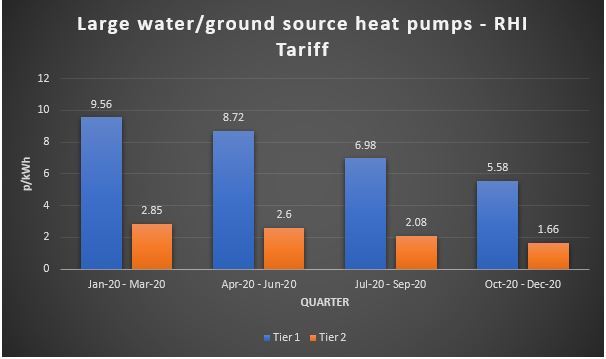
Depending on where in the country you live, you may have noticed an increase in your heat usage this past winter compared to the one before. Using data from degreedays.net for ‘heating degree days’ (HDD), a quick comparison between 2019-20 and 2020-21 gives an insight as to why that might be the case.]]></excerpt:encoded>
    <wp:post_id>3124615</wp:post_id>
    <wp:post_date><![CDATA[2021-06-15 11:00:00]]></wp:post_date>
    <wp:post_date_gmt><![CDATA[2021-06-15 11:00:00]]></wp:post_date_gmt>
    <wp:post_type><![CDATA[post]]></wp:post_type>
    <category>News and Views
Energy saving
]]></category>
    <Service></Service>
    <wp:post_name>/news/degree-days</wp:post_name>
    <ping_status>closed</ping_status>
    <wp:is_sticky>0</wp:is_sticky>
    <wp:post_password><![CDATA[]]></wp:post_password>
    <wp:comment_status><![CDATA[closed]]></wp:comment_status>
    <wp:status><![CDATA[publish]]></wp:status>
    <wp:post_parent>0</wp:post_parent>
    <wp:menu_order>0</wp:menu_order>
    <wp:postmeta><wp:meta_key>_thumbnail_id</wp:meta_key>
<wp:meta_value><![CDATA[12931]]></wp:meta_value></wp:postmeta>
    <wp:attachment_url><![CDATA[https://www.nfuenergy.co.uk/sites/default/files/pylons_at_sunset.jpg]]></wp:attachment_url>
    <wp:meta_value><![CDATA[]]></wp:meta_value>
    <wp:postmeta>	<wp:meta_key><![CDATA[_yoast_wpseo_title]]></wp:meta_key>
	<wp:meta_value><![CDATA[Degree Days  | NFU Energy]]></wp:meta_value></wp:postmeta>
    <wp:postmeta>	<wp:meta_key><![CDATA[_yoast_wpseo_metadesc]]></wp:meta_key>
	<wp:meta_value><![CDATA[I recently wrote the following for AHDB GrowSave and it was an interesting thought worth sharing here:
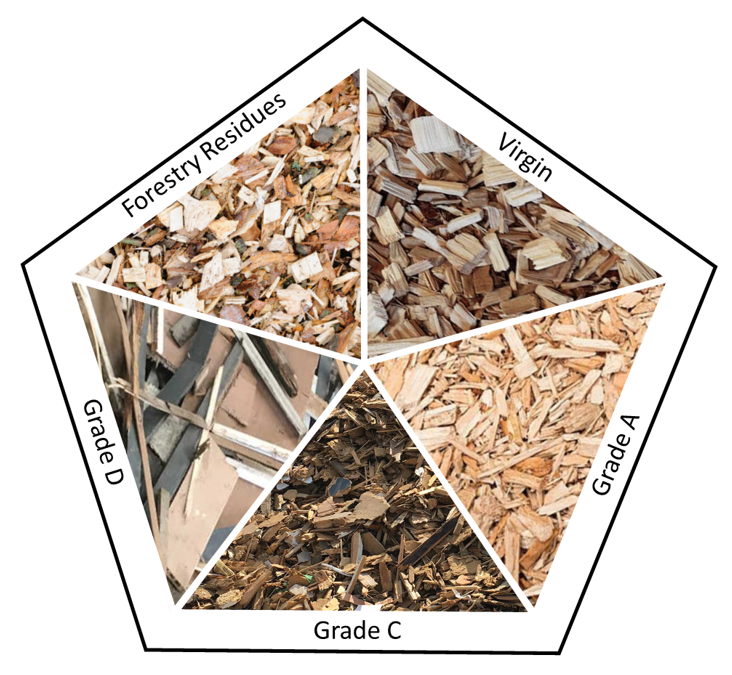
Depending on where in the country you live, you may have noticed an increase in your heat usage this past winter compared to the one before. Using data from degreedays.net for ‘heating degree days’ (HDD), a quick comparison between 2019-20 and 2020-21 gives an insight as to why that might be the case.]]></wp:meta_value>
</wp:postmeta>
    <wp:postmeta>	<wp:meta_key><![CDATA[_yoast_wpseo_linkdex]]></wp:meta_key>
	<wp:meta_value><![CDATA[]]></wp:meta_value></wp:postmeta>
  </item>
  <item>
    <title><![CDATA[Time to consider your ESOS Energy Audit]]></title>
    <link>/news/time-consider-your-esos-energy-audit</link>
    <pubDate>Thu, 10 Jun 2021 11:00:00 +0100</pubDate>
    <dc:creator><![CDATA[Mike Bond]]></dc:creator>
    <guid>https://www.nfuenergy.co.uk/?p=3124602</guid>
    <description><![CDATA[]]></description>
    <content:encoded><![CDATA[<p>A piece of legislation the Government has introduced to help the UK to reach this target is the Energy Savings Opportunity Scheme (ESOS). Compliance with ESOS is a mandatory requirement for companies with:</p>
<ul>
<li>At least 250 employees</li>
<li>or a turnover of €50m and a balance sheet of €36m</li>
</ul>
<p>Every 4 years qualifying companies must totalise their energy usage and submit to an efficiency audit of buildings, processes and transport, which must be overseen by a qualified Lead Assessor.</p>
<p>The aim of ESOS is to compel company directors to consider their energy footprint – something which for many organisations is not seen as a priority issue, other than as an unavoidable cost that may be managed by seeking a lower tariff. Compliance with ESOS is mandatory for qualifying larger organisations, and requires the collation of energy consumption data and the auditing of end uses by a qualified Lead Assessor.</p>
<p>Although the deadline has now passed, many organisations are yet to comply, and may therefore expect one of a range of fines to be levied against them. Everyone else can relax until ESOS Phase 3 but must keep their Phase 2 Evidence Pack carefully in case they are chosen for audit – NFU Energy is aware that audits from 2015’s Phase 1 were still being conducted in 2019.</p>
<p>At NFU Energy, we can perform both ESOS &amp; SECR, and provide a Lead Assessor for your audits. While Phase 3 of ESOS is still two years away, it is still possible to arrange your energy audit and find out how much your organisation could save.</p>
<p><strong>Find out how we can help you with all your energy needs by giving the team a call on 024 7669 6512.</strong></p>
]]></content:encoded>
    <excerpt:encoded><![CDATA[A piece of legislation the Government has introduced to help the UK to reach this target is the Energy Savings Opportunity Scheme (ESOS). Compliance with ESOS is a mandatory requirement for companies with:

At least 250 employees
or a turnover of €50m and a balance sheet of €36m

Every 4 years qualifying companies must totalise their energy usage and submit to an efficiency audit of buildings, processes and transport, which must be overseen by a qualified Lead Assessor.]]></excerpt:encoded>
    <wp:post_id>3124602</wp:post_id>
    <wp:post_date><![CDATA[2021-06-10 11:00:00]]></wp:post_date>
    <wp:post_date_gmt><![CDATA[2021-06-10 11:00:00]]></wp:post_date_gmt>
    <wp:post_type><![CDATA[post]]></wp:post_type>
    <category>News and Views
Energy saving
]]>, News and Views
Use and Manage
]]></category>
    <Service></Service>
    <wp:post_name>/news/time-consider-your-esos-energy-audit</wp:post_name>
    <ping_status>closed</ping_status>
    <wp:is_sticky>0</wp:is_sticky>
    <wp:post_password><![CDATA[]]></wp:post_password>
    <wp:comment_status><![CDATA[closed]]></wp:comment_status>
    <wp:status><![CDATA[publish]]></wp:status>
    <wp:post_parent>0</wp:post_parent>
    <wp:menu_order>0</wp:menu_order>
    <wp:postmeta><wp:meta_key>_thumbnail_id</wp:meta_key>
<wp:meta_value><![CDATA[12931]]></wp:meta_value></wp:postmeta>
    <wp:attachment_url><![CDATA[https://www.nfuenergy.co.uk/sites/default/files/pylons_at_sunset.jpg]]></wp:attachment_url>
    <wp:meta_value><![CDATA[]]></wp:meta_value>
    <wp:postmeta>	<wp:meta_key><![CDATA[_yoast_wpseo_title]]></wp:meta_key>
	<wp:meta_value><![CDATA[Time to consider your ESOS Energy Audit | NFU Energy]]></wp:meta_value></wp:postmeta>
    <wp:postmeta>	<wp:meta_key><![CDATA[_yoast_wpseo_metadesc]]></wp:meta_key>
	<wp:meta_value><![CDATA[A piece of legislation the Government has introduced to help the UK to reach this target is the Energy Savings Opportunity Scheme (ESOS). Compliance with ESOS is a mandatory requirement for companies with:

At least 250 employees
or a turnover of €50m and a balance sheet of €36m

Every 4 years qualifying companies must totalise their energy usage and submit to an efficiency audit of buildings, processes and transport, which must be overseen by a qualified Lead Assessor.]]></wp:meta_value>
</wp:postmeta>
    <wp:postmeta>	<wp:meta_key><![CDATA[_yoast_wpseo_linkdex]]></wp:meta_key>
	<wp:meta_value><![CDATA[]]></wp:meta_value></wp:postmeta>
  </item>
  <item>
    <title><![CDATA[NFU Energy&#039;s guide to Wind Energy]]></title>
    <link>/news/nfu-energys-guide-wind-energy</link>
    <pubDate>Tue, 08 Jun 2021 11:00:00 +0100</pubDate>
    <dc:creator><![CDATA[Jenny Beynon]]></dc:creator>
    <guid>https://www.nfuenergy.co.uk/?p=3124601</guid>
    <description><![CDATA[]]></description>
    <content:encoded><![CDATA[<p>Renewable technologies are increasing in popularity due to their cost saving benefits and low maintenance costs, but also the ‘green energy’ they produce, which is vital in helping to achieve the NFU’s Net Zero target of 2040. There are different renewable technologies available to install both on domestic and business properties and at NFU Energy, we have put together renewable guides which are filled with information and answers to all your frequently asked questions.</p>
<p><strong>NFU Energy's guide to Wind Energy</strong></p>
<p>Over the last few decades, farmers and a growing wind power sector have begun to make use of the UK’s geography and take advantage of the fact that we are one of the windiest countries in Europe.</p>
<p>British farmers have been harnessing the wind’s energy for centuries. However, generating electricity has only been developed more recently, with the first commercial wind farm built in 1991 in Cornwall.</p>
<p><strong>How does wind energy work?</strong></p>
<p>Wind is essentially the movement of air across the earth, caused by the sun heating the earth, which in turn causes hot air to rise and cold air to sink down and replace it. The movement of the air, and changes in air pressure are what cause winds to blow.</p>
<p>Wind turbines capture this kinetic energy with their blades, and rotate, turning it into mechanical energy, which spins a generator to generate electricity. Like any generator, a wind turbine can be very small or very large; some of the largest turbines will have individual blades that are more than 100m long. The greater the rotor diameter, the more energy can be harnessed.</p>
<p><strong>Considerations</strong></p>
<p>Nearly all wind turbines installed in the UK will need planning permission; only very small ones are covered by Permitted Development rights. The planning process involves community engagement to allow local communities to voice their opinion for onshore wind power developments. There are numerous planning considerations in local/regional/national planning policy – including sites near Public Rights of Way, designated landscapes, ecological and ornithological sites, etc.</p>
<p>Other things that will need to be considered in the development stage of a project include:</p>
<ul>
<li>Siting of the turbine(s) – Average wind speeds, local topography and turbulence</li>
<li>Aviation Radar Interference with commercial or military systems</li>
<li>Acoustic modelling</li>
<li>Shadow Flicker</li>
</ul>
<p><strong>If you would like more information on Wind technologies, or if you have any questions, please call the NFU Energy team on 024 7669 6612.</strong></p>
]]></content:encoded>
    <excerpt:encoded><![CDATA[Renewable technologies are increasing in popularity due to their cost saving benefits and low maintenance costs, but also the ‘green energy’ they produce, which is vital in helping to achieve the NFU’s Net Zero target of 2040. There are different renewable technologies available to install both on domestic and business properties and at NFU Energy, we have put together renewable guides which are filled with information and answers to all your frequently asked questions.
NFU Energy's guide to Wind Energy]]></excerpt:encoded>
    <wp:post_id>3124601</wp:post_id>
    <wp:post_date><![CDATA[2021-06-08 11:00:00]]></wp:post_date>
    <wp:post_date_gmt><![CDATA[2021-06-08 11:00:00]]></wp:post_date_gmt>
    <wp:post_type><![CDATA[post]]></wp:post_type>
    <category>News and Views
Renewable energy
]]>, News and Views
Renewable energy
]]></category>
    <Service></Service>
    <wp:post_name>/news/nfu-energys-guide-wind-energy</wp:post_name>
    <ping_status>closed</ping_status>
    <wp:is_sticky>0</wp:is_sticky>
    <wp:post_password><![CDATA[]]></wp:post_password>
    <wp:comment_status><![CDATA[closed]]></wp:comment_status>
    <wp:status><![CDATA[publish]]></wp:status>
    <wp:post_parent>0</wp:post_parent>
    <wp:menu_order>0</wp:menu_order>
    <wp:postmeta><wp:meta_key>_thumbnail_id</wp:meta_key>
<wp:meta_value><![CDATA[12916]]></wp:meta_value></wp:postmeta>
    <wp:attachment_url><![CDATA[https://www.nfuenergy.co.uk/sites/default/files/wind-farms.jpg]]></wp:attachment_url>
    <wp:meta_value><![CDATA[]]></wp:meta_value>
    <wp:postmeta>	<wp:meta_key><![CDATA[_yoast_wpseo_title]]></wp:meta_key>
	<wp:meta_value><![CDATA[NFU Energy&#039;s guide to Wind Energy | NFU Energy]]></wp:meta_value></wp:postmeta>
    <wp:postmeta>	<wp:meta_key><![CDATA[_yoast_wpseo_metadesc]]></wp:meta_key>
	<wp:meta_value><![CDATA[Renewable technologies are increasing in popularity due to their cost saving benefits and low maintenance costs, but also the ‘green energy’ they produce, which is vital in helping to achieve the NFU’s Net Zero target of 2040. There are different renewable technologies available to install both on domestic and business properties and at NFU Energy, we have put together renewable guides which are filled with information and answers to all your frequently asked questions.
NFU Energy's guide to Wind Energy]]></wp:meta_value>
</wp:postmeta>
    <wp:postmeta>	<wp:meta_key><![CDATA[_yoast_wpseo_linkdex]]></wp:meta_key>
	<wp:meta_value><![CDATA[]]></wp:meta_value></wp:postmeta>
  </item>
  <item>
    <title><![CDATA[Tales of Site Visits: HealthChecks]]></title>
    <link>/news/tales-site-visits-healthchecks</link>
    <pubDate>Thu, 03 Jun 2021 11:00:00 +0100</pubDate>
    <dc:creator><![CDATA[Thomas Wilkins]]></dc:creator>
    <guid>https://www.nfuenergy.co.uk/?p=3124600</guid>
    <description><![CDATA[With the RHI scheme closed to new participants, we are being asked to complete an increasing number of RHI HealthCheck’s. These are for all system types and sizes e.g. Biomass, Heat Pump, Biogas etc.]]></description>
    <content:encoded><![CDATA[<p>With the RHI scheme closed to new participants, we are being asked to complete an increasing number of RHI HealthChecks. These are for all system types and sizes e.g. Biomass, Heat Pump, Biogas etc.</p>
<p>There will be a renewed focus on Audits now new applications have ceased and NFU Energy is helping customers to get ready for these. There are a number of issues we typically see arising from audits, here are some examples of what we have seen:</p>
<ul>
<li>On a HealthCheck to a glasshouse in the north of England, we found there was a customer who hadn’t yet applied for planning on their boiler even though they had been on the scheme for 4 years. If this was picked up on an RHI audit this would be a breach their RHI obligations.</li>
<li>On a visit to a manufacturing business in Wales, we found that the boiler house was missing some of its cladding which meant the building could no longer be considered wholly enclosed. This means that the internal pipework should have a heat loss assessment and meters should be protected as they are designed to be in an enclosed building. This again would result in a non-compliance and could result in payment deductions.</li>
<li>On an AD site in East Anglia, the meter records held were only for the quarterly submissions and not cross-referenced with the feedstock in. It is important to regularly check that the meters are working correctly so you can spot problems quickly and get them resolved before it affects multiple quarters.</li>
<li>A HealthCheck to a site in the south of England found a participant who had no fuel records as they only use BSL fuel. Keeping fuel records is one of your ongoing obligations and being able to show how much fuel used each quarter cannot solely be done on invoices. You should also be recording the moisture content of the fuel and how much is left in the fuel store each quarter.</li>
</ul>
<p><strong>NFU Energy’s HealthCheck service aims to give you piece of mind that you are ready for an audit and that you are remaining compliant with all the RHI regulations. Please call us on 024 7669 6512 and stay up to date with the latest compliance news at&nbsp;<a href="http://www.nfuenergy.co.uk">www.nfuenergy.co.uk</a>.</strong></p>
]]></content:encoded>
    <excerpt:encoded><![CDATA[With the RHI scheme closed to new participants, we are being asked to complete an increasing number of RHI HealthChecks. These are for all system types and sizes e.g. Biomass, Heat Pump, Biogas etc.
There will be a renewed focus on Audits now new applications have ceased and NFU Energy is helping customers to get ready for these. There are a number of issues we typically see arising from audits, here are some examples of what we have seen:]]></excerpt:encoded>
    <wp:post_id>3124600</wp:post_id>
    <wp:post_date><![CDATA[2021-06-03 11:00:00]]></wp:post_date>
    <wp:post_date_gmt><![CDATA[2021-06-03 11:00:00]]></wp:post_date_gmt>
    <wp:post_type><![CDATA[post]]></wp:post_type>
    <category>News and Views
Compliance
]]>, News and Views
Energy saving
]]></category>
    <Service></Service>
    <wp:post_name>/news/tales-site-visits-healthchecks</wp:post_name>
    <ping_status>closed</ping_status>
    <wp:is_sticky>0</wp:is_sticky>
    <wp:post_password><![CDATA[]]></wp:post_password>
    <wp:comment_status><![CDATA[closed]]></wp:comment_status>
    <wp:status><![CDATA[publish]]></wp:status>
    <wp:post_parent>0</wp:post_parent>
    <wp:menu_order>0</wp:menu_order>
    <wp:postmeta><wp:meta_key>_thumbnail_id</wp:meta_key>
<wp:meta_value><![CDATA[17604]]></wp:meta_value></wp:postmeta>
    <wp:attachment_url><![CDATA[https://www.nfuenergy.co.uk/sites/default/files/picture4.jpg]]></wp:attachment_url>
    <wp:meta_value><![CDATA[]]></wp:meta_value>
    <wp:postmeta>	<wp:meta_key><![CDATA[_yoast_wpseo_title]]></wp:meta_key>
	<wp:meta_value><![CDATA[Tales of Site Visits: HealthChecks | NFU Energy]]></wp:meta_value></wp:postmeta>
    <wp:postmeta>	<wp:meta_key><![CDATA[_yoast_wpseo_metadesc]]></wp:meta_key>
	<wp:meta_value><![CDATA[With the RHI scheme closed to new participants, we are being asked to complete an increasing number of RHI HealthChecks. These are for all system types and sizes e.g. Biomass, Heat Pump, Biogas etc.
There will be a renewed focus on Audits now new applications have ceased and NFU Energy is helping customers to get ready for these. There are a number of issues we typically see arising from audits, here are some examples of what we have seen:]]></wp:meta_value>
</wp:postmeta>
    <wp:postmeta>	<wp:meta_key><![CDATA[_yoast_wpseo_linkdex]]></wp:meta_key>
	<wp:meta_value><![CDATA[site visit, HealthCheck]]></wp:meta_value></wp:postmeta>
  </item>
  <item>
    <title><![CDATA[EU approves €22.5bn Polish scheme to support offshore wind farms]]></title>
    <link>/news/eu-approves-%E2%82%AC225bn-polish-scheme-support-offshore-wind-farms</link>
    <pubDate>Tue, 01 Jun 2021 11:00:00 +0100</pubDate>
    <dc:creator><![CDATA[Jenny Beynon]]></dc:creator>
    <guid>https://www.nfuenergy.co.uk/?p=3124599</guid>
    <description><![CDATA[Read our top five energy-related news stories from the last couple of weeks. Energy is always in the news in one way or another, from renewable energy technology advancements and the latest from the ‘big six’ energy suppliers to advancements in energy saving and sustainability. In this blog, we share more about our favourite energy news stories from the last couple of weeks:[node:summary]]]></description>
    <content:encoded><![CDATA[<p>Read our top five energy-related news stories from the last couple of weeks. Energy is always in the news in one way or another, from renewable energy technology advancements and the latest from the ‘big six’ energy suppliers to advancements in energy saving and sustainability. In this blog, we share more about our favourite energy news stories from the last couple of weeks:</p>
<ol>
<li>Siemens Energy wins grid stability contracts from ESB: Siemens Energy will design, build and provide five-year maintenance through the contracts, building the three projects in Ireland concurrently. <a href="https://buff.ly/3tMU5QQ">Find out more here...</a></li>
<li>Government urged to update 2030 renewable energy targets: Trade association RenewableUK calls for a 30GW onshore wind target by the end of the decade. <a href="https://buff.ly/3f4e6wZ">Find out more here...</a></li>
<li>Demand for heat pumps ‘skyrockets 28% in 2021’: Almost 57% of Brits want to be more eco-friendly, according to a new report. <a href="https://buff.ly/3xLgKQD">Find out more here...&nbsp;</a></li>
<li>Ørsted and Danish pension fund join forces to bid for ‘world’s first’ energy island: The artificial island is believed to supply nearly ten million homes with green electricity. <a href="https://buff.ly/2QW8cWm ">Find out more here...</a></li>
<li>EU approves €22.5bn Polish scheme to support offshore wind farms: The aid will be granted in the form of a two-way Contract for Difference premium. <a href="https://www.energylivenews.com/2021/05/21/eu-approves-e22-5bn-polish-scheme-to-support-offshore-wind-farms/">Find out more here...</a></li>
</ol>
<p><strong>Find out how we can help you with all your energy needs by giving the team a call on 024 7669 6512.</strong></p>
]]></content:encoded>
    <excerpt:encoded><![CDATA[Read our top five energy-related news stories from the last couple of weeks. Energy is always in the news in one way or another, from renewable energy technology advancements and the latest from the ‘big six’ energy suppliers to advancements in energy saving and sustainability. In this blog, we share more about our favourite energy news stories from the last couple of weeks:]]></excerpt:encoded>
    <wp:post_id>3124599</wp:post_id>
    <wp:post_date><![CDATA[2021-06-01 11:00:00]]></wp:post_date>
    <wp:post_date_gmt><![CDATA[2021-06-01 11:00:00]]></wp:post_date_gmt>
    <wp:post_type><![CDATA[post]]></wp:post_type>
    <category>News and Views
Renewable energy
]]>, News and Views
Contracts
]]></category>
    <Service></Service>
    <wp:post_name>/news/eu-approves-%E2%82%AC225bn-polish-scheme-support-offshore-wind-farms</wp:post_name>
    <ping_status>closed</ping_status>
    <wp:is_sticky>0</wp:is_sticky>
    <wp:post_password><![CDATA[]]></wp:post_password>
    <wp:comment_status><![CDATA[closed]]></wp:comment_status>
    <wp:status><![CDATA[publish]]></wp:status>
    <wp:post_parent>0</wp:post_parent>
    <wp:menu_order>0</wp:menu_order>
    <wp:postmeta><wp:meta_key>_thumbnail_id</wp:meta_key>
<wp:meta_value><![CDATA[12930]]></wp:meta_value></wp:postmeta>
    <wp:attachment_url><![CDATA[https://www.nfuenergy.co.uk/sites/default/files/nfu_member_slide.jpg]]></wp:attachment_url>
    <wp:meta_value><![CDATA[]]></wp:meta_value>
    <wp:postmeta>	<wp:meta_key><![CDATA[_yoast_wpseo_title]]></wp:meta_key>
	<wp:meta_value><![CDATA[EU approves €22.5bn Polish scheme to support offshore wind farms | NFU Energy]]></wp:meta_value></wp:postmeta>
    <wp:postmeta>	<wp:meta_key><![CDATA[_yoast_wpseo_metadesc]]></wp:meta_key>
	<wp:meta_value><![CDATA[Read our top five energy-related news stories from the last couple of weeks. Energy is always in the news in one way or another, from renewable energy technology advancements and the latest from the ‘big six’ energy suppliers to advancements in energy saving and sustainability. In this blog, we share more about our favourite energy news stories from the last couple of weeks:]]></wp:meta_value>
</wp:postmeta>
    <wp:postmeta>	<wp:meta_key><![CDATA[_yoast_wpseo_linkdex]]></wp:meta_key>
	<wp:meta_value><![CDATA[top five blogs, energy]]></wp:meta_value></wp:postmeta>
  </item>
  <item>
    <title><![CDATA[Be committed to 100% renewable energy ]]></title>
    <link>/news/be-committed-100-renewable-energy</link>
    <pubDate>Thu, 27 May 2021 11:00:00 +0100</pubDate>
    <dc:creator><![CDATA[Jodie Hisgett]]></dc:creator>
    <guid>https://www.nfuenergy.co.uk/?p=3124598</guid>
    <description><![CDATA[Whilst there are many challenges to reaching Net Zero by 2040, as energy consultants, we firmly believe the pathway to net zero starts with reducing energy requirements and emissions. Energy efficiency is the most cost-effective way of reducing use and saving money, but where do you start?]]></description>
    <content:encoded><![CDATA[<p>NFU Energy are committed to providing resources and expert guidance on renewable energy for NFU members and businesses alike and are helping to reach the NFU’s target of reaching Net Zero by 2040.</p>
<p>Whilst there are many challenges to reaching Net Zero by 2040, as energy consultants, we firmly believe the pathway to net zero starts with reducing energy requirements and emissions. Energy efficiency is the most cost-effective way of reducing use and saving money, but where do you start?</p>
<p><strong>CONTROL IT</strong></p>
<ul>
<li>The best way to reduce energy costs is to make sure you are using just enough at the right times – or not using it all when you don’t actually need it.</li>
</ul>
<p><strong>STOP IT ESCAPING</strong></p>
<ul>
<li>How energy efficient are your buildings, sheds, stores and greenhouses? Are they well-built and maintained?</li>
</ul>
<p><strong>CONSUME IT EFFICIENTLY</strong></p>
<ul>
<li>If you care for equipment that uses or consumes energy and keep it in optimum operating condition, it will reward you by running as efficiently as it can.</li>
</ul>
<p><strong>MEASURE AND MONITOR IT</strong></p>
<ul>
<li>Take regular meter readings and monitor how much energy you are using and when and where you are using it.</li>
</ul>
<p>Our audits highlight every way your business could be more energy efficient from equipment and processes, like heating, cooling and lighting, to how well buildings, stores and specialist structures, like greenhouses, are built, maintained and used.</p>
<p>We are now also pleased to announce that we are offering 100% renewable energy utility contracts to further support the NFU’s NetZero goal.</p>
<p>NFU Energy have 100% renewable prices for all business electricity supplies regardless of size with renewable buying group prices now available for NFU members. If you need to provide evidence of renewable energy sources to the companies you supply, we can source certificates of origin for you.</p>
<p>Renewable energy is better for the environment, conserving the nations natural resources and reducing pollution making it better for our overall health. Support British renewable generation around the country by making the change to 100% renewable energy.</p>
<p>There are numerous methods of producing renewable energy that could either be sold back to the grid or used for your own business. This includes methods such as wind, solar, AD plants etc. We have produced renewables guides which offer a list of useful information to consider before looking into renewable energy generation and ways in which NFU Energy can assist you.</p>
<p>Getting to Net Zero will not happen overnight for anybody, but small steps and improvements will add up to big changes and the way energy is used will have a significant role to play over the next 20 years.&nbsp;</p>
<p><strong>If you would like more information or would like to make the switch to 100% renewable energy, please give the NFU Energy team a call on 024 7669 8885.</strong></p>
]]></content:encoded>
    <excerpt:encoded><![CDATA[NFU Energy are committed to providing resources and expert guidance on renewable energy for NFU members and businesses alike and are helping to reach the NFU’s target of reaching Net Zero by 2040.
Whilst there are many challenges to reaching Net Zero by 2040, as energy consultants, we firmly believe the pathway to net zero starts with reducing energy requirements and emissions. Energy efficiency is the most cost-effective way of reducing use and saving money, but where do you start?
CONTROL IT]]></excerpt:encoded>
    <wp:post_id>3124598</wp:post_id>
    <wp:post_date><![CDATA[2021-05-27 11:00:00]]></wp:post_date>
    <wp:post_date_gmt><![CDATA[2021-05-27 11:00:00]]></wp:post_date_gmt>
    <wp:post_type><![CDATA[post]]></wp:post_type>
    <category>News and Views
Contracts
]]>, News and Views
Renewable energy
]]></category>
    <Service></Service>
    <wp:post_name>/news/be-committed-100-renewable-energy</wp:post_name>
    <ping_status>closed</ping_status>
    <wp:is_sticky>0</wp:is_sticky>
    <wp:post_password><![CDATA[]]></wp:post_password>
    <wp:comment_status><![CDATA[closed]]></wp:comment_status>
    <wp:status><![CDATA[publish]]></wp:status>
    <wp:post_parent>0</wp:post_parent>
    <wp:menu_order>0</wp:menu_order>
    <wp:postmeta><wp:meta_key>_thumbnail_id</wp:meta_key>
<wp:meta_value><![CDATA[12921]]></wp:meta_value></wp:postmeta>
    <wp:attachment_url><![CDATA[https://www.nfuenergy.co.uk/sites/default/files/eam_page_header.jpg]]></wp:attachment_url>
    <wp:meta_value><![CDATA[]]></wp:meta_value>
    <wp:postmeta>	<wp:meta_key><![CDATA[_yoast_wpseo_title]]></wp:meta_key>
	<wp:meta_value><![CDATA[Be committed to 100% renewable energy  | NFU Energy]]></wp:meta_value></wp:postmeta>
    <wp:postmeta>	<wp:meta_key><![CDATA[_yoast_wpseo_metadesc]]></wp:meta_key>
	<wp:meta_value><![CDATA[NFU Energy are committed to providing resources and expert guidance on renewable energy for NFU members and businesses alike and are helping to reach the NFU’s target of reaching Net Zero by 2040.
Whilst there are many challenges to reaching Net Zero by 2040, as energy consultants, we firmly believe the pathway to net zero starts with reducing energy requirements and emissions. Energy efficiency is the most cost-effective way of reducing use and saving money, but where do you start?
CONTROL IT]]></wp:meta_value>
</wp:postmeta>
    <wp:postmeta>	<wp:meta_key><![CDATA[_yoast_wpseo_linkdex]]></wp:meta_key>
	<wp:meta_value><![CDATA[renewable energy, contracts]]></wp:meta_value></wp:postmeta>
  </item>
  <item>
    <title><![CDATA[Regulator site audits – are you compliant?]]></title>
    <link>/news/regulator-site-audits-%E2%80%93-are-you-compliant</link>
    <pubDate>Tue, 25 May 2021 11:00:00 +0100</pubDate>
    <dc:creator><![CDATA[Sophie Archer]]></dc:creator>
    <guid>https://www.nfuenergy.co.uk/?p=3124597</guid>
    <description><![CDATA[Do you have an RHI, FiT, or ROC accreditation? Are you a recognised supplier of biomass fuels on the Biomass Suppliers List (BSL) or the Sustainable Fuel Register (SFR)? Or do you operate an Anaerobic Digester that provides biomethane or exports electricity to the national grids? If so, you may be subject to an audit from any of a number of regulators and governmental bodies – but fear not, NFU Energy are here to help!]]></description>
    <content:encoded><![CDATA[<p>Do you have an RHI, FiT, or ROC accreditation? Are you a recognised supplier of biomass fuels on the Biomass Suppliers List (BSL) or the Sustainable Fuel Register (SFR)? Or do you operate an Anaerobic Digester that provides biomethane or exports electricity to the national grids? If so, you may be subject to an audit from any of a number of regulators and governmental bodies –&nbsp;NFU Energy are here to help!</p>
<p>Site audits are on the rise now that COVID-19 restrictions are starting to ease and since the closure of the RHI scheme. We have seen an increase in NFU members asking for help with combustion plant environmental compliance evidence, requested by Ofgem during or after an audit. Our compliance assessment service will help you understand what environmental compliance is required for your site, if any, and when. We can support you in obtaining written confirmation from the appropriate Regulator that a permit is not required until a later date, or if an exemption is applicable. We also offer an RHI HealthCheck service, where we will come to your site and talk you through what to expect from the audit, what paperwork and record evidence will be required, and assist you with any queries or concerns you may have in advance.</p>
<p>When it comes to BSL and SFR companies producing fuel for combustion, they may not be aware of the environmental compliance requirements for larger fuel suppliers, especially if operations exceed a throughput of 1000 m3/yr of biomass product. Guidance note PGN6/02 was last updated in 2012 but states that wood and waste wood sites exceeding 1,000 m3/yr of product (10,000 m3/yr of produce for sawmills sawing wood only) are required to have a permit to operate. Waste operators may be eligible for exemptions with the Environment Agency, depending on their activities, commercial services, and capacities. Our compliance team can help determine what is required for your company and ensure you are operating legally.</p>
<p>Anaerobic digestion plants have also seen a surge in audits from both Ofgem (for biomethane and electricity export to grid) and Environmental Regulators. Sites processing purpose-grown crops and no waste feedstocks are exempt from environmental permitting for both the operation of the non-waste digester and storage/use of its digestate. However, if you utilise any animal wastes or residues, or import wastes from suppliers, you will require a waste operate permit. Sites within specific thresholds may also be applicable for permit exemptions, or standard rule permits, which NFU Energy can also assist with. Some exemptions include the use of biogas combustion plants of less than 400 kW thermal input, which allows their operation without additional permits. Plants over this size, with grid export, or over 1 MWth input may require permitting as a Specific Generator with the Environment Agency.</p>
<p><strong>If you need help an RHI audit, permit applications and variations, regulatory compliance registration, or procurement of a permit exemption statement, please call us on 024 7669 6512 and stay up to date with the latest compliance news at <a href="http://www.nfuenergy.co.uk">www.nfuenergy.co.uk</a></strong></p>
]]></content:encoded>
    <excerpt:encoded><![CDATA[Do you have an RHI, FiT, or ROC accreditation? Are you a recognised supplier of biomass fuels on the Biomass Suppliers List (BSL) or the Sustainable Fuel Register (SFR)? Or do you operate an Anaerobic Digester that provides biomethane or exports electricity to the national grids? If so, you may be subject to an audit from any of a number of regulators and governmental bodies – NFU Energy are here to help!]]></excerpt:encoded>
    <wp:post_id>3124597</wp:post_id>
    <wp:post_date><![CDATA[2021-05-25 11:00:00]]></wp:post_date>
    <wp:post_date_gmt><![CDATA[2021-05-25 11:00:00]]></wp:post_date_gmt>
    <wp:post_type><![CDATA[post]]></wp:post_type>
    <category>News and Views
Generate
]]>, News and Views
Comply
]]></category>
    <Service></Service>
    <wp:post_name>/news/regulator-site-audits-%E2%80%93-are-you-compliant</wp:post_name>
    <ping_status>closed</ping_status>
    <wp:is_sticky>0</wp:is_sticky>
    <wp:post_password><![CDATA[]]></wp:post_password>
    <wp:comment_status><![CDATA[closed]]></wp:comment_status>
    <wp:status><![CDATA[publish]]></wp:status>
    <wp:post_parent>0</wp:post_parent>
    <wp:menu_order>0</wp:menu_order>
    <wp:postmeta><wp:meta_key>_thumbnail_id</wp:meta_key>
<wp:meta_value><![CDATA[14005]]></wp:meta_value></wp:postmeta>
    <wp:attachment_url><![CDATA[https://www.nfuenergy.co.uk/sites/default/files/green_gas_landscape.jpg]]></wp:attachment_url>
    <wp:meta_value><![CDATA[]]></wp:meta_value>
    <wp:postmeta>	<wp:meta_key><![CDATA[_yoast_wpseo_title]]></wp:meta_key>
	<wp:meta_value><![CDATA[Regulator site audits – are you compliant? | NFU Energy]]></wp:meta_value></wp:postmeta>
    <wp:postmeta>	<wp:meta_key><![CDATA[_yoast_wpseo_metadesc]]></wp:meta_key>
	<wp:meta_value><![CDATA[Do you have an RHI, FiT, or ROC accreditation? Are you a recognised supplier of biomass fuels on the Biomass Suppliers List (BSL) or the Sustainable Fuel Register (SFR)? Or do you operate an Anaerobic Digester that provides biomethane or exports electricity to the national grids? If so, you may be subject to an audit from any of a number of regulators and governmental bodies – NFU Energy are here to help!]]></wp:meta_value>
</wp:postmeta>
    <wp:postmeta>	<wp:meta_key><![CDATA[_yoast_wpseo_linkdex]]></wp:meta_key>
	<wp:meta_value><![CDATA[compliance, permitting, audits]]></wp:meta_value></wp:postmeta>
  </item>
  <item>
    <title><![CDATA[Permit Tips for Combustion Plant Installers]]></title>
    <link>/news/permit-tips-combustion-plant-installers</link>
    <pubDate>Thu, 20 May 2021 11:00:00 +0100</pubDate>
    <dc:creator><![CDATA[Sophie Archer]]></dc:creator>
    <guid>https://www.nfuenergy.co.uk/?p=3124594</guid>
    <description><![CDATA[Does your company distribute and install industrial combustion boilers and engines? Are they over 1 MWth input? You may not be aware that new plants of this size and over need to comply with the Medium Combustion Plant Directive (MCPD) through the Environment Agency (EA), even if you are replacing an existing plant.]]></description>
    <content:encoded><![CDATA[<p>Does your company distribute and install industrial combustion boilers and engines? Are they over 1 MWth input? You may not be aware that new plants of this size and over need to comply with the Medium Combustion Plant Directive (MCPD) through the Environment Agency (EA), even if you are replacing an existing plant.</p>
<p>The EA regulate the operation of combustion plants and monitor plant emissions to prevent environmental impacts on the local area. Biomass, natural gas, biogas, gas-oil boilers and gas engines are all included under the directive and are required to be permitted prior to first operation, which can include commissioning.</p>
<p><strong>It is critical that your clients are aware of their environmental compliance responsibilities at the start of a project, as obtaining a permit can take between 9 and 12 months depending on its complexity. If they do not have a permit in place by first operation, the Environment Agency can enforce an equipment shutdown order, if not issue fines.&nbsp;</strong></p>
<p>
<strong>Medium Combustion Plants (MCP)</strong></p>
<p>An MCP is a plant that is between 1 MWth input and up to 50MWth input. They consist of new and existing plants, which have different permitting requirements:</p>
<ul>
<li>New MCPs commissioned after 20 December 2018 need an EA permit issued before first operation.</li>
<li>New CHP engines installed after 20 December 2018 are also considered MCPs.</li>
<li>Existing boilers installed before 20 December 2018 that are over 5MWth input need a permit issued before 01 Jan 2025.</li>
<li>Existing boilers between 1 and 5 MWth input need a permit issued before 01 Jan 2030.</li>
</ul>
<p>All new MCPs may require at least two levels of abatement, where applicable, to ensure they can meet the MCPD emission limits. For instance, a multicyclone may not be sufficient to meet the particulate matter emissions on its own and a baghouse filter may also be required.</p>
<p><strong>Combined Heat and Power Plants (CHPs)</strong></p>
<p>CHPs over 1 MWth input require a MCPD and Specified Generator permit with the EA. A Specified Generator is an installation made up of at least one CHP engine, of which if they are made up of more than one CHP under 1 MWth but they jointly export over 100 kWe to the National Grid, they may require either a bespoke or Standard Rules permit from the EA.</p>
<p>If you install new CHPs at a site that has existing CHPs that are not yet permitted, all the CHPs on that site will be required to be permitted alongside the new one(s) as part of the same Specific Generator. This means that older CHPs will need SCR abatement, where applicable, to meet the stricter emission limits, if it is not already installed.</p>
<p><strong>But what about smaller plants?</strong></p>
<p>Boilers less than 1 MWth input operating on virgin, straw, gas or gas-oil usually do not require permitting with the EA or a Local Authority. Boilers operating on waste wood will require either a Local Authority Part B or Part A2 (SWIP) permit depending on the size and quality of fuel.</p>
<p>Small CHPs that have either zero export, or an export less than 100 kWe are also exempt from MCPD and Specific Generator permitting.</p>
<p><strong>If you need help working out if a permit application/variation is required, please call us on 024 7669 6512 and stay up to date with the latest compliance news at <a href="http://www.nfuenergy.co.uk">www.nfuenergy.co.uk</a></strong></p>
]]></content:encoded>
    <excerpt:encoded><![CDATA[Does your company distribute and install industrial combustion boilers and engines? Are they over 1 MWth input? You may not be aware that new plants of this size and over need to comply with the Medium Combustion Plant Directive (MCPD) through the Environment Agency (EA), even if you are replacing an existing plant.]]></excerpt:encoded>
    <wp:post_id>3124594</wp:post_id>
    <wp:post_date><![CDATA[2021-05-20 11:00:00]]></wp:post_date>
    <wp:post_date_gmt><![CDATA[2021-05-20 11:00:00]]></wp:post_date_gmt>
    <wp:post_type><![CDATA[post]]></wp:post_type>
    <category>News and Views
Renewable energy
]]>, News and Views
Generate
]]></category>
    <Service></Service>
    <wp:post_name>/news/permit-tips-combustion-plant-installers</wp:post_name>
    <ping_status>closed</ping_status>
    <wp:is_sticky>0</wp:is_sticky>
    <wp:post_password><![CDATA[]]></wp:post_password>
    <wp:comment_status><![CDATA[closed]]></wp:comment_status>
    <wp:status><![CDATA[publish]]></wp:status>
    <wp:post_parent>0</wp:post_parent>
    <wp:menu_order>0</wp:menu_order>
    <wp:postmeta><wp:meta_key>_thumbnail_id</wp:meta_key>
<wp:meta_value><![CDATA[12908]]></wp:meta_value></wp:postmeta>
    <wp:attachment_url><![CDATA[https://www.nfuenergy.co.uk/sites/default/files/chpqa.jpg]]></wp:attachment_url>
    <wp:meta_value><![CDATA[]]></wp:meta_value>
    <wp:postmeta>	<wp:meta_key><![CDATA[_yoast_wpseo_title]]></wp:meta_key>
	<wp:meta_value><![CDATA[Permit Tips for Combustion Plant Installers | NFU Energy]]></wp:meta_value></wp:postmeta>
    <wp:postmeta>	<wp:meta_key><![CDATA[_yoast_wpseo_metadesc]]></wp:meta_key>
	<wp:meta_value><![CDATA[Does your company distribute and install industrial combustion boilers and engines? Are they over 1 MWth input? You may not be aware that new plants of this size and over need to comply with the Medium Combustion Plant Directive (MCPD) through the Environment Agency (EA), even if you are replacing an existing plant.]]></wp:meta_value>
</wp:postmeta>
    <wp:postmeta>	<wp:meta_key><![CDATA[_yoast_wpseo_linkdex]]></wp:meta_key>
	<wp:meta_value><![CDATA[permitting, combustion plants]]></wp:meta_value></wp:postmeta>
  </item>
  <item>
    <title><![CDATA[Are you compliance ready?]]></title>
    <link>/news/are-you-compliance-ready</link>
    <pubDate>Thu, 13 May 2021 11:00:00 +0100</pubDate>
    <dc:creator><![CDATA[Sophie Archer]]></dc:creator>
    <guid>https://www.nfuenergy.co.uk/?p=3124591</guid>
    <description><![CDATA[Combustion plants over 1 MWth input and up to 50MWth input need to comply with the Medium Combustion Plant Directive (MCPD) through the Environment Agency (EA). The EA regulate the operation of combustion plants and monitor plant emissions to prevent environmental impacts on the local area.]]></description>
    <content:encoded><![CDATA[<p>Combustion plants over 1 MWth input and up to 50MWth input need to comply with the Medium Combustion Plant Directive (MCPD) through the Environment Agency (EA). The EA regulate the operation of combustion plants and monitor plant emissions to prevent environmental impacts on the local area. Biomass, natural gas, biogas, gas-oil boilers and engines are all included under the directive, with only the context of the permit changing slightly; for instance, CHP engines are also considered under the MCPD but are regulated as Specified Generators.</p>
<ul>
<li>New plants installed and operational after 20 December 2018 need an EA permit issued before first operation.</li>
<li>Existing boilers installed before 20 December 2018 that are over 5MWth input need a permit issued before 01 Jan 2025.</li>
<li>Existing boilers between 1 and 5 MWth need a permit issued before 01 Jan 2030.</li>
</ul>
<p>Existing CHP engines operation before 20 December 2018 required Specified Generator permitting back in January 2019 if:</p>
<ul>
<li>They were operating after 01 December 2016, or</li>
<li>Exporting over 100kWe to the National Grid after the 31 October 2017.</li>
</ul>
<p>We offer an extensive permitting service that ensures clients are compliant with MCPD through the lifetime of their project:</p>
<ul>
<li>Management of the whole permit application process, including:
<ul>
<li>Screening for dispersion modelling (and evidencing exemption (simple bespoke)),</li>
<li>Management of dispersion modelling / review of existing report (complex bespoke),</li>
<li>Production of necessary supporting evidence documents, where applicable,</li>
<li>Full online application process,</li>
<li>Monitoring of permit status in EA queue,</li>
<li>Answering of EA queries once issues to an officer,</li>
<li>Proofing of draft permit and approving final permit.</li>
</ul>
</li>
<li>Provision of an Environmental Management System (EMS), including training in its use – required by the permit.</li>
<li>Management of flue stack emission testing, which is required within 4 months of first operation once the permit is issued.</li>
<li>Annual EMS auditing and periodic emission testing management, as agreed with the client.</li>
</ul>
<p>We also receive the most recent updates from the EA, including Regulatory Position Statements, which allow early operation of plants; technically, plants should not be commissioned without first getting a permit as most areas of the UK consider commissioning as operation.</p>
<p>If you or your clients have plants over 1 MWth input installed on site and may not be aware that environmental permitting or an EMS for their permit is required, please feel free to inform them of our service so that we can get them compliant as soon as possible.</p>
<p><strong>If you need help working out if a permit application/variation is required please call us on 024 7669 6512 and stay up to date with the latest compliance news at&nbsp;<a href="http://www.nfuenergy.co.uk">www.nfuenergy.co.uk</a></strong></p>
]]></content:encoded>
    <excerpt:encoded><![CDATA[Combustion plants over 1 MWth input and up to 50MWth input need to comply with the Medium Combustion Plant Directive (MCPD) through the Environment Agency (EA). The EA regulate the operation of combustion plants and monitor plant emissions to prevent environmental impacts on the local area. Biomass, natural gas, biogas, gas-oil boilers and engines are all included under the directive, with only the context of the permit changing slightly; for instance, CHP engines are also considered under the MCPD but are regulated as Specified Generators.]]></excerpt:encoded>
    <wp:post_id>3124591</wp:post_id>
    <wp:post_date><![CDATA[2021-05-13 11:00:00]]></wp:post_date>
    <wp:post_date_gmt><![CDATA[2021-05-13 11:00:00]]></wp:post_date_gmt>
    <wp:post_type><![CDATA[post]]></wp:post_type>
    <category>News and Views
Renewable energy
]]>, News and Views
Compliance
]]></category>
    <Service></Service>
    <wp:post_name>/news/are-you-compliance-ready</wp:post_name>
    <ping_status>closed</ping_status>
    <wp:is_sticky>0</wp:is_sticky>
    <wp:post_password><![CDATA[]]></wp:post_password>
    <wp:comment_status><![CDATA[closed]]></wp:comment_status>
    <wp:status><![CDATA[publish]]></wp:status>
    <wp:post_parent>0</wp:post_parent>
    <wp:menu_order>0</wp:menu_order>
    <wp:postmeta><wp:meta_key>_thumbnail_id</wp:meta_key>
<wp:meta_value><![CDATA[12885]]></wp:meta_value></wp:postmeta>
    <wp:attachment_url><![CDATA[https://www.nfuenergy.co.uk/sites/default/files/mcp_straw_colour_0.jpg]]></wp:attachment_url>
    <wp:meta_value><![CDATA[]]></wp:meta_value>
    <wp:postmeta>	<wp:meta_key><![CDATA[_yoast_wpseo_title]]></wp:meta_key>
	<wp:meta_value><![CDATA[Are you compliance ready? | NFU Energy]]></wp:meta_value></wp:postmeta>
    <wp:postmeta>	<wp:meta_key><![CDATA[_yoast_wpseo_metadesc]]></wp:meta_key>
	<wp:meta_value><![CDATA[Combustion plants over 1 MWth input and up to 50MWth input need to comply with the Medium Combustion Plant Directive (MCPD) through the Environment Agency (EA). The EA regulate the operation of combustion plants and monitor plant emissions to prevent environmental impacts on the local area. Biomass, natural gas, biogas, gas-oil boilers and engines are all included under the directive, with only the context of the permit changing slightly; for instance, CHP engines are also considered under the MCPD but are regulated as Specified Generators.]]></wp:meta_value>
</wp:postmeta>
    <wp:postmeta>	<wp:meta_key><![CDATA[_yoast_wpseo_linkdex]]></wp:meta_key>
	<wp:meta_value><![CDATA[compliance, permitting, ]]></wp:meta_value></wp:postmeta>
  </item>
  <item>
    <title><![CDATA[Pole movements: What you need to know]]></title>
    <link>/news/pole-movements-what-you-need-know</link>
    <pubDate>Tue, 11 May 2021 11:00:00 +0100</pubDate>
    <dc:creator><![CDATA[Thomas Ovenden]]></dc:creator>
    <guid>https://www.nfuenergy.co.uk/?p=3124590</guid>
    <description><![CDATA[If you have electricity poles within your land boundary, you may find it getting in the way of progressing home or business expansions. Here is our quick guide to everything you need to know to get a pole moved.]]></description>
    <content:encoded><![CDATA[<p>If you have electricity poles within your land boundary, you may find it getting in the way of progressing home or business expansions. Here is our quick guide to everything you need to know to get a pole moved.</p>
<p><strong>Critical first action</strong><br />
You need to determine if the pole subject to moving has a wayleave agreement or easement associated with them that should now be in your name. Wayleaves are more flexible in terms of moving, consisting of monthly payments from the Distribution Network Operator (DNO). Easements are one off agreements that may have occurred with the previous owner and make moving a pole more difficult. If you are purchasing a property/land, make sure any wayleave agreements are also passed over to your solicitor so transfers can be made upon confirmation and finalisation of land ownership.</p>
<p><strong>Next steps:</strong><br />
Contact your DNO’s Diversion team to inform them of the proposed works and request a quote. You will need to provide site plans of the proposed works and where the poles will be moving to within your land boundary. This will assist them in finding the best places for the poles or suggesting trenches for buried lines, so that things are not in the way of any additional future plans.<br />
Please note that any agreed plans can take the DNO 2-3 years to start - unless they are actively upgrading your area/agreed in writing to start sooner than that. This means that any planning permission must be started, and approved documents sent to the DNO so that they do not conflict with your building plans.</p>
<p><strong>The Costs:</strong><br />
Once you have a quote, you can then decide if you need to make any negotiations to get the price lower or not. Most people offer to undertake all the contestable works (ground works) by a cheaper third party, which takes a sizeable chunk off the DNO’s quote, but some people prefer for less hands to be involved and accept the quote as is and continue with the project. It should be noted that in June 2020, most DNO’s revised their pricing structure so if you are comparing a historic quote to a recent more expensive quote, this will be the primary cause of the increase – not because they are trying to rip you off.</p>
<p>In the grand scheme of things, we see pole movement quotes anywhere from £2,000 to £6,000 for single pole domestic works and £5,000 to £25,000 for commercial works, where removal of multiple poles and installation of trenches can be involved.</p>
<p>If you are unhappy with your quote, we do offer an investigatory service to help determine the best courses of actions for you. We can also obtain the quote from your DNO for you on your behalf if you wish.</p>
<p><strong>If you have a pole movement, wayleave, or DNO related query, please call the team on 024 7669 6512.</strong></p>
]]></content:encoded>
    <excerpt:encoded><![CDATA[If you have electricity poles within your land boundary, you may find it getting in the way of progressing home or business expansions. Here is our quick guide to everything you need to know to get a pole moved.]]></excerpt:encoded>
    <wp:post_id>3124590</wp:post_id>
    <wp:post_date><![CDATA[2021-05-11 11:00:00]]></wp:post_date>
    <wp:post_date_gmt><![CDATA[2021-05-11 11:00:00]]></wp:post_date_gmt>
    <wp:post_type><![CDATA[post]]></wp:post_type>
    <category>News and Views
Use and Manage
]]>, News and Views
Compliance
]]></category>
    <Service></Service>
    <wp:post_name>/news/pole-movements-what-you-need-know</wp:post_name>
    <ping_status>closed</ping_status>
    <wp:is_sticky>0</wp:is_sticky>
    <wp:post_password><![CDATA[]]></wp:post_password>
    <wp:comment_status><![CDATA[closed]]></wp:comment_status>
    <wp:status><![CDATA[publish]]></wp:status>
    <wp:post_parent>0</wp:post_parent>
    <wp:menu_order>0</wp:menu_order>
    <wp:postmeta><wp:meta_key>_thumbnail_id</wp:meta_key>
<wp:meta_value><![CDATA[7324]]></wp:meta_value></wp:postmeta>
    <wp:attachment_url><![CDATA[https://www.nfuenergy.co.uk/sites/default/files/istock_-_pylons_and_wind_turbine_0.jpg]]></wp:attachment_url>
    <wp:meta_value><![CDATA[]]></wp:meta_value>
    <wp:postmeta>	<wp:meta_key><![CDATA[_yoast_wpseo_title]]></wp:meta_key>
	<wp:meta_value><![CDATA[Pole movements: What you need to know | NFU Energy]]></wp:meta_value></wp:postmeta>
    <wp:postmeta>	<wp:meta_key><![CDATA[_yoast_wpseo_metadesc]]></wp:meta_key>
	<wp:meta_value><![CDATA[If you have electricity poles within your land boundary, you may find it getting in the way of progressing home or business expansions. Here is our quick guide to everything you need to know to get a pole moved.]]></wp:meta_value>
</wp:postmeta>
    <wp:postmeta>	<wp:meta_key><![CDATA[_yoast_wpseo_linkdex]]></wp:meta_key>
	<wp:meta_value><![CDATA[]]></wp:meta_value></wp:postmeta>
  </item>
  <item>
    <title><![CDATA[Are you RHI audit ready?]]></title>
    <link>/news/are-you-rhi-audit-ready</link>
    <pubDate>Thu, 06 May 2021 11:00:00 +0100</pubDate>
    <dc:creator><![CDATA[Thomas Wilkins]]></dc:creator>
    <guid>https://www.nfuenergy.co.uk/?p=3124584</guid>
    <description><![CDATA[If you are audited and compliance issues are found, you could have your payments withheld, or removed from the scheme completely. NFU Energy can help, we remove the hassle and give you peace of mind with our RHI services.]]></description>
    <content:encoded><![CDATA[<p>The RHI scheme has now closed to new applicants, however, it is easy to sit back and relax thinking the job is done. If you’re an NFU Energy account managed customer then that is likely the case, but for those undertaking the day-to-day management of the RHI you may have a considerable amount to do to stay compliant.</p>
<p>If you are audited and compliance issues are found, you could have your payments withheld, or removed from the scheme completely. NFU Energy can help, we remove the hassle and give you peace of mind with our RHI services.</p>
<p><strong>Made changes to your heating system?</strong></p>
<p>If you have changed any aspect of your system since the original RHI application, it is worth checking if you need to notify Ofgem of these changes. We can help you determine what is required and complete the work with you. <a href="https://www.nfuenergy.co.uk/services/heat-metering-regs">Find out more here.</a></p>
<p><strong>Periodic Data Submissions</strong></p>
<p>Being on the RHI scheme, you will be required to provide metering data monthly or quarterly, and all of the data will be reviewed if you have an RHI audit by Ofgem. Our RHI management service provides you with a hassle-free service by providing a dedicated point of contact who sense checks and submits metering data to Ofgem. <a href="https://www.nfuenergy.co.uk/services/periodic-data-submission-pds">Find out more here.</a></p>
<p><strong>HealthChecks&nbsp;</strong></p>
<p>If non-compliances are found on an RHI audit’, it could lead to delays in payments, whilst serious breaches could see you removed from the scheme and any money received being reclaimed. We can help reduce this risk by carrying out one of our HealthCheck audits. <a href="https://www.nfuenergy.co.uk/services/rhi-accreditation">Find out more here.</a></p>
<p><strong>Meter Calibration</strong></p>
<p>Throughout the RHI scheme, your heat generating equipment must be maintained as per manufacturers' recommendations, which will need to be proved should you be audited. What’s less known is that heat meters must be recalibrated every 10 years and this must also be evidenced. We can carry out meter amendments or advise of help with recalibration. <a href="https://www.nfuenergy.co.uk/services/heat-metering-regs">Find out more here.</a></p>
<p><strong>If you have any queries, please call a member of our team on 024 7669 6512 or email us.</strong></p>
]]></content:encoded>
    <excerpt:encoded><![CDATA[The RHI scheme has now closed to new applicants, however, it is easy to sit back and relax thinking the job is done. If you’re an NFU Energy account managed customer then that is likely the case, but for those undertaking the day-to-day management of the RHI you may have a considerable amount to do to stay compliant.
If you are audited and compliance issues are found, you could have your payments withheld, or removed from the scheme completely. NFU Energy can help, we remove the hassle and give you peace of mind with our RHI services.]]></excerpt:encoded>
    <wp:post_id>3124584</wp:post_id>
    <wp:post_date><![CDATA[2021-05-06 11:00:00]]></wp:post_date>
    <wp:post_date_gmt><![CDATA[2021-05-06 11:00:00]]></wp:post_date_gmt>
    <wp:post_type><![CDATA[post]]></wp:post_type>
    <category>News and Views
Renewable energy
]]>, News and Views
Generating energy
]]></category>
    <Service></Service>
    <wp:post_name>/news/are-you-rhi-audit-ready</wp:post_name>
    <ping_status>closed</ping_status>
    <wp:is_sticky>0</wp:is_sticky>
    <wp:post_password><![CDATA[]]></wp:post_password>
    <wp:comment_status><![CDATA[closed]]></wp:comment_status>
    <wp:status><![CDATA[publish]]></wp:status>
    <wp:post_parent>0</wp:post_parent>
    <wp:menu_order>0</wp:menu_order>
    <wp:postmeta><wp:meta_key>_thumbnail_id</wp:meta_key>
<wp:meta_value><![CDATA[12900]]></wp:meta_value></wp:postmeta>
    <wp:attachment_url><![CDATA[https://www.nfuenergy.co.uk/sites/default/files/pds-review.jpg]]></wp:attachment_url>
    <wp:meta_value><![CDATA[]]></wp:meta_value>
    <wp:postmeta>	<wp:meta_key><![CDATA[_yoast_wpseo_title]]></wp:meta_key>
	<wp:meta_value><![CDATA[Are you RHI audit ready? | NFU Energy]]></wp:meta_value></wp:postmeta>
    <wp:postmeta>	<wp:meta_key><![CDATA[_yoast_wpseo_metadesc]]></wp:meta_key>
	<wp:meta_value><![CDATA[The RHI scheme has now closed to new applicants, however, it is easy to sit back and relax thinking the job is done. If you’re an NFU Energy account managed customer then that is likely the case, but for those undertaking the day-to-day management of the RHI you may have a considerable amount to do to stay compliant.
If you are audited and compliance issues are found, you could have your payments withheld, or removed from the scheme completely. NFU Energy can help, we remove the hassle and give you peace of mind with our RHI services.]]></wp:meta_value>
</wp:postmeta>
    <wp:postmeta>	<wp:meta_key><![CDATA[_yoast_wpseo_linkdex]]></wp:meta_key>
	<wp:meta_value><![CDATA[renewable, rhi, audit, rhi audit ready]]></wp:meta_value></wp:postmeta>
  </item>
  <item>
    <title><![CDATA[NFU Energy&#039;s guide to solar energy ]]></title>
    <link>/news/nfu-energys-guide-solar-energy</link>
    <pubDate>Tue, 04 May 2021 11:30:00 +0100</pubDate>
    <dc:creator><![CDATA[Jenny Beynon]]></dc:creator>
    <guid>https://www.nfuenergy.co.uk/?p=3124583</guid>
    <description><![CDATA[Renewable technologies are increasing in popularity due to their cost saving benefits and low maintenance costs, but also the ‘green energy’ they produce, which is vital in helping to achieve the NFU’s Net Zero target of 2040.]]></description>
    <content:encoded><![CDATA[<p>Renewable technologies are increasing in popularity due to their cost saving benefits and low maintenance costs, but also the ‘green energy’ they produce, which is vital in helping to achieve the NFU’s Net Zero target of 2040. There are different renewable technologies available to install both on domestic and business properties and at NFU Energy, we have put together renewable guides which are filled with information and answers to all your frequently asked questions.</p>
<p><strong>NFU&nbsp;Energy's guide to solar energy</strong></p>
<p>Solar Photovoltaic panels (often referred to as Solar PV or PV) capture the sun’s energy and convert it to electrical power. Solar panels do not need direct sunlight to work, they can still generate some electricity on a cloudy day.</p>
<p>Benefits of solar PV:</p>
<ul>
<li>CUT YOUR CARBON FOOTPRINT: Solar electricity is green, renewable energy.</li>
<li>CUT YOUR ELECTRICITY BILLS: Once installed, your electricity costs will be reduced.</li>
<li>EXPORT INCOME: If your system is producing more electricity than you need, you can sell the surplus back to the grid.</li>
</ul>
<p>Our guide to solar energy, includes information on the technology behind solar, its performance and the financial return that you could receive depending on the amount of energy generated that you use.</p>
<p><strong>If you would like more information on Solar technologies, take a listen to our podcast on <a href="https://open.spotify.com/episode/1hTiFkfawgt0zmJWS3274C?si=8Wtqy7pBQvqpLP8p_jedXw">‘All things solar’ here</a>, or if you have any questions, please call the NFU Energy team on 024 7669 6612.</strong></p>
]]></content:encoded>
    <excerpt:encoded><![CDATA[Renewable technologies are increasing in popularity due to their cost saving benefits and low maintenance costs, but also the ‘green energy’ they produce, which is vital in helping to achieve the NFU’s Net Zero target of 2040. There are different renewable technologies available to install both on domestic and business properties and at NFU Energy, we have put together renewable guides which are filled with information and answers to all your frequently asked questions.
NFU Energy's guide to solar energy]]></excerpt:encoded>
    <wp:post_id>3124583</wp:post_id>
    <wp:post_date><![CDATA[2021-05-04 11:30:00]]></wp:post_date>
    <wp:post_date_gmt><![CDATA[2021-05-04 11:30:00]]></wp:post_date_gmt>
    <wp:post_type><![CDATA[post]]></wp:post_type>
    <category>News and Views
Renewable energy
]]>, News and Views
Generating energy
]]></category>
    <Service></Service>
    <wp:post_name>/news/nfu-energys-guide-solar-energy</wp:post_name>
    <ping_status>closed</ping_status>
    <wp:is_sticky>0</wp:is_sticky>
    <wp:post_password><![CDATA[]]></wp:post_password>
    <wp:comment_status><![CDATA[closed]]></wp:comment_status>
    <wp:status><![CDATA[publish]]></wp:status>
    <wp:post_parent>0</wp:post_parent>
    <wp:menu_order>0</wp:menu_order>
    <wp:postmeta><wp:meta_key>_thumbnail_id</wp:meta_key>
<wp:meta_value><![CDATA[12888]]></wp:meta_value></wp:postmeta>
    <wp:attachment_url><![CDATA[https://www.nfuenergy.co.uk/sites/default/files/solar-panel-slide.jpg]]></wp:attachment_url>
    <wp:meta_value><![CDATA[]]></wp:meta_value>
    <wp:postmeta>	<wp:meta_key><![CDATA[_yoast_wpseo_title]]></wp:meta_key>
	<wp:meta_value><![CDATA[NFU Energy&#039;s guide to solar energy  | NFU Energy]]></wp:meta_value></wp:postmeta>
    <wp:postmeta>	<wp:meta_key><![CDATA[_yoast_wpseo_metadesc]]></wp:meta_key>
	<wp:meta_value><![CDATA[Renewable technologies are increasing in popularity due to their cost saving benefits and low maintenance costs, but also the ‘green energy’ they produce, which is vital in helping to achieve the NFU’s Net Zero target of 2040. There are different renewable technologies available to install both on domestic and business properties and at NFU Energy, we have put together renewable guides which are filled with information and answers to all your frequently asked questions.
NFU Energy's guide to solar energy]]></wp:meta_value>
</wp:postmeta>
    <wp:postmeta>	<wp:meta_key><![CDATA[_yoast_wpseo_linkdex]]></wp:meta_key>
	<wp:meta_value><![CDATA[renewable, renewable guide, solar, solar technology, solar panels]]></wp:meta_value></wp:postmeta>
  </item>
  <item>
    <title><![CDATA[Energy Efficiency: The next step to saving money on your energy bills]]></title>
    <link>/news/energy-efficiency-next-step-saving-money-your-energy-bills</link>
    <pubDate>Thu, 29 Apr 2021 11:00:00 +0100</pubDate>
    <dc:creator><![CDATA[Mike Bond]]></dc:creator>
    <guid>https://www.nfuenergy.co.uk/?p=3124579</guid>
    <description><![CDATA[With the closure of the RHI (non-domestic) scheme to new participants on 31 March 2021, major government incentives for generation have come to an end. Where do businesses look next, to save money on their energy and to reduce costs?]]></description>
    <content:encoded><![CDATA[<p>With the closure of the RHI (non-domestic) scheme to new participants on 31 March 2021, major government incentives for generation have come to an end. Where do businesses look next, to save money on their energy and to reduce costs?</p>
<p>As subsidised generation is no longer an option, then energy reduction is the main opportunity remaining. NFU Energy offers energy audits which look at where and how your energy (mainly heat and electricity) is being used, and what can be done to reduce this. We have completed many energy audits for our customers, and for most, the cost of the audit is repaid within the first year after implementing the measures we recommend, and the rest within the second year.</p>
<p>Often there are simple zero-cost or low-cost options that can be implemented, and other options that require investment; we outline the expected cost savings and the payback on the investment.</p>
<p><strong>If you are looking to save money and energy within your business, please call the NFU Energy team on 024 7669 6612.</strong></p>
]]></content:encoded>
    <excerpt:encoded><![CDATA[With the closure of the RHI (non-domestic) scheme to new participants on 31 March 2021, major government incentives for generation have come to an end. Where do businesses look next, to save money on their energy and to reduce costs?]]></excerpt:encoded>
    <wp:post_id>3124579</wp:post_id>
    <wp:post_date><![CDATA[2021-04-29 11:00:00]]></wp:post_date>
    <wp:post_date_gmt><![CDATA[2021-04-29 11:00:00]]></wp:post_date_gmt>
    <wp:post_type><![CDATA[post]]></wp:post_type>
    <category>News and Views
Energy saving
]]>, News and Views
Renewable energy
]]></category>
    <Service></Service>
    <wp:post_name>/news/energy-efficiency-next-step-saving-money-your-energy-bills</wp:post_name>
    <ping_status>closed</ping_status>
    <wp:is_sticky>0</wp:is_sticky>
    <wp:post_password><![CDATA[]]></wp:post_password>
    <wp:comment_status><![CDATA[closed]]></wp:comment_status>
    <wp:status><![CDATA[publish]]></wp:status>
    <wp:post_parent>0</wp:post_parent>
    <wp:menu_order>0</wp:menu_order>
    <wp:postmeta><wp:meta_key>_thumbnail_id</wp:meta_key>
<wp:meta_value><![CDATA[12869]]></wp:meta_value></wp:postmeta>
    <wp:attachment_url><![CDATA[https://www.nfuenergy.co.uk/sites/default/files/cat_on_radiator.jpg]]></wp:attachment_url>
    <wp:meta_value><![CDATA[]]></wp:meta_value>
    <wp:postmeta>	<wp:meta_key><![CDATA[_yoast_wpseo_title]]></wp:meta_key>
	<wp:meta_value><![CDATA[Energy Efficiency: The next step to saving money on your energy bills | NFU Energy]]></wp:meta_value></wp:postmeta>
    <wp:postmeta>	<wp:meta_key><![CDATA[_yoast_wpseo_metadesc]]></wp:meta_key>
	<wp:meta_value><![CDATA[With the closure of the RHI (non-domestic) scheme to new participants on 31 March 2021, major government incentives for generation have come to an end. Where do businesses look next, to save money on their energy and to reduce costs?]]></wp:meta_value>
</wp:postmeta>
    <wp:postmeta>	<wp:meta_key><![CDATA[_yoast_wpseo_linkdex]]></wp:meta_key>
	<wp:meta_value><![CDATA[energy saving, saving money, energy bills]]></wp:meta_value></wp:postmeta>
  </item>
  <item>
    <title><![CDATA[Great Britain’s pipeline for renewable and battery projects skyrockets to 86GW]]></title>
    <link>/news/great-britain%E2%80%99s-pipeline-renewable-and-battery-projects-skyrockets-86gw</link>
    <pubDate>Tue, 27 Apr 2021 11:00:00 +0100</pubDate>
    <dc:creator><![CDATA[Jenny Beynon]]></dc:creator>
    <guid>https://www.nfuenergy.co.uk/?p=3124578</guid>
    <description><![CDATA[ead our top five energy-related news stories from the last couple of weeks.]]></description>
    <content:encoded><![CDATA[<p>Read our top five energy-related news stories from the last couple of weeks. Energy is always in the news in one way or another, from renewable energy technology advancements and the latest from the ‘big six’ energy suppliers to advancements in energy saving and sustainability. In this blog, we share more about our favourite energy news stories from the last couple of weeks:</p>
<ol>
<li><strong>Great Britain’s pipeline for renewable and battery projects skyrockets to 86GW:</strong> Nearly 13.5GW of pipeline capacity is currently classified as ‘application submitted’ waiting planning approval, new report suggests. <a href="https://buff.ly/3efZlqs">Find out more here...</a></li>
<li><strong>Bioenergy and CCS could help the UK save more than £4.5bn over the coming decade:</strong> Achieving the net zero target without BECCS would cost the UK an additional £15 billion, according to a new report.&nbsp;<a href="https://buff.ly/32dnhox">Find out more here...</a></li>
<li><strong>Can berries grow better under solar panels?:</strong> Almost 4,500 plants of redcurrants live under solar panels in a farm in the Netherlands. <a href="https://buff.ly/31NyagX">Find out more here...</a></li>
<li><strong>Government ditches Green Homes Grant:</strong> Responding to the announcement, EnergyUK said scrapping the scheme before it got off the ground will undermine trust. <a href="https://buff.ly/3lYsOIW">Find out more here...</a></li>
<li><strong>EAC:</strong>&nbsp;The government’s investment in energy efficiency is ‘woefully inadequate’. The body said the government’s net zero target will hit a roadblock unless urgent action is taken to decarbonise homes across Britain. <a href="https://buff.ly/3s9a0ZP">Find out more here...</a></li>
</ol>
<p><strong>Find out how we can help you with all your energy needs by giving the team a call on 024 7669 6512.</strong></p>
]]></content:encoded>
    <excerpt:encoded><![CDATA[Read our top five energy-related news stories from the last couple of weeks. Energy is always in the news in one way or another, from renewable energy technology advancements and the latest from the ‘big six’ energy suppliers to advancements in energy saving and sustainability. In this blog, we share more about our favourite energy news stories from the last couple of weeks:]]></excerpt:encoded>
    <wp:post_id>3124578</wp:post_id>
    <wp:post_date><![CDATA[2021-04-27 11:00:00]]></wp:post_date>
    <wp:post_date_gmt><![CDATA[2021-04-27 11:00:00]]></wp:post_date_gmt>
    <wp:post_type><![CDATA[post]]></wp:post_type>
    <category>News and Views
Energy saving
]]>, News and Views
Renewable energy
]]></category>
    <Service></Service>
    <wp:post_name>/news/great-britain%E2%80%99s-pipeline-renewable-and-battery-projects-skyrockets-86gw</wp:post_name>
    <ping_status>closed</ping_status>
    <wp:is_sticky>0</wp:is_sticky>
    <wp:post_password><![CDATA[]]></wp:post_password>
    <wp:comment_status><![CDATA[closed]]></wp:comment_status>
    <wp:status><![CDATA[publish]]></wp:status>
    <wp:post_parent>0</wp:post_parent>
    <wp:menu_order>0</wp:menu_order>
    <wp:postmeta><wp:meta_key>_thumbnail_id</wp:meta_key>
<wp:meta_value><![CDATA[12930]]></wp:meta_value></wp:postmeta>
    <wp:attachment_url><![CDATA[https://www.nfuenergy.co.uk/sites/default/files/nfu_member_slide.jpg]]></wp:attachment_url>
    <wp:meta_value><![CDATA[]]></wp:meta_value>
    <wp:postmeta>	<wp:meta_key><![CDATA[_yoast_wpseo_title]]></wp:meta_key>
	<wp:meta_value><![CDATA[Great Britain’s pipeline for renewable and battery projects skyrockets to 86GW | NFU Energy]]></wp:meta_value></wp:postmeta>
    <wp:postmeta>	<wp:meta_key><![CDATA[_yoast_wpseo_metadesc]]></wp:meta_key>
	<wp:meta_value><![CDATA[Read our top five energy-related news stories from the last couple of weeks. Energy is always in the news in one way or another, from renewable energy technology advancements and the latest from the ‘big six’ energy suppliers to advancements in energy saving and sustainability. In this blog, we share more about our favourite energy news stories from the last couple of weeks:]]></wp:meta_value>
</wp:postmeta>
    <wp:postmeta>	<wp:meta_key><![CDATA[_yoast_wpseo_linkdex]]></wp:meta_key>
	<wp:meta_value><![CDATA[energy news, news stories, energy, renewable energy]]></wp:meta_value></wp:postmeta>
  </item>
  <item>
    <title><![CDATA[NFU Energy’s electricity Buying Group]]></title>
    <link>/news/nfu-energy%E2%80%99s-electricity-buying-group</link>
    <pubDate>Thu, 22 Apr 2021 11:00:00 +0100</pubDate>
    <dc:creator><![CDATA[Jodie Hisgett]]></dc:creator>
    <guid>https://www.nfuenergy.co.uk/?p=3124576</guid>
    <description><![CDATA[Save money &amp; simplify your energy renewal with the NFU’s Electricity Buying Group]]></description>
    <content:encoded><![CDATA[<p><strong>Save money &amp; simplify your energy renewal with the NFU’s Electricity Buying Group</strong></p>
<p>NFU Energy helped members save over £1million through cheaper energy contracts last year. And now we can help save even more for our NFU members through group purchasing.</p>
<p>We are gathering together as many NFU members as possible and tasking suppliers to give us a bulk price for our groups. This way, we can get savings of up to 10% on normal one-off contract prices.</p>
<p>These buying groups are exclusively for NFU members.</p>
<p><strong>The Electricity Buying Group?</strong></p>
<ul>
<li>Take the hassle out of shopping around with the assurance we have found a competitive price for you with trustworthy suppliers.</li>
<li>Benefit from NFU member buying power for competitive prices and occasional bonus offers.</li>
<li>Peace of mind as we will monitor your contract renewals on your behalf.</li>
</ul>
<p><strong>If you are not happy with the contract price you are not obliged to accept it.</strong></p>
<p>Call us on 024 7669 8885&nbsp;</p>
<p>Email us at <a href="mailto:ContractSales@nfuenergy.co.uk">ContractSales@nfuenergy.co.uk</a></p>
<p>Complete the online form at <a href="http://www.nfuenergy.co.uk/benefit-nfu-member-buying-power">www.nfuenergy.co.uk/benefit-nfu-member-buying-power</a></p>
]]></content:encoded>
    <excerpt:encoded><![CDATA[Save money &amp; simplify your energy renewal with the NFU’s Electricity Buying Group
NFU Energy helped members save over £1million through cheaper energy contracts last year. And now we can help save even more for our NFU members through group purchasing.
We are gathering together as many NFU members as possible and tasking suppliers to give us a bulk price for our groups. This way, we can get savings of up to 10% on normal one-off contract prices.
These buying groups are exclusively for NFU members.]]></excerpt:encoded>
    <wp:post_id>3124576</wp:post_id>
    <wp:post_date><![CDATA[2021-04-22 11:00:00]]></wp:post_date>
    <wp:post_date_gmt><![CDATA[2021-04-22 11:00:00]]></wp:post_date_gmt>
    <wp:post_type><![CDATA[post]]></wp:post_type>
    <category></category>
    <Service></Service>
    <wp:post_name>/news/nfu-energy%E2%80%99s-electricity-buying-group</wp:post_name>
    <ping_status>closed</ping_status>
    <wp:is_sticky>0</wp:is_sticky>
    <wp:post_password><![CDATA[]]></wp:post_password>
    <wp:comment_status><![CDATA[closed]]></wp:comment_status>
    <wp:status><![CDATA[publish]]></wp:status>
    <wp:post_parent>0</wp:post_parent>
    <wp:menu_order>0</wp:menu_order>
    <wp:postmeta><wp:meta_key>_thumbnail_id</wp:meta_key>
<wp:meta_value><![CDATA[12921]]></wp:meta_value></wp:postmeta>
    <wp:attachment_url><![CDATA[https://www.nfuenergy.co.uk/sites/default/files/eam_page_header.jpg]]></wp:attachment_url>
    <wp:meta_value><![CDATA[]]></wp:meta_value>
    <wp:postmeta>	<wp:meta_key><![CDATA[_yoast_wpseo_title]]></wp:meta_key>
	<wp:meta_value><![CDATA[NFU Energy’s electricity Buying Group | NFU Energy]]></wp:meta_value></wp:postmeta>
    <wp:postmeta>	<wp:meta_key><![CDATA[_yoast_wpseo_metadesc]]></wp:meta_key>
	<wp:meta_value><![CDATA[Save money &amp; simplify your energy renewal with the NFU’s Electricity Buying Group
NFU Energy helped members save over £1million through cheaper energy contracts last year. And now we can help save even more for our NFU members through group purchasing.
We are gathering together as many NFU members as possible and tasking suppliers to give us a bulk price for our groups. This way, we can get savings of up to 10% on normal one-off contract prices.
These buying groups are exclusively for NFU members.]]></wp:meta_value>
</wp:postmeta>
    <wp:postmeta>	<wp:meta_key><![CDATA[_yoast_wpseo_linkdex]]></wp:meta_key>
	<wp:meta_value><![CDATA[electricity, money saving]]></wp:meta_value></wp:postmeta>
  </item>
  <item>
    <title><![CDATA[Sustainable Farming Incentive]]></title>
    <link>/news/sustainable-farming-incentive</link>
    <pubDate>Tue, 20 Apr 2021 11:00:00 +0100</pubDate>
    <dc:creator><![CDATA[Ed Hardy]]></dc:creator>
    <guid>https://www.nfuenergy.co.uk/?p=3124575</guid>
    <description><![CDATA[At the time of writing, the Government has just launched the ‘expression of interest’ phase of the new Sustainable Farming Incentive (SFI) scheme, which is due to launch in mid-2022.]]></description>
    <content:encoded><![CDATA[<p>I recently wrote the following for&nbsp;AHDB GrowSave and it was an interesting thought worth sharing here:</p>
<p>At the time of writing, the Government has just launched the ‘expression of interest’ phase of the new Sustainable Farming Incentive (SFI) scheme, which is due to launch in mid-2022. Farmers can now apply to be part of the pilot stage, which starts in October and is intended to be a collaborative process to ensure the scheme is successful. The scheme will offer payments for carrying out ‘environmentally sustainable actions’ and comes in response to the UK no longer being part of the EU Common Agricultural Policy. According to Defra, “this is the biggest change to agricultural policy in half a century”[1].</p>
<p>The scheme is intended to promote sustainable practices and play a part in reducing the environmental impact of agriculture on the route to net zero. While horticultural land and soils are included in the standards set out under the pilot scheme, the prescribed actions are very much focused on outdoor growing and seem to exclude those who solely grow protected crops. No doubt, the incentives will be welcomed by those who are eligible, and hopefully the pilot phase will highlight any issues and ensure there can be no ‘gaming of the system’, as has been seen in previous incentive schemes. However, unlike the Renewable Heat Incentive, for example, which was designed to help make renewable technologies more affordable, the SFI seems to be more about paying farmers to develop their skills in conservation methods and for their time investment. Giving the agriculture sector a helping hand to reduce its environmental impact is surely a good thing, but with three levels of actions (introductory, intermediate and advanced) and incentive payments to choose from, does this now effectively put a price on nature?</p>
<p><strong>If you have any queries, please call the NFU Energy team on 024 7669 8899.</strong></p>
<p><span style="font-size:8px;">[1] <a href="https://www.gov.uk/government/publications/sustainable-farming-incentive-scheme-pilot-launch-overview/sustainable-farming-incentive-defras-plans-for-piloting-and-launching-the-scheme">https://www.gov.uk/government/publications/sustainable-farming-incentive...</a></span></p>
<p>&nbsp;</p>
]]></content:encoded>
    <excerpt:encoded><![CDATA[I recently wrote the following for AHDB GrowSave and it was an interesting thought worth sharing here:]]></excerpt:encoded>
    <wp:post_id>3124575</wp:post_id>
    <wp:post_date><![CDATA[2021-04-20 11:00:00]]></wp:post_date>
    <wp:post_date_gmt><![CDATA[2021-04-20 11:00:00]]></wp:post_date_gmt>
    <wp:post_type><![CDATA[post]]></wp:post_type>
    <category>News and Views
Energy saving
]]>, News and Views
Renewable energy
]]></category>
    <Service></Service>
    <wp:post_name>/news/sustainable-farming-incentive</wp:post_name>
    <ping_status>closed</ping_status>
    <wp:is_sticky>0</wp:is_sticky>
    <wp:post_password><![CDATA[]]></wp:post_password>
    <wp:comment_status><![CDATA[closed]]></wp:comment_status>
    <wp:status><![CDATA[publish]]></wp:status>
    <wp:post_parent>0</wp:post_parent>
    <wp:menu_order>0</wp:menu_order>
    <wp:postmeta><wp:meta_key>_thumbnail_id</wp:meta_key>
<wp:meta_value><![CDATA[7400]]></wp:meta_value></wp:postmeta>
    <wp:attachment_url><![CDATA[https://www.nfuenergy.co.uk/sites/default/files/ccl_blog_2020_0.jpg]]></wp:attachment_url>
    <wp:meta_value><![CDATA[]]></wp:meta_value>
    <wp:postmeta>	<wp:meta_key><![CDATA[_yoast_wpseo_title]]></wp:meta_key>
	<wp:meta_value><![CDATA[Sustainable Farming Incentive | NFU Energy]]></wp:meta_value></wp:postmeta>
    <wp:postmeta>	<wp:meta_key><![CDATA[_yoast_wpseo_metadesc]]></wp:meta_key>
	<wp:meta_value><![CDATA[I recently wrote the following for AHDB GrowSave and it was an interesting thought worth sharing here:]]></wp:meta_value>
</wp:postmeta>
    <wp:postmeta>	<wp:meta_key><![CDATA[_yoast_wpseo_linkdex]]></wp:meta_key>
	<wp:meta_value><![CDATA[sustainable, renewable, incentive ]]></wp:meta_value></wp:postmeta>
  </item>
  <item>
    <title><![CDATA[Keeping on top of your RHI data submissions]]></title>
    <link>/news/keeping-top-your-rhi-data-submissions</link>
    <pubDate>Thu, 15 Apr 2021 11:00:00 +0100</pubDate>
    <dc:creator><![CDATA[Steven Jackson]]></dc:creator>
    <guid>https://www.nfuenergy.co.uk/?p=3124573</guid>
    <description><![CDATA[It is important for Renewable Heat Incentive (RHI) participants to take and submit regular meter readings to Ofgem correctly and at the right time as they determine how much you will get paid through the scheme.]]></description>
    <content:encoded><![CDATA[<p><strong>It is important for Renewable Heat Incentive (RHI) participants to take and submit regular meter readings to Ofgem correctly and at the right time as they determine how much you will get paid through the scheme.</strong></p>
<p>Any incorrect data submissions can result in withheld RHI payments or unsuspected compliance action being taken. Submitting data can be a complex process, however, NFU Energy’s Periodic Data Submission (PDS) service looks after this for you by removing the hassle and giving you peace of mind that your RHI payments will continue.</p>
<p><strong>How does PDS affect me?</strong></p>
<p>Generally, everyone is required to make quarterly submissions, which in turn will get paid on a quarterly basis. The specific detail and frequency of submission varies depending on system type and system size.</p>
<p><strong>Why do I need a PDS service?</strong></p>
<p>You need to ensure that you report your sustainability correctly for your fuel. Continued late submission of data and/or the failure to take readings at the required time may result in compliance action being taken and payments being withheld.</p>
<p>So, a PDS service is beneficial to anyone accredited onto the RHI scheme as it removes any hassle or confusion that the data submission might cause and offers detailed reports which explains what you will be paid.</p>
<p><strong>How can NFU Energy help?</strong></p>
<p>Our dedicated team of experts are ready to check, prepare and submit your data and provide support at every stage.</p>
<p><em>For systems less than 1 MW</em></p>
<p>We will gather and check your meter reads and any relevant fuel information to make quarterly submissions to Ofgem on your behalf. We will advise and assist with how you can meet your sustainability requirements.</p>
<p><em>Systems greater than 1 MW</em></p>
<p>If you have a system greater than 1 MW, we will make monthly submissions to Ofgem together with meter reads, fuel measurement and sustainability information required. Depending on the type of fuel used, Ofgem will also require lab reports for contamination testing which you will need to complete yourself.</p>
<p>All the way through from receiving your data, undertaking a sense check prior to submission, through to ensuring timely submission for Ofgem review and approval before payments are received, we take care of it all.</p>
<p><strong>How will I benefit?</strong></p>
<p>Our PDS service is priced dependent on the complexity of the systems you have in place. However, at a fixed monthly price you receive a quality assured PDS service which includes the following benefits:</p>
<ul>
<li>A timely submission of periodic data to Ofgem.</li>
<li>Sense check of data to check for any anomalies ahead of submission to Ofgem.</li>
<li>A dedicated point of contact.</li>
<li>Email and telephone support, should you have any queries or need any assistance.</li>
</ul>
<p><strong>If you would like to find out more about how we can help you with your data submissions, please get in touch with the team on 024 7669 6512.</strong></p>
]]></content:encoded>
    <excerpt:encoded><![CDATA[It is important for Renewable Heat Incentive (RHI) participants to take and submit regular meter readings to Ofgem correctly and at the right time as they determine how much you will get paid through the scheme.
Any incorrect data submissions can result in withheld RHI payments or unsuspected compliance action being taken. Submitting data can be a complex process, however, NFU Energy’s Periodic Data Submission (PDS) service looks after this for you by removing the hassle and giving you peace of mind that your RHI payments will continue.]]></excerpt:encoded>
    <wp:post_id>3124573</wp:post_id>
    <wp:post_date><![CDATA[2021-04-15 11:00:00]]></wp:post_date>
    <wp:post_date_gmt><![CDATA[2021-04-15 11:00:00]]></wp:post_date_gmt>
    <wp:post_type><![CDATA[post]]></wp:post_type>
    <category>News and Views
Generating energy
]]>, News and Views
Renewable energy
]]></category>
    <Service></Service>
    <wp:post_name>/news/keeping-top-your-rhi-data-submissions</wp:post_name>
    <ping_status>closed</ping_status>
    <wp:is_sticky>0</wp:is_sticky>
    <wp:post_password><![CDATA[]]></wp:post_password>
    <wp:comment_status><![CDATA[closed]]></wp:comment_status>
    <wp:status><![CDATA[publish]]></wp:status>
    <wp:post_parent>0</wp:post_parent>
    <wp:menu_order>0</wp:menu_order>
    <wp:postmeta><wp:meta_key>_thumbnail_id</wp:meta_key>
<wp:meta_value><![CDATA[12901]]></wp:meta_value></wp:postmeta>
    <wp:attachment_url><![CDATA[https://www.nfuenergy.co.uk/sites/default/files/pds-meter.jpg]]></wp:attachment_url>
    <wp:meta_value><![CDATA[]]></wp:meta_value>
    <wp:postmeta>	<wp:meta_key><![CDATA[_yoast_wpseo_title]]></wp:meta_key>
	<wp:meta_value><![CDATA[Keeping on top of your RHI data submissions | NFU Energy]]></wp:meta_value></wp:postmeta>
    <wp:postmeta>	<wp:meta_key><![CDATA[_yoast_wpseo_metadesc]]></wp:meta_key>
	<wp:meta_value><![CDATA[It is important for Renewable Heat Incentive (RHI) participants to take and submit regular meter readings to Ofgem correctly and at the right time as they determine how much you will get paid through the scheme.
Any incorrect data submissions can result in withheld RHI payments or unsuspected compliance action being taken. Submitting data can be a complex process, however, NFU Energy’s Periodic Data Submission (PDS) service looks after this for you by removing the hassle and giving you peace of mind that your RHI payments will continue.]]></wp:meta_value>
</wp:postmeta>
    <wp:postmeta>	<wp:meta_key><![CDATA[_yoast_wpseo_linkdex]]></wp:meta_key>
	<wp:meta_value><![CDATA[rhi, periodic data submission]]></wp:meta_value></wp:postmeta>
  </item>
  <item>
    <title><![CDATA[New for old]]></title>
    <link>/news/new-old</link>
    <pubDate>Tue, 13 Apr 2021 11:00:00 +0100</pubDate>
    <dc:creator><![CDATA[Sophie Archer]]></dc:creator>
    <guid>https://www.nfuenergy.co.uk/?p=3124572</guid>
    <description><![CDATA[Replaced or refurbed your boiler since December 2018? Find out if you require a permit to operate.]]></description>
    <content:encoded><![CDATA[<p><strong>Replaced or refurbed your boiler since December 2018? Find out if you require a permit to operate.</strong></p>
<p>Is an old inefficient boiler or engine getting your business down? Are you thinking a shiny new plant is well overdue? If this sounds familiar, or you have replaced an existing plant since 20 December 2018, you might unexpectedly find yourself needing an environmental permit.</p>
<p><strong>Replaced or Refurb?</strong></p>
<p>Existing Medium Combustion Plants (MCPs), such as boilers over 1 MWth input commissioned before 20 December 2018, may not need an environmental permit for a few years yet. However, if an existing plant has since been replaced with a newer version, regardless of whether it is the same or a difference size, so long as the new plant or the site’s total generation capacity is over 1 MWth, then a permit will be required.</p>
<p>Tranche A engines, which are CHPs over 1 MWth input that started operation before 01 December 2016, also do not need a Specified Generator until 2029. However, the same rules apply to them and may also require permitting sooner than expected. Most critically, if the site has other Tranche A engines on it that are still considered existing, the new plant will bring forward their compliance deadlines and they will all be permitted as a single Specific Generator made up of multiple CHPs and every engine will be required to meet the new emission limits.</p>
<p>Plants may also be reconsidered as new if substantial refurbishments are made:</p>
<ul>
<li>If the plant is altered or repaired which makes the emissions from the plant worse (e.g Oxides of Nitrogen/Particulate Matter (dust), etc. pollution levels are increased); and/or</li>
<li>Substantial refurbishment costs are more than 50% of what a new comparable MCP would cost, or if the whole plant is replaced in its entirety. &nbsp;</li>
</ul>
<p>However, improved emissions for cheaper costs will maintain a plants existing status and keep its current permit deadline.</p>
<p><strong>What does this mean for you?</strong></p>
<p>If you have replaced your combustion system or refurbished it since 20 December 2018 you may well need to apply for a MCP or Specified Generator permit. These requirements cover all fuels so biomass, gas, oil, etc. all need to comply.</p>
<p>You also need to consider a permit if you have refurbished your plant and it is considered a “new plant”.</p>
<p>Existing systems, commissioned before 20 December 2018, will have to comply by either 2024 (&gt;5MWth input boiler) or 2029 (1-5 MWth input boiler and all Tranche A CHPs totaling &gt;1MWth input).</p>
<p><strong>Are there any repercussions?</strong></p>
<p>If you fail to meet your environmental compliance due diligence, whether it be through not permitting a plant that requires a permit, either stand alone or varying an existing permit to add it on, or not actively meeting the emission limit values within your permit, you risk any affected plants being shut down by either the Environment Agency or your Local Authority Environmental Health team. Only once you can provide evidence that you have met your ongoing compliance requirements will they allow you to turn the plant back on. If you continue to operate there are further enforcement actions the EA can take.</p>
<p><strong>If you need help working out if a permit application/variation is required please call us on 024 7669 8899 and stay up to date with the latest compliance news at <a href="http://www.nfuenergy.co.uk">www.nfuenergy.co.uk</a></strong></p>
]]></content:encoded>
    <excerpt:encoded><![CDATA[Replaced or refurbed your boiler since December 2018? Find out if you require a permit to operate.
Is an old inefficient boiler or engine getting your business down? Are you thinking a shiny new plant is well overdue? If this sounds familiar, or you have replaced an existing plant since 20 December 2018, you might unexpectedly find yourself needing an environmental permit.
Replaced or Refurb?]]></excerpt:encoded>
    <wp:post_id>3124572</wp:post_id>
    <wp:post_date><![CDATA[2021-04-13 11:00:00]]></wp:post_date>
    <wp:post_date_gmt><![CDATA[2021-04-13 11:00:00]]></wp:post_date_gmt>
    <wp:post_type><![CDATA[post]]></wp:post_type>
    <category>News and Views
Generating energy
]]>, News and Views
Renewable energy
]]></category>
    <Service></Service>
    <wp:post_name>/news/new-old</wp:post_name>
    <ping_status>closed</ping_status>
    <wp:is_sticky>0</wp:is_sticky>
    <wp:post_password><![CDATA[]]></wp:post_password>
    <wp:comment_status><![CDATA[closed]]></wp:comment_status>
    <wp:status><![CDATA[publish]]></wp:status>
    <wp:post_parent>0</wp:post_parent>
    <wp:menu_order>0</wp:menu_order>
    <wp:postmeta><wp:meta_key>_thumbnail_id</wp:meta_key>
<wp:meta_value><![CDATA[12892]]></wp:meta_value></wp:postmeta>
    <wp:attachment_url><![CDATA[https://www.nfuenergy.co.uk/sites/default/files/mcp-straw_0.jpg]]></wp:attachment_url>
    <wp:meta_value><![CDATA[]]></wp:meta_value>
    <wp:postmeta>	<wp:meta_key><![CDATA[_yoast_wpseo_title]]></wp:meta_key>
	<wp:meta_value><![CDATA[New for old | NFU Energy]]></wp:meta_value></wp:postmeta>
    <wp:postmeta>	<wp:meta_key><![CDATA[_yoast_wpseo_metadesc]]></wp:meta_key>
	<wp:meta_value><![CDATA[Replaced or refurbed your boiler since December 2018? Find out if you require a permit to operate.
Is an old inefficient boiler or engine getting your business down? Are you thinking a shiny new plant is well overdue? If this sounds familiar, or you have replaced an existing plant since 20 December 2018, you might unexpectedly find yourself needing an environmental permit.
Replaced or Refurb?]]></wp:meta_value>
</wp:postmeta>
    <wp:postmeta>	<wp:meta_key><![CDATA[_yoast_wpseo_linkdex]]></wp:meta_key>
	<wp:meta_value><![CDATA[permitting, mcpd, replaced boiler]]></wp:meta_value></wp:postmeta>
  </item>
  <item>
    <title><![CDATA[Feasibility studies: What are they? ]]></title>
    <link>/news/feasibility-studies-what-are-they</link>
    <pubDate>Thu, 08 Apr 2021 11:00:00 +0100</pubDate>
    <dc:creator><![CDATA[Eirinn Rusbridge]]></dc:creator>
    <guid>https://www.nfuenergy.co.uk/?p=3124570</guid>
    <description><![CDATA[A feasibility study is essentially a high-level analysis of a project to determine whether it’s feasible. For most of our clients that includes the technical, economic, and legislative aspects of the project. Each of those areas can vary in complexity; a balance has to be struck between exploring every minutia and focusing on the broad strokes that have the largest impact on the project.]]></description>
    <content:encoded><![CDATA[<p><strong>What is a feasibility study?</strong></p>
<p>A feasibility study is essentially a high-level analysis of a project to determine whether it’s feasible. For most of our clients that includes the technical, economic, and legislative aspects of the project. Each of those areas can vary in complexity; a balance has to be struck between exploring every minutia and focusing on the broad strokes that have the largest impact on the project.</p>
<p>This is relevant for any project, but our expertise is on energy and renewable installations, spanning domestic to industrial scale generation across many sectors, although our largest area of expertise lies within the agricultural and horticultural sectors.</p>
<p><strong>Why are feasibility studies important for energy projects?</strong></p>
<p>Feasibility studies often begin with an energy demand model, which helps to determine the capacity of the energy generation and stores. While this is not a definitive figure and needs to be confirmed later in the project with an installer, it can give a good estimate for the scope of the project which will give early indication of whether it makes sense to continue.</p>
<p>Many energy systems require permitting of some kind and need to adhere to any relevant government legislation. Additionally, a new installation may require grid connections, changes to a site or installing a private connection will need to consider billing of energy, and ancillary generation may also need to be installed. The time and cost implications of these can easily be overlooked, so a feasibility study is important to capture each of these, as well as any other relevant facets.</p>
<p>When renewable energy is involved, the systems often rely heavily on incentive schemes and require significant capital investment. For that reason alone, a feasibility study is important to understand the intricacies of the relevant incentive schemes and their associated obligations. The investment into a feasibility study is relatively low yet provides some very important insight.</p>
<p><strong>When is a feasibility study done?</strong></p>
<p>Feasibility studies best serve a project when completed early on. A high-level analysis gives a good idea of what the project will look like in its entirety and what to expect, including costs and returns. Having this at an early stage can inform decisions on how a project proceeds.</p>
<p><strong>Who performs a feasibility study?</strong></p>
<p>A feasibility study requires knowledge on many aspects of a project, and having experience working with different types of installations at each stage in their lifetimes is invaluable. A strong theoretical and practical understanding of how systems operate is essential for building a model. Additionally, intimate knowledge of government legislation and incentive schemes, as well as contacts within the governing bodies is very beneficial.</p>
<p><strong>NFU Energy are able to assist with your feasibility study, to discuss this further give the NFU Energy team a call on 024 7669 8885</strong></p>
]]></content:encoded>
    <excerpt:encoded><![CDATA[What is a feasibility study?
A feasibility study is essentially a high-level analysis of a project to determine whether it’s feasible. For most of our clients that includes the technical, economic, and legislative aspects of the project. Each of those areas can vary in complexity; a balance has to be struck between exploring every minutia and focusing on the broad strokes that have the largest impact on the project.]]></excerpt:encoded>
    <wp:post_id>3124570</wp:post_id>
    <wp:post_date><![CDATA[2021-04-08 11:00:00]]></wp:post_date>
    <wp:post_date_gmt><![CDATA[2021-04-08 11:00:00]]></wp:post_date_gmt>
    <wp:post_type><![CDATA[post]]></wp:post_type>
    <category>News and Views
Generating energy
]]>, News and Views
Use and Manage
]]></category>
    <Service></Service>
    <wp:post_name>/news/feasibility-studies-what-are-they</wp:post_name>
    <ping_status>closed</ping_status>
    <wp:is_sticky>0</wp:is_sticky>
    <wp:post_password><![CDATA[]]></wp:post_password>
    <wp:comment_status><![CDATA[closed]]></wp:comment_status>
    <wp:status><![CDATA[publish]]></wp:status>
    <wp:post_parent>0</wp:post_parent>
    <wp:menu_order>0</wp:menu_order>
    <wp:postmeta><wp:meta_key>_thumbnail_id</wp:meta_key>
<wp:meta_value><![CDATA[12871]]></wp:meta_value></wp:postmeta>
    <wp:attachment_url><![CDATA[https://www.nfuenergy.co.uk/sites/default/files/feasibility-image.jpg]]></wp:attachment_url>
    <wp:meta_value><![CDATA[]]></wp:meta_value>
    <wp:postmeta>	<wp:meta_key><![CDATA[_yoast_wpseo_title]]></wp:meta_key>
	<wp:meta_value><![CDATA[Feasibility studies: What are they?  | NFU Energy]]></wp:meta_value></wp:postmeta>
    <wp:postmeta>	<wp:meta_key><![CDATA[_yoast_wpseo_metadesc]]></wp:meta_key>
	<wp:meta_value><![CDATA[What is a feasibility study?
A feasibility study is essentially a high-level analysis of a project to determine whether it’s feasible. For most of our clients that includes the technical, economic, and legislative aspects of the project. Each of those areas can vary in complexity; a balance has to be struck between exploring every minutia and focusing on the broad strokes that have the largest impact on the project.]]></wp:meta_value>
</wp:postmeta>
    <wp:postmeta>	<wp:meta_key><![CDATA[_yoast_wpseo_linkdex]]></wp:meta_key>
	<wp:meta_value><![CDATA[feasibility study, energy]]></wp:meta_value></wp:postmeta>
  </item>
  <item>
    <title><![CDATA[Environmental compliance requirements for RHI]]></title>
    <link>/news/environmental-compliance-requirements-rhi</link>
    <pubDate>Tue, 06 Apr 2021 11:00:00 +0100</pubDate>
    <dc:creator><![CDATA[Sophie Archer]]></dc:creator>
    <guid>https://www.nfuenergy.co.uk/?p=3124571</guid>
    <description><![CDATA[Did you submit an RHI application for a new boiler by the 31 March 2021 deadline? Was it over 1 MWth input and operating on biomass? Or maybe under 1MWth but operating on waste wood? If you did not know already, you may require an environmental permit for both the operation of the boiler and RHI accreditation.]]></description>
    <content:encoded><![CDATA[<p>Did you submit an RHI application for a new boiler by the 31 March 2021 deadline? Was it over 1 MWth input and operating on biomass? Or maybe under 1MWth but operating on waste wood? If you did not know already, you may require an environmental permit for both the operation of the boiler and RHI accreditation.</p>
<ul>
<li>Boilers under 1 MWth input operating on virgin wood or straw do not require a permit from the Environment Agency (EA) or your Local Authority.</li>
<li>Small boilers planning to or already operating on waste wood require either a Part B (clean untreated waste wood) or Part A2 (demolition waste wood) permit to be compliant.</li>
<li>Boilers over 1 MWth require a permit under the Medium Combustion Plant Directive (MCPD), which applies to all new &gt;1MWth plants commissioned after 20 December 2018, prior to operating.</li>
<li>Boilers over 1MWth commissioned before 20 December 2018 and operating on virgin wood or straw do not require permitting until 2024 (&gt;5 MWth) or 2029 (1-5 MWth).</li>
</ul>
<p>For those of you who have already submitted either a simple or complex MCPD application prior to your RHI submission, but are still waiting for the permit to be determined or issued, there are <a href="https://www.nfuenergy.co.uk/news/regulatory-position-statements-new-combustion-plants">Regulatory Position Statements</a> (RPS) that you can use so long as you notify the EA as per the RPS requirements and meet the qualifying conditions. A copy of the RPS and your notification email can be forwarded to Ofgem to assist your RHI accreditation as supplementary evidence of your environmental compliance whilst you wait for your permit.</p>
<p>RHI applications made without sufficient environmental permitting evidence can risk being rejected, but we can help you understand what compliance you do and do not need.</p>
<p><strong>If you require assistance with a new or existing environmental permit application or need RHI related advice, please call the NFU Energy team on 024 7669 8899.</strong></p>
]]></content:encoded>
    <excerpt:encoded><![CDATA[Did you submit an RHI application for a new boiler by the 31 March 2021 deadline? Was it over 1 MWth input and operating on biomass? Or maybe under 1MWth but operating on waste wood? If you did not know already, you may require an environmental permit for both the operation of the boiler and RHI accreditation.]]></excerpt:encoded>
    <wp:post_id>3124571</wp:post_id>
    <wp:post_date><![CDATA[2021-04-06 11:00:00]]></wp:post_date>
    <wp:post_date_gmt><![CDATA[2021-04-06 11:00:00]]></wp:post_date_gmt>
    <wp:post_type><![CDATA[post]]></wp:post_type>
    <category>News and Views
Generating energy
]]>, News and Views
Renewable energy
]]></category>
    <Service></Service>
    <wp:post_name>/news/environmental-compliance-requirements-rhi</wp:post_name>
    <ping_status>closed</ping_status>
    <wp:is_sticky>0</wp:is_sticky>
    <wp:post_password><![CDATA[]]></wp:post_password>
    <wp:comment_status><![CDATA[closed]]></wp:comment_status>
    <wp:status><![CDATA[publish]]></wp:status>
    <wp:post_parent>0</wp:post_parent>
    <wp:menu_order>0</wp:menu_order>
    <wp:postmeta><wp:meta_key>_thumbnail_id</wp:meta_key>
<wp:meta_value><![CDATA[10007]]></wp:meta_value></wp:postmeta>
    <wp:attachment_url><![CDATA[https://www.nfuenergy.co.uk/sites/default/files/wood_stack_2_blog.jpg]]></wp:attachment_url>
    <wp:meta_value><![CDATA[]]></wp:meta_value>
    <wp:postmeta>	<wp:meta_key><![CDATA[_yoast_wpseo_title]]></wp:meta_key>
	<wp:meta_value><![CDATA[Environmental compliance requirements for RHI | NFU Energy]]></wp:meta_value></wp:postmeta>
    <wp:postmeta>	<wp:meta_key><![CDATA[_yoast_wpseo_metadesc]]></wp:meta_key>
	<wp:meta_value><![CDATA[Did you submit an RHI application for a new boiler by the 31 March 2021 deadline? Was it over 1 MWth input and operating on biomass? Or maybe under 1MWth but operating on waste wood? If you did not know already, you may require an environmental permit for both the operation of the boiler and RHI accreditation.]]></wp:meta_value>
</wp:postmeta>
    <wp:postmeta>	<wp:meta_key><![CDATA[_yoast_wpseo_linkdex]]></wp:meta_key>
	<wp:meta_value><![CDATA[RHI, environmental compliance]]></wp:meta_value></wp:postmeta>
  </item>
  <item>
    <title><![CDATA[NFU Energy Podcast]]></title>
    <link>/news/nfu-energy-podcast</link>
    <pubDate>Thu, 01 Apr 2021 11:00:00 +0100</pubDate>
    <dc:creator><![CDATA[Steven Jackson]]></dc:creator>
    <guid>https://www.nfuenergy.co.uk/?p=3124569</guid>
    <description><![CDATA[At NFU Energy, we have a team of energy experts who are on hand to assist with any queries you may have regarding your energy imports, exports or projects. We have started our own podcast, where each month we delve into different aspects of buying, generating and using energy. If you are interested in the world of energy, give our podcasts a listen as our experts answer your questions.]]></description>
    <content:encoded><![CDATA[<p>At NFU Energy, we have a team of energy experts who are on hand to assist with any queries you may have regarding your energy imports, exports or projects. We have started our own podcast, where each month we delve into different aspects of buying, generating and using energy. If you are interested in the world of energy, give our podcasts a listen as our experts answer your questions.</p>
<p>In <em>“The state of the electricity market”</em>, our experts talk about the strange things that have been happening in the electricity market throughout 2020 due to COVID-19. As well as discussing the on going challenges as the UK attempts to decarbonise the electricity supply and the way we use electricity in the UK. <a href="https://open.spotify.com/episode/30uTNtJPzOSYhIjGGiDHvP?si=XB7q9667RYKeEcLaqx0cFg">Listen to this podcast here</a>.</p>
<p>In <em>“The future of gas use in the UK”</em>, our experts discuss the UK's gas market, delving into how we use gas to produce both heat and power in the UK. Jon is going to help us to understand how the use of gas in the UK has changed over the last few years and how it's likely to change going forward as we try to move away from fossil fuels. <a href="https://open.spotify.com/episode/1oWzUrdfKrPUAhtfthP4J1?si=P6YTpp3vRxaPKY-x9fO5GA">Listen to this podcast here.</a></p>
<p>In <em>“All things Solar”</em>, our experts delve into all things Solar and discuss the different factors of this growing form of renewable energy. They will be discussing the benefits of Solar, what should be considered before installing, and the financial benefits of installing Solar. <a href="https://open.spotify.com/episode/1hTiFkfawgt0zmJWS3274C?si=iI3XoFUKTfKz9UQKwnhUHg">Listen to this podcast here.</a></p>
<p>In <em>“Energy efficiency”</em>, our experts discuss Energy Efficiency and its importance in reaching the NFU's goal of Net Zero by 2040. They discuss the meaning of Energy Efficiency, its importance for businesses and how NFU Energy can help you on your journey to achieving Net Zero. <a href="https://open.spotify.com/episode/7L5QO73YZSaAyUsqIQ7Kne?si=xIh-t0pwQIuXCSRJStcpKg">Listen to this podcast here.</a></p>
<p>In <em>“Environmental Permitting”</em>, our experts discuss the world of environmental permitting and its impact on your energy projects. They will be discussing the types of fuel used, the types of permit and what the impacts could be if you do not have the right permits. <a href="https://open.spotify.com/episode/0CoI0H4aUD09y896GkDBxT?si=Sxy61orESmC6TO3LLZO5Cw">Listen to this podcast here.</a></p>
<p><strong>Find out how we can help you with all your energy needs by giving the team a call on 024 7669 6512.</strong></p>
]]></content:encoded>
    <excerpt:encoded><![CDATA[At NFU Energy, we have a team of energy experts who are on hand to assist with any queries you may have regarding your energy imports, exports or projects. We have started our own podcast, where each month we delve into different aspects of buying, generating and using energy. If you are interested in the world of energy, give our podcasts a listen as our experts answer your questions.]]></excerpt:encoded>
    <wp:post_id>3124569</wp:post_id>
    <wp:post_date><![CDATA[2021-04-01 11:00:00]]></wp:post_date>
    <wp:post_date_gmt><![CDATA[2021-04-01 11:00:00]]></wp:post_date_gmt>
    <wp:post_type><![CDATA[post]]></wp:post_type>
    <category>News and Views
Comply
]]>, News and Views
Contracts
]]>, News and Views
Generate
]]></category>
    <Service></Service>
    <wp:post_name>/news/nfu-energy-podcast</wp:post_name>
    <ping_status>closed</ping_status>
    <wp:is_sticky>0</wp:is_sticky>
    <wp:post_password><![CDATA[]]></wp:post_password>
    <wp:comment_status><![CDATA[closed]]></wp:comment_status>
    <wp:status><![CDATA[publish]]></wp:status>
    <wp:post_parent>0</wp:post_parent>
    <wp:menu_order>0</wp:menu_order>
    <wp:postmeta><wp:meta_key>_thumbnail_id</wp:meta_key>
<wp:meta_value><![CDATA[12874]]></wp:meta_value></wp:postmeta>
    <wp:attachment_url><![CDATA[https://www.nfuenergy.co.uk/sites/default/files/energy_account_management_blog_image.jpg]]></wp:attachment_url>
    <wp:meta_value><![CDATA[]]></wp:meta_value>
    <wp:postmeta>	<wp:meta_key><![CDATA[_yoast_wpseo_title]]></wp:meta_key>
	<wp:meta_value><![CDATA[NFU Energy Podcast | NFU Energy]]></wp:meta_value></wp:postmeta>
    <wp:postmeta>	<wp:meta_key><![CDATA[_yoast_wpseo_metadesc]]></wp:meta_key>
	<wp:meta_value><![CDATA[At NFU Energy, we have a team of energy experts who are on hand to assist with any queries you may have regarding your energy imports, exports or projects. We have started our own podcast, where each month we delve into different aspects of buying, generating and using energy. If you are interested in the world of energy, give our podcasts a listen as our experts answer your questions.]]></wp:meta_value>
</wp:postmeta>
    <wp:postmeta>	<wp:meta_key><![CDATA[_yoast_wpseo_linkdex]]></wp:meta_key>
	<wp:meta_value><![CDATA[podcast, energy news]]></wp:meta_value></wp:postmeta>
  </item>
  <item>
    <title><![CDATA[The importance of ESOS ]]></title>
    <link>/news/importance-esos</link>
    <pubDate>Tue, 30 Mar 2021 11:00:00 +0100</pubDate>
    <dc:creator><![CDATA[Mike Bond]]></dc:creator>
    <guid>https://www.nfuenergy.co.uk/?p=3124568</guid>
    <description><![CDATA[Over the years, energy efficiency has been the target of incentives and legislation, to reduce the nation’s carbon footprint and help the UK to reach Net Zero by 2050. The NFU aims to get to Net Zero by 2040 and at NFU Energy we are committed to helping NFU members and businesses alike to reach this goal.]]></description>
    <content:encoded><![CDATA[<p>Over the years, energy efficiency has been the target of incentives and legislation, to reduce the nation’s carbon footprint and help the UK to reach Net Zero by 2050. The NFU aims to get to Net Zero by 2040 and at NFU Energy we are committed to helping NFU members and businesses alike to reach this goal.</p>
<p>One piece of legislation the Government has introduced to help the UK to reach this target is the Energy Savings Opportunity Scheme (ESOS). Compliance with ESOS is a mandatory requirement for companies with:</p>
<ul>
<li>At least 250 employees</li>
<li>or a turnover of €50m and a balance sheet of €36m</li>
</ul>
<p>Every 4 years qualifying companies must totalise their energy usage and submit to an efficiency audit of buildings, processes and transport, which must be overseen by a qualified Lead Assessor.</p>
<p>Streamlined Energy Carbon Reporting (SECR) is another piece of legislation the Government has introduced, which has similar requirements to ESOS. However, SECR has slightly different qualification criteria, requires annual compliance and reporting of energy and carbon but has no audit, so a Lead Assessor is not required.</p>
<p>ESOS is beneficial as it highlights areas of energy inefficiency which may be addressed leading to savings.</p>
<p>At NFU Energy, we can perform both ESOS &amp; SECR, and provide a Lead Assessor for your audits. While Phase 3 of ESOS is still two years away, it is still possible to arrange your energy audit and find out how much your organisation could save.</p>
<p><strong>Find out how we can help you with all your energy needs by giving the team a call on 024 7669 6512.</strong></p>
]]></content:encoded>
    <excerpt:encoded><![CDATA[Over the years, energy efficiency has been the target of incentives and legislation, to reduce the nation’s carbon footprint and help the UK to reach Net Zero by 2050. The NFU aims to get to Net Zero by 2040 and at NFU Energy we are committed to helping NFU members and businesses alike to reach this goal.
One piece of legislation the Government has introduced to help the UK to reach this target is the Energy Savings Opportunity Scheme (ESOS). Compliance with ESOS is a mandatory requirement for companies with:]]></excerpt:encoded>
    <wp:post_id>3124568</wp:post_id>
    <wp:post_date><![CDATA[2021-03-30 11:00:00]]></wp:post_date>
    <wp:post_date_gmt><![CDATA[2021-03-30 11:00:00]]></wp:post_date_gmt>
    <wp:post_type><![CDATA[post]]></wp:post_type>
    <category>News and Views
Comply
]]>, News and Views
Energy saving
]]></category>
    <Service></Service>
    <wp:post_name>/news/importance-esos</wp:post_name>
    <ping_status>closed</ping_status>
    <wp:is_sticky>0</wp:is_sticky>
    <wp:post_password><![CDATA[]]></wp:post_password>
    <wp:comment_status><![CDATA[closed]]></wp:comment_status>
    <wp:status><![CDATA[publish]]></wp:status>
    <wp:post_parent>0</wp:post_parent>
    <wp:menu_order>0</wp:menu_order>
    <wp:postmeta><wp:meta_key>_thumbnail_id</wp:meta_key>
<wp:meta_value><![CDATA[7400]]></wp:meta_value></wp:postmeta>
    <wp:attachment_url><![CDATA[https://www.nfuenergy.co.uk/sites/default/files/ccl_blog_2020_0.jpg]]></wp:attachment_url>
    <wp:meta_value><![CDATA[]]></wp:meta_value>
    <wp:postmeta>	<wp:meta_key><![CDATA[_yoast_wpseo_title]]></wp:meta_key>
	<wp:meta_value><![CDATA[The importance of ESOS  | NFU Energy]]></wp:meta_value></wp:postmeta>
    <wp:postmeta>	<wp:meta_key><![CDATA[_yoast_wpseo_metadesc]]></wp:meta_key>
	<wp:meta_value><![CDATA[Over the years, energy efficiency has been the target of incentives and legislation, to reduce the nation’s carbon footprint and help the UK to reach Net Zero by 2050. The NFU aims to get to Net Zero by 2040 and at NFU Energy we are committed to helping NFU members and businesses alike to reach this goal.
One piece of legislation the Government has introduced to help the UK to reach this target is the Energy Savings Opportunity Scheme (ESOS). Compliance with ESOS is a mandatory requirement for companies with:]]></wp:meta_value>
</wp:postmeta>
    <wp:postmeta>	<wp:meta_key><![CDATA[_yoast_wpseo_linkdex]]></wp:meta_key>
	<wp:meta_value><![CDATA[ESOS, energy efficiency, energy saving]]></wp:meta_value></wp:postmeta>
  </item>
  <item>
    <title><![CDATA[Environmental Compliance for Small Combined Heat and Power]]></title>
    <link>/news/environmental-compliance-small-combined-heat-and-power</link>
    <pubDate>Thu, 25 Mar 2021 11:00:00 +0000</pubDate>
    <dc:creator><![CDATA[Sophie Archer]]></dc:creator>
    <guid>https://www.nfuenergy.co.uk/?p=3124541</guid>
    <description><![CDATA[A site seeking to reduce its heat and electricity bills may consider installing a Combined Heat and Power engine (CHP). Although CHPs under 1 MW thermal input broadly do not require permitting, there are some caveats that could catch you out.]]></description>
    <content:encoded><![CDATA[<p>A site seeking to reduce its heat and electricity bills may consider installing a Combined Heat and Power engine (CHP). Although CHPs under 1 MW thermal input broadly do not require permitting, there are some caveats that could catch you out.</p>
<ol>
<li><strong>Misreading of Capacity</strong>. Many installers and site operators focus on the output capacity of their plants when sizing their plant. For instance, a 600 kWe (electrical capacity) CHP will have over 1 MWth input, which would classify it as a medium sized plant; therefore, requiring permitting. The electrical capacity divided by the electrical efficiency will give you the thermal input, if this is greater than 1,000kW (1MW) then you will require an environmental permit.</li>
<li><strong>Aggregation</strong>.&nbsp;Sites with more than one plant capable of generating power (e.g. lots of small CHPs, CHPs comprising boiler(s) with ORC(s)) that provide heat and power to the same activities onsite can be subject to aggregation. This is where all the plant capacities are added together; these require permitting if the total exceeds 1 MWth input.</li>
<li><strong>Capacity Market Auctions.</strong> If you intend to enter the 2021 capacity market auctions you will need to have an environmental permit. The minimum export capacity that sites can auction for is 100 kWe. Therefore, small CHPs with grid export agreements less than this will also not require permitting. Pre-2017 existing CHPs (i.e. those not yet subject to permitting until 2025 (&gt;5MWth) or 2029 (1-5 MWth)) that plan to enter the 2021 capacity market auctions will require permitting earlier in order to take part.</li>
</ol>
<p><strong>If you have any queries about whether you should be considering environmental compliance for an existing or planned CHP, please call the NFU Energy team on 024 7669 8899.</strong></p>
]]></content:encoded>
    <excerpt:encoded><![CDATA[A site seeking to reduce its heat and electricity bills may consider installing a Combined Heat and Power engine (CHP). Although CHPs under 1 MW thermal input broadly do not require permitting, there are some caveats that could catch you out.]]></excerpt:encoded>
    <wp:post_id>3124541</wp:post_id>
    <wp:post_date><![CDATA[2021-03-25 11:00:00]]></wp:post_date>
    <wp:post_date_gmt><![CDATA[2021-03-25 11:00:00]]></wp:post_date_gmt>
    <wp:post_type><![CDATA[post]]></wp:post_type>
    <category></category>
    <Service></Service>
    <wp:post_name>/news/environmental-compliance-small-combined-heat-and-power</wp:post_name>
    <ping_status>closed</ping_status>
    <wp:is_sticky>0</wp:is_sticky>
    <wp:post_password><![CDATA[]]></wp:post_password>
    <wp:comment_status><![CDATA[closed]]></wp:comment_status>
    <wp:status><![CDATA[publish]]></wp:status>
    <wp:post_parent>0</wp:post_parent>
    <wp:menu_order>0</wp:menu_order>
    <wp:postmeta><wp:meta_key>_thumbnail_id</wp:meta_key>
<wp:meta_value><![CDATA[7385]]></wp:meta_value></wp:postmeta>
    <wp:attachment_url><![CDATA[https://www.nfuenergy.co.uk/sites/default/files/countryside_blog_0.jpg]]></wp:attachment_url>
    <wp:meta_value><![CDATA[]]></wp:meta_value>
    <wp:postmeta>	<wp:meta_key><![CDATA[_yoast_wpseo_title]]></wp:meta_key>
	<wp:meta_value><![CDATA[Environmental Compliance for Small Combined Heat and Power | NFU Energy]]></wp:meta_value></wp:postmeta>
    <wp:postmeta>	<wp:meta_key><![CDATA[_yoast_wpseo_metadesc]]></wp:meta_key>
	<wp:meta_value><![CDATA[A site seeking to reduce its heat and electricity bills may consider installing a Combined Heat and Power engine (CHP). Although CHPs under 1 MW thermal input broadly do not require permitting, there are some caveats that could catch you out.]]></wp:meta_value>
</wp:postmeta>
    <wp:postmeta>	<wp:meta_key><![CDATA[_yoast_wpseo_linkdex]]></wp:meta_key>
	<wp:meta_value><![CDATA[heat, electricity, CHP ]]></wp:meta_value></wp:postmeta>
  </item>
  <item>
    <title><![CDATA[Mitsibushi-led consortium awarded grid-link licence for world’s largest wind farm.]]></title>
    <link>/news/mitsibushi-led-consortium-awarded-grid-link-licence-world%E2%80%99s-largest-wind-farm</link>
    <pubDate>Tue, 23 Mar 2021 11:00:00 +0000</pubDate>
    <dc:creator><![CDATA[Jenny Beynon]]></dc:creator>
    <guid>https://www.nfuenergy.co.uk/?p=3124566</guid>
    <description><![CDATA[Read our top five energy-related news stories from the last couple of weeks. Energy is always in the news in one way or another, from renewable energy technology advancements and the latest from the ‘big six’ energy suppliers to advancements in energy saving and sustainability. In this blog, we share more about our favourite energy news stories from the last couple of weeks:]]></description>
    <content:encoded><![CDATA[<p>Read our top five energy-related news stories from the last couple of weeks. Energy is always in the news in one way or another, from renewable energy technology advancements and the latest from the ‘big six’ energy suppliers to advancements in energy saving and sustainability. In this blog, we share more about our favourite energy news stories from the last couple of weeks:</p>
<ol>
<li><strong>Mitsibushi-led consortium awarded grid-link licence for world’s largest wind farm.</strong> Ofgem has awarded a Mitsubishi Corporation-led consortium the grid-link licence for what is claimed to be the world’s largest offshore wind farm. <a href="https://buff.ly/30oXnxf">Find out more here...</a></li>
<li><strong>UK Government invests £95m in two new offshore wind power ports.</strong> The two ports will have the capacity to develop up to 9GW of #offshorewind #energy projects every year – enough to power around eight million homes. <a href="https://buff.ly/3l7EJnk">Find out more here...</a></li>
<li><strong>Six top tips for super-charging energy efficiency on the road to net-zero.&nbsp;</strong>Last week, edie hosted a 45-minute masterclass on energy efficiency, featuring expert speakers from BEIS, BAM Nuttall and the Carbon Trust. Here, we round up their key takeaways. <a href="https://www.edie.net/news/6/Six-top-tips-for-super-charging-energy-efficiency-on-the-road-to-net-zero/?utm_source=dailynewsletter,%20edie%20daily%20newsletter&amp;utm_medium=email,%20email&amp;utm_content=news&amp;utm_campaign=dailynewsletter,%208cae4be70d-dailynewsletter_COPY_1009">Find out more here...</a></li>
<li><strong>Mace Group to use hydrogen generators at construction sites.&nbsp;</strong>In what it claims is a first for the UK's construction sector, Mace Group has signed a deal that will see it deploy hydrogen generators to replace diesel generators at construction sites.<a href="https://www.edie.net/news/8/Mace-Group-to-use-hydrogen-generators-at-construction-sites/?utm_source=dailynewsletter,%20edie%20daily%20newsletter&amp;utm_medium=email,%20email&amp;utm_content=news&amp;utm_campaign=dailynewsletter,%208cae4be70d-dailynewsletter_COPY_1009"> Find out more here..</a>.</li>
<li><strong>NatWest completes financing deal with Statera for eight flexible energy project.&nbsp;&nbsp;</strong>NatWest has completed a financing deal with storage and flexible generation company Statera Energy to support eight new projects in the UK. These will consist of new flexible natural gas-power generation and battery energy storage technologies, and will cumulatively add 400MW of energy capacity to the market. <a href="https://www.current-news.co.uk/news/natwest-completes-financing-deal-with-statera-for-eight-flexible-energy-projects">Find out more...</a></li>
</ol>
<p><strong>Find out how we can help you with all your energy needs by giving the team a call on 024 7669 6512.</strong></p>
<p>&nbsp;</p>
<p><strong>​&nbsp;</strong></p>
]]></content:encoded>
    <excerpt:encoded><![CDATA[Read our top five energy-related news stories from the last couple of weeks. Energy is always in the news in one way or another, from renewable energy technology advancements and the latest from the ‘big six’ energy suppliers to advancements in energy saving and sustainability. In this blog, we share more about our favourite energy news stories from the last couple of weeks:]]></excerpt:encoded>
    <wp:post_id>3124566</wp:post_id>
    <wp:post_date><![CDATA[2021-03-23 11:00:00]]></wp:post_date>
    <wp:post_date_gmt><![CDATA[2021-03-23 11:00:00]]></wp:post_date_gmt>
    <wp:post_type><![CDATA[post]]></wp:post_type>
    <category>News and Views
Energy saving
]]>, News and Views
Renewable energy
]]></category>
    <Service></Service>
    <wp:post_name>/news/mitsibushi-led-consortium-awarded-grid-link-licence-world%E2%80%99s-largest-wind-farm</wp:post_name>
    <ping_status>closed</ping_status>
    <wp:is_sticky>0</wp:is_sticky>
    <wp:post_password><![CDATA[]]></wp:post_password>
    <wp:comment_status><![CDATA[closed]]></wp:comment_status>
    <wp:status><![CDATA[publish]]></wp:status>
    <wp:post_parent>0</wp:post_parent>
    <wp:menu_order>0</wp:menu_order>
    <wp:postmeta><wp:meta_key>_thumbnail_id</wp:meta_key>
<wp:meta_value><![CDATA[12890]]></wp:meta_value></wp:postmeta>
    <wp:attachment_url><![CDATA[https://www.nfuenergy.co.uk/sites/default/files/solar-panel-slide_1.jpg]]></wp:attachment_url>
    <wp:meta_value><![CDATA[]]></wp:meta_value>
    <wp:postmeta>	<wp:meta_key><![CDATA[_yoast_wpseo_title]]></wp:meta_key>
	<wp:meta_value><![CDATA[Mitsibushi-led consortium awarded grid-link licence for world’s largest wind farm. | NFU Energy]]></wp:meta_value></wp:postmeta>
    <wp:postmeta>	<wp:meta_key><![CDATA[_yoast_wpseo_metadesc]]></wp:meta_key>
	<wp:meta_value><![CDATA[Read our top five energy-related news stories from the last couple of weeks. Energy is always in the news in one way or another, from renewable energy technology advancements and the latest from the ‘big six’ energy suppliers to advancements in energy saving and sustainability. In this blog, we share more about our favourite energy news stories from the last couple of weeks:]]></wp:meta_value>
</wp:postmeta>
    <wp:postmeta>	<wp:meta_key><![CDATA[_yoast_wpseo_linkdex]]></wp:meta_key>
	<wp:meta_value><![CDATA[top 5 stories, energy saving]]></wp:meta_value></wp:postmeta>
  </item>
  <item>
    <title><![CDATA[Final Green Gas Support Scheme design released]]></title>
    <link>/news/final-green-gas-support-scheme-design-released</link>
    <pubDate>Fri, 19 Mar 2021 13:00:00 +0000</pubDate>
    <dc:creator><![CDATA[Elisa Evans]]></dc:creator>
    <guid>https://www.nfuenergy.co.uk/?p=3124565</guid>
    <description><![CDATA[]]></description>
    <content:encoded><![CDATA[<p>Announced with very little fanfare yesterday was the outcome of the government’s consultation into the future support for Green Gas, cunningly called the Green Gas Support Scheme (GGSS). On first glance, and as entirely expected, this looks very much like a continuation of the RHI for Biomethane plant. There are a few key differences but fundamentally this scheme has many of the same ethics and structure as the existing RHI. Key facts and figures to understand (and we’ll blog more as we spend more time looking at the detail) are:</p>
<ul>
<li>A three tier tariff – see table below, paid for 15 years with a quarterly degression and annual inflation mechanism</li>
<li>A tariff guarantee application process identical to RHI</li>
<li>Opening for applications in Autumn&nbsp;2021 and closing in Autumn 2025</li>
<li>50% waste requirement</li>
<li>Controls on sustainability and evidenced in feedstock reporting like RHI</li>
</ul>
<table border="1" cellpadding="1" cellspacing="1" style="width:750px;">
<tbody>
<tr>
<td>Tier&nbsp; &nbsp; &nbsp; &nbsp;</td>
<td>Energy quantity produced&nbsp; &nbsp; &nbsp;&nbsp;</td>
<td>Initial opening tarrif&nbsp; &nbsp; &nbsp; &nbsp; &nbsp; &nbsp; &nbsp; &nbsp; &nbsp; &nbsp;</td>
<td>Annual value at threshold&nbsp; &nbsp;</td>
</tr>
<tr>
<td>1</td>
<td>First 60,000MWh</td>
<td>5.51 p/kWh</td>
<td>£3,306,000</td>
</tr>
<tr>
<td>2</td>
<td>Next 40,000 MWh</td>
<td>3.53 p/kWh</td>
<td>£1,412,000</td>
</tr>
<tr>
<td>3</td>
<td>All energy over 100,000 MWh&nbsp; &nbsp; &nbsp; &nbsp;&nbsp;</td>
<td>1.56 p/kWh&nbsp; &nbsp; &nbsp;&nbsp;</td>
<td>circumstance dependent</td>
</tr>
</tbody>
</table>
<p>&nbsp;</p>
<p><strong>If you have any queries regarding this, give&nbsp;the NFU Energy team a call on 024 7669 8885.</strong></p>
]]></content:encoded>
    <excerpt:encoded><![CDATA[Announced with very little fanfare yesterday was the outcome of the government’s consultation into the future support for Green Gas, cunningly called the Green Gas Support Scheme (GGSS). On first glance, and as entirely expected, this looks very much like a continuation of the RHI for Biomethane plant. There are a few key differences but fundamentally this scheme has many of the same ethics and structure as the existing RHI. Key facts and figures to understand (and we’ll blog more as we spend more time looking at the detail) are:]]></excerpt:encoded>
    <wp:post_id>3124565</wp:post_id>
    <wp:post_date><![CDATA[2021-03-19 13:00:00]]></wp:post_date>
    <wp:post_date_gmt><![CDATA[2021-03-19 13:00:00]]></wp:post_date_gmt>
    <wp:post_type><![CDATA[post]]></wp:post_type>
    <category>News and Views
Renewable energy
]]>, News and Views
Generating energy
]]></category>
    <Service></Service>
    <wp:post_name>/news/final-green-gas-support-scheme-design-released</wp:post_name>
    <ping_status>closed</ping_status>
    <wp:is_sticky>0</wp:is_sticky>
    <wp:post_password><![CDATA[]]></wp:post_password>
    <wp:comment_status><![CDATA[closed]]></wp:comment_status>
    <wp:status><![CDATA[publish]]></wp:status>
    <wp:post_parent>0</wp:post_parent>
    <wp:menu_order>0</wp:menu_order>
    <wp:postmeta><wp:meta_key>_thumbnail_id</wp:meta_key>
<wp:meta_value><![CDATA[10016]]></wp:meta_value></wp:postmeta>
    <wp:attachment_url><![CDATA[https://www.nfuenergy.co.uk/sites/default/files/2015-09-16_14.47.10.jpg]]></wp:attachment_url>
    <wp:meta_value><![CDATA[]]></wp:meta_value>
    <wp:postmeta>	<wp:meta_key><![CDATA[_yoast_wpseo_title]]></wp:meta_key>
	<wp:meta_value><![CDATA[Final Green Gas Support Scheme design released | NFU Energy]]></wp:meta_value></wp:postmeta>
    <wp:postmeta>	<wp:meta_key><![CDATA[_yoast_wpseo_metadesc]]></wp:meta_key>
	<wp:meta_value><![CDATA[Announced with very little fanfare yesterday was the outcome of the government’s consultation into the future support for Green Gas, cunningly called the Green Gas Support Scheme (GGSS). On first glance, and as entirely expected, this looks very much like a continuation of the RHI for Biomethane plant. There are a few key differences but fundamentally this scheme has many of the same ethics and structure as the existing RHI. Key facts and figures to understand (and we’ll blog more as we spend more time looking at the detail) are:]]></wp:meta_value>
</wp:postmeta>
    <wp:postmeta>	<wp:meta_key><![CDATA[_yoast_wpseo_linkdex]]></wp:meta_key>
	<wp:meta_value><![CDATA[]]></wp:meta_value></wp:postmeta>
  </item>
  <item>
    <title><![CDATA[Electric car subsidy cut: how harmful is it?]]></title>
    <link>/news/electric-car-subsidy-cut-how-harmful-it</link>
    <pubDate>Fri, 19 Mar 2021 11:00:00 +0000</pubDate>
    <dc:creator><![CDATA[Ben Ablewhite]]></dc:creator>
    <guid>https://www.nfuenergy.co.uk/?p=3124564</guid>
    <description><![CDATA[]]></description>
    <content:encoded><![CDATA[<p>The Government have announced that the £3,000 electric car grant will be slashed to £2,500 and the list price threshold will be reduced with immediate effect in a move that many commentators are pointing out isn’t exactly supportive of our Net Zero ambitions.</p>
<p>How much of a problem is it? Well, it doesn’t send out a terribly positive message, but from a practical perspective £500 on a £40k car – or even a £25k car – probably won’t sway many buying decisions.</p>
<p>The threshold change is perhaps more interesting: previously the grant was available on cars with a list price of up to £50,000 but that’s now dropped to £35,000. If you’re Volkswagen or Ford, in the process of launching your £35k+ <a href="https://www.autocar.co.uk/car-review/volkswagen/id-4/first-drives/volkswagen-id-4-1st-edition-pro-performance-2021-uk-review">ID4</a> and <a href="https://www.autocar.co.uk/car-review/ford/mustang-mach-e/first-drives/ford-mustang-mach-e-rwd-2021-uk-review">Mustang Mach-E</a> – appealing cars with huge potential to draw more people across to battery power – it’s not great news. But a substantial proportion of £35k+ cars are bought as company cars where the tax incentives are so strong that you’d have to be doing a lot of long journeys to choose anything other than an electric car, so the lack of a grant won’t be a deal breaker in too many cases.</p>
<p>As a private buyer, the grant is more significant and anyone about to order the nice new Mustang crossover will be feeling rather sore. But there’s still plenty of choice, from the bargain basement MGs, through electric stalwarts like the Renault Zoe and Nissan Leaf, to the rather fetching<a href="https://www.autocar.co.uk/car-review/mazda/mx-30"> Mazda MX-30</a>. Or how about a nice Skoda? Their new<a href="https://www.skoda.co.uk/new-cars/enyaq-iv/60-nav"> Enyaq </a>is a VW ID4 underneath, has a nice interior and starts at £34k so is still subsidy-friendly. No reviews yet but you can be pretty sure it’ll be a good’un.</p>
<p>Given that price – alongside range – is generally cited as one of consumers’ biggest concerns about electric cars, the change to subsidies is disappointing, especially when compared to much bigger grants available in other countries. France has even offered a subsidy of 1,000 euros on used electric cars. So let’s hope that it’s a sign that the market starting to be able to support the transition on its own and Britons are up for the switch.</p>
<p><strong>Find out how we can help you with all your energy needs by giving the team a call on 024 7669 6512.</strong></p>
]]></content:encoded>
    <excerpt:encoded><![CDATA[The Government have announced that the £3,000 electric car grant will be slashed to £2,500 and the list price threshold will be reduced with immediate effect in a move that many commentators are pointing out isn’t exactly supportive of our Net Zero ambitions.
How much of a problem is it? Well, it doesn’t send out a terribly positive message, but from a practical perspective £500 on a £40k car – or even a £25k car – probably won’t sway many buying decisions.]]></excerpt:encoded>
    <wp:post_id>3124564</wp:post_id>
    <wp:post_date><![CDATA[2021-03-19 11:00:00]]></wp:post_date>
    <wp:post_date_gmt><![CDATA[2021-03-19 11:00:00]]></wp:post_date_gmt>
    <wp:post_type><![CDATA[post]]></wp:post_type>
    <category>News and Views
Renewable energy
]]>, News and Views
Energy saving
]]></category>
    <Service></Service>
    <wp:post_name>/news/electric-car-subsidy-cut-how-harmful-it</wp:post_name>
    <ping_status>closed</ping_status>
    <wp:is_sticky>0</wp:is_sticky>
    <wp:post_password><![CDATA[]]></wp:post_password>
    <wp:comment_status><![CDATA[closed]]></wp:comment_status>
    <wp:status><![CDATA[publish]]></wp:status>
    <wp:post_parent>0</wp:post_parent>
    <wp:menu_order>0</wp:menu_order>
    <wp:postmeta><wp:meta_key>_thumbnail_id</wp:meta_key>
<wp:meta_value><![CDATA[12896]]></wp:meta_value></wp:postmeta>
    <wp:attachment_url><![CDATA[https://www.nfuenergy.co.uk/sites/default/files/mghs-121.jpg]]></wp:attachment_url>
    <wp:meta_value><![CDATA[]]></wp:meta_value>
    <wp:postmeta>	<wp:meta_key><![CDATA[_yoast_wpseo_title]]></wp:meta_key>
	<wp:meta_value><![CDATA[Electric car subsidy cut: how harmful is it? | NFU Energy]]></wp:meta_value></wp:postmeta>
    <wp:postmeta>	<wp:meta_key><![CDATA[_yoast_wpseo_metadesc]]></wp:meta_key>
	<wp:meta_value><![CDATA[The Government have announced that the £3,000 electric car grant will be slashed to £2,500 and the list price threshold will be reduced with immediate effect in a move that many commentators are pointing out isn’t exactly supportive of our Net Zero ambitions.
How much of a problem is it? Well, it doesn’t send out a terribly positive message, but from a practical perspective £500 on a £40k car – or even a £25k car – probably won’t sway many buying decisions.]]></wp:meta_value>
</wp:postmeta>
    <wp:postmeta>	<wp:meta_key><![CDATA[_yoast_wpseo_linkdex]]></wp:meta_key>
	<wp:meta_value><![CDATA[]]></wp:meta_value></wp:postmeta>
  </item>
  <item>
    <title><![CDATA[The Spring Budget: its impact on Climate Change]]></title>
    <link>/news/spring-budget-its-impact-climate-change</link>
    <pubDate>Thu, 18 Mar 2021 11:00:00 +0000</pubDate>
    <dc:creator><![CDATA[Mike Bond]]></dc:creator>
    <guid>https://www.nfuenergy.co.uk/?p=3124563</guid>
    <description><![CDATA[]]></description>
    <content:encoded><![CDATA[<p>I recently wrote the following for&nbsp;AHDB GrowSave and it was an interesting thought worth sharing here:</p>
<p>At a time of such fragility for the battered economy, the Spring Budget was always going to be a challenge: could the Chancellor maintain progress on existing issues such as climate change, whilst rebalancing the economy after the pandemic?</p>
<p>A raft of measures was announced that will assist the UK’s net zero ambitions. By using £12bn to create a UK Infrastructure Bank, rising to £40bn in the years ahead, Sunak delivered on his strategic plan for the energy sector amongst others – these will have access to support for emerging technologies. A new Green Retail savings account will be offered through National Savings &amp; Investment, allowing savers to support Green Gilts, from summer 2021. For two years from April, qualifying new plant assets will attract a new 130% first-year capital allowance super-deduction leading to a lower tax bill for investors. The new Carbon Markets Working Group will aim to allow London to lead the world in carbon offsetting. And possible changes to pensions regulations could allow funds to invest in future technology and infrastructure.</p>
<p>Projects funded included a hydrogen hub in Holyhead powered by renewables, the Aberdeen Energy Transition Zone, a UK-wide competition to demonstrate energy storage technologies, a biomass feedstocks programme and development of floating offshore wind.</p>
<p>However, the opportunity to lower the carbon impact of UK housing through the Green Homes Grant has been missed, and there is a sense that the Budget could have gone further in boosting the low carbon economy, for example by reducing VAT on energy storage or replacing the Renewable Heat Incentive scheme. Growers in particular will find little specific assistance in the 2021 Budget. If Boris Johnson’s 10-point-plan last autumn was “only the start”, we’re still waiting for developments.</p>
<p><strong>If you have any queries, please call the NFU Energy team on 024 7669 8899.</strong></p>
]]></content:encoded>
    <excerpt:encoded><![CDATA[I recently wrote the following for AHDB GrowSave and it was an interesting thought worth sharing here:
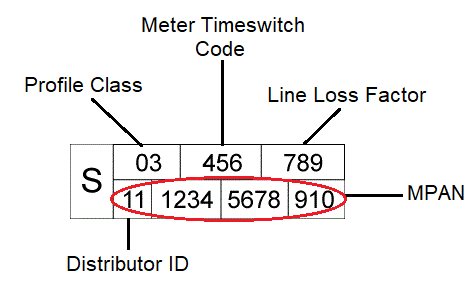
At a time of such fragility for the battered economy, the Spring Budget was always going to be a challenge: could the Chancellor maintain progress on existing issues such as climate change, whilst rebalancing the economy after the pandemic?]]></excerpt:encoded>
    <wp:post_id>3124563</wp:post_id>
    <wp:post_date><![CDATA[2021-03-18 11:00:00]]></wp:post_date>
    <wp:post_date_gmt><![CDATA[2021-03-18 11:00:00]]></wp:post_date_gmt>
    <wp:post_type><![CDATA[post]]></wp:post_type>
    <category>News and Views
Generating energy
]]>, News and Views
Renewable energy
]]></category>
    <Service></Service>
    <wp:post_name>/news/spring-budget-its-impact-climate-change</wp:post_name>
    <ping_status>closed</ping_status>
    <wp:is_sticky>0</wp:is_sticky>
    <wp:post_password><![CDATA[]]></wp:post_password>
    <wp:comment_status><![CDATA[closed]]></wp:comment_status>
    <wp:status><![CDATA[publish]]></wp:status>
    <wp:post_parent>0</wp:post_parent>
    <wp:menu_order>0</wp:menu_order>
    <wp:postmeta><wp:meta_key>_thumbnail_id</wp:meta_key>
<wp:meta_value><![CDATA[12919]]></wp:meta_value></wp:postmeta>
    <wp:attachment_url><![CDATA[https://www.nfuenergy.co.uk/sites/default/files/istock-177821789.jpg]]></wp:attachment_url>
    <wp:meta_value><![CDATA[]]></wp:meta_value>
    <wp:postmeta>	<wp:meta_key><![CDATA[_yoast_wpseo_title]]></wp:meta_key>
	<wp:meta_value><![CDATA[The Spring Budget: its impact on Climate Change | NFU Energy]]></wp:meta_value></wp:postmeta>
    <wp:postmeta>	<wp:meta_key><![CDATA[_yoast_wpseo_metadesc]]></wp:meta_key>
	<wp:meta_value><![CDATA[I recently wrote the following for AHDB GrowSave and it was an interesting thought worth sharing here:
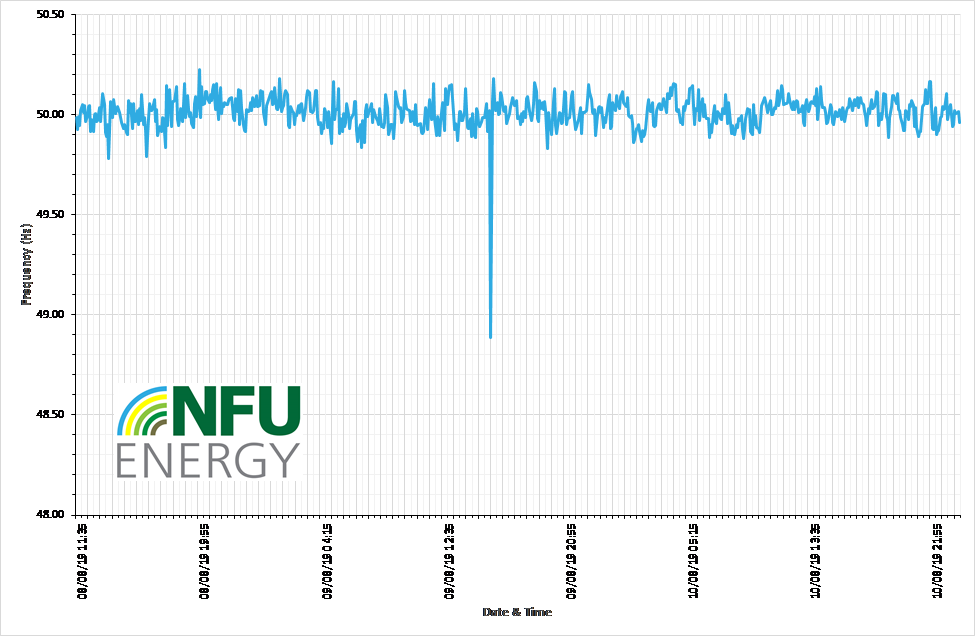
At a time of such fragility for the battered economy, the Spring Budget was always going to be a challenge: could the Chancellor maintain progress on existing issues such as climate change, whilst rebalancing the economy after the pandemic?]]></wp:meta_value>
</wp:postmeta>
    <wp:postmeta>	<wp:meta_key><![CDATA[_yoast_wpseo_linkdex]]></wp:meta_key>
	<wp:meta_value><![CDATA[]]></wp:meta_value></wp:postmeta>
  </item>
  <item>
    <title><![CDATA[Half Hourly contracts and what you need to know]]></title>
    <link>/news/half-hourly-contracts-and-what-you-need-know</link>
    <pubDate>Tue, 16 Mar 2021 11:00:00 +0000</pubDate>
    <dc:creator><![CDATA[Candace Robb]]></dc:creator>
    <guid>https://www.nfuenergy.co.uk/?p=3124561</guid>
    <description><![CDATA[]]></description>
    <content:encoded><![CDATA[<p>We have taken a lot of calls recently from NFU members who are not completely familiar with half hourly (HH) meters and the different types of contracts that you can get. Some members have accepted contracts where they have been quoted an incredibly good unit rate, only to find on their first bill that there are a lot of additional charges that they were not expecting.</p>
<p>Electricity contracts for HH meters come in different guises, you can have a fully fixed contract that will give you a unit rate, standing charge, ASC, MOP &amp; DC etc. Let me break this down for you:</p>
<ul>
<li>Unit rate fully fixed means that all the 3rd party costs for energy are included in this unit rate. This means things like balancing the grid, transmission and transportation costs and government legislation are all included.</li>
<li>Together with the commodity element, ASC (Available Supply Capacity) charge is usually charged per KVA per month but can be charged per KVA per day.</li>
<li>MOP &amp; DC are your meter operator contract and your data collection contract. When you have a HH meter you will need to have this and if you do not organise an agent yourself your supplier will appoint a default agent, and this will cost you more as they put a mark-up on this cost.</li>
</ul>
<p>When you are offered a contract that is not fully fixed you will be amazed at the unit rates and think that you are getting a very good deal. We advise that you read the small print as the 3rd party costs can make up 55% of unit rates on fully fixed contracts.</p>
<p>Rule of thumb is that if it is too good to be true then it is too good to be true.&nbsp; If in doubt call us and ask for our guidance on any prices that you have been offered, it is better to think twice before accepting than be paying higher rates than expected for the term of your contract.</p>
<p><strong>If you would like more advice on this, please give the team a call on 024 7669 8885.</strong></p>
]]></content:encoded>
    <excerpt:encoded><![CDATA[We have taken a lot of calls recently from NFU members who are not completely familiar with half hourly (HH) meters and the different types of contracts that you can get. Some members have accepted contracts where they have been quoted an incredibly good unit rate, only to find on their first bill that there are a lot of additional charges that they were not expecting.
Electricity contracts for HH meters come in different guises, you can have a fully fixed contract that will give you a unit rate, standing charge, ASC, MOP &amp; DC etc. Let me break this down for you:]]></excerpt:encoded>
    <wp:post_id>3124561</wp:post_id>
    <wp:post_date><![CDATA[2021-03-16 11:00:00]]></wp:post_date>
    <wp:post_date_gmt><![CDATA[2021-03-16 11:00:00]]></wp:post_date_gmt>
    <wp:post_type><![CDATA[post]]></wp:post_type>
    <category>News and Views
Buying energy
]]>, News and Views
Energy saving
]]></category>
    <Service></Service>
    <wp:post_name>/news/half-hourly-contracts-and-what-you-need-know</wp:post_name>
    <ping_status>closed</ping_status>
    <wp:is_sticky>0</wp:is_sticky>
    <wp:post_password><![CDATA[]]></wp:post_password>
    <wp:comment_status><![CDATA[closed]]></wp:comment_status>
    <wp:status><![CDATA[publish]]></wp:status>
    <wp:post_parent>0</wp:post_parent>
    <wp:menu_order>0</wp:menu_order>
    <wp:postmeta><wp:meta_key>_thumbnail_id</wp:meta_key>
<wp:meta_value><![CDATA[7400]]></wp:meta_value></wp:postmeta>
    <wp:attachment_url><![CDATA[https://www.nfuenergy.co.uk/sites/default/files/ccl_blog_2020_0.jpg]]></wp:attachment_url>
    <wp:meta_value><![CDATA[]]></wp:meta_value>
    <wp:postmeta>	<wp:meta_key><![CDATA[_yoast_wpseo_title]]></wp:meta_key>
	<wp:meta_value><![CDATA[Half Hourly contracts and what you need to know | NFU Energy]]></wp:meta_value></wp:postmeta>
    <wp:postmeta>	<wp:meta_key><![CDATA[_yoast_wpseo_metadesc]]></wp:meta_key>
	<wp:meta_value><![CDATA[We have taken a lot of calls recently from NFU members who are not completely familiar with half hourly (HH) meters and the different types of contracts that you can get. Some members have accepted contracts where they have been quoted an incredibly good unit rate, only to find on their first bill that there are a lot of additional charges that they were not expecting.
Electricity contracts for HH meters come in different guises, you can have a fully fixed contract that will give you a unit rate, standing charge, ASC, MOP &amp; DC etc. Let me break this down for you:]]></wp:meta_value>
</wp:postmeta>
    <wp:postmeta>	<wp:meta_key><![CDATA[_yoast_wpseo_linkdex]]></wp:meta_key>
	<wp:meta_value><![CDATA[]]></wp:meta_value></wp:postmeta>
  </item>
  <item>
    <title><![CDATA[ADBA 2021 Annual Conference ]]></title>
    <link>/news/adba-2021-annual-conference</link>
    <pubDate>Thu, 11 Mar 2021 11:00:00 +0000</pubDate>
    <dc:creator><![CDATA[Elisa Evans]]></dc:creator>
    <guid>https://www.nfuenergy.co.uk/?p=3124562</guid>
    <description><![CDATA[]]></description>
    <content:encoded><![CDATA[<p><a href="http://adbioresources.org/events/adba-national-conference/adba-national-conference-2021-event-recording/">Catch up here if you missed it.</a>&nbsp;</p>
<p>I recently attended the ADBA National Conference on 16/17 February. Due to the pandemic, it took place online featuring a variety of speakers from across the AD industry including Dr Jonathan Scurlock from the NFU.</p>
<p>It was impossible to escape the fervency expressed by the industry that AD had a major role to play in meeting the ambitious Net Zero targets. There was a lot of talk on a greener recovery and bouncing back better.&nbsp;</p>
<p>With the closure of the Renewable Heat Incentive (RHI) to new applicants from 31 March 2021, everyone’s focus is on what comes next. The Green Gas Support Scheme (GGSS) will launch in autumn 2021, providing subsidy support for new biomethane gas-to-grid plants. It is anticipated to run for 4 years and then an alternative scheme will take over. There is much speculation because we are all in the dark until BEIS enlightens us.</p>
<p>Renewable Transport Fuel Certificates (RTFCs) and Green Gas Certificates (GGCs) are already available to biomethane producers now and these are expected to persist beyond the life of the GGSS.</p>
<p>People may be questioning what about hydrogen, but the fact is this technology is a long way from being implemented across the country. Whereas biomethane is already established and with concerted efforts, could make a significant contribution to us reaching those ambitious Net Zero targets.</p>
<p>Current AD owners might be wondering, can you convert your existing RHI-accredited plant into a biomethane plant? It is anticipated that AD plants currently receiving RHI support will not be eligible to join the GGSS. It isn’t entirely clear who will be eligible for the scheme or indeed what tariffs will be available but we’re keeping a close eye on developments.</p>
<p>If you’re interested in converting a CHP plant to biomethane, ADBA have requested you get in touch <a href="mailto:nick.primmer@adbioresources.org">nick.primmer@adbioresources.org</a> as BEIS seem receptive to this concept but will need case study support.</p>
<p>What we do know is that biomethane vehicles are increasingly becoming more prevalent. Refuelling stations or localised off-grid green gas could be alternative options if access to a grid injection point are limited.</p>
<p>Availability of feedstock and accessibility are major factors to consider for any existing or new plant, amongst others. Necessity is the mother of all invention and meeting Net Zero will be challenging.</p>
<p>We’re keen to hear from any existing AD plants or those seriously considering biomethane to discuss your options further.</p>
<p><strong>If you have any queries regarding this, give&nbsp;the NFU Energy team a call on 024 7669 8885.</strong></p>
]]></content:encoded>
    <excerpt:encoded><![CDATA[Catch up here if you missed it. 
I recently attended the ADBA National Conference on 16/17 February. Due to the pandemic, it took place online featuring a variety of speakers from across the AD industry including Dr Jonathan Scurlock from the NFU.]]></excerpt:encoded>
    <wp:post_id>3124562</wp:post_id>
    <wp:post_date><![CDATA[2021-03-11 11:00:00]]></wp:post_date>
    <wp:post_date_gmt><![CDATA[2021-03-11 11:00:00]]></wp:post_date_gmt>
    <wp:post_type><![CDATA[post]]></wp:post_type>
    <category>News and Views
Renewable energy
]]>, News and Views
Generating energy
]]></category>
    <Service></Service>
    <wp:post_name>/news/adba-2021-annual-conference</wp:post_name>
    <ping_status>closed</ping_status>
    <wp:is_sticky>0</wp:is_sticky>
    <wp:post_password><![CDATA[]]></wp:post_password>
    <wp:comment_status><![CDATA[closed]]></wp:comment_status>
    <wp:status><![CDATA[publish]]></wp:status>
    <wp:post_parent>0</wp:post_parent>
    <wp:menu_order>0</wp:menu_order>
    <wp:postmeta><wp:meta_key>_thumbnail_id</wp:meta_key>
<wp:meta_value><![CDATA[10016]]></wp:meta_value></wp:postmeta>
    <wp:attachment_url><![CDATA[https://www.nfuenergy.co.uk/sites/default/files/2015-09-16_14.47.10.jpg]]></wp:attachment_url>
    <wp:meta_value><![CDATA[]]></wp:meta_value>
    <wp:postmeta>	<wp:meta_key><![CDATA[_yoast_wpseo_title]]></wp:meta_key>
	<wp:meta_value><![CDATA[ADBA 2021 Annual Conference  | NFU Energy]]></wp:meta_value></wp:postmeta>
    <wp:postmeta>	<wp:meta_key><![CDATA[_yoast_wpseo_metadesc]]></wp:meta_key>
	<wp:meta_value><![CDATA[Catch up here if you missed it. 
I recently attended the ADBA National Conference on 16/17 February. Due to the pandemic, it took place online featuring a variety of speakers from across the AD industry including Dr Jonathan Scurlock from the NFU.]]></wp:meta_value>
</wp:postmeta>
    <wp:postmeta>	<wp:meta_key><![CDATA[_yoast_wpseo_linkdex]]></wp:meta_key>
	<wp:meta_value><![CDATA[]]></wp:meta_value></wp:postmeta>
  </item>
  <item>
    <title><![CDATA[Is your electricity Authorised Supply Capacity in check?]]></title>
    <link>/news/your-electricity-authorised-supply-capacity-check</link>
    <pubDate>Tue, 09 Mar 2021 11:00:00 +0000</pubDate>
    <dc:creator><![CDATA[Joshua Robinson]]></dc:creator>
    <guid>https://www.nfuenergy.co.uk/?p=3124560</guid>
    <description><![CDATA[]]></description>
    <content:encoded><![CDATA[<p><strong>Your Authorised Supply Capacity could be one of the biggest unnecessary costs you’re paying for on your electricity bills and you might not even know.</strong></p>
<p>Once you have arranged fair supply contracts for your Half Hourly electricity supplies, it’s easy to assume that what you’re paying isn’t costing you more than it should be.</p>
<p><strong>What is Authorised Supply Capacity or ASC?</strong></p>
<p>The Authorised Supply Capacity is a level agreed with your Distribution Network Operator (DNO) and is the set amount of electricity they must ensure is always available to your supply.&nbsp; It’s sometimes referred to as the Agreed Supply Capacity and is measured in KVA. The charges will show as a pass-through cost on Half Hourly invoices, often in the distribution charges section and the top level you have set is multiplied by the rate you have agreed in the contract at a price per KVA. There are also excess charges for exceeding your capacity which are usually at a much higher rate.</p>
<p><strong>How is the level set in the first place?</strong></p>
<p>Initially, the ASC is set when a New Supply is connected or during an upgrade or downgrade. Often at this time there is no certainty of the capacity that will be required, and an estimate is made based on expected consumption. This is like taking out a phone contract expecting that you may need to 1,000 minutes per month and still paying the full amount, even if you never exceed 300. However, before choosing your next phone contract you’d look at one that’s more suited to what you’ll need to save money, so you should also be regularly reviewing your ASC for the same reasons.</p>
<p><strong>When to review your ASC on your Half Hourly supply?</strong></p>
<ul>
<li>If you’ve never reviewed it before</li>
<li>12-18 months after installing a new supply</li>
<li>When the nature of your business has changed</li>
<li>When your consumption has changed significantly</li>
<li>When you take over a new property</li>
<li>If you’ve noticed excess charges on your bills</li>
<li>Once every 24 months if there are no significant changes</li>
</ul>
<p><strong>How to check your ASC is set accurately?</strong></p>
<p>You have one opportunity a year to change your ASC and to do this we recommend we assess your Half Hourly Data to check the demand you’ve hit for every half hour in the day over a year. From this we can asses the overall peak and either confirm that you’ve got an appropriate level set or whether you could save money in the long run by making an amendment. If we recommend a change and you would like to proceed, we can arrange this with your DNO to apply for the change. If they accept the change, this will apply from the following month’s bill so you can start saving as soon as possible.</p>
<p><strong>If you have any queries regarding ASC, give&nbsp;the NFU Energy team a call on 024 7669 8885.</strong></p>
]]></content:encoded>
    <excerpt:encoded><![CDATA[Your Authorised Supply Capacity could be one of the biggest unnecessary costs you’re paying for on your electricity bills and you might not even know.
Once you have arranged fair supply contracts for your Half Hourly electricity supplies, it’s easy to assume that what you’re paying isn’t costing you more than it should be.
What is Authorised Supply Capacity or ASC?]]></excerpt:encoded>
    <wp:post_id>3124560</wp:post_id>
    <wp:post_date><![CDATA[2021-03-09 11:00:00]]></wp:post_date>
    <wp:post_date_gmt><![CDATA[2021-03-09 11:00:00]]></wp:post_date_gmt>
    <wp:post_type><![CDATA[post]]></wp:post_type>
    <category>News and Views
Use and Manage
]]>, News and Views
Generating energy
]]></category>
    <Service></Service>
    <wp:post_name>/news/your-electricity-authorised-supply-capacity-check</wp:post_name>
    <ping_status>closed</ping_status>
    <wp:is_sticky>0</wp:is_sticky>
    <wp:post_password><![CDATA[]]></wp:post_password>
    <wp:comment_status><![CDATA[closed]]></wp:comment_status>
    <wp:status><![CDATA[publish]]></wp:status>
    <wp:post_parent>0</wp:post_parent>
    <wp:menu_order>0</wp:menu_order>
    <wp:postmeta><wp:meta_key>_thumbnail_id</wp:meta_key>
<wp:meta_value><![CDATA[10014]]></wp:meta_value></wp:postmeta>
    <wp:attachment_url><![CDATA[https://www.nfuenergy.co.uk/sites/default/files/contracts2.jpg]]></wp:attachment_url>
    <wp:meta_value><![CDATA[]]></wp:meta_value>
    <wp:postmeta>	<wp:meta_key><![CDATA[_yoast_wpseo_title]]></wp:meta_key>
	<wp:meta_value><![CDATA[Is your electricity Authorised Supply Capacity in check? | NFU Energy]]></wp:meta_value></wp:postmeta>
    <wp:postmeta>	<wp:meta_key><![CDATA[_yoast_wpseo_metadesc]]></wp:meta_key>
	<wp:meta_value><![CDATA[Your Authorised Supply Capacity could be one of the biggest unnecessary costs you’re paying for on your electricity bills and you might not even know.
Once you have arranged fair supply contracts for your Half Hourly electricity supplies, it’s easy to assume that what you’re paying isn’t costing you more than it should be.
What is Authorised Supply Capacity or ASC?]]></wp:meta_value>
</wp:postmeta>
    <wp:postmeta>	<wp:meta_key><![CDATA[_yoast_wpseo_linkdex]]></wp:meta_key>
	<wp:meta_value><![CDATA[]]></wp:meta_value></wp:postmeta>
  </item>
  <item>
    <title><![CDATA[Ofgem Open Letter on Regulatory Position Statements]]></title>
    <link>/news/ofgem-open-letter-regulatory-position-statements</link>
    <pubDate>Thu, 04 Mar 2021 11:00:00 +0000</pubDate>
    <dc:creator><![CDATA[Sophie Archer]]></dc:creator>
    <guid>https://www.nfuenergy.co.uk/?p=3124559</guid>
    <description><![CDATA[]]></description>
    <content:encoded><![CDATA[<p>Are you still waiting for an environmental permit for your RHI application? Have you already requested use of a Regulatory Position Statement (RPS) to allow you to operate while you wait? Are you worried about your RHI accreditation procedure in light of EA delays and ever growing permitting queues?</p>
<p>On the 26 February 2021, Ofgem published an open letter to affected RHI stakeholders, discussing their proposal to allow certain RHI applications to be approved if the applicant could provide:</p>
<ol>
<li>Proof of acknowledgement from the EA that the environmental permit application has been received.</li>
<li>Confirmation that they are intending to operate their plant under RPS 244.</li>
</ol>
<p>Suitable evidence includes email correspondence between the applicant (or their agent) and the EA regarding confirmation of the permit submission, an EA member of staff confirming its receipt and entry into the queue, and an email to MCPDHelp notifying operation under RPS 244; automated EA confirmation emails may not be accepted and you must have confirmed receipt from EA staff before an RPS request can be made.</p>
<p>For Ofgem to consider using the RPS for your approval, you must also ensure that you are operating as per the RPS requirements, including:</p>
<ul>
<li>Undertaking MCERT accredited extractive testing within four months of first operation (post commissioning).</li>
<li>Have a working Environmental Management System in place for your new plant(s).</li>
</ul>
<p>In the event that your permit is determined as rejected, or your RPS is withdrawn, you must notify Ofgem so they can re-evaluate or revoke your RHI accreditation, where applicable.</p>
<p>If you are still waiting for your new bespoke MCP permit determination in order to submit your RHI application before the 31 March 2021 deadline, and have applied to operate on clean, untreated waste wood, you too can request operation under the use of RPS 244 to MCPDHelp and provide the above evidence as part of your RHI submission.</p>
<p><em>Please note that using RPS’s will increase the wait time for your permit and notification of commissioned dates should be sent to your local EA combustion team once they confirm receipt of the RPS notification. RPS’s are also not available for permit variations or standard rule permits. Only England is applicable.</em></p>
<p>For natural gas plants and virgin/straw boilers, RPS 243 is also available, but its use for RHI is still to be confirmed.</p>
<p><strong>If you require any assistance regarding last minute RHI applications, environmental permitting, environmental management systems, managed extractive testing, or RPS requests, please call the NFU Energy team on 024 7669 6512.</strong></p>
]]></content:encoded>
    <excerpt:encoded><![CDATA[Are you still waiting for an environmental permit for your RHI application? Have you already requested use of a Regulatory Position Statement (RPS) to allow you to operate while you wait? Are you worried about your RHI accreditation procedure in light of EA delays and ever growing permitting queues?
On the 26 February 2021, Ofgem published an open letter to affected RHI stakeholders, discussing their proposal to allow certain RHI applications to be approved if the applicant could provide:]]></excerpt:encoded>
    <wp:post_id>3124559</wp:post_id>
    <wp:post_date><![CDATA[2021-03-04 11:00:00]]></wp:post_date>
    <wp:post_date_gmt><![CDATA[2021-03-04 11:00:00]]></wp:post_date_gmt>
    <wp:post_type><![CDATA[post]]></wp:post_type>
    <category>News and Views
Energy saving
]]>, News and Views
Renewable energy
]]></category>
    <Service></Service>
    <wp:post_name>/news/ofgem-open-letter-regulatory-position-statements</wp:post_name>
    <ping_status>closed</ping_status>
    <wp:is_sticky>0</wp:is_sticky>
    <wp:post_password><![CDATA[]]></wp:post_password>
    <wp:comment_status><![CDATA[closed]]></wp:comment_status>
    <wp:status><![CDATA[publish]]></wp:status>
    <wp:post_parent>0</wp:post_parent>
    <wp:menu_order>0</wp:menu_order>
    <wp:postmeta><wp:meta_key>_thumbnail_id</wp:meta_key>
<wp:meta_value><![CDATA[10007]]></wp:meta_value></wp:postmeta>
    <wp:attachment_url><![CDATA[https://www.nfuenergy.co.uk/sites/default/files/wood_stack_2_blog.jpg]]></wp:attachment_url>
    <wp:meta_value><![CDATA[]]></wp:meta_value>
    <wp:postmeta>	<wp:meta_key><![CDATA[_yoast_wpseo_title]]></wp:meta_key>
	<wp:meta_value><![CDATA[Ofgem Open Letter on Regulatory Position Statements | NFU Energy]]></wp:meta_value></wp:postmeta>
    <wp:postmeta>	<wp:meta_key><![CDATA[_yoast_wpseo_metadesc]]></wp:meta_key>
	<wp:meta_value><![CDATA[Are you still waiting for an environmental permit for your RHI application? Have you already requested use of a Regulatory Position Statement (RPS) to allow you to operate while you wait? Are you worried about your RHI accreditation procedure in light of EA delays and ever growing permitting queues?
On the 26 February 2021, Ofgem published an open letter to affected RHI stakeholders, discussing their proposal to allow certain RHI applications to be approved if the applicant could provide:]]></wp:meta_value>
</wp:postmeta>
    <wp:postmeta>	<wp:meta_key><![CDATA[_yoast_wpseo_linkdex]]></wp:meta_key>
	<wp:meta_value><![CDATA[]]></wp:meta_value></wp:postmeta>
  </item>
  <item>
    <title><![CDATA[Low Carbon Agriculture show online: 09-10 March 2021]]></title>
    <link>/news/low-carbon-agriculture-show-online-09-10-march-2021</link>
    <pubDate>Tue, 02 Mar 2021 11:00:00 +0000</pubDate>
    <dc:creator><![CDATA[Steven Jackson]]></dc:creator>
    <guid>https://www.nfuenergy.co.uk/?p=3124558</guid>
    <description><![CDATA[]]></description>
    <content:encoded><![CDATA[<p>Low Carbon Agriculture, transformed this year into an online event that begins at 09:30 on 09 March 2021. The event is all about how our NFU net zero ambition will be delivered, through the generation of renewable energy, the implementation of low carbon technology, and best practice in both carbon and environmental land management.</p>
<p>The event includes four key areas of focus - Energy Now Expo, Environmental Business Expo, Low Emission Vehicles Expo, and Farm Technology Expo - with leading technology and service suppliers accompanied by a conference and workshop programme, in which key industry figures will provide insight and practical guidance on achieving Net Zero and creating a profitable and sustainable future for agricultural and rural communities.</p>
<p>The NFU strongly supports Low Carbon Agriculture, an annual event that has always been a trailblazer, and its focus on low carbon agriculture, natural capital enhancement, and agri-tech is very much in tune with current policy at a key time of change in agriculture.</p>
<p>Over 120 'virtual exhibitors' will be representing the renewable energy, low carbon transport and machinery sectors, together with suppliers of innovative technology and advisors on carbon and environmental land management.</p>
<p>NFU Energy’s Technical Director Jon Swain will be joining the chair, the NFU's Dr Jonathan Scurlock with the opening keynote session. from 09:30-11:00 on 09 March discussing the renewable energy opportunities available and challenges faced. Head of technical delivery Thomas Wilkins will be delivering a talk on a practical Guide to RHI Audits and James Wayman, project engineer will discuss on Farm Energy Efficiency.</p>
<p>NFU Deputy President Stuart Roberts will participate in the keynote debate on “Reaching net zero in agriculture” 09:30-11:00 on 10 March, chaired by Olivia Midgley of Farmers Guardian, with a high-level line-up including Caroline Drummond (LEAF), Dr Nina Skorupska (Renewable Energy Association), Sir William Worsley (Forestry Commission) and Patrick Holden (Sustainable Food Trust).&nbsp;</p>
<p>NFU members can register for FREE. View the <a href="https://lowcarbonagricultureshow.co.uk/conference-programme/">conference programme here.</a></p>
<p>Low Carbon Agriculture Online is FREE to attend for farmers, landowners and related rural business owners - <a href="https://lowcarbonagricultureshow.co.uk/register/">click here to register.</a></p>
]]></content:encoded>
    <excerpt:encoded><![CDATA[Low Carbon Agriculture, transformed this year into an online event that begins at 09:30 on 09 March 2021. The event is all about how our NFU net zero ambition will be delivered, through the generation of renewable energy, the implementation of low carbon technology, and best practice in both carbon and environmental land management.]]></excerpt:encoded>
    <wp:post_id>3124558</wp:post_id>
    <wp:post_date><![CDATA[2021-03-02 11:00:00]]></wp:post_date>
    <wp:post_date_gmt><![CDATA[2021-03-02 11:00:00]]></wp:post_date_gmt>
    <wp:post_type><![CDATA[post]]></wp:post_type>
    <category>News and Views
Renewable energy
]]>, News and Views
Contracts
]]>, News and Views
Energy saving
]]></category>
    <Service></Service>
    <wp:post_name>/news/low-carbon-agriculture-show-online-09-10-march-2021</wp:post_name>
    <ping_status>closed</ping_status>
    <wp:is_sticky>0</wp:is_sticky>
    <wp:post_password><![CDATA[]]></wp:post_password>
    <wp:comment_status><![CDATA[closed]]></wp:comment_status>
    <wp:status><![CDATA[publish]]></wp:status>
    <wp:post_parent>0</wp:post_parent>
    <wp:menu_order>0</wp:menu_order>
    <wp:postmeta><wp:meta_key>_thumbnail_id</wp:meta_key>
<wp:meta_value><![CDATA[12868]]></wp:meta_value></wp:postmeta>
    <wp:attachment_url><![CDATA[https://www.nfuenergy.co.uk/sites/default/files/low_carbon_agri_logo_blog.jpg]]></wp:attachment_url>
    <wp:meta_value><![CDATA[]]></wp:meta_value>
    <wp:postmeta>	<wp:meta_key><![CDATA[_yoast_wpseo_title]]></wp:meta_key>
	<wp:meta_value><![CDATA[Low Carbon Agriculture show online: 09-10 March 2021 | NFU Energy]]></wp:meta_value></wp:postmeta>
    <wp:postmeta>	<wp:meta_key><![CDATA[_yoast_wpseo_metadesc]]></wp:meta_key>
	<wp:meta_value><![CDATA[Low Carbon Agriculture, transformed this year into an online event that begins at 09:30 on 09 March 2021. The event is all about how our NFU net zero ambition will be delivered, through the generation of renewable energy, the implementation of low carbon technology, and best practice in both carbon and environmental land management.]]></wp:meta_value>
</wp:postmeta>
    <wp:postmeta>	<wp:meta_key><![CDATA[_yoast_wpseo_linkdex]]></wp:meta_key>
	<wp:meta_value><![CDATA[]]></wp:meta_value></wp:postmeta>
  </item>
  <item>
    <title><![CDATA[Do you need an Air Quality Assessment?]]></title>
    <link>/news/do-you-need-air-quality-assessment</link>
    <pubDate>Tue, 23 Feb 2021 11:00:00 +0000</pubDate>
    <dc:creator><![CDATA[Sophie Archer]]></dc:creator>
    <guid>https://www.nfuenergy.co.uk/?p=3124543</guid>
    <description><![CDATA[Are you installing a new combustion plant? Applying for planning permission or an environmental permit for your combustion plant? Do you require an environmental risk assessment? We have seen Regulators moving away from simple D1 Stack Height assessments and increasing the amount of air quality dispersion modelling assessments required for both planning permission and environmental permit applications.]]></description>
    <content:encoded><![CDATA[<p>Are you installing a new combustion plant? Applying for planning permission or an environmental permit for your combustion plant? Do you require an environmental risk assessment? We have seen Regulators moving away from simple D1 Stack Height assessments and increasing the amount of air quality dispersion modelling assessments required for both planning permission and environmental permit applications.</p>
<h3>What is dispersion modelling?</h3>
<p>For each new combustion project, you may have to complete an assessment of the plants impact on the local area, including the influence of new and existing buildings, distances of vulnerable habitats, and human health risks. This involves modelling emission data, site infrastructure, and associated activities also subjected to compliance to help decision makers understand the associated project risks.</p>
<h3>How do you know if you need it?</h3>
<p>Site’s may undergo various levels of screening to determine if an air quality assessment is required. Critically, at least one of the following criteria must be met:</p>
<p><em><strong>Screening for Boilers</strong></em></p>
<p>Determines which emissions should be modelled if any of the following habitats are within screening distance:</p>
<ul>
<li>Sites of Special Scientific Interest (SSSI) within 2km;</li>
<li>Special Protected Area (SPA) within 5km;</li>
<li>Special Area of Conservation (SAC) within 5km;</li>
<li>Ramsar (wetland conservation area) within 5km;</li>
<li>Local or National Nature Reserve (LNR/NNR) within 2km; and</li>
<li>Ancient Woodland within 2km.</li>
</ul>
<p><em><strong>Screening for Engines</strong></em></p>
<p>Determines if dispersion modelling is needed if human and/or habitat receptors are vulnerable (screening distance dependant on flue stack and building heights):</p>
<ul>
<li>Closest human health receptor; and</li>
<li>SSSI, SAC, SPA and Ramsar habitats within 5km.</li>
</ul>
<p>Each screening process can also determine if the plant’s impact is considered low or high risk to the local receptors, and, therefore, if dispersion modelling is required.</p>
<h3>Can we help you?</h3>
<p>Whether it is the assessment of a combustion plant, anaerobic digestion, or intensive farming operation, we can assist you with your screening and risk assessment needs. We offer a variety of services to tailor your project to its regulatory assessment requirements:</p>
<ul>
<li>Combustion, Waste, and Intensive Farming Environmental Permit Risk Assessments.</li>
<li>Vulnerable Habitat Screening Assessment.</li>
<li>Habitat and Human Receptor Impact Dispersion Modelling.</li>
<li>Planning Permission Environmental Impact Assessments.</li>
<li>D1 Stack Height Calculator Assessments.</li>
</ul>
<p>Our environmental permit application service includes screening as standard, and we will advise you if further assessments are required.</p>
<p><strong>If you have any queries about whether you should be considering environmental risk&nbsp;assessments for a new or planned boiler, please call the NFU Energy team on 024 7669 8899.&nbsp;</strong></p>
]]></content:encoded>
    <excerpt:encoded><![CDATA[Are you installing a new combustion plant? Applying for planning permission or an environmental permit for your combustion plant? Do you require an environmental risk assessment? We have seen Regulators moving away from simple D1 Stack Height assessments and increasing the amount of air quality dispersion modelling assessments required for both planning permission and environmental permit applications.]]></excerpt:encoded>
    <wp:post_id>3124543</wp:post_id>
    <wp:post_date><![CDATA[2021-02-23 11:00:00]]></wp:post_date>
    <wp:post_date_gmt><![CDATA[2021-02-23 11:00:00]]></wp:post_date_gmt>
    <wp:post_type><![CDATA[post]]></wp:post_type>
    <category>News and Views
Energy saving
]]>, News and Views
Renewable energy
]]>, News and Views
Use and Manage
]]></category>
    <Service></Service>
    <wp:post_name>/news/do-you-need-air-quality-assessment</wp:post_name>
    <ping_status>closed</ping_status>
    <wp:is_sticky>0</wp:is_sticky>
    <wp:post_password><![CDATA[]]></wp:post_password>
    <wp:comment_status><![CDATA[closed]]></wp:comment_status>
    <wp:status><![CDATA[publish]]></wp:status>
    <wp:post_parent>0</wp:post_parent>
    <wp:menu_order>0</wp:menu_order>
    <wp:postmeta><wp:meta_key>_thumbnail_id</wp:meta_key>
<wp:meta_value><![CDATA[10024]]></wp:meta_value></wp:postmeta>
    <wp:attachment_url><![CDATA[https://www.nfuenergy.co.uk/sites/default/files/windfarm-1_0.jpg]]></wp:attachment_url>
    <wp:meta_value><![CDATA[]]></wp:meta_value>
    <wp:postmeta>	<wp:meta_key><![CDATA[_yoast_wpseo_title]]></wp:meta_key>
	<wp:meta_value><![CDATA[Do you need an Air Quality Assessment? | NFU Energy]]></wp:meta_value></wp:postmeta>
    <wp:postmeta>	<wp:meta_key><![CDATA[_yoast_wpseo_metadesc]]></wp:meta_key>
	<wp:meta_value><![CDATA[Are you installing a new combustion plant? Applying for planning permission or an environmental permit for your combustion plant? Do you require an environmental risk assessment? We have seen Regulators moving away from simple D1 Stack Height assessments and increasing the amount of air quality dispersion modelling assessments required for both planning permission and environmental permit applications.]]></wp:meta_value>
</wp:postmeta>
    <wp:postmeta>	<wp:meta_key><![CDATA[_yoast_wpseo_linkdex]]></wp:meta_key>
	<wp:meta_value><![CDATA[air, quality, assessment, planning permission, environment, ]]></wp:meta_value></wp:postmeta>
  </item>
  <item>
    <title><![CDATA[The Waste Wood Dilemma]]></title>
    <link>/news/waste-wood-dilemma</link>
    <pubDate>Thu, 18 Feb 2021 11:00:00 +0000</pubDate>
    <dc:creator><![CDATA[Sophie Archer]]></dc:creator>
    <guid>https://www.nfuenergy.co.uk/?p=3124540</guid>
    <description><![CDATA[Is your wood fuel increasing in price? Are you struggling to get hold of virgin woodchip at a decent price? Well moving to waste wood may be on your mind, but this could be a costly mistake if you don’t comply with the regulations.]]></description>
    <content:encoded><![CDATA[<p>Is your wood fuel increasing in price? Are you struggling to get hold of virgin woodchip at a decent price? Well moving to waste wood may be on your mind, but this could be a costly mistake if you don’t comply with the regulations.</p>
<h3>Waste Wood Compliance</h3>
<p>If your biomass boiler is not subject to permitting, either because you are on virgin biomass or you have an existing plant not due until 2024 or 2029, then you may be tempted to switch to a cheaper waste wood fuel. However, this will mean there will be new environmental compliance requirements you must adhere to.</p>
<p>Waste wood fits into two criteria, each of which involve different permits:</p>
<ul>
<li>Clean, untreated wood (consistent in colour and without contaminants). This requires regulation by either a Local Authority Part B permit (&gt;50 kg/hr up to 3 t/hr firing capacity) or by an EA Part A1 permit (&gt;3t/hr).</li>
</ul>
<p>Or</p>
<ul>
<li>Demolition waste (paint, metal, plastic contamination expected). This requires a Local Authority Part A2 (SWIP) permit (&gt;50 kg/hr up to 3 t/hr firing capacity) or EA Part A1 permit (&gt;3t/hr).</li>
</ul>
<h3>The true costs of emissions</h3>
<p>Each of the above permit’s have varying emission limit compliance. This means a variety of potential secondary abatement could be required for the boiler. For instance, Part A1 and A2 permits typically require Continuous Emission Monitoring systems (CEMs), Nitrogen Reduction units, and multi-cyclone filter systems which could cost you up to £500,000 up front, and £100,000’s more over their lifetime. This system is necessary to ensure the boiler emissions do not exceed the regulatory limitations.</p>
<p>The permit may also have pre-operational conditions that must be met prior to purchasing, storage, and combustion of waste wood. Sites could also see further costs through the installation of impermeable surfaces, contaminated water drainage systems, fire detection and prevention systems, etc. The permit process will also require supply chain contracts and waste acceptance procedures to be set up to ensure that only the waste permitted to be used will be accepted onto site. Failure to do so could result in fines, your combustion activities being shut down by the regulator, or even incarceration.</p>
<h3>Should I stay or should I swap?</h3>
<p>The upfront investment required to meet waste environmental compliance is not to be underestimated, especially for larger plants. Smaller boilers &lt;5 MWth may be able to afford the change, as additional filter units are relatively inexpensive. However, larger boilers over 5 MWth, and especially over 10 MWth, should consider all potential ramifications before making the switch as a Part A1/A2 compliant system could cost you up to £500,000 up front, and £100,000’s more over their lifetime.</p>
<p>For more information about whether or not you should have a permit or waste procedures for your current combustion activities, please see our blog: <a href="https://www.nfuenergy.co.uk/news/updates-permitting-and-ongoing-compliance">Updates on permitting and ongoing compliance.</a></p>
<p><strong>If you have any queries about whether you should be considering environmental compliance for an existing or planned boiler, please call the NFU Energy team on 024 7669 8899.</strong></p>
]]></content:encoded>
    <excerpt:encoded><![CDATA[Is your wood fuel increasing in price? Are you struggling to get hold of virgin woodchip at a decent price? Well moving to waste wood may be on your mind, but this could be a costly mistake if you don’t comply with the regulations.
Waste Wood Compliance
If your biomass boiler is not subject to permitting, either because you are on virgin biomass or you have an existing plant not due until 2024 or 2029, then you may be tempted to switch to a cheaper waste wood fuel. However, this will mean there will be new environmental compliance requirements you must adhere to.]]></excerpt:encoded>
    <wp:post_id>3124540</wp:post_id>
    <wp:post_date><![CDATA[2021-02-18 11:00:00]]></wp:post_date>
    <wp:post_date_gmt><![CDATA[2021-02-18 11:00:00]]></wp:post_date_gmt>
    <wp:post_type><![CDATA[post]]></wp:post_type>
    <category>News and Views
Energy saving
]]>, News and Views
Renewable energy
]]></category>
    <Service></Service>
    <wp:post_name>/news/waste-wood-dilemma</wp:post_name>
    <ping_status>closed</ping_status>
    <wp:is_sticky>0</wp:is_sticky>
    <wp:post_password><![CDATA[]]></wp:post_password>
    <wp:comment_status><![CDATA[closed]]></wp:comment_status>
    <wp:status><![CDATA[publish]]></wp:status>
    <wp:post_parent>0</wp:post_parent>
    <wp:menu_order>0</wp:menu_order>
    <wp:postmeta><wp:meta_key>_thumbnail_id</wp:meta_key>
<wp:meta_value><![CDATA[8727]]></wp:meta_value></wp:postmeta>
    <wp:attachment_url><![CDATA[https://www.nfuenergy.co.uk/sites/default/files/grade_a_woodchip_blog_small.jpg]]></wp:attachment_url>
    <wp:meta_value><![CDATA[]]></wp:meta_value>
    <wp:postmeta>	<wp:meta_key><![CDATA[_yoast_wpseo_title]]></wp:meta_key>
	<wp:meta_value><![CDATA[The Waste Wood Dilemma | NFU Energy]]></wp:meta_value></wp:postmeta>
    <wp:postmeta>	<wp:meta_key><![CDATA[_yoast_wpseo_metadesc]]></wp:meta_key>
	<wp:meta_value><![CDATA[Is your wood fuel increasing in price? Are you struggling to get hold of virgin woodchip at a decent price? Well moving to waste wood may be on your mind, but this could be a costly mistake if you don’t comply with the regulations.
Waste Wood Compliance
If your biomass boiler is not subject to permitting, either because you are on virgin biomass or you have an existing plant not due until 2024 or 2029, then you may be tempted to switch to a cheaper waste wood fuel. However, this will mean there will be new environmental compliance requirements you must adhere to.]]></wp:meta_value>
</wp:postmeta>
    <wp:postmeta>	<wp:meta_key><![CDATA[_yoast_wpseo_linkdex]]></wp:meta_key>
	<wp:meta_value><![CDATA[wood, fuel, waste wood, regulations]]></wp:meta_value></wp:postmeta>
  </item>
  <item>
    <title><![CDATA[RHI Extension applications]]></title>
    <link>/news/rhi-extension-applications</link>
    <pubDate>Thu, 18 Feb 2021 11:00:00 +0000</pubDate>
    <dc:creator><![CDATA[Thomas Wilkins]]></dc:creator>
    <guid>https://www.nfuenergy.co.uk/?p=3124556</guid>
    <description><![CDATA[After attending the Ofgem RHI extension application workshop last week we know more about what to expect and timeframes.]]></description>
    <content:encoded><![CDATA[<p>After attending the Ofgem extension application workshop last week we know more about what to expect and timeframes.</p>
<p>The extension applications, until 31 March 2022, are only available to participants that cannot receive a tariff guarantee, this is for:</p>
<ul>
<li>Biomass &lt;1MWth</li>
<li>Biogas combustion &lt;600kWth</li>
<li>Ground source and water source heat pumps &lt;100kWth</li>
</ul>
<p>The application window will be open from 00:01 on 01&nbsp;March 2021 until midnight on the 31&nbsp;March 2021.</p>
<p>Information we expect Ofgem to require:</p>
<ul>
<li>Source of energy and technology</li>
<li>Expected commissioning date</li>
<li>Expected annual generation</li>
<li>Expected plant size (allowed ±10%)</li>
<li>Location of the plant</li>
<li>Evidence of the proposed heat use</li>
</ul>
<p>Crucially to some projects, planning permission is not required for the extension application.</p>
<p>Extension applications are only available to participants that can evidence significant capital, or significant human or material resources were invested in the project prior to 17 August 2020.</p>
<p>This can come in 2 forms; either primary where one piece of evidence is required, or secondary, where 2 pieces are required. See pages 9 and 10 on the <a href="https://assets.publishing.service.gov.uk/government/uploads/system/uploads/attachment_data/file/933108/changes-to-rhi-support-covid19-response-further-govt-response.pdf">link here.</a></p>
<p>Another important point is that there is only a finite budget for the extension applications, Ofgem will consider the applications in the order they are received. If no budget is available, then the applications will enter a queue system.</p>
<p><strong>If you have any queries about whether you qualify for the RHI extension application, please call the NFU Energy team on 024 7669 8899.</strong></p>
]]></content:encoded>
    <excerpt:encoded><![CDATA[After attending the Ofgem extension application workshop last week we know more about what to expect and timeframes.
The extension applications, until 31 March 2022, are only available to participants that cannot receive a tariff guarantee, this is for:

Biomass &lt;1MWth
Biogas combustion &lt;600kWth
Ground source and water source heat pumps &lt;100kWth

The application window will be open from 00:01 on 01 March 2021 until midnight on the 31 March 2021.
Information we expect Ofgem to require:]]></excerpt:encoded>
    <wp:post_id>3124556</wp:post_id>
    <wp:post_date><![CDATA[2021-02-18 11:00:00]]></wp:post_date>
    <wp:post_date_gmt><![CDATA[2021-02-18 11:00:00]]></wp:post_date_gmt>
    <wp:post_type><![CDATA[post]]></wp:post_type>
    <category>News and Views
Generating energy
]]>, News and Views
Renewable energy
]]></category>
    <Service></Service>
    <wp:post_name>/news/rhi-extension-applications</wp:post_name>
    <ping_status>closed</ping_status>
    <wp:is_sticky>0</wp:is_sticky>
    <wp:post_password><![CDATA[]]></wp:post_password>
    <wp:comment_status><![CDATA[closed]]></wp:comment_status>
    <wp:status><![CDATA[publish]]></wp:status>
    <wp:post_parent>0</wp:post_parent>
    <wp:menu_order>0</wp:menu_order>
    <wp:postmeta><wp:meta_key>_thumbnail_id</wp:meta_key>
<wp:meta_value><![CDATA[12902]]></wp:meta_value></wp:postmeta>
    <wp:attachment_url><![CDATA[https://www.nfuenergy.co.uk/sites/default/files/picture1.jpg]]></wp:attachment_url>
    <wp:meta_value><![CDATA[]]></wp:meta_value>
    <wp:postmeta>	<wp:meta_key><![CDATA[_yoast_wpseo_title]]></wp:meta_key>
	<wp:meta_value><![CDATA[RHI Extension applications | NFU Energy]]></wp:meta_value></wp:postmeta>
    <wp:postmeta>	<wp:meta_key><![CDATA[_yoast_wpseo_metadesc]]></wp:meta_key>
	<wp:meta_value><![CDATA[After attending the Ofgem extension application workshop last week we know more about what to expect and timeframes.
The extension applications, until 31 March 2022, are only available to participants that cannot receive a tariff guarantee, this is for:

Biomass &lt;1MWth
Biogas combustion &lt;600kWth
Ground source and water source heat pumps &lt;100kWth

The application window will be open from 00:01 on 01 March 2021 until midnight on the 31 March 2021.
Information we expect Ofgem to require:]]></wp:meta_value>
</wp:postmeta>
    <wp:postmeta>	<wp:meta_key><![CDATA[_yoast_wpseo_linkdex]]></wp:meta_key>
	<wp:meta_value><![CDATA[RHI, renewable energy, generating energy, RHI extension, ofgem]]></wp:meta_value></wp:postmeta>
  </item>
  <item>
    <title><![CDATA[Generators: can EVs help you make the most of your kWh?]]></title>
    <link>/news/generators-can-evs-help-you-make-most-your-kwh</link>
    <pubDate>Tue, 16 Feb 2021 11:00:00 +0000</pubDate>
    <dc:creator><![CDATA[Ben Ablewhite]]></dc:creator>
    <guid>https://www.nfuenergy.co.uk/?p=3124552</guid>
    <description><![CDATA[From April 2021, ‘embedded generators’ – that covers most on-farm electricity generation – will no longer receive BSUoS payments for electricity exported to the grid, typically reducing export income by about 5%.]]></description>
    <content:encoded><![CDATA[<p>From April 2021, ‘embedded generators’ – that covers most on-farm electricity generation – will no longer receive BSUoS payments for electricity exported to the grid, typically reducing export income by about 5%.</p>
<p>From April 2022 GDUoS will start to wither away – that’s another 10% - and we’ve already lost Triad benefit. We’re not expecting these losses to be countered by other income streams, so you could see the ‘all-in’ value of your exported electricity drop from, say, 6 p/kWh to 5 p/kWh over the next few years. Now more than ever you should be thinking about how you can make the best use of the electricity you’re generating.</p>
<p>The case for batteries is slowly improving, but how about electric vehicles? You may well already have electric forklifts, telehandlers are looking promising, and improvements in both range and financials mean that electric cars and vans are looking really rather appealing now. Especially if you can charge them for 5 p/kWh.</p>
<p><a href="https://www.nfuenergy.co.uk/news/electric-vehicles-now-time">Click here </a>for an article exploring the case for EVs, and if you’re thinking of investing, we’d be interested to know if you feel you’d benefit from any guidance.&nbsp;</p>
<p><strong>Find out how we can help you with all your energy needs by giving the team a call on 024 7669 6512.</strong></p>
]]></content:encoded>
    <excerpt:encoded><![CDATA[From April 2021, ‘embedded generators’ – that covers most on-farm electricity generation – will no longer receive BSUoS payments for electricity exported to the grid, typically reducing export income by about 5%.]]></excerpt:encoded>
    <wp:post_id>3124552</wp:post_id>
    <wp:post_date><![CDATA[2021-02-16 11:00:00]]></wp:post_date>
    <wp:post_date_gmt><![CDATA[2021-02-16 11:00:00]]></wp:post_date_gmt>
    <wp:post_type><![CDATA[post]]></wp:post_type>
    <category>News and Views
Renewable energy
]]>, News and Views
Energy saving
]]></category>
    <Service></Service>
    <wp:post_name>/news/generators-can-evs-help-you-make-most-your-kwh</wp:post_name>
    <ping_status>closed</ping_status>
    <wp:is_sticky>0</wp:is_sticky>
    <wp:post_password><![CDATA[]]></wp:post_password>
    <wp:comment_status><![CDATA[closed]]></wp:comment_status>
    <wp:status><![CDATA[publish]]></wp:status>
    <wp:post_parent>0</wp:post_parent>
    <wp:menu_order>0</wp:menu_order>
    <wp:postmeta><wp:meta_key>_thumbnail_id</wp:meta_key>
<wp:meta_value><![CDATA[12896]]></wp:meta_value></wp:postmeta>
    <wp:attachment_url><![CDATA[https://www.nfuenergy.co.uk/sites/default/files/mghs-121.jpg]]></wp:attachment_url>
    <wp:meta_value><![CDATA[]]></wp:meta_value>
    <wp:postmeta>	<wp:meta_key><![CDATA[_yoast_wpseo_title]]></wp:meta_key>
	<wp:meta_value><![CDATA[Generators: can EVs help you make the most of your kWh? | NFU Energy]]></wp:meta_value></wp:postmeta>
    <wp:postmeta>	<wp:meta_key><![CDATA[_yoast_wpseo_metadesc]]></wp:meta_key>
	<wp:meta_value><![CDATA[From April 2021, ‘embedded generators’ – that covers most on-farm electricity generation – will no longer receive BSUoS payments for electricity exported to the grid, typically reducing export income by about 5%.]]></wp:meta_value>
</wp:postmeta>
    <wp:postmeta>	<wp:meta_key><![CDATA[_yoast_wpseo_linkdex]]></wp:meta_key>
	<wp:meta_value><![CDATA[generators, electric, electric vehicle]]></wp:meta_value></wp:postmeta>
  </item>
  <item>
    <title><![CDATA[Am I paying the correct amount of VAT and CCL on my energy bill?]]></title>
    <link>/news/am-i-paying-correct-amount-vat-and-ccl-my-energy-bill</link>
    <pubDate>Thu, 11 Feb 2021 11:00:00 +0000</pubDate>
    <dc:creator><![CDATA[Joshua Robinson]]></dc:creator>
    <guid>https://www.nfuenergy.co.uk/?p=3124550</guid>
    <description><![CDATA[Whilst businesses have to pay VAT and Climate Change Levy (CCL) on their energy costs, certain factors change the amount of VAT and CCL that is charged by the energy supplier.]]></description>
    <content:encoded><![CDATA[<p>Whilst businesses have to pay VAT and Climate Change Levy (CCL) on their energy costs, certain factors change the amount of VAT and CCL that is charged by the energy supplier.</p>
<p>VAT, or value-added tax, is automatically added to gas and electricity tariffs but the rate that is paid fluctuates, whereas CCL is a government-imposed tax to aim to reduce gas emissions. Whilst most businesses will pay a rate of 20% and CCL on units used, some customers may be eligible for a discounted rate of 5% and a CCL exemption.&nbsp; This would be depending on the type of business that is operated and the way the energy is used.</p>
<h3><strong>The De Minimis rule and other exemptions</strong></h3>
<p>So how do you know whether you qualify for reduced VAT and a CCL exemption?&nbsp; In short, the De Minimis rule stipulates usage level that you must remain below to qualify and to be eligible to be billed at 5% VAT your daily average must be no more than:</p>
<ul>
<li>33kWh (1000 kWh per month) of business electricity.</li>
<li>5 therms or 145 kWh (150 therms/4397 kWh per month) of business gas.</li>
</ul>
<p>The consumption is determined by the billing period, so customers may find they receive 20% VAT at times of heightened consumption and 5% at times of year when the consumption is lower.&nbsp; This is an additional reason why meter reads are important on a regular basis.</p>
<h3><strong>Other Qualifying customers</strong></h3>
<p>In addition, there are additional customers that can qualify for reduced VAT and CCL and these customers are as follows:</p>
<ul>
<li>Whole or part domestic use</li>
<li>Charitable use</li>
<li>Care Homes</li>
</ul>
<p>In cases where consumption is split between business and domestic e.g a farmhouse that is also the business office, the annual consumption will be the first indicator to be VAT charged.&nbsp; If the consumption exceeds the threshold then a VAT declaration form will require completing.&nbsp; This allows the customer to notify the supplier of their “consumption split” and for the supplier to bill accordingly.&nbsp; In this event a customer that uses more than the threshold allowance could still pay a proportion of their bill at 5% whereas the business proportion will remain at 20%.&nbsp;&nbsp;</p>
<p>All registered UK charities are eligible for 5% VAT and CCL exemptions regardless of consumption.&nbsp;&nbsp;</p>
<div>
<p><strong>If you would like more advice on this please give the team a call on 024 7669 8885.</strong></p>
</div>
]]></content:encoded>
    <excerpt:encoded><![CDATA[Whilst businesses have to pay VAT and Climate Change Levy (CCL) on their energy costs, certain factors change the amount of VAT and CCL that is charged by the energy supplier.]]></excerpt:encoded>
    <wp:post_id>3124550</wp:post_id>
    <wp:post_date><![CDATA[2021-02-11 11:00:00]]></wp:post_date>
    <wp:post_date_gmt><![CDATA[2021-02-11 11:00:00]]></wp:post_date_gmt>
    <wp:post_type><![CDATA[post]]></wp:post_type>
    <category>News and Views
Use and Manage
]]>, News and Views
Buying energy
]]></category>
    <Service></Service>
    <wp:post_name>/news/am-i-paying-correct-amount-vat-and-ccl-my-energy-bill</wp:post_name>
    <ping_status>closed</ping_status>
    <wp:is_sticky>0</wp:is_sticky>
    <wp:post_password><![CDATA[]]></wp:post_password>
    <wp:comment_status><![CDATA[closed]]></wp:comment_status>
    <wp:status><![CDATA[publish]]></wp:status>
    <wp:post_parent>0</wp:post_parent>
    <wp:menu_order>0</wp:menu_order>
    <wp:postmeta><wp:meta_key>_thumbnail_id</wp:meta_key>
<wp:meta_value><![CDATA[10014]]></wp:meta_value></wp:postmeta>
    <wp:attachment_url><![CDATA[https://www.nfuenergy.co.uk/sites/default/files/contracts2.jpg]]></wp:attachment_url>
    <wp:meta_value><![CDATA[]]></wp:meta_value>
    <wp:postmeta>	<wp:meta_key><![CDATA[_yoast_wpseo_title]]></wp:meta_key>
	<wp:meta_value><![CDATA[Am I paying the correct amount of VAT and CCL on my energy bill? | NFU Energy]]></wp:meta_value></wp:postmeta>
    <wp:postmeta>	<wp:meta_key><![CDATA[_yoast_wpseo_metadesc]]></wp:meta_key>
	<wp:meta_value><![CDATA[Whilst businesses have to pay VAT and Climate Change Levy (CCL) on their energy costs, certain factors change the amount of VAT and CCL that is charged by the energy supplier.]]></wp:meta_value>
</wp:postmeta>
    <wp:postmeta>	<wp:meta_key><![CDATA[_yoast_wpseo_linkdex]]></wp:meta_key>
	<wp:meta_value><![CDATA[VAT, climate change levy, energy, energy supplier ]]></wp:meta_value></wp:postmeta>
  </item>
  <item>
    <title><![CDATA[Electric vehicles: is now the time?]]></title>
    <link>/news/electric-vehicles-now-time</link>
    <pubDate>Tue, 09 Feb 2021 17:30:00 +0000</pubDate>
    <dc:creator><![CDATA[Ben Ablewhite]]></dc:creator>
    <guid>https://www.nfuenergy.co.uk/?p=3124551</guid>
    <description><![CDATA[ Putting aside the concerns over whether electric vehicles it’s the right technology for the long-term and the true carbon cost of producing the vehicles, there are a few issues, range, cost, charging infrastructure, and desirability being the top four.]]></description>
    <content:encoded><![CDATA[<p>As a bit of a car enthusiast working in the energy industry, I’ve followed the progress of electric cars over the last few years with great interest and a reasonable dose of cynicism. Putting aside the concerns over whether it’s the right technology for the long-term and the true carbon cost of producing the vehicles, there are a few issues, range, cost, charging infrastructure, and desirability being the top four.</p>
<p>Over the last few years, things seem to have been coming together: range is better, topping 400 miles if you have deep pockets. Choice and desirability have improved dramatically. Charging infrastructure is still a bit of a worry.</p>
<p>The greatest progress has been on the financial case. Last weekend an offer leapt out from my social media feed: Hyundai Ioniq – a very respectable BEV with near-200 mile range – on a 24-month personal lease for a shade over £200, including VAT, no deposit. It was a limited offer but not the first I’ve seen near that price, a seriously affordable and tempting way into zero emission motoring. The range is too short for me to consider it a viable family motor, but if you have got access to another car for long journeys it could be perfect.</p>
<p>As a business, three things bolster the case for electric cars:</p>
<ol>
<li>Pure electric cars currently attract 0% benefit in kind tax. From 01 April that goes up to 1% - a bargain for company car drivers and perhaps an opportunity for a Net Zero-friendly salary sacrifice for employees.</li>
<li>Electric vehicles are currently eligible for 100% first year capital allowances, so the entire cost of buying a car or van can be deducted from your pre-tax profits.</li>
<li>They’re more affordable than ever…</li>
</ol>
<p><a href="mg.co.uk/mg5-ev/">The MG5</a> offers a strong case. The list price is £24,495 including VAT after a Government grant. It’s a proper, practical estate car with a claimed range of 214 miles, and it comes with a 5-year warranty. Sure, it’s not the most elegant of boxes and MGs tend to shed value at a scary rate, but it’s a lot of EV for the money and the reviews suggest it’s a perfectly decent car.</p>
<p>Need a van? <a href="https://www.nissan.co.uk/vehicles/new-vehicles/e-nv200.html">The Nissan EV-200</a> has been around for a good while now. It has a range of up to 178 miles depending on the model, and prices start from £20,005 ex. VAT and, being classed as machinery, qualifies for annual investment allowance. There’s a 5-year warranty on the van and 8 years on the battery so you don’t need to worry too much about degradation.</p>
<p>A pure-electric replacement for your Hilux might be a little way off –<a href="rivian.com/"> Rivian seems</a> to be on the case – but hey, you can have a <a href="https://www.porsche.com/uk/modelstart/all/?modelrange=taycan">Porsche Taycan</a> with four-wheel drive and there are worse ways to waste 20 minutes than playing with the configurator.</p>
<p><strong>If you’re already running electric vehicles or are thinking of doing so, I’d be interested in your experience – message me via our <a href="http://linkedin.com/company/fec-energy">company Linkedin.&nbsp;</a></strong></p>
]]></content:encoded>
    <excerpt:encoded><![CDATA[As a bit of a car enthusiast working in the energy industry, I’ve followed the progress of electric cars over the last few years with great interest and a reasonable dose of cynicism. Putting aside the concerns over whether it’s the right technology for the long-term and the true carbon cost of producing the vehicles, there are a few issues, range, cost, charging infrastructure, and desirability being the top four.]]></excerpt:encoded>
    <wp:post_id>3124551</wp:post_id>
    <wp:post_date><![CDATA[2021-02-09 17:30:00]]></wp:post_date>
    <wp:post_date_gmt><![CDATA[2021-02-09 17:30:00]]></wp:post_date_gmt>
    <wp:post_type><![CDATA[post]]></wp:post_type>
    <category>News and Views
Energy saving
]]>, News and Views
Renewable energy
]]></category>
    <Service></Service>
    <wp:post_name>/news/electric-vehicles-now-time</wp:post_name>
    <ping_status>closed</ping_status>
    <wp:is_sticky>0</wp:is_sticky>
    <wp:post_password><![CDATA[]]></wp:post_password>
    <wp:comment_status><![CDATA[closed]]></wp:comment_status>
    <wp:status><![CDATA[publish]]></wp:status>
    <wp:post_parent>0</wp:post_parent>
    <wp:menu_order>0</wp:menu_order>
    <wp:postmeta><wp:meta_key>_thumbnail_id</wp:meta_key>
<wp:meta_value><![CDATA[12894]]></wp:meta_value></wp:postmeta>
    <wp:attachment_url><![CDATA[https://www.nfuenergy.co.uk/sites/default/files/mg5-103.jpg]]></wp:attachment_url>
    <wp:meta_value><![CDATA[]]></wp:meta_value>
    <wp:postmeta>	<wp:meta_key><![CDATA[_yoast_wpseo_title]]></wp:meta_key>
	<wp:meta_value><![CDATA[Electric vehicles: is now the time? | NFU Energy]]></wp:meta_value></wp:postmeta>
    <wp:postmeta>	<wp:meta_key><![CDATA[_yoast_wpseo_metadesc]]></wp:meta_key>
	<wp:meta_value><![CDATA[As a bit of a car enthusiast working in the energy industry, I’ve followed the progress of electric cars over the last few years with great interest and a reasonable dose of cynicism. Putting aside the concerns over whether it’s the right technology for the long-term and the true carbon cost of producing the vehicles, there are a few issues, range, cost, charging infrastructure, and desirability being the top four.]]></wp:meta_value>
</wp:postmeta>
    <wp:postmeta>	<wp:meta_key><![CDATA[_yoast_wpseo_linkdex]]></wp:meta_key>
	<wp:meta_value><![CDATA[electric, electric cars, electric vehicles, carbon cost]]></wp:meta_value></wp:postmeta>
  </item>
  <item>
    <title><![CDATA[Energy efficiency: not glamorous but essential]]></title>
    <link>/news/energy-efficiency-not-glamorous-essential</link>
    <pubDate>Tue, 09 Feb 2021 11:00:00 +0000</pubDate>
    <dc:creator><![CDATA[Mike Bond]]></dc:creator>
    <guid>https://www.nfuenergy.co.uk/?p=3124549</guid>
    <description><![CDATA[The Climate Change Committee recently announced that by 2035, the UK needs to cut its emissions of carbon dioxide by 78% compared to 1990. Previously a similar target had been set for 2050, so this is a call to halve the time taken.]]></description>
    <content:encoded><![CDATA[<p>The Climate Change Committee recently announced that by 2035, the UK needs to cut its emissions of carbon dioxide by 78% compared to 1990. Previously a similar target had been set for 2050, so this is a call to halve the time taken. The global effort to reduce emissions has always been a two-pronged assault: to cut consumption through efficiency improvements and decarbonise by moving to renewable energy. However, renewables tend to hog the limelight because of the obvious hardware involved, e.g. solar panels, wind turbines, hydroelectric dams, etc., which can polarise opinion. Also, renewables have enjoyed stronger incentives until recently. Energy efficiency, meanwhile, is not seen as a technology – just that same old message about switching things off.</p>
<p>That is not entirely fair. Good control of the energy-consuming plant is certainly an important tool; but, like renewables, low-energy technology upgrades – replacing boilers, chillers, motors, lighting – can present valuable investment opportunities for any business, with proven benefits and therefore payback. Over the years, energy efficiency has been the target of incentives and legislation. The latest two are part carrot, part stick: The Energy Savings Opportunity Scheme (ESOS, mandatory for larger businesses) is a four-yearly requirement resulting in a fully costed audit of tailored potential projects, whereas Streamlined Energy and Carbon Reporting (SECR, affects many smaller businesses) has replaced the Carbon Reduction Commitment scheme and requires an annual declaration of energy and carbon totals.</p>
<p>While Phase 3 of ESOS is still two years away, it is still possible to arrange your energy audit and find out how much your organisation could save. In any case, whilst it may not capture the headlines in the same way as renewables, energy efficiency can represent a cost-effective way of identifying low-cost, high-impact ways of reducing your overall energy spend.</p>
<p><strong>Find out how we can help you with all your energy needs by giving the team a call on 024 7669 6512.</strong></p>
]]></content:encoded>
    <excerpt:encoded><![CDATA[The Climate Change Committee recently announced that by 2035, the UK needs to cut its emissions of carbon dioxide by 78% compared to 1990. Previously a similar target had been set for 2050, so this is a call to halve the time taken. The global effort to reduce emissions has always been a two-pronged assault: to cut consumption through efficiency improvements and decarbonise by moving to renewable energy. However, renewables tend to hog the limelight because of the obvious hardware involved, e.g. solar panels, wind turbines, hydroelectric dams, etc., which can polarise opinion.]]></excerpt:encoded>
    <wp:post_id>3124549</wp:post_id>
    <wp:post_date><![CDATA[2021-02-09 11:00:00]]></wp:post_date>
    <wp:post_date_gmt><![CDATA[2021-02-09 11:00:00]]></wp:post_date_gmt>
    <wp:post_type><![CDATA[post]]></wp:post_type>
    <category>News and Views
Energy saving
]]>, News and Views
Use and Manage
]]></category>
    <Service></Service>
    <wp:post_name>/news/energy-efficiency-not-glamorous-essential</wp:post_name>
    <ping_status>closed</ping_status>
    <wp:is_sticky>0</wp:is_sticky>
    <wp:post_password><![CDATA[]]></wp:post_password>
    <wp:comment_status><![CDATA[closed]]></wp:comment_status>
    <wp:status><![CDATA[publish]]></wp:status>
    <wp:post_parent>0</wp:post_parent>
    <wp:menu_order>0</wp:menu_order>
    <wp:postmeta><wp:meta_key>_thumbnail_id</wp:meta_key>
<wp:meta_value><![CDATA[7282]]></wp:meta_value></wp:postmeta>
    <wp:attachment_url><![CDATA[https://www.nfuenergy.co.uk/sites/default/files/carbon-footprinting-main-image.jpg]]></wp:attachment_url>
    <wp:meta_value><![CDATA[]]></wp:meta_value>
    <wp:postmeta>	<wp:meta_key><![CDATA[_yoast_wpseo_title]]></wp:meta_key>
	<wp:meta_value><![CDATA[Energy efficiency: not glamorous but essential | NFU Energy]]></wp:meta_value></wp:postmeta>
    <wp:postmeta>	<wp:meta_key><![CDATA[_yoast_wpseo_metadesc]]></wp:meta_key>
	<wp:meta_value><![CDATA[The Climate Change Committee recently announced that by 2035, the UK needs to cut its emissions of carbon dioxide by 78% compared to 1990. Previously a similar target had been set for 2050, so this is a call to halve the time taken. The global effort to reduce emissions has always been a two-pronged assault: to cut consumption through efficiency improvements and decarbonise by moving to renewable energy. However, renewables tend to hog the limelight because of the obvious hardware involved, e.g. solar panels, wind turbines, hydroelectric dams, etc., which can polarise opinion.]]></wp:meta_value>
</wp:postmeta>
    <wp:postmeta>	<wp:meta_key><![CDATA[_yoast_wpseo_linkdex]]></wp:meta_key>
	<wp:meta_value><![CDATA[energy efficiency, climate change, emissions]]></wp:meta_value></wp:postmeta>
  </item>
  <item>
    <title><![CDATA[UK holds the ‘highest decarbonisation rate’ in the world for the 21st century so far]]></title>
    <link>/news/uk-holds-%E2%80%98highest-decarbonisation-rate%E2%80%99-world-21st-century-so-far</link>
    <pubDate>Thu, 04 Feb 2021 11:00:00 +0000</pubDate>
    <dc:creator><![CDATA[Jenny Beynon]]></dc:creator>
    <guid>https://www.nfuenergy.co.uk/?p=3124546</guid>
    <description><![CDATA[Read our top five energy-related news stories from the last couple of weeks. Energy is always in the news in one way or another, from renewable energy technology advancements and the latest from the ‘big six’ energy suppliers to advancements in energy saving and sustainability. In this blog, we share more about our favourite energy news stories from the last couple of weeks.]]></description>
    <content:encoded><![CDATA[<p>Read our top five energy-related news stories from the last couple of weeks. Energy is always in the news in one way or another, from renewable energy technology advancements and the latest from the ‘big six’ energy suppliers to advancements in energy saving and sustainability. In this blog, we share more about our favourite energy news stories from the last couple of weeks:</p>
<ol>
<li>
<p><strong>UK holds the ‘highest decarbonisation rate’ in the world for the 21st century so far:</strong>&nbsp;The UK has the highest long-term reduction in greenhouse gas output in the world over the course of the 21st century. That’s one of the findings of new research by the accounting firm PwC, which suggests the UK’s&nbsp;carbon dioxide emissions&nbsp;fell by 3.7% every year. <a href="https://www.energylivenews.com/2021/01/04/uk-holds-the-highest-decarbonisation-rate-in-the-world-for-the-21st-century-so-far/">Find out more...</a></p>
</li>
<li>
<p><strong>Cross-channel electricity link begins full flow:&nbsp;</strong>An undersea electricity connection between England and France has become fully operational. The IFA2 interconnector between Hampshire and Normandy began to flow at full capacity at 11:00 GMT, National Grid said. <a href="https://www.bbc.co.uk/news/uk-england-hampshire-55750411">Find out more...</a></p>
</li>
<li>
<p><strong>Electricity supplier SSE Airtricity increases prices by 3.9%:&nbsp;</strong>Northern Ireland's second-biggest electricity supplier, SSE, is to increase prices by 3.9% from 1 March.&nbsp;The firm said the rise reflected increased costs from the network provider and the market operator. <a href="https://www.bbc.co.uk/news/uk-northern-ireland-55858798">Find out more...</a></p>
</li>
<li>
<p><strong>Renewables overtook fossil fuels as UK's main electricity source in 2020:&nbsp;</strong>Renewables generated a record 42% of the UK's electricity in 2020, while fossil fuels accounted for 41% of electricity generation, according to a major new analysis. <a href="https://www.edie.net/news/10/Report--Renewables-overtook-fossil-fuels-as-UK-s-main-electricity-source-in-2020/?utm_source=dailynewsletter,%20edie%20daily%20newsletter&amp;utm_medium=email,%20email&amp;utm_content=news&amp;utm_campaign=dailynewsletter,%20b09173ac6f-dailynewsletter_COPY_976">Find out more...</a></p>
</li>
<li>
<p><strong>How prepared are UK businesses for the net-zero transition?:&nbsp;</strong>The UK Government's 2050 net-zero target is legally binding, meaning that businesses of all sizes and sectors must accelerate decarbonisation efforts. But two new major surveys have highlighted major challenges for the private sector. <a href="https://www.edie.net/news/6/In-numbers--How-prepared-are-UK-businesses-for-the-net-zero-transition-/?utm_source=dailynewsletter,%20edie%20daily%20newsletter&amp;utm_medium=email,%20email&amp;utm_content=news&amp;utm_campaign=dailynewsletter,%2074f05bd0bf-dailynewsletter_COPY_973">Find out more...</a></p>
</li>
</ol>
<p>Find out how we can help you with all your energy needs by giving the team a call on 024 7669 6512.</p>
<p>​&nbsp;</p>
]]></content:encoded>
    <excerpt:encoded><![CDATA[Read our top five energy-related news stories from the last couple of weeks. Energy is always in the news in one way or another, from renewable energy technology advancements and the latest from the ‘big six’ energy suppliers to advancements in energy saving and sustainability. In this blog, we share more about our favourite energy news stories from the last couple of weeks:]]></excerpt:encoded>
    <wp:post_id>3124546</wp:post_id>
    <wp:post_date><![CDATA[2021-02-04 11:00:00]]></wp:post_date>
    <wp:post_date_gmt><![CDATA[2021-02-04 11:00:00]]></wp:post_date_gmt>
    <wp:post_type><![CDATA[post]]></wp:post_type>
    <category>News and Views
Energy saving
]]>, News and Views
Energy saving
]]></category>
    <Service></Service>
    <wp:post_name>/news/uk-holds-%E2%80%98highest-decarbonisation-rate%E2%80%99-world-21st-century-so-far</wp:post_name>
    <ping_status>closed</ping_status>
    <wp:is_sticky>0</wp:is_sticky>
    <wp:post_password><![CDATA[]]></wp:post_password>
    <wp:comment_status><![CDATA[closed]]></wp:comment_status>
    <wp:status><![CDATA[publish]]></wp:status>
    <wp:post_parent>0</wp:post_parent>
    <wp:menu_order>0</wp:menu_order>
    <wp:postmeta><wp:meta_key>_thumbnail_id</wp:meta_key>
<wp:meta_value><![CDATA[12871]]></wp:meta_value></wp:postmeta>
    <wp:attachment_url><![CDATA[https://www.nfuenergy.co.uk/sites/default/files/feasibility-image.jpg]]></wp:attachment_url>
    <wp:meta_value><![CDATA[]]></wp:meta_value>
    <wp:postmeta>	<wp:meta_key><![CDATA[_yoast_wpseo_title]]></wp:meta_key>
	<wp:meta_value><![CDATA[UK holds the ‘highest decarbonisation rate’ in the world for the 21st century so far | NFU Energy]]></wp:meta_value></wp:postmeta>
    <wp:postmeta>	<wp:meta_key><![CDATA[_yoast_wpseo_metadesc]]></wp:meta_key>
	<wp:meta_value><![CDATA[Read our top five energy-related news stories from the last couple of weeks. Energy is always in the news in one way or another, from renewable energy technology advancements and the latest from the ‘big six’ energy suppliers to advancements in energy saving and sustainability. In this blog, we share more about our favourite energy news stories from the last couple of weeks:]]></wp:meta_value>
</wp:postmeta>
    <wp:postmeta>	<wp:meta_key><![CDATA[_yoast_wpseo_linkdex]]></wp:meta_key>
	<wp:meta_value><![CDATA[energy, renewable, news]]></wp:meta_value></wp:postmeta>
  </item>
  <item>
    <title><![CDATA[Energy efficiency: The start to reaching net zero]]></title>
    <link>/news/energy-efficiency-start-reaching-net-zero-0</link>
    <pubDate>Tue, 02 Feb 2021 11:00:00 +0000</pubDate>
    <dc:creator><![CDATA[Jenny Beynon]]></dc:creator>
    <guid>https://www.nfuenergy.co.uk/?p=3124545</guid>
    <description><![CDATA[The NFU has an aspiration that agriculture in the UK gets to net zero greenhouse gas (GHG) emissions by 2040. Whilst there are many challenges, as energy consultants, we firmly believe the pathway to net zero starts with reducing energy requirements and emissions. ]]></description>
    <content:encoded><![CDATA[<p><strong>The NFU has an aspiration that agriculture in the UK gets to net zero greenhouse gas (GHG) emissions by 2040. Whilst there are many challenges, as energy consultants, we firmly believe the pathway to net zero starts with reducing energy requirements and emissions.&nbsp;</strong></p>
<p>The NFU outline the policies, mechanisms and support that is required from the government and other stakeholders for agriculture to meet the 2040 target.&nbsp; The agricultural sector, like most, has some way to go before this target will be met, however farmers were quick to take up renewable energy and this has given some a great head start to net zero, often without realising.</p>
<p>Avoiding unnecessary energy use will not only reduce Greenhouse Gas (GHG) emissions but will usually be followed by financial savings.&nbsp; So how can NFU Energy help members achieve this goal?</p>
<h3>Carbon calculators</h3>
<p>The process of reducing emissions usually starts with carbon accounting. This is measuring the total greenhouse gas (GHG) emissions caused directly and indirectly by a site or a business and is expressed as tonnes of carbon dioxide equivalent. The carbon equivalent emission figure then acts as a benchmark against the effect of various changes and improvements in subsequent years.</p>
<p>There are a number of carbon calculators that can help you to measure this, but the accuracy and detail will vary and you should look at exactly what you want to achieve in the results before committing to something. NFU Energy can help you complete a carbon calculation using an ‘off the shelf’ product, but we are also able to offer a bespoke calculation which will give you more detail and accuracy, which can result in better recommendations and comparisons to move forwards with.</p>
<h3>Reducing your emissions</h3>
<p>An energy audit will show how energy is being used, lost, wasted, and allow an engineer to make recommendations of where improvements can be made, and model the effect they will have on GHG emissions and cost/benefit.</p>
<p>Installing your own renewable heat and power generation systems, to offset your own consumptions, will reduce your GHG emissions.&nbsp; There have been government schemes which have helped with the financial burden of installing these ‘new’ technologies, but we are starting to see them stand on their own two feet.&nbsp; Solar is a great example, where it is now a cost-effective way to generate electricity for your business.&nbsp; We are also starting to see a resurgence in new installations and our team are on hand to offer advice to those who want assurance it will work for them.</p>
<p>Getting to net zero will not happen overnight for anybody, but small steps and improvements will add up to big changes and the way energy is used will have a significant role to play over the next 20 years.&nbsp; Get in touch with NFU Energy to find out how you can take your first step to net zero.&nbsp;</p>
<p><strong>If you would like to talk to us about whether it would be a worthwhile investment for your business give the team a call on 024 7669 6512.</strong></p>
]]></content:encoded>
    <excerpt:encoded><![CDATA[The NFU has an aspiration that agriculture in the UK gets to net zero greenhouse gas (GHG) emissions by 2040. Whilst there are many challenges, as energy consultants, we firmly believe the pathway to net zero starts with reducing energy requirements and emissions. ]]></excerpt:encoded>
    <wp:post_id>3124545</wp:post_id>
    <wp:post_date><![CDATA[2021-02-02 11:00:00]]></wp:post_date>
    <wp:post_date_gmt><![CDATA[2021-02-02 11:00:00]]></wp:post_date_gmt>
    <wp:post_type><![CDATA[post]]></wp:post_type>
    <category>News and Views
Energy saving
]]>, News and Views
Renewable energy
]]></category>
    <Service></Service>
    <wp:post_name>/news/energy-efficiency-start-reaching-net-zero-0</wp:post_name>
    <ping_status>closed</ping_status>
    <wp:is_sticky>0</wp:is_sticky>
    <wp:post_password><![CDATA[]]></wp:post_password>
    <wp:comment_status><![CDATA[closed]]></wp:comment_status>
    <wp:status><![CDATA[publish]]></wp:status>
    <wp:post_parent>0</wp:post_parent>
    <wp:menu_order>0</wp:menu_order>
    <wp:postmeta><wp:meta_key>_thumbnail_id</wp:meta_key>
<wp:meta_value><![CDATA[10024]]></wp:meta_value></wp:postmeta>
    <wp:attachment_url><![CDATA[https://www.nfuenergy.co.uk/sites/default/files/windfarm-1_0.jpg]]></wp:attachment_url>
    <wp:meta_value><![CDATA[]]></wp:meta_value>
    <wp:postmeta>	<wp:meta_key><![CDATA[_yoast_wpseo_title]]></wp:meta_key>
	<wp:meta_value><![CDATA[Energy efficiency: The start to reaching net zero | NFU Energy]]></wp:meta_value></wp:postmeta>
    <wp:postmeta>	<wp:meta_key><![CDATA[_yoast_wpseo_metadesc]]></wp:meta_key>
	<wp:meta_value><![CDATA[The NFU has an aspiration that agriculture in the UK gets to net zero greenhouse gas (GHG) emissions by 2040. Whilst there are many challenges, as energy consultants, we firmly believe the pathway to net zero starts with reducing energy requirements and emissions. ]]></wp:meta_value>
</wp:postmeta>
    <wp:postmeta>	<wp:meta_key><![CDATA[_yoast_wpseo_linkdex]]></wp:meta_key>
	<wp:meta_value><![CDATA[energy, efficiency, net zero]]></wp:meta_value></wp:postmeta>
  </item>
  <item>
    <title><![CDATA[Could you benefit from Solar Energy? ]]></title>
    <link>/news/could-you-benefit-solar-energy</link>
    <pubDate>Thu, 28 Jan 2021 11:00:00 +0000</pubDate>
    <dc:creator><![CDATA[Steven Jackson]]></dc:creator>
    <guid>https://www.nfuenergy.co.uk/?p=3124542</guid>
    <description><![CDATA[Solar PV was often seen as an ‘instant win’, with owners of solar PV able to generate an income from the government feed in tariff (FIT) scheme, as well as the ongoing benefit that generating their own electricity brings. ]]></description>
    <content:encoded><![CDATA[<p>Solar PV was often seen as an ‘instant win’, with owners of solar PV able to generate an income from the government feed in tariff (FIT) scheme, as well as the ongoing benefit that generating their own electricity brings.&nbsp;</p>
<p>There is less noise around solar PV, with many thinking that without the FIT, the numbers simply don’t add up for investment.&nbsp; Whilst for many this is true, rather than there being a payment for generating electricity, those who are using the electricity they generate from solar PV are still likely to see favourable savings on their electricity bill.</p>
<p>If your business uses a lot of energy during daylight hours, particularly in summer, and you are looking to make savings and reduce your energy costs then now could be the time to start thinking about installing solar panels again.</p>
<h3>More about Solar energy…</h3>
<p>A solar installation is best suited on a large, south facing roof or in open ground, which is why it works so well with the agricultural industry. Panels are either pre-constructed encapsulated aluminium and glass or, in some cases, might take the form of roof tiles or semi-transparent PV glazing units. Solar panels do not need direct sunlight to work, they can still generate some electricity on a cloudy day. Solar water heating is also worth considering if your farm business uses a lot of hot water (e.g. dairy washdown, food processing).&nbsp;You can find out more about Solar energy by reading our handy Solar guide <a href="https://www.nfuenergy.co.uk/nfu-energy-guide-solar-energy" target="_blank">here</a>.</p>
<h3>Will solar energy suit your business?</h3>
<p>It is worth checking if solar panels would be a suitable renewable energy installation for your business. This is where we can help by testing the feasibility of your projects to help you avoid costly mistakes and work out if it is a worthwhile investment.</p>
<p><strong>If you would like to talk to us about whether it would be a worthwhile investment for your business give the team a call on 024 7669 6512.</strong></p>
]]></content:encoded>
    <excerpt:encoded><![CDATA[Solar PV was often seen as an ‘instant win’, with owners of solar PV able to generate an income from the government feed in tariff (FIT) scheme, as well as the ongoing benefit that generating their own electricity brings. 
There is less noise around solar PV, with many thinking that without the FIT, the numbers simply don’t add up for investment.  Whilst for many this is true, rather than there being a payment for generating electricity, those who are using the electricity they generate from solar PV are still likely to see favourable savings on their electricity bill.]]></excerpt:encoded>
    <wp:post_id>3124542</wp:post_id>
    <wp:post_date><![CDATA[2021-01-28 11:00:00]]></wp:post_date>
    <wp:post_date_gmt><![CDATA[2021-01-28 11:00:00]]></wp:post_date_gmt>
    <wp:post_type><![CDATA[post]]></wp:post_type>
    <category>News and Views
Renewable energy
]]>, News and Views
Energy saving
]]>, News and Views
Generate
]]></category>
    <Service></Service>
    <wp:post_name>/news/could-you-benefit-solar-energy</wp:post_name>
    <ping_status>closed</ping_status>
    <wp:is_sticky>0</wp:is_sticky>
    <wp:post_password><![CDATA[]]></wp:post_password>
    <wp:comment_status><![CDATA[closed]]></wp:comment_status>
    <wp:status><![CDATA[publish]]></wp:status>
    <wp:post_parent>0</wp:post_parent>
    <wp:menu_order>0</wp:menu_order>
    <wp:postmeta><wp:meta_key>_thumbnail_id</wp:meta_key>
<wp:meta_value><![CDATA[12875]]></wp:meta_value></wp:postmeta>
    <wp:attachment_url><![CDATA[https://www.nfuenergy.co.uk/sites/default/files/solar_panels_0.jpg]]></wp:attachment_url>
    <wp:meta_value><![CDATA[]]></wp:meta_value>
    <wp:postmeta>	<wp:meta_key><![CDATA[_yoast_wpseo_title]]></wp:meta_key>
	<wp:meta_value><![CDATA[Could you benefit from Solar Energy?  | NFU Energy]]></wp:meta_value></wp:postmeta>
    <wp:postmeta>	<wp:meta_key><![CDATA[_yoast_wpseo_metadesc]]></wp:meta_key>
	<wp:meta_value><![CDATA[Solar PV was often seen as an ‘instant win’, with owners of solar PV able to generate an income from the government feed in tariff (FIT) scheme, as well as the ongoing benefit that generating their own electricity brings. 
There is less noise around solar PV, with many thinking that without the FIT, the numbers simply don’t add up for investment.  Whilst for many this is true, rather than there being a payment for generating electricity, those who are using the electricity they generate from solar PV are still likely to see favourable savings on their electricity bill.]]></wp:meta_value>
</wp:postmeta>
    <wp:postmeta>	<wp:meta_key><![CDATA[_yoast_wpseo_linkdex]]></wp:meta_key>
	<wp:meta_value><![CDATA[solar, energy, renewable, FiT, solar energy ]]></wp:meta_value></wp:postmeta>
  </item>
  <item>
    <title><![CDATA[What we can do for you]]></title>
    <link>/news/what-we-can-do-you</link>
    <pubDate>Tue, 26 Jan 2021 10:00:00 +0000</pubDate>
    <dc:creator><![CDATA[Steven Jackson]]></dc:creator>
    <guid>https://www.nfuenergy.co.uk/?p=3124538</guid>
    <description><![CDATA[Here at NFU Energy we really are a one stop shop for all things business energy related. We often find our customers come to us for a particular reason but have no idea of all the other services we can offer them. ]]></description>
    <content:encoded><![CDATA[<p>Here at NFU Energy we really are a one stop shop for all things business energy related. We often find our customers come to us for a particular reason but have no idea of all the other services we can offer them. Here is a small selection that might be of benefit to you.</p>
<h4>Energy Account Management</h4>
<p>Our Energy Account management is tailored to you and your business. Any two or more of our services can be put together into a bespoke package that gives you all you need to manage your energy needs. For an agreed fixed monthly fee, we will take care of all your energy contract negotiations, any reporting and rebilling, manage your incentives and compliance needs and much more.</p>
<h4>NFU Energy Buying Groups</h4>
<p>We have helped members&nbsp;save over £1million through&nbsp;cheaper energy contracts last year. And now we can&nbsp;help save even more for our NFU members through group purchasing. We are gathering as many NFU members as possible and tasking suppliers to give us a bulk price for our groups. This way, we can get&nbsp;savings of up to 10% on normal one-off contract prices.</p>
<p><em>These buying groups are&nbsp;exclusively for NFU members.</em></p>
<h4>Energy Efficiency audits</h4>
<p>An in-depth assessment of where, when and how you use energy and potentially waste it, within your business. From the efficiency of equipment and processes like heating, cooling and lighting, to how well buildings, stores and specialist structures are built, maintained and used. This really is the best first step in reducing your carbon footprint.</p>
<h4>Feasibility study</h4>
<p>We can test the feasibility of your project, to help you avoid costly mistakes and work out if it is a worthwhile investment. We can assess when and how you use energy within your business and advise on how the various technologies such as solar and wind might fit your business. We consider the various incentive schemes for viability and produce a detailed written report outlining returns, typical costs and payback periods.</p>
<h4>Environmental permitting</h4>
<p>If a site has combustion equipment that is rated greater than 1 MW and less than 50 MW thermal input, then a Medium Combustion Plant Directive permit is required. The actual date when this environmental permit is required is dependent on plant type, size and age. We have a great deal of experience in managing what can be a complex and time consuming process.</p>
<p>We provide advice and practical support to businesses, with a special focus on agriculture and horticulture. To find out more about any of these services give the team a call on 024&nbsp;7669 6512.</p>
]]></content:encoded>
    <excerpt:encoded><![CDATA[Here at NFU Energy we really are a one stop shop for all things business energy related. We often find our customers come to us for a particular reason but have no idea of all the other services we can offer them. Here is a small selection that might be of benefit to you.]]></excerpt:encoded>
    <wp:post_id>3124538</wp:post_id>
    <wp:post_date><![CDATA[2021-01-26 10:00:00]]></wp:post_date>
    <wp:post_date_gmt><![CDATA[2021-01-26 10:00:00]]></wp:post_date_gmt>
    <wp:post_type><![CDATA[post]]></wp:post_type>
    <category>News and Views
Generate
]]>, News and Views
Use and Manage
]]>, News and Views
Energy saving
]]></category>
    <Service></Service>
    <wp:post_name>/news/what-we-can-do-you</wp:post_name>
    <ping_status>closed</ping_status>
    <wp:is_sticky>0</wp:is_sticky>
    <wp:post_password><![CDATA[]]></wp:post_password>
    <wp:comment_status><![CDATA[closed]]></wp:comment_status>
    <wp:status><![CDATA[publish]]></wp:status>
    <wp:post_parent>0</wp:post_parent>
    <wp:menu_order>0</wp:menu_order>
    <wp:postmeta><wp:meta_key>_thumbnail_id</wp:meta_key>
<wp:meta_value><![CDATA[12874]]></wp:meta_value></wp:postmeta>
    <wp:attachment_url><![CDATA[https://www.nfuenergy.co.uk/sites/default/files/energy_account_management_blog_image.jpg]]></wp:attachment_url>
    <wp:meta_value><![CDATA[]]></wp:meta_value>
    <wp:postmeta>	<wp:meta_key><![CDATA[_yoast_wpseo_title]]></wp:meta_key>
	<wp:meta_value><![CDATA[What we can do for you | NFU Energy]]></wp:meta_value></wp:postmeta>
    <wp:postmeta>	<wp:meta_key><![CDATA[_yoast_wpseo_metadesc]]></wp:meta_key>
	<wp:meta_value><![CDATA[Here at NFU Energy we really are a one stop shop for all things business energy related. We often find our customers come to us for a particular reason but have no idea of all the other services we can offer them. Here is a small selection that might be of benefit to you.]]></wp:meta_value>
</wp:postmeta>
    <wp:postmeta>	<wp:meta_key><![CDATA[_yoast_wpseo_linkdex]]></wp:meta_key>
	<wp:meta_value><![CDATA[]]></wp:meta_value></wp:postmeta>
  </item>
  <item>
    <title><![CDATA[New year resolutions are good news for horticulture]]></title>
    <link>/news/new-year-resolutions-are-good-news-horticulture</link>
    <pubDate>Thu, 21 Jan 2021 09:54:38 +0000</pubDate>
    <dc:creator><![CDATA[Jenny Beynon]]></dc:creator>
    <guid>https://www.nfuenergy.co.uk/?p=3124537</guid>
    <description><![CDATA[Improving energy efficiency is a crucial step in achieving global climate targets, such as net zero emissions and limiting planetary warming. While the environmental impact of plants is generally much less than for meat production, it can still be significant.]]></description>
    <content:encoded><![CDATA[<p>Guest blogger Ed Hardy recently wrote the following for&nbsp;AHDB GrowSave and it was an interesting thought worth sharing here:&nbsp;</p>
<p>Three weeks into the new year and I wonder how many people have managed to stick to their resolutions… For some, it may be to eat more healthily or reduce their climate impact by adopting a plant-based diet – a trend seen through the increasing uptake of Veganuary over the last few years. And, surely, with people eating more fruit and vegetables, this is good news for horticulture.</p>
<p>But, while the environmental impact of plants is generally much less than for meat production, it can still be significant. For those growing in managed environments (e.g. heated greenhouses), the energy input can be considerable, especially if growing out-of-season produce to satisfy consumer demand. At this time of year, with a potentially high temperature difference between inside and outside, any heat input to the greenhouse can be quickly lost. For a typical structure without thermal screens, raising the temperature by 15°C above ambient could see heat being radiated out to the world at a rate of 1.2 MW/Ha. That is like having 400 kettles constantly boiling just to maintain the temperature. Rain and snow can make things worse!</p>
<p>Some growers may simply regard this as the cost of doing business, but it need not be. There are ways to cut energy usage and cost. For example, installing thermal screens can slash heating costs, with some manufacturers claiming over 40% savings. Even bubble-wrapping the sides can help – insulation is king! Growing just 1°C cooler can also have an impact, reducing heat loss by around 7%. Improving energy efficiency is a crucial step in achieving global climate targets, such as net zero emissions and limiting planetary warming. The role of agriculture and horticulture will be huge, potentially having to go beyond being carbon neutral and instead become a carbon negative sector. This may seem like a big challenge, and there isn’t always an obvious pathway towards achieving the ambitious goals being set at the top level, but improving efficiency and reducing consumption can be a good first step.</p>
<p>Give the team a call on 024 7669 6512 about how you can improve your energy efficiency today!</p>
]]></content:encoded>
    <excerpt:encoded><![CDATA[Guest blogger Ed Hardy recently wrote the following for AHDB GrowSave and it was an interesting thought worth sharing here: 
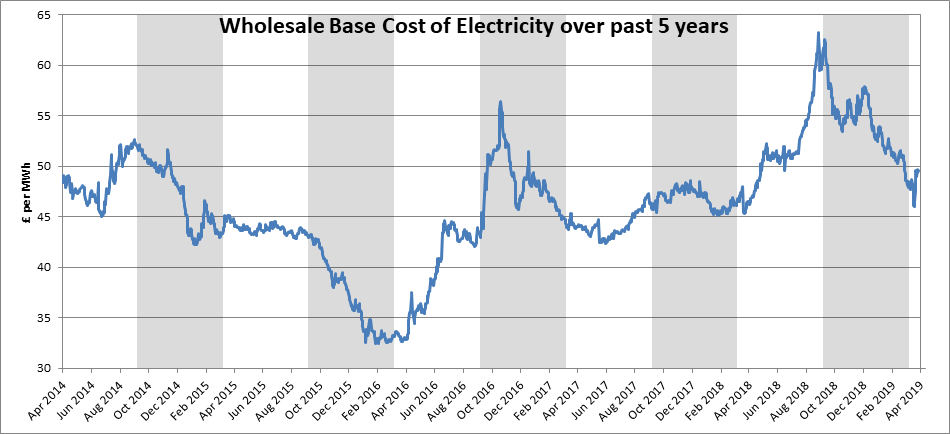
Three weeks into the new year and I wonder how many people have managed to stick to their resolutions… For some, it may be to eat more healthily or reduce their climate impact by adopting a plant-based diet – a trend seen through the increasing uptake of Veganuary over the last few years. And, surely, with people eating more fruit and vegetables, this is good news for horticulture.]]></excerpt:encoded>
    <wp:post_id>3124537</wp:post_id>
    <wp:post_date><![CDATA[2021-01-21 09:54:38]]></wp:post_date>
    <wp:post_date_gmt><![CDATA[2021-01-21 09:54:38]]></wp:post_date_gmt>
    <wp:post_type><![CDATA[post]]></wp:post_type>
    <category>News and Views
Energy saving
]]>, News and Views
Use and Manage
]]></category>
    <Service></Service>
    <wp:post_name>/news/new-year-resolutions-are-good-news-horticulture</wp:post_name>
    <ping_status>closed</ping_status>
    <wp:is_sticky>0</wp:is_sticky>
    <wp:post_password><![CDATA[]]></wp:post_password>
    <wp:comment_status><![CDATA[closed]]></wp:comment_status>
    <wp:status><![CDATA[publish]]></wp:status>
    <wp:post_parent>0</wp:post_parent>
    <wp:menu_order>0</wp:menu_order>
    <wp:postmeta><wp:meta_key>_thumbnail_id</wp:meta_key>
<wp:meta_value><![CDATA[12872]]></wp:meta_value></wp:postmeta>
    <wp:attachment_url><![CDATA[https://www.nfuenergy.co.uk/sites/default/files/greenhouse_2_blog_2.jpg]]></wp:attachment_url>
    <wp:meta_value><![CDATA[]]></wp:meta_value>
    <wp:postmeta>	<wp:meta_key><![CDATA[_yoast_wpseo_title]]></wp:meta_key>
	<wp:meta_value><![CDATA[New year resolutions are good news for horticulture | NFU Energy]]></wp:meta_value></wp:postmeta>
    <wp:postmeta>	<wp:meta_key><![CDATA[_yoast_wpseo_metadesc]]></wp:meta_key>
	<wp:meta_value><![CDATA[Guest blogger Ed Hardy recently wrote the following for AHDB GrowSave and it was an interesting thought worth sharing here: 
Three weeks into the new year and I wonder how many people have managed to stick to their resolutions… For some, it may be to eat more healthily or reduce their climate impact by adopting a plant-based diet – a trend seen through the increasing uptake of Veganuary over the last few years. And, surely, with people eating more fruit and vegetables, this is good news for horticulture.]]></wp:meta_value>
</wp:postmeta>
    <wp:postmeta>	<wp:meta_key><![CDATA[_yoast_wpseo_linkdex]]></wp:meta_key>
	<wp:meta_value><![CDATA[]]></wp:meta_value></wp:postmeta>
  </item>
  <item>
    <title><![CDATA[RHI participants… are you audit ready?]]></title>
    <link>/news/rhi-participants%E2%80%A6-are-you-audit-ready</link>
    <pubDate>Tue, 19 Jan 2021 10:00:00 +0000</pubDate>
    <dc:creator><![CDATA[Thomas Wilkins]]></dc:creator>
    <guid>https://www.nfuenergy.co.uk/?p=3124536</guid>
    <description><![CDATA[With Ofgem RHI audits on the increase, there has never been a better time to make sure your installation would meet the necessary compliance obligations. ]]></description>
    <content:encoded><![CDATA[<p>Recently, we have had several&nbsp;Renewable Heat Incentive (RHI) participants inform us of upcoming audit notices from Ofgem, who currently seem to be doing a big push. If non-compliances are found, then this will delay your RHI payments in the best-case scenario and could even result in the returning of funds.</p>
<p>So now is the time to make sure you are audit ready.</p>
<p>These audits are a big part of the RHI scheme and are designed to check that participants continue to comply with the ongoing obligations. A large part of the audits is documentation and keeping records up to date, this is typically where we see participants not meeting their obligations.</p>
<p>NFU Energy offers an RHI HealthCheck service, which is aimed to get you audit ready and put your mind at ease for when you are selected for an audit. We will check through your records ensuring you are meeting your obligations and look at your installation to make sure it matches the application.</p>
<p>Participants who have used our RHI HealthCheck service have had a much easier time when being audited and are confident that they have all the documents and paperwork that the auditor will want to see.</p>
<p>Put your mind at ease and start the process of becoming audit ready by contacting us at 02476 698 6512 or dropping us an email at <a href="mailto:renewablesteam@nfuenergy.co.uk">renewablesteam@nfuenergy.co.uk</a>.</p>
]]></content:encoded>
    <excerpt:encoded><![CDATA[Recently, we have had several Renewable Heat Incentive (RHI) participants inform us of upcoming audit notices from Ofgem, who currently seem to be doing a big push. If non-compliances are found, then this will delay your RHI payments in the best-case scenario and could even result in the returning of funds.
So now is the time to make sure you are audit ready.]]></excerpt:encoded>
    <wp:post_id>3124536</wp:post_id>
    <wp:post_date><![CDATA[2021-01-19 10:00:00]]></wp:post_date>
    <wp:post_date_gmt><![CDATA[2021-01-19 10:00:00]]></wp:post_date_gmt>
    <wp:post_type><![CDATA[post]]></wp:post_type>
    <category>News and Views
Compliance
]]>, News and Views
Comply
]]></category>
    <Service></Service>
    <wp:post_name>/news/rhi-participants%E2%80%A6-are-you-audit-ready</wp:post_name>
    <ping_status>closed</ping_status>
    <wp:is_sticky>0</wp:is_sticky>
    <wp:post_password><![CDATA[]]></wp:post_password>
    <wp:comment_status><![CDATA[closed]]></wp:comment_status>
    <wp:status><![CDATA[publish]]></wp:status>
    <wp:post_parent>0</wp:post_parent>
    <wp:menu_order>0</wp:menu_order>
    <wp:postmeta><wp:meta_key>_thumbnail_id</wp:meta_key>
<wp:meta_value><![CDATA[12870]]></wp:meta_value></wp:postmeta>
    <wp:attachment_url><![CDATA[https://www.nfuenergy.co.uk/sites/default/files/measuring_insulation_blog.jpg]]></wp:attachment_url>
    <wp:meta_value><![CDATA[]]></wp:meta_value>
    <wp:postmeta>	<wp:meta_key><![CDATA[_yoast_wpseo_title]]></wp:meta_key>
	<wp:meta_value><![CDATA[RHI participants… are you audit ready? | NFU Energy]]></wp:meta_value></wp:postmeta>
    <wp:postmeta>	<wp:meta_key><![CDATA[_yoast_wpseo_metadesc]]></wp:meta_key>
	<wp:meta_value><![CDATA[Recently, we have had several Renewable Heat Incentive (RHI) participants inform us of upcoming audit notices from Ofgem, who currently seem to be doing a big push. If non-compliances are found, then this will delay your RHI payments in the best-case scenario and could even result in the returning of funds.
So now is the time to make sure you are audit ready.]]></wp:meta_value>
</wp:postmeta>
    <wp:postmeta>	<wp:meta_key><![CDATA[_yoast_wpseo_linkdex]]></wp:meta_key>
	<wp:meta_value><![CDATA[]]></wp:meta_value></wp:postmeta>
  </item>
  <item>
    <title><![CDATA[Importance of low carbon heat heralded]]></title>
    <link>/news/importance-low-carbon-heat-heralded</link>
    <pubDate>Thu, 14 Jan 2021 14:16:03 +0000</pubDate>
    <dc:creator><![CDATA[Jenny Beynon]]></dc:creator>
    <guid>https://www.nfuenergy.co.uk/?p=3124535</guid>
    <description><![CDATA[Read our top five energy-related news stories from the last couple of weeks: Importance of low carbon heat heralded as Legal &amp; General makes a second investment.]]></description>
    <content:encoded><![CDATA[<p>Read our top five energy-related news stories from the last couple of weeks. Energy is always in the news in one way or another, from renewable energy technology advancements and the latest from the ‘big six’ energy suppliers to advancements in energy saving and sustainability. In this blog, we share more about our favourite energy news stories from the last couple of weeks:</p>
<ol>
<li><strong>Importance of low carbon heat heralded as Legal &amp; General makes second investment:</strong> Legal &amp; General has made another investment into low carbon heat, with LGIM Real Assets providing debt finance to renewables funding scheme HeatRHIght. <a href="https://www.current-news.co.uk/news/importance-of-low-carbon-heat-heralded-as-legal-general-makes-second-investment" target="_blank">Read more here…</a></li>
<li><strong>Balancing Mechanism hits £3,000/MWh as margins remain tight through cold snap:</strong> Great Britain’s tumultuous energy week has continued, with system tightness leading to West Burton B being called at £3,000/MWh on the 6 January. <a href="https://www.current-news.co.uk/news/balancing-mechanism-hits-3000-mwh-as-margins-remain-tight-through-cold-snap" target="_blank">Read more here…</a></li>
<li><strong>Enough renewables to meet 90% Scottish electricity demand:</strong> Scotland generated enough electricity from renewable sources last year to meet the equivalent of 90.1% of its total electricity consumption, according to latest figures. <a href="https://www.bbc.co.uk/news/uk-scotland-51088089" target="_blank">Read more here…</a></li>
<li value="4"><strong>Coventry and Oxford on track to become ‘UK’s first’ all-electric bus cities:</strong> The cities could be awarded up to £50 million each to introduce all-electric bus services as a result of an England-wide competition. <a href="https://www.energylivenews.com/2021/01/07/coventry-and-oxford-on-track-to-become-uks-first-all-electric-bus-cities/" target="_blank">Read more here…</a></li>
<li value="5"><strong>Six UK projects awarded £8m to create ‘world’s first’ net zero industrial zone by 2040: </strong>Projects in the West Midlands, Tees Valley, North West, Humber, Scotland and South Wales aim to decarbonise operations of industrial clusters. <a href="https://www.energylivenews.com/2021/01/04/six-uk-projects-awarded-8m-to-create-worlds-first-net-zero-industrial-zone-by-2040/" target="_blank">Read more here…</a></li>
</ol>
<p>Find out how we can help you with all your energy needs by giving the team a call on 024 7669 6512.</p>
]]></content:encoded>
    <excerpt:encoded><![CDATA[Read our top five energy-related news stories from the last couple of weeks. Energy is always in the news in one way or another, from renewable energy technology advancements and the latest from the ‘big six’ energy suppliers to advancements in energy saving and sustainability. In this blog, we share more about our favourite energy news stories from the last couple of weeks:]]></excerpt:encoded>
    <wp:post_id>3124535</wp:post_id>
    <wp:post_date><![CDATA[2021-01-14 14:16:03]]></wp:post_date>
    <wp:post_date_gmt><![CDATA[2021-01-14 14:16:03]]></wp:post_date_gmt>
    <wp:post_type><![CDATA[post]]></wp:post_type>
    <category>News and Views
Use and Manage
]]>, News and Views
Renewable energy
]]>, News and Views
Energy saving
]]></category>
    <Service></Service>
    <wp:post_name>/news/importance-low-carbon-heat-heralded</wp:post_name>
    <ping_status>closed</ping_status>
    <wp:is_sticky>0</wp:is_sticky>
    <wp:post_password><![CDATA[]]></wp:post_password>
    <wp:comment_status><![CDATA[closed]]></wp:comment_status>
    <wp:status><![CDATA[publish]]></wp:status>
    <wp:post_parent>0</wp:post_parent>
    <wp:menu_order>0</wp:menu_order>
    <wp:postmeta><wp:meta_key>_thumbnail_id</wp:meta_key>
<wp:meta_value><![CDATA[12869]]></wp:meta_value></wp:postmeta>
    <wp:attachment_url><![CDATA[https://www.nfuenergy.co.uk/sites/default/files/cat_on_radiator.jpg]]></wp:attachment_url>
    <wp:meta_value><![CDATA[]]></wp:meta_value>
    <wp:postmeta>	<wp:meta_key><![CDATA[_yoast_wpseo_title]]></wp:meta_key>
	<wp:meta_value><![CDATA[Importance of low carbon heat heralded | NFU Energy]]></wp:meta_value></wp:postmeta>
    <wp:postmeta>	<wp:meta_key><![CDATA[_yoast_wpseo_metadesc]]></wp:meta_key>
	<wp:meta_value><![CDATA[Read our top five energy-related news stories from the last couple of weeks. Energy is always in the news in one way or another, from renewable energy technology advancements and the latest from the ‘big six’ energy suppliers to advancements in energy saving and sustainability. In this blog, we share more about our favourite energy news stories from the last couple of weeks:]]></wp:meta_value>
</wp:postmeta>
    <wp:postmeta>	<wp:meta_key><![CDATA[_yoast_wpseo_linkdex]]></wp:meta_key>
	<wp:meta_value><![CDATA[]]></wp:meta_value></wp:postmeta>
  </item>
  <item>
    <title><![CDATA[Delivering certainty: Low Carbon Agriculture show goes digital for 2021 event]]></title>
    <link>/news/delivering-certainty-low-carbon-agriculture-show-goes-digital-2021-event</link>
    <pubDate>Tue, 12 Jan 2021 10:00:00 +0000</pubDate>
    <dc:creator><![CDATA[Jenny Beynon]]></dc:creator>
    <guid>https://www.nfuenergy.co.uk/?p=3124534</guid>
    <description><![CDATA[Low Carbon Agriculture show, the new event showcasing opportunities in low carbon energy, technological advances and Environmental Land Management (ELM), for a profitable and sustainable future in farming, has announced it will certainly go ahead in March 2021 - online. 
]]></description>
    <content:encoded><![CDATA[<p><a href="https://lowcarbonagricultureshow.co.uk/" target="_blank">Low Carbon Agriculture show</a>, the new event showcasing opportunities in low carbon energy, technological advances and Environmental Land Management (ELM), for a profitable and sustainable future in farming, has announced it will certainly go ahead in March 2021 - online.</p>
<p>Held in association with the National Farmers Union (NFU), the show will move to a fully interactive digital format on 9 and 10 March 2021, to support farmers during not only the challenging COVID-19 pandemic but through a rapidly evolving industry.</p>
<p>Maintaining its renowned multi-streamed conference, exhibition, networking benefits, and four key areas of focus - Energy Now Expo, Environmental Business Expo, Low Emission Vehicles Expo and Farm Technology Expo, Low Carbon Agriculture Show has extensively analysed different formats, gaining feedback from farmers who have attended online conferences, to create a digital event which delivers.</p>
<p>Low Carbon Agriculture show has had a fantastic response from its <a href="https://lowcarbonagricultureshow.co.uk/lca-digital/" target="_blank">Digital Insights webinars</a>, which take place each month on the run up to the event, covering pressing topics in agriculture such as &nbsp;‘<a href="https://lowcarbonagricultureshow.co.uk/lca-digital/innovations-in-agri-tech/" target="_blank">Innovations in agri-tech</a>’ and <a href="https://lowcarbonagricultureshow.co.uk/lca-digital/low-carbon-transport/" target="_blank">‘Low Carbon Transport’</a>. The next webinar will cover ‘<a href="https://lowcarbonagricultureshow.co.uk/lca-digital/environmental-land-management-elm/" target="_blank">Environmental Land Management (ELM)</a>’ which will go live on the 27 January at 18:00.</p>
<p><a href="http://www.lowcarbonagricultureshow.co.uk" target="_blank">Visit the new Low Carbon Agriculture Show website to find out more</a>.</p>
]]></content:encoded>
    <excerpt:encoded><![CDATA[Low Carbon Agriculture show, the new event showcasing opportunities in low carbon energy, technological advances and Environmental Land Management (ELM), for a profitable and sustainable future in farming, has announced it will certainly go ahead in March 2021 - online.]]></excerpt:encoded>
    <wp:post_id>3124534</wp:post_id>
    <wp:post_date><![CDATA[2021-01-12 10:00:00]]></wp:post_date>
    <wp:post_date_gmt><![CDATA[2021-01-12 10:00:00]]></wp:post_date_gmt>
    <wp:post_type><![CDATA[post]]></wp:post_type>
    <category>News and Views
Generate
]]>, News and Views
Energy saving
]]>, News and Views
Use and Manage
]]></category>
    <Service></Service>
    <wp:post_name>/news/delivering-certainty-low-carbon-agriculture-show-goes-digital-2021-event</wp:post_name>
    <ping_status>closed</ping_status>
    <wp:is_sticky>0</wp:is_sticky>
    <wp:post_password><![CDATA[]]></wp:post_password>
    <wp:comment_status><![CDATA[closed]]></wp:comment_status>
    <wp:status><![CDATA[publish]]></wp:status>
    <wp:post_parent>0</wp:post_parent>
    <wp:menu_order>0</wp:menu_order>
    <wp:postmeta><wp:meta_key>_thumbnail_id</wp:meta_key>
<wp:meta_value><![CDATA[12868]]></wp:meta_value></wp:postmeta>
    <wp:attachment_url><![CDATA[https://www.nfuenergy.co.uk/sites/default/files/low_carbon_agri_logo_blog.jpg]]></wp:attachment_url>
    <wp:meta_value><![CDATA[]]></wp:meta_value>
    <wp:postmeta>	<wp:meta_key><![CDATA[_yoast_wpseo_title]]></wp:meta_key>
	<wp:meta_value><![CDATA[Delivering certainty: Low Carbon Agriculture show goes digital for 2021 event | NFU Energy]]></wp:meta_value></wp:postmeta>
    <wp:postmeta>	<wp:meta_key><![CDATA[_yoast_wpseo_metadesc]]></wp:meta_key>
	<wp:meta_value><![CDATA[Low Carbon Agriculture show, the new event showcasing opportunities in low carbon energy, technological advances and Environmental Land Management (ELM), for a profitable and sustainable future in farming, has announced it will certainly go ahead in March 2021 - online.]]></wp:meta_value>
</wp:postmeta>
    <wp:postmeta>	<wp:meta_key><![CDATA[_yoast_wpseo_linkdex]]></wp:meta_key>
	<wp:meta_value><![CDATA[]]></wp:meta_value></wp:postmeta>
  </item>
  <item>
    <title><![CDATA[How COVID-19 has affected energy procurement]]></title>
    <link>/news/how-covid-19-has-affected-energy-procurement</link>
    <pubDate>Thu, 07 Jan 2021 10:00:00 +0000</pubDate>
    <dc:creator><![CDATA[Jodie Hisgett]]></dc:creator>
    <guid>https://www.nfuenergy.co.uk/?p=3124533</guid>
    <description><![CDATA[Most of what we do relies on energy suppliers and movements in the energy market, so what are the key challenges faced in 2020 and those still on the horizon.]]></description>
    <content:encoded><![CDATA[<p>At the end of 2019, when I was considering what direction the energy market would take in the next 12 months. I considered the usual unpredictable factors such as extreme weather, natural disaster, political unrest and issues with the economy. At no point did I think that 11 months down the line we’d be still living through a pandemic, nearing the end of a year that has tested the entire industry.<br />
In March, along with the rest of the country, NFU Energy was faced with the unprecedented circumstances of COVID-19 and the country moving into lockdown. As well as moving from an office-based way of working to a home-based one, we were unsure of what COVID-19 could mean for contract procurement. In the contracts team, most of what we do relies on energy suppliers and movements in the energy market, so in this article, I will briefly cover some of the key challenges we’ve faced and those still on the horizon.</p>
<p>
WHAT CHANGED FOR ENERGY SUPPLIERS?<br />
In short, reduced customer service staff. Many suppliers had significant issues back in March when the initial lockdown rules came into force. Some of them had hundreds of staff but didn’t have the equipment available to have them all working from home immediately. This meant that they had to trim down to essential activities and prioritise vulnerable customers. The results of which meant that many customers with non-urgent queries were unable to get in touch with their suppliers effectively. Since March, most suppliers have managed to increase their numbers of remote workers with some even returning to the office. However, the potential of an increase in COVID-19 cases due to the winter and potential future lockdowns may well send things backwards slightly.</p>
<p>INCREASED RISK ADVERSITY<br />
Another issue with suppliers is that lockdown and COVID-19 have had a detrimental financial impact. Many of them have had customers in the retail and leisure sectors struggle to pay their bills and some have even gone into administration. On top of this, a reduction in energy usage due to the lockdowns has left them having to reassess their forecasts for both purchased energy and third-party charges. As a result of these problems, many suppliers have had to make some big changes to their processes. These include harsher credit checking procedures as well as some of them making the tough decision to reopen customer contracts to include increases in third-party costs.</p>
<p>
WHAT CAN WE EXPECT GOING FORWARD?<br />
As we head further into&nbsp;the colder months, we are anticipating there to be a higher demand due to the need for heating increases. However, if lockdowns are extended the country could be oversupplied again. Also, the UK's withdrawal from the EU on 1 January 2021, is likely to not only include some new rules relating to energy in the future, but it could have an immediate effect on the economy which could reflect in energy prices too.</p>
<p>WHAT CHANGED IN THE MARKET?<br />
Lockdown had some significant effects on the energy market which has suffered volatility since March. Here are some of the key factors we have seen since March:</p>
<ul>
<li>Throughout the spring reduced demand left the UK's liquified natural gas levels higher than anticipated.</li>
<li>Oil production was reduced significantly by Saudi Arabia and Russia.</li>
<li>The UK's nuclear output reduced to up to 40% at times due to planned and unplanned outages.</li>
<li>The usual suspects of high temperatures in the summer increased demand for cooling.</li>
<li>Hurricanes in the autumn on the Gulf of Mexico created pressure on the market.</li>
</ul>
<p>If you would like to discuss any of these topics further, please call the team on 024 7669 8885.</p>
]]></content:encoded>
    <excerpt:encoded><![CDATA[At the end of 2019, when I was considering what direction the energy market would take in the next 12 months. I considered the usual unpredictable factors such as extreme weather, natural disaster, political unrest and issues with the economy. At no point did I think that 11 months down the line we’d be still living through a pandemic, nearing the end of a year that has tested the entire industry.]]></excerpt:encoded>
    <wp:post_id>3124533</wp:post_id>
    <wp:post_date><![CDATA[2021-01-07 10:00:00]]></wp:post_date>
    <wp:post_date_gmt><![CDATA[2021-01-07 10:00:00]]></wp:post_date_gmt>
    <wp:post_type><![CDATA[post]]></wp:post_type>
    <category>News and Views
Contracts
]]>, News and Views
Buying energy
]]></category>
    <Service></Service>
    <wp:post_name>/news/how-covid-19-has-affected-energy-procurement</wp:post_name>
    <ping_status>closed</ping_status>
    <wp:is_sticky>0</wp:is_sticky>
    <wp:post_password><![CDATA[]]></wp:post_password>
    <wp:comment_status><![CDATA[closed]]></wp:comment_status>
    <wp:status><![CDATA[publish]]></wp:status>
    <wp:post_parent>0</wp:post_parent>
    <wp:menu_order>0</wp:menu_order>
    <wp:postmeta><wp:meta_key>_thumbnail_id</wp:meta_key>
<wp:meta_value><![CDATA[7390]]></wp:meta_value></wp:postmeta>
    <wp:attachment_url><![CDATA[https://www.nfuenergy.co.uk/sites/default/files/pylons_and_sunset.png]]></wp:attachment_url>
    <wp:meta_value><![CDATA[]]></wp:meta_value>
    <wp:postmeta>	<wp:meta_key><![CDATA[_yoast_wpseo_title]]></wp:meta_key>
	<wp:meta_value><![CDATA[How COVID-19 has affected energy procurement | NFU Energy]]></wp:meta_value></wp:postmeta>
    <wp:postmeta>	<wp:meta_key><![CDATA[_yoast_wpseo_metadesc]]></wp:meta_key>
	<wp:meta_value><![CDATA[At the end of 2019, when I was considering what direction the energy market would take in the next 12 months. I considered the usual unpredictable factors such as extreme weather, natural disaster, political unrest and issues with the economy. At no point did I think that 11 months down the line we’d be still living through a pandemic, nearing the end of a year that has tested the entire industry.]]></wp:meta_value>
</wp:postmeta>
    <wp:postmeta>	<wp:meta_key><![CDATA[_yoast_wpseo_linkdex]]></wp:meta_key>
	<wp:meta_value><![CDATA[]]></wp:meta_value></wp:postmeta>
  </item>
  <item>
    <title><![CDATA[Effective greenhouse management can be tricky]]></title>
    <link>/news/effective-greenhouse-management-can-be-tricky</link>
    <pubDate>Tue, 05 Jan 2021 10:00:00 +0000</pubDate>
    <dc:creator><![CDATA[Jenny Beynon]]></dc:creator>
    <guid>https://www.nfuenergy.co.uk/?p=3124530</guid>
    <description><![CDATA[Effective greenhouse management can be a tricky process, often requiring a combination of skill, intuition and technology to get it right. What ‘right’ looks like though can be quite subjective.]]></description>
    <content:encoded><![CDATA[<p>Guest blogger Ed Hardy recently wrote the following for&nbsp;AHDB GrowSave and it was an interesting thought worth sharing here:&nbsp;</p>
<p>Effective greenhouse management can be a tricky process, often requiring a combination of skill, intuition and technology to get it right. What ‘right’ looks like though can be quite subjective.&nbsp;One grower’s strategy may differ from another’s, but the final results could be similar. And, of course, we’ll never know what the outcome would have been if anything had been done differently.</p>
<p>This is where computer modelling can be appealing, allowing simulation of different scenarios to see what might happen. While a grower with years of experience may have a good feel for what to do when presented with different conditions, the ever-present threat of climate change could pose new challenges. With the global climate predicted to warm by several degrees over the coming decades, the exact impact on growers is an unknown but decreased winter heating and increased summer cooling seem plausible.</p>
<p>The IPCC has modelled several scenarios for the global climate with different temperature increases resulting from climate change and the associated increase in radiative forcing (the additional energy trapped as a result of the greenhouse effect). Helpfully, the team at Hortinergy, a French organisation specialising in greenhouse climate modelling, has incorporated three of the IPCC pathways into their models. This allows growers to simulate their greenhouses in various scenarios, accounting for climate warming.</p>
<p>Undoubtedly, there are some complex algorithms operating in the background to generate any meaningful output, but it is important to remember that a model is always a simplification of reality. In that sense, all models are wrong – but some are useful. One can only hope that the things the programmers left out of the model weren’t as important as the things they kept in!</p>
]]></content:encoded>
    <excerpt:encoded><![CDATA[Guest blogger Ed Hardy recently wrote the following for AHDB GrowSave and it was an interesting thought worth sharing here: 
Effective greenhouse management can be a tricky process, often requiring a combination of skill, intuition and technology to get it right. What ‘right’ looks like though can be quite subjective. One grower’s strategy may differ from another’s, but the final results could be similar. And, of course, we’ll never know what the outcome would have been if anything had been done differently.]]></excerpt:encoded>
    <wp:post_id>3124530</wp:post_id>
    <wp:post_date><![CDATA[2021-01-05 10:00:00]]></wp:post_date>
    <wp:post_date_gmt><![CDATA[2021-01-05 10:00:00]]></wp:post_date_gmt>
    <wp:post_type><![CDATA[post]]></wp:post_type>
    <category>News and Views
Energy saving
]]></category>
    <Service></Service>
    <wp:post_name>/news/effective-greenhouse-management-can-be-tricky</wp:post_name>
    <ping_status>closed</ping_status>
    <wp:is_sticky>0</wp:is_sticky>
    <wp:post_password><![CDATA[]]></wp:post_password>
    <wp:comment_status><![CDATA[closed]]></wp:comment_status>
    <wp:status><![CDATA[publish]]></wp:status>
    <wp:post_parent>0</wp:post_parent>
    <wp:menu_order>0</wp:menu_order>
    <wp:postmeta><wp:meta_key>_thumbnail_id</wp:meta_key>
<wp:meta_value><![CDATA[7406]]></wp:meta_value></wp:postmeta>
    <wp:attachment_url><![CDATA[https://www.nfuenergy.co.uk/sites/default/files/greenhouse_i_stock_blog.jpg]]></wp:attachment_url>
    <wp:meta_value><![CDATA[]]></wp:meta_value>
    <wp:postmeta>	<wp:meta_key><![CDATA[_yoast_wpseo_title]]></wp:meta_key>
	<wp:meta_value><![CDATA[Effective greenhouse management can be tricky | NFU Energy]]></wp:meta_value></wp:postmeta>
    <wp:postmeta>	<wp:meta_key><![CDATA[_yoast_wpseo_metadesc]]></wp:meta_key>
	<wp:meta_value><![CDATA[Guest blogger Ed Hardy recently wrote the following for AHDB GrowSave and it was an interesting thought worth sharing here: 
Effective greenhouse management can be a tricky process, often requiring a combination of skill, intuition and technology to get it right. What ‘right’ looks like though can be quite subjective. One grower’s strategy may differ from another’s, but the final results could be similar. And, of course, we’ll never know what the outcome would have been if anything had been done differently.]]></wp:meta_value>
</wp:postmeta>
    <wp:postmeta>	<wp:meta_key><![CDATA[_yoast_wpseo_linkdex]]></wp:meta_key>
	<wp:meta_value><![CDATA[]]></wp:meta_value></wp:postmeta>
  </item>
  <item>
    <title><![CDATA[Regulatory Position Statements for new combustion plants]]></title>
    <link>/news/regulatory-position-statements-new-combustion-plants</link>
    <pubDate>Thu, 17 Dec 2020 10:00:00 +0000</pubDate>
    <dc:creator><![CDATA[Sophie Archer]]></dc:creator>
    <guid>https://www.nfuenergy.co.uk/?p=3124531</guid>
    <description><![CDATA[The Environment Agency is providing additional support for applicants in England and Wales from 02 October 2020 to 21 April 2021 for those with a new Medium Combustion Plant or Specified Generator and have applied for a bespoke environmental permit, or soon will.]]></description>
    <content:encoded><![CDATA[<p>If you have a new Medium Combustion Plant (MCP) or Specified Generator (SG) and have applied for a bespoke environmental permit, or soon will, the Environment Agency (EA) is providing additional support for applicants in England and Wales from 02 October 2020 to 30 June&nbsp;2021.</p>
<p>Once a bespoke permit application has been submitted, and receipt of application and fee confirmed by EA staff, the applicant can notify the EA of their intention to operate under a Regulatory Position Statement (RPS): <a href="https://www.gov.uk/government/publications/specified-generator-and-medium-combustion-plant-new-permits-rps-243/specified-generator-and-medium-combustion-plant-new-permits-rps-243" target="_blank">RPS 243</a> or <a href="https://www.gov.uk/government/publications/medium-combustion-plant-mcp-section-51-part-b-new-permits-rps-244/medium-combustion-plant-mcp-section-51-part-b-new-permits-rps-244" target="_blank">RPS 244</a>.</p>
<p>An RPS is, in effect, temporary cover for applicants waiting for the EA to issue a permit. RPS 243 covers MCPs burning gas, oil, or virgin solid biomass, between 1 and 50 MWth input, and gas SGs between 1 and 20 MWth input. RPS 244 covers MCPs burning clean untreated waste wood (but not treated or demolition waste wood, or plants less than 1MWth input). Sites regulated by Local Authorities or outside England cannot apply for these RPSs as they have their own determination processes.</p>
<h3><strong>RPS Compliance</strong></h3>
<p>Each RPS has certain conditions, and ongoing compliance must be maintained. On receiving an RPS request, the EA will notify their regional EA combustion team responsible for regulating the applicant’s area, who will respond to notify the applicant that they are aware that plants are operating whilst their permit is being determined. They will request that emission stack testing be completed by an MCERT accredited lab within 4 months of the initial RPS notification or first operation (whichever is later). Emission Limit Values used when commissioning and testing must be those used in the permit application, as per the appropriate Environmental Permitting Regulations (EPR).</p>
<p>Applicants yet to install or commission should inform their local EA team of the expected completion dates for the plant, confirming that testing will be completed within four months.</p>
<p>In either case, test results should be forwarded to the EA, regardless of pass or failure, as any breaches of emission limits must be notified to the EA and investigated.</p>
<p>Sites are also required to have an Environmental Management System in use on site, both for the RPS and the eventual permit.</p>
<h3><strong>What happens to permit applications for RPS covered sites?</strong></h3>
<p>Operators granted an RPS will have their bespoke permit application reclassed and moved to a lower priority queue. Permit applicants who are unable to use an RPS (e.g. variations, transfers, and surrenders) will be assigned a permitting officer ahead of earlier applicants requesting RPS. This is because, being unable to operate, they are given higher priority. After 30 June 2021, the EA will start allocating&nbsp;RPS covered sites to permit officers who will then contact applicants with any queries prior to permit determination.</p>
<h3><strong>When will the RPS be Withdrawn?</strong></h3>
<p>All being well, the RPS will remain active throughout the permit application until determination, at which point the permit will be either issued or rejected. An issued permit automatically supersedes the RPS. If the permit is rejected, the RPS is withdrawn and plant must cease to operate or be in breach of EPR with operators liable to enforced shut down, fines, or sanctions as deemed fit by the <a href="https://www.gov.uk/government/publications/environment-agency-enforcement-and-sanctions-policy/environment-agency-enforcement-and-sanctions-policy#enforcement-and-sanction-regulatory-principles" target="_blank">EA’s enforcement and sanctions policy</a>.</p>
<p><strong>If you need support with a new environmental permit application,&nbsp;environmental management system, extractive testing management, </strong><strong> or any further advice on anything discussed in this blog, please call the NFU Energy team on 024 7669 8899. </strong></p>
]]></content:encoded>
    <excerpt:encoded><![CDATA[If you have a new Medium Combustion Plant (MCP) or Specified Generator (SG) and have applied for a bespoke environmental permit, or soon will, the Environment Agency (EA) is providing additional support for applicants in England and Wales from 02 October 2020 to 30 June 2021.]]></excerpt:encoded>
    <wp:post_id>3124531</wp:post_id>
    <wp:post_date><![CDATA[2020-12-17 10:00:00]]></wp:post_date>
    <wp:post_date_gmt><![CDATA[2020-12-17 10:00:00]]></wp:post_date_gmt>
    <wp:post_type><![CDATA[post]]></wp:post_type>
    <category>News and Views
Generate
]]>, News and Views
Generating energy
]]></category>
    <Service></Service>
    <wp:post_name>/news/regulatory-position-statements-new-combustion-plants</wp:post_name>
    <ping_status>closed</ping_status>
    <wp:is_sticky>0</wp:is_sticky>
    <wp:post_password><![CDATA[]]></wp:post_password>
    <wp:comment_status><![CDATA[closed]]></wp:comment_status>
    <wp:status><![CDATA[publish]]></wp:status>
    <wp:post_parent>0</wp:post_parent>
    <wp:menu_order>0</wp:menu_order>
    <wp:postmeta><wp:meta_key>_thumbnail_id</wp:meta_key>
<wp:meta_value><![CDATA[6922]]></wp:meta_value></wp:postmeta>
    <wp:attachment_url><![CDATA[https://www.nfuenergy.co.uk/sites/default/files/big_biomass_0.jpg]]></wp:attachment_url>
    <wp:meta_value><![CDATA[]]></wp:meta_value>
    <wp:postmeta>	<wp:meta_key><![CDATA[_yoast_wpseo_title]]></wp:meta_key>
	<wp:meta_value><![CDATA[Regulatory Position Statements for new combustion plants | NFU Energy]]></wp:meta_value></wp:postmeta>
    <wp:postmeta>	<wp:meta_key><![CDATA[_yoast_wpseo_metadesc]]></wp:meta_key>
	<wp:meta_value><![CDATA[If you have a new Medium Combustion Plant (MCP) or Specified Generator (SG) and have applied for a bespoke environmental permit, or soon will, the Environment Agency (EA) is providing additional support for applicants in England and Wales from 02 October 2020 to 30 June 2021.]]></wp:meta_value>
</wp:postmeta>
    <wp:postmeta>	<wp:meta_key><![CDATA[_yoast_wpseo_linkdex]]></wp:meta_key>
	<wp:meta_value><![CDATA[]]></wp:meta_value></wp:postmeta>
  </item>
  <item>
    <title><![CDATA[Merry Christmas and a Happy New Year]]></title>
    <link>/news/merry-christmas-and-happy-new-year-1</link>
    <pubDate>Tue, 15 Dec 2020 10:00:00 +0000</pubDate>
    <dc:creator><![CDATA[Jenny Beynon]]></dc:creator>
    <guid>https://www.nfuenergy.co.uk/?p=3124529</guid>
    <description><![CDATA[From everyone here at NFU Energy, we would like to take this opportunity to wish you all a very Merry Christmas and a Happy New Year! ]]></description>
    <content:encoded><![CDATA[<p>From everyone here at NFU Energy, we would like to take this opportunity to wish you all a very Merry Christmas and a Happy New Year!&nbsp;</p>
<p>It has been a very different year for us all and even with us working from home for the majority of the time, it has been great to carry on helping customers with all their&nbsp;business energy needs.</p>
<p>We would like to thank you and we look forward to continuing working with you in 2021.</p>
<p>Our office hours over the holiday period are:</p>
<ul>
<li>Monday 21 December – Wednesday 23 December: Open all day, 9 am – 5 pm</li>
<li>Thursday 24 December: Office closed</li>
<li>Friday 25 December (Christmas Day): Office closed</li>
<li>Monday 28 December: Office closed</li>
<li>Tuesday 29 December: Office closed</li>
<li>Wednesday 30 December: Office closed</li>
<li>Thursday 31 December (New Year's Eve): Office closed</li>
<li>Friday 01 January 2021&nbsp;(New Year’s Day): Office closed</li>
<li>Monday 04 January 2021: Office open as usual, 9 am – 5 pm</li>
</ul>
<p>Wishing you all the best for this festive season.</p>
<p>&nbsp;</p>
]]></content:encoded>
    <excerpt:encoded><![CDATA[From everyone here at NFU Energy, we would like to take this opportunity to wish you all a very Merry Christmas and a Happy New Year! 
It has been a very different year for us all and even with us working from home for the majority of the time, it has been great to carry on helping customers with all their business energy needs.
We would like to thank you and we look forward to continuing working with you in 2021.
Our office hours over the holiday period are:]]></excerpt:encoded>
    <wp:post_id>3124529</wp:post_id>
    <wp:post_date><![CDATA[2020-12-15 10:00:00]]></wp:post_date>
    <wp:post_date_gmt><![CDATA[2020-12-15 10:00:00]]></wp:post_date_gmt>
    <wp:post_type><![CDATA[post]]></wp:post_type>
    <category>News and Views
Contracts
]]>, News and Views
Comply
]]>, News and Views
Generate
]]>, News and Views
Use and Manage
]]></category>
    <Service></Service>
    <wp:post_name>/news/merry-christmas-and-happy-new-year-1</wp:post_name>
    <ping_status>closed</ping_status>
    <wp:is_sticky>0</wp:is_sticky>
    <wp:post_password><![CDATA[]]></wp:post_password>
    <wp:comment_status><![CDATA[closed]]></wp:comment_status>
    <wp:status><![CDATA[publish]]></wp:status>
    <wp:post_parent>0</wp:post_parent>
    <wp:menu_order>0</wp:menu_order>
    <wp:postmeta><wp:meta_key>_thumbnail_id</wp:meta_key>
<wp:meta_value><![CDATA[12865]]></wp:meta_value></wp:postmeta>
    <wp:attachment_url><![CDATA[https://www.nfuenergy.co.uk/sites/default/files/christmas_blog_20201.jpg]]></wp:attachment_url>
    <wp:meta_value><![CDATA[]]></wp:meta_value>
    <wp:postmeta>	<wp:meta_key><![CDATA[_yoast_wpseo_title]]></wp:meta_key>
	<wp:meta_value><![CDATA[Merry Christmas and a Happy New Year | NFU Energy]]></wp:meta_value></wp:postmeta>
    <wp:postmeta>	<wp:meta_key><![CDATA[_yoast_wpseo_metadesc]]></wp:meta_key>
	<wp:meta_value><![CDATA[From everyone here at NFU Energy, we would like to take this opportunity to wish you all a very Merry Christmas and a Happy New Year! 
It has been a very different year for us all and even with us working from home for the majority of the time, it has been great to carry on helping customers with all their business energy needs.
We would like to thank you and we look forward to continuing working with you in 2021.
Our office hours over the holiday period are:]]></wp:meta_value>
</wp:postmeta>
    <wp:postmeta>	<wp:meta_key><![CDATA[_yoast_wpseo_linkdex]]></wp:meta_key>
	<wp:meta_value><![CDATA[]]></wp:meta_value></wp:postmeta>
  </item>
  <item>
    <title><![CDATA[Last chance for the Non-Domestic Renewable Heat Incentive scheme]]></title>
    <link>/news/last-chance-non-domestic-renewable-heat-incentive-scheme</link>
    <pubDate>Thu, 10 Dec 2020 10:00:00 +0000</pubDate>
    <dc:creator><![CDATA[Thomas Wilkins]]></dc:creator>
    <guid>https://www.nfuenergy.co.uk/?p=3124527</guid>
    <description><![CDATA[The Renewable Heat Incentive (RHI) scheme is coming to an end for new applicants on the 31 March 2021. However, there are two options that can allow participants to install and apply for their projects up to 31 March 2022.]]></description>
    <content:encoded><![CDATA[<p>The Renewable Heat Incentive (RHI) scheme is coming to an end for new applicants on the 31 March 2021. However, there are two options that can allow participants to install and apply for their projects up to 31 March 2022. A Tariff Guarantee if the system is eligible for this or systems that are not eligible for the Tariff Guarantee can apply for an extension.</p>
<p>For non-Tariff Guarantee participants, eligible applicants will be able to submit an ‘extension application’ in March 2021, to gain an additional 12 months. This will allow them up to 31 March 2022 to put together a full application for non-domestic RHI accreditation.&nbsp;As part of the application, there will be an additional requirement for evidence that the applicant had invested capital in the project prior to the 17 August 2020, in order to ensure that this measure is targeted at those most in need of aid as a result of COVID-19 related delays.</p>
<p>This means that for most projects there is still time to get in on the RHI scheme provided action is taken quickly, this will include having your project scoped and relevant permissions in place.</p>
<p>To make a full application or a Tariff Guarantee (TG) you MUST have approved planning permission or a letter from your local authority confirming that planning is not required. This can take several weeks so it is important not to delay this step.</p>
<p>You will also need to consider any environmental permits that are required, including variations to existing permits (for example poultry) and Medium Combustion Plant Permits for any combustion plant with an input of greater than 1 MW (boilers around 850 kW or greater).&nbsp; Depending on the environmental permit required it could take up to 12 months to get a full permit in place, although interim arrangements are allowing RHI applications to be made in some circumstances.</p>
<p>At the moment there are no plans to further extend the RHI beyond these dates, the next support mechanism for green heat will be capital grant based, with up to £4,000 available per scheme to support the installation of smaller installations (up to 45 kWth). This will fit small commercial building and office space heating well but is unlikely to be very popular in many agricultural sectors.</p>
<p>For biomethane projects, unless the project is already at an advanced stage it is unlikely that these deadlines will be achieved, however, there will be a new support scheme specifically aimed at biomethane - the Green Gas Support Scheme (GGSS). It is still in consultation, but it is expected to be implemented in autumn 2021.</p>
<p><u>Key things to note</u></p>
<p>Tariff Guarantees are available for:</p>
<ul>
<li>Biomass – ≥1 MWth</li>
<li>Biomass CHP’s – All capacities</li>
<li>Ground source heat pumps (GSHP) and Water source heat pumps (WSHP) – ≥100 kWth</li>
<li>Geothermal – All capacities</li>
<li>Biogas combustion – ≥600 kWth</li>
<li>Biomethane – All capacities.</li>
</ul>
<p>A Medium Combustion Plant Directive (MCPD) environmental permit is required for all new plants (commissioned after 20 December 2018) with a thermal input of &gt;1MW (boiler output of 850 kW approx.).</p>
<p>If you would like to find out more, give the NFU Energy team a call on 024 7669 6512.</p>
]]></content:encoded>
    <excerpt:encoded><![CDATA[The Renewable Heat Incentive (RHI) scheme is coming to an end for new applicants on the 31 March 2021. However, there are two options that can allow participants to install and apply for their projects up to 31 March 2022. A Tariff Guarantee if the system is eligible for this or systems that are not eligible for the Tariff Guarantee can apply for an extension.]]></excerpt:encoded>
    <wp:post_id>3124527</wp:post_id>
    <wp:post_date><![CDATA[2020-12-10 10:00:00]]></wp:post_date>
    <wp:post_date_gmt><![CDATA[2020-12-10 10:00:00]]></wp:post_date_gmt>
    <wp:post_type><![CDATA[post]]></wp:post_type>
    <category>News and Views
Generate
]]>, News and Views
Renewable energy
]]></category>
    <Service></Service>
    <wp:post_name>/news/last-chance-non-domestic-renewable-heat-incentive-scheme</wp:post_name>
    <ping_status>closed</ping_status>
    <wp:is_sticky>0</wp:is_sticky>
    <wp:post_password><![CDATA[]]></wp:post_password>
    <wp:comment_status><![CDATA[closed]]></wp:comment_status>
    <wp:status><![CDATA[publish]]></wp:status>
    <wp:post_parent>0</wp:post_parent>
    <wp:menu_order>0</wp:menu_order>
    <wp:postmeta><wp:meta_key>_thumbnail_id</wp:meta_key>
<wp:meta_value><![CDATA[7408]]></wp:meta_value></wp:postmeta>
    <wp:attachment_url><![CDATA[https://www.nfuenergy.co.uk/sites/default/files/thomas_on_site_audit_blog_v2.jpg]]></wp:attachment_url>
    <wp:meta_value><![CDATA[]]></wp:meta_value>
    <wp:postmeta>	<wp:meta_key><![CDATA[_yoast_wpseo_title]]></wp:meta_key>
	<wp:meta_value><![CDATA[Last chance for the Non-Domestic Renewable Heat Incentive scheme | NFU Energy]]></wp:meta_value></wp:postmeta>
    <wp:postmeta>	<wp:meta_key><![CDATA[_yoast_wpseo_metadesc]]></wp:meta_key>
	<wp:meta_value><![CDATA[The Renewable Heat Incentive (RHI) scheme is coming to an end for new applicants on the 31 March 2021. However, there are two options that can allow participants to install and apply for their projects up to 31 March 2022. A Tariff Guarantee if the system is eligible for this or systems that are not eligible for the Tariff Guarantee can apply for an extension.]]></wp:meta_value>
</wp:postmeta>
    <wp:postmeta>	<wp:meta_key><![CDATA[_yoast_wpseo_linkdex]]></wp:meta_key>
	<wp:meta_value><![CDATA[]]></wp:meta_value></wp:postmeta>
  </item>
  <item>
    <title><![CDATA[Final tariff reductions for the non domestic RHI]]></title>
    <link>/news/final-tariff-reductions-non-domestic-rhi</link>
    <pubDate>Tue, 08 Dec 2020 11:00:00 +0000</pubDate>
    <dc:creator><![CDATA[Thomas Wilkins]]></dc:creator>
    <guid>https://www.nfuenergy.co.uk/?p=3124528</guid>
    <description><![CDATA[]]></description>
    <content:encoded><![CDATA[<p>Large water and ground source heat pumps (100 kWth and above) have again been hit with a 20% tariff reduction. This will see the rate drop to Tier 1: 4.47 p/kWh &amp; Tier 2: 1.33 p/kWh for the remainder of the RHI scheme.</p>
<p>You can apply for a Tariff Guarantee to try to get on the scheme before this digression, but we have been notified that the budget for large water and ground source heat pumps has already been taken up. If you apply you are put in a queue and unless applications pull out of the Tariff Guarantee scheme or additional budget is reallocated, you will not receiver a Tariff Guarantee.</p>
<p><img alt="" src="https://www.nfuenergy.co.uk/sites/default/files/dec_2020_degression.png" style="margin: 5px; float: left; width: 600px; height: 356px;" /></p>
<p>&nbsp;</p>
<p>&nbsp;</p>
<p>&nbsp;</p>
<p>&nbsp;</p>
<p>&nbsp;</p>
<p>&nbsp;</p>
<p>&nbsp;</p>
<p>&nbsp;</p>
<p>Interestingly there is also a 10% digression for deep geothermal plants, deep geothermal systems are defined as those generating heat using naturally occurring energy in the form of heat located and extracted at least 500 meters below the surface of solid earth.</p>
<p>This is their first digression taking them from 5.56 p/kWh to 5.00 p/kWh.</p>
<p>If you would like to discuss this process or a specific project you have in mind, please contact us on 024 7669 8899 or&nbsp;email&nbsp;<a href="mailto:renewablesteam@nfuenergy.co.uk">renewablesteam@nfuenergy.co.uk</a>.</p>
]]></content:encoded>
    <excerpt:encoded><![CDATA[Large water and ground source heat pumps (100 kWth and above) have again been hit with a 20% tariff reduction. This will see the rate drop to Tier 1: 4.47 p/kWh &amp; Tier 2: 1.33 p/kWh for the remainder of the RHI scheme.]]></excerpt:encoded>
    <wp:post_id>3124528</wp:post_id>
    <wp:post_date><![CDATA[2020-12-08 11:00:00]]></wp:post_date>
    <wp:post_date_gmt><![CDATA[2020-12-08 11:00:00]]></wp:post_date_gmt>
    <wp:post_type><![CDATA[post]]></wp:post_type>
    <category>News and Views
Renewable energy
]]>, News and Views
Generate
]]></category>
    <Service></Service>
    <wp:post_name>/news/final-tariff-reductions-non-domestic-rhi</wp:post_name>
    <ping_status>closed</ping_status>
    <wp:is_sticky>0</wp:is_sticky>
    <wp:post_password><![CDATA[]]></wp:post_password>
    <wp:comment_status><![CDATA[closed]]></wp:comment_status>
    <wp:status><![CDATA[publish]]></wp:status>
    <wp:post_parent>0</wp:post_parent>
    <wp:menu_order>0</wp:menu_order>
    <wp:postmeta><wp:meta_key>_thumbnail_id</wp:meta_key>
<wp:meta_value><![CDATA[10027]]></wp:meta_value></wp:postmeta>
    <wp:attachment_url><![CDATA[https://www.nfuenergy.co.uk/sites/default/files/heat_pump_tall_blog.jpg]]></wp:attachment_url>
    <wp:meta_value><![CDATA[]]></wp:meta_value>
    <wp:postmeta>	<wp:meta_key><![CDATA[_yoast_wpseo_title]]></wp:meta_key>
	<wp:meta_value><![CDATA[Final tariff reductions for the non domestic RHI | NFU Energy]]></wp:meta_value></wp:postmeta>
    <wp:postmeta>	<wp:meta_key><![CDATA[_yoast_wpseo_metadesc]]></wp:meta_key>
	<wp:meta_value><![CDATA[Large water and ground source heat pumps (100 kWth and above) have again been hit with a 20% tariff reduction. This will see the rate drop to Tier 1: 4.47 p/kWh &amp; Tier 2: 1.33 p/kWh for the remainder of the RHI scheme.]]></wp:meta_value>
</wp:postmeta>
    <wp:postmeta>	<wp:meta_key><![CDATA[_yoast_wpseo_linkdex]]></wp:meta_key>
	<wp:meta_value><![CDATA[]]></wp:meta_value></wp:postmeta>
  </item>
  <item>
    <title><![CDATA[BEIS green light for biggest battery in the UK]]></title>
    <link>/news/beis-green-light-biggest-battery-uk</link>
    <pubDate>Thu, 03 Dec 2020 11:00:00 +0000</pubDate>
    <dc:creator><![CDATA[Jenny Beynon]]></dc:creator>
    <guid>https://www.nfuenergy.co.uk/?p=3124525</guid>
    <description><![CDATA[Read our five top news stories from the last few weeks: BEIS green light for biggest battery in the UK]]></description>
    <content:encoded><![CDATA[<p>Read our top five energy-related news stories from the last couple of weeks. Energy is always in the news in one way or another, from renewable energy technology advancements and the latest from the ‘big six’ energy suppliers to advancements in energy saving and sustainability. In this blog, we share more about our favourite energy news stories from the last couple of weeks:</p>
<ol>
<li><strong>BEIS green light for biggest battery in the UK: </strong>Scottish company InterGen has been granted consent by the UK Department for Business, Energy and Industrial Strategy (BEIS) to build the country's largest battery energy storage facility on the banks of the Thames River in Essex, England. <a href="https://renews.biz/64784/beis-green-light-for-biggest-battery-in-the-uk/" target="_blank">Read more here…</a></li>
<li value="2"><strong>UK government to subsidise onshore renewable energy projects:</strong> The government plans to double the amount of renewable energy it will subsidise next year after agreeing to include onshore wind and solar power projects for the first time since 2015. <a href="https://www.theguardian.com/environment/2020/nov/24/uk-government-to-subsidise-onshore-renewable-energy-projects" target="_blank">Read more here…</a></li>
<li value="3"><strong>Ofgem gives £9m to hydrogen research facility:</strong> Cash part of £12.7 million project investigating how transmission assets could transport hydrogen in the future. <a href="https://www.energylivenews.com/2020/11/30/ofgem-gives-9m-to-hydrogen-research-facility/" target="_blank">Read more here…</a></li>
<li value="4"><strong>European Energy granted €40m for large-scale solar and wind projects:</strong> Danish renewable energy developer European Energy has been granted a €40 million (£36m) loan facility for the development of large-scale&nbsp;solar and wind&nbsp;projects. <a href="https://www.energylivenews.com/2020/11/30/european-energy-granted-e40m-for-large-scale-solar-and-wind-projects/" target="_blank">Read more here…</a></li>
<li value="5"><strong>Oxford launches net zero initiative to advise on climate change solutions:</strong> The University of Oxford has launched the Oxford Net Zero initiative to address the critical issue of how to reach global ‘net zero’ by achieving equitable, science-based solutions. <a href="https://www.renewableenergyworld.com/2020/11/27/oxford-launches-net-zero-initiative-to-advise-on-climate-change-solutions/" target="_blank">Read more here…</a></li>
</ol>
<p>Find out how we can help you with all your energy needs by giving the team a call on 024 7669 6512.</p>
]]></content:encoded>
    <excerpt:encoded><![CDATA[Read our top five energy-related news stories from the last couple of weeks. Energy is always in the news in one way or another, from renewable energy technology advancements and the latest from the ‘big six’ energy suppliers to advancements in energy saving and sustainability. In this blog, we share more about our favourite energy news stories from the last couple of weeks:]]></excerpt:encoded>
    <wp:post_id>3124525</wp:post_id>
    <wp:post_date><![CDATA[2020-12-03 11:00:00]]></wp:post_date>
    <wp:post_date_gmt><![CDATA[2020-12-03 11:00:00]]></wp:post_date_gmt>
    <wp:post_type><![CDATA[post]]></wp:post_type>
    <category>News and Views
Generate
]]>, News and Views
Use and Manage
]]></category>
    <Service></Service>
    <wp:post_name>/news/beis-green-light-biggest-battery-uk</wp:post_name>
    <ping_status>closed</ping_status>
    <wp:is_sticky>0</wp:is_sticky>
    <wp:post_password><![CDATA[]]></wp:post_password>
    <wp:comment_status><![CDATA[closed]]></wp:comment_status>
    <wp:status><![CDATA[publish]]></wp:status>
    <wp:post_parent>0</wp:post_parent>
    <wp:menu_order>0</wp:menu_order>
    <wp:postmeta><wp:meta_key>_thumbnail_id</wp:meta_key>
<wp:meta_value><![CDATA[10021]]></wp:meta_value></wp:postmeta>
    <wp:attachment_url><![CDATA[https://www.nfuenergy.co.uk/sites/default/files/biggest_battery_blog.jpg]]></wp:attachment_url>
    <wp:meta_value><![CDATA[]]></wp:meta_value>
    <wp:postmeta>	<wp:meta_key><![CDATA[_yoast_wpseo_title]]></wp:meta_key>
	<wp:meta_value><![CDATA[BEIS green light for biggest battery in the UK | NFU Energy]]></wp:meta_value></wp:postmeta>
    <wp:postmeta>	<wp:meta_key><![CDATA[_yoast_wpseo_metadesc]]></wp:meta_key>
	<wp:meta_value><![CDATA[Read our top five energy-related news stories from the last couple of weeks. Energy is always in the news in one way or another, from renewable energy technology advancements and the latest from the ‘big six’ energy suppliers to advancements in energy saving and sustainability. In this blog, we share more about our favourite energy news stories from the last couple of weeks:]]></wp:meta_value>
</wp:postmeta>
    <wp:postmeta>	<wp:meta_key><![CDATA[_yoast_wpseo_linkdex]]></wp:meta_key>
	<wp:meta_value><![CDATA[]]></wp:meta_value></wp:postmeta>
  </item>
  <item>
    <title><![CDATA[Are you ready for SECR? ]]></title>
    <link>/news/are-you-ready-secr</link>
    <pubDate>Thu, 26 Nov 2020 11:00:00 +0000</pubDate>
    <dc:creator><![CDATA[Liam Langford]]></dc:creator>
    <guid>https://www.nfuenergy.co.uk/?p=3124522</guid>
    <description><![CDATA[]]></description>
    <content:encoded><![CDATA[<p>As we are fast approaching the end of 2020, it is now even more crucial to have considered Streamlined Energy and Carbon Reporting (SECR). If you qualify, your first SECR report will have been due in 2020, included in your annual report for your first full financial year starting on or after the 01 April 2019.</p>
<p>It is estimated that around 12,000 companies across the UK will need to comply with SECR. If your company meets any two of the following three criteria, whether it is listed, unlisted or a limited liability partnership, you will need to comply with SECR:</p>
<ul>
<li>More than 250 employees</li>
<li>Turnover greater than £36 million</li>
<li>Balance sheet value greater than £18 million</li>
</ul>
<p>If you have not yet reported on SECR, it is essential you do so to avoid any possible non-compliance fines. We are here to help, give me a call on 024 7669 6512 and we can talk you through what is information is required to be reported on and help you remain compliant.</p>
]]></content:encoded>
    <excerpt:encoded><![CDATA[As we are fast approaching the end of 2020, it is now even more crucial to have considered Streamlined Energy and Carbon Reporting (SECR). If you qualify, your first SECR report will have been due in 2020, included in your annual report for your first full financial year starting on or after the 01 April 2019.
It is estimated that around 12,000 companies across the UK will need to comply with SECR. If your company meets any two of the following three criteria, whether it is listed, unlisted or a limited liability partnership, you will need to comply with SECR:]]></excerpt:encoded>
    <wp:post_id>3124522</wp:post_id>
    <wp:post_date><![CDATA[2020-11-26 11:00:00]]></wp:post_date>
    <wp:post_date_gmt><![CDATA[2020-11-26 11:00:00]]></wp:post_date_gmt>
    <wp:post_type><![CDATA[post]]></wp:post_type>
    <category>News and Views
Comply
]]></category>
    <Service></Service>
    <wp:post_name>/news/are-you-ready-secr</wp:post_name>
    <ping_status>closed</ping_status>
    <wp:is_sticky>0</wp:is_sticky>
    <wp:post_password><![CDATA[]]></wp:post_password>
    <wp:comment_status><![CDATA[closed]]></wp:comment_status>
    <wp:status><![CDATA[publish]]></wp:status>
    <wp:post_parent>0</wp:post_parent>
    <wp:menu_order>0</wp:menu_order>
    <wp:postmeta><wp:meta_key>_thumbnail_id</wp:meta_key>
<wp:meta_value><![CDATA[10010]]></wp:meta_value></wp:postmeta>
    <wp:attachment_url><![CDATA[https://www.nfuenergy.co.uk/sites/default/files/wind_turbines_in_the_sunset.jpg]]></wp:attachment_url>
    <wp:meta_value><![CDATA[]]></wp:meta_value>
    <wp:postmeta>	<wp:meta_key><![CDATA[_yoast_wpseo_title]]></wp:meta_key>
	<wp:meta_value><![CDATA[Are you ready for SECR?  | NFU Energy]]></wp:meta_value></wp:postmeta>
    <wp:postmeta>	<wp:meta_key><![CDATA[_yoast_wpseo_metadesc]]></wp:meta_key>
	<wp:meta_value><![CDATA[As we are fast approaching the end of 2020, it is now even more crucial to have considered Streamlined Energy and Carbon Reporting (SECR). If you qualify, your first SECR report will have been due in 2020, included in your annual report for your first full financial year starting on or after the 01 April 2019.
It is estimated that around 12,000 companies across the UK will need to comply with SECR. If your company meets any two of the following three criteria, whether it is listed, unlisted or a limited liability partnership, you will need to comply with SECR:]]></wp:meta_value>
</wp:postmeta>
    <wp:postmeta>	<wp:meta_key><![CDATA[_yoast_wpseo_linkdex]]></wp:meta_key>
	<wp:meta_value><![CDATA[]]></wp:meta_value></wp:postmeta>
  </item>
  <item>
    <title><![CDATA[Are you ready for SECR? ]]></title>
    <link>/news/are-you-ready-secr-0</link>
    <pubDate>Thu, 26 Nov 2020 11:00:00 +0000</pubDate>
    <dc:creator><![CDATA[Liam Langford]]></dc:creator>
    <guid>https://www.nfuenergy.co.uk/?p=3124523</guid>
    <description><![CDATA[As we are fast approaching the end of 2020, it is now even more crucial to have considered Streamlined Energy and Carbon Reporting. ]]></description>
    <content:encoded><![CDATA[<p>As we are fast approaching the end of 2020, it is now even more crucial to have considered Streamlined Energy and Carbon Reporting (SECR). If you qualify, your first SECR report will have been due in 2020, included in your annual report for your first full financial year starting on or after the 01 April 2019.</p>
<p>It is estimated that around 12,000 companies across the UK will need to comply with SECR. If your company meets any two of the following three criteria, whether it is listed, unlisted or a limited liability partnership, you will need to comply with SECR:</p>
<ul>
<li>More than 250 employees</li>
<li>Turnover greater than £36 million</li>
<li>Balance sheet value greater than £18 million</li>
</ul>
<p>If you have not yet reported on SECR, it is essential you do so to avoid any possible non-compliance fines. We are here to help, give me a call on 024 7669 6512 and we can talk you through what is information is required to be reported on and help you remain compliant.</p>
]]></content:encoded>
    <excerpt:encoded><![CDATA[As we are fast approaching the end of 2020, it is now even more crucial to have considered Streamlined Energy and Carbon Reporting (SECR). If you qualify, your first SECR report will have been due in 2020, included in your annual report for your first full financial year starting on or after the 01 April 2019.
It is estimated that around 12,000 companies across the UK will need to comply with SECR. If your company meets any two of the following three criteria, whether it is listed, unlisted or a limited liability partnership, you will need to comply with SECR:]]></excerpt:encoded>
    <wp:post_id>3124523</wp:post_id>
    <wp:post_date><![CDATA[2020-11-26 11:00:00]]></wp:post_date>
    <wp:post_date_gmt><![CDATA[2020-11-26 11:00:00]]></wp:post_date_gmt>
    <wp:post_type><![CDATA[post]]></wp:post_type>
    <category>News and Views
Comply
]]></category>
    <Service></Service>
    <wp:post_name>/news/are-you-ready-secr-0</wp:post_name>
    <ping_status>closed</ping_status>
    <wp:is_sticky>0</wp:is_sticky>
    <wp:post_password><![CDATA[]]></wp:post_password>
    <wp:comment_status><![CDATA[closed]]></wp:comment_status>
    <wp:status><![CDATA[publish]]></wp:status>
    <wp:post_parent>0</wp:post_parent>
    <wp:menu_order>0</wp:menu_order>
    <wp:postmeta><wp:meta_key>_thumbnail_id</wp:meta_key>
<wp:meta_value><![CDATA[10011]]></wp:meta_value></wp:postmeta>
    <wp:attachment_url><![CDATA[https://www.nfuenergy.co.uk/sites/default/files/wind_turbines_in_the_sunset_blog_1.jpg]]></wp:attachment_url>
    <wp:meta_value><![CDATA[]]></wp:meta_value>
    <wp:postmeta>	<wp:meta_key><![CDATA[_yoast_wpseo_title]]></wp:meta_key>
	<wp:meta_value><![CDATA[Are you ready for SECR?  | NFU Energy]]></wp:meta_value></wp:postmeta>
    <wp:postmeta>	<wp:meta_key><![CDATA[_yoast_wpseo_metadesc]]></wp:meta_key>
	<wp:meta_value><![CDATA[As we are fast approaching the end of 2020, it is now even more crucial to have considered Streamlined Energy and Carbon Reporting (SECR). If you qualify, your first SECR report will have been due in 2020, included in your annual report for your first full financial year starting on or after the 01 April 2019.
It is estimated that around 12,000 companies across the UK will need to comply with SECR. If your company meets any two of the following three criteria, whether it is listed, unlisted or a limited liability partnership, you will need to comply with SECR:]]></wp:meta_value>
</wp:postmeta>
    <wp:postmeta>	<wp:meta_key><![CDATA[_yoast_wpseo_linkdex]]></wp:meta_key>
	<wp:meta_value><![CDATA[]]></wp:meta_value></wp:postmeta>
  </item>
  <item>
    <title><![CDATA[Changes to Non-Domestic RHI support ]]></title>
    <link>/news/changes-non-domestic-rhi-support</link>
    <pubDate>Tue, 24 Nov 2020 11:00:00 +0000</pubDate>
    <dc:creator><![CDATA[Ryan Ward]]></dc:creator>
    <guid>https://www.nfuenergy.co.uk/?p=3124521</guid>
    <description><![CDATA[The notice published on 17 August 2020 set out the Governments intention to further support installations that have been impacted by COVID-19, these changes have now been amended further to allow more time for those affected.]]></description>
    <content:encoded><![CDATA[<p>The notice published on 17 August 2020 set out the Governments intention to further support installations that have been impacted by COVID-19.&nbsp;These changes have now been amended further to aid those non-tariff guarantee&nbsp;eligible projects that have invested capital into project development and not be able to apply before the 31 March 2021.</p>
<p>These projects will be afforded an additional 12 months after scheme closure (on or before the 31 March 2022) to submit a properly made full application for accreditation, providing that they submit to the scheme during a window opening March 2021 an ‘extension application’.</p>
<p>In order to apply for the ‘extension application’, the following requirements will need to be evidenced:</p>
<ul>
<li>The project was under development prior to the 17 August 2020 and is not a Tariff Guarantee</li>
<li>The project was affected/delayed by COVID-19</li>
<li>The applicant has invested capital in the project prior to the 17 August 2020</li>
<li>Provisional schematics</li>
<li>Heat Loss Assessments</li>
<li>Intended heat uses</li>
</ul>
<p>Evidence to support an extension application must be provided no later than the 31 March 2021. If a properly made extension application is submitted in this window, applicants will then have an additional 12 months after scheme closure (on or before the 31 March 2022) in which to commission their plant and submit a full application for accreditation.</p>
<p>It is intended that tariff rates will be set as of the date of application for an extension application. It is intended that payment windows will open at the point of scheme closure, but payments will only begin once a properly made full application for accreditation is submitted. Payments will end on the 31 March 2041.</p>
<p>If you would like to discuss this process or have a specific project you believe won’t reach the deadline of the 31 March 2021 to submit your full application, please contact us on 024 7669 8899 or&nbsp;email&nbsp;<a href="mailto:renewablesteam@nfuenergy.co.uk">renewablesteam@nfuenergy.co.uk</a>.</p>
]]></content:encoded>
    <excerpt:encoded><![CDATA[The notice published on 17 August 2020 set out the Governments intention to further support installations that have been impacted by COVID-19. These changes have now been amended further to aid those non-tariff guarantee eligible projects that have invested capital into project development and not be able to apply before the 31 March 2021.]]></excerpt:encoded>
    <wp:post_id>3124521</wp:post_id>
    <wp:post_date><![CDATA[2020-11-24 11:00:00]]></wp:post_date>
    <wp:post_date_gmt><![CDATA[2020-11-24 11:00:00]]></wp:post_date_gmt>
    <wp:post_type><![CDATA[post]]></wp:post_type>
    <category>News and Views
Generate
]]>, News and Views
Renewable energy
]]>, News and Views
Comply
]]></category>
    <Service></Service>
    <wp:post_name>/news/changes-non-domestic-rhi-support</wp:post_name>
    <ping_status>closed</ping_status>
    <wp:is_sticky>0</wp:is_sticky>
    <wp:post_password><![CDATA[]]></wp:post_password>
    <wp:comment_status><![CDATA[closed]]></wp:comment_status>
    <wp:status><![CDATA[publish]]></wp:status>
    <wp:post_parent>0</wp:post_parent>
    <wp:menu_order>0</wp:menu_order>
    <wp:postmeta><wp:meta_key>_thumbnail_id</wp:meta_key>
<wp:meta_value><![CDATA[10009]]></wp:meta_value></wp:postmeta>
    <wp:attachment_url><![CDATA[https://www.nfuenergy.co.uk/sites/default/files/3_boiler_installation_blog_2.jpg]]></wp:attachment_url>
    <wp:meta_value><![CDATA[]]></wp:meta_value>
    <wp:postmeta>	<wp:meta_key><![CDATA[_yoast_wpseo_title]]></wp:meta_key>
	<wp:meta_value><![CDATA[Changes to Non-Domestic RHI support  | NFU Energy]]></wp:meta_value></wp:postmeta>
    <wp:postmeta>	<wp:meta_key><![CDATA[_yoast_wpseo_metadesc]]></wp:meta_key>
	<wp:meta_value><![CDATA[The notice published on 17 August 2020 set out the Governments intention to further support installations that have been impacted by COVID-19. These changes have now been amended further to aid those non-tariff guarantee eligible projects that have invested capital into project development and not be able to apply before the 31 March 2021.]]></wp:meta_value>
</wp:postmeta>
    <wp:postmeta>	<wp:meta_key><![CDATA[_yoast_wpseo_linkdex]]></wp:meta_key>
	<wp:meta_value><![CDATA[]]></wp:meta_value></wp:postmeta>
  </item>
  <item>
    <title><![CDATA[Labour shortage in agriculture won’t be solved by redistribution]]></title>
    <link>/news/labour-shortage-agriculture-won%E2%80%99t-be-solved-redistribution</link>
    <pubDate>Thu, 19 Nov 2020 11:00:00 +0000</pubDate>
    <dc:creator><![CDATA[Jenny Beynon]]></dc:creator>
    <guid>https://www.nfuenergy.co.uk/?p=3124519</guid>
    <description><![CDATA[Labour shortage in agriculture won’t be solved by redistribution but perhaps a more automated approach might work. ]]></description>
    <content:encoded><![CDATA[<p>Guest blogger Ed Hardy recently wrote the following for&nbsp;AHDB GrowSave and it was an interesting thought worth sharing here:&nbsp;</p>
<p>The UK unemployment rate, at the time of writing, is estimated at 4.5%<a href="#_ftn1" name="_ftnref1" title="">[1]</a>, its highest level in over three years and the result of many industries being severely affected by the ongoing pandemic. The agriculture industry, however, has been suffering the opposite problem, with not enough workers to pick produce<a href="#_ftn2" name="_ftnref2" title="">[2]</a>. Unfortunately, it’s not just a matter of redistribution; those currently unemployed are unlikely to be skilled in fruit picking<a href="#_ftn3" name="_ftnref3" title="">[3]</a>, for instance, while the skills they do have would probably be underutilised. Furthermore, the seasonal nature of agriculture doesn’t help solve long-term unemployment, although protected growing and year-round production can go some way towards creating stability. So, what’s the solution?</p>
<p>One option could be for agricultural businesses to adopt a more automated approach. Advancements in robotics over recent years means machines are now capable of doing many of the jobs previously carried out by humans. While robots may be slower at, say, picking produce, they can work longer hours without breaks. Investment in technology and hardware doesn’t come cheap, but it can be offset against reduced labour costs and the value of any produce that would otherwise be left unpicked due to lack of manpower.</p>
<p>Obviously, increased automation does little to help those currently unemployed, but government investment in green technologies could create jobs and stimulate economic growth. In line with Keynesian economics, it is during the ‘bust’ that market intervention (i.e. investment) is required. Helping agriculture invest in high-tech solutions could increase demand for equipment, in turn boosting the manufacturing sector, thus creating jobs.</p>
<p>Rather than trying to directly solve the problem of the unavailability of labour, the agriculture sector could seize the opportunity to invest in new technologies, largely bypassing the issue altogether.</p>
<div>&nbsp;</p>
<hr align="left" size="1" width="33%" />
<div id="ftn1">
<p><a href="#_ftnref1" name="_ftn1" title="">[1]</a> <a href="https://www.bbc.co.uk/news/business-54520521#:~:text=The%20UK%20unemployment%20rate%20has,4.1%25%20in%20the%20previous%20quarter">https://www.bbc.co.uk/news/business-54520521#:~:text=The%20UK%20unemploy...</a>.</p>
</div>
<div id="ftn2">
<p><a href="#_ftnref2" name="_ftn2" title="">[2]</a> <a href="http://www.fruitnet.com/fpj/article/183304/concerns-mount-around-labour-shortages">http://www.fruitnet.com/fpj/article/183304/concerns-mount-around-labour-...</a></p>
</div>
<div id="ftn3">
<p><a href="#_ftnref3" name="_ftn3" title="">[3]</a> <a href="https://www.theguardian.com/commentisfree/2020/apr/17/laid-off-pick-fruit-seasonal-workers-special-skills">https://www.theguardian.com/commentisfree/2020/apr/17/laid-off-pick-frui...</a></p>
</div>
</div>
]]></content:encoded>
    <excerpt:encoded><![CDATA[Guest blogger Ed Hardy recently wrote the following for AHDB GrowSave and it was an interesting thought worth sharing here: ]]></excerpt:encoded>
    <wp:post_id>3124519</wp:post_id>
    <wp:post_date><![CDATA[2020-11-19 11:00:00]]></wp:post_date>
    <wp:post_date_gmt><![CDATA[2020-11-19 11:00:00]]></wp:post_date_gmt>
    <wp:post_type><![CDATA[post]]></wp:post_type>
    <category>News and Views
Energy saving
]]>, News and Views
Use and Manage
]]></category>
    <Service></Service>
    <wp:post_name>/news/labour-shortage-agriculture-won%E2%80%99t-be-solved-redistribution</wp:post_name>
    <ping_status>closed</ping_status>
    <wp:is_sticky>0</wp:is_sticky>
    <wp:post_password><![CDATA[]]></wp:post_password>
    <wp:comment_status><![CDATA[closed]]></wp:comment_status>
    <wp:status><![CDATA[publish]]></wp:status>
    <wp:post_parent>0</wp:post_parent>
    <wp:menu_order>0</wp:menu_order>
    <wp:postmeta><wp:meta_key>_thumbnail_id</wp:meta_key>
<wp:meta_value><![CDATA[7406]]></wp:meta_value></wp:postmeta>
    <wp:attachment_url><![CDATA[https://www.nfuenergy.co.uk/sites/default/files/greenhouse_i_stock_blog.jpg]]></wp:attachment_url>
    <wp:meta_value><![CDATA[]]></wp:meta_value>
    <wp:postmeta>	<wp:meta_key><![CDATA[_yoast_wpseo_title]]></wp:meta_key>
	<wp:meta_value><![CDATA[Labour shortage in agriculture won’t be solved by redistribution | NFU Energy]]></wp:meta_value></wp:postmeta>
    <wp:postmeta>	<wp:meta_key><![CDATA[_yoast_wpseo_metadesc]]></wp:meta_key>
	<wp:meta_value><![CDATA[Guest blogger Ed Hardy recently wrote the following for AHDB GrowSave and it was an interesting thought worth sharing here: ]]></wp:meta_value>
</wp:postmeta>
    <wp:postmeta>	<wp:meta_key><![CDATA[_yoast_wpseo_linkdex]]></wp:meta_key>
	<wp:meta_value><![CDATA[]]></wp:meta_value></wp:postmeta>
  </item>
  <item>
    <title><![CDATA[Don’t get your fingers frozen off]]></title>
    <link>/news/don%E2%80%99t-get-your-fingers-frozen-0</link>
    <pubDate>Tue, 17 Nov 2020 10:00:00 +0000</pubDate>
    <dc:creator><![CDATA[Joshua Robinson]]></dc:creator>
    <guid>https://www.nfuenergy.co.uk/?p=3124517</guid>
    <description><![CDATA[In the last few months, we have witnessed a lot of volatility in energy rates as COVID-19 continues to impact the worldwide market, as well as the energy market. With prices rising and falling monthly, this year has been quite different to previous years in terms of purchasing energy.]]></description>
    <content:encoded><![CDATA[<p>In the last few months, we have witnessed a lot of volatility in energy rates as COVID-19 continues to impact the worldwide market, as well as the energy market. With prices rising and falling monthly, this year has been quite different to previous years in terms of purchasing energy. Whilst we still have plummeting temperatures and darker nights on the horizon, the scope has somewhat changed this year. With the aviation and hospitality sectors remaining grounded, the expected winter increase in the reliance on gas and electricity is not there. This has impacted and changed the energy markets through 2020.&nbsp;</p>
<p>But be warned, this time of year still coincides with busier trading periods, which means you have less time to focus on saving money and ensuring you are getting the best deals for your electricity. This blog aims to address a few things to be mindful of to ensure your fingers are not burnt, or indeed frozen, over the winter.</p>
<h3><strong>MOP and Data Collection Agreements</strong></h3>
<p>These contracts are required on all Half Hourly meters and if you do not have your own contract your supplier will arrange one for you but be warned, they charge for this. We advise that every customer with a Half Hourly settled meter arrange their own Data Collection and MOP (Meter Operator Contract) contract. Once you have done this, all you need to do is send your supplier a copy of the countersigned contract, they will then remove this charge from your bill and contact your agent once a month for the usage data to send you an invoice.</p>
<h3><strong>ASC review</strong></h3>
<p>It is worth reviewing your Available Supply Capacity (ASC) every couple of years, especially if you think your usage has changed. This is measured in KVA and can be charged on your bill as any of the following:</p>
<ul>
<li>Available Capacity charge</li>
<li>KVA Charge</li>
<li>Capacity Charge</li>
</ul>
<p>Simply put… you have an amount of power that is reserved for your use on the grid and is available to you at any time. For this, you pay a monthly fee, usually charged at pounds per KVA per month. If you go over your agreed ASC you will be charged an excess fee, this is usually for the whole month regardless of how long you were over the limit for. If you do not reach the capacity that is put by for you it could be worth reducing your ASC, which will, in turn, reduce the amount you pay for it on a monthly basis. You can change your ASC free of charge once every 12 months by contacting your District Network Operator.&nbsp;Be warned though, if you reduce your ASC and then later need to increase it that may no longer be available for you.</p>
<p>If you would like more advice on this please give the team a call on 024 7669 8885.</p>
]]></content:encoded>
    <excerpt:encoded><![CDATA[In the last few months, we have witnessed a lot of volatility in energy rates as COVID-19 continues to impact the worldwide market, as well as the energy market. With prices rising and falling monthly, this year has been quite different to previous years in terms of purchasing energy. Whilst we still have plummeting temperatures and darker nights on the horizon, the scope has somewhat changed this year. With the aviation and hospitality sectors remaining grounded, the expected winter increase in the reliance on gas and electricity is not there.]]></excerpt:encoded>
    <wp:post_id>3124517</wp:post_id>
    <wp:post_date><![CDATA[2020-11-17 10:00:00]]></wp:post_date>
    <wp:post_date_gmt><![CDATA[2020-11-17 10:00:00]]></wp:post_date_gmt>
    <wp:post_type><![CDATA[post]]></wp:post_type>
    <category>News and Views
Contracts
]]>, News and Views
Buying energy
]]></category>
    <Service></Service>
    <wp:post_name>/news/don%E2%80%99t-get-your-fingers-frozen-0</wp:post_name>
    <ping_status>closed</ping_status>
    <wp:is_sticky>0</wp:is_sticky>
    <wp:post_password><![CDATA[]]></wp:post_password>
    <wp:comment_status><![CDATA[closed]]></wp:comment_status>
    <wp:status><![CDATA[publish]]></wp:status>
    <wp:post_parent>0</wp:post_parent>
    <wp:menu_order>0</wp:menu_order>
    <wp:postmeta><wp:meta_key>_thumbnail_id</wp:meta_key>
<wp:meta_value><![CDATA[10006]]></wp:meta_value></wp:postmeta>
    <wp:attachment_url><![CDATA[https://www.nfuenergy.co.uk/sites/default/files/lone_tree_light_frost_blog.jpg]]></wp:attachment_url>
    <wp:meta_value><![CDATA[]]></wp:meta_value>
    <wp:postmeta>	<wp:meta_key><![CDATA[_yoast_wpseo_title]]></wp:meta_key>
	<wp:meta_value><![CDATA[Don’t get your fingers frozen off | NFU Energy]]></wp:meta_value></wp:postmeta>
    <wp:postmeta>	<wp:meta_key><![CDATA[_yoast_wpseo_metadesc]]></wp:meta_key>
	<wp:meta_value><![CDATA[In the last few months, we have witnessed a lot of volatility in energy rates as COVID-19 continues to impact the worldwide market, as well as the energy market. With prices rising and falling monthly, this year has been quite different to previous years in terms of purchasing energy. Whilst we still have plummeting temperatures and darker nights on the horizon, the scope has somewhat changed this year. With the aviation and hospitality sectors remaining grounded, the expected winter increase in the reliance on gas and electricity is not there.]]></wp:meta_value>
</wp:postmeta>
    <wp:postmeta>	<wp:meta_key><![CDATA[_yoast_wpseo_linkdex]]></wp:meta_key>
	<wp:meta_value><![CDATA[]]></wp:meta_value></wp:postmeta>
  </item>
  <item>
    <title><![CDATA[Working with the Wood Heat Forum]]></title>
    <link>/news/working-wood-heat-forum</link>
    <pubDate>Thu, 12 Nov 2020 11:00:00 +0000</pubDate>
    <dc:creator><![CDATA[Thomas Wilkins]]></dc:creator>
    <guid>https://www.nfuenergy.co.uk/?p=3124518</guid>
    <description><![CDATA[Thomas has recently joined the Wood Heat Forum Steering Group to advice and support on how heat policies from BEIS could be amended to best support the industry.]]></description>
    <content:encoded><![CDATA[<p>I have recently joined the Wood Heat Forum Steering Group. This is a group of nominated members who engage with the Renewable Energy Association (REA) to provide ideas, information and opinions on how to best help Wood Heat Association (WHA) members.</p>
<p>The WHA is part of the REA who promote the installation of renewable technologies. The WHA focus on promoting the benefits of biomass and how it can help lower the emissions of heat and electricity production. It covers wood and non-woody biomass fuels and gets involved with government consultations and looking at the future for biomass.</p>
<p>Being part of this Steering Group I will be discussing the heat policy's from BEIS and receiving updates to REA's discussions with BEIS. I will also be providing advice and support on how policies could be amended to best support the industry.</p>
<p>This will also help my team at NFU Energy stay ahead of any industry changes and support our customers. Stay tuned for further updates and if you have any questions in the meantime please give the team a call on 024 7669 8899.</p>
]]></content:encoded>
    <excerpt:encoded><![CDATA[I have recently joined the Wood Heat Forum Steering Group. This is a group of nominated members who engage with the Renewable Energy Association (REA) to provide ideas, information and opinions on how to best help Wood Heat Association (WHA) members.]]></excerpt:encoded>
    <wp:post_id>3124518</wp:post_id>
    <wp:post_date><![CDATA[2020-11-12 11:00:00]]></wp:post_date>
    <wp:post_date_gmt><![CDATA[2020-11-12 11:00:00]]></wp:post_date_gmt>
    <wp:post_type><![CDATA[post]]></wp:post_type>
    <category>News and Views
Generate
]]>, News and Views
Renewable energy
]]>, News and Views
Use and Manage
]]></category>
    <Service></Service>
    <wp:post_name>/news/working-wood-heat-forum</wp:post_name>
    <ping_status>closed</ping_status>
    <wp:is_sticky>0</wp:is_sticky>
    <wp:post_password><![CDATA[]]></wp:post_password>
    <wp:comment_status><![CDATA[closed]]></wp:comment_status>
    <wp:status><![CDATA[publish]]></wp:status>
    <wp:post_parent>0</wp:post_parent>
    <wp:menu_order>0</wp:menu_order>
    <wp:postmeta><wp:meta_key>_thumbnail_id</wp:meta_key>
<wp:meta_value><![CDATA[10007]]></wp:meta_value></wp:postmeta>
    <wp:attachment_url><![CDATA[https://www.nfuenergy.co.uk/sites/default/files/wood_stack_2_blog.jpg]]></wp:attachment_url>
    <wp:meta_value><![CDATA[]]></wp:meta_value>
    <wp:postmeta>	<wp:meta_key><![CDATA[_yoast_wpseo_title]]></wp:meta_key>
	<wp:meta_value><![CDATA[Working with the Wood Heat Forum | NFU Energy]]></wp:meta_value></wp:postmeta>
    <wp:postmeta>	<wp:meta_key><![CDATA[_yoast_wpseo_metadesc]]></wp:meta_key>
	<wp:meta_value><![CDATA[I have recently joined the Wood Heat Forum Steering Group. This is a group of nominated members who engage with the Renewable Energy Association (REA) to provide ideas, information and opinions on how to best help Wood Heat Association (WHA) members.]]></wp:meta_value>
</wp:postmeta>
    <wp:postmeta>	<wp:meta_key><![CDATA[_yoast_wpseo_linkdex]]></wp:meta_key>
	<wp:meta_value><![CDATA[]]></wp:meta_value></wp:postmeta>
  </item>
  <item>
    <title><![CDATA[Is your installation audit ready?  ]]></title>
    <link>/news/your-installation-audit-ready</link>
    <pubDate>Tue, 10 Nov 2020 10:00:00 +0000</pubDate>
    <dc:creator><![CDATA[Matthew Swain]]></dc:creator>
    <guid>https://www.nfuenergy.co.uk/?p=3124516</guid>
    <description><![CDATA[]]></description>
    <content:encoded><![CDATA[<p>The start of November saw a fresh round of customers being selected for non-domestic RHI audits by Ofgem, this was across all technology types and sizes. This renewed resolve is likely to lead many scheme participants to question whether their installation is compliant and could be considered audit ready.</p>
<p>If you are unsure then why not enquire about our HealthCheck services…</p>
<p><strong>RHI HealthCheck-Lite</strong></p>
<p>The good news is that we can undertake this type of check without visiting your site. Our RHI HeathCheck-Lite is a desk-based assessment carried out by one of our experienced engineers. We assess your paperwork and records, looking for potential issues that could result in non-compliance - any practice or process that deviates from Ofgem submitted documentation, any failure to notify system changes, and any gaps in record keeping. This includes items such as:</p>
<ul>
<li>Historic heat meter readings</li>
<li>Fuel/feedstock records per installation</li>
<li>Sustainability calculations and any relevant land criteria evidence</li>
<li>Maintenance and service records</li>
<li>Evidence of commerciality of heat uses (where appropriate)</li>
<li>Formulae for the calculation of Eligible Heat Output (EHO)</li>
</ul>
<p><strong>RHI HealthCheck</strong></p>
<p>A more in-depth site visit (when/where suitable) based check of your system against compliance criteria and ongoing obligations on the scheme. In addition to the service outlined above, this includes:</p>
<ul>
<li>A site visit where an experienced engineer will spot compliance issues and installation problems that a simple review of paperwork may not show.</li>
<li>An assessment of heat metering against manufacturers installation instructions.</li>
<li>The option to review and discuss on-site fuel handling and reporting procedures to ensure these are appropriate.</li>
<li>The option to discuss alterations and changes that have been made since accreditation or are planned.</li>
<li>The RHI HealthCheck will closely mirror an Ofgem site inspection.</li>
</ul>
<p>Whichever one of these services is of interest to you, there’s no need to wait to delay, so call us on 024 7669 8899 or email <a href="mailto:renewablesteam@nfuenergy.co.uk">renewablesteam@nfuenergy.co.uk</a> to find out more.</p>
<p>&nbsp;</p>
]]></content:encoded>
    <excerpt:encoded><![CDATA[The start of November saw a fresh round of customers being selected for non-domestic RHI audits by Ofgem, this was across all technology types and sizes. This renewed resolve is likely to lead many scheme participants to question whether their installation is compliant and could be considered audit ready.
If you are unsure then why not enquire about our HealthCheck services…
RHI HealthCheck-Lite]]></excerpt:encoded>
    <wp:post_id>3124516</wp:post_id>
    <wp:post_date><![CDATA[2020-11-10 10:00:00]]></wp:post_date>
    <wp:post_date_gmt><![CDATA[2020-11-10 10:00:00]]></wp:post_date_gmt>
    <wp:post_type><![CDATA[post]]></wp:post_type>
    <category>News and Views
Compliance
]]>, News and Views
Comply
]]>, News and Views
Generate
]]></category>
    <Service></Service>
    <wp:post_name>/news/your-installation-audit-ready</wp:post_name>
    <ping_status>closed</ping_status>
    <wp:is_sticky>0</wp:is_sticky>
    <wp:post_password><![CDATA[]]></wp:post_password>
    <wp:comment_status><![CDATA[closed]]></wp:comment_status>
    <wp:status><![CDATA[publish]]></wp:status>
    <wp:post_parent>0</wp:post_parent>
    <wp:menu_order>0</wp:menu_order>
    <wp:postmeta><wp:meta_key>_thumbnail_id</wp:meta_key>
<wp:meta_value><![CDATA[7339]]></wp:meta_value></wp:postmeta>
    <wp:attachment_url><![CDATA[https://www.nfuenergy.co.uk/sites/default/files/two_blue_boilers_blog_0.jpg]]></wp:attachment_url>
    <wp:meta_value><![CDATA[]]></wp:meta_value>
    <wp:postmeta>	<wp:meta_key><![CDATA[_yoast_wpseo_title]]></wp:meta_key>
	<wp:meta_value><![CDATA[Is your installation audit ready?   | NFU Energy]]></wp:meta_value></wp:postmeta>
    <wp:postmeta>	<wp:meta_key><![CDATA[_yoast_wpseo_metadesc]]></wp:meta_key>
	<wp:meta_value><![CDATA[The start of November saw a fresh round of customers being selected for non-domestic RHI audits by Ofgem, this was across all technology types and sizes. This renewed resolve is likely to lead many scheme participants to question whether their installation is compliant and could be considered audit ready.
If you are unsure then why not enquire about our HealthCheck services…
RHI HealthCheck-Lite]]></wp:meta_value>
</wp:postmeta>
    <wp:postmeta>	<wp:meta_key><![CDATA[_yoast_wpseo_linkdex]]></wp:meta_key>
	<wp:meta_value><![CDATA[]]></wp:meta_value></wp:postmeta>
  </item>
  <item>
    <title><![CDATA[New coronavirus lockdowns lead to oil price slump ]]></title>
    <link>/news/new-coronavirus-lockdowns-lead-oil-price-slump</link>
    <pubDate>Mon, 02 Nov 2020 16:19:49 +0000</pubDate>
    <dc:creator><![CDATA[Jenny Beynon]]></dc:creator>
    <guid>https://www.nfuenergy.co.uk/?p=3124510</guid>
    <description><![CDATA[Read our five top news stories from the last few weeks: New coronavirus lockdowns lead to an oil price slump.]]></description>
    <content:encoded><![CDATA[<p>Read our top five energy-related news stories from the last couple of weeks. Energy is always in the news in one way or another, from renewable energy technology advancements and the latest from the ‘big six’ energy suppliers to advancements in energy saving and sustainability. In this blog, we share more about our favourite energy news stories from the last couple of weeks:</p>
<ol>
<li>New coronavirus lockdowns lead to oil price slump: Oil prices hit a five-month low on Monday following fresh virus-induced lockdowns. <a href="https://www.bbc.co.uk/news/business-54775143" target="_blank">Read more here…</a></li>
<li>National Grid ESO winds down ODFM service as COVID-19 grid challenges ease: National Grid ESO’s Optional Downward Flexibility Management (ODFM) service has come to an end, as the grid has become far more stable since the first lockdown. <a href="https://www.current-news.co.uk/news/national-grid-eso-winds-down-odfm-service-as-covid-19-grid-challenges-ease" target="_blank">Read more here…</a></li>
<li>UK's bid to power every home via offshore windfarms by 2030 at risk: Germany’s RWE says outdated regulation is slowing investment in onshore electricity grid. <a href="https://www.theguardian.com/environment/2020/nov/01/uks-bid-to-power-every-home-via-offshore-windfarms-by-2030-at-risk" target="_blank">Read more here…</a></li>
<li>Could Scotland ever be 'the Saudi Arabia of renewables'? "As Saudi Arabia is to oil, the UK is to wind" - that's how Boris Johnson&nbsp;described the country's potential to capitalise on renewable energy recently. <a href="https://www.bbc.co.uk/news/uk-scotland-scotland-politics-54441613" target="_blank">Read more here…</a></li>
<li>European Energy wins approval for giant solar farm in Denmark: It is expected to be the biggest solar farm to date in northern Europe. <a href="https://www.energylivenews.com/2020/11/02/european-energy-wins-approval-for-giant-solar-farm-in-denmark/" target="_blank">Read more here…</a></li>
</ol>
<p>Find out how we can help you with all your energy needs by giving the team a call on 024 7669 6512.</p>
]]></content:encoded>
    <excerpt:encoded><![CDATA[Read our top five energy-related news stories from the last couple of weeks. Energy is always in the news in one way or another, from renewable energy technology advancements and the latest from the ‘big six’ energy suppliers to advancements in energy saving and sustainability. In this blog, we share more about our favourite energy news stories from the last couple of weeks:]]></excerpt:encoded>
    <wp:post_id>3124510</wp:post_id>
    <wp:post_date><![CDATA[2020-11-02 16:19:49]]></wp:post_date>
    <wp:post_date_gmt><![CDATA[2020-11-02 16:19:49]]></wp:post_date_gmt>
    <wp:post_type><![CDATA[post]]></wp:post_type>
    <category>News and Views
Generate
]]>, News and Views
Renewable energy
]]></category>
    <Service></Service>
    <wp:post_name>/news/new-coronavirus-lockdowns-lead-oil-price-slump</wp:post_name>
    <ping_status>closed</ping_status>
    <wp:is_sticky>0</wp:is_sticky>
    <wp:post_password><![CDATA[]]></wp:post_password>
    <wp:comment_status><![CDATA[closed]]></wp:comment_status>
    <wp:status><![CDATA[publish]]></wp:status>
    <wp:post_parent>0</wp:post_parent>
    <wp:menu_order>0</wp:menu_order>
    <wp:postmeta><wp:meta_key>_thumbnail_id</wp:meta_key>
<wp:meta_value><![CDATA[10005]]></wp:meta_value></wp:postmeta>
    <wp:attachment_url><![CDATA[https://www.nfuenergy.co.uk/sites/default/files/zbynek-burival-grmwvnvssdu-unsplash.jpg]]></wp:attachment_url>
    <wp:meta_value><![CDATA[]]></wp:meta_value>
    <wp:postmeta>	<wp:meta_key><![CDATA[_yoast_wpseo_title]]></wp:meta_key>
	<wp:meta_value><![CDATA[New coronavirus lockdowns lead to oil price slump  | NFU Energy]]></wp:meta_value></wp:postmeta>
    <wp:postmeta>	<wp:meta_key><![CDATA[_yoast_wpseo_metadesc]]></wp:meta_key>
	<wp:meta_value><![CDATA[Read our top five energy-related news stories from the last couple of weeks. Energy is always in the news in one way or another, from renewable energy technology advancements and the latest from the ‘big six’ energy suppliers to advancements in energy saving and sustainability. In this blog, we share more about our favourite energy news stories from the last couple of weeks:]]></wp:meta_value>
</wp:postmeta>
    <wp:postmeta>	<wp:meta_key><![CDATA[_yoast_wpseo_linkdex]]></wp:meta_key>
	<wp:meta_value><![CDATA[]]></wp:meta_value></wp:postmeta>
  </item>
  <item>
    <title><![CDATA[Electricity supplier taking too much money on fixed direct debit payment]]></title>
    <link>/news/electricity-supplier-taking-too-much-money-fixed-direct-debit-payment</link>
    <pubDate>Thu, 29 Oct 2020 10:00:00 +0000</pubDate>
    <dc:creator><![CDATA[Candace Robb]]></dc:creator>
    <guid>https://www.nfuenergy.co.uk/?p=3124508</guid>
    <description><![CDATA[Talking to our customers, we have been hearing a lot of complaints against suppliers who bill on estimated reads and then take large sums of money out on direct debit payments.]]></description>
    <content:encoded><![CDATA[<p>Talking to our customers, I have been hearing a lot of complaints against suppliers who bill on estimated reads and then take large sums of money out on direct debit payments.</p>
<p>Most suppliers these days are under pressure from the Government to fit the smart SMET 2 meters. These are the next generation of smart meters that provide your supplier with actual reads every month and can be transferred to any supplier if you choose to change.</p>
<p>Due to suppliers being under pressure to fit them, they are tailoring their best prices to fit in with this billing regime. Consequently, if you do not submit monthly meter reads, the supplier will estimate based on previous actual reads. This is okay for standard business’ that use a similar amount of energy every month, but it does not work for farming customers. Agricultural and farming supplies are often seasonal or affected by climate and, therefore, do not have a standard daily usage.</p>
<p>The best thing to do is make sure you submit reads monthly and accept a smart meter when you are offered, just make sure it is the SMET 2 type. It will make your life a whole lot easier and you will not be paying for units that you have not used.</p>
<p>If you would like to talk to us about this then please call us on 024 7669 8885.</p>
]]></content:encoded>
    <excerpt:encoded><![CDATA[Talking to our customers, I have been hearing a lot of complaints against suppliers who bill on estimated reads and then take large sums of money out on direct debit payments.
Most suppliers these days are under pressure from the Government to fit the smart SMET 2 meters. These are the next generation of smart meters that provide your supplier with actual reads every month and can be transferred to any supplier if you choose to change.]]></excerpt:encoded>
    <wp:post_id>3124508</wp:post_id>
    <wp:post_date><![CDATA[2020-10-29 10:00:00]]></wp:post_date>
    <wp:post_date_gmt><![CDATA[2020-10-29 10:00:00]]></wp:post_date_gmt>
    <wp:post_type><![CDATA[post]]></wp:post_type>
    <category>News and Views
Contracts
]]>, News and Views
Buying energy
]]></category>
    <Service></Service>
    <wp:post_name>/news/electricity-supplier-taking-too-much-money-fixed-direct-debit-payment</wp:post_name>
    <ping_status>closed</ping_status>
    <wp:is_sticky>0</wp:is_sticky>
    <wp:post_password><![CDATA[]]></wp:post_password>
    <wp:comment_status><![CDATA[closed]]></wp:comment_status>
    <wp:status><![CDATA[publish]]></wp:status>
    <wp:post_parent>0</wp:post_parent>
    <wp:menu_order>0</wp:menu_order>
    <wp:postmeta><wp:meta_key>_thumbnail_id</wp:meta_key>
<wp:meta_value><![CDATA[7390]]></wp:meta_value></wp:postmeta>
    <wp:attachment_url><![CDATA[https://www.nfuenergy.co.uk/sites/default/files/pylons_and_sunset.png]]></wp:attachment_url>
    <wp:meta_value><![CDATA[]]></wp:meta_value>
    <wp:postmeta>	<wp:meta_key><![CDATA[_yoast_wpseo_title]]></wp:meta_key>
	<wp:meta_value><![CDATA[Electricity supplier taking too much money on fixed direct debit payment | NFU Energy]]></wp:meta_value></wp:postmeta>
    <wp:postmeta>	<wp:meta_key><![CDATA[_yoast_wpseo_metadesc]]></wp:meta_key>
	<wp:meta_value><![CDATA[Talking to our customers, I have been hearing a lot of complaints against suppliers who bill on estimated reads and then take large sums of money out on direct debit payments.
Most suppliers these days are under pressure from the Government to fit the smart SMET 2 meters. These are the next generation of smart meters that provide your supplier with actual reads every month and can be transferred to any supplier if you choose to change.]]></wp:meta_value>
</wp:postmeta>
    <wp:postmeta>	<wp:meta_key><![CDATA[_yoast_wpseo_linkdex]]></wp:meta_key>
	<wp:meta_value><![CDATA[]]></wp:meta_value></wp:postmeta>
  </item>
  <item>
    <title><![CDATA[Working together]]></title>
    <link>/news/working-together</link>
    <pubDate>Tue, 27 Oct 2020 10:00:00 +0000</pubDate>
    <dc:creator><![CDATA[Thomas Wilkins]]></dc:creator>
    <guid>https://www.nfuenergy.co.uk/?p=3124507</guid>
    <description><![CDATA[By working together with Myriad Heat and Power Products we can support customers with a complete Renewable Heat Incentive (RHI) service, from the start through to ongoing compliance. ]]></description>
    <content:encoded><![CDATA[<p>By working together with Myriad Heat and Power Products we can support customers with a complete Renewable Heat Incentive (RHI) service, from the start through to ongoing compliance.</p>
<p>Myriad is a specialist biomass installation and service business operating since 2002. They currently manage over 750 boilers and have installed over 2,000 commercial and industrial biomass boilers. Their nationwide network of in-house engineers is trained in 30 boiler makes and are backed up by the office team for seamless support to their customers. Myriad’s approach is to maximise performance and reliability whilst keeping costs to a minimum.</p>
<h2><strong>How it works</strong></h2>
<p>Once an installation is in place and providing heat for eligible processes, Myriad Heat and Power Products offers an RHI Accreditation service, which our experienced RHI engineers deliver. The same goes with any ongoing scheme compliance, by offering our RHI HealthCheck service.</p>
<p>Our RHI HealthCheck service is a thorough check of an installation against Ofgem criteria for eligibility and ongoing compliance. We will collect the necessary documents that we will need and arrange the site visit with the customer. We will organise a site visit and then present a full report to the customers.&nbsp;</p>
<h2><strong>Who has it worked for?</strong></h2>
<p>Myriad Heat and Power Products asked us to complete RHI HealthCheck’s on two RHI accredited systems that were space heating poultry houses.</p>
<p>One system was a 500 kW Herz biomass boiler connected to five poultry houses with a backup gas boiler on the system. This system applied to the RHI in November 2013 and was approved in January 2014. The second system was for a 600 kW Herz biomass boiler connected to three poultry sheds, with a backup gas boiler. This system applied for the RHI in September 2014 and was approved in December 2014.</p>
<p>During the RHI HealthCheck, we came across one of the most common errors we find. This applicant was only recording meter readings quarterly (when the submissions are due). However, we ideally advised weekly but at a minimum, monthly meter readings. This is so that meter errors can be highlighted quickly. RHI audits have started asking “how do you know your meter readings are correct”. It is difficult to assess these if you only have quarterly readings. There were also some site-specific issues we identified around serial numbers being mixed up, the way fuel was being recorded and lack of planning permission evidence on one of the systems.</p>
<p>We then provided Myriad Heat and Power Products with two RHI HealthCheck reports for the customer which outlined the recommendations we have made and the reason why these are important. This resulted in the customer compiling an audit folder which contained all the information that an auditor would want to see. This provides peace of mind that should an auditor turn up everything is in one place and it contains all the relevant information and documents. It will need to be kept updated regularly but it is a very useful process.</p>
<p>If you would like to find out more about our RHI HealthCheck service and how we can work together to provide a complete RHI service for your customer then give the team a call on 024 7669 6512.</p>
<p>&nbsp;</p>
]]></content:encoded>
    <excerpt:encoded><![CDATA[By working together with Myriad Heat and Power Products we can support customers with a complete Renewable Heat Incentive (RHI) service, from the start through to ongoing compliance.]]></excerpt:encoded>
    <wp:post_id>3124507</wp:post_id>
    <wp:post_date><![CDATA[2020-10-27 10:00:00]]></wp:post_date>
    <wp:post_date_gmt><![CDATA[2020-10-27 10:00:00]]></wp:post_date_gmt>
    <wp:post_type><![CDATA[post]]></wp:post_type>
    <category>News and Views
Generate
]]>, News and Views
Use and Manage
]]>, News and Views
Renewable energy
]]></category>
    <Service></Service>
    <wp:post_name>/news/working-together</wp:post_name>
    <ping_status>closed</ping_status>
    <wp:is_sticky>0</wp:is_sticky>
    <wp:post_password><![CDATA[]]></wp:post_password>
    <wp:comment_status><![CDATA[closed]]></wp:comment_status>
    <wp:status><![CDATA[publish]]></wp:status>
    <wp:post_parent>0</wp:post_parent>
    <wp:menu_order>0</wp:menu_order>
    <wp:postmeta><wp:meta_key>_thumbnail_id</wp:meta_key>
<wp:meta_value><![CDATA[7408]]></wp:meta_value></wp:postmeta>
    <wp:attachment_url><![CDATA[https://www.nfuenergy.co.uk/sites/default/files/thomas_on_site_audit_blog_v2.jpg]]></wp:attachment_url>
    <wp:meta_value><![CDATA[]]></wp:meta_value>
    <wp:postmeta>	<wp:meta_key><![CDATA[_yoast_wpseo_title]]></wp:meta_key>
	<wp:meta_value><![CDATA[Working together | NFU Energy]]></wp:meta_value></wp:postmeta>
    <wp:postmeta>	<wp:meta_key><![CDATA[_yoast_wpseo_metadesc]]></wp:meta_key>
	<wp:meta_value><![CDATA[By working together with Myriad Heat and Power Products we can support customers with a complete Renewable Heat Incentive (RHI) service, from the start through to ongoing compliance.]]></wp:meta_value>
</wp:postmeta>
    <wp:postmeta>	<wp:meta_key><![CDATA[_yoast_wpseo_linkdex]]></wp:meta_key>
	<wp:meta_value><![CDATA[]]></wp:meta_value></wp:postmeta>
  </item>
  <item>
    <title><![CDATA[Money down the drain?]]></title>
    <link>/news/money-down-drain</link>
    <pubDate>Thu, 22 Oct 2020 11:00:00 +0100</pubDate>
    <dc:creator><![CDATA[Jenny Beynon]]></dc:creator>
    <guid>https://www.nfuenergy.co.uk/?p=3124504</guid>
    <description><![CDATA[We all appreciate the importance of water, but we often take it for granted. It’s easy to turn on the tap and there it is, seemingly in abundance.]]></description>
    <content:encoded><![CDATA[<p>Guest blogger Ed Hardy recently wrote the following for&nbsp;AHDB GrowSave and it was an interesting thought worth sharing here:&nbsp;</p>
<p>We all appreciate the importance of water, but we often take it for granted. It’s easy to turn on the tap and there it is, seemingly in abundance. The UK is fairly water efficient, domestically using on average 150 litres of water per person per day, less than a third of the consumption of the average Australian or American. But this figure only accounts for what is used in the home/office, not what is required to produce material goods or our food.</p>
<p>Reading recently about Low Carbon Farming’s latest project got me thinking. The 16Ha hydroponic glasshouse development in East Anglia will use waste heat from the neighbouring water treatment plant and could supply 10% of the UK’s demand for tomatoes. That’s certainly a lot of tomatoes, but how much water is needed?</p>
<p>The amount of water required to produce 1 kg of fresh tomatoes varies greatly depending on climate and growing method (i.e. open field/glasshouse, heated or not, growing medium). Figures reported by van Kooten et al. in 2008<a href="#_ftn1" name="_ftnref1" title="">[1]</a> for Dutch glasshouses with advanced control and an open irrigation system indicated water use of 22 litres/kg. This reduced to 15&nbsp;litres/kg when using a closed hydroponic system, a saving nearly of nearly a third. However, it does not have to stop there, according to the research, water use in a completely closed greenhouse can be reduced to just 4 litres/kg.</p>
<p>So, what’s that worth to someone with, say, 16Ha of glass? Let’s suppose the closed setup saves 10 litres/kg and yields 50 kg/m<sup>2</sup>; that’s 500 litres/m<sup>2</sup>. For 16Ha, that is a potential annual water saving of 80,000 m<sup>3</sup>, which could be worth in the region of £100,000. The benefits of a closed greenhouse don’t end there, with energy efficiency being another big one, but on the basis of water alone, the financial saving could make it an option worth considering.</p>
<div>&nbsp;</p>
<hr align="left" size="1" width="33%" />
<div id="ftn1">
<p><a href="#_ftnref1" name="_ftn1" title="">[1]</a> van Kooten, O., Heuvelink, E. and Stanghellini, C. (2008). NEW DEVELOPMENTS IN GREENHOUSE TECHNOLOGY CAN MITIGATE THE WATER SHORTAGE PROBLEM OF THE 21ST&nbsp;CENTURY. Acta Hortic. 767, 45-52<br />
DOI: 10.17660/ActaHortic.2008.767.2</p>
</div>
</div>
]]></content:encoded>
    <excerpt:encoded><![CDATA[Guest blogger Ed Hardy recently wrote the following for AHDB GrowSave and it was an interesting thought worth sharing here: ]]></excerpt:encoded>
    <wp:post_id>3124504</wp:post_id>
    <wp:post_date><![CDATA[2020-10-22 11:00:00]]></wp:post_date>
    <wp:post_date_gmt><![CDATA[2020-10-22 11:00:00]]></wp:post_date_gmt>
    <wp:post_type><![CDATA[post]]></wp:post_type>
    <category>News and Views
Use and Manage
]]></category>
    <Service></Service>
    <wp:post_name>/news/money-down-drain</wp:post_name>
    <ping_status>closed</ping_status>
    <wp:is_sticky>0</wp:is_sticky>
    <wp:post_password><![CDATA[]]></wp:post_password>
    <wp:comment_status><![CDATA[closed]]></wp:comment_status>
    <wp:status><![CDATA[publish]]></wp:status>
    <wp:post_parent>0</wp:post_parent>
    <wp:menu_order>0</wp:menu_order>
    <wp:postmeta><wp:meta_key>_thumbnail_id</wp:meta_key>
<wp:meta_value><![CDATA[9995]]></wp:meta_value></wp:postmeta>
    <wp:attachment_url><![CDATA[https://www.nfuenergy.co.uk/sites/default/files/dripping_tap.jpg]]></wp:attachment_url>
    <wp:meta_value><![CDATA[]]></wp:meta_value>
    <wp:postmeta>	<wp:meta_key><![CDATA[_yoast_wpseo_title]]></wp:meta_key>
	<wp:meta_value><![CDATA[Money down the drain? | NFU Energy]]></wp:meta_value></wp:postmeta>
    <wp:postmeta>	<wp:meta_key><![CDATA[_yoast_wpseo_metadesc]]></wp:meta_key>
	<wp:meta_value><![CDATA[Guest blogger Ed Hardy recently wrote the following for AHDB GrowSave and it was an interesting thought worth sharing here: ]]></wp:meta_value>
</wp:postmeta>
    <wp:postmeta>	<wp:meta_key><![CDATA[_yoast_wpseo_linkdex]]></wp:meta_key>
	<wp:meta_value><![CDATA[]]></wp:meta_value></wp:postmeta>
  </item>
  <item>
    <title><![CDATA[Be careful before you say yes]]></title>
    <link>/news/be-careful-you-say-yes</link>
    <pubDate>Tue, 20 Oct 2020 11:00:00 +0100</pubDate>
    <dc:creator><![CDATA[Jodie Hisgett]]></dc:creator>
    <guid>https://www.nfuenergy.co.uk/?p=3124505</guid>
    <description><![CDATA[Some of our customers are getting calls from other Energy Brokers who are very persistent in trying to get them to agree to a verbal contract over the phone. ]]></description>
    <content:encoded><![CDATA[<p>Some of our customers are getting calls from other Energy Brokers who are very persistent in trying to get them to agree to a verbal contract over the phone. They use pressure tactics to their advantage leaving some customers confused and resulting in them being trapped in unfavourable contracts with very poor rates.</p>
<p>Anybody who answers the phone is a potential target, so it is important to ensure that all household members are aware of what to look out for. Unfortunately, elderly people are easier to get caught out by these people and in most cases, that contract will still stand.</p>
<p>Here are some tips to help you and your family members avoid being caught out:</p>
<ul>
<li>If you were not expecting a call, it’s highly possible that it’s an unsolicited call. They may tell you that they’re calling on behalf of your supplier or even NFU Energy which isn’t always true. If you suspect anything, hang up and call us back direct on 024 7669 8885 or contact your supplier using the number on your bill.</li>
<li>It is very unlikely that your supplier would phone you directly to discuss your renewal as most simply send you a letter in the post or an email.</li>
<li>Just because they have your address or meter details doesn’t mean they’re working with your supplier. These details are public on the energy database and can be accessed by most brokers.</li>
<li>Ask them to confirm your supplier account number or NFU Membership number. If they do not have this, they’re not genuinely calling from NFU Energy or your supplier.</li>
<li>Common scare tactics included quoting high rates they tell you that you will default to if you don’t take the slightly better (albeit still very uncompetitive) prices they’re offering. This is not true. Terminate the call and call us for advice if you’re concerned.</li>
</ul>
<p><strong>Overall, if somebody is pushing you to agree to prices that you did not ask for over the phone, end the call. </strong></p>
<h4><strong>Are verbal contracts legal?</strong></h4>
<p>Most energy suppliers accept verbal contracts and even provide brokers with templates to use. They are legal and we even find them useful for our buying group members who don’t have either the facility or time to get a signed contract back to us. Unfortunately, as with many things, they’re open to abuse with some brokers misleading customers, getting them to agree to a contract they didn’t realise they were accepting.</p>
<h4><strong>Will it be clear that I’m entering a binding agreement?</strong></h4>
<p>Technically it should be made clear to you. However, some of the less reputable brokers may not say things clearly or say things at such a speed that it is not always clear. Often, they will read a passage of information with certain binding sections where you simply have to say ‘yes’ or ‘ok’ so avoid saying anything along these lines unless you’re certain it’s genuine. It is not always obvious that they are doing this, so it is important that you listen to everything being said as you could easily fall into a trap. If you have any doubts, ask them to send you the information in writing or simply terminate the call.</p>
<p>If you have any questions or concerns, please give the team a call on 024 7669 8885.</p>
]]></content:encoded>
    <excerpt:encoded><![CDATA[Some of our customers are getting calls from other Energy Brokers who are very persistent in trying to get them to agree to a verbal contract over the phone. They use pressure tactics to their advantage leaving some customers confused and resulting in them being trapped in unfavourable contracts with very poor rates.]]></excerpt:encoded>
    <wp:post_id>3124505</wp:post_id>
    <wp:post_date><![CDATA[2020-10-20 11:00:00]]></wp:post_date>
    <wp:post_date_gmt><![CDATA[2020-10-20 11:00:00]]></wp:post_date_gmt>
    <wp:post_type><![CDATA[post]]></wp:post_type>
    <category>News and Views
Contracts
]]>, News and Views
Buying energy
]]></category>
    <Service></Service>
    <wp:post_name>/news/be-careful-you-say-yes</wp:post_name>
    <ping_status>closed</ping_status>
    <wp:is_sticky>0</wp:is_sticky>
    <wp:post_password><![CDATA[]]></wp:post_password>
    <wp:comment_status><![CDATA[closed]]></wp:comment_status>
    <wp:status><![CDATA[publish]]></wp:status>
    <wp:post_parent>0</wp:post_parent>
    <wp:menu_order>0</wp:menu_order>
    <wp:postmeta><wp:meta_key>_thumbnail_id</wp:meta_key>
<wp:meta_value><![CDATA[9996]]></wp:meta_value></wp:postmeta>
    <wp:attachment_url><![CDATA[https://www.nfuenergy.co.uk/sites/default/files/phone_call.jpg]]></wp:attachment_url>
    <wp:meta_value><![CDATA[]]></wp:meta_value>
    <wp:postmeta>	<wp:meta_key><![CDATA[_yoast_wpseo_title]]></wp:meta_key>
	<wp:meta_value><![CDATA[Be careful before you say yes | NFU Energy]]></wp:meta_value></wp:postmeta>
    <wp:postmeta>	<wp:meta_key><![CDATA[_yoast_wpseo_metadesc]]></wp:meta_key>
	<wp:meta_value><![CDATA[Some of our customers are getting calls from other Energy Brokers who are very persistent in trying to get them to agree to a verbal contract over the phone. They use pressure tactics to their advantage leaving some customers confused and resulting in them being trapped in unfavourable contracts with very poor rates.]]></wp:meta_value>
</wp:postmeta>
    <wp:postmeta>	<wp:meta_key><![CDATA[_yoast_wpseo_linkdex]]></wp:meta_key>
	<wp:meta_value><![CDATA[]]></wp:meta_value></wp:postmeta>
  </item>
  <item>
    <title><![CDATA[An update for combustion plant refurbs]]></title>
    <link>/news/update-combustion-plant-refurbs</link>
    <pubDate>Thu, 15 Oct 2020 12:00:00 +0100</pubDate>
    <dc:creator><![CDATA[Sophie Archer]]></dc:creator>
    <guid>https://www.nfuenergy.co.uk/?p=3124503</guid>
    <description><![CDATA[We have recently sought clarity from the EA on whether changes made to an existing combustion plant qualifies it for permitting. Find out more...]]></description>
    <content:encoded><![CDATA[<p>We have recently sought clarity on whether changes made to an existing combustion plant qualifies it for permitting, as previously discussed in this <a href="https://www.nfuenergy.co.uk/news/burning-question-about-refurbs" target="_blank">blog</a>. The Environment Agency (EA) has provided more guidance on the subject.</p>
<p><strong>Minor Refurbs vs Substantial Refurbs</strong></p>
<p>Existing Medium Combustion Plants (MCPs) over 5 MWth input can continue to operate without a permit until January 2024 but they may be reconsidered as a new plant if substantial refurbishments are made:</p>
<ul>
<li>If the plant is altered or repaired which makes the emissions from the plant worse (e.g. Oxides of Nitrogen/Particulate Matter (dust), etc. pollution levels are increased); and/or</li>
<li>Substantial refurbishment costs are more than 50% of what a new comparable MCP would cost.</li>
</ul>
<p>However, if a plant’s upgrades decrease the potential pollution levels (e.g. a more efficient burner) and costs less than 50% of a new Medium Combustion Plant (MCP), the refurbishments would only be considered as minor. Therefore, the plant would maintain its existing status.</p>
<p>If the plant is replaced in its entirety it will result in a new plant status and will require the permitting to be completed prior to commissioning.</p>
<p><strong>EA lead-times from application submission to permit determination</strong></p>
<p>For existing plants that do undergo substantial refurbs, obtaining an environmental permit could go one of two ways:</p>
<ul>
<li>Apply for a new environmental permit for currently unpermitted sites, of which newly released <a href="https://www.gov.uk/government/collections/basic-rules-environmental-permitting-regulatory-positions" target="_blank">Regulatory Position Statements</a> (RPS) are available to allow Medium Combustion Plants and Specified Generators fueled by natural gas, virgin, and Grade A waste wood to commission and operate from EA approval until the 21 April 2021.</li>
<li>Apply for a variation of the site’s existing environmental permit to add the ‘new’ plants, which still require the applicant to wait in the EA permitting queue.</li>
</ul>
<p>EA variation applications are currently taking:</p>
<ul>
<li>Up to four weeks to be processed by EA permitting admins and enter the permit queue.</li>
<li>Between 18 to 23 weeks lead-time in the permit queue before allocation of a permitting officer (eight for standard rule permits – low impact plants only).</li>
<li>Assessment and determination of the permit application an additional eight to twelve weeks.</li>
</ul>
<p>Therefore, we would advise allocating a minimum of 39 weeks to any planned changes on sites with existing permits to prevent any delays to ongoing projects before varying an environmental permit. You must ensure that contractors and installers are fully aware of this factor and set timescales accordingly. There are ongoing national efforts to reduce the lead-times within the EA. However, we are yet to see the impact of the new RPS’s for new permit applications and do not expect to see shorter lead-times until 2021.</p>
<p><strong>If you need help with a permit application, application for operating under an RPS, or a permit variation, call us on 024 7669 8899.</strong></p>
<p>&nbsp;</p>
]]></content:encoded>
    <excerpt:encoded><![CDATA[We have recently sought clarity on whether changes made to an existing combustion plant qualifies it for permitting, as previously discussed in this blog. The Environment Agency (EA) has provided more guidance on the subject.
Minor Refurbs vs Substantial Refurbs
Existing Medium Combustion Plants (MCPs) over 5 MWth input can continue to operate without a permit until January 2024 but they may be reconsidered as a new plant if substantial refurbishments are made:]]></excerpt:encoded>
    <wp:post_id>3124503</wp:post_id>
    <wp:post_date><![CDATA[2020-10-15 12:00:00]]></wp:post_date>
    <wp:post_date_gmt><![CDATA[2020-10-15 12:00:00]]></wp:post_date_gmt>
    <wp:post_type><![CDATA[post]]></wp:post_type>
    <category>News and Views
Compliance
]]>, News and Views
Comply
]]>, News and Views
Renewable energy
]]></category>
    <Service></Service>
    <wp:post_name>/news/update-combustion-plant-refurbs</wp:post_name>
    <ping_status>closed</ping_status>
    <wp:is_sticky>0</wp:is_sticky>
    <wp:post_password><![CDATA[]]></wp:post_password>
    <wp:comment_status><![CDATA[closed]]></wp:comment_status>
    <wp:status><![CDATA[publish]]></wp:status>
    <wp:post_parent>0</wp:post_parent>
    <wp:menu_order>0</wp:menu_order>
    <wp:postmeta><wp:meta_key>_thumbnail_id</wp:meta_key>
<wp:meta_value><![CDATA[7364]]></wp:meta_value></wp:postmeta>
    <wp:attachment_url><![CDATA[https://www.nfuenergy.co.uk/sites/default/files/chp2_8.jpg]]></wp:attachment_url>
    <wp:meta_value><![CDATA[]]></wp:meta_value>
    <wp:postmeta>	<wp:meta_key><![CDATA[_yoast_wpseo_title]]></wp:meta_key>
	<wp:meta_value><![CDATA[An update for combustion plant refurbs | NFU Energy]]></wp:meta_value></wp:postmeta>
    <wp:postmeta>	<wp:meta_key><![CDATA[_yoast_wpseo_metadesc]]></wp:meta_key>
	<wp:meta_value><![CDATA[We have recently sought clarity on whether changes made to an existing combustion plant qualifies it for permitting, as previously discussed in this blog. The Environment Agency (EA) has provided more guidance on the subject.
Minor Refurbs vs Substantial Refurbs
Existing Medium Combustion Plants (MCPs) over 5 MWth input can continue to operate without a permit until January 2024 but they may be reconsidered as a new plant if substantial refurbishments are made:]]></wp:meta_value>
</wp:postmeta>
    <wp:postmeta>	<wp:meta_key><![CDATA[_yoast_wpseo_linkdex]]></wp:meta_key>
	<wp:meta_value><![CDATA[]]></wp:meta_value></wp:postmeta>
  </item>
  <item>
    <title><![CDATA[Is your Anaerobic Digestion plant still exempt?]]></title>
    <link>/news/your-anaerobic-digestion-plant-still-exempt</link>
    <pubDate>Tue, 13 Oct 2020 09:49:55 +0100</pubDate>
    <dc:creator><![CDATA[Sophie Archer]]></dc:creator>
    <guid>https://www.nfuenergy.co.uk/?p=3124502</guid>
    <description><![CDATA[Is your Anaerobic Digestion plant still exempt? Large AD sites and those that process waste feedstocks require environmental permitting, however, are exceptions. ]]></description>
    <content:encoded><![CDATA[<p>Across the UK, there are&nbsp;Anaerobic Digestion (AD) plants that process biodegradable feedstocks to produce digestate and biogas. Large sites and those that process waste feedstocks require environmental permitting. However, any AD plant in England that meets either, or both, of the following is applicable for waste (and/or permit) exceptions:</p>
<ul>
<li>Sites with small scale biogas plants (&lt;400 kWth input aggregated capacity of biogas engines/boilers).</li>
<li>Sites processing only energy crops (non-waste) feedstocks.</li>
</ul>
<p>Larger plants will need their <a href="https://www.nfuenergy.co.uk/news/mcpd-environmental-permits-all-you-need-know" target="_blank">own environmental permit</a>. Any waste exemptions must be registered with the Environment Agency (EA), and written evidence of exemptions (from exemptions/permits) should be requested from the EA in the first instance.</p>
<p><strong>Waste exemptions for agricultural and non- agricultural digestors</strong></p>
<p>The <a href="https://www.gov.uk/guidance/waste-exemption-t24-anaerobic-digestion-at-premises-used-for-agriculture-and-burning-resulting-biogas" target="_blank">T24</a> exemption is for on-farm AD plants that are utilising manure, slurries, animal bedding and plant tissue wastes produced on the farm.</p>
<p>Alternatively, the <a href="https://www.gov.uk/guidance/waste-exemption-t25-anaerobic-digestion-at-premises-not-used-for-agriculture-and-burning-resulting-biogas" target="_blank">T25</a> exemption is for commercial/industrial AD plants that are utilising food and garden wastes (no hazardous or animal by-product wastes) produced either on-site or bought in. Please note that the AD process is different from composting, which has its own exemption and limits (<a href="https://www.gov.uk/guidance/waste-exemption-t23-aerobic-composting-and-associated-prior-treatment" target="_blank">T23</a>).</p>
<p>Both T24 and T25 exemptions cover:</p>
<ul>
<li>Generation of heat (and power) for either use on-site or exporting to the national grid.</li>
<li>Processing of the allowed feedstocks.</li>
<li>Maximum site capacities* of 1250 m<sup>3</sup> for agricultural digestors, and 50 m<sup>3</sup> for non-agricultural digestors.</li>
<li>No allowances for venting or excessive flaring of biogas; plant breakdowns must be notified and acknowledged prior to flaring.</li>
<li>Feedstocks must stay within the digestor for at least 28 days.</li>
<li>No spreading of digestate on site(s) covered under the exemption.</li>
</ul>
<p>*<em>This refers to the combined volumetric capacity of the following: a) all liquid storage and treatment tanks; b) all digesters; c) digestate storage tanks.</em></p>
<p>Changes to any of the following could affect any pre-existing exceptions:</p>
<ul>
<li>On-site capacities.</li>
<li>The type of feedstocks being fed to the digester.</li>
<li>End use of the digestate.</li>
<li>Any combustion plants onsite.</li>
</ul>
<p>Before making changes to your site, make sure you check if any limits within applicable exemptions could be exceeded.</p>
<p>Spreading of digestate is excluded from both T24 and T25 exemptions. Therefore additional permissions are required if the digestate is not being sold onto another party for end use (<a href="https://www.gov.uk/guidance/waste-exemption-u10-spreading-waste-to-benefit-agricultural-land" target="_blank">U10</a> for agricultural land and <a href="https://www.gov.uk/guidance/waste-exemption-u11-spreading-waste-to-benefit-non-agricultural-land" target="_blank">U11</a> for public and communal gardens/land). However, it is the producer’s duty of care to ensure that whoever is receiving the digestate also has the relevant waste exemptions for digestate spreading.</p>
<p>For more information regarding what is covered under these exemptions, please see the linked official EA guidance.</p>
<p><strong>What about non-waste digestate?</strong></p>
<p>There are also considerations regarding non-waste digestate, which is produced from non-waste feedstocks or solely from manure (which is then considered to be the same as raw manure spreading with lower environmental impacts). Digestate not classified as a waste must undergo an end of waste assessment, <a href="https://www.gov.uk/government/publications/quality-protocol-anaerobic-digestate" target="_blank">the anaerobic digestate quality protocol</a>, prior to being marketed and sold as a non-waste product.</p>
<p>If you are unsure whether any recent/planned changes to your AD plant has/will invalidate your current exemptions, our skilled and experience engineers are on hand to support you.</p>
<p>Further information about whether your AD plant, and/or subsequent biogas combustion plant(s) need a permit is in our previous blog: <a href="https://www.nfuenergy.co.uk/news/does-your-ad-plant-need-environmental-permit" target="_blank">Does your AD Plant need an Environmental Permit?</a></p>
<p><strong>If you need support with an AD site, AD permit, combustion plant permit, exemption(s), or any further advice on anything discussed in this blog, please call the team on 024 7669 8899. </strong></p>
]]></content:encoded>
    <excerpt:encoded><![CDATA[Across the UK, there are Anaerobic Digestion (AD) plants that process biodegradable feedstocks to produce digestate and biogas. Large sites and those that process waste feedstocks require environmental permitting. However, any AD plant in England that meets either, or both, of the following is applicable for waste (and/or permit) exceptions:]]></excerpt:encoded>
    <wp:post_id>3124502</wp:post_id>
    <wp:post_date><![CDATA[2020-10-13 09:49:55]]></wp:post_date>
    <wp:post_date_gmt><![CDATA[2020-10-13 09:49:55]]></wp:post_date_gmt>
    <wp:post_type><![CDATA[post]]></wp:post_type>
    <category>News and Views
Compliance
]]>, News and Views
Comply
]]>, News and Views
Generate
]]>, News and Views
Generating energy
]]></category>
    <Service></Service>
    <wp:post_name>/news/your-anaerobic-digestion-plant-still-exempt</wp:post_name>
    <ping_status>closed</ping_status>
    <wp:is_sticky>0</wp:is_sticky>
    <wp:post_password><![CDATA[]]></wp:post_password>
    <wp:comment_status><![CDATA[closed]]></wp:comment_status>
    <wp:status><![CDATA[publish]]></wp:status>
    <wp:post_parent>0</wp:post_parent>
    <wp:menu_order>0</wp:menu_order>
    <wp:postmeta><wp:meta_key>_thumbnail_id</wp:meta_key>
<wp:meta_value><![CDATA[9992]]></wp:meta_value></wp:postmeta>
    <wp:attachment_url><![CDATA[https://www.nfuenergy.co.uk/sites/default/files/ad_white_and_green_blog_2.jpg]]></wp:attachment_url>
    <wp:meta_value><![CDATA[]]></wp:meta_value>
    <wp:postmeta>	<wp:meta_key><![CDATA[_yoast_wpseo_title]]></wp:meta_key>
	<wp:meta_value><![CDATA[Is your Anaerobic Digestion plant still exempt? | NFU Energy]]></wp:meta_value></wp:postmeta>
    <wp:postmeta>	<wp:meta_key><![CDATA[_yoast_wpseo_metadesc]]></wp:meta_key>
	<wp:meta_value><![CDATA[Across the UK, there are Anaerobic Digestion (AD) plants that process biodegradable feedstocks to produce digestate and biogas. Large sites and those that process waste feedstocks require environmental permitting. However, any AD plant in England that meets either, or both, of the following is applicable for waste (and/or permit) exceptions:]]></wp:meta_value>
</wp:postmeta>
    <wp:postmeta>	<wp:meta_key><![CDATA[_yoast_wpseo_linkdex]]></wp:meta_key>
	<wp:meta_value><![CDATA[]]></wp:meta_value></wp:postmeta>
  </item>
  <item>
    <title><![CDATA[‘Green hydrogen’ from renewables could become cheapest ‘transformative fuel’ within a decade]]></title>
    <link>/news/%E2%80%98green-hydrogen%E2%80%99-renewables-could-become-cheapest-%E2%80%98transformative-fuel%E2%80%99-within-decade</link>
    <pubDate>Thu, 08 Oct 2020 12:00:00 +0100</pubDate>
    <dc:creator><![CDATA[Jenny Beynon]]></dc:creator>
    <guid>https://www.nfuenergy.co.uk/?p=3124501</guid>
    <description><![CDATA[Read our top five energy-related news stories from the last couple of weeks. ]]></description>
    <content:encoded><![CDATA[<p>Read our top five energy-related news stories from the last couple of weeks. Energy is always in the news in one way or another, from renewable energy technology advancements and the latest from the ‘big six’ energy suppliers to advancements in energy saving and sustainability. In this blog, we share more about our favourite energy news stories from the last couple of weeks:</p>
<ol>
<li><strong>‘Green hydrogen’ from renewables could become cheapest ‘transformative fuel’ within a decade:</strong> Government has nominated ‘clean hydrogen’ using gas and CCS but for many countries ‘clean’ already means without fossil fuels. <a href="https://www.theguardian.com/environment/2020/oct/03/green-hydrogen-from-renewables-could-become-cheapest-transformative-fuel-within-a-decade" target="_blank">Read more here…</a></li>
<li><strong>Government launches £3bn fund to upgrade nation’s buildings:</strong> Homes, schools and hospitals across England are set to be greener and cheaper to run thanks to a £3bn plan to upgrade the nation’s buildings. <a href="https://www.constructionenquirer.com/2020/09/30/government-launches-3bn-fund-to-upgrade-nations-buildings/" target="_blank">Read more here…</a></li>
<li><strong>Energy storage: Global capacity predicted to surge by a third every year in 2020s:</strong> The consultancy predicts that US and China will drive global growth in cumulative energy storage capacity, which should top 740GWh by the end of the decade. <a href="https://www.businessgreen.com/news/4020972/energy-storage-global-capacity-predicted-surge-2020s" target="_blank">Read more here…</a></li>
<li><strong>First new coal mine in England for 30 years granted planning approval:</strong> The firm behind the project will extract and process around 2.7 million tonnes of metallurgical coal every year to supply it to the steel industry. <a href="https://www.energylivenews.com/2020/10/05/first-new-coal-mine-in-england-for-30-years-granted-planning-approval/" target="_blank">Read more here…</a></li>
<li><strong>Renewables look to new opportunities as COVID-19 offers snapshot into energy future:</strong> SmartestEnergy’s ‘Smart Generation: State of the Market Report 2020’ outlines how flexibility and maximising merchant revenue models will be key to successful generation projects in the post-subsidy energy landscape. <a href="https://www.energylivenews.com/2020/10/02/renewables-look-to-new-opportunities-as-covid-19-offers-snapshot-into-energy-future/" target="_blank">Read more here…</a></li>
</ol>
<p>Find out how we can help you with all your energy needs by giving the team a call on 024 7669 6512.</p>
]]></content:encoded>
    <excerpt:encoded><![CDATA[Read our top five energy-related news stories from the last couple of weeks. Energy is always in the news in one way or another, from renewable energy technology advancements and the latest from the ‘big six’ energy suppliers to advancements in energy saving and sustainability. In this blog, we share more about our favourite energy news stories from the last couple of weeks:]]></excerpt:encoded>
    <wp:post_id>3124501</wp:post_id>
    <wp:post_date><![CDATA[2020-10-08 12:00:00]]></wp:post_date>
    <wp:post_date_gmt><![CDATA[2020-10-08 12:00:00]]></wp:post_date_gmt>
    <wp:post_type><![CDATA[post]]></wp:post_type>
    <category>News and Views
Generate
]]>, News and Views
Renewable energy
]]></category>
    <Service></Service>
    <wp:post_name>/news/%E2%80%98green-hydrogen%E2%80%99-renewables-could-become-cheapest-%E2%80%98transformative-fuel%E2%80%99-within-decade</wp:post_name>
    <ping_status>closed</ping_status>
    <wp:is_sticky>0</wp:is_sticky>
    <wp:post_password><![CDATA[]]></wp:post_password>
    <wp:comment_status><![CDATA[closed]]></wp:comment_status>
    <wp:status><![CDATA[publish]]></wp:status>
    <wp:post_parent>0</wp:post_parent>
    <wp:menu_order>0</wp:menu_order>
    <wp:postmeta><wp:meta_key>_thumbnail_id</wp:meta_key>
<wp:meta_value><![CDATA[9027]]></wp:meta_value></wp:postmeta>
    <wp:attachment_url><![CDATA[https://www.nfuenergy.co.uk/sites/default/files/solar_panels_in_a_field.jpg]]></wp:attachment_url>
    <wp:meta_value><![CDATA[]]></wp:meta_value>
    <wp:postmeta>	<wp:meta_key><![CDATA[_yoast_wpseo_title]]></wp:meta_key>
	<wp:meta_value><![CDATA[‘Green hydrogen’ from renewables could become cheapest ‘transformative fuel’ within a decade | NFU Energy]]></wp:meta_value></wp:postmeta>
    <wp:postmeta>	<wp:meta_key><![CDATA[_yoast_wpseo_metadesc]]></wp:meta_key>
	<wp:meta_value><![CDATA[Read our top five energy-related news stories from the last couple of weeks. Energy is always in the news in one way or another, from renewable energy technology advancements and the latest from the ‘big six’ energy suppliers to advancements in energy saving and sustainability. In this blog, we share more about our favourite energy news stories from the last couple of weeks:]]></wp:meta_value>
</wp:postmeta>
    <wp:postmeta>	<wp:meta_key><![CDATA[_yoast_wpseo_linkdex]]></wp:meta_key>
	<wp:meta_value><![CDATA[]]></wp:meta_value></wp:postmeta>
  </item>
  <item>
    <title><![CDATA[The Right Wood?]]></title>
    <link>/news/right-wood-0</link>
    <pubDate>Tue, 06 Oct 2020 12:00:00 +0100</pubDate>
    <dc:creator><![CDATA[Sophie Archer]]></dc:creator>
    <guid>https://www.nfuenergy.co.uk/?p=3124500</guid>
    <description><![CDATA[For those with biomass boilers, renewable heat is a critical aspect of their business. However, what you buy and use on site can carry more weight than most would think. ]]></description>
    <content:encoded><![CDATA[<p><strong>For those with biomass boilers, renewable heat is a critical aspect of their business. However, what you buy and use on site can carry more weight than most would think. </strong></p>
<p>In recent months, there have been significant developments and tightening of permitting compliance responsibilities regarding what wood boilers should be burning. For sites only combusting virgin wood sourced from specialised suppliers or their own/ wholesale produce like straw or miscanthus, the changes are less relevant. However, if a site burns waste wood, there are some things that you need to know.</p>
<h4><strong>What’s in your Permit?</strong></h4>
<p>If you want to incinerate waste wood, then you will need a permit either with your Local Authority (under 1 MW thermal input) or the Environment Agency (over 1 MW). Each permit will state the permitted wastes types and quantities that you may combust in a given year. You will also find the full source description of each waste type and their European Waste Catalogue (EWC) Codes.</p>
<p><img alt="" src="https://www.nfuenergy.co.uk/sites/default/files/different_wood_types.png" style="margin: 5px; float: left; width: 300px; height: 277px;" /></p>
<p>&nbsp;</p>
<p>&nbsp;</p>
<p>&nbsp;</p>
<p>&nbsp;</p>
<p>&nbsp;</p>
<p>&nbsp;</p>
<p>&nbsp;</p>
<h4><strong>What are EWC Codes?</strong></h4>
<p style="margin-left:1.95pt;">EWC Codes are a critical reporting system that allows suppliers and operators to identify the types of wood, their sources, and what grading the fuel comes under (see right). They should be found on the Waste Transfer Notes and Delivery Receipts from the supplier.</p>
<p style="margin-left:1.95pt;"><strong>Top Tip:</strong> We recommend you share your site permit with your suppliers and discuss what is expected for your deliveries to ensure that they come with the correct paperwork and have the correct grade, description and EWC code present, as per your permit.</p>
<p><strong>Waste Carriers, Brokers and Dealers</strong></p>
<p style="margin-left:1.95pt;">Any suppliers you use should be a registered, permitted waste carrier and may be subject to regular audits by the Environment Agency. Suppliers have a Duty of Care to provide you with accurate and correct delivery paperwork containing the correct Waste Codes and descriptions. You may also wish to complete your own supplier audits to ensure they are compliant with your permit needs. If you are collecting and chipping waste wood yourself, you will also need to be registered as a waste carrier.</p>
<h4>Wood Grading &amp; Types</h4>
<ol>
<li><strong>Virgin Wood: </strong>If you are not permitted to burn waste wood, you should not purchase and accept anything except virgin wood for use on-site.</li>
<li>Grade A (EWC 03.01.05 / 19.12.07 / 15.01.03): Also known as ‘Clean Recycled Wood’, which comes from pallets and packaging. No preservatives or treatments should be found if analysed and the results should be similar to tests for virgin.</li>
<li><strong>Grade B: </strong>This grade has been de-categorised&nbsp;and is now considered the same as Grade C wood.</li>
<li><strong>Grade C&nbsp;(EWC 17 02 01):</strong> May contain up to 60% Grade A wood that was rejected plus building/demo waste wood and some preserved wood and chipboard/plywood, but no wood treatments or preservatives should be allowed in either Grade.</li>
<li><strong>Grade D&nbsp;(EWC 19.12.06 / 20.01.38):</strong> All the above grades, plus treated wood that is considered hazardous.</li>
<li><strong>Forestry and Argo Residues Chips and Pellets</strong> <strong>(EWC 02.01.03 / 02.01.07 / 02.03.04 / 02.03.99):</strong> Chips and pellets made from agricultural residues, food processing wastes, are also considered wastes unless the manufacturer has secured an ‘End-of-Waste’ declaration from the Environment Agency. Clean straw bales (wholesale) are excluded from this category unless it is spoilt or had previous uses.</li>
</ol>
<p style="margin-left: 1.95pt;">If in doubt, ask your supplier!</p>
<p style="margin-left: 1.95pt;">If you require any assistance regarding Environmental Permitting or advice regarding Waste Wood fuels, call the NFU Energy team on 0247 669 8899. Plus, keep up to date with this campaign at nfuenergy.co.uk</p>
]]></content:encoded>
    <excerpt:encoded><![CDATA[For those with biomass boilers, renewable heat is a critical aspect of their business. However, what you buy and use on site can carry more weight than most would think. ]]></excerpt:encoded>
    <wp:post_id>3124500</wp:post_id>
    <wp:post_date><![CDATA[2020-10-06 12:00:00]]></wp:post_date>
    <wp:post_date_gmt><![CDATA[2020-10-06 12:00:00]]></wp:post_date_gmt>
    <wp:post_type><![CDATA[post]]></wp:post_type>
    <category>News and Views
Biofuels
]]>, News and Views
Generate
]]>, News and Views
Generating energy
]]></category>
    <Service></Service>
    <wp:post_name>/news/right-wood-0</wp:post_name>
    <ping_status>closed</ping_status>
    <wp:is_sticky>0</wp:is_sticky>
    <wp:post_password><![CDATA[]]></wp:post_password>
    <wp:comment_status><![CDATA[closed]]></wp:comment_status>
    <wp:status><![CDATA[publish]]></wp:status>
    <wp:post_parent>0</wp:post_parent>
    <wp:menu_order>0</wp:menu_order>
    <wp:postmeta><wp:meta_key>_thumbnail_id</wp:meta_key>
<wp:meta_value><![CDATA[8727]]></wp:meta_value></wp:postmeta>
    <wp:attachment_url><![CDATA[https://www.nfuenergy.co.uk/sites/default/files/grade_a_woodchip_blog_small.jpg]]></wp:attachment_url>
    <wp:meta_value><![CDATA[]]></wp:meta_value>
    <wp:postmeta>	<wp:meta_key><![CDATA[_yoast_wpseo_title]]></wp:meta_key>
	<wp:meta_value><![CDATA[The Right Wood? | NFU Energy]]></wp:meta_value></wp:postmeta>
    <wp:postmeta>	<wp:meta_key><![CDATA[_yoast_wpseo_metadesc]]></wp:meta_key>
	<wp:meta_value><![CDATA[For those with biomass boilers, renewable heat is a critical aspect of their business. However, what you buy and use on site can carry more weight than most would think. ]]></wp:meta_value>
</wp:postmeta>
    <wp:postmeta>	<wp:meta_key><![CDATA[_yoast_wpseo_linkdex]]></wp:meta_key>
	<wp:meta_value><![CDATA[]]></wp:meta_value></wp:postmeta>
  </item>
  <item>
    <title><![CDATA[Recent changes to Anaerobic Digestion plant Environmental Permits]]></title>
    <link>/news/recent-changes-anaerobic-digestion-plant-environmental-permits</link>
    <pubDate>Tue, 29 Sep 2020 11:00:00 +0100</pubDate>
    <dc:creator><![CDATA[Sophie Archer]]></dc:creator>
    <guid>https://www.nfuenergy.co.uk/?p=3124496</guid>
    <description><![CDATA[In recent years, many Anaerobic Digestion plants have been built and managed under the Industrial Emissions Directive, published in 2010. However, AD plants and how they operate are now under review by the Environment Agency, which will be concluded, and new regulations introduced in August 2022. ]]></description>
    <content:encoded><![CDATA[<p>In recent years, many Anaerobic Digestion (AD) plants have been built and managed under the <a href="https://eur-lex.europa.eu/legal-content/EN/TXT/PDF/?uri=CELEX:32010L0075&amp;from=EN" target="_blank">Industrial Emissions Directive</a>, published in 2010. However, AD plants and how they operate are now under review by the Environment Agency, which will be concluded, and new regulations introduced in August 2022. Due to the potential impact these reviews could have on existing plants, industrial feedback from the sector has been returned to The Association for Renewable Energy and Clean Technology (REA) at the end of August 2020, of which there are three overriding updates:</p>
<p><strong>Containment systems and covers</strong></p>
<p>The largest improvement in the sector will come from the proposed requirement of <a href="http://gptenvironmental.co.uk/application/files/7815/0047/9511/CIRIA_report_C736_-_Containment_systems_for_the_prevention_of_pollution.pdf" target="_blank">CIRIA 736</a> compliance, these include:</p>
<ul>
<li>Coverings on open digestate tanks and lagoons to ensure that odour is reduced.</li>
<li>Gas emissions are to be captured and treated prior to release to the atmosphere.</li>
<li>Demonstrate in your sites Environmental Management System (EMS) the effectiveness of covers, containment methods, and abatement systems on your site, including a leak detection and repair plan.</li>
</ul>
<p><strong>Methane monitoring requirements</strong></p>
<p>Further to the above, the Environment Agency is also looking to introduce proper monitoring and recording of methane leaks from both the AD plants themselves and onsite containment systems. Emission leaks need to be prevented and continuously monitored to ensure that the plant infrastructure can be repaired when necessary and operate effectively.</p>
<p><strong>Standard rule permit updates</strong></p>
<p>The Environment Agency has also issued a new Regulatory Position Statement (<a href="https://www.gov.uk/government/publications/standard-rules-permits-for-anaerobic-digestion-point-source-emissions-to-air-rps-192/standard-rules-permits-for-anaerobic-digestion-point-source-emissions-to-air-rps-192" target="_blank">RPS 192</a>) in July 2020. This RPS applies if an AD standard rules permit does not specify point source emissions to air and details when operators can (subject to conditions) release emissions to air from additional points and sources than those listed in their standard rules permits, including:</p>
<ul>
<li>Biofilters and scrubbing systems,</li>
<li>Biogas upgrading plant,</li>
<li>Digestate drying plant – but only if you reduce emissions through biofilters and scrubbing systems.</li>
</ul>
<p>RPS 192 will expire once the Environment Agency publishes the revised AD standard rules, which are expected by the end of 2020. From this point, the Environment Agency will begin reviewing and updating existing permits to ensure all currently permitted sites are compliant with the new standards.</p>
<p>If these are something you need assistance with, our skilled and experienced engineers are on hand to support you and help you understand which of these changes are applicable to you.</p>
<p>Unsure about whether your AD plant and/or subsequent biogas combustion plant(s) need a permit? Check out our previous blog: <a href="https://www.nfuenergy.co.uk/news/does-your-ad-plant-need-environmental-permit" target="_blank">Does your AD Plant need an Environmental Permit?</a></p>
<p><strong>If you need support with an AD site, AD permit, combustion plant permit, want to explore an end of waste feasibility study or any further advice on anything discussed in this blog, please call us on 024 7669 8899. </strong></p>
]]></content:encoded>
    <excerpt:encoded><![CDATA[In recent years, many Anaerobic Digestion (AD) plants have been built and managed under the Industrial Emissions Directive, published in 2010. However, AD plants and how they operate are now under review by the Environment Agency, which will be concluded, and new regulations introduced in August 2022.]]></excerpt:encoded>
    <wp:post_id>3124496</wp:post_id>
    <wp:post_date><![CDATA[2020-09-29 11:00:00]]></wp:post_date>
    <wp:post_date_gmt><![CDATA[2020-09-29 11:00:00]]></wp:post_date_gmt>
    <wp:post_type><![CDATA[post]]></wp:post_type>
    <category>News and Views
Generate
]]>, News and Views
Generating energy
]]></category>
    <Service></Service>
    <wp:post_name>/news/recent-changes-anaerobic-digestion-plant-environmental-permits</wp:post_name>
    <ping_status>closed</ping_status>
    <wp:is_sticky>0</wp:is_sticky>
    <wp:post_password><![CDATA[]]></wp:post_password>
    <wp:comment_status><![CDATA[closed]]></wp:comment_status>
    <wp:status><![CDATA[publish]]></wp:status>
    <wp:post_parent>0</wp:post_parent>
    <wp:menu_order>0</wp:menu_order>
    <wp:postmeta><wp:meta_key>_thumbnail_id</wp:meta_key>
<wp:meta_value><![CDATA[829]]></wp:meta_value></wp:postmeta>
    <wp:attachment_url><![CDATA[https://www.nfuenergy.co.uk/sites/default/files/fit_accred.jpg]]></wp:attachment_url>
    <wp:meta_value><![CDATA[]]></wp:meta_value>
    <wp:postmeta>	<wp:meta_key><![CDATA[_yoast_wpseo_title]]></wp:meta_key>
	<wp:meta_value><![CDATA[Recent changes to Anaerobic Digestion plant Environmental Permits | NFU Energy]]></wp:meta_value></wp:postmeta>
    <wp:postmeta>	<wp:meta_key><![CDATA[_yoast_wpseo_metadesc]]></wp:meta_key>
	<wp:meta_value><![CDATA[In recent years, many Anaerobic Digestion (AD) plants have been built and managed under the Industrial Emissions Directive, published in 2010. However, AD plants and how they operate are now under review by the Environment Agency, which will be concluded, and new regulations introduced in August 2022.]]></wp:meta_value>
</wp:postmeta>
    <wp:postmeta>	<wp:meta_key><![CDATA[_yoast_wpseo_linkdex]]></wp:meta_key>
	<wp:meta_value><![CDATA[]]></wp:meta_value></wp:postmeta>
  </item>
  <item>
    <title><![CDATA[What length of electricity contract should I sign up for?]]></title>
    <link>/news/what-length-electricity-contract-should-i-sign</link>
    <pubDate>Thu, 24 Sep 2020 11:00:00 +0100</pubDate>
    <dc:creator><![CDATA[Candace Robb]]></dc:creator>
    <guid>https://www.nfuenergy.co.uk/?p=3124495</guid>
    <description><![CDATA[In today’s market, the 12-month prices tend to be the cheapest but opting for this term length can leave you exposed to higher prices the next year. ]]></description>
    <content:encoded><![CDATA[<p>This is a question that we are asked a lot. In today’s market, the 12-month prices tend to be the cheapest but opting for this term length can leave you exposed to higher prices the next year.&nbsp;The three year deals tend to be on the high side but can see you on a very good tariff by the time you get to the third year.</p>
<p>Trying to predict the future electricity&nbsp;prices is not an easy thing to do,&nbsp; we can only advise on how the market behaved over the life of your current contract and help you to make a decision based on this history. However, the electricity&nbsp;charge is only a portion of your unit rate.</p>
<p>Unit rates are made up of electricity prices and third-party costs.&nbsp;So even if you see the prices coming down, this will not always result in a reduction of the unit rate.&nbsp;The third-party costs are to do with the upkeep of the grid and getting the electricity to your door. They will also include some government legislations such as help for renewable energy projects etc.&nbsp;The recent lockdown has been challenging for the National Grid due to demand dropping off suddenly. This has resulted in a lot more balancing of the power the grid holds, the costs involved in achieving this will filter down to the kWh rate on future contracts.</p>
<p>It is also worth noting that if you renew a contract every year then you are spending time to do this. It may be better for you to sign for a longer period to save that time and the cost attached to it.</p>
<p>We are always here to advise on all the issues with renewing your energy contracts.&nbsp;If you do have a question or would just like to talk to someone regarding your next contract then please call us on 024 7669 8885 and we will be happy to help.</p>
<p>&nbsp;</p>
]]></content:encoded>
    <excerpt:encoded><![CDATA[This is a question that we are asked a lot. In today’s market, the 12-month prices tend to be the cheapest but opting for this term length can leave you exposed to higher prices the next year. The three year deals tend to be on the high side but can see you on a very good tariff by the time you get to the third year.]]></excerpt:encoded>
    <wp:post_id>3124495</wp:post_id>
    <wp:post_date><![CDATA[2020-09-24 11:00:00]]></wp:post_date>
    <wp:post_date_gmt><![CDATA[2020-09-24 11:00:00]]></wp:post_date_gmt>
    <wp:post_type><![CDATA[post]]></wp:post_type>
    <category>News and Views
Contracts
]]>, News and Views
Buying energy
]]></category>
    <Service></Service>
    <wp:post_name>/news/what-length-electricity-contract-should-i-sign</wp:post_name>
    <ping_status>closed</ping_status>
    <wp:is_sticky>0</wp:is_sticky>
    <wp:post_password><![CDATA[]]></wp:post_password>
    <wp:comment_status><![CDATA[closed]]></wp:comment_status>
    <wp:status><![CDATA[publish]]></wp:status>
    <wp:post_parent>0</wp:post_parent>
    <wp:menu_order>0</wp:menu_order>
    <wp:postmeta><wp:meta_key>_thumbnail_id</wp:meta_key>
<wp:meta_value><![CDATA[7423]]></wp:meta_value></wp:postmeta>
    <wp:attachment_url><![CDATA[https://www.nfuenergy.co.uk/sites/default/files/pylons_in_a_sunset_blog_1.jpg]]></wp:attachment_url>
    <wp:meta_value><![CDATA[]]></wp:meta_value>
    <wp:postmeta>	<wp:meta_key><![CDATA[_yoast_wpseo_title]]></wp:meta_key>
	<wp:meta_value><![CDATA[What length of electricity contract should I sign up for? | NFU Energy]]></wp:meta_value></wp:postmeta>
    <wp:postmeta>	<wp:meta_key><![CDATA[_yoast_wpseo_metadesc]]></wp:meta_key>
	<wp:meta_value><![CDATA[This is a question that we are asked a lot. In today’s market, the 12-month prices tend to be the cheapest but opting for this term length can leave you exposed to higher prices the next year. The three year deals tend to be on the high side but can see you on a very good tariff by the time you get to the third year.]]></wp:meta_value>
</wp:postmeta>
    <wp:postmeta>	<wp:meta_key><![CDATA[_yoast_wpseo_linkdex]]></wp:meta_key>
	<wp:meta_value><![CDATA[]]></wp:meta_value></wp:postmeta>
  </item>
  <item>
    <title><![CDATA[How Liebig’s barrel can help a horticulture business]]></title>
    <link>/news/how-liebig%E2%80%99s-barrel-can-help-horticulture-business</link>
    <pubDate>Tue, 22 Sep 2020 09:16:49 +0100</pubDate>
    <dc:creator><![CDATA[Jenny Beynon]]></dc:creator>
    <guid>https://www.nfuenergy.co.uk/?p=3124494</guid>
    <description><![CDATA[With carbon-foot printing, energy efficiency and a general desire to optimise profitability all playing a part in operating a successful and sustainable business, how can Liebig’s Barrel help? ]]></description>
    <content:encoded><![CDATA[<p><img alt="" src="https://www.nfuenergy.co.uk/sites/default/files/liebigs_barrel.png" style="margin: 4px; float: right; width: 200px; height: 183px;" />Guest blogger Ed Hardy recently wrote the following for&nbsp;AHDB GrowSave and it was an interesting thought worth sharing here:&nbsp;</p>
<p>I was recently reminded of Liebig’s Barrel, which depicts a wooden barrel with staves (the wooden planks) of differing lengths. The concept applies to plant growth, with each stave representing a different input necessary for effective crop production. Growers are probably familiar with the main idea of the analogy: in the same way that the barrel can only be filled as high as its shortest stave, so too will plant growth be limited by the nutrient or input in shortest supply.</p>
<p>With carbon-foot printing, energy efficiency and a general desire to optimise profitability all playing a part in operating a successful and sustainable business, how can Liebig’s Barrel help? In my experience, many growers still take a somewhat inefficient approach by supplying more of their valuable resources to the crop than is necessary. For example, some insist on maintaining minimum pipe temperatures, leaving supplementary lighting on for a set number of hours, or achieving minimum CO<sub>2</sub> levels. This is fine if you <em>know</em> it’s the limiting factor affecting plant development, but you are probably wasting money if it isn’t.</p>
<p>So, what can you do about it? Identifying which element of plant development is the limiting factor at any given moment can be challenging, although with the plethora of sensors and tools available for data collection and analysis these days, it’s not impossible. Modern greenhouses can be high-tech environments requiring significant investment. However, if it means reduced operating costs and improvements in crop health and productivity, it can be money well spent.</p>
<p>If you would like to find out more, please give the GrowSave team a call on 024 7669 6512.</p>
]]></content:encoded>
    <excerpt:encoded><![CDATA[Guest blogger Ed Hardy recently wrote the following for AHDB GrowSave and it was an interesting thought worth sharing here: ]]></excerpt:encoded>
    <wp:post_id>3124494</wp:post_id>
    <wp:post_date><![CDATA[2020-09-22 09:16:49]]></wp:post_date>
    <wp:post_date_gmt><![CDATA[2020-09-22 09:16:49]]></wp:post_date_gmt>
    <wp:post_type><![CDATA[post]]></wp:post_type>
    <category>News and Views
Use and Manage
]]></category>
    <Service></Service>
    <wp:post_name>/news/how-liebig%E2%80%99s-barrel-can-help-horticulture-business</wp:post_name>
    <ping_status>closed</ping_status>
    <wp:is_sticky>0</wp:is_sticky>
    <wp:post_password><![CDATA[]]></wp:post_password>
    <wp:comment_status><![CDATA[closed]]></wp:comment_status>
    <wp:status><![CDATA[publish]]></wp:status>
    <wp:post_parent>0</wp:post_parent>
    <wp:menu_order>0</wp:menu_order>
    <wp:postmeta><wp:meta_key>_thumbnail_id</wp:meta_key>
<wp:meta_value><![CDATA[7009]]></wp:meta_value></wp:postmeta>
    <wp:attachment_url><![CDATA[https://www.nfuenergy.co.uk/sites/default/files/sunlight_through_the_roof_of_a_glasshouse_blog.jpg]]></wp:attachment_url>
    <wp:meta_value><![CDATA[]]></wp:meta_value>
    <wp:postmeta>	<wp:meta_key><![CDATA[_yoast_wpseo_title]]></wp:meta_key>
	<wp:meta_value><![CDATA[How Liebig’s barrel can help a horticulture business | NFU Energy]]></wp:meta_value></wp:postmeta>
    <wp:postmeta>	<wp:meta_key><![CDATA[_yoast_wpseo_metadesc]]></wp:meta_key>
	<wp:meta_value><![CDATA[Guest blogger Ed Hardy recently wrote the following for AHDB GrowSave and it was an interesting thought worth sharing here: ]]></wp:meta_value>
</wp:postmeta>
    <wp:postmeta>	<wp:meta_key><![CDATA[_yoast_wpseo_linkdex]]></wp:meta_key>
	<wp:meta_value><![CDATA[]]></wp:meta_value></wp:postmeta>
  </item>
  <item>
    <title><![CDATA[Reduce your carbon emissions from your farm]]></title>
    <link>/news/reduce-your-carbon-emissions-your-farm</link>
    <pubDate>Tue, 15 Sep 2020 11:00:00 +0100</pubDate>
    <dc:creator><![CDATA[Ed Shuldham]]></dc:creator>
    <guid>https://www.nfuenergy.co.uk/?p=3124493</guid>
    <description><![CDATA[The National Trust’s own organic arable farm has become carbon negative but without the backing of a large organisation, how can the average farmer start to work towards being more sustainable, net-zero, or even carbon negative from scratch?]]></description>
    <content:encoded><![CDATA[<p>It is hard not to come across the topic of carbon emissions in agriculture now, with its coverage in both the national and the farming press. Just last week there was an announcement in the Farmers Weekly that the National Trust’s own organic arable farm had become carbon negative. Not only had they reduced their emissions, but they had also increased sequestration to a level where the management of the farm was resulting in a net reduction in the amount of carbon in the atmosphere.</p>
<p>Although this is undoubtedly impressive and admirable achievement, many will find that without the backing of such a large organisation there are significant barriers to reproducing this result and embracing sustainable farming principles.</p>
<p>What to do then? How can the average farmer start to work towards being more sustainable, net-zero, or even carbon negative from scratch?</p>
<h4><strong>Step 1: Establish a baseline</strong></h4>
<p>This is the essential first step, it will allow key areas of carbon emissions to be identified, as well as enabling improvements to be tracked and quantified year on year. To establish the baseline, a carbon account or carbon footprint must be undertaken. Completing one of the carbon calculators on the market is a great way to measure the carbon emissions of your farm. Many carbon calculators provide a result in terms of carbon dioxide equivalents, alongside in-depth information about the relative emissions sources and sinks.</p>
<h4><strong>Step 2: Make an action plan</strong></h4>
<p>Once a baseline has been established, key areas can be identified for action. Perhaps your cultivations are letting you down and more consideration can be given to drill type when it is next time to upgrade, perhaps manufactured fertiliser is causing a problem and either organic alternatives can be found or a nitrogen fixing cover crop could be trialled. Every farm is different and there are many options depending on your circumstance, so planning is essential.</p>
<p>With cost, returns, and yield considerations investigated, a carbon action plan can allow for effective carbon reduction decisions to be made.</p>
<h4><strong>Step 3: Monitor</strong></h4>
<p>How do you know if it has worked? Reducing carbon emissions should be viewed as an ongoing process. Each successive year a carbon account should be repeated and the results compared with previous years and the established baseline. This will highlight where there have been successes and allow you to properly quantify the changes that have been made.</p>
<p>Soil sampling should be used to measure soil carbon levels and management can be tailored to have the best result for different soil types. Updates to the action plan can also be made; having reduced cultivation emissions, maybe changes to crop rotation can now be investigated. The changes will take time. It may take years of soil management before significant reductions in fertiliser use can be made, and the benefits from adjusting crop rotation could take even longer to emerge. However, by monitoring carbon emissions, farmers will be able to make sure they remain on track.</p>
<h4><strong>Where to start</strong></h4>
<p>Carbon accounting can be a complicated task and understanding both the inputs and the results from the available calculators can be difficult. NFU Energy has experience in on-farm carbon accounting, and we offer a consultancy service to:</p>
<ul>
<li>Assist you in choosing the most appropriate calculator for your product or farm.</li>
<li>Advice and help with the data inputs to ensure that you are getting a representative figure for your farm/produce.</li>
<li>Analyse your carbon equivalent emissions figure to further explain the results and give quantified recommendations on areas of improvement.</li>
</ul>
<p>Alternatively, if you do not want to use one of the available calculators, we also offer a more bespoke full calculation project.</p>
<p>If you are interested in carbon accounting and reducing emissions, call the team on 024 7669 6512.</p>
]]></content:encoded>
    <excerpt:encoded><![CDATA[It is hard not to come across the topic of carbon emissions in agriculture now, with its coverage in both the national and the farming press. Just last week there was an announcement in the Farmers Weekly that the National Trust’s own organic arable farm had become carbon negative. Not only had they reduced their emissions, but they had also increased sequestration to a level where the management of the farm was resulting in a net reduction in the amount of carbon in the atmosphere.]]></excerpt:encoded>
    <wp:post_id>3124493</wp:post_id>
    <wp:post_date><![CDATA[2020-09-15 11:00:00]]></wp:post_date>
    <wp:post_date_gmt><![CDATA[2020-09-15 11:00:00]]></wp:post_date_gmt>
    <wp:post_type><![CDATA[post]]></wp:post_type>
    <category>News and Views
Energy saving
]]>, News and Views
Use and Manage
]]></category>
    <Service></Service>
    <wp:post_name>/news/reduce-your-carbon-emissions-your-farm</wp:post_name>
    <ping_status>closed</ping_status>
    <wp:is_sticky>0</wp:is_sticky>
    <wp:post_password><![CDATA[]]></wp:post_password>
    <wp:comment_status><![CDATA[closed]]></wp:comment_status>
    <wp:status><![CDATA[publish]]></wp:status>
    <wp:post_parent>0</wp:post_parent>
    <wp:menu_order>0</wp:menu_order>
    <wp:postmeta><wp:meta_key>_thumbnail_id</wp:meta_key>
<wp:meta_value><![CDATA[7419]]></wp:meta_value></wp:postmeta>
    <wp:attachment_url><![CDATA[https://www.nfuenergy.co.uk/sites/default/files/uk_countryside_blog.jpg]]></wp:attachment_url>
    <wp:meta_value><![CDATA[]]></wp:meta_value>
    <wp:postmeta>	<wp:meta_key><![CDATA[_yoast_wpseo_title]]></wp:meta_key>
	<wp:meta_value><![CDATA[Reduce your carbon emissions from your farm | NFU Energy]]></wp:meta_value></wp:postmeta>
    <wp:postmeta>	<wp:meta_key><![CDATA[_yoast_wpseo_metadesc]]></wp:meta_key>
	<wp:meta_value><![CDATA[It is hard not to come across the topic of carbon emissions in agriculture now, with its coverage in both the national and the farming press. Just last week there was an announcement in the Farmers Weekly that the National Trust’s own organic arable farm had become carbon negative. Not only had they reduced their emissions, but they had also increased sequestration to a level where the management of the farm was resulting in a net reduction in the amount of carbon in the atmosphere.]]></wp:meta_value>
</wp:postmeta>
    <wp:postmeta>	<wp:meta_key><![CDATA[_yoast_wpseo_linkdex]]></wp:meta_key>
	<wp:meta_value><![CDATA[]]></wp:meta_value></wp:postmeta>
  </item>
  <item>
    <title><![CDATA[Heat pumps key to London’s net zero ambition]]></title>
    <link>/news/heat-pumps-key-london%E2%80%99s-net-zero-ambition</link>
    <pubDate>Thu, 10 Sep 2020 11:00:00 +0100</pubDate>
    <dc:creator><![CDATA[Jenny Beynon]]></dc:creator>
    <guid>https://www.nfuenergy.co.uk/?p=3124490</guid>
    <description><![CDATA[Read our five top news stories from the last few weeks: Heat pumps key to London’s net zero ambition]]></description>
    <content:encoded><![CDATA[<p>Read our top five energy-related news stories from the last couple of weeks. Energy is always in the news in one way or another, from renewable energy technology advancements and the latest from the ‘big six’ energy suppliers to advancements in energy saving and sustainability. In this blog, we share more about our favourite energy news stories from the last couple of weeks:</p>
<ol>
<li>Heat pumps key to London’s net zero ambition: Heat pumps will have a critical role in tackling emissions from London’s buildings and delivering the mayor’s 2030 net zero ambitions, according to a new report. <a href="http://airqualitynews.com/2020/08/28/heat-pumps-key-to-londons-net-zero-ambition/" target="_blank">Read more here…</a></li>
<li>GB carbon emissions from electricity hit record low in lockdown: Electricity demand fell by 13% in second quarter which helped renewables grow to 40% of energy mix. <a href="https://www.theguardian.com/business/2020/aug/31/uk-carbon-emissions-from-electricity-hit-record-low-in-lockdown-report" target="_blank">Read more here…</a></li>
<li>Giant battery storage project secures site near Bristol: A new 33MW battery storage facility is set to be built near Bristol after a lease was signed this month between land investor Electric Land and Hallen Energy, part of renewable energy firm Voltalia SA. <a href="https://www.businessgreen.com/news/4019486/giant-battery-storage-project-secures-site-near-bristol" target="_blank">Read more here…</a></li>
<li>Edinburgh firm behind incredible gravity energy storage project hails milestone: An ambitious bid to build a gravity-based energy storage project in Scotland has reached a major milestone as work on a £1 million demonstrator gets underway. <a href="https://www.edinburghnews.scotsman.com/business/edinburgh-firm-behind-incredible-gravity-energy-storage-project-hails-milestone-2955863" target="_blank">Read more here…</a></li>
<li>National Grid boss warns Britain risks power blackouts because of network decay: National Grid’s CEO fears parts of the UK are at greater risk because of the cancellation of projects and the lack of investment in energy networks. <a href="https://www.energylivenews.com/2020/09/02/national-grid-boss-warns-britain-risks-power-blackouts-because-of-network-decay/" target="_blank">Read more here…</a></li>
</ol>
<p>Find out how we can help you with all your energy needs by giving the team a call on 024 7669 6512.</p>
]]></content:encoded>
    <excerpt:encoded><![CDATA[Read our top five energy-related news stories from the last couple of weeks. Energy is always in the news in one way or another, from renewable energy technology advancements and the latest from the ‘big six’ energy suppliers to advancements in energy saving and sustainability. In this blog, we share more about our favourite energy news stories from the last couple of weeks:]]></excerpt:encoded>
    <wp:post_id>3124490</wp:post_id>
    <wp:post_date><![CDATA[2020-09-10 11:00:00]]></wp:post_date>
    <wp:post_date_gmt><![CDATA[2020-09-10 11:00:00]]></wp:post_date_gmt>
    <wp:post_type><![CDATA[post]]></wp:post_type>
    <category>News and Views
Energy saving
]]>, News and Views
Renewable energy
]]></category>
    <Service></Service>
    <wp:post_name>/news/heat-pumps-key-london%E2%80%99s-net-zero-ambition</wp:post_name>
    <ping_status>closed</ping_status>
    <wp:is_sticky>0</wp:is_sticky>
    <wp:post_password><![CDATA[]]></wp:post_password>
    <wp:comment_status><![CDATA[closed]]></wp:comment_status>
    <wp:status><![CDATA[publish]]></wp:status>
    <wp:post_parent>0</wp:post_parent>
    <wp:menu_order>0</wp:menu_order>
    <wp:postmeta><wp:meta_key>_thumbnail_id</wp:meta_key>
<wp:meta_value><![CDATA[7415]]></wp:meta_value></wp:postmeta>
    <wp:attachment_url><![CDATA[https://www.nfuenergy.co.uk/sites/default/files/london_eye_blog.jpg]]></wp:attachment_url>
    <wp:meta_value><![CDATA[]]></wp:meta_value>
    <wp:postmeta>	<wp:meta_key><![CDATA[_yoast_wpseo_title]]></wp:meta_key>
	<wp:meta_value><![CDATA[Heat pumps key to London’s net zero ambition | NFU Energy]]></wp:meta_value></wp:postmeta>
    <wp:postmeta>	<wp:meta_key><![CDATA[_yoast_wpseo_metadesc]]></wp:meta_key>
	<wp:meta_value><![CDATA[Read our top five energy-related news stories from the last couple of weeks. Energy is always in the news in one way or another, from renewable energy technology advancements and the latest from the ‘big six’ energy suppliers to advancements in energy saving and sustainability. In this blog, we share more about our favourite energy news stories from the last couple of weeks:]]></wp:meta_value>
</wp:postmeta>
    <wp:postmeta>	<wp:meta_key><![CDATA[_yoast_wpseo_linkdex]]></wp:meta_key>
	<wp:meta_value><![CDATA[]]></wp:meta_value></wp:postmeta>
  </item>
  <item>
    <title><![CDATA[Does your AD Plant need an Environmental Permit?]]></title>
    <link>/news/does-your-ad-plant-need-environmental-permit</link>
    <pubDate>Tue, 08 Sep 2020 12:00:00 +0100</pubDate>
    <dc:creator><![CDATA[Sophie Archer]]></dc:creator>
    <guid>https://www.nfuenergy.co.uk/?p=3124492</guid>
    <description><![CDATA[]]></description>
    <content:encoded><![CDATA[<p>There is a legislative understanding for Anaerobic Digestion (AD) plants in that they are waste treatment plants that turn waste into energy. However, due to the broad range of needs that AD plants deliver, this is not always the case.</p>
<p>In general, the definition of waste is something that has been discarded, i.e. no longer needed by the primary producer. This definition is used within UK law and follows the revised Waste Framework Directive (2008) definition. Therefore, any AD plants using waste biomass (from agriculture), food (municipal/commercial/retail waste) and wastewater (industrial) as fuel require an AD permit. These substances are essentially no longer suitable for human consumption and would otherwise go to landfill or incineration, and their use is consequently subject to waste permitting.</p>
<h4><strong>But what about AD plants not burning wastes?</strong></h4>
<p>When purpose grown crops (maize, wheat, beet, etc) are specifically for an AD process, and there are no other materials or wastes being handled or used as feedstock, then AD plants themselves do not require environmental permits. However, there are additional permits and exemptions (where applicable) specifically for the handling and spreading of digestate that must also be considered.</p>
<p>AD plants that do not solely export their biomethane and inject to the national grid may have biogas boilers or Combined Heat and Power (CHP) engines installed for turning the AD biogas into useable heat for space heating onsite (such as greenhouses). Most critically, any combustion plants with thermal input above 1 MW that were commissioned after the 20&nbsp;December 2018 require regulation by the Environment Agency under a Medium Combustion Plant/Specified Generator (MCP/SG) permit; plants with inputs less than 1 MWth input do not require environmental permits.</p>
<h4><strong>Waste Definition Exemptions</strong></h4>
<p>The EA and Ofgem have different definitions of waste and utilise different methods of categorising biomass/materials. However, there are some definitive exclusions for agricultural waste, such as faecal matter not covered by ABPR, straw and other natural non-hazardous agricultural or forestry material used in farming, forestry or for the production of energy from such biomass through processes or methods which do not harm the environment or endanger human health.</p>
<h4><strong>But what if an items waste status is unclear?</strong></h4>
<p>The true qualification of waste is a material that is being discarded, in which case it should be classified as a waste, but it also depends on whether it is excluded from the Waste Framework Directive, such as certain agricultural residues. Further guidance on the definition of waste can be found on the <a href="https://www.gov.uk/government/publications/legal-definition-of-waste-guidance/decide-if-a-material-is-waste-or-not" target="_blank">gov.uk website</a>. In addition, items that arrive onto your site with a Waste Transfer Note and a European Waste Catalogue (EWC) code are most certainly determined to be waste.</p>
<p>If you provide a product that is suitable for use in AD plants and would like a definitive decision on whether it is a waste or not, you need to contact the end of waste team for a decision. There is an <a href="https://www.gov.uk/government/publications/isitwaste-tool-for-advice-on-the-by-products-and-end-of-waste-tests/isitwaste-tool-user-guide" target="_blank">‘Is it waste’ tool on gov.uk</a> to help decide whether your product is a waste or not, but the decision panel’s input will require comparative case studies and environmental assessments to demonstrate the new product is more environmentally competitive than&nbsp;the product it is substituting.</p>
<p><strong>If you need support with an AD site, AD permit, combustion plant permit, want to explore an end of waste feasibility study, or any further advice on anything discussed in this blog, please call the NFU Energy team on 024 7669 8899. </strong></p>
]]></content:encoded>
    <excerpt:encoded><![CDATA[There is a legislative understanding for Anaerobic Digestion (AD) plants in that they are waste treatment plants that turn waste into energy. However, due to the broad range of needs that AD plants deliver, this is not always the case.]]></excerpt:encoded>
    <wp:post_id>3124492</wp:post_id>
    <wp:post_date><![CDATA[2020-09-08 12:00:00]]></wp:post_date>
    <wp:post_date_gmt><![CDATA[2020-09-08 12:00:00]]></wp:post_date_gmt>
    <wp:post_type><![CDATA[post]]></wp:post_type>
    <category>News and Views
Generate
]]>, News and Views
Generating energy
]]></category>
    <Service></Service>
    <wp:post_name>/news/does-your-ad-plant-need-environmental-permit</wp:post_name>
    <ping_status>closed</ping_status>
    <wp:is_sticky>0</wp:is_sticky>
    <wp:post_password><![CDATA[]]></wp:post_password>
    <wp:comment_status><![CDATA[closed]]></wp:comment_status>
    <wp:status><![CDATA[publish]]></wp:status>
    <wp:post_parent>0</wp:post_parent>
    <wp:menu_order>0</wp:menu_order>
    <wp:postmeta><wp:meta_key>_thumbnail_id</wp:meta_key>
<wp:meta_value><![CDATA[7418]]></wp:meta_value></wp:postmeta>
    <wp:attachment_url><![CDATA[https://www.nfuenergy.co.uk/sites/default/files/ad_white_and_green_blog_1.jpg]]></wp:attachment_url>
    <wp:meta_value><![CDATA[]]></wp:meta_value>
    <wp:postmeta>	<wp:meta_key><![CDATA[_yoast_wpseo_title]]></wp:meta_key>
	<wp:meta_value><![CDATA[Does your AD Plant need an Environmental Permit? | NFU Energy]]></wp:meta_value></wp:postmeta>
    <wp:postmeta>	<wp:meta_key><![CDATA[_yoast_wpseo_metadesc]]></wp:meta_key>
	<wp:meta_value><![CDATA[There is a legislative understanding for Anaerobic Digestion (AD) plants in that they are waste treatment plants that turn waste into energy. However, due to the broad range of needs that AD plants deliver, this is not always the case.]]></wp:meta_value>
</wp:postmeta>
    <wp:postmeta>	<wp:meta_key><![CDATA[_yoast_wpseo_linkdex]]></wp:meta_key>
	<wp:meta_value><![CDATA[]]></wp:meta_value></wp:postmeta>
  </item>
  <item>
    <title><![CDATA[A further 20% reduction in RHI Tariff for large water/ground source heat pumps]]></title>
    <link>/news/further-20-reduction-rhi-tariff-large-waterground-source-heat-pumps</link>
    <pubDate>Thu, 03 Sep 2020 10:55:00 +0100</pubDate>
    <dc:creator><![CDATA[Thomas Wilkins]]></dc:creator>
    <guid>https://www.nfuenergy.co.uk/?p=3124491</guid>
    <description><![CDATA[Ofgem has continued to cut the RHI tariff rate for large water/ground source heat pumps (100 kWth and above). The latest digression will come into force on the 01 October and will see the tariff reduced by a further 20%.]]></description>
    <content:encoded><![CDATA[<p>Ofgem has continued to cut the RHI tariff rate for large water/ground source heat pumps (100 kWth and above). The latest digression will come into force on the 01 October and will see the tariff reduced by a further 20%.</p>
<p>Over the last three quarters of the year, there have been reductions in this tariff, with this latest reduction taking the Tier 1 rate down to 5.58p/kWh, just above half of what you would have received in March 2020.</p>
<p><img alt="" src="https://www.nfuenergy.co.uk/sites/default/files/tariff_blog_graph.jpg" style="margin: 0px; float: left; width: 600px; height: 357px;" /></p>
<p>&nbsp;</p>
<p>&nbsp;</p>
<p>&nbsp;</p>
<p>&nbsp;</p>
<p>&nbsp;</p>
<p>&nbsp;</p>
<p>&nbsp;</p>
<p>&nbsp;</p>
<p>What this means is that any systems that want to be on the 3<sup>rd</sup> allocation of tariff guarantees for large water/ground source heat pumps should (if possible) apply for before the digression comes into place.</p>
<p>To do this you must have planning and a plan on what you want to install and what you want to heat. You should also have funds lined up and contracts in place, as you will need to evidence this for Stage 2 of the tariff guarantee.</p>
<p>If you would like to discuss this process or a specific project you have in mind, please contact us on 024 7669 8899 or&nbsp;email&nbsp;<a href="mailto:renewablesteam@nfuenergy.co.uk">renewablesteam@nfuenergy.co.uk</a>.</p>
<p>&nbsp;</p>
<p>&nbsp;</p>
]]></content:encoded>
    <excerpt:encoded><![CDATA[Ofgem has continued to cut the RHI tariff rate for large water/ground source heat pumps (100 kWth and above). The latest digression will come into force on the 01 October and will see the tariff reduced by a further 20%.
Over the last three quarters of the year, there have been reductions in this tariff, with this latest reduction taking the Tier 1 rate down to 5.58p/kWh, just above half of what you would have received in March 2020.]]></excerpt:encoded>
    <wp:post_id>3124491</wp:post_id>
    <wp:post_date><![CDATA[2020-09-03 10:55:00]]></wp:post_date>
    <wp:post_date_gmt><![CDATA[2020-09-03 10:55:00]]></wp:post_date_gmt>
    <wp:post_type><![CDATA[post]]></wp:post_type>
    <category>News and Views
Generate
]]>, News and Views
Generating energy
]]>, News and Views
Renewable energy
]]></category>
    <Service></Service>
    <wp:post_name>/news/further-20-reduction-rhi-tariff-large-waterground-source-heat-pumps</wp:post_name>
    <ping_status>closed</ping_status>
    <wp:is_sticky>0</wp:is_sticky>
    <wp:post_password><![CDATA[]]></wp:post_password>
    <wp:comment_status><![CDATA[closed]]></wp:comment_status>
    <wp:status><![CDATA[publish]]></wp:status>
    <wp:post_parent>0</wp:post_parent>
    <wp:menu_order>0</wp:menu_order>
    <wp:postmeta><wp:meta_key>_thumbnail_id</wp:meta_key>
<wp:meta_value><![CDATA[7416]]></wp:meta_value></wp:postmeta>
    <wp:attachment_url><![CDATA[https://www.nfuenergy.co.uk/sites/default/files/heat_pump_2_blog.jpg]]></wp:attachment_url>
    <wp:meta_value><![CDATA[]]></wp:meta_value>
    <wp:postmeta>	<wp:meta_key><![CDATA[_yoast_wpseo_title]]></wp:meta_key>
	<wp:meta_value><![CDATA[A further 20% reduction in RHI Tariff for large water/ground source heat pumps | NFU Energy]]></wp:meta_value></wp:postmeta>
    <wp:postmeta>	<wp:meta_key><![CDATA[_yoast_wpseo_metadesc]]></wp:meta_key>
	<wp:meta_value><![CDATA[Ofgem has continued to cut the RHI tariff rate for large water/ground source heat pumps (100 kWth and above). The latest digression will come into force on the 01 October and will see the tariff reduced by a further 20%.
Over the last three quarters of the year, there have been reductions in this tariff, with this latest reduction taking the Tier 1 rate down to 5.58p/kWh, just above half of what you would have received in March 2020.]]></wp:meta_value>
</wp:postmeta>
    <wp:postmeta>	<wp:meta_key><![CDATA[_yoast_wpseo_linkdex]]></wp:meta_key>
	<wp:meta_value><![CDATA[]]></wp:meta_value></wp:postmeta>
  </item>
  <item>
    <title><![CDATA[Is a cheap energy price really a fair one?]]></title>
    <link>/news/cheap-energy-price-really-fair-one</link>
    <pubDate>Tue, 01 Sep 2020 11:00:00 +0100</pubDate>
    <dc:creator><![CDATA[Jodie Hisgett]]></dc:creator>
    <guid>https://www.nfuenergy.co.uk/?p=3124489</guid>
    <description><![CDATA[The energy contract market is filled with a mix of suppliers and energy brokers all trying to convince you that their contract is the best option for you. However, how can you tell if their cheap prices are as good as they sound?]]></description>
    <content:encoded><![CDATA[<p>Finding time to check if the contract you are signing really is the best deal can be difficult while running your business.&nbsp;</p>
<p>The energy contract market is filled with a mix of suppliers and energy brokers all trying to convince you that their contract is the best option for you. However, how can you tell if their cheap prices are as good as they sound? We are sorry to tell you that often, it is not and here’s why.</p>
<p><strong>Is the contract 'fully fixed'?</strong><br />
Often suppliers and brokers can present prices to you that look incredibly competitive, claiming that they are fixed but when you drill down to the detail, they are not as good as they first appear. We speak to farmers and growers daily and advise that if a contract looks too good to be true, it probably is.</p>
<p><strong>Third-party charges</strong><br />
Third-party charges make up around 60% of an energy bill, with the other 40% being the cost of the energy. Third-party charges are made up of government levies, costs for maintaining the National Grid and costs of transportation of the energy. Occasionally brokers and suppliers don’t include or fully fix these costs meaning they can either bill you separately on your invoices or that they can reopen your contract at a later date to charge you. Initially, your contract may look competitive but could cost you a lot more in the long run.</p>
<p><strong>Inaccurate third-party charges forecasting</strong><br />
For any supplier offering fixed contracts, they must forecast what the third-party charges might be for the duration of the contract as they’re not published in advance. If your supplier is newer or a smaller supplier, they may not have an experienced forecasting department. This could mean that they get hit with a larger invoice than expected from the third party resulting in the cost being passed through to you, the consumer, or them going out of business and having to sell your contract on to another supplier on less favourable rates.</p>
<p>
<strong>Low prices can equal poor service</strong><br />
Occasionally when new suppliers enter the market, they hire less experienced customer service staff than the more established suppliers. We often find that they can sell energy cheaply initially due to lower overheads. However, once their portfolio has grown, they find it difficult to manage customer queries. Over the years, many newer and smaller suppliers have been faced with acquisition freezes and fines by Ofgem due to poor service. This has seen some of them going out of business and their customers being sold on to big six suppliers on less favourable rates.</p>
<h3>How can you protect yourself?</h3>
<p><strong>Due diligence</strong><br />
Do some checks on the supplier and/or energy broker before making any decisions and question what’s included/omitted from the price. If they cannot tell you in detail, then it’s probably not worth risking. All suppliers and brokers should know what they’re selling and should be transparent about what it includes.</p>
<p>
<strong>Contact NFU Energy for impartial comparisons</strong><br />
We compare thousands of energy contracts every month. Which enables us to offer energy contracts that are secure, sense checked and with reputable suppliers. However, we will also be able to give you an impartial view on another offer you have received. If we think there’s something not quite right about the contract you’ve been offered, we will let you know.</p>
<p>For more information, give the&nbsp;team a call on 024 7669 8885.</p>
]]></content:encoded>
    <excerpt:encoded><![CDATA[Finding time to check if the contract you are signing really is the best deal can be difficult while running your business. 
The energy contract market is filled with a mix of suppliers and energy brokers all trying to convince you that their contract is the best option for you. However, how can you tell if their cheap prices are as good as they sound? We are sorry to tell you that often, it is not and here’s why.]]></excerpt:encoded>
    <wp:post_id>3124489</wp:post_id>
    <wp:post_date><![CDATA[2020-09-01 11:00:00]]></wp:post_date>
    <wp:post_date_gmt><![CDATA[2020-09-01 11:00:00]]></wp:post_date_gmt>
    <wp:post_type><![CDATA[post]]></wp:post_type>
    <category>News and Views
Contracts
]]>, News and Views
Buying energy
]]></category>
    <Service></Service>
    <wp:post_name>/news/cheap-energy-price-really-fair-one</wp:post_name>
    <ping_status>closed</ping_status>
    <wp:is_sticky>0</wp:is_sticky>
    <wp:post_password><![CDATA[]]></wp:post_password>
    <wp:comment_status><![CDATA[closed]]></wp:comment_status>
    <wp:status><![CDATA[publish]]></wp:status>
    <wp:post_parent>0</wp:post_parent>
    <wp:menu_order>0</wp:menu_order>
    <wp:postmeta><wp:meta_key>_thumbnail_id</wp:meta_key>
<wp:meta_value><![CDATA[7390]]></wp:meta_value></wp:postmeta>
    <wp:attachment_url><![CDATA[https://www.nfuenergy.co.uk/sites/default/files/pylons_and_sunset.png]]></wp:attachment_url>
    <wp:meta_value><![CDATA[]]></wp:meta_value>
    <wp:postmeta>	<wp:meta_key><![CDATA[_yoast_wpseo_title]]></wp:meta_key>
	<wp:meta_value><![CDATA[Is a cheap energy price really a fair one? | NFU Energy]]></wp:meta_value></wp:postmeta>
    <wp:postmeta>	<wp:meta_key><![CDATA[_yoast_wpseo_metadesc]]></wp:meta_key>
	<wp:meta_value><![CDATA[Finding time to check if the contract you are signing really is the best deal can be difficult while running your business. 
The energy contract market is filled with a mix of suppliers and energy brokers all trying to convince you that their contract is the best option for you. However, how can you tell if their cheap prices are as good as they sound? We are sorry to tell you that often, it is not and here’s why.]]></wp:meta_value>
</wp:postmeta>
    <wp:postmeta>	<wp:meta_key><![CDATA[_yoast_wpseo_linkdex]]></wp:meta_key>
	<wp:meta_value><![CDATA[]]></wp:meta_value></wp:postmeta>
  </item>
  <item>
    <title><![CDATA[Taking care of the day to day energy management for an AD]]></title>
    <link>/news/taking-care-day-day-energy-management-ad</link>
    <pubDate>Thu, 27 Aug 2020 10:32:48 +0100</pubDate>
    <dc:creator><![CDATA[Elisa Evans]]></dc:creator>
    <guid>https://www.nfuenergy.co.uk/?p=426</guid>
    <description><![CDATA[]]></description>
    <content:encoded><![CDATA[<p>We take care of Codlaw Renewable Energy’s day to day energy management needs from their Feed-In Tariff and Renewable Heat Incentive income to their Power Purchase Agreements for exported energy so that they can focus on maximizing the efficiency and output of their Anaerobic Digester and Combined Heat and Power plant.</p>
<p>KEY FACTS<br />
• Size: 1000 acre farm of arable crops, lamb and beef production as well as a livery yard<br />
• Region: Hexham, Northumberland<br />
• Installation: Anaerobic Digester with 499kW and 600kW (electrical) Combined Heat and Power (CHP) engines</p>
<p>Codlaw Renewable Energy has an Anaerobic Digester (AD) plant that powers two Combined Heat and Power (CHP) engines that produce a total of 1,099kW of electricity, which is then exported to the grid. They are based in Hexham, Northumberland and use energy crops (grass and whole crop cereals) that are grown across local farmland to feed their AD plant. The farm is also used for grazing sheep, cattle rearing and as a livery yard.</p>
<p>
In November 2014 we began assisting Codlaw Renewable Energy with the energy-related&nbsp;aspects of their project development, including accreditation on the various schemes available. This ultimately led to them becoming fully account managed as part of our Energy Account Management (EAM) service.</p>
<p>
We organised both import and export contracts by carrying out impartial analysis of all providers on the market to ensure that they were the best deal for the company. Next, we applied for the Feed-In Tariff (FiT) and Renewable Heat Incentive (RHI) accreditation for both CHP engines. The engines had their full FiT accreditation by September 2016 and the first engine received its RHI accreditation by January 2016. We also helped them with a detailed insurance claim.</p>
<p>
As part of our Energy Account Management service, we&nbsp;monitor the energy market to ensure that Codlaw Renewable Energy is always getting the best price for their exported energy and paying as little as possible for imported energy as well as making sure that their AD and CHP installations meet all necessary accreditation and ongoing compliance criteria from OFGEM.<br />
In the future, we will continue to help them with all energy aspects of their future projects, as well as assisting with their current installations so that they run as smoothly as possible.</p>
<p>David Ireland of Codlaw Renewable Energy said: <em>“Having NFU Energy on board for our journey with the AD plant made the whole business easier and allowed for smoother transitions. In fact, they are one of a handful of people that have been involved in the process from the beginning and are still involved now. They are our trusted and valued partner when it comes to our ongoing energy requirements. NFU Energy has a clear and knowledgeable understanding of what can and can’t be done which we feel is a key part of our business going forward.”</em></p>
<p>Call our AD and CHP team on 024 7669 8899 to find out how we can help you.&nbsp;</p>
]]></content:encoded>
    <excerpt:encoded><![CDATA[We take care of Codlaw Renewable Energy’s day to day energy management needs from their Feed-In Tariff and Renewable Heat Incentive income to their Power Purchase Agreements for exported energy so that they can focus on maximizing the efficiency and output of their Anaerobic Digester and Combined Heat and Power plant.
KEY FACTS
• Size: 1000 acre farm of arable crops, lamb and beef production as well as a livery yard
• Region: Hexham, Northumberland
• Installation: Anaerobic Digester with 499kW and 600kW (electrical) Combined Heat and Power (CHP) engines]]></excerpt:encoded>
    <wp:post_id>426</wp:post_id>
    <wp:post_date><![CDATA[2020-08-27 10:32:48]]></wp:post_date>
    <wp:post_date_gmt><![CDATA[2020-08-27 10:32:48]]></wp:post_date_gmt>
    <wp:post_type><![CDATA[post]]></wp:post_type>
    <category>News and Views
Renewable energy
]]>, News and Views
Generate
]]>, News and Views
Comply
]]>, News and Views
Generating energy
]]>, News and Views
Compliance
]]></category>
    <Service></Service>
    <wp:post_name>/news/taking-care-day-day-energy-management-ad</wp:post_name>
    <ping_status>closed</ping_status>
    <wp:is_sticky>0</wp:is_sticky>
    <wp:post_password><![CDATA[]]></wp:post_password>
    <wp:comment_status><![CDATA[closed]]></wp:comment_status>
    <wp:status><![CDATA[publish]]></wp:status>
    <wp:post_parent>0</wp:post_parent>
    <wp:menu_order>0</wp:menu_order>
    <wp:postmeta><wp:meta_key>_thumbnail_id</wp:meta_key>
<wp:meta_value><![CDATA[703]]></wp:meta_value></wp:postmeta>
    <wp:attachment_url><![CDATA[https://www.nfuenergy.co.uk/sites/default/files/ad_accreditation_-_a_services_story.jpg]]></wp:attachment_url>
    <wp:meta_value><![CDATA[]]></wp:meta_value>
    <wp:postmeta>	<wp:meta_key><![CDATA[_yoast_wpseo_title]]></wp:meta_key>
	<wp:meta_value><![CDATA[Taking care of the day to day energy management for an AD | NFU Energy]]></wp:meta_value></wp:postmeta>
    <wp:postmeta>	<wp:meta_key><![CDATA[_yoast_wpseo_metadesc]]></wp:meta_key>
	<wp:meta_value><![CDATA[We take care of Codlaw Renewable Energy’s day to day energy management needs from their Feed-In Tariff and Renewable Heat Incentive income to their Power Purchase Agreements for exported energy so that they can focus on maximizing the efficiency and output of their Anaerobic Digester and Combined Heat and Power plant.
KEY FACTS
• Size: 1000 acre farm of arable crops, lamb and beef production as well as a livery yard
• Region: Hexham, Northumberland
• Installation: Anaerobic Digester with 499kW and 600kW (electrical) Combined Heat and Power (CHP) engines]]></wp:meta_value>
</wp:postmeta>
    <wp:postmeta>	<wp:meta_key><![CDATA[_yoast_wpseo_linkdex]]></wp:meta_key>
	<wp:meta_value><![CDATA[]]></wp:meta_value></wp:postmeta>
  </item>
  <item>
    <title><![CDATA[You too could benefit from NFU member buying power]]></title>
    <link>/news/you-too-could-benefit-nfu-member-buying-power</link>
    <pubDate>Tue, 25 Aug 2020 13:49:57 +0100</pubDate>
    <dc:creator><![CDATA[Jodie Hisgett]]></dc:creator>
    <guid>https://www.nfuenergy.co.uk/?p=3124488</guid>
    <description><![CDATA[Using the ever-growing buying power from NFU member’s electricity supplies we can offer competitive electricity prices with trustworthy suppliers through our NFU Electricity Buying Group. ]]></description>
    <content:encoded><![CDATA[<p><strong>Using the ever-growing buying power from NFU member’s electricity supplies we can offer competitive electricity prices with trustworthy suppliers through our NFU Electricity Buying Group. </strong></p>
<p>We helped members save&nbsp;over £1million through&nbsp;cheaper energy contracts last year and now we&nbsp;help save them even more through our buying groups group purchasing. We are gathering as many NFU members as possible and tasking suppliers to give us a bulk price for our groups. This way, we can get&nbsp;savings of up to 10% on normal one-off contract prices.</p>
<p>As the group grows in popularity the suppliers are upping their game with the offers they are making. For example, back in June, we got some great discounted rates from EDF Energy as well as an exclusive credit bonus for members who signed up to the buying group offer during the month.</p>
<h4><strong>How it works</strong></h4>
<p>Savings are achieved by grouping NFU members every month with electricity contracts finishing within the same renewal window to obtain prices as a group instead of individually. The bigger the group the better the savings so with some groups using almost 20GWh in annual consumption, giving it greater buying power, we can get some competitive offers.</p>
<h4><strong>How can I get prices?</strong></h4>
<p>If you are renewing your electricity contract in the next six months and would like to hear what prices we could offer, please give our team a call on 024 7669 8885 with a copy of your bill to hand.</p>
]]></content:encoded>
    <excerpt:encoded><![CDATA[Using the ever-growing buying power from NFU member’s electricity supplies we can offer competitive electricity prices with trustworthy suppliers through our NFU Electricity Buying Group. 
We helped members save over £1million through cheaper energy contracts last year and now we help save them even more through our buying groups group purchasing. We are gathering as many NFU members as possible and tasking suppliers to give us a bulk price for our groups. This way, we can get savings of up to 10% on normal one-off contract prices.]]></excerpt:encoded>
    <wp:post_id>3124488</wp:post_id>
    <wp:post_date><![CDATA[2020-08-25 13:49:57]]></wp:post_date>
    <wp:post_date_gmt><![CDATA[2020-08-25 13:49:57]]></wp:post_date_gmt>
    <wp:post_type><![CDATA[post]]></wp:post_type>
    <category>News and Views
Contracts
]]>, News and Views
Buying energy
]]></category>
    <Service></Service>
    <wp:post_name>/news/you-too-could-benefit-nfu-member-buying-power</wp:post_name>
    <ping_status>closed</ping_status>
    <wp:is_sticky>0</wp:is_sticky>
    <wp:post_password><![CDATA[]]></wp:post_password>
    <wp:comment_status><![CDATA[closed]]></wp:comment_status>
    <wp:status><![CDATA[publish]]></wp:status>
    <wp:post_parent>0</wp:post_parent>
    <wp:menu_order>0</wp:menu_order>
    <wp:postmeta><wp:meta_key>_thumbnail_id</wp:meta_key>
<wp:meta_value><![CDATA[7413]]></wp:meta_value></wp:postmeta>
    <wp:attachment_url><![CDATA[https://www.nfuenergy.co.uk/sites/default/files/nfu-buying-group-infographic-1500x500px-72dpi.jpg]]></wp:attachment_url>
    <wp:meta_value><![CDATA[]]></wp:meta_value>
    <wp:postmeta>	<wp:meta_key><![CDATA[_yoast_wpseo_title]]></wp:meta_key>
	<wp:meta_value><![CDATA[You too could benefit from NFU member buying power | NFU Energy]]></wp:meta_value></wp:postmeta>
    <wp:postmeta>	<wp:meta_key><![CDATA[_yoast_wpseo_metadesc]]></wp:meta_key>
	<wp:meta_value><![CDATA[Using the ever-growing buying power from NFU member’s electricity supplies we can offer competitive electricity prices with trustworthy suppliers through our NFU Electricity Buying Group. 
We helped members save over £1million through cheaper energy contracts last year and now we help save them even more through our buying groups group purchasing. We are gathering as many NFU members as possible and tasking suppliers to give us a bulk price for our groups. This way, we can get savings of up to 10% on normal one-off contract prices.]]></wp:meta_value>
</wp:postmeta>
    <wp:postmeta>	<wp:meta_key><![CDATA[_yoast_wpseo_linkdex]]></wp:meta_key>
	<wp:meta_value><![CDATA[]]></wp:meta_value></wp:postmeta>
  </item>
  <item>
    <title><![CDATA[New CCL Scheme deadline extended]]></title>
    <link>/news/new-ccl-scheme-deadline-extended</link>
    <pubDate>Thu, 20 Aug 2020 12:00:00 +0100</pubDate>
    <dc:creator><![CDATA[Steven Leil]]></dc:creator>
    <guid>https://www.nfuenergy.co.uk/?p=3124486</guid>
    <description><![CDATA[]]></description>
    <content:encoded><![CDATA[<p>In the Spring Budget 2020, the government announced the CCA scheme would be extended for two years. A consultation on the changes has recently been carried out and based on responses, the UK government has made the following decisions: &nbsp;</p>
<ul>
<li>There will be an additional two-year Target Period for 2021-22 (TP5).</li>
<li>Participants may benefit from Climate Change Levy (CCL) relief until March 2025.</li>
<li>The scheme is open to new entrants until the 30 November 2020.</li>
<li>The buyout price for those who do not meet their TP5 target, and who wish to remain in the scheme beyond June 2023, will be £18 per tonne of CO<sub>2</sub> equivalent emitted over their target.</li>
<li>The new TP5 has some differences to the previous four:
<ul>
<li>Targets will be set for TP5 later in the year based upon performance in 2018.</li>
<li>No surplus gained from the previous Target Periods can be used to help meet the new targets.</li>
</ul>
</li>
</ul>
<p>Those currently in the scheme can be rolled forward into the extension by accepting updated agreements which will be prepared automatically.</p>
<p>The re-opening of the scheme for the final Target Period means operators who had previously left, or those who had never joined, have an opportunity to join. More details can be found on our website <a href="http://www.ccl.nfuenergy.co.uk" target="_blank">www.ccl.nfuenergy.co.uk</a>.</p>
<p>Those who left the CCA scheme due to not meeting targets should consider re-joining as the baseline is the performance achieved in 2018, which may be much more relevant.</p>
<h4>Your CCL Discount is Valuable – Don’t throw it away</h4>
<p>Those already in the scheme may not have realised how much the discount is worth to their business. We’ve calculated that the average site in the NFU CCL scheme saved 14 times more CCL in the year April 2019 to March 2020 than at the beginning of that decade. For them, it has kept their much smaller CCL contribution static. Meanwhile, those not in the scheme will have seen drastic increases in the CCL tax paid on energy, with further increases to come.</p>
<h4>Targets and new base year change</h4>
<p>In 2017, the government set a goal to improve energy efficiency in businesses and industry by at least 20% between 2015 and 2030, then more recently to net zero carbon by 2050. As a consequence, the Department for Business, Energy and Industrial Strategy (BEIS) is expected to set targets for the new TP5 based on a 1.67% p.a. saving since 2018 (compared to the current 1.17% to 1.89% p.a. saving since 2008, depending on the sector).</p>
<h4>NFU CCL Scheme and how to join</h4>
<p>The NFU CCL Scheme is responsible for the Horticulture, Poultry and Pig CCL schemes. If you are not a member of the NFU CCL Scheme, you now have until the 30 October 2020 to join, please make sure you get your application to us by the end of October 2020 to ensure we have enough time to process your application. So, give the team a call on 024 7669 6512 and we can talk you through whether it is worth joining or not.</p>
<p>&nbsp;</p>
]]></content:encoded>
    <excerpt:encoded><![CDATA[In the Spring Budget 2020, the government announced the CCA scheme would be extended for two years. A consultation on the changes has recently been carried out and based on responses, the UK government has made the following decisions:  ]]></excerpt:encoded>
    <wp:post_id>3124486</wp:post_id>
    <wp:post_date><![CDATA[2020-08-20 12:00:00]]></wp:post_date>
    <wp:post_date_gmt><![CDATA[2020-08-20 12:00:00]]></wp:post_date_gmt>
    <wp:post_type><![CDATA[post]]></wp:post_type>
    <category>News and Views
Comply
]]>, News and Views
Use and Manage
]]>, News and Views
Energy saving
]]></category>
    <Service></Service>
    <wp:post_name>/news/new-ccl-scheme-deadline-extended</wp:post_name>
    <ping_status>closed</ping_status>
    <wp:is_sticky>0</wp:is_sticky>
    <wp:post_password><![CDATA[]]></wp:post_password>
    <wp:comment_status><![CDATA[closed]]></wp:comment_status>
    <wp:status><![CDATA[publish]]></wp:status>
    <wp:post_parent>0</wp:post_parent>
    <wp:menu_order>0</wp:menu_order>
    <wp:postmeta><wp:meta_key>_thumbnail_id</wp:meta_key>
<wp:meta_value><![CDATA[7381]]></wp:meta_value></wp:postmeta>
    <wp:attachment_url><![CDATA[https://www.nfuenergy.co.uk/sites/default/files/ccl_blog_2020.jpg]]></wp:attachment_url>
    <wp:meta_value><![CDATA[]]></wp:meta_value>
    <wp:postmeta>	<wp:meta_key><![CDATA[_yoast_wpseo_title]]></wp:meta_key>
	<wp:meta_value><![CDATA[New CCL Scheme deadline extended | NFU Energy]]></wp:meta_value></wp:postmeta>
    <wp:postmeta>	<wp:meta_key><![CDATA[_yoast_wpseo_metadesc]]></wp:meta_key>
	<wp:meta_value><![CDATA[In the Spring Budget 2020, the government announced the CCA scheme would be extended for two years. A consultation on the changes has recently been carried out and based on responses, the UK government has made the following decisions:  ]]></wp:meta_value>
</wp:postmeta>
    <wp:postmeta>	<wp:meta_key><![CDATA[_yoast_wpseo_linkdex]]></wp:meta_key>
	<wp:meta_value><![CDATA[]]></wp:meta_value></wp:postmeta>
  </item>
  <item>
    <title><![CDATA[Changes to Non-Domestic RHI support and COVID-19 response: Further Government Response]]></title>
    <link>/news/changes-non-domestic-rhi-support-and-covid-19-response-further-government-response</link>
    <pubDate>Tue, 18 Aug 2020 14:06:30 +0100</pubDate>
    <dc:creator><![CDATA[Ryan Ward]]></dc:creator>
    <guid>https://www.nfuenergy.co.uk/?p=3124487</guid>
    <description><![CDATA[The Department for Business, Energy &amp; Industrial Strategy has announced further COVID-19 related extensions to the Non-Domestic Renewable Heat Incentive.]]></description>
    <content:encoded><![CDATA[<p>The Department for Business, Energy &amp; Industrial Strategy&nbsp;has announced further COVID-19 related extensions to the Non-Domestic Renewable Heat Incentive (RHI). This is to cover non-Tariff Guarantee (TG) participants who have <strong>already committed funds</strong> to the project (prior to the 17 August 2020).</p>
<p>This extension will allow participants to apply for an “extension” application prior to the closing of the Non-domestic scheme, on the 31 March 2021. Therefore, giving them an additional six months after scheme closure (up until the 30 September 2021) to submit a properly made full application for accreditation.</p>
<p>To apply for the ‘extension application’, the following requirements will need to be evidenced:</p>
<ul>
<li>The applicant has invested capital in the project prior to 17 August 2020</li>
<li>Provisional schematics</li>
<li>Heat Loss Assessments</li>
<li>Intended heat uses</li>
</ul>
<p>It is intended that tariff rates will be set as of the date of application for an extension application. As with&nbsp;the 3<sup>rd</sup> allocation of TG’s, it is intended that payment windows will open at the point of scheme closure, but payments will only begin once a properly made full application for accreditation is submitted. Payments will end on 31 March 2041.</p>
<p>If you would like to discuss this process or have a specific project you believe won’t reach the deadline of the 31 March 2021 to submit your full application, please contact us on 024 7669 8899 or&nbsp;email&nbsp;<a href="mailto:renewablesteam@nfuenergy.co.uk">renewablesteam@nfuenergy.co.uk</a></p>
]]></content:encoded>
    <excerpt:encoded><![CDATA[The Department for Business, Energy &amp; Industrial Strategy has announced further COVID-19 related extensions to the Non-Domestic Renewable Heat Incentive (RHI). This is to cover non-Tariff Guarantee (TG) participants who have already committed funds to the project (prior to the 17 August 2020).]]></excerpt:encoded>
    <wp:post_id>3124487</wp:post_id>
    <wp:post_date><![CDATA[2020-08-18 14:06:30]]></wp:post_date>
    <wp:post_date_gmt><![CDATA[2020-08-18 14:06:30]]></wp:post_date_gmt>
    <wp:post_type><![CDATA[post]]></wp:post_type>
    <category>News and Views
Comply
]]>, News and Views
Compliance
]]>, News and Views
Renewable energy
]]></category>
    <Service></Service>
    <wp:post_name>/news/changes-non-domestic-rhi-support-and-covid-19-response-further-government-response</wp:post_name>
    <ping_status>closed</ping_status>
    <wp:is_sticky>0</wp:is_sticky>
    <wp:post_password><![CDATA[]]></wp:post_password>
    <wp:comment_status><![CDATA[closed]]></wp:comment_status>
    <wp:status><![CDATA[publish]]></wp:status>
    <wp:post_parent>0</wp:post_parent>
    <wp:menu_order>0</wp:menu_order>
    <wp:postmeta><wp:meta_key>_thumbnail_id</wp:meta_key>
<wp:meta_value><![CDATA[6068]]></wp:meta_value></wp:postmeta>
    <wp:attachment_url><![CDATA[https://www.nfuenergy.co.uk/sites/default/files/two_blue_boilers_blog.jpg]]></wp:attachment_url>
    <wp:meta_value><![CDATA[]]></wp:meta_value>
    <wp:postmeta>	<wp:meta_key><![CDATA[_yoast_wpseo_title]]></wp:meta_key>
	<wp:meta_value><![CDATA[Changes to Non-Domestic RHI support and COVID-19 response: Further Government Response | NFU Energy]]></wp:meta_value></wp:postmeta>
    <wp:postmeta>	<wp:meta_key><![CDATA[_yoast_wpseo_metadesc]]></wp:meta_key>
	<wp:meta_value><![CDATA[The Department for Business, Energy &amp; Industrial Strategy has announced further COVID-19 related extensions to the Non-Domestic Renewable Heat Incentive (RHI). This is to cover non-Tariff Guarantee (TG) participants who have already committed funds to the project (prior to the 17 August 2020).]]></wp:meta_value>
</wp:postmeta>
    <wp:postmeta>	<wp:meta_key><![CDATA[_yoast_wpseo_linkdex]]></wp:meta_key>
	<wp:meta_value><![CDATA[]]></wp:meta_value></wp:postmeta>
  </item>
  <item>
    <title><![CDATA[UK urged to reach 65% renewables by 2030]]></title>
    <link>/news/uk-urged-reach-65-renewables-2030</link>
    <pubDate>Thu, 13 Aug 2020 12:00:00 +0100</pubDate>
    <dc:creator><![CDATA[Jenny Beynon]]></dc:creator>
    <guid>https://www.nfuenergy.co.uk/?p=3124485</guid>
    <description><![CDATA[Read our top five energy-related news stories from the last couple of weeks. ]]></description>
    <content:encoded><![CDATA[<p>Read our top five energy-related news stories from the last couple of weeks. Energy is always in the news in one way or another, from renewable energy technology advancements and the latest from the ‘big six’ energy suppliers to advancements in energy saving and sustainability. In this blog, we share more about our favourite energy news stories from the last couple of weeks:</p>
<ol>
<li><strong>UK urged to reach 65% renewables by 2030:</strong> The National Infrastructure Commission (NIC) has advised increasing the UK’s renewable electricity target from 50% to 65% by 2030. <a href="https://renews.biz/62362/britain-urged-to-hit-65-renewables-by-2030/" target="_blank">Read more here…</a></li>
<li><strong>Tinted solar panels could increase crop yields:</strong> Tinted solar panels could allow farmers to boost their income by generating electricity while simultaneously producing nutritionally superior crops. <a href="https://environmentjournal.online/articles/tinted-solar-panels-could-increase-crop-yields/" target="_blank">Read more here…</a></li>
<li><strong>Waste-to-energy plant reaches one million tonnes of non-recyclables milestone:</strong> Trident Park Energy Recovery Facility in Wales receives 350,000 tonnes of residual waste every year. <a href="https://www.energylivenews.com/2020/08/11/waste-to-energy-plant-reaches-one-million-tonnes-of-non-recyclables-milestone/" target="_blank">Read more here…</a></li>
<li value="4"><strong>Quicker offshore wind farm construction and geothermal mine water projects win funding: </strong>They are part of 17 projects that will receive funding of up to £500,000 each. <a href="https://www.energylivenews.com/2020/08/11/quicker-offshore-wind-farm-construction-and-geothermal-mine-water-projects-win-funding/" target="_blank">Read more here…</a></li>
<li value="5"><strong>Solar energy breakthrough creates electricity from invisible light:</strong> Two major breakthroughs in solar cell technology could vastly improve the way&nbsp;<a href="https://www.independent.co.uk/topic/Energy" target="_blank">energy</a>&nbsp;is harvested from the sun. <a href="https://www.independent.co.uk/life-style/gadgets-and-tech/news/sun-solar-energy-renewable-environment-a9628246.html" target="_blank">Read more here…</a></li>
</ol>
<p>Find out how we can help you with all your energy needs by giving the team a call on 024 7669 6512.</p>
]]></content:encoded>
    <excerpt:encoded><![CDATA[Read our top five energy-related news stories from the last couple of weeks. Energy is always in the news in one way or another, from renewable energy technology advancements and the latest from the ‘big six’ energy suppliers to advancements in energy saving and sustainability. In this blog, we share more about our favourite energy news stories from the last couple of weeks:]]></excerpt:encoded>
    <wp:post_id>3124485</wp:post_id>
    <wp:post_date><![CDATA[2020-08-13 12:00:00]]></wp:post_date>
    <wp:post_date_gmt><![CDATA[2020-08-13 12:00:00]]></wp:post_date_gmt>
    <wp:post_type><![CDATA[post]]></wp:post_type>
    <category>News and Views
Renewable energy
]]>, News and Views
Use and Manage
]]></category>
    <Service></Service>
    <wp:post_name>/news/uk-urged-reach-65-renewables-2030</wp:post_name>
    <ping_status>closed</ping_status>
    <wp:is_sticky>0</wp:is_sticky>
    <wp:post_password><![CDATA[]]></wp:post_password>
    <wp:comment_status><![CDATA[closed]]></wp:comment_status>
    <wp:status><![CDATA[publish]]></wp:status>
    <wp:post_parent>0</wp:post_parent>
    <wp:menu_order>0</wp:menu_order>
    <wp:postmeta><wp:meta_key>_thumbnail_id</wp:meta_key>
<wp:meta_value><![CDATA[7411]]></wp:meta_value></wp:postmeta>
    <wp:attachment_url><![CDATA[https://www.nfuenergy.co.uk/sites/default/files/solar_panels_4_blog_1.jpg]]></wp:attachment_url>
    <wp:meta_value><![CDATA[]]></wp:meta_value>
    <wp:postmeta>	<wp:meta_key><![CDATA[_yoast_wpseo_title]]></wp:meta_key>
	<wp:meta_value><![CDATA[UK urged to reach 65% renewables by 2030 | NFU Energy]]></wp:meta_value></wp:postmeta>
    <wp:postmeta>	<wp:meta_key><![CDATA[_yoast_wpseo_metadesc]]></wp:meta_key>
	<wp:meta_value><![CDATA[Read our top five energy-related news stories from the last couple of weeks. Energy is always in the news in one way or another, from renewable energy technology advancements and the latest from the ‘big six’ energy suppliers to advancements in energy saving and sustainability. In this blog, we share more about our favourite energy news stories from the last couple of weeks:]]></wp:meta_value>
</wp:postmeta>
    <wp:postmeta>	<wp:meta_key><![CDATA[_yoast_wpseo_linkdex]]></wp:meta_key>
	<wp:meta_value><![CDATA[]]></wp:meta_value></wp:postmeta>
  </item>
  <item>
    <title><![CDATA[Update on all things RHI]]></title>
    <link>/news/update-all-things-rhi</link>
    <pubDate>Tue, 11 Aug 2020 11:00:00 +0100</pubDate>
    <dc:creator><![CDATA[Thomas Wilkins]]></dc:creator>
    <guid>https://www.nfuenergy.co.uk/?p=3124484</guid>
    <description><![CDATA[Are you up to date with all that is going on in the world of the Renewable Heat Incentive? From an Ofgem update on tariff guarantees to being prepared for an Ofgem audit and what to do if you have made changes to your RHI application. ]]></description>
    <content:encoded><![CDATA[<p>We hope you are doing well in these unprecedented times and we wanted to take this opportunity to share a few things going on in the world of the Renewable Heat Incentive (RHI).</p>
<h4>Ofgem update industry on RHI tariff guarantee</h4>
<p>Following the announcement from BEIS regarding the RHI extension for tariff guarantee projects due to COVID-19, Ofgem has&nbsp;shared an update with the latest information that covers:&nbsp;</p>
<ul>
<li>Extension of commissioning deadlines for current allocation of tariff guarantees.&nbsp;</li>
<li>New allocation round of tariff guarantees</li>
<li>Tariff guarantee budget allocation</li>
</ul>
<p><a href="https://www.nfuenergy.co.uk/news/ofgem-update-industry-rhi-tariff-guarantee-extension" target="_blank">Click here to find out more.&nbsp;</a></p>
<h4>It's time to be prepared for an Ofgem audit&nbsp;</h4>
<p>Ofgem audits on RHI&nbsp;accredited systems are on the rise now that lockdown restrictions are lessening.</p>
<p>If an auditor uncovers compliance issues you could, at best, face lengthy delays in payments while you sort out inconsistencies, while a serious breach could result in being thrown off the scheme and money paid reclaimed.<br />
<a href="https://www.nfuenergy.co.uk/news/rhi-participants-it%E2%80%99s-time-be-prepared%E2%80%A6" target="_blank">Click here to find out more.</a></p>
<h4>Do you need to amend your RHI application</h4>
<p>If you have already made or are planning changes to your RHI system, then you will need to submit an RHI amendment to update your application. Get in touch with the team&nbsp;to discuss the best way forward and how we can manage the process for you...<br />
<a href="https://www.nfuenergy.co.uk/news/do-you-need-amend-your-rhi-application-have-you-changed-something" target="_blank">Click here to find out more.</a></p>
]]></content:encoded>
    <excerpt:encoded><![CDATA[We hope you are doing well in these unprecedented times and we wanted to take this opportunity to share a few things going on in the world of the Renewable Heat Incentive (RHI).
Ofgem update industry on RHI tariff guarantee
Following the announcement from BEIS regarding the RHI extension for tariff guarantee projects due to COVID-19, Ofgem has shared an update with the latest information that covers: ]]></excerpt:encoded>
    <wp:post_id>3124484</wp:post_id>
    <wp:post_date><![CDATA[2020-08-11 11:00:00]]></wp:post_date>
    <wp:post_date_gmt><![CDATA[2020-08-11 11:00:00]]></wp:post_date_gmt>
    <wp:post_type><![CDATA[post]]></wp:post_type>
    <category>News and Views
Compliance
]]>, News and Views
Comply
]]>, News and Views
Generate
]]>, News and Views
Renewable energy
]]></category>
    <Service></Service>
    <wp:post_name>/news/update-all-things-rhi</wp:post_name>
    <ping_status>closed</ping_status>
    <wp:is_sticky>0</wp:is_sticky>
    <wp:post_password><![CDATA[]]></wp:post_password>
    <wp:comment_status><![CDATA[closed]]></wp:comment_status>
    <wp:status><![CDATA[publish]]></wp:status>
    <wp:post_parent>0</wp:post_parent>
    <wp:menu_order>0</wp:menu_order>
    <wp:postmeta><wp:meta_key>_thumbnail_id</wp:meta_key>
<wp:meta_value><![CDATA[7376]]></wp:meta_value></wp:postmeta>
    <wp:attachment_url><![CDATA[https://www.nfuenergy.co.uk/sites/default/files/3_boiler_installation_blog_1.jpg]]></wp:attachment_url>
    <wp:meta_value><![CDATA[]]></wp:meta_value>
    <wp:postmeta>	<wp:meta_key><![CDATA[_yoast_wpseo_title]]></wp:meta_key>
	<wp:meta_value><![CDATA[Update on all things RHI | NFU Energy]]></wp:meta_value></wp:postmeta>
    <wp:postmeta>	<wp:meta_key><![CDATA[_yoast_wpseo_metadesc]]></wp:meta_key>
	<wp:meta_value><![CDATA[We hope you are doing well in these unprecedented times and we wanted to take this opportunity to share a few things going on in the world of the Renewable Heat Incentive (RHI).
Ofgem update industry on RHI tariff guarantee
Following the announcement from BEIS regarding the RHI extension for tariff guarantee projects due to COVID-19, Ofgem has shared an update with the latest information that covers: ]]></wp:meta_value>
</wp:postmeta>
    <wp:postmeta>	<wp:meta_key><![CDATA[_yoast_wpseo_linkdex]]></wp:meta_key>
	<wp:meta_value><![CDATA[]]></wp:meta_value></wp:postmeta>
  </item>
  <item>
    <title><![CDATA[Renewables shine due to changing demand]]></title>
    <link>/news/renewables-shine-due-changing-demand</link>
    <pubDate>Thu, 06 Aug 2020 12:00:00 +0100</pubDate>
    <dc:creator><![CDATA[Jenny Beynon]]></dc:creator>
    <guid>https://www.nfuenergy.co.uk/?p=3124483</guid>
    <description><![CDATA[Renewable generation has been in the spotlight over the past few months as the UK has adjusted to deal with coronavirus and demand for energy from business and industry has fallen sharply. The National Grid is predicting that 2020 will most likely be the lowest carbon electricity generation year in history as lower demand for electricity means it can run a higher proportion of solar, wind and nuclear generation. ]]></description>
    <content:encoded><![CDATA[<p>Renewable generation has been in the spotlight over the past few months as the UK has adjusted to deal with coronavirus and demand for energy from business and industry has fallen sharply. The National Grid is predicting that 2020 will most likely be the lowest carbon electricity generation year in history as lower demand for electricity means it can run a higher proportion of solar, wind and nuclear generation. The drastic drop in pollution levels and clear skies has meant that solar generation has received a natural boost. The Solar Trade Association reported an all-time peak generation record of 9.68GW on 20 April this year, with solar alone at that point meeting almost 30% of UK electricity demand.</p>
<p>
There is a downside, however, because the combination of high levels of power generation and low demand increases the risk of overloading the electricity grid. This has meant new tools and processes for the National Grid control room to help it balance the supply on the transmission and distribution networks. These include contracting with some power stations to reduce output plus amended measures to pay small scale generators to turn down or turn off generation and so reduce the amount of electricity supplied at the local, distribution network level.</p>
<p>
We’ve also seen the price of exported electricity fall into negative figures on the day-ahead hourly market. Recently, prices dropped below minus £66 as strong wind and solar generation came on stream. Analysts predict that such negative pricing events will become more common in the short to medium term and highlight the need for increased levels of flexibility and affordable storage.</p>
<h4><strong>What does the future hold?</strong></h4>
<p>A new report from the International Energy Agency (IEA) projects that global energy demand will fall 6% in 2020, 11% in the European Union. It assumes that the restrictions implemented around the world are progressively eased in most countries in the coming months, accompanied by a gradual economic recovery. This forecasted decline is unprecedented, with renewables set to be the only energy source to grow this year.<br />
&nbsp;</p>
<p><strong>What does this mean for farmers and growers?</strong><br />
Jon Swain, Technical Director at NFU Energy, commented: “The current situation presents opportunities and challenges. Whilst reduced demand causes renewable generation to be a greater proportion of the electricity generation mix, and drives reduced carbon emissions, we should consider this a vision of the future. Despite low energy prices, in restarting UK business, we need to be considerate of improving our energy efficiency and urge government to do their bit too by supporting low carbon technologies and systems to help us to meet our net zero aspirations.”</p>
<p>For more information, call the&nbsp;team on 024 7669 6512.</p>
]]></content:encoded>
    <excerpt:encoded><![CDATA[Renewable generation has been in the spotlight over the past few months as the UK has adjusted to deal with coronavirus and demand for energy from business and industry has fallen sharply. The National Grid is predicting that 2020 will most likely be the lowest carbon electricity generation year in history as lower demand for electricity means it can run a higher proportion of solar, wind and nuclear generation. The drastic drop in pollution levels and clear skies has meant that solar generation has received a natural boost.]]></excerpt:encoded>
    <wp:post_id>3124483</wp:post_id>
    <wp:post_date><![CDATA[2020-08-06 12:00:00]]></wp:post_date>
    <wp:post_date_gmt><![CDATA[2020-08-06 12:00:00]]></wp:post_date_gmt>
    <wp:post_type><![CDATA[post]]></wp:post_type>
    <category>News and Views
Renewable energy
]]></category>
    <Service></Service>
    <wp:post_name>/news/renewables-shine-due-changing-demand</wp:post_name>
    <ping_status>closed</ping_status>
    <wp:is_sticky>0</wp:is_sticky>
    <wp:post_password><![CDATA[]]></wp:post_password>
    <wp:comment_status><![CDATA[closed]]></wp:comment_status>
    <wp:status><![CDATA[publish]]></wp:status>
    <wp:post_parent>0</wp:post_parent>
    <wp:menu_order>0</wp:menu_order>
    <wp:postmeta><wp:meta_key>_thumbnail_id</wp:meta_key>
<wp:meta_value><![CDATA[7086]]></wp:meta_value></wp:postmeta>
    <wp:attachment_url><![CDATA[https://www.nfuenergy.co.uk/sites/default/files/solar_on_roof_of_shed_blog.jpg]]></wp:attachment_url>
    <wp:meta_value><![CDATA[]]></wp:meta_value>
    <wp:postmeta>	<wp:meta_key><![CDATA[_yoast_wpseo_title]]></wp:meta_key>
	<wp:meta_value><![CDATA[Renewables shine due to changing demand | NFU Energy]]></wp:meta_value></wp:postmeta>
    <wp:postmeta>	<wp:meta_key><![CDATA[_yoast_wpseo_metadesc]]></wp:meta_key>
	<wp:meta_value><![CDATA[Renewable generation has been in the spotlight over the past few months as the UK has adjusted to deal with coronavirus and demand for energy from business and industry has fallen sharply. The National Grid is predicting that 2020 will most likely be the lowest carbon electricity generation year in history as lower demand for electricity means it can run a higher proportion of solar, wind and nuclear generation. The drastic drop in pollution levels and clear skies has meant that solar generation has received a natural boost.]]></wp:meta_value>
</wp:postmeta>
    <wp:postmeta>	<wp:meta_key><![CDATA[_yoast_wpseo_linkdex]]></wp:meta_key>
	<wp:meta_value><![CDATA[]]></wp:meta_value></wp:postmeta>
  </item>
  <item>
    <title><![CDATA[Smarter smart metering - the smart choice]]></title>
    <link>/news/smarter-smart-metering-smart-choice</link>
    <pubDate>Thu, 30 Jul 2020 12:00:00 +0100</pubDate>
    <dc:creator><![CDATA[Jodie Hisgett]]></dc:creator>
    <guid>https://www.nfuenergy.co.uk/?p=3124481</guid>
    <description><![CDATA[By now, you may have heard about a new phase of smart metering being promoted by energy suppliers, however, you might be unsure whether it is something you need for your business.]]></description>
    <content:encoded><![CDATA[<p>By now, you may have heard about a new phase of smart metering being promoted by energy suppliers, however, you might be unsure whether it is something you need for your business. With smart meters in the home giving domestic consumers better control over what they’re using, there are still many SME business customers who aren’t benefitting from a very useful piece of equipment.</p>
<h4><strong>What is a smart meter?</strong></h4>
<p>Smart meters are often referred to as ‘SMETS’ which stands for Smart Metering Equipment Technical Specifications. A smart meter is a device that records your consumption remotely sending regular meter readings through a Data Collector (DC) and to your supplier to use for billing, so you don’t have to.</p>
<h4><strong>Why should I install a smart meter?</strong></h4>
<p>A smart meter can be a useful way to understand how and when you’re using energy as well as:</p>
<ul>
<li>Ensuring suppliers get regular meter readings giving you accurate bills and no nasty surprises.</li>
<li>Saving time, and the effort of having to read meters yourself, particularly those in awkward places.</li>
<li>Giving you the ability to monitor usage better for efficiency and reduction.</li>
</ul>
<p>SMETS1, the first phase of smart metering, has been around since 2013 and has helped a lot of businesses, albeit with some flaws.</p>
<p>The issues with SMETS1 were:</p>
<ul>
<li>Poor signals, particularly in rural areas.</li>
<li>They were supplier-specific meaning it was rendered useless if you moved supplier.</li>
</ul>
<p>The new SMETS2 phase has kept the useful elements of phase 1 with the additional benefits of:</p>
<ul>
<li>Improved communication using a link between meters to boost signal issues meaning that the more people that have them, the better the communication will be.</li>
<li>Communications over a data network allowing them to be compatible between a wide range of suppliers, so when you switch, your meter can still work.</li>
<li>Distributors will have access to the data to allow better grid support.</li>
<li>You’ll be able to use the data for advice on energy usage.</li>
</ul>
<h4><strong>How do I request a smart meter?</strong></h4>
<p>Most suppliers have committed to Ofgem to have a certain percentage of their customers using SMETS2 smart meters so are keen to get as many customers booked in for installations as soon as possible. Suppliers have also put new procedures in place to ensure that their installers are following government guidance for social distancing.</p>
<p>Simply contact your supplier and ask them about whether a SMETS2 meter would be suitable for your supply and they should be able to steer you in the right direction. Alternatively, call our contracts team on 024 7669 8885 for further advice.</p>
]]></content:encoded>
    <excerpt:encoded><![CDATA[By now, you may have heard about a new phase of smart metering being promoted by energy suppliers, however, you might be unsure whether it is something you need for your business. With smart meters in the home giving domestic consumers better control over what they’re using, there are still many SME business customers who aren’t benefitting from a very useful piece of equipment.]]></excerpt:encoded>
    <wp:post_id>3124481</wp:post_id>
    <wp:post_date><![CDATA[2020-07-30 12:00:00]]></wp:post_date>
    <wp:post_date_gmt><![CDATA[2020-07-30 12:00:00]]></wp:post_date_gmt>
    <wp:post_type><![CDATA[post]]></wp:post_type>
    <category>News and Views
Contracts
]]>, News and Views
Buying energy
]]></category>
    <Service></Service>
    <wp:post_name>/news/smarter-smart-metering-smart-choice</wp:post_name>
    <ping_status>closed</ping_status>
    <wp:is_sticky>0</wp:is_sticky>
    <wp:post_password><![CDATA[]]></wp:post_password>
    <wp:comment_status><![CDATA[closed]]></wp:comment_status>
    <wp:status><![CDATA[publish]]></wp:status>
    <wp:post_parent>0</wp:post_parent>
    <wp:menu_order>0</wp:menu_order>
    <wp:postmeta><wp:meta_key>_thumbnail_id</wp:meta_key>
<wp:meta_value><![CDATA[7383]]></wp:meta_value></wp:postmeta>
    <wp:attachment_url><![CDATA[https://www.nfuenergy.co.uk/sites/default/files/electricity-pylon-landscape-1505126-640x480.jpg]]></wp:attachment_url>
    <wp:meta_value><![CDATA[]]></wp:meta_value>
    <wp:postmeta>	<wp:meta_key><![CDATA[_yoast_wpseo_title]]></wp:meta_key>
	<wp:meta_value><![CDATA[Smarter smart metering - the smart choice | NFU Energy]]></wp:meta_value></wp:postmeta>
    <wp:postmeta>	<wp:meta_key><![CDATA[_yoast_wpseo_metadesc]]></wp:meta_key>
	<wp:meta_value><![CDATA[By now, you may have heard about a new phase of smart metering being promoted by energy suppliers, however, you might be unsure whether it is something you need for your business. With smart meters in the home giving domestic consumers better control over what they’re using, there are still many SME business customers who aren’t benefitting from a very useful piece of equipment.]]></wp:meta_value>
</wp:postmeta>
    <wp:postmeta>	<wp:meta_key><![CDATA[_yoast_wpseo_linkdex]]></wp:meta_key>
	<wp:meta_value><![CDATA[]]></wp:meta_value></wp:postmeta>
  </item>
  <item>
    <title><![CDATA[Would you like to use less energy and save money?]]></title>
    <link>/news/would-you-use-less-energy-and-save-money</link>
    <pubDate>Tue, 28 Jul 2020 12:00:00 +0100</pubDate>
    <dc:creator><![CDATA[Steven Jackson]]></dc:creator>
    <guid>https://www.nfuenergy.co.uk/?p=3124480</guid>
    <description><![CDATA[Being more energy efficient is becoming more important to farmers and growers as the NFU aims to reach its target of the industry achieving net zero by 2040. Find out how you could benefit from reducing your energy efficiency. ]]></description>
    <content:encoded><![CDATA[<p>Being more energy efficient is becoming more important to farmers and growers as the NFU aims to reach its target of the industry achieving net zero by 2040. A good way to start becoming more efficient is through an onsite energy audit which not only helps you use less energy but can also help you save between 20% and 50% of your current energy spend.</p>
<p>Here at NFU Energy, we offer an onsite energy audit which starts off with a site visit, where we will:</p>
<ul>
<li>Gather information on electrical consumption from billing or HH data.</li>
<li>Assess what equipment is in use and how this equipment is operated.</li>
<li>Determine relevant management practices that affect how electricity is consumed on the farm.</li>
</ul>
<p>From this information, we will use in-house developed software to model electrical consumption on the farm and tailor the software specifically to your site. This will initially highlight potential areas for saving. The software also enables us to make predictions for savings, both in terms of power savings and financial savings for individual upgrades. For example, we can use the software to model the effect of installing a Heat Recovery Unit on a dairy farm, providing expected costs, potential savings (kWh and £) as well as a projected payback period. Having looked at all relevant options for savings, we will prioritise these options for savings so that you can undertake upgrades.</p>
<p>We will then produce a report which will discuss the most relevant options for savings, clearly identifying what should be done, potential costs, potential savings and payback for the option. From this, you will be able to decide which you consider to be the most favourable options.</p>
<p>What we would need from you:</p>
<ul>
<li>Provide information as required for us to complete the work.</li>
<li>Be available on the day of the site visit to show our engineer around and answer technical questions regarding the equipment in use and its management.</li>
<li>Provide meter readings (electricity bills) for a 12-month period, as recent as possible. Half Hourly data is ideal.</li>
</ul>
<p>If you would like to find out more about how you could benefit from our onsite energy audit service, give the team a call on 024 7669 6512.</p>
]]></content:encoded>
    <excerpt:encoded><![CDATA[Being more energy efficient is becoming more important to farmers and growers as the NFU aims to reach its target of the industry achieving net zero by 2040. A good way to start becoming more efficient is through an onsite energy audit which not only helps you use less energy but can also help you save between 20% and 50% of your current energy spend.
Here at NFU Energy, we offer an onsite energy audit which starts off with a site visit, where we will:]]></excerpt:encoded>
    <wp:post_id>3124480</wp:post_id>
    <wp:post_date><![CDATA[2020-07-28 12:00:00]]></wp:post_date>
    <wp:post_date_gmt><![CDATA[2020-07-28 12:00:00]]></wp:post_date_gmt>
    <wp:post_type><![CDATA[post]]></wp:post_type>
    <category>News and Views
Energy saving
]]>, News and Views
Use and Manage
]]></category>
    <Service></Service>
    <wp:post_name>/news/would-you-use-less-energy-and-save-money</wp:post_name>
    <ping_status>closed</ping_status>
    <wp:is_sticky>0</wp:is_sticky>
    <wp:post_password><![CDATA[]]></wp:post_password>
    <wp:comment_status><![CDATA[closed]]></wp:comment_status>
    <wp:status><![CDATA[publish]]></wp:status>
    <wp:post_parent>0</wp:post_parent>
    <wp:menu_order>0</wp:menu_order>
    <wp:postmeta><wp:meta_key>_thumbnail_id</wp:meta_key>
<wp:meta_value><![CDATA[7408]]></wp:meta_value></wp:postmeta>
    <wp:attachment_url><![CDATA[https://www.nfuenergy.co.uk/sites/default/files/thomas_on_site_audit_blog_v2.jpg]]></wp:attachment_url>
    <wp:meta_value><![CDATA[]]></wp:meta_value>
    <wp:postmeta>	<wp:meta_key><![CDATA[_yoast_wpseo_title]]></wp:meta_key>
	<wp:meta_value><![CDATA[Would you like to use less energy and save money? | NFU Energy]]></wp:meta_value></wp:postmeta>
    <wp:postmeta>	<wp:meta_key><![CDATA[_yoast_wpseo_metadesc]]></wp:meta_key>
	<wp:meta_value><![CDATA[Being more energy efficient is becoming more important to farmers and growers as the NFU aims to reach its target of the industry achieving net zero by 2040. A good way to start becoming more efficient is through an onsite energy audit which not only helps you use less energy but can also help you save between 20% and 50% of your current energy spend.
Here at NFU Energy, we offer an onsite energy audit which starts off with a site visit, where we will:]]></wp:meta_value>
</wp:postmeta>
    <wp:postmeta>	<wp:meta_key><![CDATA[_yoast_wpseo_linkdex]]></wp:meta_key>
	<wp:meta_value><![CDATA[]]></wp:meta_value></wp:postmeta>
  </item>
  <item>
    <title><![CDATA[Ofgem update industry on RHI tariff guarantee extension ]]></title>
    <link>/news/ofgem-update-industry-rhi-tariff-guarantee-extension</link>
    <pubDate>Tue, 21 Jul 2020 11:00:00 +0100</pubDate>
    <dc:creator><![CDATA[Ryan Ward]]></dc:creator>
    <guid>https://www.nfuenergy.co.uk/?p=3124478</guid>
    <description><![CDATA[Following the announcement from BEIS regarding the Renewable Heat Incentive (RHI) extension for tariff guarantee projects due to COVID-19, Ofgem has shared an update with the latest information. ]]></description>
    <content:encoded><![CDATA[<p>Following the announcement from BEIS regarding the Renewable Heat Incentive (RHI) extension for tariff guarantee projects due to COVID-19, Ofgem has&nbsp;shared an update with the latest information. Here is the summary of what was shared:</p>
<h4>Extension of commissioning deadlines for current allocation of tariff guarantees (TGs)</h4>
<p>This extension remains only subject to “properly made” Stage 1 applications that were submitted prior to 29 June 2020. Between the 20 July and 31 July, those with eligible applications will have received an email confirmation that their project has been granted the extended commissioning date of 31 March 2022. If you believe you are eligible for the extension but do&nbsp;not receive an email confirmation before 31 July 2020 then contact Ofgem immediately.</p>
<h4>New allocation round of TG’s (TG3)</h4>
<p>The 3rd allocation of TG’s&nbsp;has now been released&nbsp;from 20 July 2020.&nbsp;To be eligible for the 3rd allocation, participants will have to submit Stage 2 prior to the closure of the Non-Domestic RHI scheme on 31 March 2021. All plants commissioning after 31 March 2021 will have a payment period until 31 March 2041, in practice, this means that if you commission after 31 March 2021, you will not receive the full 20 years of RHI payment, but a reduced payment period down to a minimum of 19 years. All plants will have the flexibility to commission and submit Stage 3 information at any point from their expected commissioning date.&nbsp;</p>
<h4>TG budget allocation</h4>
<p>The budget set for the 3rd allocation of TG’s&nbsp;is&nbsp;categorically split up based on the technology type. This may cause specific budget pots to fill up quicker than others. If you are looking to proceed with a 3rd allocation TG, we are encouraging participants to do so as soon as possible.&nbsp;</p>
<p>If you would like to discuss this process or a specific project you have in mind, please contact us on 024 7669 8899 or&nbsp;email <a href="mailto:renewablesteam@nfuenergy.co.uk">renewablesteam@nfuenergy.co.uk</a>.</p>
]]></content:encoded>
    <excerpt:encoded><![CDATA[Following the announcement from BEIS regarding the Renewable Heat Incentive (RHI) extension for tariff guarantee projects due to COVID-19, Ofgem has shared an update with the latest information. Here is the summary of what was shared:]]></excerpt:encoded>
    <wp:post_id>3124478</wp:post_id>
    <wp:post_date><![CDATA[2020-07-21 11:00:00]]></wp:post_date>
    <wp:post_date_gmt><![CDATA[2020-07-21 11:00:00]]></wp:post_date_gmt>
    <wp:post_type><![CDATA[post]]></wp:post_type>
    <category>News and Views
Generate
]]>, News and Views
Renewable energy
]]></category>
    <Service></Service>
    <wp:post_name>/news/ofgem-update-industry-rhi-tariff-guarantee-extension</wp:post_name>
    <ping_status>closed</ping_status>
    <wp:is_sticky>0</wp:is_sticky>
    <wp:post_password><![CDATA[]]></wp:post_password>
    <wp:comment_status><![CDATA[closed]]></wp:comment_status>
    <wp:status><![CDATA[publish]]></wp:status>
    <wp:post_parent>0</wp:post_parent>
    <wp:menu_order>0</wp:menu_order>
    <wp:postmeta><wp:meta_key>_thumbnail_id</wp:meta_key>
<wp:meta_value><![CDATA[632]]></wp:meta_value></wp:postmeta>
    <wp:attachment_url><![CDATA[https://www.nfuenergy.co.uk/sites/default/files/project_management_0.jpg]]></wp:attachment_url>
    <wp:meta_value><![CDATA[]]></wp:meta_value>
    <wp:postmeta>	<wp:meta_key><![CDATA[_yoast_wpseo_title]]></wp:meta_key>
	<wp:meta_value><![CDATA[Ofgem update industry on RHI tariff guarantee extension  | NFU Energy]]></wp:meta_value></wp:postmeta>
    <wp:postmeta>	<wp:meta_key><![CDATA[_yoast_wpseo_metadesc]]></wp:meta_key>
	<wp:meta_value><![CDATA[Following the announcement from BEIS regarding the Renewable Heat Incentive (RHI) extension for tariff guarantee projects due to COVID-19, Ofgem has shared an update with the latest information. Here is the summary of what was shared:]]></wp:meta_value>
</wp:postmeta>
    <wp:postmeta>	<wp:meta_key><![CDATA[_yoast_wpseo_linkdex]]></wp:meta_key>
	<wp:meta_value><![CDATA[]]></wp:meta_value></wp:postmeta>
  </item>
  <item>
    <title><![CDATA[Does SECR affect you?]]></title>
    <link>/news/does-secr-affect-you</link>
    <pubDate>Wed, 15 Jul 2020 12:00:00 +0100</pubDate>
    <dc:creator><![CDATA[Mike Bond]]></dc:creator>
    <guid>https://www.nfuenergy.co.uk/?p=3124477</guid>
    <description><![CDATA[Large companies are now required to comply with the new Streamlined Energy and Carbon Reporting scheme, which came into effect on 01 April 2019. ]]></description>
    <content:encoded><![CDATA[<p>Large companies are now required to comply with the new Streamlined Energy and Carbon Reporting (SECR) scheme, which came into effect on 01 April 2019. SECR replaced the Carbon Reduction Commitment (CRC), and although designed to simplify energy and carbon reporting for large organisations, SECR does, however, draw more businesses into its net. Whereas the CRC applied to around 4,000 businesses, it is estimated that around 12,000 companies across the UK will need to comply with SECR.</p>
<p>If your company meets&nbsp;any two&nbsp;of the following three criteria, whether it is listed, unlisted or a limited liability partnership, you will need to comply with SECR:</p>
<ul>
<li>More than 250 employees</li>
<li>Turnover greater than £36 million</li>
<li>Balance sheet value greater than £18 million</li>
</ul>
<p>Your first report will relate to your first full financial year starting on or after 01 April 2019 and will form part of your annual Company Report. Although that means this first report will not fall due until December 2020, it is important to make sure that your ongoing record-keeping is fit for this purpose. This must include details of energy usage relating to gas and electricity drawn from the grid, and also bulk fuels such as diesel, oil, or LPG. The report will also show the associated greenhouse gas (GHG) emissions. Crucially, over time these annual reports will show how you have reduced energy and carbon emissions.</p>
<p>Our team of energy experts can help you define, implement and refine your energy management strategy, ensuring you comply with SECR.</p>
<p>To check your SECR obligations and find out how we can help with this, either&nbsp;<a href="https://www.nfuenergy.co.uk/services/esos">click here</a>&nbsp;or call the&nbsp;NFU Energy team&nbsp;on&nbsp;<a href="tel:02476696512">024 7669 6512</a>.</p>
<p>&nbsp;</p>
]]></content:encoded>
    <excerpt:encoded><![CDATA[Large companies are now required to comply with the new Streamlined Energy and Carbon Reporting (SECR) scheme, which came into effect on 01 April 2019. SECR replaced the Carbon Reduction Commitment (CRC), and although designed to simplify energy and carbon reporting for large organisations, SECR does, however, draw more businesses into its net. Whereas the CRC applied to around 4,000 businesses, it is estimated that around 12,000 companies across the UK will need to comply with SECR.]]></excerpt:encoded>
    <wp:post_id>3124477</wp:post_id>
    <wp:post_date><![CDATA[2020-07-15 12:00:00]]></wp:post_date>
    <wp:post_date_gmt><![CDATA[2020-07-15 12:00:00]]></wp:post_date_gmt>
    <wp:post_type><![CDATA[post]]></wp:post_type>
    <category>News and Views
Use and Manage
]]>, News and Views
Energy saving
]]></category>
    <Service></Service>
    <wp:post_name>/news/does-secr-affect-you</wp:post_name>
    <ping_status>closed</ping_status>
    <wp:is_sticky>0</wp:is_sticky>
    <wp:post_password><![CDATA[]]></wp:post_password>
    <wp:comment_status><![CDATA[closed]]></wp:comment_status>
    <wp:status><![CDATA[publish]]></wp:status>
    <wp:post_parent>0</wp:post_parent>
    <wp:menu_order>0</wp:menu_order>
    <wp:postmeta><wp:meta_key>_thumbnail_id</wp:meta_key>
<wp:meta_value><![CDATA[7405]]></wp:meta_value></wp:postmeta>
    <wp:attachment_url><![CDATA[https://www.nfuenergy.co.uk/sites/default/files/smoke_and_chimneys_blog_0.jpg]]></wp:attachment_url>
    <wp:meta_value><![CDATA[]]></wp:meta_value>
    <wp:postmeta>	<wp:meta_key><![CDATA[_yoast_wpseo_title]]></wp:meta_key>
	<wp:meta_value><![CDATA[Does SECR affect you? | NFU Energy]]></wp:meta_value></wp:postmeta>
    <wp:postmeta>	<wp:meta_key><![CDATA[_yoast_wpseo_metadesc]]></wp:meta_key>
	<wp:meta_value><![CDATA[Large companies are now required to comply with the new Streamlined Energy and Carbon Reporting (SECR) scheme, which came into effect on 01 April 2019. SECR replaced the Carbon Reduction Commitment (CRC), and although designed to simplify energy and carbon reporting for large organisations, SECR does, however, draw more businesses into its net. Whereas the CRC applied to around 4,000 businesses, it is estimated that around 12,000 companies across the UK will need to comply with SECR.]]></wp:meta_value>
</wp:postmeta>
    <wp:postmeta>	<wp:meta_key><![CDATA[_yoast_wpseo_linkdex]]></wp:meta_key>
	<wp:meta_value><![CDATA[]]></wp:meta_value></wp:postmeta>
  </item>
  <item>
    <title><![CDATA[Engie team targets geothermal innovation]]></title>
    <link>/news/engie-team-targets-geothermal-innovation</link>
    <pubDate>Tue, 14 Jul 2020 11:00:00 +0100</pubDate>
    <dc:creator><![CDATA[Jenny Beynon]]></dc:creator>
    <guid>https://www.nfuenergy.co.uk/?p=3124476</guid>
    <description><![CDATA[Engie is working with Huisman Geo, EBN and TNO to investigate whether a new drilling technique can make the production of geothermal heat from thin earth layers economically feasible. ]]></description>
    <content:encoded><![CDATA[<p>Read our top five energy-related news stories from the last couple of weeks. Energy is always in the news in one way or another, from renewable energy technology advancements and the latest from the ‘big six’ energy suppliers to advancements in energy saving and sustainability. In this blog, we share more about our favourite energy news stories from the last couple of weeks:</p>
<ol>
<li><strong>Engie team targets geothermal innovation:</strong> Engie is working with Huisman Geo, EBN and TNO to investigate whether a new drilling technique can make the production of geothermal heat from thin earth layers economically feasible. <a href="https://renews.biz/61635/engie-team-targets-geothermal-innovation/" target="_blank">Read more here…</a></li>
<li><strong>UK Government invests £40m to develop next-gen nuclear tech:</strong> The majority of the funding will support three Advanced Modular Reactor (AMR) projects, which are much smaller than traditional nuclear energy power plants. <a href="https://www.energylivenews.com/2020/07/13/uk-government-invests-40m-to-develop-next-gen-nuclear-tech/" target="_blank">Read more here…</a></li>
<li><strong>UK urged to boost green spending: </strong>Siemens and EDF are joining a coalition of local leaders in the UK to lobby the Chancellor Rishi Sunak to pledge £5bn toward renewable energy and energy efficiency. <a href="https://www.renews.biz/61609/uk-urged-to-boost-green-spending/" target="_blank">Read more here…</a></li>
<li><strong>Australian food waste-to-energy plant wins national innovation merit: </strong>The facility has converted approximately 82,000 tonnes of food waste into enough clean energy to power 1,500 homes. <a href="https://www.energylivenews.com/2020/07/13/australian-food-waste-to-energy-plant-wins-national-innovation-merit/" target="_blank">Read more here</a>…</li>
<li value="5"><strong>Greenlane Biogas to work on innovative sugar cane RNG project: </strong>The new system will process and upgrade biogas created through anaerobic digestion (AD) using by-products from Brazilian sugar mill operator Grupo Cocal’s sugar refining and ethanol production process into clean RNG.&nbsp;<a href="https://www.bioenergy-news.com/news/greenlane-biogas-to-work-on-innovative-sugar-cane-rng-project/" target="_blank">Read more here…</a></li>
</ol>
<p>Find out how we can help you with all your energy needs by giving the team a call on 024 7669 6512.</p>
<p>&nbsp;</p>
]]></content:encoded>
    <excerpt:encoded><![CDATA[Read our top five energy-related news stories from the last couple of weeks. Energy is always in the news in one way or another, from renewable energy technology advancements and the latest from the ‘big six’ energy suppliers to advancements in energy saving and sustainability. In this blog, we share more about our favourite energy news stories from the last couple of weeks:]]></excerpt:encoded>
    <wp:post_id>3124476</wp:post_id>
    <wp:post_date><![CDATA[2020-07-14 11:00:00]]></wp:post_date>
    <wp:post_date_gmt><![CDATA[2020-07-14 11:00:00]]></wp:post_date_gmt>
    <wp:post_type><![CDATA[post]]></wp:post_type>
    <category>News and Views
Renewable energy
]]>, News and Views
Generate
]]></category>
    <Service></Service>
    <wp:post_name>/news/engie-team-targets-geothermal-innovation</wp:post_name>
    <ping_status>closed</ping_status>
    <wp:is_sticky>0</wp:is_sticky>
    <wp:post_password><![CDATA[]]></wp:post_password>
    <wp:comment_status><![CDATA[closed]]></wp:comment_status>
    <wp:status><![CDATA[publish]]></wp:status>
    <wp:post_parent>0</wp:post_parent>
    <wp:menu_order>0</wp:menu_order>
    <wp:postmeta><wp:meta_key>_thumbnail_id</wp:meta_key>
<wp:meta_value><![CDATA[7403]]></wp:meta_value></wp:postmeta>
    <wp:attachment_url><![CDATA[https://www.nfuenergy.co.uk/sites/default/files/geothermal-vents-blog.jpg]]></wp:attachment_url>
    <wp:meta_value><![CDATA[]]></wp:meta_value>
    <wp:postmeta>	<wp:meta_key><![CDATA[_yoast_wpseo_title]]></wp:meta_key>
	<wp:meta_value><![CDATA[Engie team targets geothermal innovation | NFU Energy]]></wp:meta_value></wp:postmeta>
    <wp:postmeta>	<wp:meta_key><![CDATA[_yoast_wpseo_metadesc]]></wp:meta_key>
	<wp:meta_value><![CDATA[Read our top five energy-related news stories from the last couple of weeks. Energy is always in the news in one way or another, from renewable energy technology advancements and the latest from the ‘big six’ energy suppliers to advancements in energy saving and sustainability. In this blog, we share more about our favourite energy news stories from the last couple of weeks:]]></wp:meta_value>
</wp:postmeta>
    <wp:postmeta>	<wp:meta_key><![CDATA[_yoast_wpseo_linkdex]]></wp:meta_key>
	<wp:meta_value><![CDATA[]]></wp:meta_value></wp:postmeta>
  </item>
  <item>
    <title><![CDATA[RHI participants: It’s time to be prepared…]]></title>
    <link>/news/rhi-participants-it%E2%80%99s-time-be-prepared%E2%80%A6</link>
    <pubDate>Thu, 09 Jul 2020 12:00:00 +0100</pubDate>
    <dc:creator><![CDATA[Thomas Wilkins]]></dc:creator>
    <guid>https://www.nfuenergy.co.uk/?p=3124475</guid>
    <description><![CDATA[Ofgem audits on Renewable Heat Incentive (RHI) accredited systems are on the rise now that lockdown restrictions are lessening. ]]></description>
    <content:encoded><![CDATA[<p>Ofgem audits on Renewable Heat Incentive (RHI) accredited systems are on the rise now that lockdown restrictions are lessening.</p>
<p>If an auditor uncovers compliance issues you could, at best, face lengthy delays in payments while you sort out inconsistencies, while a serious breach could result in being thrown off the scheme and money paid reclaimed.</p>
<p>Now is the time to ensure that you are ready and that your system will pass an audit easily.</p>
<h3>How to ensure you are ready</h3>
<p>If your accredited system is several years old or has been modified since installation it's worth checking that the system complies with your accreditation. In our experience, auditors find most non-compliances when they start looking at:</p>
<ul>
<li>System configuration and compliance</li>
<li>Record keeping for meters, fuels and heat use</li>
<li>System changes and updates since the original application</li>
<li>Issues with data submissions</li>
<li>Identifying opportunities for improvements</li>
</ul>
<h3>How we can help</h3>
<p>Through our RHI HealthCheck service, one of our experienced consultants will come to site and talk through your installation and areas that may be a problem with you. We will review all the documentation that you have and see the records you have been keeping. From there, we can provide advice and support to ensure that you have all the paperwork in place should Ofgem wish to audit you in the future.</p>
<p>We will outline any necessary changes and you will then receive a report letting you know what needs further work to maintain RHI compliance.</p>
<p>Call us on 024 7669 8899 or email <a href="mailto:renewablesteam@nfuenergy.co.uk">renewablesteam@nfuenergy.co.uk</a> to find out more and to arrange your RHI HealthCheck.</p>
]]></content:encoded>
    <excerpt:encoded><![CDATA[Ofgem audits on Renewable Heat Incentive (RHI) accredited systems are on the rise now that lockdown restrictions are lessening.
If an auditor uncovers compliance issues you could, at best, face lengthy delays in payments while you sort out inconsistencies, while a serious breach could result in being thrown off the scheme and money paid reclaimed.
Now is the time to ensure that you are ready and that your system will pass an audit easily.]]></excerpt:encoded>
    <wp:post_id>3124475</wp:post_id>
    <wp:post_date><![CDATA[2020-07-09 12:00:00]]></wp:post_date>
    <wp:post_date_gmt><![CDATA[2020-07-09 12:00:00]]></wp:post_date_gmt>
    <wp:post_type><![CDATA[post]]></wp:post_type>
    <category>News and Views
Generate
]]>, News and Views
Renewable energy
]]></category>
    <Service></Service>
    <wp:post_name>/news/rhi-participants-it%E2%80%99s-time-be-prepared%E2%80%A6</wp:post_name>
    <ping_status>closed</ping_status>
    <wp:is_sticky>0</wp:is_sticky>
    <wp:post_password><![CDATA[]]></wp:post_password>
    <wp:comment_status><![CDATA[closed]]></wp:comment_status>
    <wp:status><![CDATA[publish]]></wp:status>
    <wp:post_parent>0</wp:post_parent>
    <wp:menu_order>0</wp:menu_order>
    <wp:postmeta><wp:meta_key>_thumbnail_id</wp:meta_key>
<wp:meta_value><![CDATA[7402]]></wp:meta_value></wp:postmeta>
    <wp:attachment_url><![CDATA[https://www.nfuenergy.co.uk/sites/default/files/thomas_healthcheck_blog_0.jpg]]></wp:attachment_url>
    <wp:meta_value><![CDATA[]]></wp:meta_value>
    <wp:postmeta>	<wp:meta_key><![CDATA[_yoast_wpseo_title]]></wp:meta_key>
	<wp:meta_value><![CDATA[RHI participants: It’s time to be prepared… | NFU Energy]]></wp:meta_value></wp:postmeta>
    <wp:postmeta>	<wp:meta_key><![CDATA[_yoast_wpseo_metadesc]]></wp:meta_key>
	<wp:meta_value><![CDATA[Ofgem audits on Renewable Heat Incentive (RHI) accredited systems are on the rise now that lockdown restrictions are lessening.
If an auditor uncovers compliance issues you could, at best, face lengthy delays in payments while you sort out inconsistencies, while a serious breach could result in being thrown off the scheme and money paid reclaimed.
Now is the time to ensure that you are ready and that your system will pass an audit easily.]]></wp:meta_value>
</wp:postmeta>
    <wp:postmeta>	<wp:meta_key><![CDATA[_yoast_wpseo_linkdex]]></wp:meta_key>
	<wp:meta_value><![CDATA[]]></wp:meta_value></wp:postmeta>
  </item>
  <item>
    <title><![CDATA[Climate Change Agreement scheme two-year extension announced]]></title>
    <link>/news/climate-change-agreement-scheme-two-year-extension-announced</link>
    <pubDate>Tue, 07 Jul 2020 12:00:00 +0100</pubDate>
    <dc:creator><![CDATA[Steven Leil]]></dc:creator>
    <guid>https://www.nfuenergy.co.uk/?p=3124474</guid>
    <description><![CDATA[In the Spring Budget 2020, the Government announced the CCA scheme would be extended for two years. Details of the proposed changes are now starting to emerge.]]></description>
    <content:encoded><![CDATA[<p>In the Spring Budget 2020, the Government announced the CCA scheme would be extended for two years. Details of the proposed changes are now starting to emerge:</p>
<ul>
<li>There will be an additional two-year Target Period for 2021-22 (TP5)</li>
<li>Participants will be able to benefit from CCL relief until March 2025.</li>
<li>Previously closed to new entrants, the scheme has been briefly re-opened</li>
<li>The new Target Period 5 will have some additional features:
<ul>
<li>There would be new targets for it.</li>
<li>It is likely no surplus gained from the previous four Target Periods can be used.</li>
<li>Performance could be compared to that achieved in 2018</li>
</ul>
</li>
</ul>
<p>Those currently in the scheme can be automatically rolled forward into the extended scheme, though updated agreements will need to be accepted for this to happen. For those already participating in the scheme, It may mean data for new baseline period will need to be collected if it is not already held.</p>
<p>The re-opening of the scheme for the final Target Period means operators who had previously left, or those who had never joined, now have an opportunity to join provided we receive the application by 31 August 2020. More details can be found on our website ccl.nfuenergy.co.uk</p>
<p>Those who left the CCA scheme due to not meeting targets should consider rejoining as the baseline will be moved to a more relevant period which considers how the business is operating now.</p>
<h3>Your CCL Discount is Valuable – Don’t throw it away</h3>
<p>The value of the discount may be significant to your business and you may not have realised. We’ve calculated that the average site in the NFU CCL scheme saved 14 times more in the year April 2019 to March 2020 than at the beginning of that decade. Those not in the scheme will have seen drastic increases to CCL tax paid on energy bills.</p>
<p>As the CCL is now running for an additional two-year period, participants must still keep records throughout the duration of the agreement and for a period of four years following the termination of the agreement. A member who joined at the start of the CCL scheme (March 2013) and holds their agreement until March 2025 will now be expected to keep the records until March 2029.</p>
<p>Records include energy and production records which evidence their Base Year (2008 in most cases) and Target Period submissions. Records will usually consist of energy invoices and production records (or greenhouse area for much of horticulture). Make sure you don’t let those old records get thrown away – you could be seeing your valuable CCL discount get thrown out with them if you get audited.</p>
<h3>Targets and new base year proposal</h3>
<p>In 2017, the Government set a goal to improve energy efficiency in businesses and industry by at least 20% by 2030 from a 2015 baseline, then more recently to net zero by 2050. As a consequence, the Department for Business, Energy and Industrial Strategy (BEIS) are expected to set targets for the new Target Period 5 around a 1.67% p.a. saving overall sectors (compared to the current 1.17% to 1.89% p.a., depending on the sector).</p>
<p>The NFU CCL scheme’s three sectors (pig, horticulture and poultry) have previously had targets in energy terms. The NFU and NFU Energy are pressing for the targets to be in carbon. This would be in line with the Government’s aims as well as the NFU’s aims for net zero by 2040. It would not disadvantage those who remain using fossil fuels, but it would mean those who switch to renewables will find the targets much easier to meet.</p>
<h3>CCA scheme after March 2025</h3>
<p>The extension gives BEIS a little longer to put forward proposals for the future of CCAs after the current scheme ends, now March 2025. It appears BEIS view CCAs as an effective tool, so a successor scheme seems likely. They are examining how it might fit within the wider policy landscape and contribute to the commitment to net zero.</p>
<p>Things are at an early stage, but as soon as we have any more news about a potential phase 3 we will let you know.</p>
]]></content:encoded>
    <excerpt:encoded><![CDATA[In the Spring Budget 2020, the Government announced the CCA scheme would be extended for two years. Details of the proposed changes are now starting to emerge:]]></excerpt:encoded>
    <wp:post_id>3124474</wp:post_id>
    <wp:post_date><![CDATA[2020-07-07 12:00:00]]></wp:post_date>
    <wp:post_date_gmt><![CDATA[2020-07-07 12:00:00]]></wp:post_date_gmt>
    <wp:post_type><![CDATA[post]]></wp:post_type>
    <category>News and Views
Use and Manage
]]>, News and Views
Energy saving
]]></category>
    <Service></Service>
    <wp:post_name>/news/climate-change-agreement-scheme-two-year-extension-announced</wp:post_name>
    <ping_status>closed</ping_status>
    <wp:is_sticky>0</wp:is_sticky>
    <wp:post_password><![CDATA[]]></wp:post_password>
    <wp:comment_status><![CDATA[closed]]></wp:comment_status>
    <wp:status><![CDATA[publish]]></wp:status>
    <wp:post_parent>0</wp:post_parent>
    <wp:menu_order>0</wp:menu_order>
    <wp:postmeta><wp:meta_key>_thumbnail_id</wp:meta_key>
<wp:meta_value><![CDATA[7400]]></wp:meta_value></wp:postmeta>
    <wp:attachment_url><![CDATA[https://www.nfuenergy.co.uk/sites/default/files/ccl_blog_2020_0.jpg]]></wp:attachment_url>
    <wp:meta_value><![CDATA[]]></wp:meta_value>
    <wp:postmeta>	<wp:meta_key><![CDATA[_yoast_wpseo_title]]></wp:meta_key>
	<wp:meta_value><![CDATA[Climate Change Agreement scheme two-year extension announced | NFU Energy]]></wp:meta_value></wp:postmeta>
    <wp:postmeta>	<wp:meta_key><![CDATA[_yoast_wpseo_metadesc]]></wp:meta_key>
	<wp:meta_value><![CDATA[In the Spring Budget 2020, the Government announced the CCA scheme would be extended for two years. Details of the proposed changes are now starting to emerge:]]></wp:meta_value>
</wp:postmeta>
    <wp:postmeta>	<wp:meta_key><![CDATA[_yoast_wpseo_linkdex]]></wp:meta_key>
	<wp:meta_value><![CDATA[]]></wp:meta_value></wp:postmeta>
  </item>
  <item>
    <title><![CDATA[Do you need to amend your RHI application, have you changed something? ]]></title>
    <link>/news/do-you-need-amend-your-rhi-application-have-you-changed-something</link>
    <pubDate>Thu, 02 Jul 2020 11:00:00 +0100</pubDate>
    <dc:creator><![CDATA[Ed Shuldham]]></dc:creator>
    <guid>https://www.nfuenergy.co.uk/?p=3124473</guid>
    <description><![CDATA[Do you need to amend your RHI application, have you changed something? Everyone involved with the non-domestic Renewable Heat Incentive (RHI) will have come across talk of needing an ‘amendment’ at some point but what does that really mean?]]></description>
    <content:encoded><![CDATA[<p>Everyone involved with the non-domestic Renewable Heat Incentive (RHI) will have come across talk of needing an ‘amendment’ at some point but what does that really mean?</p>
<h4>What is an RHI amendment?</h4>
<p>An RHI amendment is the process required to update your RHI application and the associated documents held by Ofgem, following any changes that are made to the system or the application. Changes which require an amendment to be made, include but are not confined to:</p>
<ul>
<li>Addition or removal of a heat use</li>
<li>Replacement, addition or removal of a meter</li>
<li>Changes in external or underground pipework</li>
<li>Change of fuel to one not listed on the application</li>
<li>Addition or removal of other generating equipment</li>
</ul>
<h4>Why do I need to tell Ofgem?</h4>
<p>Ofgem is required by The Department for Business Energy and Industrial Strategy to ensure that RHI support is being spent correctly. The amendments process allows Ofgem to check that following any alterations RHI installations remain eligible to receive support, the process also ensures that payment formulas remain correct when meters are replaced or changed, or heat loss deductions increase or decrease.</p>
<h4>When should I tell Ofgem of my amendment?</h4>
<p>As part of the ongoing obligations, RHI participants&nbsp;must notify Ofgem within 28 days of a change to their system. Once Ofgem has received the notification the participant can submit changes to their application once the relevant evidence and documents have been compiled. Whilst an amendment is in progress RHI payments for that installation are put on hold by Ofgem, following the re-approval of the application any backlog in payments can be reclaimed.</p>
<h4>How do I submit an amendment?</h4>
<p>If you have already made or are currently planning changes to your RHI system, then get in touch with NFU Energy to discuss the best way forward and how we can manage the process for you. Ofgem’s guidance for making changes to non-domestic RHI systems is available <a href="https://www.ofgem.gov.uk/system/files/docs/2018/09/easy_guide_to_amendments_v1.2.pdf" target="_blank">here</a>. &nbsp; &nbsp; &nbsp;</p>
]]></content:encoded>
    <excerpt:encoded><![CDATA[Everyone involved with the non-domestic Renewable Heat Incentive (RHI) will have come across talk of needing an ‘amendment’ at some point but what does that really mean?
What is an RHI amendment?
An RHI amendment is the process required to update your RHI application and the associated documents held by Ofgem, following any changes that are made to the system or the application. Changes which require an amendment to be made, include but are not confined to:]]></excerpt:encoded>
    <wp:post_id>3124473</wp:post_id>
    <wp:post_date><![CDATA[2020-07-02 11:00:00]]></wp:post_date>
    <wp:post_date_gmt><![CDATA[2020-07-02 11:00:00]]></wp:post_date_gmt>
    <wp:post_type><![CDATA[post]]></wp:post_type>
    <category>News and Views
Compliance
]]>, News and Views
Comply
]]>, News and Views
Renewable energy
]]></category>
    <Service></Service>
    <wp:post_name>/news/do-you-need-amend-your-rhi-application-have-you-changed-something</wp:post_name>
    <ping_status>closed</ping_status>
    <wp:is_sticky>0</wp:is_sticky>
    <wp:post_password><![CDATA[]]></wp:post_password>
    <wp:comment_status><![CDATA[closed]]></wp:comment_status>
    <wp:status><![CDATA[publish]]></wp:status>
    <wp:post_parent>0</wp:post_parent>
    <wp:menu_order>0</wp:menu_order>
    <wp:postmeta><wp:meta_key>_thumbnail_id</wp:meta_key>
<wp:meta_value><![CDATA[7399]]></wp:meta_value></wp:postmeta>
    <wp:attachment_url><![CDATA[https://www.nfuenergy.co.uk/sites/default/files/biomass_boiler_shed_blog.jpg]]></wp:attachment_url>
    <wp:meta_value><![CDATA[]]></wp:meta_value>
    <wp:postmeta>	<wp:meta_key><![CDATA[_yoast_wpseo_title]]></wp:meta_key>
	<wp:meta_value><![CDATA[Do you need to amend your RHI application, have you changed something?  | NFU Energy]]></wp:meta_value></wp:postmeta>
    <wp:postmeta>	<wp:meta_key><![CDATA[_yoast_wpseo_metadesc]]></wp:meta_key>
	<wp:meta_value><![CDATA[Everyone involved with the non-domestic Renewable Heat Incentive (RHI) will have come across talk of needing an ‘amendment’ at some point but what does that really mean?
What is an RHI amendment?
An RHI amendment is the process required to update your RHI application and the associated documents held by Ofgem, following any changes that are made to the system or the application. Changes which require an amendment to be made, include but are not confined to:]]></wp:meta_value>
</wp:postmeta>
    <wp:postmeta>	<wp:meta_key><![CDATA[_yoast_wpseo_linkdex]]></wp:meta_key>
	<wp:meta_value><![CDATA[]]></wp:meta_value></wp:postmeta>
  </item>
  <item>
    <title><![CDATA[BEIS announce an RHI extension due to COVID-19]]></title>
    <link>/news/beis-announce-rhi-extension-due-covid-19</link>
    <pubDate>Tue, 30 Jun 2020 12:42:37 +0100</pubDate>
    <dc:creator><![CDATA[Thomas Wilkins]]></dc:creator>
    <guid>https://www.nfuenergy.co.uk/?p=3124472</guid>
    <description><![CDATA[The government has announced an extension to commissioning deadlines for all Tariff Guarantee projects to the 31 March 2022 and introducing a flexible 3rd allocation of Tariff Guarantee’s in a response to the Renewable Heat Incentive (RHI) consolation.]]></description>
    <content:encoded><![CDATA[<p>The government has announced an extension to commissioning deadlines for all Tariff Guarantee projects to the 31 March 2022 and introducing a flexible 3<sup>rd</sup> allocation of Tariff Guarantees in a response to the Renewable Heat Incentive (RHI) consolation.</p>
<h2>Extension of commissioning deadlines for projects</h2>
<p>All projects that submitted a “properly made” Stage 1 Tariff Guarantee prior to 29 June 2020 will have an extension to 31 March 2022 to install. They will be subject to the final payment period being 31 March 2041 if commissioned after 31 March 2021 (commissioning and applying prior to 31 March 2021 will see participants receive the full 20 years of RHI support).</p>
<h2>Introducing a flexible 3rd allocation of Tariff Guarantees (TG3)</h2>
<p>To get on the 3rd allocation (expected to open 20 July 2020) participants will have to submit Stage 2 (financial close) prior to the closure on the 31 March 2021 of the Non-Domestic RHI scheme. All plants commissioning after 31 March 2021 will have a payment period until 31 March 2041. Those plants commissioning after 31 March 2021 will receive a reduced payment period relative to when a “properly made” Stage 3 application is submitted.</p>
<p>All plants will have the flexibility to commission and submit correct Stage 3 information at any point between their expected commissioning date and midnight 31 March 2022.</p>
<h2>Tariff Guarantees submitted on or after 29 June 2020 and before TG3 &nbsp;</h2>
<p>Any Tariff Guarantee application made on or after 29 June 2020 to the new allocation (TG3 expected 20 July 2020) will be subject to the existing rules. Therefore, they must complete their installation by 31 January 2021.</p>
<p>The Non-Domestic RHI scheme is still scheduled to close to new applications on 31 March 2021.</p>
<p>You can read more about the announcement <a href="https://assets.publishing.service.gov.uk/government/uploads/system/uploads/attachment_data/file/896387/Gov_Response_-_Notice_on_Changes_to_RHI_Support_and_Covid-19_Reponse_FINAL.pdf">here</a>. If you would like more information or have any questions, please contact the team on 024 7669 8899 or <a href="mailto:renewablesteam@nfuenergy.co.uk">renewablesteam@nfuenergy.co.uk</a>.</p>
]]></content:encoded>
    <excerpt:encoded><![CDATA[The government has announced an extension to commissioning deadlines for all Tariff Guarantee projects to the 31 March 2022 and introducing a flexible 3rd allocation of Tariff Guarantees in a response to the Renewable Heat Incentive (RHI) consolation.]]></excerpt:encoded>
    <wp:post_id>3124472</wp:post_id>
    <wp:post_date><![CDATA[2020-06-30 12:42:37]]></wp:post_date>
    <wp:post_date_gmt><![CDATA[2020-06-30 12:42:37]]></wp:post_date_gmt>
    <wp:post_type><![CDATA[post]]></wp:post_type>
    <category>News and Views
Renewable energy
]]>, News and Views
Generate
]]>, News and Views
Generating energy
]]></category>
    <Service></Service>
    <wp:post_name>/news/beis-announce-rhi-extension-due-covid-19</wp:post_name>
    <ping_status>closed</ping_status>
    <wp:is_sticky>0</wp:is_sticky>
    <wp:post_password><![CDATA[]]></wp:post_password>
    <wp:comment_status><![CDATA[closed]]></wp:comment_status>
    <wp:status><![CDATA[publish]]></wp:status>
    <wp:post_parent>0</wp:post_parent>
    <wp:menu_order>0</wp:menu_order>
    <wp:postmeta><wp:meta_key>_thumbnail_id</wp:meta_key>
<wp:meta_value><![CDATA[7398]]></wp:meta_value></wp:postmeta>
    <wp:attachment_url><![CDATA[https://www.nfuenergy.co.uk/sites/default/files/big_biomass_1.jpg]]></wp:attachment_url>
    <wp:meta_value><![CDATA[]]></wp:meta_value>
    <wp:postmeta>	<wp:meta_key><![CDATA[_yoast_wpseo_title]]></wp:meta_key>
	<wp:meta_value><![CDATA[BEIS announce an RHI extension due to COVID-19 | NFU Energy]]></wp:meta_value></wp:postmeta>
    <wp:postmeta>	<wp:meta_key><![CDATA[_yoast_wpseo_metadesc]]></wp:meta_key>
	<wp:meta_value><![CDATA[The government has announced an extension to commissioning deadlines for all Tariff Guarantee projects to the 31 March 2022 and introducing a flexible 3rd allocation of Tariff Guarantees in a response to the Renewable Heat Incentive (RHI) consolation.]]></wp:meta_value>
</wp:postmeta>
    <wp:postmeta>	<wp:meta_key><![CDATA[_yoast_wpseo_linkdex]]></wp:meta_key>
	<wp:meta_value><![CDATA[]]></wp:meta_value></wp:postmeta>
  </item>
  <item>
    <title><![CDATA[Energy contract volume tolerance]]></title>
    <link>/news/energy-contract-volume-tolerance</link>
    <pubDate>Thu, 25 Jun 2020 09:59:41 +0100</pubDate>
    <dc:creator><![CDATA[Candace Robb]]></dc:creator>
    <guid>https://www.nfuenergy.co.uk/?p=3124471</guid>
    <description><![CDATA[What is it, why is it in my contract and how do I avoid charges?]]></description>
    <content:encoded><![CDATA[<h4><strong>What is it, why is it in my contract and how do I avoid charges?</strong></h4>
<p>On your electricity and gas contracts you may see something that says ‘volume tolerance’ or ‘take or pay’ without much explanation of what this means. It is often overlooked when it comes to signing but is worth taking note of what you are agreeing to.</p>
<h4><strong>What is it?</strong></h4>
<p>When you sign a contract with a supplier you are agreeing to use a certain amount of electricity throughout the contract based on the information you gave them. When the contract is secured with the supplier, they normally purchase the power required in advance for your supply at the prices that were agreed based on this volume. The volume tolerance is a range either side of the volume secured by the supplier that they expect you to stay within.</p>
<h4><strong>Why is it in my contract?</strong></h4>
<p>Since the 2009 crash suppliers have had to protect themselves against customer usage not being reached and so they introduced something called ‘volume tolerance’ to ensure they could reclaim losses for incorrect energy purchases.</p>
<h4><strong>What can it cost me?</strong></h4>
<p>What this means in most contracts is that you are outside of your volume tolerance by more than 20% above or below the consumption on your contract you may be charged at the end of the year for not meeting the usage that your contract price was based on.&nbsp; Suppliers now write this clause into their terms and conditions and the tolerance level can change between suppliers usually 15-20% increase or decrease.</p>
<p>Generally, only the larger users are billed for this but as we are currently in unprecedented times it would be worth checking with your supplier to find out what their volume tolerance would be and if it will affect you as legally, they can apply this to any business consumer.</p>
<h4><strong>Who is most at risk?</strong></h4>
<p>If you know your consumption is likely to change if you are planning to increase or decrease output over the term of the contract you are more at risk. Our recommendation is to ask the supplier to remove the volume tolerance clause if you feel this is likely. Not all suppliers will do this but those who can we instead add a small risk premium into the unit rates instead, alleviating the risk of a charge further down the line. If you have a steady consumption year on year you probably do not need to worry about this.</p>
<p>It is also worth checking your current contract if the impacts of COVID-19 have had a significant impact on your energy usage as suppliers are likely to be having to apply these charges with the impact on their customers this year.</p>
<p>Please call our Bespoke contracts team on 024 7669 8885 if you have any further questions.</p>
]]></content:encoded>
    <excerpt:encoded><![CDATA[What is it, why is it in my contract and how do I avoid charges?
On your electricity and gas contracts you may see something that says ‘volume tolerance’ or ‘take or pay’ without much explanation of what this means. It is often overlooked when it comes to signing but is worth taking note of what you are agreeing to.]]></excerpt:encoded>
    <wp:post_id>3124471</wp:post_id>
    <wp:post_date><![CDATA[2020-06-25 09:59:41]]></wp:post_date>
    <wp:post_date_gmt><![CDATA[2020-06-25 09:59:41]]></wp:post_date_gmt>
    <wp:post_type><![CDATA[post]]></wp:post_type>
    <category>News and Views
Contracts
]]>, News and Views
Buying energy
]]></category>
    <Service></Service>
    <wp:post_name>/news/energy-contract-volume-tolerance</wp:post_name>
    <ping_status>closed</ping_status>
    <wp:is_sticky>0</wp:is_sticky>
    <wp:post_password><![CDATA[]]></wp:post_password>
    <wp:comment_status><![CDATA[closed]]></wp:comment_status>
    <wp:status><![CDATA[publish]]></wp:status>
    <wp:post_parent>0</wp:post_parent>
    <wp:menu_order>0</wp:menu_order>
    <wp:postmeta><wp:meta_key>_thumbnail_id</wp:meta_key>
<wp:meta_value><![CDATA[7397]]></wp:meta_value></wp:postmeta>
    <wp:attachment_url><![CDATA[https://www.nfuenergy.co.uk/sites/default/files/gas_flame_blog_0.jpg]]></wp:attachment_url>
    <wp:meta_value><![CDATA[]]></wp:meta_value>
    <wp:postmeta>	<wp:meta_key><![CDATA[_yoast_wpseo_title]]></wp:meta_key>
	<wp:meta_value><![CDATA[Energy contract volume tolerance | NFU Energy]]></wp:meta_value></wp:postmeta>
    <wp:postmeta>	<wp:meta_key><![CDATA[_yoast_wpseo_metadesc]]></wp:meta_key>
	<wp:meta_value><![CDATA[What is it, why is it in my contract and how do I avoid charges?
On your electricity and gas contracts you may see something that says ‘volume tolerance’ or ‘take or pay’ without much explanation of what this means. It is often overlooked when it comes to signing but is worth taking note of what you are agreeing to.]]></wp:meta_value>
</wp:postmeta>
    <wp:postmeta>	<wp:meta_key><![CDATA[_yoast_wpseo_linkdex]]></wp:meta_key>
	<wp:meta_value><![CDATA[]]></wp:meta_value></wp:postmeta>
  </item>
  <item>
    <title><![CDATA[Updates on permitting and ongoing compliance]]></title>
    <link>/news/updates-permitting-and-ongoing-compliance</link>
    <pubDate>Tue, 23 Jun 2020 12:00:00 +0100</pubDate>
    <dc:creator><![CDATA[Sophie Archer]]></dc:creator>
    <guid>https://www.nfuenergy.co.uk/?p=3124470</guid>
    <description><![CDATA[]]></description>
    <content:encoded><![CDATA[<p>If your plant exceeds 1 MWth input and was commissioned after the 20 December 2018, it requires an Environmental Permit from the Environment Agency under the Medium Combustion Plant Directive (MCPD). Existing plants that were commissioned prior to December 2018 will require permitting in:</p>
<ul>
<li>2025 for plants over 5 MWth input</li>
<li>2030 for plants between 1 and 5 MWth input.</li>
</ul>
<h4>When do you need a permit?</h4>
<p>What your site combusts, and at what fuel capacity it is, determines which permit you may be applicable for, and whether it is the Environment Agency or Local Authority who regulates you. Any existing plants over 1 MWth that have had substantial refurbishments or ended up undergoing a complete replacement (whether it be due to a substantial breakdown or an accident) would then be considered a new plant upon recommissioning. This would mean that these plants would require a permit prior to the recommissioning in order to be operated legally.</p>
<p>There are also increasing checks by OFGEM and the Environment Agency occurring to ensure that all plants that require a permit are identified.</p>
<h4>How long does it take to get a permit?</h4>
<p>At present, there is a three to four month delay to have permit applications allocated to a permitting officer, and another three months after the application is Duly Made, for it to be determined and issued, if successful.</p>
<p><strong>Therefore,</strong> <strong>applications need to be made at least seven months prior to any project or OFGEM deadlines!!</strong></p>
<p>You must have the permit issued before you can apply for your Stage 3 RHI Tariff Guarantee (Full application).</p>
<h4>What about upkeep?</h4>
<p>On top of applying for a permit, it is important to maintain existing permits correctly. Your regulator is entitled to request to see all delivery paperwork on site audits, as well as copies of the exhaust gas testing reports. Therefore, it is important to have evidence that you are only burning what you permitted to, and that any extractive emissions tests demonstrate that you are operating within your permit emission limits. Any audits that find non-compliance can result in heavy fines, if not shut down of your boiler in worst cases.</p>
<p>In addition, for sites combusting over three tonnes per hour who are yet to apply, a Fire Prevention Plan will also be critical to ensure that self-heating and spontaneous combustion events are avoided at all costs. If you cannot convince the Environment Agency that the site is properly managed, you will not be issued a permit.</p>
<p>If there are any adverse events where excess emissions are released, or an accident occurs onsite, notification to an allocated regulatory officer at your local installations team must be made within 24 hours, or further penalties will apply.</p>
<p>If you require any assistance regarding Environmental Permitting or advice regarding ongoing permit compliance management, call us on 024 7669 8899.</p>
]]></content:encoded>
    <excerpt:encoded><![CDATA[If your plant exceeds 1 MWth input and was commissioned after the 20 December 2018, it requires an Environmental Permit from the Environment Agency under the Medium Combustion Plant Directive (MCPD). Existing plants that were commissioned prior to December 2018 will require permitting in:]]></excerpt:encoded>
    <wp:post_id>3124470</wp:post_id>
    <wp:post_date><![CDATA[2020-06-23 12:00:00]]></wp:post_date>
    <wp:post_date_gmt><![CDATA[2020-06-23 12:00:00]]></wp:post_date_gmt>
    <wp:post_type><![CDATA[post]]></wp:post_type>
    <category>News and Views
Renewable energy
]]>, News and Views
Comply
]]>, News and Views
Compliance
]]></category>
    <Service></Service>
    <wp:post_name>/news/updates-permitting-and-ongoing-compliance</wp:post_name>
    <ping_status>closed</ping_status>
    <wp:is_sticky>0</wp:is_sticky>
    <wp:post_password><![CDATA[]]></wp:post_password>
    <wp:comment_status><![CDATA[closed]]></wp:comment_status>
    <wp:status><![CDATA[publish]]></wp:status>
    <wp:post_parent>0</wp:post_parent>
    <wp:menu_order>0</wp:menu_order>
    <wp:postmeta><wp:meta_key>_thumbnail_id</wp:meta_key>
<wp:meta_value><![CDATA[7395]]></wp:meta_value></wp:postmeta>
    <wp:attachment_url><![CDATA[https://www.nfuenergy.co.uk/sites/default/files/green_boilers_0.jpg]]></wp:attachment_url>
    <wp:meta_value><![CDATA[]]></wp:meta_value>
    <wp:postmeta>	<wp:meta_key><![CDATA[_yoast_wpseo_title]]></wp:meta_key>
	<wp:meta_value><![CDATA[Updates on permitting and ongoing compliance | NFU Energy]]></wp:meta_value></wp:postmeta>
    <wp:postmeta>	<wp:meta_key><![CDATA[_yoast_wpseo_metadesc]]></wp:meta_key>
	<wp:meta_value><![CDATA[If your plant exceeds 1 MWth input and was commissioned after the 20 December 2018, it requires an Environmental Permit from the Environment Agency under the Medium Combustion Plant Directive (MCPD). Existing plants that were commissioned prior to December 2018 will require permitting in:]]></wp:meta_value>
</wp:postmeta>
    <wp:postmeta>	<wp:meta_key><![CDATA[_yoast_wpseo_linkdex]]></wp:meta_key>
	<wp:meta_value><![CDATA[]]></wp:meta_value></wp:postmeta>
  </item>
  <item>
    <title><![CDATA[Waste Wood Acceptance: The P’s and Q’s  ]]></title>
    <link>/news/waste-wood-acceptance-p%E2%80%99s-and-q%E2%80%99s</link>
    <pubDate>Thu, 18 Jun 2020 12:00:00 +0100</pubDate>
    <dc:creator><![CDATA[Sophie Archer]]></dc:creator>
    <guid>https://www.nfuenergy.co.uk/?p=3124467</guid>
    <description><![CDATA[If you burn, or plan to burn, waste wood you need to make sure your site has a procedure in place to check the type and quality of the fuel being delivered.]]></description>
    <content:encoded><![CDATA[<p>If you burn, or plan to burn, waste wood&nbsp;you need to make sure your site has a procedure in place to check the type and quality of the fuel being delivered. With national shortages of Virgin and Grade A waste wood becoming more frequent across suppliers, it is more important than ever to make sure you are getting what you paid for.</p>
<p><strong>When receiving waste wood onto the site, you should always check your P’s and Q’s:</strong></p>
<ol>
<li><strong>Permit:</strong> Waste wood falls into four distinct categories and you need to make sure you are only accepting wood that you are permitted to take. Your environmental permit will specify this, but ultimately it is your responsibility to manage it. With all new waste wood permits, the Environment Agency are increasing their requests for Waste Acceptance Procedures to be in place prior to site operations commencing. This is especially true for large capacity sites with over 3 tonnes per hour boiler feed rates.</li>
<li value="2"><strong>Paperwork: </strong>No deliveries should be unloaded on site until all paperwork has been inspected to ensure that the correct waste codes/grades and source descriptions are present, as per the permit requirements.</li>
<li value="3"><strong>Quality: </strong>The load should also be inspected for consistency (e.g. Grade A and B should not have plywood/chipboard etc, and should be uniform in colour), contaminants (e.g. plastics/foam), temperature and humidity (using a probe) to ensure your delivery is of acceptable quality and to ensure it has not started to decay and could risk self-ignition! You can ask your supplier to systematically provide their probe results for all loads being prepared for delivery to your site if you are unable to do this yourself.</li>
<li value="4"><strong>Quantity:</strong> Sites with large fuel stores, wood should not be stored on-site for more than 3 days and used on a ‘first in-first out’ policy. Therefore, it is essential for deliveries to be tracked from arrival onto site and movement around site up until use, where possible.</li>
</ol>
<h3>Why you should care…</h3>
<p>For those who think any extra paperwork is not worth the time and effort, the Environment Agency, your Local Authority, or even an OFGEM consultant can audit your site at any time. If there are not sufficient records in place to evidence that the correct fuels and quantities have been combusted onsite, there could be heavy fines and temporary suspension to your operation.</p>
<p>Please also bear in mind that most sites will have a maximum storage allowance of 125 tonnes at any one time unless your permit states otherwise. If during an audit you are found to be in excess of this allowance, they have the right to issue additional fines and order excess chips to be removed from the site.</p>
<p>For more information regarding how to check the types of wood you should be combusting, please see our article:<a href="https://www.nfuenergy.co.uk/news/right-wood" target="_blank"> <u>The Right Wood</u></a>?</p>
<p><strong>If you need assistance with a Waste Acceptance Procedure and/or ongoing permit compliance for your site, please call the NFU Energy team on 024 7669 8899.</strong></p>
]]></content:encoded>
    <excerpt:encoded><![CDATA[If you burn, or plan to burn, waste wood you need to make sure your site has a procedure in place to check the type and quality of the fuel being delivered. With national shortages of Virgin and Grade A waste wood becoming more frequent across suppliers, it is more important than ever to make sure you are getting what you paid for.
When receiving waste wood onto the site, you should always check your P’s and Q’s:]]></excerpt:encoded>
    <wp:post_id>3124467</wp:post_id>
    <wp:post_date><![CDATA[2020-06-18 12:00:00]]></wp:post_date>
    <wp:post_date_gmt><![CDATA[2020-06-18 12:00:00]]></wp:post_date_gmt>
    <wp:post_type><![CDATA[post]]></wp:post_type>
    <category>News and Views
Renewable energy
]]>, News and Views
Biofuels
]]>, News and Views
Use and Manage
]]></category>
    <Service></Service>
    <wp:post_name>/news/waste-wood-acceptance-p%E2%80%99s-and-q%E2%80%99s</wp:post_name>
    <ping_status>closed</ping_status>
    <wp:is_sticky>0</wp:is_sticky>
    <wp:post_password><![CDATA[]]></wp:post_password>
    <wp:comment_status><![CDATA[closed]]></wp:comment_status>
    <wp:status><![CDATA[publish]]></wp:status>
    <wp:post_parent>0</wp:post_parent>
    <wp:menu_order>0</wp:menu_order>
    <wp:postmeta><wp:meta_key>_thumbnail_id</wp:meta_key>
<wp:meta_value><![CDATA[7391]]></wp:meta_value></wp:postmeta>
    <wp:attachment_url><![CDATA[https://www.nfuenergy.co.uk/sites/default/files/wood_stock.jpg]]></wp:attachment_url>
    <wp:meta_value><![CDATA[]]></wp:meta_value>
    <wp:postmeta>	<wp:meta_key><![CDATA[_yoast_wpseo_title]]></wp:meta_key>
	<wp:meta_value><![CDATA[Waste Wood Acceptance: The P’s and Q’s   | NFU Energy]]></wp:meta_value></wp:postmeta>
    <wp:postmeta>	<wp:meta_key><![CDATA[_yoast_wpseo_metadesc]]></wp:meta_key>
	<wp:meta_value><![CDATA[If you burn, or plan to burn, waste wood you need to make sure your site has a procedure in place to check the type and quality of the fuel being delivered. With national shortages of Virgin and Grade A waste wood becoming more frequent across suppliers, it is more important than ever to make sure you are getting what you paid for.
When receiving waste wood onto the site, you should always check your P’s and Q’s:]]></wp:meta_value>
</wp:postmeta>
    <wp:postmeta>	<wp:meta_key><![CDATA[_yoast_wpseo_linkdex]]></wp:meta_key>
	<wp:meta_value><![CDATA[]]></wp:meta_value></wp:postmeta>
  </item>
  <item>
    <title><![CDATA[Could the coronavirus crisis finally finish off coal?]]></title>
    <link>/news/could-coronavirus-crisis-finally-finish-coal</link>
    <pubDate>Tue, 16 Jun 2020 09:57:15 +0100</pubDate>
    <dc:creator><![CDATA[Jenny Beynon]]></dc:creator>
    <guid>https://www.nfuenergy.co.uk/?p=3124469</guid>
    <description><![CDATA[Read our top five energy-related news stories from the last couple of weeks: Could the coronavirus crisis finally finish off coal?]]></description>
    <content:encoded><![CDATA[<p>Read our top five energy-related news stories from the last couple of weeks. Energy is always in the news in one way or another, from renewable energy technology advancements and the latest from the ‘big six’ energy suppliers to advancements in energy saving and sustainability. In this blog, we share more about our favourite energy news stories from the last couple of weeks:</p>
<ol>
<li><strong>Could the coronavirus crisis finally finish off coal?</strong> The coronavirus crisis has changed the way we use energy, at least for now. But could the global pandemic finally finish off coal, the most polluting of all fossil fuels? <a href="https://www.bbc.co.uk/news/science-environment-52968716?intlink_from_url=https://www.bbc.co.uk/news/topics/cdl8n2edl43t/energy-industry&amp;link_location=live-reporting-correspondent" target="_blank">Read more here…</a></li>
<li><strong>UK net zero aviation takes off with the launch of Jet Zero Council:</strong> Project aims for net zero carbon flying and the government has also reiterated its support to a waste-to-jet-fuel project. <a href="https://www.energylivenews.com/2020/06/15/uk-net-zero-aviation-takes-off-with-the-launch-of-jet-zero-council/" target="_blank">Read more here…</a></li>
<li><strong>Plans for £60m Welsh marine energy hub move forward:</strong> Government approves business case for Pembroke Dock Marine project, allowing plans for major new Marine Energy Test Area to move to next phase. <a href="https://www.businessgreen.com/news/4016443/plans-gbp60m-welsh-marine-energy-hub-forward" target="_blank">Read more here…</a></li>
<li><strong>Oil drops more than 8% as fears over second wave of coronavirus cases hit the market: </strong>Oil prices dropped more than 8% on Thursday amid a broader market sell-off as fears over a second wave of coronavirus cases led to investors shedding assets. <a href="https://www.cnbc.com/2020/06/11/oil-news-crude-wti-prices-today.html" target="_blank">Read more here…</a></li>
<li><strong>Scottish Government announces £62 million fund for energy sector: </strong>The finance injection aims to help the energy sector recover from the “dual economic impacts” of the coronavirus pandemic and the oil and gas price crash. <a href="https://www.energylivenews.com/2020/06/12/scottish-government-announces-62-million-fund-for-energy-sector/" target="_blank">Read more here…</a></li>
</ol>
<p>Find out how we can help you with all your energy needs by giving the team a call on 024 7669 6512.</p>
]]></content:encoded>
    <excerpt:encoded><![CDATA[Read our top five energy-related news stories from the last couple of weeks. Energy is always in the news in one way or another, from renewable energy technology advancements and the latest from the ‘big six’ energy suppliers to advancements in energy saving and sustainability. In this blog, we share more about our favourite energy news stories from the last couple of weeks:]]></excerpt:encoded>
    <wp:post_id>3124469</wp:post_id>
    <wp:post_date><![CDATA[2020-06-16 09:57:15]]></wp:post_date>
    <wp:post_date_gmt><![CDATA[2020-06-16 09:57:15]]></wp:post_date_gmt>
    <wp:post_type><![CDATA[post]]></wp:post_type>
    <category>News and Views
Contracts
]]>, News and Views
Comply
]]>, News and Views
Generate
]]>, News and Views
Use and Manage
]]></category>
    <Service></Service>
    <wp:post_name>/news/could-coronavirus-crisis-finally-finish-coal</wp:post_name>
    <ping_status>closed</ping_status>
    <wp:is_sticky>0</wp:is_sticky>
    <wp:post_password><![CDATA[]]></wp:post_password>
    <wp:comment_status><![CDATA[closed]]></wp:comment_status>
    <wp:status><![CDATA[publish]]></wp:status>
    <wp:post_parent>0</wp:post_parent>
    <wp:menu_order>0</wp:menu_order>
    <wp:postmeta><wp:meta_key>_thumbnail_id</wp:meta_key>
<wp:meta_value><![CDATA[7394]]></wp:meta_value></wp:postmeta>
    <wp:attachment_url><![CDATA[https://www.nfuenergy.co.uk/sites/default/files/burning_coal_blog_0.jpg]]></wp:attachment_url>
    <wp:meta_value><![CDATA[]]></wp:meta_value>
    <wp:postmeta>	<wp:meta_key><![CDATA[_yoast_wpseo_title]]></wp:meta_key>
	<wp:meta_value><![CDATA[Could the coronavirus crisis finally finish off coal? | NFU Energy]]></wp:meta_value></wp:postmeta>
    <wp:postmeta>	<wp:meta_key><![CDATA[_yoast_wpseo_metadesc]]></wp:meta_key>
	<wp:meta_value><![CDATA[Read our top five energy-related news stories from the last couple of weeks. Energy is always in the news in one way or another, from renewable energy technology advancements and the latest from the ‘big six’ energy suppliers to advancements in energy saving and sustainability. In this blog, we share more about our favourite energy news stories from the last couple of weeks:]]></wp:meta_value>
</wp:postmeta>
    <wp:postmeta>	<wp:meta_key><![CDATA[_yoast_wpseo_linkdex]]></wp:meta_key>
	<wp:meta_value><![CDATA[]]></wp:meta_value></wp:postmeta>
  </item>
  <item>
    <title><![CDATA[The Right Wood?]]></title>
    <link>/news/right-wood</link>
    <pubDate>Thu, 11 Jun 2020 11:16:34 +0100</pubDate>
    <dc:creator><![CDATA[Sophie Archer]]></dc:creator>
    <guid>https://www.nfuenergy.co.uk/?p=3124468</guid>
    <description><![CDATA[For those with biomass boilers, renewable heat is a critical aspect of their business – but what you buy and use on site can carry more weight than most would think.]]></description>
    <content:encoded><![CDATA[<p>For those with biomass boilers, renewable heat is a critical aspect of their business – but what you buy and use on site can carry more weight than most would think.</p>
<p>In recent months, there have been significant developments and tightening of permitting compliance responsibilities regarding what wood boilers should be burning. For sites only combusting virgin wood sourced from specialised suppliers or their own products like straw or miscanthus, then only the size of the boiler may result in permit compliance, if not pre-existing and under 1 MWth input. However, if a site burns, or is thinking about burning, waste wood or agricultural residues, there are some things to know.</p>
<h3>Can I Burn Waste Wood?</h3>
<p>You will need to look carefully at your environmental permit and understand what you are allowed to burn. If it states waste wood, there should be a European Waste Catalogue (EWC) Code and description, it may also give a specific grade of the wood. So, as an example, the codes below mean you can only burn Grade A Waste Wood from EWC Codes. They work by splitting wastes into identifiable categories:&nbsp;&nbsp;&nbsp;&nbsp;&nbsp;&nbsp;&nbsp;</p>
<table border="1" cellpadding="0" cellspacing="0" style="width:652px;" width="652">
<tbody>
<tr>
<td colspan="3" style="width:652px;">
<p><strong>Table S2.2 Permitted waste types for use as fuel for in biomass boiler units</strong></p>
</td>
</tr>
<tr>
<td style="width:85px;">
<p><strong>Waste Code</strong></p>
</td>
<td style="width:567px;">
<p><strong>Description</strong></p>
</td>
<td>
<p>&nbsp;</p>
</td>
</tr>
<tr>
<td style="width:85px;">
<p><strong>19 </strong></p>
</td>
<td style="width:567px;">
<p><strong>Wastes from waste management facilities, off-site wastewater treatment plants and the preparation of water intended for human consumption and water for industrial use </strong></p>
</td>
<td>
<p>&nbsp;</p>
</td>
</tr>
<tr>
<td style="width:85px;">
<p><strong>19.12 </strong></p>
</td>
<td style="width:567px;">
<p><strong>Wastes from the mechanical treatment of waste (for example sorting, crushing, compacting, pelletising) not otherwise specified </strong></p>
</td>
<td>
<p>&nbsp;</p>
</td>
</tr>
<tr>
<td style="width:85px;">
<p><strong>19.12.07 </strong></p>
</td>
<td style="width:567px;">
<p><strong>Wood other than wood containing hazardous substances (19 12 06) from waste management facilities. Only visibly clean waste wood is permitted; no plywood, chipboard, and chemical treatments should have been applied and originating from streams segregated at the source (such as waste wood from pallets). </strong></p>
</td>
<td>
<p>&nbsp;</p>
</td>
</tr>
</tbody>
</table>
<p>&nbsp;</p>
<p>The above would not include waste wood that has come from a wood recycling facility, for example, where a large volume of waste wood fuel is produced. It is in fact very limiting to the operator to source fuel, therefore it is key that you check your&nbsp;permit and discuss your needs with your supplier!</p>
<h3>Wood Grading &amp; Types</h3>
<p style="margin-left:1.95pt;">Individual sites have different requirements for their fuels, which should be monitored and recorded to ensure you are only accepting onto site what you can legally burn.<img alt="" src="https://www.nfuenergy.co.uk/sites/default/files/wood_chip_grades_002.png" style="margin: 5px; float: right; width: 400px; height: 369px;" /></p>
<p style="margin-left:1.95pt;">For those permitted to combust waste wood, all suppliers have a Duty of Care to provide you with accurate European Waste Codes, descriptions and regular (monthly) laboratory fuel analysis reports for all deliveries of chips and pellets.</p>
<p style="margin-left:1.95pt;">Here are a list of some of the most frequent biomass fuels, their grading, and descriptions:</p>
<ul>
<li><strong>Virgin Wood:</strong> If you are not permitted to burn waste wood, you should not purchase and accept anything except virgin wood for use on site.</li>
<li><strong>Grade A – EWC: 19.12.07 / 15.01.03:</strong> Also known as ‘Clean Recycled Wood’, which comes from pallets and packaging. No preservatives or treatments should be found if analysed, similar to virgin.</li>
<li><strong>Grades B -&nbsp;</strong>This grade has been de-categorised&nbsp;and is now considered the same as Grade C wood.</li>
<li><strong>Grade C – EWC: 17 02 01:</strong> May contain up to 60% Grade A wood that was rejected plus building/demo waste wood and some preserved wood and chipboard/plywood.&nbsp;No wood treatments or preservatives should be allowed in either Grade.</li>
<li><strong>Grade D – EWC: 19.12.06 / 20.01.38:</strong> All the above grades, plus treated wood that is considered hazardous.</li>
<li><strong>Forestry Residues and Agro Pellets – EWC: 02.01.03 / 02.01.07 / 02.03.04 / 02.03.99</strong><strong>:</strong>&nbsp;Pellets made from agricultural residues, food processing wastes, are also considered wastes unless the manufacturer has secured an ‘End-of-Waste’ declaration from the EA – if in doubt, ask your supplier!</li>
</ul>
<p><strong>If you require any assistance regarding Environmental Permitting or advice regarding Waste Wood fuels, call the NFU Energy team on 0247 669 8899.&nbsp;</strong></p>
]]></content:encoded>
    <excerpt:encoded><![CDATA[For those with biomass boilers, renewable heat is a critical aspect of their business – but what you buy and use on site can carry more weight than most would think.]]></excerpt:encoded>
    <wp:post_id>3124468</wp:post_id>
    <wp:post_date><![CDATA[2020-06-11 11:16:34]]></wp:post_date>
    <wp:post_date_gmt><![CDATA[2020-06-11 11:16:34]]></wp:post_date_gmt>
    <wp:post_type><![CDATA[post]]></wp:post_type>
    <category>News and Views
Use and Manage
]]>, News and Views
Biofuels
]]>, News and Views
Generate
]]>, News and Views
Generating energy
]]></category>
    <Service></Service>
    <wp:post_name>/news/right-wood</wp:post_name>
    <ping_status>closed</ping_status>
    <wp:is_sticky>0</wp:is_sticky>
    <wp:post_password><![CDATA[]]></wp:post_password>
    <wp:comment_status><![CDATA[closed]]></wp:comment_status>
    <wp:status><![CDATA[publish]]></wp:status>
    <wp:post_parent>0</wp:post_parent>
    <wp:menu_order>0</wp:menu_order>
    <wp:postmeta><wp:meta_key>_thumbnail_id</wp:meta_key>
<wp:meta_value><![CDATA[7340]]></wp:meta_value></wp:postmeta>
    <wp:attachment_url><![CDATA[https://www.nfuenergy.co.uk/sites/default/files/full_chip_inc_bark_blog.jpg]]></wp:attachment_url>
    <wp:meta_value><![CDATA[]]></wp:meta_value>
    <wp:postmeta>	<wp:meta_key><![CDATA[_yoast_wpseo_title]]></wp:meta_key>
	<wp:meta_value><![CDATA[The Right Wood? | NFU Energy]]></wp:meta_value></wp:postmeta>
    <wp:postmeta>	<wp:meta_key><![CDATA[_yoast_wpseo_metadesc]]></wp:meta_key>
	<wp:meta_value><![CDATA[For those with biomass boilers, renewable heat is a critical aspect of their business – but what you buy and use on site can carry more weight than most would think.]]></wp:meta_value>
</wp:postmeta>
    <wp:postmeta>	<wp:meta_key><![CDATA[_yoast_wpseo_linkdex]]></wp:meta_key>
	<wp:meta_value><![CDATA[]]></wp:meta_value></wp:postmeta>
  </item>
  <item>
    <title><![CDATA[Electricity prices took a Spring Bank Holiday rollercoaster]]></title>
    <link>/news/electricity-prices-took-spring-bank-holiday-rollercoaster</link>
    <pubDate>Tue, 09 Jun 2020 10:57:49 +0100</pubDate>
    <dc:creator><![CDATA[Mike Bond]]></dc:creator>
    <guid>https://www.nfuenergy.co.uk/?p=3124466</guid>
    <description><![CDATA[Consumers with flexible supply contracts enjoyed negative commodity prices for most of the Spring Bank Holiday weekend, hitting a low of minus £38.80/MWh on Saturday afternoon.]]></description>
    <content:encoded><![CDATA[<p>An unpredictable combination of factors on the electricity markets led to a prolonged period of negative electricity prices over the Spring Bank Holiday weekend. Those consumers with flexible supply contracts enjoyed negative commodity prices for most of Saturday and again on the Sunday morning, hitting a low of minus £38.80/MWh on the Saturday afternoon. Then, prices rose swiftly to a peak of (plus) £43.22 at teatime on Sunday, before resuming their typical daily profile as if nothing had happened.</p>
<p>What caused this, then? Well, there was very low demand caused by a combination of the holiday weekend, the lockdown, the fine weather; the latter also led to high solar generation, during what we now know to have been the sunniest May on record. However, accompanying all this were also strong winds, which are far less predictable. The gusts blew from late on Friday until the Sunday lunchtime, and the resulting generation flooded the grid. This caused some generators to be ordered to switch off, under the new Optional Downward Flexibility Management (ODFM) service arrangement.</p>
<p>Prices tumbled because solar and wind power are “free”. Good news for consumers; bad news for generators, including glass growers with Combined Heat &amp; Power units. But the financial support of the Feed-In Tariff or Renewable Obligation Certificates continues, persuading many to continue generating until that income is swallowed by the losses from negative market prices.</p>
<p>Generators now have a further calculation to make, whether it is worth signing up to respond to ODFM calls to cease generating. This is a balance of the income lost and any costs incurred (e.g. buying in alternative sources of power or CO<sub>2</sub>) against the ODFM compensation, which must cover the losses to make it worthwhile to join the new scheme.</p>
<p>If you are interested in joining the ODFM scheme give the team a call on 024 7669 8899.&nbsp;</p>
]]></content:encoded>
    <excerpt:encoded><![CDATA[An unpredictable combination of factors on the electricity markets led to a prolonged period of negative electricity prices over the Spring Bank Holiday weekend. Those consumers with flexible supply contracts enjoyed negative commodity prices for most of Saturday and again on the Sunday morning, hitting a low of minus £38.80/MWh on the Saturday afternoon. Then, prices rose swiftly to a peak of (plus) £43.22 at teatime on Sunday, before resuming their typical daily profile as if nothing had happened.]]></excerpt:encoded>
    <wp:post_id>3124466</wp:post_id>
    <wp:post_date><![CDATA[2020-06-09 10:57:49]]></wp:post_date>
    <wp:post_date_gmt><![CDATA[2020-06-09 10:57:49]]></wp:post_date_gmt>
    <wp:post_type><![CDATA[post]]></wp:post_type>
    <category>News and Views
Generate
]]>, News and Views
Generating energy
]]></category>
    <Service></Service>
    <wp:post_name>/news/electricity-prices-took-spring-bank-holiday-rollercoaster</wp:post_name>
    <ping_status>closed</ping_status>
    <wp:is_sticky>0</wp:is_sticky>
    <wp:post_password><![CDATA[]]></wp:post_password>
    <wp:comment_status><![CDATA[closed]]></wp:comment_status>
    <wp:status><![CDATA[publish]]></wp:status>
    <wp:post_parent>0</wp:post_parent>
    <wp:menu_order>0</wp:menu_order>
    <wp:postmeta><wp:meta_key>_thumbnail_id</wp:meta_key>
<wp:meta_value><![CDATA[7390]]></wp:meta_value></wp:postmeta>
    <wp:attachment_url><![CDATA[https://www.nfuenergy.co.uk/sites/default/files/pylons_and_sunset.png]]></wp:attachment_url>
    <wp:meta_value><![CDATA[]]></wp:meta_value>
    <wp:postmeta>	<wp:meta_key><![CDATA[_yoast_wpseo_title]]></wp:meta_key>
	<wp:meta_value><![CDATA[Electricity prices took a Spring Bank Holiday rollercoaster | NFU Energy]]></wp:meta_value></wp:postmeta>
    <wp:postmeta>	<wp:meta_key><![CDATA[_yoast_wpseo_metadesc]]></wp:meta_key>
	<wp:meta_value><![CDATA[An unpredictable combination of factors on the electricity markets led to a prolonged period of negative electricity prices over the Spring Bank Holiday weekend. Those consumers with flexible supply contracts enjoyed negative commodity prices for most of Saturday and again on the Sunday morning, hitting a low of minus £38.80/MWh on the Saturday afternoon. Then, prices rose swiftly to a peak of (plus) £43.22 at teatime on Sunday, before resuming their typical daily profile as if nothing had happened.]]></wp:meta_value>
</wp:postmeta>
    <wp:postmeta>	<wp:meta_key><![CDATA[_yoast_wpseo_linkdex]]></wp:meta_key>
	<wp:meta_value><![CDATA[]]></wp:meta_value></wp:postmeta>
  </item>
  <item>
    <title><![CDATA[Going further with calculating carbon emissions]]></title>
    <link>/news/going-further-calculating-carbon-emissions</link>
    <pubDate>Thu, 04 Jun 2020 11:16:34 +0100</pubDate>
    <dc:creator><![CDATA[Eirinn Rusbridge]]></dc:creator>
    <guid>https://www.nfuenergy.co.uk/?p=3124463</guid>
    <description><![CDATA[Interest in calculating carbon emissions has been recently gathering pace and although there are several online tools available for calculating carbon emissions it is important to pick the right one for you and your business. ]]></description>
    <content:encoded><![CDATA[<p>Interest in calculating carbon emissions has been recently gathering pace, with lively discussions at the NFU conference and the launch of the Net Zero: Farm Status Indicator.</p>
<p>There are several online tools available for calculating carbon emissions. They each have different advantages and limitations as well as varying levels of complexity. For example, a certain calculator may be very thorough in the way that it accounts for livestock emissions but could have limited options in accounting for perennial crops.</p>
<p>Some are very easy to navigate, only requiring simple data inputs and give a broad final result. Others require a lot of data input and a large time commitment.</p>
<p>
If using a calculator, it is therefore important to understand your driver for using it and to choose the right one to meet your requirements.</p>
<h3>
THE THREE MAIN DRIVERS:</h3>
<ol>
<li><strong>Personal interest:</strong>&nbsp;You may already be interested in reducing greenhouse gas (GHG) emissions have some measures or renewable generation in place and now want to move on to more detailed carbon accounting.</li>
<li><strong>Marketing: </strong>For consumers looking for a product with fewer emissions. In this case, the calculation methods and results are likely to be rigorously scrutinised and will need to be presented in such a way as to be comparable with those of other suppliers or brands.</li>
<li><strong>Obligation:</strong> To comply with the Streamlined Energy and Carbon Reporting (SECR) scheme or if your farm is part of certain supermarket supply chains. Here there are guidelines about where to set the boundaries for the calculation and whether an online calculator can be used or not.</li>
</ol>
<h3>How we can help</h3>
<ol>
<li><strong>Choosing the right calculator:</strong> We can help you select the best calculator for your type of business and purpose, collate your data, input it into the calculator and ensure that you get a representative figure for your farm.</li>
<li><strong>Making sense of a calculation you have already done:</strong> A report explaining your data inputs and your results, along with recommendations for reducing your emissions. We can also compare your results to typical industry standards or a farm more like your own to highlight the potential impact of specific changes.</li>
<li><strong>Bespoke greenhouse gas calculation:&nbsp;</strong>A much larger project that will almost always involve a site visit. It can be paired with a site energy audit to give you a thorough breakdown of your energy use on site, potential energy saving measures and an explanation of how they would impact your carbon emissions. Ideal if existing calculators fail to account for some of your grazing or crop rotation practices. Our ISO 14064-certified lead GHG verifies can produce your report to ISO 14064 standards to allow for rigorous scrutiny. This may be necessary if you want to use it for marketing purposes.</li>
<li><strong>Verification of a GHG Calculation and report:</strong> We can audit an emissions calculation that you have already had completed to ensure that your emissions have been calculated and reported properly, either to ISO 14064 standards or as a simpler validation of the calculations.</li>
</ol>
<p><strong>Getting started</strong><br />
The Net Zero: Farm Status Indicator is a quick and easy guide to agricultural GHG emissions and how to reduce them.<br />
It points you to other resources that will help you on farm, net zero guidance and a review of three carbon calculators most applicable to you. Get started at <a href="http://www.nfuonline.com/farmstatusindicator">www.nfuonline.com/farmstatusindicator</a></p>
<p>To find out how we can help you with calculating your carbon emissions, call NFU&nbsp;Energy on 024 7669 6512. Plus keep up to date with other news at <a href="http://www.nfuenergy.co.uk">www.nfuenergy.co.uk</a>.</p>
]]></content:encoded>
    <excerpt:encoded><![CDATA[Interest in calculating carbon emissions has been recently gathering pace, with lively discussions at the NFU conference and the launch of the Net Zero: Farm Status Indicator.
There are several online tools available for calculating carbon emissions. They each have different advantages and limitations as well as varying levels of complexity. For example, a certain calculator may be very thorough in the way that it accounts for livestock emissions but could have limited options in accounting for perennial crops.]]></excerpt:encoded>
    <wp:post_id>3124463</wp:post_id>
    <wp:post_date><![CDATA[2020-06-04 11:16:34]]></wp:post_date>
    <wp:post_date_gmt><![CDATA[2020-06-04 11:16:34]]></wp:post_date_gmt>
    <wp:post_type><![CDATA[post]]></wp:post_type>
    <category>News and Views
Use and Manage
]]>, News and Views
Energy saving
]]></category>
    <Service></Service>
    <wp:post_name>/news/going-further-calculating-carbon-emissions</wp:post_name>
    <ping_status>closed</ping_status>
    <wp:is_sticky>0</wp:is_sticky>
    <wp:post_password><![CDATA[]]></wp:post_password>
    <wp:comment_status><![CDATA[closed]]></wp:comment_status>
    <wp:status><![CDATA[publish]]></wp:status>
    <wp:post_parent>0</wp:post_parent>
    <wp:menu_order>0</wp:menu_order>
    <wp:postmeta><wp:meta_key>_thumbnail_id</wp:meta_key>
<wp:meta_value><![CDATA[7385]]></wp:meta_value></wp:postmeta>
    <wp:attachment_url><![CDATA[https://www.nfuenergy.co.uk/sites/default/files/countryside_blog_0.jpg]]></wp:attachment_url>
    <wp:meta_value><![CDATA[]]></wp:meta_value>
    <wp:postmeta>	<wp:meta_key><![CDATA[_yoast_wpseo_title]]></wp:meta_key>
	<wp:meta_value><![CDATA[Going further with calculating carbon emissions | NFU Energy]]></wp:meta_value></wp:postmeta>
    <wp:postmeta>	<wp:meta_key><![CDATA[_yoast_wpseo_metadesc]]></wp:meta_key>
	<wp:meta_value><![CDATA[Interest in calculating carbon emissions has been recently gathering pace, with lively discussions at the NFU conference and the launch of the Net Zero: Farm Status Indicator.
There are several online tools available for calculating carbon emissions. They each have different advantages and limitations as well as varying levels of complexity. For example, a certain calculator may be very thorough in the way that it accounts for livestock emissions but could have limited options in accounting for perennial crops.]]></wp:meta_value>
</wp:postmeta>
    <wp:postmeta>	<wp:meta_key><![CDATA[_yoast_wpseo_linkdex]]></wp:meta_key>
	<wp:meta_value><![CDATA[]]></wp:meta_value></wp:postmeta>
  </item>
  <item>
    <title><![CDATA[Further RHI degression for large ground source heat pumps]]></title>
    <link>/news/further-rhi-degression-large-ground-source-heat-pumps</link>
    <pubDate>Tue, 02 Jun 2020 14:34:56 +0100</pubDate>
    <dc:creator><![CDATA[Ryan Ward]]></dc:creator>
    <guid>https://www.nfuenergy.co.uk/?p=3124465</guid>
    <description><![CDATA[Large ground source heat pumps will be subject to a further Renewable Heat Incentive degression of 20%, effective from 01 July 2020. Find out how to secure your tariff guarantee here. ]]></description>
    <content:encoded><![CDATA[<p>Towards the end of March 2020, we saw a degression in the large (100 kWth and above) ground/water source heat pump RHI tariff of 10%. The recent expenditure forecast published by Ofgem at the end of May highlighted that this technology continues to exceed its expenditure threshold, and as such will be subject to a further degression of 20%, effective from 01 July 2020.</p>
<p>The forecast also confirms there will be no degression on the RHI tariff for small ground/water source heat pump or any other technology eligible for the scheme.</p>
<p><strong>How to secure your tariff</strong></p>
<p>Tariff guarantees allow you to secure a tariff for a project ahead of installation and commissioning. Eligible technologies include any size of solid biomass Combined Heat and Power (CHP), geothermal and biomethane technology along with biomass (over 1 MWth), biogas (over 600 kWth) and large ground/water source heat pumps (over 100 kWth).</p>
<p>To secure the current tariff for a large ground source heat pump, either a tariff guarantee should be submitted, or your installation will have to be commissioned and a Non-Domestic RHI application submitted by 30 June 2020.</p>
<p>Installations that receive a tariff guarantee must be installed, commissioned and using heat for an eligible purpose by the 31 January 2021. If you are installing or planning to install any of these eligible technologies, a tariff guarantee application may be right for you to avoid any potential degression.</p>
<p>We have processed many of these applications and can help to fully guide you through this process. If you would like to talk about this opportunity give us a call on 024 7669 8899 to discuss your project.</p>
<p>&nbsp;</p>
]]></content:encoded>
    <excerpt:encoded><![CDATA[Towards the end of March 2020, we saw a degression in the large (100 kWth and above) ground/water source heat pump RHI tariff of 10%. The recent expenditure forecast published by Ofgem at the end of May highlighted that this technology continues to exceed its expenditure threshold, and as such will be subject to a further degression of 20%, effective from 01 July 2020.
The forecast also confirms there will be no degression on the RHI tariff for small ground/water source heat pump or any other technology eligible for the scheme.
How to secure your tariff]]></excerpt:encoded>
    <wp:post_id>3124465</wp:post_id>
    <wp:post_date><![CDATA[2020-06-02 14:34:56]]></wp:post_date>
    <wp:post_date_gmt><![CDATA[2020-06-02 14:34:56]]></wp:post_date_gmt>
    <wp:post_type><![CDATA[post]]></wp:post_type>
    <category>News and Views
Compliance
]]>, News and Views
Comply
]]>, News and Views
Renewable energy
]]></category>
    <Service></Service>
    <wp:post_name>/news/further-rhi-degression-large-ground-source-heat-pumps</wp:post_name>
    <ping_status>closed</ping_status>
    <wp:is_sticky>0</wp:is_sticky>
    <wp:post_password><![CDATA[]]></wp:post_password>
    <wp:comment_status><![CDATA[closed]]></wp:comment_status>
    <wp:status><![CDATA[publish]]></wp:status>
    <wp:post_parent>0</wp:post_parent>
    <wp:menu_order>0</wp:menu_order>
    <wp:postmeta><wp:meta_key>_thumbnail_id</wp:meta_key>
<wp:meta_value><![CDATA[7388]]></wp:meta_value></wp:postmeta>
    <wp:attachment_url><![CDATA[https://www.nfuenergy.co.uk/sites/default/files/heat_pump_1_blog_0.jpg]]></wp:attachment_url>
    <wp:meta_value><![CDATA[]]></wp:meta_value>
    <wp:postmeta>	<wp:meta_key><![CDATA[_yoast_wpseo_title]]></wp:meta_key>
	<wp:meta_value><![CDATA[Further RHI degression for large ground source heat pumps | NFU Energy]]></wp:meta_value></wp:postmeta>
    <wp:postmeta>	<wp:meta_key><![CDATA[_yoast_wpseo_metadesc]]></wp:meta_key>
	<wp:meta_value><![CDATA[Towards the end of March 2020, we saw a degression in the large (100 kWth and above) ground/water source heat pump RHI tariff of 10%. The recent expenditure forecast published by Ofgem at the end of May highlighted that this technology continues to exceed its expenditure threshold, and as such will be subject to a further degression of 20%, effective from 01 July 2020.
The forecast also confirms there will be no degression on the RHI tariff for small ground/water source heat pump or any other technology eligible for the scheme.
How to secure your tariff]]></wp:meta_value>
</wp:postmeta>
    <wp:postmeta>	<wp:meta_key><![CDATA[_yoast_wpseo_linkdex]]></wp:meta_key>
	<wp:meta_value><![CDATA[]]></wp:meta_value></wp:postmeta>
  </item>
  <item>
    <title><![CDATA[Electricity generators paid to switch off ]]></title>
    <link>/news/electricity-generators-paid-switch</link>
    <pubDate>Tue, 02 Jun 2020 09:59:19 +0100</pubDate>
    <dc:creator><![CDATA[Ben Ablewhite]]></dc:creator>
    <guid>https://www.nfuenergy.co.uk/?p=3124464</guid>
    <description><![CDATA[Historically low demand on the electricity grid caused by the COVID-19 lockdown has driven National Grid to look for more ways to balance supply and demand, resulting in the launch of a new scheme paying generators to switch off.]]></description>
    <content:encoded><![CDATA[<p>Historically low demand on the electricity grid caused by the COVID-19 lockdown has driven National Grid to look for more ways to balance supply and demand, resulting in the launch of a new scheme paying generators to switch off.</p>
<p>The Optional Downward Flexibility Management (ODFM) scheme is scheduled to run until 31 August 2020 and enables generators with a capacity of at least 1 MW to volunteer to switch off in exchange for payments that should cover lost income, operating costs and provide some additional profit.</p>
<p>ODFM is not just for generators. Anyone who can increase their consumption on demand by at least 1 MW could also join the scheme.</p>
<p>During the recent bank holiday weekend, one of our clients was asked not to run their natural gas Combined Heat and Power engines. If they are found to have fully delivered on their ODFM commitment, they will be paid more than £40,000.</p>
<p><strong>Requirements for joining the ODFM scheme:</strong></p>
<ul>
<li>You must have at least 1 MW of electricity generation or consumption capacity of a single technology.</li>
<li>You must be able to make at least 1 MW of difference at your grid meter in a way that you were not already planning to.</li>
</ul>
<p>&nbsp;</p>
<p>You can read more&nbsp;about the scheme <a href="https://www.nationalgrideso.com/news/managing-reduced-demand-electricity-what-our-new-odfm-service-and-why-do-we-need-it" target="_blank">here</a> and if you are interested in joining the scheme give the team a call on 024 7669 8899.&nbsp;</p>
<p>&nbsp;</p>
<p>&nbsp;</p>
]]></content:encoded>
    <excerpt:encoded><![CDATA[Historically low demand on the electricity grid caused by the COVID-19 lockdown has driven National Grid to look for more ways to balance supply and demand, resulting in the launch of a new scheme paying generators to switch off.
The Optional Downward Flexibility Management (ODFM) scheme is scheduled to run until 31 August 2020 and enables generators with a capacity of at least 1 MW to volunteer to switch off in exchange for payments that should cover lost income, operating costs and provide some additional profit.]]></excerpt:encoded>
    <wp:post_id>3124464</wp:post_id>
    <wp:post_date><![CDATA[2020-06-02 09:59:19]]></wp:post_date>
    <wp:post_date_gmt><![CDATA[2020-06-02 09:59:19]]></wp:post_date_gmt>
    <wp:post_type><![CDATA[post]]></wp:post_type>
    <category>News and Views
Generate
]]>, News and Views
Generating energy
]]></category>
    <Service></Service>
    <wp:post_name>/news/electricity-generators-paid-switch</wp:post_name>
    <ping_status>closed</ping_status>
    <wp:is_sticky>0</wp:is_sticky>
    <wp:post_password><![CDATA[]]></wp:post_password>
    <wp:comment_status><![CDATA[closed]]></wp:comment_status>
    <wp:status><![CDATA[publish]]></wp:status>
    <wp:post_parent>0</wp:post_parent>
    <wp:menu_order>0</wp:menu_order>
    <wp:postmeta><wp:meta_key>_thumbnail_id</wp:meta_key>
<wp:meta_value><![CDATA[7386]]></wp:meta_value></wp:postmeta>
    <wp:attachment_url><![CDATA[https://www.nfuenergy.co.uk/sites/default/files/coldham_estate_wind_turbines_blog_5.jpg]]></wp:attachment_url>
    <wp:meta_value><![CDATA[]]></wp:meta_value>
    <wp:postmeta>	<wp:meta_key><![CDATA[_yoast_wpseo_title]]></wp:meta_key>
	<wp:meta_value><![CDATA[Electricity generators paid to switch off  | NFU Energy]]></wp:meta_value></wp:postmeta>
    <wp:postmeta>	<wp:meta_key><![CDATA[_yoast_wpseo_metadesc]]></wp:meta_key>
	<wp:meta_value><![CDATA[Historically low demand on the electricity grid caused by the COVID-19 lockdown has driven National Grid to look for more ways to balance supply and demand, resulting in the launch of a new scheme paying generators to switch off.
The Optional Downward Flexibility Management (ODFM) scheme is scheduled to run until 31 August 2020 and enables generators with a capacity of at least 1 MW to volunteer to switch off in exchange for payments that should cover lost income, operating costs and provide some additional profit.]]></wp:meta_value>
</wp:postmeta>
    <wp:postmeta>	<wp:meta_key><![CDATA[_yoast_wpseo_linkdex]]></wp:meta_key>
	<wp:meta_value><![CDATA[]]></wp:meta_value></wp:postmeta>
  </item>
  <item>
    <title><![CDATA[Life in lockdown: our new working environment ]]></title>
    <link>/news/life-lockdown-our-new-working-environment</link>
    <pubDate>Thu, 28 May 2020 10:42:49 +0100</pubDate>
    <dc:creator><![CDATA[Jodie Hisgett]]></dc:creator>
    <guid>https://www.nfuenergy.co.uk/?p=3124462</guid>
    <description><![CDATA[Life in lockdown has effected electricity suppliers and made it harder to for everyone to organise electricity contracts. However, our NFU Electricity Buying Groups are here to help and have gone from strength to strength.  ]]></description>
    <content:encoded><![CDATA[<p>When the UK first went into lockdown due to the COVID-19 pandemic energy suppliers struggled to facilitate socially distanced working and they prioritised emergencies and vulnerable customers. Chances are, getting through to your supplier if you did not fall into these categories was not easy and I’m sure you’d agree that your time would be better spent not sitting on hold. To help with this we have put together some alternative methods for contacting the main suppliers about common things like meter readings, which you can find out more about <a href="https://www.nfuenergy.co.uk/news/contacting-your-energy-supplier-during-lockdown" target="_blank">here…</a></p>
<p>We have been lucky to be working with customers in an industry that continues to produce and have been able to educate our suppliers to ensure NFU members continue to get competitive prices.</p>
<p><strong>Buying groups go from strength to strength</strong></p>
<p>We wanted to be able to give NFU Members the chance to renew their electricity contracts through our buying groups even if their contract didn’t end until the Autumn. By improving our systems and recruiting more consultants we’ve now been able to do this and it’s been a resounding success! &nbsp;We have had 620 members with over 1000 energy supplies join the buying group in April and May. We hope to see the group continue to grow and improve month on month.</p>
<p>Working from home has brought its challenges but we have been able to continue as close to business as usual. It has been interesting to get an insight into the team’s lives seeing their homes, meeting their families and their pets too! So, give us a call on 024 7669 8885 and find out how we can help you with your electricity contract and potentially save you money.</p>
<p>&nbsp;</p>
]]></content:encoded>
    <excerpt:encoded><![CDATA[When the UK first went into lockdown due to the COVID-19 pandemic energy suppliers struggled to facilitate socially distanced working and they prioritised emergencies and vulnerable customers. Chances are, getting through to your supplier if you did not fall into these categories was not easy and I’m sure you’d agree that your time would be better spent not sitting on hold.]]></excerpt:encoded>
    <wp:post_id>3124462</wp:post_id>
    <wp:post_date><![CDATA[2020-05-28 10:42:49]]></wp:post_date>
    <wp:post_date_gmt><![CDATA[2020-05-28 10:42:49]]></wp:post_date_gmt>
    <wp:post_type><![CDATA[post]]></wp:post_type>
    <category>News and Views
Contracts
]]>, News and Views
Buying energy
]]></category>
    <Service></Service>
    <wp:post_name>/news/life-lockdown-our-new-working-environment</wp:post_name>
    <ping_status>closed</ping_status>
    <wp:is_sticky>0</wp:is_sticky>
    <wp:post_password><![CDATA[]]></wp:post_password>
    <wp:comment_status><![CDATA[closed]]></wp:comment_status>
    <wp:status><![CDATA[publish]]></wp:status>
    <wp:post_parent>0</wp:post_parent>
    <wp:menu_order>0</wp:menu_order>
    <wp:postmeta><wp:meta_key>_thumbnail_id</wp:meta_key>
<wp:meta_value><![CDATA[7383]]></wp:meta_value></wp:postmeta>
    <wp:attachment_url><![CDATA[https://www.nfuenergy.co.uk/sites/default/files/electricity-pylon-landscape-1505126-640x480.jpg]]></wp:attachment_url>
    <wp:meta_value><![CDATA[]]></wp:meta_value>
    <wp:postmeta>	<wp:meta_key><![CDATA[_yoast_wpseo_title]]></wp:meta_key>
	<wp:meta_value><![CDATA[Life in lockdown: our new working environment  | NFU Energy]]></wp:meta_value></wp:postmeta>
    <wp:postmeta>	<wp:meta_key><![CDATA[_yoast_wpseo_metadesc]]></wp:meta_key>
	<wp:meta_value><![CDATA[When the UK first went into lockdown due to the COVID-19 pandemic energy suppliers struggled to facilitate socially distanced working and they prioritised emergencies and vulnerable customers. Chances are, getting through to your supplier if you did not fall into these categories was not easy and I’m sure you’d agree that your time would be better spent not sitting on hold.]]></wp:meta_value>
</wp:postmeta>
    <wp:postmeta>	<wp:meta_key><![CDATA[_yoast_wpseo_linkdex]]></wp:meta_key>
	<wp:meta_value><![CDATA[]]></wp:meta_value></wp:postmeta>
  </item>
  <item>
    <title><![CDATA[Is vertical farming the future of horticulture? ]]></title>
    <link>/news/vertical-farming-future-horticulture</link>
    <pubDate>Tue, 26 May 2020 10:29:51 +0100</pubDate>
    <dc:creator><![CDATA[Jenny Beynon]]></dc:creator>
    <guid>https://www.nfuenergy.co.uk/?p=3124461</guid>
    <description><![CDATA[It is one thing to grow trendy salad varieties for the wealthy urban elite through Vertical Farming, but how can this help to feed an expanding world population? ]]></description>
    <content:encoded><![CDATA[<p>We are often led to believe that the future of horticulture will be vertical farming (VF) facilities growing crops in soilless substrates, using systems such as hydroponics, aquaponics and aeroponics. The nature of VF usually means a completely controlled environment, requiring lighting, irrigation and cooling, all of which add up to high operating costs. Ideally, energy and water would be produced sustainably and follow the principles of a circular economy. One organisation doing just that is SweGreen. The innovative urban farming company based in Stockholm is keen to revolutionise the industry by implementing ‘smart’ technologies to optimise the growing of local produce.</p>
<p>However, given the high cost of production, crops must be of high value and often tend to be niche varieties of salads or herbs. It is one thing to grow trendy salad varieties for the wealthy urban elite, but how can this help to feed an expanding world population?</p>
<p>World Wildlife Fund (WWF) recently released a report on the environmental and economic viability of using VF to grow a wider variety of fruit and vegetables on a larger scale. WWF’s findings were optimistic, particularly regarding the diverse spheres of technology which can be exploited and combined for the benefit of the industry.</p>
<p>The likes of SweGreen are vital, therefore, to help further progress in the urban and vertical farming sector. However, the focus should not solely be on economics, but also on sustainability and environmental impact. In regions where conventional horticulture is not viable, VF can offer a solution, but until a more diverse range of crops can be grown, it is unlikely to become the norm. That said, the vision of many vertical farmers is admirable, perhaps akin to Tesla’s innovation and ambition to produce environmentally friendly electric vehicles for the masses; yes, the first models will be expensive and elitist, but they will serve as a proof of concept, leading to mass marketability.</p>
<p>For more information, check out the <a href="https://ahdb.org.uk/growsave" target="_blank">GrowSave website</a>. GrowSave is a&nbsp;knowledge exchange programme to help farmers and growers save energy that&nbsp;we&nbsp;provide for AHDB.&nbsp;</p>
]]></content:encoded>
    <excerpt:encoded><![CDATA[We are often led to believe that the future of horticulture will be vertical farming (VF) facilities growing crops in soilless substrates, using systems such as hydroponics, aquaponics and aeroponics. The nature of VF usually means a completely controlled environment, requiring lighting, irrigation and cooling, all of which add up to high operating costs. Ideally, energy and water would be produced sustainably and follow the principles of a circular economy. One organisation doing just that is SweGreen.]]></excerpt:encoded>
    <wp:post_id>3124461</wp:post_id>
    <wp:post_date><![CDATA[2020-05-26 10:29:51]]></wp:post_date>
    <wp:post_date_gmt><![CDATA[2020-05-26 10:29:51]]></wp:post_date_gmt>
    <wp:post_type><![CDATA[post]]></wp:post_type>
    <category>News and Views
Energy saving
]]>, News and Views
Use and Manage
]]></category>
    <Service></Service>
    <wp:post_name>/news/vertical-farming-future-horticulture</wp:post_name>
    <ping_status>closed</ping_status>
    <wp:is_sticky>0</wp:is_sticky>
    <wp:post_password><![CDATA[]]></wp:post_password>
    <wp:comment_status><![CDATA[closed]]></wp:comment_status>
    <wp:status><![CDATA[publish]]></wp:status>
    <wp:post_parent>0</wp:post_parent>
    <wp:menu_order>0</wp:menu_order>
    <wp:postmeta><wp:meta_key>_thumbnail_id</wp:meta_key>
<wp:meta_value><![CDATA[7382]]></wp:meta_value></wp:postmeta>
    <wp:attachment_url><![CDATA[https://www.nfuenergy.co.uk/sites/default/files/vertical_farming_blog_0.jpg]]></wp:attachment_url>
    <wp:meta_value><![CDATA[]]></wp:meta_value>
    <wp:postmeta>	<wp:meta_key><![CDATA[_yoast_wpseo_title]]></wp:meta_key>
	<wp:meta_value><![CDATA[Is vertical farming the future of horticulture?  | NFU Energy]]></wp:meta_value></wp:postmeta>
    <wp:postmeta>	<wp:meta_key><![CDATA[_yoast_wpseo_metadesc]]></wp:meta_key>
	<wp:meta_value><![CDATA[We are often led to believe that the future of horticulture will be vertical farming (VF) facilities growing crops in soilless substrates, using systems such as hydroponics, aquaponics and aeroponics. The nature of VF usually means a completely controlled environment, requiring lighting, irrigation and cooling, all of which add up to high operating costs. Ideally, energy and water would be produced sustainably and follow the principles of a circular economy. One organisation doing just that is SweGreen.]]></wp:meta_value>
</wp:postmeta>
    <wp:postmeta>	<wp:meta_key><![CDATA[_yoast_wpseo_linkdex]]></wp:meta_key>
	<wp:meta_value><![CDATA[]]></wp:meta_value></wp:postmeta>
  </item>
  <item>
    <title><![CDATA[New lease of life for Climate Change Levy discount]]></title>
    <link>/news/new-lease-life-climate-change-levy-discount</link>
    <pubDate>Thu, 21 May 2020 10:37:31 +0100</pubDate>
    <dc:creator><![CDATA[Steven Leil]]></dc:creator>
    <guid>https://www.nfuenergy.co.uk/?p=3124460</guid>
    <description><![CDATA[In the Spring Budget, the Government announced a two-year extension to the current Climate Change Agreement (CCA) scheme. Eligible businesses that sign a CCA receive a discount to the Climate Change Levy (CCL), the tax added to electricity and fuel bills, in return for reducing their energy use and carbon emissions in line with agreed targets.
]]></description>
    <content:encoded><![CDATA[<p>In the Spring Budget, the Government announced a two-year extension to the current Climate Change Agreement (CCA) scheme, with precise terms now out for consultation.</p>
<p>Eligible businesses that sign a CCA receive a discount to the Climate Change Levy (CCL), the tax added to electricity and fuel bills, in return for reducing their energy use and carbon emissions in line with agreed targets.</p>
<p>Discounts represent considerable savings and are currently 92% for electricity, 81% for natural gas, and 77% for LPG.</p>
<p>New targets will be put in place from January 2021, allowing the extension of the scheme beyond its current March 2023 end date to March 2025. In addition, the scheme will be open to new eligible businesses for the first time since October 2018. Government is also considering the potential for a future scheme beyond March 2025.</p>
<p>So, if you are not already part of the CCA scheme, now is a good time to consider joining to gain access to those vital CCL discounts while becoming more energy-efficient and cutting carbon emissions. The deadline for new applications to the Environment Agency (EA) is 30 October 2020.</p>
<p>The NFU is the trade association responsible for the horticulture, pig and poultry CCA schemes. NFU Energy administers the schemes for the NFU and provides expert help and guidance to members of the scheme. There is an initial registration fee to set up your CCA plus an annual membership fee to cover ongoing advice, administration and support, including the collection and processing of data, returns to the EA.</p>
<p>We currently represent some 700 farm and nursery businesses. To join them, give the team a call on 024 7669 6512, we will need to receive your application no later than 15 October 2020 in order to allow enough time to process it on your behalf.&nbsp;</p>
<p>&nbsp;</p>
]]></content:encoded>
    <excerpt:encoded><![CDATA[In the Spring Budget, the Government announced a two-year extension to the current Climate Change Agreement (CCA) scheme, with precise terms now out for consultation.
Eligible businesses that sign a CCA receive a discount to the Climate Change Levy (CCL), the tax added to electricity and fuel bills, in return for reducing their energy use and carbon emissions in line with agreed targets.
Discounts represent considerable savings and are currently 92% for electricity, 81% for natural gas, and 77% for LPG.]]></excerpt:encoded>
    <wp:post_id>3124460</wp:post_id>
    <wp:post_date><![CDATA[2020-05-21 10:37:31]]></wp:post_date>
    <wp:post_date_gmt><![CDATA[2020-05-21 10:37:31]]></wp:post_date_gmt>
    <wp:post_type><![CDATA[post]]></wp:post_type>
    <category>News and Views
Energy saving
]]>, News and Views
Compliance
]]></category>
    <Service></Service>
    <wp:post_name>/news/new-lease-life-climate-change-levy-discount</wp:post_name>
    <ping_status>closed</ping_status>
    <wp:is_sticky>0</wp:is_sticky>
    <wp:post_password><![CDATA[]]></wp:post_password>
    <wp:comment_status><![CDATA[closed]]></wp:comment_status>
    <wp:status><![CDATA[publish]]></wp:status>
    <wp:post_parent>0</wp:post_parent>
    <wp:menu_order>0</wp:menu_order>
    <wp:postmeta><wp:meta_key>_thumbnail_id</wp:meta_key>
<wp:meta_value><![CDATA[7381]]></wp:meta_value></wp:postmeta>
    <wp:attachment_url><![CDATA[https://www.nfuenergy.co.uk/sites/default/files/ccl_blog_2020.jpg]]></wp:attachment_url>
    <wp:meta_value><![CDATA[]]></wp:meta_value>
    <wp:postmeta>	<wp:meta_key><![CDATA[_yoast_wpseo_title]]></wp:meta_key>
	<wp:meta_value><![CDATA[New lease of life for Climate Change Levy discount | NFU Energy]]></wp:meta_value></wp:postmeta>
    <wp:postmeta>	<wp:meta_key><![CDATA[_yoast_wpseo_metadesc]]></wp:meta_key>
	<wp:meta_value><![CDATA[In the Spring Budget, the Government announced a two-year extension to the current Climate Change Agreement (CCA) scheme, with precise terms now out for consultation.
Eligible businesses that sign a CCA receive a discount to the Climate Change Levy (CCL), the tax added to electricity and fuel bills, in return for reducing their energy use and carbon emissions in line with agreed targets.
Discounts represent considerable savings and are currently 92% for electricity, 81% for natural gas, and 77% for LPG.]]></wp:meta_value>
</wp:postmeta>
    <wp:postmeta>	<wp:meta_key><![CDATA[_yoast_wpseo_linkdex]]></wp:meta_key>
	<wp:meta_value><![CDATA[]]></wp:meta_value></wp:postmeta>
  </item>
  <item>
    <title><![CDATA[Using Miscanthus chips or bales in your boiler? ]]></title>
    <link>/news/using-miscanthus-chips-or-bales-your-boiler</link>
    <pubDate>Tue, 19 May 2020 09:52:20 +0100</pubDate>
    <dc:creator><![CDATA[Jenni Elves]]></dc:creator>
    <guid>https://www.nfuenergy.co.uk/?p=3124459</guid>
    <description><![CDATA[]]></description>
    <content:encoded><![CDATA[<p><strong>Now’s the time to register your harvest on the Sustainable Fuel Register (SFR).</strong></p>
<p>It is easy to put things off. We all do it, saving those jobs for the rainy day and then finding something else to do when the heavens open.</p>
<p>To be completely up to date with your fuel records on the SFR, the best time to register new fuel is as it comes off your field or into your store. This way you will compliant if you get audited and also, all that information will be fresh in your mind – e.g. the number of bales produced, number of wagons to cart them, number of wagons of chip, amount of diesel used, moisture contents etc. If you do not do it when all this information is&nbsp;at your fingertips,&nbsp;you will be guessing the figures or spending time searching for that scrap of paper on&nbsp;which you scribbled it all down.</p>
<p>The miscanthus harvest is in and we should be seeing a glut of new applications coming on the dashboard soon. If you have a problem or want some advice, please give us a call on 024 7669 6512. There is no time like the present to get this job done!&nbsp;</p>
<p>&nbsp;</p>
]]></content:encoded>
    <excerpt:encoded><![CDATA[Now’s the time to register your harvest on the Sustainable Fuel Register (SFR).
It is easy to put things off. We all do it, saving those jobs for the rainy day and then finding something else to do when the heavens open.]]></excerpt:encoded>
    <wp:post_id>3124459</wp:post_id>
    <wp:post_date><![CDATA[2020-05-19 09:52:20]]></wp:post_date>
    <wp:post_date_gmt><![CDATA[2020-05-19 09:52:20]]></wp:post_date_gmt>
    <wp:post_type><![CDATA[post]]></wp:post_type>
    <category>News and Views
Comply
]]>, News and Views
Renewable energy
]]>, News and Views
Compliance
]]></category>
    <Service></Service>
    <wp:post_name>/news/using-miscanthus-chips-or-bales-your-boiler</wp:post_name>
    <ping_status>closed</ping_status>
    <wp:is_sticky>0</wp:is_sticky>
    <wp:post_password><![CDATA[]]></wp:post_password>
    <wp:comment_status><![CDATA[closed]]></wp:comment_status>
    <wp:status><![CDATA[publish]]></wp:status>
    <wp:post_parent>0</wp:post_parent>
    <wp:menu_order>0</wp:menu_order>
    <wp:postmeta><wp:meta_key>_thumbnail_id</wp:meta_key>
<wp:meta_value><![CDATA[7380]]></wp:meta_value></wp:postmeta>
    <wp:attachment_url><![CDATA[https://www.nfuenergy.co.uk/sites/default/files/miscanthus_bales_3_blog_0.jpg]]></wp:attachment_url>
    <wp:meta_value><![CDATA[]]></wp:meta_value>
    <wp:postmeta>	<wp:meta_key><![CDATA[_yoast_wpseo_title]]></wp:meta_key>
	<wp:meta_value><![CDATA[Using Miscanthus chips or bales in your boiler?  | NFU Energy]]></wp:meta_value></wp:postmeta>
    <wp:postmeta>	<wp:meta_key><![CDATA[_yoast_wpseo_metadesc]]></wp:meta_key>
	<wp:meta_value><![CDATA[Now’s the time to register your harvest on the Sustainable Fuel Register (SFR).
It is easy to put things off. We all do it, saving those jobs for the rainy day and then finding something else to do when the heavens open.]]></wp:meta_value>
</wp:postmeta>
    <wp:postmeta>	<wp:meta_key><![CDATA[_yoast_wpseo_linkdex]]></wp:meta_key>
	<wp:meta_value><![CDATA[]]></wp:meta_value></wp:postmeta>
  </item>
  <item>
    <title><![CDATA[How the BSL helps your RHI accreditation]]></title>
    <link>/news/how-bsl-helps-your-rhi-accreditation</link>
    <pubDate>Thu, 14 May 2020 12:00:00 +0100</pubDate>
    <dc:creator><![CDATA[Ben Campbell]]></dc:creator>
    <guid>https://www.nfuenergy.co.uk/?p=3124457</guid>
    <description><![CDATA[As part of your ongoing Renewable Heat Incentive obligations, you must demonstrate that any non-waste wood fuels you are sourcing are sustainable and the BSL can help you with this.]]></description>
    <content:encoded><![CDATA[<p>As part of your ongoing Renewable Heat Incentive (RHI) obligations, you must demonstrate that any non-waste wood fuels you are sourcing are sustainable. To do this, you must provide evidence that your fuel meets both the land criteria and the Greenhouse Gas (GHG) threshold. This leaves you with two options:</p>
<ul>
<li><strong>Self-reporting</strong> - involves calculating a GHG figure every quarter</li>
<li><strong>A Biomass Suppliers List (BSL) application</strong> - successful BSL applications will receive a BSL number associated with a specific fuel which can easily be uploaded to the RHI portal every quarter as evidence of sustainability.</li>
</ul>
<p>BSL accreditation is an option for a large variety of companies and individuals such as:</p>
<ul>
<li><strong>Self-Suppliers:</strong> If your boiler is under 1 MW thermal and you are sourcing a wood fuel from your own land, for which you have a felling license or can prove that the fuel is arboricultural arisings, then you fall into this category and can register as a self-supplier as long as you are sourcing the fuel from within 50 miles.</li>
<li><strong>Producer Trader:</strong> If you or your organisation convert raw material into fuel then you are a producer trader even if you are only providing fuel to yourself. This does not necessarily require additional processing of the fuel.</li>
<li><strong>Trader:</strong>&nbsp; If you purchase BSL wood fuel and sell it on to other BSL registered traders or RHI participants but do not perform any additional processing of the fuel then you are a trader.</li>
<li><strong>Producer:</strong> if you sell fuel exclusively to a trader then you are a producer.</li>
</ul>
<p>If you are currently self-reporting your sustainability and want to pursue a different option, or if you are currently installing a biomass system and would like to easily report sustainability without the hassle of reporting GHG figures, you should consider the BSL. Having your own BSL number also means that if you were to be subject to an RHI audit, you could easily address any questions Ofgem have regarding sustainability. A common stumbling block for RHI participants.</p>
<p>When there is already so much to consider staying RHI compliant, it may be worth your time to get a BSL number. Therefore, if BSL accreditation is something you would be interested in, then you can call us on 024 7669 8899 to discuss the benefits in more detail. You can also find more information on the website <a href="https://biomass-suppliers-list.service.gov.uk/home">here</a>.</p>
]]></content:encoded>
    <excerpt:encoded><![CDATA[As part of your ongoing Renewable Heat Incentive (RHI) obligations, you must demonstrate that any non-waste wood fuels you are sourcing are sustainable. To do this, you must provide evidence that your fuel meets both the land criteria and the Greenhouse Gas (GHG) threshold. This leaves you with two options:]]></excerpt:encoded>
    <wp:post_id>3124457</wp:post_id>
    <wp:post_date><![CDATA[2020-05-14 12:00:00]]></wp:post_date>
    <wp:post_date_gmt><![CDATA[2020-05-14 12:00:00]]></wp:post_date_gmt>
    <wp:post_type><![CDATA[post]]></wp:post_type>
    <category>News and Views
Compliance
]]>, News and Views
Comply
]]></category>
    <Service></Service>
    <wp:post_name>/news/how-bsl-helps-your-rhi-accreditation</wp:post_name>
    <ping_status>closed</ping_status>
    <wp:is_sticky>0</wp:is_sticky>
    <wp:post_password><![CDATA[]]></wp:post_password>
    <wp:comment_status><![CDATA[closed]]></wp:comment_status>
    <wp:status><![CDATA[publish]]></wp:status>
    <wp:post_parent>0</wp:post_parent>
    <wp:menu_order>0</wp:menu_order>
    <wp:postmeta><wp:meta_key>_thumbnail_id</wp:meta_key>
<wp:meta_value><![CDATA[7376]]></wp:meta_value></wp:postmeta>
    <wp:attachment_url><![CDATA[https://www.nfuenergy.co.uk/sites/default/files/3_boiler_installation_blog_1.jpg]]></wp:attachment_url>
    <wp:meta_value><![CDATA[]]></wp:meta_value>
    <wp:postmeta>	<wp:meta_key><![CDATA[_yoast_wpseo_title]]></wp:meta_key>
	<wp:meta_value><![CDATA[How the BSL helps your RHI accreditation | NFU Energy]]></wp:meta_value></wp:postmeta>
    <wp:postmeta>	<wp:meta_key><![CDATA[_yoast_wpseo_metadesc]]></wp:meta_key>
	<wp:meta_value><![CDATA[As part of your ongoing Renewable Heat Incentive (RHI) obligations, you must demonstrate that any non-waste wood fuels you are sourcing are sustainable. To do this, you must provide evidence that your fuel meets both the land criteria and the Greenhouse Gas (GHG) threshold. This leaves you with two options:]]></wp:meta_value>
</wp:postmeta>
    <wp:postmeta>	<wp:meta_key><![CDATA[_yoast_wpseo_linkdex]]></wp:meta_key>
	<wp:meta_value><![CDATA[]]></wp:meta_value></wp:postmeta>
  </item>
  <item>
    <title><![CDATA[Easy periodic data submission for the RHI]]></title>
    <link>/news/easy-periodic-data-submission-rhi</link>
    <pubDate>Tue, 12 May 2020 11:46:50 +0100</pubDate>
    <dc:creator><![CDATA[Thomas Wilkins]]></dc:creator>
    <guid>https://www.nfuenergy.co.uk/?p=3124458</guid>
    <description><![CDATA[Are you a Renewable Heat Incentive Scheme participant? Do you struggle with your regular data submissions that are required to fulfil the obligations of the Scheme? Are you checking to make sure the readings are in line with your expectations? NFU Energy is here to help ensure your ongoing compliance with the scheme.]]></description>
    <content:encoded><![CDATA[<p>Are you a Renewable Heat Incentive (RHI) Scheme participant? Do you struggle with your regular data submissions that are required to fulfil the obligations of the Scheme? Are you checking to make sure the readings are in line with your expectations?</p>
<p>Taking and submitting regular meter readings are part of your ongoing obligations. You need to make sure you get the timing right and that the readings are submitted correctly, as they determine how much you get paid. You need to ensure that you report your sustainability correctly for your fuel. Continued late submission of data and/or the failure to take readings at the required time may result in compliance action being taken.</p>
<p>This can be a complex process and we are here to help with our Periodic Data Submission (PDS) service.</p>
<p>There are several variations in the service:</p>
<h3><strong>Systems less than 1 MW</strong></h3>
<p>We will gather and check your meter reads and any relevant fuel information to make quarterly submissions to Ofgem on your behalf. We will advise and assist with how you can meet your sustainability requirements.</p>
<h3><strong>Systems greater than 1 MW</strong></h3>
<p>If you have a system greater than 1 MW, we will make monthly submissions to Ofgem together with meter reads, fuel measurement and sustainability information required. Depending on the type of fuel used, Ofgem will also require lab reports for contamination testing which you will need to complete yourself.</p>
<h3><strong>Reporting your sustainability</strong></h3>
<p>Here is how we help with the different ways of reporting:</p>
<ul>
<li><strong>Self-Reporting:</strong> We will require your complete set of fuel data (tonnages, moisture content etc.) These submissions require a GHG calculation to be made based on the information provided. We will calculate these using the Ofgem approved software and provide you with the report for your records</li>
<li><strong>Biomass Suppliers List and Sustainable Fuel Register:</strong> We will keep this up to date for you with correct numbers for your submissions.</li>
<li><strong>Waste:</strong> We will gather a complete set of fuel data (tonnages, proof of waste – by invoice, delivery note etc.)</li>
</ul>
<h3><strong>How we collect the data from you</strong></h3>
<ul>
<li>Every month, we will send an email reminder to you. This is to ensure that we build a decent set of data in case of any issues, audits, or queries from Ofgem.</li>
<li>Then we will send a quarterly reminder a week before the actual submission is due and will outline what information is required for the submission.</li>
</ul>
<p>If you would like to find out more about how we can help you with your data submissions, please get in touch with the team on 024 7669 8899.</p>
]]></content:encoded>
    <excerpt:encoded><![CDATA[Are you a Renewable Heat Incentive (RHI) Scheme participant? Do you struggle with your regular data submissions that are required to fulfil the obligations of the Scheme? Are you checking to make sure the readings are in line with your expectations?]]></excerpt:encoded>
    <wp:post_id>3124458</wp:post_id>
    <wp:post_date><![CDATA[2020-05-12 11:46:50]]></wp:post_date>
    <wp:post_date_gmt><![CDATA[2020-05-12 11:46:50]]></wp:post_date_gmt>
    <wp:post_type><![CDATA[post]]></wp:post_type>
    <category>News and Views
Generate
]]>, News and Views
Generating energy
]]>, News and Views
Renewable energy
]]>, News and Views
Comply
]]></category>
    <Service></Service>
    <wp:post_name>/news/easy-periodic-data-submission-rhi</wp:post_name>
    <ping_status>closed</ping_status>
    <wp:is_sticky>0</wp:is_sticky>
    <wp:post_password><![CDATA[]]></wp:post_password>
    <wp:comment_status><![CDATA[closed]]></wp:comment_status>
    <wp:status><![CDATA[publish]]></wp:status>
    <wp:post_parent>0</wp:post_parent>
    <wp:menu_order>0</wp:menu_order>
    <wp:postmeta><wp:meta_key>_thumbnail_id</wp:meta_key>
<wp:meta_value><![CDATA[7377]]></wp:meta_value></wp:postmeta>
    <wp:attachment_url><![CDATA[https://www.nfuenergy.co.uk/sites/default/files/woodchip_1.jpg]]></wp:attachment_url>
    <wp:meta_value><![CDATA[]]></wp:meta_value>
    <wp:postmeta>	<wp:meta_key><![CDATA[_yoast_wpseo_title]]></wp:meta_key>
	<wp:meta_value><![CDATA[Easy periodic data submission for the RHI | NFU Energy]]></wp:meta_value></wp:postmeta>
    <wp:postmeta>	<wp:meta_key><![CDATA[_yoast_wpseo_metadesc]]></wp:meta_key>
	<wp:meta_value><![CDATA[Are you a Renewable Heat Incentive (RHI) Scheme participant? Do you struggle with your regular data submissions that are required to fulfil the obligations of the Scheme? Are you checking to make sure the readings are in line with your expectations?]]></wp:meta_value>
</wp:postmeta>
    <wp:postmeta>	<wp:meta_key><![CDATA[_yoast_wpseo_linkdex]]></wp:meta_key>
	<wp:meta_value><![CDATA[]]></wp:meta_value></wp:postmeta>
  </item>
  <item>
    <title><![CDATA[Britain breaks record for coal-free power generation]]></title>
    <link>/news/britain-breaks-record-coal-free-power-generation</link>
    <pubDate>Thu, 07 May 2020 12:00:00 +0100</pubDate>
    <dc:creator><![CDATA[Jenny Beynon]]></dc:creator>
    <guid>https://www.nfuenergy.co.uk/?p=3124454</guid>
    <description><![CDATA[Read our five top news stories from the last few weeks: Coal-fired plants did not contribute to the electricity grid for 18 consecutive days in April. ]]></description>
    <content:encoded><![CDATA[<p>Read our top five energy-related news stories from the last couple of weeks. Energy is always in the news in one way or another, from renewable energy technology advancements and the latest from the ‘big six’ energy suppliers to advancements in energy saving and sustainability. In this blog, we share more about our favourite energy news stories from the last couple of weeks:</p>
<ol>
<li><strong>Britain breaks record for coal-free power generation: </strong>Coal-fired plants did not contribute to the electricity grid for 18 consecutive days in April. <a href="https://www.theguardian.com/business/2020/apr/28/britain-breaks-record-for-coal-free-power-generation" target="_blank">Read more here…</a></li>
<li><strong>Drilling down: The storms battering oil and gas:</strong> The UK offshore oil industry has been hit by several storms at once - only one of them being coronavirus. <a href="https://www.bbc.co.uk/news/uk-scotland-scotland-business-52523905?intlink_from_url=https://www.bbc.co.uk/news/topics/cdl8n2edl43t/energy-industry&amp;link_location=live-reporting-correspondent" target="_blank">Read more here…</a></li>
<li value="3"><strong>Tesla applies to generate electricity in UK:</strong> Tesla has applied for a licence to generate electricity in the UK, documents show. <a href="https://www.itv.com/news/2020-05-03/tesla-applies-to-generate-electricity-in-uk/" target="_blank">Read more here…</a></li>
<li value="4"><strong>East Anglia ONE offshore wind farm installs last turbine:</strong> On completion, the 714MW plant is expected to power the equivalent of around 630,000 UK homes with renewable power. <a href="https://www.energylivenews.com/2020/05/01/east-anglia-one-offshore-wind-farm-installs-last-turbine/" target="_blank">Read more here…</a></li>
<li value="5"><strong>Cheap oil? A pandemic? No big deal for renewable energy, experts say:</strong> The renewable energy market should be able to weather short-term fluctuations and may even be poised to get a boost from efforts to restart economies. <a href="https://www.nbcnews.com/tech/tech-news/cheap-oil-pandemic-no-big-deal-renewable-energy-experts-say-n1197716" target="_blank">Read more here…</a></li>
</ol>
<p>Find out how we can help you with all your energy needs by giving the team a call on 024 7669 6512.</p>
]]></content:encoded>
    <excerpt:encoded><![CDATA[Read our top five energy-related news stories from the last couple of weeks. Energy is always in the news in one way or another, from renewable energy technology advancements and the latest from the ‘big six’ energy suppliers to advancements in energy saving and sustainability. In this blog, we share more about our favourite energy news stories from the last couple of weeks:]]></excerpt:encoded>
    <wp:post_id>3124454</wp:post_id>
    <wp:post_date><![CDATA[2020-05-07 12:00:00]]></wp:post_date>
    <wp:post_date_gmt><![CDATA[2020-05-07 12:00:00]]></wp:post_date_gmt>
    <wp:post_type><![CDATA[post]]></wp:post_type>
    <category>News and Views
Renewable energy
]]>, News and Views
Generate
]]></category>
    <Service></Service>
    <wp:post_name>/news/britain-breaks-record-coal-free-power-generation</wp:post_name>
    <ping_status>closed</ping_status>
    <wp:is_sticky>0</wp:is_sticky>
    <wp:post_password><![CDATA[]]></wp:post_password>
    <wp:comment_status><![CDATA[closed]]></wp:comment_status>
    <wp:status><![CDATA[publish]]></wp:status>
    <wp:post_parent>0</wp:post_parent>
    <wp:menu_order>0</wp:menu_order>
    <wp:postmeta><wp:meta_key>_thumbnail_id</wp:meta_key>
<wp:meta_value><![CDATA[7371]]></wp:meta_value></wp:postmeta>
    <wp:attachment_url><![CDATA[https://www.nfuenergy.co.uk/sites/default/files/coal_power_station_blog_0.jpg]]></wp:attachment_url>
    <wp:meta_value><![CDATA[]]></wp:meta_value>
    <wp:postmeta>	<wp:meta_key><![CDATA[_yoast_wpseo_title]]></wp:meta_key>
	<wp:meta_value><![CDATA[Britain breaks record for coal-free power generation | NFU Energy]]></wp:meta_value></wp:postmeta>
    <wp:postmeta>	<wp:meta_key><![CDATA[_yoast_wpseo_metadesc]]></wp:meta_key>
	<wp:meta_value><![CDATA[Read our top five energy-related news stories from the last couple of weeks. Energy is always in the news in one way or another, from renewable energy technology advancements and the latest from the ‘big six’ energy suppliers to advancements in energy saving and sustainability. In this blog, we share more about our favourite energy news stories from the last couple of weeks:]]></wp:meta_value>
</wp:postmeta>
    <wp:postmeta>	<wp:meta_key><![CDATA[_yoast_wpseo_linkdex]]></wp:meta_key>
	<wp:meta_value><![CDATA[]]></wp:meta_value></wp:postmeta>
  </item>
  <item>
    <title><![CDATA[Electricity generators may be asked to turn off at short notice]]></title>
    <link>/news/electricity-generators-may-be-asked-turn-short-notice-0</link>
    <pubDate>Wed, 06 May 2020 11:20:14 +0100</pubDate>
    <dc:creator><![CDATA[Max Knowles]]></dc:creator>
    <guid>https://www.nfuenergy.co.uk/?p=3124456</guid>
    <description><![CDATA[National Grid could instruct embedded generators to turn off at short notice in time for the Friday bank holiday to help balance the grid supply and demand, in reaction to unprecedented reductions in demand on the network.]]></description>
    <content:encoded><![CDATA[<p>National Grid has asked Ofgem for permission to instruct embedded generators to turn off at short notice in time for the bank holiday this Friday (08 May). This proposed amendment to the Grid Supply Code is a last resort to help balance the grid supply and demand, in reaction to unprecedented reductions in demand on the network, because of COVID-19, warmer weather and bank holidays.</p>
<p>Any generators connected to the network, e.g. gas-fired Combined Heat and Power, Anaerobic Digester plant, solar, wind etc., who are not part of the Balancing Mechanism will be included. The modification to the Grid Supply Code is temporary with a review date set in October 2020, by which time more permanent measures should be put in place.</p>
<p>We will find out if this change is agreed tomorrow (Thursday 07 May) and generators could get notification from Friday 08 May onwards to cease generation by email or telephone from their energy supplier. Unless generators are in a defined scheme (see below) they will not be compensated for these instructions.</p>
<p>As you can imagine we are working to ascertain exactly how this will affect generators. We currently understand that:</p>
<ul>
<li>This is a measure of last resort and is in response to what National Grid feel is a loophole in the existing code.</li>
<li>Larger generators (&gt;1 MWe) are those most likely to be affected.</li>
<li>These instructions will most likely be during ‘green band’ periods. Typically, 8 pm to 8 am weekdays (although more likely 11 pm – 7 am) and at any point over the weekend.</li>
<li>Some proposed services are suggesting a minimum of three hours’ notice, these instructions could be to cease for between three and six hours duration.</li>
</ul>
<p>For generators with a capacity of over 1 MWe who are more likely to be asked to switch off, a scheme will be available to provide financial compensation. We are working with suppliers to be able to support applications to the scheme as soon as possible.</p>
<p>You can read the text of the proposed changes to the Grid Supply Code <a href="https://www.nationalgrideso.com/industry-information/codes/grid-code-old/modifications/gc0143-last-resort-disconnection-embedded" target="_blank">here</a> and if you would like more information, please contact call me on 024 7669 8899.</p>
<p>&nbsp;</p>
]]></content:encoded>
    <excerpt:encoded><![CDATA[National Grid has asked Ofgem for permission to instruct embedded generators to turn off at short notice in time for the bank holiday this Friday (08 May). This proposed amendment to the Grid Supply Code is a last resort to help balance the grid supply and demand, in reaction to unprecedented reductions in demand on the network, because of COVID-19, warmer weather and bank holidays.]]></excerpt:encoded>
    <wp:post_id>3124456</wp:post_id>
    <wp:post_date><![CDATA[2020-05-06 11:20:14]]></wp:post_date>
    <wp:post_date_gmt><![CDATA[2020-05-06 11:20:14]]></wp:post_date_gmt>
    <wp:post_type><![CDATA[post]]></wp:post_type>
    <category>News and Views
Generate
]]>, News and Views
Generating energy
]]></category>
    <Service></Service>
    <wp:post_name>/news/electricity-generators-may-be-asked-turn-short-notice-0</wp:post_name>
    <ping_status>closed</ping_status>
    <wp:is_sticky>0</wp:is_sticky>
    <wp:post_password><![CDATA[]]></wp:post_password>
    <wp:comment_status><![CDATA[closed]]></wp:comment_status>
    <wp:status><![CDATA[publish]]></wp:status>
    <wp:post_parent>0</wp:post_parent>
    <wp:menu_order>0</wp:menu_order>
    <wp:postmeta><wp:meta_key>_thumbnail_id</wp:meta_key>
<wp:meta_value><![CDATA[7374]]></wp:meta_value></wp:postmeta>
    <wp:attachment_url><![CDATA[https://www.nfuenergy.co.uk/sites/default/files/green_engine_2.jpg]]></wp:attachment_url>
    <wp:meta_value><![CDATA[]]></wp:meta_value>
    <wp:postmeta>	<wp:meta_key><![CDATA[_yoast_wpseo_title]]></wp:meta_key>
	<wp:meta_value><![CDATA[Electricity generators may be asked to turn off at short notice | NFU Energy]]></wp:meta_value></wp:postmeta>
    <wp:postmeta>	<wp:meta_key><![CDATA[_yoast_wpseo_metadesc]]></wp:meta_key>
	<wp:meta_value><![CDATA[National Grid has asked Ofgem for permission to instruct embedded generators to turn off at short notice in time for the bank holiday this Friday (08 May). This proposed amendment to the Grid Supply Code is a last resort to help balance the grid supply and demand, in reaction to unprecedented reductions in demand on the network, because of COVID-19, warmer weather and bank holidays.]]></wp:meta_value>
</wp:postmeta>
    <wp:postmeta>	<wp:meta_key><![CDATA[_yoast_wpseo_linkdex]]></wp:meta_key>
	<wp:meta_value><![CDATA[]]></wp:meta_value></wp:postmeta>
  </item>
  <item>
    <title><![CDATA[GrowSave set to go from strength to strength]]></title>
    <link>/news/growsave-set-go-strength-strength</link>
    <pubDate>Tue, 05 May 2020 11:00:00 +0100</pubDate>
    <dc:creator><![CDATA[Mike Bond]]></dc:creator>
    <guid>https://www.nfuenergy.co.uk/?p=3124453</guid>
    <description><![CDATA[GrowSave has been keeping growers abreast of the latest energy saving techniques since 2007. It’s now set for a new five-year funding term with a wider remit to include the potato, dairy, pork, cereal and oilseed sectors. ]]></description>
    <content:encoded><![CDATA[<p>GrowSave has been keeping growers abreast of the latest energy saving techniques since 2007. A collaboration between AHDB and NFU Energy, it was originally set up to serve the protected edible and protected ornamental sectors and extended to cover soft fruit in 2018. It’s now set for a new five-year funding term with a wider remit to include the potato, dairy, pork, cereal and oilseed sectors. A diverse programme of coordinated knowledge exchange, GrowSave shares established and emerging best practice and shows how to implement this commercially on farm and in the nursery. Farmers and growers learn how to save energy, manage it efficiently, understand alternative energy sources, and develop more sustainable production.<br />
The focus on efficiency has enabled many growers to reduce energy costs and reduce their Climate Change Levy payments. Others have realised the long term financial benefits of government incentives for renewable generation.</p>
<p><strong>&nbsp;Something for everyone</strong></p>
<p>Although energy can be up to 30% of total variable costs in some horticultural businesses, GrowSave is not just for big energy users or those with big projects. There’s something for everyone. “Some of the best returns we’ve seen come from behavioural changes and simple efficiency improvements,” says NFU Energy Director Jon Swain. “You can save energy by just changing how you manage the growing environment, with very&nbsp;little or no spend on technology. This includes understanding where you’re using and losing energy, better management of humidity and ventilation, improving the performance of the greenhouse or cold store, and making sure your boilers run efficiently. These are all popular GrowSave topics.”</p>
<p>
<strong>Looking ahead</strong><br />
The increasing importance of the net zero agenda and lower carbon production means that GrowSave is now more relevant than ever. Being more energy efficient is a direct way of reducing carbon emissions and something that most businesses can address fairly readily. Various projects are planned to look at energy related developments specific to the new GrowSave sectors. Meanwhile, businesses can benefit by tapping into existing resources as many of the concepts and techniques are relevant and applicable to all sectors. The team also continue to lead the way in bringing new, cutting edge techniques GrowSave set to go from strength to strength into the UK mainstream. An example was the pilot study group programme looking at Next Generation Growing (NGG) in horticulture, pioneered by Dutch growers. Also called ‘plant empowerment’, the approach uses data to achieve the optimum growing climate. Some of this is still in its infancy but anecdotal evidence shows NGG adopters are achieving increased yields and improved crop quality.</p>
<p>To find out more about GrowSave go to <a href="http://www.ahdb.org.uk/growsave">www.ahdb.org.uk/growsave</a> or call on 024 7669 6512. Plus, keep up to date with other energy related news at <a href="http://www.nfuenergy.co.uk">www.nfuenergy.co.uk</a>.</p>
]]></content:encoded>
    <excerpt:encoded><![CDATA[GrowSave has been keeping growers abreast of the latest energy saving techniques since 2007. A collaboration between AHDB and NFU Energy, it was originally set up to serve the protected edible and protected ornamental sectors and extended to cover soft fruit in 2018. It’s now set for a new five-year funding term with a wider remit to include the potato, dairy, pork, cereal and oilseed sectors. A diverse programme of coordinated knowledge exchange, GrowSave shares established and emerging best practice and shows how to implement this commercially on farm and in the nursery.]]></excerpt:encoded>
    <wp:post_id>3124453</wp:post_id>
    <wp:post_date><![CDATA[2020-05-05 11:00:00]]></wp:post_date>
    <wp:post_date_gmt><![CDATA[2020-05-05 11:00:00]]></wp:post_date_gmt>
    <wp:post_type><![CDATA[post]]></wp:post_type>
    <category>News and Views
Renewable energy
]]>, News and Views
Energy saving
]]></category>
    <Service></Service>
    <wp:post_name>/news/growsave-set-go-strength-strength</wp:post_name>
    <ping_status>closed</ping_status>
    <wp:is_sticky>0</wp:is_sticky>
    <wp:post_password><![CDATA[]]></wp:post_password>
    <wp:comment_status><![CDATA[closed]]></wp:comment_status>
    <wp:status><![CDATA[publish]]></wp:status>
    <wp:post_parent>0</wp:post_parent>
    <wp:menu_order>0</wp:menu_order>
    <wp:postmeta><wp:meta_key>_thumbnail_id</wp:meta_key>
<wp:meta_value><![CDATA[7370]]></wp:meta_value></wp:postmeta>
    <wp:attachment_url><![CDATA[https://www.nfuenergy.co.uk/sites/default/files/strawberries_in_a_glasshouse_blog_0.jpg]]></wp:attachment_url>
    <wp:meta_value><![CDATA[]]></wp:meta_value>
    <wp:postmeta>	<wp:meta_key><![CDATA[_yoast_wpseo_title]]></wp:meta_key>
	<wp:meta_value><![CDATA[GrowSave set to go from strength to strength | NFU Energy]]></wp:meta_value></wp:postmeta>
    <wp:postmeta>	<wp:meta_key><![CDATA[_yoast_wpseo_metadesc]]></wp:meta_key>
	<wp:meta_value><![CDATA[GrowSave has been keeping growers abreast of the latest energy saving techniques since 2007. A collaboration between AHDB and NFU Energy, it was originally set up to serve the protected edible and protected ornamental sectors and extended to cover soft fruit in 2018. It’s now set for a new five-year funding term with a wider remit to include the potato, dairy, pork, cereal and oilseed sectors. A diverse programme of coordinated knowledge exchange, GrowSave shares established and emerging best practice and shows how to implement this commercially on farm and in the nursery.]]></wp:meta_value>
</wp:postmeta>
    <wp:postmeta>	<wp:meta_key><![CDATA[_yoast_wpseo_linkdex]]></wp:meta_key>
	<wp:meta_value><![CDATA[]]></wp:meta_value></wp:postmeta>
  </item>
  <item>
    <title><![CDATA[A view of what’s to come?]]></title>
    <link>/news/view-what%E2%80%99s-come</link>
    <pubDate>Thu, 30 Apr 2020 12:00:00 +0100</pubDate>
    <dc:creator><![CDATA[Ed Hardy]]></dc:creator>
    <guid>https://www.nfuenergy.co.uk/?p=3124452</guid>
    <description><![CDATA[The lockdowns imposed by the UK government in March, as well as others around the world, have led to immediate consequences for the whole farming sector, the biggest impact being reduced workforce availability.]]></description>
    <content:encoded><![CDATA[<p>Given the current situation around the Coronavirus pandemic, most aspects of society have been greatly affected, horticulture and agriculture is no exception. The lockdowns imposed by the UK government in March, as well as others around the world, have led to immediate consequences for the whole farming sector, the biggest impact being reduced workforce availability.</p>
<p>With very few transient labourers from Europe willing or able to travel to carry out seasonal work, the UK industry could be looking at a shortfall of 70,000 fruit and vegetable pickers.&nbsp;Even UK-based workers may be hard to find, despite many having been laid off by other industries, due in part to the manual labour and low pay typical of crop picking roles. This could be the first taste of what things will be like when Brexit (that other thing we were worried about!) finally comes into full force.</p>
<p>Other European countries are facing similar problems. There are reports of farmers in France, Italy and Spain discarding fields of asparagus and strawberries, as there is not the workforce to harvest it.&nbsp;In the UK meanwhile, some strawberry growers have been removing tunnels to slow down fruit ripening and buy time to find workers.</p>
<p>Although the UK government has classified farmworkers as ‘key workers’ during this period, more needs to be done to ensure crops can be harvested and not left to rot in the ground. Ali Capper, chair of the NFU’s Horticulture Board emphasises the point: “<em>Every first-world economy is used to workers coming from other economies to pick their fruit and veg.”</em>&nbsp; She goes on to say we are looking at <em>“a major societal shift”.</em></p>
<p>Depending on what agreements and trade deals are ultimately put in place in post-Brexit Britain, we may have to get used to the fact that the nation needs to become more self-reliant. Technological innovations, such as more efficient production methods and robo-workers, may go some way towards alleviating the burden, but this doesn’t help those affected right now. The NFU continues to lobby for effective mitigation measures, which are <a href="https://www.nfuonline.com/news/coronavirus-updates-and-advice/coronavirus-news/coronavirus-the-impact-on-seasonal-labour-in-the-horticulture-sector/" target="_blank">outlined here</a>.</p>
<p>Thankfully, the panic buying in supermarkets has subsided, but without people to harvest the crops in the coming months, we could soon find the shelves empty again.</p>
<div>
<div id="ftn3">&nbsp;</div>
</div>
]]></content:encoded>
    <excerpt:encoded><![CDATA[Given the current situation around the Coronavirus pandemic, most aspects of society have been greatly affected, horticulture and agriculture is no exception. The lockdowns imposed by the UK government in March, as well as others around the world, have led to immediate consequences for the whole farming sector, the biggest impact being reduced workforce availability.]]></excerpt:encoded>
    <wp:post_id>3124452</wp:post_id>
    <wp:post_date><![CDATA[2020-04-30 12:00:00]]></wp:post_date>
    <wp:post_date_gmt><![CDATA[2020-04-30 12:00:00]]></wp:post_date_gmt>
    <wp:post_type><![CDATA[post]]></wp:post_type>
    <category>News and Views
Energy saving
]]></category>
    <Service></Service>
    <wp:post_name>/news/view-what%E2%80%99s-come</wp:post_name>
    <ping_status>closed</ping_status>
    <wp:is_sticky>0</wp:is_sticky>
    <wp:post_password><![CDATA[]]></wp:post_password>
    <wp:comment_status><![CDATA[closed]]></wp:comment_status>
    <wp:status><![CDATA[publish]]></wp:status>
    <wp:post_parent>0</wp:post_parent>
    <wp:menu_order>0</wp:menu_order>
    <wp:postmeta><wp:meta_key>_thumbnail_id</wp:meta_key>
<wp:meta_value><![CDATA[7226]]></wp:meta_value></wp:postmeta>
    <wp:attachment_url><![CDATA[https://www.nfuenergy.co.uk/sites/default/files/tomatoes_tomato_vine_blog_1.jpg]]></wp:attachment_url>
    <wp:meta_value><![CDATA[]]></wp:meta_value>
    <wp:postmeta>	<wp:meta_key><![CDATA[_yoast_wpseo_title]]></wp:meta_key>
	<wp:meta_value><![CDATA[A view of what’s to come? | NFU Energy]]></wp:meta_value></wp:postmeta>
    <wp:postmeta>	<wp:meta_key><![CDATA[_yoast_wpseo_metadesc]]></wp:meta_key>
	<wp:meta_value><![CDATA[Given the current situation around the Coronavirus pandemic, most aspects of society have been greatly affected, horticulture and agriculture is no exception. The lockdowns imposed by the UK government in March, as well as others around the world, have led to immediate consequences for the whole farming sector, the biggest impact being reduced workforce availability.]]></wp:meta_value>
</wp:postmeta>
    <wp:postmeta>	<wp:meta_key><![CDATA[_yoast_wpseo_linkdex]]></wp:meta_key>
	<wp:meta_value><![CDATA[]]></wp:meta_value></wp:postmeta>
  </item>
  <item>
    <title><![CDATA[The burning question about refurbs]]></title>
    <link>/news/burning-question-about-refurbs</link>
    <pubDate>Tue, 28 Apr 2020 12:00:00 +0100</pubDate>
    <dc:creator><![CDATA[Sophie Archer]]></dc:creator>
    <guid>https://www.nfuenergy.co.uk/?p=3124451</guid>
    <description><![CDATA[Have you got plant on site over 1 MW input? Has it been replaced or had its burner upgraded since the 20 December 2018? Then you may need to comply with the Medium Combustion Plant Directive (MCPD) regulations to stay compliant.]]></description>
    <content:encoded><![CDATA[<p>Have you got a combustion&nbsp;plant over 1 MW input on site? Has it been replaced or had its burner upgraded since the 20 December 2018? Then you may need to comply with the Medium Combustion Plant Directive (MCPD) regulations to stay compliant with the EA.</p>
<p>MCPD currently governs all new combustion plants over 1 MWth input. It is due to be extended to cover all existing assets over 5 MWth by 2025, then existing plants over 1 MWth by 2029. However, there have been developments within the farming community that means some may require permitting sooner rather than they thought.</p>
<p>Combustion plants can be complex pieces of machinery which require ongoing maintenance. The upgrading or replacement of some components, including the burner, can result in the plant being reclassified as refurbished upon recommissioning. This means previously existing plants that were excluded from a recent permit, or exempt the site from needing one entirely, may now be subject to being permitted.</p>
<p>Any of this sound familiar? Then you will need to act now...</p>
<h3><strong>What do you need to do?</strong></h3>
<p>If you are planning on upgrading your boiler, for a newer like-for-like- model, you must consider the time it takes to get a permit before you order your new burner. However, we do understand that unexpected breakdowns and replacements are not something that can be planned for in advance. We can advise you on what to do in these situations and, where applicable, contact the regulator for assistance.</p>
<h3><strong>What will happen if I do not notify my regulator of these changes?</strong></h3>
<p>It is crucial that you start this process as early as possible! The Environment Agency or your Local Authority has the right to shut any plant down that is under the offence of operating a plant without a permit – this also includes commissioning!</p>
<h3><strong>Who do you need to contact? </strong></h3>
<p>We can help! Our experienced technical team can assist you with identifying if and what applications/amendments your refurbished plant requires.</p>
<h3><strong>How long will it take to re-permit?</strong></h3>
<p>For existing plants that have had changes in capacity, swapped from a boiler to an engine, etc, it is currently taking <strong>between six and eight months</strong> from when the permit application/variation is submitted.</p>
<p>For new permitted plants that have had like-for-like replacements, this is significantly decreased but exact timescales are unique to each situation.</p>
<h3><strong>How much will it cost?</strong></h3>
<p>Costs are variable depending on the type of plant, the local sensitive habitats, and what is being burnt. We can provide a detailed list of all necessary costs as part of your query.</p>
<p>For more information regarding Environmental Permits, please see our blog posts - MCPD environmental permits: all you need to know.</p>
<p><strong>If you need help with a Permit application or variation, call us on 024 7669 8899 and stay up to date with the latest energy news at <a href="http://www.nfuenergy.co.uk">www.nfuenergy.co.uk</a></strong></p>
]]></content:encoded>
    <excerpt:encoded><![CDATA[Have you got a combustion plant over 1 MW input on site? Has it been replaced or had its burner upgraded since the 20 December 2018? Then you may need to comply with the Medium Combustion Plant Directive (MCPD) regulations to stay compliant with the EA.
MCPD currently governs all new combustion plants over 1 MWth input. It is due to be extended to cover all existing assets over 5 MWth by 2025, then existing plants over 1 MWth by 2029. However, there have been developments within the farming community that means some may require permitting sooner rather than they thought.]]></excerpt:encoded>
    <wp:post_id>3124451</wp:post_id>
    <wp:post_date><![CDATA[2020-04-28 12:00:00]]></wp:post_date>
    <wp:post_date_gmt><![CDATA[2020-04-28 12:00:00]]></wp:post_date_gmt>
    <wp:post_type><![CDATA[post]]></wp:post_type>
    <category>News and Views
Generate
]]>, News and Views
Generating energy
]]>, News and Views
Comply
]]>, News and Views
Compliance
]]></category>
    <Service></Service>
    <wp:post_name>/news/burning-question-about-refurbs</wp:post_name>
    <ping_status>closed</ping_status>
    <wp:is_sticky>0</wp:is_sticky>
    <wp:post_password><![CDATA[]]></wp:post_password>
    <wp:comment_status><![CDATA[closed]]></wp:comment_status>
    <wp:status><![CDATA[publish]]></wp:status>
    <wp:post_parent>0</wp:post_parent>
    <wp:menu_order>0</wp:menu_order>
    <wp:postmeta><wp:meta_key>_thumbnail_id</wp:meta_key>
<wp:meta_value><![CDATA[7364]]></wp:meta_value></wp:postmeta>
    <wp:attachment_url><![CDATA[https://www.nfuenergy.co.uk/sites/default/files/chp2_8.jpg]]></wp:attachment_url>
    <wp:meta_value><![CDATA[]]></wp:meta_value>
    <wp:postmeta>	<wp:meta_key><![CDATA[_yoast_wpseo_title]]></wp:meta_key>
	<wp:meta_value><![CDATA[The burning question about refurbs | NFU Energy]]></wp:meta_value></wp:postmeta>
    <wp:postmeta>	<wp:meta_key><![CDATA[_yoast_wpseo_metadesc]]></wp:meta_key>
	<wp:meta_value><![CDATA[Have you got a combustion plant over 1 MW input on site? Has it been replaced or had its burner upgraded since the 20 December 2018? Then you may need to comply with the Medium Combustion Plant Directive (MCPD) regulations to stay compliant with the EA.
MCPD currently governs all new combustion plants over 1 MWth input. It is due to be extended to cover all existing assets over 5 MWth by 2025, then existing plants over 1 MWth by 2029. However, there have been developments within the farming community that means some may require permitting sooner rather than they thought.]]></wp:meta_value>
</wp:postmeta>
    <wp:postmeta>	<wp:meta_key><![CDATA[_yoast_wpseo_linkdex]]></wp:meta_key>
	<wp:meta_value><![CDATA[]]></wp:meta_value></wp:postmeta>
  </item>
  <item>
    <title><![CDATA[How to secure a tariff guarantee]]></title>
    <link>/news/how-secure-tariff-guarantee</link>
    <pubDate>Thu, 23 Apr 2020 12:00:00 +0100</pubDate>
    <dc:creator><![CDATA[Ryan Ward]]></dc:creator>
    <guid>https://www.nfuenergy.co.uk/?p=3124450</guid>
    <description><![CDATA[You can secure an RHI tariff on a project before it is commissioned with a tariff guarantee. We have processed many of these applications and can help to fully guide you through this process.]]></description>
    <content:encoded><![CDATA[<p>The most recent Renewable Heat Incentive (RHI) tariff degression occurred on the 31 March 2020, reducing the tariff on ground/water source heat pumps (over 100 kWth) by 10% and the next potential degression will be on the 30 June 2020.</p>
<p>You can secure tariff on a project before it is commissioned with a tariff guarantee. Tariff guarantees are available for any size solid biomass Combined Heat and Power (CHP), geothermal and biomethane technology along with biomass over 1 MWth, biogas over 600 kWth and ground/water source heat pumps over 100 kWth.</p>
<p>Installations that receive a tariff guarantee must be installed, commissioned and heat used in the eligible use by the 31 January 2021. If you are installing or planning to install any of these eligible technologies, a tariff guarantee application may be right for you to avoid any potential degression.</p>
<h2>Update 01 May 2020...</h2>
<p><strong>New opportunities announced for Non-Domestic Renewable Heat Incentive (RHI)… </strong></p>
<p>The recent announcement about RHI extensions gives those who are installing or wish to install renewable technology on the RHI Scheme greater time and options. There are two major changes:</p>
<ol>
<li>Those with a deadline under the second round of tariff guarantees to commission installations by the 31 January 2021 can now commission as late as mid-march without penalty. An exact date is yet to be announced.</li>
<li>Those without an existing tariff guarantee yet, a fund allowing the third round of tariff guarantees to be issued has been announced. Although no information on how much is available has been made public yet.</li>
</ol>
<p>Those who successfully get a tariff guarantee in the third round will have until the 31 March 2022 to commission their installation. However, payments for all accreditations will start from the submission of your Stage 2 tariff guarantee application so if you don’t commission until the 31 March 2022 you will have a reduced RHI lifetime as you will have “lost” the time between Stage 2 and commissioning. This is not much of a disincentive when you consider the payback achieved by some installations, but it is still something owners need to understand and consider.</p>
<h3>How to apply</h3>
<p>If you are looking to secure a tariff for an eligible installation that you are planning to install, a “properly made” application comprising of Stages 1 &amp; 2 of a tariff guarantee will need to be submitted and approved by Ofgem. The date of submission of Stage 1 will be the tariff that you will be locked into. A “properly made” application will require the following:</p>
<p><strong>Stage 1</strong> <strong>Technical</strong> <strong>Requirements</strong></p>
<ul>
<li>Planning permission and necessary environmental permits</li>
<li>Capacity and efficiency of the installation</li>
<li>Date of commissioning</li>
<li>A description of the site and what the heat is used for</li>
</ul>
<p><strong>Stage 2 Financial Commitment Requirements</strong></p>
<ul>
<li>Financial report to an ISAE3000 standard</li>
<li>Project costs and quotations</li>
<li>Proof of funding for the project</li>
</ul>
<p>We have processed many of these applications and can help to fully guide you through this process. If you would like to talk about this opportunity give us a call on 024 7669 8899 to discuss your project.</p>
]]></content:encoded>
    <excerpt:encoded><![CDATA[The most recent Renewable Heat Incentive (RHI) tariff degression occurred on the 31 March 2020, reducing the tariff on ground/water source heat pumps (over 100 kWth) by 10% and the next potential degression will be on the 30 June 2020.
You can secure tariff on a project before it is commissioned with a tariff guarantee. Tariff guarantees are available for any size solid biomass Combined Heat and Power (CHP), geothermal and biomethane technology along with biomass over 1 MWth, biogas over 600 kWth and ground/water source heat pumps over 100 kWth.]]></excerpt:encoded>
    <wp:post_id>3124450</wp:post_id>
    <wp:post_date><![CDATA[2020-04-23 12:00:00]]></wp:post_date>
    <wp:post_date_gmt><![CDATA[2020-04-23 12:00:00]]></wp:post_date_gmt>
    <wp:post_type><![CDATA[post]]></wp:post_type>
    <category>News and Views
Generate
]]>, News and Views
Generating energy
]]>, News and Views
Renewable energy
]]>, News and Views
Biofuels
]]></category>
    <Service></Service>
    <wp:post_name>/news/how-secure-tariff-guarantee</wp:post_name>
    <ping_status>closed</ping_status>
    <wp:is_sticky>0</wp:is_sticky>
    <wp:post_password><![CDATA[]]></wp:post_password>
    <wp:comment_status><![CDATA[closed]]></wp:comment_status>
    <wp:status><![CDATA[publish]]></wp:status>
    <wp:post_parent>0</wp:post_parent>
    <wp:menu_order>0</wp:menu_order>
    <wp:postmeta><wp:meta_key>_thumbnail_id</wp:meta_key>
<wp:meta_value><![CDATA[7358]]></wp:meta_value></wp:postmeta>
    <wp:attachment_url><![CDATA[https://www.nfuenergy.co.uk/sites/default/files/imag2168.jpg]]></wp:attachment_url>
    <wp:meta_value><![CDATA[]]></wp:meta_value>
    <wp:postmeta>	<wp:meta_key><![CDATA[_yoast_wpseo_title]]></wp:meta_key>
	<wp:meta_value><![CDATA[How to secure a tariff guarantee | NFU Energy]]></wp:meta_value></wp:postmeta>
    <wp:postmeta>	<wp:meta_key><![CDATA[_yoast_wpseo_metadesc]]></wp:meta_key>
	<wp:meta_value><![CDATA[The most recent Renewable Heat Incentive (RHI) tariff degression occurred on the 31 March 2020, reducing the tariff on ground/water source heat pumps (over 100 kWth) by 10% and the next potential degression will be on the 30 June 2020.
You can secure tariff on a project before it is commissioned with a tariff guarantee. Tariff guarantees are available for any size solid biomass Combined Heat and Power (CHP), geothermal and biomethane technology along with biomass over 1 MWth, biogas over 600 kWth and ground/water source heat pumps over 100 kWth.]]></wp:meta_value>
</wp:postmeta>
    <wp:postmeta>	<wp:meta_key><![CDATA[_yoast_wpseo_linkdex]]></wp:meta_key>
	<wp:meta_value><![CDATA[]]></wp:meta_value></wp:postmeta>
  </item>
  <item>
    <title><![CDATA[Contacting your energy supplier during lockdown]]></title>
    <link>/news/contacting-your-energy-supplier-during-lockdown</link>
    <pubDate>Thu, 16 Apr 2020 10:27:51 +0100</pubDate>
    <dc:creator><![CDATA[Jodie Hisgett]]></dc:creator>
    <guid>https://www.nfuenergy.co.uk/?p=3124448</guid>
    <description><![CDATA[Energy suppliers have had to reduced staff and prioritise emergencies and vulnerable customers. So getting through to your supplier isn’t easy right now. To help with this we have put together some alternative methods for contacting the main suppliers about common things like meter readings.]]></description>
    <content:encoded><![CDATA[<p>Lockdown has forced a lot of us out of our comfort zones as well as adjust how and where we work. We have been fortunate enough to get our equipment home and continue with business as usual. However, it has not necessarily been the same for energy suppliers.</p>
<h3><strong>Reduced customer service</strong></h3>
<p>Most energy suppliers have advised that due to reduced staff they are prioritising emergencies and vulnerable customers. Chances are, getting through to your supplier if you don’t fall into these categories isn’t easy right now and I’m sure you’d agree that your time would be better spent not sitting on hold. To help with this we have put together some alternative methods for contacting the main suppliers about common things like meter readings.</p>
<h3><strong>Meter readings</strong></h3>
<p>Giving regular readings is a must but is especially important if COVID-19 has affected your production levels. The last thing you want is either a big bill when you’re not consuming or to pay too little now and be stung with a large bill further down the line because you’ve upped your usage. Here are some alternative methods for calling in a meter reading:</p>
<p>&nbsp;</p>
<table border="1" cellpadding="0" cellspacing="0">
<tbody>
<tr>
<td nowrap="nowrap" style="width:132px;height:20px;">
<p align="center"><strong>Supplier</strong></p>
</td>
<td nowrap="nowrap" style="width:473px;height:20px;">
<p align="center"><strong>Alternative meter reading method</strong></p>
</td>
</tr>
<tr>
<td nowrap="nowrap" style="width:132px;height:20px;">
<p>British Gas</p>
</td>
<td nowrap="nowrap" style="width:473px;height:20px;">
<p>&nbsp;</p>
<p>Register online <a href="https://www.britishgas.co.uk/business/your-account/register?int=c19bannerregister" target="_blank">here</a> to submit meter readings and view bills online</p>
<p>&nbsp;</p>
</td>
</tr>
<tr>
<td nowrap="nowrap" style="width:132px;height:20px;">
<p>Corona Energy</p>
</td>
<td nowrap="nowrap" style="width:473px;height:20px;">
<p>&nbsp;</p>
<p>Email your details including your account number to <a href="mailto:myCorona@coronaenergy.co.uk">myCorona@coronaenergy.co.uk</a> to get a login to submit meter readings online.</p>
<p>&nbsp;</p>
</td>
</tr>
<tr>
<td nowrap="nowrap" style="width:132px;height:20px;">
<p>EDF</p>
</td>
<td nowrap="nowrap" style="width:473px;height:20px;">
<p>&nbsp;</p>
<p>Register online <a href="https://mybusiness.edfenergy.com/user/login?_ga=2.112534023.2026395277.1586949026-1919817702.1557324364&amp;_gac=1.155123146.1586949026.Cj0KCQjw4dr0BRCxARIsAKUNjWSMhofXy2D5YbmFmd4CYkDY1x-0uV84_aUk0p8PuR_7hxMltzHj58MaAjn2EALw_wcB" target="_blank">here</a> to submit meter readings and view bills online.</p>
<p>&nbsp;</p>
</td>
</tr>
<tr>
<td nowrap="nowrap" style="width:132px;height:20px;">
<p>E.ON</p>
</td>
<td nowrap="nowrap" style="width:473px;height:20px;">
<p>&nbsp;</p>
<p>Register online <a href="https://www.eonenergy.com/for-your-business/small-to-medium-energy-users/your-account" target="_blank">here</a> to submit meter readings and view bills online or email them with your account number and reading to <a href="mailto:business@eonenergy.com">business@eonenergy.com</a></p>
<p>&nbsp;</p>
</td>
</tr>
<tr>
<td nowrap="nowrap" style="width:132px;height:20px;">
<p>Gazprom</p>
</td>
<td nowrap="nowrap" style="width:473px;height:20px;">
<p>&nbsp;</p>
<p>Email your account number and reading to <a href="mailto:enquiries@gazprom-energy.com">enquiries@gazprom-energy.com</a></p>
<p>&nbsp;</p>
</td>
</tr>
<tr>
<td nowrap="nowrap" style="width:132px;height:20px;">
<p>Haven Power</p>
</td>
<td nowrap="nowrap" style="width:473px;height:20px;">
<p>&nbsp;</p>
<p>Email your account number and reading to <a href="mailto:meterread@havenpower.com">meterread@havenpower.com</a></p>
<p>&nbsp;</p>
</td>
</tr>
<tr>
<td nowrap="nowrap" style="width:132px;height:20px;">
<p>npower</p>
<p>&nbsp;</p>
</td>
<td nowrap="nowrap" style="width:473px;height:20px;">
<p>&nbsp;</p>
<p>Register online <a href="https://www.npower.com/apps/business-registration/#/login-details" target="_blank">here</a> to submit meter readings and view bills online</p>
<p>&nbsp;</p>
</td>
</tr>
<tr>
<td nowrap="nowrap" style="width:132px;height:20px;">
<p>Opus Energy</p>
</td>
<td nowrap="nowrap" style="width:473px;height:20px;">
<p>&nbsp;</p>
<p>Email your account number and reading to <a href="mailto:contactus@opusenergy.com">contactus@opusenergy.com</a></p>
<p>&nbsp;</p>
</td>
</tr>
<tr>
<td nowrap="nowrap" style="width:132px;height:20px;">
<p>SSE</p>
</td>
<td nowrap="nowrap" style="width:473px;height:20px;">
<p>&nbsp;</p>
<p>Register online <a href="https://ssebusiness.co.uk/Public/Registration/BasicSignup.aspx" target="_blank">here</a> to submit meter readings and view bills online or use their online form <a href="https://sse.co.uk/forms/meter-reading-form/name" target="_blank">here</a></p>
<p>&nbsp;</p>
</td>
</tr>
<tr>
<td nowrap="nowrap" style="width:132px;height:20px;">
<p>Scottish Power</p>
</td>
<td nowrap="nowrap" style="width:473px;height:20px;">
<p>&nbsp;</p>
<p>Register online <a href="https://www.scottishpower.co.uk/smartlinks.process?execution=e1s2" target="_blank">here</a> to submit meter readings and view bills online or email them with your account number and reading to <a href="mailto:contactus@scottishpower.com">contactus@scottishpower.com</a></p>
<p>&nbsp;</p>
</td>
</tr>
<tr>
<td nowrap="nowrap" style="width:132px;height:20px;">
<p>Total</p>
</td>
<td nowrap="nowrap" style="width:473px;height:20px;">
<p>&nbsp;</p>
<p>Submit gas meter readings <a href="https://www.gas-power.total.co.uk/business-gas-electricity/business/submit-meter-reading/submit-your-gas-meter-reading" target="_blank">here</a> and electricity meter readings <a href="https://www.gas-power.total.co.uk/business-gas-electricity/business/submit-meter-reading/submit-your-electricity-meter-reading" target="_blank">here</a> or you can email your account number and reading to <a href="mailto:gp.redhill.iccustomer.reads@totalgp.com/"><strong>gp.redhill.iccustomer.reads@totalgp.com</strong></a> for gas and <a href="mailto:gp.redhill.elec.read@totalgp.com"><strong>gp.redhill.elec.read@totalgp.com</strong></a> for electricity</p>
<p>&nbsp;</p>
</td>
</tr>
</tbody>
</table>
<p>&nbsp;</p>
<h3><strong>I’ve been affected financially by lockdown and can’t afford my bills, what can I do?</strong></h3>
<p>Firstly, we’re sorry to hear that COVID-19 is negatively affecting your business. You can check the NFU’s latest updates and advice <a href="https://www.nfuonline.com/news/coronavirus-updates-and-advice/">here</a>. There are some steps you can take to help you keep your bills down.</p>
<ul>
<li><strong>Keep your bills accurate </strong>If you have ceased or significantly reduced production it is important that you give your supplier meter readings more regularly to ensure they don’t overestimate your usage, leading to higher bills.</li>
<li><strong>Reduce your usage </strong>turn off any lights and non-essential equipment you have running or switch to renewable generation if you have it, this will help to reduce your bills.</li>
<li><strong>Payment plans and breaks </strong>Many suppliers understand the difficulties many businesses are having and are offering payment plans and even payment breaks for businesses struggling the make ends meet.&nbsp; We’ve included some useful contact details below if you’re not having any luck with your usual customer service numbers.</li>
</ul>
<p style="margin-left:72.55pt;">&nbsp;</p>
<table border="1" cellpadding="0" cellspacing="0" style="width:100.0%;" width="100%">
<tbody>
<tr>
<td nowrap="nowrap" style="width:132px;height:20px;">
<p align="center"><strong>Supplier</strong></p>
</td>
<td nowrap="nowrap" style="width:473px;height:20px;">
<p align="center"><strong>Contact method</strong></p>
</td>
</tr>
<tr>
<td nowrap="nowrap" style="width:132px;height:20px;">
<p>British Gas</p>
</td>
<td nowrap="nowrap" style="width:473px;height:20px;">
<p>&nbsp;</p>
<p>Visit British Gas online where you can find useful information or chat with a member of their team <a href="https://www.britishgas.co.uk/business/help-and-support/billing-and-payments/financial-difficulty?int=faqhelptopay" target="_blank">here</a></p>
<p>&nbsp;</p>
</td>
</tr>
<tr>
<td nowrap="nowrap" style="width:132px;height:20px;">
<p>Corona Energy</p>
</td>
<td nowrap="nowrap" style="width:473px;height:20px;">
<p>&nbsp;</p>
<p>Call Corona on 0800 804 8589 for advice if you have concerns about paying your bill.</p>
<p>&nbsp;</p>
</td>
</tr>
<tr>
<td nowrap="nowrap" style="width:132px;height:20px;">
<p>EDF</p>
</td>
<td nowrap="nowrap" style="width:473px;height:20px;">
<p>&nbsp;</p>
<p>Call EDF on <strong>0333 200 5103 </strong>for advice if you have concerns about paying your bill.</p>
<p>&nbsp;</p>
</td>
</tr>
<tr>
<td nowrap="nowrap" style="width:132px;height:20px;">
<p>E.ON</p>
</td>
<td nowrap="nowrap" style="width:473px;height:20px;">
<p>&nbsp;</p>
<p>Email with your account number <a href="mailto:debtexperts@eonenergy.com">debtexperts@eonenergy.com</a> to discuss your concerns.</p>
<p>&nbsp;</p>
</td>
</tr>
<tr>
<td nowrap="nowrap" style="width:132px;height:20px;">
<p>Gazprom</p>
</td>
<td nowrap="nowrap" style="width:473px;height:20px;">
<p>&nbsp;</p>
<p>Complete their financial difficulty form <a href="https://www.gazprom-energy.co.uk/help-and-support/bills-payments/financial-difficulty/" target="_blank">here</a> or email with your account number to <a href="mailto:enquiries@gazprom-energy.com">enquiries@gazprom-energy.com</a></p>
<p>&nbsp;</p>
</td>
</tr>
<tr>
<td nowrap="nowrap" style="width:132px;height:20px;">
<p>Haven Power</p>
</td>
<td nowrap="nowrap" style="width:473px;height:20px;">
<p>&nbsp;</p>
<p>Email with your account number <a href="mailto:contactteam@havenpower.com">contactteam@havenpower.com</a> to discuss your concerns.</p>
<p>&nbsp;</p>
</td>
</tr>
<tr>
<td nowrap="nowrap" style="width:132px;height:20px;">
<p>npower</p>
</td>
<td nowrap="nowrap" style="width:473px;height:20px;">
<p>&nbsp;</p>
<p>Call NPower on <strong>0330 100 8100 </strong>for advice if you have concerns about paying your bill.</p>
<p>&nbsp;</p>
</td>
</tr>
<tr>
<td nowrap="nowrap" style="width:132px;height:20px;">
<p>Opus Energy</p>
</td>
<td nowrap="nowrap" style="width:473px;height:20px;">
<p>&nbsp;</p>
<p>Email with your account number <a href="mailto:contactus@opusenergy.com">contactus@opusenergy.com</a> to discuss your concerns.</p>
<p>&nbsp;</p>
</td>
</tr>
<tr>
<td nowrap="nowrap" style="width:132px;height:20px;">
<p>SSE</p>
</td>
<td nowrap="nowrap" style="width:473px;height:20px;">
<p>&nbsp;</p>
<p>Call SSE on <a href="tel:03450707373"><strong>0345 070 7373</strong></a> for advice if you have concerns about paying your bill.</p>
<p>&nbsp;</p>
</td>
</tr>
<tr>
<td nowrap="nowrap" style="width:132px;height:20px;">
<p>Scottish Power</p>
</td>
<td nowrap="nowrap" style="width:473px;height:20px;">
<p>&nbsp;</p>
<p>Call Scottish power on <strong>0800 027 0072 or email </strong><a href="mailto:contactus@scottishpower.com">contactus@scottishpower.com</a> for advice if you have concerns about paying your bill.</p>
<p>&nbsp;</p>
</td>
</tr>
<tr>
<td nowrap="nowrap" style="width:132px;height:20px;">
<p>Total</p>
</td>
<td nowrap="nowrap" style="width:473px;height:20px;">
<p>&nbsp;</p>
<p>Email with your account number <a href="mailto:contactus@opusenergy.com">contactus@opusenergy.com</a> to discuss your concerns.</p>
<p>&nbsp;</p>
</td>
</tr>
</tbody>
</table>
<p style="margin-left:36.0pt;">&nbsp;</p>
<p>If you have any questions give me a call on 024 7669 8885.</p>
]]></content:encoded>
    <excerpt:encoded><![CDATA[Lockdown has forced a lot of us out of our comfort zones as well as adjust how and where we work. We have been fortunate enough to get our equipment home and continue with business as usual. However, it has not necessarily been the same for energy suppliers.]]></excerpt:encoded>
    <wp:post_id>3124448</wp:post_id>
    <wp:post_date><![CDATA[2020-04-16 10:27:51]]></wp:post_date>
    <wp:post_date_gmt><![CDATA[2020-04-16 10:27:51]]></wp:post_date_gmt>
    <wp:post_type><![CDATA[post]]></wp:post_type>
    <category>News and Views
Contracts
]]>, News and Views
Buying energy
]]></category>
    <Service></Service>
    <wp:post_name>/news/contacting-your-energy-supplier-during-lockdown</wp:post_name>
    <ping_status>closed</ping_status>
    <wp:is_sticky>0</wp:is_sticky>
    <wp:post_password><![CDATA[]]></wp:post_password>
    <wp:comment_status><![CDATA[closed]]></wp:comment_status>
    <wp:status><![CDATA[publish]]></wp:status>
    <wp:post_parent>0</wp:post_parent>
    <wp:menu_order>0</wp:menu_order>
    <wp:postmeta><wp:meta_key>_thumbnail_id</wp:meta_key>
<wp:meta_value><![CDATA[7019]]></wp:meta_value></wp:postmeta>
    <wp:attachment_url><![CDATA[https://www.nfuenergy.co.uk/sites/default/files/pylons_in_a_sunset_blog.jpg]]></wp:attachment_url>
    <wp:meta_value><![CDATA[]]></wp:meta_value>
    <wp:postmeta>	<wp:meta_key><![CDATA[_yoast_wpseo_title]]></wp:meta_key>
	<wp:meta_value><![CDATA[Contacting your energy supplier during lockdown | NFU Energy]]></wp:meta_value></wp:postmeta>
    <wp:postmeta>	<wp:meta_key><![CDATA[_yoast_wpseo_metadesc]]></wp:meta_key>
	<wp:meta_value><![CDATA[Lockdown has forced a lot of us out of our comfort zones as well as adjust how and where we work. We have been fortunate enough to get our equipment home and continue with business as usual. However, it has not necessarily been the same for energy suppliers.]]></wp:meta_value>
</wp:postmeta>
    <wp:postmeta>	<wp:meta_key><![CDATA[_yoast_wpseo_linkdex]]></wp:meta_key>
	<wp:meta_value><![CDATA[]]></wp:meta_value></wp:postmeta>
  </item>
  <item>
    <title><![CDATA[Coronavirus causes Europe’s carbon market to crash]]></title>
    <link>/news/coronavirus-causes-europe%E2%80%99s-carbon-market-crash</link>
    <pubDate>Tue, 14 Apr 2020 11:01:43 +0100</pubDate>
    <dc:creator><![CDATA[Jenny Beynon]]></dc:creator>
    <guid>https://www.nfuenergy.co.uk/?p=3124447</guid>
    <description><![CDATA[Read our five top news stories from the last few weeks: Coronavirus causes Europe’s carbon market to crash]]></description>
    <content:encoded><![CDATA[<p>Read our top five energy-related news stories from the last couple of weeks. Energy is always in the news in one way or another, from renewable energy technology advancements and the latest from the ‘big six’ energy suppliers to advancements in energy saving and sustainability. In this blog, we share more about our favourite energy news stories from the last couple of weeks:</p>
<ol>
<li><strong>Coronavirus causes Europe’s carbon market to crash:</strong> IHS Markit notes the market is currently trading around 40% down since early March. <a href="https://www.energylivenews.com/2020/04/14/coronavirus-causes-europes-carbon-market-to-crash/" target="_blank">Read more…</a></li>
<li><strong>Coronavirus: Air pollution &amp; CO<sub>2</sub> fall rapidly as virus spreads:</strong> Levels of air pollutants and warming gases over some cities and regions are showing significant drops as coronavirus impacts work and travel. <a href="https://www.bbc.co.uk/news/science-environment-51944780" target="_blank">Read more…</a></li>
<li><strong>UK greenhouse gas emissions fall for seventh year in a row:</strong> The UK’s greenhouse gas emissions fell for a seventh consecutive year in 2019 after a record year for renewable energy, according to government figures. <a href="https://www.theguardian.com/business/2020/mar/26/uk-greenhouse-gas-emissions-fall-for-seventh-year-in-a-row" target="_blank">Read more…</a></li>
<li><strong>UK households paid to use electricity during Covid-19 lockdown:</strong> This happened as a surge in renewable generation on the weekend coincided with low demand caused by the coronavirus lockdown. <a href="https://www.energylivenews.com/2020/04/09/uk-households-paid-to-use-electricity-during-covid-19-lockdown/" target="_blank">Read more here…</a></li>
<li><strong>Oil jittery as Saudi Arabia-Russia talks delayed: </strong>Global oil prices remain on edge after Saudi Arabia and Russia postponed a meeting about a deal to cut output as the virus pandemic hits demand. <a href="https://www.bbc.co.uk/news/business-52178834?intlink_from_url=https://www.bbc.co.uk/news/topics/cdl8n2edl43t/energy-industry&amp;link_location=live-reporting-story" target="_blank">Read more here…</a></li>
</ol>
<p>Find out how we can help you with all your energy needs by giving the team a call on 024 7669 6512.</p>
]]></content:encoded>
    <excerpt:encoded><![CDATA[Read our top five energy-related news stories from the last couple of weeks. Energy is always in the news in one way or another, from renewable energy technology advancements and the latest from the ‘big six’ energy suppliers to advancements in energy saving and sustainability. In this blog, we share more about our favourite energy news stories from the last couple of weeks:]]></excerpt:encoded>
    <wp:post_id>3124447</wp:post_id>
    <wp:post_date><![CDATA[2020-04-14 11:01:43]]></wp:post_date>
    <wp:post_date_gmt><![CDATA[2020-04-14 11:01:43]]></wp:post_date_gmt>
    <wp:post_type><![CDATA[post]]></wp:post_type>
    <category>News and Views
Contracts
]]>, News and Views
Comply
]]>, News and Views
Generate
]]>, News and Views
Use and Manage
]]></category>
    <Service></Service>
    <wp:post_name>/news/coronavirus-causes-europe%E2%80%99s-carbon-market-crash</wp:post_name>
    <ping_status>closed</ping_status>
    <wp:is_sticky>0</wp:is_sticky>
    <wp:post_password><![CDATA[]]></wp:post_password>
    <wp:comment_status><![CDATA[closed]]></wp:comment_status>
    <wp:status><![CDATA[publish]]></wp:status>
    <wp:post_parent>0</wp:post_parent>
    <wp:menu_order>0</wp:menu_order>
    <wp:postmeta><wp:meta_key>_thumbnail_id</wp:meta_key>
<wp:meta_value><![CDATA[7350]]></wp:meta_value></wp:postmeta>
    <wp:attachment_url><![CDATA[https://www.nfuenergy.co.uk/sites/default/files/smoke_and_chimneys_blog.jpg]]></wp:attachment_url>
    <wp:meta_value><![CDATA[]]></wp:meta_value>
    <wp:postmeta>	<wp:meta_key><![CDATA[_yoast_wpseo_title]]></wp:meta_key>
	<wp:meta_value><![CDATA[Coronavirus causes Europe’s carbon market to crash | NFU Energy]]></wp:meta_value></wp:postmeta>
    <wp:postmeta>	<wp:meta_key><![CDATA[_yoast_wpseo_metadesc]]></wp:meta_key>
	<wp:meta_value><![CDATA[Read our top five energy-related news stories from the last couple of weeks. Energy is always in the news in one way or another, from renewable energy technology advancements and the latest from the ‘big six’ energy suppliers to advancements in energy saving and sustainability. In this blog, we share more about our favourite energy news stories from the last couple of weeks:]]></wp:meta_value>
</wp:postmeta>
    <wp:postmeta>	<wp:meta_key><![CDATA[_yoast_wpseo_linkdex]]></wp:meta_key>
	<wp:meta_value><![CDATA[]]></wp:meta_value></wp:postmeta>
  </item>
  <item>
    <title><![CDATA[The clock is ticking on RHI applications]]></title>
    <link>/news/clock-ticking-rhi-applications</link>
    <pubDate>Thu, 09 Apr 2020 12:00:00 +0100</pubDate>
    <dc:creator><![CDATA[Thomas Wilkins]]></dc:creator>
    <guid>https://www.nfuenergy.co.uk/?p=3124445</guid>
    <description><![CDATA[If your project is still a work in progress, or even just an idea, is there enough time to complete an RHI application before time runs out?]]></description>
    <content:encoded><![CDATA[<p>If your project is still a work in progress, or even just an idea, is there enough time to complete an RHI application before time runs out?</p>
<p>The non-domestic Renewable Heat Incentive (RHI) will close its doors to new applicants at the end of March 2021, just over nine years after it was first launched. In addition, the tariff guarantee expires on 31 January 2021. But there is still just enough time to complete an application, if you get organised and act quickly.</p>
<p>There are two things to consider:</p>
<ul>
<li>First, it’s a legal RHI requirement that your installation is commissioned and fully operational by the time you make your application.</li>
<li>Second, you need to have gathered all the required data, got your paperwork organised, and have all the necessary permits in place.</li>
</ul>
<p>Don’t assume that because your boiler or heat pump is on the ground that you can make a rush application on the deadline day and that it will be accepted automatically. As the scheme draws to a close, you can be sure that Ofgem will be strict and hot on spot checks to ensure any last minute application is for a genuine, fully operational, fully compliant system.</p>
<p>We’ve seen that biomass boilers and heat pumps are the most popular RHI technologies. Heat pumps are a slightly easier application option as they don’t need quite so much environmental compliance, but you’ll still need a minimum lead time of six months to get a project established and installed. Biomass projects are somewhat more complex and need more time.</p>
<h3>Permits and permissions</h3>
<p>A biomass boiler over 1MWth will need an environmental permit under the Medium Combustion Plant Directive (MCPD) and you should allow around two months to get your permit application sorted and four months for the Environment Agency to grant the permit.</p>
<p>A combined heat and power (CHP) system needs a combined heat and power quality assurance (CHPQA) certificate. These have a four to twelve week turnaround, depending on the time of year.</p>
<p>Boilers and heat pumps also require planning permission and you must include proof of planning in your RHI paperwork.</p>
<h3>Don’t delay</h3>
<p>All this means starting a project in late Spring or early Summer at the very latest, with permits and permissions applied for and installers ready to start by June or July in order to stand any chance of hitting the deadline. Ideally aim for commissioning during December 2020.</p>
<h3>A reminder of key deadlines</h3>
<p><strong>31 January 2021</strong> is when the tariff guarantee will end. If you have a tariff guarantee and miss this deadline, you can still apply up to the end of March and receive the tariff current at that time.</p>
<p><strong>31 March 2021</strong> is when the RHI closes for applications.</p>
<h3>How we can help</h3>
<p>If you’re thinking about starting a project and want advice about feasibility, our RHI team can help. Although we can’t give you more time, we can offer our experience and expertise to make the process as smooth as possible and help ease any time pressure. We can also handle all the energy compliance and environmental permit applications as well as prepare the RHI application itself.</p>
<h3>Already RHI accredited?</h3>
<p>You’ll continue to receive your payments for 20 years from the date of accreditation – as long as you remain compliant. This includes making the required declarations and data returns, maintaining your installation, notifying any changes, and complying with audits and inspections.</p>
<p>An easy way to ensure you meet your RHI obligations is to book an RHI HealthCheck. This highlights any potential problems, allowing you to get everything in good order and reduce the risk of payment delays.</p>
<p><strong>If you’d like help with your RHI application or would like to book an RHI HealthCheck, just call us on 024 7669 8919.</strong></p>
]]></content:encoded>
    <excerpt:encoded><![CDATA[If your project is still a work in progress, or even just an idea, is there enough time to complete an RHI application before time runs out?
The non-domestic Renewable Heat Incentive (RHI) will close its doors to new applicants at the end of March 2021, just over nine years after it was first launched. In addition, the tariff guarantee expires on 31 January 2021. But there is still just enough time to complete an application, if you get organised and act quickly.
There are two things to consider:]]></excerpt:encoded>
    <wp:post_id>3124445</wp:post_id>
    <wp:post_date><![CDATA[2020-04-09 12:00:00]]></wp:post_date>
    <wp:post_date_gmt><![CDATA[2020-04-09 12:00:00]]></wp:post_date_gmt>
    <wp:post_type><![CDATA[post]]></wp:post_type>
    <category>News and Views
Renewable energy
]]>, News and Views
Generate
]]>, News and Views
Generating energy
]]></category>
    <Service></Service>
    <wp:post_name>/news/clock-ticking-rhi-applications</wp:post_name>
    <ping_status>closed</ping_status>
    <wp:is_sticky>0</wp:is_sticky>
    <wp:post_password><![CDATA[]]></wp:post_password>
    <wp:comment_status><![CDATA[closed]]></wp:comment_status>
    <wp:status><![CDATA[publish]]></wp:status>
    <wp:post_parent>0</wp:post_parent>
    <wp:menu_order>0</wp:menu_order>
    <wp:postmeta><wp:meta_key>_thumbnail_id</wp:meta_key>
<wp:meta_value><![CDATA[7339]]></wp:meta_value></wp:postmeta>
    <wp:attachment_url><![CDATA[https://www.nfuenergy.co.uk/sites/default/files/two_blue_boilers_blog_0.jpg]]></wp:attachment_url>
    <wp:meta_value><![CDATA[]]></wp:meta_value>
    <wp:postmeta>	<wp:meta_key><![CDATA[_yoast_wpseo_title]]></wp:meta_key>
	<wp:meta_value><![CDATA[The clock is ticking on RHI applications | NFU Energy]]></wp:meta_value></wp:postmeta>
    <wp:postmeta>	<wp:meta_key><![CDATA[_yoast_wpseo_metadesc]]></wp:meta_key>
	<wp:meta_value><![CDATA[If your project is still a work in progress, or even just an idea, is there enough time to complete an RHI application before time runs out?
The non-domestic Renewable Heat Incentive (RHI) will close its doors to new applicants at the end of March 2021, just over nine years after it was first launched. In addition, the tariff guarantee expires on 31 January 2021. But there is still just enough time to complete an application, if you get organised and act quickly.
There are two things to consider:]]></wp:meta_value>
</wp:postmeta>
    <wp:postmeta>	<wp:meta_key><![CDATA[_yoast_wpseo_linkdex]]></wp:meta_key>
	<wp:meta_value><![CDATA[]]></wp:meta_value></wp:postmeta>
  </item>
  <item>
    <title><![CDATA[Are your RHI records audit worthy?]]></title>
    <link>/news/are-your-rhi-records-audit-worthy</link>
    <pubDate>Tue, 31 Mar 2020 12:00:00 +0100</pubDate>
    <dc:creator><![CDATA[Thomas Wilkins]]></dc:creator>
    <guid>https://www.nfuenergy.co.uk/?p=3124443</guid>
    <description><![CDATA[As Ofgem increases the number of audits on RHI systems, now is a perfect time to ensure you have all the required documentation available and that your records are being kept in line with Ofgem requirements.]]></description>
    <content:encoded><![CDATA[<p>Over the past few years, Ofgem has&nbsp;been stepping up the number of audits on Renewable Heat Incentive (RHI) systems. In fact, all systems on the RHI scheme are expected to be audited at least twice over their 20 years on the scheme. The auditor usually starts by looking at the paperwork and record keeping, which is where they typically find the most non-compliances in our experience. Now is a perfect time to ensure you have all the required documentation available and that your records are being kept in line with Ofgem requirements.</p>
<p>Which&nbsp;is where we can help...</p>
<p>One of our experienced consultants will give you an initial call to discuss your installation and areas that may be a problem.</p>
<p>These can include:</p>
<ul>
<li>System configuration and compliance</li>
<li>Record keeping for meters, fuels and heat use</li>
<li>System changes and updates since the original application</li>
<li>Issues with data submissions</li>
<li>Identifying opportunities for improvements</li>
</ul>
<p>We will review all the documentation that you have and see the records you have been keeping. From there, we can provide advice and support to ensure that you have all the paperwork in place should Ofgem wish to audit you in the future.</p>
<p>We will talk you through any necessary changes and you will then receive a report letting you know what is being done well and what needs further work to maintain RHI compliance.</p>
<div>
<p>Call us on 024 7669 8899 or email <a href="mailto:renewablesteam@nfuenergy.co.uk">renewablesteam@nfuenergy.co.uk</a> to find out more and to arrange your RHI HealthCheck.</p>
</div>
]]></content:encoded>
    <excerpt:encoded><![CDATA[Over the past few years, Ofgem has been stepping up the number of audits on Renewable Heat Incentive (RHI) systems. In fact, all systems on the RHI scheme are expected to be audited at least twice over their 20 years on the scheme. The auditor usually starts by looking at the paperwork and record keeping, which is where they typically find the most non-compliances in our experience. Now is a perfect time to ensure you have all the required documentation available and that your records are being kept in line with Ofgem requirements.
Which is where we can help...]]></excerpt:encoded>
    <wp:post_id>3124443</wp:post_id>
    <wp:post_date><![CDATA[2020-03-31 12:00:00]]></wp:post_date>
    <wp:post_date_gmt><![CDATA[2020-03-31 12:00:00]]></wp:post_date_gmt>
    <wp:post_type><![CDATA[post]]></wp:post_type>
    <category>News and Views
Compliance
]]>, News and Views
Comply
]]>, News and Views
Renewable energy
]]>, News and Views
Generate
]]></category>
    <Service></Service>
    <wp:post_name>/news/are-your-rhi-records-audit-worthy</wp:post_name>
    <ping_status>closed</ping_status>
    <wp:is_sticky>0</wp:is_sticky>
    <wp:post_password><![CDATA[]]></wp:post_password>
    <wp:comment_status><![CDATA[closed]]></wp:comment_status>
    <wp:status><![CDATA[publish]]></wp:status>
    <wp:post_parent>0</wp:post_parent>
    <wp:menu_order>0</wp:menu_order>
    <wp:postmeta><wp:meta_key>_thumbnail_id</wp:meta_key>
<wp:meta_value><![CDATA[7331]]></wp:meta_value></wp:postmeta>
    <wp:attachment_url><![CDATA[https://www.nfuenergy.co.uk/sites/default/files/thomas_healthcheck_blog.jpg]]></wp:attachment_url>
    <wp:meta_value><![CDATA[]]></wp:meta_value>
    <wp:postmeta>	<wp:meta_key><![CDATA[_yoast_wpseo_title]]></wp:meta_key>
	<wp:meta_value><![CDATA[Are your RHI records audit worthy? | NFU Energy]]></wp:meta_value></wp:postmeta>
    <wp:postmeta>	<wp:meta_key><![CDATA[_yoast_wpseo_metadesc]]></wp:meta_key>
	<wp:meta_value><![CDATA[Over the past few years, Ofgem has been stepping up the number of audits on Renewable Heat Incentive (RHI) systems. In fact, all systems on the RHI scheme are expected to be audited at least twice over their 20 years on the scheme. The auditor usually starts by looking at the paperwork and record keeping, which is where they typically find the most non-compliances in our experience. Now is a perfect time to ensure you have all the required documentation available and that your records are being kept in line with Ofgem requirements.
Which is where we can help...]]></wp:meta_value>
</wp:postmeta>
    <wp:postmeta>	<wp:meta_key><![CDATA[_yoast_wpseo_linkdex]]></wp:meta_key>
	<wp:meta_value><![CDATA[]]></wp:meta_value></wp:postmeta>
  </item>
  <item>
    <title><![CDATA[Saving money on your export electricity contract]]></title>
    <link>/news/saving-money-your-export-electricity-contract</link>
    <pubDate>Thu, 26 Mar 2020 10:48:52 +0000</pubDate>
    <dc:creator><![CDATA[Jenny Beynon]]></dc:creator>
    <guid>https://www.nfuenergy.co.uk/?p=3124442</guid>
    <description><![CDATA[We found Fullcircle Energy to have an export contract with a large commission, so we worked with them to secure an alternative contract and save them £7,000 a year for their exported electricity.]]></description>
    <content:encoded><![CDATA[<p>When Fullcircle Energy become one of our fully account managed customers we discovered that another broker had negotiated an export contract with a large commission. We worked with them to secure an alternative contract and save them £7,000 per year for their exported electricity.</p>
<p><strong>David Hunter from Fullcircle Energy said:</strong> <em>“Without the help of NFU Energy we would have been stuck paying a huge commission on our export contract and not getting the most for our generated energy.”</em></p>
<p>Fullcircle Energy is based at Allens Farm in Crockleford Heath, Colchester, where they farm 300 acres of onions and potatoes along with 1,000 acres of cereals and 500 acres of maize. From this crop production, 8,000 tonnes of feedstock is generated a year which is converted to biogas through their Anaerobic Digester (AD) plant, which drives a 499 kW Combined Heat and Power (CHP) engine.</p>
<p>In March 2016, Fullcircle Energy contacted us to help with their Renewable Heat Incentive (RHI) application by submitting their Fuel Measurement and Sampling (FMS) Questionnaire. Their RHI application was subsequently approved in late December 2016. They appreciated our expertise and efficiency through this accreditation process so much that they signed up to be one of our fully account managed customers. We now take care of Fullcircle Energy’s Feed-in Tariff and RHI claims, ongoing compliance and import/export electricity contract negotiation, bill validation and income claims.</p>
<p>During the process of enrolling Fullcircle Energy as an account managed client, we investigated their Power Purchase Agreement (PPA) contract and we were able to recommend a number of improvements to save them money. Firstly, we gained authority to act on behalf of Fullcircle Energy and negotiated a PPA renewal, along with transparent pricing from us. We retained all the elements of the PPA they required without having to pay a premium and by doing so, we saved the customer £2 per MWh in commission on their export.</p>
]]></content:encoded>
    <excerpt:encoded><![CDATA[When Fullcircle Energy become one of our fully account managed customers we discovered that another broker had negotiated an export contract with a large commission. We worked with them to secure an alternative contract and save them £7,000 per year for their exported electricity.
David Hunter from Fullcircle Energy said: “Without the help of NFU Energy we would have been stuck paying a huge commission on our export contract and not getting the most for our generated energy.”]]></excerpt:encoded>
    <wp:post_id>3124442</wp:post_id>
    <wp:post_date><![CDATA[2020-03-26 10:48:52]]></wp:post_date>
    <wp:post_date_gmt><![CDATA[2020-03-26 10:48:52]]></wp:post_date_gmt>
    <wp:post_type><![CDATA[post]]></wp:post_type>
    <category>News and Views
Generate
]]>, News and Views
Generating energy
]]>, News and Views
Renewable energy
]]></category>
    <Service></Service>
    <wp:post_name>/news/saving-money-your-export-electricity-contract</wp:post_name>
    <ping_status>closed</ping_status>
    <wp:is_sticky>0</wp:is_sticky>
    <wp:post_password><![CDATA[]]></wp:post_password>
    <wp:comment_status><![CDATA[closed]]></wp:comment_status>
    <wp:status><![CDATA[publish]]></wp:status>
    <wp:post_parent>0</wp:post_parent>
    <wp:menu_order>0</wp:menu_order>
    <wp:postmeta><wp:meta_key>_thumbnail_id</wp:meta_key>
<wp:meta_value><![CDATA[7326]]></wp:meta_value></wp:postmeta>
    <wp:attachment_url><![CDATA[https://www.nfuenergy.co.uk/sites/default/files/dsc00525.jpg]]></wp:attachment_url>
    <wp:meta_value><![CDATA[]]></wp:meta_value>
    <wp:postmeta>	<wp:meta_key><![CDATA[_yoast_wpseo_title]]></wp:meta_key>
	<wp:meta_value><![CDATA[Saving money on your export electricity contract | NFU Energy]]></wp:meta_value></wp:postmeta>
    <wp:postmeta>	<wp:meta_key><![CDATA[_yoast_wpseo_metadesc]]></wp:meta_key>
	<wp:meta_value><![CDATA[When Fullcircle Energy become one of our fully account managed customers we discovered that another broker had negotiated an export contract with a large commission. We worked with them to secure an alternative contract and save them £7,000 per year for their exported electricity.
David Hunter from Fullcircle Energy said: “Without the help of NFU Energy we would have been stuck paying a huge commission on our export contract and not getting the most for our generated energy.”]]></wp:meta_value>
</wp:postmeta>
    <wp:postmeta>	<wp:meta_key><![CDATA[_yoast_wpseo_linkdex]]></wp:meta_key>
	<wp:meta_value><![CDATA[]]></wp:meta_value></wp:postmeta>
  </item>
  <item>
    <title><![CDATA[Supply contracts for new connections]]></title>
    <link>/news/supply-contracts-new-connections</link>
    <pubDate>Tue, 24 Mar 2020 16:19:18 +0000</pubDate>
    <dc:creator><![CDATA[Candace Robb]]></dc:creator>
    <guid>https://www.nfuenergy.co.uk/?p=3124441</guid>
    <description><![CDATA[We take the headache out of arranging your supply contract following your grid connection and getting a meter installed.]]></description>
    <content:encoded><![CDATA[<p><strong>We take the headache out of arranging your supply contract following your grid connection and getting a meter installed.</strong></p>
<p><strong>Where do I Start?</strong></p>
<p>Once your district network operator (DNO) has confirmed the completion date to connect you to the grid it’s time to look at arranging a supply contract so that a meter installation can be arranged as soon as possible, and your supply can be made live. Without a supply contract, no new meter will be fitted as the Meter Operator (MOP) needs proof that there is something in place to ensure you will be paying for the power. Your DNO should be able to advise if you will need an electrician for additional tasks e.g. providing additional housing for the cables and metering.</p>
<p><strong>How can we help?</strong></p>
<p>Initially, we can offer you some general advice on the process and should you choose to use us to procure your contract; we will help you to complete a new connection form and also advise on what type of meter you will need based on your DNOs specifications. Once we know what type of supply you have, we can organise your supply contract with a trustworthy supplier not only comparing price but also how quickly they can turn the contract and installation of the meter around. Following acceptance of a supply contract, we then liaise with the supplier and you to arrange a suitable installation date, checking that your site is ready to receive a meter.</p>
<p><strong>What information do we need from you?</strong></p>
<p>We will need your new Meter Point Administration Number (MPAN) number which the DNO will have allocated to your supply and an idea of what you think the usage will be on the new meter.&nbsp; We will also need to know the size of the supply going in, this is called the declared capacity and is measured in Kilo Volt Amperes (KVA) which should also have been given to you by the DNO. Understandably this can be very confusing if you’re not accustomed to reading through this sort of document so we’re always happy for you to send us a copy and we can extract the information we need ourselves.&nbsp; We will also need a letter of authority (LOA) along with a new connection form which these will need to be signed and returned to us before we can progress.&nbsp; Once we have these details, we will be able to advise what sort of meter you will need.</p>
<p><strong>How long will it take to get prices?</strong></p>
<p>We can obtain prices within 24-48 hours of receiving a new connection form and the letter of authority.&nbsp; Once a price has been agreed we will send you a contract which will need signing and returning to us within the day due to market movements and the start date on the contract being based on the supplier’s installation lead time.&nbsp; Once signed, this will get locked in with the supplier and passed to their new connection team. You will then be contacted with an installation date by either the supplier or your MOP. Depending on the supplier we can have the supply in as early as 10-15 working days after the signed contract has been locked in, however, some suppliers have lead times of up to 8 weeks which is why we consider this when making our recommendation to you.</p>
<p>In these uncertain times, contact us for trusted advice on <a href="mailto:info@nfuenergy.co.uk">info@nfuenergy.co.uk</a> or 024 76696512.&nbsp;</p>
]]></content:encoded>
    <excerpt:encoded><![CDATA[We take the headache out of arranging your supply contract following your grid connection and getting a meter installed.
Where do I Start?]]></excerpt:encoded>
    <wp:post_id>3124441</wp:post_id>
    <wp:post_date><![CDATA[2020-03-24 16:19:18]]></wp:post_date>
    <wp:post_date_gmt><![CDATA[2020-03-24 16:19:18]]></wp:post_date_gmt>
    <wp:post_type><![CDATA[post]]></wp:post_type>
    <category>News and Views
Contracts
]]>, News and Views
Buying energy
]]></category>
    <Service></Service>
    <wp:post_name>/news/supply-contracts-new-connections</wp:post_name>
    <ping_status>closed</ping_status>
    <wp:is_sticky>0</wp:is_sticky>
    <wp:post_password><![CDATA[]]></wp:post_password>
    <wp:comment_status><![CDATA[closed]]></wp:comment_status>
    <wp:status><![CDATA[publish]]></wp:status>
    <wp:post_parent>0</wp:post_parent>
    <wp:menu_order>0</wp:menu_order>
    <wp:postmeta><wp:meta_key>_thumbnail_id</wp:meta_key>
<wp:meta_value><![CDATA[7324]]></wp:meta_value></wp:postmeta>
    <wp:attachment_url><![CDATA[https://www.nfuenergy.co.uk/sites/default/files/istock_-_pylons_and_wind_turbine_0.jpg]]></wp:attachment_url>
    <wp:meta_value><![CDATA[]]></wp:meta_value>
    <wp:postmeta>	<wp:meta_key><![CDATA[_yoast_wpseo_title]]></wp:meta_key>
	<wp:meta_value><![CDATA[Supply contracts for new connections | NFU Energy]]></wp:meta_value></wp:postmeta>
    <wp:postmeta>	<wp:meta_key><![CDATA[_yoast_wpseo_metadesc]]></wp:meta_key>
	<wp:meta_value><![CDATA[We take the headache out of arranging your supply contract following your grid connection and getting a meter installed.
Where do I Start?]]></wp:meta_value>
</wp:postmeta>
    <wp:postmeta>	<wp:meta_key><![CDATA[_yoast_wpseo_linkdex]]></wp:meta_key>
	<wp:meta_value><![CDATA[]]></wp:meta_value></wp:postmeta>
  </item>
  <item>
    <title><![CDATA[Forty vertical farms to be built across the UK]]></title>
    <link>/news/forty-vertical-farms-be-built-across-uk</link>
    <pubDate>Thu, 19 Mar 2020 11:35:36 +0000</pubDate>
    <dc:creator><![CDATA[Ed Hardy]]></dc:creator>
    <guid>https://www.nfuenergy.co.uk/?p=3124440</guid>
    <description><![CDATA[Shockingly Fresh, a Scottish start-up, has plans to develop more than 40 vertical farms in the UK and has recently received planning permission for its first site, a 1.2 Ha glasshouse near Offenham.]]></description>
    <content:encoded><![CDATA[<p>Shockingly Fresh, a Scottish start-up has plans to develop more than 40 vertical farms in the UK and has recently received planning permission for its first site, a 1.2 Ha glasshouse near Offenham in Worcestershire.</p>
<p>Most people are familiar with the concept of Vertical Farming (VF) – growing produce on a small footprint of land by building up or, indeed, down. These types of setup often lend themselves well to areas where land is at a premium or existing infrastructure is underutilised and can be repurposed. VF methods typically involve growing in a closed environment, usually due to lack of natural light, as ‘greenhouses’ can range from underground tunnels to vertically stacked, windowless containers. However, in collaboration with Saturn Bioponics, an indoor farming specialist, and salad grower Valefresco, Shockingly Fresh will use a more conventional approach to grow produce hydroponically.</p>
<p>It is expected that by using natural light instead of energy-intensive grow lamps, set-up costs will be considerably lower than typical VF methods, while most of the production benefits can still be achieved. The enclosed growing environment should also require less use of pesticides and water.</p>
<p>The Midlands is a favourable location, offering a good growing climate, well-established horticulture sector and connectivity to the rest of the country. The aim is to be able to satisfy market demand in the spring and autumn, which is currently met by imported produce from Europe.</p>
<p>Overall, it is believed that this type of hydroponic vertical farm can offer an attractive return on investment through increased output and methods which are more cost-effective than traditional UK farming.</p>
<p>GrowSave, a knowledge exchange programme run by NFU Energy and AHDB, helps farmers and growers to save energy. To find out more about GrowSave, go to <a href="http://www.ahdb.org.uk/growsave">www.ahdb.org.uk/growsave</a> or call on 024 7669 6512.</p>
]]></content:encoded>
    <excerpt:encoded><![CDATA[Shockingly Fresh, a Scottish start-up has plans to develop more than 40 vertical farms in the UK and has recently received planning permission for its first site, a 1.2 Ha glasshouse near Offenham in Worcestershire.]]></excerpt:encoded>
    <wp:post_id>3124440</wp:post_id>
    <wp:post_date><![CDATA[2020-03-19 11:35:36]]></wp:post_date>
    <wp:post_date_gmt><![CDATA[2020-03-19 11:35:36]]></wp:post_date_gmt>
    <wp:post_type><![CDATA[post]]></wp:post_type>
    <category>News and Views
Use and Manage
]]></category>
    <Service></Service>
    <wp:post_name>/news/forty-vertical-farms-be-built-across-uk</wp:post_name>
    <ping_status>closed</ping_status>
    <wp:is_sticky>0</wp:is_sticky>
    <wp:post_password><![CDATA[]]></wp:post_password>
    <wp:comment_status><![CDATA[closed]]></wp:comment_status>
    <wp:status><![CDATA[publish]]></wp:status>
    <wp:post_parent>0</wp:post_parent>
    <wp:menu_order>0</wp:menu_order>
    <wp:postmeta><wp:meta_key>_thumbnail_id</wp:meta_key>
<wp:meta_value><![CDATA[7318]]></wp:meta_value></wp:postmeta>
    <wp:attachment_url><![CDATA[https://www.nfuenergy.co.uk/sites/default/files/lettuce-crinkles-1330147-1600x1200.jpg]]></wp:attachment_url>
    <wp:meta_value><![CDATA[]]></wp:meta_value>
    <wp:postmeta>	<wp:meta_key><![CDATA[_yoast_wpseo_title]]></wp:meta_key>
	<wp:meta_value><![CDATA[Forty vertical farms to be built across the UK | NFU Energy]]></wp:meta_value></wp:postmeta>
    <wp:postmeta>	<wp:meta_key><![CDATA[_yoast_wpseo_metadesc]]></wp:meta_key>
	<wp:meta_value><![CDATA[Shockingly Fresh, a Scottish start-up has plans to develop more than 40 vertical farms in the UK and has recently received planning permission for its first site, a 1.2 Ha glasshouse near Offenham in Worcestershire.]]></wp:meta_value>
</wp:postmeta>
    <wp:postmeta>	<wp:meta_key><![CDATA[_yoast_wpseo_linkdex]]></wp:meta_key>
	<wp:meta_value><![CDATA[]]></wp:meta_value></wp:postmeta>
  </item>
  <item>
    <title><![CDATA[COVID-19: Update from NFU Energy]]></title>
    <link>/news/covid-19-update-nfu-energy</link>
    <pubDate>Tue, 17 Mar 2020 15:39:19 +0000</pubDate>
    <dc:creator><![CDATA[Ben Ablewhite]]></dc:creator>
    <guid>https://www.nfuenergy.co.uk/?p=3124439</guid>
    <description><![CDATA[We want to let you know about the measures we’re taking to reduce the spread of Coronavirus whilst maintaining continuity of service.]]></description>
    <content:encoded><![CDATA[<p>We want to let you know about the measures we’re taking to reduce the spread of coronavirus whilst maintaining continuity of service.</p>
<p>We’re following the government’s guidelines, the main impact being:</p>
<ul>
<li>The team are now all remote working and still contactable on the regular phones numbers and email addresses.</li>
<li>Our office is closed.</li>
<li>Customers site visits will be postponed where possible.</li>
</ul>
<p>With those exceptions, it’s business as usual.</p>
<h3>Contacting NFU Energy</h3>
<p>We’d ask that you try to contact us by email wherever possible to <a href="mailto:info@nfuenergy.co.uk">info@nfuenergy.co.uk</a>. If you’d like to talk to us please let us know via email and we’ll call you back as soon as we can. If you call the office, a message will be passed to the relevant person and they’ll call you back within two working days.</p>
<p>If you have sent payment, invoices or energy contracts to us by post in the last few days please contact as soon as possible so that we can make alternative arrangements.</p>
<h3>Visits to your site</h3>
<p>We’re postponing site visits where possible. If it is essential that we visit your site, for instance in order to meet a deadline imposed by Ofgem, we’ll contact you in advance to discuss the measures you have in place, protecting both your staff and operations as well as ours.</p>
<h3>Ensuring continuity of service</h3>
<p>We’ll let you know if anything changes, but – with the above exceptions – it’s business as usual from our end. If anything happens with you,&nbsp;staff absences for instance, that might affect our work for you, please let us know as soon as you’re able to.</p>
<p>&nbsp;</p>
]]></content:encoded>
    <excerpt:encoded><![CDATA[We want to let you know about the measures we’re taking to reduce the spread of coronavirus whilst maintaining continuity of service.
We’re following the government’s guidelines, the main impact being:

The team are now all remote working and still contactable on the regular phones numbers and email addresses.
Our office is closed.
Customers site visits will be postponed where possible.

With those exceptions, it’s business as usual.]]></excerpt:encoded>
    <wp:post_id>3124439</wp:post_id>
    <wp:post_date><![CDATA[2020-03-17 15:39:19]]></wp:post_date>
    <wp:post_date_gmt><![CDATA[2020-03-17 15:39:19]]></wp:post_date_gmt>
    <wp:post_type><![CDATA[post]]></wp:post_type>
    <category>News and Views
Contracts
]]>, News and Views
Comply
]]>, News and Views
Generate
]]>, News and Views
Use and Manage
]]></category>
    <Service></Service>
    <wp:post_name>/news/covid-19-update-nfu-energy</wp:post_name>
    <ping_status>closed</ping_status>
    <wp:is_sticky>0</wp:is_sticky>
    <wp:post_password><![CDATA[]]></wp:post_password>
    <wp:comment_status><![CDATA[closed]]></wp:comment_status>
    <wp:status><![CDATA[publish]]></wp:status>
    <wp:post_parent>0</wp:post_parent>
    <wp:menu_order>0</wp:menu_order>
    <wp:postmeta><wp:meta_key>_thumbnail_id</wp:meta_key>
<wp:meta_value><![CDATA[7315]]></wp:meta_value></wp:postmeta>
    <wp:attachment_url><![CDATA[https://www.nfuenergy.co.uk/sites/default/files/nfu_energy_office_blog_1.jpg]]></wp:attachment_url>
    <wp:meta_value><![CDATA[]]></wp:meta_value>
    <wp:postmeta>	<wp:meta_key><![CDATA[_yoast_wpseo_title]]></wp:meta_key>
	<wp:meta_value><![CDATA[COVID-19: Update from NFU Energy | NFU Energy]]></wp:meta_value></wp:postmeta>
    <wp:postmeta>	<wp:meta_key><![CDATA[_yoast_wpseo_metadesc]]></wp:meta_key>
	<wp:meta_value><![CDATA[We want to let you know about the measures we’re taking to reduce the spread of coronavirus whilst maintaining continuity of service.
We’re following the government’s guidelines, the main impact being:

The team are now all remote working and still contactable on the regular phones numbers and email addresses.
Our office is closed.
Customers site visits will be postponed where possible.

With those exceptions, it’s business as usual.]]></wp:meta_value>
</wp:postmeta>
    <wp:postmeta>	<wp:meta_key><![CDATA[_yoast_wpseo_linkdex]]></wp:meta_key>
	<wp:meta_value><![CDATA[]]></wp:meta_value></wp:postmeta>
  </item>
  <item>
    <title><![CDATA[Environment Agency clamps down on temporary permissions to combust]]></title>
    <link>/news/environment-agency-clamps-down-temporary-permissions-combust</link>
    <pubDate>Tue, 17 Mar 2020 10:25:35 +0000</pubDate>
    <dc:creator><![CDATA[Mike Bond]]></dc:creator>
    <guid>https://www.nfuenergy.co.uk/?p=3124438</guid>
    <description><![CDATA[Since the 20 December 2018, the Medium Combustion Plant Directive (MCPD) has been applicable to all prospective operators of combustion plants over 1 MWth input and applications are taking longer than expected so get yours done as soon as possible so you don&#039;t get caught out. ]]></description>
    <content:encoded><![CDATA[<p>Since the 20 December 2018, the Medium Combustion Plant Directive (MCPD) has been applicable to all prospective operators of combustion plants over 1 MWth input until either 2025 or 2030, with exemption to plants commissioned prior to this date. For all applicable plants in both the present and the future, operators must apply in good time for an Environmental Permit in order to operate.</p>
<p>However, what has not been clear until now is the position of the plant owner who needs to operate and has applied for a permit but cannot expect to receive it for some weeks or months to come.</p>
<p>During 2019, a Regulatory Position Statement effectively gave applicants the leeway to operate certain restricted categories of a plant without a permit, at no risk of enforcement proceedings; but this was subsequently withdrawn. When attempting to obtain similar assistance for an at-risk client, we were informed of the Local Enforcement Position (LEP). This is a statement from the relevant Environmental Agency (EA) Local Installations Team that allows a named applicant to operate without risk until their actual permit is issued (or rejected).</p>
<p>The latest position appears to be that LEPs will only be issued in an emergency, and where the application has been with the EA for at least three months. In other words, this is the minimum time applicants should allow for a permit to be issued. An application for an LEP must be supported by a statement describing the urgency, what is at risk and the potential future impacts for the business and its employees. This appeal will then be considered by the EA’s solicitors and discussed with the applicant’s Local Installations Team. Meanwhile, operating without the permit is entirely at the risk of enforcement and the site could be audited in the process to assess the potential risk of allowing the operator to run.</p>
<p>In NFU Energy’s experience, Bespoke (i.e. non-Standard Rule) MCPD permit applications can take up to six months to process; with some waiting in excess of three months before being allocated to a permitting officer. The lack of a Standard Rule means any biomass application (however small) is Bespoke and most require detailed air quality assessment dispersion modelling, which extends the permit application process by another eight weeks. This is causing economic hardship to prospective operators, especially for those who originally did not complete dispersion modelling and have their applications returned due to the EA now deeming their plant a higher risk or changing the rules internally without publishing externally.</p>
<p>Going forward, any potential operators who require planning permission for any plants over 1 MWth input should screen their plants in advance to determine whether a complete detailed air quality assessment with the MCPD emission limit values is required for the future permit application to now. This assessment can then be submitted with the future application once planning is approved, saving time in the permit pre-application state and ensuring the correct permit is being applied for.</p>
<p>So, be warned, and get your application done at the earliest possible stage and don’t be caught out. Give me a call on 024 7669 8899 to find out how we can help you.&nbsp;</p>
<p>&nbsp;</p>
]]></content:encoded>
    <excerpt:encoded><![CDATA[Since the 20 December 2018, the Medium Combustion Plant Directive (MCPD) has been applicable to all prospective operators of combustion plants over 1 MWth input until either 2025 or 2030, with exemption to plants commissioned prior to this date. For all applicable plants in both the present and the future, operators must apply in good time for an Environmental Permit in order to operate.
However, what has not been clear until now is the position of the plant owner who needs to operate and has applied for a permit but cannot expect to receive it for some weeks or months to come.]]></excerpt:encoded>
    <wp:post_id>3124438</wp:post_id>
    <wp:post_date><![CDATA[2020-03-17 10:25:35]]></wp:post_date>
    <wp:post_date_gmt><![CDATA[2020-03-17 10:25:35]]></wp:post_date_gmt>
    <wp:post_type><![CDATA[post]]></wp:post_type>
    <category>News and Views
Generate
]]>, News and Views
Generating energy
]]></category>
    <Service></Service>
    <wp:post_name>/news/environment-agency-clamps-down-temporary-permissions-combust</wp:post_name>
    <ping_status>closed</ping_status>
    <wp:is_sticky>0</wp:is_sticky>
    <wp:post_password><![CDATA[]]></wp:post_password>
    <wp:comment_status><![CDATA[closed]]></wp:comment_status>
    <wp:status><![CDATA[publish]]></wp:status>
    <wp:post_parent>0</wp:post_parent>
    <wp:menu_order>0</wp:menu_order>
    <wp:postmeta><wp:meta_key>_thumbnail_id</wp:meta_key>
<wp:meta_value><![CDATA[7314]]></wp:meta_value></wp:postmeta>
    <wp:attachment_url><![CDATA[https://www.nfuenergy.co.uk/sites/default/files/engine_0.jpg]]></wp:attachment_url>
    <wp:meta_value><![CDATA[]]></wp:meta_value>
    <wp:postmeta>	<wp:meta_key><![CDATA[_yoast_wpseo_title]]></wp:meta_key>
	<wp:meta_value><![CDATA[Environment Agency clamps down on temporary permissions to combust | NFU Energy]]></wp:meta_value></wp:postmeta>
    <wp:postmeta>	<wp:meta_key><![CDATA[_yoast_wpseo_metadesc]]></wp:meta_key>
	<wp:meta_value><![CDATA[Since the 20 December 2018, the Medium Combustion Plant Directive (MCPD) has been applicable to all prospective operators of combustion plants over 1 MWth input until either 2025 or 2030, with exemption to plants commissioned prior to this date. For all applicable plants in both the present and the future, operators must apply in good time for an Environmental Permit in order to operate.
However, what has not been clear until now is the position of the plant owner who needs to operate and has applied for a permit but cannot expect to receive it for some weeks or months to come.]]></wp:meta_value>
</wp:postmeta>
    <wp:postmeta>	<wp:meta_key><![CDATA[_yoast_wpseo_linkdex]]></wp:meta_key>
	<wp:meta_value><![CDATA[]]></wp:meta_value></wp:postmeta>
  </item>
  <item>
    <title><![CDATA[Are you audit ready? ]]></title>
    <link>/news/are-you-audit-ready</link>
    <pubDate>Thu, 12 Mar 2020 10:00:00 +0000</pubDate>
    <dc:creator><![CDATA[Thomas Wilkins]]></dc:creator>
    <guid>https://www.nfuenergy.co.uk/?p=3124437</guid>
    <description><![CDATA[We have seen participants of the Renewable Heat Incentive scheme having their payments put on hold for over 12 months while they provide Ofgem with evidence to resolve non-compliances. Is your system and are your records ready for an audit?]]></description>
    <content:encoded><![CDATA[<p>We&nbsp;have seen participants of the Renewable Heat Incentive (RHI) scheme are having their payments put on hold for over 12 months while they provide Ofgem with evidence to resolve non-compliances. Is your system and are your records ready for an audit?</p>
<p>Over the last few years that we have been offering an RHI HealthCheck service that ensures you are meeting all your ongoing obligations and provide support and advise on how to prepare. We have also been involved with helping RHI participants respond to Ofgem queries/non-compliances following audits.</p>
<p>The most common non-compliances are around meter records and fuel records, but we also come across:</p>
<ul>
<li>Changes to systems that Ofgem hasn’t been notified of</li>
<li>Records around the eligibility of commercial uses</li>
<li>Sustainability</li>
</ul>
<p>Our RHI HealthCheck service looks at three distinct areas:</p>
<ol>
<li><strong>Review of records - </strong>This includes meter, fuel, maintenance and eligible use.</li>
<li><strong>Review of sustainability</strong> - Checking it has been recorded correctly and the fuel/feedstock have been accurately categorised.</li>
<li><strong>Review the physical installation -</strong> This will include, checking all the meters are installed correctly, checking all buildings that are connected have been notified to Ofgem and checking insulation quality.</li>
</ol>
<p>If you would like to find out more about our RHI HealthCheck service, give me a call on 024 7669 6512.</p>
]]></content:encoded>
    <excerpt:encoded><![CDATA[We have seen participants of the Renewable Heat Incentive (RHI) scheme are having their payments put on hold for over 12 months while they provide Ofgem with evidence to resolve non-compliances. Is your system and are your records ready for an audit?
Over the last few years that we have been offering an RHI HealthCheck service that ensures you are meeting all your ongoing obligations and provide support and advise on how to prepare. We have also been involved with helping RHI participants respond to Ofgem queries/non-compliances following audits.]]></excerpt:encoded>
    <wp:post_id>3124437</wp:post_id>
    <wp:post_date><![CDATA[2020-03-12 10:00:00]]></wp:post_date>
    <wp:post_date_gmt><![CDATA[2020-03-12 10:00:00]]></wp:post_date_gmt>
    <wp:post_type><![CDATA[post]]></wp:post_type>
    <category>News and Views
Renewable energy
]]>, News and Views
Compliance
]]>, News and Views
Comply
]]></category>
    <Service></Service>
    <wp:post_name>/news/are-you-audit-ready</wp:post_name>
    <ping_status>closed</ping_status>
    <wp:is_sticky>0</wp:is_sticky>
    <wp:post_password><![CDATA[]]></wp:post_password>
    <wp:comment_status><![CDATA[closed]]></wp:comment_status>
    <wp:status><![CDATA[publish]]></wp:status>
    <wp:post_parent>0</wp:post_parent>
    <wp:menu_order>0</wp:menu_order>
    <wp:postmeta><wp:meta_key>_thumbnail_id</wp:meta_key>
<wp:meta_value><![CDATA[7308]]></wp:meta_value></wp:postmeta>
    <wp:attachment_url><![CDATA[https://www.nfuenergy.co.uk/sites/default/files/rhi_healthcheck_blog_v2.jpg]]></wp:attachment_url>
    <wp:meta_value><![CDATA[]]></wp:meta_value>
    <wp:postmeta>	<wp:meta_key><![CDATA[_yoast_wpseo_title]]></wp:meta_key>
	<wp:meta_value><![CDATA[Are you audit ready?  | NFU Energy]]></wp:meta_value></wp:postmeta>
    <wp:postmeta>	<wp:meta_key><![CDATA[_yoast_wpseo_metadesc]]></wp:meta_key>
	<wp:meta_value><![CDATA[We have seen participants of the Renewable Heat Incentive (RHI) scheme are having their payments put on hold for over 12 months while they provide Ofgem with evidence to resolve non-compliances. Is your system and are your records ready for an audit?
Over the last few years that we have been offering an RHI HealthCheck service that ensures you are meeting all your ongoing obligations and provide support and advise on how to prepare. We have also been involved with helping RHI participants respond to Ofgem queries/non-compliances following audits.]]></wp:meta_value>
</wp:postmeta>
    <wp:postmeta>	<wp:meta_key><![CDATA[_yoast_wpseo_linkdex]]></wp:meta_key>
	<wp:meta_value><![CDATA[]]></wp:meta_value></wp:postmeta>
  </item>
  <item>
    <title><![CDATA[The hot topics at Energy and Rural Business Show 2020]]></title>
    <link>/news/hot-topics-energy-and-rural-business-show-2020</link>
    <pubDate>Tue, 10 Mar 2020 11:37:19 +0000</pubDate>
    <dc:creator><![CDATA[Jenny Beynon]]></dc:creator>
    <guid>https://www.nfuenergy.co.uk/?p=3124436</guid>
    <description><![CDATA[We had a great time at Energy and Rural Business Show last week! It was a great opportunity to meet our customers face to face and answer their energy-related questions. Find out what the hot topics from the event were... ]]></description>
    <content:encoded><![CDATA[<p>Last week we exhibited at the Energy and Rural Business Show, held at the East of England Show Ground in Peterborough. We had two great days meeting new and existing customers And, as usual, we had a lot of queries about solar panels and electricity contracts. However, this year there was more focus around heat pumps and biomethane as well.</p>
<p>With our team growing quickly, we had quite a few members of staff experience being on the stand for the first time during the event. Here are their thoughts from the two-day event:</p>
<p><em>“I found it really beneficial to meet our customers face to face and be able to talk through their queries and offer resolutions in person, especially to hear their questions. I learnt a lot and feel that working alongside our engineering and marketing team meant that I picked up a lot of knowledge in topics such as solar, heat pumps, battery storage and biomass as well as understand the farming industry better. Furthermore, spending time on the stand reminded me of the bigger picture and I came away with a few innovative ideas could help us provide an even better service for our customers.”</em>&nbsp;Josh Robinson (Energy Consultant)</p>
<p><em>“I joined the team on the second day of the show and gave a presentation to around 50 people, on effective on farm energy efficiency measures. It was a great opportunity to meet customers from across the agriculture and horticultural sectors, as well as to get a better understanding of the latest developments in technology and innovation. It was very encouraging to see the show was well attended, proving that ‘energy’ remains a key talking point for many, as we strive to reduce our consumption and associated carbon footprint.”</em>&nbsp;James Wayman (Project Engineer)</p>
<p><em>“The show provided a great opportunity to meet up with new and existing customers and contacts in the industry to discuss their future and ongoing energy projects. Quite a few exiting new opportunities were discussed on our stand, with hot topics including bio-methane injection, Road Transport Fuel Obligation and, of course, Ground Source Heat Pumps. Other main talking points included energy storage and whether batteries are finally here and viable, as well as carbon foot-printing and greenhouse gas emission calculations, following on from discussions at NFU Conference and increasing public interest in climate change.” </em>&nbsp;Ed Shuldham (Project Engineer)</p>
<p>If you would like to find out more how we can help you with any of the topics mentioned in this blog, please give us a call on 024 7669 6512.</p>
]]></content:encoded>
    <excerpt:encoded><![CDATA[Last week we exhibited at the Energy and Rural Business Show, held at the East of England Show Ground in Peterborough. We had two great days meeting new and existing customers And, as usual, we had a lot of queries about solar panels and electricity contracts. However, this year there was more focus around heat pumps and biomethane as well.
With our team growing quickly, we had quite a few members of staff experience being on the stand for the first time during the event. Here are their thoughts from the two-day event:]]></excerpt:encoded>
    <wp:post_id>3124436</wp:post_id>
    <wp:post_date><![CDATA[2020-03-10 11:37:19]]></wp:post_date>
    <wp:post_date_gmt><![CDATA[2020-03-10 11:37:19]]></wp:post_date_gmt>
    <wp:post_type><![CDATA[post]]></wp:post_type>
    <category>News and Views
Contracts
]]>, News and Views
Comply
]]>, News and Views
Generate
]]>, News and Views
Use and Manage
]]></category>
    <Service></Service>
    <wp:post_name>/news/hot-topics-energy-and-rural-business-show-2020</wp:post_name>
    <ping_status>closed</ping_status>
    <wp:is_sticky>0</wp:is_sticky>
    <wp:post_password><![CDATA[]]></wp:post_password>
    <wp:comment_status><![CDATA[closed]]></wp:comment_status>
    <wp:status><![CDATA[publish]]></wp:status>
    <wp:post_parent>0</wp:post_parent>
    <wp:menu_order>0</wp:menu_order>
    <wp:postmeta><wp:meta_key>_thumbnail_id</wp:meta_key>
<wp:meta_value><![CDATA[7306]]></wp:meta_value></wp:postmeta>
    <wp:attachment_url><![CDATA[https://www.nfuenergy.co.uk/sites/default/files/energy_now_2020_blog.jpg]]></wp:attachment_url>
    <wp:meta_value><![CDATA[]]></wp:meta_value>
    <wp:postmeta>	<wp:meta_key><![CDATA[_yoast_wpseo_title]]></wp:meta_key>
	<wp:meta_value><![CDATA[The hot topics at Energy and Rural Business Show 2020 | NFU Energy]]></wp:meta_value></wp:postmeta>
    <wp:postmeta>	<wp:meta_key><![CDATA[_yoast_wpseo_metadesc]]></wp:meta_key>
	<wp:meta_value><![CDATA[Last week we exhibited at the Energy and Rural Business Show, held at the East of England Show Ground in Peterborough. We had two great days meeting new and existing customers And, as usual, we had a lot of queries about solar panels and electricity contracts. However, this year there was more focus around heat pumps and biomethane as well.
With our team growing quickly, we had quite a few members of staff experience being on the stand for the first time during the event. Here are their thoughts from the two-day event:]]></wp:meta_value>
</wp:postmeta>
    <wp:postmeta>	<wp:meta_key><![CDATA[_yoast_wpseo_linkdex]]></wp:meta_key>
	<wp:meta_value><![CDATA[]]></wp:meta_value></wp:postmeta>
  </item>
  <item>
    <title><![CDATA[Ofgem to encourage electric vehicles and wind power in net zero drive]]></title>
    <link>/news/ofgem-encourage-electric-vehicles-and-wind-power-net-zero-drive</link>
    <pubDate>Thu, 05 Mar 2020 11:00:00 +0000</pubDate>
    <dc:creator><![CDATA[Jenny Beynon]]></dc:creator>
    <guid>https://www.nfuenergy.co.uk/?p=3124432</guid>
    <description><![CDATA[Read our five top news stories from the last few weeks: Ofgem to encourage electric vehicles and wind power in net zero drive]]></description>
    <content:encoded><![CDATA[<p>Read our top five energy-related news stories from the last couple of weeks. Energy is always in the news in one way or another, from renewable energy technology advancements and the latest from the ‘big six’ energy suppliers to advancements in energy saving and sustainability. In this blog, we share more about our favourite energy news stories from the last couple of weeks:</p>
<ol>
<li>UK energy watchdog champions electric vehicles and offshore wind as it sets out roadmap to net zero: New Ofgem boss aims to align regulation of energy sector with government’s climate goals. <a href="https://www.independent.co.uk/environment/climate-crisis-uk-watchdog-energy-electric-cars-offshore-wind-a9314431.html" target="_blank">Read more here…</a></li>
<li value="2"><strong>The bulk of Brits say renewables need more government support:</strong> Despite more of the UK’s power being generated from renewable sources than from fossil fuels in 2019, people want to see even bolder clean energy policies. <a href="https://www.energylivenews.com/2020/02/12/the-bulk-of-brits-say-renewables-need-more-government-support/" target="_blank">Read more here…</a></li>
<li value="3"><strong>Around 15% of Europe’s power now comes from wind: </strong>WindEurope says this is still not enough to reach the EU’s goal for wind to provide half of Europe’s electricity by 2050. <a href="https://www.energylivenews.com/2020/02/19/around-15-of-europes-power-now-comes-from-wind/" target="_blank">Read more here…</a></li>
<li value="4"><strong>Is Scotland leading the way on climate change?</strong> The&nbsp;Scottish government has set itself a legally-binding target to cut greenhouse gas emissions to net zero by 2045. <a href="https://www.bbc.co.uk/news/uk-scotland-51088089?intlink_from_url=https://www.bbc.co.uk/news/topics/cdl8n2edl43t/energy-industry&amp;link_location=live-reporting-story" target="_blank">Read more here…</a></li>
<li value="5"><strong>West Midlands canals to help heat hospitals in renewable energy drive:</strong> Government pledges to spend £20m turning canals, mines and rail lines into heat sources. <a href="https://www.theguardian.com/environment/2020/feb/17/west-midlands-canals-help-heat-hospitals-homes-plans" target="_blank">Read more here…</a></li>
</ol>
<p>Find out how we can help you with all your energy needs by giving the team a call on 024 7669 6512.</p>
]]></content:encoded>
    <excerpt:encoded><![CDATA[Read our top five energy-related news stories from the last couple of weeks. Energy is always in the news in one way or another, from renewable energy technology advancements and the latest from the ‘big six’ energy suppliers to advancements in energy saving and sustainability. In this blog, we share more about our favourite energy news stories from the last couple of weeks:]]></excerpt:encoded>
    <wp:post_id>3124432</wp:post_id>
    <wp:post_date><![CDATA[2020-03-05 11:00:00]]></wp:post_date>
    <wp:post_date_gmt><![CDATA[2020-03-05 11:00:00]]></wp:post_date_gmt>
    <wp:post_type><![CDATA[post]]></wp:post_type>
    <category>News and Views
Renewable energy
]]>, News and Views
Use and Manage
]]>, News and Views
Energy saving
]]></category>
    <Service></Service>
    <wp:post_name>/news/ofgem-encourage-electric-vehicles-and-wind-power-net-zero-drive</wp:post_name>
    <ping_status>closed</ping_status>
    <wp:is_sticky>0</wp:is_sticky>
    <wp:post_password><![CDATA[]]></wp:post_password>
    <wp:comment_status><![CDATA[closed]]></wp:comment_status>
    <wp:status><![CDATA[publish]]></wp:status>
    <wp:post_parent>0</wp:post_parent>
    <wp:menu_order>0</wp:menu_order>
    <wp:postmeta><wp:meta_key>_thumbnail_id</wp:meta_key>
<wp:meta_value><![CDATA[7280]]></wp:meta_value></wp:postmeta>
    <wp:attachment_url><![CDATA[https://www.nfuenergy.co.uk/sites/default/files/jons_car_blog_1.jpg]]></wp:attachment_url>
    <wp:meta_value><![CDATA[]]></wp:meta_value>
    <wp:postmeta>	<wp:meta_key><![CDATA[_yoast_wpseo_title]]></wp:meta_key>
	<wp:meta_value><![CDATA[Ofgem to encourage electric vehicles and wind power in net zero drive | NFU Energy]]></wp:meta_value></wp:postmeta>
    <wp:postmeta>	<wp:meta_key><![CDATA[_yoast_wpseo_metadesc]]></wp:meta_key>
	<wp:meta_value><![CDATA[Read our top five energy-related news stories from the last couple of weeks. Energy is always in the news in one way or another, from renewable energy technology advancements and the latest from the ‘big six’ energy suppliers to advancements in energy saving and sustainability. In this blog, we share more about our favourite energy news stories from the last couple of weeks:]]></wp:meta_value>
</wp:postmeta>
    <wp:postmeta>	<wp:meta_key><![CDATA[_yoast_wpseo_linkdex]]></wp:meta_key>
	<wp:meta_value><![CDATA[]]></wp:meta_value></wp:postmeta>
  </item>
  <item>
    <title><![CDATA[It’s time for SECR]]></title>
    <link>/news/it%E2%80%99s-time-secr</link>
    <pubDate>Tue, 03 Mar 2020 11:00:00 +0000</pubDate>
    <dc:creator><![CDATA[Mike Bond]]></dc:creator>
    <guid>https://www.nfuenergy.co.uk/?p=3124430</guid>
    <description><![CDATA[Phase 2 of the Energy Savings Opportunity Scheme (ESOS) is now complete, but does that mean you can relax until it’s time to get ready for the next reporting deadline in 2023? Now&#039;s the time for SECR. ]]></description>
    <content:encoded><![CDATA[<p>Phase 2 of the Energy Savings Opportunity Scheme (ESOS) is now complete, but does that mean you can relax until it’s time to get ready for the next reporting deadline in 2023?</p>
<p>ESOS is the government scheme aimed at reducing the UK’s carbon emissions by making it compulsory for large businesses to report on consumption and identify savings opportunities in four yearly cycles. Compliance requires the collation of energy consumption data and the auditing of end uses by a qualified lead assessor.</p>
<p><em>“Anyone who has reported under Phase 2 must keep their evidence pack carefully in case they are chosen for an audit,”</em> says Mike Bond, senior engineer at NFU Energy. <em>“We know that audits from 2015’s Phase 1 were still being conducted in 2019, so it pays to remain vigilant even though there is some breathing space before ESOS Phase 3 kicks in.” </em></p>
<p>It’s also highly likely that you’ll need to prepare for the Streamlined Energy and Carbon Reporting (SECR) scheme which came into force in April 2019. It has slightly different criteria to ESOS and may apply to you even if ESOS doesn’t.</p>
<p>Your first report could be due as early as April this year as it has an annual reporting obligation. Data compilation requirements are similar to ESOS, so taking time to improve the formal recording of ancillary energy uses, such as bottled gas or fuel for business travel, could be time well spent.</p>
<h4><strong>You must comply with SECR if you meet any two of the following three criteria:</strong></h4>
<ul>
<li>More than 250 employees</li>
<li>A turnover greater than £36 million</li>
<li>A balance sheet value greater than £18 million.</li>
</ul>
<h4><strong>What can we learn from ESOS Phase 2?</strong></h4>
<p><em>“Many farm businesses have found that collating the necessary data takes more time and effort than they first think,”</em> says Mr Bond.</p>
<p><em>“They may have several sites with multiple energy usages recorded in many forms, from electronically to scraps of paper: half-hourly electricity, quarterly estimated gas, deliveries of bulk fuels, and forecourt purchases. All of these have to be identified and gathered to cover the 12-month reporting period.”</em></p>
<p>As ESOS applies to all sectors, energy audit work is divided as appropriate into buildings, transport, and process. The energy-saving opportunities identified by NFU Energy engineers range from basic time switching of appliances that otherwise operate continuously, right up to new heat networks to share CHP heat more effectively.</p>
<h4><strong>Other energy saving options include:</strong></h4>
<ul>
<li><strong>Heating:</strong> Replacement of older non-condensing boilers</li>
<li><strong>Insulation:</strong> Insulate pipework (whether heating or hot water services), glasshouse perimeters, cavity walls, and any surface where heat can be stopped from escaping</li>
<li><strong>Lighting:</strong> Virtually no applications remain beyond the reach of LED technology</li>
<li><strong>Automation:</strong> Motors and pumps may be speed controlled to match the mechanical loads they serve</li>
<li><strong>Control:</strong> Any energy consuming system requires effective control to minimise waste</li>
</ul>
<p>To find out how we can help with your SECR compliance and other schemes, call the NFU Energy team on 024 7669 6512. Plus keep up to date with other energy related news at <a href="http://www.nfuenergy.co.uk">www.nfuenergy.co.uk</a>.</p>
]]></content:encoded>
    <excerpt:encoded><![CDATA[Phase 2 of the Energy Savings Opportunity Scheme (ESOS) is now complete, but does that mean you can relax until it’s time to get ready for the next reporting deadline in 2023?
ESOS is the government scheme aimed at reducing the UK’s carbon emissions by making it compulsory for large businesses to report on consumption and identify savings opportunities in four yearly cycles. Compliance requires the collation of energy consumption data and the auditing of end uses by a qualified lead assessor.]]></excerpt:encoded>
    <wp:post_id>3124430</wp:post_id>
    <wp:post_date><![CDATA[2020-03-03 11:00:00]]></wp:post_date>
    <wp:post_date_gmt><![CDATA[2020-03-03 11:00:00]]></wp:post_date_gmt>
    <wp:post_type><![CDATA[post]]></wp:post_type>
    <category>News and Views
Generate
]]>, News and Views
Generating energy
]]>, News and Views
Use and Manage
]]></category>
    <Service></Service>
    <wp:post_name>/news/it%E2%80%99s-time-secr</wp:post_name>
    <ping_status>closed</ping_status>
    <wp:is_sticky>0</wp:is_sticky>
    <wp:post_password><![CDATA[]]></wp:post_password>
    <wp:comment_status><![CDATA[closed]]></wp:comment_status>
    <wp:status><![CDATA[publish]]></wp:status>
    <wp:post_parent>0</wp:post_parent>
    <wp:menu_order>0</wp:menu_order>
    <wp:postmeta><wp:meta_key>_thumbnail_id</wp:meta_key>
<wp:meta_value><![CDATA[7278]]></wp:meta_value></wp:postmeta>
    <wp:attachment_url><![CDATA[https://www.nfuenergy.co.uk/sites/default/files/map-of-the-world-1235861_blog.jpg]]></wp:attachment_url>
    <wp:meta_value><![CDATA[]]></wp:meta_value>
    <wp:postmeta>	<wp:meta_key><![CDATA[_yoast_wpseo_title]]></wp:meta_key>
	<wp:meta_value><![CDATA[It’s time for SECR | NFU Energy]]></wp:meta_value></wp:postmeta>
    <wp:postmeta>	<wp:meta_key><![CDATA[_yoast_wpseo_metadesc]]></wp:meta_key>
	<wp:meta_value><![CDATA[Phase 2 of the Energy Savings Opportunity Scheme (ESOS) is now complete, but does that mean you can relax until it’s time to get ready for the next reporting deadline in 2023?
ESOS is the government scheme aimed at reducing the UK’s carbon emissions by making it compulsory for large businesses to report on consumption and identify savings opportunities in four yearly cycles. Compliance requires the collation of energy consumption data and the auditing of end uses by a qualified lead assessor.]]></wp:meta_value>
</wp:postmeta>
    <wp:postmeta>	<wp:meta_key><![CDATA[_yoast_wpseo_linkdex]]></wp:meta_key>
	<wp:meta_value><![CDATA[]]></wp:meta_value></wp:postmeta>
  </item>
  <item>
    <title><![CDATA[Large ground source heat pump tariff degression]]></title>
    <link>/news/large-ground-source-heat-pump-tariff-degression</link>
    <pubDate>Fri, 28 Feb 2020 15:16:36 +0000</pubDate>
    <dc:creator><![CDATA[Ryan Ward]]></dc:creator>
    <guid>https://www.nfuenergy.co.uk/?p=3124435</guid>
    <description><![CDATA[Starting on the 01 April 2020, there will be a 10% tariff degression on all heat pumps over 100 kWth as a result of this quarterly assessment. ]]></description>
    <content:encoded><![CDATA[<p>Starting on the 01 April 2020, there will be a 10% tariff degression on all heat pumps over 100 kWth as a result of this quarterly assessment. The next quarterly forecast based on data from the 30 April 2020, will be published on the 01 July 2020 along with the next potential degression.</p>
<p>Ground/water source heat pumps under 100 kWth and any other technologies including, solid biomass CHP, geothermal, biomethane, and biomass have not seen a degression this quarter.</p>
<h3>How to secure your tariff</h3>
<p>A tariff guarantee allows applicants to the Non-Domestic Renewable Heat Incentive (RHI) to secure the current tariff rate before the installation is commissioned. For a tariff guarantee to be approved, Stages 1 &amp; 2 will have to be submitted and approved by Ofgem. Stage 1 comprises of the technical details of your installation and requires planning permission, while Stage 2 deals with your financial commitment to the project.</p>
<p>To secure the current tariff, a tariff guarantee will have to be submitted or your installation will have to be commissioned and a Non-Domestic RHI application will have to be submitted by 31 March 2020.</p>
<p>If you would like to talk about tariff guarantees give me a call to discuss your project.</p>
]]></content:encoded>
    <excerpt:encoded><![CDATA[Starting on the 01 April 2020, there will be a 10% tariff degression on all heat pumps over 100 kWth as a result of this quarterly assessment. The next quarterly forecast based on data from the 30 April 2020, will be published on the 01 July 2020 along with the next potential degression.
Ground/water source heat pumps under 100 kWth and any other technologies including, solid biomass CHP, geothermal, biomethane, and biomass have not seen a degression this quarter.]]></excerpt:encoded>
    <wp:post_id>3124435</wp:post_id>
    <wp:post_date><![CDATA[2020-02-28 15:16:36]]></wp:post_date>
    <wp:post_date_gmt><![CDATA[2020-02-28 15:16:36]]></wp:post_date_gmt>
    <wp:post_type><![CDATA[post]]></wp:post_type>
    <category>News and Views
Generate
]]>, News and Views
Generating energy
]]></category>
    <Service></Service>
    <wp:post_name>/news/large-ground-source-heat-pump-tariff-degression</wp:post_name>
    <ping_status>closed</ping_status>
    <wp:is_sticky>0</wp:is_sticky>
    <wp:post_password><![CDATA[]]></wp:post_password>
    <wp:comment_status><![CDATA[closed]]></wp:comment_status>
    <wp:status><![CDATA[publish]]></wp:status>
    <wp:post_parent>0</wp:post_parent>
    <wp:menu_order>0</wp:menu_order>
    <wp:postmeta><wp:meta_key>_thumbnail_id</wp:meta_key>
<wp:meta_value><![CDATA[7295]]></wp:meta_value></wp:postmeta>
    <wp:attachment_url><![CDATA[https://www.nfuenergy.co.uk/sites/default/files/heat_pump_1_blog.jpg]]></wp:attachment_url>
    <wp:meta_value><![CDATA[]]></wp:meta_value>
    <wp:postmeta>	<wp:meta_key><![CDATA[_yoast_wpseo_title]]></wp:meta_key>
	<wp:meta_value><![CDATA[Large ground source heat pump tariff degression | NFU Energy]]></wp:meta_value></wp:postmeta>
    <wp:postmeta>	<wp:meta_key><![CDATA[_yoast_wpseo_metadesc]]></wp:meta_key>
	<wp:meta_value><![CDATA[Starting on the 01 April 2020, there will be a 10% tariff degression on all heat pumps over 100 kWth as a result of this quarterly assessment. The next quarterly forecast based on data from the 30 April 2020, will be published on the 01 July 2020 along with the next potential degression.
Ground/water source heat pumps under 100 kWth and any other technologies including, solid biomass CHP, geothermal, biomethane, and biomass have not seen a degression this quarter.]]></wp:meta_value>
</wp:postmeta>
    <wp:postmeta>	<wp:meta_key><![CDATA[_yoast_wpseo_linkdex]]></wp:meta_key>
	<wp:meta_value><![CDATA[]]></wp:meta_value></wp:postmeta>
  </item>
  <item>
    <title><![CDATA[Could you improve your efficiency? ]]></title>
    <link>/news/could-you-improve-your-efficiency</link>
    <pubDate>Thu, 27 Feb 2020 12:03:54 +0000</pubDate>
    <dc:creator><![CDATA[Anonymous]]></dc:creator>
    <guid>https://www.nfuenergy.co.uk/?p=3124434</guid>
    <description><![CDATA[James will be highlighting opportunities and practical steps to improving energy efficiency at the Energy and Rural Business show next week. ]]></description>
    <content:encoded><![CDATA[<p>For many of us, saving energy is driven by our desire or need to save money, whether this is at work or home. Improving energy efficiency is particularly pertinent for larger commercial operations, where there are small efficiency increases can offer significant savings and protect against volatile changes in energy prices as well as legislative and environmental drivers. However, the underlining principles and approach to improving on-site energy efficiency are the same, irrespective of the energy demands of a site.&nbsp;</p>
<p>On Wednesday 04 March I will be speaking about&nbsp;effective on farm energy efficiency measures as part of the Energy &amp; Environmental Management session at the Energy and Rural Business Show. My presentation will outline these basic principles and highlight some of the opportunity areas that those striving to improve their on-site energy efficiency, could consider. It will also introduce some of the practical steps to help you in identifying the options applicable to your site.</p>
<p>This two-day show starts on Tuesday 03 March and for the first time is being held at the East of England Arena in Peterborough. We will be exhibiting throughout and on hand to answer your energy-related questions. Attendance is free and you can <a href="http://www.energyandruralbusiness.co.uk/visit/register-to-visit" target="_blank">register here</a>. So, come and meet the team on stand number 31, enjoy a cup of coffee while you talk to our experts.</p>
]]></content:encoded>
    <excerpt:encoded><![CDATA[For many of us, saving energy is driven by our desire or need to save money, whether this is at work or home. Improving energy efficiency is particularly pertinent for larger commercial operations, where there are small efficiency increases can offer significant savings and protect against volatile changes in energy prices as well as legislative and environmental drivers. However, the underlining principles and approach to improving on-site energy efficiency are the same, irrespective of the energy demands of a site. ]]></excerpt:encoded>
    <wp:post_id>3124434</wp:post_id>
    <wp:post_date><![CDATA[2020-02-27 12:03:54]]></wp:post_date>
    <wp:post_date_gmt><![CDATA[2020-02-27 12:03:54]]></wp:post_date_gmt>
    <wp:post_type><![CDATA[post]]></wp:post_type>
    <category>News and Views
Use and Manage
]]>, News and Views
Energy saving
]]></category>
    <Service></Service>
    <wp:post_name>/news/could-you-improve-your-efficiency</wp:post_name>
    <ping_status>closed</ping_status>
    <wp:is_sticky>0</wp:is_sticky>
    <wp:post_password><![CDATA[]]></wp:post_password>
    <wp:comment_status><![CDATA[closed]]></wp:comment_status>
    <wp:status><![CDATA[publish]]></wp:status>
    <wp:post_parent>0</wp:post_parent>
    <wp:menu_order>0</wp:menu_order>
    <wp:postmeta><wp:meta_key>_thumbnail_id</wp:meta_key>
<wp:meta_value><![CDATA[7293]]></wp:meta_value></wp:postmeta>
    <wp:attachment_url><![CDATA[https://www.nfuenergy.co.uk/sites/default/files/energy_now_2019_blog_v2.jpg]]></wp:attachment_url>
    <wp:meta_value><![CDATA[]]></wp:meta_value>
    <wp:postmeta>	<wp:meta_key><![CDATA[_yoast_wpseo_title]]></wp:meta_key>
	<wp:meta_value><![CDATA[Could you improve your efficiency?  | NFU Energy]]></wp:meta_value></wp:postmeta>
    <wp:postmeta>	<wp:meta_key><![CDATA[_yoast_wpseo_metadesc]]></wp:meta_key>
	<wp:meta_value><![CDATA[For many of us, saving energy is driven by our desire or need to save money, whether this is at work or home. Improving energy efficiency is particularly pertinent for larger commercial operations, where there are small efficiency increases can offer significant savings and protect against volatile changes in energy prices as well as legislative and environmental drivers. However, the underlining principles and approach to improving on-site energy efficiency are the same, irrespective of the energy demands of a site. ]]></wp:meta_value>
</wp:postmeta>
    <wp:postmeta>	<wp:meta_key><![CDATA[_yoast_wpseo_linkdex]]></wp:meta_key>
	<wp:meta_value><![CDATA[]]></wp:meta_value></wp:postmeta>
  </item>
  <item>
    <title><![CDATA[What’s your carbon footprint? ]]></title>
    <link>/news/what%E2%80%99s-your-carbon-footprint</link>
    <pubDate>Tue, 25 Feb 2020 10:00:00 +0000</pubDate>
    <dc:creator><![CDATA[Jenny Beynon]]></dc:creator>
    <guid>https://www.nfuenergy.co.uk/?p=3124431</guid>
    <description><![CDATA[The Net Zero: Farm Status Indicator is a simplified form of a carbon calculator for NFU members to use as a quick introduction to agricultural greenhouse gas emissions. Find out more and how we can help you with your carbon footprint. ]]></description>
    <content:encoded><![CDATA[<p>Today is the first day of the 2020 NFU Conference “Farming Without Barriers”. The aim of the next two days is to provide a first chance to shape what agriculture looks like in the future. Last year the NFU made bold plans to make agriculture carbon neutral by 2040 and the first step to reducing your carbon footprint is to assess the likely emissions sources on your farm as well as considering carbon sequestration, using a carbon calculator is one way to achieve this.</p>
<p>The NFU has developed a quick test for farmers and growers to use to see if they are on the right track. The Net Zero: Farm Status Indicator will be launched today at the NFU Conference and is a simplified form of a whole farm carbon calculator, designed to introduce carbon footprinting. This tool is not a comprehensive carbon calculator; rather it aims to provide a quick and easy introduction to agricultural greenhouse gas emissions. However, it is a good place to start and will point you to other resources that are designed to help your business.</p>
<p>If you are attending the NFU Conference today, make your way to the NFU Energy stand where you can complete the indicator and find out how our consultancy service can:</p>
<ul>
<li>Assist you in choosing the most appropriate calculator for your product or farm.</li>
<li>Advise and help with the data inputs to ensure that you are getting a representative figure for your farm/produce.</li>
<li>Analyse your footprint to further explain the results and give quantified recommendations on areas of improvement.</li>
</ul>
<p>We will also be running a prize draw to win a luxury hamper so make sure you come and say hi.</p>
<p>Not coming to Conference. Don’t worry you can try the NFU indicator here and if you are interested in carbon footprinting and reducing emissions, <a href="http://The Net Zero: Farm Status Indicator is a simplified form of a carbon calculator for NFU members to use as a quick introduction to agricultural #greenhouse gas emissions. Find out more and how we can help you with your #carbonfootprint https://buff.ly/2vKAGaQ" target="_blank">click here</a> or call the NFU Energy team on&nbsp;<a href="tel:+442476696512">024 7669 6512</a>.</p>
<p>&nbsp;</p>
]]></content:encoded>
    <excerpt:encoded><![CDATA[Today is the first day of the 2020 NFU Conference “Farming Without Barriers”. The aim of the next two days is to provide a first chance to shape what agriculture looks like in the future. Last year the NFU made bold plans to make agriculture carbon neutral by 2040 and the first step to reducing your carbon footprint is to assess the likely emissions sources on your farm as well as considering carbon sequestration, using a carbon calculator is one way to achieve this.]]></excerpt:encoded>
    <wp:post_id>3124431</wp:post_id>
    <wp:post_date><![CDATA[2020-02-25 10:00:00]]></wp:post_date>
    <wp:post_date_gmt><![CDATA[2020-02-25 10:00:00]]></wp:post_date_gmt>
    <wp:post_type><![CDATA[post]]></wp:post_type>
    <category>News and Views
Use and Manage
]]>, News and Views
Energy saving
]]></category>
    <Service></Service>
    <wp:post_name>/news/what%E2%80%99s-your-carbon-footprint</wp:post_name>
    <ping_status>closed</ping_status>
    <wp:is_sticky>0</wp:is_sticky>
    <wp:post_password><![CDATA[]]></wp:post_password>
    <wp:comment_status><![CDATA[closed]]></wp:comment_status>
    <wp:status><![CDATA[publish]]></wp:status>
    <wp:post_parent>0</wp:post_parent>
    <wp:menu_order>0</wp:menu_order>
    <wp:postmeta><wp:meta_key>_thumbnail_id</wp:meta_key>
<wp:meta_value><![CDATA[7279]]></wp:meta_value></wp:postmeta>
    <wp:attachment_url><![CDATA[https://www.nfuenergy.co.uk/sites/default/files/dzxtxpaxqaatpku_0.jpg]]></wp:attachment_url>
    <wp:meta_value><![CDATA[]]></wp:meta_value>
    <wp:postmeta>	<wp:meta_key><![CDATA[_yoast_wpseo_title]]></wp:meta_key>
	<wp:meta_value><![CDATA[What’s your carbon footprint?  | NFU Energy]]></wp:meta_value></wp:postmeta>
    <wp:postmeta>	<wp:meta_key><![CDATA[_yoast_wpseo_metadesc]]></wp:meta_key>
	<wp:meta_value><![CDATA[Today is the first day of the 2020 NFU Conference “Farming Without Barriers”. The aim of the next two days is to provide a first chance to shape what agriculture looks like in the future. Last year the NFU made bold plans to make agriculture carbon neutral by 2040 and the first step to reducing your carbon footprint is to assess the likely emissions sources on your farm as well as considering carbon sequestration, using a carbon calculator is one way to achieve this.]]></wp:meta_value>
</wp:postmeta>
    <wp:postmeta>	<wp:meta_key><![CDATA[_yoast_wpseo_linkdex]]></wp:meta_key>
	<wp:meta_value><![CDATA[]]></wp:meta_value></wp:postmeta>
  </item>
  <item>
    <title><![CDATA[How the Dairy Sector can reduce its carbon footprint]]></title>
    <link>/news/how-dairy-sector-can-reduce-its-carbon-footprint</link>
    <pubDate>Thu, 20 Feb 2020 11:00:00 +0000</pubDate>
    <dc:creator><![CDATA[Ed Hardy]]></dc:creator>
    <guid>https://www.nfuenergy.co.uk/?p=3124429</guid>
    <description><![CDATA[]]></description>
    <content:encoded><![CDATA[<p>Recently I attended Dairy Tech, an expo-style event comprising of seminars and trade stands showcasing the latest innovations and developments in the Dairy industry. This year, there was a lot of talk around reducing the sector’s impact on the climate, in line with the Government’s target to achieve a carbon neutral (‘net zero’) economy by 2050. The National Farmers’ Union has gone one (or 10!) better, pledging to help the farming sector achieve net zero by 2040. Interestingly, the NFU believes this is achievable without any reduction in production, i.e. by substantially increasing the sector’s energy generation from low-carbon fuels, consumers need not change their habits.&nbsp;&nbsp;</p>
<p>The Dairy industry often features heavily in climate change discussions, due in part to the large amounts of methane produced by ruminating cows, rather than the industry’s energy consumption. Methane is a potent greenhouse gas and its emission into the atmosphere is broadly accepted to contribute to climate change. While there are feed additives which claim to reduce methane production, many of the products being offered at Dairy Tech focused on increasing productivity and reducing energy usage. Examples included waste heat recovery systems (e.g. from milk cooling) to offset fossil fuels and reduce bills, and LED lighting to increase yield and profitability. However, in a ‘keeping up with the Joneses’ style scenario, less technologically advanced farms could implement such ideas and actually increase their overall energy consumption.&nbsp;</p>
<p>If the whole sector’s energy demands were being met by renewables, this increase may not be an issue, but we’re not there yet. Furthermore, technological innovation alone cannot be relied upon to achieve carbon neutrality. In my opinion, part of the solution is a change in consumer habits – i.e. lower consumption. This kind of approach doesn’t sell products though, and despite a couple of seminars touching on these ideas, the concept of scaling down may not be well-received by the&nbsp;industry.&nbsp;&nbsp;</p>
<p>&nbsp;</p>
]]></content:encoded>
    <excerpt:encoded><![CDATA[Recently I attended Dairy Tech, an expo-style event comprising of seminars and trade stands showcasing the latest innovations and developments in the Dairy industry. This year, there was a lot of talk around reducing the sector’s impact on the climate, in line with the Government’s target to achieve a carbon neutral (‘net zero’) economy by 2050. The National Farmers’ Union has gone one (or 10!) better, pledging to help the farming sector achieve net zero by 2040. Interestingly, the NFU believes this is achievable without any reduction in production, i.e.]]></excerpt:encoded>
    <wp:post_id>3124429</wp:post_id>
    <wp:post_date><![CDATA[2020-02-20 11:00:00]]></wp:post_date>
    <wp:post_date_gmt><![CDATA[2020-02-20 11:00:00]]></wp:post_date_gmt>
    <wp:post_type><![CDATA[post]]></wp:post_type>
    <category>News and Views
Energy saving
]]>, News and Views
Renewable energy
]]>, News and Views
Use and Manage
]]></category>
    <Service></Service>
    <wp:post_name>/news/how-dairy-sector-can-reduce-its-carbon-footprint</wp:post_name>
    <ping_status>closed</ping_status>
    <wp:is_sticky>0</wp:is_sticky>
    <wp:post_password><![CDATA[]]></wp:post_password>
    <wp:comment_status><![CDATA[closed]]></wp:comment_status>
    <wp:status><![CDATA[publish]]></wp:status>
    <wp:post_parent>0</wp:post_parent>
    <wp:menu_order>0</wp:menu_order>
    <wp:postmeta><wp:meta_key>_thumbnail_id</wp:meta_key>
<wp:meta_value><![CDATA[7277]]></wp:meta_value></wp:postmeta>
    <wp:attachment_url><![CDATA[https://www.nfuenergy.co.uk/sites/default/files/cows_2.jpg]]></wp:attachment_url>
    <wp:meta_value><![CDATA[]]></wp:meta_value>
    <wp:postmeta>	<wp:meta_key><![CDATA[_yoast_wpseo_title]]></wp:meta_key>
	<wp:meta_value><![CDATA[How the Dairy Sector can reduce its carbon footprint | NFU Energy]]></wp:meta_value></wp:postmeta>
    <wp:postmeta>	<wp:meta_key><![CDATA[_yoast_wpseo_metadesc]]></wp:meta_key>
	<wp:meta_value><![CDATA[Recently I attended Dairy Tech, an expo-style event comprising of seminars and trade stands showcasing the latest innovations and developments in the Dairy industry. This year, there was a lot of talk around reducing the sector’s impact on the climate, in line with the Government’s target to achieve a carbon neutral (‘net zero’) economy by 2050. The National Farmers’ Union has gone one (or 10!) better, pledging to help the farming sector achieve net zero by 2040. Interestingly, the NFU believes this is achievable without any reduction in production, i.e.]]></wp:meta_value>
</wp:postmeta>
    <wp:postmeta>	<wp:meta_key><![CDATA[_yoast_wpseo_linkdex]]></wp:meta_key>
	<wp:meta_value><![CDATA[]]></wp:meta_value></wp:postmeta>
  </item>
  <item>
    <title><![CDATA[A month in the life of our buying group]]></title>
    <link>/news/month-life-our-buying-group</link>
    <pubDate>Tue, 18 Feb 2020 10:05:35 +0000</pubDate>
    <dc:creator><![CDATA[Jodie Hisgett]]></dc:creator>
    <guid>https://www.nfuenergy.co.uk/?p=3124428</guid>
    <description><![CDATA[]]></description>
    <content:encoded><![CDATA[<p>We helped members save&nbsp;over £1million through&nbsp;cheaper energy contracts last year and now we&nbsp;help save them even more through our NFU Electricity Buying Groups group purchasing. We are gathering as many NFU members as possible and tasking suppliers to give us a bulk price for our groups. This way, we can get&nbsp;savings of up to 10% on normal one-off contract prices.</p>
<p>Over the last three years that we have been running the buying groups the savings on offer have increased due to the group buying power of members. What exactly happens during the month to ensure that the buying groups run smoothly, and members get the best price saving available.</p>
<p><strong>Day 1</strong> – Firstly we check that NFU Members with a Non-Half Hourly contract ending within the relevant period are set to go into the group and add any newcomers.</p>
<p><strong>Days 2-4</strong> - By now we’ve received prices from a few trusted suppliers. We always compare price, discounts and special offers but also their customer service when choosing a supplier to recommend to members.</p>
<p><strong>Days 4-6</strong> -&nbsp; At this point, we send the prices out to the members.&nbsp; The letters include one, two, three and four year prices, useful information, an authority letter allowing us to secure the contract on your behalf and a direct debit mandate to complete. Members then have around two weeks to get back to us with their paperwork to join the group.</p>
<p><strong>Days 7-20</strong> – Calls and contracts start coming in thick and fast. The team then work together to submit the contracts to the supplier as quickly as they can. We also contact members who we haven’t heard from to ensure that no one missed out!</p>
<p><strong>Days 21-24</strong> - The Buying Group closes and we send out our final reminder emails.</p>
<p><strong>Days 25 – 31</strong> – We now make sure everybody who didn’t sign up to the group either gets an alternative offer.</p>
<p>To find out how you could benefit by being part of a buying group give the team a call on 024 7669 8885.</p>
]]></content:encoded>
    <excerpt:encoded><![CDATA[We helped members save over £1million through cheaper energy contracts last year and now we help save them even more through our NFU Electricity Buying Groups group purchasing. We are gathering as many NFU members as possible and tasking suppliers to give us a bulk price for our groups. This way, we can get savings of up to 10% on normal one-off contract prices.]]></excerpt:encoded>
    <wp:post_id>3124428</wp:post_id>
    <wp:post_date><![CDATA[2020-02-18 10:05:35]]></wp:post_date>
    <wp:post_date_gmt><![CDATA[2020-02-18 10:05:35]]></wp:post_date_gmt>
    <wp:post_type><![CDATA[post]]></wp:post_type>
    <category>News and Views
Contracts
]]>, News and Views
Buying energy
]]></category>
    <Service></Service>
    <wp:post_name>/news/month-life-our-buying-group</wp:post_name>
    <ping_status>closed</ping_status>
    <wp:is_sticky>0</wp:is_sticky>
    <wp:post_password><![CDATA[]]></wp:post_password>
    <wp:comment_status><![CDATA[closed]]></wp:comment_status>
    <wp:status><![CDATA[publish]]></wp:status>
    <wp:post_parent>0</wp:post_parent>
    <wp:menu_order>0</wp:menu_order>
    <wp:postmeta><wp:meta_key>_thumbnail_id</wp:meta_key>
<wp:meta_value><![CDATA[6947]]></wp:meta_value></wp:postmeta>
    <wp:attachment_url><![CDATA[https://www.nfuenergy.co.uk/sites/default/files/powerlines_1.jpg]]></wp:attachment_url>
    <wp:meta_value><![CDATA[]]></wp:meta_value>
    <wp:postmeta>	<wp:meta_key><![CDATA[_yoast_wpseo_title]]></wp:meta_key>
	<wp:meta_value><![CDATA[A month in the life of our buying group | NFU Energy]]></wp:meta_value></wp:postmeta>
    <wp:postmeta>	<wp:meta_key><![CDATA[_yoast_wpseo_metadesc]]></wp:meta_key>
	<wp:meta_value><![CDATA[We helped members save over £1million through cheaper energy contracts last year and now we help save them even more through our NFU Electricity Buying Groups group purchasing. We are gathering as many NFU members as possible and tasking suppliers to give us a bulk price for our groups. This way, we can get savings of up to 10% on normal one-off contract prices.]]></wp:meta_value>
</wp:postmeta>
    <wp:postmeta>	<wp:meta_key><![CDATA[_yoast_wpseo_linkdex]]></wp:meta_key>
	<wp:meta_value><![CDATA[]]></wp:meta_value></wp:postmeta>
  </item>
  <item>
    <title><![CDATA[My life at NFU Energy so far…]]></title>
    <link>/news/my-life-nfu-energy-so-far%E2%80%A6</link>
    <pubDate>Thu, 13 Feb 2020 12:43:59 +0000</pubDate>
    <dc:creator><![CDATA[Eirinn Rusbridge]]></dc:creator>
    <guid>https://www.nfuenergy.co.uk/?p=3124427</guid>
    <description><![CDATA[Find out what it&#039;s like to be an engineer here at NFU Energy and all the different projects that we get involved in. ]]></description>
    <content:encoded><![CDATA[<p>I joined NFU Energy in November 2018 as a Graduate Engineer. Since then I have worked on a wide variety of projects, spanning feasibility studies, legislative consulting, renewable incentive compliance, and carbon footprinting.</p>
<p>Feasibility studies involve modelling and assessing the fit of technology for a site; that technology could be solar power, biomass combustion, anaerobic digestion, or any other type of renewable energy generation. Depending on the project, the models can be built from high-level rules of thumb and assumptions, or from first principles and detailed site-specific data. These kinds of projects are rarely the same and give an opportunity to learn more about the application, economics, and operation of different technologies. As well as this, you get insight into many different sectors of agriculture and horticulture.</p>
<p>A large piece of work that I was involved in late last year was the Energy Savings Opportunity Scheme, which comes around every four years and affects companies of a certain size or annual turnover. The work involved visiting sites for full energy audits, collecting and analysing a year of fuel and energy data, calculating and costing energy savings opportunities, and writing reports documenting it all. This work was very time-sensitive and required several people in the office to band together to complete it within the deadline.</p>
<p>Although the Feed-in Tariff and Renewable Obligation Certificate schemes have closed, the existing agreements are ongoing, and sites often require help with the auditing or ongoing obligations of these schemes. The Renewable Heat Incentive (RHI) scheme is still open, and although I have mostly been involved with the compliance and periodic data side of the RHI, there are lots new applications that we as a team handle.</p>
<p>I’ve also been leading on our carbon footprinting work, which is something we began mid-2019 and ties in very well with NFU’s goal for Net Zero carbon emissions in agriculture by 2040. This has allowed me to learn the process for calculating emissions and have the training to become certified in doing them. Additionally, I have been able to get involved in our product development process, and again gained insight into how different agricultural and horticultural sectors run, as well as their impacts on Greenhouse Gas emissions.</p>
<p>Site visits are an important part of our work and allow us to not only get out of the office but also to see the installations we have been working on and the people we have been working with in person. Yesterday a colleague and I went to Edinburgh to meet with some clients and discuss a large heat pump project, connected to a greenhouse and district heating network.</p>
<p>We do currently have a vacancy for an Energy Engineer which you can find out more <a href="https://nfuenergy.livevacancies.co.uk/#/job/details/26">about here</a>.</p>
]]></content:encoded>
    <excerpt:encoded><![CDATA[I joined NFU Energy in November 2018 as a Graduate Engineer. Since then I have worked on a wide variety of projects, spanning feasibility studies, legislative consulting, renewable incentive compliance, and carbon footprinting.]]></excerpt:encoded>
    <wp:post_id>3124427</wp:post_id>
    <wp:post_date><![CDATA[2020-02-13 12:43:59]]></wp:post_date>
    <wp:post_date_gmt><![CDATA[2020-02-13 12:43:59]]></wp:post_date_gmt>
    <wp:post_type><![CDATA[post]]></wp:post_type>
    <category>News and Views
Renewable energy
]]>, News and Views
Generate
]]></category>
    <Service></Service>
    <wp:post_name>/news/my-life-nfu-energy-so-far%E2%80%A6</wp:post_name>
    <ping_status>closed</ping_status>
    <wp:is_sticky>0</wp:is_sticky>
    <wp:post_password><![CDATA[]]></wp:post_password>
    <wp:comment_status><![CDATA[closed]]></wp:comment_status>
    <wp:status><![CDATA[publish]]></wp:status>
    <wp:post_parent>0</wp:post_parent>
    <wp:menu_order>0</wp:menu_order>
    <wp:postmeta><wp:meta_key>_thumbnail_id</wp:meta_key>
<wp:meta_value><![CDATA[7270]]></wp:meta_value></wp:postmeta>
    <wp:attachment_url><![CDATA[https://www.nfuenergy.co.uk/sites/default/files/nfu_energy_office_blog_0.jpg]]></wp:attachment_url>
    <wp:meta_value><![CDATA[]]></wp:meta_value>
    <wp:postmeta>	<wp:meta_key><![CDATA[_yoast_wpseo_title]]></wp:meta_key>
	<wp:meta_value><![CDATA[My life at NFU Energy so far… | NFU Energy]]></wp:meta_value></wp:postmeta>
    <wp:postmeta>	<wp:meta_key><![CDATA[_yoast_wpseo_metadesc]]></wp:meta_key>
	<wp:meta_value><![CDATA[I joined NFU Energy in November 2018 as a Graduate Engineer. Since then I have worked on a wide variety of projects, spanning feasibility studies, legislative consulting, renewable incentive compliance, and carbon footprinting.]]></wp:meta_value>
</wp:postmeta>
    <wp:postmeta>	<wp:meta_key><![CDATA[_yoast_wpseo_linkdex]]></wp:meta_key>
	<wp:meta_value><![CDATA[]]></wp:meta_value></wp:postmeta>
  </item>
  <item>
    <title><![CDATA[Carbon as a crop…]]></title>
    <link>/news/carbon-crop%E2%80%A6</link>
    <pubDate>Tue, 11 Feb 2020 09:49:02 +0000</pubDate>
    <dc:creator><![CDATA[Ben Campbell]]></dc:creator>
    <guid>https://www.nfuenergy.co.uk/?p=3124426</guid>
    <description><![CDATA[]]></description>
    <content:encoded><![CDATA[<p>The first Woodland Carbon Guarantee (WCaG) auction of the five-year period is currently underway. This incentive scheme is set to increase tree planting rates across the UK and is part of the government’s 25 Year Plan to Improve the Environment. The UK’s commitment to Net Zero by 2050 means storing carbon and producing a market for the sale of carbon credits has gained momentum.</p>
<h3>What is the scheme?</h3>
<p>As trees grow they sequester carbon from the atmosphere. The WCaG provides those registering with the scheme the opportunity to sell Woodland Carbon Units (WCU) to the government for a guaranteed price, where a WCU is the equivalent of 1 tonne of carbon. There is also an option to absorb carbon and sell it on the open market instead, if a better price can be obtained privately.</p>
<h3>What makes land eligible?</h3>
<p>The scheme is only open to new woodland that has been registered with the Woodland Carbon Code after the 28 October 2018. The land must be farmland, entirely within England and at least ten hectares in size. Successful applications are then honoured every five to ten years until the end of the scheme in 2055-2056 and auctions are expected to be held every six months for the first five years, dependant on popularity of the scheme.</p>
<h3>The application process…</h3>
<p>To apply for the guarantee, you will need to calculate the amount of carbon your project will remove from the atmosphere. This can be done using the Woodland Carbon Code’s tool available during the application process. If you are successful, the amount of carbon removed by your project will require validation. You will also need to care for the new woodland in order to ensure successful growth and carbon sequestration.</p>
<h3>Government funding</h3>
<p>There are two funding rates that can be applied for. If your farmland falls within “standard” areas then 80% of the standard costs for planting and establishment capital items, capped at £6,800 per hectare. If, however, your farmland falls within “priority” areas then 100% of the standard costs can be covered, capped at £8500 per hectare. The funding rates available across the UK can be found <a href="https://assets.publishing.service.gov.uk/government/uploads/system/uploads/attachment_data/file/691642/Woodland_Carbon_Fund_priority_places_map.pdf">here</a>.</p>
<p><strong>If you’re interested in the Woodland Carbon Guarantee, then you can also read more <a href="https://www.gov.uk/guidance/woodland-carbon-guarantee">here</a> or call me on 024 7669 8899.</strong></p>
]]></content:encoded>
    <excerpt:encoded><![CDATA[The first Woodland Carbon Guarantee (WCaG) auction of the five-year period is currently underway. This incentive scheme is set to increase tree planting rates across the UK and is part of the government’s 25 Year Plan to Improve the Environment. The UK’s commitment to Net Zero by 2050 means storing carbon and producing a market for the sale of carbon credits has gained momentum.]]></excerpt:encoded>
    <wp:post_id>3124426</wp:post_id>
    <wp:post_date><![CDATA[2020-02-11 09:49:02]]></wp:post_date>
    <wp:post_date_gmt><![CDATA[2020-02-11 09:49:02]]></wp:post_date_gmt>
    <wp:post_type><![CDATA[post]]></wp:post_type>
    <category>News and Views
Biofuels
]]>, News and Views
Renewable energy
]]>, News and Views
Compliance
]]></category>
    <Service></Service>
    <wp:post_name>/news/carbon-crop%E2%80%A6</wp:post_name>
    <ping_status>closed</ping_status>
    <wp:is_sticky>0</wp:is_sticky>
    <wp:post_password><![CDATA[]]></wp:post_password>
    <wp:comment_status><![CDATA[closed]]></wp:comment_status>
    <wp:status><![CDATA[publish]]></wp:status>
    <wp:post_parent>0</wp:post_parent>
    <wp:menu_order>0</wp:menu_order>
    <wp:postmeta><wp:meta_key>_thumbnail_id</wp:meta_key>
<wp:meta_value><![CDATA[7267]]></wp:meta_value></wp:postmeta>
    <wp:attachment_url><![CDATA[https://www.nfuenergy.co.uk/sites/default/files/blogpostfeb11.jpg]]></wp:attachment_url>
    <wp:meta_value><![CDATA[]]></wp:meta_value>
    <wp:postmeta>	<wp:meta_key><![CDATA[_yoast_wpseo_title]]></wp:meta_key>
	<wp:meta_value><![CDATA[Carbon as a crop… | NFU Energy]]></wp:meta_value></wp:postmeta>
    <wp:postmeta>	<wp:meta_key><![CDATA[_yoast_wpseo_metadesc]]></wp:meta_key>
	<wp:meta_value><![CDATA[The first Woodland Carbon Guarantee (WCaG) auction of the five-year period is currently underway. This incentive scheme is set to increase tree planting rates across the UK and is part of the government’s 25 Year Plan to Improve the Environment. The UK’s commitment to Net Zero by 2050 means storing carbon and producing a market for the sale of carbon credits has gained momentum.]]></wp:meta_value>
</wp:postmeta>
    <wp:postmeta>	<wp:meta_key><![CDATA[_yoast_wpseo_linkdex]]></wp:meta_key>
	<wp:meta_value><![CDATA[]]></wp:meta_value></wp:postmeta>
  </item>
  <item>
    <title><![CDATA[Ofgem sets out nine-point plan to prioritise climate crisis]]></title>
    <link>/news/ofgem-sets-out-nine-point-plan-prioritise-climate-crisis</link>
    <pubDate>Thu, 06 Feb 2020 10:00:00 +0000</pubDate>
    <dc:creator><![CDATA[Jenny Beynon]]></dc:creator>
    <guid>https://www.nfuenergy.co.uk/?p=3124425</guid>
    <description><![CDATA[]]></description>
    <content:encoded><![CDATA[<p>Read our top five energy-related news stories from the last couple of weeks. Energy is always in the news in one way or another, from renewable energy technology advancements and the latest from the ‘big six’ energy suppliers to advancements in energy saving and sustainability. In this blog, we share more about our favourite energy news stories from the last couple of weeks:</p>
<ol>
<li><strong>Ofgem sets out nine-point plan to prioritise climate crisis:</strong> Regulator aims to support investment in low-carbon technology while protecting households from price rises. <a href="https://www.theguardian.com/business/2020/feb/03/ofgem-sets-out-nine-point-plan-to-prioritise-climate-crisis" target="_blank">Read more here…</a></li>
<li value="2">
<p><strong>Wasted energy ‘costing businesses £60m a year in unnecessary bills’:</strong> Energy wasted by offices in the City of London could be used to power more than 65,000 homes, new research suggests. <a href="https://www.energylivenews.com/2020/01/22/wasted-energy-costing-businesses-60m-a-year-in-unnecessary-bills/" target="_blank">Read more here…</a></p>
</li>
<li value="3">
<p><strong>Rolls-Royce plans mini nuclear reactors by 2029: </strong>Mini nuclear reactors could be generating power in the UK by the end of the decade. <a href="https://www.bbc.co.uk/news/business-51233444?intlink_from_url=https://www.bbc.co.uk/news/topics/cdl8n2edl43t/energy-industry&amp;link_location=live-reporting-story" target="_blank">Read more here…</a></p>
</li>
<li value="4">
<p><strong>SSE Renewables to build its first subsidy-free wind farm in Scotland: </strong>The 11-turbine project will be an extension to the existing 70MW Gordonbush wind farm in the Scottish Highlands. <a href="https://www.energylivenews.com/2020/01/31/sse-renewables-to-build-its-first-subsidy-free-wind-farm-in-scotland/" target="_blank">Read more here…</a></p>
</li>
<li value="5">
<p><strong>BAFTAs go green in 2020 with sustainable switch-up: </strong>Organisers have unveiled a series of changes they hope will enable the event to slash its environmental impact. <a href="https://www.energylivenews.com/2020/01/31/baftas-go-green-in-2020-with-sustainable-switch-up/" target="_blank">Read more here…</a></p>
</li>
</ol>
<p>Find out how we can help you with all your energy needs by giving the team a call on 024 7669 6512.</p>
<p>&nbsp;</p>
]]></content:encoded>
    <excerpt:encoded><![CDATA[Read our top five energy-related news stories from the last couple of weeks. Energy is always in the news in one way or another, from renewable energy technology advancements and the latest from the ‘big six’ energy suppliers to advancements in energy saving and sustainability. In this blog, we share more about our favourite energy news stories from the last couple of weeks:]]></excerpt:encoded>
    <wp:post_id>3124425</wp:post_id>
    <wp:post_date><![CDATA[2020-02-06 10:00:00]]></wp:post_date>
    <wp:post_date_gmt><![CDATA[2020-02-06 10:00:00]]></wp:post_date_gmt>
    <wp:post_type><![CDATA[post]]></wp:post_type>
    <category>News and Views
Contracts
]]>, News and Views
Comply
]]>, News and Views
Generate
]]>, News and Views
Use and Manage
]]></category>
    <Service></Service>
    <wp:post_name>/news/ofgem-sets-out-nine-point-plan-prioritise-climate-crisis</wp:post_name>
    <ping_status>closed</ping_status>
    <wp:is_sticky>0</wp:is_sticky>
    <wp:post_password><![CDATA[]]></wp:post_password>
    <wp:comment_status><![CDATA[closed]]></wp:comment_status>
    <wp:status><![CDATA[publish]]></wp:status>
    <wp:post_parent>0</wp:post_parent>
    <wp:menu_order>0</wp:menu_order>
    <wp:postmeta><wp:meta_key>_thumbnail_id</wp:meta_key>
<wp:meta_value><![CDATA[7255]]></wp:meta_value></wp:postmeta>
    <wp:attachment_url><![CDATA[https://www.nfuenergy.co.uk/sites/default/files/wind_turbines_in_the_sunset_blog.jpg]]></wp:attachment_url>
    <wp:meta_value><![CDATA[]]></wp:meta_value>
    <wp:postmeta>	<wp:meta_key><![CDATA[_yoast_wpseo_title]]></wp:meta_key>
	<wp:meta_value><![CDATA[Ofgem sets out nine-point plan to prioritise climate crisis | NFU Energy]]></wp:meta_value></wp:postmeta>
    <wp:postmeta>	<wp:meta_key><![CDATA[_yoast_wpseo_metadesc]]></wp:meta_key>
	<wp:meta_value><![CDATA[Read our top five energy-related news stories from the last couple of weeks. Energy is always in the news in one way or another, from renewable energy technology advancements and the latest from the ‘big six’ energy suppliers to advancements in energy saving and sustainability. In this blog, we share more about our favourite energy news stories from the last couple of weeks:]]></wp:meta_value>
</wp:postmeta>
    <wp:postmeta>	<wp:meta_key><![CDATA[_yoast_wpseo_linkdex]]></wp:meta_key>
	<wp:meta_value><![CDATA[]]></wp:meta_value></wp:postmeta>
  </item>
  <item>
    <title><![CDATA[Making sense of an upgrade to electricity meters]]></title>
    <link>/news/making-sense-upgrade-electricity-meters</link>
    <pubDate>Thu, 30 Jan 2020 10:01:09 +0000</pubDate>
    <dc:creator><![CDATA[Jodie Hisgett]]></dc:creator>
    <guid>https://www.nfuenergy.co.uk/?p=3124423</guid>
    <description><![CDATA[Find out how we helped a poultry business make sense of an upgrade to their electricity meters and make sure they no longer worry about their electricity contracts. ]]></description>
    <content:encoded><![CDATA[<p>Howard from J.H. Mitchinson, a poultry farm business based in Carlisle, was forced to upgrade his business electricity meters to half-hourly ones due to the P272 legislation brought in by Government. Simply put, P272 affected medium scale users of electrical energy, who were obliged to beef-up their metering systems to ones used by larger electricity users. This means that energy use will be recorded in half-hourly periods throughout the year, with contract rates that are based on his precise pattern of use.</p>
<p>Howard initially contacted NFU Energy for advice on comparing their electricity contract renewal after seeing an advert in the NFU magazine British Farmer and Grower as he was concerned about this upgrade to his meter and the extra charges associated. Although we couldn’t prevent the upgrade from happening, we were able to take on his tender to ensure that he got the most competitive prices and took care of all the paperwork.</p>
<p>Howard Mitchinson, together with his wife Barbara, has been running the business for the last 35 years producing 2,900,000 broilers a year. Their biggest energy use is the ventilation and lighting for their chicken sheds where, throughout the year, they use 570,000kWh with an annual spend of £65,000.</p>
<p>J.H.Mitchinson&nbsp;now has two half-hourly metered supplies and every renewal we check his Available Supply Capacity (a charge levied by the Distribution Network Operator for the amount of electrical capacity reserved on half-hourly metered electricity supplies) is set correctly, ensuring that he is always getting the best possible prices on the market. Howard no longer worries about his electricity contract and gets on with doing what he does best… running his poultry business.</p>
<p>Howard Mitchinson of J.H. Mitchinson said:&nbsp;<em>“The staff at NFU Energy always provide great advice, especially when it comes to confusing Government Incentives. With their help, I always know I am paying the best available price for my electricity contract”</em></p>
<p><strong>Key facts</strong></p>
<ul>
<li>Produces:&nbsp;2,900,000 broiler chickens a year</li>
<li>Region:&nbsp;Carlisle, Cumbria</li>
<li>Annual energy use and spend:&nbsp;570,000kWh and £65,000&nbsp;</li>
</ul>
<p><strong>NFU Energy</strong></p>
<ul>
<li>Explained how the P272 legislation would affect the business</li>
<li>Made sure that J.H. Mitchinson never pay too much for their electricity</li>
<li>Found them an electricity contract 5 to 10% cheaper than other offers</li>
</ul>
<p>If you would like to find out how we can help you with your electricity contract give the team a call on 024 7669 8885.</p>
]]></content:encoded>
    <excerpt:encoded><![CDATA[Howard from J.H. Mitchinson, a poultry farm business based in Carlisle, was forced to upgrade his business electricity meters to half-hourly ones due to the P272 legislation brought in by Government. Simply put, P272 affected medium scale users of electrical energy, who were obliged to beef-up their metering systems to ones used by larger electricity users. This means that energy use will be recorded in half-hourly periods throughout the year, with contract rates that are based on his precise pattern of use.]]></excerpt:encoded>
    <wp:post_id>3124423</wp:post_id>
    <wp:post_date><![CDATA[2020-01-30 10:01:09]]></wp:post_date>
    <wp:post_date_gmt><![CDATA[2020-01-30 10:01:09]]></wp:post_date_gmt>
    <wp:post_type><![CDATA[post]]></wp:post_type>
    <category>News and Views
Contracts
]]>, News and Views
Buying energy
]]></category>
    <Service></Service>
    <wp:post_name>/news/making-sense-upgrade-electricity-meters</wp:post_name>
    <ping_status>closed</ping_status>
    <wp:is_sticky>0</wp:is_sticky>
    <wp:post_password><![CDATA[]]></wp:post_password>
    <wp:comment_status><![CDATA[closed]]></wp:comment_status>
    <wp:status><![CDATA[publish]]></wp:status>
    <wp:post_parent>0</wp:post_parent>
    <wp:menu_order>0</wp:menu_order>
    <wp:postmeta><wp:meta_key>_thumbnail_id</wp:meta_key>
<wp:meta_value><![CDATA[7249]]></wp:meta_value></wp:postmeta>
    <wp:attachment_url><![CDATA[https://www.nfuenergy.co.uk/sites/default/files/chicken_2.jpg]]></wp:attachment_url>
    <wp:meta_value><![CDATA[]]></wp:meta_value>
    <wp:postmeta>	<wp:meta_key><![CDATA[_yoast_wpseo_title]]></wp:meta_key>
	<wp:meta_value><![CDATA[Making sense of an upgrade to electricity meters | NFU Energy]]></wp:meta_value></wp:postmeta>
    <wp:postmeta>	<wp:meta_key><![CDATA[_yoast_wpseo_metadesc]]></wp:meta_key>
	<wp:meta_value><![CDATA[Howard from J.H. Mitchinson, a poultry farm business based in Carlisle, was forced to upgrade his business electricity meters to half-hourly ones due to the P272 legislation brought in by Government. Simply put, P272 affected medium scale users of electrical energy, who were obliged to beef-up their metering systems to ones used by larger electricity users. This means that energy use will be recorded in half-hourly periods throughout the year, with contract rates that are based on his precise pattern of use.]]></wp:meta_value>
</wp:postmeta>
    <wp:postmeta>	<wp:meta_key><![CDATA[_yoast_wpseo_linkdex]]></wp:meta_key>
	<wp:meta_value><![CDATA[]]></wp:meta_value></wp:postmeta>
  </item>
  <item>
    <title><![CDATA[Welcome to the Energy and Rural Business Show 2020]]></title>
    <link>/news/welcome-energy-and-rural-business-show-2020</link>
    <pubDate>Tue, 28 Jan 2020 10:01:30 +0000</pubDate>
    <dc:creator><![CDATA[Jenny Beynon]]></dc:creator>
    <guid>https://www.nfuenergy.co.uk/?p=3124422</guid>
    <description><![CDATA[Join us at Energy and Rural Business Show at the East of England Showground on Tuesday 03 and Wednesday 04 March on Stand 31. ]]></description>
    <content:encoded><![CDATA[<p>Join us at Energy and Rural Business Show at the East of England Showground on Tuesday 03 and Wednesday 04 March on Stand 31.</p>
<p>The Energy and Rural Business Show is a business event for the agricultural and rural communities of the UK, providing in depth information and guidance on renewable energy generation and use, diversification ventures, low-emission vehicle &amp; machinery options and ways to maximise the value of available resources. The event includes three shows representing three key areas which will define farm businesses of the future: The Energy Now Expo, Rural Business Expo and the Low-Emission Vehicles Expo.</p>
<p>The Energy Now Expo provides visitors with the knowledge they need to diversify into renewable energy and maximise the returns from the resources at their disposal, such as land, waterways, wood, crops or waste streams. Amanda Cardall, our Marketing Manager here at NFU Energy says:&nbsp;<em>“The Energy Now Expo is a key event for&nbsp;us&nbsp;and we see great potential with the new move to The East of </em>England<em> Arena, a thriving agricultural area.”</em></p>
<p>We will be exhibiting as part of the Energy Now Expo which will feature an exhibition, a dedicated energy storage theatre, a one-to-one advice clinic and conferences devoted to each type of renewable energy. Jonathan Scurlock, NFU Chief Adviser on Renewable Energy and Climate Change will be taking part in The Debate on Wednesday 04 March from 9.30 – 11.00. Also, James Wayman, NFU Energy Project Engineer, will be talking about effective on farm energy efficiency measures as part of the Energy &amp; Environmental Management session from 13.10 – 14.20.</p>
<p>Energy Now Expo&nbsp;is open to all NFU members, featuring over 200 exhibitors, a multi-streamed conference, a separate energy storage theatre, a renewables advice clinic and a low-emission vehicle showroom. <a href="http://www.energyandruralbusiness.co.uk/visit/register-to-visit">Click here to book your ticket and we look forward to seeing you there</a><a href="http://www.energyandruralbusiness.co.uk/visit/register-to-visit" target="_blank">.</a></p>
]]></content:encoded>
    <excerpt:encoded><![CDATA[Join us at Energy and Rural Business Show at the East of England Showground on Tuesday 03 and Wednesday 04 March on Stand 31.]]></excerpt:encoded>
    <wp:post_id>3124422</wp:post_id>
    <wp:post_date><![CDATA[2020-01-28 10:01:30]]></wp:post_date>
    <wp:post_date_gmt><![CDATA[2020-01-28 10:01:30]]></wp:post_date_gmt>
    <wp:post_type><![CDATA[post]]></wp:post_type>
    <category>News and Views
Contracts
]]>, News and Views
Renewable energy
]]>, News and Views
Generate
]]></category>
    <Service></Service>
    <wp:post_name>/news/welcome-energy-and-rural-business-show-2020</wp:post_name>
    <ping_status>closed</ping_status>
    <wp:is_sticky>0</wp:is_sticky>
    <wp:post_password><![CDATA[]]></wp:post_password>
    <wp:comment_status><![CDATA[closed]]></wp:comment_status>
    <wp:status><![CDATA[publish]]></wp:status>
    <wp:post_parent>0</wp:post_parent>
    <wp:menu_order>0</wp:menu_order>
    <wp:postmeta><wp:meta_key>_thumbnail_id</wp:meta_key>
<wp:meta_value><![CDATA[7246]]></wp:meta_value></wp:postmeta>
    <wp:attachment_url><![CDATA[https://www.nfuenergy.co.uk/sites/default/files/energy_now_2019_blog_0.jpg]]></wp:attachment_url>
    <wp:meta_value><![CDATA[]]></wp:meta_value>
    <wp:postmeta>	<wp:meta_key><![CDATA[_yoast_wpseo_title]]></wp:meta_key>
	<wp:meta_value><![CDATA[Welcome to the Energy and Rural Business Show 2020 | NFU Energy]]></wp:meta_value></wp:postmeta>
    <wp:postmeta>	<wp:meta_key><![CDATA[_yoast_wpseo_metadesc]]></wp:meta_key>
	<wp:meta_value><![CDATA[Join us at Energy and Rural Business Show at the East of England Showground on Tuesday 03 and Wednesday 04 March on Stand 31.]]></wp:meta_value>
</wp:postmeta>
    <wp:postmeta>	<wp:meta_key><![CDATA[_yoast_wpseo_linkdex]]></wp:meta_key>
	<wp:meta_value><![CDATA[]]></wp:meta_value></wp:postmeta>
  </item>
  <item>
    <title><![CDATA[Why is my meter information required?]]></title>
    <link>/news/why-my-meter-information-required</link>
    <pubDate>Thu, 23 Jan 2020 14:20:29 +0000</pubDate>
    <dc:creator><![CDATA[Joshua Robinson]]></dc:creator>
    <guid>https://www.nfuenergy.co.uk/?p=3124421</guid>
    <description><![CDATA[Find out what your MPAN number means and how your energy use affects the electricity contract price you are quoted. ]]></description>
    <content:encoded><![CDATA[<p>Most energy contracts are quoted based on the Meter Point Administration Number (MPAN). This is part of the supply number which consists of two rows of numbers with a large ‘S’ in front of them as shown below:</p>
<p><img alt="" src="https://www.nfuenergy.co.uk/sites/default/files/mpan_numberv2.jpg_1.png" style="margin: 4px; float: left; width: 472px; height: 302px;" /></p>
<p>&nbsp;</p>
<p>&nbsp;</p>
<p>&nbsp;</p>
<p>&nbsp;</p>
<p>&nbsp;</p>
<p>&nbsp;</p>
<p>&nbsp;</p>
<p>Most supply prices offered in the energy market are based on the same key bits of information derived from this supply number.</p>
<h4><strong>Profile Class (PC)</strong></h4>
<p>The profile class (the first two numbers on the top row) indicate the type of meter you have, and this can range from a 00 (Half Hourly) up to a 08 profile. If you still have an 05-08 profile class, these are classed as Max Demand meters and are no longer fitted as new meters. Your supplier may choose to upgrade this to a ‘00’ Half Hourly profile in the future.</p>
<h4><strong>Meter Timeswitch Code (MTC)</strong></h4>
<p>This information, combined with the profile class, helps the supplier identify the time patters of usage the meter measures. This shows whether the meter has a single rate, a dual-rate (Economy 7), evening and weekend as well as many other setups<font color="#0782c1">.</font></p>
<h4><strong>Line Loss Factor (LLF) and Distribution ID</strong></h4>
<p>These will help the supplier identify the relevant distribution charges for the MPAN and what area of the country you’re in. The Distribution ID ranges between 10 and 23 and allows us to locate who distributes your energy. Therefore, you may sometimes find very similar supplies in different areas of the country have varying prices. This will be due to how much it costs to get energy to areas of the country that are easier or harder to distribute to.</p>
<h4><strong>Your energy usage</strong></h4>
<p>Another factor that affects the price you’re given is the consumption of your meter.&nbsp;The energy supplier will sometimes have prices banded into brackets of energy consumption. A larger consumer will often be offered a cheaper price simply because the supplier will make a better overall margin for winning a bigger contract than a smaller contract.</p>
<p>Due to the above factors, it is not uncommon to receive a range of different prices if you have more than one meter and in some cases, it may be cheaper overall to have different suppliers for different meters or different consumption bands.</p>
<p>At NFU Energy, we will search for a range of suppliers to ensure each meter is offered the best price we can obtain. Where you have multiple supplies, and where we feel the volume is collectively strong enough, we may suggest tendering them as a group to get suppliers to bid for the overall volume to try and get a better price.</p>
<p>To discuss your energy contract renewal, including the benefits of joining our NFU Electricity Buying Group, call the NFU Energy contracts team on 024 7669 8885. Plus, keep up to date with other energy related news at&nbsp;<a href="http://www.nfuenergy.co.uk">www.nfuenergy.co.uk</a>.</p>
]]></content:encoded>
    <excerpt:encoded><![CDATA[Most energy contracts are quoted based on the Meter Point Administration Number (MPAN). This is part of the supply number which consists of two rows of numbers with a large ‘S’ in front of them as shown below:


 ]]></excerpt:encoded>
    <wp:post_id>3124421</wp:post_id>
    <wp:post_date><![CDATA[2020-01-23 14:20:29]]></wp:post_date>
    <wp:post_date_gmt><![CDATA[2020-01-23 14:20:29]]></wp:post_date_gmt>
    <wp:post_type><![CDATA[post]]></wp:post_type>
    <category>News and Views
Contracts
]]>, News and Views
Buying energy
]]></category>
    <Service></Service>
    <wp:post_name>/news/why-my-meter-information-required</wp:post_name>
    <ping_status>closed</ping_status>
    <wp:is_sticky>0</wp:is_sticky>
    <wp:post_password><![CDATA[]]></wp:post_password>
    <wp:comment_status><![CDATA[closed]]></wp:comment_status>
    <wp:status><![CDATA[publish]]></wp:status>
    <wp:post_parent>0</wp:post_parent>
    <wp:menu_order>0</wp:menu_order>
    <wp:postmeta><wp:meta_key>_thumbnail_id</wp:meta_key>
<wp:meta_value><![CDATA[7236]]></wp:meta_value></wp:postmeta>
    <wp:attachment_url><![CDATA[https://www.nfuenergy.co.uk/sites/default/files/pylons_in_a_sunset_blog_0.jpg]]></wp:attachment_url>
    <wp:meta_value><![CDATA[]]></wp:meta_value>
    <wp:postmeta>	<wp:meta_key><![CDATA[_yoast_wpseo_title]]></wp:meta_key>
	<wp:meta_value><![CDATA[Why is my meter information required? | NFU Energy]]></wp:meta_value></wp:postmeta>
    <wp:postmeta>	<wp:meta_key><![CDATA[_yoast_wpseo_metadesc]]></wp:meta_key>
	<wp:meta_value><![CDATA[Most energy contracts are quoted based on the Meter Point Administration Number (MPAN). This is part of the supply number which consists of two rows of numbers with a large ‘S’ in front of them as shown below:


 ]]></wp:meta_value>
</wp:postmeta>
    <wp:postmeta>	<wp:meta_key><![CDATA[_yoast_wpseo_linkdex]]></wp:meta_key>
	<wp:meta_value><![CDATA[]]></wp:meta_value></wp:postmeta>
  </item>
  <item>
    <title><![CDATA[Coming soon to an Embedded Generator near you - Capacity Market 2020]]></title>
    <link>/news/coming-soon-embedded-generator-near-you-capacity-market-2020</link>
    <pubDate>Tue, 21 Jan 2020 10:18:22 +0000</pubDate>
    <dc:creator><![CDATA[Anonymous]]></dc:creator>
    <guid>https://www.nfuenergy.co.uk/?p=3124420</guid>
    <description><![CDATA[Capacity Market payments have been restarted for Embedded Generators after been put on hold since November 2018. Find out what this means for you as an Embedded Generator. ]]></description>
    <content:encoded><![CDATA[<p>The Capacity Market (CM) has certainly had its highs and lows in the last two years. Our Combined Heat and Power (CHP) clients had just got used to their regular monthly income and then a complaint raised by Tempus Energy with the European Courts resulted in it being put on ‘standstill’ in <a href="https://www.nfuenergy.co.uk/news/capacity-market-%E2%80%93-payments-suspended-eu" target="_blank">November 2018</a>. This meant that all payments ceased and there was even an outside chance that payments made to date would be clawed back.</p>
<p>Fast forward to October 2019, and the courts decided that it was alright after all and not only were generators allowed to keep payments they had already received, they would also get paid for the standstill period as well. This ‘catch up’ payment is due within the next few weeks, which is a welcome boost to cash flow for many of our clients, especially at this time of year. Soon after this, we expect the routine monthly payments for the CM contract period October 2019 to September 2020 to commence.</p>
<p>Then we move on to the upcoming CM auctions:</p>
<table border="0" cellpadding="0" cellspacing="0">
<tbody>
<tr>
<td style="width:208px;">
<p>Auction</p>
</td>
<td style="width:208px;">
<p>CM contract period</p>
</td>
<td style="width:208px;">
<p>Date of auction</p>
</td>
</tr>
<tr>
<td style="width:208px;">
<p>T-1</p>
</td>
<td style="width:208px;">
<p>October 2020 – September 2021</p>
</td>
<td style="width:208px;">
<p>06 February 2020</p>
</td>
</tr>
<tr>
<td style="width:208px;">
<p>T-3</p>
</td>
<td style="width:208px;">
<p>October 2022 – September 2023</p>
</td>
<td style="width:208px;">
<p>30 January 2020</p>
</td>
</tr>
<tr>
<td style="width:208px;">
<p>T-4</p>
</td>
<td style="width:208px;">
<p>October 2023 – September 2024</p>
</td>
<td style="width:208px;">
<p>05 March 2020</p>
</td>
</tr>
</tbody>
</table>
<p>&nbsp;</p>
<p>National Grid (who manage the CM) normally only run a T-1 and T-4 auction for each CM contract year. The T-4 auction aims to contract most of the megawatt of generation they require comfortably ahead of the delivery year. The T-1 auction is there for any final ‘top-up’ that they require. We only have a T-3 auction this year because it replaces the T-4 auction that did not happen 12 months ago due to the CM being in ‘standstill’!</p>
<p>As it happens, National Grid recently announced how many megawatts they are looking to contract in the upcoming T-1 auction…… 0 MW, yes zero. So, the upcoming T-1 auction is basically a non-event.</p>
<p>Finally, we might start to speculate about what price the auctions will clear at. Whilst history is not always a good guide, it can help; the table below lists what all auctions to date cleared at the following prices per kilowatt.</p>
<table border="0" cellpadding="0" cellspacing="0">
<tbody>
<tr>
<td style="width:156px;">
<p>CM contract year</p>
</td>
<td style="width:156px;">
<p>T-4 auction</p>
</td>
<td style="width:156px;">
<p>T-1 auction</p>
</td>
</tr>
<tr>
<td style="width:156px;">
<p>October 2017 – September 2018</p>
</td>
<td style="width:156px;">
<p>n.a.</p>
</td>
<td style="width:156px;">
<p>£6.95</p>
</td>
</tr>
<tr>
<td style="width:156px;">
<p>October 2018 – September 2019</p>
</td>
<td style="width:156px;">
<p>£19.40</p>
</td>
<td style="width:156px;">
<p>£6.00</p>
</td>
</tr>
<tr>
<td style="width:156px;">
<p>October 2019 – September 2020</p>
</td>
<td style="width:156px;">
<p>£18.00</p>
</td>
<td style="width:156px;">
<p>£0.77</p>
</td>
</tr>
<tr>
<td style="width:156px;">
<p>October 2020 – September 2021</p>
</td>
<td style="width:156px;">
<p>£22.50</p>
</td>
<td rowspan="2" style="width:156px;">
<p>Auction not yet held</p>
</td>
</tr>
<tr>
<td style="width:156px;">
<p>October 2021 – October 2022</p>
</td>
<td style="width:156px;">
<p>£8.40</p>
</td>
</tr>
</tbody>
</table>
<p>&nbsp;</p>
<p>If you want to delve deeper into the Capacity Market <a href="https://www.emrdeliverybody.com/cm/home.aspx" target="_blank">here is a good starting point</a>. If you have any questions or would like to find out more please give us a call on 024 7669 8899.</p>
<p>&nbsp;</p>
]]></content:encoded>
    <excerpt:encoded><![CDATA[The Capacity Market (CM) has certainly had its highs and lows in the last two years. Our Combined Heat and Power (CHP) clients had just got used to their regular monthly income and then a complaint raised by Tempus Energy with the European Courts resulted in it being put on ‘standstill’ in November 2018. This meant that all payments ceased and there was even an outside chance that payments made to date would be clawed back.]]></excerpt:encoded>
    <wp:post_id>3124420</wp:post_id>
    <wp:post_date><![CDATA[2020-01-21 10:18:22]]></wp:post_date>
    <wp:post_date_gmt><![CDATA[2020-01-21 10:18:22]]></wp:post_date_gmt>
    <wp:post_type><![CDATA[post]]></wp:post_type>
    <category>News and Views
Generate
]]>, News and Views
Generating energy
]]></category>
    <Service></Service>
    <wp:post_name>/news/coming-soon-embedded-generator-near-you-capacity-market-2020</wp:post_name>
    <ping_status>closed</ping_status>
    <wp:is_sticky>0</wp:is_sticky>
    <wp:post_password><![CDATA[]]></wp:post_password>
    <wp:comment_status><![CDATA[closed]]></wp:comment_status>
    <wp:status><![CDATA[publish]]></wp:status>
    <wp:post_parent>0</wp:post_parent>
    <wp:menu_order>0</wp:menu_order>
    <wp:postmeta><wp:meta_key>_thumbnail_id</wp:meta_key>
<wp:meta_value><![CDATA[7234]]></wp:meta_value></wp:postmeta>
    <wp:attachment_url><![CDATA[https://www.nfuenergy.co.uk/sites/default/files/green_engine_1.jpg]]></wp:attachment_url>
    <wp:meta_value><![CDATA[]]></wp:meta_value>
    <wp:postmeta>	<wp:meta_key><![CDATA[_yoast_wpseo_title]]></wp:meta_key>
	<wp:meta_value><![CDATA[Coming soon to an Embedded Generator near you - Capacity Market 2020 | NFU Energy]]></wp:meta_value></wp:postmeta>
    <wp:postmeta>	<wp:meta_key><![CDATA[_yoast_wpseo_metadesc]]></wp:meta_key>
	<wp:meta_value><![CDATA[The Capacity Market (CM) has certainly had its highs and lows in the last two years. Our Combined Heat and Power (CHP) clients had just got used to their regular monthly income and then a complaint raised by Tempus Energy with the European Courts resulted in it being put on ‘standstill’ in November 2018. This meant that all payments ceased and there was even an outside chance that payments made to date would be clawed back.]]></wp:meta_value>
</wp:postmeta>
    <wp:postmeta>	<wp:meta_key><![CDATA[_yoast_wpseo_linkdex]]></wp:meta_key>
	<wp:meta_value><![CDATA[]]></wp:meta_value></wp:postmeta>
  </item>
  <item>
    <title><![CDATA[2019 the greenest year on record]]></title>
    <link>/news/2019-greenest-year-record</link>
    <pubDate>Tue, 14 Jan 2020 09:55:51 +0000</pubDate>
    <dc:creator><![CDATA[Jenny Beynon]]></dc:creator>
    <guid>https://www.nfuenergy.co.uk/?p=3124417</guid>
    <description><![CDATA[Last year was the greenest year yet in the UK with renewable energy outperforming fossil fuel plans on a record 137 days. ]]></description>
    <content:encoded><![CDATA[<p>The UK’s renewable sector outperformed fossil fuel plants on a record 137 days in 2019, making it the greenest year yet.</p>
<p>Renewable energy from wind, solar, hydro and biomass grew by 9% last year and in the UK’s largest electricity source in March, August, September and December. This increase helped drive generation from coal and gas plants down by 6% from 2018 and 50% lower from the start of the decade. The number of coal-free days has accelerated from the first 24-hour period in 2017 to 21 days in 2018 and 83 days last year.</p>
<h3>Record breaking year</h3>
<p>Four records were broken for electricity generation in 2019:</p>
<ol>
<li>The highest ever level of solar generation at 9550 MW was recorded on the 14 May.</li>
<li>In June the UK electricity system operated for 437.5 hours without using coal which was the longest period since the 1800s.</li>
<li>The 17 August marked the lowest ever carbon intensity recorded as the electricity system used the highest level of low carbon power ever in a single day.</li>
<li>Then on the 10 December, the highest ever level of wind electricity generation at 16873 MW.</li>
</ol>
<p>The National Grid plans to increase the proportion of clean energy used even more and says it will spend £1bn to move towards net zero. It will do so through new equipment and technology that it hopes will allow it to operate even more only renewables and nuclear are providing energy.</p>
<p>Let’s hope that 2020 continues along&nbsp;a similar pattern. If you would like any advice on how to reduce your carbon footprint please give me a call on 024 7669 6512.</p>
<p>&nbsp;</p>
]]></content:encoded>
    <excerpt:encoded><![CDATA[The UK’s renewable sector outperformed fossil fuel plants on a record 137 days in 2019, making it the greenest year yet.
Renewable energy from wind, solar, hydro and biomass grew by 9% last year and in the UK’s largest electricity source in March, August, September and December. This increase helped drive generation from coal and gas plants down by 6% from 2018 and 50% lower from the start of the decade. The number of coal-free days has accelerated from the first 24-hour period in 2017 to 21 days in 2018 and 83 days last year.]]></excerpt:encoded>
    <wp:post_id>3124417</wp:post_id>
    <wp:post_date><![CDATA[2020-01-14 09:55:51]]></wp:post_date>
    <wp:post_date_gmt><![CDATA[2020-01-14 09:55:51]]></wp:post_date_gmt>
    <wp:post_type><![CDATA[post]]></wp:post_type>
    <category>News and Views
Compliance
]]>, News and Views
Comply
]]></category>
    <Service></Service>
    <wp:post_name>/news/2019-greenest-year-record</wp:post_name>
    <ping_status>closed</ping_status>
    <wp:is_sticky>0</wp:is_sticky>
    <wp:post_password><![CDATA[]]></wp:post_password>
    <wp:comment_status><![CDATA[closed]]></wp:comment_status>
    <wp:status><![CDATA[publish]]></wp:status>
    <wp:post_parent>0</wp:post_parent>
    <wp:menu_order>0</wp:menu_order>
    <wp:postmeta><wp:meta_key>_thumbnail_id</wp:meta_key>
<wp:meta_value><![CDATA[7222]]></wp:meta_value></wp:postmeta>
    <wp:attachment_url><![CDATA[https://www.nfuenergy.co.uk/sites/default/files/solar_.jpg]]></wp:attachment_url>
    <wp:meta_value><![CDATA[]]></wp:meta_value>
    <wp:postmeta>	<wp:meta_key><![CDATA[_yoast_wpseo_title]]></wp:meta_key>
	<wp:meta_value><![CDATA[2019 the greenest year on record | NFU Energy]]></wp:meta_value></wp:postmeta>
    <wp:postmeta>	<wp:meta_key><![CDATA[_yoast_wpseo_metadesc]]></wp:meta_key>
	<wp:meta_value><![CDATA[The UK’s renewable sector outperformed fossil fuel plants on a record 137 days in 2019, making it the greenest year yet.
Renewable energy from wind, solar, hydro and biomass grew by 9% last year and in the UK’s largest electricity source in March, August, September and December. This increase helped drive generation from coal and gas plants down by 6% from 2018 and 50% lower from the start of the decade. The number of coal-free days has accelerated from the first 24-hour period in 2017 to 21 days in 2018 and 83 days last year.]]></wp:meta_value>
</wp:postmeta>
    <wp:postmeta>	<wp:meta_key><![CDATA[_yoast_wpseo_linkdex]]></wp:meta_key>
	<wp:meta_value><![CDATA[]]></wp:meta_value></wp:postmeta>
  </item>
  <item>
    <title><![CDATA[How to get started with carbon footprinting]]></title>
    <link>/news/how-get-started-carbon-footprinting</link>
    <pubDate>Thu, 09 Jan 2020 10:00:00 +0000</pubDate>
    <dc:creator><![CDATA[Eirinn Rusbridge]]></dc:creator>
    <guid>https://www.nfuenergy.co.uk/?p=3124412</guid>
    <description><![CDATA[As the climate change agenda gathers pace, many farmers and growers are thinking about how to assess their greenhouse gas emissions and how to begin to reduce or offset them.]]></description>
    <content:encoded><![CDATA[<p>As the climate change agenda gathers pace, many farmers and growers are thinking about how to assess their greenhouse gas emissions and how to begin to reduce or offset them.</p>
<p>The process of reducing emissions usually starts by calculating a carbon footprint. This is a measure of the total greenhouse gas (GHG) emissions caused directly and indirectly by a site or a business and is expressed as tonnes of carbon dioxide equivalent. The carbon footprint then acts as a benchmark against the effect of various changes and improvements in subsequent years.</p>
<p>As you’d expect, there’s a lot of number-crunching involved and many people’s first port of call is one of the online carbon footprint calculators. While this can be useful, it can also result in unanswered questions. What does the final figure mean? How does each of your inputs impact the result? And, most importantly, what do you actually need to do to improve the result?</p>
<p>The carbon footprint calculation itself is only one part of the process. An important part of the exercise is to interpret the data, explain why certain activities result in carbon emissions or sequestration and decide how best to introduce positive changes – because all farm businesses are different in the way they produce emissions and the opportunities available to them.</p>
<p><strong>Top tips</strong></p>
<ol>
<li>Consider your reasons for carrying out a carbon footprint and where you want to draw the boundary for the calculation – the whole company or farm, or a specific sector or process?</li>
<li>Decide what you want or need to include in the calculation – just direct emissions or a more comprehensive calculation involving indirect emissions throughout the value chain?</li>
<li>Assess what data you need for the calculation and how accurate your records are - the fewer estimates you use the better in order to achieve a meaningful result.</li>
<li>Start sooner rather than later because the measures you introduce will take time to show results, especially changes in farming practice — whether you want to be ready for any potential new legislation, respond to increasing demands in your supply chain, or be a force for change and make a contribution to the UK and NFU’s net-zero ambitions.</li>
</ol>
<p><strong>How are emissions classified?</strong></p>
<p>The most widely used method used to account for emissions in carbon footprint calculations is the Greenhouse Gas Protocol. This splits emissions into three scopes.</p>
<p><strong>Scope 1</strong>: Direct emissions from owned or controlled sources.<br />
<strong>Scope 2</strong>: Indirect emissions from the generation of energy bought for own use.<br />
<strong>Scope 3</strong>: All other indirect emissions (not included in Scope 2) that occur across the value chain of the business, as a result of both upstream and downstream activities.</p>
<p>Due to the complexity of reporting all three scopes, it is common practice for many carbon footprints to report only on emissions derived from scopes 1 and 2. Sometimes these and the upstream emissions from scope 3 are considered, this is referred to as ‘from cradle to farm gate’.</p>
<p><strong>What do farmers say?</strong></p>
<p>“The carbon footprint exercise that NFU Energy undertook on behalf of Fir Farm has been a very enlightening process. It has highlighted areas where we can make changes and made us all think a lot more about fossil fuel uses on the farm.&nbsp; We’ve since made improvements and will continue to do so in order to aim for carbon-neutral farming.” Paddy Hoare MRICS, Perdix Partnership</p>
<p><strong>Getting help with carbon footprinting</strong></p>
<p>If you are interested in carbon footprinting and reducing emissions, give us a call on 024 7669 6512 and find out how we can help.</p>
]]></content:encoded>
    <excerpt:encoded><![CDATA[As the climate change agenda gathers pace, many farmers and growers are thinking about how to assess their greenhouse gas emissions and how to begin to reduce or offset them.
The process of reducing emissions usually starts by calculating a carbon footprint. This is a measure of the total greenhouse gas (GHG) emissions caused directly and indirectly by a site or a business and is expressed as tonnes of carbon dioxide equivalent. The carbon footprint then acts as a benchmark against the effect of various changes and improvements in subsequent years.]]></excerpt:encoded>
    <wp:post_id>3124412</wp:post_id>
    <wp:post_date><![CDATA[2020-01-09 10:00:00]]></wp:post_date>
    <wp:post_date_gmt><![CDATA[2020-01-09 10:00:00]]></wp:post_date_gmt>
    <wp:post_type><![CDATA[post]]></wp:post_type>
    <category>News and Views
Use and Manage
]]></category>
    <Service></Service>
    <wp:post_name>/news/how-get-started-carbon-footprinting</wp:post_name>
    <ping_status>closed</ping_status>
    <wp:is_sticky>0</wp:is_sticky>
    <wp:post_password><![CDATA[]]></wp:post_password>
    <wp:comment_status><![CDATA[closed]]></wp:comment_status>
    <wp:status><![CDATA[publish]]></wp:status>
    <wp:post_parent>0</wp:post_parent>
    <wp:menu_order>0</wp:menu_order>
    <wp:postmeta><wp:meta_key>_thumbnail_id</wp:meta_key>
<wp:meta_value><![CDATA[7183]]></wp:meta_value></wp:postmeta>
    <wp:attachment_url><![CDATA[https://www.nfuenergy.co.uk/sites/default/files/havest_picture_2_blog.jpg]]></wp:attachment_url>
    <wp:meta_value><![CDATA[]]></wp:meta_value>
    <wp:postmeta>	<wp:meta_key><![CDATA[_yoast_wpseo_title]]></wp:meta_key>
	<wp:meta_value><![CDATA[How to get started with carbon footprinting | NFU Energy]]></wp:meta_value></wp:postmeta>
    <wp:postmeta>	<wp:meta_key><![CDATA[_yoast_wpseo_metadesc]]></wp:meta_key>
	<wp:meta_value><![CDATA[As the climate change agenda gathers pace, many farmers and growers are thinking about how to assess their greenhouse gas emissions and how to begin to reduce or offset them.
The process of reducing emissions usually starts by calculating a carbon footprint. This is a measure of the total greenhouse gas (GHG) emissions caused directly and indirectly by a site or a business and is expressed as tonnes of carbon dioxide equivalent. The carbon footprint then acts as a benchmark against the effect of various changes and improvements in subsequent years.]]></wp:meta_value>
</wp:postmeta>
    <wp:postmeta>	<wp:meta_key><![CDATA[_yoast_wpseo_linkdex]]></wp:meta_key>
	<wp:meta_value><![CDATA[]]></wp:meta_value></wp:postmeta>
  </item>
  <item>
    <title><![CDATA[Wrapped up with ESOS… now for SECR]]></title>
    <link>/news/wrapped-esos%E2%80%A6-now-secr</link>
    <pubDate>Tue, 07 Jan 2020 10:00:00 +0000</pubDate>
    <dc:creator><![CDATA[Mike Bond]]></dc:creator>
    <guid>https://www.nfuenergy.co.uk/?p=3124413</guid>
    <description><![CDATA[The second round of the Energy Savings Opportunity Scheme (ESOS) is now complete, now&#039;s the time for the next big thing: Streamlined Energy &amp; Carbon Reporting (SECR)]]></description>
    <content:encoded><![CDATA[<p>The second round of the Energy Savings Opportunity Scheme (ESOS) is now complete. NFU Energy assisted nine clients with achieving compliance, and in each case, the Environment Agency was notified in time for the 5 December Phase 2 deadline.</p>
<p>The aim of ESOS is to compel company directors to consider their energy footprint – something which for many organisations is not seen as a priority issue, other than as an unavoidable cost that may be managed by seeking a lower tariff. Compliance with ESOS is mandatory for qualifying larger organisations and requires the collation of energy consumption data, as well as the auditing of end uses by a qualified Lead Assessor.</p>
<p>Although the deadline has now passed, many organisations are yet to comply, and may, therefore, expect one of a range of fines to be levied against them. Everyone else can relax until ESOS Phase 3 but must keep their Phase 2 Evidence Pack carefully in case they are chosen for audit – NFU Energy is aware that audits from 2015’s Phase 1 were still being conducted in 2019.</p>
<p>And by “relax”, we mean, prepare for the next big thing: Streamlined Energy &amp; Carbon Reporting (SECR), an annual framework with requirements similar to the first half of ESOS – the data compilation, without the audit; so it really is time to begin recording ancillary energy uses, such as bottled gas or fuel for business travel, in a formal way. The effort will not be wasted.</p>
<p>Call us on 024 7669 6512 to find out how we can help you with your SECR compliance.&nbsp;</p>
<p>&nbsp;</p>
]]></content:encoded>
    <excerpt:encoded><![CDATA[The second round of the Energy Savings Opportunity Scheme (ESOS) is now complete. NFU Energy assisted nine clients with achieving compliance, and in each case, the Environment Agency was notified in time for the 5 December Phase 2 deadline.]]></excerpt:encoded>
    <wp:post_id>3124413</wp:post_id>
    <wp:post_date><![CDATA[2020-01-07 10:00:00]]></wp:post_date>
    <wp:post_date_gmt><![CDATA[2020-01-07 10:00:00]]></wp:post_date_gmt>
    <wp:post_type><![CDATA[post]]></wp:post_type>
    <category>News and Views
Generate
]]>, News and Views
Use and Manage
]]>, News and Views
Comply
]]></category>
    <Service></Service>
    <wp:post_name>/news/wrapped-esos%E2%80%A6-now-secr</wp:post_name>
    <ping_status>closed</ping_status>
    <wp:is_sticky>0</wp:is_sticky>
    <wp:post_password><![CDATA[]]></wp:post_password>
    <wp:comment_status><![CDATA[closed]]></wp:comment_status>
    <wp:status><![CDATA[publish]]></wp:status>
    <wp:post_parent>0</wp:post_parent>
    <wp:menu_order>0</wp:menu_order>
    <wp:postmeta><wp:meta_key>_thumbnail_id</wp:meta_key>
<wp:meta_value><![CDATA[7186]]></wp:meta_value></wp:postmeta>
    <wp:attachment_url><![CDATA[https://www.nfuenergy.co.uk/sites/default/files/building_chimneys_clouds_blog_1.jpg]]></wp:attachment_url>
    <wp:meta_value><![CDATA[]]></wp:meta_value>
    <wp:postmeta>	<wp:meta_key><![CDATA[_yoast_wpseo_title]]></wp:meta_key>
	<wp:meta_value><![CDATA[Wrapped up with ESOS… now for SECR | NFU Energy]]></wp:meta_value></wp:postmeta>
    <wp:postmeta>	<wp:meta_key><![CDATA[_yoast_wpseo_metadesc]]></wp:meta_key>
	<wp:meta_value><![CDATA[The second round of the Energy Savings Opportunity Scheme (ESOS) is now complete. NFU Energy assisted nine clients with achieving compliance, and in each case, the Environment Agency was notified in time for the 5 December Phase 2 deadline.]]></wp:meta_value>
</wp:postmeta>
    <wp:postmeta>	<wp:meta_key><![CDATA[_yoast_wpseo_linkdex]]></wp:meta_key>
	<wp:meta_value><![CDATA[]]></wp:meta_value></wp:postmeta>
  </item>
  <item>
    <title><![CDATA[Zero-carbon electricity outstrips fossil fuels in Britain across 2019]]></title>
    <link>/news/zero-carbon-electricity-outstrips-fossil-fuels-britain-across-2019</link>
    <pubDate>Thu, 02 Jan 2020 11:09:25 +0000</pubDate>
    <dc:creator><![CDATA[Jenny Beynon]]></dc:creator>
    <guid>https://www.nfuenergy.co.uk/?p=3124415</guid>
    <description><![CDATA[]]></description>
    <content:encoded><![CDATA[<p>Read our top five energy-related news stories from the last couple of weeks. Energy is always in the news in one way or another, from renewable energy technology advancements and the latest from the ‘big six’ energy suppliers to advancements in energy saving and sustainability. In this blog, we share more about our favourite energy news stories from the last couple of weeks:</p>
<ol>
<li><strong>Zero-carbon electricity outstrips fossil fuels in Britain across 2019: </strong>Rise in renewables and decline in coal-fired power leads to cleanest energy year on record. <a href="https://www.theguardian.com/business/2020/jan/01/zero-carbon-energy-outstrips-fossil-fuels-in-britain-across-2019" target="_blank">Read more here…</a></li>
<li><strong>A busy year in energy – but what exactly did 2019 change for the sector?</strong> Just in case you’ve forgotten what’s been going on, we’ve put a quick summary together for you. <a href="https://www.energylivenews.com/2019/12/31/a-busy-year-in-energy-but-what-exactly-did-2019-change-for-the-sector/" target="_blank">Read more here…</a></li>
<li><strong>Greater agricultural innovation ‘is needed to tackle the risks of climate change’:</strong> The Director-General of the Food and Agriculture Organization of the United Nations warned farmers must not be left behind when it comes to new technologies and business models. <a href="https://www.energylivenews.com/2020/01/02/greater-agricultural-innovation-is-needed-to-tackle-the-risks-of-climate-change/" target="_blank">Read more here…</a></li>
<li><strong>African and South American sustainability ‘leaps and bounds ahead of EU’:</strong> The report notes while many EU countries are struggling to reach their 32% renewable energy usage target by 2030, nations such as Paraguay and the Democratic Republic of the Congo are already producing 100% renewable energy. <a href="https://www.energylivenews.com/2020/01/02/africa-and-south-america-leaps-and-bounds-ahead-of-eu/" target="_blank">Read more here…</a></li>
<li><strong>GE Renewable Energy to supply turbines for 143MW Swedish wind farm:</strong> The Blåbergsliden wind farm is expected to generate enough energy for over 135,000 homes and save more than 13,000 tonnes of greenhouse gas emissions every year. <a href="https://www.energylivenews.com/2019/12/30/ge-renewable-energy-to-supply-turbines-for-143mw-swedish-wind-farm/" target="_blank">Read more here…</a></li>
</ol>
<p>Find out how we can help you with all your energy needs by giving the team a call on 024 7669 6512.</p>
<p>&nbsp;</p>
]]></content:encoded>
    <excerpt:encoded><![CDATA[Read our top five energy-related news stories from the last couple of weeks. Energy is always in the news in one way or another, from renewable energy technology advancements and the latest from the ‘big six’ energy suppliers to advancements in energy saving and sustainability. In this blog, we share more about our favourite energy news stories from the last couple of weeks:]]></excerpt:encoded>
    <wp:post_id>3124415</wp:post_id>
    <wp:post_date><![CDATA[2020-01-02 11:09:25]]></wp:post_date>
    <wp:post_date_gmt><![CDATA[2020-01-02 11:09:25]]></wp:post_date_gmt>
    <wp:post_type><![CDATA[post]]></wp:post_type>
    <category>News and Views
Renewable energy
]]></category>
    <Service></Service>
    <wp:post_name>/news/zero-carbon-electricity-outstrips-fossil-fuels-britain-across-2019</wp:post_name>
    <ping_status>closed</ping_status>
    <wp:is_sticky>0</wp:is_sticky>
    <wp:post_password><![CDATA[]]></wp:post_password>
    <wp:comment_status><![CDATA[closed]]></wp:comment_status>
    <wp:status><![CDATA[publish]]></wp:status>
    <wp:post_parent>0</wp:post_parent>
    <wp:menu_order>0</wp:menu_order>
    <wp:postmeta><wp:meta_key>_thumbnail_id</wp:meta_key>
<wp:meta_value><![CDATA[7211]]></wp:meta_value></wp:postmeta>
    <wp:attachment_url><![CDATA[https://www.nfuenergy.co.uk/sites/default/files/coldham_estate_wind_turbines_blog_4.jpg]]></wp:attachment_url>
    <wp:meta_value><![CDATA[]]></wp:meta_value>
    <wp:postmeta>	<wp:meta_key><![CDATA[_yoast_wpseo_title]]></wp:meta_key>
	<wp:meta_value><![CDATA[Zero-carbon electricity outstrips fossil fuels in Britain across 2019 | NFU Energy]]></wp:meta_value></wp:postmeta>
    <wp:postmeta>	<wp:meta_key><![CDATA[_yoast_wpseo_metadesc]]></wp:meta_key>
	<wp:meta_value><![CDATA[Read our top five energy-related news stories from the last couple of weeks. Energy is always in the news in one way or another, from renewable energy technology advancements and the latest from the ‘big six’ energy suppliers to advancements in energy saving and sustainability. In this blog, we share more about our favourite energy news stories from the last couple of weeks:]]></wp:meta_value>
</wp:postmeta>
    <wp:postmeta>	<wp:meta_key><![CDATA[_yoast_wpseo_linkdex]]></wp:meta_key>
	<wp:meta_value><![CDATA[]]></wp:meta_value></wp:postmeta>
  </item>
  <item>
    <title><![CDATA[Merry Christmas and a Happy New Year]]></title>
    <link>/news/merry-christmas-and-happy-new-year-0</link>
    <pubDate>Thu, 19 Dec 2019 10:00:00 +0000</pubDate>
    <dc:creator><![CDATA[Jenny Beynon]]></dc:creator>
    <guid>https://www.nfuenergy.co.uk/?p=3124411</guid>
    <description><![CDATA[From everyone here at NFU Energy, we would like to take this opportunity to wish you all a very Merry Christmas and a Happy New Year! Here are our office opening times over the festive period. ]]></description>
    <content:encoded><![CDATA[<p>From everyone here at NFU Energy, we would like to take this opportunity to wish you all a very Merry Christmas and a Happy New Year!&nbsp;</p>
<p>It’s been a great year at NFU Energy, meeting new customers either face to face at events or over the phone, as well as helping existing ones with all their business energy needs.</p>
<p>In the run-up to the festive period we are doing numerous fundraising activities including joining in with the Save the Children Christmas Jumper day. We will also be holding a raffle for Myton Hospice, which is our chosen charity for 2020, so stay tuned for more details of our fundraising activities next year.</p>
<p>Our office hours over the holiday period are:</p>
<ul>
<li>Monday 23 December: Office open all day, 9 am – 5 pm</li>
<li>Tuesday 24 December: Office closed</li>
<li>Wednesday 25 December (Christmas Day): Office closed</li>
<li>Thursday 26 December (Boxing Day): Office closed</li>
<li>Friday 27 December: Office closed</li>
<li>Monday 30 December: Office closed</li>
<li>Tuesday 31 December: Office closed</li>
<li>Wednesday 01 January 2020 (New Year's Eve): Office closed</li>
<li>Thursday 02 January: Office open as usual, 9 am – 5 pm</li>
<li>Friday 03 January: Office open as usual, 9 am – 5 pm</li>
</ul>
<p>Wishing you all the best for this festive season and we look forward to working with you in 2020.</p>
]]></content:encoded>
    <excerpt:encoded><![CDATA[From everyone here at NFU Energy, we would like to take this opportunity to wish you all a very Merry Christmas and a Happy New Year! 
It’s been a great year at NFU Energy, meeting new customers either face to face at events or over the phone, as well as helping existing ones with all their business energy needs.]]></excerpt:encoded>
    <wp:post_id>3124411</wp:post_id>
    <wp:post_date><![CDATA[2019-12-19 10:00:00]]></wp:post_date>
    <wp:post_date_gmt><![CDATA[2019-12-19 10:00:00]]></wp:post_date_gmt>
    <wp:post_type><![CDATA[post]]></wp:post_type>
    <category>News and Views
Contracts
]]>, News and Views
Comply
]]>, News and Views
Generate
]]>, News and Views
Use and Manage
]]></category>
    <Service></Service>
    <wp:post_name>/news/merry-christmas-and-happy-new-year-0</wp:post_name>
    <ping_status>closed</ping_status>
    <wp:is_sticky>0</wp:is_sticky>
    <wp:post_password><![CDATA[]]></wp:post_password>
    <wp:comment_status><![CDATA[closed]]></wp:comment_status>
    <wp:status><![CDATA[publish]]></wp:status>
    <wp:post_parent>0</wp:post_parent>
    <wp:menu_order>0</wp:menu_order>
    <wp:postmeta><wp:meta_key>_thumbnail_id</wp:meta_key>
<wp:meta_value><![CDATA[7191]]></wp:meta_value></wp:postmeta>
    <wp:attachment_url><![CDATA[https://www.nfuenergy.co.uk/sites/default/files/img_4390_blog.jpg]]></wp:attachment_url>
    <wp:meta_value><![CDATA[]]></wp:meta_value>
    <wp:postmeta>	<wp:meta_key><![CDATA[_yoast_wpseo_title]]></wp:meta_key>
	<wp:meta_value><![CDATA[Merry Christmas and a Happy New Year | NFU Energy]]></wp:meta_value></wp:postmeta>
    <wp:postmeta>	<wp:meta_key><![CDATA[_yoast_wpseo_metadesc]]></wp:meta_key>
	<wp:meta_value><![CDATA[From everyone here at NFU Energy, we would like to take this opportunity to wish you all a very Merry Christmas and a Happy New Year! 
It’s been a great year at NFU Energy, meeting new customers either face to face at events or over the phone, as well as helping existing ones with all their business energy needs.]]></wp:meta_value>
</wp:postmeta>
    <wp:postmeta>	<wp:meta_key><![CDATA[_yoast_wpseo_linkdex]]></wp:meta_key>
	<wp:meta_value><![CDATA[]]></wp:meta_value></wp:postmeta>
  </item>
  <item>
    <title><![CDATA[Coal... Is this the beginning of the end? ]]></title>
    <link>/news/coal-beginning-end</link>
    <pubDate>Tue, 17 Dec 2019 10:00:00 +0000</pubDate>
    <dc:creator><![CDATA[Jenny Beynon]]></dc:creator>
    <guid>https://www.nfuenergy.co.uk/?p=3124409</guid>
    <description><![CDATA[Read our top five energy-related news stories from the last couple of weeks. ]]></description>
    <content:encoded><![CDATA[<p>Read our top five energy-related news stories from the last couple of weeks. Energy is always in the news in one way or another, from renewable energy technology advancements and the latest from the ‘big six’ energy suppliers to advancements in energy saving and sustainability. In this blog, we share more about our favourite energy news stories from the last couple of weeks:</p>
<ol>
<li>Coal: Is this the beginning of the end? This year looks set to see the largest fall in electricity production from coal on record, according to a new report. <a href="https://www.bbc.co.uk/news/science-environment-50520962?intlink_from_url=https://www.bbc.co.uk/news/topics/cdl8n2edl43t/energy-industry&amp;link_location=live-reporting-story" target="_blank">Read more here…</a></li>
<li>EU approves €3.2bn state aid by seven nations for battery research and innovation: Belgium, Finland, France, Germany, Italy, Poland and Sweden will provide the funding, with the overall project expected to unlock an additional €5b in private investments. <a href="https://www.energylivenews.com/2019/12/09/eu-approves-e3-2bn-state-aid-by-seven-nations-for-battery-research-and-innovation/" target="_blank">Read more here…</a></li>
<li>3.5 million SSE customers to switch to Ovo as Big Six energy firm sells retail business: <a href="https://www.independent.co.uk/topic/sse" target="_blank">SSE</a>&nbsp;is selling its retail&nbsp;<a href="https://www.independent.co.uk/topic/gas-and-electricity" target="_blank">gas and electricity</a>&nbsp;business to Ovo, which will take on all of the Big Six&nbsp;<a href="https://www.independent.co.uk/topic/Energy" target="_blank">energy</a>&nbsp;supplier’s 3.5 million customers. <a href="https://www.independent.co.uk/news/business/news/sse-customers-sells-energy-business-ovo-gas-electricity-suppliers-a9104046.html" target="_blank">Read more here…</a></li>
<li>Scottish Power plans to build solar panels beside windfarms: <a href="https://www.theguardian.com/business/scottish-power" target="_blank">Scottish Power</a>&nbsp;plans to squeeze more renewable electricity from its onshore windfarms by covering the ground beside the turbines with photovoltaic panels and batteries. <a href="https://www.theguardian.com/business/2019/dec/04/scottish-power-build-solar-panels-windfarms" target="_blank">Read more here…</a></li>
<li>E.ON to help paper mill tear down carbon footprint with new biomass plant: <a href="https://www.energylivenews.com/2019/11/12/e-on-inks-ppa-with-rwe-renewables-for-wind-power/" target="_blank">E.ON</a>&nbsp;has unveiled plans to invest around €110 million (£93.7m) to install a&nbsp;<a href="https://www.energylivenews.com/2019/06/04/biomass-can-help-deliver-much-needed-uk-heat-decarbonisation/" target="_blank">biomass</a>&nbsp;power plant at a paper mill site in Germany. <a href="https://www.energylivenews.com/2019/11/28/e-on-to-help-paper-mill-tear-down-carbon-footprint-with-new-biomass-plant/" target="_blank">Read more here…</a></li>
</ol>
<p>Find out how we can help you with all your energy needs by giving the team a call on 024 7669 6512.</p>
]]></content:encoded>
    <excerpt:encoded><![CDATA[Read our top five energy-related news stories from the last couple of weeks. Energy is always in the news in one way or another, from renewable energy technology advancements and the latest from the ‘big six’ energy suppliers to advancements in energy saving and sustainability. In this blog, we share more about our favourite energy news stories from the last couple of weeks:]]></excerpt:encoded>
    <wp:post_id>3124409</wp:post_id>
    <wp:post_date><![CDATA[2019-12-17 10:00:00]]></wp:post_date>
    <wp:post_date_gmt><![CDATA[2019-12-17 10:00:00]]></wp:post_date_gmt>
    <wp:post_type><![CDATA[post]]></wp:post_type>
    <category>News and Views
Generate
]]>, News and Views
Generating energy
]]></category>
    <Service></Service>
    <wp:post_name>/news/coal-beginning-end</wp:post_name>
    <ping_status>closed</ping_status>
    <wp:is_sticky>0</wp:is_sticky>
    <wp:post_password><![CDATA[]]></wp:post_password>
    <wp:comment_status><![CDATA[closed]]></wp:comment_status>
    <wp:status><![CDATA[publish]]></wp:status>
    <wp:post_parent>0</wp:post_parent>
    <wp:menu_order>0</wp:menu_order>
    <wp:postmeta><wp:meta_key>_thumbnail_id</wp:meta_key>
<wp:meta_value><![CDATA[7180]]></wp:meta_value></wp:postmeta>
    <wp:attachment_url><![CDATA[https://www.nfuenergy.co.uk/sites/default/files/burning_coal_blog.jpg]]></wp:attachment_url>
    <wp:meta_value><![CDATA[]]></wp:meta_value>
    <wp:postmeta>	<wp:meta_key><![CDATA[_yoast_wpseo_title]]></wp:meta_key>
	<wp:meta_value><![CDATA[Coal... Is this the beginning of the end?  | NFU Energy]]></wp:meta_value></wp:postmeta>
    <wp:postmeta>	<wp:meta_key><![CDATA[_yoast_wpseo_metadesc]]></wp:meta_key>
	<wp:meta_value><![CDATA[Read our top five energy-related news stories from the last couple of weeks. Energy is always in the news in one way or another, from renewable energy technology advancements and the latest from the ‘big six’ energy suppliers to advancements in energy saving and sustainability. In this blog, we share more about our favourite energy news stories from the last couple of weeks:]]></wp:meta_value>
</wp:postmeta>
    <wp:postmeta>	<wp:meta_key><![CDATA[_yoast_wpseo_linkdex]]></wp:meta_key>
	<wp:meta_value><![CDATA[]]></wp:meta_value></wp:postmeta>
  </item>
  <item>
    <title><![CDATA[Is your system compliant?]]></title>
    <link>/news/your-system-compliant</link>
    <pubDate>Thu, 12 Dec 2019 10:00:00 +0000</pubDate>
    <dc:creator><![CDATA[Thomas Wilkins]]></dc:creator>
    <guid>https://www.nfuenergy.co.uk/?p=3124410</guid>
    <description><![CDATA[If your Renewable Heat Incentive (RHI) accredited system is several years old, has been modified since installation or, if you are uncertain whether it would pass an Ofgem audit, then our RHI HealthCheck service could be of interest to you.]]></description>
    <content:encoded><![CDATA[<p>If your Renewable Heat Incentive (RHI) accredited system is several years old, has been modified since installation or, if you are uncertain whether it would pass an Ofgem audit, then our RHI HealthCheck service could be of interest to you.</p>
<p>Our RHI HealthCheck replicates the one carried out by the Ofgem audit. One of our experienced engineers will visit your installation and look at your system in detail highlighting any areas of concern to you.</p>
<h4><strong>What is an RHI HealthCheck?</strong></h4>
<p>To ensure that your RHI payments keep coming in, it is important to keep up to date with your ongoing compliance. In fact, installation and accreditation is just the start when it comes to life with a biomass boiler. An RHI HealthCheck provides you with peace of mind, by helping keep your system RHI compliant as well as preparation for an audit.</p>
<p>A site visit based RHI HealthCheck provides for peace of mind that your RHI accreditation will stand up to Ofgem scrutiny. This is better than a desk-based assessment because:</p>
<ul>
<li>The RHI HealthCheck will be more comprehensive.</li>
<li>An experienced engineer will spot compliance issues and installation problems that a simple review of paperwork will not show.</li>
<li>We can review and discuss on-site fuel handling and reporting procedures to ensure these are appropriate.</li>
<li>We will discuss alterations and changes that have been made since accreditation or planned.</li>
<li>The RHI HealthCheck will closely mirror an Ofgem site inspection.</li>
</ul>
<h4><strong>How does it work?</strong></h4>
<p>One of our experienced consultants will visit your installation and look for areas that may be a problem. These can include:</p>
<ul>
<li>System configuration and compliance</li>
<li>Record keeping for fuels and heat use</li>
<li>System changes and updates since the original application</li>
<li>Discussing any issues with data submissions</li>
<li>Identifying opportunities for improvements.</li>
</ul>
<p>Our engineers will talk you through any necessary changes and you will then receive a report letting you know what is being done well and what needs further work to maintain RHI compliance.</p>
<h4><strong>What you need to do</strong></h4>
<p>Call us on <strong>024 7669 8899 </strong>or email <strong><a href="mailto:renewablesteam@nfuenergy.co.uk">renewablesteam@nfuenergy.co.uk</a> </strong>to find out more and to arrange your RHI HealthCheck.</p>
]]></content:encoded>
    <excerpt:encoded><![CDATA[If your Renewable Heat Incentive (RHI) accredited system is several years old, has been modified since installation or, if you are uncertain whether it would pass an Ofgem audit, then our RHI HealthCheck service could be of interest to you.
Our RHI HealthCheck replicates the one carried out by the Ofgem audit. One of our experienced engineers will visit your installation and look at your system in detail highlighting any areas of concern to you.]]></excerpt:encoded>
    <wp:post_id>3124410</wp:post_id>
    <wp:post_date><![CDATA[2019-12-12 10:00:00]]></wp:post_date>
    <wp:post_date_gmt><![CDATA[2019-12-12 10:00:00]]></wp:post_date_gmt>
    <wp:post_type><![CDATA[post]]></wp:post_type>
    <category>News and Views
]]></category>
    <Service></Service>
    <wp:post_name>/news/your-system-compliant</wp:post_name>
    <ping_status>closed</ping_status>
    <wp:is_sticky>0</wp:is_sticky>
    <wp:post_password><![CDATA[]]></wp:post_password>
    <wp:comment_status><![CDATA[closed]]></wp:comment_status>
    <wp:status><![CDATA[publish]]></wp:status>
    <wp:post_parent>0</wp:post_parent>
    <wp:menu_order>0</wp:menu_order>
    <wp:postmeta><wp:meta_key>_thumbnail_id</wp:meta_key>
<wp:meta_value><![CDATA[7181]]></wp:meta_value></wp:postmeta>
    <wp:attachment_url><![CDATA[https://www.nfuenergy.co.uk/sites/default/files/rhi_healthcheck_flyer_blog.jpg]]></wp:attachment_url>
    <wp:meta_value><![CDATA[]]></wp:meta_value>
    <wp:postmeta>	<wp:meta_key><![CDATA[_yoast_wpseo_title]]></wp:meta_key>
	<wp:meta_value><![CDATA[Is your system compliant? | NFU Energy]]></wp:meta_value></wp:postmeta>
    <wp:postmeta>	<wp:meta_key><![CDATA[_yoast_wpseo_metadesc]]></wp:meta_key>
	<wp:meta_value><![CDATA[If your Renewable Heat Incentive (RHI) accredited system is several years old, has been modified since installation or, if you are uncertain whether it would pass an Ofgem audit, then our RHI HealthCheck service could be of interest to you.
Our RHI HealthCheck replicates the one carried out by the Ofgem audit. One of our experienced engineers will visit your installation and look at your system in detail highlighting any areas of concern to you.]]></wp:meta_value>
</wp:postmeta>
    <wp:postmeta>	<wp:meta_key><![CDATA[_yoast_wpseo_linkdex]]></wp:meta_key>
	<wp:meta_value><![CDATA[]]></wp:meta_value></wp:postmeta>
  </item>
  <item>
    <title><![CDATA[Energy contracts: Your questions answered]]></title>
    <link>/news/energy-contracts-your-questions-answered</link>
    <pubDate>Tue, 10 Dec 2019 11:17:31 +0000</pubDate>
    <dc:creator><![CDATA[Jodie Hisgett]]></dc:creator>
    <guid>https://www.nfuenergy.co.uk/?p=3124408</guid>
    <description><![CDATA[NFU Energy shares their expertise and answers some of the most common questions asked by NFU members. ]]></description>
    <content:encoded><![CDATA[<p>Getting to grips with energy prices and suppliers can be challenging. This month, the contract team at NFU Energy share their expertise and answer some of the most common questions asked by NFU members.</p>
<h4>Why do unit rates still go up when the wholesale electricity price falls?</h4>
<p>The wholesale cost of electricity makes up only about a third of the unit rate on your bill. The remaining two-thirds is made up of network costs, environmental and social obligations costs, supplier operating costs, and taxes. As the energy industry and infrastructure continues to change and drive towards cleaner energy these costs tend to increase year-on-year which is what takes the unit rates up overall, irrespective of the underlying wholesale price.</p>
<h4>It’s time to renew my contract, should I fix short term or long term?</h4>
<p>Although you might think that committing to a long-term fixed-price contract when the market is high has a greater risk than a short-term contract, that’s not always the case.</p>
<p>The overall trend in the past three years has been for wholesale energy prices to increase by around 10-15% annually and third-party costs have also risen steadily. If unit prices continue to increase, re-fixing at a new price each year could cost you more over time than going for a long-term, fully fixed contract at an initial slightly higher price.</p>
<p><em>“Don’t be afraid of fixing longer term as it may prove to be financially beneficial and could give you some security in a rising market. Avoid leaving things to the last minute and look at prices at least three to four months ahead of your renewal date to give yourself time to consider your options. If you already have a supplier quote, just call us if you’d like an independent check or comparison.”</em></p>
<p><strong>Jodie Hisgett, Contract Sales Manager, NFU Energy</strong></p>
<h4>Points to consider:</h4>
<ul>
<li>The time it takes you to arrange your contract if you renew, for example, every year vs every three or four years.</li>
<li>The longer you lock in for, the longer you avoid increases in third party costs if you’re in a fully fixed and inclusive contract.</li>
<li>Long term means you have price certainty, so will be able to budget more easily based on expected usage.</li>
<li>Yes, there is always a chance that the wholesale price could come down if you fix long term but do remember it only accounts for about a third of your bill.</li>
</ul>
<h4>Now that Ofgem has introduced the price cap, does it make sense to just stick with my current supplier?</h4>
<p>If you’re on a variable tariff you’re likely to have a new lower rate now that many of the larger suppliers have introduced energy price caps on their standard variable tariffs. But don’t let this fool you into complacency. It’s still likely that a new fixed price contract with a different supplier will give you a better price along with the budget certainty that comes with it.</p>
<h4>I’m being offered a really good price by a small supplier, but are they at risk of folding?</h4>
<p>You are right to be wary. Smaller suppliers often offer very low unit prices when they’re starting out, but this can mean that they haven’t accounted accurately for third party costs. If they then get an unexpectedly high third party bill, they’ll either add this to your rates mid-contract or find it’s simply too big a cost to absorb and they may fold.</p>
<p>Low prices can also indicate low customer service costs,&nbsp;which mean the service team may simply not have the time or expertise to resolve customer issues. This can result in fines or embargos from Ofgem which may stop them from taking on new supplies and leave them in financial difficulty.</p>
<p><strong>To discuss your energy contract renewal, including the benefits of joining our NFU Electricity Buying Group, call the NFU Energy contracts team on 024 7669 8885. Plus, keep up to date with other energy related news at <a href="http://www.nfuenergy.co.uk">www.nfuenergy.co.uk</a>.</strong></p>
]]></content:encoded>
    <excerpt:encoded><![CDATA[Getting to grips with energy prices and suppliers can be challenging. This month, the contract team at NFU Energy share their expertise and answer some of the most common questions asked by NFU members.]]></excerpt:encoded>
    <wp:post_id>3124408</wp:post_id>
    <wp:post_date><![CDATA[2019-12-10 11:17:31]]></wp:post_date>
    <wp:post_date_gmt><![CDATA[2019-12-10 11:17:31]]></wp:post_date_gmt>
    <wp:post_type><![CDATA[post]]></wp:post_type>
    <category>News and Views
Contracts
]]>, News and Views
Buying energy
]]></category>
    <Service></Service>
    <wp:post_name>/news/energy-contracts-your-questions-answered</wp:post_name>
    <ping_status>closed</ping_status>
    <wp:is_sticky>0</wp:is_sticky>
    <wp:post_password><![CDATA[]]></wp:post_password>
    <wp:comment_status><![CDATA[closed]]></wp:comment_status>
    <wp:status><![CDATA[publish]]></wp:status>
    <wp:post_parent>0</wp:post_parent>
    <wp:menu_order>0</wp:menu_order>
    <wp:postmeta><wp:meta_key>_thumbnail_id</wp:meta_key>
<wp:meta_value><![CDATA[7019]]></wp:meta_value></wp:postmeta>
    <wp:attachment_url><![CDATA[https://www.nfuenergy.co.uk/sites/default/files/pylons_in_a_sunset_blog.jpg]]></wp:attachment_url>
    <wp:meta_value><![CDATA[]]></wp:meta_value>
    <wp:postmeta>	<wp:meta_key><![CDATA[_yoast_wpseo_title]]></wp:meta_key>
	<wp:meta_value><![CDATA[Energy contracts: Your questions answered | NFU Energy]]></wp:meta_value></wp:postmeta>
    <wp:postmeta>	<wp:meta_key><![CDATA[_yoast_wpseo_metadesc]]></wp:meta_key>
	<wp:meta_value><![CDATA[Getting to grips with energy prices and suppliers can be challenging. This month, the contract team at NFU Energy share their expertise and answer some of the most common questions asked by NFU members.]]></wp:meta_value>
</wp:postmeta>
    <wp:postmeta>	<wp:meta_key><![CDATA[_yoast_wpseo_linkdex]]></wp:meta_key>
	<wp:meta_value><![CDATA[]]></wp:meta_value></wp:postmeta>
  </item>
  <item>
    <title><![CDATA[Is your heat meter RHI compliant?]]></title>
    <link>/news/your-heat-meter-rhi-compliant</link>
    <pubDate>Thu, 05 Dec 2019 10:00:00 +0000</pubDate>
    <dc:creator><![CDATA[Thomas Wilkins]]></dc:creator>
    <guid>https://www.nfuenergy.co.uk/?p=3124405</guid>
    <description><![CDATA[Ofgem has released notification that some meters are not compliant with GB regulations. In this blog, we list these meters and what to do if you have a non-compliant meter. ]]></description>
    <content:encoded><![CDATA[<p>Ofgem has released a notification that the following meters are not compliant with GB regulations where the heat conveying liquid being measured is typically greater than 30°C:</p>
<ul>
<li>Meters that have only been shown to meet Class 2 accuracy requirements under&nbsp;ISO 4064:2014.</li>
<li>Meters that have only been shown to meet the accuracy requirements set out in Annex MI-001 of the MID.</li>
</ul>
<p>What to do if you have a non-compliant meter...</p>
<ul>
<li><strong>Any new Renewable Heat Incentive applications after the 17 October 2019</strong>&nbsp;- These installations will not be accredited until the non-compliant meters&nbsp;are swapped for compliant ones.&nbsp;</li>
<li>I<strong>nstallations that are already accredited</strong>:
<ul>
<li>Any non-compliant meters that are functioning&nbsp;will need to be replaced with new, compliant meters when each meter is next due for calibration.</li>
<li>If you have a non-compliant meter that is faulty you will need to replace it with a new, compliant meter.</li>
</ul>
</li>
</ul>
<p>Remember that any replacement meters will require an RHI amendment to your accreditation. The team here at NFU Energy can help you with your amendment, give us a call on 024 7669 8899 or <u><a href="mailto:info@nfuenergy.co.uk?subject=Help%20with%20my%20meter%20compliance" target="_blank">send us an email</a></u>.</p>
]]></content:encoded>
    <excerpt:encoded><![CDATA[Ofgem has released a notification that the following meters are not compliant with GB regulations where the heat conveying liquid being measured is typically greater than 30°C:

Meters that have only been shown to meet Class 2 accuracy requirements under ISO 4064:2014.
Meters that have only been shown to meet the accuracy requirements set out in Annex MI-001 of the MID.

What to do if you have a non-compliant meter...]]></excerpt:encoded>
    <wp:post_id>3124405</wp:post_id>
    <wp:post_date><![CDATA[2019-12-05 10:00:00]]></wp:post_date>
    <wp:post_date_gmt><![CDATA[2019-12-05 10:00:00]]></wp:post_date_gmt>
    <wp:post_type><![CDATA[post]]></wp:post_type>
    <category>News and Views
Renewable energy
]]>, News and Views
Use and Manage
]]>, News and Views
Comply
]]></category>
    <Service></Service>
    <wp:post_name>/news/your-heat-meter-rhi-compliant</wp:post_name>
    <ping_status>closed</ping_status>
    <wp:is_sticky>0</wp:is_sticky>
    <wp:post_password><![CDATA[]]></wp:post_password>
    <wp:comment_status><![CDATA[closed]]></wp:comment_status>
    <wp:status><![CDATA[publish]]></wp:status>
    <wp:post_parent>0</wp:post_parent>
    <wp:menu_order>0</wp:menu_order>
    <wp:postmeta><wp:meta_key>_thumbnail_id</wp:meta_key>
<wp:meta_value><![CDATA[7171]]></wp:meta_value></wp:postmeta>
    <wp:attachment_url><![CDATA[https://www.nfuenergy.co.uk/sites/default/files/heat_meter_compliance_blog.jpg]]></wp:attachment_url>
    <wp:meta_value><![CDATA[]]></wp:meta_value>
    <wp:postmeta>	<wp:meta_key><![CDATA[_yoast_wpseo_title]]></wp:meta_key>
	<wp:meta_value><![CDATA[Is your heat meter RHI compliant? | NFU Energy]]></wp:meta_value></wp:postmeta>
    <wp:postmeta>	<wp:meta_key><![CDATA[_yoast_wpseo_metadesc]]></wp:meta_key>
	<wp:meta_value><![CDATA[Ofgem has released a notification that the following meters are not compliant with GB regulations where the heat conveying liquid being measured is typically greater than 30°C:

Meters that have only been shown to meet Class 2 accuracy requirements under ISO 4064:2014.
Meters that have only been shown to meet the accuracy requirements set out in Annex MI-001 of the MID.

What to do if you have a non-compliant meter...]]></wp:meta_value>
</wp:postmeta>
    <wp:postmeta>	<wp:meta_key><![CDATA[_yoast_wpseo_linkdex]]></wp:meta_key>
	<wp:meta_value><![CDATA[]]></wp:meta_value></wp:postmeta>
  </item>
  <item>
    <title><![CDATA[What’s happening in the regions?]]></title>
    <link>/news/what%E2%80%99s-happening-regions</link>
    <pubDate>Tue, 03 Dec 2019 10:00:00 +0000</pubDate>
    <dc:creator><![CDATA[Steven Jackson]]></dc:creator>
    <guid>https://www.nfuenergy.co.uk/?p=3124406</guid>
    <description><![CDATA[We have been out meeting members at regional meetings in the South West and North West. Find out what&#039;s going on in the regions and what hot topics were being discussed. ]]></description>
    <content:encoded><![CDATA[<p>Richard Weeks and I have been busy throughout November, joining in with a range of NFU regional events ranging from Annual Open meetings, winter conferences and regional environmental open days in the South West and North West.</p>
<p>These events gave us the opportunity to represent NFU Energy to a good number of NFU members and, at the same time,&nbsp;meet up with many regional NFU&nbsp;staff members. Each of the meetings has been well attended, with typically between 60 and 200 per event, so between us, we met in the region of 1000 members in total.</p>
<p>The meetings each had a headline guest speaker, typically one of the three senior office holders of the NFU, Minette Batters (President), Guy Smith (NFU Deputy President) or Stuart Roberts (NFU Vice President), together with a range of interesting national and local speakers. They were certainly informative, interesting and at times thought-provoking and led to much healthy debate amongst those gathered together.</p>
<p>It has been valuable for Richard and myself, as we were able to gain a good insight into the national and local issues impacting the farming community. Much discussion was unsurprisingly about Brexit and its potential impact on farming, badger culls and TB, as well as the growing pressures on the meat and dairy sectors. Not forgetting some pretty interesting debate last week around the recent BBC documentary, Meat: A Threat To Our Planet.</p>
<p>A few take away messages from this round of meetings include a good number of members yet to be introduced to NFU Energy, the range of services we offer and the member benefits available to them, a good number of queries about small scale domestic solar and wind as well as water turbines. There was a lot of interest to learn more our brokerage services; especially the NFU Electricity Buying Group. We also had some interesting questions for larger-scale renewables and account management opportunities, which we will be busy following up on in the coming days. On a more concerning note, we also heard from several members who expressed frustration with the sheer number of unsolicited calls they receive, some of which appear also to be misleading, in respect of their domestic energy contracts. Vigilance is certainly required.</p>
<p>If you met Richard or me recently and would like to ask any further questions or if you haven’t met either of us yet but would like to some advice on your domestic or business energy, then please give us a call on 024 7669 6512.</p>
<p>&nbsp;</p>
<p>&nbsp;</p>
]]></content:encoded>
    <excerpt:encoded><![CDATA[Richard Weeks and I have been busy throughout November, joining in with a range of NFU regional events ranging from Annual Open meetings, winter conferences and regional environmental open days in the South West and North West.
These events gave us the opportunity to represent NFU Energy to a good number of NFU members and, at the same time, meet up with many regional NFU staff members. Each of the meetings has been well attended, with typically between 60 and 200 per event, so between us, we met in the region of 1000 members in total.]]></excerpt:encoded>
    <wp:post_id>3124406</wp:post_id>
    <wp:post_date><![CDATA[2019-12-03 10:00:00]]></wp:post_date>
    <wp:post_date_gmt><![CDATA[2019-12-03 10:00:00]]></wp:post_date_gmt>
    <wp:post_type><![CDATA[post]]></wp:post_type>
    <category>News and Views
Contracts
]]>, News and Views
Buying energy
]]></category>
    <Service></Service>
    <wp:post_name>/news/what%E2%80%99s-happening-regions</wp:post_name>
    <ping_status>closed</ping_status>
    <wp:is_sticky>0</wp:is_sticky>
    <wp:post_password><![CDATA[]]></wp:post_password>
    <wp:comment_status><![CDATA[closed]]></wp:comment_status>
    <wp:status><![CDATA[publish]]></wp:status>
    <wp:post_parent>0</wp:post_parent>
    <wp:menu_order>0</wp:menu_order>
    <wp:postmeta><wp:meta_key>_thumbnail_id</wp:meta_key>
<wp:meta_value><![CDATA[7172]]></wp:meta_value></wp:postmeta>
    <wp:attachment_url><![CDATA[https://www.nfuenergy.co.uk/sites/default/files/november_agms_blog.jpg]]></wp:attachment_url>
    <wp:meta_value><![CDATA[]]></wp:meta_value>
    <wp:postmeta>	<wp:meta_key><![CDATA[_yoast_wpseo_title]]></wp:meta_key>
	<wp:meta_value><![CDATA[What’s happening in the regions? | NFU Energy]]></wp:meta_value></wp:postmeta>
    <wp:postmeta>	<wp:meta_key><![CDATA[_yoast_wpseo_metadesc]]></wp:meta_key>
	<wp:meta_value><![CDATA[Richard Weeks and I have been busy throughout November, joining in with a range of NFU regional events ranging from Annual Open meetings, winter conferences and regional environmental open days in the South West and North West.
These events gave us the opportunity to represent NFU Energy to a good number of NFU members and, at the same time, meet up with many regional NFU staff members. Each of the meetings has been well attended, with typically between 60 and 200 per event, so between us, we met in the region of 1000 members in total.]]></wp:meta_value>
</wp:postmeta>
    <wp:postmeta>	<wp:meta_key><![CDATA[_yoast_wpseo_linkdex]]></wp:meta_key>
	<wp:meta_value><![CDATA[]]></wp:meta_value></wp:postmeta>
  </item>
  <item>
    <title><![CDATA[Another loss for electricity generators]]></title>
    <link>/news/another-loss-electricity-generators</link>
    <pubDate>Wed, 27 Nov 2019 10:00:00 +0000</pubDate>
    <dc:creator><![CDATA[Anonymous]]></dc:creator>
    <guid>https://www.nfuenergy.co.uk/?p=3124404</guid>
    <description><![CDATA[]]></description>
    <content:encoded><![CDATA[<p>The recently announced outcome from Ofgem's <a href="https://www.ofgem.gov.uk/electricity/transmission-networks/charging/targeted-charging-review-significant-code-review" target="_blank">Targeted Charging Review</a> (TCR) will mean a reduction of around £2.50/MWh of electricity exported to the grid by embedded generators with effect from April 2021.</p>
<h4><strong><em>What is an embedded generator?</em></strong></h4>
<p>An embedded generator (EG) is a generator of electricity that connects to ‘the grid’ via the Distribution Network Operator (DNO) in their area. Whether you are a generator of renewable electricity or fossil fuel-based does not matter.</p>
<p>Only the big ‘power stations’ connect to the grid via the Transmission Network. If you are an existing customer of ours, we can say with confidence that you are an EG.</p>
<h4><strong><em>What is the TCR?</em></strong></h4>
<p>One of Ofgem's key roles is to ensure that electricity consumers do not pay more for their energy than is truly necessary. One result of this is a seemingly never-ending conveyor belt of reviews and this is one of them.</p>
<p>It was triggered largely by the significant increase in embedded generation (dominated by renewables). This has resulted in fewer kWh passing through meters, be that from the Transmission Network to the DNOs and even electricity imported by individual sites. Whilst the cost of running ‘the grid’ has a significant fixed cost, a lot of it was recovered via p/kWh fees. So, the reduction in kWh has meant that those least able to invest in EG or energy-saving measures have been progressively picking up a bigger and bigger share of the bill. This was deemed to be unfair and ultimately unsustainable; hence the review. Note, the £2.50/MWh loss for EGs is only the start, we await further announcements over the next year or so with a degree of trepidation!</p>
<h4><strong><em>Why £2.50/MWh?</em></strong></h4>
<p>This is because the Balancing Services Use of System (BSUOS) embedded benefit, will no longer be paid; it varies but £2.50/MWh is a reasonable indication. There was also a possibility that BSUOS would do a complete U-turn and become a cost to embedded generators; so, a combined loss of £5.00/MWh. This complete U-turn has not yet gone away but the fact that it was not announced alongside the loss of income gives us a little hope.</p>
<p>If you have a fully fixed ‘everything included’ PPA BSUOS might not be listed as a separate item on your export statement but it will form part of the final price you get. It is possible that some long term PPAs that extend beyond April 2021 will include a clause that allows them to reduce what they pay you accordingly due to ‘regulatory changes. But with the change being implemented from April 2021 smaller PPAs are likely to be renewed before then anyway.</p>
<h4><strong><em>Anything else on the horizon?</em></strong></h4>
<p>Yes! The TCR is also looking at how electricity import supplies are charged. Sites that can manage their electricity use to avoid TRIAD fees and ‘red band’ (consumption at teatime on weekdays) can make significant savings. In extreme cases, a site could be importing very little electricity but still be reliant on the grid for voltage stability and backup power when their generator is not running. Whilst this is a perfectly legitimate thing to do, it is felt that the current charges regime leaves those who cannot do this to pick up an even bigger bill and does not fully reflect the value of the voltage stability and backup power provided by the grid. Quite how this pans out remains to be seen but it is pretty much certain that the benefit of TRIAD and red band avoidance for electricity consumers that can currently do it will be eroded by some means but this might not take effect until April 2022.</p>
<p>&nbsp;</p>
]]></content:encoded>
    <excerpt:encoded><![CDATA[The recently announced outcome from Ofgem's Targeted Charging Review (TCR) will mean a reduction of around £2.50/MWh of electricity exported to the grid by embedded generators with effect from April 2021.]]></excerpt:encoded>
    <wp:post_id>3124404</wp:post_id>
    <wp:post_date><![CDATA[2019-11-27 10:00:00]]></wp:post_date>
    <wp:post_date_gmt><![CDATA[2019-11-27 10:00:00]]></wp:post_date_gmt>
    <wp:post_type><![CDATA[post]]></wp:post_type>
    <category>News and Views
Generate
]]>, News and Views
Generating energy
]]></category>
    <Service></Service>
    <wp:post_name>/news/another-loss-electricity-generators</wp:post_name>
    <ping_status>closed</ping_status>
    <wp:is_sticky>0</wp:is_sticky>
    <wp:post_password><![CDATA[]]></wp:post_password>
    <wp:comment_status><![CDATA[closed]]></wp:comment_status>
    <wp:status><![CDATA[publish]]></wp:status>
    <wp:post_parent>0</wp:post_parent>
    <wp:menu_order>0</wp:menu_order>
    <wp:postmeta><wp:meta_key>_thumbnail_id</wp:meta_key>
<wp:meta_value><![CDATA[7167]]></wp:meta_value></wp:postmeta>
    <wp:attachment_url><![CDATA[https://www.nfuenergy.co.uk/sites/default/files/group_of_chp_engine.jpg]]></wp:attachment_url>
    <wp:meta_value><![CDATA[]]></wp:meta_value>
    <wp:postmeta>	<wp:meta_key><![CDATA[_yoast_wpseo_title]]></wp:meta_key>
	<wp:meta_value><![CDATA[Another loss for electricity generators | NFU Energy]]></wp:meta_value></wp:postmeta>
    <wp:postmeta>	<wp:meta_key><![CDATA[_yoast_wpseo_metadesc]]></wp:meta_key>
	<wp:meta_value><![CDATA[The recently announced outcome from Ofgem's Targeted Charging Review (TCR) will mean a reduction of around £2.50/MWh of electricity exported to the grid by embedded generators with effect from April 2021.]]></wp:meta_value>
</wp:postmeta>
    <wp:postmeta>	<wp:meta_key><![CDATA[_yoast_wpseo_linkdex]]></wp:meta_key>
	<wp:meta_value><![CDATA[]]></wp:meta_value></wp:postmeta>
  </item>
  <item>
    <title><![CDATA[Don’t get your fingers frozen off ]]></title>
    <link>/news/don%E2%80%99t-get-your-fingers-frozen</link>
    <pubDate>Tue, 26 Nov 2019 11:15:18 +0000</pubDate>
    <dc:creator><![CDATA[Joshua Robinson]]></dc:creator>
    <guid>https://www.nfuenergy.co.uk/?p=3124403</guid>
    <description><![CDATA[This time of year also coincides with busier trading periods, which means you have less time to focus on saving money and ensuring you are getting the best deals for your electricity. Here a few things to be mindful of to ensure your fingers are not burnt, or indeed frozen, over the winter.]]></description>
    <content:encoded><![CDATA[<p>In the last few months, we have witnessed a lot of stability in energy rates with only minimal increases and falls observed. In line with plummeting temperatures and darker nights we often see an increase in the reliance on gas and electricity and as excess storage depletes prices often go up.&nbsp;</p>
<p>This time of year also coincides with busier trading periods, which means you have less time to focus on saving money and ensuring you are getting the best deals for your electricity. This blog aims to address a few things to be mindful of to ensure your fingers are not burnt, or indeed frozen, over the winter.</p>
<h3>MOP and Data Collection Agreements</h3>
<p>These contracts are required on all Half Hourly meters and if you do not have your own contract your supplier will arrange one for you but be warned, they charge for this. We advise that every customer with a Half Hourly settled meter arrange their own Data Collection and MOP (Meter Operator Contract) contract. Once you have done this, all you need to do is send your supplier a copy of the countersigned contract, they will then remove this charge from your bill and contact your agent once a month for the usage data to send you an invoice.</p>
<h3>ASC review</h3>
<p>It is worth reviewing your Available Supply Capacity (ASC) every couple of years, especially if you think your usage has changed. This is measured in KVA and can be charged on your bill as any of the following:</p>
<ul>
<li>Available Capacity charge</li>
<li>KVA Charge</li>
<li>Capacity Charge</li>
</ul>
<p>Simply put… you have an amount of power that is reserved for your use on the grid and is available to you at any time. For this, you pay a monthly fee, usually charged at pounds per KVA per month. If you go over your agreed ASC you will be charged an excess fee, this is usually for the whole month regardless of how long you’re were over the limit for. If you do not reach the capacity that is put by for you it could be worth reducing your ASC, which will, in turn, reduce the amount you pay for it on a monthly basis. You can change your ASC free of charge once every 12 months by contacting your District Network Operator.&nbsp;Be warned though, if you reduce your ASC and then later need to increase it that may no longer be available for you.</p>
<p>&nbsp;</p>
]]></content:encoded>
    <excerpt:encoded><![CDATA[In the last few months, we have witnessed a lot of stability in energy rates with only minimal increases and falls observed. In line with plummeting temperatures and darker nights we often see an increase in the reliance on gas and electricity and as excess storage depletes prices often go up. ]]></excerpt:encoded>
    <wp:post_id>3124403</wp:post_id>
    <wp:post_date><![CDATA[2019-11-26 11:15:18]]></wp:post_date>
    <wp:post_date_gmt><![CDATA[2019-11-26 11:15:18]]></wp:post_date_gmt>
    <wp:post_type><![CDATA[post]]></wp:post_type>
    <category>News and Views
Contracts
]]>, News and Views
Buying energy
]]></category>
    <Service></Service>
    <wp:post_name>/news/don%E2%80%99t-get-your-fingers-frozen</wp:post_name>
    <ping_status>closed</ping_status>
    <wp:is_sticky>0</wp:is_sticky>
    <wp:post_password><![CDATA[]]></wp:post_password>
    <wp:comment_status><![CDATA[closed]]></wp:comment_status>
    <wp:status><![CDATA[publish]]></wp:status>
    <wp:post_parent>0</wp:post_parent>
    <wp:menu_order>0</wp:menu_order>
    <wp:postmeta><wp:meta_key>_thumbnail_id</wp:meta_key>
<wp:meta_value><![CDATA[7164]]></wp:meta_value></wp:postmeta>
    <wp:attachment_url><![CDATA[https://www.nfuenergy.co.uk/sites/default/files/ice_window_blog.jpg]]></wp:attachment_url>
    <wp:meta_value><![CDATA[]]></wp:meta_value>
    <wp:postmeta>	<wp:meta_key><![CDATA[_yoast_wpseo_title]]></wp:meta_key>
	<wp:meta_value><![CDATA[Don’t get your fingers frozen off  | NFU Energy]]></wp:meta_value></wp:postmeta>
    <wp:postmeta>	<wp:meta_key><![CDATA[_yoast_wpseo_metadesc]]></wp:meta_key>
	<wp:meta_value><![CDATA[In the last few months, we have witnessed a lot of stability in energy rates with only minimal increases and falls observed. In line with plummeting temperatures and darker nights we often see an increase in the reliance on gas and electricity and as excess storage depletes prices often go up. ]]></wp:meta_value>
</wp:postmeta>
    <wp:postmeta>	<wp:meta_key><![CDATA[_yoast_wpseo_linkdex]]></wp:meta_key>
	<wp:meta_value><![CDATA[]]></wp:meta_value></wp:postmeta>
  </item>
  <item>
    <title><![CDATA[Birmingham Airport schedules a net-zero arrival for 2033]]></title>
    <link>/news/birmingham-airport-schedules-net-zero-arrival-2033</link>
    <pubDate>Tue, 19 Nov 2019 10:00:00 +0000</pubDate>
    <dc:creator><![CDATA[Jenny Beynon]]></dc:creator>
    <guid>https://www.nfuenergy.co.uk/?p=3124400</guid>
    <description><![CDATA[Birmingham Airport schedules a net-zero arrival for 2033]]></description>
    <content:encoded><![CDATA[<p>Read our top five energy-related news stories from the last couple of weeks. Energy is always in the news in one way or another, from renewable energy technology advancements and the latest from the ‘big six’ energy suppliers to advancements in energy saving and sustainability. In this blog, we share more about our favourite energy news stories from the last couple of weeks:</p>
<ol>
<li><strong>Birmingham Airport schedules a net-zero arrival for 2033: </strong>The organisation has committed to cleaning up its carbon footprint by delivering cleaner airport operations, rather than relying heavily on carbon offsets. <a href="https://www.energylivenews.com/2019/11/11/birmingham-airport-schedules-a-net-zero-arrival-for-2033/" target="_blank">Read more here…</a></li>
<li><strong>Supermarket sweep: Tesco inks onsite solar deal as Lidl eyes rapid EV charging points:</strong> On the same day that Lidl has pledged to install rapid electric vehicle (EV) chargers at all new stores, Tesco has unveiled plans for a UK-wide renewable energy programme. <a href="https://www.edie.net/news/6/Supermarket-sweep--Tesco-inks-onsite-solar-deal-as-Lidl-eyes-rapid-EV-charging-points/?utm_source=dailynewsletter,%20edie%20daily%20newsletter&amp;utm_medium=email,%20email&amp;utm_content=news&amp;utm_campaign=dailynewsletter,%20c23bc3a49f-dailynewsletter_COPY_667" target="_blank">Read more here…</a></li>
<li><strong>UK ‘can get to net-zero by 2050 but government must step up ambition’: </strong>That’s the call from SSE Chief Executive Alistair Phillips-Davies, who spoke on Radio 4’s Today Programme this morning. <a href="https://www.energylivenews.com/2019/11/13/uk-can-get-to-net-zero-by-2050-but-government-must-step-up-ambition/" target="_blank">Read more here…</a></li>
<li><strong>Inflation falls to three-year low as energy prices fall:</strong> UK inflation rose at its lowest pace in almost three years last month as the energy cap kept a lid on the price of electricity, gas and other fuels, according to official statistics. <a href="https://www.bbc.co.uk/news/business-50401910?intlink_from_url=https://www.bbc.co.uk/news/topics/cdl8n2edl43t/energy-industry&amp;link_location=live-reporting-story" target="_blank">Read more here…</a></li>
<li><strong>Greenhouse gas emissions from diesel vehicles cancelled out cuts from renewable energy:</strong> Annual carbon dioxide emissions from burning diesel increased by 21.7m tonnes between 2011 and 2018. <a href="https://www.theguardian.com/environment/2019/nov/02/greenhouse-gas-emissions-from-diesel-vehicles-cancelled-out-cuts-from-renewable-energy" target="_blank">Read more here…</a></li>
</ol>
<p>Find out how we can help you with all your energy needs by giving the team a call on 024 7669 6512.</p>
<p>&nbsp;</p>
]]></content:encoded>
    <excerpt:encoded><![CDATA[Read our top five energy-related news stories from the last couple of weeks. Energy is always in the news in one way or another, from renewable energy technology advancements and the latest from the ‘big six’ energy suppliers to advancements in energy saving and sustainability. In this blog, we share more about our favourite energy news stories from the last couple of weeks:]]></excerpt:encoded>
    <wp:post_id>3124400</wp:post_id>
    <wp:post_date><![CDATA[2019-11-19 10:00:00]]></wp:post_date>
    <wp:post_date_gmt><![CDATA[2019-11-19 10:00:00]]></wp:post_date_gmt>
    <wp:post_type><![CDATA[post]]></wp:post_type>
    <category>News and Views
Energy saving
]]></category>
    <Service></Service>
    <wp:post_name>/news/birmingham-airport-schedules-net-zero-arrival-2033</wp:post_name>
    <ping_status>closed</ping_status>
    <wp:is_sticky>0</wp:is_sticky>
    <wp:post_password><![CDATA[]]></wp:post_password>
    <wp:comment_status><![CDATA[closed]]></wp:comment_status>
    <wp:status><![CDATA[publish]]></wp:status>
    <wp:post_parent>0</wp:post_parent>
    <wp:menu_order>0</wp:menu_order>
    <wp:postmeta><wp:meta_key>_thumbnail_id</wp:meta_key>
<wp:meta_value><![CDATA[7155]]></wp:meta_value></wp:postmeta>
    <wp:attachment_url><![CDATA[https://www.nfuenergy.co.uk/sites/default/files/airoplane_blog.jpg]]></wp:attachment_url>
    <wp:meta_value><![CDATA[]]></wp:meta_value>
    <wp:postmeta>	<wp:meta_key><![CDATA[_yoast_wpseo_title]]></wp:meta_key>
	<wp:meta_value><![CDATA[Birmingham Airport schedules a net-zero arrival for 2033 | NFU Energy]]></wp:meta_value></wp:postmeta>
    <wp:postmeta>	<wp:meta_key><![CDATA[_yoast_wpseo_metadesc]]></wp:meta_key>
	<wp:meta_value><![CDATA[Read our top five energy-related news stories from the last couple of weeks. Energy is always in the news in one way or another, from renewable energy technology advancements and the latest from the ‘big six’ energy suppliers to advancements in energy saving and sustainability. In this blog, we share more about our favourite energy news stories from the last couple of weeks:]]></wp:meta_value>
</wp:postmeta>
    <wp:postmeta>	<wp:meta_key><![CDATA[_yoast_wpseo_linkdex]]></wp:meta_key>
	<wp:meta_value><![CDATA[]]></wp:meta_value></wp:postmeta>
  </item>
  <item>
    <title><![CDATA[The changes to the trade markets]]></title>
    <link>/news/changes-trade-markets</link>
    <pubDate>Thu, 14 Nov 2019 11:04:47 +0000</pubDate>
    <dc:creator><![CDATA[Ed Hardy]]></dc:creator>
    <guid>https://www.nfuenergy.co.uk/?p=3124399</guid>
    <description><![CDATA[Could future changes to the trade markets be an opportunity for UK growers to capture a larger market share?]]></description>
    <content:encoded><![CDATA[<p>As the Brexit deadline is further delayed and details of a trade deal with Europe remain unknown, the potential impact of the UK’s departure from the EU on the country’s agricultural industry is still unclear. The recent BBC series ‘What Britain Buys and Sells in a Day’ gave a good insight into how much we trade not only with our European neighbours but also with other parts of the world. British agriculture has an excellent reputation for the quality of its produce, with many commodities being sold to premium markets around the globe, while cheaper produce is imported for our own consumption.</p>
<p>Over the decades, consumer expectations have changed, leading to year-round demand for most items. Growers have adapted, with many now using heating and lighting in glasshouses to extend the growing season, but this comes at a significant cost due to the energy and infrastructure required. In many cases, it remains cheaper to import from abroad. Take tomatoes for example; the UK imports more than 80% of its demand from Europe, with 45% coming from the Netherlands alone. In fact, 21% of what the UK spends on vegetables goes to the Dutch. Given that their climate is much the same as ours, the economic advantage comes through scale. Westland, near Rotterdam, has 11,000 acres of glass growing 400,000 tonnes of tomatoes, resulting in the highest concentration (kg/m<sup>2</sup>) of tomatoes in the world.</p>
<p>If and when Brexit does happen, there could be a significant impact on our food imports. For example, additional checks of goods coming into the country could mean delays at the ports, potentially resulting in increased time to market and therefore cost; this is not to mention any additional expenses imposed through trade tariffs. It is possible that trade relationships will change, but unless consumer habits do too, we will likely continue to rely on Europe to supply a large amount of our fresh produce for some time yet. Perhaps, though, if food prices do increase, this will create an opportunity for UK growers to capture a larger market share.</p>
]]></content:encoded>
    <excerpt:encoded><![CDATA[As the Brexit deadline is further delayed and details of a trade deal with Europe remain unknown, the potential impact of the UK’s departure from the EU on the country’s agricultural industry is still unclear. The recent BBC series ‘What Britain Buys and Sells in a Day’ gave a good insight into how much we trade not only with our European neighbours but also with other parts of the world.]]></excerpt:encoded>
    <wp:post_id>3124399</wp:post_id>
    <wp:post_date><![CDATA[2019-11-14 11:04:47]]></wp:post_date>
    <wp:post_date_gmt><![CDATA[2019-11-14 11:04:47]]></wp:post_date_gmt>
    <wp:post_type><![CDATA[post]]></wp:post_type>
    <category>News and Views
Energy saving
]]></category>
    <Service></Service>
    <wp:post_name>/news/changes-trade-markets</wp:post_name>
    <ping_status>closed</ping_status>
    <wp:is_sticky>0</wp:is_sticky>
    <wp:post_password><![CDATA[]]></wp:post_password>
    <wp:comment_status><![CDATA[closed]]></wp:comment_status>
    <wp:status><![CDATA[publish]]></wp:status>
    <wp:post_parent>0</wp:post_parent>
    <wp:menu_order>0</wp:menu_order>
    <wp:postmeta><wp:meta_key>_thumbnail_id</wp:meta_key>
<wp:meta_value><![CDATA[7150]]></wp:meta_value></wp:postmeta>
    <wp:attachment_url><![CDATA[https://www.nfuenergy.co.uk/sites/default/files/tomatoes_tomato_vine_blog_0.jpg]]></wp:attachment_url>
    <wp:meta_value><![CDATA[]]></wp:meta_value>
    <wp:postmeta>	<wp:meta_key><![CDATA[_yoast_wpseo_title]]></wp:meta_key>
	<wp:meta_value><![CDATA[The changes to the trade markets | NFU Energy]]></wp:meta_value></wp:postmeta>
    <wp:postmeta>	<wp:meta_key><![CDATA[_yoast_wpseo_metadesc]]></wp:meta_key>
	<wp:meta_value><![CDATA[As the Brexit deadline is further delayed and details of a trade deal with Europe remain unknown, the potential impact of the UK’s departure from the EU on the country’s agricultural industry is still unclear. The recent BBC series ‘What Britain Buys and Sells in a Day’ gave a good insight into how much we trade not only with our European neighbours but also with other parts of the world.]]></wp:meta_value>
</wp:postmeta>
    <wp:postmeta>	<wp:meta_key><![CDATA[_yoast_wpseo_linkdex]]></wp:meta_key>
	<wp:meta_value><![CDATA[]]></wp:meta_value></wp:postmeta>
  </item>
  <item>
    <title><![CDATA[Electricity generation owners must act now]]></title>
    <link>/news/electricity-generation-owners-must-act-now</link>
    <pubDate>Tue, 12 Nov 2019 09:44:47 +0000</pubDate>
    <dc:creator><![CDATA[Thomas Wilkins]]></dc:creator>
    <guid>https://www.nfuenergy.co.uk/?p=3124398</guid>
    <description><![CDATA[ The Accelerated Loss of Mains Change programme now requires you to change your grid protection settings by September 2022 due to an update to the Distribution Code. ]]></description>
    <content:encoded><![CDATA[<p>Owners of equipment capable of exporting electricity to the grid are required to ensure that their grid protection equipment is compliant with current regulations. In the past, that’s meant the G59 standard which has&nbsp;recently been superseded by G99.</p>
<p>The <a href="https://www.ukpowernetworks.co.uk/electricity/distribution-energy-resources/accelerated-loss-of-mains-change-programme" target="_blank">Accelerated Loss of Mains&nbsp;Change </a><a href="https://www.ukpowernetworks.co.uk/electricity/distribution-energy-resources/accelerated-loss-of-mains-change-programme">programme</a> requires that G59-compliant equipment is updated to meet the newer G99 standard by September 2022. In many cases, this will be as simple as updating settings on existing equipment.</p>
<p>Limited funding is available to support the process of changing asset settings and you can register your <a href="http://www.ena-eng.org/ALoMCP/" target="_blank">interest&nbsp;here</a>.&nbsp;</p>
<h3><strong>What you should do</strong></h3>
<p>This depends on&nbsp;many different things but if you have a maintenance contract for your Combined Heat and Power, solar, wind turbine etc. the necessary works may well be covered by that contract. Failing that, your installer or a suitably qualified electrician will be able to help.</p>
<p>If you’re interested in applying for funding or would like more information, please feel free to give us a call on 024 7669 8899.</p>
]]></content:encoded>
    <excerpt:encoded><![CDATA[Owners of equipment capable of exporting electricity to the grid are required to ensure that their grid protection equipment is compliant with current regulations. In the past, that’s meant the G59 standard which has recently been superseded by G99.]]></excerpt:encoded>
    <wp:post_id>3124398</wp:post_id>
    <wp:post_date><![CDATA[2019-11-12 09:44:47]]></wp:post_date>
    <wp:post_date_gmt><![CDATA[2019-11-12 09:44:47]]></wp:post_date_gmt>
    <wp:post_type><![CDATA[post]]></wp:post_type>
    <category>News and Views
Generate
]]>, News and Views
Generating energy
]]></category>
    <Service></Service>
    <wp:post_name>/news/electricity-generation-owners-must-act-now</wp:post_name>
    <ping_status>closed</ping_status>
    <wp:is_sticky>0</wp:is_sticky>
    <wp:post_password><![CDATA[]]></wp:post_password>
    <wp:comment_status><![CDATA[closed]]></wp:comment_status>
    <wp:status><![CDATA[publish]]></wp:status>
    <wp:post_parent>0</wp:post_parent>
    <wp:menu_order>0</wp:menu_order>
    <wp:postmeta><wp:meta_key>_thumbnail_id</wp:meta_key>
<wp:meta_value><![CDATA[7147]]></wp:meta_value></wp:postmeta>
    <wp:attachment_url><![CDATA[https://www.nfuenergy.co.uk/sites/default/files/chp_engine_2_1.jpg]]></wp:attachment_url>
    <wp:meta_value><![CDATA[]]></wp:meta_value>
    <wp:postmeta>	<wp:meta_key><![CDATA[_yoast_wpseo_title]]></wp:meta_key>
	<wp:meta_value><![CDATA[Electricity generation owners must act now | NFU Energy]]></wp:meta_value></wp:postmeta>
    <wp:postmeta>	<wp:meta_key><![CDATA[_yoast_wpseo_metadesc]]></wp:meta_key>
	<wp:meta_value><![CDATA[Owners of equipment capable of exporting electricity to the grid are required to ensure that their grid protection equipment is compliant with current regulations. In the past, that’s meant the G59 standard which has recently been superseded by G99.]]></wp:meta_value>
</wp:postmeta>
    <wp:postmeta>	<wp:meta_key><![CDATA[_yoast_wpseo_linkdex]]></wp:meta_key>
	<wp:meta_value><![CDATA[]]></wp:meta_value></wp:postmeta>
  </item>
  <item>
    <title><![CDATA[Final opportunities for TRIAD Income]]></title>
    <link>/news/final-opportunities-triad-income</link>
    <pubDate>Thu, 07 Nov 2019 11:00:00 +0000</pubDate>
    <dc:creator><![CDATA[Max Knowles]]></dc:creator>
    <guid>https://www.nfuenergy.co.uk/?p=3124397</guid>
    <description><![CDATA[We have now entered the TRIAD season for 2019 – 2020 and this could be the last opportunity for generators to earn a respectable amount of money by exporting electricity.  ]]></description>
    <content:encoded><![CDATA[<p>We have now entered the TRIAD season for 2019 – 2020 and this could be the last opportunity for generators to earn a respectable amount of money by exporting electricity. &nbsp;</p>
<p>The four-month winter period where National Grid monitors national electricity demand and ultimately identifies the three half hourly periods where electricity demand for the nation is at its highest. Generators who support the grid at these peak times by exporting power to the grid are given cash incentives based on their level of export, and conversely, fees are levied on those who are consuming power at these times.</p>
<p>The decision was made by the Government in 2018 to begin to cut TRIAD rates for exported power, steadily reducing them each year until they reach a minimal level.&nbsp; At present these rates sit at about 40% of what they were originally and next year will tumble further again, to around 80% of their initial value. In some areas of the UK, the benefit is removed entirely.</p>
<p>We would urge all customers with the capability to export power to the grid to ensure that their generation equipment is operating at its most efficient during the peak hours of the day and any controllable import power demand is reduced, in order to maximise the TRIAD income that may be earned.</p>
<p>Find out more about the <a href="https://www.nfuenergy.co.uk/in-focus/triad-update-and-historical-analysis" target="_blank">TRIAD season here</a> and if you would like further advice please give me a call on 024 7449 8899.</p>
<p>&nbsp;</p>
]]></content:encoded>
    <excerpt:encoded><![CDATA[We have now entered the TRIAD season for 2019 – 2020 and this could be the last opportunity for generators to earn a respectable amount of money by exporting electricity.  ]]></excerpt:encoded>
    <wp:post_id>3124397</wp:post_id>
    <wp:post_date><![CDATA[2019-11-07 11:00:00]]></wp:post_date>
    <wp:post_date_gmt><![CDATA[2019-11-07 11:00:00]]></wp:post_date_gmt>
    <wp:post_type><![CDATA[post]]></wp:post_type>
    <category>News and Views
Generate
]]>, News and Views
Generating energy
]]></category>
    <Service></Service>
    <wp:post_name>/news/final-opportunities-triad-income</wp:post_name>
    <ping_status>closed</ping_status>
    <wp:is_sticky>0</wp:is_sticky>
    <wp:post_password><![CDATA[]]></wp:post_password>
    <wp:comment_status><![CDATA[closed]]></wp:comment_status>
    <wp:status><![CDATA[publish]]></wp:status>
    <wp:post_parent>0</wp:post_parent>
    <wp:menu_order>0</wp:menu_order>
    <wp:postmeta><wp:meta_key>_thumbnail_id</wp:meta_key>
<wp:meta_value><![CDATA[7142]]></wp:meta_value></wp:postmeta>
    <wp:attachment_url><![CDATA[https://www.nfuenergy.co.uk/sites/default/files/green_engine_0.jpg]]></wp:attachment_url>
    <wp:meta_value><![CDATA[]]></wp:meta_value>
    <wp:postmeta>	<wp:meta_key><![CDATA[_yoast_wpseo_title]]></wp:meta_key>
	<wp:meta_value><![CDATA[Final opportunities for TRIAD Income | NFU Energy]]></wp:meta_value></wp:postmeta>
    <wp:postmeta>	<wp:meta_key><![CDATA[_yoast_wpseo_metadesc]]></wp:meta_key>
	<wp:meta_value><![CDATA[We have now entered the TRIAD season for 2019 – 2020 and this could be the last opportunity for generators to earn a respectable amount of money by exporting electricity.  ]]></wp:meta_value>
</wp:postmeta>
    <wp:postmeta>	<wp:meta_key><![CDATA[_yoast_wpseo_linkdex]]></wp:meta_key>
	<wp:meta_value><![CDATA[]]></wp:meta_value></wp:postmeta>
  </item>
  <item>
    <title><![CDATA[Bright sparks’ expert energy advice]]></title>
    <link>/news/bright-sparks%E2%80%99-expert-energy-advice</link>
    <pubDate>Tue, 05 Nov 2019 10:00:00 +0000</pubDate>
    <dc:creator><![CDATA[Jenny Beynon]]></dc:creator>
    <guid>https://www.nfuenergy.co.uk/?p=3124396</guid>
    <description><![CDATA[NFU Energy plays an increasingly important role in farm businesses. Here’s how the team at NFU Energy and their range of services can help to unlock the best value.]]></description>
    <content:encoded><![CDATA[<p>Energy plays an increasingly important role in farm businesses. Here’s how the team at NFU Energy and their range of services can help to unlock the best value.</p>
<p>THINK BEYOND CONTRACTS<br />
Many members already benefit from being part of an NFU Energy buying group. Getting the best price and contract you can is a good first step, but there’s a lot more you can do to keep your energy costs under control and make the most of emerging opportunities. Whatever your energy question, NFU Energy can help.</p>
<p>
TAP INTO OUR WIDE EXPERTISE<br />
Want a second opinion on a boiler specification? Wondering if a quote from your distribution network operator is too high? Struggling to interpret how the latest compliance regulations apply to your site? NFU Energy works with farmers and growers every day, so it not only knows how energy and the energy industry works, but it understands how it relates to the on-farm practicalities of your business.</p>
<p>
BRING US IN AT THE START OF YOUR PROJECT<br />
It’s usually never too late to contact NFU Energy if you experience a problem or challenge, but you’ll benefit most if you speak to the team when you first start to plan your project. <em>“It could be an upgrade or expansion of a renewables system, or you might be thinking ahead to energy storage or a diversification project,”</em> said NFU Energy Senior Engineer Thomas Wilkins. <em>“The team knows what will give you the performance you are looking for, independent from any supplier.”</em></p>
<p>
GET PRACTICAL HELP AS WELL AS SOUND ADVICE<br />
NFU Energy offers advice, but it also gives practical support to help you get things done. This could include making scheme applications, negotiating with suppliers and third parties or light-touch project management for complex projects.</p>
<p>
AN EXPERT EYE<br />
<em>“I recently visited four biomass boilers burning straw and woodchip and found a few issues affecting their ongoing Renewable Heat Incentive (RHI) compliance,” </em>said Mr Wilkins. <em>“Those included a lack of good, accurate fuel records; insufficient meter readings – we recommend readings ideally weekly but at a minimum monthly; external pipework that was not declared and therefore heat losses not accounted for properly; and planning permissions which were not in place.</em>&nbsp;<em>“Our RHI HealthCheck highlighted the changes needed to remain compliant and kept the RHI payments coming in. It’s an easy way to get peace of mind.”</em></p>
<p>TOP 10 NFU ENERGY AREAS</p>
<ol>
<li>Buying electricity and gas – getting the best price we can for your usage profile.</li>
<li>Arranging Power Purchase Agreements for selling your surplus electricity to the National Grid.</li>
<li>Applications, data returns, reporting, and compliance health checks for renewable energy incentive schemes and other compliance schemes.</li>
<li>Energy efficiency audits, helping you save energy and reduce costs.</li>
<li>Renewable systems health checks, keeping boilers and equipment running at optimum efficiency.</li>
<li>Feasibility and design services for new or expanded renewables or non-renewables projects.</li>
<li>Carbon footprinting, planning for a lower-carbon future.</li>
<li>Troubleshooting or advice on any energy-related area, such as heating, lighting and ventilation for new and existing buildings and greenhouses.</li>
<li>Support for planning new and upgraded grid connections, metering and billing, moving lines and poles.</li>
<li>Contributing energy expertise if you’re dealing with an energy-related legal issue.</li>
</ol>
<p>
SIMPLE, TRANSPARENT PRICING<br />
Initial NFU Energy telephone advice is free. Standard contracts have no upfront cost (as these are covered by commission from the energy supplier) and for more complex energy agreements, you pay a fixed fee or an agreed commission. NFU Energy charges on a case-by-case basis for all other consultations and support work and, as an NFU member, you can save up to 10% on fees.</p>
<p>
Don’t miss out on expert energy advice and support, call us on 024 7669 6512.</p>
]]></content:encoded>
    <excerpt:encoded><![CDATA[Energy plays an increasingly important role in farm businesses. Here’s how the team at NFU Energy and their range of services can help to unlock the best value.
THINK BEYOND CONTRACTS
Many members already benefit from being part of an NFU Energy buying group. Getting the best price and contract you can is a good first step, but there’s a lot more you can do to keep your energy costs under control and make the most of emerging opportunities. Whatever your energy question, NFU Energy can help.]]></excerpt:encoded>
    <wp:post_id>3124396</wp:post_id>
    <wp:post_date><![CDATA[2019-11-05 10:00:00]]></wp:post_date>
    <wp:post_date_gmt><![CDATA[2019-11-05 10:00:00]]></wp:post_date_gmt>
    <wp:post_type><![CDATA[post]]></wp:post_type>
    <category>News and Views
Contracts
]]>, News and Views
Comply
]]>, News and Views
Generate
]]>, News and Views
Use and Manage
]]></category>
    <Service></Service>
    <wp:post_name>/news/bright-sparks%E2%80%99-expert-energy-advice</wp:post_name>
    <ping_status>closed</ping_status>
    <wp:is_sticky>0</wp:is_sticky>
    <wp:post_password><![CDATA[]]></wp:post_password>
    <wp:comment_status><![CDATA[closed]]></wp:comment_status>
    <wp:status><![CDATA[publish]]></wp:status>
    <wp:post_parent>0</wp:post_parent>
    <wp:menu_order>0</wp:menu_order>
    <wp:postmeta><wp:meta_key>_thumbnail_id</wp:meta_key>
<wp:meta_value><![CDATA[7132]]></wp:meta_value></wp:postmeta>
    <wp:attachment_url><![CDATA[https://www.nfuenergy.co.uk/sites/default/files/car_and_ad_blog_2.jpg]]></wp:attachment_url>
    <wp:meta_value><![CDATA[]]></wp:meta_value>
    <wp:postmeta>	<wp:meta_key><![CDATA[_yoast_wpseo_title]]></wp:meta_key>
	<wp:meta_value><![CDATA[Bright sparks’ expert energy advice | NFU Energy]]></wp:meta_value></wp:postmeta>
    <wp:postmeta>	<wp:meta_key><![CDATA[_yoast_wpseo_metadesc]]></wp:meta_key>
	<wp:meta_value><![CDATA[Energy plays an increasingly important role in farm businesses. Here’s how the team at NFU Energy and their range of services can help to unlock the best value.
THINK BEYOND CONTRACTS
Many members already benefit from being part of an NFU Energy buying group. Getting the best price and contract you can is a good first step, but there’s a lot more you can do to keep your energy costs under control and make the most of emerging opportunities. Whatever your energy question, NFU Energy can help.]]></wp:meta_value>
</wp:postmeta>
    <wp:postmeta>	<wp:meta_key><![CDATA[_yoast_wpseo_linkdex]]></wp:meta_key>
	<wp:meta_value><![CDATA[]]></wp:meta_value></wp:postmeta>
  </item>
  <item>
    <title><![CDATA[Join us at Energy and Rural Business Show]]></title>
    <link>/news/join-us-energy-and-rural-business-show</link>
    <pubDate>Tue, 29 Oct 2019 10:00:00 +0000</pubDate>
    <dc:creator><![CDATA[Jenny Beynon]]></dc:creator>
    <guid>https://www.nfuenergy.co.uk/?p=3124394</guid>
    <description><![CDATA[Join us at the Energy and Rural Business Show as it opens its doors at the East of England Showground on Tuesday 03 and Wednesday 04 March 2020.]]></description>
    <content:encoded><![CDATA[<p><strong>The Energy and Rural Business Show, run in association with&nbsp;</strong><strong>NFU Energy</strong><strong>, is opening its doors at the East of England Showground on Tuesday 03 and Wednesday 04 March 2020.</strong></p>
<p>The Energy and Rural Business Show is a pioneering event which comes from the creators of The Energy Now Expo. Run in association with NFU Energy, it will showcase the latest opportunities for farms both now and in the future and is designed for farmers, landowners and rural businesses looking to maximise profitable and sustainable land use.</p>
<p>Taking place on Tuesday 03 and Wednesday 04 March 2020, the event includes three shows representing three key areas which will define farm businesses of the future: The Energy Now Expo, Rural Business Expo and the Low-Emission Vehicles Expo.</p>
<p>Amanda Cardall, our Marketing Manager here at NFU Energy says: <em>“Energy and Rural Business Show is a key event for&nbsp;us&nbsp;and we see great potential with the new move to The East of England Arena, a thriving agricultural area.”</em></p>
<p>The Low-Emission Vehicles Expo will have on-stand demos and presentations and the latest vehicles and machinery for rural businesses on show. Energy Now Expo will feature an exhibition, a dedicated energy storage theatre, a one-to-one advice clinic and conferences devoted to each type of renewable energy. The Rural Business Expo will have ‘how to’ workshops from industry experts and farmers who have implemented successful new business ventures or have integrated new projects with existing initiatives. &nbsp;</p>
<p>The event is free to attend, and places can be booked today<a href="http://www.energyandruralbusiness.co.uk/visit/register-to-visit" target="_blank"> here</a>.</p>
]]></content:encoded>
    <excerpt:encoded><![CDATA[The Energy and Rural Business Show, run in association with NFU Energy, is opening its doors at the East of England Showground on Tuesday 03 and Wednesday 04 March 2020.
The Energy and Rural Business Show is a pioneering event which comes from the creators of The Energy Now Expo. Run in association with NFU Energy, it will showcase the latest opportunities for farms both now and in the future and is designed for farmers, landowners and rural businesses looking to maximise profitable and sustainable land use.]]></excerpt:encoded>
    <wp:post_id>3124394</wp:post_id>
    <wp:post_date><![CDATA[2019-10-29 10:00:00]]></wp:post_date>
    <wp:post_date_gmt><![CDATA[2019-10-29 10:00:00]]></wp:post_date_gmt>
    <wp:post_type><![CDATA[post]]></wp:post_type>
    <category>News and Views
Contracts
]]>, News and Views
Comply
]]>, News and Views
Generate
]]>, News and Views
Use and Manage
]]></category>
    <Service></Service>
    <wp:post_name>/news/join-us-energy-and-rural-business-show</wp:post_name>
    <ping_status>closed</ping_status>
    <wp:is_sticky>0</wp:is_sticky>
    <wp:post_password><![CDATA[]]></wp:post_password>
    <wp:comment_status><![CDATA[closed]]></wp:comment_status>
    <wp:status><![CDATA[publish]]></wp:status>
    <wp:post_parent>0</wp:post_parent>
    <wp:menu_order>0</wp:menu_order>
    <wp:postmeta><wp:meta_key>_thumbnail_id</wp:meta_key>
<wp:meta_value><![CDATA[7124]]></wp:meta_value></wp:postmeta>
    <wp:attachment_url><![CDATA[https://www.nfuenergy.co.uk/sites/default/files/energy_now_2019_blog.jpg]]></wp:attachment_url>
    <wp:meta_value><![CDATA[]]></wp:meta_value>
    <wp:postmeta>	<wp:meta_key><![CDATA[_yoast_wpseo_title]]></wp:meta_key>
	<wp:meta_value><![CDATA[Join us at Energy and Rural Business Show | NFU Energy]]></wp:meta_value></wp:postmeta>
    <wp:postmeta>	<wp:meta_key><![CDATA[_yoast_wpseo_metadesc]]></wp:meta_key>
	<wp:meta_value><![CDATA[The Energy and Rural Business Show, run in association with NFU Energy, is opening its doors at the East of England Showground on Tuesday 03 and Wednesday 04 March 2020.
The Energy and Rural Business Show is a pioneering event which comes from the creators of The Energy Now Expo. Run in association with NFU Energy, it will showcase the latest opportunities for farms both now and in the future and is designed for farmers, landowners and rural businesses looking to maximise profitable and sustainable land use.]]></wp:meta_value>
</wp:postmeta>
    <wp:postmeta>	<wp:meta_key><![CDATA[_yoast_wpseo_linkdex]]></wp:meta_key>
	<wp:meta_value><![CDATA[]]></wp:meta_value></wp:postmeta>
  </item>
  <item>
    <title><![CDATA[Do you have permission? ]]></title>
    <link>/news/do-you-have-permission</link>
    <pubDate>Thu, 24 Oct 2019 11:07:25 +0100</pubDate>
    <dc:creator><![CDATA[Sophie Archer]]></dc:creator>
    <guid>https://www.nfuenergy.co.uk/?p=3124393</guid>
    <description><![CDATA[Recently Ofgem has been more stringent with asking for planning permissions and the relevant environmental permit documents as part of the review process and ensuring that the installation is correctly reflected in these documents. ]]></description>
    <content:encoded><![CDATA[<p>Having the necessary planning permissions and the relevant environmental permits in place has always been a requirement for a Renewable Heat Incentive (RHI) application. As well as this, it is a legal requirement that applicants must take very seriously. In recent times, Ofgem has been more stringent with asking for these documents as part of the review process and ensuring that the installation is correctly reflected in these documents. At audit, these are documents that Ofgem will most certainly ask for.</p>
<p>So, to ensure that your RHI installation is compliant in this regard, what do you need to do?</p>
<p><strong>Planning Permission</strong></p>
<p>Whilst we’re not planning experts, here are some useful points that we have learnt from discussions with Ofgem and planning authorities:</p>
<ul>
<li>Permitted development rules only allow installations of less than 45 kW for domestic use. Therefore, they don’t apply to the non-domestic RHI, although there may be some agricultural exemptions. We have occasionally had a letter from the local authority to confirm that full retrospective planning is not required which is also suitable evidence for Ofgem in the most part.</li>
<li>In the event that you do not have planning permission (for example where you believe that you are exempt), then a statement to this effect is required from the local authority.</li>
<li>Planning permission (or proof that it is not required) must reference each individual plant, permission for a boiler house, for instance, would not be acceptable without stipulating the number and ideally the capacity as well as the heat use of the boilers.</li>
</ul>
<p><strong>Environmental Permits</strong></p>
<p>There are potential requirements in relation to Environmental Permits, which you should seek advice on:</p>
<ul>
<li>If your project includes a biomass boiler that burns a waste you may need a WID (Waste Incineration Directive), SWIP (Small Waste Incineration Permit), or a &nbsp;Part A or Part B Local Authority permit or equivalent. &nbsp;However, there are exemptions for smaller systems like a ‘U4’ exemption for boilers that burn fuel at a rate less than 50kg/hour.</li>
<li>If your project was commissioned after 20 December 2018 and the fuel input is greater than 1,000 kW (so potentially about 700 kW heat output) you might also need a Medium Combustion Plant Directive (MCPD) permit. This applies to all plants that combust, and may include backup fossil fuel boilers and generators.</li>
<li>In the event that you do not have a permit (for example where you believe that you are exempt), then ideally a statement to this effect will be required from the local authority or Environment Agency.</li>
</ul>
<p>If you are in the precarious position of not having any proof of planning, permits or proof that they’re not required, then you may be given some leeway to comply as far as RHI goes, but don’t count on it. Recent applications for accreditation will most likely be rejected if you do not have the necessary permissions in place.</p>
<p>If you have made any modifications to your plant or site that may require updated planning or permits, then this should be investigated and dealt with as soon as possible – regardless of the RHI, as mentioned earlier it is a legal requirement, even ignoring any potential reconciliation of RHI payments, there could be much more serious implications to not maintaining these documents!</p>
<p>For more information regarding Environmental Permits, please see our blog post - <a href="https://www.nfuenergy.co.uk/news/mcpd-environmental-permits-all-you-need-know" target="_blank">MCPD environmental permits: all you need to know</a>.</p>
<p>If you need help with an RHI application, call the NFU Energy team on 024 7669 8899 and stay up to date with the latest RHI news at <a href="http://www.nfuenergy.co.uk">www.nfuenergy.co.uk</a>.</p>
]]></content:encoded>
    <excerpt:encoded><![CDATA[Having the necessary planning permissions and the relevant environmental permits in place has always been a requirement for a Renewable Heat Incentive (RHI) application. As well as this, it is a legal requirement that applicants must take very seriously. In recent times, Ofgem has been more stringent with asking for these documents as part of the review process and ensuring that the installation is correctly reflected in these documents. At audit, these are documents that Ofgem will most certainly ask for.]]></excerpt:encoded>
    <wp:post_id>3124393</wp:post_id>
    <wp:post_date><![CDATA[2019-10-24 11:07:25]]></wp:post_date>
    <wp:post_date_gmt><![CDATA[2019-10-24 11:07:25]]></wp:post_date_gmt>
    <wp:post_type><![CDATA[post]]></wp:post_type>
    <category>News and Views
Generate
]]>, News and Views
Generating energy
]]></category>
    <Service></Service>
    <wp:post_name>/news/do-you-have-permission</wp:post_name>
    <ping_status>closed</ping_status>
    <wp:is_sticky>0</wp:is_sticky>
    <wp:post_password><![CDATA[]]></wp:post_password>
    <wp:comment_status><![CDATA[closed]]></wp:comment_status>
    <wp:status><![CDATA[publish]]></wp:status>
    <wp:post_parent>0</wp:post_parent>
    <wp:menu_order>0</wp:menu_order>
    <wp:postmeta><wp:meta_key>_thumbnail_id</wp:meta_key>
<wp:meta_value><![CDATA[7121]]></wp:meta_value></wp:postmeta>
    <wp:attachment_url><![CDATA[https://www.nfuenergy.co.uk/sites/default/files/planning_permission_blog_pic.jpg]]></wp:attachment_url>
    <wp:meta_value><![CDATA[]]></wp:meta_value>
    <wp:postmeta>	<wp:meta_key><![CDATA[_yoast_wpseo_title]]></wp:meta_key>
	<wp:meta_value><![CDATA[Do you have permission?  | NFU Energy]]></wp:meta_value></wp:postmeta>
    <wp:postmeta>	<wp:meta_key><![CDATA[_yoast_wpseo_metadesc]]></wp:meta_key>
	<wp:meta_value><![CDATA[Having the necessary planning permissions and the relevant environmental permits in place has always been a requirement for a Renewable Heat Incentive (RHI) application. As well as this, it is a legal requirement that applicants must take very seriously. In recent times, Ofgem has been more stringent with asking for these documents as part of the review process and ensuring that the installation is correctly reflected in these documents. At audit, these are documents that Ofgem will most certainly ask for.]]></wp:meta_value>
</wp:postmeta>
    <wp:postmeta>	<wp:meta_key><![CDATA[_yoast_wpseo_linkdex]]></wp:meta_key>
	<wp:meta_value><![CDATA[]]></wp:meta_value></wp:postmeta>
  </item>
  <item>
    <title><![CDATA[MCPD environmental permits – all you need to know]]></title>
    <link>/news/mcpd-environmental-permits-%E2%80%93-all-you-need-know</link>
    <pubDate>Tue, 22 Oct 2019 11:00:00 +0100</pubDate>
    <dc:creator><![CDATA[Jenny Beynon]]></dc:creator>
    <guid>https://www.nfuenergy.co.uk/?p=3124388</guid>
    <description><![CDATA[Under the rules of the Medium Combustion Plant Directive (MCPD) that came into force at the end of 2018, combustion plants and generators rated at greater than 1MWth and less than 50MWth capacity (based on the fuel input) must have an environmental permit to operate.]]></description>
    <content:encoded><![CDATA[<p>Under the rules of the Medium Combustion Plant Directive (MCPD) that came into force at the end of 2018, combustion plants and generators rated at greater than 1MWth and less than 50MWth capacity (based on the fuel input) must have an environmental permit to operate.</p>
<p>The scheme is aimed at improving air quality by controlling the emission of sulphur dioxide, nitrogen oxides (NOx), and dust pollutants, so reducing the potential risks to health and the environment.</p>
<p><strong>Getting a permit</strong></p>
<p>Permits are issued by the Environment Agency and it takes about 12 weeks from application to get the draft permit back from them for review.</p>
<p>The focus on emissions and environmental impact means that the application process takes into account everything in your plant’s local area. If&nbsp;you’re lucky and you’re in a fairly isolated rural area with little of environmental concern and low hours of operation, then your permit application could fall under the ‘Standard Rule’ category and be simple, straightforward and low cost.</p>
<p>Factors that could push you into a bespoke permit include the proximity of residential areas or other “receptors” and the nature of your local landscape. For example, being located in or close to a Site of Special Scientific Interest or other types of conservation area. This may require things like air dispersion modelling or a habitat screen assessment to quantify your impact on the local environment. Bespoke permits are more complex, require more detail and involve higher application costs.</p>
<p><strong>Ongoing compliance</strong></p>
<p>Once you’ve got your permit you then need to ensure you comply with its terms.</p>
<p>Ongoing compliance involves carrying out any necessary testing within 4 months of the issue date to prove your emissions are within the limit specified in your permit and have an environmental management system in place to record ongoing testing and everything of relevance that happens on your site.</p>
<p><strong>Are there any exceptions?</strong></p>
<p>If you are operating plant commissioned before the regulations came into force, you may have more time to get your permit in place as the date by which a permit is required for existing ‘specified generators’ varies according to plant type, size and age.</p>
<p>The most recent permit deadline was 1 October 2019 for a plant that:</p>
<ul>
<li>Has greater than 5MWth up to 50MWth capacity</li>
<li>Started operating before 1 December 2016 or has a Capacity Market agreement older than 2024/15 and</li>
<li>Has NOx emissions above 500mg/Nm3 (STP, 15% O2) and operates for more than 50 hours a year</li>
</ul>
<p>Those with lower NOx emissions have until 1 January 2025 to get their permit and those in the 1MWth to 5MWth range until 1 January 2030.</p>
<p><strong>Getting help with MCPD</strong></p>
<p>Over the last 12 months we’ve gained a lot of experience guiding farmers and growers through the complexity of the MCPD permitting process and can help you understand the scheme, make your initial permit application and manage your ongoing compliance – just call the team on 024 7669 6512.</p>
]]></content:encoded>
    <excerpt:encoded><![CDATA[Under the rules of the Medium Combustion Plant Directive (MCPD) that came into force at the end of 2018, combustion plants and generators rated at greater than 1MWth and less than 50MWth capacity (based on the fuel input) must have an environmental permit to operate.
The scheme is aimed at improving air quality by controlling the emission of sulphur dioxide, nitrogen oxides (NOx), and dust pollutants, so reducing the potential risks to health and the environment.
Getting a permit]]></excerpt:encoded>
    <wp:post_id>3124388</wp:post_id>
    <wp:post_date><![CDATA[2019-10-22 11:00:00]]></wp:post_date>
    <wp:post_date_gmt><![CDATA[2019-10-22 11:00:00]]></wp:post_date_gmt>
    <wp:post_type><![CDATA[post]]></wp:post_type>
    <category>News and Views
Compliance
]]>, News and Views
Comply
]]>, News and Views
Generate
]]>, News and Views
Generating energy
]]></category>
    <Service></Service>
    <wp:post_name>/news/mcpd-environmental-permits-%E2%80%93-all-you-need-know</wp:post_name>
    <ping_status>closed</ping_status>
    <wp:is_sticky>0</wp:is_sticky>
    <wp:post_password><![CDATA[]]></wp:post_password>
    <wp:comment_status><![CDATA[closed]]></wp:comment_status>
    <wp:status><![CDATA[publish]]></wp:status>
    <wp:post_parent>0</wp:post_parent>
    <wp:menu_order>0</wp:menu_order>
    <wp:postmeta><wp:meta_key>_thumbnail_id</wp:meta_key>
<wp:meta_value><![CDATA[7083]]></wp:meta_value></wp:postmeta>
    <wp:attachment_url><![CDATA[https://www.nfuenergy.co.uk/sites/default/files/engine.jpg]]></wp:attachment_url>
    <wp:meta_value><![CDATA[]]></wp:meta_value>
    <wp:postmeta>	<wp:meta_key><![CDATA[_yoast_wpseo_title]]></wp:meta_key>
	<wp:meta_value><![CDATA[MCPD environmental permits – all you need to know | NFU Energy]]></wp:meta_value></wp:postmeta>
    <wp:postmeta>	<wp:meta_key><![CDATA[_yoast_wpseo_metadesc]]></wp:meta_key>
	<wp:meta_value><![CDATA[Under the rules of the Medium Combustion Plant Directive (MCPD) that came into force at the end of 2018, combustion plants and generators rated at greater than 1MWth and less than 50MWth capacity (based on the fuel input) must have an environmental permit to operate.
The scheme is aimed at improving air quality by controlling the emission of sulphur dioxide, nitrogen oxides (NOx), and dust pollutants, so reducing the potential risks to health and the environment.
Getting a permit]]></wp:meta_value>
</wp:postmeta>
    <wp:postmeta>	<wp:meta_key><![CDATA[_yoast_wpseo_linkdex]]></wp:meta_key>
	<wp:meta_value><![CDATA[]]></wp:meta_value></wp:postmeta>
  </item>
  <item>
    <title><![CDATA[SOLARWATT kits out poultry farm with egg-citing new solar roof ]]></title>
    <link>/news/solarwatt-kits-out-poultry-farm-egg-citing-new-solar-roof</link>
    <pubDate>Thu, 17 Oct 2019 11:00:00 +0100</pubDate>
    <dc:creator><![CDATA[Jenny Beynon]]></dc:creator>
    <guid>https://www.nfuenergy.co.uk/?p=3124386</guid>
    <description><![CDATA[Read our five top news stories from the last few weeks: SOLARWATT kits out poultry farm with egg-citing new solar roof ]]></description>
    <content:encoded><![CDATA[<p>Read our top five energy related news stories from the last couple of weeks. Energy is always in the news in one way or another, from renewable energy technology advancements and the latest from the ‘big six’ energy suppliers to advancements in energy saving and sustainability. In this blog, we share more about our favourite energy news stories from the last couple of weeks:</p>
<ol>
<li>SOLARWATT kits out poultry farm with egg-citing new solar roof: The firm has installed a solar system made up of 256 photovoltaic modules on the roof of the energy-efficient facility. <a href="https://www.energylivenews.com/2019/09/16/solarwatt-kits-out-poultry-farm-with-egg-citing-new-solar-roof/" target="_blank">Read more here…</a></li>
<li>Climate change: Offshore wind expands at record low price: A record amount of new offshore wind power has been announced in the UK. The new projects will power more than seven million homes at a lower-than-expected cost. <a href="https://www.bbc.co.uk/news/uk-49769259?intlink_from_url=https://www.bbc.co.uk/news/topics/cdl8n2edl43t/energy-industry&amp;link_location=live-reporting-story" target="_blank">Read more here…</a></li>
<li>National Grid to bring forward plans for new blackout safeguards: Operator says energy system should be more resilient after UK’s biggest outage in a decade. <a href="https://www.theguardian.com/business/2019/sep/10/national-grid-blackout-safeguards-uk" target="_blank">Read more here…</a></li>
<li>Renewable energy installations to hit double-digit growth in 2019: After stalling last year, installations of renewable energy capacity are expected to grow by almost 12 per cent in 2019. <a href="https://www.businessgreen.com/bg/news/3081781/renewable-energy-to-hit-double-digit-growth-in-2019" target="_blank">Read more here…</a></li>
<li>Big Carl: World’s biggest crane starts work at Hinkley Point C nuclear plant: It is 250 metres tall and can carry 5,000 tonnes in a single lift – equivalent to 32 single-storey houses or 1,600 cars. <a href="https://www.energylivenews.com/2019/09/13/big-carl-worlds-biggest-crane-starts-work-at-hinkley-point-c-nuclear-plant/" target="_blank">Read more here…</a></li>
</ol>
<p>Find out how we can help you with all your energy needs by giving the team a call on 024 7669 6512.</p>
]]></content:encoded>
    <excerpt:encoded><![CDATA[Read our top five energy related news stories from the last couple of weeks. Energy is always in the news in one way or another, from renewable energy technology advancements and the latest from the ‘big six’ energy suppliers to advancements in energy saving and sustainability. In this blog, we share more about our favourite energy news stories from the last couple of weeks:]]></excerpt:encoded>
    <wp:post_id>3124386</wp:post_id>
    <wp:post_date><![CDATA[2019-10-17 11:00:00]]></wp:post_date>
    <wp:post_date_gmt><![CDATA[2019-10-17 11:00:00]]></wp:post_date_gmt>
    <wp:post_type><![CDATA[post]]></wp:post_type>
    <category>News and Views
Contracts
]]>, News and Views
Comply
]]>, News and Views
Generate
]]>, News and Views
Use and Manage
]]></category>
    <Service></Service>
    <wp:post_name>/news/solarwatt-kits-out-poultry-farm-egg-citing-new-solar-roof</wp:post_name>
    <ping_status>closed</ping_status>
    <wp:is_sticky>0</wp:is_sticky>
    <wp:post_password><![CDATA[]]></wp:post_password>
    <wp:comment_status><![CDATA[closed]]></wp:comment_status>
    <wp:status><![CDATA[publish]]></wp:status>
    <wp:post_parent>0</wp:post_parent>
    <wp:menu_order>0</wp:menu_order>
    <wp:postmeta><wp:meta_key>_thumbnail_id</wp:meta_key>
<wp:meta_value><![CDATA[7086]]></wp:meta_value></wp:postmeta>
    <wp:attachment_url><![CDATA[https://www.nfuenergy.co.uk/sites/default/files/solar_on_roof_of_shed_blog.jpg]]></wp:attachment_url>
    <wp:meta_value><![CDATA[]]></wp:meta_value>
    <wp:postmeta>	<wp:meta_key><![CDATA[_yoast_wpseo_title]]></wp:meta_key>
	<wp:meta_value><![CDATA[SOLARWATT kits out poultry farm with egg-citing new solar roof  | NFU Energy]]></wp:meta_value></wp:postmeta>
    <wp:postmeta>	<wp:meta_key><![CDATA[_yoast_wpseo_metadesc]]></wp:meta_key>
	<wp:meta_value><![CDATA[Read our top five energy related news stories from the last couple of weeks. Energy is always in the news in one way or another, from renewable energy technology advancements and the latest from the ‘big six’ energy suppliers to advancements in energy saving and sustainability. In this blog, we share more about our favourite energy news stories from the last couple of weeks:]]></wp:meta_value>
</wp:postmeta>
    <wp:postmeta>	<wp:meta_key><![CDATA[_yoast_wpseo_linkdex]]></wp:meta_key>
	<wp:meta_value><![CDATA[]]></wp:meta_value></wp:postmeta>
  </item>
  <item>
    <title><![CDATA[Could regulator veto put an end to supplier collapse chaos?]]></title>
    <link>/news/could-regulator-veto-put-end-supplier-collapse-chaos</link>
    <pubDate>Tue, 15 Oct 2019 10:00:00 +0100</pubDate>
    <dc:creator><![CDATA[Jodie Hisgett]]></dc:creator>
    <guid>https://www.nfuenergy.co.uk/?p=3124391</guid>
    <description><![CDATA[Ofgem may be looking to block the suppliers that go bust from selling their customers to rival suppliers.]]></description>
    <content:encoded><![CDATA[<p>Ofgem may be looking to block the suppliers that go bust from selling their customers to rival suppliers.</p>
<p>Since January 2018, fourteen energy suppliers have collapsed with a further nine predicted to follow over the next six months. During these collapses more secure suppliers have been picking up the remnants of over a dozen energy suppliers who have gone under, most recently we’ve seen Solarplicity sell to Toto Energy and EDF ahead of them going bust.</p>
<p>Ofgem is concerned that some suppliers may be ‘cherry-picking’ the more profitable customers and switching them onto more expensive deals, as well as leaving the industry to take on the costs for the struggling companies. Ofgem is contemplating whether they should be vetoing this sort of transactions going forward as it may distort the supplier-of-last resort-process they have in place to follow after a supplier goes bust rather than before.</p>
<p>Over the last few years, there has been a boom in new suppliers joining the market with low margins which have driven many suppliers to run on small margins. This has, coupled with inexperience in the market, has left them vulnerable to small fluctuations in the cost of wholesale energy and third party costs. In addition, with Ofgem clamping down on energy suppliers with poor practices, putting freezes on acquisitions and even fining them in some instance, staying afloat as a supplier has become much harder than it used to be.</p>
<p>Mary Starks, the head of consumers and markets at Ofgem told the Sunday Times that Ofgem will take “robust action” against sales that fail to protect customers and that <em>“We are … considering whether … there is a case for strengthening our powers to veto such transactions.”</em></p>
<p>Ofgem will be consulting over the next few months to decide on whether a veto should be introduced. So stay tuned for more details and if you have any questions in the meantime please give me a call on 024 7669 8885.</p>
]]></content:encoded>
    <excerpt:encoded><![CDATA[Ofgem may be looking to block the suppliers that go bust from selling their customers to rival suppliers.
Since January 2018, fourteen energy suppliers have collapsed with a further nine predicted to follow over the next six months. During these collapses more secure suppliers have been picking up the remnants of over a dozen energy suppliers who have gone under, most recently we’ve seen Solarplicity sell to Toto Energy and EDF ahead of them going bust.]]></excerpt:encoded>
    <wp:post_id>3124391</wp:post_id>
    <wp:post_date><![CDATA[2019-10-15 10:00:00]]></wp:post_date>
    <wp:post_date_gmt><![CDATA[2019-10-15 10:00:00]]></wp:post_date_gmt>
    <wp:post_type><![CDATA[post]]></wp:post_type>
    <category>News and Views
Contracts
]]>, News and Views
Buying energy
]]></category>
    <Service></Service>
    <wp:post_name>/news/could-regulator-veto-put-end-supplier-collapse-chaos</wp:post_name>
    <ping_status>closed</ping_status>
    <wp:is_sticky>0</wp:is_sticky>
    <wp:post_password><![CDATA[]]></wp:post_password>
    <wp:comment_status><![CDATA[closed]]></wp:comment_status>
    <wp:status><![CDATA[publish]]></wp:status>
    <wp:post_parent>0</wp:post_parent>
    <wp:menu_order>0</wp:menu_order>
    <wp:postmeta><wp:meta_key>_thumbnail_id</wp:meta_key>
<wp:meta_value><![CDATA[7019]]></wp:meta_value></wp:postmeta>
    <wp:attachment_url><![CDATA[https://www.nfuenergy.co.uk/sites/default/files/pylons_in_a_sunset_blog.jpg]]></wp:attachment_url>
    <wp:meta_value><![CDATA[]]></wp:meta_value>
    <wp:postmeta>	<wp:meta_key><![CDATA[_yoast_wpseo_title]]></wp:meta_key>
	<wp:meta_value><![CDATA[Could regulator veto put an end to supplier collapse chaos? | NFU Energy]]></wp:meta_value></wp:postmeta>
    <wp:postmeta>	<wp:meta_key><![CDATA[_yoast_wpseo_metadesc]]></wp:meta_key>
	<wp:meta_value><![CDATA[Ofgem may be looking to block the suppliers that go bust from selling their customers to rival suppliers.
Since January 2018, fourteen energy suppliers have collapsed with a further nine predicted to follow over the next six months. During these collapses more secure suppliers have been picking up the remnants of over a dozen energy suppliers who have gone under, most recently we’ve seen Solarplicity sell to Toto Energy and EDF ahead of them going bust.]]></wp:meta_value>
</wp:postmeta>
    <wp:postmeta>	<wp:meta_key><![CDATA[_yoast_wpseo_linkdex]]></wp:meta_key>
	<wp:meta_value><![CDATA[]]></wp:meta_value></wp:postmeta>
  </item>
  <item>
    <title><![CDATA[The intermittency of renewable generation]]></title>
    <link>/news/intermittency-renewable-generation</link>
    <pubDate>Thu, 10 Oct 2019 11:00:00 +0100</pubDate>
    <dc:creator><![CDATA[Ryan Ward]]></dc:creator>
    <guid>https://www.nfuenergy.co.uk/?p=3124389</guid>
    <description><![CDATA[Electrical energy is an indispensable part of our daily lives and as most of the world is gradually shifting from fossil fuel generation to cleaner renewables, problems can arise on the National Grid. ]]></description>
    <content:encoded><![CDATA[<p>Electrical energy is an indispensable part of our daily lives and as most of the world is gradually shifting from fossil fuel generation to cleaner renewables, problems can arise on the National Grid.</p>
<p>The National Grid was originally designed to have large stable generators sending electricity across the country. Grid operators are responsible for this balance of generation and consumption in a safe, reliable and economic way. Technological advances such as demand prediction have made the electrical grid more efficient by calculating the estimated demand at any moment and matching it with the available power generation every second. The increase of renewable energy connected to the grid causes difficulty in matching the intermittent supply to periods of high demand.</p>
<p>Bulk electrical energy storage systems are currently being used to fill gaps between supply and demand, storing excess energy during periods of high supply and low demand. This electrical energy can be stored in many forms such as either electrochemical or mechanical forms. Electrochemical storage can be seen in batteries such as Lithium-Ion or Vanadium Redox Flow Batteries, while mechanical storage can range from pumped hydro stations, compressed air facilities, to large flywheels. These energy storage systems are proven to be either expensive (Lithium and Vanadium) or environmentally destructive (pumped hydro stations).</p>
<p>For the grid to cope with the increase of renewables as a large-scale energy producer, energy storage systems must be incorporated to help with this transition and keep the grid reliable and safe. This will require extensive research in making current technology cheaper or creating new storage methods for large grid-scale use. Recently, researchers have been testing a cryogenic energy storage system that uses liquid air as a storage medium. This is done by using renewable electricity to cool ambient air to -170°C, which will reduce its volume by up to 700 times. This medium is then pumped into large storage tanks for long periods of time to have stored energy potentially available for weeks. When electricity is needed the air is slowly warmed, naturally expands, and is sent through a turbine to generate electricity. With the ability to be built almost anywhere, with a low carbon and area footprint, storage technologies such as this will have a big role to play in the future electrical market.</p>
<p>With national goals, such as cutting greenhouse gases to “Net-Zero” by 2050, it is believed renewable energy will receive increased funds in the next few decades from government and corporate bodies. As this transition occurs, the large-scale energy storage market will grow with it exponentially.</p>
<p>If you want to talk about this with me feel free to give me a call on 024 7669 8899.</p>
]]></content:encoded>
    <excerpt:encoded><![CDATA[Electrical energy is an indispensable part of our daily lives and as most of the world is gradually shifting from fossil fuel generation to cleaner renewables, problems can arise on the National Grid.]]></excerpt:encoded>
    <wp:post_id>3124389</wp:post_id>
    <wp:post_date><![CDATA[2019-10-10 11:00:00]]></wp:post_date>
    <wp:post_date_gmt><![CDATA[2019-10-10 11:00:00]]></wp:post_date_gmt>
    <wp:post_type><![CDATA[post]]></wp:post_type>
    <category>News and Views
Renewable energy
]]>, News and Views
Generating energy
]]>, News and Views
Generate
]]></category>
    <Service></Service>
    <wp:post_name>/news/intermittency-renewable-generation</wp:post_name>
    <ping_status>closed</ping_status>
    <wp:is_sticky>0</wp:is_sticky>
    <wp:post_password><![CDATA[]]></wp:post_password>
    <wp:comment_status><![CDATA[closed]]></wp:comment_status>
    <wp:status><![CDATA[publish]]></wp:status>
    <wp:post_parent>0</wp:post_parent>
    <wp:menu_order>0</wp:menu_order>
    <wp:postmeta><wp:meta_key>_thumbnail_id</wp:meta_key>
<wp:meta_value><![CDATA[7091]]></wp:meta_value></wp:postmeta>
    <wp:attachment_url><![CDATA[https://www.nfuenergy.co.uk/sites/default/files/coldham_estate_wind_turbines_blog_3.jpg]]></wp:attachment_url>
    <wp:meta_value><![CDATA[]]></wp:meta_value>
    <wp:postmeta>	<wp:meta_key><![CDATA[_yoast_wpseo_title]]></wp:meta_key>
	<wp:meta_value><![CDATA[The intermittency of renewable generation | NFU Energy]]></wp:meta_value></wp:postmeta>
    <wp:postmeta>	<wp:meta_key><![CDATA[_yoast_wpseo_metadesc]]></wp:meta_key>
	<wp:meta_value><![CDATA[Electrical energy is an indispensable part of our daily lives and as most of the world is gradually shifting from fossil fuel generation to cleaner renewables, problems can arise on the National Grid.]]></wp:meta_value>
</wp:postmeta>
    <wp:postmeta>	<wp:meta_key><![CDATA[_yoast_wpseo_linkdex]]></wp:meta_key>
	<wp:meta_value><![CDATA[]]></wp:meta_value></wp:postmeta>
  </item>
  <item>
    <title><![CDATA[Can we meet the energy demands of automation?]]></title>
    <link>/news/can-we-meet-energy-demands-automation</link>
    <pubDate>Tue, 08 Oct 2019 11:00:00 +0100</pubDate>
    <dc:creator><![CDATA[Oli Coe]]></dc:creator>
    <guid>https://www.nfuenergy.co.uk/?p=3124390</guid>
    <description><![CDATA[With the rise in robotic solutions in horticulture, our GrowSave project considers how this might impact your energy use and costs. ]]></description>
    <content:encoded><![CDATA[<p>With the rise in robotic solutions in horticulture, our GrowSave*&nbsp;project considers how this might impact your energy use and costs.</p>
<p>As more and more technology is introduced to the horticultural world, energy demand is also very likely to rocket up.</p>
<p>Of course, automatic solutions are already being used across many processes in horticulture, alongside their human operators – salad packing lines and ornamental pot spacing for example. Harvesting is the next challenge for the industry: it’s one of the most labour-intensive areas.</p>
<p>Robotic solutions to picking field vegetables like lettuce are in their early stages. At the moment, robots harvest considerably slower than their human counterparts. A study by Cambridge University achieved a robotic harvest rate of just one head lettuce every 30 seconds, which is much slower than human labour.</p>
<p>Other industries do manage, however. Retail giant Amazon used to pack all of its deliveries by hand, but now has machines that can pack boxes up to five times faster than humans.</p>
<p>If the industry manages to improve the speed and operating efficiency of harvesting robots, they’re likely to be able to operate for considerably more hours than humans.</p>
<p>But, an increased robotic solution to the labour shortage would have high energy demands. How might we meet this demand?</p>
<h4><strong>On-site generation</strong></h4>
<p>It is likely that energy generation, and potentially storage, will have to become a factor on many sites - especially where the local electricity network is constrained.</p>
<p>The type of generation will have to be carefully considered, depending on when electricity is required, and whether the source matters. For example, solar photovoltaics (PV) might be located on-site. However, if your automated processes take place consistently throughout 24 hours, then this wouldn’t be an ideal match. Conversely, an anaerobic digester (AD) or natural gas engine could be generating at a consistent level all day long, satisfying the on-site requirement for electricity. A site with continuous generation like an AD plant would be able to make the most of cheap, on-site generated electricity all day long.</p>
<p>The fluctuation in energy production from some renewable generators has limited its uptake so far:&nbsp; a site needs to be able to utilise as much of the energy generated as possible rather than export it to the grid to make it worthwhile, even if that production is dependent on the weather.</p>
<h4><strong>Local network</strong></h4>
<p>Local electricity networks are creaking at the moment and getting connected to the grid is difficult and costly. This might make the case for on-site generation all the more attractive. Many areas that are constrained are being controlled through Active Network Management (ANM). &nbsp;</p>
<p>In some cases, Demand Side Response (DSR) is used to control loads on the local network. For example, a site might be asked to switch off supplementary lighting if demand is too high.</p>
<p>Energy networks can also be managed actively to control the flow of energy into the network from local generators. If the network is strained and generation is too high, then those generators can be curtailed. Those that were given their grid connection capacity most recently would be forced to turn their generation off first, then the next most recent grid connection and so on until levels of export reach sensible levels again.</p>
<h4><strong>Energy storage</strong></h4>
<p>Energy storage could well feature in the industry’s solution to increased demand. We’re seeing similar developments in the electric vehicle world, where many electric vehicle charging stations around the UK are coupled with battery banks. The battery banks are charged steadily from the energy grid, but can also deliver enough power to charge cars quickly. This puts less pressure on the grid connection and still supplies the demand required.</p>
<p>The same kind of system could also work for charging horticultural robots and meeting other on-site loads around the clock.</p>
<h4><strong>Economics</strong></h4>
<p>At the end of the day, operating a smarter growing facility will all be about cost – <em>both</em> capital and operational. Regardless of the capital cost, if the operation can’t be achieved economically, then the benefits of automation will not be realised.</p>
<p>As the technology develops, it may well be more economic to time robotic operations to happen when there’s either cheap import electricity (like the overnight economy tariffs available from many domestic suppliers) or when on-site electricity is generated.</p>
<h4><strong>Should you automate?</strong></h4>
<p>Before embarking on an automation project, businesses need to consider how much energy the operation would need, both at peak and standard running. Is there electricity capacity on-site to run it? Where would the cheapest electricity come from? Is on-site generation an option? How often does the automation need to operate? And what is the cheapest time to run the robots?</p>
<p>The key point is: don’t neglect the cost of operating your automation. Energy is expensive, and annual running costs can be much more than the capital expense of installing the robots.</p>
<p>You can find out more about energy technology and costs, visit our website growsave.co.uk.</p>
<p>*The GrowSave Project is delivered by&nbsp;us on behalf of the&nbsp;AHDB Horticulture— a levy-funded organisation that serves the commercial horticultural industry in England, Scotland and Wales.</p>
]]></content:encoded>
    <excerpt:encoded><![CDATA[With the rise in robotic solutions in horticulture, our GrowSave* project considers how this might impact your energy use and costs.
As more and more technology is introduced to the horticultural world, energy demand is also very likely to rocket up.
Of course, automatic solutions are already being used across many processes in horticulture, alongside their human operators – salad packing lines and ornamental pot spacing for example. Harvesting is the next challenge for the industry: it’s one of the most labour-intensive areas.]]></excerpt:encoded>
    <wp:post_id>3124390</wp:post_id>
    <wp:post_date><![CDATA[2019-10-08 11:00:00]]></wp:post_date>
    <wp:post_date_gmt><![CDATA[2019-10-08 11:00:00]]></wp:post_date_gmt>
    <wp:post_type><![CDATA[post]]></wp:post_type>
    <category>News and Views
Use and Manage
]]>, News and Views
Energy saving
]]></category>
    <Service></Service>
    <wp:post_name>/news/can-we-meet-energy-demands-automation</wp:post_name>
    <ping_status>closed</ping_status>
    <wp:is_sticky>0</wp:is_sticky>
    <wp:post_password><![CDATA[]]></wp:post_password>
    <wp:comment_status><![CDATA[closed]]></wp:comment_status>
    <wp:status><![CDATA[publish]]></wp:status>
    <wp:post_parent>0</wp:post_parent>
    <wp:menu_order>0</wp:menu_order>
    <wp:postmeta><wp:meta_key>_thumbnail_id</wp:meta_key>
<wp:meta_value><![CDATA[7092]]></wp:meta_value></wp:postmeta>
    <wp:attachment_url><![CDATA[https://www.nfuenergy.co.uk/sites/default/files/dsc02113.jpg]]></wp:attachment_url>
    <wp:meta_value><![CDATA[]]></wp:meta_value>
    <wp:postmeta>	<wp:meta_key><![CDATA[_yoast_wpseo_title]]></wp:meta_key>
	<wp:meta_value><![CDATA[Can we meet the energy demands of automation? | NFU Energy]]></wp:meta_value></wp:postmeta>
    <wp:postmeta>	<wp:meta_key><![CDATA[_yoast_wpseo_metadesc]]></wp:meta_key>
	<wp:meta_value><![CDATA[With the rise in robotic solutions in horticulture, our GrowSave* project considers how this might impact your energy use and costs.
As more and more technology is introduced to the horticultural world, energy demand is also very likely to rocket up.
Of course, automatic solutions are already being used across many processes in horticulture, alongside their human operators – salad packing lines and ornamental pot spacing for example. Harvesting is the next challenge for the industry: it’s one of the most labour-intensive areas.]]></wp:meta_value>
</wp:postmeta>
    <wp:postmeta>	<wp:meta_key><![CDATA[_yoast_wpseo_linkdex]]></wp:meta_key>
	<wp:meta_value><![CDATA[]]></wp:meta_value></wp:postmeta>
  </item>
  <item>
    <title><![CDATA[Getting to know NFU Cymru]]></title>
    <link>/news/getting-know-nfu-cymru</link>
    <pubDate>Thu, 03 Oct 2019 11:00:00 +0100</pubDate>
    <dc:creator><![CDATA[Steven Jackson]]></dc:creator>
    <guid>https://www.nfuenergy.co.uk/?p=3124392</guid>
    <description><![CDATA[Steve headed to Builth Wells for the Innovation and Diversification Wales show last week. Find out more about the show and what he got up to during the day. ]]></description>
    <content:encoded><![CDATA[<p>Last week I represented NFU Energy at the Innovation and Diversification Wales show at the Royal Welsh Showground in Builth Wells. This was a new event staged by Farming Connect, an organisation providing Farm and Forestry businesses across Wales with business support and training. Although a relatively small show, taking place over a single day, there was a good number of exhibitors and a packed seminar programme, with speakers covering a range of topics throughout the day.</p>
<p>Arriving in Builth Wells on the Wednesday evening after a slow and winding journey through Mid Wales, it was straight down to business setting up the stand up so that I was ready for the following morning. After a good night’s rest, it was a short walk back to the exhibition hall to be ready for the doors to open to the public at 10.00 am. We had a great position for our stand, right by the main entrance and on the main thoroughfare. So, it wasn’t long before a steady stream of farming visitors were passing by and taking an interest.</p>
<p>Early on, interest seemed to be focussed on solar, wind and even hydro generation, which resulted in a number of feasibility study enquiries. Contract sales and the Buying Group also proved popular throughout the day. With a majority of visitors being NFU members and a number admitting they were out of contract and on standard variable rates, our service offering here was well received. Midway through the morning, I was visited by Lauri and Bronwyn from the NFU Cymru office, they were a great help and bought NFU Wales goodies with them as giveaways on the stand… Which was very handy as shortly before lunch, what seemed like most of Wales College students descended on the show and proceeded to hoover up any and all giveaways on offer. The NFU Cymru carrier bags especially came in really useful for them! John Davies, NFU Cymru President came and visited late morning, along with a professional interest in NFU Energy, John also has an interest in our buying groups, so this was a great opportunity for us to showcase our service offering.</p>
<p>The afternoon bought enquiries from a number of established Anaerobic Digester, Biomass and Combined Heat and Power owners who we already knew but it was another opportunity to promote our services and support. Altogether this was an interesting and productive day out of the office. An opportunity to meet and introduce NFU Energy to a few more members of the Agricultural sector, to a few more NFU members, as well as an opportunity to spend a little time with NFU Cymru colleagues. It was a busy show and one worth having a presence in the future.</p>
<p>Thank you to everyone&nbsp;involved and to those who came to say hi during the day. If you would like more information with anything mentioned in this blog please give me a call on 024 7669 6512.</p>
]]></content:encoded>
    <excerpt:encoded><![CDATA[Last week I represented NFU Energy at the Innovation and Diversification Wales show at the Royal Welsh Showground in Builth Wells. This was a new event staged by Farming Connect, an organisation providing Farm and Forestry businesses across Wales with business support and training. Although a relatively small show, taking place over a single day, there was a good number of exhibitors and a packed seminar programme, with speakers covering a range of topics throughout the day.]]></excerpt:encoded>
    <wp:post_id>3124392</wp:post_id>
    <wp:post_date><![CDATA[2019-10-03 11:00:00]]></wp:post_date>
    <wp:post_date_gmt><![CDATA[2019-10-03 11:00:00]]></wp:post_date_gmt>
    <wp:post_type><![CDATA[post]]></wp:post_type>
    <category>News and Views
Contracts
]]>, News and Views
Comply
]]>, News and Views
Generate
]]>, News and Views
Use and Manage
]]></category>
    <Service></Service>
    <wp:post_name>/news/getting-know-nfu-cymru</wp:post_name>
    <ping_status>closed</ping_status>
    <wp:is_sticky>0</wp:is_sticky>
    <wp:post_password><![CDATA[]]></wp:post_password>
    <wp:comment_status><![CDATA[closed]]></wp:comment_status>
    <wp:status><![CDATA[publish]]></wp:status>
    <wp:post_parent>0</wp:post_parent>
    <wp:menu_order>0</wp:menu_order>
    <wp:postmeta><wp:meta_key>_thumbnail_id</wp:meta_key>
<wp:meta_value><![CDATA[7099]]></wp:meta_value></wp:postmeta>
    <wp:attachment_url><![CDATA[https://www.nfuenergy.co.uk/sites/default/files/farming_connect_innovation_event_blog.jpg]]></wp:attachment_url>
    <wp:meta_value><![CDATA[]]></wp:meta_value>
    <wp:postmeta>	<wp:meta_key><![CDATA[_yoast_wpseo_title]]></wp:meta_key>
	<wp:meta_value><![CDATA[Getting to know NFU Cymru | NFU Energy]]></wp:meta_value></wp:postmeta>
    <wp:postmeta>	<wp:meta_key><![CDATA[_yoast_wpseo_metadesc]]></wp:meta_key>
	<wp:meta_value><![CDATA[Last week I represented NFU Energy at the Innovation and Diversification Wales show at the Royal Welsh Showground in Builth Wells. This was a new event staged by Farming Connect, an organisation providing Farm and Forestry businesses across Wales with business support and training. Although a relatively small show, taking place over a single day, there was a good number of exhibitors and a packed seminar programme, with speakers covering a range of topics throughout the day.]]></wp:meta_value>
</wp:postmeta>
    <wp:postmeta>	<wp:meta_key><![CDATA[_yoast_wpseo_linkdex]]></wp:meta_key>
	<wp:meta_value><![CDATA[]]></wp:meta_value></wp:postmeta>
  </item>
  <item>
    <title><![CDATA[MCPD environmental permits: all you need to know]]></title>
    <link>/news/mcpd-environmental-permits-all-you-need-know</link>
    <pubDate>Tue, 01 Oct 2019 11:00:00 +0100</pubDate>
    <dc:creator><![CDATA[Mike Bond]]></dc:creator>
    <guid>https://www.nfuenergy.co.uk/?p=3124384</guid>
    <description><![CDATA[The Medium Combustion Plant Directive came into effect last year, find out if you need to comply, how you get a permit and how to comply with terms of your permit. ]]></description>
    <content:encoded><![CDATA[<p>The Medium Combustion Plant Directive (MCPD) came into effect towards the end of last year. It’s the scheme aimed at improving air quality by controlling the emission of sulphur dioxide, nitrogen oxides (NOx), and dust pollutants, so reducing the potential risks to health and the environment. To comply, combustion plants and generators rated at greater than 1 MWth and less than 50 MWth capacity (based on the fuel input) must have an environmental permit. If you are installing new plant in the 1 MWth to 50 MWth range, you should get your permit application underway in good time as you must comply with the regulations from the outset.</p>
<p>GETTING A PERMIT<br />
Permits are issued by the Environment Agency and it takes about 12 weeks from application to getting the draft permit back from them for review.&nbsp;The focus on emissions and environmental impact mean that the application process takes into account everything in your plant’s local area. If&nbsp;you’re lucky and you’re in a fairly isolated rural area with little of environmental concern and low hours of operation, then your permit application could fall under the ‘Standard Rule’ category and be simple, straightforward and low cost. Factors that could push you into a bespoke permit include the proximity of residential areas or other “receptors” and the nature of your local landscape. For example, being located in or close to a Site of Special Scientific Interest or other type of conservation area. This may require things like air dispersion modelling or a habitat screen assessment to quantify your impact on the local environment. Bespoke permits are more complex, require more detail and involve higher application costs.</p>
<p>COMPLYING WITH THE TERMS OF YOUR PERMIT<br />
Once you’ve got your permit you then need to ensure you comply with its terms. You’ll need to carry out any necessary testing within 4 months of its issue date to prove your emissions are within the limit specified in your permit plus have an environmental management system in place to record ongoing testing and everything of relevance that happens on your site.</p>
<p>WHAT ABOUT EXISTING PLANT?<br />
If you are operating plant commissioned before the regulations came into force, you may have more time to get your permit in place as the date by which a permit is required for existing ‘specified generators’ varies according to plant type, size and age.</p>
<p>Whilst ‘specified generators’ with existing Capacity Market contracts have already had to comply, the latest permit deadline under this transitional arrangement is 01 October 2019. You must have your environmental permit in place by then if your plant:<br />
• Has greater than 5 MWth up to 50 MWth capacity<br />
• Started operating before 1 December 2016 or has a Capacity Market agreement older than 2024/15 and<br />
• Has NOx emissions above 500 mg/Nm3 (STP, 15% O2) and operates for more than 50 hours a year</p>
<p>Those with lower NOx emissions have until 1 January 2025 to get their permit and those in the 1 MWth to 5 MWth range until 1 January 2030.</p>
<p>GETTING HELP WITH MCPD<br />
Over the last 12 months, we’ve gained a lot of experience guiding farmers and growers through the complexity of the MCPD permitting process and can help you understand the scheme, make your initial permit application and manage your ongoing compliance. Call the team on 024 7669 6512 if you have any questions or need help with your application.&nbsp;</p>
]]></content:encoded>
    <excerpt:encoded><![CDATA[The Medium Combustion Plant Directive (MCPD) came into effect towards the end of last year. It’s the scheme aimed at improving air quality by controlling the emission of sulphur dioxide, nitrogen oxides (NOx), and dust pollutants, so reducing the potential risks to health and the environment. To comply, combustion plants and generators rated at greater than 1 MWth and less than 50 MWth capacity (based on the fuel input) must have an environmental permit.]]></excerpt:encoded>
    <wp:post_id>3124384</wp:post_id>
    <wp:post_date><![CDATA[2019-10-01 11:00:00]]></wp:post_date>
    <wp:post_date_gmt><![CDATA[2019-10-01 11:00:00]]></wp:post_date_gmt>
    <wp:post_type><![CDATA[post]]></wp:post_type>
    <category>News and Views
Generate
]]>, News and Views
Generating energy
]]>, News and Views
Use and Manage
]]></category>
    <Service></Service>
    <wp:post_name>/news/mcpd-environmental-permits-all-you-need-know</wp:post_name>
    <ping_status>closed</ping_status>
    <wp:is_sticky>0</wp:is_sticky>
    <wp:post_password><![CDATA[]]></wp:post_password>
    <wp:comment_status><![CDATA[closed]]></wp:comment_status>
    <wp:status><![CDATA[publish]]></wp:status>
    <wp:post_parent>0</wp:post_parent>
    <wp:menu_order>0</wp:menu_order>
    <wp:postmeta><wp:meta_key>_thumbnail_id</wp:meta_key>
<wp:meta_value><![CDATA[7083]]></wp:meta_value></wp:postmeta>
    <wp:attachment_url><![CDATA[https://www.nfuenergy.co.uk/sites/default/files/engine.jpg]]></wp:attachment_url>
    <wp:meta_value><![CDATA[]]></wp:meta_value>
    <wp:postmeta>	<wp:meta_key><![CDATA[_yoast_wpseo_title]]></wp:meta_key>
	<wp:meta_value><![CDATA[MCPD environmental permits: all you need to know | NFU Energy]]></wp:meta_value></wp:postmeta>
    <wp:postmeta>	<wp:meta_key><![CDATA[_yoast_wpseo_metadesc]]></wp:meta_key>
	<wp:meta_value><![CDATA[The Medium Combustion Plant Directive (MCPD) came into effect towards the end of last year. It’s the scheme aimed at improving air quality by controlling the emission of sulphur dioxide, nitrogen oxides (NOx), and dust pollutants, so reducing the potential risks to health and the environment. To comply, combustion plants and generators rated at greater than 1 MWth and less than 50 MWth capacity (based on the fuel input) must have an environmental permit.]]></wp:meta_value>
</wp:postmeta>
    <wp:postmeta>	<wp:meta_key><![CDATA[_yoast_wpseo_linkdex]]></wp:meta_key>
	<wp:meta_value><![CDATA[]]></wp:meta_value></wp:postmeta>
  </item>
  <item>
    <title><![CDATA[The hot topics at GreenTech 2019]]></title>
    <link>/news/hot-topics-greentech-2019</link>
    <pubDate>Thu, 26 Sep 2019 11:00:00 +0100</pubDate>
    <dc:creator><![CDATA[Anonymous]]></dc:creator>
    <guid>https://www.nfuenergy.co.uk/?p=3124385</guid>
    <description><![CDATA[Tim and Oli headed to GreenTech earlier this year. Find out what the stand out themes with an energy twist were. ]]></description>
    <content:encoded><![CDATA[<p>Back in June this year Oli and I visited the GreenTech horticulture exhibition alongside many in the greenhouse industry that was held in Amsterdam. Whilst there was a lot to see the stand out themes with an energy twist were:</p>
<ul>
<li>Lights</li>
<li>Vertical farming</li>
<li>Data</li>
<li>CO<sub>2</sub></li>
</ul>
<h3>Lights</h3>
<p>Probably the busiest stand we visited was Philips Lighting (many other lighting suppliers were present) and it was great to see them highlighting a UK grower as leading the way. LEDs were clearly at the forefront and, whilst the capital cost of LEDs can still outweigh the energy savings in some cases, high pressure sodium (HPS) lights are very much now seen as the second choice.</p>
<p>Of particular interest for growers looking to upgrade their lighting was an LED fitting that was a direct replacement for a 1,000W HPS fitting. This should make the electrical work when swapping HPS for LED much easier and therefore cheaper.</p>
<h3>Vertical farming</h3>
<p>All manner of associated equipment (LEDs being a key part) and ‘in a box’ growing systems were on show. Quite how vertical farms fit alongside or even displace conventional ‘horizontal’ greenhouses remains to be seen as it is still early days with regard to commercial roll-out. However, recent news of Ocado investing £17m in vertical farms, including Jones Food in Scunthorpe may be a sign of things to come.</p>
<h3>Data</h3>
<p>Internet giants are often in the news about what they are doing (rightly or wrongly) with our data. But on the positive side of things what they can learn from it can be incredible and help to deliver better service and more efficient systems. The ability to measure in more locations and what a plant is ‘feeling’, especially with the availability of more cost-effective wireless sensors, is creating vast amounts of data but also raising a lot of questions. These questions range from ‘so what is this telling us’ to ‘how do we safely and easily share it’. There will certainly be a lot more to come on this topic in the future.</p>
<h2>CO<sub>2</sub></h2>
<p>With ever increasing climate change pressure and the resulting need to use less&nbsp;fossil fuels, using natural gas as a source of CO<sub>2</sub> is coming under closer scrutiny. It was good to see that the first CO<sub>2</sub> from biomass system of true scale is now operating in the Netherlands using a Vynke biomass boiler and CO<sub>2</sub> capture equipment from Frames Group.</p>
<p>GreenTech is always a good event to visit with lots of new innovative ideas on show. We definitely look forward to next years event on the 08 – 10 June 2020.</p>
]]></content:encoded>
    <excerpt:encoded><![CDATA[Back in June this year Oli and I visited the GreenTech horticulture exhibition alongside many in the greenhouse industry that was held in Amsterdam. Whilst there was a lot to see the stand out themes with an energy twist were:]]></excerpt:encoded>
    <wp:post_id>3124385</wp:post_id>
    <wp:post_date><![CDATA[2019-09-26 11:00:00]]></wp:post_date>
    <wp:post_date_gmt><![CDATA[2019-09-26 11:00:00]]></wp:post_date_gmt>
    <wp:post_type><![CDATA[post]]></wp:post_type>
    <category>News and Views
Use and Manage
]]>, News and Views
Energy saving
]]></category>
    <Service></Service>
    <wp:post_name>/news/hot-topics-greentech-2019</wp:post_name>
    <ping_status>closed</ping_status>
    <wp:is_sticky>0</wp:is_sticky>
    <wp:post_password><![CDATA[]]></wp:post_password>
    <wp:comment_status><![CDATA[closed]]></wp:comment_status>
    <wp:status><![CDATA[publish]]></wp:status>
    <wp:post_parent>0</wp:post_parent>
    <wp:menu_order>0</wp:menu_order>
    <wp:postmeta><wp:meta_key>_thumbnail_id</wp:meta_key>
<wp:meta_value><![CDATA[7085]]></wp:meta_value></wp:postmeta>
    <wp:attachment_url><![CDATA[https://www.nfuenergy.co.uk/sites/default/files/greentech_2019_blog.jpg]]></wp:attachment_url>
    <wp:meta_value><![CDATA[]]></wp:meta_value>
    <wp:postmeta>	<wp:meta_key><![CDATA[_yoast_wpseo_title]]></wp:meta_key>
	<wp:meta_value><![CDATA[The hot topics at GreenTech 2019 | NFU Energy]]></wp:meta_value></wp:postmeta>
    <wp:postmeta>	<wp:meta_key><![CDATA[_yoast_wpseo_metadesc]]></wp:meta_key>
	<wp:meta_value><![CDATA[Back in June this year Oli and I visited the GreenTech horticulture exhibition alongside many in the greenhouse industry that was held in Amsterdam. Whilst there was a lot to see the stand out themes with an energy twist were:]]></wp:meta_value>
</wp:postmeta>
    <wp:postmeta>	<wp:meta_key><![CDATA[_yoast_wpseo_linkdex]]></wp:meta_key>
	<wp:meta_value><![CDATA[]]></wp:meta_value></wp:postmeta>
  </item>
  <item>
    <title><![CDATA[Are smart meters finally smart enough?]]></title>
    <link>/news/are-smart-meters-finally-smart-enough</link>
    <pubDate>Tue, 24 Sep 2019 11:00:00 +0100</pubDate>
    <dc:creator><![CDATA[Joshua Robinson]]></dc:creator>
    <guid>https://www.nfuenergy.co.uk/?p=3124383</guid>
    <description><![CDATA[There are now two different types of smart meters but what is the difference between the two and will the new generation actually help us save energy and money? ]]></description>
    <content:encoded><![CDATA[<p>Although smart meters have been installed since 2009, it wasn’t until 2016 that the official smart meter infrastructure went live. The aim of this was to have every UK household offered a smart meter by 2020. However, last week this target was pushed back to 2024 at a total cost expected to exceed £13bn.</p>
<p>There are currently two generations of smart meters, commonly referred to as SMETS1 &amp; SMETS2. What is the difference between the two?</p>
<p>Well, in short, the SMETS1 meter was an early age smart meter, compatible with the network of the installing supplier via the use of a sim card.&nbsp;This was a smart meter as long as the customer stayed with the supplier but did little to encourage saving money on renewal because if the customer changed supplier, the meter would often no longer provide meter reads remotely to the new supplier. These issues affected approximately 70% of all changes according to the National Audit Office.</p>
<p>SMETS2 meters have now arrived with the aim of addressing these issues by connecting the supply to the smart infrastructure, thus making the meter cross-compatible with all SMETS2 ready suppliers, as well as aiming to give visibility on what each appliance uses. This change should encourage saving energy, money and make for a greener future for us all.</p>
<p>It is possibly too early to make a decision on whether these meters are smart enough, as with so many more due to be installed over the coming years the infrastructure has not yet been put under any form of strain.&nbsp;However, latest figures point to 29% of homes advising that their smart meter has helped them save money and a massive 66% say their device has made them more aware of how much energy they use.&nbsp;</p>
<p>If our smart meters have reduced the strain on our planet and make us smarter about our consumption maybe they are already far smarter than we envisaged.</p>
<p>If you have any queries feel free to contact me on 0247 669 8885.</p>
]]></content:encoded>
    <excerpt:encoded><![CDATA[Although smart meters have been installed since 2009, it wasn’t until 2016 that the official smart meter infrastructure went live. The aim of this was to have every UK household offered a smart meter by 2020. However, last week this target was pushed back to 2024 at a total cost expected to exceed £13bn.
There are currently two generations of smart meters, commonly referred to as SMETS1 &amp; SMETS2. What is the difference between the two?]]></excerpt:encoded>
    <wp:post_id>3124383</wp:post_id>
    <wp:post_date><![CDATA[2019-09-24 11:00:00]]></wp:post_date>
    <wp:post_date_gmt><![CDATA[2019-09-24 11:00:00]]></wp:post_date_gmt>
    <wp:post_type><![CDATA[post]]></wp:post_type>
    <category>News and Views
Contracts
]]>, News and Views
Buying energy
]]>, News and Views
Use and Manage
]]>, News and Views
Energy saving
]]></category>
    <Service></Service>
    <wp:post_name>/news/are-smart-meters-finally-smart-enough</wp:post_name>
    <ping_status>closed</ping_status>
    <wp:is_sticky>0</wp:is_sticky>
    <wp:post_password><![CDATA[]]></wp:post_password>
    <wp:comment_status><![CDATA[closed]]></wp:comment_status>
    <wp:status><![CDATA[publish]]></wp:status>
    <wp:post_parent>0</wp:post_parent>
    <wp:menu_order>0</wp:menu_order>
    <wp:postmeta><wp:meta_key>_thumbnail_id</wp:meta_key>
<wp:meta_value><![CDATA[7082]]></wp:meta_value></wp:postmeta>
    <wp:attachment_url><![CDATA[https://www.nfuenergy.co.uk/sites/default/files/electric_meter_photo.jpg]]></wp:attachment_url>
    <wp:meta_value><![CDATA[]]></wp:meta_value>
    <wp:postmeta>	<wp:meta_key><![CDATA[_yoast_wpseo_title]]></wp:meta_key>
	<wp:meta_value><![CDATA[Are smart meters finally smart enough? | NFU Energy]]></wp:meta_value></wp:postmeta>
    <wp:postmeta>	<wp:meta_key><![CDATA[_yoast_wpseo_metadesc]]></wp:meta_key>
	<wp:meta_value><![CDATA[Although smart meters have been installed since 2009, it wasn’t until 2016 that the official smart meter infrastructure went live. The aim of this was to have every UK household offered a smart meter by 2020. However, last week this target was pushed back to 2024 at a total cost expected to exceed £13bn.
There are currently two generations of smart meters, commonly referred to as SMETS1 &amp; SMETS2. What is the difference between the two?]]></wp:meta_value>
</wp:postmeta>
    <wp:postmeta>	<wp:meta_key><![CDATA[_yoast_wpseo_linkdex]]></wp:meta_key>
	<wp:meta_value><![CDATA[]]></wp:meta_value></wp:postmeta>
  </item>
  <item>
    <title><![CDATA[Are Global Warming Potentials fit for purpose for carbon foot printing?]]></title>
    <link>/news/are-global-warming-potentials-fit-purpose-carbon-foot-printing</link>
    <pubDate>Thu, 19 Sep 2019 11:00:00 +0100</pubDate>
    <dc:creator><![CDATA[Eirinn Rusbridge]]></dc:creator>
    <guid>https://www.nfuenergy.co.uk/?p=3124382</guid>
    <description><![CDATA[Due to this difference in lifetimes of Greenhouse Gases, the usefulness of Global Warming Potentials in its current state has been questioned. Is it fair that methane (and therefore ruminant livestock) is associated with such high equivalent carbon emissions when their contributions only last for 10 years in the atmosphere?]]></description>
    <content:encoded><![CDATA[<p>There has been some discussion recently regarding the current benchmarking we use to quantify how harmful greenhouse gases (GHGs) are - Global Warming Potentials (GWPs). GWP weighs the potential that different gases have to cause warming to the environment, in comparison to an equivalent weight of CO<sub>2</sub> over a certain timescale (typically 20 or 100 years).</p>
<p>The main GHGs that are relevant to farming and growing businesses are Carbon dioxide (CO<sub>2</sub>), methane (CH<sub>4</sub>) and nitrous oxide (N<sub>2</sub>O). Although per weight, CO<sub>2</sub> has the lowest warming potential, it has by far the longest lifetime within the atmosphere, with increases to the atmospheric CO<sub>2</sub> concentration remaining for potentially thousands of years. N<sub>2</sub>O has a higher warming potential and remains in the atmosphere for around 100 years. Of these three, methane is the best at capturing heat, but it only lasts in the atmosphere for around 10 years.</p>
<p>Due to this difference in lifetimes, the usefulness of GWP in its current state has been questioned. Is it fair that methane (and therefore ruminant livestock) is associated with such high equivalent carbon emissions when their contributions only last for 10 years in the atmosphere?</p>
<p>Well, yes and no. Depending on the source, methane has a GWP of around 30. This means that in the 10 years that methane is in the atmosphere, it will have caused 30 times the amount of heating that the same weight of CO<sub>2</sub> would have caused in 100 years. If you instead looked at lifetime warming potential, methane could be closer to 1:1 with CO<sub>2</sub>.</p>
<p>However, the ways that they cause heating is different. Methane can be seen as an accelerator to climate change, causing lots of damage in a short time and contributing to feedback loops such as ocean warming and icecap melting, which release more GHGs into the atmosphere. Whereas CO<sub>2</sub> acts more like a constant creeping baseload.</p>
<p>To simplify some complex processes, the majority of methane leaves the atmosphere in one of two ways, producing either water and formaldehyde, or water and CO<sub>2</sub>. Formaldehyde then tends to break down further into water and CO<sub>2</sub>. By mass, 1 kg of methane will (if all the products are broken down) produce 2.75 kg of CO<sub>2</sub>, which isn’t considered when calculating methane’s GWP.</p>
<p>Ultimately, the systems behind GHGs are interwoven, intricate and are very difficult to represent using simple metrics. GWP is not perfect, but if we look at replacing it, we should be very careful about claiming GHGs, such as methane, are less harmful than our current calculations indicate.</p>
]]></content:encoded>
    <excerpt:encoded><![CDATA[There has been some discussion recently regarding the current benchmarking we use to quantify how harmful greenhouse gases (GHGs) are - Global Warming Potentials (GWPs). GWP weighs the potential that different gases have to cause warming to the environment, in comparison to an equivalent weight of CO2 over a certain timescale (typically 20 or 100 years).]]></excerpt:encoded>
    <wp:post_id>3124382</wp:post_id>
    <wp:post_date><![CDATA[2019-09-19 11:00:00]]></wp:post_date>
    <wp:post_date_gmt><![CDATA[2019-09-19 11:00:00]]></wp:post_date_gmt>
    <wp:post_type><![CDATA[post]]></wp:post_type>
    <category>News and Views
Generate
]]>, News and Views
Use and Manage
]]></category>
    <Service></Service>
    <wp:post_name>/news/are-global-warming-potentials-fit-purpose-carbon-foot-printing</wp:post_name>
    <ping_status>closed</ping_status>
    <wp:is_sticky>0</wp:is_sticky>
    <wp:post_password><![CDATA[]]></wp:post_password>
    <wp:comment_status><![CDATA[closed]]></wp:comment_status>
    <wp:status><![CDATA[publish]]></wp:status>
    <wp:post_parent>0</wp:post_parent>
    <wp:menu_order>0</wp:menu_order>
    <wp:postmeta><wp:meta_key>_thumbnail_id</wp:meta_key>
<wp:meta_value><![CDATA[7076]]></wp:meta_value></wp:postmeta>
    <wp:attachment_url><![CDATA[https://www.nfuenergy.co.uk/sites/default/files/cows_blog_1.jpg]]></wp:attachment_url>
    <wp:meta_value><![CDATA[]]></wp:meta_value>
    <wp:postmeta>	<wp:meta_key><![CDATA[_yoast_wpseo_title]]></wp:meta_key>
	<wp:meta_value><![CDATA[Are Global Warming Potentials fit for purpose for carbon foot printing? | NFU Energy]]></wp:meta_value></wp:postmeta>
    <wp:postmeta>	<wp:meta_key><![CDATA[_yoast_wpseo_metadesc]]></wp:meta_key>
	<wp:meta_value><![CDATA[There has been some discussion recently regarding the current benchmarking we use to quantify how harmful greenhouse gases (GHGs) are - Global Warming Potentials (GWPs). GWP weighs the potential that different gases have to cause warming to the environment, in comparison to an equivalent weight of CO2 over a certain timescale (typically 20 or 100 years).]]></wp:meta_value>
</wp:postmeta>
    <wp:postmeta>	<wp:meta_key><![CDATA[_yoast_wpseo_linkdex]]></wp:meta_key>
	<wp:meta_value><![CDATA[]]></wp:meta_value></wp:postmeta>
  </item>
  <item>
    <title><![CDATA[NFU Energy join Jules Energy for their bike adventure]]></title>
    <link>/news/nfu-energy-join-jules-energy-their-bike-adventure</link>
    <pubDate>Tue, 17 Sep 2019 11:00:00 +0100</pubDate>
    <dc:creator><![CDATA[Steven Jackson]]></dc:creator>
    <guid>https://www.nfuenergy.co.uk/?p=3124381</guid>
    <description><![CDATA[At the beginning of September Mike, Elisa, Ed and myself joined the Jules and Friends Bike Event 2019, where we would be cycling between 50 and 100 km a day.]]></description>
    <content:encoded><![CDATA[<p>At the beginning of September Mike, Elisa, Ed and myself joined the Jules and Friends Bike Event 2019, where we would be cycling between 50 and 100 km a day. Here is how we got on…</p>
<p>Mike, Elisa and I loaded the car up Thursday evening immediately after work and set off for Harwich for the overnight Ferry to Holland, safe in the knowledge that Ed was winging his way over by plane from Manchester. Our journey down to Harwich was smooth with no hold ups and we were soon parking up alongside half a dozen Ferrari’s on board.</p>
<p>We awoke to the sights of the Dutch coast and a message from the Captain to apologise for being 25 minutes late! Immediately on disembarking, we found ourselves driving past row upon row of glasshouses, with Mike getting very excited about the Anaerobic Digester plants and thermal storage tanks that flew by. After a short drive to our hotel for the weekend, we met up with Ed and then had a few minutes to get changed, grab our bikes and make some quick introductions to the rest of the team from Jules and Engie. Then we were off on our 100 kilometre cycle ride…</p>
<p>Even with a range of GPS computers amongst us, we all promptly took the wrong direction out of the Hotel car park, only to be corrected after a few kilometres. However, little did we appreciate in those first glorious minutes, that we had Holland’s answer to Chris Froome leading the way and so with a range of cycling abilities, we soon splintered, eventually meeting up at a coffee stop some 30 kilometres in. Afterwards, we cycled a ‘Mountain’ in The Netherlands, all of 4% gradient for at least 1km, followed by a race with the Jules guys to the first official food stop. Following lunch and a reorganisation of the GPS, to make sure each group could find its way back, we set off, with those in the front group averaging 21-22mph for the next hour or two. Towards the end of the ride, we got to cycle down the runway of Soesterburg an ex-US military airbase, a novel experience. Once back at the hotel, we all had a well-earned shower and enjoyed a BBQ.</p>
<p>Saturday dawned bright and almost sunny, however a combination of weary legs and the threat of rain the NFU Energy team opted for the 50K route. We had a great few hours cycling through some wonderful Dutch scenery, including a tough off road section through the woods, a new experience for those of us on road bikes! The weather was kind and we were soon heading back through the town of Amersfoort, stopping briefly to see Amersfoort Kamp, a Nazi concentration camp, which is now a National Monument. Getting back to the hotel by early afternoon, we had time to grab lunch and spend a few hours at the Military museum, before the 100K riders returned in time for a very enjoyable dinner together.</p>
<p>Sunday morning was bright and sunny, the best day of the weekend for weather, sadly the NFU Energy team had to pack up and head for the Ferry. So, we said our goodbyes and left the Jules and Engie team to cycle their 60K route. A quick drive back to Hook of Holland, past some more glasshouses. Weather was great, crossing was smooth, and journey was on-time this time. Our car deck companions on the return journey turned out to be a collection of modern and vintage Porsche 911s, very nice.</p>
<p>We would just like to say a big thank you to the team from Jules. It was a great weekend of cycling, sight-seeing, and good company. We thoroughly hope to be able to do it all again sometime.</p>
<p>&nbsp;</p>
<p>&nbsp;</p>
]]></content:encoded>
    <excerpt:encoded><![CDATA[At the beginning of September Mike, Elisa, Ed and myself joined the Jules and Friends Bike Event 2019, where we would be cycling between 50 and 100 km a day. Here is how we got on…
Mike, Elisa and I loaded the car up Thursday evening immediately after work and set off for Harwich for the overnight Ferry to Holland, safe in the knowledge that Ed was winging his way over by plane from Manchester. Our journey down to Harwich was smooth with no hold ups and we were soon parking up alongside half a dozen Ferrari’s on board.]]></excerpt:encoded>
    <wp:post_id>3124381</wp:post_id>
    <wp:post_date><![CDATA[2019-09-17 11:00:00]]></wp:post_date>
    <wp:post_date_gmt><![CDATA[2019-09-17 11:00:00]]></wp:post_date_gmt>
    <wp:post_type><![CDATA[post]]></wp:post_type>
    <category>News and Views
Contracts
]]>, News and Views
Comply
]]>, News and Views
Generate
]]>, News and Views
Use and Manage
]]></category>
    <Service></Service>
    <wp:post_name>/news/nfu-energy-join-jules-energy-their-bike-adventure</wp:post_name>
    <ping_status>closed</ping_status>
    <wp:is_sticky>0</wp:is_sticky>
    <wp:post_password><![CDATA[]]></wp:post_password>
    <wp:comment_status><![CDATA[closed]]></wp:comment_status>
    <wp:status><![CDATA[publish]]></wp:status>
    <wp:post_parent>0</wp:post_parent>
    <wp:menu_order>0</wp:menu_order>
    <wp:postmeta><wp:meta_key>_thumbnail_id</wp:meta_key>
<wp:meta_value><![CDATA[7075]]></wp:meta_value></wp:postmeta>
    <wp:attachment_url><![CDATA[https://www.nfuenergy.co.uk/sites/default/files/bike_team_2019_v2_blog.jpg]]></wp:attachment_url>
    <wp:meta_value><![CDATA[]]></wp:meta_value>
    <wp:postmeta>	<wp:meta_key><![CDATA[_yoast_wpseo_title]]></wp:meta_key>
	<wp:meta_value><![CDATA[NFU Energy join Jules Energy for their bike adventure | NFU Energy]]></wp:meta_value></wp:postmeta>
    <wp:postmeta>	<wp:meta_key><![CDATA[_yoast_wpseo_metadesc]]></wp:meta_key>
	<wp:meta_value><![CDATA[At the beginning of September Mike, Elisa, Ed and myself joined the Jules and Friends Bike Event 2019, where we would be cycling between 50 and 100 km a day. Here is how we got on…
Mike, Elisa and I loaded the car up Thursday evening immediately after work and set off for Harwich for the overnight Ferry to Holland, safe in the knowledge that Ed was winging his way over by plane from Manchester. Our journey down to Harwich was smooth with no hold ups and we were soon parking up alongside half a dozen Ferrari’s on board.]]></wp:meta_value>
</wp:postmeta>
    <wp:postmeta>	<wp:meta_key><![CDATA[_yoast_wpseo_linkdex]]></wp:meta_key>
	<wp:meta_value><![CDATA[]]></wp:meta_value></wp:postmeta>
  </item>
  <item>
    <title><![CDATA[Last chance to vote… ]]></title>
    <link>/news/last-chance-vote%E2%80%A6</link>
    <pubDate>Wed, 11 Sep 2019 14:54:36 +0100</pubDate>
    <dc:creator><![CDATA[Jenny Beynon]]></dc:creator>
    <guid>https://www.nfuenergy.co.uk/?p=3124380</guid>
    <description><![CDATA[NFU Energy has put forward our Head of Technical Delivery, Oli, to be appointed to the Board of the Wood Heat Association (WHA) to represent non-wood biomass interests. Here is why you should vote for him...]]></description>
    <content:encoded><![CDATA[<p>NFU Energy has put forward our Head of Technical Delivery, Oli, to be appointed to the Board of the Wood Heat Association (WHA) to represent non-wood biomass interests. Voting closes on Sunday 15 September read below to find out what Oli has to say and get your vote in today…</p>
<p>I am delighted to be standing as one of the candidates for the Board of the Wood Heat Association (WHA<em>)&nbsp;</em>to represent non-wood biomass interests, with the full support from NFU Energy. I wanted to take this opportunity to introduce myself personally for those who aren’t aware of what we do and who we represent as an organisation.</p>
<p>We work as energy consultants extensively within agriculture and horticulture, as well as other industries. So, we&nbsp;are familiar with policies aligned with the UK’s environmental aims. In fact, our parent organisation, the National Farmers Union recently outlined the plan for farming to become carbon net-zero by 2040, emphasising the commitment to this challenge into the future. As another demonstration of our commitment to the biomass fuel industry, we&nbsp;established the Sustainable Fuel Register, which is a simple means by which Renewable Heat Incentive&nbsp;participants, using primarily non-wood fuels, can demonstrate their compliance with the Sustainability Requirements.<br />
&nbsp;<br />
The role that biomass will play to meet these goals can’t be underestimated&nbsp;and the impact that organisations, like the WHA, have within these discussions will be significant. You will have received by now information on voting from the WHA Enewsletter, meanwhile my statement can be found&nbsp;<a href="https://www.nfuenergy.co.uk/news/vote-oli" target="_blank">here</a>&nbsp;- should you want to call me for a chat, my number is 024 7669 8899.</p>
]]></content:encoded>
    <excerpt:encoded><![CDATA[NFU Energy has put forward our Head of Technical Delivery, Oli, to be appointed to the Board of the Wood Heat Association (WHA) to represent non-wood biomass interests. Voting closes on Sunday 15 September read below to find out what Oli has to say and get your vote in today…]]></excerpt:encoded>
    <wp:post_id>3124380</wp:post_id>
    <wp:post_date><![CDATA[2019-09-11 14:54:36]]></wp:post_date>
    <wp:post_date_gmt><![CDATA[2019-09-11 14:54:36]]></wp:post_date_gmt>
    <wp:post_type><![CDATA[post]]></wp:post_type>
    <category>News and Views
Renewable energy
]]>, News and Views
Generate
]]></category>
    <Service></Service>
    <wp:post_name>/news/last-chance-vote%E2%80%A6</wp:post_name>
    <ping_status>closed</ping_status>
    <wp:is_sticky>0</wp:is_sticky>
    <wp:post_password><![CDATA[]]></wp:post_password>
    <wp:comment_status><![CDATA[closed]]></wp:comment_status>
    <wp:status><![CDATA[publish]]></wp:status>
    <wp:post_parent>0</wp:post_parent>
    <wp:menu_order>0</wp:menu_order>
    <wp:postmeta><wp:meta_key>_thumbnail_id</wp:meta_key>
<wp:meta_value><![CDATA[7070]]></wp:meta_value></wp:postmeta>
    <wp:attachment_url><![CDATA[https://www.nfuenergy.co.uk/sites/default/files/hand_in_straw_blog_0.jpg]]></wp:attachment_url>
    <wp:meta_value><![CDATA[]]></wp:meta_value>
    <wp:postmeta>	<wp:meta_key><![CDATA[_yoast_wpseo_title]]></wp:meta_key>
	<wp:meta_value><![CDATA[Last chance to vote…  | NFU Energy]]></wp:meta_value></wp:postmeta>
    <wp:postmeta>	<wp:meta_key><![CDATA[_yoast_wpseo_metadesc]]></wp:meta_key>
	<wp:meta_value><![CDATA[NFU Energy has put forward our Head of Technical Delivery, Oli, to be appointed to the Board of the Wood Heat Association (WHA) to represent non-wood biomass interests. Voting closes on Sunday 15 September read below to find out what Oli has to say and get your vote in today…]]></wp:meta_value>
</wp:postmeta>
    <wp:postmeta>	<wp:meta_key><![CDATA[_yoast_wpseo_linkdex]]></wp:meta_key>
	<wp:meta_value><![CDATA[]]></wp:meta_value></wp:postmeta>
  </item>
  <item>
    <title><![CDATA[Energy firms plan UK&#039;s first carbon-neutral &#039;industrial cluster&#039;]]></title>
    <link>/news/energy-firms-plan-uks-first-carbon-neutral-industrial-cluster</link>
    <pubDate>Tue, 10 Sep 2019 10:37:22 +0100</pubDate>
    <dc:creator><![CDATA[Jenny Beynon]]></dc:creator>
    <guid>https://www.nfuenergy.co.uk/?p=3124379</guid>
    <description><![CDATA[This months&#039; top five energy related news stories... Humber drive aims to shrink the carbon footprint of the UK’s most polluting industrial zone.]]></description>
    <content:encoded><![CDATA[<p>Read our top five energy related news stories from the last couple of weeks. Energy is always in the news in one way or another, from renewable energy technology advancements and the latest from the ‘big six’ energy suppliers to advancements in energy saving and sustainability. In this blog, we share more about our favourite energy news stories from the last couple of weeks:</p>
<ol>
<li><strong>Energy firms plan the UK's first carbon-neutral 'industrial cluster':</strong> Humber drive aims to shrink the carbon footprint of UK’s most polluting industrial zone. <a href="https://www.theguardian.com/environment/2019/sep/09/energy-firms-plan-uks-first-carbon-neutral-industrial-cluster" target="_blank">Read more here…</a></li>
<li><strong>Share of coal in the UK's electricity system falls to record lows:</strong> Average of 0.7% of total second-quarter electricity generated came from most polluting power plants. <a href="https://www.theguardian.com/environment/2019/aug/30/share-of-coal-in-uks-electricity-system-falls-to-record-lows" target="_blank">Read more here…</a></li>
<li><strong>Total 'could invest billions more in the North Sea over the next five years':</strong> Energy giant Total could invest up to $10bn (£8.3bn) in the North Sea over the next five years. <a href="https://www.bbc.co.uk/news/uk-scotland-north-east-orkney-shetland-49565723?intlink_from_url=https://www.bbc.co.uk/news/topics/cdl8n2edl43t/energy-industry&amp;link_location=live-reporting-story" target="_blank">Read more here…</a></li>
<li><strong>German rail giant Deutsche Bahn on the right track with offshore wind PPA:</strong> The company has confirmed the agreement with innogy SE and RWE Supply &amp; Trading. <a href="https://www.energylivenews.com/2019/09/09/german-rail-giant-deutsche-bahn-on-the-right-track-with-offshore-wind-ppa/" target="_blank">Read more here…</a></li>
<li><strong>Solar surge to lead to huge fall in the cost of renewables:</strong> The cost of renewable technologies will be slashed over the next few decades, according to Norwegian renewable energy giant Statkraft. <a href="https://www.businessgreen.com/bg/news/3081362/solar-forecast-to-lead-huge-fall-in-cost-of-renewables" target="_blank">Read more here…</a></li>
</ol>
<p>Find out how we can help you with all your energy needs by giving the team a call on 024 7669 6512.</p>
]]></content:encoded>
    <excerpt:encoded><![CDATA[Read our top five energy related news stories from the last couple of weeks. Energy is always in the news in one way or another, from renewable energy technology advancements and the latest from the ‘big six’ energy suppliers to advancements in energy saving and sustainability. In this blog, we share more about our favourite energy news stories from the last couple of weeks:]]></excerpt:encoded>
    <wp:post_id>3124379</wp:post_id>
    <wp:post_date><![CDATA[2019-09-10 10:37:22]]></wp:post_date>
    <wp:post_date_gmt><![CDATA[2019-09-10 10:37:22]]></wp:post_date_gmt>
    <wp:post_type><![CDATA[post]]></wp:post_type>
    <category>News and Views
]]></category>
    <Service></Service>
    <wp:post_name>/news/energy-firms-plan-uks-first-carbon-neutral-industrial-cluster</wp:post_name>
    <ping_status>closed</ping_status>
    <wp:is_sticky>0</wp:is_sticky>
    <wp:post_password><![CDATA[]]></wp:post_password>
    <wp:comment_status><![CDATA[closed]]></wp:comment_status>
    <wp:status><![CDATA[publish]]></wp:status>
    <wp:post_parent>0</wp:post_parent>
    <wp:menu_order>0</wp:menu_order>
    <wp:postmeta><wp:meta_key>_thumbnail_id</wp:meta_key>
<wp:meta_value><![CDATA[7069]]></wp:meta_value></wp:postmeta>
    <wp:attachment_url><![CDATA[https://www.nfuenergy.co.uk/sites/default/files/air-pollution-chimney-clouds-459728.jpg]]></wp:attachment_url>
    <wp:meta_value><![CDATA[]]></wp:meta_value>
    <wp:postmeta>	<wp:meta_key><![CDATA[_yoast_wpseo_title]]></wp:meta_key>
	<wp:meta_value><![CDATA[Energy firms plan UK&#039;s first carbon-neutral &#039;industrial cluster&#039; | NFU Energy]]></wp:meta_value></wp:postmeta>
    <wp:postmeta>	<wp:meta_key><![CDATA[_yoast_wpseo_metadesc]]></wp:meta_key>
	<wp:meta_value><![CDATA[Read our top five energy related news stories from the last couple of weeks. Energy is always in the news in one way or another, from renewable energy technology advancements and the latest from the ‘big six’ energy suppliers to advancements in energy saving and sustainability. In this blog, we share more about our favourite energy news stories from the last couple of weeks:]]></wp:meta_value>
</wp:postmeta>
    <wp:postmeta>	<wp:meta_key><![CDATA[_yoast_wpseo_linkdex]]></wp:meta_key>
	<wp:meta_value><![CDATA[]]></wp:meta_value></wp:postmeta>
  </item>
  <item>
    <title><![CDATA[How Brexit might impact on EUETS]]></title>
    <link>/news/how-brexit-might-impact-euets</link>
    <pubDate>Thu, 05 Sep 2019 09:57:05 +0100</pubDate>
    <dc:creator><![CDATA[Jenny Beynon]]></dc:creator>
    <guid>https://www.nfuenergy.co.uk/?p=3124378</guid>
    <description><![CDATA[What will happen to the EUETS permits if we leave the EU on 31 October 2019 and how will you be affected?
]]></description>
    <content:encoded><![CDATA[<p>Whilst there is a lot of ‘small print’, generally, if you have the ability to burn fuel at a rate of more than 20 MW&nbsp;on a site then you are likely to have a European Union Emissions Trading Scheme (EUETS) Permit. This is essentially a carbon quota system and with it being an EU scheme it could be affected by Brexit. By coincidence (maybe) the Environment Agency (EA) issued an update on the very day that Parliament voted on blocking no deal. What follows below provides the key points of what will happen if we leave the EU on 31 October 2019.</p>
<p>We will no longer participate in EUETS with immediate effect. However, this is not a nice simple easy win i.e. no carbon to pay for in 2019:</p>
<ul>
<li>Carbon emitted up to this point has to be reported and paid for in the usual EUETS way in early 2020.</li>
<li>Carbon emitted from this point forward will still have to be paid for but under a broadly equivalent UK scheme.</li>
</ul>
<p><strong>The UK Scheme</strong></p>
<p>In the short term at least, it will adopt the same procedure as the EUETS so there will be no mad rush to apply for permits, produce new procedures etc. The cost of carbon for the non-EUETS balance of 2019 was set at £16 per tonne&nbsp;earlier this year which, currently, is significantly less than the cost of EUETS carbon, which is around&nbsp;£25 per tonne. The price for 2020 has not yet been set but we can only imagine it will be closer to the market rate for EU Allowances (EUAs).</p>
<p><strong>Do you have any EUETS carbon (EUAs) in your EU Registry account?</strong></p>
<p>If you do and we leave the EU, your account will be frozen and your EUAs will become ‘stranded’. Quite if/how/when you will be able to regain access to them, nobody seems to know. So, your options include:</p>
<ul>
<li>Transfer them to an EU account registered via another country.</li>
<li>Sell any EUAs that you have before we leave the EU.</li>
</ul>
<p>Although ‘sell them’ is probably the most straightforward option.</p>
<p>At this moment in time, unless you have some EUAs in your EU Registry account, you don’t need to do anything.</p>
<p>For the GOV.UK documents relating to this go to:</p>
<p><a href="https://www.gov.uk/government/publications/meeting-climate-change-requirements-if-theres-no-brexit-deal/meeting-climate-change-requirements-if-theres-no-brexit-deal" target="_blank">https://www.gov.uk/government/publications/meeting-climate-change-requirements-if-theres-no-brexit-deal/meeting-climate-change-requirements-if-theres-no-brexit-deal</a></p>
<p><a href="https://www.gov.uk/government/publications/carbon-emissions-tax-technical-note" target="_blank">https://www.gov.uk/government/publications/carbon-emissions-tax-technical-note</a></p>
]]></content:encoded>
    <excerpt:encoded><![CDATA[Whilst there is a lot of ‘small print’, generally, if you have the ability to burn fuel at a rate of more than 20 MW on a site then you are likely to have a European Union Emissions Trading Scheme (EUETS) Permit. This is essentially a carbon quota system and with it being an EU scheme it could be affected by Brexit. By coincidence (maybe) the Environment Agency (EA) issued an update on the very day that Parliament voted on blocking no deal. What follows below provides the key points of what will happen if we leave the EU on 31 October 2019.]]></excerpt:encoded>
    <wp:post_id>3124378</wp:post_id>
    <wp:post_date><![CDATA[2019-09-05 09:57:05]]></wp:post_date>
    <wp:post_date_gmt><![CDATA[2019-09-05 09:57:05]]></wp:post_date_gmt>
    <wp:post_type><![CDATA[post]]></wp:post_type>
    <category>News and Views
Generate
]]>, News and Views
Generating energy
]]></category>
    <Service></Service>
    <wp:post_name>/news/how-brexit-might-impact-euets</wp:post_name>
    <ping_status>closed</ping_status>
    <wp:is_sticky>0</wp:is_sticky>
    <wp:post_password><![CDATA[]]></wp:post_password>
    <wp:comment_status><![CDATA[closed]]></wp:comment_status>
    <wp:status><![CDATA[publish]]></wp:status>
    <wp:post_parent>0</wp:post_parent>
    <wp:menu_order>0</wp:menu_order>
    <wp:postmeta><wp:meta_key>_thumbnail_id</wp:meta_key>
<wp:meta_value><![CDATA[7067]]></wp:meta_value></wp:postmeta>
    <wp:attachment_url><![CDATA[https://www.nfuenergy.co.uk/sites/default/files/waldemar-brandt-wrahbiziqfg-unsplash_flag.jpg]]></wp:attachment_url>
    <wp:meta_value><![CDATA[]]></wp:meta_value>
    <wp:postmeta>	<wp:meta_key><![CDATA[_yoast_wpseo_title]]></wp:meta_key>
	<wp:meta_value><![CDATA[How Brexit might impact on EUETS | NFU Energy]]></wp:meta_value></wp:postmeta>
    <wp:postmeta>	<wp:meta_key><![CDATA[_yoast_wpseo_metadesc]]></wp:meta_key>
	<wp:meta_value><![CDATA[Whilst there is a lot of ‘small print’, generally, if you have the ability to burn fuel at a rate of more than 20 MW on a site then you are likely to have a European Union Emissions Trading Scheme (EUETS) Permit. This is essentially a carbon quota system and with it being an EU scheme it could be affected by Brexit. By coincidence (maybe) the Environment Agency (EA) issued an update on the very day that Parliament voted on blocking no deal. What follows below provides the key points of what will happen if we leave the EU on 31 October 2019.]]></wp:meta_value>
</wp:postmeta>
    <wp:postmeta>	<wp:meta_key><![CDATA[_yoast_wpseo_linkdex]]></wp:meta_key>
	<wp:meta_value><![CDATA[]]></wp:meta_value></wp:postmeta>
  </item>
  <item>
    <title><![CDATA[Make hay while the sun shines]]></title>
    <link>/news/make-hay-while-sun-shines</link>
    <pubDate>Tue, 03 Sep 2019 09:52:36 +0100</pubDate>
    <dc:creator><![CDATA[Jenny Beynon]]></dc:creator>
    <guid>https://www.nfuenergy.co.uk/?p=3124377</guid>
    <description><![CDATA[Any time is a good time to take stock of your energy costs, but as we look ahead to colder weather and less daylight, now is an especially good time to assess things and ensure efficient energy use this winter.]]></description>
    <content:encoded><![CDATA[<p>Any time is a good time to take stock of your energy costs, but as we look ahead to colder weather and less daylight, now is an especially good time to assess things and ensure efficient energy use this winter.</p>
<p>Your energy-saving opportunities will depend on your type of farm, processes and buildings but the more adjustments and improvements you can make, the more you can save. Take a walk around your site at different times of the day and do a physical check of different processes, equipment and buildings. Many ideas on this list need no new investment and can be implemented as part of regular maintenance procedures.</p>
<p><span style="font-size:16px;"><strong>1. Control it</strong></span><br />
The best way to reduce energy costs is to make sure you are using just enough at the right times – or not using it all when you don’t actually need it.<br />
• Switch off lights and other equipment when not required – use automated controls and timers to turn things on and off or make adjustments at set times or on different days.<br />
• Consider using smart, web-based systems to monitor and control operations remotely. Alternatively, fit sensors that use light levels or the proximity of people to control lighting or adjust the heating.<br />
• Check settings and accuracy of heating and ventilation controls – over-ventilating heated rooms can easily double heating costs.<br />
• Check any water heater temperatures to avoid the expense of overheating.</p>
<p>
<span style="font-size:16px;"><strong>2. Stop it escaping</strong></span><br />
How energy efficient are your buildings, sheds, stores and greenhouses? Are they well-built and maintained?<br />
• Check insulation levels and draught&nbsp;proofing to stop energy loss when heating and cooling.<br />
• Ensure efficient lagging of pipework and tanks.<br />
• Fit door curtains or automatic doors to allow good seals or stop doors being left open inadvertently.<br />
• Consider thermal imaging to pinpoint leaks and any problem areas.</p>
<p>
<strong><span style="font-size:16px;">3. Consume it efficiently</span></strong><br />
If you care for equipment that uses or consumes energy and keep it in optimum operating condition, it will reward you by running as efficiently as it can.<br />
• Clean fans and air ducts – dirt can reduce fan efficiency by up to 60%.<br />
• Ensure that air ducts allow the smooth passage of air – battens or obstructions can decrease efficiency by up to 20%.<br />
• Is it time to upgrade? Boilers and refrigeration equipment have all significantly improved in efficiency in recent years while lighting has undergone a revolution. Replacing tungsten (including halogen) and old-style fluorescents with LEDs can save up to 80%.</p>
<p>
<span style="font-size:16px;"><strong>4. Measure and monitor it</strong></span><br />
How can you hope to save if you don’t understand how your business uses energy?<br />
• Take regular meter readings and monitor how much energy you are using and when and where you are using it. Look for any unusual patterns or peaks in consumption.<br />
• Monitors that clip onto your meter and report to a simple desk display are a cheap, useful reminder of your use. Plug-in meters or sophisticated web-based reporting systems are also available.<br />
• Check your energy invoices to ensure you are being billed accurately and compare costs with previous years.</p>
<p>
<span style="font-size:16px;"><strong>5. Buy it wisely</strong></span><br />
Finally, if your gas or electricity contract is coming up for renewal, take the opportunity to ensure you are getting the best deal you can and avoid a costly automatic renewal. If you are an NFU member you can benefit from lower prices by joining our NFU Energy buying group.</p>
<p>If you want to assess any aspect of your energy use or want help buying, saving or generating energy, call the team on 024 7669 6512.</p>
]]></content:encoded>
    <excerpt:encoded><![CDATA[Any time is a good time to take stock of your energy costs, but as we look ahead to colder weather and less daylight, now is an especially good time to assess things and ensure efficient energy use this winter.]]></excerpt:encoded>
    <wp:post_id>3124377</wp:post_id>
    <wp:post_date><![CDATA[2019-09-03 09:52:36]]></wp:post_date>
    <wp:post_date_gmt><![CDATA[2019-09-03 09:52:36]]></wp:post_date_gmt>
    <wp:post_type><![CDATA[post]]></wp:post_type>
    <category>News and Views
Energy saving
]]>, News and Views
Use and Manage
]]></category>
    <Service></Service>
    <wp:post_name>/news/make-hay-while-sun-shines</wp:post_name>
    <ping_status>closed</ping_status>
    <wp:is_sticky>0</wp:is_sticky>
    <wp:post_password><![CDATA[]]></wp:post_password>
    <wp:comment_status><![CDATA[closed]]></wp:comment_status>
    <wp:status><![CDATA[publish]]></wp:status>
    <wp:post_parent>0</wp:post_parent>
    <wp:menu_order>0</wp:menu_order>
    <wp:postmeta><wp:meta_key>_thumbnail_id</wp:meta_key>
<wp:meta_value><![CDATA[7048]]></wp:meta_value></wp:postmeta>
    <wp:attachment_url><![CDATA[https://www.nfuenergy.co.uk/sites/default/files/hay_bales_in_field_blog_0.jpg]]></wp:attachment_url>
    <wp:meta_value><![CDATA[]]></wp:meta_value>
    <wp:postmeta>	<wp:meta_key><![CDATA[_yoast_wpseo_title]]></wp:meta_key>
	<wp:meta_value><![CDATA[Make hay while the sun shines | NFU Energy]]></wp:meta_value></wp:postmeta>
    <wp:postmeta>	<wp:meta_key><![CDATA[_yoast_wpseo_metadesc]]></wp:meta_key>
	<wp:meta_value><![CDATA[Any time is a good time to take stock of your energy costs, but as we look ahead to colder weather and less daylight, now is an especially good time to assess things and ensure efficient energy use this winter.]]></wp:meta_value>
</wp:postmeta>
    <wp:postmeta>	<wp:meta_key><![CDATA[_yoast_wpseo_linkdex]]></wp:meta_key>
	<wp:meta_value><![CDATA[]]></wp:meta_value></wp:postmeta>
  </item>
  <item>
    <title><![CDATA[Vote for Oli]]></title>
    <link>/news/vote-oli</link>
    <pubDate>Thu, 29 Aug 2019 10:07:06 +0100</pubDate>
    <dc:creator><![CDATA[Jenny Beynon]]></dc:creator>
    <guid>https://www.nfuenergy.co.uk/?p=3124376</guid>
    <description><![CDATA[NFU Energy has put forward our Head of Technical Delivery, Oli, to be appointed to the Board of the Wood Heat Association (WHA) to represent non-wood biomass interests. Here is why you should vote for him...]]></description>
    <content:encoded><![CDATA[<p>NFU Energy has put forward our Head of Technical Delivery, Oli, to be appointed to the Board of the Wood Heat Association (WHA) to represent non-wood biomass interests. It’s a really important role to many farmers, growers, fuel suppliers and those with renewable installations. It offers the opportunity to have your views, as readers of our content, clients of NFU Energy and as NFU members put forward. In his own words, here’s why you, our clients, and NFU members should vote in the upcoming election:</p>
<p>Oli works primarily in agricultural and horticultural renewable energy projects, which provides him with a broad skill set across the whole energy sector, from Government compliance schemes such as RHI, FiT, ROC, ESOS &amp; CHPQA to feasibility and research projects for both commercial and industry bodies. He is always looking for opportunities to spend time working with other like-minded people for the good of the industry.</p>
<p>NFU Energy has been involved with renewable heat prior to the RHI scheme and was involved in the early promotion of RHI alongside the Carbon Trust. We have consulted on over 1,200 renewable heat installations. Also as part of the NFU, we are regular contributors to consultations, WHA meetings and RHI user groups etc. We have witnessed the growth and challenges faced by the biomass industry. Throughout this time, we have been advocates for biomass heat where it is applicable and strived to represent both straightforward compliances for consumers and good practice within the industry.&nbsp;</p>
<p>Alongside our project partner, Crops For Energy, we developed and now run the Sustainable Fuel Register (SFR). SFR is an approved scheme for compliance with ongoing RHI Sustainability requirements. The SFR supports all non-woody biomass fuels, including popular types such as straw and miscanthus as well as nascent materials like oat husks, coffee grounds and olive pomace. The SFR, therefore, helps to add value to materials that would otherwise be of limited use.</p>
<p>Oli is keen to expand the horizons of the biomass fuel sector in conjunction with circular economy principles, through detailed technical discussions to ensure best consumer experience and continued input to policies that encourage the uptake of sustainable biomass heat and power. By championing the right fuels for the right applications and promoting existing and developing wood fuel standards, he believes that the biomass heat industry can retain the confidence of consumers, continue to grow and help to deliver the UK’s ambitious net-zero carbon goals.</p>
<p>WHA Members will be able to vote through the link provided in the e-newsletter sent out on Monday 02 September. Voting closes on the 15 September so make sure you vote today!&nbsp;</p>
]]></content:encoded>
    <excerpt:encoded><![CDATA[NFU Energy has put forward our Head of Technical Delivery, Oli, to be appointed to the Board of the Wood Heat Association (WHA) to represent non-wood biomass interests. It’s a really important role to many farmers, growers, fuel suppliers and those with renewable installations. It offers the opportunity to have your views, as readers of our content, clients of NFU Energy and as NFU members put forward. In his own words, here’s why you, our clients, and NFU members should vote in the upcoming election:]]></excerpt:encoded>
    <wp:post_id>3124376</wp:post_id>
    <wp:post_date><![CDATA[2019-08-29 10:07:06]]></wp:post_date>
    <wp:post_date_gmt><![CDATA[2019-08-29 10:07:06]]></wp:post_date_gmt>
    <wp:post_type><![CDATA[post]]></wp:post_type>
    <category>News and Views
Biofuels
]]>, News and Views
Generate
]]>, News and Views
Generating energy
]]></category>
    <Service></Service>
    <wp:post_name>/news/vote-oli</wp:post_name>
    <ping_status>closed</ping_status>
    <wp:is_sticky>0</wp:is_sticky>
    <wp:post_password><![CDATA[]]></wp:post_password>
    <wp:comment_status><![CDATA[closed]]></wp:comment_status>
    <wp:status><![CDATA[publish]]></wp:status>
    <wp:post_parent>0</wp:post_parent>
    <wp:menu_order>0</wp:menu_order>
    <wp:postmeta><wp:meta_key>_thumbnail_id</wp:meta_key>
<wp:meta_value><![CDATA[7042]]></wp:meta_value></wp:postmeta>
    <wp:attachment_url><![CDATA[https://www.nfuenergy.co.uk/sites/default/files/new_oli_photo.jpg]]></wp:attachment_url>
    <wp:meta_value><![CDATA[]]></wp:meta_value>
    <wp:postmeta>	<wp:meta_key><![CDATA[_yoast_wpseo_title]]></wp:meta_key>
	<wp:meta_value><![CDATA[Vote for Oli | NFU Energy]]></wp:meta_value></wp:postmeta>
    <wp:postmeta>	<wp:meta_key><![CDATA[_yoast_wpseo_metadesc]]></wp:meta_key>
	<wp:meta_value><![CDATA[NFU Energy has put forward our Head of Technical Delivery, Oli, to be appointed to the Board of the Wood Heat Association (WHA) to represent non-wood biomass interests. It’s a really important role to many farmers, growers, fuel suppliers and those with renewable installations. It offers the opportunity to have your views, as readers of our content, clients of NFU Energy and as NFU members put forward. In his own words, here’s why you, our clients, and NFU members should vote in the upcoming election:]]></wp:meta_value>
</wp:postmeta>
    <wp:postmeta>	<wp:meta_key><![CDATA[_yoast_wpseo_linkdex]]></wp:meta_key>
	<wp:meta_value><![CDATA[]]></wp:meta_value></wp:postmeta>
  </item>
  <item>
    <title><![CDATA[Glasshouse climate optimisation]]></title>
    <link>/news/glasshouse-climate-optimisation</link>
    <pubDate>Tue, 27 Aug 2019 09:33:57 +0100</pubDate>
    <dc:creator><![CDATA[Jenny Beynon]]></dc:creator>
    <guid>https://www.nfuenergy.co.uk/?p=3124375</guid>
    <description><![CDATA[GrowSave looks at the sensors that may be available to you for different measurement requirements, how the information may be shared and viewed, and the impact of big data.]]></description>
    <content:encoded><![CDATA[<p>The use of sensors within horticulture is hardly a recent development, with thermometers, measuring boxes and CO<sub>2</sub> sensors having been used for decades. However, the advent of wireless sensing technology, as well as the reduction in prices of such equipment, means data collection is now cheaper and easier than ever before.</p>
<p>Determining which types of sensors are best suited to your needs depends on a myriad of factors. Like it or loathe it, technology is here to help. GrowSave* has recently released a new technical update that looks at the sensors that may be available to you for different measurement requirements, how the information may be shared and viewed, and the impact of big data.</p>
<p><a href="https://www.growsave.co.uk/userFiles/45__utilising_data_for_glasshouse_climate_optimisation.pdf" target="_blank">Click here to read the full update</a></p>
<p>*The GrowSave Project is delivered by&nbsp;us on behalf of the&nbsp;<a href="http://horticulture.ahdb.org.uk/" target="_blank"><strong>AHDB Horticulture</strong></a>— a levy-funded organisation that serves the commercial horticultural industry in England, Scotland and Wales.</p>
]]></content:encoded>
    <excerpt:encoded><![CDATA[The use of sensors within horticulture is hardly a recent development, with thermometers, measuring boxes and CO2 sensors having been used for decades. However, the advent of wireless sensing technology, as well as the reduction in prices of such equipment, means data collection is now cheaper and easier than ever before.]]></excerpt:encoded>
    <wp:post_id>3124375</wp:post_id>
    <wp:post_date><![CDATA[2019-08-27 09:33:57]]></wp:post_date>
    <wp:post_date_gmt><![CDATA[2019-08-27 09:33:57]]></wp:post_date_gmt>
    <wp:post_type><![CDATA[post]]></wp:post_type>
    <category>News and Views
Use and Manage
]]>, News and Views
Energy saving
]]></category>
    <Service></Service>
    <wp:post_name>/news/glasshouse-climate-optimisation</wp:post_name>
    <ping_status>closed</ping_status>
    <wp:is_sticky>0</wp:is_sticky>
    <wp:post_password><![CDATA[]]></wp:post_password>
    <wp:comment_status><![CDATA[closed]]></wp:comment_status>
    <wp:status><![CDATA[publish]]></wp:status>
    <wp:post_parent>0</wp:post_parent>
    <wp:menu_order>0</wp:menu_order>
    <wp:postmeta><wp:meta_key>_thumbnail_id</wp:meta_key>
<wp:meta_value><![CDATA[7039]]></wp:meta_value></wp:postmeta>
    <wp:attachment_url><![CDATA[https://www.nfuenergy.co.uk/sites/default/files/sensor_camera_blog.jpg]]></wp:attachment_url>
    <wp:meta_value><![CDATA[]]></wp:meta_value>
    <wp:postmeta>	<wp:meta_key><![CDATA[_yoast_wpseo_title]]></wp:meta_key>
	<wp:meta_value><![CDATA[Glasshouse climate optimisation | NFU Energy]]></wp:meta_value></wp:postmeta>
    <wp:postmeta>	<wp:meta_key><![CDATA[_yoast_wpseo_metadesc]]></wp:meta_key>
	<wp:meta_value><![CDATA[The use of sensors within horticulture is hardly a recent development, with thermometers, measuring boxes and CO2 sensors having been used for decades. However, the advent of wireless sensing technology, as well as the reduction in prices of such equipment, means data collection is now cheaper and easier than ever before.]]></wp:meta_value>
</wp:postmeta>
    <wp:postmeta>	<wp:meta_key><![CDATA[_yoast_wpseo_linkdex]]></wp:meta_key>
	<wp:meta_value><![CDATA[]]></wp:meta_value></wp:postmeta>
  </item>
  <item>
    <title><![CDATA[Have you gone green…?]]></title>
    <link>/news/have-you-gone-green%E2%80%A6</link>
    <pubDate>Thu, 22 Aug 2019 10:23:17 +0100</pubDate>
    <dc:creator><![CDATA[Ben Ablewhite]]></dc:creator>
    <guid>https://www.nfuenergy.co.uk/?p=3124374</guid>
    <description><![CDATA[E.ON announced that they would, with immediate effect, provide all of their domestic consumers with renewable electricity as standard, at no extra charge. How is it possible to go green overnight?]]></description>
    <content:encoded><![CDATA[<p>A few weeks ago, E.ON announced that they would, with immediate effect, provide all of their domestic consumers with renewable electricity as standard, at no extra charge. Good news, but not unprecedented since Shell Energy did exactly the same thing last year.</p>
<p>How is it possible to go green overnight? Well, E.ON has a decent portfolio of their own renewable generation assets and they buy green energy from generators of all sizes. However, you can’t scale up overnight. The news was announced <a href="https://www.eonenergy.com/blog/2019/July/renewable-electricity-as-standard" target="_blank">through this article</a>, where they’ve said that the energy that doesn’t come from renewable sources is backed by Renewable Certificates and that’s how Shell Energy did it too.</p>
<h4>What do Renewables Certificates mean?</h4>
<p>Most likely this means Renewable Energy Guarantees of Origin (REGOs) that are issued by Ofgem to generators. As a generator, you’ll earn one certificate for every megawatt-hour of green electricity you generate. Then when you sell electricity to the grid, the buyer will require that you transfer the REGOs associated with that energy to them as evidence of the origin of the electricity. REGOs associated with energy used on-site is yours to keep, or perhaps not to keep...</p>
<p>Until recently, most Power Purchase Agreements (PPAs) required the transfer of REGOs without placing a value on them specifically. Then when Shell Energy bought rather a lot of them, the increase in demand increased the value of certificates. E.ON’s recent announcement could further encourage the development of the market for generators’ retained REGOs.</p>
<p>We’re still not talking about a lot of money, perhaps 5% of a generator’s export income at the time of writing, but worth having. Also, with the PPA market so competitive, a good offer for REGOs from a supplier could certainly tip the balance in a contract negotiation.</p>
<p>We’re far from REGOs genuinely incentivising renewable generation. However, if you’ve already made your investment, we’d recommend keeping an eye on the REGO market and bare it in mind when negotiating your next export agreement.</p>
<p>Better still, let us do it for you by giving the team a call on 024 7669 6512.</p>
]]></content:encoded>
    <excerpt:encoded><![CDATA[A few weeks ago, E.ON announced that they would, with immediate effect, provide all of their domestic consumers with renewable electricity as standard, at no extra charge. Good news, but not unprecedented since Shell Energy did exactly the same thing last year.]]></excerpt:encoded>
    <wp:post_id>3124374</wp:post_id>
    <wp:post_date><![CDATA[2019-08-22 10:23:17]]></wp:post_date>
    <wp:post_date_gmt><![CDATA[2019-08-22 10:23:17]]></wp:post_date_gmt>
    <wp:post_type><![CDATA[post]]></wp:post_type>
    <category>News and Views
Contracts
]]>, News and Views
Generate
]]>, News and Views
Generating energy
]]></category>
    <Service></Service>
    <wp:post_name>/news/have-you-gone-green%E2%80%A6</wp:post_name>
    <ping_status>closed</ping_status>
    <wp:is_sticky>0</wp:is_sticky>
    <wp:post_password><![CDATA[]]></wp:post_password>
    <wp:comment_status><![CDATA[closed]]></wp:comment_status>
    <wp:status><![CDATA[publish]]></wp:status>
    <wp:post_parent>0</wp:post_parent>
    <wp:menu_order>0</wp:menu_order>
    <wp:postmeta><wp:meta_key>_thumbnail_id</wp:meta_key>
<wp:meta_value><![CDATA[7035]]></wp:meta_value></wp:postmeta>
    <wp:attachment_url><![CDATA[https://www.nfuenergy.co.uk/sites/default/files/solar_and_wind.jpg]]></wp:attachment_url>
    <wp:meta_value><![CDATA[]]></wp:meta_value>
    <wp:postmeta>	<wp:meta_key><![CDATA[_yoast_wpseo_title]]></wp:meta_key>
	<wp:meta_value><![CDATA[Have you gone green…? | NFU Energy]]></wp:meta_value></wp:postmeta>
    <wp:postmeta>	<wp:meta_key><![CDATA[_yoast_wpseo_metadesc]]></wp:meta_key>
	<wp:meta_value><![CDATA[A few weeks ago, E.ON announced that they would, with immediate effect, provide all of their domestic consumers with renewable electricity as standard, at no extra charge. Good news, but not unprecedented since Shell Energy did exactly the same thing last year.]]></wp:meta_value>
</wp:postmeta>
    <wp:postmeta>	<wp:meta_key><![CDATA[_yoast_wpseo_linkdex]]></wp:meta_key>
	<wp:meta_value><![CDATA[]]></wp:meta_value></wp:postmeta>
  </item>
  <item>
    <title><![CDATA[What caused the recent blackout? ]]></title>
    <link>/news/what-caused-recent-blackout</link>
    <pubDate>Tue, 20 Aug 2019 10:47:46 +0100</pubDate>
    <dc:creator><![CDATA[Oli Coe]]></dc:creator>
    <guid>https://www.nfuenergy.co.uk/?p=3124373</guid>
    <description><![CDATA[National Grid blamed the “rare and unusual event” on a severe drop in the grid’s frequency, a measure of energy intensity flowing around the network, following a pair of major generator outages.]]></description>
    <content:encoded><![CDATA[<p>The Government will shortly be issuing a verdict on National Grid’s handling of the blackout a couple of weeks ago.</p>
<h3>What happened?</h3>
<p>Britain’s most severe blackout in more than a decade caused rush hour travel disruption across the UK’s biggest train stations, railways, roads and airports in the evening of Friday 09 August. Which left almost a million homes across the country in the dark.</p>
<p>National Grid blamed&nbsp;<a href="https://www.theguardian.com/commentisfree/2019/aug/11/observer-view-on-britains-need-for-new-energy-policy" target="_blank">the “rare and unusual event”</a>&nbsp;on a severe drop in the grid’s frequency, a measure of energy intensity flowing around the network, following a pair of major generator outages.</p>
<p>A key part of the operator’s job is to keep the frequency of the grid steady at around 50Hz. A deviation of more than 1% in either direction is enough to cause parts of the energy system to automatically shut down as a safety precaution.</p>
<p>The blackout took place after two near-simultaneous power plant outages at the Little Barford gas-fired power plant and the Hornsea offshore wind farm. This caused the frequency to drop below the grid’s safety limits.</p>
<h3><img alt="" src="https://www.nfuenergy.co.uk/sites/default/files/lighting_blog_graph.png" style="margin: 5px; float: left; width: 975px; height: 636px;" /></h3>
<h3>&nbsp;</h3>
<h3>Why is grid frequency a problem?</h3>
<p>Whenever you turn on your kettle, phone charger or any other electrical appliance in the UK, the power that comes out is what we call alternating current (AC). That means it is alternating between positive and negative voltage.</p>
<p>This oscillation is known as electrical frequency. The alternating current that oscillates 50 times a second, as it does in the UK, is said to have a frequency of 50 hertz (50Hz).</p>
<h3>How was it dealt with?</h3>
<p>Changes in supply and demand for electricity can have a major effect on the frequency of the grid. For instance, if there’s more demand for electricity than there is supply,&nbsp;the frequency will fall. Or if there is too much supply, the frequency will rise.</p>
<p>The margin for error is very small. In fact, any power with a frequency as little as one per cent above or below the standard 50Hz risks damaging equipment and infrastructure if it persists.&nbsp;<u><a href="http://www.gridwatch.templar.co.uk/" target="_blank">You can see how far the country’s frequency is currently deviating from 50Hz here</a></u>.</p>
<p>In the UK, the job of managing electrical frequency falls to the&nbsp;<strong><a href="https://www.nationalgrid.com/uk/" target="_blank">National Grid</a></strong>. To ensure stability, the Grid contracts power generators like&nbsp;<strong><a href="https://www.drax.com/" target="_blank">Drax power station</a></strong>&nbsp;to provide frequency response services. Then when the frequency changes on the grid, Drax’s generating units can automatically respond.</p>
<p>If the frequency rises, the turbine reduces its steam flow. If the frequency falls, the steam flow will increase. In the case of generating units at Drax power station that response bursts into action less than a single second from the initial frequency deviation.</p>
<p>Find out how we can help you keep up to date with the world of energy and all your energy needs give the team a call on 024 7669 6512.</p>
]]></content:encoded>
    <excerpt:encoded><![CDATA[The Government will shortly be issuing a verdict on National Grid’s handling of the blackout a couple of weeks ago.
What happened?
Britain’s most severe blackout in more than a decade caused rush hour travel disruption across the UK’s biggest train stations, railways, roads and airports in the evening of Friday 09 August. Which left almost a million homes across the country in the dark.]]></excerpt:encoded>
    <wp:post_id>3124373</wp:post_id>
    <wp:post_date><![CDATA[2019-08-20 10:47:46]]></wp:post_date>
    <wp:post_date_gmt><![CDATA[2019-08-20 10:47:46]]></wp:post_date_gmt>
    <wp:post_type><![CDATA[post]]></wp:post_type>
    <category>News and Views
Generate
]]>, News and Views
Generating energy
]]></category>
    <Service></Service>
    <wp:post_name>/news/what-caused-recent-blackout</wp:post_name>
    <ping_status>closed</ping_status>
    <wp:is_sticky>0</wp:is_sticky>
    <wp:post_password><![CDATA[]]></wp:post_password>
    <wp:comment_status><![CDATA[closed]]></wp:comment_status>
    <wp:status><![CDATA[publish]]></wp:status>
    <wp:post_parent>0</wp:post_parent>
    <wp:menu_order>0</wp:menu_order>
    <wp:postmeta><wp:meta_key>_thumbnail_id</wp:meta_key>
<wp:meta_value><![CDATA[7032]]></wp:meta_value></wp:postmeta>
    <wp:attachment_url><![CDATA[https://www.nfuenergy.co.uk/sites/default/files/lighting_strike_blog.jpg]]></wp:attachment_url>
    <wp:meta_value><![CDATA[]]></wp:meta_value>
    <wp:postmeta>	<wp:meta_key><![CDATA[_yoast_wpseo_title]]></wp:meta_key>
	<wp:meta_value><![CDATA[What caused the recent blackout?  | NFU Energy]]></wp:meta_value></wp:postmeta>
    <wp:postmeta>	<wp:meta_key><![CDATA[_yoast_wpseo_metadesc]]></wp:meta_key>
	<wp:meta_value><![CDATA[The Government will shortly be issuing a verdict on National Grid’s handling of the blackout a couple of weeks ago.
What happened?
Britain’s most severe blackout in more than a decade caused rush hour travel disruption across the UK’s biggest train stations, railways, roads and airports in the evening of Friday 09 August. Which left almost a million homes across the country in the dark.]]></wp:meta_value>
</wp:postmeta>
    <wp:postmeta>	<wp:meta_key><![CDATA[_yoast_wpseo_linkdex]]></wp:meta_key>
	<wp:meta_value><![CDATA[]]></wp:meta_value></wp:postmeta>
  </item>
  <item>
    <title><![CDATA[Milestone as Equinor hits first oil from huge Mariner project]]></title>
    <link>/news/milestone-equinor-hits-first-oil-huge-mariner-project</link>
    <pubDate>Thu, 15 Aug 2019 14:33:29 +0100</pubDate>
    <dc:creator><![CDATA[Jenny Beynon]]></dc:creator>
    <guid>https://www.nfuenergy.co.uk/?p=3124372</guid>
    <description><![CDATA[Equinor has hailed a major milestone for the North Sea oil and gas industry with the first production from its giant Mariner field.]]></description>
    <content:encoded><![CDATA[<p>Read our top five energy related news stories from the last couple of weeks. Energy is always in the news in one way or another, from renewable energy technology advancements and the latest from the ‘big six’ energy suppliers to advancements in energy saving and sustainability. In this blog, we share more about our favourite energy news stories from the last couple of weeks:</p>
<ol>
<li><strong>Milestone as Equinor hits first oil from huge Mariner project:</strong> Equinor has hailed a major milestone for the North Sea oil and gas industry with the first production from its giant Mariner field. <a href="https://www.energyvoice.com/oilandgas/north-sea/205593/milestone-as-equinor-hits-first-oil-from-huge-mariner-project/" target="_blank">Read more here…</a></li>
<li><strong>ITV pledges to turn down the volume on emissions by 10% a year:</strong> ITV has announced a range of new green goals, including a science-based target to&nbsp;<a href="https://www.energylivenews.com/2017/02/14/all-bbc-programmes-to-track-carbon-footprints/" target="_blank">reduce its emissions</a>&nbsp;by 10% each year, in line with limiting global warming to 1.5°C. <a href="https://www.energylivenews.com/2019/08/05/itv-pledges-to-turn-down-the-volume-on-emissions-by-10-a-year/" target="_blank">Read more here…</a></li>
<li><strong>Olympics power firm Aggreko challenged to cut carbon:</strong> The global firm which helps keep the lights on at the Olympics and Glastonbury music festival says it is being challenged by customers to cut carbon. <a href="https://www.bbc.co.uk/news/uk-scotland-scotland-business-49341368?intlink_from_url=https://www.bbc.co.uk/news/topics/cdl8n2edl43t/energy-industry&amp;link_location=live-reporting-story" target="_blank">Read more here…</a></li>
<li><strong>UK power cut: Why it caused so much disruption:</strong> When two power stations disconnected from the National Grid for 15 minutes, rail travellers ended up stranded for hours. <a href="https://www.bbc.co.uk/news/uk-49305250?intlink_from_url=https://www.bbc.co.uk/news/topics/cdl8n2edl43t/energy-industry&amp;link_location=live-reporting-story" target="_blank">Read more here…</a></li>
<li value="5"><strong>Softbank makes first energy storage play with $110m investment in Energy Vault:</strong> Energy Vault claims its energy storage system will deliver baseload renewables at a lower cost than fossil fuels. <a href="https://www.businessgreen.com/bg/news/3080502/softbank-makes-first-energy-storage-play-with-usd110m-investment-in-energy-vault" target="_blank">Read more here…</a></li>
</ol>
<p>Find out how we can help you with all your energy needs by giving the team a call on 024 7669 6512.</p>
]]></content:encoded>
    <excerpt:encoded><![CDATA[Read our top five energy related news stories from the last couple of weeks. Energy is always in the news in one way or another, from renewable energy technology advancements and the latest from the ‘big six’ energy suppliers to advancements in energy saving and sustainability. In this blog, we share more about our favourite energy news stories from the last couple of weeks:]]></excerpt:encoded>
    <wp:post_id>3124372</wp:post_id>
    <wp:post_date><![CDATA[2019-08-15 14:33:29]]></wp:post_date>
    <wp:post_date_gmt><![CDATA[2019-08-15 14:33:29]]></wp:post_date_gmt>
    <wp:post_type><![CDATA[post]]></wp:post_type>
    <category>News and Views
Generate
]]>, News and Views
Generating energy
]]></category>
    <Service></Service>
    <wp:post_name>/news/milestone-equinor-hits-first-oil-huge-mariner-project</wp:post_name>
    <ping_status>closed</ping_status>
    <wp:is_sticky>0</wp:is_sticky>
    <wp:post_password><![CDATA[]]></wp:post_password>
    <wp:comment_status><![CDATA[closed]]></wp:comment_status>
    <wp:status><![CDATA[publish]]></wp:status>
    <wp:post_parent>0</wp:post_parent>
    <wp:menu_order>0</wp:menu_order>
    <wp:postmeta><wp:meta_key>_thumbnail_id</wp:meta_key>
<wp:meta_value><![CDATA[7026]]></wp:meta_value></wp:postmeta>
    <wp:attachment_url><![CDATA[https://www.nfuenergy.co.uk/sites/default/files/oil_rig_2_blog.png]]></wp:attachment_url>
    <wp:meta_value><![CDATA[]]></wp:meta_value>
    <wp:postmeta>	<wp:meta_key><![CDATA[_yoast_wpseo_title]]></wp:meta_key>
	<wp:meta_value><![CDATA[Milestone as Equinor hits first oil from huge Mariner project | NFU Energy]]></wp:meta_value></wp:postmeta>
    <wp:postmeta>	<wp:meta_key><![CDATA[_yoast_wpseo_metadesc]]></wp:meta_key>
	<wp:meta_value><![CDATA[Read our top five energy related news stories from the last couple of weeks. Energy is always in the news in one way or another, from renewable energy technology advancements and the latest from the ‘big six’ energy suppliers to advancements in energy saving and sustainability. In this blog, we share more about our favourite energy news stories from the last couple of weeks:]]></wp:meta_value>
</wp:postmeta>
    <wp:postmeta>	<wp:meta_key><![CDATA[_yoast_wpseo_linkdex]]></wp:meta_key>
	<wp:meta_value><![CDATA[]]></wp:meta_value></wp:postmeta>
  </item>
  <item>
    <title><![CDATA[Should I be fixing long term or short term on my renewal?]]></title>
    <link>/news/should-i-be-fixing-long-term-or-short-term-my-renewal</link>
    <pubDate>Tue, 13 Aug 2019 15:57:05 +0100</pubDate>
    <dc:creator><![CDATA[Candace Robb]]></dc:creator>
    <guid>https://www.nfuenergy.co.uk/?p=3124371</guid>
    <description><![CDATA[Deciding between a long term and short term contract may not be as much of a lottery as you think... ]]></description>
    <content:encoded><![CDATA[<p>One of the things that I get asked most regularly is if the energy prices are likely to come down at all.&nbsp;If I had a crystal ball to be able to predict what the energy market was going to do, I would be a very wealthy person!</p>
<p>Energy prices have increased by around 10-15% annually over the last three years and though there are times when I think they couldn’t go any higher, they always surprise me and do exactly that.&nbsp;</p>
<p>Customers often ask me what we expect prices to do going forward and how long a contract to take. Though we can’t predict what is going to happen, simply looking at the past three years and assuming it will continue on the same trend can help us. If unit prices continued to increase, a short term deal each year could leave you with an increase every year but going for a longer fully fixed contract that is slightly more expensive, could still save you a considerable amount as you will avoid further increases.</p>
<p>Yes, there is always a chance that prices could come down. However, the fact that third party costs, that make up two-thirds of your contract unit rates, are likely to increase. Also, the current political climate creating volatility and a weakened pound means that a significant drop doesn’t look likely anytime soon.</p>
<p>We always recommend avoiding leaving your contract to the last minute and looking at prices three to four months ahead to give you time to consider your options.</p>
<p>Give our contracts team a call on 024 7669 8885 if you would like to discuss your electricity contract renewal.</p>
]]></content:encoded>
    <excerpt:encoded><![CDATA[One of the things that I get asked most regularly is if the energy prices are likely to come down at all. If I had a crystal ball to be able to predict what the energy market was going to do, I would be a very wealthy person!
Energy prices have increased by around 10-15% annually over the last three years and though there are times when I think they couldn’t go any higher, they always surprise me and do exactly that. ]]></excerpt:encoded>
    <wp:post_id>3124371</wp:post_id>
    <wp:post_date><![CDATA[2019-08-13 15:57:05]]></wp:post_date>
    <wp:post_date_gmt><![CDATA[2019-08-13 15:57:05]]></wp:post_date_gmt>
    <wp:post_type><![CDATA[post]]></wp:post_type>
    <category>News and Views
Contracts
]]>, News and Views
Buying energy
]]></category>
    <Service></Service>
    <wp:post_name>/news/should-i-be-fixing-long-term-or-short-term-my-renewal</wp:post_name>
    <ping_status>closed</ping_status>
    <wp:is_sticky>0</wp:is_sticky>
    <wp:post_password><![CDATA[]]></wp:post_password>
    <wp:comment_status><![CDATA[closed]]></wp:comment_status>
    <wp:status><![CDATA[publish]]></wp:status>
    <wp:post_parent>0</wp:post_parent>
    <wp:menu_order>0</wp:menu_order>
    <wp:postmeta><wp:meta_key>_thumbnail_id</wp:meta_key>
<wp:meta_value><![CDATA[7019]]></wp:meta_value></wp:postmeta>
    <wp:attachment_url><![CDATA[https://www.nfuenergy.co.uk/sites/default/files/pylons_in_a_sunset_blog.jpg]]></wp:attachment_url>
    <wp:meta_value><![CDATA[]]></wp:meta_value>
    <wp:postmeta>	<wp:meta_key><![CDATA[_yoast_wpseo_title]]></wp:meta_key>
	<wp:meta_value><![CDATA[Should I be fixing long term or short term on my renewal? | NFU Energy]]></wp:meta_value></wp:postmeta>
    <wp:postmeta>	<wp:meta_key><![CDATA[_yoast_wpseo_metadesc]]></wp:meta_key>
	<wp:meta_value><![CDATA[One of the things that I get asked most regularly is if the energy prices are likely to come down at all. If I had a crystal ball to be able to predict what the energy market was going to do, I would be a very wealthy person!
Energy prices have increased by around 10-15% annually over the last three years and though there are times when I think they couldn’t go any higher, they always surprise me and do exactly that. ]]></wp:meta_value>
</wp:postmeta>
    <wp:postmeta>	<wp:meta_key><![CDATA[_yoast_wpseo_linkdex]]></wp:meta_key>
	<wp:meta_value><![CDATA[]]></wp:meta_value></wp:postmeta>
  </item>
  <item>
    <title><![CDATA[When the price of electricity goes down, how do unit rates still go up? ]]></title>
    <link>/news/when-price-electricity-goes-down-how-do-unit-rates-still-go</link>
    <pubDate>Thu, 08 Aug 2019 11:47:40 +0100</pubDate>
    <dc:creator><![CDATA[Jodie Hisgett]]></dc:creator>
    <guid>https://www.nfuenergy.co.uk/?p=3124370</guid>
    <description><![CDATA[The cost of electricity makes up a small amount of your total electricity bill and it&#039;s the other factors that are making your contract rates increase.]]></description>
    <content:encoded><![CDATA[<p>For the last few years each renewal we do reminds us of the increase in the cost of electricity, but why are prices increasing?</p>
<p>When considering that the cost of oil has dropped from $74 a barrel (Aug 2018) to $60 a barrel (Aug 2019) and the wholesale electricity price for 12 months’ supply also went down by about 20% (from £61 to £49 per MWh) over the same period. You’d think that unit rates on electricity bills would have followed suit wouldn’t you? Well, although the cost of electricity&nbsp;<em>has</em> decreased since August 2018, the actual wholesale cost&nbsp;makes up only around a third of your unit rates, so customers are still seeing increases of around 10-15% a year in their unit rates. The remaining two-thirds of unit rates are made up of Network costs, Environmental Social Costs, Operating costs alongside supplier costs and margins. Due to the energy industry and its infrastructure constantly changing as well as the drive towards cleaner energy these third-party costs increase year on year which is what brings the unit rates up overall.</p>
<p><strong>Market update</strong></p>
<p>At the start of July low levels of Liquified Natural Gas and an unplanned gas outage in Norway saw gas prices increase, whereas easing tensions between the US and China during trade deals helped electricity prices decrease.</p>
<p>The following week prices increased significantly, causing many suppliers to pull their prices due to continued gas shortages and low wind generation as well as poor coal, carbon and oil markets.</p>
<p>Towards the end of the month, prices appeared to recover due to some expected cargoes of Liquified Natural Gas to ease supply issues and temperatures being above seasonal norms, which reduced heat supplier demand. However, the carbon market remained volatile creating uncertainty going into August…</p>
<p>If you would like to discuss any of the topics mentioned in this blog, please give our contracts team a call on 024 7669 8885.</p>
]]></content:encoded>
    <excerpt:encoded><![CDATA[For the last few years each renewal we do reminds us of the increase in the cost of electricity, but why are prices increasing?]]></excerpt:encoded>
    <wp:post_id>3124370</wp:post_id>
    <wp:post_date><![CDATA[2019-08-08 11:47:40]]></wp:post_date>
    <wp:post_date_gmt><![CDATA[2019-08-08 11:47:40]]></wp:post_date_gmt>
    <wp:post_type><![CDATA[post]]></wp:post_type>
    <category>News and Views
Contracts
]]>, News and Views
Buying energy
]]></category>
    <Service></Service>
    <wp:post_name>/news/when-price-electricity-goes-down-how-do-unit-rates-still-go</wp:post_name>
    <ping_status>closed</ping_status>
    <wp:is_sticky>0</wp:is_sticky>
    <wp:post_password><![CDATA[]]></wp:post_password>
    <wp:comment_status><![CDATA[closed]]></wp:comment_status>
    <wp:status><![CDATA[publish]]></wp:status>
    <wp:post_parent>0</wp:post_parent>
    <wp:menu_order>0</wp:menu_order>
    <wp:postmeta><wp:meta_key>_thumbnail_id</wp:meta_key>
<wp:meta_value><![CDATA[7018]]></wp:meta_value></wp:postmeta>
    <wp:attachment_url><![CDATA[https://www.nfuenergy.co.uk/sites/default/files/oil_rig_blog.jpg]]></wp:attachment_url>
    <wp:meta_value><![CDATA[]]></wp:meta_value>
    <wp:postmeta>	<wp:meta_key><![CDATA[_yoast_wpseo_title]]></wp:meta_key>
	<wp:meta_value><![CDATA[When the price of electricity goes down, how do unit rates still go up?  | NFU Energy]]></wp:meta_value></wp:postmeta>
    <wp:postmeta>	<wp:meta_key><![CDATA[_yoast_wpseo_metadesc]]></wp:meta_key>
	<wp:meta_value><![CDATA[For the last few years each renewal we do reminds us of the increase in the cost of electricity, but why are prices increasing?]]></wp:meta_value>
</wp:postmeta>
    <wp:postmeta>	<wp:meta_key><![CDATA[_yoast_wpseo_linkdex]]></wp:meta_key>
	<wp:meta_value><![CDATA[]]></wp:meta_value></wp:postmeta>
  </item>
  <item>
    <title><![CDATA[Improve light transmission in your glasshouse]]></title>
    <link>/news/improve-light-transmission-your-glasshouse</link>
    <pubDate>Tue, 06 Aug 2019 09:02:16 +0100</pubDate>
    <dc:creator><![CDATA[Jenny Beynon]]></dc:creator>
    <guid>https://www.nfuenergy.co.uk/?p=3124369</guid>
    <description><![CDATA[The different ways you can improve light transmission in your glasshouse is explained in a recent Technical Update from GrowSave. ]]></description>
    <content:encoded><![CDATA[<p>You may be familiar with the research – a 1% increase in light can lead to a 1% increase in production – but do you know how to realise the maximum benefit? Even the best glasshouses only transmit somewhere in the region of 60% of sunlight to the crop inside, with many achieving far less. So, what can be done?</p>
<p>There are a number of ‘technological’ options out there, such as certain types of glass that transmit more light than conventional panes, or create a haze when wet. Then there are the coatings; hydrophilic is what you want, causing moisture to form a thin layer on the glass, rather than hydrophobic which repels water to form large droplets. Together, the right glass plus coating might return an 8-10% increase in light transmission – not to be sniffed at, but it comes at a financial cost.</p>
<p>For those with screens, make sure they retract fully when open. Modern thermal screens can transmit up to 90% of the incoming light, but expect losses of 2-3% per year through contamination and general wear and tear if you don’t keep them clean.</p>
<p>Similarly, it is worth cleaning the glass itself before the growing season starts. This is probably the single biggest factor affecting light transmission, with gains of up to 10% possible. Rain might do a reasonable job of washing off loose dirt, but a professional clean will almost certainly be beneficial. Just don’t forget to do the inside too!</p>
<p>GrowSave, a project we deliver on behalf of the&nbsp;<strong><a href="http://horticulture.ahdb.org.uk/" target="_blank">AHDB Horticulture</a></strong>, has recently published a new Technical Update that looks into the different ways you can improve light transmission in your glasshouse.</p>
<p><a href="https://www.growsave.co.uk/userFiles/43__improving_light_transmission.pdf" target="_blank">You can read the update here…</a></p>
]]></content:encoded>
    <excerpt:encoded><![CDATA[You may be familiar with the research – a 1% increase in light can lead to a 1% increase in production – but do you know how to realise the maximum benefit? Even the best glasshouses only transmit somewhere in the region of 60% of sunlight to the crop inside, with many achieving far less. So, what can be done?]]></excerpt:encoded>
    <wp:post_id>3124369</wp:post_id>
    <wp:post_date><![CDATA[2019-08-06 09:02:16]]></wp:post_date>
    <wp:post_date_gmt><![CDATA[2019-08-06 09:02:16]]></wp:post_date_gmt>
    <wp:post_type><![CDATA[post]]></wp:post_type>
    <category>News and Views
Energy saving
]]>, News and Views
Use and Manage
]]></category>
    <Service></Service>
    <wp:post_name>/news/improve-light-transmission-your-glasshouse</wp:post_name>
    <ping_status>closed</ping_status>
    <wp:is_sticky>0</wp:is_sticky>
    <wp:post_password><![CDATA[]]></wp:post_password>
    <wp:comment_status><![CDATA[closed]]></wp:comment_status>
    <wp:status><![CDATA[publish]]></wp:status>
    <wp:post_parent>0</wp:post_parent>
    <wp:menu_order>0</wp:menu_order>
    <wp:postmeta><wp:meta_key>_thumbnail_id</wp:meta_key>
<wp:meta_value><![CDATA[7009]]></wp:meta_value></wp:postmeta>
    <wp:attachment_url><![CDATA[https://www.nfuenergy.co.uk/sites/default/files/sunlight_through_the_roof_of_a_glasshouse_blog.jpg]]></wp:attachment_url>
    <wp:meta_value><![CDATA[]]></wp:meta_value>
    <wp:postmeta>	<wp:meta_key><![CDATA[_yoast_wpseo_title]]></wp:meta_key>
	<wp:meta_value><![CDATA[Improve light transmission in your glasshouse | NFU Energy]]></wp:meta_value></wp:postmeta>
    <wp:postmeta>	<wp:meta_key><![CDATA[_yoast_wpseo_metadesc]]></wp:meta_key>
	<wp:meta_value><![CDATA[You may be familiar with the research – a 1% increase in light can lead to a 1% increase in production – but do you know how to realise the maximum benefit? Even the best glasshouses only transmit somewhere in the region of 60% of sunlight to the crop inside, with many achieving far less. So, what can be done?]]></wp:meta_value>
</wp:postmeta>
    <wp:postmeta>	<wp:meta_key><![CDATA[_yoast_wpseo_linkdex]]></wp:meta_key>
	<wp:meta_value><![CDATA[]]></wp:meta_value></wp:postmeta>
  </item>
  <item>
    <title><![CDATA[Using glass for soft fruit]]></title>
    <link>/news/using-glass-soft-fruit</link>
    <pubDate>Thu, 01 Aug 2019 11:01:15 +0100</pubDate>
    <dc:creator><![CDATA[Jenny Beynon]]></dc:creator>
    <guid>https://www.nfuenergy.co.uk/?p=3124368</guid>
    <description><![CDATA[What are the main considerations of either adapting a glasshouse or building a new structure for soft fruit production? ]]></description>
    <content:encoded><![CDATA[<p>With growing consumer demand for soft fruit throughout the year, many growers are capitalising on the opportunity to supply the increasing market. To do so, however, probably means a change in approach and an investment in some new – or perhaps old – infrastructure. For those with existing glasshouses, it may well be possible to convert them for soft fruit production, although to what extent modifications are required depends on what they were originally built for.</p>
<p>Year-round production of soft fruit only really becomes viable if heat is available, while the availability of CO<sub>2</sub> is another factor worth considering. If you don’t have an existing structure suitable for conversion, a new, purpose-built structure may be viable. The cost will depend on your starting point (conversion or new build) and the scale of the project.</p>
<p>GrowSave, a project we deliver on behalf of the&nbsp;<strong><a href="http://horticulture.ahdb.org.uk/" target="_blank">AHDB Horticulture</a></strong>, has recently published a new Technical Update that looks into the main considerations when either converting a glasshouse or building a new structure for soft fruit production as well as the typical costs involved.</p>
<p><a href="https://www.growsave.co.uk/userFiles/44__adapting_a_glasshouse_for_soft_fruit.pdf" target="_blank">You can read the update here…</a></p>
]]></content:encoded>
    <excerpt:encoded><![CDATA[With growing consumer demand for soft fruit throughout the year, many growers are capitalising on the opportunity to supply the increasing market. To do so, however, probably means a change in approach and an investment in some new – or perhaps old – infrastructure. For those with existing glasshouses, it may well be possible to convert them for soft fruit production, although to what extent modifications are required depends on what they were originally built for.]]></excerpt:encoded>
    <wp:post_id>3124368</wp:post_id>
    <wp:post_date><![CDATA[2019-08-01 11:01:15]]></wp:post_date>
    <wp:post_date_gmt><![CDATA[2019-08-01 11:01:15]]></wp:post_date_gmt>
    <wp:post_type><![CDATA[post]]></wp:post_type>
    <category>News and Views
Use and Manage
]]></category>
    <Service></Service>
    <wp:post_name>/news/using-glass-soft-fruit</wp:post_name>
    <ping_status>closed</ping_status>
    <wp:is_sticky>0</wp:is_sticky>
    <wp:post_password><![CDATA[]]></wp:post_password>
    <wp:comment_status><![CDATA[closed]]></wp:comment_status>
    <wp:status><![CDATA[publish]]></wp:status>
    <wp:post_parent>0</wp:post_parent>
    <wp:menu_order>0</wp:menu_order>
    <wp:postmeta><wp:meta_key>_thumbnail_id</wp:meta_key>
<wp:meta_value><![CDATA[7008]]></wp:meta_value></wp:postmeta>
    <wp:attachment_url><![CDATA[https://www.nfuenergy.co.uk/sites/default/files/strawberries_in_a_glasshouse_blog.jpg]]></wp:attachment_url>
    <wp:meta_value><![CDATA[]]></wp:meta_value>
    <wp:postmeta>	<wp:meta_key><![CDATA[_yoast_wpseo_title]]></wp:meta_key>
	<wp:meta_value><![CDATA[Using glass for soft fruit | NFU Energy]]></wp:meta_value></wp:postmeta>
    <wp:postmeta>	<wp:meta_key><![CDATA[_yoast_wpseo_metadesc]]></wp:meta_key>
	<wp:meta_value><![CDATA[With growing consumer demand for soft fruit throughout the year, many growers are capitalising on the opportunity to supply the increasing market. To do so, however, probably means a change in approach and an investment in some new – or perhaps old – infrastructure. For those with existing glasshouses, it may well be possible to convert them for soft fruit production, although to what extent modifications are required depends on what they were originally built for.]]></wp:meta_value>
</wp:postmeta>
    <wp:postmeta>	<wp:meta_key><![CDATA[_yoast_wpseo_linkdex]]></wp:meta_key>
	<wp:meta_value><![CDATA[]]></wp:meta_value></wp:postmeta>
  </item>
  <item>
    <title><![CDATA[Royally good time at the Royal Welsh Show]]></title>
    <link>/news/royally-good-time-royal-welsh-show</link>
    <pubDate>Thu, 25 Jul 2019 10:00:41 +0100</pubDate>
    <dc:creator><![CDATA[Jodie Hisgett]]></dc:creator>
    <guid>https://www.nfuenergy.co.uk/?p=3124367</guid>
    <description><![CDATA[Jodie and Jon visited the Royal Welsh Show 2019 this week and enjoyed meeting members. ]]></description>
    <content:encoded><![CDATA[<p>On Monday 22 July and Tuesday 23 July, Jon Swain and I attended the Royal Welsh Show in Builth Wells to spread the word about NFU Energy, the various ways we can support members and answer any energy-related questions they may have on the day.</p>
<p>This was my first time at the show and the sheer size of the event was definitely a sight to behold. Once I’d found my way through the vast site passing a smorgasbord of stalls, stands and activities I found my way to the NFU area ready to meet some members. Our stand was facing out to the main ring with plenty of seating which made it a prime area for members to get a good view of the events and watch the Prince of Wales dishing our awards throughout the day.</p>
<p>The tea and coffee flowed continuously throughout the day and the endless supply biscuits, Welsh cakes and Bara Brith were enjoyed by the members. During the two days, Jon and I got to talk with many members about metering problems, nightmare suppliers, issues with other brokers, RHI HealthChecks, the NFU Energy Buying Group and much, much more. It’s always a pleasure to meet NFU farmers and growers face to face and to have the time to get to really understand what other issues really matter to them for us to focus on in the future.</p>
<p>If you missed us at the Royal Welsh Show and have something energy-related, you’d like to talk to us about, please give us a call on 024 7669 6512.</p>
]]></content:encoded>
    <excerpt:encoded><![CDATA[On Monday 22 July and Tuesday 23 July, Jon Swain and I attended the Royal Welsh Show in Builth Wells to spread the word about NFU Energy, the various ways we can support members and answer any energy-related questions they may have on the day.]]></excerpt:encoded>
    <wp:post_id>3124367</wp:post_id>
    <wp:post_date><![CDATA[2019-07-25 10:00:41]]></wp:post_date>
    <wp:post_date_gmt><![CDATA[2019-07-25 10:00:41]]></wp:post_date_gmt>
    <wp:post_type><![CDATA[post]]></wp:post_type>
    <category>News and Views
Contracts
]]>, News and Views
Comply
]]>, News and Views
Generate
]]>, News and Views
Use and Manage
]]></category>
    <Service></Service>
    <wp:post_name>/news/royally-good-time-royal-welsh-show</wp:post_name>
    <ping_status>closed</ping_status>
    <wp:is_sticky>0</wp:is_sticky>
    <wp:post_password><![CDATA[]]></wp:post_password>
    <wp:comment_status><![CDATA[closed]]></wp:comment_status>
    <wp:status><![CDATA[publish]]></wp:status>
    <wp:post_parent>0</wp:post_parent>
    <wp:menu_order>0</wp:menu_order>
    <wp:postmeta><wp:meta_key>_thumbnail_id</wp:meta_key>
<wp:meta_value><![CDATA[7003]]></wp:meta_value></wp:postmeta>
    <wp:attachment_url><![CDATA[https://www.nfuenergy.co.uk/sites/default/files/royal_welsh_show_2019.png]]></wp:attachment_url>
    <wp:meta_value><![CDATA[]]></wp:meta_value>
    <wp:postmeta>	<wp:meta_key><![CDATA[_yoast_wpseo_title]]></wp:meta_key>
	<wp:meta_value><![CDATA[Royally good time at the Royal Welsh Show | NFU Energy]]></wp:meta_value></wp:postmeta>
    <wp:postmeta>	<wp:meta_key><![CDATA[_yoast_wpseo_metadesc]]></wp:meta_key>
	<wp:meta_value><![CDATA[On Monday 22 July and Tuesday 23 July, Jon Swain and I attended the Royal Welsh Show in Builth Wells to spread the word about NFU Energy, the various ways we can support members and answer any energy-related questions they may have on the day.]]></wp:meta_value>
</wp:postmeta>
    <wp:postmeta>	<wp:meta_key><![CDATA[_yoast_wpseo_linkdex]]></wp:meta_key>
	<wp:meta_value><![CDATA[]]></wp:meta_value></wp:postmeta>
  </item>
  <item>
    <title><![CDATA[How to achieve good air movement in a glasshouse]]></title>
    <link>/news/how-achieve-good-air-movement-glasshouse</link>
    <pubDate>Tue, 23 Jul 2019 12:00:36 +0100</pubDate>
    <dc:creator><![CDATA[Jenny Beynon]]></dc:creator>
    <guid>https://www.nfuenergy.co.uk/?p=3124366</guid>
    <description><![CDATA[Good air movement is a vital part of creating a homogeneous climate, which can help improve crop quality.]]></description>
    <content:encoded><![CDATA[<p>Optimising production methods is one of the aims of many greenhouse growers. Determining what makes an optimal climate for crop quality and production, however, can be challenging, and it’s certainly worth bearing in mind that what feels comfortable to a person may be less than ideal for a crop. Furthermore, each type of plant will have its own requirements and characteristics in terms of the environment it can thrive in. An important part of achieving that environment is air movement.</p>
<p>Air movement should be seen as a tool to help maintain an active and homogeneous climate. This can lead to a number of benefits including:</p>
<ul>
<li>Uniform humidity</li>
<li>Uniform temperature</li>
<li>Assisting transpiration</li>
<li>Reducing condensation and disease risk</li>
<li>Achieving uniform plant growth</li>
<li>Efficient use of energy</li>
</ul>
<p>One of the major benefits of good air movement is a reduced risk of disease. A build-up of moist air around the crop can lead to condensation forming on the plant if its temperature falls below the dew point. This can occur as a result of radiation exchange between the plant and a cold sky, even if the greenhouse air temperature is above the dew point. Importantly, this can happen whenever there is a net outgoing radiation exchange (i.e. more energy going out than coming in), which can occur both during the daytime and at night. By moving air around the greenhouse, humidity and temperature can be evened out too much more desirable levels. This allows for more predictable humidity control. A uniform climate is also likely to result in uniform plant growth, meaning fewer rejects and, potentially, easier harvesting. Furthermore, for greenhouses which experience significant temperature variations, achieving an even climate will reduce overcompensation effects, meaning energy consumption can be reduced.</p>
<p>To find out more about air movement in glasshouses check out&nbsp;GrowSave's*&nbsp;recently released&nbsp;technical update, <a href="https://www.growsave.co.uk/userFiles/growsave_techreview__air_movement__final_webres.pdf" target="_blank">Air Movement</a>,&nbsp;that looks at why air movement is important,&nbsp;the benefits of the different types of fans available, the relevant costs and more...</p>
<p>*GrowSave delivered by&nbsp;FEC Energy&nbsp;on behalf of the&nbsp;AHDB Horticulture— a levy-funded organisation that serves the commercial horticultural industry in England, Scotland and Wales.</p>
]]></content:encoded>
    <excerpt:encoded><![CDATA[Optimising production methods is one of the aims of many greenhouse growers. Determining what makes an optimal climate for crop quality and production, however, can be challenging, and it’s certainly worth bearing in mind that what feels comfortable to a person may be less than ideal for a crop. Furthermore, each type of plant will have its own requirements and characteristics in terms of the environment it can thrive in. An important part of achieving that environment is air movement.]]></excerpt:encoded>
    <wp:post_id>3124366</wp:post_id>
    <wp:post_date><![CDATA[2019-07-23 12:00:36]]></wp:post_date>
    <wp:post_date_gmt><![CDATA[2019-07-23 12:00:36]]></wp:post_date_gmt>
    <wp:post_type><![CDATA[post]]></wp:post_type>
    <category>News and Views
Use and Manage
]]>, News and Views
Energy saving
]]></category>
    <Service></Service>
    <wp:post_name>/news/how-achieve-good-air-movement-glasshouse</wp:post_name>
    <ping_status>closed</ping_status>
    <wp:is_sticky>0</wp:is_sticky>
    <wp:post_password><![CDATA[]]></wp:post_password>
    <wp:comment_status><![CDATA[closed]]></wp:comment_status>
    <wp:status><![CDATA[publish]]></wp:status>
    <wp:post_parent>0</wp:post_parent>
    <wp:menu_order>0</wp:menu_order>
    <wp:postmeta><wp:meta_key>_thumbnail_id</wp:meta_key>
<wp:meta_value><![CDATA[7000]]></wp:meta_value></wp:postmeta>
    <wp:attachment_url><![CDATA[https://www.nfuenergy.co.uk/sites/default/files/dsc03202_blog.jpg]]></wp:attachment_url>
    <wp:meta_value><![CDATA[]]></wp:meta_value>
    <wp:postmeta>	<wp:meta_key><![CDATA[_yoast_wpseo_title]]></wp:meta_key>
	<wp:meta_value><![CDATA[How to achieve good air movement in a glasshouse | NFU Energy]]></wp:meta_value></wp:postmeta>
    <wp:postmeta>	<wp:meta_key><![CDATA[_yoast_wpseo_metadesc]]></wp:meta_key>
	<wp:meta_value><![CDATA[Optimising production methods is one of the aims of many greenhouse growers. Determining what makes an optimal climate for crop quality and production, however, can be challenging, and it’s certainly worth bearing in mind that what feels comfortable to a person may be less than ideal for a crop. Furthermore, each type of plant will have its own requirements and characteristics in terms of the environment it can thrive in. An important part of achieving that environment is air movement.]]></wp:meta_value>
</wp:postmeta>
    <wp:postmeta>	<wp:meta_key><![CDATA[_yoast_wpseo_linkdex]]></wp:meta_key>
	<wp:meta_value><![CDATA[]]></wp:meta_value></wp:postmeta>
  </item>
  <item>
    <title><![CDATA[Sustainability compliance is far from just another hoop]]></title>
    <link>/news/sustainability-compliance-far-just-another-hoop</link>
    <pubDate>Thu, 18 Jul 2019 14:19:38 +0100</pubDate>
    <dc:creator><![CDATA[Oli Coe]]></dc:creator>
    <guid>https://www.nfuenergy.co.uk/?p=3124364</guid>
    <description><![CDATA[Most RHI participants probably view sustainability compliance as an inconvenience. However, if you fully engage in the process it can help you improve the efficiency of your farm operations, reduce energy use and cut carbon emissions. ]]></description>
    <content:encoded><![CDATA[<p>It’s easy to think of sustainability compliance as just another hoop you need to jump through to get your Renewable Heat Incentive (RHI) payment for your biomass project. Most RHI participants probably view it as an annoying inconvenience. However, if you fully engage in the process it can help you improve the efficiency of your farm operations, reduce energy use, save money and cut carbon emissions.&nbsp;</p>
<p>Mick Drake of Nunnery Farm in Norfolk has properly embraced the process. He says: “<em>Historically we haven’t taken much interest in which fields produce what, but the need to weigh hay bales as they come off the field is leading to interesting results. A field with a poor yield means something’s not right. In such circumstances we would test the soil for potash and pH. Low yields are often linked to poor soil not making the most of the nitrogen application. I’m no expert but it’s just what I’ve learned over time”.</em></p>
<p>Mr Drake has recently bought a moisture meter to measure the bale moisture content as the bales come off the field and after storage. The moisture meter cost around £300 but is already paying for itself. In some past years, Mr Drake has used electric fans to dry hay bales as he wasn’t sure if they were dry enough. This meant extra handling and additional energy costs. This year the moisture meter indicated he didn’t need to actively dry the fuel. He says: “<em>Burning fuel with the correct moisture content has a colossal impact on the heat output”</em>. It’s true, and the more efficiently your boiler can operate (which is a function of moisture content), the fewer bales you’ll need to get the same heat generation. This means that you might not need to register so much fuel and you’ll have more to sell or use on your farm for bedding.</p>
<p>We can provide SFR applicants with a Sustainability Recording Spreadsheet for recording production of straw bales and miscanthus chip and the heat output of their boiler. As long as they faithfully record the fuel used (a requirement of the RHI regulations) then this can be used to work out the efficiency of their boiler. A system achieving 70% efficiency would be par - lower than this is below par. If you are achieving less than 50% efficiency then you will be wasting fuel, producing more emissions than is good for the local environment and your boiler will need more maintenance and almost certainly have a shorter lifespan.</p>
<p>How many farmers know the efficiency of their tractor and trailer or baler? SFR requires users to provide this information. We accept estimates of diesel use but we actively encourage you to provide true results. If you do this you might find your tractor has a lower than expected mpg and might need a service which should help its performance, increase its lifetime and reduce exhaust emissions.</p>
<p>Mr Drake is so enthused by the new drive for resource efficiency that he has volunteered to run a trial along with his neighbour to look at the comparable diesel usage of one of his John Deere tractors and a Hesston baler producing round bales. Once farmers supply enough real data, then each applicant will be able to compare their own operations with best and worst practices – as opposed to the estimated data that is currently published on the website. This will allow farmers to take appropriate action if they find they are inefficient.</p>
<p>Giving more thought to average bale weight also pays dividends. The usual method contractors use to price the work is per bale. Mr Drake says “the old trick (contractors use) is don’t make the bales too tight and you will get more bales”. This will lead to additional transport for the farmer, but some boiler manufacturers actually recommend loose bales to get the correct burn and reduce emissions. In addition, if the moisture content is a little higher than normal, due to inclement weather at the time of harvest, a loose bale will dry better because of the greater proportion of air space within.</p>
<p>If you are baling yourself the tendency might be to go for a tight bale. This might save on transport but could lead to inefficient drying and combustion with the result that you end up burning more bales. Of course, if you are transporting the bales any great distance to a customer you’ll want a tighter bale but you should talk with your customer and produce the best quality for their requirement and charge accordingly. You’ll be doing right by them and by the environment.</p>
<p>So surprise, surprise – SFR registration can not only keep you on the right side of the Ofgem auditor but could also help make your farm more efficient and environmentally friendly. That sounds like a big win!</p>
]]></content:encoded>
    <excerpt:encoded><![CDATA[It’s easy to think of sustainability compliance as just another hoop you need to jump through to get your Renewable Heat Incentive (RHI) payment for your biomass project. Most RHI participants probably view it as an annoying inconvenience. However, if you fully engage in the process it can help you improve the efficiency of your farm operations, reduce energy use, save money and cut carbon emissions. ]]></excerpt:encoded>
    <wp:post_id>3124364</wp:post_id>
    <wp:post_date><![CDATA[2019-07-18 14:19:38]]></wp:post_date>
    <wp:post_date_gmt><![CDATA[2019-07-18 14:19:38]]></wp:post_date_gmt>
    <wp:post_type><![CDATA[post]]></wp:post_type>
    <category>News and Views
Use and Manage
]]>, News and Views
Renewable energy
]]>, News and Views
Comply
]]></category>
    <Service></Service>
    <wp:post_name>/news/sustainability-compliance-far-just-another-hoop</wp:post_name>
    <ping_status>closed</ping_status>
    <wp:is_sticky>0</wp:is_sticky>
    <wp:post_password><![CDATA[]]></wp:post_password>
    <wp:comment_status><![CDATA[closed]]></wp:comment_status>
    <wp:status><![CDATA[publish]]></wp:status>
    <wp:post_parent>0</wp:post_parent>
    <wp:menu_order>0</wp:menu_order>
    <wp:postmeta><wp:meta_key>_thumbnail_id</wp:meta_key>
<wp:meta_value><![CDATA[6993]]></wp:meta_value></wp:postmeta>
    <wp:attachment_url><![CDATA[https://www.nfuenergy.co.uk/sites/default/files/hay_bales_in_field_blog.jpg]]></wp:attachment_url>
    <wp:meta_value><![CDATA[]]></wp:meta_value>
    <wp:postmeta>	<wp:meta_key><![CDATA[_yoast_wpseo_title]]></wp:meta_key>
	<wp:meta_value><![CDATA[Sustainability compliance is far from just another hoop | NFU Energy]]></wp:meta_value></wp:postmeta>
    <wp:postmeta>	<wp:meta_key><![CDATA[_yoast_wpseo_metadesc]]></wp:meta_key>
	<wp:meta_value><![CDATA[It’s easy to think of sustainability compliance as just another hoop you need to jump through to get your Renewable Heat Incentive (RHI) payment for your biomass project. Most RHI participants probably view it as an annoying inconvenience. However, if you fully engage in the process it can help you improve the efficiency of your farm operations, reduce energy use, save money and cut carbon emissions. ]]></wp:meta_value>
</wp:postmeta>
    <wp:postmeta>	<wp:meta_key><![CDATA[_yoast_wpseo_linkdex]]></wp:meta_key>
	<wp:meta_value><![CDATA[]]></wp:meta_value></wp:postmeta>
  </item>
  <item>
    <title><![CDATA[Green light for Cheshire geothermal energy research]]></title>
    <link>/news/green-light-cheshire-geothermal-energy-research</link>
    <pubDate>Tue, 16 Jul 2019 09:50:55 +0100</pubDate>
    <dc:creator><![CDATA[Jenny Beynon]]></dc:creator>
    <guid>https://www.nfuenergy.co.uk/?p=3124363</guid>
    <description><![CDATA[Read our top five energy related news stories from the last couple of weeks. ]]></description>
    <content:encoded><![CDATA[<p>Read our top five energy related news stories from the last couple of weeks. Energy is always in the news in one way or another, from renewable energy technology advancements and the latest from the ‘big six’ energy suppliers to advancements in energy saving and sustainability. In this blog, we share more about our favourite energy news stories from the last couple of weeks:</p>
<ol>
<li><strong>Green light for Cheshire geothermal energy research:</strong> The go-ahead has been given to sink 50 boreholes as part of research into harnessing underground heat and steam power. <a href="https://www.bbc.co.uk/news/uk-england-merseyside-48924075?intlink_from_url=https://www.bbc.co.uk/news/business-15521824&amp;link_location=live-reporting-story" target="_blank">Read more here…</a></li>
<li><strong>E.ON UK to supply 3.3m customers with 100% renewable electricity: </strong>One of Britain’s biggest green energy switches to date will come at no extra cost. <a href="https://www.theguardian.com/business/2019/jul/09/eon-uk-to-supply-3m-customers-with-100-renewable-electricity" target="_blank">Read more here…</a></li>
<li><strong>National Trust pledges to divest from fossil fuel companies:</strong> It intends to ditch the majority of its fossil fuel investments, which accounts for around 4% of its current portfolio, over the next 12 months and the rest within the next three years. <a href="https://www.energylivenews.com/2019/07/04/national-trust-pledges-to-divest-from-fossil-fuel-companies/" target="_blank">Read more here…</a></li>
<li><strong>Invest directly in new wind farms while saving on energy bills with new UK start-up:</strong> Ripple Energy aims to put&nbsp;wind power in the hands of the people while giving them cheap, reliable energy at a stable price. <a href="https://www.independent.co.uk/news/business/indyventure/renewable-energy-ripple-climate-change-green-electricity-bills-a8878531.html" target="_blank">Read more here…</a></li>
<li><strong>Leeds City Region is plotting a path to reaching net zero by 2038:</strong> A new Climate Coalition has been launched in&nbsp;<a href="https://www.energylivenews.com/2017/08/09/leeds-to-trial-vehicle-tech-that-switches-to-electric-engines-in-polluted-areas/" target="_blank">Leeds</a>&nbsp;City Region to support its ambition of becoming a net zero carbon city region by 2038. <a href="https://www.energylivenews.com/2019/07/10/net-zero-leeds-city-region-launches-climate-coalition-to-deliver-2038-goal/" target="_blank">Read more here…</a></li>
</ol>
<p>Find out how we can help you with all your energy needs by giving the team a call on 024 7669 6512.</p>
<p>&nbsp;</p>
]]></content:encoded>
    <excerpt:encoded><![CDATA[Read our top five energy related news stories from the last couple of weeks. Energy is always in the news in one way or another, from renewable energy technology advancements and the latest from the ‘big six’ energy suppliers to advancements in energy saving and sustainability. In this blog, we share more about our favourite energy news stories from the last couple of weeks:]]></excerpt:encoded>
    <wp:post_id>3124363</wp:post_id>
    <wp:post_date><![CDATA[2019-07-16 09:50:55]]></wp:post_date>
    <wp:post_date_gmt><![CDATA[2019-07-16 09:50:55]]></wp:post_date_gmt>
    <wp:post_type><![CDATA[post]]></wp:post_type>
    <category>News and Views
Generate
]]>, News and Views
Generating energy
]]></category>
    <Service></Service>
    <wp:post_name>/news/green-light-cheshire-geothermal-energy-research</wp:post_name>
    <ping_status>closed</ping_status>
    <wp:is_sticky>0</wp:is_sticky>
    <wp:post_password><![CDATA[]]></wp:post_password>
    <wp:comment_status><![CDATA[closed]]></wp:comment_status>
    <wp:status><![CDATA[publish]]></wp:status>
    <wp:post_parent>0</wp:post_parent>
    <wp:menu_order>0</wp:menu_order>
    <wp:postmeta><wp:meta_key>_thumbnail_id</wp:meta_key>
<wp:meta_value><![CDATA[6990]]></wp:meta_value></wp:postmeta>
    <wp:attachment_url><![CDATA[https://www.nfuenergy.co.uk/sites/default/files/geothermal_energyv2_blog.jpg]]></wp:attachment_url>
    <wp:meta_value><![CDATA[]]></wp:meta_value>
    <wp:postmeta>	<wp:meta_key><![CDATA[_yoast_wpseo_title]]></wp:meta_key>
	<wp:meta_value><![CDATA[Green light for Cheshire geothermal energy research | NFU Energy]]></wp:meta_value></wp:postmeta>
    <wp:postmeta>	<wp:meta_key><![CDATA[_yoast_wpseo_metadesc]]></wp:meta_key>
	<wp:meta_value><![CDATA[Read our top five energy related news stories from the last couple of weeks. Energy is always in the news in one way or another, from renewable energy technology advancements and the latest from the ‘big six’ energy suppliers to advancements in energy saving and sustainability. In this blog, we share more about our favourite energy news stories from the last couple of weeks:]]></wp:meta_value>
</wp:postmeta>
    <wp:postmeta>	<wp:meta_key><![CDATA[_yoast_wpseo_linkdex]]></wp:meta_key>
	<wp:meta_value><![CDATA[]]></wp:meta_value></wp:postmeta>
  </item>
  <item>
    <title><![CDATA[NFU aims for net zero carbon emissions by 2040]]></title>
    <link>/news/nfu-aims-net-zero-carbon-emissions-2040</link>
    <pubDate>Thu, 11 Jul 2019 11:00:00 +0100</pubDate>
    <dc:creator><![CDATA[Oli Coe]]></dc:creator>
    <guid>https://www.nfuenergy.co.uk/?p=3124362</guid>
    <description><![CDATA[With the NFU aiming for net zero carbon emissions within the agricultural sector by 2040 forward-thinking farmers and growers will start to quantify their current carbon emissions and identify areas where they could improve.]]></description>
    <content:encoded><![CDATA[<p>Farmers and growers will be looking to quantify their current carbon emissions and identify areas of improvement in response to the NFU's goal of net zero carbon emissions by 2040 and the Committee on Climate Change announcement of&nbsp; net zero carbon emissions by 2050.&nbsp;</p>
<p>Although currently there are no incentives for reducing carbon, we expect that this is likely to change in the near future, if ‘net zero’ is to be realistically achieved.</p>
<p>One tonne of CO<sub>2</sub> at atmospheric temperature and pressure takes up about 550 cubic metres, which is nice to visualise, but this doesn’t really mean a great deal to you or me. As carbon emissions come to the forefront of our collective efforts, the amount that we emit should mean more to us. Here are some handy figures to help you understand what 1 tonne of CO<sub>2</sub> equates to:</p>
<ul>
<li>2,475 miles driven in an average car</li>
<li>A 4-hour flight on a passenger plane</li>
<li>10 months of electricity use in an average UK household</li>
<li>The yearly sequestration from planting 1.4 acres of trees</li>
</ul>
<p>As pressure is put on to meet our emissions targets, it may be that the carbon emissions of everyday items and activities will be as visible, and important, to us as the financial cost is in pounds and pence.</p>
<p>In order to achieve net zero across agriculture, other areas need to be ‘carbon sinks’ to make up for the unavoidable emissions such as those created by ruminants, which are responsible for 32% of on-farm carbon emissions. Clearly, this is very difficult to overcome, and although improvements can be made in order to reduce this, it is unlikely that beef farms will be carbon neutral by themselves while continuing to be productive enough to meet demand. A much easier area to tackle is the carbon associated with nitrogen emissions which accounts for 38% of global on-farm carbon emissions and land management practices can actually increase carbon sequestration resulting in a net benefit as far as carbon emissions are concerned.</p>
<p>NFU Energy offers an inclusive and comprehensive carbon footprinting service, based on the most recent and relevant research available and site-specific parameters, and quantify the potential carbon emission reductions on your farm.&nbsp; If you would like to find out more, please give me a call on 024 7669 6512.</p>
]]></content:encoded>
    <excerpt:encoded><![CDATA[Farmers and growers will be looking to quantify their current carbon emissions and identify areas of improvement in response to the NFU's goal of net zero carbon emissions by 2040 and the Committee on Climate Change announcement of  net zero carbon emissions by 2050. 
Although currently there are no incentives for reducing carbon, we expect that this is likely to change in the near future, if ‘net zero’ is to be realistically achieved.]]></excerpt:encoded>
    <wp:post_id>3124362</wp:post_id>
    <wp:post_date><![CDATA[2019-07-11 11:00:00]]></wp:post_date>
    <wp:post_date_gmt><![CDATA[2019-07-11 11:00:00]]></wp:post_date_gmt>
    <wp:post_type><![CDATA[post]]></wp:post_type>
    <category>News and Views
Use and Manage
]]>, News and Views
Energy saving
]]></category>
    <Service></Service>
    <wp:post_name>/news/nfu-aims-net-zero-carbon-emissions-2040</wp:post_name>
    <ping_status>closed</ping_status>
    <wp:is_sticky>0</wp:is_sticky>
    <wp:post_password><![CDATA[]]></wp:post_password>
    <wp:comment_status><![CDATA[closed]]></wp:comment_status>
    <wp:status><![CDATA[publish]]></wp:status>
    <wp:post_parent>0</wp:post_parent>
    <wp:menu_order>0</wp:menu_order>
    <wp:postmeta><wp:meta_key>_thumbnail_id</wp:meta_key>
<wp:meta_value><![CDATA[6984]]></wp:meta_value></wp:postmeta>
    <wp:attachment_url><![CDATA[https://www.nfuenergy.co.uk/sites/default/files/net_zero_blog.jpg]]></wp:attachment_url>
    <wp:meta_value><![CDATA[]]></wp:meta_value>
    <wp:postmeta>	<wp:meta_key><![CDATA[_yoast_wpseo_title]]></wp:meta_key>
	<wp:meta_value><![CDATA[NFU aims for net zero carbon emissions by 2040 | NFU Energy]]></wp:meta_value></wp:postmeta>
    <wp:postmeta>	<wp:meta_key><![CDATA[_yoast_wpseo_metadesc]]></wp:meta_key>
	<wp:meta_value><![CDATA[Farmers and growers will be looking to quantify their current carbon emissions and identify areas of improvement in response to the NFU's goal of net zero carbon emissions by 2040 and the Committee on Climate Change announcement of  net zero carbon emissions by 2050. 
Although currently there are no incentives for reducing carbon, we expect that this is likely to change in the near future, if ‘net zero’ is to be realistically achieved.]]></wp:meta_value>
</wp:postmeta>
    <wp:postmeta>	<wp:meta_key><![CDATA[_yoast_wpseo_linkdex]]></wp:meta_key>
	<wp:meta_value><![CDATA[]]></wp:meta_value></wp:postmeta>
  </item>
  <item>
    <title><![CDATA[What’s the best electricity contract length for my renewal?]]></title>
    <link>/news/what%E2%80%99s-best-electricity-contract-length-my-renewal</link>
    <pubDate>Tue, 09 Jul 2019 11:00:00 +0100</pubDate>
    <dc:creator><![CDATA[Jodie Hisgett]]></dc:creator>
    <guid>https://www.nfuenergy.co.uk/?p=3124354</guid>
    <description><![CDATA[When renewing your electricity contract, choosing how long your new contract can feel like a bit of a lottery. Here is our advice on what you should consider before agreeing to your new contract. ]]></description>
    <content:encoded><![CDATA[<p>No matter what big purchase you’re making in life; be it a new car, a property or your energy, the risk of the price coming down after your purchase will always be in the back of your mind. Although it is often considered that committing to a longer-term contract when the market is high is a greater risk than a short-term contract, that’s not always the case.</p>
<p>With the cost of energy and third-party costs being on a steady increase each year, and current prices being considerably higher than they were 12 months ago, we are seeing more and more customers make the decision to fix for longer.</p>
<p>Things to consider when choosing your contract length:</p>
<ul>
<li>The time it takes to arrange your contracts each year.</li>
<li>Locking in longer term means that if third party and energy market costs increase during the term you’ll have avoided them if you’re in a fully fixed and inclusive contract.</li>
<li>You’ll have budget certainty, so will be able to forecasts your costs based on expected usage, long-term.</li>
<li>The difference between prices on longer term contracts isn’t always that great, especially when you consider the average energy price increase over the past few years has been in the region of 10-15% per year.</li>
</ul>
<p>Our advice is to not be afraid of considering longer-term options as they may prove to be financially beneficial overall and could give you some security and reassurance in a rising market.</p>
<p>If the thought of shopping around for the best contract gives you a headache, contact us as we can easily source the best options for you and will guide you through changing supplier.</p>
<p>Give the Contracts Team a call on 024 7669 8885 so we can help you to seek out the best option for you and your business.</p>
<p>&nbsp;</p>
]]></content:encoded>
    <excerpt:encoded><![CDATA[No matter what big purchase you’re making in life; be it a new car, a property or your energy, the risk of the price coming down after your purchase will always be in the back of your mind. Although it is often considered that committing to a longer-term contract when the market is high is a greater risk than a short-term contract, that’s not always the case.]]></excerpt:encoded>
    <wp:post_id>3124354</wp:post_id>
    <wp:post_date><![CDATA[2019-07-09 11:00:00]]></wp:post_date>
    <wp:post_date_gmt><![CDATA[2019-07-09 11:00:00]]></wp:post_date_gmt>
    <wp:post_type><![CDATA[post]]></wp:post_type>
    <category>News and Views
Contracts
]]>, News and Views
Buying energy
]]></category>
    <Service></Service>
    <wp:post_name>/news/what%E2%80%99s-best-electricity-contract-length-my-renewal</wp:post_name>
    <ping_status>closed</ping_status>
    <wp:is_sticky>0</wp:is_sticky>
    <wp:post_password><![CDATA[]]></wp:post_password>
    <wp:comment_status><![CDATA[closed]]></wp:comment_status>
    <wp:status><![CDATA[publish]]></wp:status>
    <wp:post_parent>0</wp:post_parent>
    <wp:menu_order>0</wp:menu_order>
    <wp:postmeta><wp:meta_key>_thumbnail_id</wp:meta_key>
<wp:meta_value><![CDATA[6947]]></wp:meta_value></wp:postmeta>
    <wp:attachment_url><![CDATA[https://www.nfuenergy.co.uk/sites/default/files/powerlines_1.jpg]]></wp:attachment_url>
    <wp:meta_value><![CDATA[]]></wp:meta_value>
    <wp:postmeta>	<wp:meta_key><![CDATA[_yoast_wpseo_title]]></wp:meta_key>
	<wp:meta_value><![CDATA[What’s the best electricity contract length for my renewal? | NFU Energy]]></wp:meta_value></wp:postmeta>
    <wp:postmeta>	<wp:meta_key><![CDATA[_yoast_wpseo_metadesc]]></wp:meta_key>
	<wp:meta_value><![CDATA[No matter what big purchase you’re making in life; be it a new car, a property or your energy, the risk of the price coming down after your purchase will always be in the back of your mind. Although it is often considered that committing to a longer-term contract when the market is high is a greater risk than a short-term contract, that’s not always the case.]]></wp:meta_value>
</wp:postmeta>
    <wp:postmeta>	<wp:meta_key><![CDATA[_yoast_wpseo_linkdex]]></wp:meta_key>
	<wp:meta_value><![CDATA[]]></wp:meta_value></wp:postmeta>
  </item>
  <item>
    <title><![CDATA[How to get 50% more for your electricity]]></title>
    <link>/news/how-get-50-more-your-electricity</link>
    <pubDate>Thu, 04 Jul 2019 11:00:00 +0100</pubDate>
    <dc:creator><![CDATA[Ben Ablewhite]]></dc:creator>
    <guid>https://www.nfuenergy.co.uk/?p=3124361</guid>
    <description><![CDATA[If you generate electricity and sell your surplus to the grid you could get 50% more for your electricity by selling privately to your neighbours.]]></description>
    <content:encoded><![CDATA[<p>If you generate electricity and sell your surplus to the grid you might have spotted that the gap between the price you receive for your exported energy and the price you pay to buy from the grid seems to be growing.</p>
<p>It’s true, and the difference is set to increase as green taxes levied on the electricity we buy get steeper, TRIAD benefit on export is on the way out and the way we pay for the network itself changes. So, what can you do to narrow the gap?</p>
<p>In a few years’ time the answer might be ‘batteries’, but that’s a tough business case at the moment. So how about selling electricity to your neighbours?</p>
<p>Say you’re getting 6p/kWh for your export and they’re paying 12p/kWh to buy electricity from the grid – meet in the middle at 9p and you’re both making a decent win.</p>
<p>So how can you go about it?</p>
<ol>
<li><strong>Feasibility:</strong> there’s quite a lot to think about here.<br />
	Who are your neighbours? Domestic properties are a no-go for all but the biggest projects.<br />
	How much surplus electricity have you got and how much will your neighbour(s) need?<br />
	What infrastructural changes will be necessary and how much will they cost?</li>
<li><strong>The agreement:</strong> meet in the middle on price – that’s easy.<br />
	But how can you consistently find the middle once your buyer has been with you for a year or two?<br />
	What if they still need to buy some electricity from the grid?<br />
	What happens when something breaks?</li>
</ol>
<p>What about capacity charges? Who’s paying for the connection?</p>
<ol>
<li value="3"><strong>Running it: </strong>this is mostly about clear, transparent billing, keeping on top of changes and reviewing your prices every now and then.</li>
</ol>
<p>&nbsp;</p>
<p>Selling electricity to your neighbours is probably not quite as simple as it first sounds. But worth it to increase your revenue from electricity sales by 50%? If you think it might be, give us a call.</p>
]]></content:encoded>
    <excerpt:encoded><![CDATA[If you generate electricity and sell your surplus to the grid you might have spotted that the gap between the price you receive for your exported energy and the price you pay to buy from the grid seems to be growing.
It’s true, and the difference is set to increase as green taxes levied on the electricity we buy get steeper, TRIAD benefit on export is on the way out and the way we pay for the network itself changes. So, what can you do to narrow the gap?]]></excerpt:encoded>
    <wp:post_id>3124361</wp:post_id>
    <wp:post_date><![CDATA[2019-07-04 11:00:00]]></wp:post_date>
    <wp:post_date_gmt><![CDATA[2019-07-04 11:00:00]]></wp:post_date_gmt>
    <wp:post_type><![CDATA[post]]></wp:post_type>
    <category>News and Views
Contracts
]]>, News and Views
Generate
]]></category>
    <Service></Service>
    <wp:post_name>/news/how-get-50-more-your-electricity</wp:post_name>
    <ping_status>closed</ping_status>
    <wp:is_sticky>0</wp:is_sticky>
    <wp:post_password><![CDATA[]]></wp:post_password>
    <wp:comment_status><![CDATA[closed]]></wp:comment_status>
    <wp:status><![CDATA[publish]]></wp:status>
    <wp:post_parent>0</wp:post_parent>
    <wp:menu_order>0</wp:menu_order>
    <wp:postmeta><wp:meta_key>_thumbnail_id</wp:meta_key>
<wp:meta_value><![CDATA[6974]]></wp:meta_value></wp:postmeta>
    <wp:attachment_url><![CDATA[https://www.nfuenergy.co.uk/sites/default/files/nasa-_sfjhrpzjhs-unsplash.jpg]]></wp:attachment_url>
    <wp:meta_value><![CDATA[]]></wp:meta_value>
    <wp:postmeta>	<wp:meta_key><![CDATA[_yoast_wpseo_title]]></wp:meta_key>
	<wp:meta_value><![CDATA[How to get 50% more for your electricity | NFU Energy]]></wp:meta_value></wp:postmeta>
    <wp:postmeta>	<wp:meta_key><![CDATA[_yoast_wpseo_metadesc]]></wp:meta_key>
	<wp:meta_value><![CDATA[If you generate electricity and sell your surplus to the grid you might have spotted that the gap between the price you receive for your exported energy and the price you pay to buy from the grid seems to be growing.
It’s true, and the difference is set to increase as green taxes levied on the electricity we buy get steeper, TRIAD benefit on export is on the way out and the way we pay for the network itself changes. So, what can you do to narrow the gap?]]></wp:meta_value>
</wp:postmeta>
    <wp:postmeta>	<wp:meta_key><![CDATA[_yoast_wpseo_linkdex]]></wp:meta_key>
	<wp:meta_value><![CDATA[]]></wp:meta_value></wp:postmeta>
  </item>
  <item>
    <title><![CDATA[Soft Fruit growers benefit from GrowSave]]></title>
    <link>/news/soft-fruit-growers-benefit-growsave</link>
    <pubDate>Tue, 02 Jul 2019 11:00:00 +0100</pubDate>
    <dc:creator><![CDATA[Jenny Beynon]]></dc:creator>
    <guid>https://www.nfuenergy.co.uk/?p=3124356</guid>
    <description><![CDATA[GrowSave has been helping horticulture save energy for over a decade now, and has made a positive impact during that time. Although we aren’t growers or plant physiologists, we do understand horticulture and energy, and it is this combination that has allowed us to use our expertise for the benefit of the industry. Traditionally focused around Protected Edibles and Protected Ornamentals GrowSave now also incorporates Soft Fruit.]]></description>
    <content:encoded><![CDATA[<p>You may recall that GrowSave celebrated its 10<sup>th</sup> anniversary back in 2017. While we didn’t have any big celebrations, we are proud to have been helping horticulture save energy for over a decade now, and we feel we have made a positive impact during that time. Although we aren’t growers or plant physiologists, we do understand horticulture and energy, and it is this combination that has allowed us to use our expertise for the benefit of the industry. Traditionally focused around Protected Edibles (PE) and Protected Ornamentals (PO), as these were the sectors funding the programme through AHDB Horticulture, GrowSave now also incorporates Soft Fruit (SF).</p>
<p>This is not completely uncharted territory for GrowSave, however. We have worked with the Soft Fruit sector on a number of occasions, including a GrowSave study tour which took a group of UK growers to Belgium and the Netherlands in 2017. The group gained valuable insight to some of the latest SF research and growing practices, and the tour identified a few areas where the UK industry might take a lead from its European counterparts, particularly around investment in technology, notably lighting, water recycling and air movement. A report on the influences of energy was written and can be downloaded from the <a href="https://horticulture.ahdb.org.uk/sites/default/files/Understanding%20energy%20influences%20for%20UK%20glasshouse%20soft%20fruit%20production.pdf">AHDB website</a>.</p>
<p>During the last 12 months, GrowSave has continued to inform growers and decision makers about the options open to them with respect to energy saving and efficiency practices through workshop-style events. These were:</p>
<ol>
<li>Heating and Lighting for Soft Fruit; Birmingham, November 2018</li>
<li>Climate Control for Soft Fruit; New Forest, February 2019</li>
</ol>
<p>For those who missed them, there are some important points to take away. Bearing in mind what was seen on the study tour, the economic viability of supplementary lighting for UK grown soft fruit remains questionable; those considering LED setups should certainly carefully calculate expected savings and payback time. Heating, on the other hand, has many benefits: its use in climate control and extending the growing season, while potential subsidy through the Renewable Heat Incentive scheme can help offset costs. Of course, there is more to climate control than just heating, with air movement, humidity regulation and the evenness of conditions all playing a role. Full event write-ups can be found on the GrowSave website, and a summary of all of our recent workshops features in the latest edition of GrowSave News.</p>
<p>Anyone wanting to delve a bit deeper into some of the more technical aspects of growing should check out the full back catalogue of Technical Updates covering a wide array of subjects. These can be found online at <a href="https://www.growsave.co.uk/technical-updates">https://www.growsave.co.uk/technical-updates</a>. Although originally targeted at PE and PO, much of the content can also be applied to SF. Anyone adding heat to their crop, for example, may also be interested in supplementing carbon dioxide, and should read <a href="https://www.growsave.co.uk/userFiles/31__conventional_sources_of_co2.pdf">conventional</a> and <a href="https://www.growsave.co.uk/userFiles/32__alternative_sources_of_co2.pdf">alternative sources of CO<sub>2</sub></a>. Similarly, for those wanting to understand how best to control their climate, our information on <a href="https://www.growsave.co.uk/userFiles/33__sensors.pdf">sensors</a> can help to ensure accurate measurements are obtained.&nbsp;</p>
<p>In addition to updating a number of resources for Soft Fruit, we will also be publishing new material targeted at the sector. A new, standalone technical update on the adaptation of greenhouses for soft fruit production is set to be published in the coming months. This will be available on our new website specifically for Soft Fruit (<a href="https://softfruits.growsave.co.uk/">https://softfruits.growsave.co.uk/</a>). There you will find tips on energy saving and climate control, energy price trends and a whole lot more. The original GrowSave website will continue to be updated with PE and PO content, and may still be a useful resource for SF growers, with its extensive archive of materials and information. Both sites will operate in parallel, containing the latest news, GrowSave publications and details of our upcoming events.</p>
<p>So as not to miss anything, you may also like to sign up to our mailing list!</p>
<p>To ensure we provide the most relevant content, the GrowSave team has regular contact with the Soft Fruit Steering Group, made up of four industry representatives. They are:</p>
<ul>
<li>Scott Raffle, AHDB Horticulture</li>
<li>Richard Harnden, Berry Gardens</li>
<li>Sandy Booth, New Forest Fruit</li>
<li>Salih Hodzhov, WB Chambers</li>
</ul>
<p>We will soon be planning next year’s programme, so if you have any ideas or suggestions for content you would like to be included, please contact us at <a href="mailto:info@fec-energy.co.uk">info@fec-energy.co.uk</a> or one of the Steering Group.</p>
]]></content:encoded>
    <excerpt:encoded><![CDATA[You may recall that GrowSave celebrated its 10th anniversary back in 2017. While we didn’t have any big celebrations, we are proud to have been helping horticulture save energy for over a decade now, and we feel we have made a positive impact during that time. Although we aren’t growers or plant physiologists, we do understand horticulture and energy, and it is this combination that has allowed us to use our expertise for the benefit of the industry.]]></excerpt:encoded>
    <wp:post_id>3124356</wp:post_id>
    <wp:post_date><![CDATA[2019-07-02 11:00:00]]></wp:post_date>
    <wp:post_date_gmt><![CDATA[2019-07-02 11:00:00]]></wp:post_date_gmt>
    <wp:post_type><![CDATA[post]]></wp:post_type>
    <category>News and Views
Use and Manage
]]>, News and Views
Energy saving
]]></category>
    <Service></Service>
    <wp:post_name>/news/soft-fruit-growers-benefit-growsave</wp:post_name>
    <ping_status>closed</ping_status>
    <wp:is_sticky>0</wp:is_sticky>
    <wp:post_password><![CDATA[]]></wp:post_password>
    <wp:comment_status><![CDATA[closed]]></wp:comment_status>
    <wp:status><![CDATA[publish]]></wp:status>
    <wp:post_parent>0</wp:post_parent>
    <wp:menu_order>0</wp:menu_order>
    <wp:postmeta><wp:meta_key>_thumbnail_id</wp:meta_key>
<wp:meta_value><![CDATA[6949]]></wp:meta_value></wp:postmeta>
    <wp:attachment_url><![CDATA[https://www.nfuenergy.co.uk/sites/default/files/strawberries_blog_2.jpg]]></wp:attachment_url>
    <wp:meta_value><![CDATA[]]></wp:meta_value>
    <wp:postmeta>	<wp:meta_key><![CDATA[_yoast_wpseo_title]]></wp:meta_key>
	<wp:meta_value><![CDATA[Soft Fruit growers benefit from GrowSave | NFU Energy]]></wp:meta_value></wp:postmeta>
    <wp:postmeta>	<wp:meta_key><![CDATA[_yoast_wpseo_metadesc]]></wp:meta_key>
	<wp:meta_value><![CDATA[You may recall that GrowSave celebrated its 10th anniversary back in 2017. While we didn’t have any big celebrations, we are proud to have been helping horticulture save energy for over a decade now, and we feel we have made a positive impact during that time. Although we aren’t growers or plant physiologists, we do understand horticulture and energy, and it is this combination that has allowed us to use our expertise for the benefit of the industry.]]></wp:meta_value>
</wp:postmeta>
    <wp:postmeta>	<wp:meta_key><![CDATA[_yoast_wpseo_linkdex]]></wp:meta_key>
	<wp:meta_value><![CDATA[]]></wp:meta_value></wp:postmeta>
  </item>
  <item>
    <title><![CDATA[Get more for your straw]]></title>
    <link>/news/get-more-your-straw</link>
    <pubDate>Tue, 25 Jun 2019 10:28:50 +0100</pubDate>
    <dc:creator><![CDATA[Oli Coe]]></dc:creator>
    <guid>https://www.nfuenergy.co.uk/?p=3124355</guid>
    <description><![CDATA[ If you are considering selling straw or any other harvest residue for the biomass market, the Sustainable Fuel Register is an easy way to prove sustainability, increase its saleability and command a better price.]]></description>
    <content:encoded><![CDATA[<p>With the harvest approaching, you may be looking at market prices and thinking about how much straw to keep or stockpile for your own use and how much to sell on. If you are considering selling straw or any other harvest residue for the biomass market, the good news is that there’s an easy way to prove sustainability, increase its saleability and command a better price – register your fuel on the Sustainable Fuel Register (SFR).</p>
<p>
The SFR is an industry-led register of non–wood based fuels which provides a simple way of meeting sustainability criteria for the Renewable Heat Incentive (RHI) – whether you are a producer, trader, or end user of the fuel. It is a register of batches of fuel that ensures all steps in the supply chain from field to boiler are traceable and all the greenhouse gas emissions accounted for at each stage of the process. It also acts more widely as a valuable mark of sustainability as well as making registered fuels an attractive proposition for buyers with RHI accredited straw boilers.</p>
<h3>Easier and better than self-reporting</h3>
<p>The whole SFR process is streamlined, captures all key data, and saves you time if you are currently self-reporting for RHI. The online registration process is straightforward and all your fuel details are held securely, making auditing less&nbsp;complicated and registration of future fuel batches easy. You need to submit figures for diesel use for baling, collection and transport but this is not as difficult as you might think and may actually help you understand more about your on-site energy use and help you make savings in the future.</p>
<p>If you are a self-supplier and move over to SFR, you get a free audit as part of the deal (minimum tonnage of 500 tonnes registered per annum). An SFR representative visits your site and looks over your procedures and fuel records. They make recommendations on how to avoid common pitfalls and improve record keeping. This will mean you are more likely to sail through a full-scale Ofgem RHI audit.</p>
<h3>How much does it cost?&nbsp;</h3>
<p>The fee structure is reasonable and you can calculate exactly what you’ll be paying. A £200 annual fee covers 100 tonnes of fuel. Anything above this is £0.50 per tonne. You will pay the annual fee once a year and can register additional amounts as you need to.<br />
If it all sounds a bit daunting, the SFR also offer an assisted application service whereby they handle most of the initial data gathering for you for a small additional fee.</p>
<p>Get started with the SFR and find out more at <a href="http://www.sfregister.org">www.sfregister.org</a> or call NFU Energy on 024 7669 8919</p>
]]></content:encoded>
    <excerpt:encoded><![CDATA[With the harvest approaching, you may be looking at market prices and thinking about how much straw to keep or stockpile for your own use and how much to sell on. If you are considering selling straw or any other harvest residue for the biomass market, the good news is that there’s an easy way to prove sustainability, increase its saleability and command a better price – register your fuel on the Sustainable Fuel Register (SFR).]]></excerpt:encoded>
    <wp:post_id>3124355</wp:post_id>
    <wp:post_date><![CDATA[2019-06-25 10:28:50]]></wp:post_date>
    <wp:post_date_gmt><![CDATA[2019-06-25 10:28:50]]></wp:post_date_gmt>
    <wp:post_type><![CDATA[post]]></wp:post_type>
    <category>News and Views
Compliance
]]>, News and Views
Comply
]]></category>
    <Service></Service>
    <wp:post_name>/news/get-more-your-straw</wp:post_name>
    <ping_status>closed</ping_status>
    <wp:is_sticky>0</wp:is_sticky>
    <wp:post_password><![CDATA[]]></wp:post_password>
    <wp:comment_status><![CDATA[closed]]></wp:comment_status>
    <wp:status><![CDATA[publish]]></wp:status>
    <wp:post_parent>0</wp:post_parent>
    <wp:menu_order>0</wp:menu_order>
    <wp:postmeta><wp:meta_key>_thumbnail_id</wp:meta_key>
<wp:meta_value><![CDATA[6948]]></wp:meta_value></wp:postmeta>
    <wp:attachment_url><![CDATA[https://www.nfuenergy.co.uk/sites/default/files/havest_picture_4_blog.jpg]]></wp:attachment_url>
    <wp:meta_value><![CDATA[]]></wp:meta_value>
    <wp:postmeta>	<wp:meta_key><![CDATA[_yoast_wpseo_title]]></wp:meta_key>
	<wp:meta_value><![CDATA[Get more for your straw | NFU Energy]]></wp:meta_value></wp:postmeta>
    <wp:postmeta>	<wp:meta_key><![CDATA[_yoast_wpseo_metadesc]]></wp:meta_key>
	<wp:meta_value><![CDATA[With the harvest approaching, you may be looking at market prices and thinking about how much straw to keep or stockpile for your own use and how much to sell on. If you are considering selling straw or any other harvest residue for the biomass market, the good news is that there’s an easy way to prove sustainability, increase its saleability and command a better price – register your fuel on the Sustainable Fuel Register (SFR).]]></wp:meta_value>
</wp:postmeta>
    <wp:postmeta>	<wp:meta_key><![CDATA[_yoast_wpseo_linkdex]]></wp:meta_key>
	<wp:meta_value><![CDATA[]]></wp:meta_value></wp:postmeta>
  </item>
  <item>
    <title><![CDATA[Drax, Equinor and National Grid partner to create UK’s first zero carbon cluster]]></title>
    <link>/news/drax-equinor-and-national-grid-partner-create-uk%E2%80%99s-first-zero-carbon-cluster</link>
    <pubDate>Thu, 20 Jun 2019 11:00:00 +0100</pubDate>
    <dc:creator><![CDATA[Jenny Beynon]]></dc:creator>
    <guid>https://www.nfuenergy.co.uk/?p=3124357</guid>
    <description><![CDATA[Read our top five energy related news stories from the last couple of weeks. ]]></description>
    <content:encoded><![CDATA[<p>Read our top five energy related news stories from the last couple of weeks. Energy is always in the news in one way or another, from renewable energy technology advancements and the latest from the ‘big six’ energy suppliers to advancements in energy saving and sustainability. In this blog, we share more about our favourite energy news stories from the last couple of weeks:</p>
<ol>
<li>Drax, Equinor and National Grid partner to create UK’s first zero carbon cluster: They will explore how a large-scale carbon capture usage and storage (CCUS) network and a hydrogen production facility could be built in the Humber region. <a href="https://www.energylivenews.com/2019/05/28/drax-equinor-and-national-grid-partner-to-create-uks-first-zero-carbon-cluster/" target="_blank">Read more here…</a></li>
<li value="2"><strong>Carbon emissions from energy industry rise at fastest rate since 2011: </strong>BP report reveals swings in global temperatures are increasing use of fossil fuels. <a href="https://www.theguardian.com/business/2019/jun/11/energy-industry-carbon-emissions-bp-report-fossil-fuels" target="_blank">Read more here…</a></li>
<li value="3"><strong>German onshore wind ‘collapse’ jeopardises EU renewable energy goals:</strong> The country installed only 134MW of new onshore wind capacity in the first three months of 2019 – its worst first quarter since 2000. <a href="https://www.energylivenews.com/2019/05/13/german-onshore-wind-collapse-jeopardises-eu-renewable-energy-goals/" target="_blank">Read more here…</a></li>
<li value="4"><strong>Scottish Power urges tougher climate change laws:</strong> The energy giant said a UK target of net-zero greenhouse gas emissions by 2050 should be made legally binding. <a href="https://www.bbc.co.uk/news/uk-scotland-scotland-business-48540113?intlink_from_url=https://www.bbc.co.uk/news/topics/cdl8n2edl43t/energy-industry&amp;link_location=live-reporting-story" target="_blank">Read more here…</a></li>
<li value="4"><strong>UK’s EV charging sites ‘now outnumber petrol stations’:</strong> Charging point locator service Zap-Map suggests the number of EV charging locations has increased by 57% in the last year. <a href="https://www.energylivenews.com/2019/05/29/uks-ev-charging-sites-now-outnumber-petrol-stations/" target="_blank">Read more here…</a></li>
</ol>
<p>Find out how we can help you with all your energy needs by giving the team a call on 024 7669 6512.</p>
<p>&nbsp;</p>
]]></content:encoded>
    <excerpt:encoded><![CDATA[Read our top five energy related news stories from the last couple of weeks. Energy is always in the news in one way or another, from renewable energy technology advancements and the latest from the ‘big six’ energy suppliers to advancements in energy saving and sustainability. In this blog, we share more about our favourite energy news stories from the last couple of weeks:]]></excerpt:encoded>
    <wp:post_id>3124357</wp:post_id>
    <wp:post_date><![CDATA[2019-06-20 11:00:00]]></wp:post_date>
    <wp:post_date_gmt><![CDATA[2019-06-20 11:00:00]]></wp:post_date_gmt>
    <wp:post_type><![CDATA[post]]></wp:post_type>
    <category>News and Views
Contracts
]]>, News and Views
Comply
]]>, News and Views
Generate
]]>, News and Views
Use and Manage
]]></category>
    <Service></Service>
    <wp:post_name>/news/drax-equinor-and-national-grid-partner-create-uk%E2%80%99s-first-zero-carbon-cluster</wp:post_name>
    <ping_status>closed</ping_status>
    <wp:is_sticky>0</wp:is_sticky>
    <wp:post_password><![CDATA[]]></wp:post_password>
    <wp:comment_status><![CDATA[closed]]></wp:comment_status>
    <wp:status><![CDATA[publish]]></wp:status>
    <wp:post_parent>0</wp:post_parent>
    <wp:menu_order>0</wp:menu_order>
    <wp:postmeta><wp:meta_key>_thumbnail_id</wp:meta_key>
<wp:meta_value><![CDATA[6950]]></wp:meta_value></wp:postmeta>
    <wp:attachment_url><![CDATA[https://www.nfuenergy.co.uk/sites/default/files/smoke_factory_blog.jpg]]></wp:attachment_url>
    <wp:meta_value><![CDATA[]]></wp:meta_value>
    <wp:postmeta>	<wp:meta_key><![CDATA[_yoast_wpseo_title]]></wp:meta_key>
	<wp:meta_value><![CDATA[Drax, Equinor and National Grid partner to create UK’s first zero carbon cluster | NFU Energy]]></wp:meta_value></wp:postmeta>
    <wp:postmeta>	<wp:meta_key><![CDATA[_yoast_wpseo_metadesc]]></wp:meta_key>
	<wp:meta_value><![CDATA[Read our top five energy related news stories from the last couple of weeks. Energy is always in the news in one way or another, from renewable energy technology advancements and the latest from the ‘big six’ energy suppliers to advancements in energy saving and sustainability. In this blog, we share more about our favourite energy news stories from the last couple of weeks:]]></wp:meta_value>
</wp:postmeta>
    <wp:postmeta>	<wp:meta_key><![CDATA[_yoast_wpseo_linkdex]]></wp:meta_key>
	<wp:meta_value><![CDATA[]]></wp:meta_value></wp:postmeta>
  </item>
  <item>
    <title><![CDATA[What affects energy market prices over time]]></title>
    <link>/news/what-affects-energy-market-prices-over-time</link>
    <pubDate>Tue, 18 Jun 2019 11:00:00 +0100</pubDate>
    <dc:creator><![CDATA[Jodie Hisgett]]></dc:creator>
    <guid>https://www.nfuenergy.co.uk/?p=3124353</guid>
    <description><![CDATA[]]></description>
    <content:encoded><![CDATA[<p>We always do our best to give advice about what changes may affect prices over time, to allow you to make informed decisions when arranging your energy contracts. Here I’ll go through some of the common topics we’ve been discussing with our customers recently.</p>
<h3><strong>Do supplier price caps affect me?</strong></h3>
<p>I’m sure that many of you will have seen that many of the larger suppliers have introduced energy price caps on their Standard Variable Tariffs. Quite simply this means that if you fail to apply a new fixed contract at the end of your variable agreement, you will find that the variable rates you are moved onto will be lower than previous year’s prices. Although this appears to be positive, there are some negatives which have come from this:</p>
<ul>
<li>Fewer consumers may be inclined to switch feeling that the difference between the fixed rates and the variable rates are not substantial enough to justify a change of supplier.</li>
<li>Variable Price Increases mean that your prices can fluctuate still throughout the contract whereas, with a fixed contract, you know what you will be paying and can budget accordingly.</li>
</ul>
<p>We only work with fixed term contracts as we believe it’s better to know what you will be paying in the long run and to get better rates each time you renew by being happy to move supplier for a better price.</p>
<h3><strong>I’m being offered good rates by a small supplier, but are they at risk of folding?</strong></h3>
<p>Taking the price cap into consideration alongside other competitive pressures, it is unlikely that we have seen the end of the smaller energy suppliers collapsing. Although it is unlikely that any of the big six will fold, there have been some which have issued profit warnings and there could be job losses and service cuts as they attempt to streamline operations. We often see smaller suppliers offering very low prices when they’re starting out however, the good times often don’t last.</p>
<ul>
<li>Cheap prices often mean they haven’t accounted correctly for third party costs which means either you, the customer, will have these added onto your rates mid-contract or if the bill from the third party is too great for the supplier to afford and they fold.</li>
<li>Low prices mean low cost to service which is fine when the going is good but when you’ve got a problem that needs fixing, the customer service team may not have the time or expertise to resolve it. These issues often leave the suppliers receiving fines or embargos stopping them from taking on new supplies which can sometimes leave them in financial difficulty.</li>
</ul>
<p>Give the Contracts Team a call on 024 7669 8885 so we can help you to seek out the best option for you and your business.</p>
]]></content:encoded>
    <excerpt:encoded><![CDATA[We always do our best to give advice about what changes may affect prices over time, to allow you to make informed decisions when arranging your energy contracts. Here I’ll go through some of the common topics we’ve been discussing with our customers recently.]]></excerpt:encoded>
    <wp:post_id>3124353</wp:post_id>
    <wp:post_date><![CDATA[2019-06-18 11:00:00]]></wp:post_date>
    <wp:post_date_gmt><![CDATA[2019-06-18 11:00:00]]></wp:post_date_gmt>
    <wp:post_type><![CDATA[post]]></wp:post_type>
    <category>News and Views
Contracts
]]>, News and Views
Buying energy
]]></category>
    <Service></Service>
    <wp:post_name>/news/what-affects-energy-market-prices-over-time</wp:post_name>
    <ping_status>closed</ping_status>
    <wp:is_sticky>0</wp:is_sticky>
    <wp:post_password><![CDATA[]]></wp:post_password>
    <wp:comment_status><![CDATA[closed]]></wp:comment_status>
    <wp:status><![CDATA[publish]]></wp:status>
    <wp:post_parent>0</wp:post_parent>
    <wp:menu_order>0</wp:menu_order>
    <wp:postmeta><wp:meta_key>_thumbnail_id</wp:meta_key>
<wp:meta_value><![CDATA[6946]]></wp:meta_value></wp:postmeta>
    <wp:attachment_url><![CDATA[https://www.nfuenergy.co.uk/sites/default/files/jim-reardan-756284-unsplash_0.jpg]]></wp:attachment_url>
    <wp:meta_value><![CDATA[]]></wp:meta_value>
    <wp:postmeta>	<wp:meta_key><![CDATA[_yoast_wpseo_title]]></wp:meta_key>
	<wp:meta_value><![CDATA[What affects energy market prices over time | NFU Energy]]></wp:meta_value></wp:postmeta>
    <wp:postmeta>	<wp:meta_key><![CDATA[_yoast_wpseo_metadesc]]></wp:meta_key>
	<wp:meta_value><![CDATA[We always do our best to give advice about what changes may affect prices over time, to allow you to make informed decisions when arranging your energy contracts. Here I’ll go through some of the common topics we’ve been discussing with our customers recently.]]></wp:meta_value>
</wp:postmeta>
    <wp:postmeta>	<wp:meta_key><![CDATA[_yoast_wpseo_linkdex]]></wp:meta_key>
	<wp:meta_value><![CDATA[]]></wp:meta_value></wp:postmeta>
  </item>
  <item>
    <title><![CDATA[June’s buying group prices are better than ever ]]></title>
    <link>/news/june%E2%80%99s-buying-group-prices-are-better-ever</link>
    <pubDate>Thu, 13 Jun 2019 10:28:01 +0100</pubDate>
    <dc:creator><![CDATA[Jodie Hisgett]]></dc:creator>
    <guid>https://www.nfuenergy.co.uk/?p=3124358</guid>
    <description><![CDATA[NFU members regularly save up to 10% on their electricity contracts with our buying groups. However, June&#039;s NFU Electricity Buying Group prices are offering even bigger and better savings for members – plus an exclusive bonus!]]></description>
    <content:encoded><![CDATA[<p><strong>Our June NFU Electricity Buying Group prices are offering even bigger and better savings for members – plus an exclusive bonus!</strong></p>
<p>Over the last two years, NFU members have been saving up to 10% on their electricity contract renewals with significantly discounted rates from some of the best-known suppliers due to the collective buying power of our NFU Electricity Buying Group.</p>
<p>As the group grows in popularity the suppliers are upping their game with the offers they’re making. As a result, not only have we got some great discounted rates from EDF Energy this month but we’ve also secured an exclusive credit bonus for all members accepting an EDF Energy buying group offer between now and 21 June 2019. In addition to this saving, EDF Energy will credit <strong>£25 for each year of the contract</strong> on the first bill, and with this being the first group to offer three and four year contracts, that’s up to £100 credit on your first bill once the contract has started.</p>
<h3>How it works</h3>
<p>Savings are achieved by grouping NFU members with electricity contracts finishing within the same monthly time frame to obtain prices as a group instead of individually. There are four groups currently running each year and the group you join depends on when your current electricity contract ends. The bigger the group the better the savings so with some groups using almost 20GWh in annual consumption, giving it greater buying power, we can get some really competitive offers.</p>
<h3><strong>How can I get prices?</strong></h3>
<p>The current group closing on 21 June 2019 has been offered to NFU members who have registered interest with their contracts ending before 31 July 2019. However, if your contract ends before 31 October 2019 you can still take up a buying group contract today. If you have a contract ending during this window and would like to hear what prices we could offer, please give our team a call on 024 7669 8885 with a copy of your bill to hand.</p>
<p>&nbsp;</p>
]]></content:encoded>
    <excerpt:encoded><![CDATA[Our June NFU Electricity Buying Group prices are offering even bigger and better savings for members – plus an exclusive bonus!
Over the last two years, NFU members have been saving up to 10% on their electricity contract renewals with significantly discounted rates from some of the best-known suppliers due to the collective buying power of our NFU Electricity Buying Group.]]></excerpt:encoded>
    <wp:post_id>3124358</wp:post_id>
    <wp:post_date><![CDATA[2019-06-13 10:28:01]]></wp:post_date>
    <wp:post_date_gmt><![CDATA[2019-06-13 10:28:01]]></wp:post_date_gmt>
    <wp:post_type><![CDATA[post]]></wp:post_type>
    <category>News and Views
Buying energy
]]>, News and Views
Contracts
]]></category>
    <Service></Service>
    <wp:post_name>/news/june%E2%80%99s-buying-group-prices-are-better-ever</wp:post_name>
    <ping_status>closed</ping_status>
    <wp:is_sticky>0</wp:is_sticky>
    <wp:post_password><![CDATA[]]></wp:post_password>
    <wp:comment_status><![CDATA[closed]]></wp:comment_status>
    <wp:status><![CDATA[publish]]></wp:status>
    <wp:post_parent>0</wp:post_parent>
    <wp:menu_order>0</wp:menu_order>
    <wp:postmeta><wp:meta_key>_thumbnail_id</wp:meta_key>
<wp:meta_value><![CDATA[6952]]></wp:meta_value></wp:postmeta>
    <wp:attachment_url><![CDATA[https://www.nfuenergy.co.uk/sites/default/files/light_blub_slide_show_0.jpg]]></wp:attachment_url>
    <wp:meta_value><![CDATA[]]></wp:meta_value>
    <wp:postmeta>	<wp:meta_key><![CDATA[_yoast_wpseo_title]]></wp:meta_key>
	<wp:meta_value><![CDATA[June’s buying group prices are better than ever  | NFU Energy]]></wp:meta_value></wp:postmeta>
    <wp:postmeta>	<wp:meta_key><![CDATA[_yoast_wpseo_metadesc]]></wp:meta_key>
	<wp:meta_value><![CDATA[Our June NFU Electricity Buying Group prices are offering even bigger and better savings for members – plus an exclusive bonus!
Over the last two years, NFU members have been saving up to 10% on their electricity contract renewals with significantly discounted rates from some of the best-known suppliers due to the collective buying power of our NFU Electricity Buying Group.]]></wp:meta_value>
</wp:postmeta>
    <wp:postmeta>	<wp:meta_key><![CDATA[_yoast_wpseo_linkdex]]></wp:meta_key>
	<wp:meta_value><![CDATA[]]></wp:meta_value></wp:postmeta>
  </item>
  <item>
    <title><![CDATA[Plant powered energy savings?]]></title>
    <link>/news/plant-powered-energy-savings</link>
    <pubDate>Tue, 11 Jun 2019 10:35:59 +0100</pubDate>
    <dc:creator><![CDATA[Oli Coe]]></dc:creator>
    <guid>https://www.nfuenergy.co.uk/?p=3124352</guid>
    <description><![CDATA[Did you know what having plants in the office helps not only with employees productivity but could also save energy? ]]></description>
    <content:encoded><![CDATA[<p>I recently came across a talk about the air ‘purifying’ effect of a number of household plants, and within the talk, the speaker mentioned that alongside improved productivity within offices, the addition of a number of these plants per person resulted in energy savings of around 15%.</p>
<p>In the horticulture industry we’re familiar with the supplementation of glasshouse environments with CO<sub>2</sub> to increase plant production - but rarely do we think about improving oxygen levels in office environments.</p>
<p>Most of the benefits of plants in the office are actually psychological according to some <a href="https://www.napier.ac.uk/~/media/worktribe/output-671178/indoor-living-plants-effects-on-an-office-environment.pdf" target="_blank">studies</a> with perceived improvements in humidity, temperature and background noise levels. However, the potential for indoor plants to reduce the energy consumption of air conditioning systems is still highlighted.</p>
<p>A typical office’s levels of CO<sub>2</sub> like the one from which I am writing this blog can be up to 1,000ppm (interestingly a figure that most growers aspire to) whilst the normal outdoor level is in the region of 350-400ppm. At above 1,000 ppm, drowsiness can become an issue in humans. In order to maintain CO<sub>2</sub> at atmospheric levels whilst indoors then, given that humans consume about 50l of oxygen per hour (and release about the same in CO<sub>2</sub>) and a leaf provides approximately 5ml of Oxygen per hour (and consumes about the same in CO<sub>2</sub>) - a total leaf area of about 50m<sup>2</sup> would be required per person. Looking at the small citrus plant sat next to me, I think that I’d have to bank on about 300 plants!</p>
<p>The alternative of improving air quality is of course through the opening of windows (or in mechanically ventilated offices, the rate of infiltration can be increased), which is a lot more straightforward.&nbsp;However, this does mean that heating costs will likely go up to heat the incoming air. Whilst I would like to have more greenery within the office, the practicality of a solely plant based air treatment system seems unreasonable!</p>
]]></content:encoded>
    <excerpt:encoded><![CDATA[I recently came across a talk about the air ‘purifying’ effect of a number of household plants, and within the talk, the speaker mentioned that alongside improved productivity within offices, the addition of a number of these plants per person resulted in energy savings of around 15%.
In the horticulture industry we’re familiar with the supplementation of glasshouse environments with CO2 to increase plant production - but rarely do we think about improving oxygen levels in office environments.]]></excerpt:encoded>
    <wp:post_id>3124352</wp:post_id>
    <wp:post_date><![CDATA[2019-06-11 10:35:59]]></wp:post_date>
    <wp:post_date_gmt><![CDATA[2019-06-11 10:35:59]]></wp:post_date_gmt>
    <wp:post_type><![CDATA[post]]></wp:post_type>
    <category>News and Views
Energy saving
]]>, News and Views
Use and Manage
]]></category>
    <Service></Service>
    <wp:post_name>/news/plant-powered-energy-savings</wp:post_name>
    <ping_status>closed</ping_status>
    <wp:is_sticky>0</wp:is_sticky>
    <wp:post_password><![CDATA[]]></wp:post_password>
    <wp:comment_status><![CDATA[closed]]></wp:comment_status>
    <wp:status><![CDATA[publish]]></wp:status>
    <wp:post_parent>0</wp:post_parent>
    <wp:menu_order>0</wp:menu_order>
    <wp:postmeta><wp:meta_key>_thumbnail_id</wp:meta_key>
<wp:meta_value><![CDATA[6944]]></wp:meta_value></wp:postmeta>
    <wp:attachment_url><![CDATA[https://www.nfuenergy.co.uk/sites/default/files/house_plants_in_office_blog.jpg]]></wp:attachment_url>
    <wp:meta_value><![CDATA[]]></wp:meta_value>
    <wp:postmeta>	<wp:meta_key><![CDATA[_yoast_wpseo_title]]></wp:meta_key>
	<wp:meta_value><![CDATA[Plant powered energy savings? | NFU Energy]]></wp:meta_value></wp:postmeta>
    <wp:postmeta>	<wp:meta_key><![CDATA[_yoast_wpseo_metadesc]]></wp:meta_key>
	<wp:meta_value><![CDATA[I recently came across a talk about the air ‘purifying’ effect of a number of household plants, and within the talk, the speaker mentioned that alongside improved productivity within offices, the addition of a number of these plants per person resulted in energy savings of around 15%.
In the horticulture industry we’re familiar with the supplementation of glasshouse environments with CO2 to increase plant production - but rarely do we think about improving oxygen levels in office environments.]]></wp:meta_value>
</wp:postmeta>
    <wp:postmeta>	<wp:meta_key><![CDATA[_yoast_wpseo_linkdex]]></wp:meta_key>
	<wp:meta_value><![CDATA[]]></wp:meta_value></wp:postmeta>
  </item>
  <item>
    <title><![CDATA[We are coming to a show near you]]></title>
    <link>/news/we-are-coming-show-near-you</link>
    <pubDate>Thu, 06 Jun 2019 11:07:32 +0100</pubDate>
    <dc:creator><![CDATA[Jenny Beynon]]></dc:creator>
    <guid>https://www.nfuenergy.co.uk/?p=3124351</guid>
    <description><![CDATA[It&#039;s always important to get out of the office and meet our customers face to face. We are doing just that at the Royal Cornwall Show and the Royal Welsh Show. ]]></description>
    <content:encoded><![CDATA[<p>It’s that time of year for the annual agricultural shows and we are joining the NFU on their stands at the Royal Cornwall Show and the Royal Welsh Show.</p>
<p>The 2019 Royal Cornwall Show actually starts today (Thursday 06 June) and runs through till Saturday 08 June at the Royal Cornwall Showground, Wadebridge. If you’re coming to the show be sure to come to the NFU Stand number 325. Steven Jackson will be available on Thursday and Friday along with experts from NFU Legal Panel firm Foot Anstey to offer free advice to members. There is also a full programme of talks on Thursday and Friday ranging from an Environment Matters Workshop with Becky Hughes, Championing the Farmed Environment and Paul Cottington, NFU SW Environment Adviser to the NFU Deputy President’s Reception, an opportunity to hear Guy speak on current issues.</p>
<p>Following that, we head to the Royal Welsh Show on the 22 to the 25 July at Builth Wells. Again, we will be joining the NFU and NFU Mutual on their stand and this year there will be a Business Zone which will promote the key services and affinity member benefits. NFU Energy is up first for the focus of the Business Zone on Monday 22 July and Jon will be on hand all day to answer your questions on everything energy related. The rest of the days are as follows:</p>
<ul>
<li><strong>Tuesday</strong> – Specific promotion of NFU Employment along with NFU Mutual Risk Management Services</li>
<li><strong>Wednesday</strong> – Specific promotion of Legal Assistance Scheme / Legal Panel Firms / NFU Contract Checking Service</li>
<li><strong>Thursday</strong> – Specific promotion of NFU Member Discounts along with NFU Tenants Service / Rural Surveyor Panel Firms</li>
</ul>
<p>You can book your tickets for the Royal Welsh Show <a href="http://www.rwas.wales/rw-tickets/">here</a>.</p>
<p>If you are coming to either of these shows and are looking for advice on buying and selling energy through to new connections and upgrades, wayleaves, energy regulation, compliance and energy efficiency make sure you come and say hi.</p>
]]></content:encoded>
    <excerpt:encoded><![CDATA[It’s that time of year for the annual agricultural shows and we are joining the NFU on their stands at the Royal Cornwall Show and the Royal Welsh Show.]]></excerpt:encoded>
    <wp:post_id>3124351</wp:post_id>
    <wp:post_date><![CDATA[2019-06-06 11:07:32]]></wp:post_date>
    <wp:post_date_gmt><![CDATA[2019-06-06 11:07:32]]></wp:post_date_gmt>
    <wp:post_type><![CDATA[post]]></wp:post_type>
    <category>News and Views
Contracts
]]>, News and Views
Comply
]]>, News and Views
Generate
]]>, News and Views
Use and Manage
]]></category>
    <Service></Service>
    <wp:post_name>/news/we-are-coming-show-near-you</wp:post_name>
    <ping_status>closed</ping_status>
    <wp:is_sticky>0</wp:is_sticky>
    <wp:post_password><![CDATA[]]></wp:post_password>
    <wp:comment_status><![CDATA[closed]]></wp:comment_status>
    <wp:status><![CDATA[publish]]></wp:status>
    <wp:post_parent>0</wp:post_parent>
    <wp:menu_order>0</wp:menu_order>
    <wp:postmeta><wp:meta_key>_thumbnail_id</wp:meta_key>
<wp:meta_value><![CDATA[6938]]></wp:meta_value></wp:postmeta>
    <wp:attachment_url><![CDATA[https://www.nfuenergy.co.uk/sites/default/files/royal_cornwall_show_2019_v2_blog.jpg]]></wp:attachment_url>
    <wp:meta_value><![CDATA[]]></wp:meta_value>
    <wp:postmeta>	<wp:meta_key><![CDATA[_yoast_wpseo_title]]></wp:meta_key>
	<wp:meta_value><![CDATA[We are coming to a show near you | NFU Energy]]></wp:meta_value></wp:postmeta>
    <wp:postmeta>	<wp:meta_key><![CDATA[_yoast_wpseo_metadesc]]></wp:meta_key>
	<wp:meta_value><![CDATA[It’s that time of year for the annual agricultural shows and we are joining the NFU on their stands at the Royal Cornwall Show and the Royal Welsh Show.]]></wp:meta_value>
</wp:postmeta>
    <wp:postmeta>	<wp:meta_key><![CDATA[_yoast_wpseo_linkdex]]></wp:meta_key>
	<wp:meta_value><![CDATA[]]></wp:meta_value></wp:postmeta>
  </item>
  <item>
    <title><![CDATA[Are you SECR ready?]]></title>
    <link>/news/are-you-secr-ready</link>
    <pubDate>Tue, 04 Jun 2019 11:00:00 +0100</pubDate>
    <dc:creator><![CDATA[Oli Coe]]></dc:creator>
    <guid>https://www.nfuenergy.co.uk/?p=3124346</guid>
    <description><![CDATA[Large companies need to make sure they don&#039;t get caught out by the new mandatory compliance scheme, Streamlined Energy and Carbon Reporting (SECR). ]]></description>
    <content:encoded><![CDATA[<p>Check now to ensure you don’t get caught out by SECR, a new mandatory compliance scheme for large companies.</p>
<p>The new Streamlined Energy and Carbon Reporting (SECR) scheme came into effect on the 01 April 2019, replacing the Carbon Reduction Commitment (CRC). Although designed to simplify energy and carbon reporting for large organisations, the SECR does, however, draw more businesses into its net.</p>
<p>While the CRC was just for companies listed on the stock exchange, with SECR you must now report if you meet <strong>any two</strong> of the following three criteria - whether you are listed, unlisted or a limited liability partnership:</p>
<ul>
<li>More than 250 employees</li>
<li>Turnover greater than £36 million</li>
<li>Balance sheet value greater than £18 million</li>
</ul>
<p>If you do have to comply, your first report will relate to your next full financial year starting on or after the 01 April 2019 and form part of your company’s annual report. Although that means this first report will not be due until April 2020 at the earliest, you must make sure your record keeping is fit for purpose from this year, 01 April 2019 onwards. This includes details of energy use relating to electricity, gas and transport as well as the associated greenhouse gas (GHG) emissions.</p>
<p>If you have been or are reporting under CRC or ESOS you are likely to be collecting most of the information needed for SECR already, but you may need to prepare additional disclosures and commentary and it is your responsibility to check specific reporting requirements. In addition, SECR is an annual obligation which is different to the four-yearly cycle of ESOS.</p>
<p><strong>To check your SECR obligations and find out how we can help with this and other compliance schemes call the NFU Energy team on 024 7669 6512.</strong></p>
]]></content:encoded>
    <excerpt:encoded><![CDATA[Check now to ensure you don’t get caught out by SECR, a new mandatory compliance scheme for large companies.
The new Streamlined Energy and Carbon Reporting (SECR) scheme came into effect on the 01 April 2019, replacing the Carbon Reduction Commitment (CRC). Although designed to simplify energy and carbon reporting for large organisations, the SECR does, however, draw more businesses into its net.]]></excerpt:encoded>
    <wp:post_id>3124346</wp:post_id>
    <wp:post_date><![CDATA[2019-06-04 11:00:00]]></wp:post_date>
    <wp:post_date_gmt><![CDATA[2019-06-04 11:00:00]]></wp:post_date_gmt>
    <wp:post_type><![CDATA[post]]></wp:post_type>
    <category>News and Views
Comply
]]>, News and Views
Compliance
]]></category>
    <Service></Service>
    <wp:post_name>/news/are-you-secr-ready</wp:post_name>
    <ping_status>closed</ping_status>
    <wp:is_sticky>0</wp:is_sticky>
    <wp:post_password><![CDATA[]]></wp:post_password>
    <wp:comment_status><![CDATA[closed]]></wp:comment_status>
    <wp:status><![CDATA[publish]]></wp:status>
    <wp:post_parent>0</wp:post_parent>
    <wp:menu_order>0</wp:menu_order>
    <wp:postmeta><wp:meta_key>_thumbnail_id</wp:meta_key>
<wp:meta_value><![CDATA[3249]]></wp:meta_value></wp:postmeta>
    <wp:attachment_url><![CDATA[https://www.nfuenergy.co.uk/sites/default/files/default_images/sun_shine_blog.jpg]]></wp:attachment_url>
    <wp:meta_value><![CDATA[]]></wp:meta_value>
    <wp:postmeta>	<wp:meta_key><![CDATA[_yoast_wpseo_title]]></wp:meta_key>
	<wp:meta_value><![CDATA[Are you SECR ready? | NFU Energy]]></wp:meta_value></wp:postmeta>
    <wp:postmeta>	<wp:meta_key><![CDATA[_yoast_wpseo_metadesc]]></wp:meta_key>
	<wp:meta_value><![CDATA[Check now to ensure you don’t get caught out by SECR, a new mandatory compliance scheme for large companies.
The new Streamlined Energy and Carbon Reporting (SECR) scheme came into effect on the 01 April 2019, replacing the Carbon Reduction Commitment (CRC). Although designed to simplify energy and carbon reporting for large organisations, the SECR does, however, draw more businesses into its net.]]></wp:meta_value>
</wp:postmeta>
    <wp:postmeta>	<wp:meta_key><![CDATA[_yoast_wpseo_linkdex]]></wp:meta_key>
	<wp:meta_value><![CDATA[]]></wp:meta_value></wp:postmeta>
  </item>
  <item>
    <title><![CDATA[Existing SFR users... don’t forget to register fuel each year]]></title>
    <link>/news/existing-sfr-users-don%E2%80%99t-forget-register-fuel-each-year</link>
    <pubDate>Thu, 30 May 2019 11:00:00 +0100</pubDate>
    <dc:creator><![CDATA[Oli Coe]]></dc:creator>
    <guid>https://www.nfuenergy.co.uk/?p=3124349</guid>
    <description><![CDATA[Ofgem state that 36% of audit failures are down to lack of evidence for fuel sustainability, this is where the SFR can help you with your non-wood fuels. ]]></description>
    <content:encoded><![CDATA[<p>The Renewable Heat Incentive (RHI) can seem like bureaucracy gone mad. There are masses of guidance notes to read, long sprawling emails that seem to drop into your inbox all too regularly, hoops to jump through when you make the slightest system or admin change and heaps of ongoing obligations. It’s a big ask to keep all the plates spinning!</p>
<p>If your RHI project uses a biomass fuel you also have to demonstrate its sustainability through registration with SFR or the Biomass Suppliers List (BSL) or through self-reporting. Ofgem recently reported on reasons for audit failure and lack of correct fuel records and evidence of sustainability was one of the main reasons (accounting for 35.5% of failures).</p>
<p>Registration of your non-wood solid fuel with SFR really helps as you get an SFR number each time you register fuel which is unique and tells Ofgem that your fuel meets all the sustainability requirements. All the registered information is in your SFR dashboard so if an auditor comes to visit you can login and all the pertinent evidence is there. The SFR number is valid as long as you are still using that fuel. When it’s used up you need to register some more. <strong>The simplest thing to do is register your fuel when you harvest it – for example, miscanthus in April, oilseed rape straw in June and wheat straw in August – if you do this it’s a job done. </strong></p>
<p>Two really important things to remember:</p>
<ol>
<li><strong>Paying the SFR renewal fee is not the same as registering new fuel.</strong> You still need to fill in the online registration and tell us about the fuel used for things like baling and transport from field to store. If you find this to laborious we can help you do it. Existing customers get a big discount on an assisted application. Please <a href="https://www.sfregister.org/contact-us" target="_blank">contact us</a> for details.</li>
<li><strong>SFR does not keep a record of your daily, weekly or monthly fuel use.</strong> You need to do this for yourself. Ofgem has produced some <a href="https://www.ofgem.gov.uk/publications-and-updates/renewable-heat-incentive-guide-keeping-fuel-records-biomass-1" target="_blank">guidance notes</a> on this. We have created some simple to use spreadsheets to help users of miscanthus chip and straw bales. Please get in touch if you would like us to send you a copy.</li>
</ol>
<p>We are all the time thinking about how to make the SFR registration process as simple and user-friendly as possible whilst also ensuring that the SFR seal of approval continues to be viewed as a league leader in sustainability reporting. As a result, we are hoping to roll out several improvements to the site in the months ahead. For instance, we want to make it possible for certain aspects of a ‘like for like’ registration to be cloned so a user can save time not inputting the same data. In addition, we are keen to provide an uploading facility so that fuel usage records can also be held in a user’s dashboard. Then all your sustainability records will be truly in one place and should make auditing a breeze. Please watch this space for updates.</p>
]]></content:encoded>
    <excerpt:encoded><![CDATA[The Renewable Heat Incentive (RHI) can seem like bureaucracy gone mad. There are masses of guidance notes to read, long sprawling emails that seem to drop into your inbox all too regularly, hoops to jump through when you make the slightest system or admin change and heaps of ongoing obligations. It’s a big ask to keep all the plates spinning!]]></excerpt:encoded>
    <wp:post_id>3124349</wp:post_id>
    <wp:post_date><![CDATA[2019-05-30 11:00:00]]></wp:post_date>
    <wp:post_date_gmt><![CDATA[2019-05-30 11:00:00]]></wp:post_date_gmt>
    <wp:post_type><![CDATA[post]]></wp:post_type>
    <category>News and Views
Use and Manage
]]>, News and Views
Biofuels
]]></category>
    <Service></Service>
    <wp:post_name>/news/existing-sfr-users-don%E2%80%99t-forget-register-fuel-each-year</wp:post_name>
    <ping_status>closed</ping_status>
    <wp:is_sticky>0</wp:is_sticky>
    <wp:post_password><![CDATA[]]></wp:post_password>
    <wp:comment_status><![CDATA[closed]]></wp:comment_status>
    <wp:status><![CDATA[publish]]></wp:status>
    <wp:post_parent>0</wp:post_parent>
    <wp:menu_order>0</wp:menu_order>
    <wp:postmeta><wp:meta_key>_thumbnail_id</wp:meta_key>
<wp:meta_value><![CDATA[6923]]></wp:meta_value></wp:postmeta>
    <wp:attachment_url><![CDATA[https://www.nfuenergy.co.uk/sites/default/files/straw_linked_in.jpg]]></wp:attachment_url>
    <wp:meta_value><![CDATA[]]></wp:meta_value>
    <wp:postmeta>	<wp:meta_key><![CDATA[_yoast_wpseo_title]]></wp:meta_key>
	<wp:meta_value><![CDATA[Existing SFR users... don’t forget to register fuel each year | NFU Energy]]></wp:meta_value></wp:postmeta>
    <wp:postmeta>	<wp:meta_key><![CDATA[_yoast_wpseo_metadesc]]></wp:meta_key>
	<wp:meta_value><![CDATA[The Renewable Heat Incentive (RHI) can seem like bureaucracy gone mad. There are masses of guidance notes to read, long sprawling emails that seem to drop into your inbox all too regularly, hoops to jump through when you make the slightest system or admin change and heaps of ongoing obligations. It’s a big ask to keep all the plates spinning!]]></wp:meta_value>
</wp:postmeta>
    <wp:postmeta>	<wp:meta_key><![CDATA[_yoast_wpseo_linkdex]]></wp:meta_key>
	<wp:meta_value><![CDATA[]]></wp:meta_value></wp:postmeta>
  </item>
  <item>
    <title><![CDATA[How complaint are you? ]]></title>
    <link>/news/how-complaint-are-you</link>
    <pubDate>Tue, 28 May 2019 11:00:00 +0100</pubDate>
    <dc:creator><![CDATA[Elisa Evans]]></dc:creator>
    <guid>https://www.nfuenergy.co.uk/?p=3124348</guid>
    <description><![CDATA[Do you have an approved RHI application? If the answer is yes, here is what we suggest you do to remain compliant.]]></description>
    <content:encoded><![CDATA[<p>If you have an approved RHI application then there are several ongoing obligations with which you need to comply with to claim payments. These are laid out by Ofgem which administers the RHI scheme on behalf of the Government.</p>
<p>Instances of non-compliance identified or reported to Ofgem can result in the following consequences:</p>
<ul>
<li>suspension of your application</li>
<li>a halt on all RHI payments</li>
<li>reconciliation of overpayments</li>
<li>revocation of accreditation</li>
</ul>
<p>So our advice to you is don’t wait to be audited and be prepared in advance for a scheduled/unscheduled audit! Below is a list of some of the documents you are likely to need at the time of the audit are as follows:</p>
<ul>
<li>Fuel Records</li>
<li>Meter Reading Records</li>
<li>Meter Calibration Certificates</li>
<li>Environmental Permits</li>
<li>Planning Permissions</li>
<li>Commissioning Certificates</li>
<li>Data Sheets of equipment (boilers, engines, meters, pipework etc.)</li>
<li>Heating Schematic</li>
<li>Invoices for Fuel/Feedstock used</li>
</ul>
<p>We cannot stress enough the importance of maintaining records, please always consider:</p>
<ul>
<li><strong>Meter Records</strong> – required as often as possible, ideally daily or weekly</li>
<li><strong>Fuel Records</strong> – record everything that is put into your installation</li>
<li><strong>Drying Records </strong>– if you receive RHI payment for commercial drying</li>
<li><strong>Maintenance Records</strong> – keep these in a safe place and up to date</li>
<li><strong>Modifications </strong>– changes to a system will likely require you to notify Ofgem</li>
<li><strong>Sustainability </strong>– the inputs to your fuels must be recorded and reported</li>
<li><strong>Audits </strong>– All information relating to the application must be retained for this purpose</li>
</ul>
<p>For the ‘definitive’ guide, of your ongoing obligations, please visit Ofgem’s RHI website to download the full guidance document:</p>
<p>‘Renewable Heat Incentive Guidance Volume Two: Ongoing obligations, payments’ - <a href="https://www.ofgem.gov.uk/publications-and-updates/non-domestic-rhi-main-guidance">https://www.ofgem.gov.uk/publications-and-updates/non-domestic-rhi-main-guidance</a></p>
<p>Remember you must allow Ofgem reasonable access to your installation and infrastructure so they can ensure you are compliant with the scheme.to remain compliant on the scheme; any modifications to your installation must be notified to Ofgem with 28 days.</p>
<p>If you are unsure about your ongoing obligations, then please get in touch on 02476 696 512 or email us at <a href="mailto:renewablesteam@nfuenergy.co.uk">renewablesteam@nfuenergy.co.uk</a>,</p>
]]></content:encoded>
    <excerpt:encoded><![CDATA[If you have an approved RHI application then there are several ongoing obligations with which you need to comply with to claim payments. These are laid out by Ofgem which administers the RHI scheme on behalf of the Government.
Instances of non-compliance identified or reported to Ofgem can result in the following consequences:]]></excerpt:encoded>
    <wp:post_id>3124348</wp:post_id>
    <wp:post_date><![CDATA[2019-05-28 11:00:00]]></wp:post_date>
    <wp:post_date_gmt><![CDATA[2019-05-28 11:00:00]]></wp:post_date_gmt>
    <wp:post_type><![CDATA[post]]></wp:post_type>
    <category>News and Views
Comply
]]>, News and Views
Compliance
]]></category>
    <Service></Service>
    <wp:post_name>/news/how-complaint-are-you</wp:post_name>
    <ping_status>closed</ping_status>
    <wp:is_sticky>0</wp:is_sticky>
    <wp:post_password><![CDATA[]]></wp:post_password>
    <wp:comment_status><![CDATA[closed]]></wp:comment_status>
    <wp:status><![CDATA[publish]]></wp:status>
    <wp:post_parent>0</wp:post_parent>
    <wp:menu_order>0</wp:menu_order>
    <wp:postmeta><wp:meta_key>_thumbnail_id</wp:meta_key>
<wp:meta_value><![CDATA[6922]]></wp:meta_value></wp:postmeta>
    <wp:attachment_url><![CDATA[https://www.nfuenergy.co.uk/sites/default/files/big_biomass_0.jpg]]></wp:attachment_url>
    <wp:meta_value><![CDATA[]]></wp:meta_value>
    <wp:postmeta>	<wp:meta_key><![CDATA[_yoast_wpseo_title]]></wp:meta_key>
	<wp:meta_value><![CDATA[How complaint are you?  | NFU Energy]]></wp:meta_value></wp:postmeta>
    <wp:postmeta>	<wp:meta_key><![CDATA[_yoast_wpseo_metadesc]]></wp:meta_key>
	<wp:meta_value><![CDATA[If you have an approved RHI application then there are several ongoing obligations with which you need to comply with to claim payments. These are laid out by Ofgem which administers the RHI scheme on behalf of the Government.
Instances of non-compliance identified or reported to Ofgem can result in the following consequences:]]></wp:meta_value>
</wp:postmeta>
    <wp:postmeta>	<wp:meta_key><![CDATA[_yoast_wpseo_linkdex]]></wp:meta_key>
	<wp:meta_value><![CDATA[]]></wp:meta_value></wp:postmeta>
  </item>
  <item>
    <title><![CDATA[UK has first coal-free week for a century ]]></title>
    <link>/news/uk-has-first-coal-free-week-century</link>
    <pubDate>Thu, 16 May 2019 11:00:00 +0100</pubDate>
    <dc:creator><![CDATA[Jenny Beynon]]></dc:creator>
    <guid>https://www.nfuenergy.co.uk/?p=3124344</guid>
    <description><![CDATA[Britain has had its first week without using electricity from burning coal since the 1880s ]]></description>
    <content:encoded><![CDATA[<p>Read our top five energy related news stories from the last couple of weeks. Energy is always in the news in one way or another, from renewable energy technology advancements and the latest from the ‘big six’ energy suppliers to advancements in energy saving and sustainability. In this blog, we share more about our favourite energy news stories from the last couple of weeks:</p>
<ol>
<li><strong>UK has first coal-free week for a century</strong>: Britain has had its first week without using electricity from burning coal since the 1880s, according to the National Grid Electricity System Operator (ESO). <a href="https://www.bbc.co.uk/news/business-48215896" target="_blank">Read more here…</a></li>
<li value="2"><strong>Ofgem launches review of £3.5bn microbusiness energy market</strong>: The regulator is concerned some small businesses are struggling to engage with the market and paying more for their energy. <a href="https://www.energylivenews.com/2019/05/03/ofgem-launches-review-of-3-5bn-microbusiness-energy-market/" target="_blank">Read more…</a></li>
<li value="3"><strong>Energy provider Solarplicity banned from taking on new customers</strong>: Ofgem said the company needs to ‘get its house in order and provide a level of service that its customers expect’. <a href="https://www.independent.co.uk/news/business/news/solarplicity-customer-ban-ofgem-energy-provider-a8791696.html" target="_blank">Read more…</a></li>
<li value="4"><strong>Renewable capacity stalled last year for first time since 2001:</strong> The International Energy Association warns more capacity needs to be added each year if international climate goals are to be met. <a href="https://www.energylivenews.com/2019/05/07/renewable-capacity-stalled-last-year-for-first-time-since-2001/" target="_blank">Read more…</a></li>
<li value="5"><strong>Energy giants call for government collaboration to establish ultra-rapid EV charging network: </strong>A host of energy and technology giants have issued a rallying call for the government to get behind a bid to establish an ultra-rapid EV charging network that spans the country. <a href="https://www.current-news.co.uk/news/energy-giants-call-for-government-collaboration-to-establish-ultra-rapid-ev-charging-network" target="_blank">Read more…</a></li>
</ol>
<p>Find out how we can help you with all your energy needs by giving the team a call on 024 7669 6512.</p>
]]></content:encoded>
    <excerpt:encoded><![CDATA[Read our top five energy related news stories from the last couple of weeks. Energy is always in the news in one way or another, from renewable energy technology advancements and the latest from the ‘big six’ energy suppliers to advancements in energy saving and sustainability. In this blog, we share more about our favourite energy news stories from the last couple of weeks:]]></excerpt:encoded>
    <wp:post_id>3124344</wp:post_id>
    <wp:post_date><![CDATA[2019-05-16 11:00:00]]></wp:post_date>
    <wp:post_date_gmt><![CDATA[2019-05-16 11:00:00]]></wp:post_date_gmt>
    <wp:post_type><![CDATA[post]]></wp:post_type>
    <category>News and Views
Renewable energy
]]></category>
    <Service></Service>
    <wp:post_name>/news/uk-has-first-coal-free-week-century</wp:post_name>
    <ping_status>closed</ping_status>
    <wp:is_sticky>0</wp:is_sticky>
    <wp:post_password><![CDATA[]]></wp:post_password>
    <wp:comment_status><![CDATA[closed]]></wp:comment_status>
    <wp:status><![CDATA[publish]]></wp:status>
    <wp:post_parent>0</wp:post_parent>
    <wp:menu_order>0</wp:menu_order>
    <wp:postmeta><wp:meta_key>_thumbnail_id</wp:meta_key>
<wp:meta_value><![CDATA[6910]]></wp:meta_value></wp:postmeta>
    <wp:attachment_url><![CDATA[https://www.nfuenergy.co.uk/sites/default/files/building_chimneys_clouds_blog_0.jpg]]></wp:attachment_url>
    <wp:meta_value><![CDATA[]]></wp:meta_value>
    <wp:postmeta>	<wp:meta_key><![CDATA[_yoast_wpseo_title]]></wp:meta_key>
	<wp:meta_value><![CDATA[UK has first coal-free week for a century  | NFU Energy]]></wp:meta_value></wp:postmeta>
    <wp:postmeta>	<wp:meta_key><![CDATA[_yoast_wpseo_metadesc]]></wp:meta_key>
	<wp:meta_value><![CDATA[Read our top five energy related news stories from the last couple of weeks. Energy is always in the news in one way or another, from renewable energy technology advancements and the latest from the ‘big six’ energy suppliers to advancements in energy saving and sustainability. In this blog, we share more about our favourite energy news stories from the last couple of weeks:]]></wp:meta_value>
</wp:postmeta>
    <wp:postmeta>	<wp:meta_key><![CDATA[_yoast_wpseo_linkdex]]></wp:meta_key>
	<wp:meta_value><![CDATA[]]></wp:meta_value></wp:postmeta>
  </item>
  <item>
    <title><![CDATA[CCL horticulture sector saves over £3 million]]></title>
    <link>/news/ccl-horticulture-sector-saves-over-%C2%A33-million</link>
    <pubDate>Tue, 14 May 2019 11:00:00 +0100</pubDate>
    <dc:creator><![CDATA[Steven Leil]]></dc:creator>
    <guid>https://www.nfuenergy.co.uk/?p=3124343</guid>
    <description><![CDATA[Participants of the Climate Change Levy scheme have to report every two years and in the most recent reporting period results show that the horticulture sector saved over £3 million. ]]></description>
    <content:encoded><![CDATA[<p>A number of Horticultural businesses registered on the NFU Climate Change Levy (CCL) scheme have now completed their third Target Period reporting at the start of 2019. Data submissions have been presented to the Environment Agency and the results have been issued to all operators.</p>
<p>Initial Target Period Three data shows the CCL horticultural sector saved £3.45M by being in the NFU CCL scheme during 2017 and 2018. With the CCL rates and relief increasing, the scheme will become increasingly viable to participants and a forecast shows the CCL savings increasing to £6.74M during 2019 and 2020.</p>
<p>Operators who meet their reduction target will continue to benefit from CCL relief for another two years. On the other hand, operators who miss out on their reduction target will need to make a decision before the 30 June 2019 on whether paying a buyout and continuing on the CCL scheme remains viable.&nbsp;</p>
<p>On the 01 April 2019, the Government increased CCL rates and the level of discount received as part of the Climate Change Agreement (CCA). Members must ensure a new PP10 &amp; PP11 has been issued to the relevant organisations to maximise relief on energy bills.</p>
<p>The new CCL relief rates as of the 01 April 2019:</p>
<ul>
<li><strong>93% CCL relief on import electricity</strong></li>
<li><strong>78% CCL relief on import Natural gas </strong></li>
<li><strong>78% CCL relief on LPG, Coal and Coke</strong></li>
</ul>
<p>We have found that it’s not uncommon for scheme members to forget to claim their CCL relief, so don’t forget to send the forms off whenever you change supplier or whenever the levels of discount change.</p>
<p>&nbsp;</p>
]]></content:encoded>
    <excerpt:encoded><![CDATA[A number of Horticultural businesses registered on the NFU Climate Change Levy (CCL) scheme have now completed their third Target Period reporting at the start of 2019. Data submissions have been presented to the Environment Agency and the results have been issued to all operators.]]></excerpt:encoded>
    <wp:post_id>3124343</wp:post_id>
    <wp:post_date><![CDATA[2019-05-14 11:00:00]]></wp:post_date>
    <wp:post_date_gmt><![CDATA[2019-05-14 11:00:00]]></wp:post_date_gmt>
    <wp:post_type><![CDATA[post]]></wp:post_type>
    <category>News and Views
Energy saving
]]>, News and Views
Use and Manage
]]></category>
    <Service></Service>
    <wp:post_name>/news/ccl-horticulture-sector-saves-over-%C2%A33-million</wp:post_name>
    <ping_status>closed</ping_status>
    <wp:is_sticky>0</wp:is_sticky>
    <wp:post_password><![CDATA[]]></wp:post_password>
    <wp:comment_status><![CDATA[closed]]></wp:comment_status>
    <wp:status><![CDATA[publish]]></wp:status>
    <wp:post_parent>0</wp:post_parent>
    <wp:menu_order>0</wp:menu_order>
    <wp:postmeta><wp:meta_key>_thumbnail_id</wp:meta_key>
<wp:meta_value><![CDATA[6903]]></wp:meta_value></wp:postmeta>
    <wp:attachment_url><![CDATA[https://www.nfuenergy.co.uk/sites/default/files/greenhouse_with_vents_open_blog_0.jpg]]></wp:attachment_url>
    <wp:meta_value><![CDATA[]]></wp:meta_value>
    <wp:postmeta>	<wp:meta_key><![CDATA[_yoast_wpseo_title]]></wp:meta_key>
	<wp:meta_value><![CDATA[CCL horticulture sector saves over £3 million | NFU Energy]]></wp:meta_value></wp:postmeta>
    <wp:postmeta>	<wp:meta_key><![CDATA[_yoast_wpseo_metadesc]]></wp:meta_key>
	<wp:meta_value><![CDATA[A number of Horticultural businesses registered on the NFU Climate Change Levy (CCL) scheme have now completed their third Target Period reporting at the start of 2019. Data submissions have been presented to the Environment Agency and the results have been issued to all operators.]]></wp:meta_value>
</wp:postmeta>
    <wp:postmeta>	<wp:meta_key><![CDATA[_yoast_wpseo_linkdex]]></wp:meta_key>
	<wp:meta_value><![CDATA[]]></wp:meta_value></wp:postmeta>
  </item>
  <item>
    <title><![CDATA[Our NFU Electricity Buying Groups go monthly…]]></title>
    <link>/news/our-nfu-electricity-buying-groups-go-monthly%E2%80%A6</link>
    <pubDate>Thu, 09 May 2019 11:18:24 +0100</pubDate>
    <dc:creator><![CDATA[Jodie Hisgett]]></dc:creator>
    <guid>https://www.nfuenergy.co.uk/?p=3124342</guid>
    <description><![CDATA[We&#039;ve listened to what NFU members have said and our buying groups will now run monthly to make it even easier for members to make the most of the savings available. ]]></description>
    <content:encoded><![CDATA[<p><strong>Our ever-popular NFU Electricity Buying Groups will now be run monthly, providing more flexibility and making them easier to join for members. </strong></p>
<p>Over the past two years, our successful NFU Electricity Buying Groups have been tendered quarterly to the suppliers to negotiate a discounted offering and save NFU members money on their Non-Half Hourly electricity renewals. However, now that the number of members using our groups has grown we’ve listened to your feedback and are making changes to make things simpler and to give you more flexibility.</p>
<h3><strong>What does this mean for me?</strong></h3>
<ul>
<li>Prices available for three weeks of every month rather than three weeks per quarter. Which means you don’t have to wait as long for prices.</li>
<li>You can arrange your contract at a time that suits you.</li>
</ul>
<h3><strong>Why join a Buying Group?</strong></h3>
<ul>
<li>To benefit from the buying power of NFU members for fairer prices</li>
<li>By joining the group you’re helping other members to get better prices too</li>
<li>Take the hassle out of ‘shopping around’ by knowing we’ve already done our checks to find you a fair price.</li>
<li>Once you’ve agreed to a contract through us we will monitor your renewals and terminate the contract we’ve agreed to give you peace of mind.</li>
</ul>
<h3><strong>May’s buying group is now open</strong></h3>
<p>Our current prices are out to members with renewal dates between 30 June 2019 and 31 July 2019. However, if you’re renewing in within the next six months, you can call us now to take up the current group prices.</p>
<p>You can find out more about the buying groups <a href="https://www.nfuenergy.co.uk/nfu-electricity-buying-group" target="_blank">here</a> and if you would like to join call us on 024 7669 8885 with your supply details to hand.</p>
]]></content:encoded>
    <excerpt:encoded><![CDATA[Our ever-popular NFU Electricity Buying Groups will now be run monthly, providing more flexibility and making them easier to join for members. 
Over the past two years, our successful NFU Electricity Buying Groups have been tendered quarterly to the suppliers to negotiate a discounted offering and save NFU members money on their Non-Half Hourly electricity renewals. However, now that the number of members using our groups has grown we’ve listened to your feedback and are making changes to make things simpler and to give you more flexibility.]]></excerpt:encoded>
    <wp:post_id>3124342</wp:post_id>
    <wp:post_date><![CDATA[2019-05-09 11:18:24]]></wp:post_date>
    <wp:post_date_gmt><![CDATA[2019-05-09 11:18:24]]></wp:post_date_gmt>
    <wp:post_type><![CDATA[post]]></wp:post_type>
    <category>News and Views
Contracts
]]>, News and Views
Buying energy
]]></category>
    <Service></Service>
    <wp:post_name>/news/our-nfu-electricity-buying-groups-go-monthly%E2%80%A6</wp:post_name>
    <ping_status>closed</ping_status>
    <wp:is_sticky>0</wp:is_sticky>
    <wp:post_password><![CDATA[]]></wp:post_password>
    <wp:comment_status><![CDATA[closed]]></wp:comment_status>
    <wp:status><![CDATA[publish]]></wp:status>
    <wp:post_parent>0</wp:post_parent>
    <wp:menu_order>0</wp:menu_order>
    <wp:postmeta><wp:meta_key>_thumbnail_id</wp:meta_key>
<wp:meta_value><![CDATA[6898]]></wp:meta_value></wp:postmeta>
    <wp:attachment_url><![CDATA[https://www.nfuenergy.co.uk/sites/default/files/light_blub_blog_2.jpg]]></wp:attachment_url>
    <wp:meta_value><![CDATA[]]></wp:meta_value>
    <wp:postmeta>	<wp:meta_key><![CDATA[_yoast_wpseo_title]]></wp:meta_key>
	<wp:meta_value><![CDATA[Our NFU Electricity Buying Groups go monthly… | NFU Energy]]></wp:meta_value></wp:postmeta>
    <wp:postmeta>	<wp:meta_key><![CDATA[_yoast_wpseo_metadesc]]></wp:meta_key>
	<wp:meta_value><![CDATA[Our ever-popular NFU Electricity Buying Groups will now be run monthly, providing more flexibility and making them easier to join for members. 
Over the past two years, our successful NFU Electricity Buying Groups have been tendered quarterly to the suppliers to negotiate a discounted offering and save NFU members money on their Non-Half Hourly electricity renewals. However, now that the number of members using our groups has grown we’ve listened to your feedback and are making changes to make things simpler and to give you more flexibility.]]></wp:meta_value>
</wp:postmeta>
    <wp:postmeta>	<wp:meta_key><![CDATA[_yoast_wpseo_linkdex]]></wp:meta_key>
	<wp:meta_value><![CDATA[]]></wp:meta_value></wp:postmeta>
  </item>
  <item>
    <title><![CDATA[Net Zero… the UK’s contribution to stopping global warming]]></title>
    <link>/news/net-zero%E2%80%A6-uk%E2%80%99s-contribution-stopping-global-warming</link>
    <pubDate>Tue, 07 May 2019 10:10:50 +0100</pubDate>
    <dc:creator><![CDATA[Oli Coe]]></dc:creator>
    <guid>https://www.nfuenergy.co.uk/?p=3124341</guid>
    <description><![CDATA[The report &#039;Net Zero, the UK&#039;s contribution to stopping global warming&#039; aims to reduce the net Greenhouse Gas emissions by 100% by 2050. ]]></description>
    <content:encoded><![CDATA[<p>On the 02 May 2019, the Committee on Climate Change (CCC) released a report titled ‘Net Zero, The UK’s contribution to stopping global warming’, which outlines targets and recommendations for all sectors across the UK, Scottish and Welsh economies, aimed at achieving a reduction in net Greenhouse Gas (GHG) emissions of 100% by 2050.</p>
<p>Reducing agricultural GHG emissions to near-zero is very difficult because of, for example, the biological nature of livestock. This means that the recommendations directed towards the agricultural sector are focused on increasing ‘carbon sinks’, which counteract emissions produced in other areas. Among these recommendations is a large transition of agricultural land use into forested and biomass production areas. The afforestation goals alone amount to 27,000 hectares/year by 2025. This land is expected to be made available through more efficient farming practises, as well as by reducing the current consumption of beef, lamb and dairy products by 20%.</p>
<p>Although less land is required to grow crops than to rear cattle, it is important to consider that many British beef producers rear grass-fed cattle, on land that is not necessarily suitable for growing food or energy crops. As well as this, well managed pasture land tends to be good at sequestering carbon which would be released if ploughed for crop production, and transitioning pasture land for crop production can introduce significant nitrogen emissions associated with the fertilising of these crops.</p>
<p>While GHG emission reduction is certainly important, we should be very careful about incentivising afforestation and the production of energy crops. The potential knock-on effect of reducing British food production would then lead to a greater import of food from other countries. In the interest of tackling GHG emissions on a global scale, we should be very wary of exporting our emission-intensive practises as this clearly does little to help.</p>
<p>The most effective way to reduce GHG emissions is through increasing energy efficiency, through smart and sustainable farming practices and renewable technology. Contact us for more information on how to increase your energy efficiency and reduce your GHG emissions.</p>
]]></content:encoded>
    <excerpt:encoded><![CDATA[On the 02 May 2019, the Committee on Climate Change (CCC) released a report titled ‘Net Zero, The UK’s contribution to stopping global warming’, which outlines targets and recommendations for all sectors across the UK, Scottish and Welsh economies, aimed at achieving a reduction in net Greenhouse Gas (GHG) emissions of 100% by 2050.]]></excerpt:encoded>
    <wp:post_id>3124341</wp:post_id>
    <wp:post_date><![CDATA[2019-05-07 10:10:50]]></wp:post_date>
    <wp:post_date_gmt><![CDATA[2019-05-07 10:10:50]]></wp:post_date_gmt>
    <wp:post_type><![CDATA[post]]></wp:post_type>
    <category>News and Views
Energy saving
]]>, News and Views
Use and Manage
]]></category>
    <Service></Service>
    <wp:post_name>/news/net-zero%E2%80%A6-uk%E2%80%99s-contribution-stopping-global-warming</wp:post_name>
    <ping_status>closed</ping_status>
    <wp:is_sticky>0</wp:is_sticky>
    <wp:post_password><![CDATA[]]></wp:post_password>
    <wp:comment_status><![CDATA[closed]]></wp:comment_status>
    <wp:status><![CDATA[publish]]></wp:status>
    <wp:post_parent>0</wp:post_parent>
    <wp:menu_order>0</wp:menu_order>
    <wp:postmeta><wp:meta_key>_thumbnail_id</wp:meta_key>
<wp:meta_value><![CDATA[6895]]></wp:meta_value></wp:postmeta>
    <wp:attachment_url><![CDATA[https://www.nfuenergy.co.uk/sites/default/files/cows_blog_0.jpg]]></wp:attachment_url>
    <wp:meta_value><![CDATA[]]></wp:meta_value>
    <wp:postmeta>	<wp:meta_key><![CDATA[_yoast_wpseo_title]]></wp:meta_key>
	<wp:meta_value><![CDATA[Net Zero… the UK’s contribution to stopping global warming | NFU Energy]]></wp:meta_value></wp:postmeta>
    <wp:postmeta>	<wp:meta_key><![CDATA[_yoast_wpseo_metadesc]]></wp:meta_key>
	<wp:meta_value><![CDATA[On the 02 May 2019, the Committee on Climate Change (CCC) released a report titled ‘Net Zero, The UK’s contribution to stopping global warming’, which outlines targets and recommendations for all sectors across the UK, Scottish and Welsh economies, aimed at achieving a reduction in net Greenhouse Gas (GHG) emissions of 100% by 2050.]]></wp:meta_value>
</wp:postmeta>
    <wp:postmeta>	<wp:meta_key><![CDATA[_yoast_wpseo_linkdex]]></wp:meta_key>
	<wp:meta_value><![CDATA[]]></wp:meta_value></wp:postmeta>
  </item>
  <item>
    <title><![CDATA[Storm Hannah arrives in the nick of time]]></title>
    <link>/news/storm-hannah-arrives-nick-time</link>
    <pubDate>Tue, 30 Apr 2019 11:00:00 +0100</pubDate>
    <dc:creator><![CDATA[Jenny Beynon]]></dc:creator>
    <guid>https://www.nfuenergy.co.uk/?p=3124339</guid>
    <description><![CDATA[]]></description>
    <content:encoded><![CDATA[<p>The rain has come just at the right time for anyone thinking about planting Miscanthus this spring. With record breaking temperatures in February and over Easter and wall to wall sunshine, farmland was starting to become worryingly dry. Farmers and gardeners across the UK were metaphorically doing rain dances and thankfully the weather has returned to the seasonal norm in the nick of time.</p>
<p>A week of light rain followed by the deluge, courtesy of Storm Hannah, is just what was needed to recharge the soil with moisture and make it more viable for spring sown crops. The planting window for the energy crop, Miscanthus, is up to the end of May so there is still plenty of time to cultivate the land and get a good seed bed ready.</p>
<p>For sites to be established, it is recommended that the field be cleared from grass weeds, cereal volunteers and general broadleaf weeds using a general Glyphosate based product.</p>
<p>The field should be cultivated to a minimum depth of 15cm (7 inches) using first a plough then follow with either a set of discs or a power harrow. This may take several passes on certain soil types, it could require another pass to achieve a better result. If following grassland that contains a “sward” then discing may be required prior to ploughing. These operations are best left until closer to the time of actual planting. No one knows the soil better than the grower, but it is important to remember that as fine a tilth as possible is the target, in order to achieve good soil to rhizome contact during planting.</p>
<p>Rhizomes are normally planted in 1m rows and 0.5m metre spacings, this can be reduced to 0.75m or 1 metre spacings if required. Within 24hrs of planting the seedbed should be rolled and a suitable residual herbicide applied such as Stomp Aqua as soon as possible after rolling. Further weed control is often necessary later in the spring/early summer for polygonum’s, thistles etc and should be arranged in conjunction with an agronomist. Chemicals such as Starane 2 &amp; Jubilee SX are suitable for use before the crop reaches 1m in height.</p>
<p>For more information on planting and rhizome supplies contact Kevin Lindegaard of Crops for Energy Ltd at <a href="http://www.crops4energy.co.uk">www.crops4energy.co.uk</a>. &nbsp;</p>
<p>Miscanthus straw bales, chips, pellets and briquettes can all be registered with Sustainable Fuel Register (SFR) and used for heat production in Renewable Heat Incentive (RHI) accredited boilers. You need a valid emissions certificate for Miscanthus in your boiler. There are also several power stations with contracts for Miscanthus including Brigg, Snetterton and Ely. With rising biomass prices across Europe and the uncertainty associated with Brexit and farm subsidies, it’s a very good time to consider this long term option for adding diversity to your farm.&nbsp;</p>
<p>Together with Crops for Energy, we provide the SFR&nbsp;which is an industry-led register of non-wood based fuels and provides participants with a simple way of meeting sustainability criteria.</p>
]]></content:encoded>
    <excerpt:encoded><![CDATA[The rain has come just at the right time for anyone thinking about planting Miscanthus this spring. With record breaking temperatures in February and over Easter and wall to wall sunshine, farmland was starting to become worryingly dry. Farmers and gardeners across the UK were metaphorically doing rain dances and thankfully the weather has returned to the seasonal norm in the nick of time.]]></excerpt:encoded>
    <wp:post_id>3124339</wp:post_id>
    <wp:post_date><![CDATA[2019-04-30 11:00:00]]></wp:post_date>
    <wp:post_date_gmt><![CDATA[2019-04-30 11:00:00]]></wp:post_date_gmt>
    <wp:post_type><![CDATA[post]]></wp:post_type>
    <category>News and Views
Renewable energy
]]>, News and Views
Biofuels
]]>, News and Views
Comply
]]></category>
    <Service></Service>
    <wp:post_name>/news/storm-hannah-arrives-nick-time</wp:post_name>
    <ping_status>closed</ping_status>
    <wp:is_sticky>0</wp:is_sticky>
    <wp:post_password><![CDATA[]]></wp:post_password>
    <wp:comment_status><![CDATA[closed]]></wp:comment_status>
    <wp:status><![CDATA[publish]]></wp:status>
    <wp:post_parent>0</wp:post_parent>
    <wp:menu_order>0</wp:menu_order>
    <wp:postmeta><wp:meta_key>_thumbnail_id</wp:meta_key>
<wp:meta_value><![CDATA[6883]]></wp:meta_value></wp:postmeta>
    <wp:attachment_url><![CDATA[https://www.nfuenergy.co.uk/sites/default/files/miscanthus_plantation_shot_15.jpg]]></wp:attachment_url>
    <wp:meta_value><![CDATA[]]></wp:meta_value>
    <wp:postmeta>	<wp:meta_key><![CDATA[_yoast_wpseo_title]]></wp:meta_key>
	<wp:meta_value><![CDATA[Storm Hannah arrives in the nick of time | NFU Energy]]></wp:meta_value></wp:postmeta>
    <wp:postmeta>	<wp:meta_key><![CDATA[_yoast_wpseo_metadesc]]></wp:meta_key>
	<wp:meta_value><![CDATA[The rain has come just at the right time for anyone thinking about planting Miscanthus this spring. With record breaking temperatures in February and over Easter and wall to wall sunshine, farmland was starting to become worryingly dry. Farmers and gardeners across the UK were metaphorically doing rain dances and thankfully the weather has returned to the seasonal norm in the nick of time.]]></wp:meta_value>
</wp:postmeta>
    <wp:postmeta>	<wp:meta_key><![CDATA[_yoast_wpseo_linkdex]]></wp:meta_key>
	<wp:meta_value><![CDATA[]]></wp:meta_value></wp:postmeta>
  </item>
  <item>
    <title><![CDATA[All about mushrooms]]></title>
    <link>/news/all-about-mushrooms</link>
    <pubDate>Thu, 25 Apr 2019 11:00:00 +0100</pubDate>
    <dc:creator><![CDATA[Jenny Beynon]]></dc:creator>
    <guid>https://www.nfuenergy.co.uk/?p=3124338</guid>
    <description><![CDATA[]]></description>
    <content:encoded><![CDATA[<p>Today we are representing GrowSave* at the Mushroom Conference and on hand to answer any energy-related questions. The conference aims to bring together the industry during a time of major change, uncertainty and opportunity.</p>
<p>Organised collaboratively with industry representatives and the AHDB, guest speakers will provide a combination of technical and commercial presentations on the following topics:</p>
<ul>
<li>Latest research and innovation in commercial mushroom production;</li>
<li>Current market performance and trends;</li>
<li>Preparation for industry threats and exploitation of new opportunities</li>
</ul>
<p>Confirmed speakers include:</p>
<ul>
<li><strong>Ralph Noble</strong>, who will be speaking about his work on bacterial blotch;</li>
<li><strong>Helen Grogan</strong> (Teagasc) will speak on understanding Mushroom Virus X;</li>
<li><strong>Jason Day</strong> (G’s) will present on the current mushroom market and trends;</li>
<li>and <strong>Lee Abby </strong>(NFU) will have the latest from the NFU on labour and Brexit, and what this means for the industry.</li>
</ul>
<p>This event will also provide delegates with the chance to find out more about the re-establishment the Mushroom Grower Group.</p>
<p>You can view the full <a href="https://horticulture.ahdb.org.uk/sites/default/files/Mushroom%20Conference%202019%20Programme.pdf?_cldee=YWlzaGEuc2hhYm5hbUBhaGRiLm9yZy51aw%3d%3d&amp;recipientid=contact-33fec3ce1585e81180ce005056b864bf-1751d0ebf47545dfa74bdfd6baa6f09b&amp;esid=9a78a71b-ce61-e911-80de-005056b864bf" target="_blank">event schedule here</a> and we look forward to seeing you today!</p>
<p>*We deliver the GrowSave Project on behalf of AHDB Horticulture and if you would like to find out more about the GrowSave please give us a call on 024 7669 6512.&nbsp;</p>
]]></content:encoded>
    <excerpt:encoded><![CDATA[Today we are representing GrowSave* at the Mushroom Conference and on hand to answer any energy-related questions. The conference aims to bring together the industry during a time of major change, uncertainty and opportunity.
Organised collaboratively with industry representatives and the AHDB, guest speakers will provide a combination of technical and commercial presentations on the following topics:]]></excerpt:encoded>
    <wp:post_id>3124338</wp:post_id>
    <wp:post_date><![CDATA[2019-04-25 11:00:00]]></wp:post_date>
    <wp:post_date_gmt><![CDATA[2019-04-25 11:00:00]]></wp:post_date_gmt>
    <wp:post_type><![CDATA[post]]></wp:post_type>
    <category>News and Views
Energy saving
]]></category>
    <Service></Service>
    <wp:post_name>/news/all-about-mushrooms</wp:post_name>
    <ping_status>closed</ping_status>
    <wp:is_sticky>0</wp:is_sticky>
    <wp:post_password><![CDATA[]]></wp:post_password>
    <wp:comment_status><![CDATA[closed]]></wp:comment_status>
    <wp:status><![CDATA[publish]]></wp:status>
    <wp:post_parent>0</wp:post_parent>
    <wp:menu_order>0</wp:menu_order>
    <wp:postmeta><wp:meta_key>_thumbnail_id</wp:meta_key>
<wp:meta_value><![CDATA[6876]]></wp:meta_value></wp:postmeta>
    <wp:attachment_url><![CDATA[https://www.nfuenergy.co.uk/sites/default/files/mushrooms_blog.jpg]]></wp:attachment_url>
    <wp:meta_value><![CDATA[]]></wp:meta_value>
    <wp:postmeta>	<wp:meta_key><![CDATA[_yoast_wpseo_title]]></wp:meta_key>
	<wp:meta_value><![CDATA[All about mushrooms | NFU Energy]]></wp:meta_value></wp:postmeta>
    <wp:postmeta>	<wp:meta_key><![CDATA[_yoast_wpseo_metadesc]]></wp:meta_key>
	<wp:meta_value><![CDATA[Today we are representing GrowSave* at the Mushroom Conference and on hand to answer any energy-related questions. The conference aims to bring together the industry during a time of major change, uncertainty and opportunity.
Organised collaboratively with industry representatives and the AHDB, guest speakers will provide a combination of technical and commercial presentations on the following topics:]]></wp:meta_value>
</wp:postmeta>
    <wp:postmeta>	<wp:meta_key><![CDATA[_yoast_wpseo_linkdex]]></wp:meta_key>
	<wp:meta_value><![CDATA[]]></wp:meta_value></wp:postmeta>
  </item>
  <item>
    <title><![CDATA[When is the best time to sign a fixed contract?]]></title>
    <link>/news/when-best-time-sign-fixed-contract</link>
    <pubDate>Thu, 18 Apr 2019 09:35:56 +0100</pubDate>
    <dc:creator><![CDATA[Jodie Hisgett]]></dc:creator>
    <guid>https://www.nfuenergy.co.uk/?p=3124336</guid>
    <description><![CDATA[]]></description>
    <content:encoded><![CDATA[<p><strong>Simply put… there isn’t a steadfast rule to this and it isn’t always in the summer which is a common misconception.</strong></p>
<p>In the contracts team, we help NFU members procure thousands of contracts every year. Our customer’s supplies range from small farm buildings to large pump houses, vegetable stores and poultry sheds. The importance of a good, fair price remains the same and picking the best time of year can be tricky.</p>
<h3><strong>What can cause energy prices to rise?</strong></h3>
<p>To first understand when to expect lower prices, we need to think about what causes prices to rise. The energy market can be a pretty volatile place, however, some of the main drivers for price are:</p>
<table border="0" cellpadding="0" cellspacing="0" style="width:100.0%;" width="100%">
<tbody>
<tr>
<td style="width:23.1%;height:20px;">
<p>Supply shortages</p>
</td>
<td style="width:76.9%;height:20px;">
<p>Whether it’s nuclear, renewable, gas, oil or nuclear shortages can create uncertainty.</p>
</td>
</tr>
<tr>
<td style="width:23.1%;height:20px;">
<p>Short term demand</p>
</td>
<td style="width:76.9%;height:20px;">
<p>In the short term if there is a significant increase in the need for heating, cooling or lighting.</p>
</td>
</tr>
<tr>
<td style="width:23.1%;height:38px;">
<p>Long term demand</p>
</td>
<td style="width:76.9%;height:38px;">
<p>Overall demand is ever increasing in the UK and the requirement to support new technologies such as an increase in electric vehicles will definitely require more energy.</p>
</td>
</tr>
<tr>
<td style="width:23.1%;height:76px;">
<p>Third party costs</p>
</td>
<td style="width:76.9%;height:76px;">
<p>Around 50-60% of the unit rates you pay on your electricity bills are made up of third party costs. These are made up of various charges set by distribution and the government to cover the cost of getting the energy to you, supporting generation and regulatory charges. These costs are revised every April and usually go up.</p>
</td>
</tr>
<tr>
<td style="width:23.1%;height:57px;">
<p>Weather conditions</p>
</td>
<td style="width:76.9%;height:57px;">
<p>Though high winds can increase wind turbine generation and rain and snow can help with hydropower generation, extreme temperatures can affect the demand for electricity and gas for both cooling and heating.</p>
</td>
</tr>
<tr>
<td style="width:23.1%;height:38px;">
<p>Coal, Carbon and Oil prices</p>
</td>
<td style="width:76.9%;height:38px;">
<p>A rise in costs for these can increase the cost to generate electricity and demand for alternatives.</p>
</td>
</tr>
<tr>
<td style="width:23.1%;height:38px;">
<p>Financial market</p>
</td>
<td style="width:76.9%;height:38px;">
<p>In periods of financial instability such as recessions and even Brexit negotiations a drop in the value of the pound can create volatility.</p>
</td>
</tr>
<tr>
<td style="width:23.1%;height:38px;">
<p>Political unrest</p>
</td>
<td style="width:76.9%;height:38px;">
<p>Political changes that may affect energy sources worldwide can create uncertainty and volatility.</p>
</td>
</tr>
<tr>
<td style="width:23.1%;height:38px;">
<p>World events</p>
</td>
<td style="width:76.9%;height:38px;">
<p>Wars, unrest and natural disasters can wreak havoc on the energy market –particularly if they’re happening in areas close to fuel sources or generators.</p>
</td>
</tr>
</tbody>
</table>
<p>&nbsp;</p>
<h3><strong>Demand is lower in the summer so surely that’s the best time?</strong></h3>
<p>Typically it would seem right to assume that with so many unpredictable factors, wouldn’t it make sense to aim for the summer when demand is at its lowest? Unfortunately, if we look at past years, it’s still not that simple. During heat waves demand for both domestic and commercial cooling increases, which can bring prices up rather than down.</p>
<p><img alt="" src="https://www.nfuenergy.co.uk/sites/default/files/jodie_graph.png" style="margin: 5px; float: left; width: 800px; height: 365px;" /></p>
<p>&nbsp;</p>
<p>&nbsp;</p>
<p>&nbsp;</p>
<p>&nbsp;</p>
<p>&nbsp;</p>
<p>&nbsp;</p>
<p>&nbsp;</p>
<p>&nbsp;</p>
<h3><strong>So what can I do to try and get the best fair price?</strong></h3>
<h4><strong>Terminate your contract early</strong></h4>
<p>If you find a great price with another supplier, you need to have terminated your contract to be able to move. Most suppliers need notice 30 days before your contract ends, but we recommend doing this as early as possible to make sure you can move when you want to.</p>
<h4><strong>Keep on top of your bills</strong></h4>
<p>Again, if you want to move for a better price, your existing supplier can stop you from moving if you have an overdue bill. We recommend using our account managed service so we can keep on top of them for you.</p>
<h4><strong>Start negotiating at least three to six months before your end date</strong></h4>
<p><strong>Non-Half Hourly prices:</strong> We can provide prices on any given day and recommend giving us a call around three to six months before your renewal. Leaving it too close to the end date could leave you without enough time to transfer supplier for a better price. Read more about matrix pricing&nbsp;<a href="https://www.nfuenergy.co.uk/services/matrix">https://www.nfuenergy.co.uk/services/matrix</a>.</p>
<p><strong>Half Hourly supplies:</strong> This can take around two to three weeks during which time the market can fluctuate massively. We recommend tendering a price with us nice and early and signing up to our <a href="https://www.nfuenergy.co.uk/energy-weekly" target="_blank"><strong>Energy Weekly email</strong></a> to see if the prices change. If you want a refreshed price to react to a change in the market, we can do this quickly. Read more about Bespoke negotiations here <a href="https://www.nfuenergy.co.uk/services/bespoke">https://www.nfuenergy.co.uk/services/bespoke</a></p>
<p><strong>Half Hourly supplies with over £50k annual spend: </strong>It may be worth considering spreading the purchases of your energy rather than relying on trying to get a good price on one day and locking it in for the entire contract. Read more about our flexible contracts here <a href="https://www.nfuenergy.co.uk/services/flexible">https://www.nfuenergy.co.uk/services/flexible</a>.</p>
<p>If you would like more advice please give my team a call on 024 7669 8885.</p>
<p>&nbsp;</p>
<p>&nbsp;</p>
]]></content:encoded>
    <excerpt:encoded><![CDATA[Simply put… there isn’t a steadfast rule to this and it isn’t always in the summer which is a common misconception.
In the contracts team, we help NFU members procure thousands of contracts every year. Our customer’s supplies range from small farm buildings to large pump houses, vegetable stores and poultry sheds. The importance of a good, fair price remains the same and picking the best time of year can be tricky.]]></excerpt:encoded>
    <wp:post_id>3124336</wp:post_id>
    <wp:post_date><![CDATA[2019-04-18 09:35:56]]></wp:post_date>
    <wp:post_date_gmt><![CDATA[2019-04-18 09:35:56]]></wp:post_date_gmt>
    <wp:post_type><![CDATA[post]]></wp:post_type>
    <category>News and Views
Energy saving
]]>, News and Views
Contracts
]]>, News and Views
Buying energy
]]></category>
    <Service></Service>
    <wp:post_name>/news/when-best-time-sign-fixed-contract</wp:post_name>
    <ping_status>closed</ping_status>
    <wp:is_sticky>0</wp:is_sticky>
    <wp:post_password><![CDATA[]]></wp:post_password>
    <wp:comment_status><![CDATA[closed]]></wp:comment_status>
    <wp:status><![CDATA[publish]]></wp:status>
    <wp:post_parent>0</wp:post_parent>
    <wp:menu_order>0</wp:menu_order>
    <wp:postmeta><wp:meta_key>_thumbnail_id</wp:meta_key>
<wp:meta_value><![CDATA[6864]]></wp:meta_value></wp:postmeta>
    <wp:attachment_url><![CDATA[https://www.nfuenergy.co.uk/sites/default/files/slideshow_pylons_2.jpg]]></wp:attachment_url>
    <wp:meta_value><![CDATA[]]></wp:meta_value>
    <wp:postmeta>	<wp:meta_key><![CDATA[_yoast_wpseo_title]]></wp:meta_key>
	<wp:meta_value><![CDATA[When is the best time to sign a fixed contract? | NFU Energy]]></wp:meta_value></wp:postmeta>
    <wp:postmeta>	<wp:meta_key><![CDATA[_yoast_wpseo_metadesc]]></wp:meta_key>
	<wp:meta_value><![CDATA[Simply put… there isn’t a steadfast rule to this and it isn’t always in the summer which is a common misconception.
In the contracts team, we help NFU members procure thousands of contracts every year. Our customer’s supplies range from small farm buildings to large pump houses, vegetable stores and poultry sheds. The importance of a good, fair price remains the same and picking the best time of year can be tricky.]]></wp:meta_value>
</wp:postmeta>
    <wp:postmeta>	<wp:meta_key><![CDATA[_yoast_wpseo_linkdex]]></wp:meta_key>
	<wp:meta_value><![CDATA[]]></wp:meta_value></wp:postmeta>
  </item>
  <item>
    <title><![CDATA[New energy suppliers face &#039;fit and proper&#039; testing ]]></title>
    <link>/news/new-energy-suppliers-face-fit-and-proper-testing</link>
    <pubDate>Tue, 16 Apr 2019 15:59:31 +0100</pubDate>
    <dc:creator><![CDATA[Jenny Beynon]]></dc:creator>
    <guid>https://www.nfuenergy.co.uk/?p=3124335</guid>
    <description><![CDATA[]]></description>
    <content:encoded><![CDATA[<p>Read our top five energy related news stories from the last couple of weeks. Energy is always in the news in one way or another, from renewable energy technology advancements and the latest from the ‘big six’ energy suppliers to advancements in energy saving and sustainability. In this blog, we share more about our favourite energy news stories from the last couple of weeks:</p>
<ol>
<li><strong>New energy suppliers face 'fit and proper' test after a spate of failures</strong>: Small energy suppliers will have to undergo more stringent tests before they can set up shop in the UK under plans drawn up by the regulator after a spate of recent failures. <a href="https://www.theguardian.com/business/2019/apr/11/new-energy-suppliers-face-fit-and-proper-test-after-spate-of-failures-ofgem" target="_blank">Read more…</a></li>
<li><strong>Ireland ‘not on course to meet 2020 emissions and renewable energy goals’:</strong> The International Energy Agency says the country’s overall energy system ‘remains heavily reliant on fossil fuels’. <a href="https://www.energylivenews.com/2019/04/15/ireland-not-on-course-to-meet-2020-emissions-and-renewable-energy-goals/" target="_blank">Read more…</a></li>
<li><strong>Orkney 'smart energy' grid project launched:</strong> A pioneering project has been launched in Orkney to create a "green" electricity grid mixing renewable energy with battery technology. <a href="https://www.bbc.co.uk/news/uk-scotland-north-east-orkney-shetland-47785050?intlink_from_url=https://www.bbc.co.uk/news/topics/cdl8n2edl43t/energy-industry&amp;link_location=live-reporting-story" target="_blank">Read more…</a></li>
<li><strong>SSE Enterprise uses microturbines to support cleaner energy: </strong>SSE Enterprise has partnered with Pure World Energy to install semi-permanent gas microturbine generators to provide cleaner energy in a bid to meet new emission targets. <a href="https://utilityweek.co.uk/sse-enterprise-uses-microturbines-support-cleaner-energy/" target="_blank">Read more…</a></li>
<li><strong>Is this new energy storage tech worth it's salt</strong>? Vattenfall is exploring how salt could be used to store renewable energy sources like solar and wind power. <a href="https://www.energylivenews.com/2019/04/12/is-this-new-energy-storage-tech-worth-its-salt/" target="_blank">Read more…</a></li>
</ol>
<p>Find out how we can help you with all your energy needs by giving the team a call on 024 7669 6512.</p>
]]></content:encoded>
    <excerpt:encoded><![CDATA[Read our top five energy related news stories from the last couple of weeks. Energy is always in the news in one way or another, from renewable energy technology advancements and the latest from the ‘big six’ energy suppliers to advancements in energy saving and sustainability. In this blog, we share more about our favourite energy news stories from the last couple of weeks:]]></excerpt:encoded>
    <wp:post_id>3124335</wp:post_id>
    <wp:post_date><![CDATA[2019-04-16 15:59:31]]></wp:post_date>
    <wp:post_date_gmt><![CDATA[2019-04-16 15:59:31]]></wp:post_date_gmt>
    <wp:post_type><![CDATA[post]]></wp:post_type>
    <category>News and Views
Contracts
]]>, News and Views
Renewable energy
]]></category>
    <Service></Service>
    <wp:post_name>/news/new-energy-suppliers-face-fit-and-proper-testing</wp:post_name>
    <ping_status>closed</ping_status>
    <wp:is_sticky>0</wp:is_sticky>
    <wp:post_password><![CDATA[]]></wp:post_password>
    <wp:comment_status><![CDATA[closed]]></wp:comment_status>
    <wp:status><![CDATA[publish]]></wp:status>
    <wp:post_parent>0</wp:post_parent>
    <wp:menu_order>0</wp:menu_order>
    <wp:postmeta><wp:meta_key>_thumbnail_id</wp:meta_key>
<wp:meta_value><![CDATA[6862]]></wp:meta_value></wp:postmeta>
    <wp:attachment_url><![CDATA[https://www.nfuenergy.co.uk/sites/default/files/gas_meter.jpg]]></wp:attachment_url>
    <wp:meta_value><![CDATA[]]></wp:meta_value>
    <wp:postmeta>	<wp:meta_key><![CDATA[_yoast_wpseo_title]]></wp:meta_key>
	<wp:meta_value><![CDATA[New energy suppliers face &#039;fit and proper&#039; testing  | NFU Energy]]></wp:meta_value></wp:postmeta>
    <wp:postmeta>	<wp:meta_key><![CDATA[_yoast_wpseo_metadesc]]></wp:meta_key>
	<wp:meta_value><![CDATA[Read our top five energy related news stories from the last couple of weeks. Energy is always in the news in one way or another, from renewable energy technology advancements and the latest from the ‘big six’ energy suppliers to advancements in energy saving and sustainability. In this blog, we share more about our favourite energy news stories from the last couple of weeks:]]></wp:meta_value>
</wp:postmeta>
    <wp:postmeta>	<wp:meta_key><![CDATA[_yoast_wpseo_linkdex]]></wp:meta_key>
	<wp:meta_value><![CDATA[]]></wp:meta_value></wp:postmeta>
  </item>
  <item>
    <title><![CDATA[How energy aware are you?]]></title>
    <link>/news/how-energy-aware-are-you</link>
    <pubDate>Thu, 11 Apr 2019 09:42:01 +0100</pubDate>
    <dc:creator><![CDATA[Jenni Elves]]></dc:creator>
    <guid>https://www.nfuenergy.co.uk/?p=3124334</guid>
    <description><![CDATA[]]></description>
    <content:encoded><![CDATA[<p>During a recent poll of UK office employees, EON found that a whopping 60% of us are completely unaware of what energy saving practices are being undertaken in our own offices.</p>
<p>A very small percentage (&lt;4%) of the 500 people surveyed actually believe that energy management and energy saving is an important area within the business, whereas a massive 37% chose IT as a more important area of focus.</p>
<p>The main areas taken from this survey include employees not bothering to turn off monitors or computers at the end of the day, whereas they were more likely to do so (i.e. TV’s, lower their heating etc.) at home.</p>
<p>As an energy company, with a history of energy efficiency knowledge (including the Energy Horizon Audit Scheme, a self-audit scheme ran by NFU Energy aimed at growers and farmers, covering both agricultural and horticultural production), we do try our part; especially since our office refurbishment, which includes an Air Source Heat Pump, automatic lighting, PVC double glazing and roof insulation.</p>
<p>After having been involved in the putting together of many an energy efficiency report over the last four years, I’ve picked up a few bits and pieces and understand just how much the little changes can save a company – is a room empty and not in use? Make sure the equipment and lights are off. Is it more than warm enough in the office? Turn the heating down a couple of degrees.</p>
<p>Every little helps to save on your energy bills!</p>
<p>However, that’s not to say that we’re perfect ourselves – we’re still getting used to the new heating and cooling system and we <em>may occasionally</em> be found with a window or two open and with the air conditioning system still on…</p>
<p>If you would like to find out more about our self-audit scheme or how we can advise you on all energy efficiency improvements give the team a call on 024 7669 6512.</p>
]]></content:encoded>
    <excerpt:encoded><![CDATA[During a recent poll of UK office employees, EON found that a whopping 60% of us are completely unaware of what energy saving practices are being undertaken in our own offices.
A very small percentage (&lt;4%) of the 500 people surveyed actually believe that energy management and energy saving is an important area within the business, whereas a massive 37% chose IT as a more important area of focus.]]></excerpt:encoded>
    <wp:post_id>3124334</wp:post_id>
    <wp:post_date><![CDATA[2019-04-11 09:42:01]]></wp:post_date>
    <wp:post_date_gmt><![CDATA[2019-04-11 09:42:01]]></wp:post_date_gmt>
    <wp:post_type><![CDATA[post]]></wp:post_type>
    <category>News and Views
Energy saving
]]>, News and Views
Use and Manage
]]></category>
    <Service></Service>
    <wp:post_name>/news/how-energy-aware-are-you</wp:post_name>
    <ping_status>closed</ping_status>
    <wp:is_sticky>0</wp:is_sticky>
    <wp:post_password><![CDATA[]]></wp:post_password>
    <wp:comment_status><![CDATA[closed]]></wp:comment_status>
    <wp:status><![CDATA[publish]]></wp:status>
    <wp:post_parent>0</wp:post_parent>
    <wp:menu_order>0</wp:menu_order>
    <wp:postmeta><wp:meta_key>_thumbnail_id</wp:meta_key>
<wp:meta_value><![CDATA[6856]]></wp:meta_value></wp:postmeta>
    <wp:attachment_url><![CDATA[https://www.nfuenergy.co.uk/sites/default/files/nfu_energy_office_blog.jpg]]></wp:attachment_url>
    <wp:meta_value><![CDATA[]]></wp:meta_value>
    <wp:postmeta>	<wp:meta_key><![CDATA[_yoast_wpseo_title]]></wp:meta_key>
	<wp:meta_value><![CDATA[How energy aware are you? | NFU Energy]]></wp:meta_value></wp:postmeta>
    <wp:postmeta>	<wp:meta_key><![CDATA[_yoast_wpseo_metadesc]]></wp:meta_key>
	<wp:meta_value><![CDATA[During a recent poll of UK office employees, EON found that a whopping 60% of us are completely unaware of what energy saving practices are being undertaken in our own offices.
A very small percentage (&lt;4%) of the 500 people surveyed actually believe that energy management and energy saving is an important area within the business, whereas a massive 37% chose IT as a more important area of focus.]]></wp:meta_value>
</wp:postmeta>
    <wp:postmeta>	<wp:meta_key><![CDATA[_yoast_wpseo_linkdex]]></wp:meta_key>
	<wp:meta_value><![CDATA[]]></wp:meta_value></wp:postmeta>
  </item>
  <item>
    <title><![CDATA[New scheme is launched to encourage heat networks]]></title>
    <link>/news/new-scheme-launched-encourage-heat-networks</link>
    <pubDate>Tue, 09 Apr 2019 10:52:23 +0100</pubDate>
    <dc:creator><![CDATA[Ed Shuldham]]></dc:creator>
    <guid>https://www.nfuenergy.co.uk/?p=3124333</guid>
    <description><![CDATA[]]></description>
    <content:encoded><![CDATA[<p>The Heat Networks Investment Project (HNIP) was launched in October 2018, following a pilot scheme which ran from 2016 to 2017 and offered a total of £18.5m of funding to eight eligible projects. The aim of HNIP is to increase the number of heat networks being built. &nbsp;</p>
<p>Heat networks are used extensively in some parts of the world but are uncommon in the UK. The Clean Growth Strategy’s illustrative 2050 pathways suggest a fifth of buildings could have the potential to access a low carbon district heating network by 2050.</p>
<p>The Department for Business, Energy and Industrial Strategy (BEIS) is working with an investment management firm alongside other technical, financial and legal firms as the delivery partner for the £350m HNIP scheme, which is set to last for three years.</p>
<p>HNIP, which supports a variety of technologies, will fund less than 50% of the capital expenditure incurred in the construction of the project. Projects will be funded in one of three ways:</p>
<ol>
<li>A grant up to £5 million</li>
<li>A loan between £25,000 and £10 million</li>
<li>A combination of grant and loan which complies with points 1 &amp; 2 and doesn’t exceed a Gross Grant Equivalency of £5 million.</li>
</ol>
<p>To be eligible for the HNIP, projects can:</p>
<ul>
<li>Include heat supplied by multiple different heating and cooling sources.</li>
<li>Distribute thermal energy at any temperature and using any fluid, including ambient temperature networks.</li>
<li>Must not be communal heating, where a single heat source is used within a single multi-tenanted property.</li>
</ul>
<p>More information on HNIP can be found <a href="https://www.gov.uk/government/publications/heat-networks-investment-project-hnip-scheme-overview" target="_blank">here</a> and if you would like any advice or how you can benefit from the scheme call the team on 024 7669 8899.</p>
]]></content:encoded>
    <excerpt:encoded><![CDATA[The Heat Networks Investment Project (HNIP) was launched in October 2018, following a pilot scheme which ran from 2016 to 2017 and offered a total of £18.5m of funding to eight eligible projects. The aim of HNIP is to increase the number of heat networks being built.  
Heat networks are used extensively in some parts of the world but are uncommon in the UK. The Clean Growth Strategy’s illustrative 2050 pathways suggest a fifth of buildings could have the potential to access a low carbon district heating network by 2050.]]></excerpt:encoded>
    <wp:post_id>3124333</wp:post_id>
    <wp:post_date><![CDATA[2019-04-09 10:52:23]]></wp:post_date>
    <wp:post_date_gmt><![CDATA[2019-04-09 10:52:23]]></wp:post_date_gmt>
    <wp:post_type><![CDATA[post]]></wp:post_type>
    <category>News and Views
Comply
]]>, News and Views
Generate
]]>, News and Views
Use and Manage
]]></category>
    <Service></Service>
    <wp:post_name>/news/new-scheme-launched-encourage-heat-networks</wp:post_name>
    <ping_status>closed</ping_status>
    <wp:is_sticky>0</wp:is_sticky>
    <wp:post_password><![CDATA[]]></wp:post_password>
    <wp:comment_status><![CDATA[closed]]></wp:comment_status>
    <wp:status><![CDATA[publish]]></wp:status>
    <wp:post_parent>0</wp:post_parent>
    <wp:menu_order>0</wp:menu_order>
    <wp:postmeta><wp:meta_key>_thumbnail_id</wp:meta_key>
<wp:meta_value><![CDATA[6854]]></wp:meta_value></wp:postmeta>
    <wp:attachment_url><![CDATA[https://www.nfuenergy.co.uk/sites/default/files/new_scheme_is_launched_to_encourage_heat_networks_blog.jpg]]></wp:attachment_url>
    <wp:meta_value><![CDATA[]]></wp:meta_value>
    <wp:postmeta>	<wp:meta_key><![CDATA[_yoast_wpseo_title]]></wp:meta_key>
	<wp:meta_value><![CDATA[New scheme is launched to encourage heat networks | NFU Energy]]></wp:meta_value></wp:postmeta>
    <wp:postmeta>	<wp:meta_key><![CDATA[_yoast_wpseo_metadesc]]></wp:meta_key>
	<wp:meta_value><![CDATA[The Heat Networks Investment Project (HNIP) was launched in October 2018, following a pilot scheme which ran from 2016 to 2017 and offered a total of £18.5m of funding to eight eligible projects. The aim of HNIP is to increase the number of heat networks being built.  
Heat networks are used extensively in some parts of the world but are uncommon in the UK. The Clean Growth Strategy’s illustrative 2050 pathways suggest a fifth of buildings could have the potential to access a low carbon district heating network by 2050.]]></wp:meta_value>
</wp:postmeta>
    <wp:postmeta>	<wp:meta_key><![CDATA[_yoast_wpseo_linkdex]]></wp:meta_key>
	<wp:meta_value><![CDATA[]]></wp:meta_value></wp:postmeta>
  </item>
  <item>
    <title><![CDATA[TRIAD dates and reductions to future rates]]></title>
    <link>/news/triad-dates-and-reductions-future-rates</link>
    <pubDate>Thu, 04 Apr 2019 12:32:51 +0100</pubDate>
    <dc:creator><![CDATA[Max Knowles]]></dc:creator>
    <guid>https://www.nfuenergy.co.uk/?p=3124332</guid>
    <description><![CDATA[]]></description>
    <content:encoded><![CDATA[<p>The TRIAD dates&nbsp;for the 2018/2019 winter season, have now been published by National Grid. The dates are:</p>
<ul>
<li>22 November 2018 at 17:00</li>
<li>10 December 2018 at 17:00</li>
<li>23 January 2019 at 17:30</li>
</ul>
<p>We have experienced a milder winter, compared to 2017/2018 and the ‘beast from the east’ sending temperatures plunging, and energy use rocketing upwards during the later months. As a result, the TRIAD dates are of a more typical distribution this time, spread throughout the middle of the season.</p>
<p>The gradual reduction of TRIAD income payable to generators, having been confirmed in early 2018, began to take effect this TRIAD season. On average the rates available to generators have reduced by 30% this year – the impact of which has been clear as we review our customer’s earnings. Next season, for 2019/2020, the rates continue to fall at an accelerated rate, with a further decrease in rates of 45% across the UK, (compared to this season’s rates). If generators are not already feeling the squeeze, next season they most definitely will be.</p>
<p>As it is currently forecasted, the 2019/2020 season will be the last ‘big earner’ for TRIADs, as a further decrease of 80% is anticipated for the following year of 2020/2021 – with some areas (Scotland and the North) having the TRIAD benefit removed entirely. These changes will be fully confirmed closer to the time. However, it stresses the importance of ensuring that as much income is earned from the next season as possible before TRIAD earnings are removed or wholly minimised.</p>
<p>We urge generators to ensure that their Power Purchase Agreement for the coming year includes fair provision for TRIAD income. If you aren’t certain about this, please get in touch with us on 024 7669 8899.</p>
]]></content:encoded>
    <excerpt:encoded><![CDATA[The TRIAD dates for the 2018/2019 winter season, have now been published by National Grid. The dates are:

22 November 2018 at 17:00
10 December 2018 at 17:00
23 January 2019 at 17:30

We have experienced a milder winter, compared to 2017/2018 and the ‘beast from the east’ sending temperatures plunging, and energy use rocketing upwards during the later months. As a result, the TRIAD dates are of a more typical distribution this time, spread throughout the middle of the season.]]></excerpt:encoded>
    <wp:post_id>3124332</wp:post_id>
    <wp:post_date><![CDATA[2019-04-04 12:32:51]]></wp:post_date>
    <wp:post_date_gmt><![CDATA[2019-04-04 12:32:51]]></wp:post_date_gmt>
    <wp:post_type><![CDATA[post]]></wp:post_type>
    <category>News and Views
Renewable energy
]]>, News and Views
Generate
]]>, News and Views
Generating energy
]]></category>
    <Service></Service>
    <wp:post_name>/news/triad-dates-and-reductions-future-rates</wp:post_name>
    <ping_status>closed</ping_status>
    <wp:is_sticky>0</wp:is_sticky>
    <wp:post_password><![CDATA[]]></wp:post_password>
    <wp:comment_status><![CDATA[closed]]></wp:comment_status>
    <wp:status><![CDATA[publish]]></wp:status>
    <wp:post_parent>0</wp:post_parent>
    <wp:menu_order>0</wp:menu_order>
    <wp:postmeta><wp:meta_key>_thumbnail_id</wp:meta_key>
<wp:meta_value><![CDATA[6848]]></wp:meta_value></wp:postmeta>
    <wp:attachment_url><![CDATA[https://www.nfuenergy.co.uk/sites/default/files/green_engine.jpg]]></wp:attachment_url>
    <wp:meta_value><![CDATA[]]></wp:meta_value>
    <wp:postmeta>	<wp:meta_key><![CDATA[_yoast_wpseo_title]]></wp:meta_key>
	<wp:meta_value><![CDATA[TRIAD dates and reductions to future rates | NFU Energy]]></wp:meta_value></wp:postmeta>
    <wp:postmeta>	<wp:meta_key><![CDATA[_yoast_wpseo_metadesc]]></wp:meta_key>
	<wp:meta_value><![CDATA[The TRIAD dates for the 2018/2019 winter season, have now been published by National Grid. The dates are:

22 November 2018 at 17:00
10 December 2018 at 17:00
23 January 2019 at 17:30

We have experienced a milder winter, compared to 2017/2018 and the ‘beast from the east’ sending temperatures plunging, and energy use rocketing upwards during the later months. As a result, the TRIAD dates are of a more typical distribution this time, spread throughout the middle of the season.]]></wp:meta_value>
</wp:postmeta>
    <wp:postmeta>	<wp:meta_key><![CDATA[_yoast_wpseo_linkdex]]></wp:meta_key>
	<wp:meta_value><![CDATA[]]></wp:meta_value></wp:postmeta>
  </item>
  <item>
    <title><![CDATA[Coal is on the way out]]></title>
    <link>/news/coal-way-out</link>
    <pubDate>Wed, 27 Mar 2019 11:23:50 +0000</pubDate>
    <dc:creator><![CDATA[Jenny Beynon]]></dc:creator>
    <guid>https://www.nfuenergy.co.uk/?p=3124330</guid>
    <description><![CDATA[]]></description>
    <content:encoded><![CDATA[<p>Read our top five energy related news stories from the last couple of weeks. Energy is always in the news in one way or another, from renewable energy technology advancements and the latest from the ‘big six’ energy suppliers to advancements in energy saving and sustainability. In this blog, we share more about our favourite energy news stories from the last couple of weeks:</p>
<ol>
<li><strong>'Coal is on the way out': study finds fossil fuel now pricier than solar or wind: </strong>Around 75 per cent of coal production is more expensive than renewables, with industry out-competed on cost by 2025. <a href="https://www.businessgreen.com/bg/news/3073137/coal-is-on-the-way-out-study-finds-fossil-fuel-now-pricier-than-solar-or-wind" target="_blank">Read more…</a></li>
<li><strong>When will the Capacity Market confusion end?</strong> With Greenpeace backing a judicial review into the Capacity Market suspension, hopes are fading fast that auctions could go ahead this year - and that implications for coal and clean tech alike. <a href="https://www.businessgreen.com/bg/news-analysis/3073101/when-will-the-capacity-market-chaos-end" target="_blank">Read more…</a></li>
<li><strong>Nearly 60% of office employees are unaware of energy saving efforts:</strong> A new report from E.ON suggests workers are more concerned about saving energy at home than in the workplace. <a href="https://www.energylivenews.com/2019/02/27/nearly-60-of-office-employees-are-unaware-of-energy-saving-efforts/" target="_blank">Read more…</a></li>
<li><strong>Jaguar Land Rover installs ‘largest’ workplace EV charging centre:</strong> Jaguar Land Rover (JLR) has partnered with Shell-owned EV charging operator NewMotion to install 166 smart charge points at one of its sites. <a href="https://www.current-news.co.uk/news/jaguar-land-rover-installs-largest-workplace-ev-charging-centre" target="_blank">Read more…</a></li>
<li><strong>KP Snacks launches nationwide recycling scheme:</strong> KP Snacks has launched a nationwide&nbsp;recycling&nbsp;scheme for packets of nuts, popcorn, crisps and pretzels. <a href="https://www.energylivenews.com/2019/03/06/kp-snacks-launches-nationwide-recycling-scheme/" target="_blank">Read more…</a></li>
</ol>
<p>Find out how we can help you with all your energy needs by giving the team a call on 024 7669 6512.</p>
]]></content:encoded>
    <excerpt:encoded><![CDATA[Read our top five energy related news stories from the last couple of weeks. Energy is always in the news in one way or another, from renewable energy technology advancements and the latest from the ‘big six’ energy suppliers to advancements in energy saving and sustainability. In this blog, we share more about our favourite energy news stories from the last couple of weeks:]]></excerpt:encoded>
    <wp:post_id>3124330</wp:post_id>
    <wp:post_date><![CDATA[2019-03-27 11:23:50]]></wp:post_date>
    <wp:post_date_gmt><![CDATA[2019-03-27 11:23:50]]></wp:post_date_gmt>
    <wp:post_type><![CDATA[post]]></wp:post_type>
    <category>News and Views
Generate
]]>, News and Views
Generating energy
]]>, News and Views
Renewable energy
]]>, News and Views
Use and Manage
]]></category>
    <Service></Service>
    <wp:post_name>/news/coal-way-out</wp:post_name>
    <ping_status>closed</ping_status>
    <wp:is_sticky>0</wp:is_sticky>
    <wp:post_password><![CDATA[]]></wp:post_password>
    <wp:comment_status><![CDATA[closed]]></wp:comment_status>
    <wp:status><![CDATA[publish]]></wp:status>
    <wp:post_parent>0</wp:post_parent>
    <wp:menu_order>0</wp:menu_order>
    <wp:postmeta><wp:meta_key>_thumbnail_id</wp:meta_key>
<wp:meta_value><![CDATA[6839]]></wp:meta_value></wp:postmeta>
    <wp:attachment_url><![CDATA[https://www.nfuenergy.co.uk/sites/default/files/coal_1_blog.jpg]]></wp:attachment_url>
    <wp:meta_value><![CDATA[]]></wp:meta_value>
    <wp:postmeta>	<wp:meta_key><![CDATA[_yoast_wpseo_title]]></wp:meta_key>
	<wp:meta_value><![CDATA[Coal is on the way out | NFU Energy]]></wp:meta_value></wp:postmeta>
    <wp:postmeta>	<wp:meta_key><![CDATA[_yoast_wpseo_metadesc]]></wp:meta_key>
	<wp:meta_value><![CDATA[Read our top five energy related news stories from the last couple of weeks. Energy is always in the news in one way or another, from renewable energy technology advancements and the latest from the ‘big six’ energy suppliers to advancements in energy saving and sustainability. In this blog, we share more about our favourite energy news stories from the last couple of weeks:]]></wp:meta_value>
</wp:postmeta>
    <wp:postmeta>	<wp:meta_key><![CDATA[_yoast_wpseo_linkdex]]></wp:meta_key>
	<wp:meta_value><![CDATA[]]></wp:meta_value></wp:postmeta>
  </item>
  <item>
    <title><![CDATA[Be sure to claim your increased CCL relief]]></title>
    <link>/news/be-sure-claim-your-increased-ccl-relief</link>
    <pubDate>Tue, 26 Mar 2019 10:54:17 +0000</pubDate>
    <dc:creator><![CDATA[Steven Leil]]></dc:creator>
    <guid>https://www.nfuenergy.co.uk/?p=3124329</guid>
    <description><![CDATA[]]></description>
    <content:encoded><![CDATA[<p><strong>Calling all members of the NFU CCL Scheme...</strong></p>
<p>On 01 April 2019, the Government is increasing Climate Change Levy (CCL) Rates and the level of discount you receive as part of the Climate Change Agreement (CCA) you hold under the NFU CCL Scheme. <strong>You must complete new PP10 and PP11 forms in order to continue receiving this discount.</strong></p>
<h4>The new CCL rates are:</h4>
<table border="0" cellpadding="0" cellspacing="0">
<tbody>
<tr>
<td style="width:206px;">
<p><strong><em>Dates</em></strong></p>
</td>
<td style="width:77px;">
<p align="center"><em>Electricity per kWh</em></p>
</td>
<td style="width:66px;">
<p align="center"><em>Gas per kWh</em></p>
</td>
<td style="width:85px;">
<p align="center"><em>LPG per kg</em></p>
</td>
<td style="width:126px;">
<p align="center"><em>Solid fossil fuels per kg</em></p>
</td>
</tr>
<tr>
<td style="width:206px;">
<p><em>01 Apr 2018 – 31 Mar 2019 (current rates)</em></p>
</td>
<td style="width:77px;">
<p align="center">0.583p</p>
</td>
<td style="width:66px;">
<p align="center">0.203p</p>
</td>
<td style="width:85px;">
<p align="center">1.304p</p>
</td>
<td style="width:126px;">
<p align="center">1.591p</p>
</td>
</tr>
<tr>
<td style="width:206px;">
<p><strong><em>01 Apr 2019 – 31 Mar 2020</em></strong></p>
</td>
<td style="width:77px;">
<p align="center"><strong>0.847p</strong></p>
</td>
<td style="width:66px;">
<p align="center"><strong>0.339p</strong></p>
</td>
<td style="width:85px;">
<p align="center"><strong>2.175p</strong></p>
</td>
<td style="width:126px;">
<p align="center"><strong>2.653p</strong></p>
</td>
</tr>
</tbody>
</table>
<p>&nbsp;</p>
<h4>The new levels of discount are:</h4>
<table border="0" cellpadding="0" cellspacing="0" style="width:561px;" width="0">
<tbody>
<tr>
<td style="width:206px;height:22px;">
<p><strong><em>Dates</em></strong></p>
</td>
<td style="width:88px;height:22px;">
<p align="center"><em>Electricity</em></p>
</td>
<td style="width:114px;height:22px;">
<p align="center"><em>LPG</em></p>
</td>
<td style="width:152px;height:22px;">
<p align="center"><em>All other CCL fuels</em></p>
</td>
</tr>
<tr>
<td style="width:206px;height:22px;">
<p><em>01 Apr 2018 – 31 Mar 2019 (current rates)</em></p>
</td>
<td style="width:88px;height:22px;">
<p align="center">90%</p>
</td>
<td style="width:114px;height:22px;">
<p align="center">65%</p>
</td>
<td style="width:152px;height:22px;">
<p align="center">65%</p>
</td>
</tr>
<tr>
<td style="width:206px;height:23px;">
<p><strong><em>01 Apr 2019 – 31 Mar 2020</em></strong></p>
</td>
<td style="width:88px;height:23px;">
<p align="center"><strong>93%</strong></p>
</td>
<td style="width:114px;height:23px;">
<p align="center"><strong>78%</strong></p>
</td>
<td style="width:152px;height:23px;">
<p align="center"><strong>78%</strong></p>
</td>
</tr>
</tbody>
</table>
<p>&nbsp;</p>
<p>Whenever the levels of discount change, where fuel/energy used at a site are covered by a CCA, you must submit new PP10 forms to HMRC and new PP11 forms to each supplier in order to continue to receive CCL relief.</p>
<p>To obtain new PP10 and PP11 forms, visit <a href="http://www.gov.uk" target="_blank">www.gov.uk</a> and search for ‘PP10’ and ‘PP11’. A separate form should be completed for each commodity, printed, signed and issued to the relevant organisation.</p>
<p>For further guidance, log into our website at <a href="http://ccl.nfuenergy.co.uk/" target="_blank">http://ccl.nfuenergy.co.uk/</a> using the same username and password as for completing your CCL Data Return and click on “Your Responsibilities”. Whilst there, look at the “Your Discount” section to find out how to check that you are receiving CCL discount, and how to reclaim overpaid CCL when you haven’t received the discount.</p>
<p>We have found that it’s not uncommon for scheme members to forget to claim their CCL relief, so don’t forget to send the forms off whenever you change supplier, whenever the levels of discount change, or at least once every 5 years. Then, check your bills to ensure you’re receiving the discount. Levels of relief will change again in a year’s time.</p>
<p>Do not hesitate to contact the CCL Team on 024 693043 or by email <a href="mailto:ccl@nfuenergy.co.uk">ccl@nfuenergy.co.uk</a> if you have any questions.</p>
]]></content:encoded>
    <excerpt:encoded><![CDATA[Calling all members of the NFU CCL Scheme...
On 01 April 2019, the Government is increasing Climate Change Levy (CCL) Rates and the level of discount you receive as part of the Climate Change Agreement (CCA) you hold under the NFU CCL Scheme. You must complete new PP10 and PP11 forms in order to continue receiving this discount.
The new CCL rates are:


Dates]]></excerpt:encoded>
    <wp:post_id>3124329</wp:post_id>
    <wp:post_date><![CDATA[2019-03-26 10:54:17]]></wp:post_date>
    <wp:post_date_gmt><![CDATA[2019-03-26 10:54:17]]></wp:post_date_gmt>
    <wp:post_type><![CDATA[post]]></wp:post_type>
    <category>News and Views
Comply
]]>, News and Views
Compliance
]]>, News and Views
Energy saving
]]></category>
    <Service></Service>
    <wp:post_name>/news/be-sure-claim-your-increased-ccl-relief</wp:post_name>
    <ping_status>closed</ping_status>
    <wp:is_sticky>0</wp:is_sticky>
    <wp:post_password><![CDATA[]]></wp:post_password>
    <wp:comment_status><![CDATA[closed]]></wp:comment_status>
    <wp:status><![CDATA[publish]]></wp:status>
    <wp:post_parent>0</wp:post_parent>
    <wp:menu_order>0</wp:menu_order>
    <wp:postmeta><wp:meta_key>_thumbnail_id</wp:meta_key>
<wp:meta_value><![CDATA[6837]]></wp:meta_value></wp:postmeta>
    <wp:attachment_url><![CDATA[https://www.nfuenergy.co.uk/sites/default/files/ccl_-_pp11_form_with_pen.jpg]]></wp:attachment_url>
    <wp:meta_value><![CDATA[]]></wp:meta_value>
    <wp:postmeta>	<wp:meta_key><![CDATA[_yoast_wpseo_title]]></wp:meta_key>
	<wp:meta_value><![CDATA[Be sure to claim your increased CCL relief | NFU Energy]]></wp:meta_value></wp:postmeta>
    <wp:postmeta>	<wp:meta_key><![CDATA[_yoast_wpseo_metadesc]]></wp:meta_key>
	<wp:meta_value><![CDATA[Calling all members of the NFU CCL Scheme...
On 01 April 2019, the Government is increasing Climate Change Levy (CCL) Rates and the level of discount you receive as part of the Climate Change Agreement (CCA) you hold under the NFU CCL Scheme. You must complete new PP10 and PP11 forms in order to continue receiving this discount.
The new CCL rates are:


Dates]]></wp:meta_value>
</wp:postmeta>
    <wp:postmeta>	<wp:meta_key><![CDATA[_yoast_wpseo_linkdex]]></wp:meta_key>
	<wp:meta_value><![CDATA[]]></wp:meta_value></wp:postmeta>
  </item>
  <item>
    <title><![CDATA[Our buying groups are changing for the better]]></title>
    <link>/news/our-buying-groups-are-changing-better</link>
    <pubDate>Tue, 19 Mar 2019 10:16:54 +0000</pubDate>
    <dc:creator><![CDATA[Jodie Hisgett]]></dc:creator>
    <guid>https://www.nfuenergy.co.uk/?p=3124327</guid>
    <description><![CDATA[]]></description>
    <content:encoded><![CDATA[<p><strong>Following feedback from our NFU members, we’ve listened and are making some improvements to our NFU Electricity Buying Groups.</strong></p>
<p>We have recently just closed another quarterly buying group with 435 NFU Members benefiting from the savings available. However, some members weren’t able to join as they didn’t get their contracts back before the deadline, for reasons such as not having enough time as the deadline was too close to the NFU conference and half term or simply that the window given to apply was just too small.</p>
<p>As we now have over 2,000 supplies within our four quarterly buying groups, we’re now in a better negotiation position with the energy suppliers which means we are able to offer prices once a month rather than once a quarter. This means members can choose to join at any time as long as there is plenty of time left before your contract starts. So if you miss a&nbsp;particular set of prices, we will be able to offer you the buying group price with our chosen supplier the following month.</p>
<p>Prices will still fluctuate each month with the market, so if you have time to snap up a price while they’re good we recommend you do so nice and early. However, the discounts from the suppliers will remain healthy, so it will be a great way to achieve a fairer price in a rising market.</p>
<p>If you would like to find out more about the buying groups and how you can join call the team on 024 7669 885.</p>
]]></content:encoded>
    <excerpt:encoded><![CDATA[Following feedback from our NFU members, we’ve listened and are making some improvements to our NFU Electricity Buying Groups.
We have recently just closed another quarterly buying group with 435 NFU Members benefiting from the savings available. However, some members weren’t able to join as they didn’t get their contracts back before the deadline, for reasons such as not having enough time as the deadline was too close to the NFU conference and half term or simply that the window given to apply was just too small.]]></excerpt:encoded>
    <wp:post_id>3124327</wp:post_id>
    <wp:post_date><![CDATA[2019-03-19 10:16:54]]></wp:post_date>
    <wp:post_date_gmt><![CDATA[2019-03-19 10:16:54]]></wp:post_date_gmt>
    <wp:post_type><![CDATA[post]]></wp:post_type>
    <category>News and Views
Contracts
]]>, News and Views
Buying energy
]]></category>
    <Service></Service>
    <wp:post_name>/news/our-buying-groups-are-changing-better</wp:post_name>
    <ping_status>closed</ping_status>
    <wp:is_sticky>0</wp:is_sticky>
    <wp:post_password><![CDATA[]]></wp:post_password>
    <wp:comment_status><![CDATA[closed]]></wp:comment_status>
    <wp:status><![CDATA[publish]]></wp:status>
    <wp:post_parent>0</wp:post_parent>
    <wp:menu_order>0</wp:menu_order>
    <wp:postmeta><wp:meta_key>_thumbnail_id</wp:meta_key>
<wp:meta_value><![CDATA[6537]]></wp:meta_value></wp:postmeta>
    <wp:attachment_url><![CDATA[https://www.nfuenergy.co.uk/sites/default/files/pylon_v2_blog.jpg]]></wp:attachment_url>
    <wp:meta_value><![CDATA[]]></wp:meta_value>
    <wp:postmeta>	<wp:meta_key><![CDATA[_yoast_wpseo_title]]></wp:meta_key>
	<wp:meta_value><![CDATA[Our buying groups are changing for the better | NFU Energy]]></wp:meta_value></wp:postmeta>
    <wp:postmeta>	<wp:meta_key><![CDATA[_yoast_wpseo_metadesc]]></wp:meta_key>
	<wp:meta_value><![CDATA[Following feedback from our NFU members, we’ve listened and are making some improvements to our NFU Electricity Buying Groups.
We have recently just closed another quarterly buying group with 435 NFU Members benefiting from the savings available. However, some members weren’t able to join as they didn’t get their contracts back before the deadline, for reasons such as not having enough time as the deadline was too close to the NFU conference and half term or simply that the window given to apply was just too small.]]></wp:meta_value>
</wp:postmeta>
    <wp:postmeta>	<wp:meta_key><![CDATA[_yoast_wpseo_linkdex]]></wp:meta_key>
	<wp:meta_value><![CDATA[]]></wp:meta_value></wp:postmeta>
  </item>
  <item>
    <title><![CDATA[Fraudulent callers causing confusion throughout the industry]]></title>
    <link>/news/fraudulent-callers-causing-confusion-throughout-industry</link>
    <pubDate>Thu, 14 Mar 2019 10:28:48 +0000</pubDate>
    <dc:creator><![CDATA[Jodie Hisgett]]></dc:creator>
    <guid>https://www.nfuenergy.co.uk/?p=3124326</guid>
    <description><![CDATA[]]></description>
    <content:encoded><![CDATA[<p><strong>NFU Energy customers are starting to be targeted by fraudulent energy brokers posing as NFU Energy and energy suppliers.</strong></p>
<p>For as long as I can remember there have been rogue energy brokers out there trying to make some fast money from unsuspecting customers and it seems as though they’re becoming more frequent.</p>
<p>Over the past few weeks, we have been contacted by a number of NFU members saying that they’ve had calls and letters from energy brokers posing to be either NFU Energy or their supplier trying to get them to sign a new authority letter or enter a contract. Unfortunately, these types of calls are hard for us to trace and even more difficult for us to take action against without a decent amount of evidence from you, the members.</p>
<p><strong>How can I check it's NFU Energy or my supplier calling and not a fraudulent caller?</strong></p>
<ul>
<li>If they know your supplier, supply number and address it may still not be us, this information is publicly available on the electricity database. If you suspect that it isn’t NFU Energy ask us to confirm your unique reference that we hold.</li>
<li>If you’re unsure of your reference or if they cannot confirm it, the safest thing to do would be to end the call and call us directly on 024 7669 8885. We really won’t mind if it was us, as we understand that it’s better to be safe than sorry.</li>
<li>If they claim to be your supplier but cannot confirm your account number (printed on your bills), terminate the call and call back the number on your bill to speak to the supplier directly. Alternatively, call us and we will help as best as we can.</li>
<li>If you have caller display, look at the number or dial 1471 after the call. NFU Energy call from 024 7669 6512. Be very suspicious if it is from a mobile (starting 07) and even more so if it’s unavailable or withheld.</li>
</ul>
<p><strong>How can I help NFU Energy tackle these callers?</strong></p>
<ul>
<li>Let us know the caller’s number.</li>
<li>Please send copies of anything they send you to <a href="mailto:energyservices@nfuenergy.co.uk">energyservices@nfuenergy.co.uk</a> or post it to Energy Contracts Team, NFU Energy, 10th Street, Stoneleigh Park, Kenilworth, CV8 2LS so we can try to find out who they are.</li>
</ul>
<p><strong>What steps can I take to protect myself?</strong></p>
<ul>
<li>Whatever you do, don’t give any personal information or sign anything if you’re suspicious, as they will likely try and move you into another contract without your say so with high commissions built in.</li>
</ul>
<p>&nbsp;</p>
<p>&nbsp;</p>
<p>&nbsp;</p>
]]></content:encoded>
    <excerpt:encoded><![CDATA[NFU Energy customers are starting to be targeted by fraudulent energy brokers posing as NFU Energy and energy suppliers.
For as long as I can remember there have been rogue energy brokers out there trying to make some fast money from unsuspecting customers and it seems as though they’re becoming more frequent.]]></excerpt:encoded>
    <wp:post_id>3124326</wp:post_id>
    <wp:post_date><![CDATA[2019-03-14 10:28:48]]></wp:post_date>
    <wp:post_date_gmt><![CDATA[2019-03-14 10:28:48]]></wp:post_date_gmt>
    <wp:post_type><![CDATA[post]]></wp:post_type>
    <category>News and Views
Contracts
]]></category>
    <Service></Service>
    <wp:post_name>/news/fraudulent-callers-causing-confusion-throughout-industry</wp:post_name>
    <ping_status>closed</ping_status>
    <wp:is_sticky>0</wp:is_sticky>
    <wp:post_password><![CDATA[]]></wp:post_password>
    <wp:comment_status><![CDATA[closed]]></wp:comment_status>
    <wp:status><![CDATA[publish]]></wp:status>
    <wp:post_parent>0</wp:post_parent>
    <wp:menu_order>0</wp:menu_order>
    <wp:postmeta><wp:meta_key>_thumbnail_id</wp:meta_key>
<wp:meta_value><![CDATA[6825]]></wp:meta_value></wp:postmeta>
    <wp:attachment_url><![CDATA[https://www.nfuenergy.co.uk/sites/default/files/jim-reardan-756284-unsplash.jpg]]></wp:attachment_url>
    <wp:meta_value><![CDATA[]]></wp:meta_value>
    <wp:postmeta>	<wp:meta_key><![CDATA[_yoast_wpseo_title]]></wp:meta_key>
	<wp:meta_value><![CDATA[Fraudulent callers causing confusion throughout the industry | NFU Energy]]></wp:meta_value></wp:postmeta>
    <wp:postmeta>	<wp:meta_key><![CDATA[_yoast_wpseo_metadesc]]></wp:meta_key>
	<wp:meta_value><![CDATA[NFU Energy customers are starting to be targeted by fraudulent energy brokers posing as NFU Energy and energy suppliers.
For as long as I can remember there have been rogue energy brokers out there trying to make some fast money from unsuspecting customers and it seems as though they’re becoming more frequent.]]></wp:meta_value>
</wp:postmeta>
    <wp:postmeta>	<wp:meta_key><![CDATA[_yoast_wpseo_linkdex]]></wp:meta_key>
	<wp:meta_value><![CDATA[]]></wp:meta_value></wp:postmeta>
  </item>
  <item>
    <title><![CDATA[Join us at BeerX UK 2019]]></title>
    <link>/news/join-us-beerx-uk-2019</link>
    <pubDate>Tue, 12 Mar 2019 09:14:11 +0000</pubDate>
    <dc:creator><![CDATA[Jenny Beynon]]></dc:creator>
    <guid>https://www.nfuenergy.co.uk/?p=3124325</guid>
    <description><![CDATA[]]></description>
    <content:encoded><![CDATA[<p>We are excited to be heading to the ACC Exhibition Centre in Liverpool for SIBA’s BeerX UK on Wednesday and Thursday this week. BeerX is the UK’s largest independent craft brewing trade show and is open to SIBA member and non – member breweries alike, as well as representatives from brewing industry businesses.</p>
<p>The two day event features a packed schedule of expert workshops, panel debates, networking opportunities, an expanded exhibition from suppliers of products and services, and the SIBA AGM - plus a trade-only beer showcase exclusively featuring award winning independent craft beers in cask, keg, bottle &amp; can.</p>
<p>Our team will be on exhibition stand number 75 and on hand to discuss all your energy needs throughout the two days. Whether you need advice on buying and selling energy through to new connections and upgrades, wayleaves, energy regulation, compliance and energy efficiency make sure you come and say hi.</p>
]]></content:encoded>
    <excerpt:encoded><![CDATA[We are excited to be heading to the ACC Exhibition Centre in Liverpool for SIBA’s BeerX UK on Wednesday and Thursday this week. BeerX is the UK’s largest independent craft brewing trade show and is open to SIBA member and non – member breweries alike, as well as representatives from brewing industry businesses.]]></excerpt:encoded>
    <wp:post_id>3124325</wp:post_id>
    <wp:post_date><![CDATA[2019-03-12 09:14:11]]></wp:post_date>
    <wp:post_date_gmt><![CDATA[2019-03-12 09:14:11]]></wp:post_date_gmt>
    <wp:post_type><![CDATA[post]]></wp:post_type>
    <category>News and Views
Renewable energy
]]>, News and Views
Contracts
]]></category>
    <Service></Service>
    <wp:post_name>/news/join-us-beerx-uk-2019</wp:post_name>
    <ping_status>closed</ping_status>
    <wp:is_sticky>0</wp:is_sticky>
    <wp:post_password><![CDATA[]]></wp:post_password>
    <wp:comment_status><![CDATA[closed]]></wp:comment_status>
    <wp:status><![CDATA[publish]]></wp:status>
    <wp:post_parent>0</wp:post_parent>
    <wp:menu_order>0</wp:menu_order>
    <wp:postmeta><wp:meta_key>_thumbnail_id</wp:meta_key>
<wp:meta_value><![CDATA[6821]]></wp:meta_value></wp:postmeta>
    <wp:attachment_url><![CDATA[https://www.nfuenergy.co.uk/sites/default/files/beerx.jpg]]></wp:attachment_url>
    <wp:meta_value><![CDATA[]]></wp:meta_value>
    <wp:postmeta>	<wp:meta_key><![CDATA[_yoast_wpseo_title]]></wp:meta_key>
	<wp:meta_value><![CDATA[Join us at BeerX UK 2019 | NFU Energy]]></wp:meta_value></wp:postmeta>
    <wp:postmeta>	<wp:meta_key><![CDATA[_yoast_wpseo_metadesc]]></wp:meta_key>
	<wp:meta_value><![CDATA[We are excited to be heading to the ACC Exhibition Centre in Liverpool for SIBA’s BeerX UK on Wednesday and Thursday this week. BeerX is the UK’s largest independent craft brewing trade show and is open to SIBA member and non – member breweries alike, as well as representatives from brewing industry businesses.]]></wp:meta_value>
</wp:postmeta>
    <wp:postmeta>	<wp:meta_key><![CDATA[_yoast_wpseo_linkdex]]></wp:meta_key>
	<wp:meta_value><![CDATA[]]></wp:meta_value></wp:postmeta>
  </item>
  <item>
    <title><![CDATA[Soft Fruit growers control your climate]]></title>
    <link>/news/soft-fruit-growers-control-your-climate</link>
    <pubDate>Thu, 07 Mar 2019 10:00:00 +0000</pubDate>
    <dc:creator><![CDATA[Ed Hardy]]></dc:creator>
    <guid>https://www.nfuenergy.co.uk/?p=3124324</guid>
    <description><![CDATA[]]></description>
    <content:encoded><![CDATA[<p>GrowSave’s second workshop specifically for Soft Fruit was held on 27 February at New Forest Fruit. The focus of the day was Climate Control, which incorporated aspects of humidity and temperature control, as well as CO<sub>2</sub> dosing. Energy and CO<sub>2</sub> can be some of the biggest costs faced by businesses, so careful control is important to help minimise waste and keep bills down.</p>
<p>The 20+ delegates had a mix of glasshouses and tunnels, some with climate control computers, all using heat to some extent. While most growers know exactly what conditions they are trying to achieve, without sufficient measurement and data gathering, it can be hard to know what is happening in reality. The presentations included strategies for humidity control, with a view to being as energy efficient as possible, and highlighted the importance of using measuring boxes and other data capturing devices effectively. This means ensuring measurements are representative of what the crop is experiencing, i.e. at the plant level, and not the surrounding atmosphere in the glasshouse or tunnel. The benefits of air movement and a homogeneous climate were also discussed, with the aim being to achieve even temperatures and humidity levels across the crop, both horizontally and vertically.</p>
<p>The afternoon session looked at the various sources of CO<sub>2</sub> and their associated costs. For those with natural gas boilers or combined heat and power (CHP) units, self-production is possible and can be cost-effective, as long as heat can be stored if not needed immediately. With a biomass setup, the cost of additional equipment to clean flue gases can mean buying in pure CO<sub>2</sub> is a more attractive option.</p>
<p>While the importance of CO<sub>2</sub> is not in question, the target concentration for different crops and at different stages of development throughout the year remains a grey area. It may also be worth investing in sensors to measure CO<sub>2</sub> concentration, as this can help identify when levels are sub-optimal. For example, if the dose is too high, i.e. beyond what the plant needs, expensive CO<sub>2</sub> may be wasted. On the other hand, a respiring crop in a well-sealed structure could cause the concentration to drop below outside levels (approx. 350ppm). Given the cost of carbon dioxide, whether bought as pure CO<sub>2</sub> or self-produced, a careful dosing strategy using only what is needed could bring financial savings.</p>
<p>We deliver the GrowSave Project on behalf of AHDB Horticulture and if you would like to find out more about the GrowSave please give us a call on 024 7669 6512.&nbsp;</p>
]]></content:encoded>
    <excerpt:encoded><![CDATA[GrowSave’s second workshop specifically for Soft Fruit was held on 27 February at New Forest Fruit. The focus of the day was Climate Control, which incorporated aspects of humidity and temperature control, as well as CO2 dosing. Energy and CO2 can be some of the biggest costs faced by businesses, so careful control is important to help minimise waste and keep bills down.]]></excerpt:encoded>
    <wp:post_id>3124324</wp:post_id>
    <wp:post_date><![CDATA[2019-03-07 10:00:00]]></wp:post_date>
    <wp:post_date_gmt><![CDATA[2019-03-07 10:00:00]]></wp:post_date_gmt>
    <wp:post_type><![CDATA[post]]></wp:post_type>
    <category>News and Views
Energy saving
]]>, News and Views
Renewable energy
]]></category>
    <Service></Service>
    <wp:post_name>/news/soft-fruit-growers-control-your-climate</wp:post_name>
    <ping_status>closed</ping_status>
    <wp:is_sticky>0</wp:is_sticky>
    <wp:post_password><![CDATA[]]></wp:post_password>
    <wp:comment_status><![CDATA[closed]]></wp:comment_status>
    <wp:status><![CDATA[publish]]></wp:status>
    <wp:post_parent>0</wp:post_parent>
    <wp:menu_order>0</wp:menu_order>
    <wp:postmeta><wp:meta_key>_thumbnail_id</wp:meta_key>
<wp:meta_value><![CDATA[6819]]></wp:meta_value></wp:postmeta>
    <wp:attachment_url><![CDATA[https://www.nfuenergy.co.uk/sites/default/files/strawberries_blog_2_0.jpg]]></wp:attachment_url>
    <wp:meta_value><![CDATA[]]></wp:meta_value>
    <wp:postmeta>	<wp:meta_key><![CDATA[_yoast_wpseo_title]]></wp:meta_key>
	<wp:meta_value><![CDATA[Soft Fruit growers control your climate | NFU Energy]]></wp:meta_value></wp:postmeta>
    <wp:postmeta>	<wp:meta_key><![CDATA[_yoast_wpseo_metadesc]]></wp:meta_key>
	<wp:meta_value><![CDATA[GrowSave’s second workshop specifically for Soft Fruit was held on 27 February at New Forest Fruit. The focus of the day was Climate Control, which incorporated aspects of humidity and temperature control, as well as CO2 dosing. Energy and CO2 can be some of the biggest costs faced by businesses, so careful control is important to help minimise waste and keep bills down.]]></wp:meta_value>
</wp:postmeta>
    <wp:postmeta>	<wp:meta_key><![CDATA[_yoast_wpseo_linkdex]]></wp:meta_key>
	<wp:meta_value><![CDATA[]]></wp:meta_value></wp:postmeta>
  </item>
  <item>
    <title><![CDATA[Are you ESOS compliant?]]></title>
    <link>/news/are-you-esos-compliant</link>
    <pubDate>Tue, 05 Mar 2019 10:38:10 +0000</pubDate>
    <dc:creator><![CDATA[Oli Coe]]></dc:creator>
    <guid>https://www.nfuenergy.co.uk/?p=3124323</guid>
    <description><![CDATA[]]></description>
    <content:encoded><![CDATA[<p>Any large organisation with 250 + employees or turnover greater than £39m is required to comply with the Energy Savings Opportunities Scheme (ESOS). For anyone who qualifies, the time is now to make arrangements to meet the requirements of this statutory scheme. However, don’t worry we have experts here at NFU Energy who can help.</p>
<p>The scheme was introduced by the Government in 2015 in response to a European Union directive on energy reporting. The aim of the scheme is to reduce the UK’s carbon emissions by making it compulsory for large businesses to identify energy-saving measures.</p>
<p>The deadline for the ESOS phase 2 is <strong>05 December 2019</strong>. If you need to comply there are three important aspects that need to be completed prior to then:</p>
<h3>Quantification of the total energy consumption (for a 12 month period)</h3>
<p>Twelve months of verifiable data (energy consumption across all sites) is required, which must include the qualification date of the 31 December 2018, i.e. only data collected from the 31 December 2017 will be valid for compliance purposes. This data is required to be reported and is also needed to determine what audits and verifications need completing</p>
<h3>Carry out audits required to identify energy saving opportunities</h3>
<p>As it stands, the Environment Agency (EA) has advised that energy audits can now be carried out as part of the compliance for the next phase. Getting in early will prevent the mad panic for auditing as ESOS deadlines loom. Starting to analyse data now is an invaluable start to the process because this way any abnormal energy use can be spotted and addressed as part of the ESOS audit reports.</p>
<h3>Report to the EA that your business is compliant with the scheme</h3>
<p>Notification can only take place once the data has been collected and any necessary audits are carried out, the notification can be completed anytime from now on but must be done by the deadline.</p>
<p>Here at the NFU Energy we are set up to complete ESOS requirements, and we can help with carrying out ESOS compliance auditing, acting as an assessor (i.e. reviewing existing energy audits), or the whole process to ensure compliance. Give us a call on 024 7669 8899 to discuss how we can help you further.</p>
<div>&nbsp;</div>
]]></content:encoded>
    <excerpt:encoded><![CDATA[Any large organisation with 250 + employees or turnover greater than £39m is required to comply with the Energy Savings Opportunities Scheme (ESOS). For anyone who qualifies, the time is now to make arrangements to meet the requirements of this statutory scheme. However, don’t worry we have experts here at NFU Energy who can help.]]></excerpt:encoded>
    <wp:post_id>3124323</wp:post_id>
    <wp:post_date><![CDATA[2019-03-05 10:38:10]]></wp:post_date>
    <wp:post_date_gmt><![CDATA[2019-03-05 10:38:10]]></wp:post_date_gmt>
    <wp:post_type><![CDATA[post]]></wp:post_type>
    <category>News and Views
Compliance
]]>, News and Views
Comply
]]></category>
    <Service></Service>
    <wp:post_name>/news/are-you-esos-compliant</wp:post_name>
    <ping_status>closed</ping_status>
    <wp:is_sticky>0</wp:is_sticky>
    <wp:post_password><![CDATA[]]></wp:post_password>
    <wp:comment_status><![CDATA[closed]]></wp:comment_status>
    <wp:status><![CDATA[publish]]></wp:status>
    <wp:post_parent>0</wp:post_parent>
    <wp:menu_order>0</wp:menu_order>
    <wp:postmeta><wp:meta_key>_thumbnail_id</wp:meta_key>
<wp:meta_value><![CDATA[6818]]></wp:meta_value></wp:postmeta>
    <wp:attachment_url><![CDATA[https://www.nfuenergy.co.uk/sites/default/files/esos2.1.jpg]]></wp:attachment_url>
    <wp:meta_value><![CDATA[]]></wp:meta_value>
    <wp:postmeta>	<wp:meta_key><![CDATA[_yoast_wpseo_title]]></wp:meta_key>
	<wp:meta_value><![CDATA[Are you ESOS compliant? | NFU Energy]]></wp:meta_value></wp:postmeta>
    <wp:postmeta>	<wp:meta_key><![CDATA[_yoast_wpseo_metadesc]]></wp:meta_key>
	<wp:meta_value><![CDATA[Any large organisation with 250 + employees or turnover greater than £39m is required to comply with the Energy Savings Opportunities Scheme (ESOS). For anyone who qualifies, the time is now to make arrangements to meet the requirements of this statutory scheme. However, don’t worry we have experts here at NFU Energy who can help.]]></wp:meta_value>
</wp:postmeta>
    <wp:postmeta>	<wp:meta_key><![CDATA[_yoast_wpseo_linkdex]]></wp:meta_key>
	<wp:meta_value><![CDATA[]]></wp:meta_value></wp:postmeta>
  </item>
  <item>
    <title><![CDATA[Did you meet the CCL deadline?]]></title>
    <link>/news/did-you-meet-ccl-deadline</link>
    <pubDate>Thu, 28 Feb 2019 12:34:20 +0000</pubDate>
    <dc:creator><![CDATA[Steven Leil]]></dc:creator>
    <guid>https://www.nfuenergy.co.uk/?p=3124322</guid>
    <description><![CDATA[]]></description>
    <content:encoded><![CDATA[<p>Today marks the deadline for NFU Climate Change Levy (CCL) scheme participants to complete their Online CCL Data return.</p>
<p>Although we have indeed received the majority of CCL Data returns from our members on the scheme, for this reporting period (2017/18), some are still outstanding.</p>
<p>So, if you have not completed your CCL Data return yet, don’t worry!! The online website is still open and a return can be made. Please visit <a href="http://ccl.fec-energy.co.uk/">ccl.fec-energy.co.uk</a> and log in using the credentials we issued to you in December 2017. If you have lost these give me a call on the number below.</p>
<p>Remember, it is compulsory to complete your CCL Data Return as mentioned in your Climate Change Agreement. If you don’t you run the risk of receiving penalties and HRMC retrospectively claiming back CCL discount you have received.</p>
<p>Once you have completed your data return, you will be issued a performance report which considers how viable it is to remain in the CCL scheme. With CCL relief rates increasing in April 2019, the CCL scheme becomes more viable to members so no decision should be made to leave the CCL scheme until you have reviewed the report.</p>
<p>I’d also like to take this opportunity to reassure you should you find that you haven’t met your Target Period reductions. Remember, you are eligible to claim CCL relief until June 2019 and will be given the option of paying a buyout fee in order to continue to claim CCL relief thereafter.</p>
<p>If you have any questions or need any assistance with your data return please give me a call on 024 7669 3043.</p>
<p>&nbsp;</p>
]]></content:encoded>
    <excerpt:encoded><![CDATA[Today marks the deadline for NFU Climate Change Levy (CCL) scheme participants to complete their Online CCL Data return.
Although we have indeed received the majority of CCL Data returns from our members on the scheme, for this reporting period (2017/18), some are still outstanding.]]></excerpt:encoded>
    <wp:post_id>3124322</wp:post_id>
    <wp:post_date><![CDATA[2019-02-28 12:34:20]]></wp:post_date>
    <wp:post_date_gmt><![CDATA[2019-02-28 12:34:20]]></wp:post_date_gmt>
    <wp:post_type><![CDATA[post]]></wp:post_type>
    <category>News and Views
Compliance
]]>, News and Views
Comply
]]></category>
    <Service></Service>
    <wp:post_name>/news/did-you-meet-ccl-deadline</wp:post_name>
    <ping_status>closed</ping_status>
    <wp:is_sticky>0</wp:is_sticky>
    <wp:post_password><![CDATA[]]></wp:post_password>
    <wp:comment_status><![CDATA[closed]]></wp:comment_status>
    <wp:status><![CDATA[publish]]></wp:status>
    <wp:post_parent>0</wp:post_parent>
    <wp:menu_order>0</wp:menu_order>
    <wp:postmeta><wp:meta_key>_thumbnail_id</wp:meta_key>
<wp:meta_value><![CDATA[6817]]></wp:meta_value></wp:postmeta>
    <wp:attachment_url><![CDATA[https://www.nfuenergy.co.uk/sites/default/files/greenhouse_2_blog_0.jpg]]></wp:attachment_url>
    <wp:meta_value><![CDATA[]]></wp:meta_value>
    <wp:postmeta>	<wp:meta_key><![CDATA[_yoast_wpseo_title]]></wp:meta_key>
	<wp:meta_value><![CDATA[Did you meet the CCL deadline? | NFU Energy]]></wp:meta_value></wp:postmeta>
    <wp:postmeta>	<wp:meta_key><![CDATA[_yoast_wpseo_metadesc]]></wp:meta_key>
	<wp:meta_value><![CDATA[Today marks the deadline for NFU Climate Change Levy (CCL) scheme participants to complete their Online CCL Data return.
Although we have indeed received the majority of CCL Data returns from our members on the scheme, for this reporting period (2017/18), some are still outstanding.]]></wp:meta_value>
</wp:postmeta>
    <wp:postmeta>	<wp:meta_key><![CDATA[_yoast_wpseo_linkdex]]></wp:meta_key>
	<wp:meta_value><![CDATA[]]></wp:meta_value></wp:postmeta>
  </item>
  <item>
    <title><![CDATA[SECR - You may not have to comply, but it will affect you]]></title>
    <link>/news/secr-you-may-not-have-comply-it-will-affect-you</link>
    <pubDate>Tue, 26 Feb 2019 10:00:00 +0000</pubDate>
    <dc:creator><![CDATA[Oli Coe]]></dc:creator>
    <guid>https://www.nfuenergy.co.uk/?p=3124321</guid>
    <description><![CDATA[]]></description>
    <content:encoded><![CDATA[<p>Streamlined Energy &amp; Carbon Reporting (SECR) will replace the Carbon Reduction Commitment (CRC) Energy Efficiency Scheme from April 2019.</p>
<p>The CRC Energy Efficiency Scheme has been in operation since 2010 and currently affects about 4,000 companies that consume at least 6,000 MWh through half-hourly settled electricity meters. Participants have to buy and surrender allowances equal to the tonnes of CO<sub>2</sub> emissions associated with their electricity and gas supplies. The Government has chosen to replace the scheme in order to simplify and align policies relating to energy efficiency.</p>
<p>The closure of the CRC Energy Efficiency Scheme will result in a loss of income to the Treasury; but here’s the kicker… the intention is to make this up with an increase in Climate Change Levy (CCL) charges on everybody’s energy bills. This will not only affect those larger companies that are already part of the scheme but all smaller businesses too.</p>
<p>SECR is supposed to be less onerous than the CRC scheme ever was, both financially and administratively, but is expected to have a greater reach, with an estimated 12,000 companies affected. Those who will need to comply will be (amongst others):</p>
<ul>
<li>Listed Companies – those on the Stock Exchange</li>
<li>‘Large’ Companies as defined in the Companies Act 2006</li>
<li>Limited Liability Partnerships (LLPs)</li>
</ul>
<p>It is important to note that the definition of ‘large’ is different from that used for the Energy Savings Opportunity Scheme (ESOS). In this instance, it will affect companies with at least 250 employees, a turnover of greater than £36m, and a balance sheet in excess of £18m, a slightly lower threshold than ESOS. Those affected will need to report (if not already doing so) UK energy use from electricity, gas and transport as well as the associated scope 1 and scope 2 GHG emissions from April 2019 onwards. On top of that, organisations will have to provide a narrative commentary on energy efficiency action taken in the previous financial year.</p>
<p>The change has been proposed with the best of intentions and will be a welcome cutting of red tape (and costs) for those who previously had to comply with the CRC scheme. However, until the Government publishes its ESOS phase 1 impact evaluation report, the interaction and similarities of reporting between ESOS and SECR will not be addressed. So organisations that are already complying with ESOS will also have to comply with SECR in the short term. In any case, an increase in energy bills is likely for all…</p>
<p>If you have any questions or would like to find out how we can help you with your compliance to these schemes please give me a call on 024 7669 8899.</p>
<p>&nbsp;</p>
]]></content:encoded>
    <excerpt:encoded><![CDATA[Streamlined Energy &amp; Carbon Reporting (SECR) will replace the Carbon Reduction Commitment (CRC) Energy Efficiency Scheme from April 2019.]]></excerpt:encoded>
    <wp:post_id>3124321</wp:post_id>
    <wp:post_date><![CDATA[2019-02-26 10:00:00]]></wp:post_date>
    <wp:post_date_gmt><![CDATA[2019-02-26 10:00:00]]></wp:post_date_gmt>
    <wp:post_type><![CDATA[post]]></wp:post_type>
    <category>News and Views
Compliance
]]>, News and Views
Comply
]]></category>
    <Service></Service>
    <wp:post_name>/news/secr-you-may-not-have-comply-it-will-affect-you</wp:post_name>
    <ping_status>closed</ping_status>
    <wp:is_sticky>0</wp:is_sticky>
    <wp:post_password><![CDATA[]]></wp:post_password>
    <wp:comment_status><![CDATA[closed]]></wp:comment_status>
    <wp:status><![CDATA[publish]]></wp:status>
    <wp:post_parent>0</wp:post_parent>
    <wp:menu_order>0</wp:menu_order>
    <wp:postmeta><wp:meta_key>_thumbnail_id</wp:meta_key>
<wp:meta_value><![CDATA[5905]]></wp:meta_value></wp:postmeta>
    <wp:attachment_url><![CDATA[https://www.nfuenergy.co.uk/sites/default/files/sunset_chimneys.jpg]]></wp:attachment_url>
    <wp:meta_value><![CDATA[]]></wp:meta_value>
    <wp:postmeta>	<wp:meta_key><![CDATA[_yoast_wpseo_title]]></wp:meta_key>
	<wp:meta_value><![CDATA[SECR - You may not have to comply, but it will affect you | NFU Energy]]></wp:meta_value></wp:postmeta>
    <wp:postmeta>	<wp:meta_key><![CDATA[_yoast_wpseo_metadesc]]></wp:meta_key>
	<wp:meta_value><![CDATA[Streamlined Energy &amp; Carbon Reporting (SECR) will replace the Carbon Reduction Commitment (CRC) Energy Efficiency Scheme from April 2019.]]></wp:meta_value>
</wp:postmeta>
    <wp:postmeta>	<wp:meta_key><![CDATA[_yoast_wpseo_linkdex]]></wp:meta_key>
	<wp:meta_value><![CDATA[]]></wp:meta_value></wp:postmeta>
  </item>
  <item>
    <title><![CDATA[Energy: The alternative income stream]]></title>
    <link>/news/energy-alternative-income-stream</link>
    <pubDate>Thu, 21 Feb 2019 11:56:00 +0000</pubDate>
    <dc:creator><![CDATA[Jenny Beynon]]></dc:creator>
    <guid>https://www.nfuenergy.co.uk/?p=3124320</guid>
    <description><![CDATA[]]></description>
    <content:encoded><![CDATA[<p>What a fantastic two days we had at the NFU Conference this week. Around 1500 farmers descended on the ICC in Birmingham for the NFU Conference 2019 to reflect on the importance of farming and food production in these challenging times.</p>
<p>The two days were made up of plenary sessions, workshop and commodity breakout sessions and we were lucky enough to host our own workshop <em>“Energy: The alternative income stream”</em> on Tuesday afternoon.</p>
<p>In the years ahead, many farm businesses will look to renewable energy generation and storage to provide a vital diversified income and reduction of on-farm energy costs. As a result, the role of the farm business as a provider of energy services will become even more significant.&nbsp;What does the future hold for financial incentives, Government regulation, energy prices and new product innovation? Here is what our experts said during the workshop:</p>
<p><strong>Tim Pratt, Technical Director </strong></p>
<p>“The importance of the price of electricity and gas to farmers and growers businesses is at an all-time high. Ten years ago, this was only of particular concern to larger, energy-intensive businesses and the focus was the cost of bought in energy.</p>
<p>“However, with the significant investment in renewable energy since then, the value of the energy produced and sold is now equally important. So ‘low is good’ for some and ‘high is good’ for others. What will the future hold?&nbsp; A review of past and current market prices might just provide some insight.</p>
<p>“I don’t have a crystal ball, unfortunately. We are all worried about risk and volatility, and whether or not you should have a strategy depends on you and your business.”</p>
<p><strong>Jonathan Scurlock, NFU Chief Adviser, Renewable Energy and Climate Change</strong></p>
<p>“Energy security, food security and climate change are still converging as significant drivers of future agricultural policy. As scientists call for limiting global warming to just 1.5C, the NFU has set a new ambition of “net zero agriculture” by 2040, facing down the challenge from our international competitors in the low-carbon farming stakes.</p>
<p>“We’re behind the curve compared with some of the major European competitors on converting to green energy but renewable energy remains one of the most popular sources of diversification to boost farm income as we transition to a new UK agricultural policy.”</p>
<p><strong>Oliver Coe, NFU Energy Head of Technical Delivery</strong></p>
<p>“The regulatory landscape with regards to energy in the UK has changed significantly even in the last few years. Of late, Government support for new means of energy production has been waning and more policy designed to reduce the wider environmental impact of industries has been introduced. “This change of emphasis from ‘carrot’ to ‘stick’ has far-reaching implications for new and existing agricultural and horticultural practices used for heat and electricity production. However, with greater regulation also comes the motivation to implement best practices, as well as to identify opportunities for reducing underlying energy costs for farmers and growers.”</p>
<p><strong>Jon Swain, Head of Sales, NFU Energy</strong></p>
<p>“The last ten years have seen agricultural businesses invest in renewable energy at unprecedented levels backed by support from Governmental schemes such as Renewables Obligation Certification (ROC), Feed-in Tariff (FiT) and Renewable Heat Incentive (RHI). With the end of these support mechanisms, the time is now to consider how maximum returns can be made from your investments through the best placement of the energy produced and by maximising self-consumption and improving efficiencies on the farm.</p>
<p>&nbsp;“Rather than do without, do more with less. Use what you’ve got and use it efficiently.”</p>
<p>To find out how NFU Energy could save you money or simply help with any of your energy needs, call 024 7669 6512 or email <a href="mailto:info@nfuenergy.co.uk">info@nfuenergy.co.uk</a></p>
<p>&nbsp;</p>
]]></content:encoded>
    <excerpt:encoded><![CDATA[What a fantastic two days we had at the NFU Conference this week. Around 1500 farmers descended on the ICC in Birmingham for the NFU Conference 2019 to reflect on the importance of farming and food production in these challenging times.
The two days were made up of plenary sessions, workshop and commodity breakout sessions and we were lucky enough to host our own workshop “Energy: The alternative income stream” on Tuesday afternoon.]]></excerpt:encoded>
    <wp:post_id>3124320</wp:post_id>
    <wp:post_date><![CDATA[2019-02-21 11:56:00]]></wp:post_date>
    <wp:post_date_gmt><![CDATA[2019-02-21 11:56:00]]></wp:post_date_gmt>
    <wp:post_type><![CDATA[post]]></wp:post_type>
    <category>News and Views
Comply
]]>, News and Views
Renewable energy
]]>, News and Views
Use and Manage
]]></category>
    <Service></Service>
    <wp:post_name>/news/energy-alternative-income-stream</wp:post_name>
    <ping_status>closed</ping_status>
    <wp:is_sticky>0</wp:is_sticky>
    <wp:post_password><![CDATA[]]></wp:post_password>
    <wp:comment_status><![CDATA[closed]]></wp:comment_status>
    <wp:status><![CDATA[publish]]></wp:status>
    <wp:post_parent>0</wp:post_parent>
    <wp:menu_order>0</wp:menu_order>
    <wp:postmeta><wp:meta_key>_thumbnail_id</wp:meta_key>
<wp:meta_value><![CDATA[6816]]></wp:meta_value></wp:postmeta>
    <wp:attachment_url><![CDATA[https://www.nfuenergy.co.uk/sites/default/files/nfu.energy.19.2.2019.005_.jpg]]></wp:attachment_url>
    <wp:meta_value><![CDATA[]]></wp:meta_value>
    <wp:postmeta>	<wp:meta_key><![CDATA[_yoast_wpseo_title]]></wp:meta_key>
	<wp:meta_value><![CDATA[Energy: The alternative income stream | NFU Energy]]></wp:meta_value></wp:postmeta>
    <wp:postmeta>	<wp:meta_key><![CDATA[_yoast_wpseo_metadesc]]></wp:meta_key>
	<wp:meta_value><![CDATA[What a fantastic two days we had at the NFU Conference this week. Around 1500 farmers descended on the ICC in Birmingham for the NFU Conference 2019 to reflect on the importance of farming and food production in these challenging times.
The two days were made up of plenary sessions, workshop and commodity breakout sessions and we were lucky enough to host our own workshop “Energy: The alternative income stream” on Tuesday afternoon.]]></wp:meta_value>
</wp:postmeta>
    <wp:postmeta>	<wp:meta_key><![CDATA[_yoast_wpseo_linkdex]]></wp:meta_key>
	<wp:meta_value><![CDATA[]]></wp:meta_value></wp:postmeta>
  </item>
  <item>
    <title><![CDATA[Next Generation Growing – Lessons Learned]]></title>
    <link>/news/next-generation-growing-%E2%80%93-lessons-learned</link>
    <pubDate>Tue, 19 Feb 2019 10:00:00 +0000</pubDate>
    <dc:creator><![CDATA[Jenny Beynon]]></dc:creator>
    <guid>https://www.nfuenergy.co.uk/?p=3124319</guid>
    <description><![CDATA[]]></description>
    <content:encoded><![CDATA[<p>Following a successful pilot study group project focused on Next Generation Growing (NGG), GrowSave led a workshop on 14 February 2019, hosted by Mill Nurseries, to share some of the lessons learned. The 25-strong audience comprised growers, crop consultants and industry representatives, all keen to hear the outcomes of the project. We deliver the GrowSave project on behalf of AHDB Horticulture, the project aims to give growers access to the latest energy-saving information and demonstrate how energy saving techniques work in practice.&nbsp;</p>
<p>The term Next Generation Growing is one that many in the industry will be familiar with, although what it involves is often misunderstood. Bearing this in mind, GrowSave set up a study group in November 2017, with the aim of increasing awareness within the industry by helping a small number of growers to get to grips with the main techniques of NGG. Mark van der Werf, a Dutch grower-turned-consultant, provided the expertise and was instrumental to the success of the group.</p>
<p>Speaking at the workshop, Mark explained how NGG was pioneered by Dutch growers over the last decade or so, saying “many of the techniques have now become standard practice in The Netherlands, replacing more conventional methods, often somewhat by stealth. Although growers may not admit to growing by the principles of NGG, the evolution of what is regarded as ‘conventional’ certainly incorporates many of the ideas”. So, what are the primary techniques of Next Generation Growing?</p>
<ol>
<li>Achieve an even temperature horizontally in your glasshouse, and ensure the right vertical temperature profile to help keep the plant in balance.</li>
<li>&nbsp;Keep an active climate by promoting good air movement.</li>
<li>&nbsp;Improve your humidity control, including accepting more moisture in the air under high radiation conditions.</li>
<li>&nbsp;Use both vent sides to minimise average vent position and allow venting above closed screens.</li>
<li>&nbsp;Reduce the radiative cooling effect on the plants by shielding them from clear skies at night.</li>
<li>&nbsp;Maximise photosynthesis by reducing vents and improving CO<sub>2</sub> uptake, misting rather than shading when conditions are too warm.</li>
<li>&nbsp;Keep the plant in balance in consideration of the ratio of light sum achieved to 24-hour average air temperature.</li>
</ol>
<p>During the 12 months that the study group was active, all members were able to increase their understanding of the subject, with training provided through a series of online sessions. Each of the growers also used the LetsGrow.com online data sharing platform, to record their climate data, which Mark would regularly analyse and subsequently suggest what could be improved in terms of growing strategy. As the group became more comfortable with the techniques, their strategies evolved to include more and more of what they were learning.</p>
<p>The aim of NGG is to promote a healthy crop and minimise disease risk by giving the plant what it needs when it needs it. The key focus is on maintaining three plant ‘balances’: energy, water and assimilates. By taking a holistic approach and understanding how changing one aspect of the environment can affect any other, NGG incorporates conventional wisdom with physics and plant physiology.</p>
<p>Chris Theron of Mill Nurseries, one of the pilot study group, is a convert to Next Generation Growing. During a panel discussion at the workshop, Chris explained how he had been able to maintain a very healthy crop last season and was rewarded with an increase in yield, which he attributed to the newly learned techniques. Keen to keep progressing, he is looking forward to further developing his understanding of the principles over the coming season and is looking for a number of like-minded growers with whom to form a new group. Should there be a call for it, there is potentially scope for GrowSave also to be involved.</p>
<p>If you would like to know more about Next Generation Growing, take a look at our <a href="https://www.growsave.co.uk/userFiles/39__ngg_seven_tips.pdf" target="_blank">Technical Update</a>.</p>
]]></content:encoded>
    <excerpt:encoded><![CDATA[Following a successful pilot study group project focused on Next Generation Growing (NGG), GrowSave led a workshop on 14 February 2019, hosted by Mill Nurseries, to share some of the lessons learned. The 25-strong audience comprised growers, crop consultants and industry representatives, all keen to hear the outcomes of the project. We deliver the GrowSave project on behalf of AHDB Horticulture, the project aims to give growers access to the latest energy-saving information and demonstrate how energy saving techniques work in practice. ]]></excerpt:encoded>
    <wp:post_id>3124319</wp:post_id>
    <wp:post_date><![CDATA[2019-02-19 10:00:00]]></wp:post_date>
    <wp:post_date_gmt><![CDATA[2019-02-19 10:00:00]]></wp:post_date_gmt>
    <wp:post_type><![CDATA[post]]></wp:post_type>
    <category>News and Views
Energy saving
]]>, News and Views
Use and Manage
]]></category>
    <Service></Service>
    <wp:post_name>/news/next-generation-growing-%E2%80%93-lessons-learned</wp:post_name>
    <ping_status>closed</ping_status>
    <wp:is_sticky>0</wp:is_sticky>
    <wp:post_password><![CDATA[]]></wp:post_password>
    <wp:comment_status><![CDATA[closed]]></wp:comment_status>
    <wp:status><![CDATA[publish]]></wp:status>
    <wp:post_parent>0</wp:post_parent>
    <wp:menu_order>0</wp:menu_order>
    <wp:postmeta><wp:meta_key>_thumbnail_id</wp:meta_key>
<wp:meta_value><![CDATA[6815]]></wp:meta_value></wp:postmeta>
    <wp:attachment_url><![CDATA[https://www.nfuenergy.co.uk/sites/default/files/ngg_blog.jpg]]></wp:attachment_url>
    <wp:meta_value><![CDATA[]]></wp:meta_value>
    <wp:postmeta>	<wp:meta_key><![CDATA[_yoast_wpseo_title]]></wp:meta_key>
	<wp:meta_value><![CDATA[Next Generation Growing – Lessons Learned | NFU Energy]]></wp:meta_value></wp:postmeta>
    <wp:postmeta>	<wp:meta_key><![CDATA[_yoast_wpseo_metadesc]]></wp:meta_key>
	<wp:meta_value><![CDATA[Following a successful pilot study group project focused on Next Generation Growing (NGG), GrowSave led a workshop on 14 February 2019, hosted by Mill Nurseries, to share some of the lessons learned. The 25-strong audience comprised growers, crop consultants and industry representatives, all keen to hear the outcomes of the project. We deliver the GrowSave project on behalf of AHDB Horticulture, the project aims to give growers access to the latest energy-saving information and demonstrate how energy saving techniques work in practice. ]]></wp:meta_value>
</wp:postmeta>
    <wp:postmeta>	<wp:meta_key><![CDATA[_yoast_wpseo_linkdex]]></wp:meta_key>
	<wp:meta_value><![CDATA[]]></wp:meta_value></wp:postmeta>
  </item>
  <item>
    <title><![CDATA[Renewable energy will be world’s main power source by 2040]]></title>
    <link>/news/renewable-energy-will-be-world%E2%80%99s-main-power-source-2040</link>
    <pubDate>Fri, 15 Feb 2019 10:19:41 +0000</pubDate>
    <dc:creator><![CDATA[Jenny Beynon]]></dc:creator>
    <guid>https://www.nfuenergy.co.uk/?p=3124318</guid>
    <description><![CDATA[]]></description>
    <content:encoded><![CDATA[<p>Read our top five energy related news stories from the last couple of weeks. Energy is always in the news in one way or another, from renewable energy technology advancements and the latest from the ‘big six’ energy suppliers to advancements in energy saving and sustainability. In this blog, we share more about our favourite energy news stories from the last couple of weeks:</p>
<ol>
<li><strong>Renewable energy will be world’s main power source by 2040, says BP:&nbsp;</strong>The UK-based oil company said wind, solar and other renewables will account for about 30% of the world’s electricity supplies by 2040, up from 25% in BP’s 2040 estimates last year, and about 10% today. <a href="https://www.theguardian.com/business/2019/feb/14/renewable-energy-world-power-source-bp" target="_blank">Read more here…</a></li>
<li><strong>Drax becomes ‘world’s first’ bioenergy plant to capture carbon:</strong> The £400k pilot is using C-Capture’s innovative technology to capture a tonne of CO2 a day from the gases produced when power is generated using biomass. <a href="https://www.energylivenews.com/2019/02/08/drax-becomes-worlds-first-bioenergy-plant-to-capture-carbon/" target="_blank">Read more here…</a></li>
<li><strong>GE Is Building the World's Largest Wind Turbine: </strong>GE is&nbsp;planning to build the world’s largest wind turbine&nbsp;outside the city of Rotterdam. The new turbine will stand 850 feet high from the base of the turbine to the top of the blade and it will produce 12 megawatts of power, enough to keep the lights on in more than 15,000 homes. <a href="https://www.popularmechanics.com/science/energy/a25956533/ge-largest-wind-turbine/" target="_blank">Read more here…</a></li>
<li><strong>AES and Mitsubishi charge India’s biggest battery: </strong>AES and Mitsubishi Corporation have commissioned a 10MW energy storage system in the Indian city of Delhi. The lithium-ion battery, installed at Tata Power Delhi Distribution Limited’s Rohini substation, is the country's largest installation of its kind. <a href="https://renews.biz/51491/aes-and-mitsubishi-charge-india-s-biggest-battery/" target="_blank">Read more here…</a></li>
<li><strong>The Large Hadron Collider is going offline so it can become more powerful:</strong> The Large Hadron Collider (LHC) has been temporarily powered down. Its duties of smashing particles together at the speed of light and unleashing exciting new forms of energy are on hold until 2021. <a href="https://www.popularmechanics.com/science/energy/a25423815/large-hadron-collider-offline/" target="_blank">Read more here…</a></li>
</ol>
<p>Find out how we can help you with all your energy needs by giving the team a call on 024 7669 6512.</p>
]]></content:encoded>
    <excerpt:encoded><![CDATA[Read our top five energy related news stories from the last couple of weeks. Energy is always in the news in one way or another, from renewable energy technology advancements and the latest from the ‘big six’ energy suppliers to advancements in energy saving and sustainability. In this blog, we share more about our favourite energy news stories from the last couple of weeks:]]></excerpt:encoded>
    <wp:post_id>3124318</wp:post_id>
    <wp:post_date><![CDATA[2019-02-15 10:19:41]]></wp:post_date>
    <wp:post_date_gmt><![CDATA[2019-02-15 10:19:41]]></wp:post_date_gmt>
    <wp:post_type><![CDATA[post]]></wp:post_type>
    <category>News and Views
Renewable energy
]]>, News and Views
Comply
]]></category>
    <Service></Service>
    <wp:post_name>/news/renewable-energy-will-be-world%E2%80%99s-main-power-source-2040</wp:post_name>
    <ping_status>closed</ping_status>
    <wp:is_sticky>0</wp:is_sticky>
    <wp:post_password><![CDATA[]]></wp:post_password>
    <wp:comment_status><![CDATA[closed]]></wp:comment_status>
    <wp:status><![CDATA[publish]]></wp:status>
    <wp:post_parent>0</wp:post_parent>
    <wp:menu_order>0</wp:menu_order>
    <wp:postmeta><wp:meta_key>_thumbnail_id</wp:meta_key>
<wp:meta_value><![CDATA[6814]]></wp:meta_value></wp:postmeta>
    <wp:attachment_url><![CDATA[https://www.nfuenergy.co.uk/sites/default/files/coldham_estate_wind_turbines_blog_2.jpg]]></wp:attachment_url>
    <wp:meta_value><![CDATA[]]></wp:meta_value>
    <wp:postmeta>	<wp:meta_key><![CDATA[_yoast_wpseo_title]]></wp:meta_key>
	<wp:meta_value><![CDATA[Renewable energy will be world’s main power source by 2040 | NFU Energy]]></wp:meta_value></wp:postmeta>
    <wp:postmeta>	<wp:meta_key><![CDATA[_yoast_wpseo_metadesc]]></wp:meta_key>
	<wp:meta_value><![CDATA[Read our top five energy related news stories from the last couple of weeks. Energy is always in the news in one way or another, from renewable energy technology advancements and the latest from the ‘big six’ energy suppliers to advancements in energy saving and sustainability. In this blog, we share more about our favourite energy news stories from the last couple of weeks:]]></wp:meta_value>
</wp:postmeta>
    <wp:postmeta>	<wp:meta_key><![CDATA[_yoast_wpseo_linkdex]]></wp:meta_key>
	<wp:meta_value><![CDATA[]]></wp:meta_value></wp:postmeta>
  </item>
  <item>
    <title><![CDATA[Same team, same service, new brand…]]></title>
    <link>/news/same-team-same-service-new-brand%E2%80%A6</link>
    <pubDate>Tue, 12 Feb 2019 10:00:00 +0000</pubDate>
    <dc:creator><![CDATA[Jenny Beynon]]></dc:creator>
    <guid>https://www.nfuenergy.co.uk/?p=3124317</guid>
    <description><![CDATA[]]></description>
    <content:encoded><![CDATA[<p>This week we have officially rebranded as NFU Energy, bringing together the NFU’s leading role in the farming industry with our engineering and energy expertise to deliver the best deal for farmers and growers.</p>
<p>Back in 2017 we were purchased by the NFU and will continue our strong track record in helping farmers to buy and sell energy, generate heat and electricity, use energy more efficiently and reduce the compliance burden of energy regulation.</p>
<p>Tim Crocker our Managing Director said: “As the company expands, strengthening our brand with the NFU will help build on the relationships we already have with farmers and growers. It underlines our commitment to maintaining our position as a leading provider of energy-related consultancy to farming and agricultural businesses.”</p>
<p>“While the name of our company will be changing, it will remain business&nbsp;as usual, delivering market-leading service to farmers and growers across the country. Our top team of engineers and account managers understand the farming industry and come with the same expertise and practical guidance, covering anything from energy audits, feasibility studies to accreditations.”</p>
<p>NFU Director General Terry Jones said: The two organisations are a great fit. NFU Energy is owned by farmers, delivering for farmers. It fully understands the needs of farming and growing businesses and is committed to the success of agriculture and horticulture.</p>
<p>“Since NFU Energy was purchased in 2017, it has been able to strike even better deals with suppliers and set up new and mutually beneficial trading relationships between the energy and agricultural sectors, which will ultimately benefit farmers and growers.”</p>
<p>Check out our new website <a href="http://www.nfuenergy.co.uk">www.nfuenergy.co.uk</a> or give the team a call on 024 7669 6512 to find out how we can help you.</p>
]]></content:encoded>
    <excerpt:encoded><![CDATA[This week we have officially rebranded as NFU Energy, bringing together the NFU’s leading role in the farming industry with our engineering and energy expertise to deliver the best deal for farmers and growers.
Back in 2017 we were purchased by the NFU and will continue our strong track record in helping farmers to buy and sell energy, generate heat and electricity, use energy more efficiently and reduce the compliance burden of energy regulation.]]></excerpt:encoded>
    <wp:post_id>3124317</wp:post_id>
    <wp:post_date><![CDATA[2019-02-12 10:00:00]]></wp:post_date>
    <wp:post_date_gmt><![CDATA[2019-02-12 10:00:00]]></wp:post_date_gmt>
    <wp:post_type><![CDATA[post]]></wp:post_type>
    <category>News and Views
Contracts
]]>, News and Views
Comply
]]>, News and Views
Generate
]]>, News and Views
Use and Manage
]]></category>
    <Service></Service>
    <wp:post_name>/news/same-team-same-service-new-brand%E2%80%A6</wp:post_name>
    <ping_status>closed</ping_status>
    <wp:is_sticky>0</wp:is_sticky>
    <wp:post_password><![CDATA[]]></wp:post_password>
    <wp:comment_status><![CDATA[closed]]></wp:comment_status>
    <wp:status><![CDATA[publish]]></wp:status>
    <wp:post_parent>0</wp:post_parent>
    <wp:menu_order>0</wp:menu_order>
    <wp:postmeta><wp:meta_key>_thumbnail_id</wp:meta_key>
<wp:meta_value><![CDATA[6812]]></wp:meta_value></wp:postmeta>
    <wp:attachment_url><![CDATA[https://www.nfuenergy.co.uk/sites/default/files/nfu_energy_logo_for_blog.jpg]]></wp:attachment_url>
    <wp:meta_value><![CDATA[]]></wp:meta_value>
    <wp:postmeta>	<wp:meta_key><![CDATA[_yoast_wpseo_title]]></wp:meta_key>
	<wp:meta_value><![CDATA[Same team, same service, new brand… | NFU Energy]]></wp:meta_value></wp:postmeta>
    <wp:postmeta>	<wp:meta_key><![CDATA[_yoast_wpseo_metadesc]]></wp:meta_key>
	<wp:meta_value><![CDATA[This week we have officially rebranded as NFU Energy, bringing together the NFU’s leading role in the farming industry with our engineering and energy expertise to deliver the best deal for farmers and growers.
Back in 2017 we were purchased by the NFU and will continue our strong track record in helping farmers to buy and sell energy, generate heat and electricity, use energy more efficiently and reduce the compliance burden of energy regulation.]]></wp:meta_value>
</wp:postmeta>
    <wp:postmeta>	<wp:meta_key><![CDATA[_yoast_wpseo_linkdex]]></wp:meta_key>
	<wp:meta_value><![CDATA[]]></wp:meta_value></wp:postmeta>
  </item>
  <item>
    <title><![CDATA[Risky business – are small suppliers a safe bet?]]></title>
    <link>/news/risky-business-%E2%80%93-are-small-suppliers-safe-bet</link>
    <pubDate>Thu, 07 Feb 2019 10:00:00 +0000</pubDate>
    <dc:creator><![CDATA[Jodie Hisgett]]></dc:creator>
    <guid>https://www.nfuenergy.co.uk/?p=3124311</guid>
    <description><![CDATA[]]></description>
    <content:encoded><![CDATA[<p>With more than 70 gas and electricity suppliers out there, it’s hard to know whether or not the supplier offering you great prices is too good to be true. Will they be able to stay afloat in a tough and competitive market?</p>
<p>When suppliers go under, like Extra Energy and Economy Energy, customers lose their agreed rates and their details are sold on to another supplier, under the premise that they’re offered a new contract with new rates based on the current market.</p>
<p><strong>Why are smaller suppliers able to offer cheaper prices?</strong></p>
<ul>
<li>Being exempt for ECO (Energy Company Obligation) that the Government applies to larger suppliers.</li>
<li>Lower overheads due to less experienced long-term staff</li>
</ul>
<p><strong>What are the risks of using a smaller supplier?</strong></p>
<ul>
<li>The lack of reviews mean you could end up with a poor experience</li>
<li>Poor switching experience</li>
<li>Inexperienced customer service teams could make it harder to handle any problems you come across.</li>
<li>Risk of the financial viability of a company may mean that an unexpected cost could cause the company to go bust – leaving you without a supplier</li>
<li>Inexperienced pricing teams could under-forecast third-party costs leaving you with a large unexpected reconciliation bill.</li>
<li>Terms and conditions that may not make it as clear to you about what you’re signing</li>
</ul>
<p>At the end of the day, we’re only here to give you advice so that you can come to your own decision. We only offer contracts with tried and trusted suppliers (though they don’t get it right 100% of the time) but can understand why it is tempting to take the cheaper prices being dangled in front of you, it’s only human – especially if they’re throwing in perks such as vouchers. What we always say is that if it sounds too good to be true, then it probably is and if what you’re offering needs all of the extra frilly bits to sell, is it really that good?</p>
]]></content:encoded>
    <excerpt:encoded><![CDATA[With more than 70 gas and electricity suppliers out there, it’s hard to know whether or not the supplier offering you great prices is too good to be true. Will they be able to stay afloat in a tough and competitive market?
When suppliers go under, like Extra Energy and Economy Energy, customers lose their agreed rates and their details are sold on to another supplier, under the premise that they’re offered a new contract with new rates based on the current market.
Why are smaller suppliers able to offer cheaper prices?]]></excerpt:encoded>
    <wp:post_id>3124311</wp:post_id>
    <wp:post_date><![CDATA[2019-02-07 10:00:00]]></wp:post_date>
    <wp:post_date_gmt><![CDATA[2019-02-07 10:00:00]]></wp:post_date_gmt>
    <wp:post_type><![CDATA[post]]></wp:post_type>
    <category>News and Views
Contracts
]]>, News and Views
Buying energy
]]></category>
    <Service></Service>
    <wp:post_name>/news/risky-business-%E2%80%93-are-small-suppliers-safe-bet</wp:post_name>
    <ping_status>closed</ping_status>
    <wp:is_sticky>0</wp:is_sticky>
    <wp:post_password><![CDATA[]]></wp:post_password>
    <wp:comment_status><![CDATA[closed]]></wp:comment_status>
    <wp:status><![CDATA[publish]]></wp:status>
    <wp:post_parent>0</wp:post_parent>
    <wp:menu_order>0</wp:menu_order>
    <wp:postmeta><wp:meta_key>_thumbnail_id</wp:meta_key>
<wp:meta_value><![CDATA[6811]]></wp:meta_value></wp:postmeta>
    <wp:attachment_url><![CDATA[https://www.nfuenergy.co.uk/sites/default/files/light_blub_blog.jpg]]></wp:attachment_url>
    <wp:meta_value><![CDATA[]]></wp:meta_value>
    <wp:postmeta>	<wp:meta_key><![CDATA[_yoast_wpseo_title]]></wp:meta_key>
	<wp:meta_value><![CDATA[Risky business – are small suppliers a safe bet? | NFU Energy]]></wp:meta_value></wp:postmeta>
    <wp:postmeta>	<wp:meta_key><![CDATA[_yoast_wpseo_metadesc]]></wp:meta_key>
	<wp:meta_value><![CDATA[With more than 70 gas and electricity suppliers out there, it’s hard to know whether or not the supplier offering you great prices is too good to be true. Will they be able to stay afloat in a tough and competitive market?
When suppliers go under, like Extra Energy and Economy Energy, customers lose their agreed rates and their details are sold on to another supplier, under the premise that they’re offered a new contract with new rates based on the current market.
Why are smaller suppliers able to offer cheaper prices?]]></wp:meta_value>
</wp:postmeta>
    <wp:postmeta>	<wp:meta_key><![CDATA[_yoast_wpseo_linkdex]]></wp:meta_key>
	<wp:meta_value><![CDATA[]]></wp:meta_value></wp:postmeta>
  </item>
  <item>
    <title><![CDATA[2019 is here, and so is Phase 2 of ESOS compliance]]></title>
    <link>/news/2019-here-and-so-phase-2-esos-compliance</link>
    <pubDate>Tue, 05 Feb 2019 10:00:00 +0000</pubDate>
    <dc:creator><![CDATA[Mike Bond]]></dc:creator>
    <guid>https://www.nfuenergy.co.uk/?p=3124312</guid>
    <description><![CDATA[]]></description>
    <content:encoded><![CDATA[<p>So, it’s that ESOS time again! 2019 brings the second phase of compliance for large businesses and as one of FEC Energy’s lead assessors, I have a growing client list for whom we will enable compliance requirements to be met.</p>
<p>Unsurprisingly given our business sector, I will be working for several large agricultural businesses, however, we also have some non-agricultural clients and with my background in commercial energy efficiency, we may be well placed to service your requirements too.</p>
<p>The key dates for ESOS compliance are:</p>
<ul>
<li>05&nbsp;December 2019 – final compliance deadline. This time around there will be no leniency on late submissions, and the financial penalties for non-compliance are best avoided; so the earlier you make a start, the better</li>
<li>31 December 2018 – reported energy consumption for a consecutive 12 month period must include that used on this date</li>
</ul>
<p>The compliance process requires that audits are carried out on 90% of your organisation’s energy consumption (including transport fuels). This will be a significant time requirement for any large organisation so the sooner the process starts the better. (For more about the requirements please see this blog)</p>
<p>If you want to know more and to find out what we can do for you, give me a call.</p>
]]></content:encoded>
    <excerpt:encoded><![CDATA[So, it’s that ESOS time again! 2019 brings the second phase of compliance for large businesses and as one of FEC Energy’s lead assessors, I have a growing client list for whom we will enable compliance requirements to be met.
Unsurprisingly given our business sector, I will be working for several large agricultural businesses, however, we also have some non-agricultural clients and with my background in commercial energy efficiency, we may be well placed to service your requirements too.
The key dates for ESOS compliance are:]]></excerpt:encoded>
    <wp:post_id>3124312</wp:post_id>
    <wp:post_date><![CDATA[2019-02-05 10:00:00]]></wp:post_date>
    <wp:post_date_gmt><![CDATA[2019-02-05 10:00:00]]></wp:post_date_gmt>
    <wp:post_type><![CDATA[post]]></wp:post_type>
    <category>News and Views
Compliance
]]>, News and Views
Comply
]]></category>
    <Service></Service>
    <wp:post_name>/news/2019-here-and-so-phase-2-esos-compliance</wp:post_name>
    <ping_status>closed</ping_status>
    <wp:is_sticky>0</wp:is_sticky>
    <wp:post_password><![CDATA[]]></wp:post_password>
    <wp:comment_status><![CDATA[closed]]></wp:comment_status>
    <wp:status><![CDATA[publish]]></wp:status>
    <wp:post_parent>0</wp:post_parent>
    <wp:menu_order>0</wp:menu_order>
    <wp:postmeta><wp:meta_key>_thumbnail_id</wp:meta_key>
<wp:meta_value><![CDATA[6810]]></wp:meta_value></wp:postmeta>
    <wp:attachment_url><![CDATA[https://www.nfuenergy.co.uk/sites/default/files/energy_now_blog_0.jpg]]></wp:attachment_url>
    <wp:meta_value><![CDATA[]]></wp:meta_value>
    <wp:postmeta>	<wp:meta_key><![CDATA[_yoast_wpseo_title]]></wp:meta_key>
	<wp:meta_value><![CDATA[2019 is here, and so is Phase 2 of ESOS compliance | NFU Energy]]></wp:meta_value></wp:postmeta>
    <wp:postmeta>	<wp:meta_key><![CDATA[_yoast_wpseo_metadesc]]></wp:meta_key>
	<wp:meta_value><![CDATA[So, it’s that ESOS time again! 2019 brings the second phase of compliance for large businesses and as one of FEC Energy’s lead assessors, I have a growing client list for whom we will enable compliance requirements to be met.
Unsurprisingly given our business sector, I will be working for several large agricultural businesses, however, we also have some non-agricultural clients and with my background in commercial energy efficiency, we may be well placed to service your requirements too.
The key dates for ESOS compliance are:]]></wp:meta_value>
</wp:postmeta>
    <wp:postmeta>	<wp:meta_key><![CDATA[_yoast_wpseo_linkdex]]></wp:meta_key>
	<wp:meta_value><![CDATA[]]></wp:meta_value></wp:postmeta>
  </item>
  <item>
    <title><![CDATA[Controlling your humidity]]></title>
    <link>/news/controlling-your-humidity</link>
    <pubDate>Thu, 31 Jan 2019 10:00:00 +0000</pubDate>
    <dc:creator><![CDATA[Ed Hardy]]></dc:creator>
    <guid>https://www.nfuenergy.co.uk/?p=3124313</guid>
    <description><![CDATA[]]></description>
    <content:encoded><![CDATA[<p>If you routinely use ‘minimum pipe’ as a method of humidity control, you could be wasting a significant amount of money. Delegates at the recent two-day GrowSave workshop on Humidity Control learned how other strategies can be much more effective, not to mention cheaper. We deliver the GrowSave project on behalf of AHDB Horticulture, the project aims to give growers access to the latest energy-saving information and demonstrate how energy saving techniques work in practice.&nbsp;</p>
<p>Following the popularity and success of the first Humidity Control workshop in 2018, GrowSave decided to make the topic a key focus of the 2019 programme. Given the complexity of the subject matter, the workshop was split over two days. The first day focused on the basic principles and introduced delegates to some of the science and terminology, while also providing some practical tips on how to manage the greenhouse climate with regard to humidity. The day was well received and generally hit the mark in terms of conveying the fundamental messages.</p>
<p>The second day was targeted at those who already had some understanding of the subject, but wanted a firmer grasp of some of the ideas behind effective climate control. The morning session delved deeper into the science than the previous day, and introduced the Mollier diagram. The complex looking chart can be used to calculate the moisture carrying capacity of air based on known parameters such as temperature, Relative Humidity (RH) and Absolute Humidity (AH).</p>
<p>The importance of good humidity control was not lost on those in attendance, with many stating a desire to reduce disease risk as a primary reason for wanting to learn more. After practising a few calculations using the Mollier diagram, the group was able to determine Humidity Deficit (HD) and dew point based on some given conditions.</p>
<p>One of the main take-home messages from both days was that outside air is almost always drier than inside the glasshouse. This is especially true on a cold day, when the outside air cannot physically hold much water. Venting warm, moist air for colder, drier air, and then heating it (‘vent then heat’) is an advisable strategy for those trying to maintain a healthy growing environment. Furthermore, it is more cost-effective than the more traditional ‘heat then vent’ approach. A simple air movement setup can also go a long way to ensuring an even climate, making sure moisture is moved away from the crop and mixed with the drier surrounding air.</p>
<p>GrowSave is likely to re-run these sessions in the future, so keep an eye on the website to book your place.</p>
]]></content:encoded>
    <excerpt:encoded><![CDATA[If you routinely use ‘minimum pipe’ as a method of humidity control, you could be wasting a significant amount of money. Delegates at the recent two-day GrowSave workshop on Humidity Control learned how other strategies can be much more effective, not to mention cheaper. We deliver the GrowSave project on behalf of AHDB Horticulture, the project aims to give growers access to the latest energy-saving information and demonstrate how energy saving techniques work in practice. ]]></excerpt:encoded>
    <wp:post_id>3124313</wp:post_id>
    <wp:post_date><![CDATA[2019-01-31 10:00:00]]></wp:post_date>
    <wp:post_date_gmt><![CDATA[2019-01-31 10:00:00]]></wp:post_date_gmt>
    <wp:post_type><![CDATA[post]]></wp:post_type>
    <category>News and Views
Use and Manage
]]>, News and Views
Energy saving
]]></category>
    <Service></Service>
    <wp:post_name>/news/controlling-your-humidity</wp:post_name>
    <ping_status>closed</ping_status>
    <wp:is_sticky>0</wp:is_sticky>
    <wp:post_password><![CDATA[]]></wp:post_password>
    <wp:comment_status><![CDATA[closed]]></wp:comment_status>
    <wp:status><![CDATA[publish]]></wp:status>
    <wp:post_parent>0</wp:post_parent>
    <wp:menu_order>0</wp:menu_order>
    <wp:postmeta><wp:meta_key>_thumbnail_id</wp:meta_key>
<wp:meta_value><![CDATA[6809]]></wp:meta_value></wp:postmeta>
    <wp:attachment_url><![CDATA[https://www.nfuenergy.co.uk/sites/default/files/20170421_121411_blog.jpg]]></wp:attachment_url>
    <wp:meta_value><![CDATA[]]></wp:meta_value>
    <wp:postmeta>	<wp:meta_key><![CDATA[_yoast_wpseo_title]]></wp:meta_key>
	<wp:meta_value><![CDATA[Controlling your humidity | NFU Energy]]></wp:meta_value></wp:postmeta>
    <wp:postmeta>	<wp:meta_key><![CDATA[_yoast_wpseo_metadesc]]></wp:meta_key>
	<wp:meta_value><![CDATA[If you routinely use ‘minimum pipe’ as a method of humidity control, you could be wasting a significant amount of money. Delegates at the recent two-day GrowSave workshop on Humidity Control learned how other strategies can be much more effective, not to mention cheaper. We deliver the GrowSave project on behalf of AHDB Horticulture, the project aims to give growers access to the latest energy-saving information and demonstrate how energy saving techniques work in practice. ]]></wp:meta_value>
</wp:postmeta>
    <wp:postmeta>	<wp:meta_key><![CDATA[_yoast_wpseo_linkdex]]></wp:meta_key>
	<wp:meta_value><![CDATA[]]></wp:meta_value></wp:postmeta>
  </item>
  <item>
    <title><![CDATA[NFU members welcome at Energy and Rural Business Show]]></title>
    <link>/news/nfu-members-welcome-energy-and-rural-business-show</link>
    <pubDate>Tue, 29 Jan 2019 10:32:34 +0000</pubDate>
    <dc:creator><![CDATA[Jenny Beynon]]></dc:creator>
    <guid>https://www.nfuenergy.co.uk/?p=3124314</guid>
    <description><![CDATA[]]></description>
    <content:encoded><![CDATA[<p><strong>Established in 2010, the&nbsp;</strong><strong><a href="http://www.energyandruralbusiness.co.uk/" target="_blank">Energy and Rural Business Show</a></strong><strong>&nbsp;taking place 6-7 February at the Telford International Centre in Shropshire is the latest evolution of this renewable energy event aimed specifically at the agricultural and rural sectors.</strong></p>
<p>Showcasing the latest opportunities for farm businesses and estate owners looking to maximise profitable and sustainable land use, the Energy Now Expo has been joined this year by the Rural Business Expo and the Low-Emission Vehicles Expo.</p>
<p>NFU Deputy&nbsp;President Guy Smith will open&nbsp;the conference on day one and chair&nbsp;the keynote session, while Dr Jonathan Scurlock, NFU chief adviser on renewable energy and climate change, will be presenting on both days.&nbsp;</p>
<p><strong>Dr Scurlock&nbsp;said:</strong></p>
<p>“As the voice of British farming, the NFU is pleased to welcome the union of Energy Now Expo with the Low Emission Vehicles Expo and Rural Business Expo.&nbsp;It is critically important that NFU members can remain profitable and resilient through the transition to a post-Brexit economy by embracing these new business opportunities.”</p>
<p><strong>Energy and Rural Business Show director,&nbsp;David&nbsp;Jacobmeyer, said:</strong></p>
<p>"The show will provide farmers and estate owners with expert advice about how to set up initiatives which make long-term business sense.”</p>
<p>Energy Now Expo will feature an exhibition, a dedicated energy storage theatre, a one-to-one advice clinic, and conference streams devoted to each type of renewable energy.&nbsp;Matthew Swain,&nbsp;Senior Engineer at the NFU Energy Service, will be taking part in the Biomass Seminar on Thursday 07 February, where he will be presenting on how to understand your ongoing RHI obligations.</p>
<p>Our team are representing the NFU Energy Service on exhibition stand number 73 and will be on hand to discuss your needs throughout the two days.</p>
<p>NFU members can attend the event for free and have access to the exclusive VIP area by&nbsp;<strong><a href="http://www.energyandruralbusiness.co.uk/visit/register-to-visit" target="_blank">registering here</a></strong>.</p>
]]></content:encoded>
    <excerpt:encoded><![CDATA[Established in 2010, the Energy and Rural Business Show taking place 6-7 February at the Telford International Centre in Shropshire is the latest evolution of this renewable energy event aimed specifically at the agricultural and rural sectors.]]></excerpt:encoded>
    <wp:post_id>3124314</wp:post_id>
    <wp:post_date><![CDATA[2019-01-29 10:32:34]]></wp:post_date>
    <wp:post_date_gmt><![CDATA[2019-01-29 10:32:34]]></wp:post_date_gmt>
    <wp:post_type><![CDATA[post]]></wp:post_type>
    <category>News and Views
Contracts
]]>, News and Views
Comply
]]>, News and Views
Generate
]]>, News and Views
Use and Manage
]]></category>
    <Service></Service>
    <wp:post_name>/news/nfu-members-welcome-energy-and-rural-business-show</wp:post_name>
    <ping_status>closed</ping_status>
    <wp:is_sticky>0</wp:is_sticky>
    <wp:post_password><![CDATA[]]></wp:post_password>
    <wp:comment_status><![CDATA[closed]]></wp:comment_status>
    <wp:status><![CDATA[publish]]></wp:status>
    <wp:post_parent>0</wp:post_parent>
    <wp:menu_order>0</wp:menu_order>
    <wp:postmeta><wp:meta_key>_thumbnail_id</wp:meta_key>
<wp:meta_value><![CDATA[6808]]></wp:meta_value></wp:postmeta>
    <wp:attachment_url><![CDATA[https://www.nfuenergy.co.uk/sites/default/files/energy_now_blog.jpg]]></wp:attachment_url>
    <wp:meta_value><![CDATA[]]></wp:meta_value>
    <wp:postmeta>	<wp:meta_key><![CDATA[_yoast_wpseo_title]]></wp:meta_key>
	<wp:meta_value><![CDATA[NFU members welcome at Energy and Rural Business Show | NFU Energy]]></wp:meta_value></wp:postmeta>
    <wp:postmeta>	<wp:meta_key><![CDATA[_yoast_wpseo_metadesc]]></wp:meta_key>
	<wp:meta_value><![CDATA[Established in 2010, the Energy and Rural Business Show taking place 6-7 February at the Telford International Centre in Shropshire is the latest evolution of this renewable energy event aimed specifically at the agricultural and rural sectors.]]></wp:meta_value>
</wp:postmeta>
    <wp:postmeta>	<wp:meta_key><![CDATA[_yoast_wpseo_linkdex]]></wp:meta_key>
	<wp:meta_value><![CDATA[]]></wp:meta_value></wp:postmeta>
  </item>
  <item>
    <title><![CDATA[Feed-in Tariff... Last call at the bar]]></title>
    <link>/news/feed-tariff-last-call-bar</link>
    <pubDate>Thu, 24 Jan 2019 11:24:16 +0000</pubDate>
    <dc:creator><![CDATA[Oli Coe]]></dc:creator>
    <guid>https://www.nfuenergy.co.uk/?p=3124315</guid>
    <description><![CDATA[]]></description>
    <content:encoded><![CDATA[<p>The Feed-in Tariff (FiT) has been responsible for the recent popularity of renewable electricity installations in the UK. In fact, in recent times we have had unprecedented levels of electricity supplied by clean, green sources. For example, between July and September 2018 28% of the total electricity generated came from renewable sources. In the UK, we are now at such a level that there is greater renewable generating capacity than fossil fuel – 41.9GW v’s 41.2 GW.</p>
<p>However, the FiT is scheduled to finish on 31 March 2019. Anyone wishing to capitalise on the payments available and the guaranteed export rate offered within the scheme for electricity sent to the grid now is the time to act.</p>
<p>Whilst there may be just enough time to get a simple PV installation completed (from concept to commissioning) in time to meet the deadline, for most technologies this will not be possible. However, if you have planning permission and grid connection agreements in place prior to the end of March 2019, it will be possible to make a preliminary application. For some technologies, this will allow you to build, commission and convert to a full application within 12 months of the submission date. At the latest, the project should be completed by 31 March 2020.</p>
<p>What is the alternative? Well, currently there isn’t really any attractive scheme for renewable electricity. The proposed Special Export Guarantee (see my previous <a href="http://www.fec-energy.co.uk/news/feed-tariffs-life-old-dog-yet" target="_blank">blog</a> on the FiT scheme) is not particularly generous or attractive and Contracts for Difference is not suitable to small scale generation. So, this is perhaps the last chance to install renewable technology with a decent level of subsidy?</p>
<p>Give me a call on 024 7669 8899 if you want to find out more.</p>
]]></content:encoded>
    <excerpt:encoded><![CDATA[The Feed-in Tariff (FiT) has been responsible for the recent popularity of renewable electricity installations in the UK. In fact, in recent times we have had unprecedented levels of electricity supplied by clean, green sources. For example, between July and September 2018 28% of the total electricity generated came from renewable sources. In the UK, we are now at such a level that there is greater renewable generating capacity than fossil fuel – 41.9GW v’s 41.2 GW.]]></excerpt:encoded>
    <wp:post_id>3124315</wp:post_id>
    <wp:post_date><![CDATA[2019-01-24 11:24:16]]></wp:post_date>
    <wp:post_date_gmt><![CDATA[2019-01-24 11:24:16]]></wp:post_date_gmt>
    <wp:post_type><![CDATA[post]]></wp:post_type>
    <category>News and Views
Generate
]]>, News and Views
Renewable energy
]]>, News and Views
]]></category>
    <Service></Service>
    <wp:post_name>/news/feed-tariff-last-call-bar</wp:post_name>
    <ping_status>closed</ping_status>
    <wp:is_sticky>0</wp:is_sticky>
    <wp:post_password><![CDATA[]]></wp:post_password>
    <wp:comment_status><![CDATA[closed]]></wp:comment_status>
    <wp:status><![CDATA[publish]]></wp:status>
    <wp:post_parent>0</wp:post_parent>
    <wp:menu_order>0</wp:menu_order>
    <wp:postmeta><wp:meta_key>_thumbnail_id</wp:meta_key>
<wp:meta_value><![CDATA[6807]]></wp:meta_value></wp:postmeta>
    <wp:attachment_url><![CDATA[https://www.nfuenergy.co.uk/sites/default/files/biomass_chp_.jpg]]></wp:attachment_url>
    <wp:meta_value><![CDATA[]]></wp:meta_value>
    <wp:postmeta>	<wp:meta_key><![CDATA[_yoast_wpseo_title]]></wp:meta_key>
	<wp:meta_value><![CDATA[Feed-in Tariff... Last call at the bar | NFU Energy]]></wp:meta_value></wp:postmeta>
    <wp:postmeta>	<wp:meta_key><![CDATA[_yoast_wpseo_metadesc]]></wp:meta_key>
	<wp:meta_value><![CDATA[The Feed-in Tariff (FiT) has been responsible for the recent popularity of renewable electricity installations in the UK. In fact, in recent times we have had unprecedented levels of electricity supplied by clean, green sources. For example, between July and September 2018 28% of the total electricity generated came from renewable sources. In the UK, we are now at such a level that there is greater renewable generating capacity than fossil fuel – 41.9GW v’s 41.2 GW.]]></wp:meta_value>
</wp:postmeta>
    <wp:postmeta>	<wp:meta_key><![CDATA[_yoast_wpseo_linkdex]]></wp:meta_key>
	<wp:meta_value><![CDATA[]]></wp:meta_value></wp:postmeta>
  </item>
  <item>
    <title><![CDATA[LEGO reaches 100% renewable energy target three years early]]></title>
    <link>/news/lego-reaches-100-renewable-energy-target-three-years-early</link>
    <pubDate>Tue, 22 Jan 2019 10:00:00 +0000</pubDate>
    <dc:creator><![CDATA[Jenny Beynon]]></dc:creator>
    <guid>https://www.nfuenergy.co.uk/?p=3124316</guid>
    <description><![CDATA[]]></description>
    <content:encoded><![CDATA[<p>Read our top five energy related news stories from the last couple of weeks. Energy is always in the news in one way or another, from renewable energy technology advancements and the latest from the ‘big six’ energy suppliers to advancements in energy saving and sustainability. In this blog, we share more about our favourite energy news stories from the last couple of weeks:</p>
<ol>
<li><strong>LEGO reaches 100% renewable energy target three years ahead of schedule: </strong>The company achieved&nbsp;its ambitious goal due to the completion of a 258MW offshore wind farm in the Irish Sea, building a&nbsp;giant wind turbine made entirely of&nbsp;<a href="https://www.independent.co.uk/topic/Lego" target="_blank">LEGO</a>&nbsp;to celebrate. <a href="https://www.independent.co.uk/news/business/news/lego-renewable-energy-green-wind-farm-burbo-bank-extension-offshore-irish-sea-climate-change-a7746696.html" target="_blank">Read more here…</a></li>
<li><strong>Lithium-ion batteries ‘will be the cheapest way to store power by 2050’:</strong> Researchers at Imperial College London say the technology will become more cost-effective than pumped-storage hydro or hydrogen electrolysis. <a href="https://www.energylivenews.com/2019/01/11/lithium-ion-batteries-will-be-cheapest-way-to-store-power-by-2050/" target="_blank">Read more here…</a></li>
<li><strong>Electricity switching hit record levels in 2018:</strong> More than 5.8 million (or one in five) customers moved to a different power supplier last year.&nbsp;<a href="https://www.energylivenews.com/2019/01/21/electricity-switching-hit-record-levels-in-2018/" target="_blank">Read more here…</a></li>
<li><strong>Google inks deal for power from 1.6 million solar panels:</strong> Google will purchase power from 1.6 million solar panels to power two new data centres in Alabama and Tennessee, under a multi-year deal with the Tennessee Valley Authority announced earlier this week.&nbsp;<a href="https://www.businessgreen.com/bg/news/3069550/google-inks-deal-for-power-from-16-million-solar-panels" target="_blank">Read more here…</a></li>
<li><strong>Small firms top Which? annual energy survey</strong>: Small energy suppliers have beaten the so-called Big Six in a customer satisfaction survey by Which? <a href="https://www.bbc.co.uk/news/business-46937497?intlink_from_url=https://www.bbc.co.uk/news/topics/cdl8n2edl43t/energy-industry&amp;link_location=live-reporting-story" target="_blank">Read more…</a></li>
</ol>
<p>Find out how we can help you with all your energy needs by giving the team a call on 024 7669 6512.</p>
]]></content:encoded>
    <excerpt:encoded><![CDATA[Read our top five energy related news stories from the last couple of weeks. Energy is always in the news in one way or another, from renewable energy technology advancements and the latest from the ‘big six’ energy suppliers to advancements in energy saving and sustainability. In this blog, we share more about our favourite energy news stories from the last couple of weeks:]]></excerpt:encoded>
    <wp:post_id>3124316</wp:post_id>
    <wp:post_date><![CDATA[2019-01-22 10:00:00]]></wp:post_date>
    <wp:post_date_gmt><![CDATA[2019-01-22 10:00:00]]></wp:post_date_gmt>
    <wp:post_type><![CDATA[post]]></wp:post_type>
    <category>News and Views
Contracts
]]>, News and Views
Comply
]]>, News and Views
Use and Manage
]]>, News and Views
Generate
]]></category>
    <Service></Service>
    <wp:post_name>/news/lego-reaches-100-renewable-energy-target-three-years-early</wp:post_name>
    <ping_status>closed</ping_status>
    <wp:is_sticky>0</wp:is_sticky>
    <wp:post_password><![CDATA[]]></wp:post_password>
    <wp:comment_status><![CDATA[closed]]></wp:comment_status>
    <wp:status><![CDATA[publish]]></wp:status>
    <wp:post_parent>0</wp:post_parent>
    <wp:menu_order>0</wp:menu_order>
    <wp:postmeta><wp:meta_key>_thumbnail_id</wp:meta_key>
<wp:meta_value><![CDATA[6806]]></wp:meta_value></wp:postmeta>
    <wp:attachment_url><![CDATA[https://www.nfuenergy.co.uk/sites/default/files/lego.jpg]]></wp:attachment_url>
    <wp:meta_value><![CDATA[]]></wp:meta_value>
    <wp:postmeta>	<wp:meta_key><![CDATA[_yoast_wpseo_title]]></wp:meta_key>
	<wp:meta_value><![CDATA[LEGO reaches 100% renewable energy target three years early | NFU Energy]]></wp:meta_value></wp:postmeta>
    <wp:postmeta>	<wp:meta_key><![CDATA[_yoast_wpseo_metadesc]]></wp:meta_key>
	<wp:meta_value><![CDATA[Read our top five energy related news stories from the last couple of weeks. Energy is always in the news in one way or another, from renewable energy technology advancements and the latest from the ‘big six’ energy suppliers to advancements in energy saving and sustainability. In this blog, we share more about our favourite energy news stories from the last couple of weeks:]]></wp:meta_value>
</wp:postmeta>
    <wp:postmeta>	<wp:meta_key><![CDATA[_yoast_wpseo_linkdex]]></wp:meta_key>
	<wp:meta_value><![CDATA[]]></wp:meta_value></wp:postmeta>
  </item>
  <item>
    <title><![CDATA[Energy efficiency… not glamorous but effective ]]></title>
    <link>/news/energy-efficiency%E2%80%A6-not-glamorous-effective</link>
    <pubDate>Thu, 17 Jan 2019 10:00:00 +0000</pubDate>
    <dc:creator><![CDATA[Mike Bond]]></dc:creator>
    <guid>https://www.nfuenergy.co.uk/?p=3123034</guid>
    <description><![CDATA[]]></description>
    <content:encoded><![CDATA[<p>The global effort to reduce manmade emissions of the greenhouse gas CO<sub>2</sub> has always been a two-pronged assault. Energy usage is reduced by efficiency improvements and decarbonised through renewable sources.</p>
<p>The recent analysis of the competing sectors’ relative contributions has shown that since 2005, energy efficiency has contributed a 103TWh reduction in energy demand, slightly ahead of renewables which displaced 95TWh of fossil fuel energy. (1TWh = 1 million MWh). However, renewable energy tends to hog the limelight, because it involves sizeable and visible hardware, e.g. solar panels, wind turbines, tidal barrages etc., which can polarise opinion. Also, renewables have enjoyed larger incentives, until recently. Energy efficiency, meanwhile, is the Cinderella technology: that same old message about switching things off, right?</p>
<p>Well, not entirely. Like renewables, low energy technology upgrades can present valuable investment opportunities for any business, with demonstrable costs, benefits and payback. Over the years, these too have been affected by incentives and legislation. The latest couple are part carrot, part stick: the Energy Savings Opportunities Scheme (ESOS) is mandatory for larger businesses, but comes with a fully costed audit of tailored potential projects, while Streamlined Energy and Carbon Reporting (SECR) which will be implemented from April 2019 will affect a lot of smaller businesses as the replacement for the Carbon Reduction Commitment (CRC) scheme.</p>
<p>This year, 2019, is the crunch year for Phase 2 of ESOS, requiring compliance by 05 December, with the qualification date of 31 December 2018 already passed, it’s time to arrange your ESOS audit and find out how much your organisation could save. In any case, while it doesn’t garner the headlines in the same way as renewable energy, energy efficiency audits can represent a cost-effective way of identifying low cost, high impact methods of reducing your overall energy spend.</p>
]]></content:encoded>
    <excerpt:encoded><![CDATA[The global effort to reduce manmade emissions of the greenhouse gas CO2 has always been a two-pronged assault. Energy usage is reduced by efficiency improvements and decarbonised through renewable sources.]]></excerpt:encoded>
    <wp:post_id>3123034</wp:post_id>
    <wp:post_date><![CDATA[2019-01-17 10:00:00]]></wp:post_date>
    <wp:post_date_gmt><![CDATA[2019-01-17 10:00:00]]></wp:post_date_gmt>
    <wp:post_type><![CDATA[post]]></wp:post_type>
    <category>News and Views
Energy saving
]]>, News and Views
Use and Manage
]]></category>
    <Service></Service>
    <wp:post_name>/news/energy-efficiency%E2%80%A6-not-glamorous-effective</wp:post_name>
    <ping_status>closed</ping_status>
    <wp:is_sticky>0</wp:is_sticky>
    <wp:post_password><![CDATA[]]></wp:post_password>
    <wp:comment_status><![CDATA[closed]]></wp:comment_status>
    <wp:status><![CDATA[publish]]></wp:status>
    <wp:post_parent>0</wp:post_parent>
    <wp:menu_order>0</wp:menu_order>
    <wp:postmeta><wp:meta_key>_thumbnail_id</wp:meta_key>
<wp:meta_value><![CDATA[6747]]></wp:meta_value></wp:postmeta>
    <wp:attachment_url><![CDATA[https://www.nfuenergy.co.uk/sites/default/files/20170421_124913.jpg]]></wp:attachment_url>
    <wp:meta_value><![CDATA[]]></wp:meta_value>
    <wp:postmeta>	<wp:meta_key><![CDATA[_yoast_wpseo_title]]></wp:meta_key>
	<wp:meta_value><![CDATA[Energy efficiency… not glamorous but effective  | NFU Energy]]></wp:meta_value></wp:postmeta>
    <wp:postmeta>	<wp:meta_key><![CDATA[_yoast_wpseo_metadesc]]></wp:meta_key>
	<wp:meta_value><![CDATA[The global effort to reduce manmade emissions of the greenhouse gas CO2 has always been a two-pronged assault. Energy usage is reduced by efficiency improvements and decarbonised through renewable sources.]]></wp:meta_value>
</wp:postmeta>
    <wp:postmeta>	<wp:meta_key><![CDATA[_yoast_wpseo_linkdex]]></wp:meta_key>
	<wp:meta_value><![CDATA[]]></wp:meta_value></wp:postmeta>
  </item>
  <item>
    <title><![CDATA[The world of energy… what is going to happen in 2019? ]]></title>
    <link>/news/world-energy%E2%80%A6-what-going-happen-2019</link>
    <pubDate>Tue, 15 Jan 2019 10:00:00 +0000</pubDate>
    <dc:creator><![CDATA[Anonymous]]></dc:creator>
    <guid>https://www.nfuenergy.co.uk/?p=3119231</guid>
    <description><![CDATA[]]></description>
    <content:encoded><![CDATA[<p>So much is meant to be happening in 2019 and if I truly knew what the energy markets were going to do, I would have been a commodities trader and made so much money I would have retired by now! However here are a few of my musings…</p>
<p><strong>&nbsp;Energy Markets</strong></p>
<p>As I have said to lots of our clients – if any energy broker/advisor/consultant truly knew what the energy markets were going to do in the future they would be commodity traders and have made an absolute fortune doing it.</p>
<p><strong>Feed in Tariff</strong></p>
<p>The 31 March 2019 is the last day that applications for accreditation can be submitted. After then, there is currently nothing to replace it.</p>
<p><strong>Climate Change Levy</strong></p>
<p>Rates are going up significantly from the 01 April 2019. But, if you are in a Climate Change Agreement (CCA), the percentage of relief is also going up so you won’t see much change on the bottom line. However, make sure you send updated PP10 and PP11 forms to make sure you get it.</p>
<p>If you’re not in a CCA you have three options:</p>
<ul>
<li>Do nothing, just pay the extra</li>
<li>Use less energy (gas and electricity) – energy efficiency might not be as exciting as renewables but it works!</li>
<li>Import less electricity from the grid i.e. generate your own</li>
</ul>
<p><strong>ESOS</strong></p>
<p>It’s a bit like the Olympics, world cup etc., it happens every four years and 2019 is ‘it’.</p>
<p>To find out more <a href="/in-focus/our-guide-energy-savings-opportunity-scheme" target="_self">click here</a>.</p>
<p><a href="/news/world-energy-what-happened-2018" target="_self">Read our blog to for our 2018 wrap up for the energy market here</a>.</p>
]]></content:encoded>
    <excerpt:encoded><![CDATA[So much is meant to be happening in 2019 and if I truly knew what the energy markets were going to do, I would have been a commodities trader and made so much money I would have retired by now! However here are a few of my musings…
 Energy Markets
As I have said to lots of our clients – if any energy broker/advisor/consultant truly knew what the energy markets were going to do in the future they would be commodity traders and have made an absolute fortune doing it.
Feed in Tariff]]></excerpt:encoded>
    <wp:post_id>3119231</wp:post_id>
    <wp:post_date><![CDATA[2019-01-15 10:00:00]]></wp:post_date>
    <wp:post_date_gmt><![CDATA[2019-01-15 10:00:00]]></wp:post_date_gmt>
    <wp:post_type><![CDATA[post]]></wp:post_type>
    <category>News and Views
Contracts
]]>, News and Views
Generate
]]></category>
    <Service></Service>
    <wp:post_name>/news/world-energy%E2%80%A6-what-going-happen-2019</wp:post_name>
    <ping_status>closed</ping_status>
    <wp:is_sticky>0</wp:is_sticky>
    <wp:post_password><![CDATA[]]></wp:post_password>
    <wp:comment_status><![CDATA[closed]]></wp:comment_status>
    <wp:status><![CDATA[publish]]></wp:status>
    <wp:post_parent>0</wp:post_parent>
    <wp:menu_order>0</wp:menu_order>
    <wp:postmeta><wp:meta_key>_thumbnail_id</wp:meta_key>
<wp:meta_value><![CDATA[6738]]></wp:meta_value></wp:postmeta>
    <wp:attachment_url><![CDATA[https://www.nfuenergy.co.uk/sites/default/files/rodion-kutsaev-950-unsplash.jpg]]></wp:attachment_url>
    <wp:meta_value><![CDATA[]]></wp:meta_value>
    <wp:postmeta>	<wp:meta_key><![CDATA[_yoast_wpseo_title]]></wp:meta_key>
	<wp:meta_value><![CDATA[The world of energy… what is going to happen in 2019?  | NFU Energy]]></wp:meta_value></wp:postmeta>
    <wp:postmeta>	<wp:meta_key><![CDATA[_yoast_wpseo_metadesc]]></wp:meta_key>
	<wp:meta_value><![CDATA[So much is meant to be happening in 2019 and if I truly knew what the energy markets were going to do, I would have been a commodities trader and made so much money I would have retired by now! However here are a few of my musings…
 Energy Markets
As I have said to lots of our clients – if any energy broker/advisor/consultant truly knew what the energy markets were going to do in the future they would be commodity traders and have made an absolute fortune doing it.
Feed in Tariff]]></wp:meta_value>
</wp:postmeta>
    <wp:postmeta>	<wp:meta_key><![CDATA[_yoast_wpseo_linkdex]]></wp:meta_key>
	<wp:meta_value><![CDATA[]]></wp:meta_value></wp:postmeta>
  </item>
  <item>
    <title><![CDATA[Feed-in Tariffs... life in the old dog yet?]]></title>
    <link>/news/feed-tariffs-life-old-dog-yet</link>
    <pubDate>Thu, 10 Jan 2019 10:00:00 +0000</pubDate>
    <dc:creator><![CDATA[Oli Coe]]></dc:creator>
    <guid>https://www.nfuenergy.co.uk/?p=3119232</guid>
    <description><![CDATA[]]></description>
    <content:encoded><![CDATA[<p>Back in the summer of last year, the Government announced the closure of the Feed-in Tariff (FiT) scheme in its entirety, meaning that there would be a lack of support for small scale renewables from March this year (<a href="https://www.fec-energy.co.uk/news/life-after-feed-tariff" target="_blank">see my other blog here</a>).</p>
<p>A further consultation was published, however, and the Government were keen to learn the role that small-scale renewable generation is still able to play in the electricity market. That consultation has coalesced into the proposal of a “Smart Export Guarantee” (SEG) for current and new small scale installations. In summary:</p>
<ul>
<li>Initially, Government had no plans to keep the export tariff available on the closure of the Feed-in Tariff scheme at the end of March 2019</li>
<li>A new mechanism by which small scale generators can receive an income for the exported electricity that they generate has been proposed by the government</li>
<li>The proposed “Smart Export Guarantee” (SEG) will have to be offered by larger suppliers for exported electricity from small scale generation which will pay the generator a fixed p/kWh for exported electricity</li>
<li>The rate that suppliers offer must be above zero and will be a fixed length contract as specified by the supplier</li>
<li>Electricity exported must, however, be metered</li>
</ul>
<p>Potentially this doesn’t put generators in any better position than they currently sit. So existing participants to the FiT are able to claim the guaranteed export (on a ‘deemed’ 50% of their generation for small scale non-metered exporters) while new installations will have to install the relevant metering if they don’t have it in place. On top of this, the rates offered may be so small that it could end up being not worth the bother of registering for it.</p>
<p>Many industry bodies and organisations have welcomed the move, although we are yet to see how the final proposed scheme will materialise. The cynic in me wonders whether the proposed scheme is merely lip service, but only time will tell…</p>
<p>The consultation can be viewed and responded to <a href="https://www.gov.uk/government/consultations/the-future-for-small-scale-low-carbon-generation?utm_source=23a0040f-9711-44c0-bf4c-6bb632ce15c2&amp;utm_medium=email&amp;utm_campaign=govuk-notifications&amp;utm_content=immediate&amp;utm_source=REA+Member+List+%E2%80%93+GDPR+compliant&amp;utm_campaign=6f36a4b21d-EMAIL_CAMPAIGN_2019_01_08_11_45&amp;utm_medium=email&amp;utm_term=0_60f97b574c-6f36a4b21d-250369069" target="_blank">here</a> – responses are required by the 05 March 2019.</p>
<p>&nbsp;</p>
<p>&nbsp;</p>
]]></content:encoded>
    <excerpt:encoded><![CDATA[Back in the summer of last year, the Government announced the closure of the Feed-in Tariff (FiT) scheme in its entirety, meaning that there would be a lack of support for small scale renewables from March this year (see my other blog here).]]></excerpt:encoded>
    <wp:post_id>3119232</wp:post_id>
    <wp:post_date><![CDATA[2019-01-10 10:00:00]]></wp:post_date>
    <wp:post_date_gmt><![CDATA[2019-01-10 10:00:00]]></wp:post_date_gmt>
    <wp:post_type><![CDATA[post]]></wp:post_type>
    <category>News and Views
Generate
]]>, News and Views
Generating energy
]]></category>
    <Service></Service>
    <wp:post_name>/news/feed-tariffs-life-old-dog-yet</wp:post_name>
    <ping_status>closed</ping_status>
    <wp:is_sticky>0</wp:is_sticky>
    <wp:post_password><![CDATA[]]></wp:post_password>
    <wp:comment_status><![CDATA[closed]]></wp:comment_status>
    <wp:status><![CDATA[publish]]></wp:status>
    <wp:post_parent>0</wp:post_parent>
    <wp:menu_order>0</wp:menu_order>
    <wp:postmeta><wp:meta_key>_thumbnail_id</wp:meta_key>
<wp:meta_value><![CDATA[6739]]></wp:meta_value></wp:postmeta>
    <wp:attachment_url><![CDATA[https://www.nfuenergy.co.uk/sites/default/files/20180629_163646.jpg]]></wp:attachment_url>
    <wp:meta_value><![CDATA[]]></wp:meta_value>
    <wp:postmeta>	<wp:meta_key><![CDATA[_yoast_wpseo_title]]></wp:meta_key>
	<wp:meta_value><![CDATA[Feed-in Tariffs... life in the old dog yet? | NFU Energy]]></wp:meta_value></wp:postmeta>
    <wp:postmeta>	<wp:meta_key><![CDATA[_yoast_wpseo_metadesc]]></wp:meta_key>
	<wp:meta_value><![CDATA[Back in the summer of last year, the Government announced the closure of the Feed-in Tariff (FiT) scheme in its entirety, meaning that there would be a lack of support for small scale renewables from March this year (see my other blog here).]]></wp:meta_value>
</wp:postmeta>
    <wp:postmeta>	<wp:meta_key><![CDATA[_yoast_wpseo_linkdex]]></wp:meta_key>
	<wp:meta_value><![CDATA[]]></wp:meta_value></wp:postmeta>
  </item>
  <item>
    <title><![CDATA[The world of energy: what happened in 2018?]]></title>
    <link>/news/world-energy-what-happened-2018</link>
    <pubDate>Tue, 08 Jan 2019 11:26:09 +0000</pubDate>
    <dc:creator><![CDATA[Anonymous]]></dc:creator>
    <guid>https://www.nfuenergy.co.uk/?p=3112256</guid>
    <description><![CDATA[]]></description>
    <content:encoded><![CDATA[<p>So much happened last year within the world of energy and blogs are meant to be short, aren’t they… However here are my thoughts in brief…</p>
<p><strong>Energy markets</strong></p>
<p>That spell of inclement weather aka ‘The Beast from the East’ certainly put the wind up the energy markets. National Grid issued a ‘Request for additional gas supplies’ or in Layman’s terms ‘HELP, we will pay whatever we have to for extra gas'. The bottom line was that having bumbled along at around 55p/Therm in early 2018 the day ahead price spiked at 203p/Therm on the 01 March. Although it settled down again surprisingly quickly, the forward price for winter 2018 climbed steadily through the year on the back of rising oil prices, peaking at around 75p/Therm in October but has fallen back since then with the day ahead prices around the 65p/Therm mark. With electricity being closely linked to the price of gas it followed suit.</p>
<p><strong>Renewable Heat Incentive</strong></p>
<p>I forget how many different date changes to the RHI legislation were meant to kick in but they eventually did on 22 May, so there was the inevitable rush of applications. To find out more take a look at <a href="https://www.fec-energy.co.uk/news/rhi-regulations-come-force-today">https://www.fec-energy.co.uk/news/rhi-regulations-come-force-today</a></p>
<p><strong>Embedded generators – TRIAD income going</strong></p>
<p>With a value of up to £50,000 per MW of generation, the loss of this income stream was a big deal for many of our clients. Whilst the writing had been on the wall for some time, OFGEM put the final nail in the coffin on the 22 June. <a href="https://www.fec-energy.co.uk/news/rip-triad-income-%E2%80%93-long-live-transparent-ppas" target="_blank">More info here</a></p>
<p><strong>Renewable energy records set almost daily</strong></p>
<p>Through the summer barely a day went by when one record or another was broken:</p>
<ul>
<li>Most electricity ever from PV</li>
<li>Days on end when no electricity at all was generated from coal</li>
</ul>
<p><strong>New energy suppliers</strong></p>
<p>The Government wants us all to switch energy suppliers more often, forcing the ‘big six’ to compete harder for our business. According to OFGEM, in June there were 73 suppliers competing for domestic customers. Good news? Well, I have lost count of how many have gone into Administration in recent months. A little known fact is that some of the debts they leave behind have to be picked up by the remaining suppliers, and guess what, that ends up on your/my energy bill eventually. A bit of horse – stable – bolted going on but OFGEM has at last decided they maybe ought to check out companies applying for a supply license a bit more closely…..</p>
<p><strong>Capacity Market</strong></p>
<p>This is all about proving stability and security of electricity supply in the UK. <a href="https://www.fec-energy.co.uk/news/capacity-market-high-costs-users-more-income-generators" target="_blank">Read more here...</a>&nbsp;</p>
<p>Then, out of the blue, the EU court finally ruled on a case lodged in 2014 in November 2018. This brought the Capacity Market to a Standstill (literally not metaphorically).</p>
<p>Stay tuned for our next blog that will be my thoughts on what is meant to be happening in 2019!</p>
<p>&nbsp;</p>
]]></content:encoded>
    <excerpt:encoded><![CDATA[So much happened last year within the world of energy and blogs are meant to be short, aren’t they… However here are my thoughts in brief…
Energy markets]]></excerpt:encoded>
    <wp:post_id>3112256</wp:post_id>
    <wp:post_date><![CDATA[2019-01-08 11:26:09]]></wp:post_date>
    <wp:post_date_gmt><![CDATA[2019-01-08 11:26:09]]></wp:post_date_gmt>
    <wp:post_type><![CDATA[post]]></wp:post_type>
    <category>News and Views
Contracts
]]>, News and Views
Generate
]]></category>
    <Service></Service>
    <wp:post_name>/news/world-energy-what-happened-2018</wp:post_name>
    <ping_status>closed</ping_status>
    <wp:is_sticky>0</wp:is_sticky>
    <wp:post_password><![CDATA[]]></wp:post_password>
    <wp:comment_status><![CDATA[closed]]></wp:comment_status>
    <wp:status><![CDATA[publish]]></wp:status>
    <wp:post_parent>0</wp:post_parent>
    <wp:menu_order>0</wp:menu_order>
    <wp:postmeta><wp:meta_key>_thumbnail_id</wp:meta_key>
<wp:meta_value><![CDATA[6731]]></wp:meta_value></wp:postmeta>
    <wp:attachment_url><![CDATA[https://www.nfuenergy.co.uk/sites/default/files/solar_panels_4_blog_0.jpg]]></wp:attachment_url>
    <wp:meta_value><![CDATA[]]></wp:meta_value>
    <wp:postmeta>	<wp:meta_key><![CDATA[_yoast_wpseo_title]]></wp:meta_key>
	<wp:meta_value><![CDATA[The world of energy: what happened in 2018? | NFU Energy]]></wp:meta_value></wp:postmeta>
    <wp:postmeta>	<wp:meta_key><![CDATA[_yoast_wpseo_metadesc]]></wp:meta_key>
	<wp:meta_value><![CDATA[So much happened last year within the world of energy and blogs are meant to be short, aren’t they… However here are my thoughts in brief…
Energy markets]]></wp:meta_value>
</wp:postmeta>
    <wp:postmeta>	<wp:meta_key><![CDATA[_yoast_wpseo_linkdex]]></wp:meta_key>
	<wp:meta_value><![CDATA[]]></wp:meta_value></wp:postmeta>
  </item>
  <item>
    <title><![CDATA[Sending food to Space]]></title>
    <link>/news/sending-food-space</link>
    <pubDate>Thu, 03 Jan 2019 10:00:00 +0000</pubDate>
    <dc:creator><![CDATA[Oli Coe]]></dc:creator>
    <guid>https://www.nfuenergy.co.uk/?p=3086396</guid>
    <description><![CDATA[]]></description>
    <content:encoded><![CDATA[<p>Towards the end of last year, negotiators gathered in Poland for the UN Climate Change Conference to discuss possible measures to halt global warming, whilst news emerged of a projected carbon emissions increase&nbsp;of more than 2% (compared with a 1.6% rise last year). The difficulty of implementing carbon reduction measures has recently been demonstrated in France, with an ill thought through carbon tax on fuels having been thwarted by widespread (and somewhat violent) protests.</p>
<p>CO<sub>2</sub> concentration in the air was projected to reach 407 ppm by the end of 2018, which does not bode well for the widely agreed 1.5 degree limit placed on global temperature increases to avoid irreversible climate change. An increase in renewable energy has been seen across many countries, including the UK, but what if we don’t end up doing enough? Some, like Elon Musk, believe that a Plan B is necessary, in other words, getting to Mars. This has seen a recent increase in developments relating to space travel including SpaceX’s re-useable rockets used to deliver supplies to the ISS (International Space Station).</p>
<p>The latest package, which was delivered in December, included a Christmas turkey along with cranberry sauce. Another experiment aims to investigate the effects of producing our food in extra-terrestrial environments. <a href="https://www.dlr.de/dlr/en/desktopdefault.aspx/tabid-10081/151_read-17874/#/gallery/23030">Eu:CROPIS</a> -&nbsp; a satellite greenhouse project will replicate the gravity experienced on the Moon and Mars over a period of twelve months (two crop cycles). Conclusions will be drawn on issues such as whether the tomatoes grow satisfactorily in such conditions, and whether their photosynthesis rate is similar, better or worse than here on earth? A number of sensors will monitor other parameters such as pH, oxygen concentration and performance of microorganisms in reduced gravity environments.</p>
<p>These are the kind of questions that will need to be answered to enable us to take food production to new frontiers. However, in the meantime, it makes sense (both commercially and ethically) to reduce our reliance on energy, and thereby reduce our carbon emissions through the use of the most efficient methods available to produce our food. If you’re interested in what we can do for your business’ energy consumption then get in touch.</p>
<p><a href="https://www.wired.co.uk/article/cop24-report-global-carbon-emissions-on-the-rise-in-2018"><strong>https://www.wired.co.uk/article/cop24-report-global-carbon-emissions-on-the-rise-in-2018</strong></a></p>
<p><a href="https://www.forbes.com/sites/jonathanocallaghan/2018/11/27/scientists-are-sending-a-greenhouse-to-space-to-practice-growing-tomatoes-on-the-moon-and-mars/#1ed2af4e5d12"><strong>https://www.forbes.com/sites/jonathanocallaghan/2018/11/27/scientists-are-sending-a-greenhouse-to-space-to-practice-growing-tomatoes-on-the-moon-and-mars/#1ed2af4e5d12</strong></a></p>
<p><a href="https://www.telegraph.co.uk/news/2018/12/06/technical-glitch-sees-elon-musks-spacex-falcon-rocket-crash/"><strong>https://www.telegraph.co.uk/news/2018/12/06/technical-glitch-sees-elon-musks-spacex-falcon-rocket-crash/</strong></a></p>
<p>Photo by&nbsp;<a href="https://unsplash.com/photos/Q1p7bh3SHj8?utm_source=unsplash&amp;utm_medium=referral&amp;utm_content=creditCopyText">NASA</a>&nbsp;on&nbsp;<a href="https://unsplash.com/search/photos/space?utm_source=unsplash&amp;utm_medium=referral&amp;utm_content=creditCopyText">Unsplash</a></p>
]]></content:encoded>
    <excerpt:encoded><![CDATA[Towards the end of last year, negotiators gathered in Poland for the UN Climate Change Conference to discuss possible measures to halt global warming, whilst news emerged of a projected carbon emissions increase of more than 2% (compared with a 1.6% rise last year). The difficulty of implementing carbon reduction measures has recently been demonstrated in France, with an ill thought through carbon tax on fuels having been thwarted by widespread (and somewhat violent) protests.]]></excerpt:encoded>
    <wp:post_id>3086396</wp:post_id>
    <wp:post_date><![CDATA[2019-01-03 10:00:00]]></wp:post_date>
    <wp:post_date_gmt><![CDATA[2019-01-03 10:00:00]]></wp:post_date_gmt>
    <wp:post_type><![CDATA[post]]></wp:post_type>
    <category>News and Views
Energy saving
]]>, News and Views
Use and Manage
]]></category>
    <Service></Service>
    <wp:post_name>/news/sending-food-space</wp:post_name>
    <ping_status>closed</ping_status>
    <wp:is_sticky>0</wp:is_sticky>
    <wp:post_password><![CDATA[]]></wp:post_password>
    <wp:comment_status><![CDATA[closed]]></wp:comment_status>
    <wp:status><![CDATA[publish]]></wp:status>
    <wp:post_parent>0</wp:post_parent>
    <wp:menu_order>0</wp:menu_order>
    <wp:postmeta><wp:meta_key>_thumbnail_id</wp:meta_key>
<wp:meta_value><![CDATA[6710]]></wp:meta_value></wp:postmeta>
    <wp:attachment_url><![CDATA[https://www.nfuenergy.co.uk/sites/default/files/nasa-53884-unsplash_blog.jpg]]></wp:attachment_url>
    <wp:meta_value><![CDATA[]]></wp:meta_value>
    <wp:postmeta>	<wp:meta_key><![CDATA[_yoast_wpseo_title]]></wp:meta_key>
	<wp:meta_value><![CDATA[Sending food to Space | NFU Energy]]></wp:meta_value></wp:postmeta>
    <wp:postmeta>	<wp:meta_key><![CDATA[_yoast_wpseo_metadesc]]></wp:meta_key>
	<wp:meta_value><![CDATA[Towards the end of last year, negotiators gathered in Poland for the UN Climate Change Conference to discuss possible measures to halt global warming, whilst news emerged of a projected carbon emissions increase of more than 2% (compared with a 1.6% rise last year). The difficulty of implementing carbon reduction measures has recently been demonstrated in France, with an ill thought through carbon tax on fuels having been thwarted by widespread (and somewhat violent) protests.]]></wp:meta_value>
</wp:postmeta>
    <wp:postmeta>	<wp:meta_key><![CDATA[_yoast_wpseo_linkdex]]></wp:meta_key>
	<wp:meta_value><![CDATA[]]></wp:meta_value></wp:postmeta>
  </item>
  <item>
    <title><![CDATA[Forget flying reindeer… ]]></title>
    <link>/news/forget-flying-reindeer%E2%80%A6</link>
    <pubDate>Thu, 20 Dec 2018 10:00:00 +0000</pubDate>
    <dc:creator><![CDATA[Jenny Beynon]]></dc:creator>
    <guid>https://www.nfuenergy.co.uk/?p=3021091</guid>
    <description><![CDATA[]]></description>
    <content:encoded><![CDATA[<p>Read our top five energy related news stories from the last couple of weeks. Energy is always in the news in one way or another, from renewable energy technology advancements and the latest from the ‘big six’ energy suppliers, to advancements in energy saving and sustainability. In this blog, we share more about our favourite energy news stories from the last couple of weeks:</p>
<ol>
<li><strong>Forget flying reindeer – Lapland’s airports are switching to renewable diesel:</strong> Finnish airport operator Finavia is now powering its vehicles with fuel made from waste. <a href="https://www.energylivenews.com/2018/11/14/forget-flying-reindeer-laplands-planes-switch-to-renewable-diesel/">Read more here…</a></li>
<li><strong>Six ways to save energy this holiday season:</strong> The festive season is expensive enough without&nbsp;<a href="https://www.telegraph.co.uk/financial-services/utilities/gas-electricity/">energy bills</a> burning a hole in your pocket. <a href="https://www.telegraph.co.uk/financial-services/utilities/gas-electricity/save-energy-this-holiday-season/">Read more here…</a></li>
<li><strong>Green energy set to cook millions of Xmas puds:</strong> UK Power Networks connected enough green power for the steaming of the Christmas puddings. <a href="https://www.energylivenews.com/2018/11/23/renewable-energy-pudding-up-with-4-5m-christmas-dessert/">Read more here…&nbsp;</a></li>
<li><strong>Will your energy bill rise this winter?</strong> What makes up your energy bill and why prices change<br />
	<a href="https://www.which.co.uk/news/2018/11/will-your-energy-bill-rise-this-winter/">Read more here…</a>&nbsp;&nbsp;&nbsp;&nbsp;</li>
<li><strong>Arsenal FC shoots and scores with energy storage project:</strong> The battery can store enough energy to run the 60,000-seat Emirates stadium for an entire match. <a href="https://www.energylivenews.com/2018/11/28/arsenal-fc-shoots-and-scores-with-energy-storage-project/" target="_blank">Read more…</a></li>
</ol>
<p>Find out how we can help you with all your energy needs by giving the team a call on 024 7669 6512.</p>
]]></content:encoded>
    <excerpt:encoded><![CDATA[Read our top five energy related news stories from the last couple of weeks. Energy is always in the news in one way or another, from renewable energy technology advancements and the latest from the ‘big six’ energy suppliers, to advancements in energy saving and sustainability. In this blog, we share more about our favourite energy news stories from the last couple of weeks:]]></excerpt:encoded>
    <wp:post_id>3021091</wp:post_id>
    <wp:post_date><![CDATA[2018-12-20 10:00:00]]></wp:post_date>
    <wp:post_date_gmt><![CDATA[2018-12-20 10:00:00]]></wp:post_date_gmt>
    <wp:post_type><![CDATA[post]]></wp:post_type>
    <category>News and Views
Renewable energy
]]>, News and Views
Use and Manage
]]></category>
    <Service></Service>
    <wp:post_name>/news/forget-flying-reindeer%E2%80%A6</wp:post_name>
    <ping_status>closed</ping_status>
    <wp:is_sticky>0</wp:is_sticky>
    <wp:post_password><![CDATA[]]></wp:post_password>
    <wp:comment_status><![CDATA[closed]]></wp:comment_status>
    <wp:status><![CDATA[publish]]></wp:status>
    <wp:post_parent>0</wp:post_parent>
    <wp:menu_order>0</wp:menu_order>
    <wp:postmeta><wp:meta_key>_thumbnail_id</wp:meta_key>
<wp:meta_value><![CDATA[6657]]></wp:meta_value></wp:postmeta>
    <wp:attachment_url><![CDATA[https://www.nfuenergy.co.uk/sites/default/files/reindeers_blog.jpg]]></wp:attachment_url>
    <wp:meta_value><![CDATA[]]></wp:meta_value>
    <wp:postmeta>	<wp:meta_key><![CDATA[_yoast_wpseo_title]]></wp:meta_key>
	<wp:meta_value><![CDATA[Forget flying reindeer…  | NFU Energy]]></wp:meta_value></wp:postmeta>
    <wp:postmeta>	<wp:meta_key><![CDATA[_yoast_wpseo_metadesc]]></wp:meta_key>
	<wp:meta_value><![CDATA[Read our top five energy related news stories from the last couple of weeks. Energy is always in the news in one way or another, from renewable energy technology advancements and the latest from the ‘big six’ energy suppliers, to advancements in energy saving and sustainability. In this blog, we share more about our favourite energy news stories from the last couple of weeks:]]></wp:meta_value>
</wp:postmeta>
    <wp:postmeta>	<wp:meta_key><![CDATA[_yoast_wpseo_linkdex]]></wp:meta_key>
	<wp:meta_value><![CDATA[]]></wp:meta_value></wp:postmeta>
  </item>
  <item>
    <title><![CDATA[Introducing Eirinn…]]></title>
    <link>/news/introducing-eirinn%E2%80%A6</link>
    <pubDate>Tue, 18 Dec 2018 10:00:00 +0000</pubDate>
    <dc:creator><![CDATA[Oli Coe]]></dc:creator>
    <guid>https://www.nfuenergy.co.uk/?p=3021090</guid>
    <description><![CDATA[]]></description>
    <content:encoded><![CDATA[<p>Our team is growing rapidly and Eirinn Rusbridge recently joined our team of engineers. In this blog, he introduces himself and tells us about his past experience, over to you Eirinn…</p>
<p>It’s been a month since I started at FEC Energy as a Graduate Engineer, and so far it has been great. Everyone that I have met has been friendly and the other engineers have been eager to get me involved with their projects, helping me up to speed with everything.</p>
<p>After graduating, the majority of my experience has been with solar PV, so I’ve quickly taken on the responsibility of having any solar panel enquiries directed to me. This has been an invaluable experience; giving me a good idea of how customer interaction works here and giving me some more confidence when talking to clients.</p>
<p>As I am still new here, I have been trying to dip my feet into as many different projects as possible to learn all I can about the business and the renewable energy industry. So far I have attended a GrowSave event on heating and lighting for soft fruits - featuring talks from Edward Hardy and Jon Swain, been involved with Medium Combustion Plant Directive applications, Renewable Obligation Certificate calculations, and licensing exemptions - just to name a few!</p>
<p>One of my larger projects has been developing a tool that will work alongside the Sustainable Fuel Register to give an end-to-end Greenhouse Gas emission calculation that complies with the Renewable Heat Incentive sustainability requirements. This has involved extensive searching and combing through legislation and directives, as well as some fairly complicated spreadsheets. While it has been a challenge diving down the rabbit hole of long-winded and legally worded documentation in the search of relevant data, it has been a welcome experience. I’ve learned a lot and think that once completed if all goes well, I will have made a valuable tool.</p>
<p>The future work that I am looking forward to being involved in is electricity forecasting and site visits. I’ve attended a few meetings and briefings on our electricity forecasting tool and now I am just waiting on some of the weekly responsibilities being delegated to me. I come from the rural South-West so I definitely feel at home in the environment here at FEC Energy, and I am excited to get out into the field and put some real world examples to the site diagrams and schematics that I have been working with so far!</p>
]]></content:encoded>
    <excerpt:encoded><![CDATA[Our team is growing rapidly and Eirinn Rusbridge recently joined our team of engineers. In this blog, he introduces himself and tells us about his past experience, over to you Eirinn…
It’s been a month since I started at FEC Energy as a Graduate Engineer, and so far it has been great. Everyone that I have met has been friendly and the other engineers have been eager to get me involved with their projects, helping me up to speed with everything.]]></excerpt:encoded>
    <wp:post_id>3021090</wp:post_id>
    <wp:post_date><![CDATA[2018-12-18 10:00:00]]></wp:post_date>
    <wp:post_date_gmt><![CDATA[2018-12-18 10:00:00]]></wp:post_date_gmt>
    <wp:post_type><![CDATA[post]]></wp:post_type>
    <category>News and Views
Generate
]]>, News and Views
Comply
]]>, News and Views
Use and Manage
]]></category>
    <Service></Service>
    <wp:post_name>/news/introducing-eirinn%E2%80%A6</wp:post_name>
    <ping_status>closed</ping_status>
    <wp:is_sticky>0</wp:is_sticky>
    <wp:post_password><![CDATA[]]></wp:post_password>
    <wp:comment_status><![CDATA[closed]]></wp:comment_status>
    <wp:status><![CDATA[publish]]></wp:status>
    <wp:post_parent>0</wp:post_parent>
    <wp:menu_order>0</wp:menu_order>
    <wp:postmeta><wp:meta_key>_thumbnail_id</wp:meta_key>
<wp:meta_value><![CDATA[6656]]></wp:meta_value></wp:postmeta>
    <wp:attachment_url><![CDATA[https://www.nfuenergy.co.uk/sites/default/files/eirinn.png]]></wp:attachment_url>
    <wp:meta_value><![CDATA[]]></wp:meta_value>
    <wp:postmeta>	<wp:meta_key><![CDATA[_yoast_wpseo_title]]></wp:meta_key>
	<wp:meta_value><![CDATA[Introducing Eirinn… | NFU Energy]]></wp:meta_value></wp:postmeta>
    <wp:postmeta>	<wp:meta_key><![CDATA[_yoast_wpseo_metadesc]]></wp:meta_key>
	<wp:meta_value><![CDATA[Our team is growing rapidly and Eirinn Rusbridge recently joined our team of engineers. In this blog, he introduces himself and tells us about his past experience, over to you Eirinn…
It’s been a month since I started at FEC Energy as a Graduate Engineer, and so far it has been great. Everyone that I have met has been friendly and the other engineers have been eager to get me involved with their projects, helping me up to speed with everything.]]></wp:meta_value>
</wp:postmeta>
    <wp:postmeta>	<wp:meta_key><![CDATA[_yoast_wpseo_linkdex]]></wp:meta_key>
	<wp:meta_value><![CDATA[]]></wp:meta_value></wp:postmeta>
  </item>
  <item>
    <title><![CDATA[It’s the most... expensive time of the year]]></title>
    <link>/news/it%E2%80%99s-most-expensive-time-year</link>
    <pubDate>Thu, 13 Dec 2018 10:00:00 +0000</pubDate>
    <dc:creator><![CDATA[Ed Hardy]]></dc:creator>
    <guid>https://www.nfuenergy.co.uk/?p=2997062</guid>
    <description><![CDATA[]]></description>
    <content:encoded><![CDATA[<p>As the winter sets in and the days get colder and shorter, maintaining a productive growing environment can be a challenge. For those targeting year-round production, keeping crops warm and well-lit, this can be an expensive time of year with high heating and electricity bills. However, growing out of season usually means that growers can command a higher price for their crops, as consumer demand is not always seasonal.</p>
<p>The inevitable drop in outdoor temperature means a higher heat input is required inside the greenhouse in order to maintain target growing temperatures. For example, heat loss from 1&nbsp;Ha of glass without much in the way of insulation and a difference of 20°C between inside and outside, can be in the region of 1.6&nbsp;MW; in other words, that’s the size of heat source needed to keep the inside temperature constant.</p>
<p>Heat loss is inevitable, even in a well-insulated greenhouse, but some simple housekeeping can help minimise this. For example, ensuring vents close fully and replacing any broken or slipped panes, at least means you have a closed structure. Wrapping the sides in bubble wrap can also be a cost-effective solution.</p>
<p>In addition to the structural losses, are those associated with a pre-determined venting strategy. Air exchange is often essential to keep humidity and temperature in check, but it can result in a drop below the target levels. An alternative is to operate using a completely closed system, with a climate computer keeping everything under tight control. Unlike a conventional greenhouse, a closed system may use a network of pipes to supply fresh air as required, connected to heat exchangers to minimise heat loss.</p>
<p>A big advantage of a closed system is that it reduces the unnecessary loss of resources, not only heat but also irrigation water. A dry summer this year has meant UK freshwater levels are low; being self-sufficient by harvesting rainwater can be beneficial. Recycling water is also sensible, especially when it still contains relatively high amounts of nutrients. While some may have concerns over disease risk, there is now a myriad of water treatment systems on the market, ranging from organic filters to UV treatment. In the Netherlands, where growers must recycle their drain water, anecdotal evidence suggests it also makes good financial sense, reducing the amount of fertilizer required.</p>
<p>But, the biggest factor at this time of year is light. With potentially only a few hours of daylight each day, growers may well consider supplementary lighting to keep the plant photosynthesising. As electricity prices rise, the financial return on investment in lights can be difficult to quantify. The energy saving offered by LEDs compared to HPS could become attractive, but the high capital cost will put many off. For those with combined heat and power (CHP), self-generation of electricity can make it a more viable option, as long as the heat can either be used or stored.</p>
<p>Winter production is not cheap, but by focusing on saving resources and taking a sustainable approach, costs can be kept to a minimum, while ensuring market demand is met year round.</p>
]]></content:encoded>
    <excerpt:encoded><![CDATA[As the winter sets in and the days get colder and shorter, maintaining a productive growing environment can be a challenge. For those targeting year-round production, keeping crops warm and well-lit, this can be an expensive time of year with high heating and electricity bills. However, growing out of season usually means that growers can command a higher price for their crops, as consumer demand is not always seasonal.]]></excerpt:encoded>
    <wp:post_id>2997062</wp:post_id>
    <wp:post_date><![CDATA[2018-12-13 10:00:00]]></wp:post_date>
    <wp:post_date_gmt><![CDATA[2018-12-13 10:00:00]]></wp:post_date_gmt>
    <wp:post_type><![CDATA[post]]></wp:post_type>
    <category>News and Views
Energy saving
]]>, News and Views
Use and Manage
]]></category>
    <Service></Service>
    <wp:post_name>/news/it%E2%80%99s-most-expensive-time-year</wp:post_name>
    <ping_status>closed</ping_status>
    <wp:is_sticky>0</wp:is_sticky>
    <wp:post_password><![CDATA[]]></wp:post_password>
    <wp:comment_status><![CDATA[closed]]></wp:comment_status>
    <wp:status><![CDATA[publish]]></wp:status>
    <wp:post_parent>0</wp:post_parent>
    <wp:menu_order>0</wp:menu_order>
    <wp:postmeta><wp:meta_key>_thumbnail_id</wp:meta_key>
<wp:meta_value><![CDATA[6630]]></wp:meta_value></wp:postmeta>
    <wp:attachment_url><![CDATA[https://www.nfuenergy.co.uk/sites/default/files/greenhouse_venting_blog.jpg]]></wp:attachment_url>
    <wp:meta_value><![CDATA[]]></wp:meta_value>
    <wp:postmeta>	<wp:meta_key><![CDATA[_yoast_wpseo_title]]></wp:meta_key>
	<wp:meta_value><![CDATA[It’s the most... expensive time of the year | NFU Energy]]></wp:meta_value></wp:postmeta>
    <wp:postmeta>	<wp:meta_key><![CDATA[_yoast_wpseo_metadesc]]></wp:meta_key>
	<wp:meta_value><![CDATA[As the winter sets in and the days get colder and shorter, maintaining a productive growing environment can be a challenge. For those targeting year-round production, keeping crops warm and well-lit, this can be an expensive time of year with high heating and electricity bills. However, growing out of season usually means that growers can command a higher price for their crops, as consumer demand is not always seasonal.]]></wp:meta_value>
</wp:postmeta>
    <wp:postmeta>	<wp:meta_key><![CDATA[_yoast_wpseo_linkdex]]></wp:meta_key>
	<wp:meta_value><![CDATA[]]></wp:meta_value></wp:postmeta>
  </item>
  <item>
    <title><![CDATA[Climate Change Levy rate set to increase in April 2019]]></title>
    <link>/news/climate-change-levy-rate-set-increase-april-2019</link>
    <pubDate>Tue, 11 Dec 2018 10:00:00 +0000</pubDate>
    <dc:creator><![CDATA[Steven Leil]]></dc:creator>
    <guid>https://www.nfuenergy.co.uk/?p=2997061</guid>
    <description><![CDATA[]]></description>
    <content:encoded><![CDATA[<p>With the upcoming closure of the Carbon Reduction Commitment Energy Efficiency Scheme (known as the CRC), in April 2019, almost every business will see a significant increase in their energy costs. As the government loses revenue from one scheme, it was decided an increase in Climate Change Levy (CCL) rates would bridge the loss of revenue going forward.</p>
<p>Climate Change Agreement (CCA) holders will not be significantly impacted by these changes because CCL discount rates will increase in April 2019. This means businesses holding a CCA will only see an increase in energy costs in line with the Retail Price Index (RPI).</p>
<p>Since 1 April 2013, the discount on CCL has been 90% for electricity and 65% for other qualifying fuels. From 1&nbsp;April 2019, the discount will increase to 93% for electricity and 78% for other fuels.</p>
<p>Furthermore, CCL scheme participants should ensure new PP10 and PP11 forms are completed at the start of April 2019 to maximise the increase to CCL relief rates. Both PP10 &amp; PP11 forms can be found at <a href="http://www.gov.uk">www.gov.uk</a> where they will need to be completed online, printed, signed and posted to the relevant organisation.</p>
]]></content:encoded>
    <excerpt:encoded><![CDATA[With the upcoming closure of the Carbon Reduction Commitment Energy Efficiency Scheme (known as the CRC), in April 2019, almost every business will see a significant increase in their energy costs. As the government loses revenue from one scheme, it was decided an increase in Climate Change Levy (CCL) rates would bridge the loss of revenue going forward.]]></excerpt:encoded>
    <wp:post_id>2997061</wp:post_id>
    <wp:post_date><![CDATA[2018-12-11 10:00:00]]></wp:post_date>
    <wp:post_date_gmt><![CDATA[2018-12-11 10:00:00]]></wp:post_date_gmt>
    <wp:post_type><![CDATA[post]]></wp:post_type>
    <category>News and Views
Energy saving
]]>, News and Views
Compliance
]]>, News and Views
Comply
]]></category>
    <Service></Service>
    <wp:post_name>/news/climate-change-levy-rate-set-increase-april-2019</wp:post_name>
    <ping_status>closed</ping_status>
    <wp:is_sticky>0</wp:is_sticky>
    <wp:post_password><![CDATA[]]></wp:post_password>
    <wp:comment_status><![CDATA[closed]]></wp:comment_status>
    <wp:status><![CDATA[publish]]></wp:status>
    <wp:post_parent>0</wp:post_parent>
    <wp:menu_order>0</wp:menu_order>
    <wp:postmeta><wp:meta_key>_thumbnail_id</wp:meta_key>
<wp:meta_value><![CDATA[6629]]></wp:meta_value></wp:postmeta>
    <wp:attachment_url><![CDATA[https://www.nfuenergy.co.uk/sites/default/files/20181115_150445_blog.jpg]]></wp:attachment_url>
    <wp:meta_value><![CDATA[]]></wp:meta_value>
    <wp:postmeta>	<wp:meta_key><![CDATA[_yoast_wpseo_title]]></wp:meta_key>
	<wp:meta_value><![CDATA[Climate Change Levy rate set to increase in April 2019 | NFU Energy]]></wp:meta_value></wp:postmeta>
    <wp:postmeta>	<wp:meta_key><![CDATA[_yoast_wpseo_metadesc]]></wp:meta_key>
	<wp:meta_value><![CDATA[With the upcoming closure of the Carbon Reduction Commitment Energy Efficiency Scheme (known as the CRC), in April 2019, almost every business will see a significant increase in their energy costs. As the government loses revenue from one scheme, it was decided an increase in Climate Change Levy (CCL) rates would bridge the loss of revenue going forward.]]></wp:meta_value>
</wp:postmeta>
    <wp:postmeta>	<wp:meta_key><![CDATA[_yoast_wpseo_linkdex]]></wp:meta_key>
	<wp:meta_value><![CDATA[]]></wp:meta_value></wp:postmeta>
  </item>
  <item>
    <title><![CDATA[Hydrogen in the gas network]]></title>
    <link>/news/hydrogen-gas-network</link>
    <pubDate>Thu, 06 Dec 2018 11:46:43 +0000</pubDate>
    <dc:creator><![CDATA[Andrew Morbey]]></dc:creator>
    <guid>https://www.nfuenergy.co.uk/?p=2980252</guid>
    <description><![CDATA[]]></description>
    <content:encoded><![CDATA[<p>In May 2018, Cadent announced it would build the UK’s first large-scale hydrogen network (HyNet), which will serve Cheshire, Merseyside and Greater Manchester. They are proposing to inject hydrogen into the current natural gas pipe network, creating a gas mixture of approx. 20% hydrogen and 80% natural gas. In my home city, Sydney, Australia, the Australian Renewable Energy Agency (ARENA) and an Australian company (Jemena) announced, in October 2018, its own trials to inject hydrogen into the gas network. However, both projects have proposed to produce hydrogen by different methods.</p>
<p><strong>The UK - Steam Reforming </strong></p>
<p>The UK method will involve stripping hydrogen out of methane via the following equation at high temperature (900 – 1,100<sup>o</sup>C) with a metal-based catalyst (commonly nickel), also known as steam reforming:</p>
<table border="0" cellpadding="0" cellspacing="0">
<tbody>
<tr>
<td style="width:584px;">
<p>CH<sub>4(g) </sub>+ H<sub>2</sub>O<sub>(g)</sub>&nbsp;⇌ CO<sub>(g)</sub> + 3H<sub>2(g)</sub></p>
</td>
<td style="width:32px;">
<p>…(1)</p>
</td>
</tr>
</tbody>
</table>
<p>&nbsp;</p>
<p>This chemical equation is in equilibrium; therefore, the conversion of natural gas to hydrogen is never 100% complete. To produce the most of amount of hydrogen, a consistently high temperature is required as this equation is <em>endothermic</em>, i.e. it consumes energy. The second equation below is required to remove the carbon monoxide and to increase the hydrogen yield. This equation is known as the water-gas shift reaction:</p>
<table border="0" cellpadding="0" cellspacing="0">
<tbody>
<tr>
<td style="width:569px;">
<p>CO<sub>(g)</sub> + H<sub>2</sub>0<sub>(g)</sub>&nbsp; ⇌ CO<sub>2(g)</sub> + H<sub>2(g)</sub></p>
</td>
<td style="width:47px;">
<p>…(2)</p>
</td>
</tr>
</tbody>
</table>
<p>&nbsp;</p>
<p>Again, this equation is in equilibrium, however, it is an <em>exothermic</em> reaction, i.e. it releases energy. This equation occurs over two stages, but typically this reaction takes place under lower temperatures (200 - 450<sup>o</sup>C).</p>
<p>However, carbon dioxide is still a by-product of these reactions. Cadent has proposed repurposing the gas fields in Liverpool Bay off the North West coast to store the produced and captured carbon dioxide.</p>
<p><strong>Australia – Electrolysis</strong></p>
<p>ARENA and Jemena have proposed to use electrolysis to separate water into its raw elements, hydrogen and oxygen. The reaction requires direct current (DC) electricity to separate the chemical bonds between the hydrogen atom and two oxygen atoms, over an anode and a cathode:</p>
<table border="0" cellpadding="0" cellspacing="0">
<tbody>
<tr>
<td style="width:569px;">
<p><!--[if gte msEquation 12]><p><m:oMathPara><m:oMath><i<br />
  style='mso-bidi-font-style:normal'><span style='font-size:11.0pt;line-height:<br />
  115%;font-family:"Cambria Math","serif";mso-fareast-font-family:Calibri;<br />
  mso-fareast-theme-font:minor-latin;mso-bidi-font-family:Arial;color:#404040;<br />
  mso-themecolor:text1;mso-themetint:191;mso-ansi-language:EN-GB;mso-fareast-language:<br />
  EN-US;mso-bidi-language:AR-SA'><m:r>⇌</m:r></span></i></m:oMath></m:oMathPara><![endif]--></p>
<!--[if gte vml 1]><p><v:shapetype id="_x0000_t75"<br />
 coordsize="21600,21600" o:spt="75" o:preferrelative="t" path="m@4@5l@4@11@9@11@9@5xe"<br />
 filled="f" stroked="f"><br />
 <v:stroke joinstyle="miter"/><br />
 <v:formulas><br />
  <v:f eqn="if lineDrawn pixelLineWidth 0"/><br />
  <v:f eqn="sum @0 1 0"/><br />
  <v:f eqn="sum 0 0 @1"/><br />
  <v:f eqn="prod @2 1 2"/><br />
  <v:f eqn="prod @3 21600 pixelWidth"/><br />
  <v:f eqn="prod @3 21600 pixelHeight"/><br />
  <v:f eqn="sum @0 0 1"/><br />
  <v:f eqn="prod @6 1 2"/><br />
  <v:f eqn="prod @7 21600 pixelWidth"/><br />
  <v:f eqn="sum @8 21600 0"/><br />
  <v:f eqn="prod @7 21600 pixelHeight"/><br />
  <v:f eqn="sum @10 21600 0"/><br />
 </v:formulas><br />
 <v:path o:extrusionok="f" gradientshapeok="t" o:connecttype="rect"/><br />
 <o:lock v:ext="edit" aspectratio="t"/><br />
</v:shapetype><v:shape id="_x0000_i1025" type="#_x0000_t75" style='width:9pt;<br />
 height:15pt'><br />
 <v:imagedata src="file:///C:\Users\JBeynon\AppData\Local\Temp\msohtmlclip1\01\clip_image001.png"<br />
  o:title="" chromakey="white"/><br />
</v:shape><![endif]-->2H<sub>2</sub>0&nbsp;⇌ 2H<sub>2</sub> + O<sub>2</sub></p>
</td>
<td style="width:47px;">
<p>…(3)</p>
</td>
</tr>
</tbody>
</table>
<p>&nbsp;</p>
<p>This equation is, again, in equilibrium, with hydrogen produced at the cathode and oxygen produced at the anode. ARENA has also announced that it will use electricity generated from solar PV and wind turbine technologies as its energy source.</p>
<p><strong>Why all the excitement over Hydrogen?</strong></p>
<p>There are a number of reasons to use hydrogen as an energy source, but the main reason is that this method of hydrogen production would be carbon neutral. We can compare the chemical equations of the combustion of hydrogen and natural gas including the energy they produce:</p>
<table border="0" cellpadding="0" cellspacing="0">
<tbody>
<tr>
<td style="width:508px;">
<p align="center">2H<sub>2</sub> + O2 → 2H<sub>2</sub>O</p>
<p align="center">&nbsp;</p>
</td>
<td style="width:108px;">
<p align="right"><em>133kWh/kg</em></p>
</td>
</tr>
<tr>
<td style="width:508px;">
<p align="center">CH<sub>4</sub> +2O<sub>2</sub>&nbsp;→ CO<sub>2</sub> + 2H<sub>2</sub>O</p>
</td>
<td style="width:108px;">
<p align="right"><em>15.4kWh/kg</em></p>
</td>
</tr>
</tbody>
</table>
<p>&nbsp;</p>
<p align="right"><em>The combustion of wood releases approx. 5.11kWh per one kg of wood.</em></p>
<p>By comparing the above equations, the combustion of hydrogen is not only carbon neutral (its only product is water); it can produce 8.5% more heat than natural gas. This does mean, however, it is extremely flammable and combustible, meaning storing and transporting hydrogen can be quite dangerous.</p>
<p>It is clear that the way we obtain our energy and the infrastructure required to deliver it is changing rapidly – the above examples are just some of the interesting developments happening in the energy industry that are helping to ensure our energy systems are fit for purpose for years to come. It’ll be interesting to see how these developments manifest themselves in the real world, if you are considering any gas connection project, then get in touch to see how we can help.</p>
]]></content:encoded>
    <excerpt:encoded><![CDATA[In May 2018, Cadent announced it would build the UK’s first large-scale hydrogen network (HyNet), which will serve Cheshire, Merseyside and Greater Manchester. They are proposing to inject hydrogen into the current natural gas pipe network, creating a gas mixture of approx. 20% hydrogen and 80% natural gas. In my home city, Sydney, Australia, the Australian Renewable Energy Agency (ARENA) and an Australian company (Jemena) announced, in October 2018, its own trials to inject hydrogen into the gas network. However, both projects have proposed to produce hydrogen by different methods.]]></excerpt:encoded>
    <wp:post_id>2980252</wp:post_id>
    <wp:post_date><![CDATA[2018-12-06 11:46:43]]></wp:post_date>
    <wp:post_date_gmt><![CDATA[2018-12-06 11:46:43]]></wp:post_date_gmt>
    <wp:post_type><![CDATA[post]]></wp:post_type>
    <category>News and Views
Renewable energy
]]>, News and Views
Use and Manage
]]></category>
    <Service></Service>
    <wp:post_name>/news/hydrogen-gas-network</wp:post_name>
    <ping_status>closed</ping_status>
    <wp:is_sticky>0</wp:is_sticky>
    <wp:post_password><![CDATA[]]></wp:post_password>
    <wp:comment_status><![CDATA[closed]]></wp:comment_status>
    <wp:status><![CDATA[publish]]></wp:status>
    <wp:post_parent>0</wp:post_parent>
    <wp:menu_order>0</wp:menu_order>
    <wp:postmeta><wp:meta_key>_thumbnail_id</wp:meta_key>
<wp:meta_value><![CDATA[6615]]></wp:meta_value></wp:postmeta>
    <wp:attachment_url><![CDATA[https://www.nfuenergy.co.uk/sites/default/files/coldham_estate_wind_turbines_blog_1.jpg]]></wp:attachment_url>
    <wp:meta_value><![CDATA[]]></wp:meta_value>
    <wp:postmeta>	<wp:meta_key><![CDATA[_yoast_wpseo_title]]></wp:meta_key>
	<wp:meta_value><![CDATA[Hydrogen in the gas network | NFU Energy]]></wp:meta_value></wp:postmeta>
    <wp:postmeta>	<wp:meta_key><![CDATA[_yoast_wpseo_metadesc]]></wp:meta_key>
	<wp:meta_value><![CDATA[In May 2018, Cadent announced it would build the UK’s first large-scale hydrogen network (HyNet), which will serve Cheshire, Merseyside and Greater Manchester. They are proposing to inject hydrogen into the current natural gas pipe network, creating a gas mixture of approx. 20% hydrogen and 80% natural gas. In my home city, Sydney, Australia, the Australian Renewable Energy Agency (ARENA) and an Australian company (Jemena) announced, in October 2018, its own trials to inject hydrogen into the gas network. However, both projects have proposed to produce hydrogen by different methods.]]></wp:meta_value>
</wp:postmeta>
    <wp:postmeta>	<wp:meta_key><![CDATA[_yoast_wpseo_linkdex]]></wp:meta_key>
	<wp:meta_value><![CDATA[]]></wp:meta_value></wp:postmeta>
  </item>
  <item>
    <title><![CDATA[Save up to 10% on your electricity contract prices]]></title>
    <link>/news/save-10-your-electricity-contract-prices</link>
    <pubDate>Tue, 04 Dec 2018 10:00:00 +0000</pubDate>
    <dc:creator><![CDATA[Jenny Beynon]]></dc:creator>
    <guid>https://www.nfuenergy.co.uk/?p=2952098</guid>
    <description><![CDATA[]]></description>
    <content:encoded><![CDATA[<p>Our most recent NFU Electricity Buying Group came to a close recently. We are just finalising the numbers but so far it seems to be as popular as ever and it won’t be long until we launch our next quarter group. These buying&nbsp;groups are open to NFU Members and here is how&nbsp;you could benefit from joining a group...</p>
<h4><strong>How does it work?</strong></h4>
<p>The NFU Energy Service helped members&nbsp;save over £1million in cheaper energy contracts last year and we could help save even more by negotiating lower prices with group purchasing. We are gathering as many NFU members together as possible and tasking suppliers to give us a bulk price for groups. Negotiating prices this way, we can get savings of up to 10% on normal one-off contract prices. <strong>These buying groups are exclusively for NFU members.</strong></p>
<h4><strong>How do you get started?</strong></h4>
<p>There are two easy ways to register your interest in the NFU Electricity Group Buying Scheme;</p>
<p>1. Complete the application form, which you can find here <a href="http://www.fec-energy.co.uk/nfu"><strong>www.fec-energy.co.uk/nfu</strong></a>, with details of your electricity supply and return it to us.</p>
<p>or</p>
<p>2.&nbsp; Send us a copy of your Electricity bill. Send us your entire electricity bill with your application form and we will register your interest on your behalf. If you send us your electricity bill we will return it back to you.</p>
<h4><strong>What happens next?</strong></h4>
<p>You will receive a letter from us outlining the next steps, but in the meantime, you may be contacted by other suppliers and brokers trying to get you to sign up to their deals. Please do not to commit yourself until you are aware of the deal being offered by your NFU Electricity Buying Group.</p>
<h4><strong>What does this mean for you?</strong></h4>
<p>The contract will be no different to any other electricity contract you may have had in the past. Although we cannot guarantee it, we will always look to do our best to obtain the best deal for the group meaning your supplier may change each year.</p>
<p>Your contract will be direct with the chosen supplier and each year we will write to you and ask you if you wish to remain part of the buying group. However, there is no obligation to join the group or to stay in the group.</p>
<p>Want to join in too? Any NFU Farmer and Grower member can register, no matter when their current contract expires. Members can do this by either filling out the NFU Buying Group application form which can be found on the website <a href="http://www.fec-energy.co.uk/nfu">www.fec-energy.co.uk/nfu</a> or by giving us a call on 0370 845 8458.</p>
]]></content:encoded>
    <excerpt:encoded><![CDATA[Our most recent NFU Electricity Buying Group came to a close recently. We are just finalising the numbers but so far it seems to be as popular as ever and it won’t be long until we launch our next quarter group. These buying groups are open to NFU Members and here is how you could benefit from joining a group...]]></excerpt:encoded>
    <wp:post_id>2952098</wp:post_id>
    <wp:post_date><![CDATA[2018-12-04 10:00:00]]></wp:post_date>
    <wp:post_date_gmt><![CDATA[2018-12-04 10:00:00]]></wp:post_date_gmt>
    <wp:post_type><![CDATA[post]]></wp:post_type>
    <category>News and Views
Buying energy
]]>, News and Views
Contracts
]]></category>
    <Service></Service>
    <wp:post_name>/news/save-10-your-electricity-contract-prices</wp:post_name>
    <ping_status>closed</ping_status>
    <wp:is_sticky>0</wp:is_sticky>
    <wp:post_password><![CDATA[]]></wp:post_password>
    <wp:comment_status><![CDATA[closed]]></wp:comment_status>
    <wp:status><![CDATA[publish]]></wp:status>
    <wp:post_parent>0</wp:post_parent>
    <wp:menu_order>0</wp:menu_order>
    <wp:postmeta><wp:meta_key>_thumbnail_id</wp:meta_key>
<wp:meta_value><![CDATA[6582]]></wp:meta_value></wp:postmeta>
    <wp:attachment_url><![CDATA[https://www.nfuenergy.co.uk/sites/default/files/sunset_and_combine_blog.jpg]]></wp:attachment_url>
    <wp:meta_value><![CDATA[]]></wp:meta_value>
    <wp:postmeta>	<wp:meta_key><![CDATA[_yoast_wpseo_title]]></wp:meta_key>
	<wp:meta_value><![CDATA[Save up to 10% on your electricity contract prices | NFU Energy]]></wp:meta_value></wp:postmeta>
    <wp:postmeta>	<wp:meta_key><![CDATA[_yoast_wpseo_metadesc]]></wp:meta_key>
	<wp:meta_value><![CDATA[Our most recent NFU Electricity Buying Group came to a close recently. We are just finalising the numbers but so far it seems to be as popular as ever and it won’t be long until we launch our next quarter group. These buying groups are open to NFU Members and here is how you could benefit from joining a group...]]></wp:meta_value>
</wp:postmeta>
    <wp:postmeta>	<wp:meta_key><![CDATA[_yoast_wpseo_linkdex]]></wp:meta_key>
	<wp:meta_value><![CDATA[]]></wp:meta_value></wp:postmeta>
  </item>
  <item>
    <title><![CDATA[Case Study: Helping Clayton Caravan Park get the best possible price for electricity]]></title>
    <link>/news/case-study-helping-clayton-caravan-park-get-best-possible-price-electricity</link>
    <pubDate>Thu, 29 Nov 2018 10:00:00 +0000</pubDate>
    <dc:creator><![CDATA[Jodie Hisgett]]></dc:creator>
    <guid>https://www.nfuenergy.co.uk/?p=2952099</guid>
    <description><![CDATA[]]></description>
    <content:encoded><![CDATA[<p>The Kennedy family have owned Clayton Caravan Park since it opened back in 1966. The park is set amongst 100 acres of the beautiful Eden Valley in North East Fife and has 463 static park homes, including 50 residential homes, eight holiday homes available for hire and 30 seasonal touring pitches. The Kennedys are continuously investing in the facilities and infrastructure, which has led to many National Tourism Awards including the prestigious Visit Scotland 5* Holiday Park Award.</p>
<p>Clayton Caravan Park has an annual electricity spend of around £130,000 from three half-hourly supplies providing electricity to the caravans, restaurant and bar. Since 2014, we have been helping the Kennedys negotiate the best possible price for their two half-hourly supplies. Then, in February 2017 they contacted us about a new caravan site which they were adding and needed a new supply for.</p>
<p>Account Manager, Jodie Hisgett, assisted the Managing Director, Andrew Kennedy, &nbsp;to ensure that all the necessary work was completed in sufficient time. Jodie explains how she helped: <em>“Andrew contacted me back in February 2017 as they were extending their site by adding 171 static holiday homes and they wanted the meter installed, energised and ready to go in six weeks’ time when the supply was being connected. Andrew had already arranged to get the connection in place with his distributor but needed us to arrange a meter operator contract to install his meter and get him the best value supply contract. Whilst we were quick off the mark turning around the meter operator agreement and securing the supply contract in time, it wasn’t all plain sailing, as can be the case with new connections.”</em></p>
<p>In fact, it turned out the distributor was&nbsp;in fact, unable to connect the necessary cables they were laying until August, which meant delaying the project. We worked with Andrew to liaise with the supplier to get a refreshed supply contract to reflect the new date for connection. We also mediated between all parties so that as soon as the distribution work was 100% complete, the meter operator was right on cue to install the meter, making it live.</p>
<p>As well as helping to resolve the challenges, I also made sure that the new supply was aligned to end with their existing half-hourly supplies, so they can benefit from renewing the volume collectively. This means that next year we can get them the very best price for their business on the market.”</p>
<p>Andrew Kennedy of Clayton Caravan Park: <em>“I’ve used FEC Energy to help me with some simple contract negotiations over the years and in early 2017 they not only guided me through the new connection process for our new Caravan site in Fife but also worked hard to make sure I got the best price on the market, definitely proving their worth. With all of the other work we had to do to get the site ready, knowing that Jodie was keeping on top of things and chasing the parties involved gave me one less thing to worry about.”</em></p>
<p>&nbsp;</p>
]]></content:encoded>
    <excerpt:encoded><![CDATA[The Kennedy family have owned Clayton Caravan Park since it opened back in 1966. The park is set amongst 100 acres of the beautiful Eden Valley in North East Fife and has 463 static park homes, including 50 residential homes, eight holiday homes available for hire and 30 seasonal touring pitches. The Kennedys are continuously investing in the facilities and infrastructure, which has led to many National Tourism Awards including the prestigious Visit Scotland 5* Holiday Park Award.]]></excerpt:encoded>
    <wp:post_id>2952099</wp:post_id>
    <wp:post_date><![CDATA[2018-11-29 10:00:00]]></wp:post_date>
    <wp:post_date_gmt><![CDATA[2018-11-29 10:00:00]]></wp:post_date_gmt>
    <wp:post_type><![CDATA[post]]></wp:post_type>
    <category>News and Views
Contracts
]]>, News and Views
Use and Manage
]]></category>
    <Service></Service>
    <wp:post_name>/news/case-study-helping-clayton-caravan-park-get-best-possible-price-electricity</wp:post_name>
    <ping_status>closed</ping_status>
    <wp:is_sticky>0</wp:is_sticky>
    <wp:post_password><![CDATA[]]></wp:post_password>
    <wp:comment_status><![CDATA[closed]]></wp:comment_status>
    <wp:status><![CDATA[publish]]></wp:status>
    <wp:post_parent>0</wp:post_parent>
    <wp:menu_order>0</wp:menu_order>
    <wp:postmeta><wp:meta_key>_thumbnail_id</wp:meta_key>
<wp:meta_value><![CDATA[6583]]></wp:meta_value></wp:postmeta>
    <wp:attachment_url><![CDATA[https://www.nfuenergy.co.uk/sites/default/files/whole_site_blog_size_0.jpg]]></wp:attachment_url>
    <wp:meta_value><![CDATA[]]></wp:meta_value>
    <wp:postmeta>	<wp:meta_key><![CDATA[_yoast_wpseo_title]]></wp:meta_key>
	<wp:meta_value><![CDATA[Case Study: Helping Clayton Caravan Park get the best possible price for electricity | NFU Energy]]></wp:meta_value></wp:postmeta>
    <wp:postmeta>	<wp:meta_key><![CDATA[_yoast_wpseo_metadesc]]></wp:meta_key>
	<wp:meta_value><![CDATA[The Kennedy family have owned Clayton Caravan Park since it opened back in 1966. The park is set amongst 100 acres of the beautiful Eden Valley in North East Fife and has 463 static park homes, including 50 residential homes, eight holiday homes available for hire and 30 seasonal touring pitches. The Kennedys are continuously investing in the facilities and infrastructure, which has led to many National Tourism Awards including the prestigious Visit Scotland 5* Holiday Park Award.]]></wp:meta_value>
</wp:postmeta>
    <wp:postmeta>	<wp:meta_key><![CDATA[_yoast_wpseo_linkdex]]></wp:meta_key>
	<wp:meta_value><![CDATA[]]></wp:meta_value></wp:postmeta>
  </item>
  <item>
    <title><![CDATA[Extra Energy becomes the next small supplier to cease trading in a tough market]]></title>
    <link>/news/extra-energy-becomes-next-small-supplier-cease-trading-tough-market</link>
    <pubDate>Tue, 27 Nov 2018 12:10:34 +0000</pubDate>
    <dc:creator><![CDATA[Candace Robb]]></dc:creator>
    <guid>https://www.nfuenergy.co.uk/?p=2954637</guid>
    <description><![CDATA[]]></description>
    <content:encoded><![CDATA[<p>It’s always sad to see Energy suppliers go under, especially in such a tough climate, and it’s a shame to see that Extra Energy had to cease training on 19 November 2018, leaving its 108,000 customers without a supplier.</p>
<p>If you are an Extra Energy customer you may or may not have heard this news yet and are probably concerned about what this means for you, your energy supply and your contract.&nbsp;&nbsp;Ofgem, the government regulator for gas and electricity markets, announced on Friday that they have appointed Scottish Power as the supplier to take on all existing Extra Energy customers. Please be assured that your supply will not be cut off.&nbsp; Unfortunately, this doesn’t mean that Scottish Power will be honoring your current contract rates and you will be transferred onto deemed rates initially, before being offered a new contract by Scottish Power.&nbsp;</p>
<p>It will take a few&nbsp;weeks for your supply to be transfer&nbsp;to Scottish Power and you will not be able to renegotiate in this time period, however, you can look for new prices so that you are ready when this&nbsp;happens.&nbsp;</p>
<p>At the NFU Energy Service, we try to recommend tried and trusted energy companies that have a good track record to enable us to put contracts together with the confidence that you will be in safe hands.&nbsp; Though it is understandable that price is always important, when situations like this arise, it reminds us that it’s always also worth considering the longevity of a supplier if they’re smaller or new to the market.&nbsp; As a rule of thumb, if a deal sounds ‘too good to be true’ it may well be so it’s important to do your homework and look for reviews before you sign.</p>
<p>If you would like some further advice or help to get the best deal on your new contract, please call the NFU Energy Service free energy helpline on &nbsp;0370 844 5700.</p>
]]></content:encoded>
    <excerpt:encoded><![CDATA[It’s always sad to see Energy suppliers go under, especially in such a tough climate, and it’s a shame to see that Extra Energy had to cease training on 19 November 2018, leaving its 108,000 customers without a supplier.]]></excerpt:encoded>
    <wp:post_id>2954637</wp:post_id>
    <wp:post_date><![CDATA[2018-11-27 12:10:34]]></wp:post_date>
    <wp:post_date_gmt><![CDATA[2018-11-27 12:10:34]]></wp:post_date_gmt>
    <wp:post_type><![CDATA[post]]></wp:post_type>
    <category>News and Views
Contracts
]]>, News and Views
Buying energy
]]></category>
    <Service></Service>
    <wp:post_name>/news/extra-energy-becomes-next-small-supplier-cease-trading-tough-market</wp:post_name>
    <ping_status>closed</ping_status>
    <wp:is_sticky>0</wp:is_sticky>
    <wp:post_password><![CDATA[]]></wp:post_password>
    <wp:comment_status><![CDATA[closed]]></wp:comment_status>
    <wp:status><![CDATA[publish]]></wp:status>
    <wp:post_parent>0</wp:post_parent>
    <wp:menu_order>0</wp:menu_order>
    <wp:postmeta><wp:meta_key>_thumbnail_id</wp:meta_key>
<wp:meta_value><![CDATA[6587]]></wp:meta_value></wp:postmeta>
    <wp:attachment_url><![CDATA[https://www.nfuenergy.co.uk/sites/default/files/sxchu_-_storm.jpg]]></wp:attachment_url>
    <wp:meta_value><![CDATA[]]></wp:meta_value>
    <wp:postmeta>	<wp:meta_key><![CDATA[_yoast_wpseo_title]]></wp:meta_key>
	<wp:meta_value><![CDATA[Extra Energy becomes the next small supplier to cease trading in a tough market | NFU Energy]]></wp:meta_value></wp:postmeta>
    <wp:postmeta>	<wp:meta_key><![CDATA[_yoast_wpseo_metadesc]]></wp:meta_key>
	<wp:meta_value><![CDATA[It’s always sad to see Energy suppliers go under, especially in such a tough climate, and it’s a shame to see that Extra Energy had to cease training on 19 November 2018, leaving its 108,000 customers without a supplier.]]></wp:meta_value>
</wp:postmeta>
    <wp:postmeta>	<wp:meta_key><![CDATA[_yoast_wpseo_linkdex]]></wp:meta_key>
	<wp:meta_value><![CDATA[]]></wp:meta_value></wp:postmeta>
  </item>
  <item>
    <title><![CDATA[GrowSave’s first soft fruit focused event ]]></title>
    <link>/news/growsave%E2%80%99s-first-soft-fruit-focused-event</link>
    <pubDate>Thu, 22 Nov 2018 11:52:45 +0000</pubDate>
    <dc:creator><![CDATA[Ed Hardy]]></dc:creator>
    <guid>https://www.nfuenergy.co.uk/?p=2937765</guid>
    <description><![CDATA[]]></description>
    <content:encoded><![CDATA[<p>Over the last 11 years, GrowSave has established itself as a source of knowledge transfer for the horticulture sector, focusing specifically on Protected Edibles (PE) and Protected Ornamentals (PO). Recently, however, we have had the opportunity to include Soft Fruit (SF) in our programme. On Monday 19 November, we held our first event specifically for SF, focusing on heating and lighting in glasshouses.</p>
<p>Like PE and PO, growers of soft fruit under cover face similar challenges in maintaining an optimum environment for their crop. Jon Swain from GrowSave explained why heat use is important for effective growing, used as it is to maintain glasshouse temperature, but also to keep humidity levels under control. While many will be familiar with conventional heating systems, such as gas or oil boilers and combined heat and power (CHP), renewables (e.g. biomass boilers, heat pumps) are also viable options. Jon explained the importance of ensuring the system is appropriately sized to the application and can output the desired temperatures.</p>
<p>Once a system is up and running, it can’t simply be forgotten. Maintenance is a key factor to ensure efficient operation. Some installations will be lower maintenance than others. For example, heat pumps have few moving parts and an annual service is normally sufficient; CHP systems, on the other hand, will require regular servicing and maintenance.</p>
<p>Depending on the system being installed, growers may be able to take advantage of government grants and incentive schemes. The Renewable Heat Incentive (RHI) is set to continue into 2021, and can help make renewable technologies a viable option to replace existing fossil fuel installations or for new projects.</p>
<p>While heating is fairly commonplace, the concept of supplementary lighting for soft fruit is still relatively new within the UK sector, although lights have been used in horticulture more generally for over 50 years with the aim of increasing production. During that period, high-pressure sodium (HPS) has established itself as the technology of choice for many, and largely retains its position as the industry standard. The main challenger these days is LEDs; developments in LED technology have seen the efficiency improve significantly in the last 10 years or so, whereas HPS performance has remained fairly static. However, the biggest hindrance to greater uptake of LEDs is price – the large capital investment required to install a full-LED setup is likely to be prohibitive. For those that already have HPS infrastructure, it can be even harder to justify, despite the fact that HPS lamps use around twice as much energy as LEDs and have a shorter lifespan.</p>
<p>The main reason to use supplementary lights is to promote photosynthesis, extending day length and season so the crop can be grown to yield more than would otherwise be possible. To determine whether it is worth the investment can be difficult. Industry data for long-term average production both with and without lighting can be useful to help calculate the potential financial benefit.</p>
<p>We are holding a series of GrowSave events over the winter, <a href="https://www.growsave.co.uk/energy-events">click here to find out more</a>.</p>
]]></content:encoded>
    <excerpt:encoded><![CDATA[Over the last 11 years, GrowSave has established itself as a source of knowledge transfer for the horticulture sector, focusing specifically on Protected Edibles (PE) and Protected Ornamentals (PO). Recently, however, we have had the opportunity to include Soft Fruit (SF) in our programme. On Monday 19 November, we held our first event specifically for SF, focusing on heating and lighting in glasshouses.]]></excerpt:encoded>
    <wp:post_id>2937765</wp:post_id>
    <wp:post_date><![CDATA[2018-11-22 11:52:45]]></wp:post_date>
    <wp:post_date_gmt><![CDATA[2018-11-22 11:52:45]]></wp:post_date_gmt>
    <wp:post_type><![CDATA[post]]></wp:post_type>
    <category>News and Views
Use and Manage
]]>, News and Views
Energy saving
]]></category>
    <Service></Service>
    <wp:post_name>/news/growsave%E2%80%99s-first-soft-fruit-focused-event</wp:post_name>
    <ping_status>closed</ping_status>
    <wp:is_sticky>0</wp:is_sticky>
    <wp:post_password><![CDATA[]]></wp:post_password>
    <wp:comment_status><![CDATA[closed]]></wp:comment_status>
    <wp:status><![CDATA[publish]]></wp:status>
    <wp:post_parent>0</wp:post_parent>
    <wp:menu_order>0</wp:menu_order>
    <wp:postmeta><wp:meta_key>_thumbnail_id</wp:meta_key>
<wp:meta_value><![CDATA[6564]]></wp:meta_value></wp:postmeta>
    <wp:attachment_url><![CDATA[https://www.nfuenergy.co.uk/sites/default/files/soft_fruit_event_blog.jpg]]></wp:attachment_url>
    <wp:meta_value><![CDATA[]]></wp:meta_value>
    <wp:postmeta>	<wp:meta_key><![CDATA[_yoast_wpseo_title]]></wp:meta_key>
	<wp:meta_value><![CDATA[GrowSave’s first soft fruit focused event  | NFU Energy]]></wp:meta_value></wp:postmeta>
    <wp:postmeta>	<wp:meta_key><![CDATA[_yoast_wpseo_metadesc]]></wp:meta_key>
	<wp:meta_value><![CDATA[Over the last 11 years, GrowSave has established itself as a source of knowledge transfer for the horticulture sector, focusing specifically on Protected Edibles (PE) and Protected Ornamentals (PO). Recently, however, we have had the opportunity to include Soft Fruit (SF) in our programme. On Monday 19 November, we held our first event specifically for SF, focusing on heating and lighting in glasshouses.]]></wp:meta_value>
</wp:postmeta>
    <wp:postmeta>	<wp:meta_key><![CDATA[_yoast_wpseo_linkdex]]></wp:meta_key>
	<wp:meta_value><![CDATA[]]></wp:meta_value></wp:postmeta>
  </item>
  <item>
    <title><![CDATA[The seasons are changing; so should your climate settings]]></title>
    <link>/news/seasons-are-changing-so-should-your-climate-settings</link>
    <pubDate>Tue, 20 Nov 2018 10:00:00 +0000</pubDate>
    <dc:creator><![CDATA[Ed Hardy]]></dc:creator>
    <guid>https://www.nfuenergy.co.uk/?p=2924030</guid>
    <description><![CDATA[]]></description>
    <content:encoded><![CDATA[<p>What can you do to ensure your greenhouse is winter ready and you don’t waste vital heat, energy and money?</p>
<p>As the days become shorter and the temperature drops, it’s important to make sure your climate settings are correct.</p>
<p>Lower temperatures mean greater heat loss. As the temperature difference between inside and outside increases, the greenhouse will emit more heat, leading to longer heating hours and increased fuel costs. Some simple steps can help mitigate this, such as:</p>
<ul>
<li>Use of bubble wrap or similar to insulate side walls</li>
<li>Greater use of screens – close earlier and open later</li>
<li>Good air movement to ensure an even climate</li>
</ul>
<h4>Shorter days mean less light</h4>
<p>Therefore, screens can be kept closed for longer, providing some additional insulation, especially under clear skies. The use of screens not only helps to save energy at this time of year but can also prevent the plant from becoming too cold and at risk of disease. Even if the glasshouse temperature is satisfactory, the plant will still radiate heat to the cold sky if a screen is not in place. This can cause leaf temperature to drop below the dew point, meaning condensation will form. Be aware that this can still occur even once the sun is up. Opening the screen too soon will allow cold air from above to drop down onto the crop, again creating a condensation risk. Consider keeping the screen closed until there is a net gain in radiation (i.e. incoming is greater than outgoing). Failure to do so will likely require a significant input of pipe heat.</p>
<h4>Colder air means drier air</h4>
<p>At lower temperatures, the moisture carrying capacity of the air is reduced. It is quite possible, therefore, that the outside air is significantly drier than the warm glasshouse air. Depending on the desired level of humidity, it may be necessary to vent warm, moist glasshouse air and replace it with colder, drier outside air. Consider using a ‘vent then heat’ strategy for humidity control, rather than a ‘heat then vent’ strategy. Much of the energy used to heat up the moist air to reduce Relative Humidity (RH) will be wasted when the vents are opened (hot air rises), and the incoming air will have to be heated in any case.</p>
<h4>Good air movement means a more even&nbsp;climate</h4>
<p>Another option to help keep heating costs down is to make sure the glasshouse climate is even throughout. Temperature differences of several degrees can often be observed between the top and bottom of the structure, resulting in different humidity levels. The use of fans to help mix the air can create a more even distribution and homogenous climate. The upside is not only improved growing conditions but also better energy efficiency, especially where only one measuring box is used. Controlling on one measurement location can lead to unnecessary heating (for example, the crop may be warmer than the measurement box) or excessive venting (if RH at that location goes above the setpoint).</p>
<p>Measurement boxes and sensors should be kept clean, well-maintained and properly calibrated all year round, but the change of seasons can be a good excuse to double check everything is working as it should. It may also be worth considering installing some additional sensors for better and more targeted control.</p>
<p>&nbsp;</p>
]]></content:encoded>
    <excerpt:encoded><![CDATA[What can you do to ensure your greenhouse is winter ready and you don’t waste vital heat, energy and money?
As the days become shorter and the temperature drops, it’s important to make sure your climate settings are correct.
Lower temperatures mean greater heat loss. As the temperature difference between inside and outside increases, the greenhouse will emit more heat, leading to longer heating hours and increased fuel costs. Some simple steps can help mitigate this, such as:]]></excerpt:encoded>
    <wp:post_id>2924030</wp:post_id>
    <wp:post_date><![CDATA[2018-11-20 10:00:00]]></wp:post_date>
    <wp:post_date_gmt><![CDATA[2018-11-20 10:00:00]]></wp:post_date_gmt>
    <wp:post_type><![CDATA[post]]></wp:post_type>
    <category>News and Views
Energy saving
]]>, News and Views
Use and Manage
]]></category>
    <Service></Service>
    <wp:post_name>/news/seasons-are-changing-so-should-your-climate-settings</wp:post_name>
    <ping_status>closed</ping_status>
    <wp:is_sticky>0</wp:is_sticky>
    <wp:post_password><![CDATA[]]></wp:post_password>
    <wp:comment_status><![CDATA[closed]]></wp:comment_status>
    <wp:status><![CDATA[publish]]></wp:status>
    <wp:post_parent>0</wp:post_parent>
    <wp:menu_order>0</wp:menu_order>
    <wp:postmeta><wp:meta_key>_thumbnail_id</wp:meta_key>
<wp:meta_value><![CDATA[6550]]></wp:meta_value></wp:postmeta>
    <wp:attachment_url><![CDATA[https://www.nfuenergy.co.uk/sites/default/files/greenhouse_with_vents_open_blog.jpg]]></wp:attachment_url>
    <wp:meta_value><![CDATA[]]></wp:meta_value>
    <wp:postmeta>	<wp:meta_key><![CDATA[_yoast_wpseo_title]]></wp:meta_key>
	<wp:meta_value><![CDATA[The seasons are changing; so should your climate settings | NFU Energy]]></wp:meta_value></wp:postmeta>
    <wp:postmeta>	<wp:meta_key><![CDATA[_yoast_wpseo_metadesc]]></wp:meta_key>
	<wp:meta_value><![CDATA[What can you do to ensure your greenhouse is winter ready and you don’t waste vital heat, energy and money?
As the days become shorter and the temperature drops, it’s important to make sure your climate settings are correct.
Lower temperatures mean greater heat loss. As the temperature difference between inside and outside increases, the greenhouse will emit more heat, leading to longer heating hours and increased fuel costs. Some simple steps can help mitigate this, such as:]]></wp:meta_value>
</wp:postmeta>
    <wp:postmeta>	<wp:meta_key><![CDATA[_yoast_wpseo_linkdex]]></wp:meta_key>
	<wp:meta_value><![CDATA[]]></wp:meta_value></wp:postmeta>
  </item>
  <item>
    <title><![CDATA[Capacity Market – payments suspended by the EU]]></title>
    <link>/news/capacity-market-%E2%80%93-payments-suspended-eu</link>
    <pubDate>Thu, 15 Nov 2018 14:01:12 +0000</pubDate>
    <dc:creator><![CDATA[Anonymous]]></dc:creator>
    <guid>https://www.nfuenergy.co.uk/?p=2908318</guid>
    <description><![CDATA[]]></description>
    <content:encoded><![CDATA[<p>A ruling made today by the General Court of the European Union today (15 November 2018) has resulted in payments to generators being stopped with immediate effect.</p>
<p>Information available so far suggests that this is more likely to be a ‘pause’ rather than the end of the Capacity Market and a complete loss of expected income. However, don’t hold us to that!</p>
<p>For more details&nbsp;<a href="https://theenergyst.com/tempus-wins-european-court-case-capacity-market-bias-towards-generation-dsr/" target="_blank">click here...</a></p>
<p>Bearing in mind the political ‘goings on’ today some might say it is a ‘good day to bury bad news’…….</p>
]]></content:encoded>
    <excerpt:encoded><![CDATA[A ruling made today by the General Court of the European Union today (15 November 2018) has resulted in payments to generators being stopped with immediate effect.
Information available so far suggests that this is more likely to be a ‘pause’ rather than the end of the Capacity Market and a complete loss of expected income. However, don’t hold us to that!
For more details click here...]]></excerpt:encoded>
    <wp:post_id>2908318</wp:post_id>
    <wp:post_date><![CDATA[2018-11-15 14:01:12]]></wp:post_date>
    <wp:post_date_gmt><![CDATA[2018-11-15 14:01:12]]></wp:post_date_gmt>
    <wp:post_type><![CDATA[post]]></wp:post_type>
    <category>News and Views
Generate
]]>, News and Views
Generating energy
]]></category>
    <Service></Service>
    <wp:post_name>/news/capacity-market-%E2%80%93-payments-suspended-eu</wp:post_name>
    <ping_status>closed</ping_status>
    <wp:is_sticky>0</wp:is_sticky>
    <wp:post_password><![CDATA[]]></wp:post_password>
    <wp:comment_status><![CDATA[closed]]></wp:comment_status>
    <wp:status><![CDATA[publish]]></wp:status>
    <wp:post_parent>0</wp:post_parent>
    <wp:menu_order>0</wp:menu_order>
    <wp:postmeta><wp:meta_key>_thumbnail_id</wp:meta_key>
<wp:meta_value><![CDATA[6537]]></wp:meta_value></wp:postmeta>
    <wp:attachment_url><![CDATA[https://www.nfuenergy.co.uk/sites/default/files/pylon_v2_blog.jpg]]></wp:attachment_url>
    <wp:meta_value><![CDATA[]]></wp:meta_value>
    <wp:postmeta>	<wp:meta_key><![CDATA[_yoast_wpseo_title]]></wp:meta_key>
	<wp:meta_value><![CDATA[Capacity Market – payments suspended by the EU | NFU Energy]]></wp:meta_value></wp:postmeta>
    <wp:postmeta>	<wp:meta_key><![CDATA[_yoast_wpseo_metadesc]]></wp:meta_key>
	<wp:meta_value><![CDATA[A ruling made today by the General Court of the European Union today (15 November 2018) has resulted in payments to generators being stopped with immediate effect.
Information available so far suggests that this is more likely to be a ‘pause’ rather than the end of the Capacity Market and a complete loss of expected income. However, don’t hold us to that!
For more details click here...]]></wp:meta_value>
</wp:postmeta>
    <wp:postmeta>	<wp:meta_key><![CDATA[_yoast_wpseo_linkdex]]></wp:meta_key>
	<wp:meta_value><![CDATA[]]></wp:meta_value></wp:postmeta>
  </item>
  <item>
    <title><![CDATA[Being more energy efficient could save £400bn a year]]></title>
    <link>/news/being-more-energy-efficient-could-save-%C2%A3400bn-year</link>
    <pubDate>Tue, 13 Nov 2018 09:37:52 +0000</pubDate>
    <dc:creator><![CDATA[Jenny Beynon]]></dc:creator>
    <guid>https://www.nfuenergy.co.uk/?p=2898413</guid>
    <description><![CDATA[]]></description>
    <content:encoded><![CDATA[<p>Read our top five energy related news stories from the last couple of weeks. Energy is always in the news in one way or another, from renewable energy technology advancements and the latest from the ‘big six’ energy suppliers to advancements in energy saving and sustainability. In this blog, we share more about our favourite energy news stories from the last couple of weeks:</p>
<ol>
<li><strong>Energy efficiency improvements ‘could save more than $500bn per year’:</strong> The IEA claims the right policies could help extract twice as much economic value from energy. <a href="https://www.energylivenews.com/2018/10/24/energy-efficiency-improvements-could-save-more-than-500bn-per-year/">Read more…</a></li>
<li><strong>John Lewis pledges to convert 500-strong truck fleet to biomethane by 2028:</strong> The pledge was made as part of the Government-initiated Green GB Week, under which EDF Energy and Royal Mail were among those also making road transport-related commitments. <a href="https://www.lowcvp.org.uk/news,john-lewis-pledges-to-convert-500strong-truck-fleet-to-biomethane-by-2028_3870.htm#.W9nvmehR_cc.twitter">Read more…</a></li>
<li><strong>UK’s renewable energy capacity has overtaken fossil fuels like coal and gas for the first time: </strong>The available capacity of renewable electricity hit 42 gigawatts in Britain this year. <a href="https://www.dailymail.co.uk/sciencetech/article-6359477/UKs-renewable-energy-capacity-overtaken-fossil-fuels-like-coal-gas-time.html">Read more...</a>&nbsp;</li>
<li><strong>New wind turbine tech gets revved up by passing vehicles:</strong> New vertical-axis&nbsp;<a href="https://www.energylivenews.com/2018/09/26/mhi-vestas-unveils-worlds-first-10mw-wind-turbine/" target="_blank">wind turbines</a>&nbsp;could power two households a day using wind turbulence created by passing cars. <a href="https://www.energylivenews.com/2018/10/15/new-wind-turbine-tech-gets-revved-up-by-passing-vehicles/">Read more…</a></li>
<li>&nbsp;<strong>Kellogg’s announces grrrrrrrrrreat sustainable packaging plan</strong>: The cereal brand aims to reduce waste and move to a more circular business model. <a href="https://www.energylivenews.com/2018/10/29/kelloggs-announces-grrrrrrrrrreat-sustainable-packaging-plan/">Read more…</a></li>
</ol>
<p>Find out how we can help you with all your energy needs by giving the team a call on 024 7669 6512.</p>
<p>&nbsp;</p>
]]></content:encoded>
    <excerpt:encoded><![CDATA[Read our top five energy related news stories from the last couple of weeks. Energy is always in the news in one way or another, from renewable energy technology advancements and the latest from the ‘big six’ energy suppliers to advancements in energy saving and sustainability. In this blog, we share more about our favourite energy news stories from the last couple of weeks:]]></excerpt:encoded>
    <wp:post_id>2898413</wp:post_id>
    <wp:post_date><![CDATA[2018-11-13 09:37:52]]></wp:post_date>
    <wp:post_date_gmt><![CDATA[2018-11-13 09:37:52]]></wp:post_date_gmt>
    <wp:post_type><![CDATA[post]]></wp:post_type>
    <category>News and Views
Energy saving
]]></category>
    <Service></Service>
    <wp:post_name>/news/being-more-energy-efficient-could-save-%C2%A3400bn-year</wp:post_name>
    <ping_status>closed</ping_status>
    <wp:is_sticky>0</wp:is_sticky>
    <wp:post_password><![CDATA[]]></wp:post_password>
    <wp:comment_status><![CDATA[closed]]></wp:comment_status>
    <wp:status><![CDATA[publish]]></wp:status>
    <wp:post_parent>0</wp:post_parent>
    <wp:menu_order>0</wp:menu_order>
    <wp:postmeta><wp:meta_key>_thumbnail_id</wp:meta_key>
<wp:meta_value><![CDATA[6527]]></wp:meta_value></wp:postmeta>
    <wp:attachment_url><![CDATA[https://www.nfuenergy.co.uk/sites/default/files/energy_efficient_blubv2.jpg]]></wp:attachment_url>
    <wp:meta_value><![CDATA[]]></wp:meta_value>
    <wp:postmeta>	<wp:meta_key><![CDATA[_yoast_wpseo_title]]></wp:meta_key>
	<wp:meta_value><![CDATA[Being more energy efficient could save £400bn a year | NFU Energy]]></wp:meta_value></wp:postmeta>
    <wp:postmeta>	<wp:meta_key><![CDATA[_yoast_wpseo_metadesc]]></wp:meta_key>
	<wp:meta_value><![CDATA[Read our top five energy related news stories from the last couple of weeks. Energy is always in the news in one way or another, from renewable energy technology advancements and the latest from the ‘big six’ energy suppliers to advancements in energy saving and sustainability. In this blog, we share more about our favourite energy news stories from the last couple of weeks:]]></wp:meta_value>
</wp:postmeta>
    <wp:postmeta>	<wp:meta_key><![CDATA[_yoast_wpseo_linkdex]]></wp:meta_key>
	<wp:meta_value><![CDATA[]]></wp:meta_value></wp:postmeta>
  </item>
  <item>
    <title><![CDATA[Case Study: Helping MH Poskitt with their RHI and FiT accreditation]]></title>
    <link>/news/case-study-helping-mh-poskitt-their-rhi-and-fit-accreditation</link>
    <pubDate>Thu, 08 Nov 2018 10:00:00 +0000</pubDate>
    <dc:creator><![CDATA[Jenny Beynon]]></dc:creator>
    <guid>https://www.nfuenergy.co.uk/?p=2846234</guid>
    <description><![CDATA[]]></description>
    <content:encoded><![CDATA[<p>MH Poskitt became one of our Energy Account Managed customers after we helped them with their RHI and FiT accreditation. This meant that they can focus on their business while making the most from the output of their Anaerobic Digester and Combined Heat and Power plant.</p>
<p>MH Poskitt Limited is a family owned business that specialises in root vegetable growing in the East Riding area of Yorkshire. Throughout the year they produce over:</p>
<ul>
<li>50,000 pumpkins</li>
<li>50,000 tonnes of carrots</li>
<li>&nbsp;&nbsp;9,000 tonnes of parsnips</li>
<li>&nbsp;&nbsp;5,000 tonnes of swedes</li>
<li>&nbsp;&nbsp;2,000 tonnes of potatoes</li>
</ul>
<p>On site, they have an Anaerobic Digester (AD) plant that produces biogas for their 250kW Combined Heat and Power (CHP) unit. They also have solar panels that produce just under 50kW of power.</p>
<p>In 2014, we were contacted by Guy Poskitt, Managing Director of MH Poskitt, as they were planning to build an AD and needed assistance with their Renewable Heat Incentive (RHI) and Feed-in Tariff (FiT) applications. Once construction neared completion in 2015, the first job was to secure a Preliminary FiT tariff which started with a visit to the site to ensure that the metering had been installed correctly. This ensured the standard required by Ofgem for the RHI and FIT applications was met. Our next step was submitting full FiT and RHI applications to secure the best possible tariffs available. After regular correspondence with Ofgem answering queries during the review process, the FiT accreditation was awarded on 26 January 2016 and the RHI was accredited on the 06 June 2016, so both income streams were secured within a year.</p>
<p>MH Poskitt is now fully account managed by Elisa Evans, an Energy Account Manager at FEC Energy.</p>
<p>Elisa manages many of the company’s energy activities such as:</p>
<ul>
<li>Ongoing RHI and FiT claims - ensuring that the regular payments keep coming in and any mandatory reporting is submitted to Ofgem to remain compliant.</li>
<li>Their export contract, known as a Power Purchase Agreement (PPA) for the excess electricity the AD produces that is not used on site.</li>
<li>Import electricity contracts for all of the supplies on their farms.</li>
</ul>
<p>By doing so, Elisa makes sure that MH Poskitt gains maximum benefit from their investment in AD. Unlike many AD plants, MH Poskitt uses most of the electricity generated themselves in their crop stores and packhouse. Even then, the total income for 2017 from the FiT, RHI and PPA contract amounted to £356,000. As a fully account managed client, (covering both heat and electricity income streams) MH Poskitt also benefits from monthly reports showing their financial and operational performance month-on-month.</p>
<p><strong>Guy Poskitt from MH Poskitt said: </strong><em>“FEC Energy has made the complicated process of getting our AD plant accredited for the two renewable subsidies hassle free. So much so, that we decided to take advantage of their Energy Account Management service. It freed us up no end to do what we do best… running our business producing a variety of root vegetables.”</em></p>
]]></content:encoded>
    <excerpt:encoded><![CDATA[MH Poskitt became one of our Energy Account Managed customers after we helped them with their RHI and FiT accreditation. This meant that they can focus on their business while making the most from the output of their Anaerobic Digester and Combined Heat and Power plant.
MH Poskitt Limited is a family owned business that specialises in root vegetable growing in the East Riding area of Yorkshire. Throughout the year they produce over:]]></excerpt:encoded>
    <wp:post_id>2846234</wp:post_id>
    <wp:post_date><![CDATA[2018-11-08 10:00:00]]></wp:post_date>
    <wp:post_date_gmt><![CDATA[2018-11-08 10:00:00]]></wp:post_date_gmt>
    <wp:post_type><![CDATA[post]]></wp:post_type>
    <category>News and Views
Generate
]]>, News and Views
Generating energy
]]>, News and Views
Renewable energy
]]>, News and Views
Use and Manage
]]></category>
    <Service></Service>
    <wp:post_name>/news/case-study-helping-mh-poskitt-their-rhi-and-fit-accreditation</wp:post_name>
    <ping_status>closed</ping_status>
    <wp:is_sticky>0</wp:is_sticky>
    <wp:post_password><![CDATA[]]></wp:post_password>
    <wp:comment_status><![CDATA[closed]]></wp:comment_status>
    <wp:status><![CDATA[publish]]></wp:status>
    <wp:post_parent>0</wp:post_parent>
    <wp:menu_order>0</wp:menu_order>
    <wp:postmeta><wp:meta_key>_thumbnail_id</wp:meta_key>
<wp:meta_value><![CDATA[6479]]></wp:meta_value></wp:postmeta>
    <wp:attachment_url><![CDATA[https://www.nfuenergy.co.uk/sites/default/files/poskitt_blog.jpg]]></wp:attachment_url>
    <wp:meta_value><![CDATA[]]></wp:meta_value>
    <wp:postmeta>	<wp:meta_key><![CDATA[_yoast_wpseo_title]]></wp:meta_key>
	<wp:meta_value><![CDATA[Case Study: Helping MH Poskitt with their RHI and FiT accreditation | NFU Energy]]></wp:meta_value></wp:postmeta>
    <wp:postmeta>	<wp:meta_key><![CDATA[_yoast_wpseo_metadesc]]></wp:meta_key>
	<wp:meta_value><![CDATA[MH Poskitt became one of our Energy Account Managed customers after we helped them with their RHI and FiT accreditation. This meant that they can focus on their business while making the most from the output of their Anaerobic Digester and Combined Heat and Power plant.
MH Poskitt Limited is a family owned business that specialises in root vegetable growing in the East Riding area of Yorkshire. Throughout the year they produce over:]]></wp:meta_value>
</wp:postmeta>
    <wp:postmeta>	<wp:meta_key><![CDATA[_yoast_wpseo_linkdex]]></wp:meta_key>
	<wp:meta_value><![CDATA[]]></wp:meta_value></wp:postmeta>
  </item>
  <item>
    <title><![CDATA[Getting out of the office]]></title>
    <link>/news/getting-out-office</link>
    <pubDate>Tue, 06 Nov 2018 10:00:00 +0000</pubDate>
    <dc:creator><![CDATA[Jenny Beynon]]></dc:creator>
    <guid>https://www.nfuenergy.co.uk/?p=2846233</guid>
    <description><![CDATA[]]></description>
    <content:encoded><![CDATA[<p>Through our NFU Energy Service, we help members buy, generate and save energy and getting out of the office to meet members in person is an invaluable exercise in finding out what energy challenges they are facing when it comes to running their business. So, Jon Swain and Amanda Cardall are going to do just that over the next few weeks to meet our current and potential new customers.</p>
<p>Firstly, they will be attending the Farm Business Innovation on the 07 and 08 November at the NEC, Birmingham. Farm Business Innovation is the UK’s leading event dedicated to providing visitors with the guidance, education, and opportunities needed to diversify your land-use and increase your profitability! Jon and Amanda will be joining the NFU team on Stand 4100 to answer any of your energy questions. Attendance is free and you can book your ticket <a href="http://www.farmbusinessshow.co.uk/">here</a>.</p>
<p>Later in November, they are heading to London for the EMEX, The Energy Management Exhibition which is taking place at the ExCeL Centre in London on 21 and 22 November and we are very excited to announce our partnership with them. We’d like to invite you to come and visit us both days on our stand H18. Also, NFU’s Chief Renewable Energy Adviser, Jonathan Scurlock, is taking part in the seminar programme on Wednesday 21 November. At 11.30, he will be delivering an overview of bio-energy and renewable technologies, outlining the progress, it’s potential, key trends, developments and opportunities, in the “Breaking new ground – Farming and Forestry providing new opportunities for Climate Action” session.</p>
<p>EMEX is totally free-to-attend and packed with over 130 solutions, providers and 80 CPD-accredited seminars spread across 4 topical theatres that will help you control energy costs, gain industry insights, source innovations, share knowledge and stay up to date with the latest and upcoming legislative changes and how these are affecting businesses in the UK.</p>
<p><a href="https://registration.n200.com/survey/2n2t84p9jq0ke">Please click here for more information and register for free…</a></p>
<p>&nbsp;</p>
]]></content:encoded>
    <excerpt:encoded><![CDATA[Through our NFU Energy Service, we help members buy, generate and save energy and getting out of the office to meet members in person is an invaluable exercise in finding out what energy challenges they are facing when it comes to running their business. So, Jon Swain and Amanda Cardall are going to do just that over the next few weeks to meet our current and potential new customers.]]></excerpt:encoded>
    <wp:post_id>2846233</wp:post_id>
    <wp:post_date><![CDATA[2018-11-06 10:00:00]]></wp:post_date>
    <wp:post_date_gmt><![CDATA[2018-11-06 10:00:00]]></wp:post_date_gmt>
    <wp:post_type><![CDATA[post]]></wp:post_type>
    <category>News and Views
Contracts
]]>, News and Views
Renewable energy
]]></category>
    <Service></Service>
    <wp:post_name>/news/getting-out-office</wp:post_name>
    <ping_status>closed</ping_status>
    <wp:is_sticky>0</wp:is_sticky>
    <wp:post_password><![CDATA[]]></wp:post_password>
    <wp:comment_status><![CDATA[closed]]></wp:comment_status>
    <wp:status><![CDATA[publish]]></wp:status>
    <wp:post_parent>0</wp:post_parent>
    <wp:menu_order>0</wp:menu_order>
    <wp:postmeta><wp:meta_key>_thumbnail_id</wp:meta_key>
<wp:meta_value><![CDATA[6478]]></wp:meta_value></wp:postmeta>
    <wp:attachment_url><![CDATA[https://www.nfuenergy.co.uk/sites/default/files/website_banner_for_emex.png]]></wp:attachment_url>
    <wp:meta_value><![CDATA[]]></wp:meta_value>
    <wp:postmeta>	<wp:meta_key><![CDATA[_yoast_wpseo_title]]></wp:meta_key>
	<wp:meta_value><![CDATA[Getting out of the office | NFU Energy]]></wp:meta_value></wp:postmeta>
    <wp:postmeta>	<wp:meta_key><![CDATA[_yoast_wpseo_metadesc]]></wp:meta_key>
	<wp:meta_value><![CDATA[Through our NFU Energy Service, we help members buy, generate and save energy and getting out of the office to meet members in person is an invaluable exercise in finding out what energy challenges they are facing when it comes to running their business. So, Jon Swain and Amanda Cardall are going to do just that over the next few weeks to meet our current and potential new customers.]]></wp:meta_value>
</wp:postmeta>
    <wp:postmeta>	<wp:meta_key><![CDATA[_yoast_wpseo_linkdex]]></wp:meta_key>
	<wp:meta_value><![CDATA[]]></wp:meta_value></wp:postmeta>
  </item>
  <item>
    <title><![CDATA[TRIADs 2018… get them before they’re gone]]></title>
    <link>/news/triads-2018%E2%80%A6-get-them-they%E2%80%99re-gone</link>
    <pubDate>Thu, 01 Nov 2018 11:24:50 +0000</pubDate>
    <dc:creator><![CDATA[Max Knowles]]></dc:creator>
    <guid>https://www.nfuenergy.co.uk/?p=2846232</guid>
    <description><![CDATA[]]></description>
    <content:encoded><![CDATA[<p>With November now upon us, the TRIAD season for 2018-2019 has begun. This presents an important opportunity to take action to avoid expensive TRIAD charges, and for those with generation capabilities, to earn a respectable payment for exporting at the right times.</p>
<p>The key development since the last TRIAD season is that OFGEMs’ plans to steadily reduce TRIAD income available to generators have been finalised (<a href="https://www.fec-energy.co.uk/news/rip-triad-income-%E2%80%93-long-live-transparent-ppas" target="_blank">Read more about this here…</a>). This has seriously reduced the kWh rates available to generators this year and has a strong degenerative effect on the next few years’ rates as well. These reductions, and the further reductions to come, place even more importance on making the most of this year’s TRIAD income.</p>
<p>The TRIAD rates for this year are on average around 35% lower than those available last year. &nbsp;The lowest, Northern Scotland, is worth £11.36/MW exported, and the highest, London, is worth £39.96/MW. As always, these rates are imposed as costs on importers, so evading these remains as much of a priority as hitting peak export power levels during them, if it can be done without interruption to normal site operations.</p>
<p>A full breakdown of the TRIAD rates and their annual degression is below:</p>
<table border="1" cellpadding="0" cellspacing="0" style="width:436px;" width="436">
<tbody>
<tr>
<td nowrap="nowrap" style="width:152px;height:20px;">
<p align="center"><strong>Zone</strong></p>
</td>
<td nowrap="nowrap" style="width:104px;height:20px;">
<p align="center"><strong>2017/18 £/kW</strong></p>
</td>
<td nowrap="nowrap" style="width:104px;height:20px;">
<p align="center"><strong>2018/19&nbsp; £/kW</strong></p>
</td>
<td nowrap="nowrap" style="width:76px;height:20px;">
<p align="center"><strong>Reduction</strong></p>
</td>
</tr>
<tr>
<td nowrap="nowrap" style="width:152px;height:20px;">
<p align="center">Northern Scotland</p>
</td>
<td nowrap="nowrap" style="width:104px;height:20px;">
<p align="center">£&nbsp;&nbsp;&nbsp; 29.58</p>
</td>
<td nowrap="nowrap" style="width:104px;height:20px;">
<p align="center">£&nbsp;&nbsp;&nbsp; 11.36</p>
</td>
<td nowrap="nowrap" style="width:76px;height:20px;">
<p align="center">62%</p>
</td>
</tr>
<tr>
<td nowrap="nowrap" style="width:152px;height:20px;">
<p align="center">Southern Scotland</p>
</td>
<td nowrap="nowrap" style="width:104px;height:20px;">
<p align="center">£&nbsp;&nbsp;&nbsp; 30.48</p>
</td>
<td nowrap="nowrap" style="width:104px;height:20px;">
<p align="center">£&nbsp;&nbsp;&nbsp; 14.12</p>
</td>
<td nowrap="nowrap" style="width:76px;height:20px;">
<p align="center">54%</p>
</td>
</tr>
<tr>
<td nowrap="nowrap" style="width:152px;height:20px;">
<p align="center">Northern</p>
</td>
<td nowrap="nowrap" style="width:104px;height:20px;">
<p align="center">£&nbsp;&nbsp;&nbsp; 39.22</p>
</td>
<td nowrap="nowrap" style="width:104px;height:20px;">
<p align="center">£&nbsp;&nbsp;&nbsp; 22.87</p>
</td>
<td nowrap="nowrap" style="width:76px;height:20px;">
<p align="center">42%</p>
</td>
</tr>
<tr>
<td nowrap="nowrap" style="width:152px;height:20px;">
<p align="center">North West</p>
</td>
<td nowrap="nowrap" style="width:104px;height:20px;">
<p align="center">£&nbsp;&nbsp;&nbsp; 45.25</p>
</td>
<td nowrap="nowrap" style="width:104px;height:20px;">
<p align="center">£&nbsp;&nbsp;&nbsp; 28.86</p>
</td>
<td nowrap="nowrap" style="width:76px;height:20px;">
<p align="center">36%</p>
</td>
</tr>
<tr>
<td nowrap="nowrap" style="width:152px;height:20px;">
<p align="center">Yorkshire</p>
</td>
<td nowrap="nowrap" style="width:104px;height:20px;">
<p align="center">£&nbsp;&nbsp;&nbsp; 44.97</p>
</td>
<td nowrap="nowrap" style="width:104px;height:20px;">
<p align="center">£&nbsp;&nbsp;&nbsp; 29.13</p>
</td>
<td nowrap="nowrap" style="width:76px;height:20px;">
<p align="center">35%</p>
</td>
</tr>
<tr>
<td nowrap="nowrap" style="width:152px;height:20px;">
<p align="center">N. Wales &amp; Mersey</p>
</td>
<td nowrap="nowrap" style="width:104px;height:20px;">
<p align="center">£&nbsp;&nbsp;&nbsp; 46.79</p>
</td>
<td nowrap="nowrap" style="width:104px;height:20px;">
<p align="center">£&nbsp;&nbsp;&nbsp; 30.57</p>
</td>
<td nowrap="nowrap" style="width:76px;height:20px;">
<p align="center">35%</p>
</td>
</tr>
<tr>
<td nowrap="nowrap" style="width:152px;height:20px;">
<p align="center">East Midlands</p>
</td>
<td nowrap="nowrap" style="width:104px;height:20px;">
<p align="center">£&nbsp;&nbsp;&nbsp; 47.89</p>
</td>
<td nowrap="nowrap" style="width:104px;height:20px;">
<p align="center">£&nbsp;&nbsp;&nbsp; 32.56</p>
</td>
<td nowrap="nowrap" style="width:76px;height:20px;">
<p align="center">32%</p>
</td>
</tr>
<tr>
<td nowrap="nowrap" style="width:152px;height:20px;">
<p align="center">Midlands</p>
</td>
<td nowrap="nowrap" style="width:104px;height:20px;">
<p align="center">£&nbsp;&nbsp;&nbsp; 49.46</p>
</td>
<td nowrap="nowrap" style="width:104px;height:20px;">
<p align="center">£&nbsp;&nbsp;&nbsp; 33.85</p>
</td>
<td nowrap="nowrap" style="width:76px;height:20px;">
<p align="center">32%</p>
</td>
</tr>
<tr>
<td nowrap="nowrap" style="width:152px;height:20px;">
<p align="center">Eastern</p>
</td>
<td nowrap="nowrap" style="width:104px;height:20px;">
<p align="center">£&nbsp;&nbsp;&nbsp; 49.62</p>
</td>
<td nowrap="nowrap" style="width:104px;height:20px;">
<p align="center">£&nbsp;&nbsp;&nbsp; 34.48</p>
</td>
<td nowrap="nowrap" style="width:76px;height:20px;">
<p align="center">31%</p>
</td>
</tr>
<tr>
<td nowrap="nowrap" style="width:152px;height:20px;">
<p align="center">South Wales</p>
</td>
<td nowrap="nowrap" style="width:104px;height:20px;">
<p align="center">£&nbsp;&nbsp;&nbsp; 45.55</p>
</td>
<td nowrap="nowrap" style="width:104px;height:20px;">
<p align="center">£&nbsp;&nbsp;&nbsp; 30.86</p>
</td>
<td nowrap="nowrap" style="width:76px;height:20px;">
<p align="center">32%</p>
</td>
</tr>
<tr>
<td nowrap="nowrap" style="width:152px;height:20px;">
<p align="center">South East</p>
</td>
<td nowrap="nowrap" style="width:104px;height:20px;">
<p align="center">£&nbsp;&nbsp;&nbsp; 52.54</p>
</td>
<td nowrap="nowrap" style="width:104px;height:20px;">
<p align="center">£&nbsp;&nbsp;&nbsp; 37.16</p>
</td>
<td nowrap="nowrap" style="width:76px;height:20px;">
<p align="center">29%</p>
</td>
</tr>
<tr>
<td nowrap="nowrap" style="width:152px;height:20px;">
<p align="center">London</p>
</td>
<td nowrap="nowrap" style="width:104px;height:20px;">
<p align="center">£&nbsp;&nbsp;&nbsp; 54.97</p>
</td>
<td nowrap="nowrap" style="width:104px;height:20px;">
<p align="center">£&nbsp;&nbsp;&nbsp; 39.96</p>
</td>
<td nowrap="nowrap" style="width:76px;height:20px;">
<p align="center">27%</p>
</td>
</tr>
<tr>
<td nowrap="nowrap" style="width:152px;height:20px;">
<p align="center">Southern</p>
</td>
<td nowrap="nowrap" style="width:104px;height:20px;">
<p align="center">£&nbsp;&nbsp;&nbsp; 53.41</p>
</td>
<td nowrap="nowrap" style="width:104px;height:20px;">
<p align="center">£&nbsp;&nbsp;&nbsp; 38.47</p>
</td>
<td nowrap="nowrap" style="width:76px;height:20px;">
<p align="center">28%</p>
</td>
</tr>
<tr>
<td nowrap="nowrap" style="width:152px;height:20px;">
<p align="center">South Western</p>
</td>
<td nowrap="nowrap" style="width:104px;height:20px;">
<p align="center">£&nbsp;&nbsp;&nbsp; 51.96</p>
</td>
<td nowrap="nowrap" style="width:104px;height:20px;">
<p align="center">£&nbsp;&nbsp;&nbsp; 36.92</p>
</td>
<td nowrap="nowrap" style="width:76px;height:20px;">
<p align="center">29%</p>
</td>
</tr>
</tbody>
</table>
<p>&nbsp;</p>
<p>The TRIAD season covers the period November through February inclusively. As TRIADs are heavily dependent on both the weather and use of power by business and industry, the chances of them occurring on any given day cannot be easily predicted without inside access to on-the-spot grid consumption data.</p>
<p>Such as, many energy suppliers will send out alerts whenever they think the likelihood of a TRIAD is high on any given day. FEC Energy receives these and then relays these alerts out by text message to any of our clients who wish to receive them. For an in-depth analysis on the last few years of TRIAD calls, and upcoming £/kWh movements <a href="https://www.fec-energy.co.uk/in-focus/triad-update-and-historical-analysis" target="_blank">click here</a>.</p>
<p>Find out more about how we can help you with your TRIAD charges and income give me a call on 024 7669 8899.</p>
<p>For a refresher on what the TRIADs are:<br />
<a href="https://www.fec-energy.co.uk/in-focus/what-are-triads-and-will-they-affect-you" target="_blank">https://www.fec-energy.co.uk/in-focus/what-are-triads-and-will-they-affect-you</a></p>
<p>&nbsp;</p>
]]></content:encoded>
    <excerpt:encoded><![CDATA[With November now upon us, the TRIAD season for 2018-2019 has begun. This presents an important opportunity to take action to avoid expensive TRIAD charges, and for those with generation capabilities, to earn a respectable payment for exporting at the right times.]]></excerpt:encoded>
    <wp:post_id>2846232</wp:post_id>
    <wp:post_date><![CDATA[2018-11-01 11:24:50]]></wp:post_date>
    <wp:post_date_gmt><![CDATA[2018-11-01 11:24:50]]></wp:post_date_gmt>
    <wp:post_type><![CDATA[post]]></wp:post_type>
    <category>News and Views
Generate
]]>, News and Views
Contracts
]]>, News and Views
Generating energy
]]></category>
    <Service></Service>
    <wp:post_name>/news/triads-2018%E2%80%A6-get-them-they%E2%80%99re-gone</wp:post_name>
    <ping_status>closed</ping_status>
    <wp:is_sticky>0</wp:is_sticky>
    <wp:post_password><![CDATA[]]></wp:post_password>
    <wp:comment_status><![CDATA[closed]]></wp:comment_status>
    <wp:status><![CDATA[publish]]></wp:status>
    <wp:post_parent>0</wp:post_parent>
    <wp:menu_order>0</wp:menu_order>
    <wp:postmeta><wp:meta_key>_thumbnail_id</wp:meta_key>
<wp:meta_value><![CDATA[6477]]></wp:meta_value></wp:postmeta>
    <wp:attachment_url><![CDATA[https://www.nfuenergy.co.uk/sites/default/files/biomass_chp_blog.jpg]]></wp:attachment_url>
    <wp:meta_value><![CDATA[]]></wp:meta_value>
    <wp:postmeta>	<wp:meta_key><![CDATA[_yoast_wpseo_title]]></wp:meta_key>
	<wp:meta_value><![CDATA[TRIADs 2018… get them before they’re gone | NFU Energy]]></wp:meta_value></wp:postmeta>
    <wp:postmeta>	<wp:meta_key><![CDATA[_yoast_wpseo_metadesc]]></wp:meta_key>
	<wp:meta_value><![CDATA[With November now upon us, the TRIAD season for 2018-2019 has begun. This presents an important opportunity to take action to avoid expensive TRIAD charges, and for those with generation capabilities, to earn a respectable payment for exporting at the right times.]]></wp:meta_value>
</wp:postmeta>
    <wp:postmeta>	<wp:meta_key><![CDATA[_yoast_wpseo_linkdex]]></wp:meta_key>
	<wp:meta_value><![CDATA[]]></wp:meta_value></wp:postmeta>
  </item>
  <item>
    <title><![CDATA[Coffee... the gift that keeps on giving]]></title>
    <link>/news/coffee-gift-keeps-giving</link>
    <pubDate>Tue, 30 Oct 2018 10:00:00 +0000</pubDate>
    <dc:creator><![CDATA[Jenni Elves]]></dc:creator>
    <guid>https://www.nfuenergy.co.uk/?p=2815440</guid>
    <description><![CDATA[]]></description>
    <content:encoded><![CDATA[<p>Many of us love a decent cup of coffee in the morning to get the day started and now for the first time scientists have turned coffee waste into electricity to help farmers in the developing world.&nbsp; Whether it be ‘proper’ coffee (remind me to tell you about my new bean to cup machine!) or the ever-reliable freeze dried instant, coffee has the power to make the world go round… in fact, 9.5m tons of the stuff is produced every year.</p>
<p>But, with all this goodness comes the inevitable issue of waste and what to do with it.&nbsp;</p>
<p>At home, used coffee grounds can be used in the garden, or on the allotment for compost, did you know that worms love coffee too?&nbsp; I didn’t, but I’m certainly taking advantage of my coffee waste in my wormery now! Commercially, it can be compacted into coffee ‘logs’ that can be used to burn for heat generation, but what of the waste from the process of turning the coffee ‘cherries’ into our beloved beverage?</p>
<p>A huge amount of liquid waste is created from the washing of these cherries, or beans, as well as the process of making instant coffee, which is incredibly water-intensive.</p>
<p>However, thanks to a team here in the UK, led by the University of Surrey, farmers may be able to get a little more out of their crops, as well as giving back to the environment.&nbsp;</p>
<p>This team have worked alongside Colombian researchers to develop a fuel cell, roughly the size of a drinks can, which uses microbes to eat the waste matter in this water and generate a small amount of energy.&nbsp; Although the initial lab versions cost between £300-500, they have worked to produce a more cost-efficient version for less than £2, which is made from slightly easier to obtain materials like disposable plastic boxes etc.</p>
<p>This is still very dependent upon funding in order to build a prototype in the field in Columbia, but if successful, it means that the farmer can not only produce coffee beans but electricity as well.</p>
<p>&nbsp;</p>
]]></content:encoded>
    <excerpt:encoded><![CDATA[Many of us love a decent cup of coffee in the morning to get the day started and now for the first time scientists have turned coffee waste into electricity to help farmers in the developing world.  Whether it be ‘proper’ coffee (remind me to tell you about my new bean to cup machine!) or the ever-reliable freeze dried instant, coffee has the power to make the world go round… in fact, 9.5m tons of the stuff is produced every year.
But, with all this goodness comes the inevitable issue of waste and what to do with it. ]]></excerpt:encoded>
    <wp:post_id>2815440</wp:post_id>
    <wp:post_date><![CDATA[2018-10-30 10:00:00]]></wp:post_date>
    <wp:post_date_gmt><![CDATA[2018-10-30 10:00:00]]></wp:post_date_gmt>
    <wp:post_type><![CDATA[post]]></wp:post_type>
    <category>News and Views
Generate
]]>, News and Views
Generating energy
]]></category>
    <Service></Service>
    <wp:post_name>/news/coffee-gift-keeps-giving</wp:post_name>
    <ping_status>closed</ping_status>
    <wp:is_sticky>0</wp:is_sticky>
    <wp:post_password><![CDATA[]]></wp:post_password>
    <wp:comment_status><![CDATA[closed]]></wp:comment_status>
    <wp:status><![CDATA[publish]]></wp:status>
    <wp:post_parent>0</wp:post_parent>
    <wp:menu_order>0</wp:menu_order>
    <wp:postmeta><wp:meta_key>_thumbnail_id</wp:meta_key>
<wp:meta_value><![CDATA[6445]]></wp:meta_value></wp:postmeta>
    <wp:attachment_url><![CDATA[https://www.nfuenergy.co.uk/sites/default/files/coffee_blog.jpg]]></wp:attachment_url>
    <wp:meta_value><![CDATA[]]></wp:meta_value>
    <wp:postmeta>	<wp:meta_key><![CDATA[_yoast_wpseo_title]]></wp:meta_key>
	<wp:meta_value><![CDATA[Coffee... the gift that keeps on giving | NFU Energy]]></wp:meta_value></wp:postmeta>
    <wp:postmeta>	<wp:meta_key><![CDATA[_yoast_wpseo_metadesc]]></wp:meta_key>
	<wp:meta_value><![CDATA[Many of us love a decent cup of coffee in the morning to get the day started and now for the first time scientists have turned coffee waste into electricity to help farmers in the developing world.  Whether it be ‘proper’ coffee (remind me to tell you about my new bean to cup machine!) or the ever-reliable freeze dried instant, coffee has the power to make the world go round… in fact, 9.5m tons of the stuff is produced every year.
But, with all this goodness comes the inevitable issue of waste and what to do with it. ]]></wp:meta_value>
</wp:postmeta>
    <wp:postmeta>	<wp:meta_key><![CDATA[_yoast_wpseo_linkdex]]></wp:meta_key>
	<wp:meta_value><![CDATA[]]></wp:meta_value></wp:postmeta>
  </item>
  <item>
    <title><![CDATA[Case Study: Fullcircle Energy... getting a better price for their exported electricity]]></title>
    <link>/news/case-study-fullcircle-energy-getting-better-price-their-exported-electricity</link>
    <pubDate>Thu, 25 Oct 2018 11:00:00 +0100</pubDate>
    <dc:creator><![CDATA[Elisa Evans]]></dc:creator>
    <guid>https://www.nfuenergy.co.uk/?p=2807975</guid>
    <description><![CDATA[]]></description>
    <content:encoded><![CDATA[<p>When Fullcircle Energy become one of our fully account managed customers we discovered that another broker had negotiated an export contract with a large commission. So we secured an alternative contract, which earnt them an extra £7,000 per year for their exported power.</p>
<p>Fullcircle Energy is based at Allens Farm in Crockleford Heath, Colchester, where they farm 300 acres of onions and potatoes along with 1,000 acres of cereals and 500 acres of maize. From this crop production, 8,000 tonnes of feedstock is generated a year which is converted to biogas through their Anaerobic Digester (AD) plant, which drives a 499 kW Combined Heat and Power (CHP) engine.</p>
<p>In March 2016, Fullcircle Energy contacted us to help with their Renewable Heat Incentive (RHI) application by submitting their Fuel Measurement and Sampling (FMS) Questionnaire. Their RHI application was subsequently approved in late December 2016. They appreciated our expertise and efficiency through this accreditation process so much that they signed up to be one of our fully account managed customers. We now take care of Fullcircle Energy’s Feed-in-tariff and RHI claims, ongoing compliance and import/export electricity contract negotiation, bill validation and income claims.</p>
<p>During the process of enrolling Fullcircle Energy as an account managed client, we looked into their Power Purchase Agreement (PPA) contract and we were able to recommend a number of improvements to save them money. Firstly, we gained authority to act on behalf of Fullcircle Energy and negotiated a PPA renewal, along with transparent pricing from us. We retained all the elements of the PPA they required without having to pay a premium and by doing so, we saved the customer £2 per MWh in commission on their export.</p>
<p><strong><em>David Hunter from Fullcircle Energy said: </em></strong><em>“Without the help of FEC Energy we would have been stuck paying a huge commission on our export contract and not getting the most for our generated energy.”</em></p>
<p>If you would like help with your generating plant and PPA contract please call the team 024 7669 8899.</p>
]]></content:encoded>
    <excerpt:encoded><![CDATA[When Fullcircle Energy become one of our fully account managed customers we discovered that another broker had negotiated an export contract with a large commission. So we secured an alternative contract, which earnt them an extra £7,000 per year for their exported power.]]></excerpt:encoded>
    <wp:post_id>2807975</wp:post_id>
    <wp:post_date><![CDATA[2018-10-25 11:00:00]]></wp:post_date>
    <wp:post_date_gmt><![CDATA[2018-10-25 11:00:00]]></wp:post_date_gmt>
    <wp:post_type><![CDATA[post]]></wp:post_type>
    <category>News and Views
Generate
]]>, News and Views
Generating energy
]]></category>
    <Service></Service>
    <wp:post_name>/news/case-study-fullcircle-energy-getting-better-price-their-exported-electricity</wp:post_name>
    <ping_status>closed</ping_status>
    <wp:is_sticky>0</wp:is_sticky>
    <wp:post_password><![CDATA[]]></wp:post_password>
    <wp:comment_status><![CDATA[closed]]></wp:comment_status>
    <wp:status><![CDATA[publish]]></wp:status>
    <wp:post_parent>0</wp:post_parent>
    <wp:menu_order>0</wp:menu_order>
    <wp:postmeta><wp:meta_key>_thumbnail_id</wp:meta_key>
<wp:meta_value><![CDATA[6438]]></wp:meta_value></wp:postmeta>
    <wp:attachment_url><![CDATA[https://www.nfuenergy.co.uk/sites/default/files/green_chp_engine_shed.jpg]]></wp:attachment_url>
    <wp:meta_value><![CDATA[]]></wp:meta_value>
    <wp:postmeta>	<wp:meta_key><![CDATA[_yoast_wpseo_title]]></wp:meta_key>
	<wp:meta_value><![CDATA[Case Study: Fullcircle Energy... getting a better price for their exported electricity | NFU Energy]]></wp:meta_value></wp:postmeta>
    <wp:postmeta>	<wp:meta_key><![CDATA[_yoast_wpseo_metadesc]]></wp:meta_key>
	<wp:meta_value><![CDATA[When Fullcircle Energy become one of our fully account managed customers we discovered that another broker had negotiated an export contract with a large commission. So we secured an alternative contract, which earnt them an extra £7,000 per year for their exported power.]]></wp:meta_value>
</wp:postmeta>
    <wp:postmeta>	<wp:meta_key><![CDATA[_yoast_wpseo_linkdex]]></wp:meta_key>
	<wp:meta_value><![CDATA[]]></wp:meta_value></wp:postmeta>
  </item>
  <item>
    <title><![CDATA[Don’t miss your CCL return deadlines]]></title>
    <link>/news/don%E2%80%99t-miss-your-ccl-return-deadlines</link>
    <pubDate>Tue, 23 Oct 2018 08:57:52 +0100</pubDate>
    <dc:creator><![CDATA[Steven Leil]]></dc:creator>
    <guid>https://www.nfuenergy.co.uk/?p=2807974</guid>
    <description><![CDATA[]]></description>
    <content:encoded><![CDATA[<p>&nbsp;</p>
<p><strong>For farmers and growers in the pig, poultry or horticulture sectors your climate agreement data must be submitted at the start of 2019. </strong></p>
<p>The 31 December 2018 marks the end of this reporting period for all participants on the NFU Climate Change Levy Scheme. We will be opening our online CCL data return on 01 January 2019 to allow all registered participants to submit their 2017 -2018 energy and production data. Under the CCL scheme, eligible businesses receive a discount in return for meeting energy efficiency or carbon-saving targets which they have to report every two years. The current discount is 90% for electricity and 65% for natural gas, LPG and for other qualifying fuels.</p>
<h4>What do you need to do now?</h4>
<ul>
<li>Check that your energy use and production records since 01 January 2017 are up to date. Your records will need to include:
<ul>
<li>Your production records (for most horticulture sites this is production area)</li>
<li>Usage data for all fuels including renewables</li>
<li>Export data for any electricity you have generated on your site/s</li>
</ul>
</li>
<li>Make sure any invoices have been checked against your own meter readings and you have resolved any discrepancies with the supplier. If you find any issues that can’t be resolved, ensure you have the necessary documentary evidence.</li>
<li>Be ready on the 31 December 2018 to take meter readings and stock-take any bulk fuels. If you can’t do so on this date, make sure the readings are as close to this date as possible.</li>
</ul>
<p>CCL data returns must be submitted on our online system no later than <strong>31 March 2019</strong>. This is so we have time to collate the sector submissions due at the Environment Agency by May 2019.</p>
<p>From April 2019 CCL rates are due to rise substantially and the value of being a CCL member will increase for all participants. Members’ CCL relief rates will also increase from 90% to 93% on import electricity and from 65% to 78% on Gas, LPG, Coil and Coke, triggering a requirement to complete a new PP10 and PP11.</p>
<p>Members who meet their reduction target will be certified to claim CCL relief for another two years. Those who do not meet their target and who wish to remain on the CCL scheme will be expected to make a payment to cover the shortfall.</p>
<p>More information about the reporting period and increases to CCL rates will be issued nearer the time to the registered CCL contacts.</p>
<p>If you have any questions contact us at <a href="mailto:ccl@fec-energy.co.uk">ccl@fec-energy.co.uk</a> or by calling us at 024 7669 3043.</p>
<p style="margin-left:-1.0cm;">&nbsp;</p>
]]></content:encoded>
    <excerpt:encoded><![CDATA[ 
For farmers and growers in the pig, poultry or horticulture sectors your climate agreement data must be submitted at the start of 2019. ]]></excerpt:encoded>
    <wp:post_id>2807974</wp:post_id>
    <wp:post_date><![CDATA[2018-10-23 08:57:52]]></wp:post_date>
    <wp:post_date_gmt><![CDATA[2018-10-23 08:57:52]]></wp:post_date_gmt>
    <wp:post_type><![CDATA[post]]></wp:post_type>
    <category>News and Views
Comply
]]>, News and Views
Compliance
]]></category>
    <Service></Service>
    <wp:post_name>/news/don%E2%80%99t-miss-your-ccl-return-deadlines</wp:post_name>
    <ping_status>closed</ping_status>
    <wp:is_sticky>0</wp:is_sticky>
    <wp:post_password><![CDATA[]]></wp:post_password>
    <wp:comment_status><![CDATA[closed]]></wp:comment_status>
    <wp:status><![CDATA[publish]]></wp:status>
    <wp:post_parent>0</wp:post_parent>
    <wp:menu_order>0</wp:menu_order>
    <wp:postmeta><wp:meta_key>_thumbnail_id</wp:meta_key>
<wp:meta_value><![CDATA[6437]]></wp:meta_value></wp:postmeta>
    <wp:attachment_url><![CDATA[https://www.nfuenergy.co.uk/sites/default/files/man_reading_meter_2_0.jpg]]></wp:attachment_url>
    <wp:meta_value><![CDATA[]]></wp:meta_value>
    <wp:postmeta>	<wp:meta_key><![CDATA[_yoast_wpseo_title]]></wp:meta_key>
	<wp:meta_value><![CDATA[Don’t miss your CCL return deadlines | NFU Energy]]></wp:meta_value></wp:postmeta>
    <wp:postmeta>	<wp:meta_key><![CDATA[_yoast_wpseo_metadesc]]></wp:meta_key>
	<wp:meta_value><![CDATA[ 
For farmers and growers in the pig, poultry or horticulture sectors your climate agreement data must be submitted at the start of 2019. ]]></wp:meta_value>
</wp:postmeta>
    <wp:postmeta>	<wp:meta_key><![CDATA[_yoast_wpseo_linkdex]]></wp:meta_key>
	<wp:meta_value><![CDATA[]]></wp:meta_value></wp:postmeta>
  </item>
  <item>
    <title><![CDATA[The first ever Green GB week is here]]></title>
    <link>/news/first-ever-green-gb-week-here</link>
    <pubDate>Thu, 18 Oct 2018 13:56:38 +0100</pubDate>
    <dc:creator><![CDATA[Jenny Beynon]]></dc:creator>
    <guid>https://www.nfuenergy.co.uk/?p=2787248</guid>
    <description><![CDATA[]]></description>
    <content:encoded><![CDATA[<p>Read our top five energy related news stories from the last couple of weeks. Energy is always in the news in one way or another, from renewable energy technology advancements and the latest from the ‘big six’ energy suppliers to advancements in energy saving and sustainability. In this blog, we share more about our favourite energy news stories from the last couple of weeks:</p>
<ol>
<li><strong>Green GB Week is here!</strong> People across the UK are being encouraged to take action to reduce&nbsp;<a href="http://www.energylivenews.com/2018/09/28/uk-joins-global-coalition-to-deliver-net-zero-emissions/" target="_blank">emissions</a>, cut costs and play their part in tackling climate change as part of&nbsp;<a href="http://www.energylivenews.com/2018/07/20/green-gb-week-to-highlight-clean-growth-opportunities/" target="_blank">Green GB Week</a>. <a href="https://www.energylivenews.com/2018/10/15/green-gb-week-is-here/" target="_blank">Read more…</a></li>
<li><strong>New energy tech ‘could get UK halfway to 2030 emissions targets’:</strong> The country has committed to cut carbon by a fifth across the healthcare, industry and hospitality sectors. <a href="https://www.energylivenews.com/2018/10/18/new-energy-tech-could-get-uk-halfway-to-2030-emissions-targets/" target="_blank">Read more…</a></li>
<li><strong>Green GB Week: Big business beefs up climate action</strong>: 30 of the UK's largest companies unveil fresh pledges to tackle climate change in support of government's Green GB Week. <a href="https://www.businessgreen.com/bg/news/3064555/green-gb-week-big-business-beefs-up-climate-action" target="_blank">Read more...&nbsp;</a></li>
<li><strong>Scottish Power shifts to 100% wind generation after £700m Drax sale:</strong> Big six energy firm drops fossil fuels for generation and says cheap green energy is the future. <a href="https://www.theguardian.com/business/2018/oct/16/scottish-power-wind-drax-sale-uk-energy-firms" target="_blank">Read more…</a></li>
<li><strong>UK scientists turn coffee industry waste into electricity: </strong>Fuel cell could help Colombian farmers by using microbes to eat waste and develop energy. <a href="https://www.theguardian.com/business/2018/oct/14/uk-scientists-turn-coffee-waste-electricity-fuel-cell-colombia?CMP=Share_AndroidApp_Email" target="_blank">Read more…</a></li>
</ol>
<p>Find out how we can help you with all your energy needs by giving the team a call on 024 7669 6512.</p>
]]></content:encoded>
    <excerpt:encoded><![CDATA[Read our top five energy related news stories from the last couple of weeks. Energy is always in the news in one way or another, from renewable energy technology advancements and the latest from the ‘big six’ energy suppliers to advancements in energy saving and sustainability. In this blog, we share more about our favourite energy news stories from the last couple of weeks:]]></excerpt:encoded>
    <wp:post_id>2787248</wp:post_id>
    <wp:post_date><![CDATA[2018-10-18 13:56:38]]></wp:post_date>
    <wp:post_date_gmt><![CDATA[2018-10-18 13:56:38]]></wp:post_date_gmt>
    <wp:post_type><![CDATA[post]]></wp:post_type>
    <category>News and Views
Contracts
]]>, News and Views
Generate
]]>, News and Views
Use and Manage
]]></category>
    <Service></Service>
    <wp:post_name>/news/first-ever-green-gb-week-here</wp:post_name>
    <ping_status>closed</ping_status>
    <wp:is_sticky>0</wp:is_sticky>
    <wp:post_password><![CDATA[]]></wp:post_password>
    <wp:comment_status><![CDATA[closed]]></wp:comment_status>
    <wp:status><![CDATA[publish]]></wp:status>
    <wp:post_parent>0</wp:post_parent>
    <wp:menu_order>0</wp:menu_order>
    <wp:postmeta><wp:meta_key>_thumbnail_id</wp:meta_key>
<wp:meta_value><![CDATA[6418]]></wp:meta_value></wp:postmeta>
    <wp:attachment_url><![CDATA[https://www.nfuenergy.co.uk/sites/default/files/union_jack_blog.jpg]]></wp:attachment_url>
    <wp:meta_value><![CDATA[]]></wp:meta_value>
    <wp:postmeta>	<wp:meta_key><![CDATA[_yoast_wpseo_title]]></wp:meta_key>
	<wp:meta_value><![CDATA[The first ever Green GB week is here | NFU Energy]]></wp:meta_value></wp:postmeta>
    <wp:postmeta>	<wp:meta_key><![CDATA[_yoast_wpseo_metadesc]]></wp:meta_key>
	<wp:meta_value><![CDATA[Read our top five energy related news stories from the last couple of weeks. Energy is always in the news in one way or another, from renewable energy technology advancements and the latest from the ‘big six’ energy suppliers to advancements in energy saving and sustainability. In this blog, we share more about our favourite energy news stories from the last couple of weeks:]]></wp:meta_value>
</wp:postmeta>
    <wp:postmeta>	<wp:meta_key><![CDATA[_yoast_wpseo_linkdex]]></wp:meta_key>
	<wp:meta_value><![CDATA[]]></wp:meta_value></wp:postmeta>
  </item>
  <item>
    <title><![CDATA[Caring for your business energy at the Care Show]]></title>
    <link>/news/caring-your-business-energy-care-show</link>
    <pubDate>Tue, 16 Oct 2018 13:33:18 +0100</pubDate>
    <dc:creator><![CDATA[Jodie Hisgett]]></dc:creator>
    <guid>https://www.nfuenergy.co.uk/?p=2779255</guid>
    <description><![CDATA[]]></description>
    <content:encoded><![CDATA[<p>Ashley and I will be attending the Care Show at the NEC, Birmingham on Wednesday and Thursday this week promoting the money and time-saving services FEC Energy can offer to businesses in the care sector. We are always keen to allocate time to go and see our existing clients as well as meet potential new ones.</p>
<p>Our main focus will be promoting our Half Hourly Buying Groups, for which we gather together supplies that end on the same end date, allowing us to collectively price them in order to achieve a greater buying power and better prices as a result. During the two days of the event, we will have forms for you to either fill in there or take away and return to us to help get you a better renewal price. Even if the buying group doesn’t suit you or your supply type, we will be able to advise on other ways you can save on your energy contracts.</p>
<p>We will also be promoting the savings our flexible trading and RHI HealthChecks can achieve for businesses in the care sector, as well as discussing the wider range of procurement and renewable services we offer. If you have any questions about your energy procurement, or how FEC Energy could save your business money, please stop by and see us on stand M27.</p>
<p>The show, which&nbsp;has been running for 20 years, welcomes delegates from residential care, home care, construction and health care, offering hands-on training, educational seminars as well as advice from services such as ours to businesses. Attendance is free so click here to register or if you can’t make the show and are still interested in how we can help you, give us a call on 024 7669 6512.</p>
]]></content:encoded>
    <excerpt:encoded><![CDATA[Ashley and I will be attending the Care Show at the NEC, Birmingham on Wednesday and Thursday this week promoting the money and time-saving services FEC Energy can offer to businesses in the care sector. We are always keen to allocate time to go and see our existing clients as well as meet potential new ones.]]></excerpt:encoded>
    <wp:post_id>2779255</wp:post_id>
    <wp:post_date><![CDATA[2018-10-16 13:33:18]]></wp:post_date>
    <wp:post_date_gmt><![CDATA[2018-10-16 13:33:18]]></wp:post_date_gmt>
    <wp:post_type><![CDATA[post]]></wp:post_type>
    <category>News and Views
Contracts
]]>, News and Views
Buying energy
]]></category>
    <Service></Service>
    <wp:post_name>/news/caring-your-business-energy-care-show</wp:post_name>
    <ping_status>closed</ping_status>
    <wp:is_sticky>0</wp:is_sticky>
    <wp:post_password><![CDATA[]]></wp:post_password>
    <wp:comment_status><![CDATA[closed]]></wp:comment_status>
    <wp:status><![CDATA[publish]]></wp:status>
    <wp:post_parent>0</wp:post_parent>
    <wp:menu_order>0</wp:menu_order>
    <wp:postmeta><wp:meta_key>_thumbnail_id</wp:meta_key>
<wp:meta_value><![CDATA[6408]]></wp:meta_value></wp:postmeta>
    <wp:attachment_url><![CDATA[https://www.nfuenergy.co.uk/sites/default/files/care_show_blog.jpg]]></wp:attachment_url>
    <wp:meta_value><![CDATA[]]></wp:meta_value>
    <wp:postmeta>	<wp:meta_key><![CDATA[_yoast_wpseo_title]]></wp:meta_key>
	<wp:meta_value><![CDATA[Caring for your business energy at the Care Show | NFU Energy]]></wp:meta_value></wp:postmeta>
    <wp:postmeta>	<wp:meta_key><![CDATA[_yoast_wpseo_metadesc]]></wp:meta_key>
	<wp:meta_value><![CDATA[Ashley and I will be attending the Care Show at the NEC, Birmingham on Wednesday and Thursday this week promoting the money and time-saving services FEC Energy can offer to businesses in the care sector. We are always keen to allocate time to go and see our existing clients as well as meet potential new ones.]]></wp:meta_value>
</wp:postmeta>
    <wp:postmeta>	<wp:meta_key><![CDATA[_yoast_wpseo_linkdex]]></wp:meta_key>
	<wp:meta_value><![CDATA[]]></wp:meta_value></wp:postmeta>
  </item>
  <item>
    <title><![CDATA[The best way to circulate air in a glasshouse]]></title>
    <link>/news/best-way-circulate-air-glasshouse</link>
    <pubDate>Thu, 11 Oct 2018 14:58:50 +0100</pubDate>
    <dc:creator><![CDATA[Ed Hardy]]></dc:creator>
    <guid>https://www.nfuenergy.co.uk/?p=2755935</guid>
    <description><![CDATA[]]></description>
    <content:encoded><![CDATA[<p>On Tuesday 09 October, a group of around 20 growers attended a GrowSave event on Air Movement, hosted by W. D. Smith and Son near Battlesbridge, Essex. The day was split into two sessions:</p>
<ul>
<li>The morning focused on the theory and some of the science behind generating air movement in greenhouses.</li>
<li>The afternoon consisted of practical demonstrations in the greenhouse.</li>
</ul>
<p>The event was led by Peter van Weel, who spent his career as a researcher at Wageningen University and Research in the Netherlands. He has a wealth of experience in optimising airflow around greenhouses, helping to improve crop health and resilience, while also offering energy savings. His knowledge was invaluable in helping delegates understand the influence of the myriad of factors which can lead to temperature variations in and around the crop. But, more importantly, leaf/flower temperature can be very different from the ambient air temperature and this is where problems can arise. To help combat this, an effective air movement solution is required.</p>
<p>Many growers will be familiar with traditional horizontal fan setups, which help to move and mix the large volume of air within the structure. However, typically these fans are placed high up and may not have the desired effect at crop level. This was highlighted by the smoke tests, which helped those in attendance to visualise where the air actually ends up. This is not always where the theory would suggest, with external factors, such as wind direction affecting the internal atmosphere.</p>
<p>An alternative to horizontal fans is vertical fans, such as the Nivolator. A representative from Nivola demonstrated the unit, which pushes air downwards in a conical shape, thus ensuring penetration of the crop canopy. From the tests, this appeared to be a more effective solution for the pot plants in the greenhouse. Whether the benefit would be the same in a taller or leafier crop remains to be seen, although one can imagine that the effect would be much the same.</p>
<p>A full event write-up will be on the <a href="http://www.growsave.co.uk">GrowSave website</a> soon.</p>
]]></content:encoded>
    <excerpt:encoded><![CDATA[On Tuesday 09 October, a group of around 20 growers attended a GrowSave event on Air Movement, hosted by W. D. Smith and Son near Battlesbridge, Essex. The day was split into two sessions:]]></excerpt:encoded>
    <wp:post_id>2755935</wp:post_id>
    <wp:post_date><![CDATA[2018-10-11 14:58:50]]></wp:post_date>
    <wp:post_date_gmt><![CDATA[2018-10-11 14:58:50]]></wp:post_date_gmt>
    <wp:post_type><![CDATA[post]]></wp:post_type>
    <category>News and Views
Energy saving
]]></category>
    <Service></Service>
    <wp:post_name>/news/best-way-circulate-air-glasshouse</wp:post_name>
    <ping_status>closed</ping_status>
    <wp:is_sticky>0</wp:is_sticky>
    <wp:post_password><![CDATA[]]></wp:post_password>
    <wp:comment_status><![CDATA[closed]]></wp:comment_status>
    <wp:status><![CDATA[publish]]></wp:status>
    <wp:post_parent>0</wp:post_parent>
    <wp:menu_order>0</wp:menu_order>
    <wp:postmeta><wp:meta_key>_thumbnail_id</wp:meta_key>
<wp:meta_value><![CDATA[6384]]></wp:meta_value></wp:postmeta>
    <wp:attachment_url><![CDATA[https://www.nfuenergy.co.uk/sites/default/files/air_movement_event_blog.jpg]]></wp:attachment_url>
    <wp:meta_value><![CDATA[]]></wp:meta_value>
    <wp:postmeta>	<wp:meta_key><![CDATA[_yoast_wpseo_title]]></wp:meta_key>
	<wp:meta_value><![CDATA[The best way to circulate air in a glasshouse | NFU Energy]]></wp:meta_value></wp:postmeta>
    <wp:postmeta>	<wp:meta_key><![CDATA[_yoast_wpseo_metadesc]]></wp:meta_key>
	<wp:meta_value><![CDATA[On Tuesday 09 October, a group of around 20 growers attended a GrowSave event on Air Movement, hosted by W. D. Smith and Son near Battlesbridge, Essex. The day was split into two sessions:]]></wp:meta_value>
</wp:postmeta>
    <wp:postmeta>	<wp:meta_key><![CDATA[_yoast_wpseo_linkdex]]></wp:meta_key>
	<wp:meta_value><![CDATA[]]></wp:meta_value></wp:postmeta>
  </item>
  <item>
    <title><![CDATA[Sharing is caring]]></title>
    <link>/news/sharing-caring</link>
    <pubDate>Tue, 09 Oct 2018 11:00:00 +0100</pubDate>
    <dc:creator><![CDATA[Ed Hardy]]></dc:creator>
    <guid>https://www.nfuenergy.co.uk/?p=2713633</guid>
    <description><![CDATA[]]></description>
    <content:encoded><![CDATA[<p>Over the past few months, GrowSave, a knowledge sharing project that we deliver on behalf of AHDB Horticulture, has been running a pilot study group implementing Next Generation Growing (NGG) techniques in the UK horticulture sector. The group is a mix of growers of protected edibles, soft fruit and herbs, as well as a crop consultant. NGG expertise is provided by Mark van der Werf, a Dutch grower turned consultant, who has worked extensively on NGG in the Netherlands, where the concept was first developed.</p>
<p>The study group programme is based around an ethos of data sharing, made possible through the online LetsGrow.com platform, which enables growers to upload real-time data from their climate computers. Once uploaded, the whole group can view each other’s data; the role of the consultant is to provide insight into how current operations can be tweaked to be more in-line with NGG principles. The group is also encouraged to discuss their views, commenting on what is working well and what needs more attention. The overall aim is to increase productivity while also reducing energy consumption, as has been successfully demonstrated in the Netherlands by growers adopting the NGG approach.</p>
<p>For many of the group, Next Generation Growing is a new concept, and some of the principles can be uncomfortable to start with, as they go against traditional growing practices. Others have already experimented with NGG in recent years, with mixed success. The common theme among everyone though is a desire to learn and understand the theory behind the practice. Rather than just being advised on what to do, the growers are learning why the techniques have been so successful. This has been achieved through a group meeting and an online training session. Over the coming months, two further online sessions are planned, as well as another group meeting to be hosted by one of the group. Meanwhile, the growers are kept on track through regular feedback on their climate data.</p>
<p>As the group is comprised of a mix of crops and geographic locations, each grower should find what works for him and his crop variety. It is important, therefore, to have a good grasp of the theory so that it can be applied to what is actually being seen. There is no one-size-fits-all solution!</p>
<p>Importantly, this pilot project aims to introduce NGG to the UK horticulture sector. The first year is expected to be a steep learning curve for all involved, but in the medium-term, it is hoped that the techniques and concepts will be adopted by the industry as a whole. As with anything new, though, significant effort is required in the early stages to overcome initial resistance. In time, the results will hopefully speak for themselves, and many of the techniques could, ultimately, become industry best practice.</p>
<p>If you would like to know more about Next Generation Growing, please contact the GrowSave team or visit <a href="http://www.growsave.co.uk/">growsave.co.uk</a>, where there is a range of information on the subject.</p>
]]></content:encoded>
    <excerpt:encoded><![CDATA[Over the past few months, GrowSave, a knowledge sharing project that we deliver on behalf of AHDB Horticulture, has been running a pilot study group implementing Next Generation Growing (NGG) techniques in the UK horticulture sector. The group is a mix of growers of protected edibles, soft fruit and herbs, as well as a crop consultant. NGG expertise is provided by Mark van der Werf, a Dutch grower turned consultant, who has worked extensively on NGG in the Netherlands, where the concept was first developed.]]></excerpt:encoded>
    <wp:post_id>2713633</wp:post_id>
    <wp:post_date><![CDATA[2018-10-09 11:00:00]]></wp:post_date>
    <wp:post_date_gmt><![CDATA[2018-10-09 11:00:00]]></wp:post_date_gmt>
    <wp:post_type><![CDATA[post]]></wp:post_type>
    <category>News and Views
Energy saving
]]></category>
    <Service></Service>
    <wp:post_name>/news/sharing-caring</wp:post_name>
    <ping_status>closed</ping_status>
    <wp:is_sticky>0</wp:is_sticky>
    <wp:post_password><![CDATA[]]></wp:post_password>
    <wp:comment_status><![CDATA[closed]]></wp:comment_status>
    <wp:status><![CDATA[publish]]></wp:status>
    <wp:post_parent>0</wp:post_parent>
    <wp:menu_order>0</wp:menu_order>
    <wp:postmeta><wp:meta_key>_thumbnail_id</wp:meta_key>
<wp:meta_value><![CDATA[6340]]></wp:meta_value></wp:postmeta>
    <wp:attachment_url><![CDATA[https://www.nfuenergy.co.uk/sites/default/files/dsc03191.jpg]]></wp:attachment_url>
    <wp:meta_value><![CDATA[]]></wp:meta_value>
    <wp:postmeta>	<wp:meta_key><![CDATA[_yoast_wpseo_title]]></wp:meta_key>
	<wp:meta_value><![CDATA[Sharing is caring | NFU Energy]]></wp:meta_value></wp:postmeta>
    <wp:postmeta>	<wp:meta_key><![CDATA[_yoast_wpseo_metadesc]]></wp:meta_key>
	<wp:meta_value><![CDATA[Over the past few months, GrowSave, a knowledge sharing project that we deliver on behalf of AHDB Horticulture, has been running a pilot study group implementing Next Generation Growing (NGG) techniques in the UK horticulture sector. The group is a mix of growers of protected edibles, soft fruit and herbs, as well as a crop consultant. NGG expertise is provided by Mark van der Werf, a Dutch grower turned consultant, who has worked extensively on NGG in the Netherlands, where the concept was first developed.]]></wp:meta_value>
</wp:postmeta>
    <wp:postmeta>	<wp:meta_key><![CDATA[_yoast_wpseo_linkdex]]></wp:meta_key>
	<wp:meta_value><![CDATA[]]></wp:meta_value></wp:postmeta>
  </item>
  <item>
    <title><![CDATA[The Medium Combustion Plant Directive – are you affected?]]></title>
    <link>/news/medium-combustion-plant-directive-%E2%80%93-are-you-affected</link>
    <pubDate>Tue, 02 Oct 2018 11:40:49 +0100</pubDate>
    <dc:creator><![CDATA[Mike Bond]]></dc:creator>
    <guid>https://www.nfuenergy.co.uk/?p=2708637</guid>
    <description><![CDATA[]]></description>
    <content:encoded><![CDATA[<p>Since our last <a href="https://www.fec-energy.co.uk/news/coming-boiler-and-generator-near-you%E2%80%A6" target="_blank">blog</a> (16th August 2018), guidance has been published and more information has come to light on the Medium Combustion Plant Directive (MCPD). &nbsp;I have spent the last couple of weeks piecing together the many strands, to identify routes to compliance for our customers.</p>
<p>The Medium Combustion Plant Directive will affect sites that have combustion equipment that is greater than 1 MW rated thermal input and bounded in size by the Large Combustion Plant directive at 50MW. There are two important categories of equipment:</p>
<ol>
<li>Medium Combustion Plants (MCP)</li>
<li>Specified Generators</li>
</ol>
<p>The date by which an environmental permit is required will vary according to plant type, size and age.</p>
<p>From 20 December, all new and upgraded MCPs will require a permit immediately, and will have to comply with emission limits; existing plant has time to catch up (2024 for plants over 5MW, and 2029 for smaller ones).</p>
<p>Specified Generators, meanwhile, have until New Year’s Day 2019 to comply; although units that operated before December 2016, or entered Capacity Agreements during 2014/15, and do not have a Capacity Market contract from the auctions in late 2017 onwards, will have until October 2019; or 2025, for units with lower emissions or short operating hours; sub-5MW units have until 2030.</p>
<p>This EU Directive has already made it into UK Law, and so Britain’s exit from the EU will not alter your need to comply.</p>
<p>The important part of the compliance is emission limits, which will depend on the nature of your plant and where it is sited, its proximity to habitations, busy roads, sites of special scientific interest, air quality management areas, and so on. There are sets of Standard Rules which could make life much easier for you; if not, you must apply for a bespoke permit from the Regulator, who will consider all the above information.</p>
<p>So the first step is to identify your permit deadline, which may not be for years, but maybe three or four months away; in that case, we are here to guide you through the process of applying. Give us a call on 024 7669 8887.</p>
]]></content:encoded>
    <excerpt:encoded><![CDATA[Since our last blog (16th August 2018), guidance has been published and more information has come to light on the Medium Combustion Plant Directive (MCPD).  I have spent the last couple of weeks piecing together the many strands, to identify routes to compliance for our customers.]]></excerpt:encoded>
    <wp:post_id>2708637</wp:post_id>
    <wp:post_date><![CDATA[2018-10-02 11:40:49]]></wp:post_date>
    <wp:post_date_gmt><![CDATA[2018-10-02 11:40:49]]></wp:post_date_gmt>
    <wp:post_type><![CDATA[post]]></wp:post_type>
    <category>News and Views
Comply
]]>, News and Views
Generate
]]></category>
    <Service></Service>
    <wp:post_name>/news/medium-combustion-plant-directive-%E2%80%93-are-you-affected</wp:post_name>
    <ping_status>closed</ping_status>
    <wp:is_sticky>0</wp:is_sticky>
    <wp:post_password><![CDATA[]]></wp:post_password>
    <wp:comment_status><![CDATA[closed]]></wp:comment_status>
    <wp:status><![CDATA[publish]]></wp:status>
    <wp:post_parent>0</wp:post_parent>
    <wp:menu_order>0</wp:menu_order>
    <wp:postmeta><wp:meta_key>_thumbnail_id</wp:meta_key>
<wp:meta_value><![CDATA[6334]]></wp:meta_value></wp:postmeta>
    <wp:attachment_url><![CDATA[https://www.nfuenergy.co.uk/sites/default/files/linka_boiler_2.jpg]]></wp:attachment_url>
    <wp:meta_value><![CDATA[]]></wp:meta_value>
    <wp:postmeta>	<wp:meta_key><![CDATA[_yoast_wpseo_title]]></wp:meta_key>
	<wp:meta_value><![CDATA[The Medium Combustion Plant Directive – are you affected? | NFU Energy]]></wp:meta_value></wp:postmeta>
    <wp:postmeta>	<wp:meta_key><![CDATA[_yoast_wpseo_metadesc]]></wp:meta_key>
	<wp:meta_value><![CDATA[Since our last blog (16th August 2018), guidance has been published and more information has come to light on the Medium Combustion Plant Directive (MCPD).  I have spent the last couple of weeks piecing together the many strands, to identify routes to compliance for our customers.]]></wp:meta_value>
</wp:postmeta>
    <wp:postmeta>	<wp:meta_key><![CDATA[_yoast_wpseo_linkdex]]></wp:meta_key>
	<wp:meta_value><![CDATA[]]></wp:meta_value></wp:postmeta>
  </item>
  <item>
    <title><![CDATA[Ensure fool proof ESOS compliance]]></title>
    <link>/news/ensure-fool-proof-esos-compliance</link>
    <pubDate>Thu, 27 Sep 2018 10:27:14 +0100</pubDate>
    <dc:creator><![CDATA[Oli Coe]]></dc:creator>
    <guid>https://www.nfuenergy.co.uk/?p=2683319</guid>
    <description><![CDATA[]]></description>
    <content:encoded><![CDATA[<p>Every four years, larger companies are required to audit and report on their business’s energy usage, under the Energy Savings &amp; Opportunities Scheme (ESOS) run by the Environment Agency. If your business has 250 or more employees or an annual turnover of €50m and balance sheet of € 43m, it falls within the scheme, which implements the EU’s Energy Efficiency Directive in the UK (hence the compliance levels being in Euros). The scheme first ran in 2014-15 so the second phase is now upon us. Qualifying businesses must register with the scheme by the end of 2018, and then submit their full assessment by the compliance date of 5 December 2019.</p>
<h4>What’s involved?</h4>
<p>You will need to employ a registered Lead Assessor, who will analyse and audit the energy your business uses, both in its buildings and by any vehicles it owns, over the preceding year. The Lead Assessor will produce a report which details your energy performance and suggests improvements you could make, showing the likely costs and benefits. There’s no obligation to implement the recommendations – but they should feed into decisions on future investment.</p>
<p>FEC Energy has registered Lead Assessors ready to carry out the work; in fact, we’ve already started the Phase 2 process with some of our clients. The assessment begins with a full set of energy and fuel consumption data for a 12-month period covering 31 December 2018, so you could be gathering that information now, getting us off to a good start. Once that’s been analysed, we will identify which sites we need to audit, by means of a simple walk-round looking at energy end uses to see where the opportunities for improvement might be. Finally, working together we sign off and submit the report and then you’re compliant for another four years!</p>
<p>For more information and how we can help you <a href="https://www.fec-energy.co.uk/services/esos">click here...</a></p>
]]></content:encoded>
    <excerpt:encoded><![CDATA[Every four years, larger companies are required to audit and report on their business’s energy usage, under the Energy Savings &amp; Opportunities Scheme (ESOS) run by the Environment Agency. If your business has 250 or more employees or an annual turnover of €50m and balance sheet of € 43m, it falls within the scheme, which implements the EU’s Energy Efficiency Directive in the UK (hence the compliance levels being in Euros). The scheme first ran in 2014-15 so the second phase is now upon us.]]></excerpt:encoded>
    <wp:post_id>2683319</wp:post_id>
    <wp:post_date><![CDATA[2018-09-27 10:27:14]]></wp:post_date>
    <wp:post_date_gmt><![CDATA[2018-09-27 10:27:14]]></wp:post_date_gmt>
    <wp:post_type><![CDATA[post]]></wp:post_type>
    <category>News and Views
Comply
]]></category>
    <Service></Service>
    <wp:post_name>/news/ensure-fool-proof-esos-compliance</wp:post_name>
    <ping_status>closed</ping_status>
    <wp:is_sticky>0</wp:is_sticky>
    <wp:post_password><![CDATA[]]></wp:post_password>
    <wp:comment_status><![CDATA[closed]]></wp:comment_status>
    <wp:status><![CDATA[publish]]></wp:status>
    <wp:post_parent>0</wp:post_parent>
    <wp:menu_order>0</wp:menu_order>
    <wp:postmeta><wp:meta_key>_thumbnail_id</wp:meta_key>
<wp:meta_value><![CDATA[6301]]></wp:meta_value></wp:postmeta>
    <wp:attachment_url><![CDATA[https://www.nfuenergy.co.uk/sites/default/files/esos_1.1_slider.jpg]]></wp:attachment_url>
    <wp:meta_value><![CDATA[]]></wp:meta_value>
    <wp:postmeta>	<wp:meta_key><![CDATA[_yoast_wpseo_title]]></wp:meta_key>
	<wp:meta_value><![CDATA[Ensure fool proof ESOS compliance | NFU Energy]]></wp:meta_value></wp:postmeta>
    <wp:postmeta>	<wp:meta_key><![CDATA[_yoast_wpseo_metadesc]]></wp:meta_key>
	<wp:meta_value><![CDATA[Every four years, larger companies are required to audit and report on their business’s energy usage, under the Energy Savings &amp; Opportunities Scheme (ESOS) run by the Environment Agency. If your business has 250 or more employees or an annual turnover of €50m and balance sheet of € 43m, it falls within the scheme, which implements the EU’s Energy Efficiency Directive in the UK (hence the compliance levels being in Euros). The scheme first ran in 2014-15 so the second phase is now upon us.]]></wp:meta_value>
</wp:postmeta>
    <wp:postmeta>	<wp:meta_key><![CDATA[_yoast_wpseo_linkdex]]></wp:meta_key>
	<wp:meta_value><![CDATA[]]></wp:meta_value></wp:postmeta>
  </item>
  <item>
    <title><![CDATA[Project to install heat pumps in retirement homes to save 4,000 tonnes of Carbon Dioxide]]></title>
    <link>/news/project-install-heat-pumps-retirement-homes-save-4000-tonnes-carbon-dioxide</link>
    <pubDate>Tue, 25 Sep 2018 11:00:00 +0100</pubDate>
    <dc:creator><![CDATA[Jenny Beynon]]></dc:creator>
    <guid>https://www.nfuenergy.co.uk/?p=2670331</guid>
    <description><![CDATA[]]></description>
    <content:encoded><![CDATA[<p>Read our top five energy related news stories from the last couple of weeks. Energy is always in the news in one way or another, from renewable energy technology advancements and the latest from the ‘big six’ energy suppliers to advancements in energy saving and sustainability. In this blog, we share more about our favourite energy news stories from the last couple of weeks:</p>
<ol>
<li><strong>Project to install heat pumps in retirement homes ‘to save 4,000 tonnes of CO<sup>2</sup>:</strong> A £5.5 million bond to deploy more than 100&nbsp;<a href="https://www.energylivenews.com/2018/08/23/could-hackneys-green-spaces-provide-londons-clean-heat/" target="_blank">heat pumps</a>&nbsp;in retirement homes across the UK is expected to cut around 4,000 tonnes of carbon dioxide emissions each year. <a href="https://www.energylivenews.com/2018/08/24/project-to-install-heat-pumps-in-retirement-homes-to-save-4000-tonnes-of-co2/" target="_blank">Read more here…</a></li>
<li><strong>100,000 homes in Germany now have battery-storage systems connected to the grid:</strong> Germany helped&nbsp;<a href="https://qz.com/1144298/humanitys-fight-against-climate-change-is-failing-one-technology-can-change-that/" target="_blank">make solar power cheap</a>. As of June this year,&nbsp;it boasts 1 million homes that have installed rooftop solar panels: Now Germany is turning to energy storage as a solution to the problem of excess electricity. <a href="https://qz.com/1372939/100000-homes-in-germany-now-have-battery-storage-systems-connected-to-the-grid/" target="_blank">Read more here…</a></li>
<li><strong>UK and Canada offer £11m for innovative smart energy tech:</strong> The joint challenge is seeking business plans covering projects including electric vehicles, smart appliances and energy storage. <a href="https://www.energylivenews.com/2018/09/24/uk-and-canada-offer-11m-for-innovative-smart-energy-tech/" target="_blank">Read more here…</a></li>
<li><strong>Scotland outperforms UK in reducing emissions:</strong> That’s according to the Committee on Climate Change (CCC), which says actual emissions in 2016 were 49% below 1990 levels and suggests the Climate Change Bill’s interim target for a 56% reduction by 2020 is within reach. <a href="https://www.energylivenews.com/2018/09/24/scotland-outperforms-uk-in-reducing-emissions/" target="_blank">Read more here…</a></li>
<li><strong>Veolia to trial electric bin lorries powered by energy-from-waste: </strong>Waste management firm Veolia’s vehicle fleet is set to include two fully-electric bin lorries, which will be charged with power derived from waste collected by the company. <a href="https://www.edie.net/registration/regwall.asp?mid=110297&amp;origin=https%3A%2F%2Fwww%2Eedie%2Enet%2Fnews%2F6%2FVeolia-to-trial-electric-bin-lorries-powered-by-energy-from-waste%2F%3Futm_source%3Ddailynewsletter%2C+edie+daily+newsletter%26utm_medium%3Demail%2C+email%26utm_content%3Dnews%26utm_campaign%3Ddailynewsletter%2C+f232d9b0b6-dailynewsletter_COPY_378&amp;title=Veolia+to+trial+electric+bin+lorries+powered+by+energy-from-waste" target="_blank">Read more here…</a></li>
</ol>
<p>We are exhibiting at the Care Show on the 17 and 18 October on stand number M27. Come to meet the team and find out how we can help care homes save energy. Alternatively, give the team a call on 024 7669 6512.</p>
]]></content:encoded>
    <excerpt:encoded><![CDATA[Read our top five energy related news stories from the last couple of weeks. Energy is always in the news in one way or another, from renewable energy technology advancements and the latest from the ‘big six’ energy suppliers to advancements in energy saving and sustainability. In this blog, we share more about our favourite energy news stories from the last couple of weeks:]]></excerpt:encoded>
    <wp:post_id>2670331</wp:post_id>
    <wp:post_date><![CDATA[2018-09-25 11:00:00]]></wp:post_date>
    <wp:post_date_gmt><![CDATA[2018-09-25 11:00:00]]></wp:post_date_gmt>
    <wp:post_type><![CDATA[post]]></wp:post_type>
    <category>News and Views
Buying energy
]]></category>
    <Service></Service>
    <wp:post_name>/news/project-install-heat-pumps-retirement-homes-save-4000-tonnes-carbon-dioxide</wp:post_name>
    <ping_status>closed</ping_status>
    <wp:is_sticky>0</wp:is_sticky>
    <wp:post_password><![CDATA[]]></wp:post_password>
    <wp:comment_status><![CDATA[closed]]></wp:comment_status>
    <wp:status><![CDATA[publish]]></wp:status>
    <wp:post_parent>0</wp:post_parent>
    <wp:menu_order>0</wp:menu_order>
    <wp:postmeta><wp:meta_key>_thumbnail_id</wp:meta_key>
<wp:meta_value><![CDATA[6287]]></wp:meta_value></wp:postmeta>
    <wp:attachment_url><![CDATA[https://www.nfuenergy.co.uk/sites/default/files/moja-msanii-514249-unsplash_blog.jpg]]></wp:attachment_url>
    <wp:meta_value><![CDATA[]]></wp:meta_value>
    <wp:postmeta>	<wp:meta_key><![CDATA[_yoast_wpseo_title]]></wp:meta_key>
	<wp:meta_value><![CDATA[Project to install heat pumps in retirement homes to save 4,000 tonnes of Carbon Dioxide | NFU Energy]]></wp:meta_value></wp:postmeta>
    <wp:postmeta>	<wp:meta_key><![CDATA[_yoast_wpseo_metadesc]]></wp:meta_key>
	<wp:meta_value><![CDATA[Read our top five energy related news stories from the last couple of weeks. Energy is always in the news in one way or another, from renewable energy technology advancements and the latest from the ‘big six’ energy suppliers to advancements in energy saving and sustainability. In this blog, we share more about our favourite energy news stories from the last couple of weeks:]]></wp:meta_value>
</wp:postmeta>
    <wp:postmeta>	<wp:meta_key><![CDATA[_yoast_wpseo_linkdex]]></wp:meta_key>
	<wp:meta_value><![CDATA[]]></wp:meta_value></wp:postmeta>
  </item>
  <item>
    <title><![CDATA[The benefits of double screens]]></title>
    <link>/news/benefits-double-screens</link>
    <pubDate>Thu, 13 Sep 2018 11:00:00 +0100</pubDate>
    <dc:creator><![CDATA[Ed Hardy]]></dc:creator>
    <guid>https://www.nfuenergy.co.uk/?p=2588382</guid>
    <description><![CDATA[]]></description>
    <content:encoded><![CDATA[<p>The use of screens in horticulture is fairly common these days. Many different types exist, each designed with a specific function in mind. All screens will reduce light transmission to some extent; the most transparent screens will allow around 90% of the light through, while a blackout screen might transmit &lt;0.5%. Obviously, the primary role of a blackout screen is to block light (both incoming and outgoing), whereas a more transparent covering may be used to help retain heat.</p>
<p>It makes sense that by using multiple screens, there is&nbsp;some stacking-up of their light and thermal transmission characteristics. For example, using two screens, both able to transmit 90% of light would reduce light by a total of 19%.</p>
<p>Similarly, the insulating properties are cumulative. Results from tomato trials by Wageningen University &amp; Research have shown that significant energy (gas) savings are achievable when using a second retractable energy screen. The savings depend on the number of hours that the screen is closed, but the research showed a 9-14% reduction in heating when the screen was used for 1,100 to 1,700 hours, although it was only completely closed for 100 to 1,000 hours. Additionally, peak usage was decreased through the use of a second screen on the coldest days, saving around 15W/m<sup>2</sup>.</p>
<p>By only using the screens on dull days, the amount of daylight ‘lost’ was also kept to a minimum, although this could have an impact on production. Inevitably there is a trade-off between reduced energy costs and loss of production, but the ability to better manage the greenhouse climate by using a second screen could be a valuable benefit.</p>
<p>If you are interested in how to improve light levels in your greenhouse, look out for the upcoming technical update on the subject on the GrowSave website <a href="http://www.growsave.co.uk" target="_blank">www.growsave.co.uk</a>.</p>
]]></content:encoded>
    <excerpt:encoded><![CDATA[The use of screens in horticulture is fairly common these days. Many different types exist, each designed with a specific function in mind. All screens will reduce light transmission to some extent; the most transparent screens will allow around 90% of the light through, while a blackout screen might transmit &lt;0.5%. Obviously, the primary role of a blackout screen is to block light (both incoming and outgoing), whereas a more transparent covering may be used to help retain heat.]]></excerpt:encoded>
    <wp:post_id>2588382</wp:post_id>
    <wp:post_date><![CDATA[2018-09-13 11:00:00]]></wp:post_date>
    <wp:post_date_gmt><![CDATA[2018-09-13 11:00:00]]></wp:post_date_gmt>
    <wp:post_type><![CDATA[post]]></wp:post_type>
    <category>News and Views
Energy saving
]]></category>
    <Service></Service>
    <wp:post_name>/news/benefits-double-screens</wp:post_name>
    <ping_status>closed</ping_status>
    <wp:is_sticky>0</wp:is_sticky>
    <wp:post_password><![CDATA[]]></wp:post_password>
    <wp:comment_status><![CDATA[closed]]></wp:comment_status>
    <wp:status><![CDATA[publish]]></wp:status>
    <wp:post_parent>0</wp:post_parent>
    <wp:menu_order>0</wp:menu_order>
    <wp:postmeta><wp:meta_key>_thumbnail_id</wp:meta_key>
<wp:meta_value><![CDATA[6215]]></wp:meta_value></wp:postmeta>
    <wp:attachment_url><![CDATA[https://www.nfuenergy.co.uk/sites/default/files/screens_in_greenhouse_blog.jpg]]></wp:attachment_url>
    <wp:meta_value><![CDATA[]]></wp:meta_value>
    <wp:postmeta>	<wp:meta_key><![CDATA[_yoast_wpseo_title]]></wp:meta_key>
	<wp:meta_value><![CDATA[The benefits of double screens | NFU Energy]]></wp:meta_value></wp:postmeta>
    <wp:postmeta>	<wp:meta_key><![CDATA[_yoast_wpseo_metadesc]]></wp:meta_key>
	<wp:meta_value><![CDATA[The use of screens in horticulture is fairly common these days. Many different types exist, each designed with a specific function in mind. All screens will reduce light transmission to some extent; the most transparent screens will allow around 90% of the light through, while a blackout screen might transmit &lt;0.5%. Obviously, the primary role of a blackout screen is to block light (both incoming and outgoing), whereas a more transparent covering may be used to help retain heat.]]></wp:meta_value>
</wp:postmeta>
    <wp:postmeta>	<wp:meta_key><![CDATA[_yoast_wpseo_linkdex]]></wp:meta_key>
	<wp:meta_value><![CDATA[]]></wp:meta_value></wp:postmeta>
  </item>
  <item>
    <title><![CDATA[Replacing your RHI system]]></title>
    <link>/news/replacing-your-rhi-system</link>
    <pubDate>Tue, 11 Sep 2018 11:00:00 +0100</pubDate>
    <dc:creator><![CDATA[Thomas Wilkins]]></dc:creator>
    <guid>https://www.nfuenergy.co.uk/?p=2588381</guid>
    <description><![CDATA[]]></description>
    <content:encoded><![CDATA[<p>Ofgem has announced a significant change to the RHI scheme to be effective from the 01 October. This change will allow participants to replace accredited heating systems such as boilers, engines and heat pumps so long as they retain the same technology category and participants accept the implications of changes in size (see below examples). This is great news for participants that may be struggling with their existing plant because of regular breakdowns, oversized equipment, the requirement for different fuels or needing extra capacity.</p>
<p>Prior to these changes if your plant broke down and was unable to be repaired, or you wanted to change your boiler, you would have to apply for a new RHI application and a new tariff rate. These changes will enable you to change your heat generating system (within the same technology) and still receive the tariff that your original system obtained.</p>
<p>With these regulation changes, it gives participants a great deal of flexibility to upgrade their systems and there are a number of reasons why a participant may wish to do this. See examples below:</p>
<h4><strong>Increasing Capacity</strong></h4>
<p>You could replace your boiler with another one which has a larger rated capacity, e.g. replace a 150 kW boiler with one of 190 kW. The Tier 1 and Tier 2 rates will remain identical to that of the original accreditation however, the Tier 1 threshold will be based on the original boiler size and there will be a cap on total heat supported based on original boiler size. In this example, the accreditation would receive Tier 1 to (150*1314 = 197,100 kWh) whilst any heat over 1,314,000kWh would not be paid.</p>
<h4><strong>Decreasing Capacity </strong></h4>
<p>If a plant is now considered larger than required, it is likely that the plant will not be running efficiently, you could remedy this by installing a smaller plant. You will still receive the same tariff rate but your Tier 1 threshold will reduce and based on the new plant capacity (e.g. original boiler 199 kW, original Tier 1 allocation 261,486kWh, new boiler 99 kW, new boiler Tier 1 allocation 130,086kWh).</p>
<h4><strong>Change Biomass Boiler Type</strong></h4>
<p>An interesting aspect to these changes will mean that you will be able to change your boiler type (e.g. you can replace manually fed batch burning boilers with automated feed boilers and vice versa. This will also allow boilers that use expensive fuels such as wood pellet to be replaced with boilers that can use cheaper fuels like woodchip or wood logs.</p>
<h4><strong>Replacing faulty or worn out plant</strong></h4>
<p>Boilers that are being operated long hours can be prone to breakdowns and other systems of lower build quality could now be showing signs of deterioration. The changes will enable participants to replace their plants to combat this, increase the system efficiency or install new plant as required.</p>
<p>To continue receiving your RHI payments you must make a new RHI application but you will be subject to the regulations at the time of the original application. Approved accreditations will receive a tariff for remaining years of the 20 year lifetime of the original RHI application. If you have any questions, call me on 024 7669 8887.</p>
<p>&nbsp;</p>
]]></content:encoded>
    <excerpt:encoded><![CDATA[Ofgem has announced a significant change to the RHI scheme to be effective from the 01 October. This change will allow participants to replace accredited heating systems such as boilers, engines and heat pumps so long as they retain the same technology category and participants accept the implications of changes in size (see below examples). This is great news for participants that may be struggling with their existing plant because of regular breakdowns, oversized equipment, the requirement for different fuels or needing extra capacity.]]></excerpt:encoded>
    <wp:post_id>2588381</wp:post_id>
    <wp:post_date><![CDATA[2018-09-11 11:00:00]]></wp:post_date>
    <wp:post_date_gmt><![CDATA[2018-09-11 11:00:00]]></wp:post_date_gmt>
    <wp:post_type><![CDATA[post]]></wp:post_type>
    <category>News and Views
Renewable energy
]]></category>
    <Service></Service>
    <wp:post_name>/news/replacing-your-rhi-system</wp:post_name>
    <ping_status>closed</ping_status>
    <wp:is_sticky>0</wp:is_sticky>
    <wp:post_password><![CDATA[]]></wp:post_password>
    <wp:comment_status><![CDATA[closed]]></wp:comment_status>
    <wp:status><![CDATA[publish]]></wp:status>
    <wp:post_parent>0</wp:post_parent>
    <wp:menu_order>0</wp:menu_order>
    <wp:postmeta><wp:meta_key>_thumbnail_id</wp:meta_key>
<wp:meta_value><![CDATA[6214]]></wp:meta_value></wp:postmeta>
    <wp:attachment_url><![CDATA[https://www.nfuenergy.co.uk/sites/default/files/green_boilers.jpg]]></wp:attachment_url>
    <wp:meta_value><![CDATA[]]></wp:meta_value>
    <wp:postmeta>	<wp:meta_key><![CDATA[_yoast_wpseo_title]]></wp:meta_key>
	<wp:meta_value><![CDATA[Replacing your RHI system | NFU Energy]]></wp:meta_value></wp:postmeta>
    <wp:postmeta>	<wp:meta_key><![CDATA[_yoast_wpseo_metadesc]]></wp:meta_key>
	<wp:meta_value><![CDATA[Ofgem has announced a significant change to the RHI scheme to be effective from the 01 October. This change will allow participants to replace accredited heating systems such as boilers, engines and heat pumps so long as they retain the same technology category and participants accept the implications of changes in size (see below examples). This is great news for participants that may be struggling with their existing plant because of regular breakdowns, oversized equipment, the requirement for different fuels or needing extra capacity.]]></wp:meta_value>
</wp:postmeta>
    <wp:postmeta>	<wp:meta_key><![CDATA[_yoast_wpseo_linkdex]]></wp:meta_key>
	<wp:meta_value><![CDATA[]]></wp:meta_value></wp:postmeta>
  </item>
  <item>
    <title><![CDATA[Horticulture could benefit from ‘Big Data’]]></title>
    <link>/news/horticulture-could-benefit-%E2%80%98big-data%E2%80%99</link>
    <pubDate>Thu, 06 Sep 2018 11:00:00 +0100</pubDate>
    <dc:creator><![CDATA[Ed Hardy]]></dc:creator>
    <guid>https://www.nfuenergy.co.uk/?p=2574392</guid>
    <description><![CDATA[]]></description>
    <content:encoded><![CDATA[<p>‘Big Data’ is a hot topic these days, and it seems, can be applied to any industry. Big Data works on the principle that the more you know about a situation, the more reliably you can gain new insights and make predictions about what will happen in the future. By comparing more data points, relationships begin to emerge that were previously hidden, and these relationships enable us to learn and make smarter decisions. Horticulture is a prime candidate to make use of a data-driven approach, potentially allowing more targeted growing practices than previously possible.</p>
<p>Data collection doesn’t come cheap though, often requiring multiple sensors, a climate computer or other hardware to handle the incoming signals, and some clever software platform to allow meaningful analysis of the data. With a lot of manufacturers developing their own proprietary systems, it can mean that one site has multiple platforms to monitor, each with its own monthly charges. An overview of the whole system usually requires a third party platform (another expense) to aggregate the data from the various sources. While the move towards wireless sensors and cloud-based platforms, allowing data to be viewed from anywhere in the world, is surely an advancement, it is only worth investing in if it can be used for significant improvement.</p>
<p>Ultimately, the aim should be to use the available data to help improve crop quality, increase yield, reduce input costs (e.g. energy, water, fertilizer) and to increase profit margins. Such analysis is prime for automation, meaning reduced workload for growers. It can also be part of the bigger picture: visibility of data from the whole supply chain could help growers to better understand the status of the market at any moment in time, allowing them to adjust strategy accordingly.</p>
<p>Relatively speaking, the use of so much technology in horticulture is still a new development, compared with traditional methods. That’s not to say substantial advancement hasn’t been made through the labours of previous generations, as it certainly has, but a holistic approach of data collection could see the use of statistical analysis to highlight which methods are actually beneficial and which are less effective. Therefore, a worthwhile aim would be to use the data to maximise the increase in profits with a minimum increase in labour and financial cost.</p>
]]></content:encoded>
    <excerpt:encoded><![CDATA[‘Big Data’ is a hot topic these days, and it seems, can be applied to any industry. Big Data works on the principle that the more you know about a situation, the more reliably you can gain new insights and make predictions about what will happen in the future. By comparing more data points, relationships begin to emerge that were previously hidden, and these relationships enable us to learn and make smarter decisions. Horticulture is a prime candidate to make use of a data-driven approach, potentially allowing more targeted growing practices than previously possible.]]></excerpt:encoded>
    <wp:post_id>2574392</wp:post_id>
    <wp:post_date><![CDATA[2018-09-06 11:00:00]]></wp:post_date>
    <wp:post_date_gmt><![CDATA[2018-09-06 11:00:00]]></wp:post_date_gmt>
    <wp:post_type><![CDATA[post]]></wp:post_type>
    <category>News and Views
Use and Manage
]]></category>
    <Service>Use and Manage</Service>
    <wp:post_name>/news/horticulture-could-benefit-%E2%80%98big-data%E2%80%99</wp:post_name>
    <ping_status>closed</ping_status>
    <wp:is_sticky>0</wp:is_sticky>
    <wp:post_password><![CDATA[]]></wp:post_password>
    <wp:comment_status><![CDATA[closed]]></wp:comment_status>
    <wp:status><![CDATA[publish]]></wp:status>
    <wp:post_parent>0</wp:post_parent>
    <wp:menu_order>0</wp:menu_order>
    <wp:postmeta><wp:meta_key>_thumbnail_id</wp:meta_key>
<wp:meta_value><![CDATA[6197]]></wp:meta_value></wp:postmeta>
    <wp:attachment_url><![CDATA[https://www.nfuenergy.co.uk/sites/default/files/aspirated_electronic_blog.jpg]]></wp:attachment_url>
    <wp:meta_value><![CDATA[]]></wp:meta_value>
    <wp:postmeta>	<wp:meta_key><![CDATA[_yoast_wpseo_title]]></wp:meta_key>
	<wp:meta_value><![CDATA[Horticulture could benefit from ‘Big Data’ | NFU Energy]]></wp:meta_value></wp:postmeta>
    <wp:postmeta>	<wp:meta_key><![CDATA[_yoast_wpseo_metadesc]]></wp:meta_key>
	<wp:meta_value><![CDATA[‘Big Data’ is a hot topic these days, and it seems, can be applied to any industry. Big Data works on the principle that the more you know about a situation, the more reliably you can gain new insights and make predictions about what will happen in the future. By comparing more data points, relationships begin to emerge that were previously hidden, and these relationships enable us to learn and make smarter decisions. Horticulture is a prime candidate to make use of a data-driven approach, potentially allowing more targeted growing practices than previously possible.]]></wp:meta_value>
</wp:postmeta>
    <wp:postmeta>	<wp:meta_key><![CDATA[_yoast_wpseo_linkdex]]></wp:meta_key>
	<wp:meta_value><![CDATA[]]></wp:meta_value></wp:postmeta>
  </item>
  <item>
    <title><![CDATA[Can farmers help to stop climate change? ]]></title>
    <link>/news/can-farmers-help-stop-climate-change</link>
    <pubDate>Tue, 04 Sep 2018 11:00:00 +0100</pubDate>
    <dc:creator><![CDATA[Ed Shuldham]]></dc:creator>
    <guid>https://www.nfuenergy.co.uk/?p=2574393</guid>
    <description><![CDATA[]]></description>
    <content:encoded><![CDATA[<p>We all know that renewable energy; particularly renewable technologies of the sort operated by UK farms, are helping to replace fossil fuel derived energy and so reducing the carbon deposits that we are introducing into our atmosphere. But what can agriculture do to actually reduce the levels of carbon already in our atmosphere?</p>
<p>Sequestration! This is a form of ‘carbon capture’; put more simply: the trapping of carbon in plants and soils. By changing our approach to farmland management and cropping patterns, plus taking better care of the soil, there is potential for millions of tonnes of carbon worldwide to be safely stored by nature and thus removed from our atmosphere.</p>
<p>Changing our approach to how arable soils are managed is a hot topic in agriculture at the moment, with ill-advised farming practices in the past leaving soil health and bio-matter content seriously depleted. So what can be done?</p>
<p>There are several methods which can be applied to help increase the amount of carbon retained in soil: an increase in cropping frequency in order to reduce the amount of time land is left bare, returning more crop residues back into the soil, changing to min-till or even no-till, and including forage or biomass crops into rotations are all beneficial to the ability of farmland to retain and store carbon from our atmosphere.</p>
<p>What’s more, these practices are all known to benefit farm productivity producing better yields, reducing inputs and reducing the carbon intensity of crop production. This is something particularly relevant to anyone growing feedstocks for renewable energy installations having to keep greenhouse gas (GHG) emissions low in order to satisfy sustainability requirements. What’s not to like?</p>
<p>There is also great potential on farms for storing carbon in woodlands and forestry; planting trees on areas of set-aside land can have great benefits; sources online suggest that a hectare of forestry can contain in excess of 1500 tonnes of carbon. Diversifying a farm business by introducing agro-forestry is a good way to store carbon and also increase income; nut and fruit crops could be incorporated into a farm portfolio, trees planted to provide windbreaks or shelter for livestock, and coppice crops are grown as biomass fuels in field margins.</p>
<p>Practices like these, combined with adopting a wide range of renewable energy technologies, could make UK farmer’s forerunners in developing the agricultural practices of the future.&nbsp; &nbsp;&nbsp;&nbsp;&nbsp;&nbsp;</p>
]]></content:encoded>
    <excerpt:encoded><![CDATA[We all know that renewable energy; particularly renewable technologies of the sort operated by UK farms, are helping to replace fossil fuel derived energy and so reducing the carbon deposits that we are introducing into our atmosphere. But what can agriculture do to actually reduce the levels of carbon already in our atmosphere?]]></excerpt:encoded>
    <wp:post_id>2574393</wp:post_id>
    <wp:post_date><![CDATA[2018-09-04 11:00:00]]></wp:post_date>
    <wp:post_date_gmt><![CDATA[2018-09-04 11:00:00]]></wp:post_date_gmt>
    <wp:post_type><![CDATA[post]]></wp:post_type>
    <category>News and Views
Use and Manage
]]></category>
    <Service>Use and Manage</Service>
    <wp:post_name>/news/can-farmers-help-stop-climate-change</wp:post_name>
    <ping_status>closed</ping_status>
    <wp:is_sticky>0</wp:is_sticky>
    <wp:post_password><![CDATA[]]></wp:post_password>
    <wp:comment_status><![CDATA[closed]]></wp:comment_status>
    <wp:status><![CDATA[publish]]></wp:status>
    <wp:post_parent>0</wp:post_parent>
    <wp:menu_order>0</wp:menu_order>
    <wp:postmeta><wp:meta_key>_thumbnail_id</wp:meta_key>
<wp:meta_value><![CDATA[6198]]></wp:meta_value></wp:postmeta>
    <wp:attachment_url><![CDATA[https://www.nfuenergy.co.uk/sites/default/files/farm-field-harvest-33131_blog.jpg]]></wp:attachment_url>
    <wp:meta_value><![CDATA[]]></wp:meta_value>
    <wp:postmeta>	<wp:meta_key><![CDATA[_yoast_wpseo_title]]></wp:meta_key>
	<wp:meta_value><![CDATA[Can farmers help to stop climate change?  | NFU Energy]]></wp:meta_value></wp:postmeta>
    <wp:postmeta>	<wp:meta_key><![CDATA[_yoast_wpseo_metadesc]]></wp:meta_key>
	<wp:meta_value><![CDATA[We all know that renewable energy; particularly renewable technologies of the sort operated by UK farms, are helping to replace fossil fuel derived energy and so reducing the carbon deposits that we are introducing into our atmosphere. But what can agriculture do to actually reduce the levels of carbon already in our atmosphere?]]></wp:meta_value>
</wp:postmeta>
    <wp:postmeta>	<wp:meta_key><![CDATA[_yoast_wpseo_linkdex]]></wp:meta_key>
	<wp:meta_value><![CDATA[]]></wp:meta_value></wp:postmeta>
  </item>
  <item>
    <title><![CDATA[Ofgem audits: Claiming your withheld payments]]></title>
    <link>/news/ofgem-audits-claiming-your-withheld-payments</link>
    <pubDate>Thu, 30 Aug 2018 11:00:00 +0100</pubDate>
    <dc:creator><![CDATA[Matthew Swain]]></dc:creator>
    <guid>https://www.nfuenergy.co.uk/?p=2522051</guid>
    <description><![CDATA[]]></description>
    <content:encoded><![CDATA[<p>This is the third and final part of our Ofgem audit blog series in which we will be looking at what happens when your non-compliance review is complete and claiming for historic periodic support payments. You can read <a href="https://www.fec-energy.co.uk/news/ofgem-audits-day-audit" target="_blank">part one in this series here</a> and <a href="https://www.fec-energy.co.uk//news/ofgem-audits-dealing-non-compliance" target="_blank">part two here</a>.</p>
<h4>Closure Notice Received</h4>
<p>Once the review is complete and the compliance team are satisfied with the evidence provided and any required amendment has been approved, a notice of satisfaction of compliance will be issued.&nbsp; This will detail any rectification on payments if required and should provide the welcome news that the temporary suspension of periodic support payments will be lifted.</p>
<h4>Input data to claim for historic periodic support payments</h4>
<p>The whole process of dealing with an audit described in the previous steps can take months to rectify, especially if there is an application amendment to approve to remain compliant and there are often several quarters of historic periodic support payments to claim. These withheld payments can seriously affect the cash flow of your business during this time. It is crucial to submit data as soon as possible following receipt of the closure notice, as payments can take up to six weeks alone to be approved by the payments team.</p>
<p>If you would like to take the stress out of dealing with your RHI Audit Response then contact us on 024 7669 8899. We can thoroughly discuss every step of the process and give sound, impartial advice on evidencing and remaining compliant. Alternatively, if you’re yet to have an audit and want some reassurance of your system and records being compliant, why not enquire about our Health Check service?</p>
<p>&nbsp;</p>
]]></content:encoded>
    <excerpt:encoded><![CDATA[This is the third and final part of our Ofgem audit blog series in which we will be looking at what happens when your non-compliance review is complete and claiming for historic periodic support payments. You can read part one in this series here and part two here.]]></excerpt:encoded>
    <wp:post_id>2522051</wp:post_id>
    <wp:post_date><![CDATA[2018-08-30 11:00:00]]></wp:post_date>
    <wp:post_date_gmt><![CDATA[2018-08-30 11:00:00]]></wp:post_date_gmt>
    <wp:post_type><![CDATA[post]]></wp:post_type>
    <category>News and Views
Renewable energy
]]>, News and Views
Generating energy
]]></category>
    <Service></Service>
    <wp:post_name>/news/ofgem-audits-claiming-your-withheld-payments</wp:post_name>
    <ping_status>closed</ping_status>
    <wp:is_sticky>0</wp:is_sticky>
    <wp:post_password><![CDATA[]]></wp:post_password>
    <wp:comment_status><![CDATA[closed]]></wp:comment_status>
    <wp:status><![CDATA[publish]]></wp:status>
    <wp:post_parent>0</wp:post_parent>
    <wp:menu_order>0</wp:menu_order>
    <wp:postmeta><wp:meta_key>_thumbnail_id</wp:meta_key>
<wp:meta_value><![CDATA[6138]]></wp:meta_value></wp:postmeta>
    <wp:attachment_url><![CDATA[https://www.nfuenergy.co.uk/sites/default/files/rhi_accreditation_0_0.jpg]]></wp:attachment_url>
    <wp:meta_value><![CDATA[]]></wp:meta_value>
    <wp:postmeta>	<wp:meta_key><![CDATA[_yoast_wpseo_title]]></wp:meta_key>
	<wp:meta_value><![CDATA[Ofgem audits: Claiming your withheld payments | NFU Energy]]></wp:meta_value></wp:postmeta>
    <wp:postmeta>	<wp:meta_key><![CDATA[_yoast_wpseo_metadesc]]></wp:meta_key>
	<wp:meta_value><![CDATA[This is the third and final part of our Ofgem audit blog series in which we will be looking at what happens when your non-compliance review is complete and claiming for historic periodic support payments. You can read part one in this series here and part two here.]]></wp:meta_value>
</wp:postmeta>
    <wp:postmeta>	<wp:meta_key><![CDATA[_yoast_wpseo_linkdex]]></wp:meta_key>
	<wp:meta_value><![CDATA[]]></wp:meta_value></wp:postmeta>
  </item>
  <item>
    <title><![CDATA[Ofgem audits: Dealing with non-compliance]]></title>
    <link>/news/ofgem-audits-dealing-non-compliance</link>
    <pubDate>Tue, 28 Aug 2018 11:00:00 +0100</pubDate>
    <dc:creator><![CDATA[Matthew Swain]]></dc:creator>
    <guid>https://www.nfuenergy.co.uk/?p=2522050</guid>
    <description><![CDATA[]]></description>
    <content:encoded><![CDATA[<p>With Ofgem audits on the increase, many of our clients are receiving notification and this can be daunting. This is the second part of a three-part Ofgem audit series, in which we will cover the non- compliance notice, the submission of evidence and review and amendments of the application. The first blog covered what happened on the day of the audit and when you can expect to receive the results, you can <a href="https://www.fec-energy.co.uk/news/ofgem-audits-day-audit" target="_blank">read it here</a>.</p>
<h4>Non-Compliance Notice Received</h4>
<p>Following the Closure Letter, if there were observations constituting non-compliance, you will receive a Non-Compliance Notice letter. This will detail the non-compliances in relation to the section of the Renewable Heat Incentive (RHI) regulations deemed to have been breached. There will be a ‘What happens next?’ section, which details the work/evidence required to be undertaken in order to cover the non-compliances. From the date of this letter, there is a very short time of 30 days given for the return of all requested evidence, in some circumstances Ofgem may provide an extension of an additional 30 days. There will also be a section of the letter suggesting what to do in the future to remain compliant.</p>
<h4>Submission of Evidence and Review</h4>
<p>Irrespective of whether you have posted or emailed the evidence, the review will be undertaken by Ofgem’s Compliance team. Initially, if insufficient evidence was provided, there will be some dialogue and allowance for additional evidence to be submitted. Ultimately, it is on the applicant to prove without a doubt that they have met the eligibility criteria and their ongoing obligations.</p>
<h4>Amendment to Application</h4>
<p>If the non-compliances require a change to the RHI application, then a formal amendment will have to be made to the online application. This will be processed by a separate department from the compliance team within Ofgem and can take several months to approve, with additional information often being required.</p>
<p>Stay tuned for my next blog that will cover the next steps:</p>
<ul>
<li>Closure notice received</li>
<li>Input data to claim for historic periodic support payments</li>
</ul>
<p>If you would like to take the stress out of dealing with your RHI Audit Response then contact us on 024 7669 8899. We can thoroughly discuss every step of the process and give sound, impartial advice on evidencing and remaining compliant. Alternatively, if you’re yet to have an audit and want some reassurance of your system and records being compliant, why not enquire about our Health Check service?</p>
<p>&nbsp;</p>
]]></content:encoded>
    <excerpt:encoded><![CDATA[With Ofgem audits on the increase, many of our clients are receiving notification and this can be daunting. This is the second part of a three-part Ofgem audit series, in which we will cover the non- compliance notice, the submission of evidence and review and amendments of the application. The first blog covered what happened on the day of the audit and when you can expect to receive the results, you can read it here.]]></excerpt:encoded>
    <wp:post_id>2522050</wp:post_id>
    <wp:post_date><![CDATA[2018-08-28 11:00:00]]></wp:post_date>
    <wp:post_date_gmt><![CDATA[2018-08-28 11:00:00]]></wp:post_date_gmt>
    <wp:post_type><![CDATA[post]]></wp:post_type>
    <category>News and Views
Renewable energy
]]>, News and Views
Generating energy
]]></category>
    <Service></Service>
    <wp:post_name>/news/ofgem-audits-dealing-non-compliance</wp:post_name>
    <ping_status>closed</ping_status>
    <wp:is_sticky>0</wp:is_sticky>
    <wp:post_password><![CDATA[]]></wp:post_password>
    <wp:comment_status><![CDATA[closed]]></wp:comment_status>
    <wp:status><![CDATA[publish]]></wp:status>
    <wp:post_parent>0</wp:post_parent>
    <wp:menu_order>0</wp:menu_order>
    <wp:postmeta><wp:meta_key>_thumbnail_id</wp:meta_key>
<wp:meta_value><![CDATA[6137]]></wp:meta_value></wp:postmeta>
    <wp:attachment_url><![CDATA[https://www.nfuenergy.co.uk/sites/default/files/oli_auditing.jpg]]></wp:attachment_url>
    <wp:meta_value><![CDATA[]]></wp:meta_value>
    <wp:postmeta>	<wp:meta_key><![CDATA[_yoast_wpseo_title]]></wp:meta_key>
	<wp:meta_value><![CDATA[Ofgem audits: Dealing with non-compliance | NFU Energy]]></wp:meta_value></wp:postmeta>
    <wp:postmeta>	<wp:meta_key><![CDATA[_yoast_wpseo_metadesc]]></wp:meta_key>
	<wp:meta_value><![CDATA[With Ofgem audits on the increase, many of our clients are receiving notification and this can be daunting. This is the second part of a three-part Ofgem audit series, in which we will cover the non- compliance notice, the submission of evidence and review and amendments of the application. The first blog covered what happened on the day of the audit and when you can expect to receive the results, you can read it here.]]></wp:meta_value>
</wp:postmeta>
    <wp:postmeta>	<wp:meta_key><![CDATA[_yoast_wpseo_linkdex]]></wp:meta_key>
	<wp:meta_value><![CDATA[]]></wp:meta_value></wp:postmeta>
  </item>
  <item>
    <title><![CDATA[Capacity Market could open up to renewables]]></title>
    <link>/news/capacity-market-could-open-renewables</link>
    <pubDate>Thu, 23 Aug 2018 11:00:00 +0100</pubDate>
    <dc:creator><![CDATA[Jenny Beynon]]></dc:creator>
    <guid>https://www.nfuenergy.co.uk/?p=2479404</guid>
    <description><![CDATA[]]></description>
    <content:encoded><![CDATA[<p>Read our top five energy related news stories from the last couple of weeks. Energy is always in the news in one way or another, from renewable energy technology advancements and the latest from the ‘big six’ energy suppliers to advancements in energy saving and sustainability. In this blog, we share more about our favourite energy news stories from the last couple of weeks:</p>
<ol>
<li><strong>Capacity Market could open up to renewables</strong>: Renewable energy generators could be allowed to compete for Capacity Market contracts as part of a review for the mechanism launched by the UK Government. <a href="https://www.smartestenergy.com/info-hub/the-informer/capacity-market-could-open-up-to-renewables/" target="_blank">Read more here…</a></li>
<li><strong>National Grid to roll out web platform for dispatch following the race to complete first battery storage test:</strong> National Grid will use a web-based platform to access distributed energy resources following the first successful connection and testing of battery storage dispatch. <a href="https://www.current-news.co.uk/news/national-grid-to-roll-out-web-platform-for-dispatch-following-race-to-complete-first-battery-storage-test" target="_blank">Read more here…</a></li>
<li><strong>Sainsbury’s named UK’s greenest supermarket: </strong>Sainsbury’s has been named the UK’s greenest supermarket, producing emissions twelve times lower than worst-performing retailer Iceland. <a href="http://www.fruitnet.com/fpj/article/176315/sainsburys-named-uks-greenest-supermarket?utm_source=Tesco-Carrefour+alliance+to+start+in+October%3B+NFT+signs+major+import+contract+at+Tilbury%3B+British+larder+%22runs+bare+in+August%22&amp;utm_medium=email&amp;utm_campaign=Tesco-Carrefour+alliance+to+start+in+October%3B+NFT+signs+major+import+contract+at+Tilbury%3B+British+larder+%22runs+bare+in+August%22" target="_blank">Read more here…</a></li>
<li><strong>Government and trade body defend smart meter project: </strong>Ministers and industry leaders have responded to accusations that the rollout of smart meters won’t deliver the benefits it has promised. <a href="https://www.smartestenergy.com/info-hub/the-informer/government-and-trade-body-defend-smart-meter-project/" target="_blank">Read more here…</a></li>
<li><strong>Londoners - stop leaving the lights on!:</strong> Londoners are the most likely people to leave lights and appliances turned on when not in use,&nbsp;<a href="https://www.energylivenews.com/2018/04/20/uk-businesses-could-slash-energy-spend-with-small-efficiency-measures/" target="_blank">wasting electricity</a>. <a href="https://www.energylivenews.com/2018/08/06/londoners-stop-leaving-the-lights-on/" target="_blank">Read more here…</a></li>
</ol>
<p>Find out how we can help you with all your energy needs by giving the team a call on 024 7669 6512.</p>
]]></content:encoded>
    <excerpt:encoded><![CDATA[Read our top five energy related news stories from the last couple of weeks. Energy is always in the news in one way or another, from renewable energy technology advancements and the latest from the ‘big six’ energy suppliers to advancements in energy saving and sustainability. In this blog, we share more about our favourite energy news stories from the last couple of weeks:]]></excerpt:encoded>
    <wp:post_id>2479404</wp:post_id>
    <wp:post_date><![CDATA[2018-08-23 11:00:00]]></wp:post_date>
    <wp:post_date_gmt><![CDATA[2018-08-23 11:00:00]]></wp:post_date_gmt>
    <wp:post_type><![CDATA[post]]></wp:post_type>
    <category>News and Views
Renewable energy
]]></category>
    <Service>Generate</Service>
    <wp:post_name>/news/capacity-market-could-open-renewables</wp:post_name>
    <ping_status>closed</ping_status>
    <wp:is_sticky>0</wp:is_sticky>
    <wp:post_password><![CDATA[]]></wp:post_password>
    <wp:comment_status><![CDATA[closed]]></wp:comment_status>
    <wp:status><![CDATA[publish]]></wp:status>
    <wp:post_parent>0</wp:post_parent>
    <wp:menu_order>0</wp:menu_order>
    <wp:postmeta><wp:meta_key>_thumbnail_id</wp:meta_key>
<wp:meta_value><![CDATA[6087]]></wp:meta_value></wp:postmeta>
    <wp:attachment_url><![CDATA[https://www.nfuenergy.co.uk/sites/default/files/mike-wilson-39902-unsplash.jpg]]></wp:attachment_url>
    <wp:meta_value><![CDATA[]]></wp:meta_value>
    <wp:postmeta>	<wp:meta_key><![CDATA[_yoast_wpseo_title]]></wp:meta_key>
	<wp:meta_value><![CDATA[Capacity Market could open up to renewables | NFU Energy]]></wp:meta_value></wp:postmeta>
    <wp:postmeta>	<wp:meta_key><![CDATA[_yoast_wpseo_metadesc]]></wp:meta_key>
	<wp:meta_value><![CDATA[Read our top five energy related news stories from the last couple of weeks. Energy is always in the news in one way or another, from renewable energy technology advancements and the latest from the ‘big six’ energy suppliers to advancements in energy saving and sustainability. In this blog, we share more about our favourite energy news stories from the last couple of weeks:]]></wp:meta_value>
</wp:postmeta>
    <wp:postmeta>	<wp:meta_key><![CDATA[_yoast_wpseo_linkdex]]></wp:meta_key>
	<wp:meta_value><![CDATA[]]></wp:meta_value></wp:postmeta>
  </item>
  <item>
    <title><![CDATA[Ofgem audits: The day of the audit]]></title>
    <link>/news/ofgem-audits-day-audit</link>
    <pubDate>Tue, 21 Aug 2018 11:00:00 +0100</pubDate>
    <dc:creator><![CDATA[Matthew Swain]]></dc:creator>
    <guid>https://www.nfuenergy.co.uk/?p=2479405</guid>
    <description><![CDATA[]]></description>
    <content:encoded><![CDATA[<p>Recently we have experienced increasing volumes of calls related to responses from Ofgem for audits on Renewable Heat Incentive (RHI) accredited systems. It can be very stressful for clients who receive these strongly worded formal letters and can pose a daunting task in constructing a response, let alone collecting together all the information required for submission in the short time frame allowed. The situation is often exacerbated as during the audit, more often than not, the auditor will have seemed happy with the system and have been non-committal on any issues which may have been spotted. I have written a series of blogs that will break down the audit process and what you can expect. Firstly, let’s look at what happens on the day of the audit and when you can expect to receive the results of the audit.</p>
<h4>Day of the Audit</h4>
<p>A representative of the audit company, who are contracted to undertake the work on behalf of Ofgem will visit your site. You may be given prior warning of the visit, which is typically between 3 days and 2 weeks’ notice. Audits can also be carried out unannounced, refusing or restricting access is only likely to worsen the situation and increase the number on non-compliances highlighted to Ofgem. The auditor will expect to be able to access all parts of the system and browse through all originally submitted documents and meter/fuel records retained as part of the ongoing obligations on the scheme. If some of these records aren’t to hand during the day of the audit, you may be able to discuss sending these on at a later date. It’s worth discussing this with the auditor, as it will often lead to the issue being resolved and removed from the list of observations which is provided to Ofgem.</p>
<h4>Closure Letter Received</h4>
<p>Several months can pass between the audits and when you receive a response from Ofgem regarding the visit, this will be in the form of a Closure Letter. There is no set length of time Ofgem have to respond to and any variation on this time is not a reflection on how well you have/haven’t passed the inspection. The Closure Letter will highlight the observations of the auditor and what they deem to have constituted as non-compliant.</p>
<ul>
<li>Observation classed as a non-compliance: Requires further guidance from Ofgem on the appropriate course of action.</li>
<li>Observation not constituting as non-compliance: Will have a recommendation on work involved to rectify the issue.</li>
</ul>
<p>The receipt of the Closure Letter gives you a summary of what may be wrong with the system in relation to compliance on the RHI scheme. It is the first opportunity to begin collecting any evidence together in order to send to Ofgem.</p>
<p>Stay tuned for my next blog that will cover the following steps:</p>
<ul>
<li>Non-compliance notice received</li>
<li>Submission of evidence and review</li>
<li>Amendment to application</li>
</ul>
<p>If you would like to take the stress out of dealing with your RHI Audit Response, contact us on 024 7669 8899. We can discuss through every step of the process and give sound, impartial advice on evidencing and remaining compliant. Alternatively, if you’re yet to have an audit and want some reassurance of your system and records being compliant, why not enquire about our Health Check service?</p>
]]></content:encoded>
    <excerpt:encoded><![CDATA[Recently we have experienced increasing volumes of calls related to responses from Ofgem for audits on Renewable Heat Incentive (RHI) accredited systems. It can be very stressful for clients who receive these strongly worded formal letters and can pose a daunting task in constructing a response, let alone collecting together all the information required for submission in the short time frame allowed.]]></excerpt:encoded>
    <wp:post_id>2479405</wp:post_id>
    <wp:post_date><![CDATA[2018-08-21 11:00:00]]></wp:post_date>
    <wp:post_date_gmt><![CDATA[2018-08-21 11:00:00]]></wp:post_date_gmt>
    <wp:post_type><![CDATA[post]]></wp:post_type>
    <category>News and Views
Compliance
]]></category>
    <Service></Service>
    <wp:post_name>/news/ofgem-audits-day-audit</wp:post_name>
    <ping_status>closed</ping_status>
    <wp:is_sticky>0</wp:is_sticky>
    <wp:post_password><![CDATA[]]></wp:post_password>
    <wp:comment_status><![CDATA[closed]]></wp:comment_status>
    <wp:status><![CDATA[publish]]></wp:status>
    <wp:post_parent>0</wp:post_parent>
    <wp:menu_order>0</wp:menu_order>
    <wp:postmeta><wp:meta_key>_thumbnail_id</wp:meta_key>
<wp:meta_value><![CDATA[6088]]></wp:meta_value></wp:postmeta>
    <wp:attachment_url><![CDATA[https://www.nfuenergy.co.uk/sites/default/files/healthcheck_blog.jpg]]></wp:attachment_url>
    <wp:meta_value><![CDATA[]]></wp:meta_value>
    <wp:postmeta>	<wp:meta_key><![CDATA[_yoast_wpseo_title]]></wp:meta_key>
	<wp:meta_value><![CDATA[Ofgem audits: The day of the audit | NFU Energy]]></wp:meta_value></wp:postmeta>
    <wp:postmeta>	<wp:meta_key><![CDATA[_yoast_wpseo_metadesc]]></wp:meta_key>
	<wp:meta_value><![CDATA[Recently we have experienced increasing volumes of calls related to responses from Ofgem for audits on Renewable Heat Incentive (RHI) accredited systems. It can be very stressful for clients who receive these strongly worded formal letters and can pose a daunting task in constructing a response, let alone collecting together all the information required for submission in the short time frame allowed.]]></wp:meta_value>
</wp:postmeta>
    <wp:postmeta>	<wp:meta_key><![CDATA[_yoast_wpseo_linkdex]]></wp:meta_key>
	<wp:meta_value><![CDATA[]]></wp:meta_value></wp:postmeta>
  </item>
  <item>
    <title><![CDATA[Rising market, is it ever coming back down?]]></title>
    <link>/news/rising-market-it-ever-coming-back-down</link>
    <pubDate>Tue, 14 Aug 2018 11:00:00 +0100</pubDate>
    <dc:creator><![CDATA[Jodie Hisgett]]></dc:creator>
    <guid>https://www.nfuenergy.co.uk/?p=2462419</guid>
    <description><![CDATA[]]></description>
    <content:encoded><![CDATA[<p><img alt="" src="https://www.fec-energy.co.uk//sites/default/files/august_2018.jpg" style="margin: 10px; float: right; width: 400px; height: 297px;" />Every day I am speaking to customers about prices and they’re often asking whether to hold out to see if the prices come back down or whether signing long-term is the best plan. Looking at the electricity market since this time last year, overall, commodity prices have gone up considerably.</p>
<p>With this making up around 50% of your unit rates, it really hasn’t helped. The other components of the unit rate, the Third-Party costs haven’t been much better. Over the past two years, we’ve seen significant cost increases in these rates as well as new costs coming in such as:</p>
<ul>
<li>Capacity Mechanism (CM)</li>
<li>Contracts for difference (CFD)</li>
<li>Energy Intensive Industries (EII)</li>
</ul>
<p>Third party costs are a necessity, whether you fix them or pass them through, as they cover the cost of getting the energy to you and support various industry schemes and regulations, so if these continue to increase, so will your bills.</p>
<p>Looking to the future, it’s difficult to predict what’s going to happen and if I could, I’d be very rich indeed. We know that over the past two years we’ve seen energy spend increase anywhere between 15% and 30% and if that this was to continue, the cost of energy for many businesses could become much more significant. We also know that uncertainty creates volatility in the market and with the UK trying to figure out its plans for Brexit, the uncertainty in how we will be trading energy with the continent, along with the several of the biggest suppliers being European companies, is sure to create some volatility. &nbsp;</p>
<p><strong>So what can you do to avoid higher bills in a rising market?</strong></p>
<p>What I tell my customers is that there is no quick fix or easy way of avoiding rising costs, but there are ways to minimise the damage and the risk. One way is to pool your volume in with other supplies to benefit for the lower prices of a buying group, better rates based on a larger volume to soften those increases in costs. The other is to sign longer term contracts to give yourself the budget certainty for longer and to avoid increases where possible. Yes, the market could come down over the term of your contract based on the last two years of increases, but is that likely? The difference in cost between a one and two year contract is a fraction of the increases we’ve seen in the last year and many customers who only signed for 12 months are kicking themselves for not signing longer term.</p>
<p>Give me a call on 024 7669 8885 for more information on how you can make the most of the rising market.</p>
]]></content:encoded>
    <excerpt:encoded><![CDATA[Every day I am speaking to customers about prices and they’re often asking whether to hold out to see if the prices come back down or whether signing long-term is the best plan. Looking at the electricity market since this time last year, overall, commodity prices have gone up considerably.]]></excerpt:encoded>
    <wp:post_id>2462419</wp:post_id>
    <wp:post_date><![CDATA[2018-08-14 11:00:00]]></wp:post_date>
    <wp:post_date_gmt><![CDATA[2018-08-14 11:00:00]]></wp:post_date_gmt>
    <wp:post_type><![CDATA[post]]></wp:post_type>
    <category>News and Views
Contracts
]]>, News and Views
Buying energy
]]></category>
    <Service></Service>
    <wp:post_name>/news/rising-market-it-ever-coming-back-down</wp:post_name>
    <ping_status>closed</ping_status>
    <wp:is_sticky>0</wp:is_sticky>
    <wp:post_password><![CDATA[]]></wp:post_password>
    <wp:comment_status><![CDATA[closed]]></wp:comment_status>
    <wp:status><![CDATA[publish]]></wp:status>
    <wp:post_parent>0</wp:post_parent>
    <wp:menu_order>0</wp:menu_order>
    <wp:postmeta><wp:meta_key>_thumbnail_id</wp:meta_key>
<wp:meta_value><![CDATA[6066]]></wp:meta_value></wp:postmeta>
    <wp:attachment_url><![CDATA[https://www.nfuenergy.co.uk/sites/default/files/electricity_line_blog_0.jpg]]></wp:attachment_url>
    <wp:meta_value><![CDATA[]]></wp:meta_value>
    <wp:postmeta>	<wp:meta_key><![CDATA[_yoast_wpseo_title]]></wp:meta_key>
	<wp:meta_value><![CDATA[Rising market, is it ever coming back down? | NFU Energy]]></wp:meta_value></wp:postmeta>
    <wp:postmeta>	<wp:meta_key><![CDATA[_yoast_wpseo_metadesc]]></wp:meta_key>
	<wp:meta_value><![CDATA[Every day I am speaking to customers about prices and they’re often asking whether to hold out to see if the prices come back down or whether signing long-term is the best plan. Looking at the electricity market since this time last year, overall, commodity prices have gone up considerably.]]></wp:meta_value>
</wp:postmeta>
    <wp:postmeta>	<wp:meta_key><![CDATA[_yoast_wpseo_linkdex]]></wp:meta_key>
	<wp:meta_value><![CDATA[]]></wp:meta_value></wp:postmeta>
  </item>
  <item>
    <title><![CDATA[GrowSave is growing…]]></title>
    <link>/news/growsave-growing%E2%80%A6</link>
    <pubDate>Thu, 09 Aug 2018 10:33:14 +0100</pubDate>
    <dc:creator><![CDATA[Ed Hardy]]></dc:creator>
    <guid>https://www.nfuenergy.co.uk/?p=2440098</guid>
    <description><![CDATA[]]></description>
    <content:encoded><![CDATA[<p>GrowSave is going to expand the existing programme that it currently provides for Protected Edibles and Protected Ornamentals to incorporate Soft Fruit. The Soft Fruit sector’s first real exposure to GrowSave was the Fruit Focus event on 25 July where GrowSave shared a stand with AHDB. This event is one of the main shows for the Soft Fruit industry and there was a steady stream of people throughout the day. Over the next 12 months, we will be releasing some sector-specific content, as well as updating previous editions of Technical Updates to cater to the new audience. There will also be a Soft Fruit focused training workshop towards the end of this year, more information about this event will be released soon so keep an eye on the <a href="http://www.growsave.co.uk" target="_blank">website</a>. GrowSave has already had some involvement with the Soft Fruit sector, having organised a study tour to Belgium and the Netherlands in early 2017, and we hope to build on the relationships developed.</p>
<p>In other news, the supermarket Lidl is launching a new initiative in a bid to reduce food waste, as it aims to achieve its target of a 25% reduction per store by 2020. The ‘Too Good to Waste’ boxes will contain around 5kg of fruit and vegetables that are past their best but still fine to eat. In doing so, around 10,000 tonnes of surplus produce could be redistributed.</p>
<p>You can read more about Lidl’s ‘Too Good to Waste’ scheme <a href="https://www.independent.co.uk/life-style/wonky-vegatables-lidl-cheap-not-perfect-a8477151.html" target="_blank">here</a> and stay tuned for more information about GrowSave’s work in the Soft Fruit sector.</p>
]]></content:encoded>
    <excerpt:encoded><![CDATA[GrowSave is going to expand the existing programme that it currently provides for Protected Edibles and Protected Ornamentals to incorporate Soft Fruit. The Soft Fruit sector’s first real exposure to GrowSave was the Fruit Focus event on 25 July where GrowSave shared a stand with AHDB. This event is one of the main shows for the Soft Fruit industry and there was a steady stream of people throughout the day. Over the next 12 months, we will be releasing some sector-specific content, as well as updating previous editions of Technical Updates to cater to the new audience.]]></excerpt:encoded>
    <wp:post_id>2440098</wp:post_id>
    <wp:post_date><![CDATA[2018-08-09 10:33:14]]></wp:post_date>
    <wp:post_date_gmt><![CDATA[2018-08-09 10:33:14]]></wp:post_date_gmt>
    <wp:post_type><![CDATA[post]]></wp:post_type>
    <category>News and Views
Energy saving
]]></category>
    <Service>Use and Manage</Service>
    <wp:post_name>/news/growsave-growing%E2%80%A6</wp:post_name>
    <ping_status>closed</ping_status>
    <wp:is_sticky>0</wp:is_sticky>
    <wp:post_password><![CDATA[]]></wp:post_password>
    <wp:comment_status><![CDATA[closed]]></wp:comment_status>
    <wp:status><![CDATA[publish]]></wp:status>
    <wp:post_parent>0</wp:post_parent>
    <wp:menu_order>0</wp:menu_order>
    <wp:postmeta><wp:meta_key>_thumbnail_id</wp:meta_key>
<wp:meta_value><![CDATA[6040]]></wp:meta_value></wp:postmeta>
    <wp:attachment_url><![CDATA[https://www.nfuenergy.co.uk/sites/default/files/dsc03098_blog_0.jpg]]></wp:attachment_url>
    <wp:meta_value><![CDATA[]]></wp:meta_value>
    <wp:postmeta>	<wp:meta_key><![CDATA[_yoast_wpseo_title]]></wp:meta_key>
	<wp:meta_value><![CDATA[GrowSave is growing… | NFU Energy]]></wp:meta_value></wp:postmeta>
    <wp:postmeta>	<wp:meta_key><![CDATA[_yoast_wpseo_metadesc]]></wp:meta_key>
	<wp:meta_value><![CDATA[GrowSave is going to expand the existing programme that it currently provides for Protected Edibles and Protected Ornamentals to incorporate Soft Fruit. The Soft Fruit sector’s first real exposure to GrowSave was the Fruit Focus event on 25 July where GrowSave shared a stand with AHDB. This event is one of the main shows for the Soft Fruit industry and there was a steady stream of people throughout the day. Over the next 12 months, we will be releasing some sector-specific content, as well as updating previous editions of Technical Updates to cater to the new audience.]]></wp:meta_value>
</wp:postmeta>
    <wp:postmeta>	<wp:meta_key><![CDATA[_yoast_wpseo_linkdex]]></wp:meta_key>
	<wp:meta_value><![CDATA[]]></wp:meta_value></wp:postmeta>
  </item>
  <item>
    <title><![CDATA[Life after the Feed-in Tariff]]></title>
    <link>/news/life-after-feed-tariff</link>
    <pubDate>Tue, 07 Aug 2018 09:50:53 +0100</pubDate>
    <dc:creator><![CDATA[Oli Coe]]></dc:creator>
    <guid>https://www.nfuenergy.co.uk/?p=2429059</guid>
    <description><![CDATA[]]></description>
    <content:encoded><![CDATA[<p><em>What’s next? – Future of Small-scale Low-carbon generation consultation</em></p>
<p>The Government recently announced the closure of the Feed-in Tariff (FiT) scheme in its entirety in its latest consultation. The present lack of support for small-scale renewables beyond March 2019 (see my previous blog <a href="https://www.fec-energy.co.uk/news/feed-tariff-post-mortem" target="_blank">here</a>) will be a disappointment for much of the industry.</p>
<p>A further consultation has been published, however, and the Government are keen to learn the role that small-scale renewable generation can play in the electricity market. They are primarily interested in small-scale renewable electricity generation models that will allow projects to deploy without support, and also are keen to learn what mechanisms should be put in place to encourage deployment of small-scale renewable generation.&nbsp;&nbsp;</p>
<p>The energy system has changed since the introduction of the FiT, for example, the recent introduction of many energy storage projects and the expected future role of electric vehicles (EVs). Smart metering, alongside battery storage and demand-side response, is set to help to balance the grid better and address volatility in the market. It is, therefore, expected that these applications will play a role in making renewables a more viable prospect for many small-scale installations. This is a reasonable assumption, however, it could be argued that the Government has jumped the gun as those technologies are all very much in their infancy as far as a wide scale roll-out is concerned.</p>
<p>Meanwhile, in the UK, carbon tax (or carbon floor price specifically) which is paid by those who emit carbon in producing electricity, and was introduced in 2013, continues to sit at around £18 per tonne despite original plans to gradually raise it in an attempt to encourage clean generation. Thus far, partly as a result of the carbon tax and partly as a result of electricity production decreasing, generation of electricity from coal has tumbled<a href="#_ftn1" name="_ftnref1" title="">[1]</a>, while generation from natural gas and renewables have plugged the gap left as a result. If it becomes more financially penalising, a carbon tax would seem like one of the best options to encourage a transition from fossil fuels going forward.</p>
<p><img alt="" src="https://www.fec-energy.co.uk//sites/default/files/life_after_the_feed-in_tariff_graph.png" style="border-width: 0px; border-style: solid; margin: 10px; float: left; width: 797px; height: 443px;" /></p>
<p>&nbsp;</p>
<p>&nbsp;</p>
<p>&nbsp;</p>
<p>&nbsp;</p>
<p>&nbsp;</p>
<p>&nbsp;</p>
<p>&nbsp;</p>
<p>&nbsp;</p>
<p>&nbsp;</p>
<p>&nbsp;</p>
<p>The deadline for responding to Ofgem’s consultation on the future for small-scale renewable generation is the 30 August 2018.</p>
<p>If you are considering making a FiT application for any technology prior to the schemes close, then get in touch with us on 024 7669 8899.</p>
<div>
<hr align="left" size="1" width="33%" />
<div id="ftn1">
<p><a href="#_ftnref1" name="_ftn1" title="">[1]</a> <a href="https://www.gov.uk/government/statistics/digest-of-uk-energy-statistics-dukes-2018-long-term-trends">https://www.gov.uk/government/statistics/digest-of-uk-energy-statistics-dukes-2018-long-term-trends</a></p>
</div>
</div>
]]></content:encoded>
    <excerpt:encoded><![CDATA[What’s next? – Future of Small-scale Low-carbon generation consultation
The Government recently announced the closure of the Feed-in Tariff (FiT) scheme in its entirety in its latest consultation. The present lack of support for small-scale renewables beyond March 2019 (see my previous blog here) will be a disappointment for much of the industry.]]></excerpt:encoded>
    <wp:post_id>2429059</wp:post_id>
    <wp:post_date><![CDATA[2018-08-07 09:50:53]]></wp:post_date>
    <wp:post_date_gmt><![CDATA[2018-08-07 09:50:53]]></wp:post_date_gmt>
    <wp:post_type><![CDATA[post]]></wp:post_type>
    <category>News and Views
Generate
]]>, News and Views
Comply
]]></category>
    <Service></Service>
    <wp:post_name>/news/life-after-feed-tariff</wp:post_name>
    <ping_status>closed</ping_status>
    <wp:is_sticky>0</wp:is_sticky>
    <wp:post_password><![CDATA[]]></wp:post_password>
    <wp:comment_status><![CDATA[closed]]></wp:comment_status>
    <wp:status><![CDATA[publish]]></wp:status>
    <wp:post_parent>0</wp:post_parent>
    <wp:menu_order>0</wp:menu_order>
    <wp:postmeta><wp:meta_key>_thumbnail_id</wp:meta_key>
<wp:meta_value><![CDATA[6024]]></wp:meta_value></wp:postmeta>
    <wp:attachment_url><![CDATA[https://www.nfuenergy.co.uk/sites/default/files/chp_engine_2_0.jpg]]></wp:attachment_url>
    <wp:meta_value><![CDATA[]]></wp:meta_value>
    <wp:postmeta>	<wp:meta_key><![CDATA[_yoast_wpseo_title]]></wp:meta_key>
	<wp:meta_value><![CDATA[Life after the Feed-in Tariff | NFU Energy]]></wp:meta_value></wp:postmeta>
    <wp:postmeta>	<wp:meta_key><![CDATA[_yoast_wpseo_metadesc]]></wp:meta_key>
	<wp:meta_value><![CDATA[What’s next? – Future of Small-scale Low-carbon generation consultation
The Government recently announced the closure of the Feed-in Tariff (FiT) scheme in its entirety in its latest consultation. The present lack of support for small-scale renewables beyond March 2019 (see my previous blog here) will be a disappointment for much of the industry.]]></wp:meta_value>
</wp:postmeta>
    <wp:postmeta>	<wp:meta_key><![CDATA[_yoast_wpseo_linkdex]]></wp:meta_key>
	<wp:meta_value><![CDATA[]]></wp:meta_value></wp:postmeta>
  </item>
  <item>
    <title><![CDATA[The Feed-in Tariff post mortem]]></title>
    <link>/news/feed-tariff-post-mortem</link>
    <pubDate>Thu, 02 Aug 2018 11:45:28 +0100</pubDate>
    <dc:creator><![CDATA[Oli Coe]]></dc:creator>
    <guid>https://www.nfuenergy.co.uk/?p=2403741</guid>
    <description><![CDATA[]]></description>
    <content:encoded><![CDATA[<p>The Government has finally published a long-awaited consultation on the Feed-in Tariff (FiT) scheme. Since the start of the Feed-in Tariff scheme in 2010, the total installed capacity of renewable electricity generation has quadrupled to about 40GW. The FiT scheme has been regarded as a significant contributor to this (alongside Renewables Obligation and Contracts for Difference), which support installations of up to 5MW in capacity. &nbsp;</p>
<p>However, the Government is keen to move away from driving deployment with direct subsidies. So the decision has been taken to remove the flat rate export tariff (which was paid on generators export to the electricity network), in addition to the generation tariff (the payment received for generating renewable electricity) on the 31 March 2019. &nbsp;Earlier this year the Climate and Energy Minister stated that: <em>“In 2016 revised tariffs were published, out to the end of March 2019. We have no plans to review these tariffs.”</em> The most recent consultations that have been launched set out the plans to end the FiT scheme in its entirety, whilst a separate consultation requests evidence on the potential future for small-scale generation.</p>
<p><em>Why is the FiT Scheme closing?</em></p>
<p>There are three main reasons why the FiT scheme is closing:</p>
<ol>
<li>FiT is funded through levies on suppliers and ultimately all consumers. Spiralling costs have been cited as one of the reasons for the closure of the generation tariff and were cause for the introduction of a capped deployment scheme which was launched soon after the 2015 review. &nbsp;Similar arguments have been put forward in the latest review to announce the removal of the guaranteed export component of the Feed-in Tariff incentive. Non-commodity costs of bills now make up about 60% of a bill and while it’s true that green subsidies have been the primary cause of increases in charges, the Feed-in Tariff currently only makes up about 5% of the total bill (2017/18). Other green subsidies such as the Renewable Obligations (RO) and Contracts for Difference (CfD) already do or are set to make up a much more significant proportion of energy bills. RO currently makes up about 15% of a bill and CfD charges, while only 2% at the moment is set to increase by 1% a year. Meanwhile, other non-commodity charges are set to increase, such as CCL. It is unlikely therefore that there would have been any great change in Feed-in Tariff charges as a percentage of the bill.</li>
<li>The costs of renewable installations have fallen and therefore the sector no longer requires such a generous subsidy regime. However, the Government’s own statistics on the FiT scheme uptake (see Ofgem’s <a href="https://www.ofgem.gov.uk/environmental-programmes/fit/contacts-guidance-and-resources/public-reports-and-data-fit/feed-tariffs-deployment-caps-reports">deployment cap reports</a>) indicates that this is not the case and it is not cost effective to install small-scale generation tariff-free. There is still a significant rolling budget available for many technologies supported under the Feed-in Tariff, which suggests that the review of FiT rates in 2015 has served to stifle small-scale renewable deployment overall. The underutilisation of these capacity caps is a further reason that the Government is moving toward the closure of the scheme, however, it could be argued that this is a result of the rates not being generous enough.</li>
<li>The third main reason given in the consultation document for the closure of the scheme is that the energy system as we know it today is significantly different to what it was when the FiT scheme was first introduced. The government sees a role to be played by energy storage schemes such as batteries, electric vehicles (EVs), smart metering and demand management. Although this technology is not widely adopted yet, they will play a growing role in the wider electricity network, potentially contributing to an increase in the viability of installing small-scale renewables.</li>
</ol>
<p>For current applicants, the announcement effectively means that anyone in a capacity queue (due to the quarterly deployment caps put in place in 2016) beyond the 31 March 2019, they wouldn’t be eligible to receive the Feed-in Tariff. While there is a significant budget currently still available for most technologies, one would expect more applications to be made, particularly preliminary accreditations (which contribute to the capacity cap even though they are yet to be built). The deadline to respond to this consultation is the 13 September 2018.</p>
<p>If you are considering making a FiT application for any technology prior to the schemes close, then get in touch with us on 024 7669 8899.</p>
<p>Closure of the scheme consultation: <a href="https://assets.publishing.service.gov.uk/government/uploads/system/uploads/attachment_data/file/726977/FITs_closure_condoc_-_Final_version.pdf">https://assets.publishing.service.gov.uk/government/uploads/system/uploads/attachment_data/file/726977/FITs_closure_condoc_-_Final_version.pdf</a></p>
<p>Future for small-scale generation consultation: <a href="https://assets.publishing.service.gov.uk/government/uploads/system/uploads/attachment_data/file/727138/Call_for_evidence-Future_SSLCG.pdf">https://assets.publishing.service.gov.uk/government/uploads/system/uploads/attachment_data/file/727138/Call_for_evidence-Future_SSLCG.pdf</a></p>
<p>&nbsp;</p>
]]></content:encoded>
    <excerpt:encoded><![CDATA[The Government has finally published a long-awaited consultation on the Feed-in Tariff (FiT) scheme. Since the start of the Feed-in Tariff scheme in 2010, the total installed capacity of renewable electricity generation has quadrupled to about 40GW. The FiT scheme has been regarded as a significant contributor to this (alongside Renewables Obligation and Contracts for Difference), which support installations of up to 5MW in capacity.  ]]></excerpt:encoded>
    <wp:post_id>2403741</wp:post_id>
    <wp:post_date><![CDATA[2018-08-02 11:45:28]]></wp:post_date>
    <wp:post_date_gmt><![CDATA[2018-08-02 11:45:28]]></wp:post_date_gmt>
    <wp:post_type><![CDATA[post]]></wp:post_type>
    <category>News and Views
Generate
]]></category>
    <Service></Service>
    <wp:post_name>/news/feed-tariff-post-mortem</wp:post_name>
    <ping_status>closed</ping_status>
    <wp:is_sticky>0</wp:is_sticky>
    <wp:post_password><![CDATA[]]></wp:post_password>
    <wp:comment_status><![CDATA[closed]]></wp:comment_status>
    <wp:status><![CDATA[publish]]></wp:status>
    <wp:post_parent>0</wp:post_parent>
    <wp:menu_order>0</wp:menu_order>
    <wp:postmeta><wp:meta_key>_thumbnail_id</wp:meta_key>
<wp:meta_value><![CDATA[5991]]></wp:meta_value></wp:postmeta>
    <wp:attachment_url><![CDATA[https://www.nfuenergy.co.uk/sites/default/files/dsc03155.jpg]]></wp:attachment_url>
    <wp:meta_value><![CDATA[]]></wp:meta_value>
    <wp:postmeta>	<wp:meta_key><![CDATA[_yoast_wpseo_title]]></wp:meta_key>
	<wp:meta_value><![CDATA[The Feed-in Tariff post mortem | NFU Energy]]></wp:meta_value></wp:postmeta>
    <wp:postmeta>	<wp:meta_key><![CDATA[_yoast_wpseo_metadesc]]></wp:meta_key>
	<wp:meta_value><![CDATA[The Government has finally published a long-awaited consultation on the Feed-in Tariff (FiT) scheme. Since the start of the Feed-in Tariff scheme in 2010, the total installed capacity of renewable electricity generation has quadrupled to about 40GW. The FiT scheme has been regarded as a significant contributor to this (alongside Renewables Obligation and Contracts for Difference), which support installations of up to 5MW in capacity.  ]]></wp:meta_value>
</wp:postmeta>
    <wp:postmeta>	<wp:meta_key><![CDATA[_yoast_wpseo_linkdex]]></wp:meta_key>
	<wp:meta_value><![CDATA[]]></wp:meta_value></wp:postmeta>
  </item>
  <item>
    <title><![CDATA[London to be powered by 100% renewable energy]]></title>
    <link>/news/london-be-powered-100-renewable-energy</link>
    <pubDate>Tue, 31 Jul 2018 11:00:00 +0100</pubDate>
    <dc:creator><![CDATA[Jenny Beynon]]></dc:creator>
    <guid>https://www.nfuenergy.co.uk/?p=2403737</guid>
    <description><![CDATA[]]></description>
    <content:encoded><![CDATA[<p>Read our top five energy related news stories from the last couple of weeks. Energy is always in the news in one way or another, from renewable energy technology advancements and the latest from the ‘big six’ energy suppliers to advancements in energy saving and sustainability. In this blog, we share more about our favourite energy news stories from the last couple of weeks:</p>
<ol>
<li><strong>The City of London Will Be Powered By 100% Renewable Energy Starting in October:</strong> According to a&nbsp;<a href="https://news.cityoflondon.gov.uk/city-corporation-goes-100-renewable/" target="_blank">statement</a>&nbsp;released by the “Square Mile’s” ruling body, the city plans on implementing the shift by installing solar panels on all government-owned buildings; investing in off-site renewable energy projects; and buying clean energy from the grid.&nbsp;<a href="https://www.goodnewsnetwork.org/the-city-of-london-will-be-powered-by-100-renewable-energy-starting-in-october/" target="_blank">Read more…</a></li>
<li><strong>UK</strong><strong> passes 1,000 hours without coal as energy shift accelerates:</strong> Britain has been powered for more than a thousand hours without coal this year, in a new milestone underscoring how the polluting fuel’s decline is accelerating. <a href="https://www.theguardian.com/business/2018/jul/12/uk-to-pass-1000-hours-without-coal-as-energy-shift-accelerates" target="_blank">Read more…</a></li>
<li><strong>Gatwick Airport achieves Zero Waste to Landfill accreditation:</strong> The airport has achieved this by reducing waste, finding ways to reuse materials, introducing specialist coffee cup and&nbsp;<a href="https://www.energylivenews.com/2018/05/15/uk-parliament-crackdown-on-plastic-waste/" target="_blank">plastic bottle recycling</a>&nbsp;and using rubbish to generate energy by building the world’s first on-airport plant. <a href="https://www.energylivenews.com/2018/07/02/gatwick-airport-achieves-zero-waste-to-landfill-accreditation/" target="_blank">Read more…</a></li>
<li><strong>Renewables hit record generation share high in </strong><strong>UK</strong><strong>:</strong> This increased output meant that renewables’ share of total electricity generation increased to a record quarterly high of 30.1%. <a href="https://www.edie.net/news/10/Renewables-hit-record-generation-share-high/?utm_source=dailynewsletter,%20edie%20daily%20newsletter&amp;utm_medium=email,%20email&amp;utm_content=news&amp;utm_campaign=dailynewsletter,%208d28c06eb5-dailynewsletter_COPY_332" target="_blank">Read more…</a></li>
<li><strong>Sweet! Nestlé opens new wind farm in Scotland:</strong> &nbsp;It will generate enough electricity to supply half of the annual power demands of its UK and Ireland operations. <a href="https://www.energylivenews.com/2018/07/04/sweet-nestle-opens-new-wind-farm-in-scotland/" target="_blank">Read more…</a></li>
</ol>
<p>Find out how we can help you with all your energy needs by giving the team a call on 024 7669 6512.</p>
]]></content:encoded>
    <excerpt:encoded><![CDATA[Read our top five energy related news stories from the last couple of weeks. Energy is always in the news in one way or another, from renewable energy technology advancements and the latest from the ‘big six’ energy suppliers to advancements in energy saving and sustainability. In this blog, we share more about our favourite energy news stories from the last couple of weeks:]]></excerpt:encoded>
    <wp:post_id>2403737</wp:post_id>
    <wp:post_date><![CDATA[2018-07-31 11:00:00]]></wp:post_date>
    <wp:post_date_gmt><![CDATA[2018-07-31 11:00:00]]></wp:post_date_gmt>
    <wp:post_type><![CDATA[post]]></wp:post_type>
    <category>News and Views
Contracts
]]>, News and Views
Comply
]]>, News and Views
Generate
]]>, News and Views
Use and Manage
]]></category>
    <Service></Service>
    <wp:post_name>/news/london-be-powered-100-renewable-energy</wp:post_name>
    <ping_status>closed</ping_status>
    <wp:is_sticky>0</wp:is_sticky>
    <wp:post_password><![CDATA[]]></wp:post_password>
    <wp:comment_status><![CDATA[closed]]></wp:comment_status>
    <wp:status><![CDATA[publish]]></wp:status>
    <wp:post_parent>0</wp:post_parent>
    <wp:menu_order>0</wp:menu_order>
    <wp:postmeta><wp:meta_key>_thumbnail_id</wp:meta_key>
<wp:meta_value><![CDATA[5987]]></wp:meta_value></wp:postmeta>
    <wp:attachment_url><![CDATA[https://www.nfuenergy.co.uk/sites/default/files/london_blog.jpg]]></wp:attachment_url>
    <wp:meta_value><![CDATA[]]></wp:meta_value>
    <wp:postmeta>	<wp:meta_key><![CDATA[_yoast_wpseo_title]]></wp:meta_key>
	<wp:meta_value><![CDATA[London to be powered by 100% renewable energy | NFU Energy]]></wp:meta_value></wp:postmeta>
    <wp:postmeta>	<wp:meta_key><![CDATA[_yoast_wpseo_metadesc]]></wp:meta_key>
	<wp:meta_value><![CDATA[Read our top five energy related news stories from the last couple of weeks. Energy is always in the news in one way or another, from renewable energy technology advancements and the latest from the ‘big six’ energy suppliers to advancements in energy saving and sustainability. In this blog, we share more about our favourite energy news stories from the last couple of weeks:]]></wp:meta_value>
</wp:postmeta>
    <wp:postmeta>	<wp:meta_key><![CDATA[_yoast_wpseo_linkdex]]></wp:meta_key>
	<wp:meta_value><![CDATA[]]></wp:meta_value></wp:postmeta>
  </item>
  <item>
    <title><![CDATA[Why using SFR is better than Self Reporting?]]></title>
    <link>/news/why-using-sfr-better-self-reporting</link>
    <pubDate>Thu, 26 Jul 2018 11:00:00 +0100</pubDate>
    <dc:creator><![CDATA[Oli Coe]]></dc:creator>
    <guid>https://www.nfuenergy.co.uk/?p=2403736</guid>
    <description><![CDATA[]]></description>
    <content:encoded><![CDATA[<p>The Sustainable Fuel Register (SFR), delivered by us (FEC Energy) and Crops for Energy, came into operation in February 2017 and is an industry-led register of non–wood based fuels and provides participants with a simple way of meeting sustainability criteria. Anyone using non-wood fuels in their RHI accredited boiler prior to this would have had only one option open to them, to demonstrate that their fuel fulfilled the Sustainability Criteria… Self-Reporting.</p>
<p>We were very much hoping that everyone who had previously self-reported would immediately sign up to SFR. However, it appears that some people are continuing to self-report on non-wood fuels even though SFR provides a much easier/better way of achieving sustainability compliance. This is probably a result of lack of awareness. Here are some good reasons why we think self-reporters should sign up:</p>
<ol>
<li>When you register your fuel with SFR, you pay an application fee and once authorised your fuel will have a unique SFR number. This is non-transferable and therefore there is no way it can be used fraudulently by anyone else. All your SFR numbers will be stored on your system dashboard so you don’t have to worry about losing your records.</li>
<li>Our fee structure is reasonable and you know what you will be paying. A £200 annual fee covers 100 tonnes of fuel. Anything above this is £0.50 per tonne. You will pay the annual fee once a year and can register additional amounts as you need.</li>
<li>We offer a highly subsidised assisted application service, whilst the online form is straightforward to use and covers all of the components of sustainability reporting which can feel a bit daunting. With the assisted application, we do a lot of the legwork for you for a small fee. Once completed, if you are, for example, supplying straw from the same field every year and most of the information is identical, you will be able to clone your registration and add just the relevant bits. Simple as that.</li>
<li>If you are using a consultant to self-report or doing it yourself, you will need to produce a greenhouse gas (GHG) lifecycle analysis every quarter.<br />
<ol style="list-style-type:lower-alpha;">
<li>If you are doing that, you need to make sure that the B2C2 tool is used properly and giving an accurate figure. If you are filling in the wrong bits or using estimated figures, you may find an Ofgem audit to be a lengthy procedure and expensive! There are 80 quarters in a 20-year RHI term, do you really want to have to go through 80 quarters worth of information?</li>
<li>What, you’re not doing that? You’re simply submitting the same GHG figure every time, that really is an issue! It’s only a matter of time before that’s noticed and Ofgem will be turning up on your doorstep. You can take away this worry by using SFR, as we do the GHG analysis for you and as we get audited ourselves, <em>we</em> have to make sure the figures are accurate.</li>
</ol>
</li>
<li>As a former self-supplier moving over to SFR, we will provide a FREE audit as part of the deal (minimum tonnage of 500 tonnes registered per annum). One of our representatives will visit your site and look over your procedures and fuel records. We will make recommendations on how to avoid common pitfalls and improve record keeping. This will mean you are more likely to sail through a full-scale Ofgem RHI audit.</li>
<li>We’re developing fuel recording spreadsheets with the intention to get these formally accepted by Ofgem, therefore ensuring everyone using the same fuel is recording the amount used in the same way. This will be good for you, good for SFR and great for Ofgem – a triple win.</li>
<li>As an SFR customer, you can call us for some free independent advice or you might just want to tell us about a new non-wood fuel that is suddenly all the rage. &nbsp;We can provide you with some independent insight and put you on the rightful path. &nbsp;</li>
<li>Although completely independent, we have the support of Ofgem and BEIS. Ofgem, in particular, would love to see more non-wood fuel users move to SFR as it would be less work for them dealing with self-reports.</li>
</ol>
<p>There you go - lots of really good reasons why you should move from self-reporting to SFR. If you would like to discuss please give us a call on 024 7669 8919 or email <a href="mailto:info@sfregister.org">info@sfregister.org</a>.</p>
]]></content:encoded>
    <excerpt:encoded><![CDATA[The Sustainable Fuel Register (SFR), delivered by us (FEC Energy) and Crops for Energy, came into operation in February 2017 and is an industry-led register of non–wood based fuels and provides participants with a simple way of meeting sustainability criteria. Anyone using non-wood fuels in their RHI accredited boiler prior to this would have had only one option open to them, to demonstrate that their fuel fulfilled the Sustainability Criteria… Self-Reporting.]]></excerpt:encoded>
    <wp:post_id>2403736</wp:post_id>
    <wp:post_date><![CDATA[2018-07-26 11:00:00]]></wp:post_date>
    <wp:post_date_gmt><![CDATA[2018-07-26 11:00:00]]></wp:post_date_gmt>
    <wp:post_type><![CDATA[post]]></wp:post_type>
    <category>News and Views
Comply
]]></category>
    <Service>Comply</Service>
    <wp:post_name>/news/why-using-sfr-better-self-reporting</wp:post_name>
    <ping_status>closed</ping_status>
    <wp:is_sticky>0</wp:is_sticky>
    <wp:post_password><![CDATA[]]></wp:post_password>
    <wp:comment_status><![CDATA[closed]]></wp:comment_status>
    <wp:status><![CDATA[publish]]></wp:status>
    <wp:post_parent>0</wp:post_parent>
    <wp:menu_order>0</wp:menu_order>
    <wp:postmeta><wp:meta_key>_thumbnail_id</wp:meta_key>
<wp:meta_value><![CDATA[5986]]></wp:meta_value></wp:postmeta>
    <wp:attachment_url><![CDATA[https://www.nfuenergy.co.uk/sites/default/files/miscanthus_bales_3_blog.jpg]]></wp:attachment_url>
    <wp:meta_value><![CDATA[]]></wp:meta_value>
    <wp:postmeta>	<wp:meta_key><![CDATA[_yoast_wpseo_title]]></wp:meta_key>
	<wp:meta_value><![CDATA[Why using SFR is better than Self Reporting? | NFU Energy]]></wp:meta_value></wp:postmeta>
    <wp:postmeta>	<wp:meta_key><![CDATA[_yoast_wpseo_metadesc]]></wp:meta_key>
	<wp:meta_value><![CDATA[The Sustainable Fuel Register (SFR), delivered by us (FEC Energy) and Crops for Energy, came into operation in February 2017 and is an industry-led register of non–wood based fuels and provides participants with a simple way of meeting sustainability criteria. Anyone using non-wood fuels in their RHI accredited boiler prior to this would have had only one option open to them, to demonstrate that their fuel fulfilled the Sustainability Criteria… Self-Reporting.]]></wp:meta_value>
</wp:postmeta>
    <wp:postmeta>	<wp:meta_key><![CDATA[_yoast_wpseo_linkdex]]></wp:meta_key>
	<wp:meta_value><![CDATA[]]></wp:meta_value></wp:postmeta>
  </item>
  <item>
    <title><![CDATA[With great power comes great… electricity prices]]></title>
    <link>/news/great-power-comes-great%E2%80%A6-electricity-prices</link>
    <pubDate>Tue, 24 Jul 2018 10:39:56 +0100</pubDate>
    <dc:creator><![CDATA[Jodie Hisgett]]></dc:creator>
    <guid>https://www.nfuenergy.co.uk/?p=2403735</guid>
    <description><![CDATA[]]></description>
    <content:encoded><![CDATA[<p>Our very first Half Hourly Buying Group saved participants on average 7.6% on benchmarked renewal offers.</p>
<p>On the back of the success of the Non-Half Hourly buying group, which is now in its sixth quarter, we’ve been researching how best to bring buying power savings to our half hourly clients.</p>
<p>We decided to start small with our first group with 23 supplies, totalling around £1,000,000 of electricity to ensure that we could deliver a high standard of service to the customer’s in this first trial group and still get better prices on their renewals.</p>
<p>To start things off, we invited all our existing Half Hourly Customers with 01 October 2018 renewal dates, opting for a fixed fee to join. We then chose to only include suppliers we worked with on a regular basis to make sure that we would be comfortable placing our customers with whichever supplier offered the best final prices. The initial prices came in from five suppliers, which showed that the initial leading buying group prices were an average 2% cheaper than the individual renewal offers.</p>
<p>After going back to the suppliers and asking them to drop their prices even more, we ran through the comparisons and triple checked everything was correct. I was delighted to advise Haven Power they had reduced their prices enough to take a considerable lead and that we would be placing the group with them. I signed off the contracts and let the customers know their final accepted prices which were on average a further 5.6% cheaper than the initial prices we had, saving an average of 7.6% on those benchmarked renewal offers.</p>
<blockquote><p>Mark Anderson, Haven Power’s Sales &amp; Marketing Director, commented: “We’re delighted to have secured our first half hourly buying group deal for 100% renewable electricity with FEC Energy. It’s satisfying to see our new relationship blossoming, as consultants such as FEC Energy are a key route to market for Haven Power. We hope that supplying 9GWh of volume over a 12-month contract for this group is just the start, and look forward to continuing our work with FEC Energy in the future.”</p>
</blockquote>
<p>Overall, even though we have only ‘dipped our toe in the water’, this Half Hourly buying group has been a great success and just shows that in a rising market, buying power is a powerful tool when it comes to driving down prices. We are now planning on opening this up to a much larger group of Half Hourly users, as the bigger the group, the better the buying power, so watch this space!</p>
<p>If you would like to register your interest for future Half Hourly Buying groups call 024 7669 8885.</p>
<p>&nbsp;</p>
]]></content:encoded>
    <excerpt:encoded><![CDATA[Our very first Half Hourly Buying Group saved participants on average 7.6% on benchmarked renewal offers.
On the back of the success of the Non-Half Hourly buying group, which is now in its sixth quarter, we’ve been researching how best to bring buying power savings to our half hourly clients.
We decided to start small with our first group with 23 supplies, totalling around £1,000,000 of electricity to ensure that we could deliver a high standard of service to the customer’s in this first trial group and still get better prices on their renewals.]]></excerpt:encoded>
    <wp:post_id>2403735</wp:post_id>
    <wp:post_date><![CDATA[2018-07-24 10:39:56]]></wp:post_date>
    <wp:post_date_gmt><![CDATA[2018-07-24 10:39:56]]></wp:post_date_gmt>
    <wp:post_type><![CDATA[post]]></wp:post_type>
    <category>News and Views
Contracts
]]></category>
    <Service></Service>
    <wp:post_name>/news/great-power-comes-great%E2%80%A6-electricity-prices</wp:post_name>
    <ping_status>closed</ping_status>
    <wp:is_sticky>0</wp:is_sticky>
    <wp:post_password><![CDATA[]]></wp:post_password>
    <wp:comment_status><![CDATA[closed]]></wp:comment_status>
    <wp:status><![CDATA[publish]]></wp:status>
    <wp:post_parent>0</wp:post_parent>
    <wp:menu_order>0</wp:menu_order>
    <wp:postmeta><wp:meta_key>_thumbnail_id</wp:meta_key>
<wp:meta_value><![CDATA[5983]]></wp:meta_value></wp:postmeta>
    <wp:attachment_url><![CDATA[https://www.nfuenergy.co.uk/sites/default/files/powerlines_0.jpg]]></wp:attachment_url>
    <wp:meta_value><![CDATA[]]></wp:meta_value>
    <wp:postmeta>	<wp:meta_key><![CDATA[_yoast_wpseo_title]]></wp:meta_key>
	<wp:meta_value><![CDATA[With great power comes great… electricity prices | NFU Energy]]></wp:meta_value></wp:postmeta>
    <wp:postmeta>	<wp:meta_key><![CDATA[_yoast_wpseo_metadesc]]></wp:meta_key>
	<wp:meta_value><![CDATA[Our very first Half Hourly Buying Group saved participants on average 7.6% on benchmarked renewal offers.
On the back of the success of the Non-Half Hourly buying group, which is now in its sixth quarter, we’ve been researching how best to bring buying power savings to our half hourly clients.
We decided to start small with our first group with 23 supplies, totalling around £1,000,000 of electricity to ensure that we could deliver a high standard of service to the customer’s in this first trial group and still get better prices on their renewals.]]></wp:meta_value>
</wp:postmeta>
    <wp:postmeta>	<wp:meta_key><![CDATA[_yoast_wpseo_linkdex]]></wp:meta_key>
	<wp:meta_value><![CDATA[]]></wp:meta_value></wp:postmeta>
  </item>
  <item>
    <title><![CDATA[CHP operators… did you get your new CHPQA Certificate in time?]]></title>
    <link>/news/chp-operators%E2%80%A6-did-you-get-your-new-chpqa-certificate-time</link>
    <pubDate>Thu, 19 Jul 2018 10:20:29 +0100</pubDate>
    <dc:creator><![CDATA[Andrew Morbey]]></dc:creator>
    <guid>https://www.nfuenergy.co.uk/?p=2403734</guid>
    <description><![CDATA[]]></description>
    <content:encoded><![CDATA[<p>This year FEC Energy completed a record number of 38 Combined Heat and Power Quality Assurance (CHPQA) annual submissions for sites ranging from 50kW to 9,000kW for both natural gas and biomass Combined Heat and Power (CHP). We made sure that they all received their CHPQA Certificate before the 30 June deadline.</p>
<p><strong>Why is it important?</strong></p>
<p>If you do not have your 2017 CHPQA Certificate by 30 June 2018, you can no longer claim the benefits that it brings.</p>
<p>For natural gas fuelled CHP these benefits include:</p>
<ul>
<li>Less Climate Change Levy (CCL) payable on the gas used</li>
<li>Less CCL payable on the electricity generated</li>
</ul>
<p>For example, for a 1MW CHP, the saving on gas CCL alone can be worth over £20,000 per year.</p>
<p>For biomass CHP it is all about the Renewable Heat Incentive (RHI):</p>
<ul>
<li>No CHPQA certificate = no RHI income from the biomass CHP tariff</li>
</ul>
<p><strong>However, certificate received does not equal ‘job done’ for another year. </strong>Far from it, in fact, CHPQA have already issued letters saying sites may be subject to an audit. So now is the time to make sure you are confident that everything is okay. For example, are your meter calibrations up to date?</p>
<p><strong>What we would recommend…</strong></p>
<p>Read your meters every month and work out what they are telling you:</p>
<ul>
<li>Average kW fuel input, electricity and heat output</li>
<li>Efficiencies</li>
</ul>
<p>This will tell you if your CHP is operating as efficiently as it should be, or if a meter has stopped working. It can be quite a challenge to do your annual CHPQA submission if a meter hasn’t been working for the last six months.</p>
<p><strong>How can we help?</strong></p>
<p>We offer our CHPQA certification service as a one-off service or as part of our <a href="https://www.fec-energy.co.uk/services/utility-account-management">Energy Account Management</a> service. The CHPQA service includes:</p>
<ul>
<li>Review of your CHPQA documentation
<ul>
<li>Meter schedule and calibration status</li>
<li>Schematics</li>
</ul>
</li>
<li>Site visit
<ul>
<li>Often to fill in any gaps identified above</li>
</ul>
</li>
<li>Meter reading
<ul>
<li>Create bespoke meter reading templates</li>
<li>Send reminders each month</li>
</ul>
</li>
<li>Analysis and reporting
<ul>
<li>Produce a monthly CHP performance report</li>
</ul>
</li>
<li>Annual submission
<ul>
<li>The easy part if all of the above is done</li>
</ul>
</li>
<li>Attend CHPQA Audits
<ul>
<li>Individual sites might only be audited once every few years so it can be daunting for the inexperienced</li>
<li>We attend audits every year so we know what to expect</li>
</ul>
</li>
</ul>
<p>Call Andrew on 024 7669 8899 for more information.</p>
<p>&nbsp;</p>
]]></content:encoded>
    <excerpt:encoded><![CDATA[This year FEC Energy completed a record number of 38 Combined Heat and Power Quality Assurance (CHPQA) annual submissions for sites ranging from 50kW to 9,000kW for both natural gas and biomass Combined Heat and Power (CHP). We made sure that they all received their CHPQA Certificate before the 30 June deadline.
Why is it important?
If you do not have your 2017 CHPQA Certificate by 30 June 2018, you can no longer claim the benefits that it brings.
For natural gas fuelled CHP these benefits include:]]></excerpt:encoded>
    <wp:post_id>2403734</wp:post_id>
    <wp:post_date><![CDATA[2018-07-19 10:20:29]]></wp:post_date>
    <wp:post_date_gmt><![CDATA[2018-07-19 10:20:29]]></wp:post_date_gmt>
    <wp:post_type><![CDATA[post]]></wp:post_type>
    <category>News and Views
Generate
]]>, News and Views
Comply
]]></category>
    <Service></Service>
    <wp:post_name>/news/chp-operators%E2%80%A6-did-you-get-your-new-chpqa-certificate-time</wp:post_name>
    <ping_status>closed</ping_status>
    <wp:is_sticky>0</wp:is_sticky>
    <wp:post_password><![CDATA[]]></wp:post_password>
    <wp:comment_status><![CDATA[closed]]></wp:comment_status>
    <wp:status><![CDATA[publish]]></wp:status>
    <wp:post_parent>0</wp:post_parent>
    <wp:menu_order>0</wp:menu_order>
    <wp:postmeta><wp:meta_key>_thumbnail_id</wp:meta_key>
<wp:meta_value><![CDATA[5982]]></wp:meta_value></wp:postmeta>
    <wp:attachment_url><![CDATA[https://www.nfuenergy.co.uk/sites/default/files/chp_engine_2.jpg]]></wp:attachment_url>
    <wp:meta_value><![CDATA[]]></wp:meta_value>
    <wp:postmeta>	<wp:meta_key><![CDATA[_yoast_wpseo_title]]></wp:meta_key>
	<wp:meta_value><![CDATA[CHP operators… did you get your new CHPQA Certificate in time? | NFU Energy]]></wp:meta_value></wp:postmeta>
    <wp:postmeta>	<wp:meta_key><![CDATA[_yoast_wpseo_metadesc]]></wp:meta_key>
	<wp:meta_value><![CDATA[This year FEC Energy completed a record number of 38 Combined Heat and Power Quality Assurance (CHPQA) annual submissions for sites ranging from 50kW to 9,000kW for both natural gas and biomass Combined Heat and Power (CHP). We made sure that they all received their CHPQA Certificate before the 30 June deadline.
Why is it important?
If you do not have your 2017 CHPQA Certificate by 30 June 2018, you can no longer claim the benefits that it brings.
For natural gas fuelled CHP these benefits include:]]></wp:meta_value>
</wp:postmeta>
    <wp:postmeta>	<wp:meta_key><![CDATA[_yoast_wpseo_linkdex]]></wp:meta_key>
	<wp:meta_value><![CDATA[]]></wp:meta_value></wp:postmeta>
  </item>
  <item>
    <title><![CDATA[Put your energy in safe hands]]></title>
    <link>/news/put-your-energy-safe-hands</link>
    <pubDate>Wed, 11 Jul 2018 11:00:00 +0100</pubDate>
    <dc:creator><![CDATA[Oli Coe]]></dc:creator>
    <guid>https://www.nfuenergy.co.uk/?p=2395057</guid>
    <description><![CDATA[]]></description>
    <content:encoded><![CDATA[<p>Energy use for many businesses has a significant impact on the bottom line and an increasing impact indirectly on a company’s reputation within their respective industry. The average SME’s energy use in the UK is around 50,000 kWh per annum, with large businesses often using considerably more, so it is important that its management is in safe hands.</p>
<p>Energy Account Management (EAM) is our solution to take care of all your business's energy needs including buying and selling, generating, using and managing, and compliance so that you can concentrate on your main business activity. We can offer a solution to cover all of your requirements in one tidy package – we can:</p>
<ul>
<li><strong>Negotiate the best contract for you whether that is fixed or fully flexible</strong> - we can present all available options to you so you can make an informed decision.</li>
<li><strong>Get the best price for any generation</strong> - we currently manage a portfolio of electricity generators with an annual income of over £20 million in export sales from &gt;100 MW of generating capacity.</li>
<li><strong>Check your energy purchases or sales to make sure you receive exactly what your contract entitles you to</strong> – many of our clients find our regular simplified reporting to be extremely useful to their business. &nbsp;</li>
<li><strong>Manage all of your government incentives, deal with submissions to and correspondence with Ofgem</strong> - ensuring that you remain compliant with the various schemes. This represents a massive time saving for many of our customers.</li>
<li><strong>Ensure that you don’t fall foul of compliance</strong> - whether they are voluntary or compulsory schemes, our expertise and experience beyond just being a broker is what sets us apart from other organisations.</li>
</ul>
<p>Our extensive experience with Government departments, industry organisations, research bodies, utility companies and manufacturers, helps us keep you informed about the latest developments in the energy industry and how they might impact your business.</p>
<p>As an example, one of our larger EAM clients has 30 MW of natural gas on-site generation and a total electricity import contract totaling 100 GWh. In addition, they export in the region of 100 GWh and we have been successfully arranging their import and export contracts to get them the best possible price, ensuring their compliance with both mandatory and voluntary schemes along the way, offering them expert advice and reporting all under one simple agreement.</p>
<p>The best bit about it is that unlike other brokers, we charge transparent fees for our services, either as a fixed up-front cost or via commission if preferred. There will be no hidden commissions or undisclosed penalties for under-performance.</p>
<p>Join us at the UK AD and World Biogas Expo at the NEC Birmingham this week on 11 and 12 July to find out more. The team will be on the NFU Energy Service Stand, number G605.</p>
<p>If you are unable to make it to the event and would like more information, please give our team a call on 024 7669 8885.</p>
<p>&nbsp;</p>
]]></content:encoded>
    <excerpt:encoded><![CDATA[Energy use for many businesses has a significant impact on the bottom line and an increasing impact indirectly on a company’s reputation within their respective industry. The average SME’s energy use in the UK is around 50,000 kWh per annum, with large businesses often using considerably more, so it is important that its management is in safe hands.]]></excerpt:encoded>
    <wp:post_id>2395057</wp:post_id>
    <wp:post_date><![CDATA[2018-07-11 11:00:00]]></wp:post_date>
    <wp:post_date_gmt><![CDATA[2018-07-11 11:00:00]]></wp:post_date_gmt>
    <wp:post_type><![CDATA[post]]></wp:post_type>
    <category>News and Views
Use and Manage
]]></category>
    <Service></Service>
    <wp:post_name>/news/put-your-energy-safe-hands</wp:post_name>
    <ping_status>closed</ping_status>
    <wp:is_sticky>0</wp:is_sticky>
    <wp:post_password><![CDATA[]]></wp:post_password>
    <wp:comment_status><![CDATA[closed]]></wp:comment_status>
    <wp:status><![CDATA[publish]]></wp:status>
    <wp:post_parent>0</wp:post_parent>
    <wp:menu_order>0</wp:menu_order>
    <wp:postmeta><wp:meta_key>_thumbnail_id</wp:meta_key>
<wp:meta_value><![CDATA[5968]]></wp:meta_value></wp:postmeta>
    <wp:attachment_url><![CDATA[https://www.nfuenergy.co.uk/sites/default/files/chp_engines_blog.jpg]]></wp:attachment_url>
    <wp:meta_value><![CDATA[]]></wp:meta_value>
    <wp:postmeta>	<wp:meta_key><![CDATA[_yoast_wpseo_title]]></wp:meta_key>
	<wp:meta_value><![CDATA[Put your energy in safe hands | NFU Energy]]></wp:meta_value></wp:postmeta>
    <wp:postmeta>	<wp:meta_key><![CDATA[_yoast_wpseo_metadesc]]></wp:meta_key>
	<wp:meta_value><![CDATA[Energy use for many businesses has a significant impact on the bottom line and an increasing impact indirectly on a company’s reputation within their respective industry. The average SME’s energy use in the UK is around 50,000 kWh per annum, with large businesses often using considerably more, so it is important that its management is in safe hands.]]></wp:meta_value>
</wp:postmeta>
    <wp:postmeta>	<wp:meta_key><![CDATA[_yoast_wpseo_linkdex]]></wp:meta_key>
	<wp:meta_value><![CDATA[]]></wp:meta_value></wp:postmeta>
  </item>
  <item>
    <title><![CDATA[The who’s who of horticulture met at GreenTech for whats new]]></title>
    <link>/news/who%E2%80%99s-who-horticulture-met-greentech-whats-new</link>
    <pubDate>Tue, 03 Jul 2018 11:00:00 +0100</pubDate>
    <dc:creator><![CDATA[Ed Hardy]]></dc:creator>
    <guid>https://www.nfuenergy.co.uk/?p=2392489</guid>
    <description><![CDATA[]]></description>
    <content:encoded><![CDATA[<p>The who’s who of horticulture came together on 12-14 June in Amsterdam at GreenTech, one of the biggest exhibitions of its kind for the industry. The event is a showcase of the latest developments and innovations in horticultural technology covering all aspects of growing.</p>
<p>This year there was a big focus on automation and sensors, including robots kitted out with instruments enabling them to monitor plants, identifying early signs of stress or disease and predict yield. This is impressive stuff and potentially frees up human labour to carry out other higher level tasks. It also demonstrates the capability of the sensors and technology readily available these days. Far from just being a gimmick, the ability to detect disease before visible signs are present could mean a whole crop is saved while sensing plant stress allows the imbalance to be redressed.</p>
<p>Another common theme was the importance of ensuring a homogeneous climate for the crop, with several fan manufacturers exhibiting the latest designs of vertical fans. The use of traditional horizontal fans does little to address vertical temperature gradients, hence the need for air movement between the top and bottom of a greenhouse. Not only does this result in a more even climate, potentially reducing disease risk, but it can also improve energy efficiency.</p>
<p>Air movement is an important principle of Next Generation Growing, and a preview of the much-anticipated book on the subject, which focuses on growing by plant empowerment, was also available. The book is based on the Dutch ‘Het Nieuwe Telen’ and makes the ideas accessible to an English speaking audience.</p>
<p>The latest LED technologies were, as always ubiquitous, although these don’t seem to have captured the market in the way many might have expected. While certainly not constrained to vertical farms and containerised growing areas, this seems to remain their main outlet at present.</p>
<p>With GreenTech set to become an annual event, it will be interesting to see whether this increases the rate of innovation.</p>
]]></content:encoded>
    <excerpt:encoded><![CDATA[The who’s who of horticulture came together on 12-14 June in Amsterdam at GreenTech, one of the biggest exhibitions of its kind for the industry. The event is a showcase of the latest developments and innovations in horticultural technology covering all aspects of growing.]]></excerpt:encoded>
    <wp:post_id>2392489</wp:post_id>
    <wp:post_date><![CDATA[2018-07-03 11:00:00]]></wp:post_date>
    <wp:post_date_gmt><![CDATA[2018-07-03 11:00:00]]></wp:post_date_gmt>
    <wp:post_type><![CDATA[post]]></wp:post_type>
    <category>News and Views
Use and Manage
]]></category>
    <Service></Service>
    <wp:post_name>/news/who%E2%80%99s-who-horticulture-met-greentech-whats-new</wp:post_name>
    <ping_status>closed</ping_status>
    <wp:is_sticky>0</wp:is_sticky>
    <wp:post_password><![CDATA[]]></wp:post_password>
    <wp:comment_status><![CDATA[closed]]></wp:comment_status>
    <wp:status><![CDATA[publish]]></wp:status>
    <wp:post_parent>0</wp:post_parent>
    <wp:menu_order>0</wp:menu_order>
    <wp:postmeta><wp:meta_key>_thumbnail_id</wp:meta_key>
<wp:meta_value><![CDATA[5960]]></wp:meta_value></wp:postmeta>
    <wp:attachment_url><![CDATA[https://www.nfuenergy.co.uk/sites/default/files/ed_at_greentech_blog.jpg]]></wp:attachment_url>
    <wp:meta_value><![CDATA[]]></wp:meta_value>
    <wp:postmeta>	<wp:meta_key><![CDATA[_yoast_wpseo_title]]></wp:meta_key>
	<wp:meta_value><![CDATA[The who’s who of horticulture met at GreenTech for whats new | NFU Energy]]></wp:meta_value></wp:postmeta>
    <wp:postmeta>	<wp:meta_key><![CDATA[_yoast_wpseo_metadesc]]></wp:meta_key>
	<wp:meta_value><![CDATA[The who’s who of horticulture came together on 12-14 June in Amsterdam at GreenTech, one of the biggest exhibitions of its kind for the industry. The event is a showcase of the latest developments and innovations in horticultural technology covering all aspects of growing.]]></wp:meta_value>
</wp:postmeta>
    <wp:postmeta>	<wp:meta_key><![CDATA[_yoast_wpseo_linkdex]]></wp:meta_key>
	<wp:meta_value><![CDATA[]]></wp:meta_value></wp:postmeta>
  </item>
  <item>
    <title><![CDATA[Brazil’s power grid puts reserves on the bench for World Cup ]]></title>
    <link>/news/brazil%E2%80%99s-power-grid-puts-reserves-bench-world-cup</link>
    <pubDate>Thu, 28 Jun 2018 10:00:00 +0100</pubDate>
    <dc:creator><![CDATA[Jenny Beynon]]></dc:creator>
    <guid>https://www.nfuenergy.co.uk/?p=2392488</guid>
    <description><![CDATA[]]></description>
    <content:encoded><![CDATA[<p>Read our top five energy related news stories from the last couple of weeks. Energy is always in the news in one way or another, from renewable energy technology advancements and the latest from the ‘big six’ energy suppliers to advancements in energy saving and sustainability. In this blog, we share more about our favourite energy news stories from the last couple of weeks:</p>
<ol>
<li><strong>Brazil’s power grid puts reserves on the bench for World Cup</strong> - <a href="https://www.energylivenews.com/2018/01/25/brazils-state-energy-sell-off-could-raise-4bn/" target="_blank">Brazil’s power grid</a>&nbsp;is braced to deal with massive swings in electricity demand as the&nbsp;<a href="https://www.energylivenews.com/2016/09/14/fifa-aims-to-score-green-goals-at-2018-world-cup/" target="_blank">World Cup</a> kicks off and the country’s fans abandon their daily routines. <a href="https://www.energylivenews.com/2018/06/18/brazils-power-grid-puts-reserves-on-the-bench-for-world-cup/" target="_blank">Read more here</a></li>
<li><strong>Planning permission given for Scotland's largest solar project </strong>- The plant will generate enough electricity to meet annual demand of just over 10,000 households in Scotland. <a href="https://www.edie.net/news/10/Planning-permission-given-for-Scotland-s-largest-solar-project/?utm_source=dailynewsletter,%20edie%20daily%20newsletter&amp;utm_medium=email,%20email&amp;utm_content=news&amp;utm_campaign=dailynewsletter,%20c20bf509da-dailynewsletter_COPY_310" target="_blank">Read more here</a></li>
<li><strong>ADBA points to biomethane for vehicles </strong>- Biomethane&nbsp;from anaerobic digestion (AD) is “the only practical means of decarbonising HGVs, buses, and other large vehicles”,&nbsp;according to the&nbsp;head of the&nbsp;UK’s AD industry association. <a href="https://www.letsrecycle.com/news/latest-news/adba-biomethane-vehicles/" target="_blank">Read more here</a></li>
<li><strong>UK SMEs granted £8.8m to trial innovative smart meter tech </strong>- The UK Government has awarded £8.8 million to small and medium size businesses (SMEs) to take control of their energy use through the use of <a href="http://www.energylivenews.com/2018/05/29/could-smart-meters-charge-up-ev-adoption/" target="_blank">smart meters</a>. <a href="https://www.energylivenews.com/2018/06/20/uk-smes-granted-8-8m-to-trial-innovative-smart-meter-tech/" target="_blank">Read more here</a></li>
<li><strong>Gatwick Airport flies high with&nbsp;new renewable deal </strong>- By using clean power, the UK’s second largest airport claims it saves enough carbon to fill Wembley Stadium five times. <a href="https://www.energylivenews.com/2018/06/20/gatwick-airport-flies-high-with-new-renewable-deal/" target="_blank">Read more here</a></li>
</ol>
<p>Find out how we can help you with all your energy needs by giving the team a call on 024 7669 6512.</p>
]]></content:encoded>
    <excerpt:encoded><![CDATA[Read our top five energy related news stories from the last couple of weeks. Energy is always in the news in one way or another, from renewable energy technology advancements and the latest from the ‘big six’ energy suppliers to advancements in energy saving and sustainability. In this blog, we share more about our favourite energy news stories from the last couple of weeks:]]></excerpt:encoded>
    <wp:post_id>2392488</wp:post_id>
    <wp:post_date><![CDATA[2018-06-28 10:00:00]]></wp:post_date>
    <wp:post_date_gmt><![CDATA[2018-06-28 10:00:00]]></wp:post_date_gmt>
    <wp:post_type><![CDATA[post]]></wp:post_type>
    <category>News and Views
Energy saving
]]>, News and Views
Use and Manage
]]></category>
    <Service></Service>
    <wp:post_name>/news/brazil%E2%80%99s-power-grid-puts-reserves-bench-world-cup</wp:post_name>
    <ping_status>closed</ping_status>
    <wp:is_sticky>0</wp:is_sticky>
    <wp:post_password><![CDATA[]]></wp:post_password>
    <wp:comment_status><![CDATA[closed]]></wp:comment_status>
    <wp:status><![CDATA[publish]]></wp:status>
    <wp:post_parent>0</wp:post_parent>
    <wp:menu_order>0</wp:menu_order>
    <wp:postmeta><wp:meta_key>_thumbnail_id</wp:meta_key>
<wp:meta_value><![CDATA[5958]]></wp:meta_value></wp:postmeta>
    <wp:attachment_url><![CDATA[https://www.nfuenergy.co.uk/sites/default/files/football_in_net.jpg]]></wp:attachment_url>
    <wp:meta_value><![CDATA[]]></wp:meta_value>
    <wp:postmeta>	<wp:meta_key><![CDATA[_yoast_wpseo_title]]></wp:meta_key>
	<wp:meta_value><![CDATA[Brazil’s power grid puts reserves on the bench for World Cup  | NFU Energy]]></wp:meta_value></wp:postmeta>
    <wp:postmeta>	<wp:meta_key><![CDATA[_yoast_wpseo_metadesc]]></wp:meta_key>
	<wp:meta_value><![CDATA[Read our top five energy related news stories from the last couple of weeks. Energy is always in the news in one way or another, from renewable energy technology advancements and the latest from the ‘big six’ energy suppliers to advancements in energy saving and sustainability. In this blog, we share more about our favourite energy news stories from the last couple of weeks:]]></wp:meta_value>
</wp:postmeta>
    <wp:postmeta>	<wp:meta_key><![CDATA[_yoast_wpseo_linkdex]]></wp:meta_key>
	<wp:meta_value><![CDATA[]]></wp:meta_value></wp:postmeta>
  </item>
  <item>
    <title><![CDATA[Pick the right export contract for you]]></title>
    <link>/news/pick-right-export-contract-you</link>
    <pubDate>Tue, 26 Jun 2018 11:00:00 +0100</pubDate>
    <dc:creator><![CDATA[Oli Coe]]></dc:creator>
    <guid>https://www.nfuenergy.co.uk/?p=2392485</guid>
    <description><![CDATA[]]></description>
    <content:encoded><![CDATA[<p>You have installed your electricity generator and it's producing enough electricity that you are able to export some of it to the grid, but how do you know which export contract would be best for you?</p>
<p>Following on from our blog “<a href="https://www.fec-energy.co.uk/news/maximise-your-electricity-export-income" target="_blank">Maximise your electricity export income</a>” where we explain that, although many renewable electricity generators take advantage of Government incentives such as the Feed-In Tariff (FiT) or the Renewable Obligation Certificates schemes, it’s important to not overlook maximising your investment by getting the best price for any electricity exported. In this blog, we will discuss the different types of contracts available to you and how we can help you make the most of them.</p>
<p>Firstly, the type of contract that you select will be dependent on your requirement for price certainty and the size of your generator and supply.</p>
<p><em>Fixed</em></p>
<p>Many generators go out to market, submitting information about their generator including technology, size and expected export volumes. They then obtain three or four offers based on a fixed p/kWh price for all of their electricity. From here they can then select the best one based on price. This can provide an organisation with financial certainty going forward, however, it does not come without its problems. The price of all of your energy will be locked in on the day that the contract is signed; this could be for one to five years in length. If the wholesale market is not looking good at the time that a contract is signed, then the price is likely to be relatively poor. In addition, the longer the contract duration, the more ‘uncertainty’ the suppliers will want to build into it, which ultimately manifests itself as a reduced export rate over the length of the contract. However, if an organisation is looking for price certainty, then going for a fixed contract is absolutely the right way to go.</p>
<p><em>Flexible</em></p>
<p>A flexible contract may be an option where price certainty is not required and in the long term, this will give generators a better price than a fixed contract can. A flexible contract is one where you as the generator takes the market price, with prices varying every half-hour. In addition, you can secure a price for a proportion of generated electricity for the week, month or year ahead if an element of price certainty is required. The remainder (or entirety) of the generation can ‘float’ and receive the market price for any particular half hour. The risk of going onto a flexible contract is that if the wholesale price crashes for whatever reason, then the price that you will receive for any exported electricity will be similarly poor. In very extreme (but rare) circumstances, when there is a lot of electricity generation being supplied to the network and demand is low, then prices for export can actually go negative i.e. a generator will have to pay to put electricity onto the grid. The flip side of this is that when things go in the opposite direction and supply is limited but demand is high, then the price paid for electricity can be ten or twenty times what it would normally be (on the 17<sup>th</sup> May 2017 the imbalance price was above £1,000/MWh).</p>
<p>How we can help you decide which contract is best for you:</p>
<ul>
<li><strong>Expert advice you can trust</strong> – we are totally independent, know all about the different suppliers&nbsp;and have the latest prices, fees and charges at our fingertips.</li>
<li><strong>Hassle free service</strong> – we manage all the complexity with this type of selling on your behalf, as well as&nbsp;handling all the paperwork.</li>
<li><strong>Lower energy supplier management fees</strong> – because we’re very good at negotiating this with suppliers.</li>
</ul>
<p>Call 024 7669 8899 to talk to the team.</p>
]]></content:encoded>
    <excerpt:encoded><![CDATA[You have installed your electricity generator and it's producing enough electricity that you are able to export some of it to the grid, but how do you know which export contract would be best for you?]]></excerpt:encoded>
    <wp:post_id>2392485</wp:post_id>
    <wp:post_date><![CDATA[2018-06-26 11:00:00]]></wp:post_date>
    <wp:post_date_gmt><![CDATA[2018-06-26 11:00:00]]></wp:post_date_gmt>
    <wp:post_type><![CDATA[post]]></wp:post_type>
    <category>News and Views
Contracts
]]>, News and Views
Generate
]]></category>
    <Service></Service>
    <wp:post_name>/news/pick-right-export-contract-you</wp:post_name>
    <ping_status>closed</ping_status>
    <wp:is_sticky>0</wp:is_sticky>
    <wp:post_password><![CDATA[]]></wp:post_password>
    <wp:comment_status><![CDATA[closed]]></wp:comment_status>
    <wp:status><![CDATA[publish]]></wp:status>
    <wp:post_parent>0</wp:post_parent>
    <wp:menu_order>0</wp:menu_order>
    <wp:postmeta><wp:meta_key>_thumbnail_id</wp:meta_key>
<wp:meta_value><![CDATA[5953]]></wp:meta_value></wp:postmeta>
    <wp:attachment_url><![CDATA[https://www.nfuenergy.co.uk/sites/default/files/ad_white_and_green_blog_0.jpg]]></wp:attachment_url>
    <wp:meta_value><![CDATA[]]></wp:meta_value>
    <wp:postmeta>	<wp:meta_key><![CDATA[_yoast_wpseo_title]]></wp:meta_key>
	<wp:meta_value><![CDATA[Pick the right export contract for you | NFU Energy]]></wp:meta_value></wp:postmeta>
    <wp:postmeta>	<wp:meta_key><![CDATA[_yoast_wpseo_metadesc]]></wp:meta_key>
	<wp:meta_value><![CDATA[You have installed your electricity generator and it's producing enough electricity that you are able to export some of it to the grid, but how do you know which export contract would be best for you?]]></wp:meta_value>
</wp:postmeta>
    <wp:postmeta>	<wp:meta_key><![CDATA[_yoast_wpseo_linkdex]]></wp:meta_key>
	<wp:meta_value><![CDATA[]]></wp:meta_value></wp:postmeta>
  </item>
  <item>
    <title><![CDATA[RiP TRIAD income – long live transparent PPAs]]></title>
    <link>/news/rip-triad-income-%E2%80%93-long-live-transparent-ppas</link>
    <pubDate>Fri, 22 Jun 2018 15:18:13 +0100</pubDate>
    <dc:creator><![CDATA[Anonymous]]></dc:creator>
    <guid>https://www.nfuenergy.co.uk/?p=2392487</guid>
    <description><![CDATA[]]></description>
    <content:encoded><![CDATA[<p>Whilst I am in no way a legal person, it looks like the <a href="https://www.fec-energy.co.uk/news/hope-fades-triad-rescue-plan" target="_blank">wind down of TRIAD</a> income for embedded generators is now unstoppable. <a href="https://www.ofgem.gov.uk/publications-and-updates/embedded-benefits-impact-assessment-and-decision-industry-proposals-cmp264-and-cmp265-change-electricity-transmission-charging-arrangements-embedded-generators" target="_blank">Read the full story here</a>.</p>
<p>TRIADs are a significant income for embedded generators (renewables and fossil fuel such as Combined Heat and Power). So, it is now even more important to make sure you maximise income for every aspect of your electricity sales via your Power Purchase Agreement. Check out a <a href="https://www.fec-energy.co.uk//news/ppa-stands-painful-purchase-agreement" target="_blank">previous blog</a> to find out how we can help you with this.&nbsp;</p>
]]></content:encoded>
    <excerpt:encoded><![CDATA[Whilst I am in no way a legal person, it looks like the wind down of TRIAD income for embedded generators is now unstoppable. Read the full story here.]]></excerpt:encoded>
    <wp:post_id>2392487</wp:post_id>
    <wp:post_date><![CDATA[2018-06-22 15:18:13]]></wp:post_date>
    <wp:post_date_gmt><![CDATA[2018-06-22 15:18:13]]></wp:post_date_gmt>
    <wp:post_type><![CDATA[post]]></wp:post_type>
    <category>News and Views
Generate
]]>, News and Views
Renewable energy
]]></category>
    <Service></Service>
    <wp:post_name>/news/rip-triad-income-%E2%80%93-long-live-transparent-ppas</wp:post_name>
    <ping_status>closed</ping_status>
    <wp:is_sticky>0</wp:is_sticky>
    <wp:post_password><![CDATA[]]></wp:post_password>
    <wp:comment_status><![CDATA[closed]]></wp:comment_status>
    <wp:status><![CDATA[publish]]></wp:status>
    <wp:post_parent>0</wp:post_parent>
    <wp:menu_order>0</wp:menu_order>
    <wp:postmeta><wp:meta_key>_thumbnail_id</wp:meta_key>
<wp:meta_value><![CDATA[5955]]></wp:meta_value></wp:postmeta>
    <wp:attachment_url><![CDATA[https://www.nfuenergy.co.uk/sites/default/files/pylon_blog_0.jpg]]></wp:attachment_url>
    <wp:meta_value><![CDATA[]]></wp:meta_value>
    <wp:postmeta>	<wp:meta_key><![CDATA[_yoast_wpseo_title]]></wp:meta_key>
	<wp:meta_value><![CDATA[RiP TRIAD income – long live transparent PPAs | NFU Energy]]></wp:meta_value></wp:postmeta>
    <wp:postmeta>	<wp:meta_key><![CDATA[_yoast_wpseo_metadesc]]></wp:meta_key>
	<wp:meta_value><![CDATA[Whilst I am in no way a legal person, it looks like the wind down of TRIAD income for embedded generators is now unstoppable. Read the full story here.]]></wp:meta_value>
</wp:postmeta>
    <wp:postmeta>	<wp:meta_key><![CDATA[_yoast_wpseo_linkdex]]></wp:meta_key>
	<wp:meta_value><![CDATA[]]></wp:meta_value></wp:postmeta>
  </item>
  <item>
    <title><![CDATA[Take note Biogas RHI participants – you may need to act now before it’s too late]]></title>
    <link>/news/take-note-biogas-rhi-participants-%E2%80%93-you-may-need-act-now-it%E2%80%99s-too-late</link>
    <pubDate>Thu, 21 Jun 2018 16:50:27 +0100</pubDate>
    <dc:creator><![CDATA[Oli Coe]]></dc:creator>
    <guid>https://www.nfuenergy.co.uk/?p=2392486</guid>
    <description><![CDATA[]]></description>
    <content:encoded><![CDATA[<p>The deadline for selecting the uplifted biogas Renewable Heat Incentive tariff is tomorrow, 22 June 2018. If you want to take advantage of this tariff uplift you need reply to Ofgem today!</p>
<p>Due to the introduction of new feedstock requirements on the 22 May 2018 for biogas, RHI participants were given a one-time chance to adhere to the incoming rules on feedstock requirements and be able to benefit from a higher RHI rate or be subject to the RHI requirements at their original accreditation date.</p>
<p>All biogas installations that have an accreditation date between 14 December 2016 and the implementation of the new regulations on 21 May 2018 will have received a letter from Ofgem presenting two options, and asking them to choose one. The deadline for responding to these letters is the 22 June 2018 – by default, if an applicant <strong>has not selected an option</strong>, <strong>no tariff uplift will be applied</strong>.</p>
<p>The restrictions mean that any biogas producer (for example an AD plant) where some of the feedstocks used are not wastes, may be subject to a reduction in their RHI payments as a result. From the 22 May, all new installations will have to prove (on a regular basis) that at least 50% of their biogas is generated from waste feedstocks. Where this is not the case, a reduction in the payment will be made in proportion to the percentage shortfall in biogas from wastes. For example, if only 30% of the biogas used in an eligible RHI installation was sourced from wastes (the rest from crop-based feedstocks perhaps), then a reduction in RHI payment equal to the shortfall will be applied – in this case the reduction in RHI payments would be (50%-30%)/50% = 40%.&nbsp;</p>
<p>Importantly, while still biogas combustion, the feedstock restrictions do not apply to installations using gasification (such as woodchip gasification) as a means of biogas production. To ensure these installations will benefit from the increase in RHI rates, <strong>operators need to have selected the uplifted tariff option by the 22 June 2018</strong>.</p>
<p>If you want any more information please give me a call on 024 7669 6512.</p>
]]></content:encoded>
    <excerpt:encoded><![CDATA[The deadline for selecting the uplifted biogas Renewable Heat Incentive tariff is tomorrow, 22 June 2018. If you want to take advantage of this tariff uplift you need reply to Ofgem today!
Due to the introduction of new feedstock requirements on the 22 May 2018 for biogas, RHI participants were given a one-time chance to adhere to the incoming rules on feedstock requirements and be able to benefit from a higher RHI rate or be subject to the RHI requirements at their original accreditation date.]]></excerpt:encoded>
    <wp:post_id>2392486</wp:post_id>
    <wp:post_date><![CDATA[2018-06-21 16:50:27]]></wp:post_date>
    <wp:post_date_gmt><![CDATA[2018-06-21 16:50:27]]></wp:post_date_gmt>
    <wp:post_type><![CDATA[post]]></wp:post_type>
    <category>News and Views
Comply
]]>, News and Views
Generate
]]>, News and Views
Renewable energy
]]></category>
    <Service></Service>
    <wp:post_name>/news/take-note-biogas-rhi-participants-%E2%80%93-you-may-need-act-now-it%E2%80%99s-too-late</wp:post_name>
    <ping_status>closed</ping_status>
    <wp:is_sticky>0</wp:is_sticky>
    <wp:post_password><![CDATA[]]></wp:post_password>
    <wp:comment_status><![CDATA[closed]]></wp:comment_status>
    <wp:status><![CDATA[publish]]></wp:status>
    <wp:post_parent>0</wp:post_parent>
    <wp:menu_order>0</wp:menu_order>
    <wp:postmeta><wp:meta_key>_thumbnail_id</wp:meta_key>
<wp:meta_value><![CDATA[5954]]></wp:meta_value></wp:postmeta>
    <wp:attachment_url><![CDATA[https://www.nfuenergy.co.uk/sites/default/files/ad_white_blog_2.jpg]]></wp:attachment_url>
    <wp:meta_value><![CDATA[]]></wp:meta_value>
    <wp:postmeta>	<wp:meta_key><![CDATA[_yoast_wpseo_title]]></wp:meta_key>
	<wp:meta_value><![CDATA[Take note Biogas RHI participants – you may need to act now before it’s too late | NFU Energy]]></wp:meta_value></wp:postmeta>
    <wp:postmeta>	<wp:meta_key><![CDATA[_yoast_wpseo_metadesc]]></wp:meta_key>
	<wp:meta_value><![CDATA[The deadline for selecting the uplifted biogas Renewable Heat Incentive tariff is tomorrow, 22 June 2018. If you want to take advantage of this tariff uplift you need reply to Ofgem today!
Due to the introduction of new feedstock requirements on the 22 May 2018 for biogas, RHI participants were given a one-time chance to adhere to the incoming rules on feedstock requirements and be able to benefit from a higher RHI rate or be subject to the RHI requirements at their original accreditation date.]]></wp:meta_value>
</wp:postmeta>
    <wp:postmeta>	<wp:meta_key><![CDATA[_yoast_wpseo_linkdex]]></wp:meta_key>
	<wp:meta_value><![CDATA[]]></wp:meta_value></wp:postmeta>
  </item>
  <item>
    <title><![CDATA[Tesla big battery is a big success]]></title>
    <link>/news/tesla-big-battery-big-success</link>
    <pubDate>Tue, 19 Jun 2018 11:34:08 +0100</pubDate>
    <dc:creator><![CDATA[Andrew Morbey]]></dc:creator>
    <guid>https://www.nfuenergy.co.uk/?p=2392484</guid>
    <description><![CDATA[]]></description>
    <content:encoded><![CDATA[<p>It’s been just over six months since the world’s largest battery was installed in my home country, Australia, by Tesla. The lithium-ion battery has an installed capacity of 100MW/129MWh and is connected to the Neoen* Hornsdale Wind Farm in South Australia, consisting of 32 wind turbines. The battery has shown promising results, in both frequency response and generating income.</p>
<p>In the last week (11 June – 17 June 2018), the Hornsdale Power Reserve, the Tesla Battery, has discharged approximately 635MWh of electricity, generating AU$81,465 (£45,770) of income. (Source: <a href="https://opennem.org.au/#/regions/sa" target="_blank">opennem.org.au</a>).</p>
<p><img alt="" src="https://www.fec-energy.co.uk//sites/default/files/tesla_big_battery_graph.jpg" style="border-width: 3px; border-style: solid; margin: 10px; float: left; width: 800px; height: 511px;" /></p>
<p>&nbsp;</p>
<p>&nbsp;</p>
<p>&nbsp;</p>
<p>&nbsp;</p>
<p>&nbsp;</p>
<p>&nbsp;</p>
<p>&nbsp;</p>
<p>&nbsp;</p>
<p>&nbsp;</p>
<p>&nbsp;</p>
<h2>What about the UK then?</h2>
<p>There are a number of ‘big battery’ projects throughout the UK. RWE Generation has begun planning to construct a 100MW battery at the former Tilbury B Power Station in Essex. The site, Tilbury Energy Centre, would include a potential 2,500MW Combined Cycle Gas Turbine (CCGT), however, this will depend on final environmental and market assessments.</p>
<p>Orsted UK confirmed in April 2018 that they will be installing a 20MW NEC Energy Solutions lithium-ion battery near Liverpool. Early indication is that it will store electricity directly from the grid and will be used by National Grid for frequency response testing and stabilising purposes.</p>
<p><strong>So why are lithium-ion batteries becoming so popular?</strong></p>
<p>Although there are a number of different ways of storing energy, for example, <a href="https://www.fec-energy.co.uk/news/energy-storage-mountains-and-abandoned-mines" target="_blank">pumped hydro</a>, lithium-ion batteries are able to provide stabilisation within the grid, charging when there is an oversupply of electricity and discharging when there is a shortage of electricity. Also, they are extremely fast at responding to stresses in the grid, the Tesla Battery can respond in approximately <a href="https://www.independent.co.uk/news/world/australasia/tesla-mega-battery-south-australia-outage-reaction-time-hornsdale-power-reserve-a8130986.html" target="_blank">0.14 seconds</a>.</p>
<p>However, there are still a few issues regarding capital costs of lithium-ion batteries and the degradation of the internal materials. It is widely known that batteries will reduce in their capacity as they age, which brings us to an important question… What happens to these batteries after they can no longer efficiently operate to our requirements? In a world increasingly becoming aware of sustainability, finding an appropriate method of recycling and reusing these materials will need to be answered.</p>
<p>*Neoen is a renewable energy installer with solar, wind and biomass installations in 12 countries around the world.</p>
]]></content:encoded>
    <excerpt:encoded><![CDATA[It’s been just over six months since the world’s largest battery was installed in my home country, Australia, by Tesla. The lithium-ion battery has an installed capacity of 100MW/129MWh and is connected to the Neoen* Hornsdale Wind Farm in South Australia, consisting of 32 wind turbines. The battery has shown promising results, in both frequency response and generating income.]]></excerpt:encoded>
    <wp:post_id>2392484</wp:post_id>
    <wp:post_date><![CDATA[2018-06-19 11:34:08]]></wp:post_date>
    <wp:post_date_gmt><![CDATA[2018-06-19 11:34:08]]></wp:post_date_gmt>
    <wp:post_type><![CDATA[post]]></wp:post_type>
    <category>News and Views
Generate
]]>, News and Views
Generating energy
]]></category>
    <Service></Service>
    <wp:post_name>/news/tesla-big-battery-big-success</wp:post_name>
    <ping_status>closed</ping_status>
    <wp:is_sticky>0</wp:is_sticky>
    <wp:post_password><![CDATA[]]></wp:post_password>
    <wp:comment_status><![CDATA[closed]]></wp:comment_status>
    <wp:status><![CDATA[publish]]></wp:status>
    <wp:post_parent>0</wp:post_parent>
    <wp:menu_order>0</wp:menu_order>
    <wp:postmeta><wp:meta_key>_thumbnail_id</wp:meta_key>
<wp:meta_value><![CDATA[5952]]></wp:meta_value></wp:postmeta>
    <wp:attachment_url><![CDATA[https://www.nfuenergy.co.uk/sites/default/files/tesla_big_battery_image_blog.jpeg]]></wp:attachment_url>
    <wp:meta_value><![CDATA[]]></wp:meta_value>
    <wp:postmeta>	<wp:meta_key><![CDATA[_yoast_wpseo_title]]></wp:meta_key>
	<wp:meta_value><![CDATA[Tesla big battery is a big success | NFU Energy]]></wp:meta_value></wp:postmeta>
    <wp:postmeta>	<wp:meta_key><![CDATA[_yoast_wpseo_metadesc]]></wp:meta_key>
	<wp:meta_value><![CDATA[It’s been just over six months since the world’s largest battery was installed in my home country, Australia, by Tesla. The lithium-ion battery has an installed capacity of 100MW/129MWh and is connected to the Neoen* Hornsdale Wind Farm in South Australia, consisting of 32 wind turbines. The battery has shown promising results, in both frequency response and generating income.]]></wp:meta_value>
</wp:postmeta>
    <wp:postmeta>	<wp:meta_key><![CDATA[_yoast_wpseo_linkdex]]></wp:meta_key>
	<wp:meta_value><![CDATA[]]></wp:meta_value></wp:postmeta>
  </item>
  <item>
    <title><![CDATA[Combined Heat and Power could reduce your electricity costs by half]]></title>
    <link>/news/combined-heat-and-power-could-reduce-your-electricity-costs-half</link>
    <pubDate>Thu, 14 Jun 2018 15:05:16 +0100</pubDate>
    <dc:creator><![CDATA[Anonymous]]></dc:creator>
    <guid>https://www.nfuenergy.co.uk/?p=2392483</guid>
    <description><![CDATA[]]></description>
    <content:encoded><![CDATA[<p>Around 50% of your electricity bill pays for taxes, levies and getting the electricity to you. By generating your own electricity using Combined Heat and Power (CHP) you will import less electricity from the grid and therefore, avoid paying these.</p>
<p><a href="https://www.carbontrust.com/media/19529/ctv044_introducing_combined_heat_and_power.pdf" target="_blank"><strong>What is CHP?</strong></a></p>
<p>As the name suggests it is the simultaneous production of electricity (power) and heat. The most common technology used is a natural gas fuelled reciprocating engine. Rather than throw away the heat in the exhaust gases and from engine cooling, it is recovered as hot water (steam is possible) and put to good use. For every 1kWh of gas burnt, a modern CHP engine produces around:</p>
<ul>
<li>0.4kWh of electricity</li>
<li>0.45kWh of hot water</li>
<li><strong>So an overall efficiency of 85%.</strong></li>
</ul>
<p>Compare this with electricity from a <a href="https://www.theguardian.com/news/datablog/2012/jul/06/energy-green-politics" target="_blank">traditional power station</a> that might produce 0.4kWh of electricity for each 1kWh of fuel burnt and <strong>that’s all</strong>; the left over heat is typically thrown away.</p>
<p>But it is not just the higher overall efficiency of CHP that makes it financially interesting…</p>
<p><strong>The cost of electricity</strong></p>
<p>You may have noticed how the cost of grid electricity seems to keep going up no matter what is happening with the energy markets. Well, the energy suppliers are the easy target to blame, but it’s not all their fault!</p>
<p>The massive increase in renewable electricity in recent years is <a href="https://www.independent.co.uk/news/business/comment/national-grid-electricity-coal-free-renewable-energy-fossil-fuel-a8320421.html" target="_blank">great news</a>, but it has to be paid for and the subsidies are not covered by the Government (aka our taxes). In fact, they are paid for by adding extra charges to our import electricity bills, looking at a client’s electricity bill for April 2018 the ‘green payments’ totalled 3p/kWh. Then there are the network charges, Climate Change Levy and a collection of more obscure charges, combined we call these the non-commodity costs.</p>
<p>So how does this compare to CHP?</p>
<h4>Basic CHP costing’s</h4>
<p><strong>Cost of gas:</strong></p>
<ul>
<li>To generate 1kWh of electricity with a modern CHP you will burn 2.5kWh of gas. At current prices (c. 2.2p/kWh delivered) that means burning 5.5p of gas.</li>
</ul>
<p><strong>Cost of maintenance:</strong></p>
<ul>
<li>This depends on the size of the CHP but 1p/kWh of electricity generated is a fair starting point.</li>
</ul>
<p>Therefore, the total operating cost of the CHP (excluding finance) is 6.5p to generate 1kWh of electricity, compare this to what you are paying for import electricity at the moment.</p>
<p><strong>Example: A simple (pessimistic) investment model</strong></p>
<p>A site with electricity demand that is at least 100kW all year, but a negligible heat demands:</p>
<ul>
<li>Cost of import electricity<br />
<ul style="list-style-type:circle;">
<li>Perhaps 9.0p/kWh (average day/night)</li>
<li>100kW x 24 hours x 365 days = £78,840 p.a.</li>
</ul>
</li>
<li>Cost of electricity from CHP<br />
<ul style="list-style-type:circle;">
<li>£56,940 p.a. (assumes no heat at all is used)</li>
</ul>
</li>
<li>Saving<br />
<ul style="list-style-type:circle;">
<li>£21,900 p.a.</li>
</ul>
</li>
</ul>
<p>The capital installation cost of a 100kW CHP is around £100,000, so there is a simple return on investment within five years. <strong>Remember…</strong> this assumes that none of the heat produced is used, but if it were…</p>
<p><strong>Value of heat:</strong></p>
<ul>
<li>For every 1kWh of electricity, we also get 1.1kWh of heat</li>
<li>If this would otherwise have come from a gas boiler, the gas burnt to produce it would have cost 2.4p.</li>
</ul>
<p>So, net of the value of the heat, 1kWh of electricity actually cost 4.1p to generate.</p>
<p>Another scenario might be an electricity demand that is only 100kW during daytime hours, but has a significant heat demand.</p>
<ul>
<li>Cost of import electricity<br />
<ul style="list-style-type:circle;">
<li>Perhaps 9.0p/kWh (average day/night)</li>
<li>100kW x 12 hours x 365 days = £39,420 p.a.</li>
</ul>
</li>
<li>Cost of electricity from CHP<br />
<ul style="list-style-type:circle;">
<li>£17,958 p.a. (assumes all heat produced is used)</li>
</ul>
</li>
<li>Saving<br />
<ul style="list-style-type:circle;">
<li>£21,462 p.a.</li>
</ul>
</li>
</ul>
<p><strong>A simple return on investment within six years </strong>and you can be sure that the non-commodity costs on your electricity will continue to increase.</p>
<h4>What next?</h4>
<p>Of course the figures aren’t quite as simple as those presented above and there are plenty of twists and turns:</p>
<ul>
<li>The site specific energy match</li>
<li>The optimum size CHP for you</li>
<li>Connecting electricity generation to the grid (even if you use it all on site).</li>
</ul>
<p>Never mind:</p>
<ul>
<li>Selecting a CHP provider</li>
<li>On-going maintenance</li>
<li>Setting optimum run regimes</li>
<li>On-going compliance such as CHPQA.</li>
</ul>
<p>This is where we come in, call us if you:</p>
<ul>
<li>Think CHP might work for you and want to find out more</li>
<li>Already have CHP and want to make sure you are getting the best out of it.</li>
</ul>
<p>Finally, if you have reached this point and decided that CHP isn’t for you, we can still negotiate a good deal on your import electricity contract for you!</p>
]]></content:encoded>
    <excerpt:encoded><![CDATA[Around 50% of your electricity bill pays for taxes, levies and getting the electricity to you. By generating your own electricity using Combined Heat and Power (CHP) you will import less electricity from the grid and therefore, avoid paying these.
What is CHP?]]></excerpt:encoded>
    <wp:post_id>2392483</wp:post_id>
    <wp:post_date><![CDATA[2018-06-14 15:05:16]]></wp:post_date>
    <wp:post_date_gmt><![CDATA[2018-06-14 15:05:16]]></wp:post_date_gmt>
    <wp:post_type><![CDATA[post]]></wp:post_type>
    <category>News and Views
Generate
]]>, News and Views
Generating energy
]]></category>
    <Service></Service>
    <wp:post_name>/news/combined-heat-and-power-could-reduce-your-electricity-costs-half</wp:post_name>
    <ping_status>closed</ping_status>
    <wp:is_sticky>0</wp:is_sticky>
    <wp:post_password><![CDATA[]]></wp:post_password>
    <wp:comment_status><![CDATA[closed]]></wp:comment_status>
    <wp:status><![CDATA[publish]]></wp:status>
    <wp:post_parent>0</wp:post_parent>
    <wp:menu_order>0</wp:menu_order>
    <wp:postmeta><wp:meta_key>_thumbnail_id</wp:meta_key>
<wp:meta_value><![CDATA[5945]]></wp:meta_value></wp:postmeta>
    <wp:attachment_url><![CDATA[https://www.nfuenergy.co.uk/sites/default/files/orc_engine.jpg]]></wp:attachment_url>
    <wp:meta_value><![CDATA[]]></wp:meta_value>
    <wp:postmeta>	<wp:meta_key><![CDATA[_yoast_wpseo_title]]></wp:meta_key>
	<wp:meta_value><![CDATA[Combined Heat and Power could reduce your electricity costs by half | NFU Energy]]></wp:meta_value></wp:postmeta>
    <wp:postmeta>	<wp:meta_key><![CDATA[_yoast_wpseo_metadesc]]></wp:meta_key>
	<wp:meta_value><![CDATA[Around 50% of your electricity bill pays for taxes, levies and getting the electricity to you. By generating your own electricity using Combined Heat and Power (CHP) you will import less electricity from the grid and therefore, avoid paying these.
What is CHP?]]></wp:meta_value>
</wp:postmeta>
    <wp:postmeta>	<wp:meta_key><![CDATA[_yoast_wpseo_linkdex]]></wp:meta_key>
	<wp:meta_value><![CDATA[]]></wp:meta_value></wp:postmeta>
  </item>
  <item>
    <title><![CDATA[Food for the system]]></title>
    <link>/news/food-system</link>
    <pubDate>Tue, 12 Jun 2018 10:07:30 +0100</pubDate>
    <dc:creator><![CDATA[Ed Hardy]]></dc:creator>
    <guid>https://www.nfuenergy.co.uk/?p=2388485</guid>
    <description><![CDATA[]]></description>
    <content:encoded><![CDATA[<p>I recently went to ‘edie Live’, a two-day show dedicated to energy, sustainability and resource efficiency. The focus this year was on ‘achieving a sustainable future’ and the programme featured a range of exhibitors and seminars. Industry representatives spoke about innovation, collaboration, and the current hot topic of the ‘circular economy’. While agriculture and horticulture was not a primary focus, many of the principles and ideas are still relevant. Several speakers acknowledged the need to challenge current attitudes towards waste, viewing it as a resource with a value instead of an unwelcome by-product. To a farmer or grower, this could mean using plant waste as a feedstock in an anaerobic digester; the biogas produced can then be used for heating and the CO<sub>2</sub> for enrichment.</p>
<p>
There was also a lot of talk about packaging, specifically single-use plastics. Apparently, some 400m tonnes of plastic are produced annually, with only a small fraction actually being recycled. The remainder is either incinerated or sent to landfill, from where it can end up in the waterways, gradually being broken down into ever smaller pieces. There are alternatives to petroleum-based plastics, such as plant-based, biodegradable materials. For example, Waitrose carried out trials with tomato punnets made from dried tomato leaf and recycled cardboard pulp.</p>
<p>
Clearly, the technical capability exists, as does the public desire, so why are such materials not being universally adopted? Presumably, it has something to do with cost, although I don’t know the relative numbers. Perhaps more organisations should consider values-driven marketing, using their green credentials as a selling point. Taking a more holistic approach to the financial viability of a product could also help, i.e ‘greener’ materials may increase costs in some areas, but decrease them in others.</p>
<p>
The key take-home message of the event was that there will always be waste, but we should try to design out the idea of ‘waste’, viewing it instead as ‘food for the system’.<br />
&nbsp;</p>
]]></content:encoded>
    <excerpt:encoded><![CDATA[I recently went to ‘edie Live’, a two-day show dedicated to energy, sustainability and resource efficiency. The focus this year was on ‘achieving a sustainable future’ and the programme featured a range of exhibitors and seminars. Industry representatives spoke about innovation, collaboration, and the current hot topic of the ‘circular economy’. While agriculture and horticulture was not a primary focus, many of the principles and ideas are still relevant.]]></excerpt:encoded>
    <wp:post_id>2388485</wp:post_id>
    <wp:post_date><![CDATA[2018-06-12 10:07:30]]></wp:post_date>
    <wp:post_date_gmt><![CDATA[2018-06-12 10:07:30]]></wp:post_date_gmt>
    <wp:post_type><![CDATA[post]]></wp:post_type>
    <category>News and Views
Use and Manage
]]>, News and Views
Generate
]]></category>
    <Service></Service>
    <wp:post_name>/news/food-system</wp:post_name>
    <ping_status>closed</ping_status>
    <wp:is_sticky>0</wp:is_sticky>
    <wp:post_password><![CDATA[]]></wp:post_password>
    <wp:comment_status><![CDATA[closed]]></wp:comment_status>
    <wp:status><![CDATA[publish]]></wp:status>
    <wp:post_parent>0</wp:post_parent>
    <wp:menu_order>0</wp:menu_order>
    <wp:postmeta><wp:meta_key>_thumbnail_id</wp:meta_key>
<wp:meta_value><![CDATA[5938]]></wp:meta_value></wp:postmeta>
    <wp:attachment_url><![CDATA[https://www.nfuenergy.co.uk/sites/default/files/dsc09195.jpg]]></wp:attachment_url>
    <wp:meta_value><![CDATA[]]></wp:meta_value>
    <wp:postmeta>	<wp:meta_key><![CDATA[_yoast_wpseo_title]]></wp:meta_key>
	<wp:meta_value><![CDATA[Food for the system | NFU Energy]]></wp:meta_value></wp:postmeta>
    <wp:postmeta>	<wp:meta_key><![CDATA[_yoast_wpseo_metadesc]]></wp:meta_key>
	<wp:meta_value><![CDATA[I recently went to ‘edie Live’, a two-day show dedicated to energy, sustainability and resource efficiency. The focus this year was on ‘achieving a sustainable future’ and the programme featured a range of exhibitors and seminars. Industry representatives spoke about innovation, collaboration, and the current hot topic of the ‘circular economy’. While agriculture and horticulture was not a primary focus, many of the principles and ideas are still relevant.]]></wp:meta_value>
</wp:postmeta>
    <wp:postmeta>	<wp:meta_key><![CDATA[_yoast_wpseo_linkdex]]></wp:meta_key>
	<wp:meta_value><![CDATA[]]></wp:meta_value></wp:postmeta>
  </item>
  <item>
    <title><![CDATA[Our biggest group yet]]></title>
    <link>/news/our-biggest-group-yet</link>
    <pubDate>Thu, 07 Jun 2018 13:54:36 +0100</pubDate>
    <dc:creator><![CDATA[Candace Robb]]></dc:creator>
    <guid>https://www.nfuenergy.co.uk/?p=2382148</guid>
    <description><![CDATA[]]></description>
    <content:encoded><![CDATA[<p>Our latest NFU Electricity Buying Group has been our best yet! In fact, we have secured over 580 contracts. This is now our biggest buying group and we were able to secure the biggest cost saving for members to date. The more we grow these groups, the stronger the members buying power becomes and we are looking forward to gaining an even better renewal price for future NFU Electricity Buying Groups. In fact, some contracts are still filtering in so we are hoping to break the 600 mark!</p>
<p>We now have 105 new NFU members as customers benefitting from our knowledge and experience. The success of this group can only mean that we do have a winning formula to build a better contract renewal system for all members and continue to build good savings on renewal rates.</p>
<h3>How do the NFU Electricity Buying Groups work?</h3>
<p>The NFU Energy service helped members&nbsp;save over £1million through&nbsp;cheaper energy contracts last year. We can&nbsp;now help save even more for our NFU members through group purchasing. We gather together as many NFU members as possible and task suppliers to give us a bulk price for our groups. This way, we can get&nbsp;savings of up to 10% on normal one-off renewal contract prices.</p>
<p>There are two easy ways to register your interest in the NFU Electricity Group Buying scheme:</p>
<ul>
<li>Option 1: Online using your NFU membership number
<ul>
<li>First,&nbsp;log into the NFU website&nbsp;using your membership details and password. (If you don’t know your log-in details, contact CallFirst on&nbsp;0370 845 8458).</li>
<li>Once you’re logged in, click on ‘My Profile’ in the orange drop-down section at the top right of the page to visit your personalised membership area.</li>
<li>Click on the 'Energy Service' tab and click on the link to register your interest in joining an Electricity Buying Group.</li>
</ul>
</li>
<li>Option 2: Send us your electricity bill
<ul>
<li>Download&nbsp;the application form&nbsp;and simply fill it in with details of your electricity supply and return it to us. OR...</li>
<li>Send us a copy of your electricity&nbsp;bill and we will register your interest on your behalf.</li>
</ul>
</li>
</ul>
<p>Please return completed forms and/or entire electricity bill to the NFU Energy Service&nbsp;by email to&nbsp;<a href="mailto:call.first@nfu.org.uk">call.first@nfu.org.uk</a>. If you have any queries please ring NFU CallFirst on&nbsp;0370 845 8458.</p>
<p>If you are thinking of becoming a NFU member then sign up here to gain access to the next NFU Electricity Buying Group and start saving on your electricity contract.</p>
<p>&nbsp;</p>
<p>​</p>
]]></content:encoded>
    <excerpt:encoded><![CDATA[Our latest NFU Electricity Buying Group has been our best yet! In fact, we have secured over 580 contracts. This is now our biggest buying group and we were able to secure the biggest cost saving for members to date. The more we grow these groups, the stronger the members buying power becomes and we are looking forward to gaining an even better renewal price for future NFU Electricity Buying Groups. In fact, some contracts are still filtering in so we are hoping to break the 600 mark!]]></excerpt:encoded>
    <wp:post_id>2382148</wp:post_id>
    <wp:post_date><![CDATA[2018-06-07 13:54:36]]></wp:post_date>
    <wp:post_date_gmt><![CDATA[2018-06-07 13:54:36]]></wp:post_date_gmt>
    <wp:post_type><![CDATA[post]]></wp:post_type>
    <category>News and Views
Contracts
]]>, News and Views
Buying energy
]]></category>
    <Service></Service>
    <wp:post_name>/news/our-biggest-group-yet</wp:post_name>
    <ping_status>closed</ping_status>
    <wp:is_sticky>0</wp:is_sticky>
    <wp:post_password><![CDATA[]]></wp:post_password>
    <wp:comment_status><![CDATA[closed]]></wp:comment_status>
    <wp:status><![CDATA[publish]]></wp:status>
    <wp:post_parent>0</wp:post_parent>
    <wp:menu_order>0</wp:menu_order>
    <wp:postmeta><wp:meta_key>_thumbnail_id</wp:meta_key>
<wp:meta_value><![CDATA[5929]]></wp:meta_value></wp:postmeta>
    <wp:attachment_url><![CDATA[https://www.nfuenergy.co.uk/sites/default/files/ucm_team_shot_blog.jpg]]></wp:attachment_url>
    <wp:meta_value><![CDATA[]]></wp:meta_value>
    <wp:postmeta>	<wp:meta_key><![CDATA[_yoast_wpseo_title]]></wp:meta_key>
	<wp:meta_value><![CDATA[Our biggest group yet | NFU Energy]]></wp:meta_value></wp:postmeta>
    <wp:postmeta>	<wp:meta_key><![CDATA[_yoast_wpseo_metadesc]]></wp:meta_key>
	<wp:meta_value><![CDATA[Our latest NFU Electricity Buying Group has been our best yet! In fact, we have secured over 580 contracts. This is now our biggest buying group and we were able to secure the biggest cost saving for members to date. The more we grow these groups, the stronger the members buying power becomes and we are looking forward to gaining an even better renewal price for future NFU Electricity Buying Groups. In fact, some contracts are still filtering in so we are hoping to break the 600 mark!]]></wp:meta_value>
</wp:postmeta>
    <wp:postmeta>	<wp:meta_key><![CDATA[_yoast_wpseo_linkdex]]></wp:meta_key>
	<wp:meta_value><![CDATA[]]></wp:meta_value></wp:postmeta>
  </item>
  <item>
    <title><![CDATA[Maximise your electricity export income]]></title>
    <link>/news/maximise-your-electricity-export-income</link>
    <pubDate>Tue, 05 Jun 2018 12:32:16 +0100</pubDate>
    <dc:creator><![CDATA[Oli Coe]]></dc:creator>
    <guid>https://www.nfuenergy.co.uk/?p=2382147</guid>
    <description><![CDATA[]]></description>
    <content:encoded><![CDATA[<p>Many renewable electricity generators were installed to take advantage of Government incentives, such as the Feed-In Tariff or the Renewable Obligation Certificates schemes. However, it’s important to not overlook maximising your investment by getting the best price for any electricity exported.</p>
<p>Similarly, if you have a non-renewable generator (for example gas or diesel Combined Heat and Power) the electricity sales can often be the sole source of income, so it is all the more important to ensure this income is optimised.</p>
<p>Here at FEC Energy, we have a wealth of experience in getting the best deal that suits you.&nbsp; By having a thorough understanding of what makes up the electricity sales contract and using our extensive knowledge of procuring energy, we are able to confidently go out to the market and obtain the best deal.</p>
<h3>How can we help you?</h3>
<p>We currently manage a portfolio of electricity generating capacity in excess of 100 MW with an annual electricity export sales value over £20 million. Our services include:</p>
<ul>
<li><strong>Negotiating the best contract for you:</strong> Whether that is fixed or fully flexible, we can present all available options to you so you can make an informed decision.</li>
<li><strong>Tendering out to multiple suppliers</strong>: To ensure the offers are reflective of current market conditions.</li>
<li><strong>Actively managing your electricity trading if you opt for a fully flexible contract:</strong> This means devising a customised trading strategy based on your export profile which will be regularly monitored.</li>
<li><strong>Being able to group multiple half-hourly electricity supplies into your own portfolio to be administered together:</strong> If your supplies are not of sufficient size to warrant your own portfolio, you can join a basket and still receive your own individual statements.</li>
<li><strong>Securing a contract with competitive embedded benefits</strong>: Including GDUoS/TRIADs/BSUoS and negotiating the most favourable supplier management fees to further boost your income.</li>
<li><strong>Securing competitive export agreements:</strong> Including the purchase of ROCs, or obtaining a ROC only agreement without the sale of power if necessary.</li>
<li><strong>Checking your energy sales and embedded benefit statements:</strong> To make sure you receive exactly what your contract entitles you to.</li>
<li><strong>Managing all of your government incentives:</strong> Deal with submissions to and correspondence with Ofgem and ensure that you remain compliant with the various schemes. This represents a massive time saving to a lot of our customers.</li>
</ul>
<p>We charge transparent fees for our services, either as a fixed up-front cost or via commission if preferred. There will be no hidden commissions or undisclosed penalties for under-performance. So give us a call on 024 7669 8899 to talk to the team.</p>
]]></content:encoded>
    <excerpt:encoded><![CDATA[Many renewable electricity generators were installed to take advantage of Government incentives, such as the Feed-In Tariff or the Renewable Obligation Certificates schemes. However, it’s important to not overlook maximising your investment by getting the best price for any electricity exported.
Similarly, if you have a non-renewable generator (for example gas or diesel Combined Heat and Power) the electricity sales can often be the sole source of income, so it is all the more important to ensure this income is optimised.]]></excerpt:encoded>
    <wp:post_id>2382147</wp:post_id>
    <wp:post_date><![CDATA[2018-06-05 12:32:16]]></wp:post_date>
    <wp:post_date_gmt><![CDATA[2018-06-05 12:32:16]]></wp:post_date_gmt>
    <wp:post_type><![CDATA[post]]></wp:post_type>
    <category>News and Views
Contracts
]]>, News and Views
Generate
]]></category>
    <Service></Service>
    <wp:post_name>/news/maximise-your-electricity-export-income</wp:post_name>
    <ping_status>closed</ping_status>
    <wp:is_sticky>0</wp:is_sticky>
    <wp:post_password><![CDATA[]]></wp:post_password>
    <wp:comment_status><![CDATA[closed]]></wp:comment_status>
    <wp:status><![CDATA[publish]]></wp:status>
    <wp:post_parent>0</wp:post_parent>
    <wp:menu_order>0</wp:menu_order>
    <wp:postmeta><wp:meta_key>_thumbnail_id</wp:meta_key>
<wp:meta_value><![CDATA[5925]]></wp:meta_value></wp:postmeta>
    <wp:attachment_url><![CDATA[https://www.nfuenergy.co.uk/sites/default/files/istock_-_pylons_and_wind_turbine.jpg]]></wp:attachment_url>
    <wp:meta_value><![CDATA[]]></wp:meta_value>
    <wp:postmeta>	<wp:meta_key><![CDATA[_yoast_wpseo_title]]></wp:meta_key>
	<wp:meta_value><![CDATA[Maximise your electricity export income | NFU Energy]]></wp:meta_value></wp:postmeta>
    <wp:postmeta>	<wp:meta_key><![CDATA[_yoast_wpseo_metadesc]]></wp:meta_key>
	<wp:meta_value><![CDATA[Many renewable electricity generators were installed to take advantage of Government incentives, such as the Feed-In Tariff or the Renewable Obligation Certificates schemes. However, it’s important to not overlook maximising your investment by getting the best price for any electricity exported.
Similarly, if you have a non-renewable generator (for example gas or diesel Combined Heat and Power) the electricity sales can often be the sole source of income, so it is all the more important to ensure this income is optimised.]]></wp:meta_value>
</wp:postmeta>
    <wp:postmeta>	<wp:meta_key><![CDATA[_yoast_wpseo_linkdex]]></wp:meta_key>
	<wp:meta_value><![CDATA[]]></wp:meta_value></wp:postmeta>
  </item>
  <item>
    <title><![CDATA[UK wind power tops nuclear… ]]></title>
    <link>/news/uk-wind-power-tops-nuclear%E2%80%A6</link>
    <pubDate>Thu, 31 May 2018 11:00:00 +0100</pubDate>
    <dc:creator><![CDATA[Jenny Beynon]]></dc:creator>
    <guid>https://www.nfuenergy.co.uk/?p=2382146</guid>
    <description><![CDATA[]]></description>
    <content:encoded><![CDATA[<p>Read our top five energy related news stories from the last couple of weeks. Energy is always in the news in one way or another, from renewable energy technology advancements and the latest from the ‘big six’ energy suppliers to advancements in energy saving and sustainability. In this blog, we share more about our favourite energy news stories from the last couple of weeks:</p>
<ol>
<li><strong>UK wind power tops nuclear over a whole quarter for first time:</strong> It was the second most productive form of power generation across the first three months of 2018, following gas. <a href="https://www.energylivenews.com/2018/05/16/uk-wind-power-tops-nuclear-over-a-whole-quarter-for-first-time/">Read more here</a></li>
<li><strong>Theresa May unveils plan to halve building energy use by 2030:</strong> May said in a speech: “By making our buildings more energy efficient and embracing smart technologies, we can slash household energy bills, reduce demand for energy, and meet our targets for carbon reduction.” <a href="https://www.edie.net/news/11/Theresa-May-unveils-plan-to-halve-building-energy-use-by-2030/?utm_source=dailynewsletter,%20edie%20daily%20newsletter&amp;utm_medium=email,%20email&amp;utm_content=news&amp;utm_campaign=dailynewsletter,%20141af328ee-dailynewsletter">Read more here</a></li>
<li><strong>One third of global electricity needs' could be provided by the world’s tidal range:</strong> The review estimates that 5792 TWh could be produced by tidal range power plants - using tidal lagoons and barrages to convert energy from the predictable rise and fall of the world’s oceans. <a href="https://www.itv.com/news/wales/2018-05-22/one-third-of-global-electricity-needs-could-be-provided-by-the-worlds-tidal-range/">Read more here</a></li>
<li><strong>Scotland sets sight on 90% emissions reduction by 2050:</strong> The target will be legally binding, subject to the consent of the Scottish Parliament. <a href="https://www.energylivenews.com/2018/05/24/scotland-sets-sight-on-90-emissions-reduction-by-2050/">Read more here</a></li>
<li><strong>Prince Harry and Meghan Markle make a royal arrival in electric Jaguar:</strong> Prince Harry drove his bride Meghan Markle from Windsor Castle to nearby Frogmore House in the low carbon car, which was originally built in 1968 and has been recently converted to battery power. <a href="https://www.energylivenews.com/2018/05/21/prince-harry-and-meghan-markle-make-a-royal-arrival-in-electric-jag/">Read more here</a></li>
</ol>
<p>If you want to make sure you are on the best deal for your business electricity, give our team a call on 024 7669 8885.</p>
<p>&nbsp;</p>
]]></content:encoded>
    <excerpt:encoded><![CDATA[Read our top five energy related news stories from the last couple of weeks. Energy is always in the news in one way or another, from renewable energy technology advancements and the latest from the ‘big six’ energy suppliers to advancements in energy saving and sustainability. In this blog, we share more about our favourite energy news stories from the last couple of weeks:]]></excerpt:encoded>
    <wp:post_id>2382146</wp:post_id>
    <wp:post_date><![CDATA[2018-05-31 11:00:00]]></wp:post_date>
    <wp:post_date_gmt><![CDATA[2018-05-31 11:00:00]]></wp:post_date_gmt>
    <wp:post_type><![CDATA[post]]></wp:post_type>
    <category>News and Views
Renewable energy
]]>, News and Views
Contracts
]]>, News and Views
Comply
]]>, News and Views
Generate
]]>, News and Views
Use and Manage
]]></category>
    <Service></Service>
    <wp:post_name>/news/uk-wind-power-tops-nuclear%E2%80%A6</wp:post_name>
    <ping_status>closed</ping_status>
    <wp:is_sticky>0</wp:is_sticky>
    <wp:post_password><![CDATA[]]></wp:post_password>
    <wp:comment_status><![CDATA[closed]]></wp:comment_status>
    <wp:status><![CDATA[publish]]></wp:status>
    <wp:post_parent>0</wp:post_parent>
    <wp:menu_order>0</wp:menu_order>
    <wp:postmeta><wp:meta_key>_thumbnail_id</wp:meta_key>
<wp:meta_value><![CDATA[5905]]></wp:meta_value></wp:postmeta>
    <wp:attachment_url><![CDATA[https://www.nfuenergy.co.uk/sites/default/files/sunset_chimneys.jpg]]></wp:attachment_url>
    <wp:meta_value><![CDATA[]]></wp:meta_value>
    <wp:postmeta>	<wp:meta_key><![CDATA[_yoast_wpseo_title]]></wp:meta_key>
	<wp:meta_value><![CDATA[UK wind power tops nuclear…  | NFU Energy]]></wp:meta_value></wp:postmeta>
    <wp:postmeta>	<wp:meta_key><![CDATA[_yoast_wpseo_metadesc]]></wp:meta_key>
	<wp:meta_value><![CDATA[Read our top five energy related news stories from the last couple of weeks. Energy is always in the news in one way or another, from renewable energy technology advancements and the latest from the ‘big six’ energy suppliers to advancements in energy saving and sustainability. In this blog, we share more about our favourite energy news stories from the last couple of weeks:]]></wp:meta_value>
</wp:postmeta>
    <wp:postmeta>	<wp:meta_key><![CDATA[_yoast_wpseo_linkdex]]></wp:meta_key>
	<wp:meta_value><![CDATA[]]></wp:meta_value></wp:postmeta>
  </item>
  <item>
    <title><![CDATA[Plastic not so fantastic]]></title>
    <link>/news/plastic-not-so-fantastic</link>
    <pubDate>Tue, 29 May 2018 11:00:00 +0100</pubDate>
    <dc:creator><![CDATA[Ed Hardy]]></dc:creator>
    <guid>https://www.nfuenergy.co.uk/?p=2373153</guid>
    <description><![CDATA[]]></description>
    <content:encoded><![CDATA[<p>There are few things that irritate me more than non-recyclable plastics. On a daily basis, I seem to be reminded of how wasteful we are as a society. Just by opening the dustbin, at work and at home, my heart sinks to see copious amounts of single-use plastic and unnecessary packaging, particularly from food. This linear lifestyle of take (raw materials), make (product), dispose (to landfill or similar), by definition, is unsustainable. We are using finite resources to create items with a very short life-span, which often can’t be recycled, so spend almost an eternity in a landfill, or worse, in nature or the oceans.</p>
<p>Yes, we can make conscious decisions not to buy food or products packaged in non-biodegradable plastics, but why should we have to? Surely, in the 21<sup>st</sup> century, this is a problem we can solve, although first, we have to realise and accept that it is, indeed, a problem. In the wake of documentaries such as <em>Blue Planet 2</em>, more people are becoming more aware. Initiatives such as the Circular Economy – which aims to develop a restorative and regenerative economy – are gaining traction. The Dutch organic retailer, Ekoplaza, recently committed to a plastic-free aisle in all of its stores by the end of the year, while the supermarket Iceland in the UK, has committed to removing plastic packaging from its own-brand products by 2023. This is great and demonstrates what can be done, but is it enough? Even the use of recyclable packaging is probably not the answer, as it is of low value and easily contaminated. According to A Plastic Planet, only 9% of the 6.9 billion tonnes of plastic that has been produced since the 1950s has been recycled!</p>
<p>Compostable packaging seems like a good solution; once its job is done, it can be composted and potentially used to grow new crops, thus closing the metaphorical loop. Some might argue that this type of packaging will cost more than traditional plastics, but consider what the true cost is for something that takes 500 years to decompose.</p>
]]></content:encoded>
    <excerpt:encoded><![CDATA[There are few things that irritate me more than non-recyclable plastics. On a daily basis, I seem to be reminded of how wasteful we are as a society. Just by opening the dustbin, at work and at home, my heart sinks to see copious amounts of single-use plastic and unnecessary packaging, particularly from food. This linear lifestyle of take (raw materials), make (product), dispose (to landfill or similar), by definition, is unsustainable.]]></excerpt:encoded>
    <wp:post_id>2373153</wp:post_id>
    <wp:post_date><![CDATA[2018-05-29 11:00:00]]></wp:post_date>
    <wp:post_date_gmt><![CDATA[2018-05-29 11:00:00]]></wp:post_date_gmt>
    <wp:post_type><![CDATA[post]]></wp:post_type>
    <category>News and Views
]]></category>
    <Service></Service>
    <wp:post_name>/news/plastic-not-so-fantastic</wp:post_name>
    <ping_status>closed</ping_status>
    <wp:is_sticky>0</wp:is_sticky>
    <wp:post_password><![CDATA[]]></wp:post_password>
    <wp:comment_status><![CDATA[closed]]></wp:comment_status>
    <wp:status><![CDATA[publish]]></wp:status>
    <wp:post_parent>0</wp:post_parent>
    <wp:menu_order>0</wp:menu_order>
    <wp:postmeta><wp:meta_key>_thumbnail_id</wp:meta_key>
<wp:meta_value><![CDATA[5893]]></wp:meta_value></wp:postmeta>
    <wp:attachment_url><![CDATA[https://www.nfuenergy.co.uk/sites/default/files/plastic_bottles_bottles_recycling_blog_0.jpg]]></wp:attachment_url>
    <wp:meta_value><![CDATA[]]></wp:meta_value>
    <wp:postmeta>	<wp:meta_key><![CDATA[_yoast_wpseo_title]]></wp:meta_key>
	<wp:meta_value><![CDATA[Plastic not so fantastic | NFU Energy]]></wp:meta_value></wp:postmeta>
    <wp:postmeta>	<wp:meta_key><![CDATA[_yoast_wpseo_metadesc]]></wp:meta_key>
	<wp:meta_value><![CDATA[There are few things that irritate me more than non-recyclable plastics. On a daily basis, I seem to be reminded of how wasteful we are as a society. Just by opening the dustbin, at work and at home, my heart sinks to see copious amounts of single-use plastic and unnecessary packaging, particularly from food. This linear lifestyle of take (raw materials), make (product), dispose (to landfill or similar), by definition, is unsustainable.]]></wp:meta_value>
</wp:postmeta>
    <wp:postmeta>	<wp:meta_key><![CDATA[_yoast_wpseo_linkdex]]></wp:meta_key>
	<wp:meta_value><![CDATA[]]></wp:meta_value></wp:postmeta>
  </item>
  <item>
    <title><![CDATA[We are hiring… be part of our team!]]></title>
    <link>/news/we-are-hiring%E2%80%A6-be-part-our-team</link>
    <pubDate>Fri, 25 May 2018 14:44:56 +0100</pubDate>
    <dc:creator><![CDATA[Tay Bishop]]></dc:creator>
    <guid>https://www.nfuenergy.co.uk/?p=2365817</guid>
    <description><![CDATA[]]></description>
    <content:encoded><![CDATA[<p>Our business is continuing to expand and we have a vacancy for a project engineer to help support the technical delivery side of our business. We have a number of engineers already working at FEC Energy, from graduate engineers to the more experienced senior engineers. They come from a range of backgrounds; Thomas has an electrical background, Matthew has a mechanical engineering degree, and Ed H learnt his trade in the aerospace industry. A few of our engineers are also from farming, which certainly helps them understand our typical customer.</p>
<p>All of our engineers work on various projects, some specialising in renewable heat systems, and others focussing on data analysis. They are regularly out and about meeting customers and assessing their energy systems, providing advice on how to make the most of their chosen technology. When they are not meeting individual clients, our engineers can also be found giving presentations and talks to groups of like-minded farmers and growers.</p>
<p>I asked our technical team what they enjoy about working for FEC Energy; here are some of their comments:</p>
<p><em>“I have been at FEC Energy for four years now, and I have been busy from day one! I have learnt loads and I am now training the junior engineers while I concentrate on building working relationships with installers.”</em> Thomas, Senior Engineer</p>
<p><em>“Coming from a farming background, and having an appreciation for all things mechanical, I really enjoy going out on site and meeting with farmer’s to talk about their renewable projects.”</em> Ed S, Graduate Engineer</p>
<p><em>“Working on GHG sustainability calculations and being involved in technical renewable projects from feasibility study to energy saving opportunities are the most enjoyable parts of my day to day activities at FEC Energy. We are trying to establish our own Greenhouse Gas Emission (GHG) calculator which is great step forward for the future.”</em> Elham, Project Engineer</p>
<p><em>“I like seeing our customers benefit from our advice. It’s really satisfying to go back to a site and see the installation that was only a thought a few months earlier.”</em> Matthew, Project Engineer</p>
<p>If you like the sound of joining our team, visit our <a href="https://www.fec-energy.co.uk//careers/project-engineer">vacancy page</a> or give us call on 024 7669 6512 to find out more.</p>
<p>&nbsp;</p>
]]></content:encoded>
    <excerpt:encoded><![CDATA[Our business is continuing to expand and we have a vacancy for a project engineer to help support the technical delivery side of our business. We have a number of engineers already working at FEC Energy, from graduate engineers to the more experienced senior engineers. They come from a range of backgrounds; Thomas has an electrical background, Matthew has a mechanical engineering degree, and Ed H learnt his trade in the aerospace industry. A few of our engineers are also from farming, which certainly helps them understand our typical customer.]]></excerpt:encoded>
    <wp:post_id>2365817</wp:post_id>
    <wp:post_date><![CDATA[2018-05-25 14:44:56]]></wp:post_date>
    <wp:post_date_gmt><![CDATA[2018-05-25 14:44:56]]></wp:post_date_gmt>
    <wp:post_type><![CDATA[post]]></wp:post_type>
    <category>News and Views
Generate
]]>, News and Views
Compliance
]]>, News and Views
Comply
]]>, News and Views
Use and Manage
]]></category>
    <Service></Service>
    <wp:post_name>/news/we-are-hiring%E2%80%A6-be-part-our-team</wp:post_name>
    <ping_status>closed</ping_status>
    <wp:is_sticky>0</wp:is_sticky>
    <wp:post_password><![CDATA[]]></wp:post_password>
    <wp:comment_status><![CDATA[closed]]></wp:comment_status>
    <wp:status><![CDATA[publish]]></wp:status>
    <wp:post_parent>0</wp:post_parent>
    <wp:menu_order>0</wp:menu_order>
    <wp:postmeta><wp:meta_key>_thumbnail_id</wp:meta_key>
<wp:meta_value><![CDATA[5882]]></wp:meta_value></wp:postmeta>
    <wp:attachment_url><![CDATA[https://www.nfuenergy.co.uk/sites/default/files/we_are_hiring_blog.jpg]]></wp:attachment_url>
    <wp:meta_value><![CDATA[]]></wp:meta_value>
    <wp:postmeta>	<wp:meta_key><![CDATA[_yoast_wpseo_title]]></wp:meta_key>
	<wp:meta_value><![CDATA[We are hiring… be part of our team! | NFU Energy]]></wp:meta_value></wp:postmeta>
    <wp:postmeta>	<wp:meta_key><![CDATA[_yoast_wpseo_metadesc]]></wp:meta_key>
	<wp:meta_value><![CDATA[Our business is continuing to expand and we have a vacancy for a project engineer to help support the technical delivery side of our business. We have a number of engineers already working at FEC Energy, from graduate engineers to the more experienced senior engineers. They come from a range of backgrounds; Thomas has an electrical background, Matthew has a mechanical engineering degree, and Ed H learnt his trade in the aerospace industry. A few of our engineers are also from farming, which certainly helps them understand our typical customer.]]></wp:meta_value>
</wp:postmeta>
    <wp:postmeta>	<wp:meta_key><![CDATA[_yoast_wpseo_linkdex]]></wp:meta_key>
	<wp:meta_value><![CDATA[]]></wp:meta_value></wp:postmeta>
  </item>
  <item>
    <title><![CDATA[RHI regulations to come into force today]]></title>
    <link>/news/rhi-regulations-come-force-today</link>
    <pubDate>Tue, 22 May 2018 13:28:59 +0100</pubDate>
    <dc:creator><![CDATA[Oli Coe]]></dc:creator>
    <guid>https://www.nfuenergy.co.uk/?p=2357824</guid>
    <description><![CDATA[]]></description>
    <content:encoded><![CDATA[<p>After long delays, the latest set of Renewable Heat Incentive (RHI) reforms have come into effect today (22 May 2018) after successfully making their way through both the House of Commons and the House of Lords earlier this month.</p>
<p>The latest regulations introduce a swathe of new features designed to give larger projects some tariff certainty and also to prevent the exploitation of the scheme.</p>
<p>The list of changes to the scheme are summarised below:</p>
<ul>
<li><strong>Introduction of a tariff guarantee:</strong>&nbsp;The ability for larger projects to ‘lock-in’ to a tariff before committing to financial spend, thereby giving those projects with longer lead times protection from tariff reductions that could occur between the start of a project and commissioning.</li>
<li><strong>Uplift to biogas/biomethane tariffs:</strong> The biogas and biomethane tariffs will be reset to previously available rates (see table below), subject to feedstock requirements.</li>
<li><strong>Biogas/biomethane feedstock restrictions:</strong> In order to qualify for the reset highest rate, at least 50% of the gas produced must have come from feedstocks that are wastes, or a proportionate reduction in tariff will apply.</li>
<li><strong>Removal of eligibility for new wood fuel drying projects, digestate drying and waste processing or drying.</strong>&nbsp;&nbsp;</li>
<li><strong>Six month extension for some wood fuel drying projects: </strong>Projects that can demonstrate that wood fuel drying formed part of their proposed RHI installation (through planning permission, equipment purchase etc.) prior to the consultation response (19<sup>th</sup> January 2018), will be given a six month extension from today to install, commission and apply for accreditation.</li>
<li><strong>Return to 20% threshold electrical efficiency for Biomass Combined Heat and Power (CHP):</strong> Biomass CHP projects will need to demonstrate that their projects can produce 20% electrical energy when compared to fuel input in order to qualify for full Biomass CHP rate. If they can’t then their tariff will reduce proportionately.</li>
</ul>
<p>Other changes include the introduction of shared ground loop regulations for heat pumps and the revision of degression (tariff reduction) thresholds. &nbsp;</p>
<p>These changes have taken 26 months to come into effect - the original consultation '<em>The RHI: a reformed and refocussed scheme'</em> was released in March 2016! These reforms also build on the August 2016 change to the efficiency threshold requirement for Biomass CHP and the September 2017 introduction of a common tariff for all sizes of Biomass Combustion, severely diminishing returns to the ‘small’ and ‘medium’ biomass tariffs. &nbsp;&nbsp;</p>
<p>&nbsp;</p>
<p>The tariff rates are:</p>
<table border="1" cellpadding="5" cellspacing="0" style="width:100%;">
<tbody>
<tr>
<td style="width:93px;">
<p><strong>Tariff&nbsp;name</strong></p>
</td>
<td style="width:255px;">
<p><strong>Source of energy and technology</strong></p>
</td>
<td style="width:170px;">
<p><strong>Installation capacity</strong></p>
</td>
<td style="width:94px;">
<p><strong>Tariff (pence/kWh)</strong></p>
</td>
</tr>
<tr>
<td style="width:93px;">
<p>Biomass</p>
</td>
<td style="width:255px;">
<p>Solid biomass including solid biomass contained in waste (including CHP systems, other than new solid biomass CHP systems, which generate heat and power from solid biomass contained in waste)</p>
</td>
<td style="width:170px;">
<p>All capacities</p>
</td>
<td style="width:94px;">
<p>Tier 1: 3.05</p>
<p>Tier 2: 2.14</p>
</td>
</tr>
<tr>
<td style="width:93px;">
<p>New solid biomass CHP systems</p>
</td>
<td style="width:255px;">
<p>Solid biomass (excluding solid biomass contained in waste) used in CHP systems which comply with requirements in regulation 13</p>
</td>
<td style="width:170px;">
<p>All capacities</p>
</td>
<td style="width:94px;">
<p>4.42</p>
</td>
</tr>
<tr>
<td style="width:93px;">
<p>Deep geothermal</p>
</td>
<td style="width:255px;">
<p>Deep geothermal energy including CHP systems generating heat and power from such energy</p>
</td>
<td style="width:170px;">
<p>All capacities</p>
</td>
<td style="width:94px;">
<p>5.38</p>
</td>
</tr>
<tr>
<td style="width:93px;">
<p>Small biogas</p>
</td>
<td style="width:255px;">
<p>Biogas (including CHP systems which generate heat and power from biogas)</p>
</td>
<td style="width:170px;">
<p>Below 200kWth</p>
</td>
<td style="width:94px;">
<p>4.64</p>
</td>
</tr>
<tr>
<td style="width:93px;">
<p>Medium biogas</p>
</td>
<td style="width:255px;">
<p>Biogas (including CHP systems which generate heat and power from biogas)</p>
</td>
<td style="width:170px;">
<p>Above 200 kWth and above, but below 600kWth</p>
</td>
<td style="width:94px;">
<p>3.64</p>
</td>
</tr>
<tr>
<td style="width:93px;">
<p>Large biogas</p>
</td>
<td style="width:255px;">
<p>Biogas (including CHP systems which generate heat and power from biogas)</p>
</td>
<td style="width:170px;">
<p>600kWth and above</p>
</td>
<td style="width:94px;">
<p>1.36</p>
</td>
</tr>
<tr>
<td style="width:93px;">
<p>Solar thermal</p>
</td>
<td style="width:255px;">
<p>Solar collectors</p>
</td>
<td style="width:170px;">
<p>All capacities</p>
</td>
<td style="width:94px;">
<p>10.75</p>
</td>
</tr>
<tr>
<td style="width:93px;">
<p>Small ground source heat pumps</p>
</td>
<td style="width:255px;">
<p>Ground source heat pumps including shared ground loop systems</p>
</td>
<td style="width:170px;">
<p>Below 100kWth</p>
</td>
<td style="width:94px;">
<p>Tier 1: 9.36</p>
<p>Tier 2: 2.79</p>
</td>
</tr>
<tr>
<td style="width:93px;">
<p>Large ground source heat pumps</p>
</td>
<td style="width:255px;">
<p>Ground source heat pumps including shared ground loop systems</p>
</td>
<td style="width:170px;">
<p>100kWth and above</p>
</td>
<td style="width:94px;">
<p>Tier 1: 9.36</p>
<p>Tier 2: 2.79</p>
</td>
</tr>
<tr>
<td style="width:93px;">
<p>Air source heat pumps</p>
</td>
<td style="width:255px;">
<p>Air source heat pumps</p>
</td>
<td style="width:170px;">
<p>All capacities</p>
</td>
<td style="width:94px;">
<p>2.69</p>
</td>
</tr>
<tr>
<td style="width:93px;">
<p>Biomethane</p>
</td>
<td style="width:255px;">
<p>Biomethane</p>
</td>
<td style="width:170px;">
<p>&nbsp;</p>
</td>
<td style="width:94px;">
<p>Tier 1: 5.60</p>
<p>Tier 2: 3.29</p>
<p>Tier 3: 2.53</p>
</td>
</tr>
</tbody>
</table>
<p>Although these changes have taken some time, the changes are largely considered positively and welcomed as much needed clarification to aid the scheme to its current anticipated end date in 2021.</p>
<p>If you have any questions and discover how we can help you make your project a commercial success, please call us on 024 7669 8899.</p>
]]></content:encoded>
    <excerpt:encoded><![CDATA[After long delays, the latest set of Renewable Heat Incentive (RHI) reforms have come into effect today (22 May 2018) after successfully making their way through both the House of Commons and the House of Lords earlier this month.
The latest regulations introduce a swathe of new features designed to give larger projects some tariff certainty and also to prevent the exploitation of the scheme.
The list of changes to the scheme are summarised below:]]></excerpt:encoded>
    <wp:post_id>2357824</wp:post_id>
    <wp:post_date><![CDATA[2018-05-22 13:28:59]]></wp:post_date>
    <wp:post_date_gmt><![CDATA[2018-05-22 13:28:59]]></wp:post_date_gmt>
    <wp:post_type><![CDATA[post]]></wp:post_type>
    <category>News and Views
Renewable energy
]]>, News and Views
Compliance
]]>, News and Views
Comply
]]></category>
    <Service></Service>
    <wp:post_name>/news/rhi-regulations-come-force-today</wp:post_name>
    <ping_status>closed</ping_status>
    <wp:is_sticky>0</wp:is_sticky>
    <wp:post_password><![CDATA[]]></wp:post_password>
    <wp:comment_status><![CDATA[closed]]></wp:comment_status>
    <wp:status><![CDATA[publish]]></wp:status>
    <wp:post_parent>0</wp:post_parent>
    <wp:menu_order>0</wp:menu_order>
    <wp:postmeta><wp:meta_key>_thumbnail_id</wp:meta_key>
<wp:meta_value><![CDATA[5870]]></wp:meta_value></wp:postmeta>
    <wp:attachment_url><![CDATA[https://www.nfuenergy.co.uk/sites/default/files/biomass_chp_engine_0.jpg]]></wp:attachment_url>
    <wp:meta_value><![CDATA[]]></wp:meta_value>
    <wp:postmeta>	<wp:meta_key><![CDATA[_yoast_wpseo_title]]></wp:meta_key>
	<wp:meta_value><![CDATA[RHI regulations to come into force today | NFU Energy]]></wp:meta_value></wp:postmeta>
    <wp:postmeta>	<wp:meta_key><![CDATA[_yoast_wpseo_metadesc]]></wp:meta_key>
	<wp:meta_value><![CDATA[After long delays, the latest set of Renewable Heat Incentive (RHI) reforms have come into effect today (22 May 2018) after successfully making their way through both the House of Commons and the House of Lords earlier this month.
The latest regulations introduce a swathe of new features designed to give larger projects some tariff certainty and also to prevent the exploitation of the scheme.
The list of changes to the scheme are summarised below:]]></wp:meta_value>
</wp:postmeta>
    <wp:postmeta>	<wp:meta_key><![CDATA[_yoast_wpseo_linkdex]]></wp:meta_key>
	<wp:meta_value><![CDATA[]]></wp:meta_value></wp:postmeta>
  </item>
  <item>
    <title><![CDATA[An enjoyable time at the British Pig and Poultry Fair 2018]]></title>
    <link>/news/enjoyable-time-british-pig-and-poultry-fair-2018</link>
    <pubDate>Thu, 17 May 2018 13:59:52 +0100</pubDate>
    <dc:creator><![CDATA[Jodie Hisgett]]></dc:creator>
    <guid>https://www.nfuenergy.co.uk/?p=2319819</guid>
    <description><![CDATA[]]></description>
    <content:encoded><![CDATA[<p>On Tuesday 15 and Wednesday 16 May I attended the British Pig and Poultry Fair at Stoneleigh Park representing the NFU Energy Service on the NFU’s stand. This was my first time out at an event and with the event being so close to our offices (on the same business park) it was the perfect opportunity to get out and meet some existing and potential customers. I was joined by Jon Swain, our Senior Consultant on Tuesday and Thomas Wilkins one of our Energy Project Engineers on Wednesday to make sure we had all of the bases covered when talking to NFU members about their energy. On the stand, we also had staff from the NFU, NFU Mutual and The Woodland Trust which led to some positive discussions between us on how we can work together to best service NFU members.</p>
<p>Our main aim for the two days was to promote our new Half Hourly Buying Group and RHI (Renewable Heat Incentive) HealthCheck service. I had some valuable discussions with members who agreed that the buying power provided by being part of the Half Hourly Buying Group was a key factor in getting fairer contract prices going forwards. While Thomas and Jon were able to share why the RHI HealthCheck service was going to be great for giving members peace of mind when facing RHI audits. We also discussed the effects of Brexit, Gas shortages, generation, battery storage, energy purchasing strategies and much more.</p>
<p>As well as meeting new potential customers I really enjoyed getting to meet some familiar faces and in some cases, put faces to names of clients I have only dealt with on the phone thus far.</p>
<p>All in all, it was a successful event for the NFU and its subsidiaries and I, for one, look forward to working with them at future events.</p>
<p>If you would like to find out if you could benefit from our Half Hourly Buying Group or the RHI HealthCheck service give us a call on 024 7669 6512.</p>
]]></content:encoded>
    <excerpt:encoded><![CDATA[On Tuesday 15 and Wednesday 16 May I attended the British Pig and Poultry Fair at Stoneleigh Park representing the NFU Energy Service on the NFU’s stand. This was my first time out at an event and with the event being so close to our offices (on the same business park) it was the perfect opportunity to get out and meet some existing and potential customers. I was joined by Jon Swain, our Senior Consultant on Tuesday and Thomas Wilkins one of our Energy Project Engineers on Wednesday to make sure we had all of the bases covered when talking to NFU members about their energy.]]></excerpt:encoded>
    <wp:post_id>2319819</wp:post_id>
    <wp:post_date><![CDATA[2018-05-17 13:59:52]]></wp:post_date>
    <wp:post_date_gmt><![CDATA[2018-05-17 13:59:52]]></wp:post_date_gmt>
    <wp:post_type><![CDATA[post]]></wp:post_type>
    <category>News and Views
Buying energy
]]>, News and Views
Contracts
]]>, News and Views
Comply
]]>, News and Views
Generate
]]>, News and Views
Use and Manage
]]></category>
    <Service></Service>
    <wp:post_name>/news/enjoyable-time-british-pig-and-poultry-fair-2018</wp:post_name>
    <ping_status>closed</ping_status>
    <wp:is_sticky>0</wp:is_sticky>
    <wp:post_password><![CDATA[]]></wp:post_password>
    <wp:comment_status><![CDATA[closed]]></wp:comment_status>
    <wp:status><![CDATA[publish]]></wp:status>
    <wp:post_parent>0</wp:post_parent>
    <wp:menu_order>0</wp:menu_order>
    <wp:postmeta><wp:meta_key>_thumbnail_id</wp:meta_key>
<wp:meta_value><![CDATA[5824]]></wp:meta_value></wp:postmeta>
    <wp:attachment_url><![CDATA[https://www.nfuenergy.co.uk/sites/default/files/jodie_at_p_and_p_blog_0.jpg]]></wp:attachment_url>
    <wp:meta_value><![CDATA[]]></wp:meta_value>
    <wp:postmeta>	<wp:meta_key><![CDATA[_yoast_wpseo_title]]></wp:meta_key>
	<wp:meta_value><![CDATA[An enjoyable time at the British Pig and Poultry Fair 2018 | NFU Energy]]></wp:meta_value></wp:postmeta>
    <wp:postmeta>	<wp:meta_key><![CDATA[_yoast_wpseo_metadesc]]></wp:meta_key>
	<wp:meta_value><![CDATA[On Tuesday 15 and Wednesday 16 May I attended the British Pig and Poultry Fair at Stoneleigh Park representing the NFU Energy Service on the NFU’s stand. This was my first time out at an event and with the event being so close to our offices (on the same business park) it was the perfect opportunity to get out and meet some existing and potential customers. I was joined by Jon Swain, our Senior Consultant on Tuesday and Thomas Wilkins one of our Energy Project Engineers on Wednesday to make sure we had all of the bases covered when talking to NFU members about their energy.]]></wp:meta_value>
</wp:postmeta>
    <wp:postmeta>	<wp:meta_key><![CDATA[_yoast_wpseo_linkdex]]></wp:meta_key>
	<wp:meta_value><![CDATA[]]></wp:meta_value></wp:postmeta>
  </item>
  <item>
    <title><![CDATA[Put your eggs in one basket and save your bacon…]]></title>
    <link>/news/put-your-eggs-one-basket-and-save-your-bacon%E2%80%A6</link>
    <pubDate>Thu, 10 May 2018 11:00:00 +0100</pubDate>
    <dc:creator><![CDATA[Jodie Hisgett]]></dc:creator>
    <guid>https://www.nfuenergy.co.uk/?p=2248201</guid>
    <description><![CDATA[]]></description>
    <content:encoded><![CDATA[<h3 align="right"><strong>…at the British Pig &amp; Poultry Fair</strong></h3>
<p><strong>Visit us at the NFU stand to see how taking advantage of buying power for contracts and reviewing your Renewable Heat Incentive (RHI) compliance can help your business. &nbsp;</strong></p>
<p>On the Tuesday 15 and Wednesday 16 May we will be joining the NFU in exhibiting at the British Pig &amp; Poultry Fair at the NAEC on Stoneleigh Park. &nbsp;I will be there on both days joined by Jon Swain, our Senior Consultant on the Tuesday and by Thomas Wilkins our Heat Projects Engineer on the Wednesday.</p>
<p>Our main focus will be promoting our new Half Hourly Buying Group that runs from Monday 01 October 2018, with following groups in the future. &nbsp;For this buying group we are gathering together supplies that end on Sunday 30 September 2018, to collectively price them in order to achieve a greater buying power and better prices as a result. The tender for this first group will be going out at the end of May and we will be making sure everybody who meets the criteria knows how to join. During the two days of the event we will have forms for you to either fill in there or take away and return to help us to get you a better renewal price. Even if the buying group doesn’t suit you or your supply type, I’ll be able to advise on other ways you save on your energy contracts.</p>
<p>If your RHI accredited system is several years old, has been modified since installation, or if you are uncertain whether it would pass an Ofgem audit, for your peace of mind come to the NFU Stand to talk to Jon and Thomas about our RHI HealthCheck service. &nbsp;</p>
<p>The NFU stand is number two in hall one so pop along for a chat, a hot drink and some biscuits and see how we can help you save. If you are unable to visit the Pig and Poultry Fair but would like more information please give the team a call on 024 7669 6512.</p>
<p>&nbsp;</p>
<p>&nbsp;</p>
]]></content:encoded>
    <excerpt:encoded><![CDATA[…at the British Pig &amp; Poultry Fair
Visit us at the NFU stand to see how taking advantage of buying power for contracts and reviewing your Renewable Heat Incentive (RHI) compliance can help your business.  
On the Tuesday 15 and Wednesday 16 May we will be joining the NFU in exhibiting at the British Pig &amp; Poultry Fair at the NAEC on Stoneleigh Park.  I will be there on both days joined by Jon Swain, our Senior Consultant on the Tuesday and by Thomas Wilkins our Heat Projects Engineer on the Wednesday.]]></excerpt:encoded>
    <wp:post_id>2248201</wp:post_id>
    <wp:post_date><![CDATA[2018-05-10 11:00:00]]></wp:post_date>
    <wp:post_date_gmt><![CDATA[2018-05-10 11:00:00]]></wp:post_date_gmt>
    <wp:post_type><![CDATA[post]]></wp:post_type>
    <category>News and Views
Contracts
]]>, News and Views
Comply
]]>, News and Views
Generate
]]></category>
    <Service></Service>
    <wp:post_name>/news/put-your-eggs-one-basket-and-save-your-bacon%E2%80%A6</wp:post_name>
    <ping_status>closed</ping_status>
    <wp:is_sticky>0</wp:is_sticky>
    <wp:post_password><![CDATA[]]></wp:post_password>
    <wp:comment_status><![CDATA[closed]]></wp:comment_status>
    <wp:status><![CDATA[publish]]></wp:status>
    <wp:post_parent>0</wp:post_parent>
    <wp:menu_order>0</wp:menu_order>
    <wp:postmeta><wp:meta_key>_thumbnail_id</wp:meta_key>
<wp:meta_value><![CDATA[5763]]></wp:meta_value></wp:postmeta>
    <wp:attachment_url><![CDATA[https://www.nfuenergy.co.uk/sites/default/files/chicken_1.jpg]]></wp:attachment_url>
    <wp:meta_value><![CDATA[]]></wp:meta_value>
    <wp:postmeta>	<wp:meta_key><![CDATA[_yoast_wpseo_title]]></wp:meta_key>
	<wp:meta_value><![CDATA[Put your eggs in one basket and save your bacon… | NFU Energy]]></wp:meta_value></wp:postmeta>
    <wp:postmeta>	<wp:meta_key><![CDATA[_yoast_wpseo_metadesc]]></wp:meta_key>
	<wp:meta_value><![CDATA[…at the British Pig &amp; Poultry Fair
Visit us at the NFU stand to see how taking advantage of buying power for contracts and reviewing your Renewable Heat Incentive (RHI) compliance can help your business.  
On the Tuesday 15 and Wednesday 16 May we will be joining the NFU in exhibiting at the British Pig &amp; Poultry Fair at the NAEC on Stoneleigh Park.  I will be there on both days joined by Jon Swain, our Senior Consultant on the Tuesday and by Thomas Wilkins our Heat Projects Engineer on the Wednesday.]]></wp:meta_value>
</wp:postmeta>
    <wp:postmeta>	<wp:meta_key><![CDATA[_yoast_wpseo_linkdex]]></wp:meta_key>
	<wp:meta_value><![CDATA[]]></wp:meta_value></wp:postmeta>
  </item>
  <item>
    <title><![CDATA[UK powered without coal for three days]]></title>
    <link>/news/uk-powered-without-coal-three-days</link>
    <pubDate>Tue, 08 May 2018 11:23:35 +0100</pubDate>
    <dc:creator><![CDATA[Jenny Beynon]]></dc:creator>
    <guid>https://www.nfuenergy.co.uk/?p=2248200</guid>
    <description><![CDATA[]]></description>
    <content:encoded><![CDATA[<p>Read our top five renewable energy related news stories from the last couple of weeks. Energy is always in the news in one way or another, from renewable energy technology advancements and the latest from the ‘big six’ energy suppliers to advancements in energy saving and sustainability. In this blog, we share more about our favourite renewable energy news stories:</p>
<ol>
<li><strong>The UK has set a new record for being powered without coal for three days </strong>- The coal-free period started on Saturday 21 April at 10am and passed the 72-hour mark on the morning of Tuesday 24 April. <a href="https://www.energylivenews.com/2018/04/24/uk-has-been-running-without-coal-for-three-days/">Read more here…</a></li>
<li><strong>Scotch whisky sector toasts renewable energy goal</strong> - The <a href="http://www.energylivenews.com/2016/09/28/toast-to-sustainability-across-scotch-whisky-industry/" target="_blank">Scotch whisky</a> industry has reached its target for increased <a href="http://www.energylivenews.com/2018/01/18/renewable-energy-will-be-cheaper-than-fossil-fuels-by-2020/" target="_blank">renewable energy</a> use four years ahead of schedule. <a href="https://www.energylivenews.com/2018/04/27/scotch-whisky-sector-toasts-renewable-energy-goal/">Read more here…</a></li>
<li><strong>World's largest wind turbine to be trialled in the UK</strong> - The world's largest wind turbine is to be trialled in the UK after GE Renewable Energy signed a five-year research and development deal with the Offshore Renewable Energy (ORE) Catapult. <a href="https://www.edie.net/news/10/World-s-largest-wind-turbine-to-be-trialled-in-the-UK/?utm_source=dailynewsletter,%20edie%20daily%20newsletter&amp;utm_medium=email,%20email&amp;utm_content=news&amp;utm_campaign=dailynewsletter,%208ffcc4bdf7-dailynewsletter">Read more here…</a></li>
<li><strong>Renewable energy could provide £76bn boost to UK economy </strong>- WAVE and tidal power could be worth tens of billions to the UK economy, according to research published yesterday. <a href="http://www.thenational.scot/news/16200643.New_report_reveals_untapped_potential_of_renewable_energy/">Read more here…</a></li>
<li><strong>Winging it! Seabirds change flight path to avoid offshore turbines </strong>- The risk of <a href="http://www.energylivenews.com/2017/07/21/rspb-loses-legal-battle-against-2bn-offshore-wind-farm/" target="_blank">seabirds</a> colliding with <a href="http://www.energylivenews.com/2018/03/20/uk-offshore-wind-sector-unveils-30gw-vision/" target="_blank">offshore wind</a> turbines is lower than previously predicted. <a href="https://www.energylivenews.com/2018/04/19/winging-it-seabirds-change-flight-path-to-avoid-offshore-turbines/">Read more here…</a></li>
</ol>
<p>Talk to our team to find out how your business could benefit from renewable energy technology by calling 024 7669 8887 or emailing <a href="mailto:renewablesteam@fec-energy.co.uk">renewablesteam@fec-energy.co.uk</a>.</p>
<p>&nbsp;</p>
]]></content:encoded>
    <excerpt:encoded><![CDATA[Read our top five renewable energy related news stories from the last couple of weeks. Energy is always in the news in one way or another, from renewable energy technology advancements and the latest from the ‘big six’ energy suppliers to advancements in energy saving and sustainability. In this blog, we share more about our favourite renewable energy news stories:]]></excerpt:encoded>
    <wp:post_id>2248200</wp:post_id>
    <wp:post_date><![CDATA[2018-05-08 11:23:35]]></wp:post_date>
    <wp:post_date_gmt><![CDATA[2018-05-08 11:23:35]]></wp:post_date_gmt>
    <wp:post_type><![CDATA[post]]></wp:post_type>
    <category>News and Views
Generate
]]>, News and Views
Generating energy
]]>, News and Views
Renewable energy
]]></category>
    <Service></Service>
    <wp:post_name>/news/uk-powered-without-coal-three-days</wp:post_name>
    <ping_status>closed</ping_status>
    <wp:is_sticky>0</wp:is_sticky>
    <wp:post_password><![CDATA[]]></wp:post_password>
    <wp:comment_status><![CDATA[closed]]></wp:comment_status>
    <wp:status><![CDATA[publish]]></wp:status>
    <wp:post_parent>0</wp:post_parent>
    <wp:menu_order>0</wp:menu_order>
    <wp:postmeta><wp:meta_key>_thumbnail_id</wp:meta_key>
<wp:meta_value><![CDATA[5731]]></wp:meta_value></wp:postmeta>
    <wp:attachment_url><![CDATA[https://www.nfuenergy.co.uk/sites/default/files/coldham_estate_wind_turbines_blog_0.jpg]]></wp:attachment_url>
    <wp:meta_value><![CDATA[]]></wp:meta_value>
    <wp:postmeta>	<wp:meta_key><![CDATA[_yoast_wpseo_title]]></wp:meta_key>
	<wp:meta_value><![CDATA[UK powered without coal for three days | NFU Energy]]></wp:meta_value></wp:postmeta>
    <wp:postmeta>	<wp:meta_key><![CDATA[_yoast_wpseo_metadesc]]></wp:meta_key>
	<wp:meta_value><![CDATA[Read our top five renewable energy related news stories from the last couple of weeks. Energy is always in the news in one way or another, from renewable energy technology advancements and the latest from the ‘big six’ energy suppliers to advancements in energy saving and sustainability. In this blog, we share more about our favourite renewable energy news stories:]]></wp:meta_value>
</wp:postmeta>
    <wp:postmeta>	<wp:meta_key><![CDATA[_yoast_wpseo_linkdex]]></wp:meta_key>
	<wp:meta_value><![CDATA[]]></wp:meta_value></wp:postmeta>
  </item>
  <item>
    <title><![CDATA[25 years in energy and 50 years in farming]]></title>
    <link>/news/25-years-energy-and-50-years-farming</link>
    <pubDate>Thu, 03 May 2018 11:00:00 +0100</pubDate>
    <dc:creator><![CDATA[Anonymous]]></dc:creator>
    <guid>https://www.nfuenergy.co.uk/?p=2185918</guid>
    <description><![CDATA[]]></description>
    <content:encoded><![CDATA[<p>No, I’m not 75 years old! I was born on a farm (yes, I’m 50 in a month or so) and on 4 May 1993, I started work here. At the time, the company was known as Farm Electric Centre and I was only offered a two-year contract. I thought ‘it’ll do for now…’</p>
<p>By the time I started work at the Farm Electric Centre, the electricity industry had already been privatised but it was still very much ‘business as always’. The team consisted of fifteen people based here at Stoneleigh Park and we had adverts in the Farmers Weekly every week, self-funded research projects and offered free advice for farmers and growers, which were all paid for by the Regional Electricity Companies (RECs). Everybody paid pretty much the same price for electricity, which made working out running costs easy… the day rate was 8p/kWh and 2.7p/kWh night rate.</p>
<p>Over time, the emphasis changed to providing energy efficiency advice to help the RECs satisfy a licence condition. However, by the late 1990’s they started to realise they didn’t really have to do it as comprehensively as we did; each year, another one or two didn’t renew their contract with us and our staff numbers reduced to eight. So what better time to form a management buyout!</p>
<p>FEC Services Ltd was born in 2000. We were ever so creative back then, FEC being the link to Farm Electric Centre of old and Services because, as a name, it would let us do anything… ‘Was there really a future in energy consulting?!’</p>
<p>Both personally, and as a company, we benefitted greatly from our transformation into delivering contract research and development projects, most notably the Horticultural Development Council (now AHDB Horticulture), Milk Development Council and Potato Council (now AHDB Potatoes). I am grateful to the farmers and growers that opened their gates and let me ‘play around’ with energy projects ‘live’ in their businesses.</p>
<p>Throughout this time, renewable energy was interesting but commercially a non-starter. However, the energy market was now a free for all, along came the Wild West Energy Brokers and plenty still remain. We carved out a small (compared to many brokers) but loyal group of customers, who knew that we were one of the good guys.</p>
<p>As for the march of renewable energy… wow, what a change over the last 10 years. Solar panels produce next to no electricity and cost a fortune! Biomass boilers are dirty, unreliable and generally a pain in the …. Well not anymore (in most cases).</p>
<p>Even 10 years ago if somebody had said:</p>
<ul>
<li>We would have 30 staff</li>
<li>Be selling electricity for &gt;100MW of generation plant on the open market</li>
<li>Remotely turning electricity generating plants on/off that can burn £100’s per hour of natural gas</li>
<li>Have been involved in the accreditation of more than 700 renewable energy projects</li>
</ul>
<p>I would have probably said something that cannot be published in this blog.</p>
<p>Even only five years ago, if somebody had said to me that the National Farmers Union (NFU) would buy us, ‘yeah right’ might have been my response (I have mellowed a bit over the years!). But here we are, with the NFU on board and seven months have already flown by since the sale.</p>
<p>Agriculture, horticulture and energy businesses have a lot in common:</p>
<ul>
<li>Constant innovation</li>
<li>Never ending change and challenges</li>
<li>Dependent on many factors beyond their control</li>
<li>Everybody (it seems) has a view on what they should be doing</li>
<li>People would struggle somewhat without them</li>
</ul>
<p>It would be wrong to say there has never been a dull day in my 25 years here, but there haven’t been many. Not a bad result for an ‘it’ll do for now’ job!</p>
]]></content:encoded>
    <excerpt:encoded><![CDATA[No, I’m not 75 years old! I was born on a farm (yes, I’m 50 in a month or so) and on 4 May 1993, I started work here. At the time, the company was known as Farm Electric Centre and I was only offered a two-year contract. I thought ‘it’ll do for now…’]]></excerpt:encoded>
    <wp:post_id>2185918</wp:post_id>
    <wp:post_date><![CDATA[2018-05-03 11:00:00]]></wp:post_date>
    <wp:post_date_gmt><![CDATA[2018-05-03 11:00:00]]></wp:post_date_gmt>
    <wp:post_type><![CDATA[post]]></wp:post_type>
    <category>News and Views
Contracts
]]>, News and Views
Comply
]]>, News and Views
Generate
]]>, News and Views
Use and Manage
]]></category>
    <Service></Service>
    <wp:post_name>/news/25-years-energy-and-50-years-farming</wp:post_name>
    <ping_status>closed</ping_status>
    <wp:is_sticky>0</wp:is_sticky>
    <wp:post_password><![CDATA[]]></wp:post_password>
    <wp:comment_status><![CDATA[closed]]></wp:comment_status>
    <wp:status><![CDATA[publish]]></wp:status>
    <wp:post_parent>0</wp:post_parent>
    <wp:menu_order>0</wp:menu_order>
    <wp:postmeta><wp:meta_key>_thumbnail_id</wp:meta_key>
<wp:meta_value><![CDATA[5659]]></wp:meta_value></wp:postmeta>
    <wp:attachment_url><![CDATA[https://www.nfuenergy.co.uk/sites/default/files/young_tim_blog.jpg]]></wp:attachment_url>
    <wp:meta_value><![CDATA[]]></wp:meta_value>
    <wp:postmeta>	<wp:meta_key><![CDATA[_yoast_wpseo_title]]></wp:meta_key>
	<wp:meta_value><![CDATA[25 years in energy and 50 years in farming | NFU Energy]]></wp:meta_value></wp:postmeta>
    <wp:postmeta>	<wp:meta_key><![CDATA[_yoast_wpseo_metadesc]]></wp:meta_key>
	<wp:meta_value><![CDATA[No, I’m not 75 years old! I was born on a farm (yes, I’m 50 in a month or so) and on 4 May 1993, I started work here. At the time, the company was known as Farm Electric Centre and I was only offered a two-year contract. I thought ‘it’ll do for now…’]]></wp:meta_value>
</wp:postmeta>
    <wp:postmeta>	<wp:meta_key><![CDATA[_yoast_wpseo_linkdex]]></wp:meta_key>
	<wp:meta_value><![CDATA[]]></wp:meta_value></wp:postmeta>
  </item>
  <item>
    <title><![CDATA[Learning how to empower plants]]></title>
    <link>/news/learning-how-empower-plants</link>
    <pubDate>Tue, 01 May 2018 11:00:00 +0100</pubDate>
    <dc:creator><![CDATA[Ed Hardy]]></dc:creator>
    <guid>https://www.nfuenergy.co.uk/?p=2185917</guid>
    <description><![CDATA[]]></description>
    <content:encoded><![CDATA[<p>UK growers may have heard of Next Generation Growing (NGG), but could be forgiven for not really knowing what it is. In essence, it refers to a set of growing techniques, developed in the Netherlands over the last decade or so, with the aim of empowering the plant – i.e. giving it what it needs (e.g. water, CO<sub>2</sub>, light), when it needs it. The principles are heavily based on the laws of physics and a good grasp of these is vital to get the most out of the crop.</p>
<p>I recently spent a few days at the Hoogendoorn / LetsGrow.com headquarters in the Netherlands, learning about the principles of plant empowerment from Jan Voogt, one of the authors of the original Dutch handbook on the subject ‘Het Nieuwe Telen’. Over the years, Jan has been heavily involved with growers pioneering this new way of growing, which goes against conventional methods somewhat. The plant empowerment concept often takes growers outside of their comfort zone, asking them to accept higher temperatures and humidity levels than they are used to. Once the reasons are understood, however, adopting this approach makes sense. Rather than controlling on set-points alone, careful monitoring of the crop, the growing environment and even external conditions, can lead to reduced disease risk, improved crop quality and better energy efficiency.</p>
<p>The basic idea is to keep the plant in ‘balance’ in terms of energy, water and assimilates, allowing it to take up the nutrients it needs. It is very much a data-driven method of cultivation, but doesn’t necessarily require expensive technologies or equipment. Most modern climate control computers can already record the necessary parameters, but few growers can probably say they make full use of the data available to them. By understanding what the data means and applying the principles of NGG, thus empowering the plant, results from Dutch growers suggest there are many benefits to be realised.</p>
]]></content:encoded>
    <excerpt:encoded><![CDATA[UK growers may have heard of Next Generation Growing (NGG), but could be forgiven for not really knowing what it is. In essence, it refers to a set of growing techniques, developed in the Netherlands over the last decade or so, with the aim of empowering the plant – i.e. giving it what it needs (e.g. water, CO2, light), when it needs it. The principles are heavily based on the laws of physics and a good grasp of these is vital to get the most out of the crop.]]></excerpt:encoded>
    <wp:post_id>2185917</wp:post_id>
    <wp:post_date><![CDATA[2018-05-01 11:00:00]]></wp:post_date>
    <wp:post_date_gmt><![CDATA[2018-05-01 11:00:00]]></wp:post_date_gmt>
    <wp:post_type><![CDATA[post]]></wp:post_type>
    <category>News and Views
Energy saving
]]></category>
    <Service></Service>
    <wp:post_name>/news/learning-how-empower-plants</wp:post_name>
    <ping_status>closed</ping_status>
    <wp:is_sticky>0</wp:is_sticky>
    <wp:post_password><![CDATA[]]></wp:post_password>
    <wp:comment_status><![CDATA[closed]]></wp:comment_status>
    <wp:status><![CDATA[publish]]></wp:status>
    <wp:post_parent>0</wp:post_parent>
    <wp:menu_order>0</wp:menu_order>
    <wp:postmeta><wp:meta_key>_thumbnail_id</wp:meta_key>
<wp:meta_value><![CDATA[5658]]></wp:meta_value></wp:postmeta>
    <wp:attachment_url><![CDATA[https://www.nfuenergy.co.uk/sites/default/files/red_flowers_in_greenhouse_blog.jpg]]></wp:attachment_url>
    <wp:meta_value><![CDATA[]]></wp:meta_value>
    <wp:postmeta>	<wp:meta_key><![CDATA[_yoast_wpseo_title]]></wp:meta_key>
	<wp:meta_value><![CDATA[Learning how to empower plants | NFU Energy]]></wp:meta_value></wp:postmeta>
    <wp:postmeta>	<wp:meta_key><![CDATA[_yoast_wpseo_metadesc]]></wp:meta_key>
	<wp:meta_value><![CDATA[UK growers may have heard of Next Generation Growing (NGG), but could be forgiven for not really knowing what it is. In essence, it refers to a set of growing techniques, developed in the Netherlands over the last decade or so, with the aim of empowering the plant – i.e. giving it what it needs (e.g. water, CO2, light), when it needs it. The principles are heavily based on the laws of physics and a good grasp of these is vital to get the most out of the crop.]]></wp:meta_value>
</wp:postmeta>
    <wp:postmeta>	<wp:meta_key><![CDATA[_yoast_wpseo_linkdex]]></wp:meta_key>
	<wp:meta_value><![CDATA[]]></wp:meta_value></wp:postmeta>
  </item>
  <item>
    <title><![CDATA[Could blockchain change how we buy/sell electricity?]]></title>
    <link>/news/could-blockchain-change-how-we-buysell-electricity</link>
    <pubDate>Thu, 19 Apr 2018 11:03:59 +0100</pubDate>
    <dc:creator><![CDATA[Anonymous]]></dc:creator>
    <guid>https://www.nfuenergy.co.uk/?p=2098656</guid>
    <description><![CDATA[]]></description>
    <content:encoded><![CDATA[<p>I always like to keep an eye on the future of the energy market and this week I saw that Elexon has published a <a href="https://www.elexon.co.uk/wp-content/uploads/2018/04/ELEXON-White-Paper-Enabling-customers-to-buy-power-from-multiple-providers.pdf">White Paper</a> exploring how customers could buy their electricity from more than one supplier at the same time. Rather than being locked into buying from a single supplier for typically 12-24 months.</p>
<p>Elexon state in the white paper that by enabling customers to buy and sell electricity from many different suppliers would enable a wide range of innovations in the electricity market, for example:</p>
<ul>
<li><strong>Electric vehicle (EV) manufacturers to offer vehicles on a simple £/mile basis,</strong> including all the electricity needed to charge the vehicle.</li>
<li><strong>Peer-to-peer trading</strong>- For example, a customer buying a neighbour's excess solar energy.</li>
<li><strong>‘Rapid switching’</strong> - Where energy is purchased from different suppliers or wholesale energy sources for periods as short as a Settlement Period (Half-Hour).</li>
</ul>
<p>Another technology innovation that has a lot of hype around it at the moment is blockchain. Whilst it has many potential applications outside of the energy industry, the first energy trade using blockchain technology has been completed as part of Ofgem’s Sandbox initiative to test innovative services and business models not possible under current regulation. This took place on a housing estate in London, where a trial has been running since November 2017 which aims to allow those living there to buy surplus renewable electricity directly from another different building or neighbour on the estate to help lower their energy costs.</p>
<p>Find out more about this development <a href="https://www.current-news.co.uk/news/uks-first-blockchain-energy-trade-completed-at-london-housing-estate">here</a> and you can read Elexon’s proposal <a href="https://www.elexon.co.uk/wp-content/uploads/2018/04/ELEXON-White-Paper-Enabling-customers-to-buy-power-from-multiple-providers.pdf">here</a>.</p>
]]></content:encoded>
    <excerpt:encoded><![CDATA[I always like to keep an eye on the future of the energy market and this week I saw that Elexon has published a White Paper exploring how customers could buy their electricity from more than one supplier at the same time. Rather than being locked into buying from a single supplier for typically 12-24 months.]]></excerpt:encoded>
    <wp:post_id>2098656</wp:post_id>
    <wp:post_date><![CDATA[2018-04-19 11:03:59]]></wp:post_date>
    <wp:post_date_gmt><![CDATA[2018-04-19 11:03:59]]></wp:post_date_gmt>
    <wp:post_type><![CDATA[post]]></wp:post_type>
    <category>News and Views
Contracts
]]>, News and Views
Buying energy
]]></category>
    <Service></Service>
    <wp:post_name>/news/could-blockchain-change-how-we-buysell-electricity</wp:post_name>
    <ping_status>closed</ping_status>
    <wp:is_sticky>0</wp:is_sticky>
    <wp:post_password><![CDATA[]]></wp:post_password>
    <wp:comment_status><![CDATA[closed]]></wp:comment_status>
    <wp:status><![CDATA[publish]]></wp:status>
    <wp:post_parent>0</wp:post_parent>
    <wp:menu_order>0</wp:menu_order>
    <wp:postmeta><wp:meta_key>_thumbnail_id</wp:meta_key>
<wp:meta_value><![CDATA[5551]]></wp:meta_value></wp:postmeta>
    <wp:attachment_url><![CDATA[https://www.nfuenergy.co.uk/sites/default/files/contracts.jpg]]></wp:attachment_url>
    <wp:meta_value><![CDATA[]]></wp:meta_value>
    <wp:postmeta>	<wp:meta_key><![CDATA[_yoast_wpseo_title]]></wp:meta_key>
	<wp:meta_value><![CDATA[Could blockchain change how we buy/sell electricity? | NFU Energy]]></wp:meta_value></wp:postmeta>
    <wp:postmeta>	<wp:meta_key><![CDATA[_yoast_wpseo_metadesc]]></wp:meta_key>
	<wp:meta_value><![CDATA[I always like to keep an eye on the future of the energy market and this week I saw that Elexon has published a White Paper exploring how customers could buy their electricity from more than one supplier at the same time. Rather than being locked into buying from a single supplier for typically 12-24 months.]]></wp:meta_value>
</wp:postmeta>
    <wp:postmeta>	<wp:meta_key><![CDATA[_yoast_wpseo_linkdex]]></wp:meta_key>
	<wp:meta_value><![CDATA[]]></wp:meta_value></wp:postmeta>
  </item>
  <item>
    <title><![CDATA[NatWest banks on sustainability]]></title>
    <link>/news/natwest-banks-sustainability</link>
    <pubDate>Tue, 17 Apr 2018 09:11:49 +0100</pubDate>
    <dc:creator><![CDATA[Jenny Beynon]]></dc:creator>
    <guid>https://www.nfuenergy.co.uk/?p=2081330</guid>
    <description><![CDATA[]]></description>
    <content:encoded><![CDATA[<p>Read our top five energy related news stories from the last couple of weeks. Energy is always in the news in one way or another, from renewable energy technology advancements and the latest from the ‘big six’ energy suppliers to advancements in energy saving and sustainability. In this blog, we share more about our favourite energy news stories from the last couple of weeks:</p>
<ol>
<li><strong>NatWest banks on sustainability with £10bn pledge</strong> - NatWest has committed £10 billion of funding for the sustainable energy industry by 2020. <a href="https://www.energylivenews.com/2018/03/26/natwest-banks-on-sustainability-with-10bn-pledge/">Read more here…</a></li>
<li><strong>Veg grown near South Pole</strong> – German scientists produced a range of veg at their Antarctic station in preparation for space grow ops. <a href="http://www.fruitnet.com/fpj/article/175208/veg-grown-near-south-pole?utm_source=Newstairs+announces+new+stone+fruit+varieties%3B+Morrisons+ramps+up+wonky+veg+stock%3B+Veg+grown+near+south+pole&amp;utm_medium=email&amp;utm_campaign=Newstairs+announces+new+stone+fruit+varieties%3B+Morrisons+ramps+up+wonky+veg+stock%3B+Veg+grown+near+south+pole">Read more here…</a></li>
<li><strong>Batteries deployed at Yorkshire hydropower schemes</strong> – Each lithium-ion battery unit has a capacity of more than 1,200kWh and will provide balancing services to the National Grid. <a href="https://www.energylivenews.com/2018/03/22/batteries-deployed-at-yorkshire-hydro-schemes/">Read more here…</a></li>
<li><strong>BP announces two new North Sea developments</strong> - BP has given the green light for the development of two North Sea oil fields worth a combined £420m (US$600m) and capable of a peak production of 30,000 bbl/d. <a href="https://www.thechemicalengineer.com/news/bp-announces-two-new-north-sea-developments/">Read more here…</a></li>
<li><strong>NY continues clean power push </strong>– New York is investing $15 million in innovations to help the electric grid systems accommodate a diverse supply of clean energy generation resources’. <a href="https://www.innovatorsmag.com/ny-continues-clean-power-push/">Read more here…</a></li>
</ol>
<p>If you want to make sure you are on the best deal for your business electricity, give our team a call on 024 7669 8885.</p>
]]></content:encoded>
    <excerpt:encoded><![CDATA[Read our top five energy related news stories from the last couple of weeks. Energy is always in the news in one way or another, from renewable energy technology advancements and the latest from the ‘big six’ energy suppliers to advancements in energy saving and sustainability. In this blog, we share more about our favourite energy news stories from the last couple of weeks:]]></excerpt:encoded>
    <wp:post_id>2081330</wp:post_id>
    <wp:post_date><![CDATA[2018-04-17 09:11:49]]></wp:post_date>
    <wp:post_date_gmt><![CDATA[2018-04-17 09:11:49]]></wp:post_date_gmt>
    <wp:post_type><![CDATA[post]]></wp:post_type>
    <category>News and Views
Energy saving
]]>, News and Views
Use and Manage
]]></category>
    <Service></Service>
    <wp:post_name>/news/natwest-banks-sustainability</wp:post_name>
    <ping_status>closed</ping_status>
    <wp:is_sticky>0</wp:is_sticky>
    <wp:post_password><![CDATA[]]></wp:post_password>
    <wp:comment_status><![CDATA[closed]]></wp:comment_status>
    <wp:status><![CDATA[publish]]></wp:status>
    <wp:post_parent>0</wp:post_parent>
    <wp:menu_order>0</wp:menu_order>
    <wp:postmeta><wp:meta_key>_thumbnail_id</wp:meta_key>
<wp:meta_value><![CDATA[5524]]></wp:meta_value></wp:postmeta>
    <wp:attachment_url><![CDATA[https://www.nfuenergy.co.uk/sites/default/files/natwest2.jpg]]></wp:attachment_url>
    <wp:meta_value><![CDATA[]]></wp:meta_value>
    <wp:postmeta>	<wp:meta_key><![CDATA[_yoast_wpseo_title]]></wp:meta_key>
	<wp:meta_value><![CDATA[NatWest banks on sustainability | NFU Energy]]></wp:meta_value></wp:postmeta>
    <wp:postmeta>	<wp:meta_key><![CDATA[_yoast_wpseo_metadesc]]></wp:meta_key>
	<wp:meta_value><![CDATA[Read our top five energy related news stories from the last couple of weeks. Energy is always in the news in one way or another, from renewable energy technology advancements and the latest from the ‘big six’ energy suppliers to advancements in energy saving and sustainability. In this blog, we share more about our favourite energy news stories from the last couple of weeks:]]></wp:meta_value>
</wp:postmeta>
    <wp:postmeta>	<wp:meta_key><![CDATA[_yoast_wpseo_linkdex]]></wp:meta_key>
	<wp:meta_value><![CDATA[]]></wp:meta_value></wp:postmeta>
  </item>
  <item>
    <title><![CDATA[Tomatoes grown under LED’s only]]></title>
    <link>/news/tomatoes-grown-under-led%E2%80%99s-only</link>
    <pubDate>Tue, 10 Apr 2018 11:48:44 +0100</pubDate>
    <dc:creator><![CDATA[Ed Hardy]]></dc:creator>
    <guid>https://www.nfuenergy.co.uk/?p=2028039</guid>
    <description><![CDATA[]]></description>
    <content:encoded><![CDATA[<p>A Dutch grower, Lans Zeeland, has recently become the first to grow tomatoes in a large greenhouse under a full-LED setup, where growers have previously used HPS lamps or hybrid setups. Although the LED units look similar to SON-T lamps, rather than the red/blue installations often used in trials, it behaves differently from a conventional lamp.&nbsp;</p>
<p>Sodium lighting gives off significant amounts of heat, which it does in the form of radiation (like the sun), and it has long been thought that this heat can be useful, even partially offsetting the primary heat source in some instances. LEDs, on the other hand, are often regarded as operating at much lower temperatures. The truth, however, is that they require cooling and dissipate heat by convection (like a radiator in your home).</p>
<p>Comparing the heat produced by the full-LED setup with a neighbouring, conventionally-lit greenhouse, it was found that the former was 1°C warmer with 6% lower RH and 10% less heat usage. This goes against conventional thinking that LEDs lead to increased heat consumption. The distribution of heat is also different. Under LEDs, the head temperature was higher than the bottom of the crop, with a greater variation than under SON-T.</p>
]]></content:encoded>
    <excerpt:encoded><![CDATA[A Dutch grower, Lans Zeeland, has recently become the first to grow tomatoes in a large greenhouse under a full-LED setup, where growers have previously used HPS lamps or hybrid setups. Although the LED units look similar to SON-T lamps, rather than the red/blue installations often used in trials, it behaves differently from a conventional lamp. ]]></excerpt:encoded>
    <wp:post_id>2028039</wp:post_id>
    <wp:post_date><![CDATA[2018-04-10 11:48:44]]></wp:post_date>
    <wp:post_date_gmt><![CDATA[2018-04-10 11:48:44]]></wp:post_date_gmt>
    <wp:post_type><![CDATA[post]]></wp:post_type>
    <category>News and Views
Energy saving
]]></category>
    <Service>Use and Manage</Service>
    <wp:post_name>/news/tomatoes-grown-under-led%E2%80%99s-only</wp:post_name>
    <ping_status>closed</ping_status>
    <wp:is_sticky>0</wp:is_sticky>
    <wp:post_password><![CDATA[]]></wp:post_password>
    <wp:comment_status><![CDATA[closed]]></wp:comment_status>
    <wp:status><![CDATA[publish]]></wp:status>
    <wp:post_parent>0</wp:post_parent>
    <wp:menu_order>0</wp:menu_order>
    <wp:postmeta><wp:meta_key>_thumbnail_id</wp:meta_key>
<wp:meta_value><![CDATA[5460]]></wp:meta_value></wp:postmeta>
    <wp:attachment_url><![CDATA[https://www.nfuenergy.co.uk/sites/default/files/tomatoes_tomato_vine_blog.jpg]]></wp:attachment_url>
    <wp:meta_value><![CDATA[]]></wp:meta_value>
    <wp:postmeta>	<wp:meta_key><![CDATA[_yoast_wpseo_title]]></wp:meta_key>
	<wp:meta_value><![CDATA[Tomatoes grown under LED’s only | NFU Energy]]></wp:meta_value></wp:postmeta>
    <wp:postmeta>	<wp:meta_key><![CDATA[_yoast_wpseo_metadesc]]></wp:meta_key>
	<wp:meta_value><![CDATA[A Dutch grower, Lans Zeeland, has recently become the first to grow tomatoes in a large greenhouse under a full-LED setup, where growers have previously used HPS lamps or hybrid setups. Although the LED units look similar to SON-T lamps, rather than the red/blue installations often used in trials, it behaves differently from a conventional lamp. ]]></wp:meta_value>
</wp:postmeta>
    <wp:postmeta>	<wp:meta_key><![CDATA[_yoast_wpseo_linkdex]]></wp:meta_key>
	<wp:meta_value><![CDATA[]]></wp:meta_value></wp:postmeta>
  </item>
  <item>
    <title><![CDATA[Onwards and upwards on my learning curve]]></title>
    <link>/news/onwards-and-upwards-my-learning-curve</link>
    <pubDate>Thu, 29 Mar 2018 11:00:00 +0100</pubDate>
    <dc:creator><![CDATA[Jenni Elves]]></dc:creator>
    <guid>https://www.nfuenergy.co.uk/?p=1911422</guid>
    <description><![CDATA[]]></description>
    <content:encoded><![CDATA[<p>After two years as the Office Administrator here at FEC Energy, 2018 marked the start of a new challenge for me as I commenced my new position as Technical Administrator for the On-Site Generation (OSG) team.</p>
<p>My previous role meant I was involved with a whole range of administration tasks, such as being the voice at the end of the phone, booking meetings, sorting out the post and the 'buyer of hot beverages'. I was, what you may call, an ‘all-rounder’ that made sure the office ran smoothly.</p>
<p>Now, my focus has been ‘streamlined’ into providing support to OSG’s account managers, engineers and customers. I'm currently managing meter data, generating reports, validating invoices and looking after our customers’ incentives claims (not forgetting the ever-evolving process mapping), before I gradually take on more tasks and projects.</p>
<p>Whilst I will miss having ‘my fingers in all the pies’, I do like being part of a team, growing my knowledge and learning all the ‘isms’ involved, with the help of my teammates.</p>
<p>It’s been quite a learning curve so far… there is never a dull day at FEC Energy! If you would like to find out more about how the OSG team could help you call 024 7669 8899.</p>
]]></content:encoded>
    <excerpt:encoded><![CDATA[After two years as the Office Administrator here at FEC Energy, 2018 marked the start of a new challenge for me as I commenced my new position as Technical Administrator for the On-Site Generation (OSG) team.
My previous role meant I was involved with a whole range of administration tasks, such as being the voice at the end of the phone, booking meetings, sorting out the post and the 'buyer of hot beverages'. I was, what you may call, an ‘all-rounder’ that made sure the office ran smoothly.]]></excerpt:encoded>
    <wp:post_id>1911422</wp:post_id>
    <wp:post_date><![CDATA[2018-03-29 11:00:00]]></wp:post_date>
    <wp:post_date_gmt><![CDATA[2018-03-29 11:00:00]]></wp:post_date_gmt>
    <wp:post_type><![CDATA[post]]></wp:post_type>
    <category>News and Views
Generate
]]>, News and Views
Generating energy
]]></category>
    <Service></Service>
    <wp:post_name>/news/onwards-and-upwards-my-learning-curve</wp:post_name>
    <ping_status>closed</ping_status>
    <wp:is_sticky>0</wp:is_sticky>
    <wp:post_password><![CDATA[]]></wp:post_password>
    <wp:comment_status><![CDATA[closed]]></wp:comment_status>
    <wp:status><![CDATA[publish]]></wp:status>
    <wp:post_parent>0</wp:post_parent>
    <wp:menu_order>0</wp:menu_order>
    <wp:postmeta><wp:meta_key>_thumbnail_id</wp:meta_key>
<wp:meta_value><![CDATA[5334]]></wp:meta_value></wp:postmeta>
    <wp:attachment_url><![CDATA[https://www.nfuenergy.co.uk/sites/default/files/jen.jpg]]></wp:attachment_url>
    <wp:meta_value><![CDATA[]]></wp:meta_value>
    <wp:postmeta>	<wp:meta_key><![CDATA[_yoast_wpseo_title]]></wp:meta_key>
	<wp:meta_value><![CDATA[Onwards and upwards on my learning curve | NFU Energy]]></wp:meta_value></wp:postmeta>
    <wp:postmeta>	<wp:meta_key><![CDATA[_yoast_wpseo_metadesc]]></wp:meta_key>
	<wp:meta_value><![CDATA[After two years as the Office Administrator here at FEC Energy, 2018 marked the start of a new challenge for me as I commenced my new position as Technical Administrator for the On-Site Generation (OSG) team.
My previous role meant I was involved with a whole range of administration tasks, such as being the voice at the end of the phone, booking meetings, sorting out the post and the 'buyer of hot beverages'. I was, what you may call, an ‘all-rounder’ that made sure the office ran smoothly.]]></wp:meta_value>
</wp:postmeta>
    <wp:postmeta>	<wp:meta_key><![CDATA[_yoast_wpseo_linkdex]]></wp:meta_key>
	<wp:meta_value><![CDATA[]]></wp:meta_value></wp:postmeta>
  </item>
  <item>
    <title><![CDATA[Will the Beast be back for Easter?]]></title>
    <link>/news/will-beast-be-back-easter</link>
    <pubDate>Tue, 27 Mar 2018 11:00:00 +0100</pubDate>
    <dc:creator><![CDATA[Jodie Hisgett]]></dc:creator>
    <guid>https://www.nfuenergy.co.uk/?p=1910422</guid>
    <description><![CDATA[]]></description>
    <content:encoded><![CDATA[<p>After ‘Beast from the East’ and ‘Pest from the West’, the weather appears to be settling down. However, forecasters are warning of snow over the Easter weekend which may make things rather difficult for the Easter Bunny!</p>
<p>With this being the third cold spell we’ve seen this month, the Easter bunny isn’t the only one having a particularly difficult job. For energy brokers, March has been a very tough month, and we were hoping to see the back of the volatility.</p>
<h3><strong>How did ‘The Beast’ and ‘The Pest’ affect the energy market?</strong></h3>
<p>The initial unexpected cold snap we had in the first week of March saw gas prices rise to the highest day-ahead price in 10 years. Luckily things have settled since but who knows what the next cold snap could bring.</p>
<p><img alt="" src="https://www.nfuenergy.co.uk/sites/default/files/easter_18_blog_pic.jpg" style="margin: 10px; float: left; width: 600px; height: 334px;" /></p>
<p>&nbsp;</p>
<p>&nbsp;</p>
<p>&nbsp;</p>
<p>&nbsp;</p>
<p>&nbsp;</p>
<p>&nbsp;</p>
<h3>&nbsp;</h3>
<h3>&nbsp;</h3>
<h3><strong>Why does cold weather cause volatility?</strong></h3>
<p>In the UK we have gas storage stocks that in standard weather conditions can handle the demand, however, when unusually cold spells hit, there just isn’t enough to go around. In this instance, the first two cold spells will have depleted a lot of the UK's storage stocks, so another cold snap could see prices go up even further.</p>
<h3><strong>How can I keep an eye on the market?</strong></h3>
<p><a href="https://www.nfuenergy.co.uk/price-trends">Sign up for our energy weekly updates</a> to see what’s been going on in the market each week.</p>
<p>&nbsp;</p>
]]></content:encoded>
    <excerpt:encoded><![CDATA[After ‘Beast from the East’ and ‘Pest from the West’, the weather appears to be settling down. However, forecasters are warning of snow over the Easter weekend which may make things rather difficult for the Easter Bunny!
With this being the third cold spell we’ve seen this month, the Easter bunny isn’t the only one having a particularly difficult job. For energy brokers, March has been a very tough month, and we were hoping to see the back of the volatility.]]></excerpt:encoded>
    <wp:post_id>1910422</wp:post_id>
    <wp:post_date><![CDATA[2018-03-27 11:00:00]]></wp:post_date>
    <wp:post_date_gmt><![CDATA[2018-03-27 11:00:00]]></wp:post_date_gmt>
    <wp:post_type><![CDATA[post]]></wp:post_type>
    <category>News and Views
Contracts
]]>, News and Views
Buying energy
]]></category>
    <Service></Service>
    <wp:post_name>/news/will-beast-be-back-easter</wp:post_name>
    <ping_status>closed</ping_status>
    <wp:is_sticky>0</wp:is_sticky>
    <wp:post_password><![CDATA[]]></wp:post_password>
    <wp:comment_status><![CDATA[closed]]></wp:comment_status>
    <wp:status><![CDATA[publish]]></wp:status>
    <wp:post_parent>0</wp:post_parent>
    <wp:menu_order>0</wp:menu_order>
    <wp:postmeta><wp:meta_key>_thumbnail_id</wp:meta_key>
<wp:meta_value><![CDATA[5331]]></wp:meta_value></wp:postmeta>
    <wp:attachment_url><![CDATA[https://www.nfuenergy.co.uk/sites/default/files/trees_in_the_snow_200467_blog.jpg]]></wp:attachment_url>
    <wp:meta_value><![CDATA[]]></wp:meta_value>
    <wp:postmeta>	<wp:meta_key><![CDATA[_yoast_wpseo_title]]></wp:meta_key>
	<wp:meta_value><![CDATA[Will the Beast be back for Easter? | NFU Energy]]></wp:meta_value></wp:postmeta>
    <wp:postmeta>	<wp:meta_key><![CDATA[_yoast_wpseo_metadesc]]></wp:meta_key>
	<wp:meta_value><![CDATA[After ‘Beast from the East’ and ‘Pest from the West’, the weather appears to be settling down. However, forecasters are warning of snow over the Easter weekend which may make things rather difficult for the Easter Bunny!
With this being the third cold spell we’ve seen this month, the Easter bunny isn’t the only one having a particularly difficult job. For energy brokers, March has been a very tough month, and we were hoping to see the back of the volatility.]]></wp:meta_value>
</wp:postmeta>
    <wp:postmeta>	<wp:meta_key><![CDATA[_yoast_wpseo_linkdex]]></wp:meta_key>
	<wp:meta_value><![CDATA[]]></wp:meta_value></wp:postmeta>
  </item>
  <item>
    <title><![CDATA[This winter’s TRIAD dates are…]]></title>
    <link>/news/winter%E2%80%99s-triad-dates-are%E2%80%A6</link>
    <pubDate>Fri, 23 Mar 2018 11:02:01 +0000</pubDate>
    <dc:creator><![CDATA[Max Knowles]]></dc:creator>
    <guid>https://www.nfuenergy.co.uk/?p=1886445</guid>
    <description><![CDATA[]]></description>
    <content:encoded><![CDATA[<p>The National Grid has published the TRIAD dates for the 2017/18 winter season and the dates are:</p>
<ul>
<li>11 December 2017 at 17:00</li>
<li>05 February 2018 at 17:30</li>
<li>26 February 2018 at 18:00</li>
</ul>
<p>Generators and large users of electricity can earn money from coordinating their electricity use with the National Grid TRIAD periods. These are three half-hourly periods in the winter season when national electricity demand is at its highest. Generators are paid for exporting to the grid at these times, and conversely, large users are penalised if they are importing. The TRIAD rates range from £30-55,000 per MW of electricity exported during the TRIAD period, so it’s a big money issue. The trouble is that no-one knows for certain when these times are going to be – suppliers may issue TRIAD ‘warnings’ when they suspect grid demand to be high (when the weather turns cold, for example) but this is only their best guess. In fact, the final dates are only confirmed some weeks after the event.</p>
<p>One other step in maximising your TRIAD income is ensuring that your Power Purchase Agreement (PPA) pays you your fair&nbsp;share. If you are unsure, get in touch with us on 024 7669 8899 and for more information on TRIAD’s <a href="http://www.fec-energy.co.uk/search/node/TRIADs">click here</a>.</p>
]]></content:encoded>
    <excerpt:encoded><![CDATA[The National Grid has published the TRIAD dates for the 2017/18 winter season and the dates are:]]></excerpt:encoded>
    <wp:post_id>1886445</wp:post_id>
    <wp:post_date><![CDATA[2018-03-23 11:02:01]]></wp:post_date>
    <wp:post_date_gmt><![CDATA[2018-03-23 11:02:01]]></wp:post_date_gmt>
    <wp:post_type><![CDATA[post]]></wp:post_type>
    <category>News and Views
Generate
]]>, News and Views
Generating energy
]]>, News and Views
Use and Manage
]]></category>
    <Service></Service>
    <wp:post_name>/news/winter%E2%80%99s-triad-dates-are%E2%80%A6</wp:post_name>
    <ping_status>closed</ping_status>
    <wp:is_sticky>0</wp:is_sticky>
    <wp:post_password><![CDATA[]]></wp:post_password>
    <wp:comment_status><![CDATA[closed]]></wp:comment_status>
    <wp:status><![CDATA[publish]]></wp:status>
    <wp:post_parent>0</wp:post_parent>
    <wp:menu_order>0</wp:menu_order>
    <wp:postmeta><wp:meta_key>_thumbnail_id</wp:meta_key>
<wp:meta_value><![CDATA[5306]]></wp:meta_value></wp:postmeta>
    <wp:attachment_url><![CDATA[https://www.nfuenergy.co.uk/sites/default/files/chp1_11_1.jpg]]></wp:attachment_url>
    <wp:meta_value><![CDATA[]]></wp:meta_value>
    <wp:postmeta>	<wp:meta_key><![CDATA[_yoast_wpseo_title]]></wp:meta_key>
	<wp:meta_value><![CDATA[This winter’s TRIAD dates are… | NFU Energy]]></wp:meta_value></wp:postmeta>
    <wp:postmeta>	<wp:meta_key><![CDATA[_yoast_wpseo_metadesc]]></wp:meta_key>
	<wp:meta_value><![CDATA[The National Grid has published the TRIAD dates for the 2017/18 winter season and the dates are:]]></wp:meta_value>
</wp:postmeta>
    <wp:postmeta>	<wp:meta_key><![CDATA[_yoast_wpseo_linkdex]]></wp:meta_key>
	<wp:meta_value><![CDATA[]]></wp:meta_value></wp:postmeta>
  </item>
  <item>
    <title><![CDATA[What “hot topics” are affecting electricity generators?]]></title>
    <link>/news/what-%E2%80%9Chot-topics%E2%80%9D-are-affecting-electricity-generators</link>
    <pubDate>Thu, 22 Mar 2018 09:21:42 +0000</pubDate>
    <dc:creator><![CDATA[Jenny Beynon]]></dc:creator>
    <guid>https://www.nfuenergy.co.uk/?p=1878452</guid>
    <description><![CDATA[]]></description>
    <content:encoded><![CDATA[<p>Timing is everything when it comes to maximizing your export income and Max Knowles is part of our team who has a wealth of experience doing just that. In this blog, Max tells us what the “hot topics” for electricity generators are over the next few months…</p>
<h2>Tell us a bit about yourself and your role at FEC Energy?</h2>
<p>I joined FEC Energy in 2013. After managing energy contracts for groups of student housing properties in my previous employment, I welcomed the opportunity to broaden my experiences of the energy sector by offering support to renewable, technical and compliance-related projects for customers that generate energy.</p>
<p>My regular monthly tasks are gas and electricity invoice validation, invoicing suppliers for export electricity income of various streams, recharges of commodities between owners of generation plants and their users. I am also involved in more bespoke work such as contract negotiations, guidance on new connections, climate change levy returns and wayleaves queries.</p>
<p>I work hand in hand with the Climate Change Levy (CCL) team as well, to ensure that customers receive the correct rates of relief on their invoices. We are also always looking for ways improve their income from any power sold to the grid, through fixed or flexible type export contracts, as well as additional avenues such from grid support mechanisms (such as capacity market) or seasonal payments (such as TRIADs).</p>
<h2>Who are your customers?</h2>
<p>I work with anyone who has the means of generating their own electricity, whether this is a fifty-hectare greenhouse complex with multiple Combined Heat and Power (CHP) engines, arable or livestock farms with an anaerobic digestion plant or wind turbines, or poultry farms with solar panels on the sheds.</p>
<h2>What are your “hot topics” that may affect your customers?</h2>
<h3>Reduction of TRIAD income</h3>
<p><a href="http://www.fec-energy.co.uk/news/hope-fades-triad-rescue-plan">TRIAD</a> payments have been a dependable source of seasonal income for non-intermittent generators for many years – essentially, this is a financial incentive for exporting power to the grid during the three greatest periods of ‘strain’ on the national grid through the winter period. However, the decision was recently made to steadily phase them out over the next three years. We have been investigating alternative sources of grid support income to replace this for our customers with dependable generation abilities, such as capacity market benefit.</p>
<h3>Project Nexus and Gas Supply Classification</h3>
<p>On the 01 June 2017 Project Nexus, a major shake-up of the national IT framework for the gas industry, went ‘live’. The impact of this on our customers is that all major gas supplies are now classified within four separate brackets, each with their advantages and disadvantages in terms of metering potential and associated costs. For customers who use a large volume of gas to heat their greenhouses through CHP engines and boilers, having their gas supply classified as the right profile is integral to their business, the wrong profile could mean unnecessary levels of metering and costly financial implications.</p>
<h2>Are there any future developments or plans that customers should know about?</h2>
<p>Over the last year, customers have been saving money on their electricity contracts by being part of our Electricity Buying group. This got us thinking, can we offer the same for export electricity, too? Can a better price for the sale of electricity be achieved by selling as a large collective, rather than as individual generating stations? As the pricing rationale on export contracts differs greatly from import, we are testing the waters before offering this to our customers. Stay tuned for updates on this in the future! &nbsp;</p>
<p>If you have any questions about anything Max has mentioned, or think that similar services would benefit you and your business, get in touch with Max on 024 7669 8899 or email&nbsp;<a href="mailto:max.knowles@fec-energy.co.uk">max.knowles@fec-energy.co.uk</a>.</p>
]]></content:encoded>
    <excerpt:encoded><![CDATA[Timing is everything when it comes to maximizing your export income and Max Knowles is part of our team who has a wealth of experience doing just that. In this blog, Max tells us what the “hot topics” for electricity generators are over the next few months…]]></excerpt:encoded>
    <wp:post_id>1878452</wp:post_id>
    <wp:post_date><![CDATA[2018-03-22 09:21:42]]></wp:post_date>
    <wp:post_date_gmt><![CDATA[2018-03-22 09:21:42]]></wp:post_date_gmt>
    <wp:post_type><![CDATA[post]]></wp:post_type>
    <category>News and Views
Generate
]]>, News and Views
Generating energy
]]></category>
    <Service></Service>
    <wp:post_name>/news/what-%E2%80%9Chot-topics%E2%80%9D-are-affecting-electricity-generators</wp:post_name>
    <ping_status>closed</ping_status>
    <wp:is_sticky>0</wp:is_sticky>
    <wp:post_password><![CDATA[]]></wp:post_password>
    <wp:comment_status><![CDATA[closed]]></wp:comment_status>
    <wp:status><![CDATA[publish]]></wp:status>
    <wp:post_parent>0</wp:post_parent>
    <wp:menu_order>0</wp:menu_order>
    <wp:postmeta><wp:meta_key>_thumbnail_id</wp:meta_key>
<wp:meta_value><![CDATA[5297]]></wp:meta_value></wp:postmeta>
    <wp:attachment_url><![CDATA[https://www.nfuenergy.co.uk/sites/default/files/max.jpg]]></wp:attachment_url>
    <wp:meta_value><![CDATA[]]></wp:meta_value>
    <wp:postmeta>	<wp:meta_key><![CDATA[_yoast_wpseo_title]]></wp:meta_key>
	<wp:meta_value><![CDATA[What “hot topics” are affecting electricity generators? | NFU Energy]]></wp:meta_value></wp:postmeta>
    <wp:postmeta>	<wp:meta_key><![CDATA[_yoast_wpseo_metadesc]]></wp:meta_key>
	<wp:meta_value><![CDATA[Timing is everything when it comes to maximizing your export income and Max Knowles is part of our team who has a wealth of experience doing just that. In this blog, Max tells us what the “hot topics” for electricity generators are over the next few months…]]></wp:meta_value>
</wp:postmeta>
    <wp:postmeta>	<wp:meta_key><![CDATA[_yoast_wpseo_linkdex]]></wp:meta_key>
	<wp:meta_value><![CDATA[]]></wp:meta_value></wp:postmeta>
  </item>
  <item>
    <title><![CDATA[LEGO goes green while seaweed stops nuclear power…]]></title>
    <link>/news/lego-goes-green-while-seaweed-stops-nuclear-power%E2%80%A6</link>
    <pubDate>Thu, 15 Mar 2018 09:25:00 +0000</pubDate>
    <dc:creator><![CDATA[Jenny Beynon]]></dc:creator>
    <guid>https://www.nfuenergy.co.uk/?p=1822164</guid>
    <description><![CDATA[]]></description>
    <content:encoded><![CDATA[<p>Read our top five energy related news stories from the last couple of weeks. Energy is always in the news in one way or another, from renewable energy technology advancements and the latest from the ‘big six’ energy suppliers to advancements in energy saving and sustainability. In this blog, we share more about our favourite energy news stories from the last couple of weeks:</p>
<ol>
<li><strong>LEGO goes green one brick at a time </strong>– LEGO will now make the leaves, bushes and trees in their sets from plant-based plastic sourced from sugarcane ethanol. The company has also committed to use sustainable materials in its core products and packaging by 2030. <a href="http://www.bbc.co.uk/news/business-43253798">Read more here…</a></li>
<li><strong>Royal Mail’s new electric vans unveiled</strong> – Royal Mail has started to trial nine fully electric vans in London. The vans were made by Arrival in Oxfordshire and will distribute post from the Central London depot. Royal Mail has another 100 electric vans on order from Peugeot. <a href="http://www.bbc.co.uk/news/technology-41025771">Read more here…</a></li>
<li><strong>Theresa May seeks ‘broad energy co-operation’ with EU- </strong>In a speech on the UK’s future economic relationship with the EU, Theresa May said the UK will want to secure “broad energy co-operation with the EU” and explore options for the UK’s continued participation in the EU’s internal energy market. <a href="http://www.smartestenergy.com/info-hub/the-informer/may-seeks-broad-energy-co-operation-with-eu/">Read more here…</a></li>
<li><strong>Seaweed sees nuclear power station cry for kelp – </strong>At the same time as freezing temperatures from the Beast from the East and Storm Emma hit the UK, causing the electricity demand to increase, algae blocked the cooling system of EDF’s Torness plant in East Lothian. <a href="http://www.energylivenews.com/2018/03/05/seaweed-sees-nuclear-power-station-cry-for-kelp/">Read more here…</a></li>
</ol>
<p>Finally,</p>
<ol>
<li value="5"><strong>Record numbers switch energy supplier amid wintry UK weather</strong> – Energy UK reported that 60% more people switched supplier last month compared to February 2017. <a href="https://uk.finance.yahoo.com/news/record-numbers-switch-electricity-supplier-060008306.html">Read more here…</a></li>
</ol>
<p>If you want to make sure you are on the best deal for your business electricity, give our team a call on 024 7669 8885.</p>
]]></content:encoded>
    <excerpt:encoded><![CDATA[Read our top five energy related news stories from the last couple of weeks. Energy is always in the news in one way or another, from renewable energy technology advancements and the latest from the ‘big six’ energy suppliers to advancements in energy saving and sustainability. In this blog, we share more about our favourite energy news stories from the last couple of weeks:]]></excerpt:encoded>
    <wp:post_id>1822164</wp:post_id>
    <wp:post_date><![CDATA[2018-03-15 09:25:00]]></wp:post_date>
    <wp:post_date_gmt><![CDATA[2018-03-15 09:25:00]]></wp:post_date_gmt>
    <wp:post_type><![CDATA[post]]></wp:post_type>
    <category>News and Views
Use and Manage
]]></category>
    <Service></Service>
    <wp:post_name>/news/lego-goes-green-while-seaweed-stops-nuclear-power%E2%80%A6</wp:post_name>
    <ping_status>closed</ping_status>
    <wp:is_sticky>0</wp:is_sticky>
    <wp:post_password><![CDATA[]]></wp:post_password>
    <wp:comment_status><![CDATA[closed]]></wp:comment_status>
    <wp:status><![CDATA[publish]]></wp:status>
    <wp:post_parent>0</wp:post_parent>
    <wp:menu_order>0</wp:menu_order>
    <wp:postmeta><wp:meta_key>_thumbnail_id</wp:meta_key>
<wp:meta_value><![CDATA[5239]]></wp:meta_value></wp:postmeta>
    <wp:attachment_url><![CDATA[https://www.nfuenergy.co.uk/sites/default/files/logo_and_nuclear.jpg]]></wp:attachment_url>
    <wp:meta_value><![CDATA[]]></wp:meta_value>
    <wp:postmeta>	<wp:meta_key><![CDATA[_yoast_wpseo_title]]></wp:meta_key>
	<wp:meta_value><![CDATA[LEGO goes green while seaweed stops nuclear power… | NFU Energy]]></wp:meta_value></wp:postmeta>
    <wp:postmeta>	<wp:meta_key><![CDATA[_yoast_wpseo_metadesc]]></wp:meta_key>
	<wp:meta_value><![CDATA[Read our top five energy related news stories from the last couple of weeks. Energy is always in the news in one way or another, from renewable energy technology advancements and the latest from the ‘big six’ energy suppliers to advancements in energy saving and sustainability. In this blog, we share more about our favourite energy news stories from the last couple of weeks:]]></wp:meta_value>
</wp:postmeta>
    <wp:postmeta>	<wp:meta_key><![CDATA[_yoast_wpseo_linkdex]]></wp:meta_key>
	<wp:meta_value><![CDATA[]]></wp:meta_value></wp:postmeta>
  </item>
  <item>
    <title><![CDATA[Starting life at FEC Energy]]></title>
    <link>/news/starting-life-fec-energy</link>
    <pubDate>Tue, 13 Mar 2018 10:00:00 +0000</pubDate>
    <dc:creator><![CDATA[Claire Bissell]]></dc:creator>
    <guid>https://www.nfuenergy.co.uk/?p=1798844</guid>
    <description><![CDATA[]]></description>
    <content:encoded><![CDATA[<p>Ed Shuldham and I started with FEC Energy on 08 January and, at nearly nine weeks in, we now feel settled and a valuable part of the team. As always, there are a lot of challenges when starting a new job and this was no exception! However, the team here couldn’t have been more supportive.</p>
<p>Before starting work here, I worked at First Utility for over four years. I started in Customer Service, where I gained invaluable knowledge about the industry. My next step was to move to the resolution centre, where I took on a more admin based role. I was then given the opportunity to work on a project, which led me to a role in the billing department. When the project finished, at end of last year, I decided that it was time to look for a new challenge, somewhere where I could continue to build upon my skills. So I applied for the Technical Administrator role in FEC Energy’s Technical and Renewables Team and the rest is, as they say, history.</p>
<p>In Ed’s case, he has spent several years working in agriculture, on a range of different farms dealing with cereal crops, root crops and, most recently, energy crops. He has worked at the practical end of&nbsp;several renewable energy installations, including anaerobic digesters, and the construction of a woodchip drier that has provided him with experience which he is finding very useful in his new role as a Graduate Engineer in the Technical and Renewables Team. &nbsp;&nbsp;</p>
<p>Since starting here, Ed was quickly site visits and submitting Renewable Heat Incentive (RHI) applications, whilst I have been learning and getting to grips with the admin side of things. We still have lots that we can learn, but are confident that with the ongoing support we will be experts in no time!</p>
]]></content:encoded>
    <excerpt:encoded><![CDATA[Ed Shuldham and I started with FEC Energy on 08 January and, at nearly nine weeks in, we now feel settled and a valuable part of the team. As always, there are a lot of challenges when starting a new job and this was no exception! However, the team here couldn’t have been more supportive.]]></excerpt:encoded>
    <wp:post_id>1798844</wp:post_id>
    <wp:post_date><![CDATA[2018-03-13 10:00:00]]></wp:post_date>
    <wp:post_date_gmt><![CDATA[2018-03-13 10:00:00]]></wp:post_date_gmt>
    <wp:post_type><![CDATA[post]]></wp:post_type>
    <category>News and Views
Renewable energy
]]>, News and Views
Use and Manage
]]>, News and Views
Comply
]]></category>
    <Service>Comply</Service>
    <wp:post_name>/news/starting-life-fec-energy</wp:post_name>
    <ping_status>closed</ping_status>
    <wp:is_sticky>0</wp:is_sticky>
    <wp:post_password><![CDATA[]]></wp:post_password>
    <wp:comment_status><![CDATA[closed]]></wp:comment_status>
    <wp:status><![CDATA[publish]]></wp:status>
    <wp:post_parent>0</wp:post_parent>
    <wp:menu_order>0</wp:menu_order>
    <wp:postmeta><wp:meta_key>_thumbnail_id</wp:meta_key>
<wp:meta_value><![CDATA[5214]]></wp:meta_value></wp:postmeta>
    <wp:attachment_url><![CDATA[https://www.nfuenergy.co.uk/sites/default/files/claire_and_ed.jpg]]></wp:attachment_url>
    <wp:meta_value><![CDATA[]]></wp:meta_value>
    <wp:postmeta>	<wp:meta_key><![CDATA[_yoast_wpseo_title]]></wp:meta_key>
	<wp:meta_value><![CDATA[Starting life at FEC Energy | NFU Energy]]></wp:meta_value></wp:postmeta>
    <wp:postmeta>	<wp:meta_key><![CDATA[_yoast_wpseo_metadesc]]></wp:meta_key>
	<wp:meta_value><![CDATA[Ed Shuldham and I started with FEC Energy on 08 January and, at nearly nine weeks in, we now feel settled and a valuable part of the team. As always, there are a lot of challenges when starting a new job and this was no exception! However, the team here couldn’t have been more supportive.]]></wp:meta_value>
</wp:postmeta>
    <wp:postmeta>	<wp:meta_key><![CDATA[_yoast_wpseo_linkdex]]></wp:meta_key>
	<wp:meta_value><![CDATA[]]></wp:meta_value></wp:postmeta>
  </item>
  <item>
    <title><![CDATA[What “hot topics” are affecting renewable heat generators?]]></title>
    <link>/news/what-%E2%80%9Chot-topics%E2%80%9D-are-affecting-renewable-heat-generators</link>
    <pubDate>Tue, 06 Mar 2018 10:00:00 +0000</pubDate>
    <dc:creator><![CDATA[Jenny Beynon]]></dc:creator>
    <guid>https://www.nfuenergy.co.uk/?p=1744554</guid>
    <description><![CDATA[]]></description>
    <content:encoded><![CDATA[<p>When installing a renewable heat generation project, such as biomass boilers or heat pumps, there are many opportunities where things could go wrong and this doesn’t stop once the system is up and running. Thomas Wilkins, our Renewables Heat Team Engineer, looks after many of our customers’ projects from the start and throughout the technology’s lifetime. In this blog, he tells us what the “hot topics” for renewable heat generators are over the next few months…</p>
<h4>Tell us a bit about yourself and your role at FEC Energy?</h4>
<p>I have worked at FEC Energy for over 4 years now, mainly focusing on the non-domestic Renewable Heat Incentive (RHI). This is a scheme that encourages the use of renewable technologies for the generation of heat. I usually get involved very early on to discuss the feasibility of a project, technologies available, compliance of the system design and how the heat should be used to ensure the project proposed is eligible for the RHI.</p>
<p>When I am not completing RHI applications or amendments, I also help customers with heating system designs, system sizing and feasibility reports.</p>
<h4>Who are your customers?</h4>
<p>I have a wide range of customers in a variety of industries, ranging from poultry to waste management, all with the common objective of installing a renewable heating system. This can be motivated by a few factors:</p>
<ol>
<li>The financial returns of the RHI is a big driver in allowing renewable technologies to be explored as an alternative to fossil fuel</li>
<li>Using renewable technologies to show the green credentials of the company</li>
</ol>
<p>I also work very closely with installers of biomass boilers and heat pumps, ensuring that common mistakes in the installation process are minimized, and providing expert advice on the complexities of the RHI regulations, so that applications can be submitted as quickly and competently as possible.</p>
<h4>What are the “hot topics” that may affect your customers?</h4>
<h5>Drying</h5>
<p>Currently, there are reforms going through parliament to change the rules around products that can be dried. Once these new regulations come into effect, drying wastes will be stopped altogether for new applications to the scheme, and the drying of wood for fuel will also be stopped, barring these exceptions:</p>
<ul>
<li>If you can prove the project started prior to the consultation results, then you could be eligible for a six-month extension</li>
<li>If you can prove you are replacing fossil fuel, which has been in use for two out of the last three years, you will be able to make an application</li>
</ul>
<p style="margin-left:3.0pt;">These new rules will be coming into effect in “spring 2018”, although we don’t know exactly when; we are expecting it to be at some point in April.</p>
<h5>Tariff Guarantees</h5>
<p>Also part of the RHI reforms is the introduction of tariff guarantees as a way of ensuring confidence in the RHI scheme. As RHI tariffs are reviewed quarterly, it means that if a project takes six months to complete, there could potentially be two tariff reductions before an application can be submitted. The tariff guarantee will ensure larger projects can go ahead without the risk of lower tariffs being introduced during the installation phase. <a href="https://www.ofgem.gov.uk/system/files/docs/2018/02/guide_to_tariff_guarantees_final_version_14.02.2018.pdf">You can read more about this here…</a></p>
<h5>Planning permission</h5>
<p>Under current rules, RHI guidance states that all relevant planning permission should be in place, but there is not a requirement to provide any documentation to demonstrate this. However, following the changes to the regulations, planning permission (or proof that planning permission is not required) will need to be provided with every application.</p>
<h5>RHI Health checks</h5>
<p>We are offering a new service following requests from our customers. Ofgem audits have started to increase in number, resulting in RHI payments being put on hold while further information to prove compliance is requested. Our aim for these health checks is to identify any changes to the heating systems that have not been reported to Ofgem (e.g. additional heat use added or pipework modified), check the way meter readings are being recorded and ensure that the fuel being used is being recorded for sustainability in the correct way. <a href="http://www.fec-energy.co.uk/in-focus/no-longer-feeling-heat">Click here to find out more about our RHI health check service.</a></p>
<p>If you have any questions about anything Thomas has mentioned, or think that similar services would benefit you and your business, get in touch with Thomas on 024 7669 8887 or email&nbsp;<a href="mailto:thomas.wilkins@fec-energy.co.uk">renewablesteam@fec-energy.co.uk</a>.</p>
]]></content:encoded>
    <excerpt:encoded><![CDATA[When installing a renewable heat generation project, such as biomass boilers or heat pumps, there are many opportunities where things could go wrong and this doesn’t stop once the system is up and running. Thomas Wilkins, our Renewables Heat Team Engineer, looks after many of our customers’ projects from the start and throughout the technology’s lifetime. In this blog, he tells us what the “hot topics” for renewable heat generators are over the next few months…]]></excerpt:encoded>
    <wp:post_id>1744554</wp:post_id>
    <wp:post_date><![CDATA[2018-03-06 10:00:00]]></wp:post_date>
    <wp:post_date_gmt><![CDATA[2018-03-06 10:00:00]]></wp:post_date_gmt>
    <wp:post_type><![CDATA[post]]></wp:post_type>
    <category>News and Views
Renewable energy
]]>, News and Views
Comply
]]></category>
    <Service>Comply</Service>
    <wp:post_name>/news/what-%E2%80%9Chot-topics%E2%80%9D-are-affecting-renewable-heat-generators</wp:post_name>
    <ping_status>closed</ping_status>
    <wp:is_sticky>0</wp:is_sticky>
    <wp:post_password><![CDATA[]]></wp:post_password>
    <wp:comment_status><![CDATA[closed]]></wp:comment_status>
    <wp:status><![CDATA[publish]]></wp:status>
    <wp:post_parent>0</wp:post_parent>
    <wp:menu_order>0</wp:menu_order>
    <wp:postmeta><wp:meta_key>_thumbnail_id</wp:meta_key>
<wp:meta_value><![CDATA[5157]]></wp:meta_value></wp:postmeta>
    <wp:attachment_url><![CDATA[https://www.nfuenergy.co.uk/sites/default/files/thomas_wilkins_blog.jpg]]></wp:attachment_url>
    <wp:meta_value><![CDATA[]]></wp:meta_value>
    <wp:postmeta>	<wp:meta_key><![CDATA[_yoast_wpseo_title]]></wp:meta_key>
	<wp:meta_value><![CDATA[What “hot topics” are affecting renewable heat generators? | NFU Energy]]></wp:meta_value></wp:postmeta>
    <wp:postmeta>	<wp:meta_key><![CDATA[_yoast_wpseo_metadesc]]></wp:meta_key>
	<wp:meta_value><![CDATA[When installing a renewable heat generation project, such as biomass boilers or heat pumps, there are many opportunities where things could go wrong and this doesn’t stop once the system is up and running. Thomas Wilkins, our Renewables Heat Team Engineer, looks after many of our customers’ projects from the start and throughout the technology’s lifetime. In this blog, he tells us what the “hot topics” for renewable heat generators are over the next few months…]]></wp:meta_value>
</wp:postmeta>
    <wp:postmeta>	<wp:meta_key><![CDATA[_yoast_wpseo_linkdex]]></wp:meta_key>
	<wp:meta_value><![CDATA[]]></wp:meta_value></wp:postmeta>
  </item>
  <item>
    <title><![CDATA[Winter ends with a flurry for TRIADs]]></title>
    <link>/news/winter-ends-flurry-triads</link>
    <pubDate>Wed, 28 Feb 2018 11:52:21 +0000</pubDate>
    <dc:creator><![CDATA[Anonymous]]></dc:creator>
    <guid>https://www.nfuenergy.co.uk/?p=1704591</guid>
    <description><![CDATA[]]></description>
    <content:encoded><![CDATA[<p>Today is the last day of the <a href="https://www.fec-energy.co.uk/in-focus/what-are-triads-and-will-they-affect-you">TRIAD</a> Season. With the latest TRIAD in <a href="https://www.fec-energy.co.uk/in-focus/triad-update-and-historical-analysis">history</a> being 15 February in 2016, and daylight extending into teatime, we would normally be thinking it’s all over by now. However, the particularly cold weather this week has turned this on its head and energy suppliers have issued TRIAD warnings every weekday this week. I, for one, have never seen a TRIAD warning on the last day of the season before.</p>
<p>Will we see the latest ever TRIAD this year? Quite possibly yes.</p>
<p>There could also be an interesting twist tomorrow. The TRIAD season will have ended so potentially:</p>
<ul>
<li>Import electricity ‘TRIAD dodgers’ might not turn down</li>
<li>Embedded generators (especially diesel generators) might not turn on</li>
</ul>
<p>So, the UK might yet record its highest electricity demand from the transmission network outside the TRIAD season.</p>
]]></content:encoded>
    <excerpt:encoded><![CDATA[Today is the last day of the TRIAD Season. With the latest TRIAD in history being 15 February in 2016, and daylight extending into teatime, we would normally be thinking it’s all over by now. However, the particularly cold weather this week has turned this on its head and energy suppliers have issued TRIAD warnings every weekday this week.]]></excerpt:encoded>
    <wp:post_id>1704591</wp:post_id>
    <wp:post_date><![CDATA[2018-02-28 11:52:21]]></wp:post_date>
    <wp:post_date_gmt><![CDATA[2018-02-28 11:52:21]]></wp:post_date_gmt>
    <wp:post_type><![CDATA[post]]></wp:post_type>
    <category>News and Views
Generate
]]>, News and Views
Generating energy
]]></category>
    <Service>Generate</Service>
    <wp:post_name>/news/winter-ends-flurry-triads</wp:post_name>
    <ping_status>closed</ping_status>
    <wp:is_sticky>0</wp:is_sticky>
    <wp:post_password><![CDATA[]]></wp:post_password>
    <wp:comment_status><![CDATA[closed]]></wp:comment_status>
    <wp:status><![CDATA[publish]]></wp:status>
    <wp:post_parent>0</wp:post_parent>
    <wp:menu_order>0</wp:menu_order>
    <wp:postmeta><wp:meta_key>_thumbnail_id</wp:meta_key>
<wp:meta_value><![CDATA[5112]]></wp:meta_value></wp:postmeta>
    <wp:attachment_url><![CDATA[https://www.nfuenergy.co.uk/sites/default/files/bench_and_snow_202114_blog.jpg]]></wp:attachment_url>
    <wp:meta_value><![CDATA[]]></wp:meta_value>
    <wp:postmeta>	<wp:meta_key><![CDATA[_yoast_wpseo_title]]></wp:meta_key>
	<wp:meta_value><![CDATA[Winter ends with a flurry for TRIADs | NFU Energy]]></wp:meta_value></wp:postmeta>
    <wp:postmeta>	<wp:meta_key><![CDATA[_yoast_wpseo_metadesc]]></wp:meta_key>
	<wp:meta_value><![CDATA[Today is the last day of the TRIAD Season. With the latest TRIAD in history being 15 February in 2016, and daylight extending into teatime, we would normally be thinking it’s all over by now. However, the particularly cold weather this week has turned this on its head and energy suppliers have issued TRIAD warnings every weekday this week.]]></wp:meta_value>
</wp:postmeta>
    <wp:postmeta>	<wp:meta_key><![CDATA[_yoast_wpseo_linkdex]]></wp:meta_key>
	<wp:meta_value><![CDATA[]]></wp:meta_value></wp:postmeta>
  </item>
  <item>
    <title><![CDATA[What are the current “hot topics” for large electricity contracts]]></title>
    <link>/news/what-are-current-%E2%80%9Chot-topics%E2%80%9D-large-electricity-contracts</link>
    <pubDate>Thu, 22 Feb 2018 10:22:26 +0000</pubDate>
    <dc:creator><![CDATA[Jenny Beynon]]></dc:creator>
    <guid>https://www.nfuenergy.co.uk/?p=1657294</guid>
    <description><![CDATA[]]></description>
    <content:encoded><![CDATA[<p>When you spend more than £20,000 a year on electricity getting the best deal and staying ahead of the paperwork can be a daunting task.&nbsp; Jodie Hisgett our Utilities Management Consultant looks after all our customers who are in this situation and we would like to introduce her to you and find out what her “hot topics” are over the next few months…</p>
<h2>Tell us a bit about yourself and your role at FEC Energy?</h2>
<p>I will have worked for FEC Energy as a Utilities Account Manager for two years this April. Prior to working here, I worked for one of the ‘big six’ energy suppliers for eight years starting in customer services, helping with metering and billing queries and eventually working my way up into Sales Account Management. My role here means there is never a ‘quiet period’ and though it can feel like I’m spinning plates sometimes with so many different pieces of work on the go, I love being busy.</p>
<h2>Who are your customers?</h2>
<p><strong>Half Hourly Contract negotiations for renewals and new customers</strong></p>
<p>Contract negotiations really are my bread and butter and with the support of the team here we’re regularly tendering multiple supplies each week out to our group of suppliers and working to drive down their prices. Our job is to take the work away from the client and to make things simple so all they will see is a simple comparison showing them the best prices each time we price but in the background we’re going back and forth with the suppliers and giving them feedback on the prices to result in the best price. There really is nothing better than knowing that the fruits of your labour have saved your customer from an expensive auto-renewal contract.</p>
<h2>What your “hot topics” that may affect your customers?</h2>
<p><strong>Carbon Reduction Commitment (CRC) data gathering</strong></p>
<p>Though the chancellor George Osbourne has confirmed that the CRC Efficiency Scheme will be abolished from April 2019, for now, there’s no change for our CRC registered customers. In preparation for the next submissions due by the end of July this year, I’m busily making sure we have all of the statements requested for our CRC registered clients ready to start receiving this and collating the data in the Spring.</p>
<p><strong>Authorised Supply Capacity (ASC) Checks</strong></p>
<p>As you may have heard, from April this year the Distribution Network Operators (DNO) will be applying excess fees for any demand that goes over the agreed levels you have in place for your half hourly meters. These will be billed on your supplier invoices and if you are exceeding it won’t be pretty, as the excess charges are around 2-3 times the agreed rates on your contracts. At the moment we’re working with many of our clients to analyse their data to make sure they have the correct level and where they haven’t, performing a reduction or increase where necessary with their DNO.</p>
<h2>Any future plans?</h2>
<p><strong>The Half Hourly buying group</strong></p>
<p>Over the past year, we have been developing a non-half hourly Electricity Buying Groups and it has been a great success, enabling us to save customers over £1m in cheaper energy contracts. Following this success, I’m really keen on being able to offer our half hourly customers better savings in the future. So I’m working on a half-hourly buying group to try and achieve the best prices we can for FEC Energy customers and NFU members. It is early days still but following a small test group we’re running in the summer, we should be ready to launch it fully for October 2019 renewals, so watch this space.</p>
<p>If you have any questions about anything Jodie has mentioned or think that similar services would benefit you and your business, get in touch with Jodie on 02476 698890 or email <a href="mailto:Jodie.Hisgett@fec-energy.co.uk">Jodie.Hisgett@fec-energy.co.uk</a></p>
<p>&nbsp;</p>
<p>&nbsp;</p>
<p>&nbsp;</p>
<p>&nbsp;</p>
<p>&nbsp;</p>
]]></content:encoded>
    <excerpt:encoded><![CDATA[When you spend more than £20,000 a year on electricity getting the best deal and staying ahead of the paperwork can be a daunting task.  Jodie Hisgett our Utilities Management Consultant looks after all our customers who are in this situation and we would like to introduce her to you and find out what her “hot topics” are over the next few months…]]></excerpt:encoded>
    <wp:post_id>1657294</wp:post_id>
    <wp:post_date><![CDATA[2018-02-22 10:22:26]]></wp:post_date>
    <wp:post_date_gmt><![CDATA[2018-02-22 10:22:26]]></wp:post_date_gmt>
    <wp:post_type><![CDATA[post]]></wp:post_type>
    <category>News and Views
Contracts
]]>, News and Views
Buying energy
]]></category>
    <Service>Buy And Sell</Service>
    <wp:post_name>/news/what-are-current-%E2%80%9Chot-topics%E2%80%9D-large-electricity-contracts</wp:post_name>
    <ping_status>closed</ping_status>
    <wp:is_sticky>0</wp:is_sticky>
    <wp:post_password><![CDATA[]]></wp:post_password>
    <wp:comment_status><![CDATA[closed]]></wp:comment_status>
    <wp:status><![CDATA[publish]]></wp:status>
    <wp:post_parent>0</wp:post_parent>
    <wp:menu_order>0</wp:menu_order>
    <wp:postmeta><wp:meta_key>_thumbnail_id</wp:meta_key>
<wp:meta_value><![CDATA[5059]]></wp:meta_value></wp:postmeta>
    <wp:attachment_url><![CDATA[https://www.nfuenergy.co.uk/sites/default/files/jodie-hisgett-2.jpg]]></wp:attachment_url>
    <wp:meta_value><![CDATA[]]></wp:meta_value>
    <wp:postmeta>	<wp:meta_key><![CDATA[_yoast_wpseo_title]]></wp:meta_key>
	<wp:meta_value><![CDATA[What are the current “hot topics” for large electricity contracts | NFU Energy]]></wp:meta_value></wp:postmeta>
    <wp:postmeta>	<wp:meta_key><![CDATA[_yoast_wpseo_metadesc]]></wp:meta_key>
	<wp:meta_value><![CDATA[When you spend more than £20,000 a year on electricity getting the best deal and staying ahead of the paperwork can be a daunting task.  Jodie Hisgett our Utilities Management Consultant looks after all our customers who are in this situation and we would like to introduce her to you and find out what her “hot topics” are over the next few months…]]></wp:meta_value>
</wp:postmeta>
    <wp:postmeta>	<wp:meta_key><![CDATA[_yoast_wpseo_linkdex]]></wp:meta_key>
	<wp:meta_value><![CDATA[]]></wp:meta_value></wp:postmeta>
  </item>
  <item>
    <title><![CDATA[Producing energy on Mars]]></title>
    <link>/news/producing-energy-mars</link>
    <pubDate>Tue, 20 Feb 2018 14:29:17 +0000</pubDate>
    <dc:creator><![CDATA[Andrew Morbey]]></dc:creator>
    <guid>https://www.nfuenergy.co.uk/?p=1642965</guid>
    <description><![CDATA[]]></description>
    <content:encoded><![CDATA[<p><strong>As Elon Musk’s Space X launched its Falcon Heavy rocket for the first time a few weeks ago with the aim to send a Tesla car and mannequin towards Mars’ orbit, we ask could life on Mars be getting closer? </strong></p>
<p>Space X is aiming to send the first humans to Mars by 2024; one of the main problems to overcome is how humans will generate energy for a possible colony on Mars. There are a number of ideas being tossed around the space community, including the obvious choice of solar panels.</p>
<p>However, Space X wants to go in another direction by taking advantage of Mars’ atmospheric conditions, which are primarily made up of CO<sub>2</sub> at approximately 95%. One way they are looking at doing so is through the Sabatier Reaction, a process that could take advantage of Mars’ atmosphere and be the key to powering future colonies on Mars.</p>
<p>The Sabatier Reaction uses CO<sub>2 </sub>and hydrogen to produce water and methane, which can be injected into a gas network to produce electricity, via a catalyst, and is demonstrated by the reaction below:</p>
<p>CO<sub>2</sub>&nbsp;+ 4H<sub>2</sub>&nbsp;→ CH<sub>4</sub> + 2H<sub>2</sub>O&nbsp; &nbsp; at approx. 300-400<sup>°</sup>C&nbsp; &nbsp; &nbsp; &nbsp; - Sabatier Reaction</p>
<p>2H<sub>2</sub>O → 2H<sub>2</sub> + O<sub>2</sub>&nbsp; &nbsp; &nbsp; &nbsp; &nbsp; &nbsp; &nbsp; &nbsp; &nbsp; and 1.23V of electricity&nbsp; &nbsp;&nbsp;&nbsp;- Electrolysis of Water</p>
<p>These reactions are already being used on the International Space Station to recover water from exhaled CO<sub>2</sub> from astronauts and there are actually many other applications for this reaction closer to home as well. A lot of our clients use natural gas and biogas to power combined heat and power (CHP) engines to produce electricity, heat and CO<sub>2­</sub>, which are used to operate their sites. Being able to capture the CO<sub>2,</sub> and produce hydrogen from the electrolysis of water, could be a way of recovering more methane to power their CHP engines and reducing CO<sub>2</sub> escaping to the atmosphere.</p>
<p>For an example, take an AD plant with a biogas CHP engine, claiming Renewable Heat Incentive (RHI) payments, injecting 5 million m<sup>³</sup> of biomethane into the gas network per year and, we assume, that the biogas produced was made up of 50% methane, 45% CO<sub>2</sub> and 5% of other trace gases. By installing a Sabatier Process to recycle the stripped CO<sub>2</sub>, you could almost double the methane produced and you could also double the RHI income and the gas! At the moment, lots of sites recover the CO<sub>2</sub> from the digestion process, but they compress it and sell it as CO<sub>2</sub> to the food and beverage industry. If you can convert it into methane, then you are quid’s in (depending on the capital cost and running cost of the process).</p>
<p>If you would like more information please talk to myself or Oli Coe on 024 7669 8899.&nbsp;</p>
<p>&nbsp;</p>
]]></content:encoded>
    <excerpt:encoded><![CDATA[As Elon Musk’s Space X launched its Falcon Heavy rocket for the first time a few weeks ago with the aim to send a Tesla car and mannequin towards Mars’ orbit, we ask could life on Mars be getting closer? 
Space X is aiming to send the first humans to Mars by 2024; one of the main problems to overcome is how humans will generate energy for a possible colony on Mars. There are a number of ideas being tossed around the space community, including the obvious choice of solar panels.]]></excerpt:encoded>
    <wp:post_id>1642965</wp:post_id>
    <wp:post_date><![CDATA[2018-02-20 14:29:17]]></wp:post_date>
    <wp:post_date_gmt><![CDATA[2018-02-20 14:29:17]]></wp:post_date_gmt>
    <wp:post_type><![CDATA[post]]></wp:post_type>
    <category>News and Views
Generate
]]>, News and Views
Generating energy
]]>, News and Views
Renewable energy
]]></category>
    <Service>Generate</Service>
    <wp:post_name>/news/producing-energy-mars</wp:post_name>
    <ping_status>closed</ping_status>
    <wp:is_sticky>0</wp:is_sticky>
    <wp:post_password><![CDATA[]]></wp:post_password>
    <wp:comment_status><![CDATA[closed]]></wp:comment_status>
    <wp:status><![CDATA[publish]]></wp:status>
    <wp:post_parent>0</wp:post_parent>
    <wp:menu_order>0</wp:menu_order>
    <wp:postmeta><wp:meta_key>_thumbnail_id</wp:meta_key>
<wp:meta_value><![CDATA[5041]]></wp:meta_value></wp:postmeta>
    <wp:attachment_url><![CDATA[https://www.nfuenergy.co.uk/sites/default/files/mars_blog.jpg]]></wp:attachment_url>
    <wp:meta_value><![CDATA[]]></wp:meta_value>
    <wp:postmeta>	<wp:meta_key><![CDATA[_yoast_wpseo_title]]></wp:meta_key>
	<wp:meta_value><![CDATA[Producing energy on Mars | NFU Energy]]></wp:meta_value></wp:postmeta>
    <wp:postmeta>	<wp:meta_key><![CDATA[_yoast_wpseo_metadesc]]></wp:meta_key>
	<wp:meta_value><![CDATA[As Elon Musk’s Space X launched its Falcon Heavy rocket for the first time a few weeks ago with the aim to send a Tesla car and mannequin towards Mars’ orbit, we ask could life on Mars be getting closer? 
Space X is aiming to send the first humans to Mars by 2024; one of the main problems to overcome is how humans will generate energy for a possible colony on Mars. There are a number of ideas being tossed around the space community, including the obvious choice of solar panels.]]></wp:meta_value>
</wp:postmeta>
    <wp:postmeta>	<wp:meta_key><![CDATA[_yoast_wpseo_linkdex]]></wp:meta_key>
	<wp:meta_value><![CDATA[]]></wp:meta_value></wp:postmeta>
  </item>
  <item>
    <title><![CDATA[Environment Agency plans to crack down on CCL scheme members compliance]]></title>
    <link>/news/environment-agency-plans-crack-down-ccl-scheme-members-compliance</link>
    <pubDate>Thu, 15 Feb 2018 10:55:39 +0000</pubDate>
    <dc:creator><![CDATA[Steven Leil]]></dc:creator>
    <guid>https://www.nfuenergy.co.uk/?p=1603004</guid>
    <description><![CDATA[]]></description>
    <content:encoded><![CDATA[<p>The Environment Agency (EA) has announced plans to audit facilities that are covered by Climate Change Agreements (CCAs). The aim of an audit is to satisfy the EA that Climate Change Levy Scheme (CCL) members remain compliant with their CCAs and have auditable records to support the data they submitted upon registration and during target periods.</p>
<p>Should your site be selected for audit, your CCA authorised signatory will be notified by email, either by the EA or their consultants Ricardo-EE. It is anticipated that most, if not all, audits will be undertaken as a desktop exercise, rather than a site visit.</p>
<h3>What will you need to provide the auditors?</h3>
<p>It is likely the auditors will concentrate on two main areas of the CCA: your continuing eligibility for the scheme and verifying all historic data submissions.</p>
<p>You will need to provide the auditors with the following items:</p>
<ol>
<li>A copy of your most recent underlying agreement</li>
<li>Updated 70:30 calculations with the most recent calendar year data</li>
<li>A site plan that clearly defines the site boundary, eligible and ineligible areas, meter and fuel locations</li>
<li>Copies of the energy and production data you have submitted for the CCL base year and Target Periods
<ul>
<li>For most participants, this is the 12 months from 1 October 2007 to 30 September 2008 inclusive. You will also need to show the origins of the figures used. For example, energy bills, sales records and abattoir receipts for livestock. For most horticulture sites, the production is usually defined by your site area.&nbsp;</li>
</ul>
</li>
<li>Your energy savings plan, including a record of the improvements you have made and when they were carried out</li>
</ol>
<p>A full list of the documents required by the auditors can be found <a href="http://ccl.fec-energy.co.uk/your-responsibilities/ccl-audits-%E2%80%93-detailed-guidance">here</a>. To access all guidance notes, you’ll need to log into the website using the same username and password you use for the CCL Data Return.</p>
<p>Please do not hesitate to call our CCL team on 024 7639 3043 if you would like more advice on preparing for the audit.</p>
<p>&nbsp;</p>
]]></content:encoded>
    <excerpt:encoded><![CDATA[The Environment Agency (EA) has announced plans to audit facilities that are covered by Climate Change Agreements (CCAs). The aim of an audit is to satisfy the EA that Climate Change Levy Scheme (CCL) members remain compliant with their CCAs and have auditable records to support the data they submitted upon registration and during target periods.]]></excerpt:encoded>
    <wp:post_id>1603004</wp:post_id>
    <wp:post_date><![CDATA[2018-02-15 10:55:39]]></wp:post_date>
    <wp:post_date_gmt><![CDATA[2018-02-15 10:55:39]]></wp:post_date_gmt>
    <wp:post_type><![CDATA[post]]></wp:post_type>
    <category>News and Views
Compliance
]]>, News and Views
Comply
]]></category>
    <Service>Comply</Service>
    <wp:post_name>/news/environment-agency-plans-crack-down-ccl-scheme-members-compliance</wp:post_name>
    <ping_status>closed</ping_status>
    <wp:is_sticky>0</wp:is_sticky>
    <wp:post_password><![CDATA[]]></wp:post_password>
    <wp:comment_status><![CDATA[closed]]></wp:comment_status>
    <wp:status><![CDATA[publish]]></wp:status>
    <wp:post_parent>0</wp:post_parent>
    <wp:menu_order>0</wp:menu_order>
    <wp:postmeta><wp:meta_key>_thumbnail_id</wp:meta_key>
<wp:meta_value><![CDATA[4996]]></wp:meta_value></wp:postmeta>
    <wp:attachment_url><![CDATA[https://www.nfuenergy.co.uk/sites/default/files/sunset_blog.jpg]]></wp:attachment_url>
    <wp:meta_value><![CDATA[]]></wp:meta_value>
    <wp:postmeta>	<wp:meta_key><![CDATA[_yoast_wpseo_title]]></wp:meta_key>
	<wp:meta_value><![CDATA[Environment Agency plans to crack down on CCL scheme members compliance | NFU Energy]]></wp:meta_value></wp:postmeta>
    <wp:postmeta>	<wp:meta_key><![CDATA[_yoast_wpseo_metadesc]]></wp:meta_key>
	<wp:meta_value><![CDATA[The Environment Agency (EA) has announced plans to audit facilities that are covered by Climate Change Agreements (CCAs). The aim of an audit is to satisfy the EA that Climate Change Levy Scheme (CCL) members remain compliant with their CCAs and have auditable records to support the data they submitted upon registration and during target periods.]]></wp:meta_value>
</wp:postmeta>
    <wp:postmeta>	<wp:meta_key><![CDATA[_yoast_wpseo_linkdex]]></wp:meta_key>
	<wp:meta_value><![CDATA[]]></wp:meta_value></wp:postmeta>
  </item>
  <item>
    <title><![CDATA[Belgian grower brings the taste of summer early]]></title>
    <link>/news/belgian-grower-brings-taste-summer-early</link>
    <pubDate>Tue, 13 Feb 2018 10:03:05 +0000</pubDate>
    <dc:creator><![CDATA[Ed Hardy]]></dc:creator>
    <guid>https://www.nfuenergy.co.uk/?p=1542719</guid>
    <description><![CDATA[]]></description>
    <content:encoded><![CDATA[<p><strong>&nbsp;A Belgian strawberry grower, Welroy Fruit, has been able to produce the Sonata strawberry variety earlier than many competitors, due in part to the use of LED lighting.</strong></p>
<p>With the year barely a month old, the relatively cold temperatures and short days mean summer still feels a long way off. But what if you could have an early taste of summer? Well, now perhaps you can with Welroy Fruit’s innovative growing technique! While many growers still favour high pressure sodium (HPS) lamps, or possibly a hybrid system with LED interlighting, Welroy Fruit has opted for a full LED setup, driven largely by economics.</p>
<p>HPS lighting has been around a long while now and has established itself as the industry standard, yet to be displaced by LED technology, due to the difference in initial investment required. Despite good, ongoing savings in terms of electricity consumption with LEDs, this is not usually sufficient to offset the high capital cost. However, in the case of Welroy Fruit, the additional cost of the Combined Heat and Power (CHP) system that would have been required for HPS lamps seems to have been the deciding factor. The result of installing a full LED setup is not only financial; the crop also tastes sweeter than if grown under HPS lamps. This is likely to be a direct result of the spectrum of light provided by LEDs, which can usually be ‘tuned’ to a crop’s needs.</p>
<p>For the meantime, HPS is likely to remain the go-to choice for many growers and is probably the sensible option for retrofit projects. For new-builds, however, LEDs look set to become a more viable option, especially if the anecdotal evidence for improved crop quality can be demonstrated. While the cost and savings of a given setup are always considered, the financial benefit of improved quality and an earlier-to-market crop are often overlooked. If more growers follow suit, it could soon be summer all year round!</p>
<p>&nbsp;</p>
]]></content:encoded>
    <excerpt:encoded><![CDATA[ A Belgian strawberry grower, Welroy Fruit, has been able to produce the Sonata strawberry variety earlier than many competitors, due in part to the use of LED lighting.]]></excerpt:encoded>
    <wp:post_id>1542719</wp:post_id>
    <wp:post_date><![CDATA[2018-02-13 10:03:05]]></wp:post_date>
    <wp:post_date_gmt><![CDATA[2018-02-13 10:03:05]]></wp:post_date_gmt>
    <wp:post_type><![CDATA[post]]></wp:post_type>
    <category>News and Views
Use and Manage
]]></category>
    <Service></Service>
    <wp:post_name>/news/belgian-grower-brings-taste-summer-early</wp:post_name>
    <ping_status>closed</ping_status>
    <wp:is_sticky>0</wp:is_sticky>
    <wp:post_password><![CDATA[]]></wp:post_password>
    <wp:comment_status><![CDATA[closed]]></wp:comment_status>
    <wp:status><![CDATA[publish]]></wp:status>
    <wp:post_parent>0</wp:post_parent>
    <wp:menu_order>0</wp:menu_order>
    <wp:postmeta><wp:meta_key>_thumbnail_id</wp:meta_key>
<wp:meta_value><![CDATA[4914]]></wp:meta_value></wp:postmeta>
    <wp:attachment_url><![CDATA[https://www.nfuenergy.co.uk/sites/default/files/dsc03098_blog.jpg]]></wp:attachment_url>
    <wp:meta_value><![CDATA[]]></wp:meta_value>
    <wp:postmeta>	<wp:meta_key><![CDATA[_yoast_wpseo_title]]></wp:meta_key>
	<wp:meta_value><![CDATA[Belgian grower brings the taste of summer early | NFU Energy]]></wp:meta_value></wp:postmeta>
    <wp:postmeta>	<wp:meta_key><![CDATA[_yoast_wpseo_metadesc]]></wp:meta_key>
	<wp:meta_value><![CDATA[ A Belgian strawberry grower, Welroy Fruit, has been able to produce the Sonata strawberry variety earlier than many competitors, due in part to the use of LED lighting.]]></wp:meta_value>
</wp:postmeta>
    <wp:postmeta>	<wp:meta_key><![CDATA[_yoast_wpseo_linkdex]]></wp:meta_key>
	<wp:meta_value><![CDATA[]]></wp:meta_value></wp:postmeta>
  </item>
  <item>
    <title><![CDATA[Capacity Market clears at its lowest ever rates]]></title>
    <link>/news/capacity-market-clears-its-lowest-ever-rates</link>
    <pubDate>Fri, 09 Feb 2018 10:51:16 +0000</pubDate>
    <dc:creator><![CDATA[Anonymous]]></dc:creator>
    <guid>https://www.nfuenergy.co.uk/?p=1557706</guid>
    <description><![CDATA[]]></description>
    <content:encoded><![CDATA[<p>A good Power Purchase Agreement (PPA) and understanding of operating costs is even more essential for natural gas CHP after the Capacity Market (CM) auction cleared at it’s lowest ever rates this month.</p>
<p>There were two auctions:</p>
<p>T-1 for Oct18-Sept19</p>
<ul>
<li>Cleared at £6.00/kW</li>
<li>Previous low £6.95/kW</li>
</ul>
<p>T-4 for Oct21-Sept22</p>
<ul>
<li>Cleared at £8.40/kW</li>
<li>Previous low £18.00/kW</li>
</ul>
<p>Both results were below even the most pessimistic expectations. Especially when we consider the impact of:</p>
<ul>
<li>Reducing TRIAD income for embedded generators</li>
<li>The Medium Combustion Plant Directive restricting diesel generators</li>
<li>Low de-rating factors for batteries.</li>
</ul>
<p style="margin-left:2.7pt;">No doubt the coming days will see all sorts of analysis about how/why this happened. But it seems that there is simply plenty of generation capacity on the ground now that is still expecting to be running in 4 years time whether they earn CM income or not. Of the 50GW required, 90% came from existing generation &amp; interconnectors. And to think that the CM was created because a shortage was expected. But, maybe this is just the prolonged lull before the ‘Capacity Crunch’ storm finally hits. After all, coal fuelled power stations are closing at such a rate the government target of none by 2025 is likely to be delivered early the market alone and the CM has been so low that little in the way of significant new generation has been built.</p>
<p style="margin-left:2.7pt;">&nbsp;</p>
<p>Image courtesy of&nbsp;<a href="http://bit.ly/2BkPJbR">http://bit.ly/2BkPJbR</a></p>
]]></content:encoded>
    <excerpt:encoded><![CDATA[A good Power Purchase Agreement (PPA) and understanding of operating costs is even more essential for natural gas CHP after the Capacity Market (CM) auction cleared at it’s lowest ever rates this month.
There were two auctions:
T-1 for Oct18-Sept19

Cleared at £6.00/kW
Previous low £6.95/kW

T-4 for Oct21-Sept22

Cleared at £8.40/kW
Previous low £18.00/kW

Both results were below even the most pessimistic expectations. Especially when we consider the impact of:]]></excerpt:encoded>
    <wp:post_id>1557706</wp:post_id>
    <wp:post_date><![CDATA[2018-02-09 10:51:16]]></wp:post_date>
    <wp:post_date_gmt><![CDATA[2018-02-09 10:51:16]]></wp:post_date_gmt>
    <wp:post_type><![CDATA[post]]></wp:post_type>
    <category>News and Views
Generate
]]>, News and Views
Generating energy
]]></category>
    <Service>Buy And Sell</Service>
    <wp:post_name>/news/capacity-market-clears-its-lowest-ever-rates</wp:post_name>
    <ping_status>closed</ping_status>
    <wp:is_sticky>0</wp:is_sticky>
    <wp:post_password><![CDATA[]]></wp:post_password>
    <wp:comment_status><![CDATA[closed]]></wp:comment_status>
    <wp:status><![CDATA[publish]]></wp:status>
    <wp:post_parent>0</wp:post_parent>
    <wp:menu_order>0</wp:menu_order>
    <wp:postmeta><wp:meta_key>_thumbnail_id</wp:meta_key>
<wp:meta_value><![CDATA[4936]]></wp:meta_value></wp:postmeta>
    <wp:attachment_url><![CDATA[https://www.nfuenergy.co.uk/sites/default/files/capacity_market_0.png]]></wp:attachment_url>
    <wp:meta_value><![CDATA[]]></wp:meta_value>
    <wp:postmeta>	<wp:meta_key><![CDATA[_yoast_wpseo_title]]></wp:meta_key>
	<wp:meta_value><![CDATA[Capacity Market clears at its lowest ever rates | NFU Energy]]></wp:meta_value></wp:postmeta>
    <wp:postmeta>	<wp:meta_key><![CDATA[_yoast_wpseo_metadesc]]></wp:meta_key>
	<wp:meta_value><![CDATA[A good Power Purchase Agreement (PPA) and understanding of operating costs is even more essential for natural gas CHP after the Capacity Market (CM) auction cleared at it’s lowest ever rates this month.
There were two auctions:
T-1 for Oct18-Sept19

Cleared at £6.00/kW
Previous low £6.95/kW

T-4 for Oct21-Sept22

Cleared at £8.40/kW
Previous low £18.00/kW

Both results were below even the most pessimistic expectations. Especially when we consider the impact of:]]></wp:meta_value>
</wp:postmeta>
    <wp:postmeta>	<wp:meta_key><![CDATA[_yoast_wpseo_linkdex]]></wp:meta_key>
	<wp:meta_value><![CDATA[]]></wp:meta_value></wp:postmeta>
  </item>
  <item>
    <title><![CDATA[Don’t get caught out by ESOS]]></title>
    <link>/news/don%E2%80%99t-get-caught-out-esos</link>
    <pubDate>Thu, 08 Feb 2018 10:00:00 +0000</pubDate>
    <dc:creator><![CDATA[Oli Coe]]></dc:creator>
    <guid>https://www.nfuenergy.co.uk/?p=1422801</guid>
    <description><![CDATA[]]></description>
    <content:encoded><![CDATA[<p><strong>If you have more than 250 UK employees or an annual turnover exceeding €50 million and a balance sheet total exceeding €43 million it is time to start planning how you will comply with phase 2 of the Energy Saving Opportunities Scheme (ESOS) regulations. Fines for non-compliance can be up to £90,000.</strong></p>
<p>ESOS was first introduced in 2014 and is part of a European objective to reduce energy consumption by 20% by 2020. It is a mandatory energy assessment scheme for all large UK organisations (as defined by the criteria above).</p>
<p>The idea is that by forcing Directors of large businesses to review energy use and energy saving opportunities, energy savings will result and help the UK to meet its climate change targets. This was borne out by work we did during phase one of ESOS; we identified savings averaging 16.3% per client.</p>
<p>The Phase 1 ESOS compliance deadline was in December 2015 and many companies (300 was the last reported figure in summer) are yet to comply. If you find yourself in this situation, you will probably have received a penalty notice from the Environment Agency (EA), the scheme administrators. Don’t panic… it’s not too late, just contact us to get compliant now!</p>
<p>As for Phase 2, businesses who meet the qualification criteria on 31 December 2018 will need to undertake an ESOS assessment and notify compliance to the EA by 05 December 2019. &nbsp;</p>
<p>An ESOS assessment requires the following:</p>
<ol>
<li><strong>Appoint a lead assessor</strong></li>
<li><strong>Calculate your total energy consumption</strong></li>
<li><strong>Identify and audit your areas of significant energy consumption</strong></li>
<li><strong>Notify the Environment Agency</strong></li>
<li><strong>Keep records</strong></li>
</ol>
<p>Time is of the essence as starting the process now will make complying with the deadline much easier. Also, good quality Lead Assessors are in short supply, so we encourage you to act now to ensure you aren’t caught out and make sure you are compliant by the deadline.</p>
<p>Here at NFU Energy Service, we have two ESOS Lead Assessors, Oli Coe and Jon Swain, as well as a supporting team of engineers and data analysts. Give Oli or Jon a call on 024 7669 8899 to discuss how we can help you further.&nbsp;</p>
<p>&nbsp;</p>
]]></content:encoded>
    <excerpt:encoded><![CDATA[If you have more than 250 UK employees or an annual turnover exceeding €50 million and a balance sheet total exceeding €43 million it is time to start planning how you will comply with phase 2 of the Energy Saving Opportunities Scheme (ESOS) regulations. Fines for non-compliance can be up to £90,000.
ESOS was first introduced in 2014 and is part of a European objective to reduce energy consumption by 20% by 2020. It is a mandatory energy assessment scheme for all large UK organisations (as defined by the criteria above).]]></excerpt:encoded>
    <wp:post_id>1422801</wp:post_id>
    <wp:post_date><![CDATA[2018-02-08 10:00:00]]></wp:post_date>
    <wp:post_date_gmt><![CDATA[2018-02-08 10:00:00]]></wp:post_date_gmt>
    <wp:post_type><![CDATA[post]]></wp:post_type>
    <category>News and Views
Compliance
]]>, News and Views
Comply
]]>, News and Views
Energy saving
]]></category>
    <Service>Comply</Service>
    <wp:post_name>/news/don%E2%80%99t-get-caught-out-esos</wp:post_name>
    <ping_status>closed</ping_status>
    <wp:is_sticky>0</wp:is_sticky>
    <wp:post_password><![CDATA[]]></wp:post_password>
    <wp:comment_status><![CDATA[closed]]></wp:comment_status>
    <wp:status><![CDATA[publish]]></wp:status>
    <wp:post_parent>0</wp:post_parent>
    <wp:menu_order>0</wp:menu_order>
    <wp:postmeta><wp:meta_key>_thumbnail_id</wp:meta_key>
<wp:meta_value><![CDATA[4783]]></wp:meta_value></wp:postmeta>
    <wp:attachment_url><![CDATA[https://www.nfuenergy.co.uk/sites/default/files/img_8138_blog.jpg]]></wp:attachment_url>
    <wp:meta_value><![CDATA[]]></wp:meta_value>
    <wp:postmeta>	<wp:meta_key><![CDATA[_yoast_wpseo_title]]></wp:meta_key>
	<wp:meta_value><![CDATA[Don’t get caught out by ESOS | NFU Energy]]></wp:meta_value></wp:postmeta>
    <wp:postmeta>	<wp:meta_key><![CDATA[_yoast_wpseo_metadesc]]></wp:meta_key>
	<wp:meta_value><![CDATA[If you have more than 250 UK employees or an annual turnover exceeding €50 million and a balance sheet total exceeding €43 million it is time to start planning how you will comply with phase 2 of the Energy Saving Opportunities Scheme (ESOS) regulations. Fines for non-compliance can be up to £90,000.
ESOS was first introduced in 2014 and is part of a European objective to reduce energy consumption by 20% by 2020. It is a mandatory energy assessment scheme for all large UK organisations (as defined by the criteria above).]]></wp:meta_value>
</wp:postmeta>
    <wp:postmeta>	<wp:meta_key><![CDATA[_yoast_wpseo_linkdex]]></wp:meta_key>
	<wp:meta_value><![CDATA[]]></wp:meta_value></wp:postmeta>
  </item>
  <item>
    <title><![CDATA[Join us at Energy Now Expo]]></title>
    <link>/news/join-us-energy-now-expo</link>
    <pubDate>Tue, 06 Feb 2018 10:00:00 +0000</pubDate>
    <dc:creator><![CDATA[Jenny Beynon]]></dc:creator>
    <guid>https://www.nfuenergy.co.uk/?p=1422800</guid>
    <description><![CDATA[]]></description>
    <content:encoded><![CDATA[<p>As the renewable energy sector becomes ever more mainstream, farmers and landowners can engage with industry experts on the latest renewable energy opportunities available, together with the best practices in energy generation and efficiency, at the&nbsp;Energy Now Expo&nbsp;in Telford, Shropshire, on 7th and 8th February 2018.</p>
<p>In this fast-moving policy and technology environment, the NFU is pleased to have supported the&nbsp;Energy Now Expo every year since 2010, explains Dr Jonathan Scurlock, NFU Chief Renewable Energy Adviser, who is the opening speaker and chair of the keynote session on day two of the conference and exhibition.</p>
<p>“We want to see profitable, resilient and diversified farm businesses through the transition to Brexit.&nbsp; Management of energy costs and investment in clean technology is a key part of this,” he says.&nbsp; “Beyond the more familiar options for renewable electricity production, the requirement for large amounts of low-carbon biomethane or bioSNG to displace fossil gas in the network presents a great opportunity for farmers and landowners”, adds Jonathan, “and in the transport sector, we believe the first electric tractors may be on sale in Europe later this year.”</p>
<p>Jon Swain, our Senior Consultant will be chairing the afternoon session (14:30-16:00) on energy efficiency and taking part as the Renewable Advice Clinic on day one. Also, Oli Coe, Senior Engineer, will be presenting as part of the Finance session (12:30-14:00) on the second day and other members of the team will be on hand to discuss your&nbsp;NFU Energy Service&nbsp;needs at exhibition stand number 97.</p>
<p>Taking place over Wednesday and Thursday, 7and 8 February 2018 at the&nbsp;Telford International Centre,&nbsp;St Quentin Gate, Telford TF3 4JH,&nbsp;Energy Now Expo&nbsp;is open to all NFU members, featuring over 200 exhibitors, a multi-streamed conference, a separate energy storage theatre, a renewables advice clinic and a low-emission vehicle showroom.</p>
]]></content:encoded>
    <excerpt:encoded><![CDATA[As the renewable energy sector becomes ever more mainstream, farmers and landowners can engage with industry experts on the latest renewable energy opportunities available, together with the best practices in energy generation and efficiency, at the Energy Now Expo in Telford, Shropshire, on 7th and 8th February 2018.]]></excerpt:encoded>
    <wp:post_id>1422800</wp:post_id>
    <wp:post_date><![CDATA[2018-02-06 10:00:00]]></wp:post_date>
    <wp:post_date_gmt><![CDATA[2018-02-06 10:00:00]]></wp:post_date_gmt>
    <wp:post_type><![CDATA[post]]></wp:post_type>
    <category>News and Views
Renewable energy
]]></category>
    <Service>Comply</Service>
    <wp:post_name>/news/join-us-energy-now-expo</wp:post_name>
    <ping_status>closed</ping_status>
    <wp:is_sticky>0</wp:is_sticky>
    <wp:post_password><![CDATA[]]></wp:post_password>
    <wp:comment_status><![CDATA[closed]]></wp:comment_status>
    <wp:status><![CDATA[publish]]></wp:status>
    <wp:post_parent>0</wp:post_parent>
    <wp:menu_order>0</wp:menu_order>
    <wp:postmeta><wp:meta_key>_thumbnail_id</wp:meta_key>
<wp:meta_value><![CDATA[4782]]></wp:meta_value></wp:postmeta>
    <wp:attachment_url><![CDATA[https://www.nfuenergy.co.uk/sites/default/files/energy_now_expo_2017_thin_0.jpg]]></wp:attachment_url>
    <wp:meta_value><![CDATA[]]></wp:meta_value>
    <wp:postmeta>	<wp:meta_key><![CDATA[_yoast_wpseo_title]]></wp:meta_key>
	<wp:meta_value><![CDATA[Join us at Energy Now Expo | NFU Energy]]></wp:meta_value></wp:postmeta>
    <wp:postmeta>	<wp:meta_key><![CDATA[_yoast_wpseo_metadesc]]></wp:meta_key>
	<wp:meta_value><![CDATA[As the renewable energy sector becomes ever more mainstream, farmers and landowners can engage with industry experts on the latest renewable energy opportunities available, together with the best practices in energy generation and efficiency, at the Energy Now Expo in Telford, Shropshire, on 7th and 8th February 2018.]]></wp:meta_value>
</wp:postmeta>
    <wp:postmeta>	<wp:meta_key><![CDATA[_yoast_wpseo_linkdex]]></wp:meta_key>
	<wp:meta_value><![CDATA[]]></wp:meta_value></wp:postmeta>
  </item>
  <item>
    <title><![CDATA[Getting the humidity basics right first]]></title>
    <link>/news/getting-humidity-basics-right-first</link>
    <pubDate>Thu, 01 Feb 2018 10:00:00 +0000</pubDate>
    <dc:creator><![CDATA[Ed Hardy]]></dc:creator>
    <guid>https://www.nfuenergy.co.uk/?p=1476945</guid>
    <description><![CDATA[]]></description>
    <content:encoded><![CDATA[<p>On Wednesday 24 January, hosted by Bordon Hill Nurseries, GrowSave presented a workshop on glasshouse humidity control to a group of 18 growers. The focus was very much on the fundamentals, with the workshop targeting those who would like to develop their understanding of some of the science and techniques behind good humidity control practice.</p>
<p>Jon Swain and Ed Hardy of GrowSave presented information, starting with some definitions of terms, such as Relative Humidity, Absolute Humidity, Humidity Deficit and Vapour Pressure. Growers were familiar with some, but perhaps not all, of the terminology, and what was most relevant varied depending on the type of crop grown. For example, ornamentals growers tend to use Relative Humidity, whereas edibles growers might use Humidity Deficit.</p>
<p>With the basics of greenhouse maintenance out of the way, the group looked at some of the science behind the subject, known as psychrometrics, and were introduced to the Mollier diagram. This diagram links temperature and water vapour quantity to measures of humidity that we are familiar with. Worked examples helped to decipher the Mollier diagram before the group tackled some practical problems on their own. After a short while attendees were quickly able to understand it and how they might use it to carry out some simple calculations on their own nurseries.</p>
<p>Over the lunch break, the group enjoyed a short tour of the host nursery, which grows ornamental plants. Interestingly, some areas of the site use misting, introducing water to the glasshouse; often, humidity control is thought of only as reducing moisture content. Back in the classroom, Jon presented on the topic of measuring boxes, including where to place them, how to use them and how to maintain them. A measuring box is usually connected to a climate control computer, which has pre-determined set points. Good placement of the box is important, therefore, to ensure the crop is being measured accurately and that external factors are not having a disproportionate influence.</p>
<p>The group was interested to learn that conventional ‘heat then vent’ strategies can cost up to 8% more than the more efficient ‘vent then heat’ approach. Where the former vents freshly heated air almost immediately, the latter strategy sees warm, moist air exchanged for colder but drier air. This new air is then heated to the desired temperature. In this way, only the required amount of air is exchanged and heated to achieve the target humidity and temperature.</p>
<p>The presentations also considered the use of vents and screens, as well as the role air movement, can play in achieving an even climate.</p>
<p>The workshop offered a good balance of taught content and practical application of the concepts being discussed, giving the growers a good grasp of the fundamental principles of what is often considered a complex and confusing topic. <a href="http://www.growsave.co.uk/past-events/basic-humidity-control-event" target="_blank">You can download the presentations&nbsp;from the event here.</a></p>
]]></content:encoded>
    <excerpt:encoded><![CDATA[On Wednesday 24 January, hosted by Bordon Hill Nurseries, GrowSave presented a workshop on glasshouse humidity control to a group of 18 growers. The focus was very much on the fundamentals, with the workshop targeting those who would like to develop their understanding of some of the science and techniques behind good humidity control practice.]]></excerpt:encoded>
    <wp:post_id>1476945</wp:post_id>
    <wp:post_date><![CDATA[2018-02-01 10:00:00]]></wp:post_date>
    <wp:post_date_gmt><![CDATA[2018-02-01 10:00:00]]></wp:post_date_gmt>
    <wp:post_type><![CDATA[post]]></wp:post_type>
    <category>News and Views
Use and Manage
]]></category>
    <Service>Use and Manage</Service>
    <wp:post_name>/news/getting-humidity-basics-right-first</wp:post_name>
    <ping_status>closed</ping_status>
    <wp:is_sticky>0</wp:is_sticky>
    <wp:post_password><![CDATA[]]></wp:post_password>
    <wp:comment_status><![CDATA[closed]]></wp:comment_status>
    <wp:status><![CDATA[publish]]></wp:status>
    <wp:post_parent>0</wp:post_parent>
    <wp:menu_order>0</wp:menu_order>
    <wp:postmeta><wp:meta_key>_thumbnail_id</wp:meta_key>
<wp:meta_value><![CDATA[4843]]></wp:meta_value></wp:postmeta>
    <wp:attachment_url><![CDATA[https://www.nfuenergy.co.uk/sites/default/files/condensation_on_leaves.jpg]]></wp:attachment_url>
    <wp:meta_value><![CDATA[]]></wp:meta_value>
    <wp:postmeta>	<wp:meta_key><![CDATA[_yoast_wpseo_title]]></wp:meta_key>
	<wp:meta_value><![CDATA[Getting the humidity basics right first | NFU Energy]]></wp:meta_value></wp:postmeta>
    <wp:postmeta>	<wp:meta_key><![CDATA[_yoast_wpseo_metadesc]]></wp:meta_key>
	<wp:meta_value><![CDATA[On Wednesday 24 January, hosted by Bordon Hill Nurseries, GrowSave presented a workshop on glasshouse humidity control to a group of 18 growers. The focus was very much on the fundamentals, with the workshop targeting those who would like to develop their understanding of some of the science and techniques behind good humidity control practice.]]></wp:meta_value>
</wp:postmeta>
    <wp:postmeta>	<wp:meta_key><![CDATA[_yoast_wpseo_linkdex]]></wp:meta_key>
	<wp:meta_value><![CDATA[]]></wp:meta_value></wp:postmeta>
  </item>
  <item>
    <title><![CDATA[RHI eligible heat use consultation… a lobbying success ]]></title>
    <link>/news/rhi-eligible-heat-use-consultation%E2%80%A6-lobbying-success</link>
    <pubDate>Tue, 30 Jan 2018 11:33:36 +0000</pubDate>
    <dc:creator><![CDATA[Oli Coe]]></dc:creator>
    <guid>https://www.nfuenergy.co.uk/?p=1483090</guid>
    <description><![CDATA[]]></description>
    <content:encoded><![CDATA[<p>In response to Renewable Heat Incentives (RHI) Consultation, the Government has decided <strong>NOT</strong> to remove all drying practices as eligible heat uses. Although it will be tightening up the rules of the RHI scheme and drying wood for fuel as well as drying waste&nbsp;<strong>WILL</strong> be removed.</p>
<p>Back in September last year, together with the NFU we responded to the Consultation on eligible heat, demonstrating strong agreement with other trade associations such as the Renewable Energy Association.</p>
<blockquote><p>The NFU has said, <em>“Drying is a legitimate part of the agricultural processing of food and animal feed products, where it may be required for reasons of food safety, quality and to meet contractual obligations on moisture content – sometimes under challenging ambient environmental conditions.”</em></p>
</blockquote>
<p>The Department for Business, Energy &amp; Industrial Strategy has published the <a href="https://protect-eu.mimecast.com/s/rpYbC84ZszQDzu4L9fE?domain=r-e-a.us8.list-manage.com" target="_blank">Government's full response</a> and here is a brief summary of the changes:</p>
<ul>
<li>The Government does not intend to remove all drying practices as eligible heat uses. This includes drying of crops, and wood used for purposes other than fuels which will remain eligible (subject to the existing scheme rules around drying)</li>
</ul>
<p>However, the Government will:</p>
<ul>
<li>Remove wood-fuel drying as an eligible heat use other than where the renewable heat installation is replacing a fossil fuel heat source. Where installations are considered to be in development, they will have an additional six months after the reforms take place to get an RHI application in. For plants that are in development, evidence will be required such as planning permission and purchase of equipment to be eligible for the proposed transition period</li>
<li>Remove the drying, cleaning or processing of waste as an eligible heat use as soon as the reforms are implemented</li>
<li>Further tighten the eligibility of swimming pools so that only swimming pools that are used for a municipal or commercial purpose receive Non-domestic RHI support</li>
</ul>
<p>These changes will apply to new participants (those applying for accreditation after the new rules come into force) and existing participants who add capacity on or after the date the reforms come into effect. This is in addition to any participant who begins to use heat generated by an accredited installation for an ineligible heat use on or after the date the reforms come into effect.</p>
<p>Additionally, the Government will amend RHI scheme rules so that installations, where heat is produced predominantly for single domestic premises, will no longer be eligible under the Non-domestic RHI. The Government will not, at this time, amend the eligible heat use criteria in relation to any other heat uses.</p>
<p>These changes are currently anticipated for spring 2018. In effect, this will mean once the new regulations have gone through the parliamentary process which could be as little as six weeks from now.</p>
<p>&nbsp;</p>
]]></content:encoded>
    <excerpt:encoded><![CDATA[In response to Renewable Heat Incentives (RHI) Consultation, the Government has decided NOT to remove all drying practices as eligible heat uses. Although it will be tightening up the rules of the RHI scheme and drying wood for fuel as well as drying waste WILL be removed.
Back in September last year, together with the NFU we responded to the Consultation on eligible heat, demonstrating strong agreement with other trade associations such as the Renewable Energy Association.]]></excerpt:encoded>
    <wp:post_id>1483090</wp:post_id>
    <wp:post_date><![CDATA[2018-01-30 11:33:36]]></wp:post_date>
    <wp:post_date_gmt><![CDATA[2018-01-30 11:33:36]]></wp:post_date_gmt>
    <wp:post_type><![CDATA[post]]></wp:post_type>
    <category>News and Views
Renewable energy
]]>, News and Views
Generate
]]>, News and Views
Comply
]]></category>
    <Service></Service>
    <wp:post_name>/news/rhi-eligible-heat-use-consultation%E2%80%A6-lobbying-success</wp:post_name>
    <ping_status>closed</ping_status>
    <wp:is_sticky>0</wp:is_sticky>
    <wp:post_password><![CDATA[]]></wp:post_password>
    <wp:comment_status><![CDATA[closed]]></wp:comment_status>
    <wp:status><![CDATA[publish]]></wp:status>
    <wp:post_parent>0</wp:post_parent>
    <wp:menu_order>0</wp:menu_order>
    <wp:postmeta><wp:meta_key>_thumbnail_id</wp:meta_key>
<wp:meta_value><![CDATA[4852]]></wp:meta_value></wp:postmeta>
    <wp:attachment_url><![CDATA[https://www.nfuenergy.co.uk/sites/default/files/wood_pile_blog_0.jpg]]></wp:attachment_url>
    <wp:meta_value><![CDATA[]]></wp:meta_value>
    <wp:postmeta>	<wp:meta_key><![CDATA[_yoast_wpseo_title]]></wp:meta_key>
	<wp:meta_value><![CDATA[RHI eligible heat use consultation… a lobbying success  | NFU Energy]]></wp:meta_value></wp:postmeta>
    <wp:postmeta>	<wp:meta_key><![CDATA[_yoast_wpseo_metadesc]]></wp:meta_key>
	<wp:meta_value><![CDATA[In response to Renewable Heat Incentives (RHI) Consultation, the Government has decided NOT to remove all drying practices as eligible heat uses. Although it will be tightening up the rules of the RHI scheme and drying wood for fuel as well as drying waste WILL be removed.
Back in September last year, together with the NFU we responded to the Consultation on eligible heat, demonstrating strong agreement with other trade associations such as the Renewable Energy Association.]]></wp:meta_value>
</wp:postmeta>
    <wp:postmeta>	<wp:meta_key><![CDATA[_yoast_wpseo_linkdex]]></wp:meta_key>
	<wp:meta_value><![CDATA[]]></wp:meta_value></wp:postmeta>
  </item>
  <item>
    <title><![CDATA[Hope fades for the TRIAD rescue plan]]></title>
    <link>/news/hope-fades-triad-rescue-plan</link>
    <pubDate>Thu, 25 Jan 2018 10:00:00 +0000</pubDate>
    <dc:creator><![CDATA[Anonymous]]></dc:creator>
    <guid>https://www.nfuenergy.co.uk/?p=1439131</guid>
    <description><![CDATA[]]></description>
    <content:encoded><![CDATA[<p>We have previously written about the legal challenge raised to try and stop the loss of TRIAD income to embedded generators. Well, the first results have just come out …</p>
<p>The first ‘shot’ was to stop the change coming into effect from 01 April 2018, whilst the case in its entirety is decided. The reason for this was to give those bidding for Capacity Market (CM) contracts within the next few weeks’ time to possibly ‘lock-in’ some extra income. It is important because this affects the price that smaller generators might bid into the upcoming CM auction.</p>
<p>The fact that the answer is ‘no’ will likely mean that the bids into the CM auction will now be higher. Embedded generators might ‘win back’ a bit of their TRIAD loss, although renewable generators won’t because they are not allowed to enter the CM. The change to TRIADs was done under the banner of controlling costs for end users of electricity. However, if the CM auction clears at a higher price, this extra cost will be paid for by end users.</p>
<p>Will the end result mean little change to end users and just a shift of money from one type/scale of generator to another? The whole charging system is so complicated we will probably never know!</p>
<p>&nbsp;</p>
]]></content:encoded>
    <excerpt:encoded><![CDATA[We have previously written about the legal challenge raised to try and stop the loss of TRIAD income to embedded generators. Well, the first results have just come out …
The first ‘shot’ was to stop the change coming into effect from 01 April 2018, whilst the case in its entirety is decided. The reason for this was to give those bidding for Capacity Market (CM) contracts within the next few weeks’ time to possibly ‘lock-in’ some extra income. It is important because this affects the price that smaller generators might bid into the upcoming CM auction.]]></excerpt:encoded>
    <wp:post_id>1439131</wp:post_id>
    <wp:post_date><![CDATA[2018-01-25 10:00:00]]></wp:post_date>
    <wp:post_date_gmt><![CDATA[2018-01-25 10:00:00]]></wp:post_date_gmt>
    <wp:post_type><![CDATA[post]]></wp:post_type>
    <category>News and Views
Generate
]]>, News and Views
Generating energy
]]>, News and Views
Renewable energy
]]></category>
    <Service></Service>
    <wp:post_name>/news/hope-fades-triad-rescue-plan</wp:post_name>
    <ping_status>closed</ping_status>
    <wp:is_sticky>0</wp:is_sticky>
    <wp:post_password><![CDATA[]]></wp:post_password>
    <wp:comment_status><![CDATA[closed]]></wp:comment_status>
    <wp:status><![CDATA[publish]]></wp:status>
    <wp:post_parent>0</wp:post_parent>
    <wp:menu_order>0</wp:menu_order>
    <wp:postmeta><wp:meta_key>_thumbnail_id</wp:meta_key>
<wp:meta_value><![CDATA[4804]]></wp:meta_value></wp:postmeta>
    <wp:attachment_url><![CDATA[https://www.nfuenergy.co.uk/sites/default/files/leevalley-nature-coppermills-380042-o_blog.jpg]]></wp:attachment_url>
    <wp:meta_value><![CDATA[]]></wp:meta_value>
    <wp:postmeta>	<wp:meta_key><![CDATA[_yoast_wpseo_title]]></wp:meta_key>
	<wp:meta_value><![CDATA[Hope fades for the TRIAD rescue plan | NFU Energy]]></wp:meta_value></wp:postmeta>
    <wp:postmeta>	<wp:meta_key><![CDATA[_yoast_wpseo_metadesc]]></wp:meta_key>
	<wp:meta_value><![CDATA[We have previously written about the legal challenge raised to try and stop the loss of TRIAD income to embedded generators. Well, the first results have just come out …
The first ‘shot’ was to stop the change coming into effect from 01 April 2018, whilst the case in its entirety is decided. The reason for this was to give those bidding for Capacity Market (CM) contracts within the next few weeks’ time to possibly ‘lock-in’ some extra income. It is important because this affects the price that smaller generators might bid into the upcoming CM auction.]]></wp:meta_value>
</wp:postmeta>
    <wp:postmeta>	<wp:meta_key><![CDATA[_yoast_wpseo_linkdex]]></wp:meta_key>
	<wp:meta_value><![CDATA[]]></wp:meta_value></wp:postmeta>
  </item>
  <item>
    <title><![CDATA[Freezing at LAMMA…]]></title>
    <link>/news/freezing-lamma%E2%80%A6</link>
    <pubDate>Tue, 23 Jan 2018 11:00:00 +0000</pubDate>
    <dc:creator><![CDATA[Candace Robb]]></dc:creator>
    <guid>https://www.nfuenergy.co.uk/?p=1422802</guid>
    <description><![CDATA[]]></description>
    <content:encoded><![CDATA[<p>We were invited to join the NFU and NFU Mutual on their stand at LAMMA, which was held this year in Peterborough, on the 17 and 18 January. We went along to represent our NFU Energy Service, in order to answer any member’s energy-related questions. Having previously attended the Farm Business Innovation show back November last year, LAMMA was my second time joining in on the NFU stand and it was a very different experience.</p>
<p>We all arrived bright and early, just after 7 am, on the first day (Wednesday 17) and I spent the day meeting various NFU members.&nbsp; It was my first time at LAMMA and goodness it was cold, but we kept warm with the hot drinks, soup and afternoon cakes kindly provided by the NFU for both members and stand staff.&nbsp; The stand was a great meeting point for everyone and gave members the opportunity for some refreshments, a bit of a rest and a chat to staff members, such as myself, as well as asking for information and advice.&nbsp; I was also able to promote our NFU Electricity Buying Group to everyone who came to talk to me. &nbsp;</p>
<p>LAMMA was meant to be a two-day show but, due to the really bad winds overnight on Wednesday, the strong gusts managed to all but flatten the showground and our stand! When we went back on Thursday morning, we were not able to enter the event area, being asked instead to remain in the car park with the other exhibitors until it was made safe. Unfortunately, however, about mid-way through the morning, the show organisers decided that the showground was just too dangerous to reopen and they had to cancel the second day, meaning we all had to head home early.</p>
<p>Now that I am back in the (slightly warmer) office, I am looking forward to talking with those members who registered their interest, in order to complete their application to the buying group and help save them money on their electricity contracts. If you would like any information about whether you could benefit from being part of a group as well, you can find more <a href="http://www.fec-energy.co.uk/nfu">information here</a> or you can call NFU Call First.</p>
<p>I look forward to meeting you all again next year, in the new, much warmer, home of LAMMA … the NEC in Birmingham!</p>
]]></content:encoded>
    <excerpt:encoded><![CDATA[We were invited to join the NFU and NFU Mutual on their stand at LAMMA, which was held this year in Peterborough, on the 17 and 18 January. We went along to represent our NFU Energy Service, in order to answer any member’s energy-related questions. Having previously attended the Farm Business Innovation show back November last year, LAMMA was my second time joining in on the NFU stand and it was a very different experience.]]></excerpt:encoded>
    <wp:post_id>1422802</wp:post_id>
    <wp:post_date><![CDATA[2018-01-23 11:00:00]]></wp:post_date>
    <wp:post_date_gmt><![CDATA[2018-01-23 11:00:00]]></wp:post_date_gmt>
    <wp:post_type><![CDATA[post]]></wp:post_type>
    <category>News and Views
Contracts
]]></category>
    <Service>Buy And Sell</Service>
    <wp:post_name>/news/freezing-lamma%E2%80%A6</wp:post_name>
    <ping_status>closed</ping_status>
    <wp:is_sticky>0</wp:is_sticky>
    <wp:post_password><![CDATA[]]></wp:post_password>
    <wp:comment_status><![CDATA[closed]]></wp:comment_status>
    <wp:status><![CDATA[publish]]></wp:status>
    <wp:post_parent>0</wp:post_parent>
    <wp:menu_order>0</wp:menu_order>
    <wp:postmeta><wp:meta_key>_thumbnail_id</wp:meta_key>
<wp:meta_value><![CDATA[4784]]></wp:meta_value></wp:postmeta>
    <wp:attachment_url><![CDATA[https://www.nfuenergy.co.uk/sites/default/files/lamma_2018_blog.jpg]]></wp:attachment_url>
    <wp:meta_value><![CDATA[]]></wp:meta_value>
    <wp:postmeta>	<wp:meta_key><![CDATA[_yoast_wpseo_title]]></wp:meta_key>
	<wp:meta_value><![CDATA[Freezing at LAMMA… | NFU Energy]]></wp:meta_value></wp:postmeta>
    <wp:postmeta>	<wp:meta_key><![CDATA[_yoast_wpseo_metadesc]]></wp:meta_key>
	<wp:meta_value><![CDATA[We were invited to join the NFU and NFU Mutual on their stand at LAMMA, which was held this year in Peterborough, on the 17 and 18 January. We went along to represent our NFU Energy Service, in order to answer any member’s energy-related questions. Having previously attended the Farm Business Innovation show back November last year, LAMMA was my second time joining in on the NFU stand and it was a very different experience.]]></wp:meta_value>
</wp:postmeta>
    <wp:postmeta>	<wp:meta_key><![CDATA[_yoast_wpseo_linkdex]]></wp:meta_key>
	<wp:meta_value><![CDATA[]]></wp:meta_value></wp:postmeta>
  </item>
  <item>
    <title><![CDATA[Important industry updates that you need to know]]></title>
    <link>/news/important-industry-updates-you-need-know</link>
    <pubDate>Thu, 18 Jan 2018 10:00:00 +0000</pubDate>
    <dc:creator><![CDATA[Jenny Beynon]]></dc:creator>
    <guid>https://www.nfuenergy.co.uk/?p=1382836</guid>
    <description><![CDATA[]]></description>
    <content:encoded><![CDATA[<p>From 1 April 2018, the following important industry changes are coming into effect:</p>
<h5>DCP 161</h5>
<p>Until now, there is no penalty for any half-hourly (HH) meters exceeding the agreed level of available capacity (kVA). DCP 161 will make sure that any half-hourly meter is billed correctly for its kVA and any HH supplies exceeding this will pay significantly more. <a href="https://www.dcp161.co.uk/">Find out more here</a></p>
<h5>DCP 226</h5>
<p>DCP 228 will alter the way in which electricity distribution charges are calculated. The change aims to accurately reflect the distribution costs incurred by network operators during peak and non-peak periods. For many half-hourly businesses, DCP 228 will mean a rise in energy costs. However, those with a high use at peak times may see a small decrease on their bills. The level of impact will be based on your region and DNO. <a href="https://www.stcenergy.com/news-pr/news-pr/2017/09/dcp-228-what-you-need-know-april-2018/">Find out more here</a></p>
<h5>Minimum Energy Efficiency Standards (MEES)</h5>
<p>MEES are a set of legal requirements that will make it unlawful to agree a new lease for a commercial property with an Energy Performance Certificate (EPC) rating of F or G.&nbsp; <a href="https://www.stcenergy.com/news-pr/news-pr/2017/01/minimum-energy-efficiency-standards-mees-are-you-complying/">Find out more here</a></p>
<p>We encourage you to take action now so that your business is not caught out by these changes.</p>
]]></content:encoded>
    <excerpt:encoded><![CDATA[From 1 April 2018, the following important industry changes are coming into effect:
DCP 161
Until now, there is no penalty for any half-hourly (HH) meters exceeding the agreed level of available capacity (kVA). DCP 161 will make sure that any half-hourly meter is billed correctly for its kVA and any HH supplies exceeding this will pay significantly more. Find out more here]]></excerpt:encoded>
    <wp:post_id>1382836</wp:post_id>
    <wp:post_date><![CDATA[2018-01-18 10:00:00]]></wp:post_date>
    <wp:post_date_gmt><![CDATA[2018-01-18 10:00:00]]></wp:post_date_gmt>
    <wp:post_type><![CDATA[post]]></wp:post_type>
    <category>News and Views
]]></category>
    <Service></Service>
    <wp:post_name>/news/important-industry-updates-you-need-know</wp:post_name>
    <ping_status>closed</ping_status>
    <wp:is_sticky>0</wp:is_sticky>
    <wp:post_password><![CDATA[]]></wp:post_password>
    <wp:comment_status><![CDATA[closed]]></wp:comment_status>
    <wp:status><![CDATA[publish]]></wp:status>
    <wp:post_parent>0</wp:post_parent>
    <wp:menu_order>0</wp:menu_order>
    <wp:postmeta><wp:meta_key>_thumbnail_id</wp:meta_key>
<wp:meta_value><![CDATA[4738]]></wp:meta_value></wp:postmeta>
    <wp:attachment_url><![CDATA[https://www.nfuenergy.co.uk/sites/default/files/slideshow_pylons_1.jpg]]></wp:attachment_url>
    <wp:meta_value><![CDATA[]]></wp:meta_value>
    <wp:postmeta>	<wp:meta_key><![CDATA[_yoast_wpseo_title]]></wp:meta_key>
	<wp:meta_value><![CDATA[Important industry updates that you need to know | NFU Energy]]></wp:meta_value></wp:postmeta>
    <wp:postmeta>	<wp:meta_key><![CDATA[_yoast_wpseo_metadesc]]></wp:meta_key>
	<wp:meta_value><![CDATA[From 1 April 2018, the following important industry changes are coming into effect:
DCP 161
Until now, there is no penalty for any half-hourly (HH) meters exceeding the agreed level of available capacity (kVA). DCP 161 will make sure that any half-hourly meter is billed correctly for its kVA and any HH supplies exceeding this will pay significantly more. Find out more here]]></wp:meta_value>
</wp:postmeta>
    <wp:postmeta>	<wp:meta_key><![CDATA[_yoast_wpseo_linkdex]]></wp:meta_key>
	<wp:meta_value><![CDATA[]]></wp:meta_value></wp:postmeta>
  </item>
  <item>
    <title><![CDATA[Big energy users take the risk]]></title>
    <link>/news/big-energy-users-take-risk</link>
    <pubDate>Thu, 11 Jan 2018 10:02:43 +0000</pubDate>
    <dc:creator><![CDATA[Jodie Hisgett]]></dc:creator>
    <guid>https://www.nfuenergy.co.uk/?p=1335539</guid>
    <description><![CDATA[]]></description>
    <content:encoded><![CDATA[<p>Big energy users can save money by putting their electricity contracts out to tender. Yes, this can sound daunting, but if your business is spending more than £15,000 on electricity a year then you could save by doing so.</p>
<p>We are here to help you; in fact, we tender hundreds of contracts every year through our bespoke fixed-price electricity contracts and are experts at finding our way around the different suppliers, tariffs and offers.</p>
<p>J.H.Mitchinson and Clayton Caravan Park have both benefited from our bespoke fixed-price electricity contracts. Here is how we have helped them with their electricity contracts:</p>
<h2>J.H. Mitchinson, Carlisle</h2>
<p>When the P272 Government legislation was implemented, J.H. Mitchinson was faced with confusing regulations and additional costs. We were able to explain exactly how this would affect the business and ensure that they were paying the best electricity price available for their poultry farm. On average, the contracts we recommend are 5 to 10% cheaper than the highest offers, ensuring that our customers don’t end up tied into expensive contracts.</p>
<p><a href="http://www.fec-energy.co.uk/in-focus/jh-mitchinson">Find out more about how we helped here</a></p>
<h2>Clayton Caravan Park, North East Fife</h2>
<p>For the past few years, we have helped to make sure that Clayton Caravan Park has paid the best possible price for their electricity contracts. So, when they added a new site and needed to apply for a new supply, they naturally approached us for help.</p>
<p><a href="http://www.fec-energy.co.uk/in-focus/clayton-caravan-park">Find out more about how we helped here</a></p>
<p>If you would like to find out more about how you could benefit from our bespoke fixed price service, call me, Jodie, on 024 7669 8885.</p>
]]></content:encoded>
    <excerpt:encoded><![CDATA[Big energy users can save money by putting their electricity contracts out to tender. Yes, this can sound daunting, but if your business is spending more than £15,000 on electricity a year then you could save by doing so.
We are here to help you; in fact, we tender hundreds of contracts every year through our bespoke fixed-price electricity contracts and are experts at finding our way around the different suppliers, tariffs and offers.]]></excerpt:encoded>
    <wp:post_id>1335539</wp:post_id>
    <wp:post_date><![CDATA[2018-01-11 10:02:43]]></wp:post_date>
    <wp:post_date_gmt><![CDATA[2018-01-11 10:02:43]]></wp:post_date_gmt>
    <wp:post_type><![CDATA[post]]></wp:post_type>
    <category>News and Views
Buying energy
]]>, News and Views
Contracts
]]></category>
    <Service></Service>
    <wp:post_name>/news/big-energy-users-take-risk</wp:post_name>
    <ping_status>closed</ping_status>
    <wp:is_sticky>0</wp:is_sticky>
    <wp:post_password><![CDATA[]]></wp:post_password>
    <wp:comment_status><![CDATA[closed]]></wp:comment_status>
    <wp:status><![CDATA[publish]]></wp:status>
    <wp:post_parent>0</wp:post_parent>
    <wp:menu_order>0</wp:menu_order>
    <wp:postmeta><wp:meta_key>_thumbnail_id</wp:meta_key>
<wp:meta_value><![CDATA[4687]]></wp:meta_value></wp:postmeta>
    <wp:attachment_url><![CDATA[https://www.nfuenergy.co.uk/sites/default/files/caravan_and_poultry.jpg]]></wp:attachment_url>
    <wp:meta_value><![CDATA[]]></wp:meta_value>
    <wp:postmeta>	<wp:meta_key><![CDATA[_yoast_wpseo_title]]></wp:meta_key>
	<wp:meta_value><![CDATA[Big energy users take the risk | NFU Energy]]></wp:meta_value></wp:postmeta>
    <wp:postmeta>	<wp:meta_key><![CDATA[_yoast_wpseo_metadesc]]></wp:meta_key>
	<wp:meta_value><![CDATA[Big energy users can save money by putting their electricity contracts out to tender. Yes, this can sound daunting, but if your business is spending more than £15,000 on electricity a year then you could save by doing so.
We are here to help you; in fact, we tender hundreds of contracts every year through our bespoke fixed-price electricity contracts and are experts at finding our way around the different suppliers, tariffs and offers.]]></wp:meta_value>
</wp:postmeta>
    <wp:postmeta>	<wp:meta_key><![CDATA[_yoast_wpseo_linkdex]]></wp:meta_key>
	<wp:meta_value><![CDATA[]]></wp:meta_value></wp:postmeta>
  </item>
  <item>
    <title><![CDATA[The Environment Agency’s proposed Enforcement and Sanctions Policy]]></title>
    <link>/news/environment-agency%E2%80%99s-proposed-enforcement-and-sanctions-policy</link>
    <pubDate>Tue, 09 Jan 2018 12:28:26 +0000</pubDate>
    <dc:creator><![CDATA[Steven Leil]]></dc:creator>
    <guid>https://www.nfuenergy.co.uk/?p=1324963</guid>
    <description><![CDATA[]]></description>
    <content:encoded><![CDATA[<p>Currently, the Environment Agency (EA) has two separate policies in place, the Enforcement and Sanctions Statement (ESS) and the Enforcement and Sanctions Guidance (ESG), which will be combined and shortened into a single new Enforcement and Sanctions Policy (ESP).</p>
<p>The climate change schemes annex has been reviewed. The maximum penalties for the climate change schemes are set in legislation. The EA has the discretion to waive, reduce or extend the time for payment of the penalties. For the majority of breaches, the EA has proposed to amend our method to applying penalties by using a stepped approach, which will be appropriate for the schemes.</p>
<p>The steps include a ‘nature of the breach’ assessment and consideration of other enforcement positions. The EA will adopt these approaches when considering imposing penalties under the Climate Change schemes.</p>
<p>The EA will still consider all comments made about the approach during this consultation; they will review and revise the approach in light of these comments if they consider they are appropriate.</p>
<p>The consultation can be viewed <a href="https://consult.environment-agency.gov.uk/environment-and-business/enforcement-and-sanctions-policy/" target="_blank">here</a>.</p>
<p>If you have any questions or concerns please contact me, Steve, on 024 7669 3043.</p>
]]></content:encoded>
    <excerpt:encoded><![CDATA[Currently, the Environment Agency (EA) has two separate policies in place, the Enforcement and Sanctions Statement (ESS) and the Enforcement and Sanctions Guidance (ESG), which will be combined and shortened into a single new Enforcement and Sanctions Policy (ESP).]]></excerpt:encoded>
    <wp:post_id>1324963</wp:post_id>
    <wp:post_date><![CDATA[2018-01-09 12:28:26]]></wp:post_date>
    <wp:post_date_gmt><![CDATA[2018-01-09 12:28:26]]></wp:post_date_gmt>
    <wp:post_type><![CDATA[post]]></wp:post_type>
    <category>News and Views
Compliance
]]></category>
    <Service>Comply</Service>
    <wp:post_name>/news/environment-agency%E2%80%99s-proposed-enforcement-and-sanctions-policy</wp:post_name>
    <ping_status>closed</ping_status>
    <wp:is_sticky>0</wp:is_sticky>
    <wp:post_password><![CDATA[]]></wp:post_password>
    <wp:comment_status><![CDATA[closed]]></wp:comment_status>
    <wp:status><![CDATA[publish]]></wp:status>
    <wp:post_parent>0</wp:post_parent>
    <wp:menu_order>0</wp:menu_order>
    <wp:postmeta><wp:meta_key>_thumbnail_id</wp:meta_key>
<wp:meta_value><![CDATA[4671]]></wp:meta_value></wp:postmeta>
    <wp:attachment_url><![CDATA[https://www.nfuenergy.co.uk/sites/default/files/bluebells_in_woods_blog_0.jpg]]></wp:attachment_url>
    <wp:meta_value><![CDATA[]]></wp:meta_value>
    <wp:postmeta>	<wp:meta_key><![CDATA[_yoast_wpseo_title]]></wp:meta_key>
	<wp:meta_value><![CDATA[The Environment Agency’s proposed Enforcement and Sanctions Policy | NFU Energy]]></wp:meta_value></wp:postmeta>
    <wp:postmeta>	<wp:meta_key><![CDATA[_yoast_wpseo_metadesc]]></wp:meta_key>
	<wp:meta_value><![CDATA[Currently, the Environment Agency (EA) has two separate policies in place, the Enforcement and Sanctions Statement (ESS) and the Enforcement and Sanctions Guidance (ESG), which will be combined and shortened into a single new Enforcement and Sanctions Policy (ESP).]]></wp:meta_value>
</wp:postmeta>
    <wp:postmeta>	<wp:meta_key><![CDATA[_yoast_wpseo_linkdex]]></wp:meta_key>
	<wp:meta_value><![CDATA[]]></wp:meta_value></wp:postmeta>
  </item>
  <item>
    <title><![CDATA[2017 the UK’s greenest year for electricity… ever ]]></title>
    <link>/news/2017-uk%E2%80%99s-greenest-year-electricity%E2%80%A6-ever</link>
    <pubDate>Thu, 04 Jan 2018 09:27:00 +0000</pubDate>
    <dc:creator><![CDATA[Jenny Beynon]]></dc:creator>
    <guid>https://www.nfuenergy.co.uk/?p=1308355</guid>
    <description><![CDATA[]]></description>
    <content:encoded><![CDATA[<p>National Grid figures recently revealed that 2017 was the ‘greenest year ever’ in terms of electricity generation in the UK. The move towards renewables, with record outputs for solar, wind and hydropower, caused record low levels of carbon pollution. In fact, 13 ‘green’ energy records were set for Britain’s power sector, thanks to the increase in renewable electricity generation and a shift away from coal.</p>
<p>The records set in 2017 included:</p>
<ul>
<li>First 24 hour period without coal generation since the Industrial Revolution – 21 April</li>
<li>Longest period without coal generation (40 hours 35 minutes) – 28-29 October</li>
<li>Greenest summer ever, with almost 52% of our electricity generation from low carbon sources – 21 June to 22 September</li>
<li>The lowest amount of carbon produced by electricity production at any one moment (73 gCO2/kWh) – 2 October&nbsp;</li>
<li>The largest amount of &nbsp;electricity produced from renewable sources at any one moment (19.2 GW) –21 March</li>
</ul>
<p>Findings by MyGrid2017 show that renewable energy sources provided 90% more power than coal plants in 2017. British wind farms produced more electricity than coal plants on more than 75% of days in 2017. However, MyGridGB reported that the UK must now tackle its reliance on gas if it is to meet its emission targets. The daily output of gas was outstripped by wind on just two days in 2017.</p>
<p>It’ll be interesting to see how this progresses during 2018. If you would like to find out if your business could benefit from renewable energy generation, give us a call on 024 7669 8899.</p>
<p><a href="http://www.huffingtonpost.co.uk/entry/2017-was-the-uks-greenest-year-for-electricity-ever_uk_5a44bb29e4b06d1621b6ec6f" target="_blank">If you want to find out what the other records were you can find them here.&nbsp;</a></p>
]]></content:encoded>
    <excerpt:encoded><![CDATA[National Grid figures recently revealed that 2017 was the ‘greenest year ever’ in terms of electricity generation in the UK. The move towards renewables, with record outputs for solar, wind and hydropower, caused record low levels of carbon pollution. In fact, 13 ‘green’ energy records were set for Britain’s power sector, thanks to the increase in renewable electricity generation and a shift away from coal.
The records set in 2017 included:]]></excerpt:encoded>
    <wp:post_id>1308355</wp:post_id>
    <wp:post_date><![CDATA[2018-01-04 09:27:00]]></wp:post_date>
    <wp:post_date_gmt><![CDATA[2018-01-04 09:27:00]]></wp:post_date_gmt>
    <wp:post_type><![CDATA[post]]></wp:post_type>
    <category>News and Views
Renewable energy
]]>, News and Views
Generating energy
]]></category>
    <Service>Generate</Service>
    <wp:post_name>/news/2017-uk%E2%80%99s-greenest-year-electricity%E2%80%A6-ever</wp:post_name>
    <ping_status>closed</ping_status>
    <wp:is_sticky>0</wp:is_sticky>
    <wp:post_password><![CDATA[]]></wp:post_password>
    <wp:comment_status><![CDATA[closed]]></wp:comment_status>
    <wp:status><![CDATA[publish]]></wp:status>
    <wp:post_parent>0</wp:post_parent>
    <wp:menu_order>0</wp:menu_order>
    <wp:postmeta><wp:meta_key>_thumbnail_id</wp:meta_key>
<wp:meta_value><![CDATA[4622]]></wp:meta_value></wp:postmeta>
    <wp:attachment_url><![CDATA[https://www.nfuenergy.co.uk/sites/default/files/coldham_estate_wind_turbines_blog.jpg]]></wp:attachment_url>
    <wp:meta_value><![CDATA[]]></wp:meta_value>
    <wp:postmeta>	<wp:meta_key><![CDATA[_yoast_wpseo_title]]></wp:meta_key>
	<wp:meta_value><![CDATA[2017 the UK’s greenest year for electricity… ever  | NFU Energy]]></wp:meta_value></wp:postmeta>
    <wp:postmeta>	<wp:meta_key><![CDATA[_yoast_wpseo_metadesc]]></wp:meta_key>
	<wp:meta_value><![CDATA[National Grid figures recently revealed that 2017 was the ‘greenest year ever’ in terms of electricity generation in the UK. The move towards renewables, with record outputs for solar, wind and hydropower, caused record low levels of carbon pollution. In fact, 13 ‘green’ energy records were set for Britain’s power sector, thanks to the increase in renewable electricity generation and a shift away from coal.
The records set in 2017 included:]]></wp:meta_value>
</wp:postmeta>
    <wp:postmeta>	<wp:meta_key><![CDATA[_yoast_wpseo_linkdex]]></wp:meta_key>
	<wp:meta_value><![CDATA[]]></wp:meta_value></wp:postmeta>
  </item>
  <item>
    <title><![CDATA[The UK’s only Renewable Energy Event for the Agricultural Sector RETURNS!]]></title>
    <link>/news/uk%E2%80%99s-only-renewable-energy-event-agricultural-sector-returns</link>
    <pubDate>Tue, 02 Jan 2018 09:00:00 +0000</pubDate>
    <dc:creator><![CDATA[Jenny Beynon]]></dc:creator>
    <guid>https://www.nfuenergy.co.uk/?p=1216256</guid>
    <description><![CDATA[]]></description>
    <content:encoded><![CDATA[<p>The Energy Now Expo will be returning to Telford, Shropshire, on 7 and 8 February 2018 for its ninth year, and farmers and landowners across the UK are being urged to save the date.</p>
<p>The annual event provides a chance to explore the opportunities available in all areas of on-farm renewables including anaerobic digestion and biogas, biomass, energy crops, heat pumps, hydropower, solar and wind, explains event director, David Jacobmeyer. &nbsp;</p>
<p><em>“The Energy Now Expo showcases all of the technologies available to farmers looking to diversify and future-proof their businesses. It also provides best practices in energy efficiency, guidance on the ways to maximise the returns of existing schemes and ways to store the energy being produced."</em></p>
<p><em>“Our comprehensive seminar programme features some of the leading experts in the industry. This, combined with a showcase of technology suppliers, funding providers and advisory bodies, means that the expo is a one-stop shop for pioneering agri-businesses</em>,” he explains.</p>
<p>The event is free to attend and registration is now open online at <a href="http://www.energyandruralbusiness.co.uk/welcome/?src=fecb">http://www.energyandruralbusiness.co.uk/welcome/</a>. The latest information on the event can also be found on Twitter @EnergyNowMag. Our team will be on hand to discuss your energy related needs on the NFU Energy Service stand number 97, make sure you come and say hi!&nbsp;</p>
]]></content:encoded>
    <excerpt:encoded><![CDATA[The Energy Now Expo will be returning to Telford, Shropshire, on 7 and 8 February 2018 for its ninth year, and farmers and landowners across the UK are being urged to save the date.
The annual event provides a chance to explore the opportunities available in all areas of on-farm renewables including anaerobic digestion and biogas, biomass, energy crops, heat pumps, hydropower, solar and wind, explains event director, David Jacobmeyer.  ]]></excerpt:encoded>
    <wp:post_id>1216256</wp:post_id>
    <wp:post_date><![CDATA[2018-01-02 09:00:00]]></wp:post_date>
    <wp:post_date_gmt><![CDATA[2018-01-02 09:00:00]]></wp:post_date_gmt>
    <wp:post_type><![CDATA[post]]></wp:post_type>
    <category>News and Views
Renewable energy
]]></category>
    <Service>Use and Manage</Service>
    <wp:post_name>/news/uk%E2%80%99s-only-renewable-energy-event-agricultural-sector-returns</wp:post_name>
    <ping_status>closed</ping_status>
    <wp:is_sticky>0</wp:is_sticky>
    <wp:post_password><![CDATA[]]></wp:post_password>
    <wp:comment_status><![CDATA[closed]]></wp:comment_status>
    <wp:status><![CDATA[publish]]></wp:status>
    <wp:post_parent>0</wp:post_parent>
    <wp:menu_order>0</wp:menu_order>
    <wp:postmeta><wp:meta_key>_thumbnail_id</wp:meta_key>
<wp:meta_value><![CDATA[4368]]></wp:meta_value></wp:postmeta>
    <wp:attachment_url><![CDATA[https://www.nfuenergy.co.uk/sites/default/files/energy_now_expo_2017_thin.jpg]]></wp:attachment_url>
    <wp:meta_value><![CDATA[]]></wp:meta_value>
    <wp:postmeta>	<wp:meta_key><![CDATA[_yoast_wpseo_title]]></wp:meta_key>
	<wp:meta_value><![CDATA[The UK’s only Renewable Energy Event for the Agricultural Sector RETURNS! | NFU Energy]]></wp:meta_value></wp:postmeta>
    <wp:postmeta>	<wp:meta_key><![CDATA[_yoast_wpseo_metadesc]]></wp:meta_key>
	<wp:meta_value><![CDATA[The Energy Now Expo will be returning to Telford, Shropshire, on 7 and 8 February 2018 for its ninth year, and farmers and landowners across the UK are being urged to save the date.
The annual event provides a chance to explore the opportunities available in all areas of on-farm renewables including anaerobic digestion and biogas, biomass, energy crops, heat pumps, hydropower, solar and wind, explains event director, David Jacobmeyer.  ]]></wp:meta_value>
</wp:postmeta>
    <wp:postmeta>	<wp:meta_key><![CDATA[_yoast_wpseo_linkdex]]></wp:meta_key>
	<wp:meta_value><![CDATA[]]></wp:meta_value></wp:postmeta>
  </item>
  <item>
    <title><![CDATA[ Merry Christmas and Happy New Year]]></title>
    <link>/news/merry-christmas-and-happy-new-year</link>
    <pubDate>Thu, 21 Dec 2017 09:00:00 +0000</pubDate>
    <dc:creator><![CDATA[Jenny Beynon]]></dc:creator>
    <guid>https://www.nfuenergy.co.uk/?p=1216255</guid>
    <description><![CDATA[]]></description>
    <content:encoded><![CDATA[<p>As 2017 draws to a close, we would like to thank all our customers, friends and colleagues. It's been a great year and we look forward to working with you in 2018.</p>
<p>Our office will close at <strong>3.00pm</strong> on Friday 22 December 2017 and will reopen on Tuesday 02 January 2018 at <strong>9.00am</strong>.&nbsp;</p>
<p>Its been a great year for FEC Energy! Find out what we have been up to by reading our <a href="http://www.fec-energy.co.uk/news/fec-energy-celebrated-2017-style">recent blog</a>.&nbsp;</p>
<p>Listen to this years singing Christmas card <a href="https://www.youtube.com/watch?v=zqtY0uoUsJY" target="_blank">“Deck the halls” here</a> and we hope you enjoy the festive season and have a prosperous 2018.&nbsp;</p>
]]></content:encoded>
    <excerpt:encoded><![CDATA[As 2017 draws to a close, we would like to thank all our customers, friends and colleagues. It's been a great year and we look forward to working with you in 2018.
Our office will close at 3.00pm on Friday 22 December 2017 and will reopen on Tuesday 02 January 2018 at 9.00am. 
Its been a great year for FEC Energy! Find out what we have been up to by reading our recent blog. ]]></excerpt:encoded>
    <wp:post_id>1216255</wp:post_id>
    <wp:post_date><![CDATA[2017-12-21 09:00:00]]></wp:post_date>
    <wp:post_date_gmt><![CDATA[2017-12-21 09:00:00]]></wp:post_date_gmt>
    <wp:post_type><![CDATA[post]]></wp:post_type>
    <category>News and Views
Contracts
]]>, News and Views
Comply
]]>, News and Views
Generate
]]>, News and Views
Use and Manage
]]></category>
    <Service></Service>
    <wp:post_name>/news/merry-christmas-and-happy-new-year</wp:post_name>
    <ping_status>closed</ping_status>
    <wp:is_sticky>0</wp:is_sticky>
    <wp:post_password><![CDATA[]]></wp:post_password>
    <wp:comment_status><![CDATA[closed]]></wp:comment_status>
    <wp:status><![CDATA[publish]]></wp:status>
    <wp:post_parent>0</wp:post_parent>
    <wp:menu_order>0</wp:menu_order>
    <wp:postmeta><wp:meta_key>_thumbnail_id</wp:meta_key>
<wp:meta_value><![CDATA[4366]]></wp:meta_value></wp:postmeta>
    <wp:attachment_url><![CDATA[https://www.nfuenergy.co.uk/sites/default/files/christmas_website_slider_2017.jpg]]></wp:attachment_url>
    <wp:meta_value><![CDATA[]]></wp:meta_value>
    <wp:postmeta>	<wp:meta_key><![CDATA[_yoast_wpseo_title]]></wp:meta_key>
	<wp:meta_value><![CDATA[ Merry Christmas and Happy New Year | NFU Energy]]></wp:meta_value></wp:postmeta>
    <wp:postmeta>	<wp:meta_key><![CDATA[_yoast_wpseo_metadesc]]></wp:meta_key>
	<wp:meta_value><![CDATA[As 2017 draws to a close, we would like to thank all our customers, friends and colleagues. It's been a great year and we look forward to working with you in 2018.
Our office will close at 3.00pm on Friday 22 December 2017 and will reopen on Tuesday 02 January 2018 at 9.00am. 
Its been a great year for FEC Energy! Find out what we have been up to by reading our recent blog. ]]></wp:meta_value>
</wp:postmeta>
    <wp:postmeta>	<wp:meta_key><![CDATA[_yoast_wpseo_linkdex]]></wp:meta_key>
	<wp:meta_value><![CDATA[]]></wp:meta_value></wp:postmeta>
  </item>
  <item>
    <title><![CDATA[FEC Energy celebrated 2017 in style]]></title>
    <link>/news/fec-energy-celebrated-2017-style</link>
    <pubDate>Mon, 18 Dec 2017 10:09:42 +0000</pubDate>
    <dc:creator><![CDATA[Jenny Beynon]]></dc:creator>
    <guid>https://www.nfuenergy.co.uk/?p=1216254</guid>
    <description><![CDATA[]]></description>
    <content:encoded><![CDATA[<p>Fifty years ago, on the 05 July 1967, the Queen Mother opened our original office here at Stoneleigh Park during the Royal Show. To celebrate our 50<sup>th</sup> Anniversary, we took part in various fundraising activities throughout the year, raising £1,081 for the mental health<img alt="" src="https://www.nfuenergy.co.uk/sites/default/files/ewelina.jpg" style="margin: 10px; float: right; width: 100px; height: 134px;" />&nbsp;charity Mind!</p>
<p>Our fundraising included a Bake-Off, which was judged by our very own Mary Berry, Nicola Reece, from the Farmers Fayre shop and café based here at Stoneleigh Park. Along with the Bake-Off, we completed a 50-mile cycle ride through the Warwickshire countryside and, in September, eight members of staff ran 10-kilometres through mud and water, as well as sliding over various obstacles, as part of the Wolf Run. We also hosted a BBQ for our friends and family on the 08 July, <img alt="" src="https://www.nfuenergy.co.uk/sites/default/files/band.jpg" style="margin: 10px; float: left; width: 200px; height: 150px;" />where the FEC Energy band performed live for one night only! We would like to say a huge thank you to everyone who kindly donated to our fundraising efforts and helped us celebrate this milestone.</p>
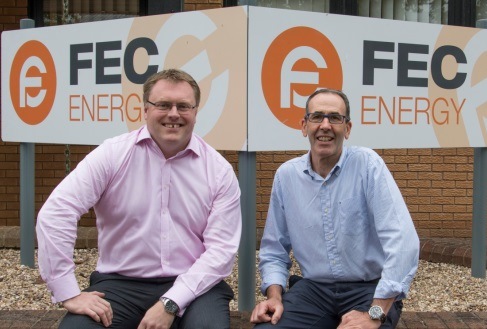
<p>This year has also been one of change for FEC Energy. Firstly, Chris Plackett took over as Managing Director from Andrew Kneeshaw, who stepped down after 17 years in the post to a general directorial role before officially retiring at the end of August. Andrew is now acting as a consultant on various projects for the company.</p>
<p>Also at the end of August, the National Farmers Union (NFU) bought FEC Energy in a move which recognises the increasing involvement of farmers in the energy business. FEC Energy had been privately owned by the directors,<img alt="" src="https://www.nfuenergy.co.uk/sites/default/files/nfu_and_chris.jpg" style="margin: 10px; float: right; width: 200px; height: 135px;" />&nbsp;but our long-term business connection with NFU has now become a true marriage. Being part of the NFU will massively increase our commercial exposure and enable us, because of NFU’s significant buying power, to strike even better deals with suppliers.&nbsp;Whether you are in or out of agriculture, or indeed an NFU member or not, we will be maintaining our current customers and our business activities.</p>

<p>The<img alt="" src="https://www.nfuenergy.co.uk/sites/default/files/office_refurb.jpg" style="margin: 10px; float: left; width: 200px; height: 150px;" />y say things come in threes… and so, on the 20 October, we temporarily moved out of our office while it goes through some major refurbishments to allow us more office space. However, we didn’t move far… in fact, only about 150 metres up 10<sup>th</sup> Street here at Stoneleigh Park and we are hoping to be back in our renovated office within the next six months.</p>
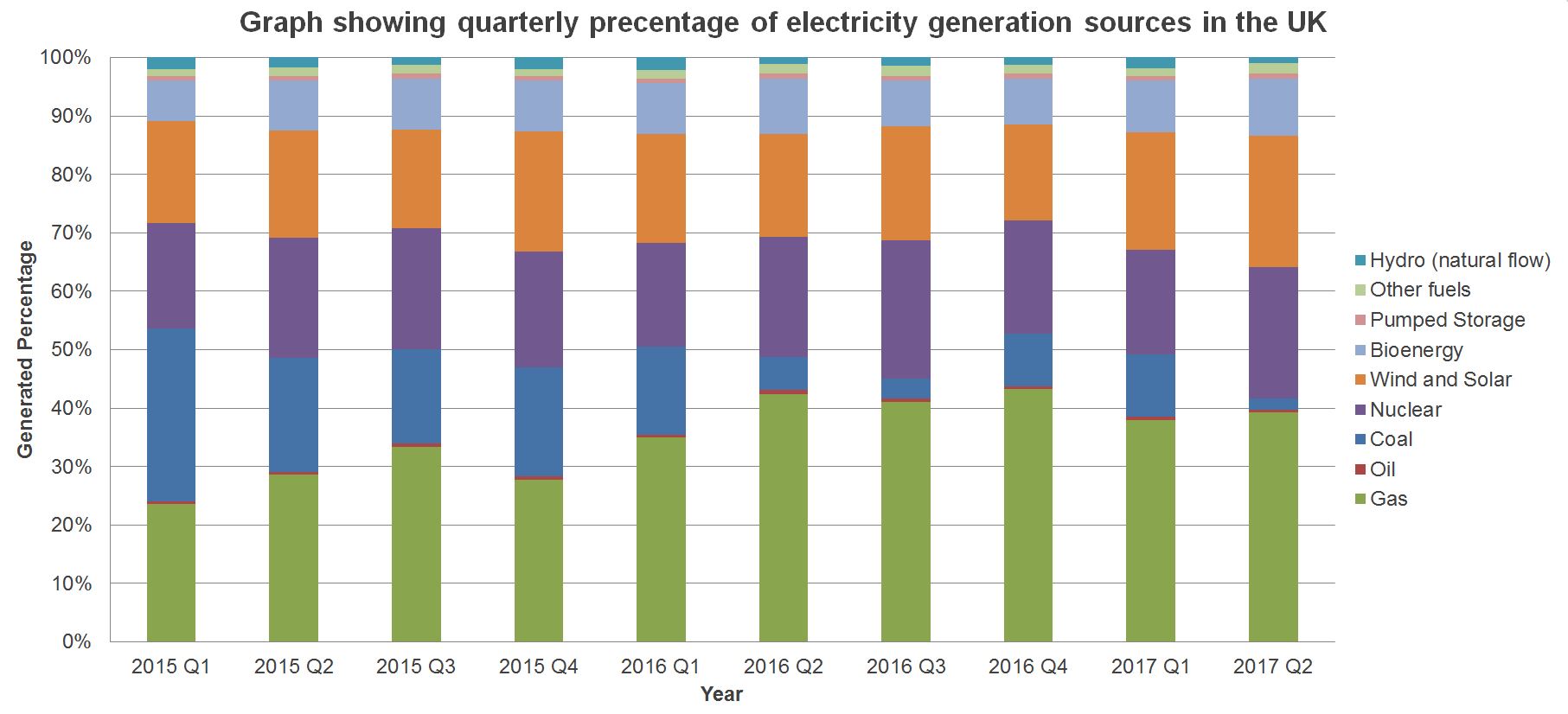
<p>What a year it’s been! We would like to thank you all for making 2017 a great year for FEC Energy. As is starting to be tradition, listen to our 2017 singing Christmas card “Deck the halls”:&nbsp;</p>
<p><iframe allow="encrypted-media" allowfullscreen="" frameborder="0" gesture="media" height="315" src="https://www.youtube.com/embed/zqtY0uoUsJY" width="560"></iframe></p>
<p><strong>Wishing you a very Merry Christmas and a Happy New Year!!</strong></p>
<p>&nbsp;</p>
]]></content:encoded>
    <excerpt:encoded><![CDATA[Fifty years ago, on the 05 July 1967, the Queen Mother opened our original office here at Stoneleigh Park during the Royal Show. To celebrate our 50th Anniversary, we took part in various fundraising activities throughout the year, raising £1,081 for the mental health charity Mind!]]></excerpt:encoded>
    <wp:post_id>1216254</wp:post_id>
    <wp:post_date><![CDATA[2017-12-18 10:09:42]]></wp:post_date>
    <wp:post_date_gmt><![CDATA[2017-12-18 10:09:42]]></wp:post_date_gmt>
    <wp:post_type><![CDATA[post]]></wp:post_type>
    <category>News and Views
Contracts
]]>, News and Views
Comply
]]>, News and Views
Generate
]]>, News and Views
Use and Manage
]]></category>
    <Service>Buy And Sell</Service>
    <wp:post_name>/news/fec-energy-celebrated-2017-style</wp:post_name>
    <ping_status>closed</ping_status>
    <wp:is_sticky>0</wp:is_sticky>
    <wp:post_password><![CDATA[]]></wp:post_password>
    <wp:comment_status><![CDATA[closed]]></wp:comment_status>
    <wp:status><![CDATA[publish]]></wp:status>
    <wp:post_parent>0</wp:post_parent>
    <wp:menu_order>0</wp:menu_order>
    <wp:postmeta><wp:meta_key>_thumbnail_id</wp:meta_key>
<wp:meta_value><![CDATA[4361]]></wp:meta_value></wp:postmeta>
    <wp:attachment_url><![CDATA[https://www.nfuenergy.co.uk/sites/default/files/fec-energy-50_blog.jpg]]></wp:attachment_url>
    <wp:meta_value><![CDATA[]]></wp:meta_value>
    <wp:postmeta>	<wp:meta_key><![CDATA[_yoast_wpseo_title]]></wp:meta_key>
	<wp:meta_value><![CDATA[FEC Energy celebrated 2017 in style | NFU Energy]]></wp:meta_value></wp:postmeta>
    <wp:postmeta>	<wp:meta_key><![CDATA[_yoast_wpseo_metadesc]]></wp:meta_key>
	<wp:meta_value><![CDATA[Fifty years ago, on the 05 July 1967, the Queen Mother opened our original office here at Stoneleigh Park during the Royal Show. To celebrate our 50th Anniversary, we took part in various fundraising activities throughout the year, raising £1,081 for the mental health charity Mind!]]></wp:meta_value>
</wp:postmeta>
    <wp:postmeta>	<wp:meta_key><![CDATA[_yoast_wpseo_linkdex]]></wp:meta_key>
	<wp:meta_value><![CDATA[]]></wp:meta_value></wp:postmeta>
  </item>
  <item>
    <title><![CDATA[Battery storage made less attractive by Capacity Market]]></title>
    <link>/news/battery-storage-made-less-attractive-capacity-market</link>
    <pubDate>Tue, 12 Dec 2017 16:19:18 +0000</pubDate>
    <dc:creator><![CDATA[Anonymous]]></dc:creator>
    <guid>https://www.nfuenergy.co.uk/?p=1235698</guid>
    <description><![CDATA[]]></description>
    <content:encoded><![CDATA[<p>The Capacity Market (CM) was seen as a good/stable income stream for grid-scale battery projects worth around £20k per MW p.a. However, a recent decision by the Government has just blown a hole in potential new capacity market contracts!</p>
<p>The CM is designed to provide an insurance policy against any possibility of future electricity blackouts, by providing payments to encourage investment in new capacity or for existing capacity supplies to ensure sufficient reliable capacity is available. However new de-rating factors were announced last week which will make short duration batteries less valuable in the capacity market.</p>
<p>Until now, a ‘traditional’ 1MW lithium-ion battery would have 1MWh of storage capacity. It would be kept 50% full so that at any moment it can either import surplus electricity at its rated MW or export stored energy for 30 minutes. The difficulty with regard to the Capacity Market is that National Grid could ask for electricity to be exported for up to 4 hours.</p>
<p>National Grid has therefore just announced their proposed de-rating factors for batteries. What these mean is that our ‘traditional’ 1MW battery (above) will only be paid on 21% of its capacity. So £20k p.a. becomes £4k p.a.</p>
<p><a href="https://theenergyst.com/battery-storage-cut-size-gigawatts-qualify-capacity-market/" target="_blank">You can read more about it here…</a></p>
]]></content:encoded>
    <excerpt:encoded><![CDATA[The Capacity Market (CM) was seen as a good/stable income stream for grid-scale battery projects worth around £20k per MW p.a. However, a recent decision by the Government has just blown a hole in potential new capacity market contracts!]]></excerpt:encoded>
    <wp:post_id>1235698</wp:post_id>
    <wp:post_date><![CDATA[2017-12-12 16:19:18]]></wp:post_date>
    <wp:post_date_gmt><![CDATA[2017-12-12 16:19:18]]></wp:post_date_gmt>
    <wp:post_type><![CDATA[post]]></wp:post_type>
    <category>News and Views
Generate
]]>, News and Views
Generating energy
]]></category>
    <Service>Generate</Service>
    <wp:post_name>/news/battery-storage-made-less-attractive-capacity-market</wp:post_name>
    <ping_status>closed</ping_status>
    <wp:is_sticky>0</wp:is_sticky>
    <wp:post_password><![CDATA[]]></wp:post_password>
    <wp:comment_status><![CDATA[closed]]></wp:comment_status>
    <wp:status><![CDATA[publish]]></wp:status>
    <wp:post_parent>0</wp:post_parent>
    <wp:menu_order>0</wp:menu_order>
    <wp:postmeta><wp:meta_key>_thumbnail_id</wp:meta_key>
<wp:meta_value><![CDATA[3540]]></wp:meta_value></wp:postmeta>
    <wp:attachment_url><![CDATA[https://www.nfuenergy.co.uk/sites/default/files/battery_storage_0.jpg]]></wp:attachment_url>
    <wp:meta_value><![CDATA[]]></wp:meta_value>
    <wp:postmeta>	<wp:meta_key><![CDATA[_yoast_wpseo_title]]></wp:meta_key>
	<wp:meta_value><![CDATA[Battery storage made less attractive by Capacity Market | NFU Energy]]></wp:meta_value></wp:postmeta>
    <wp:postmeta>	<wp:meta_key><![CDATA[_yoast_wpseo_metadesc]]></wp:meta_key>
	<wp:meta_value><![CDATA[The Capacity Market (CM) was seen as a good/stable income stream for grid-scale battery projects worth around £20k per MW p.a. However, a recent decision by the Government has just blown a hole in potential new capacity market contracts!]]></wp:meta_value>
</wp:postmeta>
    <wp:postmeta>	<wp:meta_key><![CDATA[_yoast_wpseo_linkdex]]></wp:meta_key>
	<wp:meta_value><![CDATA[]]></wp:meta_value></wp:postmeta>
  </item>
  <item>
    <title><![CDATA[A different alternative to wasting your generated electricity]]></title>
    <link>/news/different-alternative-wasting-your-generated-electricity</link>
    <pubDate>Thu, 07 Dec 2017 09:00:00 +0000</pubDate>
    <dc:creator><![CDATA[Oli Coe]]></dc:creator>
    <guid>https://www.nfuenergy.co.uk/?p=1217067</guid>
    <description><![CDATA[]]></description>
    <content:encoded><![CDATA[<p>You’ve got a generating station - perhaps it’s renewable (such as wind or solar) or perhaps it’s a battery bank - but, you have a constrained network connection meaning you can’t always export everything that you generate. This is a fairly common technical challenge faced by many sites, often solved through the use of a ‘dump load’ in the form of a high power resistor, which emits the energy as heat either into the atmosphere or to an immersion tank for sites where hot water can be used. However, this is very wasteful and often means a reduction in income streams through a lack of export price and potentially renewable incentives.</p>
<p>An alternative to dumping this load could be battery storage; however, the current capital costs of such systems are high. Pumped hydro could be another solution to the problem, but the site would need to be located near an elevated point (a hill or a tank for example) that water could be pumped to in order to be made use of at a later time. One particularly forward thinking company has come up with a solution to make use of this wasted electricity for an altogether different kind of income stream.</p>
<p><a href="https://envion.org/en/" target="_blank">Envion</a> wants to locate their cryptocurrency bitcoin mining rigs (which are essentially banks of computer processors) on sites where cheap (or even free) electricity is available. By now, you will have probably heard of cryptocurrencies and, in particular, the media hype surrounding Bitcoin (currently worth over £9,500 per bitcoin). Whether interest in cryptocurrencies is purely speculative, or whether these types of currency have a genuine future is a whole other question and one that can’t be answered in a single blog post (many people like the rise of cryptocurrencies to the early days of the internet), but one thing is for sure, there is a lot of money currently being invested in it.</p>
<p>Using bitcoin as an example of a cryptocurrency, any transaction of bitcoin between two people is validated by a network of ‘bitcoin miners’ (more on that later) and then logged alongside a number of other transactions within a ‘block’, in order to avoid duplication and thereby fraud. Many of these blocks are linked and secured using cryptography to form the ‘blockchain’, which is effectively a distributed ledger of all transactions that have previously occurred. Bitcoin miners use computer processing power to validate transactions across the network, pack them into blocks and add these new blocks to the blockchain - as a reward for doing this, new Bitcoins are created. Because the rate of creation of new bitcoins is kept at a constant, the more powerful the network of miners is, the more the difficulty of validating transactions is increased (through the use of more complex cryptography).</p>
<p>Many miners run their mining rigs from grid electricity, which, depending on where you are in the world, can be quite expensive so the return on investment on the hardware and the running costs can be decreased as a result. A generator that is unable to export some of its electricity to the grid is an ideal match for this type of application.</p>
<p>We have come a long way from mining coal for power - if there is something in cryptocurrencies (and that’s a very big if!), then cryptocurrency mining rigs may be making more of an appearance next to renewable generators in the near future…</p>
]]></content:encoded>
    <excerpt:encoded><![CDATA[You’ve got a generating station - perhaps it’s renewable (such as wind or solar) or perhaps it’s a battery bank - but, you have a constrained network connection meaning you can’t always export everything that you generate. This is a fairly common technical challenge faced by many sites, often solved through the use of a ‘dump load’ in the form of a high power resistor, which emits the energy as heat either into the atmosphere or to an immersion tank for sites where hot water can be used.]]></excerpt:encoded>
    <wp:post_id>1217067</wp:post_id>
    <wp:post_date><![CDATA[2017-12-07 09:00:00]]></wp:post_date>
    <wp:post_date_gmt><![CDATA[2017-12-07 09:00:00]]></wp:post_date_gmt>
    <wp:post_type><![CDATA[post]]></wp:post_type>
    <category>News and Views
Generate
]]></category>
    <Service>Generate</Service>
    <wp:post_name>/news/different-alternative-wasting-your-generated-electricity</wp:post_name>
    <ping_status>closed</ping_status>
    <wp:is_sticky>0</wp:is_sticky>
    <wp:post_password><![CDATA[]]></wp:post_password>
    <wp:comment_status><![CDATA[closed]]></wp:comment_status>
    <wp:status><![CDATA[publish]]></wp:status>
    <wp:post_parent>0</wp:post_parent>
    <wp:menu_order>0</wp:menu_order>
    <wp:postmeta><wp:meta_key>_thumbnail_id</wp:meta_key>
<wp:meta_value><![CDATA[4371]]></wp:meta_value></wp:postmeta>
    <wp:attachment_url><![CDATA[https://www.nfuenergy.co.uk/sites/default/files/blog_photo_-_bitcoins.jpg]]></wp:attachment_url>
    <wp:meta_value><![CDATA[]]></wp:meta_value>
    <wp:postmeta>	<wp:meta_key><![CDATA[_yoast_wpseo_title]]></wp:meta_key>
	<wp:meta_value><![CDATA[A different alternative to wasting your generated electricity | NFU Energy]]></wp:meta_value></wp:postmeta>
    <wp:postmeta>	<wp:meta_key><![CDATA[_yoast_wpseo_metadesc]]></wp:meta_key>
	<wp:meta_value><![CDATA[You’ve got a generating station - perhaps it’s renewable (such as wind or solar) or perhaps it’s a battery bank - but, you have a constrained network connection meaning you can’t always export everything that you generate. This is a fairly common technical challenge faced by many sites, often solved through the use of a ‘dump load’ in the form of a high power resistor, which emits the energy as heat either into the atmosphere or to an immersion tank for sites where hot water can be used.]]></wp:meta_value>
</wp:postmeta>
    <wp:postmeta>	<wp:meta_key><![CDATA[_yoast_wpseo_linkdex]]></wp:meta_key>
	<wp:meta_value><![CDATA[]]></wp:meta_value></wp:postmeta>
  </item>
  <item>
    <title><![CDATA[CCL Scheme members... will you reach your next target?]]></title>
    <link>/news/ccl-scheme-members-will-you-reach-your-next-target</link>
    <pubDate>Tue, 05 Dec 2017 14:30:54 +0000</pubDate>
    <dc:creator><![CDATA[Steven Leil]]></dc:creator>
    <guid>https://www.nfuenergy.co.uk/?p=1213481</guid>
    <description><![CDATA[]]></description>
    <content:encoded><![CDATA[<p>The end of December marks the half-way point of your CCL “Target Period 3”. We will be opening our online CCL data return on 01 January 2018 to allow operators the chance to submit 2017 energy and production data. Reporting in January 2018 isn’t compulsory, however, we encourage you to complete a data return because:</p>
<ul>
<li>It will show you how you are progressing towards your next target.</li>
<li>We can process any changes you’ve made that affect your legal agreement, this keeps you legal and avoids any unnecessary fines.</li>
<li>You will save time next year as you’ll have gathered half of the data you need for your next compulsory target period submission.</li>
</ul>
<h3><strong>What do you need to do now?</strong></h3>
<ul>
<li>Check that your energy use and production records since 01 January 2017 are up to date. Your records will need to include:
<ul>
<li>Usage data for all fuels including renewables</li>
<li>Export data for any electricity you have generated on your site/s</li>
<li>Your production (for most horticulture sites this is production area)</li>
</ul>
</li>
<li>Make sure any invoices have been checked against your own meter readings and you have resolved any discrepancies with the supplier. If you find any issues that can’t be resolved, ensure you have the necessary documentary evidence.</li>
<li>Be ready on the 31 December 2017 to take meter readings and stock-take any bulk fuels. If you can’t do so on this date, make sure the readings are as close to this date as possible.</li>
</ul>
<p>Operators have until 31 March 2018 to take advantage of the mid-point reporting. If you choose not to make a return we will not chase you for your data.</p>
<p>Remember, any mid-point reporting is not automatically used when you make your 2-year CCL Data Return at the start of 2019. The main aim is to indicate how your site is progressing towards your next target.</p>
<p>If you find your site is not going to meet Target Period 3 reductions, don’t worry. You are eligible to claim CCL relief until June 2019 and paying a buyout fee is optional. We would still suggest you remain on the CCL scheme, make your Target Period 3 report in January 2019 and consider then whether continued membership of the scheme is viable.</p>
<p>We will send you an email reminding you of your CCL username and login details later this month. If you have any questions contact us at <a href="mailto:ccl@fec-energy.co.uk">ccl@fec-energy.co.uk</a> or by calling us at 024 7669 3043.</p>
]]></content:encoded>
    <excerpt:encoded><![CDATA[The end of December marks the half-way point of your CCL “Target Period 3”. We will be opening our online CCL data return on 01 January 2018 to allow operators the chance to submit 2017 energy and production data. Reporting in January 2018 isn’t compulsory, however, we encourage you to complete a data return because:]]></excerpt:encoded>
    <wp:post_id>1213481</wp:post_id>
    <wp:post_date><![CDATA[2017-12-05 14:30:54]]></wp:post_date>
    <wp:post_date_gmt><![CDATA[2017-12-05 14:30:54]]></wp:post_date_gmt>
    <wp:post_type><![CDATA[post]]></wp:post_type>
    <category>News and Views
Comply
]]>, News and Views
Energy saving
]]></category>
    <Service>Comply</Service>
    <wp:post_name>/news/ccl-scheme-members-will-you-reach-your-next-target</wp:post_name>
    <ping_status>closed</ping_status>
    <wp:is_sticky>0</wp:is_sticky>
    <wp:post_password><![CDATA[]]></wp:post_password>
    <wp:comment_status><![CDATA[closed]]></wp:comment_status>
    <wp:status><![CDATA[publish]]></wp:status>
    <wp:post_parent>0</wp:post_parent>
    <wp:menu_order>0</wp:menu_order>
    <wp:postmeta><wp:meta_key>_thumbnail_id</wp:meta_key>
<wp:meta_value><![CDATA[4353]]></wp:meta_value></wp:postmeta>
    <wp:attachment_url><![CDATA[https://www.nfuenergy.co.uk/sites/default/files/slideshow_pylons_0.jpg]]></wp:attachment_url>
    <wp:meta_value><![CDATA[]]></wp:meta_value>
    <wp:postmeta>	<wp:meta_key><![CDATA[_yoast_wpseo_title]]></wp:meta_key>
	<wp:meta_value><![CDATA[CCL Scheme members... will you reach your next target? | NFU Energy]]></wp:meta_value></wp:postmeta>
    <wp:postmeta>	<wp:meta_key><![CDATA[_yoast_wpseo_metadesc]]></wp:meta_key>
	<wp:meta_value><![CDATA[The end of December marks the half-way point of your CCL “Target Period 3”. We will be opening our online CCL data return on 01 January 2018 to allow operators the chance to submit 2017 energy and production data. Reporting in January 2018 isn’t compulsory, however, we encourage you to complete a data return because:]]></wp:meta_value>
</wp:postmeta>
    <wp:postmeta>	<wp:meta_key><![CDATA[_yoast_wpseo_linkdex]]></wp:meta_key>
	<wp:meta_value><![CDATA[]]></wp:meta_value></wp:postmeta>
  </item>
  <item>
    <title><![CDATA[No degression for January 2018]]></title>
    <link>/news/no-degression-january-2018</link>
    <pubDate>Fri, 01 Dec 2017 15:01:24 +0000</pubDate>
    <dc:creator><![CDATA[Tay Bishop]]></dc:creator>
    <guid>https://www.nfuenergy.co.uk/?p=1200925</guid>
    <description><![CDATA[]]></description>
    <content:encoded><![CDATA[<p>As widely expected, the Department of Business, Energy and Industrial Strategy (BEIS) has announced this morning that there will not be any RHI degression for any of the eligible technologies coming into effect on 01 January 2018. Therefore the current tariffs will be applicable until 31 March 2018.</p>
<p>Examination of the data reveals a peak in RHI applications of biomass systems over 1MW in October, which will be a direct result of the alignment of biomass tariffs in September. There was also a notable reduction in the number of applications overall, but this was not a significant number. Following an adjustment to the budgets, the whole scheme is now under budget, where previous to the changes rolled out in September, the scheme was over budget. This means that any degression announcements in March 2018 will likely be only for 5%, assuming there isn’t a sudden surge of applications over the next couple of months.</p>
<p>For more information from BEIS about this (non) news <a href="https://www.gov.uk/government/publications/rhi-mechanism-for-budget-management-estimated-commitments" target="_blank">please click here</a>.&nbsp;</p>
<p>&nbsp;</p>
]]></content:encoded>
    <excerpt:encoded><![CDATA[As widely expected, the Department of Business, Energy and Industrial Strategy (BEIS) has announced this morning that there will not be any RHI degression for any of the eligible technologies coming into effect on 01 January 2018. Therefore the current tariffs will be applicable until 31 March 2018.]]></excerpt:encoded>
    <wp:post_id>1200925</wp:post_id>
    <wp:post_date><![CDATA[2017-12-01 15:01:24]]></wp:post_date>
    <wp:post_date_gmt><![CDATA[2017-12-01 15:01:24]]></wp:post_date_gmt>
    <wp:post_type><![CDATA[post]]></wp:post_type>
    <category>News and Views
Generating energy
]]>, News and Views
Renewable energy
]]>, News and Views
Generate
]]></category>
    <Service>Comply</Service>
    <wp:post_name>/news/no-degression-january-2018</wp:post_name>
    <ping_status>closed</ping_status>
    <wp:is_sticky>0</wp:is_sticky>
    <wp:post_password><![CDATA[]]></wp:post_password>
    <wp:comment_status><![CDATA[closed]]></wp:comment_status>
    <wp:status><![CDATA[publish]]></wp:status>
    <wp:post_parent>0</wp:post_parent>
    <wp:menu_order>0</wp:menu_order>
    <wp:postmeta><wp:meta_key>_thumbnail_id</wp:meta_key>
<wp:meta_value><![CDATA[4317]]></wp:meta_value></wp:postmeta>
    <wp:attachment_url><![CDATA[https://www.nfuenergy.co.uk/sites/default/files/red_boiler_blog.jpg]]></wp:attachment_url>
    <wp:meta_value><![CDATA[]]></wp:meta_value>
    <wp:postmeta>	<wp:meta_key><![CDATA[_yoast_wpseo_title]]></wp:meta_key>
	<wp:meta_value><![CDATA[No degression for January 2018 | NFU Energy]]></wp:meta_value></wp:postmeta>
    <wp:postmeta>	<wp:meta_key><![CDATA[_yoast_wpseo_metadesc]]></wp:meta_key>
	<wp:meta_value><![CDATA[As widely expected, the Department of Business, Energy and Industrial Strategy (BEIS) has announced this morning that there will not be any RHI degression for any of the eligible technologies coming into effect on 01 January 2018. Therefore the current tariffs will be applicable until 31 March 2018.]]></wp:meta_value>
</wp:postmeta>
    <wp:postmeta>	<wp:meta_key><![CDATA[_yoast_wpseo_linkdex]]></wp:meta_key>
	<wp:meta_value><![CDATA[]]></wp:meta_value></wp:postmeta>
  </item>
  <item>
    <title><![CDATA[Looking after your biomass boiler]]></title>
    <link>/news/looking-after-your-biomass-boiler</link>
    <pubDate>Tue, 28 Nov 2017 10:58:06 +0000</pubDate>
    <dc:creator><![CDATA[Ed Hardy]]></dc:creator>
    <guid>https://www.nfuenergy.co.uk/?p=1191086</guid>
    <description><![CDATA[]]></description>
    <content:encoded><![CDATA[<p>The latest GrowSave* event focused on how operators of biomass boilers can ensure they are getting the most out of their equipment. Many growers and businesses have installed biomass boilers in recent years, taking advantage of the Renewable Heat Incentive (RHI) scheme. However, those who operate the heating system are not necessarily familiar with the inner-workings of a relatively complex boiler, meaning many are left to run sub-optimally and potentially without proper maintenance.</p>
<p>The event took place at Roundstone Nursery in Chichester on 23 November. With Jon Swain, Energy Consultant from FEC Energy, starting off by explaining the recent reforms to the RHI scheme and how this should mean new systems installed today are more appropriately sized. Jon also talked about the importance of compliance with Ofgem’s regulations, to ensure installations remain eligible for RHI. One aspect of compliance is using appropriate fuels, i.e. one that is listed on all the relevant documentation associated with the boiler, not just the one that is listed on a boiler’s emissions certificate.</p>
<p>During the event, Matt Baxter, Technical Director at Core Biomass, offered advice on how to ensure boilers are set up for best performance. He highlighted some of the known problems with different fuel types, driving home the fact that each type of boiler will be optimised for a certain type and quality of fuel. Burning low quality, contaminated fuel in a boiler not designed for it can easily lead to problems, increased maintenance and, unscheduled downtime.</p>
<p>Rob Waterhouse, who hosted the event, is responsible for Roundstone’s 1MW biomass boiler. He spoke of how quickly he had to learn over the past year, since the system became operational, as biomass was completely new to him.</p>
<p>Despite a few teething problems early on, Roundstone’s system now runs smoothly, as Rob ensures the woodchip supplied is suitable for both the boiler and the automated fuel delivery feed. Suitability can be viewed in terms of size, quality and, importantly, moisture content.</p>
<p>Ultimately, the aim of a biomass boiler is to provide heat, often to a glasshouse. How the two components integrate was covered by David Summerfield of Bridge Greenhouses. He stressed the importance of buffer tanks and heat stores, and how these should be used effectively. One of the take-home messages was that more heat storage capacity can be added if required. This is now the case at Roundstone Nursery, but space remains a challenge. Despite this, a bigger heat store would allow more efficient operation of the boiler, especially when demand is low on milder days.</p>
<p>GrowSave has two more events coming up soon and you can find out more about these <a href="http://www.growsave.co.uk/future-events">here</a>.</p>
<p><span style="font-size:11px;">*The GrowSave Project is delivered by&nbsp;FEC Energy&nbsp;on behalf of the&nbsp;AHDB Horticulture— a levy-funded organisation that serves the commercial horticultural industry in England, Scotland and Wales.</span></p>
]]></content:encoded>
    <excerpt:encoded><![CDATA[The latest GrowSave* event focused on how operators of biomass boilers can ensure they are getting the most out of their equipment. Many growers and businesses have installed biomass boilers in recent years, taking advantage of the Renewable Heat Incentive (RHI) scheme. However, those who operate the heating system are not necessarily familiar with the inner-workings of a relatively complex boiler, meaning many are left to run sub-optimally and potentially without proper maintenance.]]></excerpt:encoded>
    <wp:post_id>1191086</wp:post_id>
    <wp:post_date><![CDATA[2017-11-28 10:58:06]]></wp:post_date>
    <wp:post_date_gmt><![CDATA[2017-11-28 10:58:06]]></wp:post_date_gmt>
    <wp:post_type><![CDATA[post]]></wp:post_type>
    <category>News and Views
Renewable energy
]]>, News and Views
Energy saving
]]></category>
    <Service>Use and Manage</Service>
    <wp:post_name>/news/looking-after-your-biomass-boiler</wp:post_name>
    <ping_status>closed</ping_status>
    <wp:is_sticky>0</wp:is_sticky>
    <wp:post_password><![CDATA[]]></wp:post_password>
    <wp:comment_status><![CDATA[closed]]></wp:comment_status>
    <wp:status><![CDATA[publish]]></wp:status>
    <wp:post_parent>0</wp:post_parent>
    <wp:menu_order>0</wp:menu_order>
    <wp:postmeta><wp:meta_key>_thumbnail_id</wp:meta_key>
<wp:meta_value><![CDATA[4225]]></wp:meta_value></wp:postmeta>
    <wp:attachment_url><![CDATA[https://www.nfuenergy.co.uk/sites/default/files/roundstone_boiler_blog.jpg]]></wp:attachment_url>
    <wp:meta_value><![CDATA[]]></wp:meta_value>
    <wp:postmeta>	<wp:meta_key><![CDATA[_yoast_wpseo_title]]></wp:meta_key>
	<wp:meta_value><![CDATA[Looking after your biomass boiler | NFU Energy]]></wp:meta_value></wp:postmeta>
    <wp:postmeta>	<wp:meta_key><![CDATA[_yoast_wpseo_metadesc]]></wp:meta_key>
	<wp:meta_value><![CDATA[The latest GrowSave* event focused on how operators of biomass boilers can ensure they are getting the most out of their equipment. Many growers and businesses have installed biomass boilers in recent years, taking advantage of the Renewable Heat Incentive (RHI) scheme. However, those who operate the heating system are not necessarily familiar with the inner-workings of a relatively complex boiler, meaning many are left to run sub-optimally and potentially without proper maintenance.]]></wp:meta_value>
</wp:postmeta>
    <wp:postmeta>	<wp:meta_key><![CDATA[_yoast_wpseo_linkdex]]></wp:meta_key>
	<wp:meta_value><![CDATA[]]></wp:meta_value></wp:postmeta>
  </item>
  <item>
    <title><![CDATA[PPA stands for Painful Purchase Agreement]]></title>
    <link>/news/ppa-stands-painful-purchase-agreement</link>
    <pubDate>Tue, 21 Nov 2017 09:00:00 +0000</pubDate>
    <dc:creator><![CDATA[Anonymous]]></dc:creator>
    <guid>https://www.nfuenergy.co.uk/?p=1166034</guid>
    <description><![CDATA[]]></description>
    <content:encoded><![CDATA[<p>Do you know…</p>
<ul>
<li>How much you are really paying your energy advisor/broker?</li>
<li>What your contractual commitments are to your broker and energy supplier?</li>
</ul>
<p>It can be well worth checking.</p>
<p>A customer with an Anaerobic Digester (AD) recently approached us for help with his Power Purchase Agreement (PPA) as he wasn’t overly impressed with the level of service he was receiving from his current broker. However, as we stepped in to take over, we discovered he had signed a five year PPA for the electricity he generates. In isolation, this wasn’t too bad but the real surprise for him was that the PPA included a significant commission to be paid to his current broker; for the full term of the PPA even if the broker does no further work. For a 500kW AD, it added up to £50,000 over the 5-year term.</p>
<p>Anyone who generates enough electricity to sell to the grid needs a <a href="http://www.fec-energy.co.uk/services/power-purchase-agreements">PPA</a> and as with any contract, there can be hidden charges and small print to be aware of.&nbsp; Our <a href="http://www.fec-energy.co.uk/services/generation-management">Generation Management Service</a> is honest and transparent with a fixed monthly fee and NO hidden commissions. We carry out impartial analysis of PPA offers to find out which would be most suitable for you and our fees depend on the type of export agreement that you require and how much ongoing support you require.</p>
<p>So the moral of the story is to look out for the small print! Give me a call on 024 7669 8899 to discuss your power generation and the type of PPA that would best suit your needs.</p>
]]></content:encoded>
    <excerpt:encoded><![CDATA[Do you know…

How much you are really paying your energy advisor/broker?
What your contractual commitments are to your broker and energy supplier?

It can be well worth checking.]]></excerpt:encoded>
    <wp:post_id>1166034</wp:post_id>
    <wp:post_date><![CDATA[2017-11-21 09:00:00]]></wp:post_date>
    <wp:post_date_gmt><![CDATA[2017-11-21 09:00:00]]></wp:post_date_gmt>
    <wp:post_type><![CDATA[post]]></wp:post_type>
    <category>News and Views
Generate
]]>, News and Views
Generating energy
]]></category>
    <Service>Generate</Service>
    <wp:post_name>/news/ppa-stands-painful-purchase-agreement</wp:post_name>
    <ping_status>closed</ping_status>
    <wp:is_sticky>0</wp:is_sticky>
    <wp:post_password><![CDATA[]]></wp:post_password>
    <wp:comment_status><![CDATA[closed]]></wp:comment_status>
    <wp:status><![CDATA[publish]]></wp:status>
    <wp:post_parent>0</wp:post_parent>
    <wp:menu_order>0</wp:menu_order>
    <wp:postmeta><wp:meta_key>_thumbnail_id</wp:meta_key>
<wp:meta_value><![CDATA[3463]]></wp:meta_value></wp:postmeta>
    <wp:attachment_url><![CDATA[https://www.nfuenergy.co.uk/sites/default/files/chp_engine.jpg]]></wp:attachment_url>
    <wp:meta_value><![CDATA[]]></wp:meta_value>
    <wp:postmeta>	<wp:meta_key><![CDATA[_yoast_wpseo_title]]></wp:meta_key>
	<wp:meta_value><![CDATA[PPA stands for Painful Purchase Agreement | NFU Energy]]></wp:meta_value></wp:postmeta>
    <wp:postmeta>	<wp:meta_key><![CDATA[_yoast_wpseo_metadesc]]></wp:meta_key>
	<wp:meta_value><![CDATA[Do you know…

How much you are really paying your energy advisor/broker?
What your contractual commitments are to your broker and energy supplier?

It can be well worth checking.]]></wp:meta_value>
</wp:postmeta>
    <wp:postmeta>	<wp:meta_key><![CDATA[_yoast_wpseo_linkdex]]></wp:meta_key>
	<wp:meta_value><![CDATA[]]></wp:meta_value></wp:postmeta>
  </item>
  <item>
    <title><![CDATA[Growers growing with a difference]]></title>
    <link>/news/growers-growing-difference</link>
    <pubDate>Tue, 14 Nov 2017 11:48:51 +0000</pubDate>
    <dc:creator><![CDATA[Ed Hardy]]></dc:creator>
    <guid>https://www.nfuenergy.co.uk/?p=1146655</guid>
    <description><![CDATA[]]></description>
    <content:encoded><![CDATA[<p>On 7 November, GrowSave kicked off an exciting, new study group project, focusing on Next Generation Growing (NGG). The pilot programme aims to take NGG principles and techniques, which have been established in the Netherlands, and help a select group of UK growers implement them at their nurseries. The principles have been discussed in some depth in Energy News over the past year, but in brief, they are:</p>
<ol>
<li>Maintain an even temperature horizontally and vertically in your greenhouse</li>
<li>Improve your humidity control, including accepting more moisture in the air</li>
<li>Reduce the radiative cooling effect on the plants by shielding them from clear skies at night</li>
<li>Keep an active climate by promoting good air movement</li>
<li>Use both vent sides to minimise average vent position and allow venting above closed screens</li>
<li>Maximise photosynthesis by reducing vents and improving CO<sub>2</sub> uptake, misting rather than shading when conditions are too warm</li>
<li>Keep the plant in balance: consider the ratio of light levels achieved to 24-hour air temperature</li>
</ol>
<p>Some of these concepts may go against the conventional growing practice, but Dutch growers have already demonstrated their efficacy. Anecdotal evidence suggests significant energy savings are possible. In order for members of the study group to achieve these savings, some collaboration will be required. This will be facilitated through online data sharing, using the LetsGrow.com platform, and subsequent discussion between members of the group, NGG experts and consultants from FEC Energy.</p>
<p><em>The <a href="http://www.growsave.co.uk/">GrowSave Project</a> is delivered by&nbsp;<a href="http://www.fec-energy.co.uk/"><strong>FEC Energy</strong>&nbsp;</a>on behalf of the&nbsp;<a href="http://horticulture.ahdb.org.uk/" target="_blank"><strong>AHDB Horticulture</strong></a>— a levy-funded organisation that serves the commercial horticultural industry in England, Scotland and Wales.</em></p>
]]></content:encoded>
    <excerpt:encoded><![CDATA[On 7 November, GrowSave kicked off an exciting, new study group project, focusing on Next Generation Growing (NGG). The pilot programme aims to take NGG principles and techniques, which have been established in the Netherlands, and help a select group of UK growers implement them at their nurseries. The principles have been discussed in some depth in Energy News over the past year, but in brief, they are:]]></excerpt:encoded>
    <wp:post_id>1146655</wp:post_id>
    <wp:post_date><![CDATA[2017-11-14 11:48:51]]></wp:post_date>
    <wp:post_date_gmt><![CDATA[2017-11-14 11:48:51]]></wp:post_date_gmt>
    <wp:post_type><![CDATA[post]]></wp:post_type>
    <category>News and Views
Energy saving
]]>, News and Views
Use and Manage
]]></category>
    <Service>Use and Manage</Service>
    <wp:post_name>/news/growers-growing-difference</wp:post_name>
    <ping_status>closed</ping_status>
    <wp:is_sticky>0</wp:is_sticky>
    <wp:post_password><![CDATA[]]></wp:post_password>
    <wp:comment_status><![CDATA[closed]]></wp:comment_status>
    <wp:status><![CDATA[publish]]></wp:status>
    <wp:post_parent>0</wp:post_parent>
    <wp:menu_order>0</wp:menu_order>
    <wp:postmeta><wp:meta_key>_thumbnail_id</wp:meta_key>
<wp:meta_value><![CDATA[4101]]></wp:meta_value></wp:postmeta>
    <wp:attachment_url><![CDATA[https://www.nfuenergy.co.uk/sites/default/files/greenhouse_2_blog.jpg]]></wp:attachment_url>
    <wp:meta_value><![CDATA[]]></wp:meta_value>
    <wp:postmeta>	<wp:meta_key><![CDATA[_yoast_wpseo_title]]></wp:meta_key>
	<wp:meta_value><![CDATA[Growers growing with a difference | NFU Energy]]></wp:meta_value></wp:postmeta>
    <wp:postmeta>	<wp:meta_key><![CDATA[_yoast_wpseo_metadesc]]></wp:meta_key>
	<wp:meta_value><![CDATA[On 7 November, GrowSave kicked off an exciting, new study group project, focusing on Next Generation Growing (NGG). The pilot programme aims to take NGG principles and techniques, which have been established in the Netherlands, and help a select group of UK growers implement them at their nurseries. The principles have been discussed in some depth in Energy News over the past year, but in brief, they are:]]></wp:meta_value>
</wp:postmeta>
    <wp:postmeta>	<wp:meta_key><![CDATA[_yoast_wpseo_linkdex]]></wp:meta_key>
	<wp:meta_value><![CDATA[]]></wp:meta_value></wp:postmeta>
  </item>
  <item>
    <title><![CDATA[Electricity generation from coal is decreasing]]></title>
    <link>/news/electricity-generation-coal-decreasing</link>
    <pubDate>Fri, 10 Nov 2017 10:01:39 +0000</pubDate>
    <dc:creator><![CDATA[Andrew Morbey]]></dc:creator>
    <guid>https://www.nfuenergy.co.uk/?p=1133287</guid>
    <description><![CDATA[]]></description>
    <content:encoded><![CDATA[<p>You may have read a number of news articles recently stating that electricity generation from coal is decreasing in the UK. It’s true… in the second quarter of 2017 (shown in the graph below as 2017 Q2) just 2.0% of electricity was generated from coal, the equivalent of 1.5TWh.</p>
<p>Compared to the same quarter in 2016 (shown in the graph below as 2016 Q2), when 5.6% of electricity was generated from coal or the equivalent of 4.6TWh. Electricity generation from coal has therefore decreased in quarter two (Q2) this year by 66% in absolute terms.</p>
<p><img alt="" src="https://www.nfuenergy.co.uk/sites/default/files/elec_generation_sources_in_the_uk_v3.jpg" style="border-width: 2px; border-style: solid; margin: 10px; float: left; width: 800px; height: 364px;" /></p>
<p>&nbsp;</p>
<p>&nbsp;</p>
<p>&nbsp;</p>
<p>&nbsp;</p>
<p>&nbsp;</p>
<p>&nbsp;</p>
<p>&nbsp;</p>
<p>&nbsp;</p>
<p>&nbsp;</p>
<p>Other notable movers compared to Q2 2016, included electricity generated from:</p>
<ul>
<li>Oil, a 42%<strong><em> decrease</em></strong>,
<ul>
<li>Q2 2016 – 0.7% (0.56 TWh)</li>
<li>Q2 2017 – 0.4% (0.32 TWh)</li>
</ul>
</li>
<li>Wind and Solar, a 26%<strong><em> increase,</em></strong>
<ul>
<li>Q2 2016 – 17.7% (11 TWh)</li>
<li>Q2 2017 – 22.6% (14 TWh)</li>
</ul>
</li>
</ul>
<p>Looking at the UK’s electricity generation as a whole, 79TWh of electricity was generated in Q2 2017 compared to 81TWh generated in Q2 2016 – only a very slight decrease in overall electricity generation. Out of the 79TWh of electricity generated in Q2 2017, 43% came from fossil fuels and other sources, 34% from renewable energy and 23% from nuclear. The graph below shows the full breakdown of how the UK’s electricity was generated in quarter two this year.</p>
<p><img alt="" src="https://www.nfuenergy.co.uk/sites/default/files/elec_generation_sources_in_q2_v2.jpg" style="border-width: 2px; border-style: solid; margin: 10px; float: left; width: 800px; height: 405px;" /></p>
<p>&nbsp;</p>
<p>&nbsp;</p>
<p>&nbsp;</p>
<p>&nbsp;</p>
<p>&nbsp;</p>
<p>&nbsp;</p>
<p>&nbsp;</p>
<p>&nbsp;</p>
<p>&nbsp;</p>
<p>&nbsp;</p>
<p>With countries throughout the world starting to deploy more and more renewable energy, there are concerns that the UK energy policy is on pause while the Government concentrates on negotiations over Brexit. However, if current trends continue, coal could soon disappear from the UK all together and renewable energies will continue to rise, including bioenergy produced by local farmers and biogas/biomass plants.</p>
]]></content:encoded>
    <excerpt:encoded><![CDATA[You may have read a number of news articles recently stating that electricity generation from coal is decreasing in the UK. It’s true… in the second quarter of 2017 (shown in the graph below as 2017 Q2) just 2.0% of electricity was generated from coal, the equivalent of 1.5TWh.
Compared to the same quarter in 2016 (shown in the graph below as 2016 Q2), when 5.6% of electricity was generated from coal or the equivalent of 4.6TWh. Electricity generation from coal has therefore decreased in quarter two (Q2) this year by 66% in absolute terms.]]></excerpt:encoded>
    <wp:post_id>1133287</wp:post_id>
    <wp:post_date><![CDATA[2017-11-10 10:01:39]]></wp:post_date>
    <wp:post_date_gmt><![CDATA[2017-11-10 10:01:39]]></wp:post_date_gmt>
    <wp:post_type><![CDATA[post]]></wp:post_type>
    <category>News and Views
Generate
]]>, News and Views
Generating energy
]]></category>
    <Service></Service>
    <wp:post_name>/news/electricity-generation-coal-decreasing</wp:post_name>
    <ping_status>closed</ping_status>
    <wp:is_sticky>0</wp:is_sticky>
    <wp:post_password><![CDATA[]]></wp:post_password>
    <wp:comment_status><![CDATA[closed]]></wp:comment_status>
    <wp:status><![CDATA[publish]]></wp:status>
    <wp:post_parent>0</wp:post_parent>
    <wp:menu_order>0</wp:menu_order>
    <wp:postmeta><wp:meta_key>_thumbnail_id</wp:meta_key>
<wp:meta_value><![CDATA[4059]]></wp:meta_value></wp:postmeta>
    <wp:attachment_url><![CDATA[https://www.nfuenergy.co.uk/sites/default/files/slideshow_pylons.jpg]]></wp:attachment_url>
    <wp:meta_value><![CDATA[]]></wp:meta_value>
    <wp:postmeta>	<wp:meta_key><![CDATA[_yoast_wpseo_title]]></wp:meta_key>
	<wp:meta_value><![CDATA[Electricity generation from coal is decreasing | NFU Energy]]></wp:meta_value></wp:postmeta>
    <wp:postmeta>	<wp:meta_key><![CDATA[_yoast_wpseo_metadesc]]></wp:meta_key>
	<wp:meta_value><![CDATA[You may have read a number of news articles recently stating that electricity generation from coal is decreasing in the UK. It’s true… in the second quarter of 2017 (shown in the graph below as 2017 Q2) just 2.0% of electricity was generated from coal, the equivalent of 1.5TWh.
Compared to the same quarter in 2016 (shown in the graph below as 2016 Q2), when 5.6% of electricity was generated from coal or the equivalent of 4.6TWh. Electricity generation from coal has therefore decreased in quarter two (Q2) this year by 66% in absolute terms.]]></wp:meta_value>
</wp:postmeta>
    <wp:postmeta>	<wp:meta_key><![CDATA[_yoast_wpseo_linkdex]]></wp:meta_key>
	<wp:meta_value><![CDATA[]]></wp:meta_value></wp:postmeta>
  </item>
  <item>
    <title><![CDATA[Three Anaerobic Digesters and a saw mill…]]></title>
    <link>/news/three-anaerobic-digesters-and-saw-mill%E2%80%A6</link>
    <pubDate>Tue, 07 Nov 2017 10:30:10 +0000</pubDate>
    <dc:creator><![CDATA[Elisa Evans]]></dc:creator>
    <guid>https://www.nfuenergy.co.uk/?p=1123628</guid>
    <description><![CDATA[]]></description>
    <content:encoded><![CDATA[<p>As part of our Energy Account Management (EAM) service, our engineers will visit customer’s sites. As the Account Manager for our portfolio of Anaerobic Digester (AD) clients, it is always good to get to meet my customers face to face after only really speaking to them either on the phone or via email. So, I took the recent opportunity to venture out of the office to Norfolk with Oli Coe, our Senior Engineer.</p>
<p>We managed to fit in four site visits in one day to make the most of our tour. In fact, we were able to visit three AD plants and a saw mill relating to various aspects of Renewable Heat Incentive (RHI) and Renewable Obligation Certificate (ROC) accreditation.</p>
<p>I learnt a great deal from visiting the various AD plants and speaking to the operators. You don’t appreciate the scale of the plants until you see them ‘in the flesh’. There is something very mystical about how biogas is being produced, because it all hinges on keeping some very fussy microscopic organisms happy.</p>
<p>&nbsp;It was also my first time visiting a saw mill (much less of an assault on the olfactory system than the AD plants!), where we were to complete an Independent Technical Assurance Report (ITAR). The ITAR is required at Ofgem’s discretion, but they are usually for sites where evidence of generation is limited. For example, if your site has no grid connection, exports very little electricity to the grid or uses a large majority of the generated electricity on site. In these circumstances, Ofgem requires third party verification of your metering arrangements, details of the electricity users and ongoing record keeping, all of which will be included in the ITAR. Find out more reading our recent blogs:</p>
<ul>
<li><a href="http://www.fec-energy.co.uk/news/are-you-renewables-obligation-generator-do-you-need-itar">Are you a Renewables Obligation generator… do you need an ITAR?</a></li>
<li><a href="http://www.fec-energy.co.uk/news/itar-update-ofgem">An ITAR update from Ofgem</a></li>
</ul>
<p>To round the day off nicely, we were treated to a beautiful sunset as the sun went down.</p>
<p>Our Energy Account Management service handles the day to day operation of your electricity and gas contracts, helping you to save time, energy and money. If you would like to find out how your business could benefit from its very own Energy Account Manager, or our ITAR service, give me a call on 024 7669 8899.</p>
<p>&nbsp;</p>
]]></content:encoded>
    <excerpt:encoded><![CDATA[As part of our Energy Account Management (EAM) service, our engineers will visit customer’s sites. As the Account Manager for our portfolio of Anaerobic Digester (AD) clients, it is always good to get to meet my customers face to face after only really speaking to them either on the phone or via email. So, I took the recent opportunity to venture out of the office to Norfolk with Oli Coe, our Senior Engineer.]]></excerpt:encoded>
    <wp:post_id>1123628</wp:post_id>
    <wp:post_date><![CDATA[2017-11-07 10:30:10]]></wp:post_date>
    <wp:post_date_gmt><![CDATA[2017-11-07 10:30:10]]></wp:post_date_gmt>
    <wp:post_type><![CDATA[post]]></wp:post_type>
    <category>News and Views
Generating energy
]]>, News and Views
Generate
]]></category>
    <Service></Service>
    <wp:post_name>/news/three-anaerobic-digesters-and-saw-mill%E2%80%A6</wp:post_name>
    <ping_status>closed</ping_status>
    <wp:is_sticky>0</wp:is_sticky>
    <wp:post_password><![CDATA[]]></wp:post_password>
    <wp:comment_status><![CDATA[closed]]></wp:comment_status>
    <wp:status><![CDATA[publish]]></wp:status>
    <wp:post_parent>0</wp:post_parent>
    <wp:menu_order>0</wp:menu_order>
    <wp:postmeta><wp:meta_key>_thumbnail_id</wp:meta_key>
<wp:meta_value><![CDATA[4032]]></wp:meta_value></wp:postmeta>
    <wp:attachment_url><![CDATA[https://www.nfuenergy.co.uk/sites/default/files/sunset_at_site_blog.jpg]]></wp:attachment_url>
    <wp:meta_value><![CDATA[]]></wp:meta_value>
    <wp:postmeta>	<wp:meta_key><![CDATA[_yoast_wpseo_title]]></wp:meta_key>
	<wp:meta_value><![CDATA[Three Anaerobic Digesters and a saw mill… | NFU Energy]]></wp:meta_value></wp:postmeta>
    <wp:postmeta>	<wp:meta_key><![CDATA[_yoast_wpseo_metadesc]]></wp:meta_key>
	<wp:meta_value><![CDATA[As part of our Energy Account Management (EAM) service, our engineers will visit customer’s sites. As the Account Manager for our portfolio of Anaerobic Digester (AD) clients, it is always good to get to meet my customers face to face after only really speaking to them either on the phone or via email. So, I took the recent opportunity to venture out of the office to Norfolk with Oli Coe, our Senior Engineer.]]></wp:meta_value>
</wp:postmeta>
    <wp:postmeta>	<wp:meta_key><![CDATA[_yoast_wpseo_linkdex]]></wp:meta_key>
	<wp:meta_value><![CDATA[]]></wp:meta_value></wp:postmeta>
  </item>
  <item>
    <title><![CDATA[Save up to 90% on Climate Change Levy tax]]></title>
    <link>/news/save-90-climate-change-levy-tax</link>
    <pubDate>Thu, 02 Nov 2017 09:00:00 +0000</pubDate>
    <dc:creator><![CDATA[Steven Leil]]></dc:creator>
    <guid>https://www.nfuenergy.co.uk/?p=1104997</guid>
    <description><![CDATA[]]></description>
    <content:encoded><![CDATA[<p>With the upcoming closure of the Carbon Reduction Commitment Energy Efficiency Scheme (known as the CRC) in April 2019, almost every business will see a significant increase to their energy costs. As the government will lose revenue from one scheme, it was decided an increase in Climate Change Levy (CCL) rates would bridge the loss of revenue.</p>
<p>The NFU CCL scheme offers businesses in energy intensive sectors the opportunity to receive CCL discount, in return for meeting agreed energy efficiency targets. Therefore, Climate Change Agreement (CCA) holders will not be significantly impacted by these changes because CCL discount rates will increase in April 2019. This means businesses holding a CCA will only see an increase in energy costs in line with the Retail Price Index (RPI).</p>
<p>Since 1 April 2013, the discount on CCL has been 90% for electricity and 65% for other qualifying fuels. From the 1&nbsp;April 2019, the discount will increase to 93% for electricity and 78% for other fuels.</p>
<p>&nbsp;</p>
<h2><strong>For example: </strong></h2>
<h4>&nbsp;</h4>
<h4>Over a two year period, an indoor all through pig producer housing 120 sows:</h4>
<table border="1" cellpadding="0" cellspacing="0">
<tbody>
<tr>
<td style="width:168px;">
<p><strong>Pig Farm</strong></p>
</td>
<td style="width:161px;">
<p><strong>Non-members pay</strong></p>
</td>
<td style="width:151px;">
<p><strong>CCL member pays</strong></p>
</td>
<td style="width:88px;">
<p><strong>Savings</strong></p>
</td>
</tr>
<tr>
<td style="width:168px;height:26px;">
<p><strong>2017-2018</strong></p>
</td>
<td style="width:161px;height:26px;">
<p>£3,500</p>
</td>
<td style="width:151px;height:26px;">
<p>£300</p>
</td>
<td style="width:88px;height:26px;">
<p><strong>£3,100</strong></p>
</td>
</tr>
<tr>
<td style="width:168px;height:29px;">
<p><strong>2019-2020</strong></p>
</td>
<td style="width:161px;height:29px;">
<p>£5,100</p>
</td>
<td style="width:151px;height:29px;">
<p>£400</p>
</td>
<td style="width:88px;height:29px;">
<p><strong>£4,700</strong></p>
</td>
</tr>
</tbody>
</table>
<h4>&nbsp;</h4>
<h4>Over a two year period, a horticulturalist growing tomatoes* in a 5,000m2 production area heated by a gas boiler:</h4>
<table border="1" cellpadding="0" cellspacing="0">
<tbody>
<tr>
<td style="width:166px;">
<p><strong>Horticultural Grower</strong></p>
</td>
<td style="width:159px;">
<p><strong>Non-members pay</strong></p>
</td>
<td style="width:149px;">
<p><strong>CCL member pays</strong></p>
</td>
<td style="width:95px;">
<p><strong>Savings</strong></p>
</td>
</tr>
<tr>
<td style="width:166px;height:28px;">
<p><strong>2017-2018</strong></p>
</td>
<td style="width:159px;height:28px;">
<p>£10,300</p>
</td>
<td style="width:149px;height:28px;">
<p>£3,000</p>
</td>
<td style="width:95px;height:28px;">
<p><strong>£7,300</strong></p>
</td>
</tr>
<tr>
<td style="width:166px;height:27px;">
<p><strong>2019-2020</strong></p>
</td>
<td style="width:159px;height:27px;">
<p>£16,900</p>
</td>
<td style="width:149px;height:27px;">
<p>£3,200</p>
</td>
<td style="width:95px;height:27px;">
<p><strong>£13,700</strong></p>
</td>
</tr>
</tbody>
</table>
<p>*Any crops grown in controlled, environment-protected structures are covered by the scheme.</p>
<h4>&nbsp;</h4>
<h4>Over a two year period, a poultry farm with 280,000 bird places:</h4>
<table border="1" cellpadding="0" cellspacing="0">
<tbody>
<tr>
<td style="width:168px;">
<p><strong>Poultry Farm</strong></p>
</td>
<td style="width:161px;">
<p><strong>Non-members pay</strong></p>
</td>
<td style="width:151px;">
<p><strong>CCL member pays</strong></p>
</td>
<td style="width:88px;">
<p><strong>Savings</strong></p>
</td>
</tr>
<tr>
<td style="width:168px;height:28px;">
<p><strong>2017-2018</strong></p>
</td>
<td style="width:161px;height:28px;">
<p>£4,600</p>
</td>
<td style="width:151px;height:28px;">
<p>£600</p>
</td>
<td style="width:88px;height:28px;">
<p><strong>£4,000</strong></p>
</td>
</tr>
<tr>
<td style="width:168px;height:27px;">
<p><strong>2019-2020</strong></p>
</td>
<td style="width:161px;height:27px;">
<p>£6,900</p>
</td>
<td style="width:151px;height:27px;">
<p>£600</p>
</td>
<td style="width:88px;height:27px;">
<p><strong>£6,300</strong></p>
</td>
</tr>
</tbody>
</table>
<p>The examples clearly show how the increase to CCL rates will impact businesses not participating in the CCL scheme and those who are in different ways.</p>
<p>If you are currently rearing indoor pigs for meat production, indoor birds for meat and egg production or growing crops within protected structures, then you should consider participating in the NFU CCL scheme.</p>
<p>The deadline for new or re-entries into the scheme is 30 October 2018. However, applications must be received and processed no later than 30 June 2018.</p>
<p>Joining the NFU CCL scheme may significantly reduce the amount of CCL you need to pay. We have created a CCL calculator to help you determine how viable it would be to you and your business. Please visit <a href="http://ccl.fec-energy.co.uk/ccl-calculator">http://ccl.fec-energy.co.uk/ccl-calculator</a> and follow our three simple steps.</p>
]]></content:encoded>
    <excerpt:encoded><![CDATA[With the upcoming closure of the Carbon Reduction Commitment Energy Efficiency Scheme (known as the CRC) in April 2019, almost every business will see a significant increase to their energy costs. As the government will lose revenue from one scheme, it was decided an increase in Climate Change Levy (CCL) rates would bridge the loss of revenue.]]></excerpt:encoded>
    <wp:post_id>1104997</wp:post_id>
    <wp:post_date><![CDATA[2017-11-02 09:00:00]]></wp:post_date>
    <wp:post_date_gmt><![CDATA[2017-11-02 09:00:00]]></wp:post_date_gmt>
    <wp:post_type><![CDATA[post]]></wp:post_type>
    <category>News and Views
Comply
]]>, News and Views
Energy saving
]]>, News and Views
Use and Manage
]]></category>
    <Service>Use and Manage</Service>
    <wp:post_name>/news/save-90-climate-change-levy-tax</wp:post_name>
    <ping_status>closed</ping_status>
    <wp:is_sticky>0</wp:is_sticky>
    <wp:post_password><![CDATA[]]></wp:post_password>
    <wp:comment_status><![CDATA[closed]]></wp:comment_status>
    <wp:status><![CDATA[publish]]></wp:status>
    <wp:post_parent>0</wp:post_parent>
    <wp:menu_order>0</wp:menu_order>
    <wp:postmeta><wp:meta_key>_thumbnail_id</wp:meta_key>
<wp:meta_value><![CDATA[3982]]></wp:meta_value></wp:postmeta>
    <wp:attachment_url><![CDATA[https://www.nfuenergy.co.uk/sites/default/files/sun_is_rising_514570_blog.jpg]]></wp:attachment_url>
    <wp:meta_value><![CDATA[]]></wp:meta_value>
    <wp:postmeta>	<wp:meta_key><![CDATA[_yoast_wpseo_title]]></wp:meta_key>
	<wp:meta_value><![CDATA[Save up to 90% on Climate Change Levy tax | NFU Energy]]></wp:meta_value></wp:postmeta>
    <wp:postmeta>	<wp:meta_key><![CDATA[_yoast_wpseo_metadesc]]></wp:meta_key>
	<wp:meta_value><![CDATA[With the upcoming closure of the Carbon Reduction Commitment Energy Efficiency Scheme (known as the CRC) in April 2019, almost every business will see a significant increase to their energy costs. As the government will lose revenue from one scheme, it was decided an increase in Climate Change Levy (CCL) rates would bridge the loss of revenue.]]></wp:meta_value>
</wp:postmeta>
    <wp:postmeta>	<wp:meta_key><![CDATA[_yoast_wpseo_linkdex]]></wp:meta_key>
	<wp:meta_value><![CDATA[]]></wp:meta_value></wp:postmeta>
  </item>
  <item>
    <title><![CDATA[ASC excess charges increase in April 2018 ]]></title>
    <link>/news/asc-excess-charges-increase-april-2018</link>
    <pubDate>Thu, 26 Oct 2017 10:30:00 +0100</pubDate>
    <dc:creator><![CDATA[Jodie Hisgett]]></dc:creator>
    <guid>https://www.nfuenergy.co.uk/?p=1077986</guid>
    <description><![CDATA[]]></description>
    <content:encoded><![CDATA[<p>From April 2018 changes are coming in from your distributor for Available Supply Capacity (ASC) charges. Anytime you exceed your agreed capacity, your excess will be billed on much higher rates than those you’ve agreed. So it’s time to start thinking about making the necessary changes if you think you may be affected. Before we go into how we can help you, let’s have a quick recap on ASC and how it works.</p>
<p><strong>What is ASC?</strong></p>
<p>ASC is a charge levied by a Distribution Network Operator (DNO) for the amount of electrical capacity reserved for you on half-hourly metered electricity supplies. This will have been set by your DNO either when the meter was installed or when it was upgraded to half-hourly metering; you can usually find your stated ASC level on your bills or contract.</p>
<p>Every month, your DNO will use the half-hourly data your meter collects to work out your maximum demand; this is compared with your ASC to check if this has been exceeded.</p>
<p><strong>How are charges working at the moment?</strong></p>
<p>You are charged for your ASC each month at a fixed rate per kVA.&nbsp; Currently, if you exceed your agreed ASC, the DNO will charge you for the extra amount at the same rate. For example, at present if you have exceeded your allowance and used 200KVA instead of your allotted 150KVA, your bill would look something like this:</p>
<ul>
<li>
<!--[if gte msEquation 12]><p><m:oMathPara><m:oMath><i<br />
  style='mso-bidi-font-style:normal'><span lang=EN-US style='font-size:16.0pt;<br />
  mso-bidi-font-size:11.0pt;font-family:"Cambria Math","serif";mso-fareast-font-family:<br />
  Calibri;mso-fareast-theme-font:minor-latin;mso-bidi-font-family:"Times New Roman";<br />
  mso-ansi-language:EN-US;mso-fareast-language:EN-GB;mso-bidi-language:AR-SA'><m:r>Agreed</m:r><m:r><br />
   </m:r><m:r>c</m:r><m:r>h</m:r><m:r>arges</m:r><m:r>: 150</m:r><m:r>kVA</m:r><m:r><br />
   </m:r><m:r>x</m:r><m:r> £1.05=£157.50</m:r></span></i></m:oMath></m:oMathPara><![endif]--></p>
<!--[if gte vml 1]><p><v:shapetype<br />
 id="_x0000_t75" coordsize="21600,21600" o:spt="75" o:preferrelative="t"<br />
 path="m@4@5l@4@11@9@11@9@5xe" filled="f" stroked="f"><br />
 <v:stroke joinstyle="miter"/><br />
 <v:formulas><br />
  <v:f eqn="if lineDrawn pixelLineWidth 0"/><br />
  <v:f eqn="sum @0 1 0"/><br />
  <v:f eqn="sum 0 0 @1"/><br />
  <v:f eqn="prod @2 1 2"/><br />
  <v:f eqn="prod @3 21600 pixelWidth"/><br />
  <v:f eqn="prod @3 21600 pixelHeight"/><br />
  <v:f eqn="sum @0 0 1"/><br />
  <v:f eqn="prod @6 1 2"/><br />
  <v:f eqn="prod @7 21600 pixelWidth"/><br />
  <v:f eqn="sum @8 21600 0"/><br />
  <v:f eqn="prod @7 21600 pixelHeight"/><br />
  <v:f eqn="sum @10 21600 0"/><br />
 </v:formulas><br />
 <v:path o:extrusionok="f" gradientshapeok="t" o:connecttype="rect"/><br />
 <o:lock v:ext="edit" aspectratio="t"/><br />
</v:shapetype><v:shape id="_x0000_i1025" type="#_x0000_t75" style='width:309.75pt;<br />
 height:18.75pt'><br />
 <v:imagedata src="file:///C:\Users\jenny\AppData\Local\Temp\msohtmlclip1\01\clip_image001.png"<br />
  o:title="" chromakey="white"/><br />
</v:shape><![endif]--></p>
<!--[if gte msEquation 12]><p><m:oMathPara><m:oMath><i<br />
  style='mso-bidi-font-style:normal'><span lang=EN-US style='font-size:16.0pt;<br />
  mso-bidi-font-size:11.0pt;font-family:"Cambria Math","serif";mso-fareast-font-family:<br />
  Calibri;mso-fareast-theme-font:minor-latin;mso-bidi-font-family:"Times New Roman";<br />
  mso-ansi-language:EN-US;mso-fareast-language:EN-GB;mso-bidi-language:AR-SA'><m:r>Agreed</m:r><m:r><br />
   </m:r><m:r>c</m:r><m:r>h</m:r><m:r>arges</m:r><m:r>: 150</m:r><m:r>kVA</m:r><m:r><br />
   </m:r><m:r>x</m:r><m:r> £1.05=£157.50</m:r></span></i></m:oMath></m:oMathPara><![endif]--></p>
<!--[if gte vml 1]><p><v:shapetype<br />
 id="_x0000_t75" coordsize="21600,21600" o:spt="75" o:preferrelative="t"<br />
 path="m@4@5l@4@11@9@11@9@5xe" filled="f" stroked="f"><br />
 <v:stroke joinstyle="miter"/><br />
 <v:formulas><br />
  <v:f eqn="if lineDrawn pixelLineWidth 0"/><br />
  <v:f eqn="sum @0 1 0"/><br />
  <v:f eqn="sum 0 0 @1"/><br />
  <v:f eqn="prod @2 1 2"/><br />
  <v:f eqn="prod @3 21600 pixelWidth"/><br />
  <v:f eqn="prod @3 21600 pixelHeight"/><br />
  <v:f eqn="sum @0 0 1"/><br />
  <v:f eqn="prod @6 1 2"/><br />
  <v:f eqn="prod @7 21600 pixelWidth"/><br />
  <v:f eqn="sum @8 21600 0"/><br />
  <v:f eqn="prod @7 21600 pixelHeight"/><br />
  <v:f eqn="sum @10 21600 0"/><br />
 </v:formulas><br />
 <v:path o:extrusionok="f" gradientshapeok="t" o:connecttype="rect"/><br />
 <o:lock v:ext="edit" aspectratio="t"/><br />
</v:shapetype><v:shape id="_x0000_i1025" type="#_x0000_t75" style='width:309.75pt;<br />
 height:18.75pt'><br />
 <v:imagedata src="file:///C:\Users\jenny\AppData\Local\Temp\msohtmlclip1\01\clip_image001.png"<br />
  o:title="" chromakey="white"/><br />
</v:shape><![endif]--></p>
<!--[if gte msEquation 12]><p><m:oMathPara><m:oMath><i<br />
  style='mso-bidi-font-style:normal'><span lang=EN-US style='font-size:16.0pt;<br />
  mso-bidi-font-size:11.0pt;font-family:"Cambria Math","serif";mso-fareast-font-family:<br />
  Calibri;mso-fareast-theme-font:minor-latin;mso-bidi-font-family:"Times New Roman";<br />
  mso-ansi-language:EN-US;mso-fareast-language:EN-GB;mso-bidi-language:AR-SA'><m:r>gree</m:r></span></i></m:oMath></m:oMathPara><![endif]--></p>
<!--[if gte vml 1]><p><v:shapetype<br />
 id="_x0000_t75" coordsize="21600,21600" o:spt="75" o:preferrelative="t"<br />
 path="m@4@5l@4@11@9@11@9@5xe" filled="f" stroked="f"><br />
 <v:stroke joinstyle="miter"/><br />
 <v:formulas><br />
  <v:f eqn="if lineDrawn pixelLineWidth 0"/><br />
  <v:f eqn="sum @0 1 0"/><br />
  <v:f eqn="sum 0 0 @1"/><br />
  <v:f eqn="prod @2 1 2"/><br />
  <v:f eqn="prod @3 21600 pixelWidth"/><br />
  <v:f eqn="prod @3 21600 pixelHeight"/><br />
  <v:f eqn="sum @0 0 1"/><br />
  <v:f eqn="prod @6 1 2"/><br />
  <v:f eqn="prod @7 21600 pixelWidth"/><br />
  <v:f eqn="sum @8 21600 0"/><br />
  <v:f eqn="prod @7 21600 pixelHeight"/><br />
  <v:f eqn="sum @10 21600 0"/><br />
 </v:formulas><br />
 <v:path o:extrusionok="f" gradientshapeok="t" o:connecttype="rect"/><br />
 <o:lock v:ext="edit" aspectratio="t"/><br />
</v:shapetype><v:shape id="_x0000_i1025" type="#_x0000_t75" style='width:33.75pt;<br />
 height:18.75pt'><br />
 <v:imagedata src="file:///C:\Users\jenny\AppData\Local\Temp\msohtmlclip1\01\clip_image001.png"<br />
  o:title="" chromakey="white"/><br />
</v:shape><![endif]-->Agreed charges: 150kVA x £1.05 = £157.50</li>
<li>Excess charges: 50kVA x £1.05 = £52.50</li>
</ul>
<p><strong>What’s changing and when?</strong></p>
<p>It’s always been a little odd that excess has not carried a premium price - you would normally expect to be ‘penalised’ for exceeding any kind of threshold. However, with our clients benefiting from this situation, we weren’t complaining!</p>
<p>However, all good things come to an end and, from April 2018, this arrangement will cease to exist. We’re still not certain what the penalty rates will be, but we have noticed that some suppliers are already showing excess charge rates on their long term contracts significantly higher than the agreed rates. For example:</p>
<ul>
<li>Agreed charges: 150kVA x £1.05 = £157.50</li>
<li>Excess charges: 50kVA x £2.10 = £105.00</li>
</ul>
<p><strong>How can I avoid these excess charges?</strong></p>
<p>If you’re already using us to negotiate your Half Hourly contracts and have a renewal between now and April, we will be checking your ASC as part of our standard pre-tender checks and contacting you if we think an amendment is needed. If you aren’t using us for a renewal before April and think you need to amend your ASC, we offer a fixed fee service to both analyse your data and arrange the new connection agreement.</p>
<p>If you’d like to talk to somebody about amending your ASC or help negotiating your contract, please contact Jodie on 024 7669 8890 or email <a href="mailto:Jodie.Hisgett@fec-energy.co.uk">Jodie.Hisgett@fec-energy.co.uk</a>.</p>
]]></content:encoded>
    <excerpt:encoded><![CDATA[From April 2018 changes are coming in from your distributor for Available Supply Capacity (ASC) charges. Anytime you exceed your agreed capacity, your excess will be billed on much higher rates than those you’ve agreed. So it’s time to start thinking about making the necessary changes if you think you may be affected. Before we go into how we can help you, let’s have a quick recap on ASC and how it works.
What is ASC?]]></excerpt:encoded>
    <wp:post_id>1077986</wp:post_id>
    <wp:post_date><![CDATA[2017-10-26 10:30:00]]></wp:post_date>
    <wp:post_date_gmt><![CDATA[2017-10-26 10:30:00]]></wp:post_date_gmt>
    <wp:post_type><![CDATA[post]]></wp:post_type>
    <category>News and Views
Contracts
]]>, News and Views
Buying energy
]]></category>
    <Service></Service>
    <wp:post_name>/news/asc-excess-charges-increase-april-2018</wp:post_name>
    <ping_status>closed</ping_status>
    <wp:is_sticky>0</wp:is_sticky>
    <wp:post_password><![CDATA[]]></wp:post_password>
    <wp:comment_status><![CDATA[closed]]></wp:comment_status>
    <wp:status><![CDATA[publish]]></wp:status>
    <wp:post_parent>0</wp:post_parent>
    <wp:menu_order>0</wp:menu_order>
    <wp:postmeta><wp:meta_key>_thumbnail_id</wp:meta_key>
<wp:meta_value><![CDATA[3911]]></wp:meta_value></wp:postmeta>
    <wp:attachment_url><![CDATA[https://www.nfuenergy.co.uk/sites/default/files/electricity_line_blog.jpg]]></wp:attachment_url>
    <wp:meta_value><![CDATA[]]></wp:meta_value>
    <wp:postmeta>	<wp:meta_key><![CDATA[_yoast_wpseo_title]]></wp:meta_key>
	<wp:meta_value><![CDATA[ASC excess charges increase in April 2018  | NFU Energy]]></wp:meta_value></wp:postmeta>
    <wp:postmeta>	<wp:meta_key><![CDATA[_yoast_wpseo_metadesc]]></wp:meta_key>
	<wp:meta_value><![CDATA[From April 2018 changes are coming in from your distributor for Available Supply Capacity (ASC) charges. Anytime you exceed your agreed capacity, your excess will be billed on much higher rates than those you’ve agreed. So it’s time to start thinking about making the necessary changes if you think you may be affected. Before we go into how we can help you, let’s have a quick recap on ASC and how it works.
What is ASC?]]></wp:meta_value>
</wp:postmeta>
    <wp:postmeta>	<wp:meta_key><![CDATA[_yoast_wpseo_linkdex]]></wp:meta_key>
	<wp:meta_value><![CDATA[]]></wp:meta_value></wp:postmeta>
  </item>
  <item>
    <title><![CDATA[Increases to unidentified gas charges ]]></title>
    <link>/news/increases-unidentified-gas-charges</link>
    <pubDate>Tue, 24 Oct 2017 10:00:00 +0100</pubDate>
    <dc:creator><![CDATA[Max Knowles]]></dc:creator>
    <guid>https://www.nfuenergy.co.uk/?p=1061785</guid>
    <description><![CDATA[]]></description>
    <content:encoded><![CDATA[<p>As gas is transported across the UK, an amount is inevitably lost due to issues such as unregistered meters, pipe leaks and theft of gas by some end users. The cost of this gas is proportionately recovered by charging set rates to all users of gas, known as unidentified gas charges.</p>
<p>Recent changes to the industry regulations and framework for the transportation of gas has resulted in gas customers, in particular non-daily metered, potentially facing large increases to the unidentified gas element of their bills.</p>
<p>These changes took effect as of June 2017. As many suppliers absorb the cost of unidentified gas themselves and do not pass them on to customers, the effect of the changes has not been immediately obvious. However, some suppliers have not been able to justify absorbing these costs following the changes and have included them on invoices raised for September gas consumption.The&nbsp;changes increase existing unidentified charges by a factor of <strong>ten</strong>.</p>
<p>So, what was previously a minor element of a bill has quickly become a large and considerably disproportionate charge, especially when customers have more than one gas supply to account for.</p>
<p>We believe it is likely that the feedback suppliers will receive as a result of these increases to the charges will prompt a further review of the costs, to bring them back down to a more reasonable level. Until that time, it remains at the discretion of the supplier to pass these costs on to customers or not.</p>
<p>&nbsp;</p>
]]></content:encoded>
    <excerpt:encoded><![CDATA[As gas is transported across the UK, an amount is inevitably lost due to issues such as unregistered meters, pipe leaks and theft of gas by some end users. The cost of this gas is proportionately recovered by charging set rates to all users of gas, known as unidentified gas charges.
Recent changes to the industry regulations and framework for the transportation of gas has resulted in gas customers, in particular non-daily metered, potentially facing large increases to the unidentified gas element of their bills.]]></excerpt:encoded>
    <wp:post_id>1061785</wp:post_id>
    <wp:post_date><![CDATA[2017-10-24 10:00:00]]></wp:post_date>
    <wp:post_date_gmt><![CDATA[2017-10-24 10:00:00]]></wp:post_date_gmt>
    <wp:post_type><![CDATA[post]]></wp:post_type>
    <category>News and Views
Contracts
]]></category>
    <Service>Buy And Sell</Service>
    <wp:post_name>/news/increases-unidentified-gas-charges</wp:post_name>
    <ping_status>closed</ping_status>
    <wp:is_sticky>0</wp:is_sticky>
    <wp:post_password><![CDATA[]]></wp:post_password>
    <wp:comment_status><![CDATA[closed]]></wp:comment_status>
    <wp:status><![CDATA[publish]]></wp:status>
    <wp:post_parent>0</wp:post_parent>
    <wp:menu_order>0</wp:menu_order>
    <wp:postmeta><wp:meta_key>_thumbnail_id</wp:meta_key>
<wp:meta_value><![CDATA[3843]]></wp:meta_value></wp:postmeta>
    <wp:attachment_url><![CDATA[https://www.nfuenergy.co.uk/sites/default/files/gas_flame_blog.jpg]]></wp:attachment_url>
    <wp:meta_value><![CDATA[]]></wp:meta_value>
    <wp:postmeta>	<wp:meta_key><![CDATA[_yoast_wpseo_title]]></wp:meta_key>
	<wp:meta_value><![CDATA[Increases to unidentified gas charges  | NFU Energy]]></wp:meta_value></wp:postmeta>
    <wp:postmeta>	<wp:meta_key><![CDATA[_yoast_wpseo_metadesc]]></wp:meta_key>
	<wp:meta_value><![CDATA[As gas is transported across the UK, an amount is inevitably lost due to issues such as unregistered meters, pipe leaks and theft of gas by some end users. The cost of this gas is proportionately recovered by charging set rates to all users of gas, known as unidentified gas charges.
Recent changes to the industry regulations and framework for the transportation of gas has resulted in gas customers, in particular non-daily metered, potentially facing large increases to the unidentified gas element of their bills.]]></wp:meta_value>
</wp:postmeta>
    <wp:postmeta>	<wp:meta_key><![CDATA[_yoast_wpseo_linkdex]]></wp:meta_key>
	<wp:meta_value><![CDATA[]]></wp:meta_value></wp:postmeta>
  </item>
  <item>
    <title><![CDATA[Make sure you don’t lose out over the TRIAD season]]></title>
    <link>/news/make-sure-you-don%E2%80%99t-lose-out-over-triad-season</link>
    <pubDate>Thu, 19 Oct 2017 10:24:10 +0100</pubDate>
    <dc:creator><![CDATA[Anonymous]]></dc:creator>
    <guid>https://www.nfuenergy.co.uk/?p=1061784</guid>
    <description><![CDATA[]]></description>
    <content:encoded><![CDATA[<p>The TRIAD season is almost upon us once again. It’s time for another look at the outcomes of previous seasons which assist you in either avoiding TRIAD demand periods if you import electricity or hitting them if you export electricity.</p>
<p>For generators exporting electricity, we had the disappointing news earlier this year that TRIAD income will all but disappear over the next three years. Recently a Judicial Review into it was launched; however, we are not optimistic of a positive result. You can read more about this review in this previous blog <em>“<a href="http://www.fec-energy.co.uk/news/hope-remains-embedded-generators-triad-income%E2%80%A6-just" target="_blank">Hope remains for Embedded Generators TRIAD incomes… just</a>”.</em></p>
<p>TRIADs remain well worth ‘chasing’ this winter for generators, even with the lowest region (Northern Scotland) being worth £29,580 per MW exported and the highest (London) being worth £54,970 per MW.</p>
<p>As always&nbsp;for importers, they continue to be worth ‘dodging’ if it can be done without unduly affecting ‘normal operation’. The table below is taken directly from a National Grid document and lists the £/kW TRIAD rates for each region.</p>
<table class="table-striped">
<thead>
<tr>
<th scope="col" style="width: 130px;">
<p class="rtecenter">Zone</p>
</th>
<th scope="col" style="width: 130px;">
<p class="rtecenter">Zone name</p>
</th>
<th scope="col" style="width: 130px;">
<p class="rtecenter">&nbsp;(£/kW)</p>
</th>
</tr>
</thead>
<tbody>
<tr>
<td style="width:130px;">
<p class="rtecenter">1</p>
</td>
<td style="width:130px;">
<p class="rtecenter">Northern Scotland</p>
</td>
<td style="width:130px;">
<p class="rtecenter">29.58</p>
</td>
</tr>
<tr>
<td style="width:130px;">
<p class="rtecenter">2</p>
</td>
<td style="width:130px;">
<p class="rtecenter">Southern Scotland</p>
</td>
<td style="width:130px;">
<p class="rtecenter">30.48</p>
</td>
</tr>
<tr>
<td style="width:130px;">
<p class="rtecenter">3</p>
</td>
<td style="width:130px;">
<p class="rtecenter">Northern</p>
</td>
<td style="width:130px;">
<p class="rtecenter">39.22</p>
</td>
</tr>
<tr>
<td style="width:130px;">
<p class="rtecenter">4</p>
</td>
<td style="width:130px;">
<p class="rtecenter">North West</p>
</td>
<td style="width:130px;">
<p class="rtecenter">45.25</p>
</td>
</tr>
<tr>
<td style="width:130px;">
<p class="rtecenter">5</p>
</td>
<td style="width:130px;">
<p class="rtecenter">Yorkshire</p>
</td>
<td style="width:130px;">
<p class="rtecenter">44.97</p>
</td>
</tr>
<tr>
<td style="width:130px;">
<p class="rtecenter">6</p>
</td>
<td style="width:130px;">
<p class="rtecenter">N Wales &amp; Mersey</p>
</td>
<td style="width:130px;">
<p class="rtecenter">46.97</p>
</td>
</tr>
<tr>
<td style="width:130px;">
<p class="rtecenter">7</p>
</td>
<td style="width:130px;">
<p class="rtecenter">East Midlands</p>
</td>
<td style="width:130px;">
<p class="rtecenter">47.89</p>
</td>
</tr>
<tr>
<td style="width:130px;">
<p class="rtecenter">8</p>
</td>
<td style="width:130px;">
<p class="rtecenter">Midlands</p>
</td>
<td style="width:130px;">
<p class="rtecenter">49.46</p>
</td>
</tr>
<tr>
<td style="width:130px;">
<p class="rtecenter">9</p>
</td>
<td style="width:130px;">
<p class="rtecenter">Eastern</p>
</td>
<td style="width:130px;">
<p class="rtecenter">49.62</p>
</td>
</tr>
<tr>
<td style="width:130px;">
<p class="rtecenter">10</p>
</td>
<td style="width:130px;">
<p class="rtecenter">South Wales</p>
</td>
<td style="width:130px;">
<p class="rtecenter">45.55</p>
</td>
</tr>
<tr>
<td style="width:130px;">
<p class="rtecenter">11</p>
</td>
<td style="width:130px;">
<p class="rtecenter">South East</p>
</td>
<td style="width:130px;">
<p class="rtecenter">52.54</p>
</td>
</tr>
<tr>
<td style="width:130px;">
<p class="rtecenter">12</p>
</td>
<td style="width:130px;">
<p class="rtecenter">London</p>
</td>
<td style="width:130px;">
<p class="rtecenter">54.97</p>
</td>
</tr>
<tr>
<td style="width:130px;">
<p class="rtecenter">13</p>
</td>
<td style="width:130px;">
<p class="rtecenter">Southern</p>
</td>
<td style="width:130px;">
<p class="rtecenter">53.41</p>
</td>
</tr>
<tr>
<td style="width:130px;">
<p class="rtecenter">14</p>
</td>
<td style="width:130px;">
<p class="rtecenter">South Western</p>
</td>
<td style="width:130px;">
<p class="rtecenter">51.96</p>
</td>
</tr>
</tbody>
</table>
<p>
The TRIAD season is November to February inclusive. As there could always be higher consumption ‘tomorrow’ during the season many energy suppliers send out alerts whenever they think ‘tonight’ is a potential TRIAD. FEC Energy relays these warnings by text message to any of our clients who want them.</p>
<p>If you are new to TRIADs this blog “<a href="http://www.fec-energy.co.uk/in-focus/what-are-triads-and-will-they-affect-you" target="_blank"><em>What are TRIADs… and will they affect you?</em></a><em>”</em> may help you to understand what they are.</p>
<p><a href="http://www.fec-energy.co.uk/in-focus/triad-update-and-historical-analysis">Click here to for more information on this TRIAD update and historical analysis</a>.&nbsp;</p>
]]></content:encoded>
    <excerpt:encoded><![CDATA[The TRIAD season is almost upon us once again. It’s time for another look at the outcomes of previous seasons which assist you in either avoiding TRIAD demand periods if you import electricity or hitting them if you export electricity.]]></excerpt:encoded>
    <wp:post_id>1061784</wp:post_id>
    <wp:post_date><![CDATA[2017-10-19 10:24:10]]></wp:post_date>
    <wp:post_date_gmt><![CDATA[2017-10-19 10:24:10]]></wp:post_date_gmt>
    <wp:post_type><![CDATA[post]]></wp:post_type>
    <category>News and Views
Generate
]]>, News and Views
Generating energy
]]></category>
    <Service>Generate</Service>
    <wp:post_name>/news/make-sure-you-don%E2%80%99t-lose-out-over-triad-season</wp:post_name>
    <ping_status>closed</ping_status>
    <wp:is_sticky>0</wp:is_sticky>
    <wp:post_password><![CDATA[]]></wp:post_password>
    <wp:comment_status><![CDATA[closed]]></wp:comment_status>
    <wp:status><![CDATA[publish]]></wp:status>
    <wp:post_parent>0</wp:post_parent>
    <wp:menu_order>0</wp:menu_order>
    <wp:postmeta><wp:meta_key>_thumbnail_id</wp:meta_key>
<wp:meta_value><![CDATA[3842]]></wp:meta_value></wp:postmeta>
    <wp:attachment_url><![CDATA[https://www.nfuenergy.co.uk/sites/default/files/dsc00722_blog_0.jpg]]></wp:attachment_url>
    <wp:meta_value><![CDATA[]]></wp:meta_value>
    <wp:postmeta>	<wp:meta_key><![CDATA[_yoast_wpseo_title]]></wp:meta_key>
	<wp:meta_value><![CDATA[Make sure you don’t lose out over the TRIAD season | NFU Energy]]></wp:meta_value></wp:postmeta>
    <wp:postmeta>	<wp:meta_key><![CDATA[_yoast_wpseo_metadesc]]></wp:meta_key>
	<wp:meta_value><![CDATA[The TRIAD season is almost upon us once again. It’s time for another look at the outcomes of previous seasons which assist you in either avoiding TRIAD demand periods if you import electricity or hitting them if you export electricity.]]></wp:meta_value>
</wp:postmeta>
    <wp:postmeta>	<wp:meta_key><![CDATA[_yoast_wpseo_linkdex]]></wp:meta_key>
	<wp:meta_value><![CDATA[]]></wp:meta_value></wp:postmeta>
  </item>
  <item>
    <title><![CDATA[Almost time for ESOS round two]]></title>
    <link>/news/almost-time-esos-round-two</link>
    <pubDate>Tue, 17 Oct 2017 09:47:33 +0100</pubDate>
    <dc:creator><![CDATA[Oli Coe]]></dc:creator>
    <guid>https://www.nfuenergy.co.uk/?p=1054960</guid>
    <description><![CDATA[]]></description>
    <content:encoded><![CDATA[<p>The deadline for the Energy Savings Opportunity Scheme (ESOS) phase two is 5 December 2019. The scheme was introduced by the Government in 2015 in response to a European Union directive on energy reporting. The aim of the scheme is to reduce the UK’s carbon emissions by making it compulsory for large businesses to identify energy-saving measures. You can find out more about ESOS in <a href="http://www.fec-energy.co.uk/news/our-guide-energy-savings-opportunity-scheme">our guide</a>.</p>
<p>For businesses that need to comply with the ESOS scheme there are three important aspects that need to be covered off prior to 5 December 2019:</p>
<h4>Measurement of the total energy consumption (as before covering a 12 month period)</h4>
<p>Twelve months of verifiable data (energy consumption across all sites) is required, and this 12 month period must include the qualification date of the 5 December 2018, i.e. only data collected from the 6 December 2017 will be valid for compliance purposes. In any case, it will be good to get a head-start on data collection to see if there are any areas/procedures surrounding data collection that need addressing.</p>
<h4>Carrying out any audits required to identify energy saving opportunities</h4>
<p>As it stands, the Environment Agency (EA) has advised that energy audits can now be carried out as part of the compliance for the next phase. Getting in early will prevent the mad panic for auditing as ESOS deadlines loom. Starting to analyse data now is an invaluable start to the process because this way any abnormal energy use can be spotted and addressed as part of the ESOS audit reports.</p>
<h4>Report to the EA that your business is compliant with the scheme</h4>
<p>Notification can only take place once the data has been collected and any necessary audits are carried out, so the earliest that this can be done is the 5 December 2018.</p>
<h4>Is auditing the only way?</h4>
<p>Another route to compliance is by your business, as an organisation, becoming ISO50001 certified. This requires the implementation of a best practice ‘energy management system’ in line with the standard, and is equivalent to ISO9001 (Quality Management) and ISO14001 (Environmental Management). The benefits of doing this include:</p>
<ul>
<li>A continuous improvement in energy performance (rather than potentially only taking action on information once every four years)</li>
<li>Less effort to comply with ESOS phases going forward</li>
<li>Benefiting from an improved profile with demonstrable regard to energy performance and gain competitive advantage</li>
</ul>
<p style="margin-left:2.25pt;">The downside of this approach is the length of time it takes to become ISO50001 accredited. It can take over a year, as the energy management system would need to be implemented first, and then certified by an external assessment.</p>
<p>Here at FEC Energy we have two ESOS Assessors, and we can help with carrying out ESOS compliance auditing, acting as an assessor (i.e. reviewing energy audits), or the whole lot to ensure compliance which is:</p>
<ul>
<li>Data collection</li>
<li>ESOS compliant audits</li>
<li>Notifications on a company’s behalf</li>
</ul>
<p>Give me a call on 024 7669 8899 to discuss how we can help you further.</p>
]]></content:encoded>
    <excerpt:encoded><![CDATA[The deadline for the Energy Savings Opportunity Scheme (ESOS) phase two is 5 December 2019. The scheme was introduced by the Government in 2015 in response to a European Union directive on energy reporting. The aim of the scheme is to reduce the UK’s carbon emissions by making it compulsory for large businesses to identify energy-saving measures. You can find out more about ESOS in our guide.]]></excerpt:encoded>
    <wp:post_id>1054960</wp:post_id>
    <wp:post_date><![CDATA[2017-10-17 09:47:33]]></wp:post_date>
    <wp:post_date_gmt><![CDATA[2017-10-17 09:47:33]]></wp:post_date_gmt>
    <wp:post_type><![CDATA[post]]></wp:post_type>
    <category>News and Views
Compliance
]]>, News and Views
Comply
]]>, News and Views
Energy saving
]]></category>
    <Service>Comply</Service>
    <wp:post_name>/news/almost-time-esos-round-two</wp:post_name>
    <ping_status>closed</ping_status>
    <wp:is_sticky>0</wp:is_sticky>
    <wp:post_password><![CDATA[]]></wp:post_password>
    <wp:comment_status><![CDATA[closed]]></wp:comment_status>
    <wp:status><![CDATA[publish]]></wp:status>
    <wp:post_parent>0</wp:post_parent>
    <wp:menu_order>0</wp:menu_order>
    <wp:postmeta><wp:meta_key>_thumbnail_id</wp:meta_key>
<wp:meta_value><![CDATA[3820]]></wp:meta_value></wp:postmeta>
    <wp:attachment_url><![CDATA[https://www.nfuenergy.co.uk/sites/default/files/esos_2.jpg]]></wp:attachment_url>
    <wp:meta_value><![CDATA[]]></wp:meta_value>
    <wp:postmeta>	<wp:meta_key><![CDATA[_yoast_wpseo_title]]></wp:meta_key>
	<wp:meta_value><![CDATA[Almost time for ESOS round two | NFU Energy]]></wp:meta_value></wp:postmeta>
    <wp:postmeta>	<wp:meta_key><![CDATA[_yoast_wpseo_metadesc]]></wp:meta_key>
	<wp:meta_value><![CDATA[The deadline for the Energy Savings Opportunity Scheme (ESOS) phase two is 5 December 2019. The scheme was introduced by the Government in 2015 in response to a European Union directive on energy reporting. The aim of the scheme is to reduce the UK’s carbon emissions by making it compulsory for large businesses to identify energy-saving measures. You can find out more about ESOS in our guide.]]></wp:meta_value>
</wp:postmeta>
    <wp:postmeta>	<wp:meta_key><![CDATA[_yoast_wpseo_linkdex]]></wp:meta_key>
	<wp:meta_value><![CDATA[]]></wp:meta_value></wp:postmeta>
  </item>
  <item>
    <title><![CDATA[Hope remains for Embedded Generators TRIAD income… just]]></title>
    <link>/news/hope-remains-embedded-generators-triad-income%E2%80%A6-just</link>
    <pubDate>Mon, 09 Oct 2017 14:43:42 +0100</pubDate>
    <dc:creator><![CDATA[Anonymous]]></dc:creator>
    <guid>https://www.nfuenergy.co.uk/?p=1029100</guid>
    <description><![CDATA[]]></description>
    <content:encoded><![CDATA[<p>Back in March this year OFGEM announced their final decision to remove (as good as) TRIAD income for embedded generators. I wrote a blog about it, which you can read <a href="http://www.fec-energy.co.uk/news/embedded-generators-%E2%80%93-triad-income-be-slashed">here</a>. Well, it seems there is a last minute attempt to reverse this decision in the form of a Judicial Review.</p>
<p>Simplistically, this is where (in this case) a group of companies with a vested interested in retaining the status quo have launched a legal challenge to OFGEM’s decision. Whether it is successful or not remains to be seen.</p>
<p>OFGEM’s position is that their decision stands unless quashed by the court, <a href="https://www.ofgem.gov.uk/publications-and-updates/embedded-benefits-impact-assessment-and-decision-industry-proposals-cmp264-and-cmp265-change-electricity-transmission-charging-arrangements-embedded-generators" target="_blank">read the full report here</a>.</p>
<p>When will we know the end result? We don’t know, the legal process can be tortuous, so it could be some time.</p>
]]></content:encoded>
    <excerpt:encoded><![CDATA[Back in March this year OFGEM announced their final decision to remove (as good as) TRIAD income for embedded generators. I wrote a blog about it, which you can read here. Well, it seems there is a last minute attempt to reverse this decision in the form of a Judicial Review.]]></excerpt:encoded>
    <wp:post_id>1029100</wp:post_id>
    <wp:post_date><![CDATA[2017-10-09 14:43:42]]></wp:post_date>
    <wp:post_date_gmt><![CDATA[2017-10-09 14:43:42]]></wp:post_date_gmt>
    <wp:post_type><![CDATA[post]]></wp:post_type>
    <category>News and Views
Generate
]]>, News and Views
Generating energy
]]></category>
    <Service>Generate</Service>
    <wp:post_name>/news/hope-remains-embedded-generators-triad-income%E2%80%A6-just</wp:post_name>
    <ping_status>closed</ping_status>
    <wp:is_sticky>0</wp:is_sticky>
    <wp:post_password><![CDATA[]]></wp:post_password>
    <wp:comment_status><![CDATA[closed]]></wp:comment_status>
    <wp:status><![CDATA[publish]]></wp:status>
    <wp:post_parent>0</wp:post_parent>
    <wp:menu_order>0</wp:menu_order>
    <wp:postmeta><wp:meta_key>_thumbnail_id</wp:meta_key>
<wp:meta_value><![CDATA[3753]]></wp:meta_value></wp:postmeta>
    <wp:attachment_url><![CDATA[https://www.nfuenergy.co.uk/sites/default/files/chp1_11.jpg]]></wp:attachment_url>
    <wp:meta_value><![CDATA[]]></wp:meta_value>
    <wp:postmeta>	<wp:meta_key><![CDATA[_yoast_wpseo_title]]></wp:meta_key>
	<wp:meta_value><![CDATA[Hope remains for Embedded Generators TRIAD income… just | NFU Energy]]></wp:meta_value></wp:postmeta>
    <wp:postmeta>	<wp:meta_key><![CDATA[_yoast_wpseo_metadesc]]></wp:meta_key>
	<wp:meta_value><![CDATA[Back in March this year OFGEM announced their final decision to remove (as good as) TRIAD income for embedded generators. I wrote a blog about it, which you can read here. Well, it seems there is a last minute attempt to reverse this decision in the form of a Judicial Review.]]></wp:meta_value>
</wp:postmeta>
    <wp:postmeta>	<wp:meta_key><![CDATA[_yoast_wpseo_linkdex]]></wp:meta_key>
	<wp:meta_value><![CDATA[]]></wp:meta_value></wp:postmeta>
  </item>
  <item>
    <title><![CDATA[Energy storage on mountains and abandoned mines]]></title>
    <link>/news/energy-storage-mountains-and-abandoned-mines</link>
    <pubDate>Thu, 05 Oct 2017 10:00:00 +0100</pubDate>
    <dc:creator><![CDATA[Andrew Morbey]]></dc:creator>
    <guid>https://www.nfuenergy.co.uk/?p=1012899</guid>
    <description><![CDATA[]]></description>
    <content:encoded><![CDATA[<p>With renewable energy and energy storage becoming increasingly researched and debated throughout the world, engineers and researchers are coming up with unique ways for storing this energy.</p>
<p>One such way is the process known as <em>Pumped Hydro Energy Storage (PHES)</em> and all it requires is a pump, a turbine and two reservoirs at different altitudes. As electricity generated by PV solar cells and wind turbines are dependent on the weather, PHES is just one of a number of ways this generated electricity can be stored. The generated electricity powers a pump that forces the water to the upper reservoir, creating potential energy that can be later utilised. Australia, with its potential for storing large volumes of water within reservoirs&nbsp;as well as taking advantage of its hilly landscape, is the perfect place for PHES. Other renewables are able to power the pump, but with the amount of sunshine and wind available to Australia, these two renewable technologies are very popular.</p>
<p>To take advantage of the potential energy stored in the upper reservoir, just ‘open the floodgates’ and let gravity do the work. Just like hydropower stations, the turbine is able to produce electricity and export this to the grid. The major benefit of this system is that there is no delayed startup time, supporting the grid in times of short-term peaks and unplanned outages.</p>
<p>There are a number of these storage systems produced or in production around the world, with one article stating “22,000 potential sites” for PHES around Australia alone*. One example is the <em><a href="https://www.genexpower.com.au/250mw-kidston-pumped-storage-hydro-project.html" target="_blank">Genex Power, Kidston Pumped Storage Hydro Project</a></em> in North Queensland. The project is being developed in the old Kidston Gold Mine, using an upper and lower reservoir, concrete pipes, pumps and turbines. This Kidston Storage site has a rating of 250 MW and is designed to produce a maximum of 1.5 Gigawatt-hours over 6 hours.&nbsp;</p>
<p>Although the UK does not have the same landscape to that of Australia, the abandoned quarries in Snowdonia, Wales, has been proposed to house a 99.9 MW Pumped Storage system. The <a href="https://www.snowdoniapumpedhydro.com/project-status" target="_blank"><em>Snowdonia Pumped Hydro Project</em></a> was granted development consent on the 8<sup>th</sup> March 2017.</p>
<p>With renewable energy becoming more popular and the increasing need to store the generated energy, appropriate storage systems like batteries and PHES systems will have to be implemented to keep a stable electricity grid.</p>
<p>*<a href="https://theconversation.com/want-energy-storage-here-are-22-000-sites-for-pumped-hydro-across-australia-84275" target="_blank">https://theconversation.com/want-energy-storage-here-are-22-000-sites-for-pumped-hydro-across-australia-84275</a>&nbsp;</p>
]]></content:encoded>
    <excerpt:encoded><![CDATA[With renewable energy and energy storage becoming increasingly researched and debated throughout the world, engineers and researchers are coming up with unique ways for storing this energy.]]></excerpt:encoded>
    <wp:post_id>1012899</wp:post_id>
    <wp:post_date><![CDATA[2017-10-05 10:00:00]]></wp:post_date>
    <wp:post_date_gmt><![CDATA[2017-10-05 10:00:00]]></wp:post_date_gmt>
    <wp:post_type><![CDATA[post]]></wp:post_type>
    <category>News and Views
Generate
]]>, News and Views
Generating energy
]]></category>
    <Service>Generate</Service>
    <wp:post_name>/news/energy-storage-mountains-and-abandoned-mines</wp:post_name>
    <ping_status>closed</ping_status>
    <wp:is_sticky>0</wp:is_sticky>
    <wp:post_password><![CDATA[]]></wp:post_password>
    <wp:comment_status><![CDATA[closed]]></wp:comment_status>
    <wp:status><![CDATA[publish]]></wp:status>
    <wp:post_parent>0</wp:post_parent>
    <wp:menu_order>0</wp:menu_order>
    <wp:postmeta><wp:meta_key>_thumbnail_id</wp:meta_key>
<wp:meta_value><![CDATA[3708]]></wp:meta_value></wp:postmeta>
    <wp:attachment_url><![CDATA[https://www.nfuenergy.co.uk/sites/default/files/cumbrian_slate_mine_191695_blog.jpg]]></wp:attachment_url>
    <wp:meta_value><![CDATA[]]></wp:meta_value>
    <wp:postmeta>	<wp:meta_key><![CDATA[_yoast_wpseo_title]]></wp:meta_key>
	<wp:meta_value><![CDATA[Energy storage on mountains and abandoned mines | NFU Energy]]></wp:meta_value></wp:postmeta>
    <wp:postmeta>	<wp:meta_key><![CDATA[_yoast_wpseo_metadesc]]></wp:meta_key>
	<wp:meta_value><![CDATA[With renewable energy and energy storage becoming increasingly researched and debated throughout the world, engineers and researchers are coming up with unique ways for storing this energy.]]></wp:meta_value>
</wp:postmeta>
    <wp:postmeta>	<wp:meta_key><![CDATA[_yoast_wpseo_linkdex]]></wp:meta_key>
	<wp:meta_value><![CDATA[]]></wp:meta_value></wp:postmeta>
  </item>
  <item>
    <title><![CDATA[Did you, or do you have a maximum demand meter?]]></title>
    <link>/news/did-you-or-do-you-have-maximum-demand-meter</link>
    <pubDate>Tue, 03 Oct 2017 10:00:00 +0100</pubDate>
    <dc:creator><![CDATA[Candace Robb]]></dc:creator>
    <guid>https://www.nfuenergy.co.uk/?p=1006076</guid>
    <description><![CDATA[]]></description>
    <content:encoded><![CDATA[<p>Are you now paying significantly more than you used to and have charges appear on your bill that you don’t recognise?</p>
<p>I regularly find that our customers who were affected by the P272 are struggling to understand what this really means for them in terms of their electricity contracts. I would like to take this opportunity to clarify how the P272 upgrades will affect our customers who have had or still have a maximum demand meter.</p>
<p>For those that are unaware each business energy meter has a profile class depending on energy use and when it is used. P272 is a regulation for changes made to electricity meters with profile classes 05, 06, 07 and 08. To find out what profile class you have take a look at the first two digits of your Meter Point Administration Number, which you will find on your electricity bill and looks like this.</p>
<p><img alt="" src="https://www.nfuenergy.co.uk/sites/default/files/mpan_number.jpg" style="margin: 10px; float: left; width: 314px; height: 86px;" /></p>
<p>&nbsp;</p>
<p>&nbsp;</p>
<p>&nbsp;</p>
<p>
There are mainly two types of half hourly supply meters - one is Whole Current (WC) and the other is Current Transformer (CT). If your meter was upgraded to become a half hourly supply CT meter you will have an added charge on your bill for your Available Supply Capacity (ASC). This refers to the amount of electricity that your District Network Operator (DNO) is required to make available for your site. Essentially, it is the maximum electricity you can draw from the grid at any one time. If you have the capacity for a large supply they will set your ASC at a large amount regardless of what you are using. It is important that you are on the correct ASC rate, as it will save you money; we recommend that you double check your bill to ensure you are not being charged for more electricity than you are actually using.The changes will allow business electricity suppliers to record energy use more accurately by using half hourly supply. If you had a 05, 06, 07 and 08 your meter will have been transferred remotely so that readings are taken every 30 minutes automatically.</p>
<p>If all this is completely baffling but you have charges on your bill that you don’t recognise then please call us on 024 7669 8885 and we will explain them to you.</p>
]]></content:encoded>
    <excerpt:encoded><![CDATA[Are you now paying significantly more than you used to and have charges appear on your bill that you don’t recognise?
I regularly find that our customers who were affected by the P272 are struggling to understand what this really means for them in terms of their electricity contracts. I would like to take this opportunity to clarify how the P272 upgrades will affect our customers who have had or still have a maximum demand meter.]]></excerpt:encoded>
    <wp:post_id>1006076</wp:post_id>
    <wp:post_date><![CDATA[2017-10-03 10:00:00]]></wp:post_date>
    <wp:post_date_gmt><![CDATA[2017-10-03 10:00:00]]></wp:post_date_gmt>
    <wp:post_type><![CDATA[post]]></wp:post_type>
    <category>News and Views
Contracts
]]>, News and Views
Buying energy
]]></category>
    <Service>Buy And Sell</Service>
    <wp:post_name>/news/did-you-or-do-you-have-maximum-demand-meter</wp:post_name>
    <ping_status>closed</ping_status>
    <wp:is_sticky>0</wp:is_sticky>
    <wp:post_password><![CDATA[]]></wp:post_password>
    <wp:comment_status><![CDATA[closed]]></wp:comment_status>
    <wp:status><![CDATA[publish]]></wp:status>
    <wp:post_parent>0</wp:post_parent>
    <wp:menu_order>0</wp:menu_order>
    <wp:postmeta><wp:meta_key>_thumbnail_id</wp:meta_key>
<wp:meta_value><![CDATA[3690]]></wp:meta_value></wp:postmeta>
    <wp:attachment_url><![CDATA[https://www.nfuenergy.co.uk/sites/default/files/pylon_blog.jpg]]></wp:attachment_url>
    <wp:meta_value><![CDATA[]]></wp:meta_value>
    <wp:postmeta>	<wp:meta_key><![CDATA[_yoast_wpseo_title]]></wp:meta_key>
	<wp:meta_value><![CDATA[Did you, or do you have a maximum demand meter? | NFU Energy]]></wp:meta_value></wp:postmeta>
    <wp:postmeta>	<wp:meta_key><![CDATA[_yoast_wpseo_metadesc]]></wp:meta_key>
	<wp:meta_value><![CDATA[Are you now paying significantly more than you used to and have charges appear on your bill that you don’t recognise?
I regularly find that our customers who were affected by the P272 are struggling to understand what this really means for them in terms of their electricity contracts. I would like to take this opportunity to clarify how the P272 upgrades will affect our customers who have had or still have a maximum demand meter.]]></wp:meta_value>
</wp:postmeta>
    <wp:postmeta>	<wp:meta_key><![CDATA[_yoast_wpseo_linkdex]]></wp:meta_key>
	<wp:meta_value><![CDATA[]]></wp:meta_value></wp:postmeta>
  </item>
  <item>
    <title><![CDATA[Capacity Market: high costs for users, more income for generators]]></title>
    <link>/news/capacity-market-high-costs-users-more-income-generators</link>
    <pubDate>Thu, 28 Sep 2017 10:00:00 +0100</pubDate>
    <dc:creator><![CDATA[Anonymous]]></dc:creator>
    <guid>https://www.nfuenergy.co.uk/?p=990685</guid>
    <description><![CDATA[]]></description>
    <content:encoded><![CDATA[<p>Winter is fast approaching, whether we are ready or not. The onset of winter means that business electricity prices will rise and this year we will also need to be prepared for the introduction of the Capacity Market (CM) and the additional costs that go with it.</p>
<h2>What is the Capacity Market?</h2>
<p>The CM&nbsp;is part of the Government campaign to ensure against electricity blackouts over the winter so that consumers continue to benefit from reliable electricity supply. It will ensure there is sufficient generation or load-management capacity in the system to cope with times of stress on the network when, for example, the wind stops blowing or there is a surge in demand.</p>
<h2>Benefits for generators</h2>
<p>Generators who take part in the scheme will be paid a per MW rate for the capacity they offer to the market. This capacity needs to be ‘on call’ when the National Grid needs it at any time during their contract period.</p>
<p>Generators that receive a renewable ‘subsidy’ such as the Feed-in Tariff cannot have a CM contract. Although there is a ‘twist’ that means all generators will be paid CM embedded benefit income this winter only; if they have the right type of PPA in place.</p>
<h2>How will it affect users?</h2>
<p>Depending on your contract, you might start to see the CM&nbsp;levy charge on your business electricity bills from October 2017, which will cover the cost of running of the CM. The charge will be based on the amount of electricity being used at a certain time. For example, businesses with half- hourly meters will be charged around £31/MWh extra for the electricity they use between 4-7pm on weekdays.</p>
<h2>Our top tip for…</h2>
<h4>Users</h4>
<p>If you are on a Flexible Contract we would encourage you to avoid using electricity in winter at peak times, you could save an extra 3 pence per kWh by doing so (in addition to avoiding the usual high tea-time prices).</p>
<h4>Generators</h4>
<p>If you do not have a ‘Capacity Market’ contract with National Grid or via an Aggregator it could be worth looking into. It's important to check the small print of your Power Purchase Agreement to see if you will be paid the Capacity Market embedded benefit this winter. Operationally, we expect most of you already focus on winter tea-time export so just carry on as normal.</p>
<p>If you would like more information call our team on 024 7669 8899 and ask to speak to Tim Pratt.</p>
]]></content:encoded>
    <excerpt:encoded><![CDATA[Winter is fast approaching, whether we are ready or not. The onset of winter means that business electricity prices will rise and this year we will also need to be prepared for the introduction of the Capacity Market (CM) and the additional costs that go with it.]]></excerpt:encoded>
    <wp:post_id>990685</wp:post_id>
    <wp:post_date><![CDATA[2017-09-28 10:00:00]]></wp:post_date>
    <wp:post_date_gmt><![CDATA[2017-09-28 10:00:00]]></wp:post_date_gmt>
    <wp:post_type><![CDATA[post]]></wp:post_type>
    <category>News and Views
Contracts
]]>, News and Views
Generate
]]></category>
    <Service>Generate</Service>
    <wp:post_name>/news/capacity-market-high-costs-users-more-income-generators</wp:post_name>
    <ping_status>closed</ping_status>
    <wp:is_sticky>0</wp:is_sticky>
    <wp:post_password><![CDATA[]]></wp:post_password>
    <wp:comment_status><![CDATA[closed]]></wp:comment_status>
    <wp:status><![CDATA[publish]]></wp:status>
    <wp:post_parent>0</wp:post_parent>
    <wp:menu_order>0</wp:menu_order>
    <wp:postmeta><wp:meta_key>_thumbnail_id</wp:meta_key>
<wp:meta_value><![CDATA[3651]]></wp:meta_value></wp:postmeta>
    <wp:attachment_url><![CDATA[https://www.nfuenergy.co.uk/sites/default/files/man_reading_meter_2.jpg]]></wp:attachment_url>
    <wp:meta_value><![CDATA[]]></wp:meta_value>
    <wp:postmeta>	<wp:meta_key><![CDATA[_yoast_wpseo_title]]></wp:meta_key>
	<wp:meta_value><![CDATA[Capacity Market: high costs for users, more income for generators | NFU Energy]]></wp:meta_value></wp:postmeta>
    <wp:postmeta>	<wp:meta_key><![CDATA[_yoast_wpseo_metadesc]]></wp:meta_key>
	<wp:meta_value><![CDATA[Winter is fast approaching, whether we are ready or not. The onset of winter means that business electricity prices will rise and this year we will also need to be prepared for the introduction of the Capacity Market (CM) and the additional costs that go with it.]]></wp:meta_value>
</wp:postmeta>
    <wp:postmeta>	<wp:meta_key><![CDATA[_yoast_wpseo_linkdex]]></wp:meta_key>
	<wp:meta_value><![CDATA[]]></wp:meta_value></wp:postmeta>
  </item>
  <item>
    <title><![CDATA[An ITAR update from Ofgem]]></title>
    <link>/news/itar-update-ofgem</link>
    <pubDate>Tue, 26 Sep 2017 09:00:00 +0100</pubDate>
    <dc:creator><![CDATA[Andrew Morbey]]></dc:creator>
    <guid>https://www.nfuenergy.co.uk/?p=984267</guid>
    <description><![CDATA[]]></description>
    <content:encoded><![CDATA[<p>Recently, Ofgem hosted a Webinar on ‘<em>Guidance on how to produce an Independent Technical Assurance Report</em>’ aimed at those who own a generation station. Two of our engineers Andrew and Oli, took part in the Webinar and learned key points that make producing a quality ITAR important:</p>
<ul>
<li>Your ROC application won’t be reviewed until an ITAR has been submitted and reviewed by Ofgem, therefore delaying any income accrued from generation</li>
<li>Ofgem require your generation to have a ‘Data Logger’ that can be used to provide reliable onsite meter readings, otherwise, ROCs may not be issued</li>
</ul>
<p>To make sure your ROC application is swiftly completed and your generation station is accredited, it’s important for you to have an ITAR completed and submitted to Ofgem as soon as it is asked for. It is also a good idea to begin thinking about how you will record your onsite meter readings. Although this may be a tedious task, it may benefit your site by having software that can automatically record your meter readings, not just for ROCs, but for the all-round operation of your site.</p>
<p>A few months ago, Andrew Morbey wrote a blog explaining what an ITAR is and how FEC Energy can help you by acting as an independent consultant, writing your ITAR and assisting with your ROC application. You can find his blog by <a href="http://www.fec-energy.co.uk/news/are-you-renewables-obligation-generator-do-you-need-itar">clicking here</a>. If you require more information or you are seeking an independent consultant to complete your ITAR, please contact Oli Coe or Andrew Morbey on 024 7669 8899.</p>
]]></content:encoded>
    <excerpt:encoded><![CDATA[Recently, Ofgem hosted a Webinar on ‘Guidance on how to produce an Independent Technical Assurance Report’ aimed at those who own a generation station. Two of our engineers Andrew and Oli, took part in the Webinar and learned key points that make producing a quality ITAR important:]]></excerpt:encoded>
    <wp:post_id>984267</wp:post_id>
    <wp:post_date><![CDATA[2017-09-26 09:00:00]]></wp:post_date>
    <wp:post_date_gmt><![CDATA[2017-09-26 09:00:00]]></wp:post_date_gmt>
    <wp:post_type><![CDATA[post]]></wp:post_type>
    <category>News and Views
Generate
]]>, News and Views
Generating energy
]]></category>
    <Service>Generate</Service>
    <wp:post_name>/news/itar-update-ofgem</wp:post_name>
    <ping_status>closed</ping_status>
    <wp:is_sticky>0</wp:is_sticky>
    <wp:post_password><![CDATA[]]></wp:post_password>
    <wp:comment_status><![CDATA[closed]]></wp:comment_status>
    <wp:status><![CDATA[publish]]></wp:status>
    <wp:post_parent>0</wp:post_parent>
    <wp:menu_order>0</wp:menu_order>
    <wp:postmeta><wp:meta_key>_thumbnail_id</wp:meta_key>
<wp:meta_value><![CDATA[3635]]></wp:meta_value></wp:postmeta>
    <wp:attachment_url><![CDATA[https://www.nfuenergy.co.uk/sites/default/files/img_8205_blog.jpg]]></wp:attachment_url>
    <wp:meta_value><![CDATA[]]></wp:meta_value>
    <wp:postmeta>	<wp:meta_key><![CDATA[_yoast_wpseo_title]]></wp:meta_key>
	<wp:meta_value><![CDATA[An ITAR update from Ofgem | NFU Energy]]></wp:meta_value></wp:postmeta>
    <wp:postmeta>	<wp:meta_key><![CDATA[_yoast_wpseo_metadesc]]></wp:meta_key>
	<wp:meta_value><![CDATA[Recently, Ofgem hosted a Webinar on ‘Guidance on how to produce an Independent Technical Assurance Report’ aimed at those who own a generation station. Two of our engineers Andrew and Oli, took part in the Webinar and learned key points that make producing a quality ITAR important:]]></wp:meta_value>
</wp:postmeta>
    <wp:postmeta>	<wp:meta_key><![CDATA[_yoast_wpseo_linkdex]]></wp:meta_key>
	<wp:meta_value><![CDATA[]]></wp:meta_value></wp:postmeta>
  </item>
  <item>
    <title><![CDATA[Understanding energy storage]]></title>
    <link>/news/understanding-energy-storage</link>
    <pubDate>Thu, 21 Sep 2017 14:21:47 +0100</pubDate>
    <dc:creator><![CDATA[Jenny Beynon]]></dc:creator>
    <guid>https://www.nfuenergy.co.uk/?p=971306</guid>
    <description><![CDATA[]]></description>
    <content:encoded><![CDATA[<p>On 20 September, around 40 delegates joined us for an afternoon of presentations on the topic of energy storage. The event was organised by GrowSave, a knowledge sharing project, delivered by FEC Energy on behalf of AHDB Horticulture. Delegates heard how energy storage methods could benefit them, both financially and in terms of their energy supply. The speakers covered the following key topics:</p>
<ul>
<li>Battery storage – is it the next big thing?</li>
<li>The whys and how’s of heat storage</li>
<li>Making the grid work for you</li>
<li>What the future may hold for glasshouses</li>
</ul>
<p>A full event write-up will be available along with video highlights and copies of the presentation slides on the <a href="http://www.growsave.co.uk" target="_blank">GrowSave website</a>.</p>
<p>We have a further three GrowSave workshop days planned over the next few months. Here is a little more information about each event and a link to book on:</p>
<h2>What is next for renewable heat?</h2>
<ul>
<li><strong>Date: </strong>17 October 2017</li>
<li><strong>Venue:</strong> The Old Manor Hotel, Leven Road, Lundin Links, Nr St Andrews, KY8 6AJ</li>
<li>This event aims to help growers understand more about the recent legislative changes to the Renewable Heat Incentive (RHI). <a href="http://www.growsave.co.uk/events/what-is-next-for-renewable-heat">Click here for more information</a>.</li>
</ul>
<h2>Looking after your biomass boiler</h2>
<ul>
<li><strong>Date:</strong> 23 November 2017</li>
<li><strong>Venue:</strong> Newlands, Pagham Road, Lagness, Chichester, West Sussex, PO20 1LL</li>
<li>Are you responsible for a biomass boiler? Do you know if it is efficient or operating at its best? If you don’t know the answers to these questions then this event could be for you. <a href="http://www.growsave.co.uk/events/looking-after-your-biomass-boiler">Click here for more information</a>.</li>
</ul>
<h2>Basic humidity control</h2>
<ul>
<li><strong>Date:</strong> 17 January 2018</li>
<li><strong>Venue:</strong> Bordon Hill, Stratford-upon-Avon, Warwickshire, CV37 9RY</li>
<li>This event will explore the issues around humidity control, how it can be achieved and why it’s important, as well as introducing some of the new thinking about glasshouse conditions. <a href="http://www.growsave.co.uk/events/basic-humidity-control">Click here for more information</a>.</li>
</ul>
<p>GrowSave is currently celebrating ten years of helping horticulture save energy. Follow #GrowSave10 on Twitter to find out more.</p>
]]></content:encoded>
    <excerpt:encoded><![CDATA[On 20 September, around 40 delegates joined us for an afternoon of presentations on the topic of energy storage. The event was organised by GrowSave, a knowledge sharing project, delivered by FEC Energy on behalf of AHDB Horticulture. Delegates heard how energy storage methods could benefit them, both financially and in terms of their energy supply. The speakers covered the following key topics:]]></excerpt:encoded>
    <wp:post_id>971306</wp:post_id>
    <wp:post_date><![CDATA[2017-09-21 14:21:47]]></wp:post_date>
    <wp:post_date_gmt><![CDATA[2017-09-21 14:21:47]]></wp:post_date_gmt>
    <wp:post_type><![CDATA[post]]></wp:post_type>
    <category>News and Views
Generate
]]>, News and Views
Use and Manage
]]></category>
    <Service></Service>
    <wp:post_name>/news/understanding-energy-storage</wp:post_name>
    <ping_status>closed</ping_status>
    <wp:is_sticky>0</wp:is_sticky>
    <wp:post_password><![CDATA[]]></wp:post_password>
    <wp:comment_status><![CDATA[closed]]></wp:comment_status>
    <wp:status><![CDATA[publish]]></wp:status>
    <wp:post_parent>0</wp:post_parent>
    <wp:menu_order>0</wp:menu_order>
    <wp:postmeta><wp:meta_key>_thumbnail_id</wp:meta_key>
<wp:meta_value><![CDATA[3601]]></wp:meta_value></wp:postmeta>
    <wp:attachment_url><![CDATA[https://www.nfuenergy.co.uk/sites/default/files/energy_storage_blog.jpg]]></wp:attachment_url>
    <wp:meta_value><![CDATA[]]></wp:meta_value>
    <wp:postmeta>	<wp:meta_key><![CDATA[_yoast_wpseo_title]]></wp:meta_key>
	<wp:meta_value><![CDATA[Understanding energy storage | NFU Energy]]></wp:meta_value></wp:postmeta>
    <wp:postmeta>	<wp:meta_key><![CDATA[_yoast_wpseo_metadesc]]></wp:meta_key>
	<wp:meta_value><![CDATA[On 20 September, around 40 delegates joined us for an afternoon of presentations on the topic of energy storage. The event was organised by GrowSave, a knowledge sharing project, delivered by FEC Energy on behalf of AHDB Horticulture. Delegates heard how energy storage methods could benefit them, both financially and in terms of their energy supply. The speakers covered the following key topics:]]></wp:meta_value>
</wp:postmeta>
    <wp:postmeta>	<wp:meta_key><![CDATA[_yoast_wpseo_linkdex]]></wp:meta_key>
	<wp:meta_value><![CDATA[]]></wp:meta_value></wp:postmeta>
  </item>
  <item>
    <title><![CDATA[Ten years of helping horticulture save energy ]]></title>
    <link>/news/ten-years-helping-horticulture-save-energy</link>
    <pubDate>Tue, 19 Sep 2017 08:59:42 +0100</pubDate>
    <dc:creator><![CDATA[Chris Plackett]]></dc:creator>
    <guid>https://www.nfuenergy.co.uk/?p=963672</guid>
    <description><![CDATA[]]></description>
    <content:encoded><![CDATA[<p>Ten years ago, and just like today, energy saving was vitally important for successful greenhouse businesses. However, in addition to the problem of volatile and increasing energy costs, growers were starting to face new challenges, such as energy saving legislation and consumers who want produce grown with a low environmental impact.</p>
<p>In the early and mid-2000s, AHDB Horticulture (called HDC at the time) invested heavily in energy saving research and development (R&amp;D). Technologies like temperature integration and thermal screens were new concepts and the primary aim of the R&amp;D was to show growers that top quality commercial crops could be produced with the new techniques.</p>
<p>The R&amp;D was extremely successful, energy was saved, the economics were good and top-quality crops were grown. But there was a major problem! Growers struggled to apply the technologies on their own nurseries because the new techniques often took them outside their comfort zone.</p>
<p>This is where the idea of GrowSave was born. At the time, some funding was available from the Carbon Trust to set up industry specific energy saving knowledge sharing groups, so FEC Energy and AHDB Horticulture joined forces to make a case for UK greenhouse horticulture. As we say, the rest is now history; the application was successful and our first programme of nursery visits, training and energy saving guides were born.</p>
<p>Back in 2007, we asked growers this simple question: <em>“Have you ever wished that you could learn practical energy saving techniques by looking over the shoulder of an expert?”</em> We got a resounding yes, and I believe that GrowSave rose to the challenge by delivering practical energy saving advice for the last 10 years.</p>
<p>&nbsp;</p>
<p>&nbsp;</p>
<p>&nbsp;</p>
]]></content:encoded>
    <excerpt:encoded><![CDATA[Ten years ago, and just like today, energy saving was vitally important for successful greenhouse businesses. However, in addition to the problem of volatile and increasing energy costs, growers were starting to face new challenges, such as energy saving legislation and consumers who want produce grown with a low environmental impact.]]></excerpt:encoded>
    <wp:post_id>963672</wp:post_id>
    <wp:post_date><![CDATA[2017-09-19 08:59:42]]></wp:post_date>
    <wp:post_date_gmt><![CDATA[2017-09-19 08:59:42]]></wp:post_date_gmt>
    <wp:post_type><![CDATA[post]]></wp:post_type>
    <category>News and Views
Energy saving
]]>, News and Views
Use and Manage
]]></category>
    <Service>Use and Manage</Service>
    <wp:post_name>/news/ten-years-helping-horticulture-save-energy</wp:post_name>
    <ping_status>closed</ping_status>
    <wp:is_sticky>0</wp:is_sticky>
    <wp:post_password><![CDATA[]]></wp:post_password>
    <wp:comment_status><![CDATA[closed]]></wp:comment_status>
    <wp:status><![CDATA[publish]]></wp:status>
    <wp:post_parent>0</wp:post_parent>
    <wp:menu_order>0</wp:menu_order>
    <wp:postmeta><wp:meta_key>_thumbnail_id</wp:meta_key>
<wp:meta_value><![CDATA[3583]]></wp:meta_value></wp:postmeta>
    <wp:attachment_url><![CDATA[https://www.nfuenergy.co.uk/sites/default/files/led_lighting_blog_0.jpg]]></wp:attachment_url>
    <wp:meta_value><![CDATA[]]></wp:meta_value>
    <wp:postmeta>	<wp:meta_key><![CDATA[_yoast_wpseo_title]]></wp:meta_key>
	<wp:meta_value><![CDATA[Ten years of helping horticulture save energy  | NFU Energy]]></wp:meta_value></wp:postmeta>
    <wp:postmeta>	<wp:meta_key><![CDATA[_yoast_wpseo_metadesc]]></wp:meta_key>
	<wp:meta_value><![CDATA[Ten years ago, and just like today, energy saving was vitally important for successful greenhouse businesses. However, in addition to the problem of volatile and increasing energy costs, growers were starting to face new challenges, such as energy saving legislation and consumers who want produce grown with a low environmental impact.]]></wp:meta_value>
</wp:postmeta>
    <wp:postmeta>	<wp:meta_key><![CDATA[_yoast_wpseo_linkdex]]></wp:meta_key>
	<wp:meta_value><![CDATA[]]></wp:meta_value></wp:postmeta>
  </item>
  <item>
    <title><![CDATA[Energy storage is more than just batteries ]]></title>
    <link>/news/energy-storage-more-just-batteries</link>
    <pubDate>Thu, 14 Sep 2017 13:59:17 +0100</pubDate>
    <dc:creator><![CDATA[Ed Hardy]]></dc:creator>
    <guid>https://www.nfuenergy.co.uk/?p=948281</guid>
    <description><![CDATA[]]></description>
    <content:encoded><![CDATA[<p>Mention energy storage and many people will first think of batteries. While this is part of the story, electricity is just one form of energy. Growers may be more familiar with heat released through the combustion of fuel in a boiler or engine, for example. Heat too can be stored, often as hot water in accumulators or buffer tanks – think of them as heat batteries.</p>
<p>But what’s the point of energy storage? Well, it means surplus electricity or heat can be stored when supply exceeds demand, for later use. &nbsp;As an example, a solar PV array harvests the sun’s energy during a bright summer’s day, uses batteries to store the electrical energy and releases it at night when lights are turned on.</p>
<p>Alternatively, batteries can be used for arbitrage (i.e. trading energy): energy can be bought from the grid at night, when prices are lower, and sold back during peak hours when prices are considerably higher. The profitability of this type of operation should be carefully considered, however, as only a limited amount of energy can be stored, meaning a relatively modest daily income. Consider also the cost of the batteries; &nbsp;arbitrage alone is rarely a profitable option.</p>
<p>The most financially attractive option at present is ‘contracted grid support’, where National Grid pays the owner a fee for helping out at times of stress. This can offer returns in the region of 7-12%.</p>
<p>Growers are likely to be more familiar with heat storage than batteries. Suppose a boiler is running to produce and supply CO<sub>2</sub> to a glasshouse; the heat can be stored if not immediately required. Buffer tanks and accumulators can also be used to help meet peaks in heat demand and to improve systems operating efficiently by supplying heat even when the primary heat source isn’t operating. To make the most of heat storage, growers must be considerate and efficient, such as the use of insulation on tanks or ensuring optimum setup of the heat source.</p>
<p>For further information on the subject of energy storage, come along to our GrowSave event on 20<sup>th</sup> September in Kenilworth.&nbsp;<a href="https://www.eventbrite.co.uk/e/understanding-energy-storage-for-uk-growers-tickets-36144182222">Click here to sign up</a>... We will also be holding an event on the topic of <em>Looking After Your Biomass Boiler </em>in November, more details will be released on the <a href="http://www.growsave.co.uk/">GrowSave</a> website soon.&nbsp;</p>
]]></content:encoded>
    <excerpt:encoded><![CDATA[Mention energy storage and many people will first think of batteries. While this is part of the story, electricity is just one form of energy. Growers may be more familiar with heat released through the combustion of fuel in a boiler or engine, for example. Heat too can be stored, often as hot water in accumulators or buffer tanks – think of them as heat batteries.]]></excerpt:encoded>
    <wp:post_id>948281</wp:post_id>
    <wp:post_date><![CDATA[2017-09-14 13:59:17]]></wp:post_date>
    <wp:post_date_gmt><![CDATA[2017-09-14 13:59:17]]></wp:post_date_gmt>
    <wp:post_type><![CDATA[post]]></wp:post_type>
    <category>News and Views
Generating energy
]]>, News and Views
Generate
]]></category>
    <Service>Generate</Service>
    <wp:post_name>/news/energy-storage-more-just-batteries</wp:post_name>
    <ping_status>closed</ping_status>
    <wp:is_sticky>0</wp:is_sticky>
    <wp:post_password><![CDATA[]]></wp:post_password>
    <wp:comment_status><![CDATA[closed]]></wp:comment_status>
    <wp:status><![CDATA[publish]]></wp:status>
    <wp:post_parent>0</wp:post_parent>
    <wp:menu_order>0</wp:menu_order>
    <wp:postmeta><wp:meta_key>_thumbnail_id</wp:meta_key>
<wp:meta_value><![CDATA[3540]]></wp:meta_value></wp:postmeta>
    <wp:attachment_url><![CDATA[https://www.nfuenergy.co.uk/sites/default/files/battery_storage_0.jpg]]></wp:attachment_url>
    <wp:meta_value><![CDATA[]]></wp:meta_value>
    <wp:postmeta>	<wp:meta_key><![CDATA[_yoast_wpseo_title]]></wp:meta_key>
	<wp:meta_value><![CDATA[Energy storage is more than just batteries  | NFU Energy]]></wp:meta_value></wp:postmeta>
    <wp:postmeta>	<wp:meta_key><![CDATA[_yoast_wpseo_metadesc]]></wp:meta_key>
	<wp:meta_value><![CDATA[Mention energy storage and many people will first think of batteries. While this is part of the story, electricity is just one form of energy. Growers may be more familiar with heat released through the combustion of fuel in a boiler or engine, for example. Heat too can be stored, often as hot water in accumulators or buffer tanks – think of them as heat batteries.]]></wp:meta_value>
</wp:postmeta>
    <wp:postmeta>	<wp:meta_key><![CDATA[_yoast_wpseo_linkdex]]></wp:meta_key>
	<wp:meta_value><![CDATA[]]></wp:meta_value></wp:postmeta>
  </item>
  <item>
    <title><![CDATA[Join us for tea, cake and energy advice!]]></title>
    <link>/news/join-us-tea-cake-and-energy-advice</link>
    <pubDate>Tue, 12 Sep 2017 10:00:00 +0100</pubDate>
    <dc:creator><![CDATA[Jenny Beynon]]></dc:creator>
    <guid>https://www.nfuenergy.co.uk/?p=917588</guid>
    <description><![CDATA[]]></description>
    <content:encoded><![CDATA[<p>We are opening our&nbsp;office at Stoneleigh park to you on the 26th September. If you would like any help&nbsp;regarding&nbsp;energy for your business, come and meet see us.</p>
<h3>How FEC Energy can help you...</h3>
<p>FEC Energy is one of the UK's leading energy consultancies.&nbsp;We can help you with buying and selling energy through to securing new connections and upgrades, wayleaves, energy regulation, compliance and energy efficiency. In fact, anything to do with energy.</p>
<p>Where: FEC Energy, 10th Street, Stoneleigh Park, Kenilworth, CV8 2LS</p>
<p>When: 26th September, 9:00&nbsp;to 13:00</p>
<p>Bring along a current energy bill that we can use to see&nbsp;if you are getting the best deal, or just pop in for a cup of tea and a&nbsp;piece of cake and meet our team.&nbsp;</p>
<p><a href="https://www.eventbrite.co.uk/e/fec-energy-open-day-tickets-37485789004" target="_blank">Register today!&nbsp;</a></p>
]]></content:encoded>
    <excerpt:encoded><![CDATA[We are opening our office at Stoneleigh park to you on the 26th September. If you would like any help regarding energy for your business, come and meet see us.
How FEC Energy can help you...
FEC Energy is one of the UK's leading energy consultancies. We can help you with buying and selling energy through to securing new connections and upgrades, wayleaves, energy regulation, compliance and energy efficiency. In fact, anything to do with energy.
Where: FEC Energy, 10th Street, Stoneleigh Park, Kenilworth, CV8 2LS]]></excerpt:encoded>
    <wp:post_id>917588</wp:post_id>
    <wp:post_date><![CDATA[2017-09-12 10:00:00]]></wp:post_date>
    <wp:post_date_gmt><![CDATA[2017-09-12 10:00:00]]></wp:post_date_gmt>
    <wp:post_type><![CDATA[post]]></wp:post_type>
    <category>News and Views
Contracts
]]>, News and Views
]]></category>
    <Service>Buy And Sell</Service>
    <wp:post_name>/news/join-us-tea-cake-and-energy-advice</wp:post_name>
    <ping_status>closed</ping_status>
    <wp:is_sticky>0</wp:is_sticky>
    <wp:post_password><![CDATA[]]></wp:post_password>
    <wp:comment_status><![CDATA[closed]]></wp:comment_status>
    <wp:status><![CDATA[publish]]></wp:status>
    <wp:post_parent>0</wp:post_parent>
    <wp:menu_order>0</wp:menu_order>
    <wp:postmeta><wp:meta_key>_thumbnail_id</wp:meta_key>
<wp:meta_value><![CDATA[3430]]></wp:meta_value></wp:postmeta>
    <wp:attachment_url><![CDATA[https://www.nfuenergy.co.uk/sites/default/files/bottom_of_banner_3.jpg]]></wp:attachment_url>
    <wp:meta_value><![CDATA[]]></wp:meta_value>
    <wp:postmeta>	<wp:meta_key><![CDATA[_yoast_wpseo_title]]></wp:meta_key>
	<wp:meta_value><![CDATA[Join us for tea, cake and energy advice! | NFU Energy]]></wp:meta_value></wp:postmeta>
    <wp:postmeta>	<wp:meta_key><![CDATA[_yoast_wpseo_metadesc]]></wp:meta_key>
	<wp:meta_value><![CDATA[We are opening our office at Stoneleigh park to you on the 26th September. If you would like any help regarding energy for your business, come and meet see us.
How FEC Energy can help you...
FEC Energy is one of the UK's leading energy consultancies. We can help you with buying and selling energy through to securing new connections and upgrades, wayleaves, energy regulation, compliance and energy efficiency. In fact, anything to do with energy.
Where: FEC Energy, 10th Street, Stoneleigh Park, Kenilworth, CV8 2LS]]></wp:meta_value>
</wp:postmeta>
    <wp:postmeta>	<wp:meta_key><![CDATA[_yoast_wpseo_linkdex]]></wp:meta_key>
	<wp:meta_value><![CDATA[]]></wp:meta_value></wp:postmeta>
  </item>
  <item>
    <title><![CDATA[NFU members Buying Groups start to pay off]]></title>
    <link>/news/nfu-members-buying-groups-start-pay</link>
    <pubDate>Thu, 07 Sep 2017 10:00:00 +0100</pubDate>
    <dc:creator><![CDATA[Paul Jesson]]></dc:creator>
    <guid>https://www.nfuenergy.co.uk/?p=917593</guid>
    <description><![CDATA[]]></description>
    <content:encoded><![CDATA[<p>For the second quarter in a row, we have managed to secure significant discounts on electricity contracts for a buying group made up of NFU members.</p>
<p>Currently, the groups are for <a href="http://www.fec-energy.co.uk/news/how-will-p272-affect-you-and-what-it-anyway" target="_blank">Non-Half Hourly metered supplies</a> and we are targeting savings of up to 10% on the best prices otherwise available.</p>
<p>Members are assembled on a quarterly basis so that we have four buying groups a year. Contract lengths will be for a period of 12 months so that we can take advantage of the best prices annually. All initial contracts will be timed to end on the same day, ready for a group renewal the following year.</p>
<p>Members who missed or were unsure about the opportunity this year will still be able to join either the current group or one the following year and expand the groups even further, helping to ensure that the buying power continues to grow.</p>
<p>Following on from the success of this, we are considering launching a fixed price Half Hourly metered grouping, which could simplify contract renewal and make significant savings for larger users and those becoming Half Hourly metered through the recent P272 changes.</p>
<h2>What does this mean for you?</h2>
<p>As an NFU member, we will manage every aspect of the group on your behalf. You will only see two changes in your contracts and the way they work:</p>
<ul>
<li>You will be getting significant price benefits.</li>
<li>We will automatically renegotiate the group price each year so that you don’t have to worry and we will send you a confirmation each time and ask if you wish to continue in the group.</li>
</ul>
<p>Contracts are no different to any other electricity contract you may have had in the past, but being in the bulk group, it should make it cheaper for you. This may result in your supplier changing each year as we will always look for the best deal for the group.</p>
<p>All in all, we believe that there is nothing to lose by being part of the group!</p>
]]></content:encoded>
    <excerpt:encoded><![CDATA[For the second quarter in a row, we have managed to secure significant discounts on electricity contracts for a buying group made up of NFU members.
Currently, the groups are for Non-Half Hourly metered supplies and we are targeting savings of up to 10% on the best prices otherwise available.]]></excerpt:encoded>
    <wp:post_id>917593</wp:post_id>
    <wp:post_date><![CDATA[2017-09-07 10:00:00]]></wp:post_date>
    <wp:post_date_gmt><![CDATA[2017-09-07 10:00:00]]></wp:post_date_gmt>
    <wp:post_type><![CDATA[post]]></wp:post_type>
    <category>News and Views
Contracts
]]></category>
    <Service></Service>
    <wp:post_name>/news/nfu-members-buying-groups-start-pay</wp:post_name>
    <ping_status>closed</ping_status>
    <wp:is_sticky>0</wp:is_sticky>
    <wp:post_password><![CDATA[]]></wp:post_password>
    <wp:comment_status><![CDATA[closed]]></wp:comment_status>
    <wp:status><![CDATA[publish]]></wp:status>
    <wp:post_parent>0</wp:post_parent>
    <wp:menu_order>0</wp:menu_order>
    <wp:postmeta><wp:meta_key>_thumbnail_id</wp:meta_key>
<wp:meta_value><![CDATA[3435]]></wp:meta_value></wp:postmeta>
    <wp:attachment_url><![CDATA[https://www.nfuenergy.co.uk/sites/default/files/houses_and_money_blog_0.jpg]]></wp:attachment_url>
    <wp:meta_value><![CDATA[]]></wp:meta_value>
    <wp:postmeta>	<wp:meta_key><![CDATA[_yoast_wpseo_title]]></wp:meta_key>
	<wp:meta_value><![CDATA[NFU members Buying Groups start to pay off | NFU Energy]]></wp:meta_value></wp:postmeta>
    <wp:postmeta>	<wp:meta_key><![CDATA[_yoast_wpseo_metadesc]]></wp:meta_key>
	<wp:meta_value><![CDATA[For the second quarter in a row, we have managed to secure significant discounts on electricity contracts for a buying group made up of NFU members.
Currently, the groups are for Non-Half Hourly metered supplies and we are targeting savings of up to 10% on the best prices otherwise available.]]></wp:meta_value>
</wp:postmeta>
    <wp:postmeta>	<wp:meta_key><![CDATA[_yoast_wpseo_linkdex]]></wp:meta_key>
	<wp:meta_value><![CDATA[]]></wp:meta_value></wp:postmeta>
  </item>
  <item>
    <title><![CDATA[RHI regulations brought forward]]></title>
    <link>/news/rhi-regulations-brought-forward</link>
    <pubDate>Thu, 31 Aug 2017 16:17:59 +0100</pubDate>
    <dc:creator><![CDATA[Tay Bishop]]></dc:creator>
    <guid>https://www.nfuenergy.co.uk/?p=917587</guid>
    <description><![CDATA[]]></description>
    <content:encoded><![CDATA[<p>The long anticipated RHI regulations are to come into effect on 20 September. The reforms were laid before parliament yesterday giving the minimum 20-day notice. This has the greatest impact for biomass boilers where the tariffs for small, medium and large biomass will all align to one new tariff. There will also be a change in the Tier 1 load factor which will increase from 15% to 35%, meaning that boilers can run for 3066 hours instead of 1314 hours before reaching the threshold.</p>
<p>The new load factor means that the impact of the lower tariff is not as great as it first appears, particularly for smaller and larger installations.</p>
<p>However, if you want the existing tariff and you have a small to medium biomass boiler project being built at this very moment, your key deadline should be 19 September rather the end of the month. Heat pumps are largely unaffected by the new regulations.</p>
<p>Those who are expecting their installations to complete after 20 September should be mindful of the requirement to demonstrate that you have met planning regulations (or demonstrate that you do not require planning permission) for applications submitted after 20 September 2017.</p>
<p>An official announcement will be made by BEIS on 01 September and we will update this blog if there is anything else pertinent.</p>
<h2>Updated 01 September 2017</h2>
<p>The announcement from BEIS today is as follows:</p>
<p><em>Regulations were laid before Parliament on 30 August 2017 to bring forward the first part of the RHI reforms announced in December 2016.&nbsp; Included in these regulations are changes to tariffs and tiering arrangements for biomass installations in the Non-domestic RHI.&nbsp; Subject to parliamentary approval these tariffs and tiering arrangements will apply to all new biomass applications accredited from 20 September to 31 December 2017.&nbsp; There will be no degression applied on 1 October 2017.&nbsp; Applications for large biomass plants with a tariff start date from 14 December 2016 to 19 September 2017 will have their tariff changed to these new, tiered tariffs from 20 September.&nbsp; Small and medium biomass applications accredited during this period will stay on the previous tariffs and tiering arrangements.&nbsp; It has not been possible to include the announced changes to the biogas and biomethane tariffs in these regulations although these are intended to follow in further, affirmative regulations later in 2017; tariffs for these technologies will be held at the current level in the meantime.&nbsp; These regulations also introduce new expenditure thresholds for calculating degression and these will be included in graphs in the next monthly publication.&nbsp;&nbsp;&nbsp;&nbsp;&nbsp;&nbsp;&nbsp;&nbsp;&nbsp;&nbsp;&nbsp;&nbsp;&nbsp;&nbsp;&nbsp; </em></p>
<p><a href="https://www.gov.uk/government/publications/rhi-mechanism-for-budget-management-estimated-commitments" target="_blank">For the full announcement click here</a></p>
<p>&nbsp; &nbsp; &nbsp; &nbsp; &nbsp;&nbsp;</p>
]]></content:encoded>
    <excerpt:encoded><![CDATA[The long anticipated RHI regulations are to come into effect on 20 September. The reforms were laid before parliament yesterday giving the minimum 20-day notice. This has the greatest impact for biomass boilers where the tariffs for small, medium and large biomass will all align to one new tariff. There will also be a change in the Tier 1 load factor which will increase from 15% to 35%, meaning that boilers can run for 3066 hours instead of 1314 hours before reaching the threshold.]]></excerpt:encoded>
    <wp:post_id>917587</wp:post_id>
    <wp:post_date><![CDATA[2017-08-31 16:17:59]]></wp:post_date>
    <wp:post_date_gmt><![CDATA[2017-08-31 16:17:59]]></wp:post_date_gmt>
    <wp:post_type><![CDATA[post]]></wp:post_type>
    <category>News and Views
Generate
]]>, News and Views
Generating energy
]]>, News and Views
Renewable energy
]]></category>
    <Service></Service>
    <wp:post_name>/news/rhi-regulations-brought-forward</wp:post_name>
    <ping_status>closed</ping_status>
    <wp:is_sticky>0</wp:is_sticky>
    <wp:post_password><![CDATA[]]></wp:post_password>
    <wp:comment_status><![CDATA[closed]]></wp:comment_status>
    <wp:status><![CDATA[publish]]></wp:status>
    <wp:post_parent>0</wp:post_parent>
    <wp:menu_order>0</wp:menu_order>
    <wp:postmeta><wp:meta_key>_thumbnail_id</wp:meta_key>
<wp:meta_value><![CDATA[3429]]></wp:meta_value></wp:postmeta>
    <wp:attachment_url><![CDATA[https://www.nfuenergy.co.uk/sites/default/files/dsc05593_blog.jpg]]></wp:attachment_url>
    <wp:meta_value><![CDATA[]]></wp:meta_value>
    <wp:postmeta>	<wp:meta_key><![CDATA[_yoast_wpseo_title]]></wp:meta_key>
	<wp:meta_value><![CDATA[RHI regulations brought forward | NFU Energy]]></wp:meta_value></wp:postmeta>
    <wp:postmeta>	<wp:meta_key><![CDATA[_yoast_wpseo_metadesc]]></wp:meta_key>
	<wp:meta_value><![CDATA[The long anticipated RHI regulations are to come into effect on 20 September. The reforms were laid before parliament yesterday giving the minimum 20-day notice. This has the greatest impact for biomass boilers where the tariffs for small, medium and large biomass will all align to one new tariff. There will also be a change in the Tier 1 load factor which will increase from 15% to 35%, meaning that boilers can run for 3066 hours instead of 1314 hours before reaching the threshold.]]></wp:meta_value>
</wp:postmeta>
    <wp:postmeta>	<wp:meta_key><![CDATA[_yoast_wpseo_linkdex]]></wp:meta_key>
	<wp:meta_value><![CDATA[]]></wp:meta_value></wp:postmeta>
  </item>
  <item>
    <title><![CDATA[Javier heads off into the sunset]]></title>
    <link>/news/javier-heads-sunset</link>
    <pubDate>Thu, 31 Aug 2017 10:00:00 +0100</pubDate>
    <dc:creator><![CDATA[Javier Cerrada]]></dc:creator>
    <guid>https://www.nfuenergy.co.uk/?p=917594</guid>
    <description><![CDATA[]]></description>
    <content:encoded><![CDATA[<p>On the 7 October, I would have celebrated my third anniversary here at FEC Energy. However, Thursday (31 August) is my last day as I have been fortunate to get a job in my native country of Spain.</p>
<p>The last three years have passed very quickly. When I started at FEC Energy I had just finished a master's degree in renewable energy, which provided me with a background in agricultural engineering and knowledge in renewable energies. Since then, I have learned a lot, not only in the technical part of the job but above all, in dealing with colleagues and clients. Without a doubt, what I'm going to miss the most about working at FEC Energy is being in touch with all kinds of people. Visiting and chatting to different clients about their business has been very rewarding and such amazing experience.</p>
<p>I would like to thank FEC Energy for giving me the opportunities to grow my knowledge and career in the renewable energy sector.</p>
<p>My next adventure will be working as a solar photovoltaic engineer, a technology that I love. I’ll be responsible for all the activities from design, procurement and construction to commissioning and handover solar plants in different countries in Europe and UK. I’m looking forward to learning and becoming a better engineer in the coming years.</p>
]]></content:encoded>
    <excerpt:encoded><![CDATA[On the 7 October, I would have celebrated my third anniversary here at FEC Energy. However, Thursday (31 August) is my last day as I have been fortunate to get a job in my native country of Spain.]]></excerpt:encoded>
    <wp:post_id>917594</wp:post_id>
    <wp:post_date><![CDATA[2017-08-31 10:00:00]]></wp:post_date>
    <wp:post_date_gmt><![CDATA[2017-08-31 10:00:00]]></wp:post_date_gmt>
    <wp:post_type><![CDATA[post]]></wp:post_type>
    <category>News and Views
Renewable energy
]]>, News and Views
Compliance
]]>, News and Views
Comply
]]></category>
    <Service></Service>
    <wp:post_name>/news/javier-heads-sunset</wp:post_name>
    <ping_status>closed</ping_status>
    <wp:is_sticky>0</wp:is_sticky>
    <wp:post_password><![CDATA[]]></wp:post_password>
    <wp:comment_status><![CDATA[closed]]></wp:comment_status>
    <wp:status><![CDATA[publish]]></wp:status>
    <wp:post_parent>0</wp:post_parent>
    <wp:menu_order>0</wp:menu_order>
    <wp:postmeta><wp:meta_key>_thumbnail_id</wp:meta_key>
<wp:meta_value><![CDATA[3436]]></wp:meta_value></wp:postmeta>
    <wp:attachment_url><![CDATA[https://www.nfuenergy.co.uk/sites/default/files/javier_leaving_blog_1.jpg]]></wp:attachment_url>
    <wp:meta_value><![CDATA[]]></wp:meta_value>
    <wp:postmeta>	<wp:meta_key><![CDATA[_yoast_wpseo_title]]></wp:meta_key>
	<wp:meta_value><![CDATA[Javier heads off into the sunset | NFU Energy]]></wp:meta_value></wp:postmeta>
    <wp:postmeta>	<wp:meta_key><![CDATA[_yoast_wpseo_metadesc]]></wp:meta_key>
	<wp:meta_value><![CDATA[On the 7 October, I would have celebrated my third anniversary here at FEC Energy. However, Thursday (31 August) is my last day as I have been fortunate to get a job in my native country of Spain.]]></wp:meta_value>
</wp:postmeta>
    <wp:postmeta>	<wp:meta_key><![CDATA[_yoast_wpseo_linkdex]]></wp:meta_key>
	<wp:meta_value><![CDATA[]]></wp:meta_value></wp:postmeta>
  </item>
  <item>
    <title><![CDATA[FEC Energy joins the NFU]]></title>
    <link>/news/fec-energy-joins-nfu</link>
    <pubDate>Tue, 29 Aug 2017 11:59:34 +0100</pubDate>
    <dc:creator><![CDATA[Chris Plackett]]></dc:creator>
    <guid>https://www.nfuenergy.co.uk/?p=917596</guid>
    <description><![CDATA[]]></description>
    <content:encoded><![CDATA[<p>This week has seen changes here at FEC Energy that brings positive news for both our clients and staff alike. We have sold the FEC Energy Ltd business to the National Farmers Union (NFU) in a strategic move which recognises the increasing involvement of farmers in the energy business. Up to now, FEC has been privately owned by the directors but our long term informal business connection with NFU has now become a true marriage.</p>
<p>Whether you are in or out of agriculture or indeed an NFU member or not we will be maintaining our current customers and our business activities and we’ll have the same staff in the same building.</p>
<p>Our long term ambitions are to break down the commercial and technical barriers which stifle agriculture’s influence in the energy sector.&nbsp; We’ll be seriously looking at new trading routes for farm energy both within and beyond agriculture, making NFU members an even greater influential force in the energy arena.</p>
<p>From FEC Energy’s business perspective, it’s a great opportunity. Being part of NFU will massively increase our commercial exposure and enable us, because of NFU’s significant buying power, to strike even better deals with suppliers.&nbsp; NFU’s lobbying and industry intelligence will enable us to hone a marketing response to whatever the energy industry come with, and set up new and mutual beneficial trading relationships between the energy and agricultural sectors.</p>
<p>Exciting times ahead I think.</p>
<p><strong>Pictured: NFU Director General Terry Jones&nbsp;and FEC Energy Managing Director&nbsp;Chris Plackett </strong></p>
]]></content:encoded>
    <excerpt:encoded><![CDATA[This week has seen changes here at FEC Energy that brings positive news for both our clients and staff alike. We have sold the FEC Energy Ltd business to the National Farmers Union (NFU) in a strategic move which recognises the increasing involvement of farmers in the energy business. Up to now, FEC has been privately owned by the directors but our long term informal business connection with NFU has now become a true marriage.]]></excerpt:encoded>
    <wp:post_id>917596</wp:post_id>
    <wp:post_date><![CDATA[2017-08-29 11:59:34]]></wp:post_date>
    <wp:post_date_gmt><![CDATA[2017-08-29 11:59:34]]></wp:post_date_gmt>
    <wp:post_type><![CDATA[post]]></wp:post_type>
    <category>News and Views
Biofuels
]]>, News and Views
Contracts
]]>, News and Views
Buying energy
]]>, News and Views
Compliance
]]>, News and Views
Comply
]]>, News and Views
Energy saving
]]>, News and Views
Generate
]]>, News and Views
Generating energy
]]>, News and Views
Renewable energy
]]>, News and Views
Use and Manage
]]></category>
    <Service></Service>
    <wp:post_name>/news/fec-energy-joins-nfu</wp:post_name>
    <ping_status>closed</ping_status>
    <wp:is_sticky>0</wp:is_sticky>
    <wp:post_password><![CDATA[]]></wp:post_password>
    <wp:comment_status><![CDATA[closed]]></wp:comment_status>
    <wp:status><![CDATA[publish]]></wp:status>
    <wp:post_parent>0</wp:post_parent>
    <wp:menu_order>0</wp:menu_order>
    <wp:postmeta><wp:meta_key>_thumbnail_id</wp:meta_key>
<wp:meta_value><![CDATA[3438]]></wp:meta_value></wp:postmeta>
    <wp:attachment_url><![CDATA[https://www.nfuenergy.co.uk/sites/default/files/terry_jones_and_chris_plackett_fec_energy_aquisition_blog.jpg]]></wp:attachment_url>
    <wp:meta_value><![CDATA[]]></wp:meta_value>
    <wp:postmeta>	<wp:meta_key><![CDATA[_yoast_wpseo_title]]></wp:meta_key>
	<wp:meta_value><![CDATA[FEC Energy joins the NFU | NFU Energy]]></wp:meta_value></wp:postmeta>
    <wp:postmeta>	<wp:meta_key><![CDATA[_yoast_wpseo_metadesc]]></wp:meta_key>
	<wp:meta_value><![CDATA[This week has seen changes here at FEC Energy that brings positive news for both our clients and staff alike. We have sold the FEC Energy Ltd business to the National Farmers Union (NFU) in a strategic move which recognises the increasing involvement of farmers in the energy business. Up to now, FEC has been privately owned by the directors but our long term informal business connection with NFU has now become a true marriage.]]></wp:meta_value>
</wp:postmeta>
    <wp:postmeta>	<wp:meta_key><![CDATA[_yoast_wpseo_linkdex]]></wp:meta_key>
	<wp:meta_value><![CDATA[]]></wp:meta_value></wp:postmeta>
  </item>
  <item>
    <title><![CDATA[Irish Minister Denis Naughten proposals regarding the Irish RHI]]></title>
    <link>/news/irish-minister-denis-naughten-proposals-regarding-irish-rhi</link>
    <pubDate>Thu, 24 Aug 2017 10:59:25 +0100</pubDate>
    <dc:creator><![CDATA[Oli Coe]]></dc:creator>
    <guid>https://www.nfuenergy.co.uk/?p=917597</guid>
    <description><![CDATA[]]></description>
    <content:encoded><![CDATA[<p>I recently attended the Energy in Agriculture Event, held in County Tipperary, Ireland. &nbsp;</p>
<p>During the event, it was expected that an announcement regarding the introduction of the Renewable Heat Incentive would be made. Denis Naughten , the Minister for Communications, Climate Action and Environment, said that he would be taking the scheme to the cabinet within the next couple of weeks, before it can go to the European Commission for State Aid Approval.&nbsp; The new scheme can’t come soon enough, for many farmers as well as Ireland’s renewable energy targets, although there is still a degree of uncertainty that is preventing many in the industry from investing in the relevant technologies until the scheme rules and rates are clarified.</p>
<p>Regardless, the event, held at Gurteen Agricultural College, was a great success with a higher turnout than in the inaugural event the previous year. There were a number of speakers presenting throughout the day; including Kevin Lindegaard from Crops for Energy who, in partnership with us, created the Sustainable Fuel Register, discussed Sustainability Criteria for Biomass Heat from a UK perspective. Meanwhile, I gave a talk about energy efficiency in dairy farms, both of which can be found <a href="http://energyinagriculture.ie/talks/">here</a>.</p>
<p>&nbsp;</p>
]]></content:encoded>
    <excerpt:encoded><![CDATA[I recently attended the Energy in Agriculture Event, held in County Tipperary, Ireland.  ]]></excerpt:encoded>
    <wp:post_id>917597</wp:post_id>
    <wp:post_date><![CDATA[2017-08-24 10:59:25]]></wp:post_date>
    <wp:post_date_gmt><![CDATA[2017-08-24 10:59:25]]></wp:post_date_gmt>
    <wp:post_type><![CDATA[post]]></wp:post_type>
    <category>News and Views
Renewable energy
]]>, News and Views
Compliance
]]>, News and Views
Comply
]]></category>
    <Service></Service>
    <wp:post_name>/news/irish-minister-denis-naughten-proposals-regarding-irish-rhi</wp:post_name>
    <ping_status>closed</ping_status>
    <wp:is_sticky>0</wp:is_sticky>
    <wp:post_password><![CDATA[]]></wp:post_password>
    <wp:comment_status><![CDATA[closed]]></wp:comment_status>
    <wp:status><![CDATA[publish]]></wp:status>
    <wp:post_parent>0</wp:post_parent>
    <wp:menu_order>0</wp:menu_order>
    <wp:postmeta><wp:meta_key>_thumbnail_id</wp:meta_key>
<wp:meta_value><![CDATA[3439]]></wp:meta_value></wp:postmeta>
    <wp:attachment_url><![CDATA[https://www.nfuenergy.co.uk/sites/default/files/21035295_10155146517248495_305516635_o_blog.jpg]]></wp:attachment_url>
    <wp:meta_value><![CDATA[]]></wp:meta_value>
    <wp:postmeta>	<wp:meta_key><![CDATA[_yoast_wpseo_title]]></wp:meta_key>
	<wp:meta_value><![CDATA[Irish Minister Denis Naughten proposals regarding the Irish RHI | NFU Energy]]></wp:meta_value></wp:postmeta>
    <wp:postmeta>	<wp:meta_key><![CDATA[_yoast_wpseo_metadesc]]></wp:meta_key>
	<wp:meta_value><![CDATA[I recently attended the Energy in Agriculture Event, held in County Tipperary, Ireland.  ]]></wp:meta_value>
</wp:postmeta>
    <wp:postmeta>	<wp:meta_key><![CDATA[_yoast_wpseo_linkdex]]></wp:meta_key>
	<wp:meta_value><![CDATA[]]></wp:meta_value></wp:postmeta>
  </item>
  <item>
    <title><![CDATA[Waste: an inevitable by-product of living or a useful resource? ]]></title>
    <link>/news/waste-inevitable-product-living-or-useful-resource</link>
    <pubDate>Tue, 22 Aug 2017 10:00:00 +0100</pubDate>
    <dc:creator><![CDATA[Ed Hardy]]></dc:creator>
    <guid>https://www.nfuenergy.co.uk/?p=917598</guid>
    <description><![CDATA[]]></description>
    <content:encoded><![CDATA[<p>Even in these modern times, waste remains a part of our daily lives. From organic matter to petroleum-based plastic, waste comes in many forms. Recycling is a higher priority these days than at any time in the past, but doing so is not always a cost-effective option. In such cases, other methods of disposal may be considered, such as incineration.</p>
<p>The heat released through combustion can be used to do something useful; whether that’s driving a turbine or heating a structure depends on requirement and practicality. A recent news story reported about a site in Quebec, where the local government is investing in a waste-to-energy programme, for the heating of a hydroponic greenhouse among other buildings. However, I remain somewhat skeptical over claims that this is ‘an original and cost-effective solution to the open-air burning of waste materials’.</p>
<h3><strong>Original?</strong></h3>
<p>In the UK, waste incinerators have been around for a long while. More recently, the use of biomass boilers within agriculture and horticulture have become relatively commonplace, many of which are capable of burning waste material. Subject to meeting legislative requirements, they may even be eligible for government subsidies, typically in the form of the Renewable Heat Incentive (RHI). An increasing number of UK growers are heating glasshouses and tunnels under the RHI scheme, with many burning waste (e.g. from Arboriculture or old pallets in woodchip form).</p>
<h3><strong>Cost-effective?</strong></h3>
<p>Whether or not, as indicated by the article, burning waste in a ‘thermal waste-to-energy processing system’ is a cheaper alternative to open-air burning is questionable, given the size of investment often required with such projects. However, that’s not to say it isn’t more valuable, especially if the end user would burn fuel anyway for heat generation. Where incentivised schemes are in place, it can be particularly cost-effective to burn waste, especially in favour of virgin product.</p>
<h3><strong>Waste not, want not</strong></h3>
<p>Consideration should also be given to the fact that the burning of waste is often classed as a renewable form of energy, including by governments. Renewable it may be, in so much as we – society – continue to produce a steady supply of rubbish, but sustainable it probably isn’t. Depending on what exactly is being burned, the rate at which raw materials are being consumed is often higher than the supply can be replenished.</p>
<p>Read the full article here: <a href="http://www.hortibiz.com/item/news/can-waste-to-energy-greenhouse-project/">http://www.hortibiz.com/item/news/can-waste-to-energy-greenhouse-project/</a>. For more information on using waste wood in your biomass boiler, have a look here: <a href="http://www.fec-energy.co.uk/in-focus/1072471/Using-waste-wood-in-your-biomass-boiler">http://www.fec-energy.co.uk/in-focus/1072471/Using-waste-wood-in-your-biomass-boiler</a>.</p>
<p>&nbsp;</p>
]]></content:encoded>
    <excerpt:encoded><![CDATA[Even in these modern times, waste remains a part of our daily lives. From organic matter to petroleum-based plastic, waste comes in many forms. Recycling is a higher priority these days than at any time in the past, but doing so is not always a cost-effective option. In such cases, other methods of disposal may be considered, such as incineration.]]></excerpt:encoded>
    <wp:post_id>917598</wp:post_id>
    <wp:post_date><![CDATA[2017-08-22 10:00:00]]></wp:post_date>
    <wp:post_date_gmt><![CDATA[2017-08-22 10:00:00]]></wp:post_date_gmt>
    <wp:post_type><![CDATA[post]]></wp:post_type>
    <category>News and Views
Generating energy
]]>, News and Views
Renewable energy
]]></category>
    <Service></Service>
    <wp:post_name>/news/waste-inevitable-product-living-or-useful-resource</wp:post_name>
    <ping_status>closed</ping_status>
    <wp:is_sticky>0</wp:is_sticky>
    <wp:post_password><![CDATA[]]></wp:post_password>
    <wp:comment_status><![CDATA[closed]]></wp:comment_status>
    <wp:status><![CDATA[publish]]></wp:status>
    <wp:post_parent>0</wp:post_parent>
    <wp:menu_order>0</wp:menu_order>
    <wp:postmeta><wp:meta_key>_thumbnail_id</wp:meta_key>
<wp:meta_value><![CDATA[3440]]></wp:meta_value></wp:postmeta>
    <wp:attachment_url><![CDATA[https://www.nfuenergy.co.uk/sites/default/files/paper_for_recycling_200640_blog.jpg]]></wp:attachment_url>
    <wp:meta_value><![CDATA[]]></wp:meta_value>
    <wp:postmeta>	<wp:meta_key><![CDATA[_yoast_wpseo_title]]></wp:meta_key>
	<wp:meta_value><![CDATA[Waste: an inevitable by-product of living or a useful resource?  | NFU Energy]]></wp:meta_value></wp:postmeta>
    <wp:postmeta>	<wp:meta_key><![CDATA[_yoast_wpseo_metadesc]]></wp:meta_key>
	<wp:meta_value><![CDATA[Even in these modern times, waste remains a part of our daily lives. From organic matter to petroleum-based plastic, waste comes in many forms. Recycling is a higher priority these days than at any time in the past, but doing so is not always a cost-effective option. In such cases, other methods of disposal may be considered, such as incineration.]]></wp:meta_value>
</wp:postmeta>
    <wp:postmeta>	<wp:meta_key><![CDATA[_yoast_wpseo_linkdex]]></wp:meta_key>
	<wp:meta_value><![CDATA[]]></wp:meta_value></wp:postmeta>
  </item>
  <item>
    <title><![CDATA[FEC Energy head to Ireland’s biggest energy event]]></title>
    <link>/news/fec-energy-head-ireland%E2%80%99s-biggest-energy-event</link>
    <pubDate>Thu, 17 Aug 2017 10:00:00 +0100</pubDate>
    <dc:creator><![CDATA[Jenny Beynon]]></dc:creator>
    <guid>https://www.nfuenergy.co.uk/?p=917599</guid>
    <description><![CDATA[]]></description>
    <content:encoded><![CDATA[<p>On the 22 August Oli Coe, our senior engineer, will be attending the Energy in Agriculture event in Co.Tipperary, Ireland. This event is Ireland’s largest energy event for the farming community which highlights opportunities for farmers with regards to renewable energy and how they can adopt a sustainable approach to their farming processes.</p>
<p>This busy one-day event has a lot happening, from panel discussions and energy advice clinics to demonstrations and talks. Oli will be taking part in the first session of the day, which will be focused on energy efficiency as well as heat and cooling in dairy farms. Oli himself will be presenting about energy efficiency in Dairy Units in the UK from 11.45 to 12.15 in room 1.</p>
<p>Oli’s presentation will focus on our involvement in visiting and assessing 250+ dairy farms in Wales, the lessons learned including most easily implementable energy efficiency measures and the most impactful energy efficiency measures, as well as looking to the future of energy efficiency in the Dairy supply chain.</p>
<p>The event takes place at Gurteen College, Ballingarry, Roscrea, Co.Tipperary and it is free to register, which you can do on their <a href="http://energyinagriculture.ie/register/">website</a>. If you attend please make sure you visit with Oli on stand number 15 to discuss any energy needs your business may have. Alternatively, you can call&nbsp;024 7669 8899 to talk to Oli.&nbsp;</p>
]]></content:encoded>
    <excerpt:encoded><![CDATA[On the 22 August Oli Coe, our senior engineer, will be attending the Energy in Agriculture event in Co.Tipperary, Ireland. This event is Ireland’s largest energy event for the farming community which highlights opportunities for farmers with regards to renewable energy and how they can adopt a sustainable approach to their farming processes.]]></excerpt:encoded>
    <wp:post_id>917599</wp:post_id>
    <wp:post_date><![CDATA[2017-08-17 10:00:00]]></wp:post_date>
    <wp:post_date_gmt><![CDATA[2017-08-17 10:00:00]]></wp:post_date_gmt>
    <wp:post_type><![CDATA[post]]></wp:post_type>
    <category>News and Views
Energy saving
]]>, News and Views
Use and Manage
]]></category>
    <Service></Service>
    <wp:post_name>/news/fec-energy-head-ireland%E2%80%99s-biggest-energy-event</wp:post_name>
    <ping_status>closed</ping_status>
    <wp:is_sticky>0</wp:is_sticky>
    <wp:post_password><![CDATA[]]></wp:post_password>
    <wp:comment_status><![CDATA[closed]]></wp:comment_status>
    <wp:status><![CDATA[publish]]></wp:status>
    <wp:post_parent>0</wp:post_parent>
    <wp:menu_order>0</wp:menu_order>
    <wp:postmeta><wp:meta_key>_thumbnail_id</wp:meta_key>
<wp:meta_value><![CDATA[3441]]></wp:meta_value></wp:postmeta>
    <wp:attachment_url><![CDATA[https://www.nfuenergy.co.uk/sites/default/files/irish_event.jpg]]></wp:attachment_url>
    <wp:meta_value><![CDATA[]]></wp:meta_value>
    <wp:postmeta>	<wp:meta_key><![CDATA[_yoast_wpseo_title]]></wp:meta_key>
	<wp:meta_value><![CDATA[FEC Energy head to Ireland’s biggest energy event | NFU Energy]]></wp:meta_value></wp:postmeta>
    <wp:postmeta>	<wp:meta_key><![CDATA[_yoast_wpseo_metadesc]]></wp:meta_key>
	<wp:meta_value><![CDATA[On the 22 August Oli Coe, our senior engineer, will be attending the Energy in Agriculture event in Co.Tipperary, Ireland. This event is Ireland’s largest energy event for the farming community which highlights opportunities for farmers with regards to renewable energy and how they can adopt a sustainable approach to their farming processes.]]></wp:meta_value>
</wp:postmeta>
    <wp:postmeta>	<wp:meta_key><![CDATA[_yoast_wpseo_linkdex]]></wp:meta_key>
	<wp:meta_value><![CDATA[]]></wp:meta_value></wp:postmeta>
  </item>
  <item>
    <title><![CDATA[Are you missing out on CCL relief?]]></title>
    <link>/news/are-you-missing-out-ccl-relief</link>
    <pubDate>Wed, 16 Aug 2017 09:15:33 +0100</pubDate>
    <dc:creator><![CDATA[Javier Cerrada]]></dc:creator>
    <guid>https://www.nfuenergy.co.uk/?p=917600</guid>
    <description><![CDATA[]]></description>
    <content:encoded><![CDATA[<p>I recently visited a greenhouse facility to help a customer with their compliance for the NFU Climate Change Levy (CCL) scheme. The Climate Change Levy is a tax charged on gas, electricity, LPG, coal and coke used by businesses in the UK. There is a tax relief available for businesses in a number of specific energy-intensive sectors, in return for meeting agreed energy efficiency targets.</p>
<p>The NFU is the trade association responsible for the horticulture, pig and poultry CCL schemes. We (FEC Energy)&nbsp;administer the scheme for the NFU and provide expert help and guidance to members of the scheme.</p>
<p>As part of the CCL scheme, companies have to comply with the 70% rule to ensure that you receive the discount. The rule means that at least 70% of your site’s annual energy use must be directly involved with the eligible processes. The eligible processes are activities involved in the rearing of indoor pig production, growing horticultural crops in protected structures and rearing poultry for meat or egg production.</p>
<p>On all sites, there will be some energy used for activities that are not part of the eligible processes such as offices, pack houses, workshops and canteens etc. The energy used for these should not exceed 30% of the total energy use for the site. This can be a pretty time consuming and complicated process, which is why I went to the site to carry out an audit of all the energy used within the non-eligible processes for this grower.</p>
<p>The CCL&nbsp;tax rates will increase substantially&nbsp;in 2019. It&nbsp;has never been more important to be part of the NFU Climate Change Levy scheme, as the rate of relief on CCL&nbsp;paid for electricity and gas will offset the tax increase.</p>
<p>However, in July 2018 the ability to sign up to the scheme will close to <strong>new applications. So now is the time to join the scheme so that you can benefit from the CCL tax discount.&nbsp; </strong></p>
<p>Talk to the CCL team to discuss the eligibility for your&nbsp;new site on the scheme by calling&nbsp;<strong>024 7669 3043.</strong></p>
]]></content:encoded>
    <excerpt:encoded><![CDATA[I recently visited a greenhouse facility to help a customer with their compliance for the NFU Climate Change Levy (CCL) scheme. The Climate Change Levy is a tax charged on gas, electricity, LPG, coal and coke used by businesses in the UK. There is a tax relief available for businesses in a number of specific energy-intensive sectors, in return for meeting agreed energy efficiency targets.]]></excerpt:encoded>
    <wp:post_id>917600</wp:post_id>
    <wp:post_date><![CDATA[2017-08-16 09:15:33]]></wp:post_date>
    <wp:post_date_gmt><![CDATA[2017-08-16 09:15:33]]></wp:post_date_gmt>
    <wp:post_type><![CDATA[post]]></wp:post_type>
    <category>News and Views
Comply
]]>, News and Views
Comply
]]>, News and Views
Energy saving
]]></category>
    <Service></Service>
    <wp:post_name>/news/are-you-missing-out-ccl-relief</wp:post_name>
    <ping_status>closed</ping_status>
    <wp:is_sticky>0</wp:is_sticky>
    <wp:post_password><![CDATA[]]></wp:post_password>
    <wp:comment_status><![CDATA[closed]]></wp:comment_status>
    <wp:status><![CDATA[publish]]></wp:status>
    <wp:post_parent>0</wp:post_parent>
    <wp:menu_order>0</wp:menu_order>
    <wp:postmeta><wp:meta_key>_thumbnail_id</wp:meta_key>
<wp:meta_value><![CDATA[3442]]></wp:meta_value></wp:postmeta>
    <wp:attachment_url><![CDATA[https://www.nfuenergy.co.uk/sites/default/files/greenhouse_0.jpg]]></wp:attachment_url>
    <wp:meta_value><![CDATA[]]></wp:meta_value>
    <wp:postmeta>	<wp:meta_key><![CDATA[_yoast_wpseo_title]]></wp:meta_key>
	<wp:meta_value><![CDATA[Are you missing out on CCL relief? | NFU Energy]]></wp:meta_value></wp:postmeta>
    <wp:postmeta>	<wp:meta_key><![CDATA[_yoast_wpseo_metadesc]]></wp:meta_key>
	<wp:meta_value><![CDATA[I recently visited a greenhouse facility to help a customer with their compliance for the NFU Climate Change Levy (CCL) scheme. The Climate Change Levy is a tax charged on gas, electricity, LPG, coal and coke used by businesses in the UK. There is a tax relief available for businesses in a number of specific energy-intensive sectors, in return for meeting agreed energy efficiency targets.]]></wp:meta_value>
</wp:postmeta>
    <wp:postmeta>	<wp:meta_key><![CDATA[_yoast_wpseo_linkdex]]></wp:meta_key>
	<wp:meta_value><![CDATA[]]></wp:meta_value></wp:postmeta>
  </item>
  <item>
    <title><![CDATA[Phone Service Update]]></title>
    <link>/news/phone-service-update</link>
    <pubDate>Fri, 11 Aug 2017 14:00:25 +0100</pubDate>
    <dc:creator><![CDATA[test]]></dc:creator>
    <guid>https://www.nfuenergy.co.uk/?p=917602</guid>
    <description><![CDATA[]]></description>
    <content:encoded><![CDATA[<p>Good news our telephone system is now back to normal. We apologise for any inconvenience this disruption may have caused.</p>
]]></content:encoded>
    <excerpt:encoded><![CDATA[Good news our telephone system is now back to normal. We apologise for any inconvenience this disruption may have caused.
]]></excerpt:encoded>
    <wp:post_id>917602</wp:post_id>
    <wp:post_date><![CDATA[2017-08-11 14:00:25]]></wp:post_date>
    <wp:post_date_gmt><![CDATA[2017-08-11 14:00:25]]></wp:post_date_gmt>
    <wp:post_type><![CDATA[post]]></wp:post_type>
    <category>News and Views
]]></category>
    <Service></Service>
    <wp:post_name>/news/phone-service-update</wp:post_name>
    <ping_status>closed</ping_status>
    <wp:is_sticky>0</wp:is_sticky>
    <wp:post_password><![CDATA[]]></wp:post_password>
    <wp:comment_status><![CDATA[closed]]></wp:comment_status>
    <wp:status><![CDATA[publish]]></wp:status>
    <wp:post_parent>0</wp:post_parent>
    <wp:menu_order>0</wp:menu_order>
    <wp:postmeta><wp:meta_key>_thumbnail_id</wp:meta_key>
<wp:meta_value><![CDATA[3249]]></wp:meta_value></wp:postmeta>
    <wp:attachment_url><![CDATA[https://www.nfuenergy.co.uk/sites/default/files/default_images/sun_shine_blog.jpg]]></wp:attachment_url>
    <wp:meta_value><![CDATA[]]></wp:meta_value>
    <wp:postmeta>	<wp:meta_key><![CDATA[_yoast_wpseo_title]]></wp:meta_key>
	<wp:meta_value><![CDATA[Phone Service Update | NFU Energy]]></wp:meta_value></wp:postmeta>
    <wp:postmeta>	<wp:meta_key><![CDATA[_yoast_wpseo_metadesc]]></wp:meta_key>
	<wp:meta_value><![CDATA[Good news our telephone system is now back to normal. We apologise for any inconvenience this disruption may have caused.
]]></wp:meta_value>
</wp:postmeta>
    <wp:postmeta>	<wp:meta_key><![CDATA[_yoast_wpseo_linkdex]]></wp:meta_key>
	<wp:meta_value><![CDATA[]]></wp:meta_value></wp:postmeta>
  </item>
  <item>
    <title><![CDATA[Does your store have a sense of smell? ]]></title>
    <link>/news/does-your-store-have-sense-smell</link>
    <pubDate>Thu, 10 Aug 2017 10:00:00 +0100</pubDate>
    <dc:creator><![CDATA[Ed Hardy]]></dc:creator>
    <guid>https://www.nfuenergy.co.uk/?p=917606</guid>
    <description><![CDATA[]]></description>
    <content:encoded><![CDATA[<p>Over the last couple of years, we have been involved with a research project that focuses on improving storage conditions for potatoes in terms of energy use and the evenness of airflow within the crop for the distribution of anti-sprouting agents. With this in mind, we attended the Postharvest Showcase event hosted by AHDB Potatoes in Sutton Bridge on 27<sup>th</sup> July, where speakers talked about developments affecting the potato industry. Dr James Covington from the University of Warwick presented his research on the use of sensors to monitor the quality of stored crops.</p>
<p>Electronic sensors can be used for disease detection, offering a distinct advantage over what humans can perceive. Once a crop is showing visible signs of deterioration, it is already too late to do anything about it. Similarly, by the time the human nose can detect any smells given off by infected produce, the problem has already set in and could be spreading throughout the whole crop. This is where an electronic ‘nose’ can come into its own. Able to detect small changes in the composition of the gases emitted by a respiring crop, an infection can be caught early before there are any obvious signs. Potentially, this early warning could allow store managers to isolate an infection, preventing it from spreading.</p>
<p>The sophisticated technology that makes electronic sensing possible has been around for a number of years. Up to now, complex gas analysers have been confined to laboratory use due to their physical size and high costs. Going forward, however, Dr Covington indicated this need not necessarily be the case, as accurate sensors are available relatively cheaply. He intends to trial some portable prototype units measuring, among other things, CO<sub>2</sub>, temperature, humidity and light.</p>
<p>If the technology can prove itself as a viable method of accurately monitoring stored crop quality, the benefits to the industry could be big: with annual losses estimated at £50m for stored potato crop in the UK, a relatively small investment in equipment could realise considerable savings over the years.</p>
<p>If you are interested in finding out more about the IUK project or how we can help you improve conditions in your potato store, call me (Ed) on 024 7669 8887.</p>
<p>&nbsp;</p>
<p>&nbsp;</p>
]]></content:encoded>
    <excerpt:encoded><![CDATA[Over the last couple of years, we have been involved with a research project that focuses on improving storage conditions for potatoes in terms of energy use and the evenness of airflow within the crop for the distribution of anti-sprouting agents. With this in mind, we attended the Postharvest Showcase event hosted by AHDB Potatoes in Sutton Bridge on 27th July, where speakers talked about developments affecting the potato industry. Dr James Covington from the University of Warwick presented his research on the use of sensors to monitor the quality of stored crops.]]></excerpt:encoded>
    <wp:post_id>917606</wp:post_id>
    <wp:post_date><![CDATA[2017-08-10 10:00:00]]></wp:post_date>
    <wp:post_date_gmt><![CDATA[2017-08-10 10:00:00]]></wp:post_date_gmt>
    <wp:post_type><![CDATA[post]]></wp:post_type>
    <category>News and Views
Compliance
]]>, News and Views
Comply
]]>, News and Views
Energy saving
]]></category>
    <Service></Service>
    <wp:post_name>/news/does-your-store-have-sense-smell</wp:post_name>
    <ping_status>closed</ping_status>
    <wp:is_sticky>0</wp:is_sticky>
    <wp:post_password><![CDATA[]]></wp:post_password>
    <wp:comment_status><![CDATA[closed]]></wp:comment_status>
    <wp:status><![CDATA[publish]]></wp:status>
    <wp:post_parent>0</wp:post_parent>
    <wp:menu_order>0</wp:menu_order>
    <wp:postmeta><wp:meta_key>_thumbnail_id</wp:meta_key>
<wp:meta_value><![CDATA[3445]]></wp:meta_value></wp:postmeta>
    <wp:attachment_url><![CDATA[https://www.nfuenergy.co.uk/sites/default/files/potato_store_2_blog.jpg]]></wp:attachment_url>
    <wp:meta_value><![CDATA[]]></wp:meta_value>
    <wp:postmeta>	<wp:meta_key><![CDATA[_yoast_wpseo_title]]></wp:meta_key>
	<wp:meta_value><![CDATA[Does your store have a sense of smell?  | NFU Energy]]></wp:meta_value></wp:postmeta>
    <wp:postmeta>	<wp:meta_key><![CDATA[_yoast_wpseo_metadesc]]></wp:meta_key>
	<wp:meta_value><![CDATA[Over the last couple of years, we have been involved with a research project that focuses on improving storage conditions for potatoes in terms of energy use and the evenness of airflow within the crop for the distribution of anti-sprouting agents. With this in mind, we attended the Postharvest Showcase event hosted by AHDB Potatoes in Sutton Bridge on 27th July, where speakers talked about developments affecting the potato industry. Dr James Covington from the University of Warwick presented his research on the use of sensors to monitor the quality of stored crops.]]></wp:meta_value>
</wp:postmeta>
    <wp:postmeta>	<wp:meta_key><![CDATA[_yoast_wpseo_linkdex]]></wp:meta_key>
	<wp:meta_value><![CDATA[]]></wp:meta_value></wp:postmeta>
  </item>
  <item>
    <title><![CDATA[Are you a Renewables Obligation generator... do you need an ITAR?]]></title>
    <link>/news/are-you-renewables-obligation-generator-do-you-need-itar</link>
    <pubDate>Tue, 08 Aug 2017 10:00:00 +0100</pubDate>
    <dc:creator><![CDATA[Andrew Morbey]]></dc:creator>
    <guid>https://www.nfuenergy.co.uk/?p=917601</guid>
    <description><![CDATA[]]></description>
    <content:encoded><![CDATA[<p>If you applied to the Renewable Obligation (RO) scheme before it closed recently, or are trying to achieve RO accreditation you may require an <em>Independent Technical Assurance Report</em> (ITAR). The ITAR is required at Ofgem discretion, but usually for sites where evidence of generation is limited. This could be if your site has no grid connection, exports very little electricity to the grid, or uses a large majority of the generated electricity on site. In these circumstances, Ofgem requires third party verification of your metering arrangements, details of the electricity users and ongoing record keeping, all of which will be included in the ITAR.</p>
<p>In summary, an ITAR provides independent assurance to Ofgem that your site is claiming the appropriate number of ROCs. The ITAR also proves to Ofgem that your generator is capable of producing electricity in the absence of half hourly data to verify this. If you think you may be affected, get in touch with Oli Coe or Andrew Moreby on 024 7669 8899.</p>
]]></content:encoded>
    <excerpt:encoded><![CDATA[If you applied to the Renewable Obligation (RO) scheme before it closed recently, or are trying to achieve RO accreditation you may require an Independent Technical Assurance Report (ITAR). The ITAR is required at Ofgem discretion, but usually for sites where evidence of generation is limited. This could be if your site has no grid connection, exports very little electricity to the grid, or uses a large majority of the generated electricity on site.]]></excerpt:encoded>
    <wp:post_id>917601</wp:post_id>
    <wp:post_date><![CDATA[2017-08-08 10:00:00]]></wp:post_date>
    <wp:post_date_gmt><![CDATA[2017-08-08 10:00:00]]></wp:post_date_gmt>
    <wp:post_type><![CDATA[post]]></wp:post_type>
    <category>News and Views
Generate
]]>, News and Views
Renewable energy
]]>, News and Views
Comply
]]></category>
    <Service></Service>
    <wp:post_name>/news/are-you-renewables-obligation-generator-do-you-need-itar</wp:post_name>
    <ping_status>closed</ping_status>
    <wp:is_sticky>0</wp:is_sticky>
    <wp:post_password><![CDATA[]]></wp:post_password>
    <wp:comment_status><![CDATA[closed]]></wp:comment_status>
    <wp:status><![CDATA[publish]]></wp:status>
    <wp:post_parent>0</wp:post_parent>
    <wp:menu_order>0</wp:menu_order>
    <wp:postmeta><wp:meta_key>_thumbnail_id</wp:meta_key>
<wp:meta_value><![CDATA[3443]]></wp:meta_value></wp:postmeta>
    <wp:attachment_url><![CDATA[https://www.nfuenergy.co.uk/sites/default/files/biomass_chp_engine.jpg]]></wp:attachment_url>
    <wp:meta_value><![CDATA[]]></wp:meta_value>
    <wp:postmeta>	<wp:meta_key><![CDATA[_yoast_wpseo_title]]></wp:meta_key>
	<wp:meta_value><![CDATA[Are you a Renewables Obligation generator... do you need an ITAR? | NFU Energy]]></wp:meta_value></wp:postmeta>
    <wp:postmeta>	<wp:meta_key><![CDATA[_yoast_wpseo_metadesc]]></wp:meta_key>
	<wp:meta_value><![CDATA[If you applied to the Renewable Obligation (RO) scheme before it closed recently, or are trying to achieve RO accreditation you may require an Independent Technical Assurance Report (ITAR). The ITAR is required at Ofgem discretion, but usually for sites where evidence of generation is limited. This could be if your site has no grid connection, exports very little electricity to the grid, or uses a large majority of the generated electricity on site.]]></wp:meta_value>
</wp:postmeta>
    <wp:postmeta>	<wp:meta_key><![CDATA[_yoast_wpseo_linkdex]]></wp:meta_key>
	<wp:meta_value><![CDATA[]]></wp:meta_value></wp:postmeta>
  </item>
  <item>
    <title><![CDATA[Why it pays to pay attention...]]></title>
    <link>/news/why-it-pays-pay-attention</link>
    <pubDate>Thu, 03 Aug 2017 10:00:00 +0100</pubDate>
    <dc:creator><![CDATA[Jodie Hisgett]]></dc:creator>
    <guid>https://www.nfuenergy.co.uk/?p=917607</guid>
    <description><![CDATA[]]></description>
    <content:encoded><![CDATA[<p>Over the past six months, we’ve had an influx of calls through our NFU Energy Service helpline from members that have found themselves with an unfavourable verbal contract without ever putting pen to paper. Sadly, this is becoming a regular occurrence and by the time the customer gets in touch with us, it’s too late for us to intervene and get them a better offer.</p>
<h3>What is a verbal contract?</h3>
<p>A verbal contract can be either, agreeing to supply rates over the phone or agreeing for a broker to sign a contract on your behalf.</p>
<h3>Will it be clear that I’m entering a binding agreement?</h3>
<p>Not always. Often they will read a passage of information with certain binding sections where you simply only have to say ‘yes’ or ‘ok’. It’s not always obvious that they’re doing this, so it is really important that you listen to everything being said as you could easily fall into a trap.</p>
<h3>What are the risks of verbal contracts?</h3>
<p>In normal circumstances where a customer is fully aware of the verbal contract and the rates, there is no issue. Verbal contracts can save both the customer and the supplier time and paperwork. Unfortunately, the system can be abused, leaving some of our NFU members unknowingly trapped in uncompetitive long term contracts.</p>
<p>Recently an NFU member from Lancashire contacted us for an energy contract. However, when we tried to secure it, the supplier told us he was recently placed in a contract for four years by another broker with rates a penny over what we could offer, as they claimed to have the verbal authority to sign on his behalf. When we told him this, he was unaware that he’d agreed to anything with the broker at all.</p>
<p>He said: <em>“It really wasn’t clear that I was giving them the authority to sign a contract on my behalf. I had no idea until the supplier confirmed that I was stuck on such a high rate for four years. I’m still trying to get it cancelled but it’s proving near impossible”.</em></p>
<h3>I think I’ve entered a verbal contract – what can I do?</h3>
<ul>
<li>If you think you’ve only just entered the verbal contract, call the supplier or broker as soon as possible as there may be a ‘cooling off window’ where you can exit the contract.</li>
<li>If you don’t think you agreed to anything verbally, you can ask the supplier or broker to send you a copy of the recorded call as evidence of this.</li>
<li>Make an official complaint. Make a complaint in writing to state that you think you have been mis-sold a contract. If the complaint is with an energy supplier they have eight weeks to respond with a resolution or to send you a ‘deadlock’ letter. If the complaint goes into deadlock you can escalate the complaint to the energy Ombudsman <a href="https://www.ombudsman-services.org/sectors/energy/complain-now">here</a>.</li>
</ul>
<h3>Does FEC Energy do energy contract agreements verbally?</h3>
<p>No. We will only secure you into a contract once we have a signed letter of authority from you and a signed proposal to pass to the supplier. Occasionally we will sign on a clients behalf but only with their say so.</p>
<p>If anybody calls you about contracts claiming to be affiliated with FEC Energy or the NFU helpline and you don’t think it’s genuine, simply terminate the call and contact us to check. If it is us, we won’t be offended as we know it’s important for you to be cautious.</p>
]]></content:encoded>
    <excerpt:encoded><![CDATA[Jodie Hisgett, Utilities Management Consultant, is finding that calls from NFU members who have unwittingly agreed to an unfavourable contract are becoming a common occurrence. Here she explains why and how you can avoid such a situation.
]]></excerpt:encoded>
    <wp:post_id>917607</wp:post_id>
    <wp:post_date><![CDATA[2017-08-03 10:00:00]]></wp:post_date>
    <wp:post_date_gmt><![CDATA[2017-08-03 10:00:00]]></wp:post_date_gmt>
    <wp:post_type><![CDATA[post]]></wp:post_type>
    <category>News and Views
Contracts
]]>, News and Views
Buying energy
]]></category>
    <Service></Service>
    <wp:post_name>/news/why-it-pays-pay-attention</wp:post_name>
    <ping_status>closed</ping_status>
    <wp:is_sticky>0</wp:is_sticky>
    <wp:post_password><![CDATA[]]></wp:post_password>
    <wp:comment_status><![CDATA[closed]]></wp:comment_status>
    <wp:status><![CDATA[publish]]></wp:status>
    <wp:post_parent>0</wp:post_parent>
    <wp:menu_order>0</wp:menu_order>
    <wp:postmeta><wp:meta_key>_thumbnail_id</wp:meta_key>
<wp:meta_value><![CDATA[3446]]></wp:meta_value></wp:postmeta>
    <wp:attachment_url><![CDATA[https://www.nfuenergy.co.uk/sites/default/files/bills.jpg]]></wp:attachment_url>
    <wp:meta_value><![CDATA[]]></wp:meta_value>
    <wp:postmeta>	<wp:meta_key><![CDATA[_yoast_wpseo_title]]></wp:meta_key>
	<wp:meta_value><![CDATA[Why it pays to pay attention... | NFU Energy]]></wp:meta_value></wp:postmeta>
    <wp:postmeta>	<wp:meta_key><![CDATA[_yoast_wpseo_metadesc]]></wp:meta_key>
	<wp:meta_value><![CDATA[Jodie Hisgett, Utilities Management Consultant, is finding that calls from NFU members who have unwittingly agreed to an unfavourable contract are becoming a common occurrence. Here she explains why and how you can avoid such a situation.
]]></wp:meta_value>
</wp:postmeta>
    <wp:postmeta>	<wp:meta_key><![CDATA[_yoast_wpseo_linkdex]]></wp:meta_key>
	<wp:meta_value><![CDATA[]]></wp:meta_value></wp:postmeta>
  </item>
  <item>
    <title><![CDATA[More electric cars – good for renewables…]]></title>
    <link>/news/more-electric-cars-%E2%80%93-good-renewables%E2%80%A6</link>
    <pubDate>Tue, 01 Aug 2017 10:00:00 +0100</pubDate>
    <dc:creator><![CDATA[Andrew Kneeshaw]]></dc:creator>
    <guid>https://www.nfuenergy.co.uk/?p=917608</guid>
    <description><![CDATA[]]></description>
    <content:encoded><![CDATA[<p>I recently read some interesting news about electric cars and their relentless takeover of our roads. Dutch Bank ING reckons that within two decades all cars sold will be electric. Also, National Grid has predicted that by 2030, which is only 13 years away, peak electricity demand from charging could increase by as much as 8 GW. That’s a couple of decent sized power stations worth of load.</p>
<p>This shift of transport energy away from fossil fuels bodes well for a growing renewables sector because the charging of transport batteries is not completely time bound. For most of us, our vehicles sit about for the best part of the day waiting to be used, so they can be charged at any time. As renewable power generation is quite often sporadic, matching possible charging times with peak renewable energy generation starts to make practical and economic sense.</p>
<p>It does mean, however, that the way electricity tariffs work and how the grid is organised and controlled will need some serious thinking about. Expect some developments over the next few years, hopefully giving better tariff rates for solar and wind electricity, and providing more incentive for their establishment.</p>
]]></content:encoded>
    <excerpt:encoded><![CDATA[I recently read some interesting news about electric cars and their relentless takeover of our roads. Dutch Bank ING reckons that within two decades all cars sold will be electric. Also, National Grid has predicted that by 2030, which is only 13 years away, peak electricity demand from charging could increase by as much as 8 GW. That’s a couple of decent sized power stations worth of load.]]></excerpt:encoded>
    <wp:post_id>917608</wp:post_id>
    <wp:post_date><![CDATA[2017-08-01 10:00:00]]></wp:post_date>
    <wp:post_date_gmt><![CDATA[2017-08-01 10:00:00]]></wp:post_date_gmt>
    <wp:post_type><![CDATA[post]]></wp:post_type>
    <category>News and Views
Use and Manage
]]>, News and Views
Generate
]]>, News and Views
Generating energy
]]>, News and Views
Renewable energy
]]></category>
    <Service></Service>
    <wp:post_name>/news/more-electric-cars-%E2%80%93-good-renewables%E2%80%A6</wp:post_name>
    <ping_status>closed</ping_status>
    <wp:is_sticky>0</wp:is_sticky>
    <wp:post_password><![CDATA[]]></wp:post_password>
    <wp:comment_status><![CDATA[closed]]></wp:comment_status>
    <wp:status><![CDATA[publish]]></wp:status>
    <wp:post_parent>0</wp:post_parent>
    <wp:menu_order>0</wp:menu_order>
    <wp:postmeta><wp:meta_key>_thumbnail_id</wp:meta_key>
<wp:meta_value><![CDATA[3447]]></wp:meta_value></wp:postmeta>
    <wp:attachment_url><![CDATA[https://www.nfuenergy.co.uk/sites/default/files/jons_car_blog.jpg]]></wp:attachment_url>
    <wp:meta_value><![CDATA[]]></wp:meta_value>
    <wp:postmeta>	<wp:meta_key><![CDATA[_yoast_wpseo_title]]></wp:meta_key>
	<wp:meta_value><![CDATA[More electric cars – good for renewables… | NFU Energy]]></wp:meta_value></wp:postmeta>
    <wp:postmeta>	<wp:meta_key><![CDATA[_yoast_wpseo_metadesc]]></wp:meta_key>
	<wp:meta_value><![CDATA[I recently read some interesting news about electric cars and their relentless takeover of our roads. Dutch Bank ING reckons that within two decades all cars sold will be electric. Also, National Grid has predicted that by 2030, which is only 13 years away, peak electricity demand from charging could increase by as much as 8 GW. That’s a couple of decent sized power stations worth of load.]]></wp:meta_value>
</wp:postmeta>
    <wp:postmeta>	<wp:meta_key><![CDATA[_yoast_wpseo_linkdex]]></wp:meta_key>
	<wp:meta_value><![CDATA[]]></wp:meta_value></wp:postmeta>
  </item>
  <item>
    <title><![CDATA[A cap on energy rates… not much use for our customers.]]></title>
    <link>/news/cap-energy-rates%E2%80%A6-not-much-use-our-customers</link>
    <pubDate>Tue, 01 Aug 2017 09:17:38 +0100</pubDate>
    <dc:creator><![CDATA[Andrew Kneeshaw]]></dc:creator>
    <guid>https://www.nfuenergy.co.uk/?p=869698</guid>
    <description><![CDATA[]]></description>
    <content:encoded><![CDATA[<p>On 9<sup>th</sup> May, The Daily Mail headlined “£100 off your energy bill”, and had the nation smiling.&nbsp; However, for most of our customers, the truth is, it will bring no saving at all and could in fact push costs higher.</p>
<p>This headline grabbing Conservative policy is aimed at controlling the underlying variable domestic tariff rate. A tariff levied to those domestic customers who have never switched and who have been happy to languish with their traditional long-term energy supplier, paying whatever price has been peddled to them.&nbsp;</p>
<p>As such, those who have already embraced the competitive energy market will get no help;&nbsp;nor will businesses, whatever their position.&nbsp; In fact, it’s conceivable that, as suppliers make less money from their ‘captive’ domestic base; they will look to recoup more money from their other clients, such as those in the non-regulated sector.&nbsp;</p>
<p>As they say, there’s no such thing as a free lunch; somebody will end up paying, and chances are, it will be you.</p>
]]></content:encoded>
    <excerpt:encoded><![CDATA[On 9th May, The Daily Mail headlined “£100 off your energy bill”, and had the nation smiling.&nbsp; However, for most of our customers, the truth is, it will bring no saving at all and could in fact push costs higher.
]]></excerpt:encoded>
    <wp:post_id>869698</wp:post_id>
    <wp:post_date><![CDATA[2017-08-01 09:17:38]]></wp:post_date>
    <wp:post_date_gmt><![CDATA[2017-08-01 09:17:38]]></wp:post_date_gmt>
    <wp:post_type><![CDATA[post]]></wp:post_type>
    <category>News and Views
Contracts
]]>, News and Views
Buying energy
]]></category>
    <Service></Service>
    <wp:post_name>/news/cap-energy-rates%E2%80%A6-not-much-use-our-customers</wp:post_name>
    <ping_status>closed</ping_status>
    <wp:is_sticky>0</wp:is_sticky>
    <wp:post_password><![CDATA[]]></wp:post_password>
    <wp:comment_status><![CDATA[closed]]></wp:comment_status>
    <wp:status><![CDATA[publish]]></wp:status>
    <wp:post_parent>0</wp:post_parent>
    <wp:menu_order>0</wp:menu_order>
    <wp:postmeta><wp:meta_key>_thumbnail_id</wp:meta_key>
<wp:meta_value><![CDATA[3137]]></wp:meta_value></wp:postmeta>
    <wp:attachment_url><![CDATA[https://www.nfuenergy.co.uk/sites/default/files/houses_and_money_blog.jpg]]></wp:attachment_url>
    <wp:meta_value><![CDATA[]]></wp:meta_value>
    <wp:postmeta>	<wp:meta_key><![CDATA[_yoast_wpseo_title]]></wp:meta_key>
	<wp:meta_value><![CDATA[A cap on energy rates… not much use for our customers. | NFU Energy]]></wp:meta_value></wp:postmeta>
    <wp:postmeta>	<wp:meta_key><![CDATA[_yoast_wpseo_metadesc]]></wp:meta_key>
	<wp:meta_value><![CDATA[On 9th May, The Daily Mail headlined “£100 off your energy bill”, and had the nation smiling.&nbsp; However, for most of our customers, the truth is, it will bring no saving at all and could in fact push costs higher.
]]></wp:meta_value>
</wp:postmeta>
    <wp:postmeta>	<wp:meta_key><![CDATA[_yoast_wpseo_linkdex]]></wp:meta_key>
	<wp:meta_value><![CDATA[]]></wp:meta_value></wp:postmeta>
  </item>
  <item>
    <title><![CDATA[Energy generators… are you paying for convenience? ]]></title>
    <link>/news/energy-generators%E2%80%A6-are-you-paying-convenience</link>
    <pubDate>Thu, 27 Jul 2017 10:00:00 +0100</pubDate>
    <dc:creator><![CDATA[Oli Coe]]></dc:creator>
    <guid>https://www.nfuenergy.co.uk/?p=917613</guid>
    <description><![CDATA[]]></description>
    <content:encoded><![CDATA[<p>Oli Coe from FEC Energy looks at this diverse topic.</p>
<p>Timing is everything when it comes to maximising your export income, however selling energy can be a daunting task. We highly recommend that you check the small print on your Power Purchase Agreement (PPA) contract to ensure you are on the best deal. There are a large variety of PPAs in the electricity market today and without a bit of knowledge, getting a good deal can be a challenge. However, with a little bit of effort it’s easy to identify the best deal; actually, it can be surprising how much you pay for convenience. We have outlined the key factors to consider and how each affects the price you will actually receive.</p>
<p><strong>Third party commissions</strong> – Using a knowledgeable broker to arrange your PPA will give you peace of mind, save you time and should get you a better deal that more than pays for their fees. However, third party commissions can be hidden in the detail of a PPA; do you know how much your Broker is being paid? Beyond third party commissions, and depending on the complexity of your power purchase product, management fees may be charged by the power purchaser.</p>
<p><strong>Embedded benefits</strong> – The Distribution Network Operators (DNOs) benefit from local generation, as it means that they don’t have to import from the National Grid to their network and the stress on the local network should be less. DNOs pass on this benefit in the form of Generation Distribution Use of System (GDUOS) and TRIAD payments (paid to generators operating during the three peak half hour consumptions in the year). However, not all PPAs pass on all of the benefit, which essentially means less money in your pocket.</p>
<p><strong>Renewable incentives</strong> – Payments for schemes like the Renewable Obligation Certificate (ROC) and Feed-in Tariff (FiT) scheme may be built in a PPA. The ROC buy-out fee (i.e. what a ROC is worth) is set by Ofgem but the admin fee may vary. Check what percentage is being taken by the supplier as it can vary.</p>
<p><strong>Speed of payment</strong> – Having invested a significant amount in a renewable generation plant cash flow can be important. Not all suppliers pay as quickly as others.</p>
<p><strong>Penalty clauses</strong> – These can be related to contract length or underperformance of a generation asset. At its very simplest, some contracts will penalise you if you do not generate as much electricity as expected. In many circumstances, fixing a long term PPA contract may be the right choice, however things can and do change on sites with generation including an increase in site loads, which may mean that you are no longer meeting your minimum export requirements. A similar situation may be where generation is not performing as well as was expected at the outset of the contract. In both instances, a site may be liable for payments to the PPA provider for the loss in generation.</p>
<h4><strong><em>Can you afford that uncertainty?</em></strong></h4>
<p>If the answer’s no, contact Elisa or Max on 024 7669 8899 to discuss your requirements further. We have a wealth of experience doing just this and actively manage over £20 million of distributed generation and £11 million of FiT and ROC payments, including conventional Combined Heat and Power and renewable.</p>
]]></content:encoded>
    <excerpt:encoded><![CDATA[Oli Coe from FEC Energy looks at this diverse topic.]]></excerpt:encoded>
    <wp:post_id>917613</wp:post_id>
    <wp:post_date><![CDATA[2017-07-27 10:00:00]]></wp:post_date>
    <wp:post_date_gmt><![CDATA[2017-07-27 10:00:00]]></wp:post_date_gmt>
    <wp:post_type><![CDATA[post]]></wp:post_type>
    <category>News and Views
Generate
]]>, News and Views
Generating energy
]]></category>
    <Service></Service>
    <wp:post_name>/news/energy-generators%E2%80%A6-are-you-paying-convenience</wp:post_name>
    <ping_status>closed</ping_status>
    <wp:is_sticky>0</wp:is_sticky>
    <wp:post_password><![CDATA[]]></wp:post_password>
    <wp:comment_status><![CDATA[closed]]></wp:comment_status>
    <wp:status><![CDATA[publish]]></wp:status>
    <wp:post_parent>0</wp:post_parent>
    <wp:menu_order>0</wp:menu_order>
    <wp:postmeta><wp:meta_key>_thumbnail_id</wp:meta_key>
<wp:meta_value><![CDATA[3452]]></wp:meta_value></wp:postmeta>
    <wp:attachment_url><![CDATA[https://www.nfuenergy.co.uk/sites/default/files/ad_white_and_green_blog.jpg]]></wp:attachment_url>
    <wp:meta_value><![CDATA[]]></wp:meta_value>
    <wp:postmeta>	<wp:meta_key><![CDATA[_yoast_wpseo_title]]></wp:meta_key>
	<wp:meta_value><![CDATA[Energy generators… are you paying for convenience?  | NFU Energy]]></wp:meta_value></wp:postmeta>
    <wp:postmeta>	<wp:meta_key><![CDATA[_yoast_wpseo_metadesc]]></wp:meta_key>
	<wp:meta_value><![CDATA[Oli Coe from FEC Energy looks at this diverse topic.]]></wp:meta_value>
</wp:postmeta>
    <wp:postmeta>	<wp:meta_key><![CDATA[_yoast_wpseo_linkdex]]></wp:meta_key>
	<wp:meta_value><![CDATA[]]></wp:meta_value></wp:postmeta>
  </item>
  <item>
    <title><![CDATA[How do you like your potatoes? Baked, mashed, boiled, electronic?]]></title>
    <link>/news/how-do-you-your-potatoes-baked-mashed-boiled-electronic</link>
    <pubDate>Fri, 21 Jul 2017 11:06:05 +0100</pubDate>
    <dc:creator><![CDATA[Ed Hardy]]></dc:creator>
    <guid>https://www.nfuenergy.co.uk/?p=917610</guid>
    <description><![CDATA[]]></description>
    <content:encoded><![CDATA[<p>Over the last couple of years, I have been involved with an Innovate UK (IUK) funded research project focusing on improving storage conditions for potatoes. The fundamental aim is to improve the evenness of airflow in potato stores, allowing anti-sprouting agents to be distributed more evenly across the crop. The upshot of this is a crop of higher quality that stores for longer, meaning we, the consumer, can have potatoes all year round.</p>
<p>Not all potatoes are stored, however, with some going straight from the field to the supermarket via a packing house, where they are washed, graded and sorted. A recent BBC documentary (<a href="http://www.bbc.co.uk/iplayer/episode/b08y71hk/supermarket-shopping-secrets-series-1-3-convenience">Supermarket Shopping Secrets</a> skip to 39.40) featured a segment showing the process. Supermarkets are also interested in ensuring crop quality remains high, and have started to use ‘electronic potatoes’ filled with sensors to measure bumps and falls of the crop along its journey. The packing house featured in the programme is overseen by Branston, a major player in the potato industry and also one of the partners on the Innovate UK project. Vee Gururajan from Branston reported how they had used the data to identify problem areas and subsequently modified the process to reduce impact and damage to the crop, resulting in 30% less bruising.</p>
<p>Potatoes that are not good enough quality to be sold in a supermarket can be sent to a processing factory instead, which turns them into chips, crisps and such like. Even if a potato is not fit for consumption, it isn’t wasted. Branston has its own anaerobic digester (AD), which is fed with the waste crop, and then powers the factory. To find out how you could benefit from AD call us on 024 7669 8899 and talk to Oli or Elisa.</p>
<p>If you are interested in finding out more about the IUK project or how we can help you improve conditions in your potato store, have a chat to us at the <a href="https://potatoes.ahdb.org.uk/events/postharvest-showcase">Post-Harvest Showcase</a> (Stand 32) at Sutton Bridge Crop Storage Research on Thursday 27&nbsp;July or call me (Ed) on 024 7669 8887.</p>
]]></content:encoded>
    <excerpt:encoded><![CDATA[Over the last couple of years, I have been involved with an Innovate UK (IUK) funded research project focusing on improving storage conditions for potatoes. The fundamental aim is to improve the evenness of airflow in potato stores, allowing anti-sprouting agents to be distributed more evenly across the crop. The upshot of this is a crop of higher quality that stores for longer, meaning we, the consumer, can have potatoes all year round.]]></excerpt:encoded>
    <wp:post_id>917610</wp:post_id>
    <wp:post_date><![CDATA[2017-07-21 11:06:05]]></wp:post_date>
    <wp:post_date_gmt><![CDATA[2017-07-21 11:06:05]]></wp:post_date_gmt>
    <wp:post_type><![CDATA[post]]></wp:post_type>
    <category>News and Views
Renewable energy
]]>, News and Views
Generate
]]></category>
    <Service></Service>
    <wp:post_name>/news/how-do-you-your-potatoes-baked-mashed-boiled-electronic</wp:post_name>
    <ping_status>closed</ping_status>
    <wp:is_sticky>0</wp:is_sticky>
    <wp:post_password><![CDATA[]]></wp:post_password>
    <wp:comment_status><![CDATA[closed]]></wp:comment_status>
    <wp:status><![CDATA[publish]]></wp:status>
    <wp:post_parent>0</wp:post_parent>
    <wp:menu_order>0</wp:menu_order>
    <wp:postmeta><wp:meta_key>_thumbnail_id</wp:meta_key>
<wp:meta_value><![CDATA[3449]]></wp:meta_value></wp:postmeta>
    <wp:attachment_url><![CDATA[https://www.nfuenergy.co.uk/sites/default/files/potatoes_blog.jpg]]></wp:attachment_url>
    <wp:meta_value><![CDATA[]]></wp:meta_value>
    <wp:postmeta>	<wp:meta_key><![CDATA[_yoast_wpseo_title]]></wp:meta_key>
	<wp:meta_value><![CDATA[How do you like your potatoes? Baked, mashed, boiled, electronic? | NFU Energy]]></wp:meta_value></wp:postmeta>
    <wp:postmeta>	<wp:meta_key><![CDATA[_yoast_wpseo_metadesc]]></wp:meta_key>
	<wp:meta_value><![CDATA[Over the last couple of years, I have been involved with an Innovate UK (IUK) funded research project focusing on improving storage conditions for potatoes. The fundamental aim is to improve the evenness of airflow in potato stores, allowing anti-sprouting agents to be distributed more evenly across the crop. The upshot of this is a crop of higher quality that stores for longer, meaning we, the consumer, can have potatoes all year round.]]></wp:meta_value>
</wp:postmeta>
    <wp:postmeta>	<wp:meta_key><![CDATA[_yoast_wpseo_linkdex]]></wp:meta_key>
	<wp:meta_value><![CDATA[]]></wp:meta_value></wp:postmeta>
  </item>
  <item>
    <title><![CDATA[Heating of the Olympic village]]></title>
    <link>/news/heating-olympic-village</link>
    <pubDate>Tue, 18 Jul 2017 09:15:49 +0100</pubDate>
    <dc:creator><![CDATA[Thomas Wilkins]]></dc:creator>
    <guid>https://www.nfuenergy.co.uk/?p=917614</guid>
    <description><![CDATA[]]></description>
    <content:encoded><![CDATA[<p>I recently visited the Olympic Park in Stratford, London to view their district heating system, which consists of a biomass boiler, four gas boilers and three gas Combined Heat and Power units. The heat produced by the heating system is used to heat approximately 50 buildings across the site, including the flats that were part of the athlete’s village used at the London Olympics in 2012.</p>
<p>This site is ever expanding and we were asked by ENGIE (the provider of the heating system) to complete an Independent Report on Metering Arrangements for the Renewable Heat Incentive to incorporate the addition of 16 buildings to the scheme along with another, 5-10 buildings that will be added in the future.</p>
<p>The scale of the project was evident as I drove around looking at the new connections. There are more than 16km of community energy networks for heating and cooling systems that operate at low temperatures to reduce energy losses across the site (<a href="http://www.power-technology.com/projects/olympic-park-energy-centre">http://www.power-technology.com/projects/olympic-park-energy-centre</a>).</p>
<p>It was very interesting to see a scheme of this size, as the Government looks to incentivise district heating systems like this and I would expect to see more of these popping up across the country.</p>
]]></content:encoded>
    <excerpt:encoded><![CDATA[I recently visited the Olympic Park in Stratford, London to view their district heating system, which consists of a biomass boiler, four gas boilers and three gas Combined Heat and Power units. The heat produced by the heating system is used to heat approximately 50 buildings across the site, including the flats that were part of the athlete’s village used at the London Olympics in 2012.]]></excerpt:encoded>
    <wp:post_id>917614</wp:post_id>
    <wp:post_date><![CDATA[2017-07-18 09:15:49]]></wp:post_date>
    <wp:post_date_gmt><![CDATA[2017-07-18 09:15:49]]></wp:post_date_gmt>
    <wp:post_type><![CDATA[post]]></wp:post_type>
    <category>News and Views
Generate
]]>, News and Views
Use and Manage
]]></category>
    <Service></Service>
    <wp:post_name>/news/heating-olympic-village</wp:post_name>
    <ping_status>closed</ping_status>
    <wp:is_sticky>0</wp:is_sticky>
    <wp:post_password><![CDATA[]]></wp:post_password>
    <wp:comment_status><![CDATA[closed]]></wp:comment_status>
    <wp:status><![CDATA[publish]]></wp:status>
    <wp:post_parent>0</wp:post_parent>
    <wp:menu_order>0</wp:menu_order>
    <wp:postmeta><wp:meta_key>_thumbnail_id</wp:meta_key>
<wp:meta_value><![CDATA[3453]]></wp:meta_value></wp:postmeta>
    <wp:attachment_url><![CDATA[https://www.nfuenergy.co.uk/sites/default/files/olympic_village_blog.jpg]]></wp:attachment_url>
    <wp:meta_value><![CDATA[]]></wp:meta_value>
    <wp:postmeta>	<wp:meta_key><![CDATA[_yoast_wpseo_title]]></wp:meta_key>
	<wp:meta_value><![CDATA[Heating of the Olympic village | NFU Energy]]></wp:meta_value></wp:postmeta>
    <wp:postmeta>	<wp:meta_key><![CDATA[_yoast_wpseo_metadesc]]></wp:meta_key>
	<wp:meta_value><![CDATA[I recently visited the Olympic Park in Stratford, London to view their district heating system, which consists of a biomass boiler, four gas boilers and three gas Combined Heat and Power units. The heat produced by the heating system is used to heat approximately 50 buildings across the site, including the flats that were part of the athlete’s village used at the London Olympics in 2012.]]></wp:meta_value>
</wp:postmeta>
    <wp:postmeta>	<wp:meta_key><![CDATA[_yoast_wpseo_linkdex]]></wp:meta_key>
	<wp:meta_value><![CDATA[]]></wp:meta_value></wp:postmeta>
  </item>
  <item>
    <title><![CDATA[Five go cycling in the Netherlands]]></title>
    <link>/news/five-go-cycling-netherlands</link>
    <pubDate>Thu, 13 Jul 2017 08:51:23 +0100</pubDate>
    <dc:creator><![CDATA[Jenny Beynon]]></dc:creator>
    <guid>https://www.nfuenergy.co.uk/?p=917615</guid>
    <description><![CDATA[]]></description>
    <content:encoded><![CDATA[<p>When our friends at Jules Energy invited us on their cycling tour of the Netherlands we jumped at the chance send a team. Jules Energy is an important partner of FEC Energy.&nbsp;They are the Dutch software developers who created the trading platform, which allows us to easily and effectively tender the best price available for our customers who export electricity and gas. They organised this event to enjoy some time together in a social and sportive setting and, in their words, <em>“allow us to show you the most beautiful country in Europe, the Netherlands!”</em></p>
<p>Elisa, Jon, Oli, Mick and Jon’s brother, Matthew, all signed up to take part in the “Jules Energy and Friends Cycling Adventure” and together on the evening of Wednesday 24 May they set off to The Netherlands.</p>
<p>Elisa tells us how they got on and what they saw during their cycling.</p>
<p><iframe allowfullscreen="" frameborder="0" height="315" src="https://www.youtube.com/embed/PMNH-TG1sDc?rel=0" width="560"></iframe></p>
<p>FEC Energy is celebrating its 50<sup>th</sup> Anniversary this year and to celebrate this milestone, we are holding a number of events in order to raise money for Mind. If you would like to support us for the many events we are doing, go to our Just Giving page to make a donation. The team that went to the Netherlands plus others have also cycled 50 miles around the Warwickshire countryside on the 8<sup>th</sup> July. Although a shorter distance than the Netherlands trip, they definitely experienced hills this time!</p>
]]></content:encoded>
    <excerpt:encoded><![CDATA[When our friends at Jules Energy invited us on their cycling tour of the Netherlands we jumped at the chance send a team. Jules Energy is an important partner of FEC Energy. They are the Dutch software developers who created the trading platform, which allows us to easily and effectively tender the best price available for our customers who export electricity and gas. They organised this event to enjoy some time together in a social and sportive setting and, in their words, “allow us to show you the most beautiful country in Europe, the Netherlands!”]]></excerpt:encoded>
    <wp:post_id>917615</wp:post_id>
    <wp:post_date><![CDATA[2017-07-13 08:51:23]]></wp:post_date>
    <wp:post_date_gmt><![CDATA[2017-07-13 08:51:23]]></wp:post_date_gmt>
    <wp:post_type><![CDATA[post]]></wp:post_type>
    <category>News and Views
Contracts
]]>, News and Views
Comply
]]>, News and Views
Generate
]]>, News and Views
Use and Manage
]]></category>
    <Service></Service>
    <wp:post_name>/news/five-go-cycling-netherlands</wp:post_name>
    <ping_status>closed</ping_status>
    <wp:is_sticky>0</wp:is_sticky>
    <wp:post_password><![CDATA[]]></wp:post_password>
    <wp:comment_status><![CDATA[closed]]></wp:comment_status>
    <wp:status><![CDATA[publish]]></wp:status>
    <wp:post_parent>0</wp:post_parent>
    <wp:menu_order>0</wp:menu_order>
    <wp:postmeta><wp:meta_key>_thumbnail_id</wp:meta_key>
<wp:meta_value><![CDATA[3454]]></wp:meta_value></wp:postmeta>
    <wp:attachment_url><![CDATA[https://www.nfuenergy.co.uk/sites/default/files/cycling_blog.jpg]]></wp:attachment_url>
    <wp:meta_value><![CDATA[]]></wp:meta_value>
    <wp:postmeta>	<wp:meta_key><![CDATA[_yoast_wpseo_title]]></wp:meta_key>
	<wp:meta_value><![CDATA[Five go cycling in the Netherlands | NFU Energy]]></wp:meta_value></wp:postmeta>
    <wp:postmeta>	<wp:meta_key><![CDATA[_yoast_wpseo_metadesc]]></wp:meta_key>
	<wp:meta_value><![CDATA[When our friends at Jules Energy invited us on their cycling tour of the Netherlands we jumped at the chance send a team. Jules Energy is an important partner of FEC Energy. They are the Dutch software developers who created the trading platform, which allows us to easily and effectively tender the best price available for our customers who export electricity and gas. They organised this event to enjoy some time together in a social and sportive setting and, in their words, “allow us to show you the most beautiful country in Europe, the Netherlands!”]]></wp:meta_value>
</wp:postmeta>
    <wp:postmeta>	<wp:meta_key><![CDATA[_yoast_wpseo_linkdex]]></wp:meta_key>
	<wp:meta_value><![CDATA[]]></wp:meta_value></wp:postmeta>
  </item>
  <item>
    <title><![CDATA[What’s new at ADBA’s AD &amp; Biogas event 2017]]></title>
    <link>/news/what%E2%80%99s-new-adba%E2%80%99s-ad-biogas-event-2017</link>
    <pubDate>Tue, 11 Jul 2017 08:29:26 +0100</pubDate>
    <dc:creator><![CDATA[Andrew Morbey]]></dc:creator>
    <guid>https://www.nfuenergy.co.uk/?p=917616</guid>
    <description><![CDATA[]]></description>
    <content:encoded><![CDATA[<p>Last week, Oli, Elham and I went to the UK Anaerobic Digester &amp; Biogas and World Biogas Expo at the NEC. There were approximately 190 businesses displaying their products and services, as well as over 100 speakers, whose presentations ranged from research, current and future technologies to how politics is shaping the biogas industry. The three things that stood out for us during our visit were:</p>
<ol>
<li><strong>Listening to other industry experts.</strong> Prof. Jerry Murphy, a researcher at the University College Cork and leader of the Biogas Energy Task with the International Energy Agency spoke about the steps in development to increase the sustainability of biogas production. One thing we took away from the speech was the use of seaweed in AD’s to producing biogas.&nbsp;</li>
<li><strong>The technology that is becoming available to farmers, investors and plant operators.</strong> Oli and I met up with Alec and Tel with <em>Aqua Consultants, </em>whom Oli has worked with in the past. Alec told us about his software that is able to give live updates on the operation of your plant and showing where your money is being made or lost. We walked away rather impressed with the program Alec had developed.</li>
<li><strong>Catching up with our clients.</strong> We met with Strutt and Parker who we have been working with to help them claim their RHI on their biomethane injection plants, to talk all things AD. It was great to opportunity for us to touch base and allowed them to ask us for any hints and tips on the industry.</li>
</ol>
<p>It was interesting for me, as a graduate engineer to walk around the expo and see what is new and changing in the AD and biogas industry, as well as listening to a few experts about their experiences or research.</p>
]]></content:encoded>
    <excerpt:encoded><![CDATA[Last week, Oli, Elham and I went to the UK Anaerobic Digester &amp; Biogas and World Biogas Expo at the NEC. There were approximately 190 businesses displaying their products and services, as well as over 100 speakers, whose presentations ranged from research, current and future technologies to how politics is shaping the biogas industry. The three things that stood out for us during our visit were:]]></excerpt:encoded>
    <wp:post_id>917616</wp:post_id>
    <wp:post_date><![CDATA[2017-07-11 08:29:26]]></wp:post_date>
    <wp:post_date_gmt><![CDATA[2017-07-11 08:29:26]]></wp:post_date_gmt>
    <wp:post_type><![CDATA[post]]></wp:post_type>
    <category>News and Views
Generate
]]>, News and Views
Generating energy
]]></category>
    <Service></Service>
    <wp:post_name>/news/what%E2%80%99s-new-adba%E2%80%99s-ad-biogas-event-2017</wp:post_name>
    <ping_status>closed</ping_status>
    <wp:is_sticky>0</wp:is_sticky>
    <wp:post_password><![CDATA[]]></wp:post_password>
    <wp:comment_status><![CDATA[closed]]></wp:comment_status>
    <wp:status><![CDATA[publish]]></wp:status>
    <wp:post_parent>0</wp:post_parent>
    <wp:menu_order>0</wp:menu_order>
    <wp:postmeta><wp:meta_key>_thumbnail_id</wp:meta_key>
<wp:meta_value><![CDATA[3455]]></wp:meta_value></wp:postmeta>
    <wp:attachment_url><![CDATA[https://www.nfuenergy.co.uk/sites/default/files/adbiogas_image.jpg]]></wp:attachment_url>
    <wp:meta_value><![CDATA[]]></wp:meta_value>
    <wp:postmeta>	<wp:meta_key><![CDATA[_yoast_wpseo_title]]></wp:meta_key>
	<wp:meta_value><![CDATA[What’s new at ADBA’s AD &amp; Biogas event 2017 | NFU Energy]]></wp:meta_value></wp:postmeta>
    <wp:postmeta>	<wp:meta_key><![CDATA[_yoast_wpseo_metadesc]]></wp:meta_key>
	<wp:meta_value><![CDATA[Last week, Oli, Elham and I went to the UK Anaerobic Digester &amp; Biogas and World Biogas Expo at the NEC. There were approximately 190 businesses displaying their products and services, as well as over 100 speakers, whose presentations ranged from research, current and future technologies to how politics is shaping the biogas industry. The three things that stood out for us during our visit were:]]></wp:meta_value>
</wp:postmeta>
    <wp:postmeta>	<wp:meta_key><![CDATA[_yoast_wpseo_linkdex]]></wp:meta_key>
	<wp:meta_value><![CDATA[]]></wp:meta_value></wp:postmeta>
  </item>
  <item>
    <title><![CDATA[Celebrating 50 years ]]></title>
    <link>/news/celebrating-50-years</link>
    <pubDate>Mon, 10 Jul 2017 12:15:13 +0100</pubDate>
    <dc:creator><![CDATA[Jenny Beynon]]></dc:creator>
    <guid>https://www.nfuenergy.co.uk/?p=917617</guid>
    <description><![CDATA[]]></description>
    <content:encoded><![CDATA[<p>On Saturday (8 July) we celebrated FEC Energy's 50th Anniversary with a 50-mile bike ride around Warwickshire and BBQ in the evening where our talented musicians and singers&nbsp;performed live! Through these events, along with the others planned throughout the year, we are raising money for the mental health charity Mind and so far we have raised £639, if you would like to support our fundraising efforts please donate through <a href="https://www.justgiving.com/fundraising/fecenergyturns50">our Just Giving page</a>.&nbsp;</p>
]]></content:encoded>
    <excerpt:encoded><![CDATA[On Saturday (8 July) we celebrated FEC Energy's 50th Anniversary with a 50-mile bike ride around Warwickshire and BBQ in the evening where our talented musicians and singers&nbsp;performed live! Through these events, along with the others planned throughout the year, we are raising money for the mental health charity Mind and so far we have raised £639, if you would like to support our fundraising efforts please donate through our Just Giving page.&nbsp;
]]></excerpt:encoded>
    <wp:post_id>917617</wp:post_id>
    <wp:post_date><![CDATA[2017-07-10 12:15:13]]></wp:post_date>
    <wp:post_date_gmt><![CDATA[2017-07-10 12:15:13]]></wp:post_date_gmt>
    <wp:post_type><![CDATA[post]]></wp:post_type>
    <category>News and Views
Contracts
]]>, News and Views
Comply
]]>, News and Views
Generate
]]>, News and Views
Use and Manage
]]></category>
    <Service></Service>
    <wp:post_name>/news/celebrating-50-years</wp:post_name>
    <ping_status>closed</ping_status>
    <wp:is_sticky>0</wp:is_sticky>
    <wp:post_password><![CDATA[]]></wp:post_password>
    <wp:comment_status><![CDATA[closed]]></wp:comment_status>
    <wp:status><![CDATA[publish]]></wp:status>
    <wp:post_parent>0</wp:post_parent>
    <wp:menu_order>0</wp:menu_order>
    <wp:postmeta><wp:meta_key>_thumbnail_id</wp:meta_key>
<wp:meta_value><![CDATA[3456]]></wp:meta_value></wp:postmeta>
    <wp:attachment_url><![CDATA[https://www.nfuenergy.co.uk/sites/default/files/directors_cut_the_cake.jpg]]></wp:attachment_url>
    <wp:meta_value><![CDATA[]]></wp:meta_value>
    <wp:postmeta>	<wp:meta_key><![CDATA[_yoast_wpseo_title]]></wp:meta_key>
	<wp:meta_value><![CDATA[Celebrating 50 years  | NFU Energy]]></wp:meta_value></wp:postmeta>
    <wp:postmeta>	<wp:meta_key><![CDATA[_yoast_wpseo_metadesc]]></wp:meta_key>
	<wp:meta_value><![CDATA[On Saturday (8 July) we celebrated FEC Energy's 50th Anniversary with a 50-mile bike ride around Warwickshire and BBQ in the evening where our talented musicians and singers&nbsp;performed live! Through these events, along with the others planned throughout the year, we are raising money for the mental health charity Mind and so far we have raised £639, if you would like to support our fundraising efforts please donate through our Just Giving page.&nbsp;
]]></wp:meta_value>
</wp:postmeta>
    <wp:postmeta>	<wp:meta_key><![CDATA[_yoast_wpseo_linkdex]]></wp:meta_key>
	<wp:meta_value><![CDATA[]]></wp:meta_value></wp:postmeta>
  </item>
  <item>
    <title><![CDATA[FEC Energy bakes off for charity]]></title>
    <link>/news/fec-energy-bakes-charity</link>
    <pubDate>Wed, 05 Jul 2017 10:48:44 +0100</pubDate>
    <dc:creator><![CDATA[Jenny Beynon]]></dc:creator>
    <guid>https://www.nfuenergy.co.uk/?p=917618</guid>
    <description><![CDATA[]]></description>
    <content:encoded><![CDATA[<p>Fifty years ago today the Queen Mother opened our original&nbsp;office here at Stoneleigh Park during the Royal Show 1967. To celebrate our 50th Anniversary colleagues are taking part in various fundraising activities throughout the year and one of these was our very own Bake-Off.&nbsp;</p>
<p>The ‘Bake-Off’ was split into three rounds, which finished with a ‘Show Stopper’ round on the 19<sup>th</sup> June, where the bakers had to present a two tier cake with a FEC Energy theme. Nicola Reece, of the Farmers Fayre shop and café on Stoneleigh Park, acting as our very own Mary Berry, had the unenviable job of judging all three rounds. Then, after the judging, members of the public visiting the shop were able to buy the baked goods for a small donation to Mind.</p>
<p>Jenny Beynon, Bake-Off organiser said <em>“It turns out that we have a number of gifted bakers amongst us and this seemed like the ideal opportunity to show off those talents, have some fun and, most importantly, raise some money for Mind.”</em></p>
<p>The overall Bake-Off winner was Jodie Hisgett, Utilities Management Consultant, who’s ‘Show Stopper’ carrot and lime cake, complete with glasshouse made of sugar, stole the show. However, we aren't just about the baked goods; we have a number of other fundraising activities going on throughout the year. Along with a 50 mile cycle ride around Warwickshire countryside, the September Wolf Run and for one night only on the 8 July, the FEC Energy band will be performing for friends and family.</p>
<p><a href="https://www.justgiving.com/fundraising/fecenergyturns50  ">Visit our Just Giving page where you can support their fundraising by making a donation.</a></p>
<p>&nbsp;</p>
]]></content:encoded>
    <excerpt:encoded><![CDATA[Fifty years ago today the Queen Mother opened our original office here at Stoneleigh Park during the Royal Show 1967. To celebrate our 50th Anniversary colleagues are taking part in various fundraising activities throughout the year and one of these was our very own Bake-Off. ]]></excerpt:encoded>
    <wp:post_id>917618</wp:post_id>
    <wp:post_date><![CDATA[2017-07-05 10:48:44]]></wp:post_date>
    <wp:post_date_gmt><![CDATA[2017-07-05 10:48:44]]></wp:post_date_gmt>
    <wp:post_type><![CDATA[post]]></wp:post_type>
    <category>News and Views
Contracts
]]>, News and Views
Comply
]]>, News and Views
Generate
]]>, News and Views
Use and Manage
]]></category>
    <Service></Service>
    <wp:post_name>/news/fec-energy-bakes-charity</wp:post_name>
    <ping_status>closed</ping_status>
    <wp:is_sticky>0</wp:is_sticky>
    <wp:post_password><![CDATA[]]></wp:post_password>
    <wp:comment_status><![CDATA[closed]]></wp:comment_status>
    <wp:status><![CDATA[publish]]></wp:status>
    <wp:post_parent>0</wp:post_parent>
    <wp:menu_order>0</wp:menu_order>
    <wp:postmeta><wp:meta_key>_thumbnail_id</wp:meta_key>
<wp:meta_value><![CDATA[3457]]></wp:meta_value></wp:postmeta>
    <wp:attachment_url><![CDATA[https://www.nfuenergy.co.uk/sites/default/files/bake_off_blog.jpg]]></wp:attachment_url>
    <wp:meta_value><![CDATA[]]></wp:meta_value>
    <wp:postmeta>	<wp:meta_key><![CDATA[_yoast_wpseo_title]]></wp:meta_key>
	<wp:meta_value><![CDATA[FEC Energy bakes off for charity | NFU Energy]]></wp:meta_value></wp:postmeta>
    <wp:postmeta>	<wp:meta_key><![CDATA[_yoast_wpseo_metadesc]]></wp:meta_key>
	<wp:meta_value><![CDATA[Fifty years ago today the Queen Mother opened our original office here at Stoneleigh Park during the Royal Show 1967. To celebrate our 50th Anniversary colleagues are taking part in various fundraising activities throughout the year and one of these was our very own Bake-Off. ]]></wp:meta_value>
</wp:postmeta>
    <wp:postmeta>	<wp:meta_key><![CDATA[_yoast_wpseo_linkdex]]></wp:meta_key>
	<wp:meta_value><![CDATA[]]></wp:meta_value></wp:postmeta>
  </item>
  <item>
    <title><![CDATA[ LEDs aren’t that popular… yet]]></title>
    <link>/news/leds-aren%E2%80%99t-popular%E2%80%A6-yet</link>
    <pubDate>Tue, 27 Jun 2017 15:26:59 +0100</pubDate>
    <dc:creator><![CDATA[Ed Hardy]]></dc:creator>
    <guid>https://www.nfuenergy.co.uk/?p=917620</guid>
    <description><![CDATA[]]></description>
    <content:encoded><![CDATA[<p>Evidence suggests that LED lights, which are well matched to plant requirement, can stimulate greater plant growth and crop yield than conventional assimilation lighting (e.g. high-pressure sodium).&nbsp; In fact, when used in underground or vertical farms, LED’s can even be used to substitute natural light altogether. So, why isn’t everyone jumping on the bandwagon?</p>
<p>In May, I attended a conference on Horticultural Lighting in the Netherlands, where industry experts presented the latest information on the subject. Capital cost still seems to be the primary issue; despite their development, the price of LEDs is still considerably higher than high pressure sodium (HPS) lamps.</p>
<p>Based on electricity savings alone, the payback of LED lighting is a lengthy one and, with the crop quality and yield associated with LEDs, it can be difficult to quantify the increased value associated with their use.&nbsp; Factor in, too, that LEDs produce significantly less heat than HPS, therefore contributing less to the heating of the greenhouse, and growers begin to question the financial viability of the technology.</p>
<p>HPS assimilation lighting remains the industry standard for now, but expect LEDs to slowly gain in popularity, as the technology continues to develop, prices become more competitive and benefits associated with yield and quality begin to be understood better.</p>
]]></content:encoded>
    <excerpt:encoded><![CDATA[Evidence suggests that LED lights, which are well matched to plant requirement, can stimulate greater plant growth and crop yield than conventional assimilation lighting (e.g. high-pressure sodium).  In fact, when used in underground or vertical farms, LED’s can even be used to substitute natural light altogether. So, why isn’t everyone jumping on the bandwagon?]]></excerpt:encoded>
    <wp:post_id>917620</wp:post_id>
    <wp:post_date><![CDATA[2017-06-27 15:26:59]]></wp:post_date>
    <wp:post_date_gmt><![CDATA[2017-06-27 15:26:59]]></wp:post_date_gmt>
    <wp:post_type><![CDATA[post]]></wp:post_type>
    <category>News and Views
Energy saving
]]>, News and Views
Use and Manage
]]></category>
    <Service></Service>
    <wp:post_name>/news/leds-aren%E2%80%99t-popular%E2%80%A6-yet</wp:post_name>
    <ping_status>closed</ping_status>
    <wp:is_sticky>0</wp:is_sticky>
    <wp:post_password><![CDATA[]]></wp:post_password>
    <wp:comment_status><![CDATA[closed]]></wp:comment_status>
    <wp:status><![CDATA[publish]]></wp:status>
    <wp:post_parent>0</wp:post_parent>
    <wp:menu_order>0</wp:menu_order>
    <wp:postmeta><wp:meta_key>_thumbnail_id</wp:meta_key>
<wp:meta_value><![CDATA[3459]]></wp:meta_value></wp:postmeta>
    <wp:attachment_url><![CDATA[https://www.nfuenergy.co.uk/sites/default/files/led_lighting_blog.jpg]]></wp:attachment_url>
    <wp:meta_value><![CDATA[]]></wp:meta_value>
    <wp:postmeta>	<wp:meta_key><![CDATA[_yoast_wpseo_title]]></wp:meta_key>
	<wp:meta_value><![CDATA[ LEDs aren’t that popular… yet | NFU Energy]]></wp:meta_value></wp:postmeta>
    <wp:postmeta>	<wp:meta_key><![CDATA[_yoast_wpseo_metadesc]]></wp:meta_key>
	<wp:meta_value><![CDATA[Evidence suggests that LED lights, which are well matched to plant requirement, can stimulate greater plant growth and crop yield than conventional assimilation lighting (e.g. high-pressure sodium).  In fact, when used in underground or vertical farms, LED’s can even be used to substitute natural light altogether. So, why isn’t everyone jumping on the bandwagon?]]></wp:meta_value>
</wp:postmeta>
    <wp:postmeta>	<wp:meta_key><![CDATA[_yoast_wpseo_linkdex]]></wp:meta_key>
	<wp:meta_value><![CDATA[]]></wp:meta_value></wp:postmeta>
  </item>
  <item>
    <title><![CDATA[Fixed costs go up for some grain producers]]></title>
    <link>/news/fixed-costs-go-some-grain-producers</link>
    <pubDate>Fri, 23 Jun 2017 14:46:49 +0100</pubDate>
    <dc:creator><![CDATA[Andrew Kneeshaw]]></dc:creator>
    <guid>https://www.nfuenergy.co.uk/?p=917621</guid>
    <description><![CDATA[]]></description>
    <content:encoded><![CDATA[<p>I was on a site visit with a grain producer last week, helping him to understand why his electricity bill had gone up dramatically during the winter.</p>
<p>He’d thought he’d be using more energy during this period, when in fact, his fixed charges had gone up dramatically under a recent regulatory change called P272.</p>
<p>P272 takes tariffs, which were based on a simple price per unit and fixed charge basis, and transforms them into something based on ½ hourly measured usages, plus some extra fixed charge components.</p>
<p>These tariffs are more reflective of the underlying system costs, so they tend to have bigger fixed charges and lower unit charges.&nbsp;Unfortunately, this doesn’t necessarily suit grain producers as all their use tends to be in the summer/autumn time and that’s when they expect most of their big bills to come. It simply doesn’t seem right to have significant charges pushed into the winter.</p>
<p>Unfortunately, P272 is difficult to avoid as it is a regulated change, so you have to make the best of it.&nbsp;The good news is that, if you do this right, things might not be any more expensive and, in some cases, they may end up cheaper.</p>
<p>My tips for grain producers facing these changes are as follows:</p>
<ol>
<li>Before getting too aggravated about high winter costs, work out the average cost per unit of energy over a period of a year.&nbsp; It might not be too much different than before.</li>
<li>Make sure your high fixed cost charge is broken down into the appropriate components so that you can see what you can challenge.&nbsp; Don’t accept bills that simply state ‘fixed charge’ or ‘Government and Administration Charges’ - this is nonsense.</li>
<li>Find out your stated ASC (Available Supply Capacity).&nbsp; This is basically the highest used or stated capacity of your system for a year and is measured in kVA.&nbsp; It’s paid every month and it’s not uncommon for this figure to be higher than it needs to be.</li>
<li>Shop around for a good metering deal.&nbsp; You’ve now got to pay for your metering services on top of the other parts of the bill and this figure can vary significantly between providers.</li>
<li>Consider having a more complex tariff arrangement, with the ‘distribution’ elements of your bill set out separately.&nbsp; There is a particularly high-cost period for a few hours on weekday early evenings.&nbsp; Avoid this and your average unit price will come down.</li>
</ol>
<p>Talk to our <a href="http://www.fec-energy.co.uk/contact">Utility Contracts Management</a> team for more advice and competitive deals to cut your costs.</p>
]]></content:encoded>
    <excerpt:encoded><![CDATA[I was on a site visit with a grain producer last week, helping him to understand why his electricity bill had gone up dramatically during the winter.
He’d thought he’d be using more energy during this period, when in fact, his fixed charges had gone up dramatically under a recent regulatory change called P272.
P272 takes tariffs, which were based on a simple price per unit and fixed charge basis, and transforms them into something based on ½ hourly measured usages, plus some extra fixed charge components.]]></excerpt:encoded>
    <wp:post_id>917621</wp:post_id>
    <wp:post_date><![CDATA[2017-06-23 14:46:49]]></wp:post_date>
    <wp:post_date_gmt><![CDATA[2017-06-23 14:46:49]]></wp:post_date_gmt>
    <wp:post_type><![CDATA[post]]></wp:post_type>
    <category>News and Views
Contracts
]]>, News and Views
Buying energy
]]>, News and Views
Energy saving
]]>, News and Views
Use and Manage
]]></category>
    <Service></Service>
    <wp:post_name>/news/fixed-costs-go-some-grain-producers</wp:post_name>
    <ping_status>closed</ping_status>
    <wp:is_sticky>0</wp:is_sticky>
    <wp:post_password><![CDATA[]]></wp:post_password>
    <wp:comment_status><![CDATA[closed]]></wp:comment_status>
    <wp:status><![CDATA[publish]]></wp:status>
    <wp:post_parent>0</wp:post_parent>
    <wp:menu_order>0</wp:menu_order>
    <wp:postmeta><wp:meta_key>_thumbnail_id</wp:meta_key>
<wp:meta_value><![CDATA[3460]]></wp:meta_value></wp:postmeta>
    <wp:attachment_url><![CDATA[https://www.nfuenergy.co.uk/sites/default/files/corn_blog_2.jpg]]></wp:attachment_url>
    <wp:meta_value><![CDATA[]]></wp:meta_value>
    <wp:postmeta>	<wp:meta_key><![CDATA[_yoast_wpseo_title]]></wp:meta_key>
	<wp:meta_value><![CDATA[Fixed costs go up for some grain producers | NFU Energy]]></wp:meta_value></wp:postmeta>
    <wp:postmeta>	<wp:meta_key><![CDATA[_yoast_wpseo_metadesc]]></wp:meta_key>
	<wp:meta_value><![CDATA[I was on a site visit with a grain producer last week, helping him to understand why his electricity bill had gone up dramatically during the winter.
He’d thought he’d be using more energy during this period, when in fact, his fixed charges had gone up dramatically under a recent regulatory change called P272.
P272 takes tariffs, which were based on a simple price per unit and fixed charge basis, and transforms them into something based on ½ hourly measured usages, plus some extra fixed charge components.]]></wp:meta_value>
</wp:postmeta>
    <wp:postmeta>	<wp:meta_key><![CDATA[_yoast_wpseo_linkdex]]></wp:meta_key>
	<wp:meta_value><![CDATA[]]></wp:meta_value></wp:postmeta>
  </item>
  <item>
    <title><![CDATA[Maximise TRIAD income while you can]]></title>
    <link>/news/maximise-triad-income-while-you-can</link>
    <pubDate>Wed, 21 Jun 2017 15:05:06 +0100</pubDate>
    <dc:creator><![CDATA[Anonymous]]></dc:creator>
    <guid>https://www.nfuenergy.co.uk/?p=917622</guid>
    <description><![CDATA[]]></description>
    <content:encoded><![CDATA[<p>OFGEM have confirmed their ‘minded to’ decision to cut TRIAD income for embedded generators. It is still possible that Government will reject OFGEM’s proposal, but the chances of that are pretty slim.</p>
<p>In a nutshell, their proposal is to start to reduce TRIAD payments for ‘embedded’ generators starting Winter 2018/2019, ramping down to 2020/21. This could reduce associated income by over £40 per kW of installed generation capacity.</p>
<p>For more details, read our<a href="http://www.fec-energy.co.uk/news/embedded-generators-%E2%80%93-triad-income-be-slashed"> previous blog</a> on this.</p>
<p>However, there is still time to maximise TRIAD income before winter 2020/21 by checking your Power Purchase Agreement (PPA). Are you paid 100% of the TRIAD income? Or does your supplier keep a margin for themselves?</p>
<p>Although not connected to TRIADs, it can also be worth looking at Feed-in Tariff (FiT) payments, especially for Anaerobic Digester plants; many suppliers pay FiT quarterly. Although you don’t get any more money, our clients value the cash flow benefits that monthly payments bring.</p>
<p>If you have any TRIAD or PPA questions, give our Onsite Generation team a call on 024 7669 8899.</p>
]]></content:encoded>
    <excerpt:encoded><![CDATA[OFGEM have confirmed their ‘minded to’ decision to cut TRIAD income for embedded generators. It is still possible that Government will reject OFGEM’s proposal, but the chances of that are pretty slim.
In a nutshell, their proposal is to start to reduce TRIAD payments for ‘embedded’ generators starting Winter 2018/2019, ramping down to 2020/21. This could reduce associated income by over £40 per kW of installed generation capacity.]]></excerpt:encoded>
    <wp:post_id>917622</wp:post_id>
    <wp:post_date><![CDATA[2017-06-21 15:05:06]]></wp:post_date>
    <wp:post_date_gmt><![CDATA[2017-06-21 15:05:06]]></wp:post_date_gmt>
    <wp:post_type><![CDATA[post]]></wp:post_type>
    <category>News and Views
Generate
]]></category>
    <Service></Service>
    <wp:post_name>/news/maximise-triad-income-while-you-can</wp:post_name>
    <ping_status>closed</ping_status>
    <wp:is_sticky>0</wp:is_sticky>
    <wp:post_password><![CDATA[]]></wp:post_password>
    <wp:comment_status><![CDATA[closed]]></wp:comment_status>
    <wp:status><![CDATA[publish]]></wp:status>
    <wp:post_parent>0</wp:post_parent>
    <wp:menu_order>0</wp:menu_order>
    <wp:postmeta><wp:meta_key>_thumbnail_id</wp:meta_key>
<wp:meta_value><![CDATA[3751]]></wp:meta_value></wp:postmeta>
    <wp:attachment_url><![CDATA[https://www.nfuenergy.co.uk/sites/default/files/ad_white_blog_1.jpg]]></wp:attachment_url>
    <wp:meta_value><![CDATA[]]></wp:meta_value>
    <wp:postmeta>	<wp:meta_key><![CDATA[_yoast_wpseo_title]]></wp:meta_key>
	<wp:meta_value><![CDATA[Maximise TRIAD income while you can | NFU Energy]]></wp:meta_value></wp:postmeta>
    <wp:postmeta>	<wp:meta_key><![CDATA[_yoast_wpseo_metadesc]]></wp:meta_key>
	<wp:meta_value><![CDATA[OFGEM have confirmed their ‘minded to’ decision to cut TRIAD income for embedded generators. It is still possible that Government will reject OFGEM’s proposal, but the chances of that are pretty slim.
In a nutshell, their proposal is to start to reduce TRIAD payments for ‘embedded’ generators starting Winter 2018/2019, ramping down to 2020/21. This could reduce associated income by over £40 per kW of installed generation capacity.]]></wp:meta_value>
</wp:postmeta>
    <wp:postmeta>	<wp:meta_key><![CDATA[_yoast_wpseo_linkdex]]></wp:meta_key>
	<wp:meta_value><![CDATA[]]></wp:meta_value></wp:postmeta>
  </item>
  <item>
    <title><![CDATA[Shaping electricity]]></title>
    <link>/news/shaping-electricity</link>
    <pubDate>Thu, 15 Jun 2017 16:32:35 +0100</pubDate>
    <dc:creator><![CDATA[Andrew Kneeshaw]]></dc:creator>
    <guid>https://www.nfuenergy.co.uk/?p=917623</guid>
    <description><![CDATA[]]></description>
    <content:encoded><![CDATA[<p>I&nbsp;recently visited a manufacturer of battery and power control electronics, located in Sheffield, to take a look at the technology they are using to control electricity demand at the user level.&nbsp;</p>
<p>‘Powerstar’ make equipment that incorporates a modest capacity of battery power to shape load on sites; reducing the load in high price periods and incorporating fast response, which can be triggered by signals from National Grid when the system electricity frequency starts to slip. For the farm size installations, battery capacity might be as small as 200kWh but that’s adequate enough to shuffle load around to make a difference and earn some money.</p>
<p>The economics start to add up when income is included from working with Firm Frequency Response contracts, peak lopping at high demand times and reducing site load by optimising voltage. Add all this together and you can start to see how the rather expensive kit might just make a good investment, probably paying back in six or seven years.</p>
<p>The key to making it all work is to drive down purchase price and make sure that all the contract mechanisms are put in place to get the most income. It’s a complicated business and requires electricity tariffs to be set up to take the best advantage, as well as ensuring that control systems are in place that can respond to the price signals from the system.</p>
<p>Here at FEC Energy, we offer a variety of trading products that can make these systems work economically for you. If you are interested in getting into the battery revolution, please give us a call.</p>
]]></content:encoded>
    <excerpt:encoded><![CDATA[I recently visited a manufacturer of battery and power control electronics, located in Sheffield, to take a look at the technology they are using to control electricity demand at the user level. ]]></excerpt:encoded>
    <wp:post_id>917623</wp:post_id>
    <wp:post_date><![CDATA[2017-06-15 16:32:35]]></wp:post_date>
    <wp:post_date_gmt><![CDATA[2017-06-15 16:32:35]]></wp:post_date_gmt>
    <wp:post_type><![CDATA[post]]></wp:post_type>
    <category>News and Views
Use and Manage
]]>, News and Views
Generate
]]></category>
    <Service></Service>
    <wp:post_name>/news/shaping-electricity</wp:post_name>
    <ping_status>closed</ping_status>
    <wp:is_sticky>0</wp:is_sticky>
    <wp:post_password><![CDATA[]]></wp:post_password>
    <wp:comment_status><![CDATA[closed]]></wp:comment_status>
    <wp:status><![CDATA[publish]]></wp:status>
    <wp:post_parent>0</wp:post_parent>
    <wp:menu_order>0</wp:menu_order>
    <wp:postmeta><wp:meta_key>_thumbnail_id</wp:meta_key>
<wp:meta_value><![CDATA[3462]]></wp:meta_value></wp:postmeta>
    <wp:attachment_url><![CDATA[https://www.nfuenergy.co.uk/sites/default/files/battery_blog.jpg]]></wp:attachment_url>
    <wp:meta_value><![CDATA[]]></wp:meta_value>
    <wp:postmeta>	<wp:meta_key><![CDATA[_yoast_wpseo_title]]></wp:meta_key>
	<wp:meta_value><![CDATA[Shaping electricity | NFU Energy]]></wp:meta_value></wp:postmeta>
    <wp:postmeta>	<wp:meta_key><![CDATA[_yoast_wpseo_metadesc]]></wp:meta_key>
	<wp:meta_value><![CDATA[I recently visited a manufacturer of battery and power control electronics, located in Sheffield, to take a look at the technology they are using to control electricity demand at the user level. ]]></wp:meta_value>
</wp:postmeta>
    <wp:postmeta>	<wp:meta_key><![CDATA[_yoast_wpseo_linkdex]]></wp:meta_key>
	<wp:meta_value><![CDATA[]]></wp:meta_value></wp:postmeta>
  </item>
  <item>
    <title><![CDATA[Cycling for Mind – 50 miles around Warwickshire via Amsterdam]]></title>
    <link>/news/cycling-mind-%E2%80%93-50-miles-around-warwickshire-amsterdam</link>
    <pubDate>Thu, 08 Jun 2017 15:49:38 +0100</pubDate>
    <dc:creator><![CDATA[Jenny Beynon]]></dc:creator>
    <guid>https://www.nfuenergy.co.uk/?p=917625</guid>
    <description><![CDATA[]]></description>
    <content:encoded><![CDATA[<p>On the 8th July, some of us will be cycling 50 miles around Warwickshire, starting and finishing at Stoneleigh Park, to raise money for Mind - all part of our <a href="http://www.fec-energy.co.uk/news/fec-energy-turns-50">50th anniversary</a> fundraising activities (it’s quick and easy to support us by donating through <a href="https://www.justgiving.com/fundraising/FECEnergyturns50">our Just Giving page</a>).</p>
<p>A couple of weeks ago Elisa. Mick, Oli and Jon (pictured above) along with Jon’s brother Matthew set off to Amsterdam to get in some practice.</p>
<p>‘Why Amsterdam?’ you might ask. Surely a few circuits of Stoneleigh Park would be good enough?</p>
<p>Never ones to say ‘no’ to a challenge, they were off to take part the “Jules Energy and Friends Cycling Adventure” – a three-day event organised by software developers Jules Energy to allow colleagues to enjoy some time together in a social and sportive setting and, in their words, “allow us to show you the most beautiful country in Europe, the Netherlands!”</p>
<p>Who could resist? Especially as <a href="http://julesenergy.com/" target="_blank">Jules Energy</a>, a good partner of ours, provide the platform we use to trade electricity and gas for our customers.</p>
<p>Before heading off to catch the overnight ferry to Hook of Holland, Elisa said “I am mostly looking forward to meeting members of staff from Jules Energy as well as suppliers who I speak to on a regular basis, but have never had the chance to meet face to face. However, one thing I’m definitely <u>not</u> looking forward to is three whole days of Mick’s jokes.”</p>
<p>How did they fare? Watch this space ... ‘Five go cycling in Holland’ (the video) coming soon ...</p>
<p>&nbsp;</p>
<p>Photo L to R: Elisa Evans, Mick Orr, Oli Coe, Jon Swain</p>
]]></content:encoded>
    <excerpt:encoded><![CDATA[Find out why Elisa, Mick, Oli and Jon thought it would be a good idea to get on their bikes dressed in a vibrant shade of orange to spend 3 days cycling 300km around the Netherlands.&nbsp;
]]></excerpt:encoded>
    <wp:post_id>917625</wp:post_id>
    <wp:post_date><![CDATA[2017-06-08 15:49:38]]></wp:post_date>
    <wp:post_date_gmt><![CDATA[2017-06-08 15:49:38]]></wp:post_date_gmt>
    <wp:post_type><![CDATA[post]]></wp:post_type>
    <category>News and Views
Generate
]]>, News and Views
Generating energy
]]>, News and Views
Contracts
]]>, News and Views
Comply
]]>, News and Views
Use and Manage
]]>, News and Views
Renewable energy
]]></category>
    <Service></Service>
    <wp:post_name>/news/cycling-mind-%E2%80%93-50-miles-around-warwickshire-amsterdam</wp:post_name>
    <ping_status>closed</ping_status>
    <wp:is_sticky>0</wp:is_sticky>
    <wp:post_password><![CDATA[]]></wp:post_password>
    <wp:comment_status><![CDATA[closed]]></wp:comment_status>
    <wp:status><![CDATA[publish]]></wp:status>
    <wp:post_parent>0</wp:post_parent>
    <wp:menu_order>0</wp:menu_order>
    <wp:postmeta><wp:meta_key>_thumbnail_id</wp:meta_key>
<wp:meta_value><![CDATA[3040]]></wp:meta_value></wp:postmeta>
    <wp:attachment_url><![CDATA[https://www.nfuenergy.co.uk/sites/default/files/cycling_team.jpg]]></wp:attachment_url>
    <wp:meta_value><![CDATA[]]></wp:meta_value>
    <wp:postmeta>	<wp:meta_key><![CDATA[_yoast_wpseo_title]]></wp:meta_key>
	<wp:meta_value><![CDATA[Cycling for Mind – 50 miles around Warwickshire via Amsterdam | NFU Energy]]></wp:meta_value></wp:postmeta>
    <wp:postmeta>	<wp:meta_key><![CDATA[_yoast_wpseo_metadesc]]></wp:meta_key>
	<wp:meta_value><![CDATA[Find out why Elisa, Mick, Oli and Jon thought it would be a good idea to get on their bikes dressed in a vibrant shade of orange to spend 3 days cycling 300km around the Netherlands.&nbsp;
]]></wp:meta_value>
</wp:postmeta>
    <wp:postmeta>	<wp:meta_key><![CDATA[_yoast_wpseo_linkdex]]></wp:meta_key>
	<wp:meta_value><![CDATA[]]></wp:meta_value></wp:postmeta>
  </item>
  <item>
    <title><![CDATA[Solar power output reaches an all-time high]]></title>
    <link>/news/solar-power-output-reaches-all-time-high</link>
    <pubDate>Thu, 08 Jun 2017 11:50:25 +0100</pubDate>
    <dc:creator><![CDATA[Paul Jesson]]></dc:creator>
    <guid>https://www.nfuenergy.co.uk/?p=917626</guid>
    <description><![CDATA[]]></description>
    <content:encoded><![CDATA[<p>A couple of weeks ago, we were all enjoying the lovely warm English sunshine although, it’s hard to remember now after the recent inclement weather. While we were all baking on Friday 26 May 2017, the UK’s solar (PV) output quietly broke its previous record, peaking at 8.84GW at 13:00, and meeting 25% of UK power demand. This meant that, for the first time, solar energy provided more power than the UK’s eight nuclear plants combined.</p>
<p>Overall UK renewables generated 40% of the required demand on Friday afternoon, putting gas and coal into second place. Also, when added to nuclear, the generation by low carbon sources peaked at around 60%.</p>
<p>The capacity of solar in the UK now requires the National Grid to become&nbsp;‘Weather Forecasters’ to ensure generation capability is balanced and demand met. A team of specialists is now employed just to do this.</p>
<p>Solar installed capacity is at around 12GW across the country, from Scotland to Cornwall, and has boomed over the past five years with the subsidies offered. Those subsidies have been reduced recently, causing investment to stall, but the global demand for panels has continued to slash costs and even non-subsidised investments are starting to look attractive.</p>
<p>FEC Energy helps businesses all the way from the initial business assessment through to advising on installations and compliance to claiming of available subsidies. We also help in getting the best price for exported energy. Contact us if you want help in this area.</p>
]]></content:encoded>
    <excerpt:encoded><![CDATA[A couple of weeks ago, we were all enjoying the lovely warm English sunshine although, it’s hard to remember now after the recent inclement weather. While we were all baking on Friday 26 May 2017, the UK’s solar (PV) output quietly broke its previous record, peaking at 8.84GW at 13:00, and meeting 25% of UK power demand. This meant that, for the first time, solar energy provided more power than the UK’s eight nuclear plants combined.]]></excerpt:encoded>
    <wp:post_id>917626</wp:post_id>
    <wp:post_date><![CDATA[2017-06-08 11:50:25]]></wp:post_date>
    <wp:post_date_gmt><![CDATA[2017-06-08 11:50:25]]></wp:post_date_gmt>
    <wp:post_type><![CDATA[post]]></wp:post_type>
    <category>News and Views
Contracts
]]>, News and Views
Buying energy
]]>, News and Views
Generate
]]>, News and Views
Generating energy
]]>, News and Views
Renewable energy
]]></category>
    <Service></Service>
    <wp:post_name>/news/solar-power-output-reaches-all-time-high</wp:post_name>
    <ping_status>closed</ping_status>
    <wp:is_sticky>0</wp:is_sticky>
    <wp:post_password><![CDATA[]]></wp:post_password>
    <wp:comment_status><![CDATA[closed]]></wp:comment_status>
    <wp:status><![CDATA[publish]]></wp:status>
    <wp:post_parent>0</wp:post_parent>
    <wp:menu_order>0</wp:menu_order>
    <wp:postmeta><wp:meta_key>_thumbnail_id</wp:meta_key>
<wp:meta_value><![CDATA[3464]]></wp:meta_value></wp:postmeta>
    <wp:attachment_url><![CDATA[https://www.nfuenergy.co.uk/sites/default/files/sun_shine_blog.jpg]]></wp:attachment_url>
    <wp:meta_value><![CDATA[]]></wp:meta_value>
    <wp:postmeta>	<wp:meta_key><![CDATA[_yoast_wpseo_title]]></wp:meta_key>
	<wp:meta_value><![CDATA[Solar power output reaches an all-time high | NFU Energy]]></wp:meta_value></wp:postmeta>
    <wp:postmeta>	<wp:meta_key><![CDATA[_yoast_wpseo_metadesc]]></wp:meta_key>
	<wp:meta_value><![CDATA[A couple of weeks ago, we were all enjoying the lovely warm English sunshine although, it’s hard to remember now after the recent inclement weather. While we were all baking on Friday 26 May 2017, the UK’s solar (PV) output quietly broke its previous record, peaking at 8.84GW at 13:00, and meeting 25% of UK power demand. This meant that, for the first time, solar energy provided more power than the UK’s eight nuclear plants combined.]]></wp:meta_value>
</wp:postmeta>
    <wp:postmeta>	<wp:meta_key><![CDATA[_yoast_wpseo_linkdex]]></wp:meta_key>
	<wp:meta_value><![CDATA[]]></wp:meta_value></wp:postmeta>
  </item>
  <item>
    <title><![CDATA[Medium sized biomass RHI tariffs reduce]]></title>
    <link>/news/medium-sized-biomass-rhi-tariffs-reduce</link>
    <pubDate>Thu, 01 Jun 2017 12:26:48 +0100</pubDate>
    <dc:creator><![CDATA[Tay Bishop]]></dc:creator>
    <guid>https://www.nfuenergy.co.uk/?p=853965</guid>
    <description><![CDATA[]]></description>
    <content:encoded><![CDATA[<p>The Department of BEIS has just announced RHI degressions, effective from 1<sup>st</sup> July 2017, for biomass, biomethane and biogas.</p>
<p>As expected, the tariff for medium sized biomass has been reduced by 10%. The forecast shows that this technology has exceeded its budget and, as the whole scheme is already over budget, a 10% reduction has been applied.</p>
<p>There are also tariff reductions for small biomass (5%) and for biogas and biomethane:</p>
<table border="0" cellpadding="0" cellspacing="0" style="width:100.0%;" width="100%">
<tbody>
<tr>
<td style="width:26.26%;height:88px;">
<p>&nbsp;</p>
</td>
<td style="width:24.3%;height:88px;">
<p align="center">Existing tariff (p/kWh)</p>
</td>
<td style="width:24.3%;height:88px;">
<p align="center">% reduction being applied</p>
</td>
<td style="width:25.12%;height:88px;">
<p align="center"><strong>New tariff for installations accredited on or after 1 July 2017 (p/kWh)</strong></p>
</td>
<td height="88" style="height:88px;">&nbsp;</td>
</tr>
<tr>
<td style="width:26.26%;height:61px;">
<p><strong>Small biomass</strong></p>
</td>
<td style="width:24.3%;height:61px;">
<ul>
<li align="center">Tier 1: 2.85</li>
<li align="center">Tier 2: 0.75</li>
</ul>
</td>
<td style="width:24.3%;height:61px;">
<p align="center"><strong>5%</strong></p>
</td>
<td style="width:25.12%;height:61px;">
<ul>
<li align="center">Tier 1: 2.71</li>
<li align="center">Tier 2: 0.71</li>
</ul>
</td>
<td height="61" style="height:61px;">&nbsp;</td>
</tr>
<tr>
<td style="width:26.26%;height:61px;">
<p><strong>Medium biomass</strong></p>
</td>
<td style="width:24.3%;height:61px;">
<ul>
<li align="center">Tier 1: 5.32&nbsp;</li>
<li align="center">Tier 2: 2.31</li>
</ul>
</td>
<td style="width:24.3%;height:61px;">
<p align="center"><strong>10%</strong></p>
</td>
<td style="width:25.12%;height:61px;">
<ul>
<li align="center">Tier 1: 4.79</li>
<li align="center">Tier 2: 2.08</li>
</ul>
</td>
<td height="61" style="height:61px;">&nbsp;</td>
</tr>
<tr>
<td style="width:26.26%;height:61px;">
<p><strong>Biomethane</strong></p>
</td>
<td style="width:24.3%;height:61px;">
<ul>
<li align="center">Tier 1: 3.56</li>
<li align="center">Tier 2: 2.10</li>
<li align="center">Tier 3: 1.61</li>
</ul>
</td>
<td style="width:24.3%;height:61px;">
<p align="center"><strong>10%</strong></p>
</td>
<td style="width:25.12%;height:61px;">
<ul>
<li align="center">Tier 1: 3.20</li>
<li align="center">Tier 2: 1.89</li>
<li align="center">Tier 3: 1.45</li>
</ul>
</td>
<td height="61" style="height:61px;">&nbsp;</td>
</tr>
<tr>
<td rowspan="2" style="width:26.26%;height:19px;">
<p><strong>Small biogas</strong></p>
</td>
<td rowspan="2" style="width:24.3%;height:19px;">
<p align="center">3.20</p>
</td>
<td rowspan="2" style="width:24.3%;height:19px;">
<p align="center"><strong>10%</strong></p>
</td>
<td rowspan="2" style="width:25.12%;height:19px;">
<p align="center">2.88</p>
</td>
<td height="19" style="height:19px;">&nbsp;</td>
</tr>
<tr>
<td height="19" style="height:19px;">&nbsp;</td>
</tr>
<tr>
<td rowspan="2" style="width:26.26%;height:19px;">
<p><strong>Medium biogas</strong></p>
</td>
<td rowspan="2" style="width:24.3%;height:19px;">
<p align="center">2.51</p>
</td>
<td rowspan="2" style="width:24.3%;height:19px;">
<p align="center"><strong>10%</strong></p>
</td>
<td rowspan="2" style="width:25.12%;height:19px;">
<p align="center">2.26</p>
</td>
<td height="19" style="height:19px;">&nbsp;</td>
</tr>
<tr>
<td height="19" style="height:19px;">&nbsp;</td>
</tr>
<tr>
<td rowspan="2" style="width:26.26%;height:19px;">
<p><strong>Large biogas</strong></p>
</td>
<td rowspan="2" style="width:24.3%;height:19px;">
<p align="center">0.95</p>
</td>
<td rowspan="2" style="width:24.3%;height:19px;">
<p align="center"><strong>10%</strong></p>
</td>
<td rowspan="2" style="width:25.12%;height:19px;">
<p align="center">0.86</p>
</td>
<td height="19" style="height:19px;">&nbsp;</td>
</tr>
<tr>
<td height="19" style="height:19px;">&nbsp;</td>
</tr>
</tbody>
</table>
<p>&nbsp;</p>
<p>We do not expect to hear any more about the RHI reforms until after next week’s General Election.</p>
<p>For the full degression announcement, <a href="https://www.gov.uk/government/publications/rhi-mechanism-for-budget-management-estimated-commitments" target="_blank">click here</a>.</p>
]]></content:encoded>
    <excerpt:encoded><![CDATA[The Department of BEIS has just announced RHI degressions, effective from 1st July 2017, for biomass, biomethane and biogas.
As expected, the tariff for medium sized biomass has been reduced by 10%. The forecast shows that this technology has exceeded its budget and, as the whole scheme is already over budget, a 10% reduction has been applied.
There are also tariff reductions for small biomass (5%) and for biogas and biomethane:]]></excerpt:encoded>
    <wp:post_id>853965</wp:post_id>
    <wp:post_date><![CDATA[2017-06-01 12:26:48]]></wp:post_date>
    <wp:post_date_gmt><![CDATA[2017-06-01 12:26:48]]></wp:post_date_gmt>
    <wp:post_type><![CDATA[post]]></wp:post_type>
    <category>News and Views
Generate
]]>, News and Views
Renewable energy
]]>, News and Views
Use and Manage
]]></category>
    <Service></Service>
    <wp:post_name>/news/medium-sized-biomass-rhi-tariffs-reduce</wp:post_name>
    <ping_status>closed</ping_status>
    <wp:is_sticky>0</wp:is_sticky>
    <wp:post_password><![CDATA[]]></wp:post_password>
    <wp:comment_status><![CDATA[closed]]></wp:comment_status>
    <wp:status><![CDATA[publish]]></wp:status>
    <wp:post_parent>0</wp:post_parent>
    <wp:menu_order>0</wp:menu_order>
    <wp:postmeta><wp:meta_key>_thumbnail_id</wp:meta_key>
<wp:meta_value><![CDATA[2861]]></wp:meta_value></wp:postmeta>
    <wp:attachment_url><![CDATA[https://www.nfuenergy.co.uk/sites/default/files/linka_boiler_0.jpg]]></wp:attachment_url>
    <wp:meta_value><![CDATA[]]></wp:meta_value>
    <wp:postmeta>	<wp:meta_key><![CDATA[_yoast_wpseo_title]]></wp:meta_key>
	<wp:meta_value><![CDATA[Medium sized biomass RHI tariffs reduce | NFU Energy]]></wp:meta_value></wp:postmeta>
    <wp:postmeta>	<wp:meta_key><![CDATA[_yoast_wpseo_metadesc]]></wp:meta_key>
	<wp:meta_value><![CDATA[The Department of BEIS has just announced RHI degressions, effective from 1st July 2017, for biomass, biomethane and biogas.
As expected, the tariff for medium sized biomass has been reduced by 10%. The forecast shows that this technology has exceeded its budget and, as the whole scheme is already over budget, a 10% reduction has been applied.
There are also tariff reductions for small biomass (5%) and for biogas and biomethane:]]></wp:meta_value>
</wp:postmeta>
    <wp:postmeta>	<wp:meta_key><![CDATA[_yoast_wpseo_linkdex]]></wp:meta_key>
	<wp:meta_value><![CDATA[]]></wp:meta_value></wp:postmeta>
  </item>
  <item>
    <title><![CDATA[Making friends over the handle bars]]></title>
    <link>/news/making-friends-over-handle-bars</link>
    <pubDate>Thu, 25 May 2017 11:50:17 +0100</pubDate>
    <dc:creator><![CDATA[Jenny Beynon]]></dc:creator>
    <guid>https://www.nfuenergy.co.uk/?p=831346</guid>
    <description><![CDATA[]]></description>
    <content:encoded><![CDATA[<p>An intrepid group of FEC Energy staff set off from Amsterdam today, to cycle 300km across the Netherlands, as part of an event organised by one of our close trading partners.</p>
<p>Elisa, Jon, Oli, Mick and Jon’s brother, Matthew, all signed up to take part the “Jules Energy and Friends Cycling Adventure”.&nbsp; The group of cyclists started out in Amsterdam at 10:30 am this morning; they will ride to Soest on the first day, Delft on the second day and will finish back in Amsterdam, at around 3:00 pm, on the 26th.</p>
<p>Jules Energy is an important partner of FEC Energy.&nbsp; They are the Dutch software developers who created the trading platform, which our customers use to trade electricity and gas. They organised this event to enjoy some time together in a social and sportive setting and, in their words, <em>“allow us to show you the most beautiful country in Europe, the Netherlands!</em>”</p>
<p>Our team left the FEC Energy offices, in Warwickshire, at 6:00 pm on 24<sup>th</sup> May, to catch an overnight ferry from Harwick to Hook of Holland.</p>
<p>Before they headed off, Elisa said “<em>I am mostly looking forward to meeting members of staff from Jules Energy as well as suppliers who I speak to on a regular basis, but have never had the chance to meet face to face. However, I am not looking forward to three whole days of Mick’s jokes.”</em></p>
<p>Follow our <a href="https://twitter.com/FEC_Energy">Twitter</a>&nbsp;and <a href="https://www.facebook.com/FECenergy/">Facebook</a> accounts to stay up to date with the team’s progress.</p>
]]></content:encoded>
    <excerpt:encoded><![CDATA[An intrepid group of FEC Energy staff set off from Amsterdam today, to cycle 300km across the Netherlands, as part of an event organised by one of our close trading partners.
Elisa, Jon, Oli, Mick and Jon’s brother, Matthew, all signed up to take part the “Jules Energy and Friends Cycling Adventure”.  The group of cyclists started out in Amsterdam at 10:30 am this morning; they will ride to Soest on the first day, Delft on the second day and will finish back in Amsterdam, at around 3:00 pm, on the 26th.]]></excerpt:encoded>
    <wp:post_id>831346</wp:post_id>
    <wp:post_date><![CDATA[2017-05-25 11:50:17]]></wp:post_date>
    <wp:post_date_gmt><![CDATA[2017-05-25 11:50:17]]></wp:post_date_gmt>
    <wp:post_type><![CDATA[post]]></wp:post_type>
    <category>News and Views
Generate
]]>, News and Views
Generating energy
]]>, News and Views
Contracts
]]>, News and Views
Comply
]]>, News and Views
Use and Manage
]]>, News and Views
Renewable energy
]]></category>
    <Service></Service>
    <wp:post_name>/news/making-friends-over-handle-bars</wp:post_name>
    <ping_status>closed</ping_status>
    <wp:is_sticky>0</wp:is_sticky>
    <wp:post_password><![CDATA[]]></wp:post_password>
    <wp:comment_status><![CDATA[closed]]></wp:comment_status>
    <wp:status><![CDATA[publish]]></wp:status>
    <wp:post_parent>0</wp:post_parent>
    <wp:menu_order>0</wp:menu_order>
    <wp:postmeta><wp:meta_key>_thumbnail_id</wp:meta_key>
<wp:meta_value><![CDATA[3040]]></wp:meta_value></wp:postmeta>
    <wp:attachment_url><![CDATA[https://www.nfuenergy.co.uk/sites/default/files/cycling_team.jpg]]></wp:attachment_url>
    <wp:meta_value><![CDATA[]]></wp:meta_value>
    <wp:postmeta>	<wp:meta_key><![CDATA[_yoast_wpseo_title]]></wp:meta_key>
	<wp:meta_value><![CDATA[Making friends over the handle bars | NFU Energy]]></wp:meta_value></wp:postmeta>
    <wp:postmeta>	<wp:meta_key><![CDATA[_yoast_wpseo_metadesc]]></wp:meta_key>
	<wp:meta_value><![CDATA[An intrepid group of FEC Energy staff set off from Amsterdam today, to cycle 300km across the Netherlands, as part of an event organised by one of our close trading partners.
Elisa, Jon, Oli, Mick and Jon’s brother, Matthew, all signed up to take part the “Jules Energy and Friends Cycling Adventure”.  The group of cyclists started out in Amsterdam at 10:30 am this morning; they will ride to Soest on the first day, Delft on the second day and will finish back in Amsterdam, at around 3:00 pm, on the 26th.]]></wp:meta_value>
</wp:postmeta>
    <wp:postmeta>	<wp:meta_key><![CDATA[_yoast_wpseo_linkdex]]></wp:meta_key>
	<wp:meta_value><![CDATA[]]></wp:meta_value></wp:postmeta>
  </item>
  <item>
    <title><![CDATA[Medium biomass RHI degressions highly likely]]></title>
    <link>/news/medium-biomass-rhi-degressions-highly-likely</link>
    <pubDate>Wed, 10 May 2017 13:38:27 +0100</pubDate>
    <dc:creator><![CDATA[Thomas Wilkins]]></dc:creator>
    <guid>https://www.nfuenergy.co.uk/?p=783276</guid>
    <description><![CDATA[]]></description>
    <content:encoded><![CDATA[<p>BEIS has confirmed that the RHI regulatory reforms were not laid before Parliament and that the scheme will continue in its current form for now. This means that the 1<sup>st</sup> July 2017 degression assessment will be based on the January 2017 budget figures.</p>
<p>The latest <a href="https://www.gov.uk/government/uploads/system/uploads/attachment_data/file/612556/Monthly_Non_Domestic_Forecast__31_March_2017.xlsx">monthly forecast</a> figures show that the whole scheme is already over budget and the medium biomass expenditure is very close to hitting its degression trigger for the first time. Once the data from April and May is added to these figures, it seems likely that the trigger will be hit. This will result in a 10% degression for medium biomass (5% for the first medium biomass trigger to be hit + 5% as the whole scheme is over budget). If this is the case, then a 995kW biomass boiler system maximising its tier 1 could see a reduction of approximately £6,850 annually.</p>
<p>The degression announcement is expected at the end of May.</p>
<p>&nbsp;</p>
]]></content:encoded>
    <excerpt:encoded><![CDATA[BEIS has confirmed that the RHI regulatory reforms were not laid before Parliament and that the scheme will continue in its current form for now. This means that the 1st July 2017 degression assessment will be based on the January 2017 budget figures.]]></excerpt:encoded>
    <wp:post_id>783276</wp:post_id>
    <wp:post_date><![CDATA[2017-05-10 13:38:27]]></wp:post_date>
    <wp:post_date_gmt><![CDATA[2017-05-10 13:38:27]]></wp:post_date_gmt>
    <wp:post_type><![CDATA[post]]></wp:post_type>
    <category>News and Views
Biofuels
]]>, News and Views
Generate
]]>, News and Views
Generating energy
]]>, News and Views
Renewable energy
]]></category>
    <Service></Service>
    <wp:post_name>/news/medium-biomass-rhi-degressions-highly-likely</wp:post_name>
    <ping_status>closed</ping_status>
    <wp:is_sticky>0</wp:is_sticky>
    <wp:post_password><![CDATA[]]></wp:post_password>
    <wp:comment_status><![CDATA[closed]]></wp:comment_status>
    <wp:status><![CDATA[publish]]></wp:status>
    <wp:post_parent>0</wp:post_parent>
    <wp:menu_order>0</wp:menu_order>
    <wp:postmeta><wp:meta_key>_thumbnail_id</wp:meta_key>
<wp:meta_value><![CDATA[2920]]></wp:meta_value></wp:postmeta>
    <wp:attachment_url><![CDATA[https://www.nfuenergy.co.uk/sites/default/files/graph_medium_biomass_degression.png]]></wp:attachment_url>
    <wp:meta_value><![CDATA[]]></wp:meta_value>
    <wp:postmeta>	<wp:meta_key><![CDATA[_yoast_wpseo_title]]></wp:meta_key>
	<wp:meta_value><![CDATA[Medium biomass RHI degressions highly likely | NFU Energy]]></wp:meta_value></wp:postmeta>
    <wp:postmeta>	<wp:meta_key><![CDATA[_yoast_wpseo_metadesc]]></wp:meta_key>
	<wp:meta_value><![CDATA[BEIS has confirmed that the RHI regulatory reforms were not laid before Parliament and that the scheme will continue in its current form for now. This means that the 1st July 2017 degression assessment will be based on the January 2017 budget figures.]]></wp:meta_value>
</wp:postmeta>
    <wp:postmeta>	<wp:meta_key><![CDATA[_yoast_wpseo_linkdex]]></wp:meta_key>
	<wp:meta_value><![CDATA[]]></wp:meta_value></wp:postmeta>
  </item>
  <item>
    <title><![CDATA[Continuous electrical supply from renewable technologies]]></title>
    <link>/news/continuous-electrical-supply-renewable-technologies</link>
    <pubDate>Fri, 05 May 2017 15:16:30 +0100</pubDate>
    <dc:creator><![CDATA[Thomas Wilkins]]></dc:creator>
    <guid>https://www.nfuenergy.co.uk/?p=767480</guid>
    <description><![CDATA[]]></description>
    <content:encoded><![CDATA[<p>One of the biggest problems with electrical renewable energy generation is the fluctuations in power that can be produced. Solar panels only really produce any meaningful power during the day, when it is sunny, and wind turbines only when the wind is blowing within the set wind-speed parameters. However, a pilot scheme in Germany is aiming to reduce these fluctuations by combining wind turbines and hydropower.</p>
<p>The project, called “Naturstromspeicher”, uses turbines built on foundations, which house integrated water reservoirs; the turbines themselves are located on a hillside that has a 200m drop down to a river in the valley. When the wind is blowing and there is excess power, the water is pumped up into the reservoirs and, when additional power is required, it is released and travels through a hydroelectric generator. Using this method means that quicker response times can be met for any spikes or dips in electrical demand or fluctuations in wind speed.</p>
<p>This type of system, which is effectively acting as a battery to be charged or discharged when required, is vital for the increase in renewable electrical generation, due to the sporadic generation. I have seen various systems looking to be introduced to provide this type of structure and this looks like a viable option. As with many of these types of schemes, various factors play a role and the biggest one, in this case, is the requirement for a large drop between the turbines and the river.</p>
<h5><em>Source:</em></h5>
<ol>
<li><em><span style="font-size:11px;">Energy World April Magazine</span></em></li>
<li><em><span style="font-size:11px;"><a href="http://www.naturspeicher.de/en/pilotprojekt/pilotprojekt.php">http://www.naturspeicher.de/en/pilotprojekt/pilotprojekt.php</a></span></em></li>
</ol>
]]></content:encoded>
    <excerpt:encoded><![CDATA[One of the biggest problems with electrical renewable energy generation is the fluctuations in power that can be produced. Solar panels only really produce any meaningful power during the day, when it is sunny, and wind turbines only when the wind is blowing within the set wind-speed parameters. However, a pilot scheme in Germany is aiming to reduce these fluctuations by combining wind turbines and hydropower.]]></excerpt:encoded>
    <wp:post_id>767480</wp:post_id>
    <wp:post_date><![CDATA[2017-05-05 15:16:30]]></wp:post_date>
    <wp:post_date_gmt><![CDATA[2017-05-05 15:16:30]]></wp:post_date_gmt>
    <wp:post_type><![CDATA[post]]></wp:post_type>
    <category>News and Views
Generating energy
]]>, News and Views
Renewable energy
]]></category>
    <Service></Service>
    <wp:post_name>/news/continuous-electrical-supply-renewable-technologies</wp:post_name>
    <ping_status>closed</ping_status>
    <wp:is_sticky>0</wp:is_sticky>
    <wp:post_password><![CDATA[]]></wp:post_password>
    <wp:comment_status><![CDATA[closed]]></wp:comment_status>
    <wp:status><![CDATA[publish]]></wp:status>
    <wp:post_parent>0</wp:post_parent>
    <wp:menu_order>0</wp:menu_order>
    <wp:postmeta><wp:meta_key>_thumbnail_id</wp:meta_key>
<wp:meta_value><![CDATA[2879]]></wp:meta_value></wp:postmeta>
    <wp:attachment_url><![CDATA[https://www.nfuenergy.co.uk/sites/default/files/solar_panels.jpg]]></wp:attachment_url>
    <wp:meta_value><![CDATA[]]></wp:meta_value>
    <wp:postmeta>	<wp:meta_key><![CDATA[_yoast_wpseo_title]]></wp:meta_key>
	<wp:meta_value><![CDATA[Continuous electrical supply from renewable technologies | NFU Energy]]></wp:meta_value></wp:postmeta>
    <wp:postmeta>	<wp:meta_key><![CDATA[_yoast_wpseo_metadesc]]></wp:meta_key>
	<wp:meta_value><![CDATA[One of the biggest problems with electrical renewable energy generation is the fluctuations in power that can be produced. Solar panels only really produce any meaningful power during the day, when it is sunny, and wind turbines only when the wind is blowing within the set wind-speed parameters. However, a pilot scheme in Germany is aiming to reduce these fluctuations by combining wind turbines and hydropower.]]></wp:meta_value>
</wp:postmeta>
    <wp:postmeta>	<wp:meta_key><![CDATA[_yoast_wpseo_linkdex]]></wp:meta_key>
	<wp:meta_value><![CDATA[]]></wp:meta_value></wp:postmeta>
  </item>
  <item>
    <title><![CDATA[Opportunities for renewable heating]]></title>
    <link>/news/opportunities-renewable-heating</link>
    <pubDate>Wed, 03 May 2017 15:24:35 +0100</pubDate>
    <dc:creator><![CDATA[Ed Hardy]]></dc:creator>
    <guid>https://www.nfuenergy.co.uk/?p=760657</guid>
    <description><![CDATA[]]></description>
    <content:encoded><![CDATA[<p>AHDB GrowSave is inviting growers&nbsp;to an event to hear more about the current opportunities for converting to renewable heating systems in protected cropping, or adding to and expanding their existing renewable systems.</p>
<p>The event, which will take place on the 16th May, will discuss how the recent legislative changes to the Renewable Heat Incentive (RHI) open up opportunities for larger biomass boiler projects, maintain the benefits for heat pumps and give potential for biomass combined heat and power projects.&nbsp;</p>
<p>During this event, consultants from FEC Energy&nbsp;will explain in more detail the changes&nbsp;and how they benefit growers considering renewable heating systems. Other subtle but significant changes to the application requirements and eligibility of heat use will be clarified.&nbsp;</p>
<p>Delegates will also hear from technology suppliers and installers about the integration of renewable systems in greenhouse heating.</p>
<p>The event&nbsp;will conclude with a tour around a newly built 2.7MW biomass combined heat and power plant, which heats a tomato nursery. Book&nbsp;in advance as spaces will be limited.</p>
<p><a href="http://www.growsave.co.uk/events/what-is-next-for-renewable-heat" target="_blank">Click here to view the events schedule and&nbsp;book you space</a>.</p>
]]></content:encoded>
    <excerpt:encoded><![CDATA[AHDB GrowSave is inviting growers to an event to hear more about the current opportunities for converting to renewable heating systems in protected cropping, or adding to and expanding their existing renewable systems.
The event, which will take place on the 16th May, will discuss how the recent legislative changes to the Renewable Heat Incentive (RHI) open up opportunities for larger biomass boiler projects, maintain the benefits for heat pumps and give potential for biomass combined heat and power projects. ]]></excerpt:encoded>
    <wp:post_id>760657</wp:post_id>
    <wp:post_date><![CDATA[2017-05-03 15:24:35]]></wp:post_date>
    <wp:post_date_gmt><![CDATA[2017-05-03 15:24:35]]></wp:post_date_gmt>
    <wp:post_type><![CDATA[post]]></wp:post_type>
    <category>News and Views
Generate
]]>, News and Views
Generating energy
]]>, News and Views
Renewable energy
]]></category>
    <Service></Service>
    <wp:post_name>/news/opportunities-renewable-heating</wp:post_name>
    <ping_status>closed</ping_status>
    <wp:is_sticky>0</wp:is_sticky>
    <wp:post_password><![CDATA[]]></wp:post_password>
    <wp:comment_status><![CDATA[closed]]></wp:comment_status>
    <wp:status><![CDATA[publish]]></wp:status>
    <wp:post_parent>0</wp:post_parent>
    <wp:menu_order>0</wp:menu_order>
    <wp:postmeta><wp:meta_key>_thumbnail_id</wp:meta_key>
<wp:meta_value><![CDATA[2861]]></wp:meta_value></wp:postmeta>
    <wp:attachment_url><![CDATA[https://www.nfuenergy.co.uk/sites/default/files/linka_boiler_0.jpg]]></wp:attachment_url>
    <wp:meta_value><![CDATA[]]></wp:meta_value>
    <wp:postmeta>	<wp:meta_key><![CDATA[_yoast_wpseo_title]]></wp:meta_key>
	<wp:meta_value><![CDATA[Opportunities for renewable heating | NFU Energy]]></wp:meta_value></wp:postmeta>
    <wp:postmeta>	<wp:meta_key><![CDATA[_yoast_wpseo_metadesc]]></wp:meta_key>
	<wp:meta_value><![CDATA[AHDB GrowSave is inviting growers to an event to hear more about the current opportunities for converting to renewable heating systems in protected cropping, or adding to and expanding their existing renewable systems.
The event, which will take place on the 16th May, will discuss how the recent legislative changes to the Renewable Heat Incentive (RHI) open up opportunities for larger biomass boiler projects, maintain the benefits for heat pumps and give potential for biomass combined heat and power projects. ]]></wp:meta_value>
</wp:postmeta>
    <wp:postmeta>	<wp:meta_key><![CDATA[_yoast_wpseo_linkdex]]></wp:meta_key>
	<wp:meta_value><![CDATA[]]></wp:meta_value></wp:postmeta>
  </item>
  <item>
    <title><![CDATA[Thrown in at the deep end]]></title>
    <link>/news/thrown-deep-end</link>
    <pubDate>Thu, 27 Apr 2017 09:00:31 +0100</pubDate>
    <dc:creator><![CDATA[Andrew Morbey]]></dc:creator>
    <guid>https://www.nfuenergy.co.uk/?p=740469</guid>
    <description><![CDATA[]]></description>
    <content:encoded><![CDATA[<p>I recently started as a Graduate Engineer at FEC Energy and I have been quickly learning the ropes. As a baptism of fire, Tim Pratt took me with him on his trip to Kent earlier this month and it was a great, if steep, learning curve.</p>
<p>The first visit was with Rainbow UK to discuss how we can help handle all their energy demands so that they can spend more time in the greenhouse, doing what they do best. Rainbow UK is part of the Thanet Earth complex and is run by Pleun, a very tall Dutchman. He towered over us and said, “All I want is for both of us to be open and honest in our communication over this energy contract.” I have already learnt that this is exactly how FEC Energy does business. I found him to be quite an impressive guy and not just due to his height! We also got to talk to other operators at Thanet Earth. It was interesting, listening to them explain their business’ and learning about the technical aspects of greenhouses.</p>
<p>On Thursday, we headed to Chichester to meet with representatives from Vitacress Herbs and Clarke Energy to discuss the operation of their two new CHP Engines. Tim and I were taken to the CHP house to take photos of the meters, for our records, and so I could put together a guide on collecting the data we require for CHPQA compliance forms and energy analysis. We also got to see the Clarke Energy guys prepare the ‘Jules box’. This ‘box’ is set up next to the engine controls so that Tim can tell the engine what to do, based on the electricity price and the greenhouse heat demands, all the way from our office at Stoneleigh Park.</p>
<p>On our way home, we visited Hall Hunter and Partners, as Tim was asked to visit in order to discuss electricity and gas pricing and how FEC Energy could help them. They kindly gave us a full tour of their greenhouses and it was great for me, as listening to Tim talk allowed me to learn how we pitch our company to others and how the energy markets work.</p>
<p>Taking a field trip like this has really helped me to get a better understanding of FEC Energy, what my role is within the company and the sort of aims and goals I should be setting myself as an energy consultant engineer. Also, spending hours in the car with Tim gave me plenty of time to pick his brain and try to get a better understanding of the UK energy world.</p>
]]></content:encoded>
    <excerpt:encoded><![CDATA[I recently started as a Graduate Engineer at FEC Energy and I have been quickly learning the ropes. As a baptism of fire, Tim Pratt took me with him on his trip to Kent earlier this month and it was a great, if steep, learning curve.]]></excerpt:encoded>
    <wp:post_id>740469</wp:post_id>
    <wp:post_date><![CDATA[2017-04-27 09:00:31]]></wp:post_date>
    <wp:post_date_gmt><![CDATA[2017-04-27 09:00:31]]></wp:post_date_gmt>
    <wp:post_type><![CDATA[post]]></wp:post_type>
    <category>News and Views
Renewable energy
]]>, News and Views
Generate
]]>, News and Views
Generating energy
]]></category>
    <Service></Service>
    <wp:post_name>/news/thrown-deep-end</wp:post_name>
    <ping_status>closed</ping_status>
    <wp:is_sticky>0</wp:is_sticky>
    <wp:post_password><![CDATA[]]></wp:post_password>
    <wp:comment_status><![CDATA[closed]]></wp:comment_status>
    <wp:status><![CDATA[publish]]></wp:status>
    <wp:post_parent>0</wp:post_parent>
    <wp:menu_order>0</wp:menu_order>
    <wp:postmeta><wp:meta_key>_thumbnail_id</wp:meta_key>
<wp:meta_value><![CDATA[2811]]></wp:meta_value></wp:postmeta>
    <wp:attachment_url><![CDATA[https://www.nfuenergy.co.uk/sites/default/files/andrew_and_chp_engine_blog.jpg]]></wp:attachment_url>
    <wp:meta_value><![CDATA[]]></wp:meta_value>
    <wp:postmeta>	<wp:meta_key><![CDATA[_yoast_wpseo_title]]></wp:meta_key>
	<wp:meta_value><![CDATA[Thrown in at the deep end | NFU Energy]]></wp:meta_value></wp:postmeta>
    <wp:postmeta>	<wp:meta_key><![CDATA[_yoast_wpseo_metadesc]]></wp:meta_key>
	<wp:meta_value><![CDATA[I recently started as a Graduate Engineer at FEC Energy and I have been quickly learning the ropes. As a baptism of fire, Tim Pratt took me with him on his trip to Kent earlier this month and it was a great, if steep, learning curve.]]></wp:meta_value>
</wp:postmeta>
    <wp:postmeta>	<wp:meta_key><![CDATA[_yoast_wpseo_linkdex]]></wp:meta_key>
	<wp:meta_value><![CDATA[]]></wp:meta_value></wp:postmeta>
  </item>
  <item>
    <title><![CDATA[RHI Reforms - emergency legislation]]></title>
    <link>/news/rhi-reforms-emergency-legislation</link>
    <pubDate>Tue, 25 Apr 2017 10:59:31 +0100</pubDate>
    <dc:creator><![CDATA[Tay Bishop]]></dc:creator>
    <guid>https://www.nfuenergy.co.uk/?p=734393</guid>
    <description><![CDATA[]]></description>
    <content:encoded><![CDATA[<p>We have received an&nbsp;update on the reforms from Renewable Energy Association&nbsp;in light of the general election announcement.</p>
<p>BEIS aims to lay emergency legislation before parliament to extend degression trigger lines and update Microgeneration Certification Scheme standards on heat pumps. They want to do this prior to parliament being dissolved on 3<sup>rd</sup> May so that it can take effect before the next degression announcement at the end of May.</p>
<p>Laying the RHI Reforms before parliament will be delayed until after the general election with an expected timescale of eight weeks for approval. However, with so many other bills also being delayed, these timescales seem optimistic at best.</p>
<p>The RHI scheme will continue as it is for now.</p>
<p><a href="http://www.fec-energy.co.uk/news/rhi-reforms-parliamentary-process-delayed" target="_blank">Read our previous blog regarding the reforms&nbsp;</a></p>
]]></content:encoded>
    <excerpt:encoded><![CDATA[We have received an update on the reforms from Renewable Energy Association in light of the general election announcement.
BEIS aims to lay emergency legislation before parliament to extend degression trigger lines and update Microgeneration Certification Scheme standards on heat pumps. They want to do this prior to parliament being dissolved on 3rd May so that it can take effect before the next degression announcement at the end of May.]]></excerpt:encoded>
    <wp:post_id>734393</wp:post_id>
    <wp:post_date><![CDATA[2017-04-25 10:59:31]]></wp:post_date>
    <wp:post_date_gmt><![CDATA[2017-04-25 10:59:31]]></wp:post_date_gmt>
    <wp:post_type><![CDATA[post]]></wp:post_type>
    <category>News and Views
Generate
]]>, News and Views
Generating energy
]]>, News and Views
Renewable energy
]]>, News and Views
Biofuels
]]></category>
    <Service></Service>
    <wp:post_name>/news/rhi-reforms-emergency-legislation</wp:post_name>
    <ping_status>closed</ping_status>
    <wp:is_sticky>0</wp:is_sticky>
    <wp:post_password><![CDATA[]]></wp:post_password>
    <wp:comment_status><![CDATA[closed]]></wp:comment_status>
    <wp:status><![CDATA[publish]]></wp:status>
    <wp:post_parent>0</wp:post_parent>
    <wp:menu_order>0</wp:menu_order>
    <wp:postmeta><wp:meta_key>_thumbnail_id</wp:meta_key>
<wp:meta_value><![CDATA[2795]]></wp:meta_value></wp:postmeta>
    <wp:attachment_url><![CDATA[https://www.nfuenergy.co.uk/sites/default/files/biomass_boilers.jpg]]></wp:attachment_url>
    <wp:meta_value><![CDATA[]]></wp:meta_value>
    <wp:postmeta>	<wp:meta_key><![CDATA[_yoast_wpseo_title]]></wp:meta_key>
	<wp:meta_value><![CDATA[RHI Reforms - emergency legislation | NFU Energy]]></wp:meta_value></wp:postmeta>
    <wp:postmeta>	<wp:meta_key><![CDATA[_yoast_wpseo_metadesc]]></wp:meta_key>
	<wp:meta_value><![CDATA[We have received an update on the reforms from Renewable Energy Association in light of the general election announcement.
BEIS aims to lay emergency legislation before parliament to extend degression trigger lines and update Microgeneration Certification Scheme standards on heat pumps. They want to do this prior to parliament being dissolved on 3rd May so that it can take effect before the next degression announcement at the end of May.]]></wp:meta_value>
</wp:postmeta>
    <wp:postmeta>	<wp:meta_key><![CDATA[_yoast_wpseo_linkdex]]></wp:meta_key>
	<wp:meta_value><![CDATA[]]></wp:meta_value></wp:postmeta>
  </item>
  <item>
    <title><![CDATA[Great Britain goes coal free for a day]]></title>
    <link>/news/great-britain-goes-coal-free-day</link>
    <pubDate>Tue, 25 Apr 2017 09:15:29 +0100</pubDate>
    <dc:creator><![CDATA[Oli Coe]]></dc:creator>
    <guid>https://www.nfuenergy.co.uk/?p=734392</guid>
    <description><![CDATA[]]></description>
    <content:encoded><![CDATA[<p>Friday 21<sup>st</sup> April 2017 was the first 24-hour period, since the industrial revolution, that Great Britain went without the need to run its coal-fired power stations.</p>
<p>This landmark was achieved thanks to the typically lower demand on Fridays and the recent increase in renewable energy from wind and solar installations, amongst others. The electricity generation mix on Friday was roughly 49% gas, 20.8% Nuclear, 11.6% wind, 7.9% other, 7.5% imports, and 3.2% solar<a href="#_ftn1" name="_ftnref1" title="">[1]</a>. The longest previous period without coal generation (19 hours) was first achieved on a weekend last May, which was matched on Thursday 20<sup>th</sup> April 2017. Across the whole of 2016, 9% of electricity generation was achieved from coal fired power stations. There are, however, some worries about the margin of potential supply above peak demand, which currently sits at just 1.2% and has recently resulted in National Grid offering two lucrative contracts to coal fired power stations.</p>
<p>Historically, electricity has been produced primarily by coal; in the 1980s, coal was still providing up to 70% of electricity generation in Britain. In 1882, the first coal-fired power station was opened at Holborn Viaduct, London by Thomas Edison. A delightful quote of the day stated that “<em>a hundred weight of coal properly used will yield 50 horse power for an hour.”</em> It went on to say that each horsepower <em>“will supply at least a light equivalent to 150 candles”</em><a href="#_ftn2" name="_ftnref2" title="">[2]</a>. Eventually, the smog created by stations located close to cities prompted the Clean Air Act of the 1950s, causing the widespread re-location of coal-fired power stations.</p>
<p>However, whilst there was no generation from UK power stations on the 21<sup>st</sup> April 2017, electricity generation from coal on the continent was imported via interconnectors. For example, electricity production from coal generation peaked at 1,700 MW in France<a href="#_ftn3" name="_ftnref3" title="">[3]</a> on Friday (which equated to 3% of France’s demand at the time), while Ireland still retains one coal fired power station and the Dutch still rely heavily on coal generation. On top of this, it is not unusual to see countries on the continent regularly go without coal generation, with Germany being a prime example. So, while strictly not a ‘coal free’ day, it is definitely a step in the right direction considering the UK Government’s pledge to close Britain’s coal fired power stations by 2025.</p>
<div>&nbsp;</p>
<hr align="left" size="1" width="33%" />
<div id="ftn1">
<p><a href="#_ftnref1" name="_ftn1" title="">[1]</a> National Grid</p>
</div>
<div id="ftn2">
<p><a href="#_ftnref2" name="_ftn2" title="">[2]</a> The Observer, 1882</p>
</div>
<div id="ftn3">
<p><a href="#_ftnref3" name="_ftn3" title="">[3]</a> <a href="http://www.rte-france.com/en/eco2mix/eco2mix-mix-energetique-en">http://www.rte-france.com/en/eco2mix/eco2mix-mix-energetique-en</a></p>
<p>&nbsp;</p>
</div>
</div>
]]></content:encoded>
    <excerpt:encoded><![CDATA[Friday 21st April 2017 was the first 24-hour period, since the industrial revolution, that Great Britain went without the need to run its coal-fired power stations.]]></excerpt:encoded>
    <wp:post_id>734392</wp:post_id>
    <wp:post_date><![CDATA[2017-04-25 09:15:29]]></wp:post_date>
    <wp:post_date_gmt><![CDATA[2017-04-25 09:15:29]]></wp:post_date_gmt>
    <wp:post_type><![CDATA[post]]></wp:post_type>
    <category>News and Views
Contracts
]]>, News and Views
Generate
]]>, News and Views
Generating energy
]]></category>
    <Service></Service>
    <wp:post_name>/news/great-britain-goes-coal-free-day</wp:post_name>
    <ping_status>closed</ping_status>
    <wp:is_sticky>0</wp:is_sticky>
    <wp:post_password><![CDATA[]]></wp:post_password>
    <wp:comment_status><![CDATA[closed]]></wp:comment_status>
    <wp:status><![CDATA[publish]]></wp:status>
    <wp:post_parent>0</wp:post_parent>
    <wp:menu_order>0</wp:menu_order>
    <wp:postmeta><wp:meta_key>_thumbnail_id</wp:meta_key>
<wp:meta_value><![CDATA[2793]]></wp:meta_value></wp:postmeta>
    <wp:attachment_url><![CDATA[https://www.nfuenergy.co.uk/sites/default/files/coal_free_friday.jpg]]></wp:attachment_url>
    <wp:meta_value><![CDATA[]]></wp:meta_value>
    <wp:postmeta>	<wp:meta_key><![CDATA[_yoast_wpseo_title]]></wp:meta_key>
	<wp:meta_value><![CDATA[Great Britain goes coal free for a day | NFU Energy]]></wp:meta_value></wp:postmeta>
    <wp:postmeta>	<wp:meta_key><![CDATA[_yoast_wpseo_metadesc]]></wp:meta_key>
	<wp:meta_value><![CDATA[Friday 21st April 2017 was the first 24-hour period, since the industrial revolution, that Great Britain went without the need to run its coal-fired power stations.]]></wp:meta_value>
</wp:postmeta>
    <wp:postmeta>	<wp:meta_key><![CDATA[_yoast_wpseo_linkdex]]></wp:meta_key>
	<wp:meta_value><![CDATA[]]></wp:meta_value></wp:postmeta>
  </item>
  <item>
    <title><![CDATA[Energy efficiency… the hidden money saver ]]></title>
    <link>/news/energy-efficiency%E2%80%A6-hidden-money-saver</link>
    <pubDate>Thu, 13 Apr 2017 10:03:38 +0100</pubDate>
    <dc:creator><![CDATA[Jenny Beynon]]></dc:creator>
    <guid>https://www.nfuenergy.co.uk/?p=695230</guid>
    <description><![CDATA[]]></description>
    <content:encoded><![CDATA[<p>Strawson Limited, a vegetable producer in Nottinghamshire, wanted to reduce energy cost as an overhead to the business and improve their understanding of energy consumption. They used us to carry out an on-site energy efficiency audit through E.ON, their energy supplier.&nbsp;</p>
<p>The site has a main office block, student accommodation house, 13 potato stores, a grain store, a packing shed, various workshops and an irrigation pump house. Electricity use amounts to 4.23 million kWh (£360,000) a year.</p>
<p>Our engineer, Jim Allen, visited the site to assess the areas of primary energy use and advise where they could become more energy efficient and save money. Jim provided Stawson Limited with an action list detailing the areas of energy use where improvements could be made and the associated potential cost savings. These totalled £38,000 a year and included:</p>
<ul>
<li>Compressed air control and leak detection - £5,000 a year.</li>
<li>Voltage optimisation - £5,000 a year.</li>
<li>Lighting upgrades - £4,000 per year.</li>
<li>Fan improvements - £4,000 per year.</li>
</ul>
<p>Find out more about our <a href="http://www.fec-energy.co.uk/services/on-site-audits">on-site energy efficiency audits here</a>, alternatively give us a call on 024 7669 6512 to find out how we can help.&nbsp;</p>
]]></content:encoded>
    <excerpt:encoded><![CDATA[Strawson Limited, a vegetable producer in Nottinghamshire, wanted to reduce energy cost as an overhead to the business and improve their understanding of energy consumption. They used us to carry out an on-site energy efficiency audit through E.ON, their energy supplier. 
The site has a main office block, student accommodation house, 13 potato stores, a grain store, a packing shed, various workshops and an irrigation pump house. Electricity use amounts to 4.23 million kWh (£360,000) a year.]]></excerpt:encoded>
    <wp:post_id>695230</wp:post_id>
    <wp:post_date><![CDATA[2017-04-13 10:03:38]]></wp:post_date>
    <wp:post_date_gmt><![CDATA[2017-04-13 10:03:38]]></wp:post_date_gmt>
    <wp:post_type><![CDATA[post]]></wp:post_type>
    <category>News and Views
Energy saving
]]>, News and Views
Use and Manage
]]></category>
    <Service></Service>
    <wp:post_name>/news/energy-efficiency%E2%80%A6-hidden-money-saver</wp:post_name>
    <ping_status>closed</ping_status>
    <wp:is_sticky>0</wp:is_sticky>
    <wp:post_password><![CDATA[]]></wp:post_password>
    <wp:comment_status><![CDATA[closed]]></wp:comment_status>
    <wp:status><![CDATA[publish]]></wp:status>
    <wp:post_parent>0</wp:post_parent>
    <wp:menu_order>0</wp:menu_order>
    <wp:postmeta><wp:meta_key>_thumbnail_id</wp:meta_key>
<wp:meta_value><![CDATA[2689]]></wp:meta_value></wp:postmeta>
    <wp:attachment_url><![CDATA[https://www.nfuenergy.co.uk/sites/default/files/strawsons_077.jpg]]></wp:attachment_url>
    <wp:meta_value><![CDATA[]]></wp:meta_value>
    <wp:postmeta>	<wp:meta_key><![CDATA[_yoast_wpseo_title]]></wp:meta_key>
	<wp:meta_value><![CDATA[Energy efficiency… the hidden money saver  | NFU Energy]]></wp:meta_value></wp:postmeta>
    <wp:postmeta>	<wp:meta_key><![CDATA[_yoast_wpseo_metadesc]]></wp:meta_key>
	<wp:meta_value><![CDATA[Strawson Limited, a vegetable producer in Nottinghamshire, wanted to reduce energy cost as an overhead to the business and improve their understanding of energy consumption. They used us to carry out an on-site energy efficiency audit through E.ON, their energy supplier. 
The site has a main office block, student accommodation house, 13 potato stores, a grain store, a packing shed, various workshops and an irrigation pump house. Electricity use amounts to 4.23 million kWh (£360,000) a year.]]></wp:meta_value>
</wp:postmeta>
    <wp:postmeta>	<wp:meta_key><![CDATA[_yoast_wpseo_linkdex]]></wp:meta_key>
	<wp:meta_value><![CDATA[]]></wp:meta_value></wp:postmeta>
  </item>
  <item>
    <title><![CDATA[Chris Plackett becomes our MD]]></title>
    <link>/news/chris-plackett-becomes-our-md</link>
    <pubDate>Tue, 04 Apr 2017 11:03:22 +0100</pubDate>
    <dc:creator><![CDATA[Jenny Beynon]]></dc:creator>
    <guid>https://www.nfuenergy.co.uk/?p=666132</guid>
    <description><![CDATA[]]></description>
    <content:encoded><![CDATA[<p>Chris Plackett is&nbsp;taking over as Managing Director&nbsp;from Andrew Kneeshaw who, after 17 years in the post, is stepping down to take a general directorial role prior to his retirement later this year.</p>
<p>Andrew says, <em>“I’ve worked with Chris for over 20 years, and together we’ve structured a carefully planned hand-over to ensure that the business will continue with no interruption. I’m confident that Chris will lead the business to continued growth and success”.</em></p>
<p>Chris Plackett started here in 1993 and has held the post of Commercial Director for 11 years. Prior to that, he worked with ADAS and the energy utility Powergen.</p>
<p>Chris commented <em>“Andrew is handing over at a time when FEC Energy is in a very strong position and this is going to allow us to capitalise on the opportunities that the UK Energy market presents. Energy saving and renewable energy are now an integral part of many of the UK’s leading farming companies. We, as market leaders in this area, are looking forward to a prosperous future.”</em></p>
]]></content:encoded>
    <excerpt:encoded><![CDATA[Chris Plackett is taking over as Managing Director from Andrew Kneeshaw who, after 17 years in the post, is stepping down to take a general directorial role prior to his retirement later this year.
Andrew says, “I’ve worked with Chris for over 20 years, and together we’ve structured a carefully planned hand-over to ensure that the business will continue with no interruption. I’m confident that Chris will lead the business to continued growth and success”.]]></excerpt:encoded>
    <wp:post_id>666132</wp:post_id>
    <wp:post_date><![CDATA[2017-04-04 11:03:22]]></wp:post_date>
    <wp:post_date_gmt><![CDATA[2017-04-04 11:03:22]]></wp:post_date_gmt>
    <wp:post_type><![CDATA[post]]></wp:post_type>
    <category>News and Views
Contracts
]]>, News and Views
Comply
]]>, News and Views
Generate
]]>, News and Views
Use and Manage
]]></category>
    <Service></Service>
    <wp:post_name>/news/chris-plackett-becomes-our-md</wp:post_name>
    <ping_status>closed</ping_status>
    <wp:is_sticky>0</wp:is_sticky>
    <wp:post_password><![CDATA[]]></wp:post_password>
    <wp:comment_status><![CDATA[closed]]></wp:comment_status>
    <wp:status><![CDATA[publish]]></wp:status>
    <wp:post_parent>0</wp:post_parent>
    <wp:menu_order>0</wp:menu_order>
    <wp:postmeta><wp:meta_key>_thumbnail_id</wp:meta_key>
<wp:meta_value><![CDATA[2616]]></wp:meta_value></wp:postmeta>
    <wp:attachment_url><![CDATA[https://www.nfuenergy.co.uk/sites/default/files/chris_and_jon_blog.jpg]]></wp:attachment_url>
    <wp:meta_value><![CDATA[]]></wp:meta_value>
    <wp:postmeta>	<wp:meta_key><![CDATA[_yoast_wpseo_title]]></wp:meta_key>
	<wp:meta_value><![CDATA[Chris Plackett becomes our MD | NFU Energy]]></wp:meta_value></wp:postmeta>
    <wp:postmeta>	<wp:meta_key><![CDATA[_yoast_wpseo_metadesc]]></wp:meta_key>
	<wp:meta_value><![CDATA[Chris Plackett is taking over as Managing Director from Andrew Kneeshaw who, after 17 years in the post, is stepping down to take a general directorial role prior to his retirement later this year.
Andrew says, “I’ve worked with Chris for over 20 years, and together we’ve structured a carefully planned hand-over to ensure that the business will continue with no interruption. I’m confident that Chris will lead the business to continued growth and success”.]]></wp:meta_value>
</wp:postmeta>
    <wp:postmeta>	<wp:meta_key><![CDATA[_yoast_wpseo_linkdex]]></wp:meta_key>
	<wp:meta_value><![CDATA[]]></wp:meta_value></wp:postmeta>
  </item>
  <item>
    <title><![CDATA[RHI reforms - parliamentary process delayed]]></title>
    <link>/news/rhi-reforms-parliamentary-process-delayed</link>
    <pubDate>Fri, 31 Mar 2017 14:21:00 +0100</pubDate>
    <dc:creator><![CDATA[Tay Bishop]]></dc:creator>
    <guid>https://www.nfuenergy.co.uk/?p=653981</guid>
    <description><![CDATA[]]></description>
    <content:encoded><![CDATA[<p>The Renewable Energy Association has just announced that the Non-Domestic Renewable Heat Incentive regulatory reforms have been withdrawn from parliament due to technical issues.</p>
<p>The reforms are expected to be re-laid before parliament as soon as possible, after the Easter recess. Parliamentary process is still anticipated to take 6-8 weeks from when the reforms are re-laid.</p>
<p>As this means there is a strong possibility that the reforms will not be effective until June, the current regulations and tariffs will remain in place for a little longer. The scheme will continue in its current format until the reforms have been agreed.</p>
<p><em><a href="http://www.fec-energy.co.uk/news/rhi-reforms-our-answers-faqs">Read our previous blog regarding the reforms.&nbsp;</a></em></p>
<h2><strong>****Update as of 6th April 2017*****&nbsp;</strong></h2>
<p><strong>BEIS issued a follow up</strong><strong> announcement to the withdrawal of the RHI Reforms from parliament. They do not expect the parliamentary process to be significantly delayed beyond the timeframes initially announced. In light of this, we anticipate that the reforms could come into effect before the end of June.</strong></p>
<p>&nbsp;</p>
<h2><strong>**** Update as of 18th April 2017****</strong></h2>
<p><strong>The Government has today announced that a General Election will take place on 8<sup>th</sup> June 2017. At this </strong><strong>stage,</strong><strong> we know very little about how this will affect the RHI reforms. The election means that parliament will be dissolved probably on 3<sup>rd</sup> May and while parliament is in dissolution, any regulatory reforms making the way through the parliamentary process will likely be delayed.</strong></p>
<p><strong>We are seeking clarification from relevant bodies and will update our website when we can provide more details. </strong></p>
]]></content:encoded>
    <excerpt:encoded><![CDATA[The Renewable Energy Association has just announced that the Non-Domestic Renewable Heat Incentive regulatory reforms have been withdrawn from parliament due to technical issues.
The reforms are expected to be re-laid before parliament as soon as possible, after the Easter recess. Parliamentary process is still anticipated to take 6-8 weeks from when the reforms are re-laid.]]></excerpt:encoded>
    <wp:post_id>653981</wp:post_id>
    <wp:post_date><![CDATA[2017-03-31 14:21:00]]></wp:post_date>
    <wp:post_date_gmt><![CDATA[2017-03-31 14:21:00]]></wp:post_date_gmt>
    <wp:post_type><![CDATA[post]]></wp:post_type>
    <category>News and Views
Biofuels
]]>, News and Views
Comply
]]>, News and Views
Renewable energy
]]>, News and Views
Generate
]]></category>
    <Service></Service>
    <wp:post_name>/news/rhi-reforms-parliamentary-process-delayed</wp:post_name>
    <ping_status>closed</ping_status>
    <wp:is_sticky>0</wp:is_sticky>
    <wp:post_password><![CDATA[]]></wp:post_password>
    <wp:comment_status><![CDATA[closed]]></wp:comment_status>
    <wp:status><![CDATA[publish]]></wp:status>
    <wp:post_parent>0</wp:post_parent>
    <wp:menu_order>0</wp:menu_order>
    <wp:postmeta><wp:meta_key>_thumbnail_id</wp:meta_key>
<wp:meta_value><![CDATA[2556]]></wp:meta_value></wp:postmeta>
    <wp:attachment_url><![CDATA[https://www.nfuenergy.co.uk/sites/default/files/linka_boiler.jpg]]></wp:attachment_url>
    <wp:meta_value><![CDATA[]]></wp:meta_value>
    <wp:postmeta>	<wp:meta_key><![CDATA[_yoast_wpseo_title]]></wp:meta_key>
	<wp:meta_value><![CDATA[RHI reforms - parliamentary process delayed | NFU Energy]]></wp:meta_value></wp:postmeta>
    <wp:postmeta>	<wp:meta_key><![CDATA[_yoast_wpseo_metadesc]]></wp:meta_key>
	<wp:meta_value><![CDATA[The Renewable Energy Association has just announced that the Non-Domestic Renewable Heat Incentive regulatory reforms have been withdrawn from parliament due to technical issues.
The reforms are expected to be re-laid before parliament as soon as possible, after the Easter recess. Parliamentary process is still anticipated to take 6-8 weeks from when the reforms are re-laid.]]></wp:meta_value>
</wp:postmeta>
    <wp:postmeta>	<wp:meta_key><![CDATA[_yoast_wpseo_linkdex]]></wp:meta_key>
	<wp:meta_value><![CDATA[]]></wp:meta_value></wp:postmeta>
  </item>
  <item>
    <title><![CDATA[Helping you buy, generate and save energy]]></title>
    <link>/news/helping-you-buy-generate-and-save-energy</link>
    <pubDate>Thu, 30 Mar 2017 16:02:29 +0100</pubDate>
    <dc:creator><![CDATA[Paul Jesson]]></dc:creator>
    <guid>https://www.nfuenergy.co.uk/?p=651144</guid>
    <description><![CDATA[]]></description>
    <content:encoded><![CDATA[<p>Earlier in March, I attended the annual conference of the National Association of Group Secretaries for the NFU. The event took place over three days in Newcastle, Northern Ireland. It was a great opportunity to meet with representatives of the NFU and discuss ways in which we could jointly increase the awareness of the NFU Energy Service amongst their members.</p>
<p>We deliver the NFU Energy Service, on behalf of the NFU, to help members buy, generate and save energy. Following the relaunch of this service, our goal is to make sure that we are providing members with a service that actually helps them with their energy needs.</p>
<p>I gave a presentation to the Group Secretaries on&nbsp;Thursday morning and used the opportunity to give them a bit of an insight into how their members could benefit from the service.</p>
<p>It was clear to see that the Group Secretaries are determined to deliver the best service they possibly can to NFU Members. Regular news, with meaningful updates, and the inclusion of the Energy Service in the “Toolkit” seemed to be high priorities, as well as some regular promotions for both Secretaries and Members.</p>
<p>We would like to thank all involved for the hospitality shown to us and look forward to next year’s event.&nbsp;</p>
]]></content:encoded>
    <excerpt:encoded><![CDATA[Earlier in March, I attended the annual conference of the National Association of Group Secretaries for the NFU. The event took place over three days in Newcastle, Northern Ireland. It was a great opportunity to meet with representatives of the NFU and discuss ways in which we could jointly increase the awareness of the NFU Energy Service amongst their members.]]></excerpt:encoded>
    <wp:post_id>651144</wp:post_id>
    <wp:post_date><![CDATA[2017-03-30 16:02:29]]></wp:post_date>
    <wp:post_date_gmt><![CDATA[2017-03-30 16:02:29]]></wp:post_date_gmt>
    <wp:post_type><![CDATA[post]]></wp:post_type>
    <category>News and Views
Contracts
]]>, News and Views
Generate
]]>, News and Views
Use and Manage
]]>, News and Views
Energy saving
]]></category>
    <Service></Service>
    <wp:post_name>/news/helping-you-buy-generate-and-save-energy</wp:post_name>
    <ping_status>closed</ping_status>
    <wp:is_sticky>0</wp:is_sticky>
    <wp:post_password><![CDATA[]]></wp:post_password>
    <wp:comment_status><![CDATA[closed]]></wp:comment_status>
    <wp:status><![CDATA[publish]]></wp:status>
    <wp:post_parent>0</wp:post_parent>
    <wp:menu_order>0</wp:menu_order>
    <wp:postmeta><wp:meta_key>_thumbnail_id</wp:meta_key>
<wp:meta_value><![CDATA[2576]]></wp:meta_value></wp:postmeta>
    <wp:attachment_url><![CDATA[https://www.nfuenergy.co.uk/sites/default/files/paul_at_show_blog.jpg]]></wp:attachment_url>
    <wp:meta_value><![CDATA[]]></wp:meta_value>
    <wp:postmeta>	<wp:meta_key><![CDATA[_yoast_wpseo_title]]></wp:meta_key>
	<wp:meta_value><![CDATA[Helping you buy, generate and save energy | NFU Energy]]></wp:meta_value></wp:postmeta>
    <wp:postmeta>	<wp:meta_key><![CDATA[_yoast_wpseo_metadesc]]></wp:meta_key>
	<wp:meta_value><![CDATA[Earlier in March, I attended the annual conference of the National Association of Group Secretaries for the NFU. The event took place over three days in Newcastle, Northern Ireland. It was a great opportunity to meet with representatives of the NFU and discuss ways in which we could jointly increase the awareness of the NFU Energy Service amongst their members.]]></wp:meta_value>
</wp:postmeta>
    <wp:postmeta>	<wp:meta_key><![CDATA[_yoast_wpseo_linkdex]]></wp:meta_key>
	<wp:meta_value><![CDATA[]]></wp:meta_value></wp:postmeta>
  </item>
  <item>
    <title><![CDATA[RHI reforms - our answers to FAQs]]></title>
    <link>/news/rhi-reforms-our-answers-faqs</link>
    <pubDate>Tue, 28 Mar 2017 09:07:11 +0100</pubDate>
    <dc:creator><![CDATA[Tay Bishop]]></dc:creator>
    <guid>https://www.nfuenergy.co.uk/?p=643106</guid>
    <description><![CDATA[]]></description>
    <content:encoded><![CDATA[<p>The recent RHI degression announcement has thrown yet more uncertainty on the future on the RHI scheme. While the Department for Business, Energy and Industrial Strategy (BEIS) continue to keep business as usual, there are many questions erupting as to what, when and how the RHI reforms will happen.</p>
<p>Here is our response to the questions many of you have been asking us:</p>
<h4><em>Have you heard anything about when the RHI Reforms will come into effect? I get the feeling that everything has gone quiet and that we could be </em><em>on</em><em> the existing scheme for another quarter. What is your view?</em></h4>
<p>We haven’t heard anything formally from either BEIS or Ofgem as to when the reforms will come into effect, but our feeling is that it will before the end of the next quarter. BEIS will have to give 21 days’ notice, and we expect that it will be late April/early May when we next hear of it.</p>
<h4><em>This really does not help the industry. Do you think there is any risk of them closing the RHI scheme completely?</em></h4>
<p>The government has committed to the scheme until 2020, so there does not appear to be a risk of it disappearing in the short term. We certainly don’t think it is dead, and we are still getting positive vibes from our clients and colleagues.</p>
<p>The scheme in its new form actually makes smaller systems more appealing, and bigger systems will get a better rate, so rather than installing two 995kW boilers, you can now put in a 2MW boiler and get the same tariff, which is significantly more economical and easier to design.</p>
<h4><em>I see a lot of activity around drying waste, but the questioning from Ofgem suggests that they will also be stopping this. Is that your view?</em></h4>
<p>Ofgem are currently focussed on ensuring that there was a commercial activity in existence before the biomass was installed, and are really keen to see that fossil fuels are being replaced by biomass.</p>
<p>However, what is being dried is likely to become a focus, particularly where waste is concerned. The Environment Agency are concerned that people do not have the right permits to handle waste, and they want BEIS to give Ofgem the ability to withhold or claim back RHI payments if the correct licencing is not in place.</p>
<p><em><a href="http://www.fec-energy.co.uk/news/rhi-reforms-laid-parliament" target="_blank">Click here to read our previous blog about the reform</a>.</em></p>
]]></content:encoded>
    <excerpt:encoded><![CDATA[The recent RHI degression announcement has thrown yet more uncertainty on the future on the RHI scheme. While the Department for Business, Energy and Industrial Strategy (BEIS) continue to keep business as usual, there are many questions erupting as to what, when and how the RHI reforms will happen.
Here is our response to the questions many of you have been asking us:]]></excerpt:encoded>
    <wp:post_id>643106</wp:post_id>
    <wp:post_date><![CDATA[2017-03-28 09:07:11]]></wp:post_date>
    <wp:post_date_gmt><![CDATA[2017-03-28 09:07:11]]></wp:post_date_gmt>
    <wp:post_type><![CDATA[post]]></wp:post_type>
    <category>News and Views
Compliance
]]>, News and Views
Comply
]]>, News and Views
Generate
]]>, News and Views
Generating energy
]]>, News and Views
Renewable energy
]]></category>
    <Service></Service>
    <wp:post_name>/news/rhi-reforms-our-answers-faqs</wp:post_name>
    <ping_status>closed</ping_status>
    <wp:is_sticky>0</wp:is_sticky>
    <wp:post_password><![CDATA[]]></wp:post_password>
    <wp:comment_status><![CDATA[closed]]></wp:comment_status>
    <wp:status><![CDATA[publish]]></wp:status>
    <wp:post_parent>0</wp:post_parent>
    <wp:menu_order>0</wp:menu_order>
    <wp:postmeta><wp:meta_key>_thumbnail_id</wp:meta_key>
<wp:meta_value><![CDATA[2634]]></wp:meta_value></wp:postmeta>
    <wp:attachment_url><![CDATA[https://www.nfuenergy.co.uk/sites/default/files/3_boiler_installation_blog_0.jpg]]></wp:attachment_url>
    <wp:meta_value><![CDATA[]]></wp:meta_value>
    <wp:postmeta>	<wp:meta_key><![CDATA[_yoast_wpseo_title]]></wp:meta_key>
	<wp:meta_value><![CDATA[RHI reforms - our answers to FAQs | NFU Energy]]></wp:meta_value></wp:postmeta>
    <wp:postmeta>	<wp:meta_key><![CDATA[_yoast_wpseo_metadesc]]></wp:meta_key>
	<wp:meta_value><![CDATA[The recent RHI degression announcement has thrown yet more uncertainty on the future on the RHI scheme. While the Department for Business, Energy and Industrial Strategy (BEIS) continue to keep business as usual, there are many questions erupting as to what, when and how the RHI reforms will happen.
Here is our response to the questions many of you have been asking us:]]></wp:meta_value>
</wp:postmeta>
    <wp:postmeta>	<wp:meta_key><![CDATA[_yoast_wpseo_linkdex]]></wp:meta_key>
	<wp:meta_value><![CDATA[]]></wp:meta_value></wp:postmeta>
  </item>
  <item>
    <title><![CDATA[Glasshouse roofs used to heat underneath]]></title>
    <link>/news/glasshouse-roofs-used-heat-underneath</link>
    <pubDate>Tue, 21 Mar 2017 09:32:47 +0000</pubDate>
    <dc:creator><![CDATA[Ed Hardy]]></dc:creator>
    <guid>https://www.nfuenergy.co.uk/?p=620892</guid>
    <description><![CDATA[]]></description>
    <content:encoded><![CDATA[<p>Growers could use their glasshouses to generate electricity through the use of solar glass<em>. </em>Translucent solar panels have been developed by Soliculture, an American start-up company, specifically for the greenhouse sector. Their panels convert some of the sunlight into electricity, while still allowing light through to the crop. Figures suggest it could be possible to generate around 500kW of electrical output per hectare of solar glass roof.</p>
<p>A laboratory greenhouse is currently being built in the USA, which will investigate the effectiveness and costs of growing under solar glass. Further details can be found <a href="http://www.pe.com/articles/power-827258-building-translucent.html" target="_blank">here</a>. The article points out that traditional solar panels, particularly when installed in large-scale arrays, can have an unintended environmental impact. That is, the land is used for electricity production and not for agriculture or recreation, for example. If translucent panels become a viable alternative, this could alleviate the problem, allowing power production to occur alongside typical land uses.</p>
<p>You can read more about this in the March edition of <a href="http://www.growsave.co.uk/flipbook/march-2017/" target="_blank">Energy News from AHDB Horticulture</a>. For more on the latest&nbsp;energy saving techniques within commercial&nbsp;nurseries, check out the&nbsp;<a href="http://www.growsave.co.uk" target="_blank">GrowSave website.</a></p>
<p><em>Photograph&nbsp;used with the kind permission of Soliculture.</em></p>
]]></content:encoded>
    <excerpt:encoded><![CDATA[Growers could use their glasshouses to generate electricity through the use of solar glass. Translucent solar panels have been developed by Soliculture, an American start-up company, specifically for the greenhouse sector. Their panels convert some of the sunlight into electricity, while still allowing light through to the crop. Figures suggest it could be possible to generate around 500kW of electrical output per hectare of solar glass roof.]]></excerpt:encoded>
    <wp:post_id>620892</wp:post_id>
    <wp:post_date><![CDATA[2017-03-21 09:32:47]]></wp:post_date>
    <wp:post_date_gmt><![CDATA[2017-03-21 09:32:47]]></wp:post_date_gmt>
    <wp:post_type><![CDATA[post]]></wp:post_type>
    <category>News and Views
Generate
]]>, News and Views
Generating energy
]]>, News and Views
Use and Manage
]]></category>
    <Service></Service>
    <wp:post_name>/news/glasshouse-roofs-used-heat-underneath</wp:post_name>
    <ping_status>closed</ping_status>
    <wp:is_sticky>0</wp:is_sticky>
    <wp:post_password><![CDATA[]]></wp:post_password>
    <wp:comment_status><![CDATA[closed]]></wp:comment_status>
    <wp:status><![CDATA[publish]]></wp:status>
    <wp:post_parent>0</wp:post_parent>
    <wp:menu_order>0</wp:menu_order>
    <wp:postmeta><wp:meta_key>_thumbnail_id</wp:meta_key>
<wp:meta_value><![CDATA[2500]]></wp:meta_value></wp:postmeta>
    <wp:attachment_url><![CDATA[https://www.nfuenergy.co.uk/sites/default/files/power_production_1.jpg]]></wp:attachment_url>
    <wp:meta_value><![CDATA[]]></wp:meta_value>
    <wp:postmeta>	<wp:meta_key><![CDATA[_yoast_wpseo_title]]></wp:meta_key>
	<wp:meta_value><![CDATA[Glasshouse roofs used to heat underneath | NFU Energy]]></wp:meta_value></wp:postmeta>
    <wp:postmeta>	<wp:meta_key><![CDATA[_yoast_wpseo_metadesc]]></wp:meta_key>
	<wp:meta_value><![CDATA[Growers could use their glasshouses to generate electricity through the use of solar glass. Translucent solar panels have been developed by Soliculture, an American start-up company, specifically for the greenhouse sector. Their panels convert some of the sunlight into electricity, while still allowing light through to the crop. Figures suggest it could be possible to generate around 500kW of electrical output per hectare of solar glass roof.]]></wp:meta_value>
</wp:postmeta>
    <wp:postmeta>	<wp:meta_key><![CDATA[_yoast_wpseo_linkdex]]></wp:meta_key>
	<wp:meta_value><![CDATA[]]></wp:meta_value></wp:postmeta>
  </item>
  <item>
    <title><![CDATA[RHI Reforms - laid before parliament]]></title>
    <link>/news/rhi-reforms-laid-parliament</link>
    <pubDate>Wed, 15 Mar 2017 15:59:27 +0000</pubDate>
    <dc:creator><![CDATA[Tay Bishop]]></dc:creator>
    <guid>https://www.nfuenergy.co.uk/?p=602324</guid>
    <description><![CDATA[]]></description>
    <content:encoded><![CDATA[<p>The Wood Heat Association (WHA) has just confirmed that the Renewable Heat Incentive Reforms have now been laid before parliament. The parliamentary process is likely to take 6-8 weeks, and the regulations will come into force one day after approval has been granted.</p>
<p>Participants and applicants of the Non-Domestic scheme can expect the scheme to continue its current format until the new regulations come into effect.</p>
<p>For more information about the reforms, <a href="http://www.fec-energy.co.uk/news/rhi-reforms-what-it-means-tariffs-and-renewable-heat">see our previous blog</a>.</p>
]]></content:encoded>
    <excerpt:encoded><![CDATA[The Wood Heat Association (WHA) has just confirmed that the Renewable Heat Incentive Reforms have now been laid before parliament. The parliamentary process is likely to take 6-8 weeks, and the regulations will come into force one day after approval has been granted.
Participants and applicants of the Non-Domestic scheme can expect the scheme to continue its current format until the new regulations come into effect.]]></excerpt:encoded>
    <wp:post_id>602324</wp:post_id>
    <wp:post_date><![CDATA[2017-03-15 15:59:27]]></wp:post_date>
    <wp:post_date_gmt><![CDATA[2017-03-15 15:59:27]]></wp:post_date_gmt>
    <wp:post_type><![CDATA[post]]></wp:post_type>
    <category>News and Views
Renewable energy
]]>, News and Views
Use and Manage
]]>, News and Views
Comply
]]>, News and Views
Compliance
]]></category>
    <Service></Service>
    <wp:post_name>/news/rhi-reforms-laid-parliament</wp:post_name>
    <ping_status>closed</ping_status>
    <wp:is_sticky>0</wp:is_sticky>
    <wp:post_password><![CDATA[]]></wp:post_password>
    <wp:comment_status><![CDATA[closed]]></wp:comment_status>
    <wp:status><![CDATA[publish]]></wp:status>
    <wp:post_parent>0</wp:post_parent>
    <wp:menu_order>0</wp:menu_order>
    <wp:postmeta><wp:meta_key>_thumbnail_id</wp:meta_key>
<wp:meta_value><![CDATA[2454]]></wp:meta_value></wp:postmeta>
    <wp:attachment_url><![CDATA[https://www.nfuenergy.co.uk/sites/default/files/open_boiler_blog.jpg]]></wp:attachment_url>
    <wp:meta_value><![CDATA[]]></wp:meta_value>
    <wp:postmeta>	<wp:meta_key><![CDATA[_yoast_wpseo_title]]></wp:meta_key>
	<wp:meta_value><![CDATA[RHI Reforms - laid before parliament | NFU Energy]]></wp:meta_value></wp:postmeta>
    <wp:postmeta>	<wp:meta_key><![CDATA[_yoast_wpseo_metadesc]]></wp:meta_key>
	<wp:meta_value><![CDATA[The Wood Heat Association (WHA) has just confirmed that the Renewable Heat Incentive Reforms have now been laid before parliament. The parliamentary process is likely to take 6-8 weeks, and the regulations will come into force one day after approval has been granted.
Participants and applicants of the Non-Domestic scheme can expect the scheme to continue its current format until the new regulations come into effect.]]></wp:meta_value>
</wp:postmeta>
    <wp:postmeta>	<wp:meta_key><![CDATA[_yoast_wpseo_linkdex]]></wp:meta_key>
	<wp:meta_value><![CDATA[]]></wp:meta_value></wp:postmeta>
  </item>
  <item>
    <title><![CDATA[Are you on out of contract rates?]]></title>
    <link>/news/are-you-out-contract-rates</link>
    <pubDate>Wed, 15 Mar 2017 09:21:59 +0000</pubDate>
    <dc:creator><![CDATA[Jenny Beynon]]></dc:creator>
    <guid>https://www.nfuenergy.co.uk/?p=601513</guid>
    <description><![CDATA[]]></description>
    <content:encoded><![CDATA[<p>Eric Brown, who farms a moderate sized beef&nbsp;herd in Devon, recently contacted us to see if he could save money on his energy contracts for the three electricity supplies on his farm,</p>
<p>He decided to give the service a try, even though he was slightly sceptical about speaking to a broker, as he believed they would not have his best interests at heart. His experience to date had been one of continuous sales calls from pushy brokers.</p>
<p>Candace&nbsp;quickly found that Eric was on out of contract rates and therefore paying way too much for his electricity. Within 10 minutes she found a number of suppliers who would save him money on his three supplies and they agreed that a new fixed price contract was the best solution.</p>
<p>Candace took care of all the contract details and paperwork. She will do her best make sure that Metherell Farm never slips into expensive out of contract rates and will always get the best prices available.</p>
<blockquote><p>Eric said “I’m really pleased with the savings and Candace was extremely knowledgeable and considerate.”</p>
</blockquote>
]]></content:encoded>
    <excerpt:encoded><![CDATA[Eric Brown, who farms a moderate sized beef herd in Devon, recently contacted us to see if he could save money on his energy contracts for the three electricity supplies on his farm,
He decided to give the service a try, even though he was slightly sceptical about speaking to a broker, as he believed they would not have his best interests at heart. His experience to date had been one of continuous sales calls from pushy brokers.]]></excerpt:encoded>
    <wp:post_id>601513</wp:post_id>
    <wp:post_date><![CDATA[2017-03-15 09:21:59]]></wp:post_date>
    <wp:post_date_gmt><![CDATA[2017-03-15 09:21:59]]></wp:post_date_gmt>
    <wp:post_type><![CDATA[post]]></wp:post_type>
    <category>News and Views
Contracts
]]>, News and Views
Buying energy
]]></category>
    <Service></Service>
    <wp:post_name>/news/are-you-out-contract-rates</wp:post_name>
    <ping_status>closed</ping_status>
    <wp:is_sticky>0</wp:is_sticky>
    <wp:post_password><![CDATA[]]></wp:post_password>
    <wp:comment_status><![CDATA[closed]]></wp:comment_status>
    <wp:status><![CDATA[publish]]></wp:status>
    <wp:post_parent>0</wp:post_parent>
    <wp:menu_order>0</wp:menu_order>
    <wp:postmeta><wp:meta_key>_thumbnail_id</wp:meta_key>
<wp:meta_value><![CDATA[2451]]></wp:meta_value></wp:postmeta>
    <wp:attachment_url><![CDATA[https://www.nfuenergy.co.uk/sites/default/files/cows_blog.jpg]]></wp:attachment_url>
    <wp:meta_value><![CDATA[]]></wp:meta_value>
    <wp:postmeta>	<wp:meta_key><![CDATA[_yoast_wpseo_title]]></wp:meta_key>
	<wp:meta_value><![CDATA[Are you on out of contract rates? | NFU Energy]]></wp:meta_value></wp:postmeta>
    <wp:postmeta>	<wp:meta_key><![CDATA[_yoast_wpseo_metadesc]]></wp:meta_key>
	<wp:meta_value><![CDATA[Eric Brown, who farms a moderate sized beef herd in Devon, recently contacted us to see if he could save money on his energy contracts for the three electricity supplies on his farm,
He decided to give the service a try, even though he was slightly sceptical about speaking to a broker, as he believed they would not have his best interests at heart. His experience to date had been one of continuous sales calls from pushy brokers.]]></wp:meta_value>
</wp:postmeta>
    <wp:postmeta>	<wp:meta_key><![CDATA[_yoast_wpseo_linkdex]]></wp:meta_key>
	<wp:meta_value><![CDATA[]]></wp:meta_value></wp:postmeta>
  </item>
  <item>
    <title><![CDATA[Embedded generators – TRIAD income to be slashed]]></title>
    <link>/news/embedded-generators-%E2%80%93-triad-income-be-slashed</link>
    <pubDate>Fri, 10 Mar 2017 14:23:29 +0000</pubDate>
    <dc:creator><![CDATA[Anonymous]]></dc:creator>
    <guid>https://www.nfuenergy.co.uk/?p=586121</guid>
    <description><![CDATA[]]></description>
    <content:encoded><![CDATA[<p>We are finally seeing what is thought to be the ‘end result’ from OFGEM’s review of TRIAD income for embedded generators and it doesn’t look very good.</p>
<p>OFGEM have issued their ‘minded to’ paper or, in other words, ‘what we plan to do’. It is not yet cast in stone, but the writing is clearly on the wall. If you are especially interested in the detail of what it says you can read it <a href="https://www.ofgem.gov.uk/publications-and-updates/embedded-benefits-consultation-cmp264-and-cmp265-minded-decision-and-draft-impact-assessment" target="_blank">here</a>. The Energy Institute has produced a good <a href="http://theenergyst.com/ofgem-outlines-deep-cuts-to-small-generators-triad-payments/" target="_blank">overview</a>, which is somewhat more digestible.</p>
<p>The bottom line is that TRIAD income, currently around £45/kW depending on your location, could be as low as £2/kW and, in some cases, ZERO!</p>
<p>It is suggested that the reduction will be phased in and, at this stage, we expect something like:</p>
<ul>
<li>Winter 2017/2018 – no change.</li>
<li>Winter 2018/2019 – 1/3 reduction.</li>
<li>Winter 2019/2020 – another 1/3 reduction.</li>
<li>Winter 2020/2021 – at the final (low) level.</li>
</ul>
<p>This change applies to any embedded generator, including natural gas CHP and any renewable generation.</p>
<h4><strong>Is there a silver lining?</strong></h4>
<p>Simple supply/demand leads us to think that there might be…</p>
<p>With TRIADs at current levels, the higher operating cost embedded generators run at teatime on weekdays in winter to ensure that they are exporting during the TRIADs. Whether they receive £40/MWh or £100/MWh for the electricity itself rarely affects their decision to run. They are arguably helping to keep the price of electricity down at these times.</p>
<p>However, by winter 2020/2021, they will only run when the electricity price is especially high. So less ‘supply’ but the same ‘demand’ suggests that the price of electricity at teatime in winter should increase. The trouble is, even if this is right, we will never truly know if the loss in TRIAD income has been offset by higher export prices because so many other factors affect the export price.</p>
<p>After all, who would have thought that the highest N2X price we have seen in recent months would have occurred in the middle of September?</p>
]]></content:encoded>
    <excerpt:encoded><![CDATA[We are finally seeing what is thought to be the ‘end result’ from OFGEM’s review of TRIAD income for embedded generators and it doesn’t look very good.]]></excerpt:encoded>
    <wp:post_id>586121</wp:post_id>
    <wp:post_date><![CDATA[2017-03-10 14:23:29]]></wp:post_date>
    <wp:post_date_gmt><![CDATA[2017-03-10 14:23:29]]></wp:post_date_gmt>
    <wp:post_type><![CDATA[post]]></wp:post_type>
    <category>News and Views
Generate
]]>, News and Views
Contracts
]]>, News and Views
Generating energy
]]>, News and Views
Use and Manage
]]></category>
    <Service></Service>
    <wp:post_name>/news/embedded-generators-%E2%80%93-triad-income-be-slashed</wp:post_name>
    <ping_status>closed</ping_status>
    <wp:is_sticky>0</wp:is_sticky>
    <wp:post_password><![CDATA[]]></wp:post_password>
    <wp:comment_status><![CDATA[closed]]></wp:comment_status>
    <wp:status><![CDATA[publish]]></wp:status>
    <wp:post_parent>0</wp:post_parent>
    <wp:menu_order>0</wp:menu_order>
    <wp:postmeta><wp:meta_key>_thumbnail_id</wp:meta_key>
<wp:meta_value><![CDATA[2412]]></wp:meta_value></wp:postmeta>
    <wp:attachment_url><![CDATA[https://www.nfuenergy.co.uk/sites/default/files/dsc00722_blog.jpg]]></wp:attachment_url>
    <wp:meta_value><![CDATA[]]></wp:meta_value>
    <wp:postmeta>	<wp:meta_key><![CDATA[_yoast_wpseo_title]]></wp:meta_key>
	<wp:meta_value><![CDATA[Embedded generators – TRIAD income to be slashed | NFU Energy]]></wp:meta_value></wp:postmeta>
    <wp:postmeta>	<wp:meta_key><![CDATA[_yoast_wpseo_metadesc]]></wp:meta_key>
	<wp:meta_value><![CDATA[We are finally seeing what is thought to be the ‘end result’ from OFGEM’s review of TRIAD income for embedded generators and it doesn’t look very good.]]></wp:meta_value>
</wp:postmeta>
    <wp:postmeta>	<wp:meta_key><![CDATA[_yoast_wpseo_linkdex]]></wp:meta_key>
	<wp:meta_value><![CDATA[]]></wp:meta_value></wp:postmeta>
  </item>
  <item>
    <title><![CDATA[Easy RHI compliance for non-wood fuels ]]></title>
    <link>/news/easy-rhi-compliance-non-wood-fuels-0</link>
    <pubDate>Wed, 08 Mar 2017 15:42:38 +0000</pubDate>
    <dc:creator><![CDATA[Jenny Beynon]]></dc:creator>
    <guid>https://www.nfuenergy.co.uk/?p=579297</guid>
    <description><![CDATA[]]></description>
    <content:encoded><![CDATA[<p><strong>The Sustainable Fuel Register (SFR) is now live and officially able to accept registrations!</strong></p>
<p>The SFR is an easy route to registering your non-wood fuels in order to meet Renewable Heat Incentive (RHI) sustainability criteria, ultimately saving you time, money and improving your route to market. If you produce, or trade non-wood fuels, then the SFR will allow you to prove that your fuels are sustainable and open the market up for you in a way that hasn’t been possible until now.</p>
<p>Applications are already being processed and are being rigorously checked to make sure that they meet the greenhouse gas emissions threshold and land criteria requirements.</p>
<p>The SFR team are expecting to experience relatively high demand for the service in the initial stages, but aim to complete desk based reviews within 20 working days of an application being submitted.</p>
<p>The team would appreciate any feedback on what you think of the registration process, in order to help them refine the service and improve the user experience for you and others. Please contact them on 024 7669 8919 or <a href="mailto:info@sfregister.org">info@sfregister.org</a>.</p>
<p><a href="http://www.sfregister.org" target="_blank">Start registering your fuel now</a></p>
]]></content:encoded>
    <excerpt:encoded><![CDATA[The Sustainable Fuel Register (SFR) is now live and officially able to accept registrations!
The SFR is an easy route to registering your non-wood fuels in order to meet Renewable Heat Incentive (RHI) sustainability criteria, ultimately saving you time, money and improving your route to market. If you produce, or trade non-wood fuels, then the SFR will allow you to prove that your fuels are sustainable and open the market up for you in a way that hasn’t been possible until now.]]></excerpt:encoded>
    <wp:post_id>579297</wp:post_id>
    <wp:post_date><![CDATA[2017-03-08 15:42:38]]></wp:post_date>
    <wp:post_date_gmt><![CDATA[2017-03-08 15:42:38]]></wp:post_date_gmt>
    <wp:post_type><![CDATA[post]]></wp:post_type>
    <category>News and Views
Renewable energy
]]>, News and Views
Generate
]]>, News and Views
Comply
]]>, News and Views
Compliance
]]>, News and Views
Biofuels
]]></category>
    <Service></Service>
    <wp:post_name>/news/easy-rhi-compliance-non-wood-fuels-0</wp:post_name>
    <ping_status>closed</ping_status>
    <wp:is_sticky>0</wp:is_sticky>
    <wp:post_password><![CDATA[]]></wp:post_password>
    <wp:comment_status><![CDATA[closed]]></wp:comment_status>
    <wp:status><![CDATA[publish]]></wp:status>
    <wp:post_parent>0</wp:post_parent>
    <wp:menu_order>0</wp:menu_order>
    <wp:postmeta><wp:meta_key>_thumbnail_id</wp:meta_key>
<wp:meta_value><![CDATA[2394]]></wp:meta_value></wp:postmeta>
    <wp:attachment_url><![CDATA[https://www.nfuenergy.co.uk/sites/default/files/emerging_shoots_of_miscanthus_2.jpg]]></wp:attachment_url>
    <wp:meta_value><![CDATA[]]></wp:meta_value>
    <wp:postmeta>	<wp:meta_key><![CDATA[_yoast_wpseo_title]]></wp:meta_key>
	<wp:meta_value><![CDATA[Easy RHI compliance for non-wood fuels  | NFU Energy]]></wp:meta_value></wp:postmeta>
    <wp:postmeta>	<wp:meta_key><![CDATA[_yoast_wpseo_metadesc]]></wp:meta_key>
	<wp:meta_value><![CDATA[The Sustainable Fuel Register (SFR) is now live and officially able to accept registrations!
The SFR is an easy route to registering your non-wood fuels in order to meet Renewable Heat Incentive (RHI) sustainability criteria, ultimately saving you time, money and improving your route to market. If you produce, or trade non-wood fuels, then the SFR will allow you to prove that your fuels are sustainable and open the market up for you in a way that hasn’t been possible until now.]]></wp:meta_value>
</wp:postmeta>
    <wp:postmeta>	<wp:meta_key><![CDATA[_yoast_wpseo_linkdex]]></wp:meta_key>
	<wp:meta_value><![CDATA[]]></wp:meta_value></wp:postmeta>
  </item>
  <item>
    <title><![CDATA[Why should on-farm generators choose a ‘managed contract’ to sell their power?]]></title>
    <link>/news/why-should-farm-generators-choose-%E2%80%98managed-contract%E2%80%99-sell-their-power</link>
    <pubDate>Tue, 07 Mar 2017 09:36:05 +0000</pubDate>
    <dc:creator><![CDATA[Andrew Kneeshaw]]></dc:creator>
    <guid>https://www.nfuenergy.co.uk/?p=575245</guid>
    <description><![CDATA[]]></description>
    <content:encoded><![CDATA[<p>Do you generate energy and wonder if you are getting the best price for it? The answer is most likely to be ‘no’ if you are selling via a simple Power Purchase Agreement; especially if you just opted to go with your existing import supply provider without shopping around.</p>
<p>A ‘managed’ power sales contract may get you a better deal; here are five reasons why:</p>
<ol>
<li><strong>You’ll get the best ‘commodity’ price for the energy you generate</strong> – A managed sales contract is ‘system-cost-reflective’, so you get the price that the energy is worth at the time of generation.&nbsp; An alternative fixed ‘power purchase’ may be simpler to understand, but you will get an unexciting price for your electricity. With the managed contract, the day-to-day price will be more volatile, but the outturn is likely to be better in the longer term.</li>
<li><strong>You can benefit from ‘Use of System’ payments</strong> – Part of the payment, received from your electricity buyer, comes from the savings made by the electricity distribution company as a result of you generating locally. A fixed power purchase often undervalues these because the buyer fails to pass through the full amount saved. With a managed contract, these ‘pass-through’ savings are set out in full, so you can be sure you get the full amounts.</li>
<li><strong>You’ll know the best times to generate</strong> – A cost-reflective export arrangement reveals the times when generation margins are highest, or when they are so low that it’s not worth operating.&nbsp;</li>
<li><strong>You can get extra income for generating at peak times</strong> – Incentive payments are available to businesses who help the National Grid balance generation and demand. The TRIAD system, for instance, pays up to £40,000/MW/annum to generators who operate during the three peak demand periods over the winter.</li>
<li><strong>No more renegotiation every year</strong> – With a managed cost-reflective contract, you get what the electricity trading network offers at the time of trade, so there’s no going back every year or so and renegotiating a price.&nbsp; It’s as if you were going down the market to sell stock.&nbsp; You get the fair price on the day.</li>
</ol>
<p>If you are interested in exploring how a managed power sales contract could benefit your generation installation, talk to Max or Elisa on 024 7669 8899</p>
]]></content:encoded>
    <excerpt:encoded><![CDATA[Do you generate energy and wonder if you are getting the best price for it? The answer is most likely to be ‘no’ if you are selling via a simple Power Purchase Agreement; especially if you just opted to go with your existing import supply provider without shopping around.
A ‘managed’ power sales contract may get you a better deal; here are five reasons why:]]></excerpt:encoded>
    <wp:post_id>575245</wp:post_id>
    <wp:post_date><![CDATA[2017-03-07 09:36:05]]></wp:post_date>
    <wp:post_date_gmt><![CDATA[2017-03-07 09:36:05]]></wp:post_date_gmt>
    <wp:post_type><![CDATA[post]]></wp:post_type>
    <category>News and Views
Generate
]]>, News and Views
Renewable energy
]]>, News and Views
Contracts
]]>, News and Views
Generating energy
]]></category>
    <Service></Service>
    <wp:post_name>/news/why-should-farm-generators-choose-%E2%80%98managed-contract%E2%80%99-sell-their-power</wp:post_name>
    <ping_status>closed</ping_status>
    <wp:is_sticky>0</wp:is_sticky>
    <wp:post_password><![CDATA[]]></wp:post_password>
    <wp:comment_status><![CDATA[closed]]></wp:comment_status>
    <wp:status><![CDATA[publish]]></wp:status>
    <wp:post_parent>0</wp:post_parent>
    <wp:menu_order>0</wp:menu_order>
    <wp:postmeta><wp:meta_key>_thumbnail_id</wp:meta_key>
<wp:meta_value><![CDATA[2383]]></wp:meta_value></wp:postmeta>
    <wp:attachment_url><![CDATA[https://www.nfuenergy.co.uk/sites/default/files/ad_white_blog.jpg]]></wp:attachment_url>
    <wp:meta_value><![CDATA[]]></wp:meta_value>
    <wp:postmeta>	<wp:meta_key><![CDATA[_yoast_wpseo_title]]></wp:meta_key>
	<wp:meta_value><![CDATA[Why should on-farm generators choose a ‘managed contract’ to sell their power? | NFU Energy]]></wp:meta_value></wp:postmeta>
    <wp:postmeta>	<wp:meta_key><![CDATA[_yoast_wpseo_metadesc]]></wp:meta_key>
	<wp:meta_value><![CDATA[Do you generate energy and wonder if you are getting the best price for it? The answer is most likely to be ‘no’ if you are selling via a simple Power Purchase Agreement; especially if you just opted to go with your existing import supply provider without shopping around.
A ‘managed’ power sales contract may get you a better deal; here are five reasons why:]]></wp:meta_value>
</wp:postmeta>
    <wp:postmeta>	<wp:meta_key><![CDATA[_yoast_wpseo_linkdex]]></wp:meta_key>
	<wp:meta_value><![CDATA[]]></wp:meta_value></wp:postmeta>
  </item>
  <item>
    <title><![CDATA[Water: Just another throw-away commodity?]]></title>
    <link>/news/water-just-another-throw-away-commodity</link>
    <pubDate>Thu, 02 Mar 2017 10:16:09 +0000</pubDate>
    <dc:creator><![CDATA[Ed Hardy]]></dc:creator>
    <guid>https://www.nfuenergy.co.uk/?p=559447</guid>
    <description><![CDATA[]]></description>
    <content:encoded><![CDATA[<p>During a recent GrowSave study tour to Belgium and the Netherlands, I learnt how irrigation practices differ between UK growers and our European neighbours.</p>
<p>Changes to legislation in the Netherlands have meant growers have had to alter their approach to irrigation and water recycling. For environmental reasons, the discharge of drain water into mains drainage is no longer permitted. Instead, it has to be recycled and reused. This might initially seem like an inconvenience but, in reality, it has actually benefitted the growers. Through the use of effective, but relatively low-tech filtration systems, water and fertiliser consumption can be cut dramatically. Reduced consumption logically means reduced operating costs. &nbsp;Anecdotal evidence from Dutch growers suggests a biological filtration system can pay for itself in just a few years.</p>
<p>Change is rarely easy, especially when it concerns methods and ideas that have been practised for years, if not generations. Some growers feel that reusing water lowers crop yield and affects young plants in particular. However, this could just be a matter of optimising irrigation strategy and timing.</p>
<p>Best practice guidelines advocate the recycling of water and nutrients in greenhouses. Although UK legislation does not require it, some argue that there is a social responsibility for growers to recycle their drain water. If done well, environmental impact can be reduced and crop yield increased.</p>
<p>Read my previous blog from the <a href="http://www.fec-energy.co.uk/news/uk-growers-could-learn-lot-european-neighbours">GrowSave study tour</a>.</p>
]]></content:encoded>
    <excerpt:encoded><![CDATA[During a recent GrowSave study tour to Belgium and the Netherlands, I learnt how irrigation practices differ between UK growers and our European neighbours.]]></excerpt:encoded>
    <wp:post_id>559447</wp:post_id>
    <wp:post_date><![CDATA[2017-03-02 10:16:09]]></wp:post_date>
    <wp:post_date_gmt><![CDATA[2017-03-02 10:16:09]]></wp:post_date_gmt>
    <wp:post_type><![CDATA[post]]></wp:post_type>
    <category>News and Views
Energy saving
]]>, News and Views
Use and Manage
]]></category>
    <Service></Service>
    <wp:post_name>/news/water-just-another-throw-away-commodity</wp:post_name>
    <ping_status>closed</ping_status>
    <wp:is_sticky>0</wp:is_sticky>
    <wp:post_password><![CDATA[]]></wp:post_password>
    <wp:comment_status><![CDATA[closed]]></wp:comment_status>
    <wp:status><![CDATA[publish]]></wp:status>
    <wp:post_parent>0</wp:post_parent>
    <wp:menu_order>0</wp:menu_order>
    <wp:postmeta><wp:meta_key>_thumbnail_id</wp:meta_key>
<wp:meta_value><![CDATA[2333]]></wp:meta_value></wp:postmeta>
    <wp:attachment_url><![CDATA[https://www.nfuenergy.co.uk/sites/default/files/irrigation_blog.jpg]]></wp:attachment_url>
    <wp:meta_value><![CDATA[]]></wp:meta_value>
    <wp:postmeta>	<wp:meta_key><![CDATA[_yoast_wpseo_title]]></wp:meta_key>
	<wp:meta_value><![CDATA[Water: Just another throw-away commodity? | NFU Energy]]></wp:meta_value></wp:postmeta>
    <wp:postmeta>	<wp:meta_key><![CDATA[_yoast_wpseo_metadesc]]></wp:meta_key>
	<wp:meta_value><![CDATA[During a recent GrowSave study tour to Belgium and the Netherlands, I learnt how irrigation practices differ between UK growers and our European neighbours.]]></wp:meta_value>
</wp:postmeta>
    <wp:postmeta>	<wp:meta_key><![CDATA[_yoast_wpseo_linkdex]]></wp:meta_key>
	<wp:meta_value><![CDATA[]]></wp:meta_value></wp:postmeta>
  </item>
  <item>
    <title><![CDATA[UK growers could learn a lot from European neighbours]]></title>
    <link>/news/uk-growers-could-learn-lot-european-neighbours</link>
    <pubDate>Wed, 01 Mar 2017 09:22:19 +0000</pubDate>
    <dc:creator><![CDATA[Ed Hardy]]></dc:creator>
    <guid>https://www.nfuenergy.co.uk/?p=555459</guid>
    <description><![CDATA[]]></description>
    <content:encoded><![CDATA[<p>In Belgium and the Netherlands horticulture is big business and the facilities tend to be more high-tech than their UK counterparts. During a recent GrowSave study tour I saw some of the advanced technology and practices used by growers, such as LED lighting, diffuse glass and bio-beds for water filtration. Some things are driven by legislation; water recycling, for example, is a legal requirement, but is also cost-effective, as it reduces fertiliser wastage and water consumption. Year-round production of soft fruit is quite common with modern growing practices. This means that heating and lighting of greenhouses is a necessity at certain times of the year.</p>
<p>The tour included visits to greenhouses of various sizes growing soft fruit, a plastic packaging manufacturer and the Proefcentrum in Hoogstraten. The Proefcentrum is a research facility, which investigates the effects of different technologies, such as red and far-red LED lighting, multi-tiered growing, as well as temperature and humidity control. Heat for the greenhouses is provided by a 1.2MW natural gas CHP unit, which also produces around 200kW of electricity. Any surplus heat is stored for later use in two large buffer tanks, totalling around one million litres of water (for comparison, an Olympic sized pool is 2.5 million litres). Electricity that is not used on site is sold to the grid.</p>
<p>Many growers in the Benelux region do the same sort of thing. High electricity export prices can make supplying the grid very profitable, even to the extent that the value of the electricity is higher than the crop itself. Interestingly, though, electricity export prices in the Netherlands are around half that of Belgium. Unfortunately, Dutch growers who live close to the Belgian border can only export to their own grid.</p>
<p>Reduced consumption of energy and other resources, made possible by the latest developments in technology, should not be overlooked. For further information on energy saving techniques for growing, take a look at the <a href="http://www.growsave.co.uk/" target="_blank">GrowSave website</a>.</p>
]]></content:encoded>
    <excerpt:encoded><![CDATA[In Belgium and the Netherlands horticulture is big business and the facilities tend to be more high-tech than their UK counterparts. During a recent GrowSave study tour I saw some of the advanced technology and practices used by growers, such as LED lighting, diffuse glass and bio-beds for water filtration. Some things are driven by legislation; water recycling, for example, is a legal requirement, but is also cost-effective, as it reduces fertiliser wastage and water consumption. Year-round production of soft fruit is quite common with modern growing practices.]]></excerpt:encoded>
    <wp:post_id>555459</wp:post_id>
    <wp:post_date><![CDATA[2017-03-01 09:22:19]]></wp:post_date>
    <wp:post_date_gmt><![CDATA[2017-03-01 09:22:19]]></wp:post_date_gmt>
    <wp:post_type><![CDATA[post]]></wp:post_type>
    <category>News and Views
Generating energy
]]>, News and Views
Renewable energy
]]>, News and Views
Use and Manage
]]></category>
    <Service></Service>
    <wp:post_name>/news/uk-growers-could-learn-lot-european-neighbours</wp:post_name>
    <ping_status>closed</ping_status>
    <wp:is_sticky>0</wp:is_sticky>
    <wp:post_password><![CDATA[]]></wp:post_password>
    <wp:comment_status><![CDATA[closed]]></wp:comment_status>
    <wp:status><![CDATA[publish]]></wp:status>
    <wp:post_parent>0</wp:post_parent>
    <wp:menu_order>0</wp:menu_order>
    <wp:postmeta><wp:meta_key>_thumbnail_id</wp:meta_key>
<wp:meta_value><![CDATA[2323]]></wp:meta_value></wp:postmeta>
    <wp:attachment_url><![CDATA[https://www.nfuenergy.co.uk/sites/default/files/tour_group_blog.jpg]]></wp:attachment_url>
    <wp:meta_value><![CDATA[]]></wp:meta_value>
    <wp:postmeta>	<wp:meta_key><![CDATA[_yoast_wpseo_title]]></wp:meta_key>
	<wp:meta_value><![CDATA[UK growers could learn a lot from European neighbours | NFU Energy]]></wp:meta_value></wp:postmeta>
    <wp:postmeta>	<wp:meta_key><![CDATA[_yoast_wpseo_metadesc]]></wp:meta_key>
	<wp:meta_value><![CDATA[In Belgium and the Netherlands horticulture is big business and the facilities tend to be more high-tech than their UK counterparts. During a recent GrowSave study tour I saw some of the advanced technology and practices used by growers, such as LED lighting, diffuse glass and bio-beds for water filtration. Some things are driven by legislation; water recycling, for example, is a legal requirement, but is also cost-effective, as it reduces fertiliser wastage and water consumption. Year-round production of soft fruit is quite common with modern growing practices.]]></wp:meta_value>
</wp:postmeta>
    <wp:postmeta>	<wp:meta_key><![CDATA[_yoast_wpseo_linkdex]]></wp:meta_key>
	<wp:meta_value><![CDATA[]]></wp:meta_value></wp:postmeta>
  </item>
  <item>
    <title><![CDATA[RHI tariff degression announcement for April 2017]]></title>
    <link>/news/rhi-tariff-degression-announcement-april-2017</link>
    <pubDate>Tue, 28 Feb 2017 15:29:08 +0000</pubDate>
    <dc:creator><![CDATA[Tay Bishop]]></dc:creator>
    <guid>https://www.nfuenergy.co.uk/?p=553433</guid>
    <description><![CDATA[]]></description>
    <content:encoded><![CDATA[<p>The Department of Business, Energy and Industrial Strategy (BEIS) has today announced tariff degressions for the Non-Domestic Renewable Heat Incentive (RHI), which will come into effect on 1<sup>st</sup> April 2017.</p>
<p>As in previous quarters, tariffs have been reduced for small biomass, biomethane and all biogas:</p>
<table border="0" cellpadding="0" cellspacing="0" style="width:100.0%;" width="100%">
<tbody>
<tr>
<td style="width:26.26%;height:88px;">
<p>&nbsp;</p>
</td>
<td style="width:24.3%;height:88px;">
<p align="center">Existing tariff (p/kWh)</p>
</td>
<td style="width:24.3%;height:88px;">
<p align="center">% reduction being applied</p>
</td>
<td style="width:25.12%;height:88px;">
<p align="center"><strong>New tariff for installations accredited on or after 1 April 2017 (p/kWh)</strong></p>
</td>
<td height="88" style="height:88px;">&nbsp;</td>
</tr>
<tr>
<td style="width:26.26%;height:61px;">
<p><strong>Small biomass</strong></p>
</td>
<td style="width:24.3%;height:61px;">
<p align="center">Tier 1: 2.95<br />
			Tier 2: 0.78</p>
</td>
<td style="width:24.3%;height:61px;">
<p align="center"><strong>5%</strong></p>
</td>
<td style="width:25.12%;height:61px;">
<p align="center">Tier 1: 2.85&nbsp;</p>
<p align="center">&nbsp;Tier 2: 0.75</p>
</td>
<td height="61" style="height:61px;">&nbsp;</td>
</tr>
<tr>
<td style="width:26.26%;height:61px;">
<p><strong>Biomethane</strong></p>
</td>
<td style="width:24.3%;height:61px;">
<p align="center">Tier 1: 3.89<br />
			Tier 2: 2.29<br />
			Tier 3: 1.76</p>
</td>
<td style="width:24.3%;height:61px;">
<p align="center"><strong>10%</strong></p>
</td>
<td style="width:25.12%;height:61px;">
<p align="center">Tier 1: 3.56<br />
			Tier 2: 2.09<br />
			Tier 3: 1.61</p>
</td>
<td height="61" style="height:61px;">&nbsp;</td>
</tr>
<tr>
<td rowspan="2" style="width:26.26%;height:19px;">
<p><strong>Small biogas</strong></p>
</td>
<td rowspan="2" style="width:24.3%;height:19px;">
<p align="center">3.32</p>
</td>
<td rowspan="2" style="width:24.3%;height:19px;">
<p align="center"><strong>5%</strong></p>
</td>
<td rowspan="2" style="width:25.12%;height:19px;">
<p align="center">3.20</p>
</td>
<td height="19" style="height:19px;">&nbsp;</td>
</tr>
<tr>
<td height="19" style="height:19px;">&nbsp;</td>
</tr>
<tr>
<td rowspan="2" style="width:26.26%;height:19px;">
<p><strong>Medium biogas</strong></p>
</td>
<td rowspan="2" style="width:24.3%;height:19px;">
<p align="center">2.60</p>
</td>
<td rowspan="2" style="width:24.3%;height:19px;">
<p align="center"><strong>5%</strong></p>
</td>
<td rowspan="2" style="width:25.12%;height:19px;">
<p align="center">2.51</p>
</td>
<td height="19" style="height:19px;">&nbsp;</td>
</tr>
<tr>
<td height="19" style="height:19px;">&nbsp;</td>
</tr>
<tr>
<td rowspan="2" style="width:26.26%;height:19px;">
<p><strong>Large biogas</strong></p>
</td>
<td rowspan="2" style="width:24.3%;height:19px;">
<p align="center">0.98</p>
</td>
<td rowspan="2" style="width:24.3%;height:19px;">
<p align="center"><strong>5%</strong></p>
</td>
<td rowspan="2" style="width:25.12%;height:19px;">
<p align="center">0.95</p>
</td>
<td height="19" style="height:19px;">&nbsp;</td>
</tr>
<tr>
<td height="19" style="height:19px;">&nbsp;</td>
</tr>
</tbody>
</table>
<p>
All tariffs will be adjusted on 1<sup>st</sup> April in line with inflation. For installations accredited before April 2016, this will be in line with the Retail Price Index and for systems accredited after April 2016, this will be line with the Consumer Price Index.</p>
<p>There is no word from BEIS or Ofgem regarding the RHI reforms that are due to take effect in Spring 2017, and this announcement seems to suggest that the reforms will not be ready for 1<sup>st</sup> April. However, we fully expect the reforms to be put into place as soon as possible and, from the discussions we have had in recent weeks within the industry, late April seems to be the target.</p>
<p>For more information on the degression, <a href="https://www.gov.uk/government/consultations/the-renewable-heat-incentive-a-reformed-and-refocused-scheme" target="_blank">see here</a>&nbsp;and for more information on the RHI reforms read our&nbsp;<a href="http://www.fec-energy.co.uk/news/rhi-reforms-what-it-means-tariffs-and-renewable-heat" target="_blank">previous blog</a>.</p>
]]></content:encoded>
    <excerpt:encoded><![CDATA[The Department of Business, Energy and Industrial Strategy (BEIS) has today announced tariff degressions for the Non-Domestic Renewable Heat Incentive (RHI), which will come into effect on 1st April 2017.
As in previous quarters, tariffs have been reduced for small biomass, biomethane and all biogas:


Existing tariff (p/kWh)]]></excerpt:encoded>
    <wp:post_id>553433</wp:post_id>
    <wp:post_date><![CDATA[2017-02-28 15:29:08]]></wp:post_date>
    <wp:post_date_gmt><![CDATA[2017-02-28 15:29:08]]></wp:post_date_gmt>
    <wp:post_type><![CDATA[post]]></wp:post_type>
    <category>News and Views
Compliance
]]>, News and Views
Renewable energy
]]>, News and Views
Comply
]]></category>
    <Service></Service>
    <wp:post_name>/news/rhi-tariff-degression-announcement-april-2017</wp:post_name>
    <ping_status>closed</ping_status>
    <wp:is_sticky>0</wp:is_sticky>
    <wp:post_password><![CDATA[]]></wp:post_password>
    <wp:comment_status><![CDATA[closed]]></wp:comment_status>
    <wp:status><![CDATA[publish]]></wp:status>
    <wp:post_parent>0</wp:post_parent>
    <wp:menu_order>0</wp:menu_order>
    <wp:postmeta><wp:meta_key>_thumbnail_id</wp:meta_key>
<wp:meta_value><![CDATA[2317]]></wp:meta_value></wp:postmeta>
    <wp:attachment_url><![CDATA[https://www.nfuenergy.co.uk/sites/default/files/wood_pile_blog.jpg]]></wp:attachment_url>
    <wp:meta_value><![CDATA[]]></wp:meta_value>
    <wp:postmeta>	<wp:meta_key><![CDATA[_yoast_wpseo_title]]></wp:meta_key>
	<wp:meta_value><![CDATA[RHI tariff degression announcement for April 2017 | NFU Energy]]></wp:meta_value></wp:postmeta>
    <wp:postmeta>	<wp:meta_key><![CDATA[_yoast_wpseo_metadesc]]></wp:meta_key>
	<wp:meta_value><![CDATA[The Department of Business, Energy and Industrial Strategy (BEIS) has today announced tariff degressions for the Non-Domestic Renewable Heat Incentive (RHI), which will come into effect on 1st April 2017.
As in previous quarters, tariffs have been reduced for small biomass, biomethane and all biogas:


Existing tariff (p/kWh)]]></wp:meta_value>
</wp:postmeta>
    <wp:postmeta>	<wp:meta_key><![CDATA[_yoast_wpseo_linkdex]]></wp:meta_key>
	<wp:meta_value><![CDATA[]]></wp:meta_value></wp:postmeta>
  </item>
  <item>
    <title><![CDATA[Do you grow, sell or burn non-wood fuels?]]></title>
    <link>/news/do-you-grow-sell-or-burn-non-wood-fuels</link>
    <pubDate>Tue, 31 Jan 2017 14:50:54 +0000</pubDate>
    <dc:creator><![CDATA[Jenny Beynon]]></dc:creator>
    <guid>https://www.nfuenergy.co.uk/?p=462556</guid>
    <description><![CDATA[]]></description>
    <content:encoded><![CDATA[<p>If you grow, sell or burn non-wood fuels, then the Sustainable Fuel Register (SFR) is going to make your fuel sustainability reporting a lot simpler.</p>
<p>The SFR is an easy route to registering your non-wood fuels to meet RHI sustainability criteria, ultimately saving you time, money and improving your route to market. If you produce or trade non-wood fuels then the SFR will provide you with the ability to prove that your fuels are sustainable and open the market up for you in a way that hasn’t been possible until now. Do you have a boiler that can burn non-wood fuel? &nbsp;Using the SFR to source your fuel will mean that you do not have to self-report your sustainability, making the process so much easier and quicker.</p>
<p>The SFR also increases the traceability and integrity of sustainable fuels and provides the biomass industry with greater value. By registering fuels transferred from producer to trader to end user, a complete chain of custody is established from field to furnace. Not only does it provide peace of mind to those in the fuel chain, but also means that there is less chance that fuel will&nbsp;be falsely accounted for, or an authorisation number used illegally.</p>
<p>If you are interested in how the SFR could work for you, come and listen to presentations from the team and talk to them directly at:</p>
<ul>
<li><a href="http://www.fec-energy.co.uk/energy-now-expo">Energy Now Expo</a> on 8th&nbsp;and 9th&nbsp;February 2017 on the NFU Energy Service stand number 105.</li>
<li><a href="https://www.soilassociation.org/news/2017/january/09/woodlandmanagement_woodfuel_biomassboilers/">Woodland management, woodfuel, biomass boilers and getting on the list!</a> Wednesday 22<sup>nd</sup> February in Aboyne, Aberdeenshire.</li>
</ul>
<p>If you can’t make these events but want to find out more, contact the team by calling 024 7669 8919 or e-mail&nbsp;<a href="mailto:info@sfregister.org">info@sfregister.org</a>.</p>
]]></content:encoded>
    <excerpt:encoded><![CDATA[If you grow, sell or burn non-wood fuels, then the Sustainable Fuel Register (SFR) is going to make your fuel sustainability reporting a lot simpler.]]></excerpt:encoded>
    <wp:post_id>462556</wp:post_id>
    <wp:post_date><![CDATA[2017-01-31 14:50:54]]></wp:post_date>
    <wp:post_date_gmt><![CDATA[2017-01-31 14:50:54]]></wp:post_date_gmt>
    <wp:post_type><![CDATA[post]]></wp:post_type>
    <category>News and Views
Biofuels
]]>, News and Views
Renewable energy
]]>, News and Views
Compliance
]]></category>
    <Service></Service>
    <wp:post_name>/news/do-you-grow-sell-or-burn-non-wood-fuels</wp:post_name>
    <ping_status>closed</ping_status>
    <wp:is_sticky>0</wp:is_sticky>
    <wp:post_password><![CDATA[]]></wp:post_password>
    <wp:comment_status><![CDATA[closed]]></wp:comment_status>
    <wp:status><![CDATA[publish]]></wp:status>
    <wp:post_parent>0</wp:post_parent>
    <wp:menu_order>0</wp:menu_order>
    <wp:postmeta><wp:meta_key>_thumbnail_id</wp:meta_key>
<wp:meta_value><![CDATA[2086]]></wp:meta_value></wp:postmeta>
    <wp:attachment_url><![CDATA[https://www.nfuenergy.co.uk/sites/default/files/tractor_harvesting_energy_crop.jpg]]></wp:attachment_url>
    <wp:meta_value><![CDATA[]]></wp:meta_value>
    <wp:postmeta>	<wp:meta_key><![CDATA[_yoast_wpseo_title]]></wp:meta_key>
	<wp:meta_value><![CDATA[Do you grow, sell or burn non-wood fuels? | NFU Energy]]></wp:meta_value></wp:postmeta>
    <wp:postmeta>	<wp:meta_key><![CDATA[_yoast_wpseo_metadesc]]></wp:meta_key>
	<wp:meta_value><![CDATA[If you grow, sell or burn non-wood fuels, then the Sustainable Fuel Register (SFR) is going to make your fuel sustainability reporting a lot simpler.]]></wp:meta_value>
</wp:postmeta>
    <wp:postmeta>	<wp:meta_key><![CDATA[_yoast_wpseo_linkdex]]></wp:meta_key>
	<wp:meta_value><![CDATA[]]></wp:meta_value></wp:postmeta>
  </item>
  <item>
    <title><![CDATA[Carbon Dioxide capture and utilisation]]></title>
    <link>/news/carbon-dioxide-capture-and-utilisation</link>
    <pubDate>Thu, 26 Jan 2017 15:55:42 +0000</pubDate>
    <dc:creator><![CDATA[Ed Hardy]]></dc:creator>
    <guid>https://www.nfuenergy.co.uk/?p=446349</guid>
    <description><![CDATA[]]></description>
    <content:encoded><![CDATA[<p>Carbon Capture and Storage (CCS) has been recently developed to help reduce the levels of carbon dioxide (CO<sub>2</sub>) entering the atmosphere, where it contributes towards the greenhouse effect and climate change. CCS technology can capture up to 90% of CO<sub>2</sub> emissions from the combustion of fossil fuels in energy production and other industrial processes. Although, whilst the CO<sub>2</sub> is prevented from entering the atmosphere, it still has to be stored, typically underground in depleted oil and gas fields.</p>
<p>A three-month project, between a Dutch environment consultancy and Imperial College, London, has investigated the potential for using captured CO<sub>2</sub> in the UK. This is known as carbon capture and utilisation (CCU). Among the proposed uses for captured carbon are building products and synthetic fuels.</p>
<p>Another potential use is CO<sub>2</sub> enrichment in horticultural applications. It is not uncommon for growers to run their boilers, even when heat is not required, because this is a cheaper method of CO<sub>2</sub> production than buying in pure CO<sub>2</sub>. This, in my opinion, is a very wasteful use of energy and fuel. Even if the fuel is biomass, as opposed to a fossil fuel, this strikes me as an unsustainable approach.</p>
<p>Given what we know now about the effects of CO<sub>2 </sub>on the planet, a more favourable solution would be to utilise what is already an abundant by-product of burning carbon-based fossil fuels. Therefore, if CCU can provide a cost-effective alternative to burning additional fuel, this is surely preferable from all perspectives.</p>
<p>Capturing CO<sub>2</sub> emissions has several benefits:</p>
<ul>
<li>It is prevented from entering the atmosphere, where it contributes to ‘global warming’.</li>
<li>It can be used to manufacture new products, or to help crop growth in greenhouses.</li>
<li>The burning of additional fuel to specifically produce CO<sub>2</sub> can be reduced.</li>
</ul>
<p>CCU isn’t exclusive to the UK. A new clean energy project in India is turning carbon emissions into various compounds, including baking soda. Once CCU can be demonstrated as commercially viable, it could become big business, yet again exemplifying how what is waste to some, has great value to others.</p>
]]></content:encoded>
    <excerpt:encoded><![CDATA[Carbon Capture and Storage (CCS) has been recently developed to help reduce the levels of carbon dioxide (CO2) entering the atmosphere, where it contributes towards the greenhouse effect and climate change. CCS technology can capture up to 90% of CO2 emissions from the combustion of fossil fuels in energy production and other industrial processes. Although, whilst the CO2 is prevented from entering the atmosphere, it still has to be stored, typically underground in depleted oil and gas fields.]]></excerpt:encoded>
    <wp:post_id>446349</wp:post_id>
    <wp:post_date><![CDATA[2017-01-26 15:55:42]]></wp:post_date>
    <wp:post_date_gmt><![CDATA[2017-01-26 15:55:42]]></wp:post_date_gmt>
    <wp:post_type><![CDATA[post]]></wp:post_type>
    <category>News and Views
Generating energy
]]>, News and Views
Use and Manage
]]></category>
    <Service></Service>
    <wp:post_name>/news/carbon-dioxide-capture-and-utilisation</wp:post_name>
    <ping_status>closed</ping_status>
    <wp:is_sticky>0</wp:is_sticky>
    <wp:post_password><![CDATA[]]></wp:post_password>
    <wp:comment_status><![CDATA[closed]]></wp:comment_status>
    <wp:status><![CDATA[publish]]></wp:status>
    <wp:post_parent>0</wp:post_parent>
    <wp:menu_order>0</wp:menu_order>
    <wp:postmeta><wp:meta_key>_thumbnail_id</wp:meta_key>
<wp:meta_value><![CDATA[2045]]></wp:meta_value></wp:postmeta>
    <wp:attachment_url><![CDATA[https://www.nfuenergy.co.uk/sites/default/files/holtsfreda.160814.jpg]]></wp:attachment_url>
    <wp:meta_value><![CDATA[]]></wp:meta_value>
    <wp:postmeta>	<wp:meta_key><![CDATA[_yoast_wpseo_title]]></wp:meta_key>
	<wp:meta_value><![CDATA[Carbon Dioxide capture and utilisation | NFU Energy]]></wp:meta_value></wp:postmeta>
    <wp:postmeta>	<wp:meta_key><![CDATA[_yoast_wpseo_metadesc]]></wp:meta_key>
	<wp:meta_value><![CDATA[Carbon Capture and Storage (CCS) has been recently developed to help reduce the levels of carbon dioxide (CO2) entering the atmosphere, where it contributes towards the greenhouse effect and climate change. CCS technology can capture up to 90% of CO2 emissions from the combustion of fossil fuels in energy production and other industrial processes. Although, whilst the CO2 is prevented from entering the atmosphere, it still has to be stored, typically underground in depleted oil and gas fields.]]></wp:meta_value>
</wp:postmeta>
    <wp:postmeta>	<wp:meta_key><![CDATA[_yoast_wpseo_linkdex]]></wp:meta_key>
	<wp:meta_value><![CDATA[]]></wp:meta_value></wp:postmeta>
  </item>
  <item>
    <title><![CDATA[FEC Energy turns 50]]></title>
    <link>/news/fec-energy-turns-50</link>
    <pubDate>Thu, 12 Jan 2017 09:20:13 +0000</pubDate>
    <dc:creator><![CDATA[Jenny Beynon]]></dc:creator>
    <guid>https://www.nfuenergy.co.uk/?p=400708</guid>
    <description><![CDATA[]]></description>
    <content:encoded><![CDATA[<p>This year, FEC Energy is celebrating its 50th anniversary and we intend to make it our biggest and best year yet.</p>
<p>Back on the 5<sup>th</sup> July 1967, at the Royal Show, Stoneleigh, the Queen Mother came to open our original office. At that time, the business was called&nbsp;the <strong>Farm Electric Centre</strong>.&nbsp;As part of the nationalised electricity industry, it was established to produce information to help the development and promotion of electrical techniques in agriculture and horticulture. It was a ground-breaking organisation, responsible for the development of many techniques commonly used in agriculture today.</p>
<p>In 1990, the company became part of the Electricity Association and the name was changed to <strong>Farm Energy</strong> to recognise its wider interest in energy rather than just electricity. Our current Managing Director, Andrew Kneeshaw, was with the organisation at that time and has led the business to where it stands today. Tim Pratt (Technical Director) and Chris Plackett (Financial Director) joined the company during 1993. In 2000, Andrew, Chris and Tim made the company independent and formed the private limited company FEC Services.</p>
<p>Since then we have expanded to not only help farming businesses&nbsp;but also commercial and industrial customers. We consolidated our Farming and non-farming businesses last year and rebranded as <strong>FEC Energy</strong>. Staff numbers are now 25 and we are still growing!</p>
<p>For more information about us<a href="http://www.fec-energy.co.uk/about"> click here</a>.&nbsp;</p>
<p>We will be holding a number of events to celebrate our anniversary, so stay tuned in for more information which we will be releasing soon. During these events, we will be raising money for our chosen charity <a href="http://www.mind.org.uk/" target="_blank">Mind</a>. Check out our&nbsp;<a href="https://www.justgiving.com/fundraising/FECEnergyturns50" target="_blank">Just Giving</a> page to make a donation.</p>
]]></content:encoded>
    <excerpt:encoded><![CDATA[This year, FEC Energy is celebrating its 50th anniversary and we intend to make it our biggest and best year yet.]]></excerpt:encoded>
    <wp:post_id>400708</wp:post_id>
    <wp:post_date><![CDATA[2017-01-12 09:20:13]]></wp:post_date>
    <wp:post_date_gmt><![CDATA[2017-01-12 09:20:13]]></wp:post_date_gmt>
    <wp:post_type><![CDATA[post]]></wp:post_type>
    <category>News and Views
Biofuels
]]>, News and Views
Contracts
]]>, News and Views
Buying energy
]]>, News and Views
Compliance
]]>, News and Views
Energy saving
]]>, News and Views
Generate
]]>, News and Views
Renewable energy
]]></category>
    <Service></Service>
    <wp:post_name>/news/fec-energy-turns-50</wp:post_name>
    <ping_status>closed</ping_status>
    <wp:is_sticky>0</wp:is_sticky>
    <wp:post_password><![CDATA[]]></wp:post_password>
    <wp:comment_status><![CDATA[closed]]></wp:comment_status>
    <wp:status><![CDATA[publish]]></wp:status>
    <wp:post_parent>0</wp:post_parent>
    <wp:menu_order>0</wp:menu_order>
    <wp:postmeta><wp:meta_key>_thumbnail_id</wp:meta_key>
<wp:meta_value><![CDATA[1927]]></wp:meta_value></wp:postmeta>
    <wp:attachment_url><![CDATA[https://www.nfuenergy.co.uk/sites/default/files/50bannerlayers_copy.png]]></wp:attachment_url>
    <wp:meta_value><![CDATA[]]></wp:meta_value>
    <wp:postmeta>	<wp:meta_key><![CDATA[_yoast_wpseo_title]]></wp:meta_key>
	<wp:meta_value><![CDATA[FEC Energy turns 50 | NFU Energy]]></wp:meta_value></wp:postmeta>
    <wp:postmeta>	<wp:meta_key><![CDATA[_yoast_wpseo_metadesc]]></wp:meta_key>
	<wp:meta_value><![CDATA[This year, FEC Energy is celebrating its 50th anniversary and we intend to make it our biggest and best year yet.]]></wp:meta_value>
</wp:postmeta>
    <wp:postmeta>	<wp:meta_key><![CDATA[_yoast_wpseo_linkdex]]></wp:meta_key>
	<wp:meta_value><![CDATA[]]></wp:meta_value></wp:postmeta>
  </item>
  <item>
    <title><![CDATA[Easy sustainability reporting for non-wood biomass]]></title>
    <link>/news/easy-sustainability-reporting-non-wood-biomass</link>
    <pubDate>Wed, 11 Jan 2017 10:08:30 +0000</pubDate>
    <dc:creator><![CDATA[Tay Bishop]]></dc:creator>
    <guid>https://www.nfuenergy.co.uk/?p=397125</guid>
    <description><![CDATA[]]></description>
    <content:encoded><![CDATA[<p>As a result of greater scrutiny from environmental non-governmental organisations, it has become a necessity for the bioenergy industry to demonstrate that biomass fuel is obtained from sustainable and legal sources and does not have a harmful environmental impact.</p>
<p>The Sustainable Fuel Register (SFR) has been set up to fill a gaping hole left when the Government introduced mandatory biomass fuel sustainability reporting in October 2015.&nbsp; &nbsp;Anyone wishing to claim Renewable Heat Incentive (RHI) revenue and use non-wood fuels had to self-report against the sustainability criteria. This was both an onerous and expensive exercise. In addition, there was no mechanism in place for traders of non-wood fuels to demonstrate the sustainability credentials of their products and therefore, the RHI market has been frustratingly closed to these operators.</p>
<p>SFR is the first industry led, self-sustaining register of non-wood biomass fuels, which provides a simplified certification process for fuels such as miscanthus, cereal straw, grass, bracken and food wastes (such as waste coffee grounds). This initiative received formal Secretary of State approval in early November 2016 and is now open for online registrations.</p>
<p>SFR has been brought about by collaboration between FEC Energy and Crops for Energy. Both organisations are consultancies with excellent track records in alternative biomass and energy crops. All efforts have been welcomed by the industry, with support from the National Farmers Union (NFU), Wood Heat Association (WHA), producers and traders of non-wood fuels and manufacturers and installers of multi fuel boilers.</p>
<p>SFR increases the traceability and integrity of sustainable fuels and provides the biomass industry with greater value. By registering fuels transferred from producer to trader to end user, a complete chain of custody is established from field to furnace. Not only does it provide peace of mind to those in the fuel chain, but also means that there is less chance that fuel will&nbsp;be falsely accounted for or an authorisation number used illegally.</p>
<p>SFR is a paid for service. The registration fee of £125 covers the production, trading or use of 125 tonnes of fuel, ideal for the self-supplier with sub 200kW boilers. Larger producers, traders and users registering more than 125 tonnes will also be charged £0.50 per tonne for each additional tonne above this. The scheme is flexible so that an amount that is registered is not time limited and is valid until it is used or traded on.&nbsp;</p>
<p>Achieving Secretary of State approval has not been easy. We’ve met each and every challenge that we’ve been set and the result is a robust system that will provide easy, affordable compliance whilst also raising the bar of biomass sustainability reporting.</p>
<p>If you are interested in how the SFR could work for you come and talk to the team directly at Energy Now Expo on 8th&nbsp;and 9th&nbsp;February 2017 on the NFU Energy Service stand number 105. Alternatively, contact the team by calling 024 7669 8899 or e-mail&nbsp;<a href="mailto:info@fec-energy.co.uk">info@fec-energy.co.uk</a>.</p>
<p>&nbsp;</p>
<p>&nbsp;</p>
<p>&nbsp;</p>
]]></content:encoded>
    <excerpt:encoded><![CDATA[As a result of greater scrutiny from environmental non-governmental organisations, it has become a necessity for the bioenergy industry to demonstrate that biomass fuel is obtained from sustainable and legal sources and does not have a harmful environmental impact.]]></excerpt:encoded>
    <wp:post_id>397125</wp:post_id>
    <wp:post_date><![CDATA[2017-01-11 10:08:30]]></wp:post_date>
    <wp:post_date_gmt><![CDATA[2017-01-11 10:08:30]]></wp:post_date_gmt>
    <wp:post_type><![CDATA[post]]></wp:post_type>
    <category>News and Views
Renewable energy
]]>, News and Views
Generating energy
]]></category>
    <Service></Service>
    <wp:post_name>/news/easy-sustainability-reporting-non-wood-biomass</wp:post_name>
    <ping_status>closed</ping_status>
    <wp:is_sticky>0</wp:is_sticky>
    <wp:post_password><![CDATA[]]></wp:post_password>
    <wp:comment_status><![CDATA[closed]]></wp:comment_status>
    <wp:status><![CDATA[publish]]></wp:status>
    <wp:post_parent>0</wp:post_parent>
    <wp:menu_order>0</wp:menu_order>
    <wp:postmeta><wp:meta_key>_thumbnail_id</wp:meta_key>
<wp:meta_value><![CDATA[1260]]></wp:meta_value></wp:postmeta>
    <wp:attachment_url><![CDATA[https://www.nfuenergy.co.uk/sites/default/files/sfr_flow_chart.png]]></wp:attachment_url>
    <wp:meta_value><![CDATA[]]></wp:meta_value>
    <wp:postmeta>	<wp:meta_key><![CDATA[_yoast_wpseo_title]]></wp:meta_key>
	<wp:meta_value><![CDATA[Easy sustainability reporting for non-wood biomass | NFU Energy]]></wp:meta_value></wp:postmeta>
    <wp:postmeta>	<wp:meta_key><![CDATA[_yoast_wpseo_metadesc]]></wp:meta_key>
	<wp:meta_value><![CDATA[As a result of greater scrutiny from environmental non-governmental organisations, it has become a necessity for the bioenergy industry to demonstrate that biomass fuel is obtained from sustainable and legal sources and does not have a harmful environmental impact.]]></wp:meta_value>
</wp:postmeta>
    <wp:postmeta>	<wp:meta_key><![CDATA[_yoast_wpseo_linkdex]]></wp:meta_key>
	<wp:meta_value><![CDATA[]]></wp:meta_value></wp:postmeta>
  </item>
  <item>
    <title><![CDATA[The greenest Christmas Day on record]]></title>
    <link>/news/greenest-christmas-day-record</link>
    <pubDate>Thu, 05 Jan 2017 15:47:57 +0000</pubDate>
    <dc:creator><![CDATA[Andrew Kneeshaw]]></dc:creator>
    <guid>https://www.nfuenergy.co.uk/?p=378494</guid>
    <description><![CDATA[]]></description>
    <content:encoded><![CDATA[<p>It might not have been a white Christmas this year, but it certainly was a green one. According to Drax power group, renewable energy sources contributed 40% of electricity generated on Christmas Day. This made it the greenest on record for energy generation, beating Christmas Day 2015 where 25% of electricity was generated by renewables and 12% in 2012. Drax is Britain’s largest coal power producer but it is in the process of converting its facility to using biomass.&nbsp;</p>
<p>Here at FEC Energy, we’re contributing to the green revolution by helping small generators get the most for the energy they generate. It wasn’t that long ago that energy generation and trading was in the hands of only the very biggest organisations. However, with the introduction of small ‘embedded’ generation, it’s of concern to many more businesses. To make it worthwhile, these businesses need to look at the selling process closely.</p>
<p>The trading of <strong>exported</strong> energy is a less established process than the <strong>buying</strong> of energy, and the systems for ensuring good prices are not as well developed.&nbsp; The most common systems for the smaller end of the market are very simple indeed. However, they often undervalue the exported energy as it fails to recognise the high value of the energy produced at peak demand times and the benefits to the distributor of more geographically evenly spread generation. Owners of small generation systems must be careful they don’t get fobbed off with a fixed price generation or power purchase contract, which pays a derisory rate for electricity produced.&nbsp;</p>
<p>FEC Energy has developed a number of products which enable relatively small generators to get the best prices and in some cases to access the same variable pricing systems as the big generators.</p>
<p>If you are interested in exploring how a managed power sales contract could benefit your generation installation come and talk to the team directly at Energy Now Expo on 8<sup>th</sup> and 9<sup>th</sup> February 2017 on the NFU Energy Service stand number 105. Alternatively, contact the team by calling 024 7669 8899 or e-mail <a href="mailto:info@fec-energy.co.uk">info@fec-energy.co.uk</a>.</p>
]]></content:encoded>
    <excerpt:encoded><![CDATA[It might not have been a white Christmas this year, but it certainly was a green one. According to Drax power group, renewable energy sources contributed 40% of electricity generated on Christmas Day. This made it the greenest on record for energy generation, beating Christmas Day 2015 where 25% of electricity was generated by renewables and 12% in 2012. Drax is Britain’s largest coal power producer but it is in the process of converting its facility to using biomass. ]]></excerpt:encoded>
    <wp:post_id>378494</wp:post_id>
    <wp:post_date><![CDATA[2017-01-05 15:47:57]]></wp:post_date>
    <wp:post_date_gmt><![CDATA[2017-01-05 15:47:57]]></wp:post_date_gmt>
    <wp:post_type><![CDATA[post]]></wp:post_type>
    <category>News and Views
Contracts
]]>, News and Views
Generate
]]></category>
    <Service></Service>
    <wp:post_name>/news/greenest-christmas-day-record</wp:post_name>
    <ping_status>closed</ping_status>
    <wp:is_sticky>0</wp:is_sticky>
    <wp:post_password><![CDATA[]]></wp:post_password>
    <wp:comment_status><![CDATA[closed]]></wp:comment_status>
    <wp:status><![CDATA[publish]]></wp:status>
    <wp:post_parent>0</wp:post_parent>
    <wp:menu_order>0</wp:menu_order>
    <wp:postmeta><wp:meta_key>_thumbnail_id</wp:meta_key>
<wp:meta_value><![CDATA[1868]]></wp:meta_value></wp:postmeta>
    <wp:attachment_url><![CDATA[https://www.nfuenergy.co.uk/sites/default/files/green_bauble_blog.jpg]]></wp:attachment_url>
    <wp:meta_value><![CDATA[]]></wp:meta_value>
    <wp:postmeta>	<wp:meta_key><![CDATA[_yoast_wpseo_title]]></wp:meta_key>
	<wp:meta_value><![CDATA[The greenest Christmas Day on record | NFU Energy]]></wp:meta_value></wp:postmeta>
    <wp:postmeta>	<wp:meta_key><![CDATA[_yoast_wpseo_metadesc]]></wp:meta_key>
	<wp:meta_value><![CDATA[It might not have been a white Christmas this year, but it certainly was a green one. According to Drax power group, renewable energy sources contributed 40% of electricity generated on Christmas Day. This made it the greenest on record for energy generation, beating Christmas Day 2015 where 25% of electricity was generated by renewables and 12% in 2012. Drax is Britain’s largest coal power producer but it is in the process of converting its facility to using biomass. ]]></wp:meta_value>
</wp:postmeta>
    <wp:postmeta>	<wp:meta_key><![CDATA[_yoast_wpseo_linkdex]]></wp:meta_key>
	<wp:meta_value><![CDATA[]]></wp:meta_value></wp:postmeta>
  </item>
  <item>
    <title><![CDATA[**Stop Press: Singing live on the radio!**]]></title>
    <link>/news/stop-press-singing-live-radio</link>
    <pubDate>Thu, 22 Dec 2016 10:10:40 +0000</pubDate>
    <dc:creator><![CDATA[Jenny Beynon]]></dc:creator>
    <guid>https://www.nfuenergy.co.uk/?p=329189</guid>
    <description><![CDATA[]]></description>
    <content:encoded><![CDATA[<p>We were&nbsp;live on BBC Coventry and Warwickshire radio at 1.30 and 2.30pm on Wednesday 22nd December! They saw our story behind our singing Christmas card and wanted to come and find out more about FEC Energy and the making of the video. We also performed a live acoustic version of Jingle Bells with a few of the members of the team.</p>
<p>You can hear both of our interviews below! &nbsp;&nbsp;</p>
<p>&nbsp;</p>
<p><iframe frameborder="no" height="200" scrolling="no" src="https://w.soundcloud.com/player/?url=https%3A//api.soundcloud.com/tracks/299131716&amp;auto_play=false&amp;hide_related=false&amp;show_comments=true&amp;show_user=true&amp;show_reposts=false&amp;visual=true" width="100%"></iframe><iframe frameborder="no" height="200" scrolling="no" src="https://w.soundcloud.com/player/?url=https%3A//api.soundcloud.com/tracks/299132295&amp;auto_play=false&amp;hide_related=false&amp;show_comments=true&amp;show_user=true&amp;show_reposts=false&amp;visual=true" width="100%"></iframe></p>
]]></content:encoded>
    <excerpt:encoded><![CDATA[We were live on BBC Coventry and Warwickshire radio at 1.30 and 2.30pm on Wednesday 22nd December! They saw our story behind our singing Christmas card and wanted to come and find out more about FEC Energy and the making of the video. We also performed a live acoustic version of Jingle Bells with a few of the members of the team.
You can hear both of our interviews below!   
 ]]></excerpt:encoded>
    <wp:post_id>329189</wp:post_id>
    <wp:post_date><![CDATA[2016-12-22 10:10:40]]></wp:post_date>
    <wp:post_date_gmt><![CDATA[2016-12-22 10:10:40]]></wp:post_date_gmt>
    <wp:post_type><![CDATA[post]]></wp:post_type>
    <category>News and Views
Biofuels
]]>, News and Views
Buying energy
]]>, News and Views
Comply
]]>, News and Views
Energy saving
]]>, News and Views
Generate
]]>, News and Views
Use and Manage
]]></category>
    <Service></Service>
    <wp:post_name>/news/stop-press-singing-live-radio</wp:post_name>
    <ping_status>closed</ping_status>
    <wp:is_sticky>0</wp:is_sticky>
    <wp:post_password><![CDATA[]]></wp:post_password>
    <wp:comment_status><![CDATA[closed]]></wp:comment_status>
    <wp:status><![CDATA[publish]]></wp:status>
    <wp:post_parent>0</wp:post_parent>
    <wp:menu_order>0</wp:menu_order>
    <wp:postmeta><wp:meta_key>_thumbnail_id</wp:meta_key>
<wp:meta_value><![CDATA[1619]]></wp:meta_value></wp:postmeta>
    <wp:attachment_url><![CDATA[https://www.nfuenergy.co.uk/sites/default/files/christmas_2016_happy_trimmed.png]]></wp:attachment_url>
    <wp:meta_value><![CDATA[]]></wp:meta_value>
    <wp:postmeta>	<wp:meta_key><![CDATA[_yoast_wpseo_title]]></wp:meta_key>
	<wp:meta_value><![CDATA[**Stop Press: Singing live on the radio!** | NFU Energy]]></wp:meta_value></wp:postmeta>
    <wp:postmeta>	<wp:meta_key><![CDATA[_yoast_wpseo_metadesc]]></wp:meta_key>
	<wp:meta_value><![CDATA[We were live on BBC Coventry and Warwickshire radio at 1.30 and 2.30pm on Wednesday 22nd December! They saw our story behind our singing Christmas card and wanted to come and find out more about FEC Energy and the making of the video. We also performed a live acoustic version of Jingle Bells with a few of the members of the team.
You can hear both of our interviews below!   
 ]]></wp:meta_value>
</wp:postmeta>
    <wp:postmeta>	<wp:meta_key><![CDATA[_yoast_wpseo_linkdex]]></wp:meta_key>
	<wp:meta_value><![CDATA[]]></wp:meta_value></wp:postmeta>
  </item>
  <item>
    <title><![CDATA[2020 is fast approaching!]]></title>
    <link>/news/2020-fast-approaching</link>
    <pubDate>Tue, 20 Dec 2016 11:28:15 +0000</pubDate>
    <dc:creator><![CDATA[Jenny Beynon]]></dc:creator>
    <guid>https://www.nfuenergy.co.uk/?p=325606</guid>
    <description><![CDATA[]]></description>
    <content:encoded><![CDATA[<p>In the world of energy and climate change, 2020 marks a significant milestone. In accordance with the Renewable Energy Directive, the UK is mandated to produce 15% of its energy from renewable sources. With a starting point of 1.3% in 2005, one of the lowest in the EU, that target might have seemed a long way off. However, as 2016 draws to an end, 2020 no longer feels like the distant future, as it once did. Between now and then, there is less time than between Olympic Games, World Cups or Presidential Elections, and we know how frequently they seem to come round!</p>
<p>Through government incentives and reduced costs, in 2015, the UK produced over 22% of its electricity from renewables. This keeps us on-track to meet the self-imposed target of 20% by the end of the decade.</p>
<p>The Climate Change Act 2008, meanwhile, requires an 80% reduction in greenhouse gas emissions by 2050 compared to 1990 levels, with an interim target of 26% by 2020. To stand a chance of meeting such high targets, it is important that emissions levels are accurately calculated.</p>
<p>A recent study, by researchers at the University of Edinburgh, has found that the government may have been underestimating the benefit of windfarms. The in-depth analysis considered greenhouse gas savings for six years’ worth of real data (2008-2014), whereas previous calculations had been based on estimates. The results showed that an additional 3.4&nbsp;million tonnes (approx. 10%) of greenhouse gases had been ‘saved’ than first thought. That’s the equivalent of taking 220,000 cars off the road.</p>
<p>Although the environment is not actually any better off today than it was before the findings, the actual emissions are the same, regardless of whether they are reported correctly or not. The complex calculations used could help policymakers more accurately predict future performance. Who knows, I could be blogging in 30 years’ time about how the UK is set to smash its 80% target!</p>
]]></content:encoded>
    <excerpt:encoded><![CDATA[In the world of energy and climate change, 2020 marks a significant milestone. In accordance with the Renewable Energy Directive, the UK is mandated to produce 15% of its energy from renewable sources. With a starting point of 1.3% in 2005, one of the lowest in the EU, that target might have seemed a long way off. However, as 2016 draws to an end, 2020 no longer feels like the distant future, as it once did. Between now and then, there is less time than between Olympic Games, World Cups or Presidential Elections, and we know how frequently they seem to come round!]]></excerpt:encoded>
    <wp:post_id>325606</wp:post_id>
    <wp:post_date><![CDATA[2016-12-20 11:28:15]]></wp:post_date>
    <wp:post_date_gmt><![CDATA[2016-12-20 11:28:15]]></wp:post_date_gmt>
    <wp:post_type><![CDATA[post]]></wp:post_type>
    <category>News and Views
Energy saving
]]>, News and Views
Renewable energy
]]></category>
    <Service></Service>
    <wp:post_name>/news/2020-fast-approaching</wp:post_name>
    <ping_status>closed</ping_status>
    <wp:is_sticky>0</wp:is_sticky>
    <wp:post_password><![CDATA[]]></wp:post_password>
    <wp:comment_status><![CDATA[closed]]></wp:comment_status>
    <wp:status><![CDATA[publish]]></wp:status>
    <wp:post_parent>0</wp:post_parent>
    <wp:menu_order>0</wp:menu_order>
    <wp:postmeta><wp:meta_key>_thumbnail_id</wp:meta_key>
<wp:meta_value><![CDATA[1728]]></wp:meta_value></wp:postmeta>
    <wp:attachment_url><![CDATA[https://www.nfuenergy.co.uk/sites/default/files/time_is_ticking_199139_blog.jpg]]></wp:attachment_url>
    <wp:meta_value><![CDATA[]]></wp:meta_value>
    <wp:postmeta>	<wp:meta_key><![CDATA[_yoast_wpseo_title]]></wp:meta_key>
	<wp:meta_value><![CDATA[2020 is fast approaching! | NFU Energy]]></wp:meta_value></wp:postmeta>
    <wp:postmeta>	<wp:meta_key><![CDATA[_yoast_wpseo_metadesc]]></wp:meta_key>
	<wp:meta_value><![CDATA[In the world of energy and climate change, 2020 marks a significant milestone. In accordance with the Renewable Energy Directive, the UK is mandated to produce 15% of its energy from renewable sources. With a starting point of 1.3% in 2005, one of the lowest in the EU, that target might have seemed a long way off. However, as 2016 draws to an end, 2020 no longer feels like the distant future, as it once did. Between now and then, there is less time than between Olympic Games, World Cups or Presidential Elections, and we know how frequently they seem to come round!]]></wp:meta_value>
</wp:postmeta>
    <wp:postmeta>	<wp:meta_key><![CDATA[_yoast_wpseo_linkdex]]></wp:meta_key>
	<wp:meta_value><![CDATA[]]></wp:meta_value></wp:postmeta>
  </item>
  <item>
    <title><![CDATA[‘Tis the season… for Triads!]]></title>
    <link>/news/%E2%80%98tis-season%E2%80%A6-triads</link>
    <pubDate>Mon, 12 Dec 2016 15:27:27 +0000</pubDate>
    <dc:creator><![CDATA[Max Knowles]]></dc:creator>
    <guid>https://www.nfuenergy.co.uk/?p=300151</guid>
    <description><![CDATA[]]></description>
    <content:encoded><![CDATA[<p>When temperatures took a plunge recently, we could safely say that it’s definitely Triad season. The National Grid uses Triads to incentivise electricity generators to give back to the grid during peak usage times. Anyone with the capability to generate power, that is exporting to the grid during these select three half hourly periods, will receive a payback for the amount of energy they export; conversely, they will be penalised if they do not export when they have the potential to.&nbsp;</p>
<p>No-one knows exactly when the Triads will occur until after the end of the season, which is the end of February. However, electricity suppliers are able to monitor national demand levels and so publish Triad ‘warnings’ to those who request them. We amalgamate these warnings to determine the true possibility of a TRIAD and notify our generation-managed customers, when necessary, to ensure they generate as much electricity as possible and therefore have the best chance of receiving the biggest payback possible at the end of the season.</p>
<p>For example, the owner of a 700kW AD plant, which was generating steadily during Winter and therefore exported during all three TRIAD periods, could expect to receive around £27,000 in TRIAD benefit. Although, it must be noted that TRIAD rates vary depending on where you are located in the country.</p>
<p>This is just one of the many benefits of being one of our account managed customers. <a href="http://www.fec-energy.co.uk/services/generation-management">Click here</a> to find out how else your company would benefit.</p>
]]></content:encoded>
    <excerpt:encoded><![CDATA[When temperatures took a plunge recently, we could safely say that it’s definitely Triad season. The National Grid uses Triads to incentivise electricity generators to give back to the grid during peak usage times. Anyone with the capability to generate power, that is exporting to the grid during these select three half hourly periods, will receive a payback for the amount of energy they export; conversely, they will be penalised if they do not export when they have the potential to. ]]></excerpt:encoded>
    <wp:post_id>300151</wp:post_id>
    <wp:post_date><![CDATA[2016-12-12 15:27:27]]></wp:post_date>
    <wp:post_date_gmt><![CDATA[2016-12-12 15:27:27]]></wp:post_date_gmt>
    <wp:post_type><![CDATA[post]]></wp:post_type>
    <category>News and Views
Contracts
]]>, News and Views
Generating energy
]]>, News and Views
Use and Manage
]]></category>
    <Service></Service>
    <wp:post_name>/news/%E2%80%98tis-season%E2%80%A6-triads</wp:post_name>
    <ping_status>closed</ping_status>
    <wp:is_sticky>0</wp:is_sticky>
    <wp:post_password><![CDATA[]]></wp:post_password>
    <wp:comment_status><![CDATA[closed]]></wp:comment_status>
    <wp:status><![CDATA[publish]]></wp:status>
    <wp:post_parent>0</wp:post_parent>
    <wp:menu_order>0</wp:menu_order>
    <wp:postmeta><wp:meta_key>_thumbnail_id</wp:meta_key>
<wp:meta_value><![CDATA[1661]]></wp:meta_value></wp:postmeta>
    <wp:attachment_url><![CDATA[https://www.nfuenergy.co.uk/sites/default/files/ad_plant_blog.jpg]]></wp:attachment_url>
    <wp:meta_value><![CDATA[]]></wp:meta_value>
    <wp:postmeta>	<wp:meta_key><![CDATA[_yoast_wpseo_title]]></wp:meta_key>
	<wp:meta_value><![CDATA[‘Tis the season… for Triads! | NFU Energy]]></wp:meta_value></wp:postmeta>
    <wp:postmeta>	<wp:meta_key><![CDATA[_yoast_wpseo_metadesc]]></wp:meta_key>
	<wp:meta_value><![CDATA[When temperatures took a plunge recently, we could safely say that it’s definitely Triad season. The National Grid uses Triads to incentivise electricity generators to give back to the grid during peak usage times. Anyone with the capability to generate power, that is exporting to the grid during these select three half hourly periods, will receive a payback for the amount of energy they export; conversely, they will be penalised if they do not export when they have the potential to. ]]></wp:meta_value>
</wp:postmeta>
    <wp:postmeta>	<wp:meta_key><![CDATA[_yoast_wpseo_linkdex]]></wp:meta_key>
	<wp:meta_value><![CDATA[]]></wp:meta_value></wp:postmeta>
  </item>
  <item>
    <title><![CDATA[Join us at Energy Now]]></title>
    <link>/news/join-us-energy-now</link>
    <pubDate>Thu, 08 Dec 2016 10:25:27 +0000</pubDate>
    <dc:creator><![CDATA[Jenny Beynon]]></dc:creator>
    <guid>https://www.nfuenergy.co.uk/?p=286785</guid>
    <description><![CDATA[]]></description>
    <content:encoded><![CDATA[<p>We will be at Energy Now Expo on the 8<sup>th</sup> and 9<sup>th</sup> February 2017, at Telford International Centre. Come and see us on the NFU Energy Service stand number 105. Andrew Kneeshaw and Jon Swain, along with some other members of the team, will be on hand to answer all your energy questions, whether it’s how you can get a better price for your contract, selling your on-site generated electricity or improving the energy efficiency of your farm.</p>
<p>&nbsp;On the first day of the event (Wednesday 8<sup>th</sup>), Jon and Andrew will be taking part in the Energy Efficiency session. Andrew will be chairing the session, while Jon will be sharing our top five energy saving measures for farms and rural businesses.</p>
<p>Tay Bishop, along with Kevin Lindegaard from Crops for Energy, will also be speaking on the Wednesday during the Energy Crops session. Together, they will be talking about the progress of the Sustainable Fuel Register and sharing how to register your non- wood fuels to meet RHI Sustainability criteria.</p>
<p><a href="http://www.energynowexpo.co.uk/energy-now-expo-conference">Click here to register</a> for this event and we look forward to seeing you there.</p>
]]></content:encoded>
    <excerpt:encoded><![CDATA[We will be at Energy Now Expo on the 8th and 9th February 2017, at Telford International Centre. Come and see us on the NFU Energy Service stand number 105. Andrew Kneeshaw and Jon Swain, along with some other members of the team, will be on hand to answer all your energy questions, whether it’s how you can get a better price for your contract, selling your on-site generated electricity or improving the energy efficiency of your farm.]]></excerpt:encoded>
    <wp:post_id>286785</wp:post_id>
    <wp:post_date><![CDATA[2016-12-08 10:25:27]]></wp:post_date>
    <wp:post_date_gmt><![CDATA[2016-12-08 10:25:27]]></wp:post_date_gmt>
    <wp:post_type><![CDATA[post]]></wp:post_type>
    <category>News and Views
Renewable energy
]]>, News and Views
Generating energy
]]></category>
    <Service></Service>
    <wp:post_name>/news/join-us-energy-now</wp:post_name>
    <ping_status>closed</ping_status>
    <wp:is_sticky>0</wp:is_sticky>
    <wp:post_password><![CDATA[]]></wp:post_password>
    <wp:comment_status><![CDATA[closed]]></wp:comment_status>
    <wp:status><![CDATA[publish]]></wp:status>
    <wp:post_parent>0</wp:post_parent>
    <wp:menu_order>0</wp:menu_order>
    <wp:postmeta><wp:meta_key>_thumbnail_id</wp:meta_key>
<wp:meta_value><![CDATA[1627]]></wp:meta_value></wp:postmeta>
    <wp:attachment_url><![CDATA[https://www.nfuenergy.co.uk/sites/default/files/energy_now_2017.png]]></wp:attachment_url>
    <wp:meta_value><![CDATA[]]></wp:meta_value>
    <wp:postmeta>	<wp:meta_key><![CDATA[_yoast_wpseo_title]]></wp:meta_key>
	<wp:meta_value><![CDATA[Join us at Energy Now | NFU Energy]]></wp:meta_value></wp:postmeta>
    <wp:postmeta>	<wp:meta_key><![CDATA[_yoast_wpseo_metadesc]]></wp:meta_key>
	<wp:meta_value><![CDATA[We will be at Energy Now Expo on the 8th and 9th February 2017, at Telford International Centre. Come and see us on the NFU Energy Service stand number 105. Andrew Kneeshaw and Jon Swain, along with some other members of the team, will be on hand to answer all your energy questions, whether it’s how you can get a better price for your contract, selling your on-site generated electricity or improving the energy efficiency of your farm.]]></wp:meta_value>
</wp:postmeta>
    <wp:postmeta>	<wp:meta_key><![CDATA[_yoast_wpseo_linkdex]]></wp:meta_key>
	<wp:meta_value><![CDATA[]]></wp:meta_value></wp:postmeta>
  </item>
  <item>
    <title><![CDATA[The power of people]]></title>
    <link>/news/power-people</link>
    <pubDate>Wed, 07 Dec 2016 16:18:27 +0000</pubDate>
    <dc:creator><![CDATA[Andrew Kneeshaw]]></dc:creator>
    <guid>https://www.nfuenergy.co.uk/?p=284354</guid>
    <description><![CDATA[]]></description>
    <content:encoded><![CDATA[<p>We have launched our musical video Christmas card, after discovering that a third of our staff are accomplished (well, maybe pretty good) musicians.</p>
<p>With 26 people in a business, you don’t often find that you have a music producer, cellist, violinist, three guitarists, a saxophonist, bass player, horn player, ukulele player, choir leader, a host of singers and a bloke who can shake sleigh bells, in your midst.</p>
<p>So, it seemed right to try to record a simple Christmas song for this year. Ben Ablewhite, Energy Projects Manager and serial player of many instruments, arranged the age-old Christmas favourite ‘Jingle Bells’ and&nbsp; over a couple of weeks lunch breaks, the musicians were wheeled into the meeting room to lay down their contribution to the song.</p>
<p>After a few hours recording and mixing and a weekend of video cutting by Jenny Beynon, who looks after Marketing and Communications for the company, the finished article emerged.&nbsp; Not perfect, but not bad for a group of energy geeks.</p>
<p>“You could be forgiven for thinking that we don’t do any work here,” says Andrew Kneeshaw, Managing Director, “But everyone has given up their own time for this production.&nbsp; It’s been a brilliant and inspiring team effort.”</p>
<p>You can see the video on <a href="https://youtu.be/qIVHCmQittA">https://youtu.be/qIVHCmQittA</a>.&nbsp; Appreciative viewers might like to contribute to the company’s charity for this year, Mind.</p>
]]></content:encoded>
    <excerpt:encoded><![CDATA[We have launched our musical video Christmas card, after discovering that a third of our staff are accomplished (well, maybe pretty good) musicians.
With 26 people in a business, you don’t often find that you have a music producer, cellist, violinist, three guitarists, a saxophonist, bass player, horn player, ukulele player, choir leader, a host of singers and a bloke who can shake sleigh bells, in your midst.]]></excerpt:encoded>
    <wp:post_id>284354</wp:post_id>
    <wp:post_date><![CDATA[2016-12-07 16:18:27]]></wp:post_date>
    <wp:post_date_gmt><![CDATA[2016-12-07 16:18:27]]></wp:post_date_gmt>
    <wp:post_type><![CDATA[post]]></wp:post_type>
    <category>News and Views
Biofuels
]]>, News and Views
Contracts
]]>, News and Views
Buying energy
]]>, News and Views
Compliance
]]>, News and Views
Energy saving
]]>, News and Views
Generate
]]>, News and Views
Renewable energy
]]></category>
    <Service></Service>
    <wp:post_name>/news/power-people</wp:post_name>
    <ping_status>closed</ping_status>
    <wp:is_sticky>0</wp:is_sticky>
    <wp:post_password><![CDATA[]]></wp:post_password>
    <wp:comment_status><![CDATA[closed]]></wp:comment_status>
    <wp:status><![CDATA[publish]]></wp:status>
    <wp:post_parent>0</wp:post_parent>
    <wp:menu_order>0</wp:menu_order>
    <wp:postmeta><wp:meta_key>_thumbnail_id</wp:meta_key>
<wp:meta_value><![CDATA[1619]]></wp:meta_value></wp:postmeta>
    <wp:attachment_url><![CDATA[https://www.nfuenergy.co.uk/sites/default/files/christmas_2016_happy_trimmed.png]]></wp:attachment_url>
    <wp:meta_value><![CDATA[]]></wp:meta_value>
    <wp:postmeta>	<wp:meta_key><![CDATA[_yoast_wpseo_title]]></wp:meta_key>
	<wp:meta_value><![CDATA[The power of people | NFU Energy]]></wp:meta_value></wp:postmeta>
    <wp:postmeta>	<wp:meta_key><![CDATA[_yoast_wpseo_metadesc]]></wp:meta_key>
	<wp:meta_value><![CDATA[We have launched our musical video Christmas card, after discovering that a third of our staff are accomplished (well, maybe pretty good) musicians.
With 26 people in a business, you don’t often find that you have a music producer, cellist, violinist, three guitarists, a saxophonist, bass player, horn player, ukulele player, choir leader, a host of singers and a bloke who can shake sleigh bells, in your midst.]]></wp:meta_value>
</wp:postmeta>
    <wp:postmeta>	<wp:meta_key><![CDATA[_yoast_wpseo_linkdex]]></wp:meta_key>
	<wp:meta_value><![CDATA[]]></wp:meta_value></wp:postmeta>
  </item>
  <item>
    <title><![CDATA[January 2017 RHI degression announced]]></title>
    <link>/news/january-2017-rhi-degression-announced</link>
    <pubDate>Wed, 30 Nov 2016 09:56:54 +0000</pubDate>
    <dc:creator><![CDATA[Tay Bishop]]></dc:creator>
    <guid>https://www.nfuenergy.co.uk/?p=260521</guid>
    <description><![CDATA[]]></description>
    <content:encoded><![CDATA[<p>Small, medium and large biogas has continued its tariff nose dive with another 25% reduction for all sizes; not surprising as this technology is more than 400% over budget.</p>
<p>Biomethane has been reduced by 10%.</p>
<p>Small biomass has had another nibble from its tariff with another 5% reduction.</p>
<table border="0" cellpadding="0" cellspacing="0" style="width:98.16%;" width="98%">
<tbody>
<tr>
<td style="width:25.58%;height:88px;">
<p>&nbsp;</p>
</td>
<td style="width:24.8%;height:88px;">
<p>Existing tariff (p/kWh)</p>
</td>
<td style="width:24.8%;height:88px;">
<p align="center">% reduction being applied</p>
</td>
<td style="width:24.84%;height:88px;">
<p><strong>New tariff for installations accredited on or after 1 January 2017 (p/kWh)</strong></p>
</td>
<td height="88" style="height:88px;">&nbsp;</td>
</tr>
<tr>
<td style="width:25.58%;height:39px;">
<p><strong>Small biomass</strong></p>
</td>
<td style="width:24.8%;height:39px;">
<p align="center">Tier 1: 3.10<br />
			Tier 2: 0.82</p>
</td>
<td style="width:24.8%;height:39px;">
<p align="center"><strong>5%</strong></p>
</td>
<td style="width:24.84%;height:39px;">
<p align="center"><span style="color:#FF0000;">Tier 1: 2.95<br />
			Tier 2: 0.78</span></p>
</td>
<td height="39" style="height:39px;">&nbsp;</td>
</tr>
<tr>
<td style="width:25.58%;height:56px;">
<p><strong>Biomethane</strong></p>
</td>
<td style="width:24.8%;height:56px;">
<p align="center">Tier 1: 4.32<br />
			Tier 2: 2.54<br />
			Tier 3: 1.96</p>
</td>
<td style="width:24.8%;height:56px;">
<p align="center"><strong>10%</strong></p>
</td>
<td style="width:24.84%;height:56px;">
<p align="center"><span style="color:#FF0000;">Tier 1: 3.89<br />
			Tier 2: 2.29<br />
			Tier 3: 1.76</span></p>
</td>
<td height="56" style="height:56px;">&nbsp;</td>
</tr>
<tr>
<td rowspan="2" style="width:25.58%;height:18px;">
<p><strong>Small biogas</strong></p>
</td>
<td rowspan="2" style="width:24.8%;height:18px;">
<p align="center">4.43</p>
</td>
<td rowspan="2" style="width:24.8%;height:18px;">
<p align="center"><strong>25%</strong></p>
</td>
<td rowspan="2" style="width:24.84%;height:18px;">
<p align="center"><span style="color:#FF0000;">3.32</span></p>
</td>
<td height="18" style="height:18px;">&nbsp;</td>
</tr>
<tr>
<td height="16" style="height:16px;">&nbsp;</td>
</tr>
<tr>
<td rowspan="2" style="width:25.58%;height:19px;">
<p><strong>Medium biogas</strong></p>
</td>
<td rowspan="2" style="width:24.8%;height:19px;">
<p align="center">3.47</p>
</td>
<td rowspan="2" style="width:24.8%;height:19px;">
<p align="center"><strong>25%</strong></p>
</td>
<td rowspan="2" style="width:24.84%;height:19px;">
<p align="center"><span style="color:#FF0000;">2.60</span></p>
</td>
<td height="19" style="height:19px;">&nbsp;</td>
</tr>
<tr>
<td height="16" style="height:16px;">&nbsp;</td>
</tr>
<tr>
<td rowspan="2" style="width:25.58%;height:19px;">
<p><strong>Large biogas</strong></p>
</td>
<td rowspan="2" style="width:24.8%;height:19px;">
<p align="center">1.30</p>
</td>
<td rowspan="2" style="width:24.8%;height:19px;">
<p align="center"><strong>25%</strong></p>
</td>
<td rowspan="2" style="width:24.84%;height:19px;">
<p align="center"><span style="color:#FF0000;">0.98</span></p>
</td>
<td height="19" style="height:19px;">&nbsp;</td>
</tr>
<tr>
<td height="15" style="height:15px;">&nbsp;</td>
</tr>
</tbody>
</table>
<p>These are set to be the final tariffs before the whole scheme is shaken up.&nbsp;Results for the consultation should be published before Christmas, with changes due to come into effect in April 2017. We are expecting to see all biomass tariffs (small, medium and large) consolidated into a single tariff band with a Tier 1 rate somewhere between 2 – 2.9p/kWh.</p>
]]></content:encoded>
    <excerpt:encoded><![CDATA[Small, medium and large biogas has continued its tariff nose dive with another 25% reduction for all sizes; not surprising as this technology is more than 400% over budget.
Biomethane has been reduced by 10%.
Small biomass has had another nibble from its tariff with another 5% reduction.


Existing tariff (p/kWh)]]></excerpt:encoded>
    <wp:post_id>260521</wp:post_id>
    <wp:post_date><![CDATA[2016-11-30 09:56:54]]></wp:post_date>
    <wp:post_date_gmt><![CDATA[2016-11-30 09:56:54]]></wp:post_date_gmt>
    <wp:post_type><![CDATA[post]]></wp:post_type>
    <category>News and Views
Renewable energy
]]>, News and Views
Generate
]]>, News and Views
Biofuels
]]></category>
    <Service></Service>
    <wp:post_name>/news/january-2017-rhi-degression-announced</wp:post_name>
    <ping_status>closed</ping_status>
    <wp:is_sticky>0</wp:is_sticky>
    <wp:post_password><![CDATA[]]></wp:post_password>
    <wp:comment_status><![CDATA[closed]]></wp:comment_status>
    <wp:status><![CDATA[publish]]></wp:status>
    <wp:post_parent>0</wp:post_parent>
    <wp:menu_order>0</wp:menu_order>
    <wp:postmeta><wp:meta_key>_thumbnail_id</wp:meta_key>
<wp:meta_value><![CDATA[1553]]></wp:meta_value></wp:postmeta>
    <wp:attachment_url><![CDATA[https://www.nfuenergy.co.uk/sites/default/files/3_boiler_installation_blog.jpg]]></wp:attachment_url>
    <wp:meta_value><![CDATA[]]></wp:meta_value>
    <wp:postmeta>	<wp:meta_key><![CDATA[_yoast_wpseo_title]]></wp:meta_key>
	<wp:meta_value><![CDATA[January 2017 RHI degression announced | NFU Energy]]></wp:meta_value></wp:postmeta>
    <wp:postmeta>	<wp:meta_key><![CDATA[_yoast_wpseo_metadesc]]></wp:meta_key>
	<wp:meta_value><![CDATA[Small, medium and large biogas has continued its tariff nose dive with another 25% reduction for all sizes; not surprising as this technology is more than 400% over budget.
Biomethane has been reduced by 10%.
Small biomass has had another nibble from its tariff with another 5% reduction.


Existing tariff (p/kWh)]]></wp:meta_value>
</wp:postmeta>
    <wp:postmeta>	<wp:meta_key><![CDATA[_yoast_wpseo_linkdex]]></wp:meta_key>
	<wp:meta_value><![CDATA[]]></wp:meta_value></wp:postmeta>
  </item>
  <item>
    <title><![CDATA[Wake up and save some money!!!]]></title>
    <link>/news/wake-and-save-some-money</link>
    <pubDate>Thu, 24 Nov 2016 16:22:07 +0000</pubDate>
    <dc:creator><![CDATA[Andrew Kneeshaw]]></dc:creator>
    <guid>https://www.nfuenergy.co.uk/?p=241547</guid>
    <description><![CDATA[]]></description>
    <content:encoded><![CDATA[<p>We’re doing a series of energy audits, at the moment, for some sizable energy using clients of one of our corporate customers. They’ve included numerous factories, offices, call centres, farms and workshops all over the country, from the South Coast all the way up to Scotland.</p>
<p>I somehow expected that this size category of customer would have been more efficient than the smaller sites we see, but nothing could be further from the truth.</p>
<p>In all cases identified, savings have been over 25% and for many, savings have been greater than 40%, running into 10’s of thousands of pounds per year. For the most part, savings opportunities are so simple; pipe lagging on steam pipes, timers on heaters, leak repairs on compressed air systems, many of which will pay back in well under a year.&nbsp;</p>
<p>Yet, for some reason, the news of savings is greeted with resigned acceptance rather than enthusiasm and I do wonder how many of the recommendations are going to be actioned. If only we could instil the interest that seems to surround solar panels and the use of heat pumps which, in comparison, may payback in 7 years (not 7 months).</p>
<p>It is simply not good enough to be fixated with generating renewable energy. If we are to be truly competitive in ‘free trade agreements’, or to ‘save the world’ with lower carbon emissions, we need to reduce our use. It’s simply the cheapest and most cost effective thing you can do to achieve these ends. Believe me, we wouldn’t need nuclear power stations or be worrying about importing lots of gas from Russia, if we just used less.</p>
<p>If you’d like an energy survey, give us a call, and see what you could save.</p>
]]></content:encoded>
    <excerpt:encoded><![CDATA[We’re doing a series of energy audits, at the moment, for some sizable energy using clients of one of our corporate customers. They’ve included numerous factories, offices, call centres, farms and workshops all over the country, from the South Coast all the way up to Scotland.
I somehow expected that this size category of customer would have been more efficient than the smaller sites we see, but nothing could be further from the truth.]]></excerpt:encoded>
    <wp:post_id>241547</wp:post_id>
    <wp:post_date><![CDATA[2016-11-24 16:22:07]]></wp:post_date>
    <wp:post_date_gmt><![CDATA[2016-11-24 16:22:07]]></wp:post_date_gmt>
    <wp:post_type><![CDATA[post]]></wp:post_type>
    <category>News and Views
Energy saving
]]>, News and Views
Renewable energy
]]></category>
    <Service></Service>
    <wp:post_name>/news/wake-and-save-some-money</wp:post_name>
    <ping_status>closed</ping_status>
    <wp:is_sticky>0</wp:is_sticky>
    <wp:post_password><![CDATA[]]></wp:post_password>
    <wp:comment_status><![CDATA[closed]]></wp:comment_status>
    <wp:status><![CDATA[publish]]></wp:status>
    <wp:post_parent>0</wp:post_parent>
    <wp:menu_order>0</wp:menu_order>
    <wp:postmeta><wp:meta_key>_thumbnail_id</wp:meta_key>
<wp:meta_value><![CDATA[1502]]></wp:meta_value></wp:postmeta>
    <wp:attachment_url><![CDATA[https://www.nfuenergy.co.uk/sites/default/files/dust2.jpg]]></wp:attachment_url>
    <wp:meta_value><![CDATA[]]></wp:meta_value>
    <wp:postmeta>	<wp:meta_key><![CDATA[_yoast_wpseo_title]]></wp:meta_key>
	<wp:meta_value><![CDATA[Wake up and save some money!!! | NFU Energy]]></wp:meta_value></wp:postmeta>
    <wp:postmeta>	<wp:meta_key><![CDATA[_yoast_wpseo_metadesc]]></wp:meta_key>
	<wp:meta_value><![CDATA[We’re doing a series of energy audits, at the moment, for some sizable energy using clients of one of our corporate customers. They’ve included numerous factories, offices, call centres, farms and workshops all over the country, from the South Coast all the way up to Scotland.
I somehow expected that this size category of customer would have been more efficient than the smaller sites we see, but nothing could be further from the truth.]]></wp:meta_value>
</wp:postmeta>
    <wp:postmeta>	<wp:meta_key><![CDATA[_yoast_wpseo_linkdex]]></wp:meta_key>
	<wp:meta_value><![CDATA[]]></wp:meta_value></wp:postmeta>
  </item>
  <item>
    <title><![CDATA[Renewable energy’s part of the big picture]]></title>
    <link>/news/renewable-energy%E2%80%99s-part-big-picture</link>
    <pubDate>Fri, 28 Oct 2016 12:47:32 +0100</pubDate>
    <dc:creator><![CDATA[Tay Bishop]]></dc:creator>
    <guid>https://www.nfuenergy.co.uk/?p=154720</guid>
    <description><![CDATA[]]></description>
    <content:encoded><![CDATA[<p>Ofgem has recently released some statistics about sustainable energy in Britain, and it makes for interesting reading. According to these figures, 23% of UK electricity is from renewable sources, which is 21% of the contribution from coal-fired power stations.</p>
<p>The impact of various Government incentives, such as the Renewable Heat Incentive (RHI), is also shown. With heat generated from accredited renewable technologies totaling 2816 MW in the commercial sector.</p>
<p>It all looks encouraging, but when you consider that energy from renewable sources in countries like Spain and Germany is a third of the total, and that in Costa Rica they achieved 100% renewable energy for 100 consecutive days, we still have some way to go.</p>
<p>We also don’t yet know the impact that leaving the EU will have on UK renewable energy growth, and there is still a need to offset fossil fuels with renewable energy. Take China for example, who have invested heavily in wind energy, but who continue to use coal fired stations so much that the turbines need to be turned off 15% of the time.</p>
<p>Therefore, with renewable energy on the increase worldwide, we remain hopeful that we can keep the momentum going and that governments and industries continue to support sustainable energy.</p>
<p><a href="https://www.ofgem.gov.uk/publications-and-updates/infographic-promoting-sustainable-energy-future?utm_medium=email&amp;utm_source=dotMailer&amp;utm_campaign=Daily-Alert_27-10-2016&amp;utm_content=Infographic:%20Promoting%20a%20sustainable%20energy%20future&amp;dm_i=1QCB,4KOUT,GZD4LU,GZ7LL,1" target="_blank">Click here to see </a><a href="https://www.ofgem.gov.uk/publications-and-updates/infographic-promoting-sustainable-energy-future?utm_medium=email&amp;utm_source=dotMailer&amp;utm_campaign=Daily-Alert_27-10-2016&amp;utm_content=Infographic:%20Promoting%20a%20sustainable%20energy%20future&amp;dm_i=1QCB,4KOUT,GZD4LU,GZ7LL,1" target="_blank">Ofgems</a><a href="https://www.ofgem.gov.uk/publications-and-updates/infographic-promoting-sustainable-energy-future?utm_medium=email&amp;utm_source=dotMailer&amp;utm_campaign=Daily-Alert_27-10-2016&amp;utm_content=Infographic:%20Promoting%20a%20sustainable%20energy%20future&amp;dm_i=1QCB,4KOUT,GZD4LU,GZ7LL,1" target="_blank"> infographic “Promoting a sustainable energy future”</a>.</p>
<p>Watch the BBC’s recent video<a href="http://www.bbc.co.uk/news/magazine-37791140" target="_blank"> “How close is the world to getting all its electricity from renewable sources?”</a>.</p>
]]></content:encoded>
    <excerpt:encoded><![CDATA[Ofgem has recently released some statistics about sustainable energy in Britain, and it makes for interesting reading. According to these figures, 23% of UK electricity is from renewable sources, which is 21% of the contribution from coal-fired power stations.
The impact of various Government incentives, such as the Renewable Heat Incentive (RHI), is also shown. With heat generated from accredited renewable technologies totaling 2816 MW in the commercial sector.]]></excerpt:encoded>
    <wp:post_id>154720</wp:post_id>
    <wp:post_date><![CDATA[2016-10-28 12:47:32]]></wp:post_date>
    <wp:post_date_gmt><![CDATA[2016-10-28 12:47:32]]></wp:post_date_gmt>
    <wp:post_type><![CDATA[post]]></wp:post_type>
    <category>News and Views
Renewable energy
]]>, News and Views
Generate
]]></category>
    <Service></Service>
    <wp:post_name>/news/renewable-energy%E2%80%99s-part-big-picture</wp:post_name>
    <ping_status>closed</ping_status>
    <wp:is_sticky>0</wp:is_sticky>
    <wp:post_password><![CDATA[]]></wp:post_password>
    <wp:comment_status><![CDATA[closed]]></wp:comment_status>
    <wp:status><![CDATA[publish]]></wp:status>
    <wp:post_parent>0</wp:post_parent>
    <wp:menu_order>0</wp:menu_order>
    <wp:postmeta><wp:meta_key>_thumbnail_id</wp:meta_key>
<wp:meta_value><![CDATA[1284]]></wp:meta_value></wp:postmeta>
    <wp:attachment_url><![CDATA[https://www.nfuenergy.co.uk/sites/default/files/group_of_turbines_blog.jpg]]></wp:attachment_url>
    <wp:meta_value><![CDATA[]]></wp:meta_value>
    <wp:postmeta>	<wp:meta_key><![CDATA[_yoast_wpseo_title]]></wp:meta_key>
	<wp:meta_value><![CDATA[Renewable energy’s part of the big picture | NFU Energy]]></wp:meta_value></wp:postmeta>
    <wp:postmeta>	<wp:meta_key><![CDATA[_yoast_wpseo_metadesc]]></wp:meta_key>
	<wp:meta_value><![CDATA[Ofgem has recently released some statistics about sustainable energy in Britain, and it makes for interesting reading. According to these figures, 23% of UK electricity is from renewable sources, which is 21% of the contribution from coal-fired power stations.
The impact of various Government incentives, such as the Renewable Heat Incentive (RHI), is also shown. With heat generated from accredited renewable technologies totaling 2816 MW in the commercial sector.]]></wp:meta_value>
</wp:postmeta>
    <wp:postmeta>	<wp:meta_key><![CDATA[_yoast_wpseo_linkdex]]></wp:meta_key>
	<wp:meta_value><![CDATA[]]></wp:meta_value></wp:postmeta>
  </item>
  <item>
    <title><![CDATA[SFR provides greater traceability]]></title>
    <link>/news/sfr-provides-greater-traceability</link>
    <pubDate>Tue, 25 Oct 2016 10:12:14 +0100</pubDate>
    <dc:creator><![CDATA[Tay Bishop]]></dc:creator>
    <guid>https://www.nfuenergy.co.uk/?p=145062</guid>
    <description><![CDATA[]]></description>
    <content:encoded><![CDATA[<p>We recently attended the Wood Heat Association members meeting in Birmingham and, following discussions about the future of the Biomass Suppliers List, it became clear that the industry is concerned about the traceability and integrity of sustainable fuels.</p>
<p>This is something that we have also been conscious of, as not only does it provide peace of mind to those in the fuel chain, but it gives the biomass industry greater value.</p>
<p>That’s why the Sustainable Fuel Register (SFR) is a register of fuels - not people or organisations.&nbsp; As a fuel is transferred from producer to trader to end user, the authorisation number of that fuel changes but retains a link to the previous number. This means that there is less chance that fuel will go “missing”, be falsely accounted for or an authorisation number used illegally.</p>
<p>We firmly believe that the SFR system will raise the bar of biomass sustainability reporting.</p>
<p>See the <a href="http://www.sfregister.org/register-fuel" target="_blank">SFR Guidance Notes</a> for more information about how and when to register your fuel.</p>
<p>&nbsp;</p>
]]></content:encoded>
    <excerpt:encoded><![CDATA[We recently attended the Wood Heat Association members meeting in Birmingham and, following discussions about the future of the Biomass Suppliers List, it became clear that the industry is concerned about the traceability and integrity of sustainable fuels.
This is something that we have also been conscious of, as not only does it provide peace of mind to those in the fuel chain, but it gives the biomass industry greater value.]]></excerpt:encoded>
    <wp:post_id>145062</wp:post_id>
    <wp:post_date><![CDATA[2016-10-25 10:12:14]]></wp:post_date>
    <wp:post_date_gmt><![CDATA[2016-10-25 10:12:14]]></wp:post_date_gmt>
    <wp:post_type><![CDATA[post]]></wp:post_type>
    <category>News and Views
Renewable energy
]]>, News and Views
Generate
]]>, News and Views
Biofuels
]]>, News and Views
Compliance
]]></category>
    <Service></Service>
    <wp:post_name>/news/sfr-provides-greater-traceability</wp:post_name>
    <ping_status>closed</ping_status>
    <wp:is_sticky>0</wp:is_sticky>
    <wp:post_password><![CDATA[]]></wp:post_password>
    <wp:comment_status><![CDATA[closed]]></wp:comment_status>
    <wp:status><![CDATA[publish]]></wp:status>
    <wp:post_parent>0</wp:post_parent>
    <wp:menu_order>0</wp:menu_order>
    <wp:postmeta><wp:meta_key>_thumbnail_id</wp:meta_key>
<wp:meta_value><![CDATA[1260]]></wp:meta_value></wp:postmeta>
    <wp:attachment_url><![CDATA[https://www.nfuenergy.co.uk/sites/default/files/sfr_flow_chart.png]]></wp:attachment_url>
    <wp:meta_value><![CDATA[]]></wp:meta_value>
    <wp:postmeta>	<wp:meta_key><![CDATA[_yoast_wpseo_title]]></wp:meta_key>
	<wp:meta_value><![CDATA[SFR provides greater traceability | NFU Energy]]></wp:meta_value></wp:postmeta>
    <wp:postmeta>	<wp:meta_key><![CDATA[_yoast_wpseo_metadesc]]></wp:meta_key>
	<wp:meta_value><![CDATA[We recently attended the Wood Heat Association members meeting in Birmingham and, following discussions about the future of the Biomass Suppliers List, it became clear that the industry is concerned about the traceability and integrity of sustainable fuels.
This is something that we have also been conscious of, as not only does it provide peace of mind to those in the fuel chain, but it gives the biomass industry greater value.]]></wp:meta_value>
</wp:postmeta>
    <wp:postmeta>	<wp:meta_key><![CDATA[_yoast_wpseo_linkdex]]></wp:meta_key>
	<wp:meta_value><![CDATA[]]></wp:meta_value></wp:postmeta>
  </item>
  <item>
    <title><![CDATA[Registrations at the ready]]></title>
    <link>/news/registrations-ready</link>
    <pubDate>Tue, 18 Oct 2016 11:45:59 +0100</pubDate>
    <dc:creator><![CDATA[Tay Bishop]]></dc:creator>
    <guid>https://www.nfuenergy.co.uk/?p=124064</guid>
    <description><![CDATA[]]></description>
    <content:encoded><![CDATA[<p>The Sustainable Fuel Register (SFR) is about to receive Secretary of State Approval and is almost ready to accept online registrations!</p>
<p>Not only will the SFR allow previously unavailable biomass to be used in RHI biomass projects, but the increased traceability provided by the SFR system will help raise the bar and give assurance that accredited non-wood fuels, being used in RHI funded projects, are 100% sustainable. SFR aims to make this system as simple as possible for users, provide them with all the guidance and assistance to meet the obligations of the RHI scheme and ensure that accurate records are kept for auditing purposes.</p>
<p>Until the launch of the SFR, anyone wishing to claim Renewable Heat Incentive (RHI) revenue and use non-wood fuels, such as miscanthus or straw, have had to self-report against the sustainability criteria. This was both an onerous and expensive exercise. In addition, there was no mechanism in place for traders of non-wood fuels to demonstrate the sustainability credentials of their products and therefore the RHI market has been frustratingly closed to these operators as well.</p>
<p>The SFR’s efforts have been welcomed by the industry, with particular interest shown by producers of pellets manufactured from both spent coffee grains and miscanthus grass, major straw producers and stable yard owners (who have copious quantities of straw and wood chip mixed with manure to deal with).&nbsp;</p>
<p>It’s been a long journey to get here for the SFR team, but they truly believe that the Sustainable Fuel Register will be a welcome addition to the fold and provide easy, affordable sustainability compliance.</p>
<p>For more about the SFR please <a href="http://www.sfregister.org/">click here to read the full story</a>.</p>
]]></content:encoded>
    <excerpt:encoded><![CDATA[The Sustainable Fuel Register (SFR) is about to receive Secretary of State Approval and is almost ready to accept online registrations!]]></excerpt:encoded>
    <wp:post_id>124064</wp:post_id>
    <wp:post_date><![CDATA[2016-10-18 11:45:59]]></wp:post_date>
    <wp:post_date_gmt><![CDATA[2016-10-18 11:45:59]]></wp:post_date_gmt>
    <wp:post_type><![CDATA[post]]></wp:post_type>
    <category>News and Views
Compliance
]]>, News and Views
Renewable energy
]]></category>
    <Service></Service>
    <wp:post_name>/news/registrations-ready</wp:post_name>
    <ping_status>closed</ping_status>
    <wp:is_sticky>0</wp:is_sticky>
    <wp:post_password><![CDATA[]]></wp:post_password>
    <wp:comment_status><![CDATA[closed]]></wp:comment_status>
    <wp:status><![CDATA[publish]]></wp:status>
    <wp:post_parent>0</wp:post_parent>
    <wp:menu_order>0</wp:menu_order>
    <wp:postmeta><wp:meta_key>_thumbnail_id</wp:meta_key>
<wp:meta_value><![CDATA[1208]]></wp:meta_value></wp:postmeta>
    <wp:attachment_url><![CDATA[https://www.nfuenergy.co.uk/sites/default/files/reg.jpg]]></wp:attachment_url>
    <wp:meta_value><![CDATA[]]></wp:meta_value>
    <wp:postmeta>	<wp:meta_key><![CDATA[_yoast_wpseo_title]]></wp:meta_key>
	<wp:meta_value><![CDATA[Registrations at the ready | NFU Energy]]></wp:meta_value></wp:postmeta>
    <wp:postmeta>	<wp:meta_key><![CDATA[_yoast_wpseo_metadesc]]></wp:meta_key>
	<wp:meta_value><![CDATA[The Sustainable Fuel Register (SFR) is about to receive Secretary of State Approval and is almost ready to accept online registrations!]]></wp:meta_value>
</wp:postmeta>
    <wp:postmeta>	<wp:meta_key><![CDATA[_yoast_wpseo_linkdex]]></wp:meta_key>
	<wp:meta_value><![CDATA[]]></wp:meta_value></wp:postmeta>
  </item>
  <item>
    <title><![CDATA[Iceland – keeping itself warm]]></title>
    <link>/news/iceland-%E2%80%93-keeping-itself-warm</link>
    <pubDate>Thu, 13 Oct 2016 16:01:18 +0100</pubDate>
    <dc:creator><![CDATA[Oli Coe]]></dc:creator>
    <guid>https://www.nfuenergy.co.uk/?p=109888</guid>
    <description><![CDATA[]]></description>
    <content:encoded><![CDATA[<p><strong>Why would you want to go somewhere hot and sunny for your summer holidays? When you could take in the delights of a Scandinavian country, such as Iceland, which is what I did recently.</strong></p>
<p>Although the weather wasn’t great, the scenery was incredible which more than made up for it. From glaciers to volcanic formations – I half expected Captain Kirk to show up and start a fight with a badly dressed lizard man.</p>
<p>Travelling around, you can’t help but notice the steam rising out of the ground, as well as waterfalls a-plenty. Therefore, it shouldn’t be much of a surprise to learn that most of Iceland’s energy comes from hydroelectric plant and geothermal heat. In fact, 85% of their energy needs come from renewable sources (compared with 25% in the UK), with 66% of it geothermal.<img alt="" src="C:\Users\jen\Pictures\geiser" /></p>
<p>Nine out of 10 houses in Iceland are heated geothermally. I suspect that this is largely helped by the fact that Reykjavik, where 40% of the country’s 320,000 population live, has a district heating system. The entire city’s hot water supply is stored in the Perlan at the top of town, where there are six hot water storage tanks, each with a capacity of 4M litres. From here, hot water is distributed all around the city.&nbsp;&nbsp;&nbsp;</p>
<p>I also came across an unpronounceable hydroelectric station, called Laxárstöðvar, which was owned by another unpronounceable company - Landsvirkjunis, Iceland’s largest state run electricity generator. They have responsibility for 13 hydropower and 2 geothermal stations. The biggest hydro station, Fjotsdalsstod, has a huge 690 MW capacity. So the one I came across was a tiny in comparison, at just 25.5MW, but was still pretty impressive to see.</p>
<p>&nbsp;</p>
]]></content:encoded>
    <excerpt:encoded><![CDATA[Why would you want to go somewhere hot and sunny for your summer holidays? When you could take in the delights of a Scandinavian country, such as Iceland, which is what I did recently.
Although the weather wasn’t great, the scenery was incredible which more than made up for it. From glaciers to volcanic formations – I half expected Captain Kirk to show up and start a fight with a badly dressed lizard man.]]></excerpt:encoded>
    <wp:post_id>109888</wp:post_id>
    <wp:post_date><![CDATA[2016-10-13 16:01:18]]></wp:post_date>
    <wp:post_date_gmt><![CDATA[2016-10-13 16:01:18]]></wp:post_date_gmt>
    <wp:post_type><![CDATA[post]]></wp:post_type>
    <category>News and Views
Renewable energy
]]>, News and Views
Generating energy
]]></category>
    <Service></Service>
    <wp:post_name>/news/iceland-%E2%80%93-keeping-itself-warm</wp:post_name>
    <ping_status>closed</ping_status>
    <wp:is_sticky>0</wp:is_sticky>
    <wp:post_password><![CDATA[]]></wp:post_password>
    <wp:comment_status><![CDATA[closed]]></wp:comment_status>
    <wp:status><![CDATA[publish]]></wp:status>
    <wp:post_parent>0</wp:post_parent>
    <wp:menu_order>0</wp:menu_order>
    <wp:postmeta><wp:meta_key>_thumbnail_id</wp:meta_key>
<wp:meta_value><![CDATA[1169]]></wp:meta_value></wp:postmeta>
    <wp:attachment_url><![CDATA[https://www.nfuenergy.co.uk/sites/default/files/header_pic.jpg]]></wp:attachment_url>
    <wp:meta_value><![CDATA[]]></wp:meta_value>
    <wp:postmeta>	<wp:meta_key><![CDATA[_yoast_wpseo_title]]></wp:meta_key>
	<wp:meta_value><![CDATA[Iceland – keeping itself warm | NFU Energy]]></wp:meta_value></wp:postmeta>
    <wp:postmeta>	<wp:meta_key><![CDATA[_yoast_wpseo_metadesc]]></wp:meta_key>
	<wp:meta_value><![CDATA[Why would you want to go somewhere hot and sunny for your summer holidays? When you could take in the delights of a Scandinavian country, such as Iceland, which is what I did recently.
Although the weather wasn’t great, the scenery was incredible which more than made up for it. From glaciers to volcanic formations – I half expected Captain Kirk to show up and start a fight with a badly dressed lizard man.]]></wp:meta_value>
</wp:postmeta>
    <wp:postmeta>	<wp:meta_key><![CDATA[_yoast_wpseo_linkdex]]></wp:meta_key>
	<wp:meta_value><![CDATA[]]></wp:meta_value></wp:postmeta>
  </item>
  <item>
    <title><![CDATA[Could this be the end of electricity from coal?]]></title>
    <link>/news/could-be-end-electricity-coal</link>
    <pubDate>Thu, 06 Oct 2016 12:02:22 +0100</pubDate>
    <dc:creator><![CDATA[Anonymous]]></dc:creator>
    <guid>https://www.nfuenergy.co.uk/?p=88080</guid>
    <description><![CDATA[]]></description>
    <content:encoded><![CDATA[<p>I imagine somebody out there is saying the UK is due an ‘artic winter’. If we do get one, then it could get rather interesting in the energy markets this winter.</p>
<p>Recently released statistics from the Department for Business, Energy and Industrial Strategy show that, in the second quarter of 2016, coal generated just 5.8% of the electricity used in the UK. This compares with 20.3% in 2015. There were even a few days this summer when no electricity was generated from coal. Virtually all of the difference was taken up by gas fuelled electricity generation.</p>
<p>The percentage of electricity from coal should increase as we enter winter, but it will be interesting to see where the balance of supply turns out. &nbsp;With Centrica’s Rough gas storage facility, which represents nearly 80% of the UK storage capacity, largely out of action this winter, gas prices could be quite ‘jumpy’, leading to similarly ‘jumpy’ electricity prices.</p>
]]></content:encoded>
    <excerpt:encoded><![CDATA[I imagine somebody out there is saying the UK is due an ‘artic winter’. If we do get one, then it could get rather interesting in the energy markets this winter.
Recently released statistics from the Department for Business, Energy and Industrial Strategy show that, in the second quarter of 2016, coal generated just 5.8% of the electricity used in the UK. This compares with 20.3% in 2015. There were even a few days this summer when no electricity was generated from coal. Virtually all of the difference was taken up by gas fuelled electricity generation.]]></excerpt:encoded>
    <wp:post_id>88080</wp:post_id>
    <wp:post_date><![CDATA[2016-10-06 12:02:22]]></wp:post_date>
    <wp:post_date_gmt><![CDATA[2016-10-06 12:02:22]]></wp:post_date_gmt>
    <wp:post_type><![CDATA[post]]></wp:post_type>
    <category>News and Views
Generate
]]>, News and Views
Buying energy
]]>, News and Views
Contracts
]]></category>
    <Service></Service>
    <wp:post_name>/news/could-be-end-electricity-coal</wp:post_name>
    <ping_status>closed</ping_status>
    <wp:is_sticky>0</wp:is_sticky>
    <wp:post_password><![CDATA[]]></wp:post_password>
    <wp:comment_status><![CDATA[closed]]></wp:comment_status>
    <wp:status><![CDATA[publish]]></wp:status>
    <wp:post_parent>0</wp:post_parent>
    <wp:menu_order>0</wp:menu_order>
    <wp:postmeta><wp:meta_key>_thumbnail_id</wp:meta_key>
<wp:meta_value><![CDATA[1110]]></wp:meta_value></wp:postmeta>
    <wp:attachment_url><![CDATA[https://www.nfuenergy.co.uk/sites/default/files/coal_power_station_blog.jpg]]></wp:attachment_url>
    <wp:meta_value><![CDATA[]]></wp:meta_value>
    <wp:postmeta>	<wp:meta_key><![CDATA[_yoast_wpseo_title]]></wp:meta_key>
	<wp:meta_value><![CDATA[Could this be the end of electricity from coal? | NFU Energy]]></wp:meta_value></wp:postmeta>
    <wp:postmeta>	<wp:meta_key><![CDATA[_yoast_wpseo_metadesc]]></wp:meta_key>
	<wp:meta_value><![CDATA[I imagine somebody out there is saying the UK is due an ‘artic winter’. If we do get one, then it could get rather interesting in the energy markets this winter.
Recently released statistics from the Department for Business, Energy and Industrial Strategy show that, in the second quarter of 2016, coal generated just 5.8% of the electricity used in the UK. This compares with 20.3% in 2015. There were even a few days this summer when no electricity was generated from coal. Virtually all of the difference was taken up by gas fuelled electricity generation.]]></wp:meta_value>
</wp:postmeta>
    <wp:postmeta>	<wp:meta_key><![CDATA[_yoast_wpseo_linkdex]]></wp:meta_key>
	<wp:meta_value><![CDATA[]]></wp:meta_value></wp:postmeta>
  </item>
  <item>
    <title><![CDATA[Why you should be careful when signing a broker deal]]></title>
    <link>/news/why-you-should-be-careful-when-signing-broker-deal</link>
    <pubDate>Tue, 27 Sep 2016 09:00:46 +0100</pubDate>
    <dc:creator><![CDATA[Anonymous]]></dc:creator>
    <guid>https://www.nfuenergy.co.uk/?p=60260</guid>
    <description><![CDATA[]]></description>
    <content:encoded><![CDATA[<p>When signing on the dotted line for your next energy contract it’s important to check what energy brokers are actually asking you to sign.</p>
<p>As a small business ourselves, we know that time is precious and there is always something better to do than read the ‘small print’. If you are thinking of using a broker, especially one that has not come to you via a personal recommendation, make sure you take the time to read the small print very carefully.</p>
<p>Recently, we have been contacted by a number of potential clients who are somewhat dissatisfied with their current broker due to situations similar to the following examples:</p>
<ul>
<li>Long-term exclusivity contracts with the current broker, and the grounds for early termination&nbsp;are almost non-existent.</li>
<li>Clients stop&nbsp;using their current broker&nbsp;but have to keep paying them the amount agreed for the full term of the contract.</li>
<li>Where the broker is paid via commissions that are added onto the client's energy contract (not always fully declared to the client), these will continue to be paid for the full duration of the contract, whether the broker is providing the previously agreed support services or not.</li>
</ul>
<p>More often than not, these clients are not on the best available energy contracts as well.</p>
<p>Quite understandably, the potential client doesn’t fancy paying twice for the same service. So they carry on being frustrated by the poor service they are getting, and we go away frustrated by the fact that we can’t help them. Well, for a few years anyway.</p>
<p>Here at FEC Energy, we take pride in the fact that many of our customers come to us because one of our existing clients have told them that we do a good job. In fact, we provide energy advice and contracts for the National Farmers Union (NFU) members - and you can be sure the NFU have checked out our small print.</p>
]]></content:encoded>
    <excerpt:encoded><![CDATA[When signing on the dotted line for your next energy contract it’s important to check what energy brokers are actually asking you to sign.
As a small business ourselves, we know that time is precious and there is always something better to do than read the ‘small print’. If you are thinking of using a broker, especially one that has not come to you via a personal recommendation, make sure you take the time to read the small print very carefully.]]></excerpt:encoded>
    <wp:post_id>60260</wp:post_id>
    <wp:post_date><![CDATA[2016-09-27 09:00:46]]></wp:post_date>
    <wp:post_date_gmt><![CDATA[2016-09-27 09:00:46]]></wp:post_date_gmt>
    <wp:post_type><![CDATA[post]]></wp:post_type>
    <category>News and Views
Contracts
]]></category>
    <Service></Service>
    <wp:post_name>/news/why-you-should-be-careful-when-signing-broker-deal</wp:post_name>
    <ping_status>closed</ping_status>
    <wp:is_sticky>0</wp:is_sticky>
    <wp:post_password><![CDATA[]]></wp:post_password>
    <wp:comment_status><![CDATA[closed]]></wp:comment_status>
    <wp:status><![CDATA[publish]]></wp:status>
    <wp:post_parent>0</wp:post_parent>
    <wp:menu_order>0</wp:menu_order>
    <wp:postmeta><wp:meta_key>_thumbnail_id</wp:meta_key>
<wp:meta_value><![CDATA[815]]></wp:meta_value></wp:postmeta>
    <wp:attachment_url><![CDATA[https://www.nfuenergy.co.uk/sites/default/files/matrix_3.jpg]]></wp:attachment_url>
    <wp:meta_value><![CDATA[]]></wp:meta_value>
    <wp:postmeta>	<wp:meta_key><![CDATA[_yoast_wpseo_title]]></wp:meta_key>
	<wp:meta_value><![CDATA[Why you should be careful when signing a broker deal | NFU Energy]]></wp:meta_value></wp:postmeta>
    <wp:postmeta>	<wp:meta_key><![CDATA[_yoast_wpseo_metadesc]]></wp:meta_key>
	<wp:meta_value><![CDATA[When signing on the dotted line for your next energy contract it’s important to check what energy brokers are actually asking you to sign.
As a small business ourselves, we know that time is precious and there is always something better to do than read the ‘small print’. If you are thinking of using a broker, especially one that has not come to you via a personal recommendation, make sure you take the time to read the small print very carefully.]]></wp:meta_value>
</wp:postmeta>
    <wp:postmeta>	<wp:meta_key><![CDATA[_yoast_wpseo_linkdex]]></wp:meta_key>
	<wp:meta_value><![CDATA[]]></wp:meta_value></wp:postmeta>
  </item>
  <item>
    <title><![CDATA[The 1st October 2016 degression announcement]]></title>
    <link>/news/1st-october-2016-degression-announcement</link>
    <pubDate>Wed, 31 Aug 2016 15:31:35 +0100</pubDate>
    <dc:creator><![CDATA[Jenny Beynon]]></dc:creator>
    <guid>https://www.nfuenergy.co.uk/?p=3684</guid>
    <description><![CDATA[]]></description>
    <content:encoded><![CDATA[<p>The Department for Business, Energy &amp; Industrial Strategy have just announced the tariffs that will apply to the Non Domestic RHI scheme from 1st&nbsp;October 2016.</p>
<p>Biogas will have 25% degression for all sizes; the current forecast for biogas projects is more than 3 times over budget.</p>
<p>Small biomass sees a 5% reduction as was expected – this was originally omitted in error from the announcement made by BEIS on 31<sup>st</sup> August.</p>
<table border="1" cellpadding="1" cellspacing="1">
<tbody>
<tr>
<td>&nbsp;</td>
<td>Existing Tariff (p/Kwh)</td>
<td>% reduction being applied</td>
<td>New tariff for installations accredited on or after 1 October 2016 (p/kWh)</td>
</tr>
<tr>
<td>Small Biogas</td>
<td>5.9</td>
<td>25%</td>
<td>4.43</td>
</tr>
<tr>
<td>Medium Biogas</td>
<td>4.63</td>
<td>25%</td>
<td>3.47</td>
</tr>
<tr>
<td>Large Biogas</td>
<td>1.73</td>
<td>25%</td>
<td>1.30</td>
</tr>
<tr>
<td>Small Biomass</td>
<td>
<p>Tier 1 3.26p</p>
</td>
<td>5%</td>
<td>
<p>Tier 1 3.10p</p>
</td>
</tr>
<tr>
<td>&nbsp;</td>
<td>Tier 2 0.86p</td>
<td>5%</td>
<td>Tier 2 0.82p</td>
</tr>
</tbody>
</table>
<p>&nbsp;</p>
<p>You can read the full announcement&nbsp;<a href="https://www.gov.uk/government/publications/rhi-mechanism-for-budget-management-estimated-commitments" target="_blank">here</a>.&nbsp;</p>
]]></content:encoded>
    <excerpt:encoded><![CDATA[The Department for Business, Energy &amp; Industrial Strategy have just announced the tariffs that will apply to the Non Domestic RHI scheme from 1st October 2016.
Biogas will have 25% degression for all sizes; the current forecast for biogas projects is more than 3 times over budget.
Small biomass sees a 5% reduction as was expected – this was originally omitted in error from the announcement made by BEIS on 31st August.]]></excerpt:encoded>
    <wp:post_id>3684</wp:post_id>
    <wp:post_date><![CDATA[2016-08-31 15:31:35]]></wp:post_date>
    <wp:post_date_gmt><![CDATA[2016-08-31 15:31:35]]></wp:post_date_gmt>
    <wp:post_type><![CDATA[post]]></wp:post_type>
    <category>News and Views
]]></category>
    <Service></Service>
    <wp:post_name>/news/1st-october-2016-degression-announcement</wp:post_name>
    <ping_status>closed</ping_status>
    <wp:is_sticky>0</wp:is_sticky>
    <wp:post_password><![CDATA[]]></wp:post_password>
    <wp:comment_status><![CDATA[closed]]></wp:comment_status>
    <wp:status><![CDATA[publish]]></wp:status>
    <wp:post_parent>0</wp:post_parent>
    <wp:menu_order>0</wp:menu_order>
    <wp:postmeta><wp:meta_key>_thumbnail_id</wp:meta_key>
<wp:meta_value><![CDATA[897]]></wp:meta_value></wp:postmeta>
    <wp:attachment_url><![CDATA[https://www.nfuenergy.co.uk/sites/default/files/1st_october.jpg]]></wp:attachment_url>
    <wp:meta_value><![CDATA[]]></wp:meta_value>
    <wp:postmeta>	<wp:meta_key><![CDATA[_yoast_wpseo_title]]></wp:meta_key>
	<wp:meta_value><![CDATA[The 1st October 2016 degression announcement | NFU Energy]]></wp:meta_value></wp:postmeta>
    <wp:postmeta>	<wp:meta_key><![CDATA[_yoast_wpseo_metadesc]]></wp:meta_key>
	<wp:meta_value><![CDATA[The Department for Business, Energy &amp; Industrial Strategy have just announced the tariffs that will apply to the Non Domestic RHI scheme from 1st October 2016.
Biogas will have 25% degression for all sizes; the current forecast for biogas projects is more than 3 times over budget.
Small biomass sees a 5% reduction as was expected – this was originally omitted in error from the announcement made by BEIS on 31st August.]]></wp:meta_value>
</wp:postmeta>
    <wp:postmeta>	<wp:meta_key><![CDATA[_yoast_wpseo_linkdex]]></wp:meta_key>
	<wp:meta_value><![CDATA[]]></wp:meta_value></wp:postmeta>
  </item>
  <item>
    <title><![CDATA[Making a move]]></title>
    <link>/news/making-move</link>
    <pubDate>Thu, 25 Aug 2016 01:00:00 +0100</pubDate>
    <dc:creator><![CDATA[Jodie Hisgett]]></dc:creator>
    <guid>https://www.nfuenergy.co.uk/?p=3674</guid>
    <description><![CDATA[]]></description>
    <content:encoded><![CDATA[<h3>Are you missing out by staying with the same energy supplier?</h3>
<p>According to a recent report from the Competition and Markets Authority, customers are wasting a collective £1.7 billion a year by not switching their energy supplier. We often find that many of the people who contact us have stayed with the same supplier year upon year. Some haven’t moved simply because they didn’t have time to negotiate a better deal and often customers assume their loyalty is being rewarded through competitive prices, which sadly isn’t often the case.</p>
<p>According to a recent survey by Which?, 21% of customers in the UK simply can’t be bothered with the hassle of switching supplier. A further 41% don’t transfer because they’re content with their current supplier, but it’s probably costing them dearly.</p>
<h3>Is now a good time to switch?</h3>
<p>To be honest, there is never really a bad time to switch, especially if you haven’t switched for a while.&nbsp; An increasing number of suppliers are forcing more competitive deals, and savings of more than £400 a year are quite common for smaller supplies.</p>
<h3>What can we do to help your business?</h3>
<p>Our contracts team will work with you to take the hassle out of switching supplier, and to ensure that you get the best offer on the market for your supply.</p>
<p>If you’re considering making the switch, and would like us to see if we can find you a better deal, please contact our team on <strong>024 7669 8885</strong>.</p>
<p>Remember, if you haven’t switched for a while you could save a huge chunk of cash!&nbsp;</p>
]]></content:encoded>
    <excerpt:encoded><![CDATA[According to a recent report from the Competition and Markets Authority, customers are wasting a collective £1.7 billion a year by not switching their energy supplier.
]]></excerpt:encoded>
    <wp:post_id>3674</wp:post_id>
    <wp:post_date><![CDATA[2016-08-25 01:00:00]]></wp:post_date>
    <wp:post_date_gmt><![CDATA[2016-08-25 01:00:00]]></wp:post_date_gmt>
    <wp:post_type><![CDATA[post]]></wp:post_type>
    <category>News and Views
Buying energy
]]></category>
    <Service></Service>
    <wp:post_name>/news/making-move</wp:post_name>
    <ping_status>closed</ping_status>
    <wp:is_sticky>0</wp:is_sticky>
    <wp:post_password><![CDATA[]]></wp:post_password>
    <wp:comment_status><![CDATA[closed]]></wp:comment_status>
    <wp:status><![CDATA[publish]]></wp:status>
    <wp:post_parent>0</wp:post_parent>
    <wp:menu_order>0</wp:menu_order>
    <wp:postmeta><wp:meta_key>_thumbnail_id</wp:meta_key>
<wp:meta_value><![CDATA[853]]></wp:meta_value></wp:postmeta>
    <wp:attachment_url><![CDATA[https://www.nfuenergy.co.uk/sites/default/files/matrix.jpg]]></wp:attachment_url>
    <wp:meta_value><![CDATA[]]></wp:meta_value>
    <wp:postmeta>	<wp:meta_key><![CDATA[_yoast_wpseo_title]]></wp:meta_key>
	<wp:meta_value><![CDATA[Making a move | NFU Energy]]></wp:meta_value></wp:postmeta>
    <wp:postmeta>	<wp:meta_key><![CDATA[_yoast_wpseo_metadesc]]></wp:meta_key>
	<wp:meta_value><![CDATA[According to a recent report from the Competition and Markets Authority, customers are wasting a collective £1.7 billion a year by not switching their energy supplier.
]]></wp:meta_value>
</wp:postmeta>
    <wp:postmeta>	<wp:meta_key><![CDATA[_yoast_wpseo_linkdex]]></wp:meta_key>
	<wp:meta_value><![CDATA[]]></wp:meta_value></wp:postmeta>
  </item>
  <item>
    <title><![CDATA[Smart Use of Carbon Dioxide]]></title>
    <link>/news/smart-use-carbon-dioxide</link>
    <pubDate>Tue, 02 Aug 2016 01:00:00 +0100</pubDate>
    <dc:creator><![CDATA[Jenny Beynon]]></dc:creator>
    <guid>https://www.nfuenergy.co.uk/?p=3673</guid>
    <description><![CDATA[]]></description>
    <content:encoded><![CDATA[<p>On the&nbsp;28th&nbsp;September&nbsp;GrowSave is organising a workshop where industry experts that will answer these two key questions:</p>
<p>How do you use&nbsp;CO2&nbsp;effectively and reduce waste?</p>
<p>What alternatives are there to the traditional "back of boiler"&nbsp;CO2?</p>
<p>The use of supplementary CO2&nbsp;is a cornerstone of efficient production in the protected cropping sector. Hear from five experts, who will explain the latest&nbsp;research from The Netherlands and the UK.</p>
<p>...........................................</p>
<p>When:&nbsp;28th September 2016<br />
Time:&nbsp;12:15 - 15:30<br />
Where:&nbsp;Chesford Grange Hotel, Kenilworth, CV8 2LD</p>
<p>Free seminar for all AHDB levy payers</p>
<p>...........................................</p>
<p><a href="http://www.growsave.co.uk/events/smart-use-of-cosub2sub" target="_blank">Click here for more information and to book your ticket for this event</a></p>
]]></content:encoded>
    <excerpt:encoded><![CDATA[On the 28th September GrowSave is organising a workshop where industry experts that will answer these two key questions:
How do you use CO2 effectively and reduce waste?
What alternatives are there to the traditional "back of boiler" CO2?
The use of supplementary CO2 is a cornerstone of efficient production in the protected cropping sector. Hear from five experts, who will explain the latest research from The Netherlands and the UK.
...........................................]]></excerpt:encoded>
    <wp:post_id>3673</wp:post_id>
    <wp:post_date><![CDATA[2016-08-02 01:00:00]]></wp:post_date>
    <wp:post_date_gmt><![CDATA[2016-08-02 01:00:00]]></wp:post_date_gmt>
    <wp:post_type><![CDATA[post]]></wp:post_type>
    <category>News and Views
]]></category>
    <Service></Service>
    <wp:post_name>/news/smart-use-carbon-dioxide</wp:post_name>
    <ping_status>closed</ping_status>
    <wp:is_sticky>0</wp:is_sticky>
    <wp:post_password><![CDATA[]]></wp:post_password>
    <wp:comment_status><![CDATA[closed]]></wp:comment_status>
    <wp:status><![CDATA[publish]]></wp:status>
    <wp:post_parent>0</wp:post_parent>
    <wp:menu_order>0</wp:menu_order>
    <wp:postmeta><wp:meta_key>_thumbnail_id</wp:meta_key>
<wp:meta_value><![CDATA[852]]></wp:meta_value></wp:postmeta>
    <wp:attachment_url><![CDATA[https://www.nfuenergy.co.uk/sites/default/files/another_blow_to_uks_clean_energy_industry_0.jpg]]></wp:attachment_url>
    <wp:meta_value><![CDATA[]]></wp:meta_value>
    <wp:postmeta>	<wp:meta_key><![CDATA[_yoast_wpseo_title]]></wp:meta_key>
	<wp:meta_value><![CDATA[Smart Use of Carbon Dioxide | NFU Energy]]></wp:meta_value></wp:postmeta>
    <wp:postmeta>	<wp:meta_key><![CDATA[_yoast_wpseo_metadesc]]></wp:meta_key>
	<wp:meta_value><![CDATA[On the 28th September GrowSave is organising a workshop where industry experts that will answer these two key questions:
How do you use CO2 effectively and reduce waste?
What alternatives are there to the traditional "back of boiler" CO2?
The use of supplementary CO2 is a cornerstone of efficient production in the protected cropping sector. Hear from five experts, who will explain the latest research from The Netherlands and the UK.
...........................................]]></wp:meta_value>
</wp:postmeta>
    <wp:postmeta>	<wp:meta_key><![CDATA[_yoast_wpseo_linkdex]]></wp:meta_key>
	<wp:meta_value><![CDATA[]]></wp:meta_value></wp:postmeta>
  </item>
  <item>
    <title><![CDATA[Abrupt legislation change puts renewable energy projects at risk]]></title>
    <link>/news/abrupt-legislation-change-puts-renewable-energy-projects-risk-0</link>
    <pubDate>Fri, 29 Jul 2016 01:00:00 +0100</pubDate>
    <dc:creator><![CDATA[Frances Christodoulou]]></dc:creator>
    <guid>https://www.nfuenergy.co.uk/?p=3671</guid>
    <description><![CDATA[]]></description>
    <content:encoded><![CDATA[<p>On the 1st&nbsp;August 2016, an unexpected RHI regulation amendment will come into force, which will significantly cut support for Biomass CHP projects - biomass boilers that provide heat to steam or Organic Rankine Cycle (ORC) turbines to generate electricity. The industry has received only three weeks’ notice, and at least 40 renewable projects (worth over £140m) are expected to be hit hard by this abrupt change in legislation. &nbsp;&nbsp;</p>
<p>Farm Energy Centre, alongside the NFU (press release below) and the Wood Heat association, has been working on behalf of Biomass CHP installers and clients to halt the progress of this legislation until proper industry consultation on its effect has taken place. Our project list demonstrates that nearly 40 projects, with £140m of investment committed to 200MW of heat output and 20MW of electric output, will be affected.</p>
<p>The new amendment to the Renewable Heat Incentive (RHI) regulations will impose a power efficiency requirement on new Combined Heat and Power (CHP) installations. A minimum power efficiency of 20% will be required in order to claim the full CHP tariff on the heat they produce. Systems with efficiencies below 20% will only receive the CHP tariff for a proportion of the heat, greatly reducing the available support. Currently, all of the heat produced by a CHP is eligible for the higher CHP tariff, and so installers are now questioning the viability of their CHP projects.</p>
<p>No official statement announcing this impending change has been released by the Department for Business, Energy &amp; Industrial Strategy (BEIS), and the CHP industry is angered by the lack of communication and consultation. Many of the affected projects have been under development for several years; with the average spend being around £3m each. Technically complex, these projects have little flexibility to meet the new 20% power efficiency requirement with such short notice.&nbsp;&nbsp;&nbsp;</p>
<p>If you have a project that is similarly affected, please get in touch by emailing Jon Swain on&nbsp;<a href="mailto:jon@farmenergy.com">jon@farmenergy.com</a>.</p>
<p><a href="http://www.nfuonline.com/cross-sector/farm-business/energy-and-renewables/energy-and-renewables-news/140m-of-low-carbon-energy-investment-at-risk/" target="_blank">NFU Press Release</a></p>
<p><a href="/sites/default/files/the_renewable_heat_incentive_scheme_amendment_regulations_2016.pdf">Statutory instruments – The Renewable Heat Incentive Scheme (Amendment) Regulations 2016</a></p>
]]></content:encoded>
    <excerpt:encoded><![CDATA[On the 1st August 2016, an unexpected RHI regulation amendment will come into force, which will significantly cut support for Biomass CHP projects - biomass boilers that provide heat to steam or Organic Rankine Cycle (ORC) turbines to generate electricity. The industry has received only three weeks’ notice, and at least 40 renewable projects (worth over £140m) are expected to be hit hard by this abrupt change in legislation.   ]]></excerpt:encoded>
    <wp:post_id>3671</wp:post_id>
    <wp:post_date><![CDATA[2016-07-29 01:00:00]]></wp:post_date>
    <wp:post_date_gmt><![CDATA[2016-07-29 01:00:00]]></wp:post_date_gmt>
    <wp:post_type><![CDATA[post]]></wp:post_type>
    <category>News and Views
Generating energy
]]>, News and Views
Renewable energy
]]></category>
    <Service></Service>
    <wp:post_name>/news/abrupt-legislation-change-puts-renewable-energy-projects-risk-0</wp:post_name>
    <ping_status>closed</ping_status>
    <wp:is_sticky>0</wp:is_sticky>
    <wp:post_password><![CDATA[]]></wp:post_password>
    <wp:comment_status><![CDATA[closed]]></wp:comment_status>
    <wp:status><![CDATA[publish]]></wp:status>
    <wp:post_parent>0</wp:post_parent>
    <wp:menu_order>0</wp:menu_order>
    <wp:postmeta><wp:meta_key>_thumbnail_id</wp:meta_key>
<wp:meta_value><![CDATA[850]]></wp:meta_value></wp:postmeta>
    <wp:attachment_url><![CDATA[https://www.nfuenergy.co.uk/sites/default/files/abrupt_legislation_change_puts_renewable.jpg]]></wp:attachment_url>
    <wp:meta_value><![CDATA[]]></wp:meta_value>
    <wp:postmeta>	<wp:meta_key><![CDATA[_yoast_wpseo_title]]></wp:meta_key>
	<wp:meta_value><![CDATA[Abrupt legislation change puts renewable energy projects at risk | NFU Energy]]></wp:meta_value></wp:postmeta>
    <wp:postmeta>	<wp:meta_key><![CDATA[_yoast_wpseo_metadesc]]></wp:meta_key>
	<wp:meta_value><![CDATA[On the 1st August 2016, an unexpected RHI regulation amendment will come into force, which will significantly cut support for Biomass CHP projects - biomass boilers that provide heat to steam or Organic Rankine Cycle (ORC) turbines to generate electricity. The industry has received only three weeks’ notice, and at least 40 renewable projects (worth over £140m) are expected to be hit hard by this abrupt change in legislation.   ]]></wp:meta_value>
</wp:postmeta>
    <wp:postmeta>	<wp:meta_key><![CDATA[_yoast_wpseo_linkdex]]></wp:meta_key>
	<wp:meta_value><![CDATA[]]></wp:meta_value></wp:postmeta>
  </item>
  <item>
    <title><![CDATA[Journey to the centre of the earth]]></title>
    <link>/news/journey-centre-earth</link>
    <pubDate>Thu, 28 Jul 2016 01:00:00 +0100</pubDate>
    <dc:creator><![CDATA[Ed Hardy]]></dc:creator>
    <guid>https://www.nfuenergy.co.uk/?p=3672</guid>
    <description><![CDATA[]]></description>
    <content:encoded><![CDATA[<p>Geothermal energy, although most effective in regions of volcanic activity where underground temperatures are highest, is an available energy source all around the globe. Whilst the Netherlands (hopefully!) may not be about to erupt, a group of Dutch growers has invested in geothermal energy to heat their greenhouses.&nbsp;</p>
<p>For this project, thermal energy from the Earth (obtained via wells that have been drilled to a depth of 2,000 metres) is used to heat water and is then piped around the greenhouses.</p>
<p>Driven by a desire to make their businesses more sustainable, the growers aim to reduce their natural gas usage by two-thirds through the implementation of geothermal heating. Current annual usage averages at 1.2 million cubic meters across a total area of 49 hectares.</p>
<p>Despite current gas prices being incredibly low (meaning minimal fuel savings), the finite supply of natural gas makes it unsustainable as a long-term fuel source.</p>
<p>By placing such importance on developing a sustainable industry, the group hopes to appeal to eco-conscious consumers, while simultaneously reducing the sensitivity of their businesses to increasing fossil-fuel prices.</p>
<p>Having first been used in Italy in 1904 [1], geothermal energy is not a new concept. Shallow geothermal systems, such as ground-source heat pumps, are not uncommon in the UK, but deeper systems can achieve much greater increases in temperature. The geothermal gradient in the UK averages 26°C per kilometre depth. With the Dutch planning several more deep geothermal projects over the next year or so, perhaps this could be a viable technology for UK growers too.</p>
<p>[1] <a href="http://www.bgs.ac.uk/research/energy/geothermal/" target="_blank">http://www.bgs.ac.uk/research/energy/geothermal/</a></p>
]]></content:encoded>
    <excerpt:encoded><![CDATA[Geothermal energy, although most effective in regions of volcanic activity where underground temperatures are highest, is an available energy source all around the globe. Whilst the Netherlands (hopefully!) may not be about to erupt, a group of Dutch growers has invested in geothermal energy to heat their greenhouses. 
For this project, thermal energy from the Earth (obtained via wells that have been drilled to a depth of 2,000 metres) is used to heat water and is then piped around the greenhouses.]]></excerpt:encoded>
    <wp:post_id>3672</wp:post_id>
    <wp:post_date><![CDATA[2016-07-28 01:00:00]]></wp:post_date>
    <wp:post_date_gmt><![CDATA[2016-07-28 01:00:00]]></wp:post_date_gmt>
    <wp:post_type><![CDATA[post]]></wp:post_type>
    <category>News and Views
Renewable energy
]]></category>
    <Service></Service>
    <wp:post_name>/news/journey-centre-earth</wp:post_name>
    <ping_status>closed</ping_status>
    <wp:is_sticky>0</wp:is_sticky>
    <wp:post_password><![CDATA[]]></wp:post_password>
    <wp:comment_status><![CDATA[closed]]></wp:comment_status>
    <wp:status><![CDATA[publish]]></wp:status>
    <wp:post_parent>0</wp:post_parent>
    <wp:menu_order>0</wp:menu_order>
    <wp:postmeta><wp:meta_key>_thumbnail_id</wp:meta_key>
<wp:meta_value><![CDATA[851]]></wp:meta_value></wp:postmeta>
    <wp:attachment_url><![CDATA[https://www.nfuenergy.co.uk/sites/default/files/journey_to_the_centre_of_the_earth.jpg]]></wp:attachment_url>
    <wp:meta_value><![CDATA[]]></wp:meta_value>
    <wp:postmeta>	<wp:meta_key><![CDATA[_yoast_wpseo_title]]></wp:meta_key>
	<wp:meta_value><![CDATA[Journey to the centre of the earth | NFU Energy]]></wp:meta_value></wp:postmeta>
    <wp:postmeta>	<wp:meta_key><![CDATA[_yoast_wpseo_metadesc]]></wp:meta_key>
	<wp:meta_value><![CDATA[Geothermal energy, although most effective in regions of volcanic activity where underground temperatures are highest, is an available energy source all around the globe. Whilst the Netherlands (hopefully!) may not be about to erupt, a group of Dutch growers has invested in geothermal energy to heat their greenhouses. 
For this project, thermal energy from the Earth (obtained via wells that have been drilled to a depth of 2,000 metres) is used to heat water and is then piped around the greenhouses.]]></wp:meta_value>
</wp:postmeta>
    <wp:postmeta>	<wp:meta_key><![CDATA[_yoast_wpseo_linkdex]]></wp:meta_key>
	<wp:meta_value><![CDATA[]]></wp:meta_value></wp:postmeta>
  </item>
  <item>
    <title><![CDATA[Gas wholesale at 12 month high following Centrica closure]]></title>
    <link>/news/gas-wholesale-12-month-high-following-centrica-closure</link>
    <pubDate>Thu, 21 Jul 2016 01:00:00 +0100</pubDate>
    <dc:creator><![CDATA[Jodie Hisgett]]></dc:creator>
    <guid>https://www.nfuenergy.co.uk/?p=434</guid>
    <description><![CDATA[]]></description>
    <content:encoded><![CDATA[<p>Centrica, who have 70% of the UK’s gas storage, have made the difficult decision to close their storage facility until the spring. This has caused the price for gas to increase by 10%, pushing it to its highest for a year.</p>
<p>Over the past 18 months, the facility has experienced ongoing problems which have now worsened as a result of some additional issues with one of their wells.</p>
<p>Unfortunately, this closure has caused winter prices to rise rapidly as there is now a real possibility of UK gas shortage.</p>
<p>Centrica is hoping to return a third of its capacity by November.&nbsp; However, the UK may still have to rely more heavily on other sources such as domestic North Sea production and LNG (liquefied Natural Gas) cargoes this year.</p>
<p>All we can hope for is that this problem isn’t aggravated by an abnormally cold winter. &nbsp;A mild winter would reduce the demand and the amount of gas we have to bring in from other sources.</p>
]]></content:encoded>
    <excerpt:encoded><![CDATA[Centrica, who have 70% of the UK’s gas storage, have made the difficult decision to close their storage facility until the spring. This has caused the price for gas to increase by 10%, pushing it to its highest for a year.
Over the past 18 months, the facility has experienced ongoing problems which have now worsened as a result of some additional issues with one of their wells.
Unfortunately, this closure has caused winter prices to rise rapidly as there is now a real possibility of UK gas shortage.]]></excerpt:encoded>
    <wp:post_id>434</wp:post_id>
    <wp:post_date><![CDATA[2016-07-21 01:00:00]]></wp:post_date>
    <wp:post_date_gmt><![CDATA[2016-07-21 01:00:00]]></wp:post_date_gmt>
    <wp:post_type><![CDATA[post]]></wp:post_type>
    <category>News and Views
Buying energy
]]>, News and Views
Contracts
]]></category>
    <Service></Service>
    <wp:post_name>/news/gas-wholesale-12-month-high-following-centrica-closure</wp:post_name>
    <ping_status>closed</ping_status>
    <wp:is_sticky>0</wp:is_sticky>
    <wp:post_password><![CDATA[]]></wp:post_password>
    <wp:comment_status><![CDATA[closed]]></wp:comment_status>
    <wp:status><![CDATA[publish]]></wp:status>
    <wp:post_parent>0</wp:post_parent>
    <wp:menu_order>0</wp:menu_order>
    <wp:postmeta><wp:meta_key>_thumbnail_id</wp:meta_key>
<wp:meta_value><![CDATA[699]]></wp:meta_value></wp:postmeta>
    <wp:attachment_url><![CDATA[https://www.nfuenergy.co.uk/sites/default/files/centrica_closure.jpg]]></wp:attachment_url>
    <wp:meta_value><![CDATA[]]></wp:meta_value>
    <wp:postmeta>	<wp:meta_key><![CDATA[_yoast_wpseo_title]]></wp:meta_key>
	<wp:meta_value><![CDATA[Gas wholesale at 12 month high following Centrica closure | NFU Energy]]></wp:meta_value></wp:postmeta>
    <wp:postmeta>	<wp:meta_key><![CDATA[_yoast_wpseo_metadesc]]></wp:meta_key>
	<wp:meta_value><![CDATA[Centrica, who have 70% of the UK’s gas storage, have made the difficult decision to close their storage facility until the spring. This has caused the price for gas to increase by 10%, pushing it to its highest for a year.
Over the past 18 months, the facility has experienced ongoing problems which have now worsened as a result of some additional issues with one of their wells.
Unfortunately, this closure has caused winter prices to rise rapidly as there is now a real possibility of UK gas shortage.]]></wp:meta_value>
</wp:postmeta>
    <wp:postmeta>	<wp:meta_key><![CDATA[_yoast_wpseo_linkdex]]></wp:meta_key>
	<wp:meta_value><![CDATA[]]></wp:meta_value></wp:postmeta>
  </item>
  <item>
    <title><![CDATA[Make savings to offset higher energy prices]]></title>
    <link>/news/make-savings-offset-higher-energy-prices</link>
    <pubDate>Wed, 06 Jul 2016 01:00:00 +0100</pubDate>
    <dc:creator><![CDATA[Andrew Kneeshaw]]></dc:creator>
    <guid>https://www.nfuenergy.co.uk/?p=430</guid>
    <description><![CDATA[]]></description>
    <content:encoded><![CDATA[<p>Electricity prices took off last week and at this rate, we’ll soon be looking at them returning to levels seen 12 months ago. If you are going to cut costs, you’re going to have to look closely at something other than cheaper tariffs.</p>
<p>Just as an example, I recently did an energy efficiency survey for a local plastic injection moulding factory that spends around £¾ million on electricity. It was great, therefore, to spot changes that could help them save at least ¼ of their costs and without massive investments.</p>
<p>Here are their top 9 savers:</p>
<ul>
<li>Load lopping with on-site generation - saving £90k.</li>
<li>Apply for compensation for FiT and Renewable obligation payments (available to some energy intensive industries only) – saving £75K.</li>
<li>Getting into a Climate Change Agreement to reduce the Climate Change Levy by 90% - &nbsp;saving £35k.</li>
<li>Reduce the voltage of the supply (tap down the transformers) - saving £30k.</li>
<li>Insulate the process heating barrels - saving £50k.</li>
<li>Use ‘free cooling’ instead of refrigeration - saving £9k.</li>
<li>Update old switch start lighting systems to LED - saving £7k.</li>
<li>Stop leaks on the compressed air system and turn down the pressure - saving £3k.</li>
<li>Turn off the air conditioning for the server room (it doesn’t need it) - saving £500.</li>
</ul>
<p>Of course, it’s easy to ‘identify’ these savings; it only took 3 hours. The time consuming thing is putting them into action. For this scale of operation, we offer a ‘virtual’ energy manager service to help clients move projects ahead.&nbsp;It’s a bit more expensive than a survey but well worth it.</p>
<p>&nbsp;</p>
]]></content:encoded>
    <excerpt:encoded><![CDATA[Electricity prices took off last week and at this rate, we’ll soon be looking at them returning to levels seen 12 months ago. If you are going to cut costs, you’re going to have to look closely at something other than cheaper tariffs.
Just as an example, I recently did an energy efficiency survey for a local plastic injection moulding factory that spends around £¾ million on electricity. It was great, therefore, to spot changes that could help them save at least ¼ of their costs and without massive investments.
Here are their top 9 savers:]]></excerpt:encoded>
    <wp:post_id>430</wp:post_id>
    <wp:post_date><![CDATA[2016-07-06 01:00:00]]></wp:post_date>
    <wp:post_date_gmt><![CDATA[2016-07-06 01:00:00]]></wp:post_date_gmt>
    <wp:post_type><![CDATA[post]]></wp:post_type>
    <category>News and Views
Energy saving
]]>, News and Views
Use and Manage
]]></category>
    <Service></Service>
    <wp:post_name>/news/make-savings-offset-higher-energy-prices</wp:post_name>
    <ping_status>closed</ping_status>
    <wp:is_sticky>0</wp:is_sticky>
    <wp:post_password><![CDATA[]]></wp:post_password>
    <wp:comment_status><![CDATA[closed]]></wp:comment_status>
    <wp:status><![CDATA[publish]]></wp:status>
    <wp:post_parent>0</wp:post_parent>
    <wp:menu_order>0</wp:menu_order>
    <wp:postmeta><wp:meta_key>_thumbnail_id</wp:meta_key>
<wp:meta_value><![CDATA[3249]]></wp:meta_value></wp:postmeta>
    <wp:attachment_url><![CDATA[https://www.nfuenergy.co.uk/sites/default/files/default_images/sun_shine_blog.jpg]]></wp:attachment_url>
    <wp:meta_value><![CDATA[]]></wp:meta_value>
    <wp:postmeta>	<wp:meta_key><![CDATA[_yoast_wpseo_title]]></wp:meta_key>
	<wp:meta_value><![CDATA[Make savings to offset higher energy prices | NFU Energy]]></wp:meta_value></wp:postmeta>
    <wp:postmeta>	<wp:meta_key><![CDATA[_yoast_wpseo_metadesc]]></wp:meta_key>
	<wp:meta_value><![CDATA[Electricity prices took off last week and at this rate, we’ll soon be looking at them returning to levels seen 12 months ago. If you are going to cut costs, you’re going to have to look closely at something other than cheaper tariffs.
Just as an example, I recently did an energy efficiency survey for a local plastic injection moulding factory that spends around £¾ million on electricity. It was great, therefore, to spot changes that could help them save at least ¼ of their costs and without massive investments.
Here are their top 9 savers:]]></wp:meta_value>
</wp:postmeta>
    <wp:postmeta>	<wp:meta_key><![CDATA[_yoast_wpseo_linkdex]]></wp:meta_key>
	<wp:meta_value><![CDATA[]]></wp:meta_value></wp:postmeta>
  </item>
  <item>
    <title><![CDATA[We&#039;re changing our name to...]]></title>
    <link>/news/were-changing-our-name</link>
    <pubDate>Tue, 05 Jul 2016 01:00:00 +0100</pubDate>
    <dc:creator><![CDATA[Jenny Beynon]]></dc:creator>
    <guid>https://www.nfuenergy.co.uk/?p=429</guid>
    <description><![CDATA[]]></description>
    <content:encoded><![CDATA[<h1 style="text-align: right;">… <strong>FEC ENERGY</strong></h1>
<h3><strong>Why the change?</strong></h3>
<p>For many years now, FEC Services Ltd has traded as both Farm Energy Centre and Gateway Energy Solutions, with the intention of keeping our agricultural and horticultural operations (Farm Energy Centre) separate from our commercial arm (Gateway Energy Solutions). However, as our company expands, we’re finding the two areas cross over more and more. The expertise that we’ve gained over nearly 50 years in agricultural and horticulture is just as relevant to today’s commercial businesses.</p>
<p>With that in mind, we feel now is the right time to drop our three current business names – FEC Services Ltd, Farm Energy Centre and Gateway Energy Solutions – and become one single entity…</p>
<h2 align="center">Welcome to FEC ENERGY!</h2>
<h4 align="center">Same people - Same service - New name</h4>
<p align="center">&nbsp;</p>
<h4><strong>In a nutshell …</strong></h4>
<p>From the 1st September 2016, we’ll become FEC Energy</p>
<ul>
<li>New domain name: <a href="http://www.fec-energy.co.uk">www.fec-energy.co.uk</a></li>
<li>New email addresses: <a href="mailto:FirstName.Surname@fec-energy.co.uk">FirstName.Surname@fec-energy.co.uk</a></li>
<li>New bank account name: FEC Energy</li>
</ul>
<p>We’ll be keeping all our customers up to date with our name change, so there’s nothing for you to do right now.</p>
<p>&nbsp;</p>
]]></content:encoded>
    <excerpt:encoded><![CDATA[… FEC ENERGY
Why the change?]]></excerpt:encoded>
    <wp:post_id>429</wp:post_id>
    <wp:post_date><![CDATA[2016-07-05 01:00:00]]></wp:post_date>
    <wp:post_date_gmt><![CDATA[2016-07-05 01:00:00]]></wp:post_date_gmt>
    <wp:post_type><![CDATA[post]]></wp:post_type>
    <category>News and Views
]]>, News and Views
Contracts
]]>, News and Views
Generate
]]>, News and Views
Use and Manage
]]>, News and Views
Comply
]]></category>
    <Service></Service>
    <wp:post_name>/news/were-changing-our-name</wp:post_name>
    <ping_status>closed</ping_status>
    <wp:is_sticky>0</wp:is_sticky>
    <wp:post_password><![CDATA[]]></wp:post_password>
    <wp:comment_status><![CDATA[closed]]></wp:comment_status>
    <wp:status><![CDATA[publish]]></wp:status>
    <wp:post_parent>0</wp:post_parent>
    <wp:menu_order>0</wp:menu_order>
    <wp:postmeta><wp:meta_key>_thumbnail_id</wp:meta_key>
<wp:meta_value><![CDATA[3249]]></wp:meta_value></wp:postmeta>
    <wp:attachment_url><![CDATA[https://www.nfuenergy.co.uk/sites/default/files/default_images/sun_shine_blog.jpg]]></wp:attachment_url>
    <wp:meta_value><![CDATA[]]></wp:meta_value>
    <wp:postmeta>	<wp:meta_key><![CDATA[_yoast_wpseo_title]]></wp:meta_key>
	<wp:meta_value><![CDATA[We&#039;re changing our name to... | NFU Energy]]></wp:meta_value></wp:postmeta>
    <wp:postmeta>	<wp:meta_key><![CDATA[_yoast_wpseo_metadesc]]></wp:meta_key>
	<wp:meta_value><![CDATA[… FEC ENERGY
Why the change?]]></wp:meta_value>
</wp:postmeta>
    <wp:postmeta>	<wp:meta_key><![CDATA[_yoast_wpseo_linkdex]]></wp:meta_key>
	<wp:meta_value><![CDATA[]]></wp:meta_value></wp:postmeta>
  </item>
  <item>
    <title><![CDATA[All about ROCs]]></title>
    <link>/news/all-about-rocs</link>
    <pubDate>Thu, 23 Jun 2016 01:00:00 +0100</pubDate>
    <dc:creator><![CDATA[Elisa Evans]]></dc:creator>
    <guid>https://www.nfuenergy.co.uk/?p=425</guid>
    <description><![CDATA[]]></description>
    <content:encoded><![CDATA[<p>Recently Oli and I took a trip to London to see Ofgem for a Fuelling and Sustainability workshop. The workshop was all about the Renewable Obligations Certificate (ROC) Scheme, of which my knowledge has so far been limited to solar technology. I was interested to find out more from an Anaerobic Digester (AD) perspective, as we have some clients already on this scheme and more who could be interested. It was also a good opportunity to put faces to the names we regularly talk with on the telephone.</p>
<p>Some points of interest from the workshop:</p>
<ul>
<li>The compulsory Annual Audit, for ROC accredited installations greater than, or equal to, 1 MW, was due by <strong>31<sup>st</sup> May 2016</strong>.</li>
<li>Providing annual Profiling Data is compulsory for all generating stations over 50 kW. This data is used by DECC to help determine future policy.</li>
<li>The deadline for ROC applications is <strong>31<sup>st</sup> March 2017</strong>, before the scheme closes for good. However, to make a full application the plant must have been commissioned.</li>
<li>Preliminary ROC applications can be awarded. However, they are just proof of concept and do not guarantee a ROC tariff.</li>
<li>The ROC scheme runs for 20 years. For anyone already significantly committed, but in danger of missing the deadline, a grace period may be granted by Ofgem which is determined on a case by case basis.</li>
<li>If granted a grace period, ROCs will only be approved from the commissioning date and not back dated.</li>
<li>The scheme life time will not be extended for late commissioning; the end date for ROCs will still be <strong>31<sup>st</sup> March 2037</strong>.</li>
</ul>
<p>Therefore, if you are considering applying for the ROC scheme, the clock is ticking. Please contact us on 024 7669 8899 if you would like to discuss eligibility or would like to apply.</p>
]]></content:encoded>
    <excerpt:encoded><![CDATA[Recently Oli and I took a trip to London to see Ofgem for a Fuelling and Sustainability workshop. The workshop was all about the Renewable Obligations Certificate (ROC) Scheme, of which my knowledge has so far been limited to solar technology. I was interested to find out more from an Anaerobic Digester (AD) perspective, as we have some clients already on this scheme and more who could be interested. It was also a good opportunity to put faces to the names we regularly talk with on the telephone.
Some points of interest from the workshop:]]></excerpt:encoded>
    <wp:post_id>425</wp:post_id>
    <wp:post_date><![CDATA[2016-06-23 01:00:00]]></wp:post_date>
    <wp:post_date_gmt><![CDATA[2016-06-23 01:00:00]]></wp:post_date_gmt>
    <wp:post_type><![CDATA[post]]></wp:post_type>
    <category>News and Views
Generating energy
]]>, News and Views
Generate
]]></category>
    <Service></Service>
    <wp:post_name>/news/all-about-rocs</wp:post_name>
    <ping_status>closed</ping_status>
    <wp:is_sticky>0</wp:is_sticky>
    <wp:post_password><![CDATA[]]></wp:post_password>
    <wp:comment_status><![CDATA[closed]]></wp:comment_status>
    <wp:status><![CDATA[publish]]></wp:status>
    <wp:post_parent>0</wp:post_parent>
    <wp:menu_order>0</wp:menu_order>
    <wp:postmeta><wp:meta_key>_thumbnail_id</wp:meta_key>
<wp:meta_value><![CDATA[704]]></wp:meta_value></wp:postmeta>
    <wp:attachment_url><![CDATA[https://www.nfuenergy.co.uk/sites/default/files/all_about_rocs.jpg]]></wp:attachment_url>
    <wp:meta_value><![CDATA[]]></wp:meta_value>
    <wp:postmeta>	<wp:meta_key><![CDATA[_yoast_wpseo_title]]></wp:meta_key>
	<wp:meta_value><![CDATA[All about ROCs | NFU Energy]]></wp:meta_value></wp:postmeta>
    <wp:postmeta>	<wp:meta_key><![CDATA[_yoast_wpseo_metadesc]]></wp:meta_key>
	<wp:meta_value><![CDATA[Recently Oli and I took a trip to London to see Ofgem for a Fuelling and Sustainability workshop. The workshop was all about the Renewable Obligations Certificate (ROC) Scheme, of which my knowledge has so far been limited to solar technology. I was interested to find out more from an Anaerobic Digester (AD) perspective, as we have some clients already on this scheme and more who could be interested. It was also a good opportunity to put faces to the names we regularly talk with on the telephone.
Some points of interest from the workshop:]]></wp:meta_value>
</wp:postmeta>
    <wp:postmeta>	<wp:meta_key><![CDATA[_yoast_wpseo_linkdex]]></wp:meta_key>
	<wp:meta_value><![CDATA[]]></wp:meta_value></wp:postmeta>
  </item>
  <item>
    <title><![CDATA[Another blow to UK&#039;s clean energy industry]]></title>
    <link>/news/another-blow-uks-clean-energy-industry</link>
    <pubDate>Fri, 03 Jun 2016 01:00:00 +0100</pubDate>
    <dc:creator><![CDATA[Elisa Evans]]></dc:creator>
    <guid>https://www.nfuenergy.co.uk/?p=423</guid>
    <description><![CDATA[]]></description>
    <content:encoded><![CDATA[<p>Department for Energy and Climate Change (DECC) recently released a consultation that announces an end to Feed-in Tariff (FiT) schemes for new large anaerobic digestion (AD) sites, and a greater reduction to small and medium scale plants.</p>
<p>Here are the main points from the consultation:</p>
<ul>
<li>No FiT support for &gt;500kW installations from 1<sup>st</sup> January 2017 (even if you have applied, and are in the queue).</li>
<li>Reduced support for 0-500kW installations from the 1<sup>st</sup> January 2017 (although the degressions were likely to bring down the rates to similar levels by this date anyway).</li>
<li>Sustainability requirements will now be in line with the RHI and ROC schemes.</li>
<li>As with the RHI consultation proposal relating to biogas source, only up to 50% of electricity from gas produced by non-waste (crops etc.) will be paid on. For example:
<ul>
<li>If you are wholly crop based, then you would only be paid on 50% of the electricity produced.</li>
<li>If you are 75% crop based and 25% waste, then you will be paid up to the 50% mark on the crop based electricity and 25% on the waste proportion (totalling 75% of FIT payments).</li>
<li>If you are 50% crop based and 50% waste, then you would be eligible for the full FIT payment. &nbsp;</li>
</ul>
</li>
</ul>
<p>We have to stress, however, that this is for <em>new projects only</em> and you can read the full consultation <a href="https://www.gov.uk/government/consultations/review-of-support-for-anaerobic-digestion-and-micro-combined-heat-and-power-under-the-feed-in-tariffs-scheme?utm_source=130108+Members&amp;utm_campaign=0a11de613e-160526_Feed_in_Tariff_review_proposes_no5_26_2016&amp;utm_medium=email&amp;utm_term=0_56f894d2a1-0a11de613e-287762237">here</a>.</p>
<p>If you have any questions or concerns then please contact our AD and CHP team 024 7669 8899.</p>
]]></content:encoded>
    <excerpt:encoded><![CDATA[Department for Energy and Climate Change (DECC) recently released a consultation that announces an end to Feed-in Tariff (FiT) schemes for new large anaerobic digestion (AD) sites, and a greater reduction to small and medium scale plants.
Here are the main points from the consultation:]]></excerpt:encoded>
    <wp:post_id>423</wp:post_id>
    <wp:post_date><![CDATA[2016-06-03 01:00:00]]></wp:post_date>
    <wp:post_date_gmt><![CDATA[2016-06-03 01:00:00]]></wp:post_date_gmt>
    <wp:post_type><![CDATA[post]]></wp:post_type>
    <category>News and Views
Generating energy
]]>, News and Views
Generate
]]></category>
    <Service></Service>
    <wp:post_name>/news/another-blow-uks-clean-energy-industry</wp:post_name>
    <ping_status>closed</ping_status>
    <wp:is_sticky>0</wp:is_sticky>
    <wp:post_password><![CDATA[]]></wp:post_password>
    <wp:comment_status><![CDATA[closed]]></wp:comment_status>
    <wp:status><![CDATA[publish]]></wp:status>
    <wp:post_parent>0</wp:post_parent>
    <wp:menu_order>0</wp:menu_order>
    <wp:postmeta><wp:meta_key>_thumbnail_id</wp:meta_key>
<wp:meta_value><![CDATA[706]]></wp:meta_value></wp:postmeta>
    <wp:attachment_url><![CDATA[https://www.nfuenergy.co.uk/sites/default/files/another_blow_to_uks_clean_energy_industry.jpg]]></wp:attachment_url>
    <wp:meta_value><![CDATA[]]></wp:meta_value>
    <wp:postmeta>	<wp:meta_key><![CDATA[_yoast_wpseo_title]]></wp:meta_key>
	<wp:meta_value><![CDATA[Another blow to UK&#039;s clean energy industry | NFU Energy]]></wp:meta_value></wp:postmeta>
    <wp:postmeta>	<wp:meta_key><![CDATA[_yoast_wpseo_metadesc]]></wp:meta_key>
	<wp:meta_value><![CDATA[Department for Energy and Climate Change (DECC) recently released a consultation that announces an end to Feed-in Tariff (FiT) schemes for new large anaerobic digestion (AD) sites, and a greater reduction to small and medium scale plants.
Here are the main points from the consultation:]]></wp:meta_value>
</wp:postmeta>
    <wp:postmeta>	<wp:meta_key><![CDATA[_yoast_wpseo_linkdex]]></wp:meta_key>
	<wp:meta_value><![CDATA[]]></wp:meta_value></wp:postmeta>
  </item>
  <item>
    <title><![CDATA[Two years on and I&#039;m still here]]></title>
    <link>/news/two-years-and-im-still-here</link>
    <pubDate>Thu, 02 Jun 2016 01:00:00 +0100</pubDate>
    <dc:creator><![CDATA[Elisa Evans]]></dc:creator>
    <guid>https://www.nfuenergy.co.uk/?p=422</guid>
    <description><![CDATA[]]></description>
    <content:encoded><![CDATA[<p>I was pleased to celebrate my second anniversary at FEC recently.</p>
<p>Having changed from the domestic to the commercial energy world, I have learnt a great deal. From the traditional import of electricity and gas, to the more exotic export of electricity and now, gas-to-grid - when I joined FEC, I hardly knew what Combined Heat and Power (CHP) was!</p>
<p>I was fortunate that one of my early account managed clients was an Anaerobic Digestion (AD) plant. Strangely, this seemed like more familiar territory for me as, back in the day, I studied biological science.</p>
<p>My portfolio now includes 12 clients, and it continues to grow. I have enjoyed getting to know my clients from the beginning of their AD projects, to getting involved with the new plans they have in the pipeline (pun completely intended for any biogas clients looking to get into biomethane gas-to-grid!).</p>
<p>As a company, we are always looking for new staff to add to our diverse collective, and continue our expansion. If you think you have something to offer FEC (my team included), please email your CV to <a href="mailto:info@fecservices.co.uk">info@fecservices.co.uk</a>.</p>
<p>You never know what might happen; the next thing you know two years will have passed and you can’t imagine being anywhere else.</p>
]]></content:encoded>
    <excerpt:encoded><![CDATA[I was pleased to celebrate my second anniversary at FEC recently.
Having changed from the domestic to the commercial energy world, I have learnt a great deal. From the traditional import of electricity and gas, to the more exotic export of electricity and now, gas-to-grid - when I joined FEC, I hardly knew what Combined Heat and Power (CHP) was!
I was fortunate that one of my early account managed clients was an Anaerobic Digestion (AD) plant. Strangely, this seemed like more familiar territory for me as, back in the day, I studied biological science.]]></excerpt:encoded>
    <wp:post_id>422</wp:post_id>
    <wp:post_date><![CDATA[2016-06-02 01:00:00]]></wp:post_date>
    <wp:post_date_gmt><![CDATA[2016-06-02 01:00:00]]></wp:post_date_gmt>
    <wp:post_type><![CDATA[post]]></wp:post_type>
    <category>News and Views
Generating energy
]]>, News and Views
Generate
]]></category>
    <Service></Service>
    <wp:post_name>/news/two-years-and-im-still-here</wp:post_name>
    <ping_status>closed</ping_status>
    <wp:is_sticky>0</wp:is_sticky>
    <wp:post_password><![CDATA[]]></wp:post_password>
    <wp:comment_status><![CDATA[closed]]></wp:comment_status>
    <wp:status><![CDATA[publish]]></wp:status>
    <wp:post_parent>0</wp:post_parent>
    <wp:menu_order>0</wp:menu_order>
    <wp:postmeta><wp:meta_key>_thumbnail_id</wp:meta_key>
<wp:meta_value><![CDATA[707]]></wp:meta_value></wp:postmeta>
    <wp:attachment_url><![CDATA[https://www.nfuenergy.co.uk/sites/default/files/2_years_on.jpg]]></wp:attachment_url>
    <wp:meta_value><![CDATA[]]></wp:meta_value>
    <wp:postmeta>	<wp:meta_key><![CDATA[_yoast_wpseo_title]]></wp:meta_key>
	<wp:meta_value><![CDATA[Two years on and I&#039;m still here | NFU Energy]]></wp:meta_value></wp:postmeta>
    <wp:postmeta>	<wp:meta_key><![CDATA[_yoast_wpseo_metadesc]]></wp:meta_key>
	<wp:meta_value><![CDATA[I was pleased to celebrate my second anniversary at FEC recently.
Having changed from the domestic to the commercial energy world, I have learnt a great deal. From the traditional import of electricity and gas, to the more exotic export of electricity and now, gas-to-grid - when I joined FEC, I hardly knew what Combined Heat and Power (CHP) was!
I was fortunate that one of my early account managed clients was an Anaerobic Digestion (AD) plant. Strangely, this seemed like more familiar territory for me as, back in the day, I studied biological science.]]></wp:meta_value>
</wp:postmeta>
    <wp:postmeta>	<wp:meta_key><![CDATA[_yoast_wpseo_linkdex]]></wp:meta_key>
	<wp:meta_value><![CDATA[]]></wp:meta_value></wp:postmeta>
  </item>
  <item>
    <title><![CDATA[The latest degression announcement from DECC]]></title>
    <link>/news/latest-degression-announcement-decc</link>
    <pubDate>Tue, 31 May 2016 01:00:00 +0100</pubDate>
    <dc:creator><![CDATA[Thomas Wilkins]]></dc:creator>
    <guid>https://www.nfuenergy.co.uk/?p=421</guid>
    <description><![CDATA[]]></description>
    <content:encoded><![CDATA[<p>DECC have just announced the tariffs for the Non Domestic Renewable Heat Incentive scheme, which will be effective from 1<sup>st</sup> July 2016.</p>
<p>Small biomass, continuing to be hit by the degressions, will be decreasing by 10%.</p>
<p>Biogas, however, has been subject to a 15% reduction across all categories (Biomethane injection and biogas combustion). Biogas combustion is currently 3 times over its budget allocation and will continue to be reduced in further quarters.</p>
<p>Medium size biomass, and all other technologies, have not had any change to their tariffs.</p>
<p>&nbsp;</p>
<table border="5" cellpadding="0" cellspacing="0" width="">
<tbody>
<tr>
<td style="width:25.12%;height:83px;">
<p>&nbsp;</p>
</td>
<td style="width:22.52%;height:83px;">
<p><strong>Existing tariff (p / Kwh)</strong></p>
</td>
<td style="width:20.06%;height:83px;">
<p align="center"><strong>% reduction being applied </strong></p>
</td>
<td style="width:32.3%;height:83px;">
<p><strong>New tariff for installations accredited on or after 1 July 2016 (p / kWh)</strong></p>
</td>
</tr>
<tr>
<td rowspan="3" style="width:25.12%;height:31px;">
<p align="center"><strong><em>Producers of biomethane for injection</em></strong></p>
</td>
<td style="width:22.52%;height:31px;">
<p align="center">Tier 1: 5.35</p>
</td>
<td style="width:20.06%;height:31px;">&nbsp;</td>
<td style="width:32.3%;height:31px;">
<p align="center">Tier 1: 4.55</p>
</td>
</tr>
<tr>
<td style="width:22.52%;height:31px;">
<p align="center">Tier 2: 3.14</p>
</td>
<td style="width:20.06%;height:31px;">
<p align="center"><strong>15%</strong></p>
</td>
<td style="width:32.3%;height:31px;">
<p align="center">Tier 2: 2.67</p>
</td>
</tr>
<tr>
<td style="width:22.52%;height:31px;">
<p align="center">Tier 3: 2.42</p>
</td>
<td style="width:20.06%;height:31px;">&nbsp;</td>
<td style="width:32.3%;height:31px;">
<p align="center">Tier 3: 2.06</p>
</td>
</tr>
<tr>
<td rowspan="2" style="width:25.12%;height:46px;">
<p align="center"><strong><em>Small Commercial biomass</em></strong></p>
</td>
<td style="width:22.52%;height:46px;">
<p align="center">Tier 1: 3.62</p>
</td>
<td rowspan="2" style="width:20.06%;height:46px;">
<p align="center"><strong>10%</strong></p>
</td>
<td style="width:32.3%;height:46px;">
<p align="center">Tier 1: 3.26</p>
</td>
</tr>
<tr>
<td style="width:22.52%;height:31px;">
<p align="center">Tier 2: 0.96</p>
</td>
<td style="width:32.3%;height:31px;">
<p align="center">Tier 2: 0.86</p>
</td>
</tr>
<tr>
<td style="width:25.12%;height:37px;">
<p align="center"><strong><em>Small Biogas</em></strong></p>
</td>
<td style="width:22.52%;height:37px;">
<p align="center">6.94</p>
</td>
<td style="width:20.06%;height:37px;">
<p align="center"><strong>15%</strong></p>
</td>
<td style="width:32.3%;height:37px;">
<p align="center">5.9</p>
</td>
</tr>
<tr>
<td style="width:25.12%;height:37px;">
<p align="center"><strong><em>Medium Biogas</em></strong></p>
</td>
<td style="width:22.52%;height:37px;">
<p align="center">5.45</p>
</td>
<td style="width:20.06%;height:37px;">
<p align="center"><strong>15%</strong></p>
</td>
<td style="width:32.3%;height:37px;">
<p align="center">4.63</p>
</td>
</tr>
<tr>
<td style="width:25.12%;height:39px;">
<p align="center"><strong><em>Large Biogas</em></strong></p>
</td>
<td style="width:22.52%;height:39px;">
<p align="center">2.04</p>
</td>
<td style="width:20.06%;height:39px;">
<p align="center"><strong>15%</strong></p>
</td>
<td style="width:32.3%;height:39px;">
<p align="center">1.73</p>
</td>
</tr>
</tbody>
</table>
<p>&nbsp;</p>
<p>You can read the full announcement <a href="https://www.gov.uk/government/statistical-data-sets/rhi-mechanism-for-budget-management-estimated-commitments">here</a>.</p>
<p>&nbsp;</p>
<p>&nbsp;</p>
]]></content:encoded>
    <excerpt:encoded><![CDATA[DECC have just announced the tariffs for the Non Domestic Renewable Heat Incentive scheme, which will be effective from 1st July 2016.
Small biomass, continuing to be hit by the degressions, will be decreasing by 10%.
Biogas, however, has been subject to a 15% reduction across all categories (Biomethane injection and biogas combustion). Biogas combustion is currently 3 times over its budget allocation and will continue to be reduced in further quarters.
Medium size biomass, and all other technologies, have not had any change to their tariffs.]]></excerpt:encoded>
    <wp:post_id>421</wp:post_id>
    <wp:post_date><![CDATA[2016-05-31 01:00:00]]></wp:post_date>
    <wp:post_date_gmt><![CDATA[2016-05-31 01:00:00]]></wp:post_date_gmt>
    <wp:post_type><![CDATA[post]]></wp:post_type>
    <category>News and Views
Renewable energy
]]>, News and Views
Generate
]]>, News and Views
Comply
]]>, News and Views
Generating energy
]]>, News and Views
Compliance
]]></category>
    <Service></Service>
    <wp:post_name>/news/latest-degression-announcement-decc</wp:post_name>
    <ping_status>closed</ping_status>
    <wp:is_sticky>0</wp:is_sticky>
    <wp:post_password><![CDATA[]]></wp:post_password>
    <wp:comment_status><![CDATA[closed]]></wp:comment_status>
    <wp:status><![CDATA[publish]]></wp:status>
    <wp:post_parent>0</wp:post_parent>
    <wp:menu_order>0</wp:menu_order>
    <wp:postmeta><wp:meta_key>_thumbnail_id</wp:meta_key>
<wp:meta_value><![CDATA[3249]]></wp:meta_value></wp:postmeta>
    <wp:attachment_url><![CDATA[https://www.nfuenergy.co.uk/sites/default/files/default_images/sun_shine_blog.jpg]]></wp:attachment_url>
    <wp:meta_value><![CDATA[]]></wp:meta_value>
    <wp:postmeta>	<wp:meta_key><![CDATA[_yoast_wpseo_title]]></wp:meta_key>
	<wp:meta_value><![CDATA[The latest degression announcement from DECC | NFU Energy]]></wp:meta_value></wp:postmeta>
    <wp:postmeta>	<wp:meta_key><![CDATA[_yoast_wpseo_metadesc]]></wp:meta_key>
	<wp:meta_value><![CDATA[DECC have just announced the tariffs for the Non Domestic Renewable Heat Incentive scheme, which will be effective from 1st July 2016.
Small biomass, continuing to be hit by the degressions, will be decreasing by 10%.
Biogas, however, has been subject to a 15% reduction across all categories (Biomethane injection and biogas combustion). Biogas combustion is currently 3 times over its budget allocation and will continue to be reduced in further quarters.
Medium size biomass, and all other technologies, have not had any change to their tariffs.]]></wp:meta_value>
</wp:postmeta>
    <wp:postmeta>	<wp:meta_key><![CDATA[_yoast_wpseo_linkdex]]></wp:meta_key>
	<wp:meta_value><![CDATA[]]></wp:meta_value></wp:postmeta>
  </item>
  <item>
    <title><![CDATA[LEDs in space ]]></title>
    <link>/news/leds-space</link>
    <pubDate>Wed, 25 May 2016 01:00:00 +0100</pubDate>
    <dc:creator><![CDATA[Ed Hardy]]></dc:creator>
    <guid>https://www.nfuenergy.co.uk/?p=420</guid>
    <description><![CDATA[]]></description>
    <content:encoded><![CDATA[<p>Water cooled LED lights have made their way into space!</p>
<p>Safe food production is an ongoing issue for the EDEN Institute of Space Systems project. Heliospectra AB, working as part of this project, has designed high intensity LED grow lights to be used for this purpose on both the Internation Space Station and, hopefully, for future space exploration.</p>
<p>Like most things space-related, growing plants this no easy task. The things we take for granted on Earth, such as&nbsp; gravity and natural light, are virtually non-existent in space.</p>
<p>So, if humans are to be self-sufficient in space, then these are challenges that need to be overcome. By allowing output intensity to be controlled and the colour to be changed to match crop requirements, these LEDs provide another step towards this goal.</p>
<p>LED lighting is generally more energy efficient than conventional systems, and the addition of water cooling allows heat from the lights to be reused.&nbsp; Due to the limited resources available in space, this is potentially very useful. There is no reason, however, why the same approach shouldn’t be taken here on Earth&nbsp;since our resources are also finite. Although the EDEN ISS project is developing energy efficient technologies for space applications, they could also be used closer to home.&nbsp;</p>
]]></content:encoded>
    <excerpt:encoded><![CDATA[Water cooled LED lights have made their way into space!
Safe food production is an ongoing issue for the EDEN Institute of Space Systems project. Heliospectra AB, working as part of this project, has designed high intensity LED grow lights to be used for this purpose on both the Internation Space Station and, hopefully, for future space exploration.
Like most things space-related, growing plants this no easy task. The things we take for granted on Earth, such as  gravity and natural light, are virtually non-existent in space.]]></excerpt:encoded>
    <wp:post_id>420</wp:post_id>
    <wp:post_date><![CDATA[2016-05-25 01:00:00]]></wp:post_date>
    <wp:post_date_gmt><![CDATA[2016-05-25 01:00:00]]></wp:post_date_gmt>
    <wp:post_type><![CDATA[post]]></wp:post_type>
    <category>News and Views
Energy saving
]]>, News and Views
Use and Manage
]]></category>
    <Service></Service>
    <wp:post_name>/news/leds-space</wp:post_name>
    <ping_status>closed</ping_status>
    <wp:is_sticky>0</wp:is_sticky>
    <wp:post_password><![CDATA[]]></wp:post_password>
    <wp:comment_status><![CDATA[closed]]></wp:comment_status>
    <wp:status><![CDATA[publish]]></wp:status>
    <wp:post_parent>0</wp:post_parent>
    <wp:menu_order>0</wp:menu_order>
    <wp:postmeta><wp:meta_key>_thumbnail_id</wp:meta_key>
<wp:meta_value><![CDATA[708]]></wp:meta_value></wp:postmeta>
    <wp:attachment_url><![CDATA[https://www.nfuenergy.co.uk/sites/default/files/leds_in_space.jpg]]></wp:attachment_url>
    <wp:meta_value><![CDATA[]]></wp:meta_value>
    <wp:postmeta>	<wp:meta_key><![CDATA[_yoast_wpseo_title]]></wp:meta_key>
	<wp:meta_value><![CDATA[LEDs in space  | NFU Energy]]></wp:meta_value></wp:postmeta>
    <wp:postmeta>	<wp:meta_key><![CDATA[_yoast_wpseo_metadesc]]></wp:meta_key>
	<wp:meta_value><![CDATA[Water cooled LED lights have made their way into space!
Safe food production is an ongoing issue for the EDEN Institute of Space Systems project. Heliospectra AB, working as part of this project, has designed high intensity LED grow lights to be used for this purpose on both the Internation Space Station and, hopefully, for future space exploration.
Like most things space-related, growing plants this no easy task. The things we take for granted on Earth, such as  gravity and natural light, are virtually non-existent in space.]]></wp:meta_value>
</wp:postmeta>
    <wp:postmeta>	<wp:meta_key><![CDATA[_yoast_wpseo_linkdex]]></wp:meta_key>
	<wp:meta_value><![CDATA[]]></wp:meta_value></wp:postmeta>
  </item>
  <item>
    <title><![CDATA[The TRIADs have gone... until next winter]]></title>
    <link>/news/triads-have-gone-until-next-winter</link>
    <pubDate>Thu, 12 May 2016 01:00:00 +0100</pubDate>
    <dc:creator><![CDATA[Anonymous]]></dc:creator>
    <guid>https://www.nfuenergy.co.uk/?p=418</guid>
    <description><![CDATA[]]></description>
    <content:encoded><![CDATA[<p>Generators, and large users of electricity, can derive useful cash from coordinating their electricity use with the National Grid TRIAD periods. These are three half-hour periods in the year when national electricity demand is at its highest. Users are paid cash for shedding load, or having generation running during these times. The TRIAD rates range from £32-45,000 per MW of electricity exported during the TRIAD period, so it’s a big money issue. The trouble is that no-one knows when these times are going to be. In fact, we only get to know when they have occurred some months after the event.</p>
<p>As it turns out, National Grid announced the final TRIAD dates and times for winter 2015/16 a week or so ago. As winter wasn’t, well, very winter-like, it was one of the more challenging seasons for issuing TRIAD warnings. Fortunately, as long as they hadn’t broken down, all of our electricity generating clients were running during the TRIADs.</p>
<h4>The confirmed winter 2015/16 TRIADs were:</h4>
<ul>
<li>Wednesday 25<sup>th</sup> November at 17:30.</li>
<li>Tuesday 19<sup>th</sup> January at 17:30.</li>
<li>Monday 15<sup>th</sup> February at 18:30.</li>
</ul>
<p>In spite of the somewhat abnormal winter, the outcome was a relatively ‘traditional’ one in so much as they were all within the usual Monday –Thursday range (only one outside of this since 1990). The ‘abnormality’ was the final one on 15<sup>th</sup> February, being the closest to the end of the TRIAD season ever (well, since the start of my dataset – 1990), and at the latest time of day as well – 18:30.</p>
<p>With embedded generators and large users of electricity becoming much more aware of the value of reacting to TRIADs, trying to ‘guess’ when they will be each year, will become ever more challenging. However, with National Grid forecasting the TRIAD rates to increase, by as much as 60% in many regions, between winter 2016-17 and winter 2020-21, there is certainly a lot of value to be captured. One other step in maximising your TRIAD income is ensuring that your PPA (power purchase agreement) pays you your fair share. If you are unsure, get in touch with us on 024 7669 8899.</p>
]]></content:encoded>
    <excerpt:encoded><![CDATA[Generators, and large users of electricity, can derive useful cash from coordinating their electricity use with the National Grid TRIAD periods. These are three half-hour periods in the year when national electricity demand is at its highest. Users are paid cash for shedding load, or having generation running during these times. The TRIAD rates range from £32-45,000 per MW of electricity exported during the TRIAD period, so it’s a big money issue. The trouble is that no-one knows when these times are going to be.]]></excerpt:encoded>
    <wp:post_id>418</wp:post_id>
    <wp:post_date><![CDATA[2016-05-12 01:00:00]]></wp:post_date>
    <wp:post_date_gmt><![CDATA[2016-05-12 01:00:00]]></wp:post_date_gmt>
    <wp:post_type><![CDATA[post]]></wp:post_type>
    <category>News and Views
Generating energy
]]>, News and Views
Generate
]]>, News and Views
Renewable energy
]]></category>
    <Service></Service>
    <wp:post_name>/news/triads-have-gone-until-next-winter</wp:post_name>
    <ping_status>closed</ping_status>
    <wp:is_sticky>0</wp:is_sticky>
    <wp:post_password><![CDATA[]]></wp:post_password>
    <wp:comment_status><![CDATA[closed]]></wp:comment_status>
    <wp:status><![CDATA[publish]]></wp:status>
    <wp:post_parent>0</wp:post_parent>
    <wp:menu_order>0</wp:menu_order>
    <wp:postmeta><wp:meta_key>_thumbnail_id</wp:meta_key>
<wp:meta_value><![CDATA[709]]></wp:meta_value></wp:postmeta>
    <wp:attachment_url><![CDATA[https://www.nfuenergy.co.uk/sites/default/files/the_triads_have_gone.jpg]]></wp:attachment_url>
    <wp:meta_value><![CDATA[]]></wp:meta_value>
    <wp:postmeta>	<wp:meta_key><![CDATA[_yoast_wpseo_title]]></wp:meta_key>
	<wp:meta_value><![CDATA[The TRIADs have gone... until next winter | NFU Energy]]></wp:meta_value></wp:postmeta>
    <wp:postmeta>	<wp:meta_key><![CDATA[_yoast_wpseo_metadesc]]></wp:meta_key>
	<wp:meta_value><![CDATA[Generators, and large users of electricity, can derive useful cash from coordinating their electricity use with the National Grid TRIAD periods. These are three half-hour periods in the year when national electricity demand is at its highest. Users are paid cash for shedding load, or having generation running during these times. The TRIAD rates range from £32-45,000 per MW of electricity exported during the TRIAD period, so it’s a big money issue. The trouble is that no-one knows when these times are going to be.]]></wp:meta_value>
</wp:postmeta>
    <wp:postmeta>	<wp:meta_key><![CDATA[_yoast_wpseo_linkdex]]></wp:meta_key>
	<wp:meta_value><![CDATA[]]></wp:meta_value></wp:postmeta>
  </item>
  <item>
    <title><![CDATA[SSE, still going it alone...]]></title>
    <link>/news/sse-still-going-it-alone</link>
    <pubDate>Fri, 29 Apr 2016 01:00:00 +0100</pubDate>
    <dc:creator><![CDATA[Anonymous]]></dc:creator>
    <guid>https://www.nfuenergy.co.uk/?p=417</guid>
    <description><![CDATA[]]></description>
    <content:encoded><![CDATA[<p>After the recent revelations of the #panamapapers, SSE has taken the opportunity to point out, once again, their company ethos with regards to their tax position. They are still the only company in the FTSE100 to be in receipt of the Fair Tax Mark but, as they say, kite marks take time to gather momentum.</p>
<p>For many of our clients, price is everything. But for others, they have a preferred list of suppliers which is influenced by a variety of factors such as &lsquo;green&rsquo; generation policy and corporate ethics. So it will be interesting to see if the Fair Tax Mark, and SSE&rsquo;s belief that this can have a wider impact on communities, gains them any more business.</p>
<p>I have mentioned it on occasion to clients, but it&rsquo;s not held too much sway in the placing of business&hellip; yet.</p>
<p>Whatever our client&rsquo;s preferences, we always ask what&rsquo;s important to them and try to ensure that they get everything they need from a supplier, not just the cheapest price.</p>
]]></content:encoded>
    <excerpt:encoded><![CDATA[After the recent revelations of the #panamapapers, SSE has taken the opportunity to point out, once again, their company ethos with regards to their tax position. They are still the only company in the FTSE100 to be in receipt of the Fair Tax Mark but, as they say, kite marks take time to gather momentum.]]></excerpt:encoded>
    <wp:post_id>417</wp:post_id>
    <wp:post_date><![CDATA[2016-04-29 01:00:00]]></wp:post_date>
    <wp:post_date_gmt><![CDATA[2016-04-29 01:00:00]]></wp:post_date_gmt>
    <wp:post_type><![CDATA[post]]></wp:post_type>
    <category></category>
    <Service></Service>
    <wp:post_name>/news/sse-still-going-it-alone</wp:post_name>
    <ping_status>closed</ping_status>
    <wp:is_sticky>0</wp:is_sticky>
    <wp:post_password><![CDATA[]]></wp:post_password>
    <wp:comment_status><![CDATA[closed]]></wp:comment_status>
    <wp:status><![CDATA[publish]]></wp:status>
    <wp:post_parent>0</wp:post_parent>
    <wp:menu_order>0</wp:menu_order>
    <wp:postmeta><wp:meta_key>_thumbnail_id</wp:meta_key>
<wp:meta_value><![CDATA[3249]]></wp:meta_value></wp:postmeta>
    <wp:attachment_url><![CDATA[https://www.nfuenergy.co.uk/sites/default/files/default_images/sun_shine_blog.jpg]]></wp:attachment_url>
    <wp:meta_value><![CDATA[]]></wp:meta_value>
    <wp:postmeta>	<wp:meta_key><![CDATA[_yoast_wpseo_title]]></wp:meta_key>
	<wp:meta_value><![CDATA[SSE, still going it alone... | NFU Energy]]></wp:meta_value></wp:postmeta>
    <wp:postmeta>	<wp:meta_key><![CDATA[_yoast_wpseo_metadesc]]></wp:meta_key>
	<wp:meta_value><![CDATA[After the recent revelations of the #panamapapers, SSE has taken the opportunity to point out, once again, their company ethos with regards to their tax position. They are still the only company in the FTSE100 to be in receipt of the Fair Tax Mark but, as they say, kite marks take time to gather momentum.]]></wp:meta_value>
</wp:postmeta>
    <wp:postmeta>	<wp:meta_key><![CDATA[_yoast_wpseo_linkdex]]></wp:meta_key>
	<wp:meta_value><![CDATA[]]></wp:meta_value></wp:postmeta>
  </item>
  <item>
    <title><![CDATA[Look after your solar panels]]></title>
    <link>/news/look-after-your-solar-panels</link>
    <pubDate>Wed, 27 Apr 2016 01:00:00 +0100</pubDate>
    <dc:creator><![CDATA[Anonymous]]></dc:creator>
    <guid>https://www.nfuenergy.co.uk/?p=416</guid>
    <description><![CDATA[]]></description>
    <content:encoded><![CDATA[<p>Solar panels have a reputation for being very low maintenance once they are fitted. However, it is important to look after them to ensure that they continue to give the highest level of efficiency possible.</p>
<p>The NFU recently serviced their 36kW PV system, and are now reporting improved efficiencies. Servicing solar panels is something we encourage on a regular basis, as it can pick up small faults which can then be rectified before they turn into big issues. On a system that can cost a fair amount of money, it&rsquo;s certainly worth ensuring they are working at maximum efficiency as this ties into the payback.</p>
<p>As for cleaning, some dirt can be washed away through rainfall, but if dirt has dried on then this can greatly reduce the output of the panels. Reduced output on one panel in a string can cause the whole string efficiency to reduce.</p>
<p>Solar PV, despite their reputation, is not a fit and forget technology. To get the most out of them, they need to be taken good care of. &nbsp;</p>
]]></content:encoded>
    <excerpt:encoded><![CDATA[Solar panels have a reputation for being very low maintenance once they are fitted. However, it is important to look after them to ensure that they continue to give the highest level of efficiency possible.]]></excerpt:encoded>
    <wp:post_id>416</wp:post_id>
    <wp:post_date><![CDATA[2016-04-27 01:00:00]]></wp:post_date>
    <wp:post_date_gmt><![CDATA[2016-04-27 01:00:00]]></wp:post_date_gmt>
    <wp:post_type><![CDATA[post]]></wp:post_type>
    <category></category>
    <Service></Service>
    <wp:post_name>/news/look-after-your-solar-panels</wp:post_name>
    <ping_status>closed</ping_status>
    <wp:is_sticky>0</wp:is_sticky>
    <wp:post_password><![CDATA[]]></wp:post_password>
    <wp:comment_status><![CDATA[closed]]></wp:comment_status>
    <wp:status><![CDATA[publish]]></wp:status>
    <wp:post_parent>0</wp:post_parent>
    <wp:menu_order>0</wp:menu_order>
    <wp:postmeta><wp:meta_key>_thumbnail_id</wp:meta_key>
<wp:meta_value><![CDATA[3249]]></wp:meta_value></wp:postmeta>
    <wp:attachment_url><![CDATA[https://www.nfuenergy.co.uk/sites/default/files/default_images/sun_shine_blog.jpg]]></wp:attachment_url>
    <wp:meta_value><![CDATA[]]></wp:meta_value>
    <wp:postmeta>	<wp:meta_key><![CDATA[_yoast_wpseo_title]]></wp:meta_key>
	<wp:meta_value><![CDATA[Look after your solar panels | NFU Energy]]></wp:meta_value></wp:postmeta>
    <wp:postmeta>	<wp:meta_key><![CDATA[_yoast_wpseo_metadesc]]></wp:meta_key>
	<wp:meta_value><![CDATA[Solar panels have a reputation for being very low maintenance once they are fitted. However, it is important to look after them to ensure that they continue to give the highest level of efficiency possible.]]></wp:meta_value>
</wp:postmeta>
    <wp:postmeta>	<wp:meta_key><![CDATA[_yoast_wpseo_linkdex]]></wp:meta_key>
	<wp:meta_value><![CDATA[]]></wp:meta_value></wp:postmeta>
  </item>
  <item>
    <title><![CDATA[Has the Feed in Tariff invented time travel?]]></title>
    <link>/news/has-feed-tariff-invented-time-travel</link>
    <pubDate>Mon, 25 Apr 2016 01:00:00 +0100</pubDate>
    <dc:creator><![CDATA[Anonymous]]></dc:creator>
    <guid>https://www.nfuenergy.co.uk/?p=415</guid>
    <description><![CDATA[]]></description>
    <content:encoded><![CDATA[<p>On the 1st April (the start of Q2), OFGEM once again opened the FiT application &lsquo;doors&rsquo; for those technologies that had hit their deployment cap during Q1.</p>
<p>Happy days? &nbsp;Well, not quite&hellip;&nbsp;</p>
<p>According to Ofgem, the Q2 cap had already been hit by the 8th Feb at 00:23:20.</p>
<p><em>Yes, some 7 weeks before!&nbsp;</em></p>
<p>So in fact, the scheme opened for just a millisecond on 1st April, before it was oversubscribed yet again.</p>
<h3>How is this possible?</h3>
<p>It all comes down to the queuing system. Any applications submitted after the Q1 cap was reached (8th Feb at 00:15) were put into an electronic queue. The instant the clock ticked past 00:00 on the 1st April, those already in the queue were rushed through at the speed of light.</p>
<p>00:23 on the 8th Feb, is the time that the last application to get&nbsp;through the &lsquo;Q2 door&rsquo; was originally submitted.</p>
<p>Standalone PV, wind 50-100kW and wind 100-1,500kW were similarly affected, but not until around 08:00-09:00 on the 8th Feb (clearly, they don&rsquo;t seem to stay up at night like AD developers do!).</p>
<h3>What does this really mean?</h3>
<p>I guess this comes down to your point of view. On the one hand, it could be said that it shows that the cap system is working, and is therefore, avoiding &lsquo;excessive deployment&rsquo;. On the other hand however, you could say that it is strangling the renewables sector just when it had got going.</p>
<p>&nbsp;</p>
<p><em>But one thing is clear &ndash; uncertainty and delay are here to stay for some time yet.</em></p>
]]></content:encoded>
    <excerpt:encoded><![CDATA[On the 1st April (the start of Q2), OFGEM once again opened the FiT application ‘doors’ for those technologies that had hit their deployment cap during Q1.
Happy days?  Well, not quite… 
According to Ofgem, the Q2 cap had already been hit by the 8th Feb at 00:23:20.
Yes, some 7 weeks before! 
So in fact, the scheme opened for just a millisecond on 1st April, before it was oversubscribed yet again.]]></excerpt:encoded>
    <wp:post_id>415</wp:post_id>
    <wp:post_date><![CDATA[2016-04-25 01:00:00]]></wp:post_date>
    <wp:post_date_gmt><![CDATA[2016-04-25 01:00:00]]></wp:post_date_gmt>
    <wp:post_type><![CDATA[post]]></wp:post_type>
    <category></category>
    <Service></Service>
    <wp:post_name>/news/has-feed-tariff-invented-time-travel</wp:post_name>
    <ping_status>closed</ping_status>
    <wp:is_sticky>0</wp:is_sticky>
    <wp:post_password><![CDATA[]]></wp:post_password>
    <wp:comment_status><![CDATA[closed]]></wp:comment_status>
    <wp:status><![CDATA[publish]]></wp:status>
    <wp:post_parent>0</wp:post_parent>
    <wp:menu_order>0</wp:menu_order>
    <wp:postmeta><wp:meta_key>_thumbnail_id</wp:meta_key>
<wp:meta_value><![CDATA[3249]]></wp:meta_value></wp:postmeta>
    <wp:attachment_url><![CDATA[https://www.nfuenergy.co.uk/sites/default/files/default_images/sun_shine_blog.jpg]]></wp:attachment_url>
    <wp:meta_value><![CDATA[]]></wp:meta_value>
    <wp:postmeta>	<wp:meta_key><![CDATA[_yoast_wpseo_title]]></wp:meta_key>
	<wp:meta_value><![CDATA[Has the Feed in Tariff invented time travel? | NFU Energy]]></wp:meta_value></wp:postmeta>
    <wp:postmeta>	<wp:meta_key><![CDATA[_yoast_wpseo_metadesc]]></wp:meta_key>
	<wp:meta_value><![CDATA[On the 1st April (the start of Q2), OFGEM once again opened the FiT application ‘doors’ for those technologies that had hit their deployment cap during Q1.
Happy days?  Well, not quite… 
According to Ofgem, the Q2 cap had already been hit by the 8th Feb at 00:23:20.
Yes, some 7 weeks before! 
So in fact, the scheme opened for just a millisecond on 1st April, before it was oversubscribed yet again.]]></wp:meta_value>
</wp:postmeta>
    <wp:postmeta>	<wp:meta_key><![CDATA[_yoast_wpseo_linkdex]]></wp:meta_key>
	<wp:meta_value><![CDATA[]]></wp:meta_value></wp:postmeta>
  </item>
  <item>
    <title><![CDATA[Compensation for &#039;green taxes&#039;]]></title>
    <link>/news/compensation-green-taxes</link>
    <pubDate>Fri, 22 Apr 2016 01:00:00 +0100</pubDate>
    <dc:creator><![CDATA[Anonymous]]></dc:creator>
    <guid>https://www.nfuenergy.co.uk/?p=414</guid>
    <description><![CDATA[]]></description>
    <content:encoded><![CDATA[<p>The Renewables Obligation and Feed-in-Tariff schemes have introduced so-called &lsquo;green taxes&rsquo; over the last few years, which have increased electricity prices for all UK businesses. The Department of Business Innovation and Skills (BIS) are now allowing some compensation, to set against these charges, for certain energy-intensive businesses.</p>
<h4>The compensation has two eligibility criteria:</h4>
<ol>
<li>Your business must manufacture a product in the UK within an eligible sector.</li>
<li>Your business must pass a 20% electricity intensity test.</li>
</ol>
<p>Be aware that the compensation will not exceed 85%, and if you manufacture both eligible and ineligible products you will need to isolate the amount of electricity used for the eligible products only.</p>
<h4>To apply to the scheme you will need to:</h4>
<ol>
<li>Fill in an initial claim form.</li>
<li>Make quarterly declarations to BIS.</li>
<li>Complete an annual return.</li>
</ol>
<p>A validation process will also be conducted which will involve an Independent Accountant&rsquo;s report.</p>
<p>As an example, a business with around 7 GWh of eligible annual usage would see compensation of around &pound;80,000.</p>
<p>You will find more information on what sectors are eligible, and what the business electricity intensity test is <a href="https://www.gov.uk/government/uploads/system/uploads/attachment_data/file/503629/BIS-16-139-guidance-compensation-for-indirect-costs-renewables-obligation-small-scale-feed-in-tariffs.pdf" target="_blank">here</a>.</p>
<p>If you would like help in receiving this compensation or further information, please contact us on 024 76698888.</p>
<p>&nbsp;</p>
<p>&nbsp;</p>
]]></content:encoded>
    <excerpt:encoded><![CDATA[The Renewables Obligation and Feed-in-Tariff schemes have introduced so-called ‘green taxes’ over the last few years, which have increased electricity prices for all UK businesses. The Department of Business Innovation and Skills (BIS) are now allowing some compensation, to set against these charges, for certain energy-intensive businesses.]]></excerpt:encoded>
    <wp:post_id>414</wp:post_id>
    <wp:post_date><![CDATA[2016-04-22 01:00:00]]></wp:post_date>
    <wp:post_date_gmt><![CDATA[2016-04-22 01:00:00]]></wp:post_date_gmt>
    <wp:post_type><![CDATA[post]]></wp:post_type>
    <category></category>
    <Service></Service>
    <wp:post_name>/news/compensation-green-taxes</wp:post_name>
    <ping_status>closed</ping_status>
    <wp:is_sticky>0</wp:is_sticky>
    <wp:post_password><![CDATA[]]></wp:post_password>
    <wp:comment_status><![CDATA[closed]]></wp:comment_status>
    <wp:status><![CDATA[publish]]></wp:status>
    <wp:post_parent>0</wp:post_parent>
    <wp:menu_order>0</wp:menu_order>
    <wp:postmeta><wp:meta_key>_thumbnail_id</wp:meta_key>
<wp:meta_value><![CDATA[3249]]></wp:meta_value></wp:postmeta>
    <wp:attachment_url><![CDATA[https://www.nfuenergy.co.uk/sites/default/files/default_images/sun_shine_blog.jpg]]></wp:attachment_url>
    <wp:meta_value><![CDATA[]]></wp:meta_value>
    <wp:postmeta>	<wp:meta_key><![CDATA[_yoast_wpseo_title]]></wp:meta_key>
	<wp:meta_value><![CDATA[Compensation for &#039;green taxes&#039; | NFU Energy]]></wp:meta_value></wp:postmeta>
    <wp:postmeta>	<wp:meta_key><![CDATA[_yoast_wpseo_metadesc]]></wp:meta_key>
	<wp:meta_value><![CDATA[The Renewables Obligation and Feed-in-Tariff schemes have introduced so-called ‘green taxes’ over the last few years, which have increased electricity prices for all UK businesses. The Department of Business Innovation and Skills (BIS) are now allowing some compensation, to set against these charges, for certain energy-intensive businesses.]]></wp:meta_value>
</wp:postmeta>
    <wp:postmeta>	<wp:meta_key><![CDATA[_yoast_wpseo_linkdex]]></wp:meta_key>
	<wp:meta_value><![CDATA[]]></wp:meta_value></wp:postmeta>
  </item>
  <item>
    <title><![CDATA[Budget announcement impacts on future CCL costs and savings]]></title>
    <link>/news/budget-announcement-impacts-future-ccl-costs-and-savings</link>
    <pubDate>Tue, 12 Apr 2016 01:00:00 +0100</pubDate>
    <dc:creator><![CDATA[Chris Plackett]]></dc:creator>
    <guid>https://www.nfuenergy.co.uk/?p=412</guid>
    <description><![CDATA[]]></description>
    <content:encoded><![CDATA[<p>In his budget speech on March 16th, George Osbourne made some interesting energy related announcements. For many, the most significant news was that the Carbon Reduction Commitment Energy Efficiency Scheme (known as the CRC) will end on 1st April 2019. Alongside this announcement came the news that CRC will be replaced, in a “revenue neutral” way, by increasing Climate Change Levy (CCL) rates.</p>
<p>There are only around 2,100 CRC participants, and these businesses will certainly be happy to hear that they won’t be paying the costs of participation after 2019. On the other hand, almost every business pays CCL so increased CCL rates are going to have a far wider impact, by increasing energy costs for the majority.</p>
<p>The exception to this comes from having a Climate Change Agreement (CCA), and this is because CCA holders get a discount on CCL. The Chancellor made two interesting announcements that related to CCA’s. Firstly, he confirmed that CCA’s will continue until 2023 and secondly, we were told that the CCL discount rates for CCA holders are going to rise. This means that the value of having a CCA will increase from 2019 onwards.</p>
<p>Here at FEC, we run three sector CCA’s for the National Farmers Union (NFU) and we’ve calculated that the value of these agreements, to its members, will increase in 2019 from £4.9M to £8.9M per year.</p>
<p>As for the impact on individual NFU’s scheme members, the table below shows how savings will go up. Here you can see that tomato growers in the NFU’s horticulture scheme will virtually double his savings, whilst a chicken producer in their poultry scheme will increase his savings by 63%.</p>
<p><img alt="Budget Table" src="/sites/default/files/budget_table_copy1.jpg" /></p>
<p>So, the message is quite clear. Unless you have a CCA then your CCL costs are set to increase significantly in the future. On the other hand, being a member of a CCA is going to be significantly more valuable.</p>
]]></content:encoded>
    <excerpt:encoded><![CDATA[In his budget speech on March 16th, George Osbourne made some interesting energy related announcements. For many, the most significant news was that the Carbon Reduction Commitment Energy Efficiency Scheme (known as the CRC) will end on 1st April 2019. Alongside this announcement came the news that CRC will be replaced, in a “revenue neutral” way, by increasing Climate Change Levy (CCL) rates.]]></excerpt:encoded>
    <wp:post_id>412</wp:post_id>
    <wp:post_date><![CDATA[2016-04-12 01:00:00]]></wp:post_date>
    <wp:post_date_gmt><![CDATA[2016-04-12 01:00:00]]></wp:post_date_gmt>
    <wp:post_type><![CDATA[post]]></wp:post_type>
    <category>News and Views
Energy saving
]]>, News and Views
Comply
]]></category>
    <Service></Service>
    <wp:post_name>/news/budget-announcement-impacts-future-ccl-costs-and-savings</wp:post_name>
    <ping_status>closed</ping_status>
    <wp:is_sticky>0</wp:is_sticky>
    <wp:post_password><![CDATA[]]></wp:post_password>
    <wp:comment_status><![CDATA[closed]]></wp:comment_status>
    <wp:status><![CDATA[publish]]></wp:status>
    <wp:post_parent>0</wp:post_parent>
    <wp:menu_order>0</wp:menu_order>
    <wp:postmeta><wp:meta_key>_thumbnail_id</wp:meta_key>
<wp:meta_value><![CDATA[710]]></wp:meta_value></wp:postmeta>
    <wp:attachment_url><![CDATA[https://www.nfuenergy.co.uk/sites/default/files/budget_announcement.jpg]]></wp:attachment_url>
    <wp:meta_value><![CDATA[]]></wp:meta_value>
    <wp:postmeta>	<wp:meta_key><![CDATA[_yoast_wpseo_title]]></wp:meta_key>
	<wp:meta_value><![CDATA[Budget announcement impacts on future CCL costs and savings | NFU Energy]]></wp:meta_value></wp:postmeta>
    <wp:postmeta>	<wp:meta_key><![CDATA[_yoast_wpseo_metadesc]]></wp:meta_key>
	<wp:meta_value><![CDATA[In his budget speech on March 16th, George Osbourne made some interesting energy related announcements. For many, the most significant news was that the Carbon Reduction Commitment Energy Efficiency Scheme (known as the CRC) will end on 1st April 2019. Alongside this announcement came the news that CRC will be replaced, in a “revenue neutral” way, by increasing Climate Change Levy (CCL) rates.]]></wp:meta_value>
</wp:postmeta>
    <wp:postmeta>	<wp:meta_key><![CDATA[_yoast_wpseo_linkdex]]></wp:meta_key>
	<wp:meta_value><![CDATA[]]></wp:meta_value></wp:postmeta>
  </item>
  <item>
    <title><![CDATA[Biomass boiler helps strawberry grower increase yield]]></title>
    <link>/news/biomass-boiler-helps-strawberry-grower-increase-yield</link>
    <pubDate>Mon, 04 Apr 2016 01:00:00 +0100</pubDate>
    <dc:creator><![CDATA[Jenny Beynon]]></dc:creator>
    <guid>https://www.nfuenergy.co.uk/?p=410</guid>
    <description><![CDATA[]]></description>
    <content:encoded><![CDATA[<p>Scottish strawberry grower, PJ Stirling, estimate that they will produce an extra 150 tonnes of strawberries, as a result of extending their growing season with a new biomass heating system.</p>
<p>PJ Stirling, who are based in Angus, Scotland, produced the crop by piping heat from a new biomass boiler into glasshouses to encourage growth during the winter. Owner Peter Stirling said that <em>“expanding such techniques further could help to grow strawberries north of the Border year-round”.</em></p>
<p>This year, their strawberry crop broke records by arriving in shops before Easter; a whole 3 months earlier than the traditional late May to October Scottish strawberry season.</p>
<p>The longer growing period, achieved by using biomass heating, is helping the grower meet a rising demand for this ‘superfood’ as well as enabling them to compete with early crops from England and abroad.</p>
<p>Our RHI compliance services can help installers of renewable fuelled boiler systems register and obtain their subsidy payments quickly and efficiently. Contact us on 024 7660 8887 or <a href="mailto:renewablesteam@farmenergy.com">renewablesteam@farmenergy.com</a> for more details.</p>
]]></content:encoded>
    <excerpt:encoded><![CDATA[Scottish strawberry grower, PJ Stirling, estimate that they will produce an extra 150 tonnes of strawberries, as a result of extending their growing season with a new biomass heating system.
PJ Stirling, who are based in Angus, Scotland, produced the crop by piping heat from a new biomass boiler into glasshouses to encourage growth during the winter. Owner Peter Stirling said that “expanding such techniques further could help to grow strawberries north of the Border year-round”.]]></excerpt:encoded>
    <wp:post_id>410</wp:post_id>
    <wp:post_date><![CDATA[2016-04-04 01:00:00]]></wp:post_date>
    <wp:post_date_gmt><![CDATA[2016-04-04 01:00:00]]></wp:post_date_gmt>
    <wp:post_type><![CDATA[post]]></wp:post_type>
    <category>News and Views
Renewable energy
]]>, News and Views
Generate
]]>, News and Views
Generating energy
]]></category>
    <Service></Service>
    <wp:post_name>/news/biomass-boiler-helps-strawberry-grower-increase-yield</wp:post_name>
    <ping_status>closed</ping_status>
    <wp:is_sticky>0</wp:is_sticky>
    <wp:post_password><![CDATA[]]></wp:post_password>
    <wp:comment_status><![CDATA[closed]]></wp:comment_status>
    <wp:status><![CDATA[publish]]></wp:status>
    <wp:post_parent>0</wp:post_parent>
    <wp:menu_order>0</wp:menu_order>
    <wp:postmeta><wp:meta_key>_thumbnail_id</wp:meta_key>
<wp:meta_value><![CDATA[711]]></wp:meta_value></wp:postmeta>
    <wp:attachment_url><![CDATA[https://www.nfuenergy.co.uk/sites/default/files/biomass_boiler_helps_strawberry.jpg]]></wp:attachment_url>
    <wp:meta_value><![CDATA[]]></wp:meta_value>
    <wp:postmeta>	<wp:meta_key><![CDATA[_yoast_wpseo_title]]></wp:meta_key>
	<wp:meta_value><![CDATA[Biomass boiler helps strawberry grower increase yield | NFU Energy]]></wp:meta_value></wp:postmeta>
    <wp:postmeta>	<wp:meta_key><![CDATA[_yoast_wpseo_metadesc]]></wp:meta_key>
	<wp:meta_value><![CDATA[Scottish strawberry grower, PJ Stirling, estimate that they will produce an extra 150 tonnes of strawberries, as a result of extending their growing season with a new biomass heating system.
PJ Stirling, who are based in Angus, Scotland, produced the crop by piping heat from a new biomass boiler into glasshouses to encourage growth during the winter. Owner Peter Stirling said that “expanding such techniques further could help to grow strawberries north of the Border year-round”.]]></wp:meta_value>
</wp:postmeta>
    <wp:postmeta>	<wp:meta_key><![CDATA[_yoast_wpseo_linkdex]]></wp:meta_key>
	<wp:meta_value><![CDATA[]]></wp:meta_value></wp:postmeta>
  </item>
  <item>
    <title><![CDATA[Changes to RHI will affect all participants]]></title>
    <link>/news/changes-rhi-will-affect-all-participants</link>
    <pubDate>Fri, 18 Mar 2016 00:00:00 +0000</pubDate>
    <dc:creator><![CDATA[sam]]></dc:creator>
    <guid>https://www.nfuenergy.co.uk/?p=404</guid>
    <description><![CDATA[]]></description>
    <content:encoded><![CDATA[<p>The Government has released a consultation document, announcing the reform of the Renewable Heat Incentive (RHI). There are proposed changes that will be implemented in April 2016 and Spring 2017. At the moment, the government has not confirmed whether these changes will effect RHI eligible installations that are in an early stage of development, existing RHI participants, or both.</p>
<p>Here is our overview of the document; we would like to encourage you to send your feedback and comments to us regarding these changes, and we will take them into consideration in our response to DECC.</p>
<h2>To be implemented April 2016</h2>
<ul>
<li>Degression will still operate as the main cost control mechanism. a single budget cap will apply from April 2016, for both domestic and non-domestic schemes. Once the cap has been reached, both schemes will close until at least the beginning of the next financial year.</li>
<li>Future installations (accredited after 1st April 2016) will have annual tariff inflations linked to the Consumer Price Index, rather than Retail Price Index.</li>
<li>There will be an alignment of the sustainability requirements of the RHI and RO schemes, and biogas plants over 1MW will be allowed to comply with RO to meet the RHI sustainability requirements.</li>
</ul>
<h2>To be implemented Spring 2017</h2>
<h4>Biomass</h4>
<ul>
<li>The three tariffs for small, medium and large biomass will be removed, and single lower tariff for all biomass boiler sizes has been proposed. The tariff will be tiered, with an installation receiving tier 1 rate (to be set between 2.03 and 2.90 p/kWh), before moving on to the tier 2 rate (to be set between 1.80 and 2.03 p/kWh) for the remainder of the year.</li>
<li>The tier 1 threshold will be based on a boiler running at full capacity for 35% of hours in a year (this is currently 15%).</li>
<li>A single budget, for all of the biomass technologies (biomass combustion and biomass CHP), with a single set of degression triggers is suggested.</li>
<li>While the CHP tariff is currently a single rate, regardless of how much heat is used for eligible purposes, a tiered tariff is to be introduced. Tier 1 rate is proposed to be 4.17p/kWh (based on a 35% load factor). Above this use, tier 2 rate would apply (proposed to be between 1.80 and 2.03p/kWh).</li>
</ul>
<h4>Anaerobic Digestion (AD)</h4>
<ul>
<li>There is a proposal to incentivise biogas and bio-methane producers, to uptake waste based Anaerobic Digestion (AD) over crop based systems. The Government is proposing to either:
<ul>
<li>Restrict RHI payments to only wastes and residues. This won’t affect existing installations, or;</li>
<li>Gas not derived from residues and wastes will receive RHI payments limited to up to 50% of total biogas yield.</li>
</ul>
</li>
<li>DECC has openly stated that the second option would be the preferred option. Gasification and pyrolysis will be exempt from the above.</li>
<li>As uptake of bio-methane is currently extremely high, a degressed tariff for next year could prove too low to stimulate further development. Therefore, DECC proposes to reset the tariff to January 2016 levels from Spring 2017.</li>
<li>Digestate drying will no longer be an eligible process. As the primary objective of RHI is to replace the use of fossil fuels, and digestate drying is not be viable with fossil fuels,&nbsp; they consider that there are better value areas in which to provide financial support.</li>
</ul>
<h4>Tariff Guarantee</h4>
<ul>
<li>Tariff guarantees could be introduced for particular technologies and sizes, such as:
<ul>
<li>Deep geothermal.</li>
<li>Biomethane - all capacities.</li>
<li>Large biogas – 600kWth and above.</li>
<li>Large biomass - 2MW and above.</li>
<li>Biomass CHP – all capacities.</li>
<li>Ground and Water Source Heat Pumps - 100kW and above.</li>
</ul>
</li>
<li>Plants, which have been granted a tariff guarantee, would be protected from any subsequent closure.</li>
<li>Tariff guarantees will be applicable from the point of scheme closure.</li>
</ul>
<h4>Other notable mentions</h4>
<ul>
<li>Reversible Air or Water Heat Pumps will be allowed on the scheme.</li>
<li>Support for solar thermal will be removed.</li>
<li>The 12 month rule for additional capacity will be removed. This means that the rate an initial accredited installation received will not be affected by additional capacity.</li>
<li>Relevant planning permissions will be a requirement for all installations.</li>
<li>Sustainability audits for installations under 1MW may be introduced.</li>
</ul>
<p>We will be providing a response to the consultation shortly.</p>
<p>If you would like any views to be shared, please let us know by emailing <a href="mailto:renewablesteam@farmenergy.com">renewablesteam@farmenergy.com</a>.</p>
<p><a href="https://www.gov.uk/government/consultations/the-renewable-heat-incentive-a-reformed-and-refocused-scheme">Click here</a> to view the consultation in full. &nbsp;&nbsp;&nbsp; &nbsp;</p>
]]></content:encoded>
    <excerpt:encoded><![CDATA[The Government has released a consultation document, announcing the reform of the Renewable Heat Incentive (RHI). There are proposed changes that will be implemented in April 2016 and Spring 2017. At the moment, the government has not confirmed whether these changes will effect RHI eligible installations that are in an early stage of development, existing RHI participants, or both.
Here is our overview of the document; we would like to encourage you to send your feedback and comments to us regarding these changes, and we will take them into consideration in our response to DECC.]]></excerpt:encoded>
    <wp:post_id>404</wp:post_id>
    <wp:post_date><![CDATA[2016-03-18 00:00:00]]></wp:post_date>
    <wp:post_date_gmt><![CDATA[2016-03-18 00:00:00]]></wp:post_date_gmt>
    <wp:post_type><![CDATA[post]]></wp:post_type>
    <category>News and Views
Renewable energy
]]>, News and Views
Generate
]]>, News and Views
Comply
]]>, News and Views
Generating energy
]]>, News and Views
Compliance
]]></category>
    <Service></Service>
    <wp:post_name>/news/changes-rhi-will-affect-all-participants</wp:post_name>
    <ping_status>closed</ping_status>
    <wp:is_sticky>0</wp:is_sticky>
    <wp:post_password><![CDATA[]]></wp:post_password>
    <wp:comment_status><![CDATA[closed]]></wp:comment_status>
    <wp:status><![CDATA[publish]]></wp:status>
    <wp:post_parent>0</wp:post_parent>
    <wp:menu_order>0</wp:menu_order>
    <wp:postmeta><wp:meta_key>_thumbnail_id</wp:meta_key>
<wp:meta_value><![CDATA[3249]]></wp:meta_value></wp:postmeta>
    <wp:attachment_url><![CDATA[https://www.nfuenergy.co.uk/sites/default/files/default_images/sun_shine_blog.jpg]]></wp:attachment_url>
    <wp:meta_value><![CDATA[]]></wp:meta_value>
    <wp:postmeta>	<wp:meta_key><![CDATA[_yoast_wpseo_title]]></wp:meta_key>
	<wp:meta_value><![CDATA[Changes to RHI will affect all participants | NFU Energy]]></wp:meta_value></wp:postmeta>
    <wp:postmeta>	<wp:meta_key><![CDATA[_yoast_wpseo_metadesc]]></wp:meta_key>
	<wp:meta_value><![CDATA[The Government has released a consultation document, announcing the reform of the Renewable Heat Incentive (RHI). There are proposed changes that will be implemented in April 2016 and Spring 2017. At the moment, the government has not confirmed whether these changes will effect RHI eligible installations that are in an early stage of development, existing RHI participants, or both.
Here is our overview of the document; we would like to encourage you to send your feedback and comments to us regarding these changes, and we will take them into consideration in our response to DECC.]]></wp:meta_value>
</wp:postmeta>
    <wp:postmeta>	<wp:meta_key><![CDATA[_yoast_wpseo_linkdex]]></wp:meta_key>
	<wp:meta_value><![CDATA[]]></wp:meta_value></wp:postmeta>
  </item>
  <item>
    <title><![CDATA[Recent RHI changes]]></title>
    <link>/news/recent-rhi-changes</link>
    <pubDate>Fri, 18 Mar 2016 00:00:00 +0000</pubDate>
    <dc:creator><![CDATA[Oli Coe]]></dc:creator>
    <guid>https://www.nfuenergy.co.uk/?p=405</guid>
    <description><![CDATA[]]></description>
    <content:encoded><![CDATA[<p>On the 3rd March 2016, the Government released a consultation document outlining proposals for the reform of the Domestic &amp; Non-Domestic Renewable Heat Incentive (RHI).</p>
<p>Whether you are an existing RHI participant, or in the early stages of considering an RHI eligible installation, these proposals may affect you. The proposed changes will be implemented in April 2016 and Spring 2017.&nbsp;</p>
<p>Here is a summary of the changes that will be implemented in April 2016:</p>
<ul>
<li>Degression will still operate as the main cost control mechanism. However, a single budget cap will apply from April 2016 for both domestic and non-domestic schemes. Once the cap has been reached, both schemes will close until at least the next financial year.</li>
<li>Future installations (accredited after 1st April 2016) will have annual tariff inflations linked to the Consumer Price Index, rather than Retail Price Index.</li>
<li>There will be an alignment of the sustainability requirements of the RHI and RO schemes, and biogas plants over 1MW will be allowed to comply with RO to meet the RHI sustainability requirements.</li>
</ul>
<p>From Spring 2017, ministers will have the power to close both schemes for the current financial year, based on how close the expected spend is to the total budget. There will be monthly updates of progress towards the budget cap, and there will be 21 days’ notice given before closure of the scheme to new applicants (although they do have the option of giving no notice in extreme circumstances).</p>
<p>Once closed, the scheme would ordinarily be re-opened at the start of the next financial year.</p>
<p>More details, including further key points being implemented in spring 2017 and how you can join us in responding to the consultation, <a href="http://www.farmenergycentre.co.uk/whats-new/changes-to-rhi-will-affect-all-participants">are outlined here</a>.</p>
]]></content:encoded>
    <excerpt:encoded><![CDATA[On the 3rd March 2016, the Government released a consultation document outlining proposals for the reform of the Domestic &amp; Non-Domestic Renewable Heat Incentive (RHI).
Whether you are an existing RHI participant, or in the early stages of considering an RHI eligible installation, these proposals may affect you. The proposed changes will be implemented in April 2016 and Spring 2017. 
Here is a summary of the changes that will be implemented in April 2016:]]></excerpt:encoded>
    <wp:post_id>405</wp:post_id>
    <wp:post_date><![CDATA[2016-03-18 00:00:00]]></wp:post_date>
    <wp:post_date_gmt><![CDATA[2016-03-18 00:00:00]]></wp:post_date_gmt>
    <wp:post_type><![CDATA[post]]></wp:post_type>
    <category>News and Views
Renewable energy
]]>, News and Views
Generate
]]>, News and Views
Comply
]]>, News and Views
Generating energy
]]>, News and Views
Compliance
]]></category>
    <Service></Service>
    <wp:post_name>/news/recent-rhi-changes</wp:post_name>
    <ping_status>closed</ping_status>
    <wp:is_sticky>0</wp:is_sticky>
    <wp:post_password><![CDATA[]]></wp:post_password>
    <wp:comment_status><![CDATA[closed]]></wp:comment_status>
    <wp:status><![CDATA[publish]]></wp:status>
    <wp:post_parent>0</wp:post_parent>
    <wp:menu_order>0</wp:menu_order>
    <wp:postmeta><wp:meta_key>_thumbnail_id</wp:meta_key>
<wp:meta_value><![CDATA[3249]]></wp:meta_value></wp:postmeta>
    <wp:attachment_url><![CDATA[https://www.nfuenergy.co.uk/sites/default/files/default_images/sun_shine_blog.jpg]]></wp:attachment_url>
    <wp:meta_value><![CDATA[]]></wp:meta_value>
    <wp:postmeta>	<wp:meta_key><![CDATA[_yoast_wpseo_title]]></wp:meta_key>
	<wp:meta_value><![CDATA[Recent RHI changes | NFU Energy]]></wp:meta_value></wp:postmeta>
    <wp:postmeta>	<wp:meta_key><![CDATA[_yoast_wpseo_metadesc]]></wp:meta_key>
	<wp:meta_value><![CDATA[On the 3rd March 2016, the Government released a consultation document outlining proposals for the reform of the Domestic &amp; Non-Domestic Renewable Heat Incentive (RHI).
Whether you are an existing RHI participant, or in the early stages of considering an RHI eligible installation, these proposals may affect you. The proposed changes will be implemented in April 2016 and Spring 2017. 
Here is a summary of the changes that will be implemented in April 2016:]]></wp:meta_value>
</wp:postmeta>
    <wp:postmeta>	<wp:meta_key><![CDATA[_yoast_wpseo_linkdex]]></wp:meta_key>
	<wp:meta_value><![CDATA[]]></wp:meta_value></wp:postmeta>
  </item>
  <item>
    <title><![CDATA[Eight million pounds of flexible energy procurement tenders]]></title>
    <link>/news/eight-million-pounds-flexible-energy-procurement-tenders</link>
    <pubDate>Thu, 17 Mar 2016 00:00:00 +0000</pubDate>
    <dc:creator><![CDATA[Anonymous]]></dc:creator>
    <guid>https://www.nfuenergy.co.uk/?p=403</guid>
    <description><![CDATA[]]></description>
    <content:encoded><![CDATA[<p>Through our special access to flexible energy markets, we bought 200,000,000kWh of gas, and sold 100,000,000kWh of electricity, for our clients last week. This translated into a total contract value of £8m.</p>
<p>Oh yes, and we also saved our clients £100,000 p.a. in supplier margins in the process.</p>
<p>Companies with a high energy use can benefit from these flexible energy contracts. Whilst they are a more complex way of buying and selling energy, they provide much more clarity with regards to supplier costs and margins. This allows our clients to fix energy costs when it is right for them, not just when the contract is due for renewal.</p>
<p>However, the negotiation and management of these contracts is subtly different to conventional deals, as typically the only negotiable element is the supplier administration cost.</p>
<p>The cost of the energy itself (i.e. the lion’s share of the bill) is bought at the same ‘wholesale’ price offered by all suppliers, and is determined by the market.&nbsp; There’s then a whole host of non-negotiable, pass-through costs from the distributor as well as various taxes and levies.&nbsp;</p>
<p>Therefore, the trick is to get the best price for the supplier administration costs.</p>
<p>This will help the client to adapt their use, to best capitalise on pass-through cost price triggers, and to get the best credit terms; on larger gas contracts, some suppliers might request several £100,000s on deposit, whereas others do not.</p>
]]></content:encoded>
    <excerpt:encoded><![CDATA[Through our special access to flexible energy markets, we bought 200,000,000kWh of gas, and sold 100,000,000kWh of electricity, for our clients last week. This translated into a total contract value of £8m.
Oh yes, and we also saved our clients £100,000 p.a. in supplier margins in the process.]]></excerpt:encoded>
    <wp:post_id>403</wp:post_id>
    <wp:post_date><![CDATA[2016-03-17 00:00:00]]></wp:post_date>
    <wp:post_date_gmt><![CDATA[2016-03-17 00:00:00]]></wp:post_date_gmt>
    <wp:post_type><![CDATA[post]]></wp:post_type>
    <category>News and Views
Buying energy
]]>, News and Views
Contracts
]]></category>
    <Service></Service>
    <wp:post_name>/news/eight-million-pounds-flexible-energy-procurement-tenders</wp:post_name>
    <ping_status>closed</ping_status>
    <wp:is_sticky>0</wp:is_sticky>
    <wp:post_password><![CDATA[]]></wp:post_password>
    <wp:comment_status><![CDATA[closed]]></wp:comment_status>
    <wp:status><![CDATA[publish]]></wp:status>
    <wp:post_parent>0</wp:post_parent>
    <wp:menu_order>0</wp:menu_order>
    <wp:postmeta><wp:meta_key>_thumbnail_id</wp:meta_key>
<wp:meta_value><![CDATA[3249]]></wp:meta_value></wp:postmeta>
    <wp:attachment_url><![CDATA[https://www.nfuenergy.co.uk/sites/default/files/default_images/sun_shine_blog.jpg]]></wp:attachment_url>
    <wp:meta_value><![CDATA[]]></wp:meta_value>
    <wp:postmeta>	<wp:meta_key><![CDATA[_yoast_wpseo_title]]></wp:meta_key>
	<wp:meta_value><![CDATA[Eight million pounds of flexible energy procurement tenders | NFU Energy]]></wp:meta_value></wp:postmeta>
    <wp:postmeta>	<wp:meta_key><![CDATA[_yoast_wpseo_metadesc]]></wp:meta_key>
	<wp:meta_value><![CDATA[Through our special access to flexible energy markets, we bought 200,000,000kWh of gas, and sold 100,000,000kWh of electricity, for our clients last week. This translated into a total contract value of £8m.
Oh yes, and we also saved our clients £100,000 p.a. in supplier margins in the process.]]></wp:meta_value>
</wp:postmeta>
    <wp:postmeta>	<wp:meta_key><![CDATA[_yoast_wpseo_linkdex]]></wp:meta_key>
	<wp:meta_value><![CDATA[]]></wp:meta_value></wp:postmeta>
  </item>
  <item>
    <title><![CDATA[ Saving 25% energy with no investment]]></title>
    <link>/news/saving-25-energy-no-investment</link>
    <pubDate>Wed, 16 Mar 2016 00:00:00 +0000</pubDate>
    <dc:creator><![CDATA[Anonymous]]></dc:creator>
    <guid>https://www.nfuenergy.co.uk/?p=402</guid>
    <description><![CDATA[]]></description>
    <content:encoded><![CDATA[<p>Gerard Aarts says he has achieved a 25% reduction in energy use after implementing the knowledge he acquired from taking part in the Dutch HNT &#39;The New Way of Growing&#39; programme.</p>
<p>Find out how he did it&nbsp; by coming to one of GrowSave&#39;s seminars, which will be delivered by leading Dutch experts.</p>
<p>You can hear what Gerard has to say about the programme and what will be shared during the seminars in&nbsp;<a href="http://www.growsave.co.uk/events/all-you-need-to-know-about-hnt-the-new-way-of-growing" target="_blank">this video</a>.</p>
<h2>Event details:</h2>
<ul>
<li>Wednesday 20th April - CMW Horticulture Ltd,&nbsp; Brough, HU15 2BZ</li>
<li>Thursday 21st April - Harlow Health Resource Centre, Harlow, CM20 3DT</li>
</ul>
<p>Reserve your&nbsp;place <a href="http://www.growsave.co.uk/events/all-you-need-to-know-about-hnt-the-new-way-of-growing" target="_blank">here</a>.&nbsp;Places are limited and will be allocated on a&nbsp;first-come first-served&nbsp;basis.</p>
]]></content:encoded>
    <excerpt:encoded><![CDATA[Gerard Aarts says he has achieved a 25% reduction in energy use after implementing the knowledge he acquired from taking part in the Dutch HNT 'The New Way of Growing' programme.
Find out how he did it  by coming to one of GrowSave's seminars, which will be delivered by leading Dutch experts.
You can hear what Gerard has to say about the programme and what will be shared during the seminars in this video.]]></excerpt:encoded>
    <wp:post_id>402</wp:post_id>
    <wp:post_date><![CDATA[2016-03-16 00:00:00]]></wp:post_date>
    <wp:post_date_gmt><![CDATA[2016-03-16 00:00:00]]></wp:post_date_gmt>
    <wp:post_type><![CDATA[post]]></wp:post_type>
    <category></category>
    <Service></Service>
    <wp:post_name>/news/saving-25-energy-no-investment</wp:post_name>
    <ping_status>closed</ping_status>
    <wp:is_sticky>0</wp:is_sticky>
    <wp:post_password><![CDATA[]]></wp:post_password>
    <wp:comment_status><![CDATA[closed]]></wp:comment_status>
    <wp:status><![CDATA[publish]]></wp:status>
    <wp:post_parent>0</wp:post_parent>
    <wp:menu_order>0</wp:menu_order>
    <wp:postmeta><wp:meta_key>_thumbnail_id</wp:meta_key>
<wp:meta_value><![CDATA[3249]]></wp:meta_value></wp:postmeta>
    <wp:attachment_url><![CDATA[https://www.nfuenergy.co.uk/sites/default/files/default_images/sun_shine_blog.jpg]]></wp:attachment_url>
    <wp:meta_value><![CDATA[]]></wp:meta_value>
    <wp:postmeta>	<wp:meta_key><![CDATA[_yoast_wpseo_title]]></wp:meta_key>
	<wp:meta_value><![CDATA[ Saving 25% energy with no investment | NFU Energy]]></wp:meta_value></wp:postmeta>
    <wp:postmeta>	<wp:meta_key><![CDATA[_yoast_wpseo_metadesc]]></wp:meta_key>
	<wp:meta_value><![CDATA[Gerard Aarts says he has achieved a 25% reduction in energy use after implementing the knowledge he acquired from taking part in the Dutch HNT 'The New Way of Growing' programme.
Find out how he did it  by coming to one of GrowSave's seminars, which will be delivered by leading Dutch experts.
You can hear what Gerard has to say about the programme and what will be shared during the seminars in this video.]]></wp:meta_value>
</wp:postmeta>
    <wp:postmeta>	<wp:meta_key><![CDATA[_yoast_wpseo_linkdex]]></wp:meta_key>
	<wp:meta_value><![CDATA[]]></wp:meta_value></wp:postmeta>
  </item>
  <item>
    <title><![CDATA[Energy efficient potatoes]]></title>
    <link>/news/energy-efficient-potatoes</link>
    <pubDate>Tue, 08 Mar 2016 00:00:00 +0000</pubDate>
    <dc:creator><![CDATA[Frances Christodoulou]]></dc:creator>
    <guid>https://www.nfuenergy.co.uk/?p=401</guid>
    <description><![CDATA[]]></description>
    <content:encoded><![CDATA[<p>Ed and myself have been out and about with our research caps on recently, visiting potato stores, and examining how the store environment is manipulated to maintain potato quality during the crop storage phase.&nbsp;</p>
<p>We are acting as partners in a multi-faceted research project funded by Innovate UK. The project is exploring the use of the sprout suppressant agrochemical, Chlorpropham (CIPC), in potato stores and aims to increase the effectiveness of CIPC application and energy use.</p>
<p>Once harvested, potatoes are commonly stored for varying periods of time before being sent to market or processing. This ensures that a continual supply of potatoes is available to consumers throughout the year. Approximately 3¼&nbsp;million tonnes of potatoes are housed in stores across Great Britain each year.</p>
<p>The difficulty with storing potatoes, for a prolonged period of time, is that they diminish in size and quality. Disease, rot and sprouting can also reduce quality, so careful monitoring and conditioning of the potato crop is required throughout the storage period.</p>
<p>Cold stores, that are used to prevent any crop degeneration, require large amounts of energy. We’ve been busy taking airflow and temperature measurements inside the cold stores, and we hope to use this information to improve efficiency and storage effectiveness.&nbsp;</p>
]]></content:encoded>
    <excerpt:encoded><![CDATA[Ed and myself have been out and about with our research caps on recently, visiting potato stores, and examining how the store environment is manipulated to maintain potato quality during the crop storage phase. 
We are acting as partners in a multi-faceted research project funded by Innovate UK. The project is exploring the use of the sprout suppressant agrochemical, Chlorpropham (CIPC), in potato stores and aims to increase the effectiveness of CIPC application and energy use.]]></excerpt:encoded>
    <wp:post_id>401</wp:post_id>
    <wp:post_date><![CDATA[2016-03-08 00:00:00]]></wp:post_date>
    <wp:post_date_gmt><![CDATA[2016-03-08 00:00:00]]></wp:post_date_gmt>
    <wp:post_type><![CDATA[post]]></wp:post_type>
    <category>News and Views
Energy saving
]]>, News and Views
Use and Manage
]]></category>
    <Service></Service>
    <wp:post_name>/news/energy-efficient-potatoes</wp:post_name>
    <ping_status>closed</ping_status>
    <wp:is_sticky>0</wp:is_sticky>
    <wp:post_password><![CDATA[]]></wp:post_password>
    <wp:comment_status><![CDATA[closed]]></wp:comment_status>
    <wp:status><![CDATA[publish]]></wp:status>
    <wp:post_parent>0</wp:post_parent>
    <wp:menu_order>0</wp:menu_order>
    <wp:postmeta><wp:meta_key>_thumbnail_id</wp:meta_key>
<wp:meta_value><![CDATA[714]]></wp:meta_value></wp:postmeta>
    <wp:attachment_url><![CDATA[https://www.nfuenergy.co.uk/sites/default/files/energy_fficient_potatoes.jpg]]></wp:attachment_url>
    <wp:meta_value><![CDATA[]]></wp:meta_value>
    <wp:postmeta>	<wp:meta_key><![CDATA[_yoast_wpseo_title]]></wp:meta_key>
	<wp:meta_value><![CDATA[Energy efficient potatoes | NFU Energy]]></wp:meta_value></wp:postmeta>
    <wp:postmeta>	<wp:meta_key><![CDATA[_yoast_wpseo_metadesc]]></wp:meta_key>
	<wp:meta_value><![CDATA[Ed and myself have been out and about with our research caps on recently, visiting potato stores, and examining how the store environment is manipulated to maintain potato quality during the crop storage phase. 
We are acting as partners in a multi-faceted research project funded by Innovate UK. The project is exploring the use of the sprout suppressant agrochemical, Chlorpropham (CIPC), in potato stores and aims to increase the effectiveness of CIPC application and energy use.]]></wp:meta_value>
</wp:postmeta>
    <wp:postmeta>	<wp:meta_key><![CDATA[_yoast_wpseo_linkdex]]></wp:meta_key>
	<wp:meta_value><![CDATA[]]></wp:meta_value></wp:postmeta>
  </item>
  <item>
    <title><![CDATA[Sustainable Fuel Register is launched]]></title>
    <link>/news/sustainable-fuel-register-launched</link>
    <pubDate>Fri, 04 Mar 2016 00:00:00 +0000</pubDate>
    <dc:creator><![CDATA[Jenny Beynon]]></dc:creator>
    <guid>https://www.nfuenergy.co.uk/?p=398</guid>
    <description><![CDATA[]]></description>
    <content:encoded><![CDATA[<p>Earlier in February, the Sustainable Fuel Register (SFR) was launched at Energy Now Expo 2016. This reporting scheme will bridge the gap between fuel sustainability reporting and non-wood fuel users, just as the BSL does for wood biomass fuels.</p>
<p>Jonathon Scurlock, from the NFU, said <em>“The NFU believes firmly that all solid biomass fuels, whether from woodland or agricultural land, should be treated on a level playing field in order to maximise the opportunities for British farmers and landowners. Since last year’s introduction of fuel sustainability reporting, we have strongly supported FEC and C4E as having the right competencies to operate a more comprehensive Sustainable Fuel Register.”</em></p>
<p>The SFR is for all users of non-wood fuels; whether you are a producer, trader, self-supplier or consumer. By enabling more farmers and landowners to use their home grown biomass fuel, the SFR will allow tens of thousands of tonnes of previously unavailable, non-wood biomass, to be used in Renewable Heat Incentive (RHI) accredited projects.</p>
<p>When the SFR receives formal DECC approval in Summer 2016, it will be the easiest way to register your non-wood fuels to meet RHI sustainability criteria thereby saving you time, money and improving your route to market. In the meantime, register your details and stay ahead of the curve when it comes to your RHI sustainability reporting.</p>
<p>For more information and to register, visit the SFR website, <a href="http://www.sfregister.org" target="_blank">www.sfregister.org</a>.</p>
<p style="text-align: right;"><em>Photo from Kevin Lindegaard, Crops for Energy&nbsp;</em></p>
]]></content:encoded>
    <excerpt:encoded><![CDATA[Earlier in February, the Sustainable Fuel Register (SFR) was launched at Energy Now Expo 2016. This reporting scheme will bridge the gap between fuel sustainability reporting and non-wood fuel users, just as the BSL does for wood biomass fuels.]]></excerpt:encoded>
    <wp:post_id>398</wp:post_id>
    <wp:post_date><![CDATA[2016-03-04 00:00:00]]></wp:post_date>
    <wp:post_date_gmt><![CDATA[2016-03-04 00:00:00]]></wp:post_date_gmt>
    <wp:post_type><![CDATA[post]]></wp:post_type>
    <category>News and Views
Renewable energy
]]>, News and Views
Generate
]]>, News and Views
Comply
]]>, News and Views
Generating energy
]]>, News and Views
Compliance
]]></category>
    <Service></Service>
    <wp:post_name>/news/sustainable-fuel-register-launched</wp:post_name>
    <ping_status>closed</ping_status>
    <wp:is_sticky>0</wp:is_sticky>
    <wp:post_password><![CDATA[]]></wp:post_password>
    <wp:comment_status><![CDATA[closed]]></wp:comment_status>
    <wp:status><![CDATA[publish]]></wp:status>
    <wp:post_parent>0</wp:post_parent>
    <wp:menu_order>0</wp:menu_order>
    <wp:postmeta><wp:meta_key>_thumbnail_id</wp:meta_key>
<wp:meta_value><![CDATA[3249]]></wp:meta_value></wp:postmeta>
    <wp:attachment_url><![CDATA[https://www.nfuenergy.co.uk/sites/default/files/default_images/sun_shine_blog.jpg]]></wp:attachment_url>
    <wp:meta_value><![CDATA[]]></wp:meta_value>
    <wp:postmeta>	<wp:meta_key><![CDATA[_yoast_wpseo_title]]></wp:meta_key>
	<wp:meta_value><![CDATA[Sustainable Fuel Register is launched | NFU Energy]]></wp:meta_value></wp:postmeta>
    <wp:postmeta>	<wp:meta_key><![CDATA[_yoast_wpseo_metadesc]]></wp:meta_key>
	<wp:meta_value><![CDATA[Earlier in February, the Sustainable Fuel Register (SFR) was launched at Energy Now Expo 2016. This reporting scheme will bridge the gap between fuel sustainability reporting and non-wood fuel users, just as the BSL does for wood biomass fuels.]]></wp:meta_value>
</wp:postmeta>
    <wp:postmeta>	<wp:meta_key><![CDATA[_yoast_wpseo_linkdex]]></wp:meta_key>
	<wp:meta_value><![CDATA[]]></wp:meta_value></wp:postmeta>
  </item>
  <item>
    <title><![CDATA[Be sure that you get your PPA benefits]]></title>
    <link>/news/be-sure-you-get-your-ppa-benefits</link>
    <pubDate>Thu, 25 Feb 2016 00:00:00 +0000</pubDate>
    <dc:creator><![CDATA[Elisa Evans]]></dc:creator>
    <guid>https://www.nfuenergy.co.uk/?p=395</guid>
    <description><![CDATA[]]></description>
    <content:encoded><![CDATA[<p>Historically, April 1st is the start of the Power Purchase Agreement (PPA) renewal season as it coincides the financial year. For your new PPA contract, it’s worth making sure that you are getting all the benefits as an exporter.</p>
<p>Here are a couple of important things to check, before you sign on that dotted line:</p>
<ul>
<li><strong>TRIADs</strong> - Be sure that you maximise your benefit as not all PPAs grant you 100% TRIAD income. As TRIADs can be substantial – often worth tens of thousands of pounds (on top of export income for the same period), you will want to receive all of this and not just a proportion thereof. &nbsp;</li>
<li><strong>Embedded benefits</strong> - These are the added extras for exporting onto the grid, rather than importing. They are paid by the Distribution Network Operator (DNO) to the supplier, who then passes this on to the exporter. Again, the supplier may not pass on 100% of this benefit. These add up; as the value of export electricity is in steady decline, you need to make the most of embedded benefits.</li>
</ul>
<p>The critical details in the contract fine print are easily missed, especially if you don’t know what you’re looking for. For example, with ‘line losses’ of +/- 3-4%, and an associated value of £5 per MWh, you might be winning or losing 0.5p per kWh. On a 500 kW AD, this could be around £18,000 per annum.&nbsp; That’s the difference embedded benefits might make on a good vs bad PPA.</p>
<p>Please give us a call if you would like some help or advice on this.&nbsp;</p>
<p>&nbsp;</p>
]]></content:encoded>
    <excerpt:encoded><![CDATA[Historically, April 1st is the start of the Power Purchase Agreement (PPA) renewal season as it coincides the financial year. For your new PPA contract, it’s worth making sure that you are getting all the benefits as an exporter.
Here are a couple of important things to check, before you sign on that dotted line:]]></excerpt:encoded>
    <wp:post_id>395</wp:post_id>
    <wp:post_date><![CDATA[2016-02-25 00:00:00]]></wp:post_date>
    <wp:post_date_gmt><![CDATA[2016-02-25 00:00:00]]></wp:post_date_gmt>
    <wp:post_type><![CDATA[post]]></wp:post_type>
    <category>News and Views
Renewable energy
]]>, News and Views
Generate
]]>, News and Views
Generating energy
]]></category>
    <Service></Service>
    <wp:post_name>/news/be-sure-you-get-your-ppa-benefits</wp:post_name>
    <ping_status>closed</ping_status>
    <wp:is_sticky>0</wp:is_sticky>
    <wp:post_password><![CDATA[]]></wp:post_password>
    <wp:comment_status><![CDATA[closed]]></wp:comment_status>
    <wp:status><![CDATA[publish]]></wp:status>
    <wp:post_parent>0</wp:post_parent>
    <wp:menu_order>0</wp:menu_order>
    <wp:postmeta><wp:meta_key>_thumbnail_id</wp:meta_key>
<wp:meta_value><![CDATA[3249]]></wp:meta_value></wp:postmeta>
    <wp:attachment_url><![CDATA[https://www.nfuenergy.co.uk/sites/default/files/default_images/sun_shine_blog.jpg]]></wp:attachment_url>
    <wp:meta_value><![CDATA[]]></wp:meta_value>
    <wp:postmeta>	<wp:meta_key><![CDATA[_yoast_wpseo_title]]></wp:meta_key>
	<wp:meta_value><![CDATA[Be sure that you get your PPA benefits | NFU Energy]]></wp:meta_value></wp:postmeta>
    <wp:postmeta>	<wp:meta_key><![CDATA[_yoast_wpseo_metadesc]]></wp:meta_key>
	<wp:meta_value><![CDATA[Historically, April 1st is the start of the Power Purchase Agreement (PPA) renewal season as it coincides the financial year. For your new PPA contract, it’s worth making sure that you are getting all the benefits as an exporter.
Here are a couple of important things to check, before you sign on that dotted line:]]></wp:meta_value>
</wp:postmeta>
    <wp:postmeta>	<wp:meta_key><![CDATA[_yoast_wpseo_linkdex]]></wp:meta_key>
	<wp:meta_value><![CDATA[]]></wp:meta_value></wp:postmeta>
  </item>
  <item>
    <title><![CDATA[Goodbye, Mr Chips]]></title>
    <link>/news/goodbye-mr-chips</link>
    <pubDate>Tue, 23 Feb 2016 00:00:00 +0000</pubDate>
    <dc:creator><![CDATA[Ed Hardy]]></dc:creator>
    <guid>https://www.nfuenergy.co.uk/?p=394</guid>
    <description><![CDATA[]]></description>
    <content:encoded><![CDATA[<p>So, they let me out again. Clearly the Powers That Be didn’t read my last blog, as my request for a cosy, warm greenhouse went ignored!</p>
<p>This week's location: a potato store.</p>
<p>As I arrived, a HGV was being loaded with around 40&nbsp;tonnes of potatoes, ready to go to a frozen chip producer.</p>
<p>As it happened, my task didn’t require me to pick up a potato at all, but rather to take readings of the air pressure at multiple locations within the store. The aim is to better understand the flow of air around the boxes containing some 1,200&nbsp;tonnes of potatoes. Ultimately, we hope to be able to generate a computer model of the airflow within the store environment and, subsequently, improve the storage conditions.</p>
<p>This is driven by economics and industry legislation, rather than Vegetable Rights activists, although I did learn that a stored potato is not dead! Even after being taken out of the ground, potatoes continue to respire, emitting CO2 and heat, hence the need to regulate the store temperature and air quality.</p>
<p>All this got me thinking, at the risk of starting an Infinite Monkey Cage style philosophical debate, when is a potato dead?</p>
]]></content:encoded>
    <excerpt:encoded><![CDATA[So, they let me out again. Clearly the Powers That Be didn’t read my last blog, as my request for a cosy, warm greenhouse went ignored!
This week's location: a potato store.
As I arrived, a HGV was being loaded with around 40 tonnes of potatoes, ready to go to a frozen chip producer.]]></excerpt:encoded>
    <wp:post_id>394</wp:post_id>
    <wp:post_date><![CDATA[2016-02-23 00:00:00]]></wp:post_date>
    <wp:post_date_gmt><![CDATA[2016-02-23 00:00:00]]></wp:post_date_gmt>
    <wp:post_type><![CDATA[post]]></wp:post_type>
    <category>News and Views
Energy saving
]]>, News and Views
Use and Manage
]]></category>
    <Service></Service>
    <wp:post_name>/news/goodbye-mr-chips</wp:post_name>
    <ping_status>closed</ping_status>
    <wp:is_sticky>0</wp:is_sticky>
    <wp:post_password><![CDATA[]]></wp:post_password>
    <wp:comment_status><![CDATA[closed]]></wp:comment_status>
    <wp:status><![CDATA[publish]]></wp:status>
    <wp:post_parent>0</wp:post_parent>
    <wp:menu_order>0</wp:menu_order>
    <wp:postmeta><wp:meta_key>_thumbnail_id</wp:meta_key>
<wp:meta_value><![CDATA[3249]]></wp:meta_value></wp:postmeta>
    <wp:attachment_url><![CDATA[https://www.nfuenergy.co.uk/sites/default/files/default_images/sun_shine_blog.jpg]]></wp:attachment_url>
    <wp:meta_value><![CDATA[]]></wp:meta_value>
    <wp:postmeta>	<wp:meta_key><![CDATA[_yoast_wpseo_title]]></wp:meta_key>
	<wp:meta_value><![CDATA[Goodbye, Mr Chips | NFU Energy]]></wp:meta_value></wp:postmeta>
    <wp:postmeta>	<wp:meta_key><![CDATA[_yoast_wpseo_metadesc]]></wp:meta_key>
	<wp:meta_value><![CDATA[So, they let me out again. Clearly the Powers That Be didn’t read my last blog, as my request for a cosy, warm greenhouse went ignored!
This week's location: a potato store.
As I arrived, a HGV was being loaded with around 40 tonnes of potatoes, ready to go to a frozen chip producer.]]></wp:meta_value>
</wp:postmeta>
    <wp:postmeta>	<wp:meta_key><![CDATA[_yoast_wpseo_linkdex]]></wp:meta_key>
	<wp:meta_value><![CDATA[]]></wp:meta_value></wp:postmeta>
  </item>
  <item>
    <title><![CDATA[The future of BSL discussed by industry reps]]></title>
    <link>/news/future-bsl-discussed-industry-reps</link>
    <pubDate>Fri, 19 Feb 2016 00:00:00 +0000</pubDate>
    <dc:creator><![CDATA[Tay Bishop]]></dc:creator>
    <guid>https://www.nfuenergy.co.uk/?p=393</guid>
    <description><![CDATA[]]></description>
    <content:encoded><![CDATA[<p>I recently visited DECC, along with representatives from the wood fuel industry, to discuss our experiences with the Biomass Suppliers List (BSL) and ways in which it could be improved for the future.</p>
<p>&nbsp;The BSL is currently owned by DECC, but operated under licence by GemServe. The licence and funding is due to expire later this year and DECC are considering where to go with it next…</p>
<p>As ever, DECC remained tight lipped about their plans and considerations, but it is encouraging that they are prepared to talk with, and listen to, the people that the BSL effects most.</p>
<p>A number of issues were discussed in an informal setting, including potential fees, governance and the customer journey. The representatives from DECC seemed to take on board our ideas and concerns.</p>
<p>We will continue to keep our ear to the ground on this topic, so watch this space for more updates on how the BSL will be shaped in the future.</p>
]]></content:encoded>
    <excerpt:encoded><![CDATA[I recently visited DECC, along with representatives from the wood fuel industry, to discuss our experiences with the Biomass Suppliers List (BSL) and ways in which it could be improved for the future.
 The BSL is currently owned by DECC, but operated under licence by GemServe. The licence and funding is due to expire later this year and DECC are considering where to go with it next…
As ever, DECC remained tight lipped about their plans and considerations, but it is encouraging that they are prepared to talk with, and listen to, the people that the BSL effects most.]]></excerpt:encoded>
    <wp:post_id>393</wp:post_id>
    <wp:post_date><![CDATA[2016-02-19 00:00:00]]></wp:post_date>
    <wp:post_date_gmt><![CDATA[2016-02-19 00:00:00]]></wp:post_date_gmt>
    <wp:post_type><![CDATA[post]]></wp:post_type>
    <category>News and Views
Renewable energy
]]>, News and Views
Generate
]]>, News and Views
Comply
]]>, News and Views
Generating energy
]]>, News and Views
Compliance
]]></category>
    <Service></Service>
    <wp:post_name>/news/future-bsl-discussed-industry-reps</wp:post_name>
    <ping_status>closed</ping_status>
    <wp:is_sticky>0</wp:is_sticky>
    <wp:post_password><![CDATA[]]></wp:post_password>
    <wp:comment_status><![CDATA[closed]]></wp:comment_status>
    <wp:status><![CDATA[publish]]></wp:status>
    <wp:post_parent>0</wp:post_parent>
    <wp:menu_order>0</wp:menu_order>
    <wp:postmeta><wp:meta_key>_thumbnail_id</wp:meta_key>
<wp:meta_value><![CDATA[3249]]></wp:meta_value></wp:postmeta>
    <wp:attachment_url><![CDATA[https://www.nfuenergy.co.uk/sites/default/files/default_images/sun_shine_blog.jpg]]></wp:attachment_url>
    <wp:meta_value><![CDATA[]]></wp:meta_value>
    <wp:postmeta>	<wp:meta_key><![CDATA[_yoast_wpseo_title]]></wp:meta_key>
	<wp:meta_value><![CDATA[The future of BSL discussed by industry reps | NFU Energy]]></wp:meta_value></wp:postmeta>
    <wp:postmeta>	<wp:meta_key><![CDATA[_yoast_wpseo_metadesc]]></wp:meta_key>
	<wp:meta_value><![CDATA[I recently visited DECC, along with representatives from the wood fuel industry, to discuss our experiences with the Biomass Suppliers List (BSL) and ways in which it could be improved for the future.
 The BSL is currently owned by DECC, but operated under licence by GemServe. The licence and funding is due to expire later this year and DECC are considering where to go with it next…
As ever, DECC remained tight lipped about their plans and considerations, but it is encouraging that they are prepared to talk with, and listen to, the people that the BSL effects most.]]></wp:meta_value>
</wp:postmeta>
    <wp:postmeta>	<wp:meta_key><![CDATA[_yoast_wpseo_linkdex]]></wp:meta_key>
	<wp:meta_value><![CDATA[]]></wp:meta_value></wp:postmeta>
  </item>
  <item>
    <title><![CDATA[RHI Biogas tariff degression]]></title>
    <link>/news/rhi-biogas-tariff-degression</link>
    <pubDate>Wed, 17 Feb 2016 00:00:00 +0000</pubDate>
    <dc:creator><![CDATA[Elisa Evans]]></dc:creator>
    <guid>https://www.nfuenergy.co.uk/?p=392</guid>
    <description><![CDATA[]]></description>
    <content:encoded><![CDATA[<p>DECC have released the latest forecast for estimated, committed Renewable Heat Incentive (RHI) expenditure for the next 12 months.</p>
<p>The ‘Biogas’ data from DECC’s forecast is applicable to AD clients, and it suggests that the Biogas combustion tariff will&nbsp;decrease by a minimum of 5% from 1 April 2016 and possibly by as much as 10%.</p>
<p>Biomethane tariffs remain heavily oversubscribed; last quarter the rate decrease was 5%, this time, it will be 10%.</p>
<p>DECC won’t make the official announcement on tariff reductions until the end of the month, but the writing is already on the wall.</p>
<p>The bottom line is that if you have an RHI application in progress, or intend on applying, you be wise to meet the deadline (31st March 2016) before the tariff reduces.</p>
<p>DECC’s full forecast can be <a href="https://www.gov.uk/government/uploads/system/uploads/attachment_data/file/495722/Monthly_Non_Domestic_Forecast_31_December_2015.xlsx" target="_blank">viewed here</a>.</p>
]]></content:encoded>
    <excerpt:encoded><![CDATA[DECC have released the latest forecast for estimated, committed Renewable Heat Incentive (RHI) expenditure for the next 12 months.
The ‘Biogas’ data from DECC’s forecast is applicable to AD clients, and it suggests that the Biogas combustion tariff will decrease by a minimum of 5% from 1 April 2016 and possibly by as much as 10%.
Biomethane tariffs remain heavily oversubscribed; last quarter the rate decrease was 5%, this time, it will be 10%.]]></excerpt:encoded>
    <wp:post_id>392</wp:post_id>
    <wp:post_date><![CDATA[2016-02-17 00:00:00]]></wp:post_date>
    <wp:post_date_gmt><![CDATA[2016-02-17 00:00:00]]></wp:post_date_gmt>
    <wp:post_type><![CDATA[post]]></wp:post_type>
    <category>News and Views
Renewable energy
]]>, News and Views
Generate
]]>, News and Views
Generating energy
]]>, News and Views
Compliance
]]>, News and Views
Comply
]]></category>
    <Service></Service>
    <wp:post_name>/news/rhi-biogas-tariff-degression</wp:post_name>
    <ping_status>closed</ping_status>
    <wp:is_sticky>0</wp:is_sticky>
    <wp:post_password><![CDATA[]]></wp:post_password>
    <wp:comment_status><![CDATA[closed]]></wp:comment_status>
    <wp:status><![CDATA[publish]]></wp:status>
    <wp:post_parent>0</wp:post_parent>
    <wp:menu_order>0</wp:menu_order>
    <wp:postmeta><wp:meta_key>_thumbnail_id</wp:meta_key>
<wp:meta_value><![CDATA[3249]]></wp:meta_value></wp:postmeta>
    <wp:attachment_url><![CDATA[https://www.nfuenergy.co.uk/sites/default/files/default_images/sun_shine_blog.jpg]]></wp:attachment_url>
    <wp:meta_value><![CDATA[]]></wp:meta_value>
    <wp:postmeta>	<wp:meta_key><![CDATA[_yoast_wpseo_title]]></wp:meta_key>
	<wp:meta_value><![CDATA[RHI Biogas tariff degression | NFU Energy]]></wp:meta_value></wp:postmeta>
    <wp:postmeta>	<wp:meta_key><![CDATA[_yoast_wpseo_metadesc]]></wp:meta_key>
	<wp:meta_value><![CDATA[DECC have released the latest forecast for estimated, committed Renewable Heat Incentive (RHI) expenditure for the next 12 months.
The ‘Biogas’ data from DECC’s forecast is applicable to AD clients, and it suggests that the Biogas combustion tariff will decrease by a minimum of 5% from 1 April 2016 and possibly by as much as 10%.
Biomethane tariffs remain heavily oversubscribed; last quarter the rate decrease was 5%, this time, it will be 10%.]]></wp:meta_value>
</wp:postmeta>
    <wp:postmeta>	<wp:meta_key><![CDATA[_yoast_wpseo_linkdex]]></wp:meta_key>
	<wp:meta_value><![CDATA[]]></wp:meta_value></wp:postmeta>
  </item>
  <item>
    <title><![CDATA[Heat networks for towns]]></title>
    <link>/news/heat-networks-towns</link>
    <pubDate>Mon, 15 Feb 2016 00:00:00 +0000</pubDate>
    <dc:creator><![CDATA[Anonymous]]></dc:creator>
    <guid>https://www.nfuenergy.co.uk/?p=391</guid>
    <description><![CDATA[]]></description>
    <content:encoded><![CDATA[<p>Having a big efficient ‘green’ boiler, supplying heat to a whole town or district, is relatively common in Denmark and other countries; in fact one of our clients, Thamesway Energy, does something similar to this in Woking and Milton Keynes.</p>
<p>But why isn’t it more widespread in the UK?</p>
<p>Well, if the figures according to Wales and West Utilities are to be believed, then a subsidy of 75p/kWh is required to make it economically viable. That’s nearly double the earliest and highest level of Feed in Tariff (FiT) which was paid for photovoltaics back in 2011, and more than 8 times the price agreed for the Hinckley C nuclear reactor!</p>
<p>Tim Rotheray, from the Association for Decentralised Energy, questions whether 75p/kWh is really needed and we echo that sentiment. We’ve seen &lt;200kW biomass boilers flying off the shelves when the commercial RHI was 9p/kWh (now much less) and can’t imagine why you’d need 8 times that subsidy just to install some district heating pipe. Surely there must be potential in areas which are not on the gas grid and alternatives are already expensive.&nbsp; Perhaps an increase in subsidy would help but the level needs testing.</p>
]]></content:encoded>
    <excerpt:encoded><![CDATA[Having a big efficient ‘green’ boiler, supplying heat to a whole town or district, is relatively common in Denmark and other countries; in fact one of our clients, Thamesway Energy, does something similar to this in Woking and Milton Keynes.
But why isn’t it more widespread in the UK?]]></excerpt:encoded>
    <wp:post_id>391</wp:post_id>
    <wp:post_date><![CDATA[2016-02-15 00:00:00]]></wp:post_date>
    <wp:post_date_gmt><![CDATA[2016-02-15 00:00:00]]></wp:post_date_gmt>
    <wp:post_type><![CDATA[post]]></wp:post_type>
    <category>News and Views
Contracts
]]>, News and Views
Buying energy
]]>, News and Views
Generating energy
]]>, News and Views
Generate
]]></category>
    <Service></Service>
    <wp:post_name>/news/heat-networks-towns</wp:post_name>
    <ping_status>closed</ping_status>
    <wp:is_sticky>0</wp:is_sticky>
    <wp:post_password><![CDATA[]]></wp:post_password>
    <wp:comment_status><![CDATA[closed]]></wp:comment_status>
    <wp:status><![CDATA[publish]]></wp:status>
    <wp:post_parent>0</wp:post_parent>
    <wp:menu_order>0</wp:menu_order>
    <wp:postmeta><wp:meta_key>_thumbnail_id</wp:meta_key>
<wp:meta_value><![CDATA[3249]]></wp:meta_value></wp:postmeta>
    <wp:attachment_url><![CDATA[https://www.nfuenergy.co.uk/sites/default/files/default_images/sun_shine_blog.jpg]]></wp:attachment_url>
    <wp:meta_value><![CDATA[]]></wp:meta_value>
    <wp:postmeta>	<wp:meta_key><![CDATA[_yoast_wpseo_title]]></wp:meta_key>
	<wp:meta_value><![CDATA[Heat networks for towns | NFU Energy]]></wp:meta_value></wp:postmeta>
    <wp:postmeta>	<wp:meta_key><![CDATA[_yoast_wpseo_metadesc]]></wp:meta_key>
	<wp:meta_value><![CDATA[Having a big efficient ‘green’ boiler, supplying heat to a whole town or district, is relatively common in Denmark and other countries; in fact one of our clients, Thamesway Energy, does something similar to this in Woking and Milton Keynes.
But why isn’t it more widespread in the UK?]]></wp:meta_value>
</wp:postmeta>
    <wp:postmeta>	<wp:meta_key><![CDATA[_yoast_wpseo_linkdex]]></wp:meta_key>
	<wp:meta_value><![CDATA[]]></wp:meta_value></wp:postmeta>
  </item>
  <item>
    <title><![CDATA[Sustainable Fuel Register to launch at Energy Now]]></title>
    <link>/news/sustainable-fuel-register-launch-energy-now</link>
    <pubDate>Wed, 03 Feb 2016 00:00:00 +0000</pubDate>
    <dc:creator><![CDATA[Anonymous]]></dc:creator>
    <guid>https://www.nfuenergy.co.uk/?p=389</guid>
    <description><![CDATA[]]></description>
    <content:encoded><![CDATA[<p>A new industry reporting scheme is set to allow tens of thousands of tonnes of previously unavailable biomass to be used in Renewable Heat Incentive (RHI) accredited projects. Crops for Energy (C4E) and Farm Energy Centre (FEC) have joined forces to operate a new scheme called the Sustainable Fuel Register (SFR).</p>
<p>The register will be the first industry led, self-sustaining approved supplier list. This will provide producers, traders and users of non-wood fuels with a simple way of meeting sustainability criteria required for compliance with the RHI. The SFR will be formally launched at Energy Now on 10 February 2016.</p>
<p>Users of wood fuels already benefit from the Biomass Suppliers List (BSL), which allows them easy compliance with the RHI. However, for users of non-woody fuels, there is no such scheme and currently compliance can only be demonstrated by self-reporting, which is expensive and time consuming.</p>
<p>Kevin Lindegaard of C4E says <em>&ldquo;We have created a simple and affordable scheme for users based on financing through user subscriptions scaled to take into account quantity of fuel produced, traded or consumed.&rdquo;</em></p>
<p>Fuels covered by the list include Miscanthus grass, straw, grass, bracken and food wastes (such as used coffee grounds). SFR will thereby provide additional routes to market for these products and help to reduce the amount of straw, and other residues, either being exported for a low price or discarded.</p>
<p>A DECC spokesperson said <em>&ldquo;The SFR will minimise the administrative burden on both RHI participants and fuel suppliers. This industry-led approach demonstrates the maturing market for biomass fuel and will play an important role in ensuring the continuing success of the RHI scheme.&rdquo;</em></p>
<p>Jonathan Scurlock, of the National Farmers Union (NFU), says <em>&ldquo;The NFU believes firmly that all solid biomass fuels, whether from woodland or agricultural land, should be treated on a level playing field in order to maximise the opportunities for British farmers and landowners. Since last year&rsquo;s introduction of fuel sustainability reporting, we have strongly supported FEC and C4E as having the right competencies to operate a more comprehensive Sustainable Fuel Register.&rdquo;</em></p>
]]></content:encoded>
    <excerpt:encoded><![CDATA[A new industry reporting scheme is set to allow tens of thousands of tonnes of previously unavailable biomass to be used in Renewable Heat Incentive (RHI) accredited projects. Crops for Energy (C4E) and Farm Energy Centre (FEC) have joined forces to operate a new scheme called the Sustainable Fuel Register (SFR).]]></excerpt:encoded>
    <wp:post_id>389</wp:post_id>
    <wp:post_date><![CDATA[2016-02-03 00:00:00]]></wp:post_date>
    <wp:post_date_gmt><![CDATA[2016-02-03 00:00:00]]></wp:post_date_gmt>
    <wp:post_type><![CDATA[post]]></wp:post_type>
    <category></category>
    <Service></Service>
    <wp:post_name>/news/sustainable-fuel-register-launch-energy-now</wp:post_name>
    <ping_status>closed</ping_status>
    <wp:is_sticky>0</wp:is_sticky>
    <wp:post_password><![CDATA[]]></wp:post_password>
    <wp:comment_status><![CDATA[closed]]></wp:comment_status>
    <wp:status><![CDATA[publish]]></wp:status>
    <wp:post_parent>0</wp:post_parent>
    <wp:menu_order>0</wp:menu_order>
    <wp:postmeta><wp:meta_key>_thumbnail_id</wp:meta_key>
<wp:meta_value><![CDATA[3249]]></wp:meta_value></wp:postmeta>
    <wp:attachment_url><![CDATA[https://www.nfuenergy.co.uk/sites/default/files/default_images/sun_shine_blog.jpg]]></wp:attachment_url>
    <wp:meta_value><![CDATA[]]></wp:meta_value>
    <wp:postmeta>	<wp:meta_key><![CDATA[_yoast_wpseo_title]]></wp:meta_key>
	<wp:meta_value><![CDATA[Sustainable Fuel Register to launch at Energy Now | NFU Energy]]></wp:meta_value></wp:postmeta>
    <wp:postmeta>	<wp:meta_key><![CDATA[_yoast_wpseo_metadesc]]></wp:meta_key>
	<wp:meta_value><![CDATA[A new industry reporting scheme is set to allow tens of thousands of tonnes of previously unavailable biomass to be used in Renewable Heat Incentive (RHI) accredited projects. Crops for Energy (C4E) and Farm Energy Centre (FEC) have joined forces to operate a new scheme called the Sustainable Fuel Register (SFR).]]></wp:meta_value>
</wp:postmeta>
    <wp:postmeta>	<wp:meta_key><![CDATA[_yoast_wpseo_linkdex]]></wp:meta_key>
	<wp:meta_value><![CDATA[]]></wp:meta_value></wp:postmeta>
  </item>
  <item>
    <title><![CDATA[Renewable energy storage in the UK]]></title>
    <link>/news/renewable-energy-storage-uk</link>
    <pubDate>Mon, 25 Jan 2016 00:00:00 +0000</pubDate>
    <dc:creator><![CDATA[Jenny Beynon]]></dc:creator>
    <guid>https://www.nfuenergy.co.uk/?p=385</guid>
    <description><![CDATA[]]></description>
    <content:encoded><![CDATA[<p>Western Power Distribution has committed to investigate the technical and commercial feasibility of battery energy storage within distributed generation installations in the UK. As a result, they have commissioned Renewable Energy Systems (RES) to build and support its first major UK battery energy storage system.</p>
<p>RES is one of the world’s leading independent renewable energy project developers, with operations across Europe, the Americas and Asia-Pacific.</p>
<p>Using energy storage in this way offers huge potential to increase the efficiency, and cost-effectiveness, of grid operations without the need for public or Government subsidy. &nbsp;It also has the potential to improve access to the grid for the low carbon technologies that will play an essential role in the UK’s transition to a low carbon future.</p>
<p>The company will be installing a 300kVA/640kWh battery system next to a 1.5MW solar park near Glastonbury, Somerset. This system will help balance supply and demand between the solar park and the local grid.</p>
<p>The&nbsp;Renewable Energy Association welcomes the project and their CEO, Dr. Nina Skorupska, said:<em>&nbsp;“2016 will be the year in which battery storage takes off in the UK, as we have seen in the United States, Germany, and Japan, all who have moved quickly to reap the benefits of this technology - including energy security, greater renewables integration, and more green jobs.”</em></p>
]]></content:encoded>
    <excerpt:encoded><![CDATA[Western Power Distribution has committed to investigate the technical and commercial feasibility of battery energy storage within distributed generation installations in the UK. As a result, they have commissioned Renewable Energy Systems (RES) to build and support its first major UK battery energy storage system.
RES is one of the world’s leading independent renewable energy project developers, with operations across Europe, the Americas and Asia-Pacific.]]></excerpt:encoded>
    <wp:post_id>385</wp:post_id>
    <wp:post_date><![CDATA[2016-01-25 00:00:00]]></wp:post_date>
    <wp:post_date_gmt><![CDATA[2016-01-25 00:00:00]]></wp:post_date_gmt>
    <wp:post_type><![CDATA[post]]></wp:post_type>
    <category>News and Views
Energy saving
]]>, News and Views
Renewable energy
]]>, News and Views
Generate
]]></category>
    <Service></Service>
    <wp:post_name>/news/renewable-energy-storage-uk</wp:post_name>
    <ping_status>closed</ping_status>
    <wp:is_sticky>0</wp:is_sticky>
    <wp:post_password><![CDATA[]]></wp:post_password>
    <wp:comment_status><![CDATA[closed]]></wp:comment_status>
    <wp:status><![CDATA[publish]]></wp:status>
    <wp:post_parent>0</wp:post_parent>
    <wp:menu_order>0</wp:menu_order>
    <wp:postmeta><wp:meta_key>_thumbnail_id</wp:meta_key>
<wp:meta_value><![CDATA[3249]]></wp:meta_value></wp:postmeta>
    <wp:attachment_url><![CDATA[https://www.nfuenergy.co.uk/sites/default/files/default_images/sun_shine_blog.jpg]]></wp:attachment_url>
    <wp:meta_value><![CDATA[]]></wp:meta_value>
    <wp:postmeta>	<wp:meta_key><![CDATA[_yoast_wpseo_title]]></wp:meta_key>
	<wp:meta_value><![CDATA[Renewable energy storage in the UK | NFU Energy]]></wp:meta_value></wp:postmeta>
    <wp:postmeta>	<wp:meta_key><![CDATA[_yoast_wpseo_metadesc]]></wp:meta_key>
	<wp:meta_value><![CDATA[Western Power Distribution has committed to investigate the technical and commercial feasibility of battery energy storage within distributed generation installations in the UK. As a result, they have commissioned Renewable Energy Systems (RES) to build and support its first major UK battery energy storage system.
RES is one of the world’s leading independent renewable energy project developers, with operations across Europe, the Americas and Asia-Pacific.]]></wp:meta_value>
</wp:postmeta>
    <wp:postmeta>	<wp:meta_key><![CDATA[_yoast_wpseo_linkdex]]></wp:meta_key>
	<wp:meta_value><![CDATA[]]></wp:meta_value></wp:postmeta>
  </item>
  <item>
    <title><![CDATA[Waste not, want not]]></title>
    <link>/news/waste-not-want-not</link>
    <pubDate>Tue, 19 Jan 2016 00:00:00 +0000</pubDate>
    <dc:creator><![CDATA[Oli Coe]]></dc:creator>
    <guid>https://www.nfuenergy.co.uk/?p=383</guid>
    <description><![CDATA[]]></description>
    <content:encoded><![CDATA[<p>Recently, satellite data from the National Oceanic and Atmospheric Administration (NOAA) has estimated that approximately 3.5% of the world’s natural gas supply is wasted by flaring. Flaring is used in gas and oil fields where it is not economically justifiable to capture and use it, for example where there isn’t the infrastructure to transport the gas to market at a reasonable cost.</p>
<p>To give some idea of the amounts of gas flared – more than 143 billion cubic meters of natural gas was estimated to be flared in 2012. While the United States had the greatest number of flares, Russia flared 25 billion cubic meters, the most gas of any nation and more than half of the UK’s natural gas import last year. Iraq and Iran followed behind Russia, flaring 12.5 and 12 billion cubic meters respectively.&nbsp;</p>
<p>With gas prices recently dipping below figures from 2012, flaring may become even more prevalent than it was…</p>
]]></content:encoded>
    <excerpt:encoded><![CDATA[Recently, satellite data from the National Oceanic and Atmospheric Administration (NOAA) has estimated that approximately 3.5% of the world’s natural gas supply is wasted by flaring. Flaring is used in gas and oil fields where it is not economically justifiable to capture and use it, for example where there isn’t the infrastructure to transport the gas to market at a reasonable cost.]]></excerpt:encoded>
    <wp:post_id>383</wp:post_id>
    <wp:post_date><![CDATA[2016-01-19 00:00:00]]></wp:post_date>
    <wp:post_date_gmt><![CDATA[2016-01-19 00:00:00]]></wp:post_date_gmt>
    <wp:post_type><![CDATA[post]]></wp:post_type>
    <category>News and Views
Generating energy
]]>, News and Views
Generate
]]>, News and Views
Renewable energy
]]></category>
    <Service></Service>
    <wp:post_name>/news/waste-not-want-not</wp:post_name>
    <ping_status>closed</ping_status>
    <wp:is_sticky>0</wp:is_sticky>
    <wp:post_password><![CDATA[]]></wp:post_password>
    <wp:comment_status><![CDATA[closed]]></wp:comment_status>
    <wp:status><![CDATA[publish]]></wp:status>
    <wp:post_parent>0</wp:post_parent>
    <wp:menu_order>0</wp:menu_order>
    <wp:postmeta><wp:meta_key>_thumbnail_id</wp:meta_key>
<wp:meta_value><![CDATA[3249]]></wp:meta_value></wp:postmeta>
    <wp:attachment_url><![CDATA[https://www.nfuenergy.co.uk/sites/default/files/default_images/sun_shine_blog.jpg]]></wp:attachment_url>
    <wp:meta_value><![CDATA[]]></wp:meta_value>
    <wp:postmeta>	<wp:meta_key><![CDATA[_yoast_wpseo_title]]></wp:meta_key>
	<wp:meta_value><![CDATA[Waste not, want not | NFU Energy]]></wp:meta_value></wp:postmeta>
    <wp:postmeta>	<wp:meta_key><![CDATA[_yoast_wpseo_metadesc]]></wp:meta_key>
	<wp:meta_value><![CDATA[Recently, satellite data from the National Oceanic and Atmospheric Administration (NOAA) has estimated that approximately 3.5% of the world’s natural gas supply is wasted by flaring. Flaring is used in gas and oil fields where it is not economically justifiable to capture and use it, for example where there isn’t the infrastructure to transport the gas to market at a reasonable cost.]]></wp:meta_value>
</wp:postmeta>
    <wp:postmeta>	<wp:meta_key><![CDATA[_yoast_wpseo_linkdex]]></wp:meta_key>
	<wp:meta_value><![CDATA[]]></wp:meta_value></wp:postmeta>
  </item>
  <item>
    <title><![CDATA[Winter is here]]></title>
    <link>/news/winter-here</link>
    <pubDate>Fri, 15 Jan 2016 00:00:00 +0000</pubDate>
    <dc:creator><![CDATA[Max Knowles]]></dc:creator>
    <guid>https://www.nfuenergy.co.uk/?p=382</guid>
    <description><![CDATA[]]></description>
    <content:encoded><![CDATA[<p>Following an unseasonably warm December, we might be forgiven for forgetting that winter isn’t just an ‘end of year’ season, it’s with us right the way through ‘til February.</p>
<p>Following the mild Christmas, the cold snap the nation is currently facing will no doubt have us reaching for the thermostats and kettles. With colder temperatures comes a heightened level of electricity use, through both domestic applications and in business; especially when the drop in temperature arrives as suddenly as it has done this January.</p>
<p>National Grid’s TRIAD mechanism encourages generation during peak periods of energy consumption throughout the winter season. Usually three dates are selected, evenly spread across the December-February period as demand for energy use follows the temperature increases and decreases. However, this year we have experienced one of the warmest starts to the winter season in the past forty years, and consequently a delay to the start of what might be considered ‘winter consumption levels’.</p>
<p>Just as the warm temperatures have broken weather trends, the TRIADS may do the same and be awarded twice within the same month for the first time in many years.</p>
<p>If you export generated power to the grid by any means, ensure that your generation is operating as best it can be – because it could make the difference between receiving a payment or a bill at the end of the season.</p>
]]></content:encoded>
    <excerpt:encoded><![CDATA[Following an unseasonably warm December, we might be forgiven for forgetting that winter isn’t just an ‘end of year’ season, it’s with us right the way through ‘til February.
Following the mild Christmas, the cold snap the nation is currently facing will no doubt have us reaching for the thermostats and kettles. With colder temperatures comes a heightened level of electricity use, through both domestic applications and in business; especially when the drop in temperature arrives as suddenly as it has done this January.]]></excerpt:encoded>
    <wp:post_id>382</wp:post_id>
    <wp:post_date><![CDATA[2016-01-15 00:00:00]]></wp:post_date>
    <wp:post_date_gmt><![CDATA[2016-01-15 00:00:00]]></wp:post_date_gmt>
    <wp:post_type><![CDATA[post]]></wp:post_type>
    <category>News and Views
Generating energy
]]>, News and Views
Generate
]]>, News and Views
Renewable energy
]]></category>
    <Service></Service>
    <wp:post_name>/news/winter-here</wp:post_name>
    <ping_status>closed</ping_status>
    <wp:is_sticky>0</wp:is_sticky>
    <wp:post_password><![CDATA[]]></wp:post_password>
    <wp:comment_status><![CDATA[closed]]></wp:comment_status>
    <wp:status><![CDATA[publish]]></wp:status>
    <wp:post_parent>0</wp:post_parent>
    <wp:menu_order>0</wp:menu_order>
    <wp:postmeta><wp:meta_key>_thumbnail_id</wp:meta_key>
<wp:meta_value><![CDATA[3249]]></wp:meta_value></wp:postmeta>
    <wp:attachment_url><![CDATA[https://www.nfuenergy.co.uk/sites/default/files/default_images/sun_shine_blog.jpg]]></wp:attachment_url>
    <wp:meta_value><![CDATA[]]></wp:meta_value>
    <wp:postmeta>	<wp:meta_key><![CDATA[_yoast_wpseo_title]]></wp:meta_key>
	<wp:meta_value><![CDATA[Winter is here | NFU Energy]]></wp:meta_value></wp:postmeta>
    <wp:postmeta>	<wp:meta_key><![CDATA[_yoast_wpseo_metadesc]]></wp:meta_key>
	<wp:meta_value><![CDATA[Following an unseasonably warm December, we might be forgiven for forgetting that winter isn’t just an ‘end of year’ season, it’s with us right the way through ‘til February.
Following the mild Christmas, the cold snap the nation is currently facing will no doubt have us reaching for the thermostats and kettles. With colder temperatures comes a heightened level of electricity use, through both domestic applications and in business; especially when the drop in temperature arrives as suddenly as it has done this January.]]></wp:meta_value>
</wp:postmeta>
    <wp:postmeta>	<wp:meta_key><![CDATA[_yoast_wpseo_linkdex]]></wp:meta_key>
	<wp:meta_value><![CDATA[]]></wp:meta_value></wp:postmeta>
  </item>
  <item>
    <title><![CDATA[Well that&#039;s cheesy!]]></title>
    <link>/news/well-thats-cheesy</link>
    <pubDate>Wed, 30 Dec 2015 00:00:00 +0000</pubDate>
    <dc:creator><![CDATA[Jenny Beynon]]></dc:creator>
    <guid>https://www.nfuenergy.co.uk/?p=380</guid>
    <description><![CDATA[]]></description>
    <content:encoded><![CDATA[<p>A new power plant has recently opened in the French Alps and, rather unusually, it is powered by cheese. Using a by-product of Beaufort cheese, the plant will produce 2.8 million kilowatt hours of energy per year.</p>
<p>When full fat milk is used to make Beaufort cheese, there is cream and whey left behind during the process. Whilst the cream is used to make ricotta cheese, the whey is placed into a tank, along with bacteria, and natural fermentation takes place to produce methane. This gas then heats water to 90 degrees Celsius and in turn generates electricity. This electricity is then sold to energy company EDF.</p>
<p>Although this is not the first cheese powered plant, it is the largest with the first prototype being built 10 years ago.</p>
<p>It’s not just the French who are using this brie-lliant idea either, as we have one over here in the UK. The power plant, based in Somerset, claim that they save over 4 million kilos of carbon dioxide per year, proving that these power plants could help reach CO2 reduction targets. &nbsp;</p>
<p>In-cheddable!</p>
]]></content:encoded>
    <excerpt:encoded><![CDATA[A new power plant has recently opened in the French Alps and, rather unusually, it is powered by cheese. Using a by-product of Beaufort cheese, the plant will produce 2.8 million kilowatt hours of energy per year.]]></excerpt:encoded>
    <wp:post_id>380</wp:post_id>
    <wp:post_date><![CDATA[2015-12-30 00:00:00]]></wp:post_date>
    <wp:post_date_gmt><![CDATA[2015-12-30 00:00:00]]></wp:post_date_gmt>
    <wp:post_type><![CDATA[post]]></wp:post_type>
    <category>News and Views
Generate
]]>, News and Views
Generating energy
]]></category>
    <Service></Service>
    <wp:post_name>/news/well-thats-cheesy</wp:post_name>
    <ping_status>closed</ping_status>
    <wp:is_sticky>0</wp:is_sticky>
    <wp:post_password><![CDATA[]]></wp:post_password>
    <wp:comment_status><![CDATA[closed]]></wp:comment_status>
    <wp:status><![CDATA[publish]]></wp:status>
    <wp:post_parent>0</wp:post_parent>
    <wp:menu_order>0</wp:menu_order>
    <wp:postmeta><wp:meta_key>_thumbnail_id</wp:meta_key>
<wp:meta_value><![CDATA[3249]]></wp:meta_value></wp:postmeta>
    <wp:attachment_url><![CDATA[https://www.nfuenergy.co.uk/sites/default/files/default_images/sun_shine_blog.jpg]]></wp:attachment_url>
    <wp:meta_value><![CDATA[]]></wp:meta_value>
    <wp:postmeta>	<wp:meta_key><![CDATA[_yoast_wpseo_title]]></wp:meta_key>
	<wp:meta_value><![CDATA[Well that&#039;s cheesy! | NFU Energy]]></wp:meta_value></wp:postmeta>
    <wp:postmeta>	<wp:meta_key><![CDATA[_yoast_wpseo_metadesc]]></wp:meta_key>
	<wp:meta_value><![CDATA[A new power plant has recently opened in the French Alps and, rather unusually, it is powered by cheese. Using a by-product of Beaufort cheese, the plant will produce 2.8 million kilowatt hours of energy per year.]]></wp:meta_value>
</wp:postmeta>
    <wp:postmeta>	<wp:meta_key><![CDATA[_yoast_wpseo_linkdex]]></wp:meta_key>
	<wp:meta_value><![CDATA[]]></wp:meta_value></wp:postmeta>
  </item>
  <item>
    <title><![CDATA[Enjoy a happy low energy Christmas]]></title>
    <link>/news/enjoy-happy-low-energy-christmas</link>
    <pubDate>Thu, 24 Dec 2015 00:00:00 +0000</pubDate>
    <dc:creator><![CDATA[Jenny Beynon]]></dc:creator>
    <guid>https://www.nfuenergy.co.uk/?p=379</guid>
    <description><![CDATA[]]></description>
    <content:encoded><![CDATA[<p>Christmas is an expensive time for everyone, but the rise in energy bills can affect your workplace too. &nbsp;In fact, the Carbon Trust has estimated that, on the whole, businesses lose around £9million over the Christmas holidays!</p>
<h4>To help your business reduce its energy bills over the festive period, here are just a few energy saving tips:</h4>
<ol>
<li>Leave nothing on standby. &nbsp;As everyone leaves the office on Christmas Eve, make sure that all unnecessary electrical equipment is switched off at the wall.</li>
<li>Turn off all lights. Put any security lights on a timer to help save even more money.</li>
<li>Use Christmas LED lights for any decorations and make sure they are switched off when the office closes.</li>
<li>If the office closes over the holidays then turn the heating right down.</li>
<li>Ensure all taps are off and not dripping.</li>
</ol>
<p>We would like to wish you a happy low energy Christmas and a happy New Year.&nbsp;</p>
]]></content:encoded>
    <excerpt:encoded><![CDATA[Christmas is an expensive time for everyone, but the rise in energy bills can affect your workplace too.  In fact, the Carbon Trust has estimated that, on the whole, businesses lose around £9million over the Christmas holidays!]]></excerpt:encoded>
    <wp:post_id>379</wp:post_id>
    <wp:post_date><![CDATA[2015-12-24 00:00:00]]></wp:post_date>
    <wp:post_date_gmt><![CDATA[2015-12-24 00:00:00]]></wp:post_date_gmt>
    <wp:post_type><![CDATA[post]]></wp:post_type>
    <category>News and Views
Energy saving
]]>, News and Views
Use and Manage
]]></category>
    <Service></Service>
    <wp:post_name>/news/enjoy-happy-low-energy-christmas</wp:post_name>
    <ping_status>closed</ping_status>
    <wp:is_sticky>0</wp:is_sticky>
    <wp:post_password><![CDATA[]]></wp:post_password>
    <wp:comment_status><![CDATA[closed]]></wp:comment_status>
    <wp:status><![CDATA[publish]]></wp:status>
    <wp:post_parent>0</wp:post_parent>
    <wp:menu_order>0</wp:menu_order>
    <wp:postmeta><wp:meta_key>_thumbnail_id</wp:meta_key>
<wp:meta_value><![CDATA[3249]]></wp:meta_value></wp:postmeta>
    <wp:attachment_url><![CDATA[https://www.nfuenergy.co.uk/sites/default/files/default_images/sun_shine_blog.jpg]]></wp:attachment_url>
    <wp:meta_value><![CDATA[]]></wp:meta_value>
    <wp:postmeta>	<wp:meta_key><![CDATA[_yoast_wpseo_title]]></wp:meta_key>
	<wp:meta_value><![CDATA[Enjoy a happy low energy Christmas | NFU Energy]]></wp:meta_value></wp:postmeta>
    <wp:postmeta>	<wp:meta_key><![CDATA[_yoast_wpseo_metadesc]]></wp:meta_key>
	<wp:meta_value><![CDATA[Christmas is an expensive time for everyone, but the rise in energy bills can affect your workplace too.  In fact, the Carbon Trust has estimated that, on the whole, businesses lose around £9million over the Christmas holidays!]]></wp:meta_value>
</wp:postmeta>
    <wp:postmeta>	<wp:meta_key><![CDATA[_yoast_wpseo_linkdex]]></wp:meta_key>
	<wp:meta_value><![CDATA[]]></wp:meta_value></wp:postmeta>
  </item>
  <item>
    <title><![CDATA[How is the ISS powered?]]></title>
    <link>/news/how-iss-powered</link>
    <pubDate>Tue, 22 Dec 2015 00:00:00 +0000</pubDate>
    <dc:creator><![CDATA[Jenny Beynon]]></dc:creator>
    <guid>https://www.nfuenergy.co.uk/?p=378</guid>
    <description><![CDATA[]]></description>
    <content:encoded><![CDATA[<p>Watching UK astronaut, Tim Peake, blasting off to start his 6 months aboard the International Space Station (ISS) was very exciting and it has been entertaining to watch the video footage of him adjusting to life in space.</p>
<p>Unsurprisingly, the ISS gets its power from the sun.&nbsp; Attached to the space station is over an acre of solar arrays, which generate 84 – 120kW of electricity, creating the equivalent amount of power used by about 55 homes. &nbsp;Along with this are eight miles of wire connecting the electrical power system.</p>
<p>The solar arrays on the ISS make it the second brightest object in the sky after the moon.</p>
<p>However, due to its trajectory, the station is not always in direct sunlight; during the eclipse part of its journey, the ISS is powered by nickel-hydrogen batteries which are charged up during the sunlit part of the space station's orbit.</p>
<p>We wish Tim Peake and the rest of his team all the best for their time in the ISS and remember to keep an eye on the sky on Christmas Eve (24th December) as this will be the next time we can see the ISS flying over.</p>
<p>&nbsp;</p>
]]></content:encoded>
    <excerpt:encoded><![CDATA[Watching UK astronaut, Tim Peake, blasting off to start his 6 months aboard the International Space Station (ISS) was very exciting and it has been entertaining to watch the video footage of him adjusting to life in space.
Unsurprisingly, the ISS gets its power from the sun.  Attached to the space station is over an acre of solar arrays, which generate 84 – 120kW of electricity, creating the equivalent amount of power used by about 55 homes.  Along with this are eight miles of wire connecting the electrical power system.]]></excerpt:encoded>
    <wp:post_id>378</wp:post_id>
    <wp:post_date><![CDATA[2015-12-22 00:00:00]]></wp:post_date>
    <wp:post_date_gmt><![CDATA[2015-12-22 00:00:00]]></wp:post_date_gmt>
    <wp:post_type><![CDATA[post]]></wp:post_type>
    <category>News and Views
Renewable energy
]]>, News and Views
Generate
]]></category>
    <Service></Service>
    <wp:post_name>/news/how-iss-powered</wp:post_name>
    <ping_status>closed</ping_status>
    <wp:is_sticky>0</wp:is_sticky>
    <wp:post_password><![CDATA[]]></wp:post_password>
    <wp:comment_status><![CDATA[closed]]></wp:comment_status>
    <wp:status><![CDATA[publish]]></wp:status>
    <wp:post_parent>0</wp:post_parent>
    <wp:menu_order>0</wp:menu_order>
    <wp:postmeta><wp:meta_key>_thumbnail_id</wp:meta_key>
<wp:meta_value><![CDATA[3249]]></wp:meta_value></wp:postmeta>
    <wp:attachment_url><![CDATA[https://www.nfuenergy.co.uk/sites/default/files/default_images/sun_shine_blog.jpg]]></wp:attachment_url>
    <wp:meta_value><![CDATA[]]></wp:meta_value>
    <wp:postmeta>	<wp:meta_key><![CDATA[_yoast_wpseo_title]]></wp:meta_key>
	<wp:meta_value><![CDATA[How is the ISS powered? | NFU Energy]]></wp:meta_value></wp:postmeta>
    <wp:postmeta>	<wp:meta_key><![CDATA[_yoast_wpseo_metadesc]]></wp:meta_key>
	<wp:meta_value><![CDATA[Watching UK astronaut, Tim Peake, blasting off to start his 6 months aboard the International Space Station (ISS) was very exciting and it has been entertaining to watch the video footage of him adjusting to life in space.
Unsurprisingly, the ISS gets its power from the sun.  Attached to the space station is over an acre of solar arrays, which generate 84 – 120kW of electricity, creating the equivalent amount of power used by about 55 homes.  Along with this are eight miles of wire connecting the electrical power system.]]></wp:meta_value>
</wp:postmeta>
    <wp:postmeta>	<wp:meta_key><![CDATA[_yoast_wpseo_linkdex]]></wp:meta_key>
	<wp:meta_value><![CDATA[]]></wp:meta_value></wp:postmeta>
  </item>
  <item>
    <title><![CDATA[Check your bills]]></title>
    <link>/news/check-your-bills</link>
    <pubDate>Thu, 17 Dec 2015 00:00:00 +0000</pubDate>
    <dc:creator><![CDATA[Mick Orr]]></dc:creator>
    <guid>https://www.nfuenergy.co.uk/?p=377</guid>
    <description><![CDATA[]]></description>
    <content:encoded><![CDATA[<p>You should be regularly checking every aspect of your energy bills each time you receive one. This is especially important if your electricity profile has been, or will be, upgraded under the P272 scheme and you are new to this type of billing.</p>
<p>Anyone with a half hourly electricity supply will have an Available Supply Capacity (ASC) charge on their invoice each month. We recommend that you keep checking this amount as it should not change from bill to bill, unless you or the network operator changes it.</p>
<p>When speaking with one of our customers who had recently changed their Supplier, we discovered that three of their sites had had their ASC increased, a mistake which would have cost them around £1,200! The Supplier quickly rectified the issue and refunded the money, but it just goes to show that you should check every part of your bill regularly.</p>
<p>Larger gas supplies could also experience a similar situation: it is termed <strong>Supply Offtake Quantity (SOQ)</strong> instead, and more information on that can be found <a href="http://www.farmenergycentre.co.uk/news/watch-your-soq">here</a>.</p>
<p>Of course, we are here to help, so you could always contract us to do this checking for you under our account management service.</p>
]]></content:encoded>
    <excerpt:encoded><![CDATA[You should be regularly checking every aspect of your energy bills each time you receive one. This is especially important if your electricity profile has been, or will be, upgraded under the P272 scheme and you are new to this type of billing.
Anyone with a half hourly electricity supply will have an Available Supply Capacity (ASC) charge on their invoice each month. We recommend that you keep checking this amount as it should not change from bill to bill, unless you or the network operator changes it.]]></excerpt:encoded>
    <wp:post_id>377</wp:post_id>
    <wp:post_date><![CDATA[2015-12-17 00:00:00]]></wp:post_date>
    <wp:post_date_gmt><![CDATA[2015-12-17 00:00:00]]></wp:post_date_gmt>
    <wp:post_type><![CDATA[post]]></wp:post_type>
    <category>News and Views
Contracts
]]>, News and Views
Buying energy
]]></category>
    <Service></Service>
    <wp:post_name>/news/check-your-bills</wp:post_name>
    <ping_status>closed</ping_status>
    <wp:is_sticky>0</wp:is_sticky>
    <wp:post_password><![CDATA[]]></wp:post_password>
    <wp:comment_status><![CDATA[closed]]></wp:comment_status>
    <wp:status><![CDATA[publish]]></wp:status>
    <wp:post_parent>0</wp:post_parent>
    <wp:menu_order>0</wp:menu_order>
    <wp:postmeta><wp:meta_key>_thumbnail_id</wp:meta_key>
<wp:meta_value><![CDATA[3249]]></wp:meta_value></wp:postmeta>
    <wp:attachment_url><![CDATA[https://www.nfuenergy.co.uk/sites/default/files/default_images/sun_shine_blog.jpg]]></wp:attachment_url>
    <wp:meta_value><![CDATA[]]></wp:meta_value>
    <wp:postmeta>	<wp:meta_key><![CDATA[_yoast_wpseo_title]]></wp:meta_key>
	<wp:meta_value><![CDATA[Check your bills | NFU Energy]]></wp:meta_value></wp:postmeta>
    <wp:postmeta>	<wp:meta_key><![CDATA[_yoast_wpseo_metadesc]]></wp:meta_key>
	<wp:meta_value><![CDATA[You should be regularly checking every aspect of your energy bills each time you receive one. This is especially important if your electricity profile has been, or will be, upgraded under the P272 scheme and you are new to this type of billing.
Anyone with a half hourly electricity supply will have an Available Supply Capacity (ASC) charge on their invoice each month. We recommend that you keep checking this amount as it should not change from bill to bill, unless you or the network operator changes it.]]></wp:meta_value>
</wp:postmeta>
    <wp:postmeta>	<wp:meta_key><![CDATA[_yoast_wpseo_linkdex]]></wp:meta_key>
	<wp:meta_value><![CDATA[]]></wp:meta_value></wp:postmeta>
  </item>
  <item>
    <title><![CDATA[Solar power with a difference]]></title>
    <link>/news/solar-power-difference</link>
    <pubDate>Wed, 09 Dec 2015 00:00:00 +0000</pubDate>
    <dc:creator><![CDATA[Andrew Kneeshaw]]></dc:creator>
    <guid>https://www.nfuenergy.co.uk/?p=375</guid>
    <description><![CDATA[]]></description>
    <content:encoded><![CDATA[<p>There has been a push from the Paris energy summit to work on technical solutions to the carbon emissions problem. Solar power has been a key contributor so far, but continuity of supply and energy storage is the big challenge.</p>
<p>Here’s an idea from the States that addresses the problem.</p>
<p>Deep in Nevada, USA, there is a power plant that can harness the suns energy and store it so that up to 75,000 homes can be provided with continuous power, even when the sun isn’t shining.</p>
<p>The Crescent Dunes plant was built by Solar Reserve and CEO Kevin Smith said "The issue with solar, traditionally, is that it is an intermittent power source - you can only produce electricity when the sun is shining. But, because we store the energy as heat, we can reliably produce electricity 24 hours a day; just like a conventional gas fired power station."</p>
<p>Here’s the clever bit; rather than using regular solar panels, the power plant uses over 10,000 mirrors that follow the sun, set in a concentric circle pattern. These mirrors concentrate and reflect the sun towards a tower in the middle where liquid salt is pumped around.</p>
<p>The reflected light heats up the salts to temperatures of 566°C; the heat is then used to make steam, which drives an electricity generator. The salts are able to maintain their liquid state at these high temperatures which is what makes storage possible.</p>
<p>The power station is an 110MW facility output, with up to 10 hours of storage for ‘on demand’ energy productions day and night.</p>
<p>Climate Change is certainly a hot topic at the moment and whilst renewable energy is thought of as the answer, its biggest short fall is the inability to store it. Perhaps this technology could help?</p>
]]></content:encoded>
    <excerpt:encoded><![CDATA[There has been a push from the Paris energy summit to work on technical solutions to the carbon emissions problem. Solar power has been a key contributor so far, but continuity of supply and energy storage is the big challenge.
Here’s an idea from the States that addresses the problem.
Deep in Nevada, USA, there is a power plant that can harness the suns energy and store it so that up to 75,000 homes can be provided with continuous power, even when the sun isn’t shining.]]></excerpt:encoded>
    <wp:post_id>375</wp:post_id>
    <wp:post_date><![CDATA[2015-12-09 00:00:00]]></wp:post_date>
    <wp:post_date_gmt><![CDATA[2015-12-09 00:00:00]]></wp:post_date_gmt>
    <wp:post_type><![CDATA[post]]></wp:post_type>
    <category>News and Views
Renewable energy
]]>, News and Views
Generating energy
]]>, News and Views
Generate
]]></category>
    <Service></Service>
    <wp:post_name>/news/solar-power-difference</wp:post_name>
    <ping_status>closed</ping_status>
    <wp:is_sticky>0</wp:is_sticky>
    <wp:post_password><![CDATA[]]></wp:post_password>
    <wp:comment_status><![CDATA[closed]]></wp:comment_status>
    <wp:status><![CDATA[publish]]></wp:status>
    <wp:post_parent>0</wp:post_parent>
    <wp:menu_order>0</wp:menu_order>
    <wp:postmeta><wp:meta_key>_thumbnail_id</wp:meta_key>
<wp:meta_value><![CDATA[3249]]></wp:meta_value></wp:postmeta>
    <wp:attachment_url><![CDATA[https://www.nfuenergy.co.uk/sites/default/files/default_images/sun_shine_blog.jpg]]></wp:attachment_url>
    <wp:meta_value><![CDATA[]]></wp:meta_value>
    <wp:postmeta>	<wp:meta_key><![CDATA[_yoast_wpseo_title]]></wp:meta_key>
	<wp:meta_value><![CDATA[Solar power with a difference | NFU Energy]]></wp:meta_value></wp:postmeta>
    <wp:postmeta>	<wp:meta_key><![CDATA[_yoast_wpseo_metadesc]]></wp:meta_key>
	<wp:meta_value><![CDATA[There has been a push from the Paris energy summit to work on technical solutions to the carbon emissions problem. Solar power has been a key contributor so far, but continuity of supply and energy storage is the big challenge.
Here’s an idea from the States that addresses the problem.
Deep in Nevada, USA, there is a power plant that can harness the suns energy and store it so that up to 75,000 homes can be provided with continuous power, even when the sun isn’t shining.]]></wp:meta_value>
</wp:postmeta>
    <wp:postmeta>	<wp:meta_key><![CDATA[_yoast_wpseo_linkdex]]></wp:meta_key>
	<wp:meta_value><![CDATA[]]></wp:meta_value></wp:postmeta>
  </item>
  <item>
    <title><![CDATA[Going, going, going... Dutch]]></title>
    <link>/news/going-going-going-dutch</link>
    <pubDate>Tue, 01 Dec 2015 00:00:00 +0000</pubDate>
    <dc:creator><![CDATA[Elisa Evans]]></dc:creator>
    <guid>https://www.nfuenergy.co.uk/?p=372</guid>
    <description><![CDATA[]]></description>
    <content:encoded><![CDATA[<p>I recently had the pleasure of having a Dutch relative come to stay and, knowing that some of our clients have Dutch origins, I couldn’t miss the opportunity to quiz them on the differences between life here and across the channel.</p>
<p>I was surprised (and impressed) to learn that the Dutch people had successfully managed to sue their Government over climate change in June 2015, ordering the state to reduce emissions by 25% within 5 years. &nbsp;Apparently the result was a big surprise for the people, but very much in keeping with the Dutch mentality of being direct about what you want.</p>
<p>Some other interesting facts include:</p>
<ul>
<li>The well-known black and white Friesian cows are so-named as they originate from Friesland, where my relative lives, and are famous all over the world for their high milk yield.</li>
<li>Aside from cheese, tomatoes and tulips are also major exports from the Netherlands.</li>
<li>Reclaimed land is flat and fertile which makes it ideal for growing, giving the Netherlands its world-renowned reputation for horticulture and agriculture.</li>
</ul>
<p>How was this land reclaimed? We might be familiar with windmills for grinding grain; however, the original reason for the high number of windmills in the Netherlands was to pump water out of the lowlands to recover farmland and defend against floods. The silt from the reclaimed land was an added bonus for cultivation and grazing livestock.</p>
<p>I couldn’t leave bikes out of the conversation; there is a Dutch love affair with the humble bicycle. Everybody has a bike and there are actually more bikes than people – many own at least 2 of them! Electric bikes (or e-bikes) are more popular than over here; they have a battery that you charge to give you an extra bit of ‘oomph’ while you pedal.</p>
<p>As you may be aware, there was a bit of a stir caused when, back in October this year UK retailers started charging 5p for plastic bags. &nbsp;My relative informs me that this has been the case in the Netherlands for many years <em>and</em> they earn money for recycling bottles at the supermarket!</p>
<p>Also, each household has a refuse bin with a barcode, as waste is weighed by the authority and recorded, and you will get charged extra if you go over a certain quota. How is that for pro-active?! Going ‘Dutch’ never looked so green.</p>
<p>As a parting gift, try this Dutch tongue twister: achtentachtig gaskachels – which, you’ll be pleased to know, roughly translates to 88 gas fires in English. Stay warm this winter!</p>
<p>&nbsp;</p>
]]></content:encoded>
    <excerpt:encoded><![CDATA[I recently had the pleasure of having a Dutch relative come to stay and, knowing that some of our clients have Dutch origins, I couldn’t miss the opportunity to quiz them on the differences between life here and across the channel.]]></excerpt:encoded>
    <wp:post_id>372</wp:post_id>
    <wp:post_date><![CDATA[2015-12-01 00:00:00]]></wp:post_date>
    <wp:post_date_gmt><![CDATA[2015-12-01 00:00:00]]></wp:post_date_gmt>
    <wp:post_type><![CDATA[post]]></wp:post_type>
    <category>News and Views
Energy saving
]]>, News and Views
Use and Manage
]]></category>
    <Service></Service>
    <wp:post_name>/news/going-going-going-dutch</wp:post_name>
    <ping_status>closed</ping_status>
    <wp:is_sticky>0</wp:is_sticky>
    <wp:post_password><![CDATA[]]></wp:post_password>
    <wp:comment_status><![CDATA[closed]]></wp:comment_status>
    <wp:status><![CDATA[publish]]></wp:status>
    <wp:post_parent>0</wp:post_parent>
    <wp:menu_order>0</wp:menu_order>
    <wp:postmeta><wp:meta_key>_thumbnail_id</wp:meta_key>
<wp:meta_value><![CDATA[3249]]></wp:meta_value></wp:postmeta>
    <wp:attachment_url><![CDATA[https://www.nfuenergy.co.uk/sites/default/files/default_images/sun_shine_blog.jpg]]></wp:attachment_url>
    <wp:meta_value><![CDATA[]]></wp:meta_value>
    <wp:postmeta>	<wp:meta_key><![CDATA[_yoast_wpseo_title]]></wp:meta_key>
	<wp:meta_value><![CDATA[Going, going, going... Dutch | NFU Energy]]></wp:meta_value></wp:postmeta>
    <wp:postmeta>	<wp:meta_key><![CDATA[_yoast_wpseo_metadesc]]></wp:meta_key>
	<wp:meta_value><![CDATA[I recently had the pleasure of having a Dutch relative come to stay and, knowing that some of our clients have Dutch origins, I couldn’t miss the opportunity to quiz them on the differences between life here and across the channel.]]></wp:meta_value>
</wp:postmeta>
    <wp:postmeta>	<wp:meta_key><![CDATA[_yoast_wpseo_linkdex]]></wp:meta_key>
	<wp:meta_value><![CDATA[]]></wp:meta_value></wp:postmeta>
  </item>
  <item>
    <title><![CDATA[Governments spending review in a nutshell]]></title>
    <link>/news/governments-spending-review-nutshell</link>
    <pubDate>Fri, 27 Nov 2015 00:00:00 +0000</pubDate>
    <dc:creator><![CDATA[Oli Coe]]></dc:creator>
    <guid>https://www.nfuenergy.co.uk/?p=371</guid>
    <description><![CDATA[]]></description>
    <content:encoded><![CDATA[<p>The Government has published the autumn spending review. Here are the main points concerning energy.</p>
<ul>
<li>The Government will shortly publish their response on Renewables Obligation and Feed-in Tariff consultations, detailing how it plans to&nbsp;implement cost control on these schemes (this suggests that it will go ahead, it just leaves out what the damage will be).</li>
<li>It has stated that if the RO and FIT proposals are implemented, it will save the average household around £6 (yes, £6, not a typo) on their energy bills in 2020-21. &nbsp;</li>
<li>There will be exemptions from the policy costs of the RO and FIT for energy intensive industries (like the steel industry).</li>
<li>The Government is planning to increase Renewable Heat Incentive (RHI) funding to £1.15 billion by 2020-21; however next year’s budget will be just £30 million.</li>
<li>The forecasted annual expenditure for the RHI from September this year was £405.2 million. &nbsp;</li>
<li>It also plans on reforming the RHI scheme to make it better value for money.</li>
<li>A doubling of DECCs innovation programme funding to help modular nuclear reactors (maybe we’ll have one in every home!) and commitments to seed funding for promising new renewable technologies and smart grids.</li>
<li>Enterprise Investment Scheme (EIS) funding and similar schemes, which attract tax cuts, will <em>not </em>be able to be used for renewable projects.</li>
<li>They are trying to reduce costs of green policies on households by £30 from 2017; most of this policy cost comes from the Energy Companies Obligation (ECO) which supports the provision of subsidies for insulation, high efficiency boilers, &nbsp;low energy lightbulbs etc.</li>
<li>They will put up to 10% of shale tax revenues into a shale wealth fund, which will be redistributed to communities that host shale gas developments.</li>
</ul>
<p>No other information has been published yet. As soon as we have more we will let you know. For the full review please <a href="https://www.gov.uk/government/publications/spending-review-and-autumn-statement-2015-documents/spending-review-and-autumn-statement-2015" target="_blank">click here</a>.&nbsp;</p>
]]></content:encoded>
    <excerpt:encoded><![CDATA[The Government has published the autumn spending review. Here are the main points concerning energy.]]></excerpt:encoded>
    <wp:post_id>371</wp:post_id>
    <wp:post_date><![CDATA[2015-11-27 00:00:00]]></wp:post_date>
    <wp:post_date_gmt><![CDATA[2015-11-27 00:00:00]]></wp:post_date_gmt>
    <wp:post_type><![CDATA[post]]></wp:post_type>
    <category>News and Views
Compliance
]]>, News and Views
Comply
]]></category>
    <Service></Service>
    <wp:post_name>/news/governments-spending-review-nutshell</wp:post_name>
    <ping_status>closed</ping_status>
    <wp:is_sticky>0</wp:is_sticky>
    <wp:post_password><![CDATA[]]></wp:post_password>
    <wp:comment_status><![CDATA[closed]]></wp:comment_status>
    <wp:status><![CDATA[publish]]></wp:status>
    <wp:post_parent>0</wp:post_parent>
    <wp:menu_order>0</wp:menu_order>
    <wp:postmeta><wp:meta_key>_thumbnail_id</wp:meta_key>
<wp:meta_value><![CDATA[3249]]></wp:meta_value></wp:postmeta>
    <wp:attachment_url><![CDATA[https://www.nfuenergy.co.uk/sites/default/files/default_images/sun_shine_blog.jpg]]></wp:attachment_url>
    <wp:meta_value><![CDATA[]]></wp:meta_value>
    <wp:postmeta>	<wp:meta_key><![CDATA[_yoast_wpseo_title]]></wp:meta_key>
	<wp:meta_value><![CDATA[Governments spending review in a nutshell | NFU Energy]]></wp:meta_value></wp:postmeta>
    <wp:postmeta>	<wp:meta_key><![CDATA[_yoast_wpseo_metadesc]]></wp:meta_key>
	<wp:meta_value><![CDATA[The Government has published the autumn spending review. Here are the main points concerning energy.]]></wp:meta_value>
</wp:postmeta>
    <wp:postmeta>	<wp:meta_key><![CDATA[_yoast_wpseo_linkdex]]></wp:meta_key>
	<wp:meta_value><![CDATA[]]></wp:meta_value></wp:postmeta>
  </item>
  <item>
    <title><![CDATA[How important is customer service to you?]]></title>
    <link>/news/how-important-customer-service-you</link>
    <pubDate>Wed, 18 Nov 2015 00:00:00 +0000</pubDate>
    <dc:creator><![CDATA[Tay Bishop]]></dc:creator>
    <guid>https://www.nfuenergy.co.uk/?p=367</guid>
    <description><![CDATA[]]></description>
    <content:encoded><![CDATA[<p>We’ve always had a strong desire to provide our customers with great customer service. Whether Kimberley is helping you with your energy contract, or Elisa is managing your energy accounts, we all strive to ensure that we give our customers a personal and comprehensive service.</p>
<p>As far as electricity suppliers are concerned, Which?Switch Energy Supplier Companies Satisfaction Survey shows that it’s the smaller companies that are delivering in this aspect, with the top three listed as Ecotricity, Good Energy and Ebico. The score is made up of customer’s overall satisfaction in customer service, value for money, bill accuracy, complaint handling and helping to save energy. The ‘Big Six’, by contrast, languish noticeably near the bottom of the table.</p>
<p>So is it worth paying more for good customer service? We definitely think so! If we can’t get a good service from energy suppliers, we will let you know; and if the Which?Switch survey results are anything to go by&nbsp; customers agree, with value for money seeming to correlate with good customer service.</p>
<p>Energy companies, and indeed many other large companies, tell us that they are investing more and more into customer service, but I do wonder if they are overthinking it? The teams here use their own experiences alongside their caring attitude to support our customers. And you don’t need great investment to do that. Just some care.</p>
<p>Perhaps this is the recipe for success.&nbsp; Our customers certainly seem to think so as Chris Parry from Cockerham Green Energy says <em>“Farm Energy Centre are a first class provider of all things needed in relation to electricity contracts, connections and the myriad of other things we don’t want to deal with. Your whole team are all very accessible, pleasant and professional.”</em></p>
]]></content:encoded>
    <excerpt:encoded><![CDATA[We’ve always had a strong desire to provide our customers with great customer service. Whether Kimberley is helping you with your energy contract, or Elisa is managing your energy accounts, we all strive to ensure that we give our customers a personal and comprehensive service.]]></excerpt:encoded>
    <wp:post_id>367</wp:post_id>
    <wp:post_date><![CDATA[2015-11-18 00:00:00]]></wp:post_date>
    <wp:post_date_gmt><![CDATA[2015-11-18 00:00:00]]></wp:post_date_gmt>
    <wp:post_type><![CDATA[post]]></wp:post_type>
    <category>News and Views
Buying energy
]]>, News and Views
Contracts
]]></category>
    <Service></Service>
    <wp:post_name>/news/how-important-customer-service-you</wp:post_name>
    <ping_status>closed</ping_status>
    <wp:is_sticky>0</wp:is_sticky>
    <wp:post_password><![CDATA[]]></wp:post_password>
    <wp:comment_status><![CDATA[closed]]></wp:comment_status>
    <wp:status><![CDATA[publish]]></wp:status>
    <wp:post_parent>0</wp:post_parent>
    <wp:menu_order>0</wp:menu_order>
    <wp:postmeta><wp:meta_key>_thumbnail_id</wp:meta_key>
<wp:meta_value><![CDATA[3249]]></wp:meta_value></wp:postmeta>
    <wp:attachment_url><![CDATA[https://www.nfuenergy.co.uk/sites/default/files/default_images/sun_shine_blog.jpg]]></wp:attachment_url>
    <wp:meta_value><![CDATA[]]></wp:meta_value>
    <wp:postmeta>	<wp:meta_key><![CDATA[_yoast_wpseo_title]]></wp:meta_key>
	<wp:meta_value><![CDATA[How important is customer service to you? | NFU Energy]]></wp:meta_value></wp:postmeta>
    <wp:postmeta>	<wp:meta_key><![CDATA[_yoast_wpseo_metadesc]]></wp:meta_key>
	<wp:meta_value><![CDATA[We’ve always had a strong desire to provide our customers with great customer service. Whether Kimberley is helping you with your energy contract, or Elisa is managing your energy accounts, we all strive to ensure that we give our customers a personal and comprehensive service.]]></wp:meta_value>
</wp:postmeta>
    <wp:postmeta>	<wp:meta_key><![CDATA[_yoast_wpseo_linkdex]]></wp:meta_key>
	<wp:meta_value><![CDATA[]]></wp:meta_value></wp:postmeta>
  </item>
  <item>
    <title><![CDATA[Horses to the rescue...]]></title>
    <link>/news/horses-rescue</link>
    <pubDate>Thu, 22 Oct 2015 01:00:00 +0100</pubDate>
    <dc:creator><![CDATA[Jenny Beynon]]></dc:creator>
    <guid>https://www.nfuenergy.co.uk/?p=363</guid>
    <description><![CDATA[]]></description>
    <content:encoded><![CDATA[<p>Horses have always been there for us humans, whether as modes of transport, helping us farm the land, or simply a focus for our leisure time. However, Finland’s Government may have found another human issue where they could help.</p>
<p>A Finnish energy company has started to test a biofuel made from mixing horse manure with a wood-based litter, which is then burnt to create power. They have found that the annual waste from 3 horses would be enough to heat a family home for a year. A recent report published by the World Horse Welfare and the Eurogroup for Animals estimated that there are currently 796,000 horses in the UK.</p>
<p>The waste from these horses has the potential to heat 265,000 homes. Maybe this is the answer to us being able to use less fossil fuels.&nbsp;</p>
]]></content:encoded>
    <excerpt:encoded><![CDATA[Horses have always been there for us humans, whether as modes of transport, helping us farm the land, or simply a focus for our leisure time. However, Finland’s Government may have found another human issue where they could help.]]></excerpt:encoded>
    <wp:post_id>363</wp:post_id>
    <wp:post_date><![CDATA[2015-10-22 01:00:00]]></wp:post_date>
    <wp:post_date_gmt><![CDATA[2015-10-22 01:00:00]]></wp:post_date_gmt>
    <wp:post_type><![CDATA[post]]></wp:post_type>
    <category>News and Views
Biofuels
]]>, News and Views
Generate
]]>, News and Views
Use and Manage
]]></category>
    <Service></Service>
    <wp:post_name>/news/horses-rescue</wp:post_name>
    <ping_status>closed</ping_status>
    <wp:is_sticky>0</wp:is_sticky>
    <wp:post_password><![CDATA[]]></wp:post_password>
    <wp:comment_status><![CDATA[closed]]></wp:comment_status>
    <wp:status><![CDATA[publish]]></wp:status>
    <wp:post_parent>0</wp:post_parent>
    <wp:menu_order>0</wp:menu_order>
    <wp:postmeta><wp:meta_key>_thumbnail_id</wp:meta_key>
<wp:meta_value><![CDATA[3249]]></wp:meta_value></wp:postmeta>
    <wp:attachment_url><![CDATA[https://www.nfuenergy.co.uk/sites/default/files/default_images/sun_shine_blog.jpg]]></wp:attachment_url>
    <wp:meta_value><![CDATA[]]></wp:meta_value>
    <wp:postmeta>	<wp:meta_key><![CDATA[_yoast_wpseo_title]]></wp:meta_key>
	<wp:meta_value><![CDATA[Horses to the rescue... | NFU Energy]]></wp:meta_value></wp:postmeta>
    <wp:postmeta>	<wp:meta_key><![CDATA[_yoast_wpseo_metadesc]]></wp:meta_key>
	<wp:meta_value><![CDATA[Horses have always been there for us humans, whether as modes of transport, helping us farm the land, or simply a focus for our leisure time. However, Finland’s Government may have found another human issue where they could help.]]></wp:meta_value>
</wp:postmeta>
    <wp:postmeta>	<wp:meta_key><![CDATA[_yoast_wpseo_linkdex]]></wp:meta_key>
	<wp:meta_value><![CDATA[]]></wp:meta_value></wp:postmeta>
  </item>
  <item>
    <title><![CDATA[A taste of the Orient]]></title>
    <link>/news/taste-orient</link>
    <pubDate>Thu, 15 Oct 2015 01:00:00 +0100</pubDate>
    <dc:creator><![CDATA[Elisa Evans]]></dc:creator>
    <guid>https://www.nfuenergy.co.uk/?p=364</guid>
    <description><![CDATA[]]></description>
    <content:encoded><![CDATA[<p>During my recent holiday to the Far East I experienced why Japan has a reputation for being the worlds’ technology leader. I spied some regenerative braking on an electric train and travelled by maglev bullet train from Tokyo to Kyoto past the Panasonic Solar Ark.</p>
<p>In cramped Hong Kong I saw more all-electric&nbsp;Tesla cars than I’ve ever seen in the UK and glimpsed a wind power station on Lamma Island. I didn’t manage to visit Lamma Winds which was a shame as it’s one of the only commercial-scale wind power stations in the world open to the public but a bit of a trek. When I wasn’t enjoying the wonderfully punctual electric trains in Japan I went everywhere on foot. &nbsp;Helpfully the steps in a Kyoto subway station showed the kcal burned per step! This helped me feel better about eating all the delicious food I was treating myself to.</p>
<p>Even the toilets are riddled with technology in Japan. If you’ve ever seen the film Demolition Man starring Sylvester Stallone you might be familiar with the ‘three seashells’ conundrum where the toilets are so futuristic you might not know what all the functions are. Japan is much like this, many toilets have an electricity supply so press the buttons and find out what they do. I dare you!</p>
<p>I actually took home a bit of Japanese renewable technology; my new watch is powered by a solar cell and never needs a battery changing. The watch can recharge itself using natural or artificial light that hits the dial. If the watch is left in the dark the hands stop entirely to save energy but when exposed to light again it catches up to the correct time automatically.</p>
<p>Check out Farm Energy Centre’s twitter account to see my energy inspired snaps of my recent trip, tagged #Elisa.&nbsp;</p>
]]></content:encoded>
    <excerpt:encoded><![CDATA[During my recent holiday to the Far East I experienced why Japan has a reputation for being the worlds’ technology leader. I spied some regenerative braking on an electric train and travelled by maglev bullet train from Tokyo to Kyoto past the Panasonic Solar Ark.]]></excerpt:encoded>
    <wp:post_id>364</wp:post_id>
    <wp:post_date><![CDATA[2015-10-15 01:00:00]]></wp:post_date>
    <wp:post_date_gmt><![CDATA[2015-10-15 01:00:00]]></wp:post_date_gmt>
    <wp:post_type><![CDATA[post]]></wp:post_type>
    <category>News and Views
Renewable energy
]]>, News and Views
Energy saving
]]>, News and Views
Use and Manage
]]></category>
    <Service></Service>
    <wp:post_name>/news/taste-orient</wp:post_name>
    <ping_status>closed</ping_status>
    <wp:is_sticky>0</wp:is_sticky>
    <wp:post_password><![CDATA[]]></wp:post_password>
    <wp:comment_status><![CDATA[closed]]></wp:comment_status>
    <wp:status><![CDATA[publish]]></wp:status>
    <wp:post_parent>0</wp:post_parent>
    <wp:menu_order>0</wp:menu_order>
    <wp:postmeta><wp:meta_key>_thumbnail_id</wp:meta_key>
<wp:meta_value><![CDATA[3249]]></wp:meta_value></wp:postmeta>
    <wp:attachment_url><![CDATA[https://www.nfuenergy.co.uk/sites/default/files/default_images/sun_shine_blog.jpg]]></wp:attachment_url>
    <wp:meta_value><![CDATA[]]></wp:meta_value>
    <wp:postmeta>	<wp:meta_key><![CDATA[_yoast_wpseo_title]]></wp:meta_key>
	<wp:meta_value><![CDATA[A taste of the Orient | NFU Energy]]></wp:meta_value></wp:postmeta>
    <wp:postmeta>	<wp:meta_key><![CDATA[_yoast_wpseo_metadesc]]></wp:meta_key>
	<wp:meta_value><![CDATA[During my recent holiday to the Far East I experienced why Japan has a reputation for being the worlds’ technology leader. I spied some regenerative braking on an electric train and travelled by maglev bullet train from Tokyo to Kyoto past the Panasonic Solar Ark.]]></wp:meta_value>
</wp:postmeta>
    <wp:postmeta>	<wp:meta_key><![CDATA[_yoast_wpseo_linkdex]]></wp:meta_key>
	<wp:meta_value><![CDATA[]]></wp:meta_value></wp:postmeta>
  </item>
  <item>
    <title><![CDATA[Letter of Authority warning]]></title>
    <link>/news/letter-authority-warning</link>
    <pubDate>Tue, 13 Oct 2015 01:00:00 +0100</pubDate>
    <dc:creator><![CDATA[Anonymous]]></dc:creator>
    <guid>https://www.nfuenergy.co.uk/?p=361</guid>
    <description><![CDATA[]]></description>
    <content:encoded><![CDATA[<p>Energy suppliers are tightening up their procedures to ensure that energy account information is only shared with people who have authority.&nbsp;So for energy brokers, this is where a Letter of Authority (LOA) comes in.</p>
<p>Brokers will ask a customer to sign an LOA that grants them permission to access consumption data, receive copy invoices etc. However, some LOAs give the broker permission to agree contracts on their client’s behalf.&nbsp;This is something we would never do without you being fully aware of what this means.&nbsp;We always speak to our customers before changing or progressing anything with their contract.&nbsp;Make sure you think long and hard about signing an LOA with this clause included, as it means that you lose control and you might find yourself in a similar situation as the customers mentioned below.&nbsp;<a href="http://www.farmenergycentre.co.uk/userFiles/farm_energy_loa_v4_.pdf">Check out an example of our LOA</a>.&nbsp;</p>
<p>Another thing to bear in mind is that if you have multiple energy supplies your LOA should specify the particular supplies it applies to. You don’t have to include every supply in the letter, especially if it isn’t relevant for the job in hand.</p>
<p>Every day we see examples of what can, at best, be described as dishonest dealings:</p>
<h4><em>‘Please sign this LOA - your energy supplier has asked for it. It’s just a formality, nothing important’</em></h4>
<p>We have a client that is still paying for overpriced electricity on a 3-year contract that he didn’t know he had signed up to through the actions of his previous broker.</p>
<h4><em>‘I’ve been with my current broker for years; he’s such a nice chap’</em></h4>
<p>Only today I spoke to somebody who asked me to check out a gas contract offered to them by their (now previous) broker. It took all of 10 seconds for me to smell a rat; the transport costs for the gas were sky high. Even the gas supplier ultimately acknowledged to me that the commissions were ‘heavy’.</p>
<p>Call 024 7669 6512 and talk to us, an energy broker you know you can trust.</p>
]]></content:encoded>
    <excerpt:encoded><![CDATA[Energy suppliers are tightening up their procedures to ensure that energy account information is only shared with people who have authority. So for energy brokers, this is where a Letter of Authority (LOA) comes in.]]></excerpt:encoded>
    <wp:post_id>361</wp:post_id>
    <wp:post_date><![CDATA[2015-10-13 01:00:00]]></wp:post_date>
    <wp:post_date_gmt><![CDATA[2015-10-13 01:00:00]]></wp:post_date_gmt>
    <wp:post_type><![CDATA[post]]></wp:post_type>
    <category>News and Views
Buying energy
]]>, News and Views
Contracts
]]></category>
    <Service></Service>
    <wp:post_name>/news/letter-authority-warning</wp:post_name>
    <ping_status>closed</ping_status>
    <wp:is_sticky>0</wp:is_sticky>
    <wp:post_password><![CDATA[]]></wp:post_password>
    <wp:comment_status><![CDATA[closed]]></wp:comment_status>
    <wp:status><![CDATA[publish]]></wp:status>
    <wp:post_parent>0</wp:post_parent>
    <wp:menu_order>0</wp:menu_order>
    <wp:postmeta><wp:meta_key>_thumbnail_id</wp:meta_key>
<wp:meta_value><![CDATA[3249]]></wp:meta_value></wp:postmeta>
    <wp:attachment_url><![CDATA[https://www.nfuenergy.co.uk/sites/default/files/default_images/sun_shine_blog.jpg]]></wp:attachment_url>
    <wp:meta_value><![CDATA[]]></wp:meta_value>
    <wp:postmeta>	<wp:meta_key><![CDATA[_yoast_wpseo_title]]></wp:meta_key>
	<wp:meta_value><![CDATA[Letter of Authority warning | NFU Energy]]></wp:meta_value></wp:postmeta>
    <wp:postmeta>	<wp:meta_key><![CDATA[_yoast_wpseo_metadesc]]></wp:meta_key>
	<wp:meta_value><![CDATA[Energy suppliers are tightening up their procedures to ensure that energy account information is only shared with people who have authority. So for energy brokers, this is where a Letter of Authority (LOA) comes in.]]></wp:meta_value>
</wp:postmeta>
    <wp:postmeta>	<wp:meta_key><![CDATA[_yoast_wpseo_linkdex]]></wp:meta_key>
	<wp:meta_value><![CDATA[]]></wp:meta_value></wp:postmeta>
  </item>
  <item>
    <title><![CDATA[A change for climate change]]></title>
    <link>/news/change-climate-change</link>
    <pubDate>Thu, 08 Oct 2015 01:00:00 +0100</pubDate>
    <dc:creator><![CDATA[Max Knowles]]></dc:creator>
    <guid>https://www.nfuenergy.co.uk/?p=360</guid>
    <description><![CDATA[]]></description>
    <content:encoded><![CDATA[<p>On November 30th, the United Nations will convene for the 21st annual Climate Change Conference (UNCCC). In the past, these conferences have produced specific directives, or protocols, with the ultimate aim of stabilising greenhouse gas production to prevent serious interference with the Earth’s climate systems. Many of these protocols have been composed of guidelines for change, or legal framework for future guidelines – rather than legal limitations or regulations. Understandably, producing an agreement that holds every country in the UN legally accountable for its carbon footprint is a difficult endeavour. However, that is exactly what the UN intends to achieve with this years conference.</p>
<p>According to the conference’s organising committee, the objective of the 2015 conference is to reach a legally binding and universal agreement relating to climate regulation, via limitation of emissions to sustainable levels. This is without a doubt a huge undertaking; however one which is equally proportionate to the gravitas of the threat which climate change poses to the planet.</p>
<p>Before the conference begins, each member country must submit its national contribution review, outlining the steps it intends to take to meet the proposed targets. These targets will not be reached simply by enforcing limitations for the traditional ‘big offenders’ (i.e. large manufacturing companies and power stations). Instead, they will be reached by educating societies about the importance of climate change awareness, in order to encourage changes in attitudes that will lead to reduced emissions from every source. The recent surge in value placed on green credentials by businesses is just one demonstration of how nationwide attitudes are changing, as consumers recognise the importance of environmental awareness and the difference their choices can make with regards to climate change.</p>
]]></content:encoded>
    <excerpt:encoded><![CDATA[On November 30th, the United Nations will convene for the 21st annual Climate Change Conference (UNCCC). In the past, these conferences have produced specific directives, or protocols, with the ultimate aim of stabilising greenhouse gas production to prevent serious interference with the Earth’s climate systems. Many of these protocols have been composed of guidelines for change, or legal framework for future guidelines – rather than legal limitations or regulations.]]></excerpt:encoded>
    <wp:post_id>360</wp:post_id>
    <wp:post_date><![CDATA[2015-10-08 01:00:00]]></wp:post_date>
    <wp:post_date_gmt><![CDATA[2015-10-08 01:00:00]]></wp:post_date_gmt>
    <wp:post_type><![CDATA[post]]></wp:post_type>
    <category>News and Views
Energy saving
]]>, News and Views
Generating energy
]]>, News and Views
Generate
]]>, News and Views
Use and Manage
]]></category>
    <Service></Service>
    <wp:post_name>/news/change-climate-change</wp:post_name>
    <ping_status>closed</ping_status>
    <wp:is_sticky>0</wp:is_sticky>
    <wp:post_password><![CDATA[]]></wp:post_password>
    <wp:comment_status><![CDATA[closed]]></wp:comment_status>
    <wp:status><![CDATA[publish]]></wp:status>
    <wp:post_parent>0</wp:post_parent>
    <wp:menu_order>0</wp:menu_order>
    <wp:postmeta><wp:meta_key>_thumbnail_id</wp:meta_key>
<wp:meta_value><![CDATA[3249]]></wp:meta_value></wp:postmeta>
    <wp:attachment_url><![CDATA[https://www.nfuenergy.co.uk/sites/default/files/default_images/sun_shine_blog.jpg]]></wp:attachment_url>
    <wp:meta_value><![CDATA[]]></wp:meta_value>
    <wp:postmeta>	<wp:meta_key><![CDATA[_yoast_wpseo_title]]></wp:meta_key>
	<wp:meta_value><![CDATA[A change for climate change | NFU Energy]]></wp:meta_value></wp:postmeta>
    <wp:postmeta>	<wp:meta_key><![CDATA[_yoast_wpseo_metadesc]]></wp:meta_key>
	<wp:meta_value><![CDATA[On November 30th, the United Nations will convene for the 21st annual Climate Change Conference (UNCCC). In the past, these conferences have produced specific directives, or protocols, with the ultimate aim of stabilising greenhouse gas production to prevent serious interference with the Earth’s climate systems. Many of these protocols have been composed of guidelines for change, or legal framework for future guidelines – rather than legal limitations or regulations.]]></wp:meta_value>
</wp:postmeta>
    <wp:postmeta>	<wp:meta_key><![CDATA[_yoast_wpseo_linkdex]]></wp:meta_key>
	<wp:meta_value><![CDATA[]]></wp:meta_value></wp:postmeta>
  </item>
  <item>
    <title><![CDATA[How will you decide?]]></title>
    <link>/news/how-will-you-decide</link>
    <pubDate>Wed, 07 Oct 2015 01:00:00 +0100</pubDate>
    <dc:creator><![CDATA[Anonymous]]></dc:creator>
    <guid>https://www.nfuenergy.co.uk/?p=359</guid>
    <description><![CDATA[]]></description>
    <content:encoded><![CDATA[<p>The business energy market is a confusing enough place as it. Now, we hear that trade body Energy UK has welcomed a &ldquo;transformation&rdquo; to this market, with the addition of 7 new business gas and electricity suppliers in the last year.</p>
<p>Lawrence Slade, chief executive of Energy UK, said there are now &ldquo;more suppliers in the market fighting for customers than ever before&rdquo;. In fact, according to Cornwall Energy there are now 39 suppliers to the business electricity market and 33 suppliers for the business gas market. With all these suppliers offering all sorts of different deals how are you going to decide which is the best supplier for you?</p>
<p>Don&rsquo;t worry we are here to help. Whilst the increased competition is expected to drive down costs, it&rsquo;s not the only thing to consider as customer service should be a key driver of decision making too.</p>
<p>Need to know which supplier is providing the best rates as well as customer service? Get in touch now, on 024 7669 6512.</p>
]]></content:encoded>
    <excerpt:encoded><![CDATA[The business energy market is a confusing enough place as it. Now, we hear that trade body Energy UK has welcomed a “transformation” to this market, with the addition of 7 new business gas and electricity suppliers in the last year.]]></excerpt:encoded>
    <wp:post_id>359</wp:post_id>
    <wp:post_date><![CDATA[2015-10-07 01:00:00]]></wp:post_date>
    <wp:post_date_gmt><![CDATA[2015-10-07 01:00:00]]></wp:post_date_gmt>
    <wp:post_type><![CDATA[post]]></wp:post_type>
    <category></category>
    <Service></Service>
    <wp:post_name>/news/how-will-you-decide</wp:post_name>
    <ping_status>closed</ping_status>
    <wp:is_sticky>0</wp:is_sticky>
    <wp:post_password><![CDATA[]]></wp:post_password>
    <wp:comment_status><![CDATA[closed]]></wp:comment_status>
    <wp:status><![CDATA[publish]]></wp:status>
    <wp:post_parent>0</wp:post_parent>
    <wp:menu_order>0</wp:menu_order>
    <wp:postmeta><wp:meta_key>_thumbnail_id</wp:meta_key>
<wp:meta_value><![CDATA[3249]]></wp:meta_value></wp:postmeta>
    <wp:attachment_url><![CDATA[https://www.nfuenergy.co.uk/sites/default/files/default_images/sun_shine_blog.jpg]]></wp:attachment_url>
    <wp:meta_value><![CDATA[]]></wp:meta_value>
    <wp:postmeta>	<wp:meta_key><![CDATA[_yoast_wpseo_title]]></wp:meta_key>
	<wp:meta_value><![CDATA[How will you decide? | NFU Energy]]></wp:meta_value></wp:postmeta>
    <wp:postmeta>	<wp:meta_key><![CDATA[_yoast_wpseo_metadesc]]></wp:meta_key>
	<wp:meta_value><![CDATA[The business energy market is a confusing enough place as it. Now, we hear that trade body Energy UK has welcomed a “transformation” to this market, with the addition of 7 new business gas and electricity suppliers in the last year.]]></wp:meta_value>
</wp:postmeta>
    <wp:postmeta>	<wp:meta_key><![CDATA[_yoast_wpseo_linkdex]]></wp:meta_key>
	<wp:meta_value><![CDATA[]]></wp:meta_value></wp:postmeta>
  </item>
  <item>
    <title><![CDATA[Be prepared for fuel sustainability]]></title>
    <link>/news/be-prepared-fuel-sustainability</link>
    <pubDate>Tue, 29 Sep 2015 01:00:00 +0100</pubDate>
    <dc:creator><![CDATA[Tay Bishop]]></dc:creator>
    <guid>https://www.nfuenergy.co.uk/?p=356</guid>
    <description><![CDATA[]]></description>
    <content:encoded><![CDATA[<p>The fuel sustainability requirements for renewable heat incentive (RHI) are getting near. All participants should be aware that the regulations come into effect on 5th October, and will apply to all fuels used in accredited systems from this date.</p>
<p>We’ve heard that significant delays are occurring at Ofgem and the Biomass Suppliers List (BSL) because of the large volumes of work which they have to deal with in this area. So if you haven’t already acted, make sure you do as soon as possible to avoid delays to your payments.</p>
<p>Here’s a quick look at what you should have prepared by now:</p>
<ul>
<li>Sourced your wood fuel from a BSL registered supplier.</li>
<li>Registered on the BSL if you supply your own wood fuel.</li>
<li>Submitted your fuel measurement and sampling questionnaire to Ofgem if you are self-reporting.</li>
<li>Prepare your land criteria evidence if you are self-reporting.</li>
</ul>
<p>We know how confusing and complex this topic is, so we will be on hand to answer your questions and concerns at the Nextgen event taking place at Stoneleigh Park on 7th and 8th October. Our experienced and dedicated renewables team will be there to guide you through the requirements so be sure to make your way to Stand L44 to find out how we can help you. If you can’t make the event, call us on 024 7669 8887.</p>
]]></content:encoded>
    <excerpt:encoded><![CDATA[The fuel sustainability requirements for renewable heat incentive (RHI) are getting near. All participants should be aware that the regulations come into effect on 5th October, and will apply to all fuels used in accredited systems from this date.
We’ve heard that significant delays are occurring at Ofgem and the Biomass Suppliers List (BSL) because of the large volumes of work which they have to deal with in this area. So if you haven’t already acted, make sure you do as soon as possible to avoid delays to your payments.]]></excerpt:encoded>
    <wp:post_id>356</wp:post_id>
    <wp:post_date><![CDATA[2015-09-29 01:00:00]]></wp:post_date>
    <wp:post_date_gmt><![CDATA[2015-09-29 01:00:00]]></wp:post_date_gmt>
    <wp:post_type><![CDATA[post]]></wp:post_type>
    <category>News and Views
Compliance
]]>, News and Views
Renewable energy
]]>, News and Views
Comply
]]>, News and Views
Generate
]]></category>
    <Service></Service>
    <wp:post_name>/news/be-prepared-fuel-sustainability</wp:post_name>
    <ping_status>closed</ping_status>
    <wp:is_sticky>0</wp:is_sticky>
    <wp:post_password><![CDATA[]]></wp:post_password>
    <wp:comment_status><![CDATA[closed]]></wp:comment_status>
    <wp:status><![CDATA[publish]]></wp:status>
    <wp:post_parent>0</wp:post_parent>
    <wp:menu_order>0</wp:menu_order>
    <wp:postmeta><wp:meta_key>_thumbnail_id</wp:meta_key>
<wp:meta_value><![CDATA[3249]]></wp:meta_value></wp:postmeta>
    <wp:attachment_url><![CDATA[https://www.nfuenergy.co.uk/sites/default/files/default_images/sun_shine_blog.jpg]]></wp:attachment_url>
    <wp:meta_value><![CDATA[]]></wp:meta_value>
    <wp:postmeta>	<wp:meta_key><![CDATA[_yoast_wpseo_title]]></wp:meta_key>
	<wp:meta_value><![CDATA[Be prepared for fuel sustainability | NFU Energy]]></wp:meta_value></wp:postmeta>
    <wp:postmeta>	<wp:meta_key><![CDATA[_yoast_wpseo_metadesc]]></wp:meta_key>
	<wp:meta_value><![CDATA[The fuel sustainability requirements for renewable heat incentive (RHI) are getting near. All participants should be aware that the regulations come into effect on 5th October, and will apply to all fuels used in accredited systems from this date.
We’ve heard that significant delays are occurring at Ofgem and the Biomass Suppliers List (BSL) because of the large volumes of work which they have to deal with in this area. So if you haven’t already acted, make sure you do as soon as possible to avoid delays to your payments.]]></wp:meta_value>
</wp:postmeta>
    <wp:postmeta>	<wp:meta_key><![CDATA[_yoast_wpseo_linkdex]]></wp:meta_key>
	<wp:meta_value><![CDATA[]]></wp:meta_value></wp:postmeta>
  </item>
  <item>
    <title><![CDATA[There are good trains and bad trains and then there&#039;s Bullet ]]></title>
    <link>/news/there-are-good-trains-and-bad-trains-and-then-theres-bullet</link>
    <pubDate>Wed, 16 Sep 2015 01:00:00 +0100</pubDate>
    <dc:creator><![CDATA[Elisa Evans]]></dc:creator>
    <guid>https://www.nfuenergy.co.uk/?p=354</guid>
    <description><![CDATA[]]></description>
    <content:encoded><![CDATA[<p>The relationship between electricity and magnetism is intriguing. I recently purchased a BB8 Star Wars droid robot as a birthday present for my significant other. The technology behind the ‘magnetic spherical balancing robot’ is newly patented but there are other well-established uses of magnetism. In fact, magnets interest me so much that during my upcoming visit to Japan I will be travelling cross country via Bullet train, also known as the superconducting magnetically levitated train (SCMAGLEV).</p>
<p>The magnets are made of superconducting wire which has no electrical resistance when current flows so no energy is lost and an intense magnetic field is created. The Bullet train carries these magnets and runs in a channel known as the guideway with sidewalls containing reaction coils. One set of coils in the sidewalls are energised by an alternating current, creating a shifting magnetic field on the guideway. The on board magnets are attracted and pushed by the shifting field propelling the train forwards. As the train’s magnets pass by a special set of figure-8 coils in the guideway, this induces electric current within the coils. The repulsive and attractive force between the magnetic fields causes the train to levitate.</p>
<p>The train has a world record speed of 375 mph but the maximum operating speed is 200 mph. That beats my old Three Bridges – London Bridge rush-hour commute any day. I will keep my eyes peeled for all things interesting and energy-related on my travels, follow our Twitter feed for my posts #Elisa.</p>
]]></content:encoded>
    <excerpt:encoded><![CDATA[The relationship between electricity and magnetism is intriguing. I recently purchased a BB8 Star Wars droid robot as a birthday present for my significant other. The technology behind the ‘magnetic spherical balancing robot’ is newly patented but there are other well-established uses of magnetism. In fact, magnets interest me so much that during my upcoming visit to Japan I will be travelling cross country via Bullet train, also known as the superconducting magnetically levitated train (SCMAGLEV).]]></excerpt:encoded>
    <wp:post_id>354</wp:post_id>
    <wp:post_date><![CDATA[2015-09-16 01:00:00]]></wp:post_date>
    <wp:post_date_gmt><![CDATA[2015-09-16 01:00:00]]></wp:post_date_gmt>
    <wp:post_type><![CDATA[post]]></wp:post_type>
    <category>News and Views
Generate
]]>, News and Views
Generating energy
]]></category>
    <Service></Service>
    <wp:post_name>/news/there-are-good-trains-and-bad-trains-and-then-theres-bullet</wp:post_name>
    <ping_status>closed</ping_status>
    <wp:is_sticky>0</wp:is_sticky>
    <wp:post_password><![CDATA[]]></wp:post_password>
    <wp:comment_status><![CDATA[closed]]></wp:comment_status>
    <wp:status><![CDATA[publish]]></wp:status>
    <wp:post_parent>0</wp:post_parent>
    <wp:menu_order>0</wp:menu_order>
    <wp:postmeta><wp:meta_key>_thumbnail_id</wp:meta_key>
<wp:meta_value><![CDATA[3249]]></wp:meta_value></wp:postmeta>
    <wp:attachment_url><![CDATA[https://www.nfuenergy.co.uk/sites/default/files/default_images/sun_shine_blog.jpg]]></wp:attachment_url>
    <wp:meta_value><![CDATA[]]></wp:meta_value>
    <wp:postmeta>	<wp:meta_key><![CDATA[_yoast_wpseo_title]]></wp:meta_key>
	<wp:meta_value><![CDATA[There are good trains and bad trains and then there&#039;s Bullet  | NFU Energy]]></wp:meta_value></wp:postmeta>
    <wp:postmeta>	<wp:meta_key><![CDATA[_yoast_wpseo_metadesc]]></wp:meta_key>
	<wp:meta_value><![CDATA[The relationship between electricity and magnetism is intriguing. I recently purchased a BB8 Star Wars droid robot as a birthday present for my significant other. The technology behind the ‘magnetic spherical balancing robot’ is newly patented but there are other well-established uses of magnetism. In fact, magnets interest me so much that during my upcoming visit to Japan I will be travelling cross country via Bullet train, also known as the superconducting magnetically levitated train (SCMAGLEV).]]></wp:meta_value>
</wp:postmeta>
    <wp:postmeta>	<wp:meta_key><![CDATA[_yoast_wpseo_linkdex]]></wp:meta_key>
	<wp:meta_value><![CDATA[]]></wp:meta_value></wp:postmeta>
  </item>
  <item>
    <title><![CDATA[Sustainability focus at Nextgen]]></title>
    <link>/news/sustainability-focus-nextgen</link>
    <pubDate>Fri, 11 Sep 2015 01:00:00 +0100</pubDate>
    <dc:creator><![CDATA[Anonymous]]></dc:creator>
    <guid>https://www.nfuenergy.co.uk/?p=353</guid>
    <description><![CDATA[]]></description>
    <content:encoded><![CDATA[<p>We will be at Nextgen on the 7th and 8th October at Stoneleigh Park. Will you? Come and visit us on <strong>stand L44</strong>. With less than four weeks to this event the renewables team have been preparing so that they can give you the best advice for your biomass and AD systems.</p>
<p>On the first day (7th October) we will be taking part in two panel sessions. Firstly Oli Coe will be hosting a morning session which will explore the business case for renewable energy and the potential for the various technologies in the rural environment. Later, Jon Swain will be taking part in a panel discussion exploring why growers have embraced biomass in preference to traditional heat sources.</p>
<p>With fuel sustainability sure to be a hot topic, our experts will be on hand to let you know how we can help you negotiate the regulations. Also, if you are new to the world of renewable technology and want some guidance on which technologies and systems can benefit you, then come and chat with us to find out more.</p>
<p>Find us on stand L44. We look forward to seeing you there!</p>
]]></content:encoded>
    <excerpt:encoded><![CDATA[We will be at Nextgen on the 7th and 8th October at Stoneleigh Park. Will you? Come and visit us on stand L44. With less than four weeks to this event the renewables team have been preparing so that they can give you the best advice for your biomass and AD systems.]]></excerpt:encoded>
    <wp:post_id>353</wp:post_id>
    <wp:post_date><![CDATA[2015-09-11 01:00:00]]></wp:post_date>
    <wp:post_date_gmt><![CDATA[2015-09-11 01:00:00]]></wp:post_date_gmt>
    <wp:post_type><![CDATA[post]]></wp:post_type>
    <category></category>
    <Service></Service>
    <wp:post_name>/news/sustainability-focus-nextgen</wp:post_name>
    <ping_status>closed</ping_status>
    <wp:is_sticky>0</wp:is_sticky>
    <wp:post_password><![CDATA[]]></wp:post_password>
    <wp:comment_status><![CDATA[closed]]></wp:comment_status>
    <wp:status><![CDATA[publish]]></wp:status>
    <wp:post_parent>0</wp:post_parent>
    <wp:menu_order>0</wp:menu_order>
    <wp:postmeta><wp:meta_key>_thumbnail_id</wp:meta_key>
<wp:meta_value><![CDATA[3249]]></wp:meta_value></wp:postmeta>
    <wp:attachment_url><![CDATA[https://www.nfuenergy.co.uk/sites/default/files/default_images/sun_shine_blog.jpg]]></wp:attachment_url>
    <wp:meta_value><![CDATA[]]></wp:meta_value>
    <wp:postmeta>	<wp:meta_key><![CDATA[_yoast_wpseo_title]]></wp:meta_key>
	<wp:meta_value><![CDATA[Sustainability focus at Nextgen | NFU Energy]]></wp:meta_value></wp:postmeta>
    <wp:postmeta>	<wp:meta_key><![CDATA[_yoast_wpseo_metadesc]]></wp:meta_key>
	<wp:meta_value><![CDATA[We will be at Nextgen on the 7th and 8th October at Stoneleigh Park. Will you? Come and visit us on stand L44. With less than four weeks to this event the renewables team have been preparing so that they can give you the best advice for your biomass and AD systems.]]></wp:meta_value>
</wp:postmeta>
    <wp:postmeta>	<wp:meta_key><![CDATA[_yoast_wpseo_linkdex]]></wp:meta_key>
	<wp:meta_value><![CDATA[]]></wp:meta_value></wp:postmeta>
  </item>
  <item>
    <title><![CDATA[Removal of FiT preliminary accreditation ]]></title>
    <link>/news/removal-fit-preliminary-accreditation</link>
    <pubDate>Wed, 09 Sep 2015 01:00:00 +0100</pubDate>
    <dc:creator><![CDATA[Anonymous]]></dc:creator>
    <guid>https://www.nfuenergy.co.uk/?p=352</guid>
    <description><![CDATA[]]></description>
    <content:encoded><![CDATA[<h2>Feed-In Tariff preliminary accreditation will be removed from 1st October 2015.</h2>
<p>Department of Energy and Climate Change (DECC) have just confirmed that preliminary FiT applications will no longer be allowed with effect from the 1st October 2015. All applications made after this date must be made as full applications. Although bad news, the decision was widely expected. It does at least give a window of opportunity for some highly developed projects to submit their applications before the deadline.</p>
<p>The team here have a huge wealth of experience with FiT accreditations. If you need help reaching this deadline give the team a call on 024 7669 8899.</p>
<p>&nbsp;</p>
]]></content:encoded>
    <excerpt:encoded><![CDATA[Feed-In Tariff preliminary accreditation will be removed from 1st October 2015.
Department of Energy and Climate Change (DECC) have just confirmed that preliminary FiT applications will no longer be allowed with effect from the 1st October 2015. All applications made after this date must be made as full applications. Although bad news, the decision was widely expected. It does at least give a window of opportunity for some highly developed projects to submit their applications before the deadline.]]></excerpt:encoded>
    <wp:post_id>352</wp:post_id>
    <wp:post_date><![CDATA[2015-09-09 01:00:00]]></wp:post_date>
    <wp:post_date_gmt><![CDATA[2015-09-09 01:00:00]]></wp:post_date_gmt>
    <wp:post_type><![CDATA[post]]></wp:post_type>
    <category></category>
    <Service></Service>
    <wp:post_name>/news/removal-fit-preliminary-accreditation</wp:post_name>
    <ping_status>closed</ping_status>
    <wp:is_sticky>0</wp:is_sticky>
    <wp:post_password><![CDATA[]]></wp:post_password>
    <wp:comment_status><![CDATA[closed]]></wp:comment_status>
    <wp:status><![CDATA[publish]]></wp:status>
    <wp:post_parent>0</wp:post_parent>
    <wp:menu_order>0</wp:menu_order>
    <wp:postmeta><wp:meta_key>_thumbnail_id</wp:meta_key>
<wp:meta_value><![CDATA[3249]]></wp:meta_value></wp:postmeta>
    <wp:attachment_url><![CDATA[https://www.nfuenergy.co.uk/sites/default/files/default_images/sun_shine_blog.jpg]]></wp:attachment_url>
    <wp:meta_value><![CDATA[]]></wp:meta_value>
    <wp:postmeta>	<wp:meta_key><![CDATA[_yoast_wpseo_title]]></wp:meta_key>
	<wp:meta_value><![CDATA[Removal of FiT preliminary accreditation  | NFU Energy]]></wp:meta_value></wp:postmeta>
    <wp:postmeta>	<wp:meta_key><![CDATA[_yoast_wpseo_metadesc]]></wp:meta_key>
	<wp:meta_value><![CDATA[Feed-In Tariff preliminary accreditation will be removed from 1st October 2015.
Department of Energy and Climate Change (DECC) have just confirmed that preliminary FiT applications will no longer be allowed with effect from the 1st October 2015. All applications made after this date must be made as full applications. Although bad news, the decision was widely expected. It does at least give a window of opportunity for some highly developed projects to submit their applications before the deadline.]]></wp:meta_value>
</wp:postmeta>
    <wp:postmeta>	<wp:meta_key><![CDATA[_yoast_wpseo_linkdex]]></wp:meta_key>
	<wp:meta_value><![CDATA[]]></wp:meta_value></wp:postmeta>
  </item>
  <item>
    <title><![CDATA[Invest in your energy future]]></title>
    <link>/news/invest-your-energy-future</link>
    <pubDate>Tue, 08 Sep 2015 01:00:00 +0100</pubDate>
    <dc:creator><![CDATA[Anonymous]]></dc:creator>
    <guid>https://www.nfuenergy.co.uk/?p=351</guid>
    <description><![CDATA[]]></description>
    <content:encoded><![CDATA[<p>Energy has become a potential source of income for horticultural and agricultural businesses. Extra revenue can now be earned&nbsp;by the production of heat from biomass, heat pumps and anaerobic digestion. Electricity generated by CHP can be used or sold. There are more energy options than ever, so how do you decide which is the best investment for you?</p>
<p>Energy and finance experts will attempt to answer that crucial question at our workshop on Wednesday&nbsp;23rd&nbsp;September 2015 at the Chesford Grange Hotel, Kenilworth.</p>
<p>This event is aimed at those who are serious about investing in their energy future.&nbsp;</p>
<p style="text-align: center;">...........................................</p>
<p style="text-align: center;"><strong>When:</strong> 23rd September 2015</p>
<p style="text-align: center;"><strong>Time:</strong>&nbsp;12:00 - 15:30</p>
<p style="text-align: center;"><strong>Where:</strong> Chesford Grange Hotel, Kenilworth, CV8 2LD.&nbsp;</p>
<p style="text-align: center;">...........................................</p>
<p>Spaces are limited so reserve <a href="http://www.farmenergycentre.co.uk/whats-new/return-on-investment---the-role-of-energy">your place now</a>.&nbsp;</p>
]]></content:encoded>
    <excerpt:encoded><![CDATA[Energy has become a potential source of income for horticultural and agricultural businesses. Extra revenue can now be earned by the production of heat from biomass, heat pumps and anaerobic digestion. Electricity generated by CHP can be used or sold. There are more energy options than ever, so how do you decide which is the best investment for you?
Energy and finance experts will attempt to answer that crucial question at our workshop on Wednesday 23rd September 2015 at the Chesford Grange Hotel, Kenilworth.]]></excerpt:encoded>
    <wp:post_id>351</wp:post_id>
    <wp:post_date><![CDATA[2015-09-08 01:00:00]]></wp:post_date>
    <wp:post_date_gmt><![CDATA[2015-09-08 01:00:00]]></wp:post_date_gmt>
    <wp:post_type><![CDATA[post]]></wp:post_type>
    <category></category>
    <Service></Service>
    <wp:post_name>/news/invest-your-energy-future</wp:post_name>
    <ping_status>closed</ping_status>
    <wp:is_sticky>0</wp:is_sticky>
    <wp:post_password><![CDATA[]]></wp:post_password>
    <wp:comment_status><![CDATA[closed]]></wp:comment_status>
    <wp:status><![CDATA[publish]]></wp:status>
    <wp:post_parent>0</wp:post_parent>
    <wp:menu_order>0</wp:menu_order>
    <wp:postmeta><wp:meta_key>_thumbnail_id</wp:meta_key>
<wp:meta_value><![CDATA[3249]]></wp:meta_value></wp:postmeta>
    <wp:attachment_url><![CDATA[https://www.nfuenergy.co.uk/sites/default/files/default_images/sun_shine_blog.jpg]]></wp:attachment_url>
    <wp:meta_value><![CDATA[]]></wp:meta_value>
    <wp:postmeta>	<wp:meta_key><![CDATA[_yoast_wpseo_title]]></wp:meta_key>
	<wp:meta_value><![CDATA[Invest in your energy future | NFU Energy]]></wp:meta_value></wp:postmeta>
    <wp:postmeta>	<wp:meta_key><![CDATA[_yoast_wpseo_metadesc]]></wp:meta_key>
	<wp:meta_value><![CDATA[Energy has become a potential source of income for horticultural and agricultural businesses. Extra revenue can now be earned by the production of heat from biomass, heat pumps and anaerobic digestion. Electricity generated by CHP can be used or sold. There are more energy options than ever, so how do you decide which is the best investment for you?
Energy and finance experts will attempt to answer that crucial question at our workshop on Wednesday 23rd September 2015 at the Chesford Grange Hotel, Kenilworth.]]></wp:meta_value>
</wp:postmeta>
    <wp:postmeta>	<wp:meta_key><![CDATA[_yoast_wpseo_linkdex]]></wp:meta_key>
	<wp:meta_value><![CDATA[]]></wp:meta_value></wp:postmeta>
  </item>
  <item>
    <title><![CDATA[Fast approaching deadlines]]></title>
    <link>/news/fast-approaching-deadlines</link>
    <pubDate>Fri, 04 Sep 2015 01:00:00 +0100</pubDate>
    <dc:creator><![CDATA[Anonymous]]></dc:creator>
    <guid>https://www.nfuenergy.co.uk/?p=349</guid>
    <description><![CDATA[]]></description>
    <content:encoded><![CDATA[<p>Coming to the end of your renewable energy installation and feeling that that commission deadline is looming closer and closer? If your Pre-FiT accreditation is due to expire at the end of this month then we trust that you have everything in hand as your tariff is likely to be lost. If your Pre-FiT accreditation is coming to an end in December, you should be aiming to commission in either October or November.</p>
<p>Here are a few things to think about now before it’s too late:</p>
<h4>Feed-in Tariffs</h4>
<p>Pre-FiT accreditation may be about to become a thing of the past due to a recent consultation published by Department of Energy and Climate Change. If you are one of the lucky ones who have Pre-FiT accreditation, it’s important to capitalise on it and not let your tariff expire as it is only guaranteed for 12 months. After the 12 months expires the tariff rates will have decreased.</p>
<h4>Power Purchase Agreement (PPA)</h4>
<p>It’s worth considering your PPA carefully to negotiate the most competitive contract, and get the best price for your export electricity. Please remember you will not be able to get your Meter Operator Contract without a PPA and you must have metering in place to be able to commission.There is more to a competitive PPA than meets the eye,&nbsp;<a href="http://www.farmenergycentre.co.uk/news/how-to-win-back-the-lecs-deficit">see my previous blog</a>.</p>
<p>Our team of industry experts are well placed to help you with all aspects of compliance and PPAs. Allow us to use our knowledge and expertise to ensure you cash in on your tariff before it expires at the end of the year. Call us on 024 7669 8899.&nbsp;</p>
<p>&nbsp;</p>
]]></content:encoded>
    <excerpt:encoded><![CDATA[Coming to the end of your renewable energy installation and feeling that that commission deadline is looming closer and closer? If your Pre-FiT accreditation is due to expire at the end of this month then we trust that you have everything in hand as your tariff is likely to be lost. If your Pre-FiT accreditation is coming to an end in December, you should be aiming to commission in either October or November.
Here are a few things to think about now before it’s too late:]]></excerpt:encoded>
    <wp:post_id>349</wp:post_id>
    <wp:post_date><![CDATA[2015-09-04 01:00:00]]></wp:post_date>
    <wp:post_date_gmt><![CDATA[2015-09-04 01:00:00]]></wp:post_date_gmt>
    <wp:post_type><![CDATA[post]]></wp:post_type>
    <category>News and Views
Generating energy
]]>, News and Views
Generate
]]>, News and Views
Comply
]]></category>
    <Service></Service>
    <wp:post_name>/news/fast-approaching-deadlines</wp:post_name>
    <ping_status>closed</ping_status>
    <wp:is_sticky>0</wp:is_sticky>
    <wp:post_password><![CDATA[]]></wp:post_password>
    <wp:comment_status><![CDATA[closed]]></wp:comment_status>
    <wp:status><![CDATA[publish]]></wp:status>
    <wp:post_parent>0</wp:post_parent>
    <wp:menu_order>0</wp:menu_order>
    <wp:postmeta><wp:meta_key>_thumbnail_id</wp:meta_key>
<wp:meta_value><![CDATA[3249]]></wp:meta_value></wp:postmeta>
    <wp:attachment_url><![CDATA[https://www.nfuenergy.co.uk/sites/default/files/default_images/sun_shine_blog.jpg]]></wp:attachment_url>
    <wp:meta_value><![CDATA[]]></wp:meta_value>
    <wp:postmeta>	<wp:meta_key><![CDATA[_yoast_wpseo_title]]></wp:meta_key>
	<wp:meta_value><![CDATA[Fast approaching deadlines | NFU Energy]]></wp:meta_value></wp:postmeta>
    <wp:postmeta>	<wp:meta_key><![CDATA[_yoast_wpseo_metadesc]]></wp:meta_key>
	<wp:meta_value><![CDATA[Coming to the end of your renewable energy installation and feeling that that commission deadline is looming closer and closer? If your Pre-FiT accreditation is due to expire at the end of this month then we trust that you have everything in hand as your tariff is likely to be lost. If your Pre-FiT accreditation is coming to an end in December, you should be aiming to commission in either October or November.
Here are a few things to think about now before it’s too late:]]></wp:meta_value>
</wp:postmeta>
    <wp:postmeta>	<wp:meta_key><![CDATA[_yoast_wpseo_linkdex]]></wp:meta_key>
	<wp:meta_value><![CDATA[]]></wp:meta_value></wp:postmeta>
  </item>
  <item>
    <title><![CDATA[Good news for medium sized biomass]]></title>
    <link>/news/good-news-medium-sized-biomass</link>
    <pubDate>Wed, 02 Sep 2015 01:00:00 +0100</pubDate>
    <dc:creator><![CDATA[Jenny Beynon]]></dc:creator>
    <guid>https://www.nfuenergy.co.uk/?p=348</guid>
    <description><![CDATA[]]></description>
    <content:encoded><![CDATA[<p>DECC have announced the latest tariff changes for the Non-Domestic Renewable Heat Incentive (RHI). The rate changes will be effective from 01 October 2015 and those effected are small biomass (&lt;200kW) with a 5% rate reduction and biomethane injection with a 10% rate reduction.</p>
<p>So those concerned about a possible fall in the medium sized biomass (&gt;200kW &lt;1MW) rates can now breathe a sigh of relief.</p>
<p>The new rates are shown in the table below:</p>
<p><img alt="RHI Rate Drop Table" src="/sites/default/files/userImages/rhi_rate_drop_october_15_copy1.jpg" style="width: 450px; height: 220px;" /></p>
<p>While the uptake of small biomass shows a decline, there is still significant interest in this category to affect the ongoing rates. As more people take a harder look at the potential for medium sized biomass, the uptake is showing signs of growth which may affect future tariff announcements.</p>
<p>A sharp rise in applications for biomethane injection over June and July has triggered a greater rate drop in this category and is one to keep an eye on.</p>
<p>Keep checking our website for news on future announcements.</p>
]]></content:encoded>
    <excerpt:encoded><![CDATA[DECC have announced the latest tariff changes for the Non-Domestic Renewable Heat Incentive (RHI). The rate changes will be effective from 01 October 2015 and those effected are small biomass (&lt;200kW) with a 5% rate reduction and biomethane injection with a 10% rate reduction.
So those concerned about a possible fall in the medium sized biomass (&gt;200kW &lt;1MW) rates can now breathe a sigh of relief.
The new rates are shown in the table below:]]></excerpt:encoded>
    <wp:post_id>348</wp:post_id>
    <wp:post_date><![CDATA[2015-09-02 01:00:00]]></wp:post_date>
    <wp:post_date_gmt><![CDATA[2015-09-02 01:00:00]]></wp:post_date_gmt>
    <wp:post_type><![CDATA[post]]></wp:post_type>
    <category></category>
    <Service></Service>
    <wp:post_name>/news/good-news-medium-sized-biomass</wp:post_name>
    <ping_status>closed</ping_status>
    <wp:is_sticky>0</wp:is_sticky>
    <wp:post_password><![CDATA[]]></wp:post_password>
    <wp:comment_status><![CDATA[closed]]></wp:comment_status>
    <wp:status><![CDATA[publish]]></wp:status>
    <wp:post_parent>0</wp:post_parent>
    <wp:menu_order>0</wp:menu_order>
    <wp:postmeta><wp:meta_key>_thumbnail_id</wp:meta_key>
<wp:meta_value><![CDATA[3249]]></wp:meta_value></wp:postmeta>
    <wp:attachment_url><![CDATA[https://www.nfuenergy.co.uk/sites/default/files/default_images/sun_shine_blog.jpg]]></wp:attachment_url>
    <wp:meta_value><![CDATA[]]></wp:meta_value>
    <wp:postmeta>	<wp:meta_key><![CDATA[_yoast_wpseo_title]]></wp:meta_key>
	<wp:meta_value><![CDATA[Good news for medium sized biomass | NFU Energy]]></wp:meta_value></wp:postmeta>
    <wp:postmeta>	<wp:meta_key><![CDATA[_yoast_wpseo_metadesc]]></wp:meta_key>
	<wp:meta_value><![CDATA[DECC have announced the latest tariff changes for the Non-Domestic Renewable Heat Incentive (RHI). The rate changes will be effective from 01 October 2015 and those effected are small biomass (&lt;200kW) with a 5% rate reduction and biomethane injection with a 10% rate reduction.
So those concerned about a possible fall in the medium sized biomass (&gt;200kW &lt;1MW) rates can now breathe a sigh of relief.
The new rates are shown in the table below:]]></wp:meta_value>
</wp:postmeta>
    <wp:postmeta>	<wp:meta_key><![CDATA[_yoast_wpseo_linkdex]]></wp:meta_key>
	<wp:meta_value><![CDATA[]]></wp:meta_value></wp:postmeta>
  </item>
  <item>
    <title><![CDATA[Google&#039;s quick solar check]]></title>
    <link>/news/googles-quick-solar-check</link>
    <pubDate>Tue, 25 Aug 2015 01:00:00 +0100</pubDate>
    <dc:creator><![CDATA[Max Knowles]]></dc:creator>
    <guid>https://www.nfuenergy.co.uk/?p=347</guid>
    <description><![CDATA[]]></description>
    <content:encoded><![CDATA[<p>The market for domestic solar panels has exploded in the past few years, with a huge array of companies providing a multitude of design and financing options for those looking to lower their utility bills and do their bit for the environment. Regardless of how much assurance companies can offer for the feasibility of their schemes, there are many solar-tentative homeowners who remain unconvinced of their effectiveness and profitability. Technological multi-national Google thinks it has the answer, with their latest tool; which with a few clicks allows people to investigate themselves whether solar panels would be worthwhile investments for their properties.</p>
<p>This tool is ‘Project Sunroof’, which utilises satellite imagery from their Google Earth programme as well as other data, such as roof orientations, weather patterns and predicted shade amounts to build a picture of how effective solar panels would be at specified addresses. It calculates the generation potential of the panels, the impact the panels would have on household bills and even recommends installers for that part of the country.</p>
<p>At present, the service is only available within a chosen few American states – but Google has intentions to expand the area covered by the service in the coming months.</p>
<p><a href="https://www.google.com/get/sunroof#p=0">Try it out here.</a></p>
]]></content:encoded>
    <excerpt:encoded><![CDATA[The market for domestic solar panels has exploded in the past few years, with a huge array of companies providing a multitude of design and financing options for those looking to lower their utility bills and do their bit for the environment. Regardless of how much assurance companies can offer for the feasibility of their schemes, there are many solar-tentative homeowners who remain unconvinced of their effectiveness and profitability.]]></excerpt:encoded>
    <wp:post_id>347</wp:post_id>
    <wp:post_date><![CDATA[2015-08-25 01:00:00]]></wp:post_date>
    <wp:post_date_gmt><![CDATA[2015-08-25 01:00:00]]></wp:post_date_gmt>
    <wp:post_type><![CDATA[post]]></wp:post_type>
    <category>News and Views
Generate
]]>, News and Views
Renewable energy
]]></category>
    <Service></Service>
    <wp:post_name>/news/googles-quick-solar-check</wp:post_name>
    <ping_status>closed</ping_status>
    <wp:is_sticky>0</wp:is_sticky>
    <wp:post_password><![CDATA[]]></wp:post_password>
    <wp:comment_status><![CDATA[closed]]></wp:comment_status>
    <wp:status><![CDATA[publish]]></wp:status>
    <wp:post_parent>0</wp:post_parent>
    <wp:menu_order>0</wp:menu_order>
    <wp:postmeta><wp:meta_key>_thumbnail_id</wp:meta_key>
<wp:meta_value><![CDATA[3249]]></wp:meta_value></wp:postmeta>
    <wp:attachment_url><![CDATA[https://www.nfuenergy.co.uk/sites/default/files/default_images/sun_shine_blog.jpg]]></wp:attachment_url>
    <wp:meta_value><![CDATA[]]></wp:meta_value>
    <wp:postmeta>	<wp:meta_key><![CDATA[_yoast_wpseo_title]]></wp:meta_key>
	<wp:meta_value><![CDATA[Google&#039;s quick solar check | NFU Energy]]></wp:meta_value></wp:postmeta>
    <wp:postmeta>	<wp:meta_key><![CDATA[_yoast_wpseo_metadesc]]></wp:meta_key>
	<wp:meta_value><![CDATA[The market for domestic solar panels has exploded in the past few years, with a huge array of companies providing a multitude of design and financing options for those looking to lower their utility bills and do their bit for the environment. Regardless of how much assurance companies can offer for the feasibility of their schemes, there are many solar-tentative homeowners who remain unconvinced of their effectiveness and profitability.]]></wp:meta_value>
</wp:postmeta>
    <wp:postmeta>	<wp:meta_key><![CDATA[_yoast_wpseo_linkdex]]></wp:meta_key>
	<wp:meta_value><![CDATA[]]></wp:meta_value></wp:postmeta>
  </item>
  <item>
    <title><![CDATA[Manure put to extraordinary uses]]></title>
    <link>/news/manure-put-extraordinary-uses</link>
    <pubDate>Thu, 13 Aug 2015 01:00:00 +0100</pubDate>
    <dc:creator><![CDATA[Oli Coe]]></dc:creator>
    <guid>https://www.nfuenergy.co.uk/?p=343</guid>
    <description><![CDATA[]]></description>
    <content:encoded><![CDATA[<p>I was reading the other day about an Anaerobic Digestion (AD) plant at Castelbosco farm, Italy. The farm has built a whole museum, aptly named the ‘Museum of S**t’, which showcases the extraordinary uses, art and history of organic material, both in human history and within nature.</p>
<p>Castelbosco farm is a dedicated dairy for the production of Grana Padano cheese; it houses 2,500 cattle that produce 100,000 kilos of manure a day. The farmer, Gianantonio Locatelli turned processing this waste into an ecological project, and the AD plant was born. As well as providing heat for the castle and museum, the digestate is used as a fertiliser and used in the production of plaster and bricks.</p>
<p>As a more visual demonstration of the power of the microbes within a digester, in a quiet corner of the castle, a culture of genetically-modified bacteria is kept in a series of jars. What’s special about them is that as they convert the organic material to methane, they emit a soft green light. The bioluminescent display is designed to demonstrate the relationship between different forms of energy and the related conversion processes that are present in nature.&nbsp;</p>
]]></content:encoded>
    <excerpt:encoded><![CDATA[I was reading the other day about an Anaerobic Digestion (AD) plant at Castelbosco farm, Italy. The farm has built a whole museum, aptly named the ‘Museum of S**t’, which showcases the extraordinary uses, art and history of organic material, both in human history and within nature.]]></excerpt:encoded>
    <wp:post_id>343</wp:post_id>
    <wp:post_date><![CDATA[2015-08-13 01:00:00]]></wp:post_date>
    <wp:post_date_gmt><![CDATA[2015-08-13 01:00:00]]></wp:post_date_gmt>
    <wp:post_type><![CDATA[post]]></wp:post_type>
    <category>News and Views
Generating energy
]]>, News and Views
Renewable energy
]]>, News and Views
Use and Manage
]]>, News and Views
Generate
]]></category>
    <Service></Service>
    <wp:post_name>/news/manure-put-extraordinary-uses</wp:post_name>
    <ping_status>closed</ping_status>
    <wp:is_sticky>0</wp:is_sticky>
    <wp:post_password><![CDATA[]]></wp:post_password>
    <wp:comment_status><![CDATA[closed]]></wp:comment_status>
    <wp:status><![CDATA[publish]]></wp:status>
    <wp:post_parent>0</wp:post_parent>
    <wp:menu_order>0</wp:menu_order>
    <wp:postmeta><wp:meta_key>_thumbnail_id</wp:meta_key>
<wp:meta_value><![CDATA[3249]]></wp:meta_value></wp:postmeta>
    <wp:attachment_url><![CDATA[https://www.nfuenergy.co.uk/sites/default/files/default_images/sun_shine_blog.jpg]]></wp:attachment_url>
    <wp:meta_value><![CDATA[]]></wp:meta_value>
    <wp:postmeta>	<wp:meta_key><![CDATA[_yoast_wpseo_title]]></wp:meta_key>
	<wp:meta_value><![CDATA[Manure put to extraordinary uses | NFU Energy]]></wp:meta_value></wp:postmeta>
    <wp:postmeta>	<wp:meta_key><![CDATA[_yoast_wpseo_metadesc]]></wp:meta_key>
	<wp:meta_value><![CDATA[I was reading the other day about an Anaerobic Digestion (AD) plant at Castelbosco farm, Italy. The farm has built a whole museum, aptly named the ‘Museum of S**t’, which showcases the extraordinary uses, art and history of organic material, both in human history and within nature.]]></wp:meta_value>
</wp:postmeta>
    <wp:postmeta>	<wp:meta_key><![CDATA[_yoast_wpseo_linkdex]]></wp:meta_key>
	<wp:meta_value><![CDATA[]]></wp:meta_value></wp:postmeta>
  </item>
  <item>
    <title><![CDATA[Are you being served?]]></title>
    <link>/news/are-you-being-served</link>
    <pubDate>Wed, 12 Aug 2015 01:00:00 +0100</pubDate>
    <dc:creator><![CDATA[Anonymous]]></dc:creator>
    <guid>https://www.nfuenergy.co.uk/?p=342</guid>
    <description><![CDATA[]]></description>
    <content:encoded><![CDATA[<p>Have you ever had to complain to your energy provider and felt like you have hit a brick wall?</p>
<p>Ever thought to continue to pursue your complaint by taking it to the Energy Ombudsman?</p>
<p>Many people may brandish the phrase &ldquo;I&#39;m going to the Energy Ombudsman&rdquo;, but how many actually press ahead? It is vital that energy companies are challenged on the level of customer service they provide otherwise it will never improve.</p>
<p>Contacting the Energy Ombudsman is a free impartial service which works with energy suppliers and consumers to resolve complaints. If the complaint is upheld, the Energy Ombudsman will request remedying action, a formal apology and where appropriate financial compensation.&nbsp;</p>
<p>We recently had cause to take a complaint to the Energy Ombudsman on behalf of a customer, which proved to be a valid case and provided our customer with an enhanced level of service. Although you might not be served well by some energy suppliers, we promise to serve your best interests.</p>
<p>You can freely view complaint handling data for all suppliers on the Ofgem website <a href="https://www.ofgem.gov.uk/about-us/how-we-work/working-consumers/supplier-performance-consumer-complaints" target="_blank">here</a>.</p>
]]></content:encoded>
    <excerpt:encoded><![CDATA[Have you ever had to complain to your energy provider and felt like you have hit a brick wall?
Ever thought to continue to pursue your complaint by taking it to the Energy Ombudsman?
Many people may brandish the phrase “I'm going to the Energy Ombudsman”, but how many actually press ahead? It is vital that energy companies are challenged on the level of customer service they provide otherwise it will never improve.]]></excerpt:encoded>
    <wp:post_id>342</wp:post_id>
    <wp:post_date><![CDATA[2015-08-12 01:00:00]]></wp:post_date>
    <wp:post_date_gmt><![CDATA[2015-08-12 01:00:00]]></wp:post_date_gmt>
    <wp:post_type><![CDATA[post]]></wp:post_type>
    <category></category>
    <Service></Service>
    <wp:post_name>/news/are-you-being-served</wp:post_name>
    <ping_status>closed</ping_status>
    <wp:is_sticky>0</wp:is_sticky>
    <wp:post_password><![CDATA[]]></wp:post_password>
    <wp:comment_status><![CDATA[closed]]></wp:comment_status>
    <wp:status><![CDATA[publish]]></wp:status>
    <wp:post_parent>0</wp:post_parent>
    <wp:menu_order>0</wp:menu_order>
    <wp:postmeta><wp:meta_key>_thumbnail_id</wp:meta_key>
<wp:meta_value><![CDATA[3249]]></wp:meta_value></wp:postmeta>
    <wp:attachment_url><![CDATA[https://www.nfuenergy.co.uk/sites/default/files/default_images/sun_shine_blog.jpg]]></wp:attachment_url>
    <wp:meta_value><![CDATA[]]></wp:meta_value>
    <wp:postmeta>	<wp:meta_key><![CDATA[_yoast_wpseo_title]]></wp:meta_key>
	<wp:meta_value><![CDATA[Are you being served? | NFU Energy]]></wp:meta_value></wp:postmeta>
    <wp:postmeta>	<wp:meta_key><![CDATA[_yoast_wpseo_metadesc]]></wp:meta_key>
	<wp:meta_value><![CDATA[Have you ever had to complain to your energy provider and felt like you have hit a brick wall?
Ever thought to continue to pursue your complaint by taking it to the Energy Ombudsman?
Many people may brandish the phrase “I'm going to the Energy Ombudsman”, but how many actually press ahead? It is vital that energy companies are challenged on the level of customer service they provide otherwise it will never improve.]]></wp:meta_value>
</wp:postmeta>
    <wp:postmeta>	<wp:meta_key><![CDATA[_yoast_wpseo_linkdex]]></wp:meta_key>
	<wp:meta_value><![CDATA[]]></wp:meta_value></wp:postmeta>
  </item>
  <item>
    <title><![CDATA[Japan gets imaginative with its renewable energy plans]]></title>
    <link>/news/japan-gets-imaginative-its-renewable-energy-plans</link>
    <pubDate>Thu, 06 Aug 2015 01:00:00 +0100</pubDate>
    <dc:creator><![CDATA[Max Knowles]]></dc:creator>
    <guid>https://www.nfuenergy.co.uk/?p=340</guid>
    <description><![CDATA[]]></description>
    <content:encoded><![CDATA[<p>Since the 2011 Fukushima nuclear disaster, Japan has been searching for ways to boost energy production and diversify its renewable portfolio. Suitable space for renewable developments has proven unsurprisingly hard to secure for the country famous for its densely populated urban areas. However with 4400 MW of nuclear power to be replaced, the pressure is on to find creative solutions to the problem.</p>
<p>Kyocera is one company who has risen to the challenge spectacularly. As of May 2015, two 1.7 and 1.2 MW PV plants were brought online and mounted on floating platforms within water reservoirs. Together they are expected to produce around 3,300 MWh per year, which is certainly a step in the right direction. But the company has its sights set on larger, more powerful systems, which require greater amounts of empty space rather than what is available through water storage lakes.</p>
<p>The answer - abandoned golf courses?</p>
<p>During the 1980s, a surge in popularity brought the number of golf courses in the country up from several hundred to&nbsp; several thousand. The staggering cost of construction and land prices eventually suppressed these developments, and with it, national interest in the sport. A great number of these courses were subsequently closed and abandoned. Only now are renewable energy companies seeing the inherent value in these sites, with their size and lack of shade making them perfect for solar developments. Kyocera have recently commissioned their first 23 MW plant on one such course and expect it to produce around 26,300 MWh annually when it is completed in 2017. Additionally, plans are in the works for an installation four times this size to be constructed as a joint venture between Kyocera and three other companies, for a total of 92 MW of generation when it is completed in 2018.</p>
<p>Global interest in the sport is reportedly on the decline, and other countries with an excess of golf courses are looking to the Japanese model for inspiration, with several American golf courses considering offers from solar developers. How long until we see such a development within the UK?&nbsp;</p>
]]></content:encoded>
    <excerpt:encoded><![CDATA[Since the 2011 Fukushima nuclear disaster, Japan has been searching for ways to boost energy production and diversify its renewable portfolio. Suitable space for renewable developments has proven unsurprisingly hard to secure for the country famous for its densely populated urban areas. However with 4400 MW of nuclear power to be replaced, the pressure is on to find creative solutions to the problem.]]></excerpt:encoded>
    <wp:post_id>340</wp:post_id>
    <wp:post_date><![CDATA[2015-08-06 01:00:00]]></wp:post_date>
    <wp:post_date_gmt><![CDATA[2015-08-06 01:00:00]]></wp:post_date_gmt>
    <wp:post_type><![CDATA[post]]></wp:post_type>
    <category>News and Views
Generating energy
]]>, News and Views
Renewable energy
]]>, News and Views
Generate
]]>, News and Views
Use and Manage
]]></category>
    <Service></Service>
    <wp:post_name>/news/japan-gets-imaginative-its-renewable-energy-plans</wp:post_name>
    <ping_status>closed</ping_status>
    <wp:is_sticky>0</wp:is_sticky>
    <wp:post_password><![CDATA[]]></wp:post_password>
    <wp:comment_status><![CDATA[closed]]></wp:comment_status>
    <wp:status><![CDATA[publish]]></wp:status>
    <wp:post_parent>0</wp:post_parent>
    <wp:menu_order>0</wp:menu_order>
    <wp:postmeta><wp:meta_key>_thumbnail_id</wp:meta_key>
<wp:meta_value><![CDATA[3249]]></wp:meta_value></wp:postmeta>
    <wp:attachment_url><![CDATA[https://www.nfuenergy.co.uk/sites/default/files/default_images/sun_shine_blog.jpg]]></wp:attachment_url>
    <wp:meta_value><![CDATA[]]></wp:meta_value>
    <wp:postmeta>	<wp:meta_key><![CDATA[_yoast_wpseo_title]]></wp:meta_key>
	<wp:meta_value><![CDATA[Japan gets imaginative with its renewable energy plans | NFU Energy]]></wp:meta_value></wp:postmeta>
    <wp:postmeta>	<wp:meta_key><![CDATA[_yoast_wpseo_metadesc]]></wp:meta_key>
	<wp:meta_value><![CDATA[Since the 2011 Fukushima nuclear disaster, Japan has been searching for ways to boost energy production and diversify its renewable portfolio. Suitable space for renewable developments has proven unsurprisingly hard to secure for the country famous for its densely populated urban areas. However with 4400 MW of nuclear power to be replaced, the pressure is on to find creative solutions to the problem.]]></wp:meta_value>
</wp:postmeta>
    <wp:postmeta>	<wp:meta_key><![CDATA[_yoast_wpseo_linkdex]]></wp:meta_key>
	<wp:meta_value><![CDATA[]]></wp:meta_value></wp:postmeta>
  </item>
  <item>
    <title><![CDATA[How to win back the LECs deficit]]></title>
    <link>/news/how-win-back-lecs-deficit</link>
    <pubDate>Tue, 04 Aug 2015 01:00:00 +0100</pubDate>
    <dc:creator><![CDATA[Anonymous]]></dc:creator>
    <guid>https://www.nfuenergy.co.uk/?p=339</guid>
    <description><![CDATA[]]></description>
    <content:encoded><![CDATA[<p>From 1st August 2015 generators of renewable electricity no longer get Levy Exemption Certificate’s (LECs); (<a href="http://www.farmenergycentre.co.uk/news/renewable-electricity-generators-to-lose-out">see my previous blog</a>). But it is not all doom and gloom, there are ways of winning this back.</p>
<p>If you focus on maximising export income, you can recoup the lost LEC money. Here is how we can help you do this:</p>
<ul>
<li>Negotiating the most competitive Power Purchase Agreement (PPA) to get the best price for your export electricity.</li>
<li>Maximising the associated export benefits such as annual TRIAD and monthly GDUoS payments.</li>
<li>Giving you access to the Farm Energy Power Exchange (FEPEx) an exclusive group that allows you to buy/sell to other members and beat the auction market/imbalance price.</li>
</ul>
<p>Don’t lose out unnecessarily, contact us on 024 7669 6512 or <a href="mailto:info@farmenergy.com">info@farmenergy.com</a> and see if you could get some money back today.&nbsp;</p>
]]></content:encoded>
    <excerpt:encoded><![CDATA[From 1st August 2015 generators of renewable electricity no longer get Levy Exemption Certificate’s (LECs); (see my previous blog). But it is not all doom and gloom, there are ways of winning this back.
If you focus on maximising export income, you can recoup the lost LEC money. Here is how we can help you do this:]]></excerpt:encoded>
    <wp:post_id>339</wp:post_id>
    <wp:post_date><![CDATA[2015-08-04 01:00:00]]></wp:post_date>
    <wp:post_date_gmt><![CDATA[2015-08-04 01:00:00]]></wp:post_date_gmt>
    <wp:post_type><![CDATA[post]]></wp:post_type>
    <category>News and Views
Renewable energy
]]>, News and Views
Generating energy
]]>, News and Views
Use and Manage
]]></category>
    <Service></Service>
    <wp:post_name>/news/how-win-back-lecs-deficit</wp:post_name>
    <ping_status>closed</ping_status>
    <wp:is_sticky>0</wp:is_sticky>
    <wp:post_password><![CDATA[]]></wp:post_password>
    <wp:comment_status><![CDATA[closed]]></wp:comment_status>
    <wp:status><![CDATA[publish]]></wp:status>
    <wp:post_parent>0</wp:post_parent>
    <wp:menu_order>0</wp:menu_order>
    <wp:postmeta><wp:meta_key>_thumbnail_id</wp:meta_key>
<wp:meta_value><![CDATA[3249]]></wp:meta_value></wp:postmeta>
    <wp:attachment_url><![CDATA[https://www.nfuenergy.co.uk/sites/default/files/default_images/sun_shine_blog.jpg]]></wp:attachment_url>
    <wp:meta_value><![CDATA[]]></wp:meta_value>
    <wp:postmeta>	<wp:meta_key><![CDATA[_yoast_wpseo_title]]></wp:meta_key>
	<wp:meta_value><![CDATA[How to win back the LECs deficit | NFU Energy]]></wp:meta_value></wp:postmeta>
    <wp:postmeta>	<wp:meta_key><![CDATA[_yoast_wpseo_metadesc]]></wp:meta_key>
	<wp:meta_value><![CDATA[From 1st August 2015 generators of renewable electricity no longer get Levy Exemption Certificate’s (LECs); (see my previous blog). But it is not all doom and gloom, there are ways of winning this back.
If you focus on maximising export income, you can recoup the lost LEC money. Here is how we can help you do this:]]></wp:meta_value>
</wp:postmeta>
    <wp:postmeta>	<wp:meta_key><![CDATA[_yoast_wpseo_linkdex]]></wp:meta_key>
	<wp:meta_value><![CDATA[]]></wp:meta_value></wp:postmeta>
  </item>
  <item>
    <title><![CDATA[How will P272 affect you and what is it anyway?]]></title>
    <link>/news/how-will-p272-affect-you-and-what-it-anyway</link>
    <pubDate>Wed, 29 Jul 2015 01:00:00 +0100</pubDate>
    <dc:creator><![CDATA[sam]]></dc:creator>
    <guid>https://www.nfuenergy.co.uk/?p=337</guid>
    <description><![CDATA[]]></description>
    <content:encoded><![CDATA[<p>A survey commissioned by Npower claims that 81 per cent of British retailers are unaware of forthcoming legislation P272. This legislation will mean changes to how energy is measured and billed for businesses across the UK.</p>
<h4>What is P272?&nbsp;</h4>
<p>Basically, medium scale users of electrical energy are being obliged to beef-up their metering systems to the same systems which are universally used for larger electricity users.&nbsp; This means that energy use will be recorded in ½ hourly periods throughout the year with contract rates that are based on this precise profile of use.</p>
<h4>Who does P272 effect?</h4>
<p>P272 is an industry change, affecting all Maximum Demand supplies (anyone with a 05/06/07/08 tariff profiles) and aims to provide businesses with bills that are based on more accurate data, similar to what currently happens with half hourly metering.</p>
<h4>What does this mean for my energy costs?</h4>
<p>The good news is that electricity rates should be much more representative of market rates.&nbsp; If you use lots of energy in low demand periods then your rates will reflect this.&nbsp; Of course if you have a heavy on-peak use profile the opposite will be true.</p>
<h4>How do I comply?</h4>
<p>If you are in the affected groups you will need to appoint a Meter Operator &nbsp;(MOP) before April 1st 2016 &nbsp;and Data Collector (DC) to maintain and run your meters.</p>
<h4>Need to know more?</h4>
<p>Contact us on 024 7669 8885 or <a href="mailto:energy.services@farmenergy.com">energy.services@farmenergy.com</a> to find out if and how you are affected.</p>
]]></content:encoded>
    <excerpt:encoded><![CDATA[A survey commissioned by Npower claims that 81 per cent of British retailers are unaware of forthcoming legislation P272. This legislation will mean changes to how energy is measured and billed for businesses across the UK.]]></excerpt:encoded>
    <wp:post_id>337</wp:post_id>
    <wp:post_date><![CDATA[2015-07-29 01:00:00]]></wp:post_date>
    <wp:post_date_gmt><![CDATA[2015-07-29 01:00:00]]></wp:post_date_gmt>
    <wp:post_type><![CDATA[post]]></wp:post_type>
    <category>News and Views
Buying energy
]]>, News and Views
Contracts
]]></category>
    <Service></Service>
    <wp:post_name>/news/how-will-p272-affect-you-and-what-it-anyway</wp:post_name>
    <ping_status>closed</ping_status>
    <wp:is_sticky>0</wp:is_sticky>
    <wp:post_password><![CDATA[]]></wp:post_password>
    <wp:comment_status><![CDATA[closed]]></wp:comment_status>
    <wp:status><![CDATA[publish]]></wp:status>
    <wp:post_parent>0</wp:post_parent>
    <wp:menu_order>0</wp:menu_order>
    <wp:postmeta><wp:meta_key>_thumbnail_id</wp:meta_key>
<wp:meta_value><![CDATA[3249]]></wp:meta_value></wp:postmeta>
    <wp:attachment_url><![CDATA[https://www.nfuenergy.co.uk/sites/default/files/default_images/sun_shine_blog.jpg]]></wp:attachment_url>
    <wp:meta_value><![CDATA[]]></wp:meta_value>
    <wp:postmeta>	<wp:meta_key><![CDATA[_yoast_wpseo_title]]></wp:meta_key>
	<wp:meta_value><![CDATA[How will P272 affect you and what is it anyway? | NFU Energy]]></wp:meta_value></wp:postmeta>
    <wp:postmeta>	<wp:meta_key><![CDATA[_yoast_wpseo_metadesc]]></wp:meta_key>
	<wp:meta_value><![CDATA[A survey commissioned by Npower claims that 81 per cent of British retailers are unaware of forthcoming legislation P272. This legislation will mean changes to how energy is measured and billed for businesses across the UK.]]></wp:meta_value>
</wp:postmeta>
    <wp:postmeta>	<wp:meta_key><![CDATA[_yoast_wpseo_linkdex]]></wp:meta_key>
	<wp:meta_value><![CDATA[]]></wp:meta_value></wp:postmeta>
  </item>
  <item>
    <title><![CDATA[Fuel measurement sampling for RHI]]></title>
    <link>/news/fuel-measurement-sampling-rhi</link>
    <pubDate>Tue, 28 Jul 2015 01:00:00 +0100</pubDate>
    <dc:creator><![CDATA[Elisa Evans]]></dc:creator>
    <guid>https://www.nfuenergy.co.uk/?p=336</guid>
    <description><![CDATA[]]></description>
    <content:encoded><![CDATA[<p>We are making sure we are fully prepared to help you maintain your ongoing obligations following accreditation to the Renewable Obligations (RO) scheme and the Non-Domestic Renewable Heat Incentive.</p>
<p>Two of our engineers, Jon Swain and Oli Coe, will be attending the OFGEM <strong>Fuel Measurement Sampling</strong> (FMS) workshop in London on 28th July to learn more.</p>
<h4>What is FMS?</h4>
<p>FMS is used to determine the proportion of renewable fuel used in a renewable heat installation. If FMS is applicable to your installation then you’ll need to submit fuel data each quarter alongside quarterly meter readings.</p>
<p>Please refer to the Ofgem table below to see if FMS is applicable to your installation:</p>
<p><img alt="fuel measurements sampling table blog" src="/sites/default/files/fuel_measurements_sampling_table_blog.png" /></p>
<p>That’s not all!</p>
<p>On 29th July we will also be receiving in-house training for the UK Biomass and Biogas Carbon Calculator (B2C2) delivered by the developers E4tech. This is a tool designed to help generators under the Renewables Obligation (RO) scheme and participants of the Non-Domestic RHI scheme, calculate their final greenhouse gas emission savings so they can be reported to Ofgem.</p>
<p>If you don’t use fuels from the Biomass Suppliers List (BSL) to meet the new fuel sustainability regulations, you will need to use this calculator.</p>
<p>Unsure what your ongoing obligations are? Please contact us on 024 7669 8887 or <a href="mailto:renewablesteam@farmenergy.com">renewablesteam@farmenergy.com</a> to discuss your installation further.</p>
<p>&nbsp;</p>
]]></content:encoded>
    <excerpt:encoded><![CDATA[We are making sure we are fully prepared to help you maintain your ongoing obligations following accreditation to the Renewable Obligations (RO) scheme and the Non-Domestic Renewable Heat Incentive.
Two of our engineers, Jon Swain and Oli Coe, will be attending the OFGEM Fuel Measurement Sampling (FMS) workshop in London on 28th July to learn more.]]></excerpt:encoded>
    <wp:post_id>336</wp:post_id>
    <wp:post_date><![CDATA[2015-07-28 01:00:00]]></wp:post_date>
    <wp:post_date_gmt><![CDATA[2015-07-28 01:00:00]]></wp:post_date_gmt>
    <wp:post_type><![CDATA[post]]></wp:post_type>
    <category>News and Views
Renewable energy
]]>, News and Views
Compliance
]]>, News and Views
Biofuels
]]>, News and Views
Generate
]]>, News and Views
Comply
]]></category>
    <Service></Service>
    <wp:post_name>/news/fuel-measurement-sampling-rhi</wp:post_name>
    <ping_status>closed</ping_status>
    <wp:is_sticky>0</wp:is_sticky>
    <wp:post_password><![CDATA[]]></wp:post_password>
    <wp:comment_status><![CDATA[closed]]></wp:comment_status>
    <wp:status><![CDATA[publish]]></wp:status>
    <wp:post_parent>0</wp:post_parent>
    <wp:menu_order>0</wp:menu_order>
    <wp:postmeta><wp:meta_key>_thumbnail_id</wp:meta_key>
<wp:meta_value><![CDATA[3249]]></wp:meta_value></wp:postmeta>
    <wp:attachment_url><![CDATA[https://www.nfuenergy.co.uk/sites/default/files/default_images/sun_shine_blog.jpg]]></wp:attachment_url>
    <wp:meta_value><![CDATA[]]></wp:meta_value>
    <wp:postmeta>	<wp:meta_key><![CDATA[_yoast_wpseo_title]]></wp:meta_key>
	<wp:meta_value><![CDATA[Fuel measurement sampling for RHI | NFU Energy]]></wp:meta_value></wp:postmeta>
    <wp:postmeta>	<wp:meta_key><![CDATA[_yoast_wpseo_metadesc]]></wp:meta_key>
	<wp:meta_value><![CDATA[We are making sure we are fully prepared to help you maintain your ongoing obligations following accreditation to the Renewable Obligations (RO) scheme and the Non-Domestic Renewable Heat Incentive.
Two of our engineers, Jon Swain and Oli Coe, will be attending the OFGEM Fuel Measurement Sampling (FMS) workshop in London on 28th July to learn more.]]></wp:meta_value>
</wp:postmeta>
    <wp:postmeta>	<wp:meta_key><![CDATA[_yoast_wpseo_linkdex]]></wp:meta_key>
	<wp:meta_value><![CDATA[]]></wp:meta_value></wp:postmeta>
  </item>
  <item>
    <title><![CDATA[Brakes on the green agenda]]></title>
    <link>/news/brakes-green-agenda</link>
    <pubDate>Fri, 24 Jul 2015 01:00:00 +0100</pubDate>
    <dc:creator><![CDATA[Andrew Kneeshaw]]></dc:creator>
    <guid>https://www.nfuenergy.co.uk/?p=335</guid>
    <description><![CDATA[]]></description>
    <content:encoded><![CDATA[<p>Another announcement today about more cuts to the ‘green’ agenda will effectively kill off the Green Deal. This follows the ending of onshore windfarm subsidies, curbs on solar subsidies and the dropping of regulations to make all new homes ‘zero carbon’ already announced.</p>
<p>Green Deal was launched in 2013 and was hailed as the “biggest home improvement programme since the second world war”, but it failed to make any significant impact with only 10,000 takers. The announcement today will end finance for the Green Deal Finance Company, which issues the underpinning loans.</p>
<p>Daisy Sands, Greenpeace UK Head of Energy, said: “The green deal was far from being a success, but coming right after the scrapping of the zero-carbon homes target, this latest move suggests ministers are giving up on efficiency.”</p>
]]></content:encoded>
    <excerpt:encoded><![CDATA[Another announcement today about more cuts to the ‘green’ agenda will effectively kill off the Green Deal. This follows the ending of onshore windfarm subsidies, curbs on solar subsidies and the dropping of regulations to make all new homes ‘zero carbon’ already announced.
Green Deal was launched in 2013 and was hailed as the “biggest home improvement programme since the second world war”, but it failed to make any significant impact with only 10,000 takers. The announcement today will end finance for the Green Deal Finance Company, which issues the underpinning loans.]]></excerpt:encoded>
    <wp:post_id>335</wp:post_id>
    <wp:post_date><![CDATA[2015-07-24 01:00:00]]></wp:post_date>
    <wp:post_date_gmt><![CDATA[2015-07-24 01:00:00]]></wp:post_date_gmt>
    <wp:post_type><![CDATA[post]]></wp:post_type>
    <category>News and Views
Energy saving
]]>, News and Views
Renewable energy
]]>, News and Views
Use and Manage
]]>, News and Views
Generate
]]></category>
    <Service></Service>
    <wp:post_name>/news/brakes-green-agenda</wp:post_name>
    <ping_status>closed</ping_status>
    <wp:is_sticky>0</wp:is_sticky>
    <wp:post_password><![CDATA[]]></wp:post_password>
    <wp:comment_status><![CDATA[closed]]></wp:comment_status>
    <wp:status><![CDATA[publish]]></wp:status>
    <wp:post_parent>0</wp:post_parent>
    <wp:menu_order>0</wp:menu_order>
    <wp:postmeta><wp:meta_key>_thumbnail_id</wp:meta_key>
<wp:meta_value><![CDATA[3249]]></wp:meta_value></wp:postmeta>
    <wp:attachment_url><![CDATA[https://www.nfuenergy.co.uk/sites/default/files/default_images/sun_shine_blog.jpg]]></wp:attachment_url>
    <wp:meta_value><![CDATA[]]></wp:meta_value>
    <wp:postmeta>	<wp:meta_key><![CDATA[_yoast_wpseo_title]]></wp:meta_key>
	<wp:meta_value><![CDATA[Brakes on the green agenda | NFU Energy]]></wp:meta_value></wp:postmeta>
    <wp:postmeta>	<wp:meta_key><![CDATA[_yoast_wpseo_metadesc]]></wp:meta_key>
	<wp:meta_value><![CDATA[Another announcement today about more cuts to the ‘green’ agenda will effectively kill off the Green Deal. This follows the ending of onshore windfarm subsidies, curbs on solar subsidies and the dropping of regulations to make all new homes ‘zero carbon’ already announced.
Green Deal was launched in 2013 and was hailed as the “biggest home improvement programme since the second world war”, but it failed to make any significant impact with only 10,000 takers. The announcement today will end finance for the Green Deal Finance Company, which issues the underpinning loans.]]></wp:meta_value>
</wp:postmeta>
    <wp:postmeta>	<wp:meta_key><![CDATA[_yoast_wpseo_linkdex]]></wp:meta_key>
	<wp:meta_value><![CDATA[]]></wp:meta_value></wp:postmeta>
  </item>
  <item>
    <title><![CDATA[All LEGO bricks to be green]]></title>
    <link>/news/all-lego-bricks-be-green</link>
    <pubDate>Mon, 20 Jul 2015 01:00:00 +0100</pubDate>
    <dc:creator><![CDATA[Thomas Wilkins]]></dc:creator>
    <guid>https://www.nfuenergy.co.uk/?p=330</guid>
    <description><![CDATA[]]></description>
    <content:encoded><![CDATA[<p>LEGO are to start a $150 million, 15 year study, to move from their petroleum based plastic product to a sustainable alternative. For an environmentally friendly LEGO fan this news makes for good reading.</p>
<p>Tim Guy Brooks, LEGO senior director of environmental sustainability said ‘The ultimate prize would be not to notice one brick from another.’ LEGO wants consumers to be unable to tell the difference between bricks made with petroleum based plastic and those made with the new sustainable alternative. They feel they are in a very good position to do this research, as plastic is at the core of their business. LEGO currently uses 77,000 metric tons of petroleum to make more than 60 million blocks per year.</p>
<p>These aren't the only steps that LEGO has taken to reduce their carbon footprint. They are also investing in an offshore wind farm and are signing up to <a href="http://www.lego.com/en-us/aboutus/news-room/2014/august/fsc-logo-on-all-lego-sets" target="_blank">Forest Stewardship </a><a href="http://www.lego.com/en-us/aboutus/news-room/2014/august/fsc-logo-on-all-lego-sets" target="_blank">Council certified</a><a href="http://www.lego.com/en-us/aboutus/news-room/2014/august/fsc-logo-on-all-lego-sets" target="_blank"> packaging</a>. All of this could hugely reduce their reliance on fossil fuels.</p>
]]></content:encoded>
    <excerpt:encoded><![CDATA[LEGO are to start a $150 million, 15 year study, to move from their petroleum based plastic product to a sustainable alternative. For an environmentally friendly LEGO fan this news makes for good reading.]]></excerpt:encoded>
    <wp:post_id>330</wp:post_id>
    <wp:post_date><![CDATA[2015-07-20 01:00:00]]></wp:post_date>
    <wp:post_date_gmt><![CDATA[2015-07-20 01:00:00]]></wp:post_date_gmt>
    <wp:post_type><![CDATA[post]]></wp:post_type>
    <category>News and Views
Energy saving
]]>, News and Views
Use and Manage
]]></category>
    <Service></Service>
    <wp:post_name>/news/all-lego-bricks-be-green</wp:post_name>
    <ping_status>closed</ping_status>
    <wp:is_sticky>0</wp:is_sticky>
    <wp:post_password><![CDATA[]]></wp:post_password>
    <wp:comment_status><![CDATA[closed]]></wp:comment_status>
    <wp:status><![CDATA[publish]]></wp:status>
    <wp:post_parent>0</wp:post_parent>
    <wp:menu_order>0</wp:menu_order>
    <wp:postmeta><wp:meta_key>_thumbnail_id</wp:meta_key>
<wp:meta_value><![CDATA[3249]]></wp:meta_value></wp:postmeta>
    <wp:attachment_url><![CDATA[https://www.nfuenergy.co.uk/sites/default/files/default_images/sun_shine_blog.jpg]]></wp:attachment_url>
    <wp:meta_value><![CDATA[]]></wp:meta_value>
    <wp:postmeta>	<wp:meta_key><![CDATA[_yoast_wpseo_title]]></wp:meta_key>
	<wp:meta_value><![CDATA[All LEGO bricks to be green | NFU Energy]]></wp:meta_value></wp:postmeta>
    <wp:postmeta>	<wp:meta_key><![CDATA[_yoast_wpseo_metadesc]]></wp:meta_key>
	<wp:meta_value><![CDATA[LEGO are to start a $150 million, 15 year study, to move from their petroleum based plastic product to a sustainable alternative. For an environmentally friendly LEGO fan this news makes for good reading.]]></wp:meta_value>
</wp:postmeta>
    <wp:postmeta>	<wp:meta_key><![CDATA[_yoast_wpseo_linkdex]]></wp:meta_key>
	<wp:meta_value><![CDATA[]]></wp:meta_value></wp:postmeta>
  </item>
</channel>